
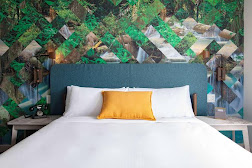
After departing the charm of Charlottetown we decided on a brief stay in Moncton, NB on our way through to Nova Scotia. We booked two nights at the hip Canvas Hotel a block off of Main Street in downtown. The hotel is a newer hybrid property with hotel rooms on the first five floors and residences on the five floors above. This is a great location which allows walking access to the river, restaurants, coffee shops and street art in downtown.


The city has a growing and diverse population with a current estimated census of 85,000. The Greater Moncton area boasts a population of approximately 152,000 and is the fastest growing region east of Ontario. The population growth has been bolstered by much needed foreign immigration to fill the shortfall of labor created by an aging population and a robust economy.

The economy here has been traditionally anchored to transportation and related industries and more recently the financial services sector and increased tourism to the area. Moncton also has a Major Junior Hockey League team — the Wildcats — the team plays in the Avenir Centre. The venue was opened in 2018 and seats 10,000 fans. The Centre also hosts major music artists for concerts (we just missed Billy Idol — dang!).
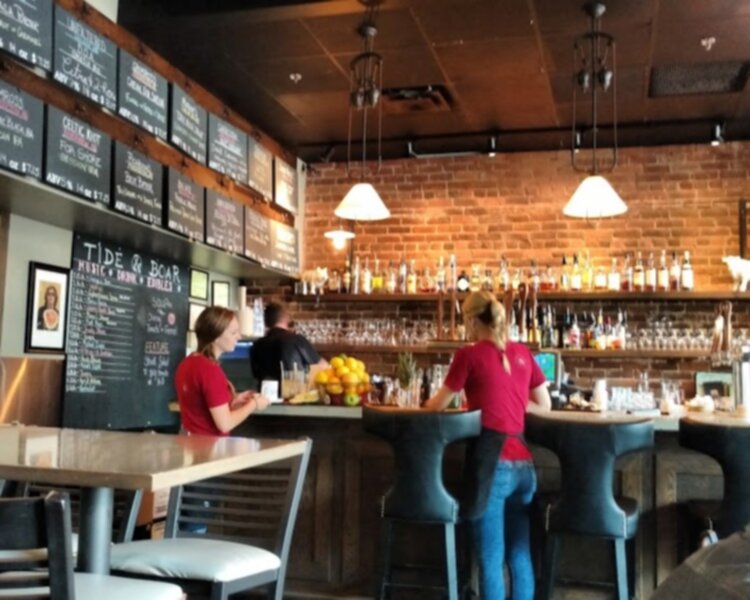
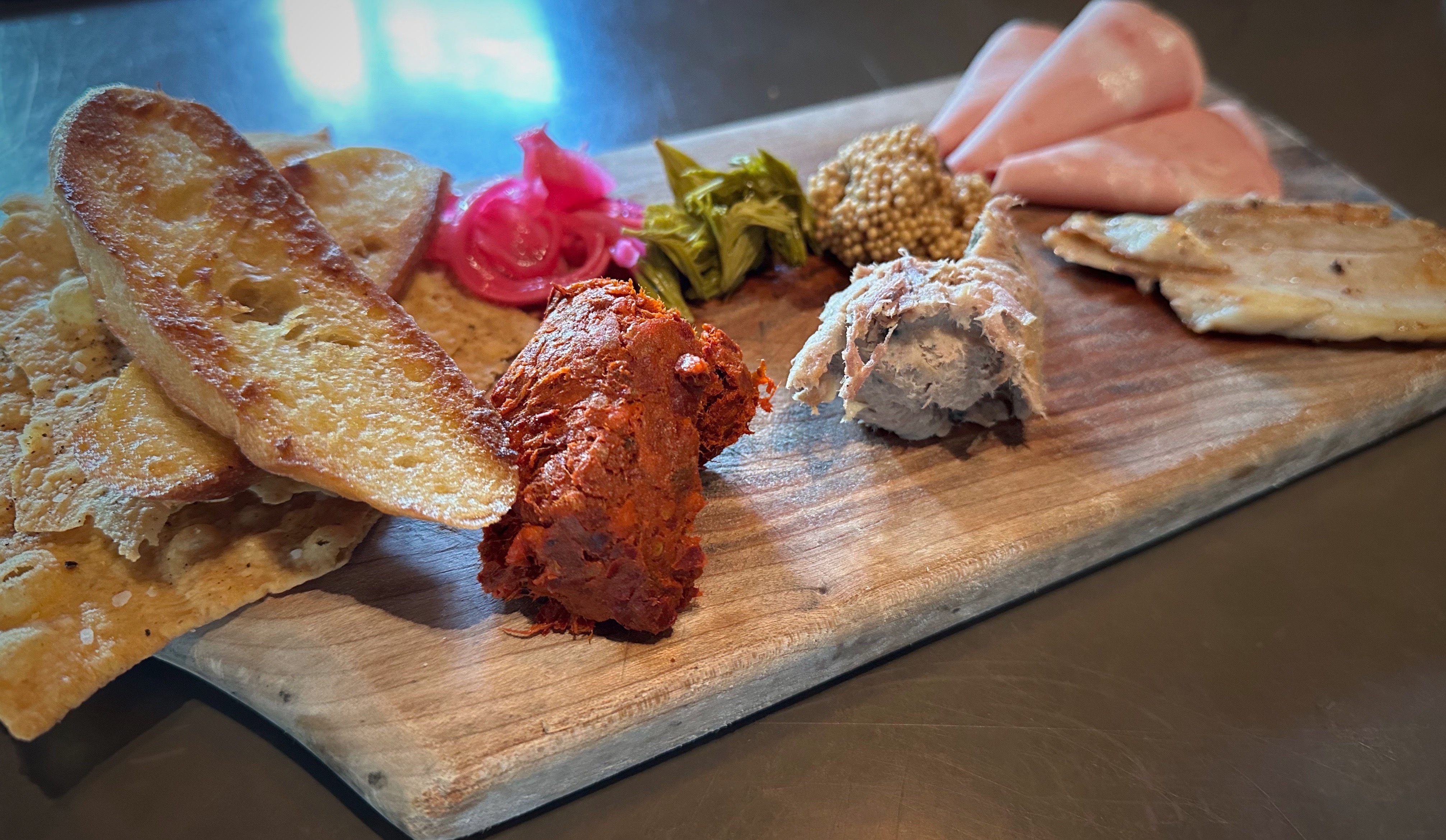
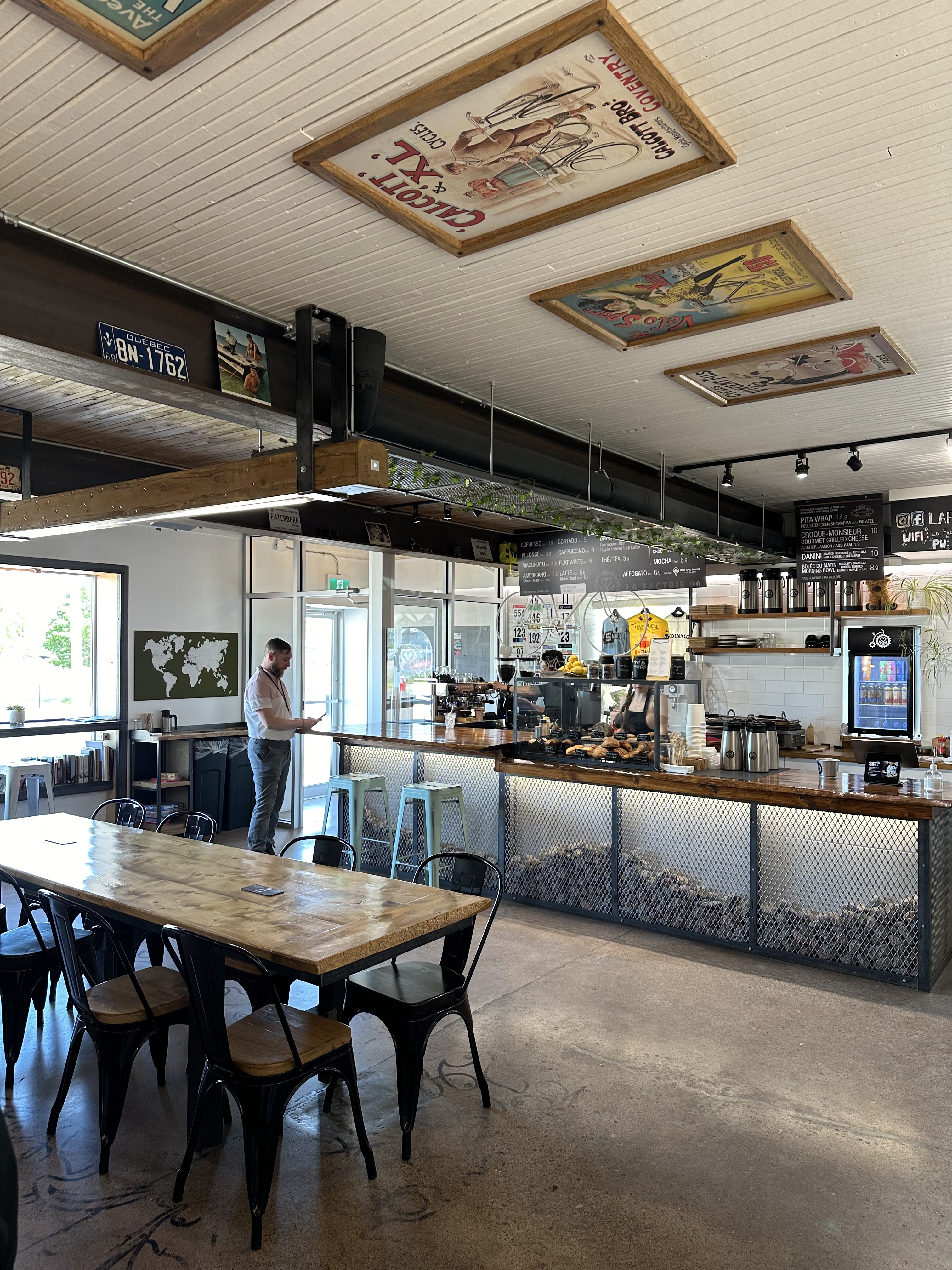
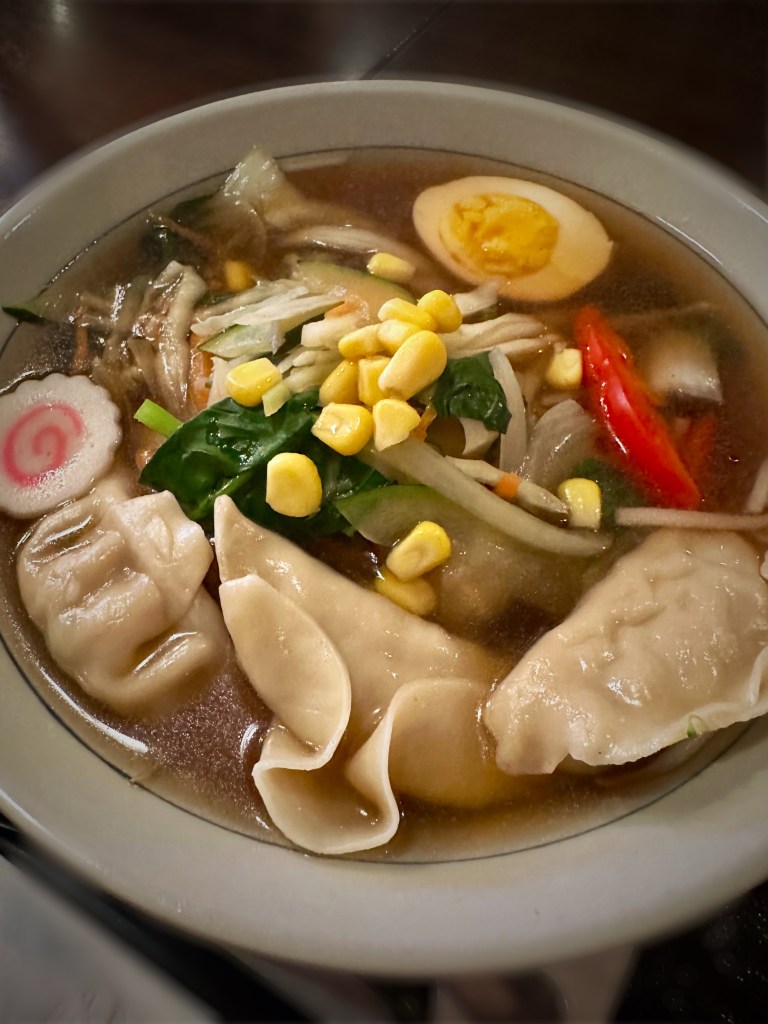
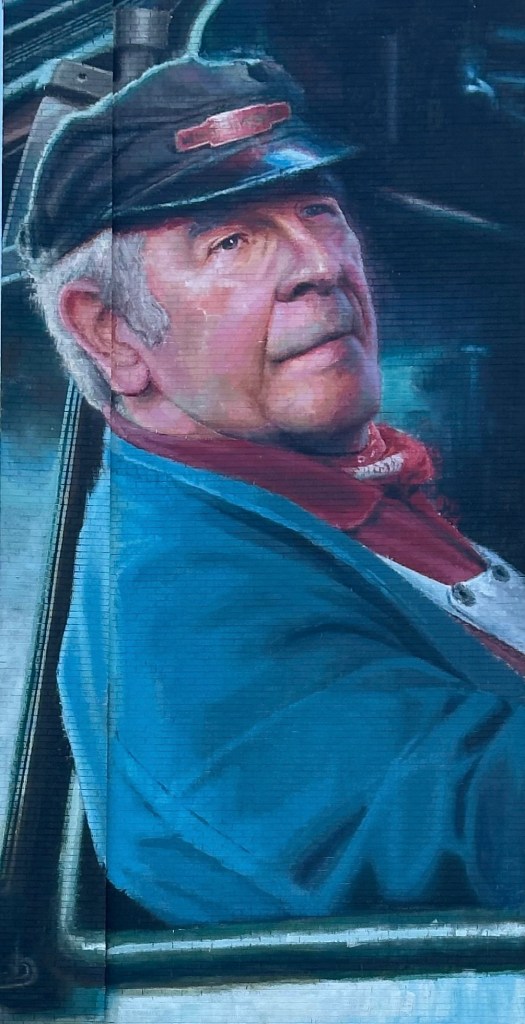
Most importantly from our perspective, the city is rife with remarkble restaurants, home to countless coffee cafes and a multitudinous mural scene (50+ murals and counting). We will let the photo collection below illustrate our 36 hours in Moncton.


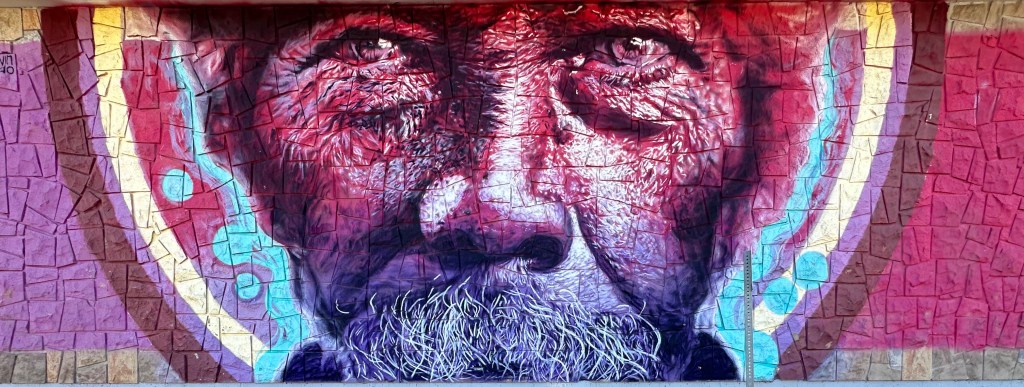


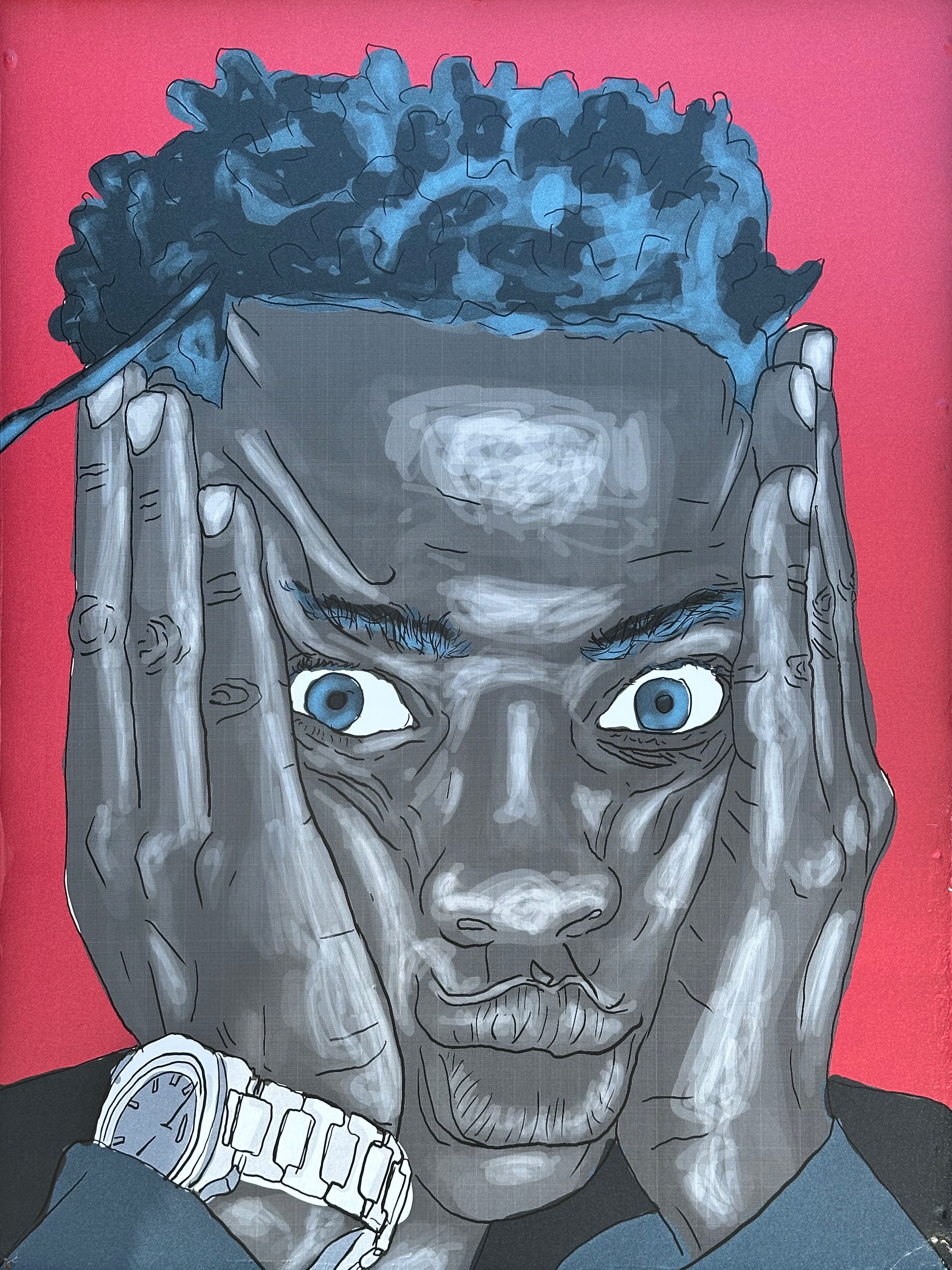
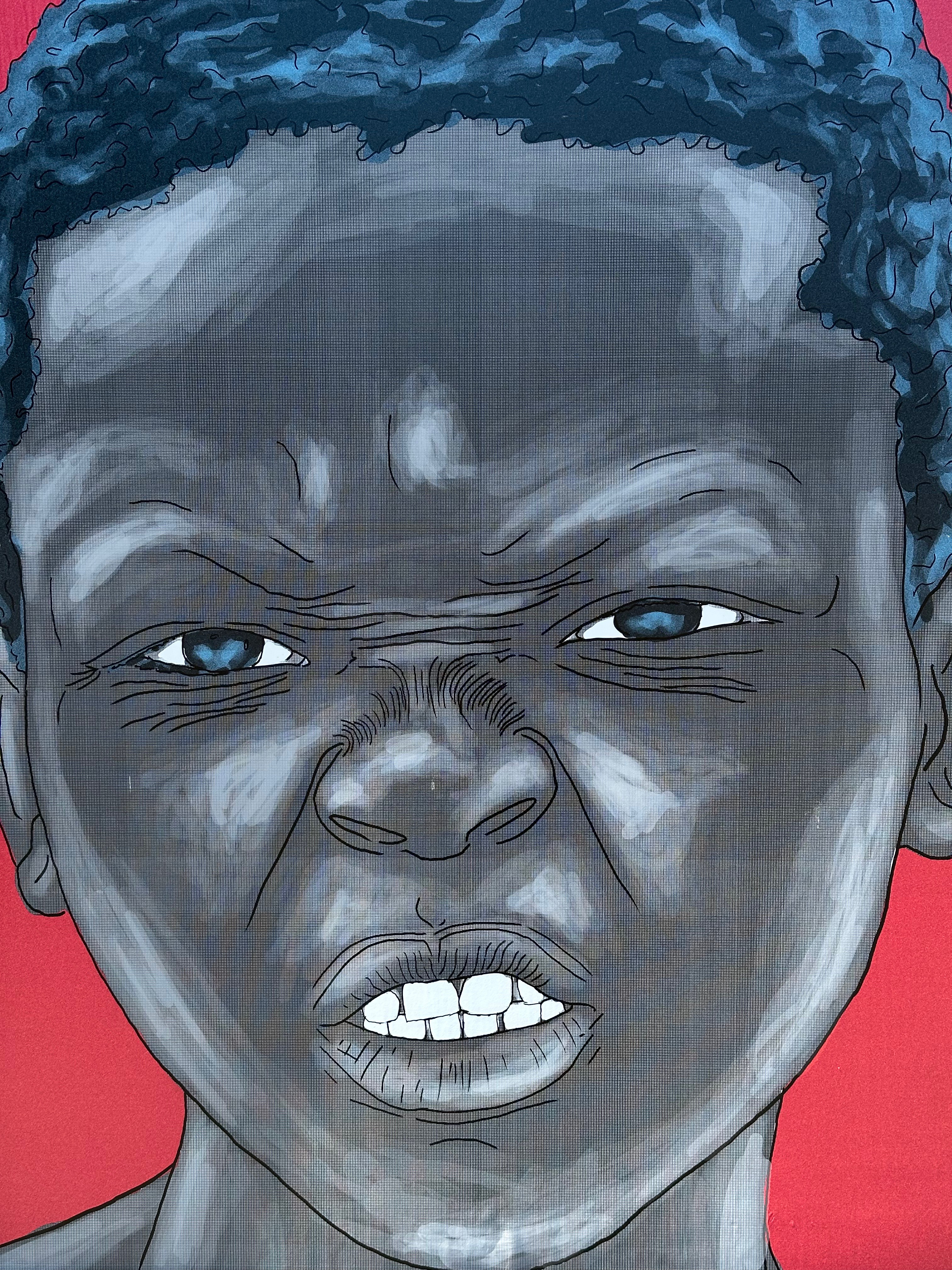
“If we can’t cry or get angry, let’s make a face to lessen our misfortune and look less ridiculous.”— Rotchild Choisy

Built in 1939 and 1940, as the Monument of Remembrance, this cathedral is a symbol of the achievements and resilience of Acadians. It recounts their history in decorative elements, such as the tower sculpture of the Assumption of the Virgin Mary, patron saint of Acadie, capitals sculpted by Acadians, and stained glass windows depicting both secular and religious events in the history of Acadie.
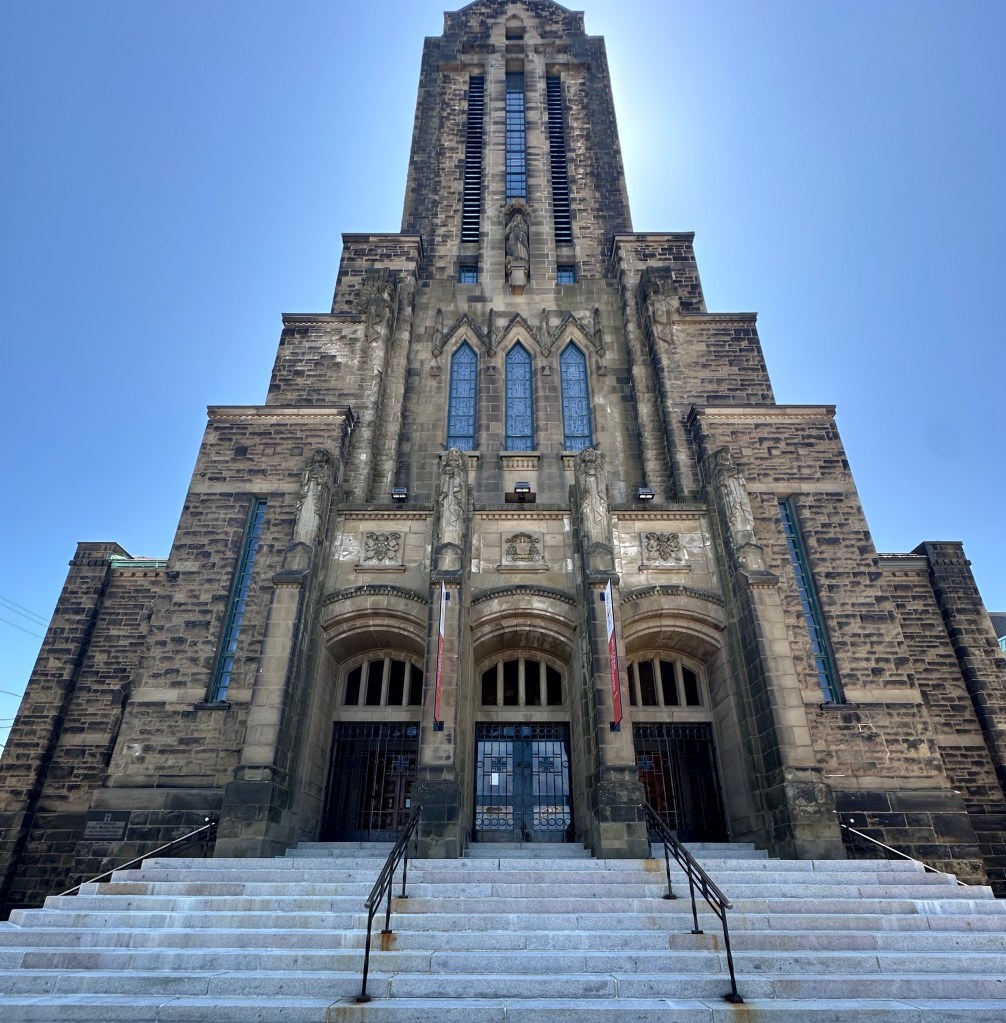
The exterior combines elements of Art Deco and Gothic Revival styles, while the interior is Romanesque. An affirmation of Acadian identity, the construction of this cathedral followed the creation of the Archdiocese of Moncton in 1936.
This cathedral is historically significant as a reminder of the Great Deportation (Grand Dérangement). When Acadians (French) living in what is now New Brunswick, Noca Scotia, Prince Edward Islands and Maine refused to sign an oath of loyalty to the British Crown they were deported en mass to the American colonies — most notably Louisianna where they became known as Cajuns. Their homes and farms were destroyed and the land was given to British loyalists.
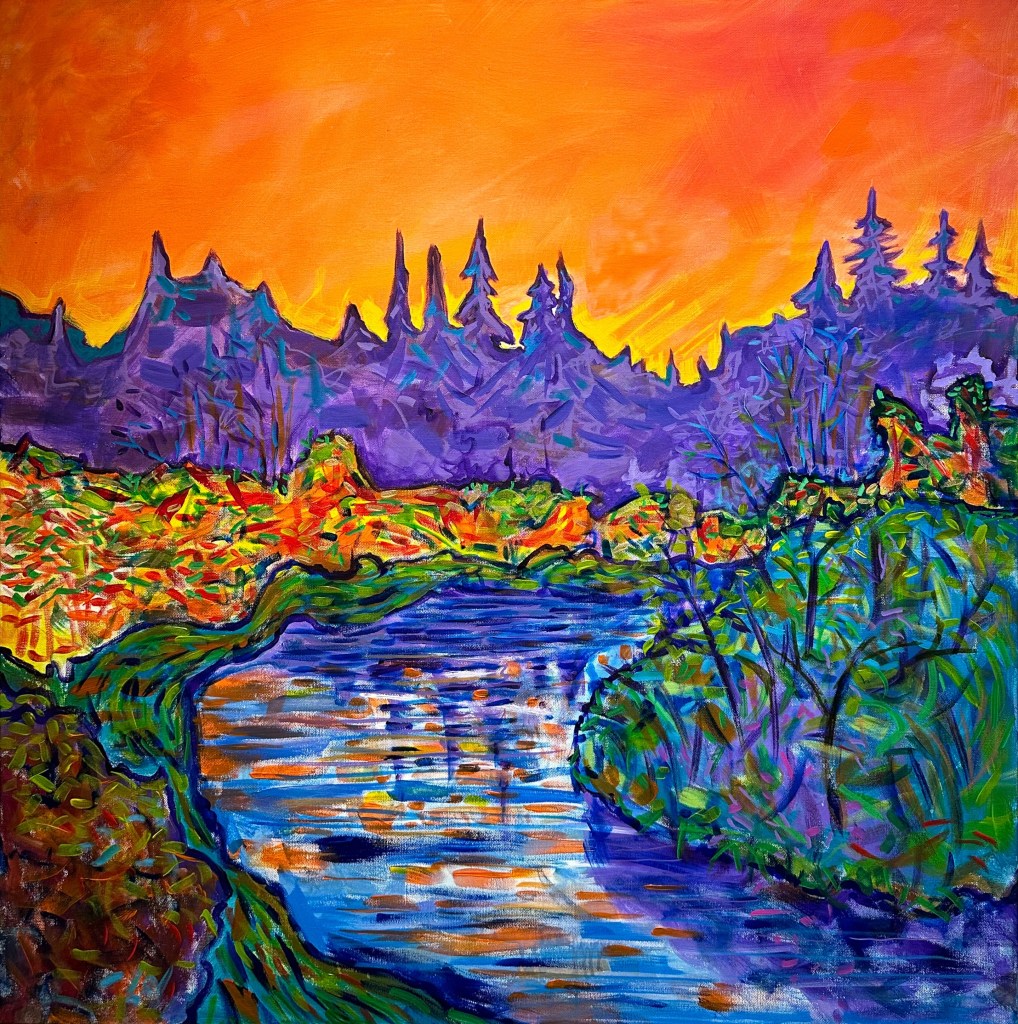
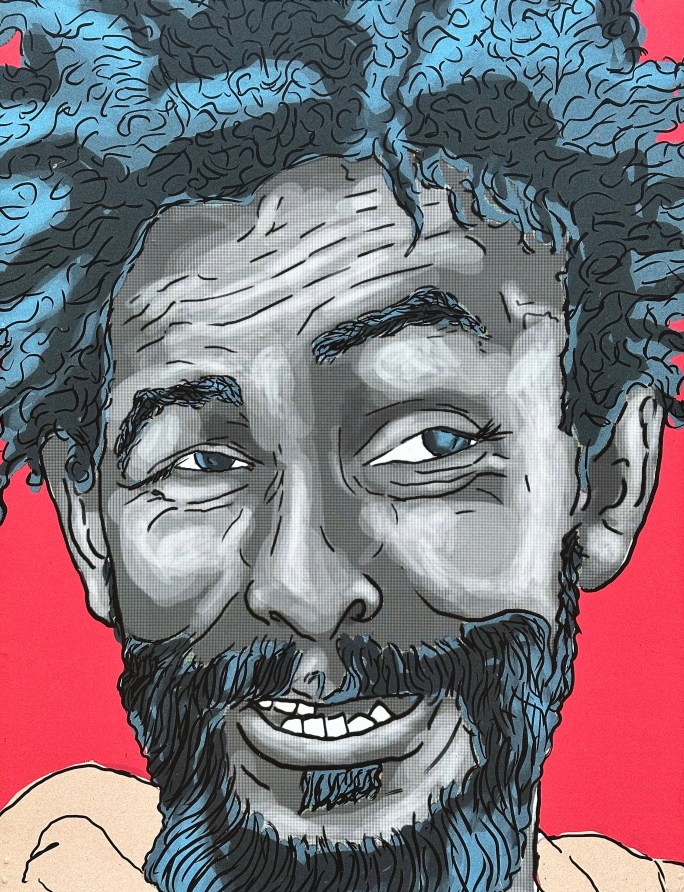
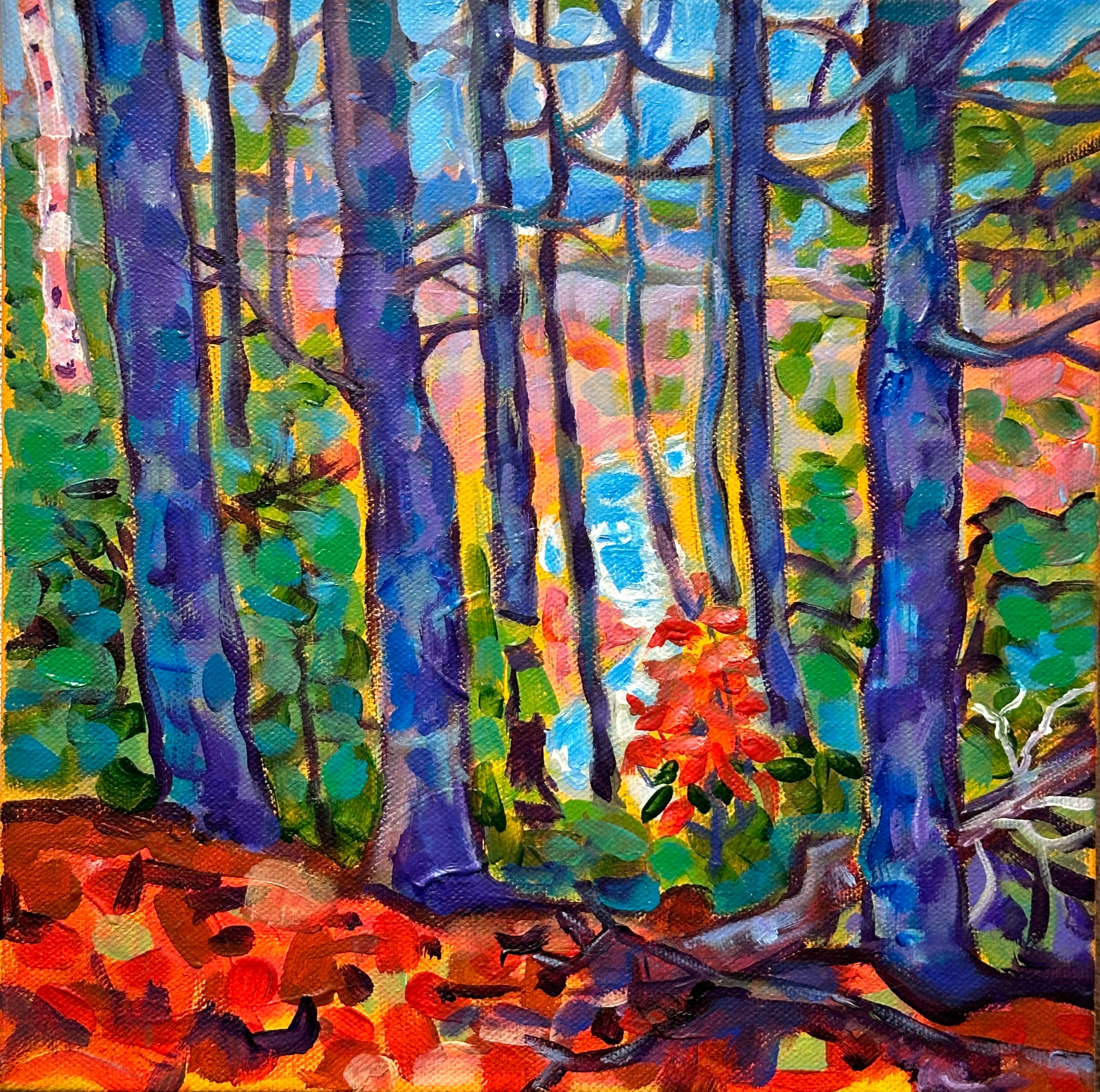
Moncton is also home to a number of fine art gallleries. We visited the Moncton Gallery housed inside the ground floor of City Hall. The small gallery currently has an exhibit of art by Luc Joseph Damien Cormier. We do not know much about the artist but we were really taken with the vibrant colors of the paintings featured in this exhibit.

If you are traveling in the Atlantic Provinces for the natural beauty of the breathtaking coastlines and quaint villages, don’t bypass Moncton. It is perfect for the classic 36 hour visit and can also be used as a base for many nearby attractions and outdoor activities. We will leave you with a couple more photos of our favorite street murals.

Our next post will cover our journey from the Canadian border to St. John.
Be seeing you!
 ON THE ROAD with Maria + Stephen