
After departing the comfort of our hotel in PWM we followed the coast north for two nights of camping in Penobscot. A highlight of the drive to Penobscot and to Deer Isle is crossing the Penobscot Narrows Bridge and the Deer Isle Bridge.
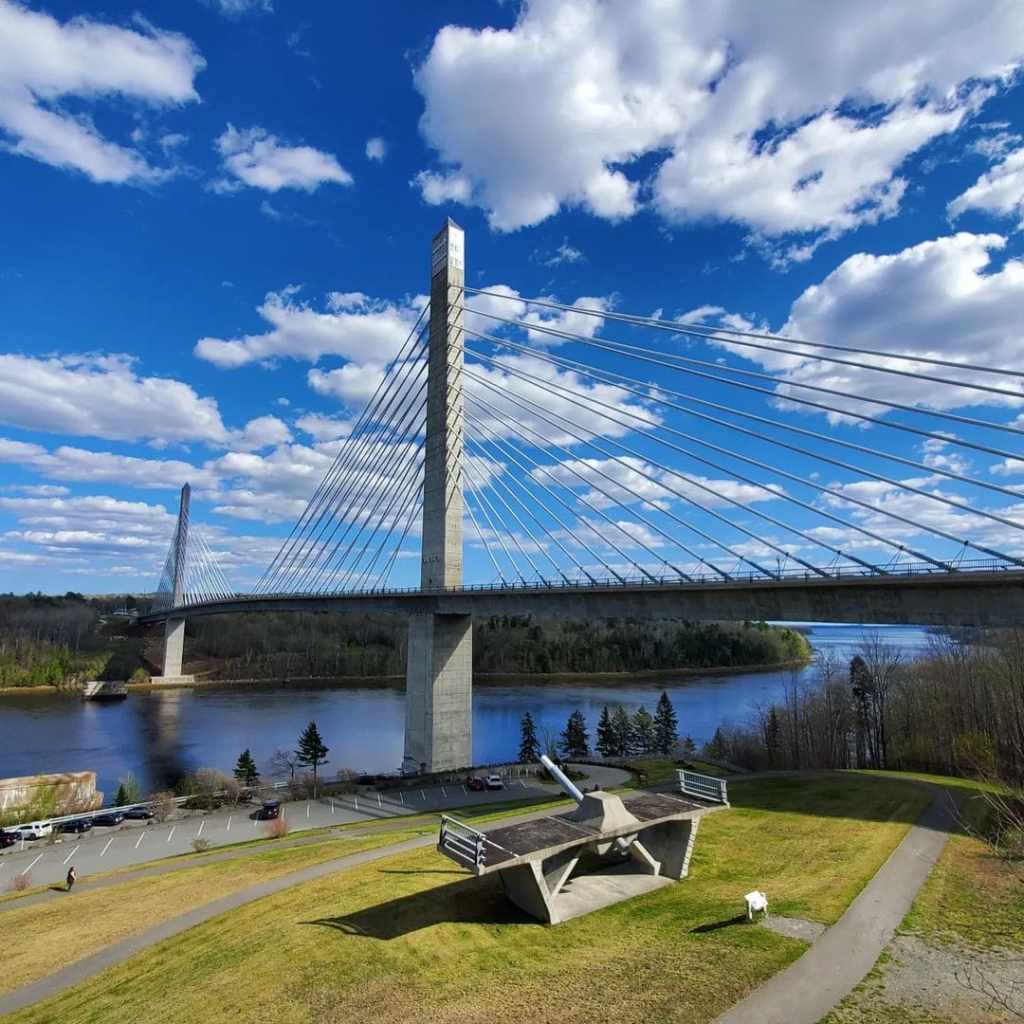
The PNB pictured above and directly below is a 2120 foot long suspension bridge which opened in 2007 as a replacement for the Waldo-Hancock Bridge. The WHB was built in 1931 and was in very bad condition. The PNB was built as an emergency replacement using new untested techniques in order to accelerate the build.


The bridge pictured directly above is the Deer Isle – Sedgwick Bridge. The DISB is an almost 1100 foot suspension bridge connecting the mainland to Deer Isle. It is the only bridge connection to Deer Isle. This bridge was opened in 1939. The bridge, when opened, had wind stability problems similar to the Tacoma Narrows Bridge. The Tacoma Narrows Bridge collapsed immediately after opening. The DISB has had additional cables attached to prevent collapse from high winds! Driving over this bridge is an adventure – the bridge is steep and narrow and frankly a bit scary – particularly given the history of other similar bridges.

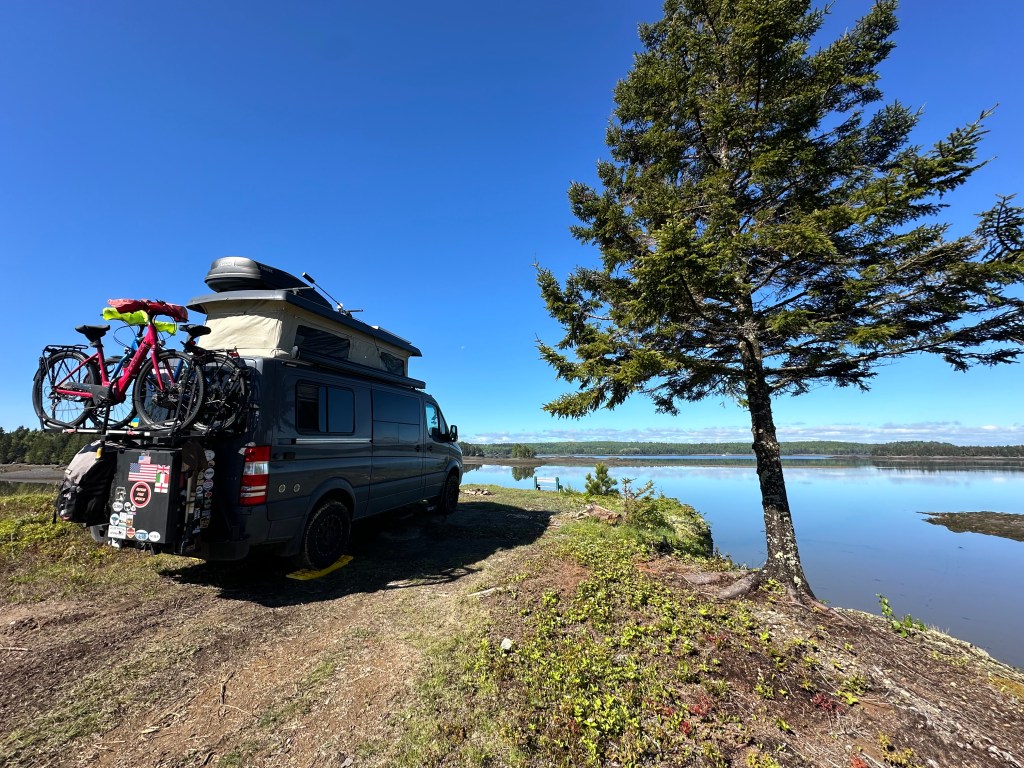
Through HipCamp we found a family that hosts just three campsites spread across 50 acres of blueberry fields. This location provided us with privacy and wonderful scenery as we relaxed by our campfire in the evenings.


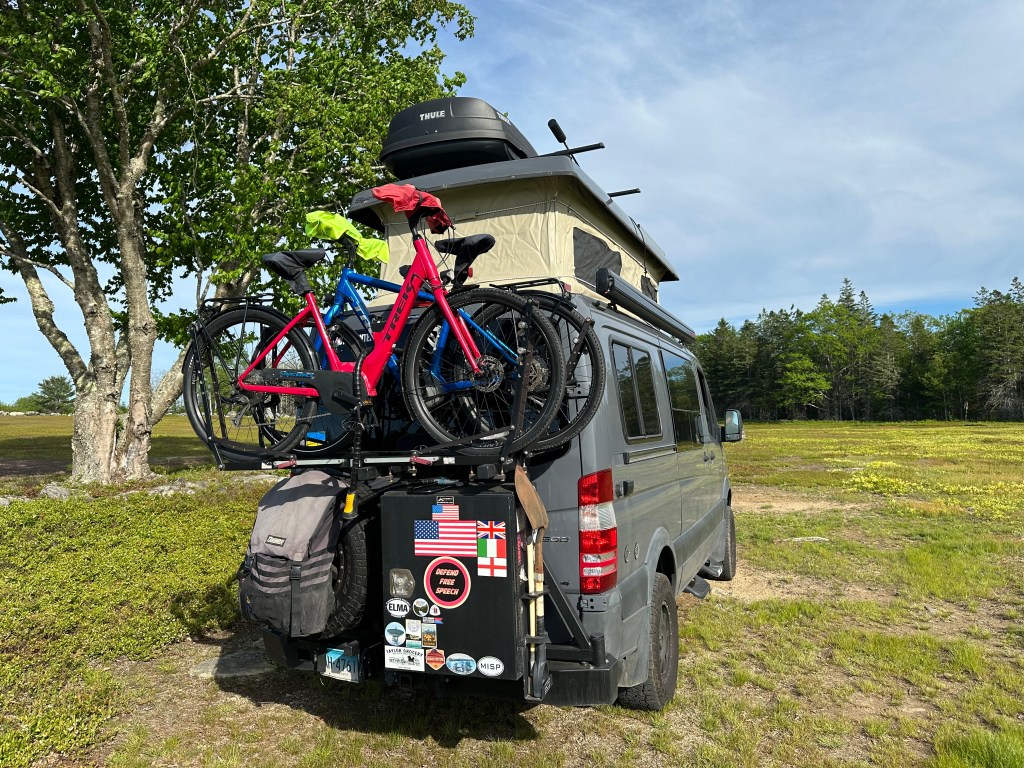
We embarked on a short road trip from our campsite south over the bridge onto Little Deer Isle and from there crossed over to Deer Isle. Deer Isle has two towns-the eponymous Deer Isle and Stonington, which is nestled at the southern end of the Isle on the Gulf of Maine.

Stonington has become somewhat of a tourist destination with Main Street predominately occupied by restaurants and retail establishments. The year round population of the Isle remains small at about 3000 residents. The mainstay of the local economy remains lobstering, although the granite industry has made a small comeback in recent years.
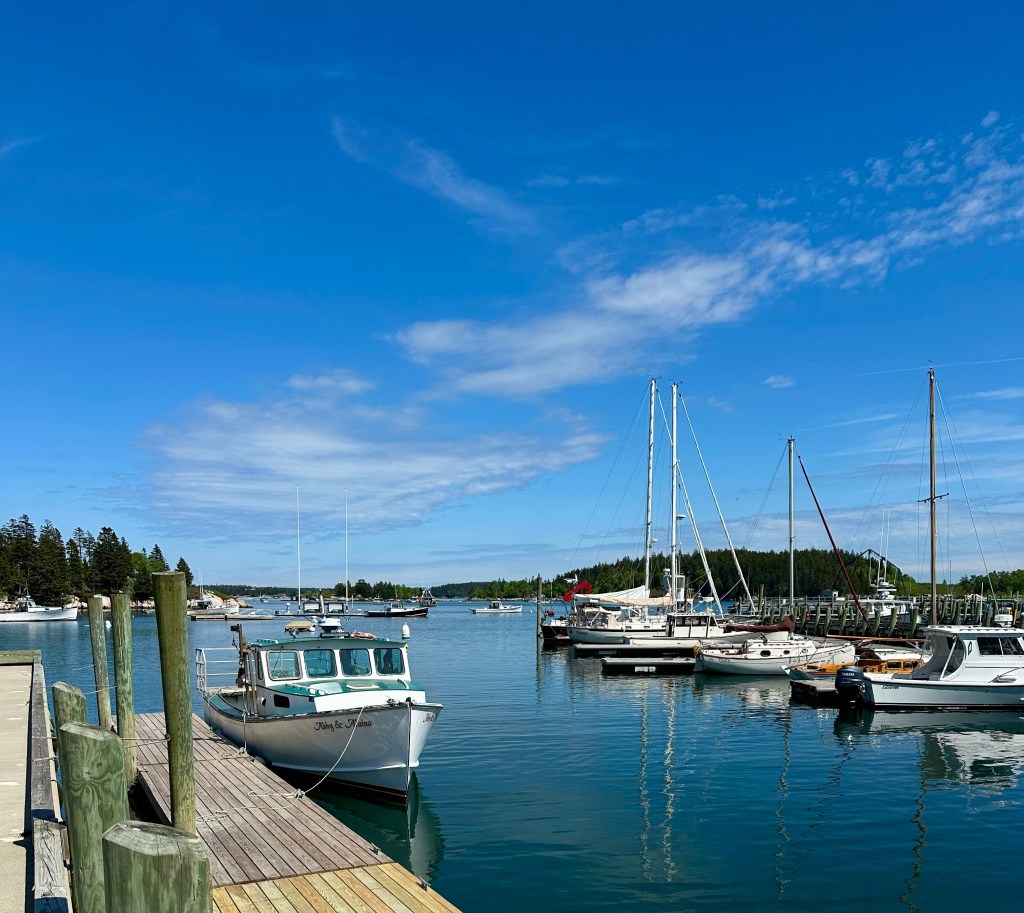

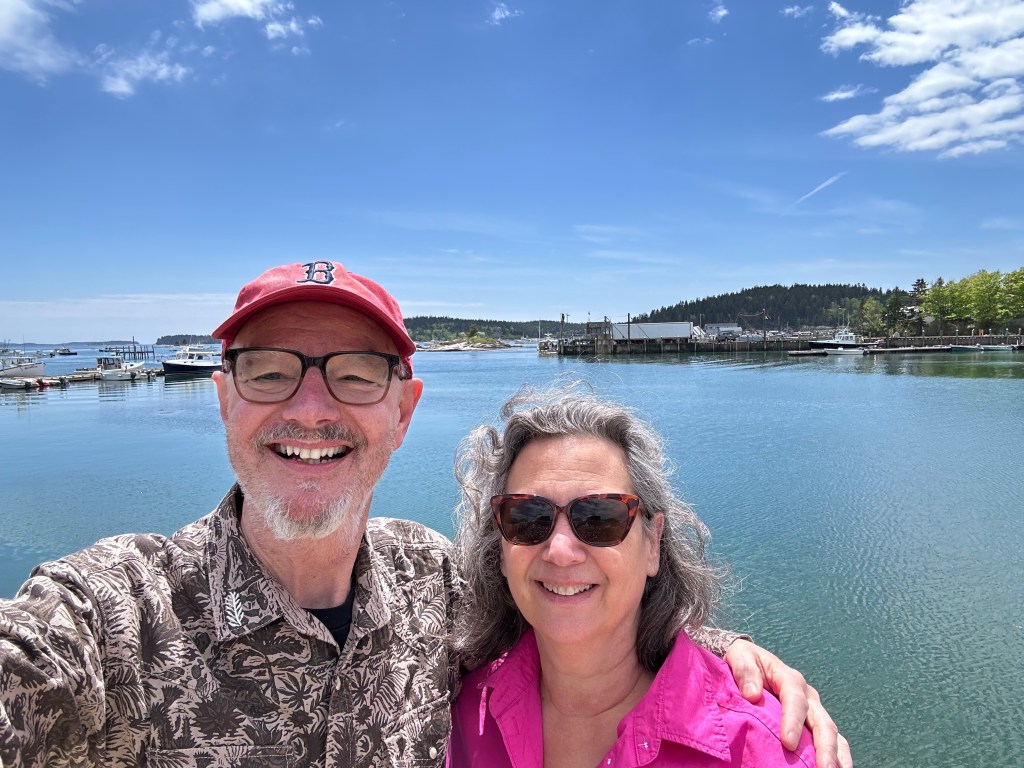

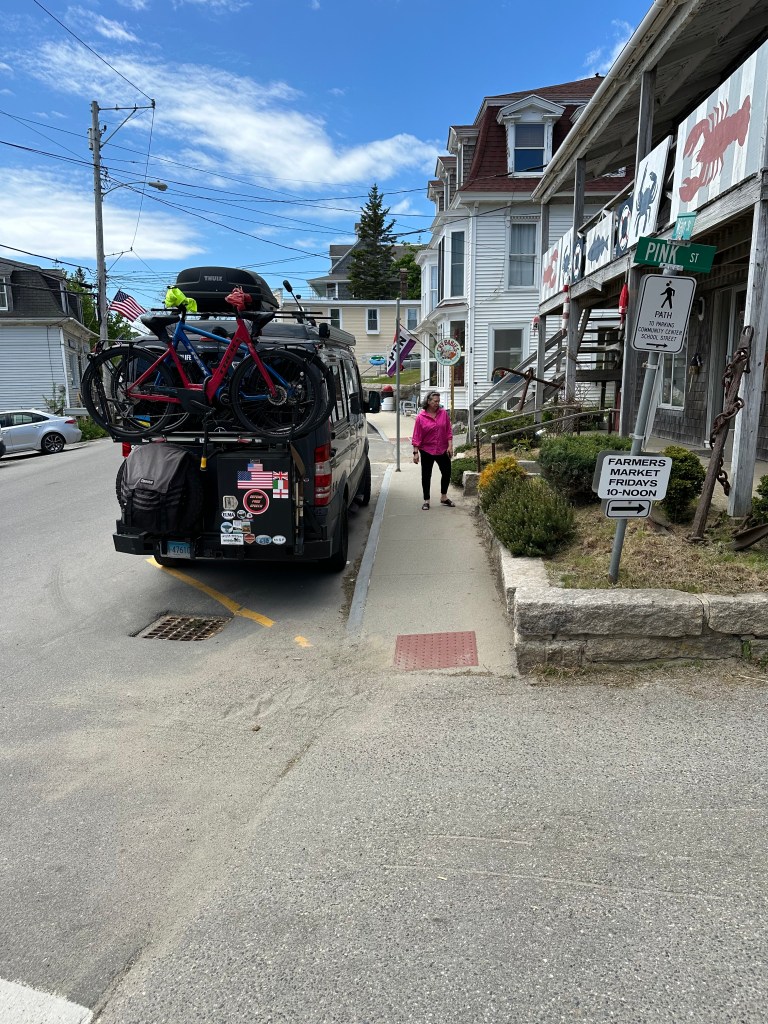
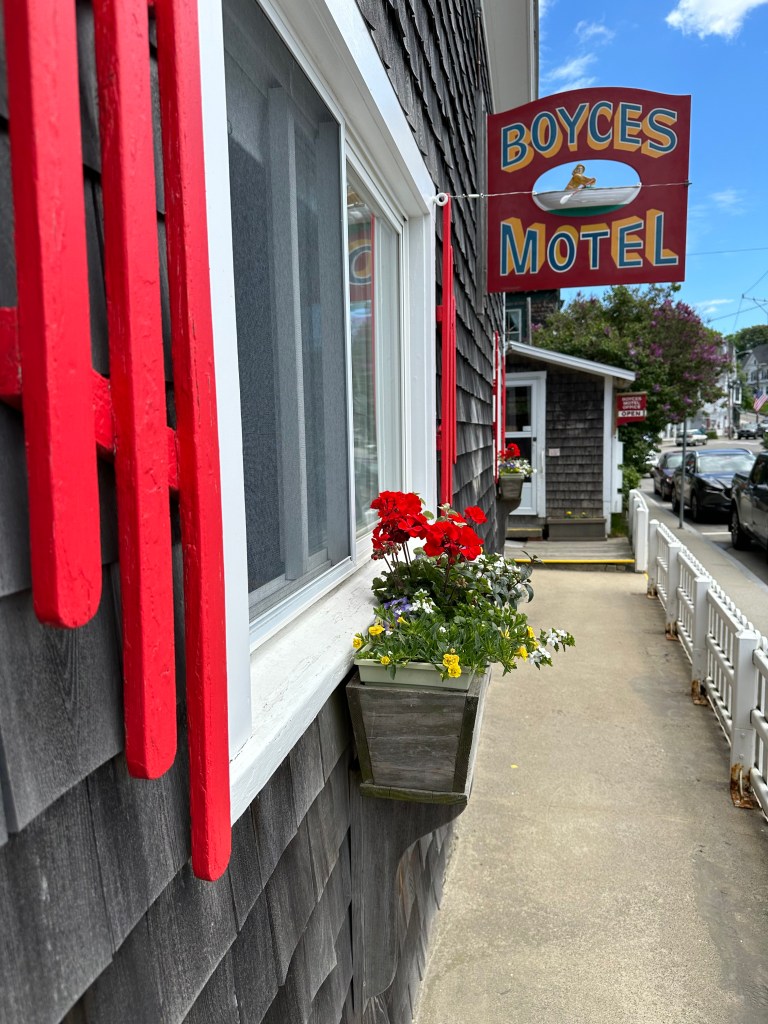

At one time there were over 130 granite quarries operating along the coast of Maine. Many of the quarries are actually on the numerous small islands dotting the coastline. Today there is a quarry operation on Crotch Island (Yep!), a short distance offshore from the harbor at Stonington. Granite is extracted and moved to shore via barges.
Of course, for thousands of years before the arrival of Europeans settling in what is now Maine this area was home to the Penobscot.

The Penobscot (penawahpkekeyak) lived off of the bounty of the Penobscot River and Basin for thousands of years. After the arrival of settlers from Europe the Penobscot fought with the French against the British. When the British defeated the French the Penobscot signed a peace treaty with the British in order to avoid being deported to Canada.
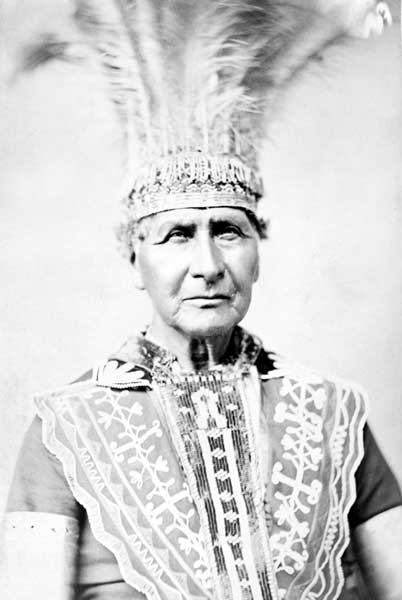
With the advent of the Revolutionary War the Penobscot allied themselves with the American revolutionaries. Their support of the Americans was based on agreements that the Penobscot homeland would remain intact. None other than George Wasington agreed to this arrangement in a letter dated in 1777! Well, we all know how this story ends.
Today, the Penobscot are a federally recognized nation and a member of the Wabanaki Alliance of tribes. A portion of the Nation’s land was returned after a court case (The Maine Indian Claims Settlement Act – 1980) found in favor of the Penobscot and other tribes.
As a result of the legal settlement the Penobscot have 4000 acres of reservation land spread across 200 islands in the Penobscot River (their ancestral home as riverine people). Additionally, the Nation has 90,000 acres of land in trust which they manage. The trust land consists of nine locations in Maine.
There are currently 2400 people enrolled as members of the Penobscot Nation. The Nation has a fully independent system of government including it’s own judicial system. Two members of the Nation represent the Penobscot as non-voting members of the Maine State Legislature.
We departed Penobscot for a night in Bangor before heading to Calais to enter Canada. Staying the night in Bangor provided us with the opportunity to replenish supplies and more importantly make up for our specialty coffee and tea deficit. An added bonus was the chance to shoot several excellent murals.

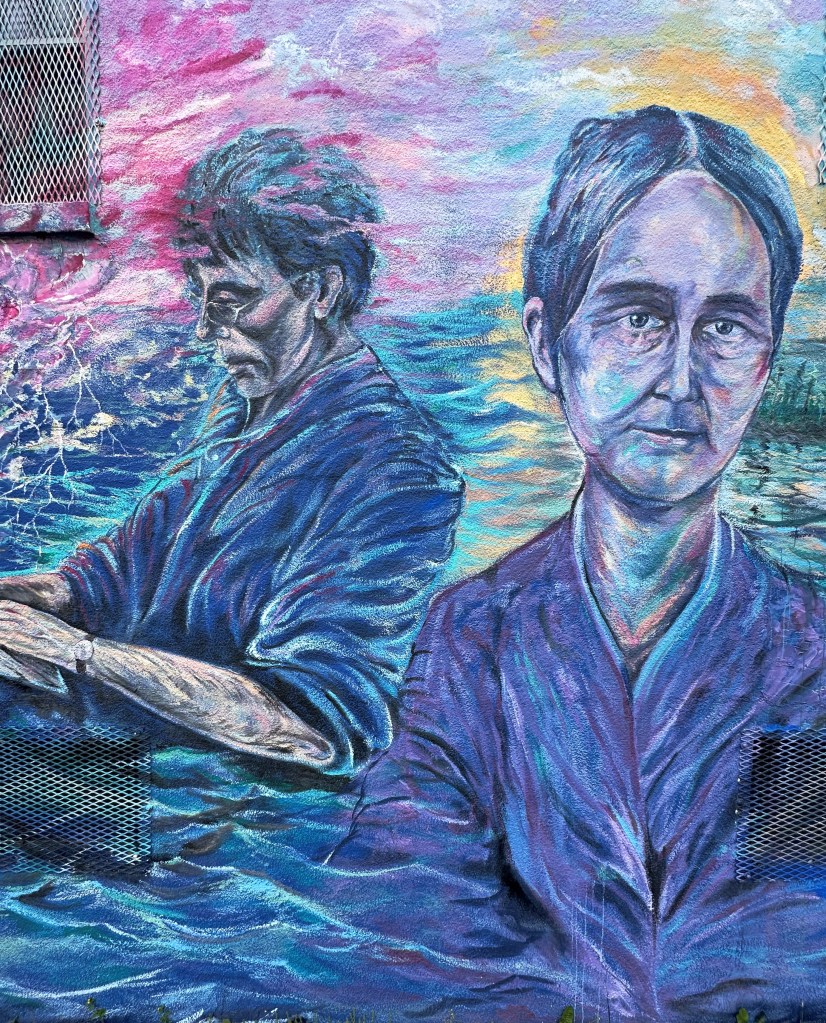




Chimera Coffee has been operating in Bangor for a couple of years. The owner had relocated from Dallas looking for a less crowded, hectic environment which offered cultural and oudoor activities. This worked out well for us as neither of the two specialty coffee shops in the Deer Isles had yet opened for the season. Thank you Chimera! P.S.Chimera serves Tandem Coffee!

Well that is pretty much a wrap for Maine. We will cover the enhanced security now in effect at the border and our travels along the beautiful coast of Fundy Bay in New Brunswick in our next post.
Be seeing you!

 ON THE ROAD with Maria + Stephen
Good for you two . Travel when you can . Take a close look at this great country . curly
LikeLike
Curly — how are you? Steve
LikeLike
so beautiful I love Maine! Safe Travels! John
LikeLike
love this recap.
enjoy and stay safe!
the pictures and the written history of your travels were lovely. Miss you guys !
LikeLike