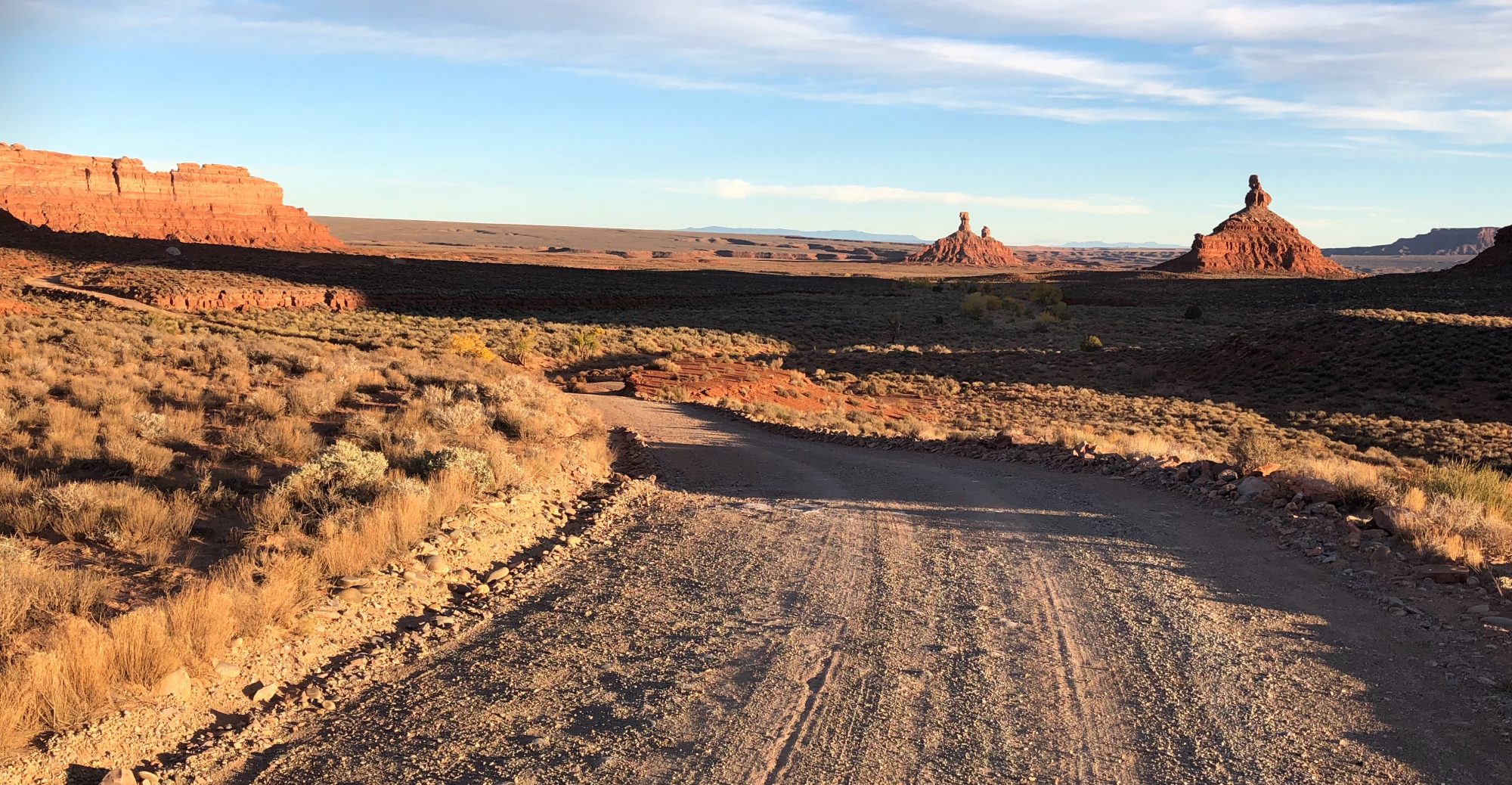
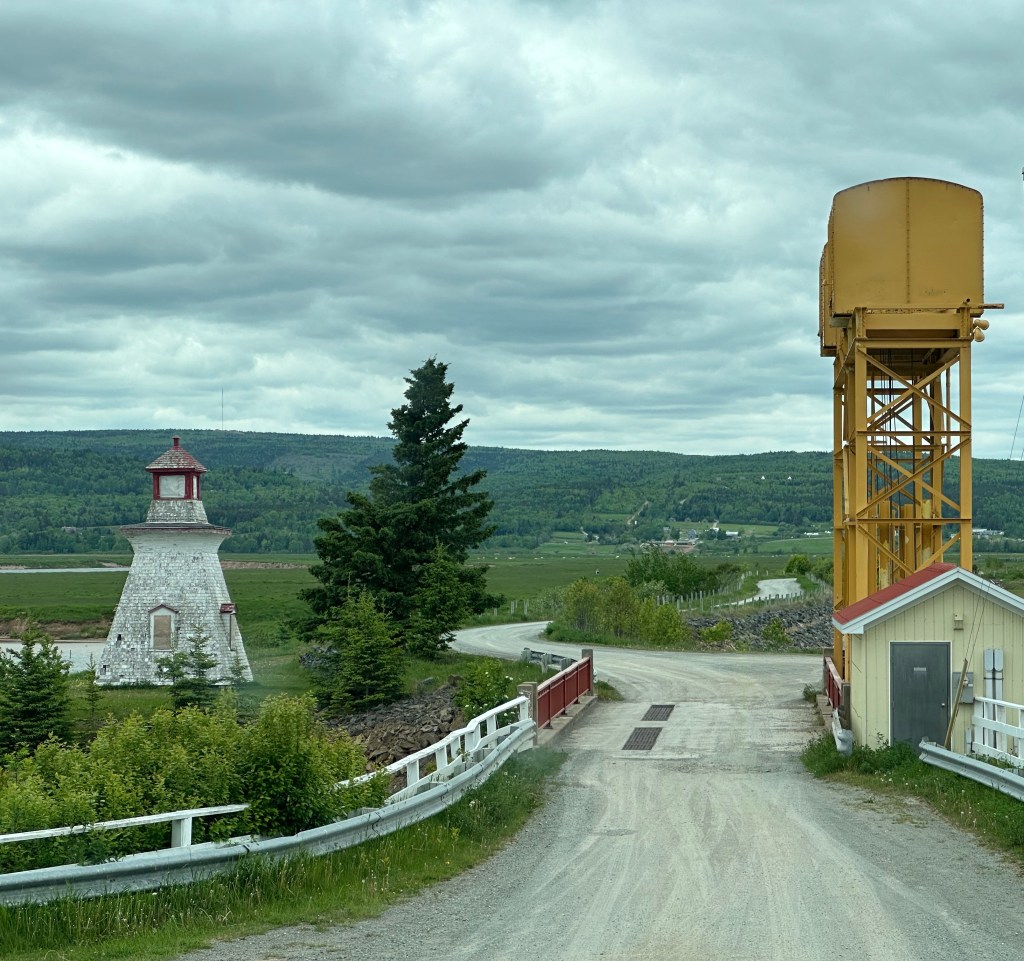
We made our way to St. John following the coast and sticking as much as possible to roads less traveled (which we have found are most often more scenic and historically interesting).


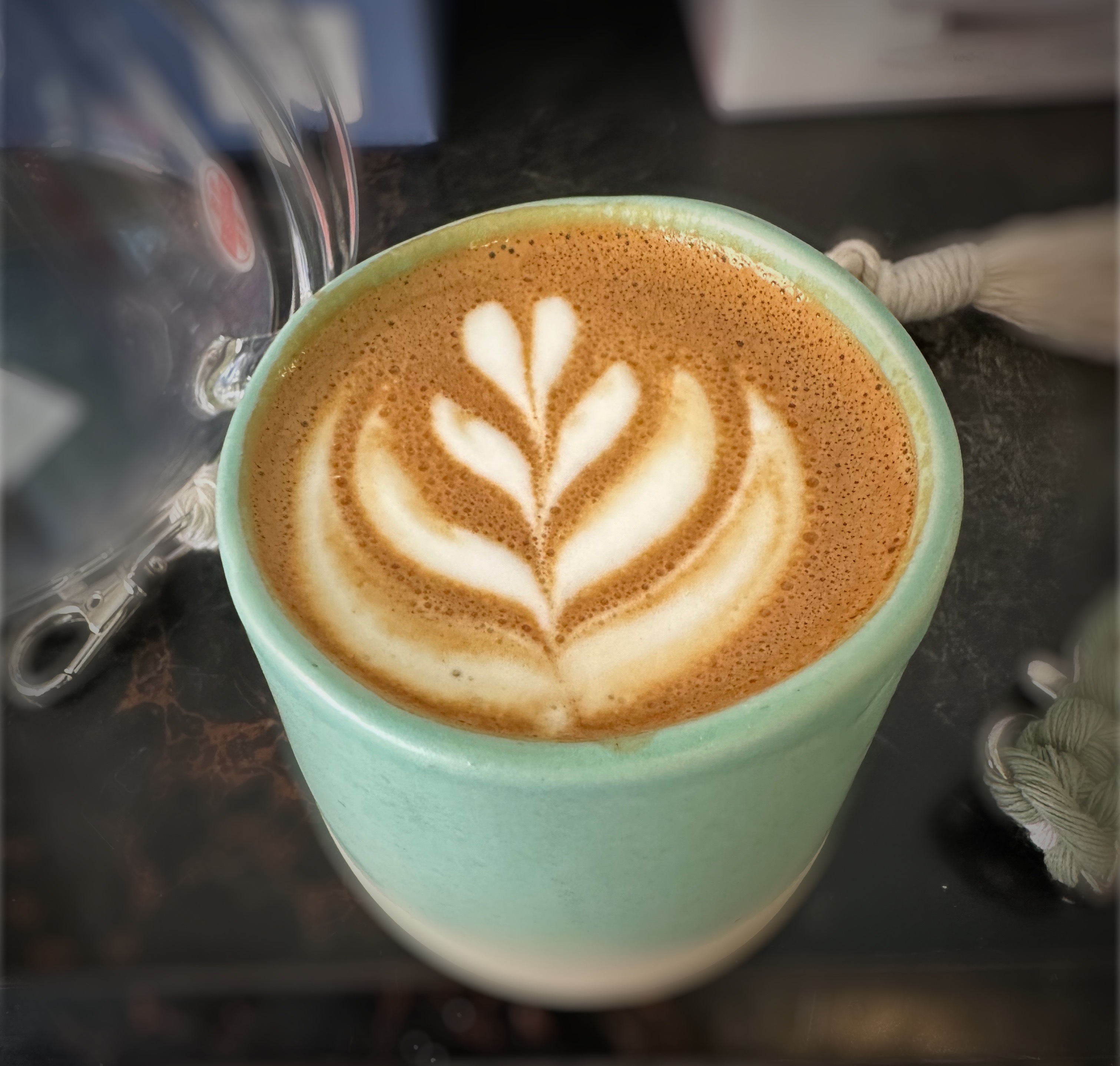
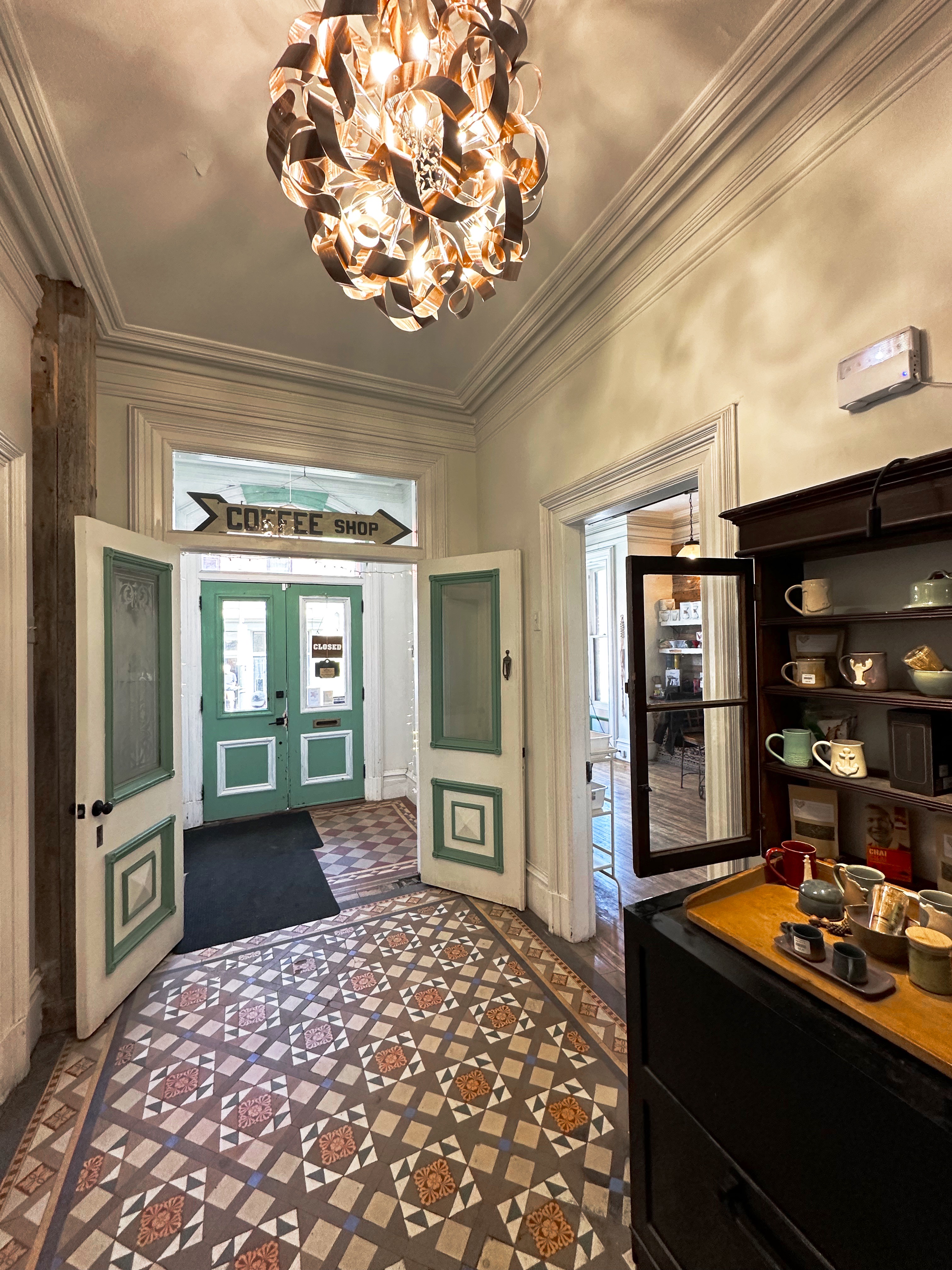
After arriving in St. John we secured the Beast at the hotel and set out for our first coffee session in St. John. Catapault Coffee was only a five minute walk from the hotel. Since it was still morning a capuccino was in order followed by a cortado. Catapault is a mission based coffee shop — “Part of the way we express this faith is by looking for opportunities to reduce the unemployment, hunger, homelessness, and medical costs in our city”. We are always happy to support coffee shops with a tangible mission to support the less fortunate in their community (and of course serve excellent coffee and tea).


Fortuitously, this building-sized mural was staring at us from across the street as we approached the cafe. This mural was commissioned as part of Festival Inspire. The artist Mique Michele is from Ontario and is a highly regarded grafittist and advocate for issues impacting First Nations people (Michele is of Metis-Franco heritage).


We spotted the top of the mural above while walking back to the hotel. We walked down the hill and located this 80 foot high extravaganza on the back of an apartment building facing an empty lot. The street mural scene in St. John is relatively small but appears to have some folks committed to increasing the space dedicated to public art. The two murals above were our favorites.
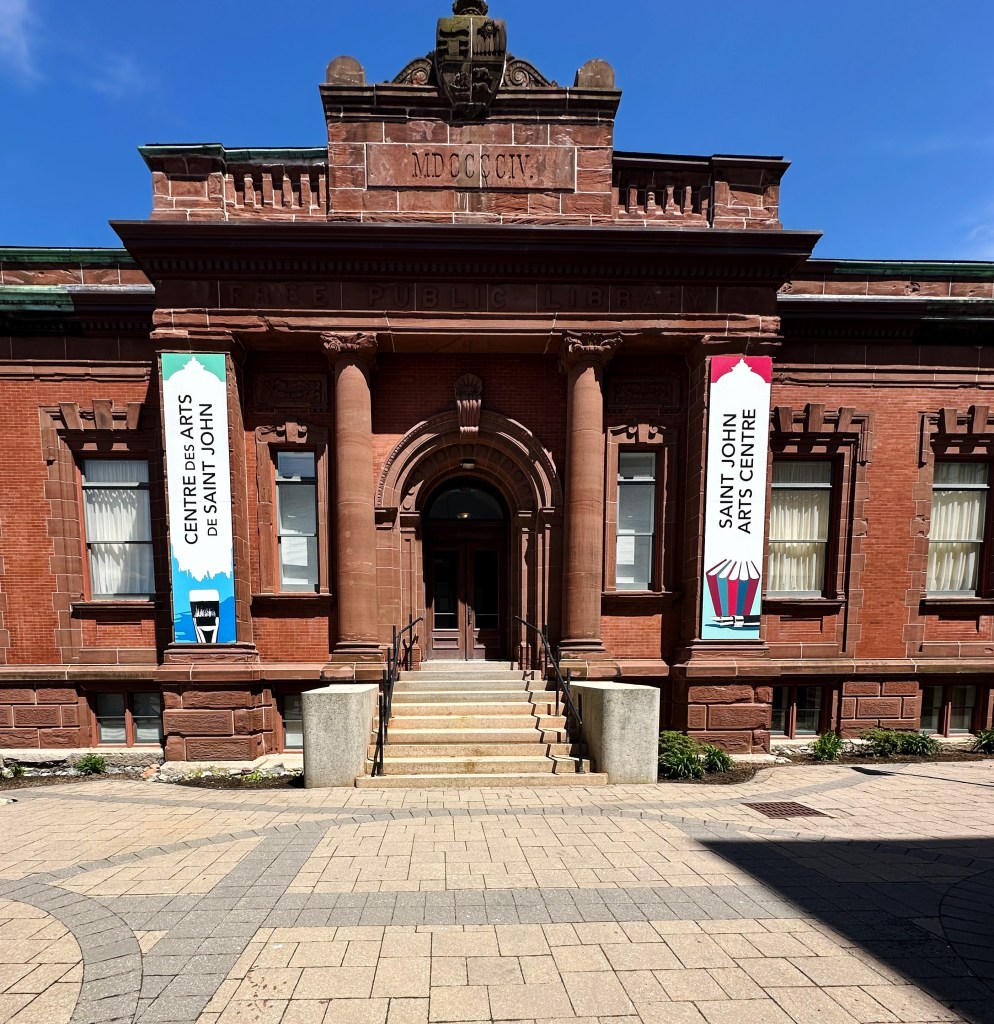
St. John also has a small fine arts exhibition space at the St. Johns Art Centre. The space hosts art exhibits and musical recitals and also offers art classes.

The space that the art centre currently occupies is the former city library. This was a Carnegie library built with funds donated by the Scottish-American business tycoon and philanthropist. Carnegie funded the building of over 2500 free public libraries in North America. The library in St. John is one of three in the eastern provinces. The current city library is housed at Market Square on the water at the harbor.
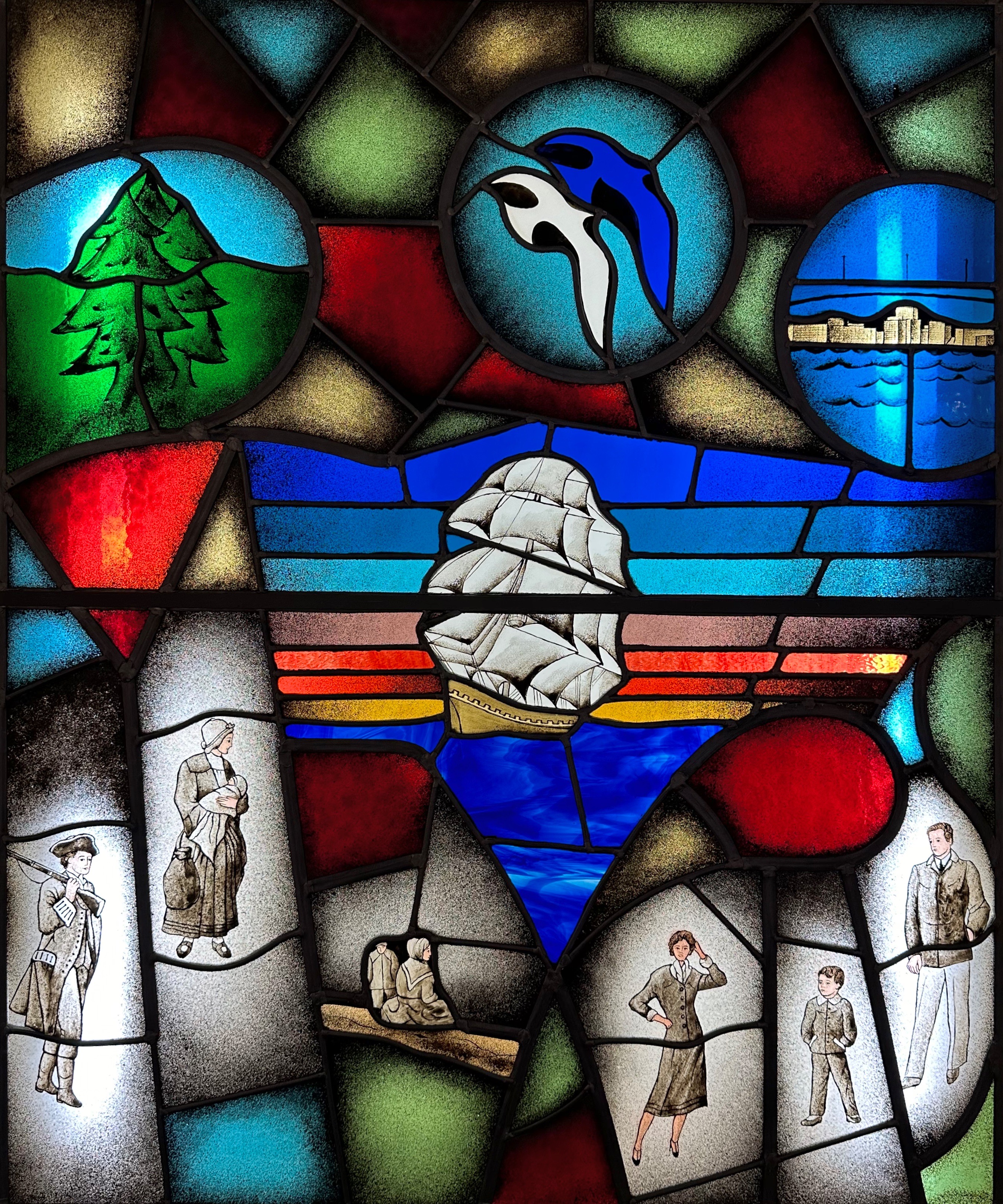
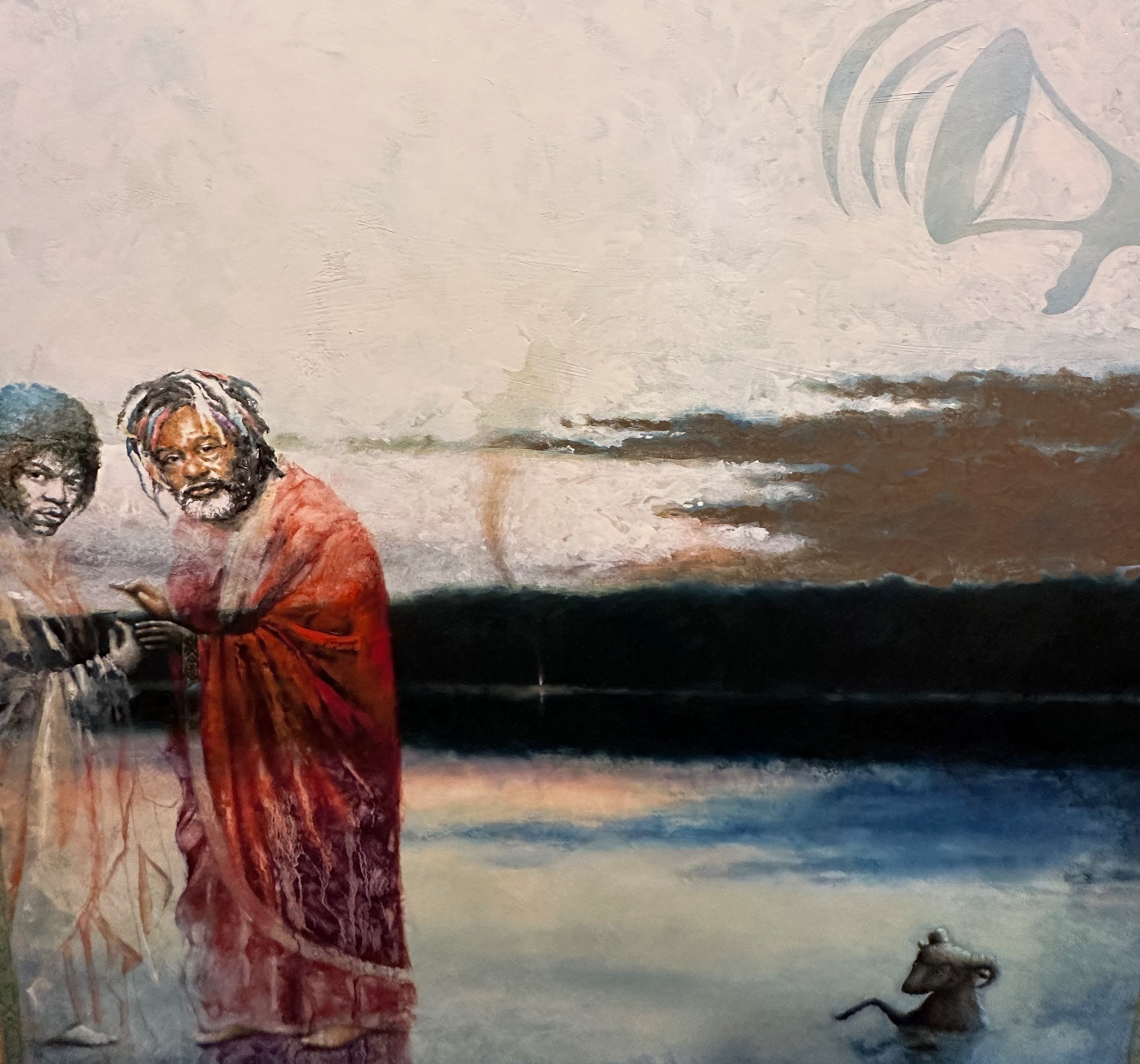

Art invariably necessitated the need for more coffee while we reflected on the the art we had just viewed……so we set off for our second coffee shop —The Art Warehouse.

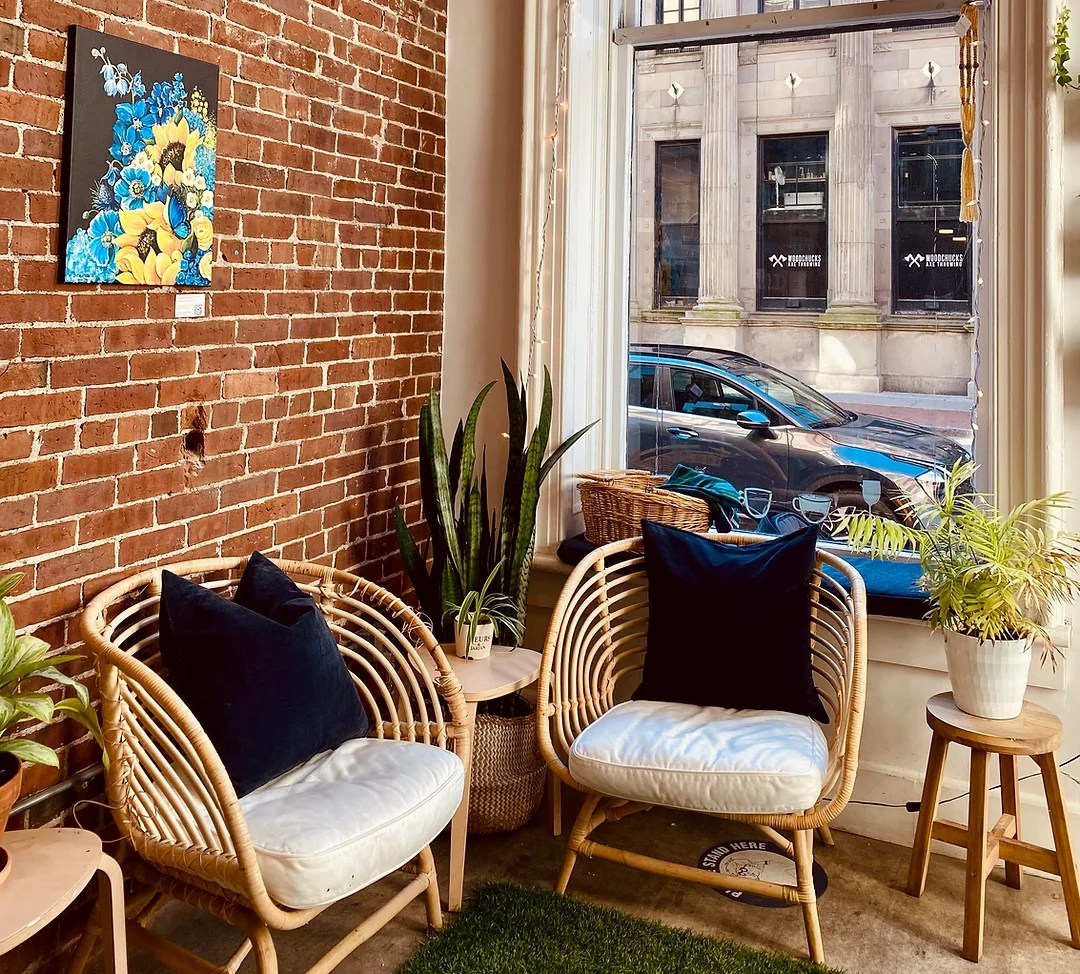

We had an opportunity to chat with our barrista, Jamie, during a lull in the action. Jamie is also a musician and songwriter when not plying his craft as a barrista. His band Jamie and the Crooked Teeth is well known in the eastern provinces and they have released several albums. He has also released several songs as part of an accoustic trio that performs as Pretty Western.
We will close with a bit of history (as always). The title of this post is St. John and the Loyalists. Samuel-de-Champlain named the St. John River in honour of St. Jean the Baptiste while exploring the area in 1604. The anglicized version of the name stuck although the British eventually took control of Nova Scotia. Today there are still many French speakers here as well as in the other eastern provinces.
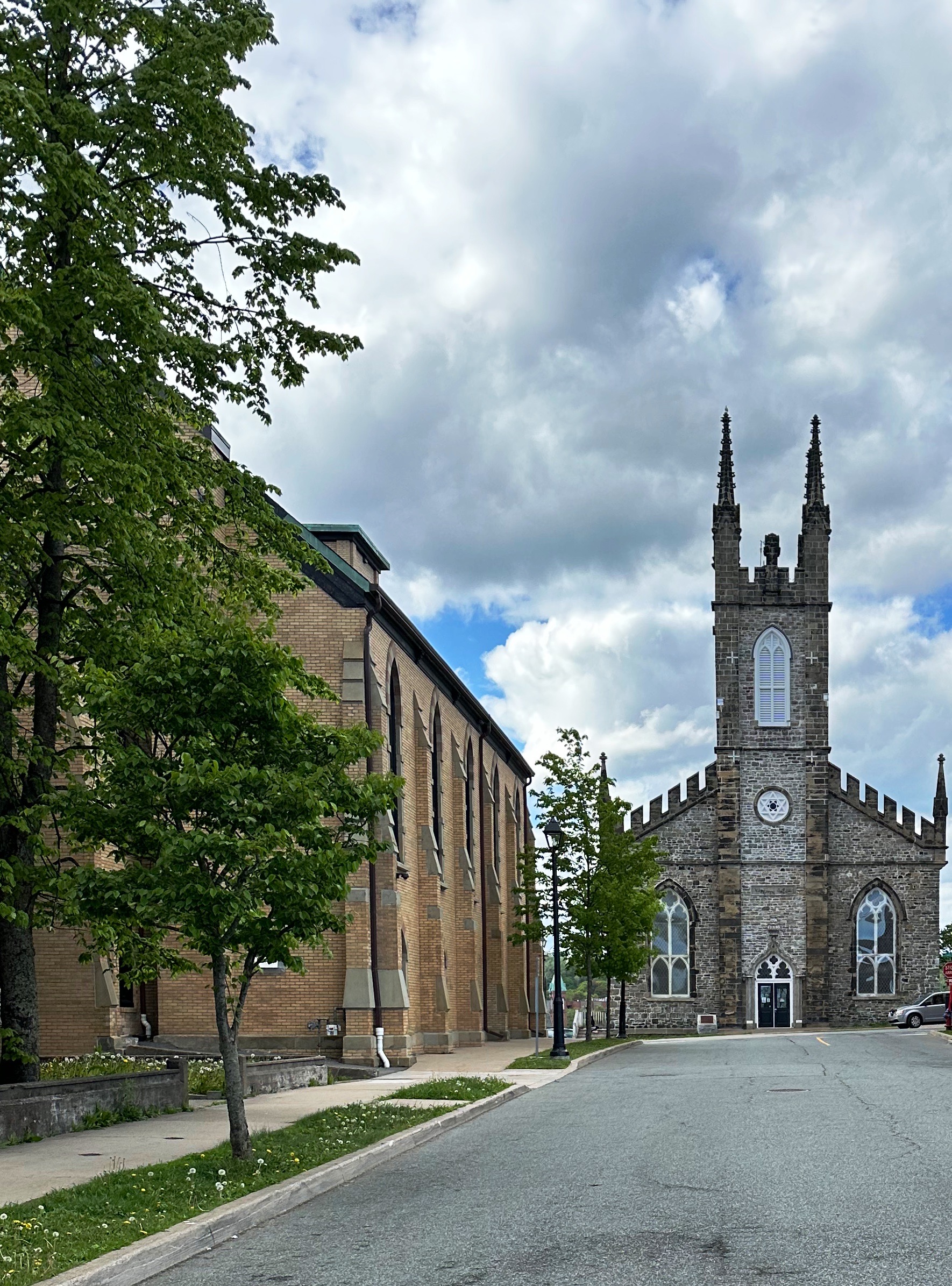

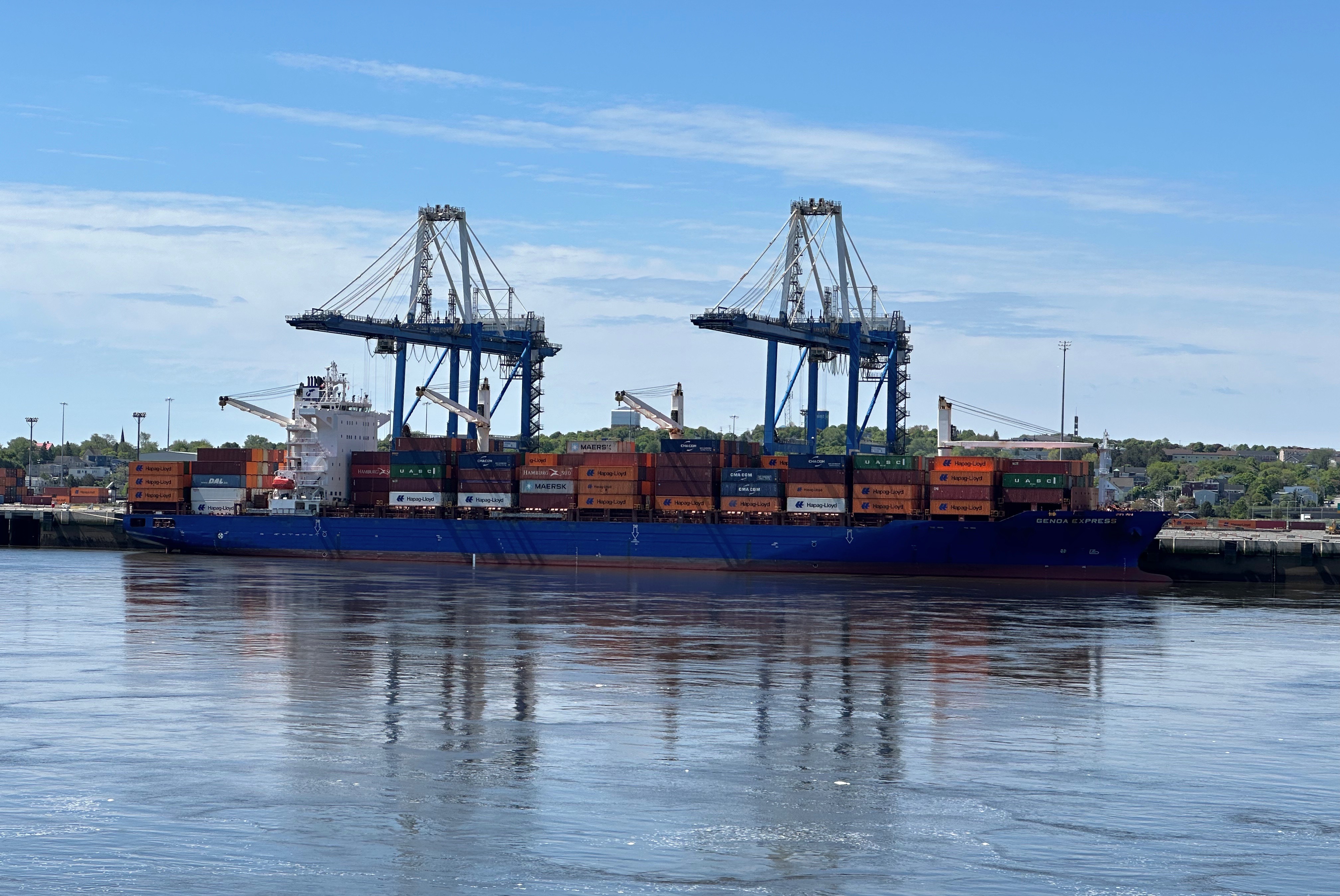
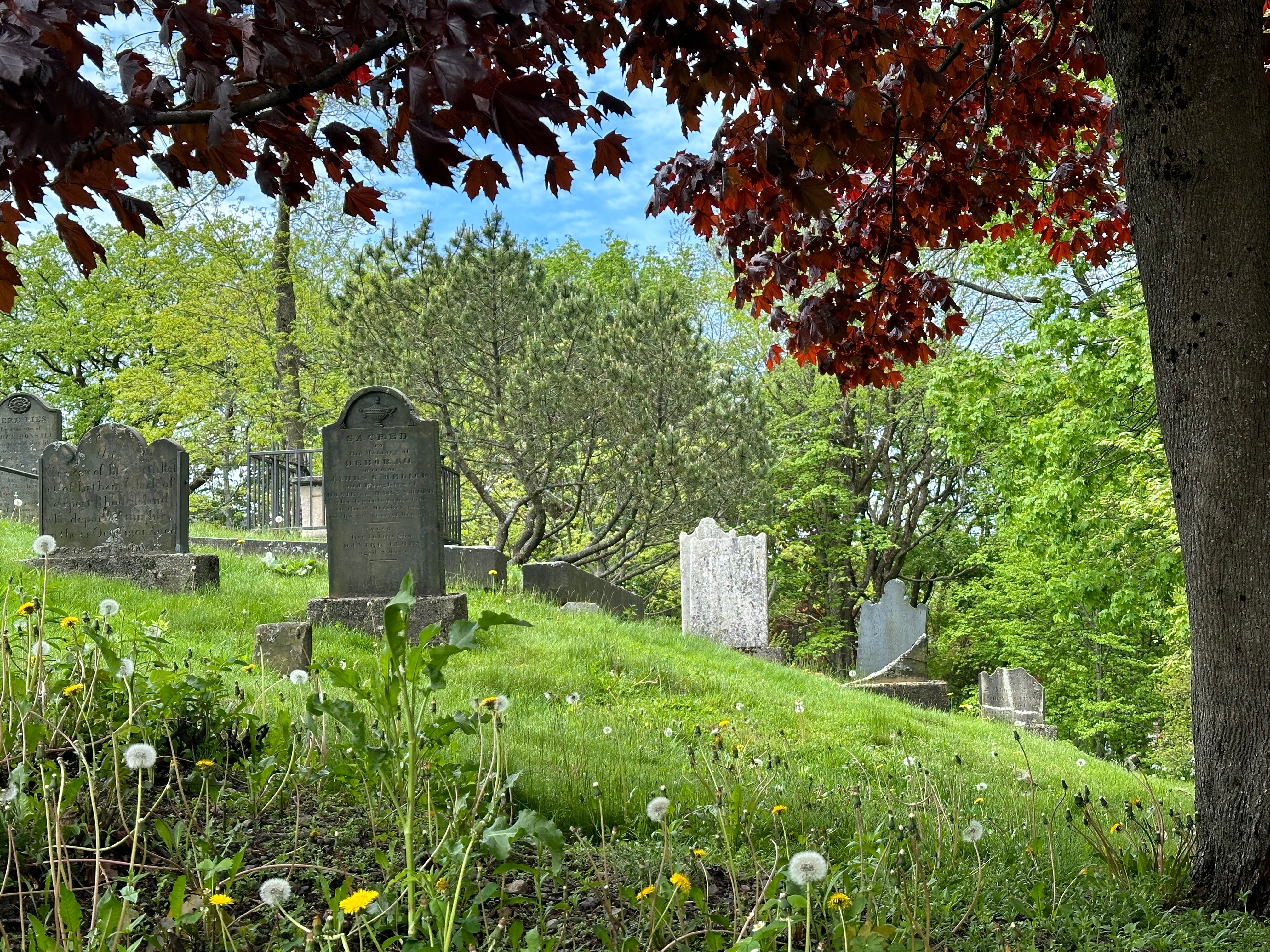
Okay — finally — the Loyalists! While you may not recall this fact from your U.S. history courses (probably because it was not mentioned) there were a considerable number of British colonialists that wished to remain British! The text below is from the Loyalist House in St. John.
The Loyalists
Our first refugees were American Exiles arriving in 1783-1784, the Loyalist Refugees, a multicultural group with Afro, Aboriginal, Dutch, German, English, Irish, Welsh and Scottish ethnicity from America. One hundred thousand came north – 15,000 of these Refugees arrived in Saint John Harbour by way of the Bay of Fundy. Their entrepreneurial/pioneering spirit helped them to survive. They slept in tents during those first winters, some died. New York and Boston were the last two ports of evacuation for this exodus, they were farmers, labourers, and trades people. These American exiles lost what they owned and came here like many other refugees and immigrants in search of safety and a new life. The aboriginal people the Wolastoqiyik [people of the Beautiful River] were the first people of our community.
Be seeing you!

 ON THE ROAD with Maria + Stephen