
After our delightful pit stop in Moncton, New Brunswick, we began the trek south for our first visit to the province officially named Nova Scotia. Not coincidentally, the land was given to Sir William Alexander by King James VI of SCOTLAND in 1621. For some unknowable reason Sir William decided that it should be formally known by the Latin name Nova Scotia. Of course, like all lands in North America there were indigenous people already here — who called this land Mi’kma’ki.
Historical footnotes aside, we traveled south on Canada Route 2 until we crossed the border at Amherst. From there we took some country lanes south to camp and hike at Five Islands on the Minas Basin.
Five Islands is a tiny town (pop. 316) situated on the north shore of Minas Basin. There are in fact five tiny islands just off the shore from the town — Moose, Diamond, Long, Egg and Pinnacle. The Minas Basin has the highest tides in the world!
We found a campsite high above the bay providing us with a view of the bay and the tides flowing in and out — draining the basin in the process! We also hiked the Red Head Trail from just above our campsite down along the cliffs ( see bottom photo below) which provided spectacular views and a darn good climb back up to our campsite.
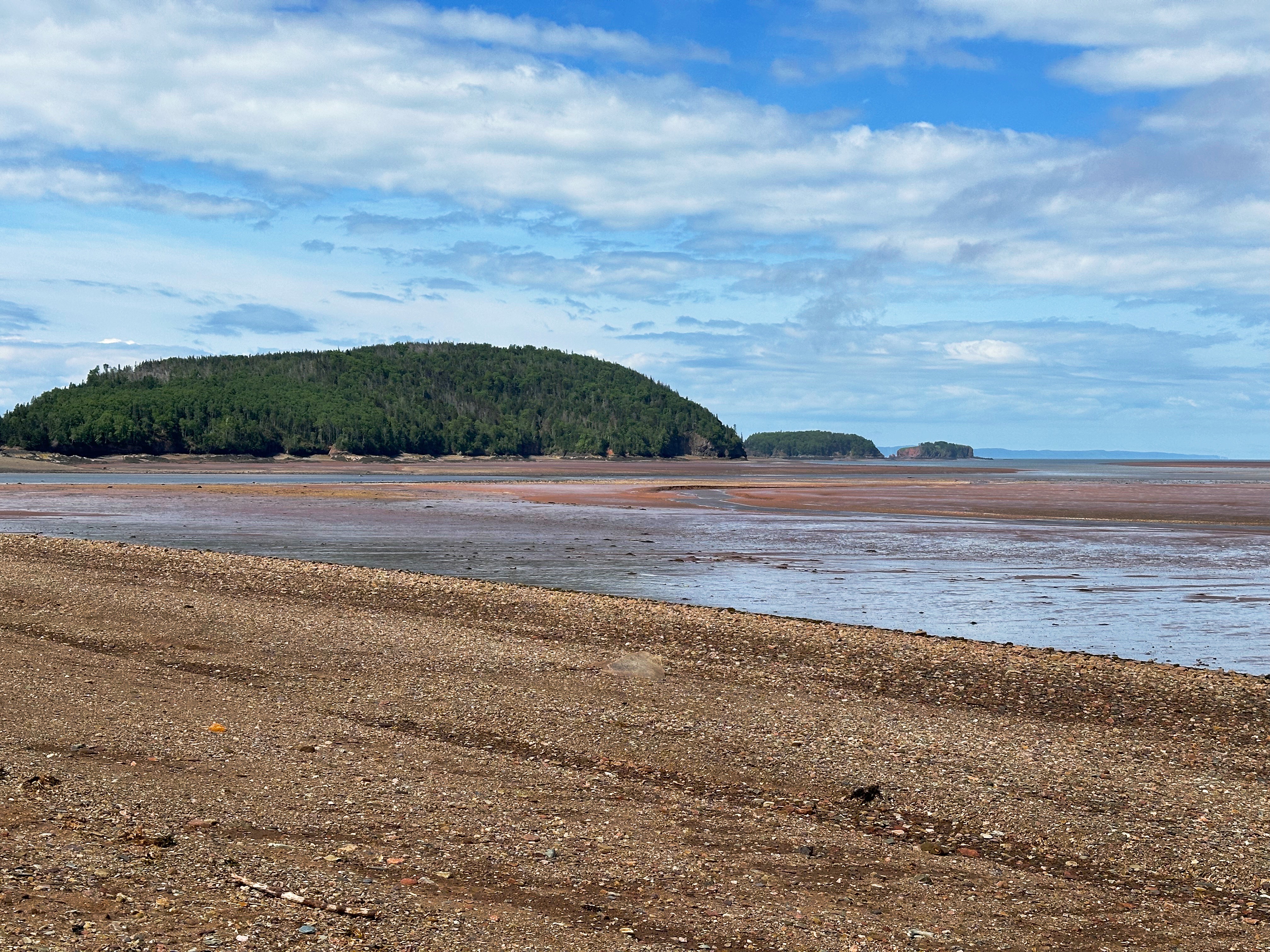
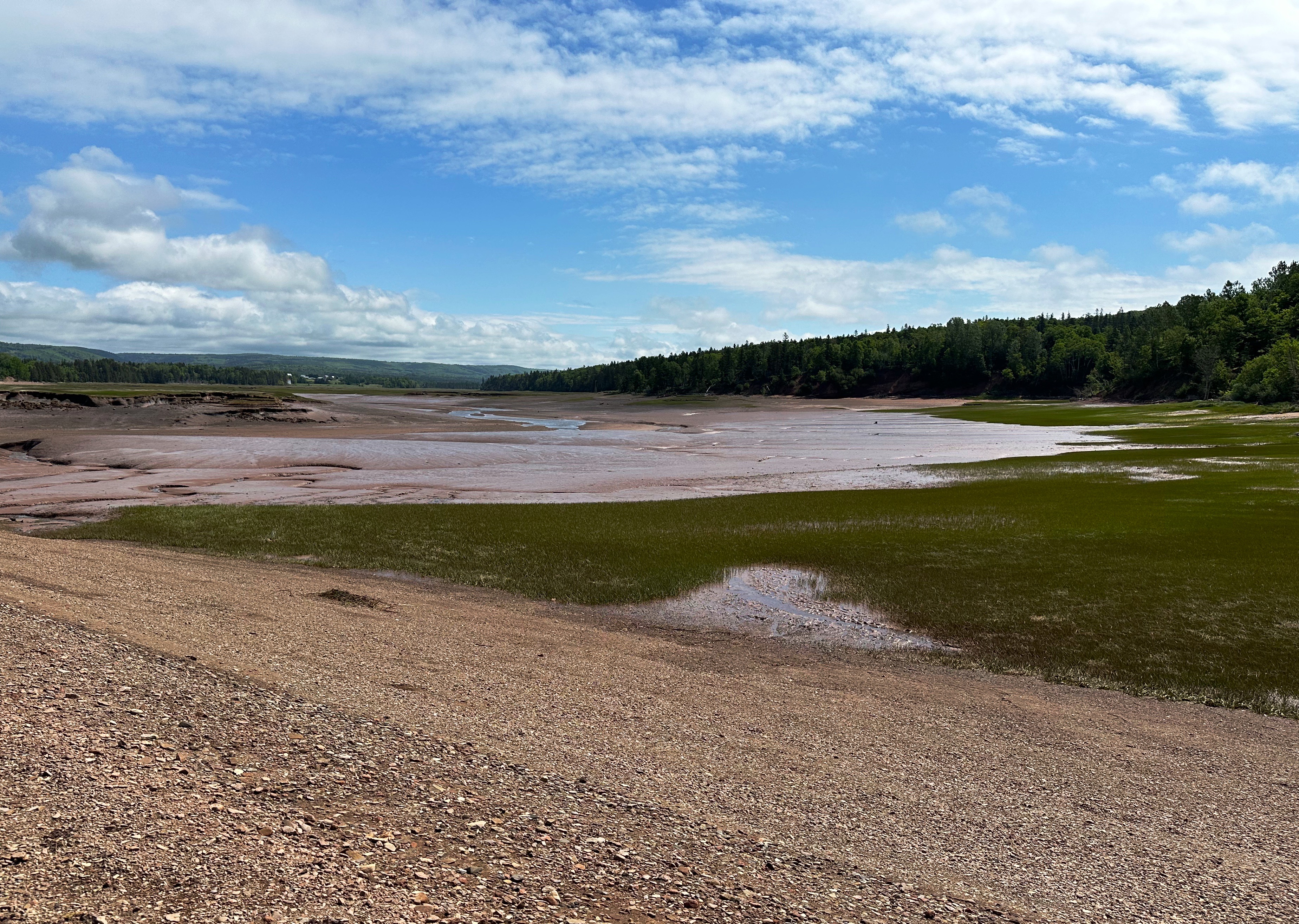


From Five Islands we followed the north shore of Minas Bay on the Glosscap Trail and then looped around the eastern end of the bay and turned west to follow the southern coast on the Glooscap Trail. The trail took us through several small villages. As we neared mid afternoon we began thinking about food – happily we happened on the Frieze and Roy General Store in the community of Maitland (pop. 503). I believe the Chicken Club sandwiches we had that day were the best we’ve had! A bit of background on Frieze and Roy is included below.

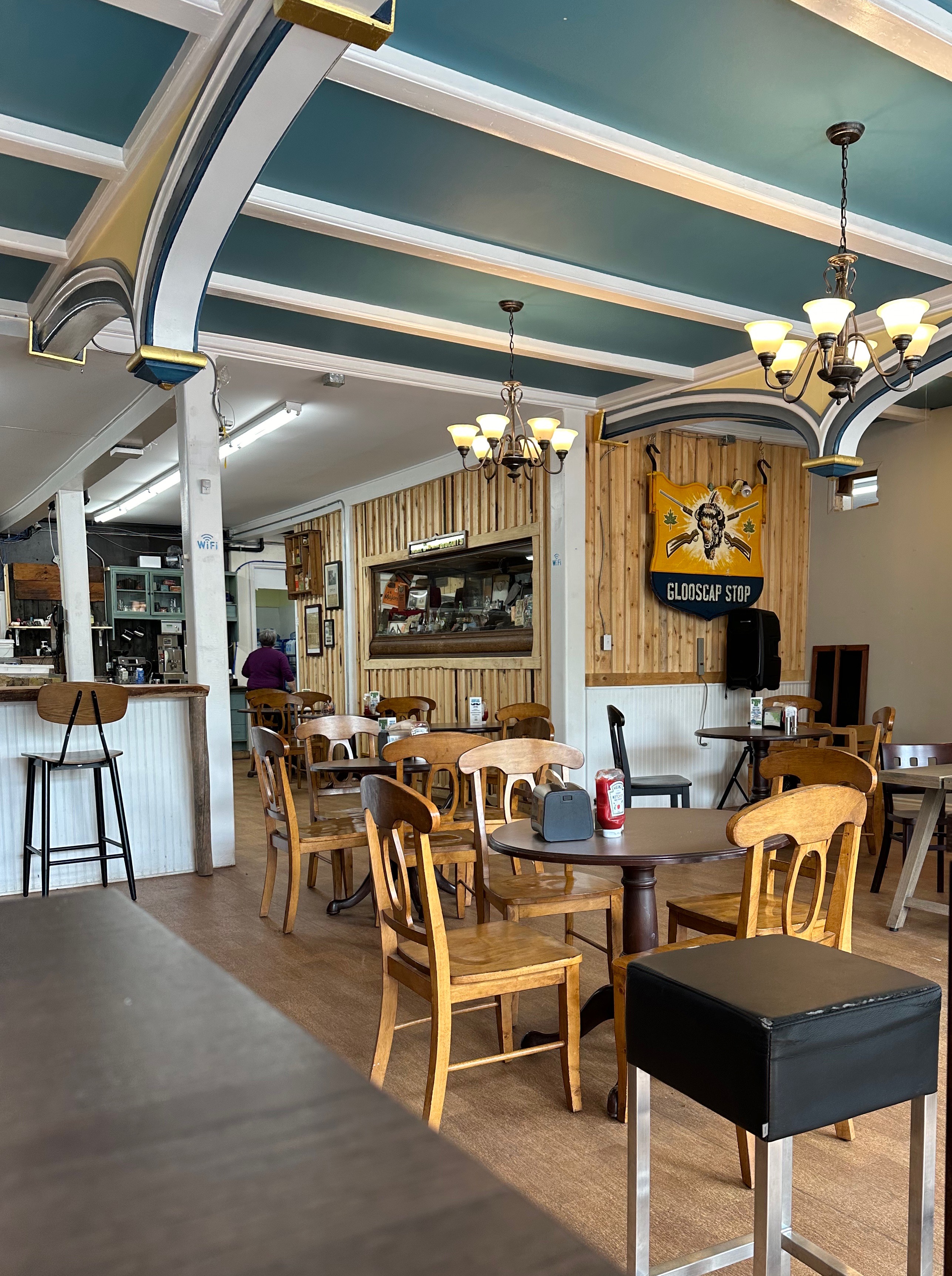
The Frieze and Roy General Store was a hub for trade, shipping and shipbuilding in the 1800s. It is still open today, making it the oldest general store still operating in Canada. Frieze and Roy was first opened by Jacob Isaac Frieze in 1839 and later run by David Frieze and his son George. In the 1870s, the Roy family became a partner in the venture and bought out the Frieze family a decade later. The Frieze and Roy families, both from Maitland, were merchants as well as shipowners and shipbuilders. Vessels including the barque Snow Queen, the Esther Roy, the Linwood, and the brig Trust were owned by the established firm. However, as the shipping industry declined in the 1880s, the store began focusing more on general goods, selling everything from farm tools to fine china. The business remained in the hands of the Roy family until the late 20th century. Today, the store stands as a pillar of the community, a contemporary reminder of Maitland’s rich history.
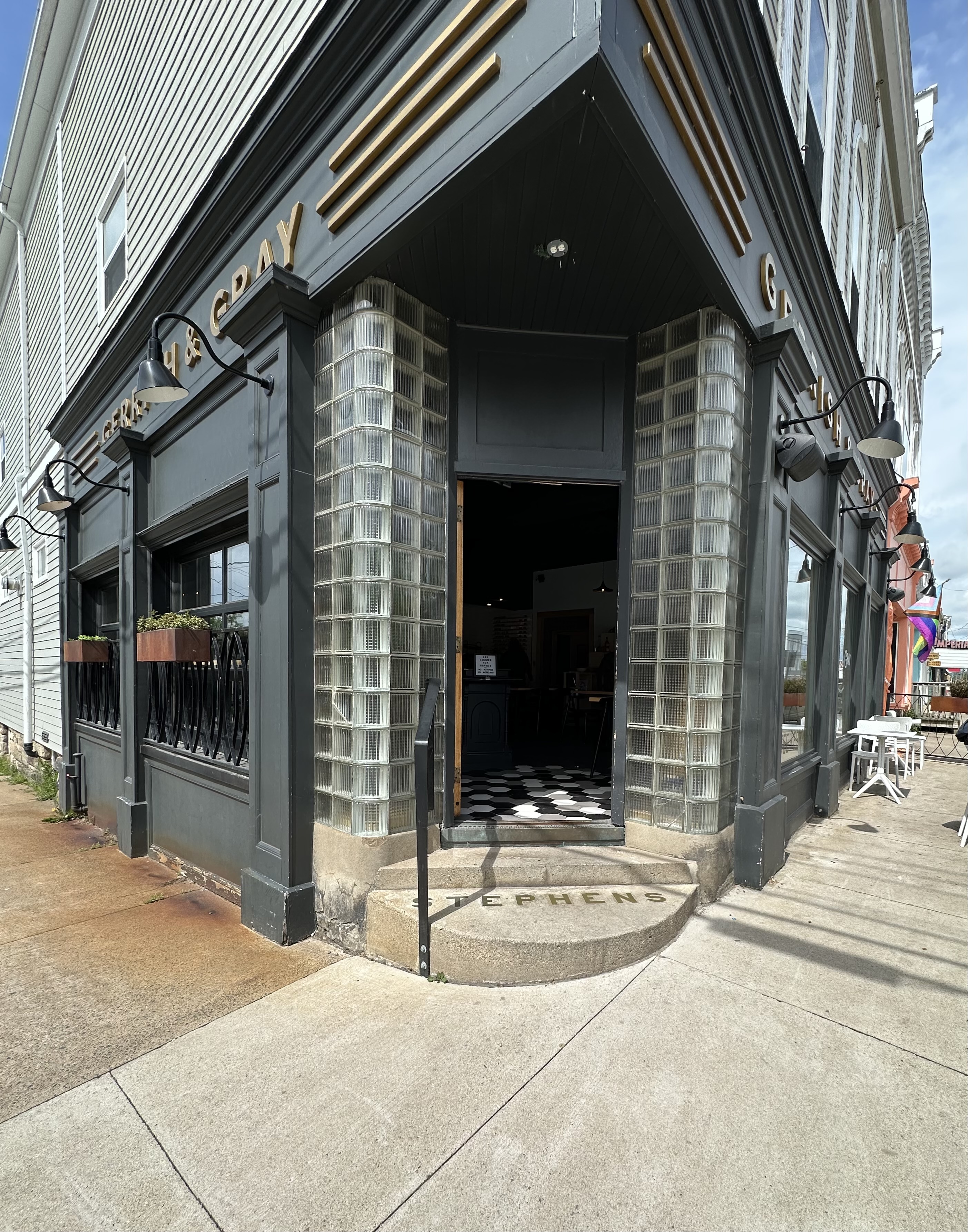
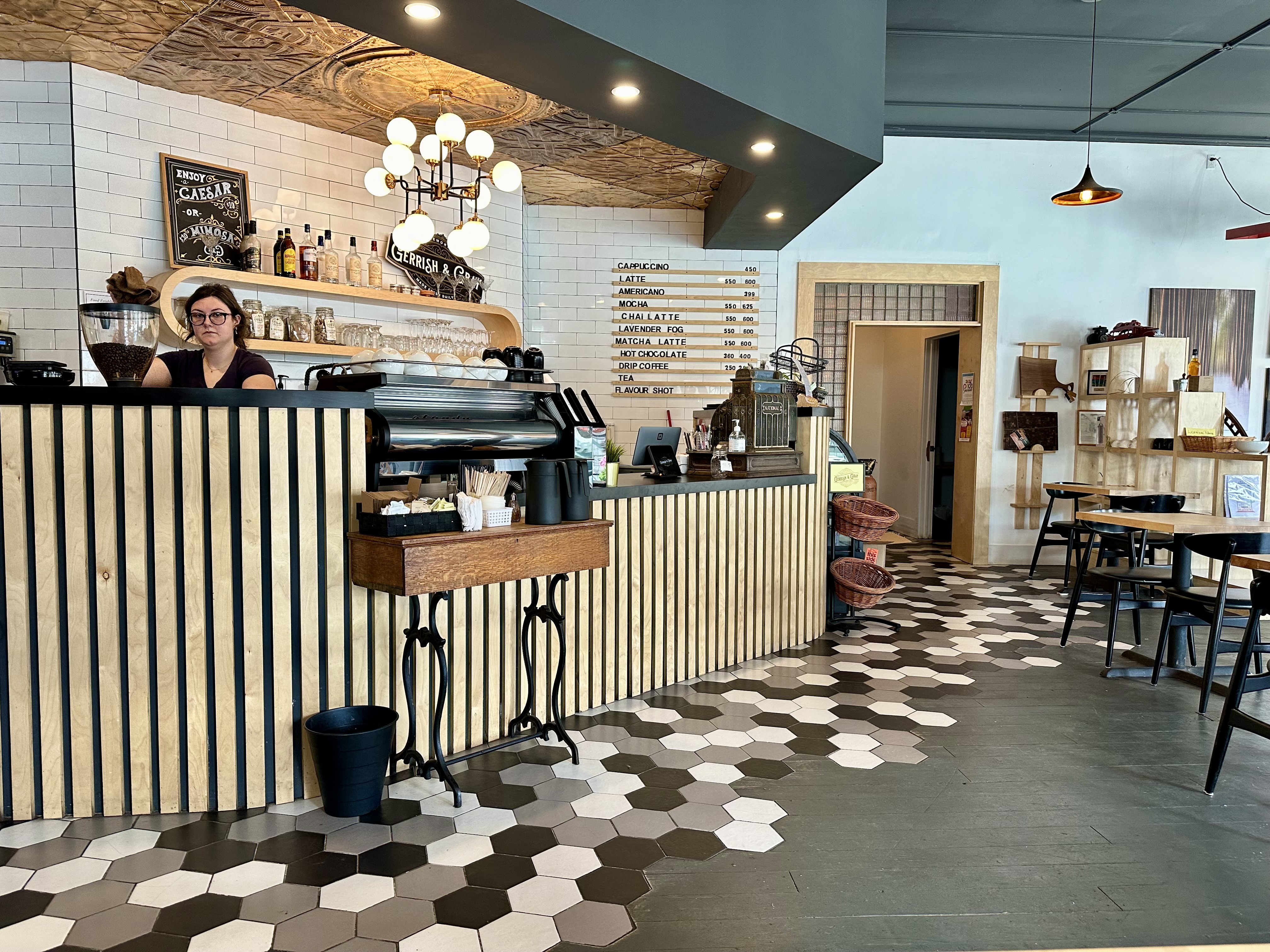
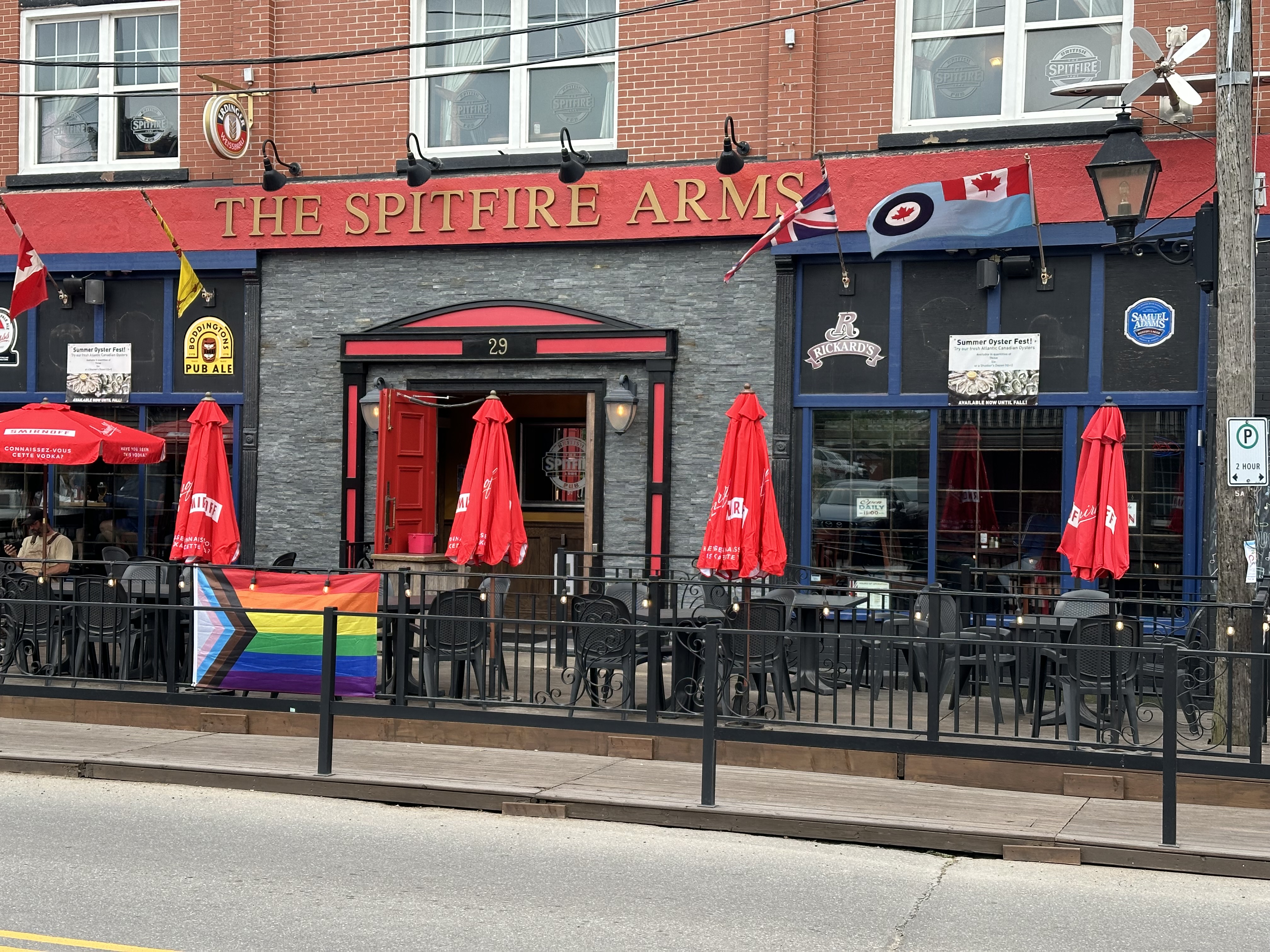
After departing Maitland with our bellies comfortably full we set sights on the town of Windsor where we would stay overnight before attempting to overland from Albany Cross to Keji NP. Windsor sits on a point where the Avon River, the St. Croix River and the Pesaquid Lake converge. Windsor is a bit bigger than most of the villages we had been traveling through (pop. 5500) and offered us the opoortunity for a night in a hotel, pub fare at the British Spitfire Pub and specialty coffee at Gerrish & Grey.


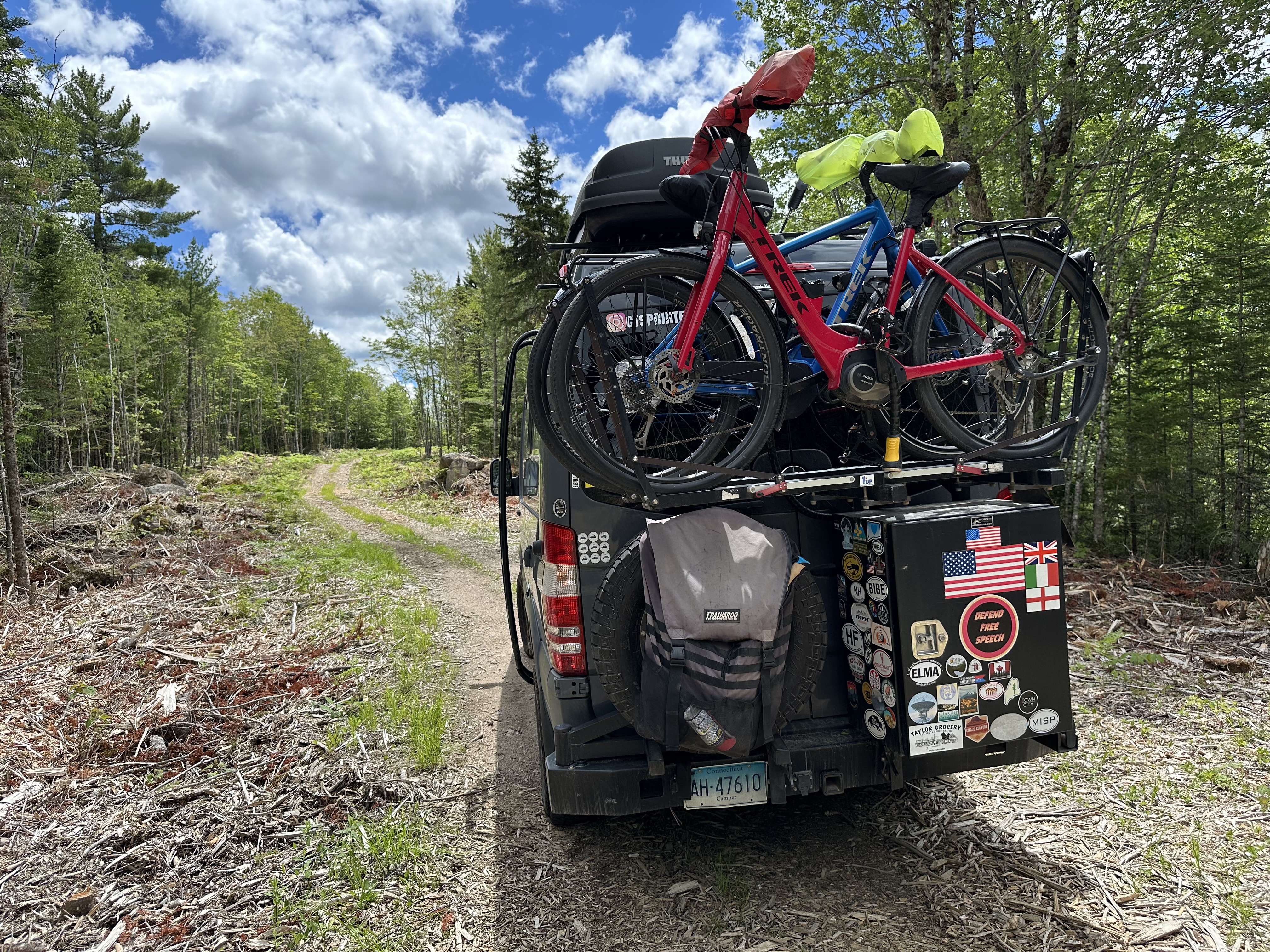
The overland journey started very well with a relatively smooth wide road through a series of lakes. Once we got a short distance south of the lakes it became apparent that not many folks ventured beyond the lakes. We took an optimistic view and forged on as the trail became rockier and narrower. Three hours later we emerged back onto pavement with several new dents, a loose hoop step and lots of new pinstrips!
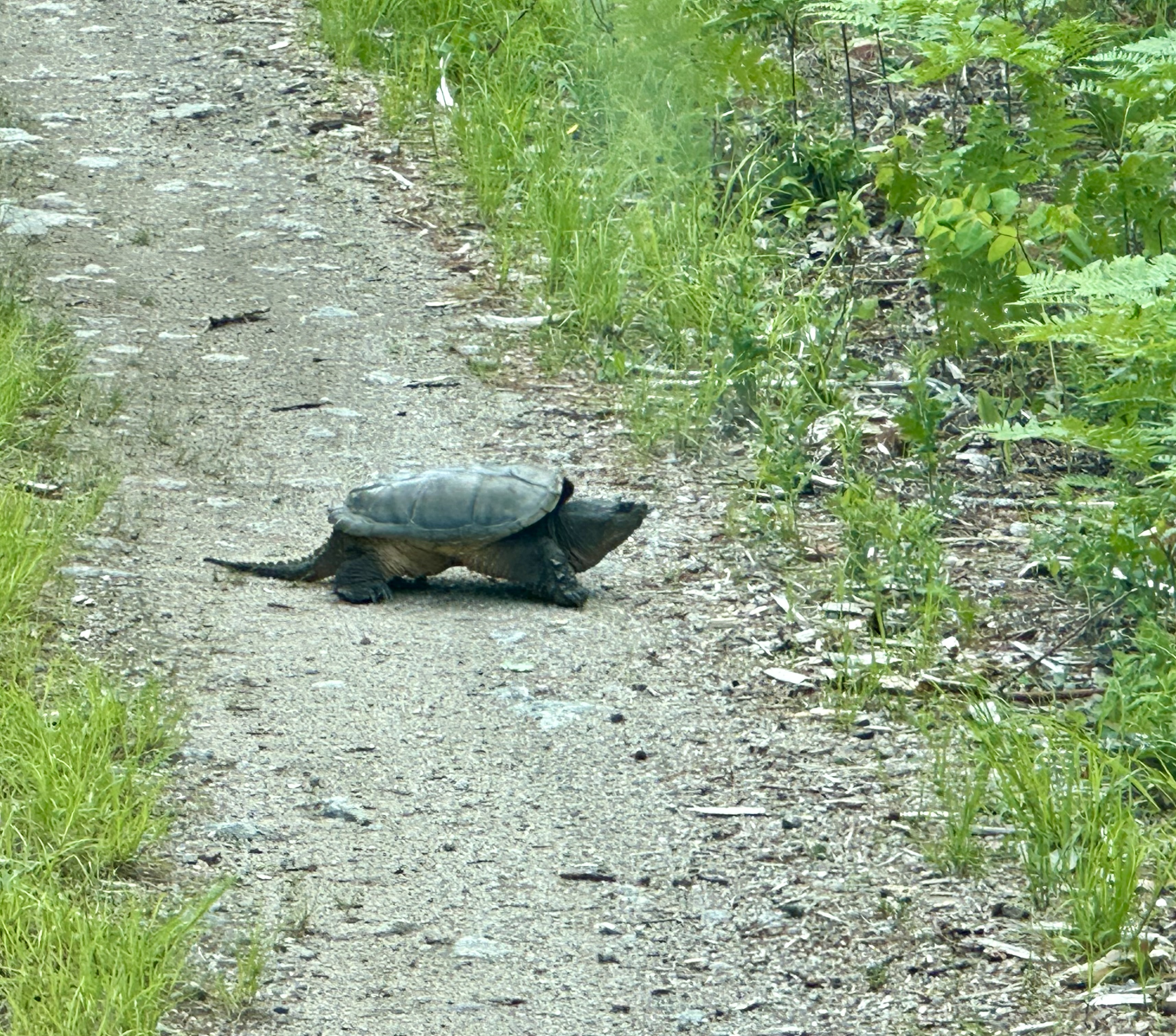
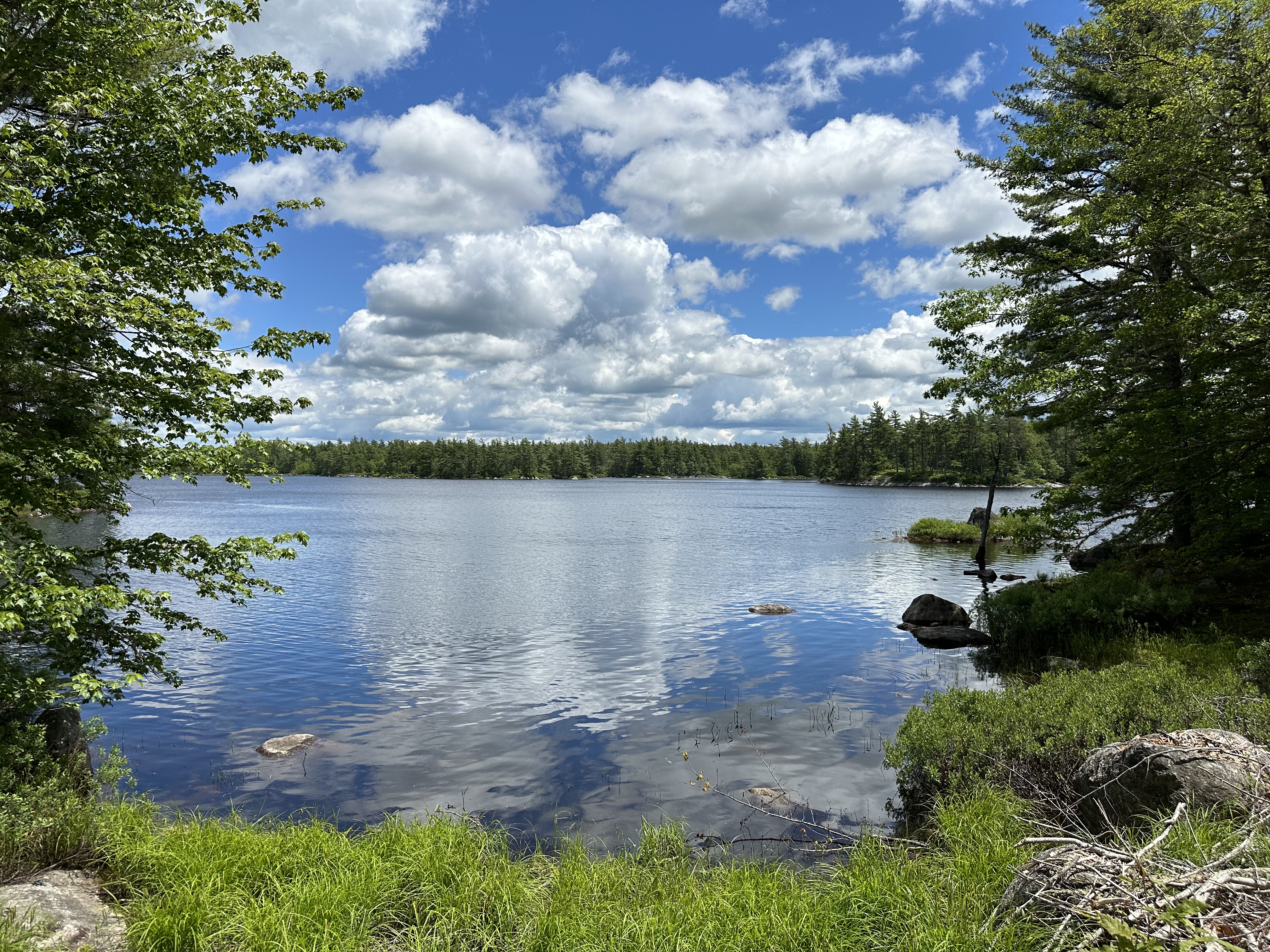

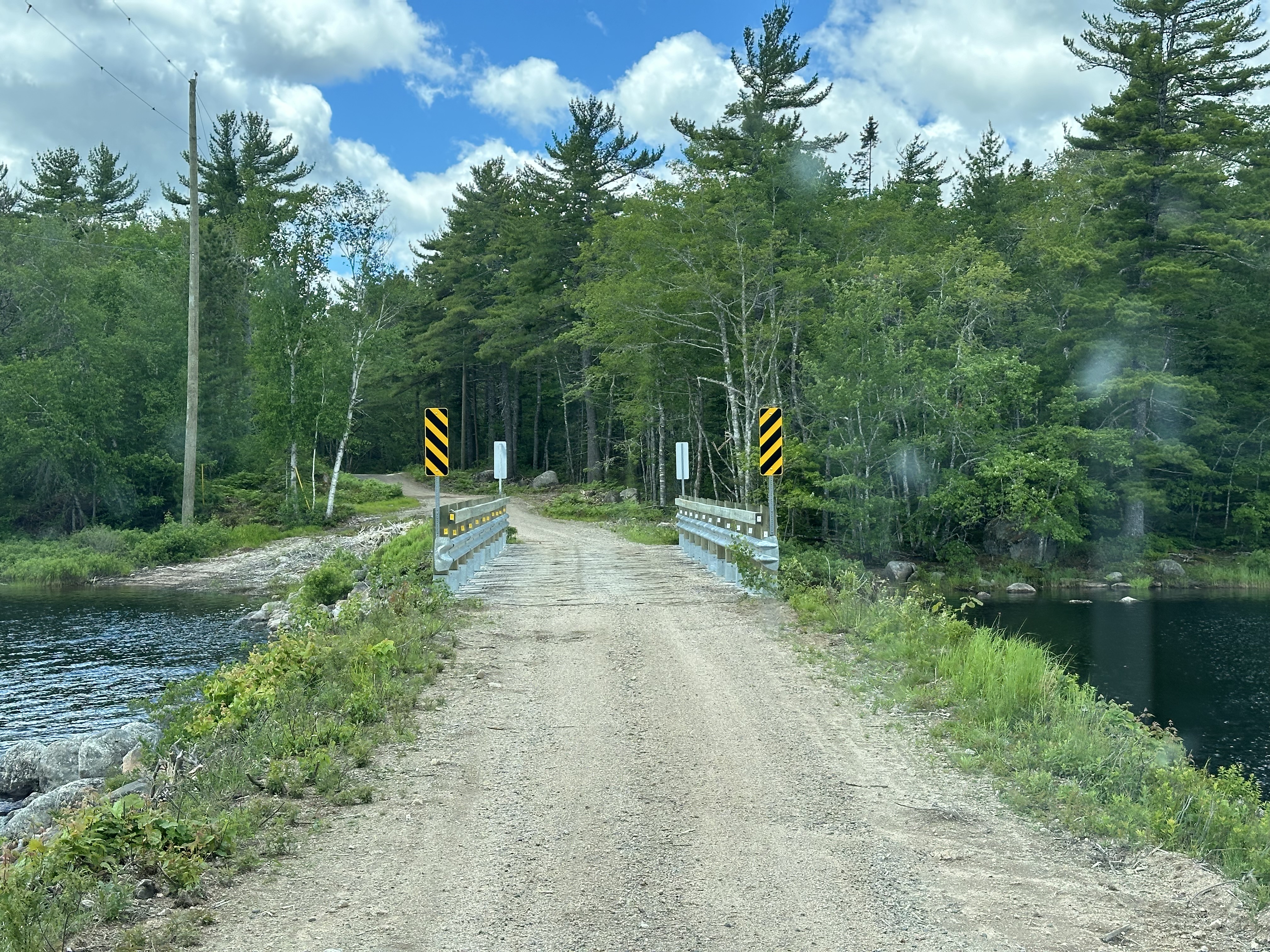
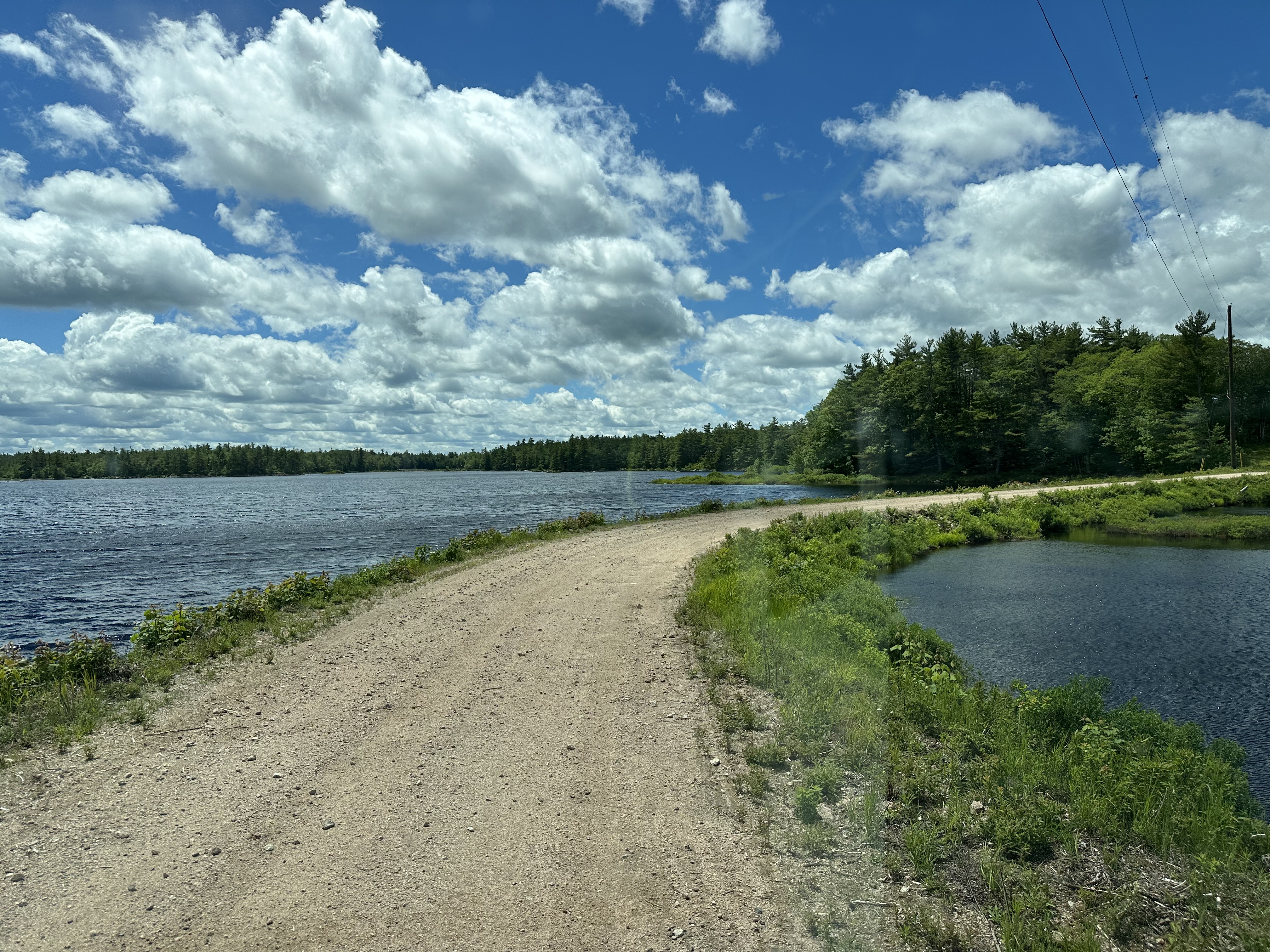
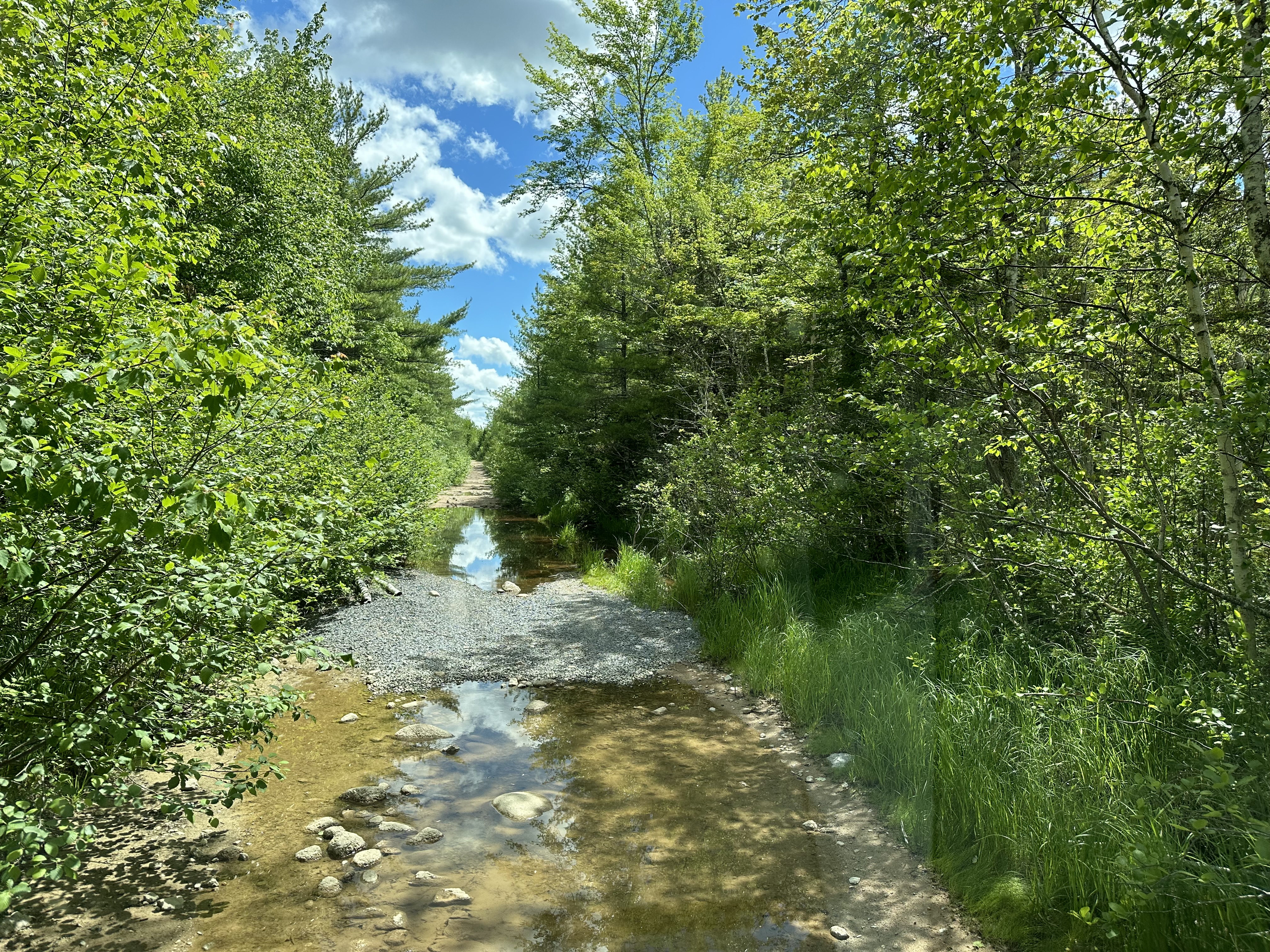
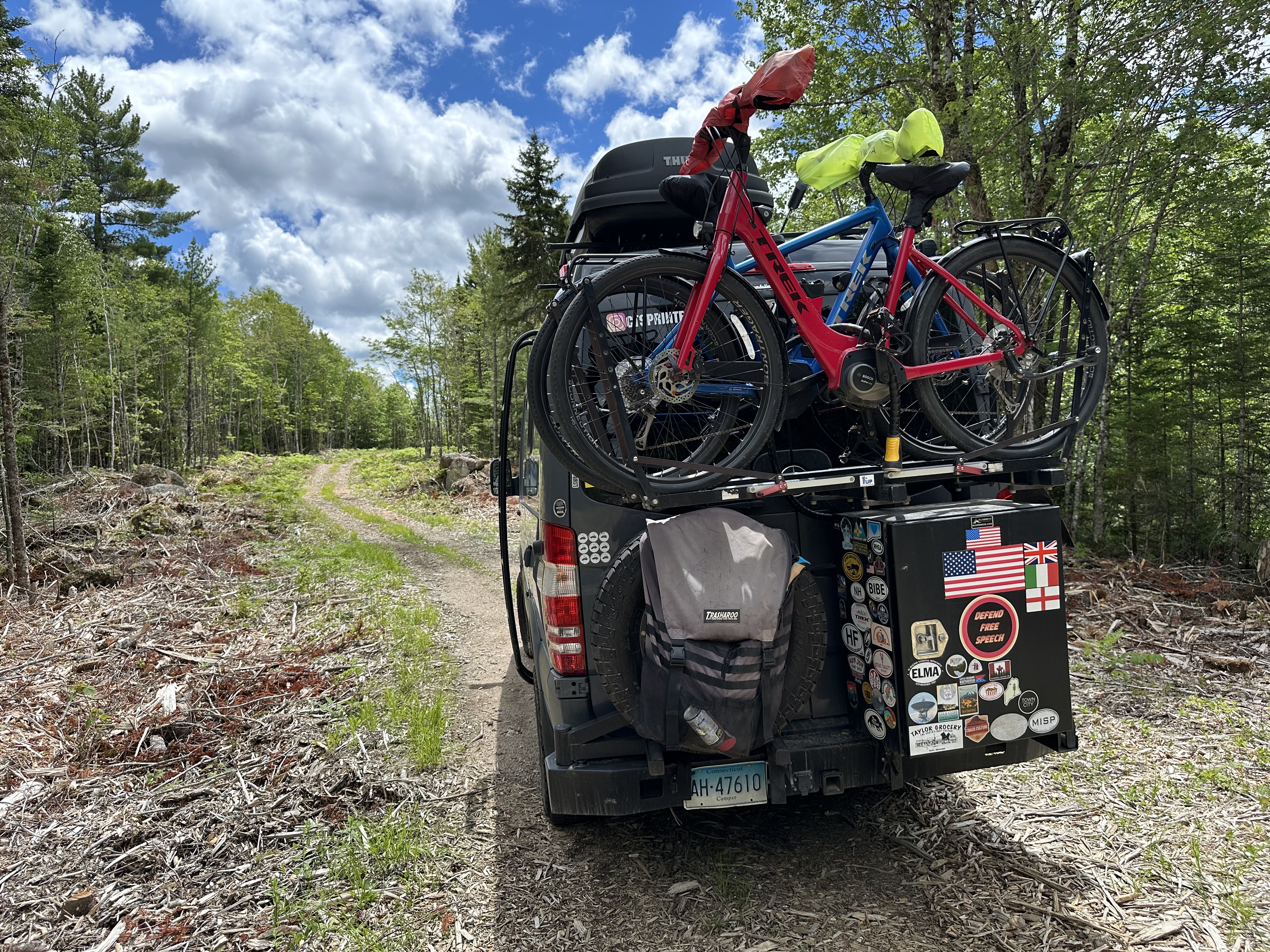
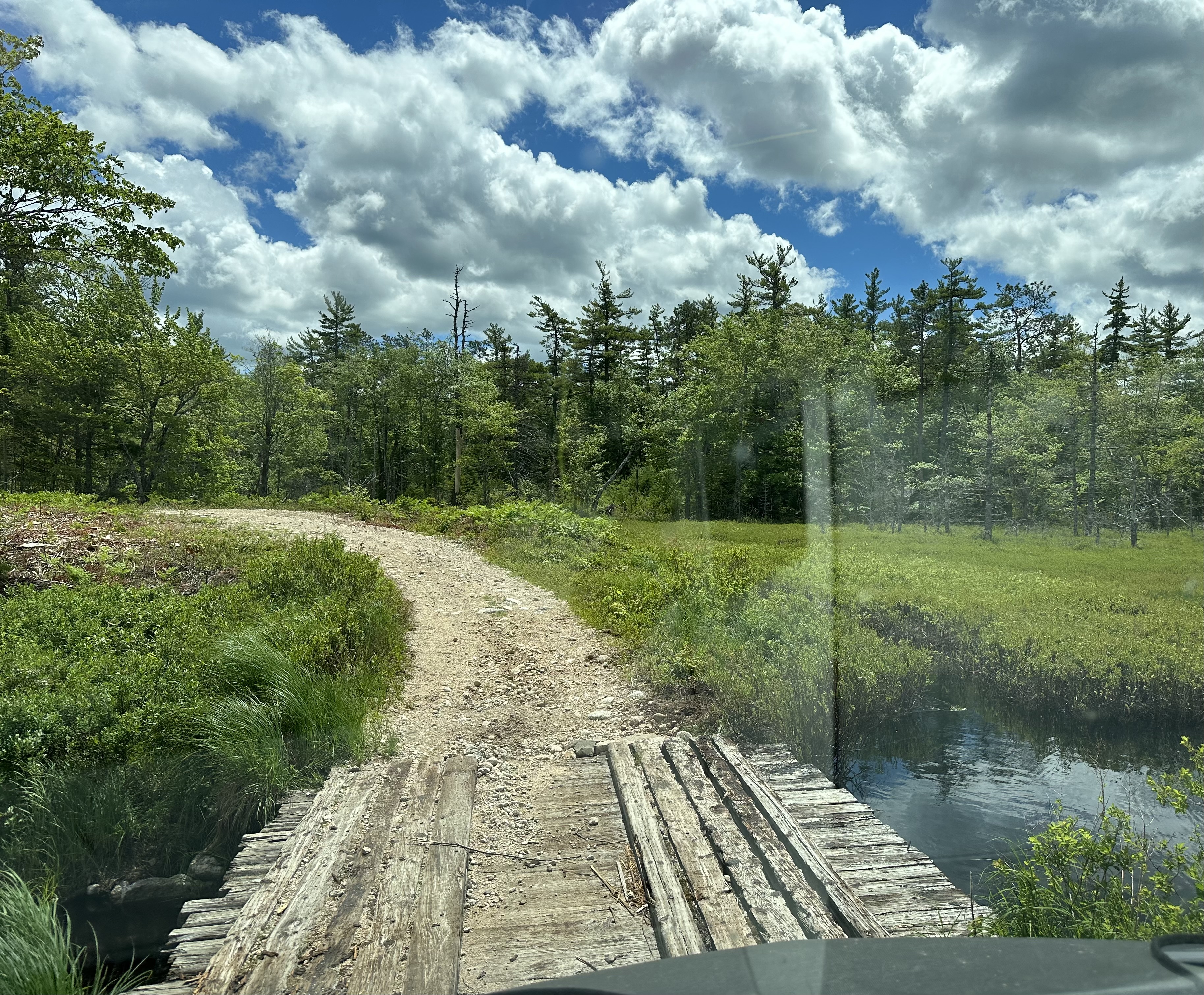
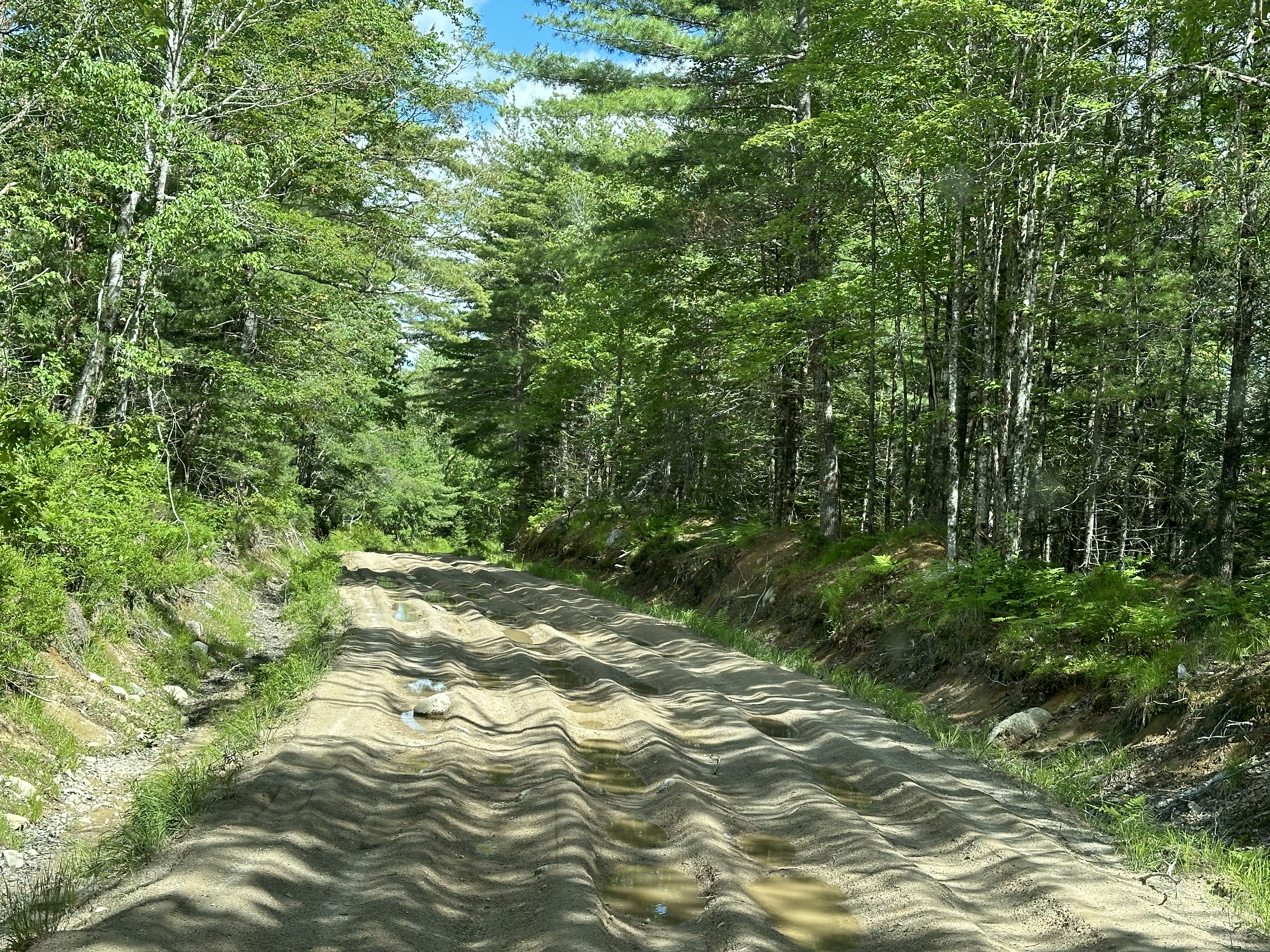
Once we were back on pavement we completed our journey to Keji NP. We continued to have wonderful weather and took advantage of this by hiking along Lake Kejimkujik on our first evening and bicycling around the park on day two. The beautiful Mersey River winds through the park making for particularly scenic riding.

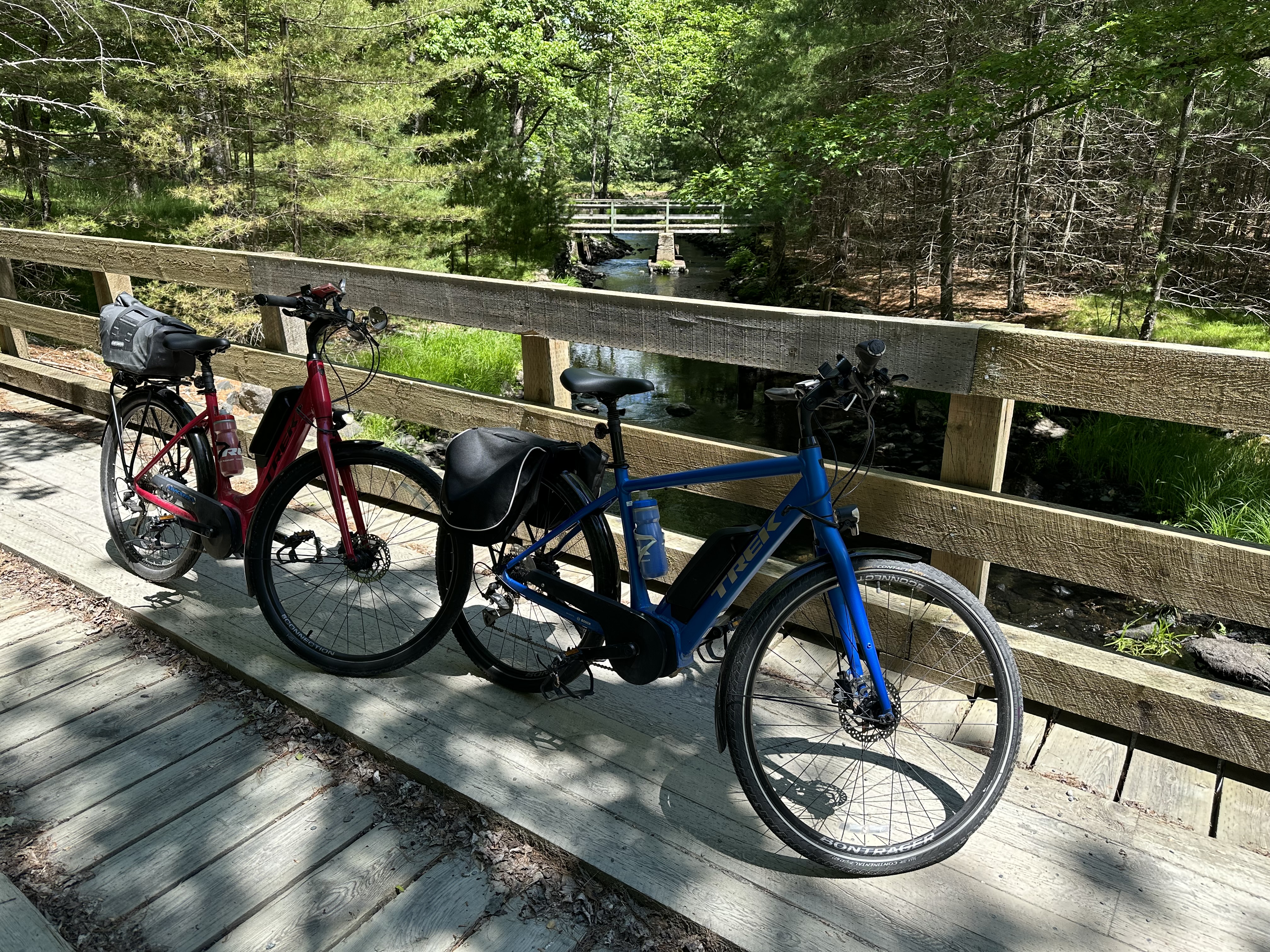
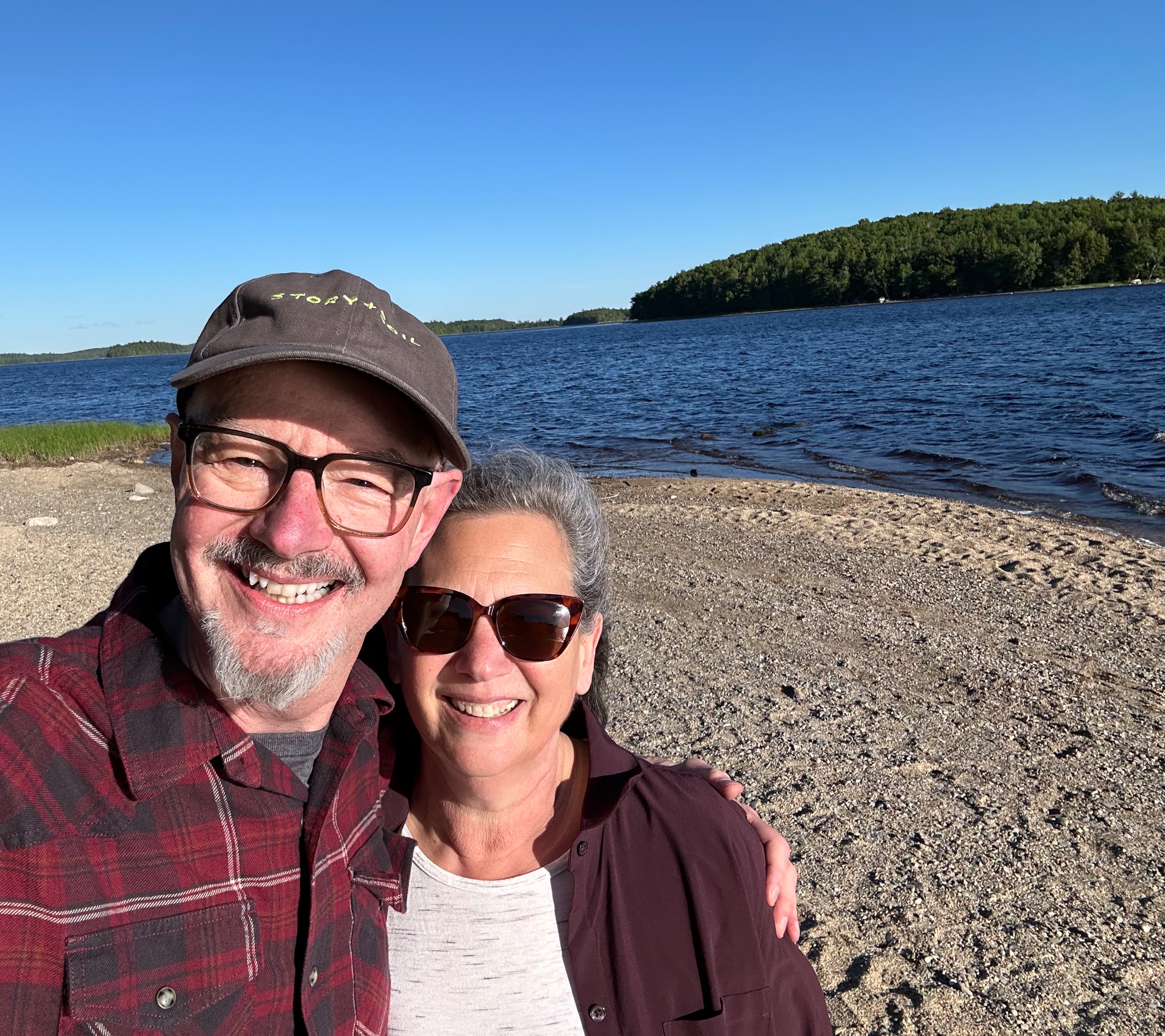
Kejimkujik’s name is derived from the Mi’kmaw, which means little fairies. In the past, Kejimkujik Lake was known as Fairy Lake; today, one of its bays still bears the name Fairy Bay. This notion of fairies is considered to be similar to the “little people”, such as gnomes and elves, present in the folklore of other cultures.”Little people” are believed to assume various forms in Mikmaw culture. One such example is Wiklatmu’, small entities thought to be represented among the petroglyphs.
While this park is away from the coast it still revolves around water with the large lake, the river and many streams flowing through the densely wooded park. From the park we again sought the coast, albeit the south coast and the historic town of Lunenberg.
Be seeing you!

 ON THE ROAD with Maria + Stephen