

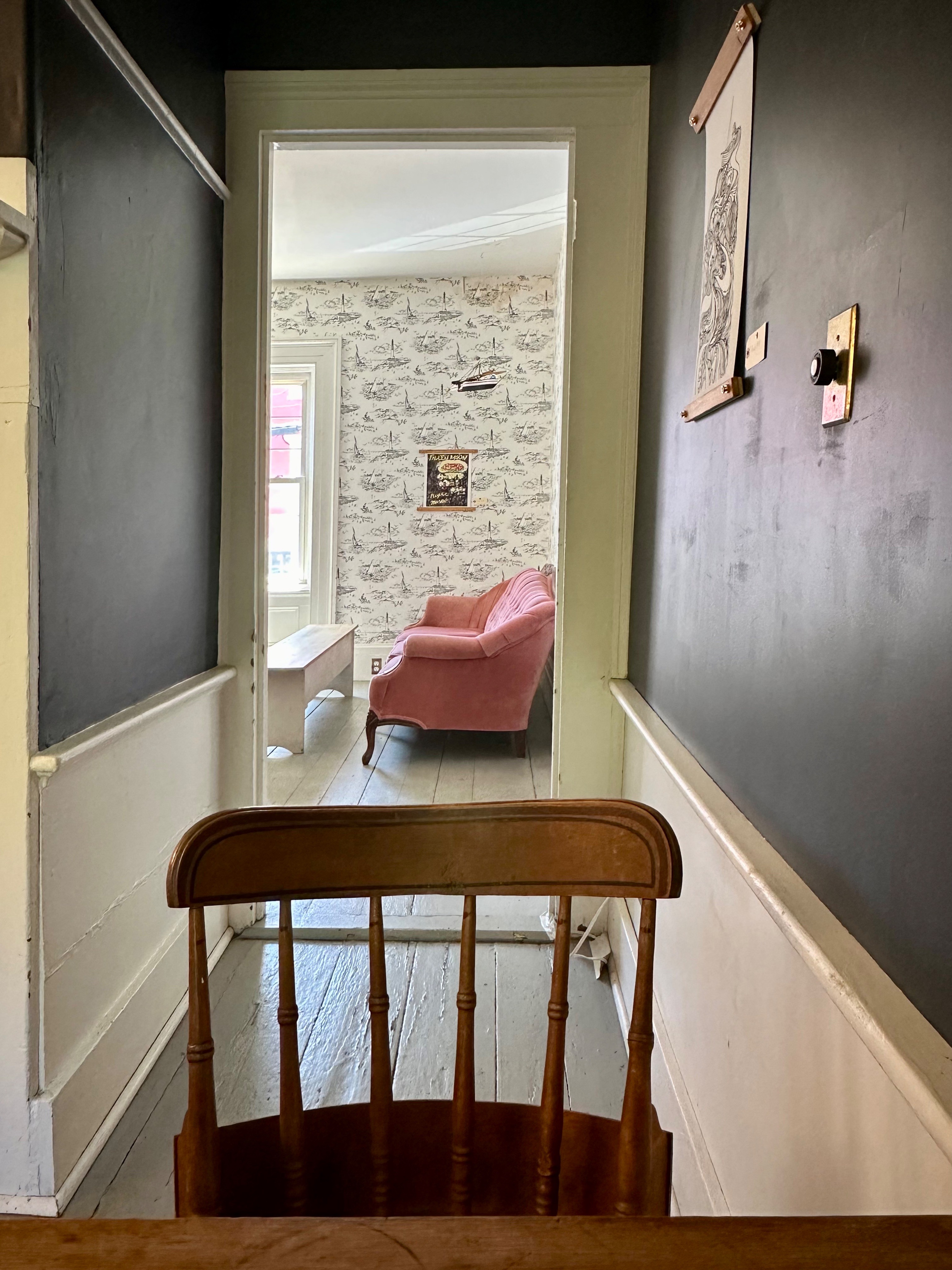
We made the short trip from Keji NP to the southwest coast to visit the town of Lunenberg, Nova Scotia. As we had been camping quite a bit on the stretch between Moncton and Keji we booked two nights at the B2 Lofts (AirBnb) one street up from the waterfront. This building was once home to one of the many shipbuilding businesses located in Lunenberg.
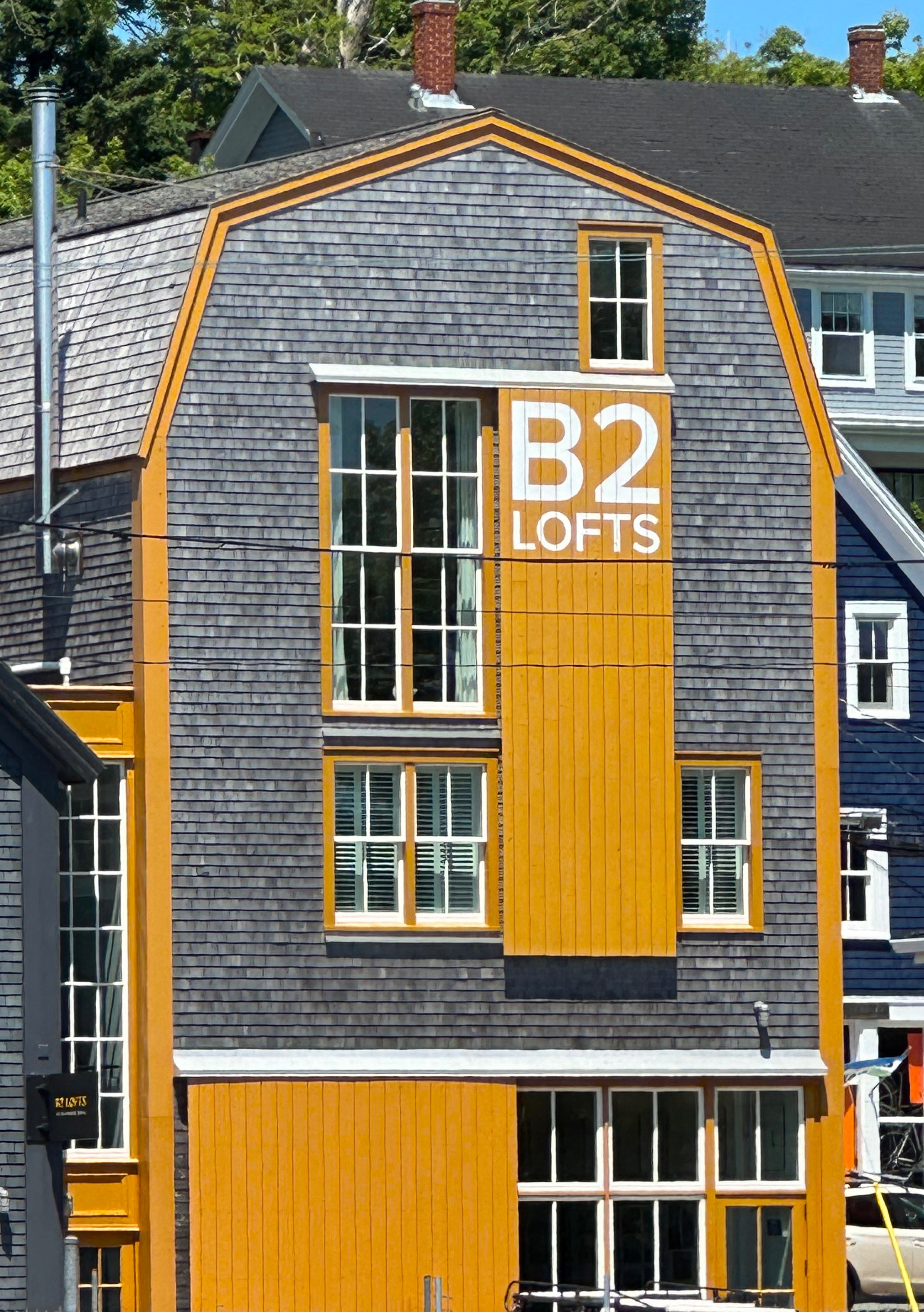

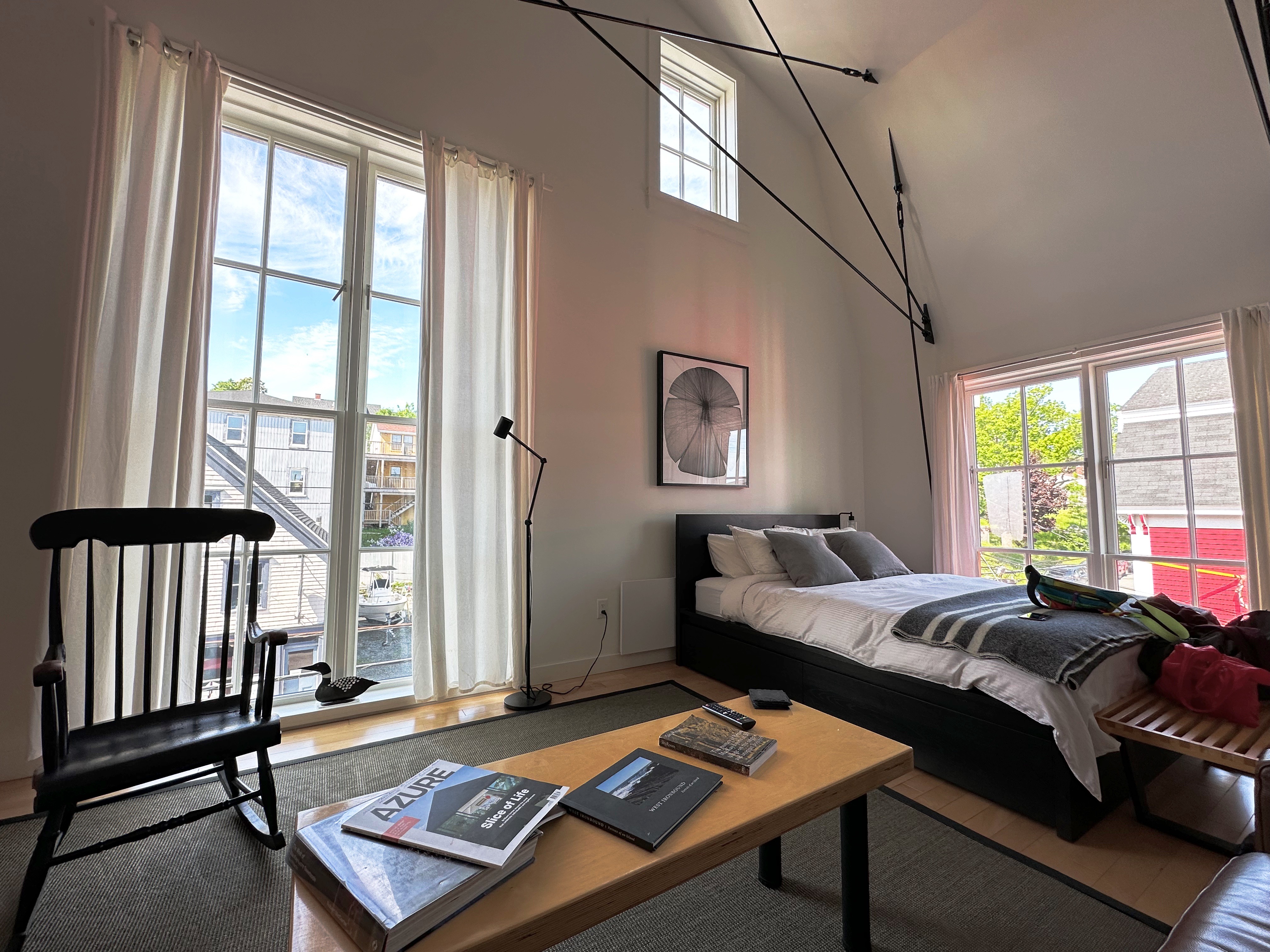
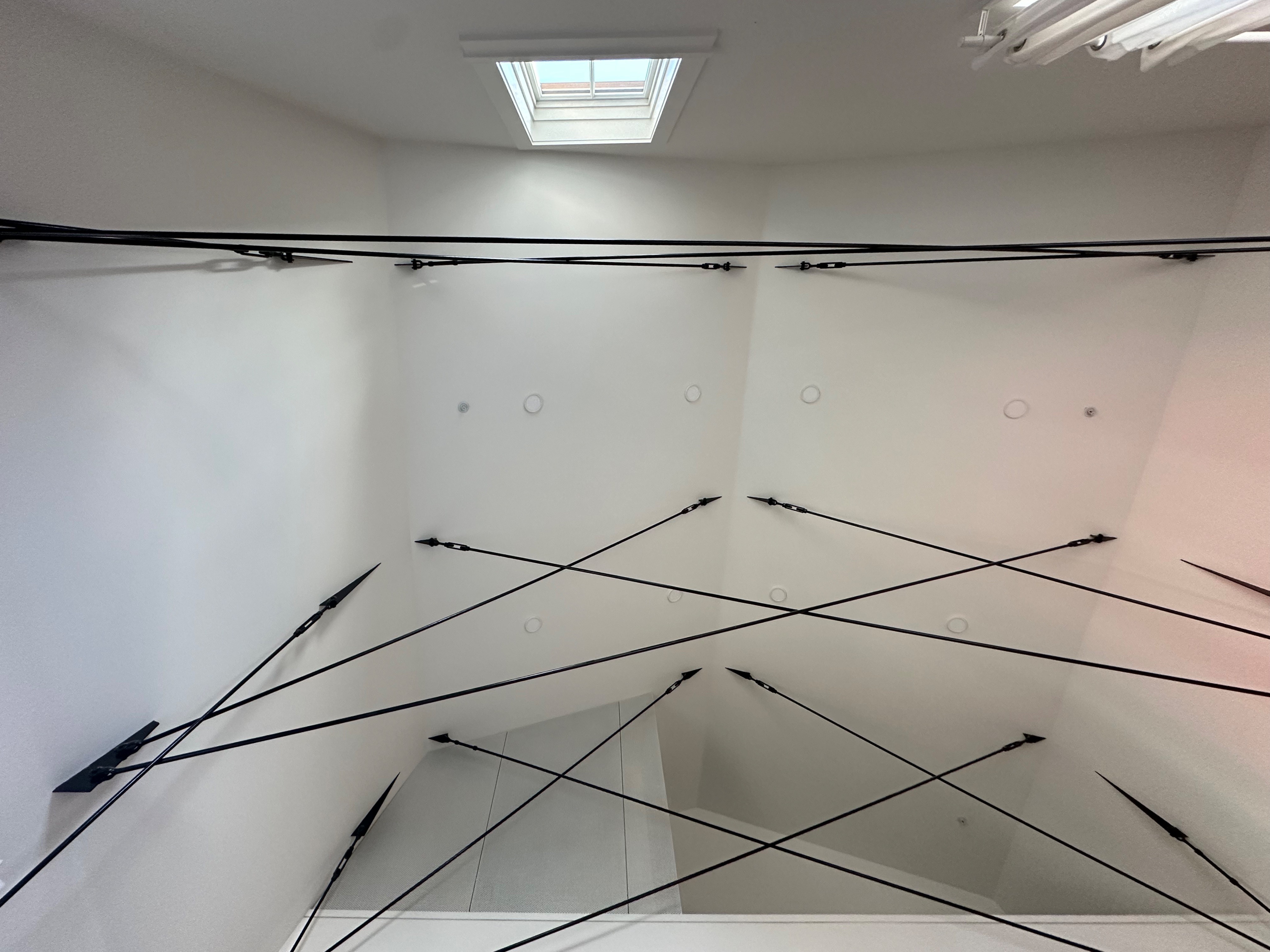

Lunenberg is a UNESCO World Heritage Monument which might infer that it is no longer a functioing, lively town; but it is infact so. The town is a very popular tourist destination with its beautifully maintained original architecture and Montague Street, which is lined with shops and a number of excellent restaurants. A brief history of Lunenberg from the Canadian Encylcopedia is included below for our history mavens.


Lunenberg
Lunenburg, Nova Scotia, incorporated as a town in 1888, population 2,405 (2021 census), 2,262 (2016 census). The town of Lunenburg, the seat of Lunenburg County, is located on Lunenburg Bay, 90 km southwest of Halifax. Lunenburg is located on Mi’kmaq traditional territory. The Mi’kmaq call the town’s location E’se’katik or “place of clams.”To the French it was known as Merliguesche. The site was a small Acadian settlement until the British began deporting Acadians in 1755 (see also History of Acadia).
In 1753, the British government settled 1,453 “foreign Protestants” in Lunenburg. The settlers were recruited from southwestern Germany and the Montbéliard district of France and Switzerland. These mostly German-speaking people were intended to help counter the French and Catholic presence in Nova Scotia. The settlement was named for the royal house of Brunswick-Lüneburg, where King George I of England came from. Each settler was granted a free town-and-garden lot and farm acreage in the county. The town’s grid-like plan mirrored that of Halifax.
Despite initial hardships, by the late 18th century Lunenburg supplied Halifax with many agricultural products. Lunenburgers had also entered the offshore fishery. They first fished off the Labrador coast. In the late 1860s, with the introduction of new trawling techniques, the town’s schooner fleet turned to the Grand Banks of Newfoundland and the Western Bank, southwest of Sable Island. The “Lunenburg cure” of dried cod found steady markets in the West Indies, particularly Puerto Rico.
“A boom of splendid proportions” (Lunenburg Progress, 1888) did not persist, however. The fish export trade became centralized in Halifax, where fast steamships left directly for the West Indies and US markets. Moreover, a preference appeared for fresh instead of dried fish. Local entrepreneurs, especially the Smith and Zwicker families, made adjustments to recapture lost trade. Beginning in the late 1920s, cold-storage equipment, processing plants and diesel-powered trawlers replaced cod-drying flakes and traditional schooners.
Today, Lunenburg is home to one of Canada’s largest fish-processing plants. The plant is owned and operated by High Liner Foods Inc., the successor to several Lunenburg-owned firms.
Lunenburg is also home to the Fisheries Museum of the Atlantic. The famous racing schooner Bluenose was launched from a local shipyard in 1921.
Several churches serve as examples of Lunenburg’s heritage architecture. These churches include Canada’s oldest Presbyterian (St. Andrew’s, founded in 1769) and Lutheran (Zion, founded in 1770), and second-oldest Anglican (St. John’s, founded in 1754). Old Town Lunenburg was designated a national historic district in 1992 and a United Nations World Heritage Site in 1995. The film industry has been attracted by the town’s picturesque location and architectural heritage. The town hosts a craft festival in July and a folk festival in August.
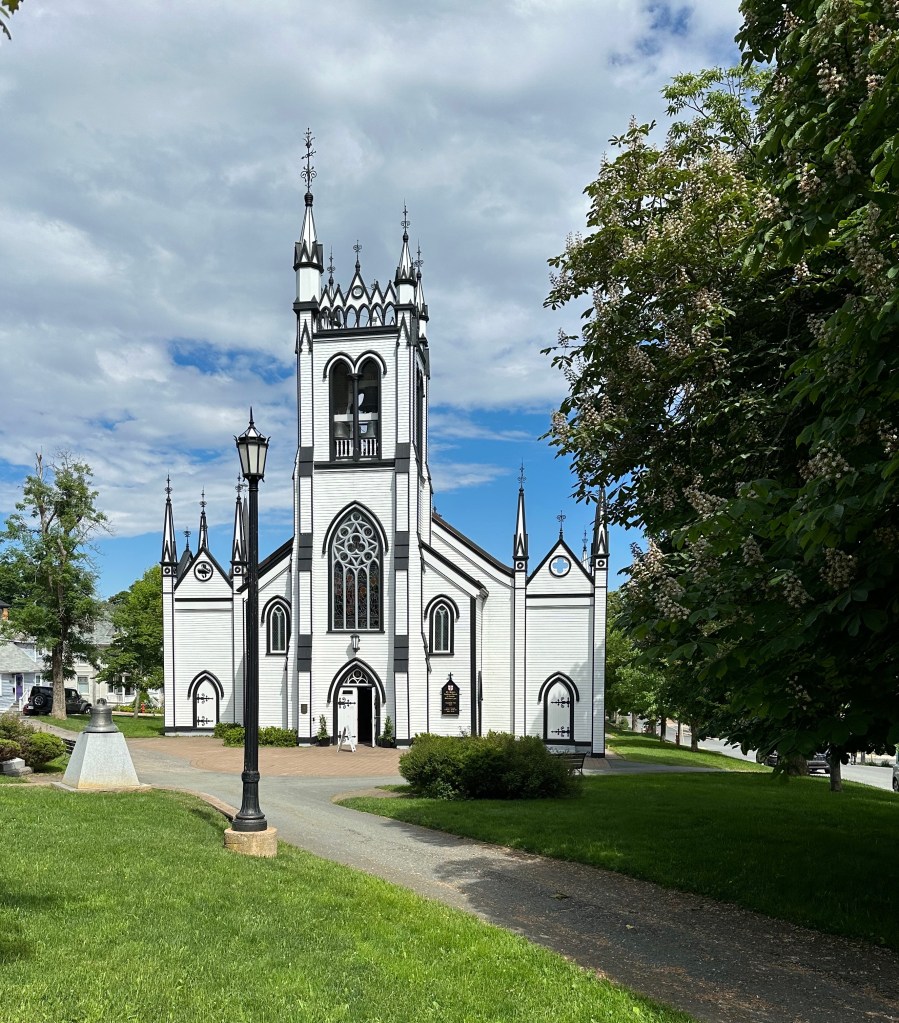
As part of our self-guided walking tour we visited St. John’s Anglican Church which sits atop the hill over looking the town and gorgeous harbor. The church itself is a national historic site. The building is a wood frame “carpenter gothic” style church. The church was originally built by German Protestants who were brought to counter the French Catholic culture established by the Acadians that had settled the area prior to the arrival of the British.
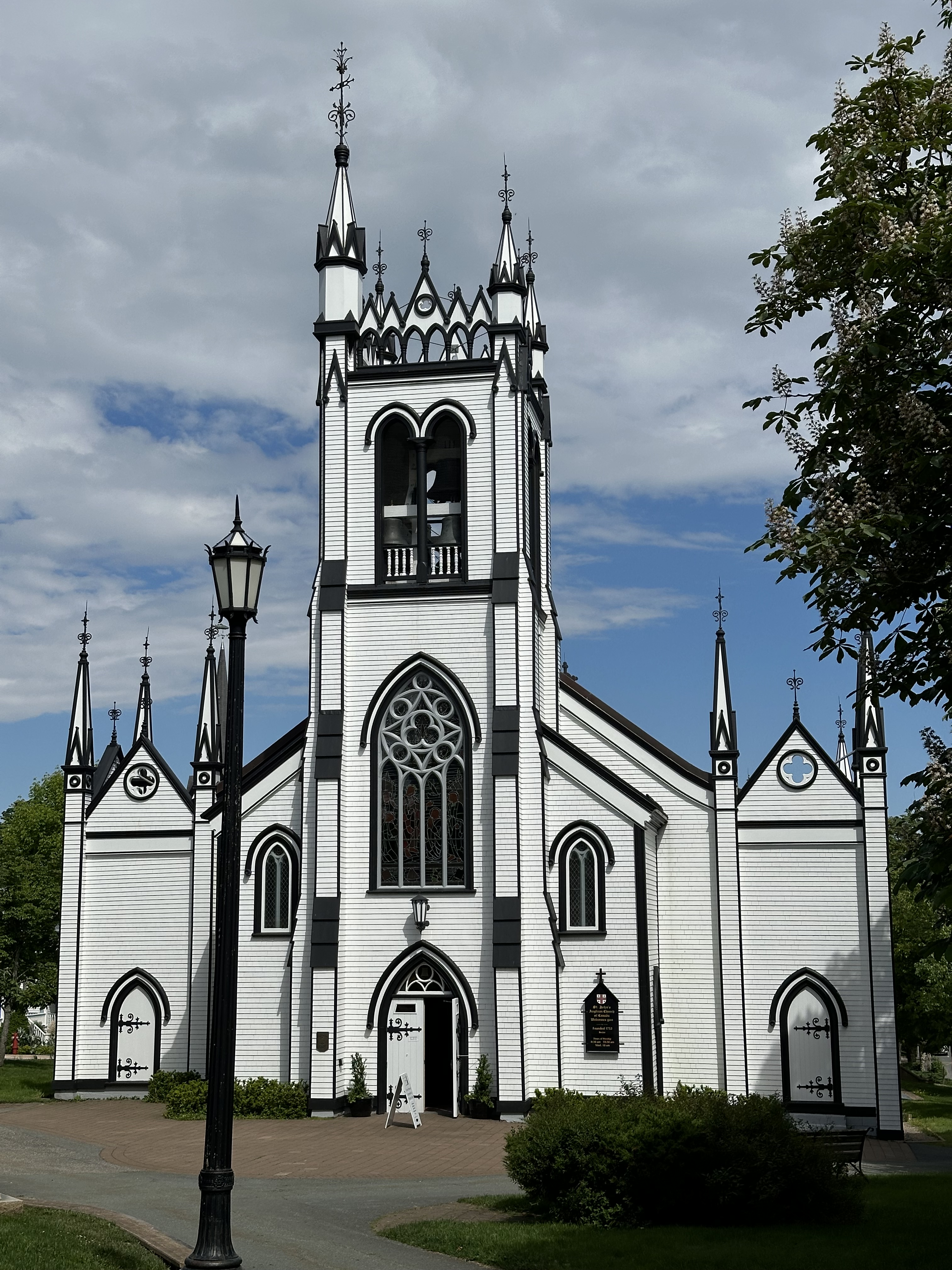
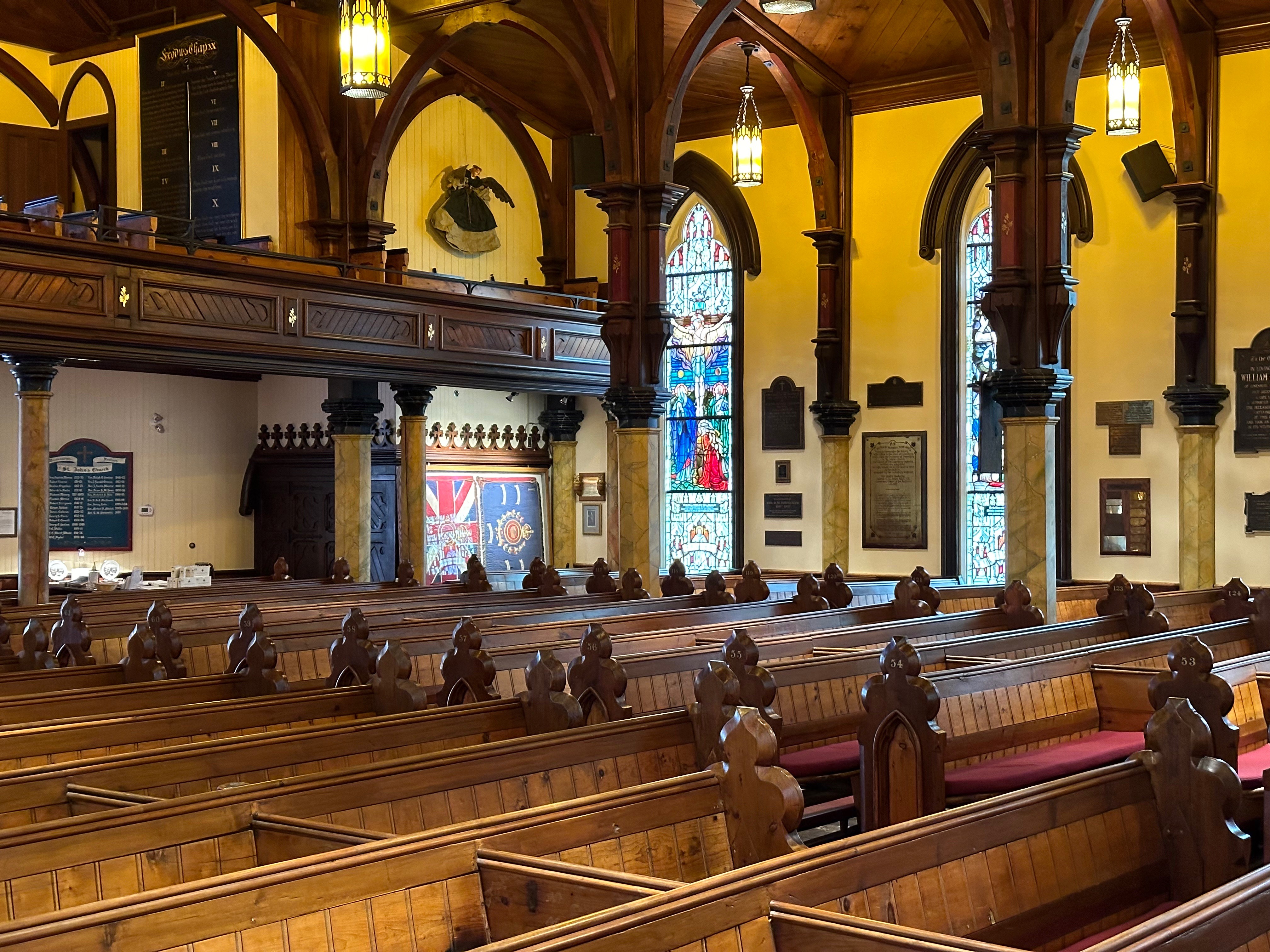
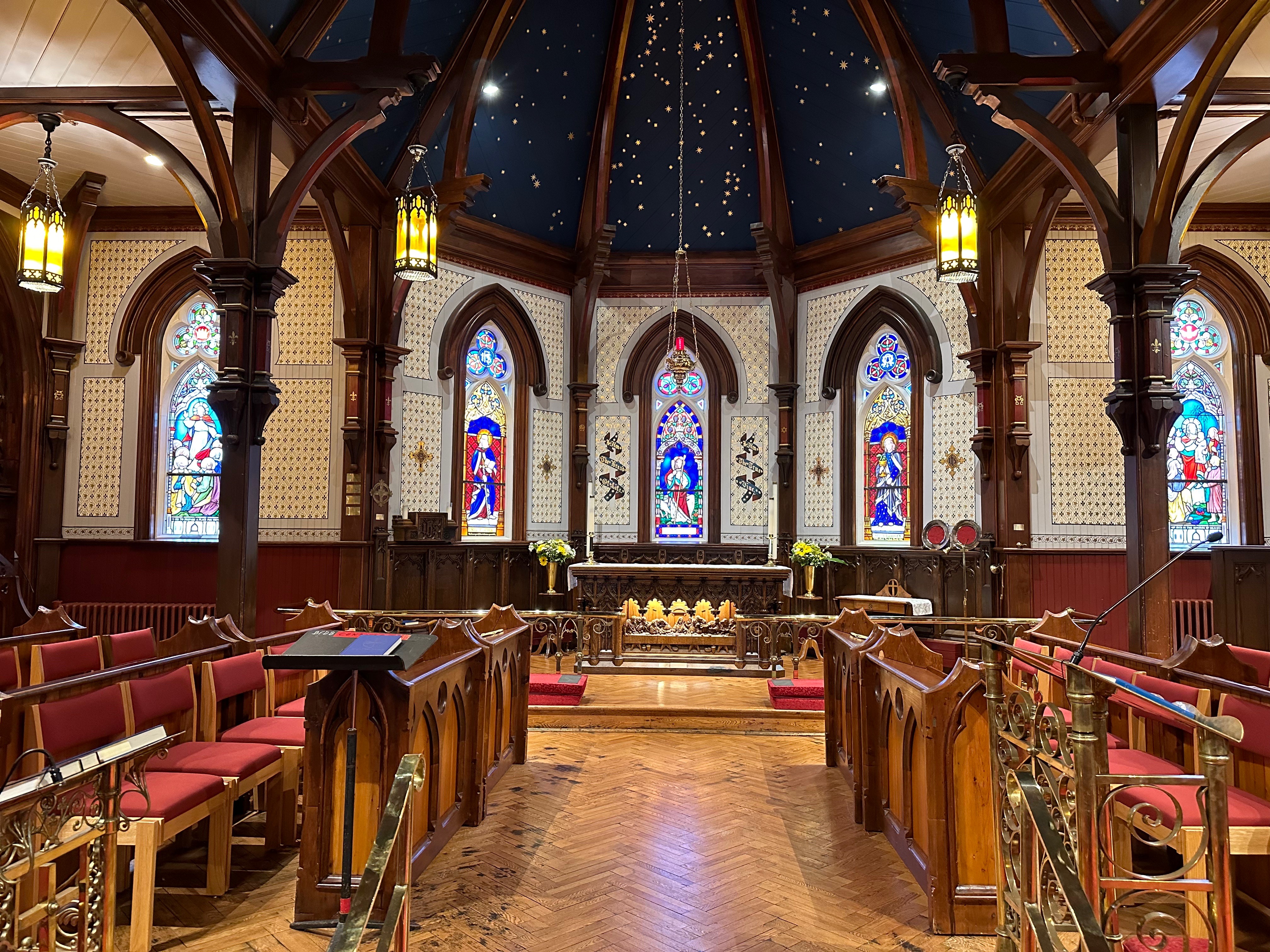
The construction of the church was intended to help establish the Anglican Church of England as the preeminent church in Canda and assist the British in formalizing their authority over the territory. Regardless of the intentions of the Anglicans and the British ruling class the church is a graceful, beautiful work of craftsmanship. Remarkably, for a frame church it avoided a catastrophic fire until 2001. Fortunately it was quickly rebuilt and reopened in about four years.
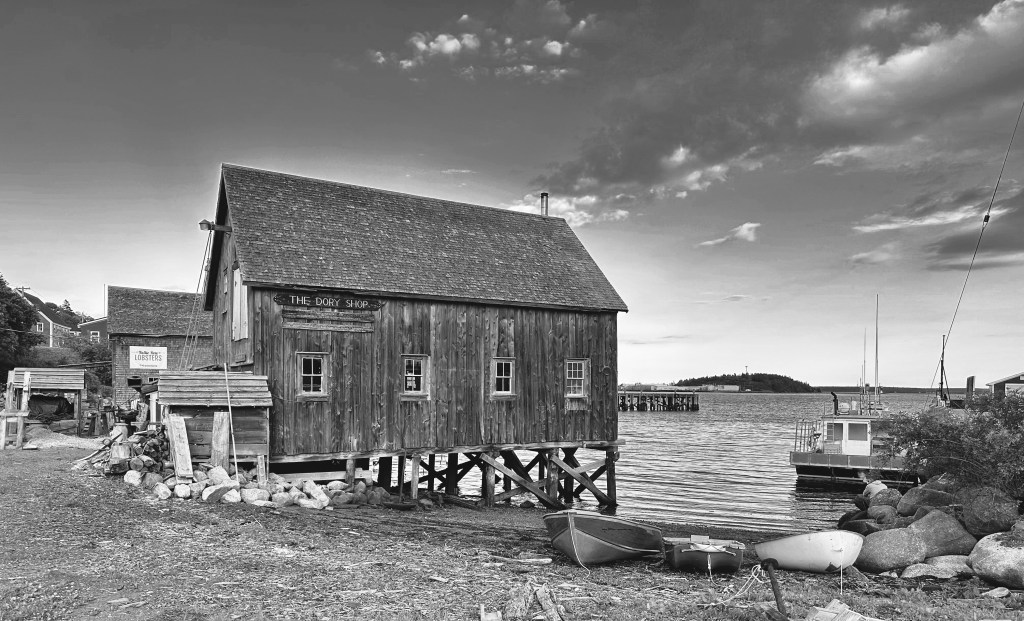
Let’s not forget coffee—essential to any stop over—Lunenberg was up to snuff with No9 Coffee a three minute walk down Montague Street from our loft.


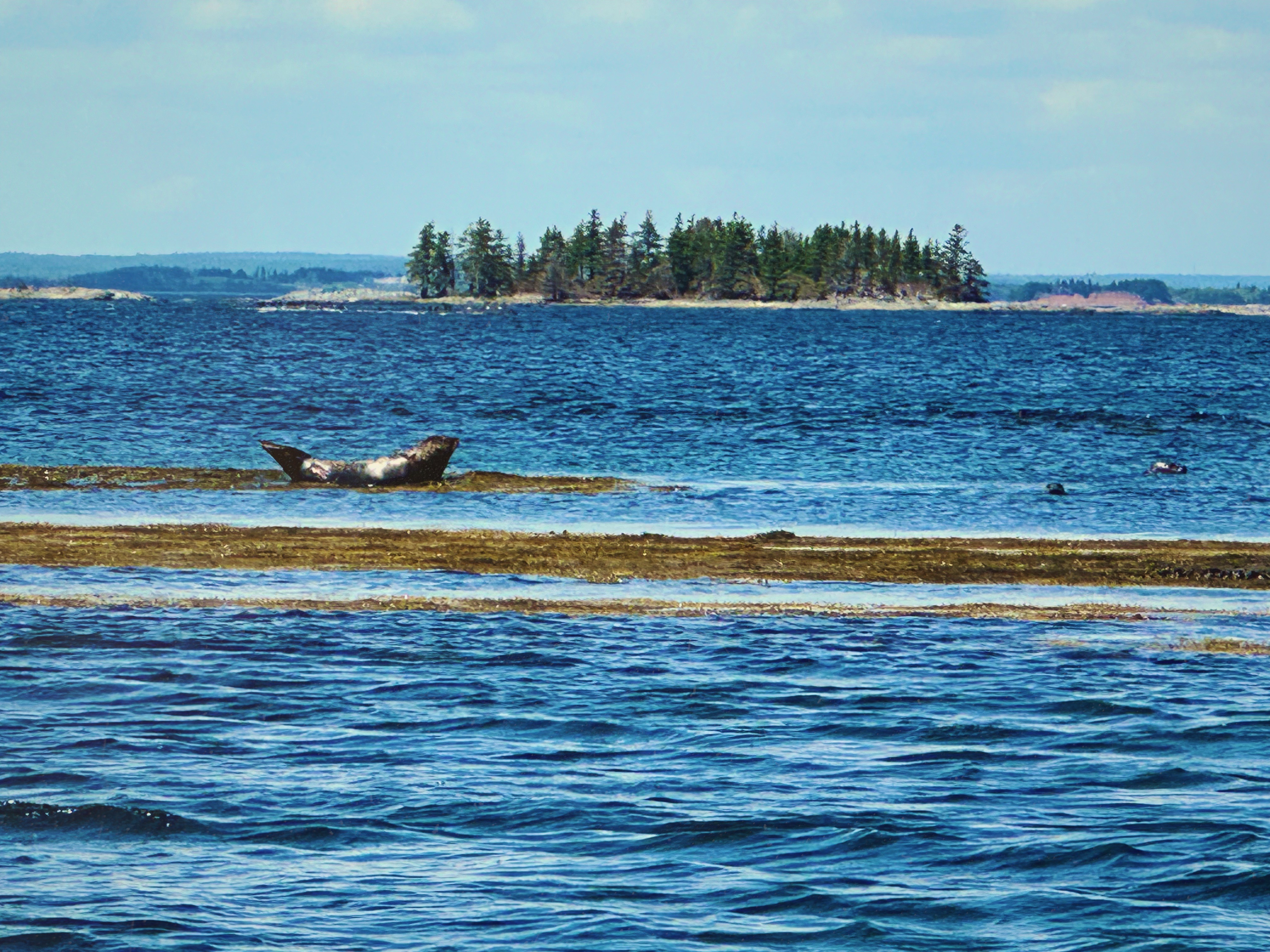
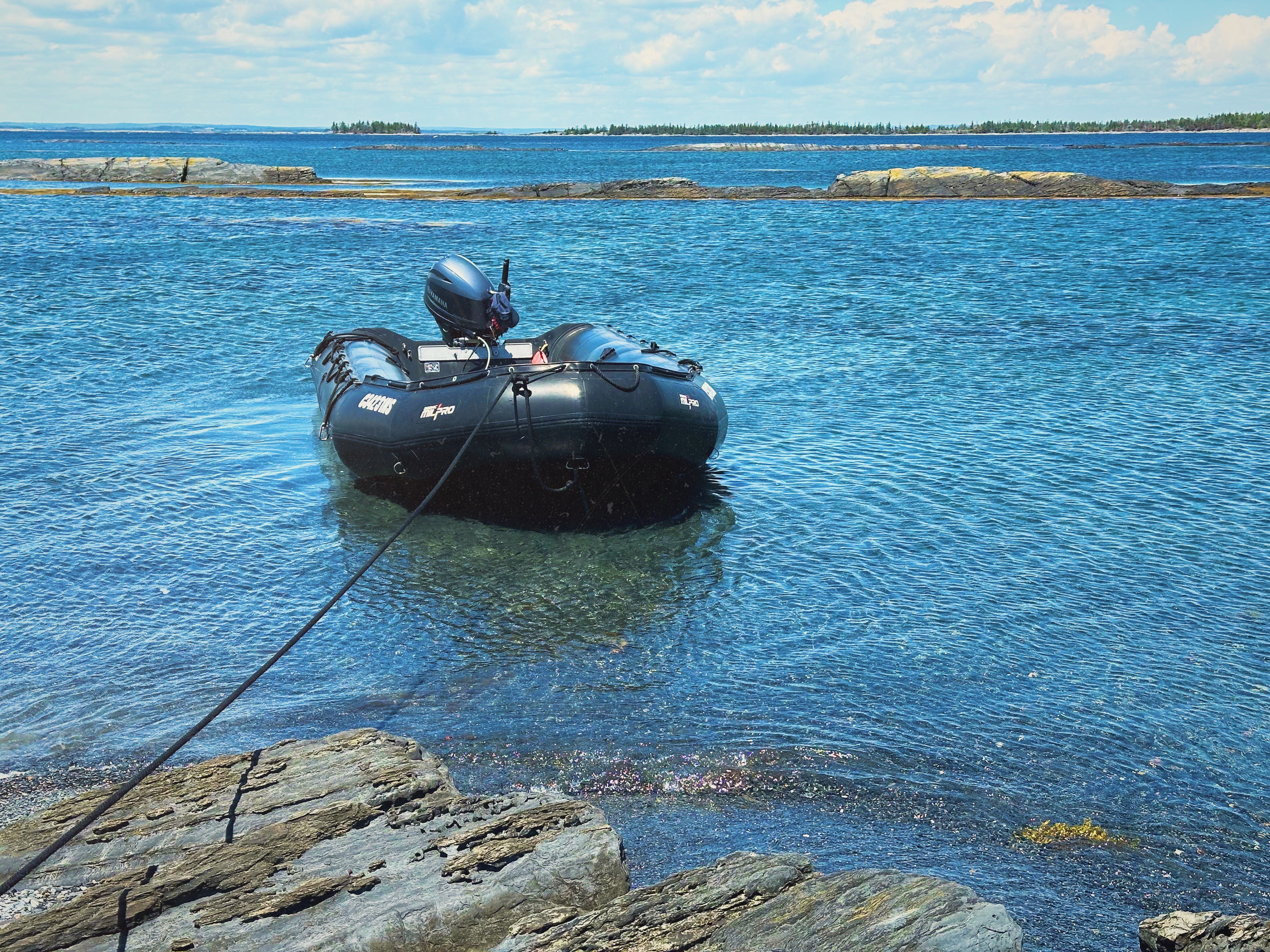
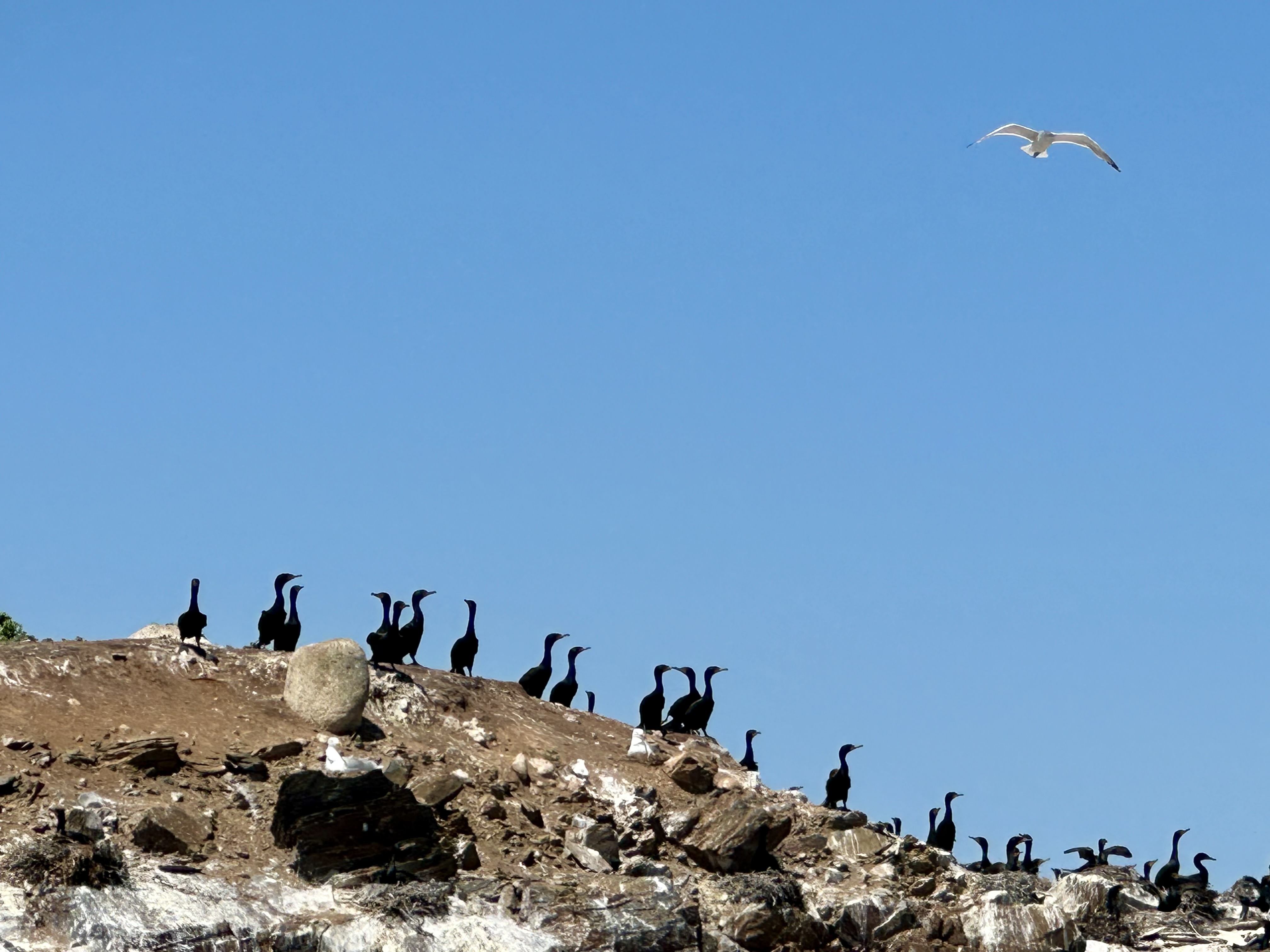
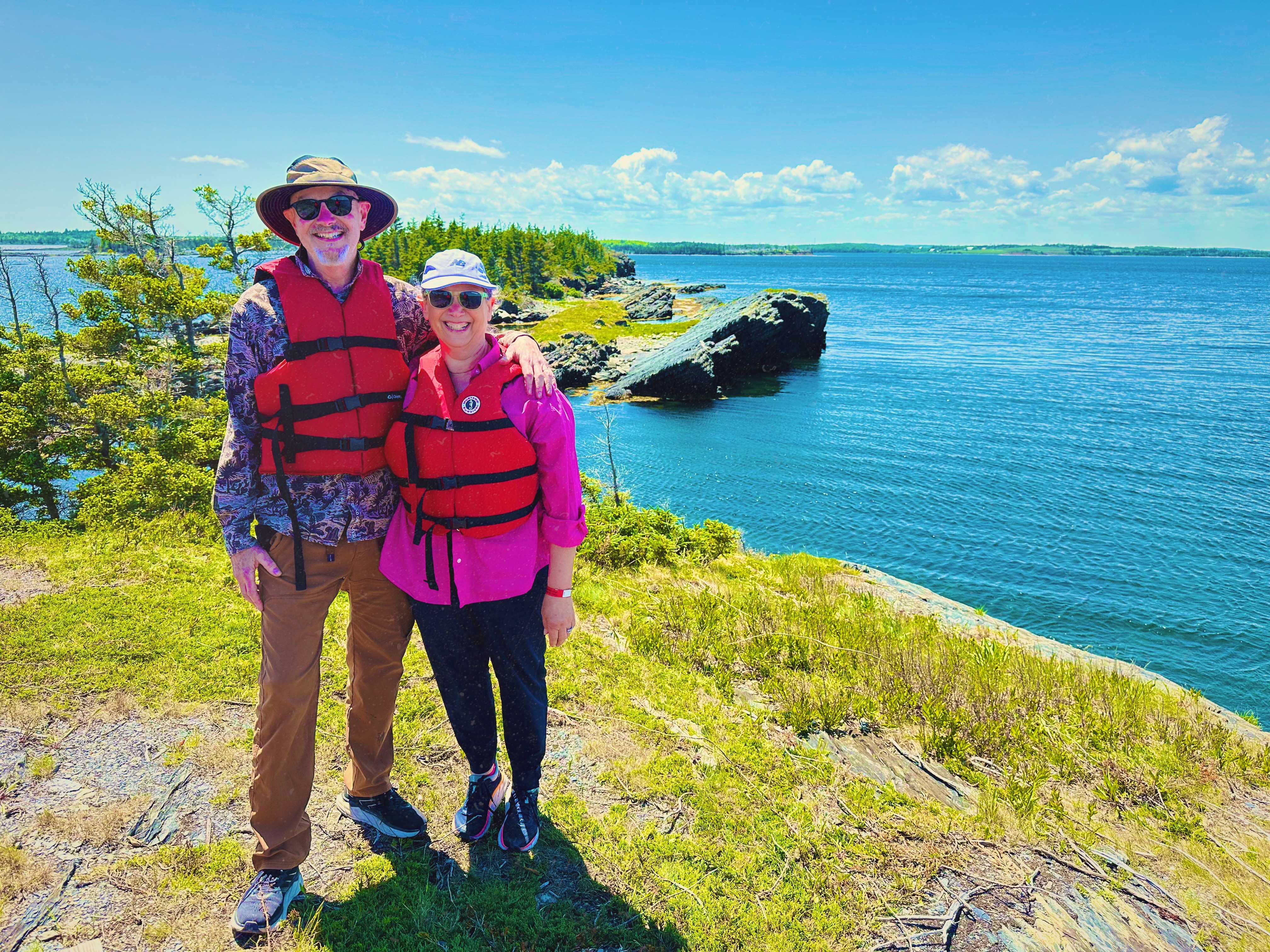
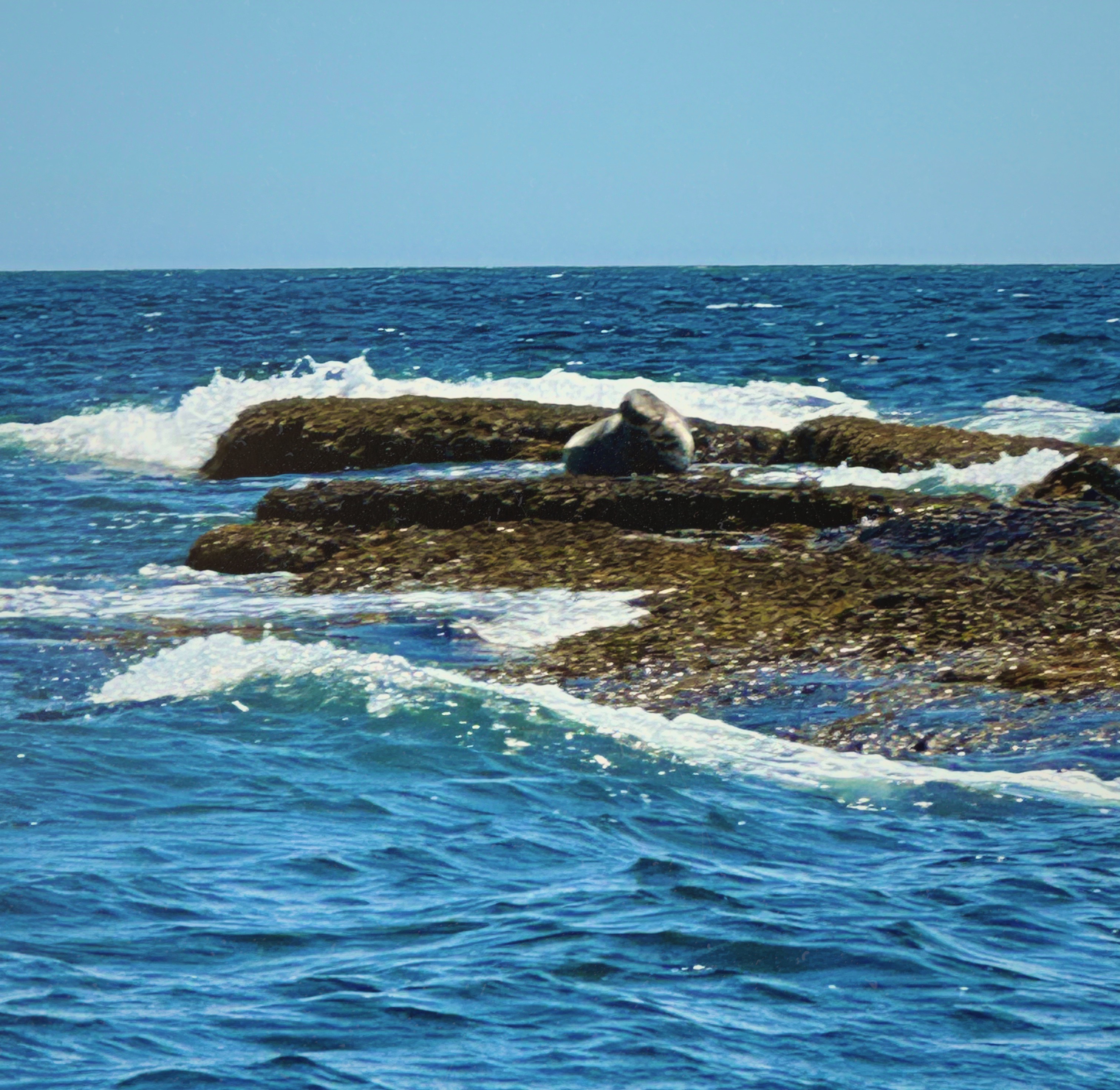
On our second day staying in Lunenberg we traveled about ten minutes east for a coastal tour by Zodiac. We had a picture perfect day although the open ocean was to quote our guide Jason —“a bit sporty”. The coves and gutters (channels) however were calm and serene. We saw many seals swimming and sunning on the rocks. We also were able to beach the Zodiac and explore several small islands. Jason was a great guide and host. After finishing the tour he served us Gin & Tonics on the dock. We squeezed fesh juniper berries that we collected on the islands into our G&Ts. Delicous!



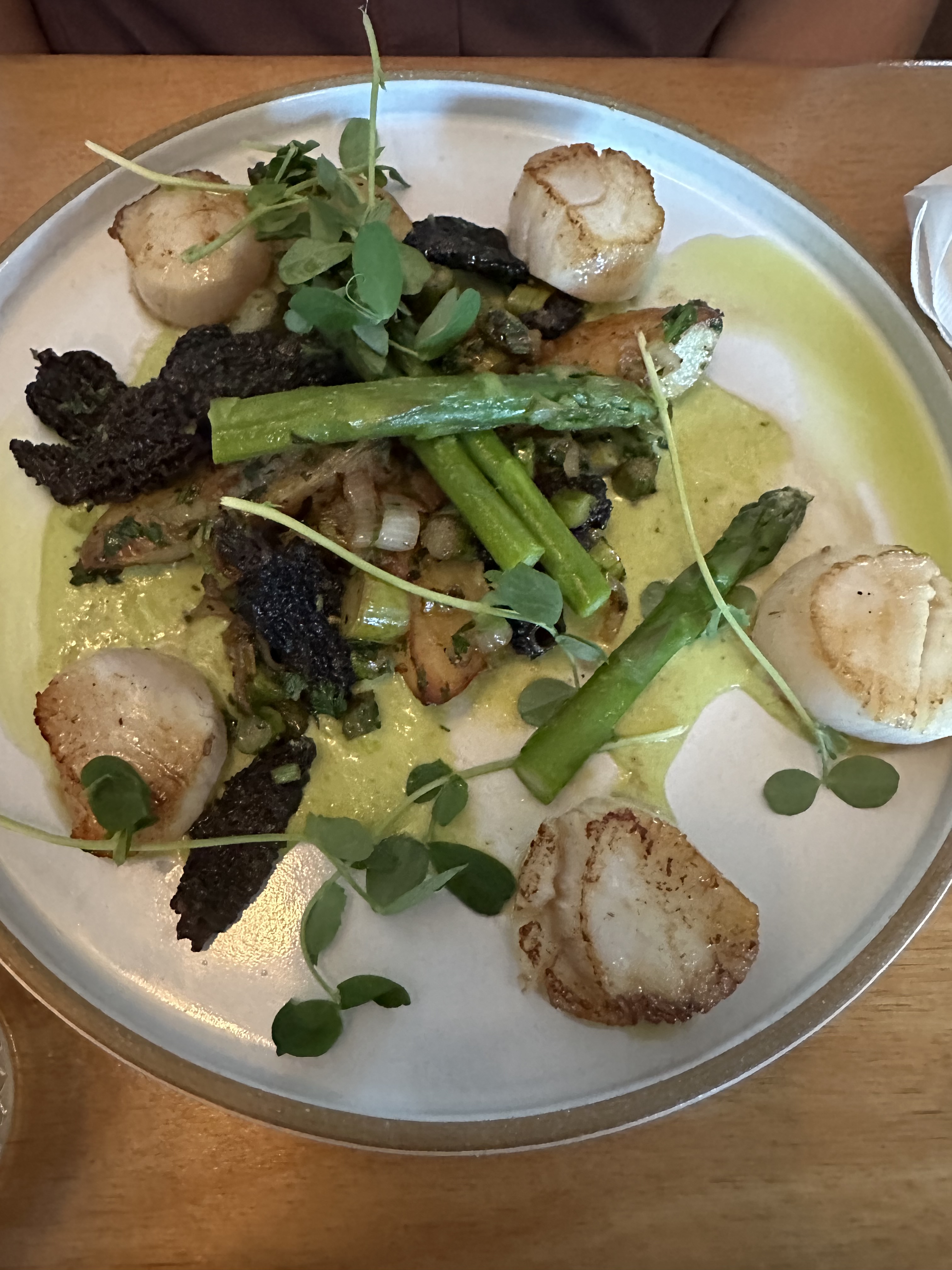
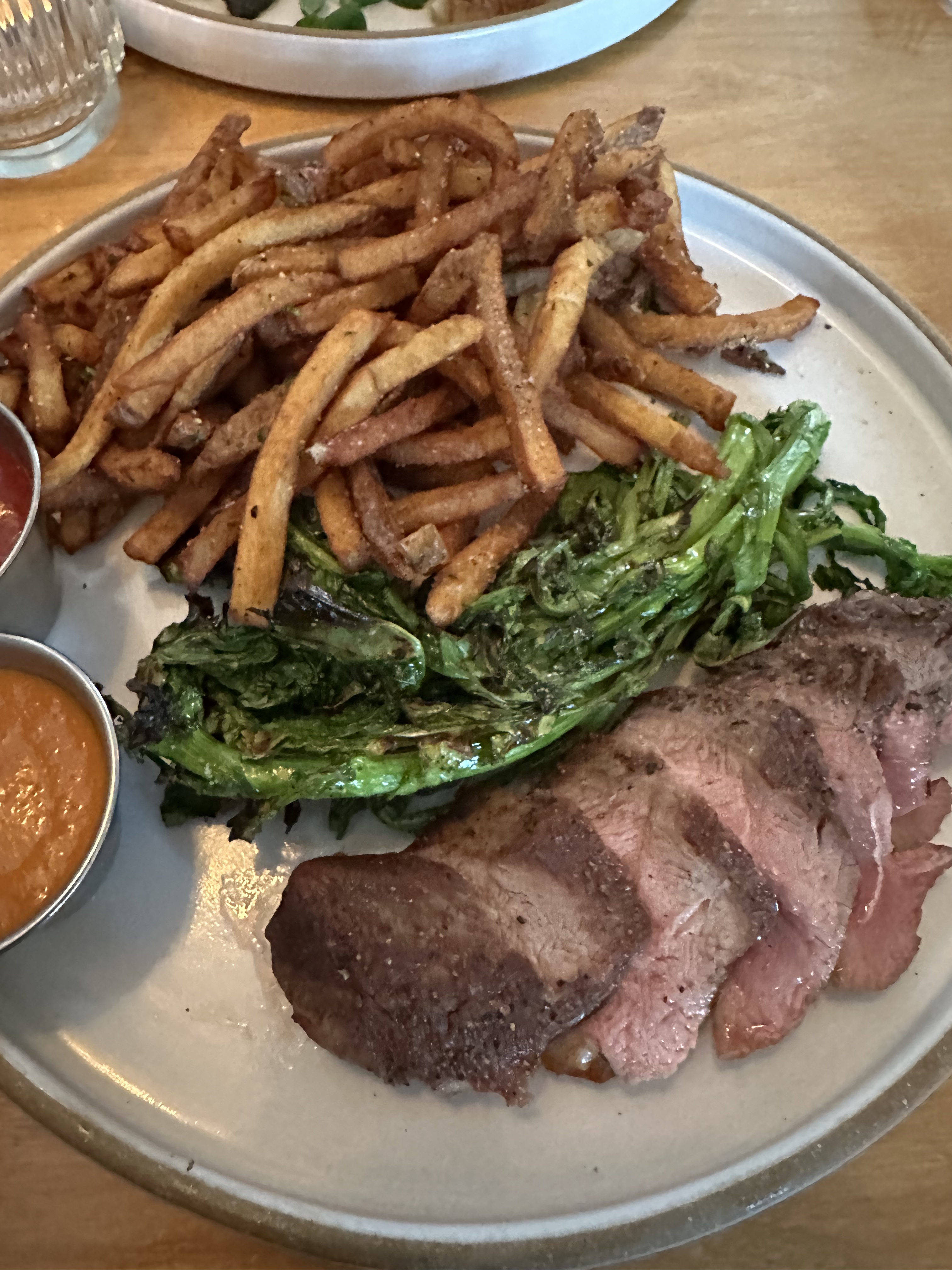
Back in town we completed our stay with an excellent meal at the Beach Pea Restaurant. Beach Peas are native to temperate coastal areas in the Northern Hemisphere. I am not sure why the resaturant was named after this spcies since they are toxic if improperly prepared and are not on the menu. No matter — an excellent dinner and a greatwaytofinish our stay in Luxemberg.


From Lunenberg we set out for Halifax by way of Peggys Cove. Peggys Cove is a tiny working fishing village with a population of 30 year round residents. Amazingly, this tiny sheltered cove has upwards of 700,000 visitors per year. There is really nothing to do here other than soak up the scenery—pretty good scenery, eh!
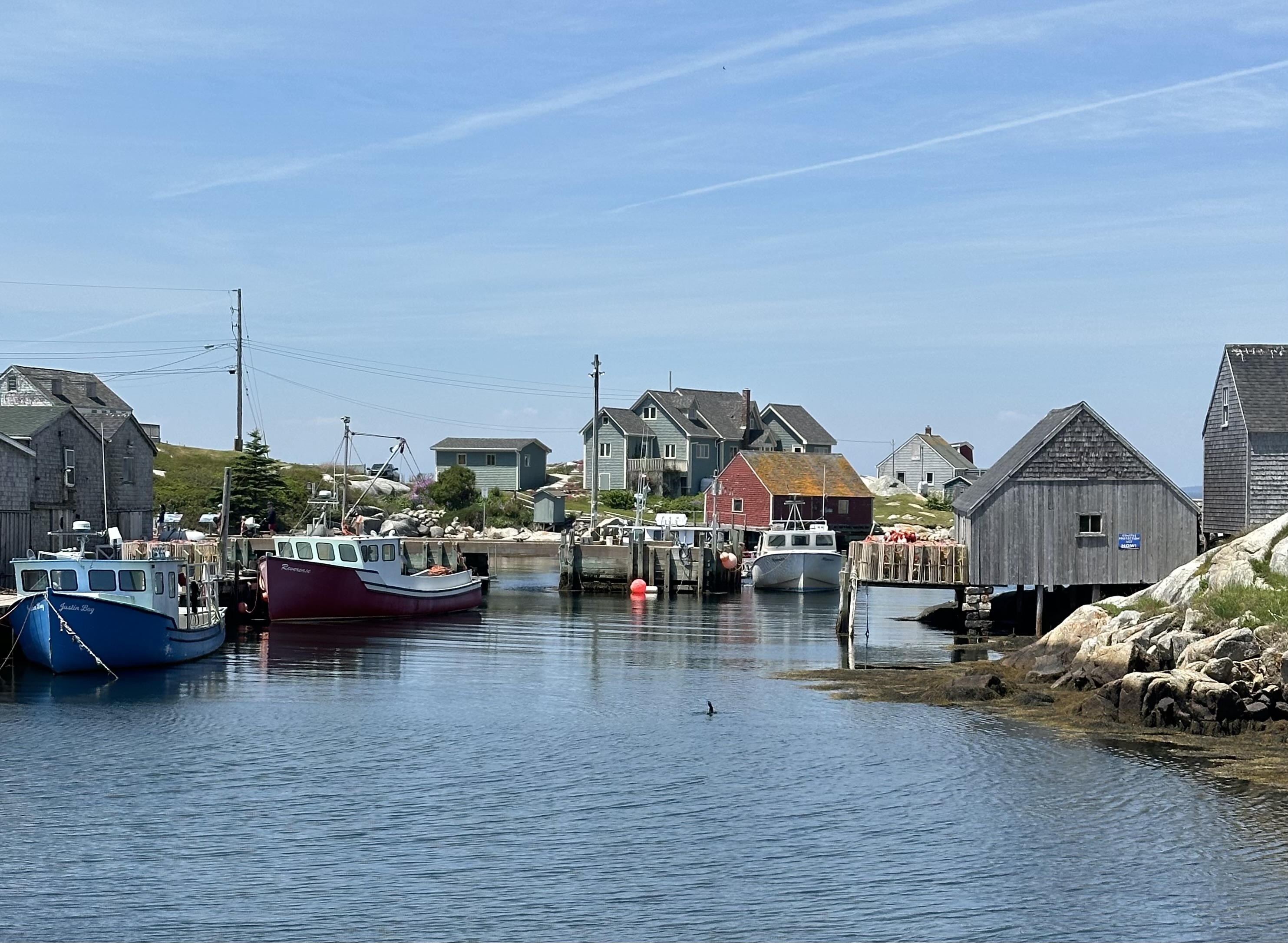


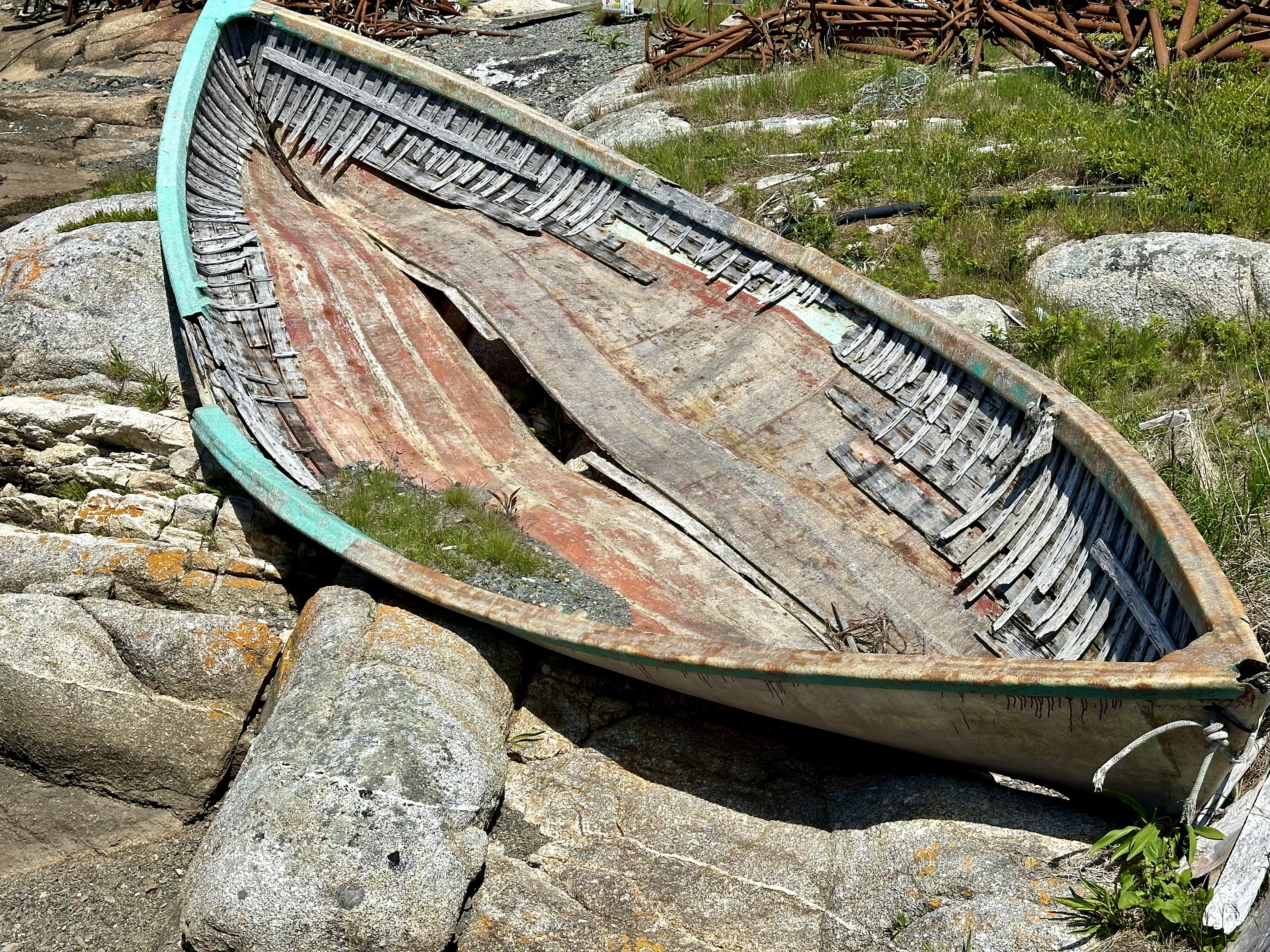


After soaking up the scenery and walking out onto the rocks to the lighthouse and taking a silly amount of photos (that can never adequately capture what you have seen) we finished the trip to Halifax. Halifax is the largest city in the Eastern Provinces and we look forward to sharing our experiences there soon.
Be seeing you!

 ON THE ROAD with Maria + Stephen
Thank you, EMK
LikeLike