E. Martin Hennings,Thinning Aspens, Undated, Oil on Canvas
Taos: a brief history
The Taos Pueblo has been in existence for 1000 years. The first Europeans to arrive in Taos were the Spanish – who initially maintained friendly relations with the Tiwa Indians who inhabited the pueblo.
Afer a relatively short period of peaceful co-existence the Spanish exerted their might and will over the Tiwa, and as they would do many more times in the west, instituted rule over the indians and imposed Catholicism.
While the Town of Taos was incorporated in 1934, the Taos Pueblo has been continuously inhabited by the Tiwa Indians since its founding. The pueblo has about150 residents with another 1750 Tiwa living on pueblo lands.
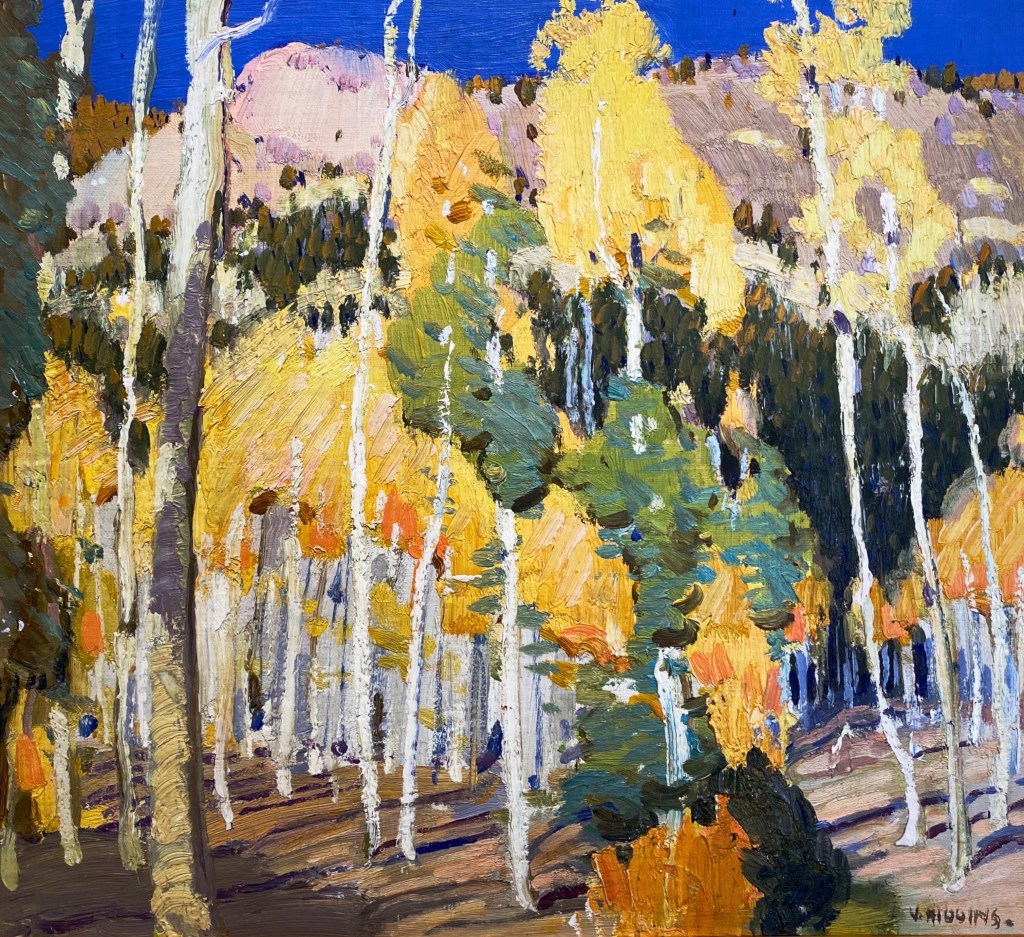
The Town of Taos is a major tourist destination with a myriad of outdoor recreational activities including alpine skiing at the world class Taos Ski Valley. Taos is also a noted art colony dating back to the migration of eastern artists to Taos Valley and the formation of The Taos Society of Artists in the early 20th century.
Rio grande gorge
The Rio Grande Gorge is atypical of canyons this size in that it is a massive rift in the earth with the river filling the bottom after the formation of the rift. The gorge is 50 miles long and 800 feet deep at its deepest – quite impressive!
The river itself is impressive as well. The Rio Grande is the fourth longest river in North America. The river runs from Colorado through New Mexico (470 miles) and then forms the border between Texas and Mexico until it empties into the Gulf Of Mexico. The total length of the river is between 1800 and 1900 miles.
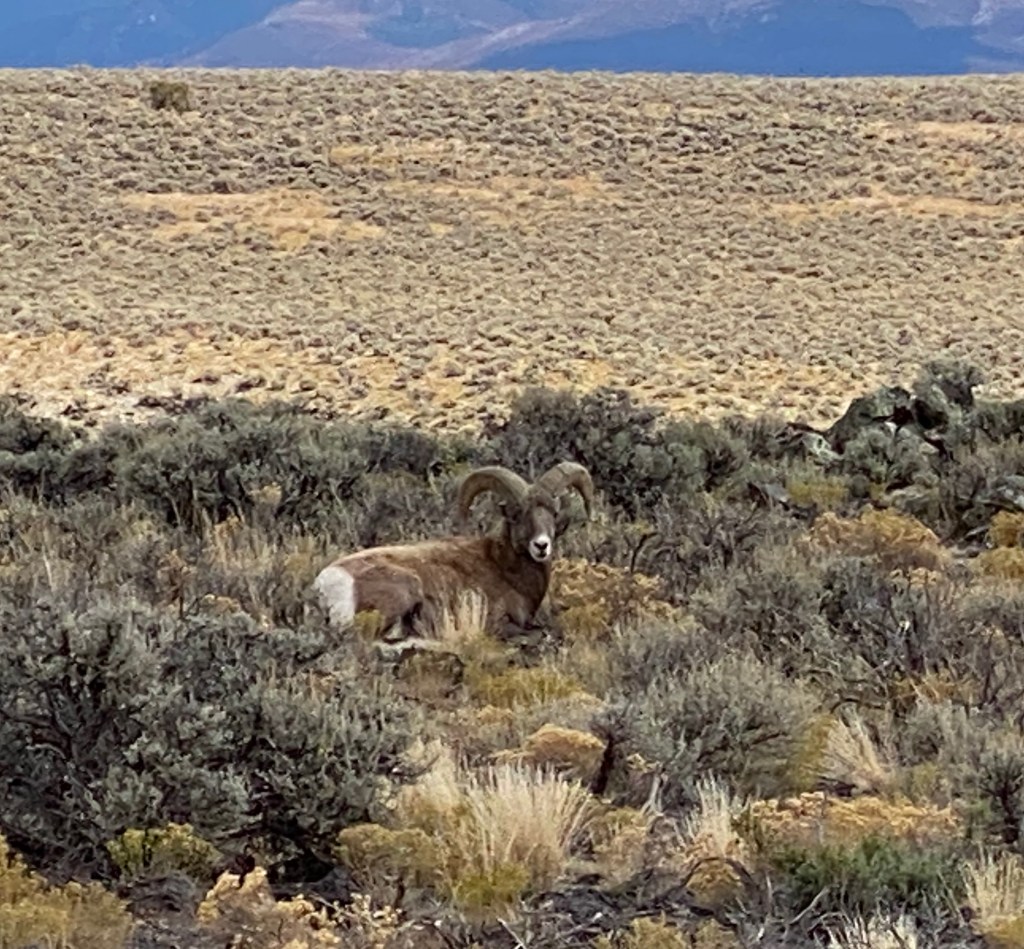
Big Horn Sheep
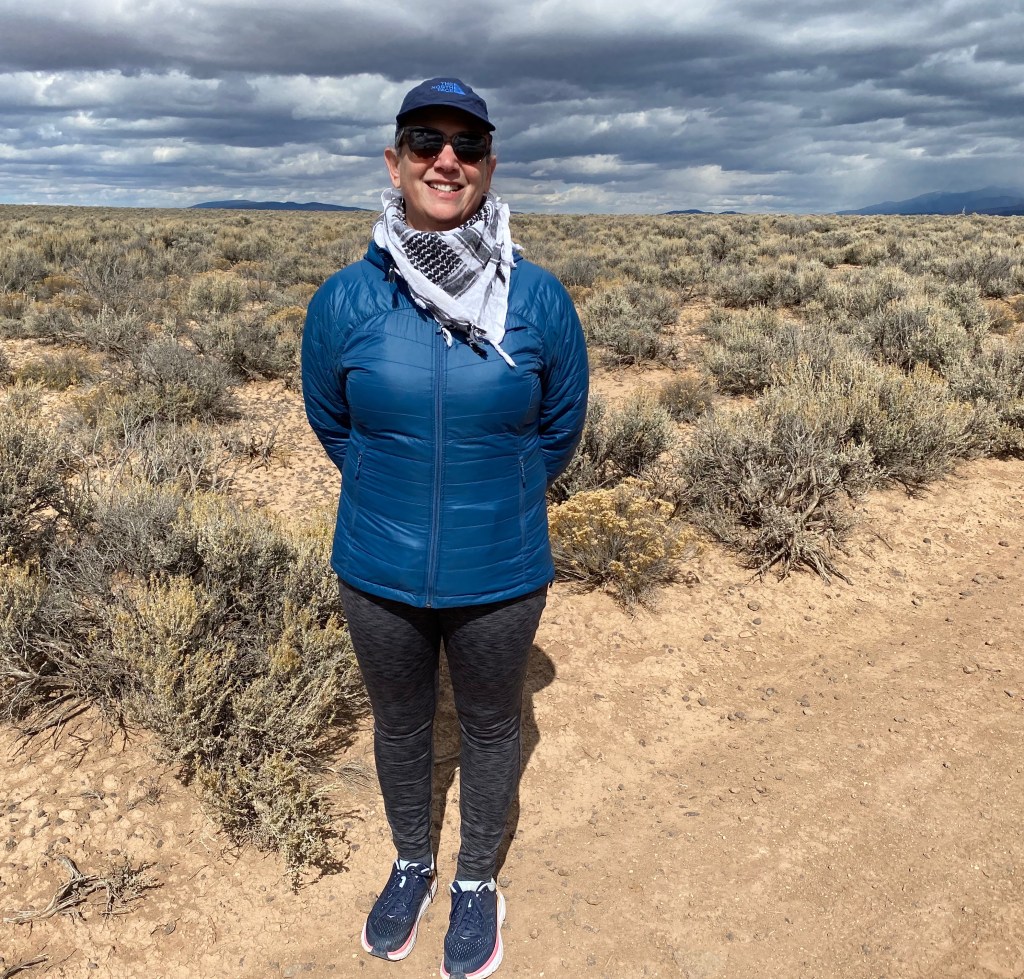
We hiked along the west rim of the gorge, enjoying the views of the river below, the mountains to the east and west and the Big Horn Sheep dotting the edge of the rim.
Hiking on the Rio Grande River Gorge RimEl Santero by George Chacon, Wall MuralElevation Coffee, Taos
We had the pleasure of spending an afternoon at the Taos Museum of Art at Fechin House. We will share photographs of some of the wonderful paintings and the architecture of the Fechin House in an upcoming post.
Moab was a sleepy trading post and farming community for most of its history. Its settlement dates back to about 1829 when people traveling north on what is now known as the Old Spanish Trail would attempt to cross the Colorado River in Moab and the local inhabitants would sell their goods to the travelers.
A little over 100 years later uranium was discovered in Moab. Uranium was in great demand for use in nuclear weapons post World War 2, so the federal government stepped in and passed laws mandating that all uranium mined in the United States could only be sold to the federal government. The economy of Moab shifted to mining overnight and Moab became known as the uranium capital of the world.
Unfortunately, as must, all booms result in some sort of bust. By 1960 the federal government declared it had all the uranium it needed. Since no one else could purchase uranium the mines in Moab began to close; the last of the mines closed in 1980. The population which had reached 6,000 declined to 1,000.
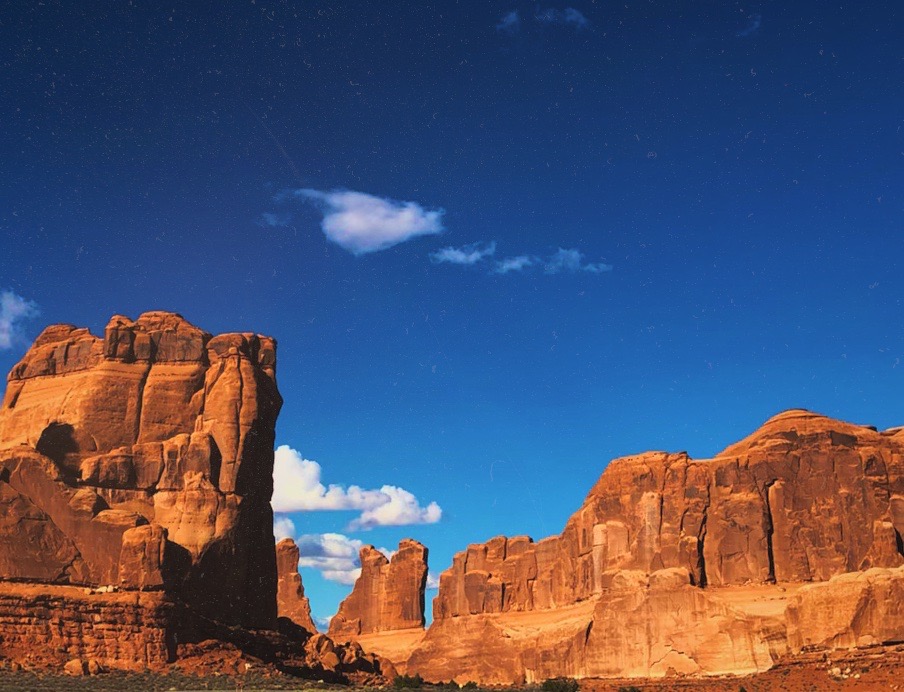
Arches Natiional Park
Today, the Moab area draws tourists who come to mountain bike, hike, rock climb, drive off road trails and boat on the Colorado. Additionally, Moab hosts two unique national parks – Arches and Canyonlands
While the town is prospering, there still remains the issue of remediating the uranium sites. When a visitor enters town for the first time driving south on route 191, it is hard to miss the large mound of contaminated pilings near the road.This pile consists of the remaining contaminated tailings. Over 16 million tons of tailings were produced from the uranium mills in Utah. The tailings are being removed and taken by train to a permanent disposal location in Colorado. More than 10 million tons have been removed so far under the auspices of the Uranium Mill Tailings Remedial Action (UMTRA) program paid for by the citizens of the United States.
Final note: many of the miners that worked in the Uranium mills were Navajo. There was little regard for their safety. The Navajo workers suffered significantly from lung cancer and other diseases. While the U.S. Public Health Service was aware of the effects as early as 1951, it was not until 1990 that the health impact was acknowledged. To make matters worse, the Navajo were not eligible for financial compensation until 2017.
Biking
Biking along the Colorado River
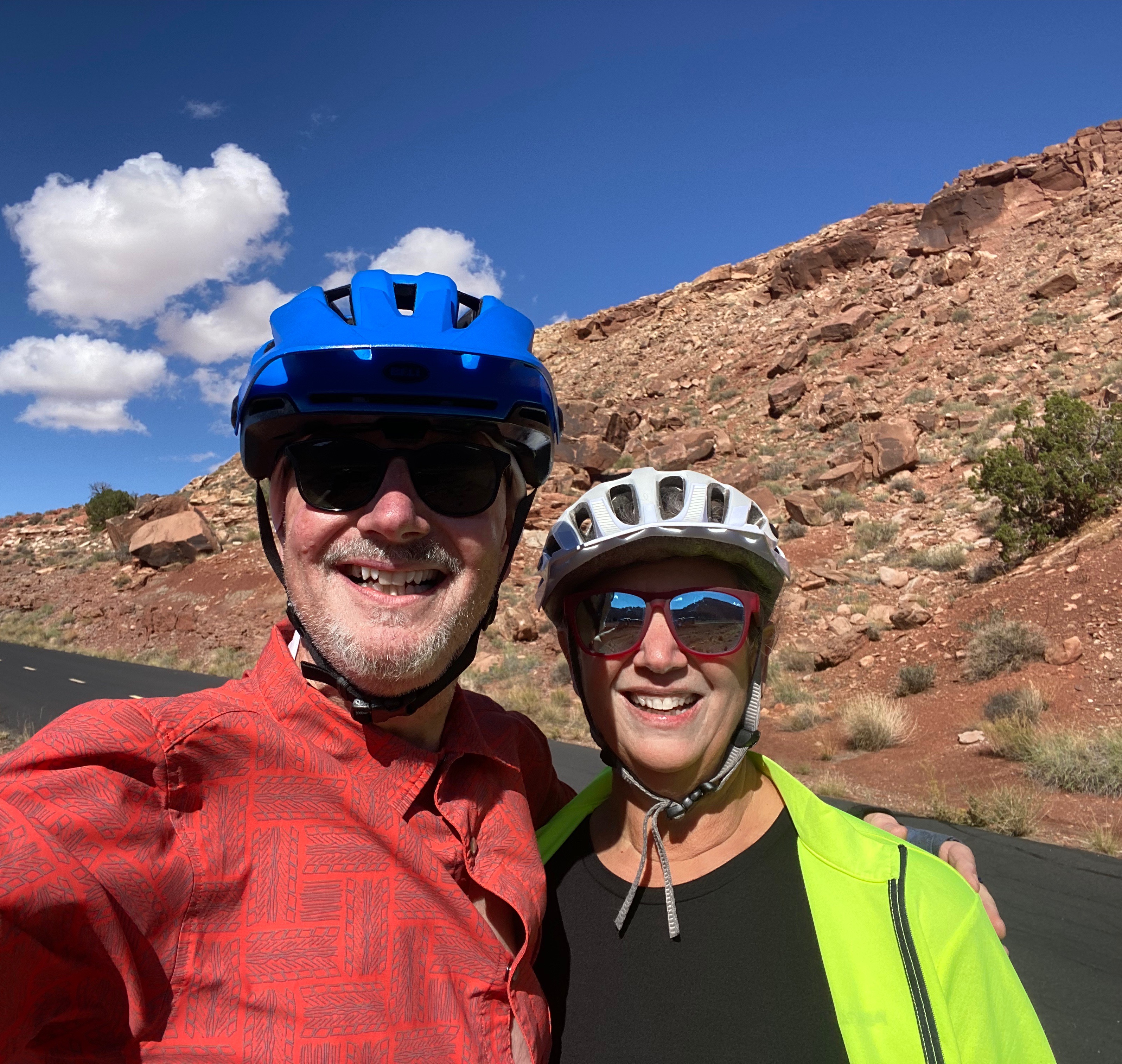
Moab is certainly a mountain biking mecca – the good news is that for those of us in need of less demanding terrain, the town has developed a number of bike paths and bike lanes. One of the bike paths runs east along the Colorado River providing magnificent views of the river and red rock cliffs.
Camping with a view…
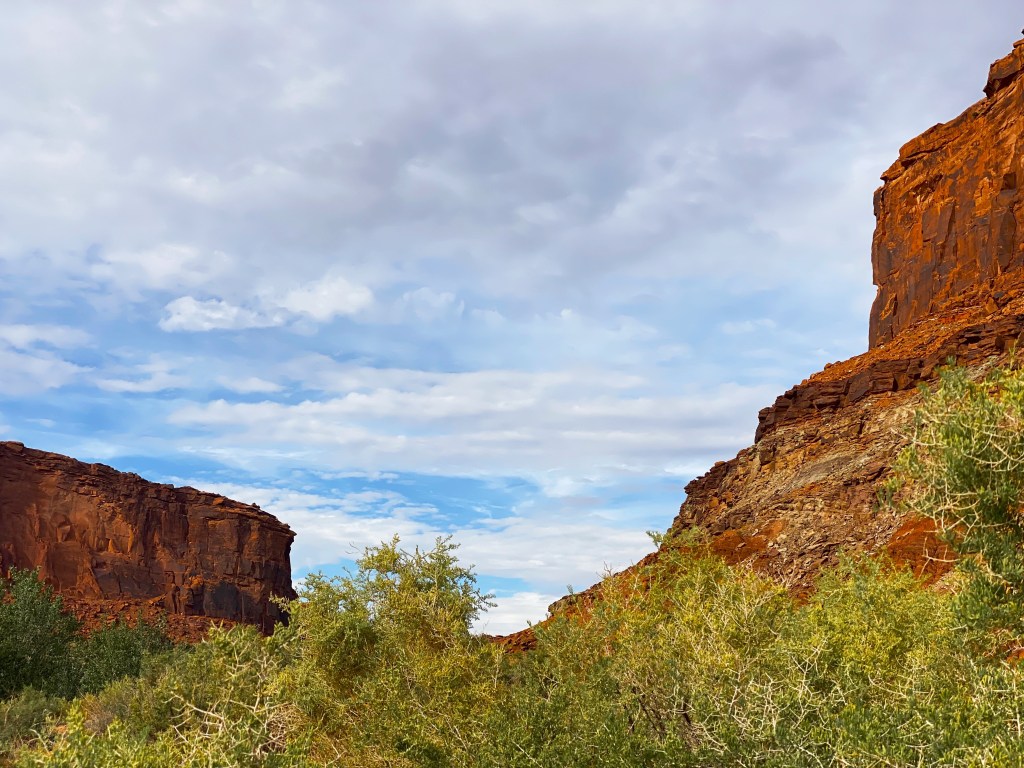
Camping on Ledge A: Hunter Canyon
Moab and the surrounding area offers scores of camping choices. Everything from in town RV resorts to remote primitive camping. We look forward to “boondocking” in Moab. We generally camp in a different location each night to enjoy different settings as well as the fantastic night sky and solitude.
4WD adventures
Kane Creek
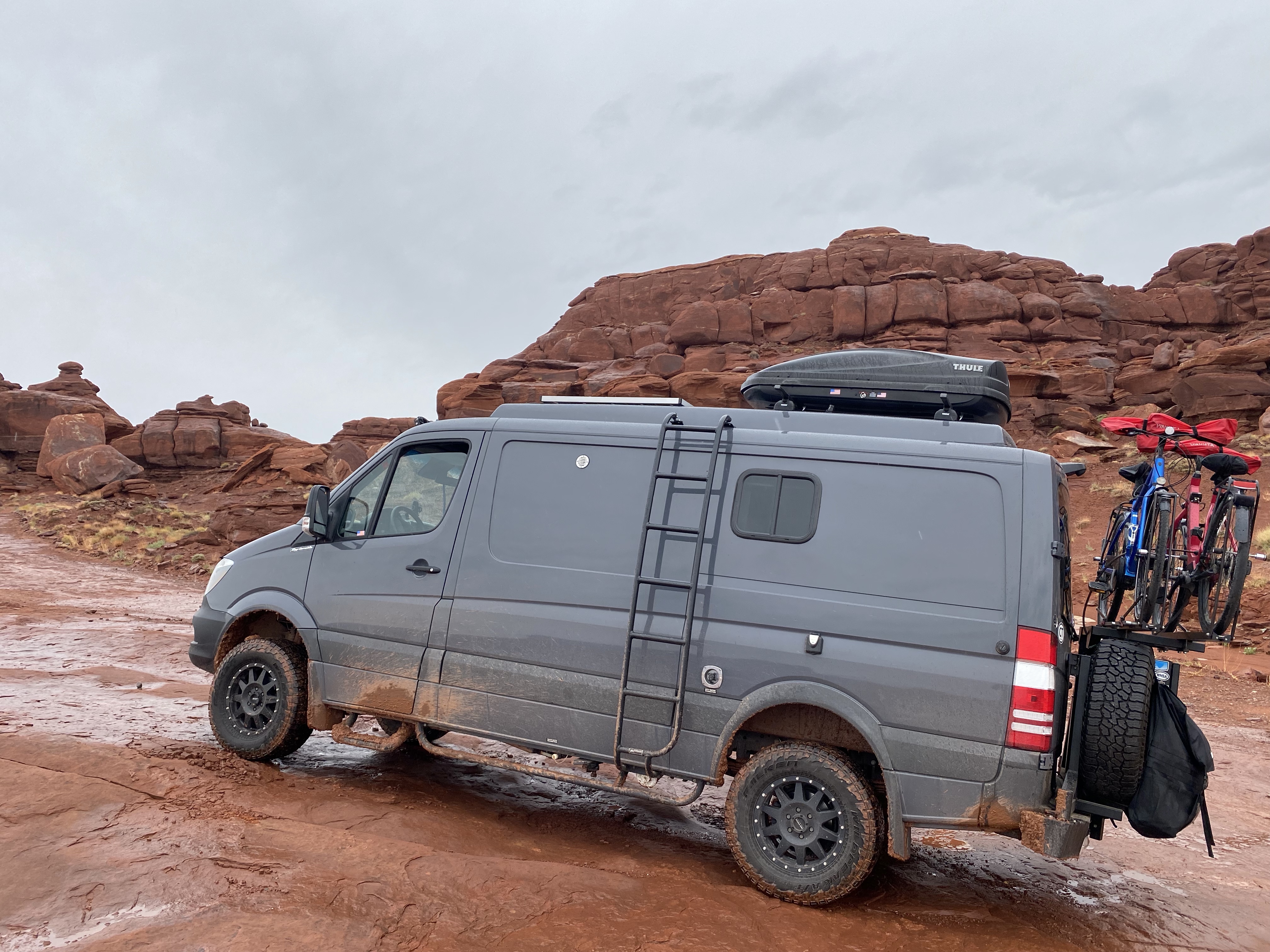
One of the reasons we chose a high clearance 4wd equipped Sprinter was our desire to go places that we would never be able to see and experience without that capability. The Moab area provides a plethora of opportunities to put the Beast to the test. Above and below we have included a sample of several of our 4wd adventures.
Shafer Switchbacks
Shafer Trail
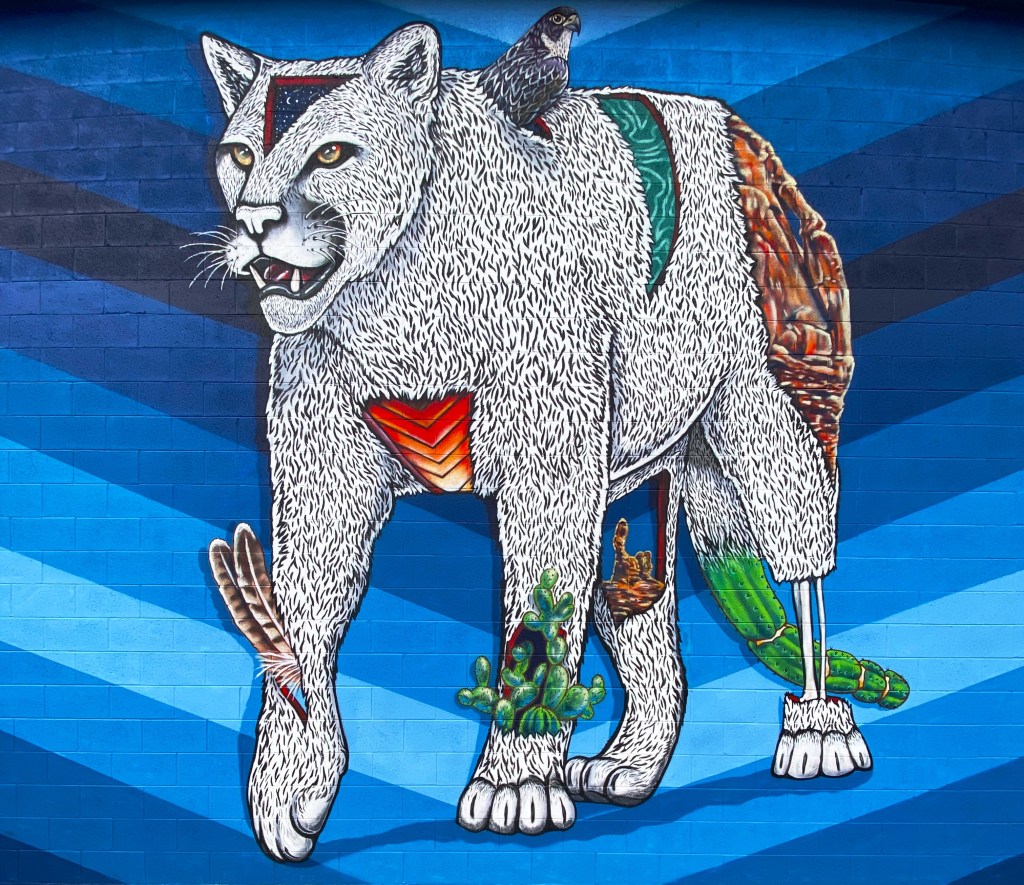
Moab Mural
Our favorite new Moab mural.
@skyewalker_art
Fine art
Artist Thomas Elmo Williams
Our trip from Salt Lake City to Moab usually involves a lunch and coffee stop in Helper, Utah. Helper has been undergoing a revitalization over the last several years and has become home to a number of artists. On this stop we discovered some wonderful paintings by Thomas Elmo Williams. Williams was a coal miner for 14 years before a mining accident put an end to that line of work for him. Williams started his new career sketching fellow miners and still focuses much of his art on the labor of working folks. He has a gallery in Helper.
Coal Miner Memorial, Helper, Utah
We love Utah and recommend that if you love outdoor recreational activities then a visit to Utah should be on your travel list, with a definite stop in Moab.
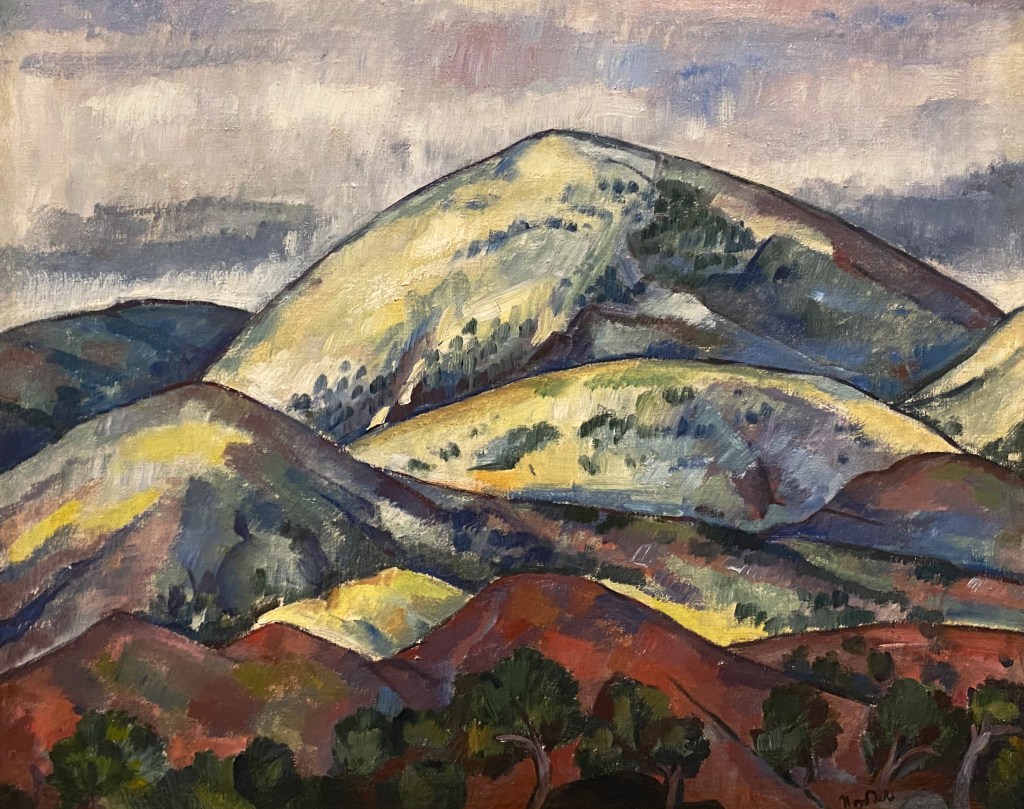
Fall in Northern New New Mexico, 1922, Theodore van SoelenTelaya Peak, c.1921, Jozef Bakos
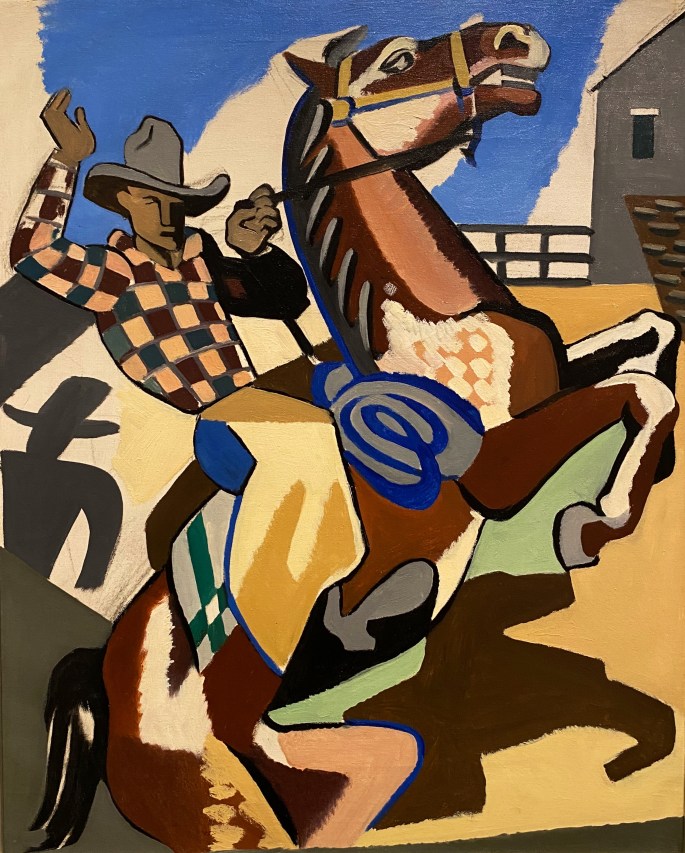
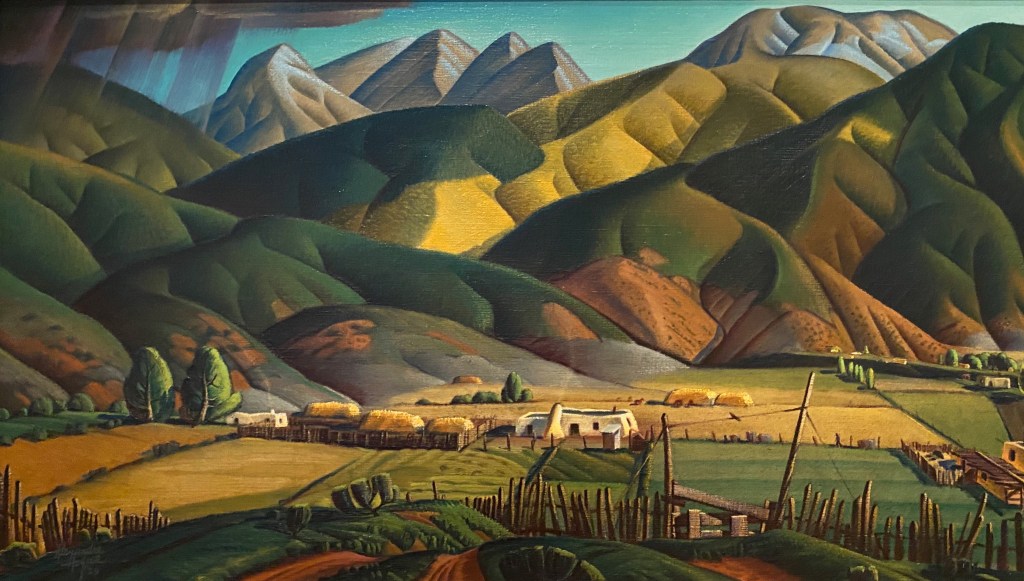
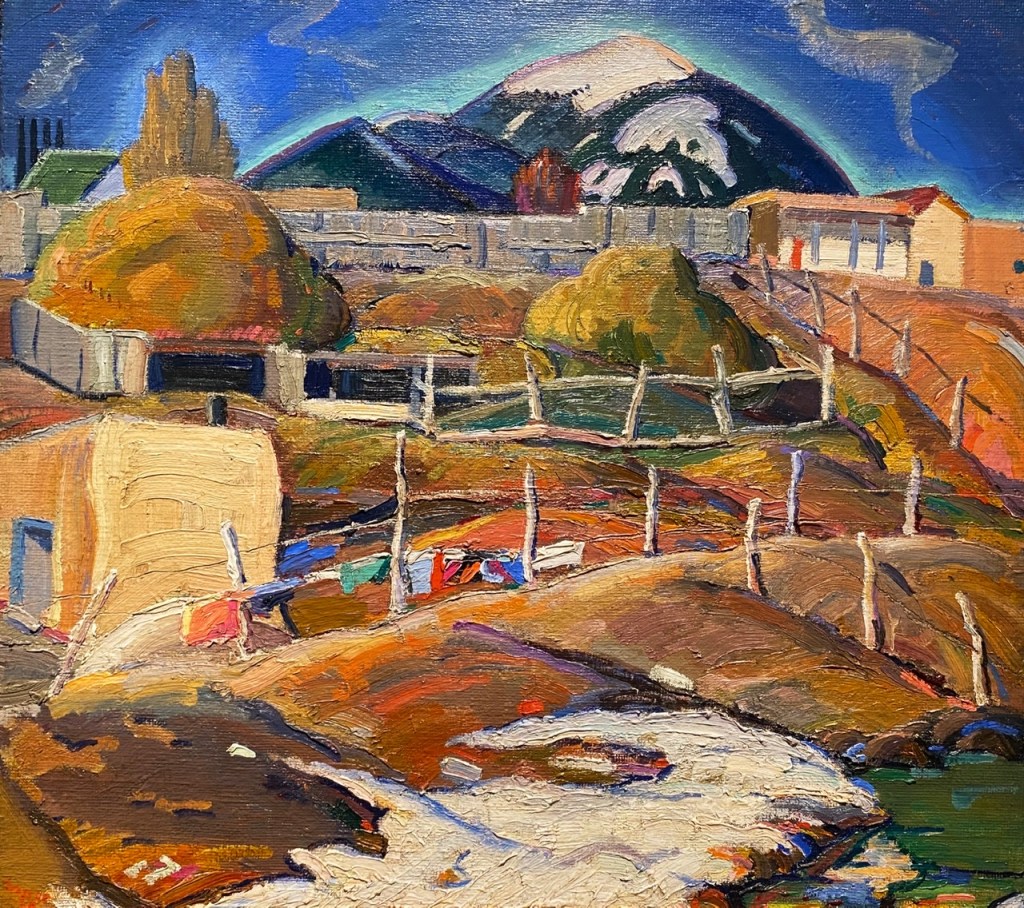
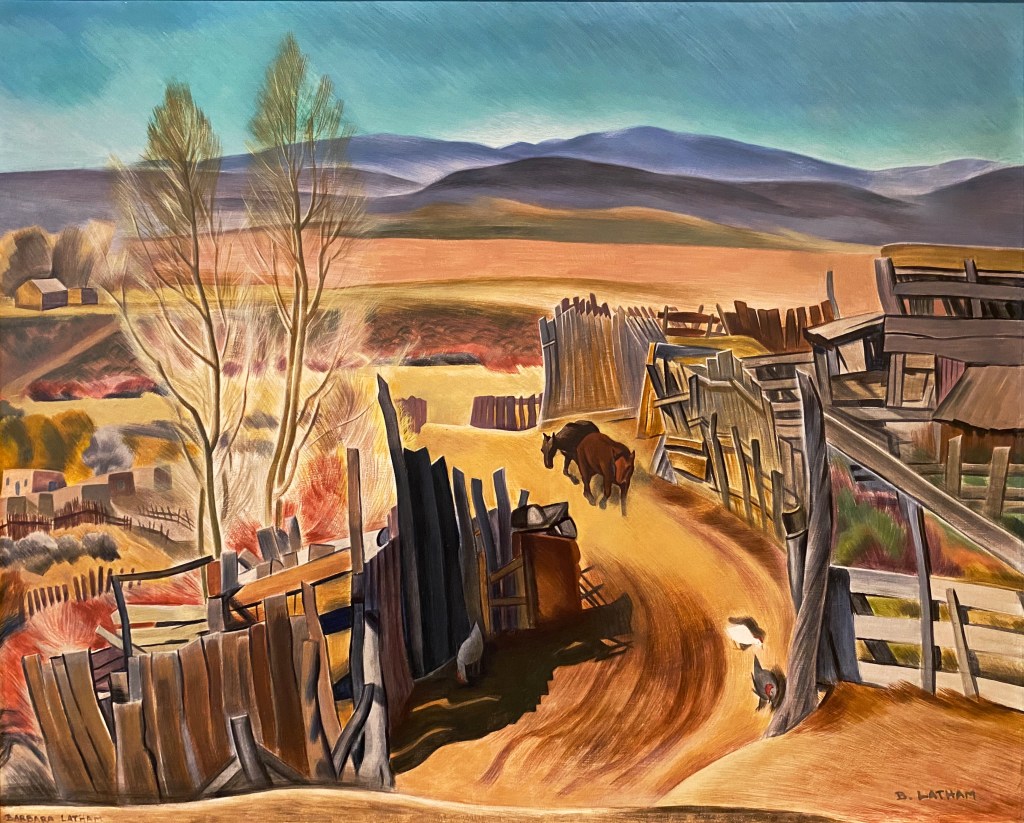
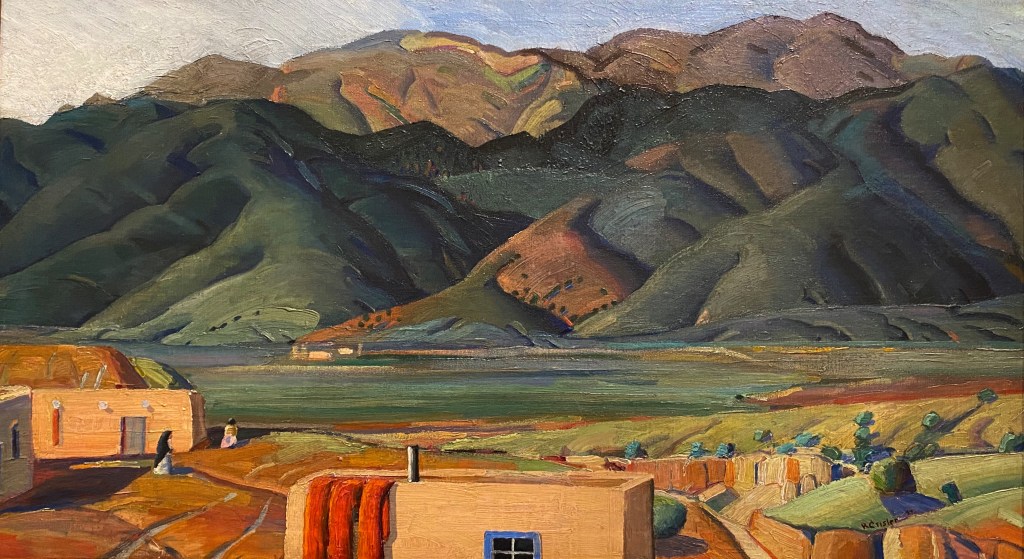
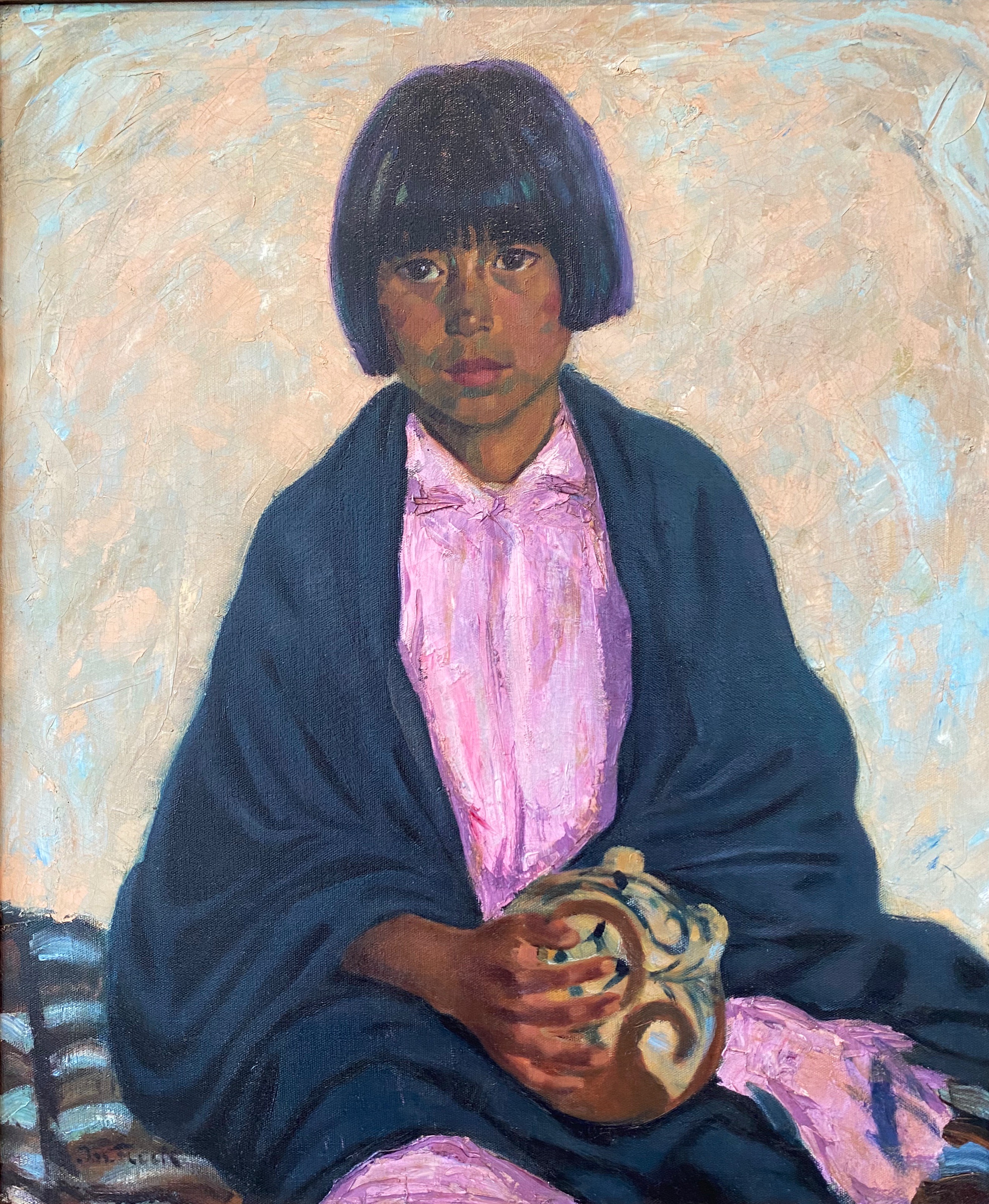
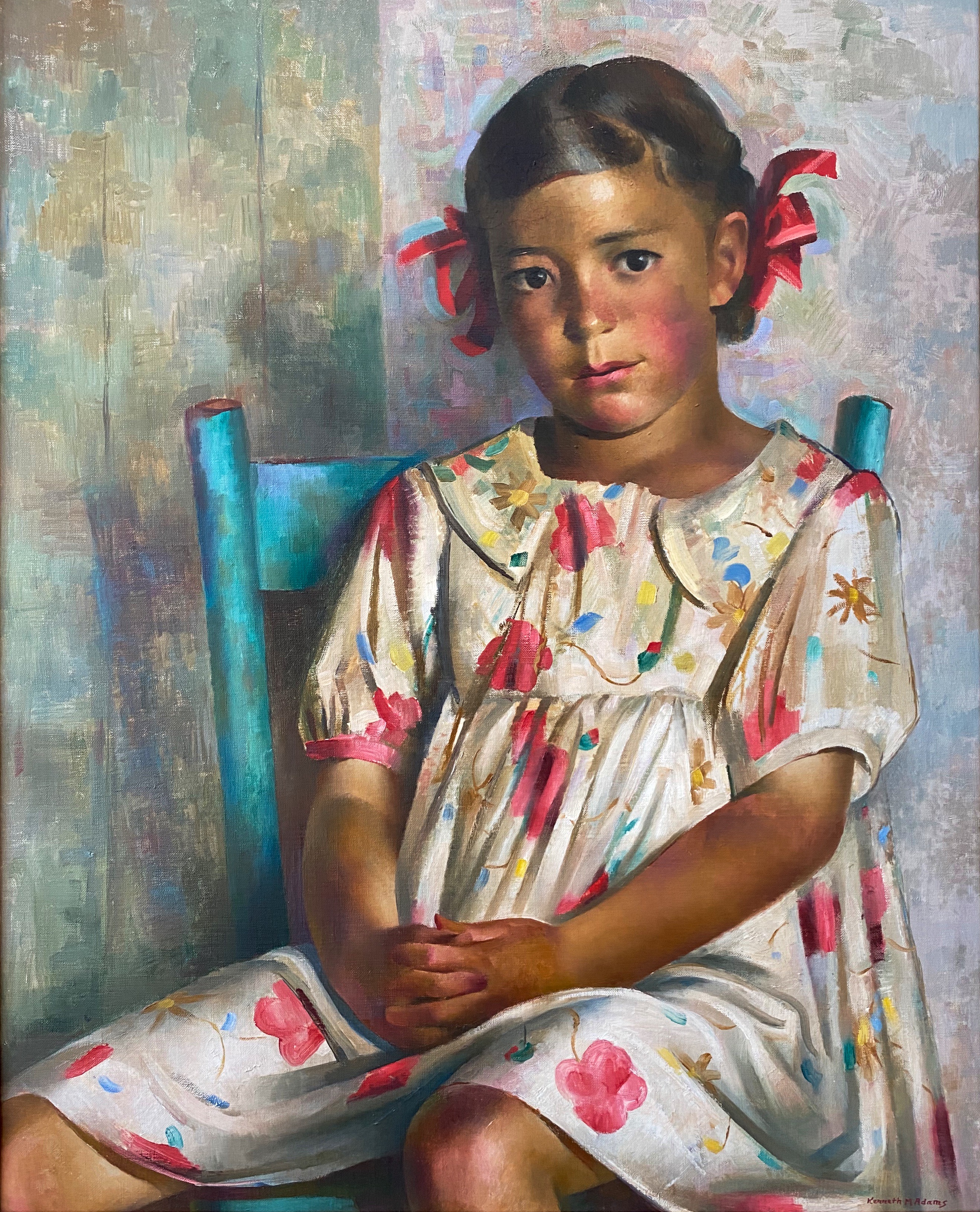
This was our first visit to Billings and the Yellowstone Art Museum. We were fortunate that our visit coincided with an exhibition of art by New Mexico based artists. The exhibition, New Beginnings, features a diverse group of artists that settled in Taos and Sante Fe, starting in the late 19th century. The majority of the works on exhibit were painted between 1900 and 1940.
Untitled (New Mexico Churchyard), c.1940, Katherine Levin FarrellAcross the Valley, 1929, Alexandre HogueLa Loma – Taos, c. 1920, Richard CrislerSanctuario, 1917, George BellowsSanta Fe Landscape (Talaya Peak), 1918-1919, B.J.O. NordfeldtNew Mexico Landscape, c. 1934,Cady WellsHome by Dark, c. 1930, Oscar BerninghausCorrals, c. 1935, Barbara LathamTaos, New Mexico, 1927, Richard CrislerThe Gathering, c. 1920, Laverne Nelson Black
The New Beginnings exhibit featured paintings by artists that migrated from the east coast to live and work in New Mexico. A number of the featured artists were the founding members of the Taos Colony.
The opportunity to experience and paint the dramatic southwestern landscape inspired many of the transplants to try new styles, colors and techniques which gave new life to their careers as artisits.
While many of these artists are not well known, their collective work was well received in the east where most people had never personally experienced the culture or seen the landscapes of New Mexico.
We were captivated by this exhibit which contains a significant number of paintings. We have included a sample of some of our favorites. The exhibit continues at the YAM until 16 July, 2021.
Matriarchs of modernism
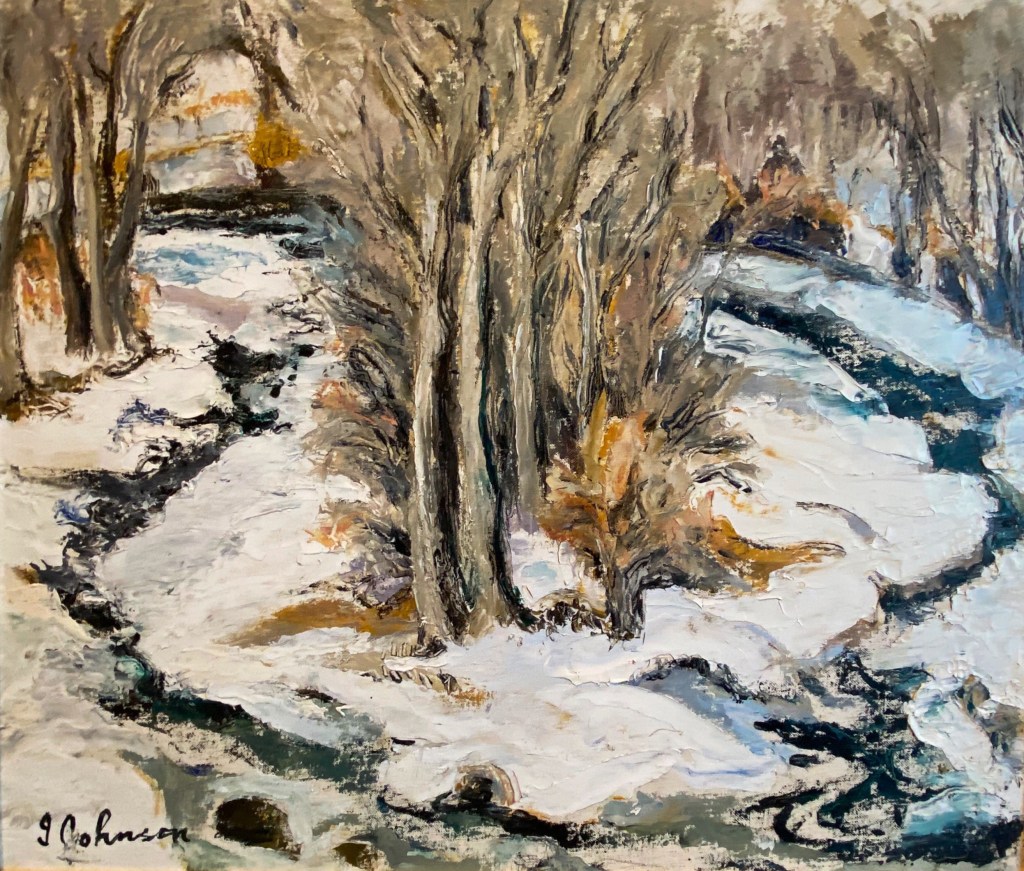
Little Island Winter, 1965, Isabella Johnson
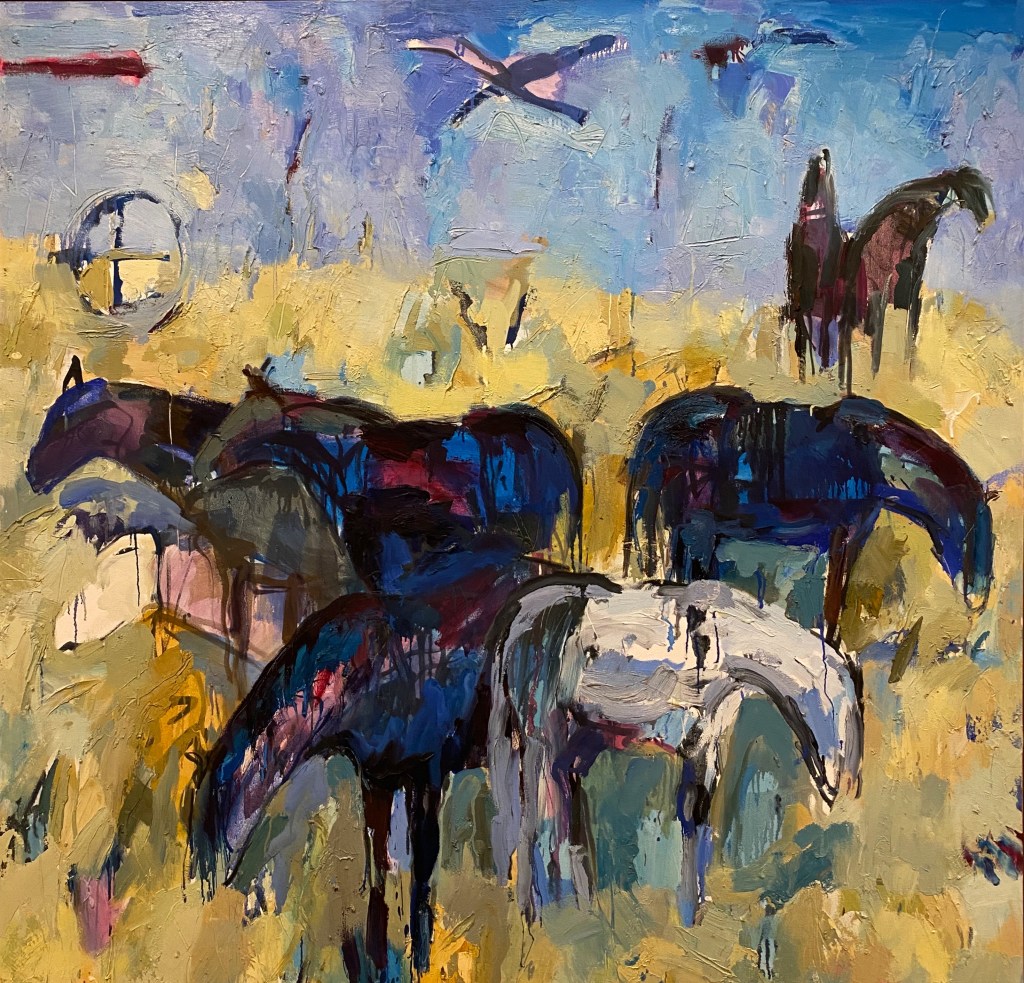
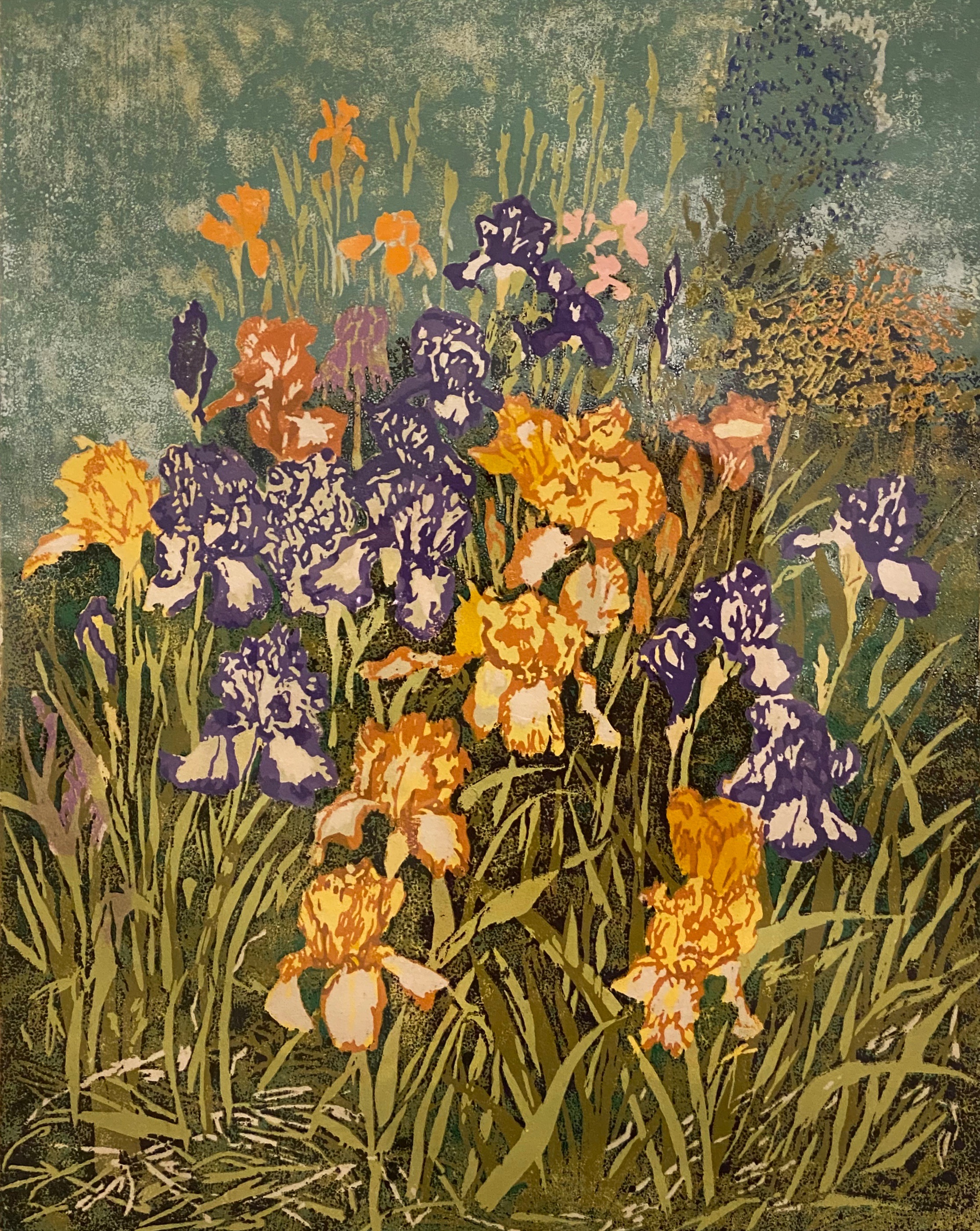
A second smaller exhibit currently on display at the YAM is Matriarchs of Modernism.This exhibit features the work of four Montana women artists and several of their students (men and women). The exhibit is part of the museums celebration of the centennial of women’s sufferage.
We hope you enjoyed the art work included in this post and would definitely recommend a visit to the YAM if your travels take you to Billings.
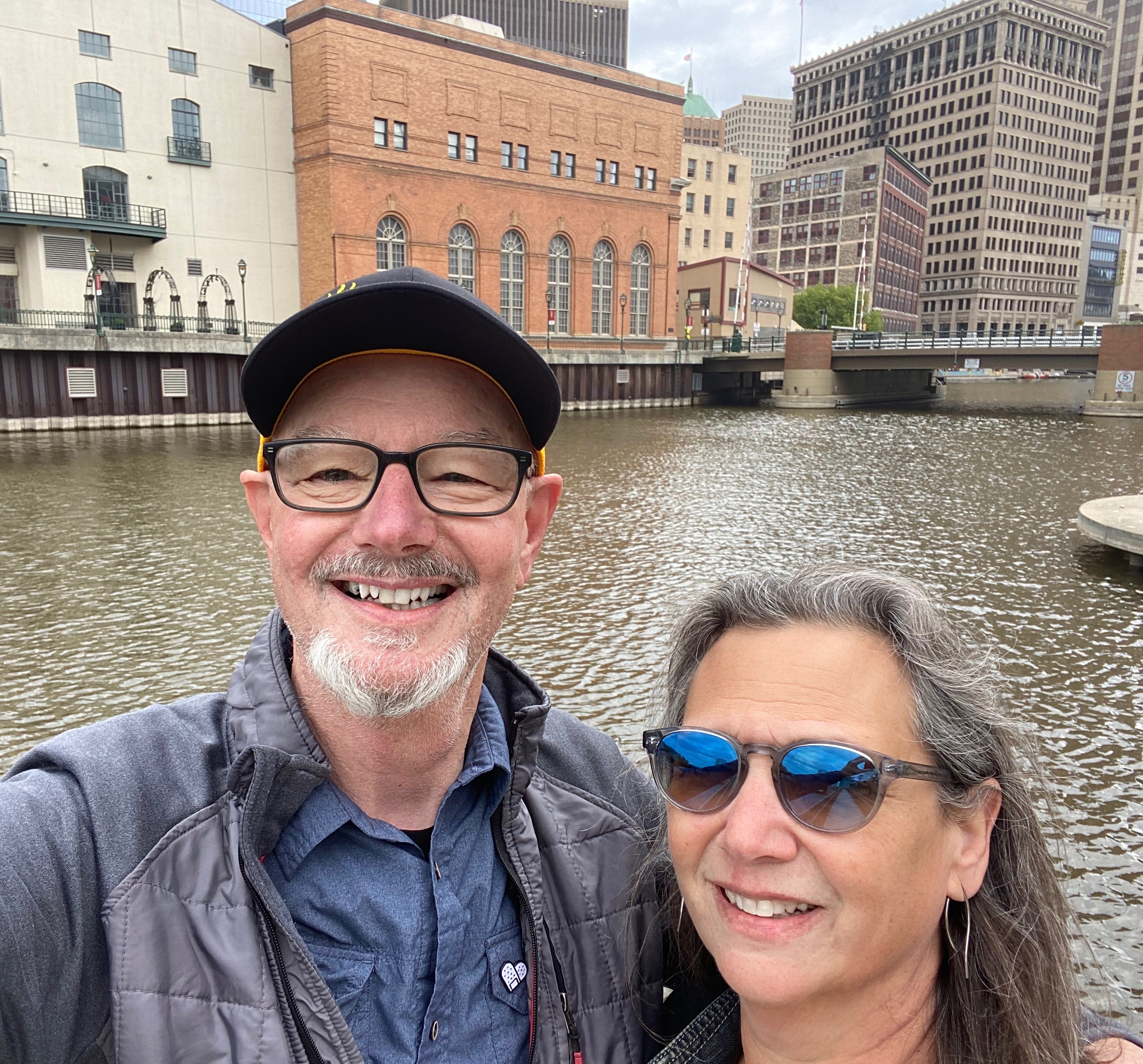
We at OTR had never visited Milwaukee until this trip but a bit of advance reseach convinced us that it would be a good city to spend several days exploring. So after spending a week or so biking and camping in southwestern Wisconsin, we made our way east to the state’s largest city (pop. 595,000).
As some of you may recall, our city visit criteria are well established and straight-forward: third wave coffee and tea cafes, high quality street art, an art museum (or two), an excellent Italian restaurant (and professional baseball is always a plus).
milwaukee Art museum
Crying Girl, 1964, Roy Lichtenstein
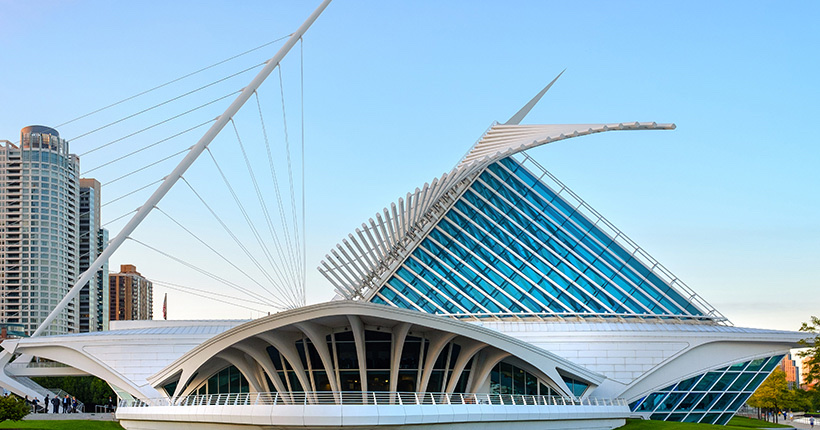
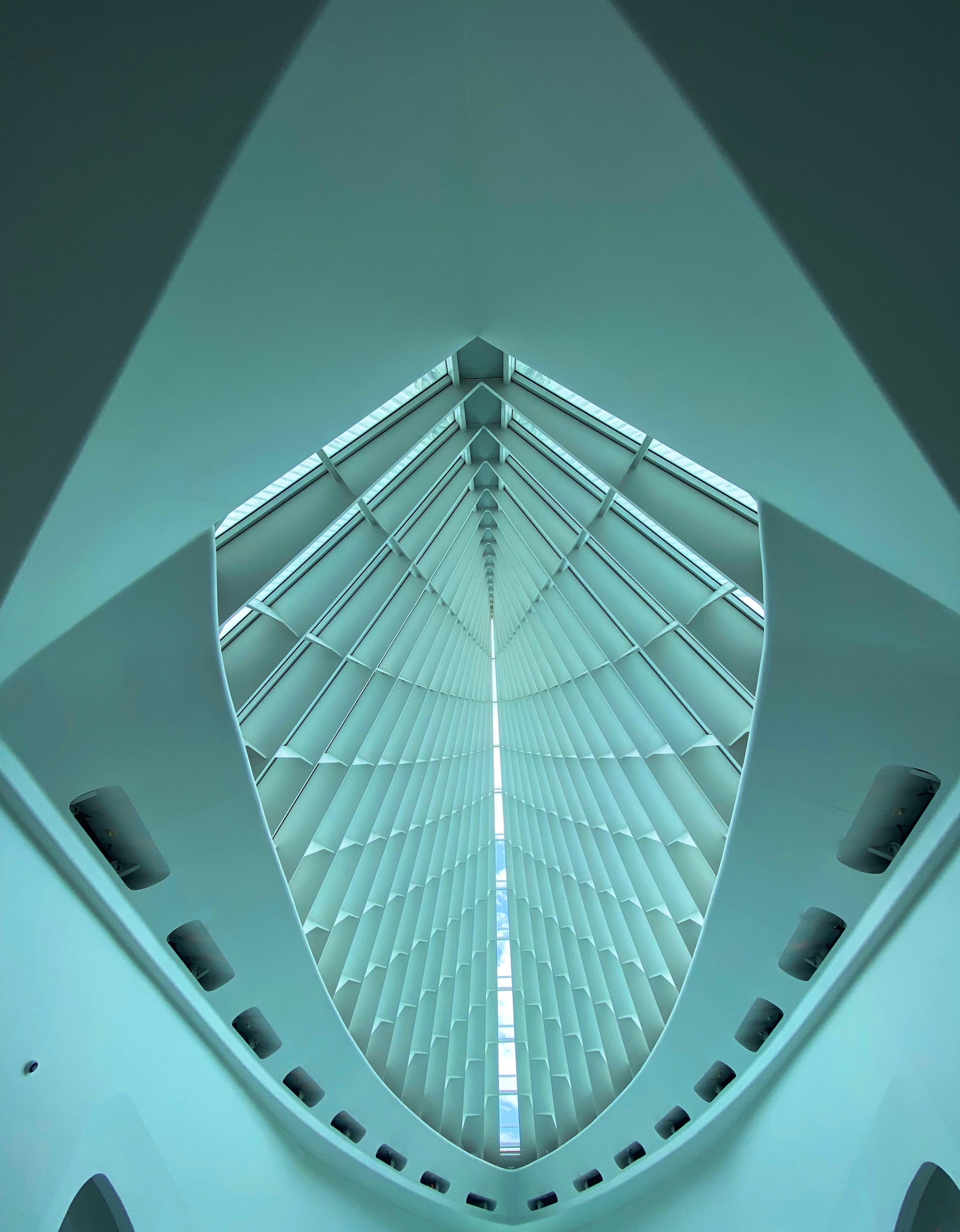
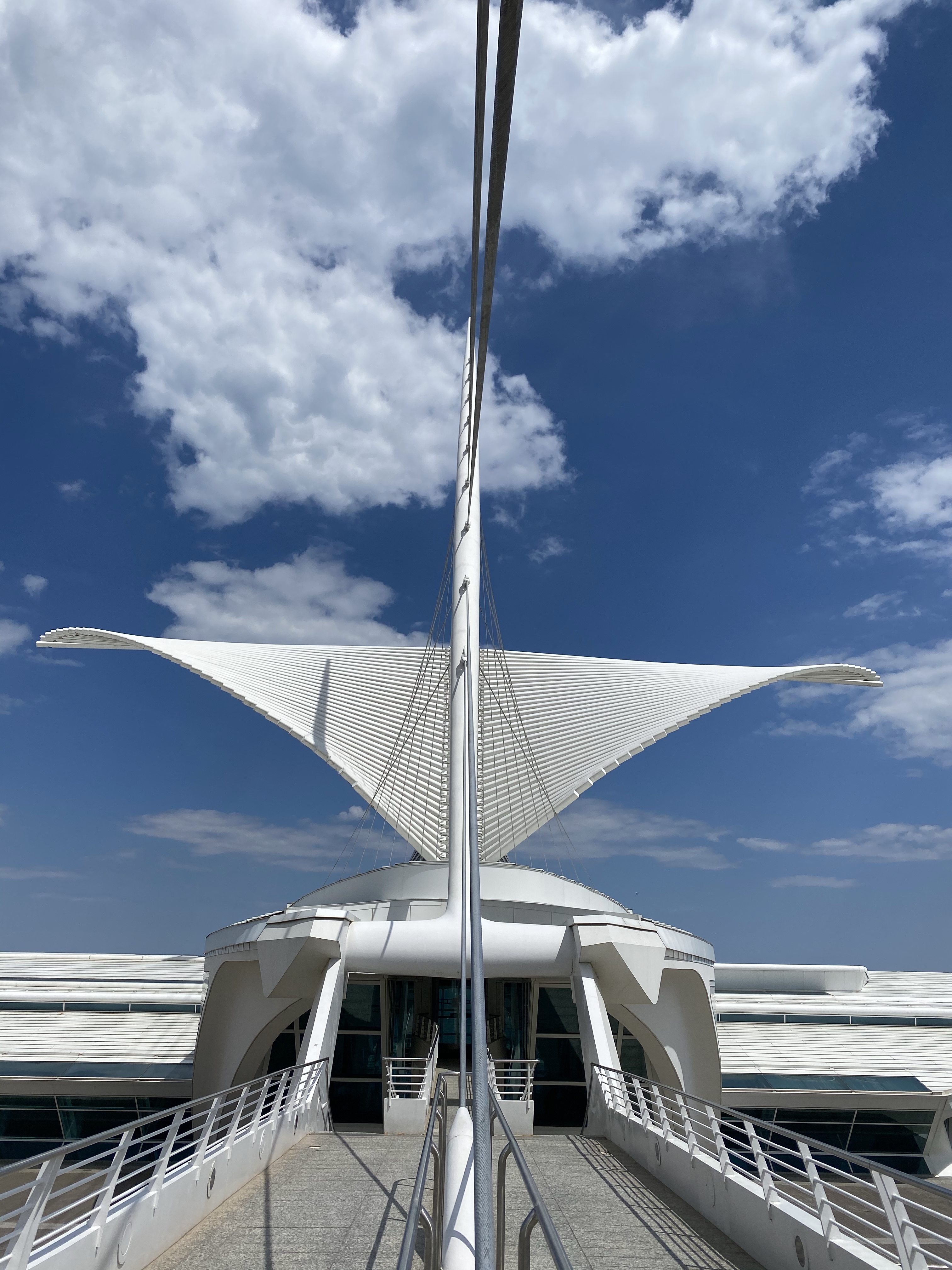
The Milwaukee Art Museum (MAM) and it’s predecessor organizations have been in existence since 1888. The Quadracci Pavilion pictured below was constructed in 2001. The impressive Pavilion with its moveable sail sits on the waterfront of Lake Michigan as the signature work of architecture in the city. http://collection.mam.org/
The MAM has several galleries devoted to modern, pop and abstract art which seems fitting with the architectural style of the Pavilion. The museum collections includes a number of works by major Pop and Abstract icons including Roy Lichtenstein and Andy Warhol.
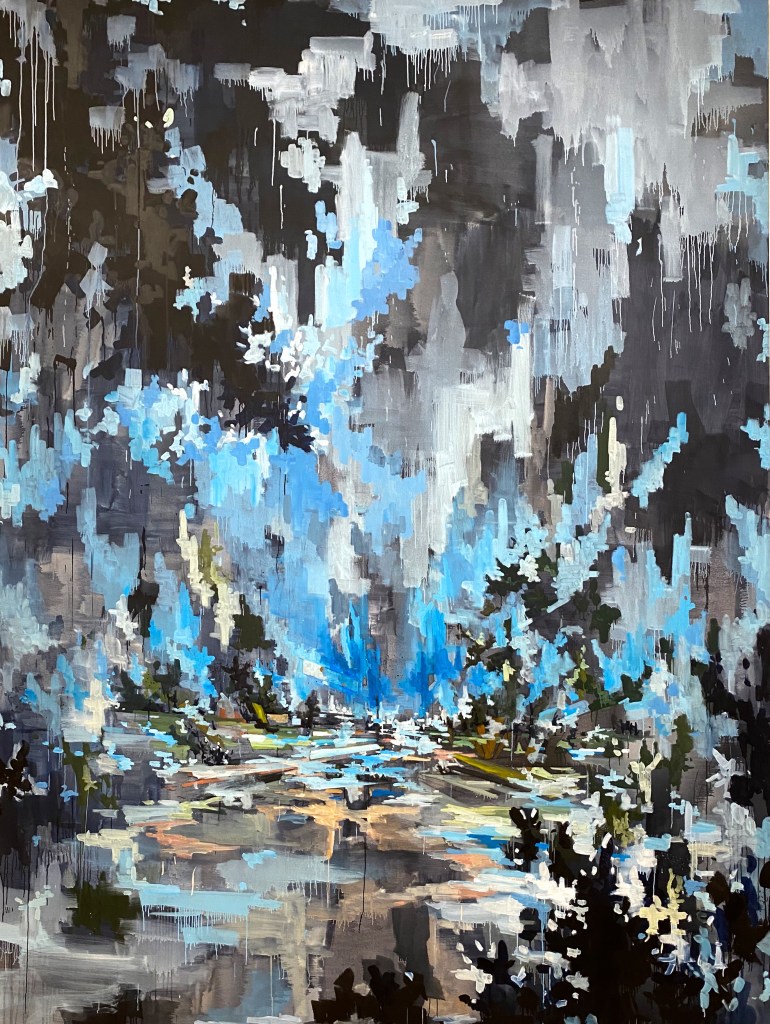
Mist, 2012, David Schnell
fika
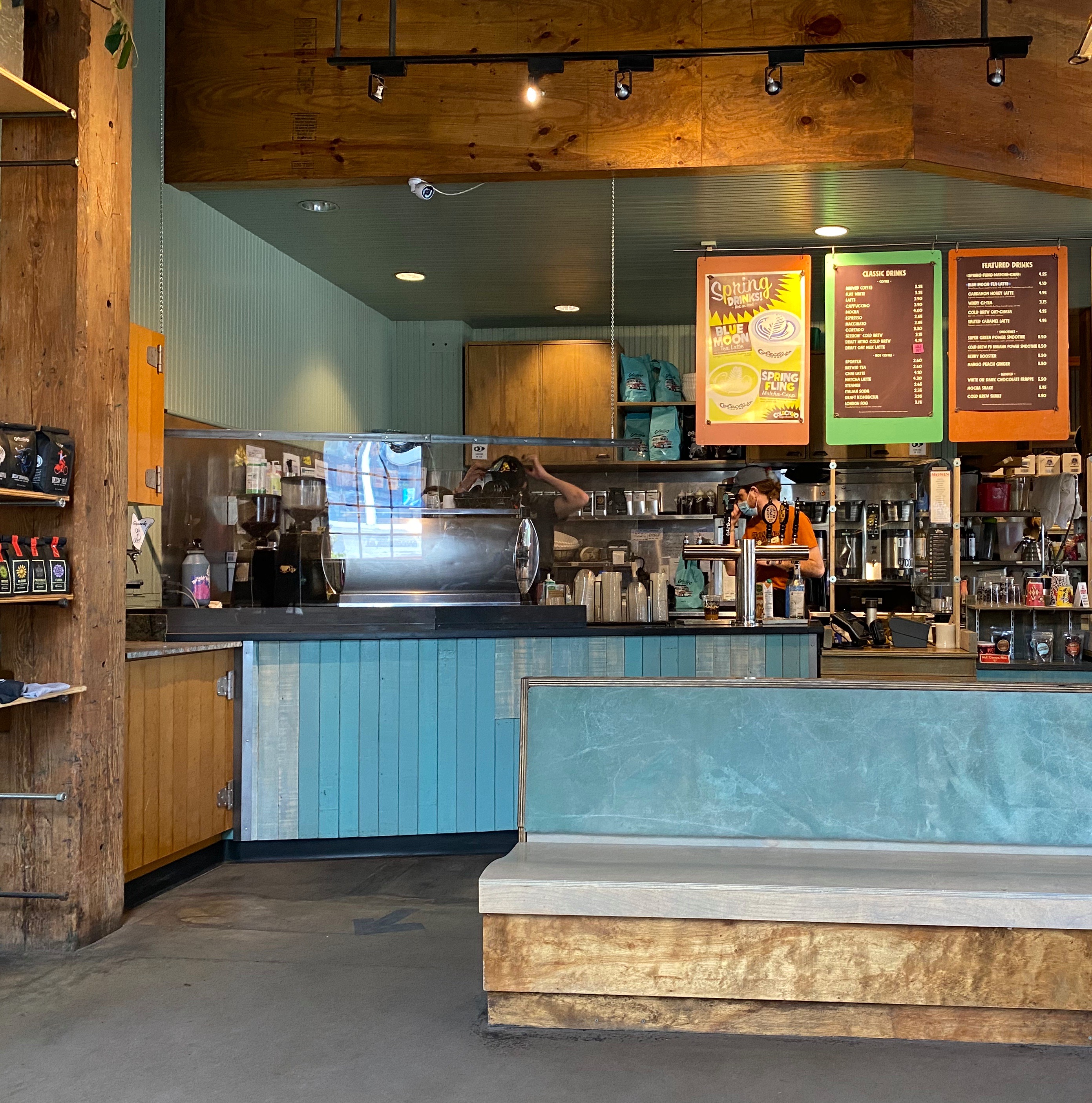
Colectivo Coffee served as our cafe host for our stay in MKE. Colectivo is MKE based with cafes on the waterfront and in the Historic Third Ward. Colectivo is also a force in the roasting business and operates the Troubador Bakery as well.
Colectivo has been in a business for quite a while but clearly has not lost its edge and sits firmly in the realm of third wave coffedom. Our experience was excellent because of the professional baristas, friendly staff, great coffee, tasty sandwiches and treats along with an interesting and comfortable cafe space.
There are other solid third wave coffee cafes in MKE which are worth visiting but for a short stay in town you cannot miss with any of Colectivo’s locations.
Street art
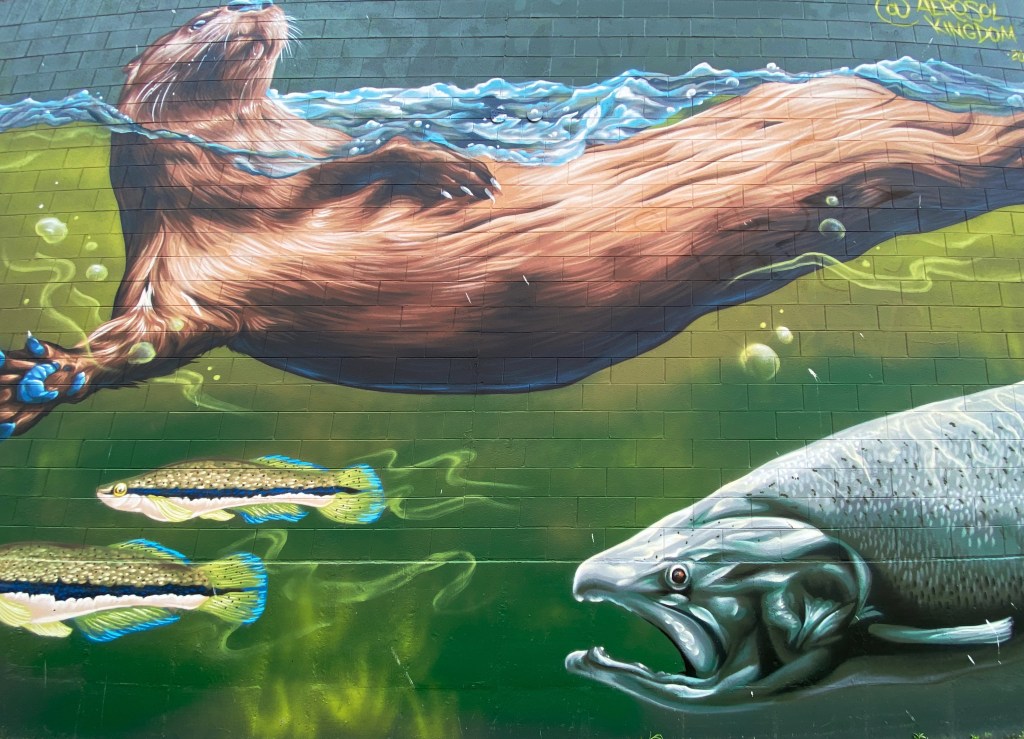
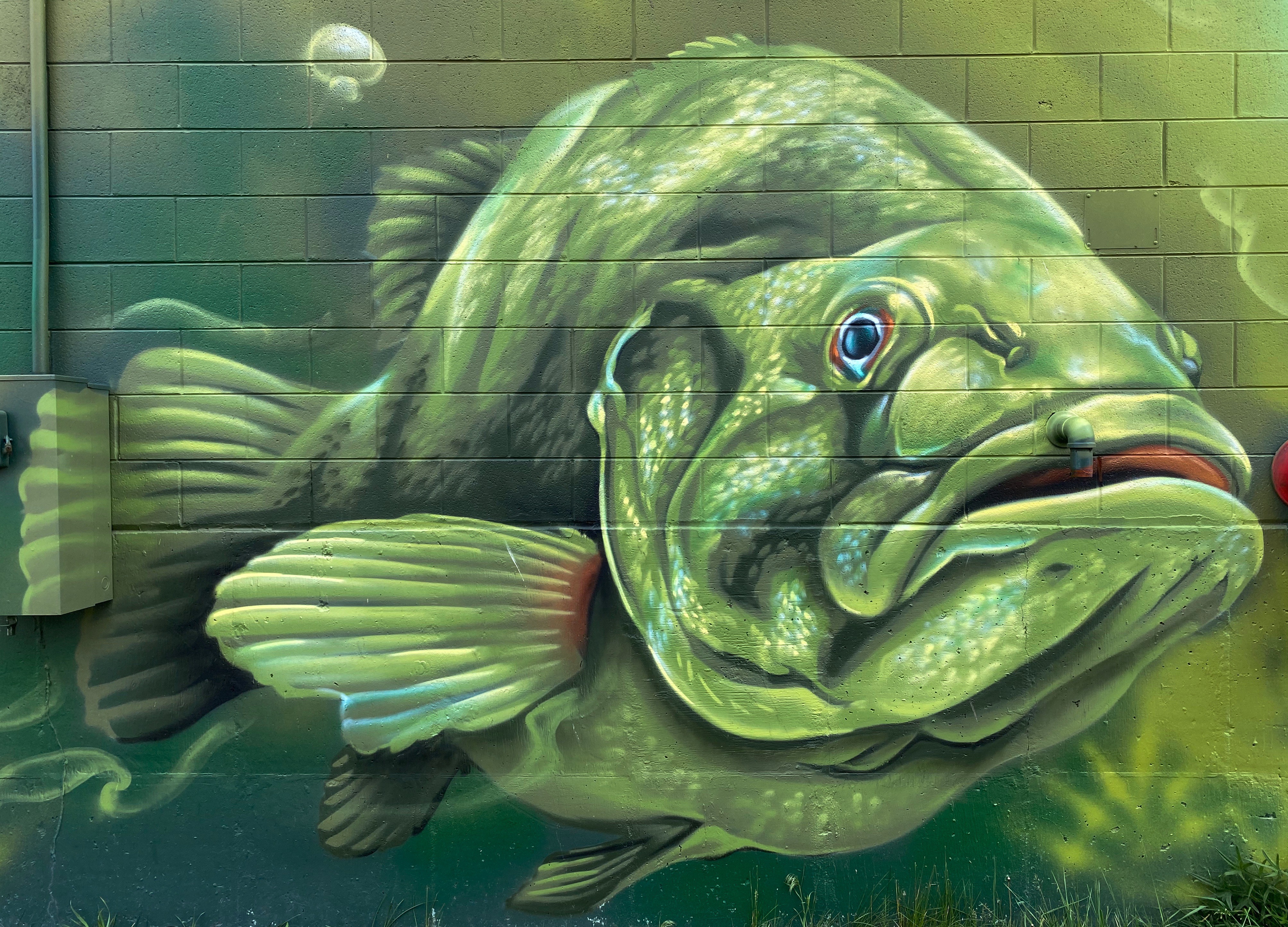
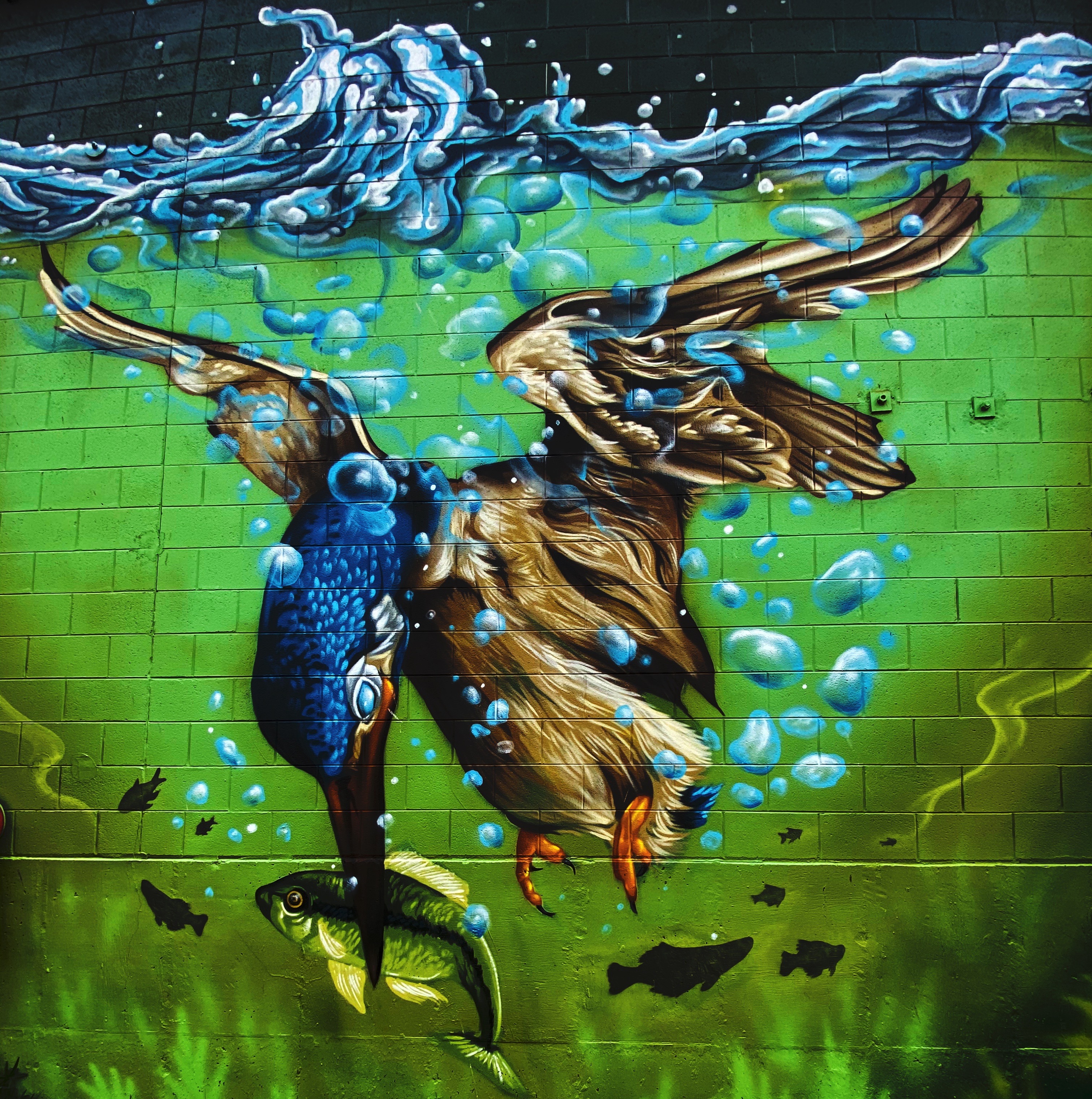
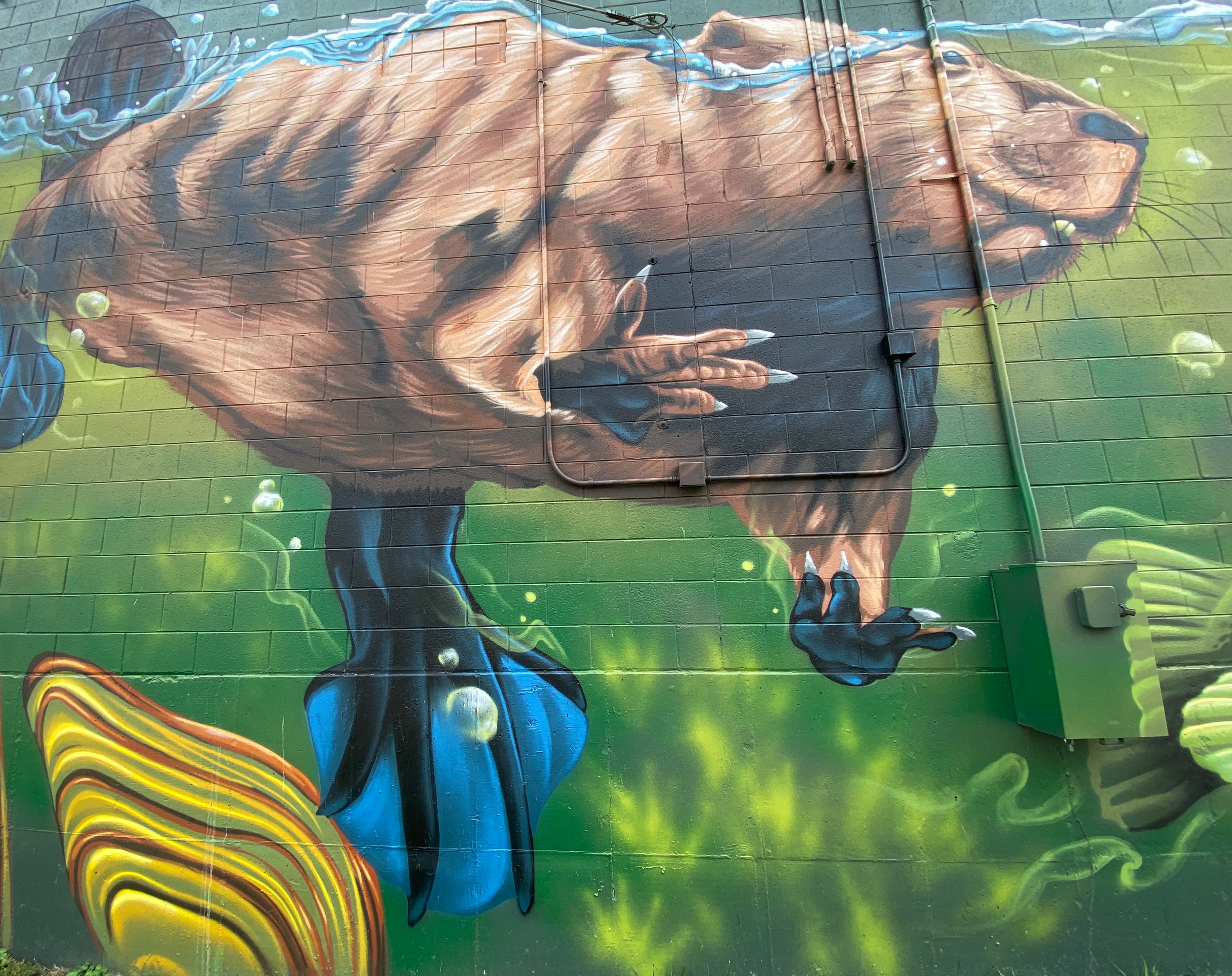
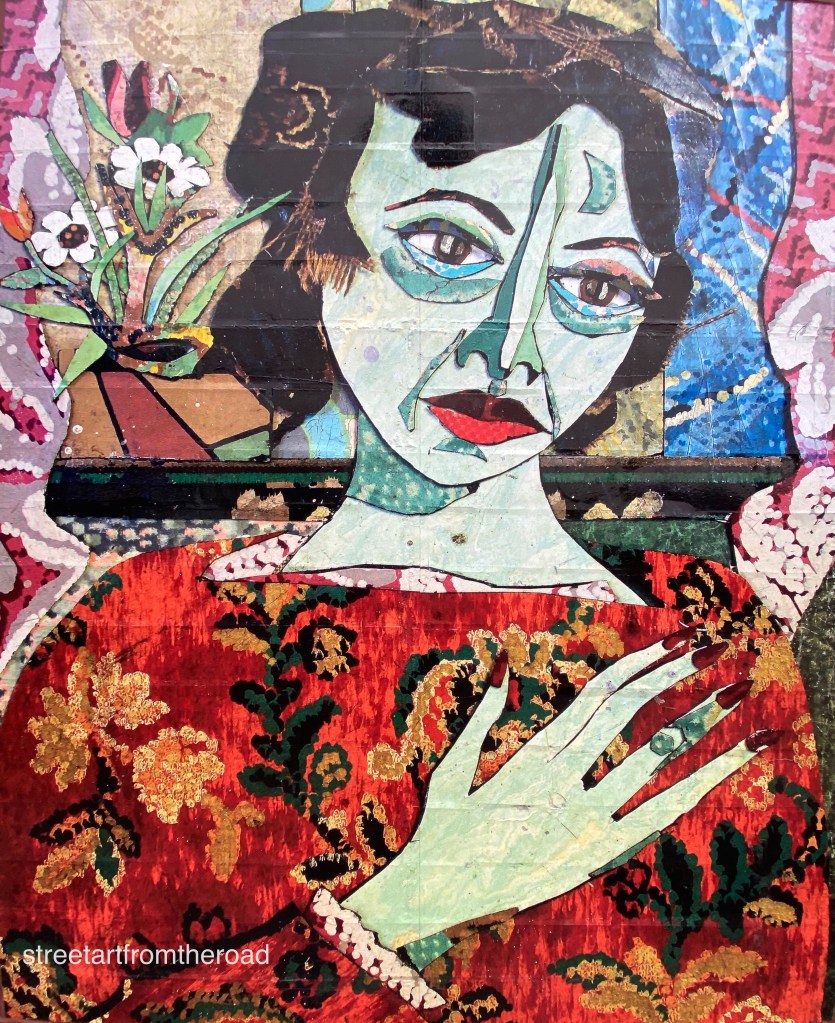
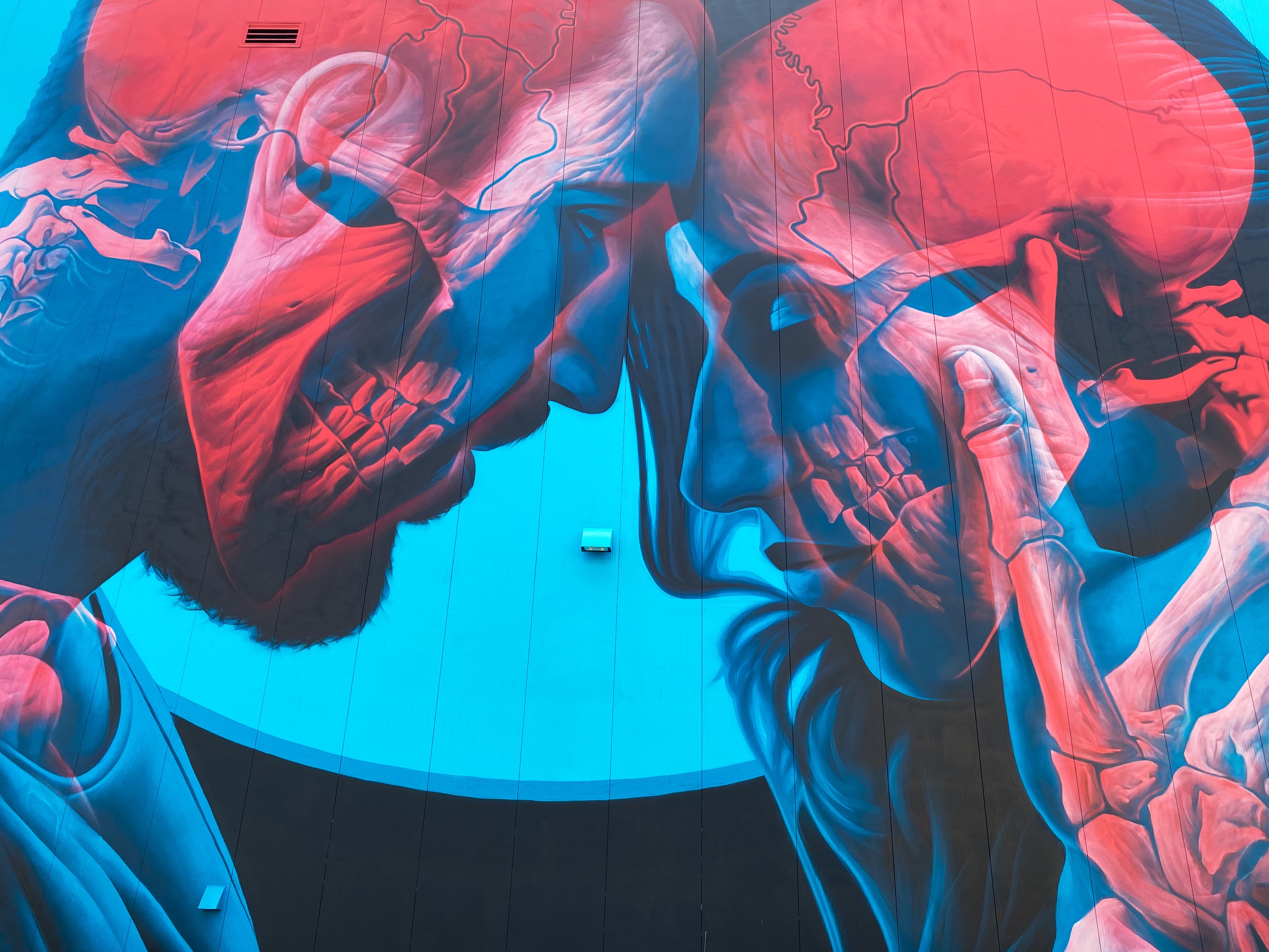
MKE provided us with several excellent street murals nicely placed in the Historic Third Ward while the epic mural by @AEROSOLKINGDOM pictured above and below required a short drive down to an industrial area along the waterfront.
As you can see from the photographs there is an eclectic mix of fun and serious art to be found in MKE.
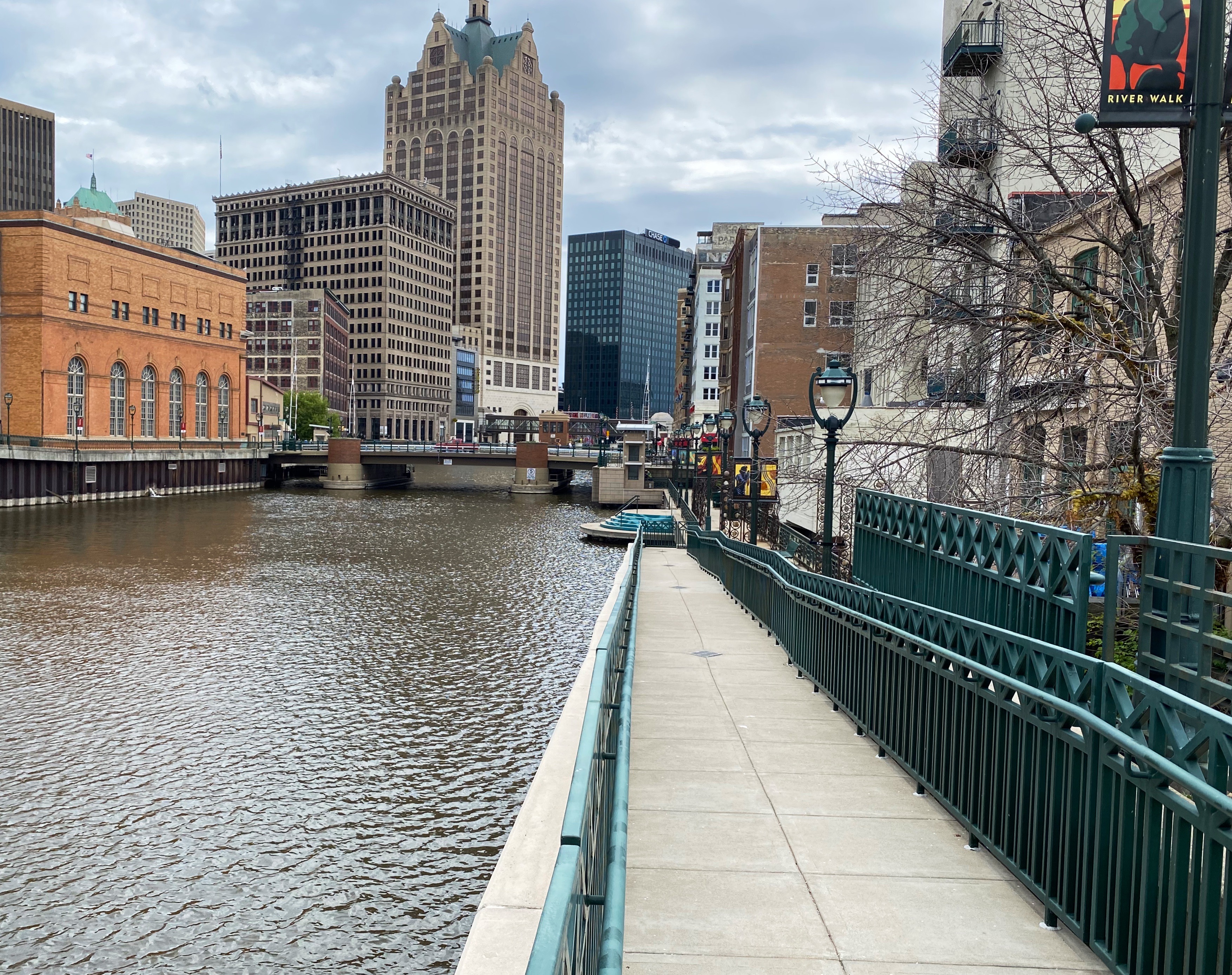
Historic third ward and Riverwalk
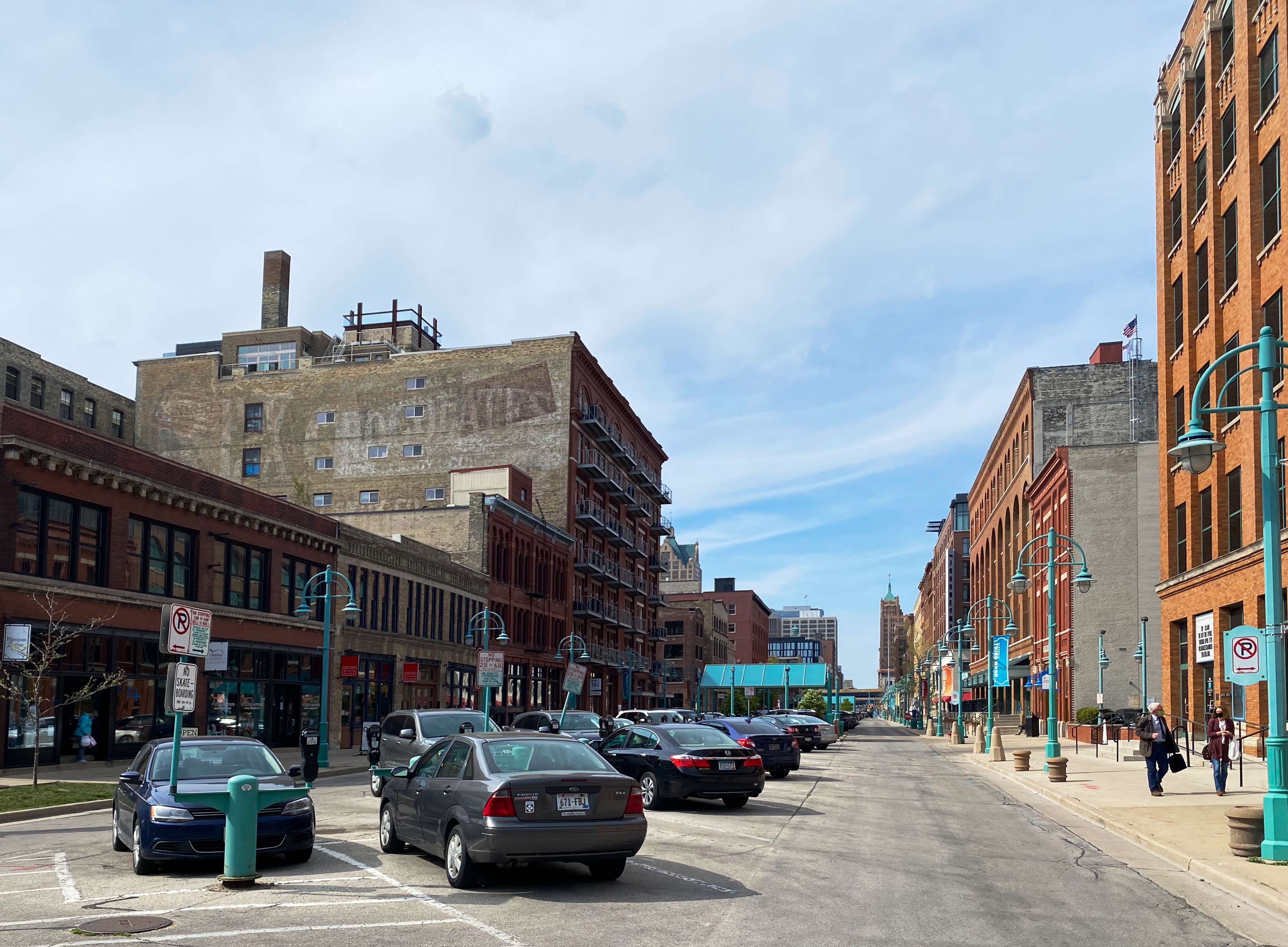
The Historic Third Ward District is a former warehouse area which has been revitalized into a thriving entertainment district. There are over 450 businesses in the district. The center piece of the district is the Milwaukee Public Market which houses restaurants, bars, wine shops, live entertainment and retail shops in an large open space.
The district is bounded by the Milwaukee River and the riverwalk which allows pedestrians to stroll along the river and of course provides direct access to the district. Nicely done MKE!
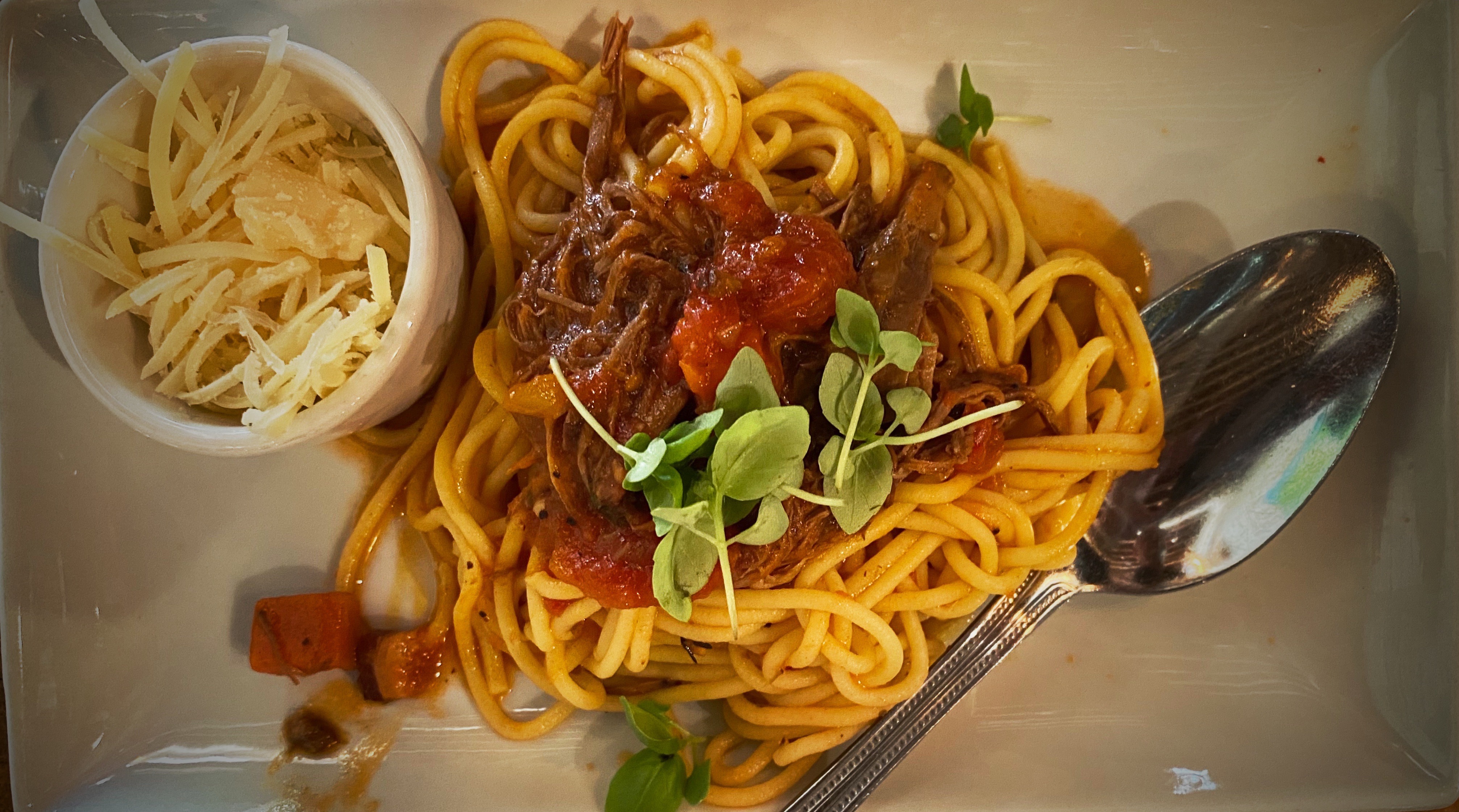
Our recommendations for the district – Onesto for excellent Italian fare, Thief Wine Bar for delicious and very reasonably priced wine, St. Paul Fish Company for fresh fish from the Lake and of course Colectivo Coffee.
Sports
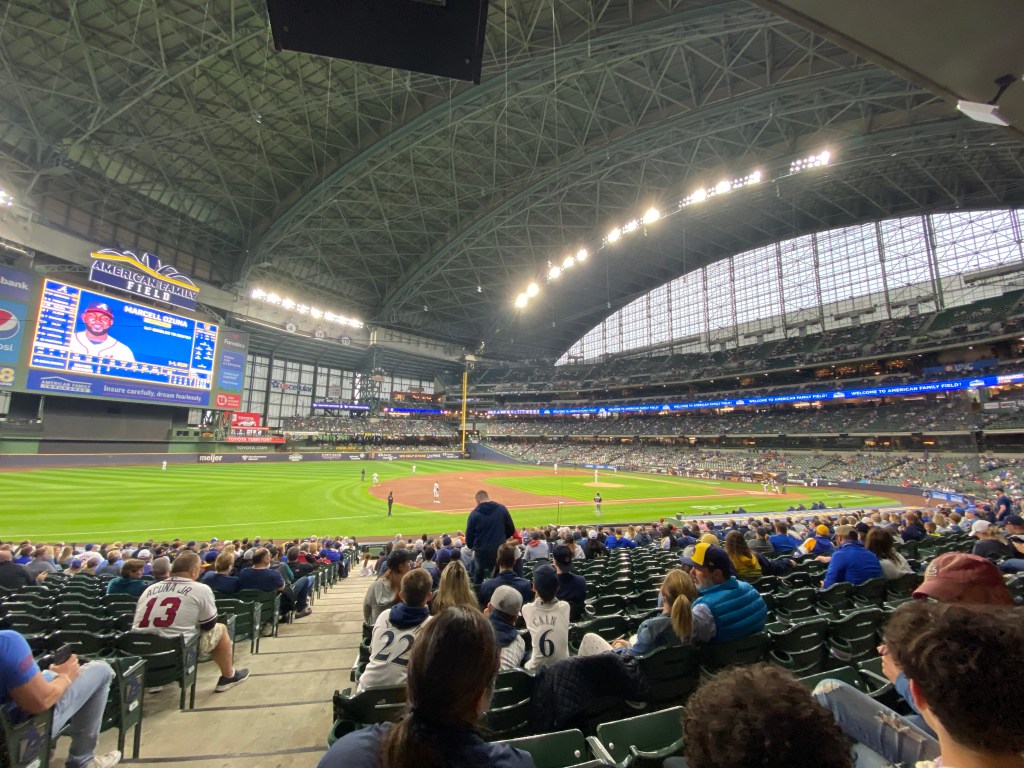
Our timing was fortuitous in visiting MKE while the Brewers were at home. The Brewers did not play when we saw them, but have played better since we were in town (won nine of last ten games). Nonetheless, it is always fun to take in a MLB game, particularly in a stadium not previously visited.
The stadium – American Family Field – opened in 2001 and, like the MAM, is architecturally impressive. The stadium has the only fan-shaped convertible roof in the United States – which worked out well for us as rain moved into the MKE area on the afternoon of the day we were attending.
As you can see in the photos below the crowd was sparse as the city was still limiting attendance to 25% of capacity. The bewildering part of the rule was that while attendance was limited there was no social distancing with seating.
Our thoughts
We had a great time visiting MKE. The city is a good stop for three to four days, depending on your interests. There are plenty of options with professional sports teams, museums, fine and casual dining and live entertainment.
MKE is also very pedestrian- and bike-friendly with numerous paved paths in downtown and along the waterfront. Also, and very importantly from our perspective, is that the local folks we met were uniformly very friendly and open.
MKE – modern and friendly – worth a visit!
Our next planned post will be based on our travels through Minnesota.
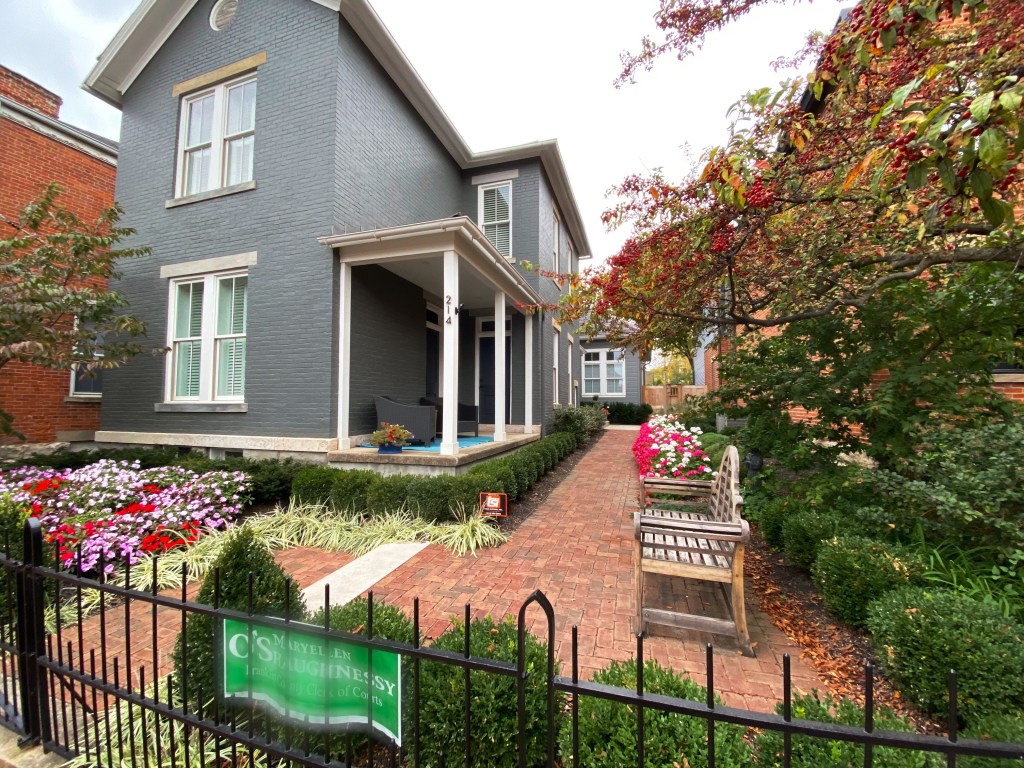
After departing Fort Wayne we decided to make a couple day stop in Columbus, Ohio. Columbus has three of the things we look for in a city: excellent third wave coffee cafes, a vibrant street art scene and distinctive neighborhoods.
While our stay was brief, we did quite a bit of walking through the various neighborhoods searching for murals. Of course, we fueled up at the coffee cafes that are conviently located in the various villages or districts.
Columbus has taken full advantage of the river waterfront (Scioto River) by creating many public greenspaces providing access to the riverfront for recreation and entertainment.
We will definitely weave Columbus into a future journey to get deeper into the museum and restaurant options (post pandemic) in addition to the coffee, street art and neighborhood history.
We hope you enjoy the selection of street art we have included in this post.
Onward to West Virginia…be seeing you.
Artist Unknown, Columbus – Discovery DistrictUntitled by Gabriela Torres @ms.torressss, Franklinton Arts DistrictTeenuh Stays The Same by Bill Miller, Short North DistrictEternal by Natalia Sanchez @nauti.luz, Franklinton Arts DistrictDeeper Connection by Edmund Boateng, Short North DistrictArtist Unknown, Short North District
One Line Coffee and Fox in the Snow Coffee
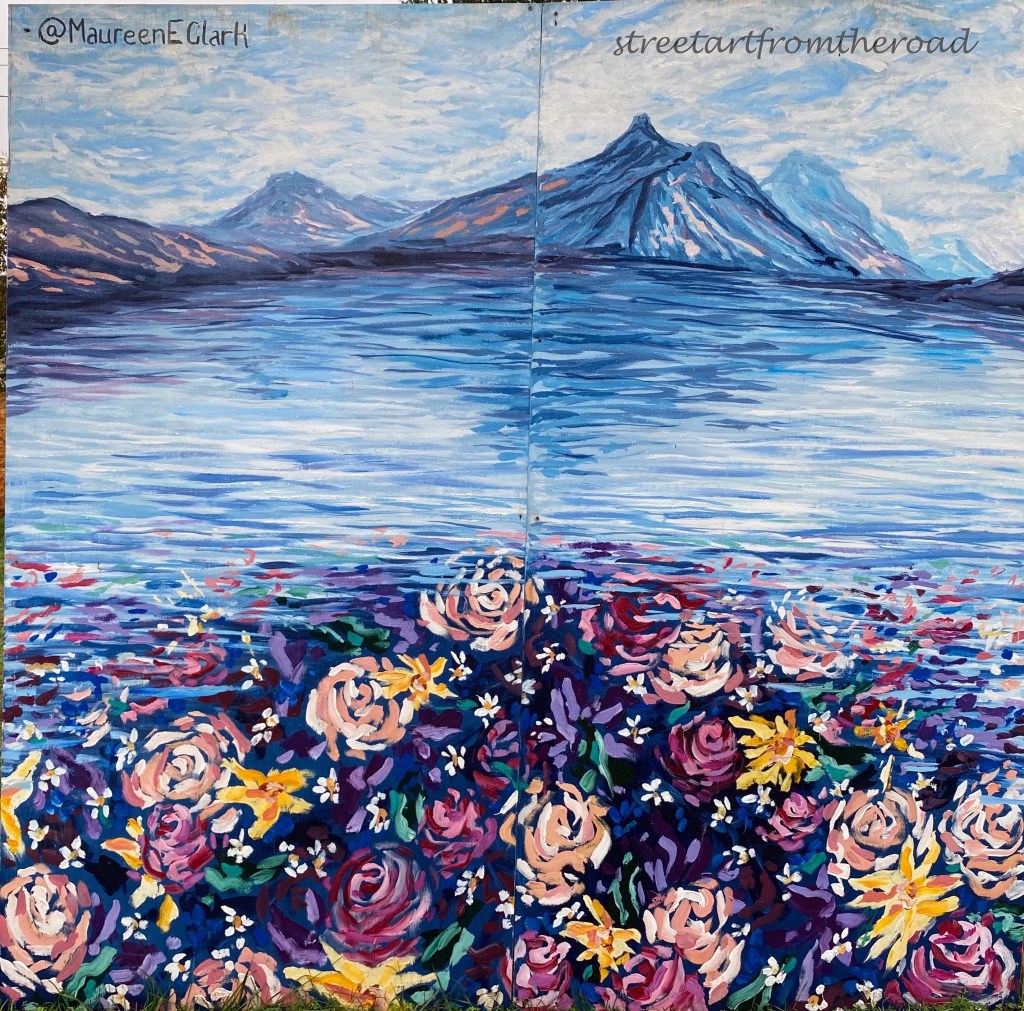
German VillageKNOW JUSTICE, KNOW PEACE Artist(s) Unknown, Franklinton Arts DistrictPanel from Mural of Hope by Maureen E. Clark @maureeneclark, Franklinton Arts DistrictStolen Joy, Franklinton Arts District
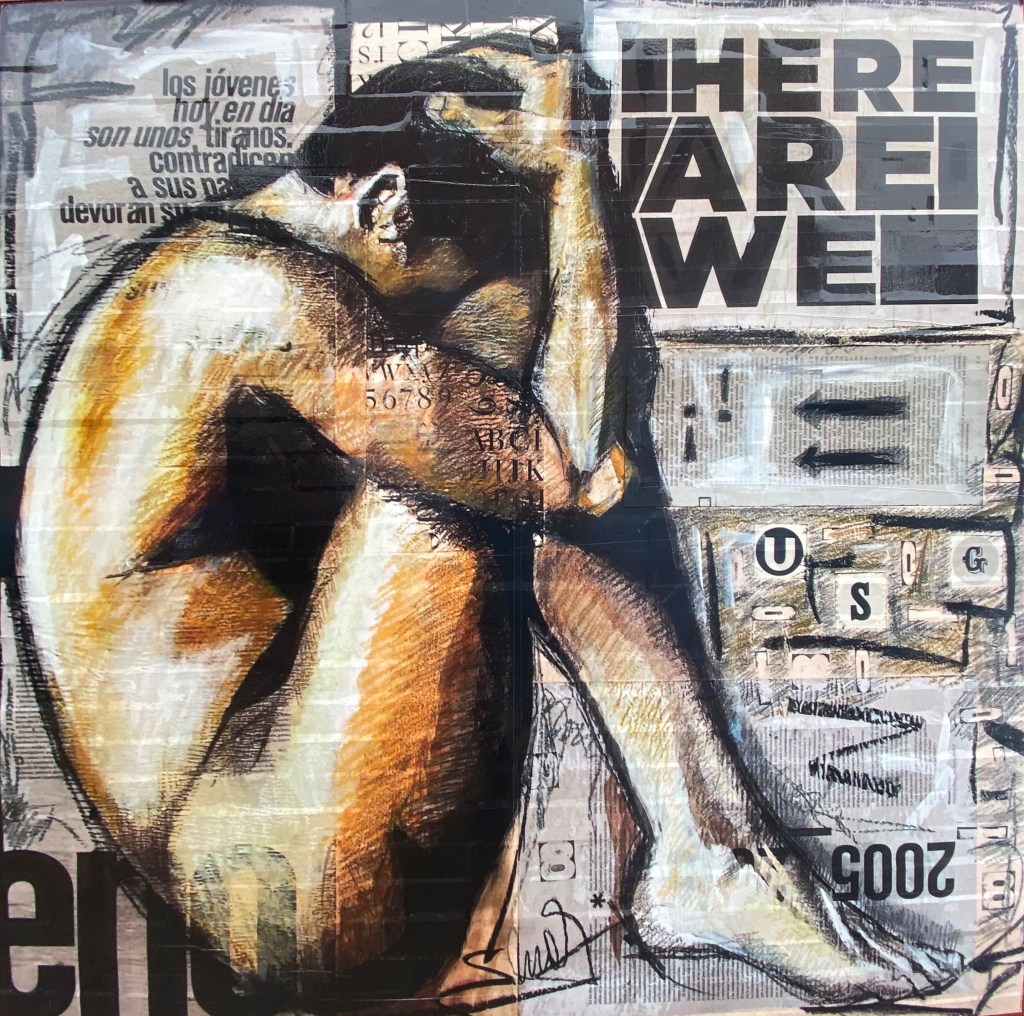
Arist Unknown, Franklinton Arts DistrictListen to the Hummingbird, Artist Unknown, Short North DistrictHere We Are by Alejandra Zanetta, Short North District
Our current trip got off to a rough start when we found ourselves in southern Pennsylvania with multiple issues with the Beast. The first issue required us to backtrack north to Wilkes-Barre to have repairs performed on the diesel exhaust fluid sensors. We were fortunate that the dealer was able to accomodate us quickly and resolved the issue.
The second issue involved our penthouse roof which malfunctioned leaving the pop top partially and unevenly deployed. Unfortunately this particular issue required us to head approximately 600 miles west to Huntington, Indiana for repairs (Sportsmobile).
The good news, besides having the Beast back in full working order, was that we found ourselves with the opportunity to spend some time in Fort Wayne as we started our journey back towards our original first stop in West Virginia.
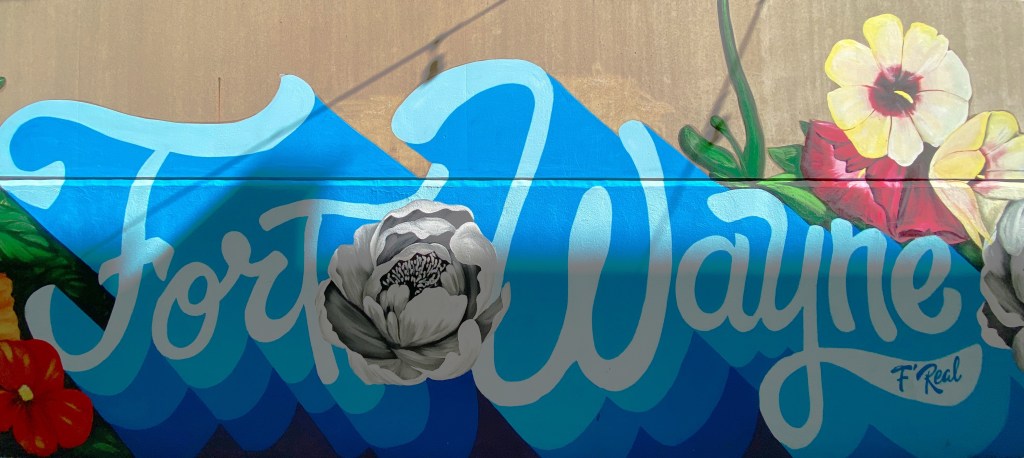
Fort Wayne is making a major investment in beautifying the city with street murals by both local and international artists.
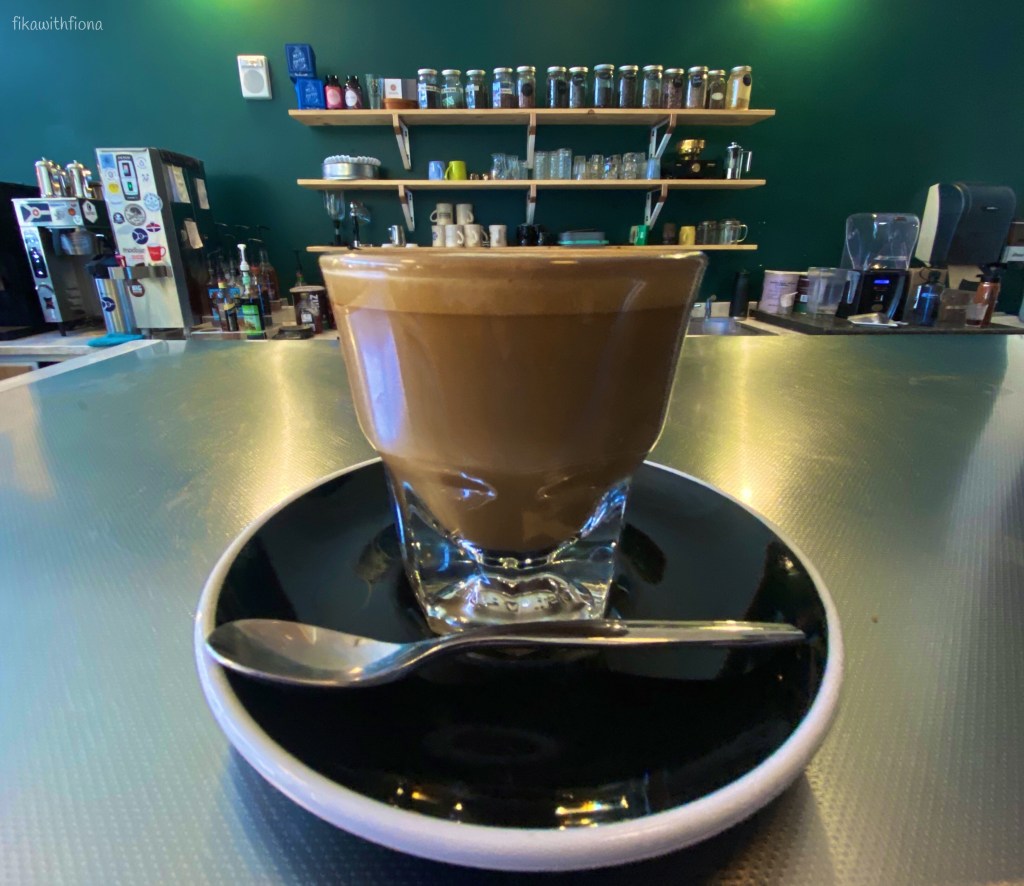
While you are in downtown taking in the art scene, please visit the excellent @Fortezzacoffee.
Fortezza Coffee
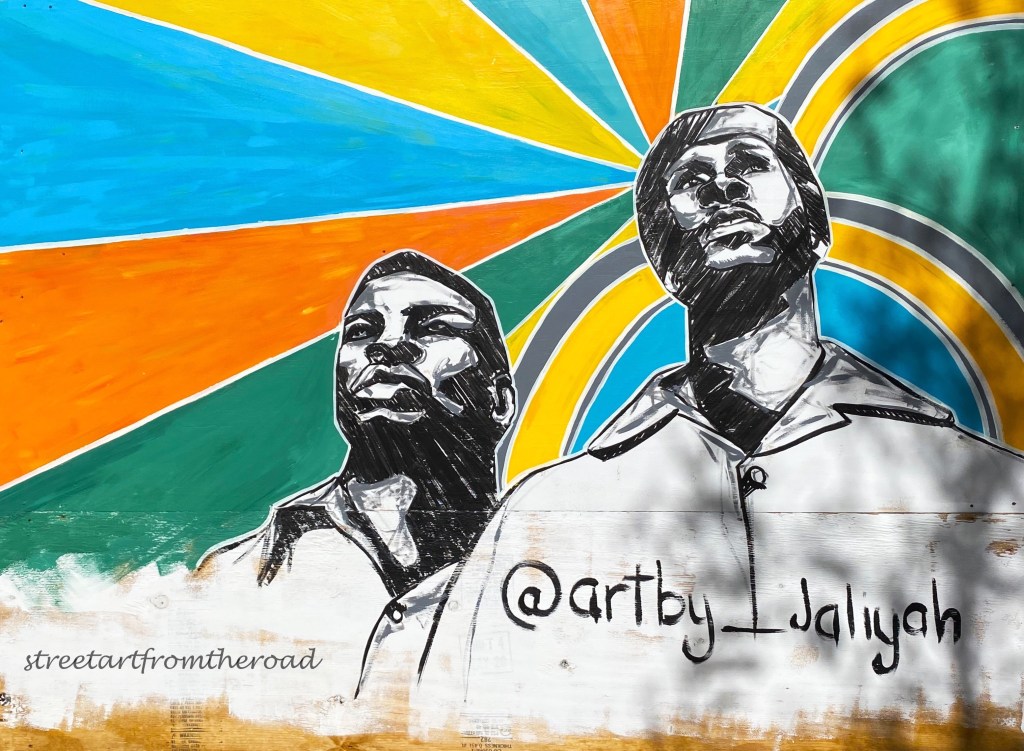
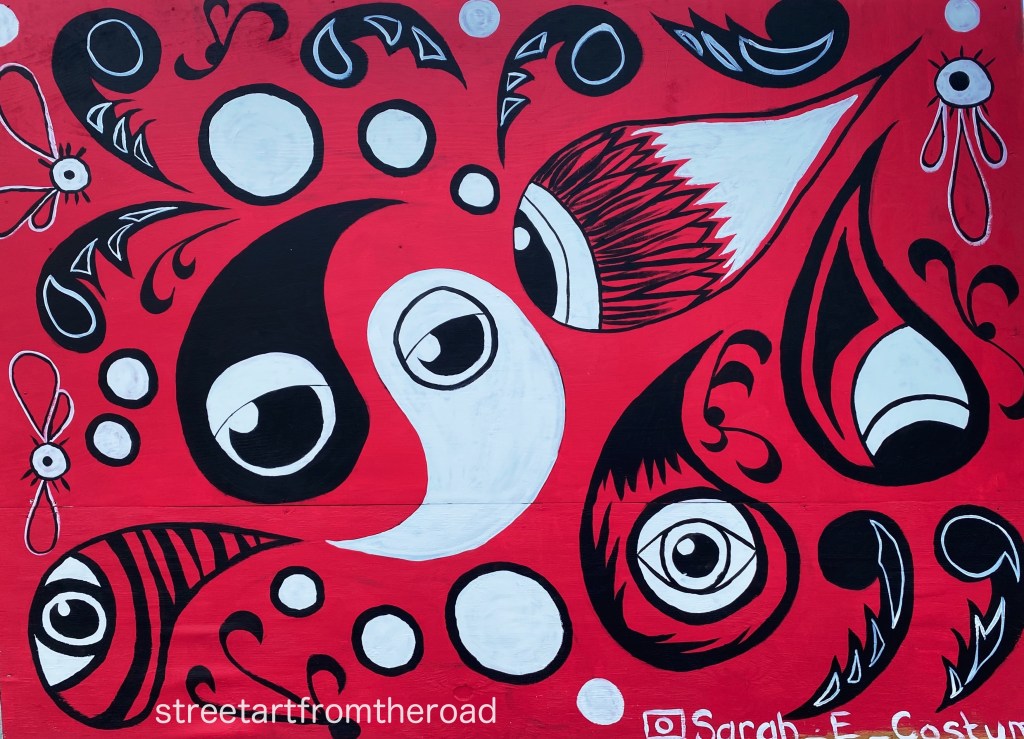
We hope you find these murals as interesting and beautiful as we do:
Untitled by Jaliyah Rice @artby_jaliyahWhere am EYE? by @sarah_e_costumesNYANE by @jeffpilkinton
Untitled by 1010@1010ZZZWoven by Lyndy Bazile @afroplumpThrough a Child’s Eyes by Jeff Pilkinton @jeffpilkintonPeople Walking by Theoplis Smith, Terry Ratliff, and Alexandra HallBison by Tim Parsely
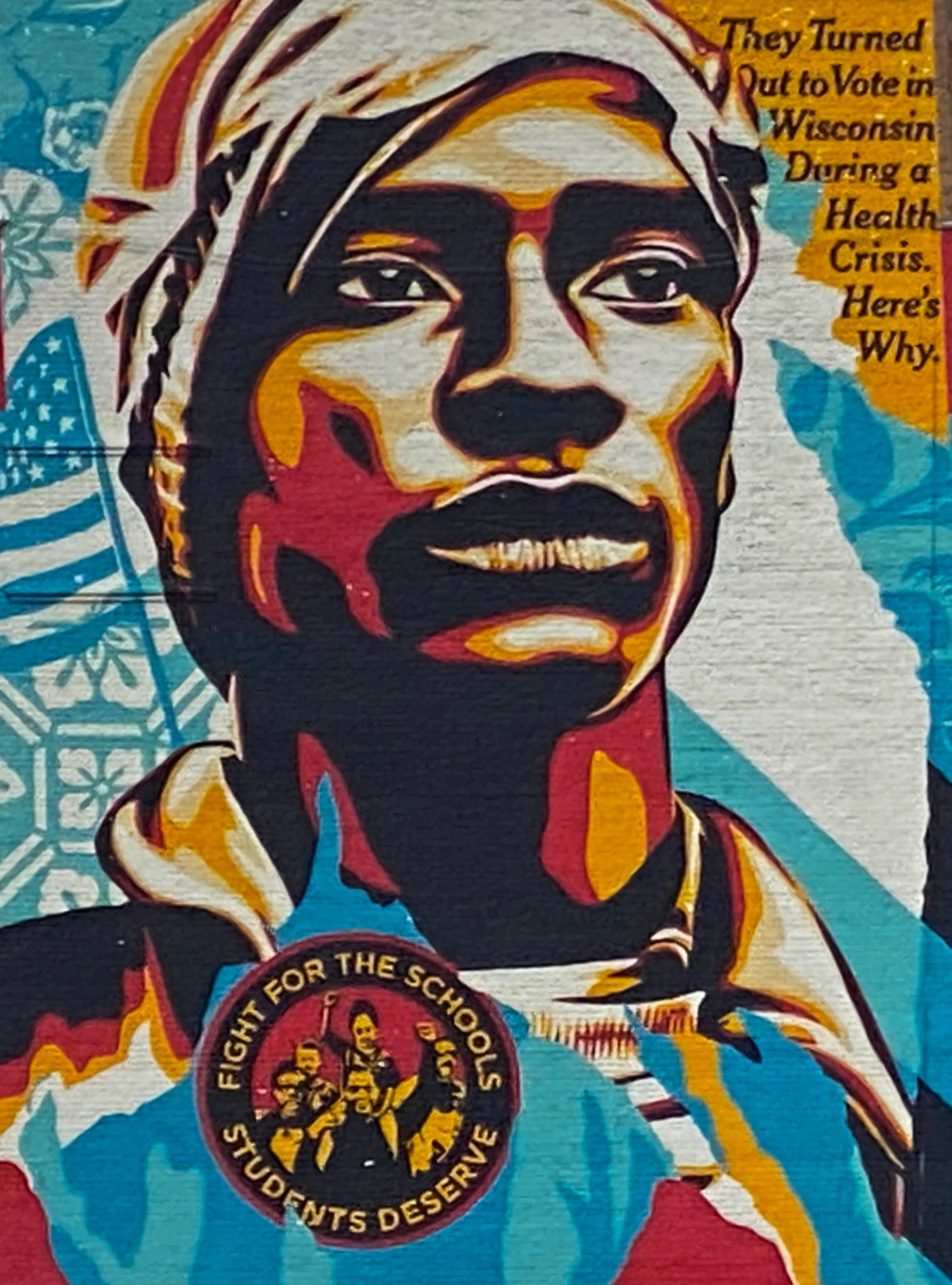
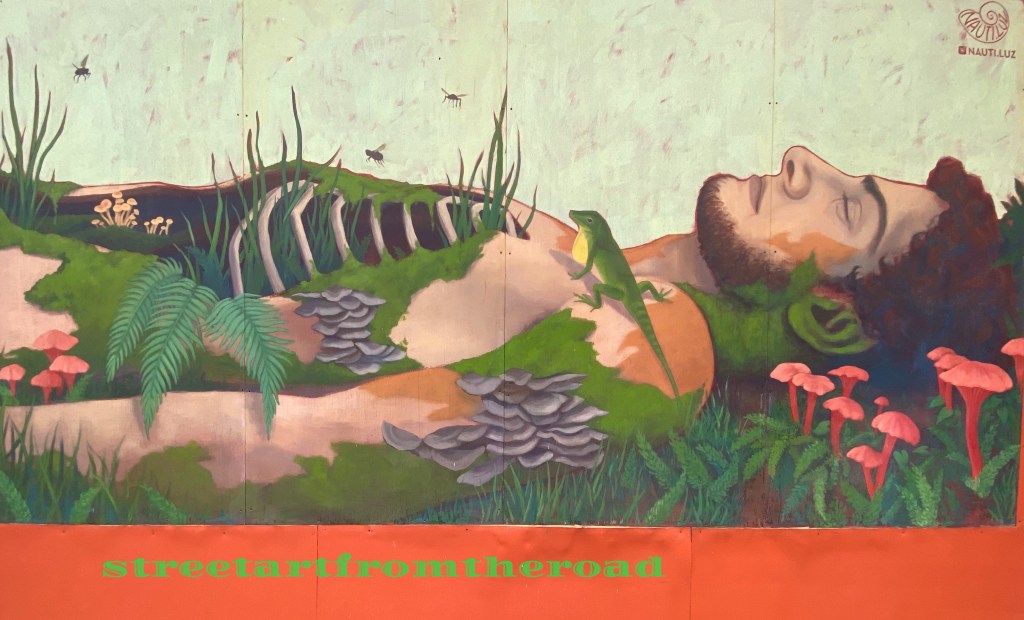
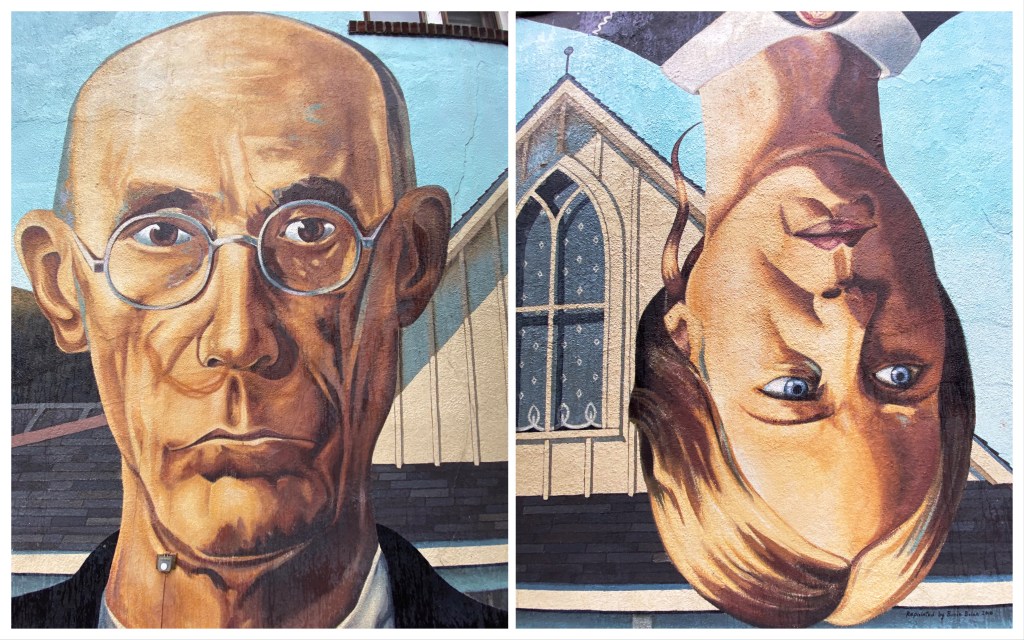
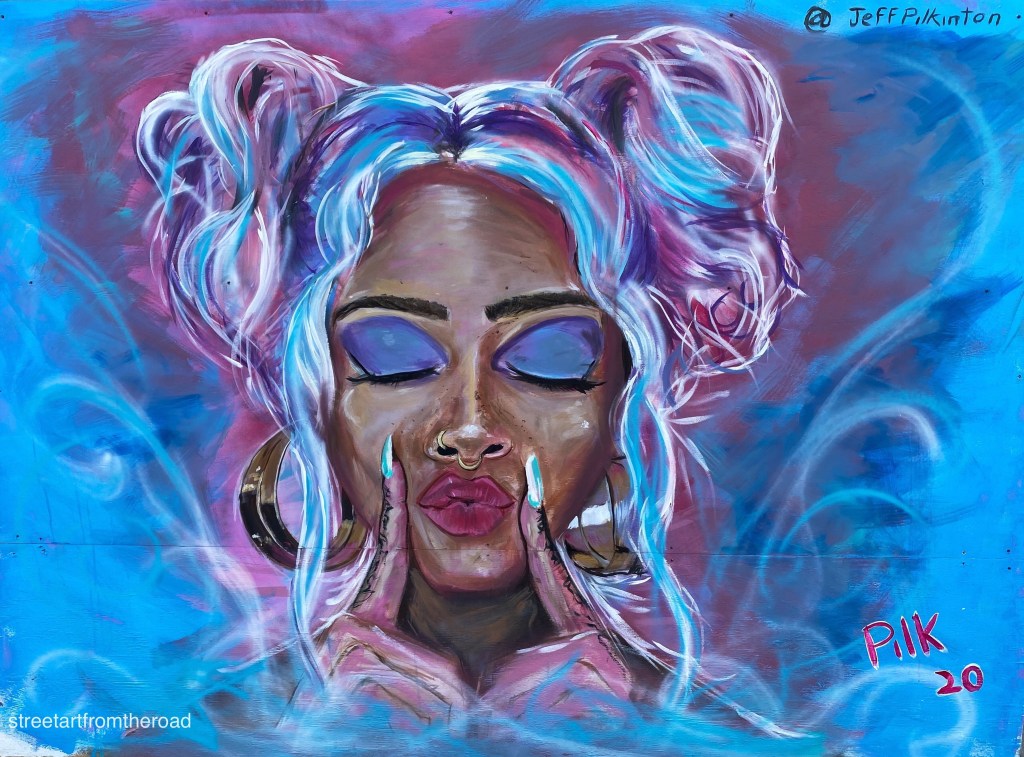
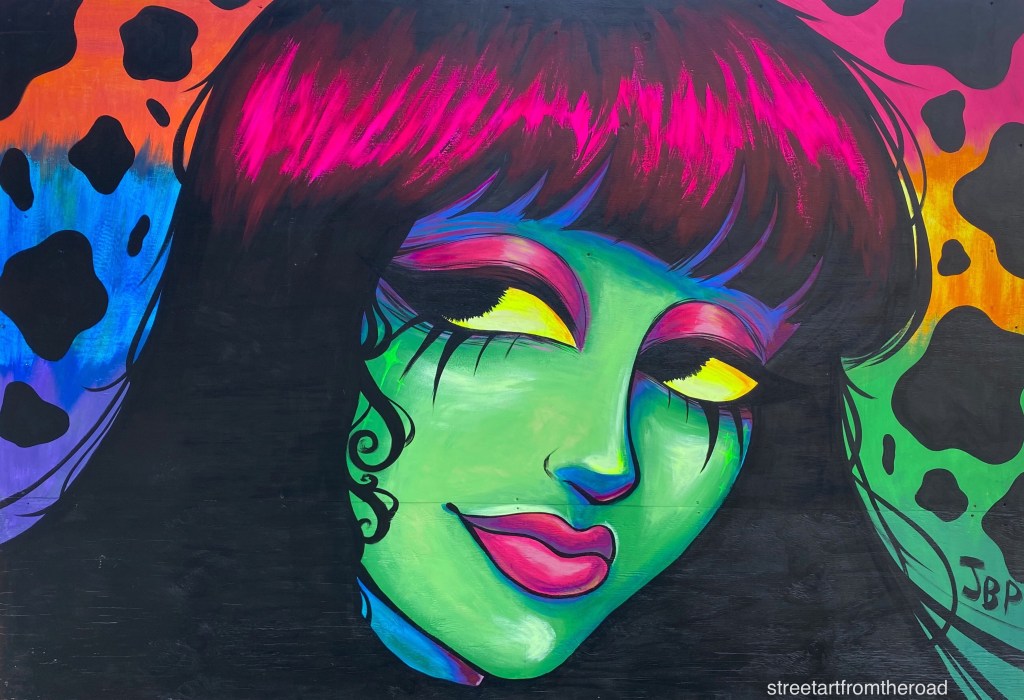
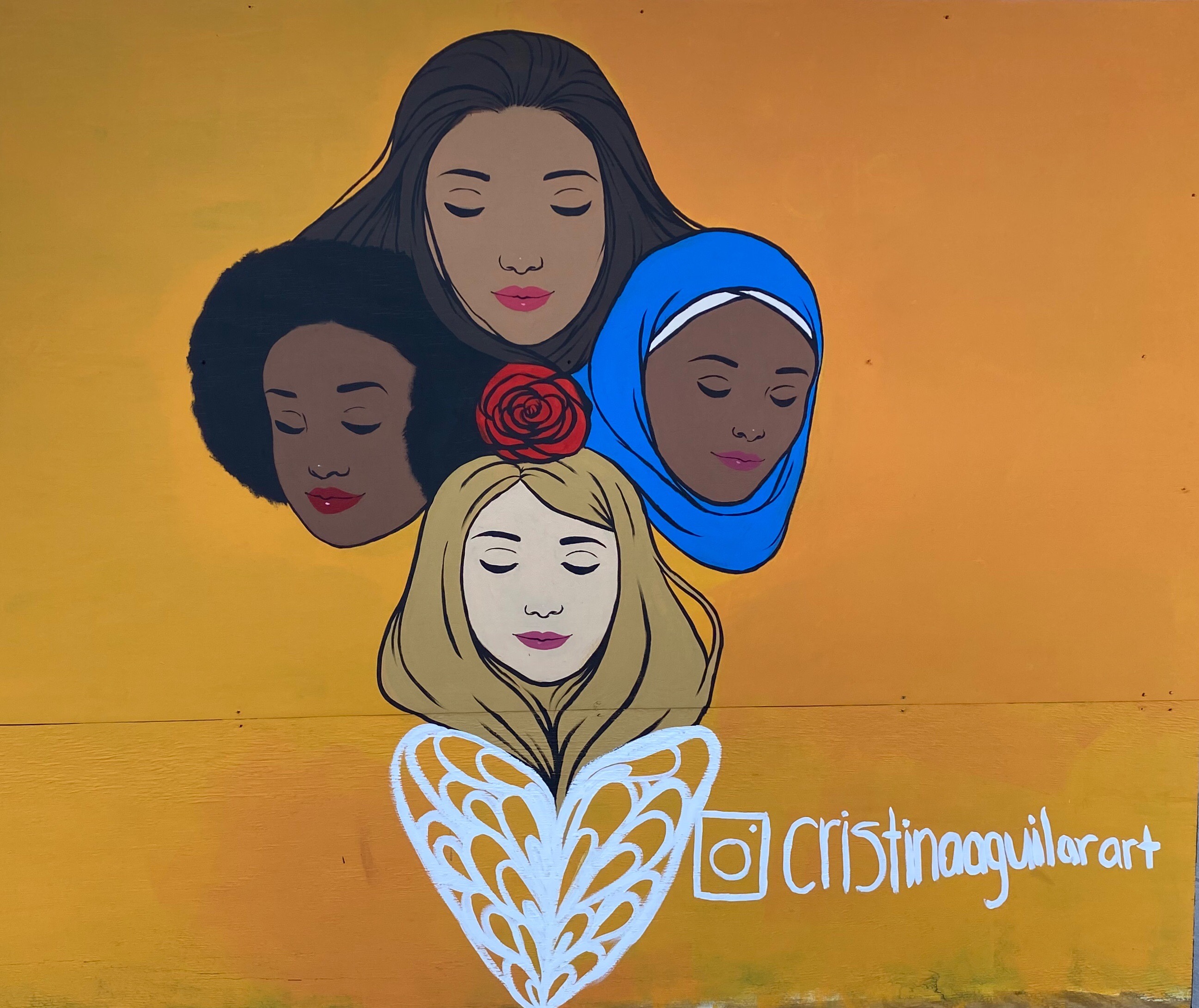
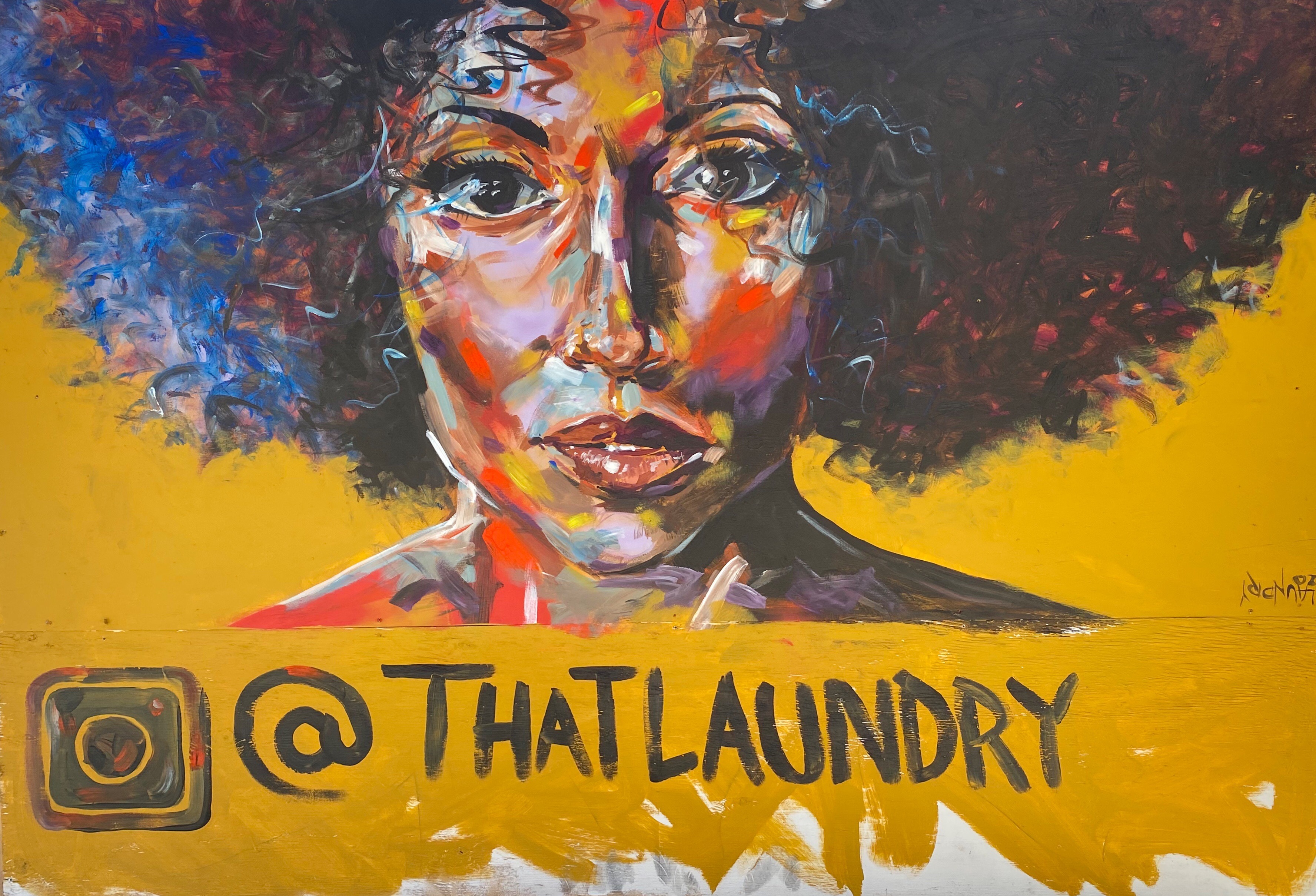
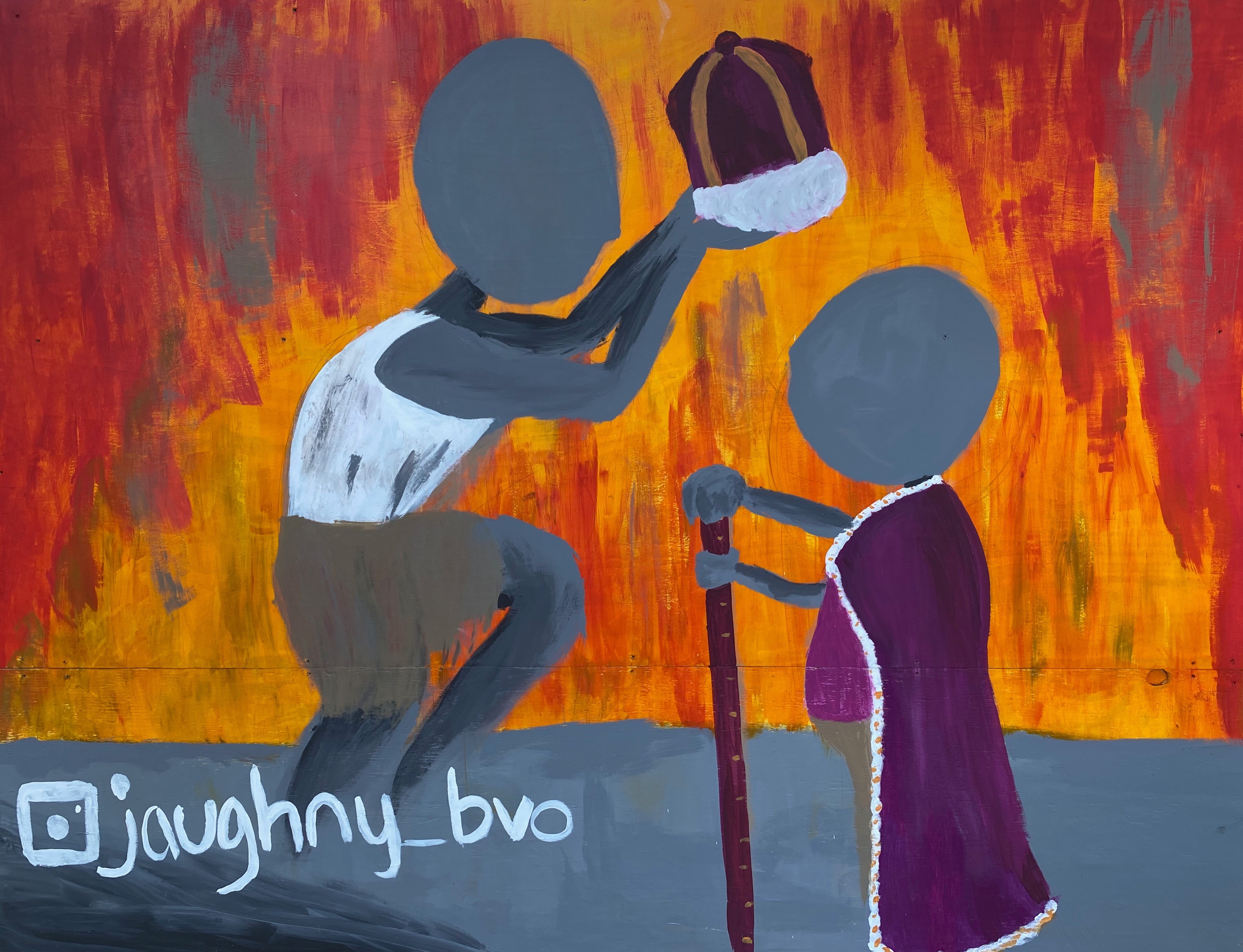
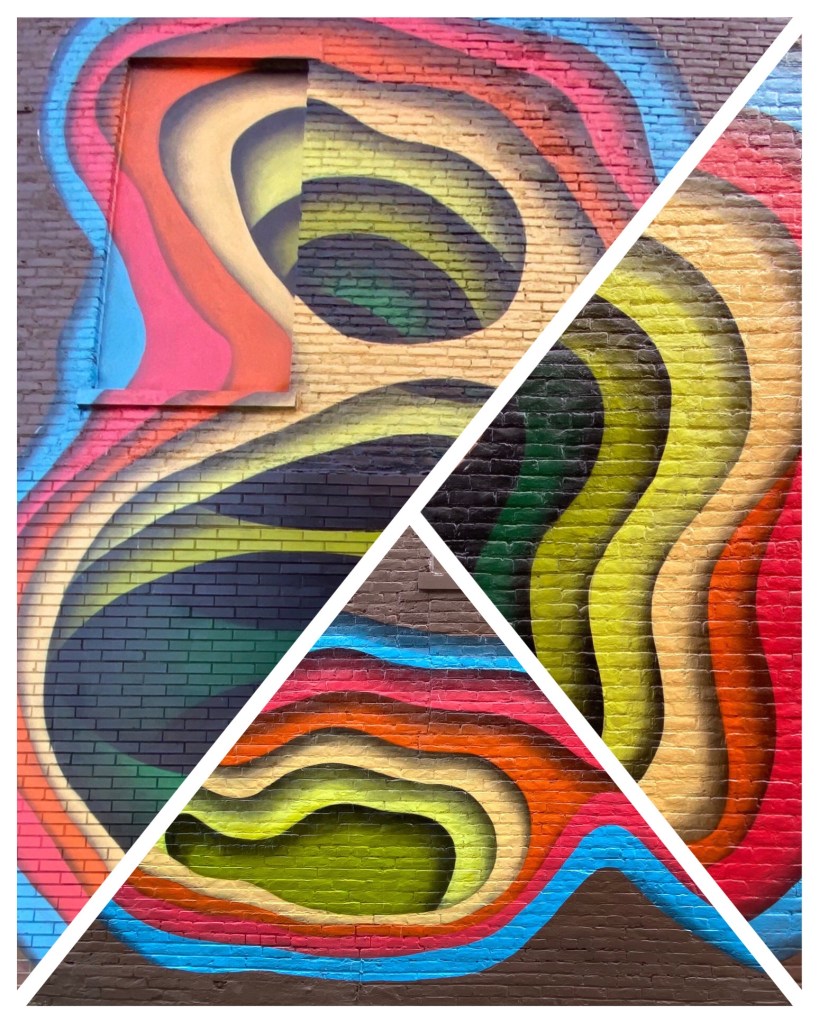
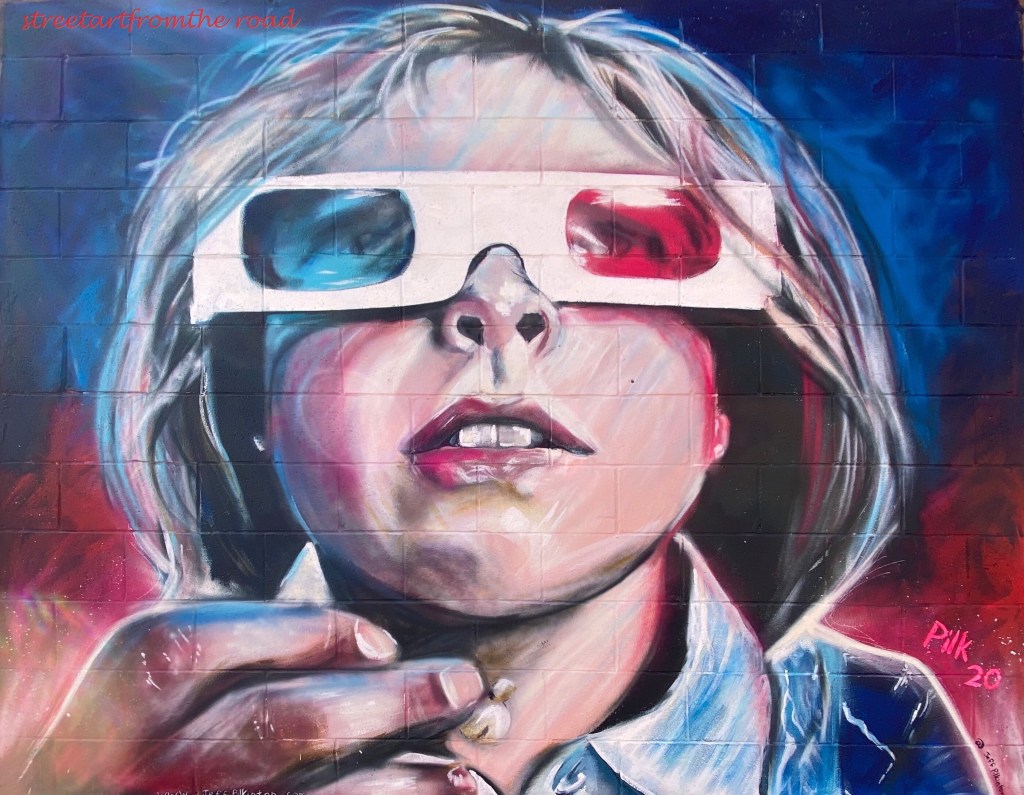
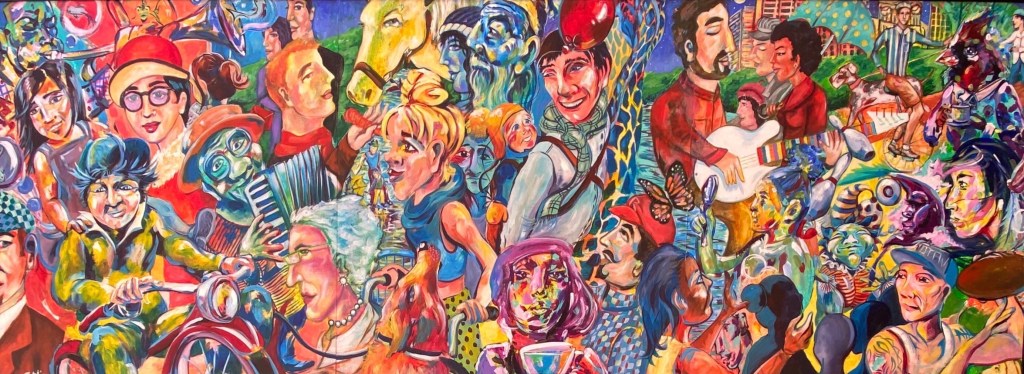
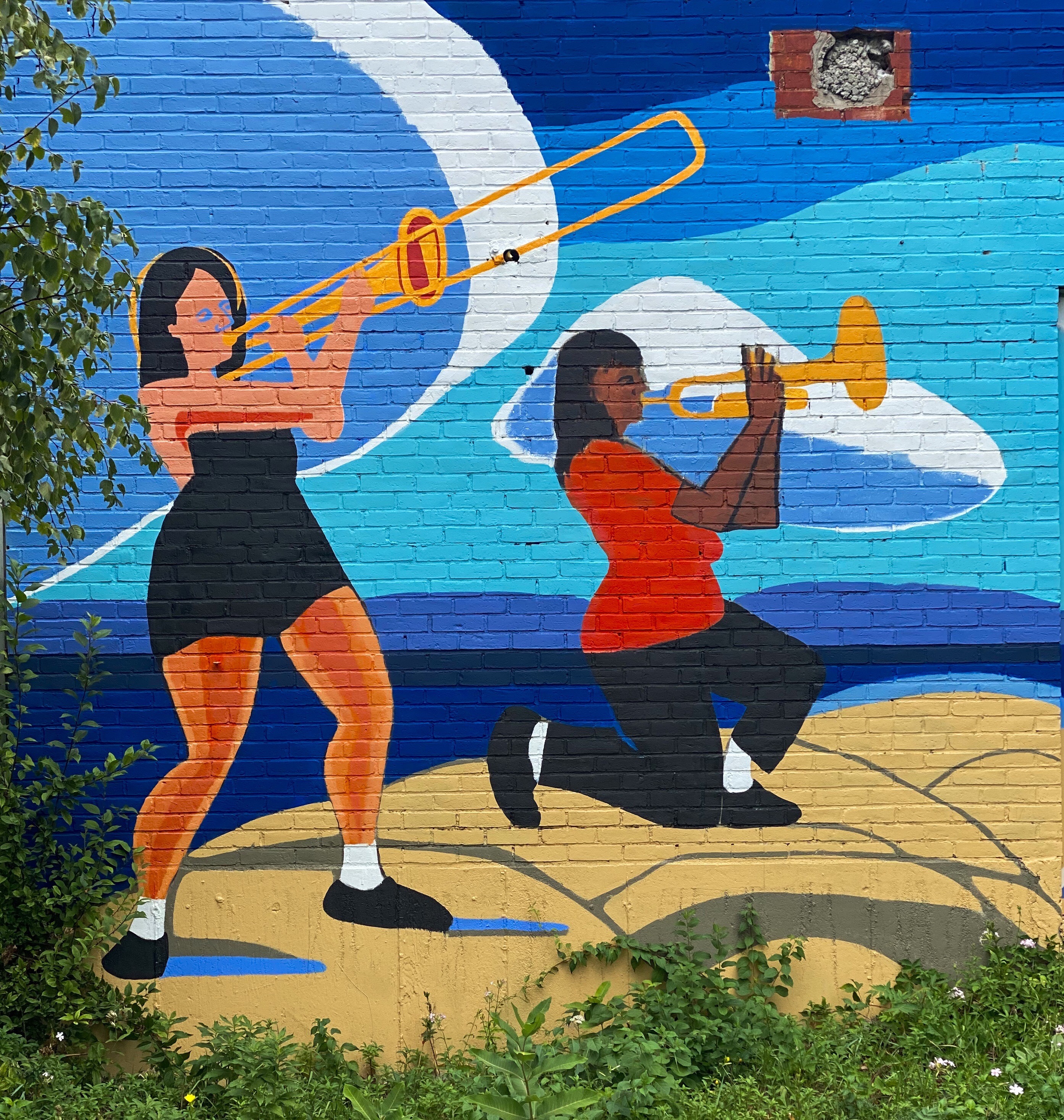
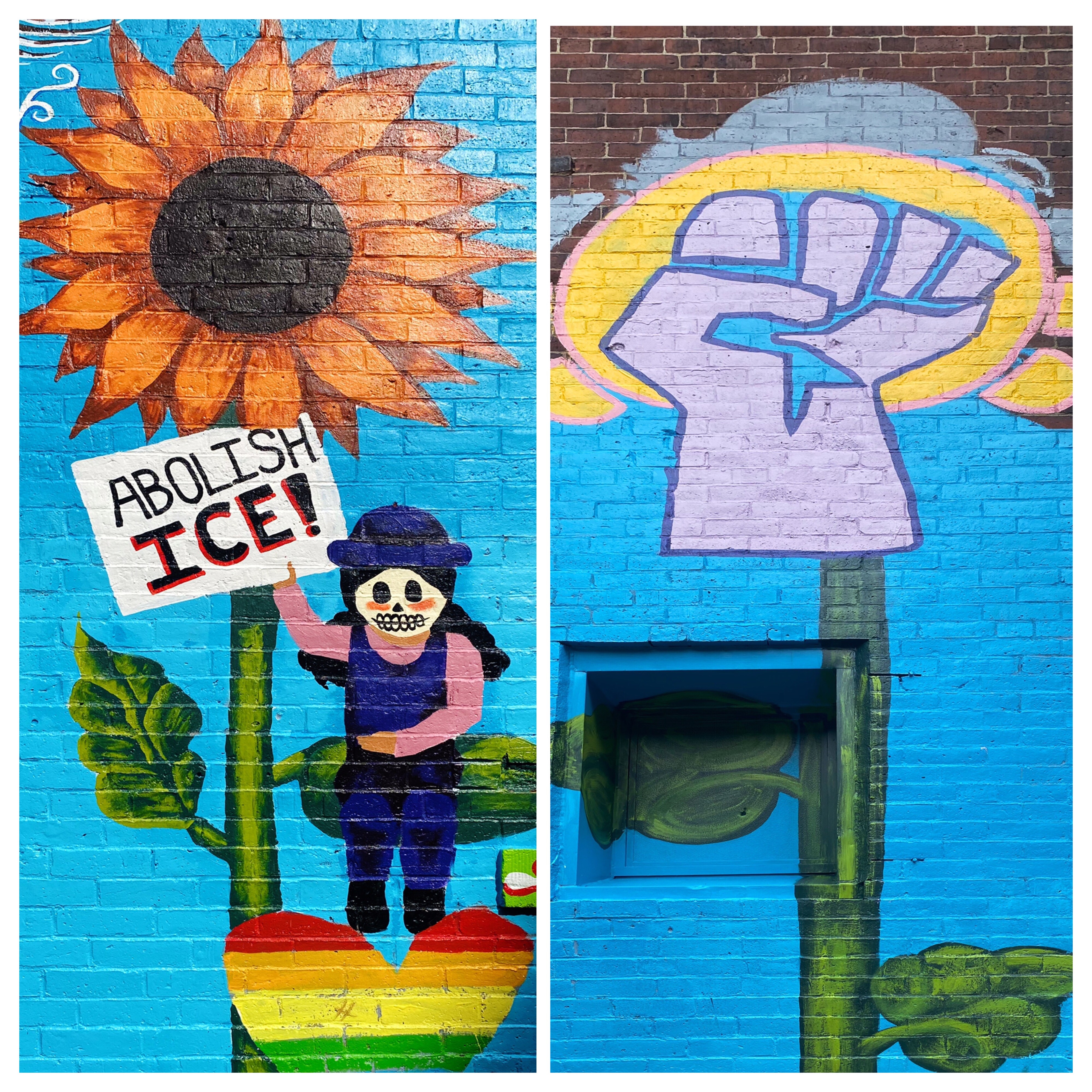
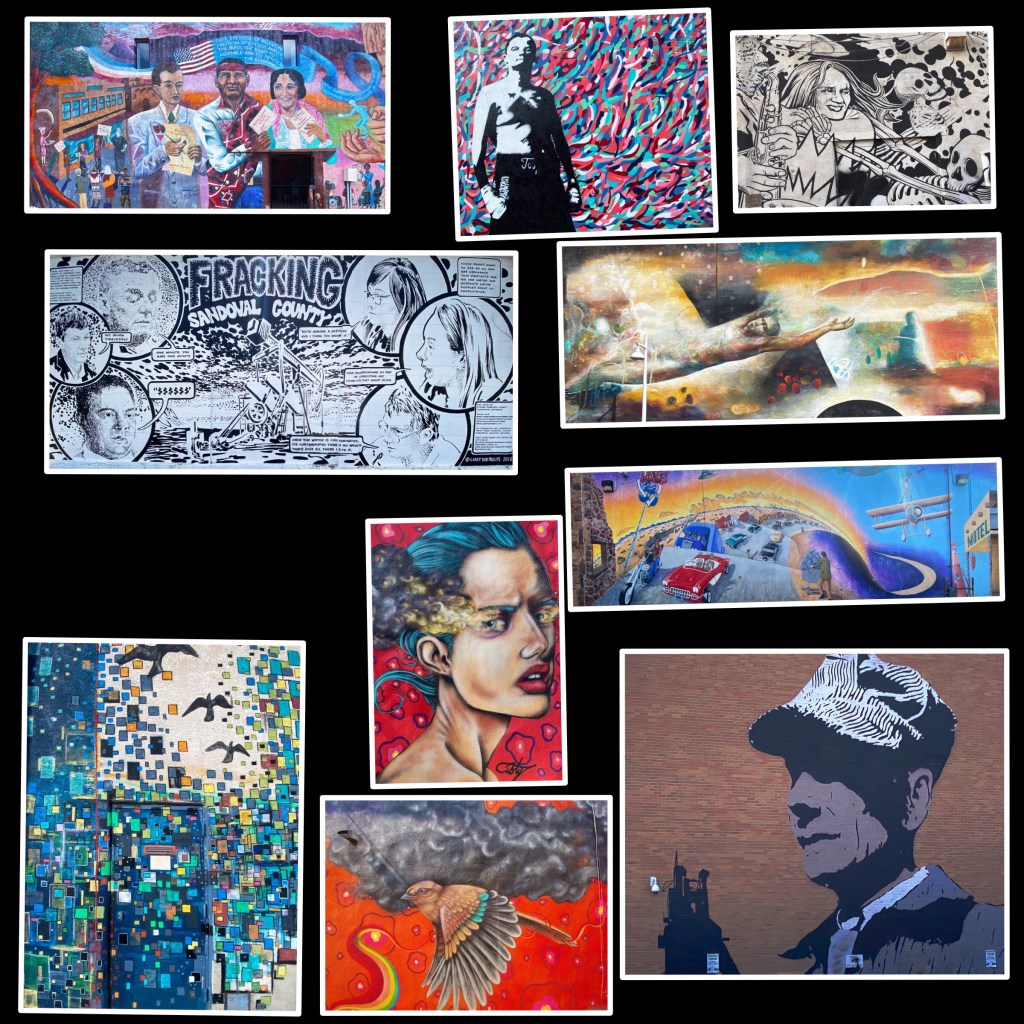
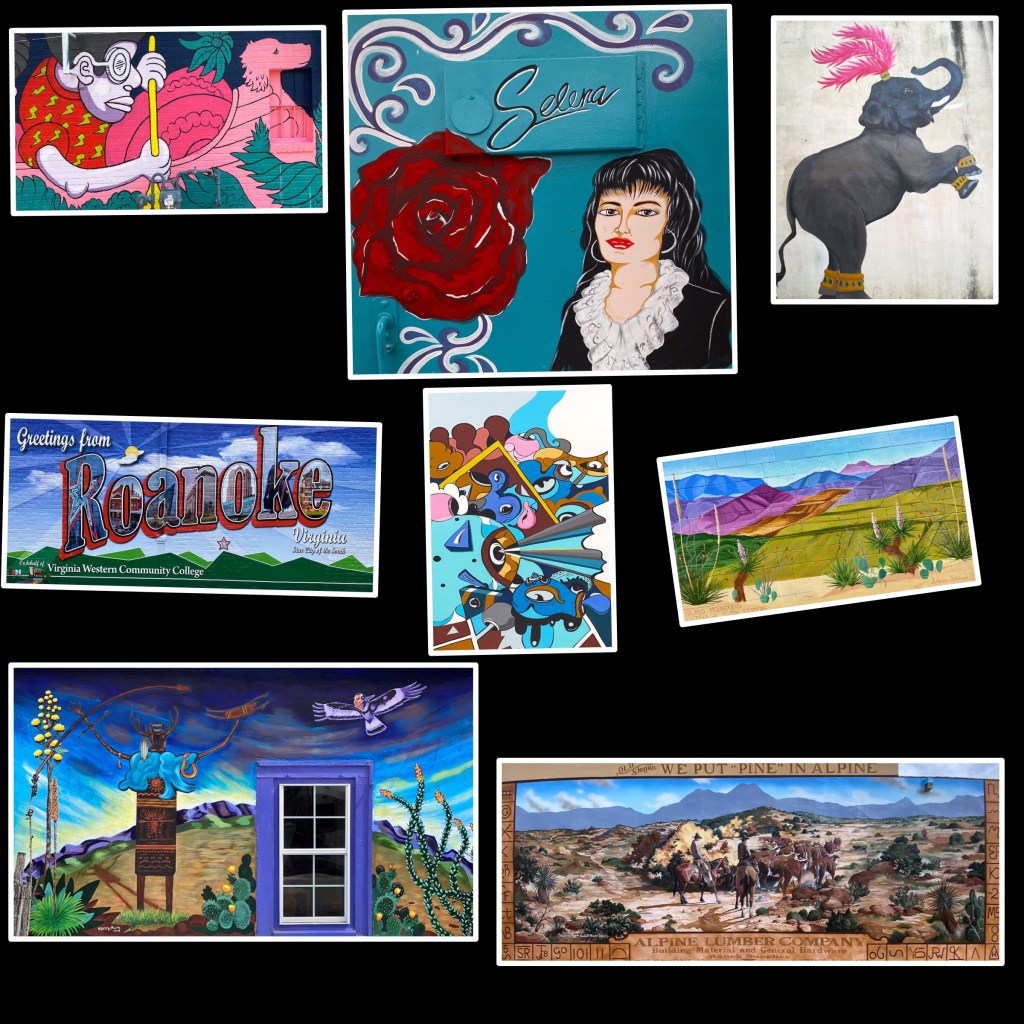
Our recent trip took us through portions of Massachusetts, New Hampshire and Maine. We have included a sample of some of the street art and murals that we found along the way. We appreciate the range of emotions these very different works of art evoke in us. Please let us know what you think.
Stay tuned for another post on OTR 5.1. Of course you can see more of our street art photographs on @streetartfromtheroad.
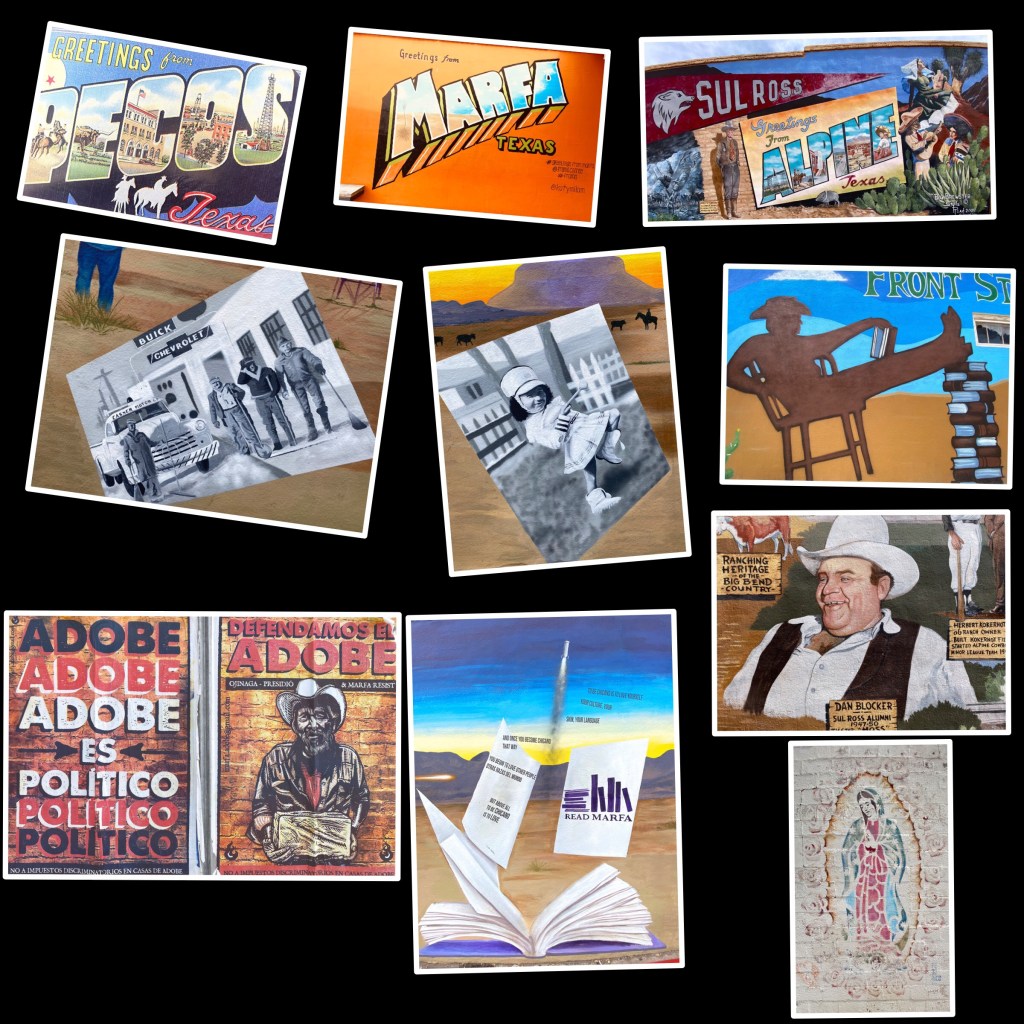
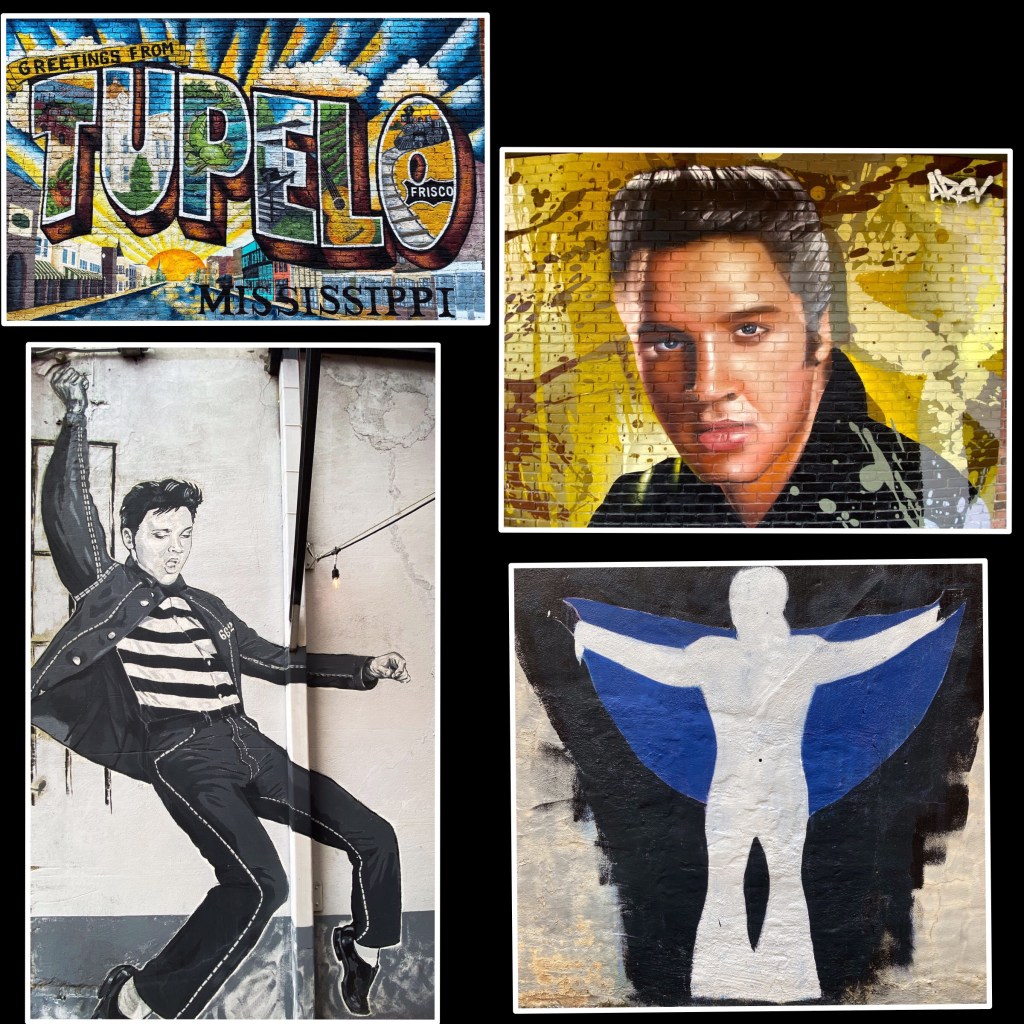
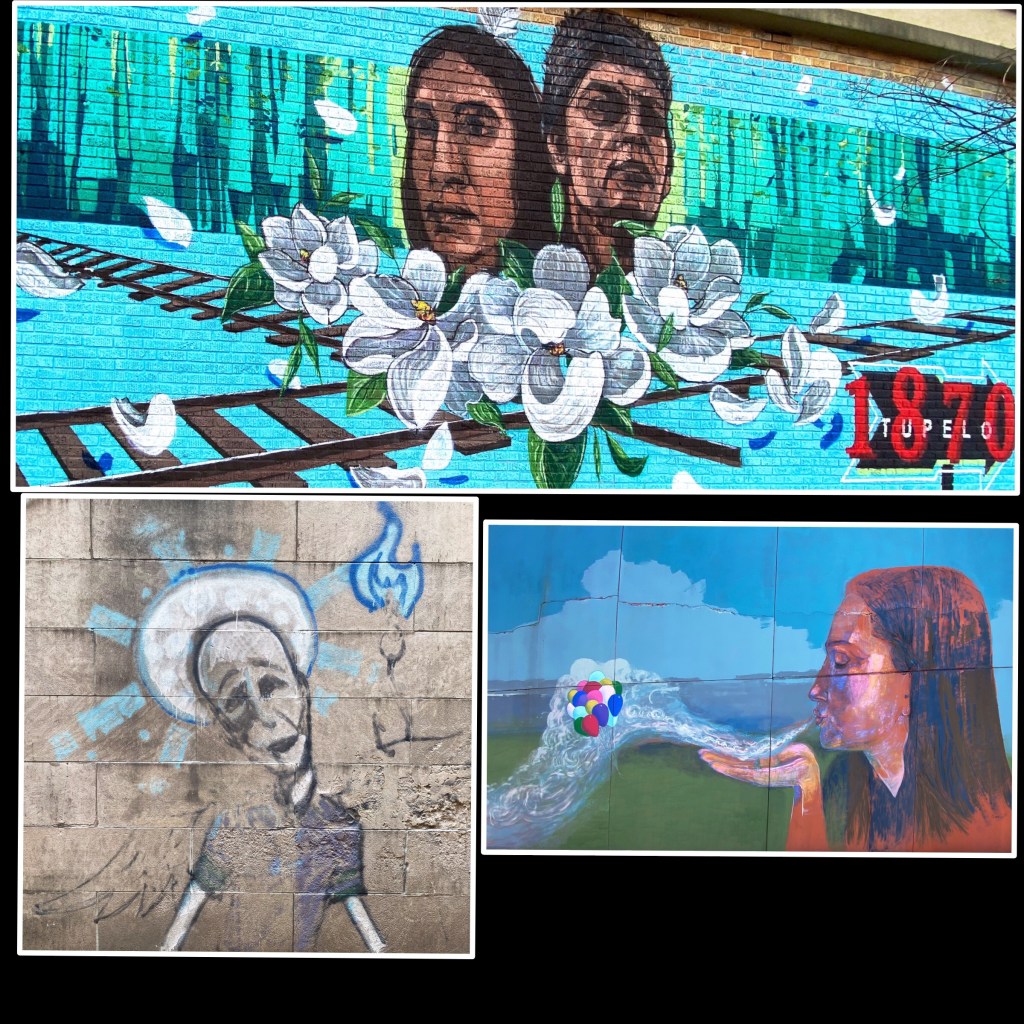
A collage of our favorite street murals from On The Road With MARIA + STEPHEN
See more street murals @ #streetartfromtheroad
Be seeing you!
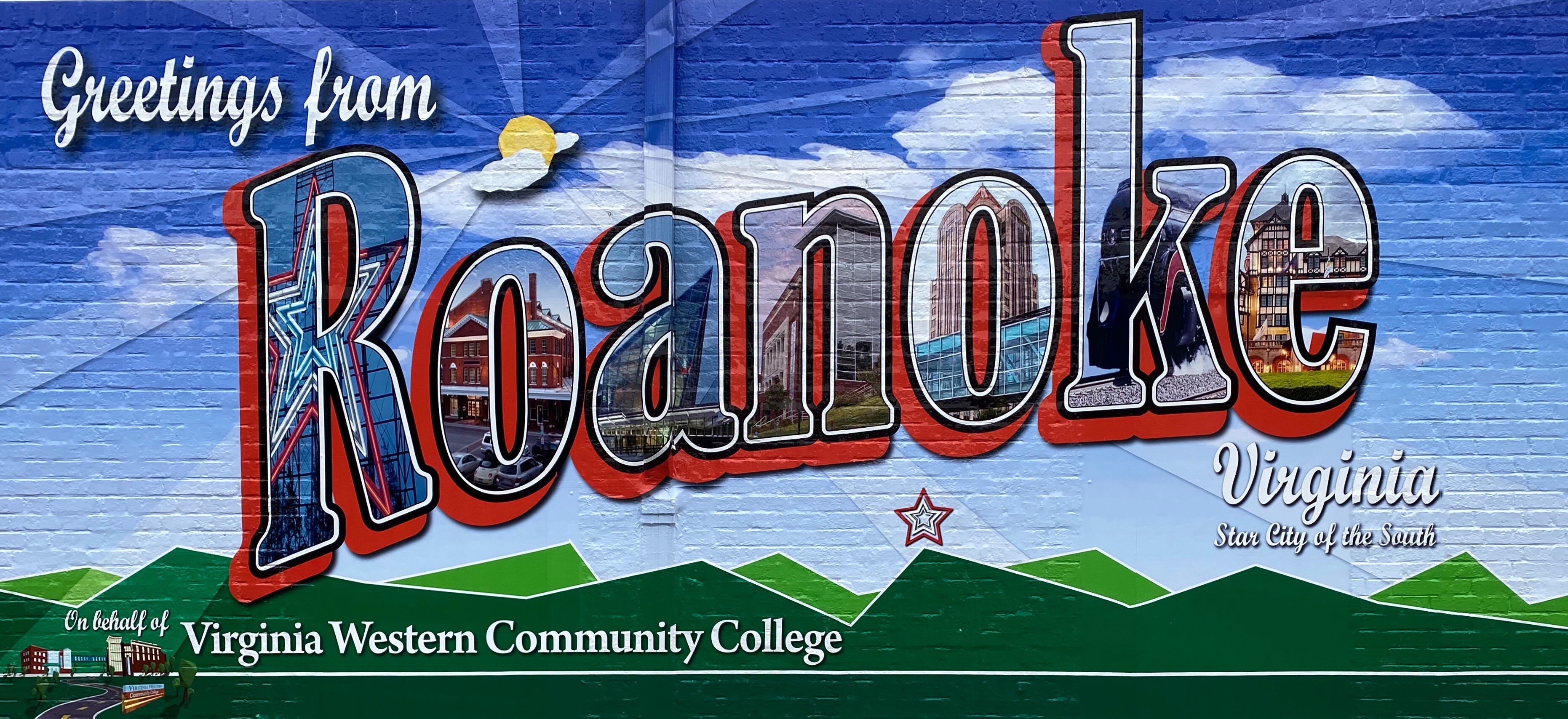
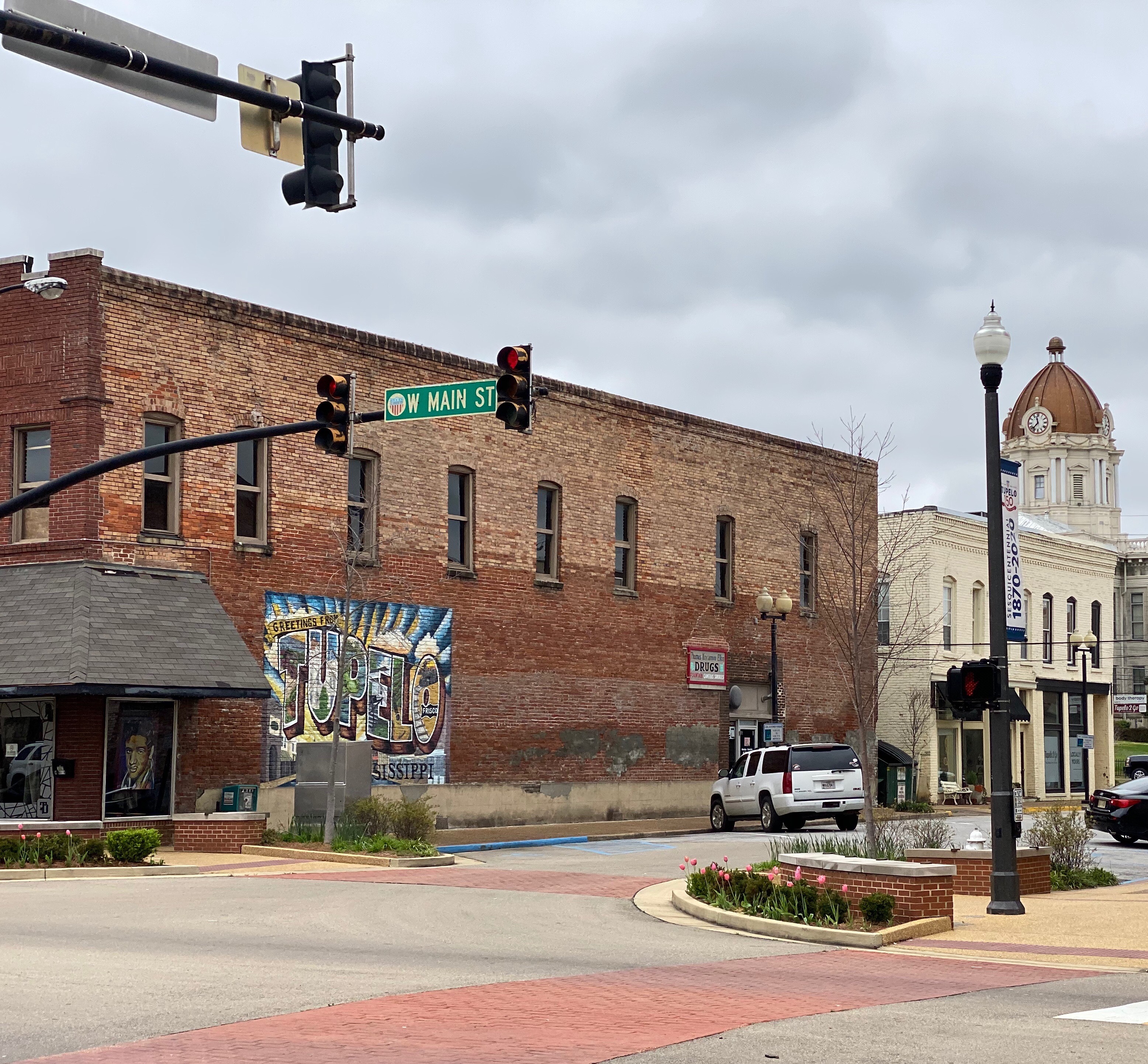
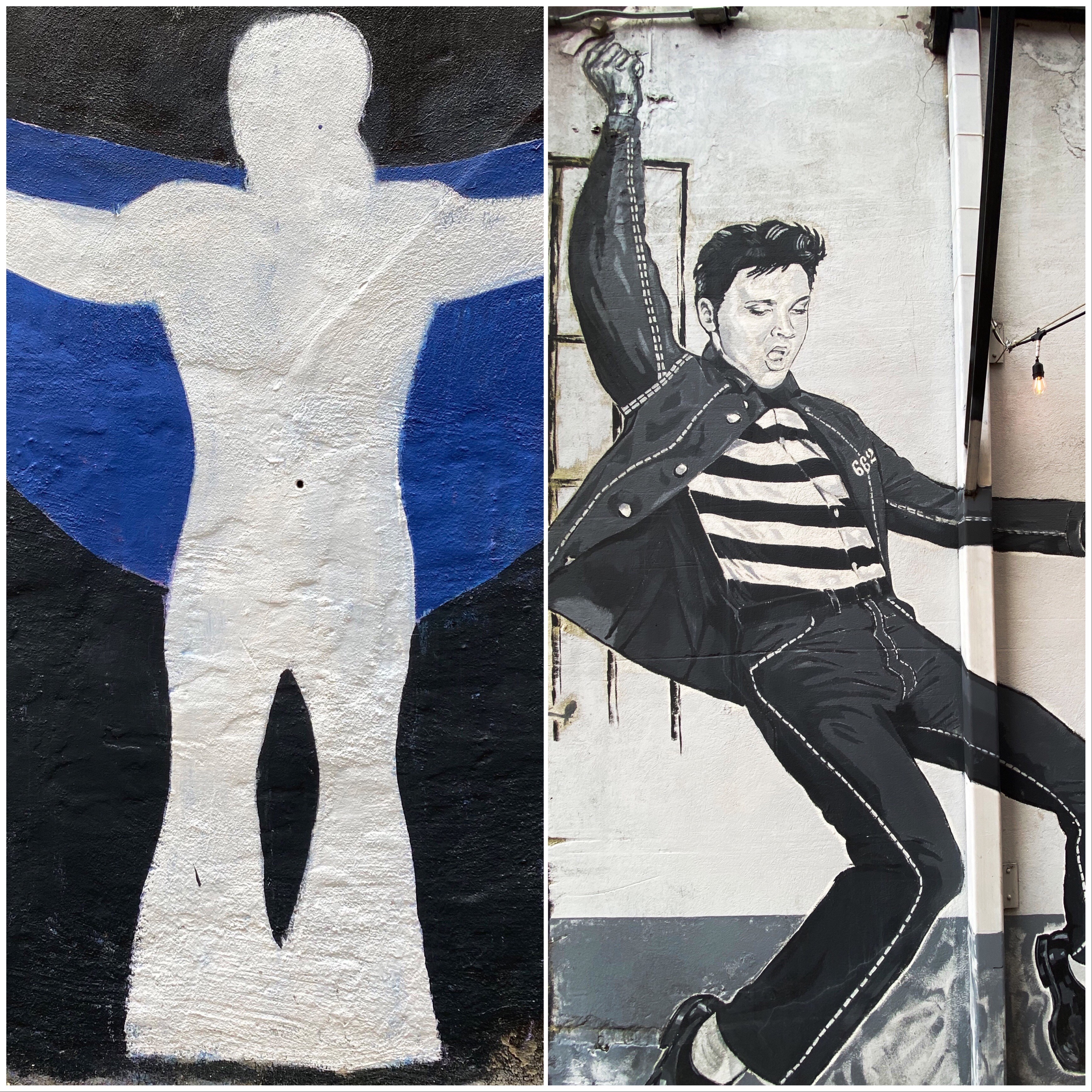
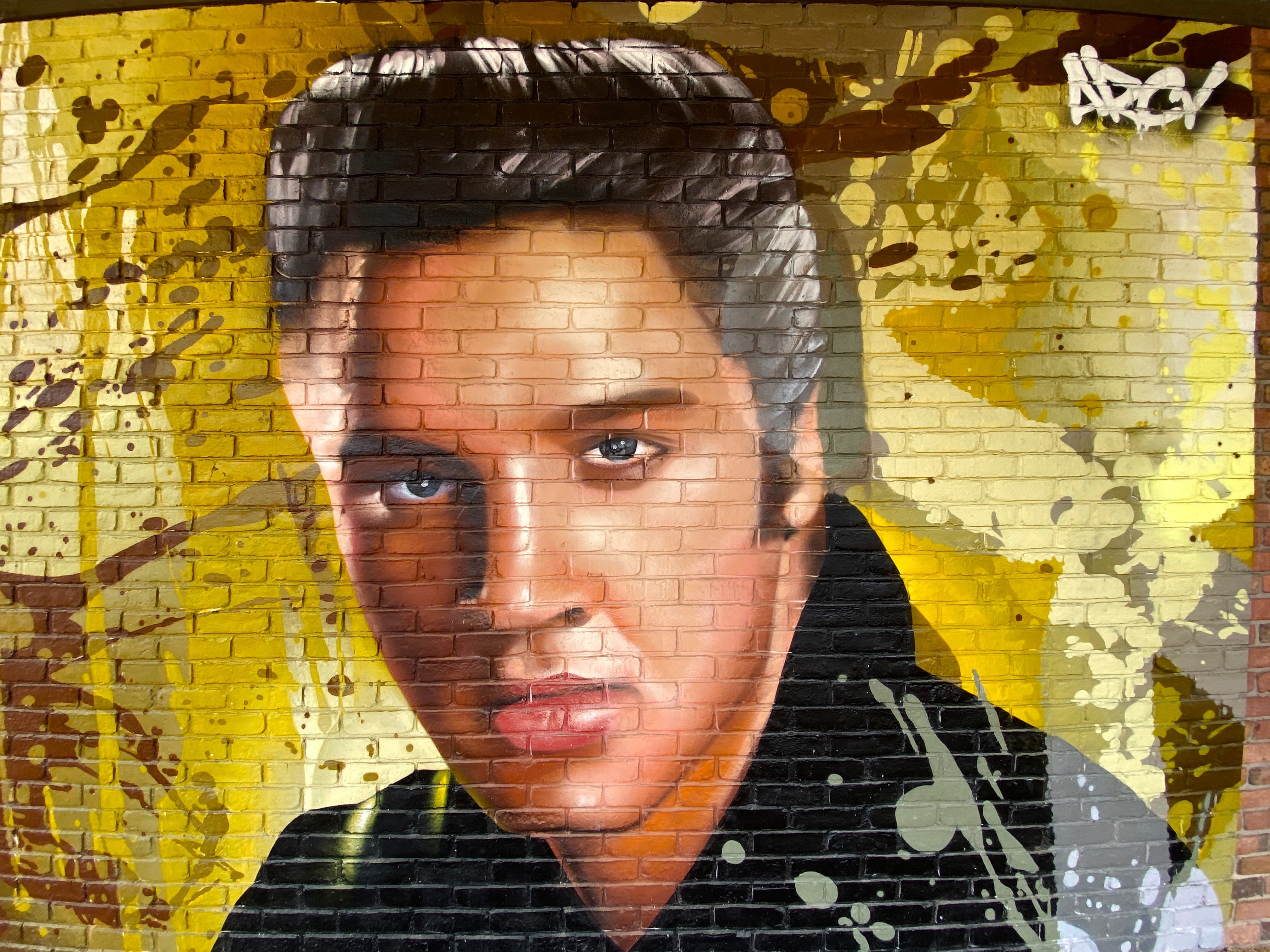
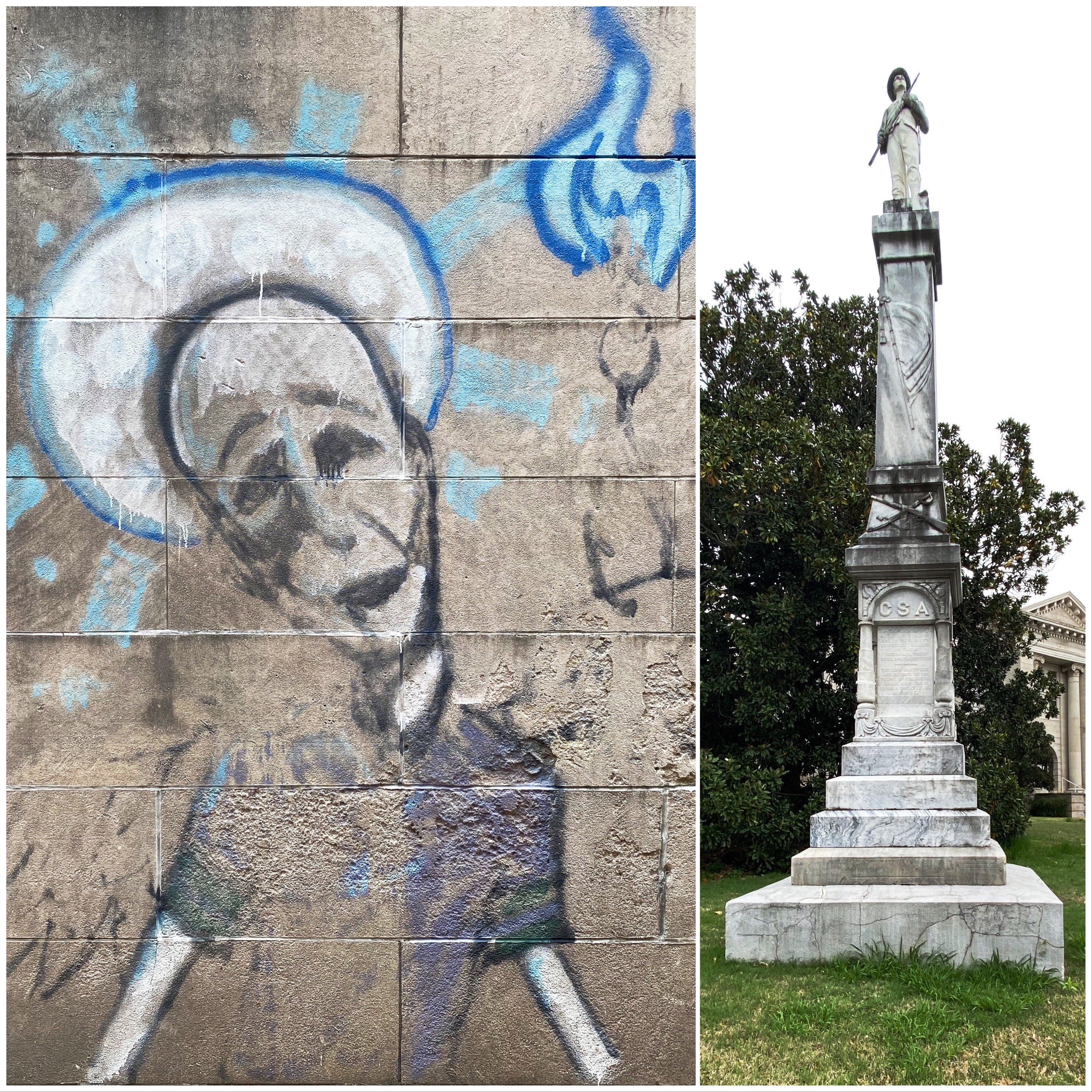
Utah Farmington and Santa Fe, New MexicoABQ, New MexicoABQ and Truth or Consequences, New Mexico Pecos, Marfa and Alpine, Texas Terlingua and Houston Heights, TexasThe KingHuntsville, AlabamaDel Rio and Alpine, Texas Roanoke, Virginia
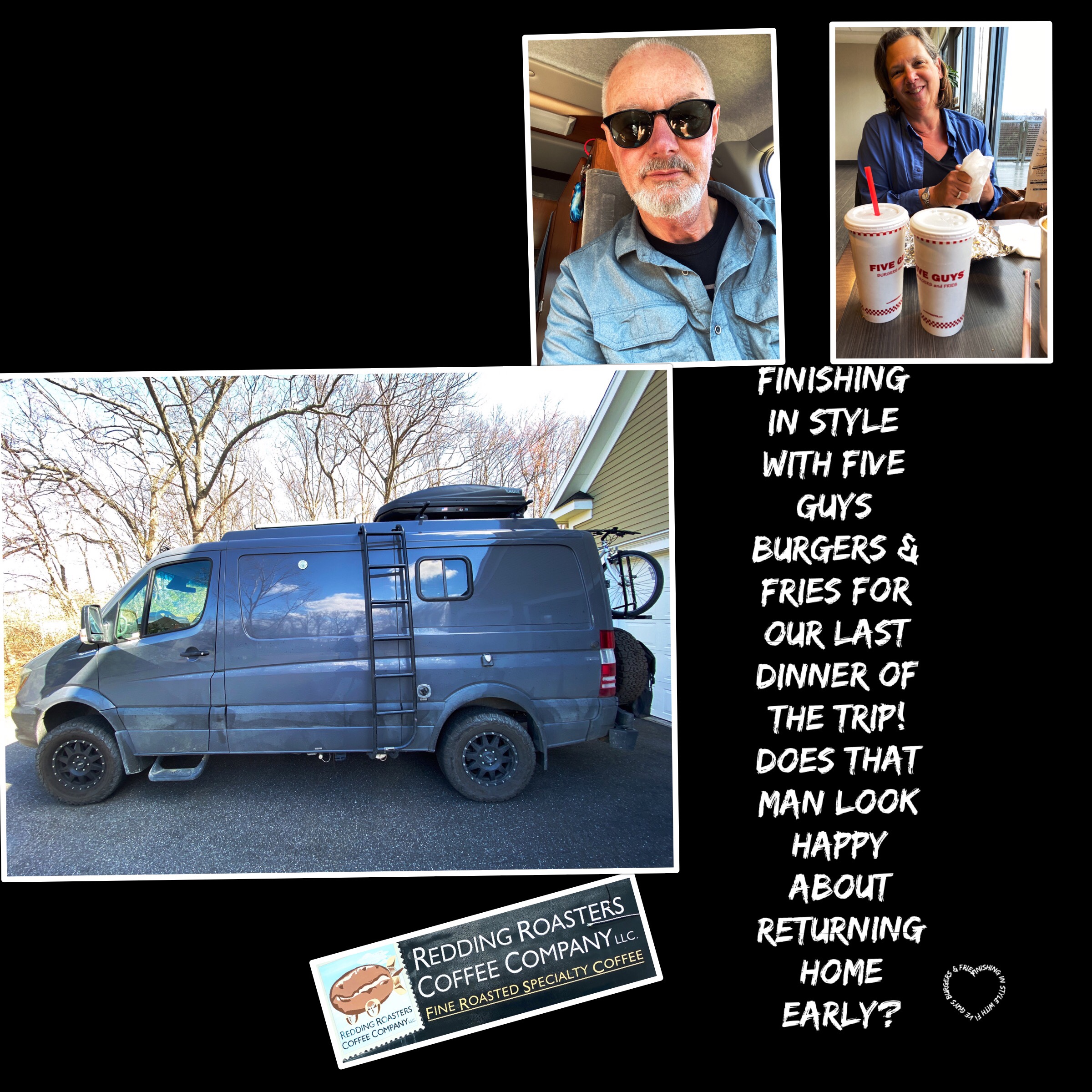
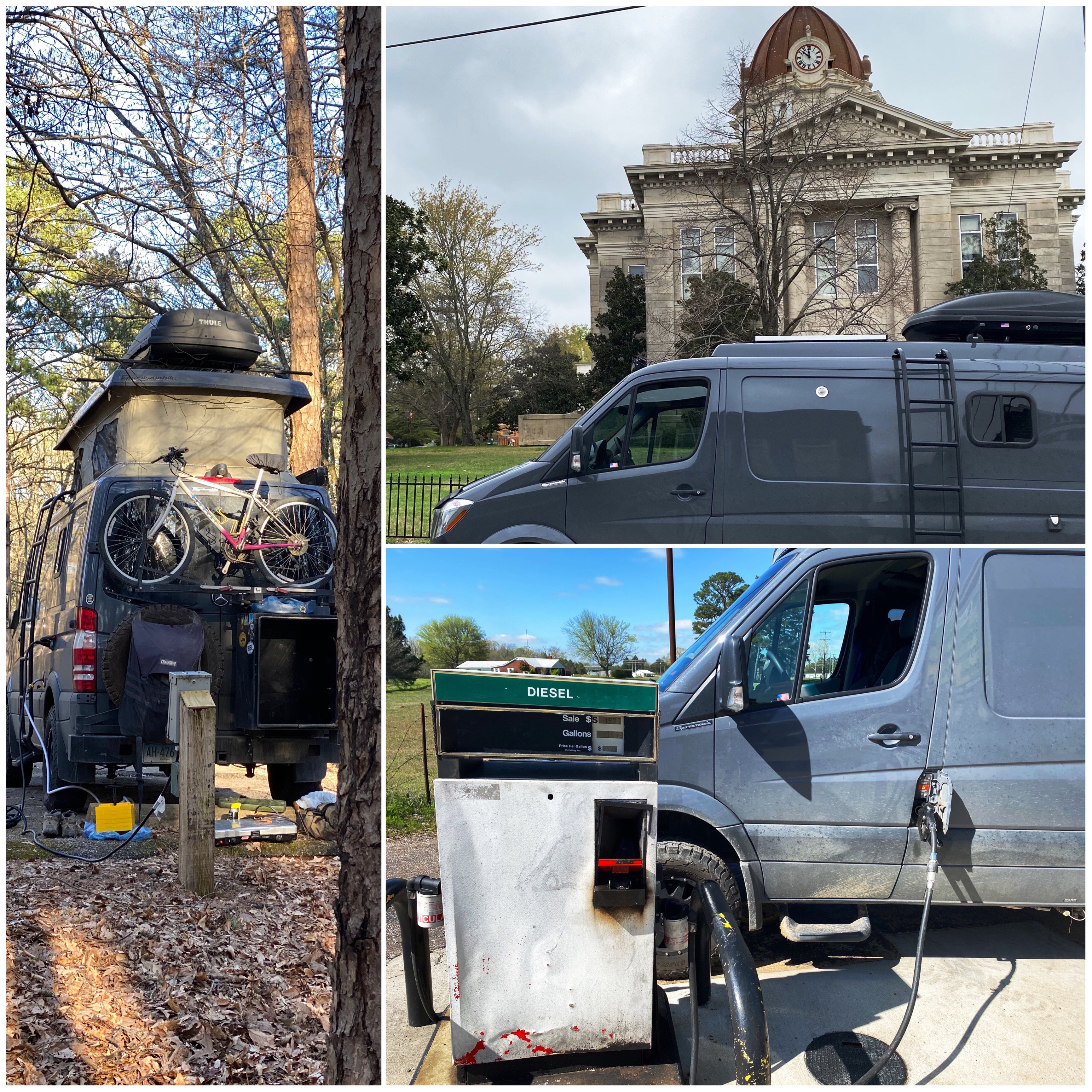
We accelerated the pace of our return home to the Fort as more towns, counties and states issued tighter restrictions on a daily basis. Ever in need of espresso and tea to sustain the journey we did venture into a number of towns for take out beverages and food. While passing through we usually managed to take a quick tour of the historic or downtown areas before departing for our next fika.
Below are some photos from the final days of OTR 4.0.
Thanks for following.
Be seeing you!
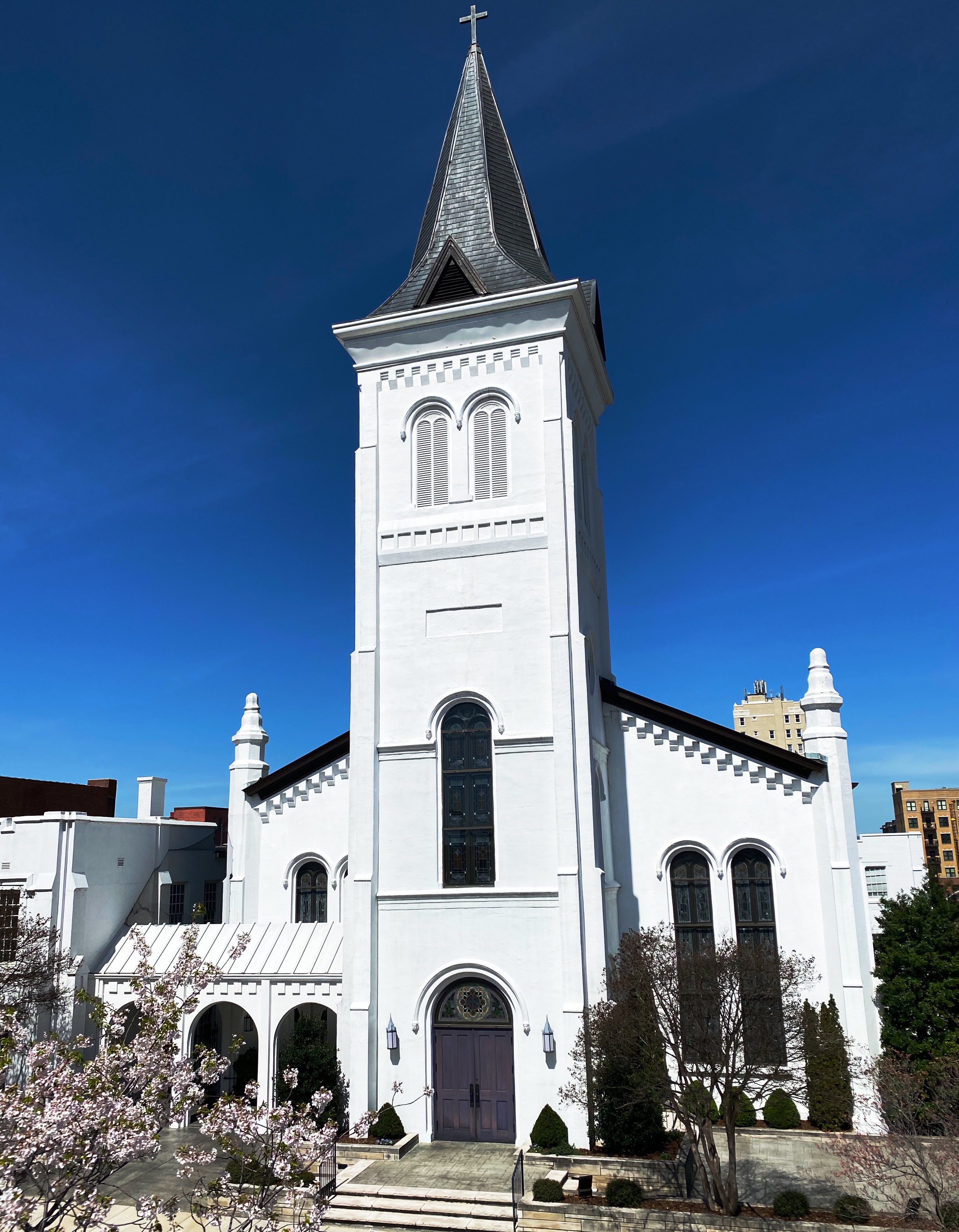
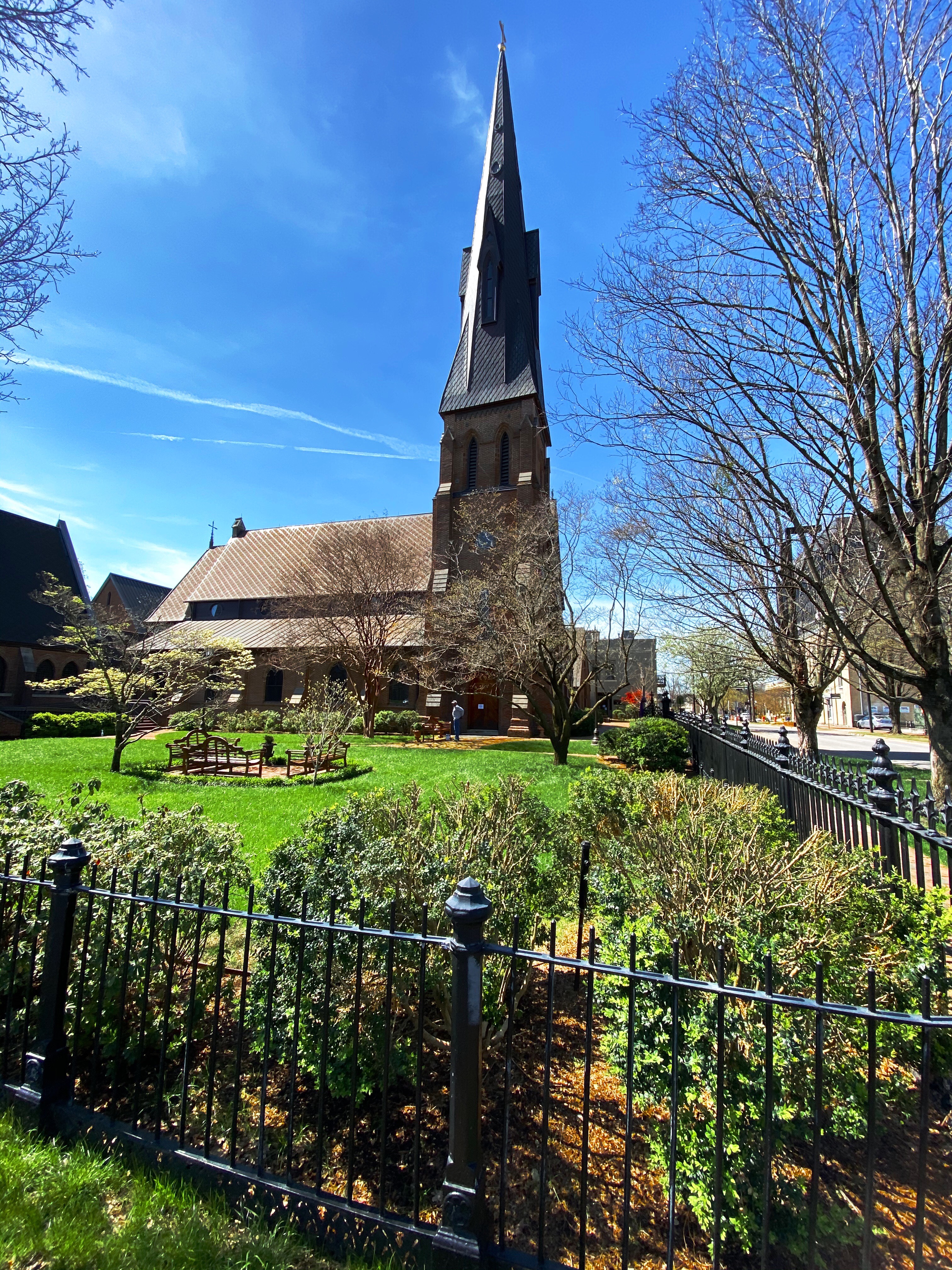
Huntsville First United Methodist Church, Huntsville, Alabama
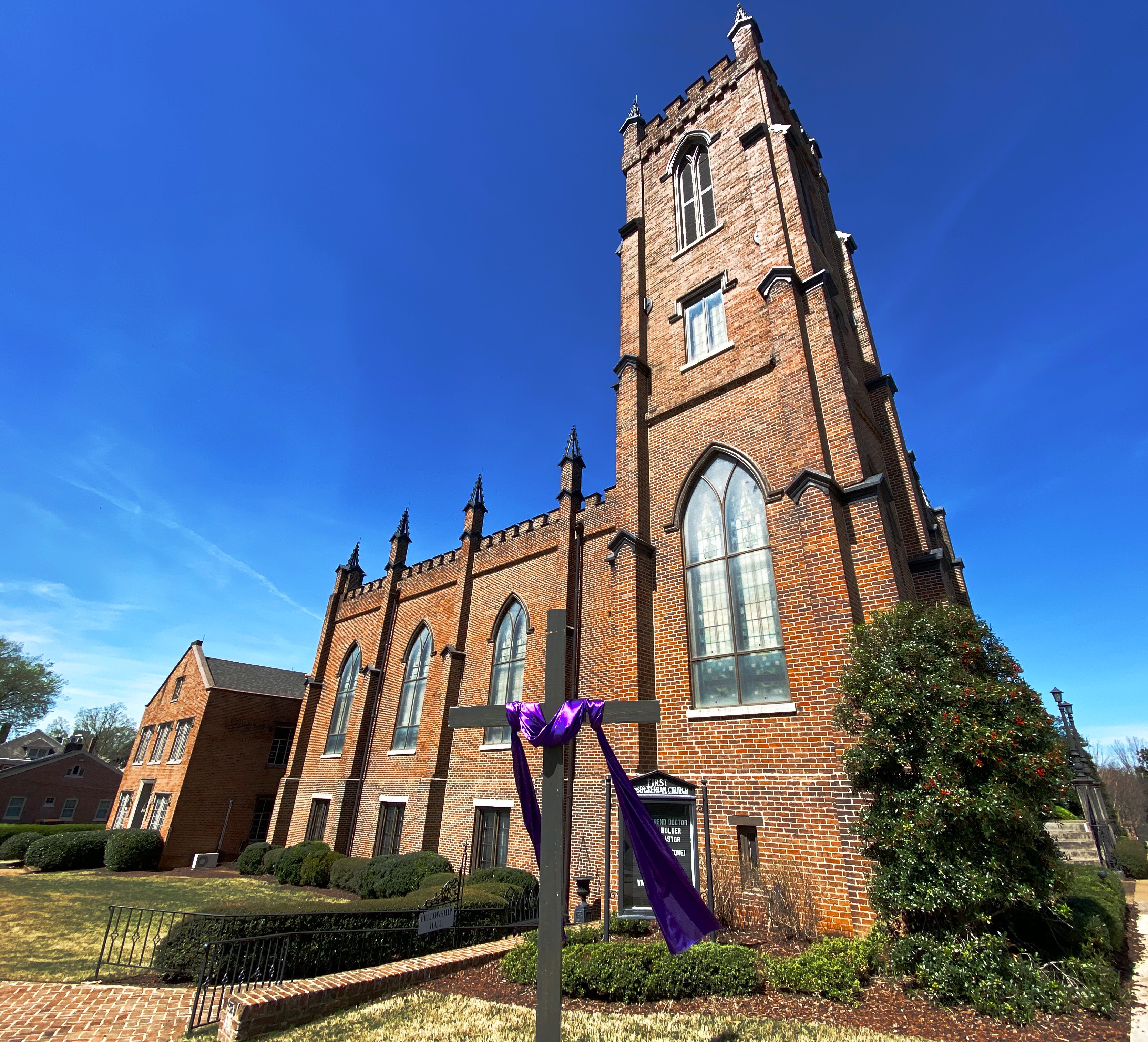
First Presbyterian Church, Huntsville, Alabama
Church of the Nativity Episcopal, Huntsville, Alabama
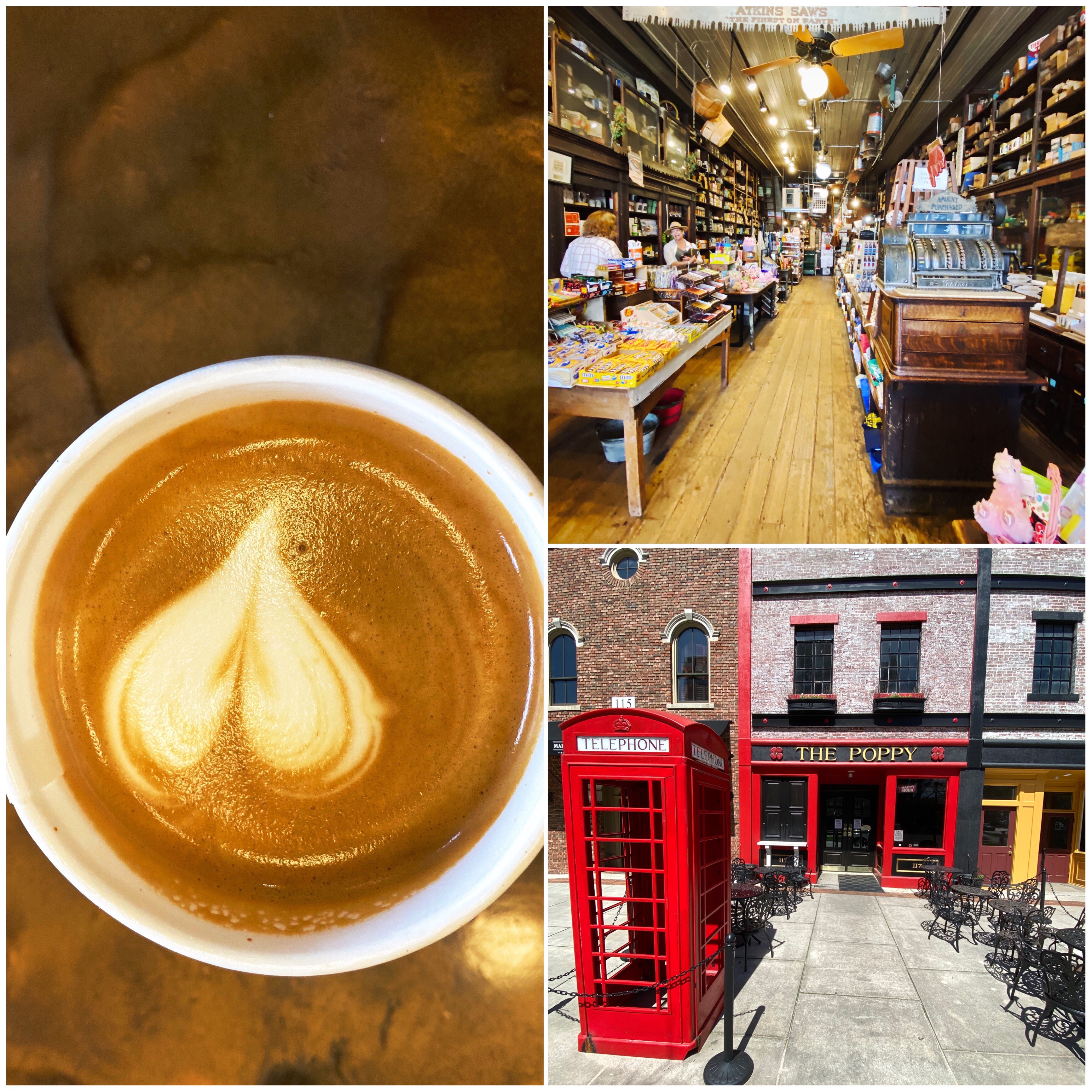
Harrison Brothers Hardware, Upper Right, Huntsville, Alabama
Clinton Row, Huntsville, Alabama
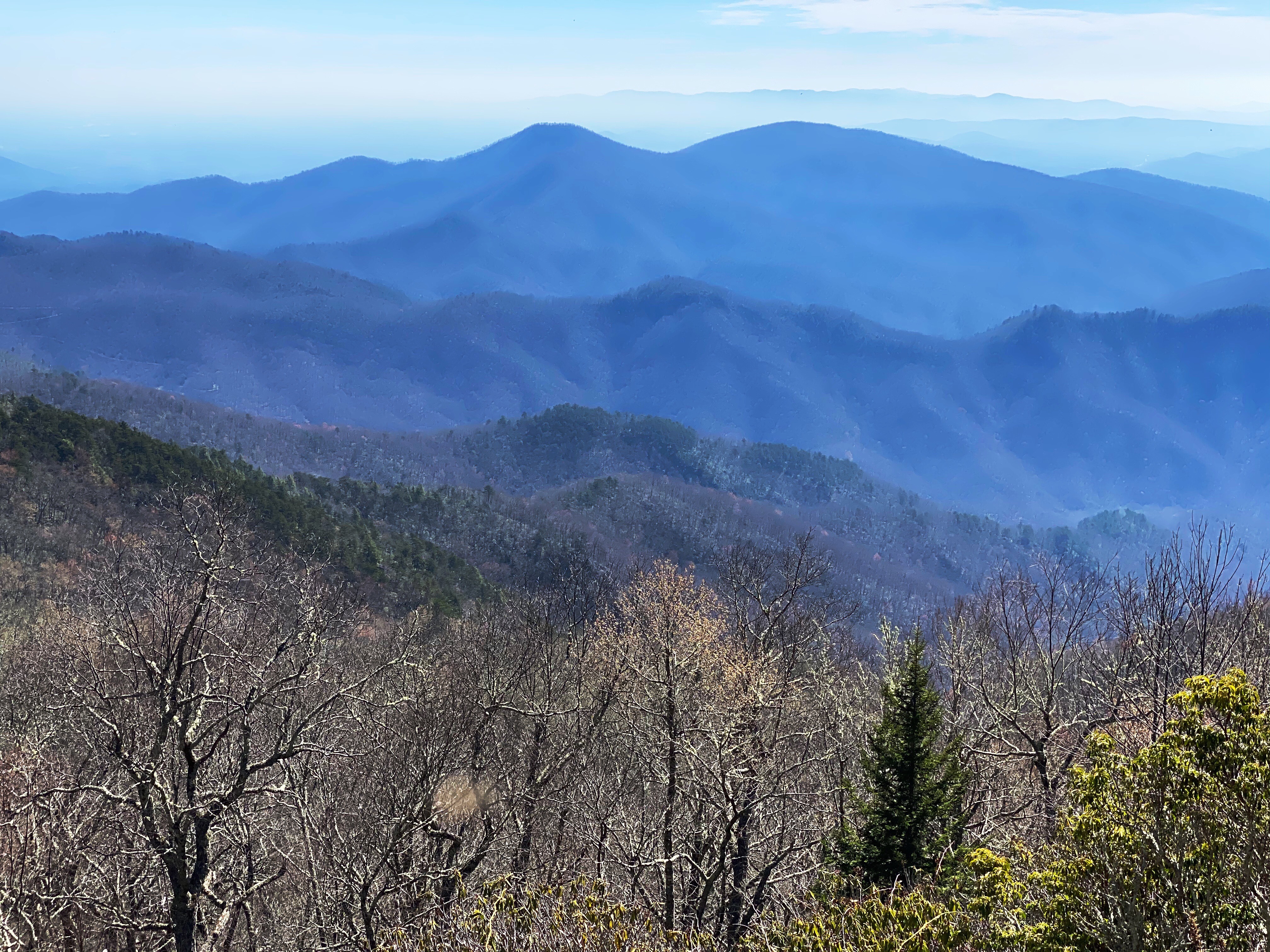
Blue Ridge Mountains, North Carolina
Video Clip, Blue Ridge Parkway, North Carolina
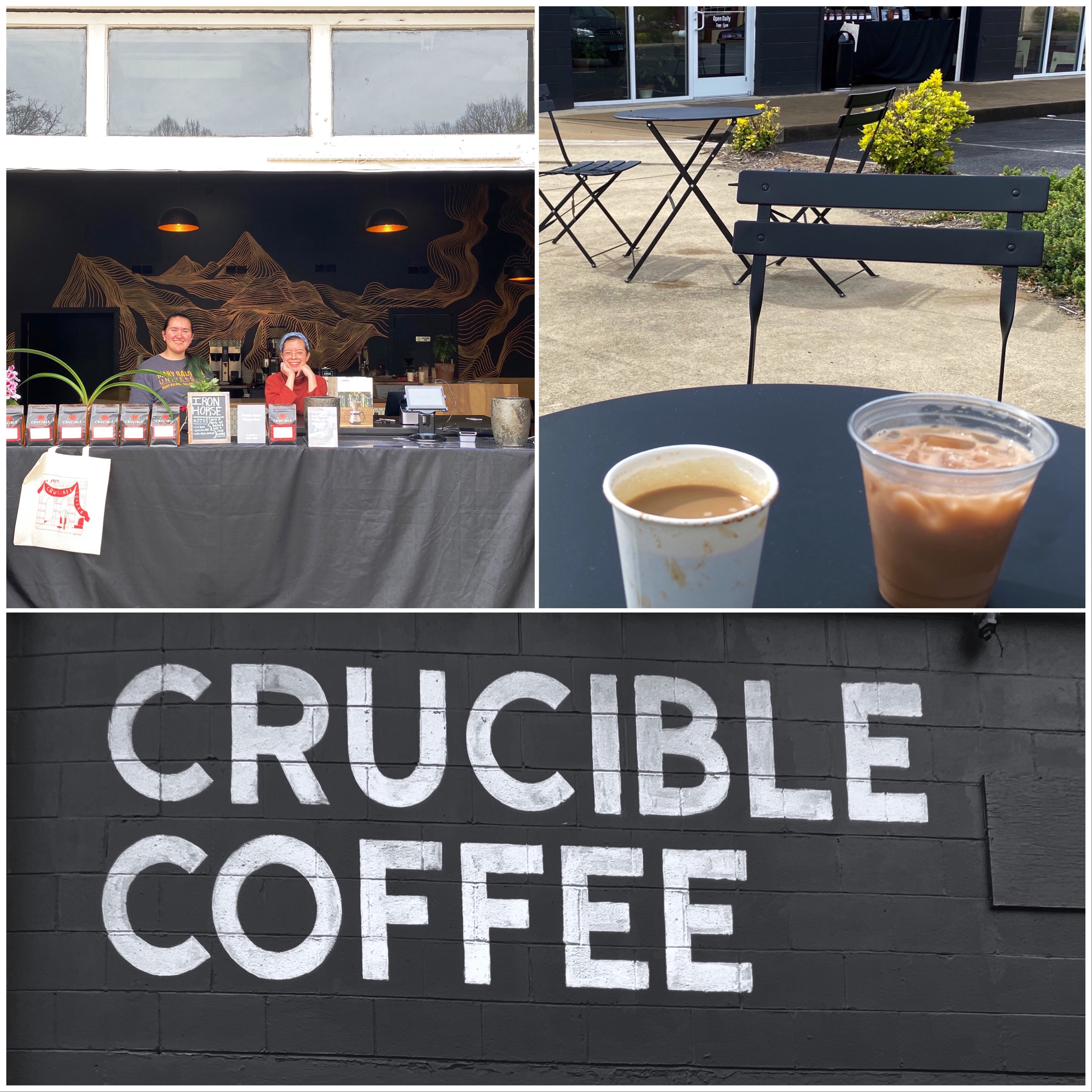
Crucible Coffee in beautiful Staunton (pronounced Stanton) Virginia
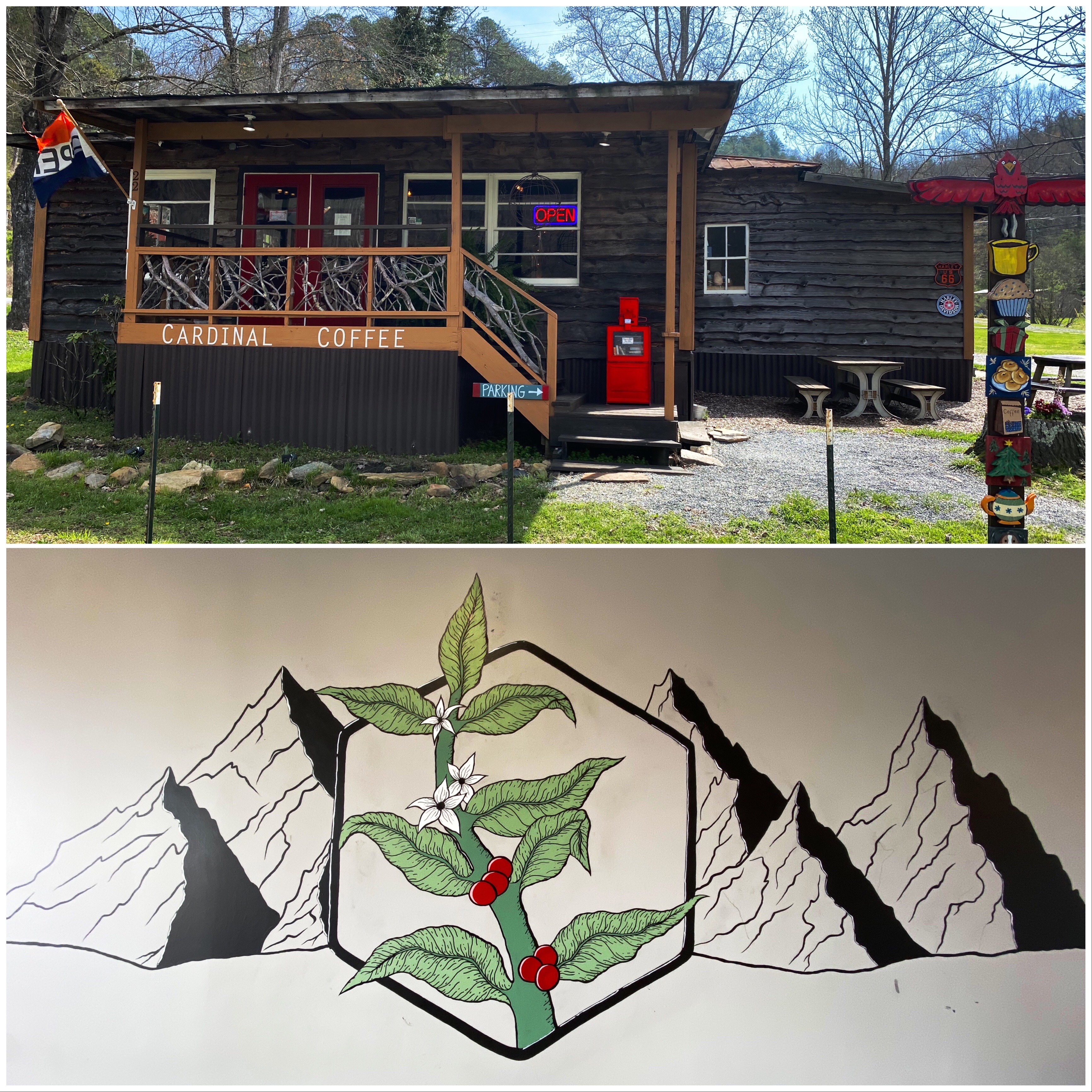
Top:Cardinal Coffee Bottom:Anchor Coffee
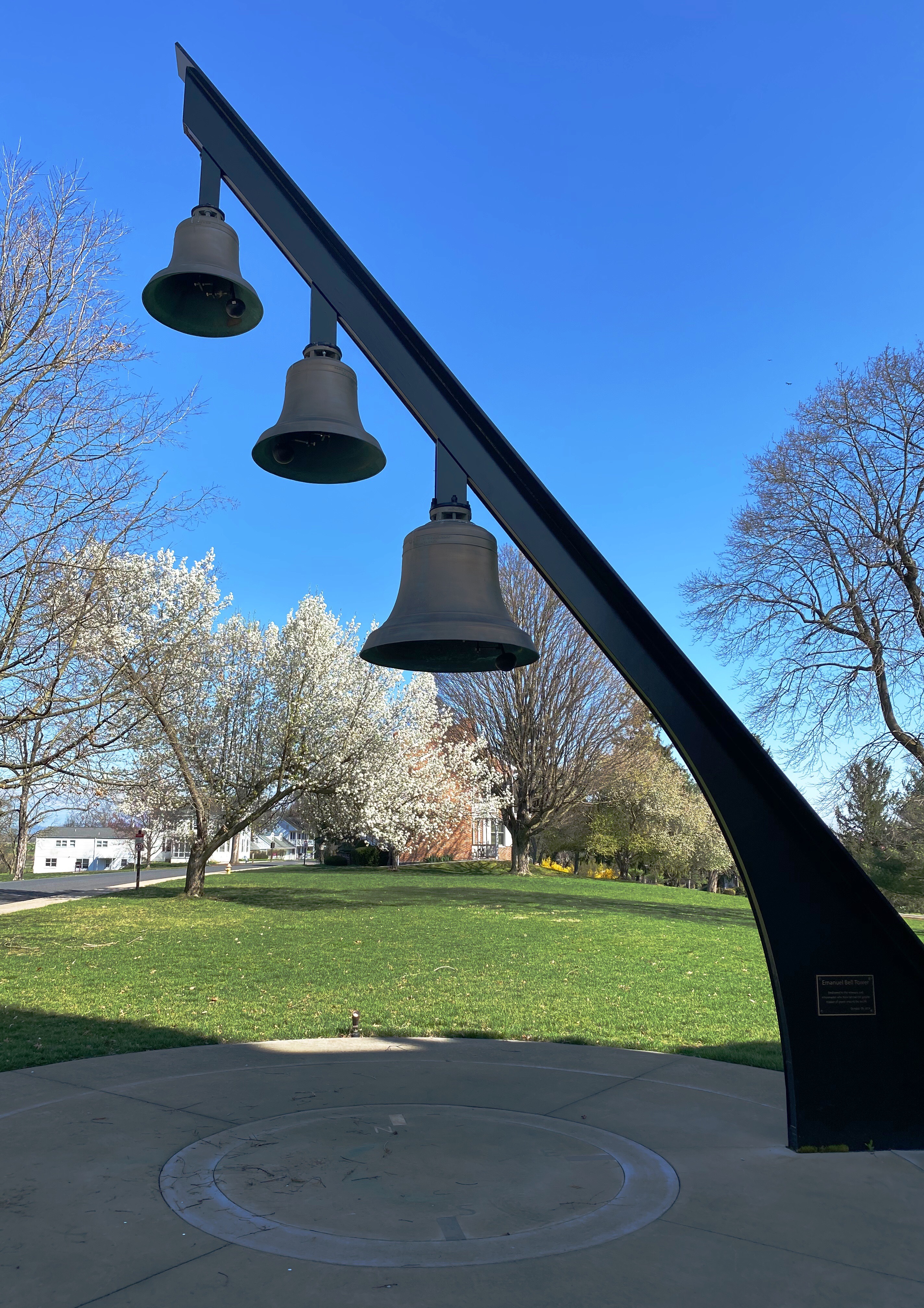
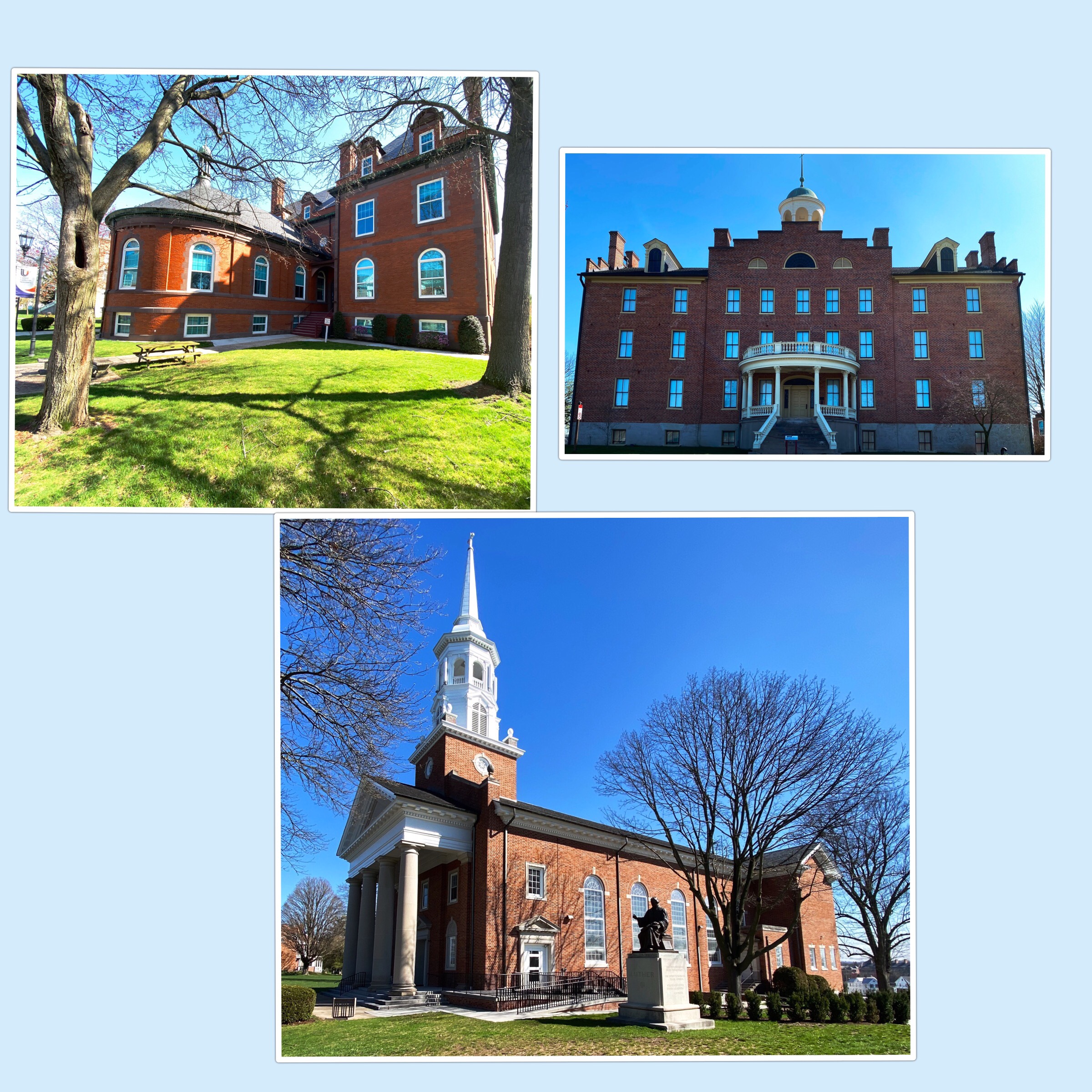
Emanuel Bell, United Lutheran Seminary, Gettysburg, Founded 1823
Lutheran Seminary, Seminary Ridge, Served as a Field Hospital for Federal and Confederate Soldiers after the Battle at Gettysburg
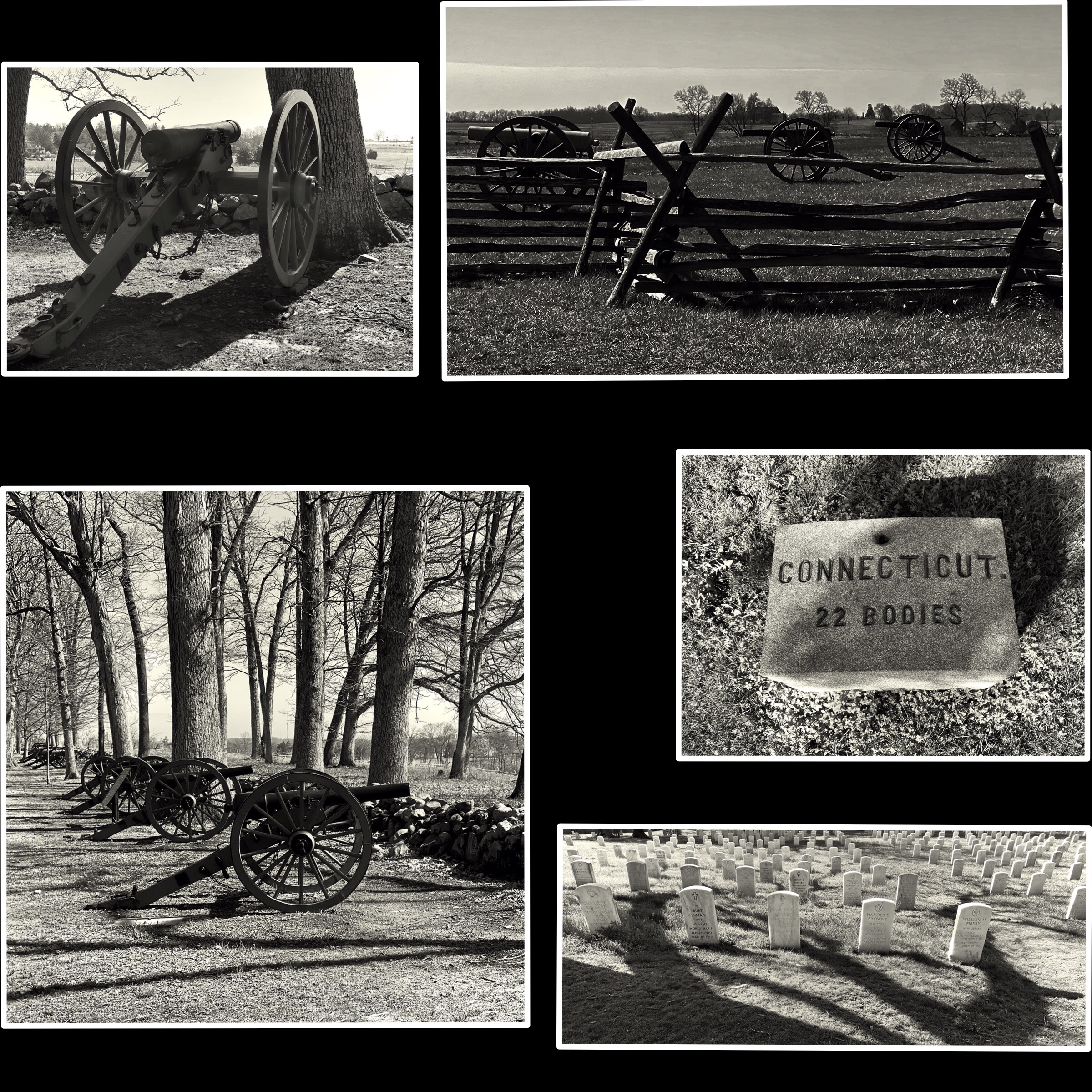
C.S.A. cannons on Seminary Ridge, Gettysburg Battlefield
After deciding to shorten our trip due to the Covid-19 pandemic we are still keeping to more scenic routes, backways and small towns whenever possible as we return to Connecticut.
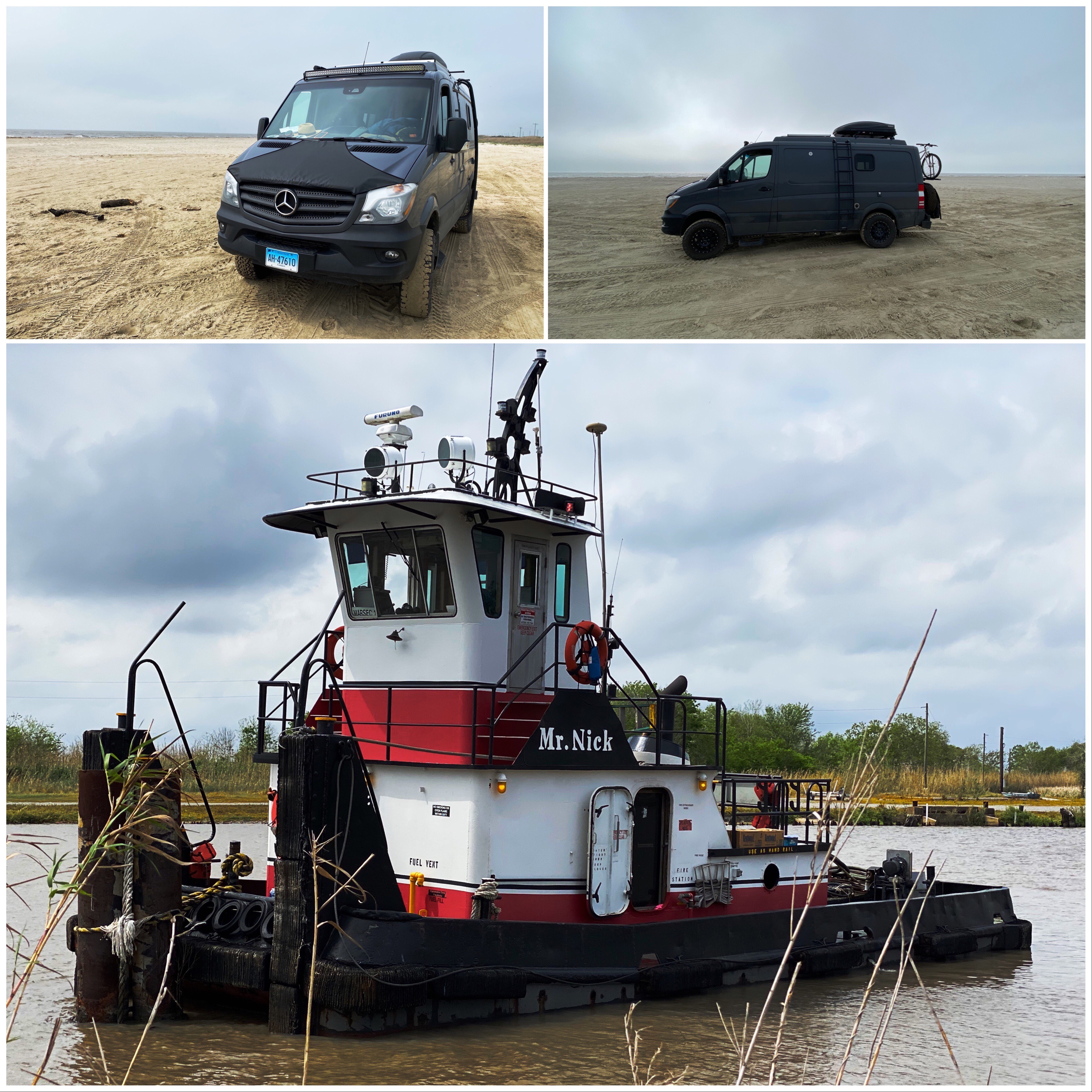
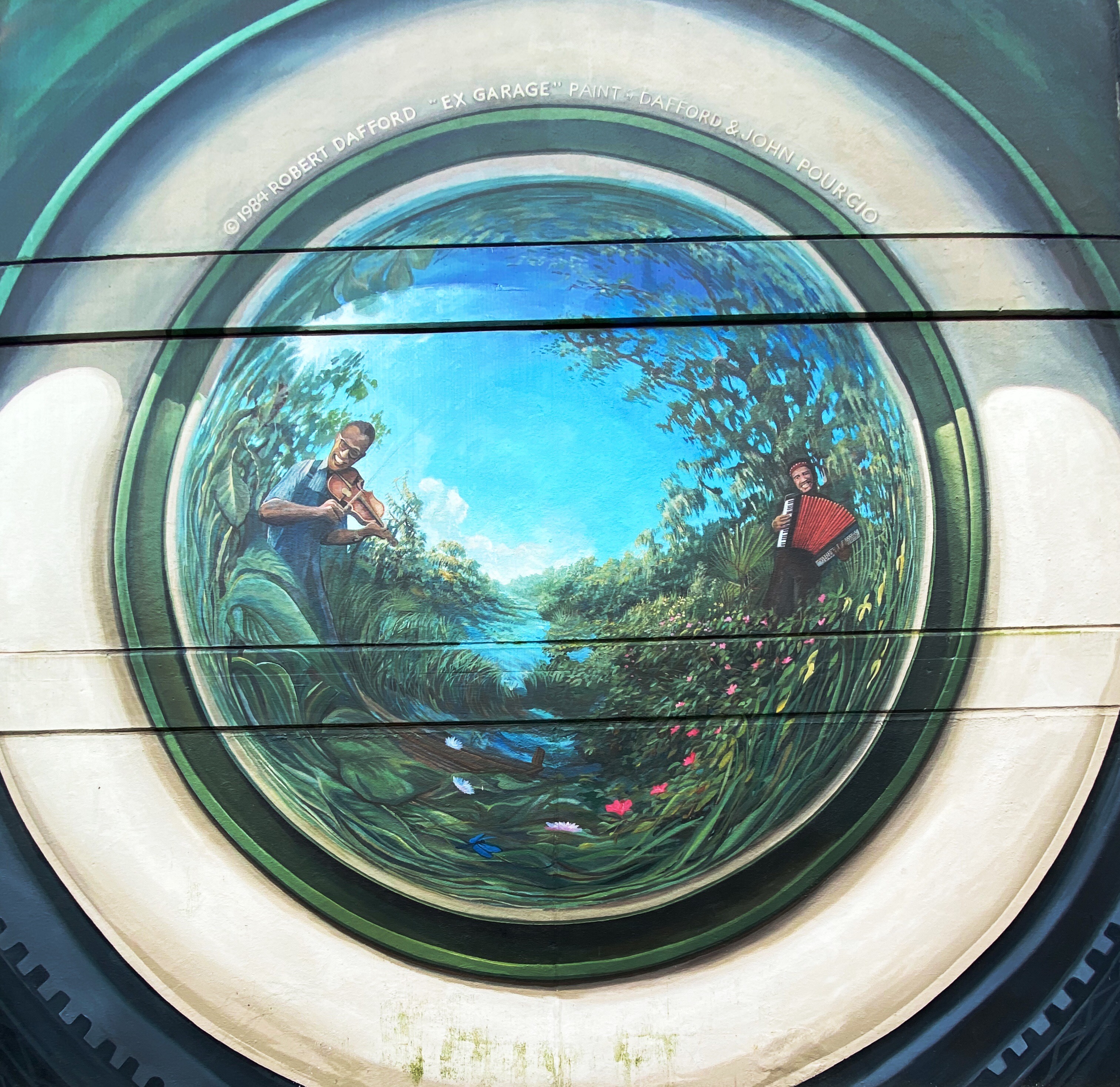
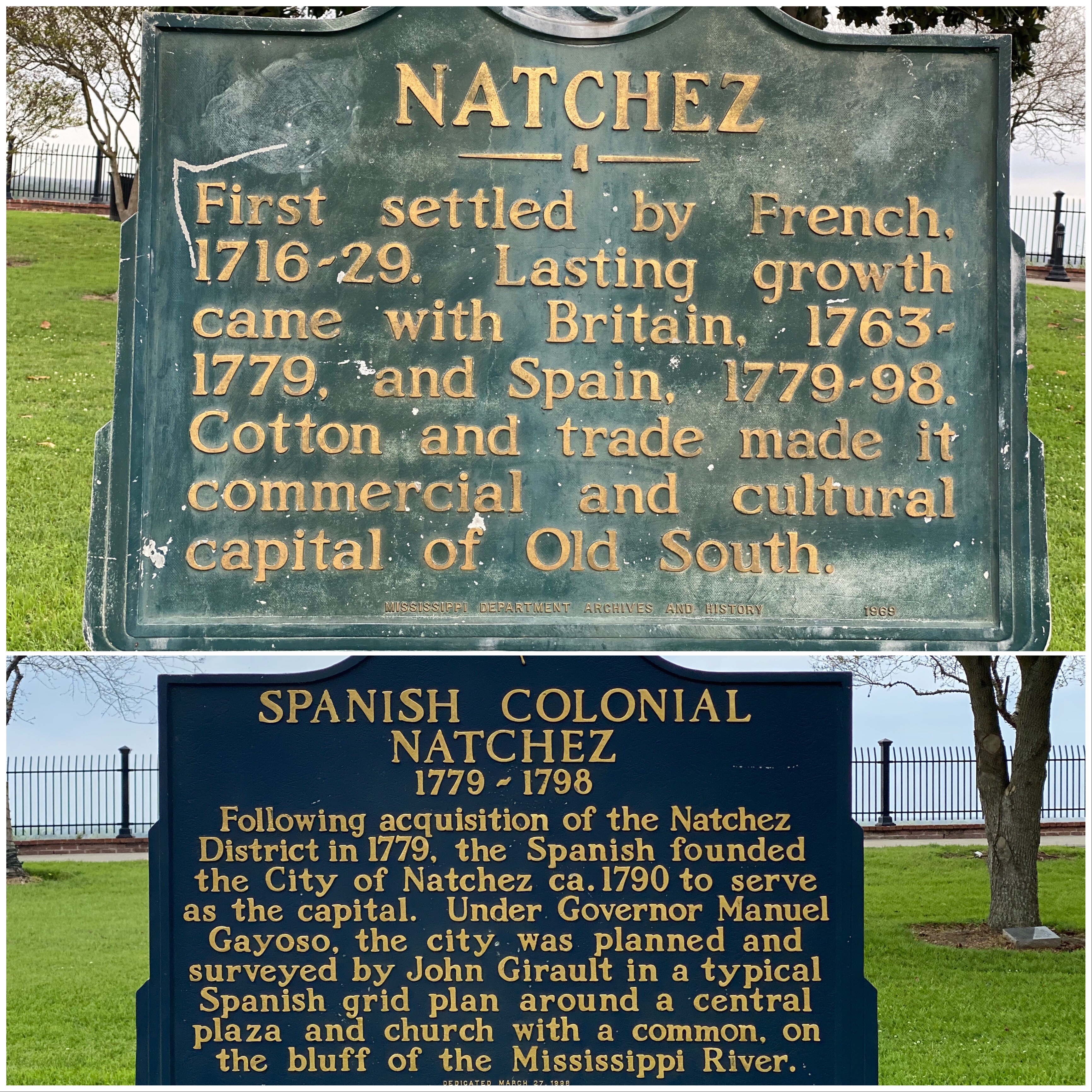
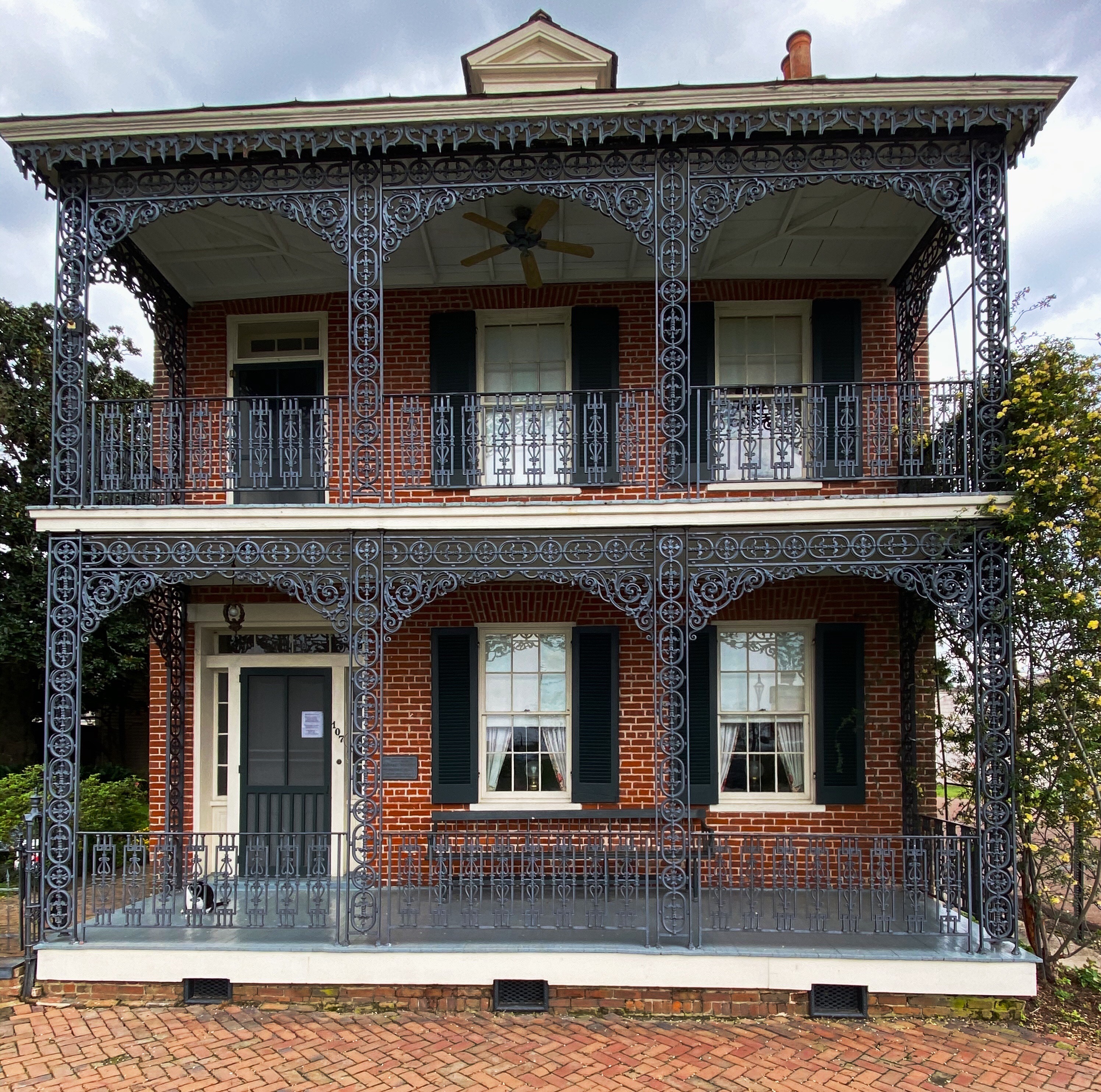
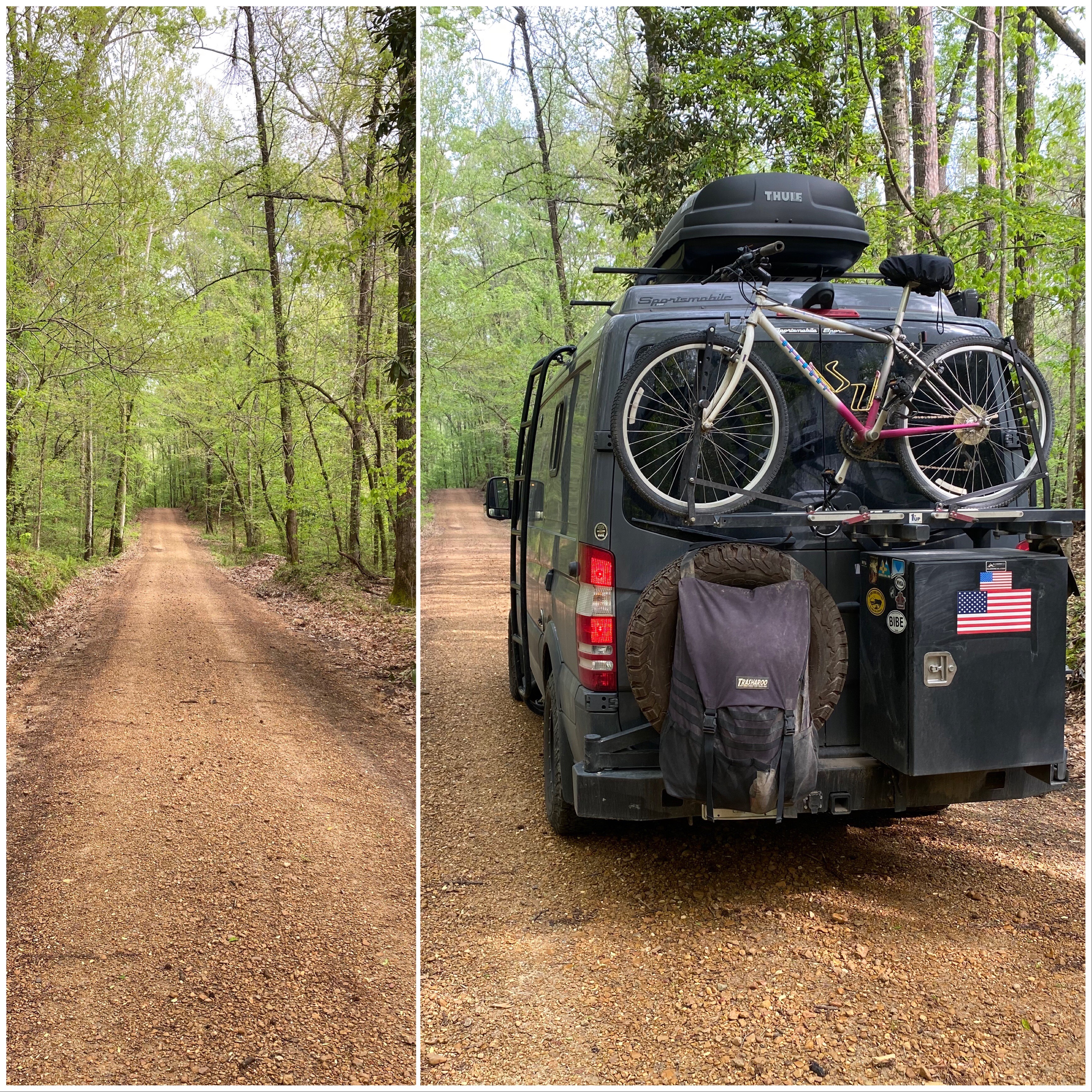
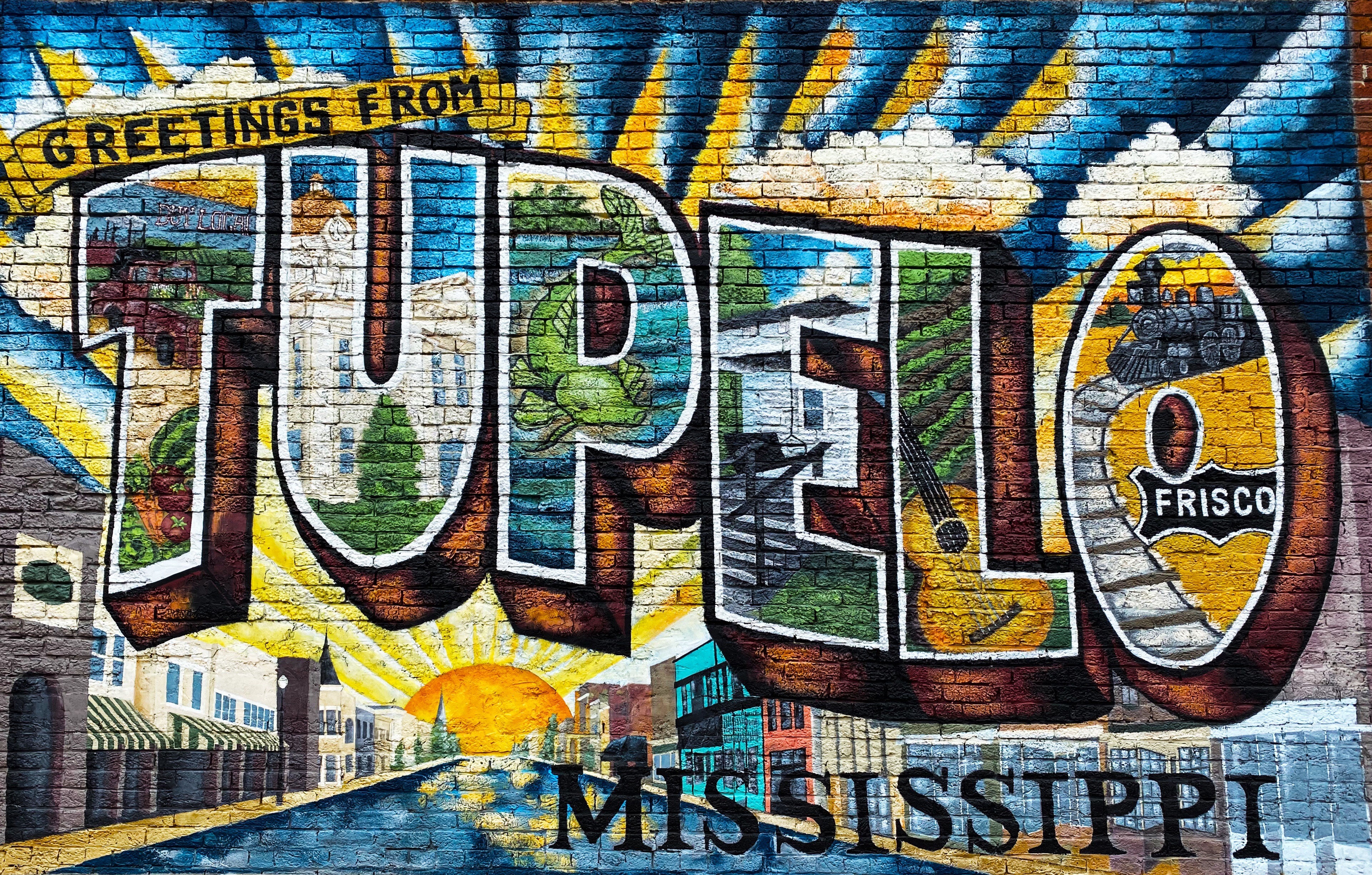
From Texas we passed into Louisiana and toured the low country along the Gulf before heading north and making stops in Lafayette and Baton Rouge.After Baton Rouge we continued north into Mississippi and spent a night in the beautiful town of Natchez which sits high above the Mississippi River on a bluff. From Natchez we traveled north on the Natchez Trace Parkway. The NTP is a 440 mile road that follows the path that Native Americans and later Euro-Americans used to travel by foot back to Tennessee and Kentucky after floating down the Mississippi on rafts to trading posts. The entire route from Natchez to Nashville is a national park. There are many historic sites as well as hikes and walks that can be accessed on this beautiful trip. We followed the road as far as the Tennessee/Alabama border before departing to travel east across Northern Alabama.
We will pick up the Blue Ridge Parkway in Asheville, North Carolina and plan on driving the full route which terminates in Front Royal, VA.
We have included a collection of some of our favorites sights as we drove through Texas, Louisiana and Mississippi.
Be seeing you!
Saint Mary Catholic Mission Church, Marathon, Texas
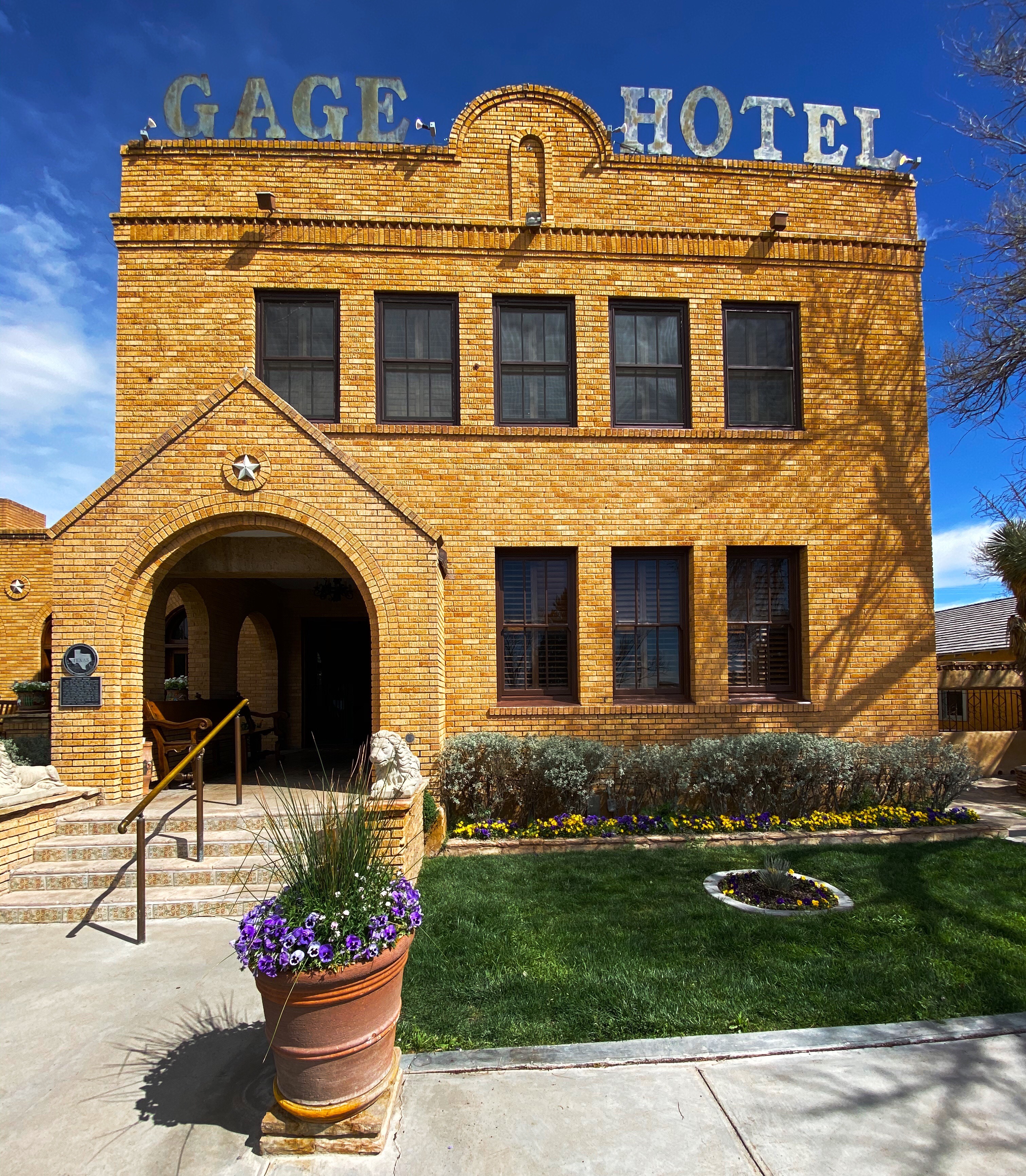
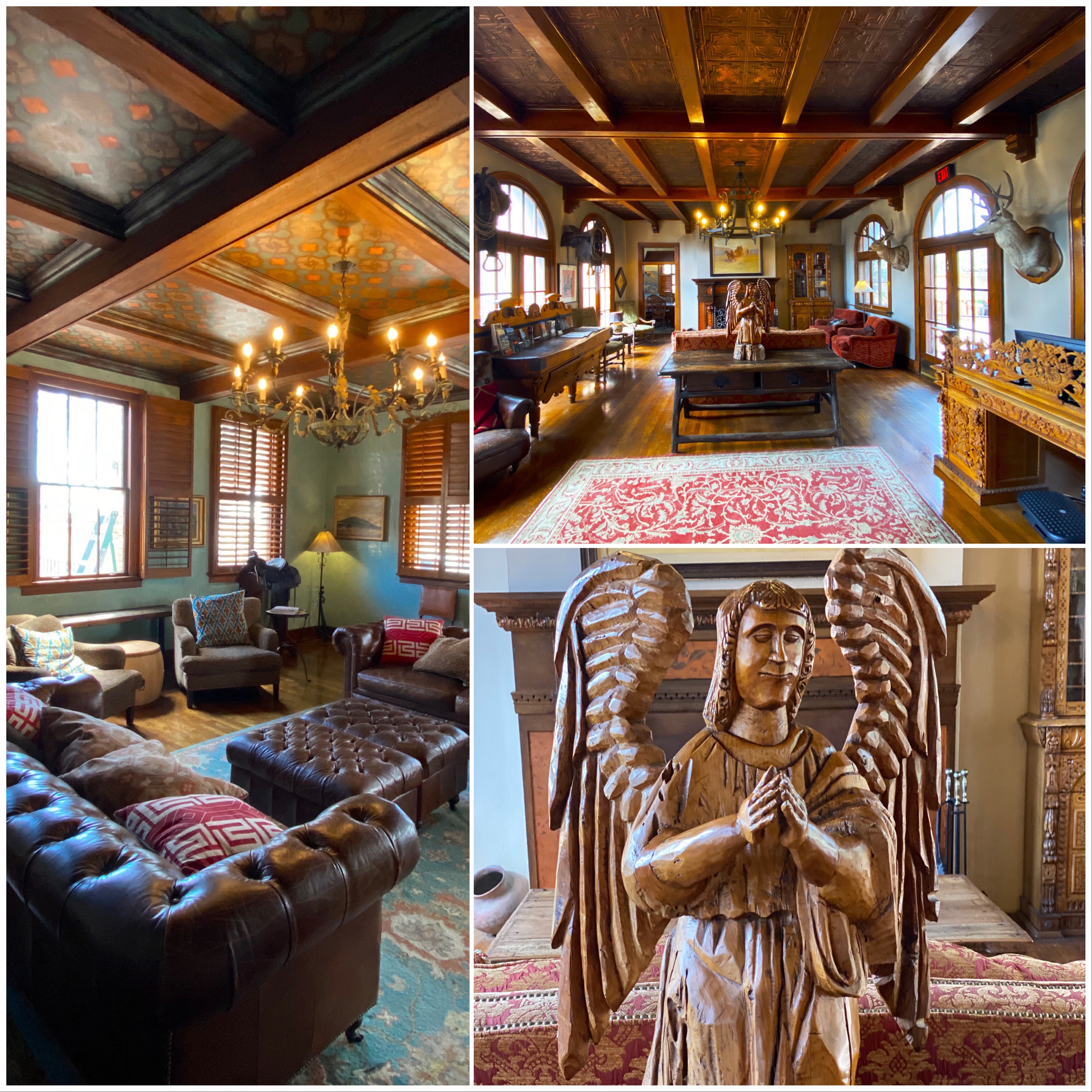
Gage Hotel, 1927, Marathon, Texas
Gage Hotel Lobby
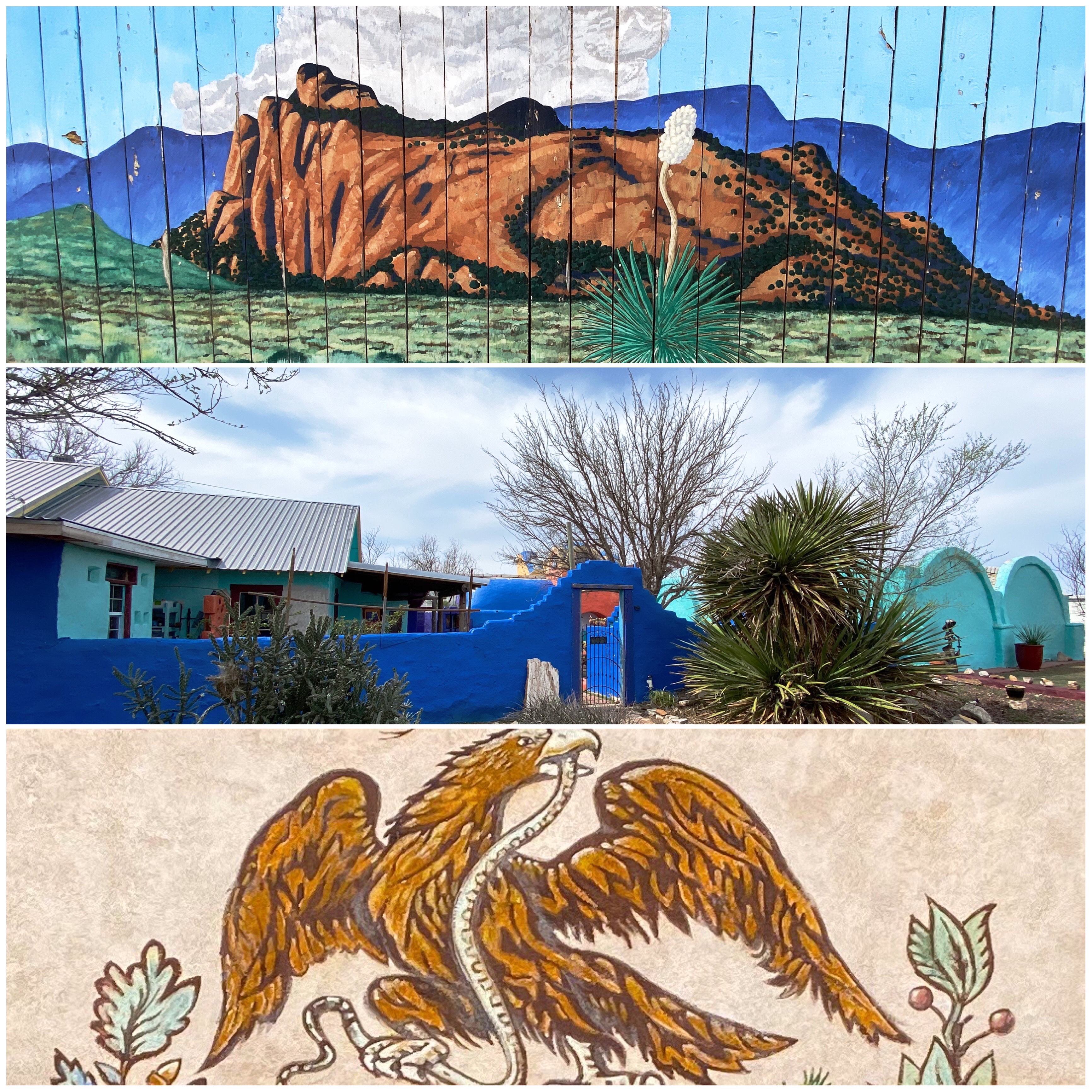
Marathon, Texas
Langtry, Texas – Home of Judge Roy Bean
Uvalde, Texas
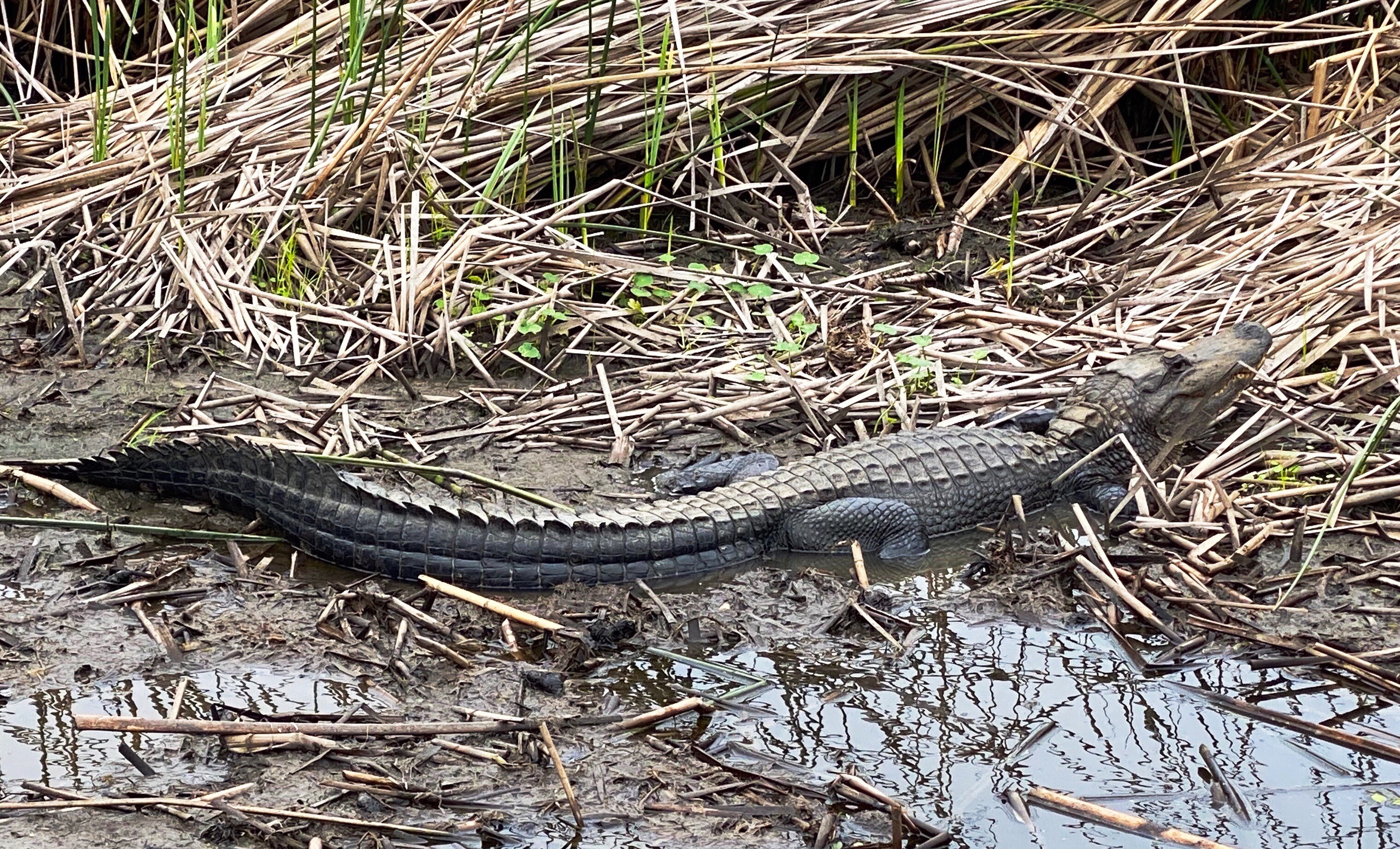
Sabine National Wildlife Refuge, Hackberry, Louisiana
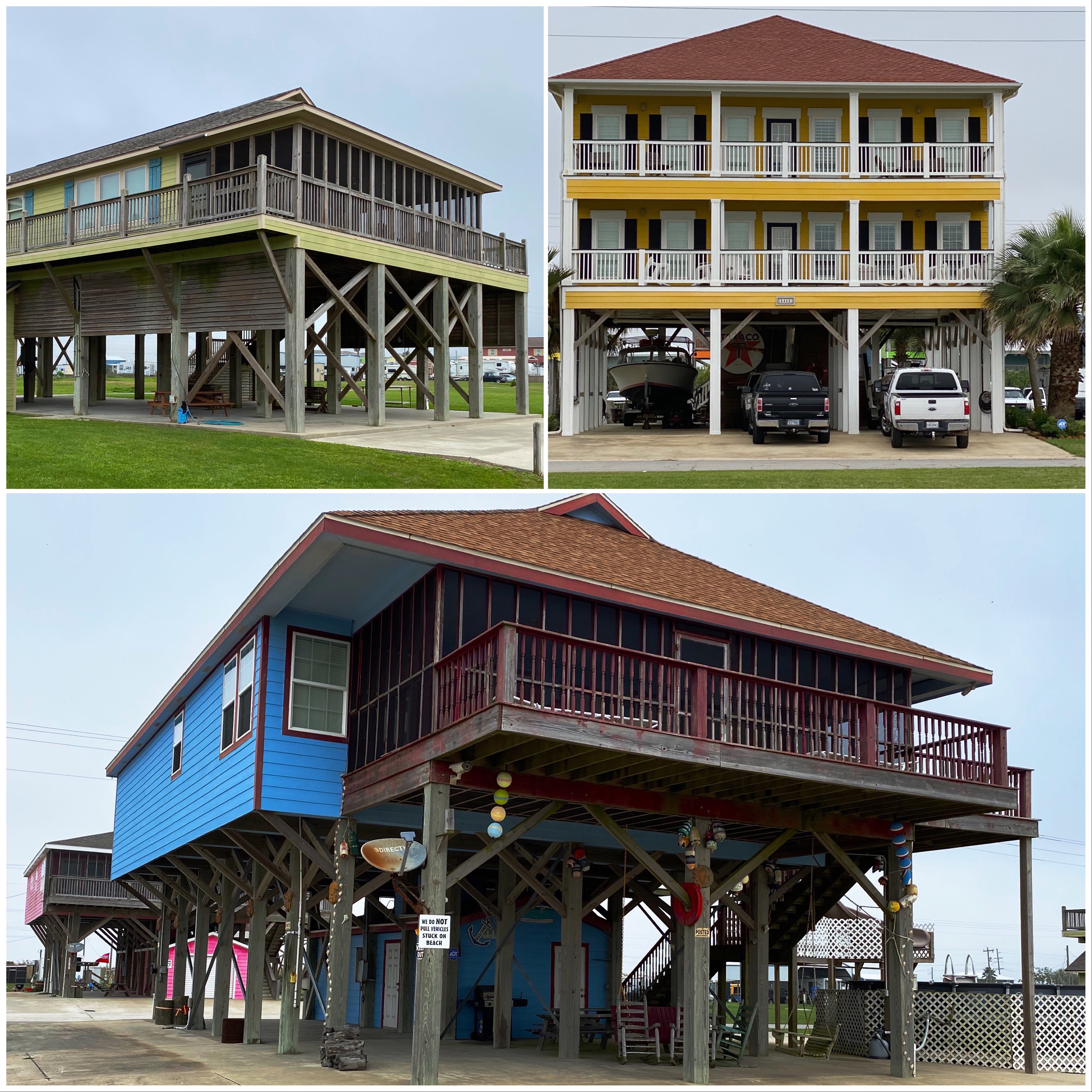
Holly Beach, Louisiana
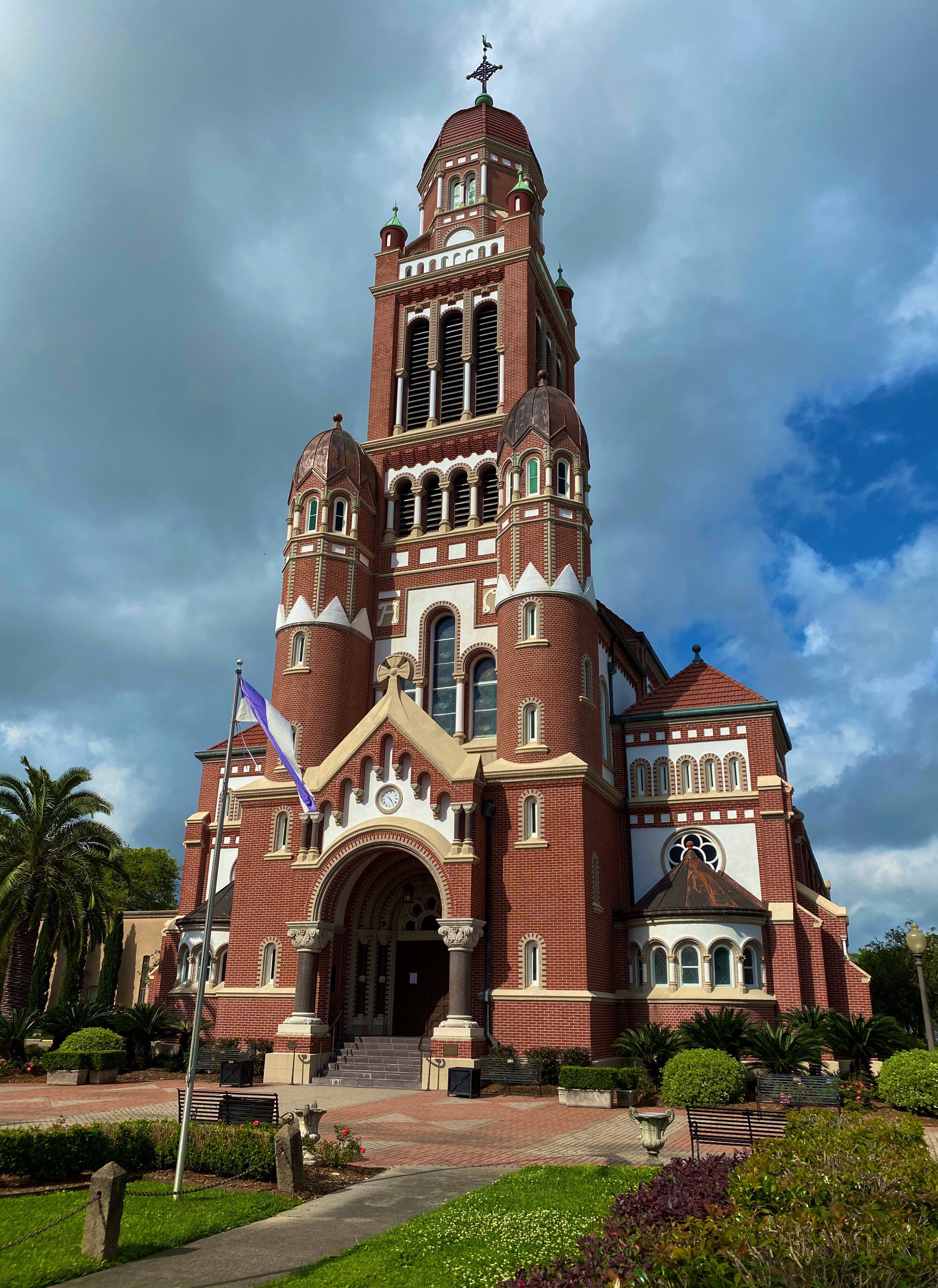
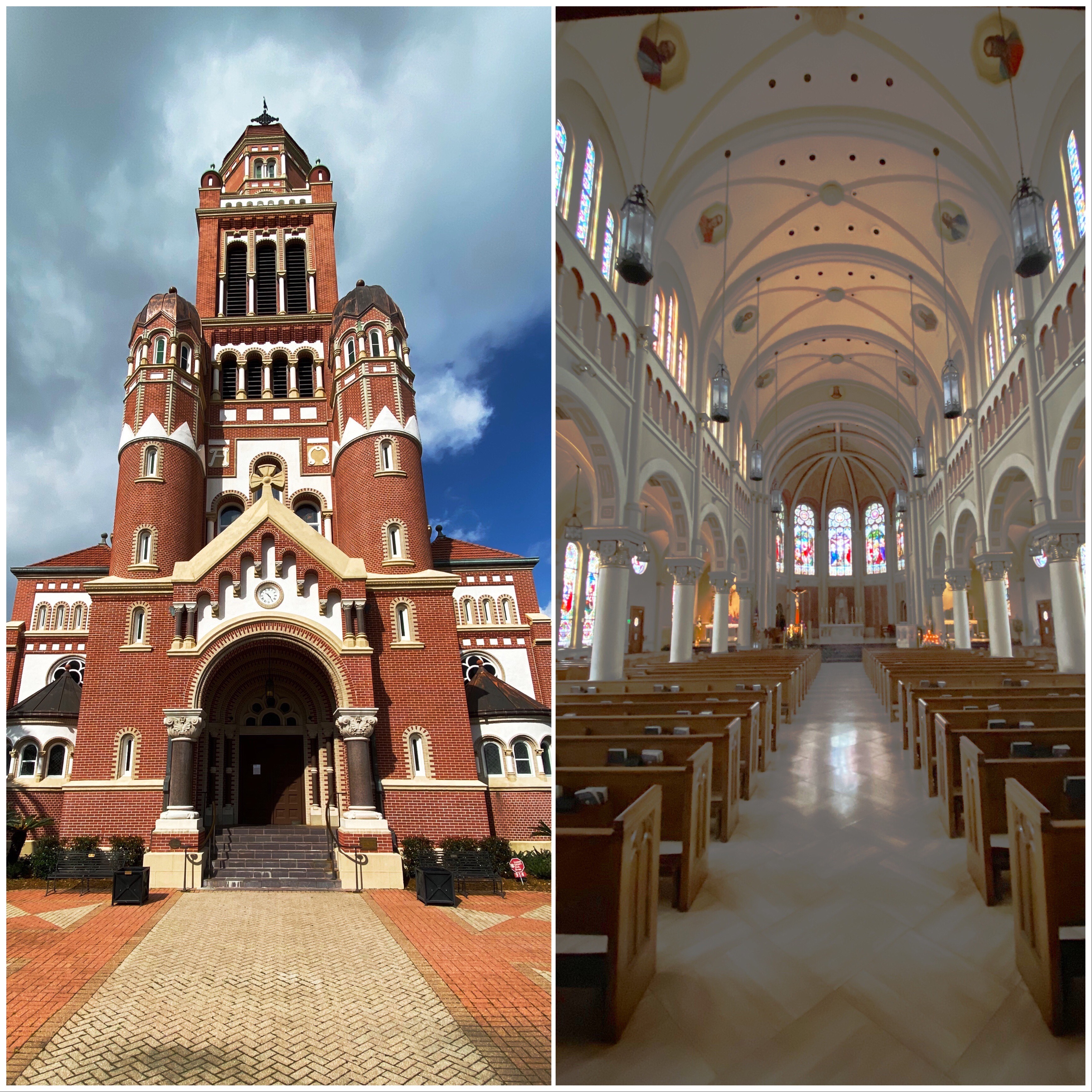
Cathedral of Saint John The Evangelist, 1916, Lafayette, Louisiana
The Cathedral Oak, Estimated to be 500 Years Old, Lafayette, Louisiana
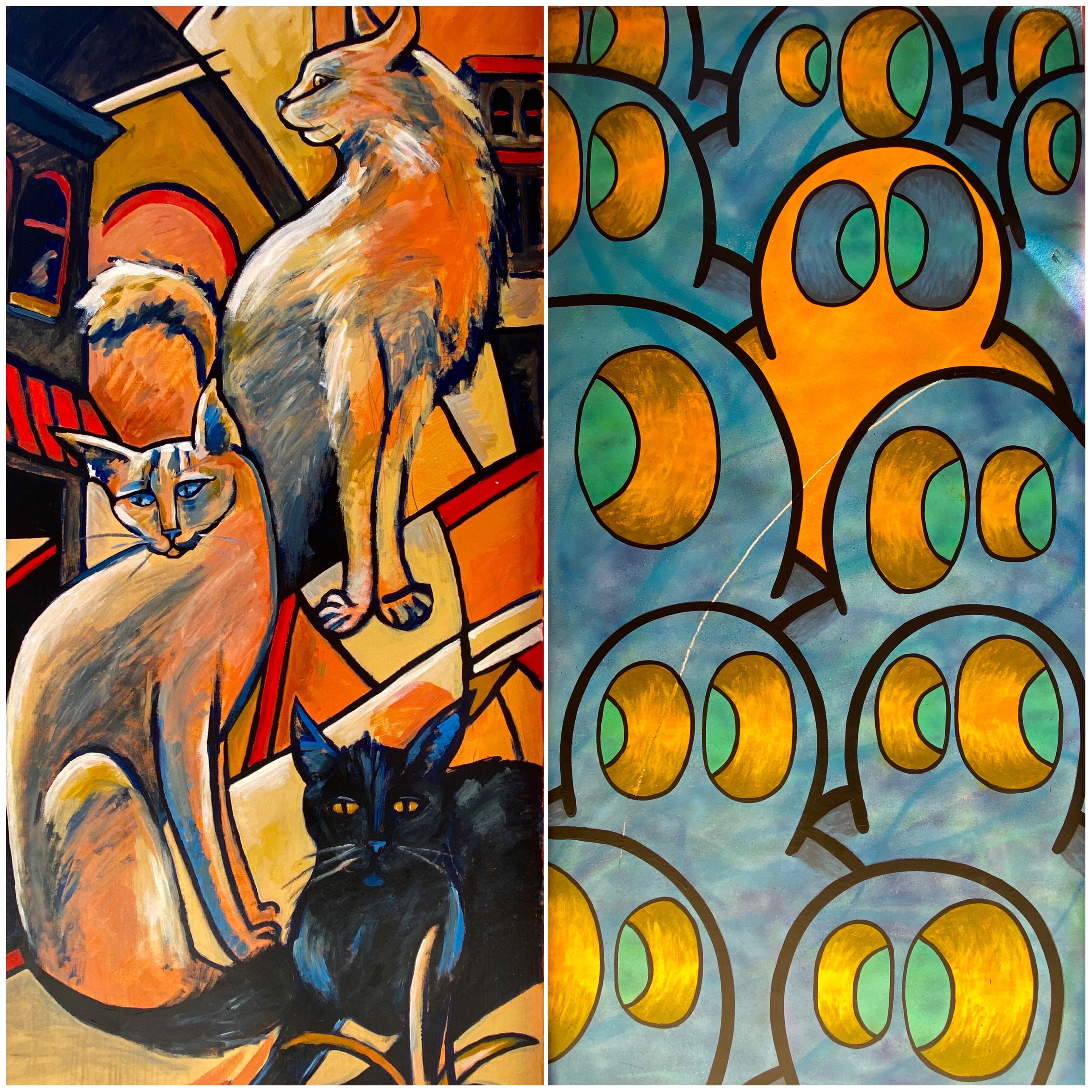
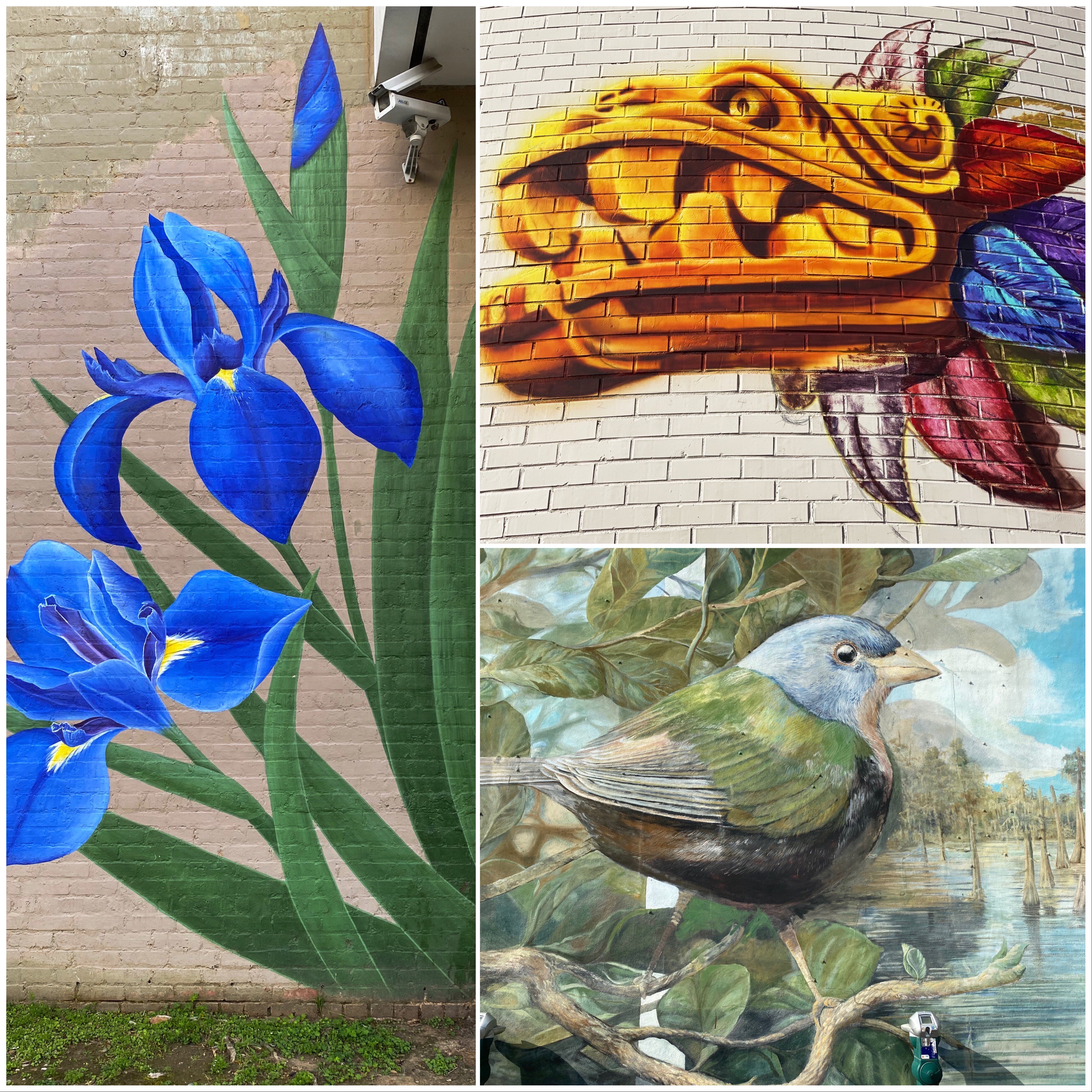
Street Murals, Lafayette, Louisiana
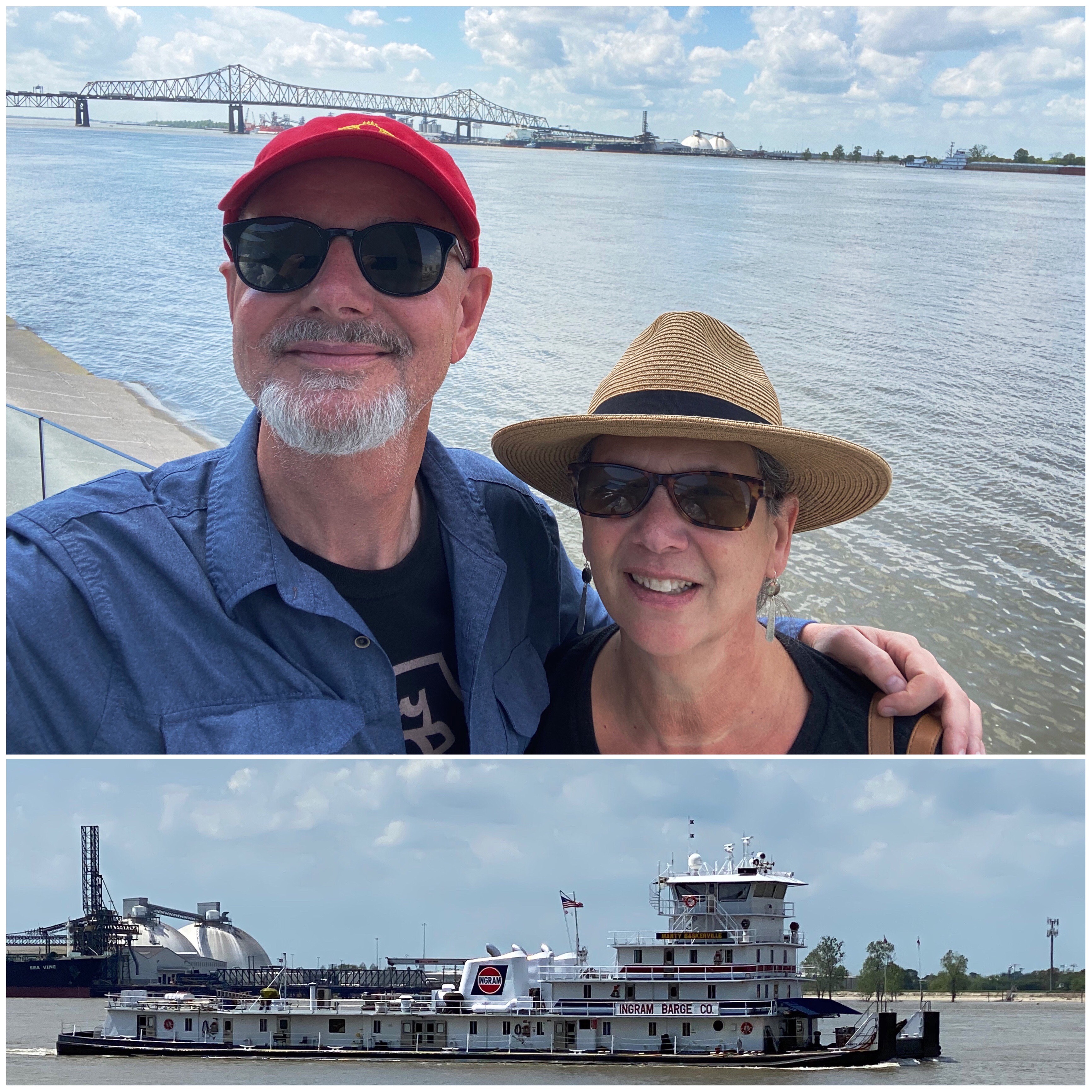
Mississippi River, Baton Rouge, Louisiana
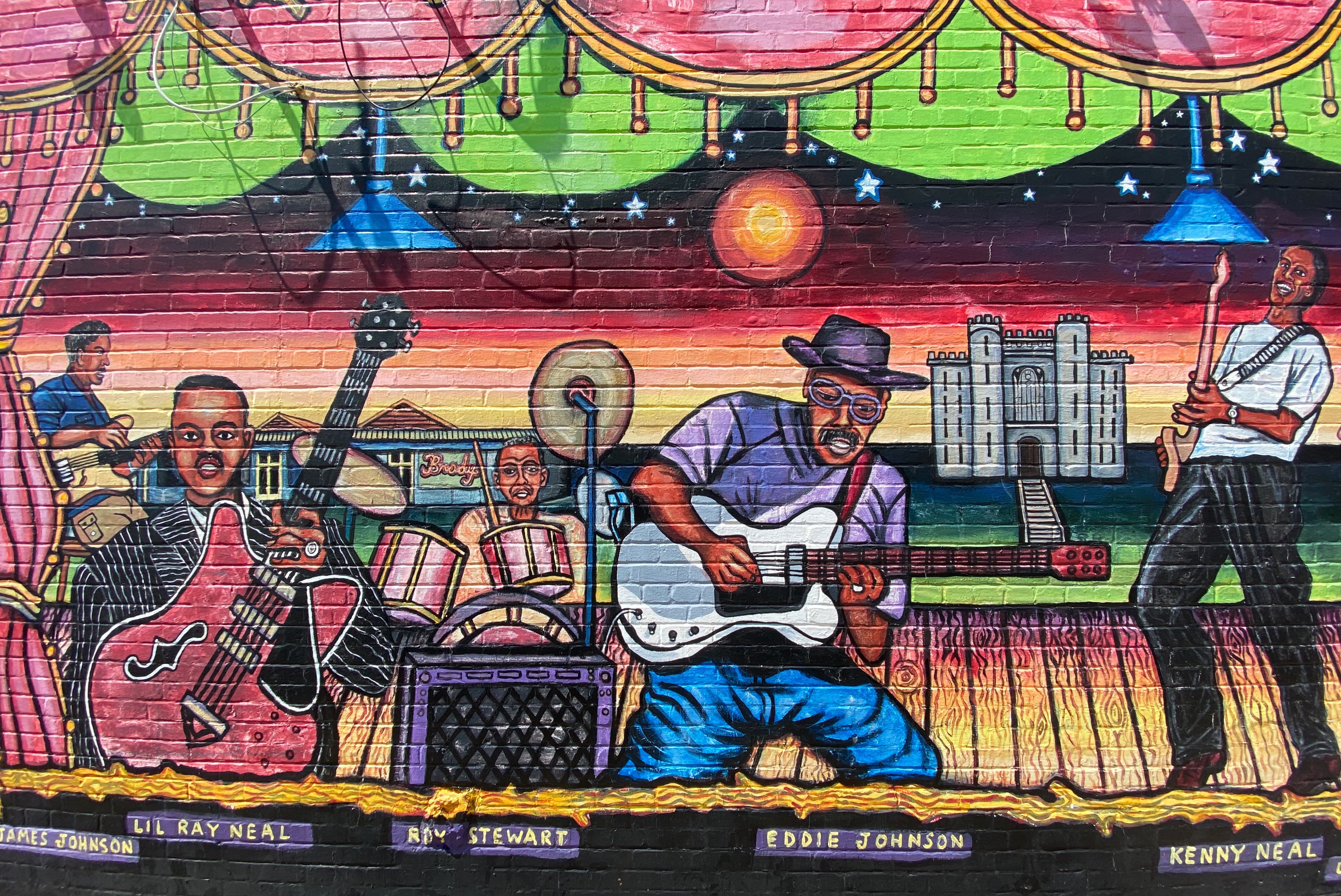
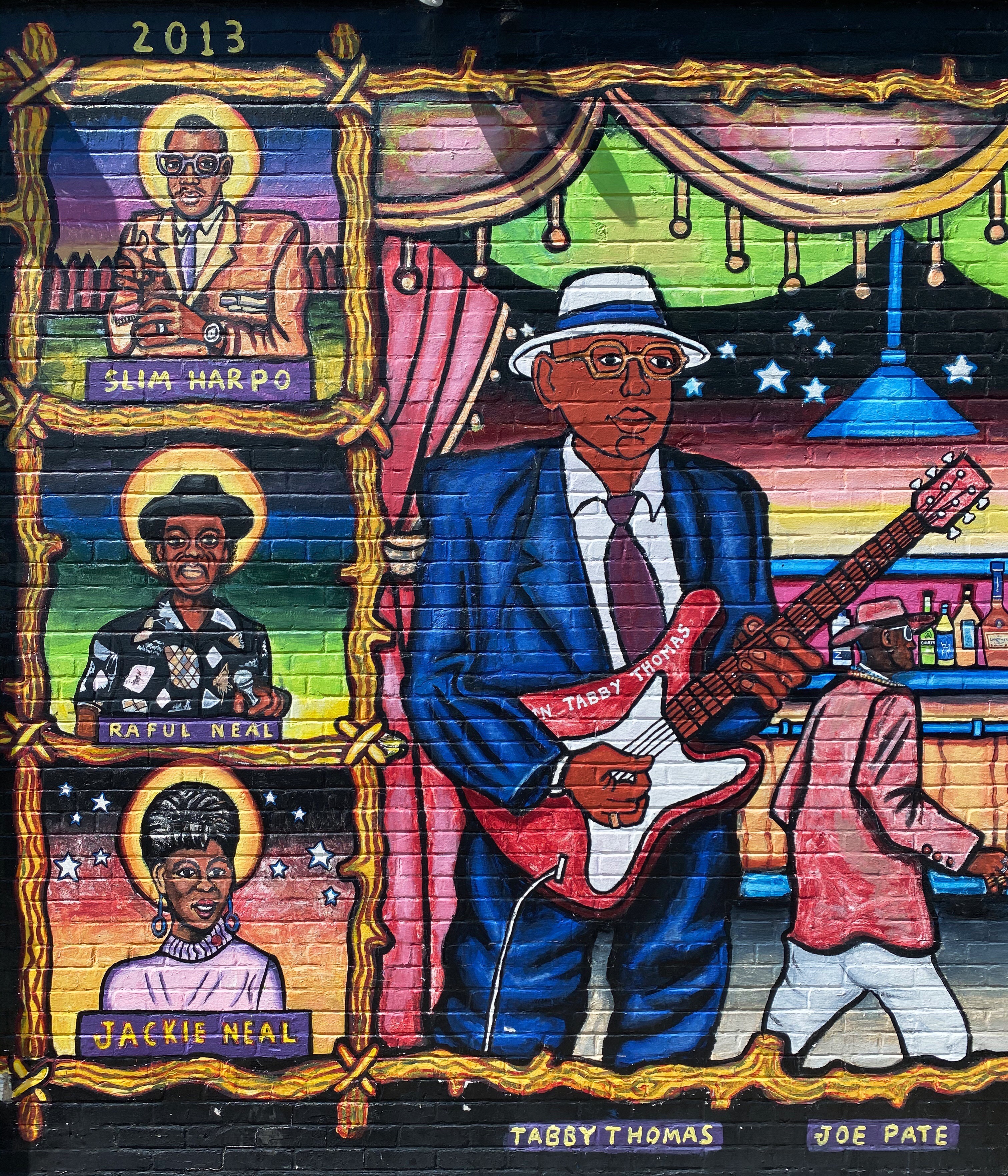
Swamp Blues Legends from baton Rouge aka Red Stick
Martin Luther King, Jr., Baton Rouge, Louisiana
Bontura House, 1851, Natchez, Owned by Free Black Businessman Robert Smith
Rosalie Mansion, 1823, Owned by Peter Little, Cotton Broker
Line Boat Pushing Barges North on the Mississippi Under the Natchez Bluff





























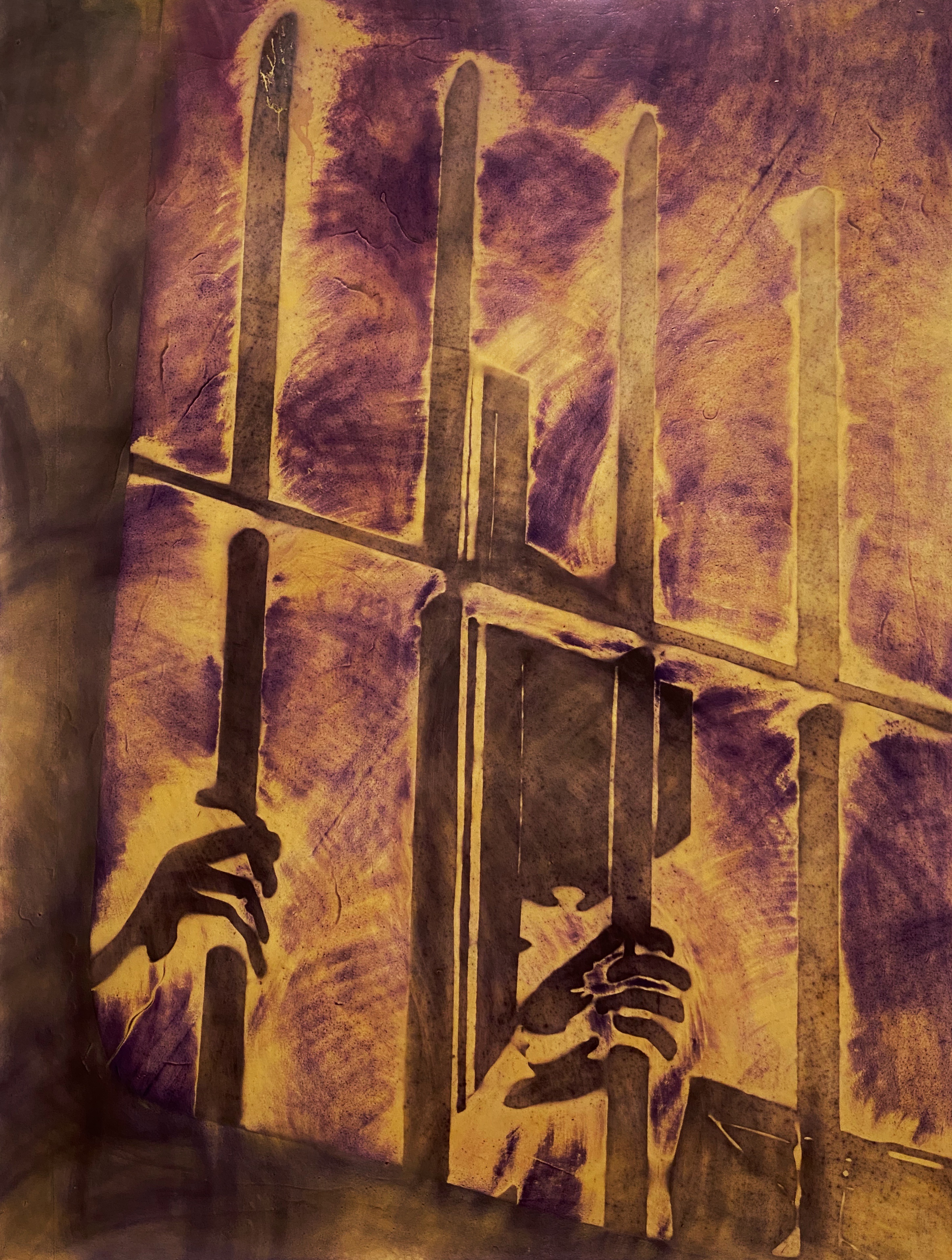

























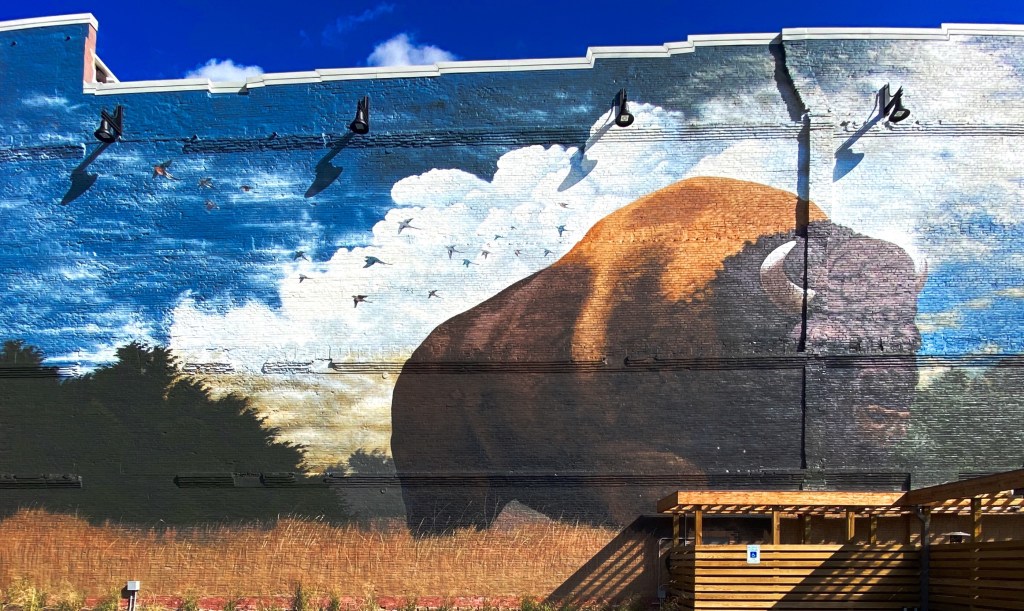


 By Susan Bartlett Rice, Biddeford, Maine


















 ON THE ROAD with Maria + Stephen