
After our trek through the Coronado Monument and the San Rafael Valley (see previous post) we were ready for a city segment. While on our way north to Tucson we stopped at the THNP. This mission dates back to the late 1600s, and was one of 20 established by Padre Kino, a Jesuit missionary. Padre Kino is revered by the church for his work with the indigenous people of the Pima Alta (O’odham, Apache, Yaqui). There are other historians who have a different view of the work of Padre Kino and his fellow Jesuits. In this article we are not going to delve into the debate over the forced conversion of indigenous people to Catholicism. We have included links below regarding this topic.
https://news.diocesetucson.org/news/who-is-padre-kino
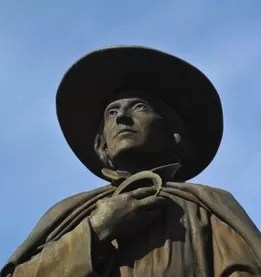
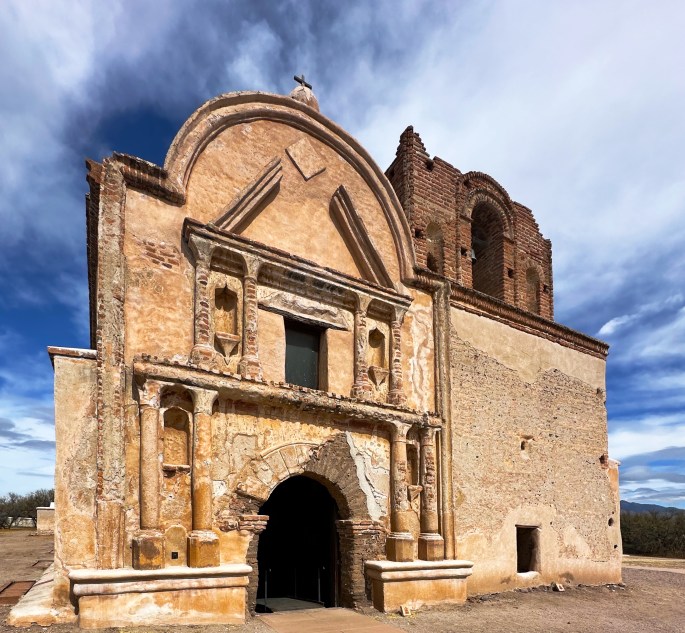
While the mission church is the centerpiece of the mission architecturally, it is important to remember that the mission was a self-sufficient community with approximately 200 people living within the mission wallls.
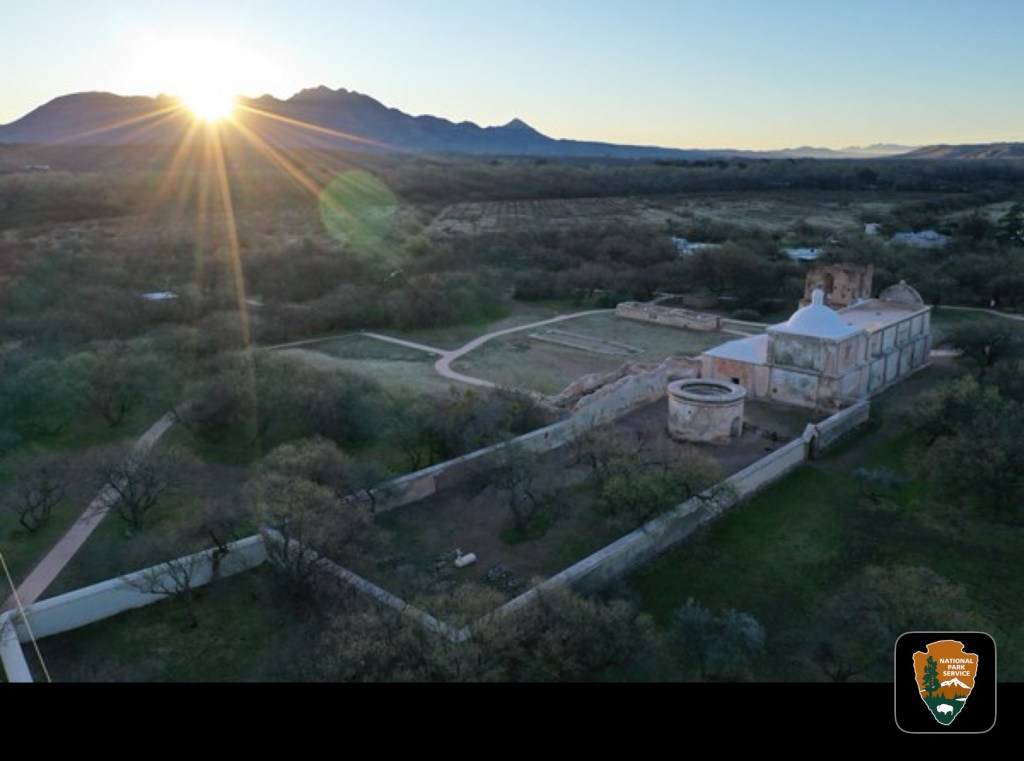
The photo above gives a sense of the mission with the church and the remains of storage buildings, cemetary, living quarters and kilns within the walls and fruit orchards outside.

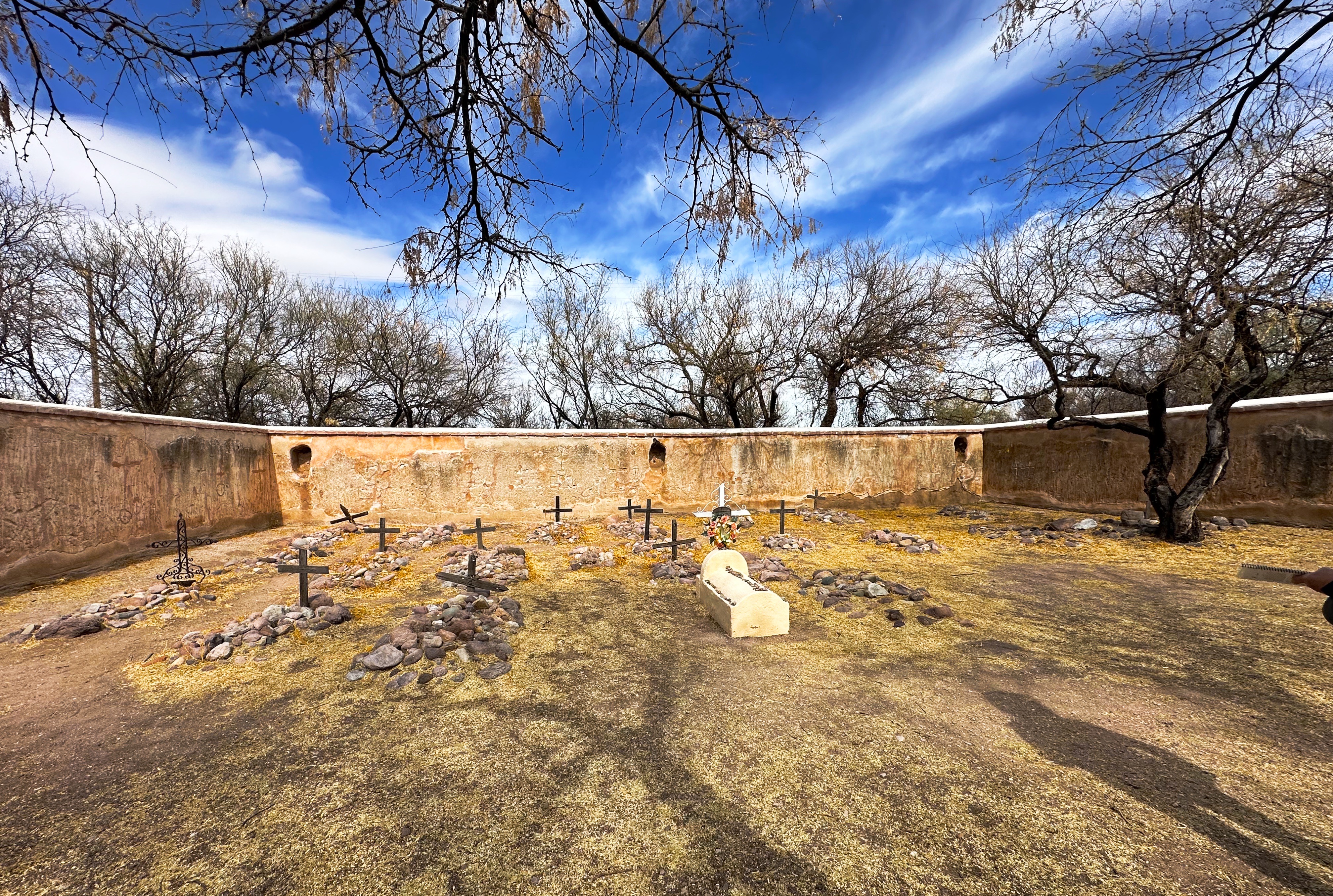

The church that stands within the mission grounds today was commissioned by Franciscan missionaries who had replaced the Jesuits by Spanish authorities who believed they had become too powerful. The Franciscans wanted a much larger church. They began work on a grand design in 1800. In 1820 they dedicated the new church, although over the 20 years of construction the design was changed due budget constraints. The new church, while larger than the orignal, was smaller and less ornate than the original design. Nonetheless, a beautiful structure in our opinion.
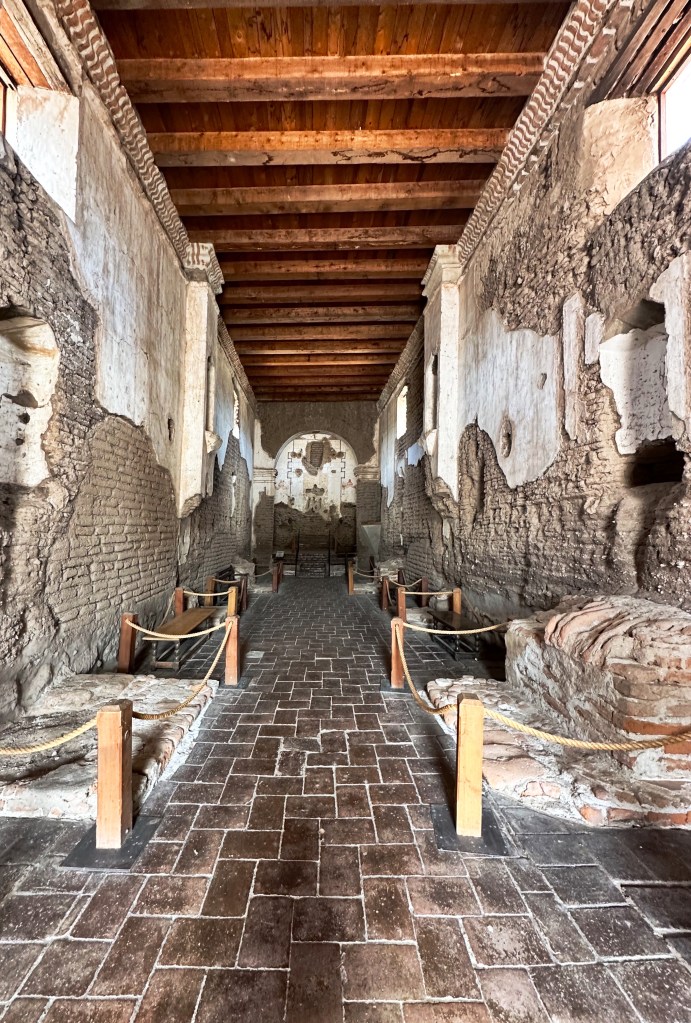
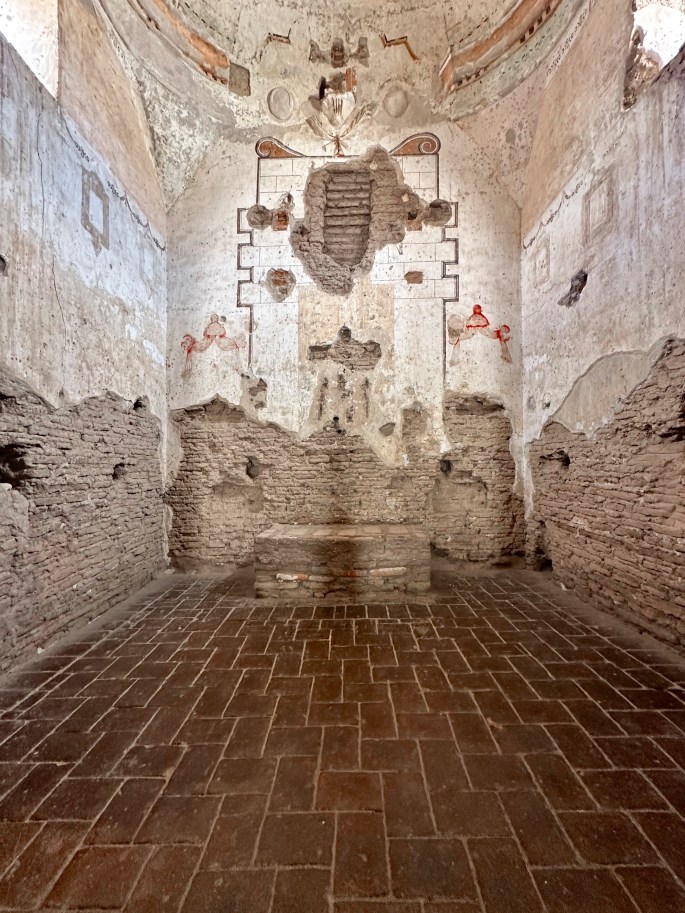
Masses were conducted in Latin, but in recognition of the diversity of parishioners, readings and other parts of the mass were conducted in Spanish and O’odham. The O’odham, who were the victims signifcant physical violence from the Spanish settlers who were forcing their removal from their land, were not satisfied with this concession.
Finally, in 1751 the O’odham revolted under the leadership of Luis Oacpicagigua. The revolt was not long lived and the O’odham surrendered in early 1752. The O’odham cannily blamed the rebellion on the Jesuits (who were in much disfavor in Spain at that time) and the colonial governor promptly pardoned all of the O’odham who had participated in the rebellion.
The aftermath of the revolt, as well as the impact of Apache raids on the mission, led to its abandonment. Unfortunately, neglect and vandalism took its toll on the church. Fortunately, President Roosevelt declared the site a national monument in 1908 allowing for the preservation of the monument and no further vandalism or looting.
If you are a history buff, then we think that a two- to three-hour stop here will be worth your while. The self guided tour is well curated and the park staff were knowledgeable and helpful. There are also guided tours available several times a day.
Next is Tucson — comfy bed, hot showers, heated pool — the whole shebang!
Be seeing you!

 ON THE ROAD with Maria + Stephen
Many thanks Maria and Steve…always looking forward to your treks and the discovery they offer!!
Very Cool!!
Kevin
LikeLike
Kevin,
Great to hear from you. I hope all is well with you and Jamie.
We were in your area in January but we had just tested positive for Covid!
Next time!
Steve
LikeLike