Author: Maria+Stephen
We are a retired couple traveling the United States six months of the year. We enjoy biking, hiking, visiting historical sites, street art, fika at local coffee shops and most of all meeting people.
Street Art from the Road
Fika with Fiona!
Be Seeing You!
OTR 6.0 Wednesday 28 April
The Road Beckons

Appalachia and Coal
After completing our exploration of the New River Gorge National River area we headed southwest on a driving segment loosely following the National Coal Heritage Trail. The route took us deep into the Appalachian Mountains and through the coalfields that are so much a part of this state’s history, culture and economy. The National Coal Heritage Trail website provides a good overview of the history of coal in West Virginia. http://www.coalheritage.org/
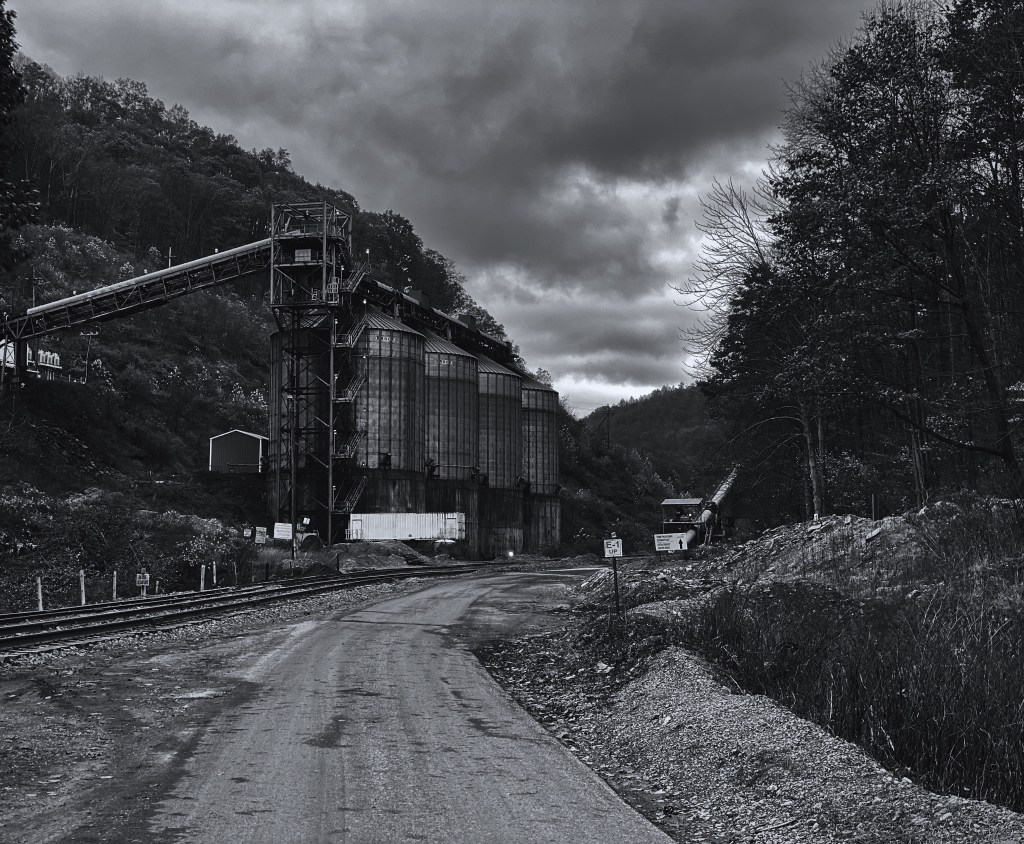
Since 2008, the number of active coal mines in the United States has dropped from 1435 to 671 and the number continues to decline (13 more coal-fired power plant closures have been announced during 2020). The majority of the mine closures are in the Appalachian Basin of West Virginia. Despite this massive contraction of the coal industry, West Virginia is still the second largest producer of coal in the country (Wyoming is the largest producer). Direct mine employment has decreased from 100,000 to approximately 30,000.

Starting in 2016 President Trump attempted to re-invigorate the coal industry through regulatory change. However, the combination of inexpensive natural gas, increased regulation of coal-fired plants, environmental campaigns and mandated use of renewables (at the state level) during the prior eight years almost certainly put the coal industry on a downward trajectory that will eliminate it as a fuel source for energy creation. Aside from the environmental concerns about fossil fuel, the reality today is that coal cannot compete from a cost standpoint with natural gas and government subsidized renewable energy sources like wind and solar. https://dailycaller.com/2018/09/18/liberal-foundations-coal-war-millions/
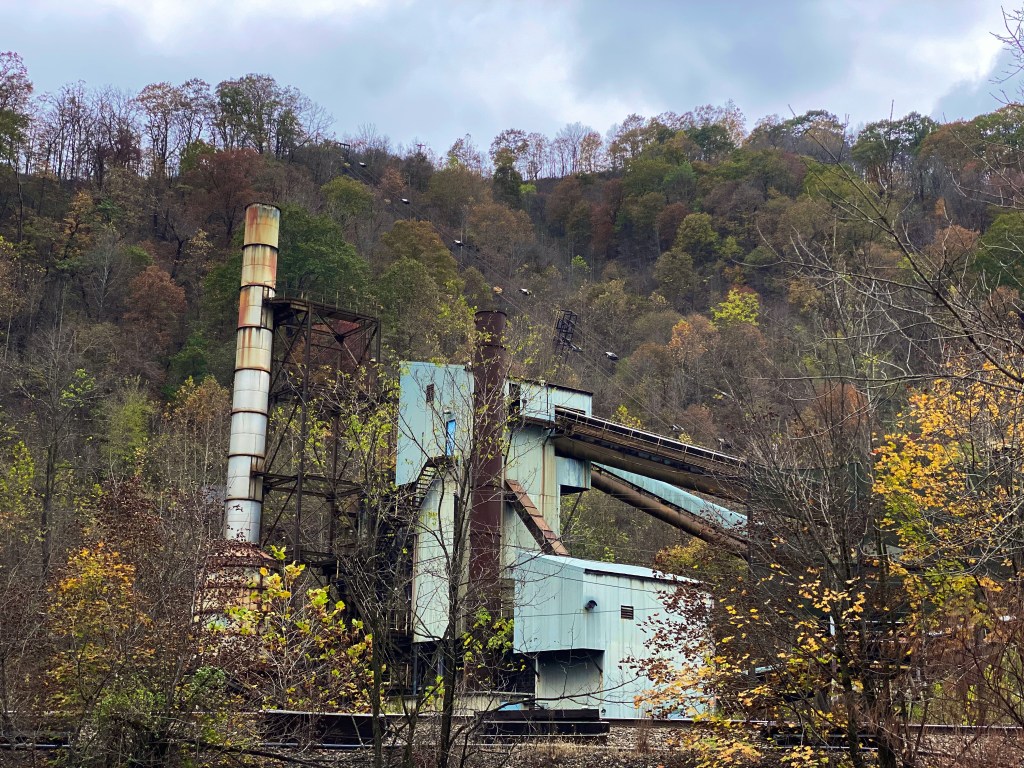
The demise of coal-fired electricity plants as a major source of power is certainly going to help improve the environment. Coal-fired plants are the largest emitters of carbon dioxide within the energy sector.
The human side of the equation is less promising at least for the short term. Coal mining was a well paying occupation and a multi-generational way of life here in the Appalachian Basin. Perhaps this statistic makes the point regarding the economic and cultural disruption that the decline of the coal industry has had on the people of West Virginia – Walmart is now the largest private employer in the state.
Below is an article regarding the town of Keystone, which we visited, that provides insight into what the demise of coal has meant for the coal towns scattered through Appalachia.

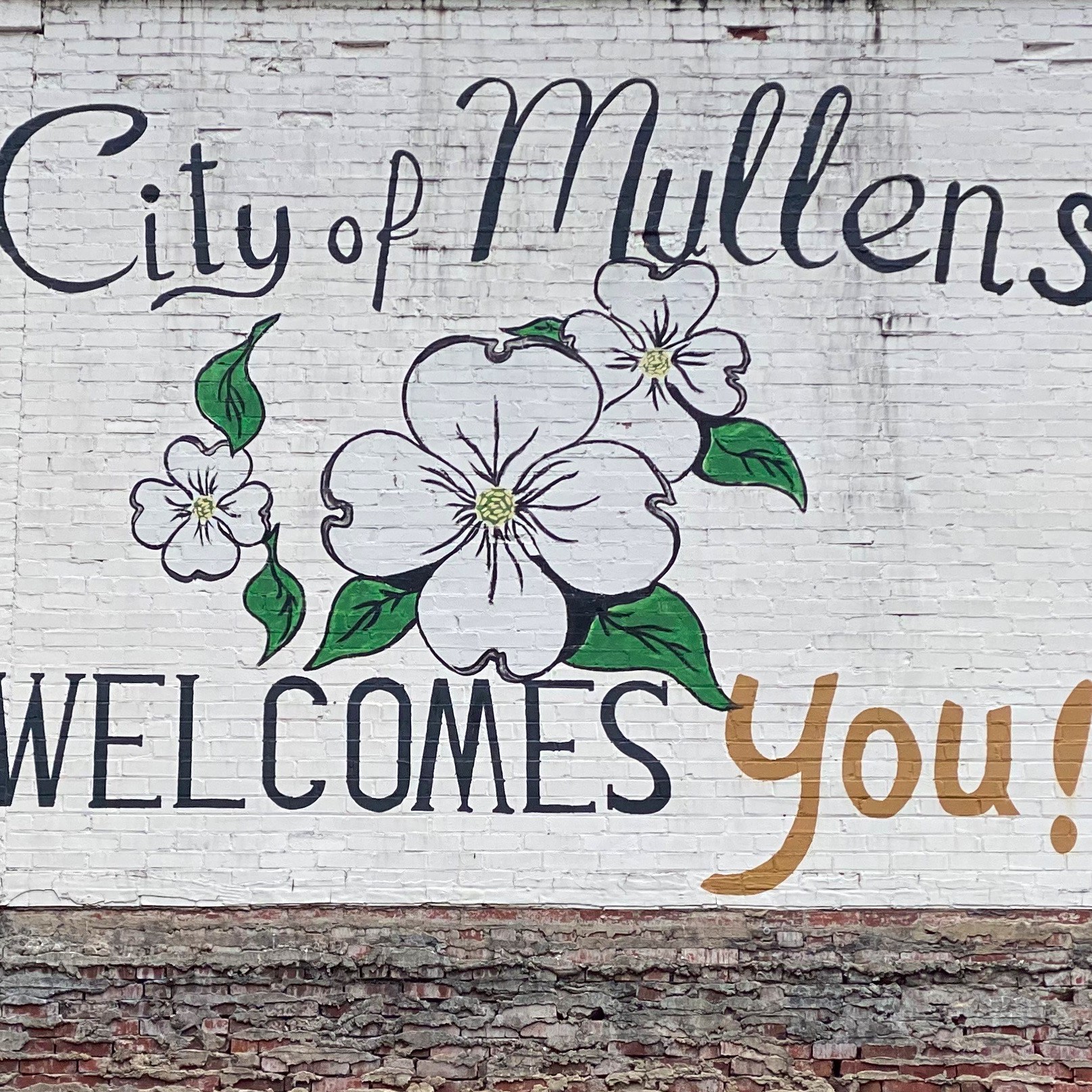
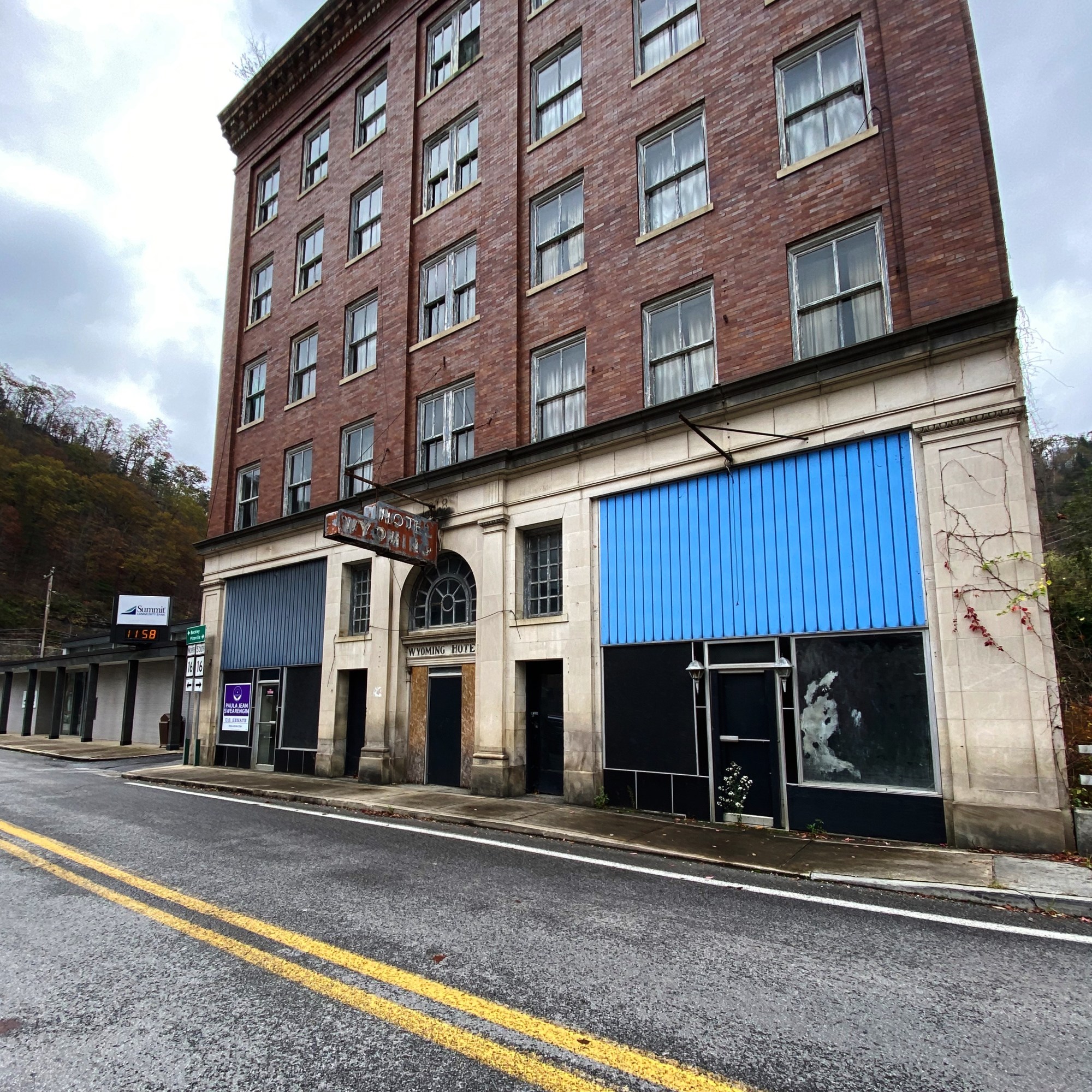
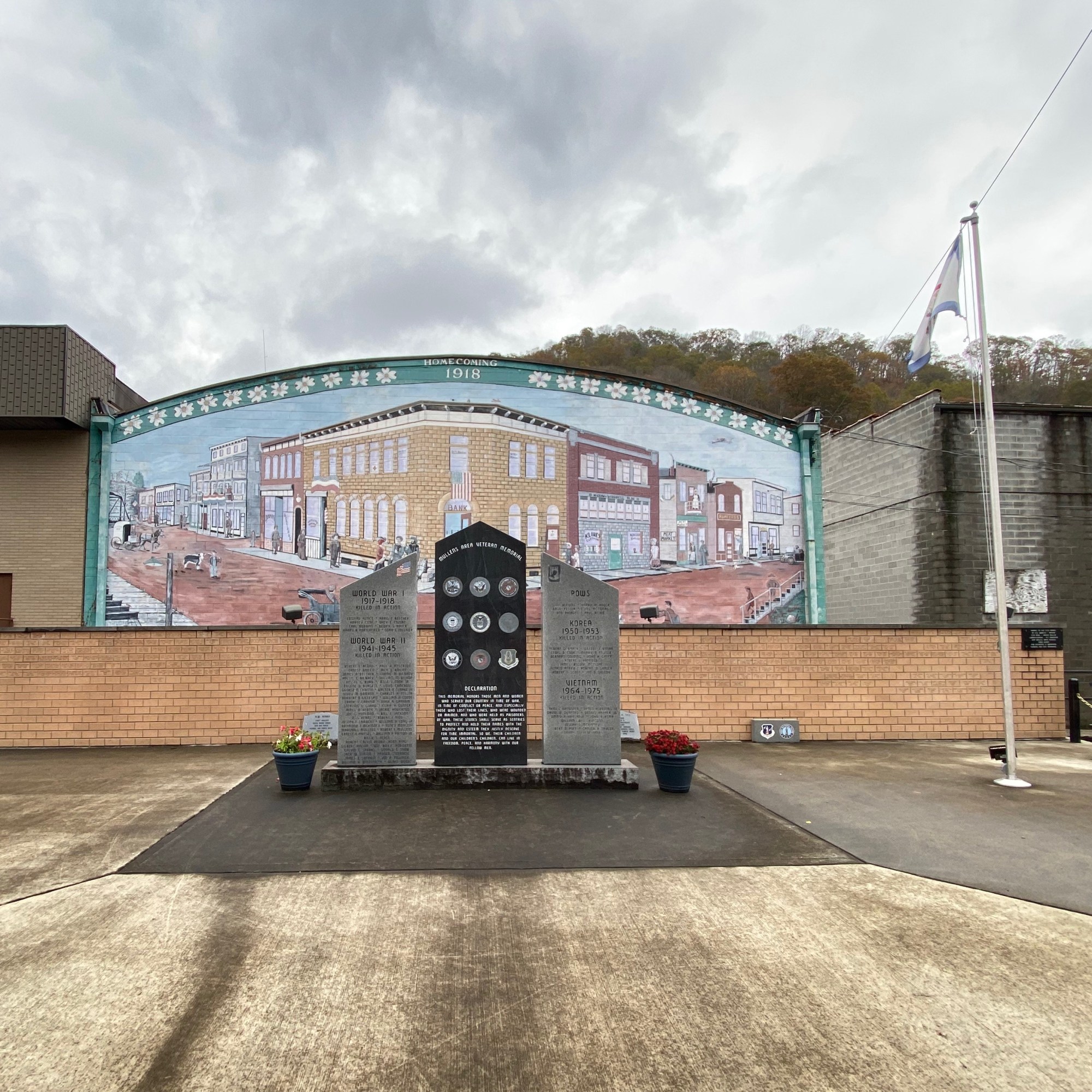
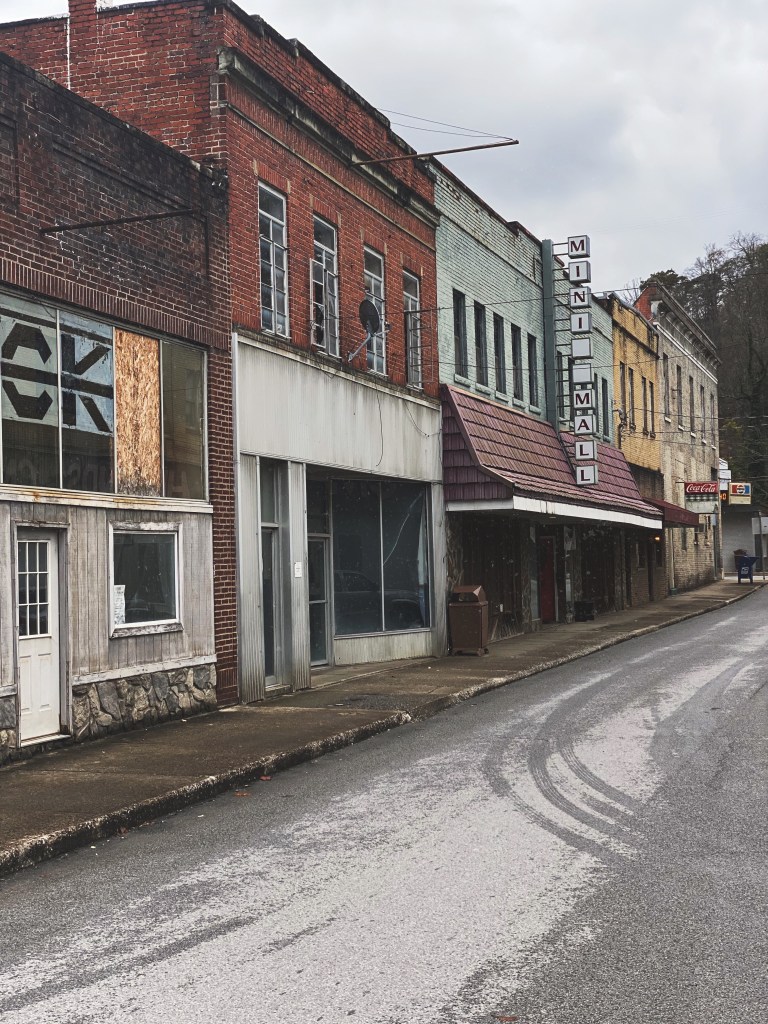
The photographs below are from towns we visited on our tour through the coalfields of southwestern West Virginia. These towns were once thriving communities when coal was king. Many of the towns started as coal camps or coal towns where miners lived after being evicted from company housing. Some of the towns started as company towns. Today these communities are struggling to survive. Many towns have not – we drove through numerous abandoned towns.

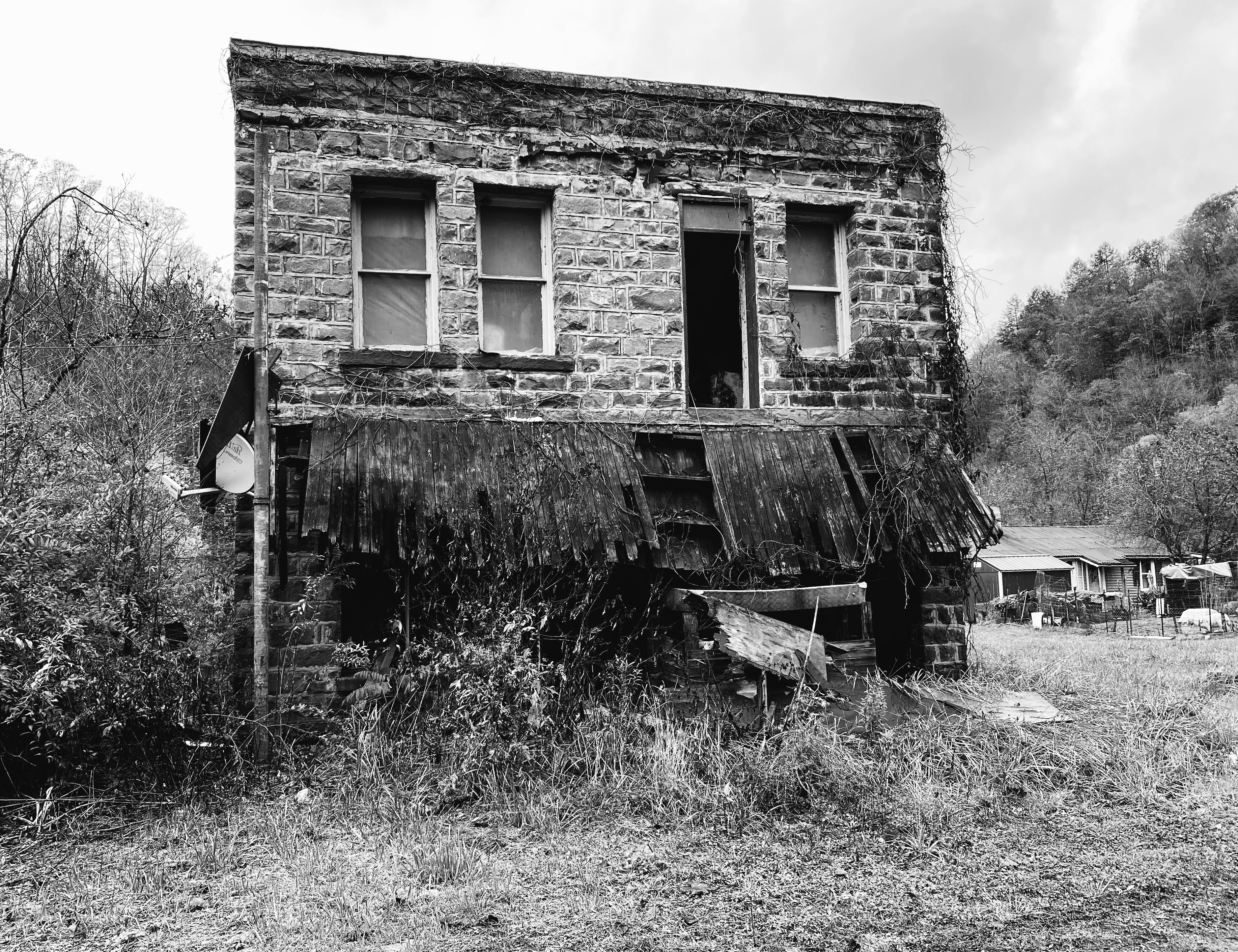
Princewick, West Virginia (Pop. 171)

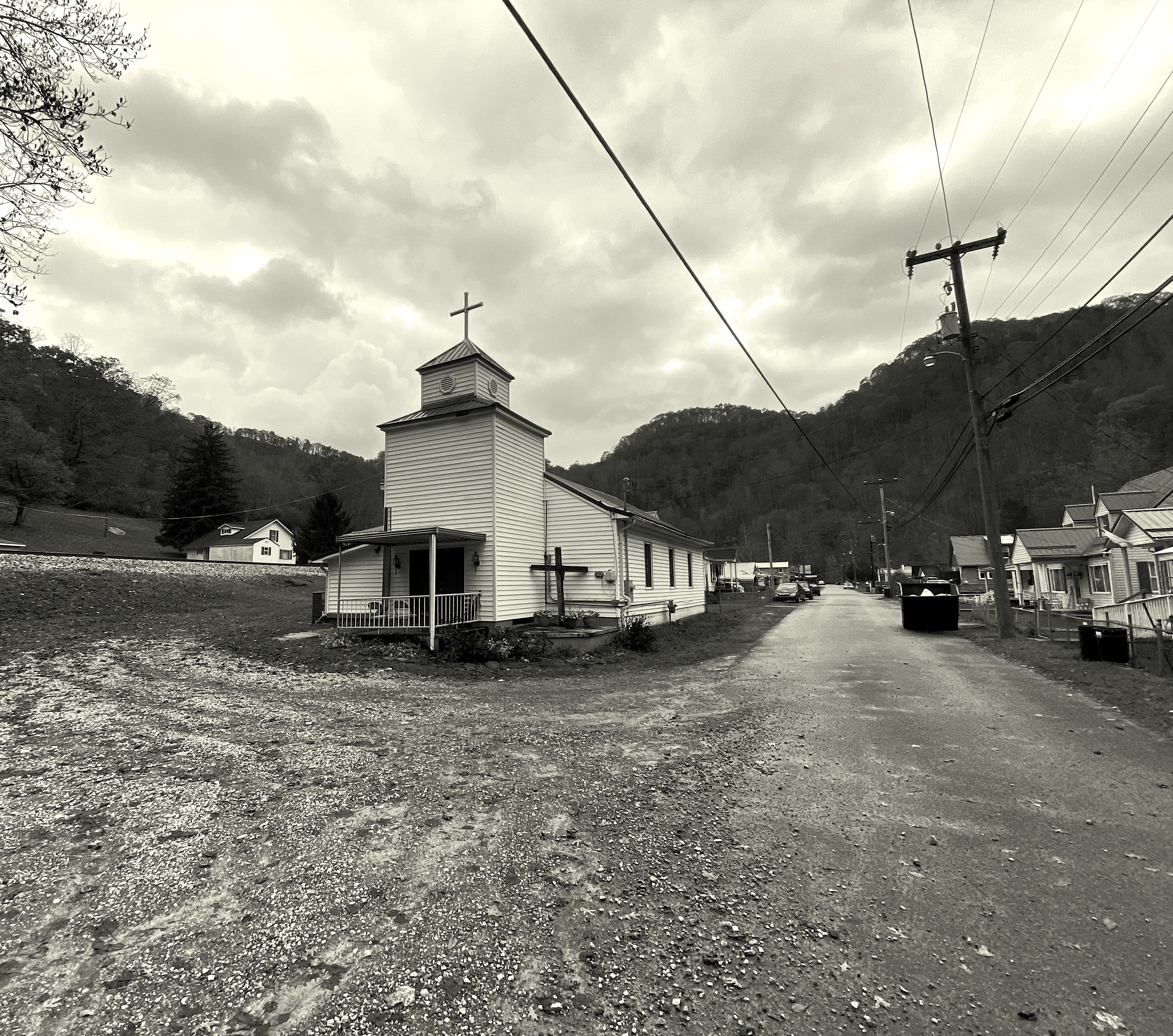

Corinne, West Virginia (Pop. 289)
You may notice that there are several churches included in the photographs. This part of Appalachia is fervently religous (See article below). It is common to drive through a town with a population of 250 people and count 10 or more churches. These churches most often have unpaid “god-called” pastors that have no formal training (see article below).
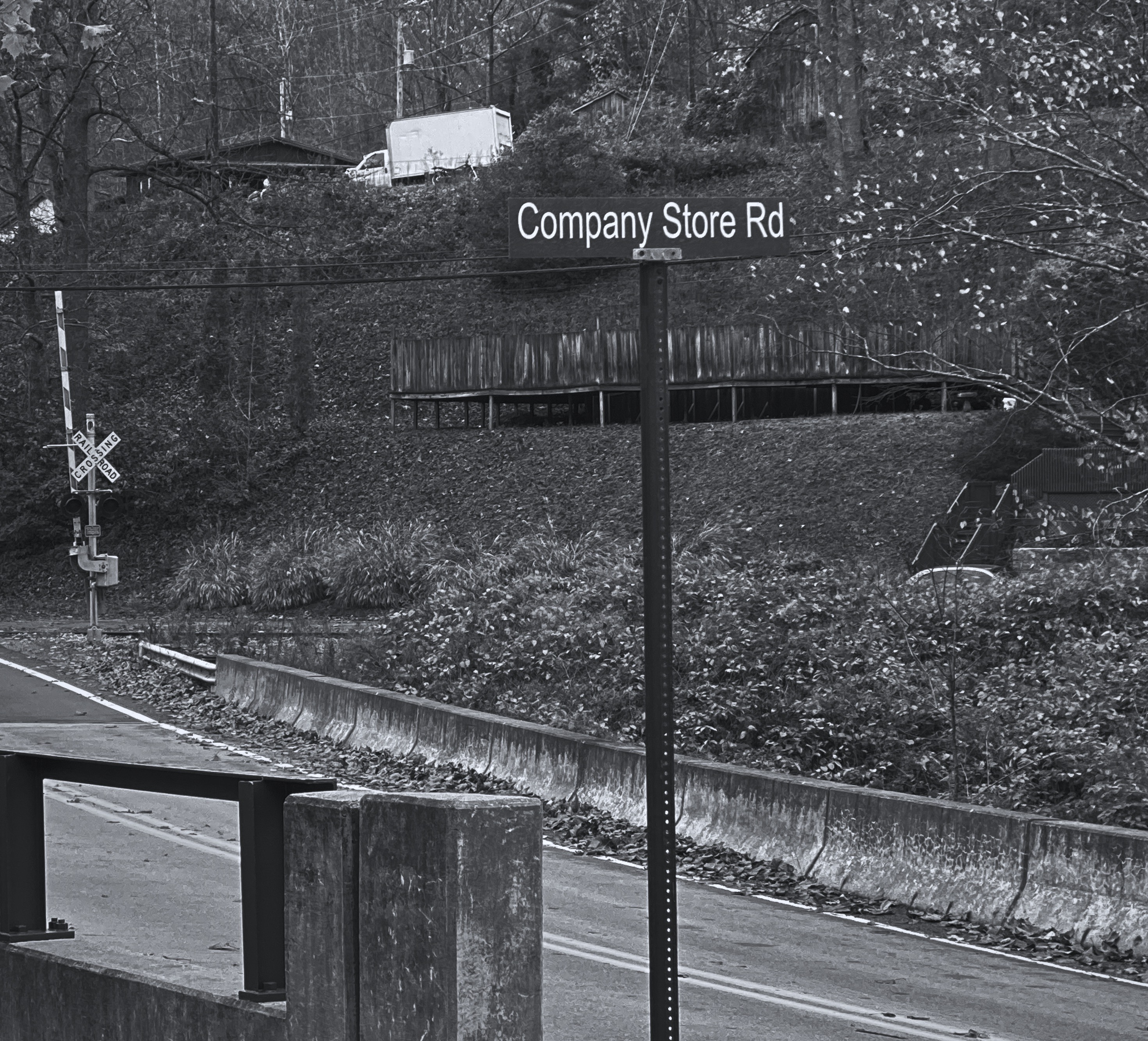


Amigo, West Virginia (Pop. 123)
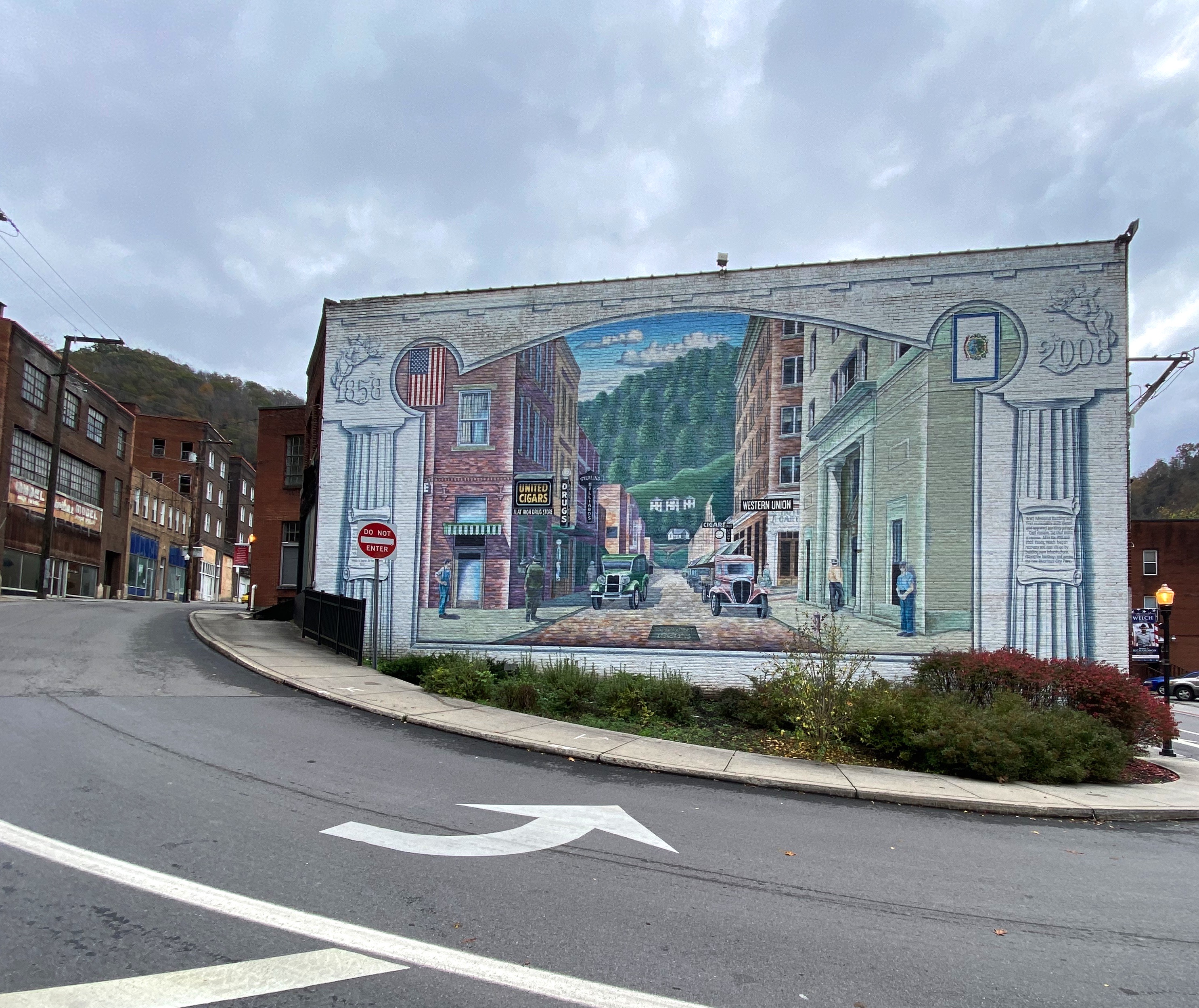
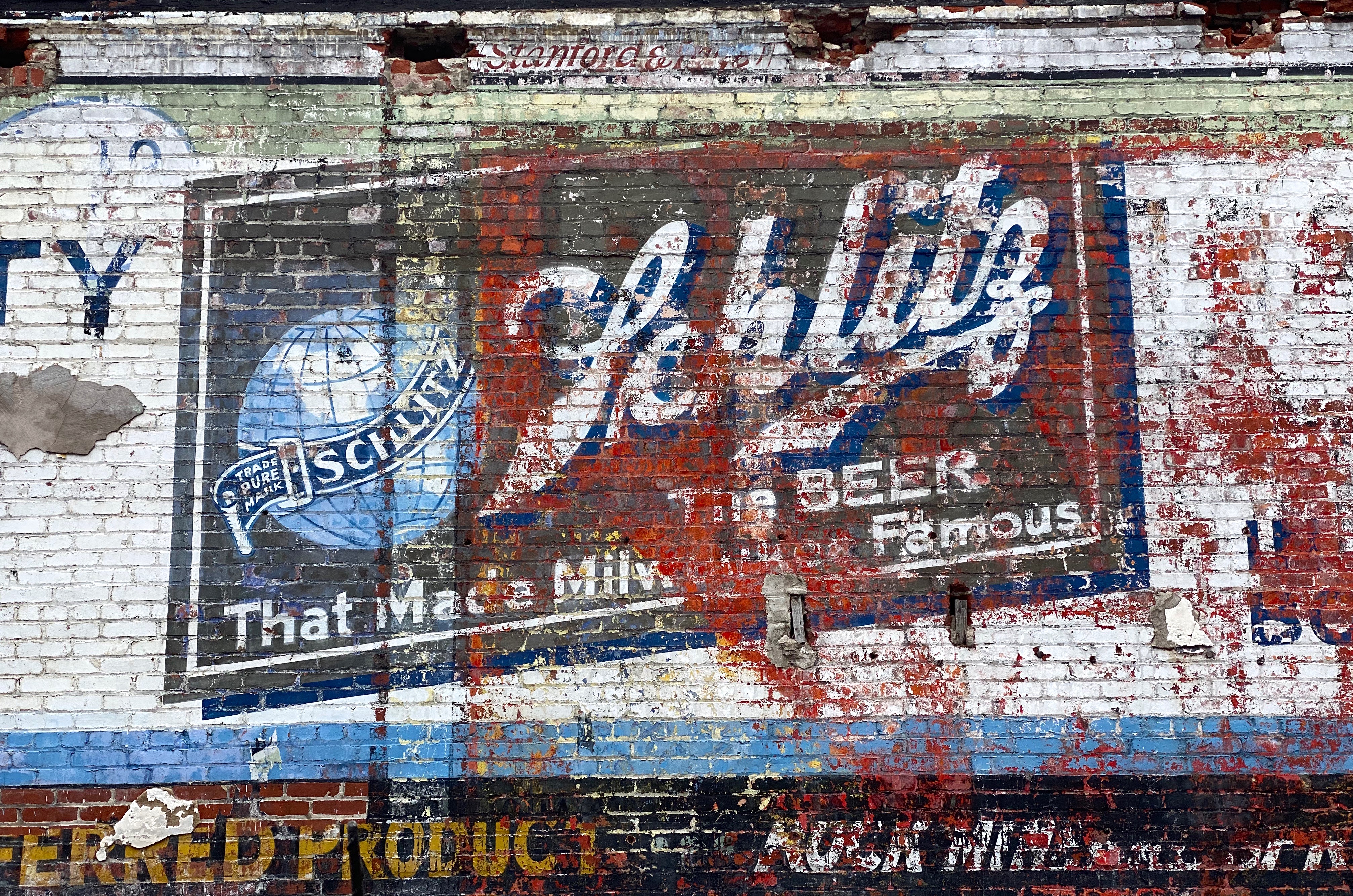
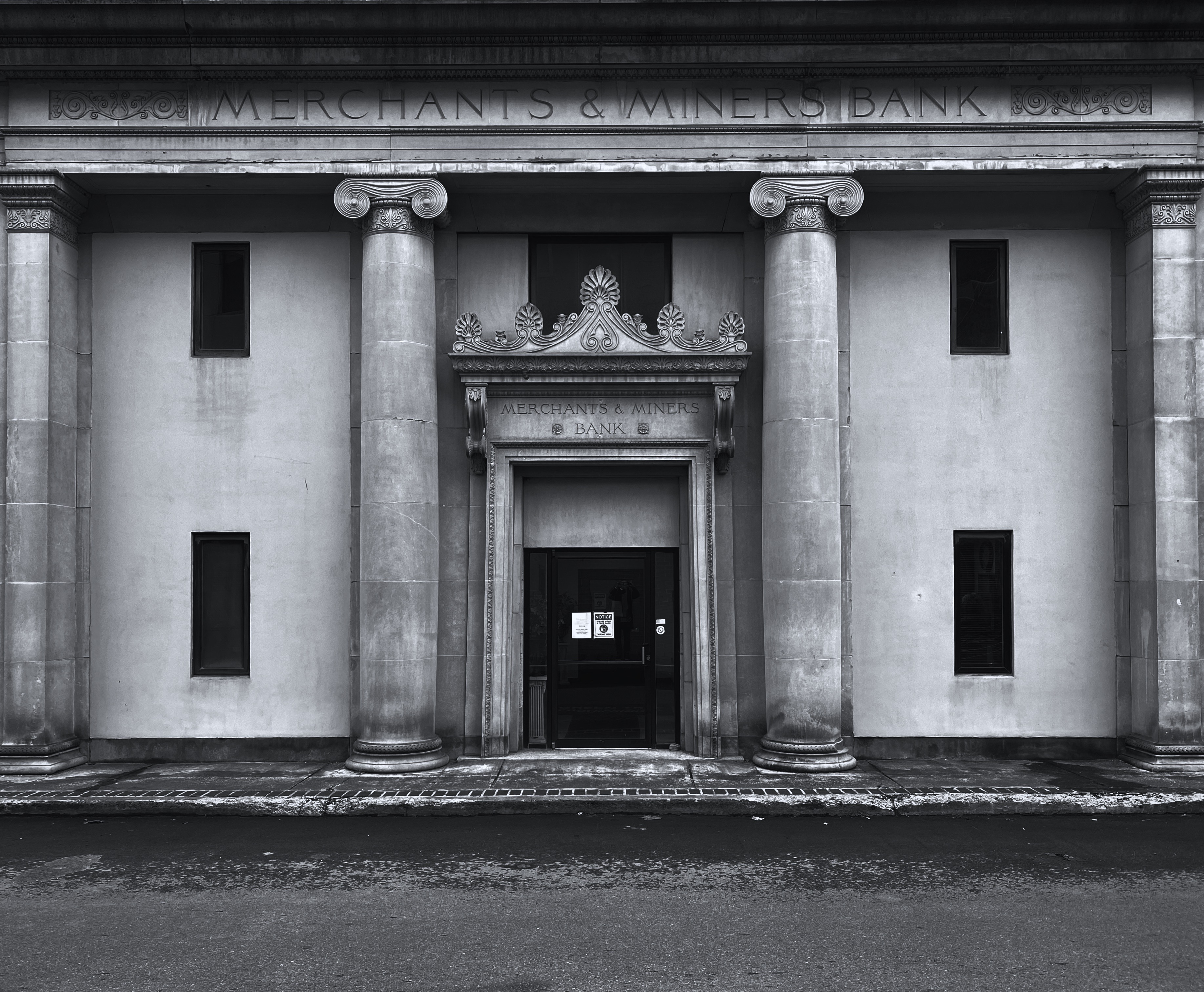
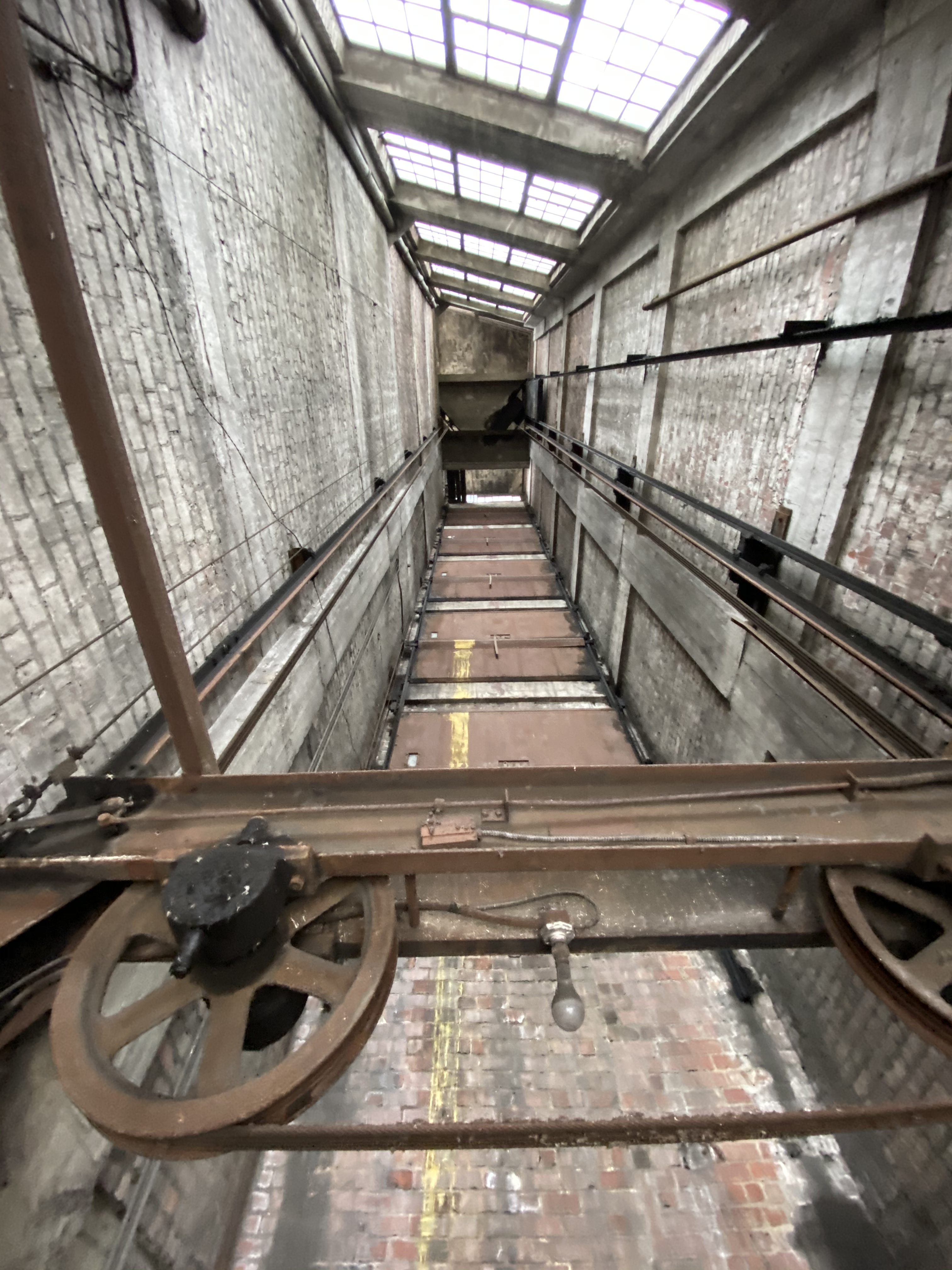


Welch, West Virginia (Pop. 1715)
The dialect in Appalachia is unique. While we did not have significant exposure to the local “mountain speech” we heard a number of words and phrases during our conversations and interactions: holler (hollow), sody-pop (soda), poke (bag), buggy (shopping cart), y’all (all of you), you’ns (plural form of you). We have included below an excellent article on Appalachian English.
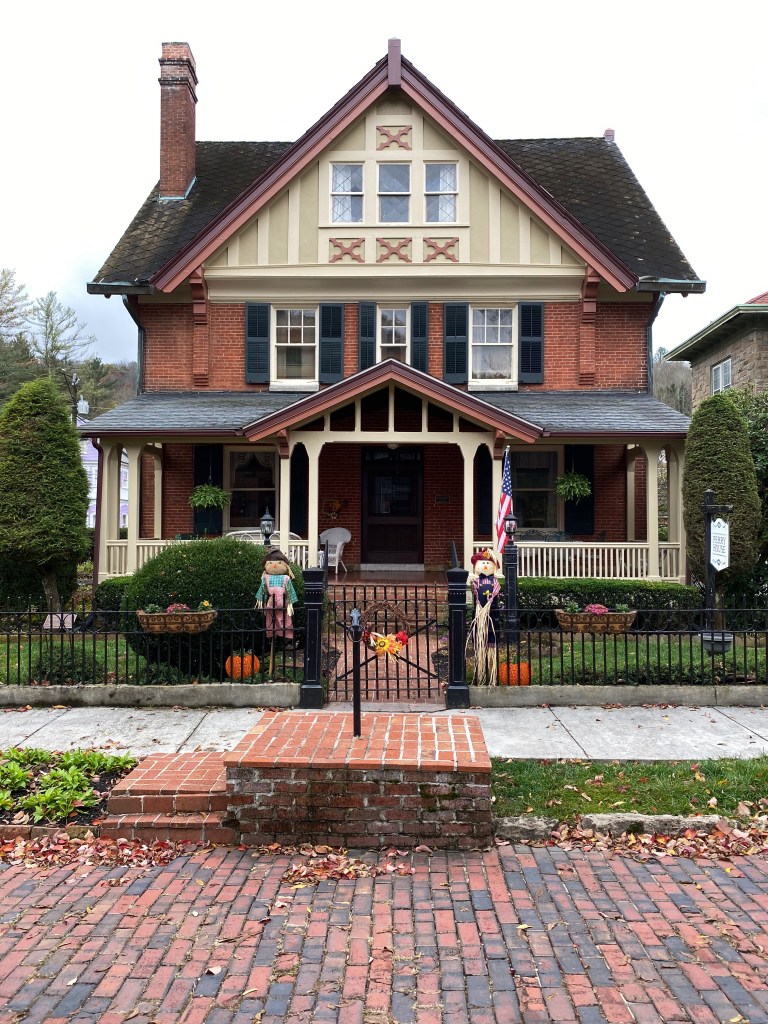
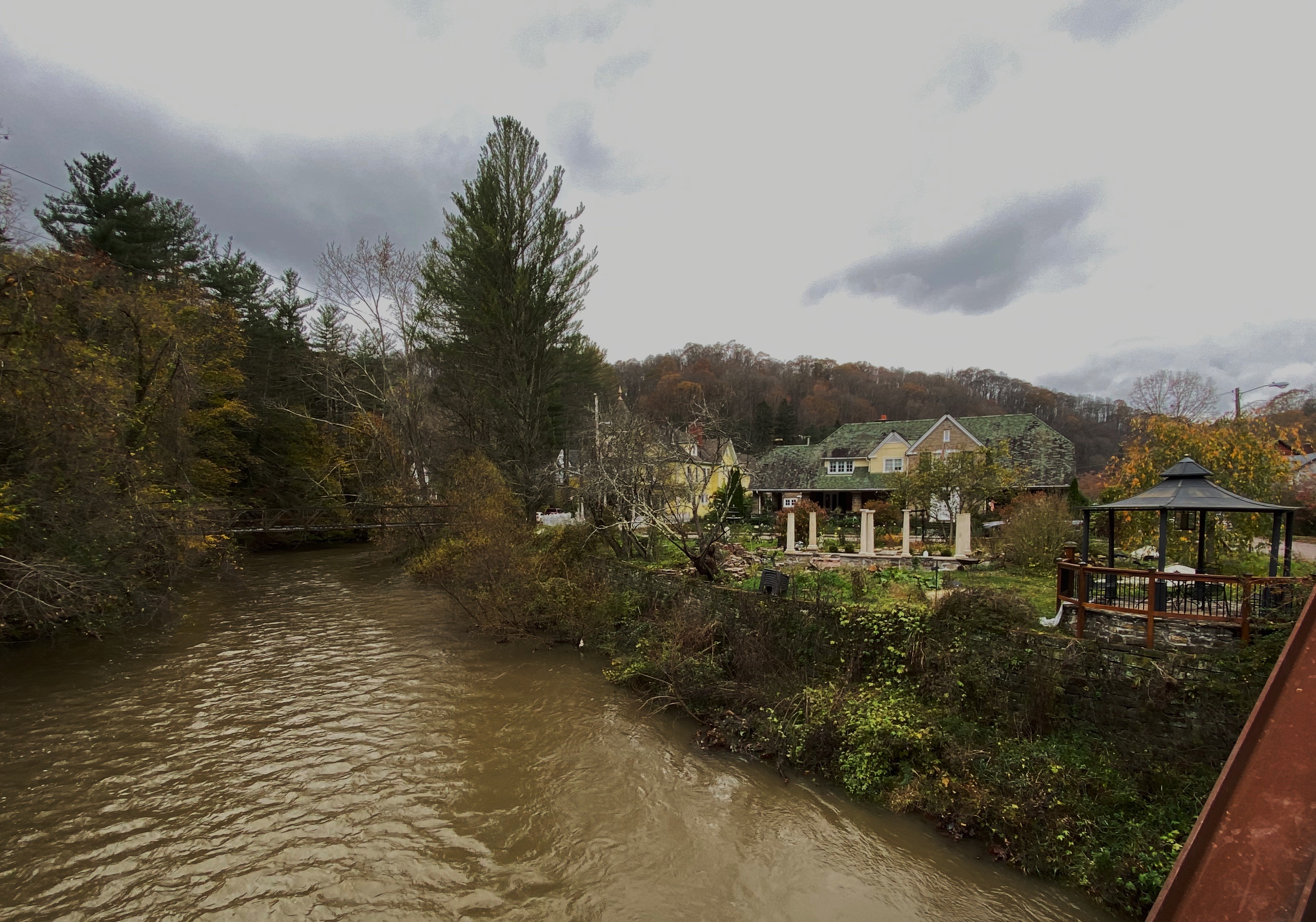
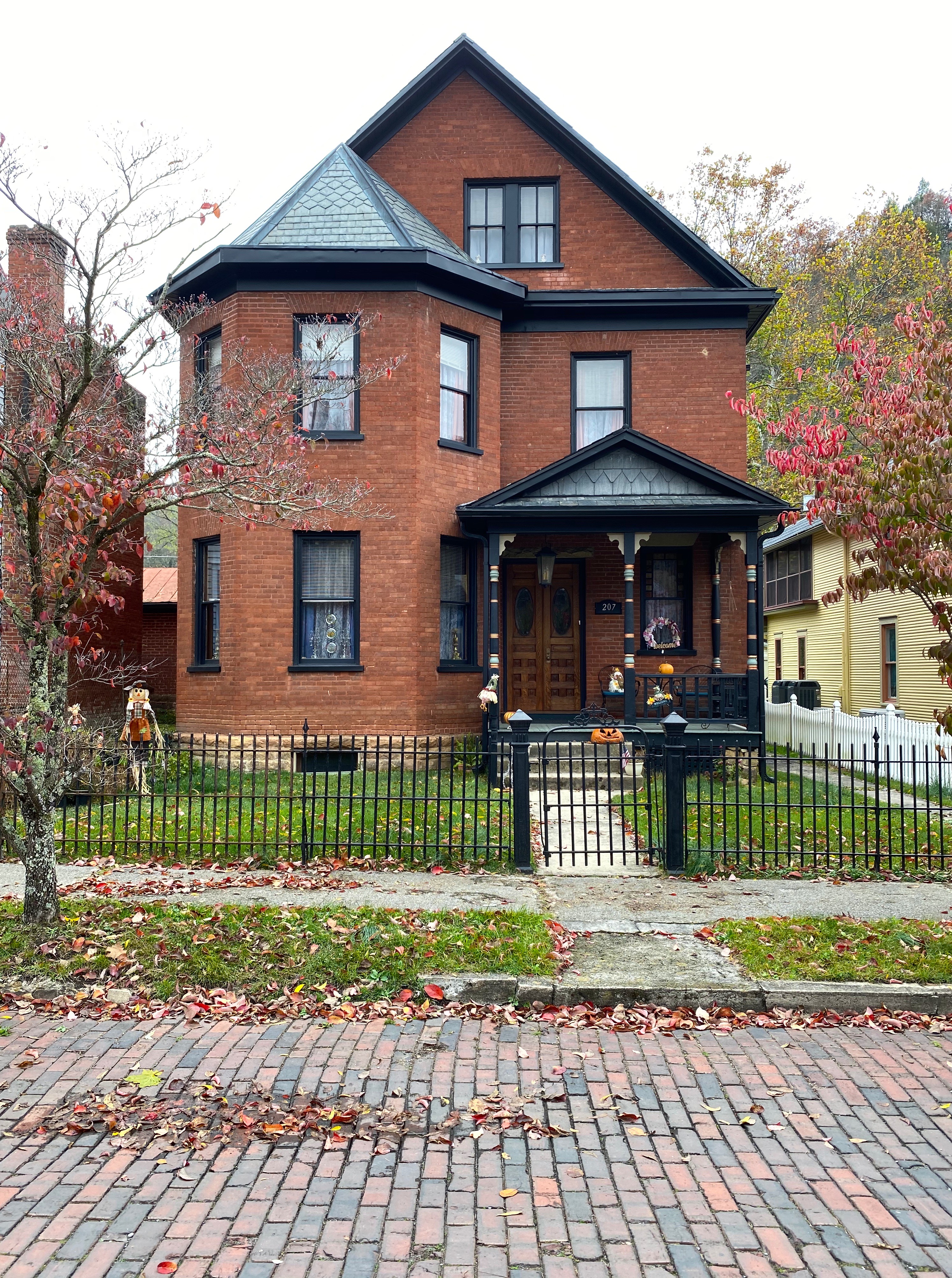
Bramwell is without a doubt the most picturesque town we visited as part of our trip through coal country. Bramwell’s proximity to the Pocohantas Coal Fields and attractive setting lured many wealthy coal mine owners and financiers to the town. These millionaires built beautiful homes along the brick streets that border the Bluestone River.
Today, the town benefits from its proximity to the trailhead of the Pocahontas Trail System which is part of the larger Hatfield McCoy Trail. This trail system provides hundreds of miles of Off Road Vehicle riding on ATVs and OHVs and draws off road enthusiasts from all over the country.

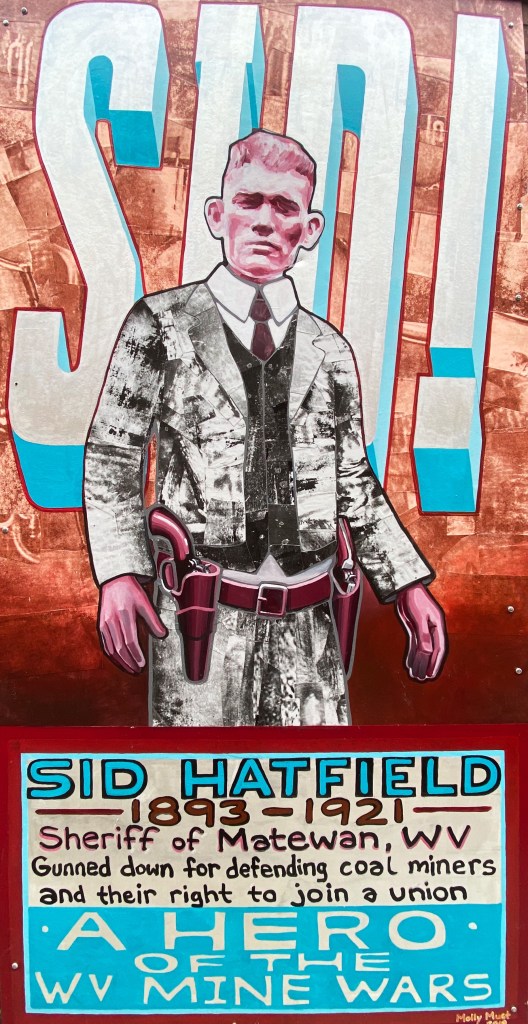
Another distressing side of life for coal miners and their families during the early 20th century relates to their struggle to obtain better wages, safer working conditions and to be paid in U.S. currency as opposed to company script.
These efforts led to violent and deadly confrontations between the miners and private security agents hired by the mining companies. The West Virginia Coal Wars, a series of labor actions and strikes went on for over nine years (1912-1921). The Mine Wars culminated with the Battle of Blair Mountain. Approximately 10,000 armed miners battled 3000 law officers and hired stike breakers. The battle went on sporadically for a week until United States Army forces arrived and put an end to the conflict.
Almost 1000 miners were tried for murder, conspiracy to commit murder, accessory to commit murder and treason. The Battle of Blair Mountain broke the back of the United Mine Workers for years to come. Union membership declined by 80% and did not recover until the 1930s.
Final Thoughts
We are glad that we took this tour through West Virginia’s southwestern coal fields. We really did not know what to expect but we felt we should see this part of America. Appalachia and coal mining are a major part of the history of our country.
This is not a place where you will find upscale eateries or four star hotels. The millionaires from Bramwell took their money and left when the coal industry began its long decline. The local folks got left behind with few options and a scarred and polluted landscape.
As we have gained perspective from our travels we have come to realize that if we only visit the beautiful and popular tourist destinations we will not have the opportunity to experience a significant part of America’s culture and history.
Be seeing you!
Articles:
A Miner’s Religion
Mountain Speech
Welch, West Virginia
God and Coal
https://www.theguardian.com/us-news/2017/mar/30/west-virginia-religion-coal-trump-voters-doubt

Harpers Ferry National Historic Park
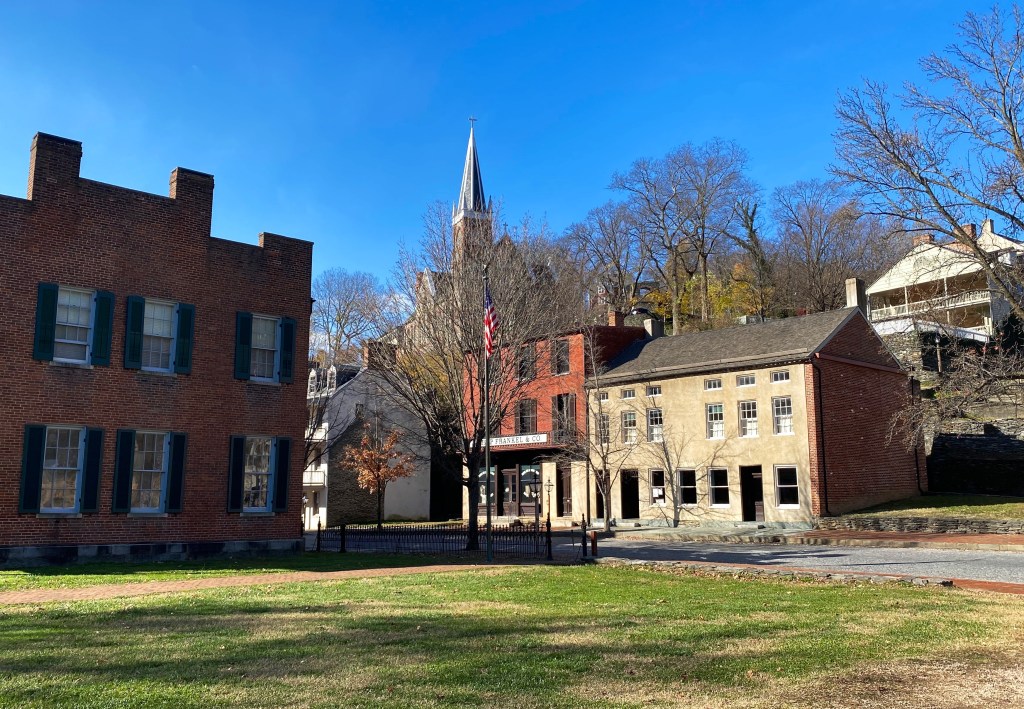
Most of us probably learned about John Brown’s raid on the United States Armory in a history class. After visiting Harpers Ferry we are confident that what we read in our history text books only scratched the surface in regard to John Brown’s personal history and also to the significance of the town itself.


Harpers Ferry was an important town long before John Brown’s raid. Robert Harper purchased the land from Lord Fairfax. He knew that the property would be valuable for transportation purposes because of the confluence of the two rivers and the natural passage that the Potomac cut through the Blue Ridge. Additionally, the two rivers would provide considerable hydropower for manufacturing.
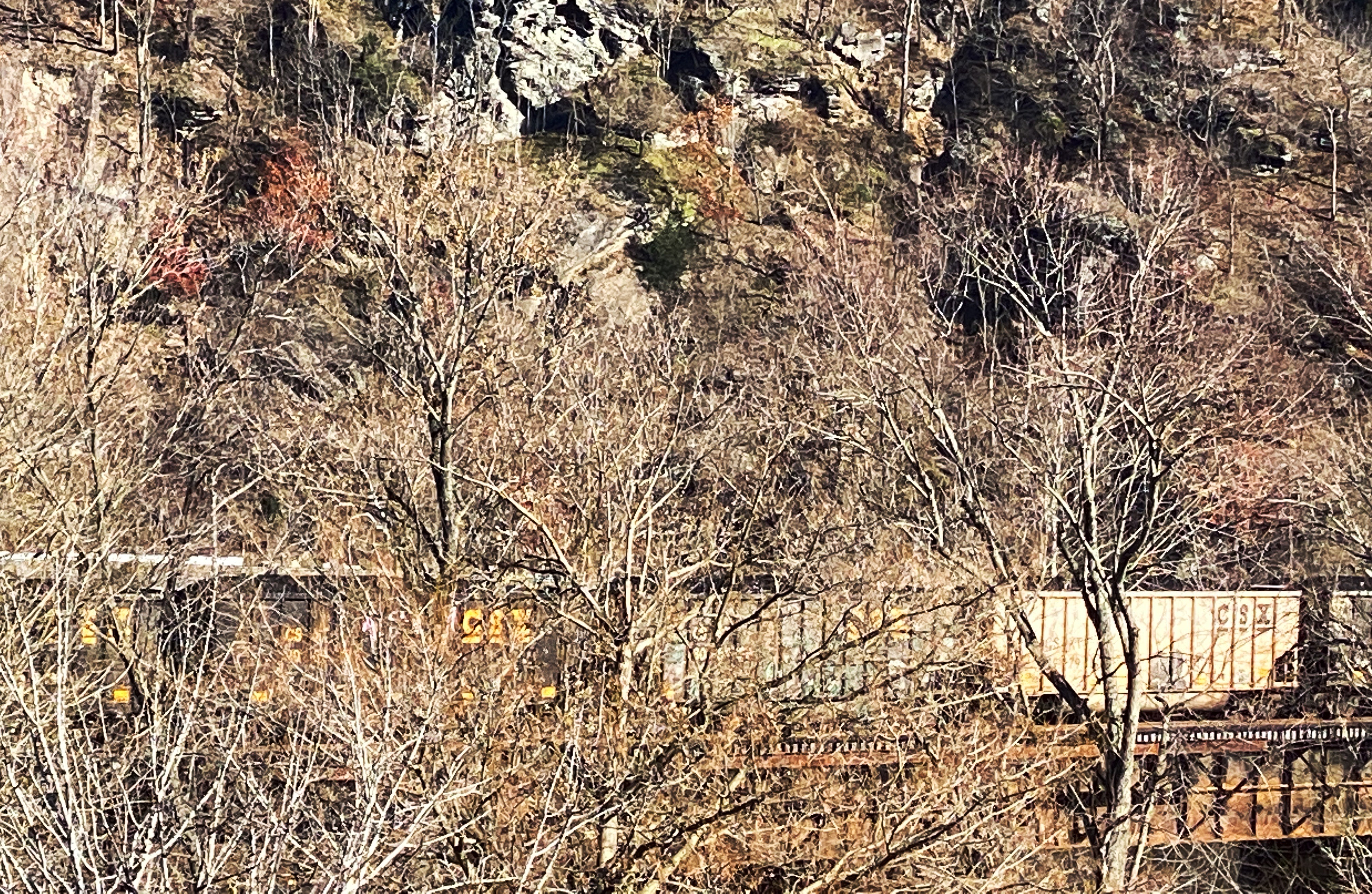
Today, almost 200 years after the first trains traveled through the “hole”, the CSX Railroad is operating the freight line with 40-50 trains per day carrying coal and other commodities from West Virginia to market. Additionally, Amtrak utilizes this line for the thrice weekly Cardinal train which makes a leisurely and scenic 28 hour journey from New York City to Chicago.

George Washington was familiar with the Harpers Ferry area and chose this location as the site for the United States Armory (circa 1799) which would later become the target of Brown’s raid. By the time of Brown’s raid in 1859, Harpers Ferry was a thriving industrial center utilizing the river’s power to manufacture rifles, muskets and pistols for the United States Army. Harpers Ferry was one of only two such facilities in the country – the other being located in Springfield, Massachusetts.
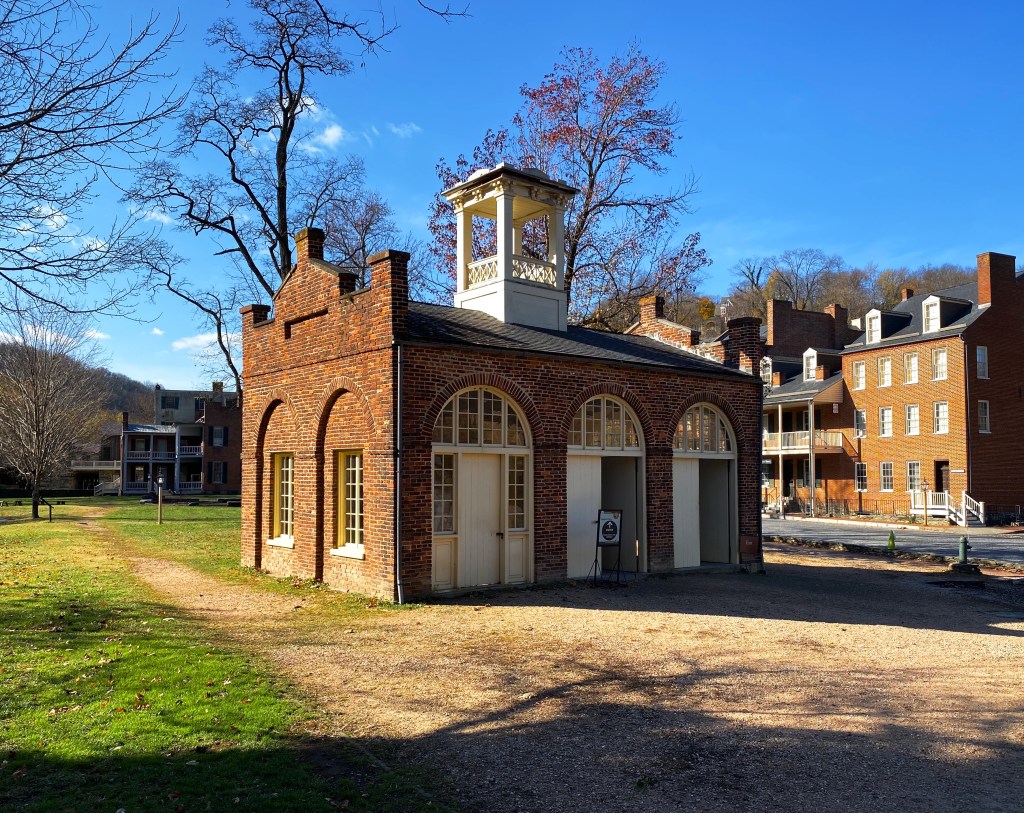
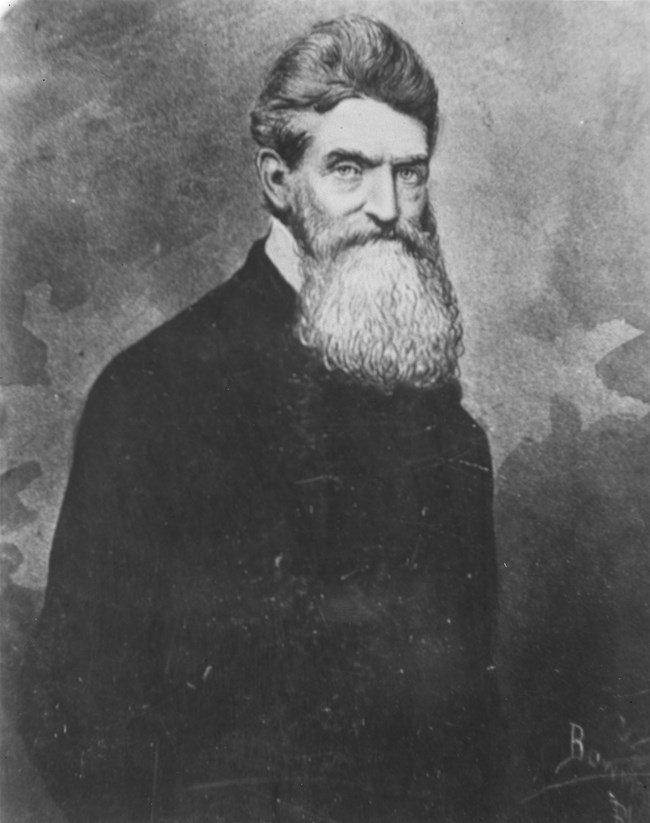
John Brown was born in Torrington, Connecticut in 1800. His family moved soon afterwards and he spent most of his childhood in Ohio where his father had established a tannery.
Brown’s father, Owen, was an extremely strict Calvinist and was very overt in his oppostion to slavery – slavery being a “sin against God”. Owen Brown provided a safe house for Underground Railroad fugitives at their home in Hudson, Ohio. Not surprisingly, Brown was imbued deeply with his father’s belief that slavery was a sin against God.
John Brown was married twice and fathered 21 children. Brown owned several different businesses including a tannery but the financial crisis of 1839 precipitated a string of unsuccessful efforts to get out of debt. As a result, he and his family moved frequently in pursuit of business opportunities – none of which were particularly successful.
While always vehemently opposed to slavery, the murder of Presbyterian minister E.P. Lovejoy by a pro-slavery mob became the catlyst that moved him from abolitionist to guerilla fighter.
Brown and five of his sons left their home and traveled to Kansas to join the fight against slavery. “Free Soilers” and “Slavers” were engaged in a violent conflict over whether Kansas would be admitted to the Union as a free or slave state. This “civil war “ raged on from 1854 to 1860 as was known as Bleeding Kansas. https://ohiohistorycentral.org/w/Bleeding_Kansas
Brown was a well-known and feared figure in this war after he and a group of abolitionists (including two of his sons) murdered five pro-slavery settlers by hacking them to death with swords. This event became known as the Pottawatomie Massacre.
By 1859, John Brown was convinced that the only way slavery would be abolished was through a large scale rebellion. Brown hoped the raid of the armoury at Harpers Ferry would convince escaped slaves to join his small force and that they would become the Army of Emancipation.
Unfortunately for Brown and his group it did not play out in that manner. Brown and his band of 21 men fought fiercely for nearly two days against the local militia until they were overpowered by Colonel Robert E. Lee and a force of Marines. About half of Brown’s men (including two of his sons) were killed. Brown was wounded.
Virginia moved quickly to to try Brown – he was convicted of murder, treason and inciting slave insurrection – and hanged immediately thereafter.


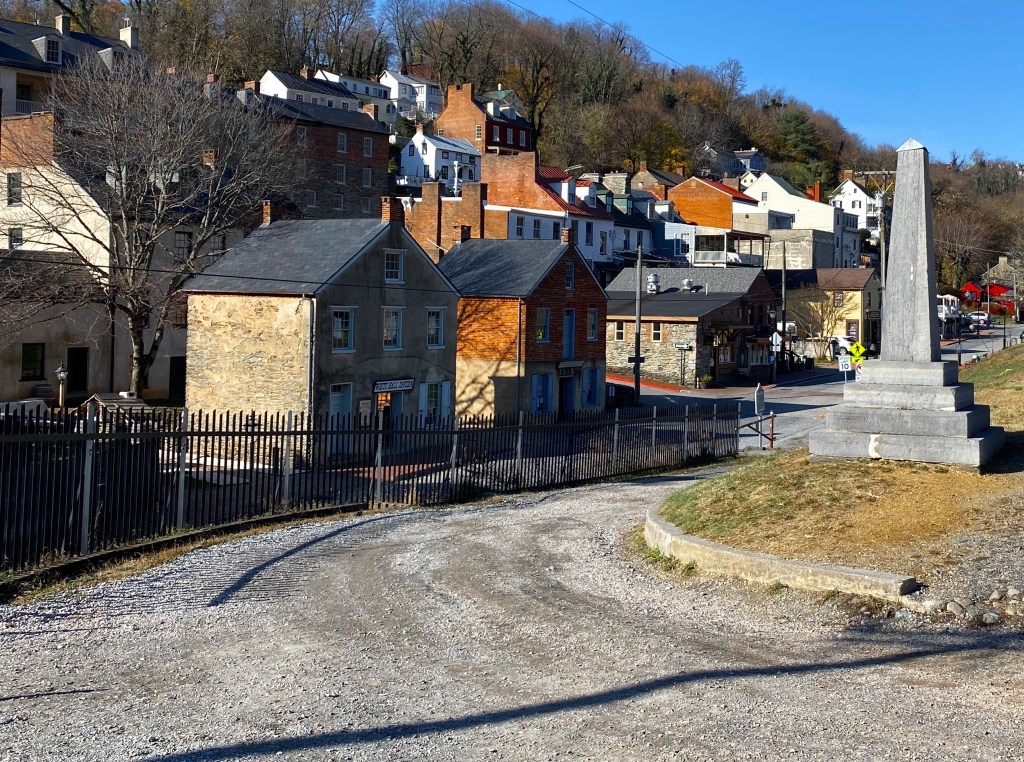
Today, Harpers Ferry is part town (Pop. 281) and part National Historic Park. We found the history of the town quite fascinating. In addition to John Brown’s raid, the town was a major chess piece for the Union and Cofederate forces during the ensuing Civil War. The town changed hands 14 times between 1861 and 1865. https://www.battlefields.org/learn/articles/10-facts-harpers-ferry
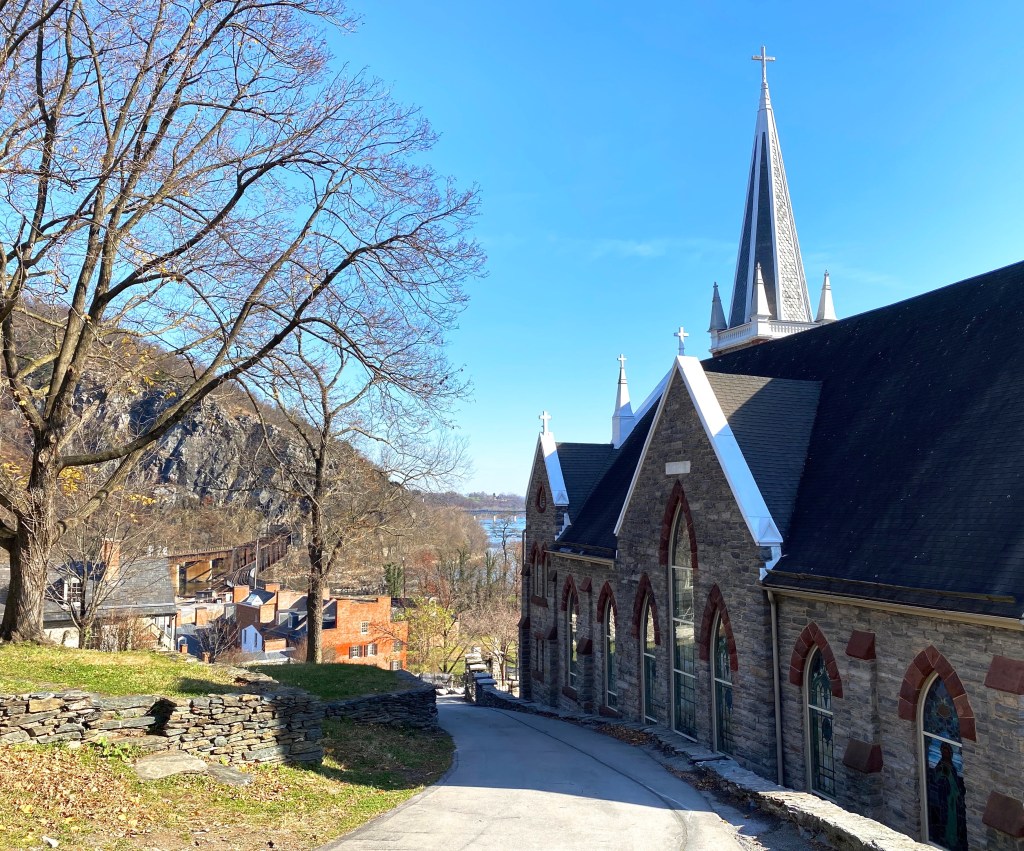

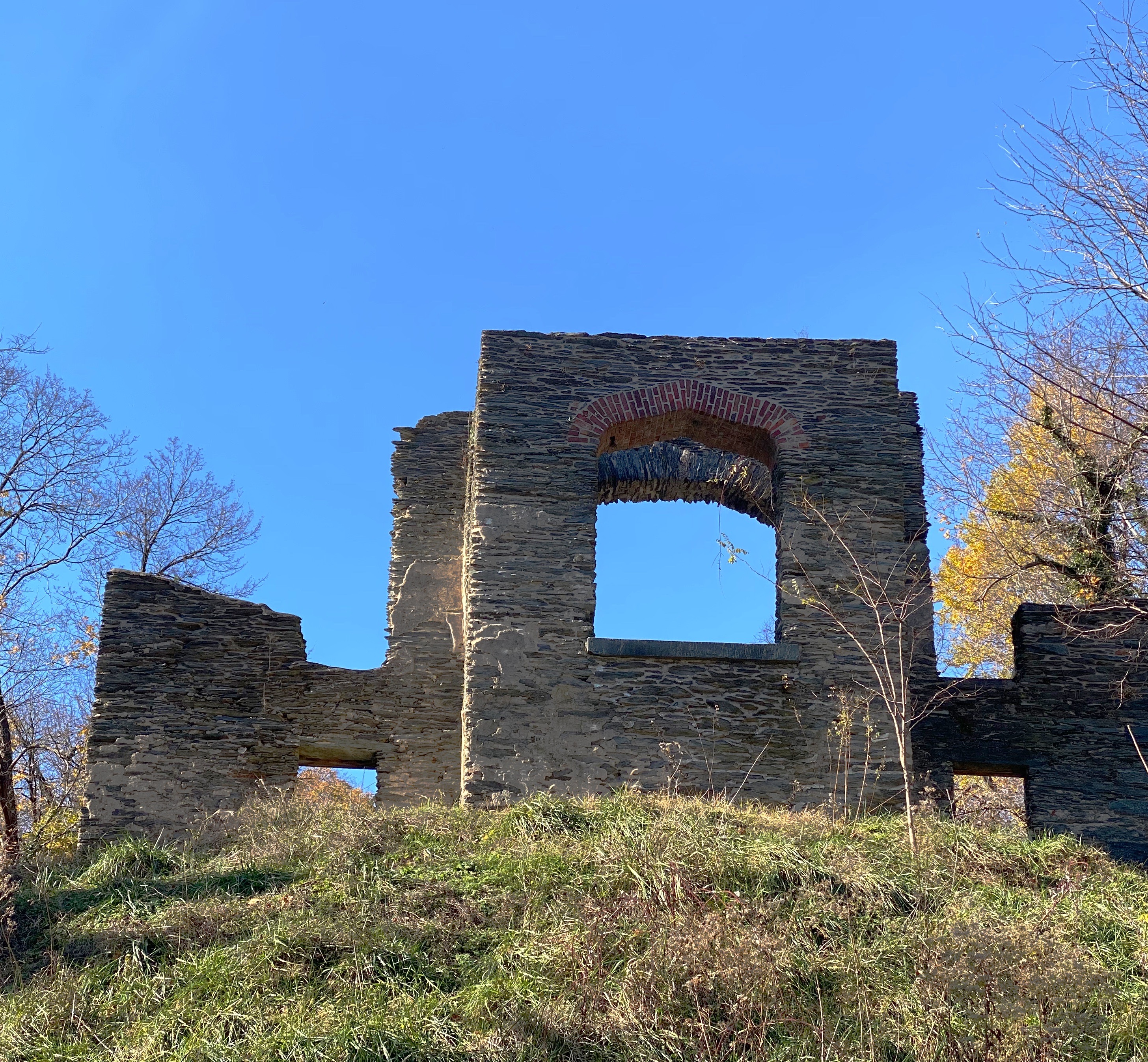


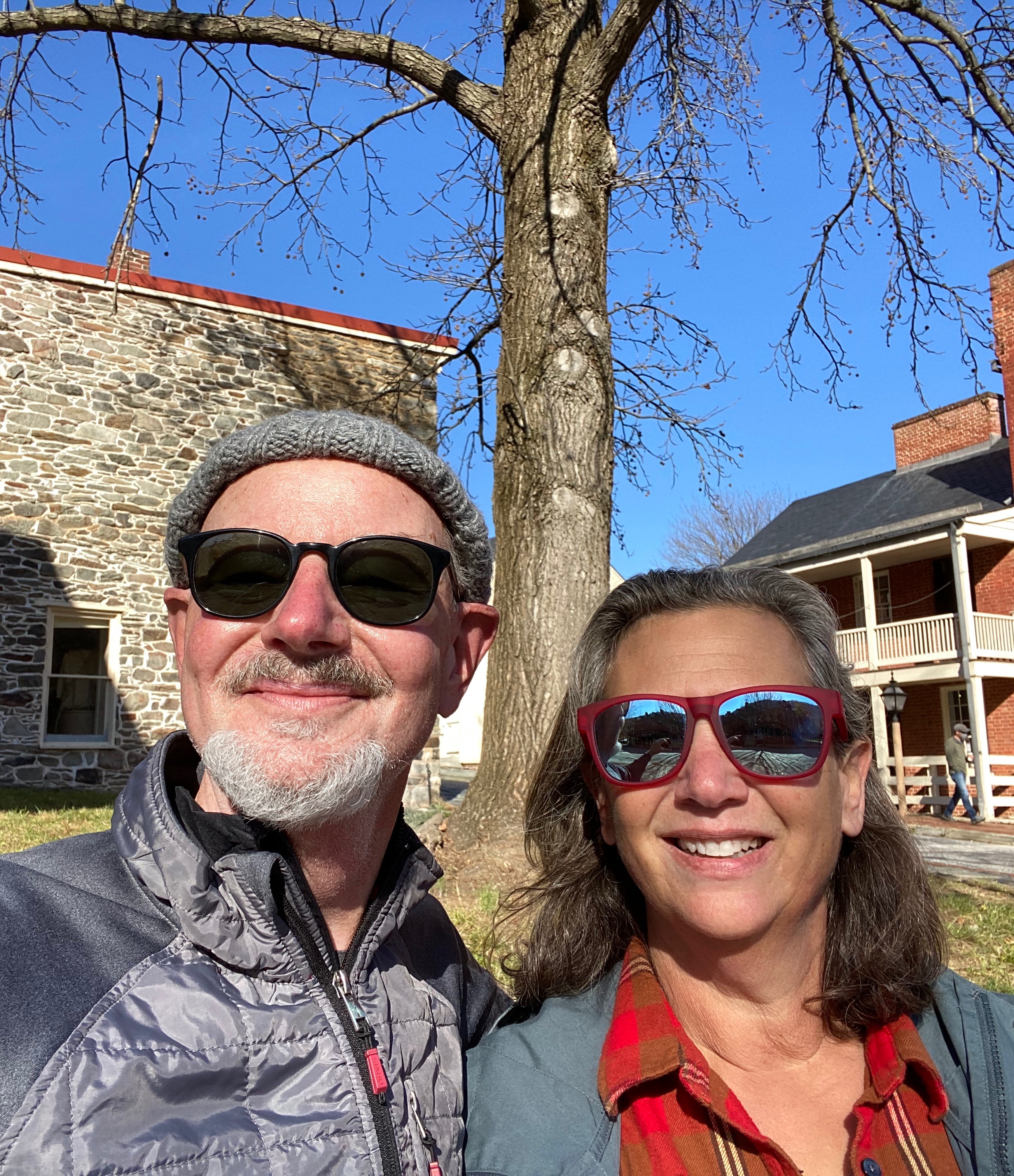
We definitely recommend Harpers Ferry for anyone interested in American history. Additionally, there are a significant number of hiking trails in and around Harpers Ferry which provide wonderful views of the town and the confluence of the rivers. Lastly, there are several cozy inns and restaurants in town.
Be seeing you!
P.S. Don’t forget you can travel to Harpers Ferry via the Amtrak Cardinal train.
Books:
John Brown: A Biography by W.E.B Du Bois
Harpers Ferry: Images of America, West Virginia, West Virginia by Dolly Nasby
Midnight Rising: John Brown and the Raid That Sparked the Civil War by Tony Horwitz

Street Art Tourist: Street Art from the Road: Richmond

We made two passes through Richmond as we criss-crossed Virginia. So while we were there just a couple of days, the sheer number of works clustered in various neighborhoods allowed us to take in an amazing sample of great murals (although we have hardly scratched the surface).

One of the driving forces behind all of the fantastic street art in town is the Richmond Mural Project. The RMP is an annual event which brings internationally recognized artists to Richmond with the goal of having 100 murals created over five years. Richmond is comprised of 11 primary neighborhoods and murals are planned for all of them.
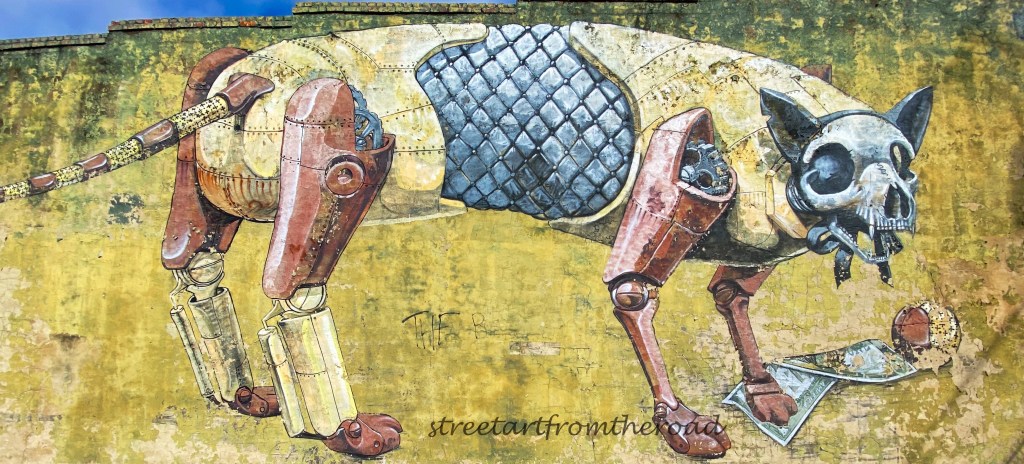
Additionally, the non-profit organization, RVA Street Art Festival, sponsored its fifth three day festival in 2020. The RVA focuses on painting in a different area of the city at each event. The festival provides opportunities for local artists and students to work together to create art and add color to the city. The Festival donates proceeds to local charities including the Richmond Public School system arts program.
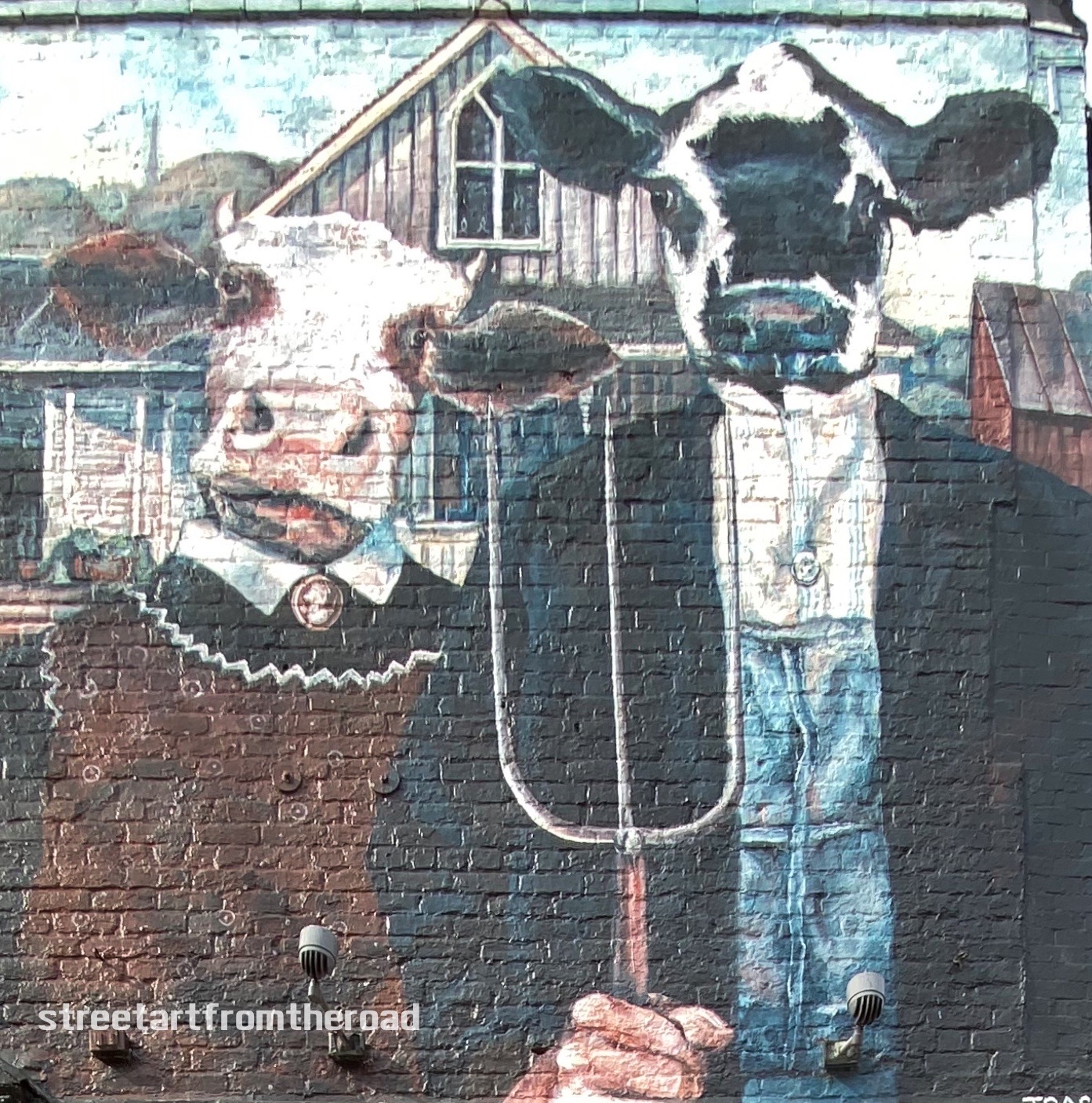


Between these two organizations and a number of privately commissioned murals it seems as if around every corner in every neighborhood there is another terrific mural to behold.
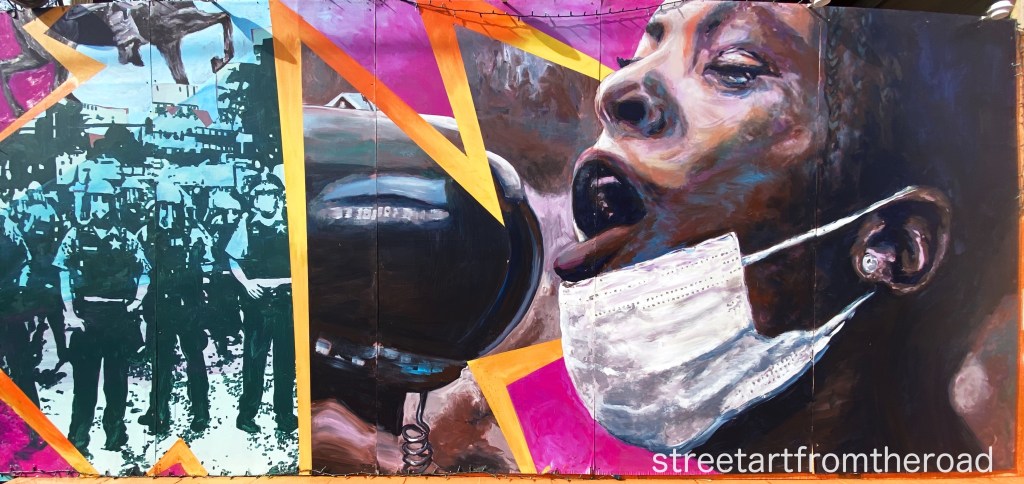


Right: Artists: ASVP, New York City and Switzerland

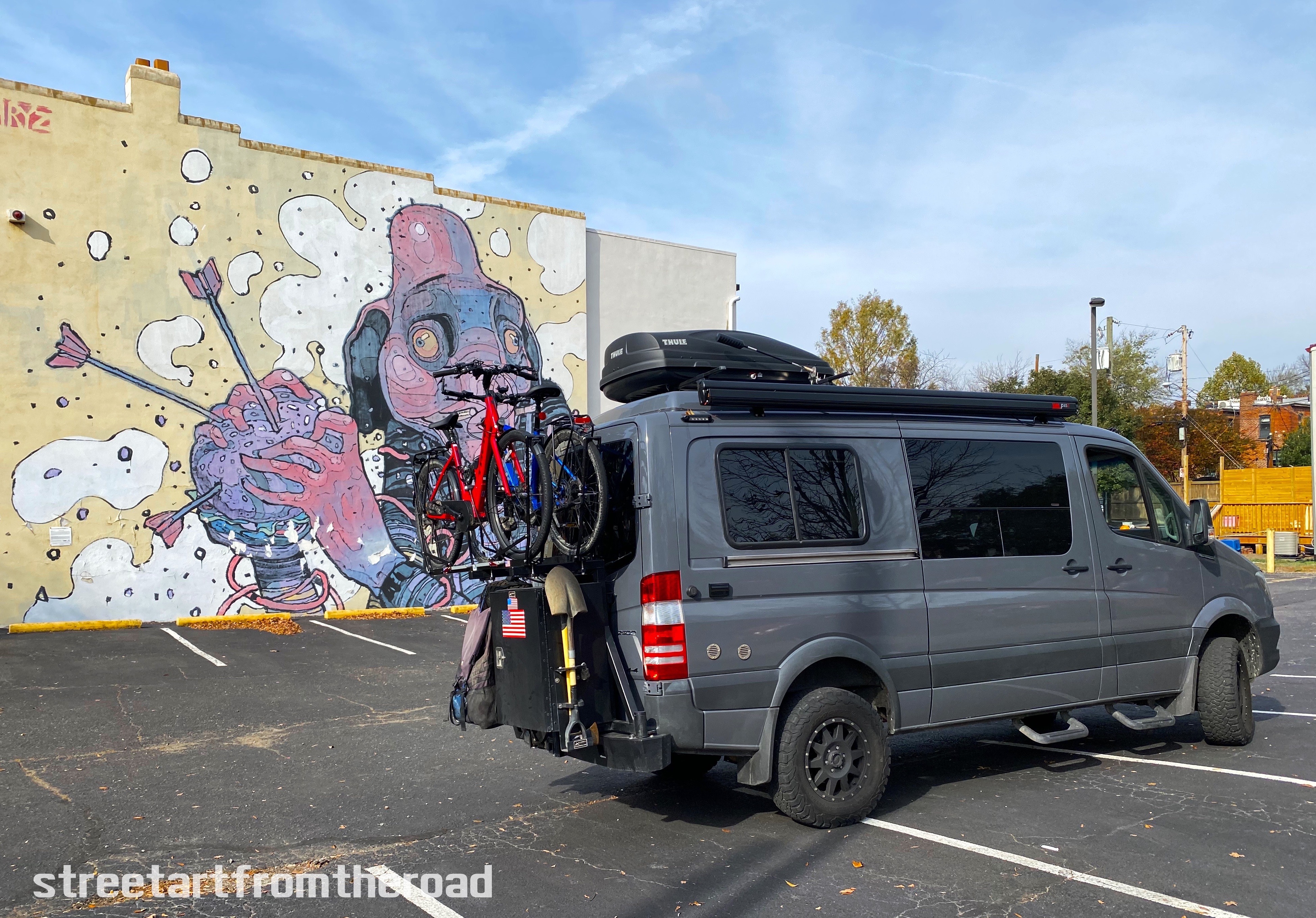
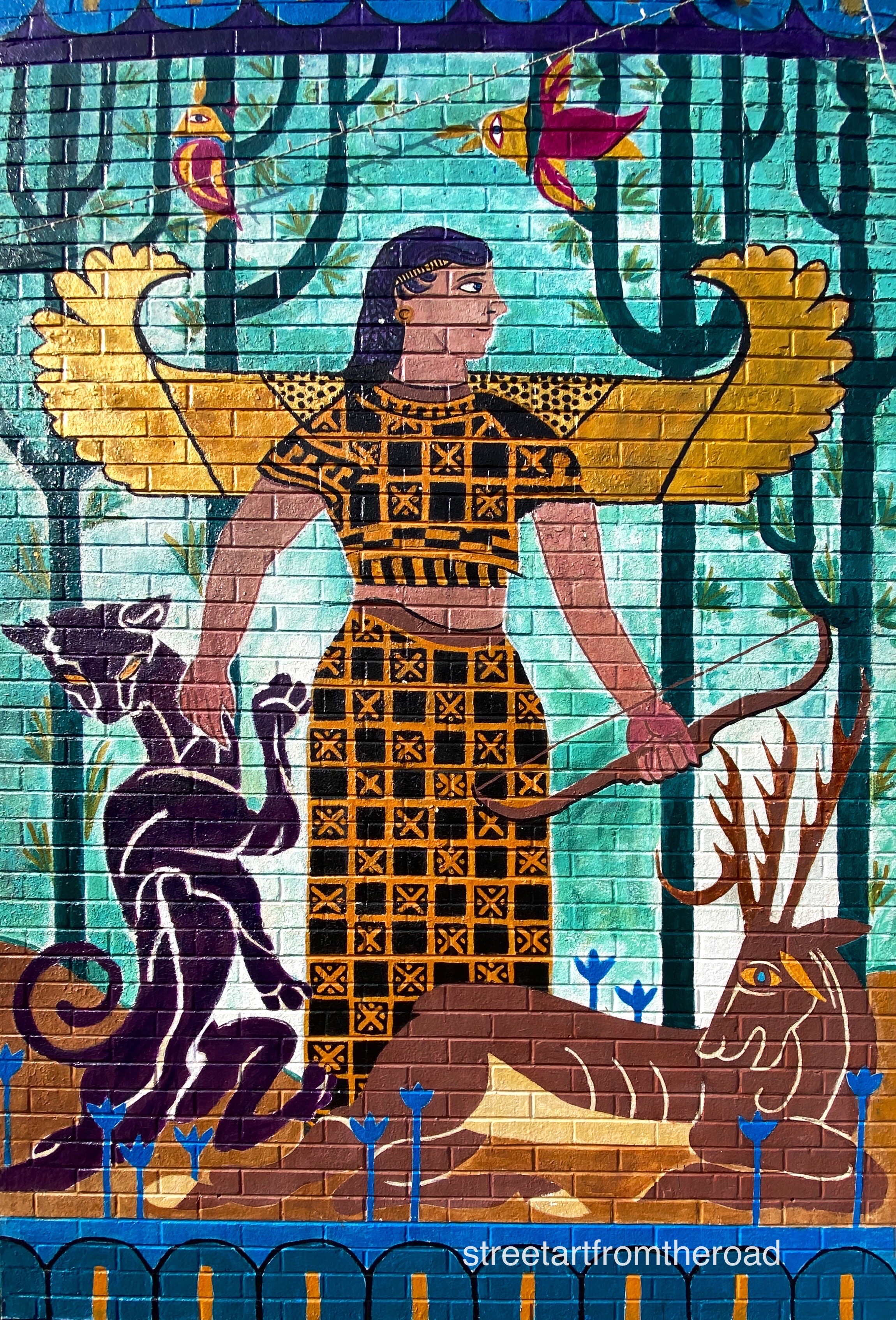

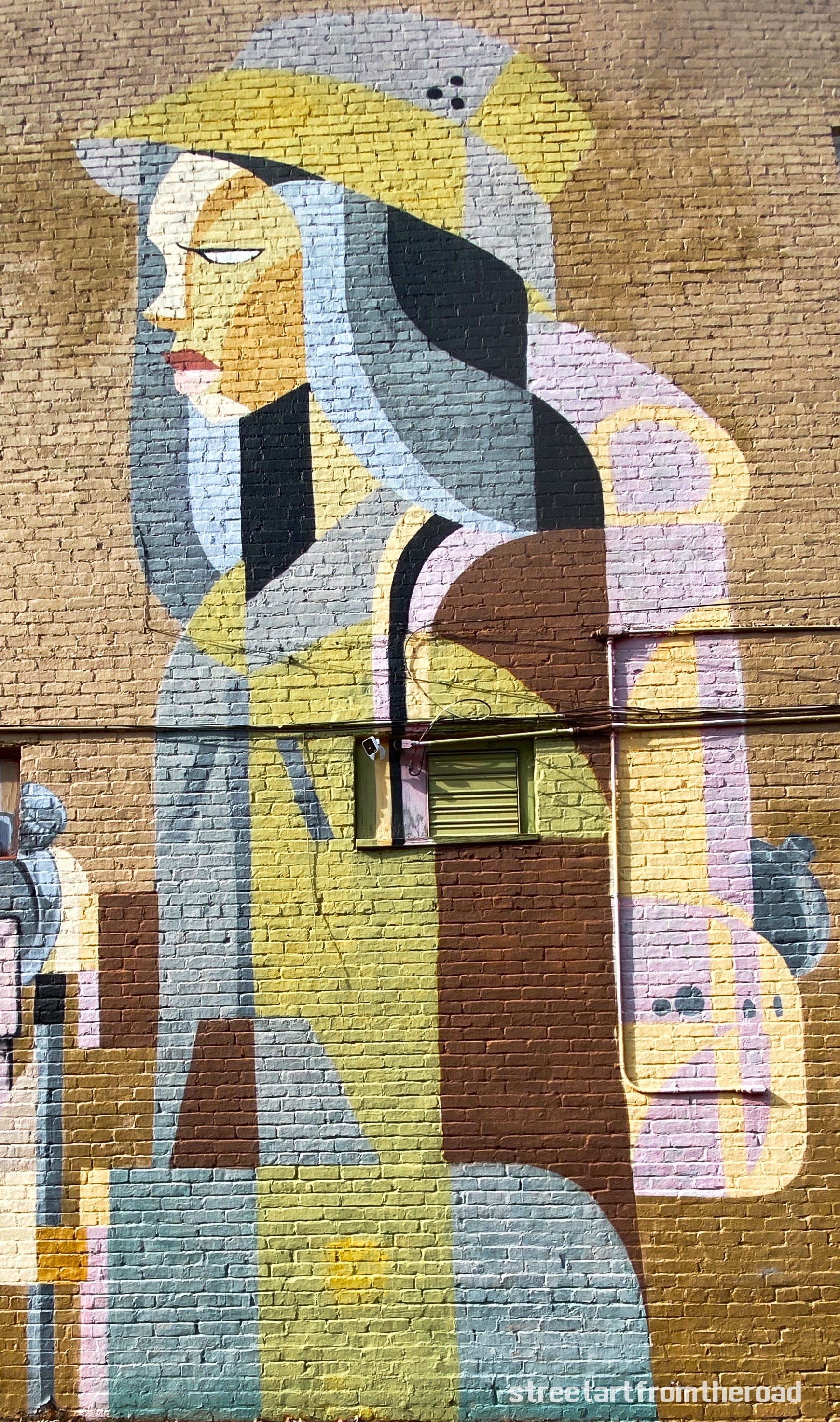
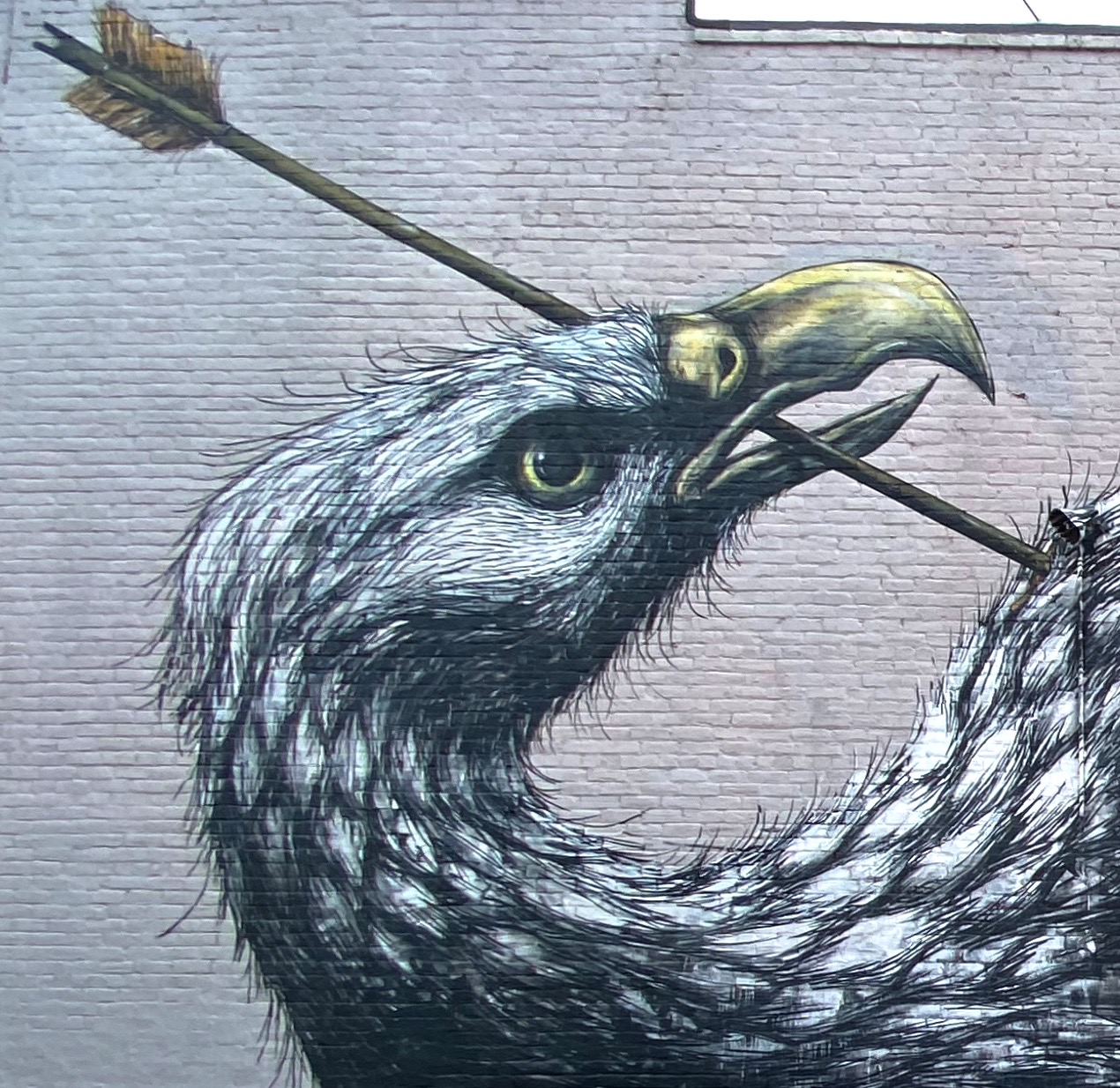
Bottom Left: Artists: INKTEN + CLOGTWO, Singapore
Richmond also has a robust specialty coffee and tea culture, and we are confident that when pandemic conditions improve we will return to Richmond to explore many more of the neighborhoods in search of great street art and cafes.
Be seeing you!

Cape Hatteras National Seashore (CHNS)
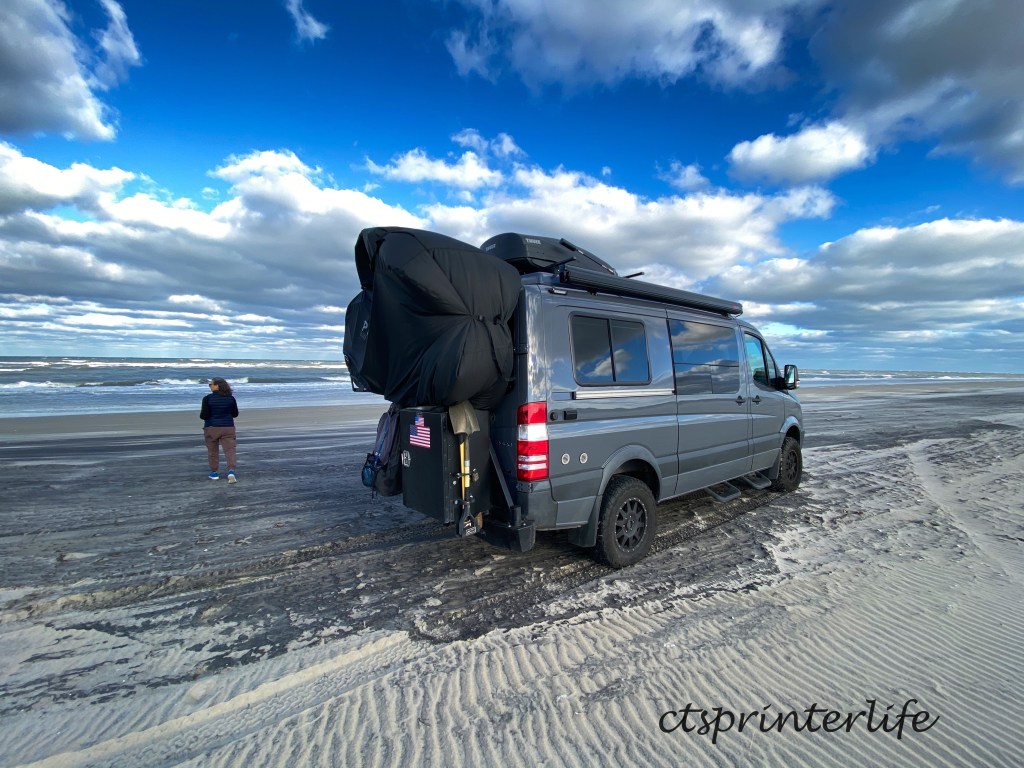
After completing the Virginia Capital Bike Trail and with a week of excellent weather ahead we decided to head south to the Outer Banks of North Carolina to enjoy some time at the shore. CHNS has almost 70 miles of pristine beach open for many recreational opportunities. We were able to camp south of Nags Head at Oregon Inlet Campground which was just a five minute walk through the dunes to the beach.

One of the many fun things do to at CHNS is driving on the beach. You do, of course, need a 4WD vehicle and you must also purchase an Off Road Vehicle (ORV) Permit. Once you air down your tires you are good to go. At certain times of the year some portions of the beach may be closed to vehicles due to turtle and water fowl migration.

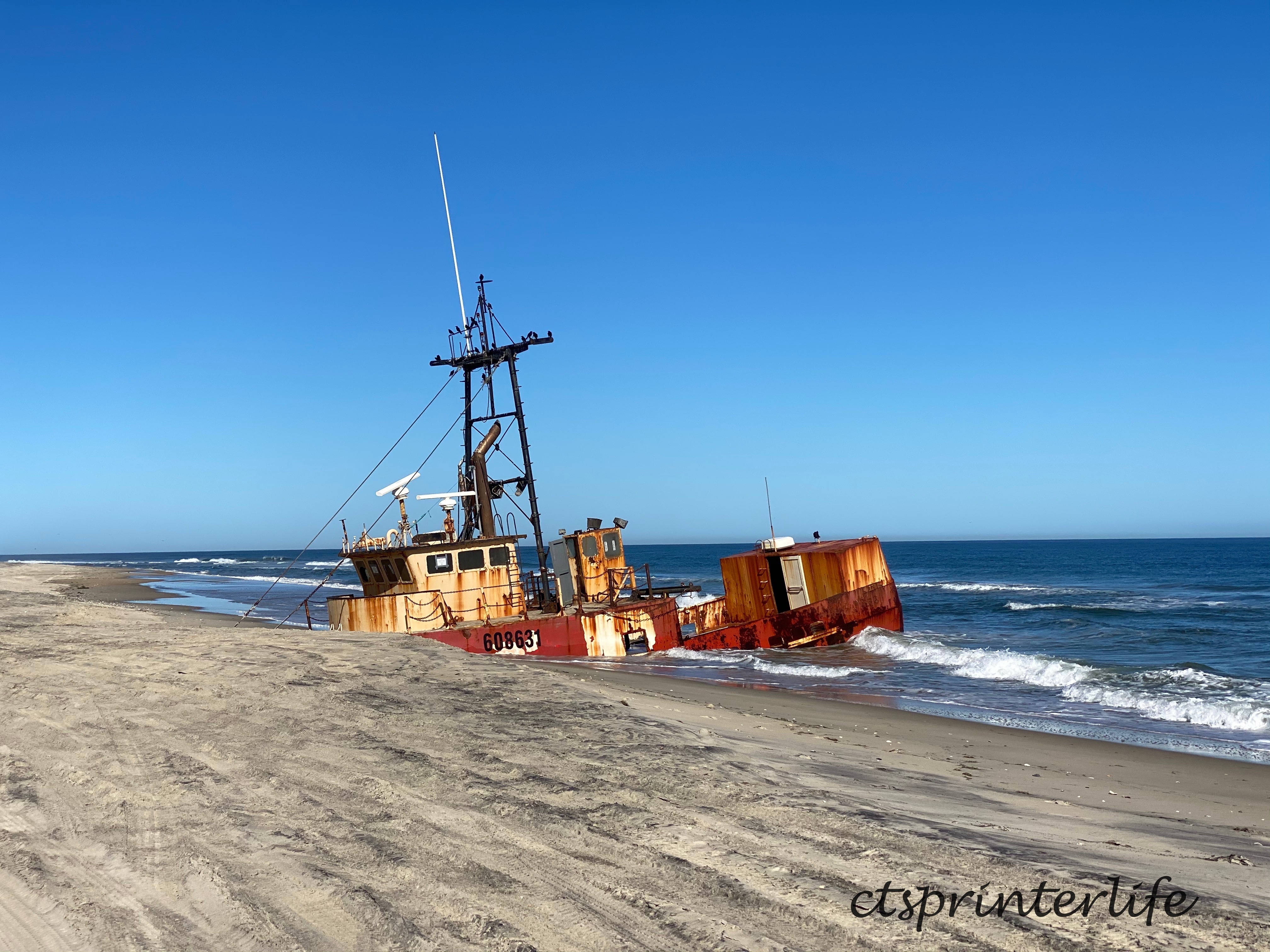


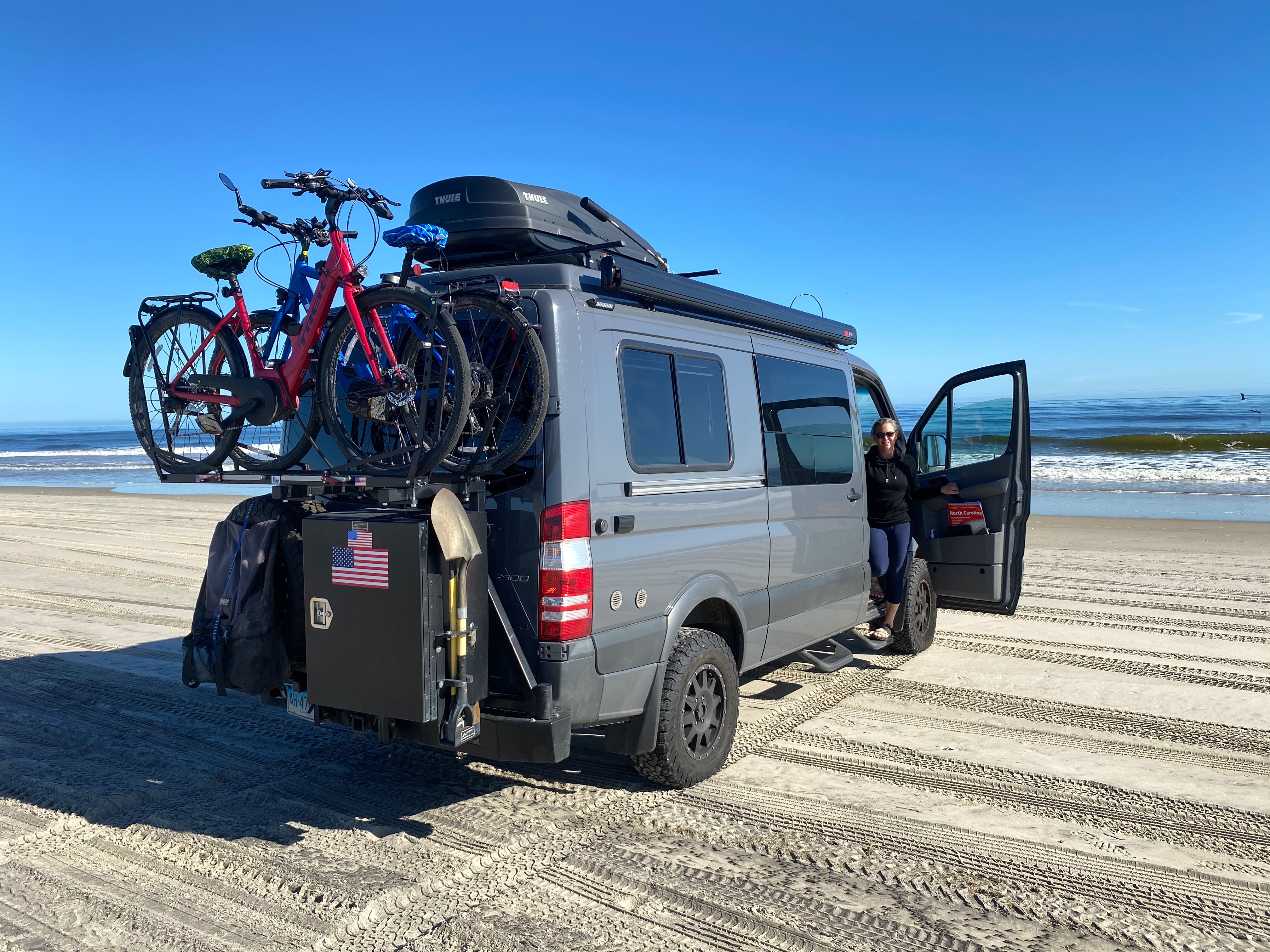

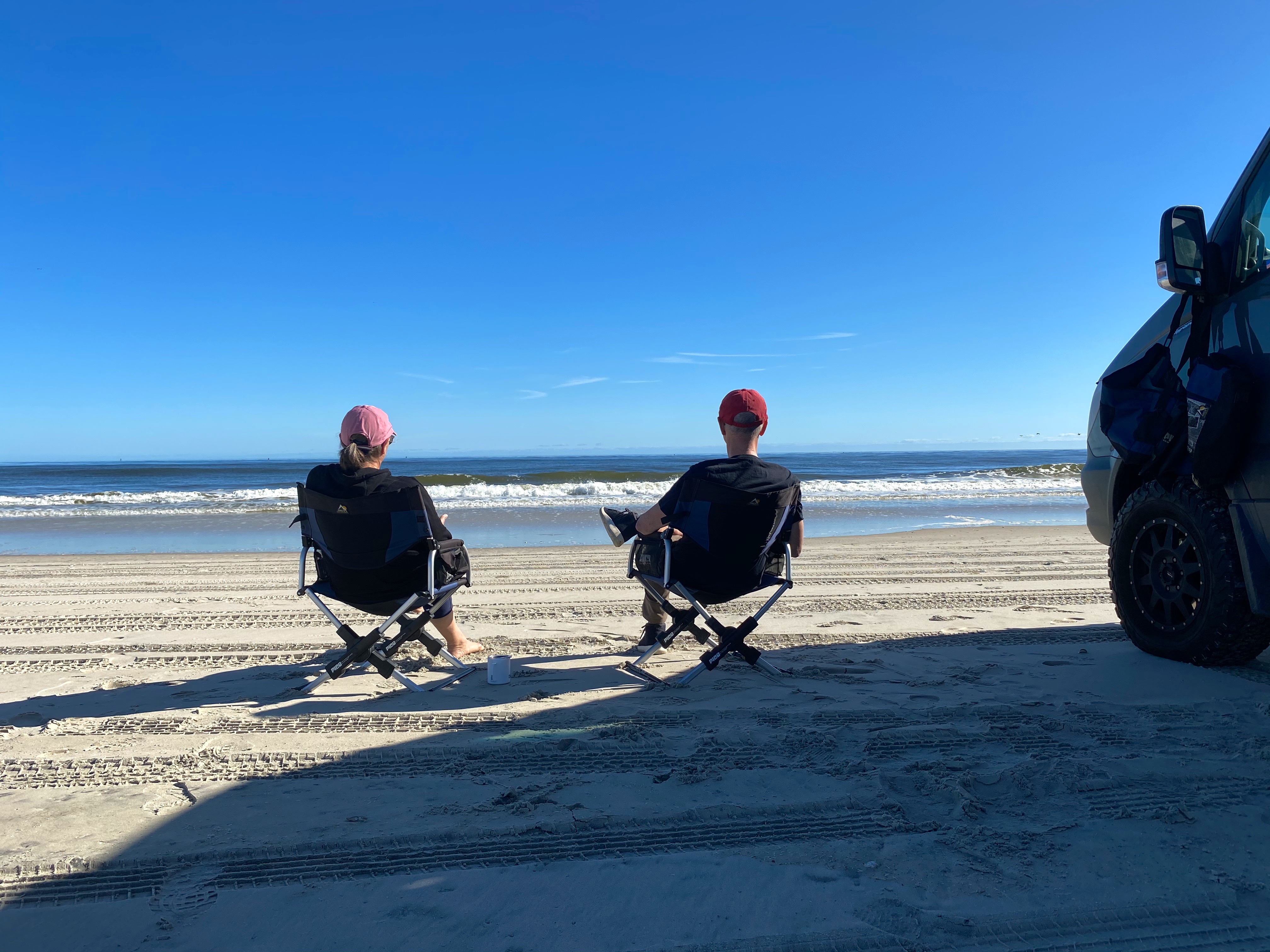
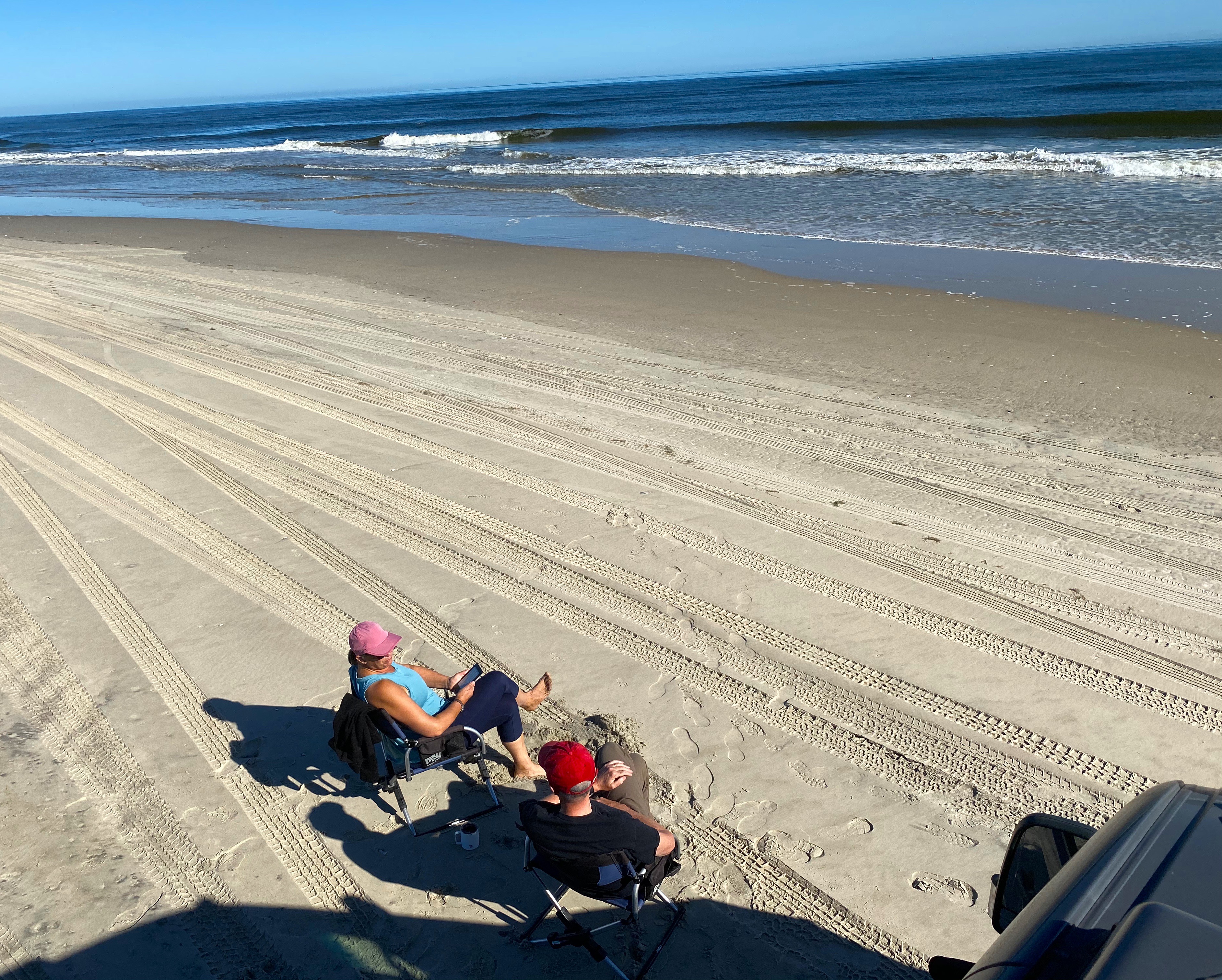
In addition to driving on the beach we were able to bike on the beach when the tide was out far enough to ride on the wet packed sand. When the tide is out you can bike from Corolla all the way to the Virginia border! We did not have the tide timing in our favor but we were able to ride several miles before the beach became impassable on our bikes.
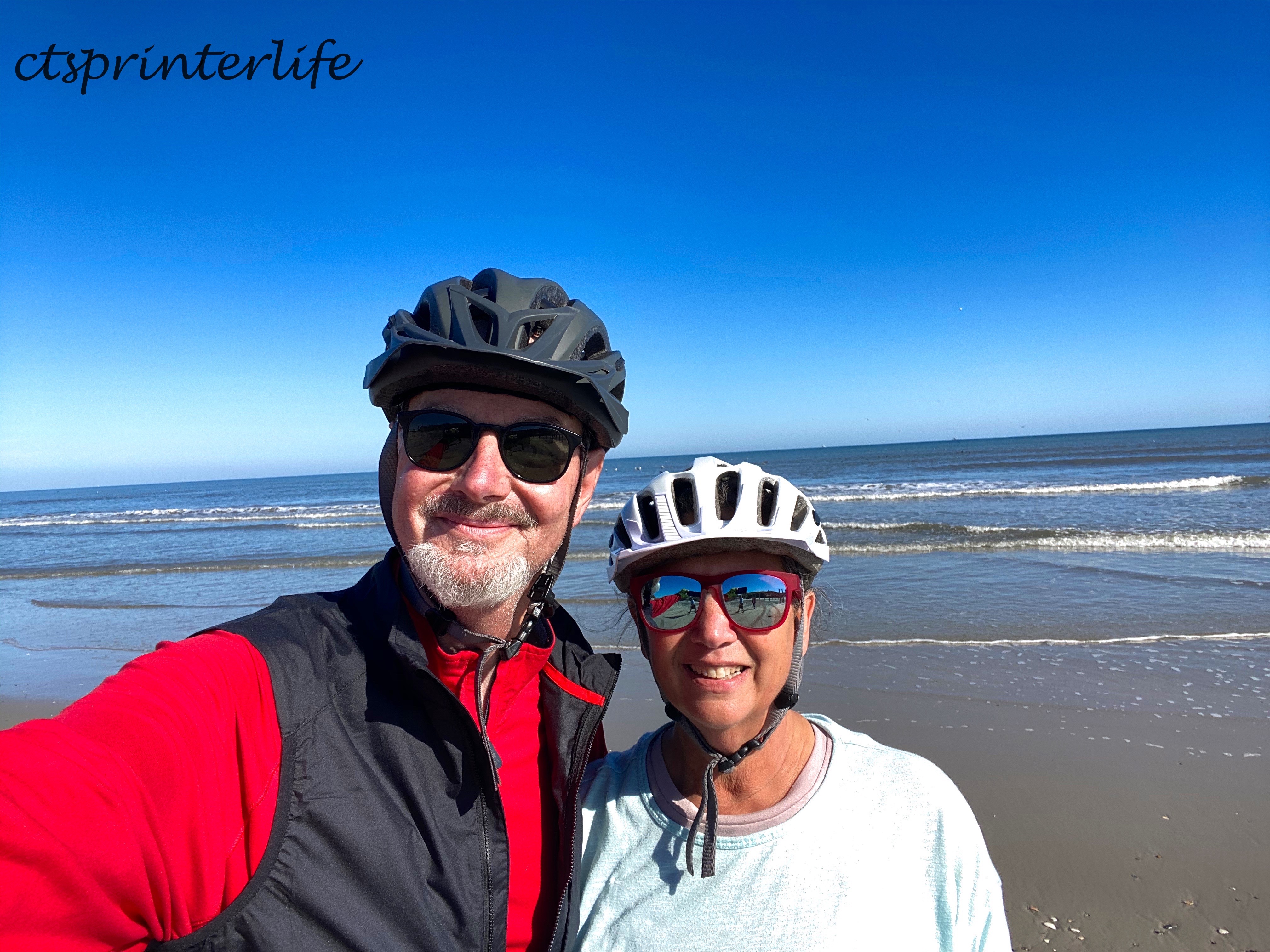


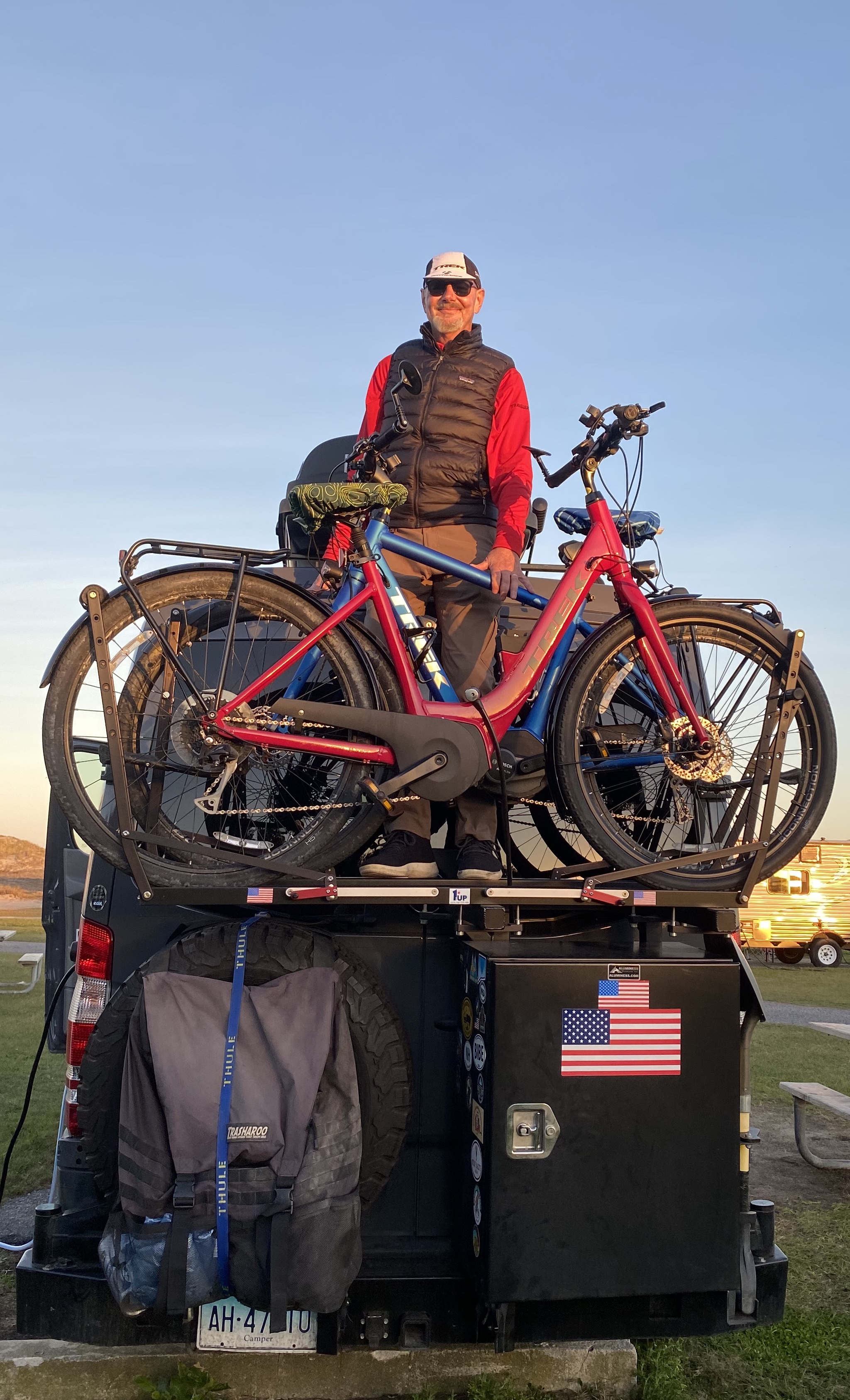
Biking on Roanoke Island
We really enjoyed our four days at CHNS. In addition to the beautiful beach, starry night sky and recreational activities there is also a significant amount of early American history here to be explored if you are so inclined (Roanoke Island was the first English settlement in North America -1585).
From here we are heading to Virginia (again) to bicycle the Washington & Old Dominion Trail.
Be seeing you!
 ON THE ROAD with Maria + Stephen