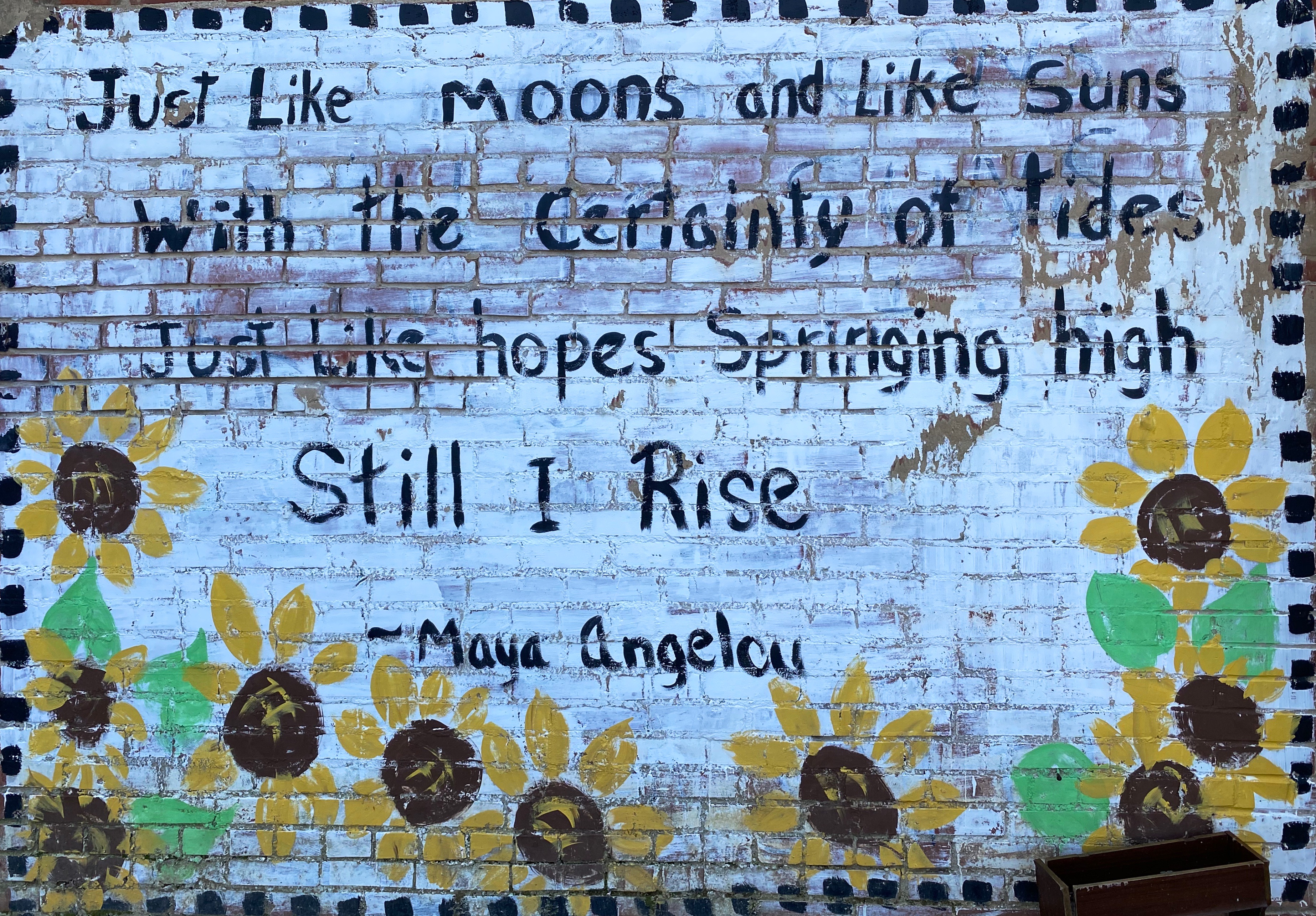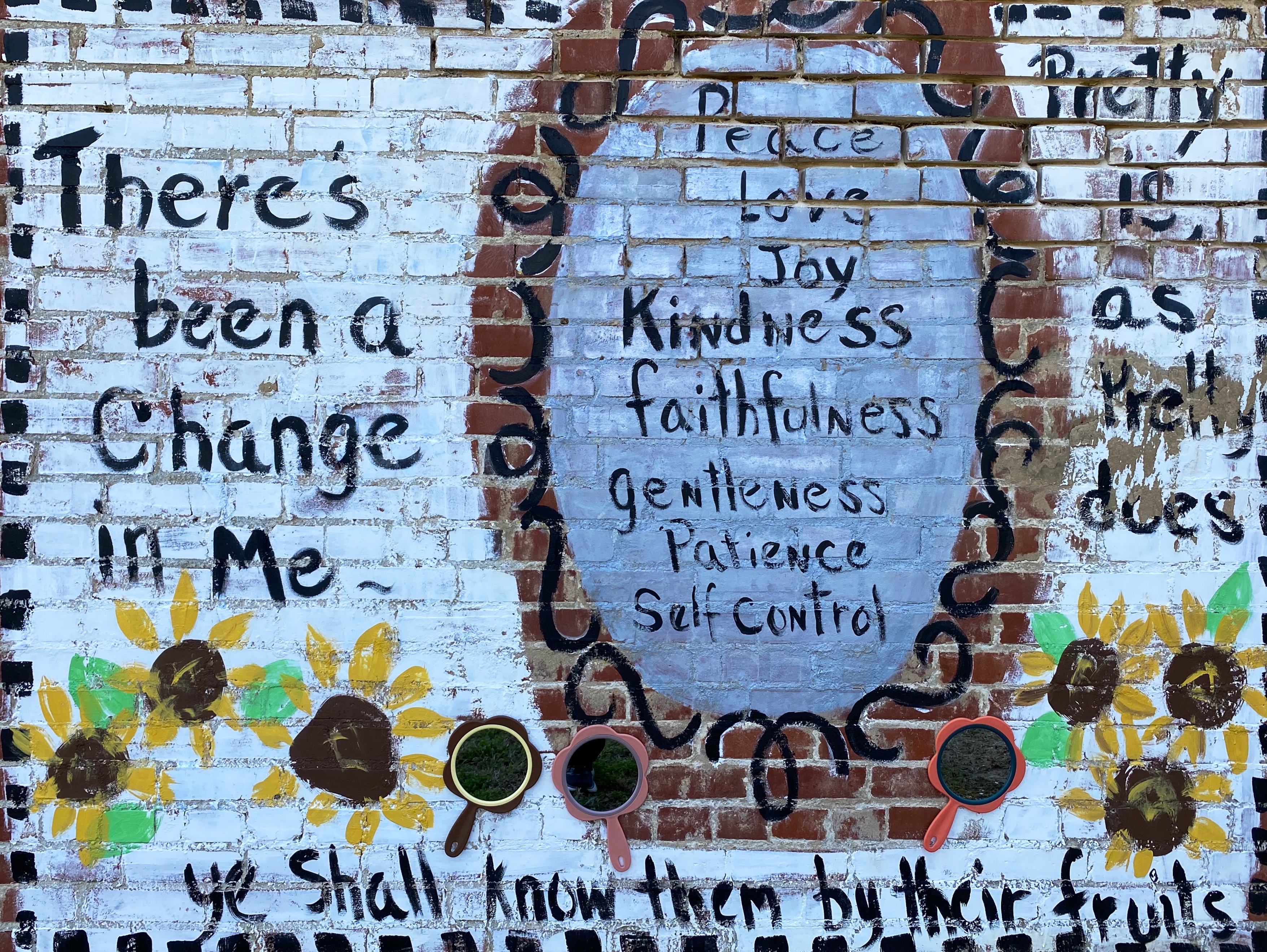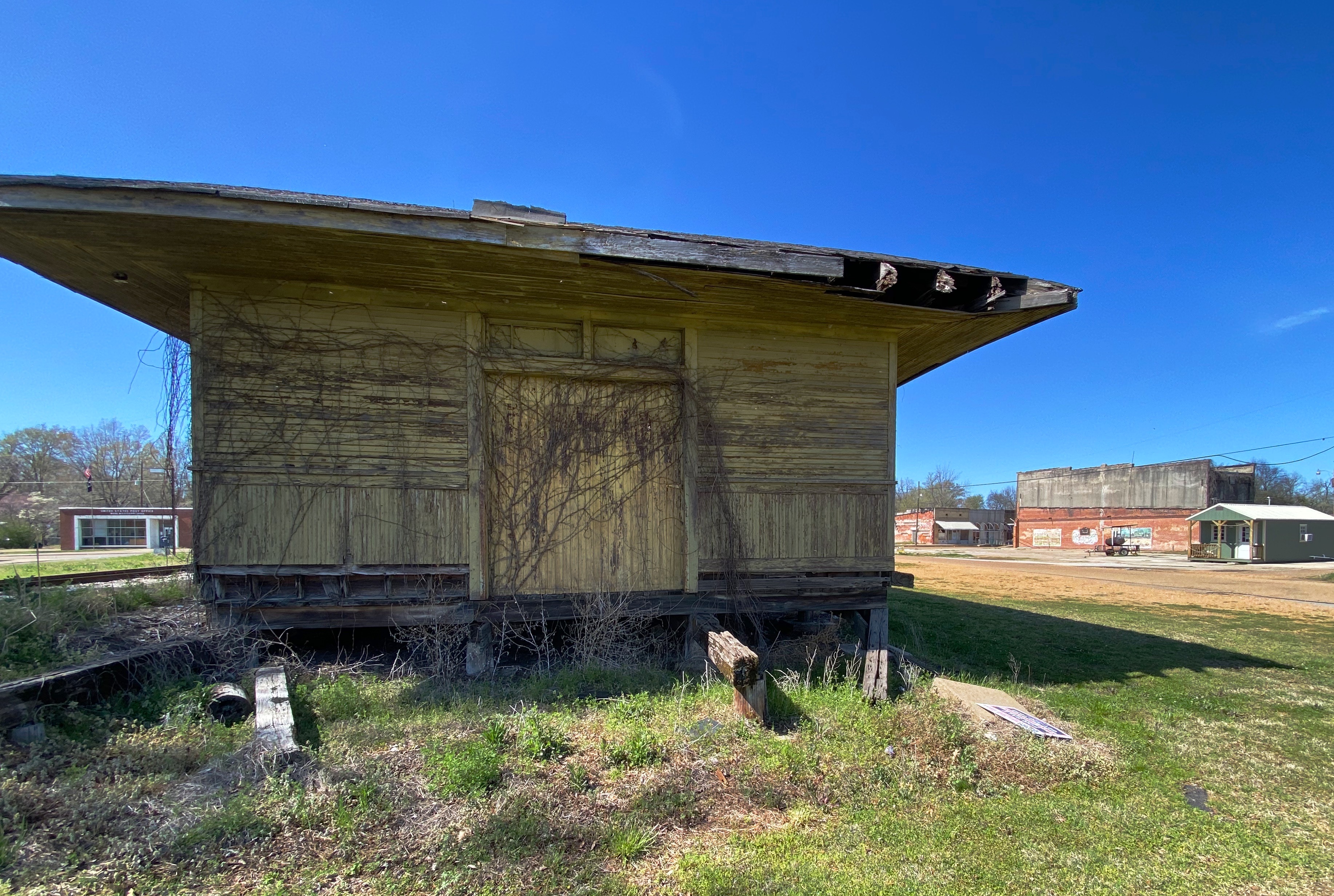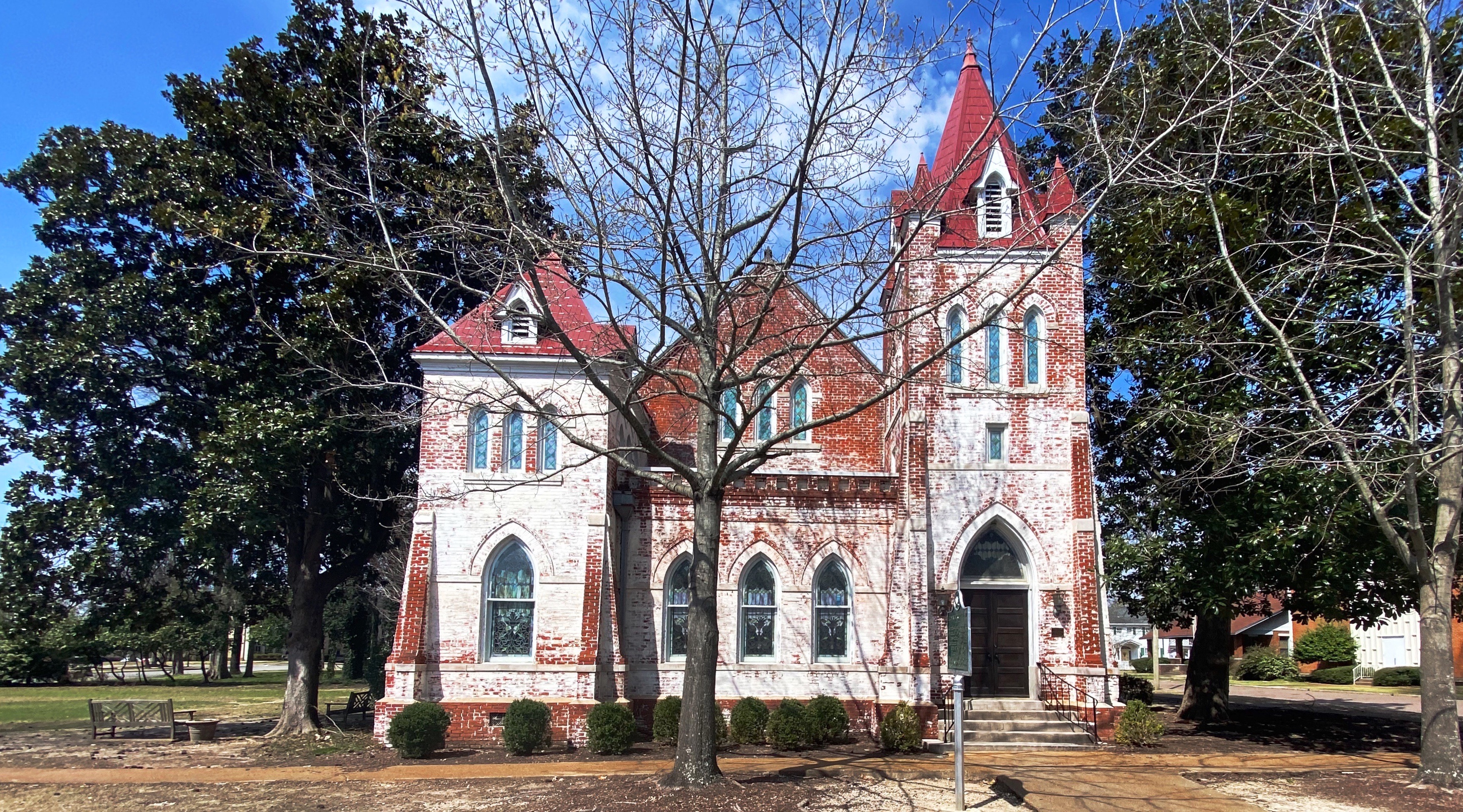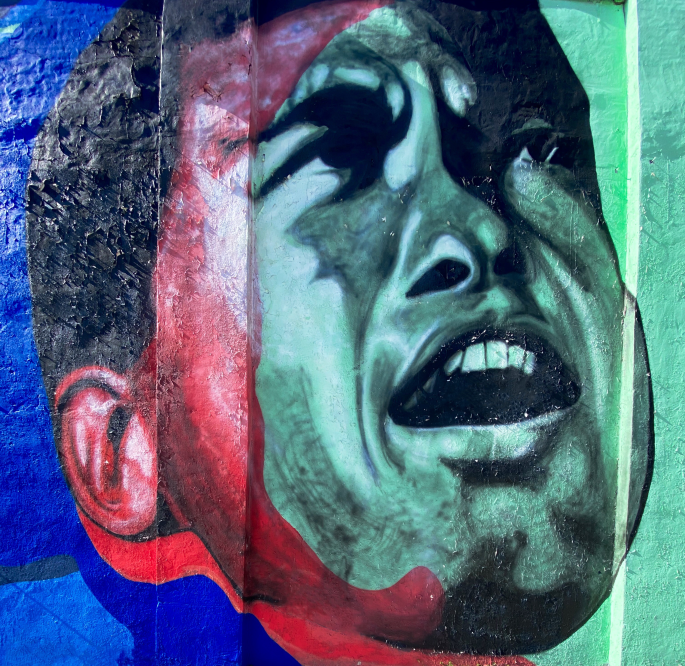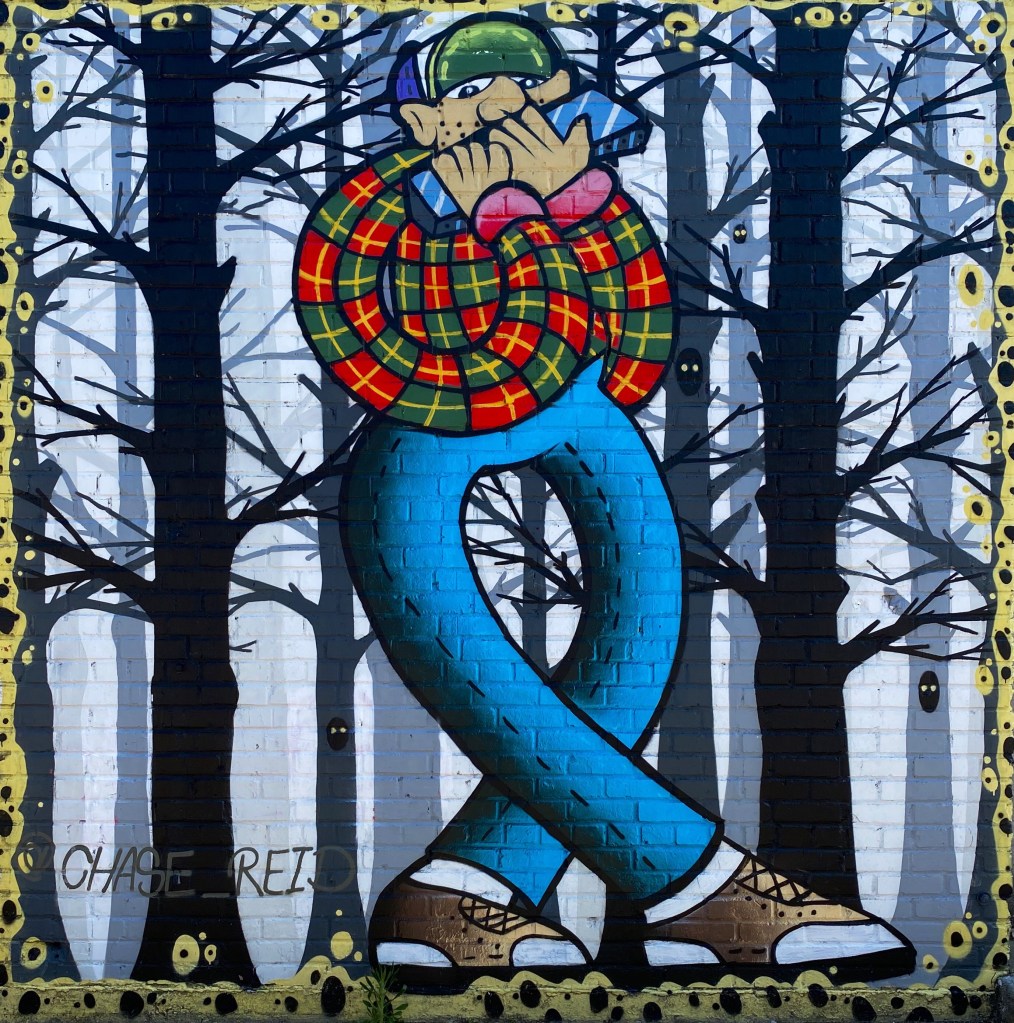
Ocean Springs, Mississippi

As we planned a rough itinerary through the Southeast for OTR 8.0 we had not contemplated a visit to Ocean Springs. In fact, we had never heard of Ocean Springs.

However, that was before meeting Cynthia Comsky, the owner of the Attic Gallery in Vicksburg, who strongly recommended a visit to the Walter Anderson Museum in Ocean Springs. Subsequently, we saw a watercolor exhibit of Anderson’s at the Lauren Rogers Museum in Laurel, Mississippi and knew we needed to visit Ocean Springs and the Walter Anderson Museum.

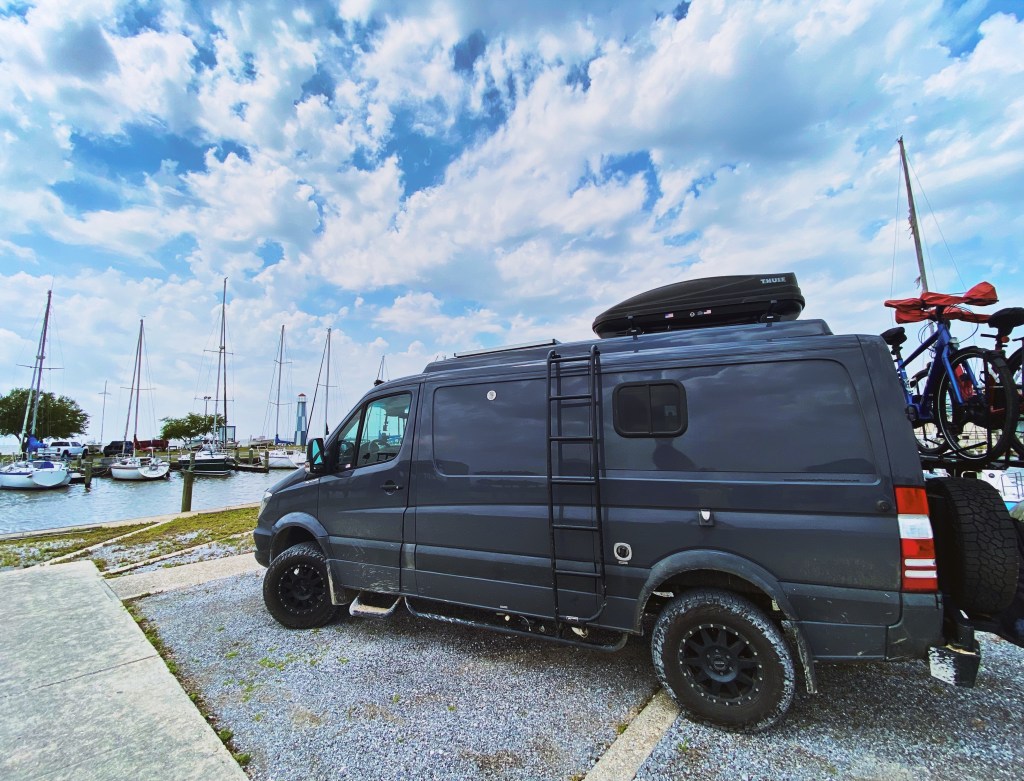
Much to our delight, the museum met all of our expectations and we found the town itself to be a quaint and friendly destination. In fact, we extended our stay to enjoy the charms of the town and the its friendly inhabitants.

Walter Anderson Museum

”Beware by whom you are called sane.” —- Walter Inglis Anderson

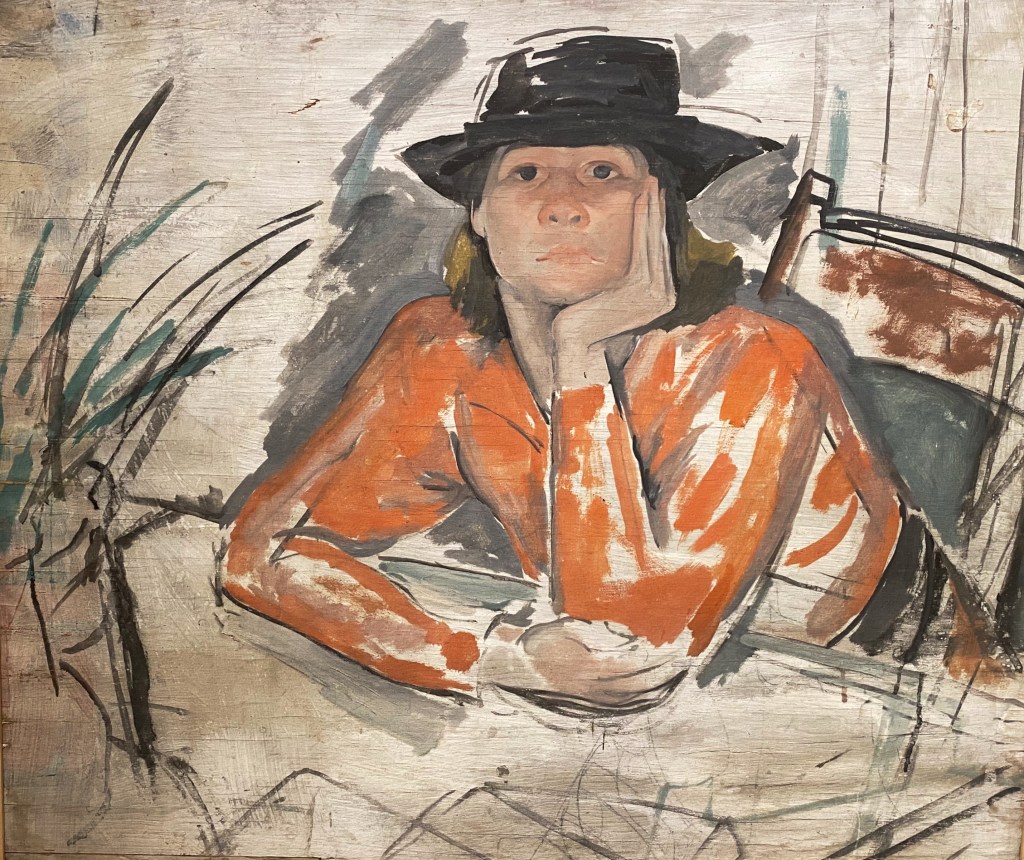
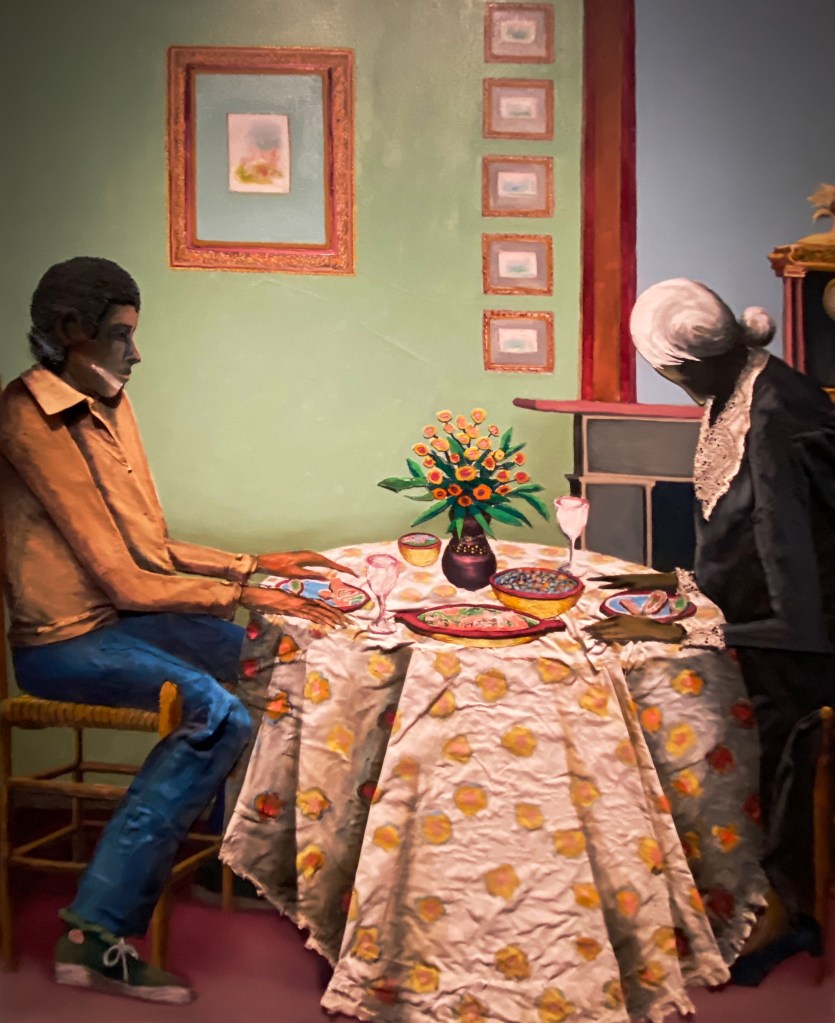
Sissy at the Table c.1933 Oil on board

So, of course, our first stop (well, second after coffee – see below on that topic) was the Walter Anderson Museum. The museum is physically attached to the town community center – which is appropriate as its walls are adorned with murals he created (and was paid a meager one dollar). The museum itself is filled with his works as one might expect – however one might not expect to find water colors, oils, wood sculptures, woodblock prints, pencil and ink drawings all by the same artist. His work in each of these mediums is outstanding.

New Orleans Street Scene, c. 1963, Oil on board

Anderson’s personal and professional life was inextricably meshed together. His story is fascinating. He appears to us to be an artist and naturalist of uncompromising dedication, commitment and eccentricity that matched his artistic genius. There are a number of articles that provide excellent insight into Anderson’s life—links to a few that we found interesting: The Many Voyages of Walter Anderson: https://bittersoutherner.com/the-many-voyages-of-walter-anderson-horn-island-mississippi and Realisations: https://walterandersonart.com/pages/about-walter-anderson

Horn Island at Sunset 1960 Oil on board

Last night there was a beautiful sunset. One felt that it had been arranged with taste. So many sunsets seem to be simply wild explosions of color in order to stun people into a state of mute wonder. But this one had variety, vermilion red and purple together, and lilac and gold together against a heavenly clear green turquoise sky. You felt that there would never be bad weather again.” —- Walter Inglis Anderson

Allison Sleeping c. 1935 Oil on board
Shrimp Boat c. 1955 Oil on board

“I wonder how long it will be before nature and man accept each other again. —- Walter Inglis Anderson

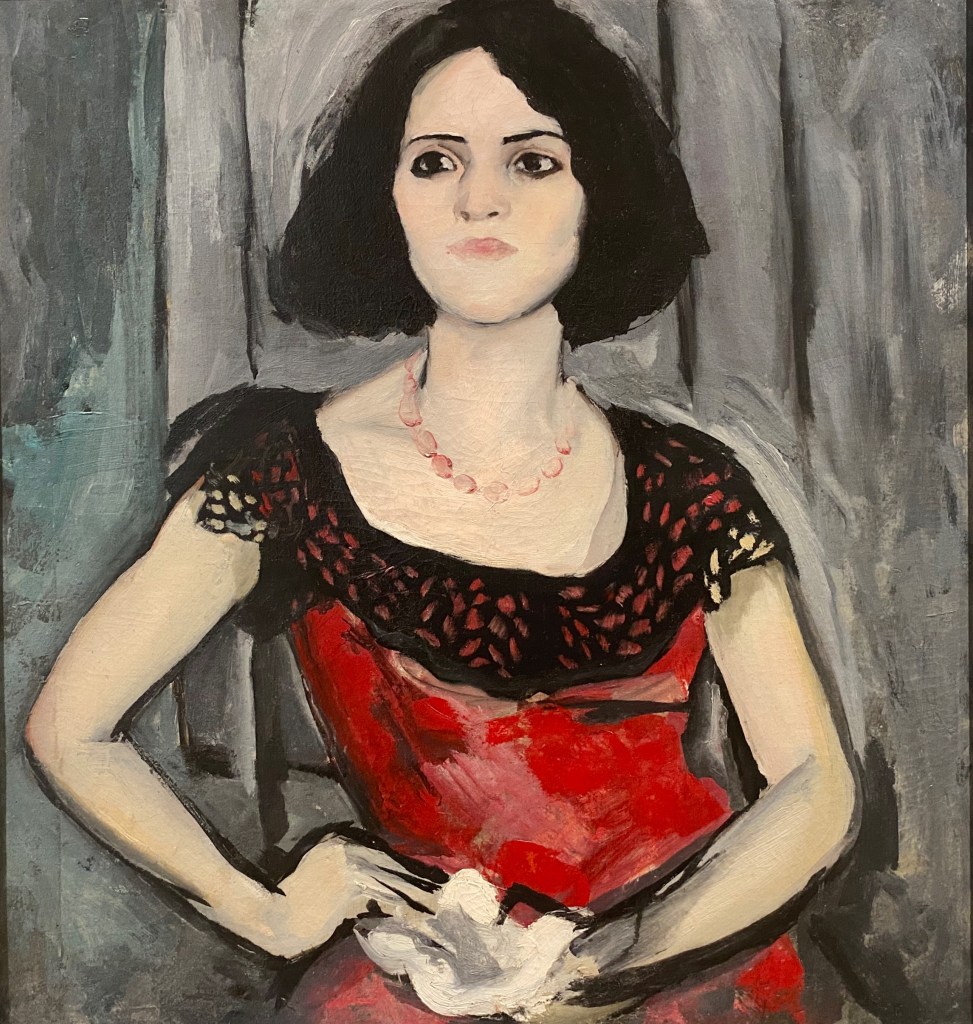
Lady in Red c. 1930 Oil on canvas

The identity of the sitter in the painting above is unknown. She sits slightly askew in her chair with her hands folded delicately in her lap. She gazes off to her right – not making eye contact with the viewer. By positioning his subject in such a way, we first notice the shape that the figure makes, almost reducing her form into a series of S curves against a dark background.

WPA Mural Sketch c. 1934 Oil on board

This mural sketch was created for the WPA. This particular scene is a cartoon (or preparatory work) of The Hunt. The closely depicted forms of the hunters, deer, and yellow dog are reminiscent of the cave painting compositions that Anderson saw in France in the 1920s.

“Nature does not like to be anticipated it too often means death, I suppose but loves to surprise; in fact, seems to justify itself to man in that way, restoring his youth to him each time.” —- Walter Inglis Anderson

Fairy tales


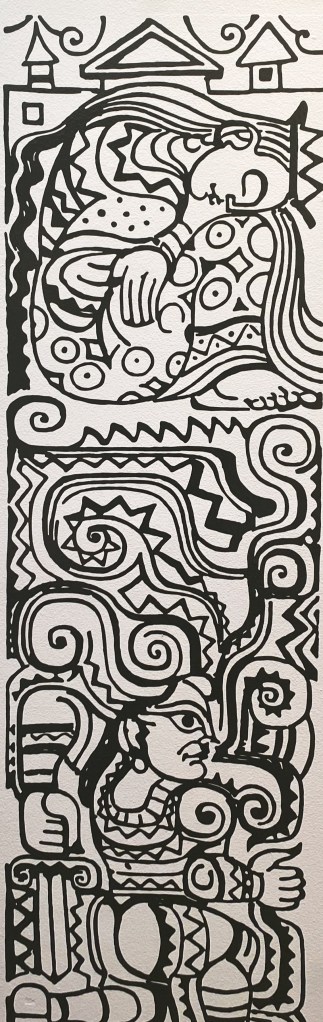
Walter Anderson loved fairy tales and even described them as being “explosive”- having the ability to inspire life and creativity. Anderson drew, painted, and carved classical images of fairy tales and myths throughout his life. Walter Anderson saw the world as a magical place full of wonder and possibility. Classic tales of mythology populated his daily life on the Gulf Coast. Around his home at Shearwater, Anderson would often carve dead trees into the shapes of nymphs and giants. He read stories to his children and illustrated their lives with fairies and mythic creatures.

Most notably, he created approximately 30 block prints featuring scenes from familiar tales to sell inexpensively to the public. Many of these block prints of myths and fairy tales are displayed here, demonstrating the timeless attraction that these tales have for all.

Bright eyed brew company

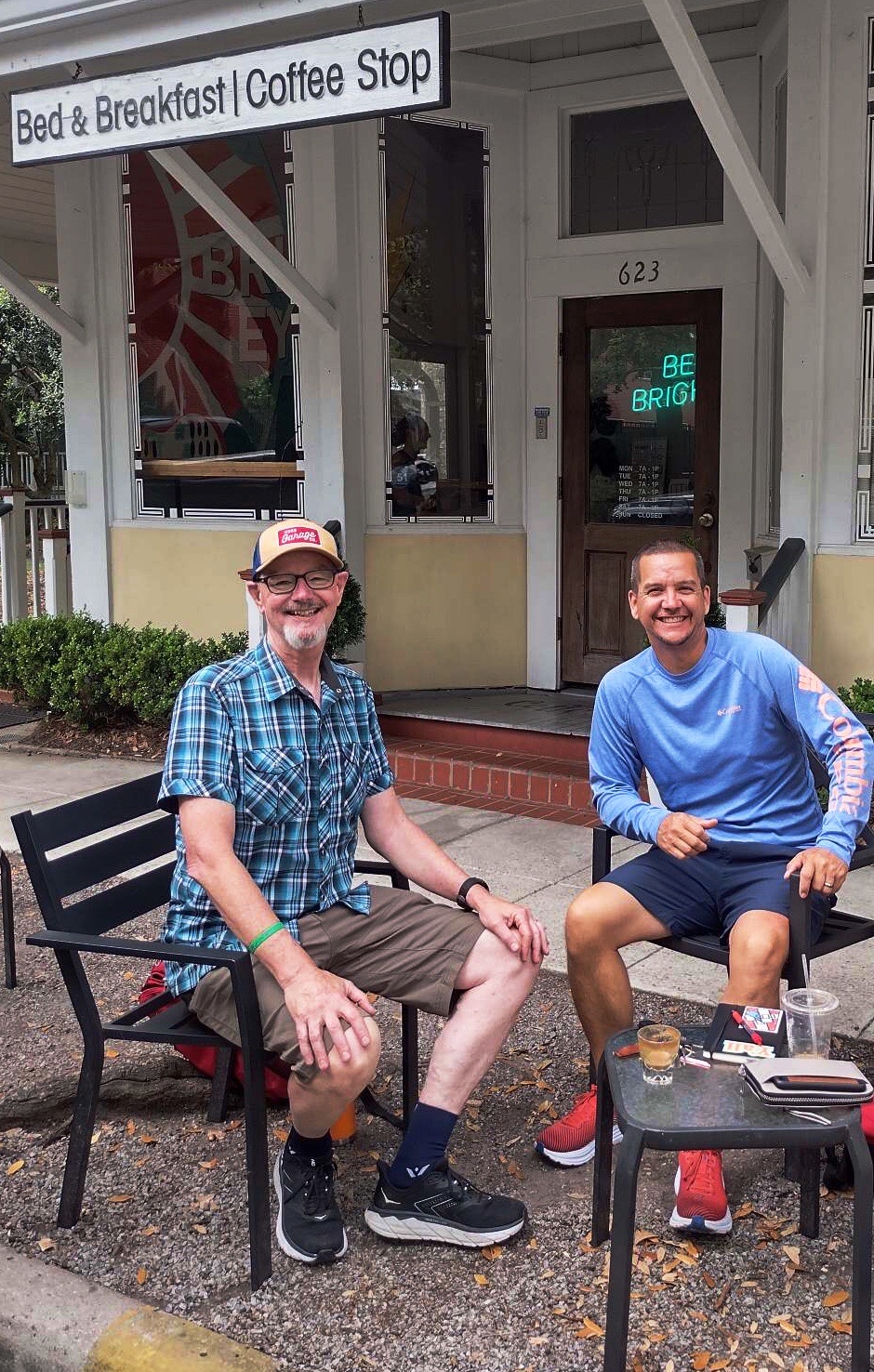
Be bright

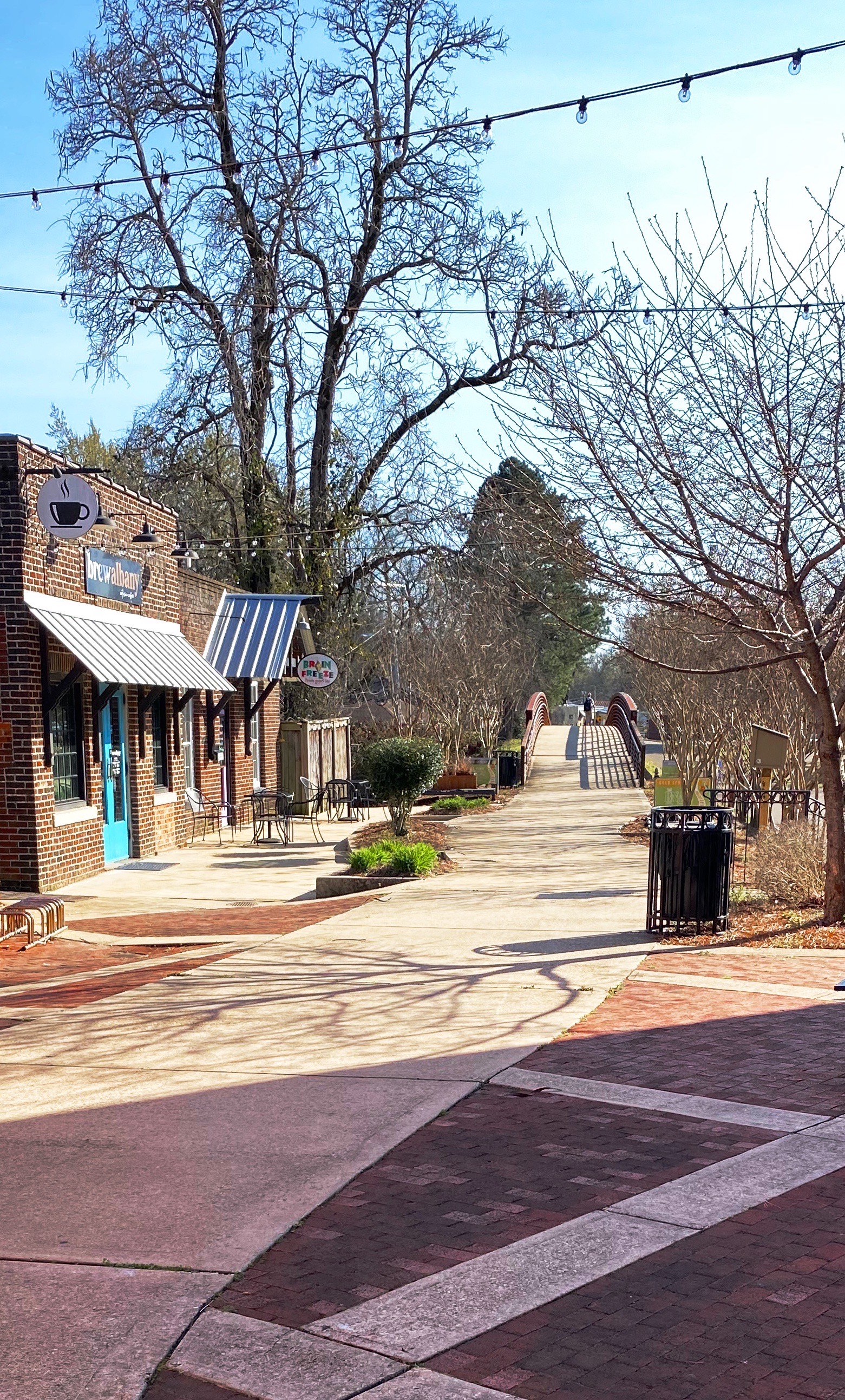
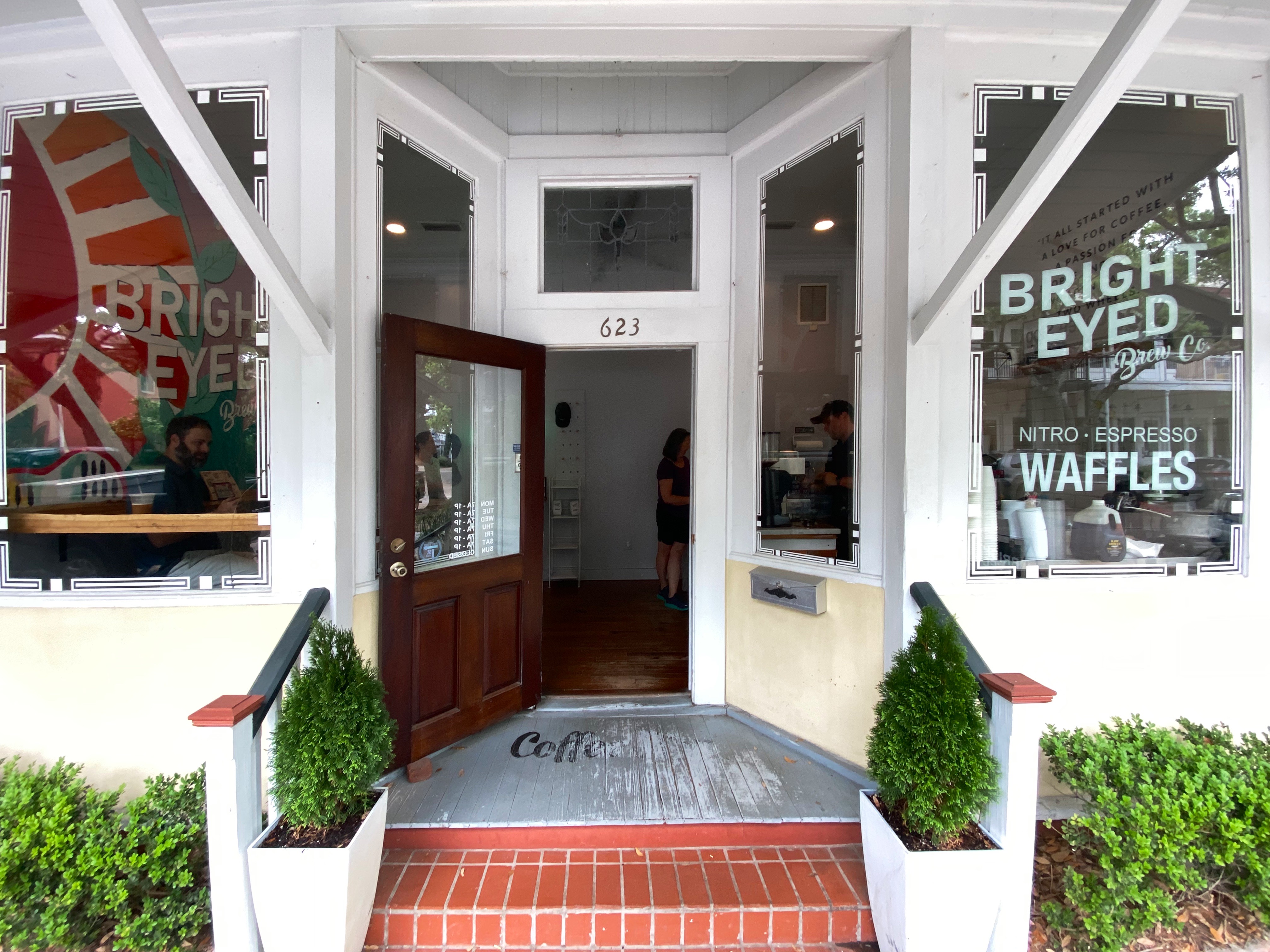
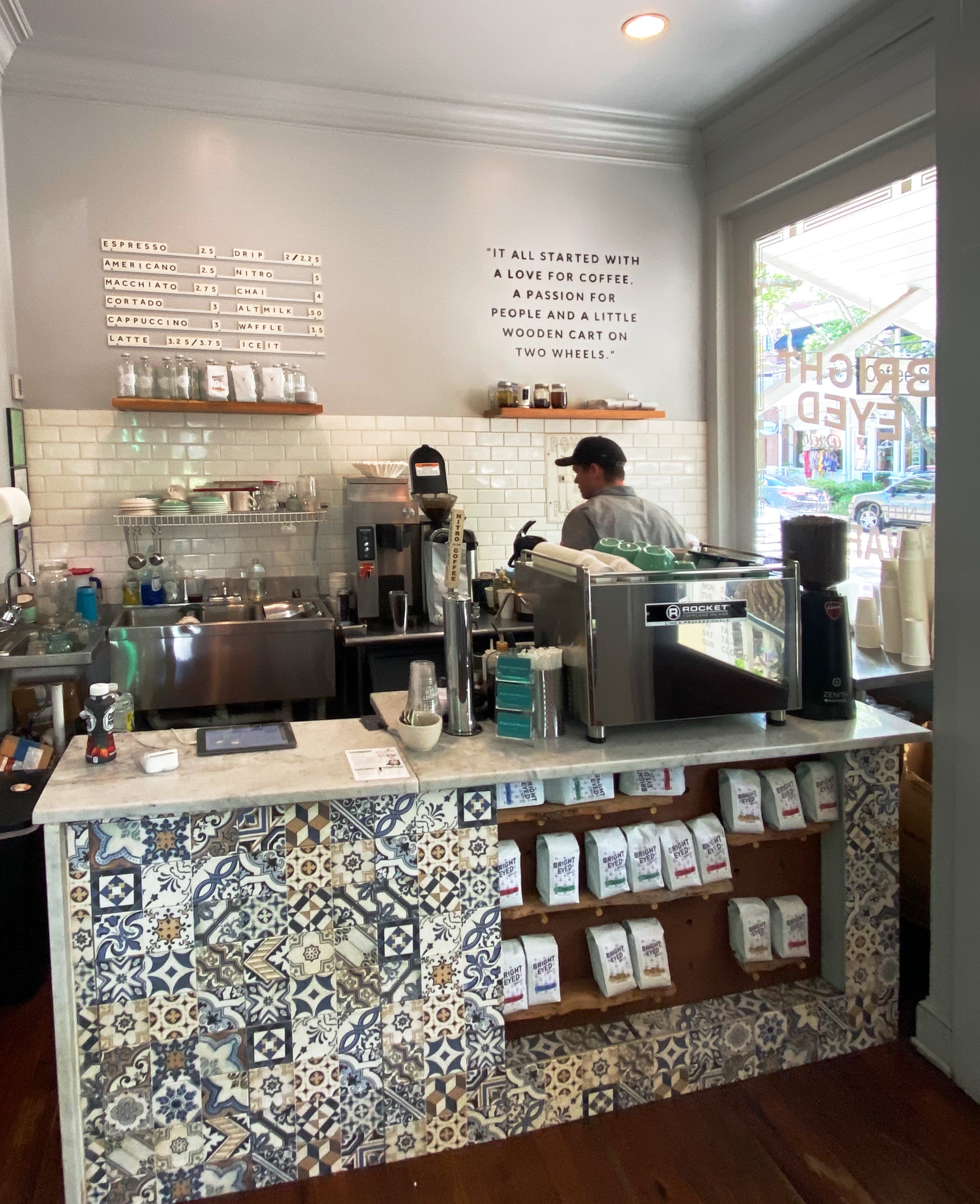
Bright Eyed Brew Company was a massive bonus – the frosting on our Walter Anderson Museum cake – we did not expect to find a first rate specialty coffee cafe and roaster in Ocean Springs.

Bright Eyed Brew Company is owned and operated by husband and wife Ryan and Kathryn Reaux. They started the business in 2016 as a part time venture making and selling nitro cold brew from a cart at the local farmers market. Today their cold brew is on tap at a number of restaurants and cafes in the Mississippi Gulf area, and they operate the cafe selling espresso drinks, tea, waffles and, of course, nitro cold brew.

The Reaux Family

On our first morning in Ocean Springs we stopped at Bright Eyed as the prelude to our museum visit. From the moment we ordered our drinks and sat down in the cafe, local folks began chatting us up – that is what Fika is all about! Three hours later we finally departed for the museum. https://brighteyedbrewco.com/

Hotel Beatnik

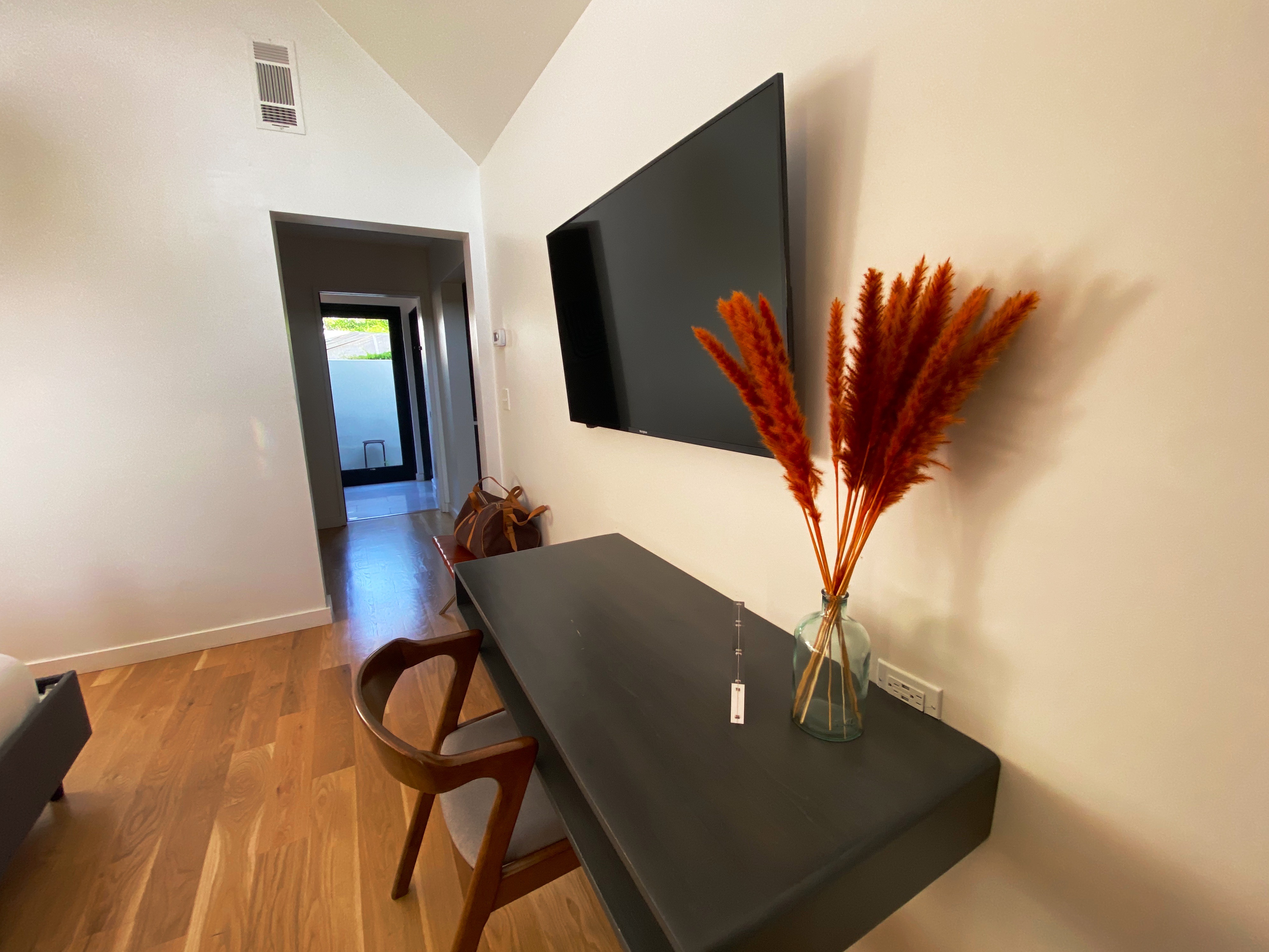
Once we decided to visit the museum, we needed a place to stay and there were no camping options close by. We found Beatnik online and booked a cabin. The property consists of four cabins and a swimming pool. As you can see from the photographs below they are not rustic cabins.

The Beatnik is cool—Scandinavian style decor, a heated plunge pool and a five minute walk to downtown. Everything is online – registration, door lock combinations, housekeeping requests. What else could a traveler want? https://www.thehotelbeatnik.com/

St JOhn’s Episcopal Church

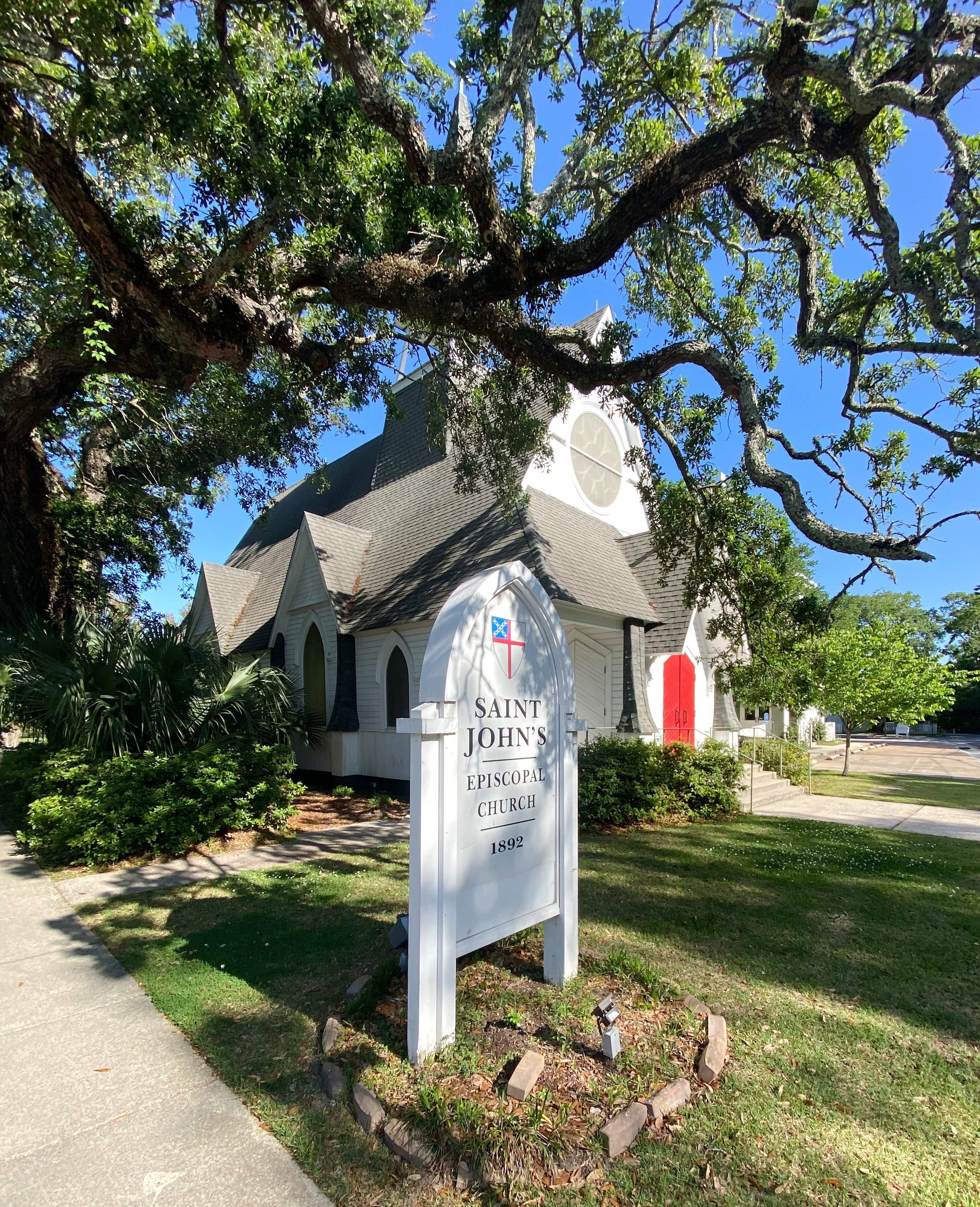
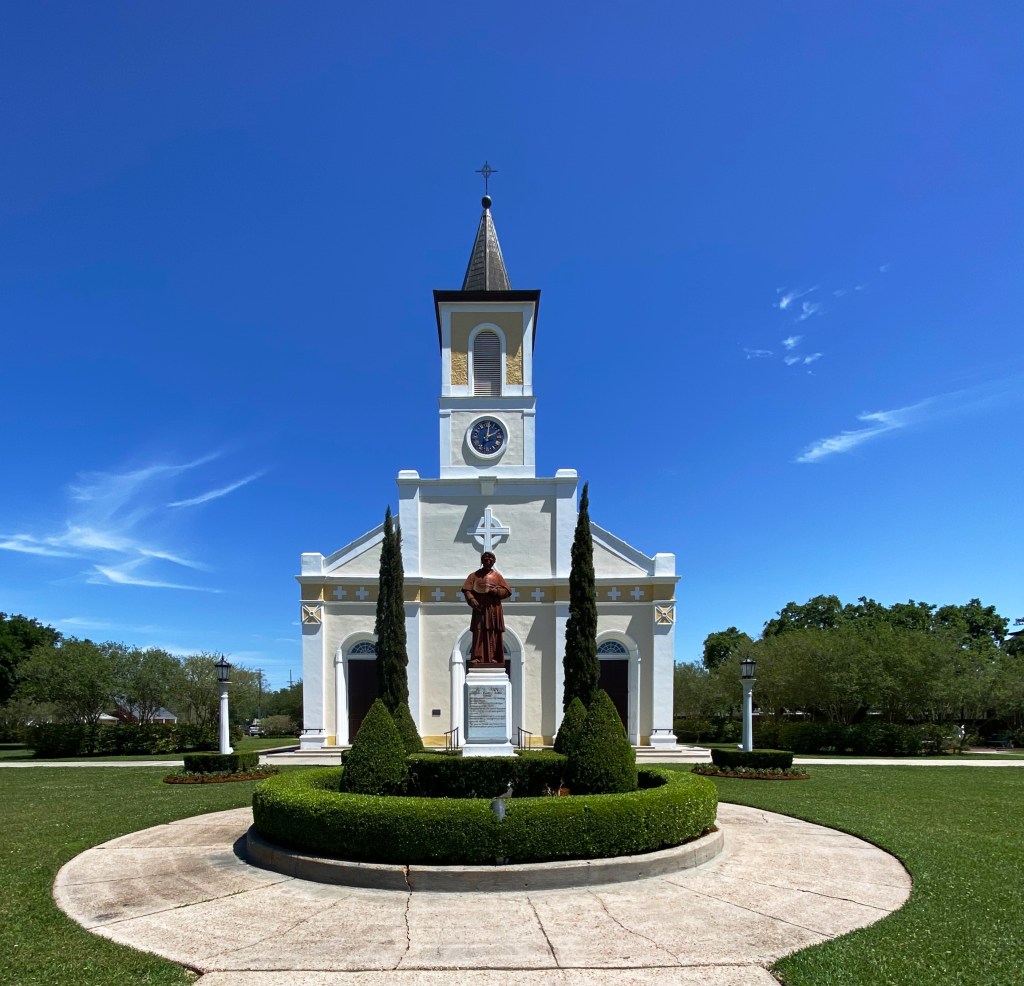
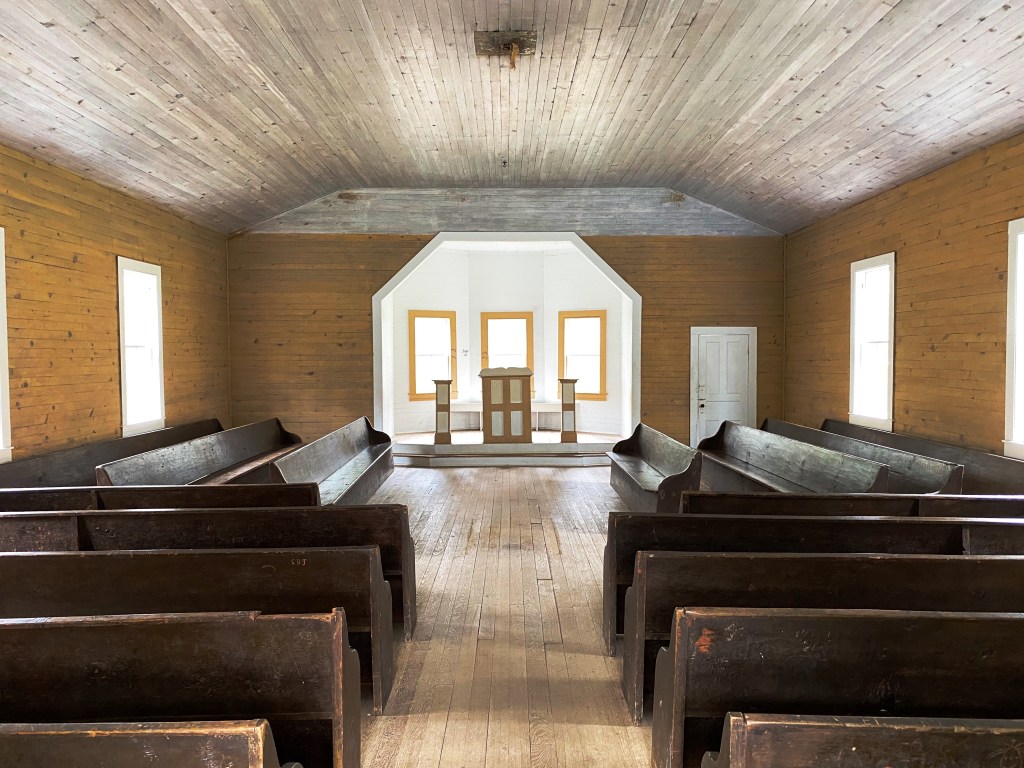
St John’s Episcopal Church

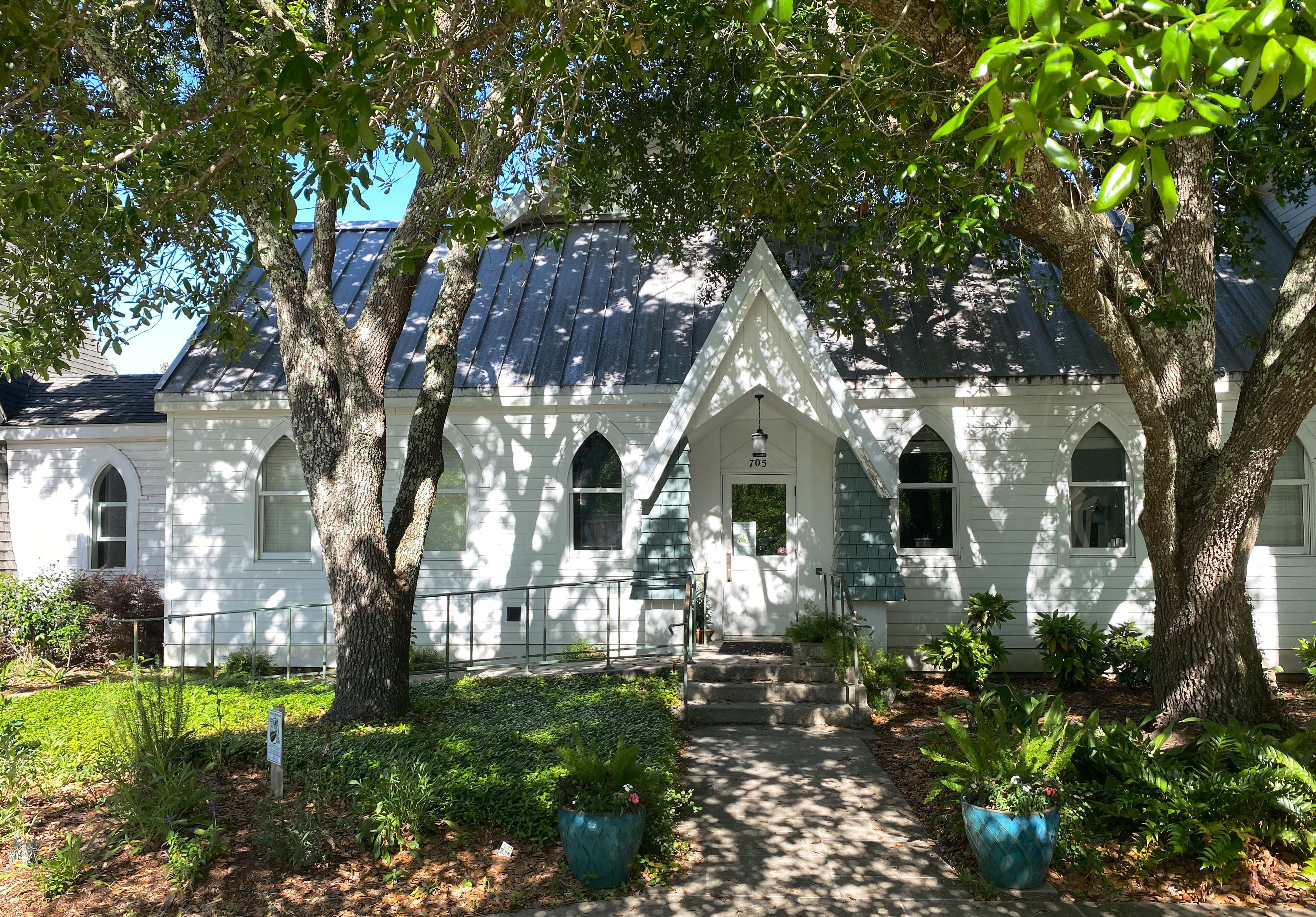
This lovely church is a two minute walk from the Beatnik. As many of you may recall we visit many churches as we tour – in addition to the spiritual aspect, we find the history and architecture of churches fascinating. We were most fortunate to meet Drew, a retired insurance agent from Jackson and a volunteer at the church. Drew graciously provided us with a tour of the church and we reminisced a bit about the problems with the National Flood Insurance Program (once an underwriter always an underwriter).

St. John’s was built in 1892, and the original church is still standing—which is pretty amazing considering it sits 1000 feet from Biloxi Bay and is a wood frame building. Drew did let us know that the building is to be sprinklered in the near future – this former underwiter is fully supportive of that! https://stjohnsoceansprings.dioms.org/

We think Ocean Springs is a cool little town. If you are an admirer of Walter Anderson and his work, excellent coffee, excellent barbecue (Pleasant’s BBQ) and friendly people, make a point of visiting if you are going to be in the Gulf Region of Mississippi.

Be seeing you!

P.S. If you have been following along at all you probably realize that we have not been publishing our posts in strictly chronological order. We are planning to get back in sync in that regard and we are working to publish a post on the first leg of our journey through Mississippi as we followed the Trans America Trail through Northern Mississippi.

Fine Art Tourist: Ogden Museum of Southern Art

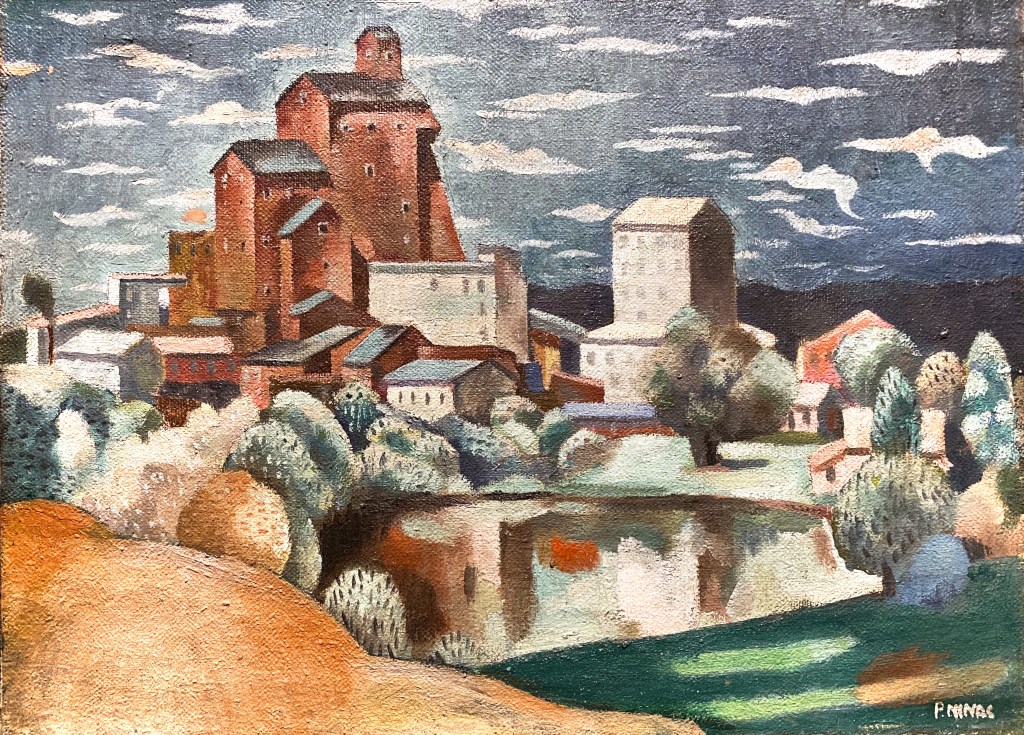
Paul Ninas, Louisiana (1903-1964) Avery Island Salt Mines, 1934, Oil on canvas

The Ogden Museum of Southern Art (OMSA) is relatively new museum, opening its doors in 1999. Its genesis was the donation of 600 works of art by philanthropist Roger Ogden. Today the museum’s collection has grown to 4000 works and is housed in two buildings – the first built in 1989 and the second in 2003. The museum is located in the warehouse district directly across the street from the impressive National World War 2 Museum.

As the name implies, the museum is focused on art representing the South and -through the art – the history and culture of the South. All of the art in the museum is the work of artists from the 14 southern states and Washington D.C.

We toured the permanent collections featuring Southern Landscapes and Southern Regionalism (culture and values). We also viewed the paintings of Benny Williams – a remarkable story (see biography below) of an artist committed to the civil rights movement.

Southern Landscapes

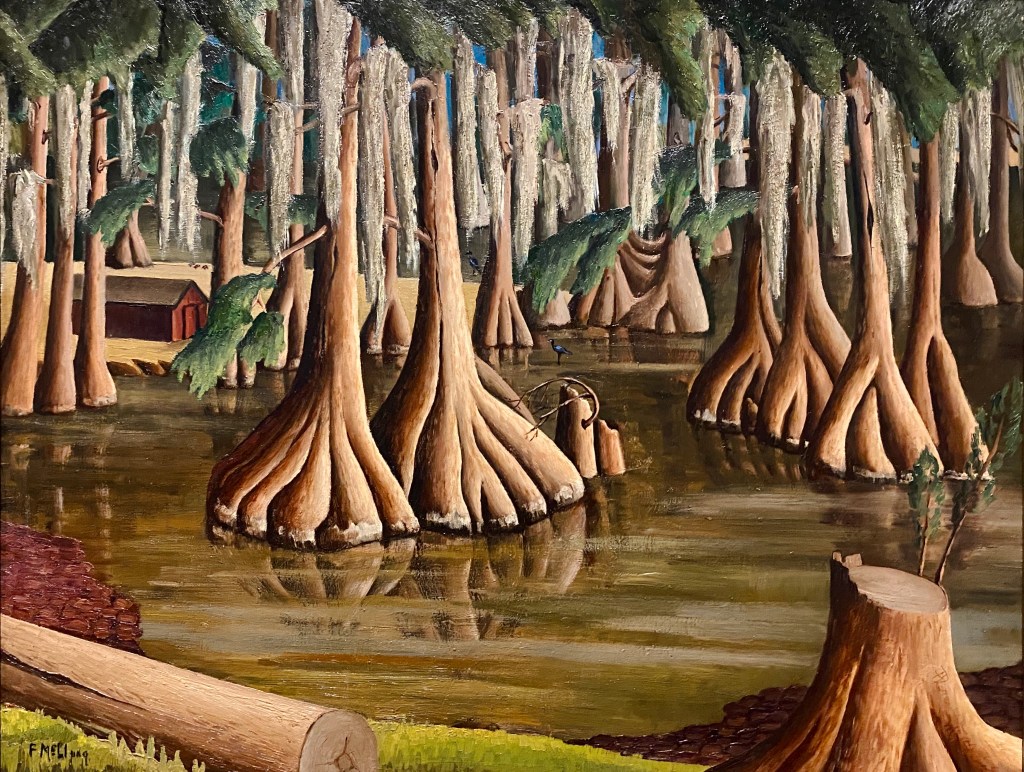
Florence McClung, Louisiana (1894-1992) Cypress Swamp, Caddo Lake, 1940, Oil on masonite
Luis Graner, Louisiana (1867-1929), Misty Marsh Along Lake Pontchartain, c.1920, Oil on canvas

Southern regionalism

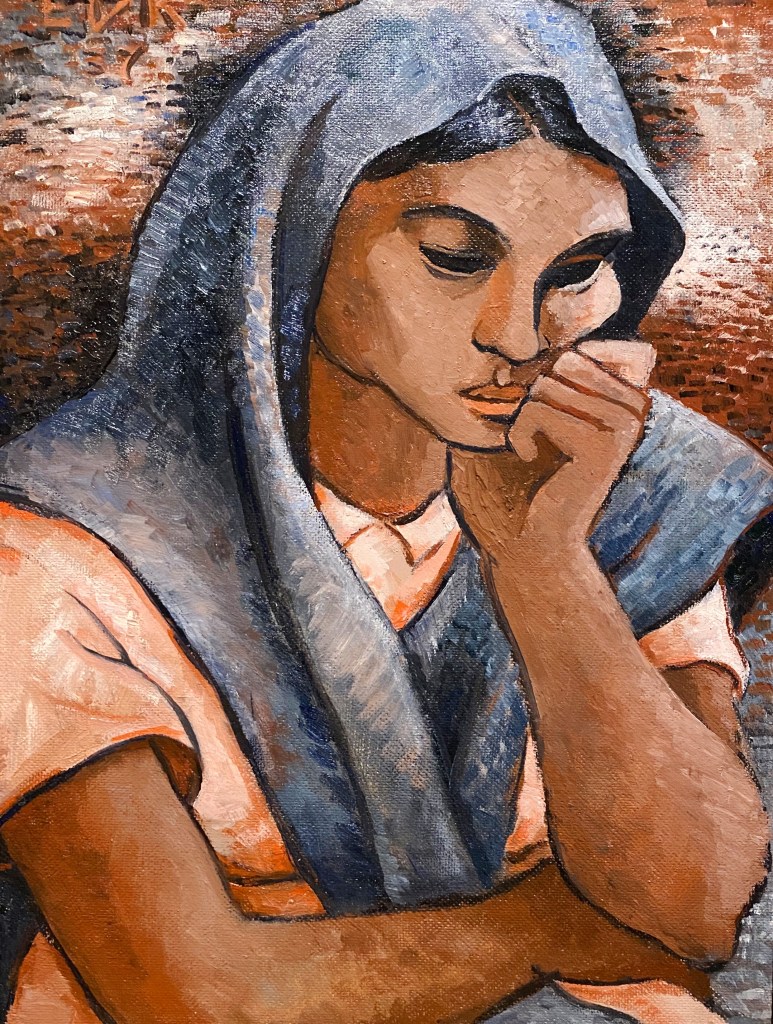
Edmund Daniel Kinzinger, Texas (1888-1963), Taxco Woman in Red and Gray, 1937, Oil on board
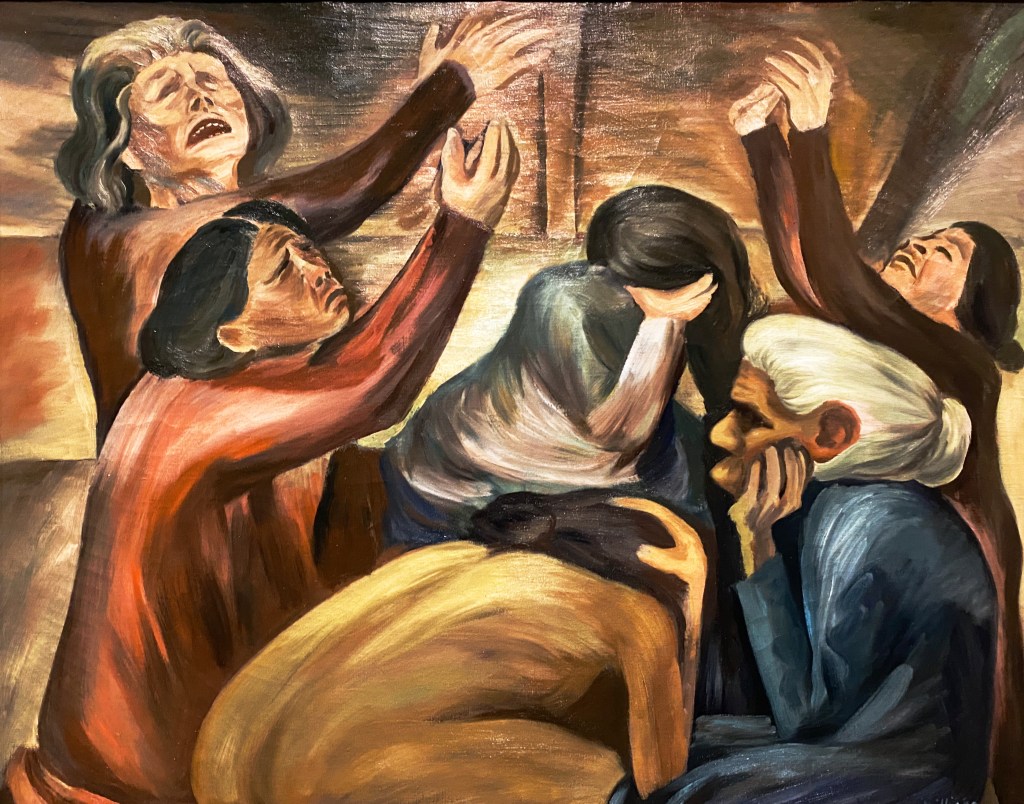
Crawford Gillis, Louisiana (1914-2000), Women Praying, Holiness Church, 1940, Oil on canvas
John Kelly Fitzpatrick, Alabama (1888-1953), Mules to Market, 1937, Oil on canvas
George Rodrigue, Louisiana (1944-2013), Aioli Dinner, 1971, Oil on canvas

The Aioli Dinner was Rodrigue’s first major painting with people as subjects. He designed the painting using combinations of photographs taken of the Aioli Gourmet Dinner Club, a group that met once a month on the lawn of a different plantation home in and around New Iberia, Louisiana. Traditionally, only men sat at the table, each with their own bottle of wine. The women seen standing in the back row cooked the food, and the young men around the table served dinner. One of the older men made the aioli, a garlic-mayonnaise sauce. Rodrigue’s grandfather, Jean Courrege, sits on the left near the head of the table, and his uncle Emile is the third boy standing from the left, peeking his head in between the others. All of the figures are portraits of people who lived in and around New Iberia. Rodrigue chose the historic Darby House Plantation as the setting for his painting.*

Bo Bartlett, Georgia (1955) Young Life, 1994, Oil on linen with deer hair

Bo Bartlett is an American realist painter born 1955 In Columbus, Georgia. At 19, he travelled to Florence, Italy to study painting under Ben Long. He went on to apprentice under Nelson Shanks and to study in several American schools, including Pennsylvania Academy of Fine Arts, Philadelphia College of Osteopathic Medicine, University of Pennsylvania, and University of the Arts, PA. A Certificate in Filmmaking from New York University in 1986 led him to work with Betty Wyeth on a documentary film, titled Snow Hill, about her husband, Andrew Wyeth, who became both mentor and friend to Bartlett. An interesting detall of this masterwork is the Inclusion of a deer tail ln the frame, and deer hair in the paint. Writlng about Young Life in February of 1994, Bartlett says: “I saw my sister’s son In this shirt and cap. I asked him to pose with his girlfriend in front of my father’s truck. As I took the photo, my youngest son Eliot ran into the picture.*

Benny andrews

Benny Andrews, Georgia (1930-2006) The Poverty of it All, 1965, Oil on canvas

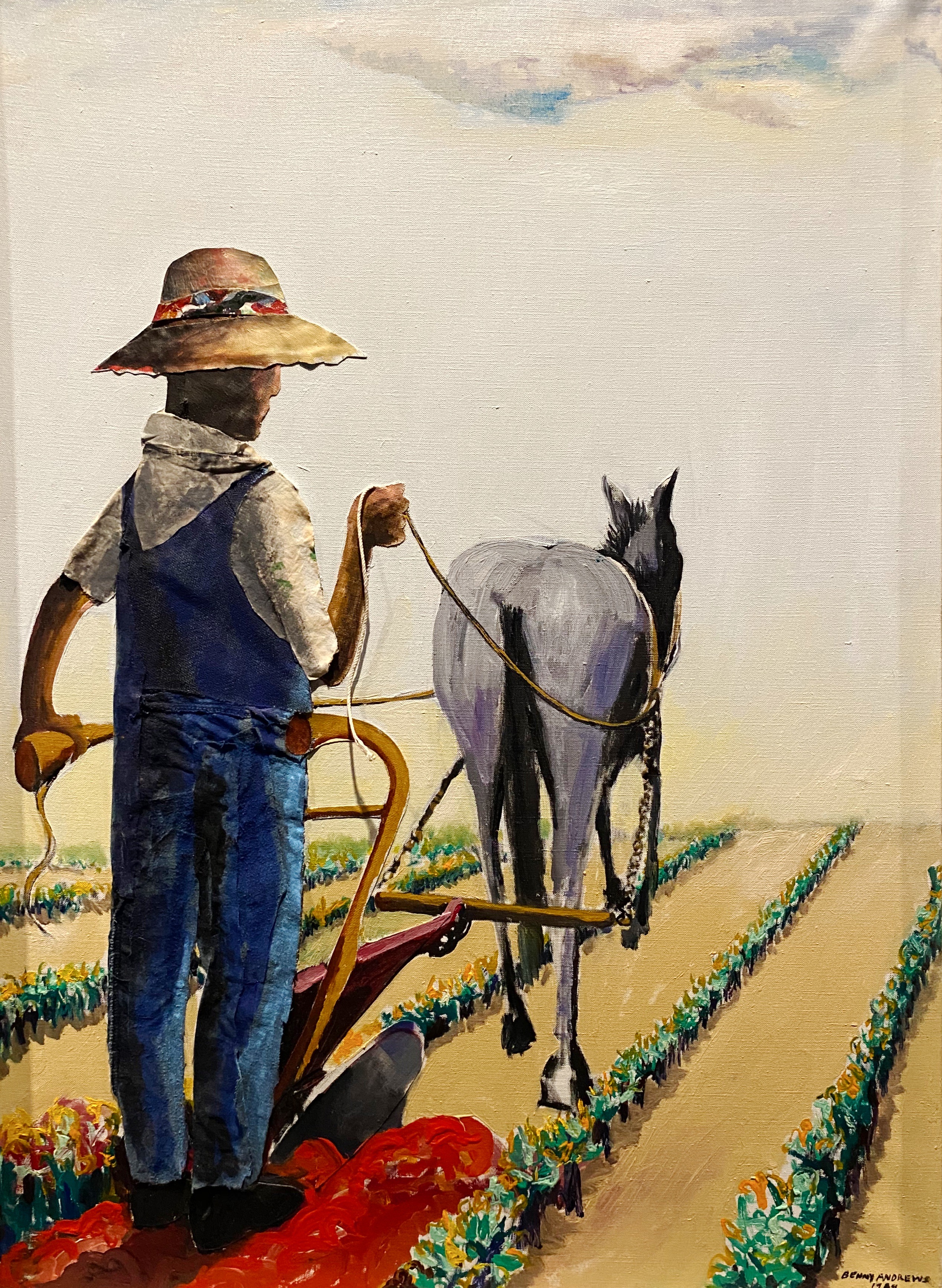
One of ten children, Benny Andrews was born on November 13, 1930, in Plainview, Georgia, a light skinned, blue-eyed, blond haired baby. James Orr (“Mr. Jim”), his paternal grandfather, was the son of a prominent white plantation owner. His paternal grandmother, who was the midwife at his birth, was Jessie Rose Lee Wildcat Tennessee. And, like her, his maternal grandparents, John and Allison Perryman, were mixed race, with black and Native American blood. Hts father, George Andrews, was a self-taught artist, the “Dot Man,” who never lived more than ten miles from Plainview and never left Georgia. In contrast, his mother, Viola Perryman Andrews, loved travel and was an advocate for education who encouraged her children to write and to draw daily. After becoming the first member of his family to graduate from high school, he attended Fort Valley State College supported by a scholarship. He was not allowed to attend the University of Georgia, in nearby Athens, nor enroll in Lamar Dodd’s well-known art classes there, due to the color of his skin. In 1954, after serving as a military policeman in the Korean War, he used the GI Bill to attend the School of the Art Institute of Chicago, studying under Kathleen Blackshear. No longer constrained by the racial laws of the South, he entered an art museum and saw original masterworks for the first time in 1954, an experience that brought tears to his eyes. After graduating in 1958, he moved to New York, where he maintained a studio for the rest of his life. Despite limited connections to the city’s art world, by 1962 he began to exhibit regularly at Bella Fishko’s Forum Gallery. By the late-1960s, influenced by the Civil Rights Movement, and troubled by the social, racial and gender inequities he discovered in the art world, he entered a period of social and cultural activism which was reflected in his art. After he co-founded the Black Emergency Cultural Coalition in 1969, and participated in marches outside the Metropolitan Museum of Art and the Whitney Museum of American Art, demonstrating against the exclusion of women and artists of color from those institutions, he was often classified as a “protest artist.” From 1970 through 1976, he executed the “Bicentennial Series,” a project devoted to depicting the complex history of African-Americans for the American Bicentennial. After exhibiting that project, he returned to the studio and to his position as a member of the Queens College art faculty. Beginning in 1982, he served as Director of the Visual Arts Program for the National Endowment for the Arts, a position which brought him increased national stature. He resigned in 1984, feeling he had accomplished what he could and anxious to return to his studio. In 1984, he built a studio outside of Athens, Georgia, where Benny was able to work more closely with his Georgia family. He encouraged his father, “The Dot Man,” to expand his art production to include painted canvases. From 1984 until 1996, when George Andrews died, he worked to advance the recognition of his father’s art. In 2001, after living and working in Manhattan for more than forty years, Benny Andrews and Nene Humphrey renovated and moved to a new studio and residential structure in Brooklyn. The primary focus in the studio during his last years was the “Migrant Series,” inspired by his reading of writers such as Flannery O’Connor and Langston Hughes as well as his rediscovery of The Grapes of Wrath by John Steinbeck. Each of the three major components of this project was planned to reflect one aspect of his own mixed heritage-he was of African-American, Scotch-Irish and Cherokee descent – and was to be related to a major migration in American history, beginning with the Dust Bowl migration to California, continuing with the Cherokee “Trail of Tears” migration, and concluding with the Great Migration of African-Americans to the North. In 2006, after repeated visits to New Orleans and the Gulf Coast, he decided to add a concluding chapter to his American “Migrants” series, devoted to the mass migration that emerged in the wake of Hurricane Katrina. The evolution of the project was suspended when he was diagnosed with the cancer which led to his death, on November 10, 2006.*

Benny Andrews, Georgia (1930-2006) Grandmother’s Dinner, 1992, Oil and collage
Peter Dean (1934-1993) Portrait of Benny Andrews, c. 1972-1974, Oil on canvas

We liked the Ogden very much – really interesting art along with some insight into the South through the stories and moments captured in the paintings of these Southern artists. We recommend visiting the museum when you visit the Big Easy.

Be seeing you!

*Adapted from museum curator notes.

Bayou Teche: laissez les bon temps rouler

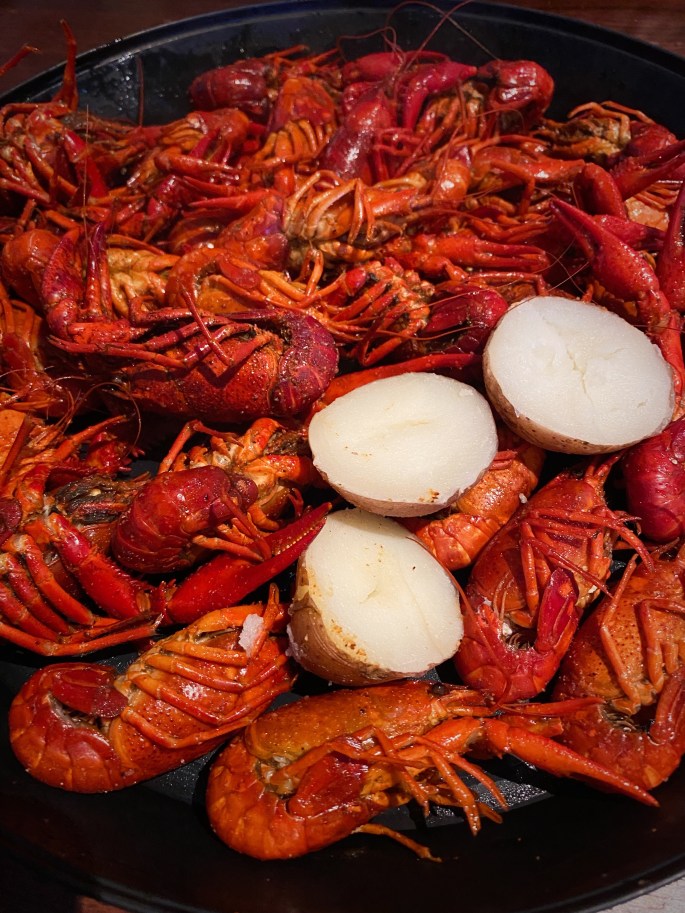
Boiled Crawfish, Janes’ Seafood

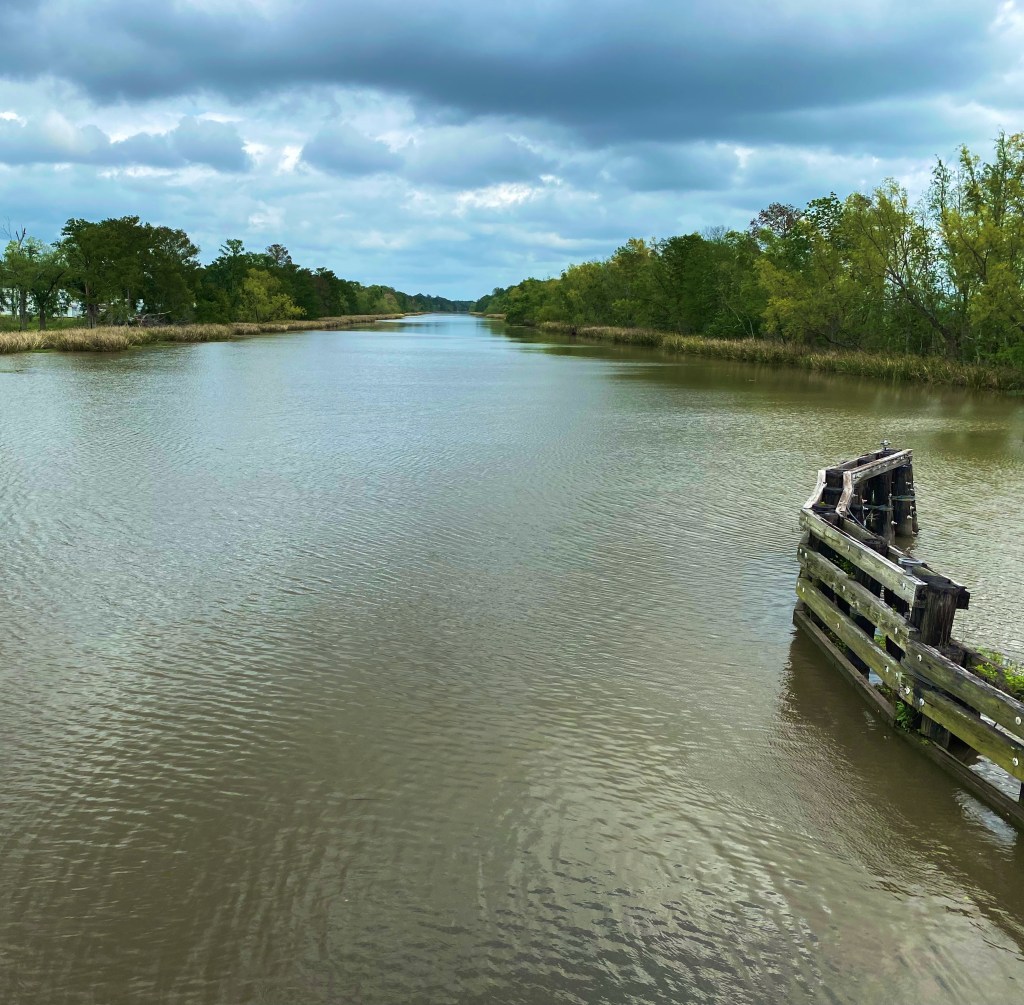
After our stay in Baton Rouge we decided to dive deep into Cajun Country. We chose to roughly follow the Bayou Teche south to tour South Central Louisianna Cajun Country. The Bayou Teche runs from Port Barre south for 125 miles before flowing into the Atchafalaya River.

Breaux bridge

Breaux Draw Bridge

Breaux Bridge is La Capitale Mondiale de l’Écrevisse (the crawfish capital of the world). The founding of Breaux Bridge dates back to 1771 when Acadian Firmin Breaux purchased land on both sides of the Bayou which he then connected with a footbridge. The Bayou Teche was the main means of travel in this part of Louisianna at that time. For more information on Bayou Teche: https://www.louisianatravel.com/paddle/trail/bayou-teche-paddling-trail-entire-bayou

Breaux was in Louisiana after being forcibly removed along with thousands of other Acadians as part of the Great Deportation. The British deported thousands of Acadians to Louisiana from the Canadian Maritimes and land which is now Maine. So, if you ever wondered how a portion of Louisianna is populated by a close-knit French speaking population – now you know. For more information on the Great Deportation: https://www.thecanadianencyclopedia.ca/en/article/the-deportation-of-the-acadians-feature

While poking around Breaux Bridge we met a number of friendly locals. Chief of Police Rollie Cantu greeted us upon our arrival (he was directing traffic) and provided us with information about the town. Kenny Domingue aka the Handle Bar Healer, provided us with the history of the town (first the Spanish then the French inhabiting the area). Artist Robin Guidry, owner of the Pink Alligator Gallery, broke out the wine for us while we shopped (at 11:00AM) and Jacqueline Salser, owner of Chez Jacqueline provided us with all the local gossip and lots of laughs. Lastly, if you thought that after 250 years in Louisiana the Acadians would have stopped speaking Cajun French or lost their accents, you would be wrong.

St martinsville

Eglise Catholique, Saint Martin de Tours, Mother Church of the Acadians, Est. 1765

Many of the folks living in St Martinsville are the descendants of Beausoleil Broussard. Broussard was a leader of the Acadians that fought bravely against the British in Acadia (now Nova Scotia, Prince Edward Island and New Brunswick). Once it became clear that the British would be victorious, he led a group of Acadians south to safety in the area that is now St. Martinsville. Broussard is revered in Acadian history as a hero in the fight against the British.

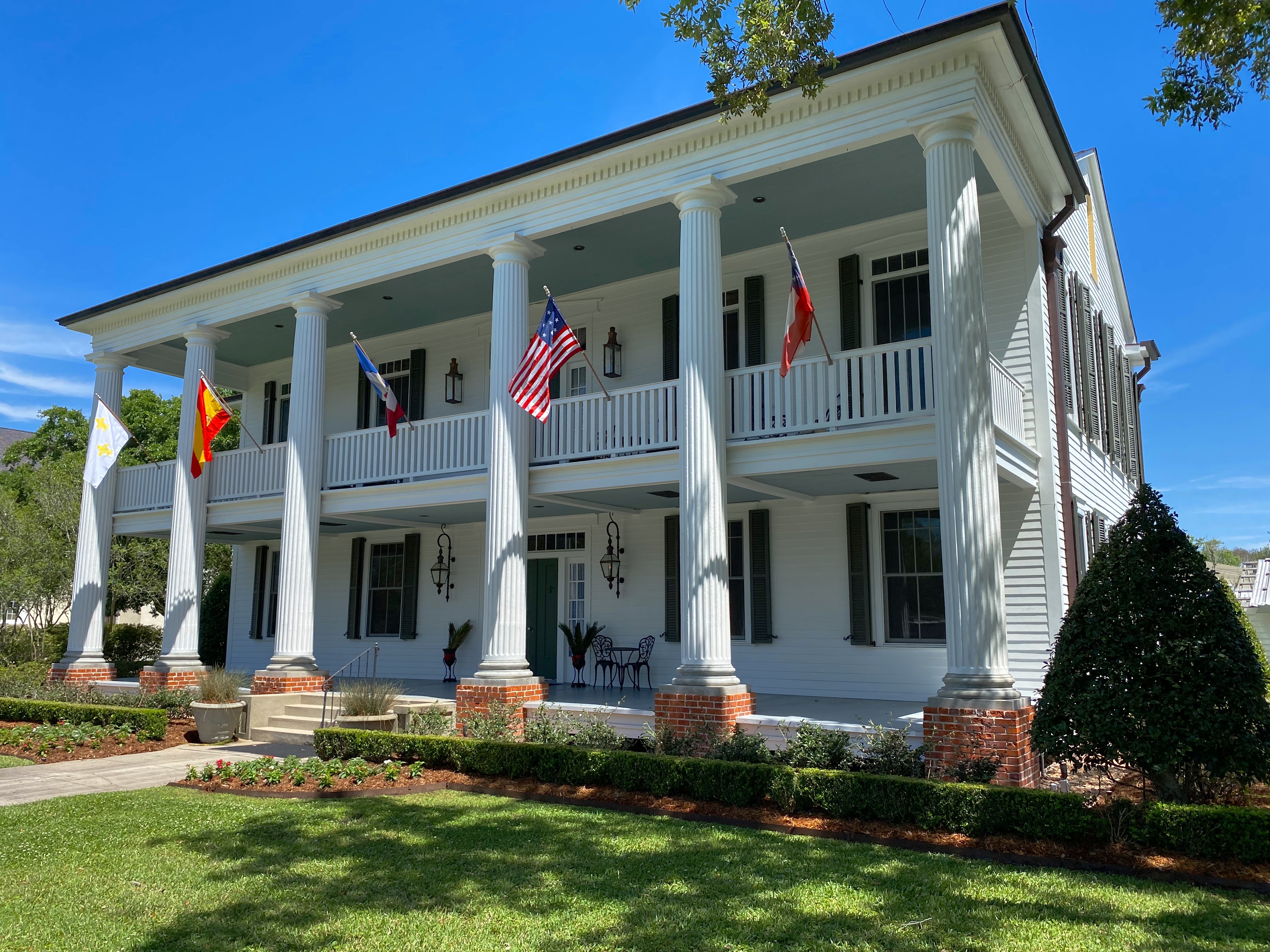
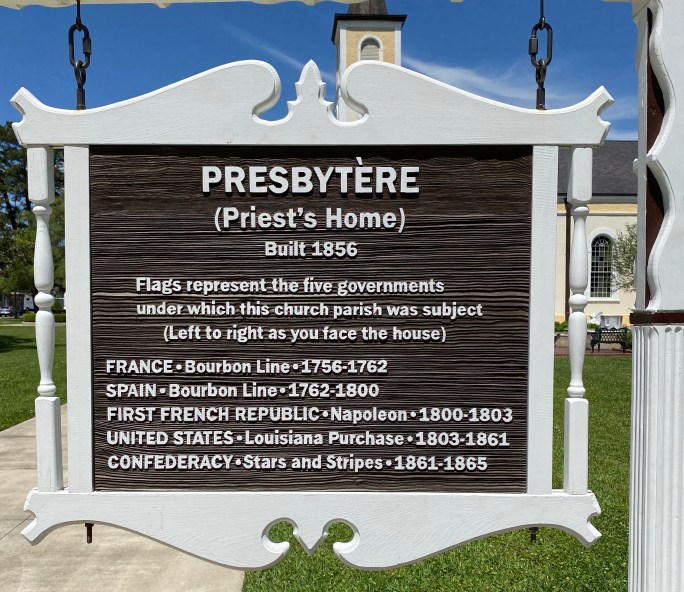
St. Martinsville has one of the most beautiful town squares we have seen – anchored by the Saint Martin de Tours Catholic Church and the Presbytere. Interestingly, if you note in the sign below explaining the reason for the five flags hanging from the porch, the last government that is acknowledged is the Confederacy.

Today the economy of St. Martinsville is highly dependent on tourism (the town sponsors a half dozen festivals per year) while still keeping its agricultural roots with a sugar cane crop and crawfish farming. For more information about the history of St. Martinsville: http://www.stmartinville.org/ourhistory.html

New iberia – Avery island

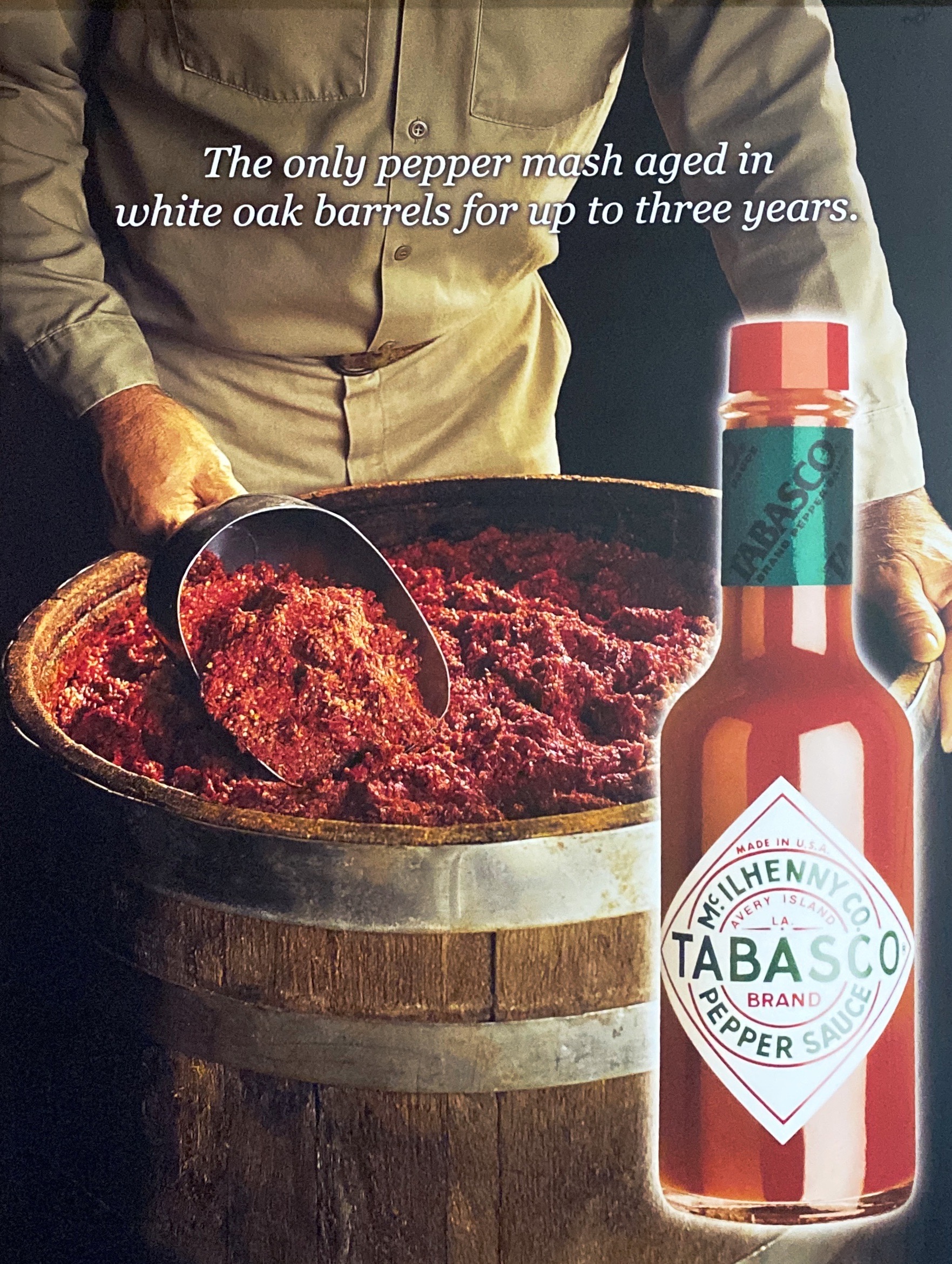
Avery Island is home to world famous McIlhenny Tabasco Company. The company was founded in 1868 by Edmund McIlhenny. McIlhenny was given pepper seeds which originated in either Mexico or South America. He planted the seeds and the rest is history!

The company is still family owned and managed 154 years later – which is quite unusual in an economy where larger corporations usually devour and homogenize unique brands and products. The ingredients and process are not secret but the family’s knowledge is not replicable.

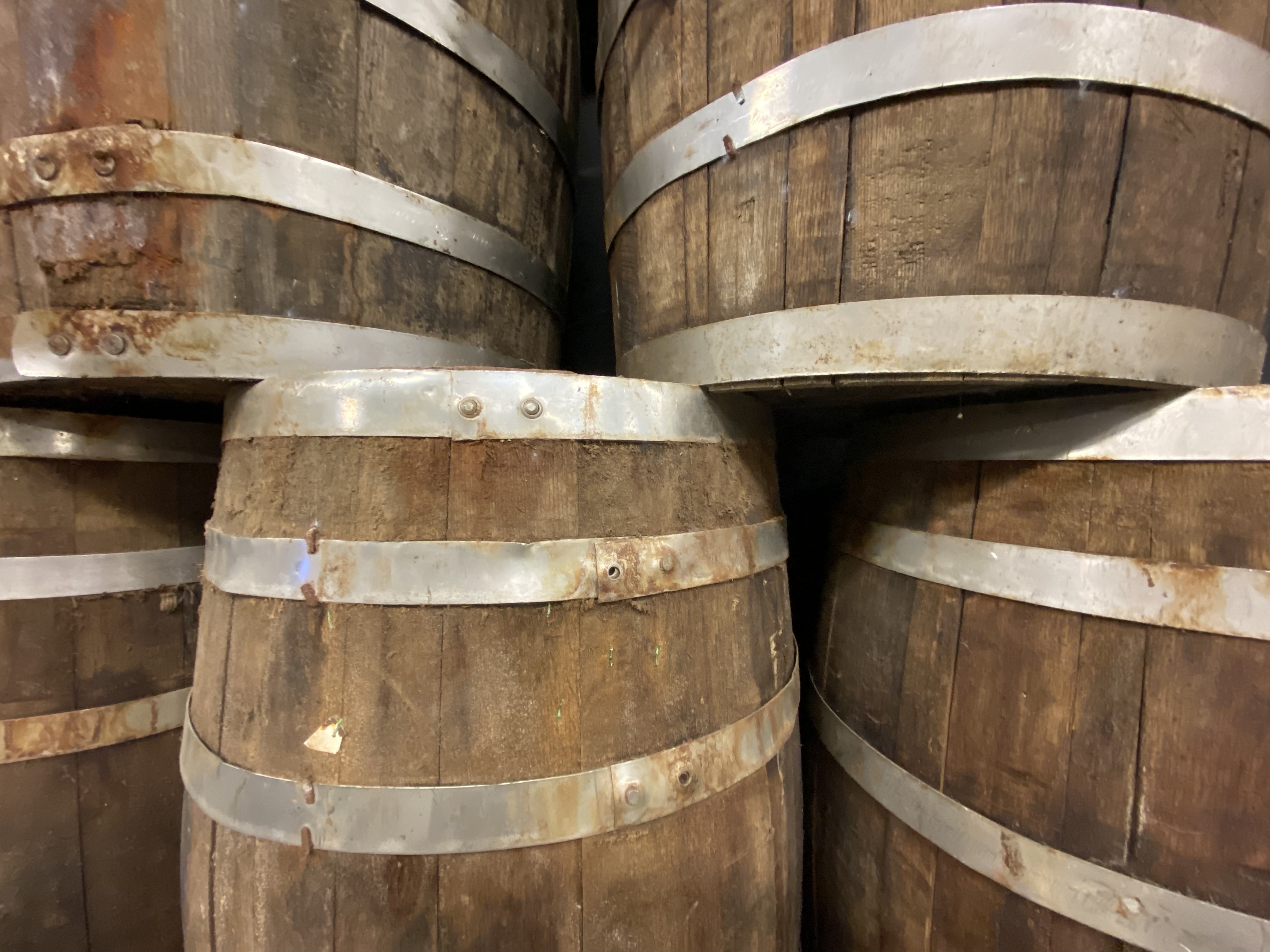
The self-guided tour is fascinating, taking you through the various buildings where the peppers are ground and then mixed with salt to create the mash. (Avery Island is a salt dome and rock salt was mined there beginning in 1791, making it very accessible). The mash is then filtered to remove the skin and seeds, vinegar is added, and finally the sauce is put into white oak barrels for aging. The aging process can take up to three years – the process is quite similar to wine making. For more information: https://www.tabasco.com/tabasco-history/

Jungle Garden

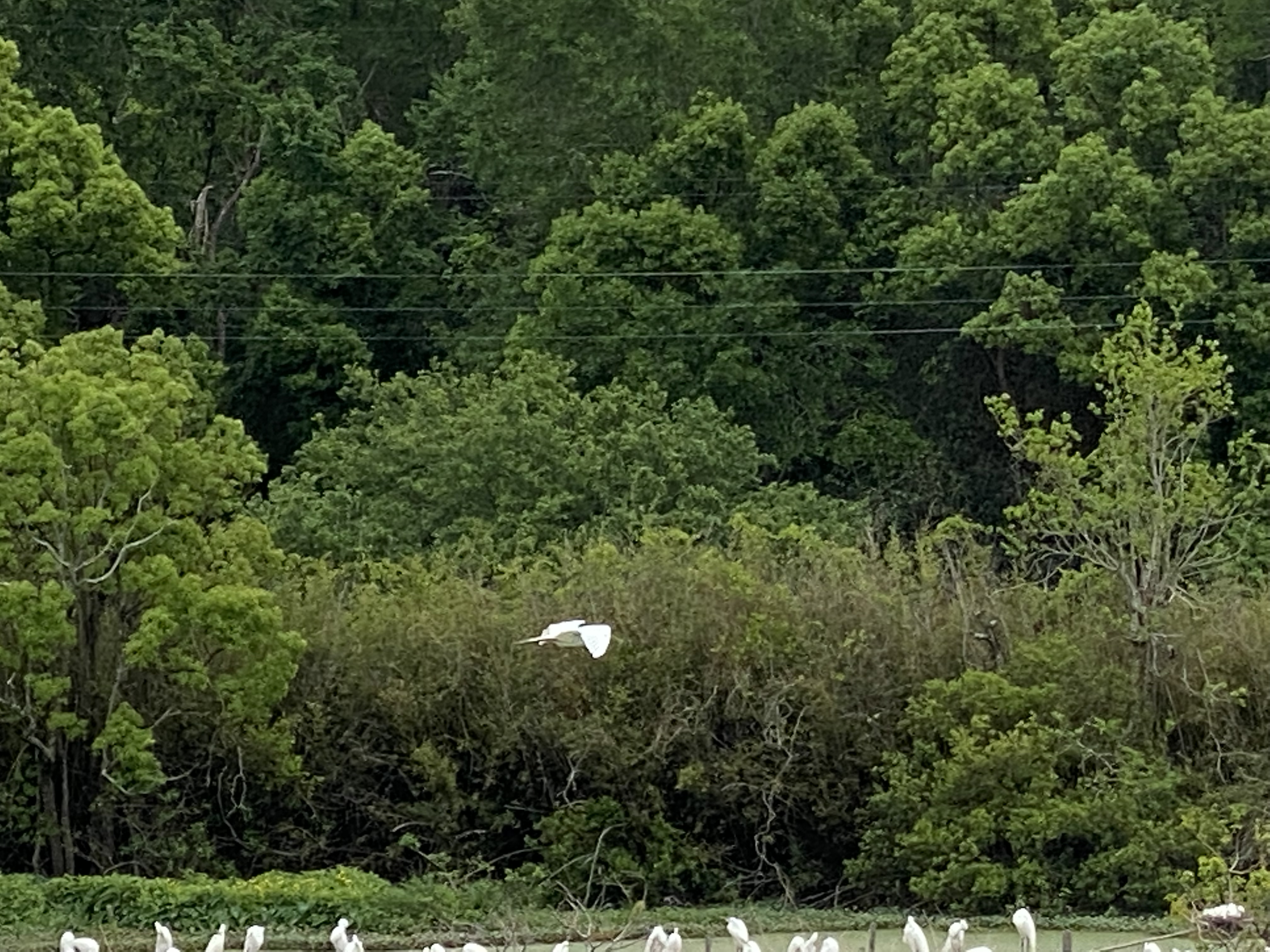
Avery Island is also home to Jungle Gardens and the Bird City sanctuary. Edward Avery McIlhenny developed the gardens and sanctuary in 1895. At the time the Snowy Egret was an endangered species due to plume hunters attempting to meet the demand for feathers for women’s hats! Touring Jungle Gardens and visiting the Sanctuary is a nice follow up to the Tobasco Factory Tour. For more information: https://www.junglegardens.org/

From Avery Island we headed southwest to lands’ end at Cypremort Point which sits on Vermillion Bay. We then continued along the Bayou Teche to it’s terminus at Morgan City.

Cypremort Point
Tour’s End – Crossing the Atchafayla River

Cajun Cooking

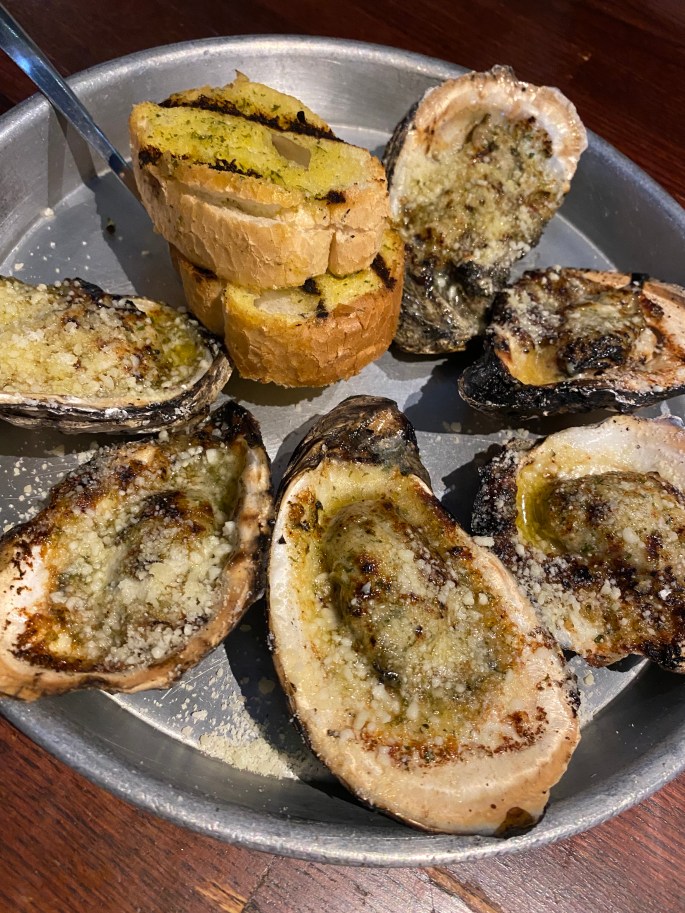
Crawfish Cake, Cafe Jo Jo’s, Morgan City

We spent two full days slowly making our way south from Breaux Bridge to Morgan City. We had a great time exploring and meeting local folks in the towns and, of course, some dang good food.

Be seeing you!

ctsprinterlife: OTR 8.0: Alabama Part Two

Florence

From Birmingham we made our way northeast to the town of Florence. Florence sits on the Tenneesee River and is located in the northwest corner of Alabama in the Shoals. Florence is also home to the University of North Alabama (UNA),the oldest university in Alabama.

Florence is a beautiful town with many well preserved historic homes and buildings, including some grand buildings on the campus of the university which sits in the middle of town.

Florence was not in our original travel plans, but when we mentioned to some folks we met in Birmingham that we were going to Muscles Shoals they recommended a visit to Florence (right across the river).

Rosenbaum House

Rosenbaum house

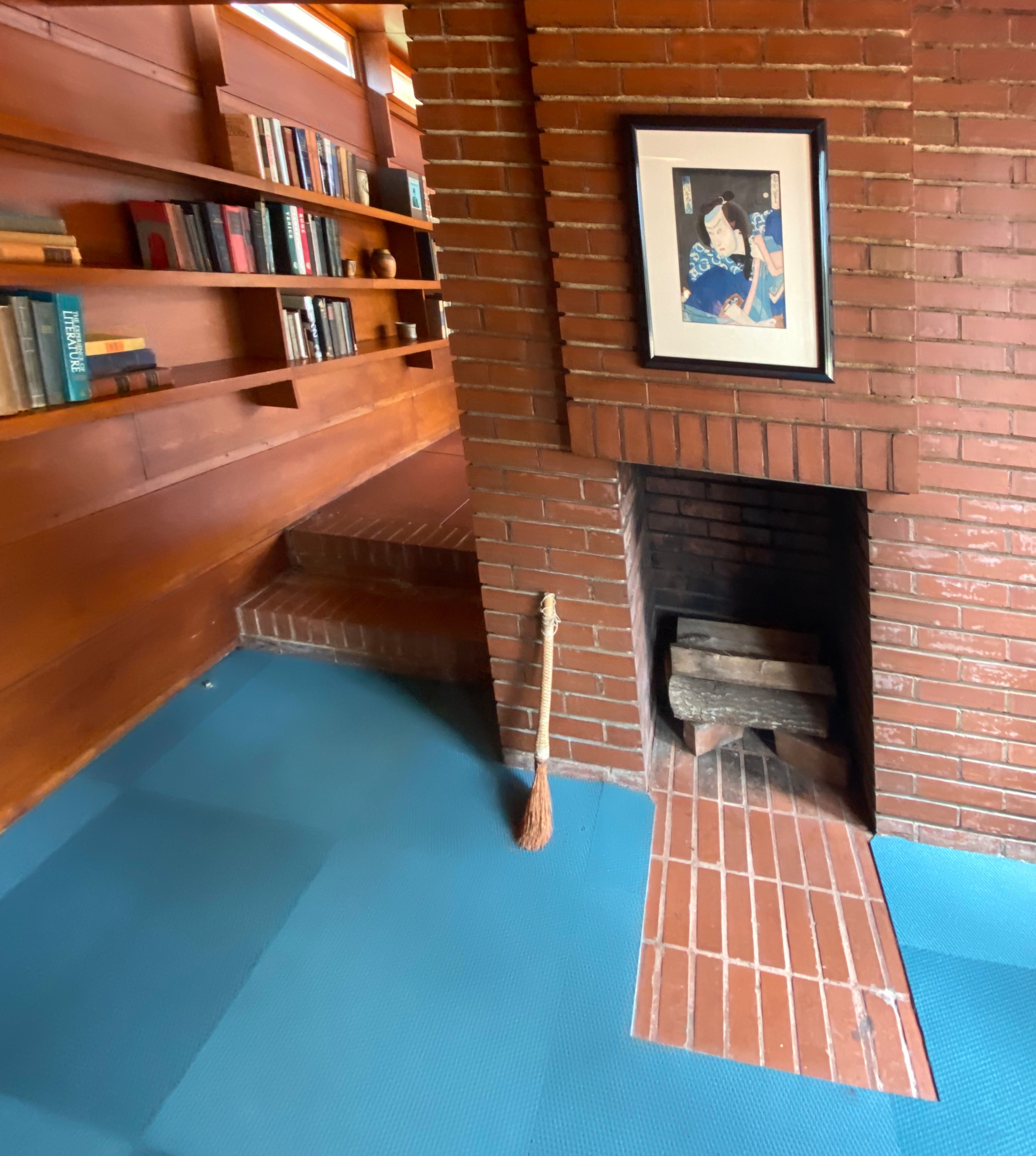
You may recall from previous trips that we are fans of Frank Lloyd Wright structures (see previous post Falling for Falling Water). An added bonus of visiting Florence is that it is the home to the only FLW design in Alabama.

We were fortunate that the Rosenbaum House was open for tours while were in town and that we had a very knowledgable volunteer guide. We spent about an hour inside the house and then did a walk around to view the outside of the home.

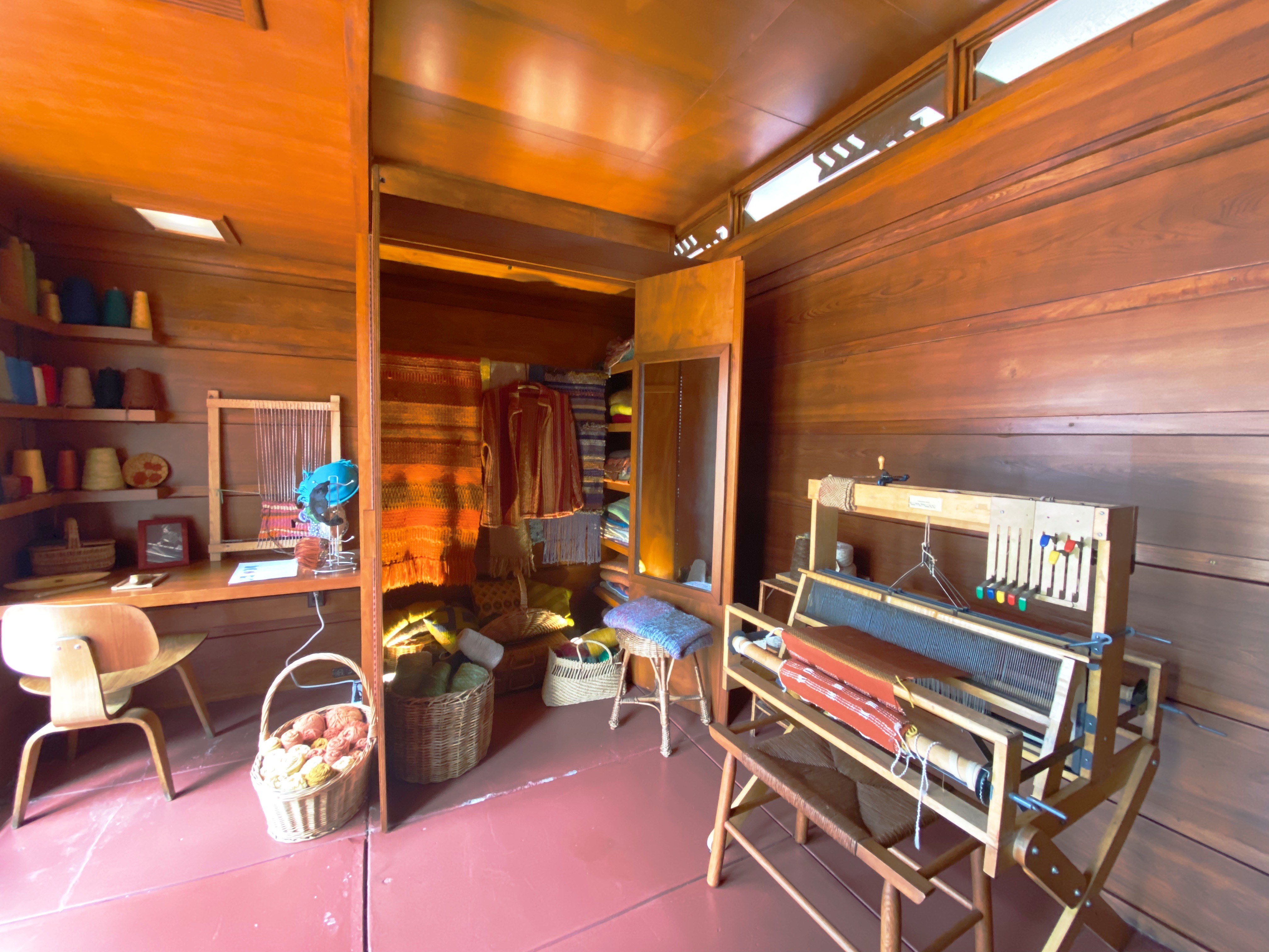
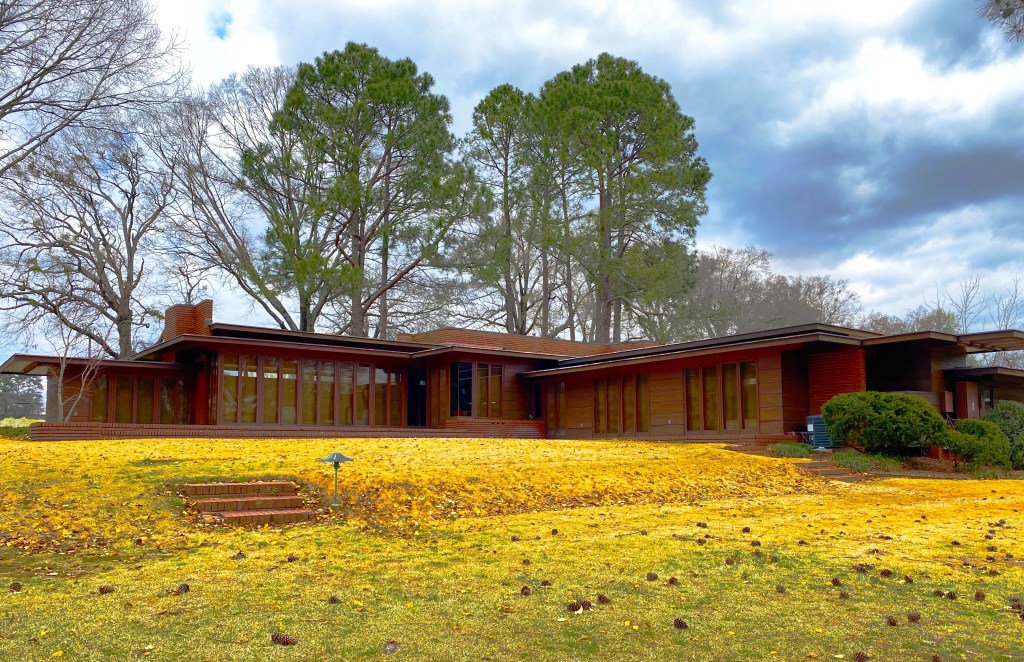
Construction of the Rosenbaum House began in 1939 and was completed during 1940. Stanley and Mildred Rosenbaum and their children were the only people to reside in the home. After Stanley passed away, Mildred continued to live in the home until 1999. She could no longer maintain the home by this point and none of her sons wanted the home. Fortunately, the City of Florence acquired the home that year and has worked to preserve the home – making repairs to the roof and other areas – that were much needed when the family sold the house to the city. The city did a wonderful job restoring the house.

Rosenbaum House

This house is an example of what Wright called a Usonian House. Usonian Houses were intended for Middle Class Americans – simple but stylish and affordable – also small. That is not how things worked out in many cases. Most of his commissions were for wealthy families such as the Rosenbaums. Additionally, as with a number of the other homes Wright designed, he also designed most of the original furniture in this home.

Another feature of the Usonian House was that it was designed to grow with the family. In the case of the Rosenbaums, they had four sons. Wright designed a significant addition which was completed in 1948 and included dormitory style space for the boys, a larger kitchen and a guest room.

Dormitory Addition for the Rosenbaum Boys

For more information regarding the Rosenbaum House: https://www.wrightinalabama.com/

Muscles shoals sound studio

Muscle Shoals Sound Studio

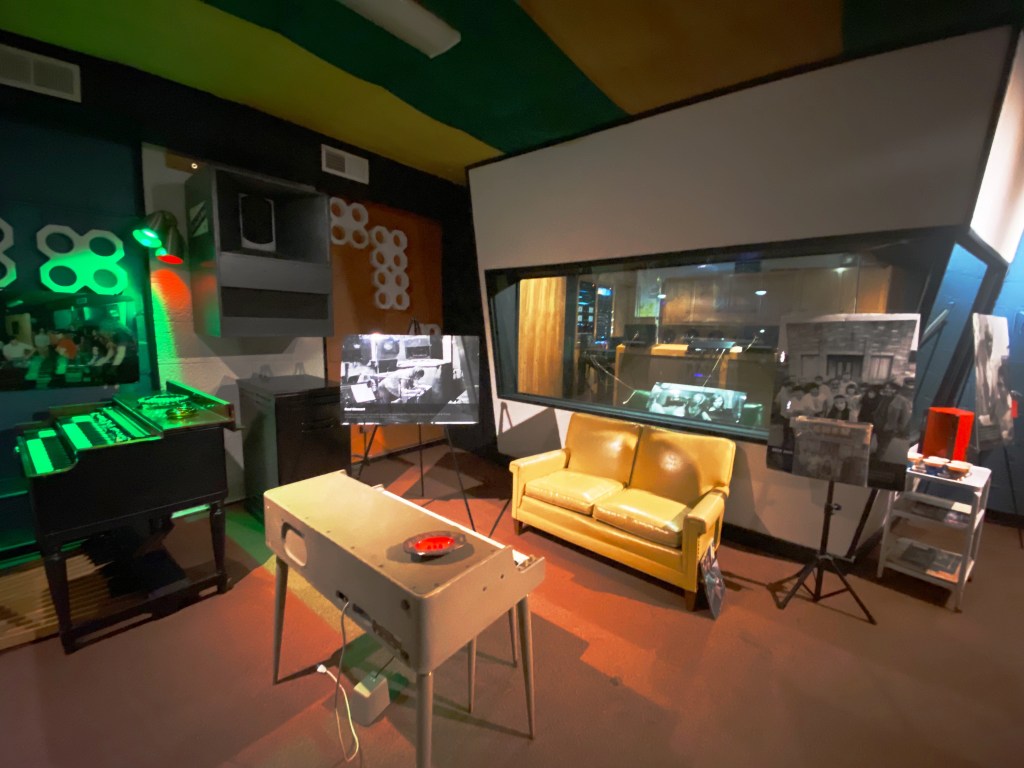
The Muscle Shoal Sound Studio (MSS) opened in 1969. The studio was founded and owned by the Muscle Shoals Rythm Section also famously known as The Sawmpers. The Swampers had established a reputation as super-tight R&B and Funk studio session musicians.

Between 1969 and 1978 the Swampers played on 200 albums. Seventy-five of those album went Gold or Platinum. Some examples of the groups that Swampers recorded with include: Boz Scaggs, Rolling Stones, Lulu, Bob Dylan, Paul Simon, Rod Stewart, Leon Russell, Willie Nelson and the Staples SIngers.

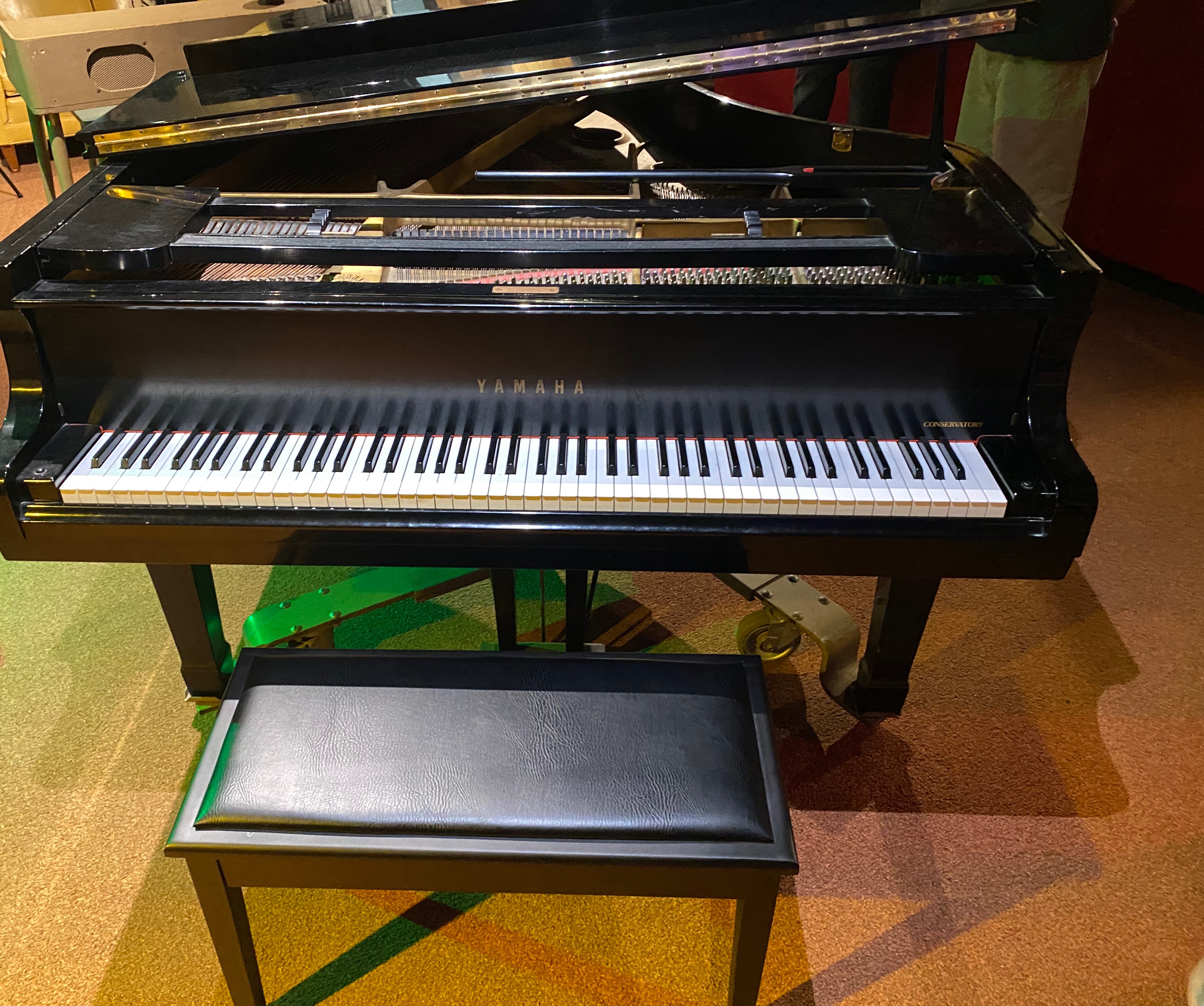
The studio was abandoned in in 1978 when the Swampers moved to a larger studio in Sheffield. Incredibly, while the studio was occupied by several different businesses and then sat vacant for many years, all of the studio equipment remained intact. The studio was purchased by a non-profit that now gives tours. The studio is once again being used for recording utilizing all of the original gear. For more information on the history of the studio and the Swampers: https://muscleshoalssoundstudio.org/

The shoals: Best food and coffee

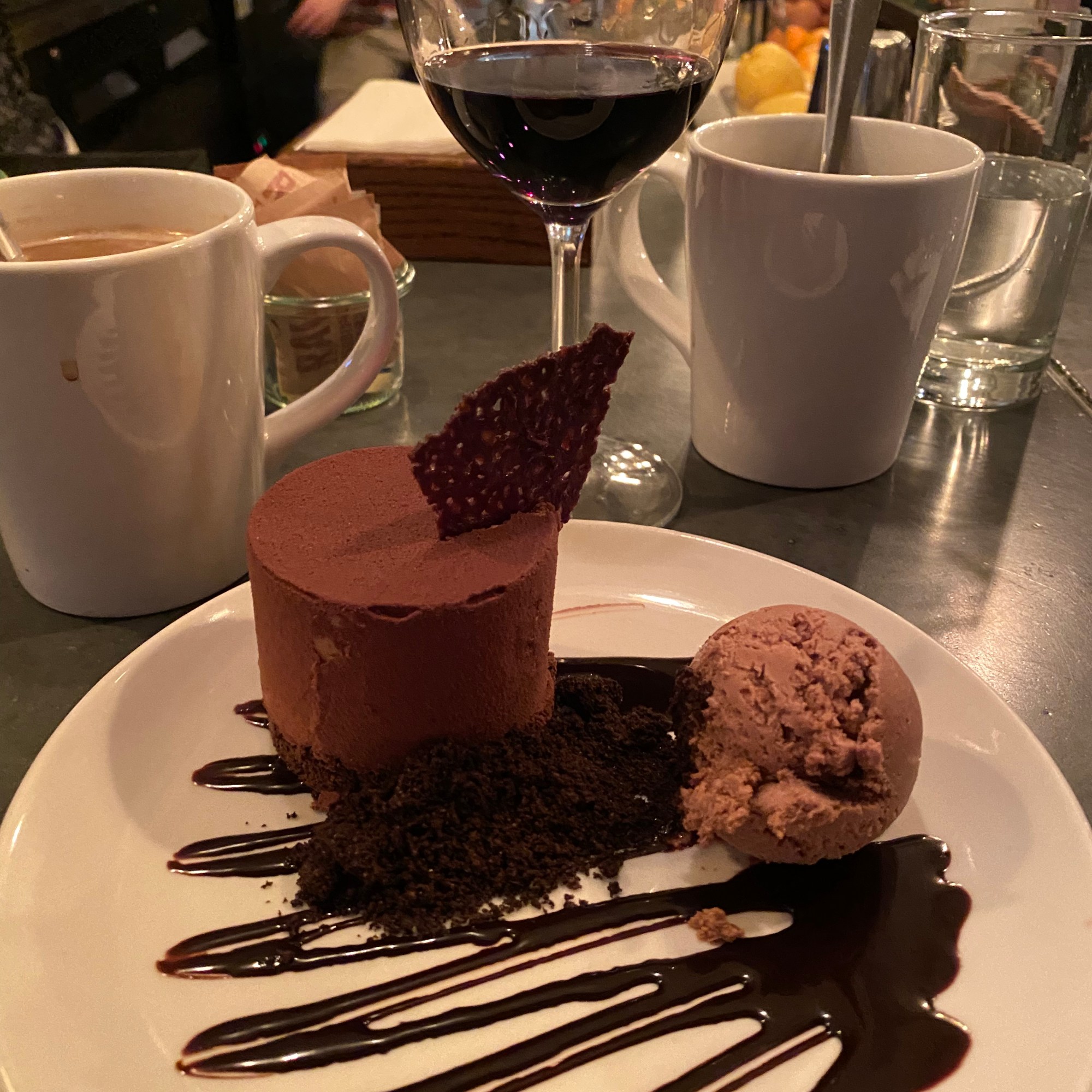
Odette https://www.odettealabama.com/

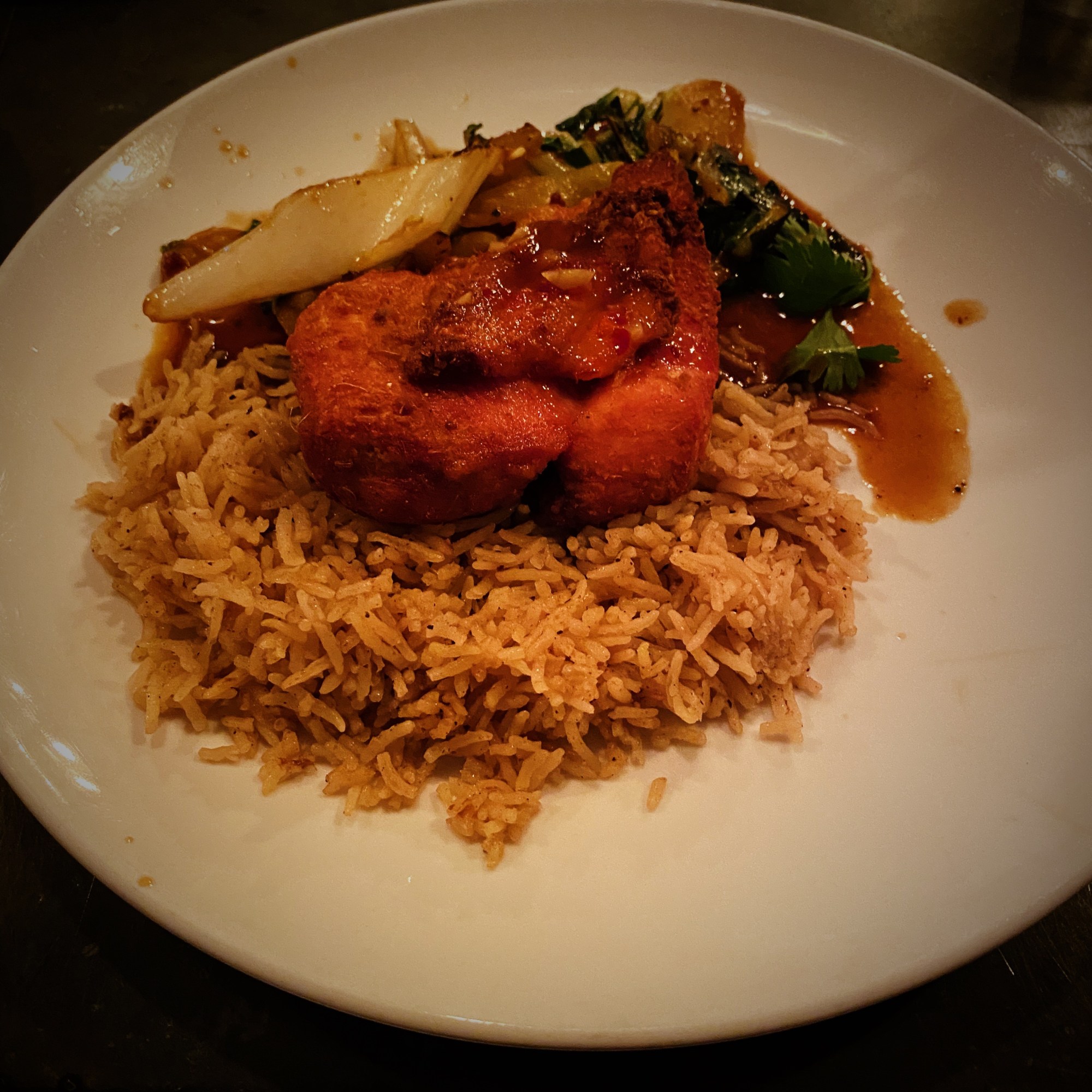
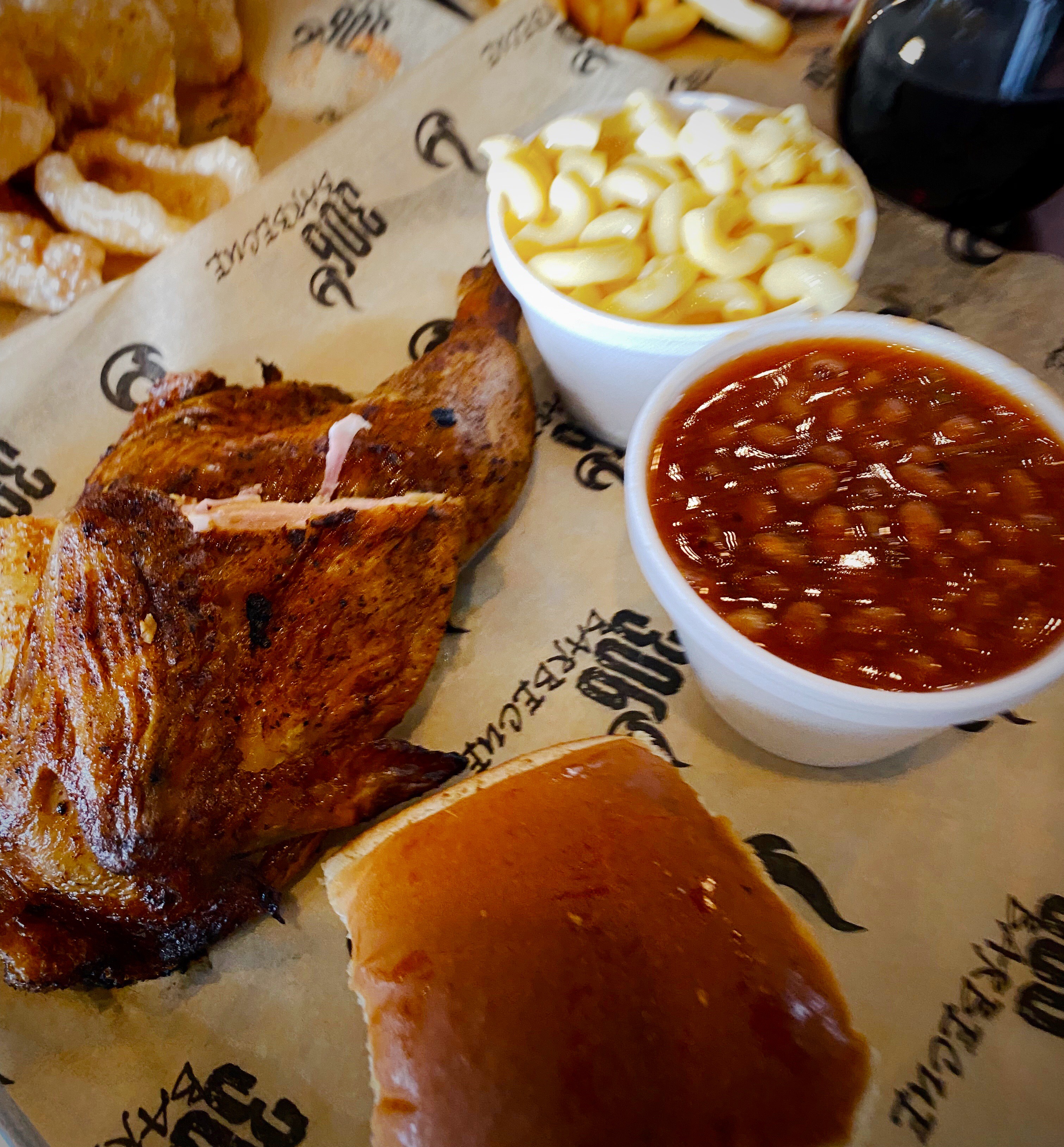
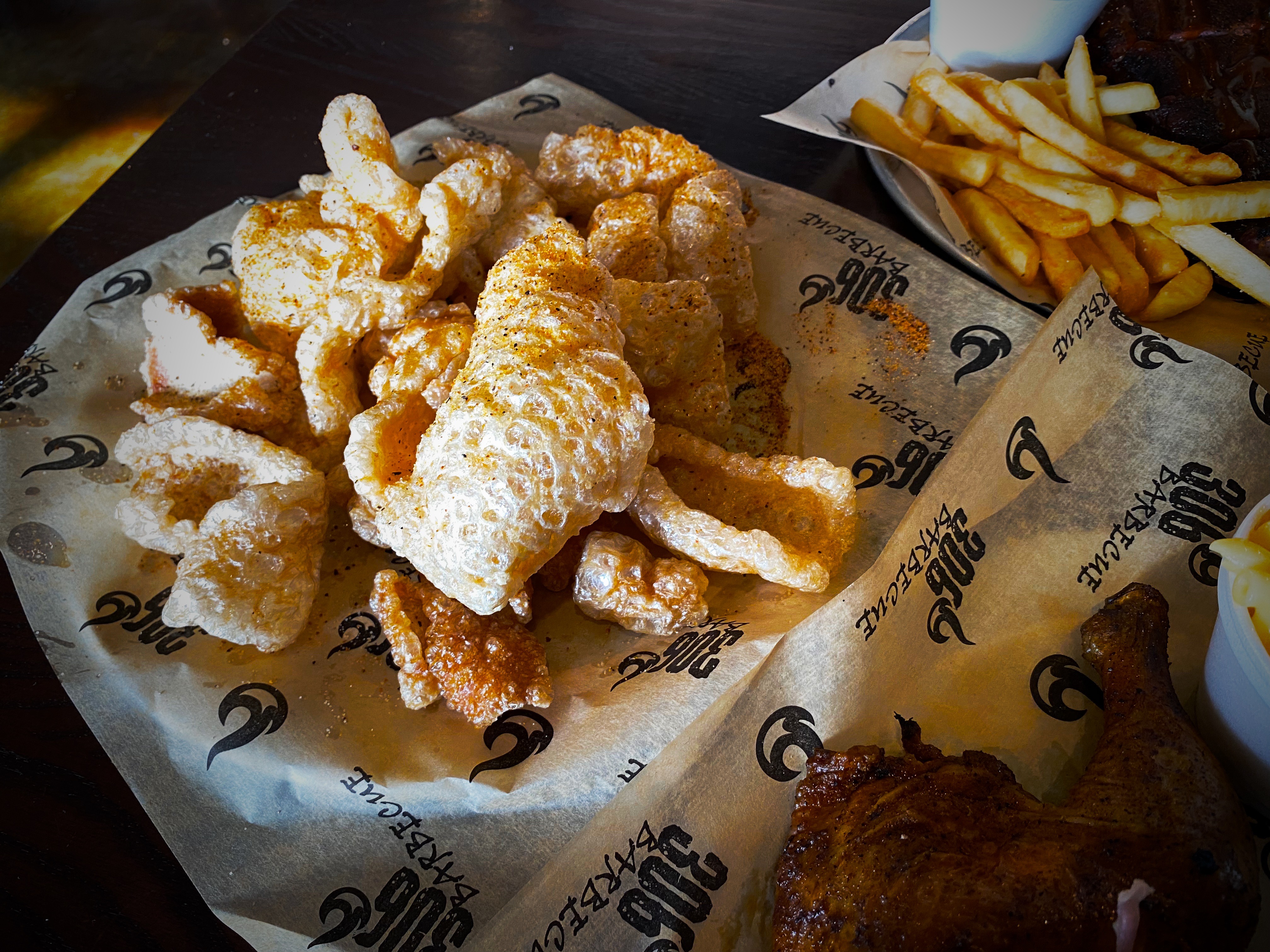
306 Barbecue https://306bbq.com/

Turbo Coffee https://turbocoffee.co/pages/about-us

Our next segment will take us across Northern Mississippi, primarily on dirt and gravel roads. We will pick up the trail south of Corinth, Mississippi and attempt to follow it to the terminus at the Mississippi River. We will jump off the trail at regular intervals to visit some of the tiny towns scattered across this area of the state. Also, in keeping with our visit to Muscles Shoals Sound Studio, we will be visiting Clarksdale while in Mississippi – the epicenter of the Delta Blues.

Be seeing you!
Street Art Tourist: OTR 8.0: Part Two: Clarksdale Music and Art

Muddy Waters, Clarksdale, MS (1913-1983) Midnight at the Crossroads by Devin Gerard Liston @devin.liston

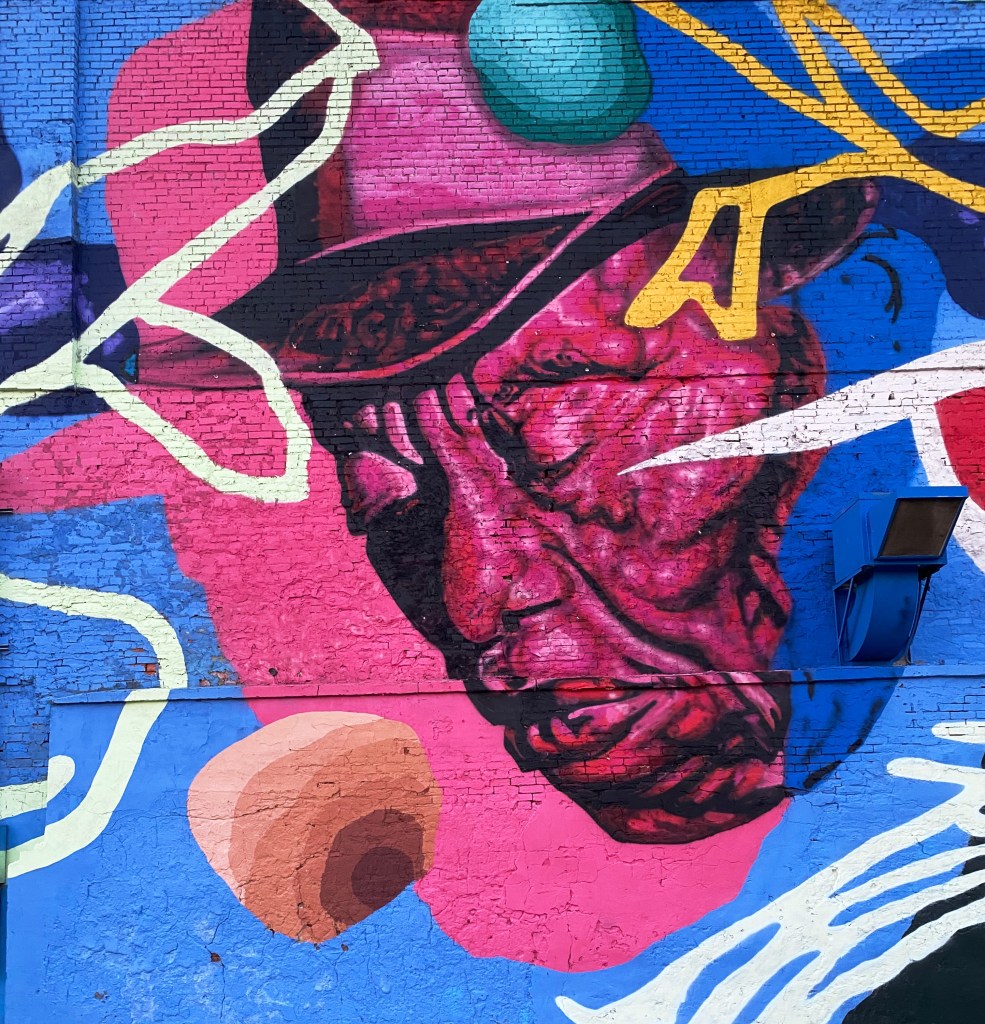
Clarksdale, Mississippi, undoubtedly the epicenter of the Mississippi Delta Blues, is also a treasure trove of Street Art reflecting the musical heritage of the Delta. While we were visiting primarily to hear live blues music and experience the local juke joints, we could not pass up the opportunity to photograph the many portrait murals of blues legends.

The musicians that were born in this area are among the greatest blues practioners and pioneers of all time. Many of them emigrated north to Detroit and Chicago for factory work but ultimately found fame there and were able to turn their passion for music into their full time pursuit.

Just a few examples of the musicians who were born in this area or contributed to the development of the Blues here include: Sam Cooke, John Lee Hooker, Muddy Waters, Ike Turner, Robert Johnson, Kingfish Ingram and Sarah Moore. Click on the link to see a roster (and biographies) of the many famous blues musicians that were so much a part of the blues scene here. https://www.cityofclarksdale.org/music-culture-history/

John Lee Hooker, Tutwiler, MS (1917-2001)
Leo “Bud” Welch, Sabougla, MS (1932-2017) by El Care Barbie @elcarebarbie
Sam Cooke, Clarksdale, MS (1931-1964)
Delta Roots by Hayden G. Hall @haydenghallart
Portrait of Dr. Vera Mae Pigee by Charles Coleman @ccolem20
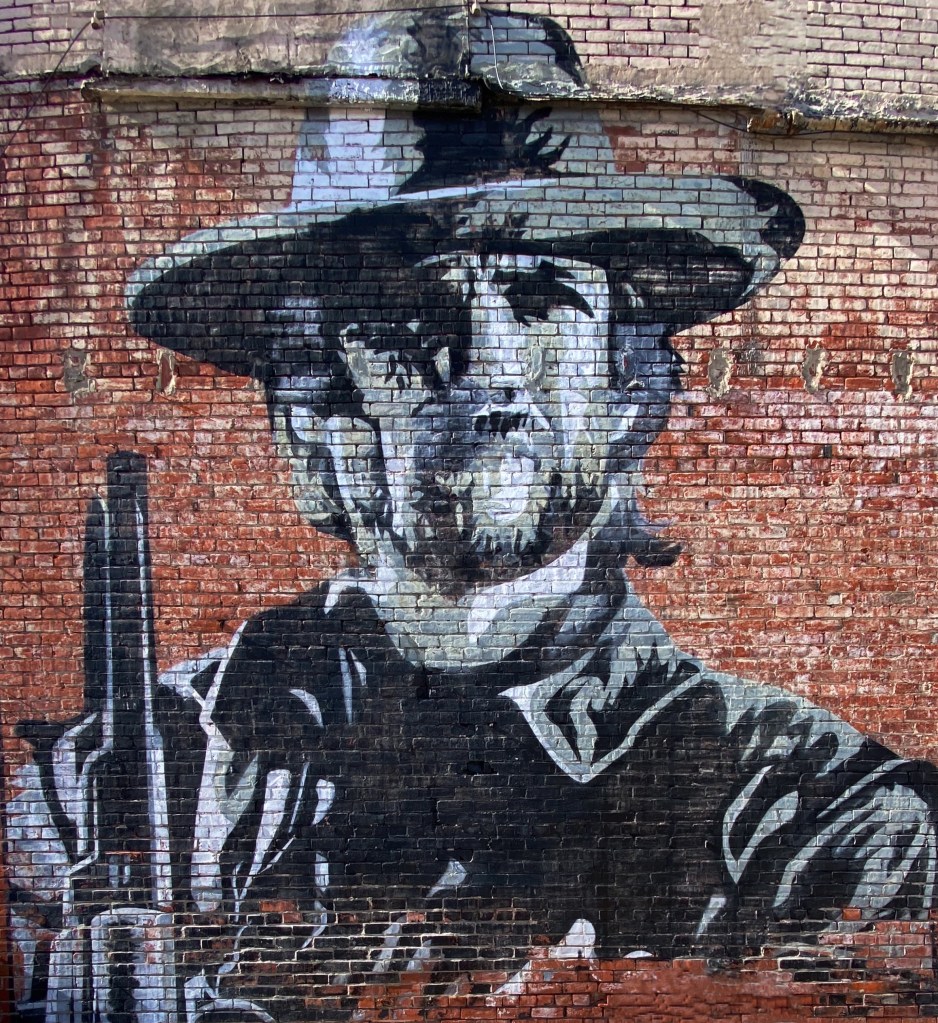
Clint Eastwood as the Outlaw Josey Wales by Christopher Keywood
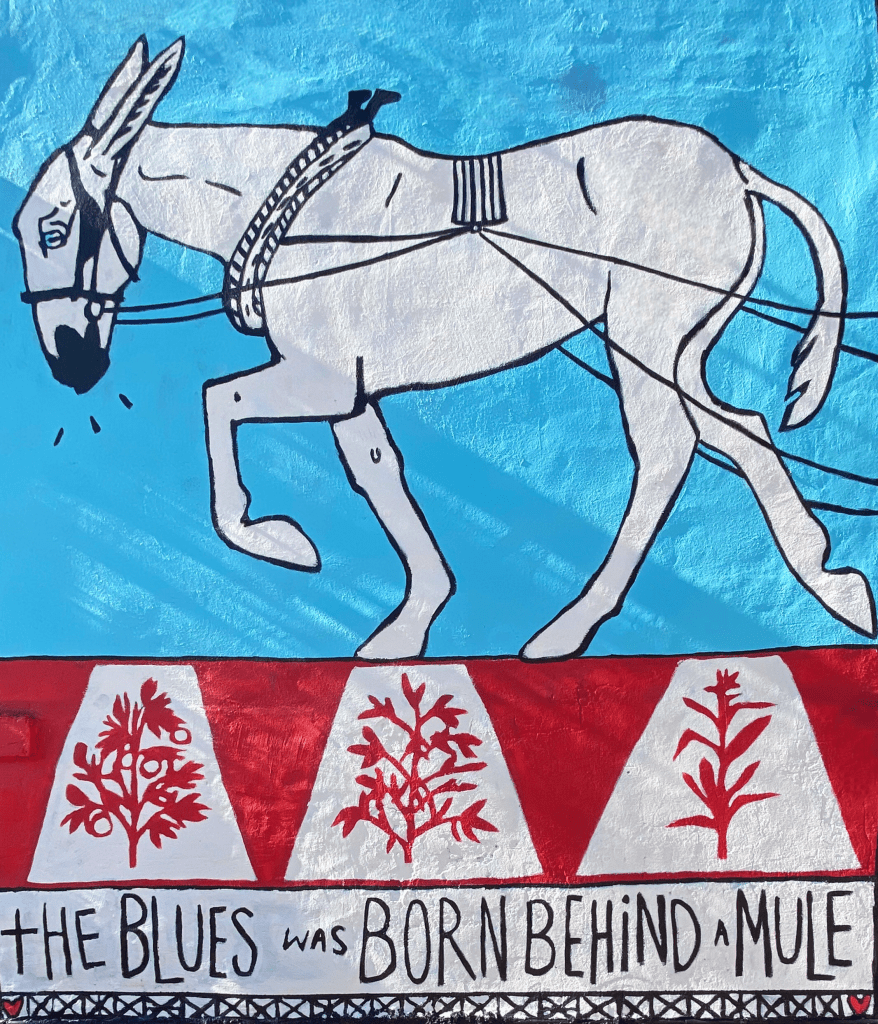
Plow Mule Blues by Church Goin Mule Marshall Blevins @churchgoinmule
Don’t Stop Me From Flying by Likmi Soberana @lik_mi
Rebeka Skela @sanguineskills
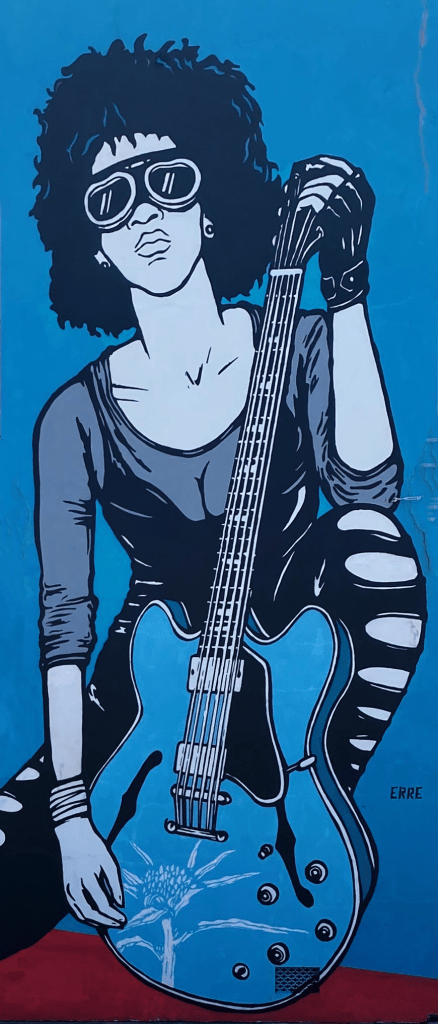
Woman of Rock by @erre.erre
Homage to Howlin’ Wolf Wilson by Gerson Fonseca @monstrucion.3
Midnight at the Crossroads by Devin Gerard Liston @devin.liston

We hope you enjoyed these photographs of street murals from Clarksdale. We could have spent another day photographing more murals, but the road was calling and we always heed the call of the road.

Be seeing you!
ctsprinterlife: OTR 8.0 Alabama Part One

OTR’s only previous experience in Alabama was a couple of days driving across the northern portion of the state in March of 2020 as we were returning home prematurely due to the impact of the pandemic. So we were excited to come back to Alabama and spend some additional time exploring.

Graces High Falls

Little river canyon national preserve (LRCNP)

As we were preparing to leave Chattanooga and looking at potential points of interest on our way to Birmingham, we discovered LRCNP. The LRCNP was a great find – it provides a scenic drive along the canyon rim and a number of hikes on top of the canyon as well as down into the canyon.

Hawks Glide Overlook

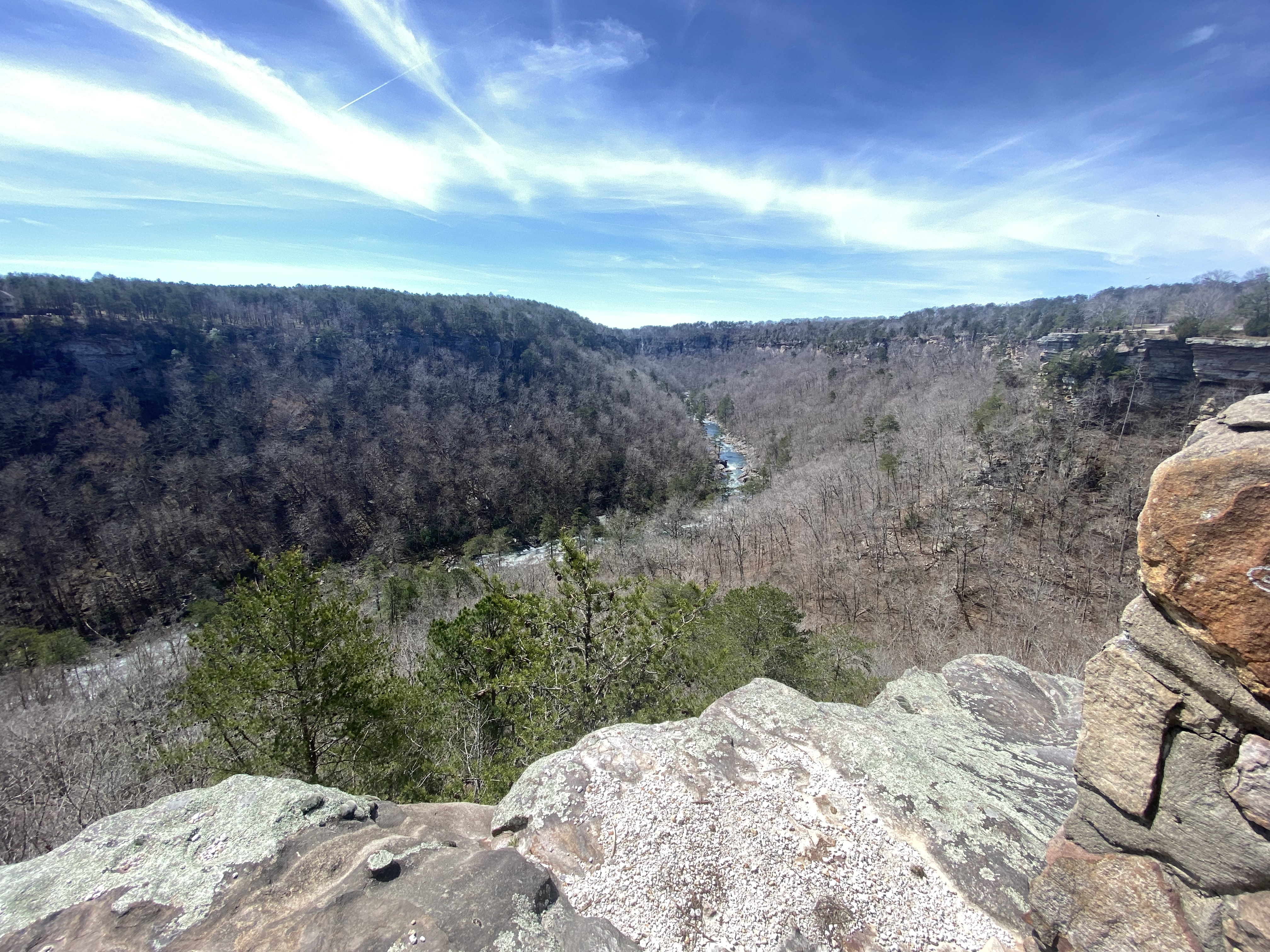
The Little River flows across the top of Lookout Mountain and has carved a canyon as deep as 600 feet along the way. A river flowing across a mountain top is unusual but has helped keep this area much as it has been for centuries. There is no development within the canyon. The drive to get to the mouth of the canyon is an eleven mile steep, winding and narrow affair which limits the number of visitors to the day use area.

Little River

If you find yourself in Northeastern Alabama for any reason the LRCNP is a terrific place to spend a day driving the rim and taking a hike. https://www.nps.gov/liri/index.htm

Birmingham

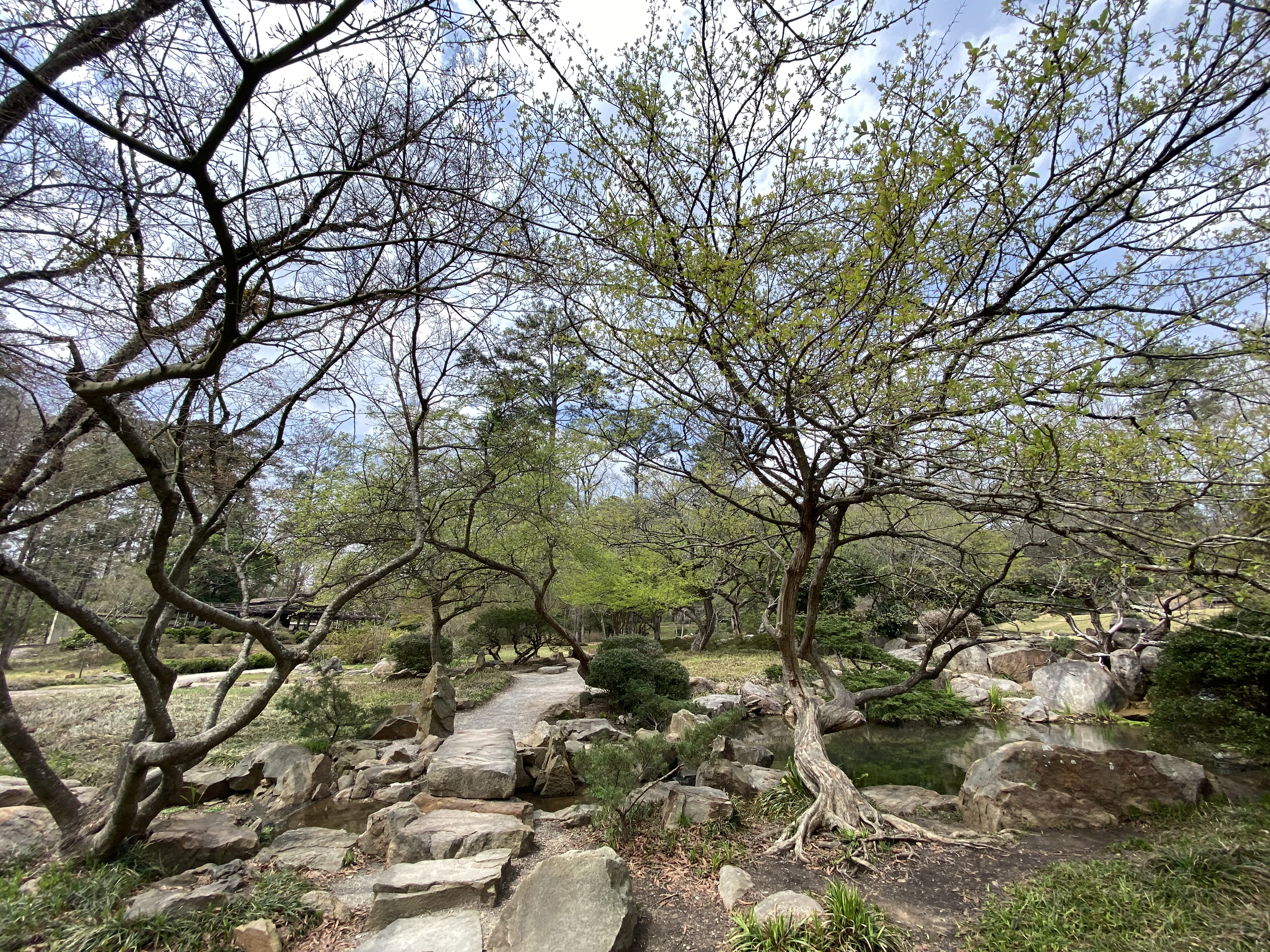
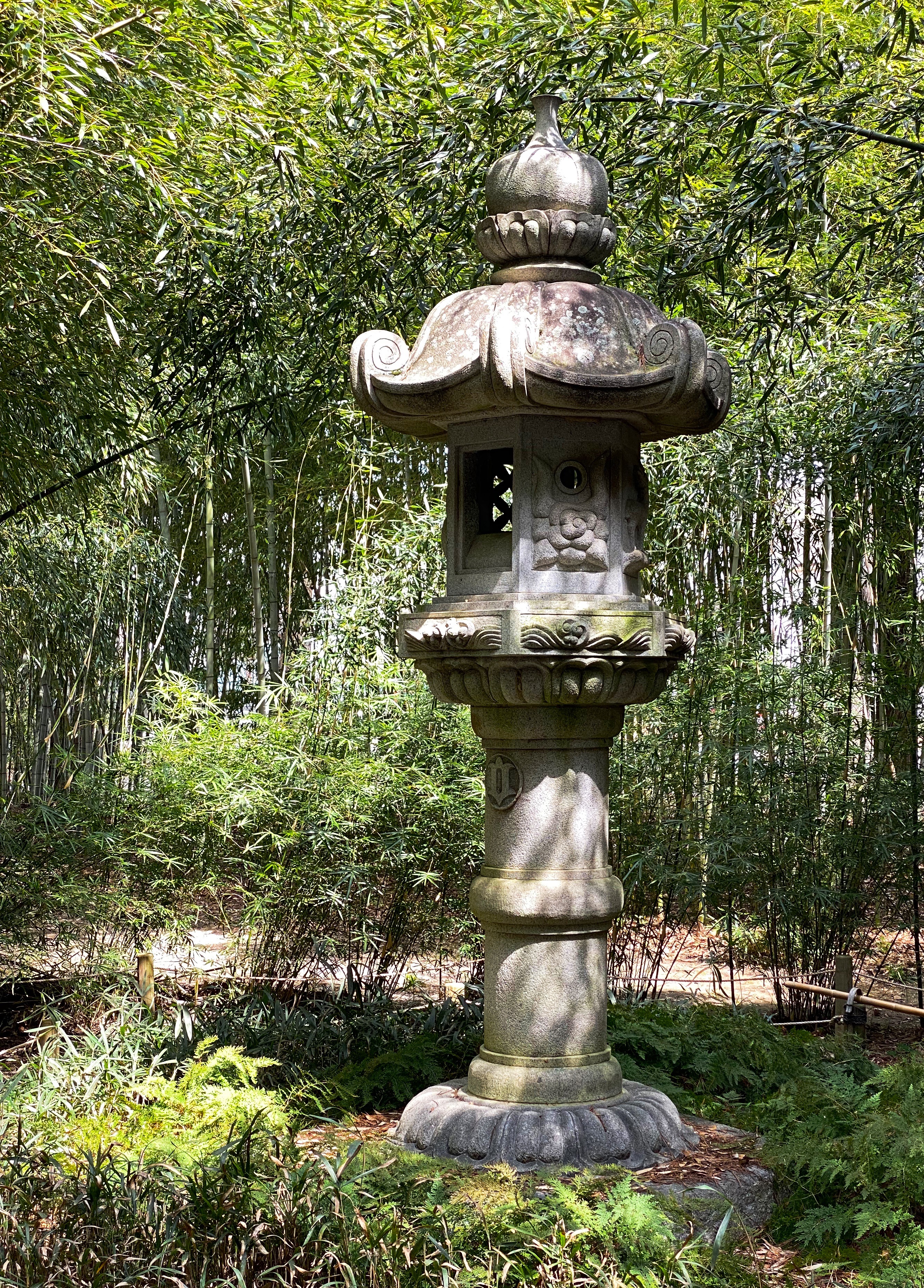
We were interested in visiting Birmingham to better understand the history of this city that was so critical to the advancement of civil rights in America. However, our first stop in Birmingham was a visit to the city’s botanical garden.

We knew the gardens would not be at peak this early in the season but the grounds were still beautiful and provided us with a peaceful afternoon walking the paths.

Sloss furnaces

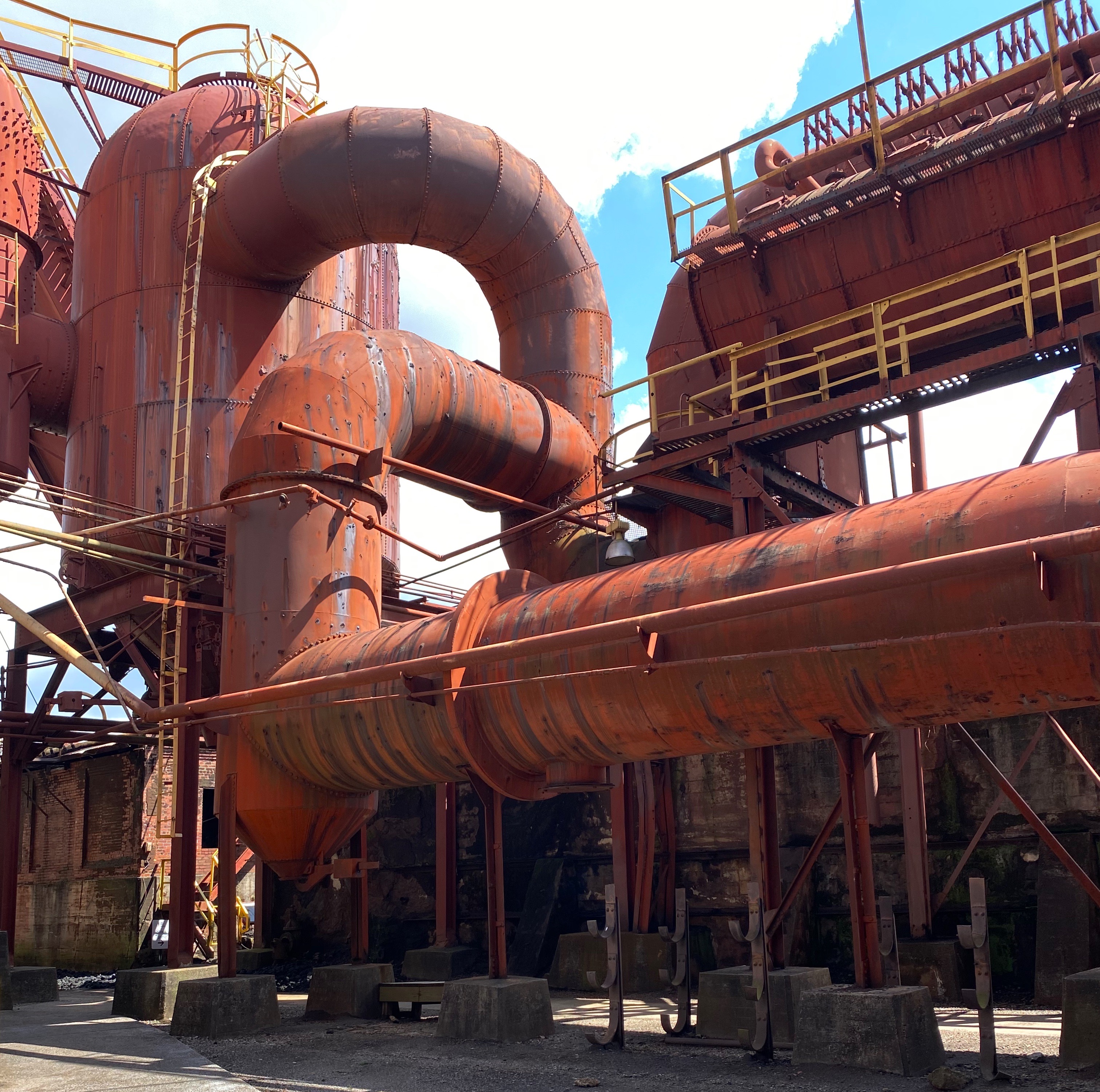
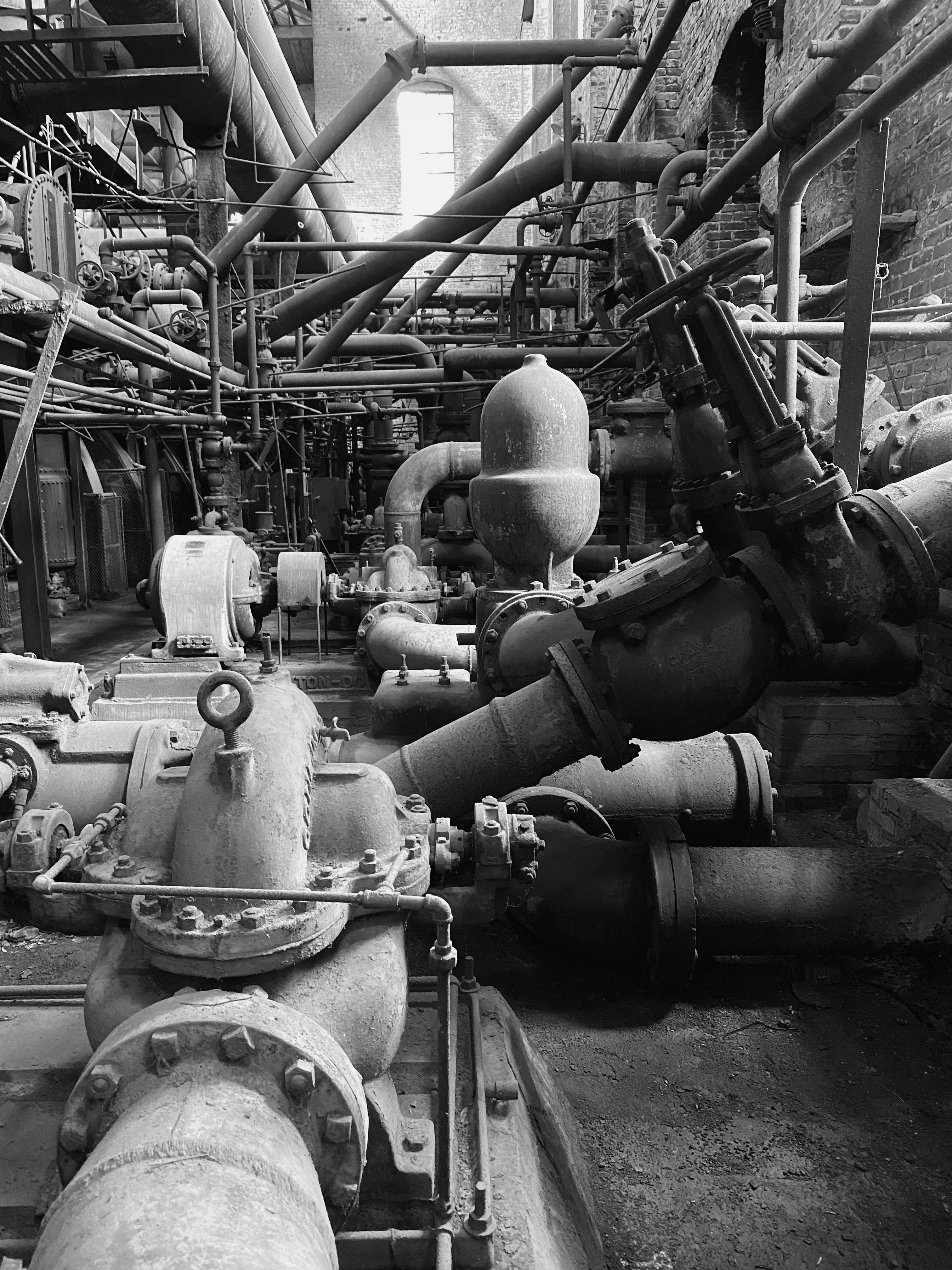
The following morning we commenced our tour (after fika at Seeds Coffee) of the city. We started at the Sloss Furnaces. The Furnaces is a historic landmark which both represents the industrial might that made Birmingham so prosperous and the racism that made Birmingham so notorius.

Sloss Furnaces

Birmingham is known as the Magic City due to its rapid growth and prosperity. Birmingham was just farmland until the mid 1800’s when it was discovered that the three items needed to make steel – iron ore, limestone and coal were all abundant in the area. Combined with the arrival of the railroad, the path forward was set.

The Sloss Furnaces operated from 1872 until 1970, helping to make Birmingham a prosperous city with culture and arts for the white residents. Black workers made up 70% of the workforce but provided 100% of the back-breaking labor in the mines and the furnaces. All managerial positions were held by white workers. The city was not so magical for African-Americans who were paid low wages for working in intolerable and unsafe conditions. To make the situation even more obscene the companies utilized “convict labor” in the coal mines and paid their wages to the city. Ninety percent of the convict laborers were blacks and many were falsely arrested on vagrancy charges, jailed and then leased to the city. This practice continued until 1928 – that’s right – 1928. So much for emancipation.

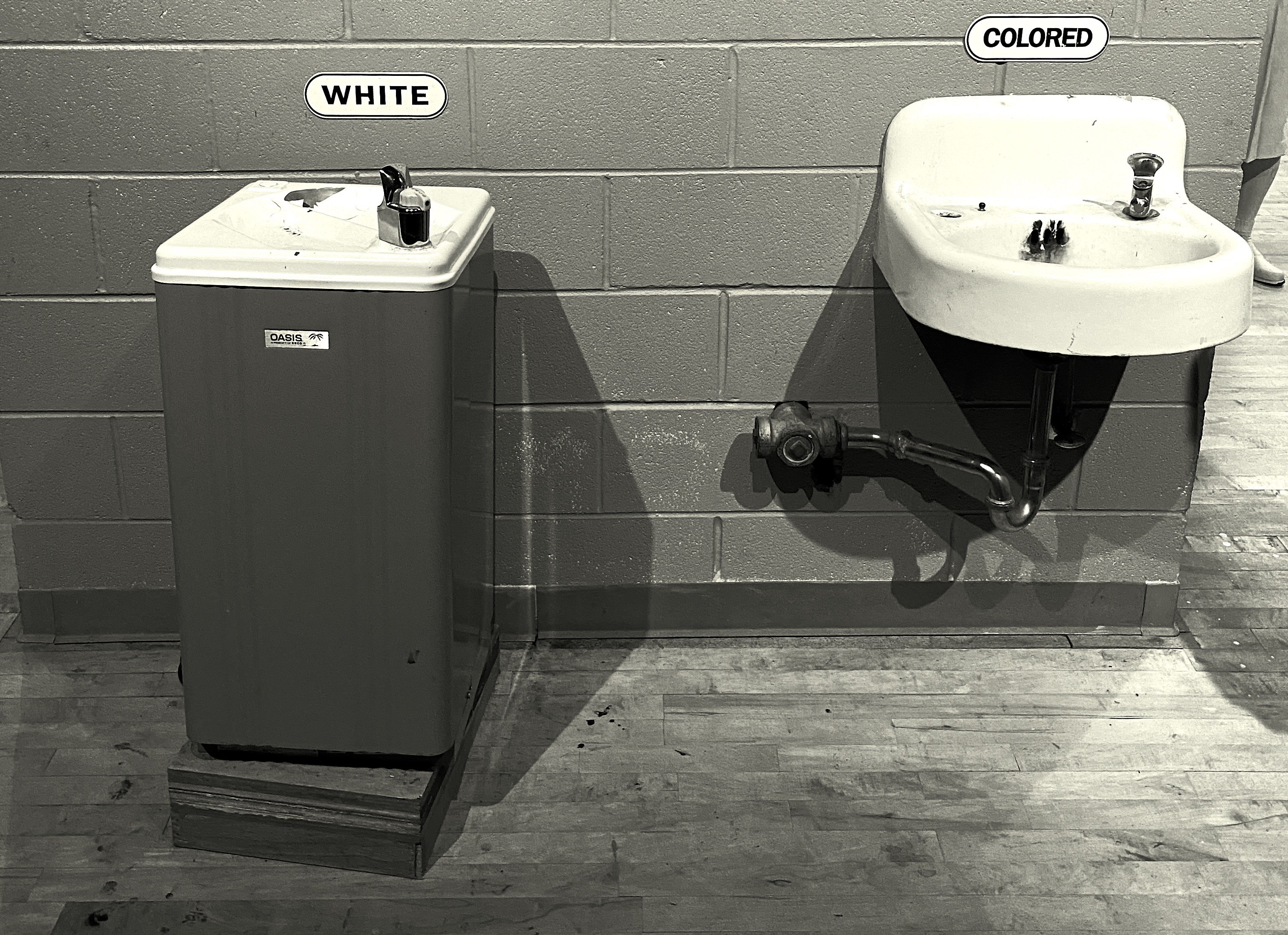
The workers at Sloss as well as the other furnaces were strictly segregatedBlack workers had separate showers, time clocks and entrances. The segregated workplace was not abolished until the 1960’s when the civil rights movement forced the company to abolish the policy.

The Sloss Furnaces as a physical artifact of our history are a superlative piece of history showcasing the rapid and impressive technological advances of the United States. It is an outdoor museum like few others and we think it merits a visithttps://www.slossfurnaces.com/

Birmingham civil rights institute

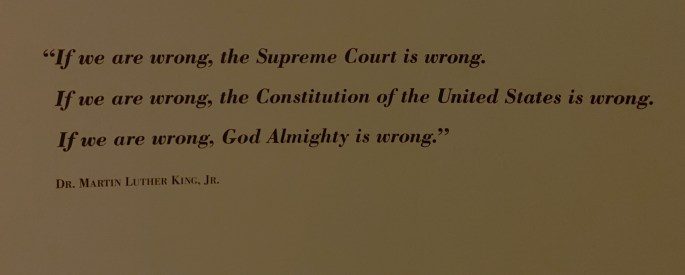
Martin Luther King, Jr – Birminghan Civil Rights Institute

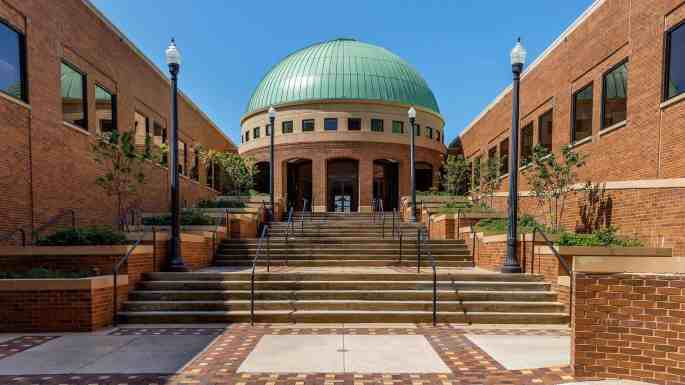
The Birmingham Civil Rights Institue (BCRI) was opened to the public in 1992. The BCRI is part of the Birmingham Civil Rights National Monument. In addition to serving as a museum chronicling the civil rights movement in Birmingham, it functions as a research and educational organization .

BCRI

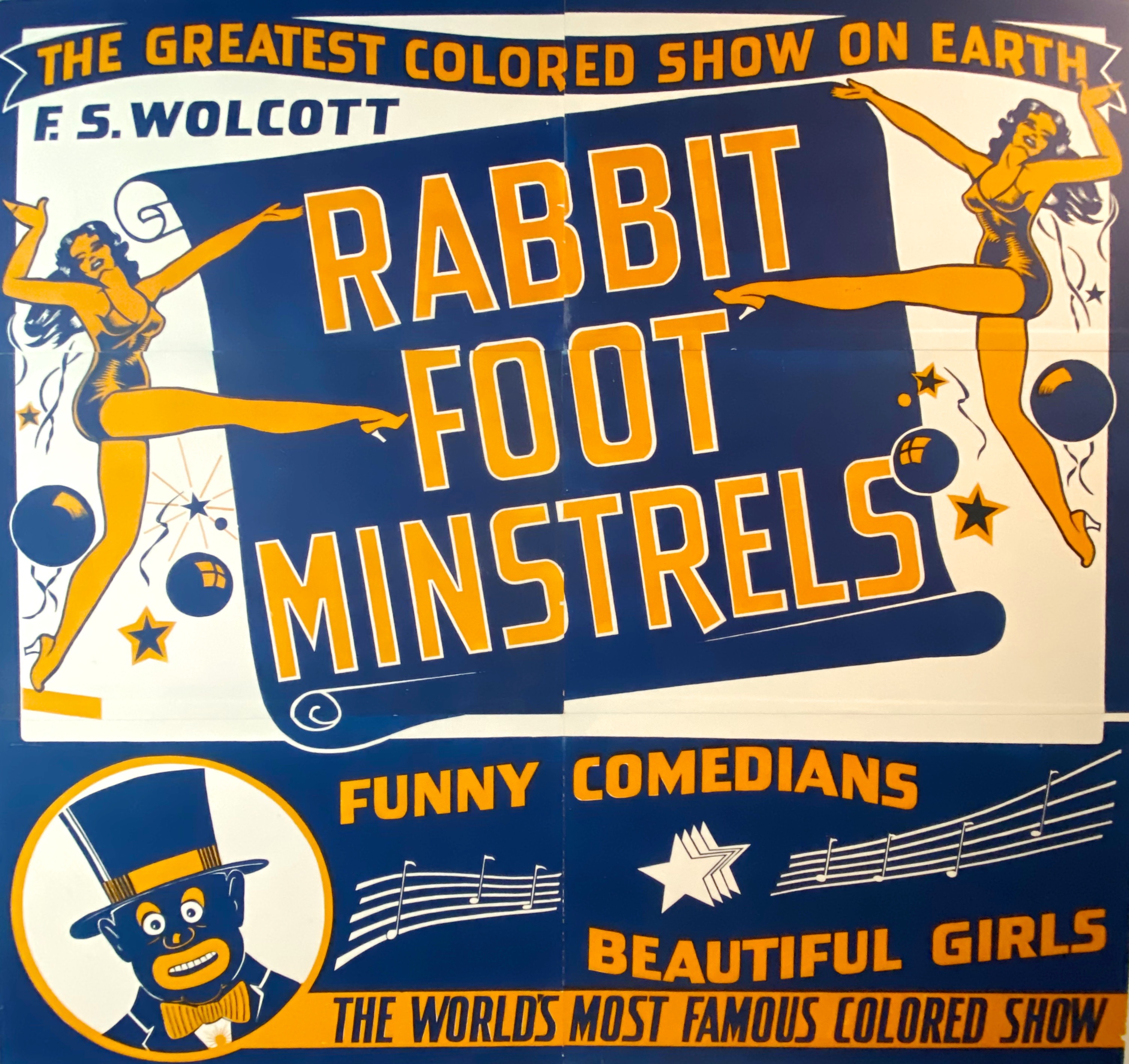
The museum staff has laid out the story of the civil rights movement in a compelling and dramatic fashion. There are many significant artifacts on display but it is the videos, photographs and recordings of the actual events that give life to the history. We found ourselves struggling emotionally a number of times as we watched and listened to the events that demonstrated the cruelty of the segregationists and courage of people fighting for equality in the face of jail, physical harm or even death.

16th street baptist church

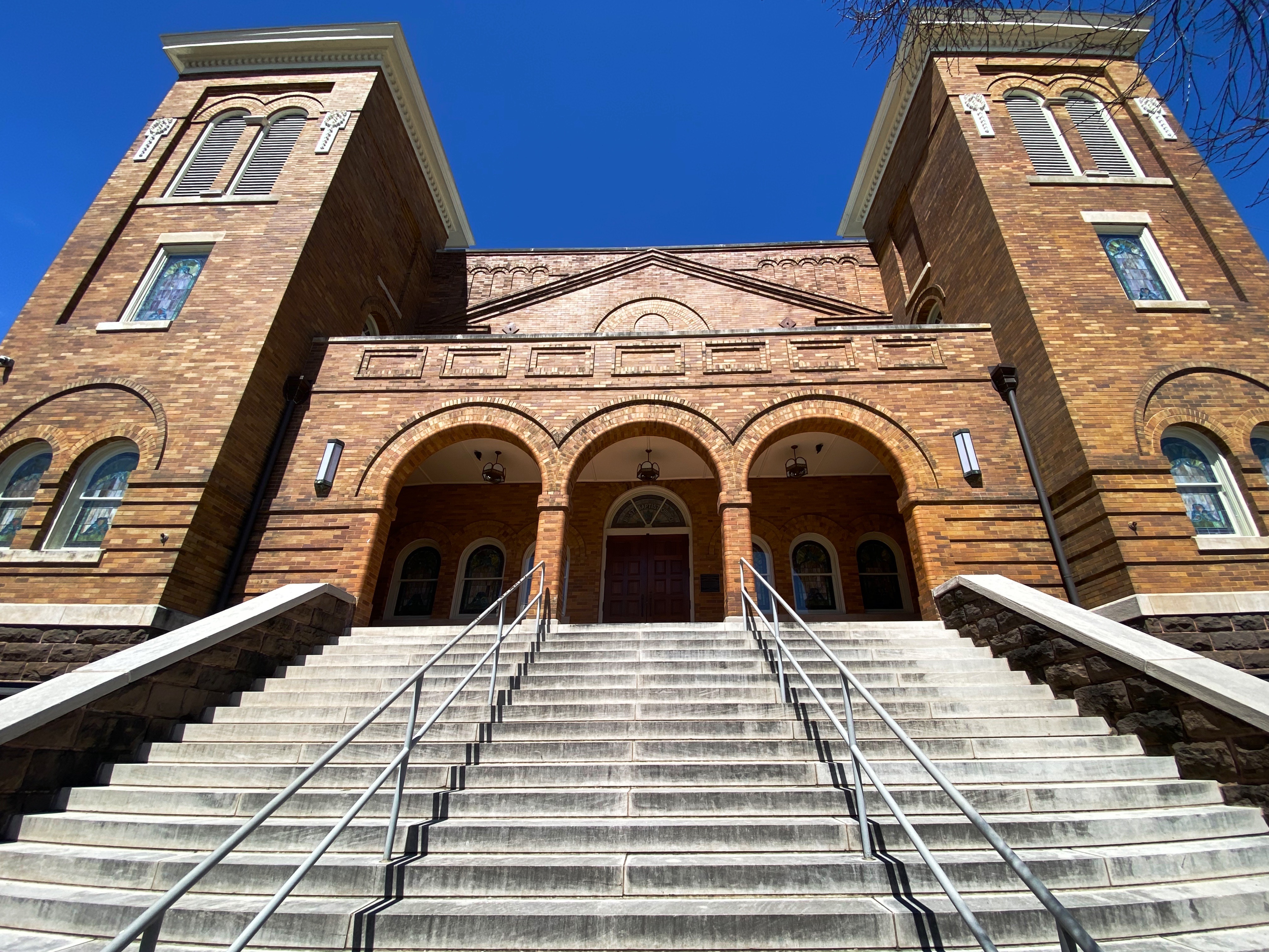
16th Street Baptist Church

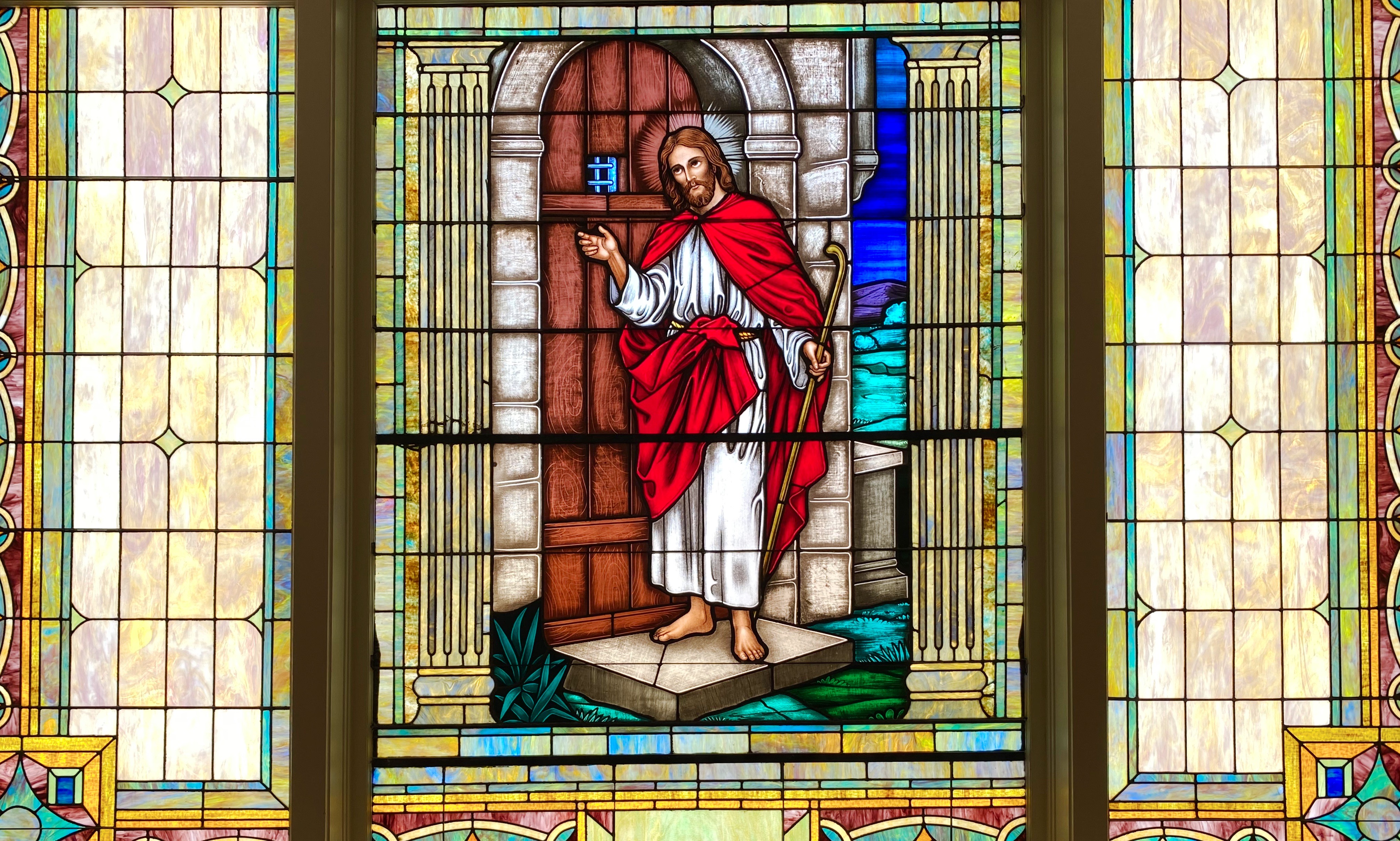
The 16th Street Baptist Church is across the street from the BCRI. We took a tour of this church that figured so prominently in the fight to end segregation in Birmingham. This church was a central rallying point for the protests that took place in Birmingham.

As a result, white segregationists targeted the church and on Sunday, September 15, 1963, segregationists placed dynamite under the steps on the side of the church. The explosion killed four young girls and seriously injured another young girl.

The 16th Street Baptist Church is still an active and robust parish. The tour of the church is conducted by members of the parish. They are knowledgable and engaging. Several of the elder tour guides were parishioners at the time of the bombing. If you are visiting the BCRI most definitely walk across the street for a tour at the church.https://www.nps.gov/articles/16thstreetbaptist.htm

Fika with fiona: Best of birmingham: Seeds coffee

Seeds Coffee: https://seedscoffee.com/about/

We will be publishing a second post covering the remainder of the Alabama portion of OTR 8.0 in the near future.

Be seeing you!
OTR 8.0: Virginia (but first, Maryland)

Headwaters Presbyterian Church, 1890, Headwaters, VA (pop. 113)

Cumberland, Maryland

Savage Mountain, GAP

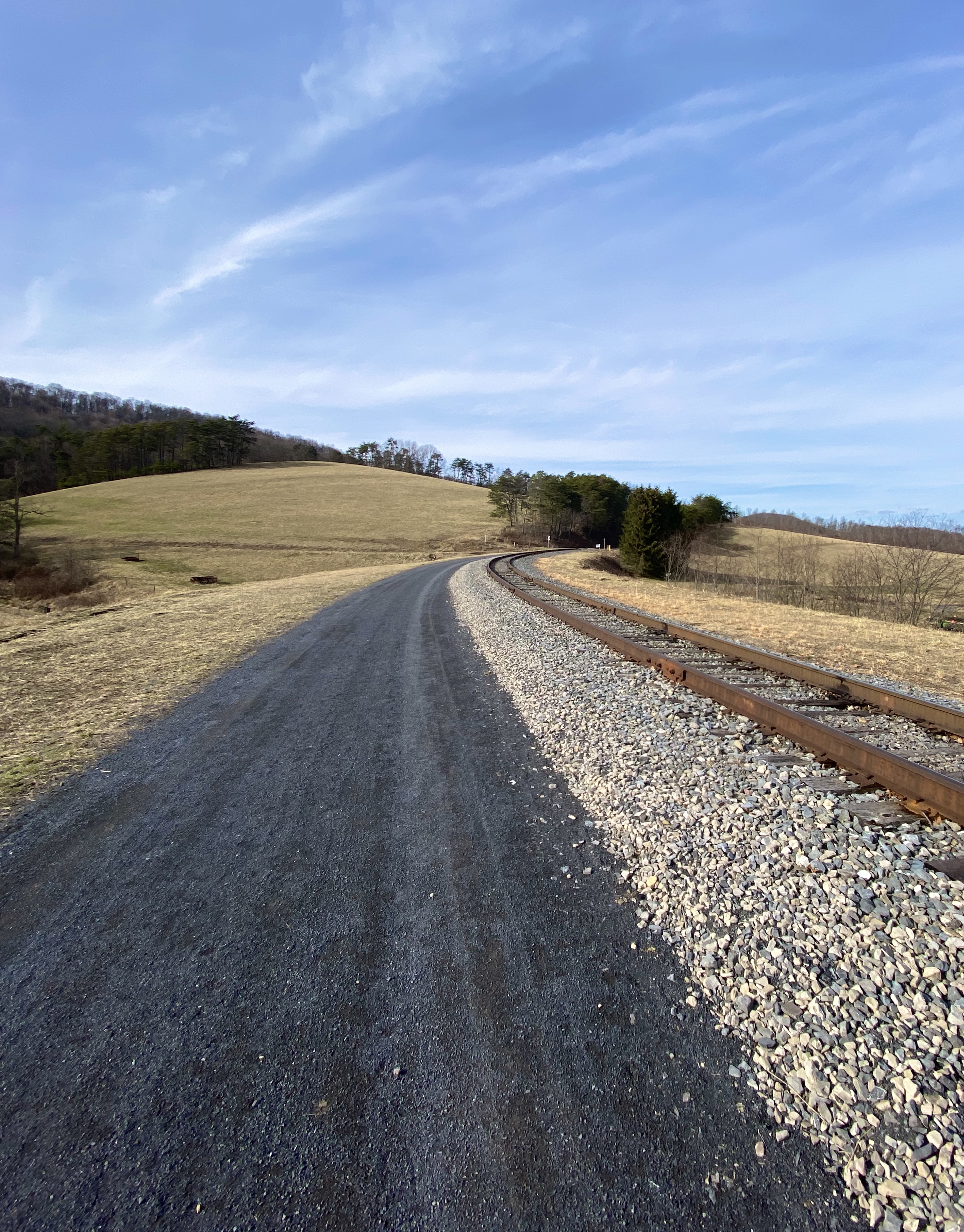
With a cool but dry forecast in front of us we decided to delay our arrival in Virginia and head to Cumberland for a couple of days to take advantage of the forecast and do some cycling. Cumberland is the terminus for two exceptional bike trails. The Great Allegheny Passage (GAP) connects Pittsburgh to Cumberland providing 150 miles of cycling. The trail roughly follows the course of three rivers from west to east: the Monongahela River, the Youghiogheny River and the Casselman River.

The C&O trail begins in Washington DC and follows the C&O Canal for 185 miles to its terminus in Cumberland. Based on a recommendation from some local bicyclists we rode west on the GAP. While the GAP has a better surface than the C&O, riding west is all uphill out of Cumberland. Of course the ride back takes about half as much time.

The scenery along the trail is spectacular as the trail ascends into the Laurel Highlands of Virginia. We definitely plan on going back in the future to ride additional sections of the trail.

Skyline drive

Skyline Drive sits within Shenandoah National Park (SNP). The road winds its way (north/south) along the crest of the Blue Ridge Mountains for 105 miles. Skyline is the only through road in the entire park. Additionally, you can only enter or exit Skyline Drive in four places. We accessed the road at the Northern entrance in Front Royal.

Driving South – Skyline Drive

While the highest elevation on the road is 3680 FASL the views are none the less spectacular. You are witness to broad green valleys reaching across to more ridgeline, and are able to view the Shenandoah River meandering through the valley to the west.

We had hoped to camp overnight at Great Meadows, which sits approximately 51 miles south of the northern entrance at Front Royal. We would then complete the remainder of the drive the following day. We also planned on hiking from the Great Meadows that afternoon. Alas, the campground was gated and we were unable to camp on the ridge.

We also had planned to hike to Lewis Fall from the campground. We still wanted to hike so we pushed on to a trailhead about five miles further south based on a recommendation from a park rangers.

The Rose River Trail is a loop trail that descends from a trailhead at Fishers Gap. The Rose River is just 8.8 miles in length but flows down from one of the highest points on the Blue Ridge until it converges with the Robinson River.

After descending to the valley floor,the climb back up to the trailhead was steep and a bit arduous as you regain the 1000 feet of elevation lost on the way down. The sights and sounds of the multiple waterfalls and cascades that are your constant companions on this hike more than compensate for the effort.

Highland County

After finishing the hike we made our way south completing the drive and heading west to stay in Staunton (pronounced Stanton). We had stopped in Staunton in March, 2020 on our way back to Connecticut after the pandemic cut short that trip – looking for coffee and food. We found an excellent coffee shop and roaster (Crucible Coffee) and an excellent restaurant (Table 44) that were both still operating. We have fond memories of our stop in Staunton as we had limited option in March 2020 – the excellent news is that our memories had not failed us and we again had a great dinner and excellent coffee and tea before heading west to Highland County.

The trip west to Highland is a spectacular ride on Route 250. The road is a twisting up and down affair as you climb up and over the crest of Shenandoah Mountain.

Hankey Mountain Highway -Route 250

Highland County is the least populated county in Virginia. While the county is 416 square miles the population is a mere 2200 people. The economy is dominated by agriculture – mostly in the form of beef cattle as the mountainous terrain and narrow valleys are not conducive to growing crops at scale.

Eastern Continental Divide, Allegheny Mountains

The Western border of the county is formed by the ridges of the Allegheny Mountains (see photo above of Allegheny Mountains as viewed of Shenandoah Mountain). The Allegenies at the western edge of the county also form the border with West Virginia. There are just three communites in the county; McDowell, Montery and Blue Grass. You may find other places designated on maps but they are just remnants of towns.

Beulah Presbyterian Church

We are drawn, as you know, to more remote locations to enjoy nature and solitude but must confess that part of our motive for this segment of OTR 8.0 was the Annual Highland County Maple Festival. The Maple Festival has been taking place for two weekends in March for the last 52 years.

Maple Dounts

What can we say – donuts, pancakes, pretzels, etc. – all made fresh by local residents with pure maple syrup from Highland County. The money supports local churches, civic organizations and businesses. More importantly it is all gosh darn delicious and the people are happy you made the trip up to ”Little Switzerland” from down in the Eastern lowlands!

The Curly Maple, Monterey, Virginia (pop. 130)
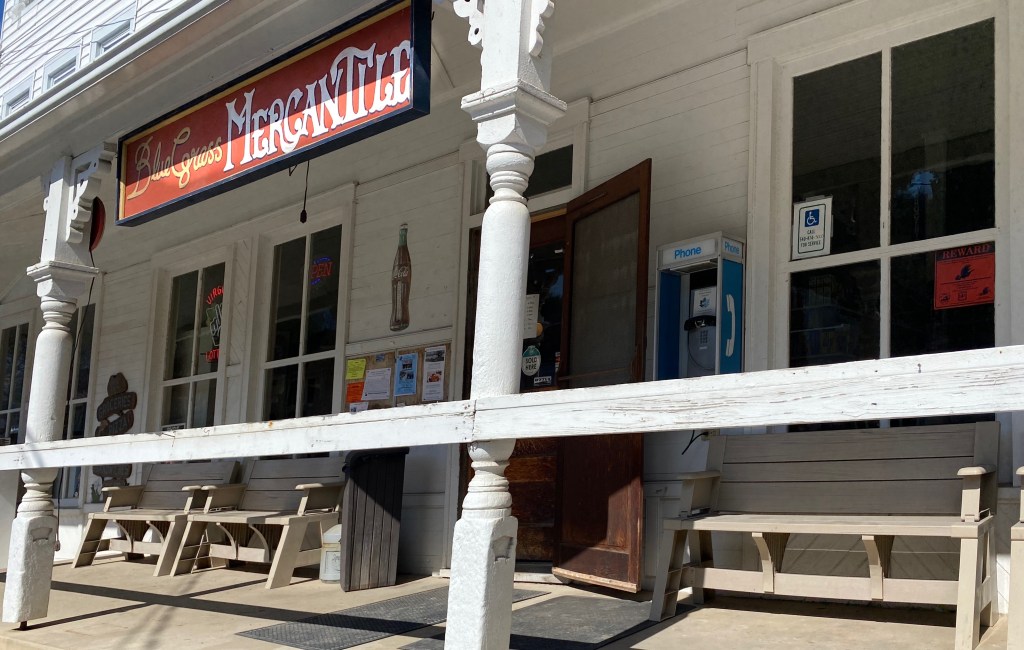
Blue Grass Mercantile, Blue Grass Virginia (pop. 144)
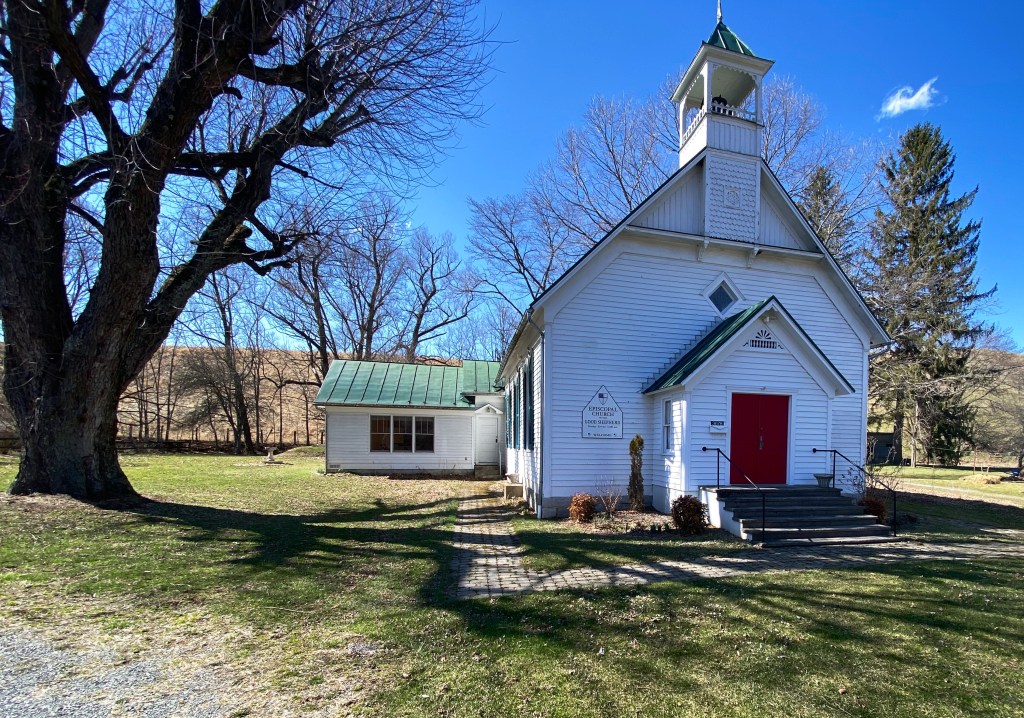
Episcopal Church of The Good Shepard, Blue Grass, Virginia

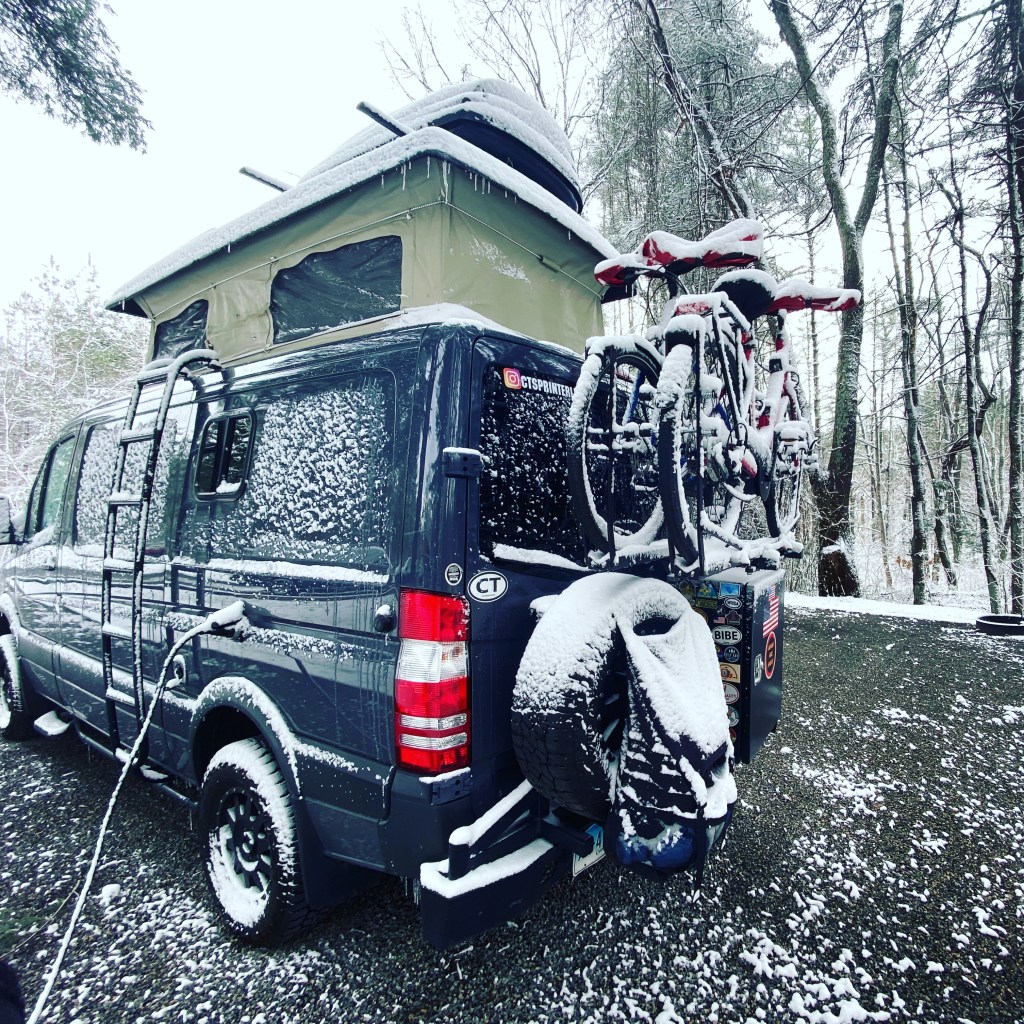
We enjoyed touring the valleys of Highland County and chatting with some of the local folks we met in the towns (even if one of them called us Yankees!) but we knew it was time to move on when we awoke to snow and howling winds.

Be seeing you!
P.S. As you may have noticed if you follow our blog on a regular basis our posts are not published on a strictly chronological basis.

Great Smoky Mountains National Park (GSMNP)

Hiking

GSMNP is a fantastic destination for hiking. There are 150 official trails within the park that provide over 800 miles of hiking opportunities. The Appalachian Trail also traverses the park.

We spent four days at the park. The mornings tended to be cloudy and foggy in the hollows and valleys so we auto toured in the mornings (after finding coffee) and hiked in the afternoon.

Hikes at GSMNP range from short and easy to full on backcountry. There are many connector trails allowing hikers to elongate or shorten hikes, or to create loop hikes.

GSMNP Trail Map

Because of the park’s topography, there are a multitude of creeks, streams, and rivers which make for many water crossings and provide the sound of rushing water as an accompaniment to the beautiful scenery. Additionally, waterfalls abound (especially in spring) providing hikers with plenty of ooh and ahh moments.

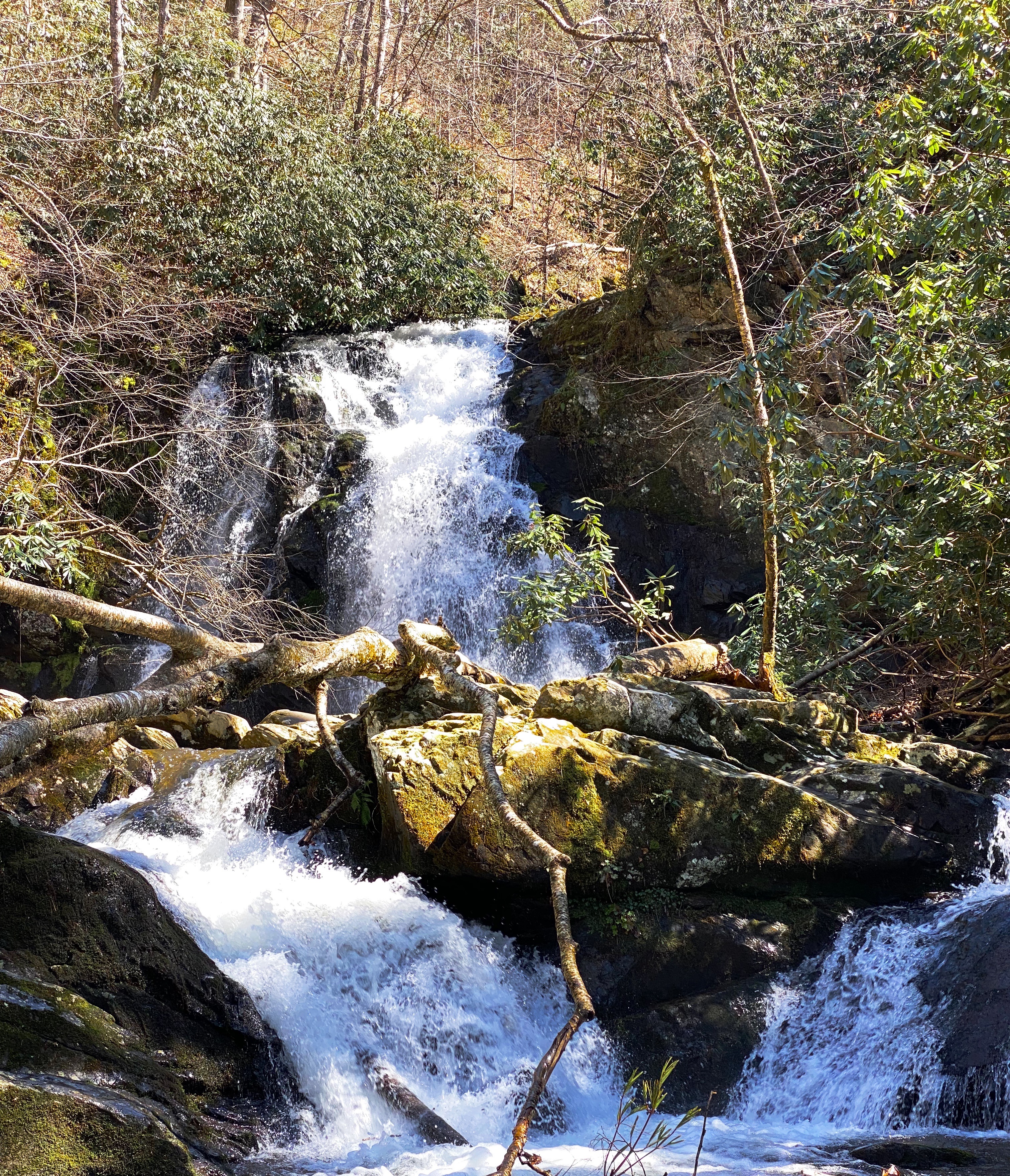
Spruce Flats Falls

Auto touring

GSMNP provides plentiful opportunities to take in vistas and view wildlife while touring the park by auto. There are a number of designated tour loops and routes throughout the park. There are almost 400 miles of paved and gravel roads suitable for ordinary passenger vehicles. There are also a number of primitive roads for those equipped with 4wd vehicles with high clearance.

Roaring Forks Motor Nature Trail
New Found Gap

Park history

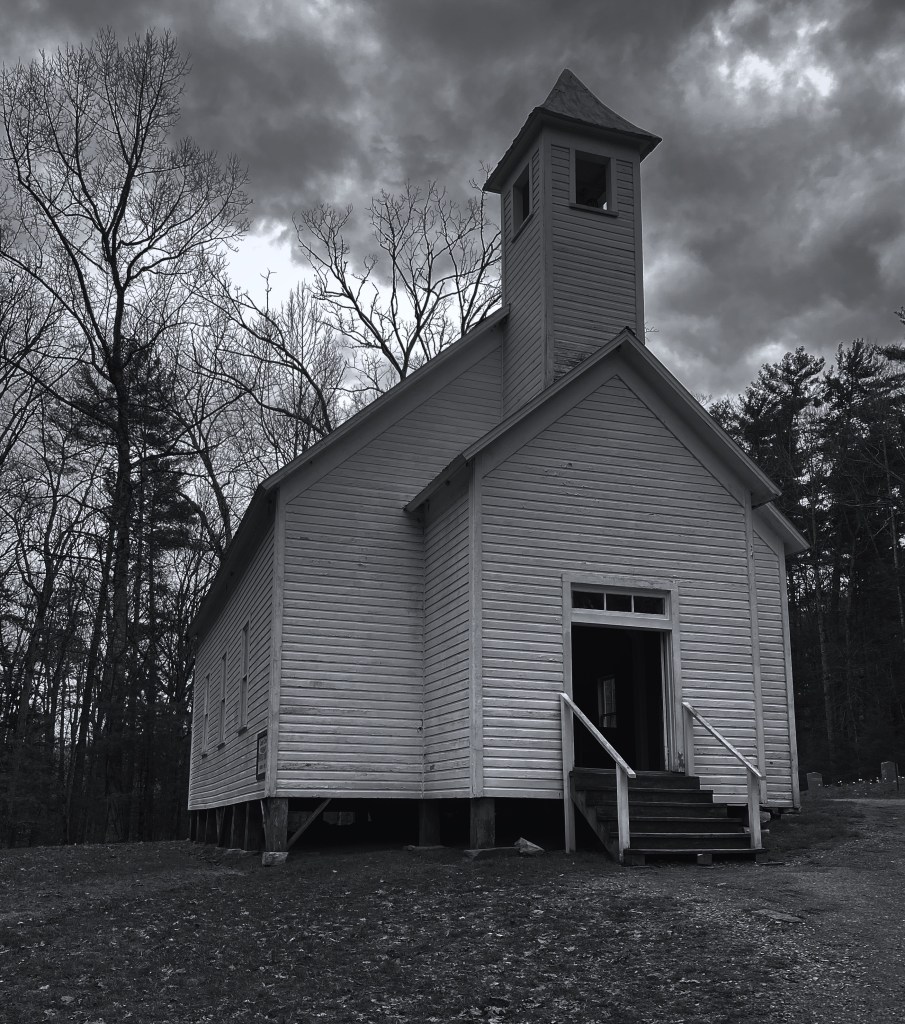
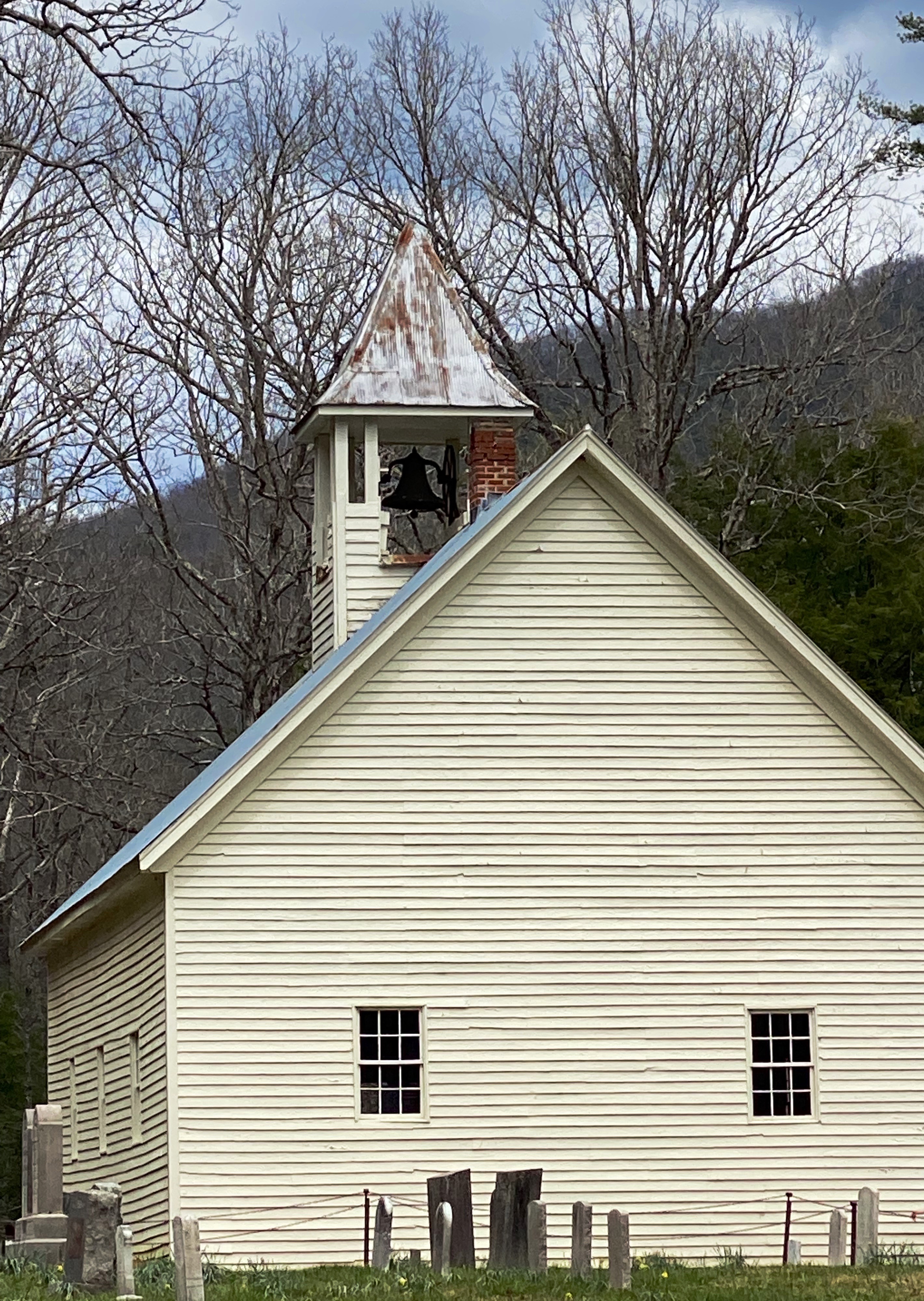
Cades Cove Primitive Baptist Church, 1827

GSMNP opened in 1940 about six years after being chartered by Congress. Much of the land within the park was previously privately owned. Many of the advocates for the park were attempting to stop the massive clear cutting by timber companies that was destroying the forest, and believed a national park was the best way to acquire and protect such a large tract of land (523,000 acres).

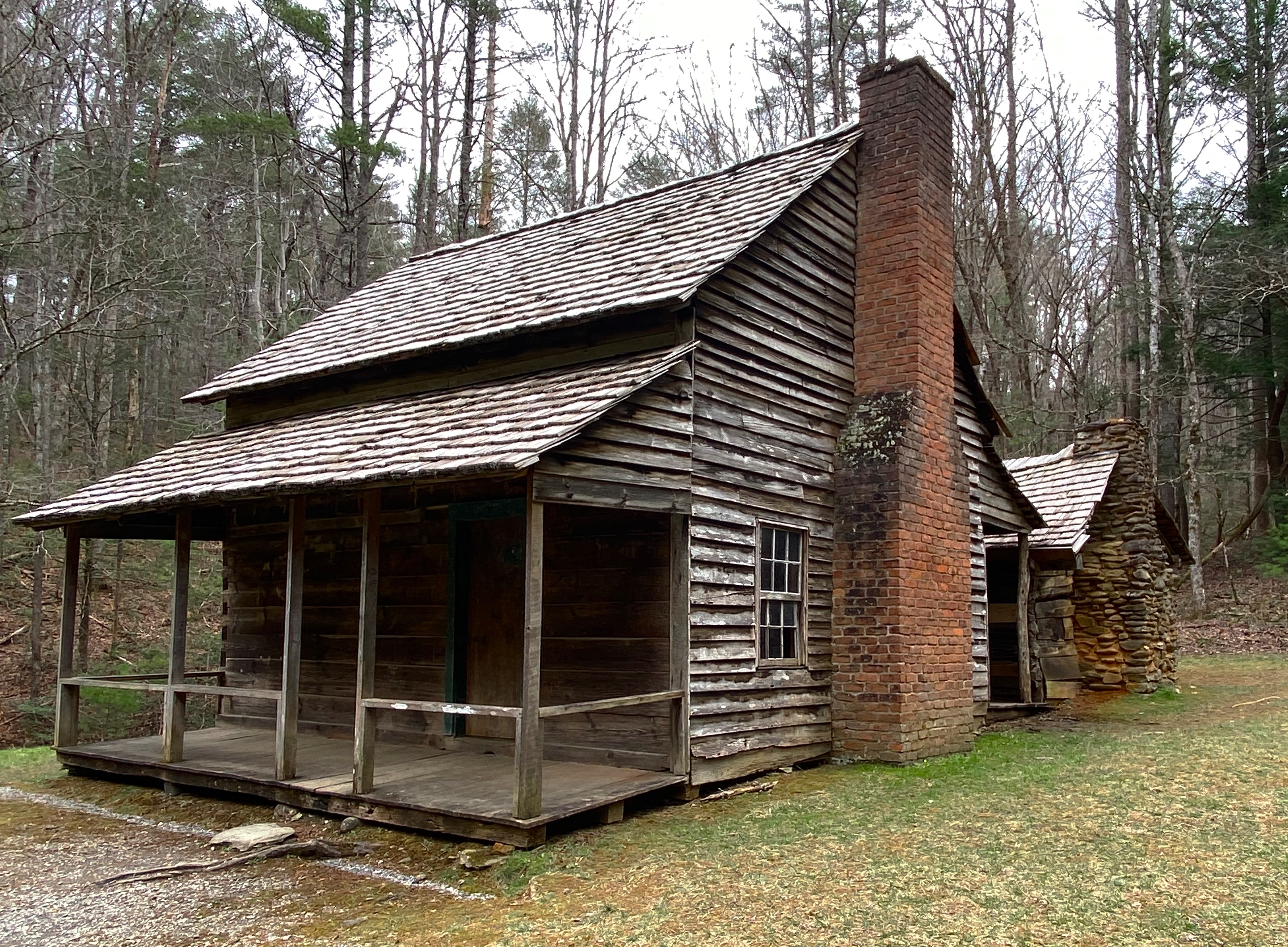
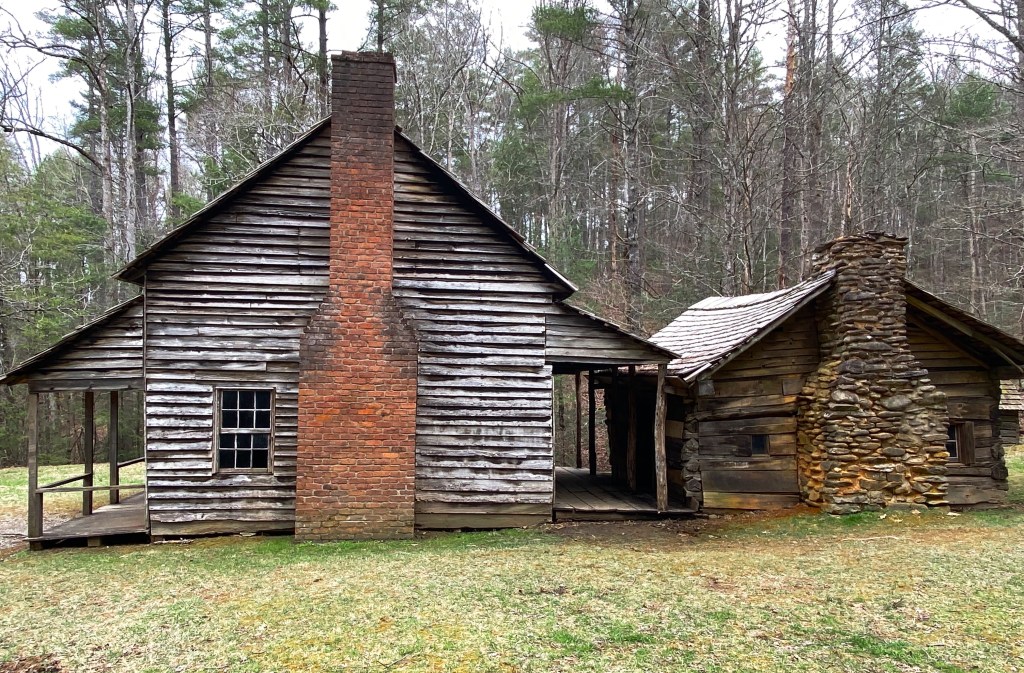
Henry Whitehead Cabin, Parsons Branch Road, c. 1895

Of course, in addition to the land owned by the timber companies, there were a number of small communities located within the proposed boundaries. Most of the residents were farmers.

Over a period of years the residents were forced off of their properties and the communities ceased to exist. Amazingly, many of the homes and other structures were not destroyed when the famlies relocated outside of the park.

Little Greenbrier School, 1892-1935
Little Greenbrier School

When we toured Mammoth Cave NP during OTR 7.0 we found the more typical situation – all the building and structures had been razed (except several churches and cemetaries) in order to erase the evidence of the communities and restore the land to its state prior to the creation of the park. We thought that practice was disrespectful and, fortunately, that was not the case at GSMNP.

We will skip the discussion of the displacement of the Cherokee Indians as we all know that story. Today, the Eastern Cherokees reside in a reservation just south of the park’s border in Cherokee, North Carolina.

There are over 80 structures still standing and maintained by the park service. The structures include, cabins, schoolhouses, barns, churches and a grist mill.

Cantilever Barn, Tipton Homestead

Pictured above and below is a replica of the original cantilever barn that was part of the homestead of William ”Fighting Billy” Tipton. The homestead still boasts the original two story cabin, blacksmith shop and corn cribs.

The origins of the cantilever barn are unknown but they are prevalent in this part of Tennessee. Historians generally agree that this type of barn was favored because it provided cover for the livestock from Tennessee’s abundant rainfall.

Cades Cove Missionary Baptist Church, 1842

Thoughts

We enjoyed our first visit to GSMNP and definitely recommend the park if you are hikers. Our caveats would be to avoid peak season – from talking with local folks, we understand that the roads into and within the park are jammed in high season. GSMNP recorded over 14 million visitors last year.

Also, we did drive through Gaitlinberg to find coffee – as a result we highly recommend entering the park through Townsend as we did. Gaitlinberg is crowded and uber touristy; it is the antithesis of the park. In our opinion there is no reason to visit Gaitlinberg unless you just cannot get enough of Ripley’s Believe It Or Not Museums!

Be seeing you.

Street Art Tourist: OTR 8.0: Part One

Hello everyone. This is our first post of OTR 8.0. Our plan for this trip is to travel throughout the Southeast. We spent several several days in Knoxville and Chattanooga during our first two weeks of the journey; neither of us had visited either city previously.

Both cities have a strong commitment to street art and we are excited to share our favorite murals from our tours.

Whenever we have been able to identify the muralist(s), we have included their information in the caption.

Knoxville, Tennessee

Many of the murals from Knox featured in this post are located in Strong Alley, downtown. The alley is known locally as graffitti alley.

Fawne DeRosia @fawne
Curtis Glover @curtisglovercreative
Megan Lingerfelt @meganlingerfelt Colton Valentine @coltonvalentine
Tina Brunetti @art_bytinabrunetti
Chance Losher @professor.rainbow
Cody Swaggerty @cswaggerty
Lacey Sutton @suttonceramics

Chattanooga, Tennessee

We only spent a couple of days in Chattanooga but we were able to capture a number of murals that, fortunately for us, are clustered in the Southside neighborhood and on Mccallie Street as part of the Mccallie Walls Mural Project.

Ali Kay @ali_kay_studio
Anna Carll @annacarllart
Kevin Bate @goodwithfaces
Nyx, Goddess of Night — Miki Boni
The Four Horsewomen (above and below) —- Kevin Bate, Hollie Berry, Miki Boni, Anna Carll and Ali Kay

We plan on publishing another edition of Street Art from the Road later in the trip. We hope you enjoyed the photographs of the murals. You can see additional murals @ctsprinterlife.

Be seeing you!