
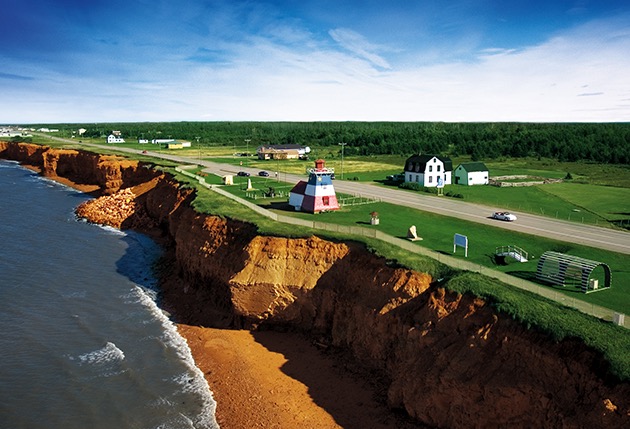
After a fantastic two week tour of Cape Breton (future post) we headed west back to Halifax for a night and then north to Moncton (see Marvelous Moncton post). From Moncton we spent a day exploring a bit of the Acadian Coast following the Acadian Coastal Drive from Shediac to Bouctouche. Many sections of the drive are right along the coast providing wonderful views of the beaches, small harbors and the Gulf of St. Lawrence.

As you may recall from several of our previous posts from the maritime provinces, the first European settlers in this area of Canada emigrated from France, arriving in the early 1600s. The fortunes of the Acadians rose and fell as the French and British fought for control of the provinces over a 75 year period. In 1755 the British began to deport those Acadians who would not swear allegiance to the British Crown. Many were deported to the American Colonies, while some returned to France and a sizable contingent went to Louisiana, which was at the time a Spanish possession.

The group in Louisiana named their new home Acadiana. Today the Cajun French culture and language still flourish in Acadiana (we can attest to this having toured Acadiana). Over one third (22) of the 64 parishes in Louisiana make up Acadiana, which is officially recognized by the state of Louisiana. The are about 250,000 Cajun French speakers in Acadiana today (see our post Bayou Teche).
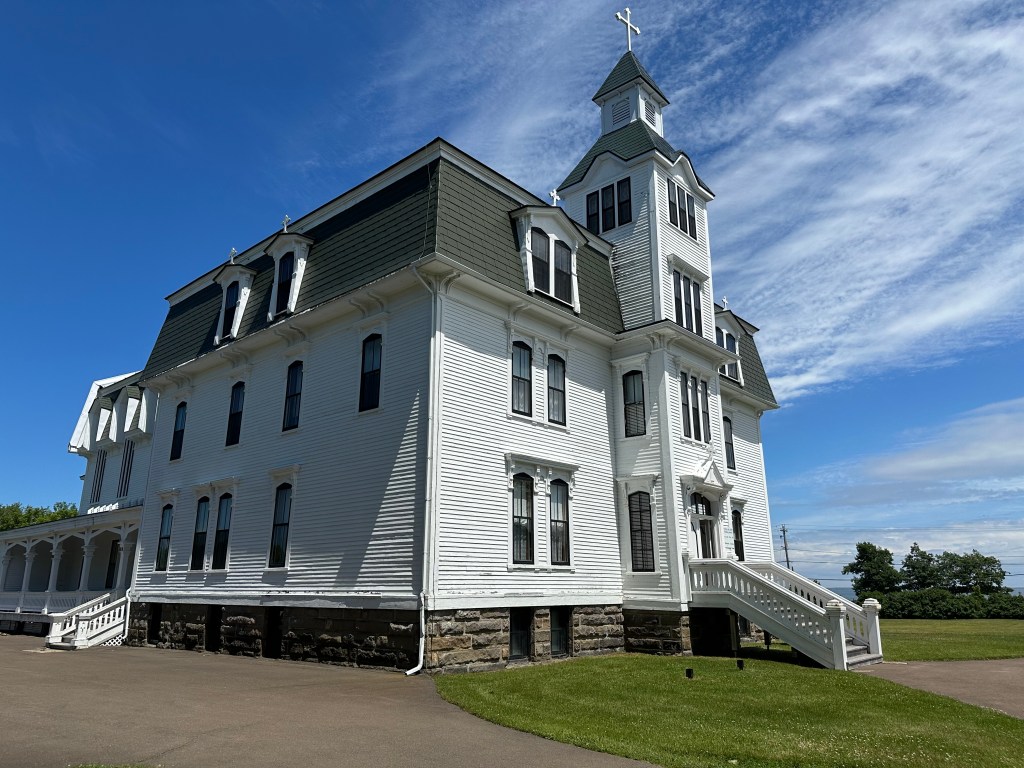
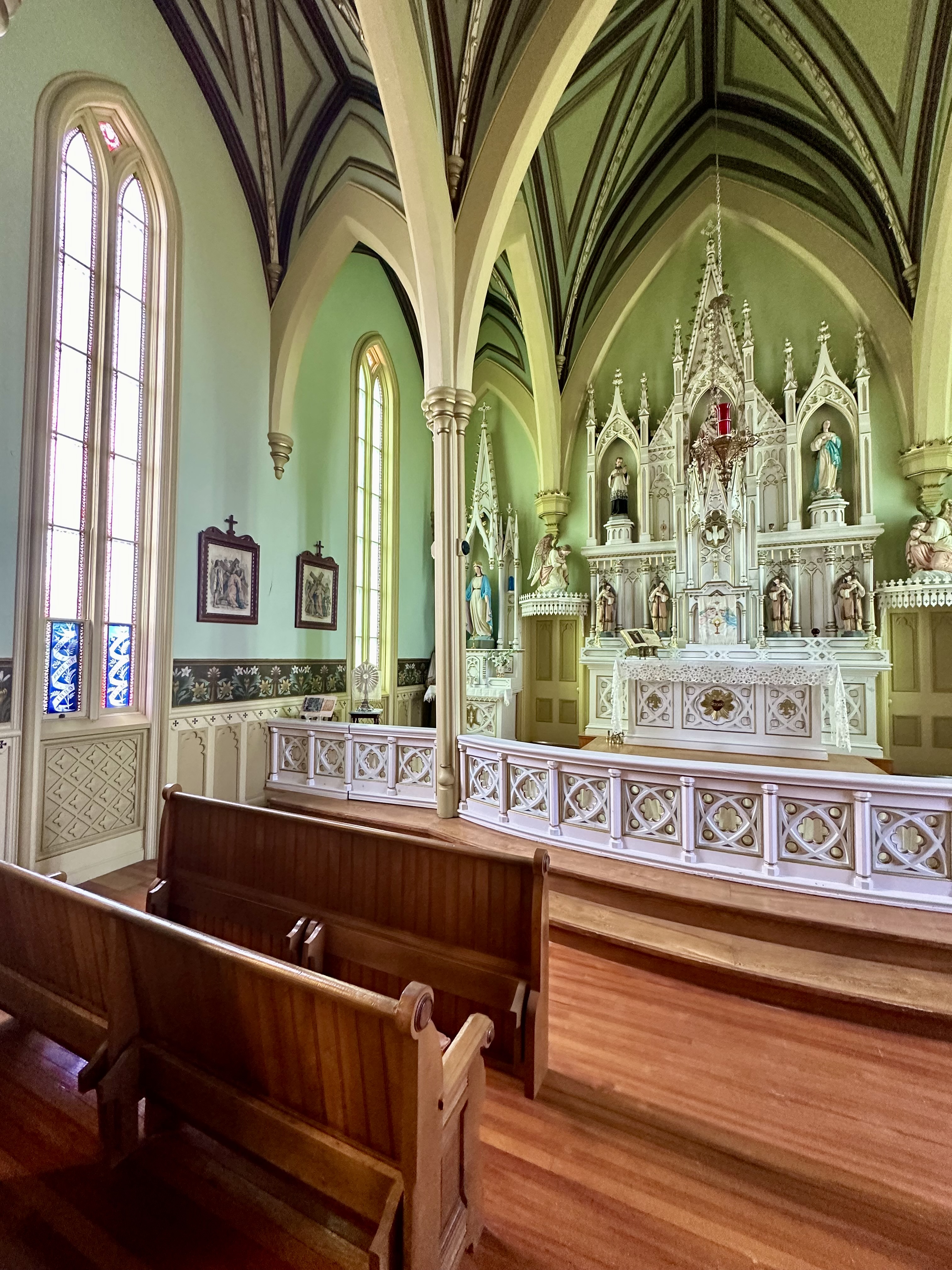
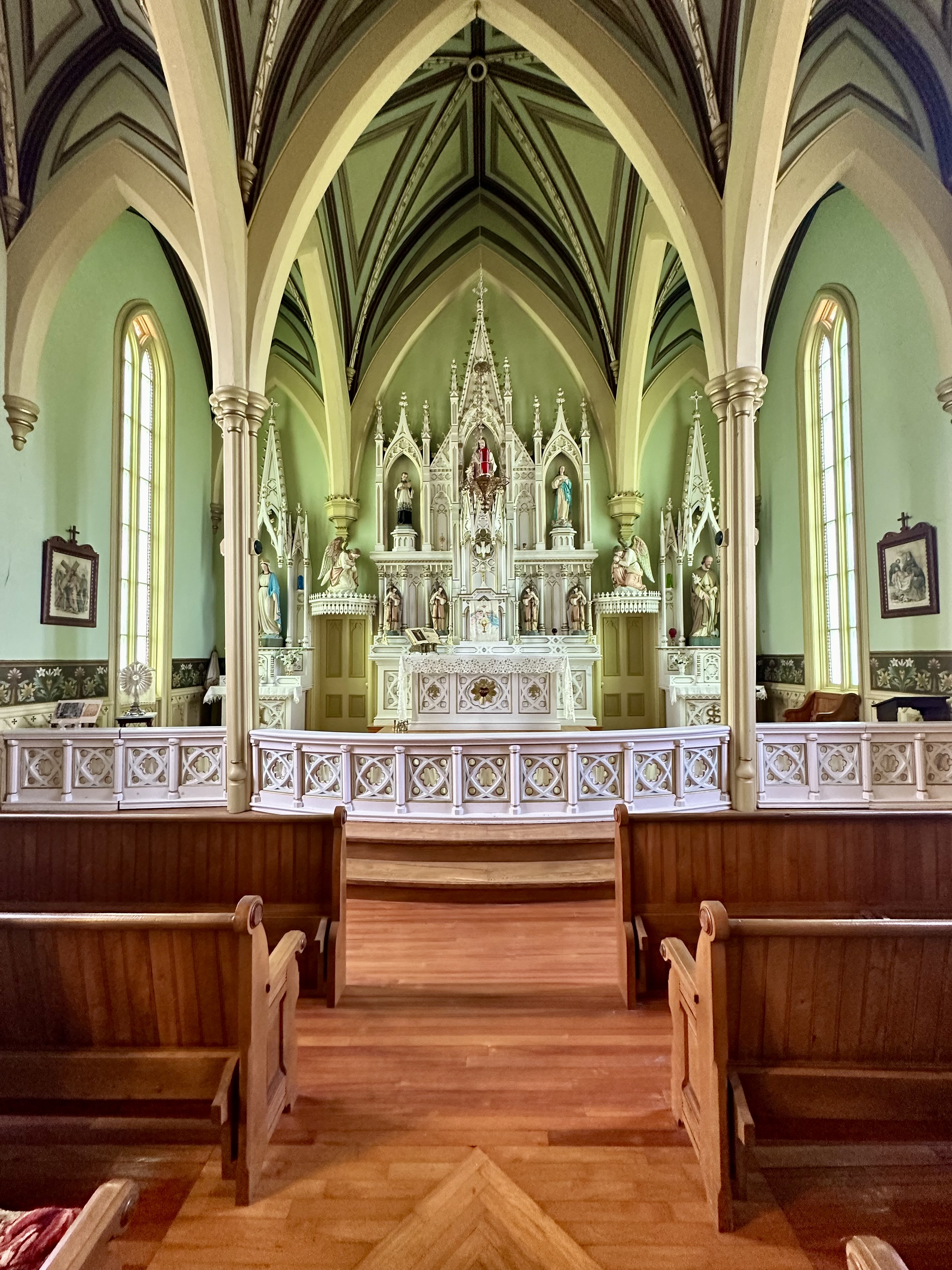
Our first stop on this daylong tour was at the Musee de Kent located at la Pointe-‘a-Jacquot. The museum was formerly a convent and girls boarding school. Father F.X.J. Michaud, the local parish priest, led this effort. He was very keen that young women have the opportunity to obtain a level of education that would otherwie not have been available at that time.The building itself is interesting architecturally and the interior is a treasure trove of local culture. The building was built by local carpenters who volunteered their time and the lumber was donated by parish families! The school and convent opened in 1880.


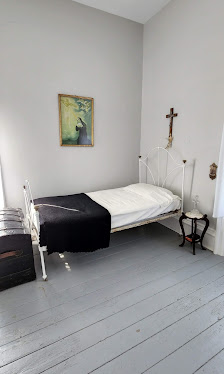
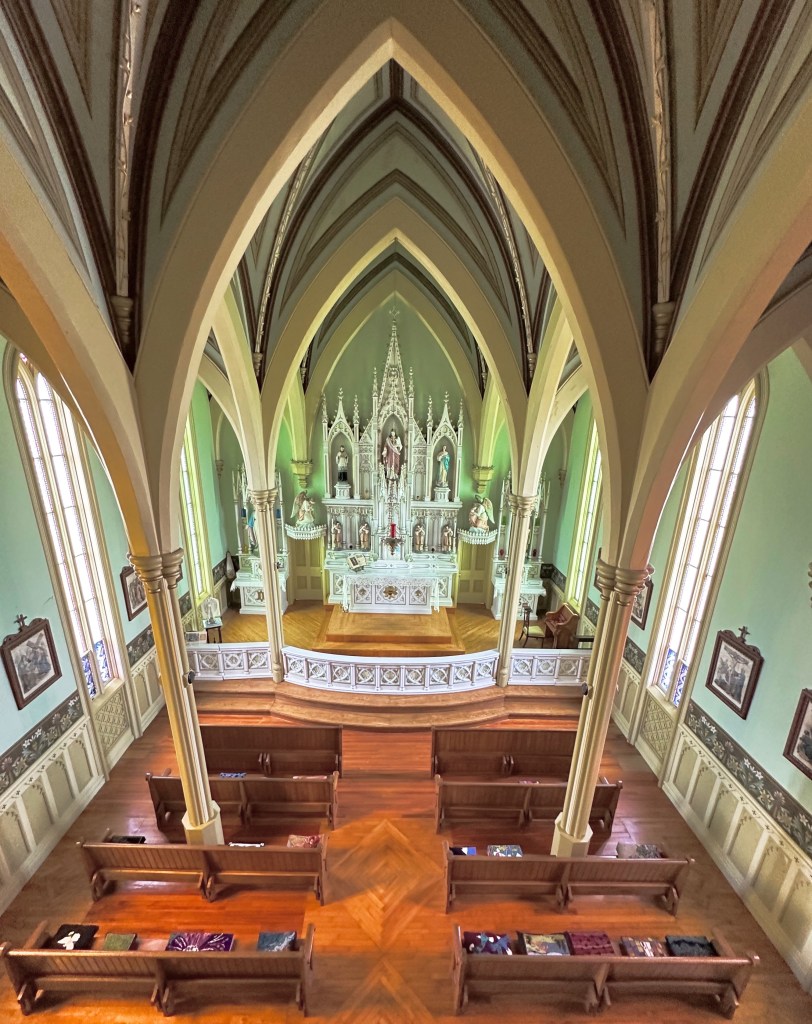
Our guide provided us with an informative tour in English, which was definitely her second language but fortunately it was much better than our non-existent French language skills! The absolute hidden gem in the museum is the Gothic altar in the back portion of the building.

From the museum we followed the coast further north to la Dune de Bouctouche. This sand dune extends 7.5 miles along the Northumberland Strait, creating Bouctouche Bay on its backside. The preservation and restoration of this significant and, of course, fragile dune has been made possible by J.D. Irving Limited. Seeing Irving facilities was a common occurrence during our travels through the provinces. Irving is a large privately owned company headquartered in New Brunswick; their core business is extractive industries – forestry, timber, crude oil and liquid natural gas. We drove through many miles of Irving Wood Lands on their logging roads. Irving operates the Irving Eco-Centre adjacent to the dune and fully funds the preservation and restoration activities. Thank you Irving family!


We learned a lot about the environmental aspects of the dune and the flora and fauna that inhabit the dune. We also had great fun walking on the long stretch of beach and in the water (surprisingly warm).
On our way back to Moncton we stopped in Shediac for some fresh seafood and a beverage (you know how hungry you are after walking on the beach!). Shediac is the self-proclaimed Lobster Capital of the World so we of course dined at the Lobster Deck. As always fresh and delicious! Footnote: Shediac is a French town as you would expect on the Acadian Coast but has a distinctive accent known as chiac named after the town.
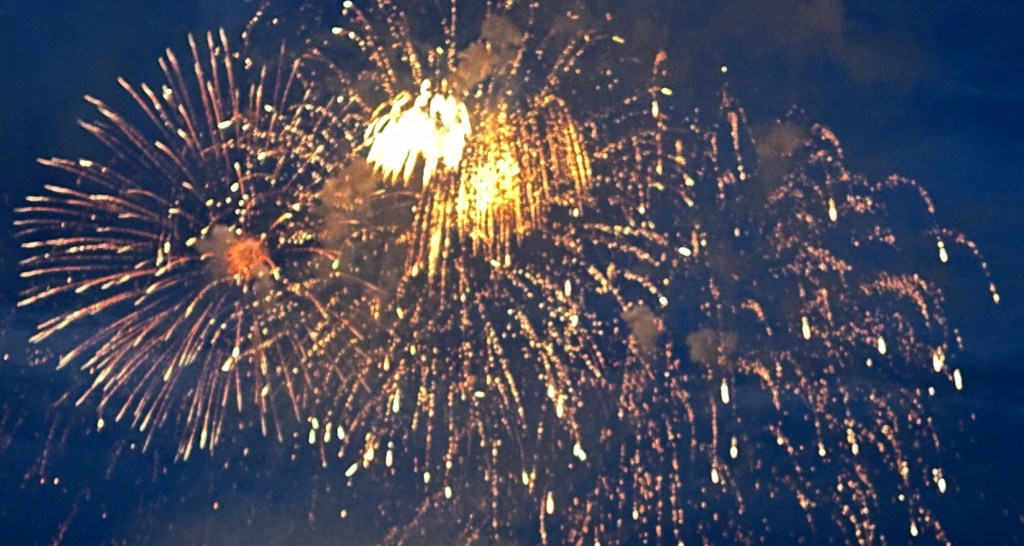
Our hotel manager (Canvas Tapestry by Marriott) had graciously upgraded us to a Presidential Suite facing the river front so that we could watch the Canada Day fireworks from our balcony – sweet! Canadians, in Moncton anyway, were quite celebratory on July 1 with fireworks, music and civic events. Canadian flags were seemingly attached to every house, building and motor vehicle we saw.



Canada Day (formerly Dominion Day) has been celebrated since July 1, 1867. That was the year in which Canada was granted the right to be self-governing as a dominion and was no longer under the direct rule of Great Britain as it had been until then as a colony. However, it was not until 1982 that Canada implemented its own constitution and became fully independent. Interestingly, and perhaps weirdly from our perspective, Charles III is the King of Canada as Canada remains a member of the British Commonwealth.
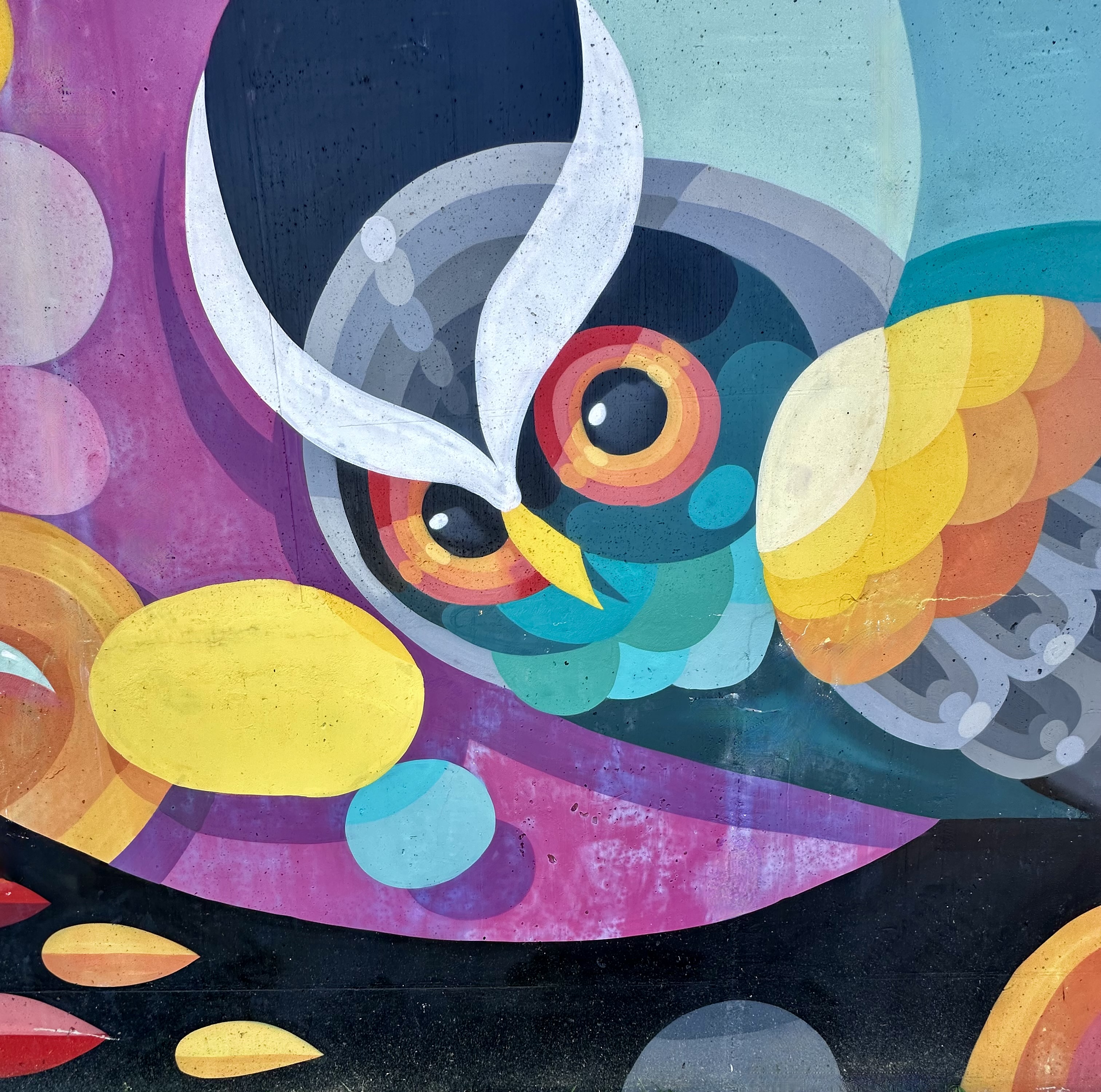
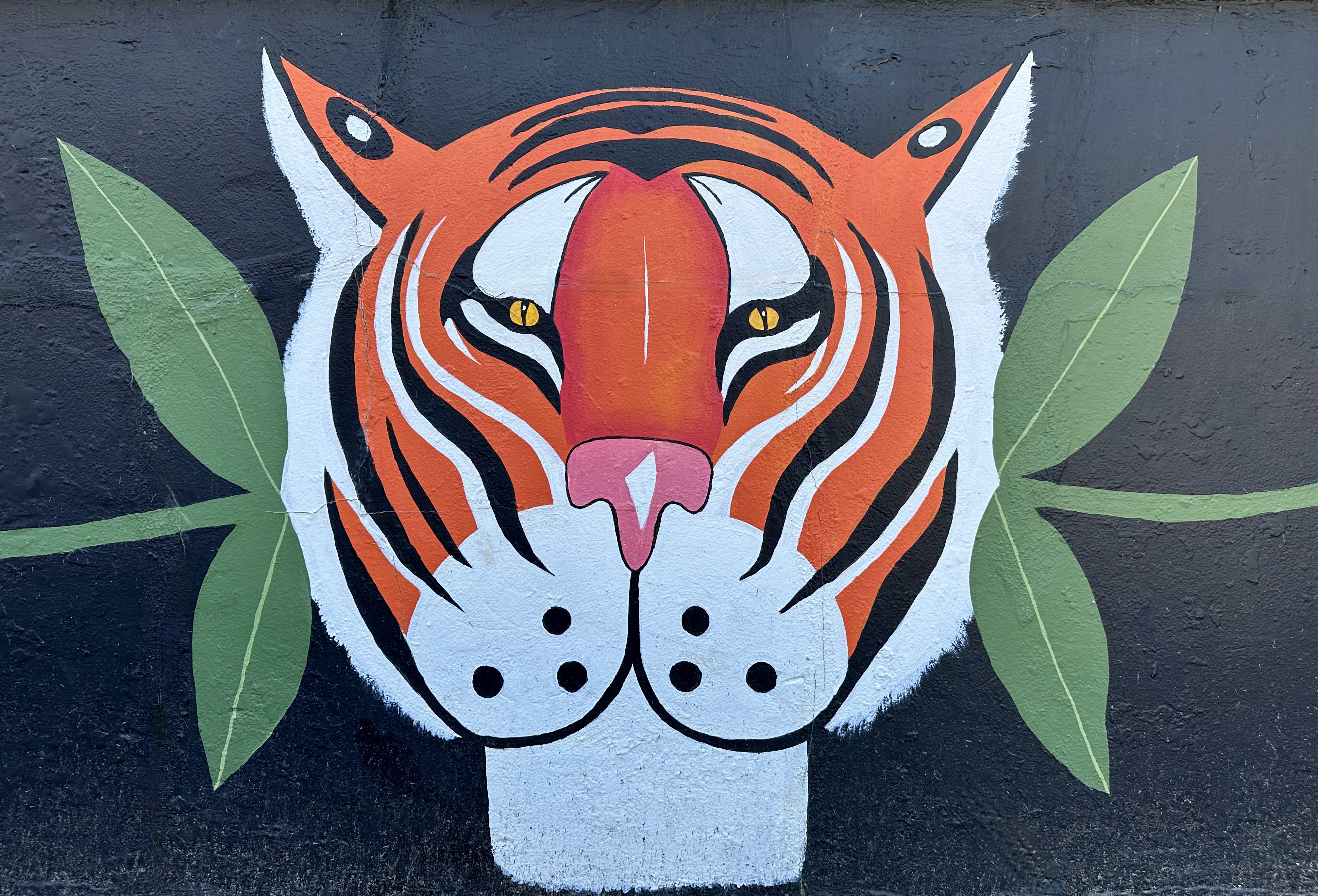
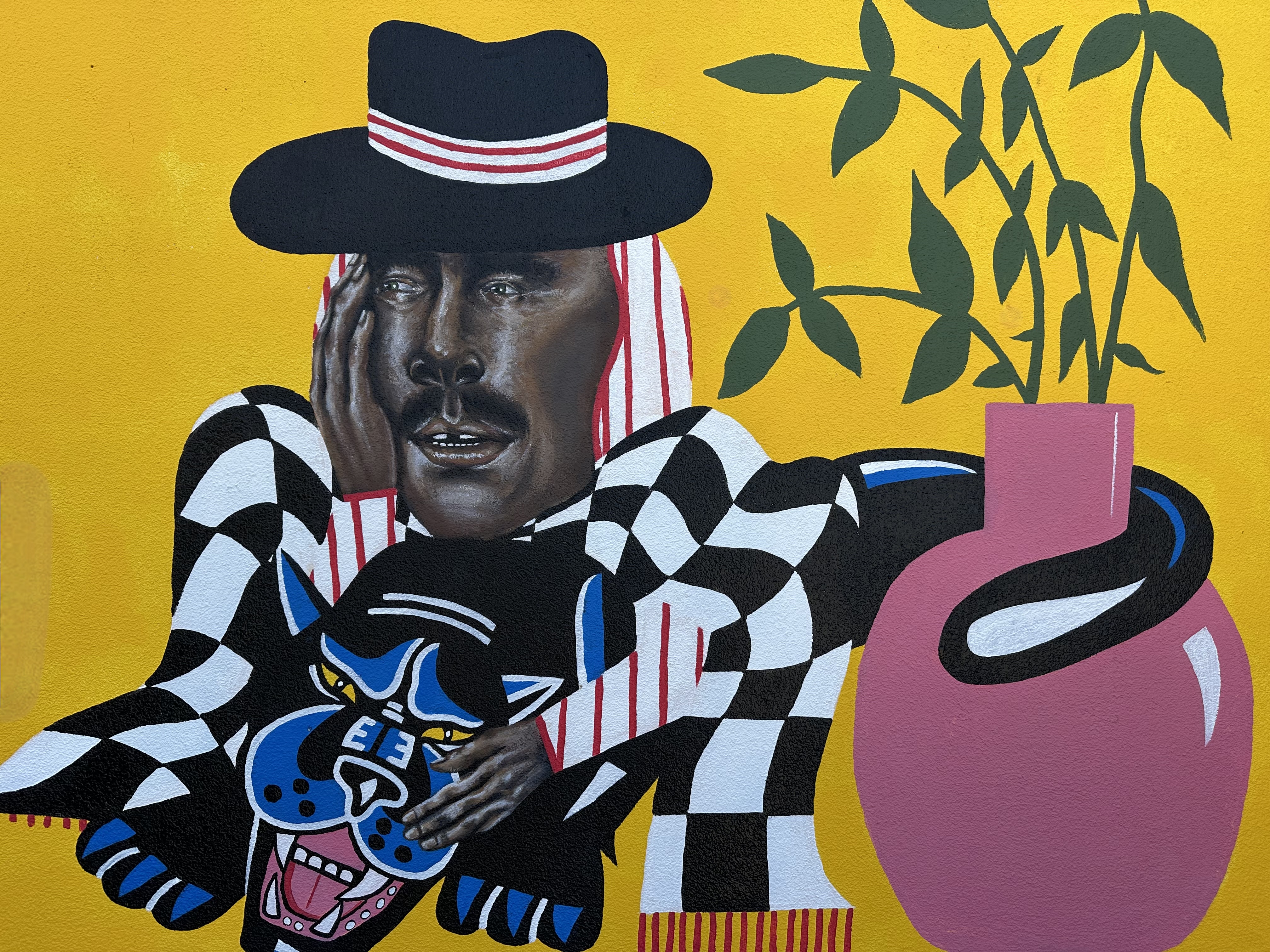
During our brief second stay in Moncton we did take advantage of the opportunity to track down a few more street murals.


This is our penultimate post from OTR 10.0. Our ultimate post will cover our two weeks on the island of Cape Breton. We hope you have been enjoying our posts and finding them informative and perhaps even interesting.
Be seeing you!












 ON THE ROAD with Maria + Stephen