After out tour of the scenic Bay of Fundy coastline we made our way northeast to Prince Edward Island (PEI). The weather on the day we crossed over was raining, foggy and windy so we did not get much of a view of the Northumberland Strait or the PEI coastline. We have to admit that there was something a bit scary about driving across a narrow bridge over a strait that is part of the North Atlantic as opposed to a lake or river. Oh, by the way, when you cross the bridge back to New Brunswick, the toll is $48.00 Canadian!

The bridge is quite the engineering feat—spanning eight miles of the Northumberland Strait (North Atlantic) which freezes during the winter months. It is the longest bridge over frozen water in the world. The bridge opened in 1997 after four years of construction. Prior to the opening of the bridge, the only way on to the island in a vehicle was by ferry. The aforementioned freezing of the Strait meant that ferry service was periodically disrupted for extended periods during the winter.

(Photo courtesy of Canadian Encyclopedia)
Our pre-trip research indicated that PEI has an extensive bicycle trail network – the Confederation Trail. The trail runs the entire length of the island (140 miles) with many spurs to explore as well.

The Confederation Trail owes it’s existence to the Prince Edward Island Railroad (PEIR). The PEIR was a narrow gauge railway built during the 1870s. It hauled both freight and passengers. Much of the early freight hauled were potatoes – the major crop on the island. Potatoes are still the major agricultural crop today – you see large potato fields just about everywhere you travel outside of Charlottetown (no wonder, since there are 86,000 acres planted with potatoes). Farms on PEI produce 25% of all the potatoes produced in Canada even though it is the smallest province in all of Canada (land area and population).

The PEIR was heavily utilized during WW2 to haul supplies to military bases operating on the island as part of the war effort. After the war, volume declined as military bases closed and potatoes began to move by a combination of truck and large ferry boats. The railway was operational until 1989 when declining volume precipitated the demise of the PEIR.

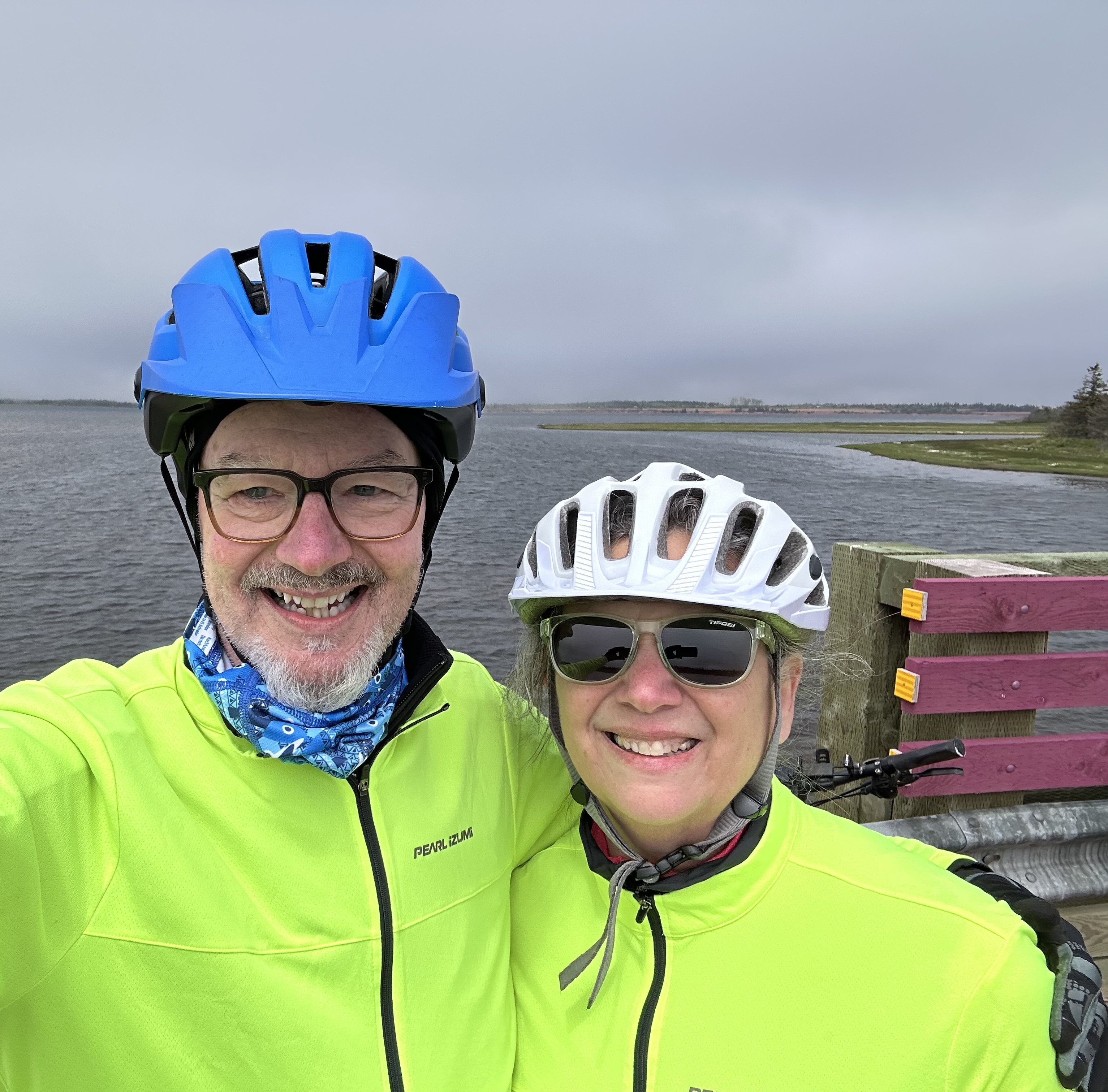
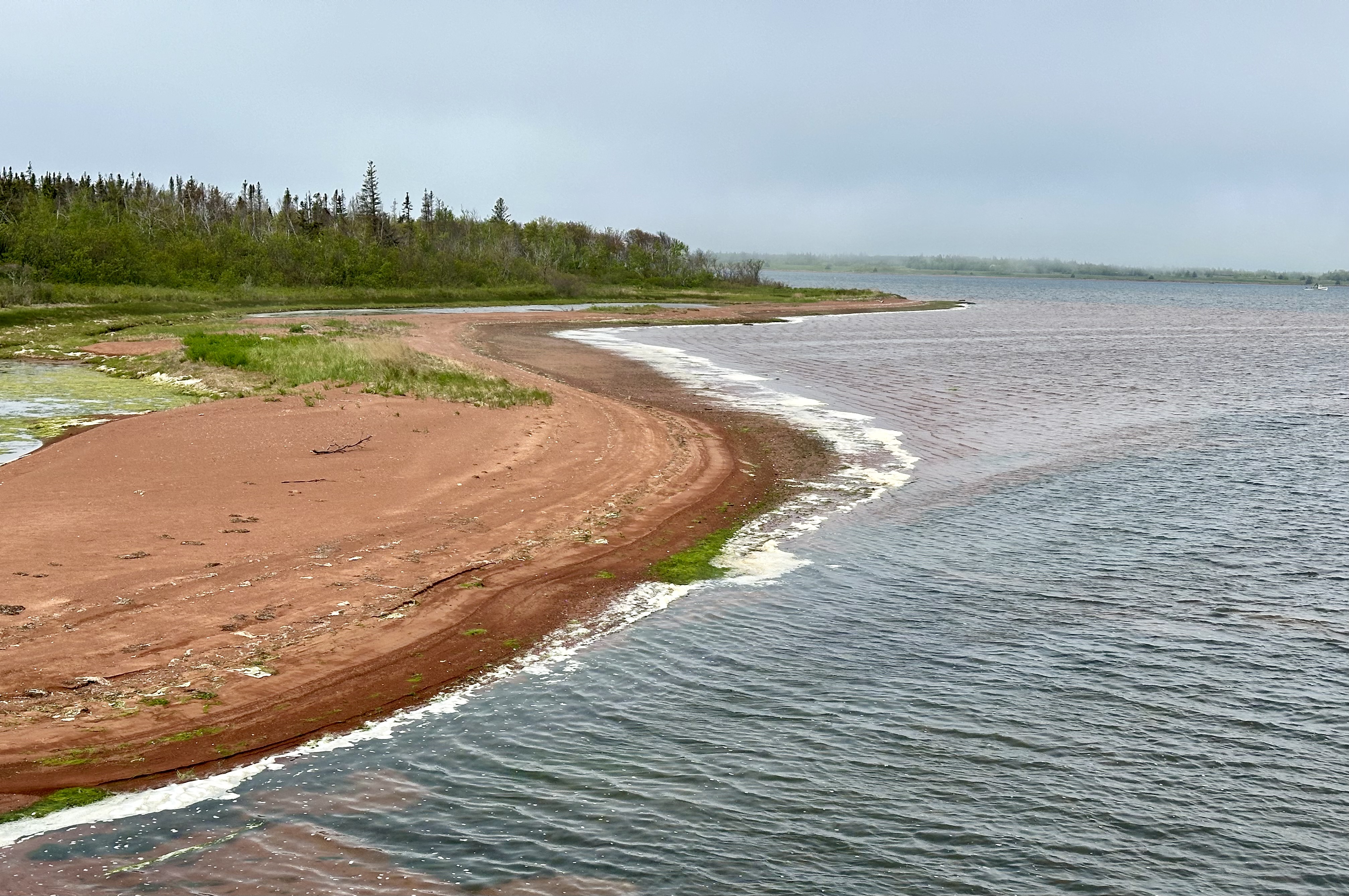
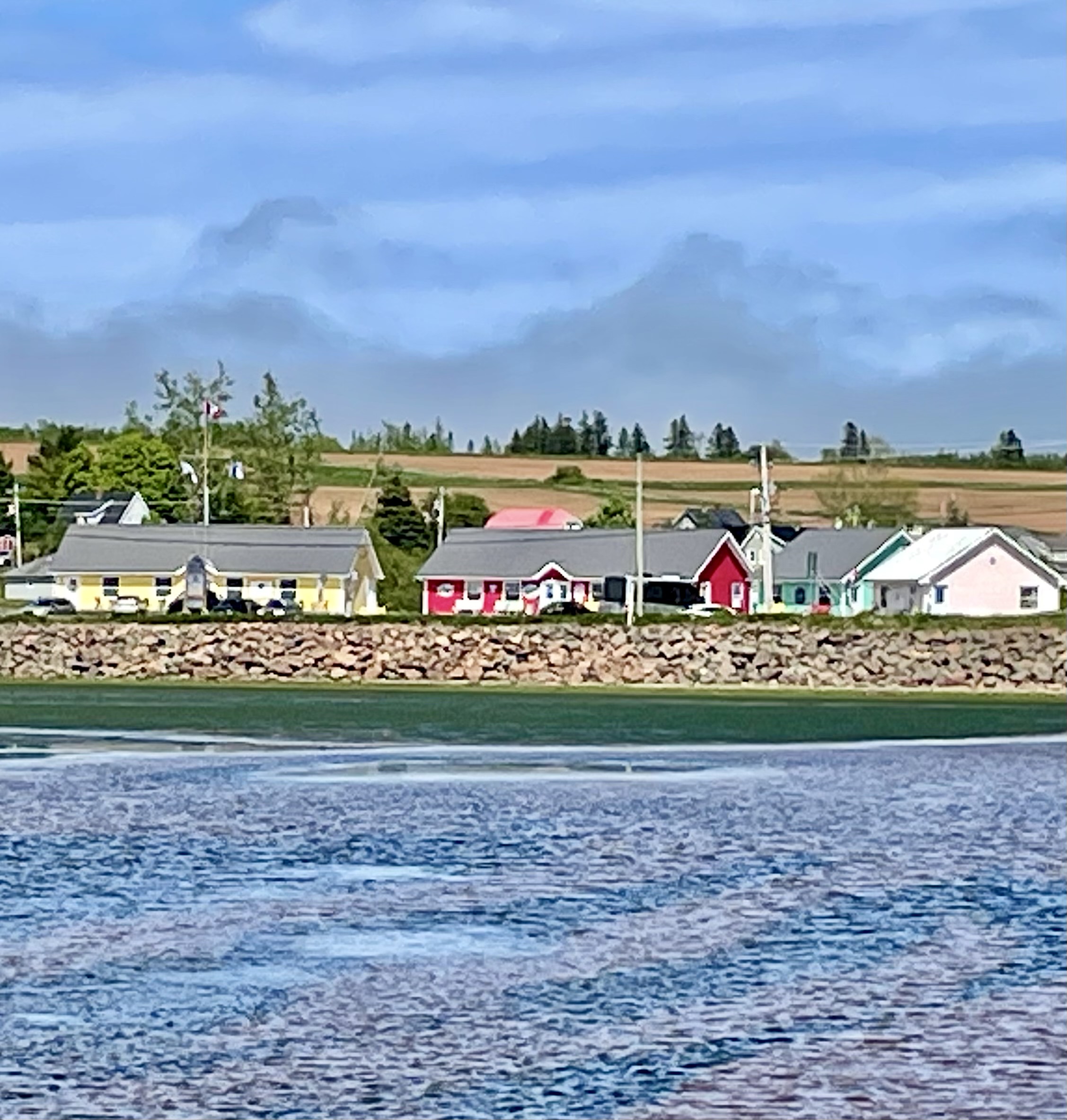
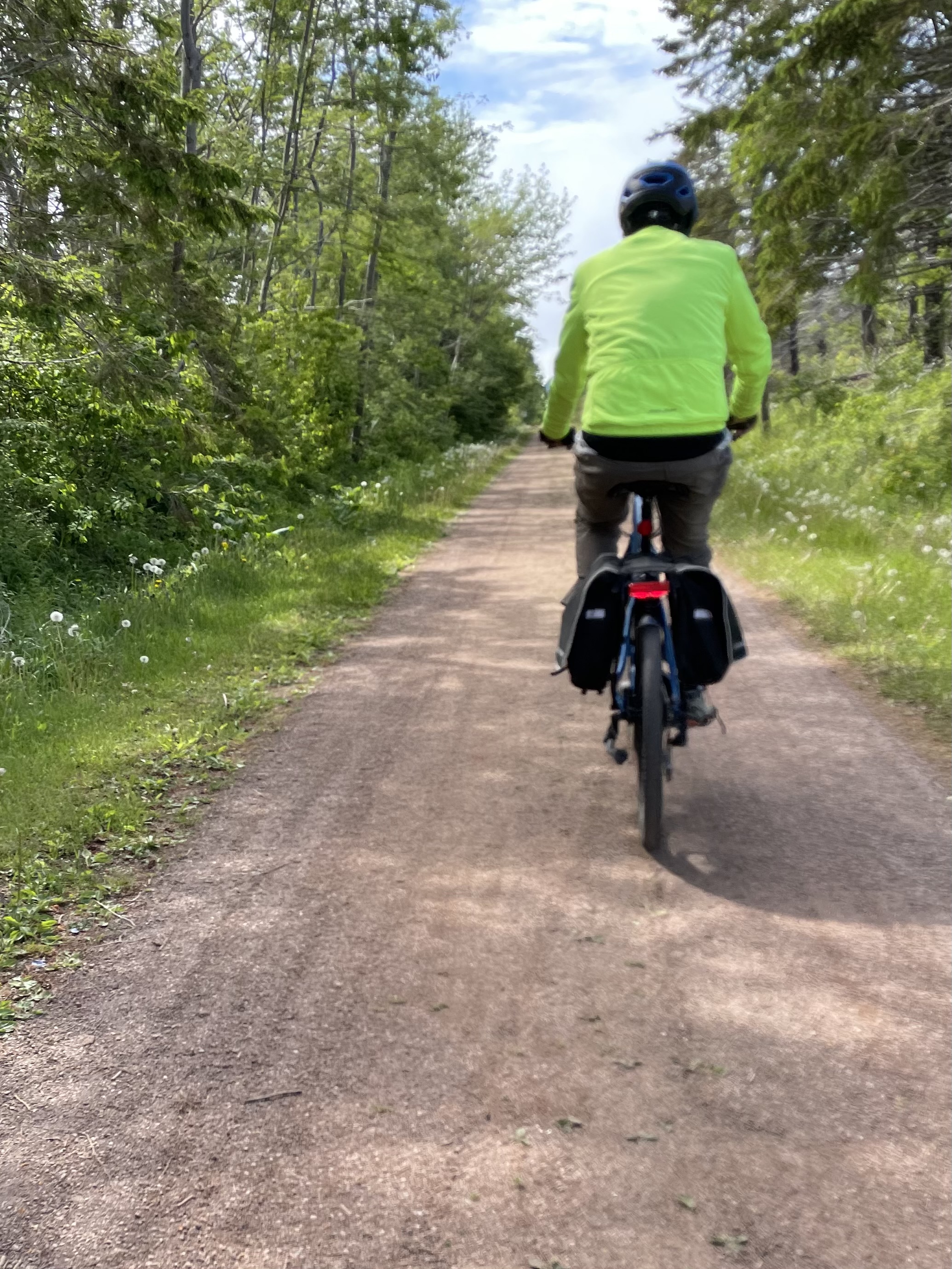
The photos above are from our ride along St. Peter’s Bay. The scenery was delightful but the gusty winds coming from the bay made for a tiring ride (not complaining!).
Fortunately, coffee was at hand upon our return to Charlottetown, where we stayed during our visit. Most excellent coffee, tea and breakfast – thank you very much – at the stylish Receiver Coffee Company.


Receiver has three locations, two of which are in Charlottetown. The cafe and bistro is in the heart of downtown (above) while a second cafe and roastery is located on the waterfront (below).
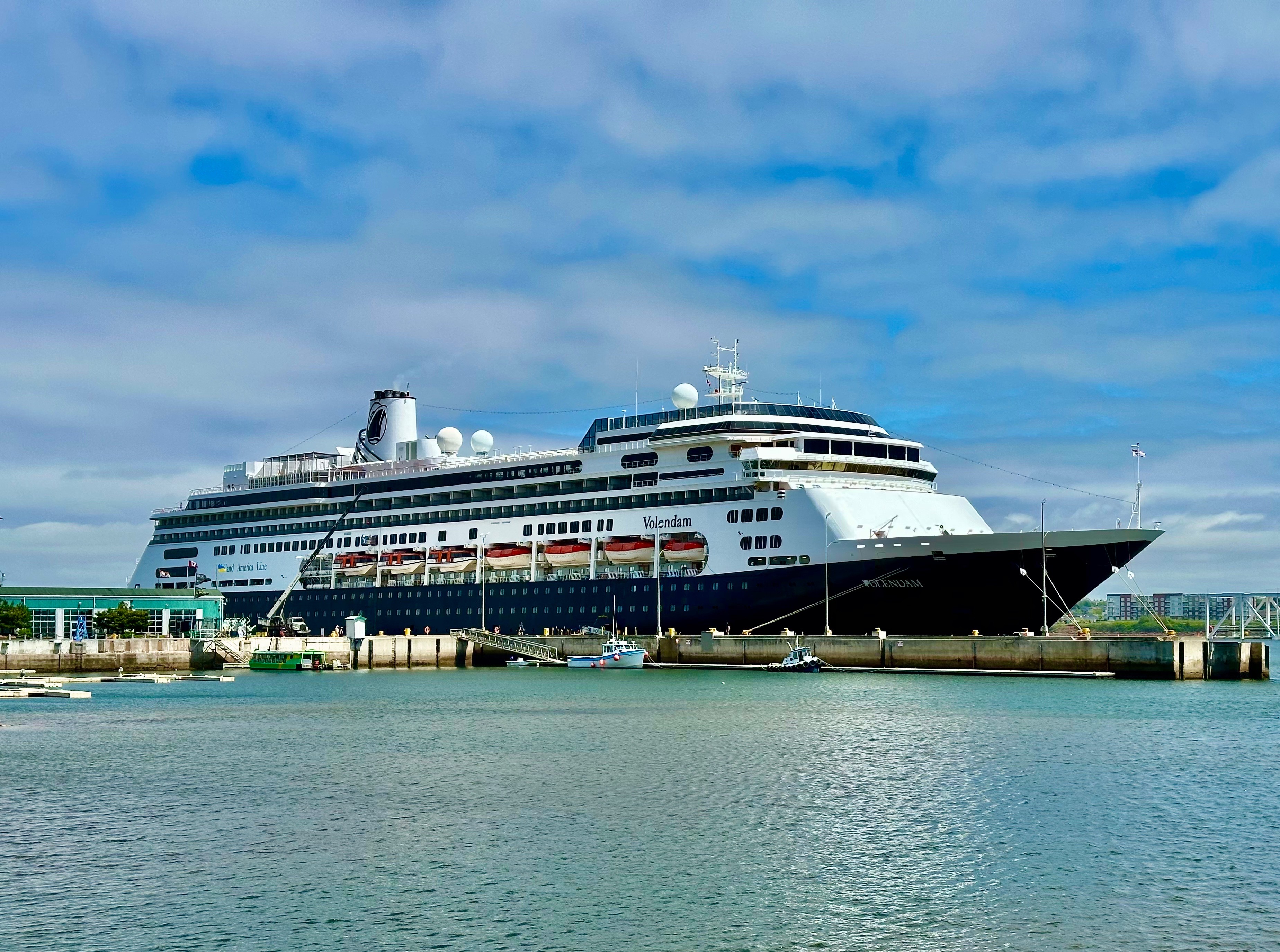


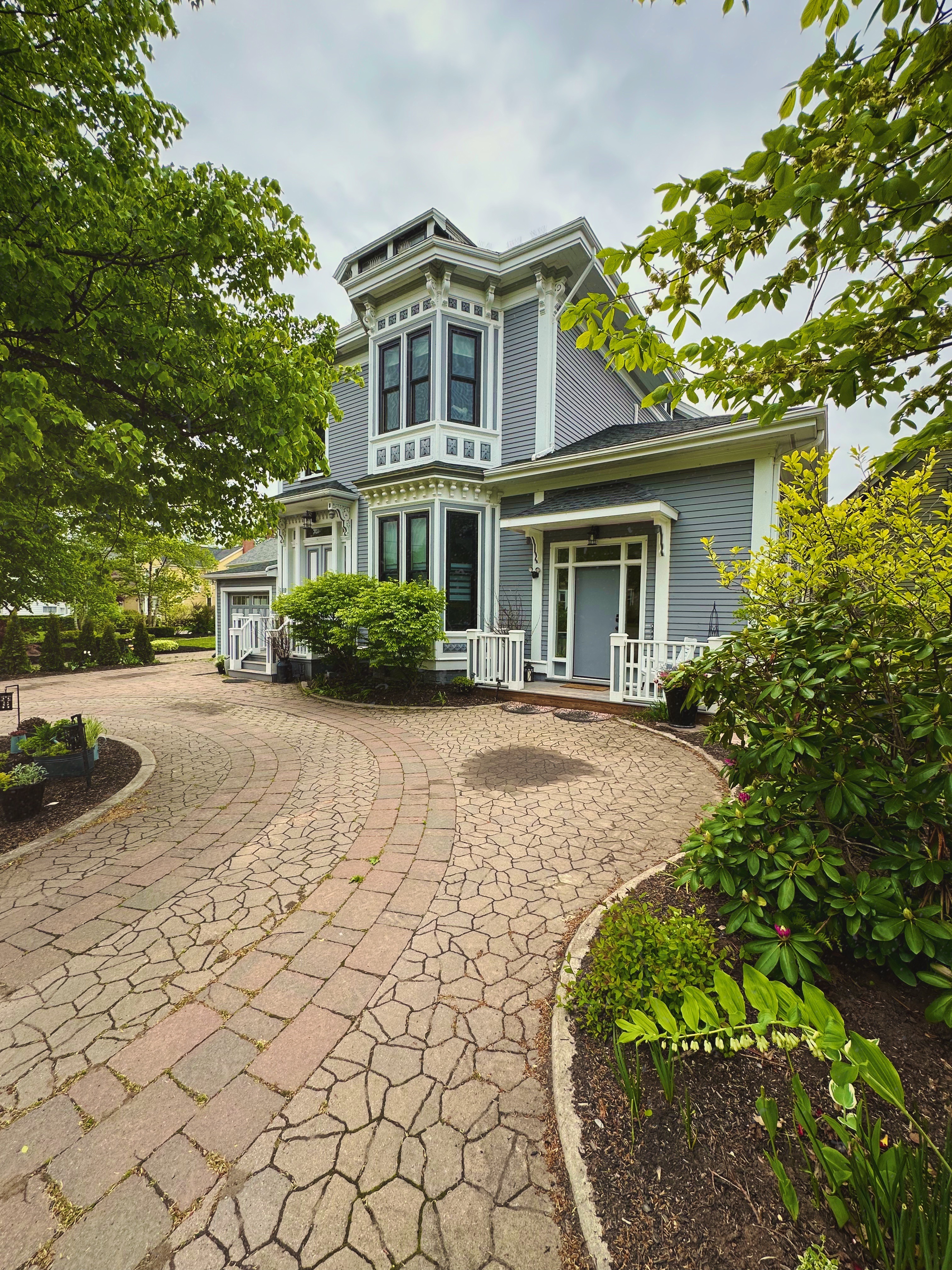
The city of Charlottetown is quite charming architecturally with a downtown and residential area on the waterfront of Hillsborough Bay. We spent part of a day walking around much of the historic downtown (it is quite compact). There are several residential neighborhoods of charming and beautifully maintained homes.
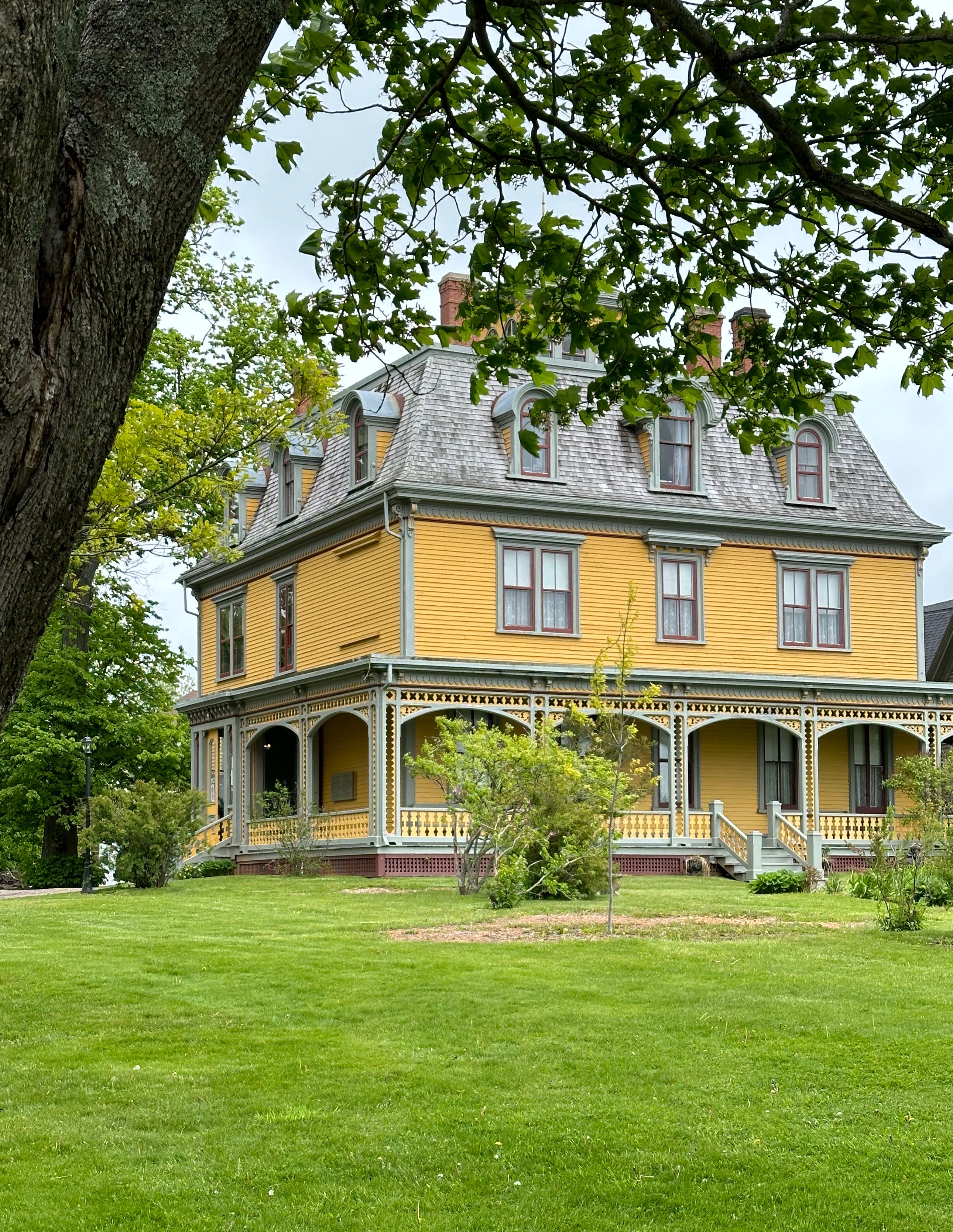


During our walkabout we happened on to a peaceful green space within the residential district – Rochford Square – this green space was set aside in 1771.

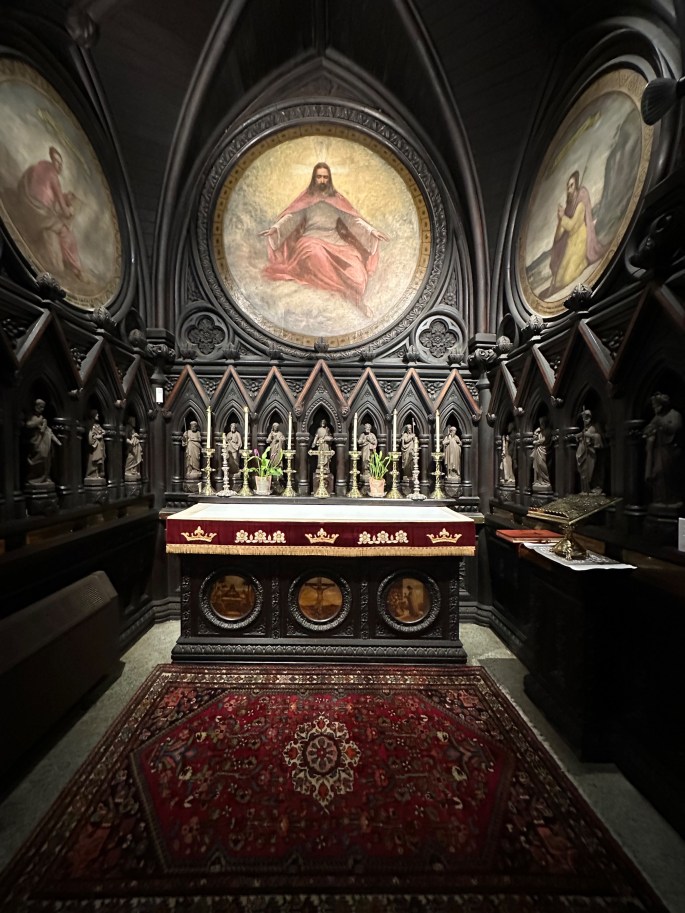
The square is bounded on the west side by All Souls Lane. At the far corner of the green space and All Souls Lane sits St. Peters Cathedral – Anglican. The cathedral is handsome but as we rounded the corner we came upon the All Souls’ Chapel tucked right against the cathedral. The chapel was open so we ventured in for a look at an Anglican Chapel. The description from the plaque at the chapel entrance is included below.

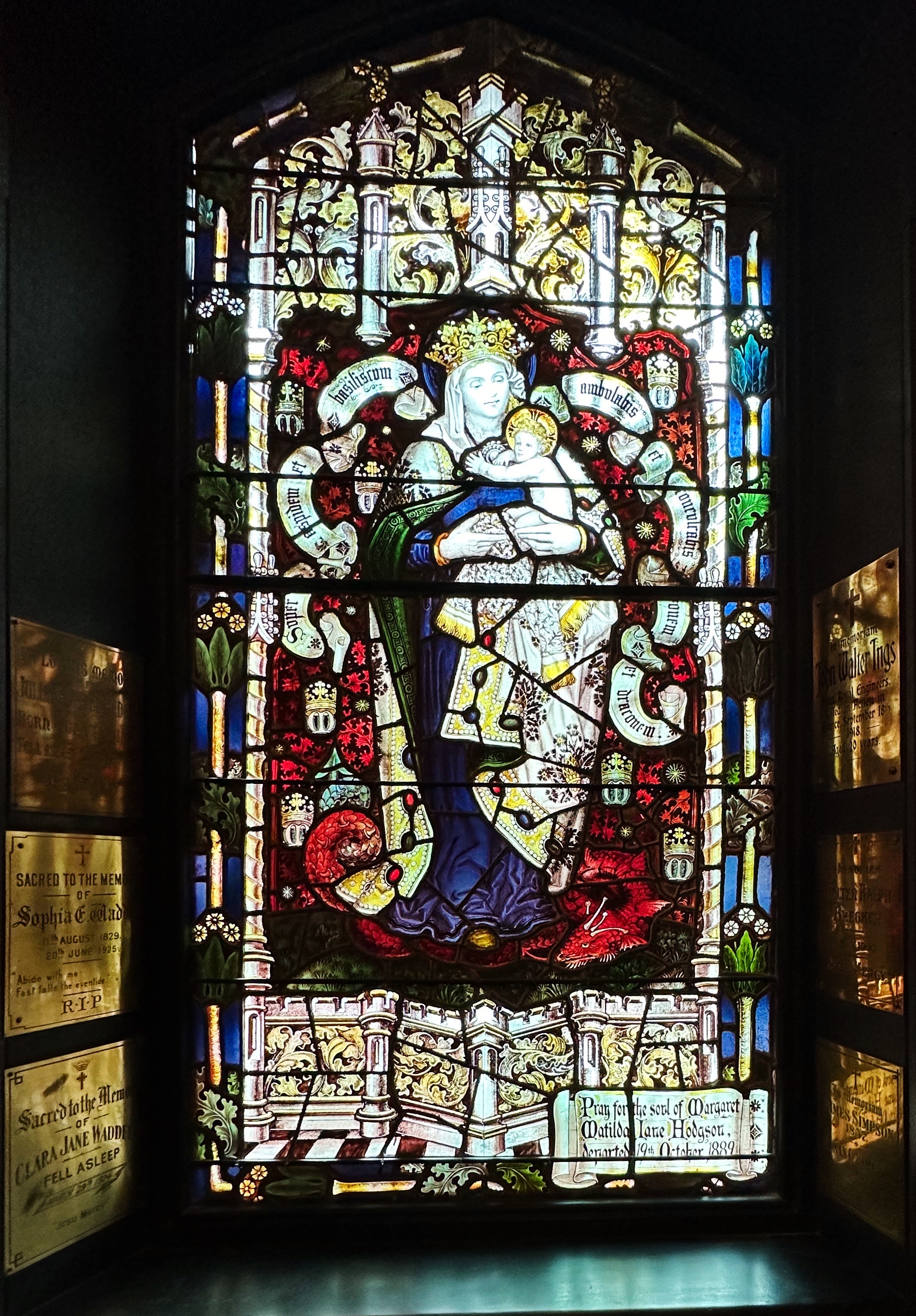

This 1888 chapel, designed by William Critchlow Harris, Jr., is a masterful example of High Victorian Gothic Revival architecture in Canada. Its robust design is distinguished by rough textures in rust-red Prince Edward Island sandstone and by deep-set hooded windows. Inside, a profound sense of religious mystery has been created by the complex decorative scheme. It features a dramatic chancel arch, rich carvings, beautifully patterned encaustic tiles, subdued lighting and eighteen exquisite mural paintings by the artist Robert Harris, brother of the architect. (Historic Sites and Monuments Board of Canada)
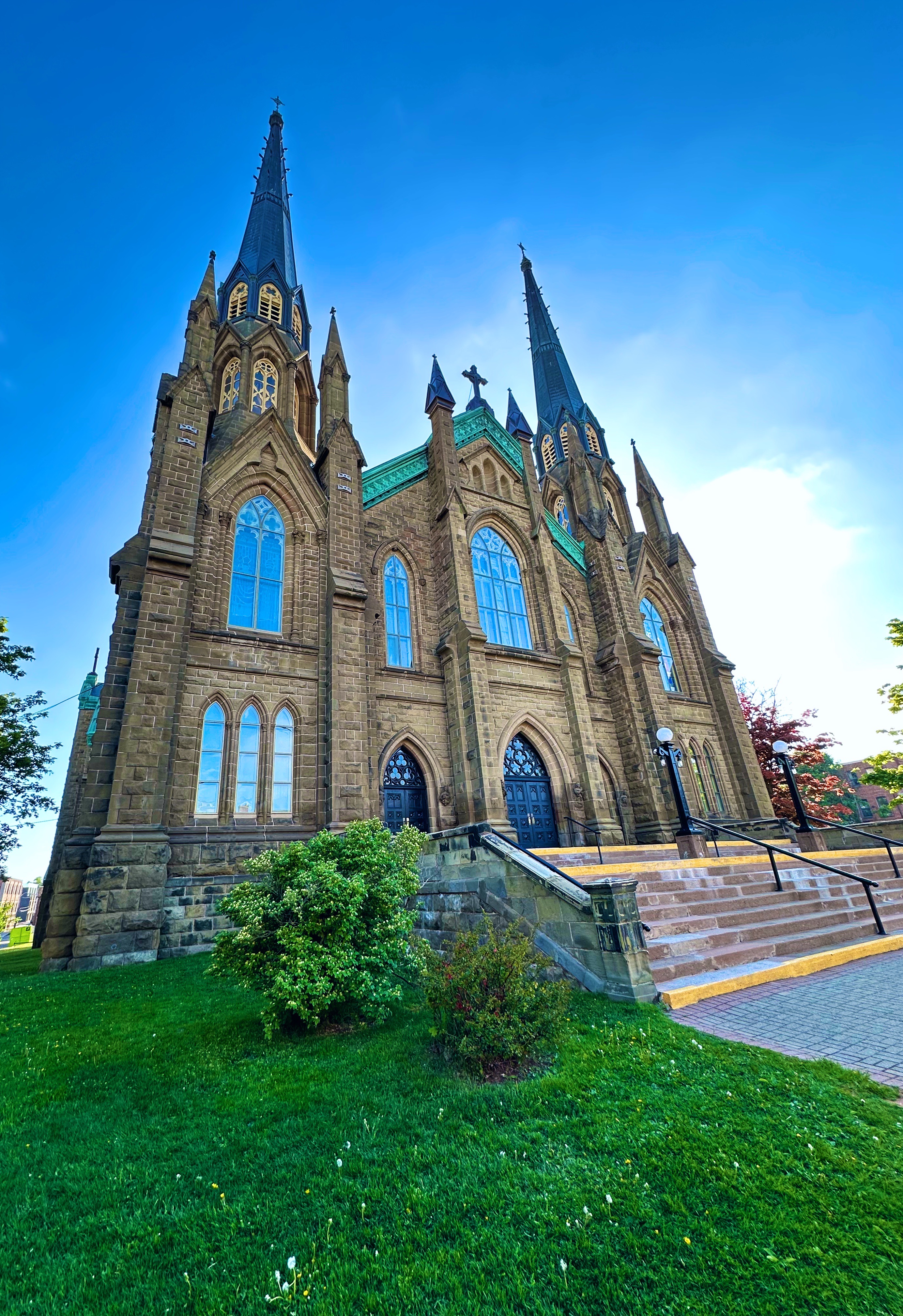
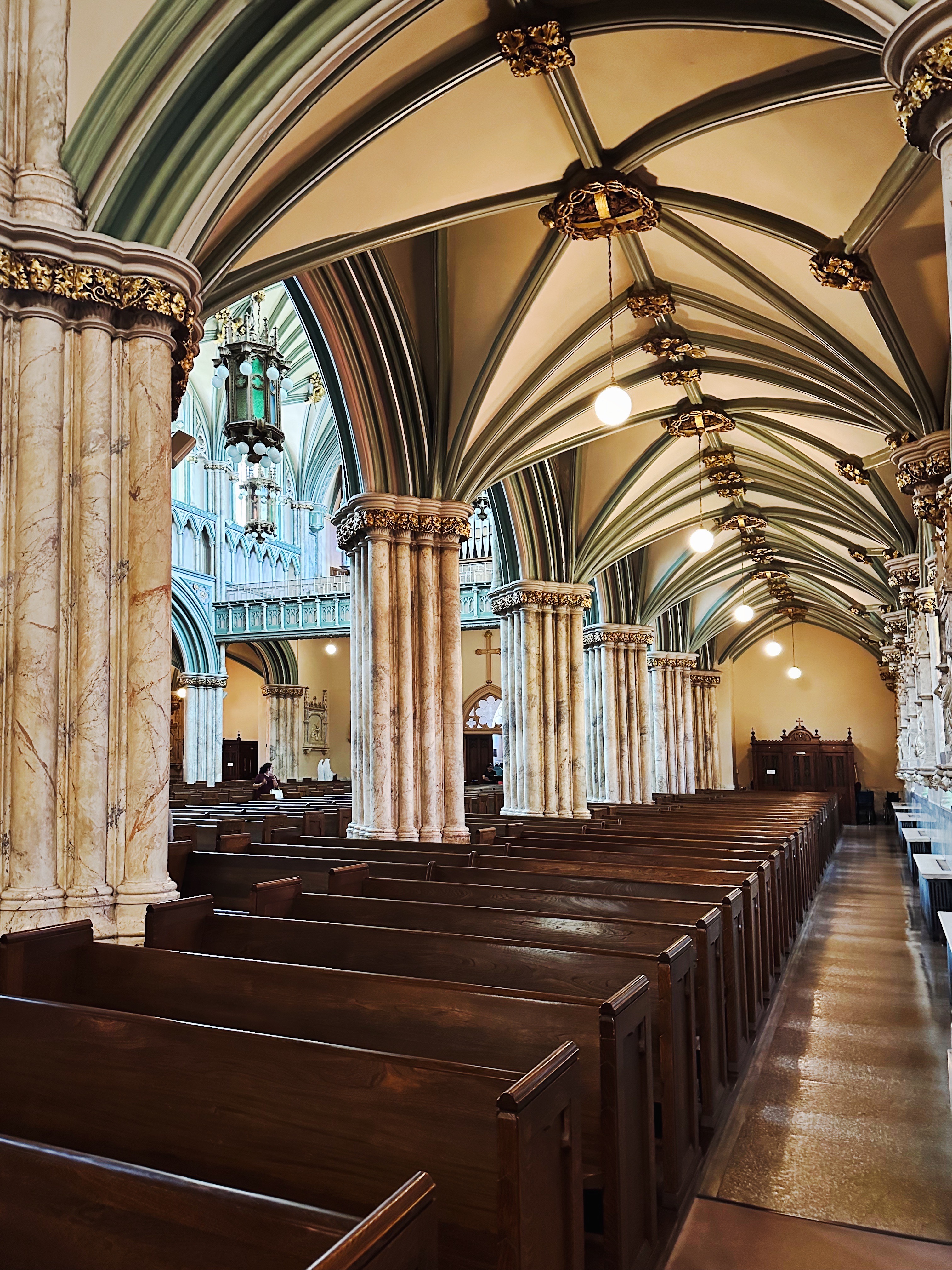
We also visited St. Dunstan’s Basilica. The twin steeples of the basilica (opened in 1919) are visible from anywhere in the city. Each spire is 200 feet in height. The basilica is the fourth St. Dunstan’s and replaced the cathedral which completely burned in 1913.

The history of this Catholic parish is interesting in that the congregation is a mix of the earliest French settlers who started the first Catholic church on PEI in 1721 and and were joined in 1722 by Catholic Scots . The Scots were seeking to escape religious persecution in largely protestant Scotland.
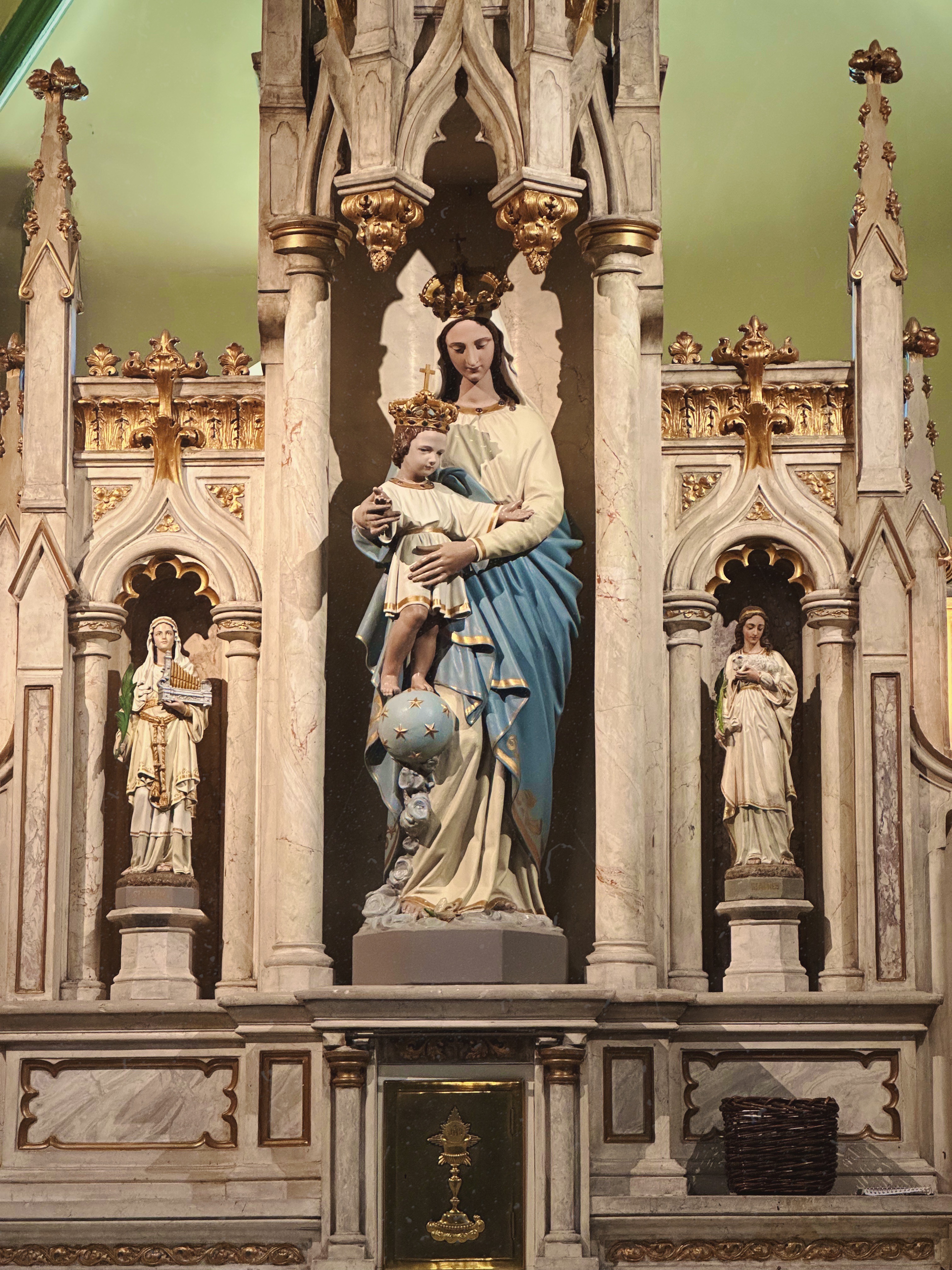
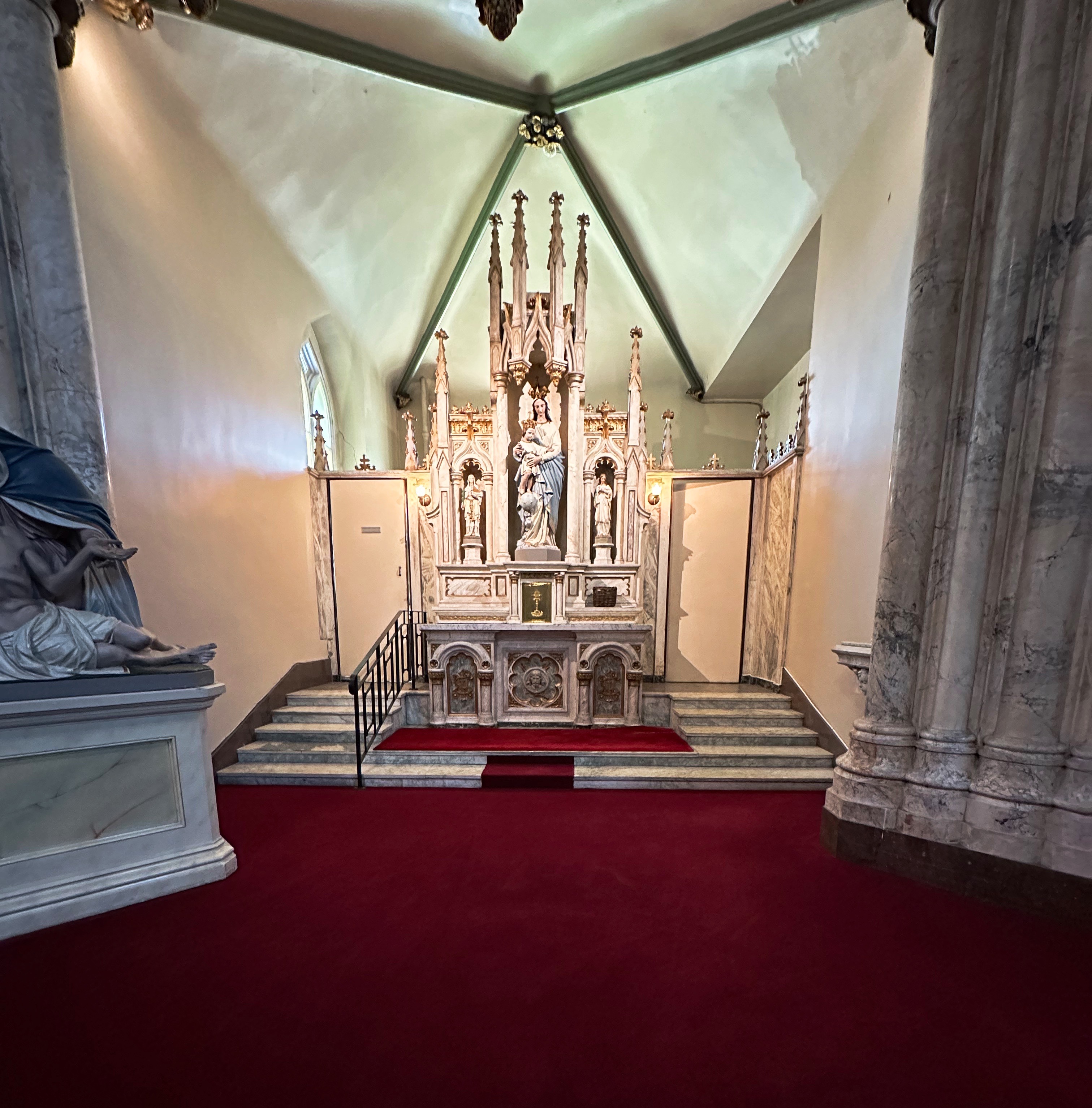
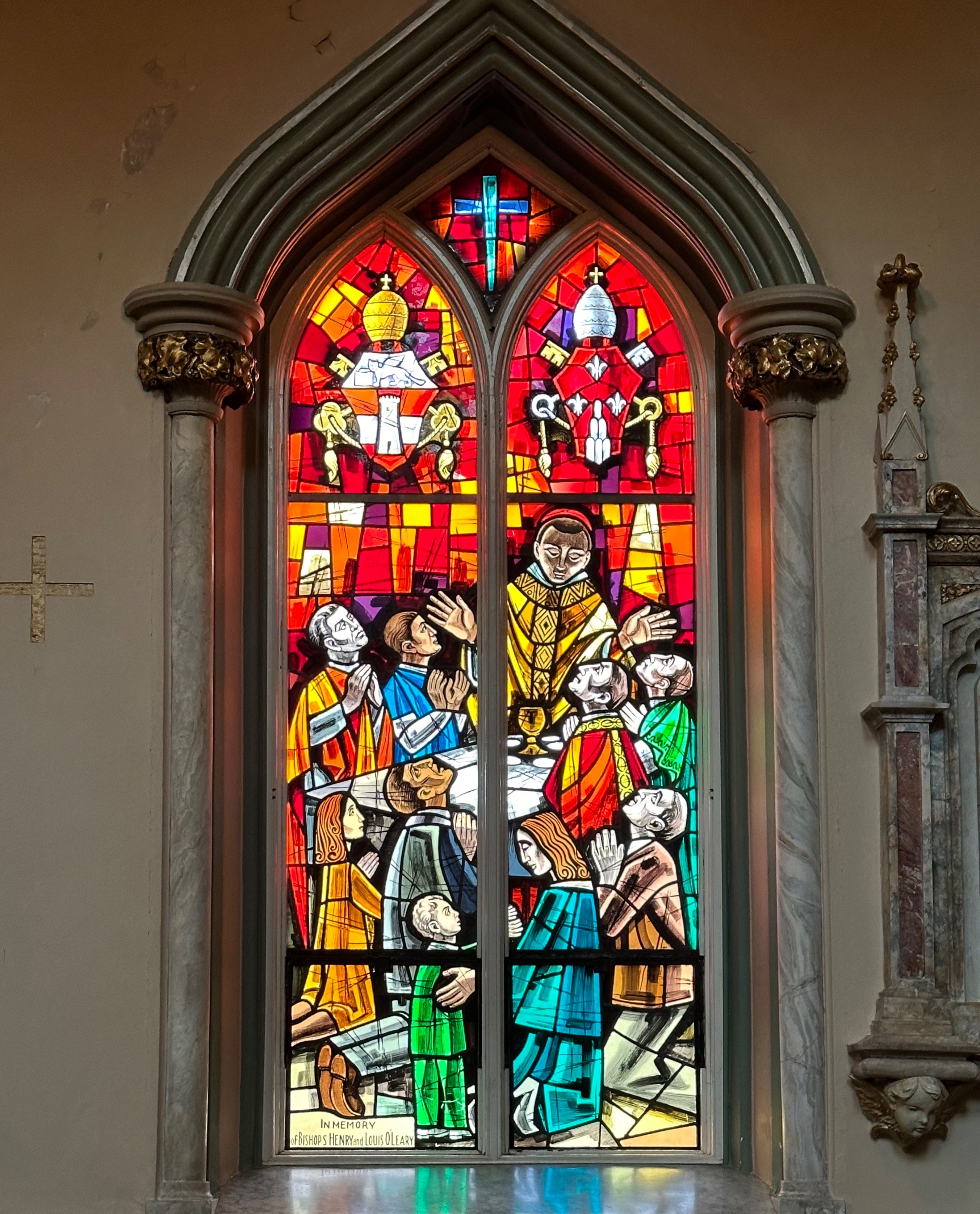


Of course, in due time, the British set about persecuting all of the non-english speaking inhabitants of PEI ( the Mi’kmaq who called the island Epekwik and the French who called it Ile Saint-Jean ). The French and Mi’kmaq fought together against the British but eventually lost after fighting multiple wars over an extended period against the British Redcoats. Many of the French were deported to the American Colonies. Without the French the Mi’maq could not continue to wage war against the British and signed a peace treaty with them. Interesting to note that while the Mi’maq signed a peace treaty with the British they never ceded their territory and they were guaranteed the right to hunt, fish and gather in order to sustain themselves or make a living. In 1997, Canada’s Supreme Court affirmed these rights after Mi’kmaq Nation members were arrested for exercising their rights guaranteed within the treaty signed in 1761!

Okay, that just about completes our report on PEI. However, before we sign off we have a fine dining recommendation for y’all when you get up to Charlottetown (and you should). The Claddagh Oyster House had -fortunately for us- just reopened after a several month renovation.
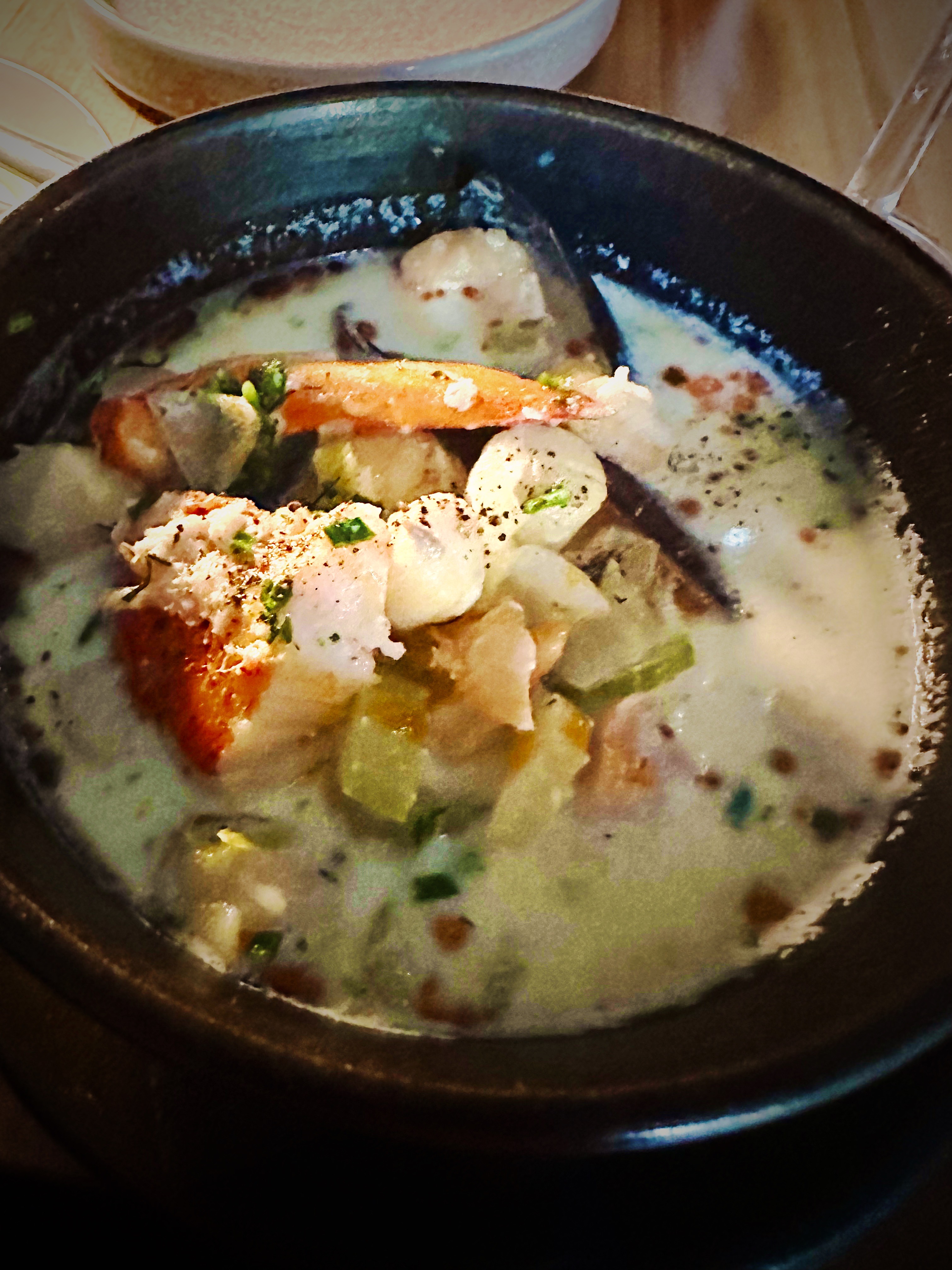
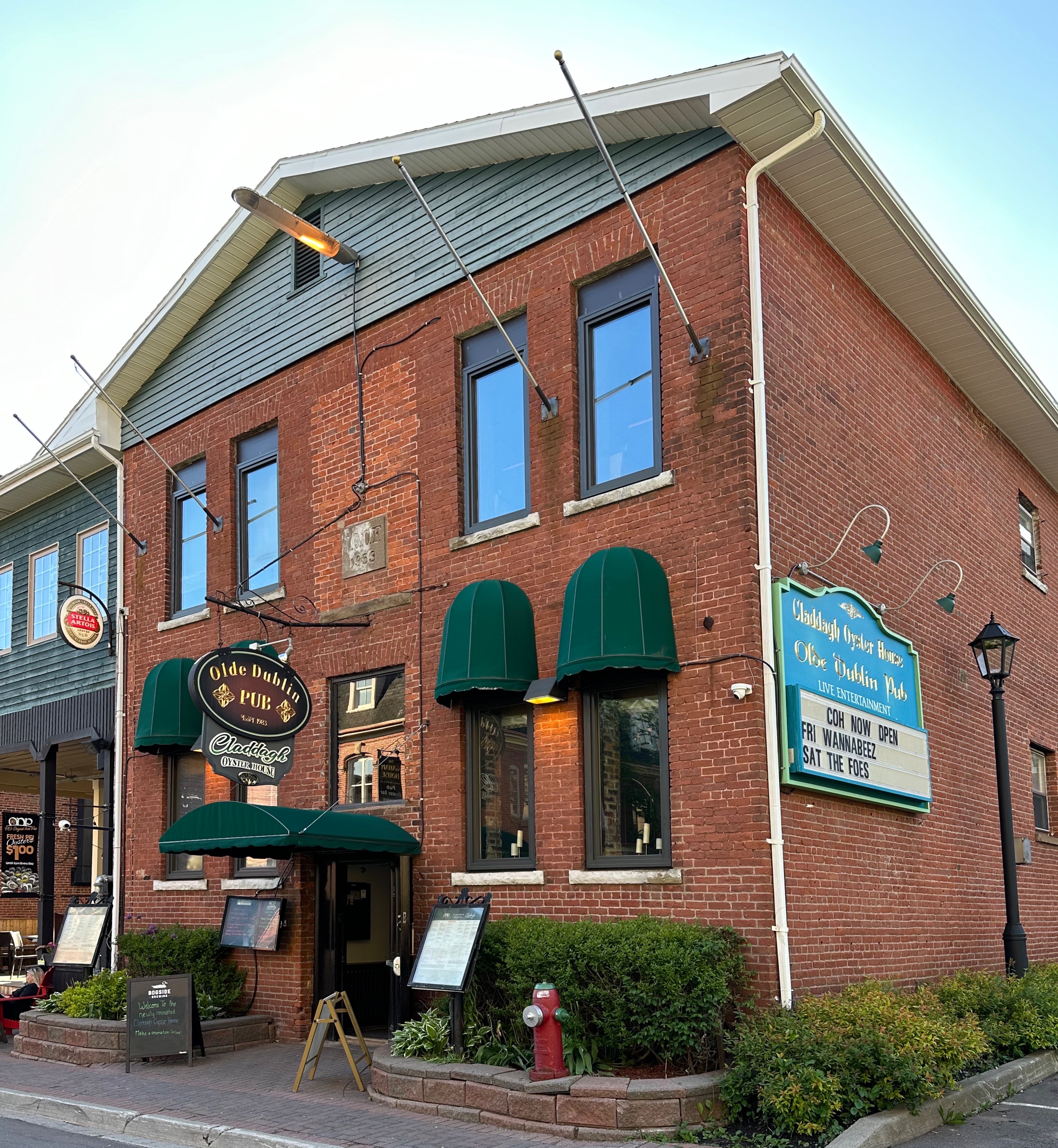

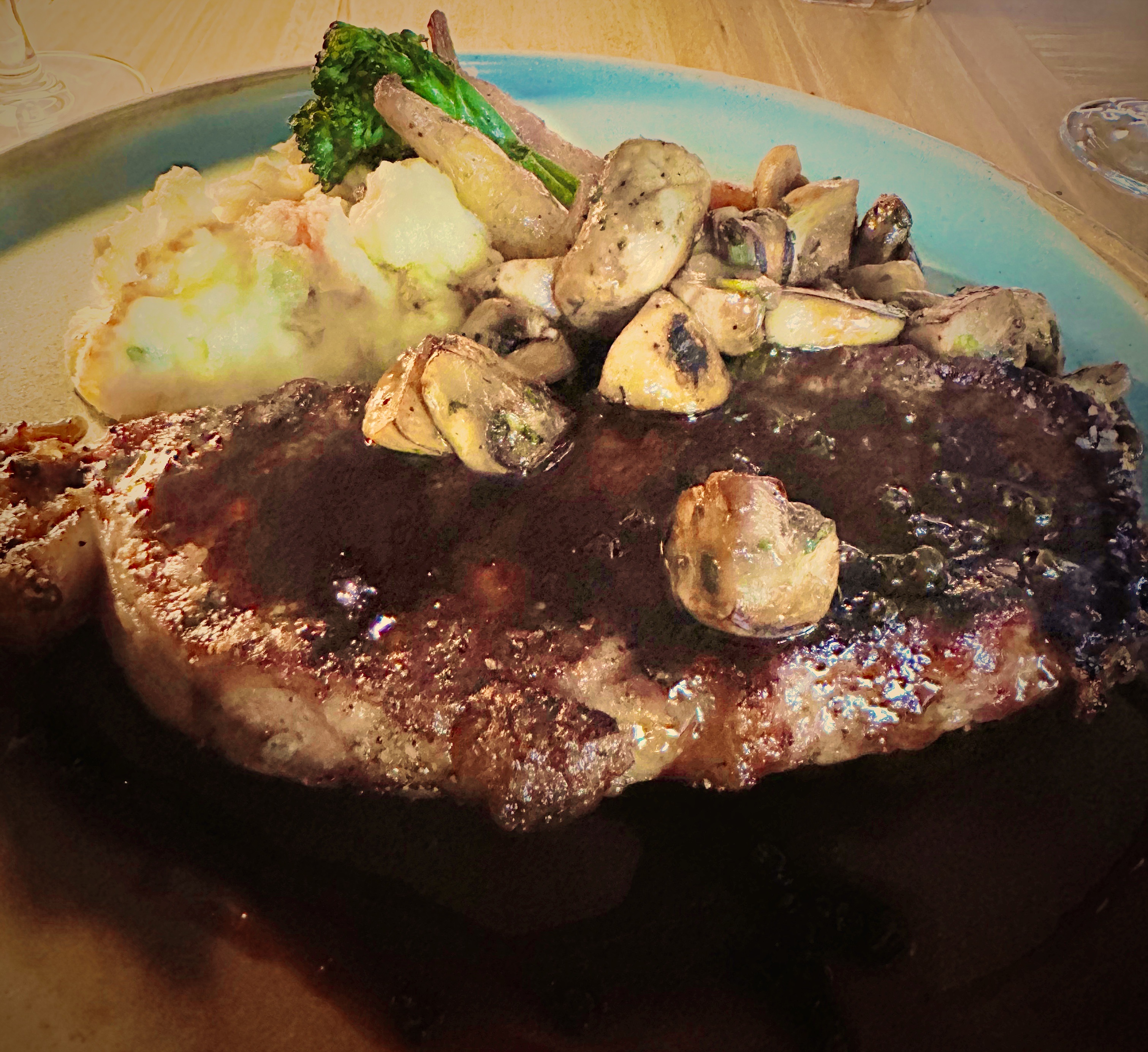
While most folks think seafood in this neck of the woods (as do we) PEI is well known for it’s beef. Claddagh serves only certified PEI beef which they dry age in house for 50 days. If you like oysters we recommend you gorge on them for your appetizer and then enjoy a delicious steak (all the cuts are dry aged). Solid wine list and excellent cocktail selection.
Be seeing you!
 ON THE ROAD with Maria + Stephen