Ocean Springs, Mississippi

As we planned a rough itinerary through the Southeast for OTR 8.0 we had not contemplated a visit to Ocean Springs. In fact, we had never heard of Ocean Springs.

However, that was before meeting Cynthia Comsky, the owner of the Attic Gallery in Vicksburg, who strongly recommended a visit to the Walter Anderson Museum in Ocean Springs. Subsequently, we saw a watercolor exhibit of Anderson’s at the Lauren Rogers Museum in Laurel, Mississippi and knew we needed to visit Ocean Springs and the Walter Anderson Museum.

Much to our delight, the museum met all of our expectations and we found the town itself to be a quaint and friendly destination. In fact, we extended our stay to enjoy the charms of the town and the its friendly inhabitants.

Walter Anderson Museum

”Beware by whom you are called sane.” —- Walter Inglis Anderson

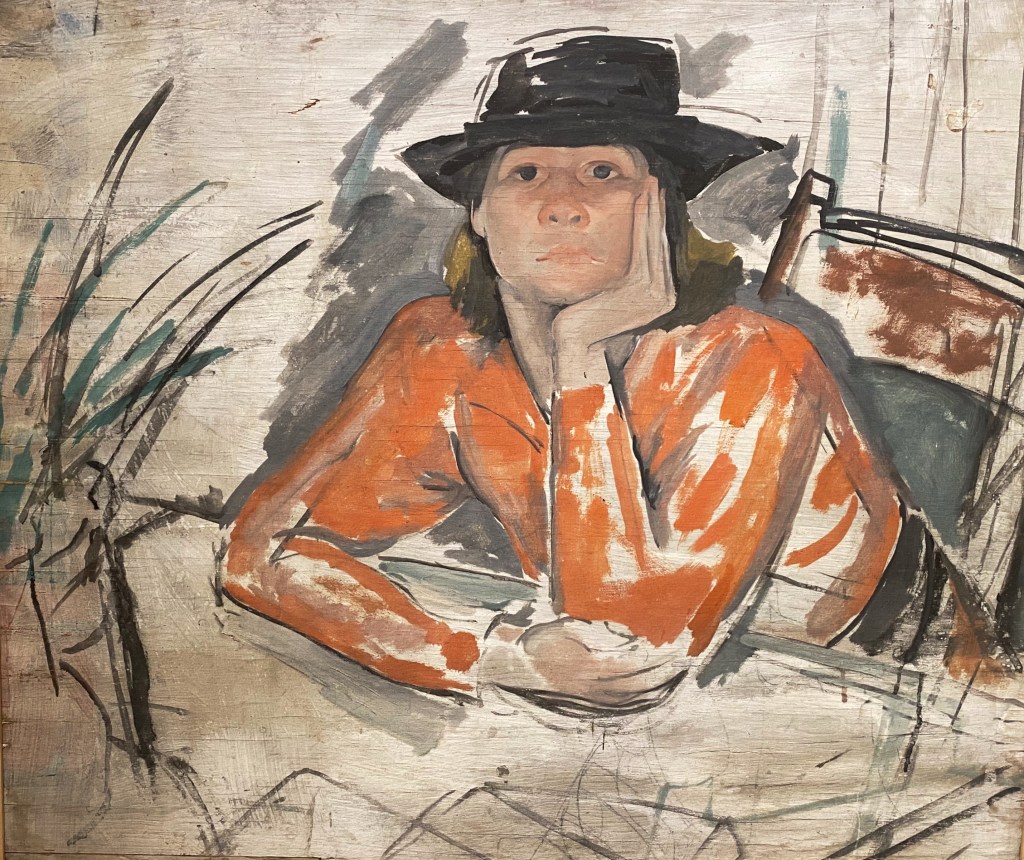
Sissy at the Table c.1933 Oil on board

So, of course, our first stop (well, second after coffee – see below on that topic) was the Walter Anderson Museum. The museum is physically attached to the town community center – which is appropriate as its walls are adorned with murals he created (and was paid a meager one dollar). The museum itself is filled with his works as one might expect – however one might not expect to find water colors, oils, wood sculptures, woodblock prints, pencil and ink drawings all by the same artist. His work in each of these mediums is outstanding.

New Orleans Street Scene, c. 1963, Oil on board

Anderson’s personal and professional life was inextricably meshed together. His story is fascinating. He appears to us to be an artist and naturalist of uncompromising dedication, commitment and eccentricity that matched his artistic genius. There are a number of articles that provide excellent insight into Anderson’s life—links to a few that we found interesting: The Many Voyages of Walter Anderson: https://bittersoutherner.com/the-many-voyages-of-walter-anderson-horn-island-mississippi and Realisations: https://walterandersonart.com/pages/about-walter-anderson

Horn Island at Sunset 1960 Oil on board

Last night there was a beautiful sunset. One felt that it had been arranged with taste. So many sunsets seem to be simply wild explosions of color in order to stun people into a state of mute wonder. But this one had variety, vermilion red and purple together, and lilac and gold together against a heavenly clear green turquoise sky. You felt that there would never be bad weather again.” —- Walter Inglis Anderson

Allison Sleeping c. 1935 Oil on board
Shrimp Boat c. 1955 Oil on board

“I wonder how long it will be before nature and man accept each other again. —- Walter Inglis Anderson

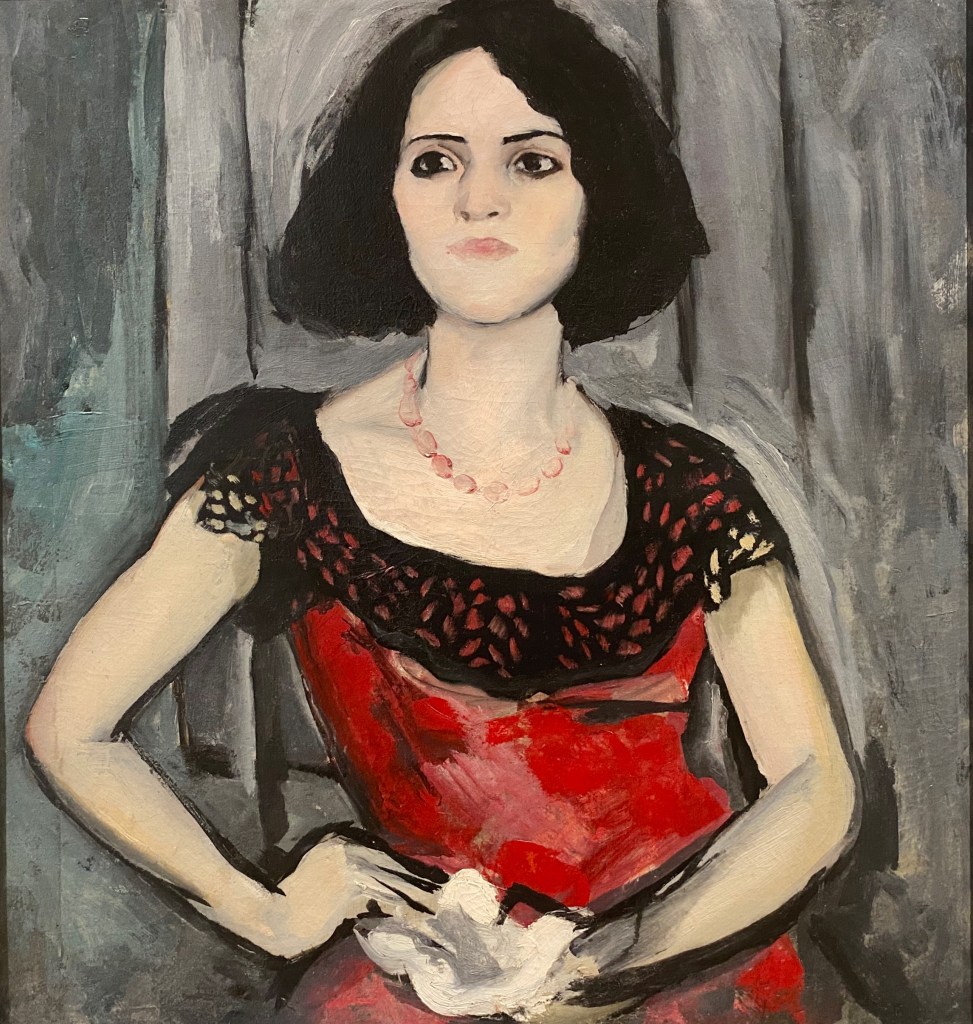
Lady in Red c. 1930 Oil on canvas

The identity of the sitter in the painting above is unknown. She sits slightly askew in her chair with her hands folded delicately in her lap. She gazes off to her right – not making eye contact with the viewer. By positioning his subject in such a way, we first notice the shape that the figure makes, almost reducing her form into a series of S curves against a dark background.

WPA Mural Sketch c. 1934 Oil on board

This mural sketch was created for the WPA. This particular scene is a cartoon (or preparatory work) of The Hunt. The closely depicted forms of the hunters, deer, and yellow dog are reminiscent of the cave painting compositions that Anderson saw in France in the 1920s.

“Nature does not like to be anticipated it too often means death, I suppose but loves to surprise; in fact, seems to justify itself to man in that way, restoring his youth to him each time.” —- Walter Inglis Anderson

Fairy tales


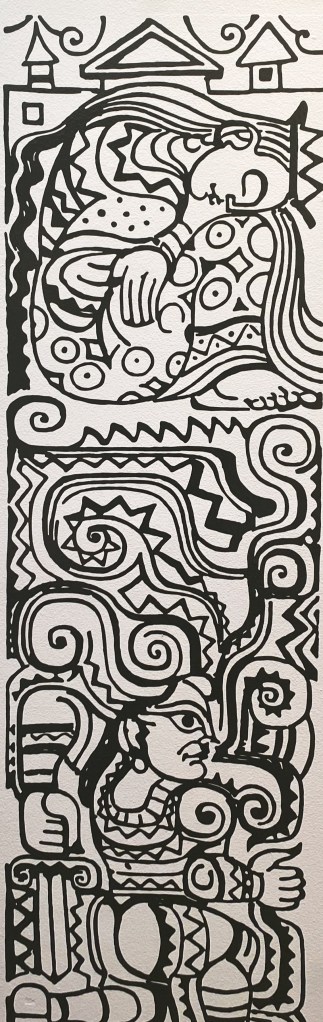
Walter Anderson loved fairy tales and even described them as being “explosive”- having the ability to inspire life and creativity. Anderson drew, painted, and carved classical images of fairy tales and myths throughout his life. Walter Anderson saw the world as a magical place full of wonder and possibility. Classic tales of mythology populated his daily life on the Gulf Coast. Around his home at Shearwater, Anderson would often carve dead trees into the shapes of nymphs and giants. He read stories to his children and illustrated their lives with fairies and mythic creatures.

Most notably, he created approximately 30 block prints featuring scenes from familiar tales to sell inexpensively to the public. Many of these block prints of myths and fairy tales are displayed here, demonstrating the timeless attraction that these tales have for all.

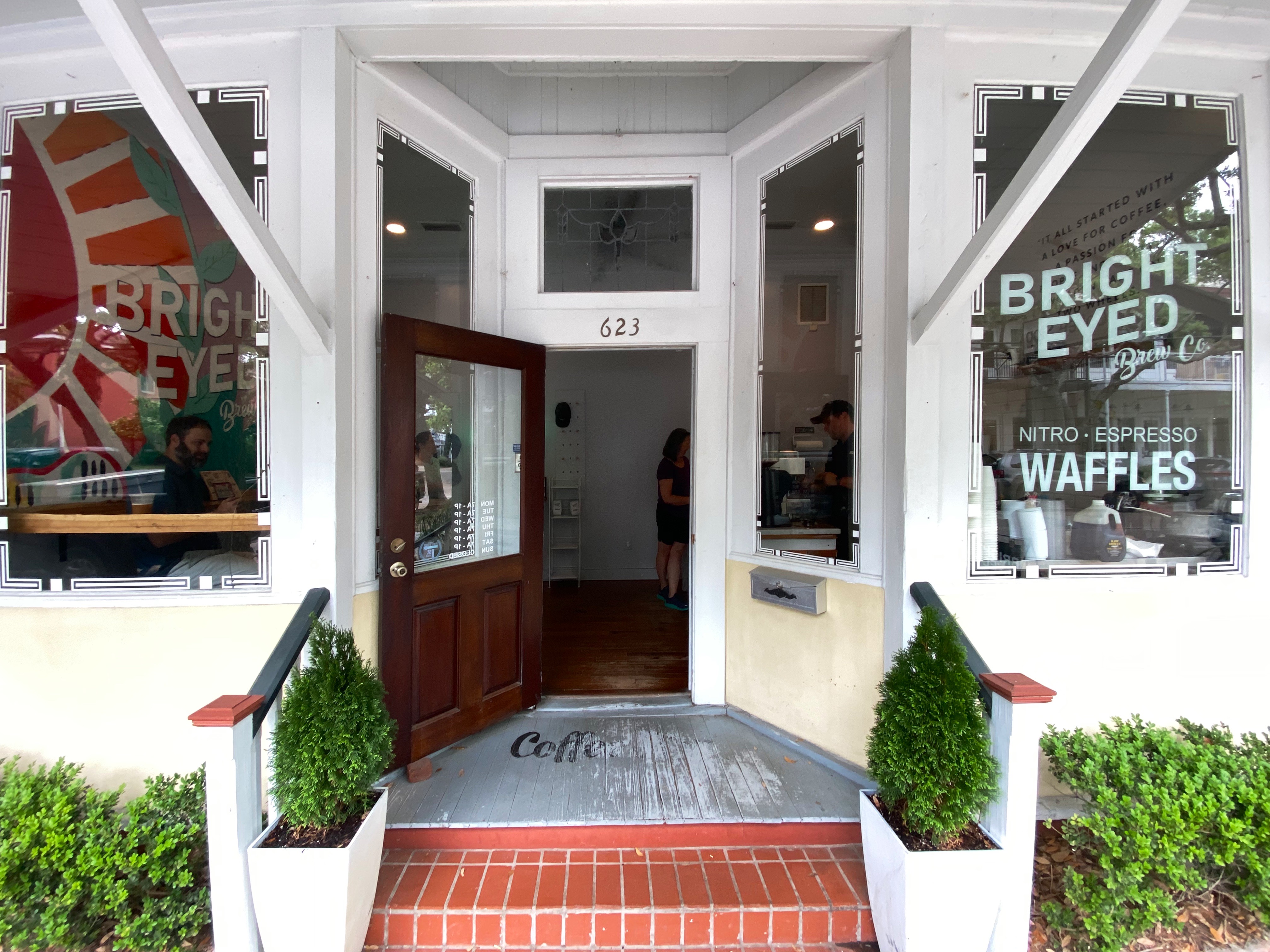
Bright eyed brew company

Be bright

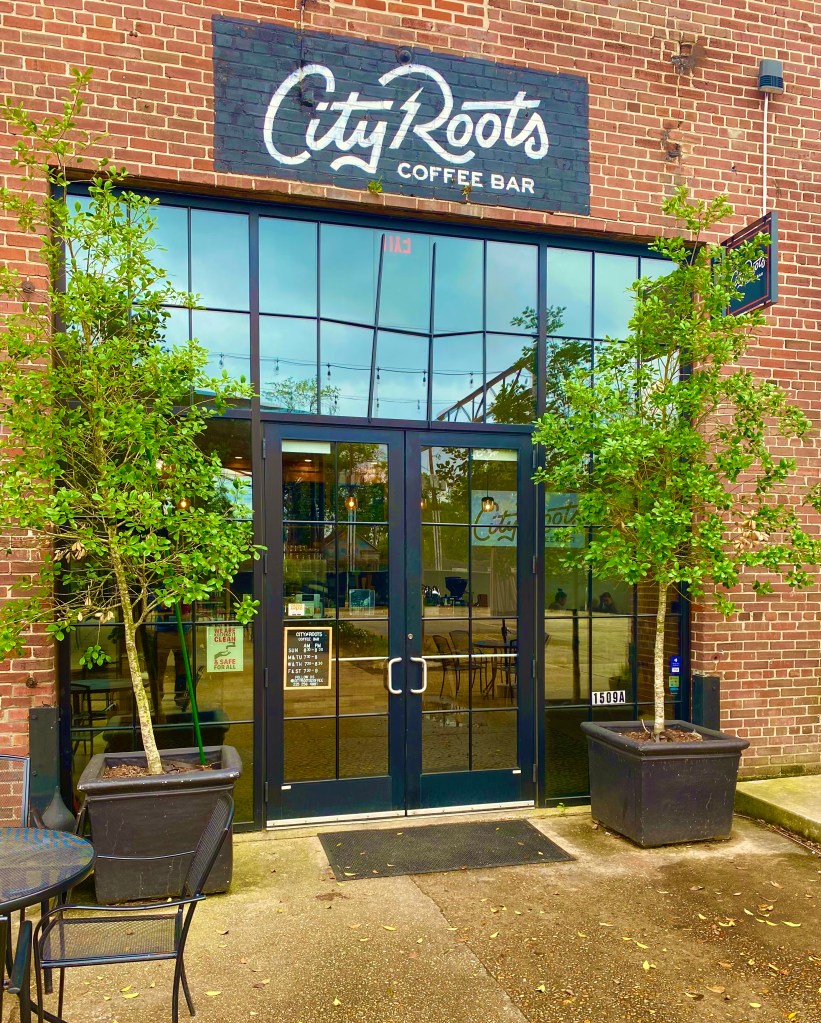
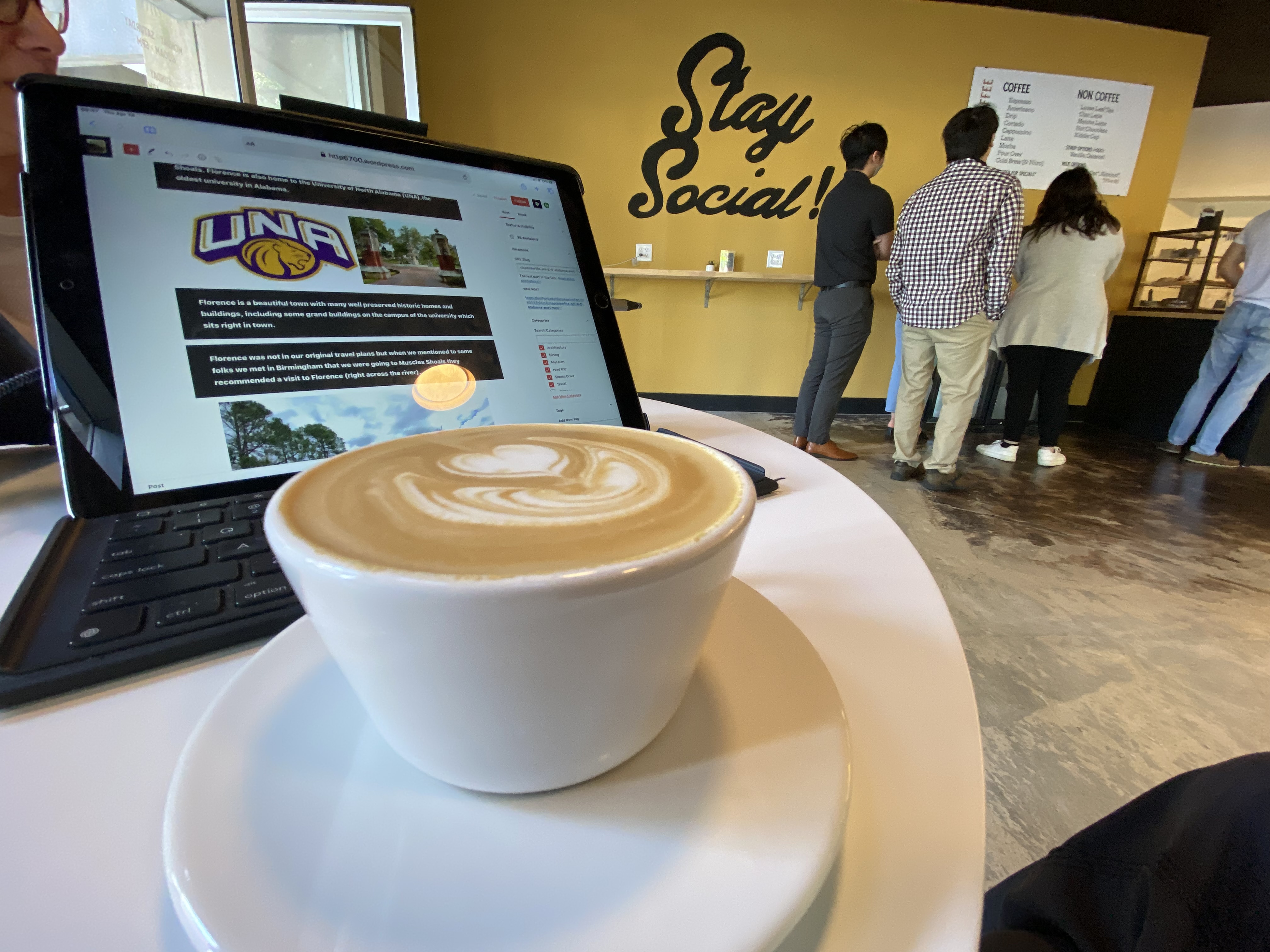
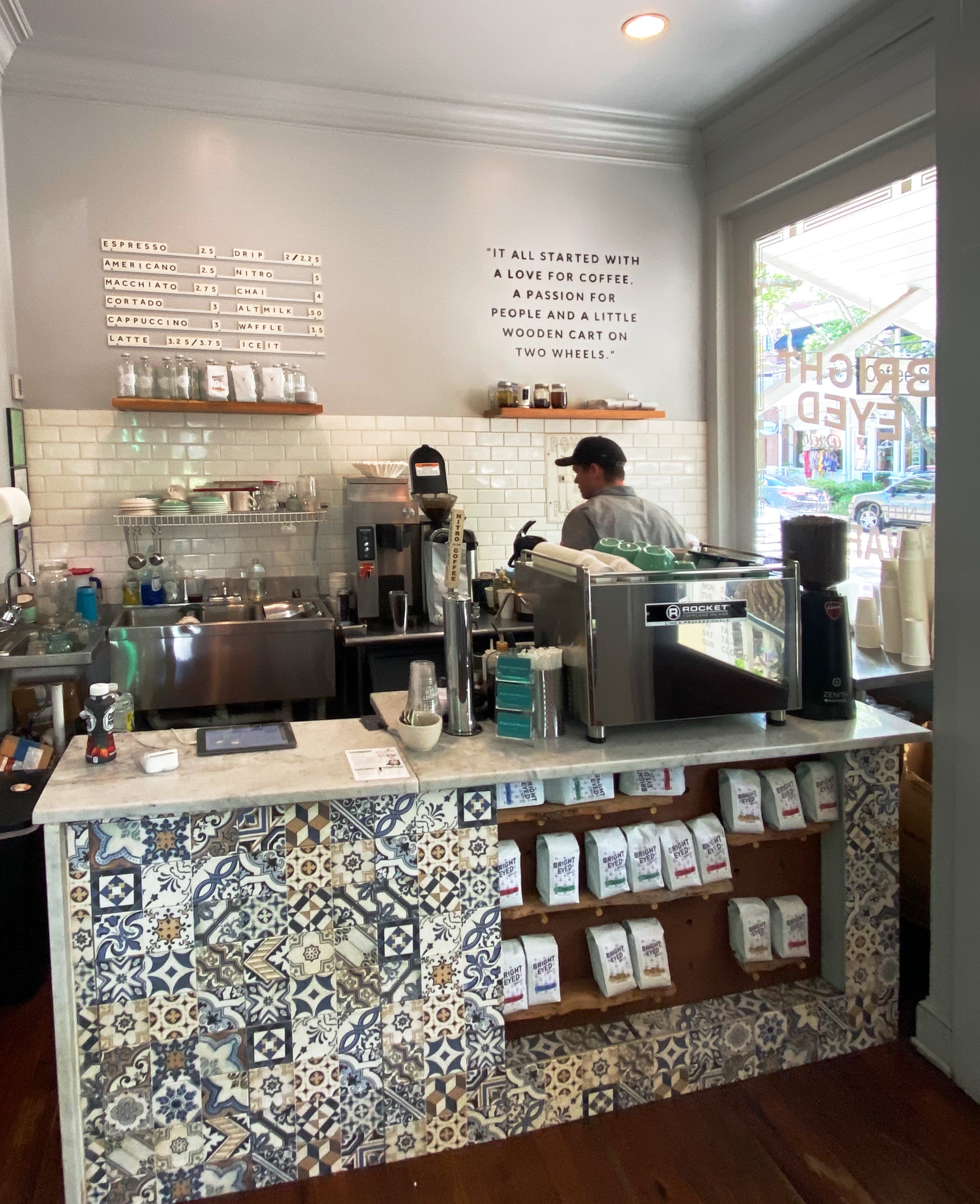
Bright Eyed Brew Company was a massive bonus – the frosting on our Walter Anderson Museum cake – we did not expect to find a first rate specialty coffee cafe and roaster in Ocean Springs.

Bright Eyed Brew Company is owned and operated by husband and wife Ryan and Kathryn Reaux. They started the business in 2016 as a part time venture making and selling nitro cold brew from a cart at the local farmers market. Today their cold brew is on tap at a number of restaurants and cafes in the Mississippi Gulf area, and they operate the cafe selling espresso drinks, tea, waffles and, of course, nitro cold brew.

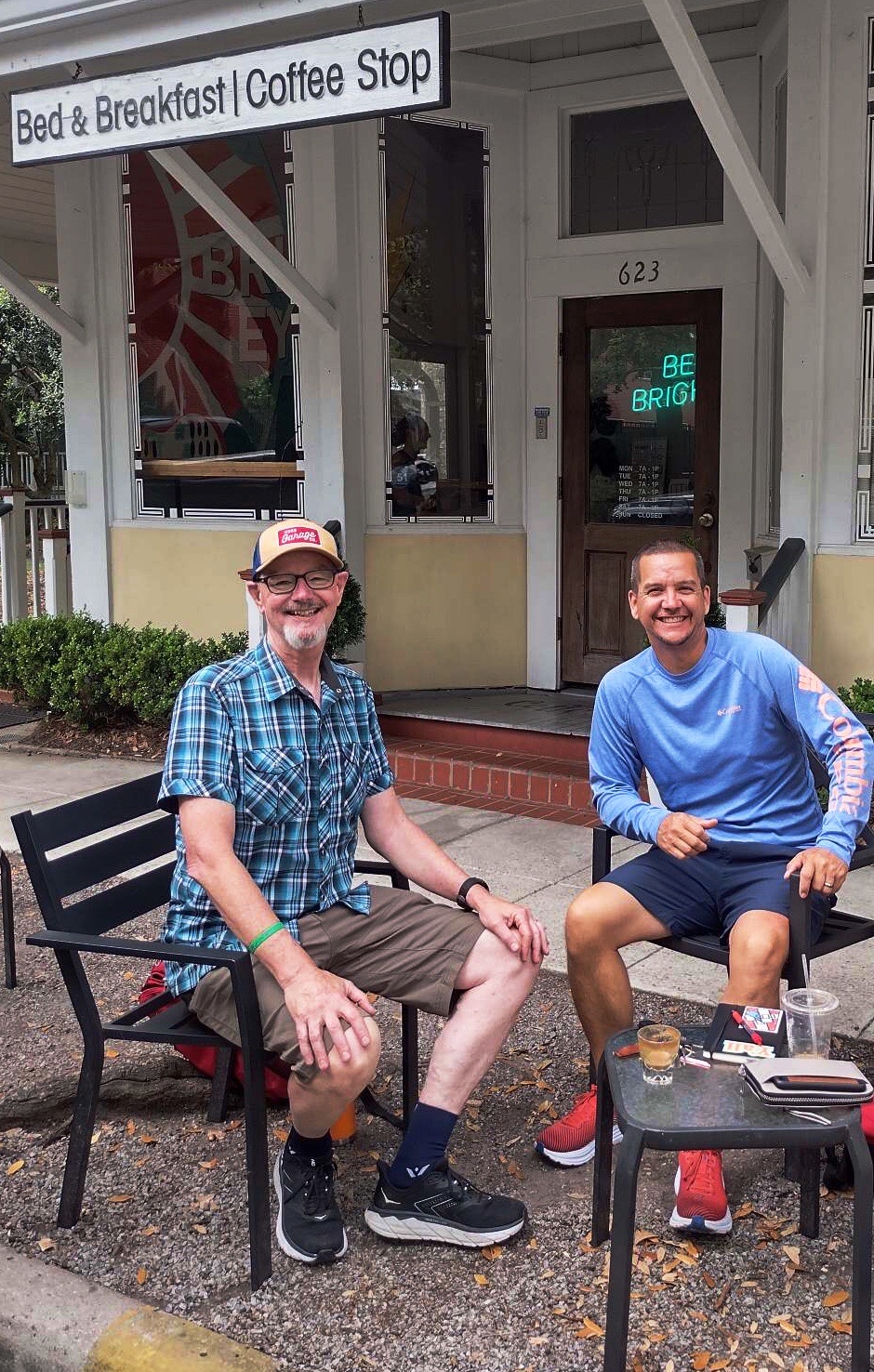
The Reaux Family

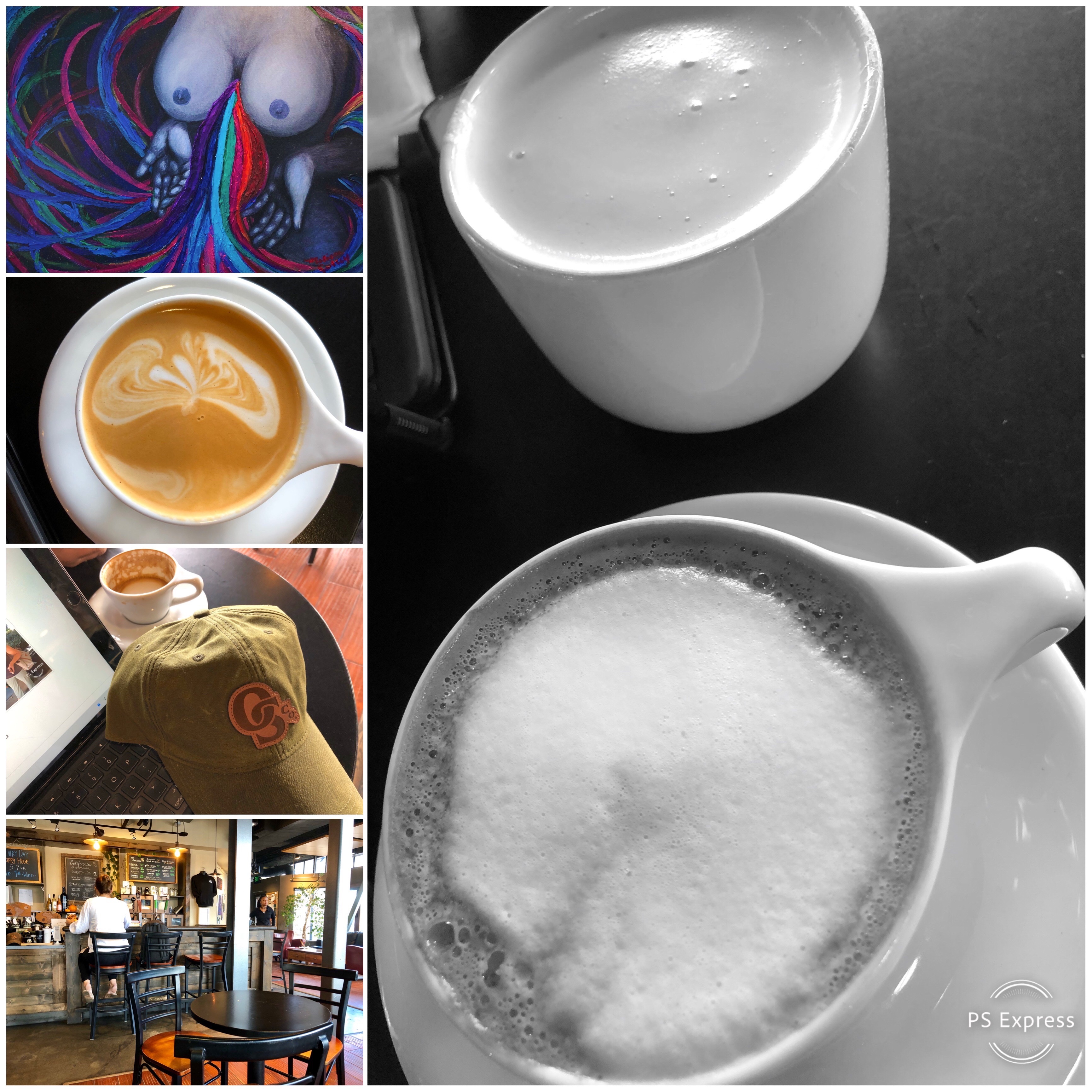
On our first morning in Ocean Springs we stopped at Bright Eyed as the prelude to our museum visit. From the moment we ordered our drinks and sat down in the cafe, local folks began chatting us up – that is what Fika is all about! Three hours later we finally departed for the museum. https://brighteyedbrewco.com/

Hotel Beatnik

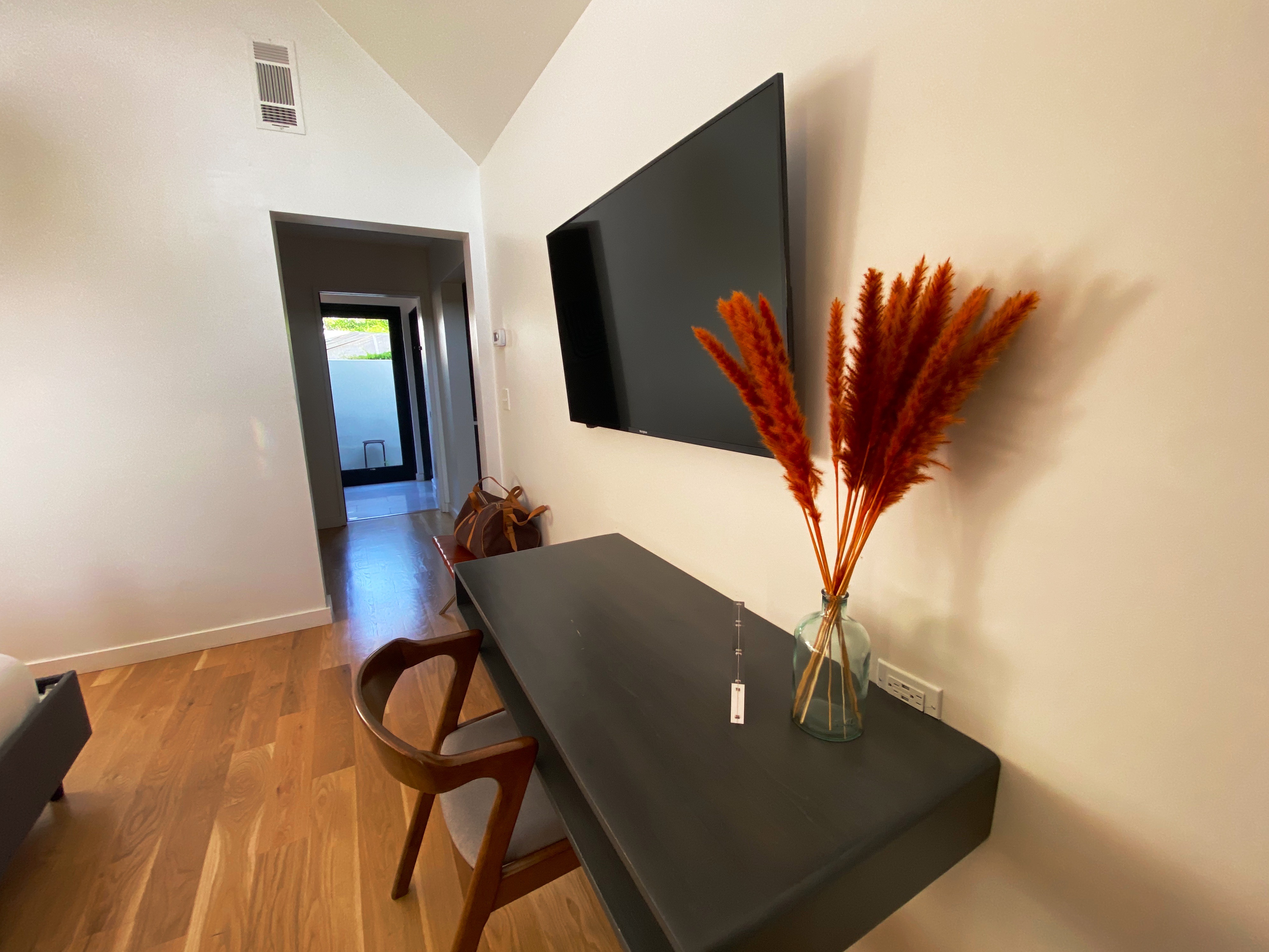
Once we decided to visit the museum, we needed a place to stay and there were no camping options close by. We found Beatnik online and booked a cabin. The property consists of four cabins and a swimming pool. As you can see from the photographs below they are not rustic cabins.

The Beatnik is cool—Scandinavian style decor, a heated plunge pool and a five minute walk to downtown. Everything is online – registration, door lock combinations, housekeeping requests. What else could a traveler want? https://www.thehotelbeatnik.com/

St JOhn’s Episcopal Church

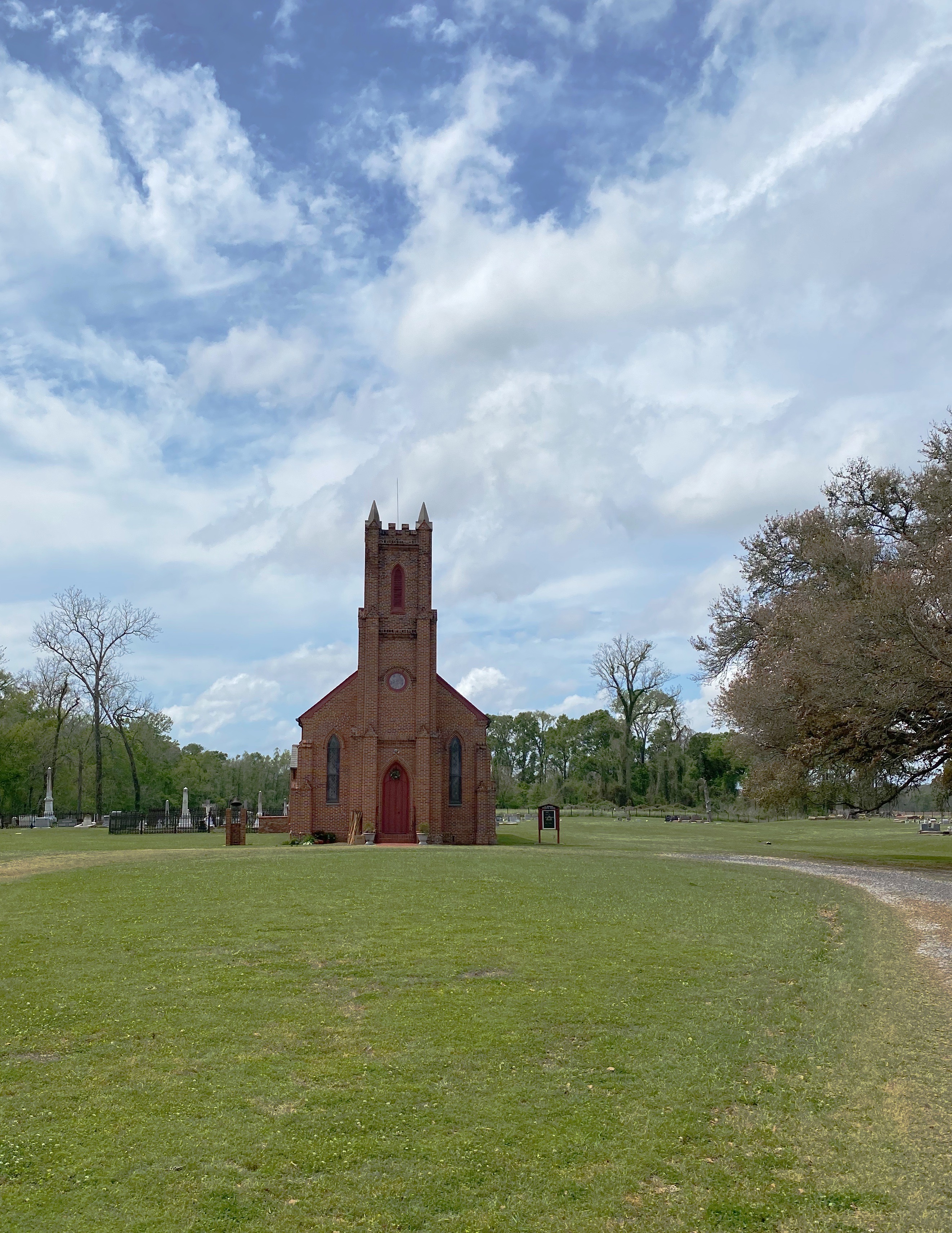
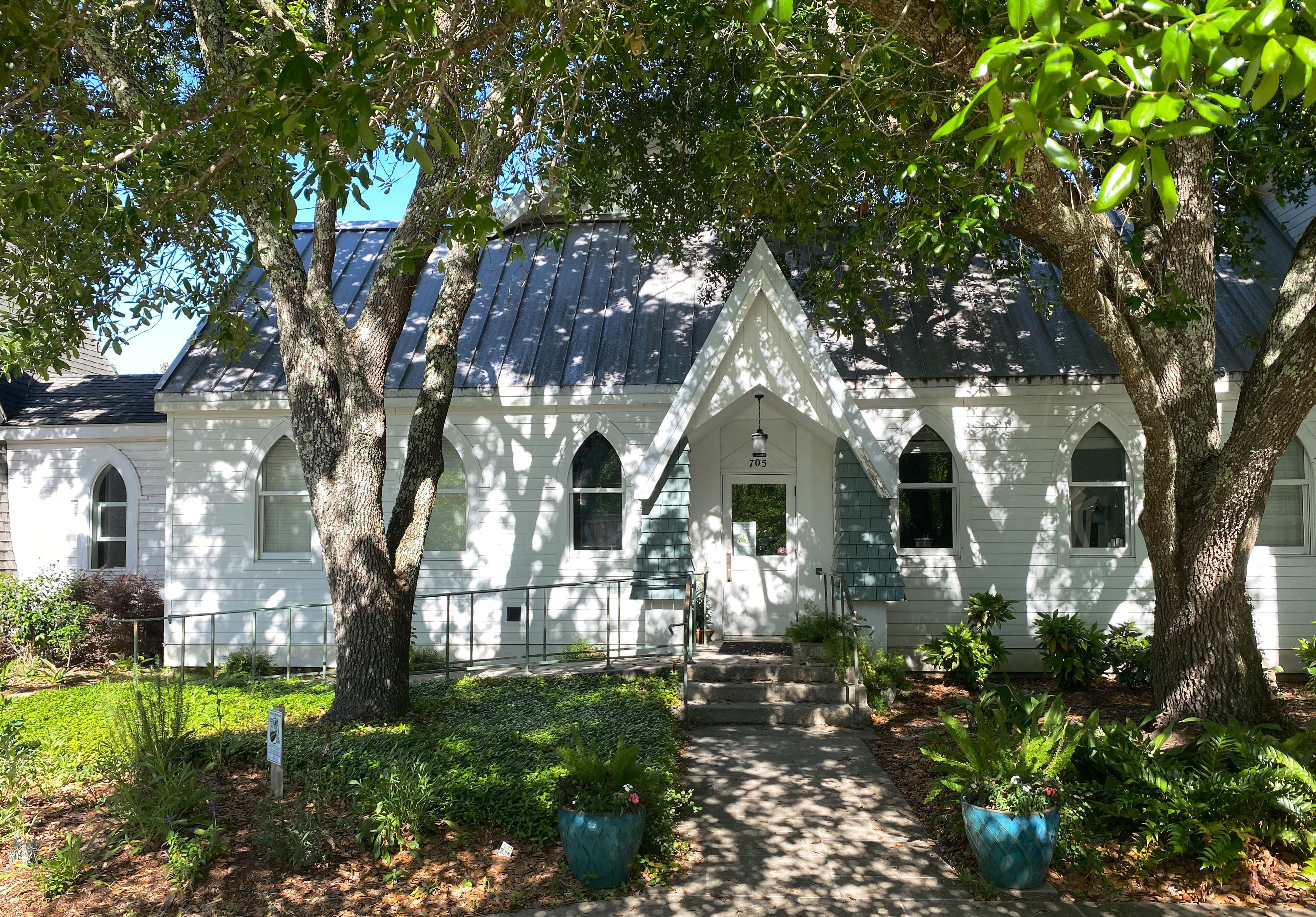
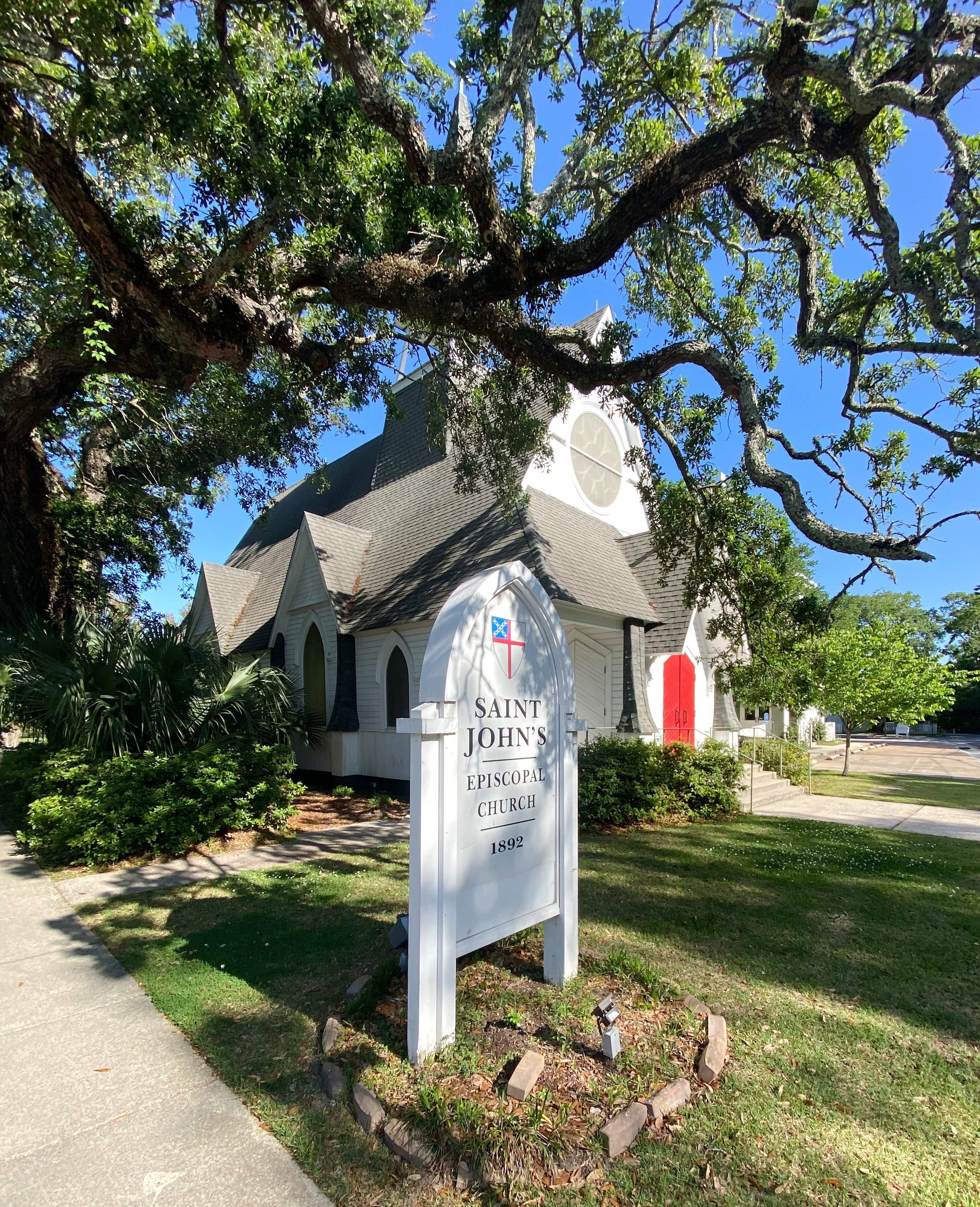
St John’s Episcopal Church

This lovely church is a two minute walk from the Beatnik. As many of you may recall we visit many churches as we tour – in addition to the spiritual aspect, we find the history and architecture of churches fascinating. We were most fortunate to meet Drew, a retired insurance agent from Jackson and a volunteer at the church. Drew graciously provided us with a tour of the church and we reminisced a bit about the problems with the National Flood Insurance Program (once an underwriter always an underwriter).

St. John’s was built in 1892, and the original church is still standing—which is pretty amazing considering it sits 1000 feet from Biloxi Bay and is a wood frame building. Drew did let us know that the building is to be sprinklered in the near future – this former underwiter is fully supportive of that! https://stjohnsoceansprings.dioms.org/

We think Ocean Springs is a cool little town. If you are an admirer of Walter Anderson and his work, excellent coffee, excellent barbecue (Pleasant’s BBQ) and friendly people, make a point of visiting if you are going to be in the Gulf Region of Mississippi.

Be seeing you!

P.S. If you have been following along at all you probably realize that we have not been publishing our posts in strictly chronological order. We are planning to get back in sync in that regard and we are working to publish a post on the first leg of our journey through Mississippi as we followed the Trans America Trail through Northern Mississippi.

Thoroughly Modern Milwaukee (MKE)

We at OTR had never visited Milwaukee until this trip but a bit of advance reseach convinced us that it would be a good city to spend several days exploring. So after spending a week or so biking and camping in southwestern Wisconsin, we made our way east to the state’s largest city (pop. 595,000).

As some of you may recall, our city visit criteria are well established and straight-forward: third wave coffee and tea cafes, high quality street art, an art museum (or two), an excellent Italian restaurant (and professional baseball is always a plus).

milwaukee Art museum

Crying Girl, 1964, Roy Lichtenstein

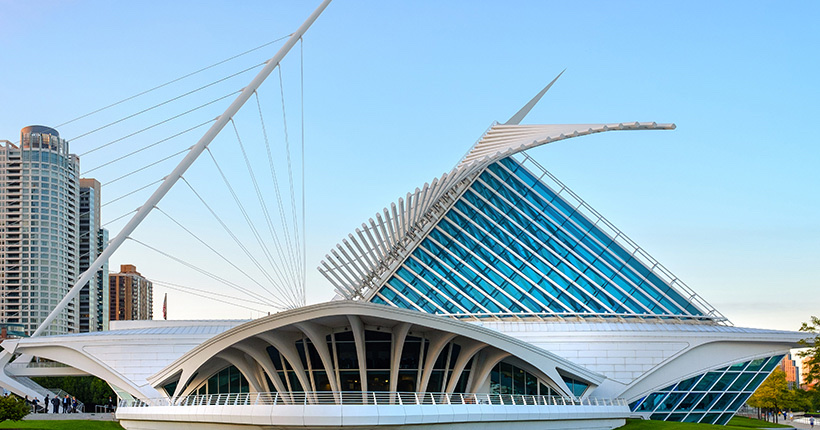
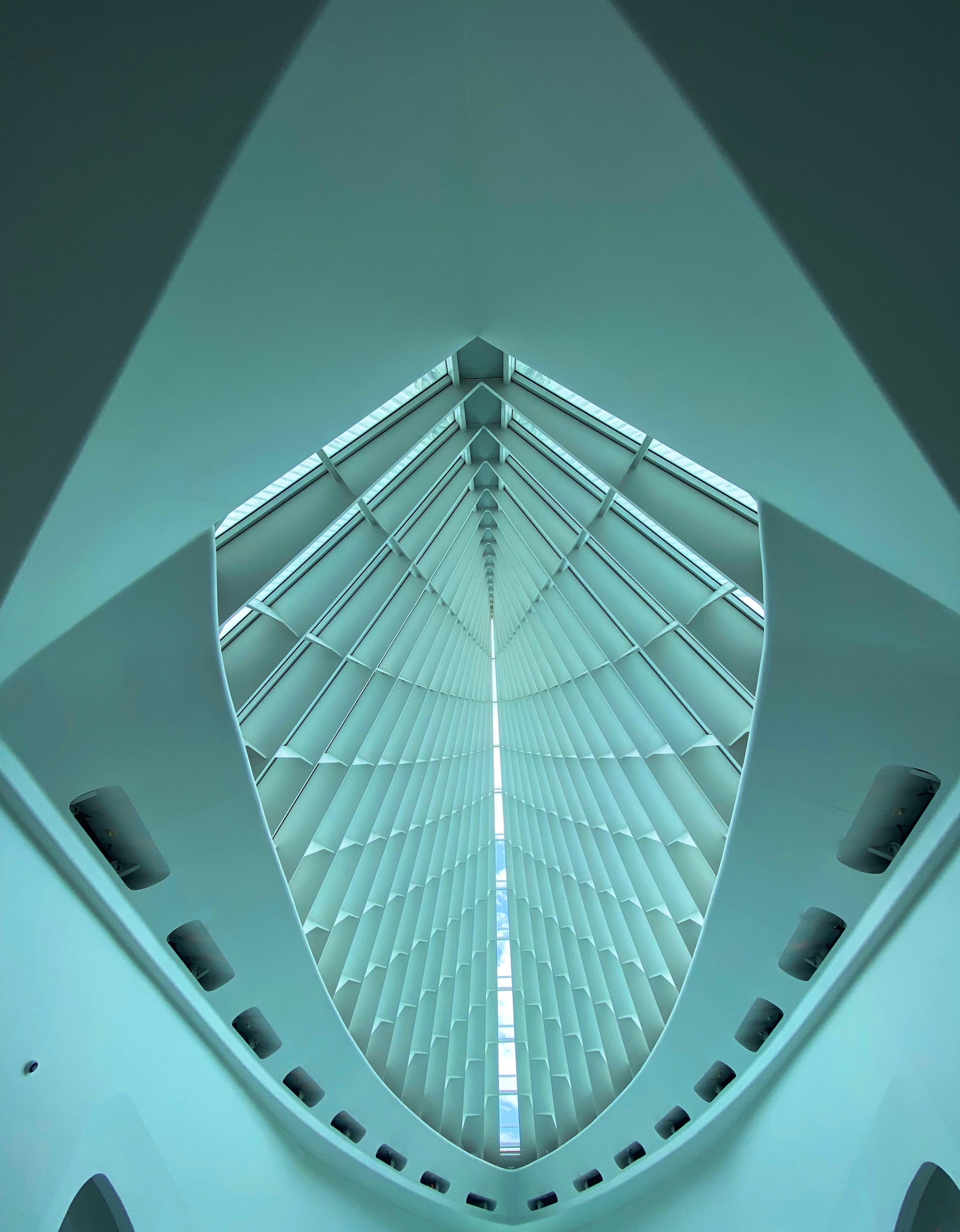
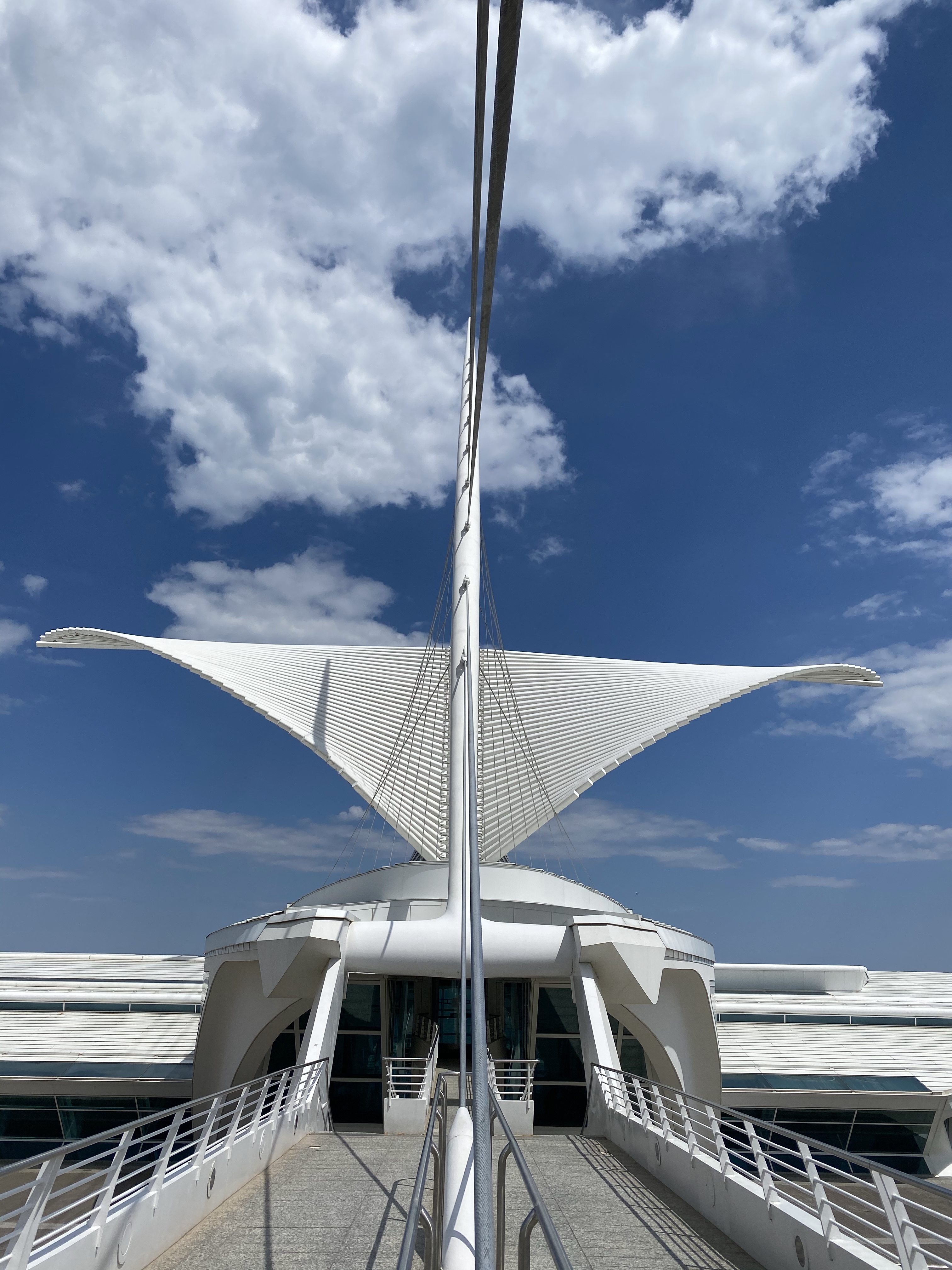
The Milwaukee Art Museum (MAM) and it’s predecessor organizations have been in existence since 1888. The Quadracci Pavilion pictured below was constructed in 2001. The impressive Pavilion with its moveable sail sits on the waterfront of Lake Michigan as the signature work of architecture in the city. http://collection.mam.org/

The MAM has several galleries devoted to modern, pop and abstract art which seems fitting with the architectural style of the Pavilion. The museum collections includes a number of works by major Pop and Abstract icons including Roy Lichtenstein and Andy Warhol.

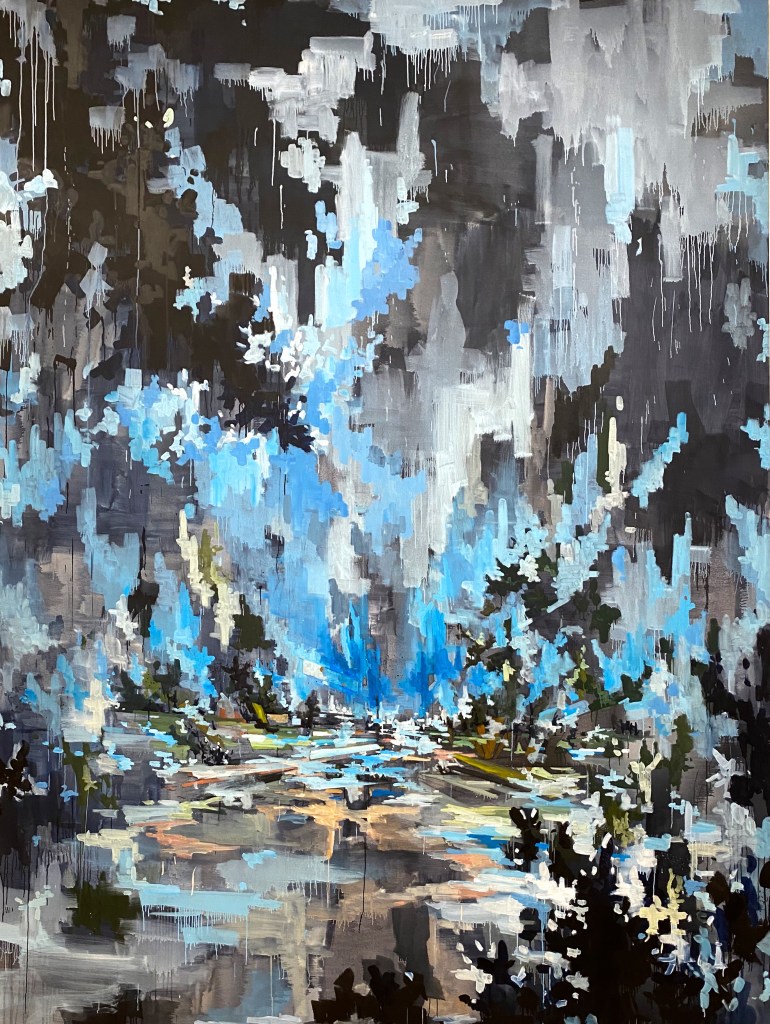
Mist, 2012, David Schnell

fika

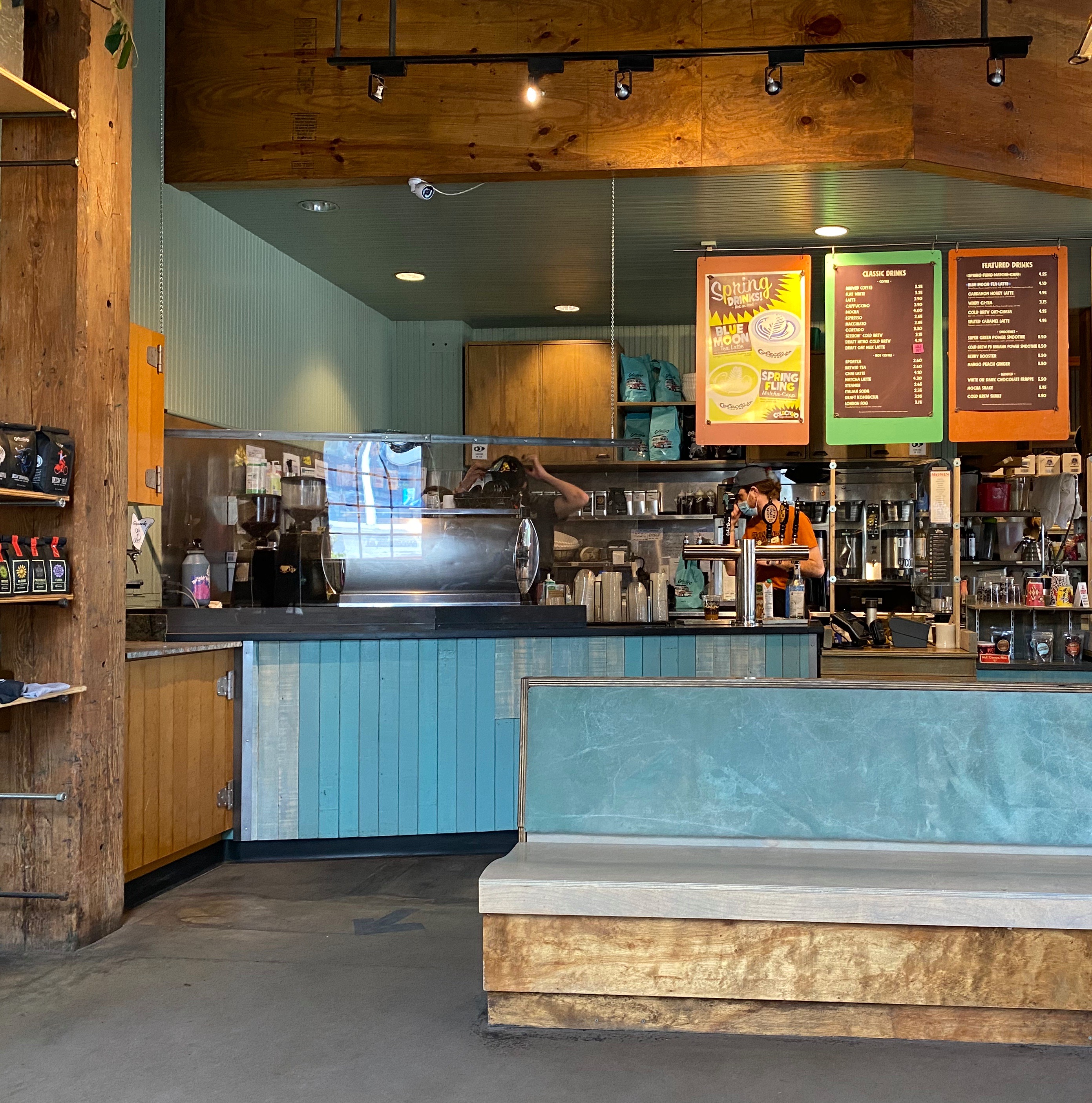
Colectivo Coffee served as our cafe host for our stay in MKE. Colectivo is MKE based with cafes on the waterfront and in the Historic Third Ward. Colectivo is also a force in the roasting business and operates the Troubador Bakery as well.

Colectivo has been in a business for quite a while but clearly has not lost its edge and sits firmly in the realm of third wave coffedom. Our experience was excellent because of the professional baristas, friendly staff, great coffee, tasty sandwiches and treats along with an interesting and comfortable cafe space.

There are other solid third wave coffee cafes in MKE which are worth visiting but for a short stay in town you cannot miss with any of Colectivo’s locations.

Street art

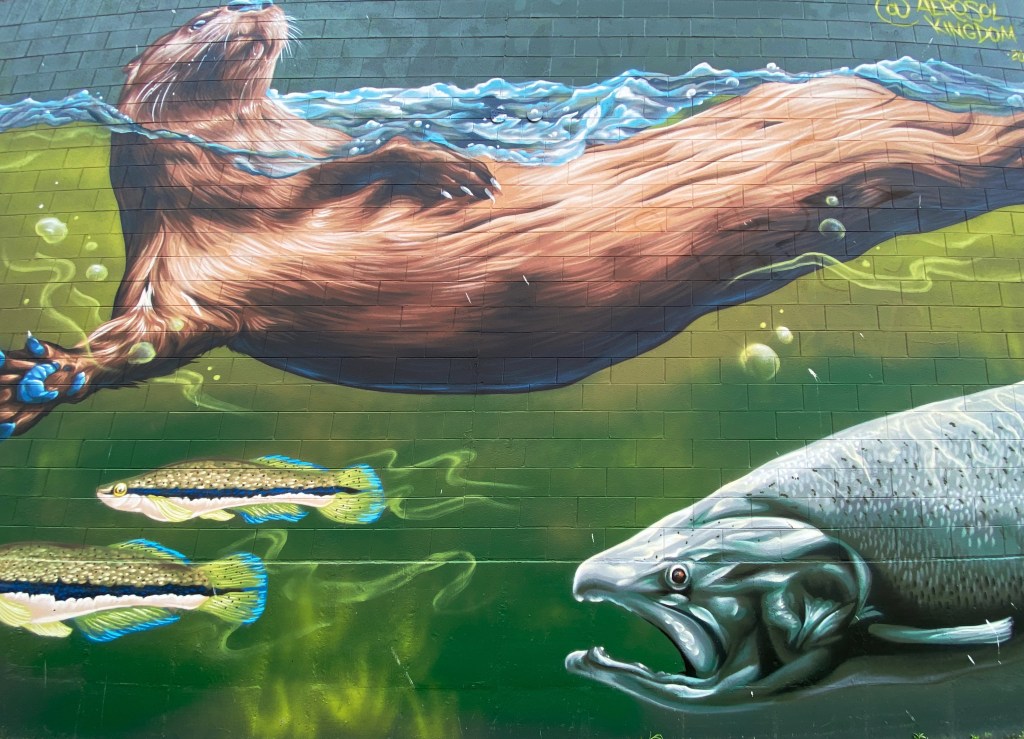
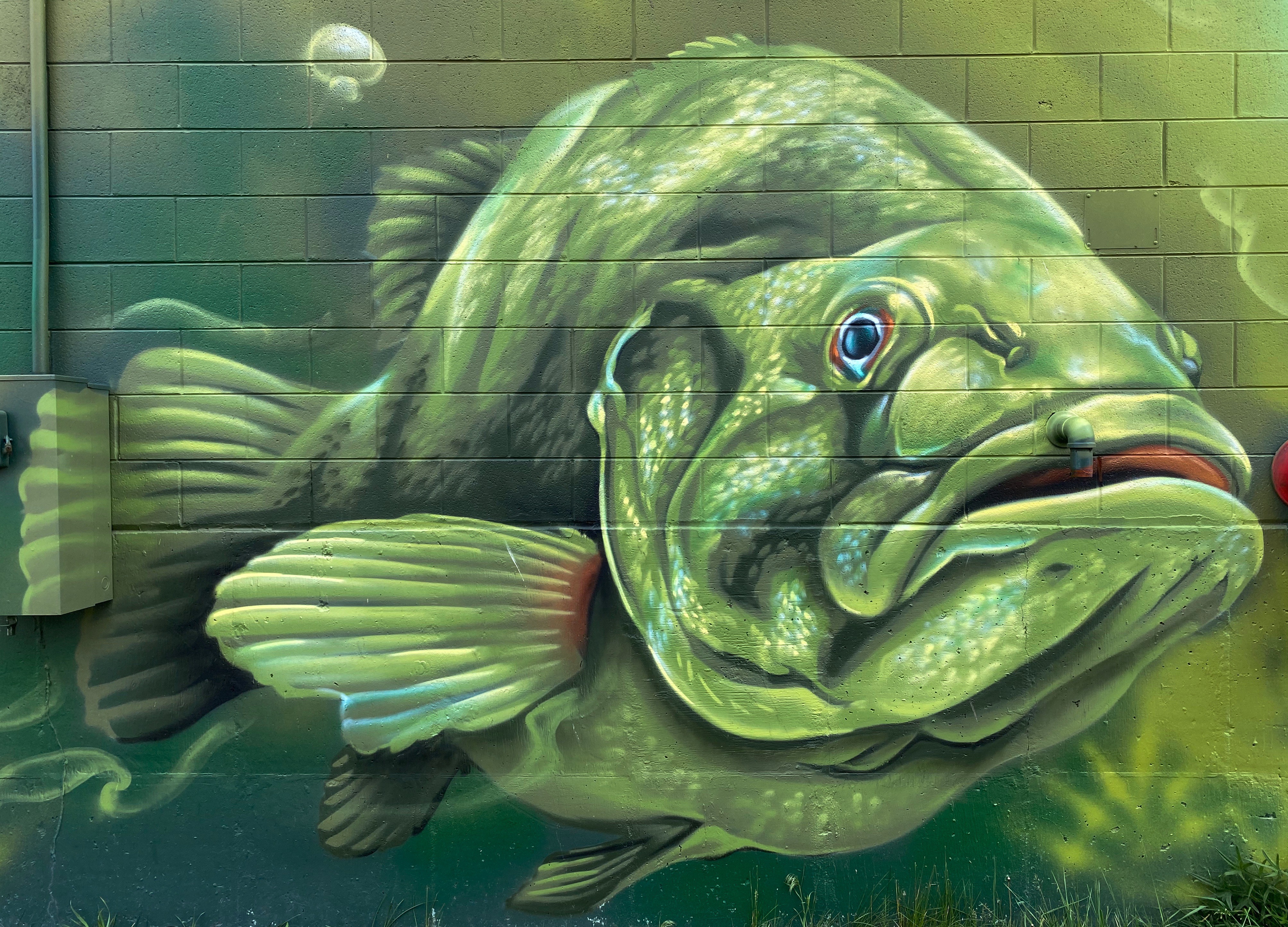
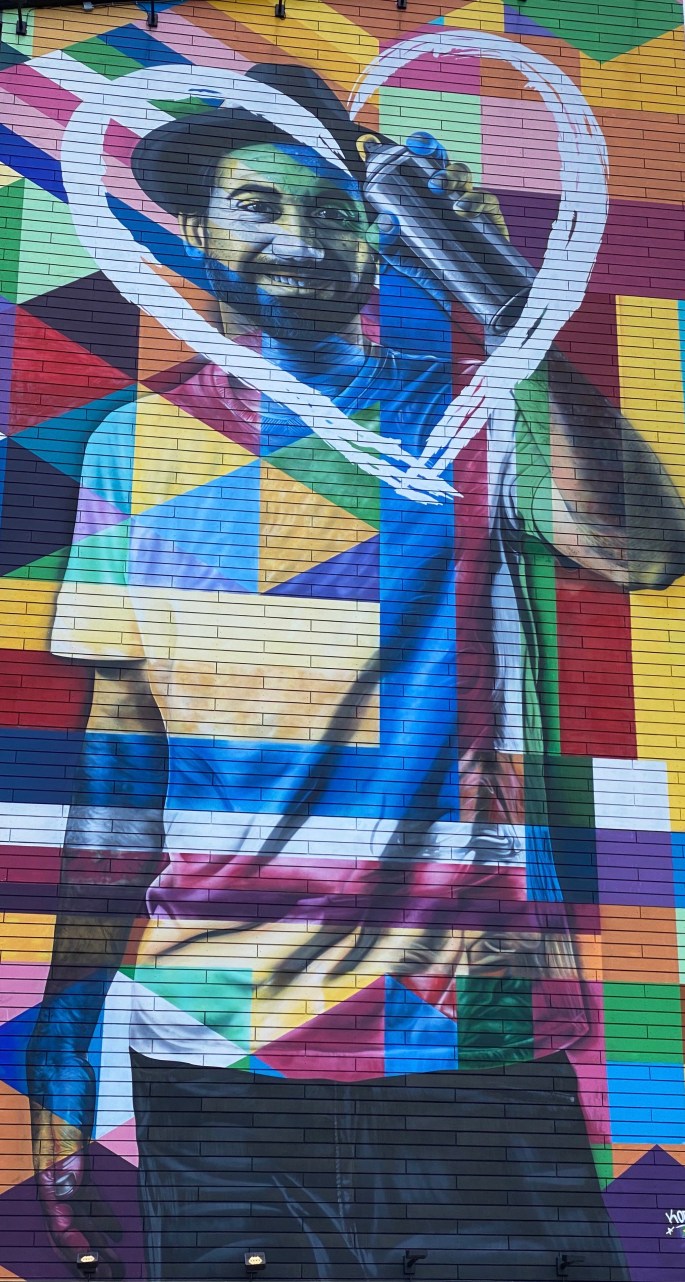
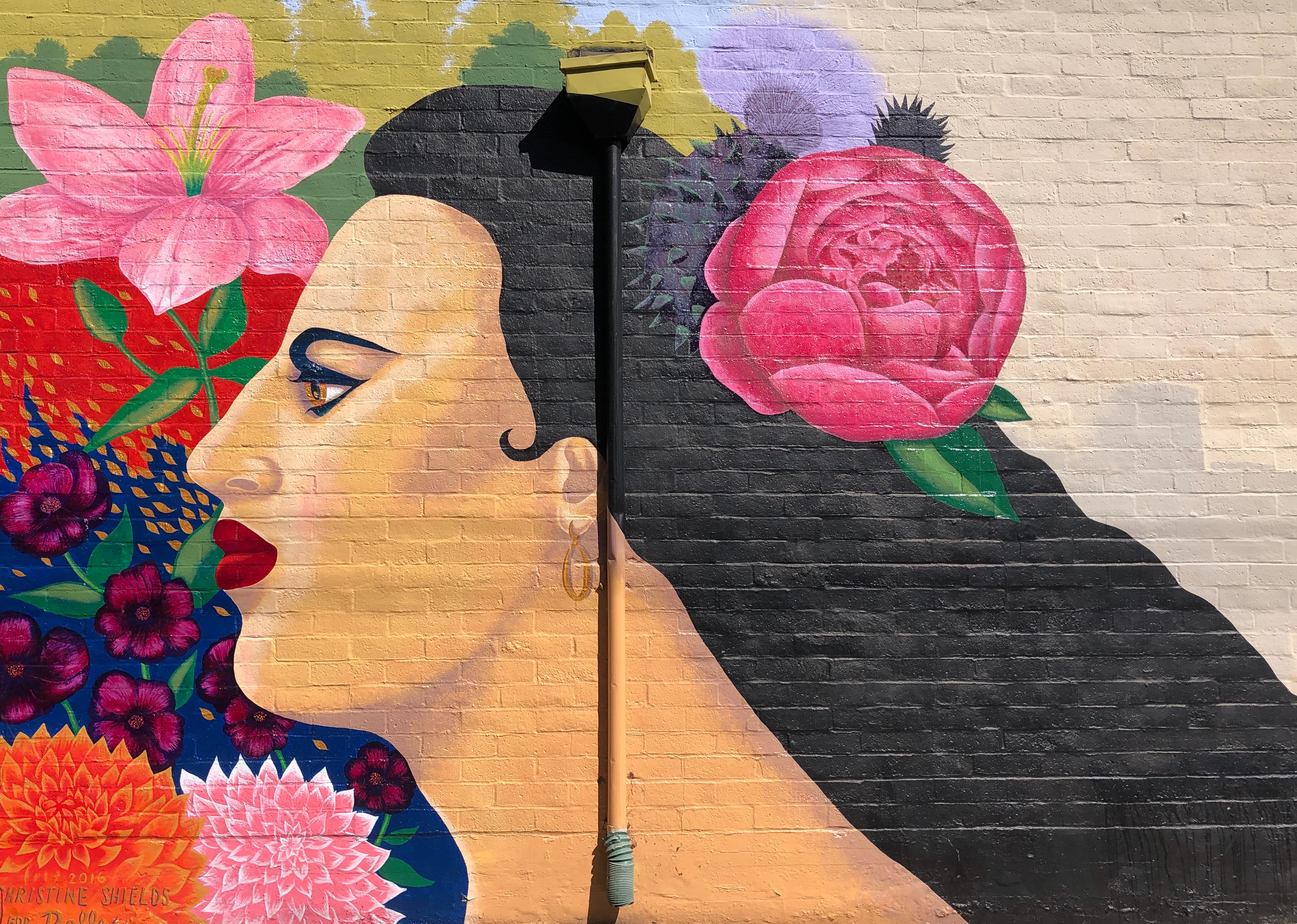
MKE provided us with several excellent street murals nicely placed in the Historic Third Ward while the epic mural by @AEROSOLKINGDOM pictured above and below required a short drive down to an industrial area along the waterfront.

As you can see from the photographs there is an eclectic mix of fun and serious art to be found in MKE.

Historic third ward and Riverwalk

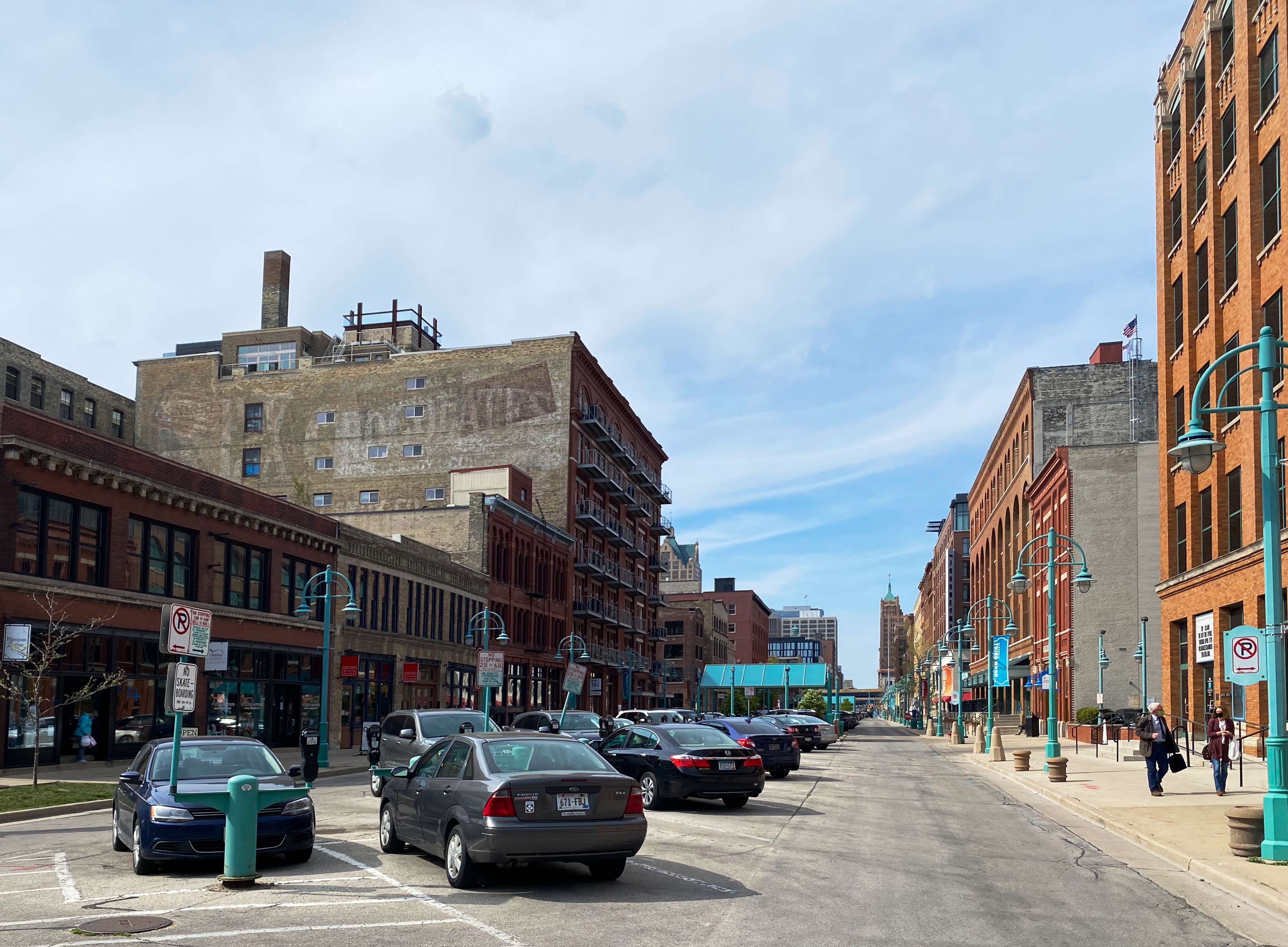
The Historic Third Ward District is a former warehouse area which has been revitalized into a thriving entertainment district. There are over 450 businesses in the district. The center piece of the district is the Milwaukee Public Market which houses restaurants, bars, wine shops, live entertainment and retail shops in an large open space.

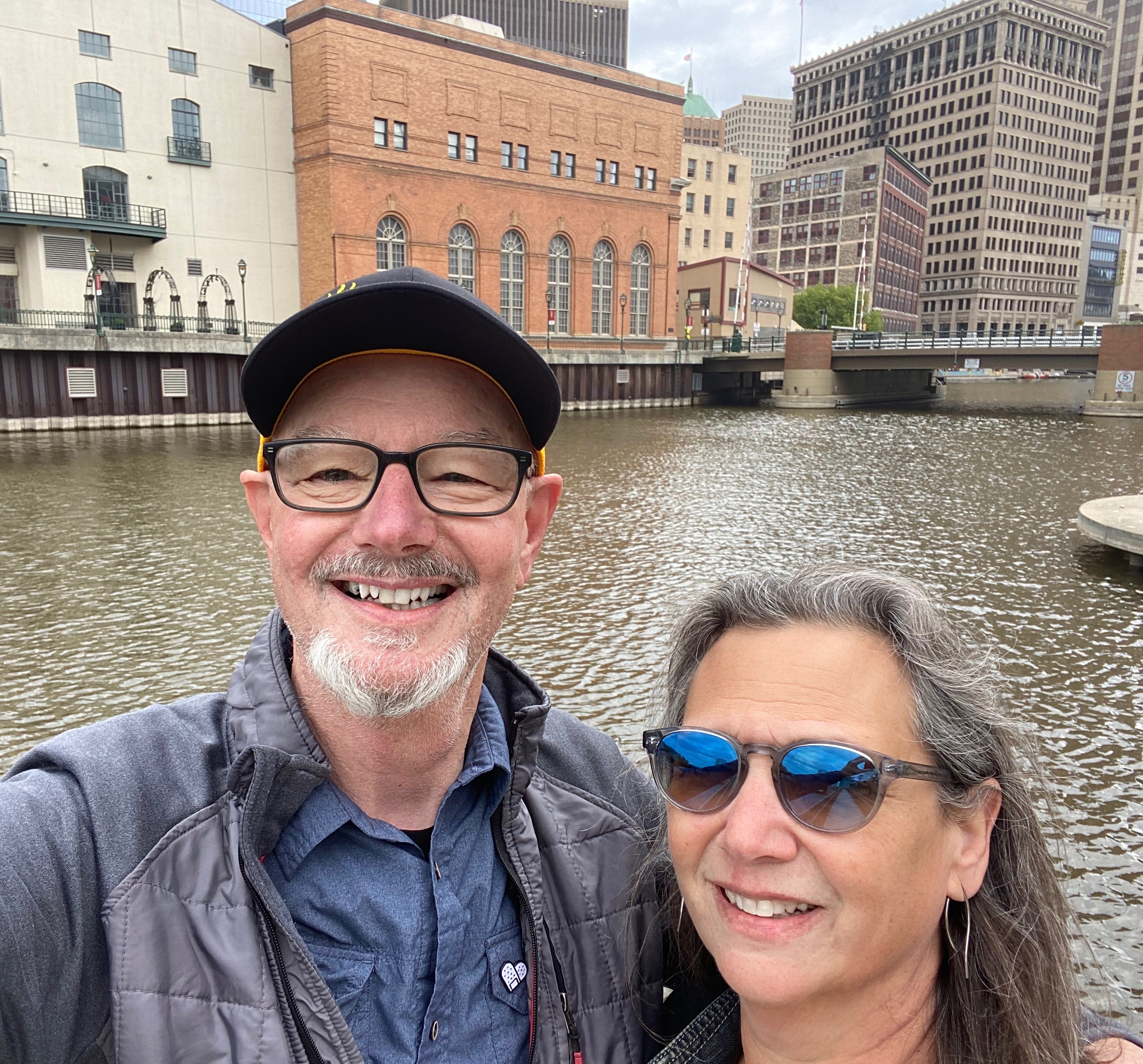
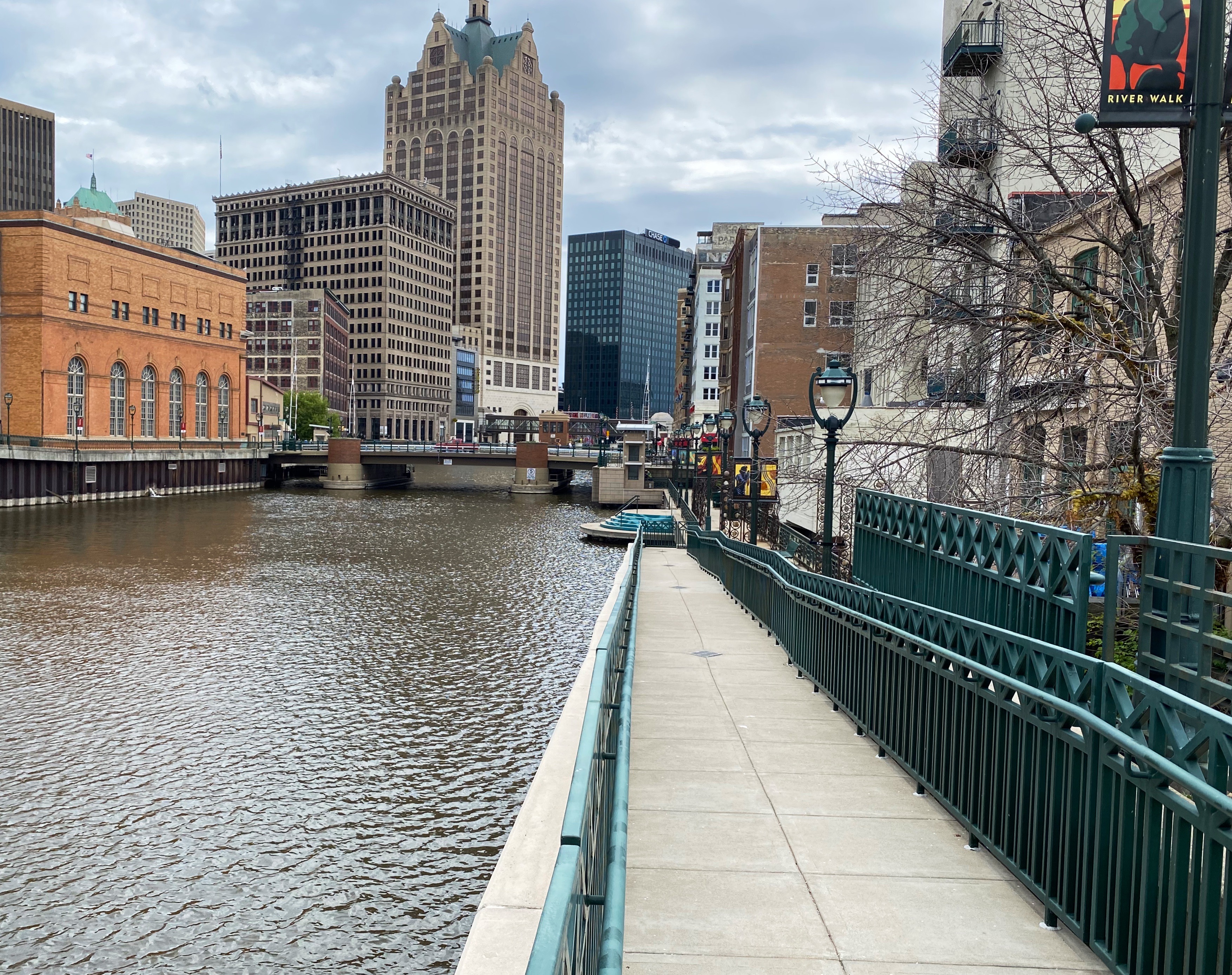
The district is bounded by the Milwaukee River and the riverwalk which allows pedestrians to stroll along the river and of course provides direct access to the district. Nicely done MKE!

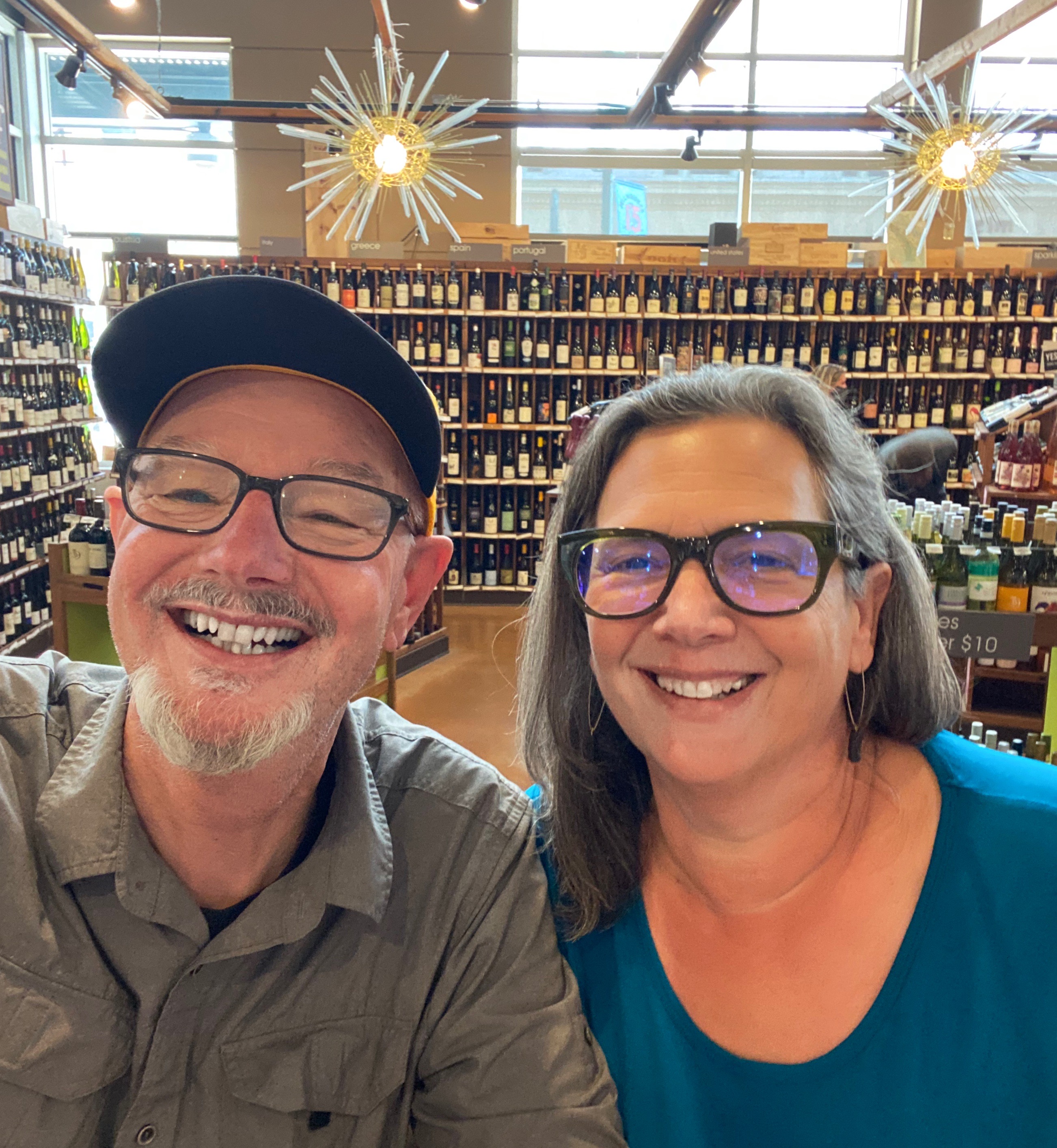
Our recommendations for the district – Onesto for excellent Italian fare, Thief Wine Bar for delicious and very reasonably priced wine, St. Paul Fish Company for fresh fish from the Lake and of course Colectivo Coffee.

Sports

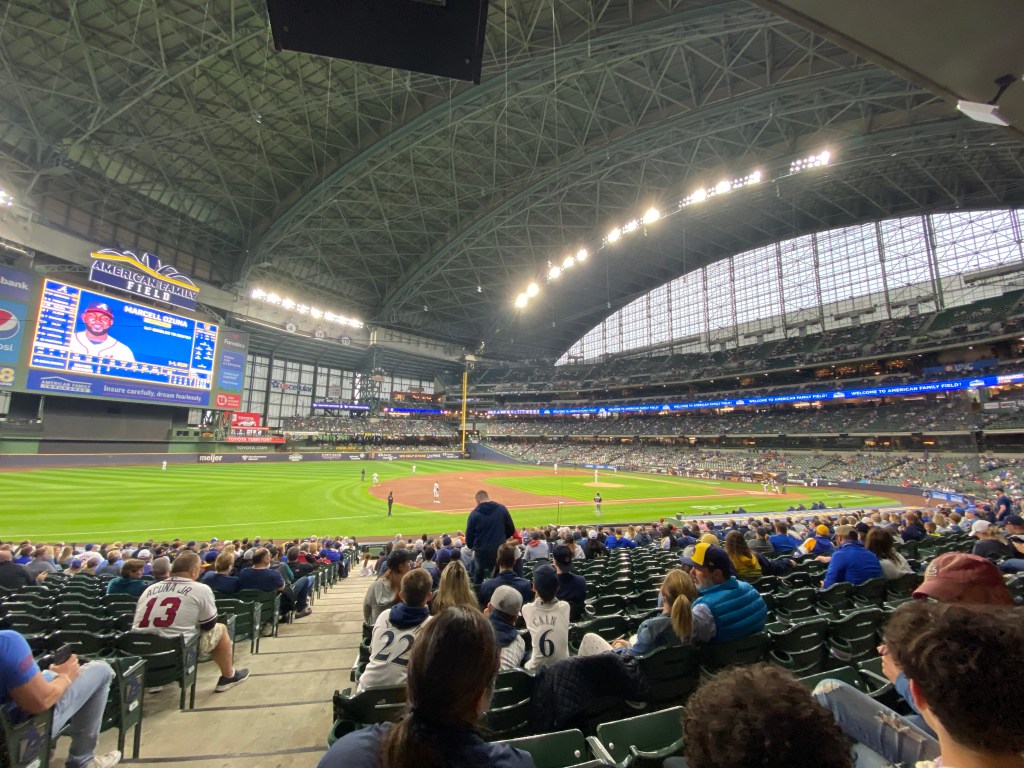
Our timing was fortuitous in visiting MKE while the Brewers were at home. The Brewers did not play when we saw them, but have played better since we were in town (won nine of last ten games). Nonetheless, it is always fun to take in a MLB game, particularly in a stadium not previously visited.

The stadium – American Family Field – opened in 2001 and, like the MAM, is architecturally impressive. The stadium has the only fan-shaped convertible roof in the United States – which worked out well for us as rain moved into the MKE area on the afternoon of the day we were attending.

As you can see in the photos below the crowd was sparse as the city was still limiting attendance to 25% of capacity. The bewildering part of the rule was that while attendance was limited there was no social distancing with seating.

Our thoughts

We had a great time visiting MKE. The city is a good stop for three to four days, depending on your interests. There are plenty of options with professional sports teams, museums, fine and casual dining and live entertainment.

MKE is also very pedestrian- and bike-friendly with numerous paved paths in downtown and along the waterfront. Also, and very importantly from our perspective, is that the local folks we met were uniformly very friendly and open.

MKE – modern and friendly – worth a visit!

Our next planned post will be based on our travels through Minnesota.

Be seeing you!

It Must Be Columbus: Street Art, Great Coffee and New Friends + Some Excellent Bike Trails!

Spring Flora by Maureen Clark

Franklinton Arts District

We discovered the Franklinton Arts District (FAD) during our brief visit to Columbus last fall when we visited One Line Coffee. In addition to a terrific coffee experience at the cafe we found ourselves surrounded by amazing mural art everywhere we looked (or so it seemed). As a result we knew that we wanted to pay another visit to Columbus as we journeyed west on OTR 6.0 to take advantage of the excellent coffee and street art opportunities.

The FAD is not just a geographic district but also a non-profit organization http://www.franklintonartsdistrict.com/ created to support and advocate for artists and art organizations in the district.

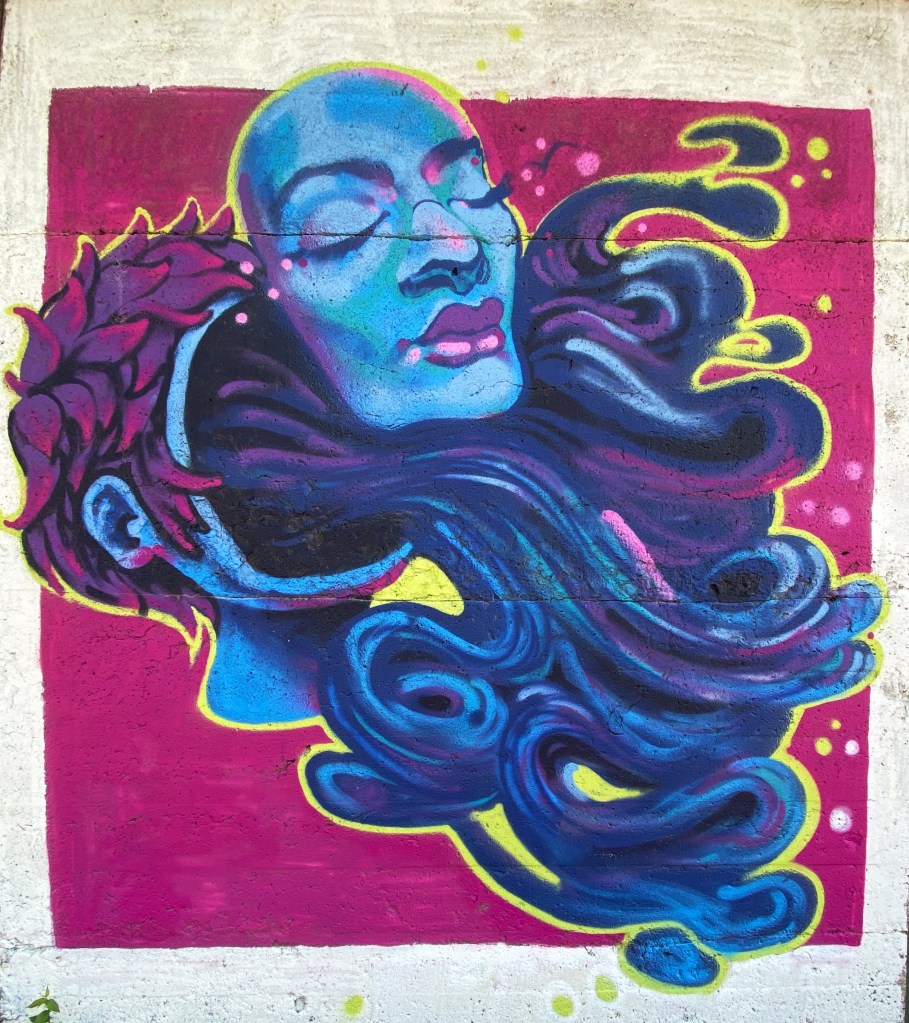
The photographs above and below are just a small sample of some of the murals we saw during this visit. We have also included several more mural photos at the end of this post.

Our first rails to trails ride in Ohio was on the Heart of Ohio Trail (HOOT) and the Kokosing Gap Trail. We rode from the Centerburg Trailhead to the end of the HOOT in Mt Vernon and then continued on the Kokosing Gap Trail several more miles to Gambier where the trail runs through the Kenyon College Campus.

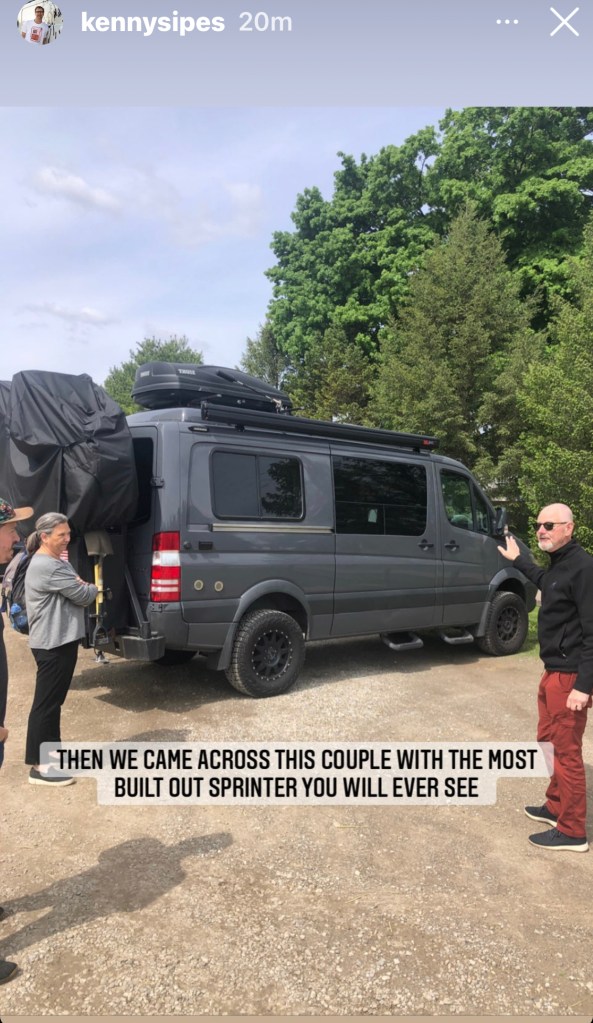
Our departure from Centerburg was delayed slightly by the arrival of two gentlemen who approached us to inquire about the Beast (not an uncommon occurrence). We are always happy to share our travels and provide a tour of the Beast and even more so because we found ourselves talking to two of the top specialty coffee people in the Columbus area.

Kenny (@kennysipes) and Frank (@franksbusy) are the creative and business leaders that have made Roosevelt Coffee Roasters and Roosevelt Coffee House a very special force for good (as well a very successful business) in the specialty coffee industry. https://roosevelt.coffee/ https://the-roosevelt-coffeehouse.square.site/

Roosevelt Coffee House

Kenny had served as a youth pastor for a number of years before deciding to jump into the specialty coffee business while Frank had been in the industry working for one of the top specialty coffee organizations in Columbus.

After chatting about the Beast and some of our adventures Kenny and Frank graciously invited us to visit the roastery and the cafe the next morning. We said YES!!

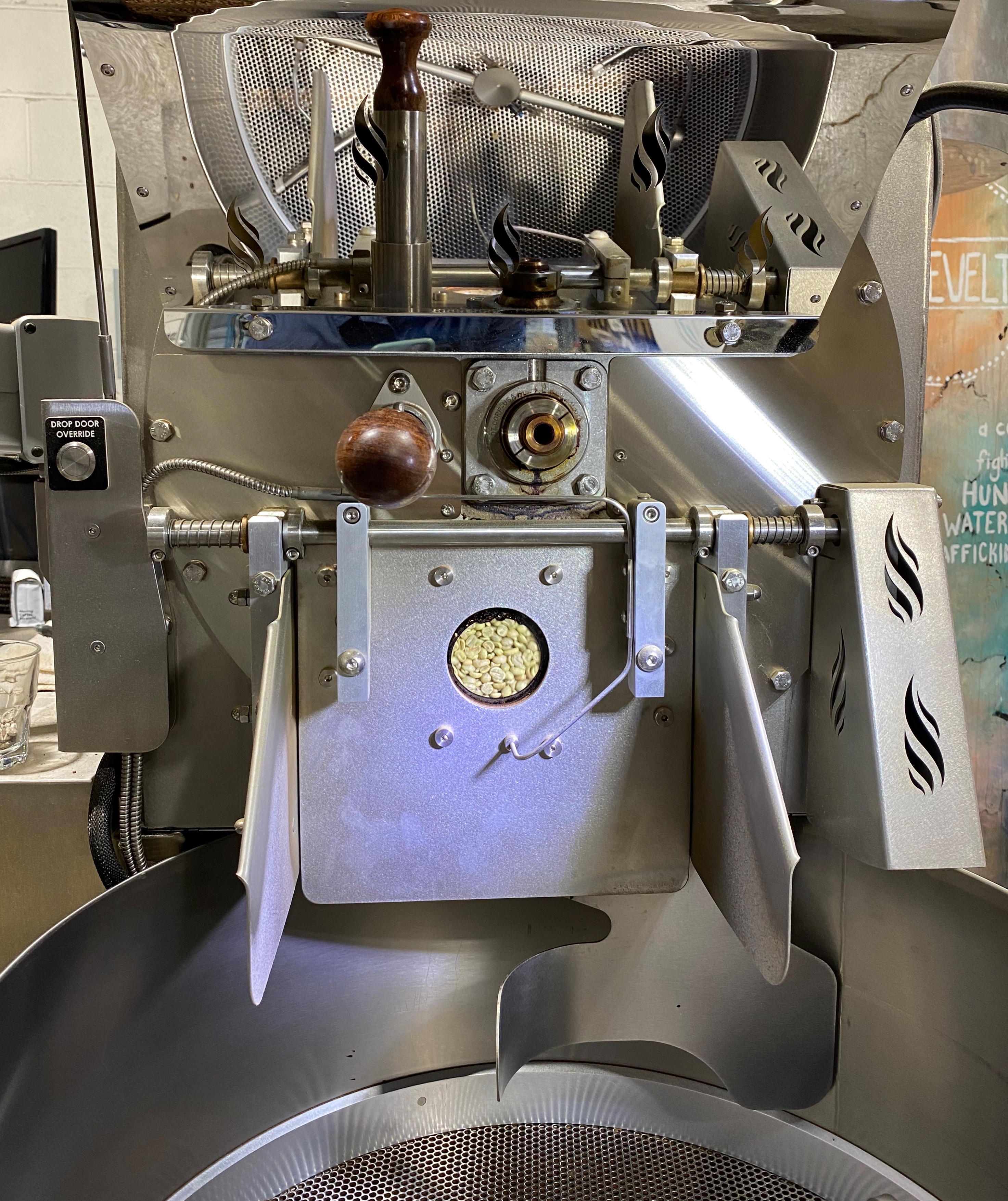
Frank explains the operation of the Loring Roaster as he expertly roasts a batch of coffee.

We had a fantastic experience visiting the with Kenny and Frank and found out that they are more than just two really nice guys. Kenny started this business in order to help people in need and Frank signed on for the mission. The Roosevelt businesses are owned by the Roosevelt Foundation https://www.rooseveltcoffee.org/ and donate a portion of the money generated by the two businesses to organizations fighting against hunger, unclean water and human trafficking.

The Mission

We are humbled to have had the opportunity to meet Kenny and Frank and learn first hand about the business and their mission. Thank you Kenny and Frank.

Alum Creek Trail

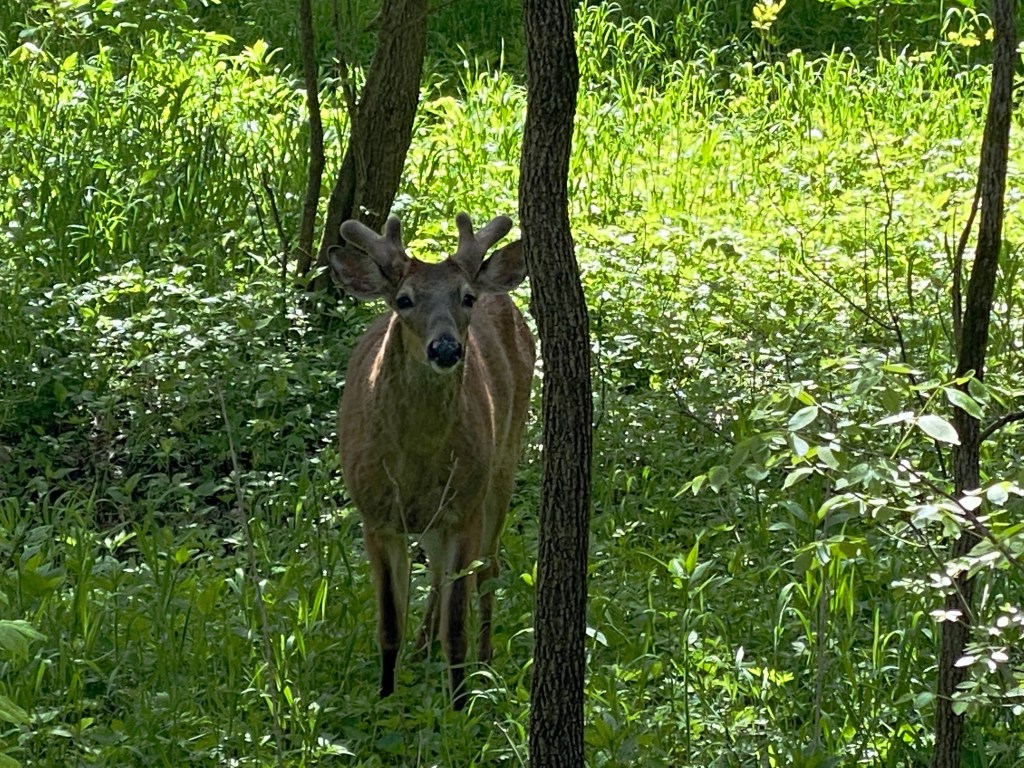
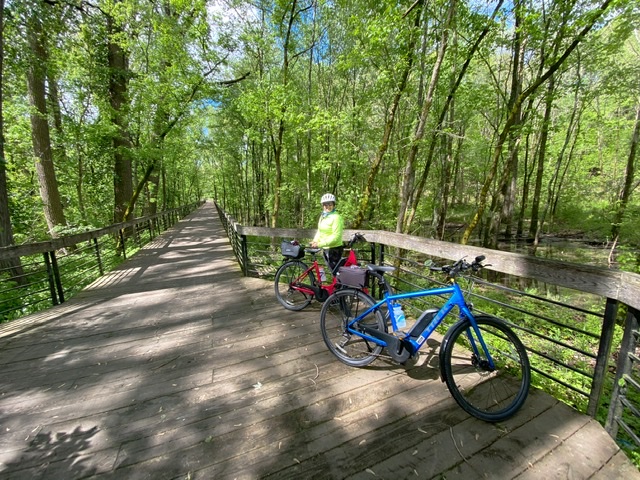
We took advantage of the fine weather on our last day in Columbus to bike the Alum Creek Trail. Although this trail runs through the city of Columbus it provides many miles of greenway as it meanders back and forth across the Alum Creek. This trail is a wonderful asset within a major metropolitan area as you feel transported to a much more rural environment. We encountered many deer along the route – some who seem perturbed by our desire to proceed on the trail!

Historically, Alum Creek was a key route in central Ohio for escaped slaves and free blacks to move north to free states and Canada. The sycamore trees which line the banks of the creek and the creek itself provided cover for the railroad’s “passengers” seeking freedom.

A key group in the operation of the Underground Railroad in central Ohio were the Quakers that created the safe haven known as Quakertown. The number of escaped slaves that came through on this route is not documented for obvious reasons but it is a credit to the abolitionists that risked their own safety to assist with this humanitarian initiative to right the horrible wrong of slavery.

Franklinton Arts District

Elijah Pierce by Hakim Callwood

Next stop Wisconsin to bicycle the Badger State Bike Trail and possibly eat cheese! Be seeing you!

FINE ART TOURIST: PITTSBURGH

—————————————————————————————————————————————————

Carnegie museum of art

————————————————————————————

The Carnegie Museum of Art was founded by industrialist and philanthropist Andrew Carnegie in 1895. Carnegie was a Scottish immigrant who arrived in America at age 13 with his family in 1848. Carnegie went to work shortly after his arrival as a bobbin boy in a mill, working six days a week, 12 hours a day for the equivalent of $35.00 a week in 2020 dollars.

By his 18th year, Carnegie was working at the Pennsylvania Railroad Company where he moved up quickly to become the Superintendent of the Western Division. Utilizing his connections made at the railroad Carnegie made investments in multiple industries, ultimately founding the Carnegie Steel Company. When he sold the company to JP Morgan, Carnegie became the wealthiest person in America for a period of time.

From that point forward, Carnegie devoted his life to philanthropy. He ultimately spent 90% of his fortune to start and fund a number of philanthropic and learning institutions including the Carnegie Museum of Art.

The CMOA is focused on contemporary art and has a significant collection of works by impressionist, post-impressionist, expressionist and realism painters. The museum also has galleries devoted to abstract artists such as Pollack and Rothko but frankly, abstract art is not art we enjoy.

We have included a sample of some of our favorite paintings from our visit to the CMOA during our recent stay in Pittsburgh. All of the photographs were taken at the museum by @FineArtTourist. We hope you enjoy the selection. Please let us know.

Be seeing you!
——————————————————————————————————————————————————

Expressionism

Nature is not only all that is visible to the eye…it also includes the inner pictures of the soul.”
Girl Under Apple Tree (1904) Oil on Canvas. Edvard Munch
A painter paints the appearance of things, not their objective correctness. In fact, he creates new appearances of things.”
The Lighthouse of Fehmarn (1912) Oil on canvas. Ernst Ludwig Kirchner

Realism

“When you paint, try to put down exactly what you see. Whatever else you have to offer will come out anyway.” The Wreck (1896) Oil on canvas. Winslow Homer

Post-Impressionism

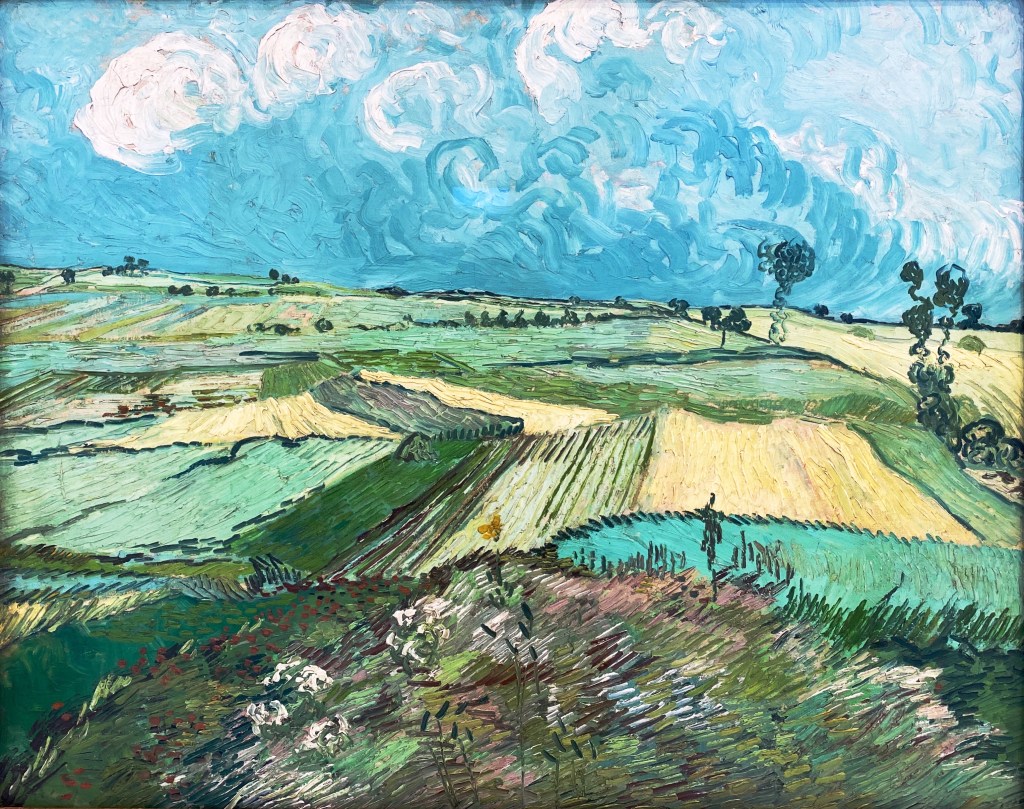
I want to touch people with my art. I want them to say ‘he feels deeply, he feels tenderly’.”
Wheat Fields after the Rain (1890) Oil on canvas. Vincent van Gogh
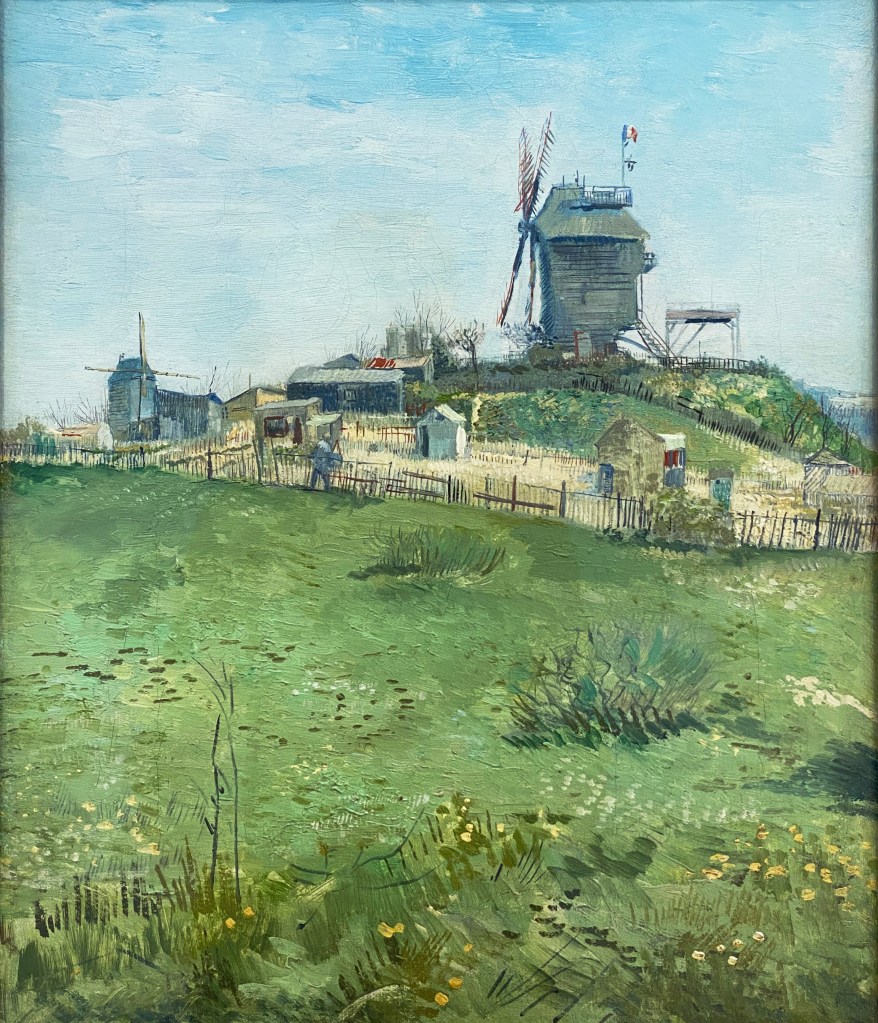
What color is in a picture, enthusiasm is in life.” Le Moulin de la Galette (1886-1887)
Oil on canvas. Vincent van Gogh

Impressionism

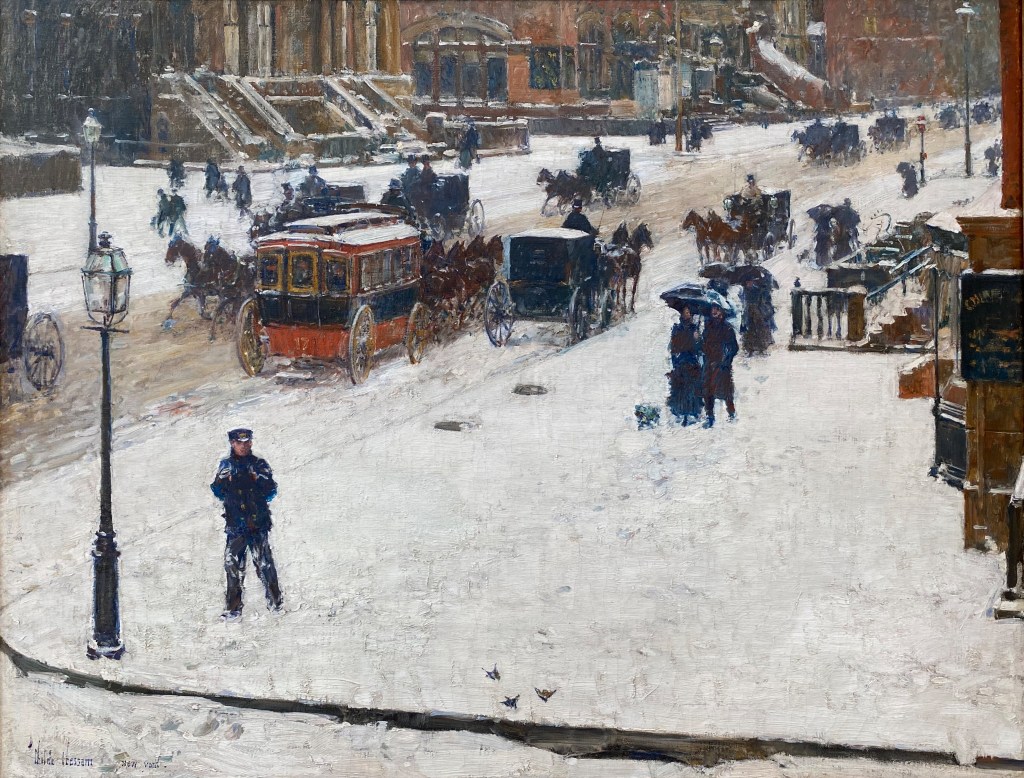
“I do not always find the streets interesting, so I wait until I see picturesque groups and those that compose well in relation to the whole.”
Fith Avenue in Winter (1892) Oil on canvas. Childe Hassam
“Colors pursue me like a constant worry. They even worry me in my sleep. ”
The Sea at Le Havre (1868) Oil on canvas. Claude Monet
“The art of the colorist has in some ways elements of mathematics and music.”
Place des Lices, St. Tropez (1893) Oil on canvas. Paul Signac
Color! What a deep and mysterious language, the language of dreams.” Landscape with Three Figures (1901) Oil on canvas. Paul Gaugin

“The richness I achieve comes from nature, the source of my inspiration.”
Water Lilies (1915-1926) Oil on canvas. Claude Monet

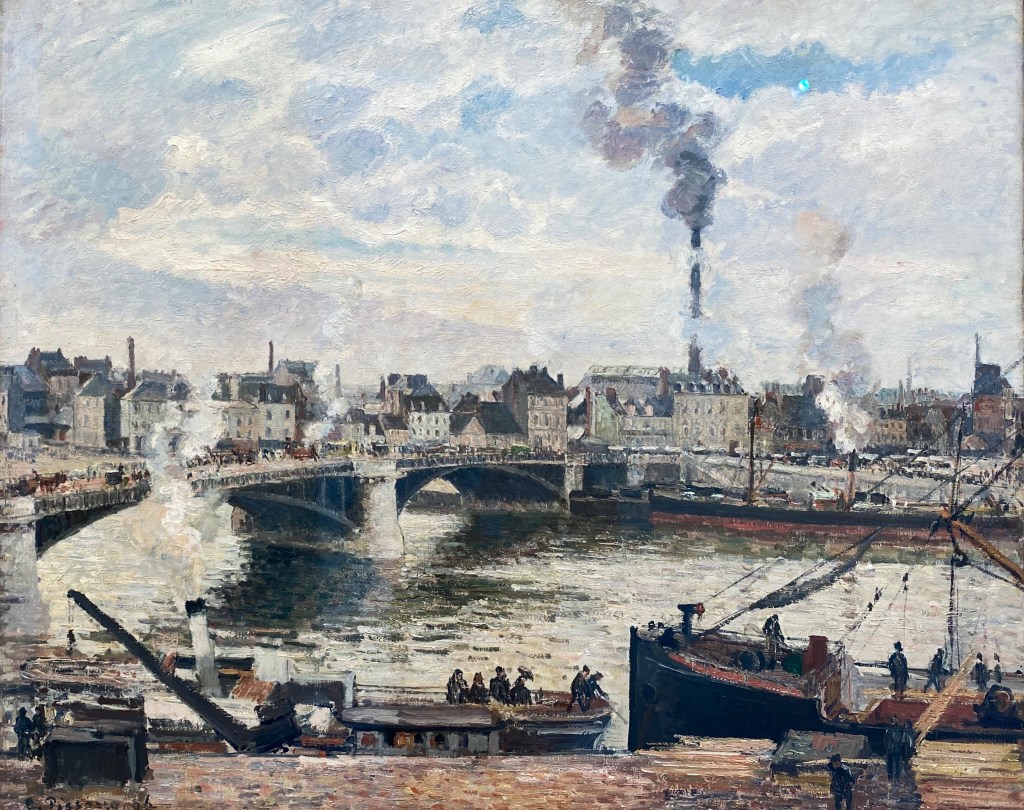
Blessed are they who see beautiful things in humble places where other people see nothing.
The Great Bridge (1896) Oil on canvas. Camille Pissarro

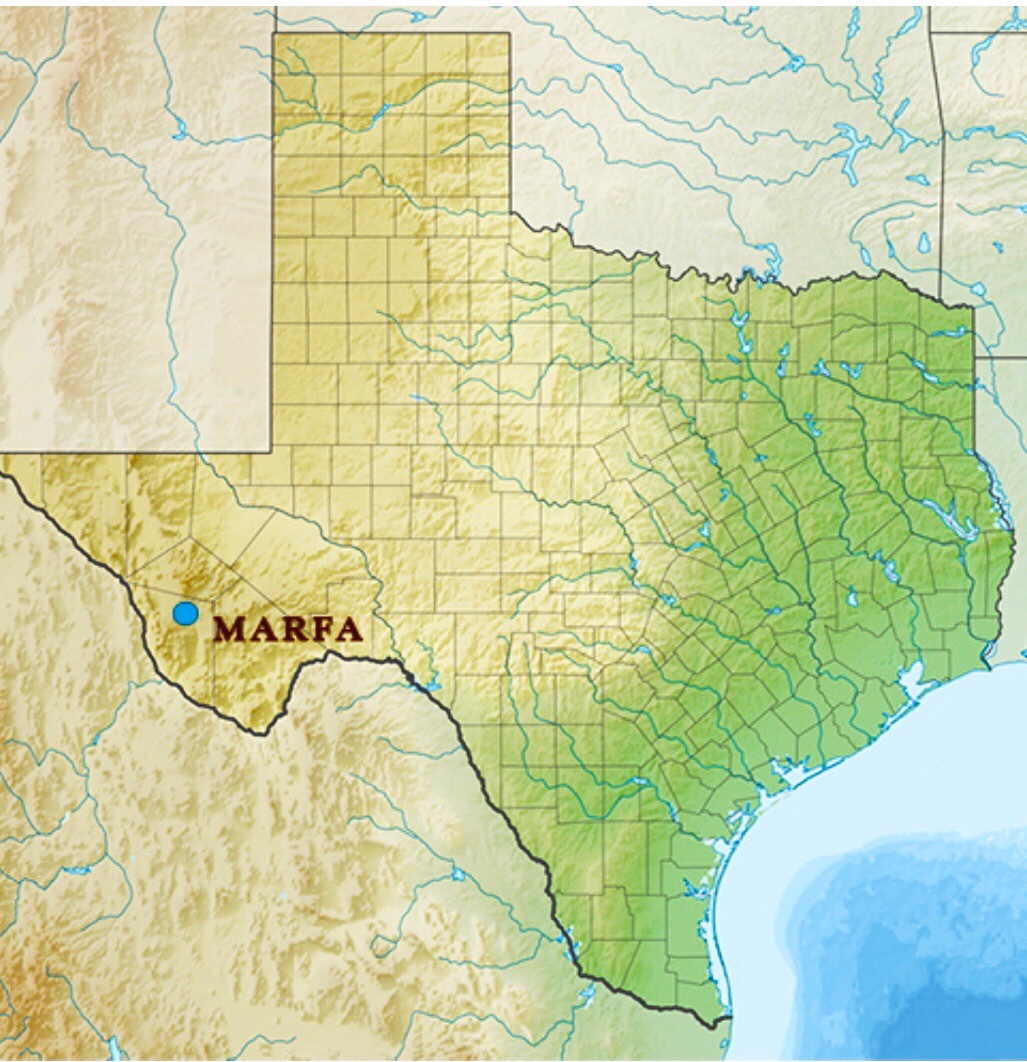
Marfa and Fort Davis, Far West, Texas

After departing Carlsbad Caverns NP we traveled through oil country (see Carlsbad Caverns blog) and on through a number of small Texas towns on our way south. Our first stop was in Pecos. We stayed just a short while as the traffic from the Mid-Continent Oil Field has just overwhelmed the town with heavy trucks crossing through the main intersection from all four points on the compass.

We stopped for a picnic lunch in the tiny town (pop.479) of Balmorhea (bal-mor-ray). Balmorhea has a small water canal that runs through town surrounded by Cottonwood trees offering a shady, tranquil spot for our meal and a break.

From Balmorhea we continued south on Texas Route 17 to Fort Davis. Historic Fort Davis, managed by the National Park Service sits just outside of town. This fort operated from 1854 to 1891. Throughout much of its tenure the cavalry and infantry troops stationed here were tasked with protecting emigrants heading west to California from Native American attacks. During the Civil War the Union troops were withdrawn from the fort and it was occupied by Confederate troops from Texas.

Afte the war the fort was reoccupied by U.S. Cavalry troops including several companies of Buffalo Soldiers. From that point forward the troops were again focused on providing safe passage for emigrants and commercial freight operators. With the surrender and deportation of the majority of the Native Americans towards the end of the century the fort was abandoned.

Fort Davis is a great stop if you are interested in the history of the American West. The fort is in excellent condition and you can visit recreated barracks and living quarters.

We stayed the night at the Hotel Limpia (constructed 1912) in the town of Fort Davis (pop.1210). The Limpia is a charming western hotel with an excellent restaurant – Blue Mountain Grill.

Our next stop on this leg was Marfa, Texas. Marfa (pop. 1,981) is another town in Far West Texas that started out as a water stop for the railroad. Today the rail still exists and is operated by the Union Pacific Railroad with six to ten freight trains crossing through the middle of town each day.

During WW2 Marfa was home to a Army Air Corps training base which was abandoned after the war. Marfa became famous as an artists colony after NYC artist Donald Judd moved there in 1971 and purchased some of the empty hangers to permanently house collections of his work and those of other minimalist artists.

While we enjoyed Marfa we came away somewhat disappointed after reading and hearing all of the hype about the town. The minimalist large “art” installations are just not our cup of tea. The town itself is still charming with many examples of well preserved western architecture. There are a number of interesting shops and excellent restaurants albeit the prices are inflated for the tourist trade.

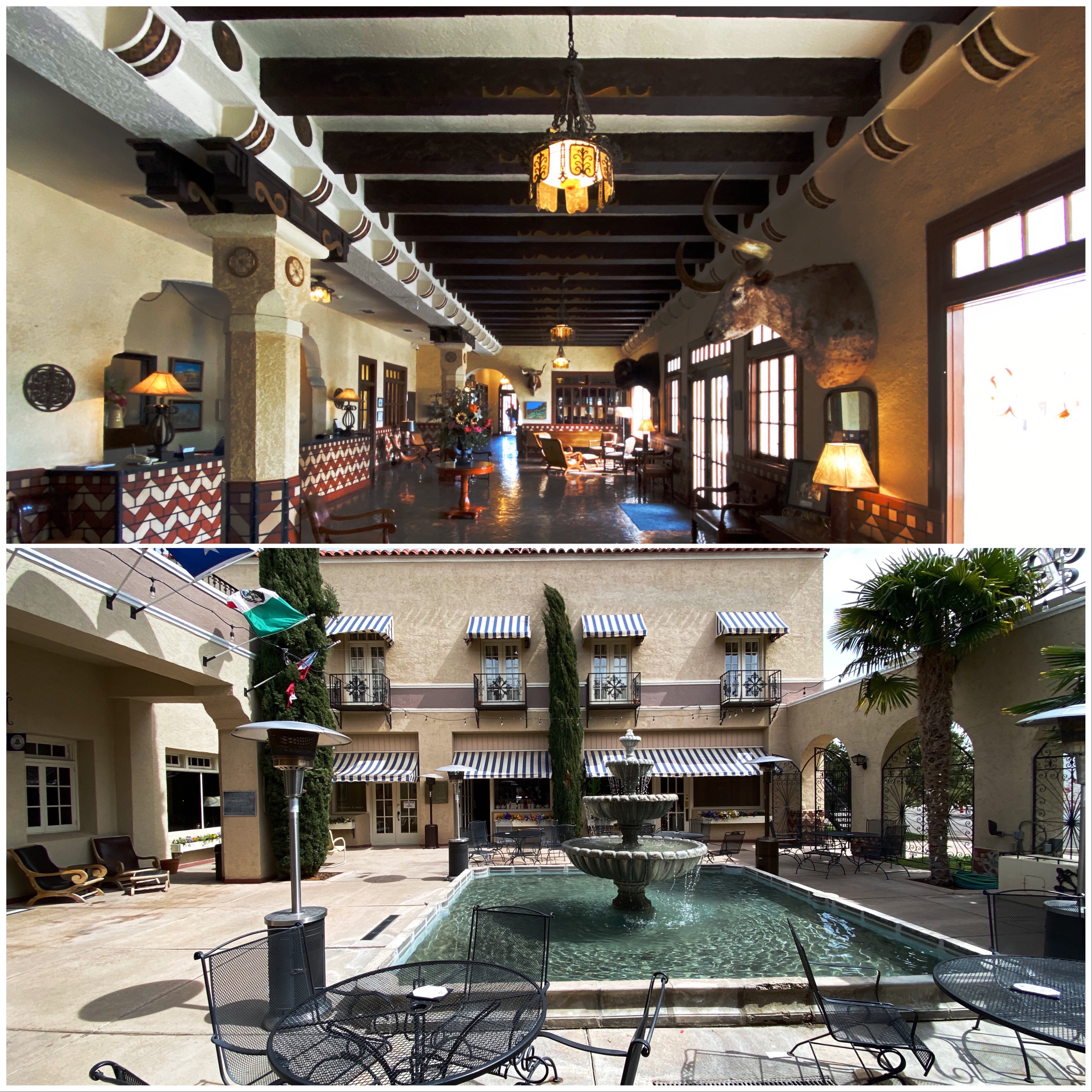
If you do go to Marfa we highly recommend the Hotel Paisano as a base for your stay. The hotel was orignially constructed in 1929 and served as a hub for cattle ranchers and tourists for several decades. The hotel fell into disrepair in the early 2000’s but was purchased and entirely renovated. Today it is a charming hotel with a good restaurant and bar along with great courtyard for relaxing with a cocktail or two.

A political/cultural item we would mention regards a phenomenon we have seen in several places. As Marfa became know as an artists colony a number of “outsiders” have come to town and purchased and renovated properties effectively pricing locals out of the market. The county enacted an adobe tax on adobe structures to capitalize on the rising market which raised property taxes 60% for all owners of adobe structures. Local folks who have made no improvements to their modest adobe homes are caught up in this and are hurting.

Lastly, and very importantly there is an excellent third wave coffee shop in Marfa trading as Do Your Thing Coffee and a very good roaster in town – Big Bend Roasters.

We are off to the rugged backcountry of Big Bend Ranch State Park.

Be seeing you!
The Hotel Paisano

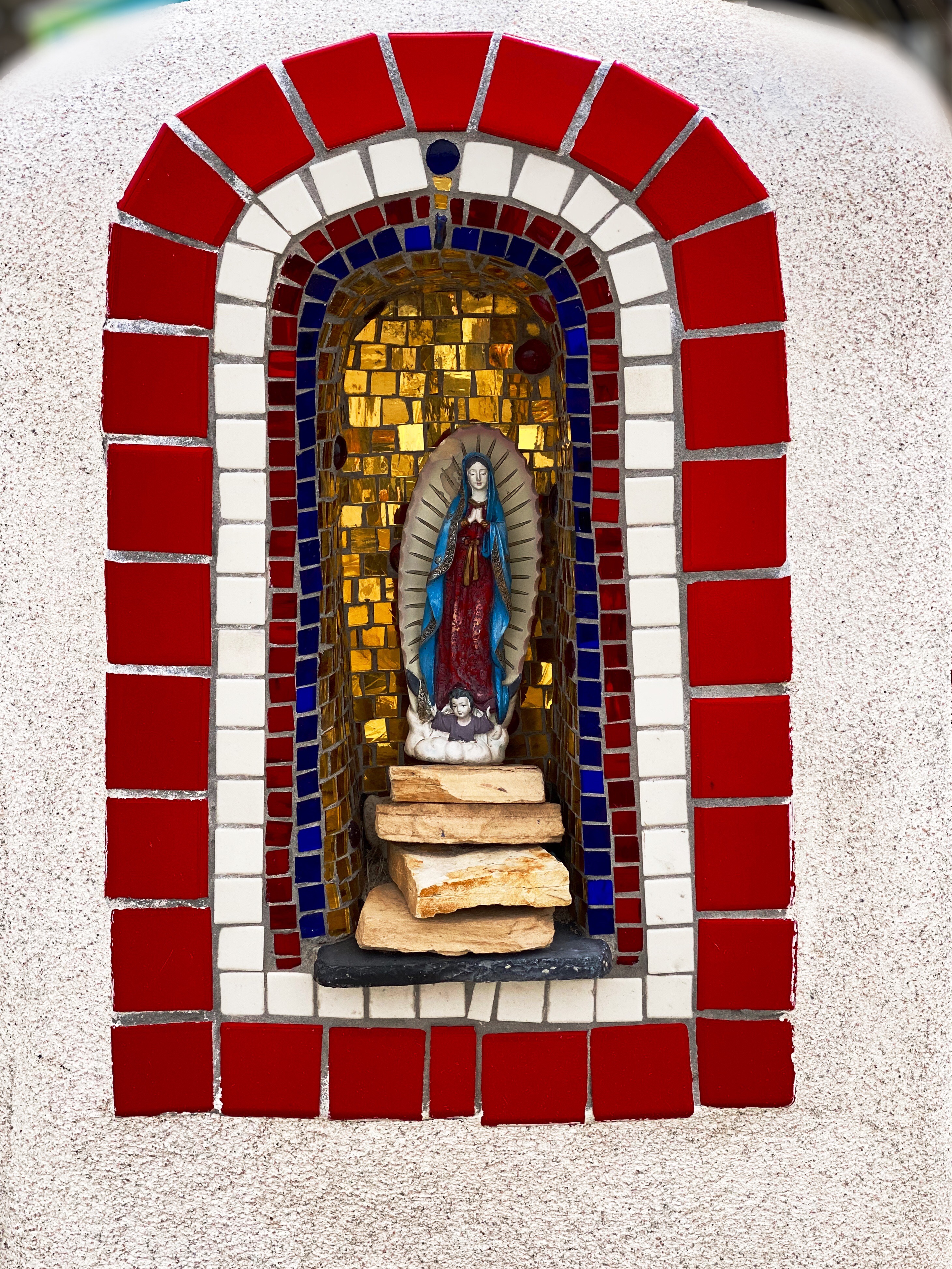
Santa Maria, Federico Archuleta, #el_federico

Presidio County Courthouse, Marfa, Texas

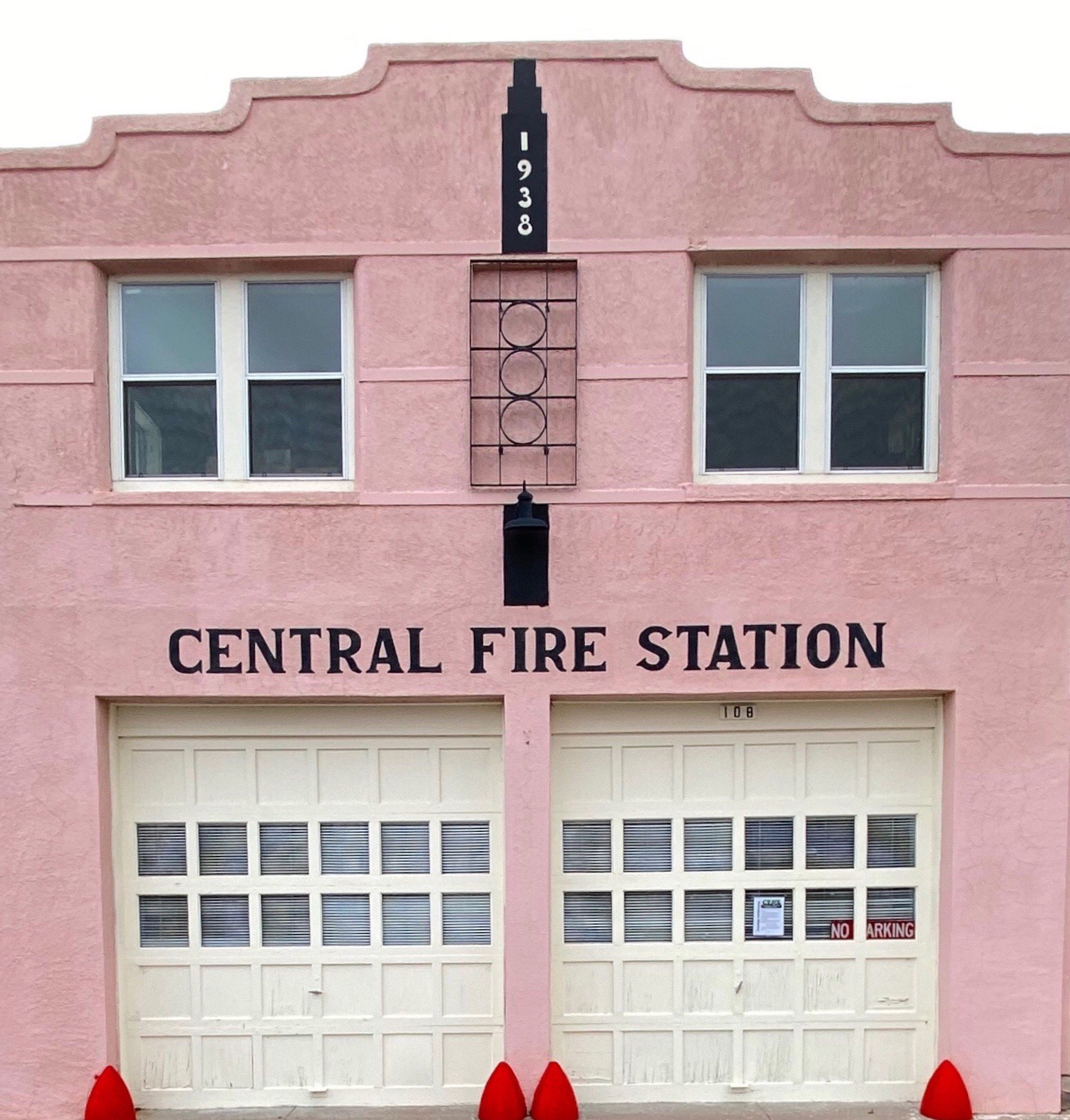
Fire Station, Marfa, Texas

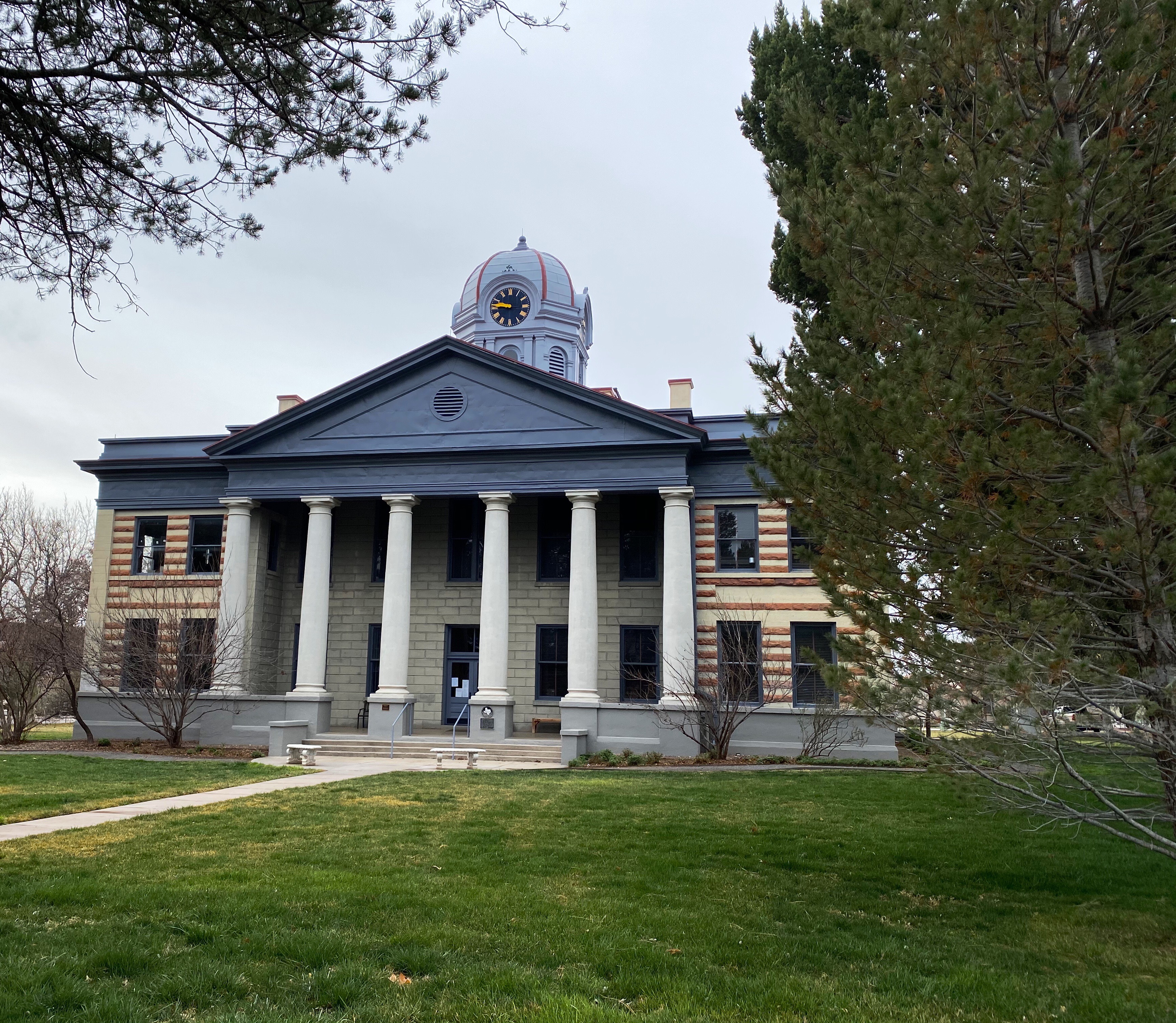
Jeff Davis County Courthouse, Fort Davis, Texas

Fort Davis, U.S. Eighth Infantry, 1854 Texas Confederate Rifles, 1861

Hotel Limpia, Fort Davis, Texas

Adobe Tax

Jaguar XK 140

Alpine, Far West Texas

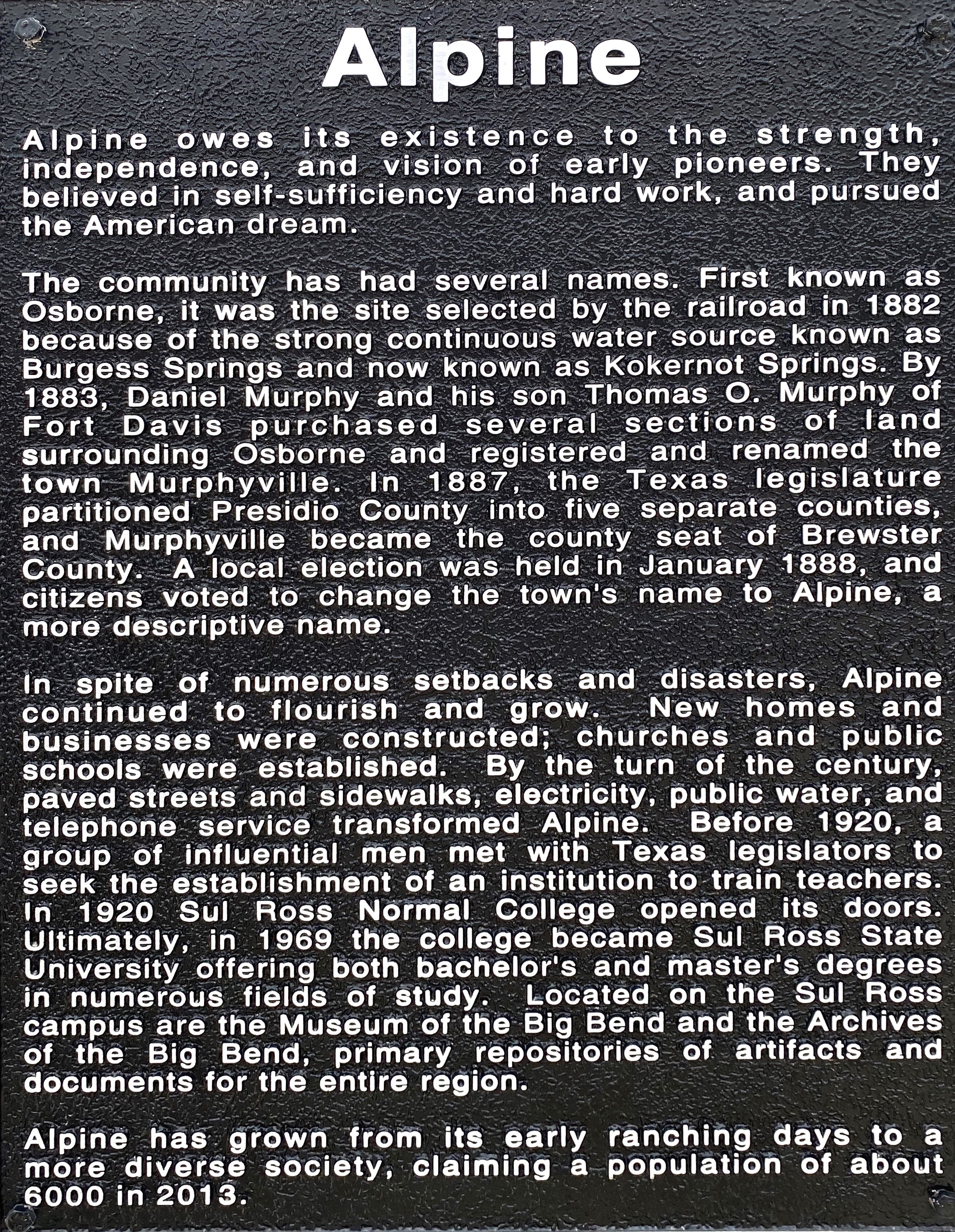
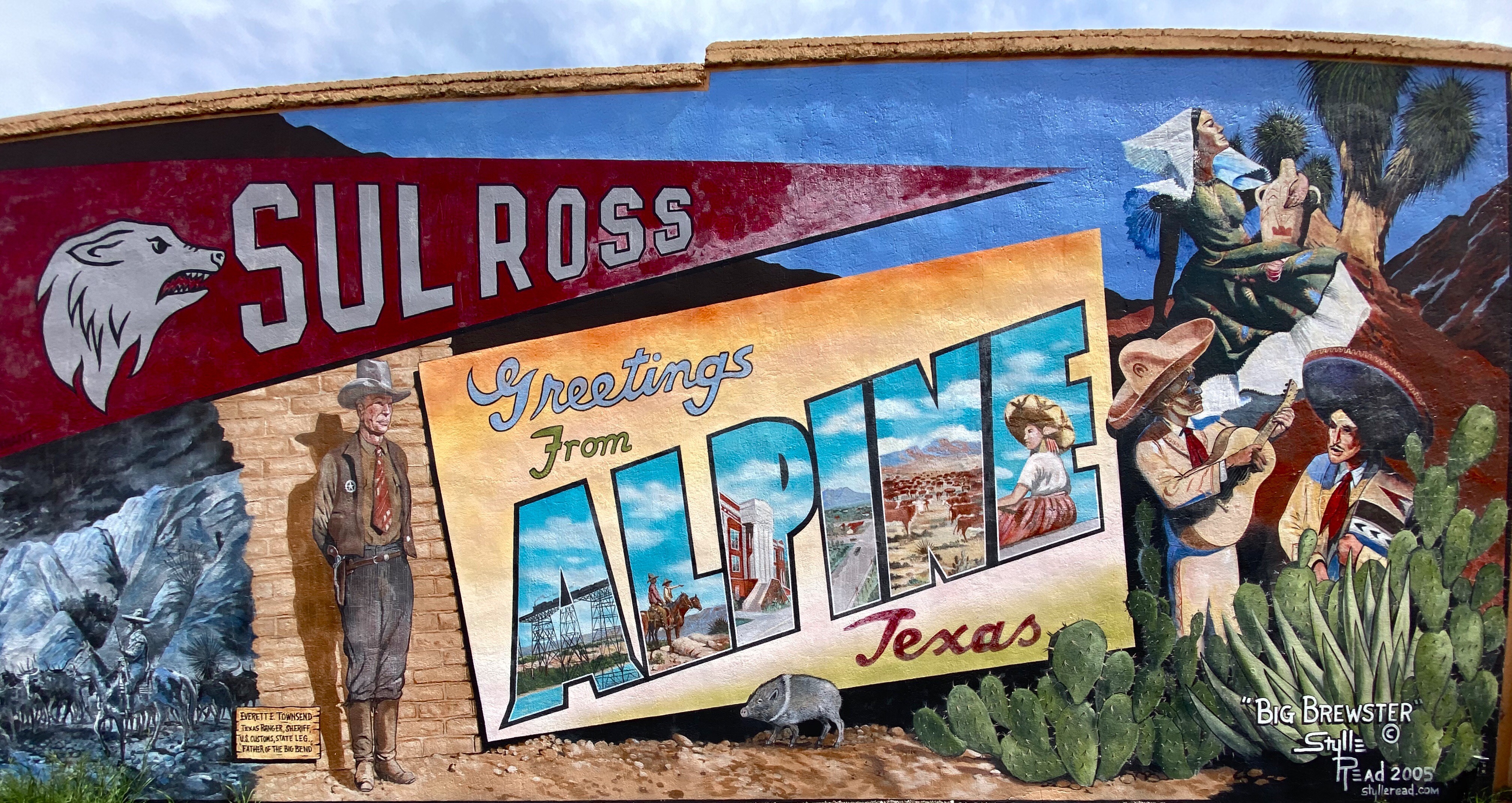
We made the short hop east while staying in Marfa to spend a pleasant afternoon in Alpine, Texas. A brief history of Alpine can be read below on a photo of the town placque. Alpine’s origins lie with the railroad but today it is anchored by a state university.

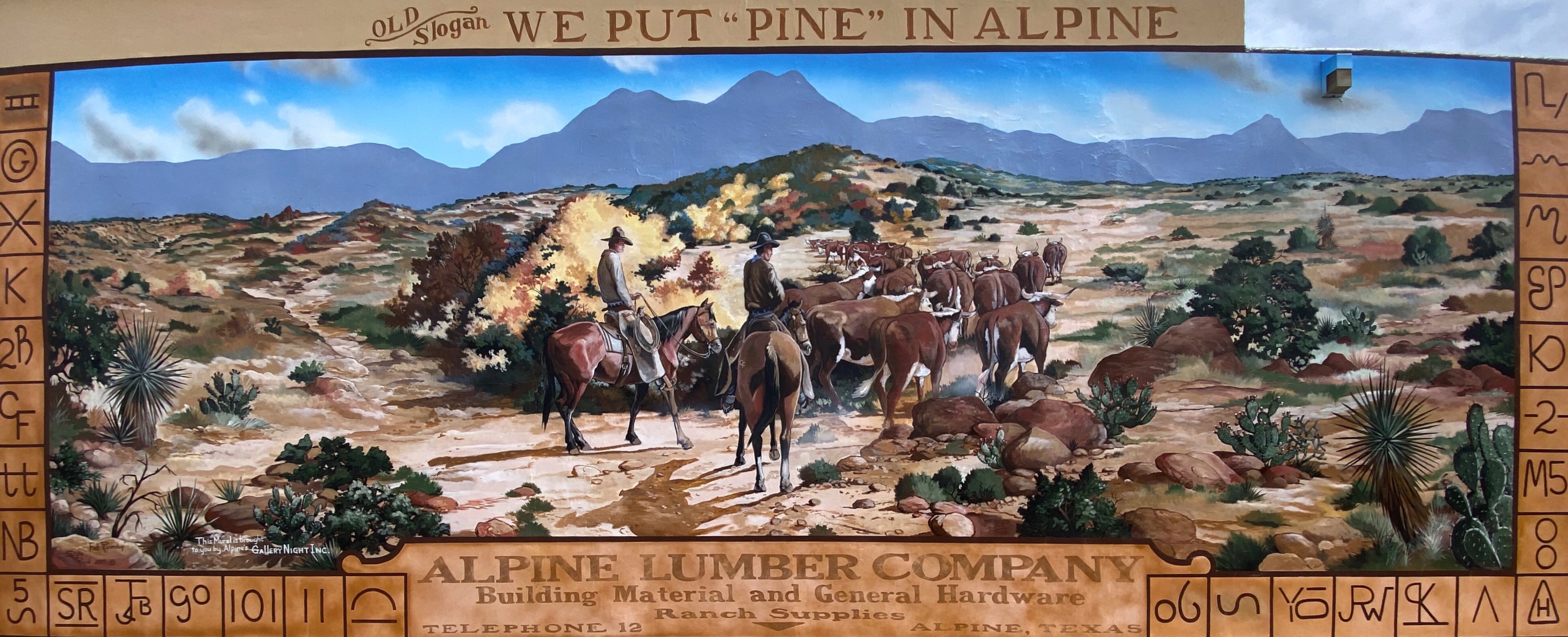
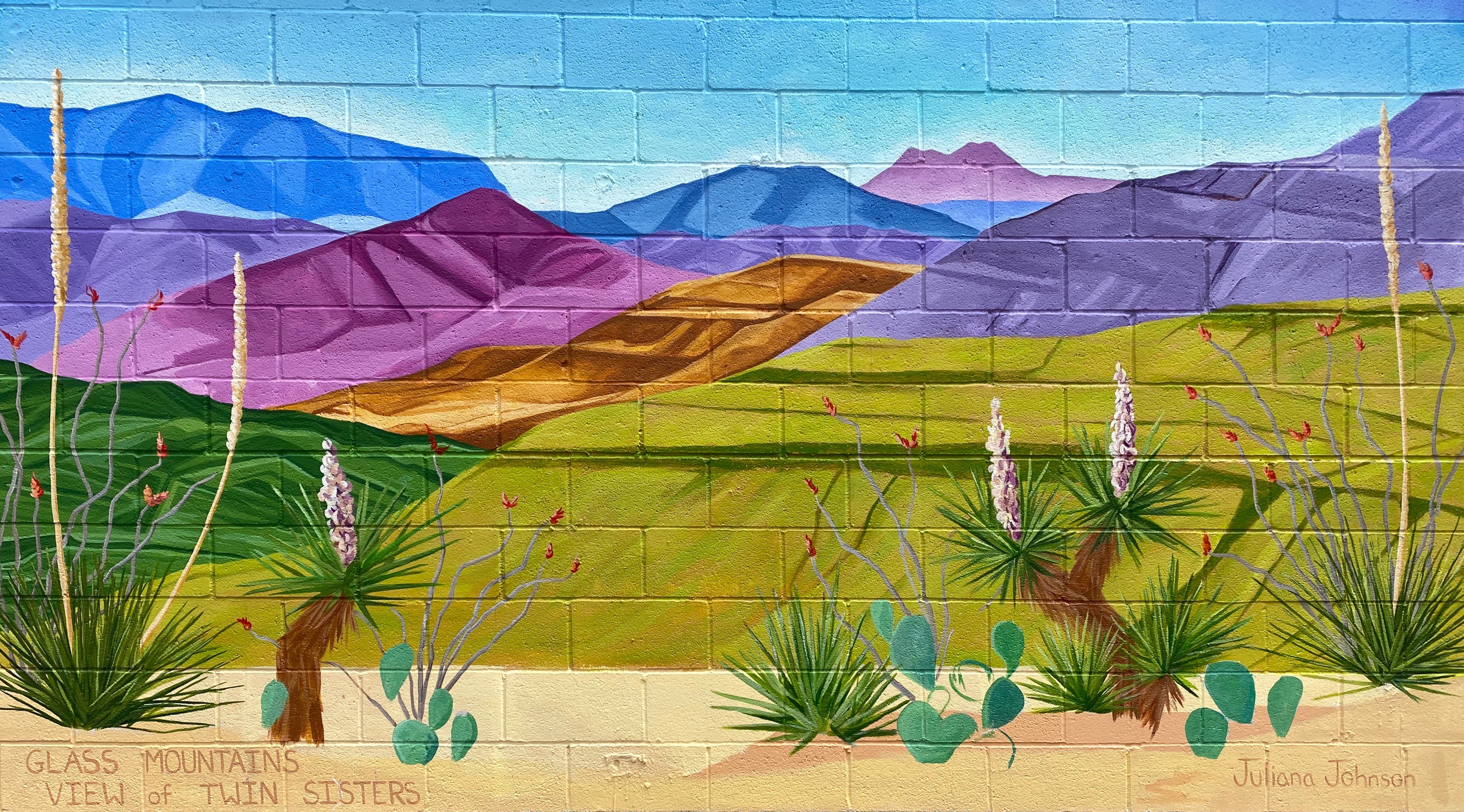
The good news for us is that Alpine has a vibrant street mural scene, a terrific book store and a solid coffee shop to complement the classic early 1900s western architecture. There are 45 street murals in downtown. As those of you who follow us know that is a winning combination for us.

You can see more street art and coffee experiences on our Instagram accounts: #streetartfromtheroad/#fikawithfiona

Be seeing you!
Cruising Big Bend, Tom Curry

Flying Shaman, Kerry Awn

From Paradise to Calamity Creek, Pauline Hernandez

Front Street Bookstore, Alpine, Texas

Cedar Coffee, Alpine, Texas

Holland Hotel, Alpine, Texas

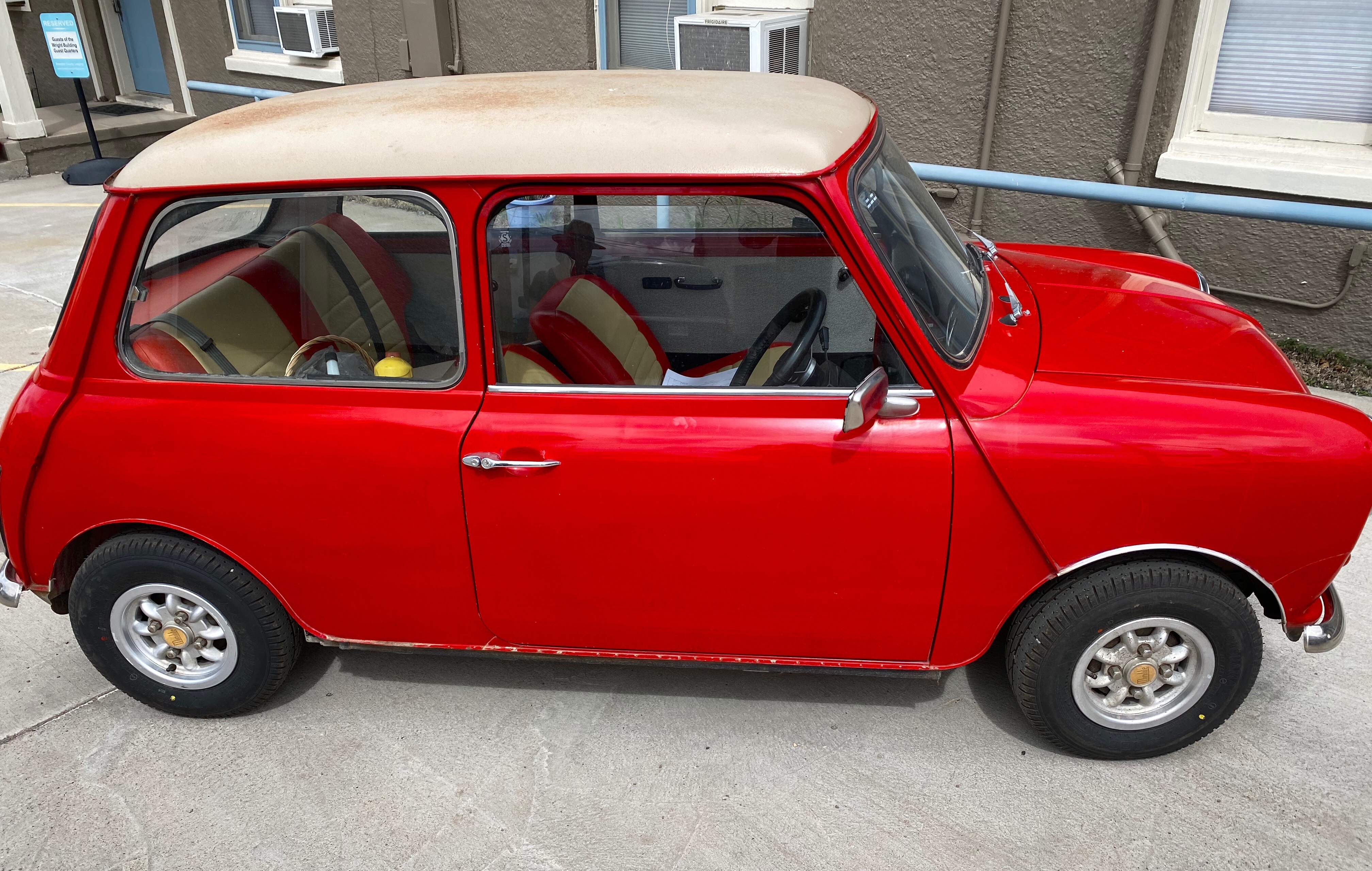
Mini Cooper 1000

Sacramento: Street Art + Fine Coffee

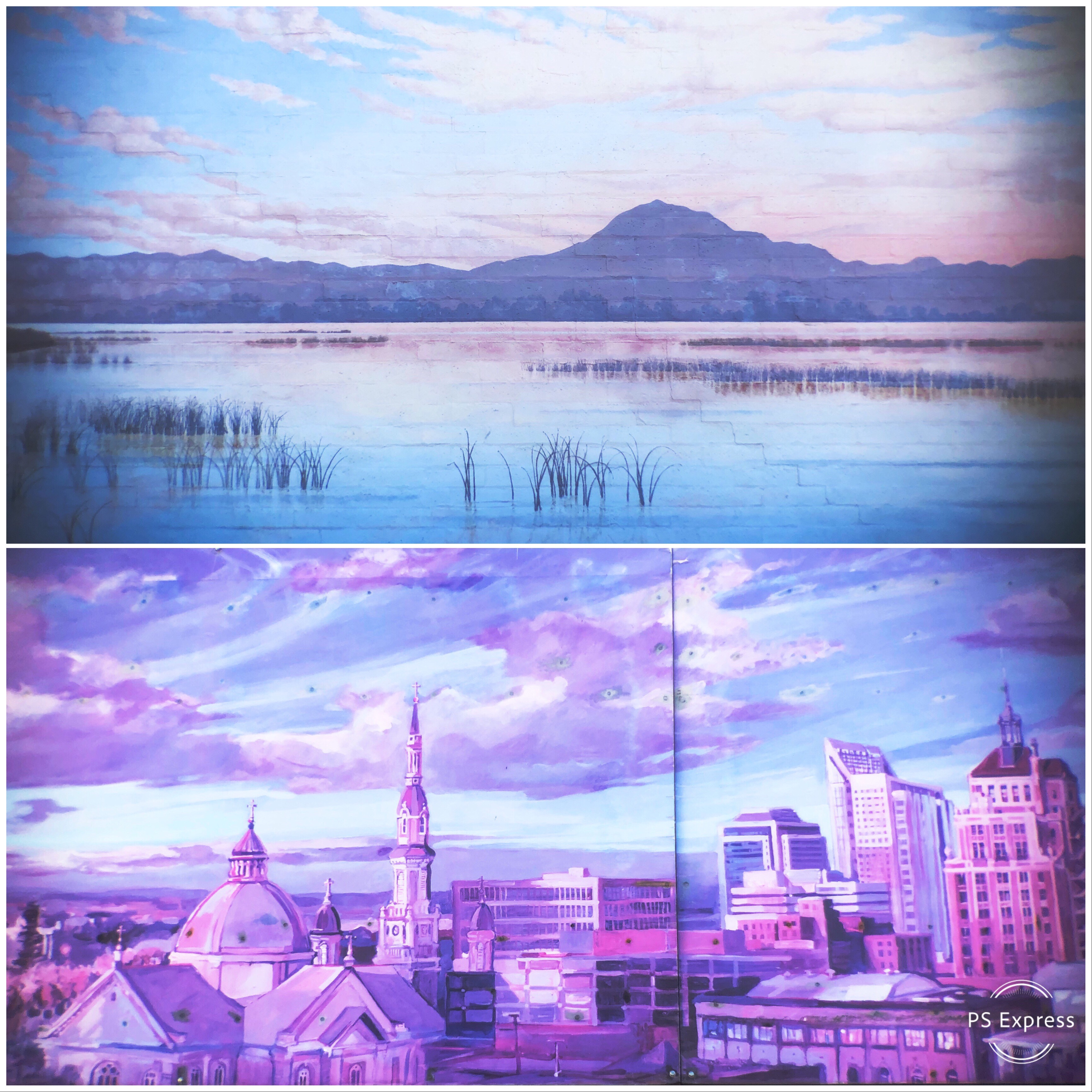
Greetings from Sacramento, CA! We spent a couple of days here to check out the street and mural art scene and sample some java and tea in the bargain. Sacramento has a vibrant street art scene that is fully supported by local government and businesses. Sac sponsors a mural festival annually. Additionally, the Wide Open Walls organization promotes diversity through art – which is very evident from the art itself.

With just a short stop in Sac we knew we would only be able to scratch the surface in regard to viewing the murals. We chose to focus on the mid town area where there is a concentration of art in the alleys which run between the back of buildings on many blocks. The mid town area is a mix of residential and commercial properties with many well preserved Victorian style houses.

We have included photos of  a few of the murals below to provide a sense of some of the work. If you are interested in seeing the street art in Sac when you visit there are a number of good on-line resources. 

Of course, any visit to a city would be unfulfilling without the opportunity to visit several of the finer purveyors of coffee and tea. Based on our research and the recommendations of the baristas we met on the coast we selected Temple Coffee and Old Soul Coffee. You can read more about both firms by visiting our friends @fikawithfiona.

We are heading south on the 99 to Fresno for repairs to the Beast.

Be seeing you!
a0814320-10fd-47db-8769-2aaf8e0c4783.jpeg

CE90C5DA-6B38-4049-A656-B8D8EC965507

F31C8BD1-4651-4872-A54D-ED811EE7B2AC

84D1BF13-8EFC-4178-A024-7D27569E3927

9094C917-C947-4F92-B524-DA73C21E780D

CEB96DF4-F8DA-4A57-87E6-AC6AE4DB1B82.jpeg

DFA2812D-6445-4B47-A6B7-F49AC1F506F7

875E582E-8C11-408A-9E96-A7E327EB467D

E162BB7C-7BEF-4DA3-8E0F-74B62D5ED6EC.jpeg

8C989D6D-5994-4CAA-A15F-8C8493CA2520

C67F79BC-E69D-4099-B1CB-717D5A5BC963

EF3F763F-DF7D-48DF-9A1A-584AC5A5913F

Temple Coffee – K Street + Old Soul Coffee – Broadway, Sacramento


PDX: The Rose City and Much More

After leaving the spectacular scenery of Mt. Hood NF we rolled into Portland for a four day stay. We set up base camp at the Hampton – Pearl District which allowed us to explore a number of the interesting and eclectic neighborhoods on foot. We followed our general city visit modus operandii for a city visit – lots of coffee and tea, museums, live music, books and local restaurants.

We had not been in Portland for many years, and yet we were still surprised at the amount of growth that has taken place. PDX is incredibly vibrant! There is something here for every interest, taste and lifestyle.

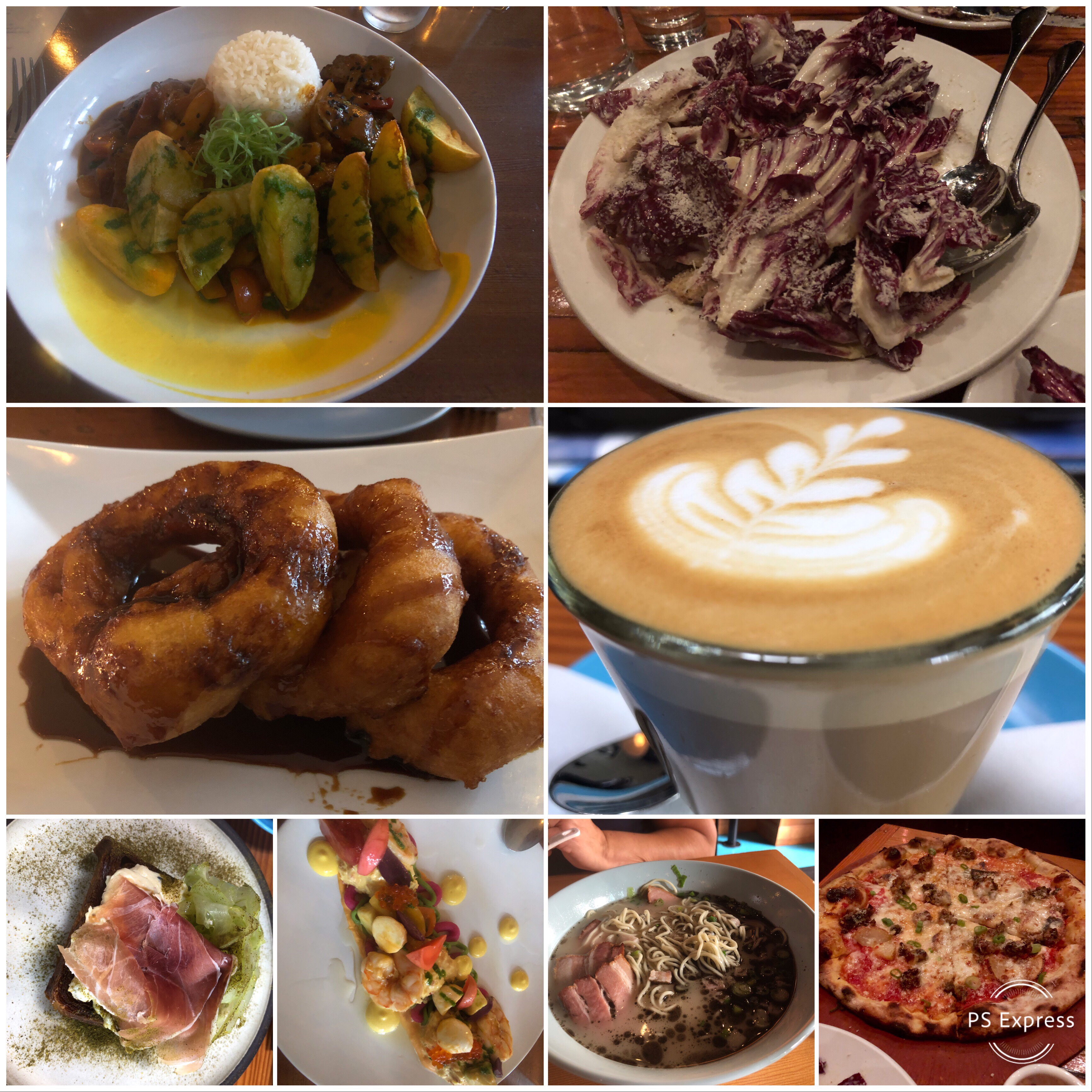
The coffee scene is outstanding and our baristas generously supplied us with additional recommendations for shops and restaurants that were not on our radar. Our dining highlight was Casa Zoraya – a recently opened restaurant serving Peruvian cuisine. We have no previous experience with Peruvian food so all we can say is – it was delicious!

The Portland Art Museum (PAM) is a medium sized art museum located in the Pearl District. PAM has a small collection of Impressionist works and a good sized collection of Northwest Native American artifacts. PAM is definitely worth a visit in our opinion.

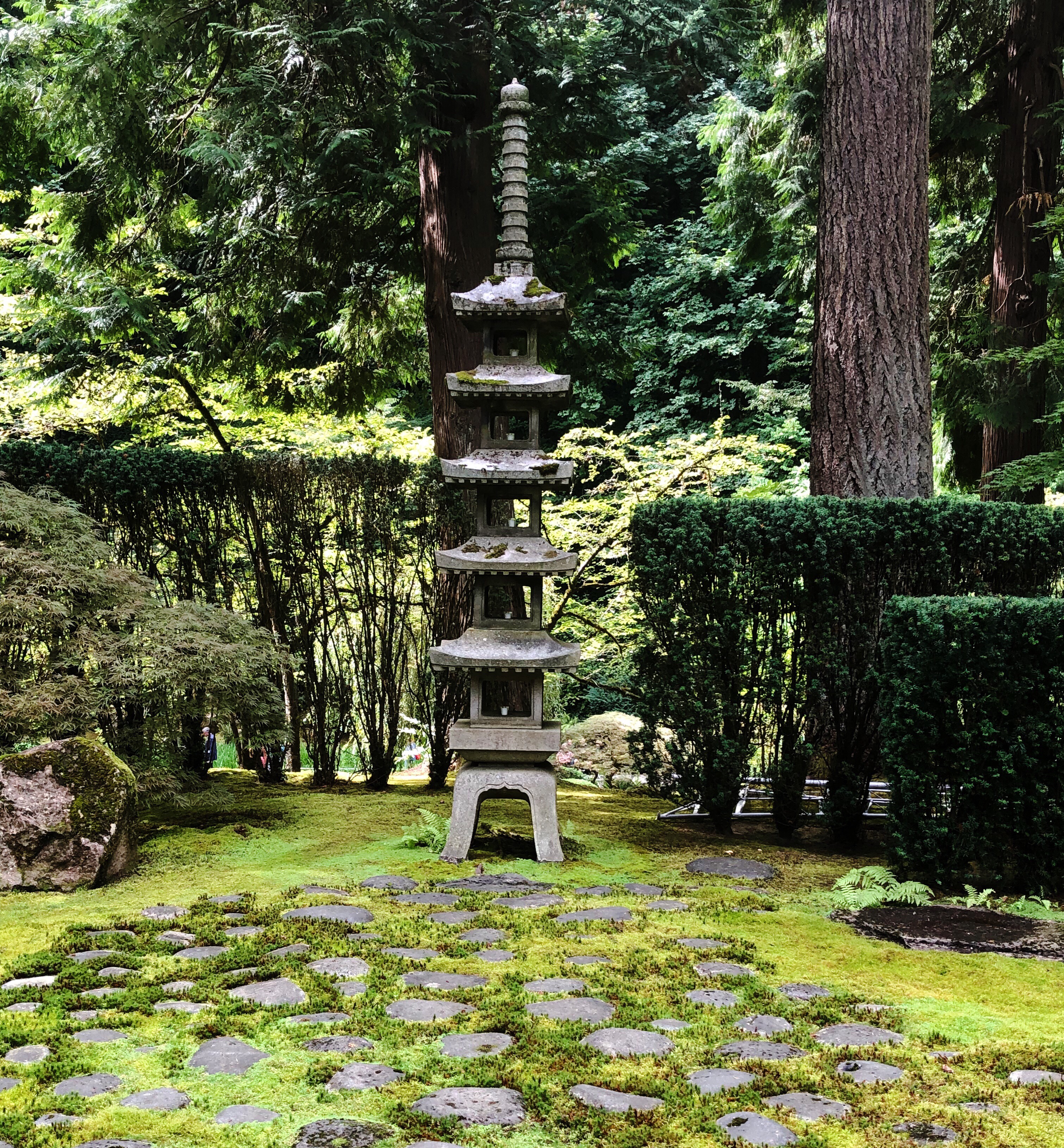
Regardless of the weather get out to the Portland Japanese Garden at Washington Park. This garden is reputed to be the finest example of a Japanese Garden outside of Japan – it is a place of beauty and harmony – you will feel better after visiting.

We always enjoy visiting independent book stores and in Portland Powell’s City of Books is not to be missed! It is the largest bookstore in the world and they stock books on every coinceivable topic one can imagine.

Lots to see and do in PDX and the surrounding area. Also, remember only tourists use umbrellas!

Off to Astoria and the Oregon coast. Be seeing you!

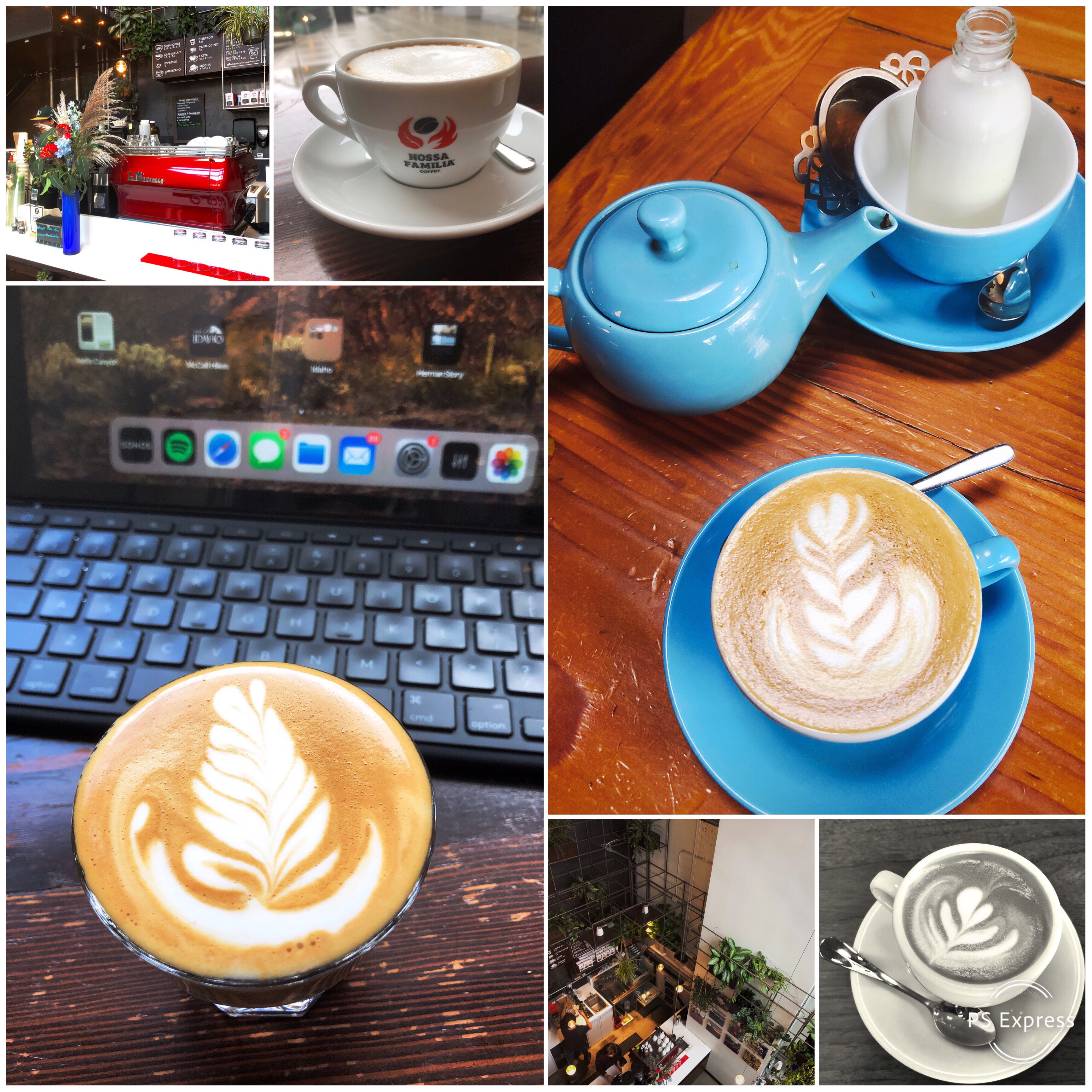
Nossa Familia, Proud Mary and Coffeehouse NW

Tuileries Gardens, Paris – Oskar Kokoschka

Le Pont Routier – Claude Monet

Street Corner – Gregorio Prestopino

Kubuki – Japanese Actor Prints

Portland Japanese Garden

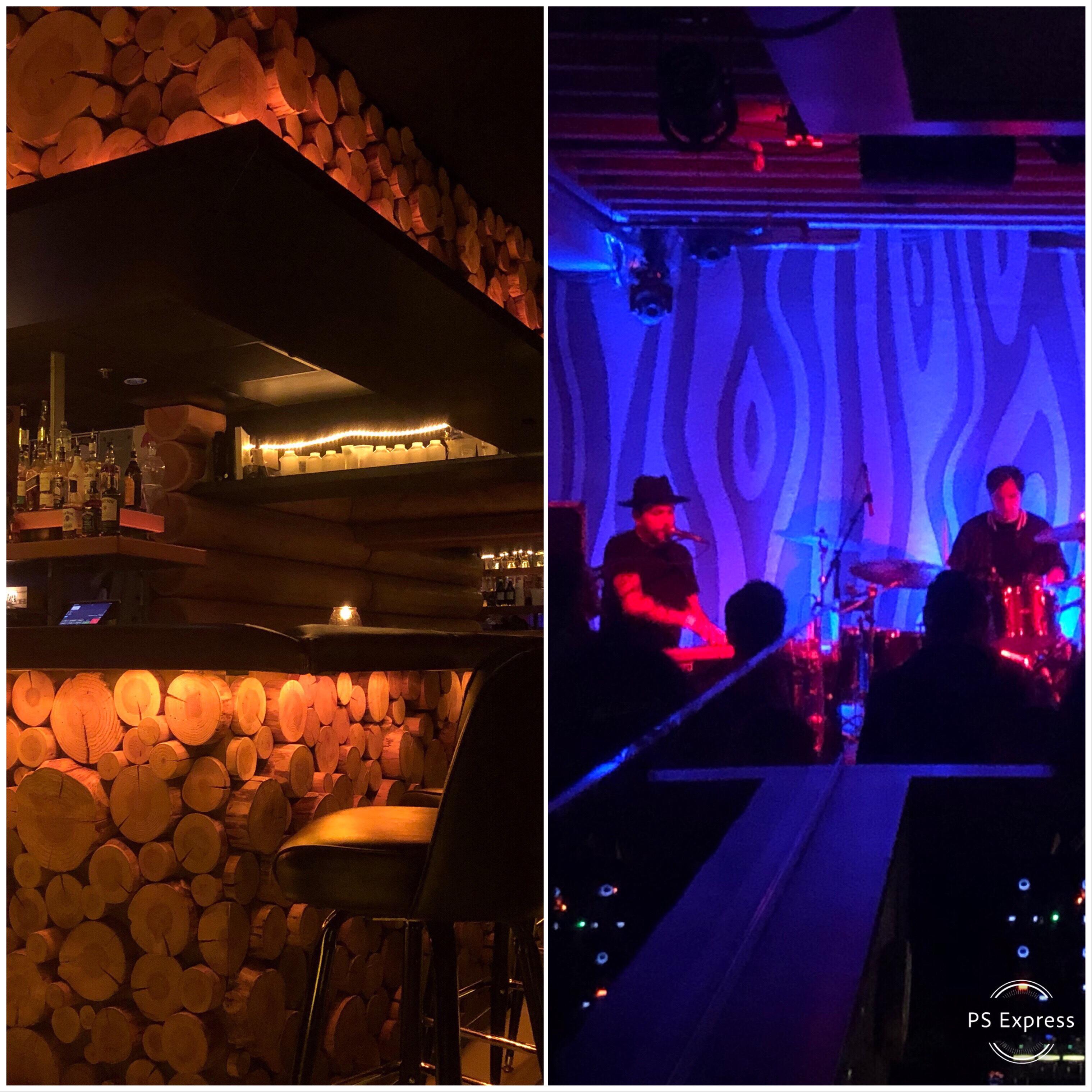
Greg Laswell – Doug Fir Lounge

Powell’s City of Books

Alberta Street Neighborhood, Portland

The Beast in Residence at Hampton Inn, PDX

McCall, Idaho and Payette National Forest

When we last posted we thought we were heading to Eastern Oregon but…….98-100F temperatures in the Alvord Desert caused us to reconsider. Ultimately, we opted to head north to McCall, Idaho where the daily high temperatures were in the 80F range.

McCall is a summer resort town sitting on the eastern shore of beautiful Payette Lake and nestled at the southern base of the mountainous Payette NF.

The drive north from Boise on the Payette River Scenic Byway is splendid as the road winds north hugging the rapid filled Payette River.

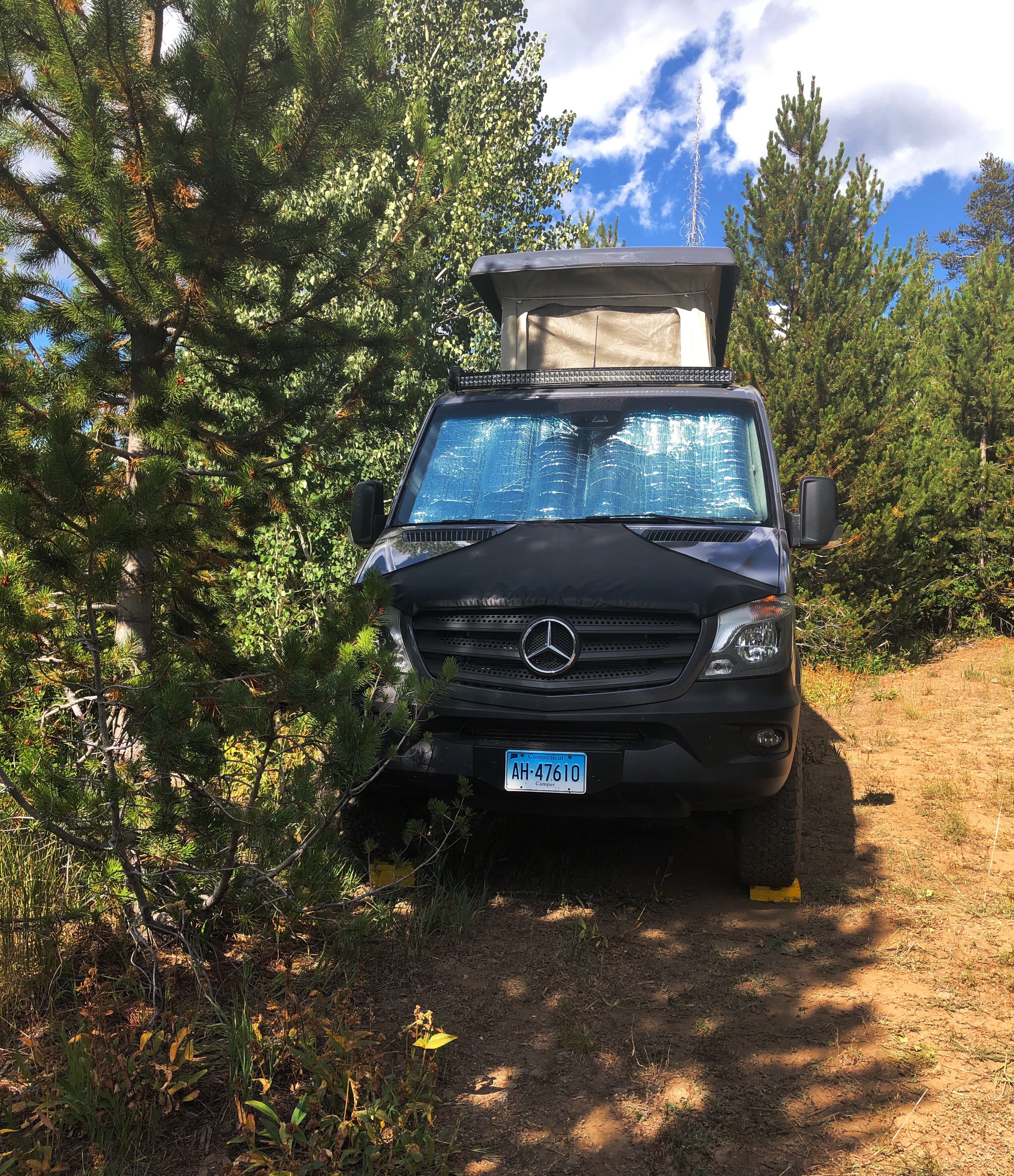
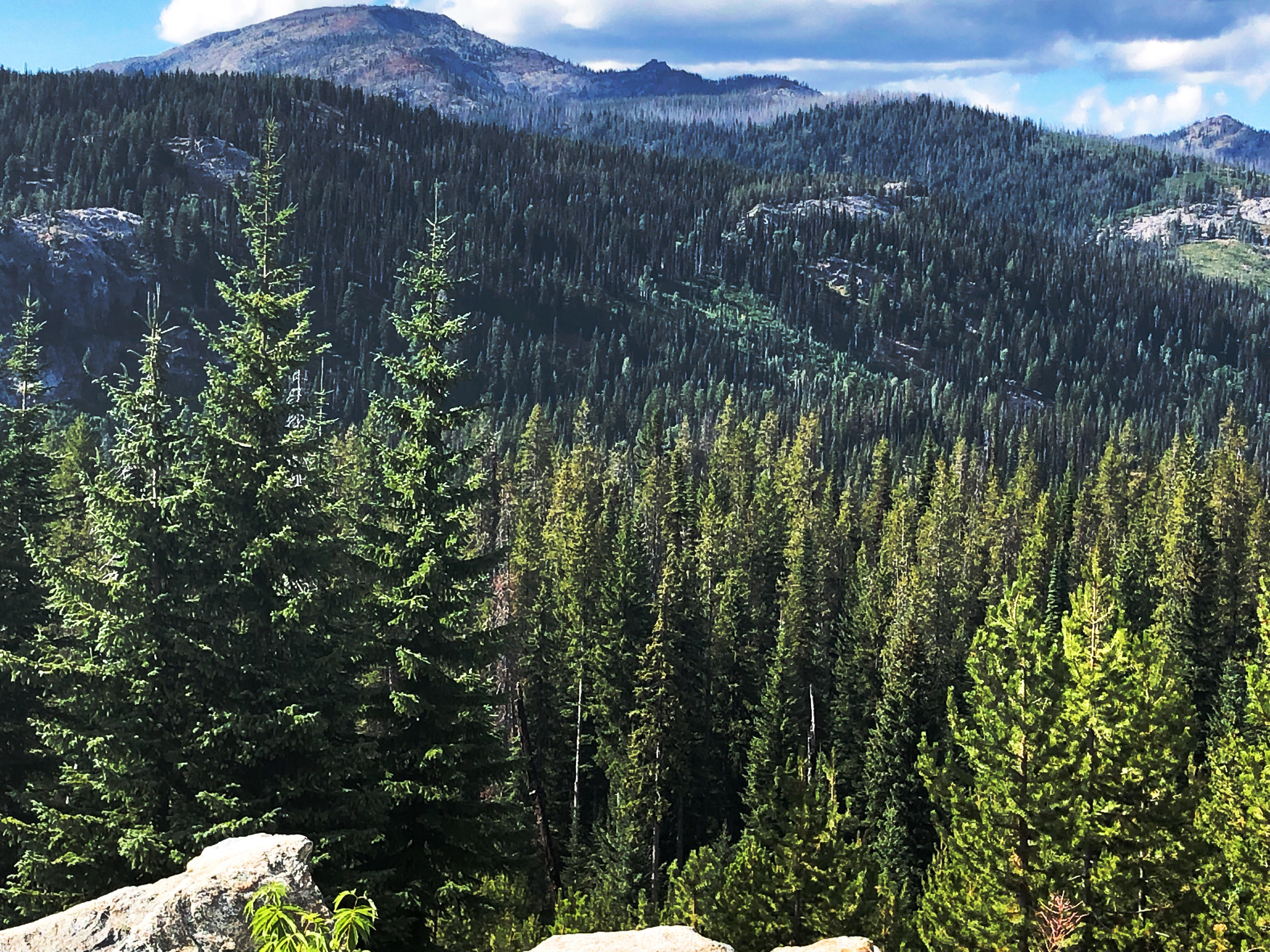
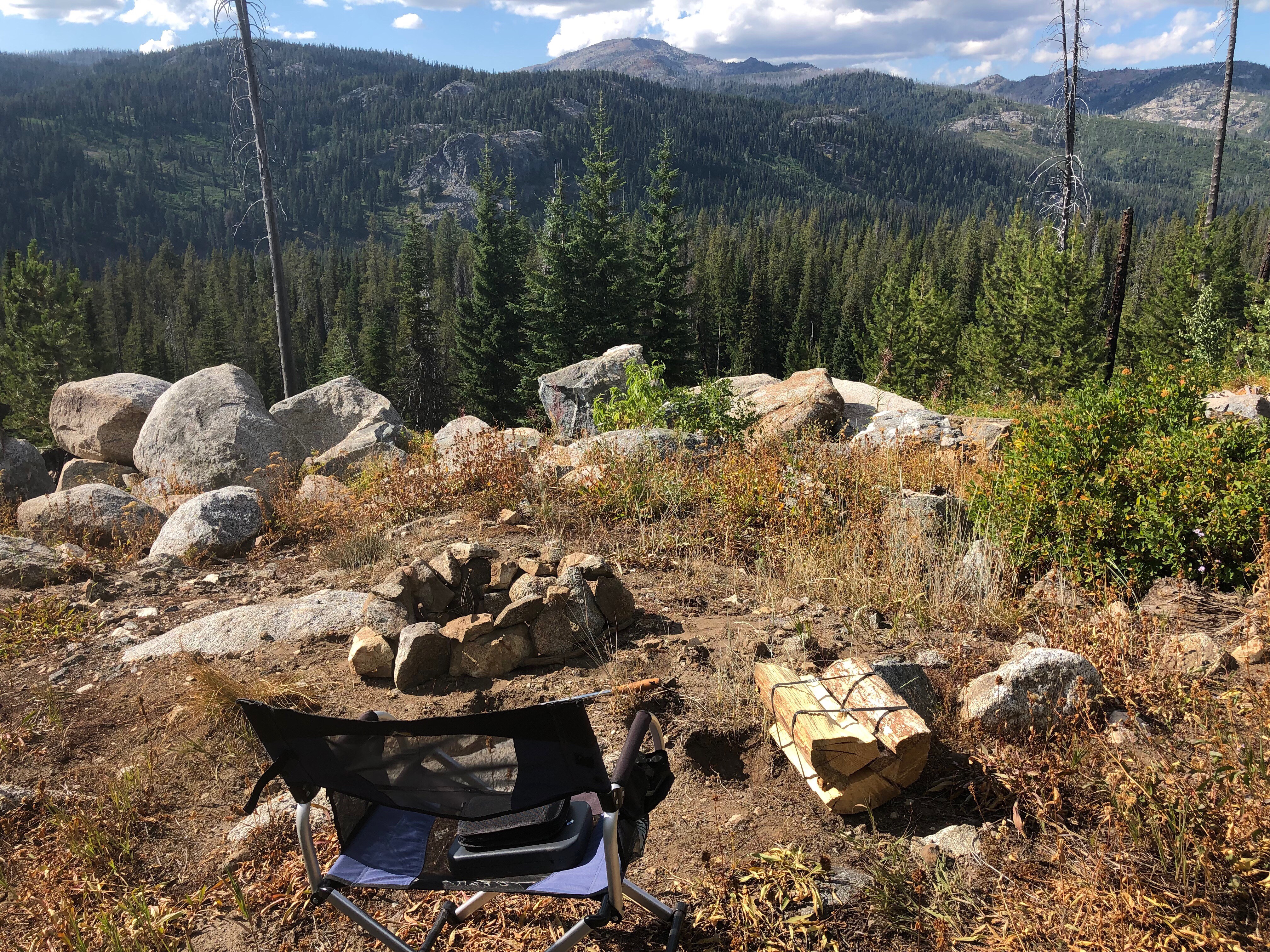
We camped at Ponderosa State Park for the first couple of nights before heading up into the Payette NF ahead of the Labor Day weekend crowd. The night sky from our mountain top campsite in the Payette was absolutely stunning. We were transfixed by the enormity and brillance of the Milky Way, the consellations and the numerous satellites and rockets criss crossing the sky.

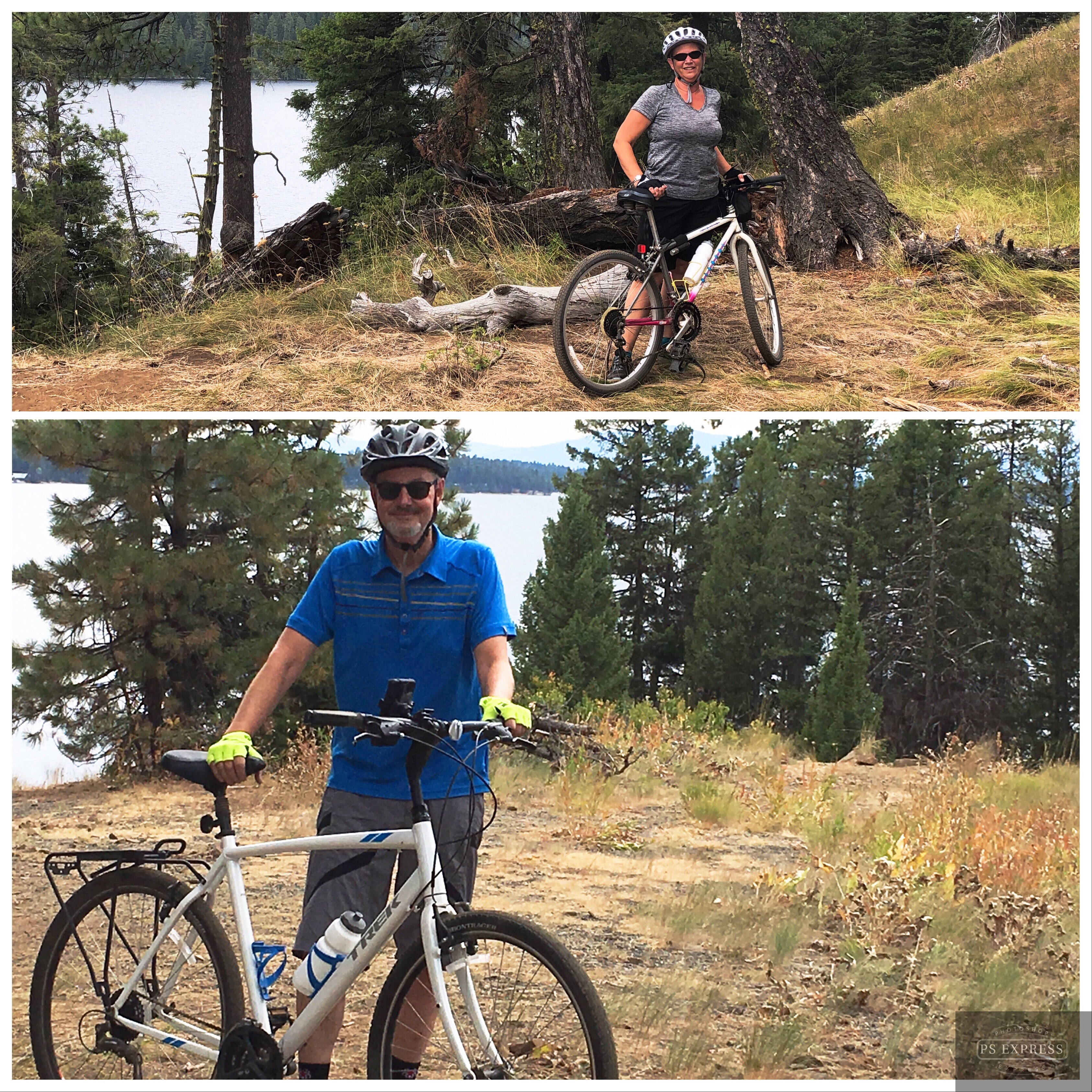
Additionally, our stay here was most pleasant since we were able to bike into town from our camping location at Ponderosa SP and drink cappuccino and tea and then cycle back to our campsite.

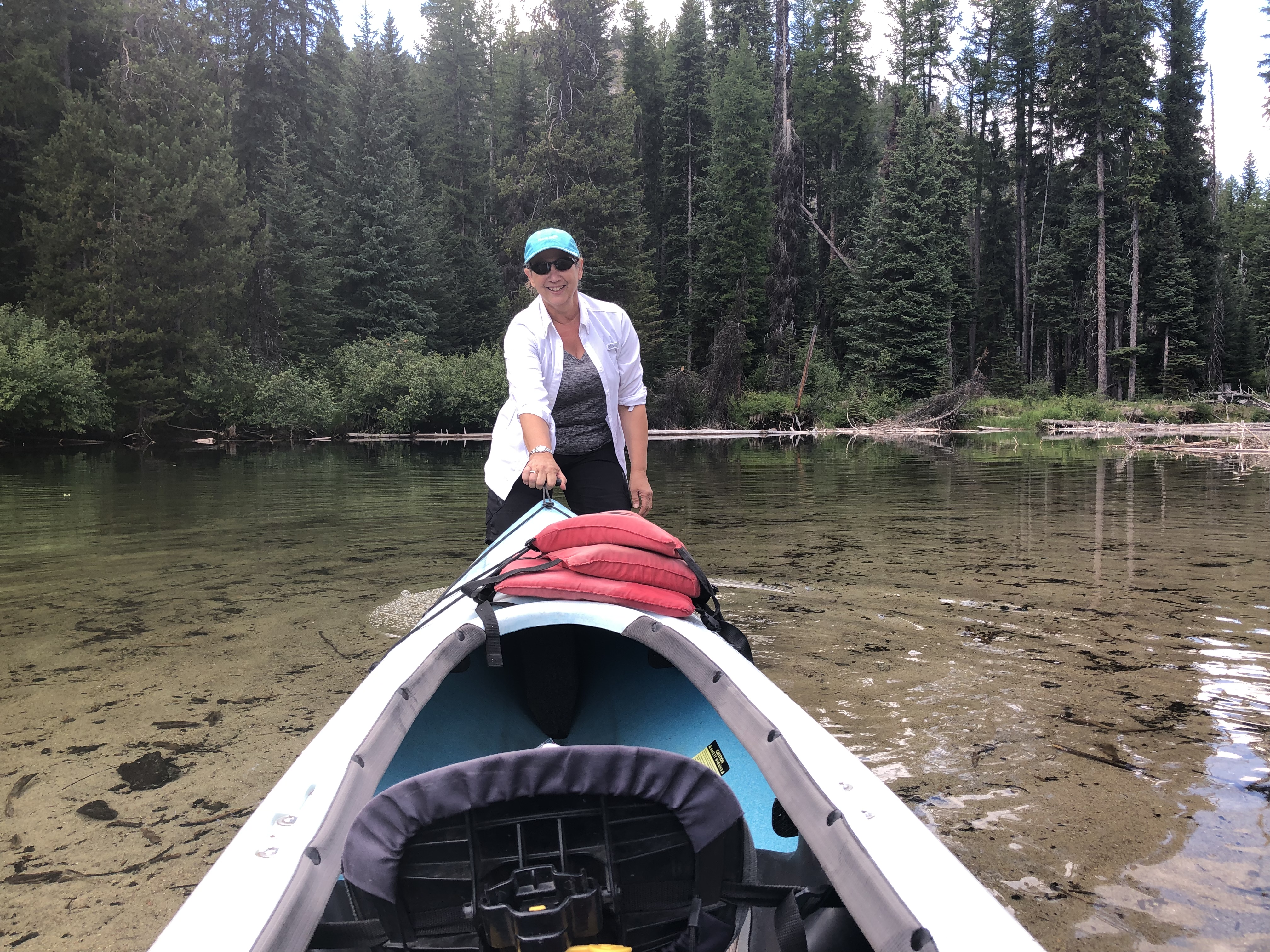
The highlight of our stay in the McCall area was our kayaking trip on the North Fork of the Payette River. We were treated to great beauty, solitude and the magic of observing deer and birds of prey along the banks of the river.

We honestly never thought we would spend three full weeks in Idaho but it is beautiful and the weather was perfect. Nonetheless, time to move on…..current plan is to head to Hells Canyon on the border of Idaho and Oregon and then explore the northeastern corner of Oregon.

Be seeing you!

Firewood Express!

Biking Peninsula Trail, Payette Lake

Kayaking, North Fork of Payette River, McCall, Idaho

Bruin Mountain

Camping with a View, Outlook Creek Rd, Diamond Ridge, Payette NF

End of the World or Sunset in Western Idaho

Boise Snapshot: Coffee, Concerts, Culture and Climbing!

Off the road in Boise to celebrate our 40th anniversary in style. Heading to the Owyhee Canyonlands in Eastern Oregon tomorrow morning.

Best of Boise – Slow By Slow – Cappuccino

Iron & Wine with Calexico – Knitting Factory

Eilen Jewell Band – Visual Arts Collective

Orville Peck – Knitting Factory

Wally Dion – Circuit Board with Quilt Pattern

Black Cliffs – Boise, Idaho