Far West Texas Cool

Iron Mountain Ranch (Photo Bill Murphree)
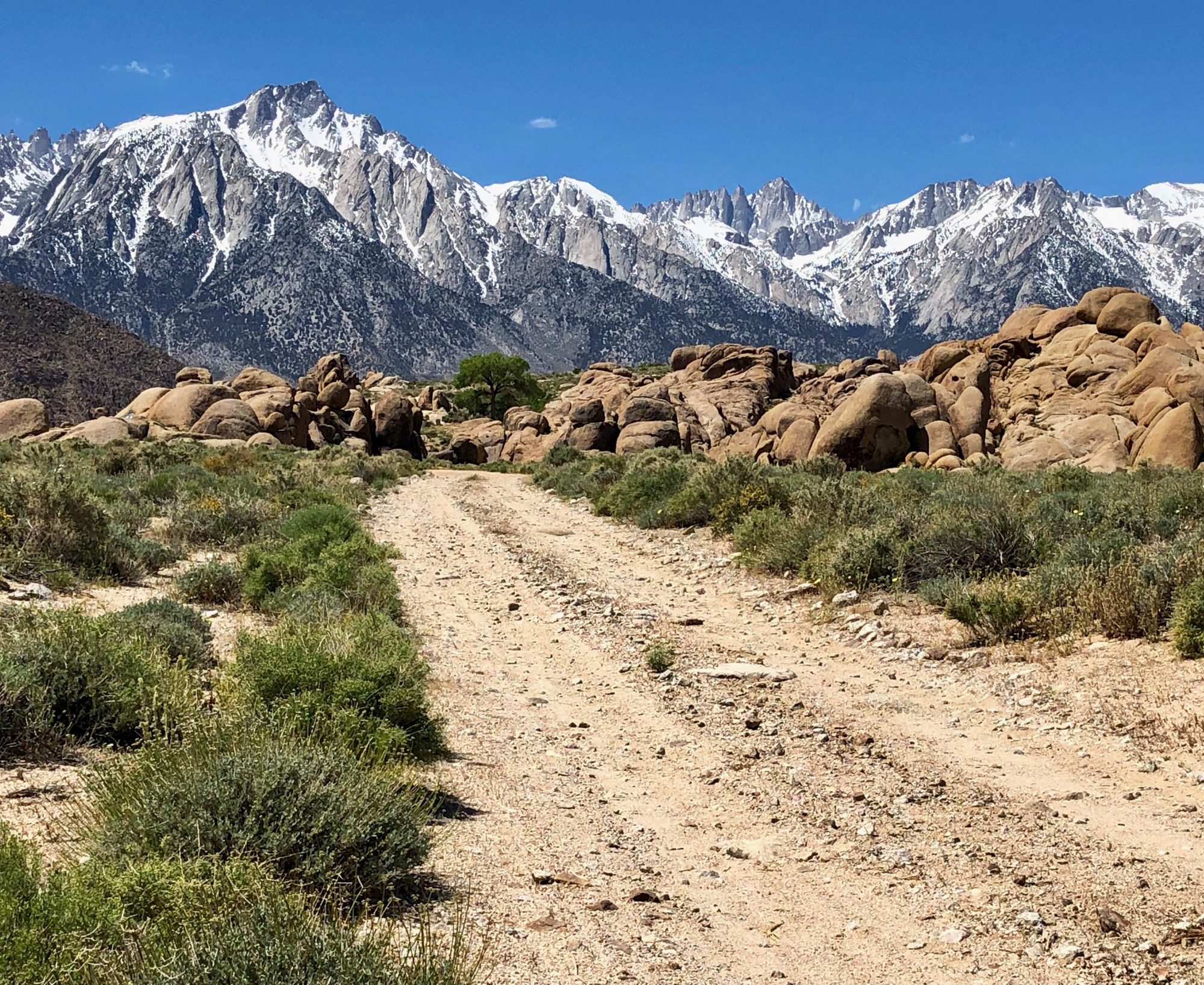
The “Long View” Across the Plains to the Glass Mountains
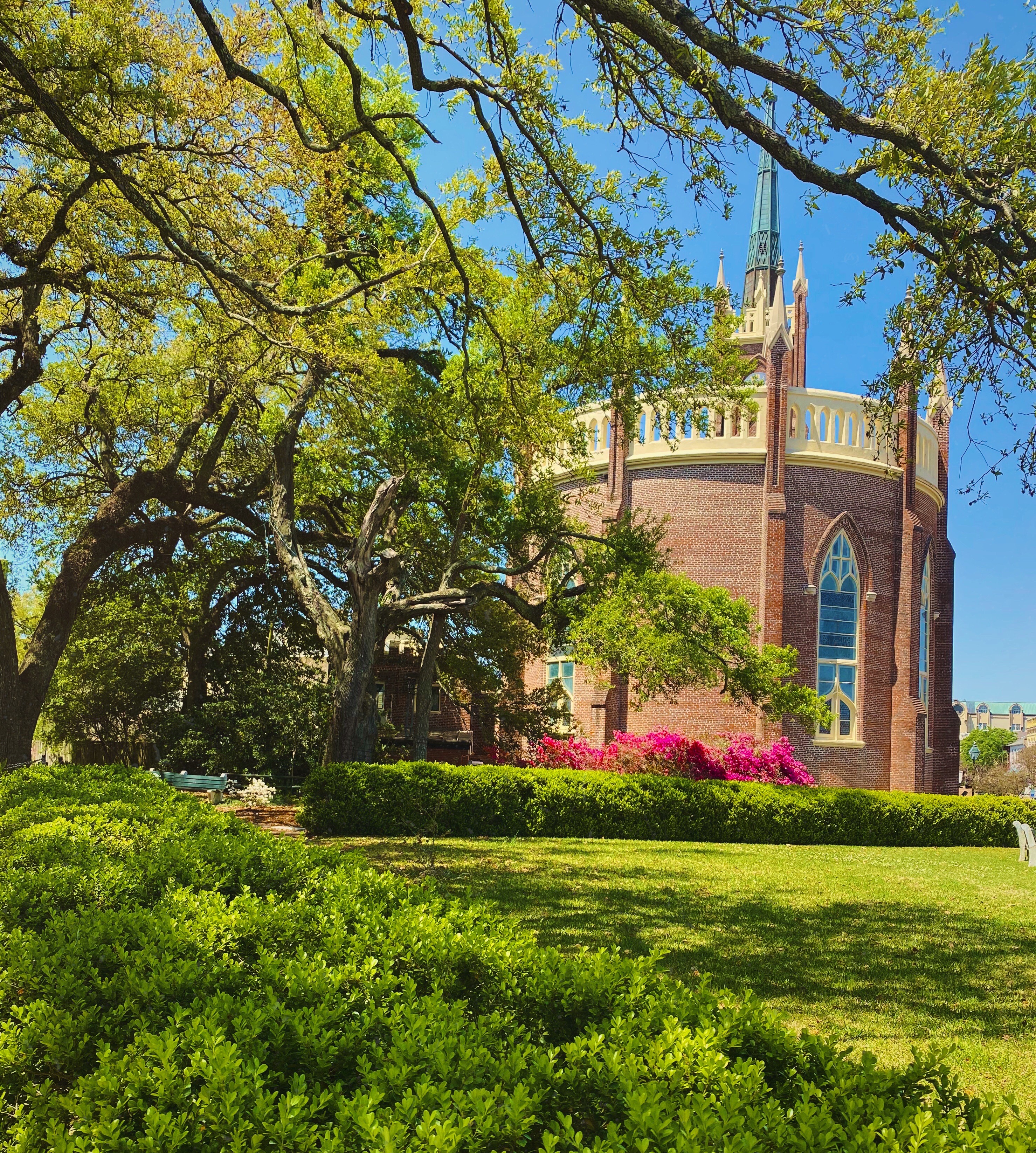
St. Mary’s Mission (Founded 1908)
Texas State Highway 118

Texarkana to Marathon: Howdy Y’all

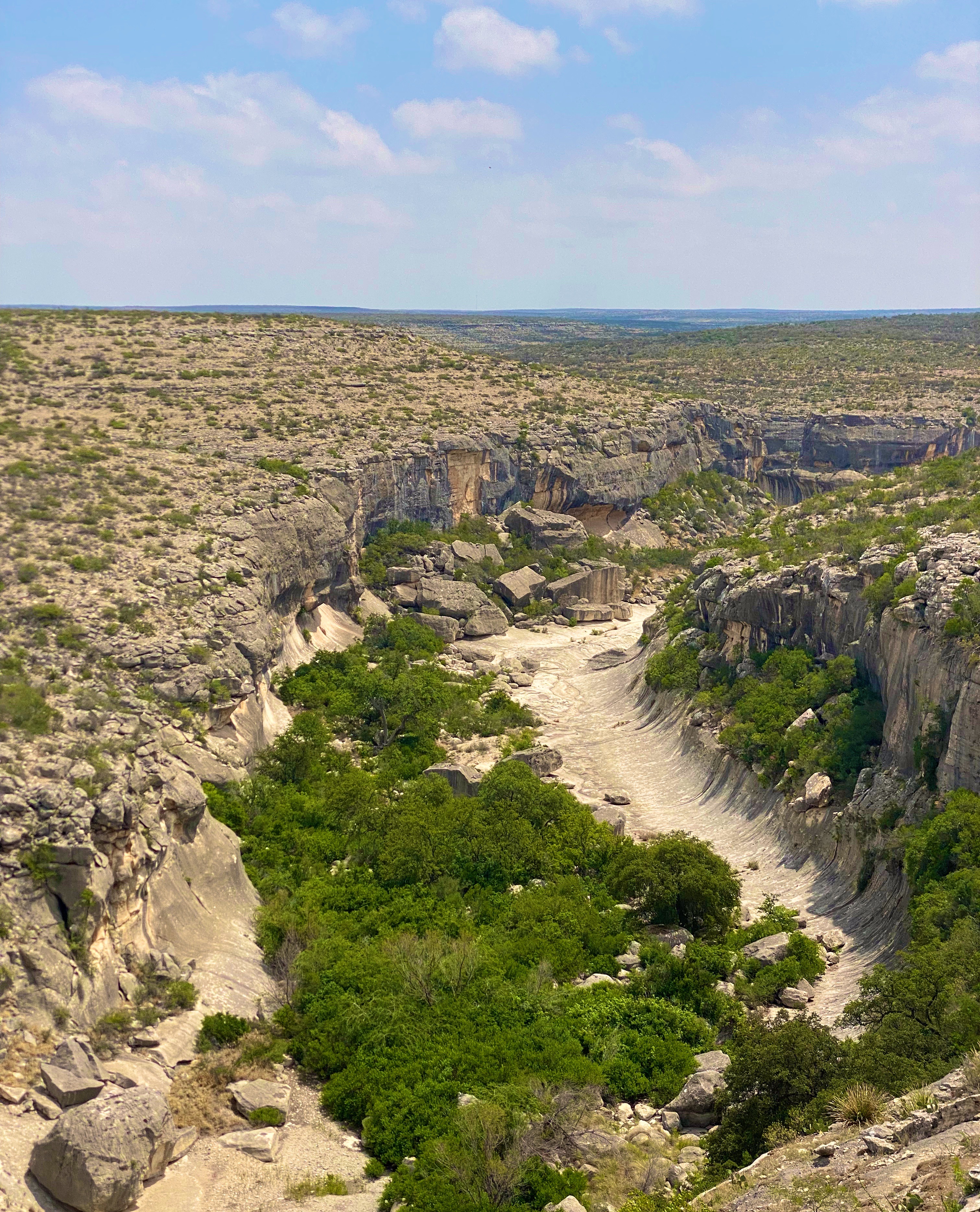
Seminole Canyon, Nine Miles West of Comstock, Texas
Ranch Road Adventure
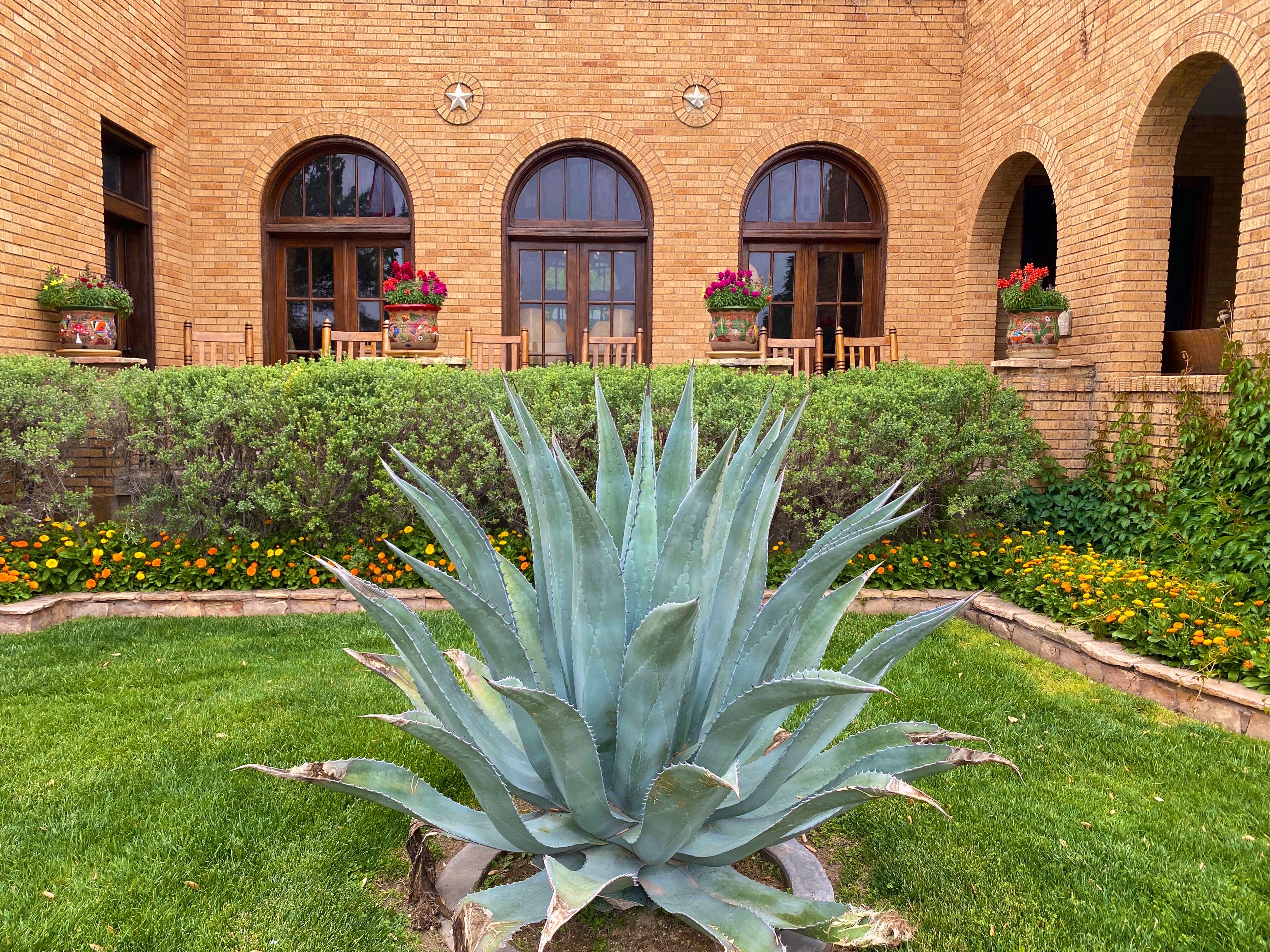
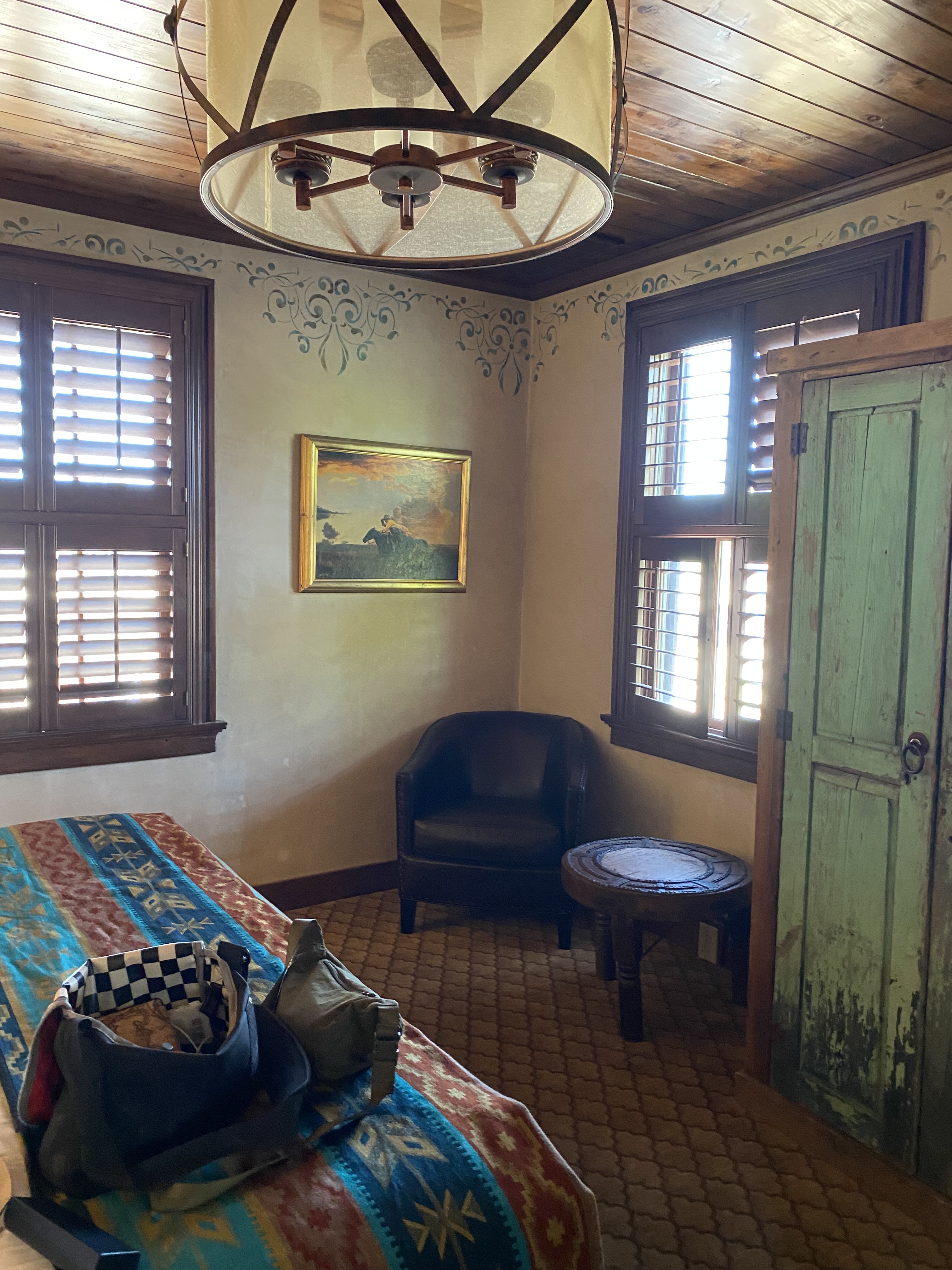
Gage Hotel, Marathon, Texas

Western New Mexico….a Slice of the American West

Our first stop after departing Silver City was Catwalk Recreation Area (CWA) where we were looking forward to hiking through the Whitewater Canyon. The beautiful slot canyon formed by the Whitewater Creek once served as a hideout for Butch Cassidy and the Sundance Kid as they attempted to evade the Pinkerton’s. Geronimo and his warriors also used the canyon to elude the U.S. Cavalry.

During the 1890s, the power of the upper creek flowing through the canyon was harnessed to bring water to the gold and silver mill which was situated in the lower canyon. Workers constructed a pipeline through the canyon which was bolted to the canyon walls about 20 feet above the creek. A series of catwalks were built on top of the pipeline in order to access it for maintenance and repairs. The boom came and went, and the mines and mill were closed in 1913; the materials were sold for scrap. The 200 or so residents left for other parts to find work.

The canyon essentially returned to its original state with no residents or mining operations. In 1935 the U.S. Forest Service (USFS) utilized the Civilian Conservation Corps (CCC) to create a hiking trail through the canyon. The CCC used the existing bolts in the canyon walls to build a new wooden catwalk as part of the hiking trail through the canyon. The trail was opened in 1937 and survived until 1961. It was replaced by a metal catwalk which subsequently was destroyed by storms in 2013.

Fortunately for us and other visitors, the USFS was able to have a new catwalk built and installed in less than a year. Today the catwalk extends approximately one half of a mile into the canyon, then hikers can continue on the canyon surface for another mile — as long as they are willing to make several water crossings. There are plans to extend the trail deeper into the canyon in the future.

After our hike at Catwalk, we traveled north and ventured across the winding single lane Bursum Road (NM59) to visit the town of Mogollon (mo-go-yone). The town sits deep in the Mogollon Range within the Gila Wilderness at 6500 feet above sea level.

Bursum Road Driving Towards Mogollon
View from Bursum Road to the West

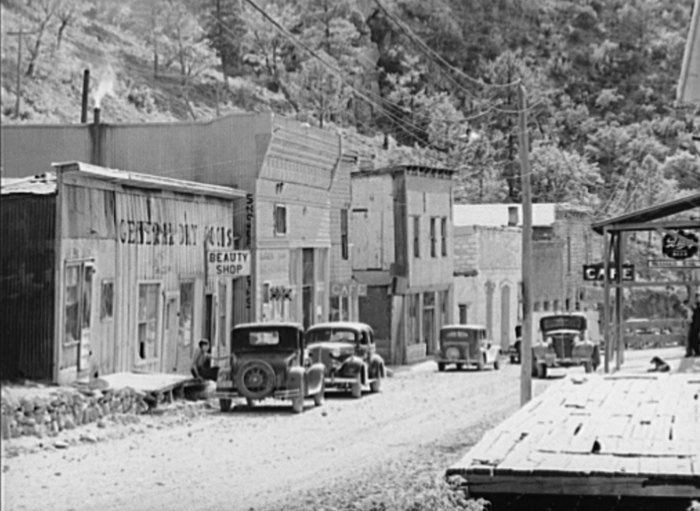
The town is sometimes referred to as a ghost town but it actually has a handful of residents (apx. 15) and several businesses. We saw several parked cars but no people during our walkabout. The town’s history began when gold was discovered in the late 1800s. Gold was mined here continuously until the 1950s. As a result, many of the structures are still standing today which leads to sense of stepping back in time as you travel through the small town.

Mogollon, 1940, Photo credit Russell Lee

Gold mining brought as many as 6000 people to the town at the height of production at the Little Fannie Mine and several other nearby mines. The town flooded often (sitting on the Silver Creek) and major portions burned multiple times. The town’s reputation (like many mining towns) was that of a rough and tumble place with several saloons and brothels (and no law).

Little Fannie Mine

After our day at CWA and Mogollon we found camping in the Gila National Forest among the pines and the serenading cattle that were roaming around us in constant search of food. The next morning we pushed northeast out of the forest onto the Plains of San Augustin. The Plains stretch 55 miles from the northeast to the southwest and range in width from five to fifteen miles.

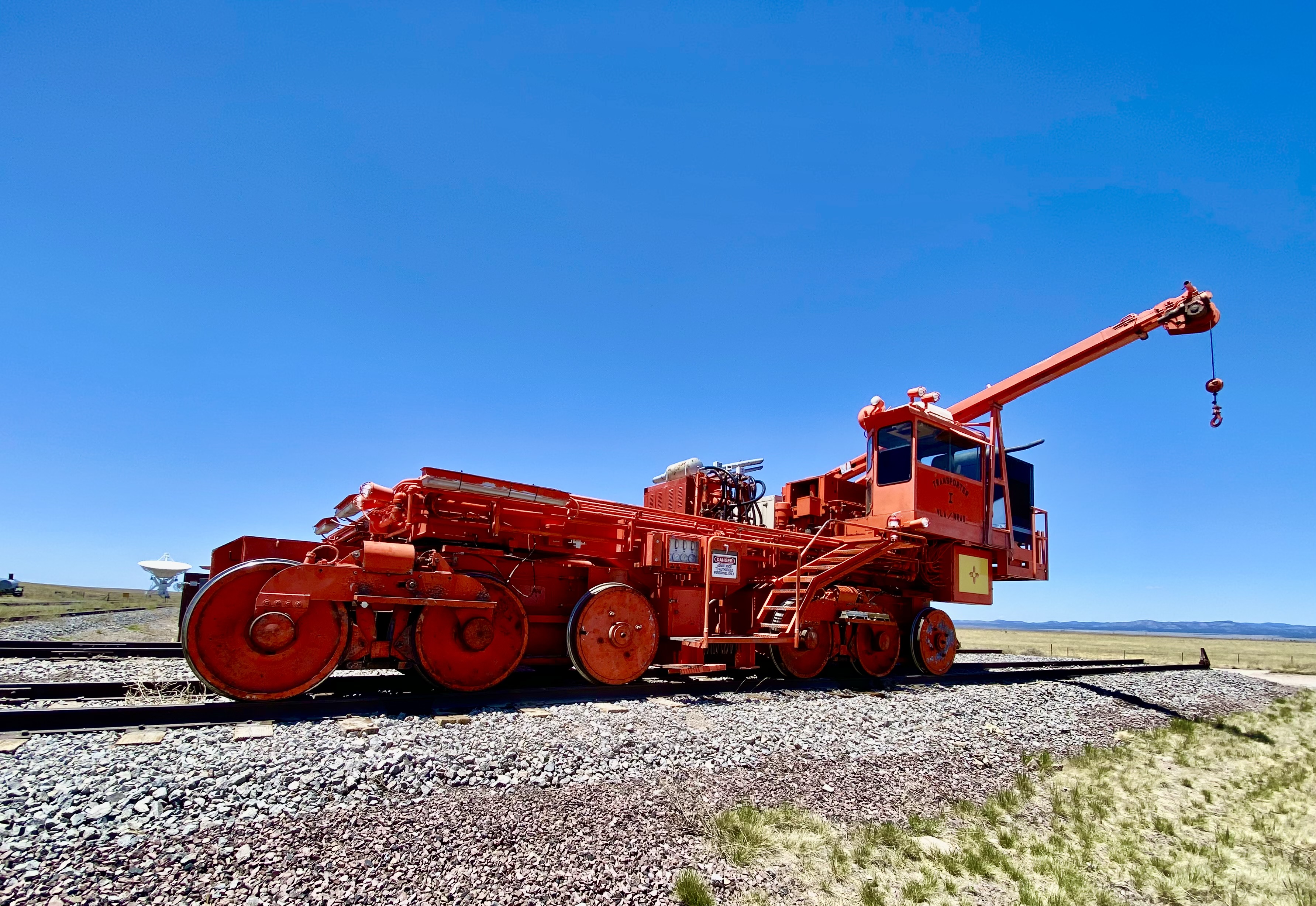
Our primary purpose in transiting the Plains was to visit the Karl G. Jansky Very Large Array (VLA). The VLA consists of 27 radio telescopes positioned across the Plains via railroad tracks. Each of the radio dishes stands 90 feet tall, 82 feet across and weighs 250 tons. In their widest configuration the radio dishes stretch for over 20 miles across the Plains. The Plains are an ideal setting for the VLA as it is far away from any population centers and shielded from light by the surrounding mountain ranges.

The Very Large Array

We won’t pretend for a second to understand how this works but it is nonetheless fascinating to see the array in action and to learn about the many important discoveries made utilizing radio astronomy. The array has captured activity in our galaxy as far away as 150 quadrillion miles!

We met a motorcyclist who had pulled over for a break while we were off the road near the VLA adding air to two of our tires with slow leaks. He asked us if we were going to stop in Pie Town – we said yes – he said good, it is a tradition whenever you cross Route 60 to stop and have pie!

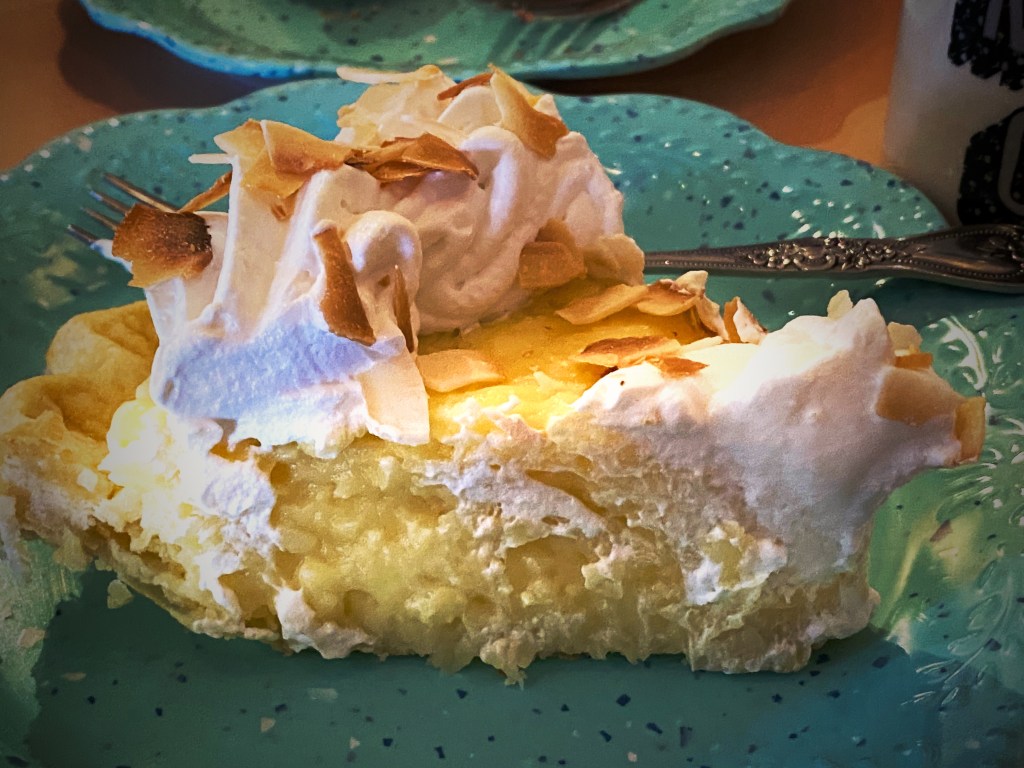
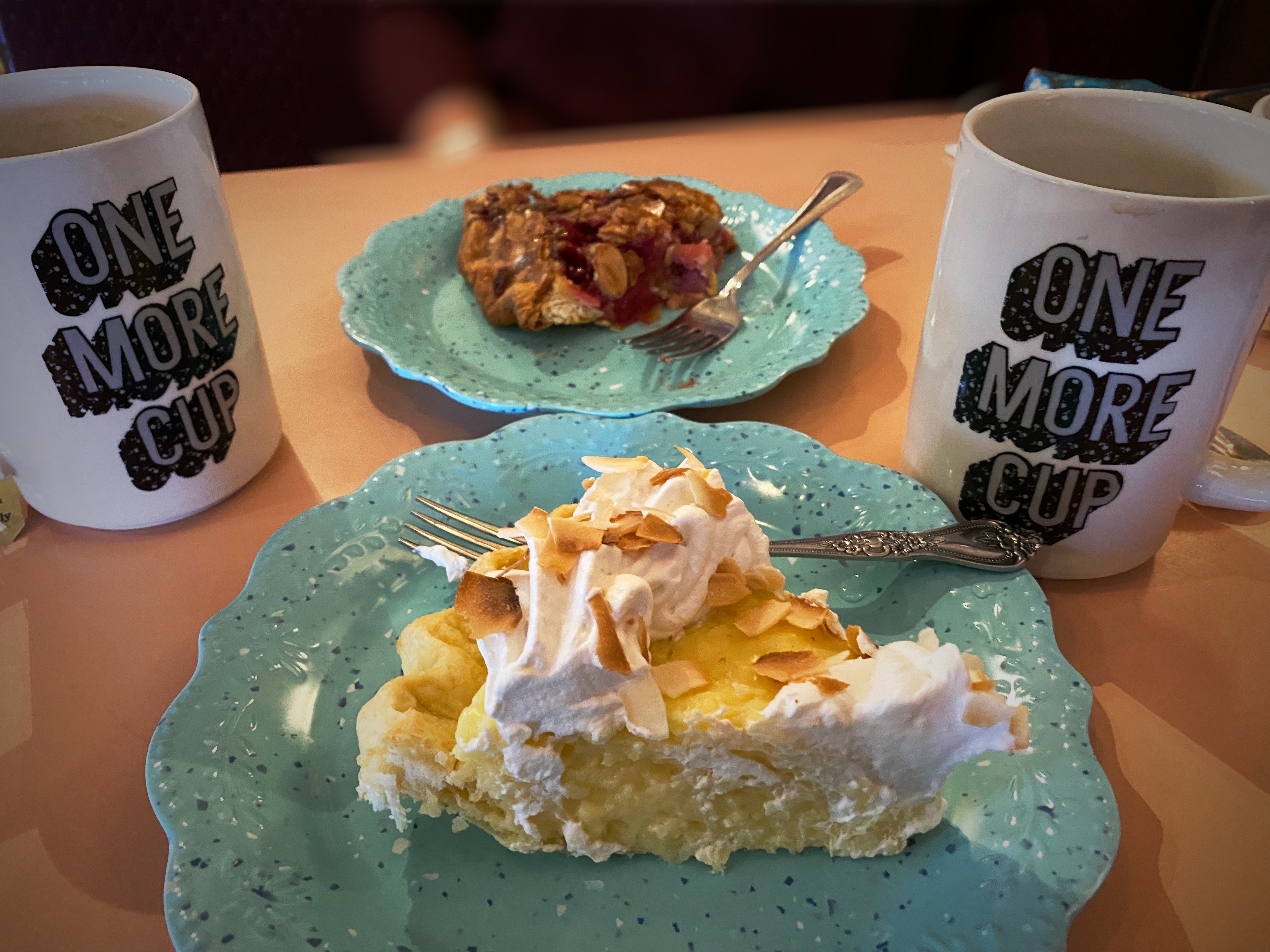
Well, we did, and it was dang delish! Maria had the Cherry Almond Pie and I had a piece of the freshly made Coconut Cream Pie. Pie Town establishments did a good business dishing out pies for cross country travelers and local ranchers until the ubiquitous interstate was built and diverted much of the traffic away from town.

Fortunately, about 25 years ago the Pie-O-Neer Cafe opened and it has been doing a booming business ever since. In addition to many travelers that now routinely avoid the interstate, the Continental Divide Trail runs through Pie Town. Many hikers stay at a nearby hostel and consume thousands of calories (based on what we saw) replenishing for the next leg of the journey. The town itself has not grown with a population hovering around 25, but they apparently throw a heck of a pie festival every September.

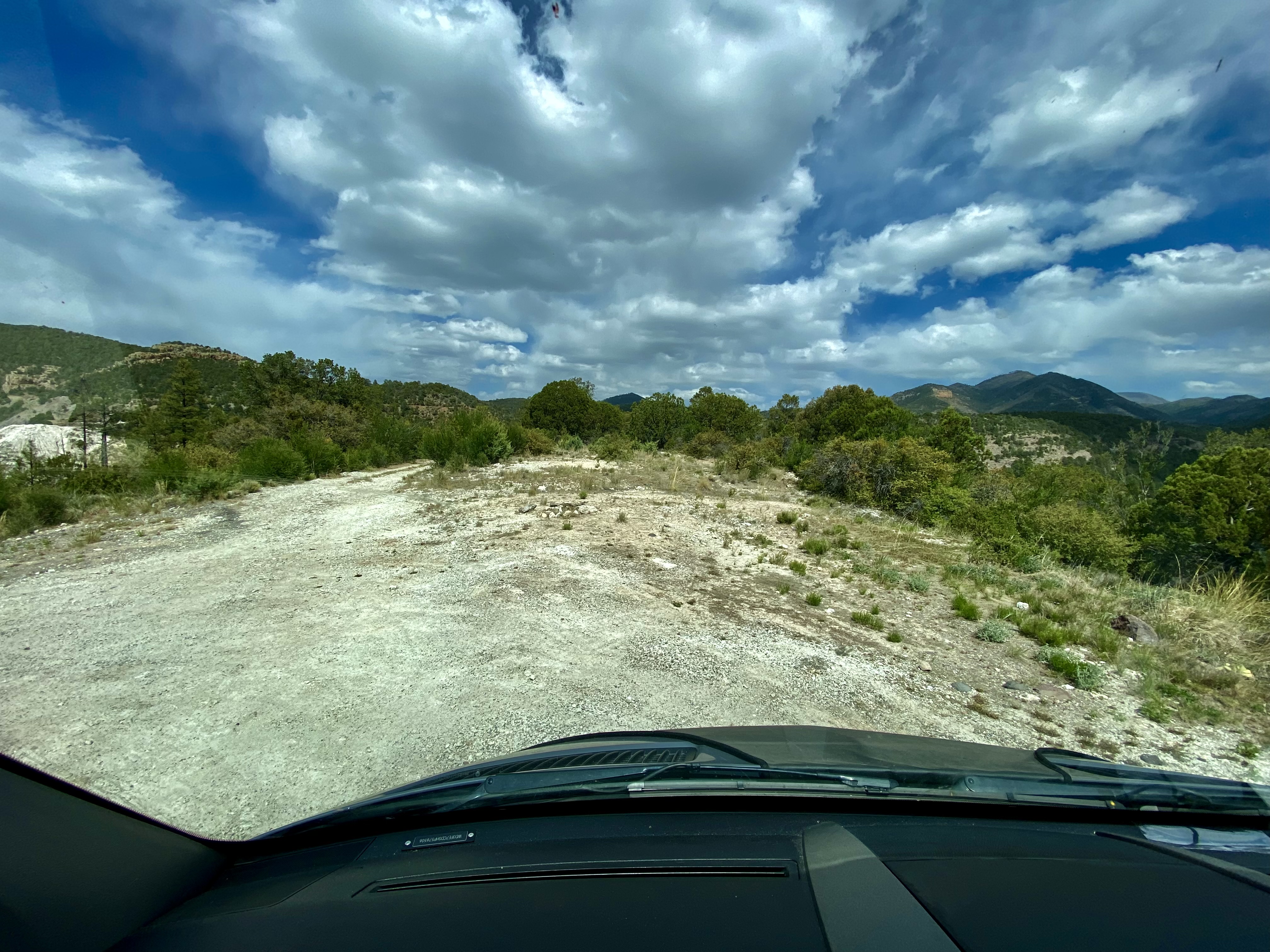
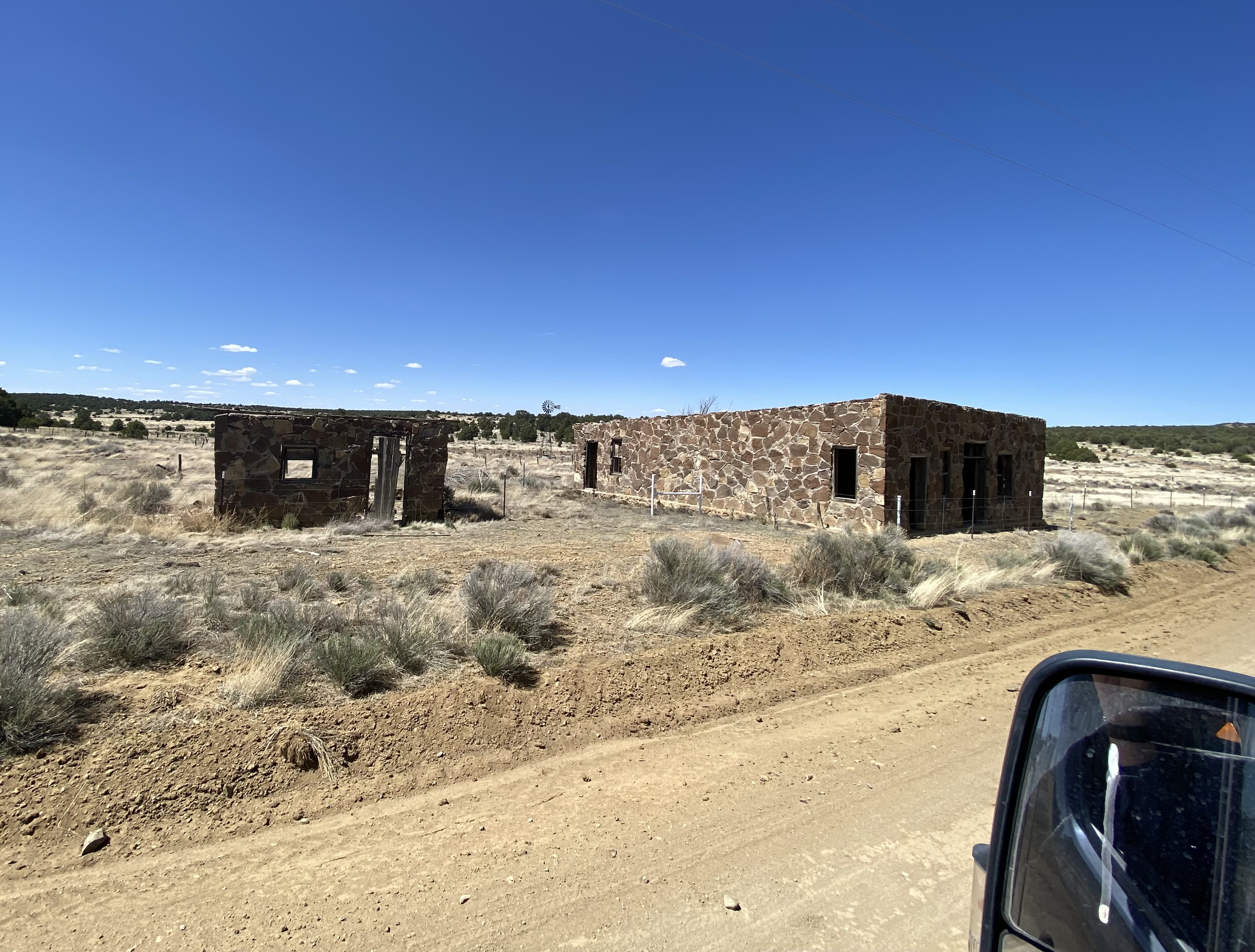
After filling our bellies with delicious pie, we set north across some dusty ranch country on the York Ranch Road in search of camping near El Malpais National Monument (EMNM). As you can see in the photo below left, the desert can be cruel for those unprepared for the terrain.

We found a beautiful spot to camp just east of EMNM on a bluff which provided great views and a spectacular sunset.

In the morning we made our way north to Grants, New Mexico to have our leaking front tire replaced. From there, we set out for the Big Tubes area to explore. There is only one way in or out – the Big Tubes Road ( NPS 300) – a classic impassable-when-wet mud job. Fortunately, while there had been some rain leaving behind some large ruts, the road was fairly dry and passable. Regardless, we would not recommend this road without 4WD and high clearance.

NPS 300

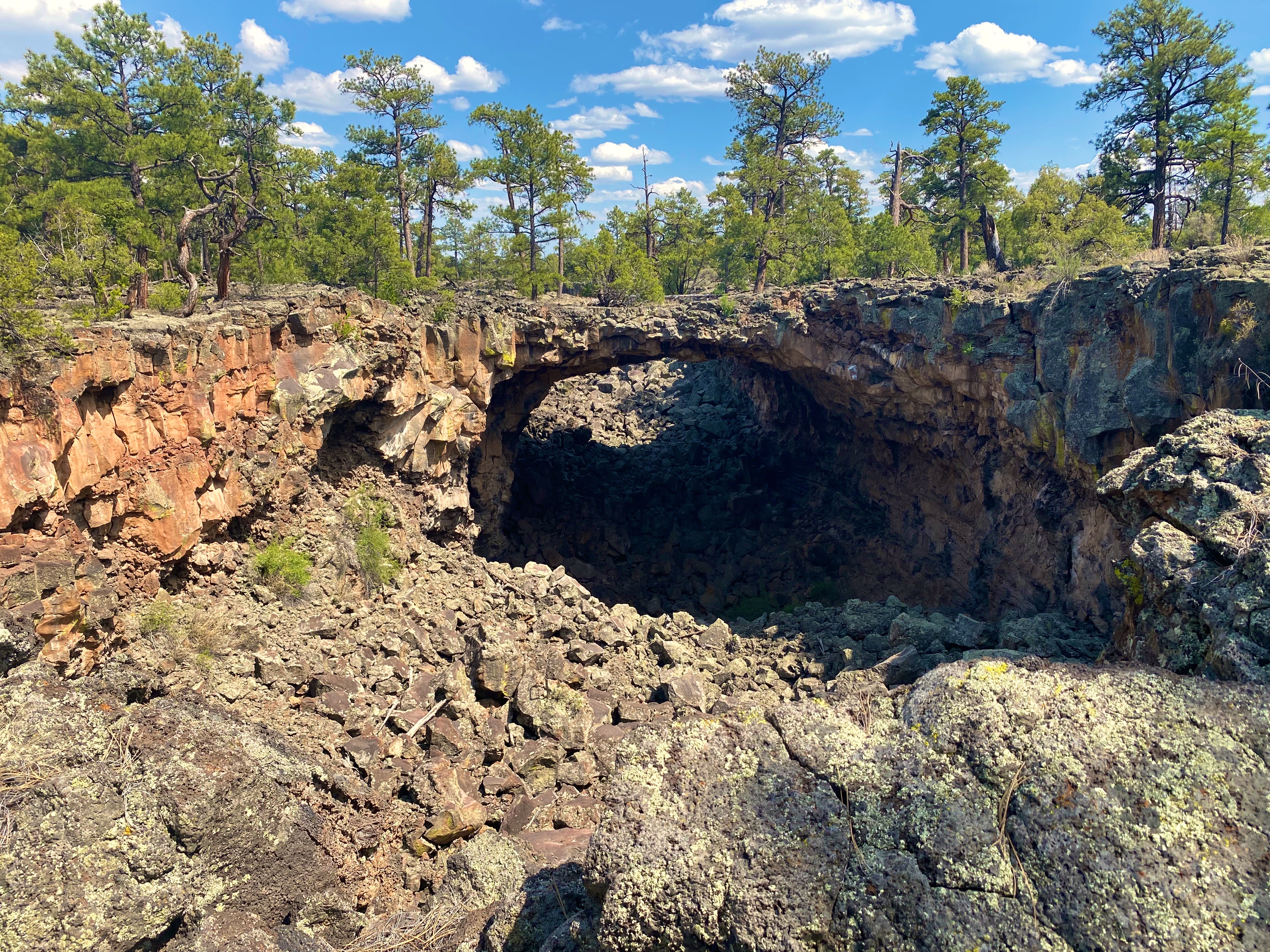
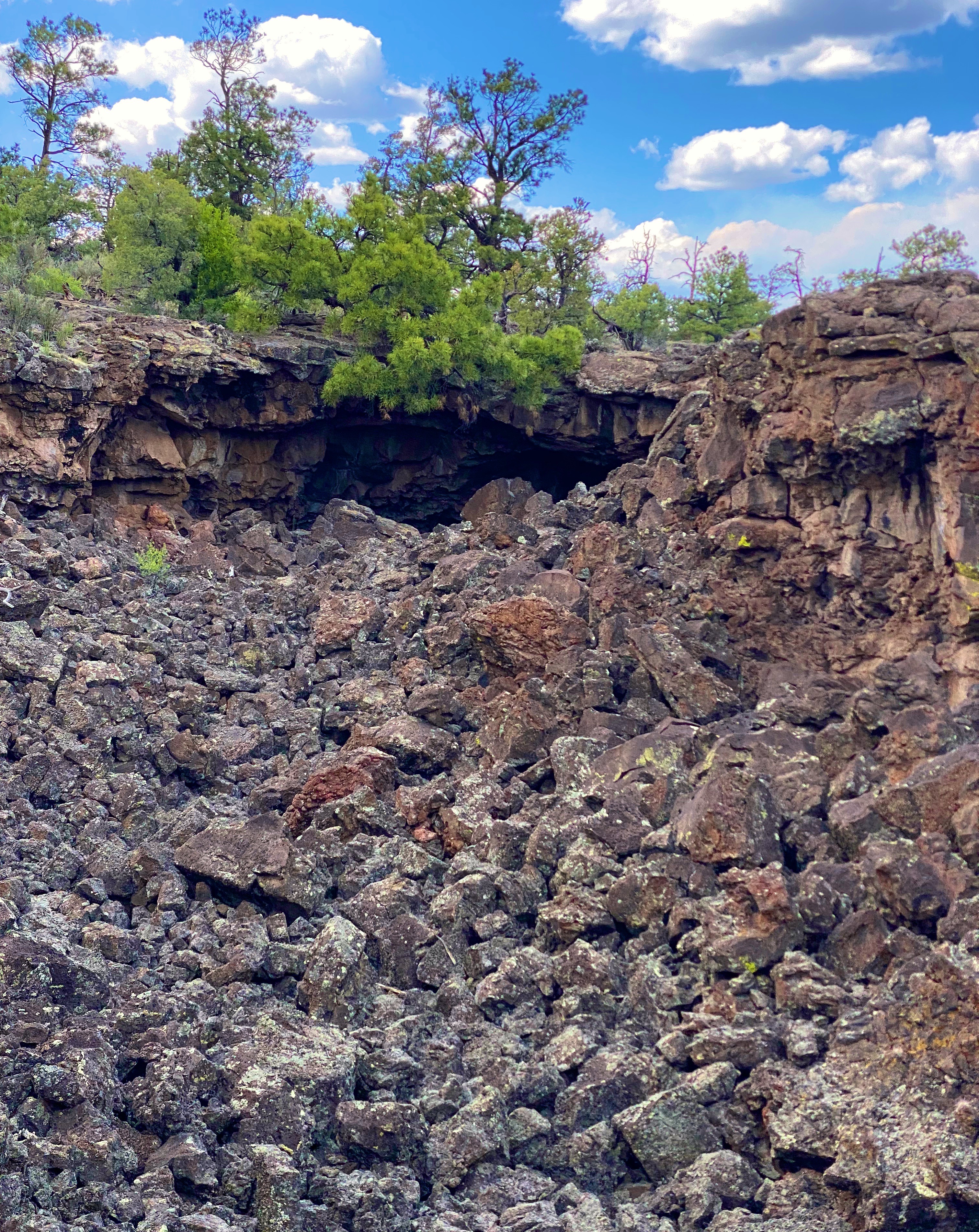
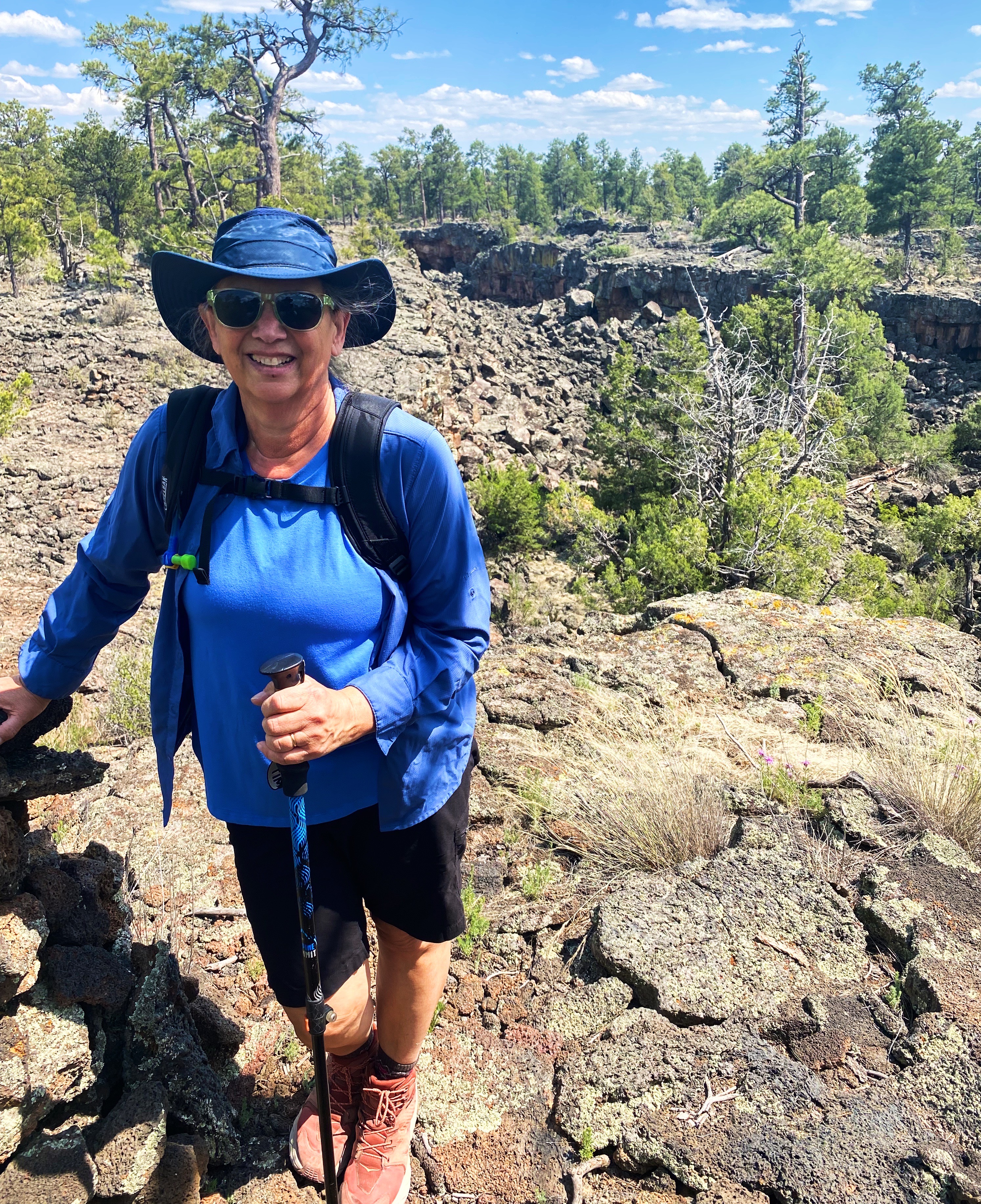
The Big Tubes Area is a massive volcanic landscape that provides the opportunity to explore lava tube bridges, lava tubes, tube caves and lava flows. There are no marked trails, although there are cairns laid out across the field – use the cairns – there are no other usable reference points in this other-worldly place. Even utilizing the cairns we made several wrong turns in hiking out and back across the field.

You are free to scramble down into the tubes and caves and under the bridges. We recommend wearing gloves and a climbing helmet. The boulders in the trenches and tubes are big and sharp!

From EMNM we traveled through several portions of the Ramah Navajo and Zuni Indian Reservations on our way north on the 602 to Gallup. We had reserved a couple of nights at the El Rancho Hotel and were looking forward to staying at this 1940s hotel that once hosted dozens of Hollywood stars ensconced here while filming Westerns in the area. Additionally, the hotel sits smack on Historic Route 66 to add even more kitsch. From the photos below you might suspect we were not disappointed with our decision.

Gallup has a storied history that predates the movie making haydays of the 1940s and 1950s. The first white settlers arrived in the area that became Gallup in the early 1860s. This was Navajo land and thus the Navajo attacked the white settlements. The cavalry was dispatched to physically remove the Navajo people from the area. The U.S. Army destroyed the Navajo homes, crops and livestock. The Navajo were then force marched 400 miles to a reservation where they were held for four years. In Navajo history this event is known as The Long Walk.

The town was formally founded in 1881 as a railhead for the Atlantic & Pacific Railroad. The freight lines that ran through the middle of Gallup hauled the high grade coal that was mined in the area. While the coal mining in the area has largely played out, more than 100 freight trains still rumble through town every day.

American Coal Company – Atlantic & Pacific Railcars

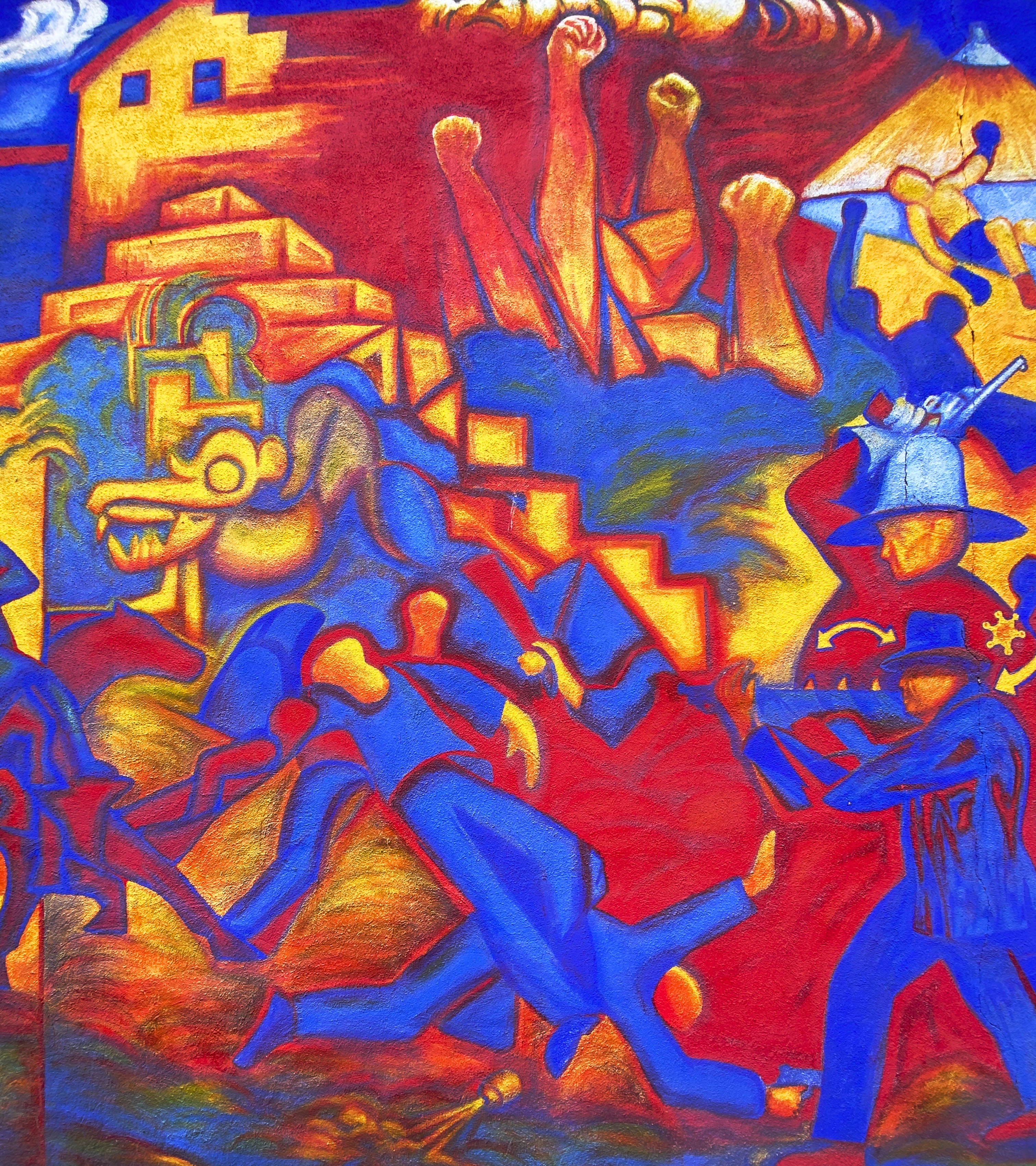
Coal miners in Gallup went on strike in 1933. The situation in Gallup was politically charged due to the multi-faceted race issues that existed in the American West. Many of the miners were Mexican and, influenced by their experiences during the Mexican Revolution, were members of the communist National Miners Union. The white miners aligned with United Mine Workers of America. Additionally, by the 1930s, many Navajo Nation members from the abutting reservation had begun working in the mines in Gallup. The Navajo coal miners did not belong to any union and routinely crossed the picket line – they did not consider themselves as members of the world outside the reservation. This act further intensified the significant racism already directed at Native Americans in the West.

The strike turned violent in 1934 and the sheriff was shot and killed by a Mexican miner. Subsequently, the Mexican miners were deported en masse. The UMWA became the sole union, although it took another nine years for a contract to be signed by the coal companies.

Mural Depicting the Coal Mine Riot of 1934

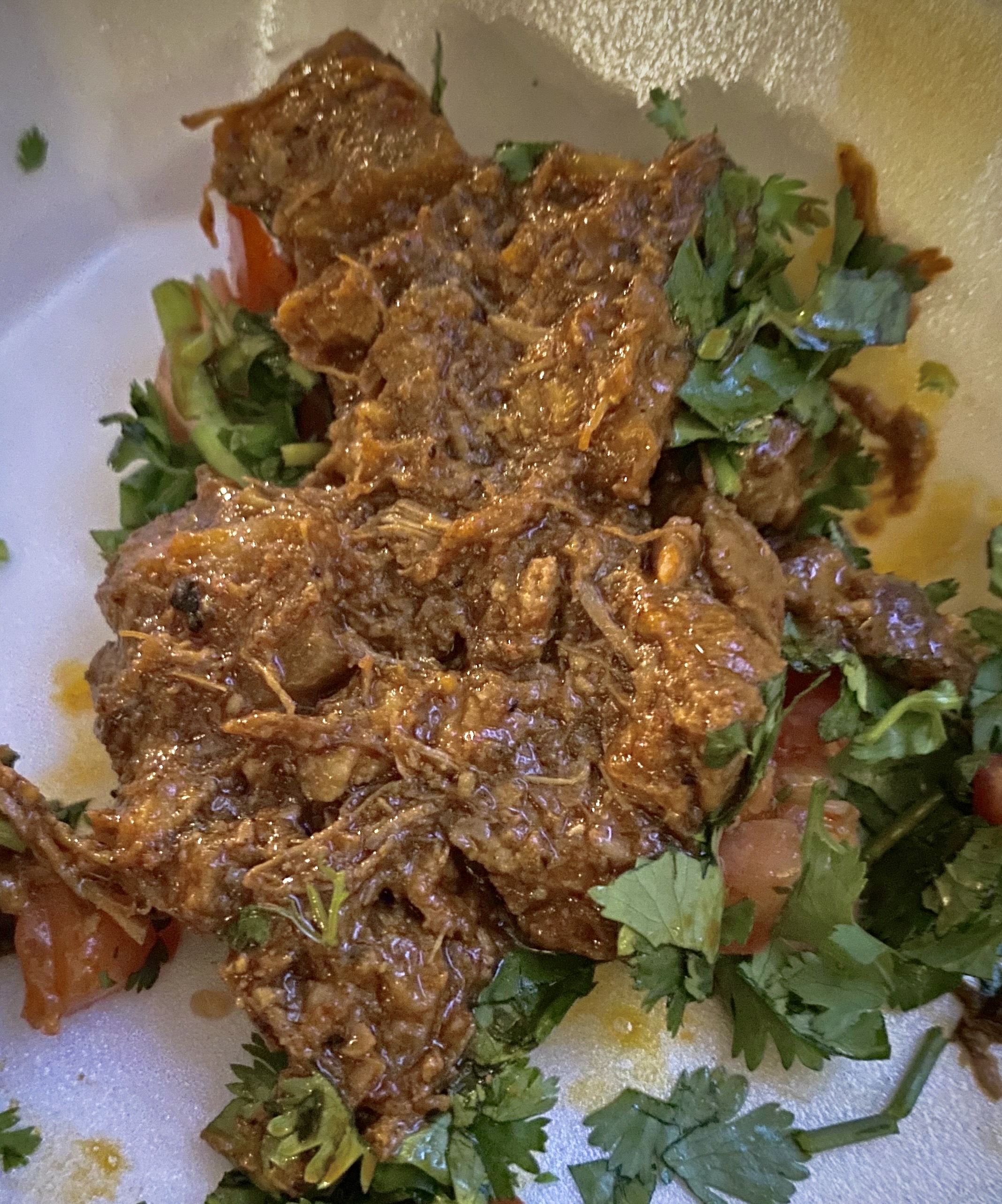
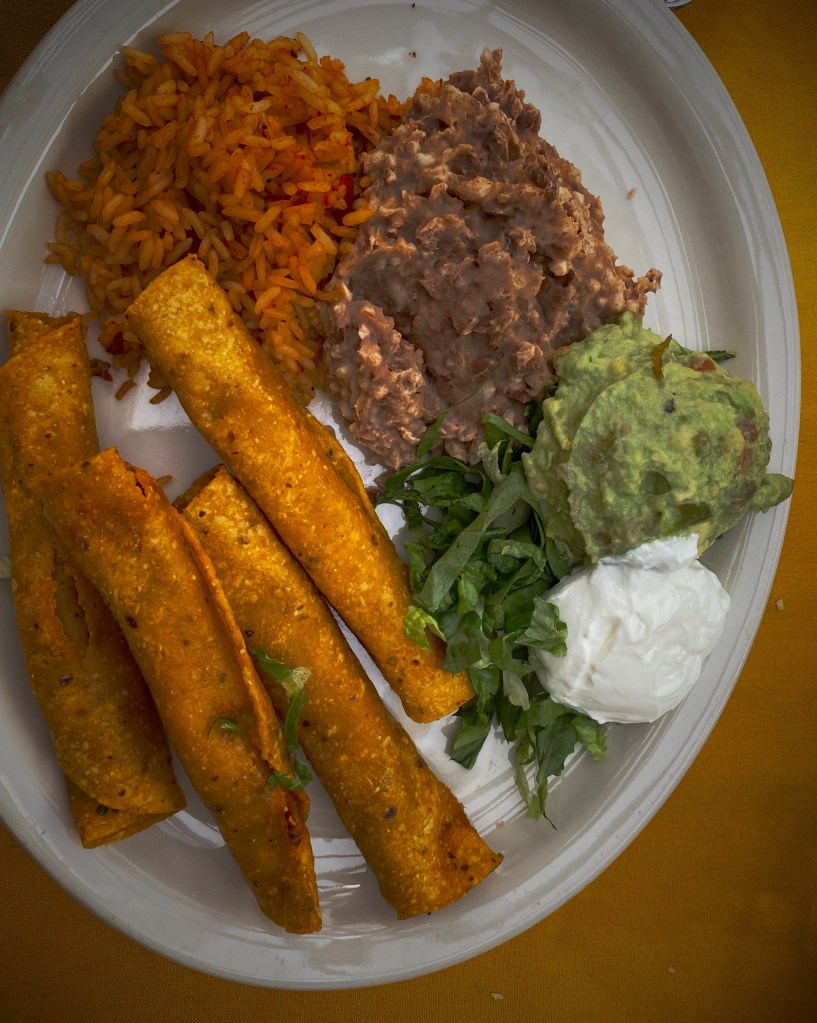
We took advantage of the opportunity to try the local cuisine. Lots of delicious dishes to choose from. The only item we do not recommend is the beef tongue – it’s a texture thing!

We enjoyed our stay in Gallup. Fascinating western history, excellent local cuisine, fine coffee and great street art. However, please keep in mind this is not a trendy tourist town. As a result of the long history of cultural and socio-economic issues there is a legacy of high unemployment, high crime and poor education which is evident within the community.

A quick stop in Farmington, New Mexico for fuel, coffee and groceries and then we headed over the state line for the snow capped peaks of Colorado.

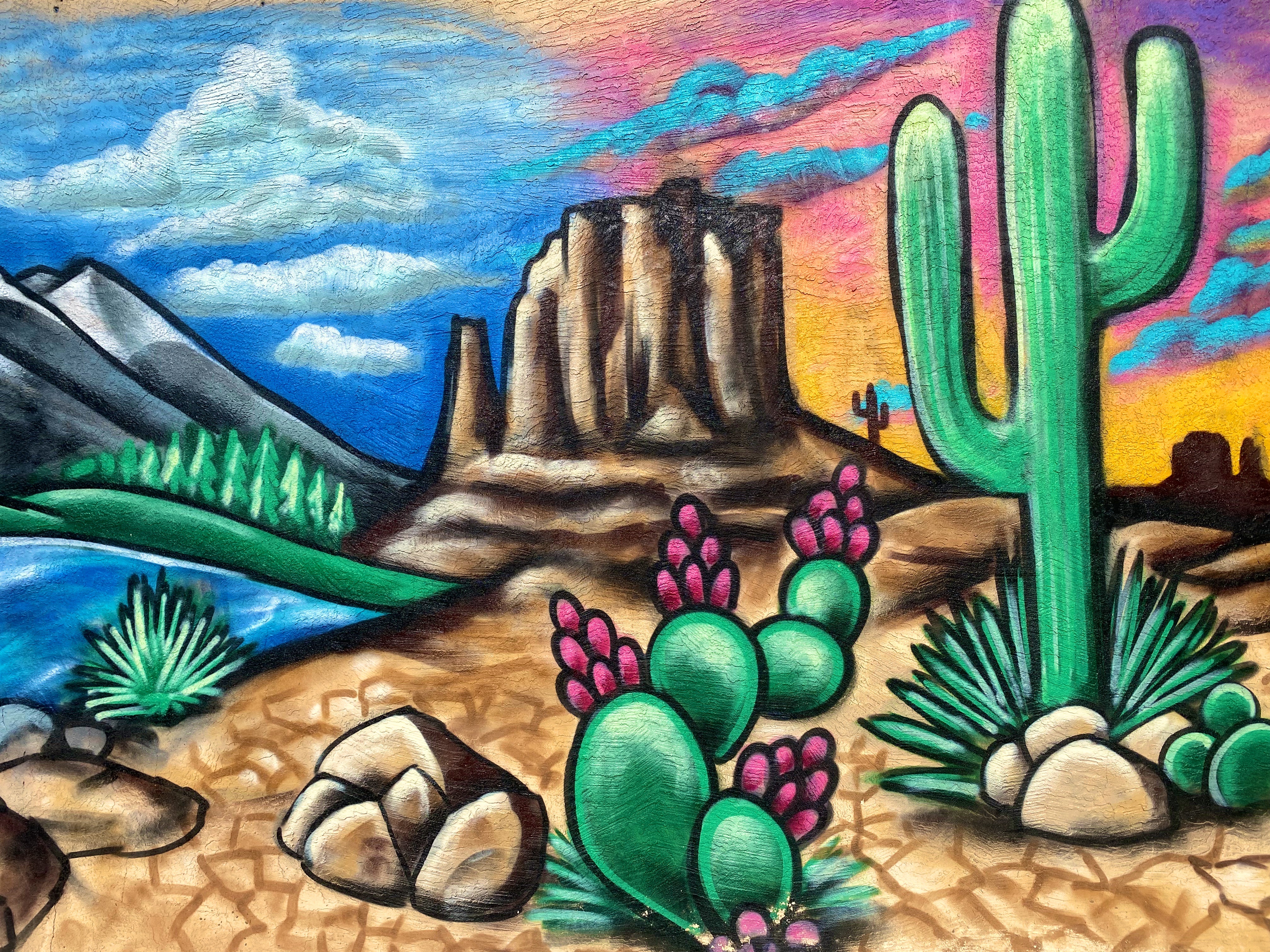
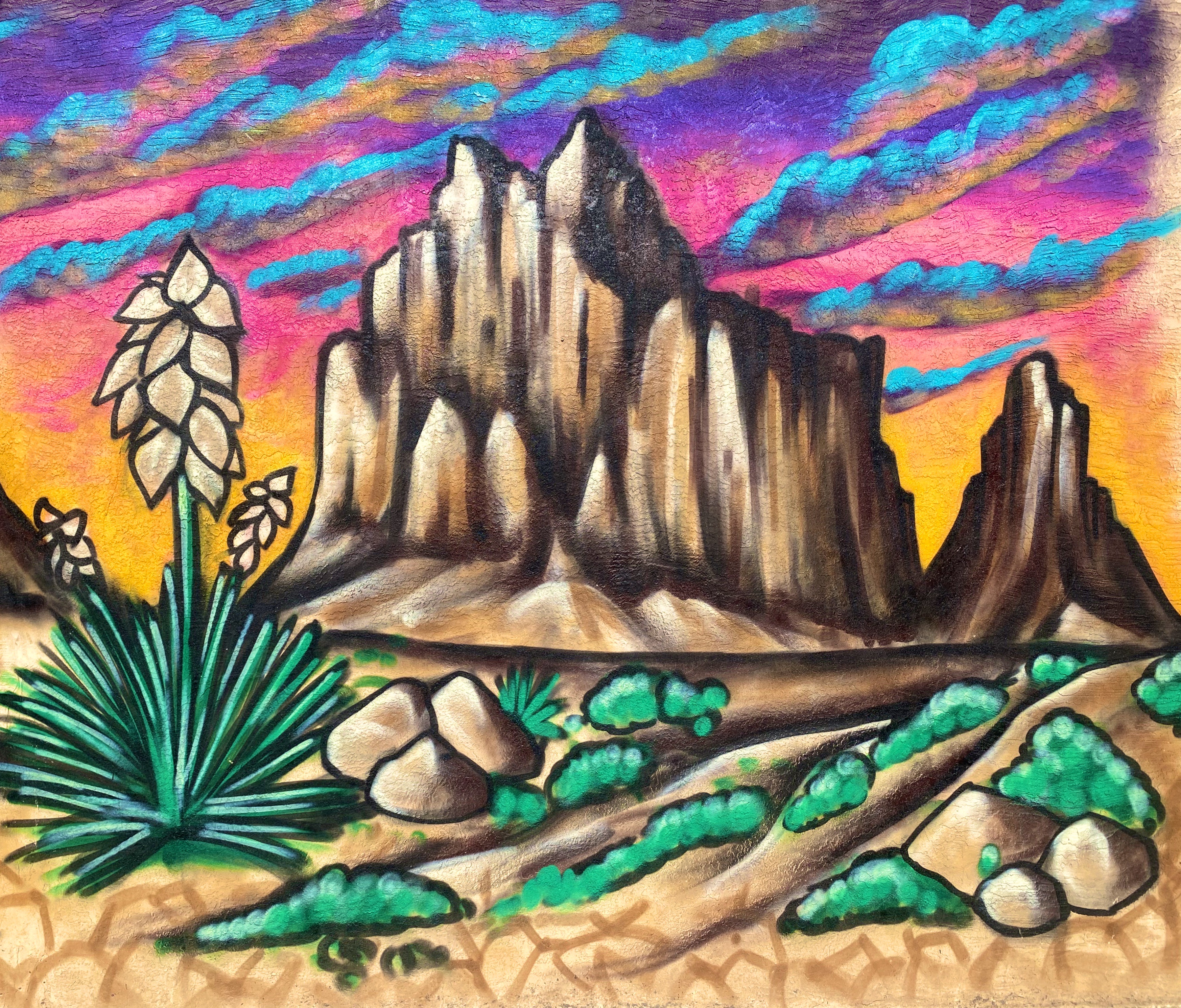
Mural, Farmington, New Mexico

Be seeing you!

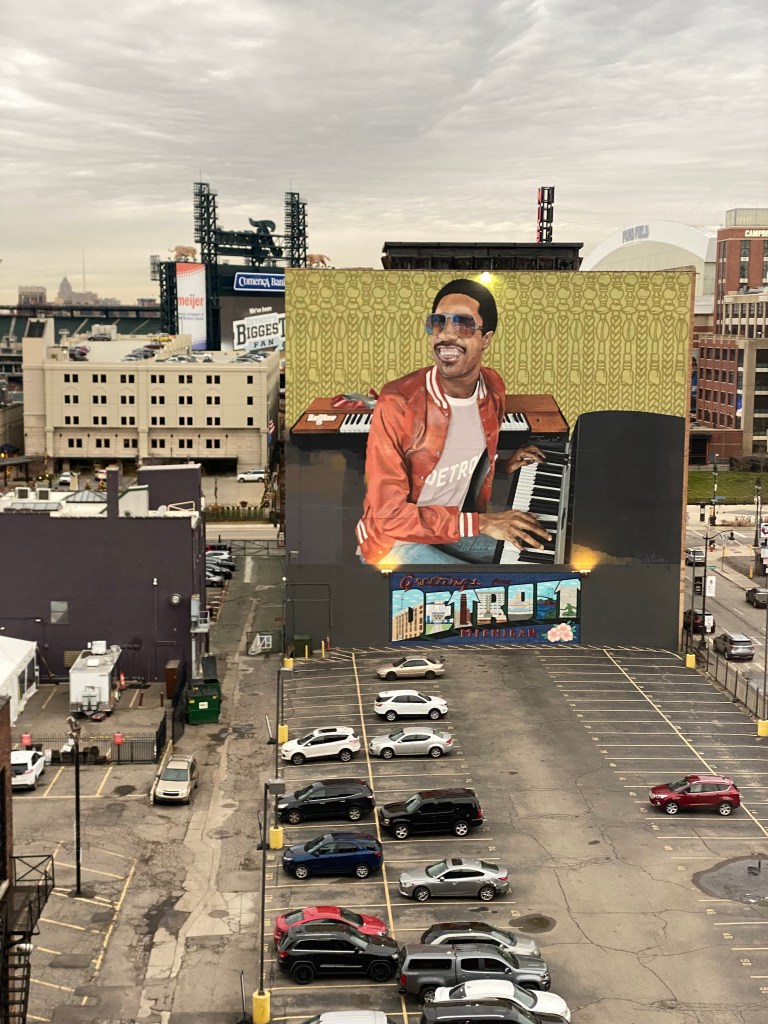
@streetartfromtheroad. Detroit. Motor City. Eastern Market

Stevie Wonder” Richard Wilson @richardwilsonartwork (2019)

@streetartfromtheroad and @finearttourist traveled to Detroit (DTW) in early December to see the Van Gogh in America Exhibition at the Detroit Institute of Arts (DIA). This exhibition was originally scheduled for the summer of 2020 but was canceled due to the Covid-19 pandemic. Fortunately, the DIA was able to gain access to the majority of paintings scheduled to be part of the original exhibition. An upcoming post by @finearttourist will showcase this spectacular exhibition.

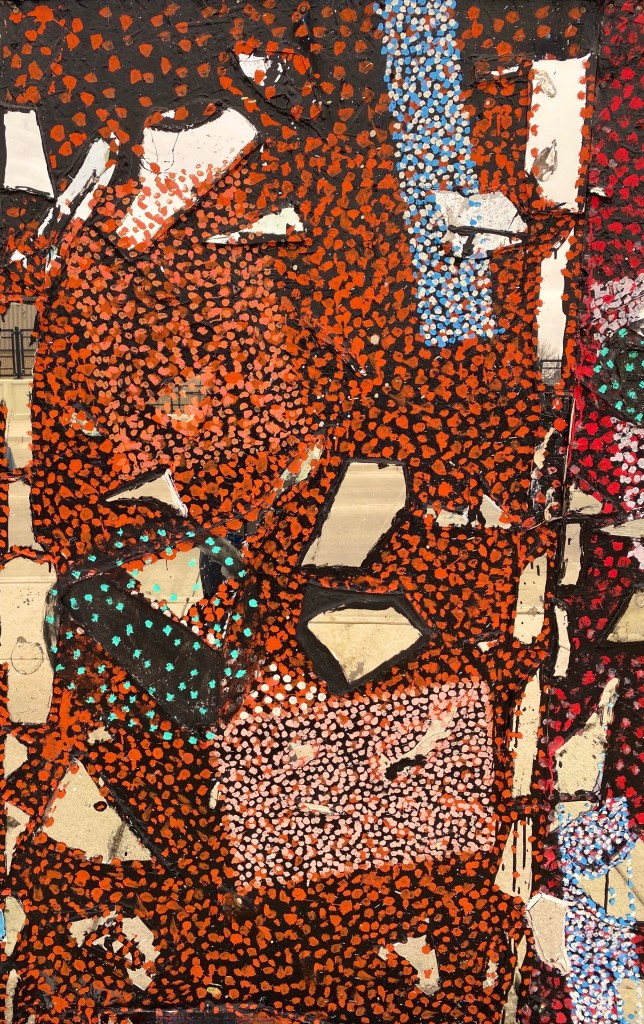
Of course, while in DTW we took full advantage of the good weather to explore the outdoor museum of street murals scattered throughout the Eastern Market District. In this post we will share some of the fantastic street art on display in the Eastern Market. Disclosure: some of the mural photographs have been edited to eliminate peeling paint and graffiti.

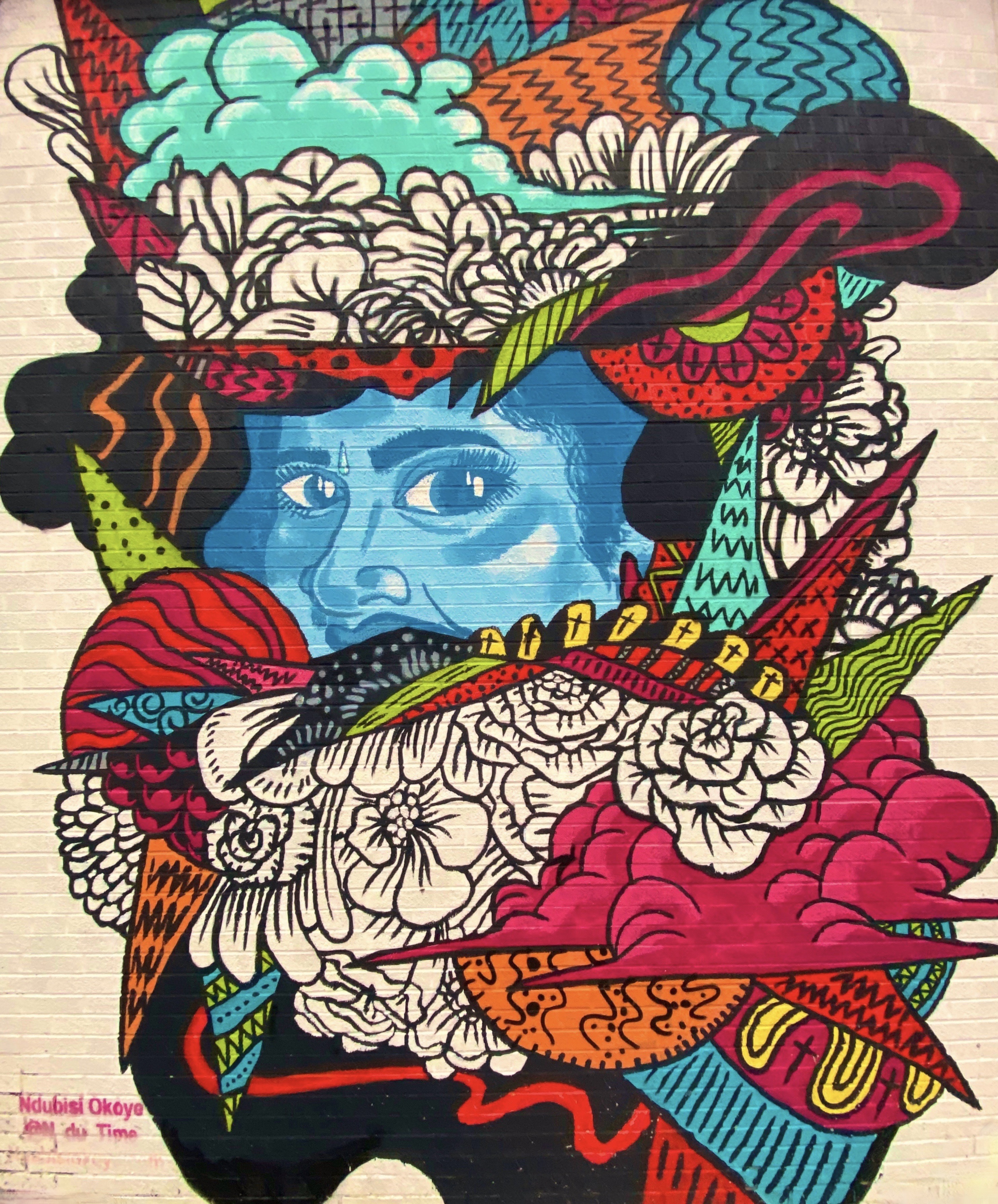
Ndubisi Okay @n_du_time
Brandan Mike Odums @bmike2c (2017)
DreamersJeff Soto @maxxer242 (2015)

The Eastern Market has been in existence for over 150 years. After World War 2, the market became a major hub for food processing and wholesale food distribution. The market covers approximately 43 acres just north of downtown DTW. There are still 80 standing structures ranging from fully occupied to abandoned and decaying.

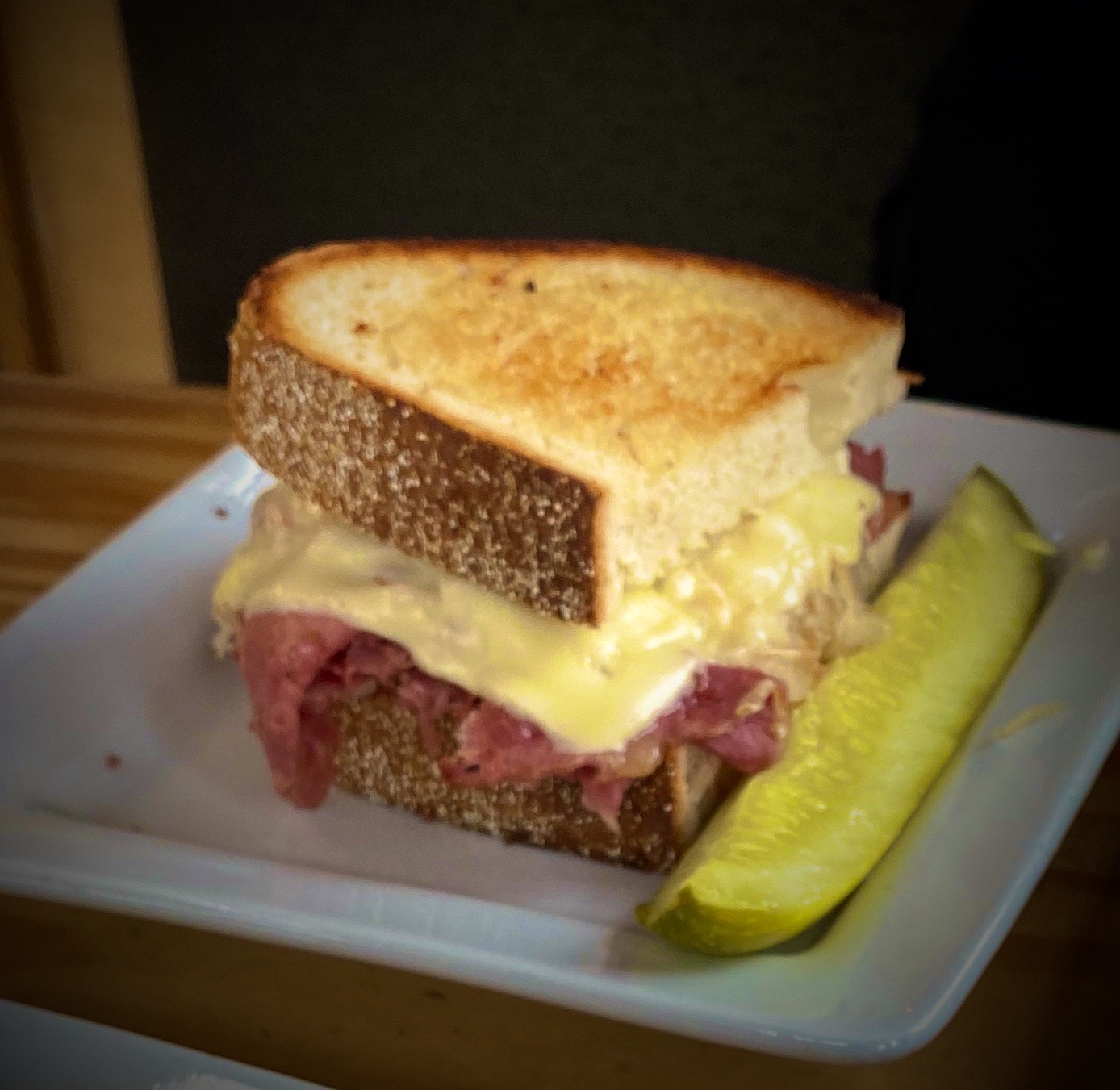
Today, the Eastern Market is the largest open-air flower bed market in the United States. Additionally, there are over 150 firms selling meat, spices, vegetables, jams and poultry. There are also a number of restaurants, bars and non-food retailers located within the market district. Lastly, if you are hankering for a corned beef sandwich, a pastrami sandwich or Detroit’s (in)famous “coney” this is the place to go.
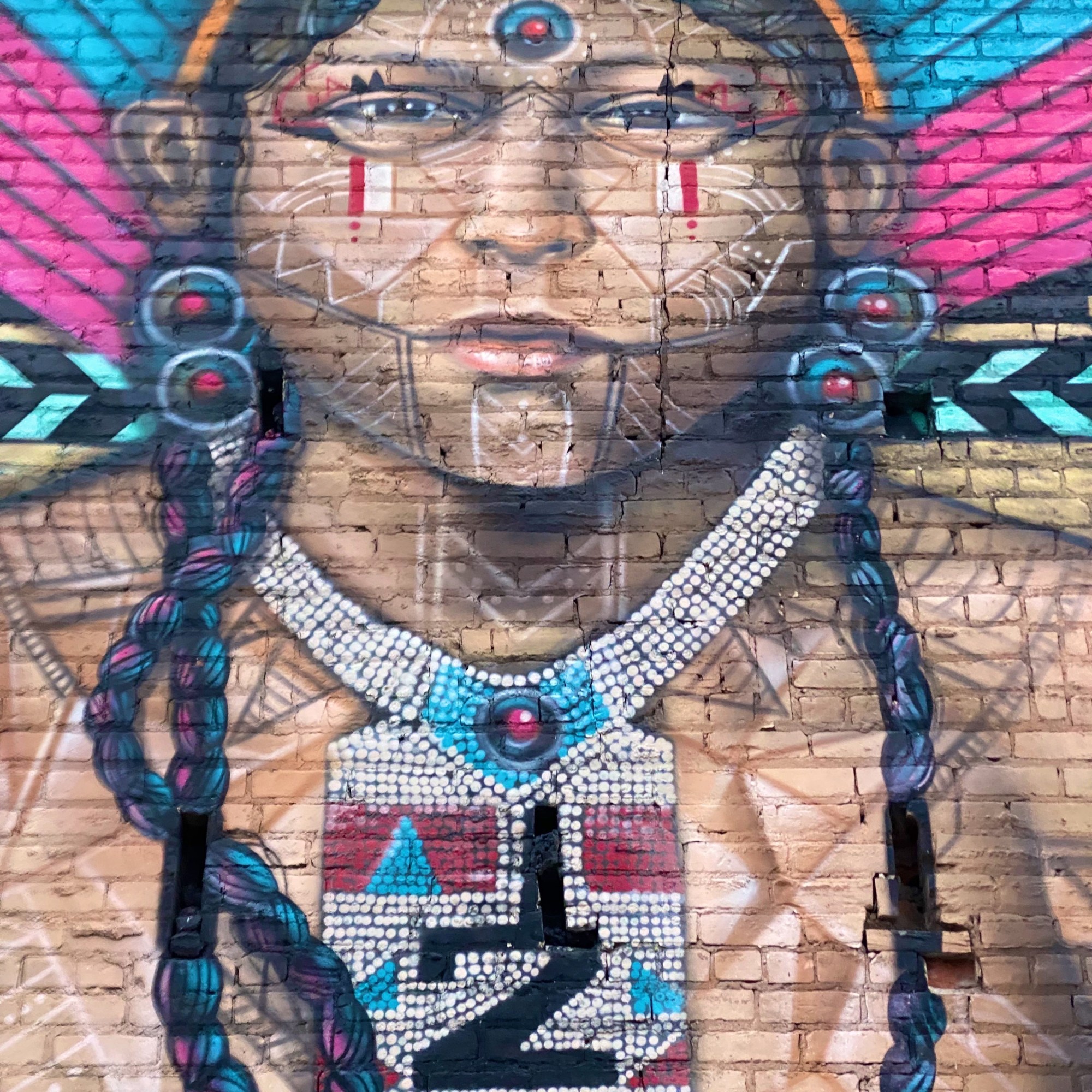
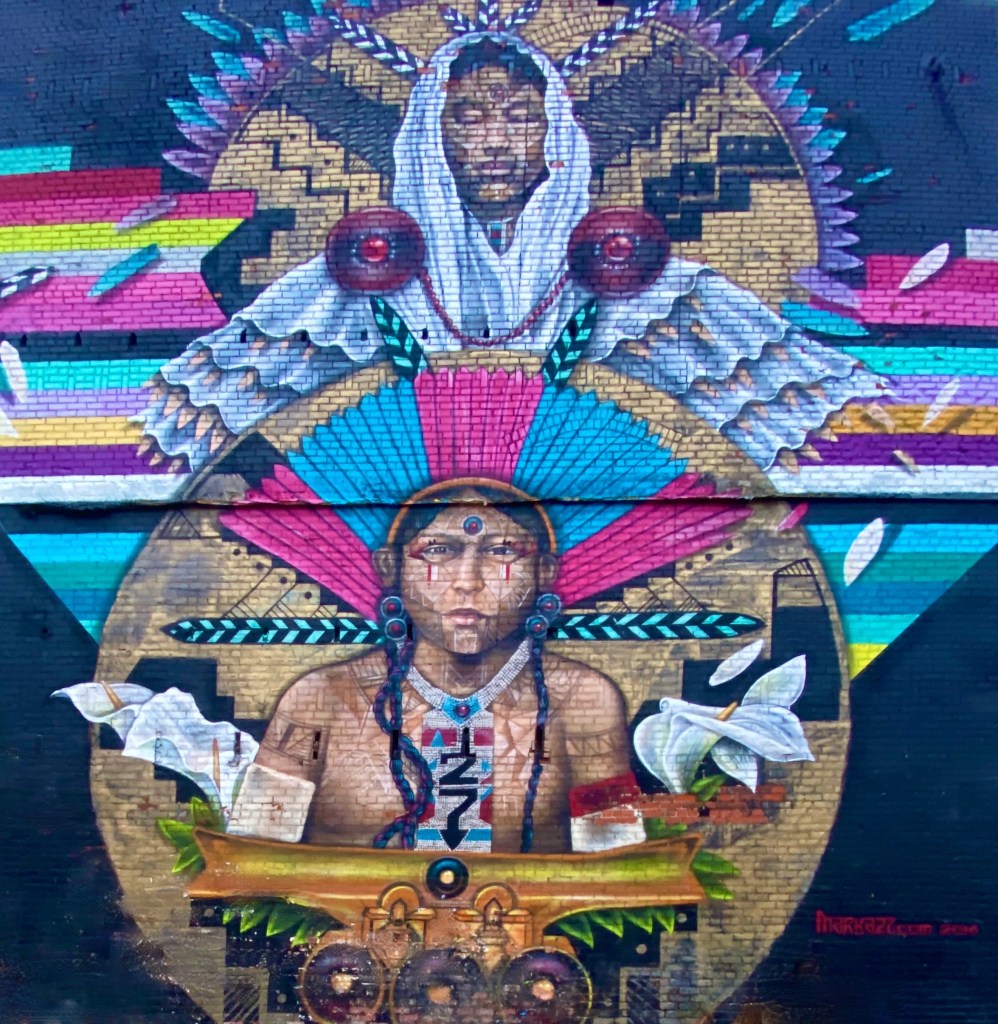
Victor Quinonez @marka_27 (2016)
Tylonn Sawyer @tylonn.j.sawyer (2016)
Ashley McFadden @mcfadden_ashley (2019)
Sydney G. James (A girl raised in Detroit) @sydneygjames (2017)
Enough SAID (Enough Sexual Assault in Detroit)
Tatiana Suarez @tatunga (2017)

The Murals in the Market (MM) organization has been actively supporting the transformation of the Eastern Market from a wasteland to a cultural destination within Detroit. The organization sponsors an annual mural festival in the Market District. To date, the organization has supported the production of 100 murals in the District and 200 murals across the city. Additionally, MM supports a number of other arts events (including live music) throughout the year. We hope that this organization continues to receive support from the DTW community as part of the revitalization of DTW.

Arlin @arlin_graff (2017)
Birdman @ed_Irmen (2019)
Joey Salamon @joeysalamon (2019)
Osunlade (2019)
“Mama Maiz” by Ivan Montoya @imontoya_ (2019)
Sydney James (A girl raised in Detroit) @sydneygjames (2016)
“Respect-Aretha” Kaka’ Chazz @kaka.chazz (2018)
Fiestas de Enero” Freddy Diaz @swfreddy (2018)
Richard Wilson @richardwilsonartwork

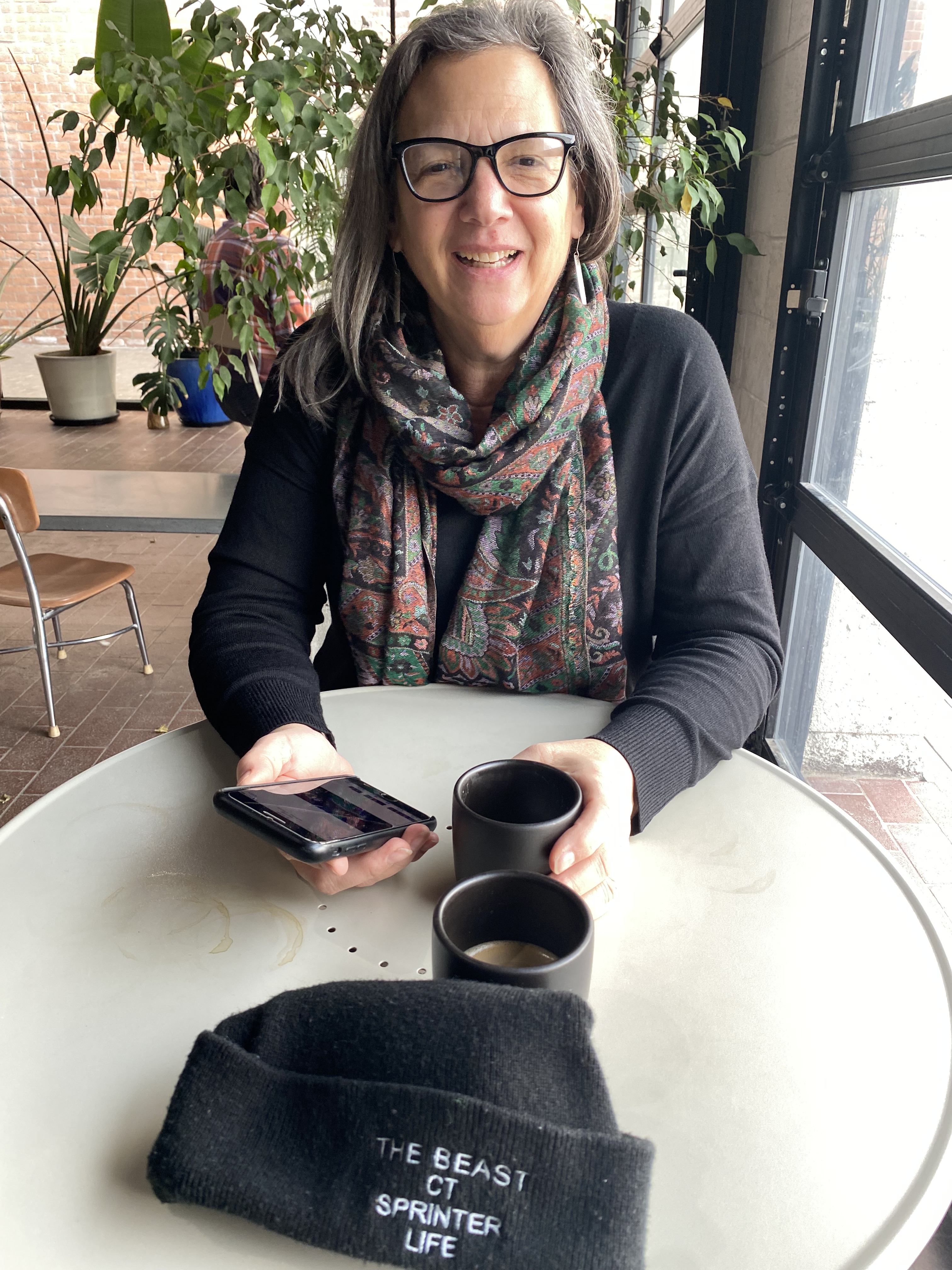
Of course, a day of mural hunting requires sustenance. Fortunately, we were able to start and end our pic shooting at Anthology Coffee, which is located conveniently in the market. Anthology roasts their own coffee on the premises. Anthology Coffee.com | Always Tasty

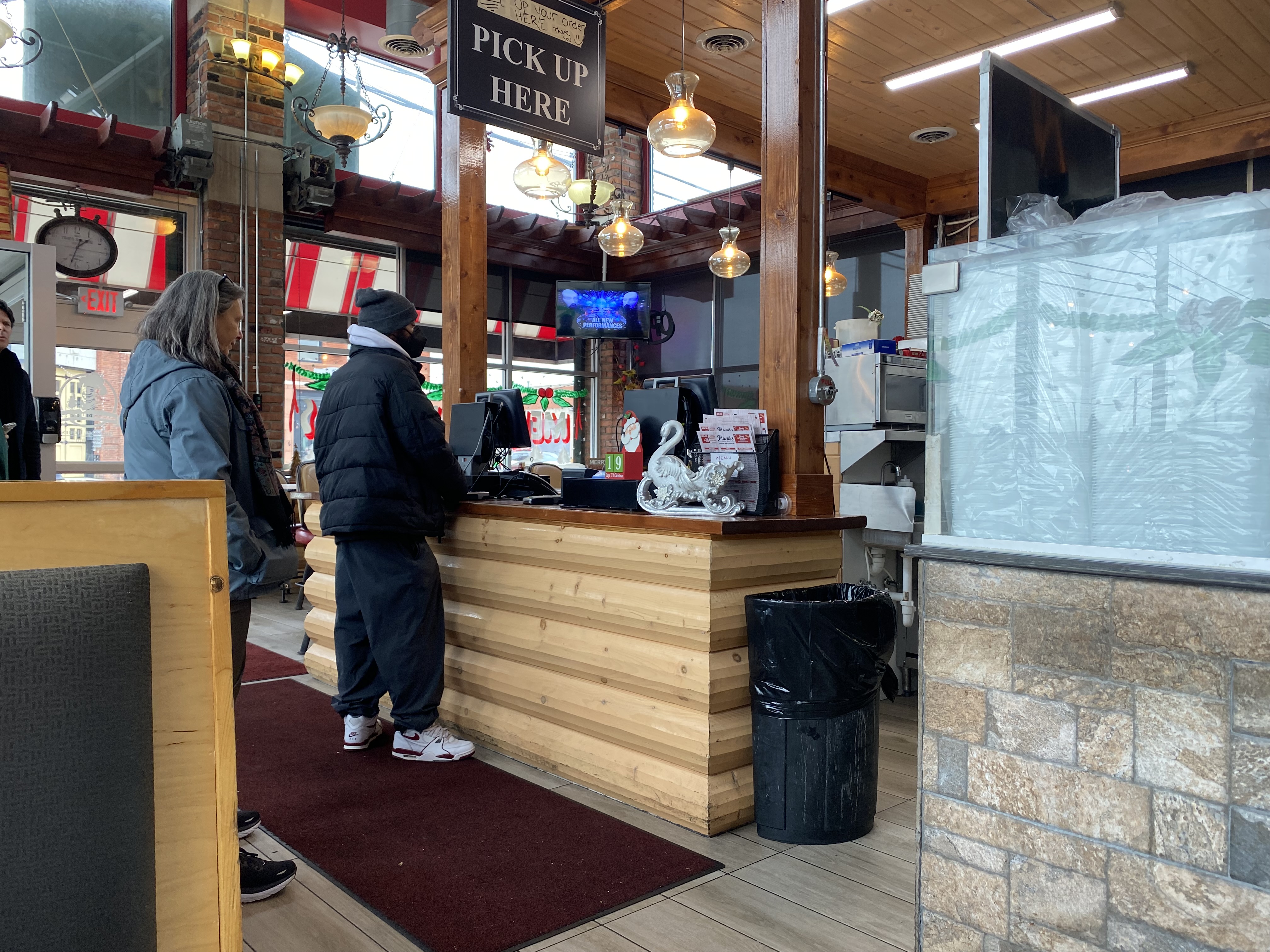
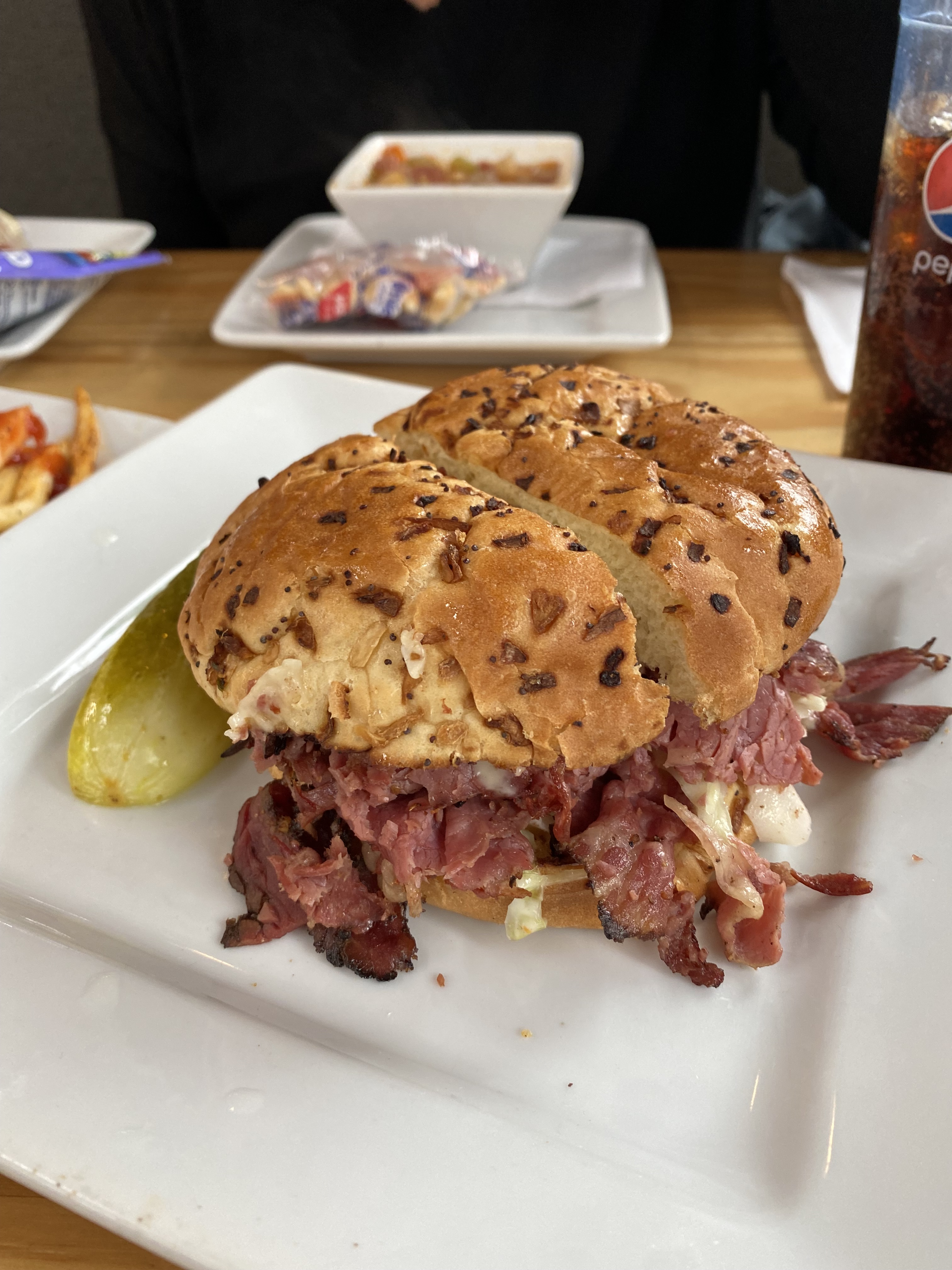
In keeping with the meat packing history of the Market, our mid-day replenishment was taken at Franks’s Deli and Grill. We feasted on a Detroit staple – Wigley’s Famous Corned Beef! https://www.facebook.com/FranksDeliandGrill/menu/
We hope you enjoyed this post. Be seeing you!

ctsprinterlife: OTR 8.0: Mississippi Part 3

Muddy Waters

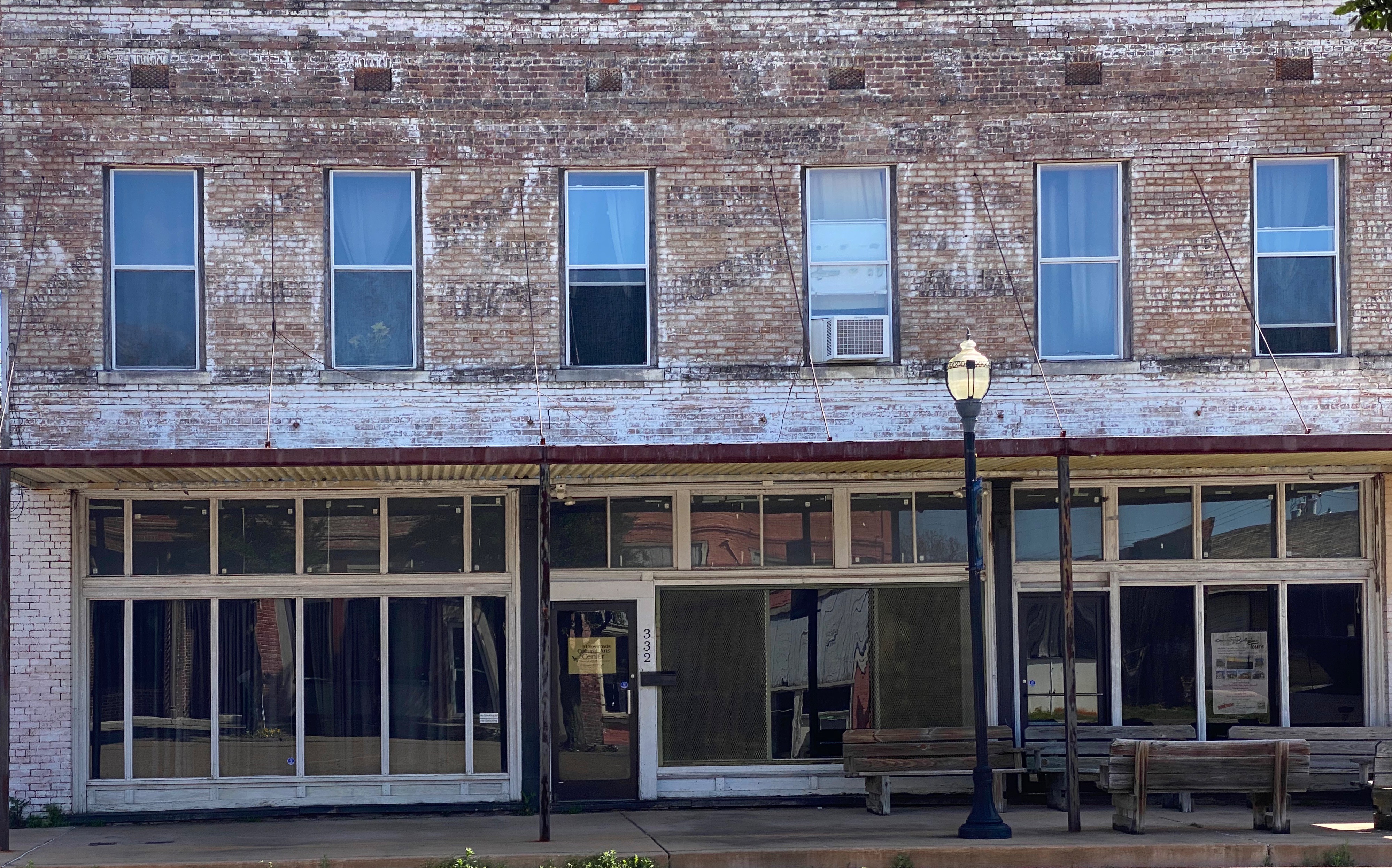
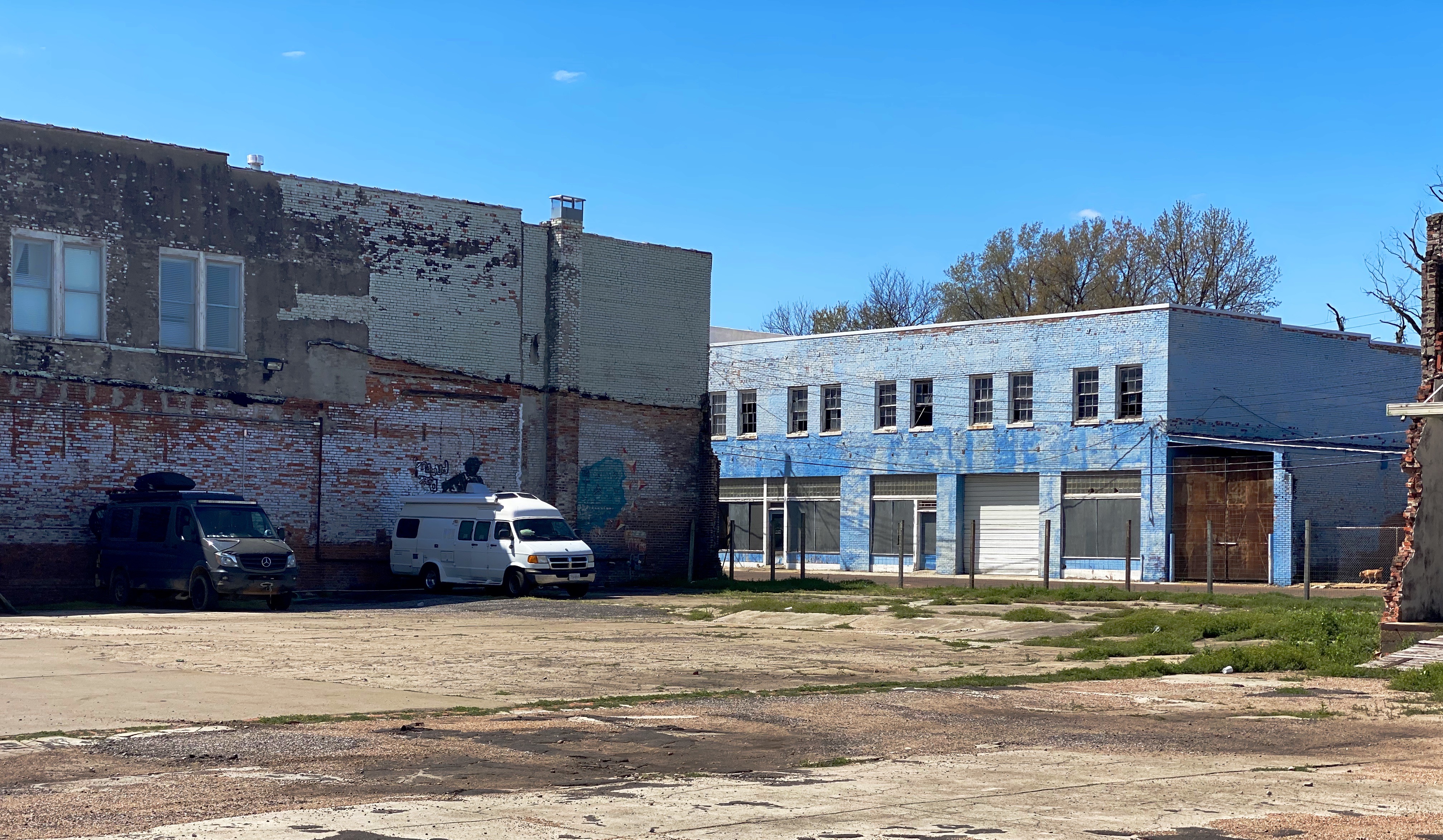
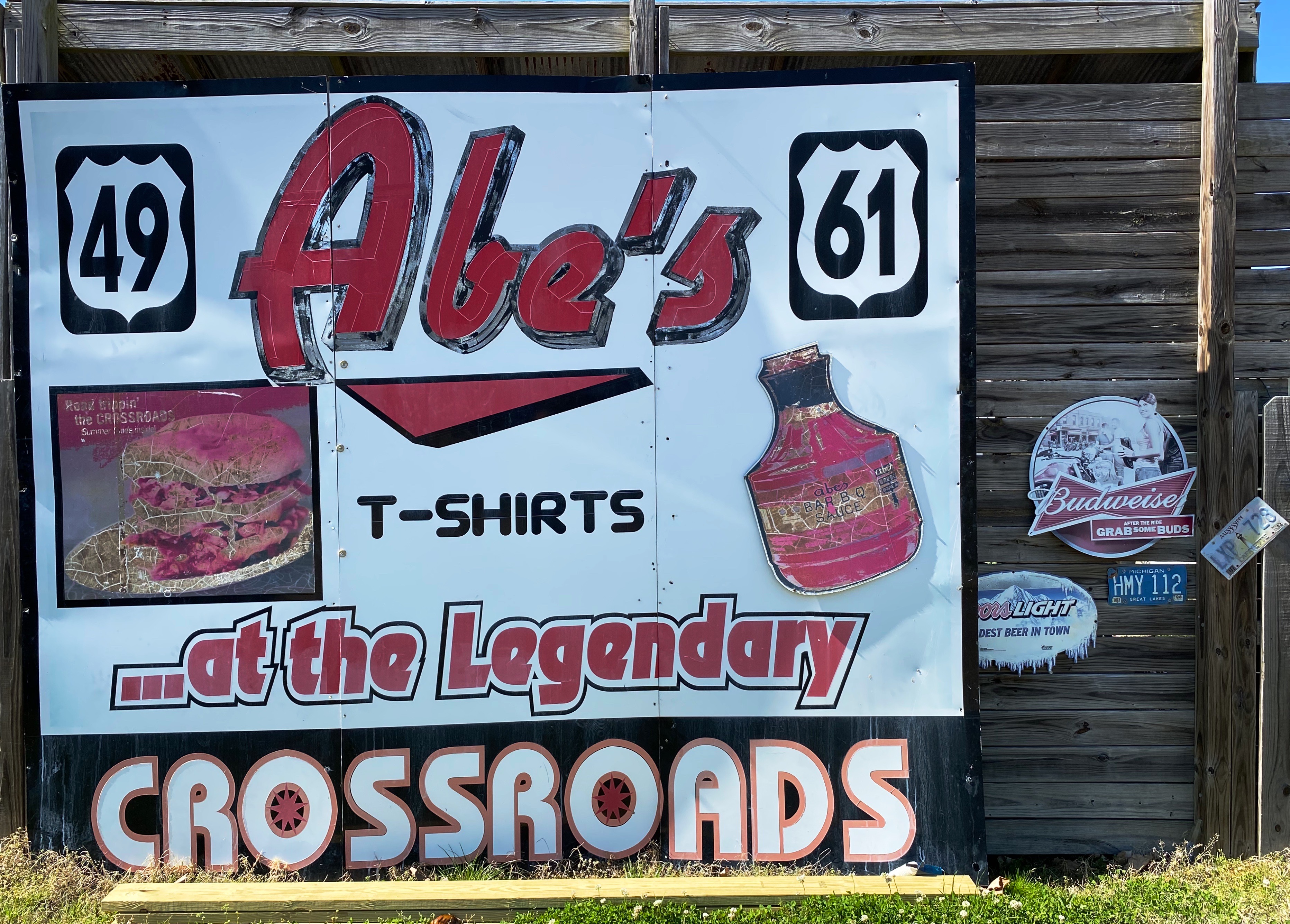
Clarksdale

After completing the final portion of the Trans America Trail we traveled to Clarksdale to begin our exploration of the Mississippi Delta. Clarksdale is generally considered to be the home of the Delta Blues with an impressive roster of musicians calling Clarksdale their home in their early years (see previous post: Street Art from the Road: OTR 8.0: Part Two: Clarksdale Music and Art at http://www.ontheroadwithmariastephen.net.

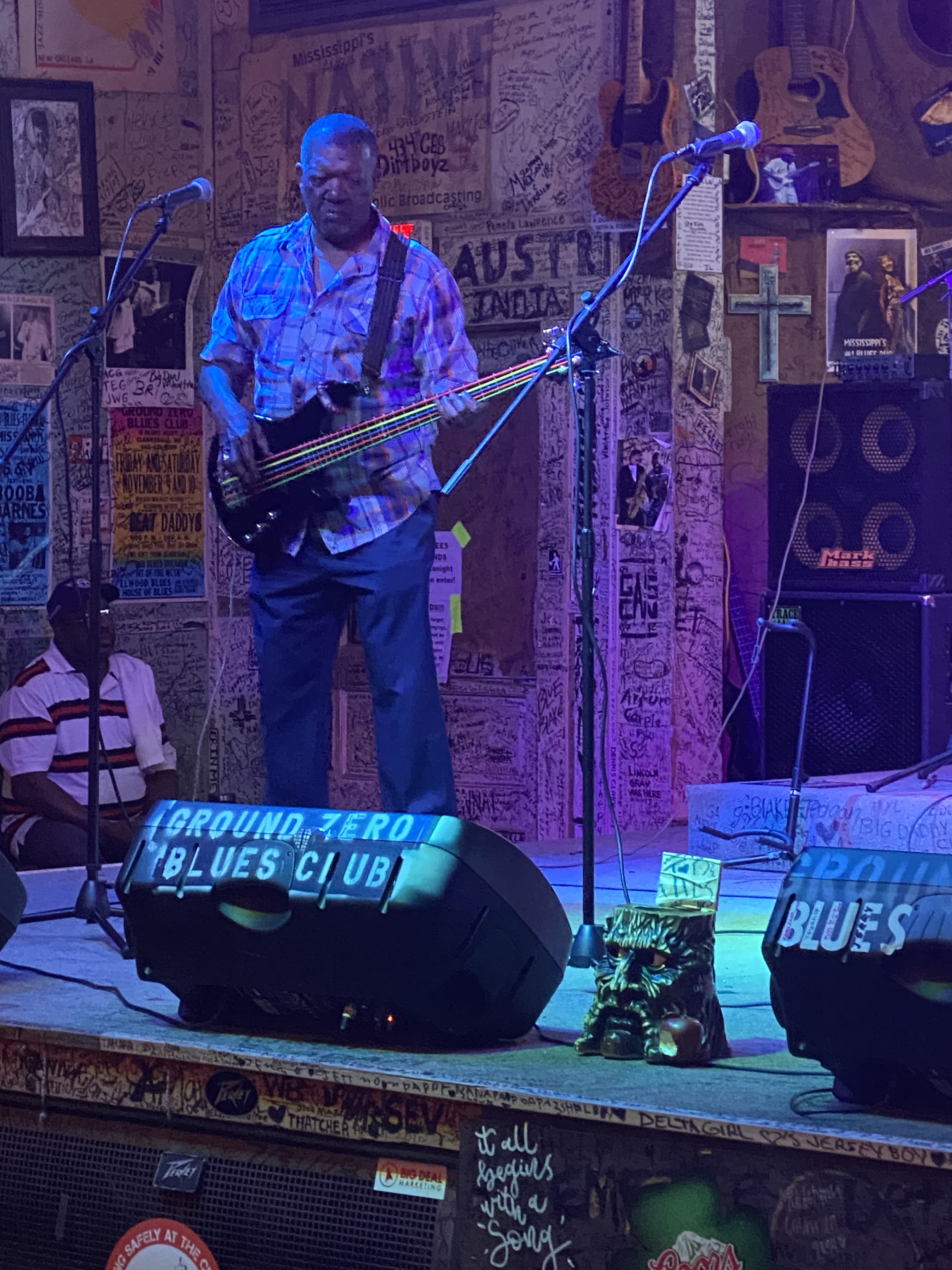
Clarksdale boasts live Blues music every day of the year at one or more of the local blues clubs, bars or juke joints. The town itself is a bit hardscrabble but please don’t let that keep you away. Even if you are not a fan of the blues we think you will enjoy the live performances that take place at the various venues in town, all of which are very intimate and, you will hear the real Blues. Typically, you will pay $10 – $15 for a show that will run from two to four hours!

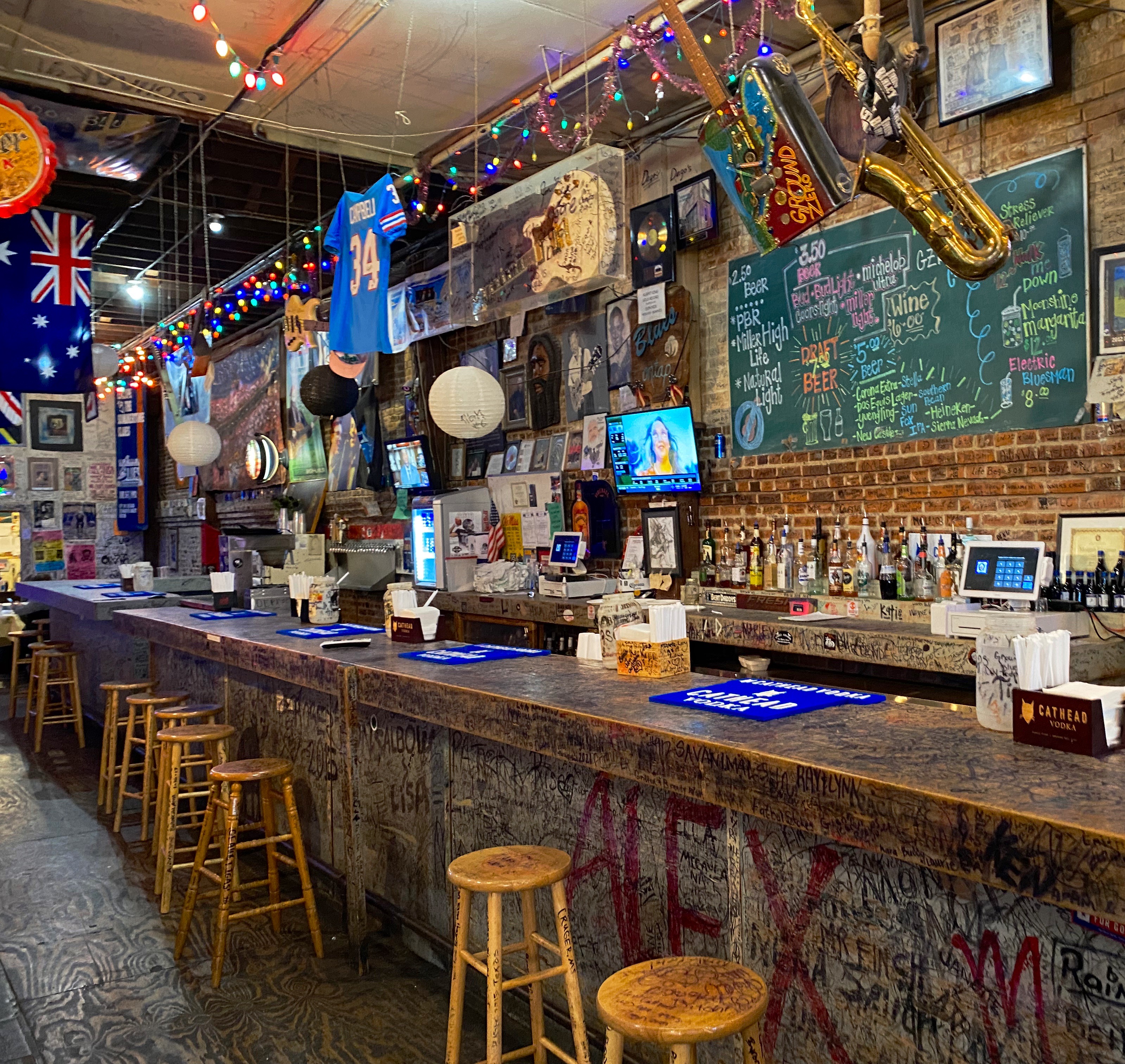
Ground Zero Blues Club

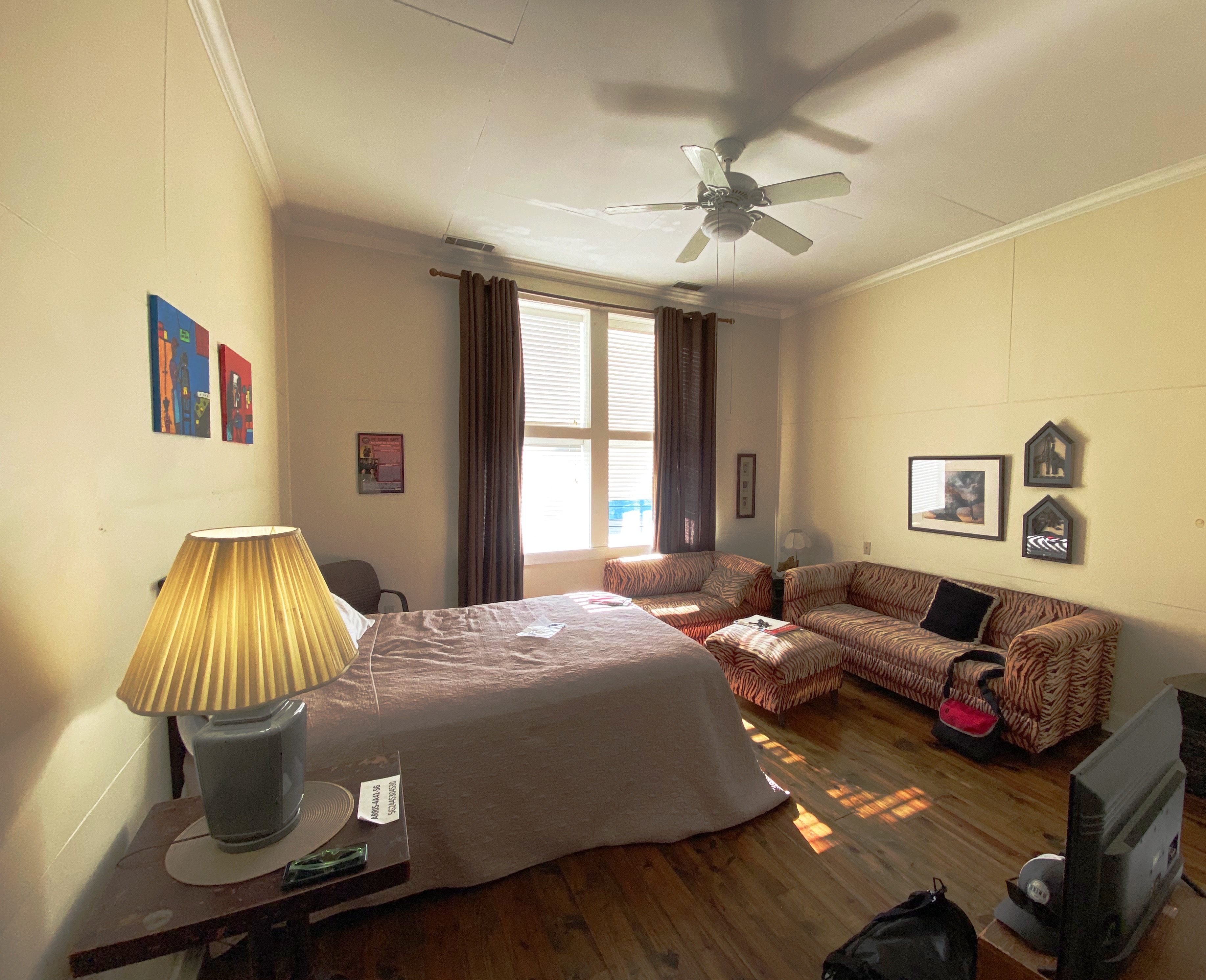
We opted to stay in an apartment above the Ground Zero Blues Club which is convenient-unless you plan on sleeping before midnight. We were in town to hear the Blues, so we figured it was all part of the experience. https://www.groundzerobluesclub.com/

Clarksdale is also home to the Delta Blues Museum. We spent a morning at the museum and learned a lot about the history of the Blues, the musicians and the Blues recording industry. There is a treasure trove of artifacts at the museum including musical instruments and performers’ stage costumes. We highly recommend a visit to the museum when you visit Clarksdale. We don’t have photographs to share with you as they are not allowed in the musuem.

There are several excellent restaurants in town in addition to the customary BBQ. We highly recommend Hooker Grocery & Eatery which is a two minute walk from the museum. https://www.hookergrocer.com P.S. If you like pancakes make sure to try Our Grandma’s House of Pancakes.

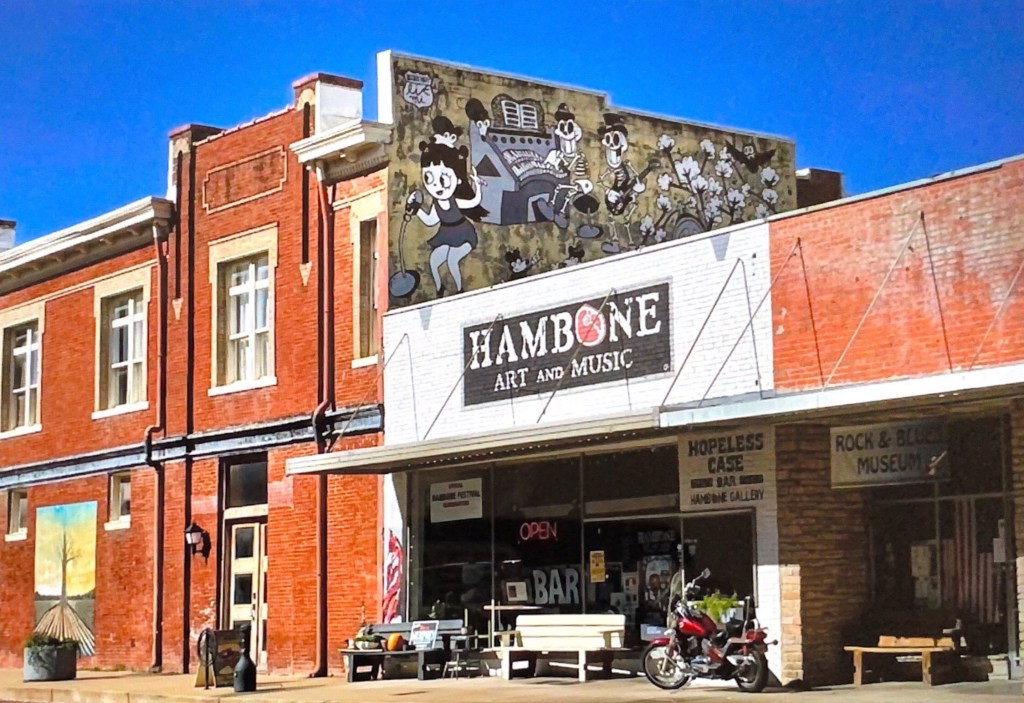
Last, but certainly not least, we recommend a visit to Hambone Art & Music. We popped into this gallery for a quick look around and then spent several hours with the owner Stan Street. He is a transplant to Mississippi and was a touring musician before settling here and focusing on his painting.

Stan bought a vacant building and converted it into his gallery in the front, his studio in the rear and his apartment above. He also operates a small bar in the studio and has a stage for musical performances. We really like his artwork and we were amazed to find out that he is largely a self-taught artist.

Greenville – do not, we repeat, do not get your car washed!

We visited Greenville after reading that there is a state park there with a hiking trail along the Mississippi and a 60 foot tall observation tower that provides fantastic views along the Mississippi River. WRONG! The park was turned over to Greenville and the town has not maintained the park other than the small boardwalk when you first enter the park. This was our first disappointment with Greenville.

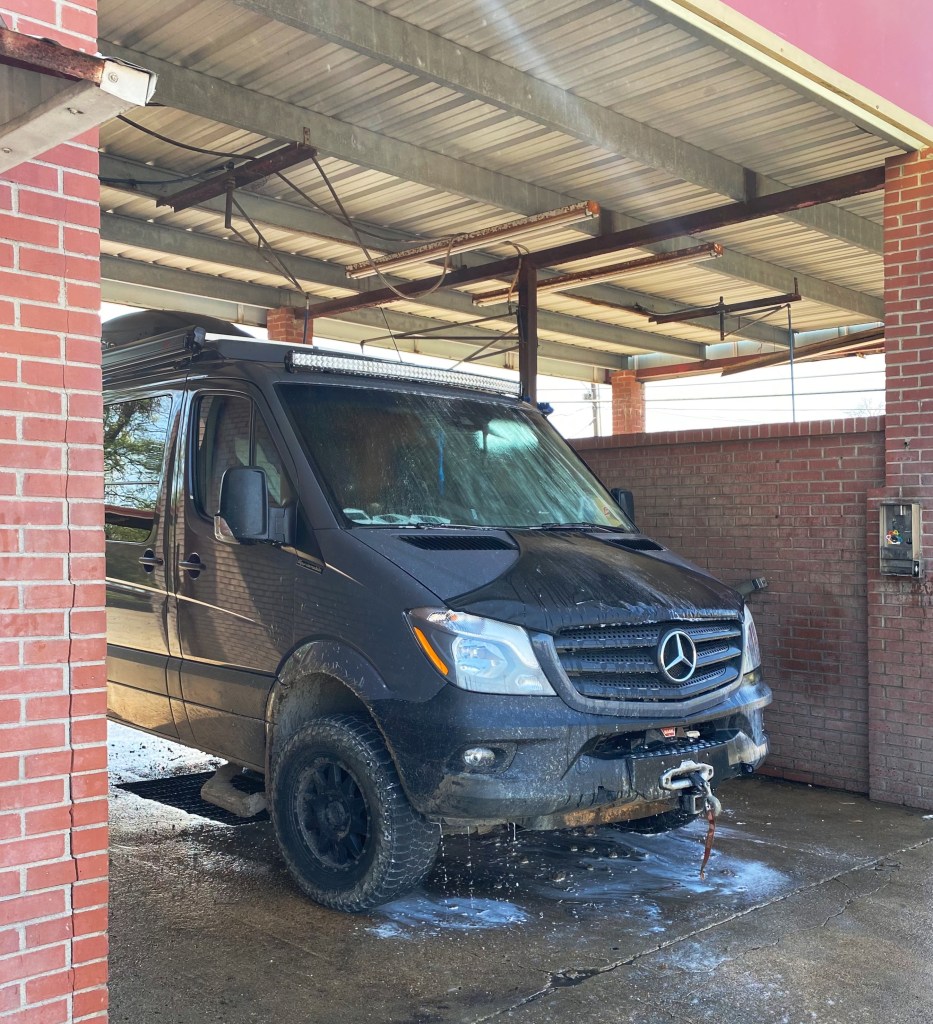
As we were leaving town we spotted a self service car wash and pulled in to hose the van off – you may have noticed in our photographs the Beast is in perpetual need of a wash. Immediately, a man told me he was an employee and would wash the vehicle – a minute later another man showed up and informed me he was going to help wash the car and then a third man showed up to help wash the car.

At his point we knew we had a problem – none of these guys worked at the car wash and that this was a shake down. We were able to persuade the third man that he was not going to get paid (although he hung around circling us). At that point, we told the two guys (taking turn hosing off the van) that we were good. The first of the gentlemen demanded $60.00 for the wash. We settled on a more reasonable amount and left town quickly.

Cleveland, or “fear the okra”

We stopped in Cleveland for coffee at Zoe Coffee. We met some nice folks at the coffee shop and learned that the coffee shop is affliated with Zoe Ministries, which focuses on providing clean water, orphan care, widow care, and education to communities in Kenya. https://zoeempowers.org/

Cleveland is also home to Delta State University. The mascot for the athletic teams is the Okra and the school chant is ”Fear the Okra!”. This is the best mascot and chant we have ever encountered! Look for DSU merchandise by the pool this summer. P.S. The men’s baseball team went 32-15 this year and is currently in Florida for the NCAA Division II regional tournament.

Vicksburg, or, it’s all about the war , no wait, it’s really all about the river

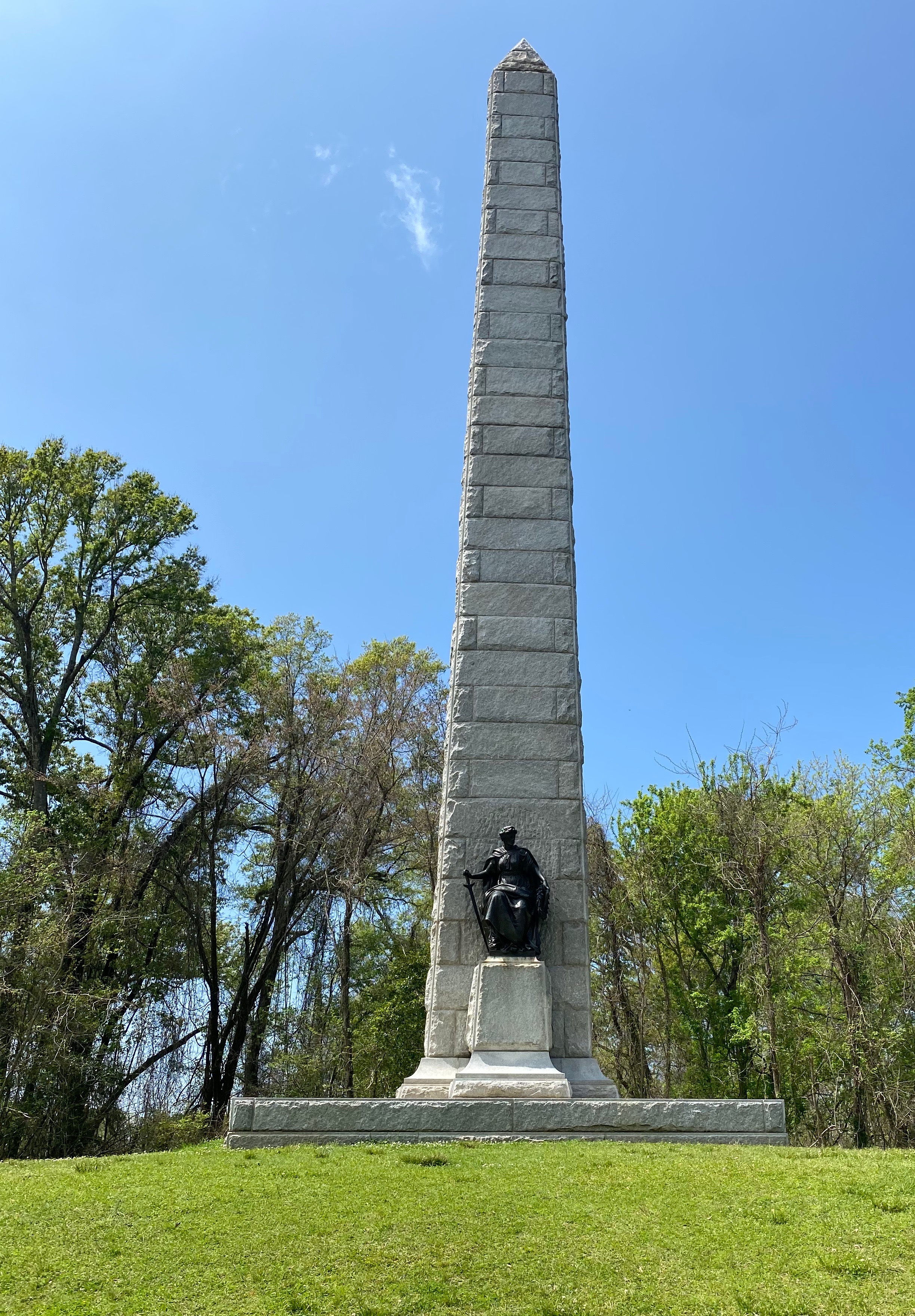
Vicksburg, MS is undoubtedly best known as the site of a major Civil War Battle which was a turning point in the war in favor of the Union. We were keen on visiting the Vicksburg National Military Park (VNMP) to gain a better understanding of this historic battle and see the battlefield.

The Mississippi River was a critical supply route for the Confederacy. Vicksburg sits on a bluff high above the eastern side of the river and was heavily fortified with artillery to stop Union forces from cutting off this essential supply route. The Union forces knew that taking control of the river would seal the defeat of the South.

After several failed Union attempts to take Vicksburg, General U.S. Grant laid seige to Vicksburg. Grant surrounded the city with over 77,000 troops. The 29.000 Confederate troops dug in to defend the city. Confederate attempts to break through the encircled city and resupply the soldiers and citizens failed. After 47 days, with all food and water supplies exhausted, the troops and citizens surrendered; the mighty Mississippi was under Union control. For additional information: https://www.nps.gov/vick/index.htm

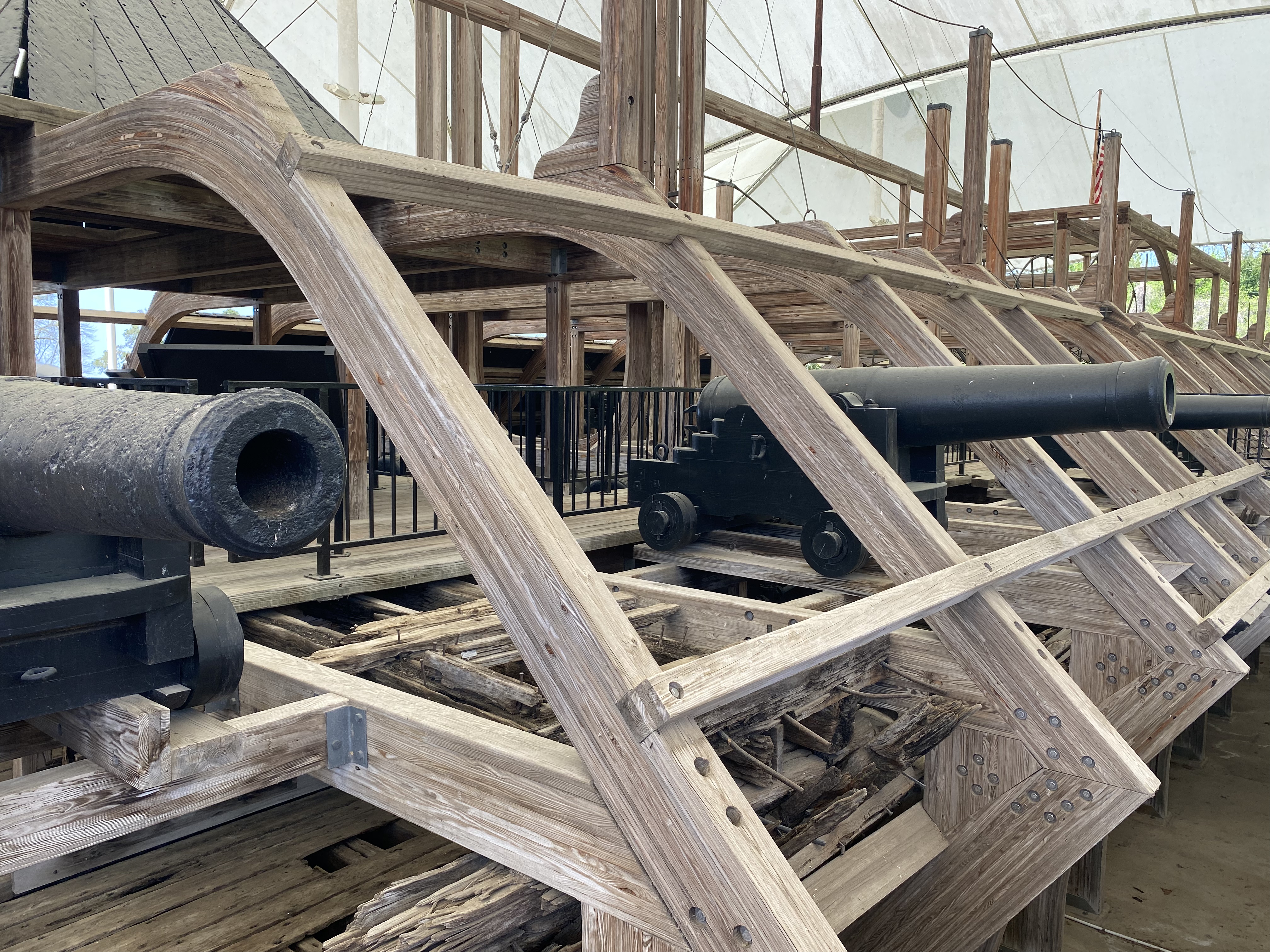
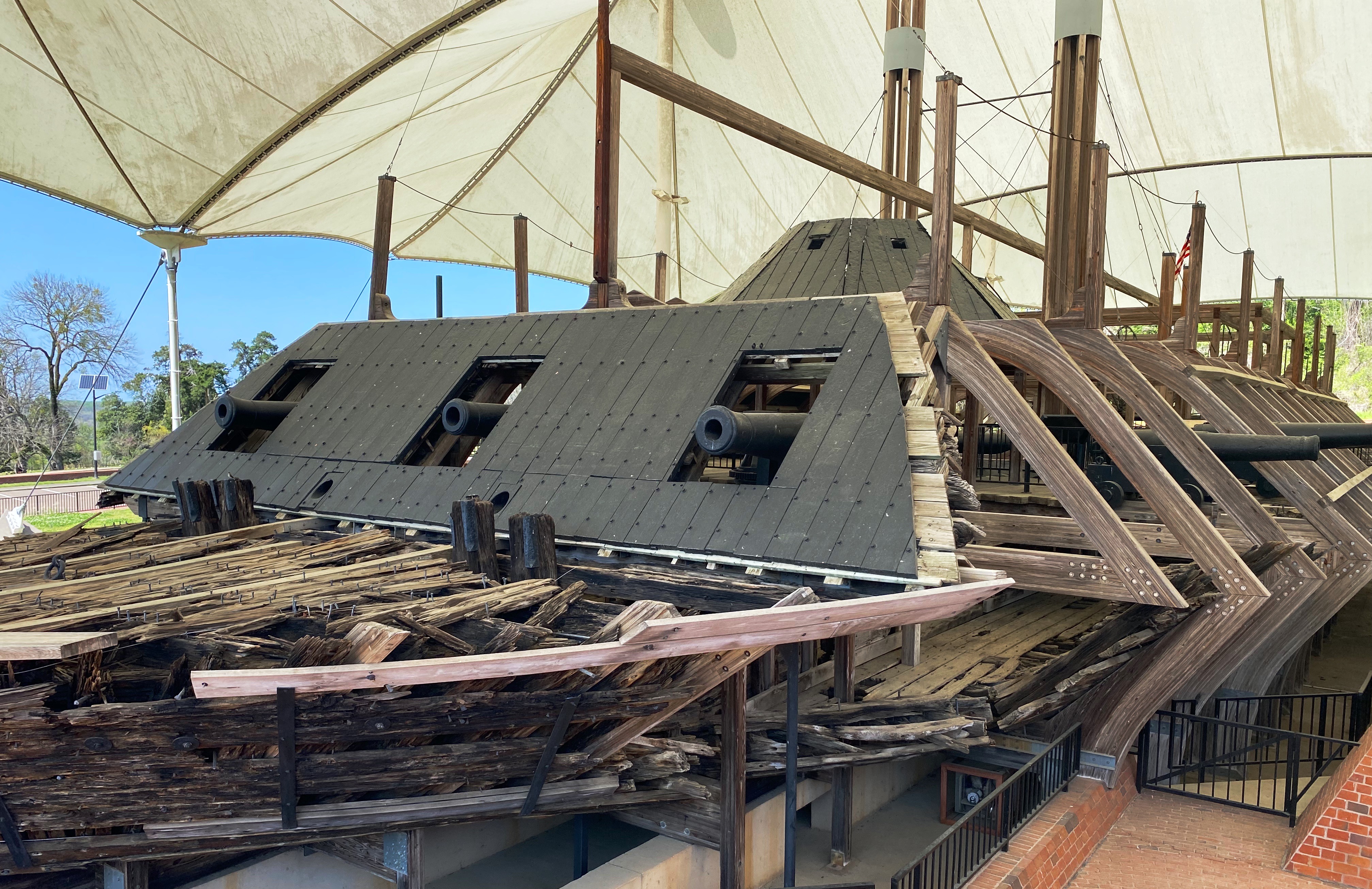
In addition to the battlefield, there is a museum in the park which includes the remains of the Union ironclad gunboat USS Cairo. The Cairo was sunk by Confederate torpedos seven miles north of Vicksburg. It slipped back into the river after being beached and abandoned. Over 100 years later the ironclad was raised, restored and given to the National Park Service. For additional information: https://www.nps.gov/vick/u-s-s-cairo-gunboat.htm

Historic downtown Vicksburg is perched above the river south of the main artillery emplacements and battlefield. A number of excellent restaurants, rooftop bars and art galleries can be found there. The Jesse Bent Lower Mississippi River Museum, managed by the US Army Corps of Engineers, is on the waterfront and worth a visit.

The Mississippi River is still a vital supply route for the US economy. The Corps, one of the largest employers in the area, is responsible for commercial navigation, flood risk management and environmental stewardship.

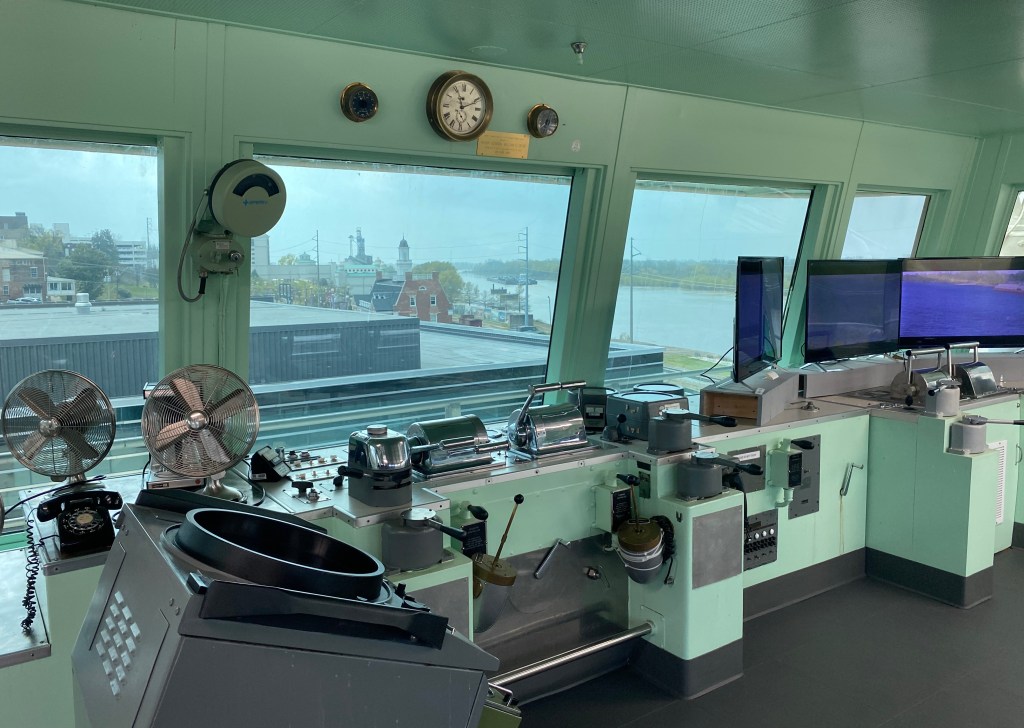
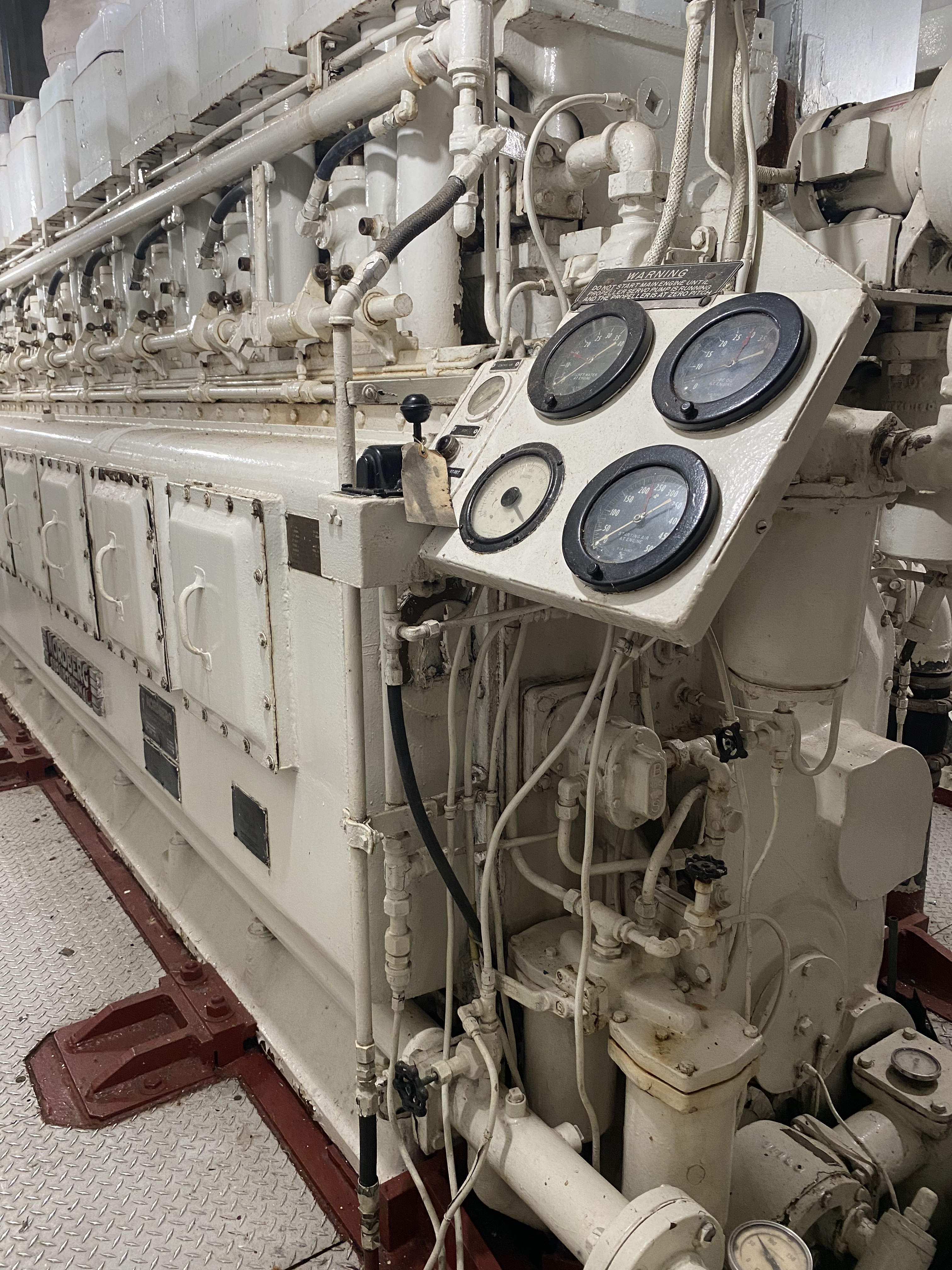
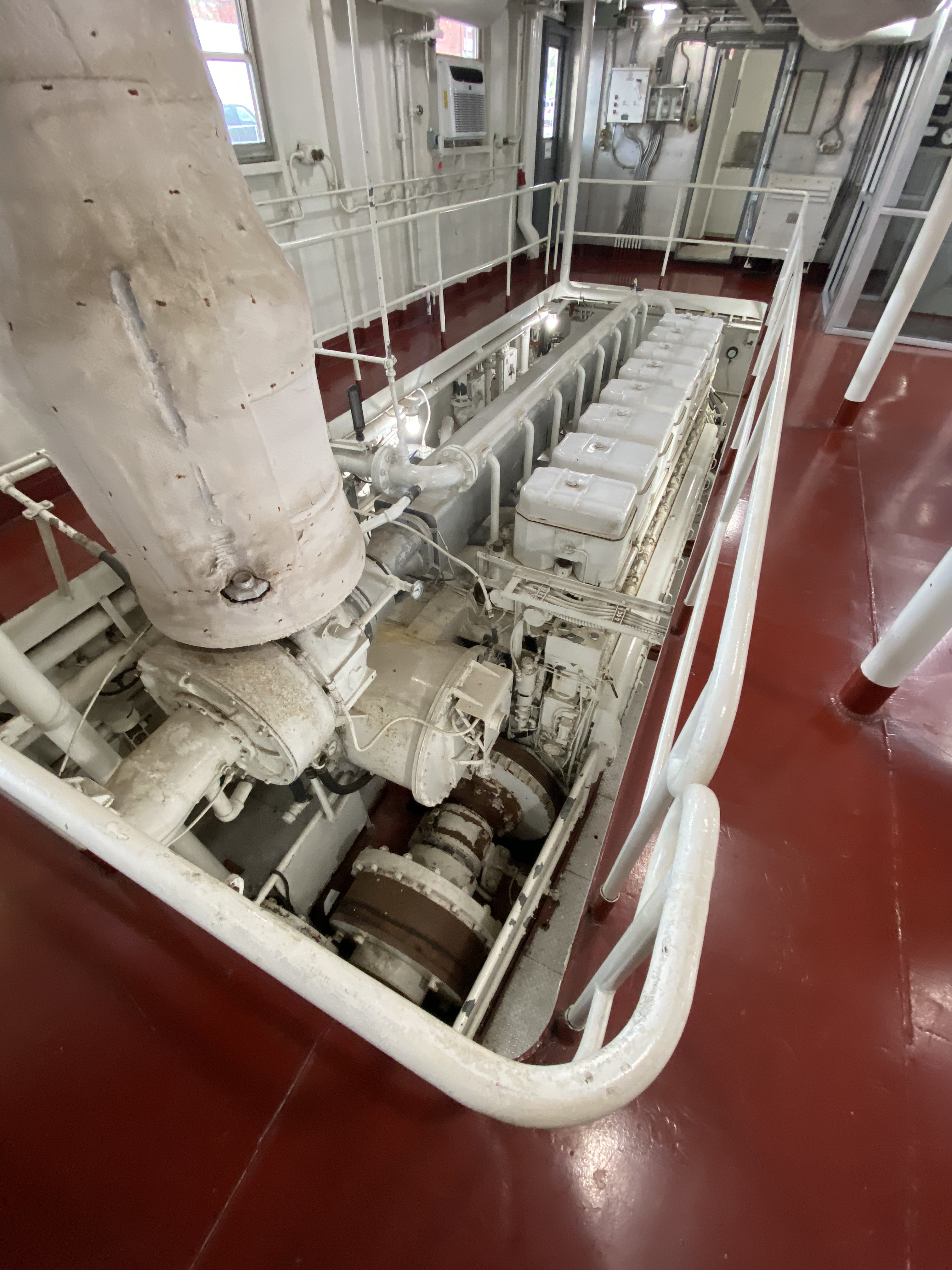
A visit to the museum also includes the opportunity to tour the retired M/V Mississippi IV. The Mississippi IV was a tow boat used by the Army Corp from 1961 until 1993 when it was retired.

M/V Mississippi IV (Photo courtesy of Army Corp)

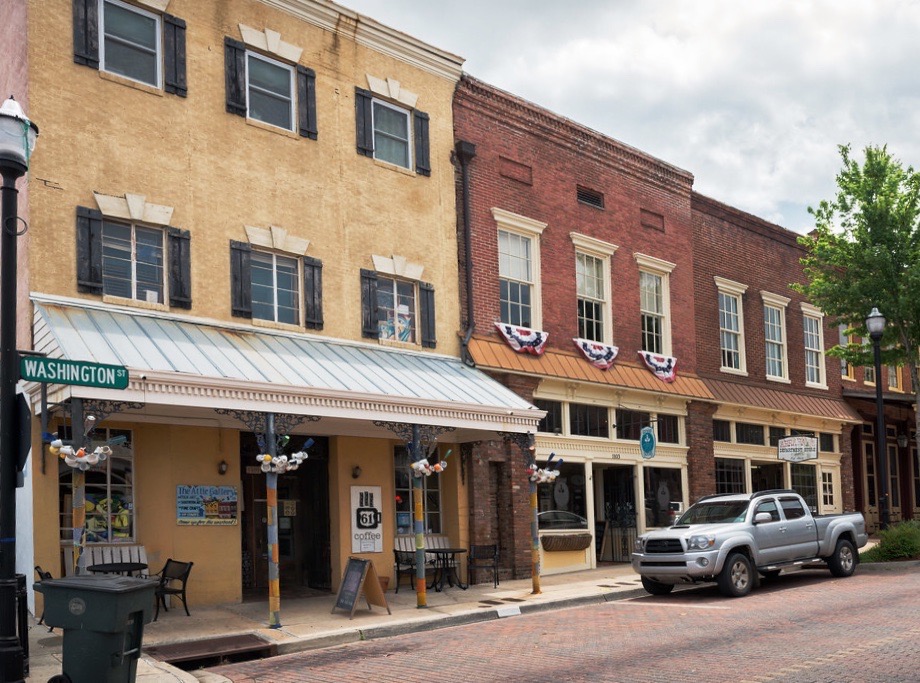
Our endless search for good coffee and tea took us to Highway 61 Coffee House in downtown Vicksburg. Highway 61 is a local coffee house with a cast of characters. We immediately ingratiated ourselves with the owner Daniel Boone – yes! – and his cohorts by making a donation to their poporn machine fund.

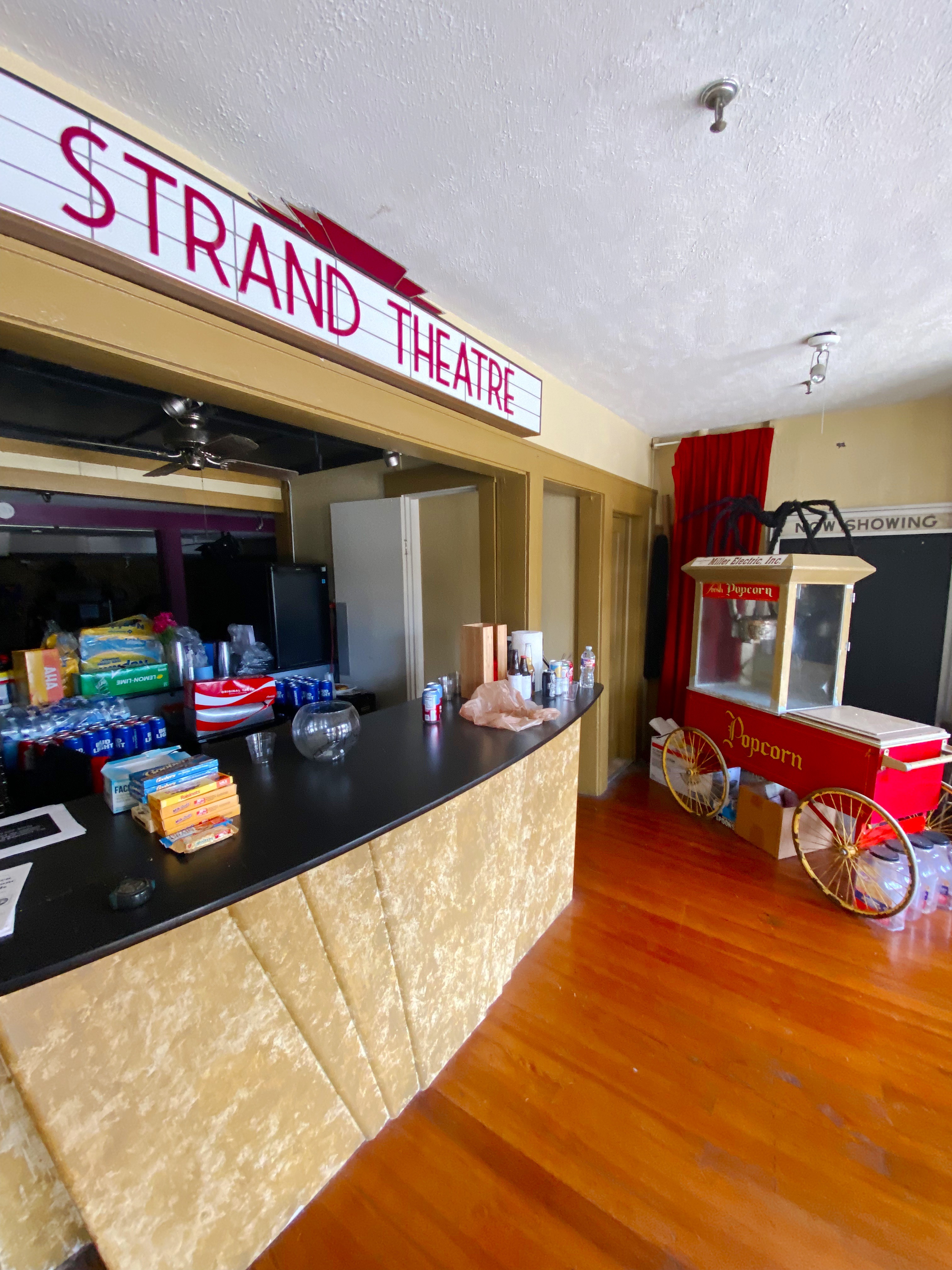
When Daniel Boone and his friends are not serving or drinking coffee they are the leaders of a local art movie house and amateur theater company. The popcorn machine that they have been utilizing for the last 14 years (on loan) for movie nights is going to be taken back by the owner.

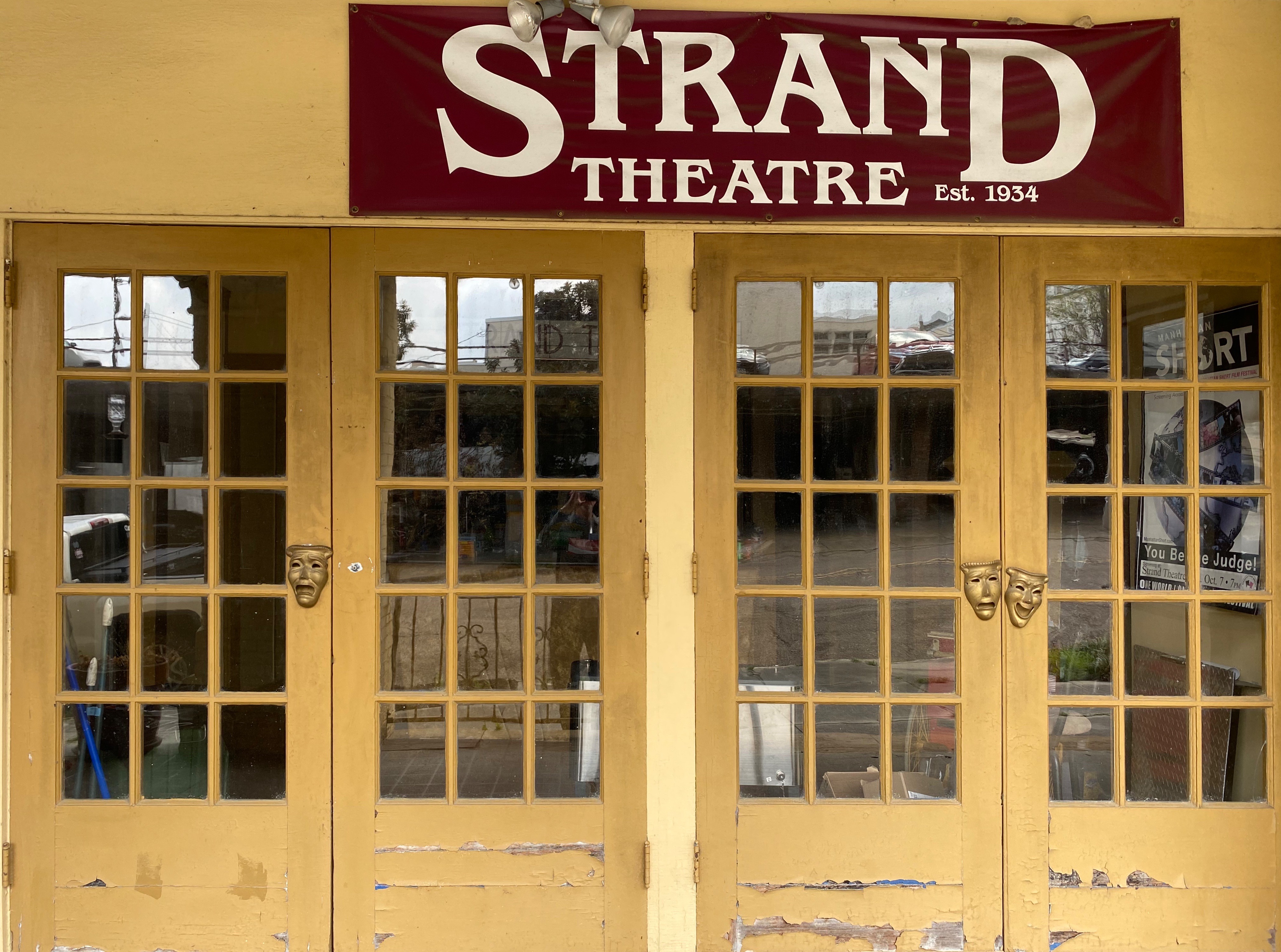
Our donation to the fund earned us a private guided tour of the Strand Theater with Jack Burns – a board member and coffee shop regular. The Strand was a movie theater until it closed in 1963. The building remained vacant for a number of years until the theater group struck a deal with the owner to lease the facility for both live theater performances and screening movies. The interior was renovated by volunteers from the community who were very interested in having an opportunity to see art house movies and community theater. An excellent history of the building can be found at Urban Decay: https://worldofdecay.blogspot.com/2011/04/strand-theatre-vicksburg-mississippi.html Strand Theater: http://www.strandvicksburg.com/

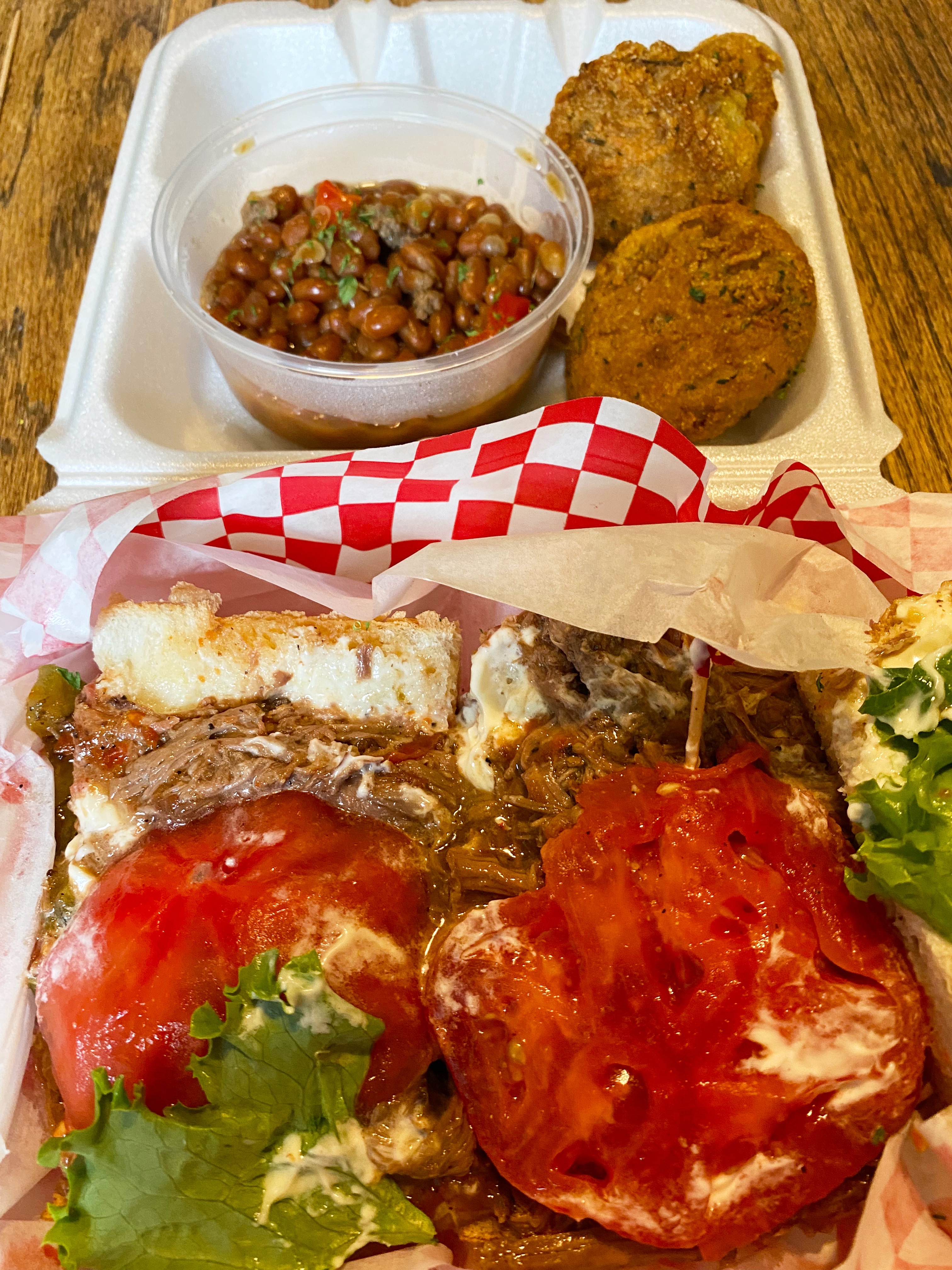
While we might attempt to live on coffee, tea, and wine, we are reasonably certain that as pleasant as that scenario sounds it would not work in the long run. So, we went in search of victuals during our Vicksburg visit and found a gem just outside of downtown. The Tomato Place started as a roadside produce stand and evolved into a restaurant and mercantile in addition to a produce stand- all still sitting roadside in a collection of colorful shacks. The Tomato Place is a must when you visit Vicksburg. For more information: https://www.onlyinyourstate.com/mississippi/you-havent-lived-until-youve-tried-the-blt-from-the-tomato-place-in-ms/

Jackson, or hello, art minton

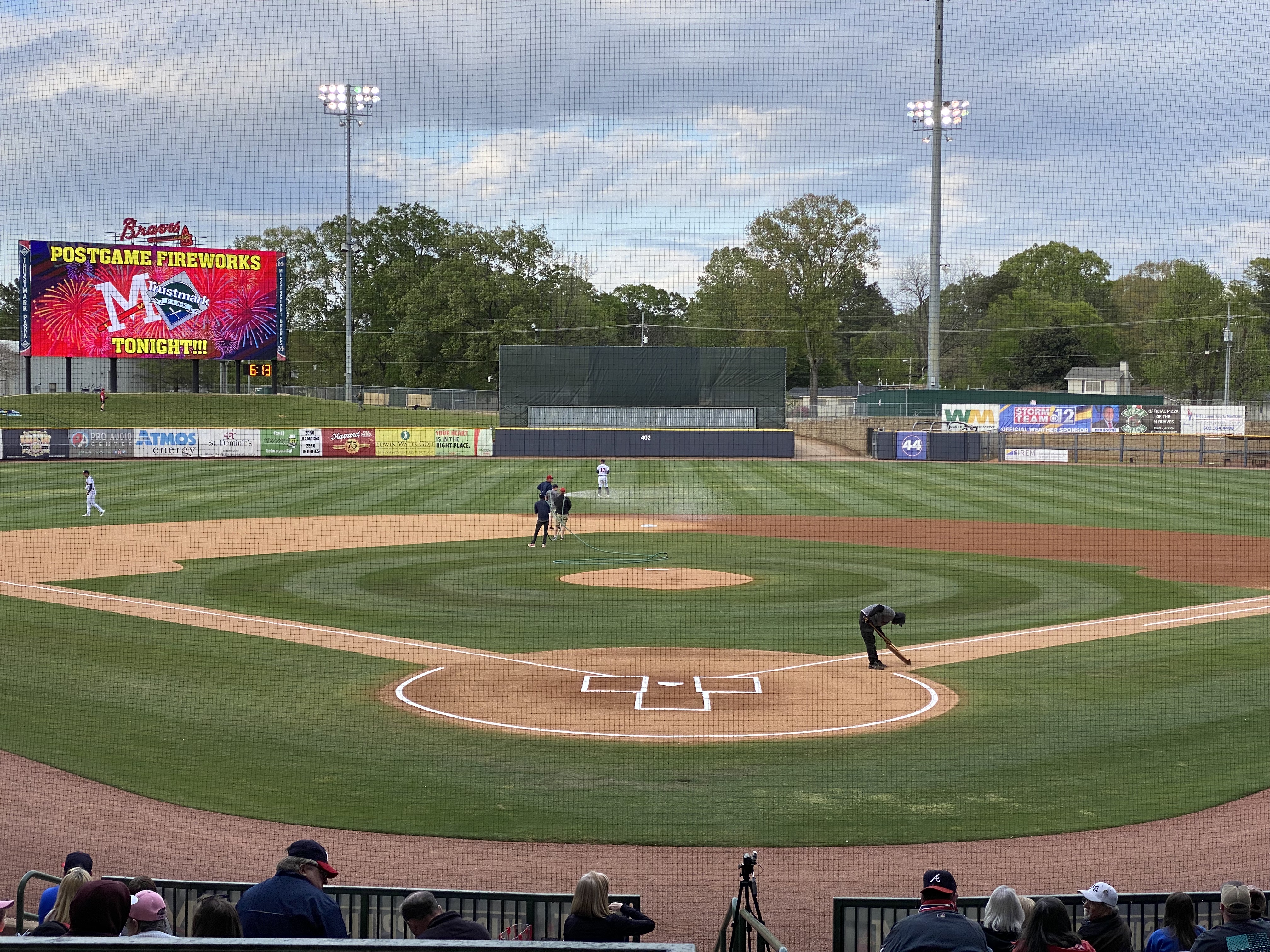
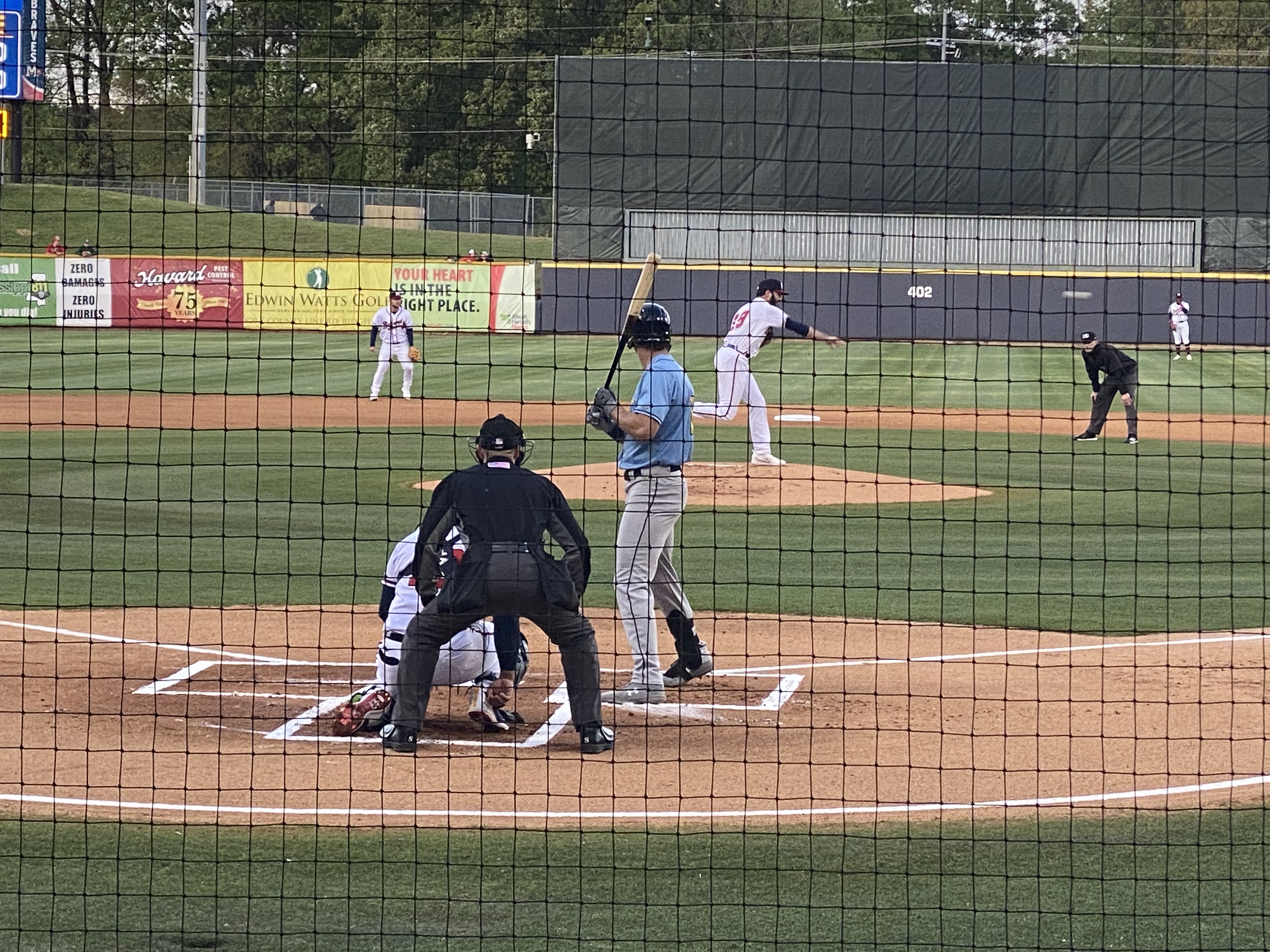
While in Vicksburg we decided to pop over to Jackson to see some minor league baseball. Jackson is home to the Mississippi Braves – the Double A affliliate of the Atlanta Braves. It also gave us the excuse to listen to the Johnny Cash – June Carter Cash version of the song Jackson for the entire ride from Vicksburg to Jackson. “We got married in a fever. Hotter than a peppered sprout. We’ve been talking bout Jackson ever since the fire went out. Oh, we’re going to Jackson.” Dang, that’s good music!!
The Natchez Trace runs just north of Jackson. We have driven the majority of the Trace during the course of several trips through Mississippi but had never done any biking as part of our travels along the Trace. Jackson provided a great opportunity to do so as the Chischa Fokka Greenway runs parallel to the Trace for a number of miles. It’s a great trail that cuts through Pine stands and farmland as you head north from Jackson.

Chischa Fokka Greenway

We enjoyed our brief stay in Jackson with the added bonus of meeting @art.minton. Art is a fellow van adventurer who lives in Jackson and we follow each other on Instagram. He spotted our van while we were leaving Pig and Pint after having just finished dinner—Serendipity—Very cool!

The road to Rodney

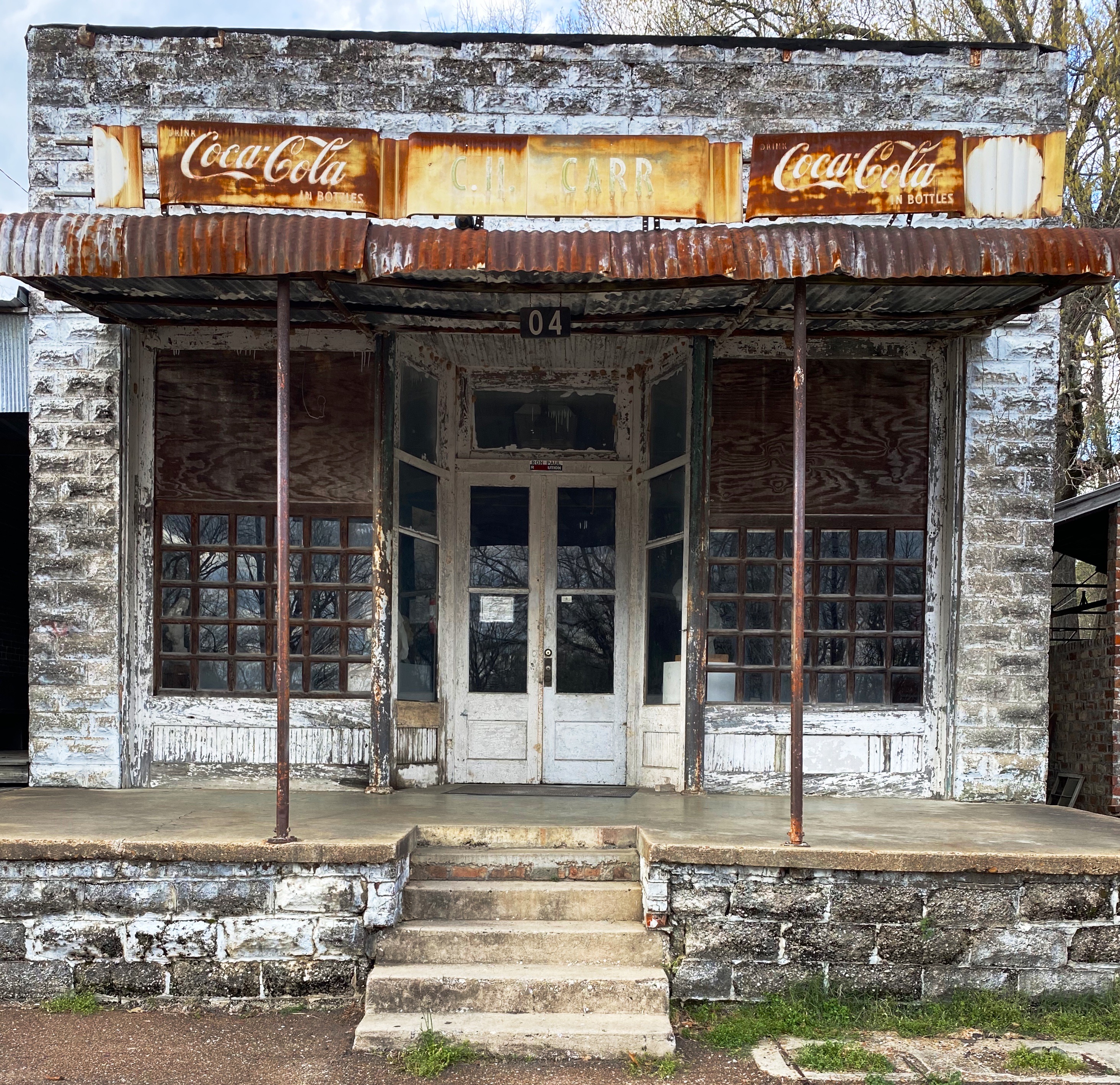
We decided to visit Rodney after reading an interesting article in Mississippi Folk Life about efforts by a local organization to preserve the remains of Rodney. The town was once a thriving Mississippi River port city. Migration from Rodney started in earnest after 1870 – Rodney had been bombarded during the Civil War by Union gun boats, enslaved individuals were emancipated and left the cotton plantations and finally, the course of the river shifted two miles west and Rodney was no longer a port city. For an excellent history of Rodney: http://www.mississippifolklife.org/articles/haunted-by-a-ghost-town-the-lure-of-rodney-mississippi

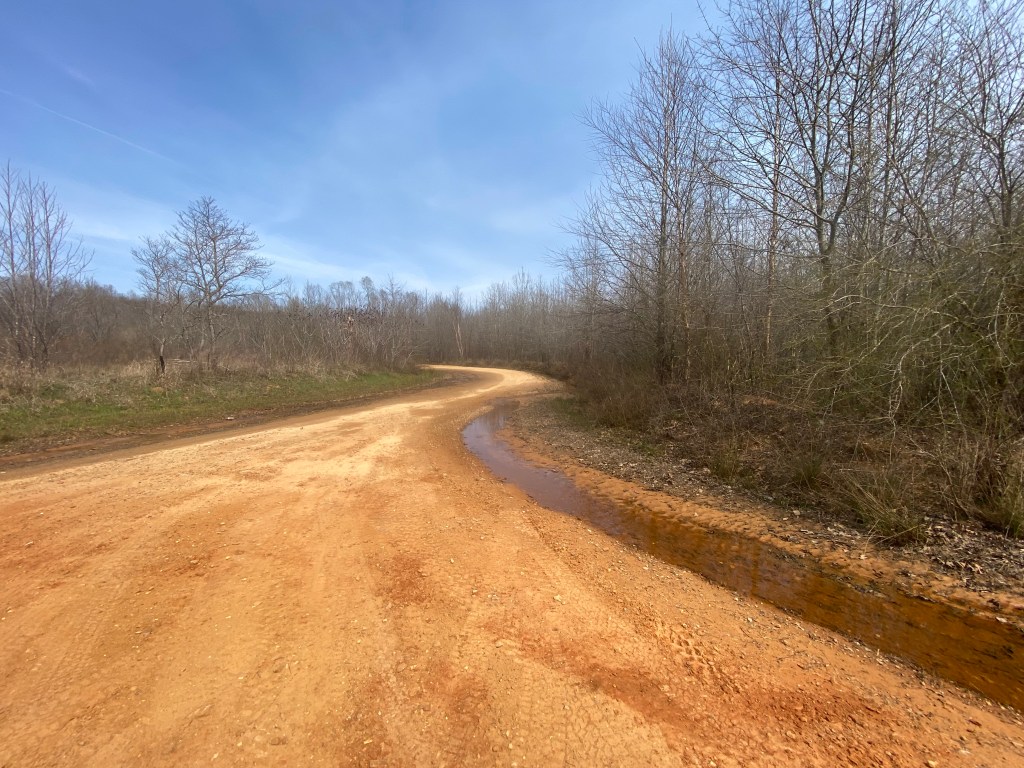
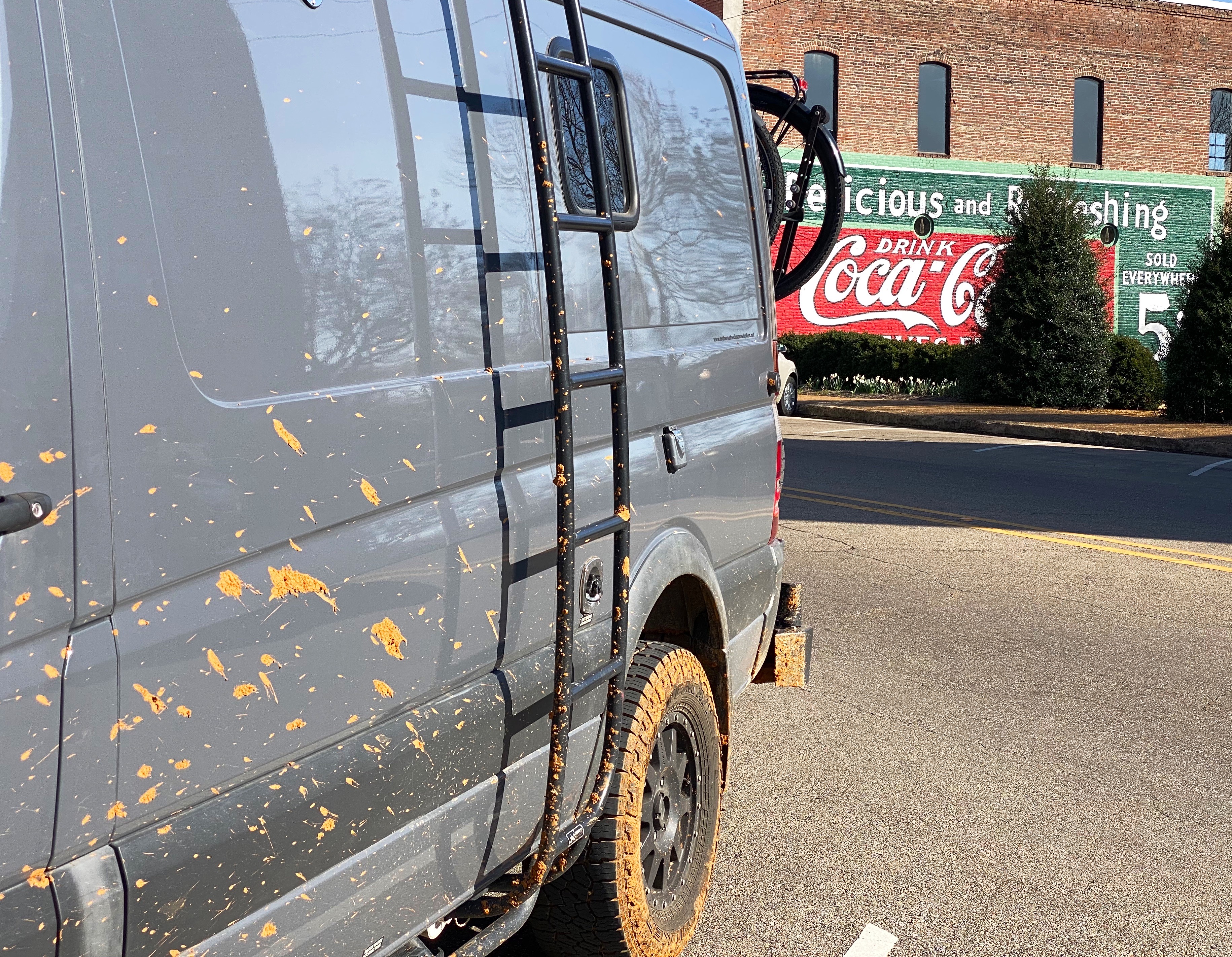
Getting to Rodney takes a bit of work. The only road to Rodney is a bumpy and muddy dirt road affair but you know we never say no to the chance for a bit of mud on the fenders.

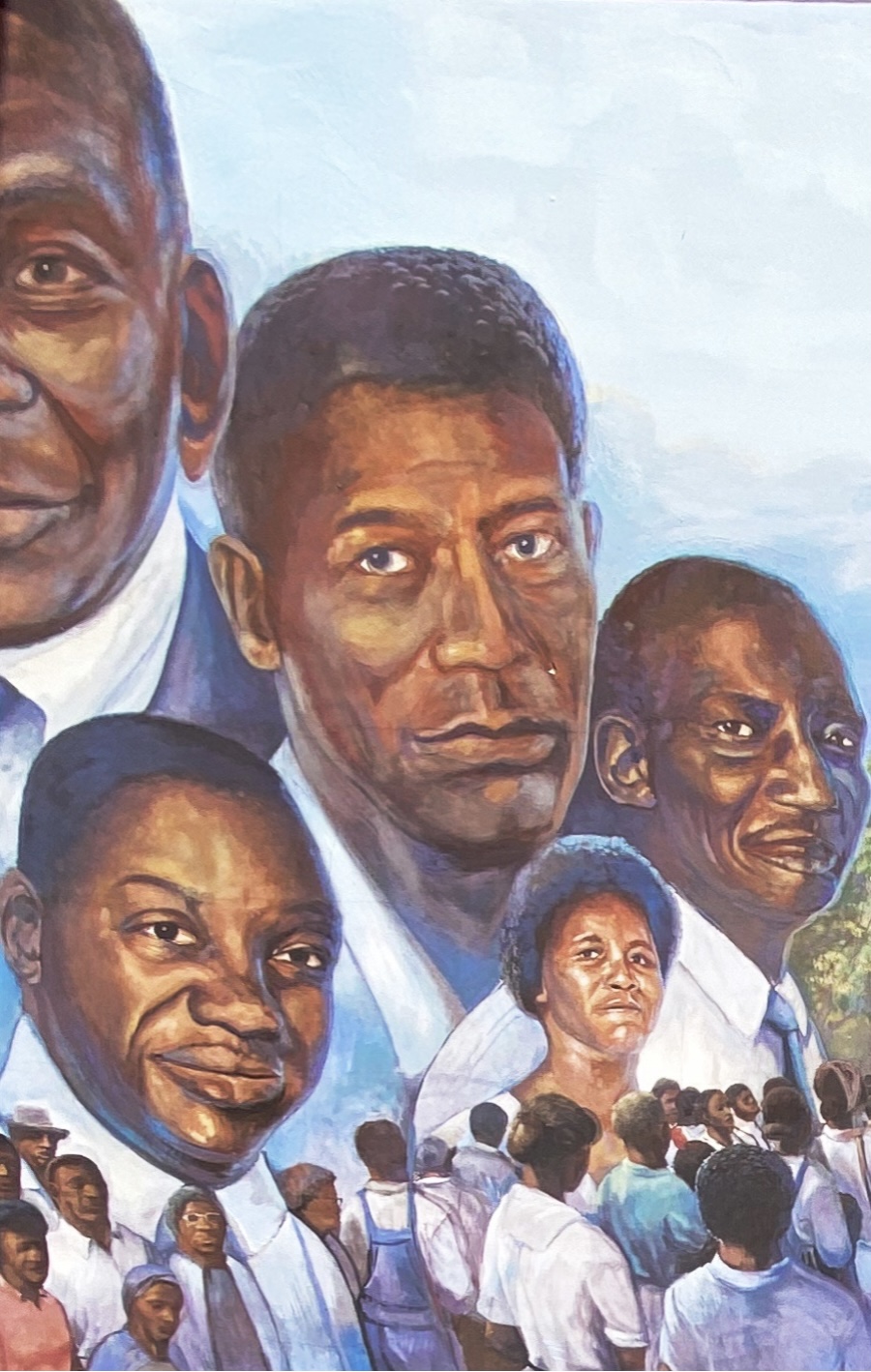
On our way to Rodney we drove through Port Gibson. Like many other southern cities during the mid-twentieth century, Port Gibson’s elected leaders and businesses were still fighting against integration and equal rights for Black citizens. That eventually led to the Boycott of 1966. The photo below from a mural in town depicts the demands. ‘Nuff said! https://mississippiencyclopedia.org/entries/port-gibson-claiborne-county-civil-rights-movement/

We also happened on the Windsor Ruins after departing Rodney. The Ruins was an antebellum Greek Revival Mansion built (by enslaved African-Americans) for a wealthy cotton planter and his wife. Today, 23 of the Corinthian coloumns are still standing. The mansion survived the Civil War (the owner did not) but burned in 1890. It was the largest Greek Revival home in Mississippi. Today it is an historic site and there are plans to complete some restoration of the columns and the grounds. For more information: https://www.mdah.ms.gov/explore-mississippi/windsor-ruins

Natchez —— Steampunk anyone?

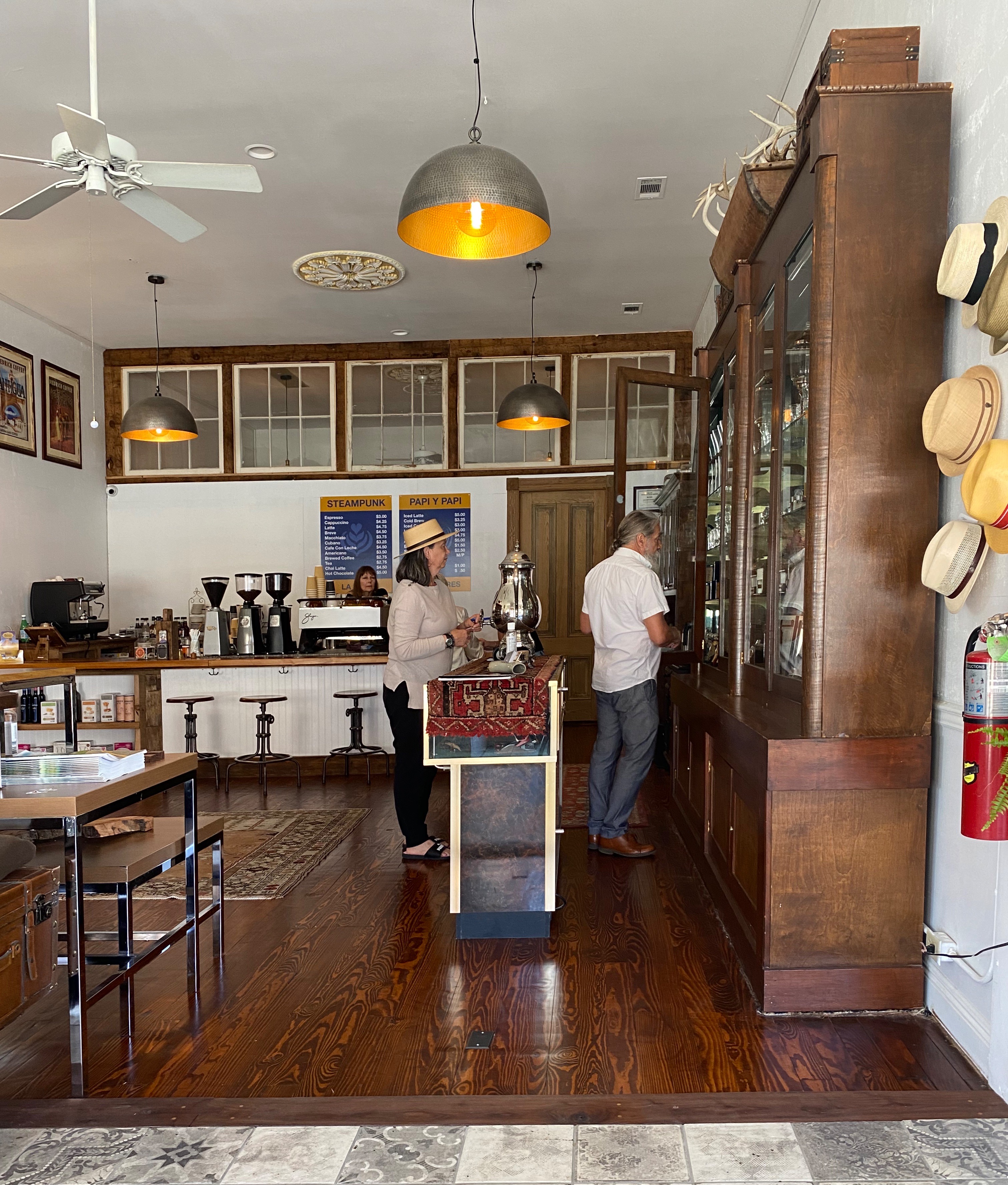
Natchez was our final stop before crossing the Mississippi into Louisiana. First stop, as always, was for espresso and tea and our research pointed to Steampunk. There we met Dub Rogers, the owner of this unique establishment. Dub Rogers was born in Mississippi but spent 30 years living and working in NYC in a variety of businesses.

Steampunk represents an amalgamation of Dub’s many interests. The shop and haberdashery sells fine cigars, coffee, tea, chocolate, conservas, mixology gear and hats (see Maria’s newest addition above) of which Dub has endless knowledge. Dub is a great host – and we almost forgot to mention that he personally renovated the handsome space that houses his boutique department store, apartment and patio.

Natchez dates back to 1716 when French traders built a Fort on the bluff overlooking the Mississippi. The French settlement came to an abrupt end when the Natchez Indians attacked the fort, killing several hundred people and enslaving a number of women and children The surviving French left the territory toute suite.

Future President Andrew Jackson built a trading post near Natchez in 1789. The trading post traded in African-American slaves. This set the course for Natchez to become a hub for slave trading – one of the most active in the South.

With the wealth accumulated from the slave and cotton trade Natchez became one of the wealthiest cities in America prior to the Civil War. Today many of the lavish antebellum homes are still standing and open for touring. Because Natchez was prized by both sides due to its location, the Union forces did not destroy it when they occupied the city.

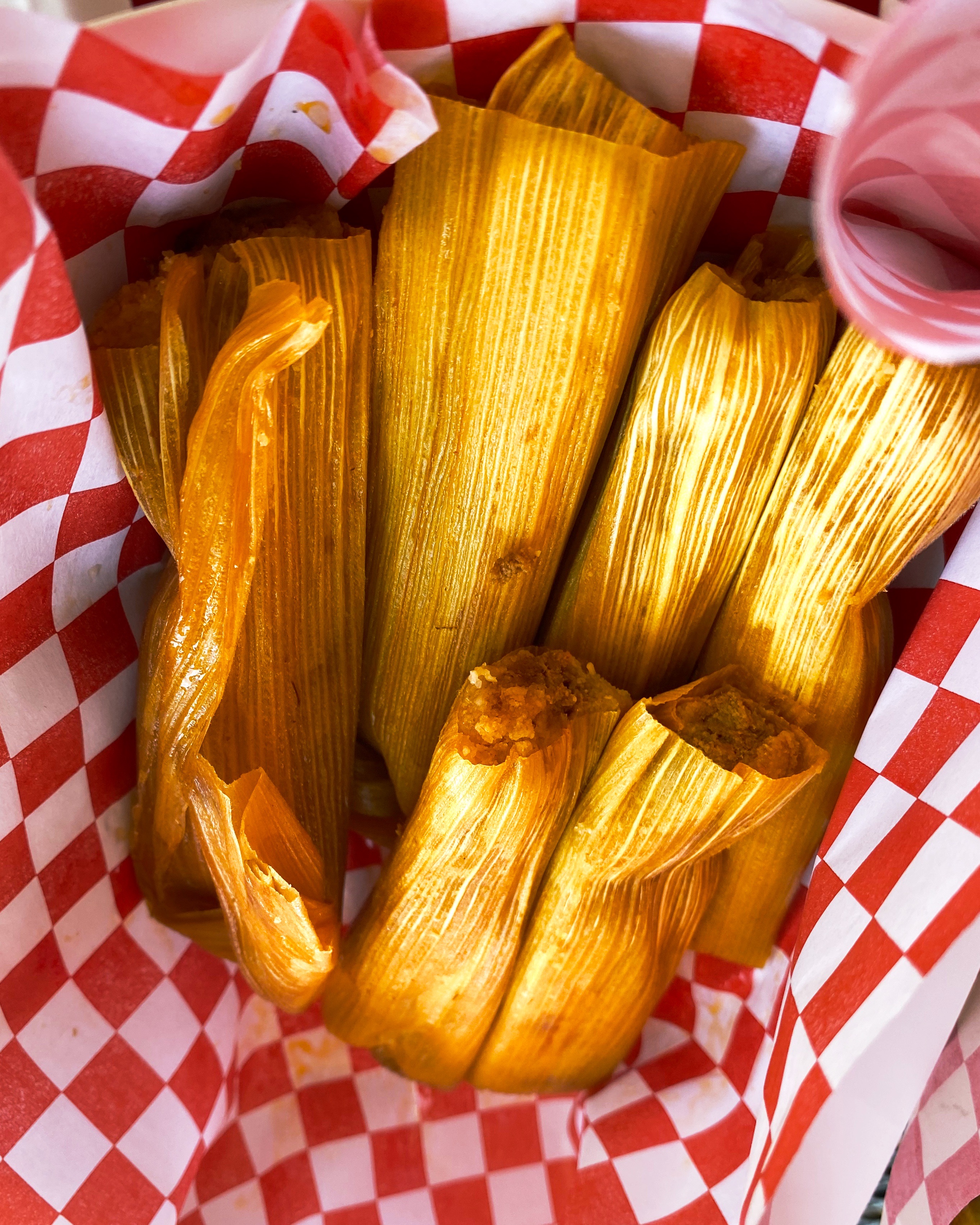
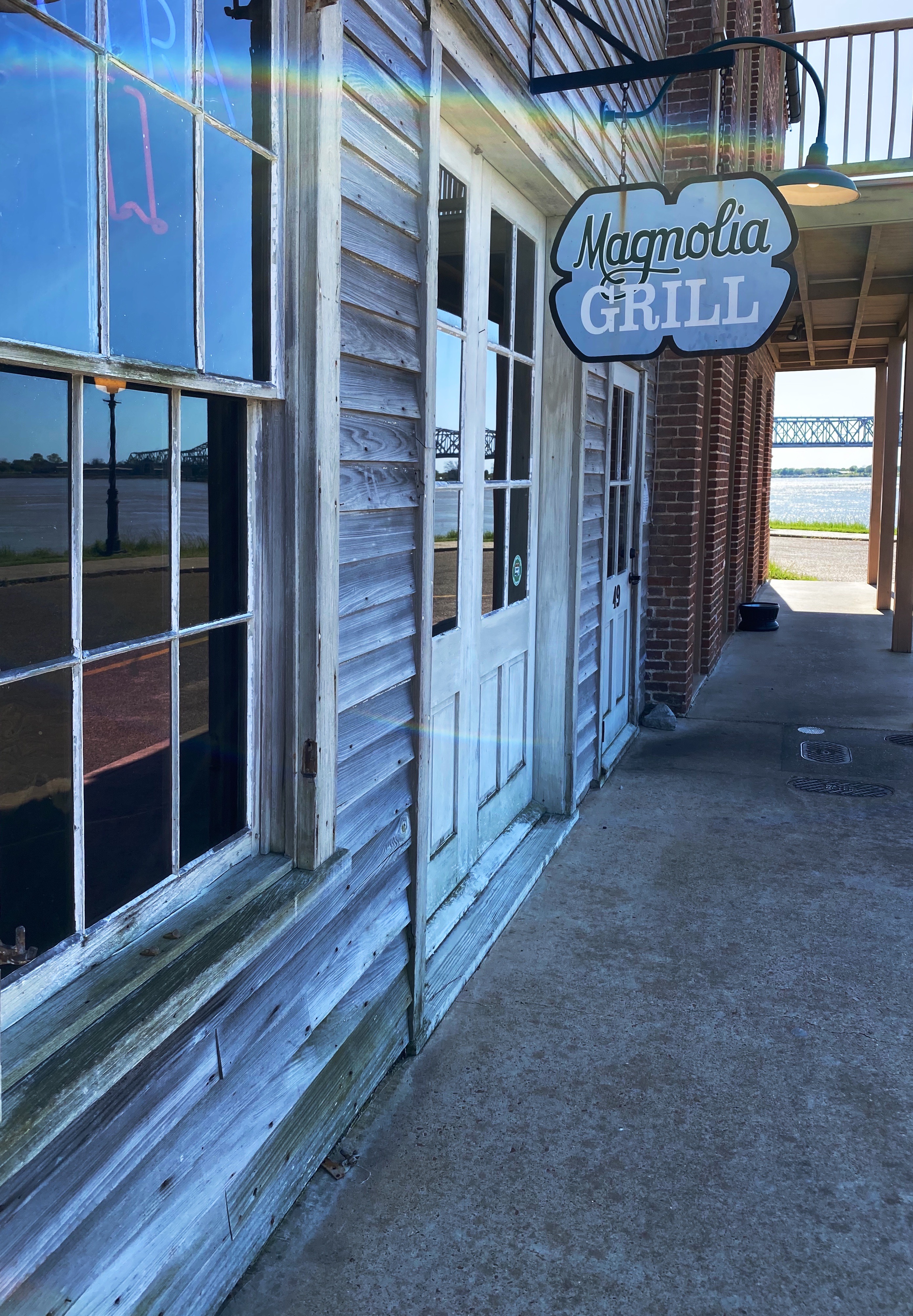
You now know where to go for all your caffeine needs in Natchez. Here are a couple of suggestions for dining: Magnolia Grill, located in the Under-the-Hill section of town down on the river (formerly the vice district of town); and Fat Mama’s Tamales is the spot for excellent tamales.

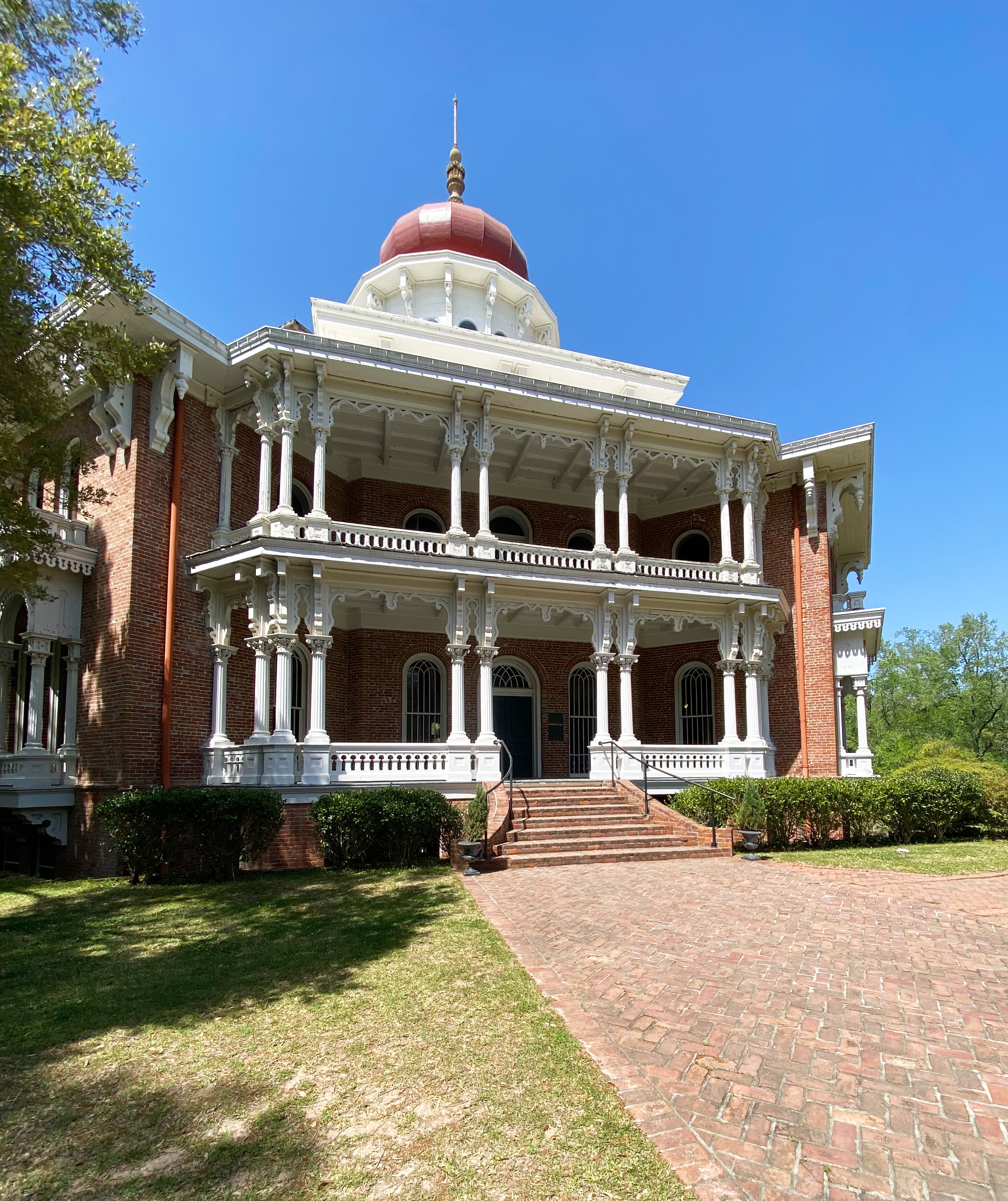
Our final foray in Natchez was visiting one of the decidely less glamorous antebellum homes in Natchez. The house is named Longwood but also derisively as Nutt’s Folly. Haller Nutt was a wealthy plantation owner who had an octagonal house designed for him and his family. The house, if completed, would have had 32 rooms.

The outbreak of the Civil War ended the construction of the home as Nutt’s financial position tumbled. Even if he had the funds to continue, work would have stopped because the majority of the craftsman completing the finish work were from Philadephia – they returned to the North as soon as the war began.

The family moved into the basement (originally designed for the house slaves). Nutt died in 1864 and his wife and children hung on to the house for many years with the help of friends and several wealthy relatives. The Nutt family sold the home to the Pilgrimage Garden Club of Natchez in 1968.

The photograph below shows the fingerprints of one of the enslaved individuals who worked on the construction of the home. The Nutt family owned 800 slaves prior to the demise of the family fortune.

Fingerprints of enslaved individual

We hope you enjoyed our final installment regarding our Mississippi exploration, thanks for reading.

Be seeing you!

ctsprinterlife: OTR 8.0: Mississippi Part One

TransAmerica Trail (TAT)

The TAT is a 4200 mile transcontinental route comprised largely of dirt and gravel roads. The trail is the creation of Sam Carrero, an avid off-road motorcyclist with a passion for exploring and tackling challenging terrain.

Sam began the process of mapping out this coast to coast off-pavement adventure in 1984. It took him 12 years to put the route together. The route utilzes only publicly accessible roads and trails, however, it is not intended for standard vehicles or standard motorcycles. Many portions of the route require 4WD and high clearance and significant portions are single lane only at best.

County Road 738
County Road 738

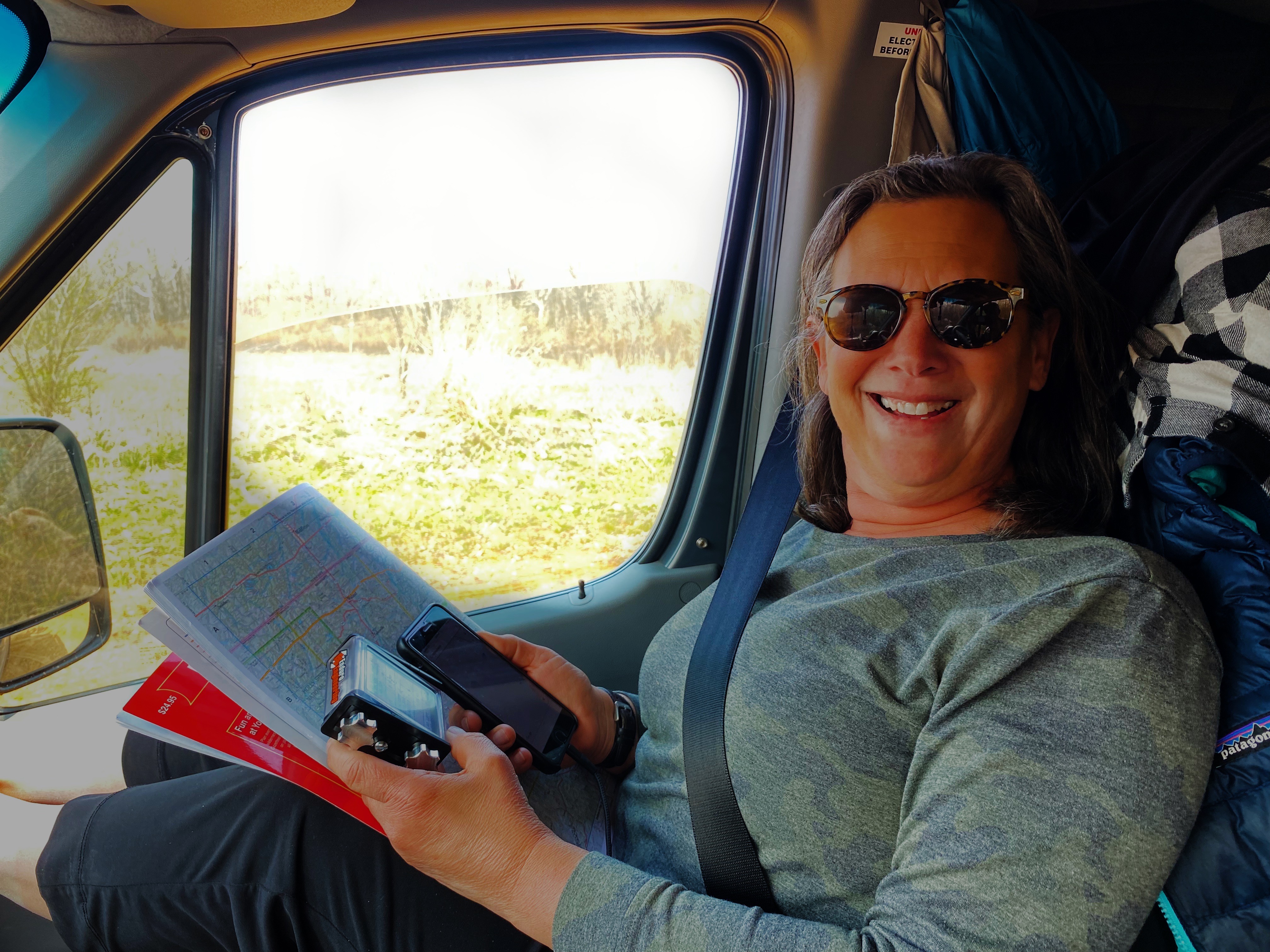
We had a blast driving the Mississippi portion of the TAT. Several nights of rain made some portions of the trail muddy but still passable. The notorious County Road 555 was partially washed out (see video below) and after a driver/navigator consultation we retreated to find a road in better condition and then rejoin the TAT!

County Road 555
County Road 555, Lambert, MS (pop. 1296 – size 544 acres)

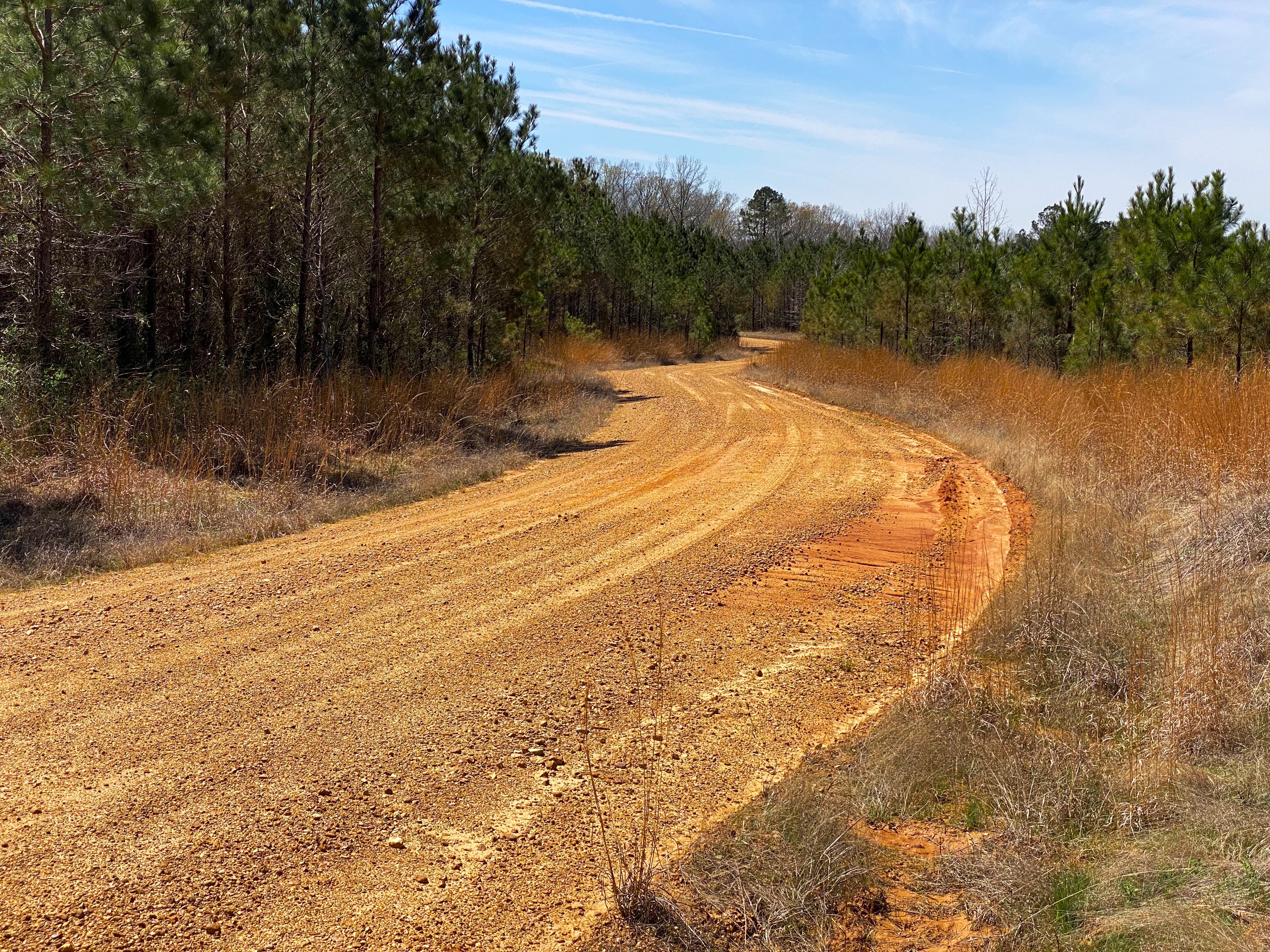
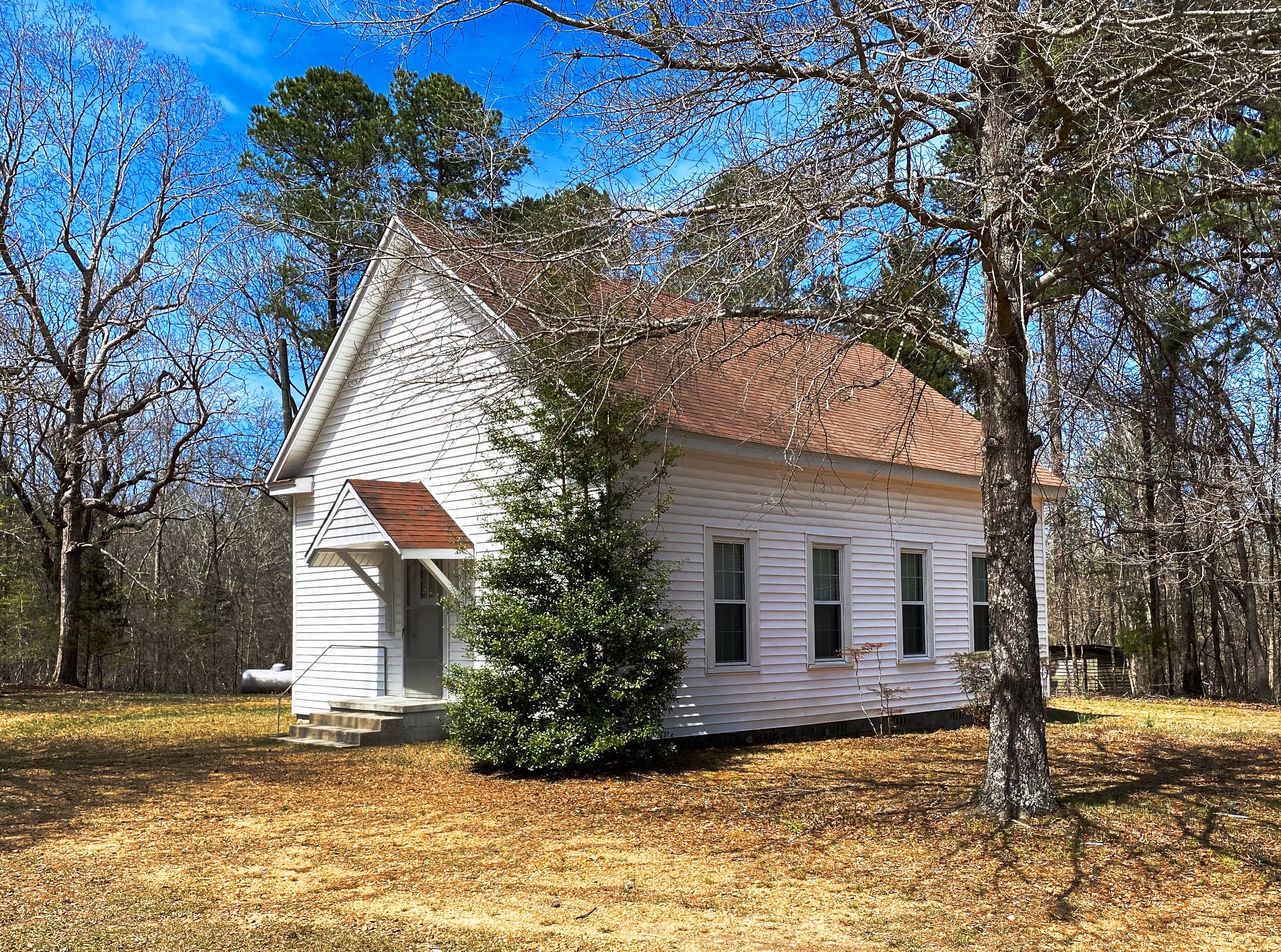
The Mississippi portion of the TAT is relatively short at about 300 miles but it provided us with a fun overlanding experience and the opportunity to travel through some very rural areas of Mississippi. The majority of the trail takes the traveler through large swaths of pine forest, some farm land and the occasional cluster of homes and a small church.

This part of Mississippi is known as the Pine Belt. When we think of the timber industry we tend to think about the massive timberlands of the West and forget that Mississippi, Alabama and Georgia are still major producers of timber. Timber is the second largest agricultural commodity in Mississippi (poultry is number one).

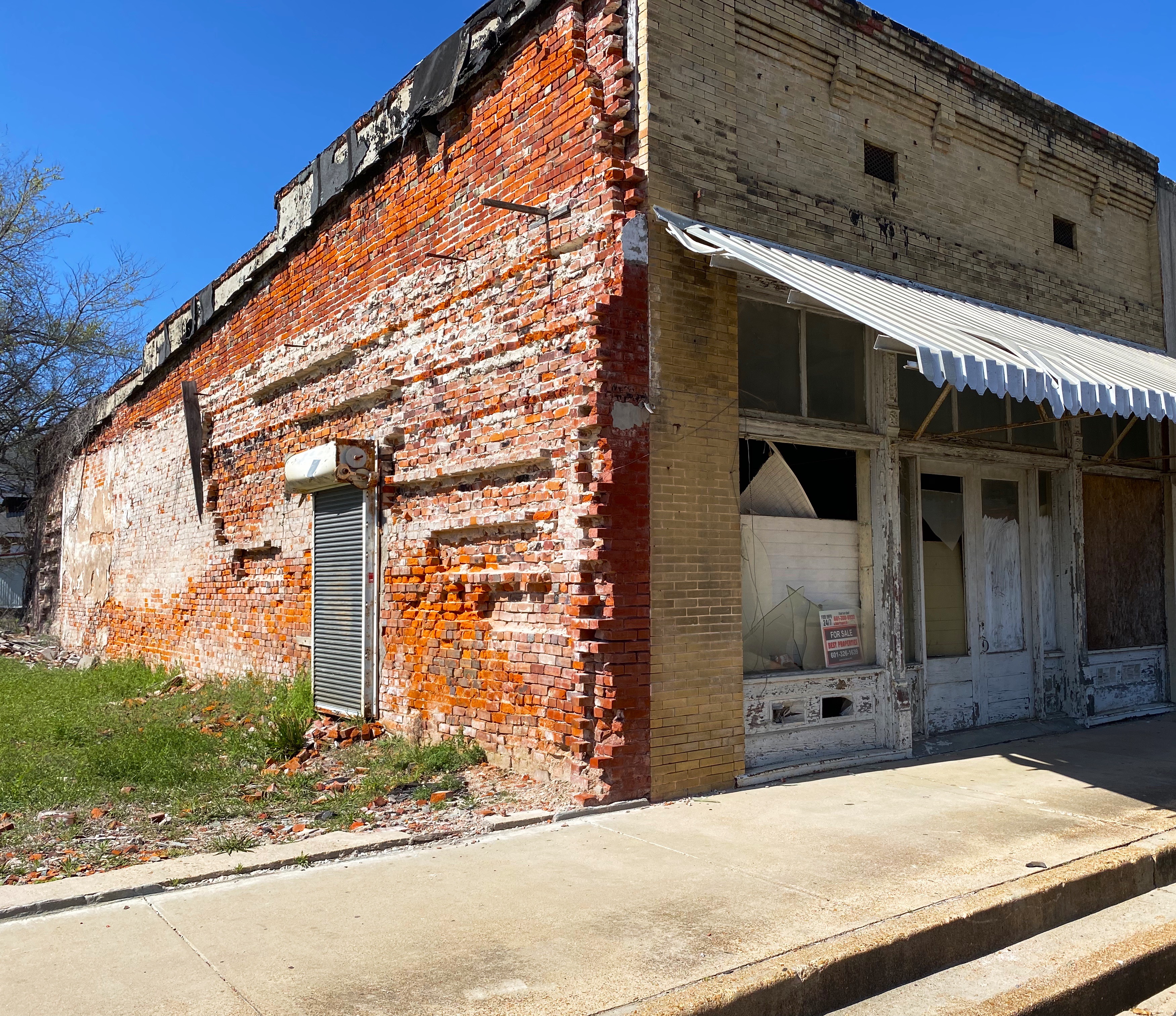
Another observation from our trip across the state on the trail is that there is significant poverty in rural Mississippi (Mississippi has the highest poverty rate of the fifty states and DC). While we only passed through a small number of rural communities, we saw that people are living in very impoverished circumstances. A number of these small communities appear to be segregated and that the most impoverished of these communities are inhabited by Black residents.

The photos below are from a small town that we crossed through while traversing the state. The town has a population of approximately 448 people and is predominately Black (85%). The poverty rate for Blacks is 52% and for males 60%.

The balance of this post will provide a brief recap of our experiences in the towns we visited that are not along the TAT.

Corinth —- home of the slugburger

Corinth is a handsome town (pop. 14,000) in the northeastern corner of Mississippi and was our jumping off point for the TAT. We had planned on visiting Corinth even before our decision to tackle the TAT. The town is steeped in Civil War history (First Battle of Corinth and Second Battle of Corinth) and has 18 structures or locations listed on the National Register of Historic Places.

But alas, the charm and history of Corinth had not driven our desire to visit the town — we must confess it was our (well, honestly, for just one of us) obsession with eating a Northeast Mississippi specialty – the Slugburger. Additionally, we needed to try the Slugburger at Borroum’s Drug Store and Fountain because Borroum’s has the best Slugburger in Corinth. Borroum’s is the oldest drug store in Mississippi and still operated by the same family (the business was started shortly after the end of the Civil War when Jack Borroum arrived after being released from a Union Army prison camp).

What is a Slugburger, you ask? Slugburgers are a mixture of ground pork, soy flour, and spices. The mixture is flattened into a patty and deep fried in vegetable oil. The patty is placed on a hamburger bun with a garnish of mustard, onion, and pickle. Developed during the Great Depression when money and meat were both scarce, slug burgers were made with a mixture of beef and pork, potato flour as an extender, and spices, then fried in animal fat. Mrs. Weeks, credited with creating one of the first, found the “burgers” were a way to make meat go a little farther at the family hamburger stand. Selling for a nickel, sometimes called a slug, the imitation hamburgers became known as Slugburgers.

New Albany-or-the crash

We popped off the TAT to visit New Albany and cycle the Tanglefoot Trail. The Tanglefoot is a 44 mile paved bicycle trail that was formerly a line of the Gulf and Ship Island Railroad (which still operates today as a subsidiary of the Rock Island Rail). As an historical aside, the railroad was founded by Colonel Willam Clark Faulkner, great-grandfather of author William Faulkner. The line was conceived as a way to move timber to the Gulf. The trail is named after the steam locomotive Tanglefoot which was used during the construction of the line.

The Tanglefoot is an award winning trail – noted for the scenery and small towns that can be visited directly from the trail. We set out from the trailhead in New Albany heading due south. The ride was delightful – forest, farm fields, numerous creek crossings and lots of wildlife.

Unfortunately, our delightful ride became less so when the smarter, wiser and better looking member of this partnership crashed after getting sideways in some loose gravel at the edge of the trail. Maria managed to finish the remaining 15 miles of the ride but was unable to walk on her own power once off the bike.

Fortunately, after a visit to the local urgent care and a consultation (and more xrays) with an orthopedist the next day in Oxford, it was determined that Maria did not have a fractured patella, just a severe contusion. So we purchased crutches, swallowed some pain meds and got back on the road two days later. Ten days later we were back on the bikes! Phew!

Oxford —- or everybody loves ole miss

We were fortunate in one sense that Oxford was a short drive from New Albany and is home to the University of Mississippi School of Medicine and Specialty Orthopedic Group. After Maria received the good news that there was no fracture, we decided to stay in Oxford for several days and let Maria begin her recuperation.

Oxford worked well for us as our time there allowed Maria to get rest and stay off her feet for several days. So, perhaps needless to say, we spent most of our time in Oxford drinking coffee and tea, drinking beverages other than coffee and tea, and dining. The good news – as home to Ole Miss – there are plenty of choices from a culinary perspective.

We would say that while the town is very attractive and has plenty of dining options, we found Oxford more touristy than we expected and we are of the opinion the hype about how cool the town is overstated. Perhaps, we just missed it with Maria being less than one hundred percent.

Taylor grocery — “eat or we both starve!”

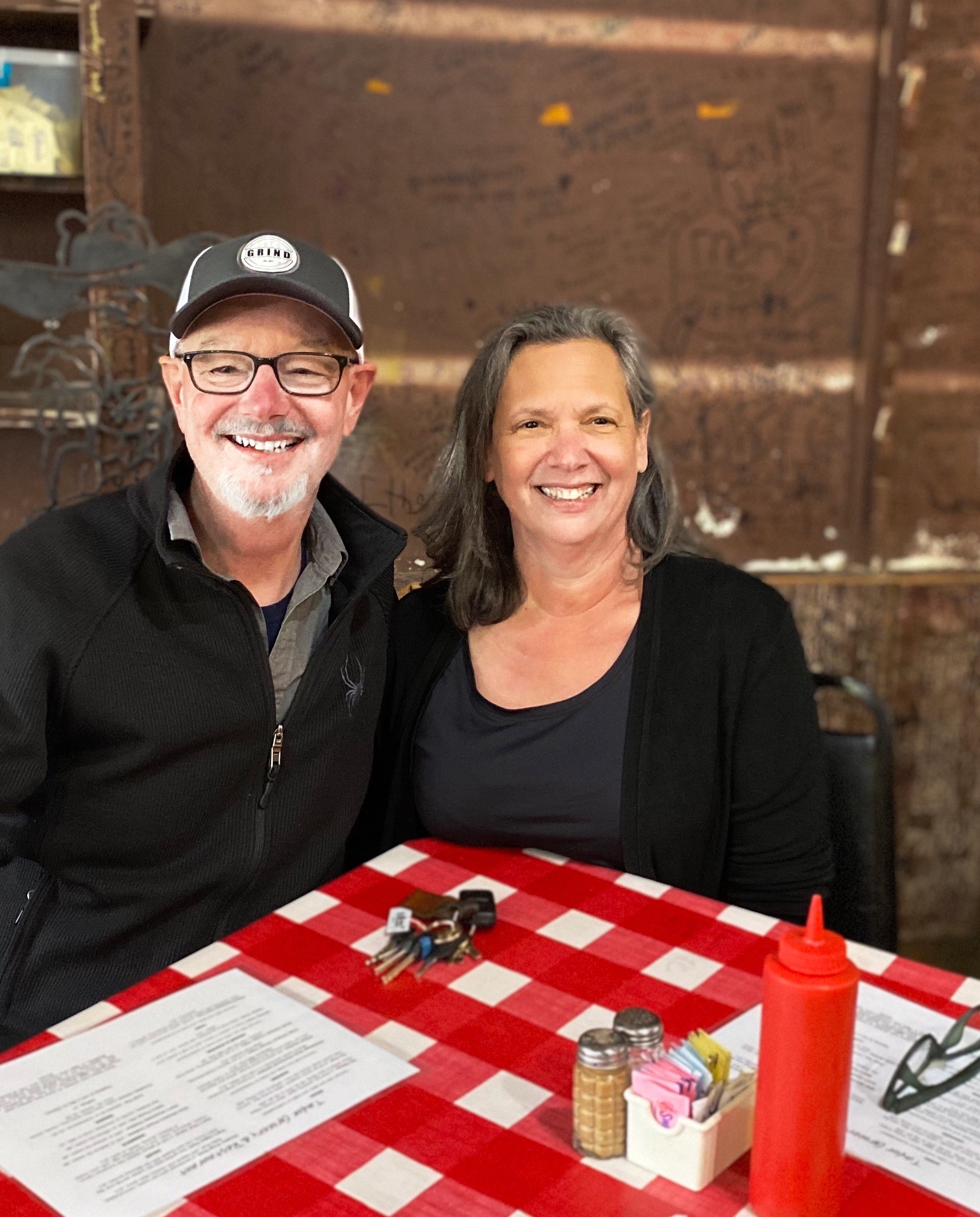
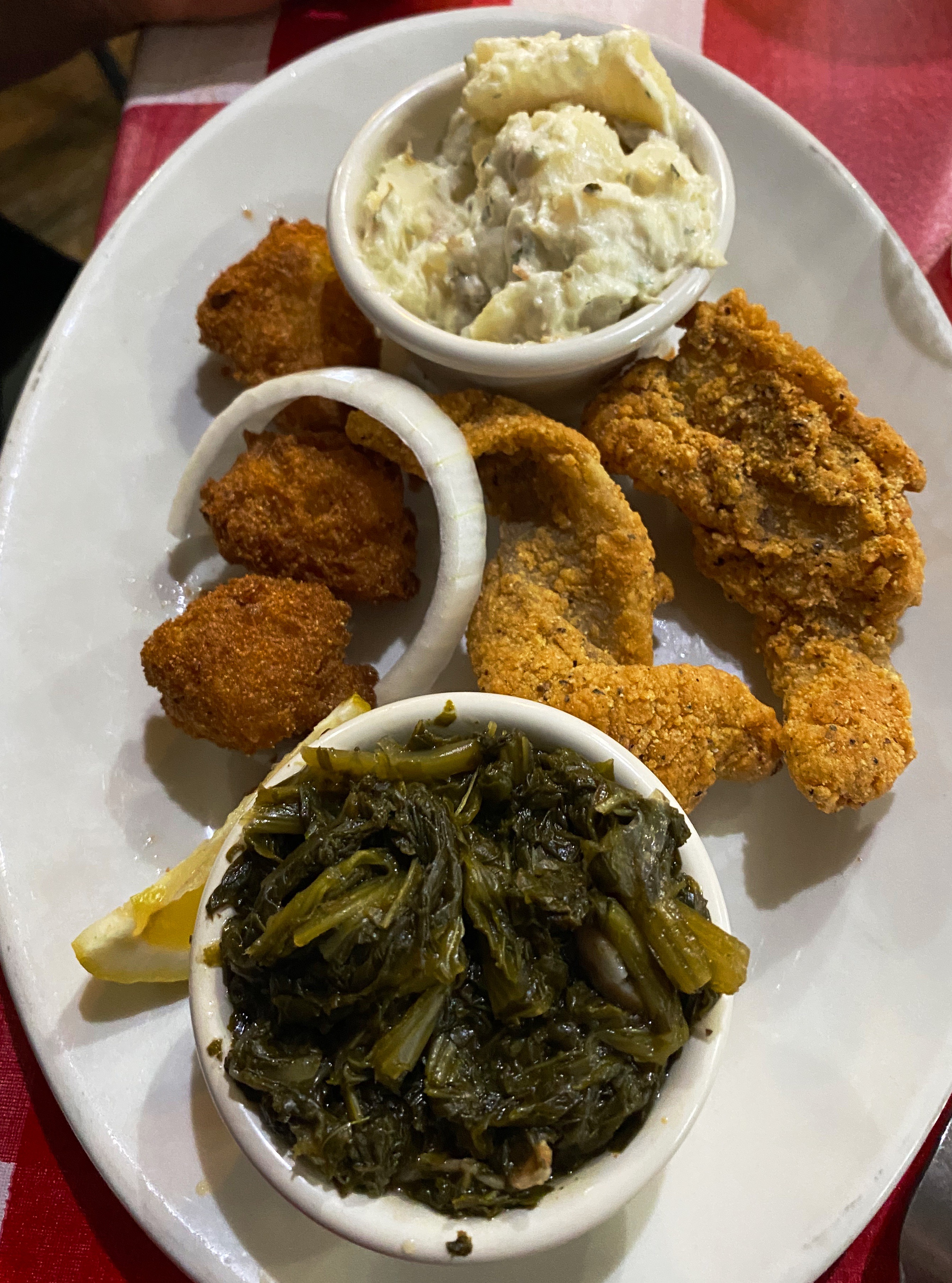
While we were in Oxford, a number of folks we met recommended the quick trip to Taylor to dine at Taylor Grocery. Taylor Grocery is billed as the best catfish in the South, and we would not argue with that claim. The building was erected in 1889 and we are pretty certain that not many improvements have been made to the property (part of the charm – see photographs below). We also had the good fortune to meet the owners, Lynn, Debbie and Sarah Margaret Hewlett. Lynn joined us at our dinner table, making sure we sampled most of the menu items—we had a great evening! We have included our note to Sarah below. For more information on the storied history of Taylor Grocery click on the link: https://taylorgrocery.com/


Hello Sarah—
We had the great pleasure of dining at Taylor Grocery this evening (3/31/22) and wanted to send our appreciation for the hospitality and outstanding meal.
From the moment we met Lynn on the porch playing his dobro, we knew we were in a special place. We ordered an appetizer and catfish dinners from our friendly and helpful server; and we also received complimentary sides of gumbo, rice and beans, and fried okra. And we managed to eat chocolate cobbler, too! Everything was delicious.
On our way into the restaurant, we were chatting with a local gentleman who inquired about our van. When we went to pay for our dinner, we were so surprised to hear that he had already taken care of it-Mississippi Hospitality!
We are from Connecticut and have been traveling throughout the US in our van six months annually for the last four years, and Taylor, MS will always hold a special place in our hearts. Hopefully, we will we back again.
With our kindest regards to all at Taylor Grocery,
Maria & Stephen

We hope you found this post from the first leg of our exploration of Mississippi interesting. Our next post regarding Mississippi will chronicle our time in the Mississippi Delta.

Be seeing you!

Bayou Teche: laissez les bon temps rouler

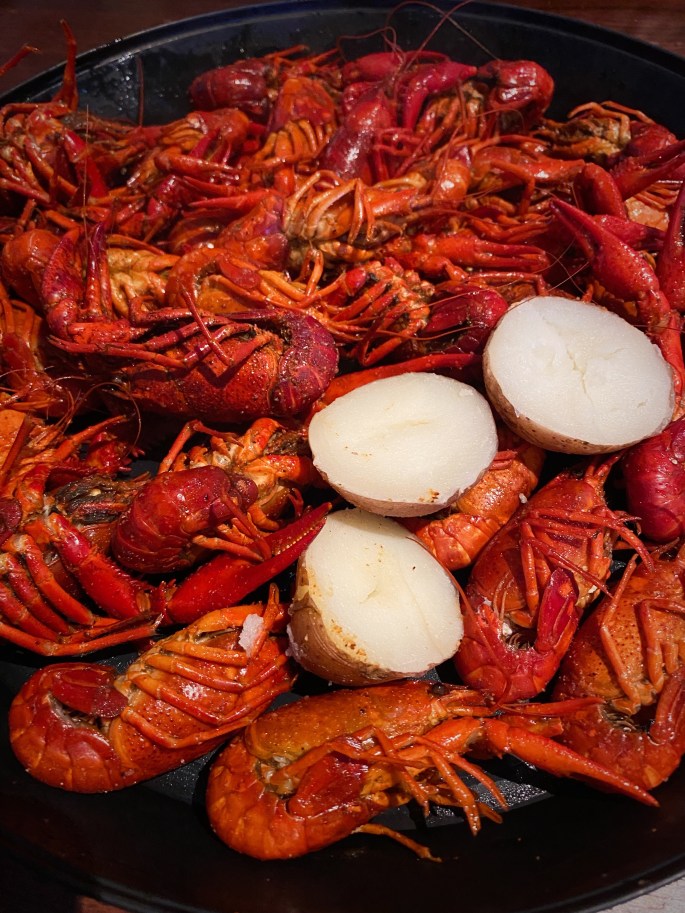
Boiled Crawfish, Janes’ Seafood

After our stay in Baton Rouge we decided to dive deep into Cajun Country. We chose to roughly follow the Bayou Teche south to tour South Central Louisianna Cajun Country. The Bayou Teche runs from Port Barre south for 125 miles before flowing into the Atchafalaya River.

Breaux bridge

Breaux Draw Bridge

Breaux Bridge is La Capitale Mondiale de l’Écrevisse (the crawfish capital of the world). The founding of Breaux Bridge dates back to 1771 when Acadian Firmin Breaux purchased land on both sides of the Bayou which he then connected with a footbridge. The Bayou Teche was the main means of travel in this part of Louisianna at that time. For more information on Bayou Teche: https://www.louisianatravel.com/paddle/trail/bayou-teche-paddling-trail-entire-bayou

Breaux was in Louisiana after being forcibly removed along with thousands of other Acadians as part of the Great Deportation. The British deported thousands of Acadians to Louisiana from the Canadian Maritimes and land which is now Maine. So, if you ever wondered how a portion of Louisianna is populated by a close-knit French speaking population – now you know. For more information on the Great Deportation: https://www.thecanadianencyclopedia.ca/en/article/the-deportation-of-the-acadians-feature

While poking around Breaux Bridge we met a number of friendly locals. Chief of Police Rollie Cantu greeted us upon our arrival (he was directing traffic) and provided us with information about the town. Kenny Domingue aka the Handle Bar Healer, provided us with the history of the town (first the Spanish then the French inhabiting the area). Artist Robin Guidry, owner of the Pink Alligator Gallery, broke out the wine for us while we shopped (at 11:00AM) and Jacqueline Salser, owner of Chez Jacqueline provided us with all the local gossip and lots of laughs. Lastly, if you thought that after 250 years in Louisiana the Acadians would have stopped speaking Cajun French or lost their accents, you would be wrong.

St martinsville

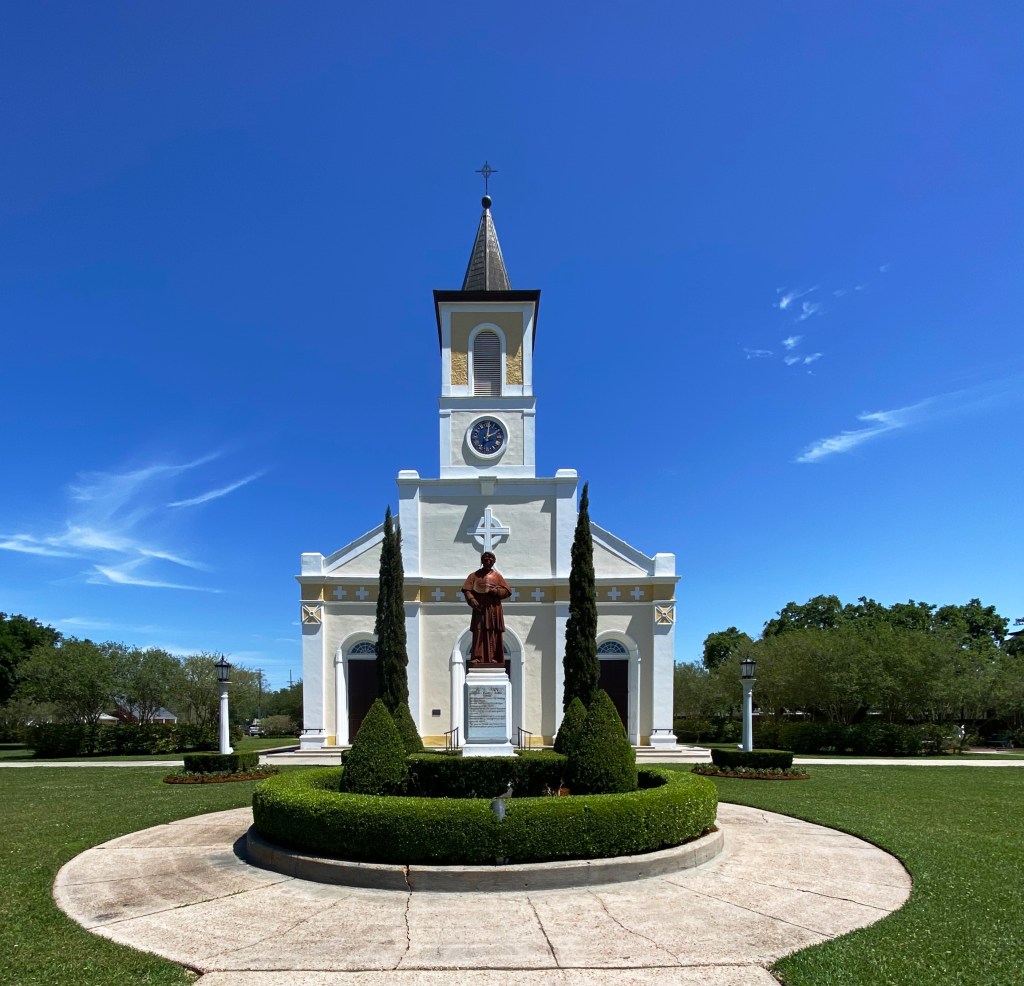
Eglise Catholique, Saint Martin de Tours, Mother Church of the Acadians, Est. 1765

Many of the folks living in St Martinsville are the descendants of Beausoleil Broussard. Broussard was a leader of the Acadians that fought bravely against the British in Acadia (now Nova Scotia, Prince Edward Island and New Brunswick). Once it became clear that the British would be victorious, he led a group of Acadians south to safety in the area that is now St. Martinsville. Broussard is revered in Acadian history as a hero in the fight against the British.

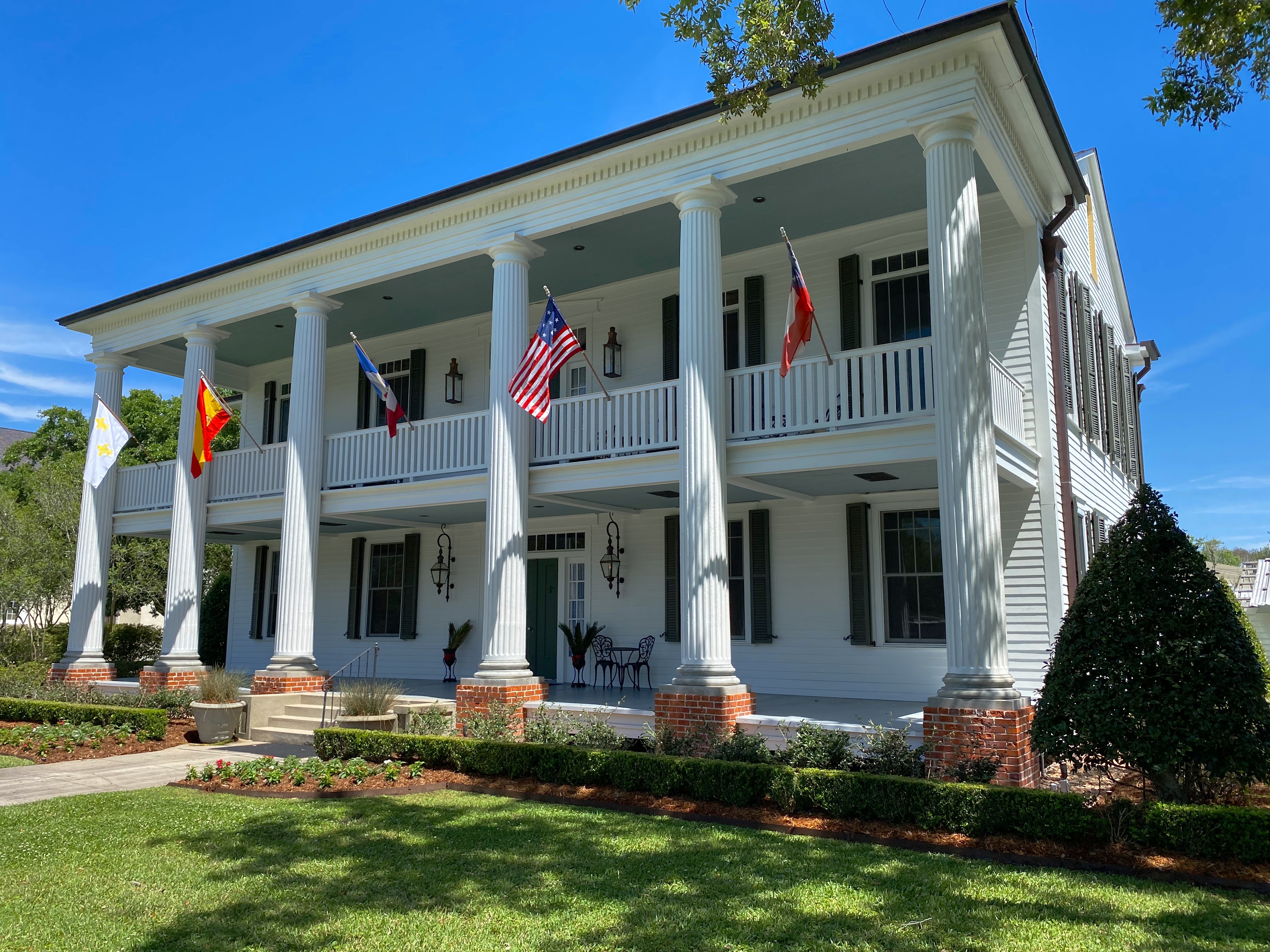
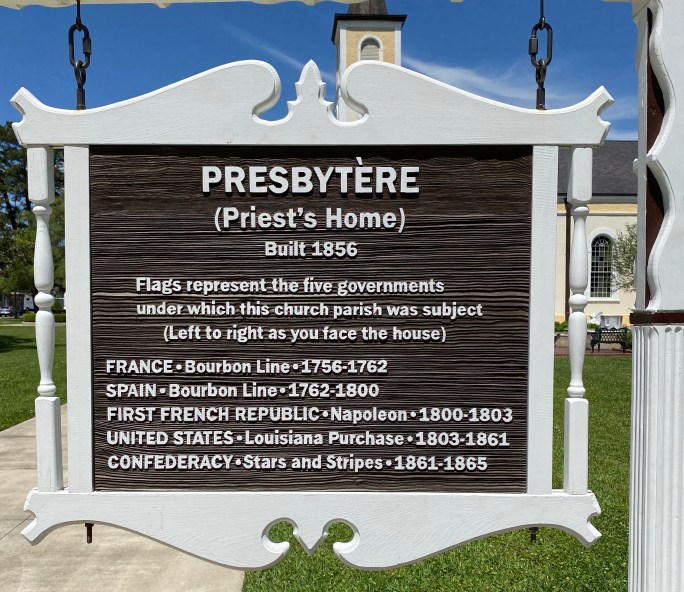
St. Martinsville has one of the most beautiful town squares we have seen – anchored by the Saint Martin de Tours Catholic Church and the Presbytere. Interestingly, if you note in the sign below explaining the reason for the five flags hanging from the porch, the last government that is acknowledged is the Confederacy.

Today the economy of St. Martinsville is highly dependent on tourism (the town sponsors a half dozen festivals per year) while still keeping its agricultural roots with a sugar cane crop and crawfish farming. For more information about the history of St. Martinsville: http://www.stmartinville.org/ourhistory.html

New iberia – Avery island

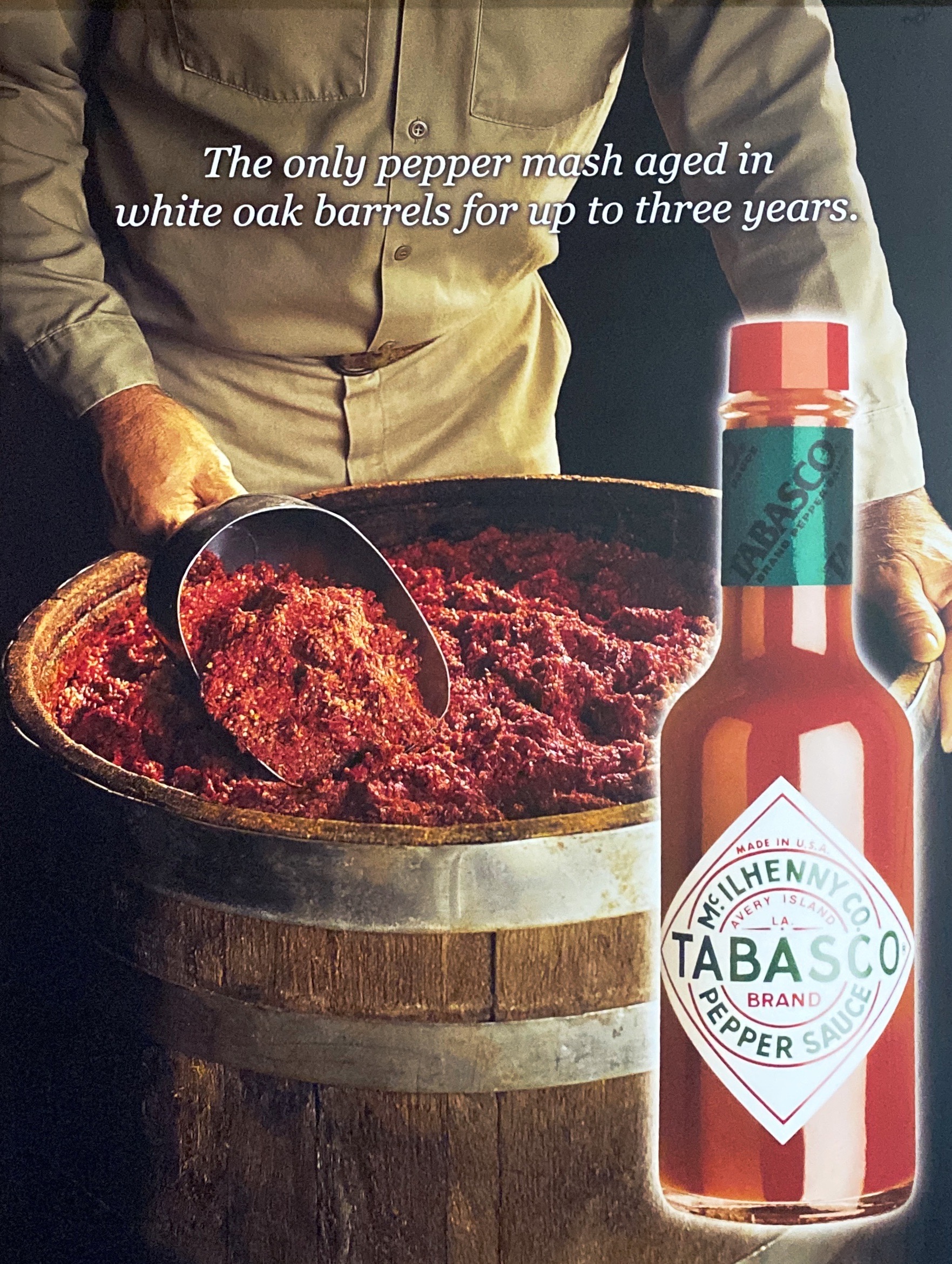
Avery Island is home to world famous McIlhenny Tabasco Company. The company was founded in 1868 by Edmund McIlhenny. McIlhenny was given pepper seeds which originated in either Mexico or South America. He planted the seeds and the rest is history!

The company is still family owned and managed 154 years later – which is quite unusual in an economy where larger corporations usually devour and homogenize unique brands and products. The ingredients and process are not secret but the family’s knowledge is not replicable.

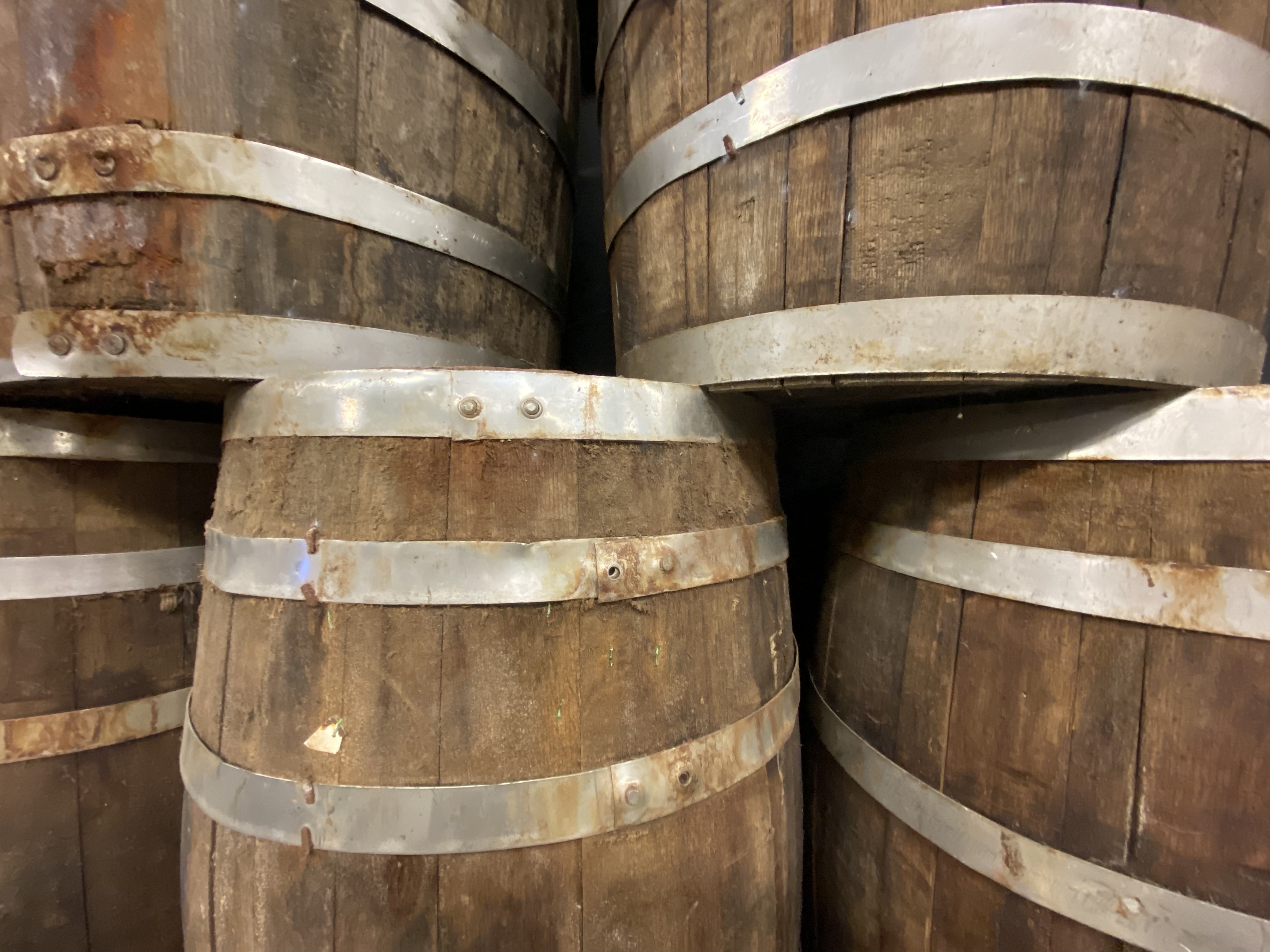
The self-guided tour is fascinating, taking you through the various buildings where the peppers are ground and then mixed with salt to create the mash. (Avery Island is a salt dome and rock salt was mined there beginning in 1791, making it very accessible). The mash is then filtered to remove the skin and seeds, vinegar is added, and finally the sauce is put into white oak barrels for aging. The aging process can take up to three years – the process is quite similar to wine making. For more information: https://www.tabasco.com/tabasco-history/

Jungle Garden

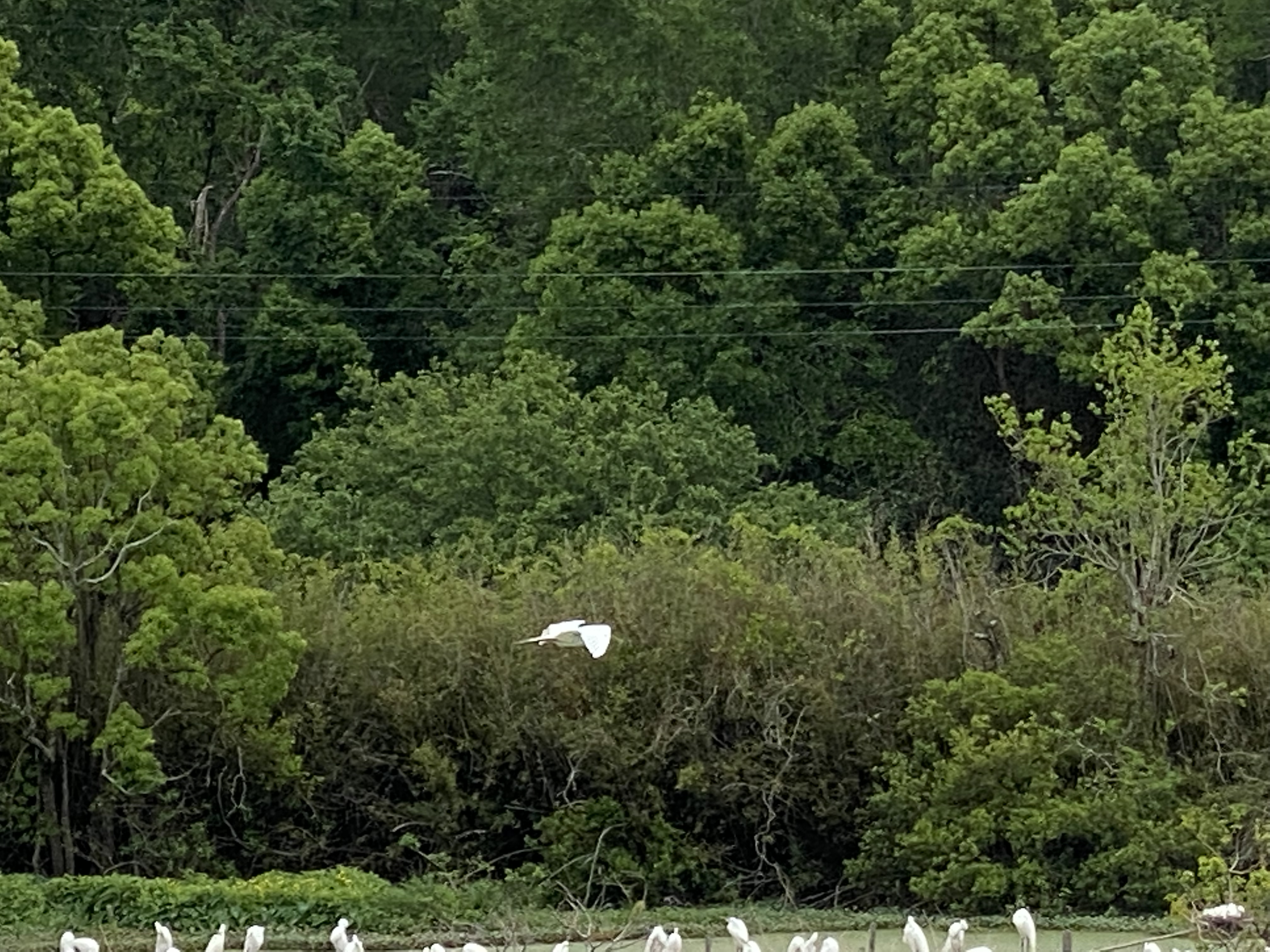
Avery Island is also home to Jungle Gardens and the Bird City sanctuary. Edward Avery McIlhenny developed the gardens and sanctuary in 1895. At the time the Snowy Egret was an endangered species due to plume hunters attempting to meet the demand for feathers for women’s hats! Touring Jungle Gardens and visiting the Sanctuary is a nice follow up to the Tobasco Factory Tour. For more information: https://www.junglegardens.org/

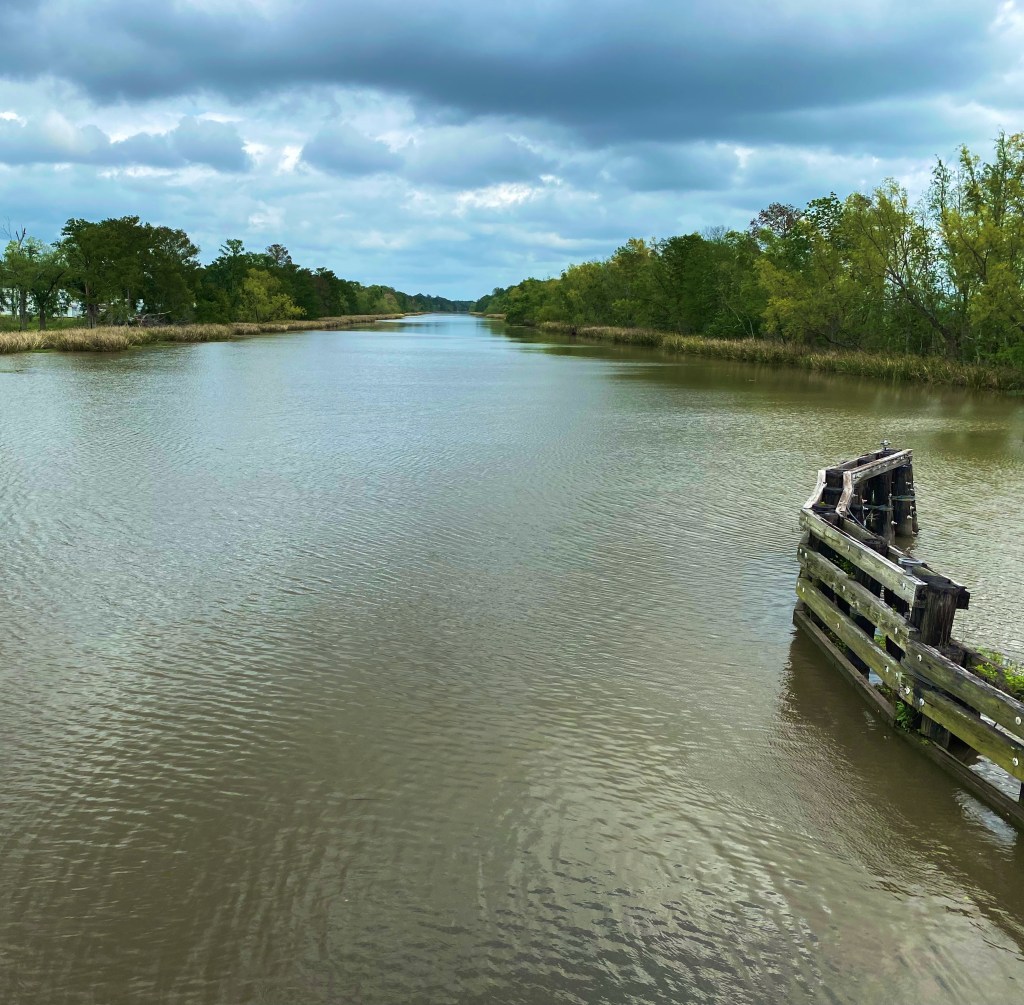
From Avery Island we headed southwest to lands’ end at Cypremort Point which sits on Vermillion Bay. We then continued along the Bayou Teche to it’s terminus at Morgan City.

Cypremort Point
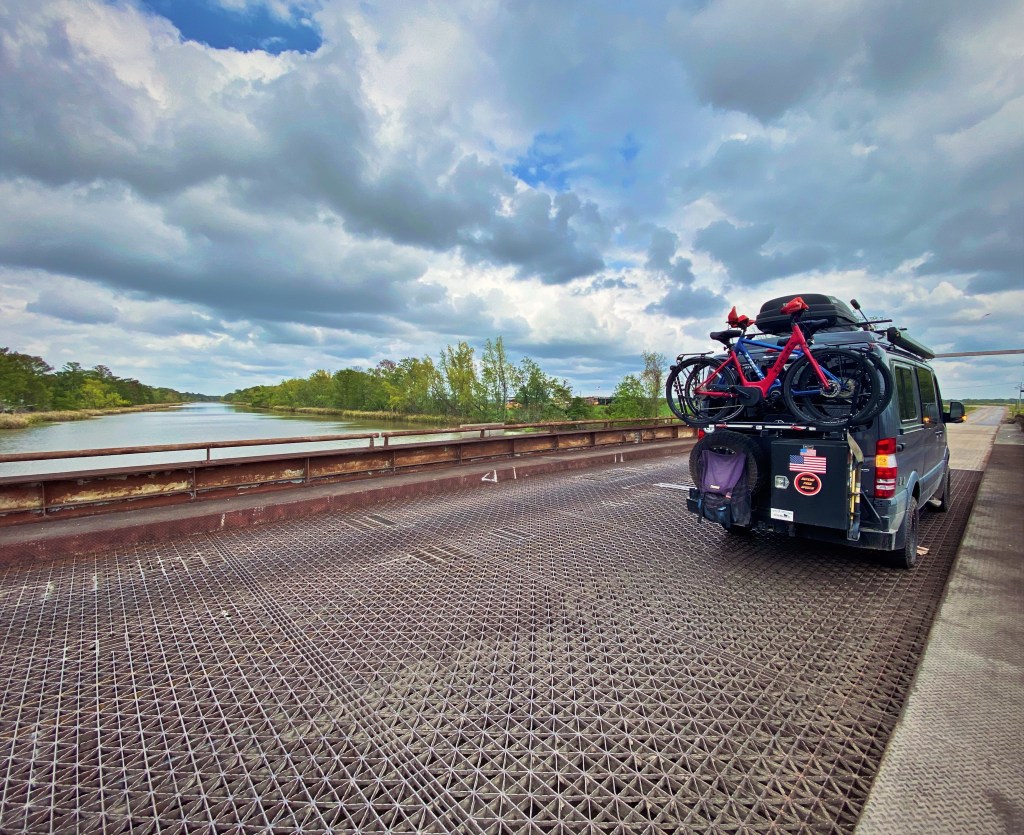
Tour’s End – Crossing the Atchafayla River

Cajun Cooking

Crawfish Cake, Cafe Jo Jo’s, Morgan City

We spent two full days slowly making our way south from Breaux Bridge to Morgan City. We had a great time exploring and meeting local folks in the towns and, of course, some dang good food.

Be seeing you!

ctsprinterlife: OTR 8.0: Alabama Part Two

Florence

From Birmingham we made our way northeast to the town of Florence. Florence sits on the Tenneesee River and is located in the northwest corner of Alabama in the Shoals. Florence is also home to the University of North Alabama (UNA),the oldest university in Alabama.

Florence is a beautiful town with many well preserved historic homes and buildings, including some grand buildings on the campus of the university which sits in the middle of town.

Florence was not in our original travel plans, but when we mentioned to some folks we met in Birmingham that we were going to Muscles Shoals they recommended a visit to Florence (right across the river).

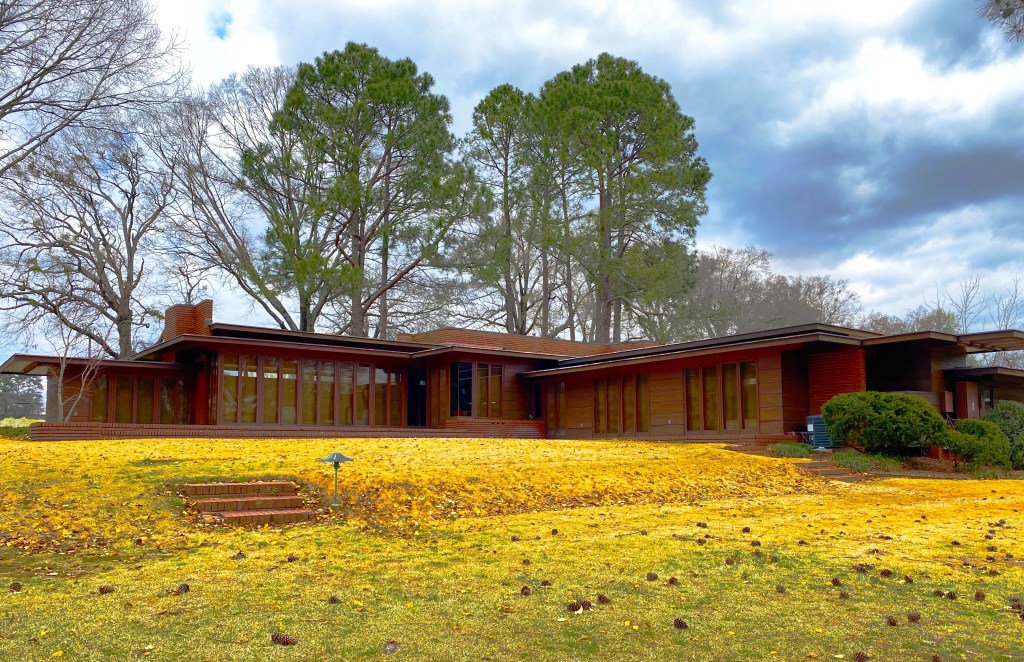
Rosenbaum House

Rosenbaum house

You may recall from previous trips that we are fans of Frank Lloyd Wright structures (see previous post Falling for Falling Water). An added bonus of visiting Florence is that it is the home to the only FLW design in Alabama.

We were fortunate that the Rosenbaum House was open for tours while were in town and that we had a very knowledgable volunteer guide. We spent about an hour inside the house and then did a walk around to view the outside of the home.

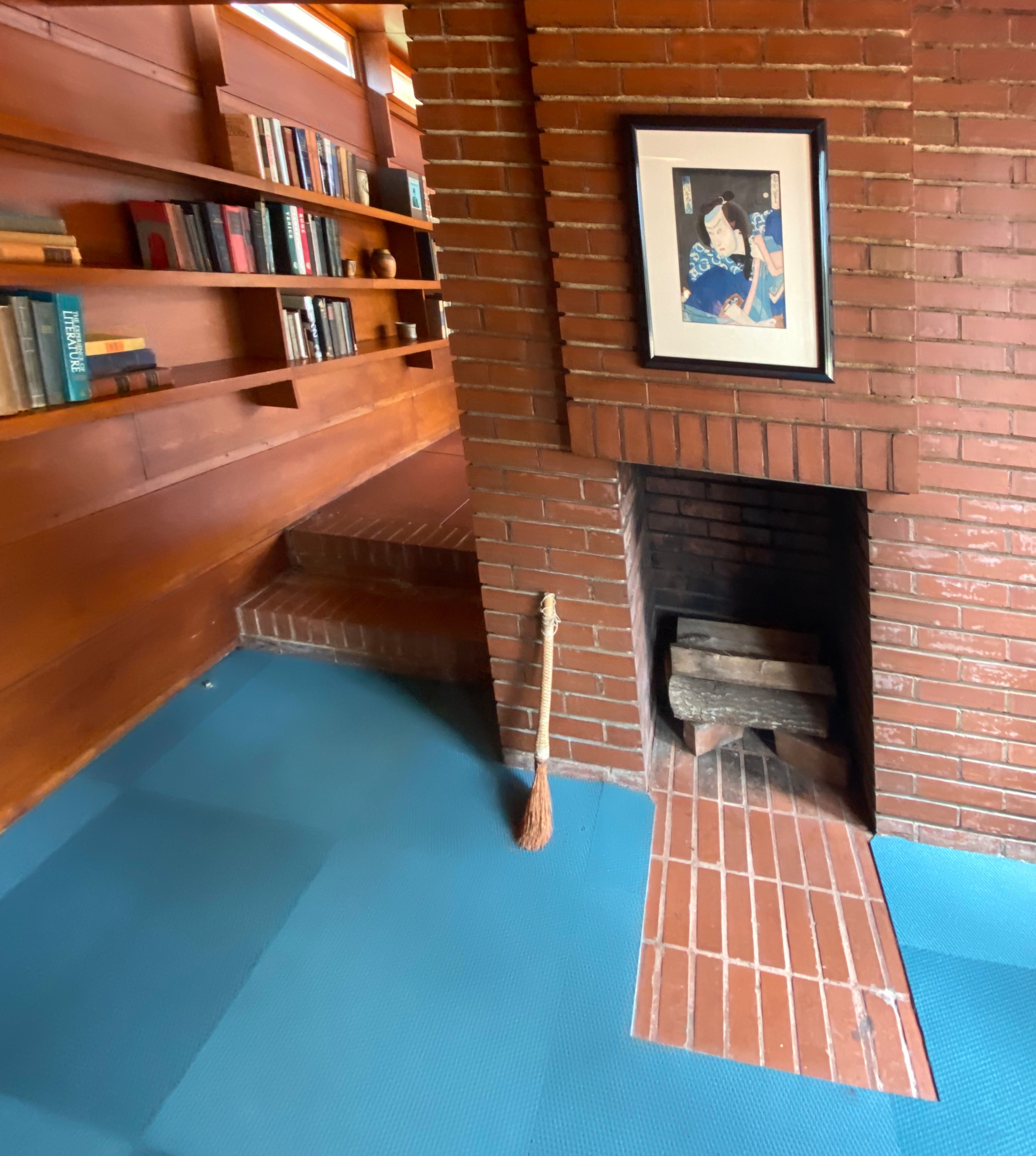
Construction of the Rosenbaum House began in 1939 and was completed during 1940. Stanley and Mildred Rosenbaum and their children were the only people to reside in the home. After Stanley passed away, Mildred continued to live in the home until 1999. She could no longer maintain the home by this point and none of her sons wanted the home. Fortunately, the City of Florence acquired the home that year and has worked to preserve the home – making repairs to the roof and other areas – that were much needed when the family sold the house to the city. The city did a wonderful job restoring the house.

Rosenbaum House

This house is an example of what Wright called a Usonian House. Usonian Houses were intended for Middle Class Americans – simple but stylish and affordable – also small. That is not how things worked out in many cases. Most of his commissions were for wealthy families such as the Rosenbaums. Additionally, as with a number of the other homes Wright designed, he also designed most of the original furniture in this home.

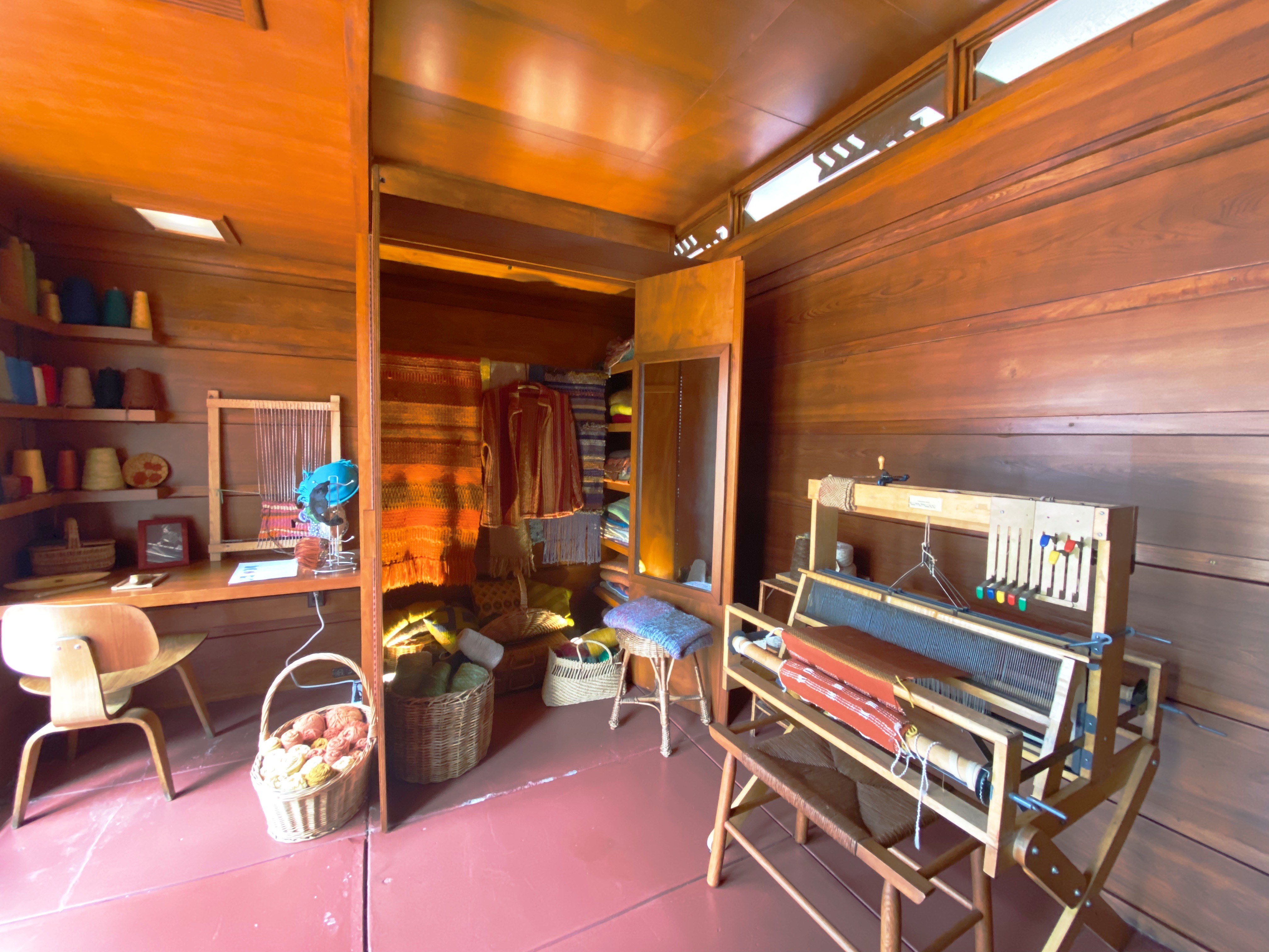
Another feature of the Usonian House was that it was designed to grow with the family. In the case of the Rosenbaums, they had four sons. Wright designed a significant addition which was completed in 1948 and included dormitory style space for the boys, a larger kitchen and a guest room.

Dormitory Addition for the Rosenbaum Boys

For more information regarding the Rosenbaum House: https://www.wrightinalabama.com/

Muscles shoals sound studio

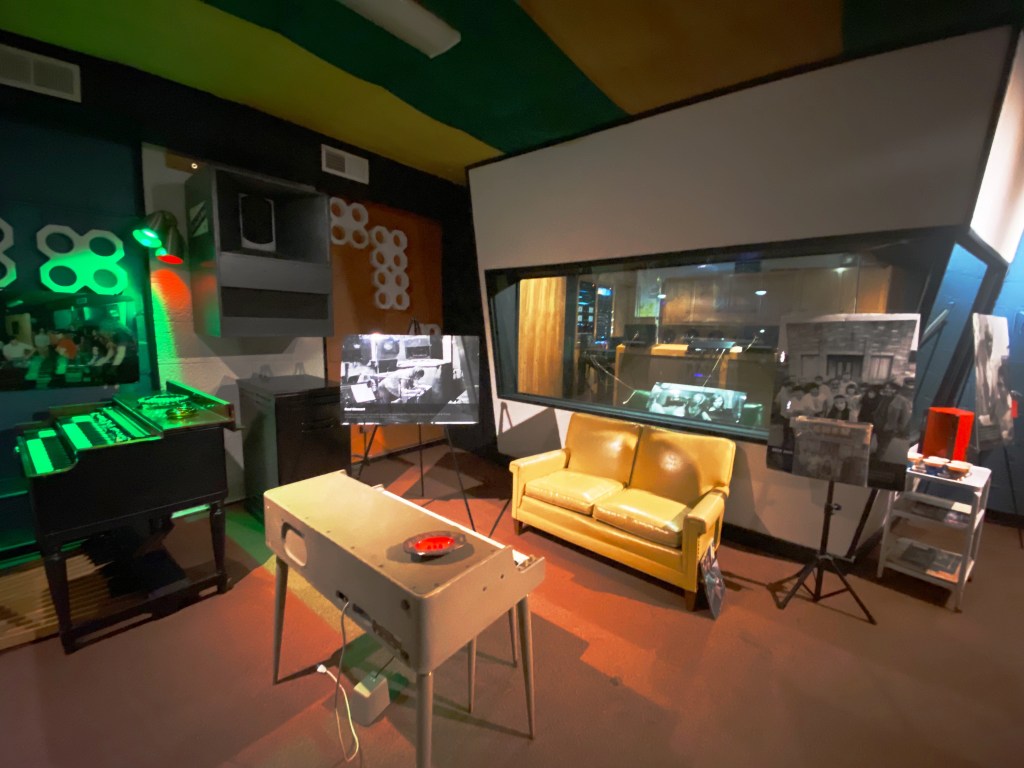
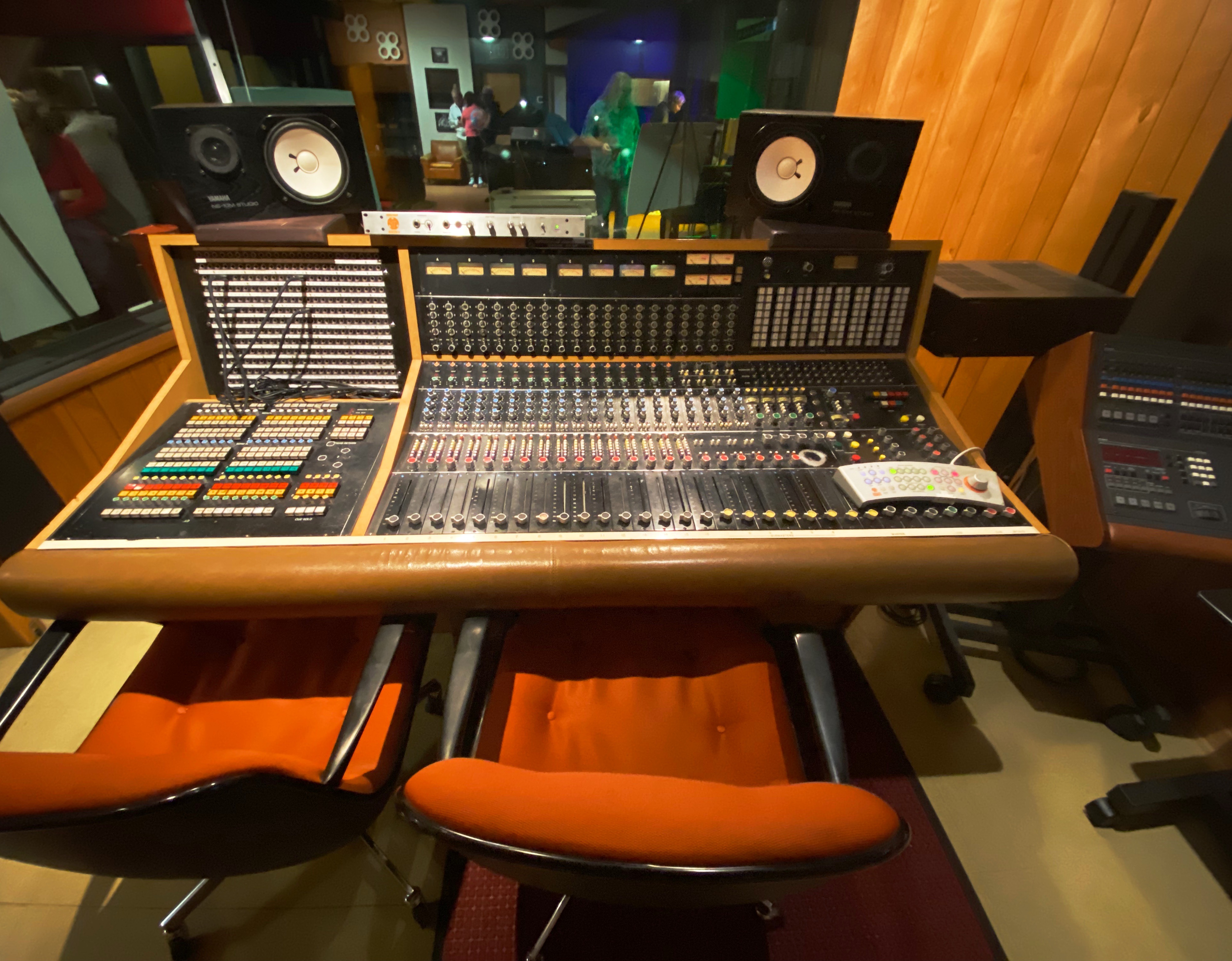
Muscle Shoals Sound Studio

The Muscle Shoal Sound Studio (MSS) opened in 1969. The studio was founded and owned by the Muscle Shoals Rythm Section also famously known as The Sawmpers. The Swampers had established a reputation as super-tight R&B and Funk studio session musicians.

Between 1969 and 1978 the Swampers played on 200 albums. Seventy-five of those album went Gold or Platinum. Some examples of the groups that Swampers recorded with include: Boz Scaggs, Rolling Stones, Lulu, Bob Dylan, Paul Simon, Rod Stewart, Leon Russell, Willie Nelson and the Staples SIngers.

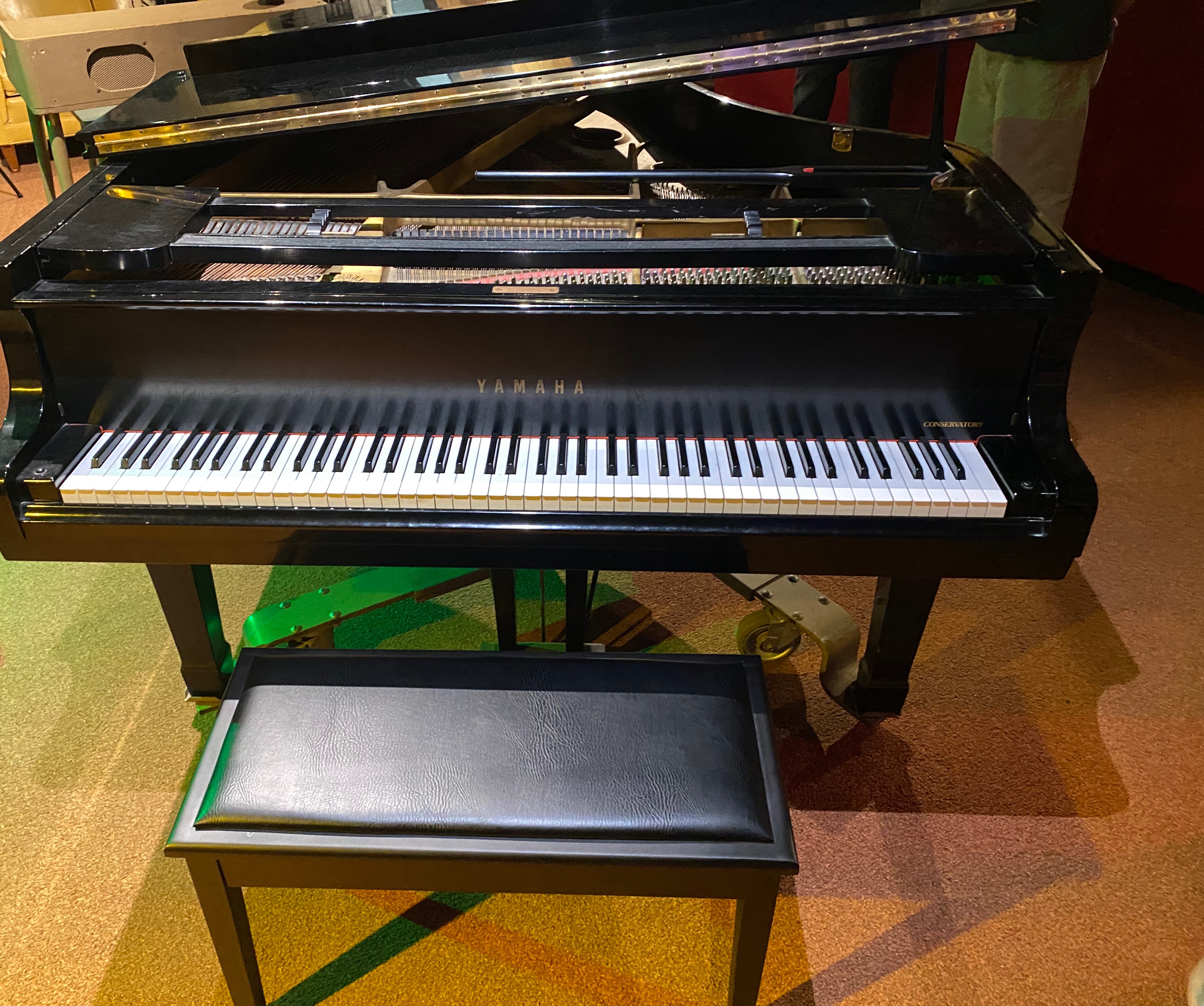
The studio was abandoned in in 1978 when the Swampers moved to a larger studio in Sheffield. Incredibly, while the studio was occupied by several different businesses and then sat vacant for many years, all of the studio equipment remained intact. The studio was purchased by a non-profit that now gives tours. The studio is once again being used for recording utilizing all of the original gear. For more information on the history of the studio and the Swampers: https://muscleshoalssoundstudio.org/

The shoals: Best food and coffee

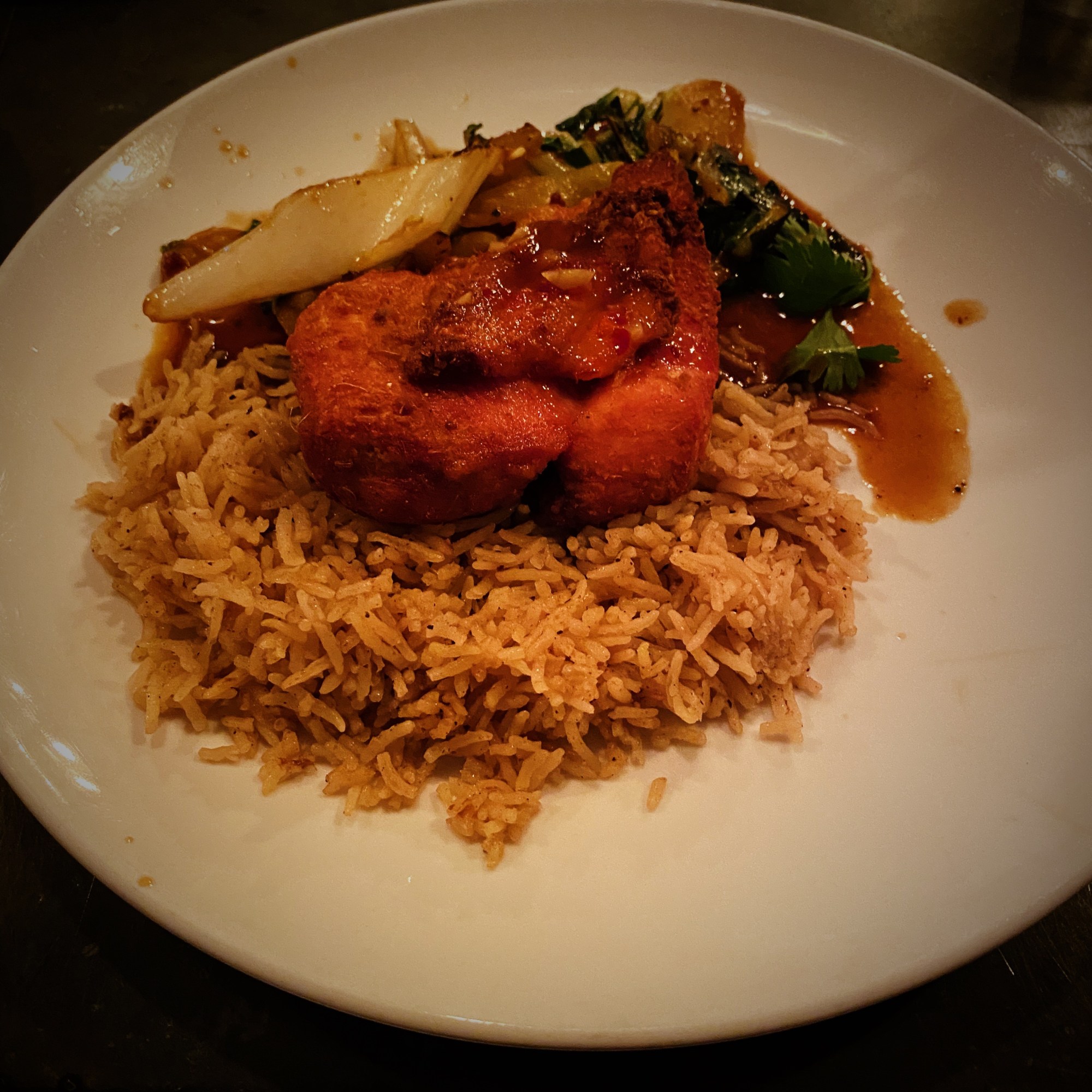
Odette https://www.odettealabama.com/

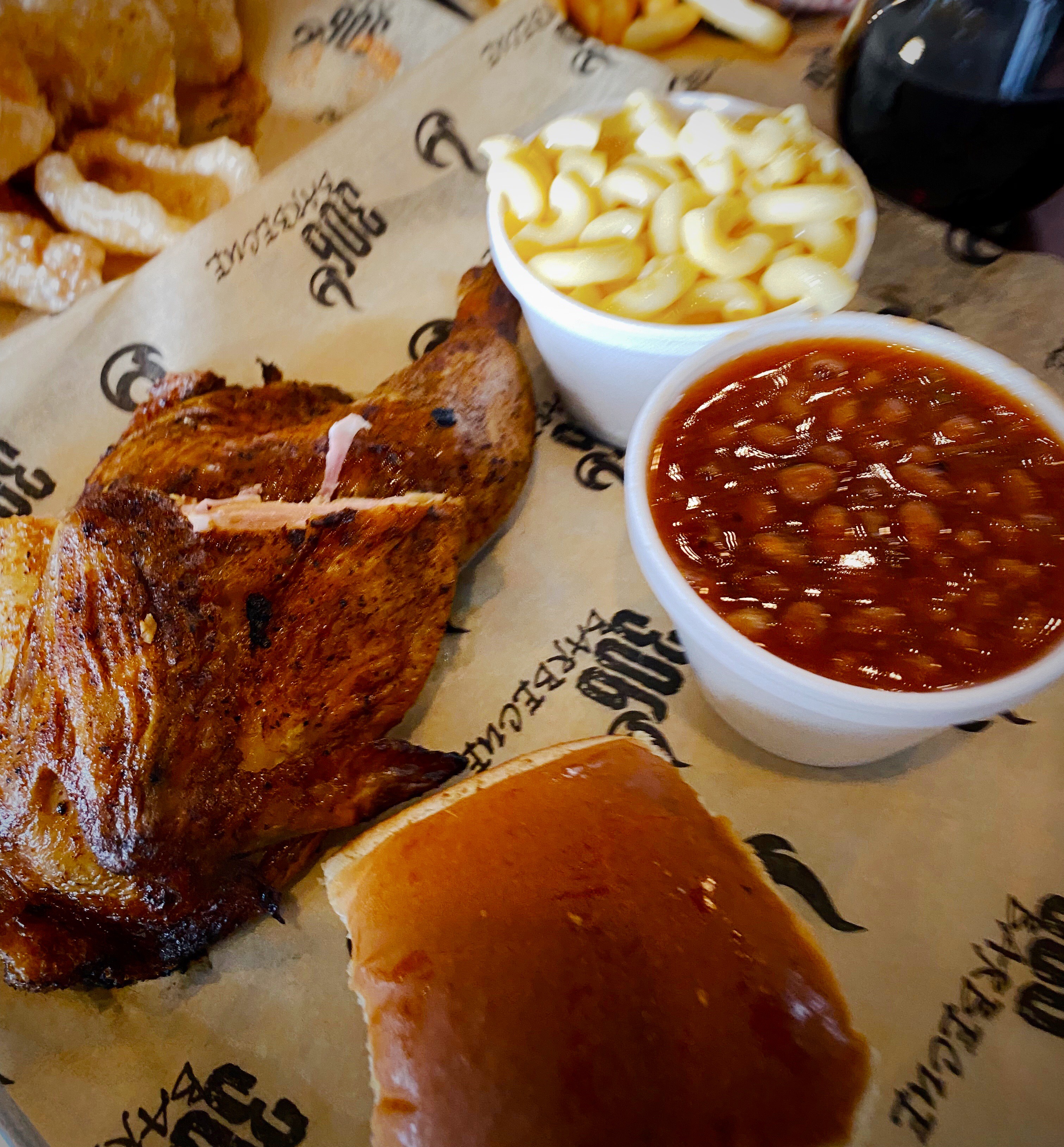
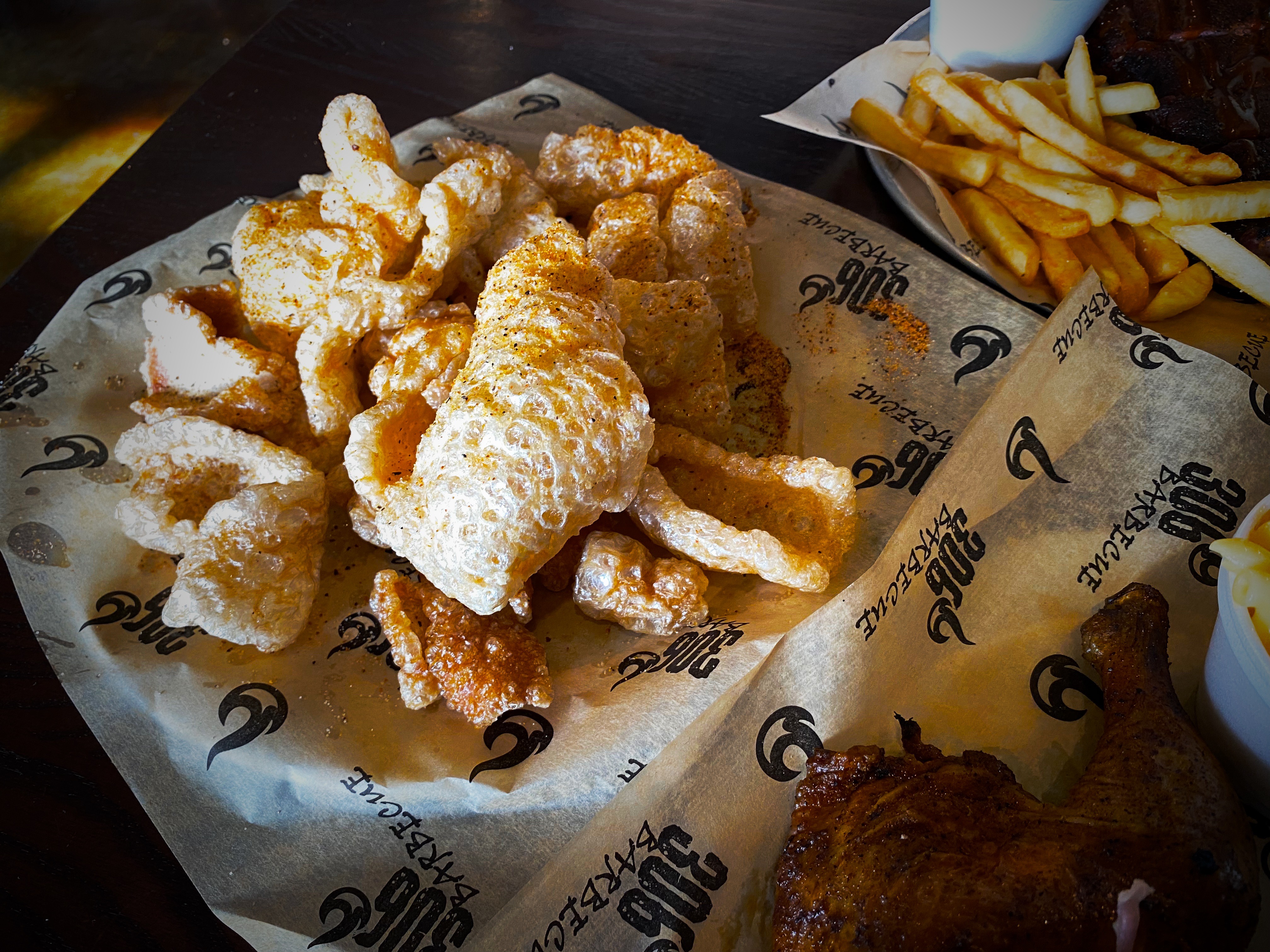
306 Barbecue https://306bbq.com/

Turbo Coffee https://turbocoffee.co/pages/about-us

Our next segment will take us across Northern Mississippi, primarily on dirt and gravel roads. We will pick up the trail south of Corinth, Mississippi and attempt to follow it to the terminus at the Mississippi River. We will jump off the trail at regular intervals to visit some of the tiny towns scattered across this area of the state. Also, in keeping with our visit to Muscles Shoals Sound Studio, we will be visiting Clarksdale while in Mississippi – the epicenter of the Delta Blues.

Be seeing you!

The high road to taos – scenic byway

The High Road to Taos is a scenic drive that connects Taos and Santa Fe. We drove a portion of the route while staying in Taos. Leaving from Taos heading south, the first 30 miles take you on a winding route up and over mountains within the Carson National Forest. The scenery as you might imagine is quite spectacular.

While the views are impressive we found the cultural aspects of the trip even more impressive. The villages, architecture, churches and food reflect the Old Spain of the early Spanish settlements.

Each of the small villages has a Spanish style church – many have been continuosly operating for over two hundred years. We traveled through the villages of Penasco, Chamisal, Trampas, Truchas, Cordova and Chimayo. These villages still maintain the wood carving and weaving expertise and traditions that came from Spain with the first settlers.

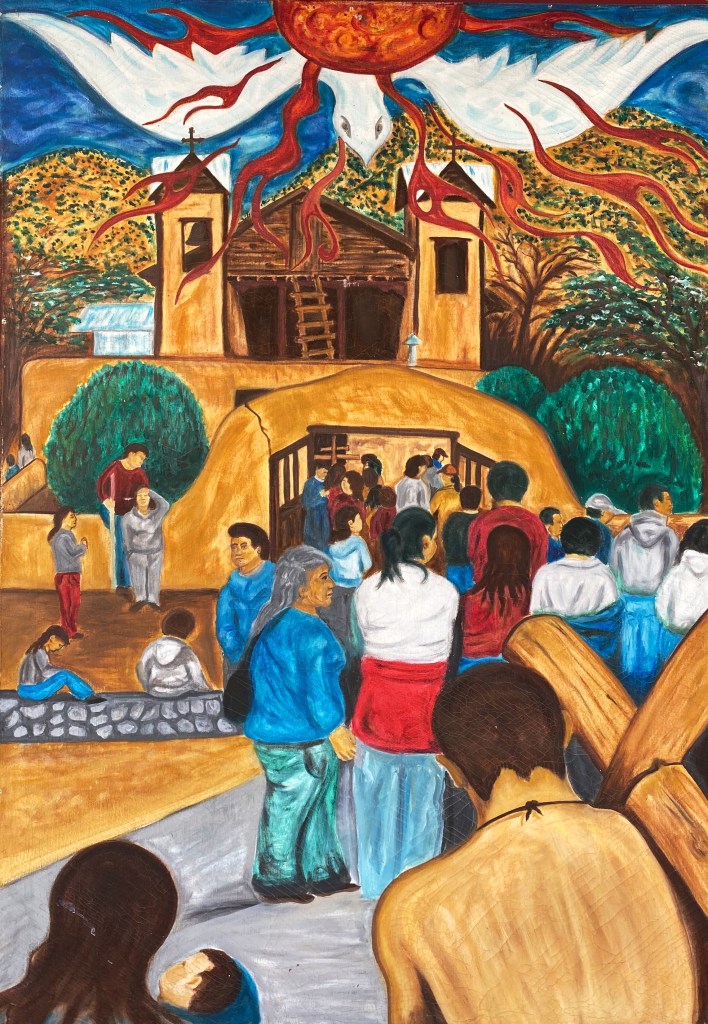
SANTUARIO DE Chimayo

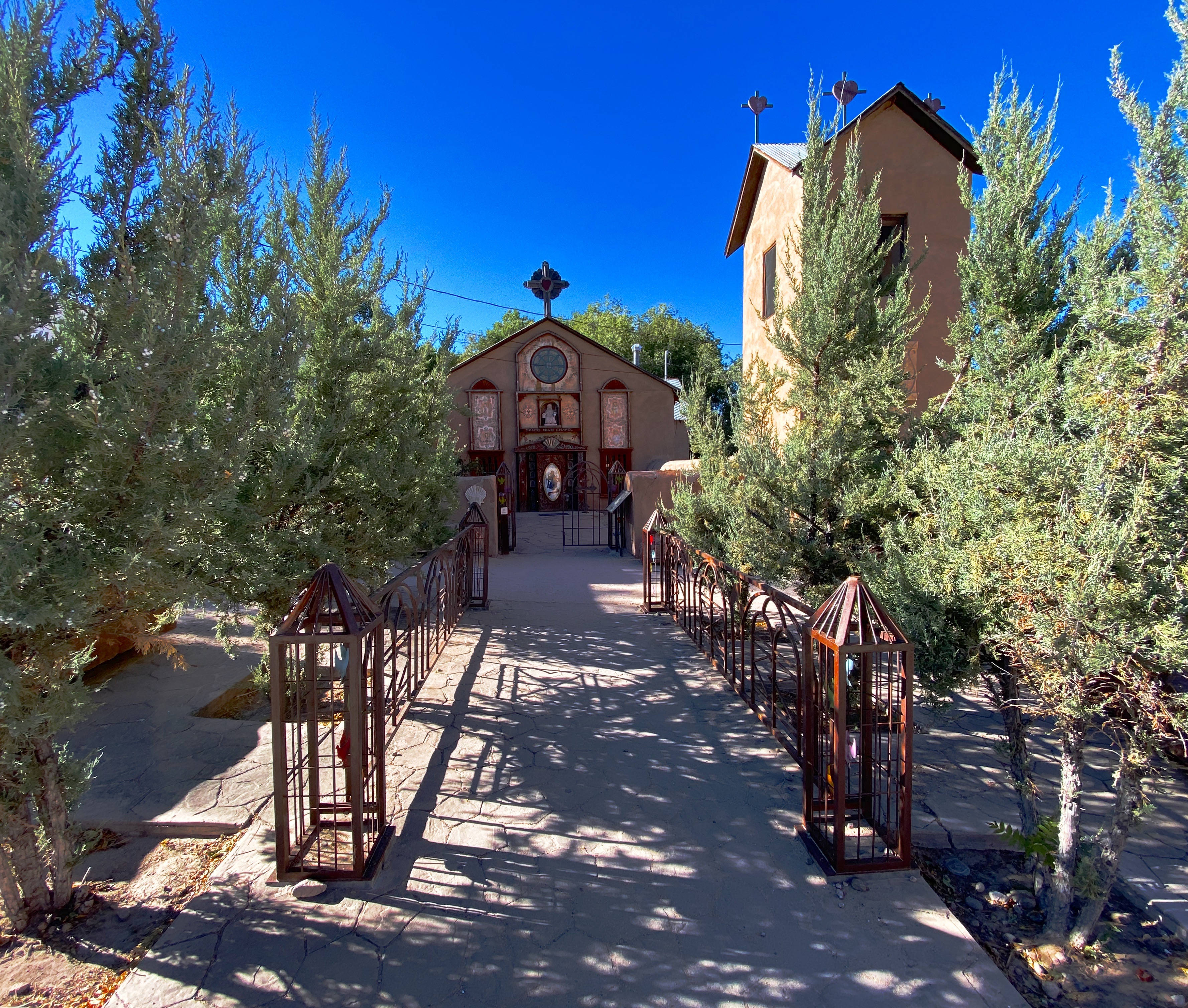
We followed the byway as far as Chimayo where we stopped to visit El Santuario de Chimayo. The intial construction took place in 1813. Long before the Spanish arrived Pueblo Indians considered this ground as sacred with healing powers.

The Catholic Church carried forward the belief that the earth under what is now the Plaza del Cerro is sacred and has miraculous healing powers. As a result, the Santuario is a major pilgimage site drawing over 300,000 visitors annually.

The Santuario is considered one of the finest examples of Spanish Colonial architecture in the southwest. The evidence of the woodworking skills of the Spanish settlers is on display throughout the plaza – from the carved figures to the beautiful doors. The plaza is the sole remaining Spanish fortified plaza in New Mexico.

Arthur LowLow Meidna’s Low Low Ride Museum, Chimayo, New Mexico

Ranchero de chimayo

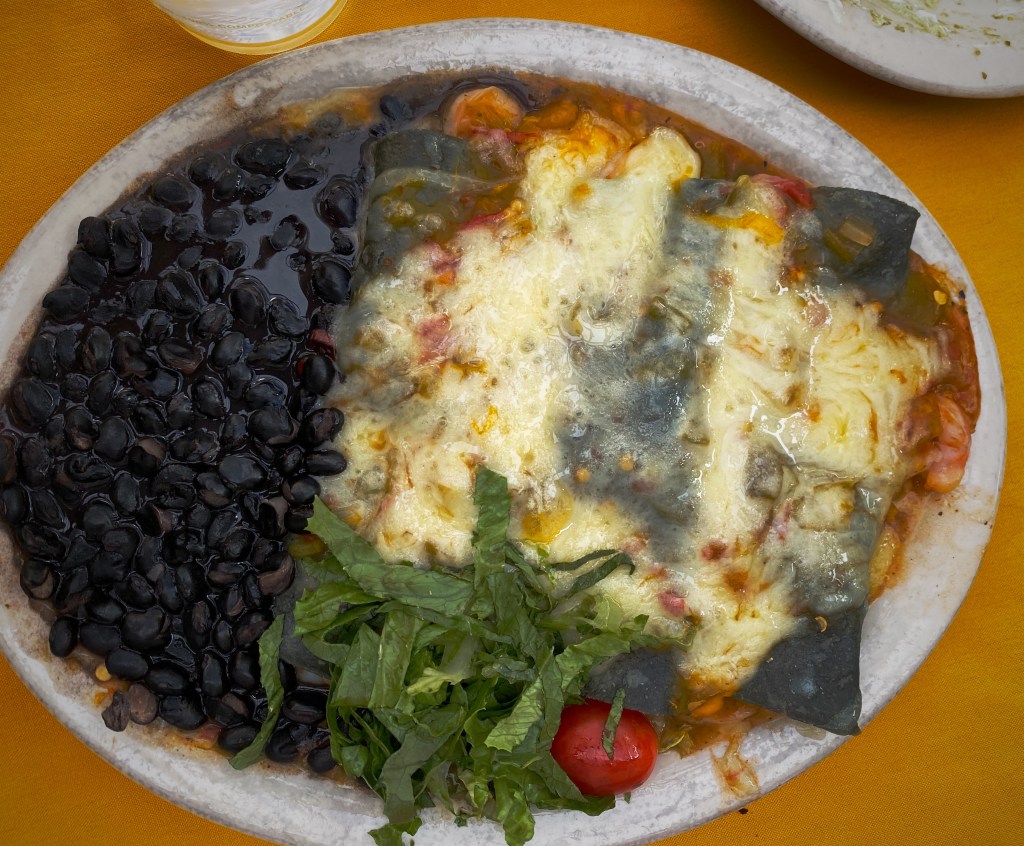
Any worthwhile pilgramage deserves to be rewarded with an excellent meal. Fortunately, while the total population of the small plazas that constitue Chimayo is only 3200 people, one of the best New Mexican cuisine restaurants is located here.

In fact, the Ranchero has been serving food here for 50 years to locals and travelers alike. Interestingly, for our fellow Nutmeggers, the owner, Florence Jaramillo was born in Hartford, Conneticut. Florence moved to Chimayo after marrying Arturo Jaramillo, who was a native of Chimayo. The site of the restaurant is Arturo’s ancestral home.

Espanola

We returned home via Espanola and the River Road (runs along the Rio Grande River).

The Espanola Chamber of Commerce and the McCune Foundation are sponsoring youth mural projects and we stopped in town to see some of the murals. We are glad that we did – as you can see from the photographs these are, without exception, excellent murals.

El Sembrador – Victor Joseph Villalpando

Be seeing you.

Thoroughly Modern Milwaukee (MKE)

We at OTR had never visited Milwaukee until this trip but a bit of advance reseach convinced us that it would be a good city to spend several days exploring. So after spending a week or so biking and camping in southwestern Wisconsin, we made our way east to the state’s largest city (pop. 595,000).

As some of you may recall, our city visit criteria are well established and straight-forward: third wave coffee and tea cafes, high quality street art, an art museum (or two), an excellent Italian restaurant (and professional baseball is always a plus).

milwaukee Art museum

Crying Girl, 1964, Roy Lichtenstein

The Milwaukee Art Museum (MAM) and it’s predecessor organizations have been in existence since 1888. The Quadracci Pavilion pictured below was constructed in 2001. The impressive Pavilion with its moveable sail sits on the waterfront of Lake Michigan as the signature work of architecture in the city. http://collection.mam.org/

The MAM has several galleries devoted to modern, pop and abstract art which seems fitting with the architectural style of the Pavilion. The museum collections includes a number of works by major Pop and Abstract icons including Roy Lichtenstein and Andy Warhol.

Mist, 2012, David Schnell

fika

Colectivo Coffee served as our cafe host for our stay in MKE. Colectivo is MKE based with cafes on the waterfront and in the Historic Third Ward. Colectivo is also a force in the roasting business and operates the Troubador Bakery as well.

Colectivo has been in a business for quite a while but clearly has not lost its edge and sits firmly in the realm of third wave coffedom. Our experience was excellent because of the professional baristas, friendly staff, great coffee, tasty sandwiches and treats along with an interesting and comfortable cafe space.

There are other solid third wave coffee cafes in MKE which are worth visiting but for a short stay in town you cannot miss with any of Colectivo’s locations.

Street art

MKE provided us with several excellent street murals nicely placed in the Historic Third Ward while the epic mural by @AEROSOLKINGDOM pictured above and below required a short drive down to an industrial area along the waterfront.

As you can see from the photographs there is an eclectic mix of fun and serious art to be found in MKE.

Historic third ward and Riverwalk

The Historic Third Ward District is a former warehouse area which has been revitalized into a thriving entertainment district. There are over 450 businesses in the district. The center piece of the district is the Milwaukee Public Market which houses restaurants, bars, wine shops, live entertainment and retail shops in an large open space.

The district is bounded by the Milwaukee River and the riverwalk which allows pedestrians to stroll along the river and of course provides direct access to the district. Nicely done MKE!

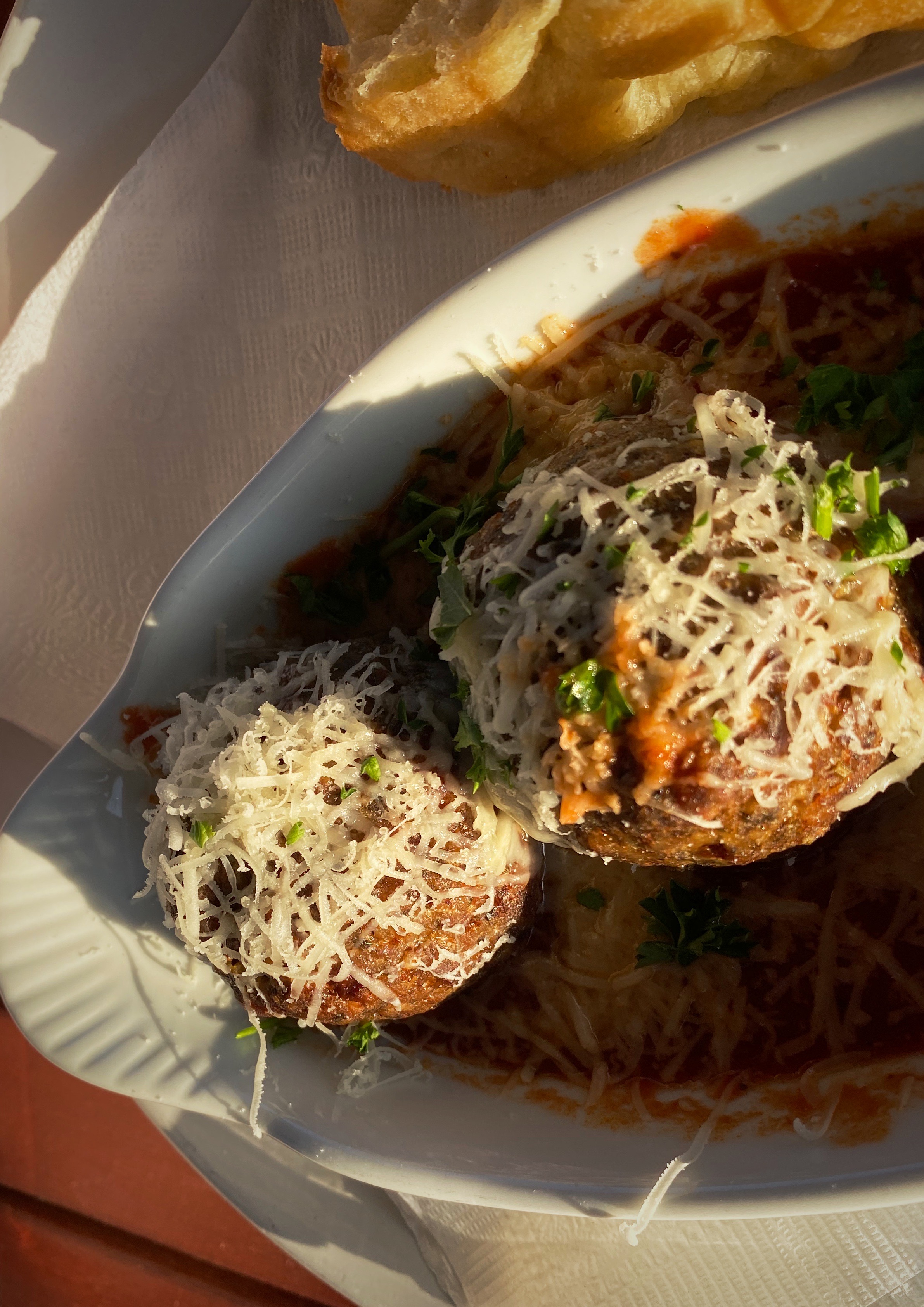
Our recommendations for the district – Onesto for excellent Italian fare, Thief Wine Bar for delicious and very reasonably priced wine, St. Paul Fish Company for fresh fish from the Lake and of course Colectivo Coffee.

Sports

Our timing was fortuitous in visiting MKE while the Brewers were at home. The Brewers did not play when we saw them, but have played better since we were in town (won nine of last ten games). Nonetheless, it is always fun to take in a MLB game, particularly in a stadium not previously visited.

The stadium – American Family Field – opened in 2001 and, like the MAM, is architecturally impressive. The stadium has the only fan-shaped convertible roof in the United States – which worked out well for us as rain moved into the MKE area on the afternoon of the day we were attending.

As you can see in the photos below the crowd was sparse as the city was still limiting attendance to 25% of capacity. The bewildering part of the rule was that while attendance was limited there was no social distancing with seating.

Our thoughts

We had a great time visiting MKE. The city is a good stop for three to four days, depending on your interests. There are plenty of options with professional sports teams, museums, fine and casual dining and live entertainment.

MKE is also very pedestrian- and bike-friendly with numerous paved paths in downtown and along the waterfront. Also, and very importantly from our perspective, is that the local folks we met were uniformly very friendly and open.

MKE – modern and friendly – worth a visit!

Our next planned post will be based on our travels through Minnesota.

Be seeing you!