Street Art Tourist: OTR 8.0: Part Two: Clarksdale Music and Art

Muddy Waters, Clarksdale, MS (1913-1983) Midnight at the Crossroads by Devin Gerard Liston @devin.liston

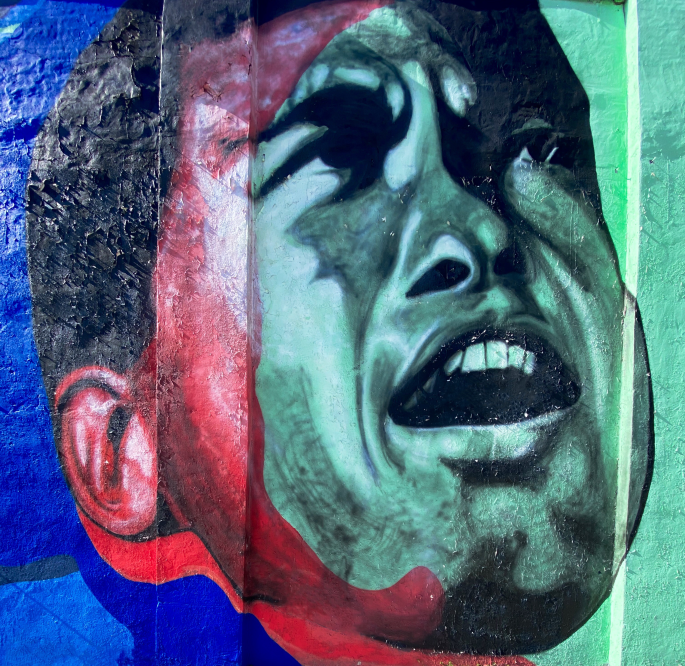
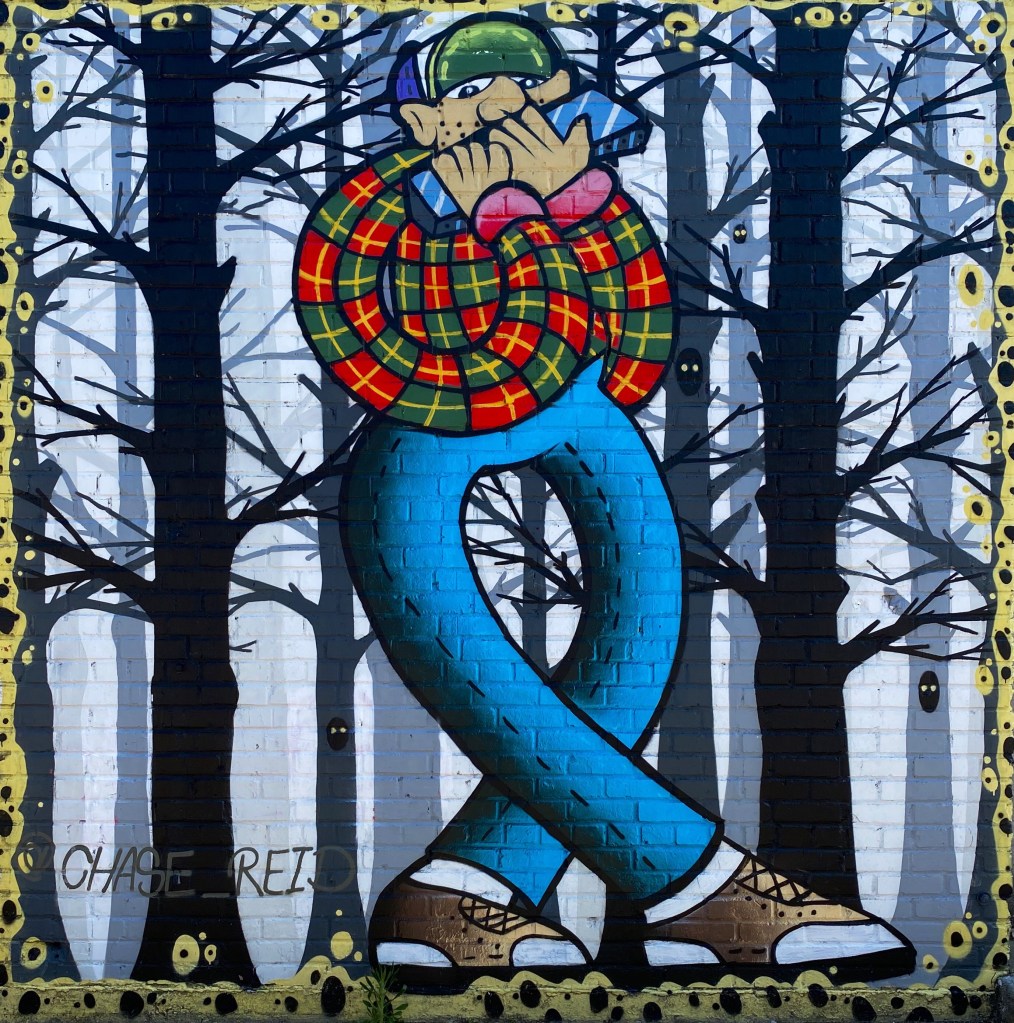
Clarksdale, Mississippi, undoubtedly the epicenter of the Mississippi Delta Blues, is also a treasure trove of Street Art reflecting the musical heritage of the Delta. While we were visiting primarily to hear live blues music and experience the local juke joints, we could not pass up the opportunity to photograph the many portrait murals of blues legends.

The musicians that were born in this area are among the greatest blues practioners and pioneers of all time. Many of them emigrated north to Detroit and Chicago for factory work but ultimately found fame there and were able to turn their passion for music into their full time pursuit.

Just a few examples of the musicians who were born in this area or contributed to the development of the Blues here include: Sam Cooke, John Lee Hooker, Muddy Waters, Ike Turner, Robert Johnson, Kingfish Ingram and Sarah Moore. Click on the link to see a roster (and biographies) of the many famous blues musicians that were so much a part of the blues scene here. https://www.cityofclarksdale.org/music-culture-history/

John Lee Hooker, Tutwiler, MS (1917-2001)
Leo “Bud” Welch, Sabougla, MS (1932-2017) by El Care Barbie @elcarebarbie
Sam Cooke, Clarksdale, MS (1931-1964)
Delta Roots by Hayden G. Hall @haydenghallart
Portrait of Dr. Vera Mae Pigee by Charles Coleman @ccolem20
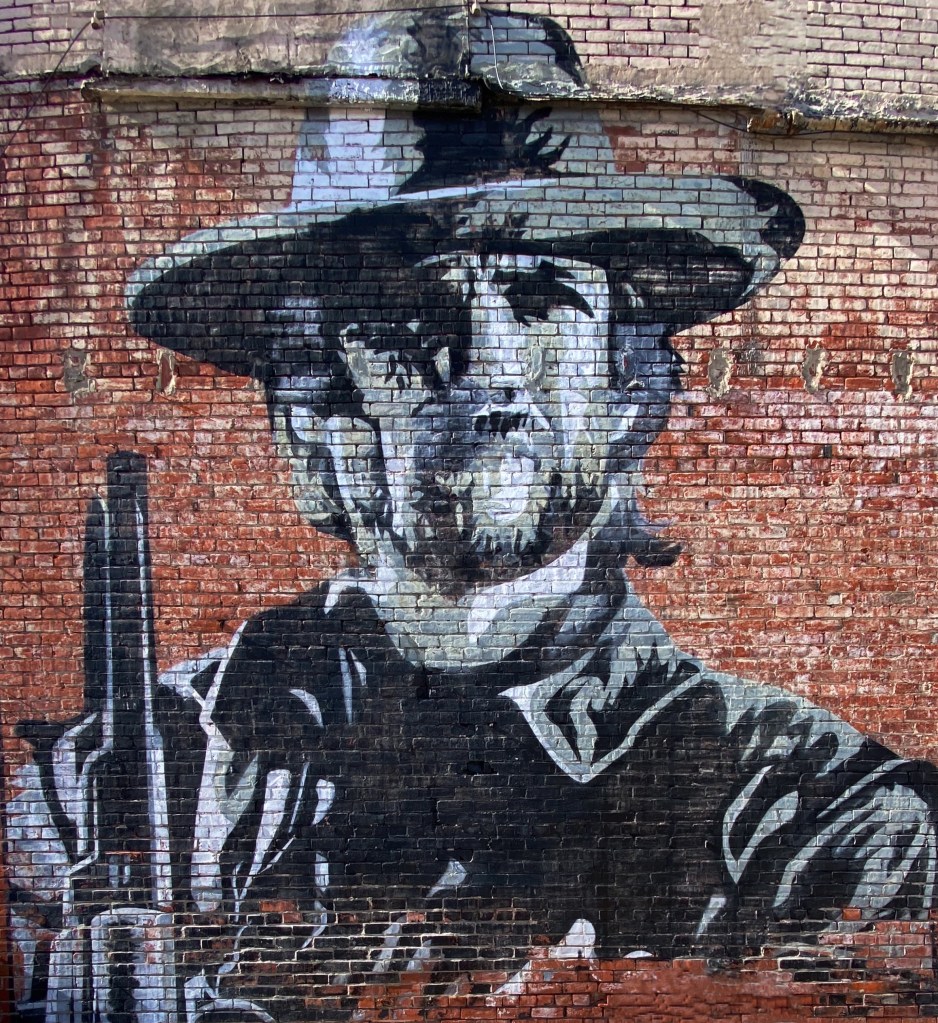
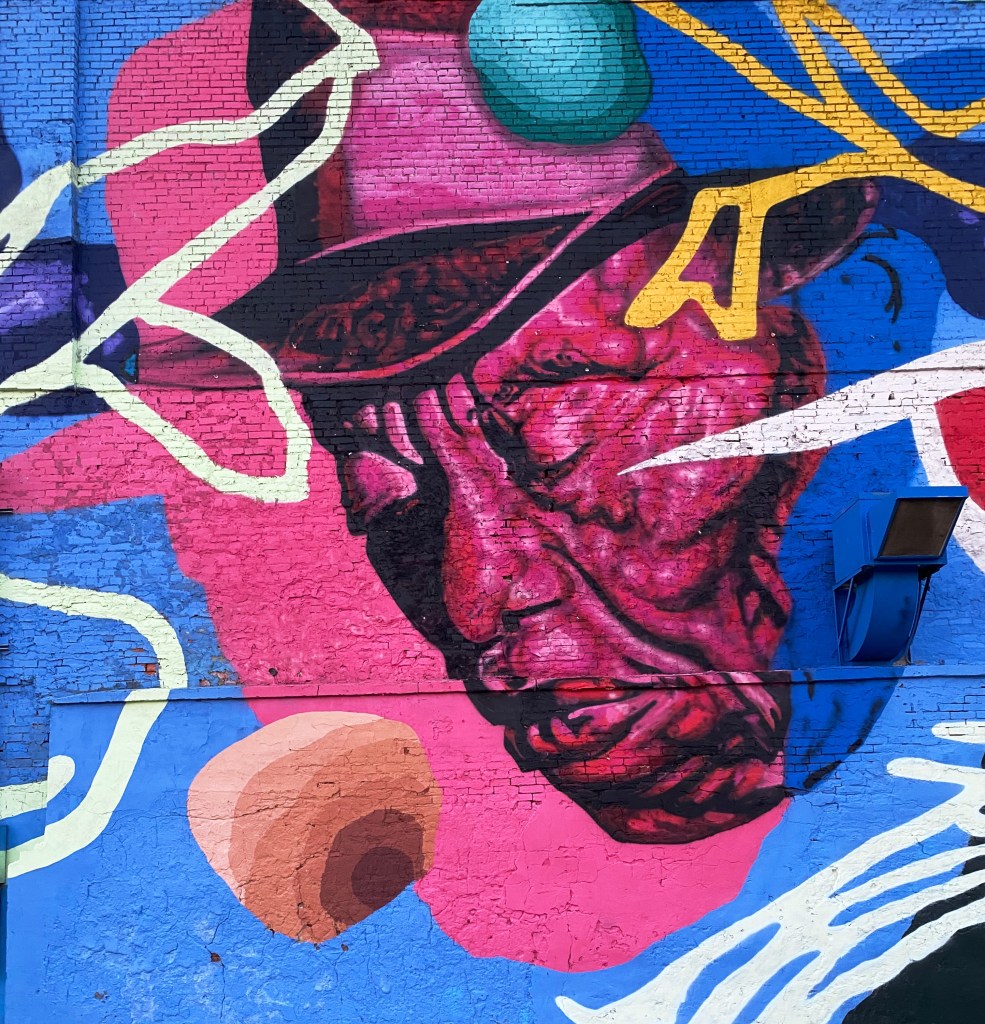
Clint Eastwood as the Outlaw Josey Wales by Christopher Keywood
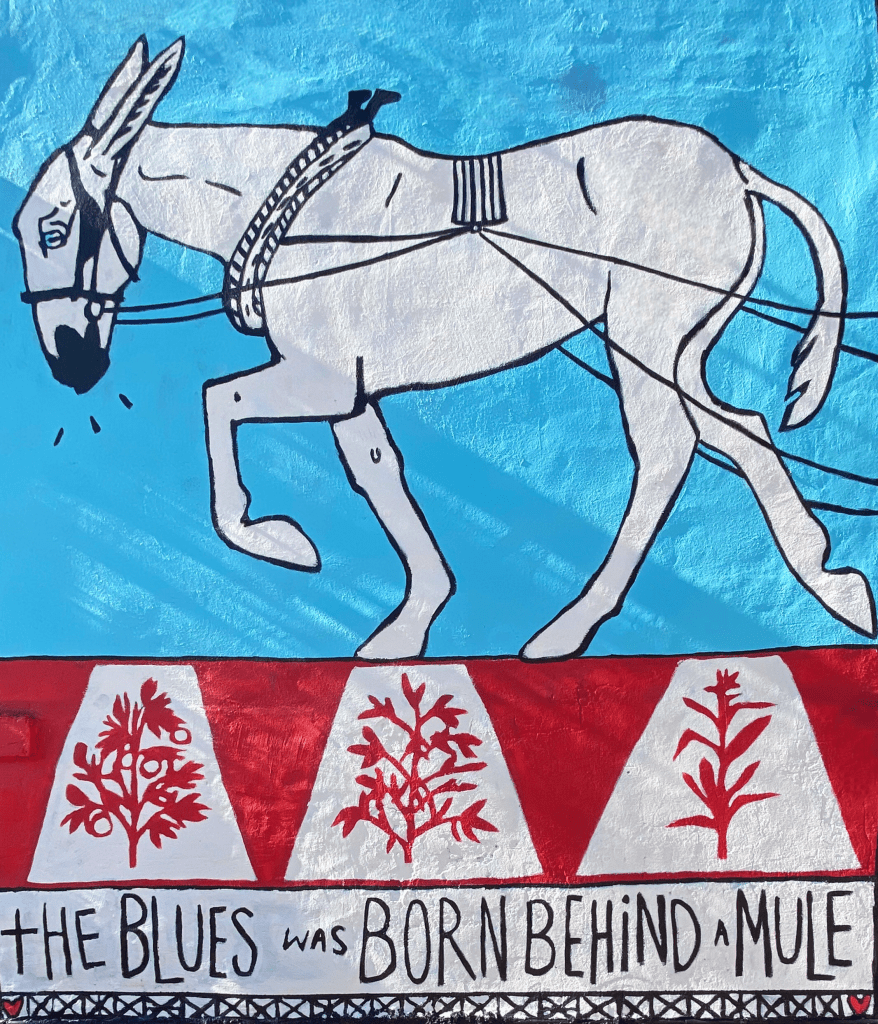
Plow Mule Blues by Church Goin Mule Marshall Blevins @churchgoinmule
Don’t Stop Me From Flying by Likmi Soberana @lik_mi
Rebeka Skela @sanguineskills
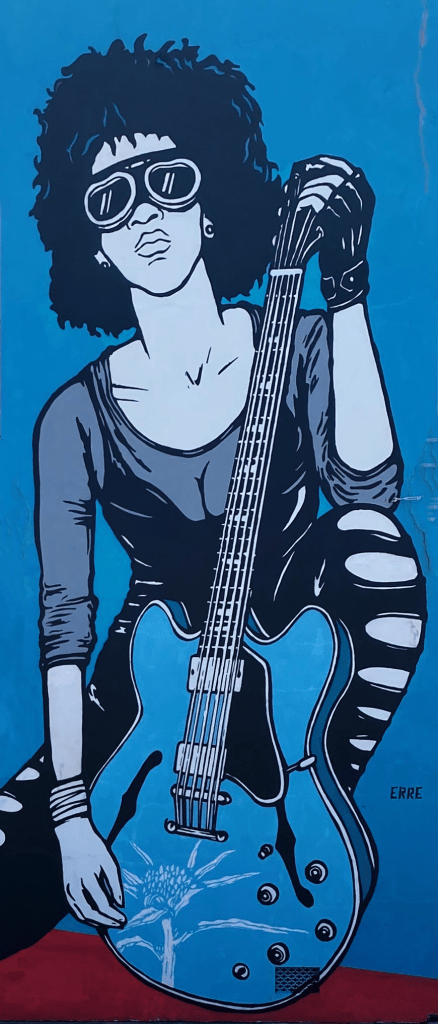
Woman of Rock by @erre.erre
Homage to Howlin’ Wolf Wilson by Gerson Fonseca @monstrucion.3
Midnight at the Crossroads by Devin Gerard Liston @devin.liston

We hope you enjoyed these photographs of street murals from Clarksdale. We could have spent another day photographing more murals, but the road was calling and we always heed the call of the road.

Be seeing you!

ctsprinterlife: OTR 8.0 Alabama Part One

OTR’s only previous experience in Alabama was a couple of days driving across the northern portion of the state in March of 2020 as we were returning home prematurely due to the impact of the pandemic. So we were excited to come back to Alabama and spend some additional time exploring.

Graces High Falls

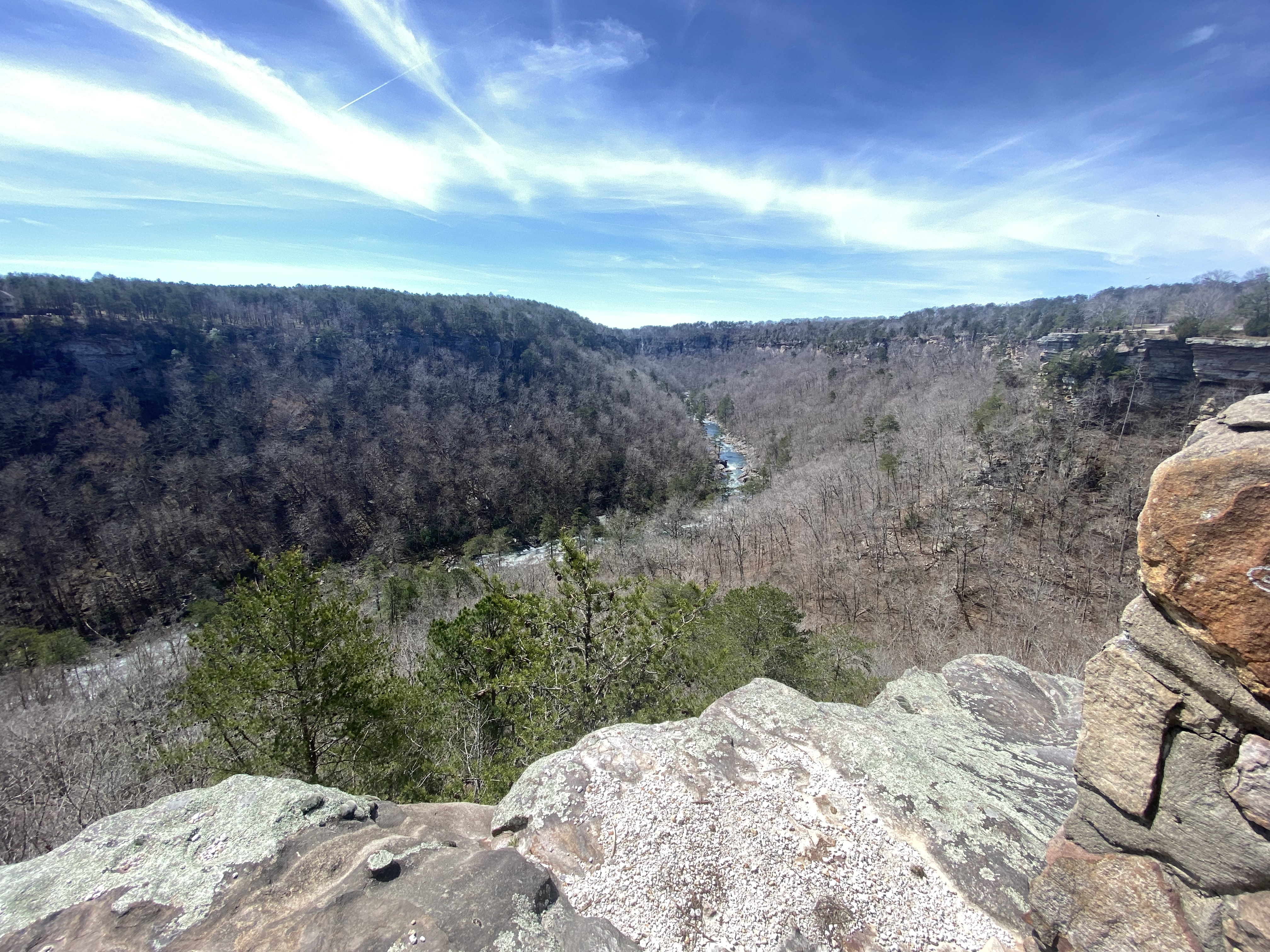
Little river canyon national preserve (LRCNP)

As we were preparing to leave Chattanooga and looking at potential points of interest on our way to Birmingham, we discovered LRCNP. The LRCNP was a great find – it provides a scenic drive along the canyon rim and a number of hikes on top of the canyon as well as down into the canyon.

Hawks Glide Overlook

The Little River flows across the top of Lookout Mountain and has carved a canyon as deep as 600 feet along the way. A river flowing across a mountain top is unusual but has helped keep this area much as it has been for centuries. There is no development within the canyon. The drive to get to the mouth of the canyon is an eleven mile steep, winding and narrow affair which limits the number of visitors to the day use area.

Little River

If you find yourself in Northeastern Alabama for any reason the LRCNP is a terrific place to spend a day driving the rim and taking a hike. https://www.nps.gov/liri/index.htm

Birmingham

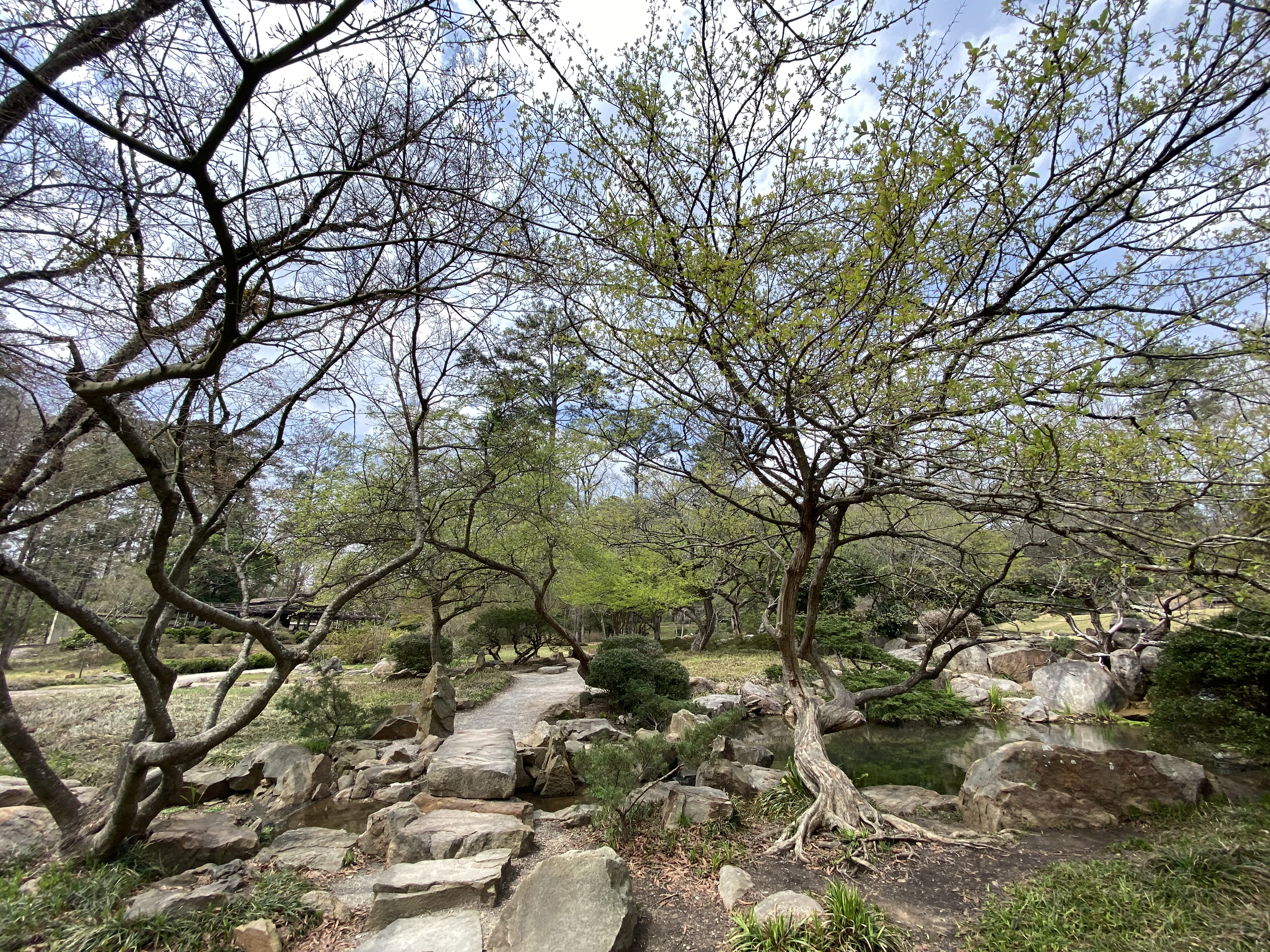
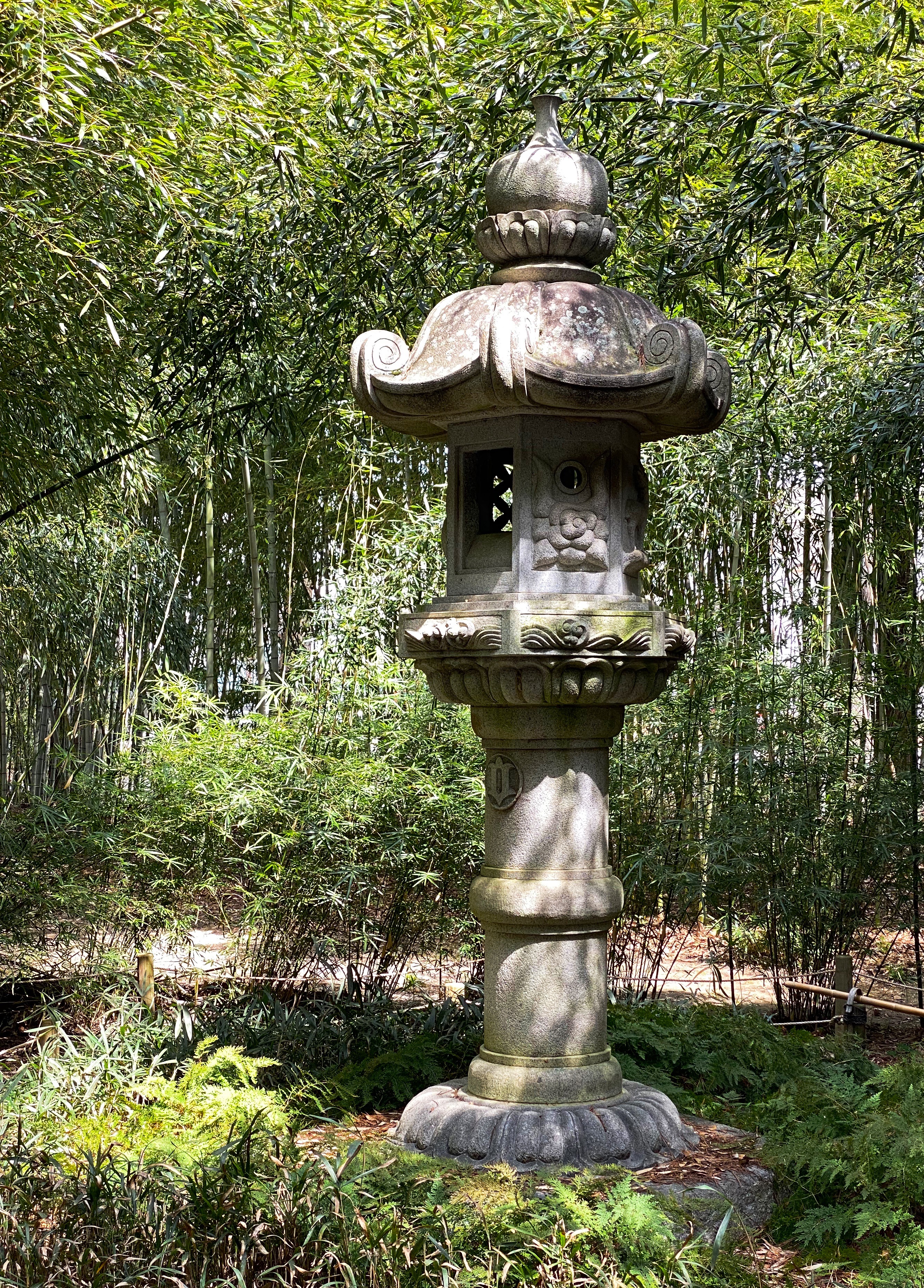
We were interested in visiting Birmingham to better understand the history of this city that was so critical to the advancement of civil rights in America. However, our first stop in Birmingham was a visit to the city’s botanical garden.

We knew the gardens would not be at peak this early in the season but the grounds were still beautiful and provided us with a peaceful afternoon walking the paths.

Sloss furnaces

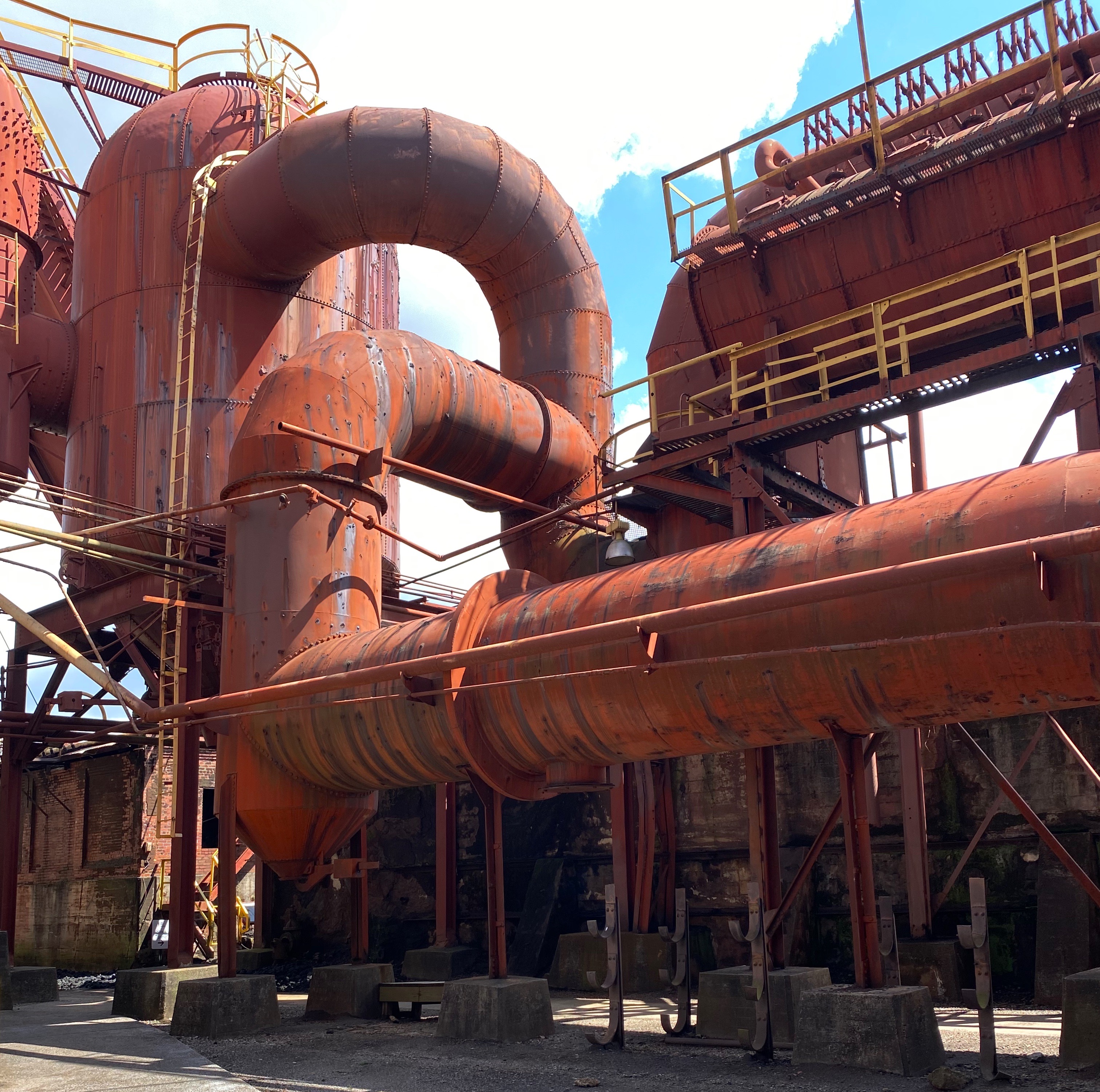
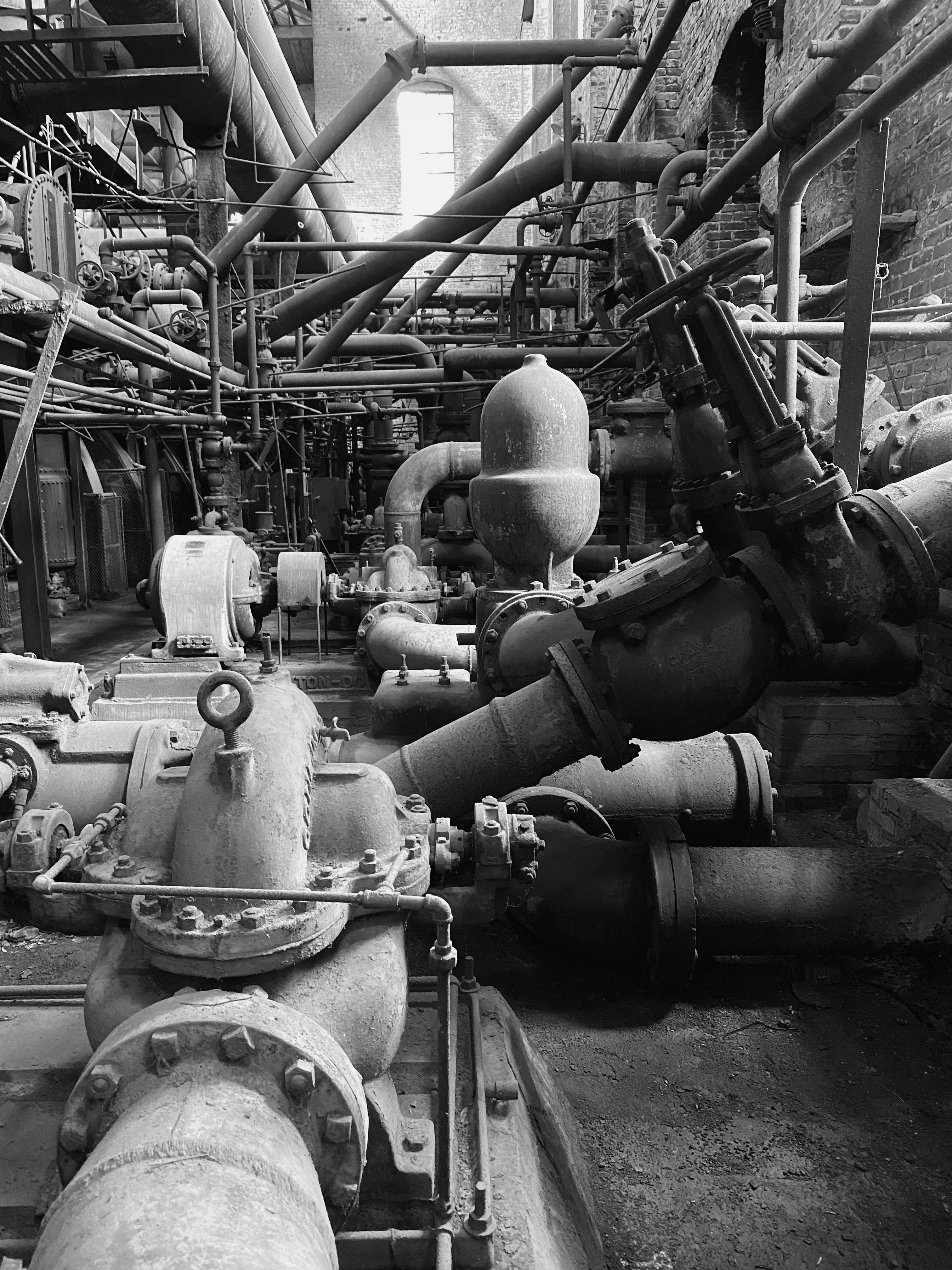
The following morning we commenced our tour (after fika at Seeds Coffee) of the city. We started at the Sloss Furnaces. The Furnaces is a historic landmark which both represents the industrial might that made Birmingham so prosperous and the racism that made Birmingham so notorius.

Sloss Furnaces

Birmingham is known as the Magic City due to its rapid growth and prosperity. Birmingham was just farmland until the mid 1800’s when it was discovered that the three items needed to make steel – iron ore, limestone and coal were all abundant in the area. Combined with the arrival of the railroad, the path forward was set.

The Sloss Furnaces operated from 1872 until 1970, helping to make Birmingham a prosperous city with culture and arts for the white residents. Black workers made up 70% of the workforce but provided 100% of the back-breaking labor in the mines and the furnaces. All managerial positions were held by white workers. The city was not so magical for African-Americans who were paid low wages for working in intolerable and unsafe conditions. To make the situation even more obscene the companies utilized “convict labor” in the coal mines and paid their wages to the city. Ninety percent of the convict laborers were blacks and many were falsely arrested on vagrancy charges, jailed and then leased to the city. This practice continued until 1928 – that’s right – 1928. So much for emancipation.

The workers at Sloss as well as the other furnaces were strictly segregatedBlack workers had separate showers, time clocks and entrances. The segregated workplace was not abolished until the 1960’s when the civil rights movement forced the company to abolish the policy.

The Sloss Furnaces as a physical artifact of our history are a superlative piece of history showcasing the rapid and impressive technological advances of the United States. It is an outdoor museum like few others and we think it merits a visithttps://www.slossfurnaces.com/

Birmingham civil rights institute

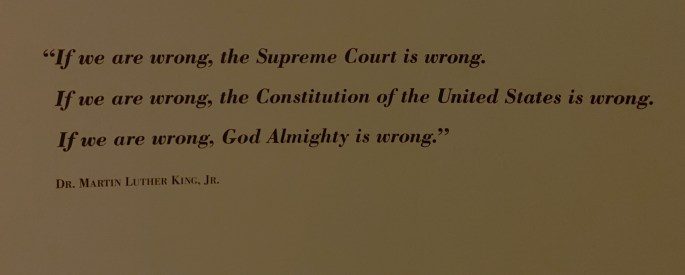
Martin Luther King, Jr – Birminghan Civil Rights Institute

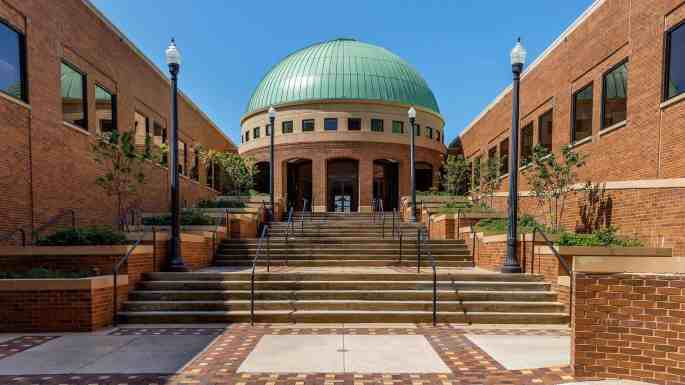
The Birmingham Civil Rights Institue (BCRI) was opened to the public in 1992. The BCRI is part of the Birmingham Civil Rights National Monument. In addition to serving as a museum chronicling the civil rights movement in Birmingham, it functions as a research and educational organization .

BCRI

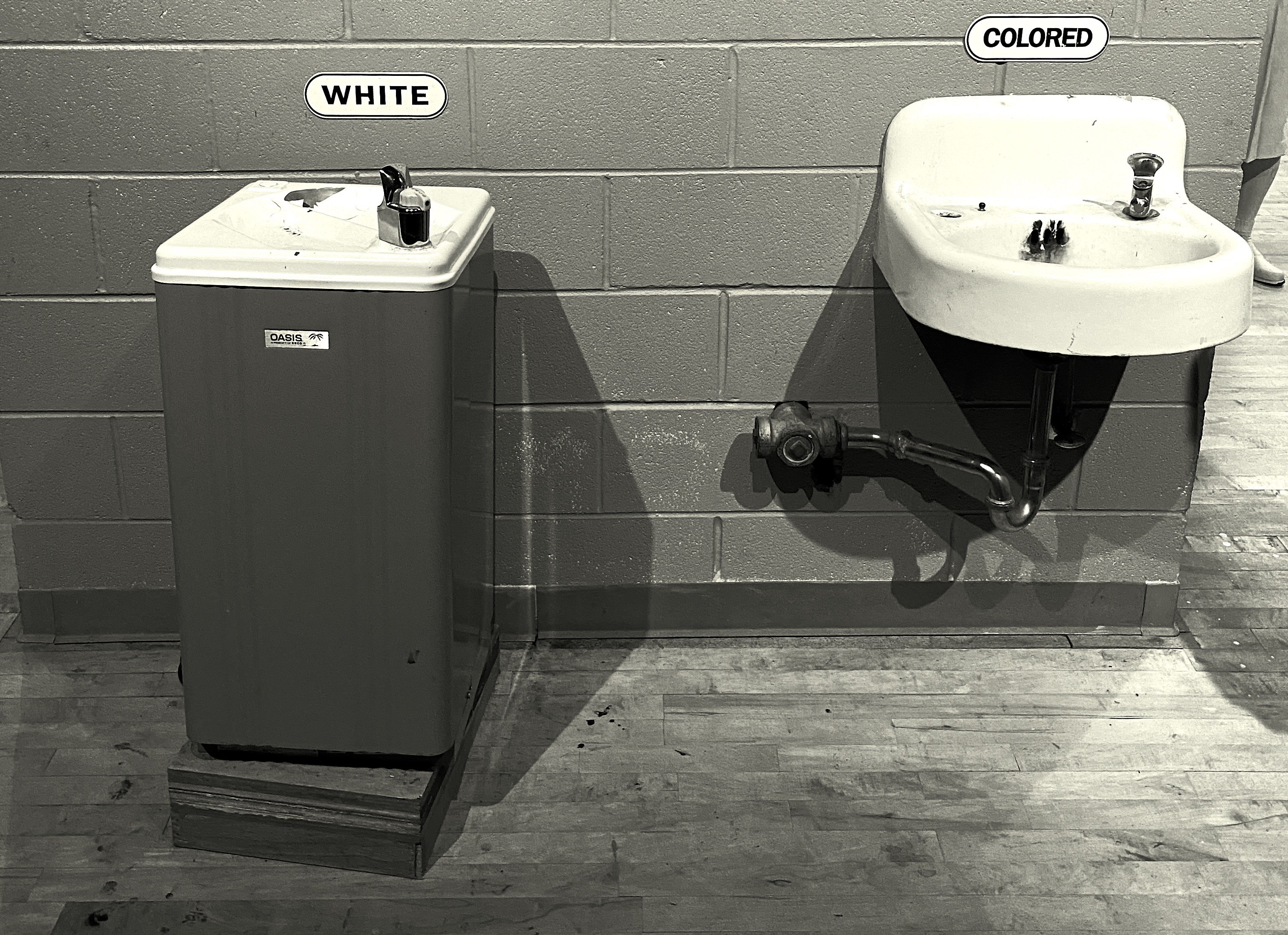
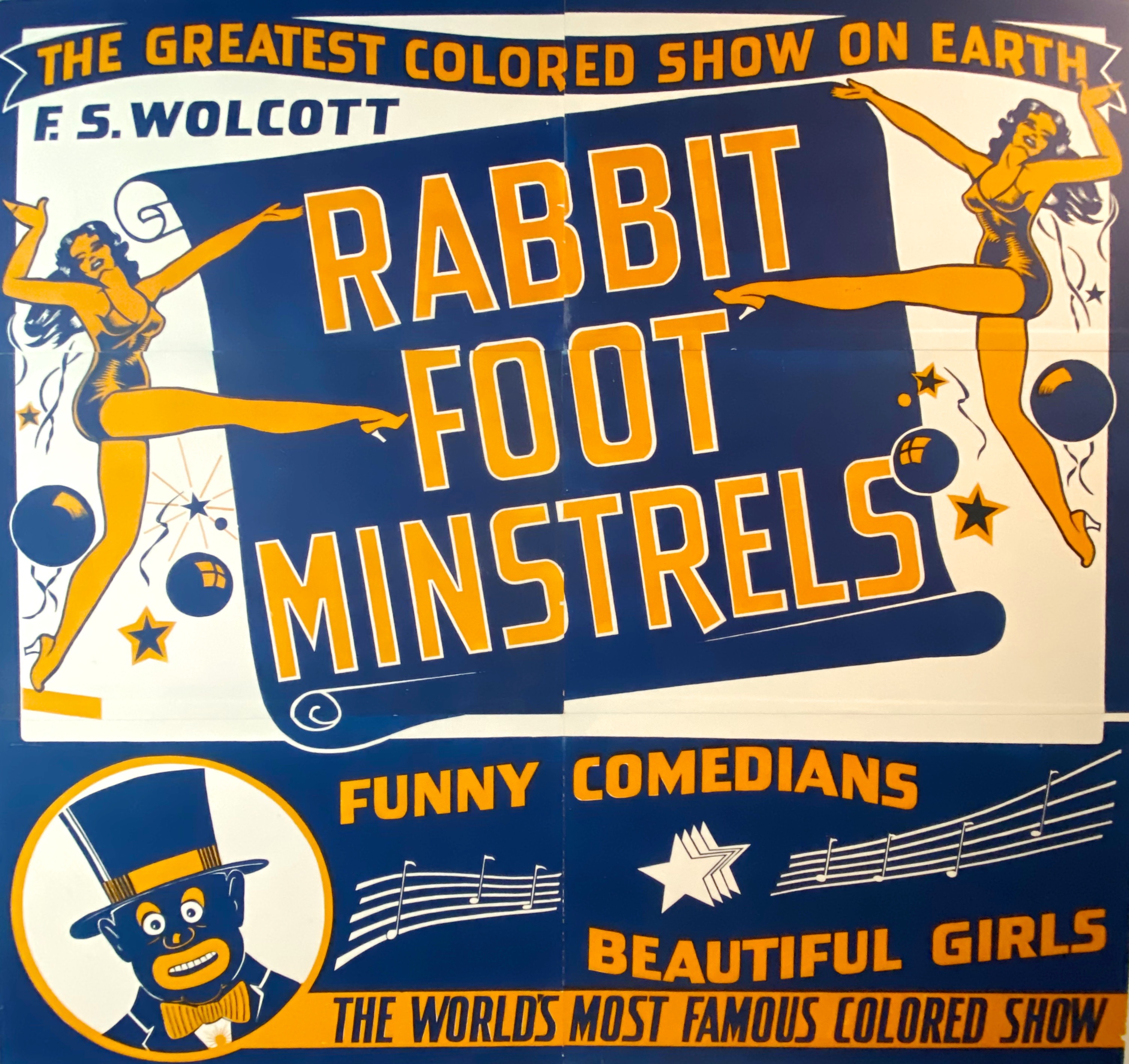
The museum staff has laid out the story of the civil rights movement in a compelling and dramatic fashion. There are many significant artifacts on display but it is the videos, photographs and recordings of the actual events that give life to the history. We found ourselves struggling emotionally a number of times as we watched and listened to the events that demonstrated the cruelty of the segregationists and courage of people fighting for equality in the face of jail, physical harm or even death.

16th street baptist church

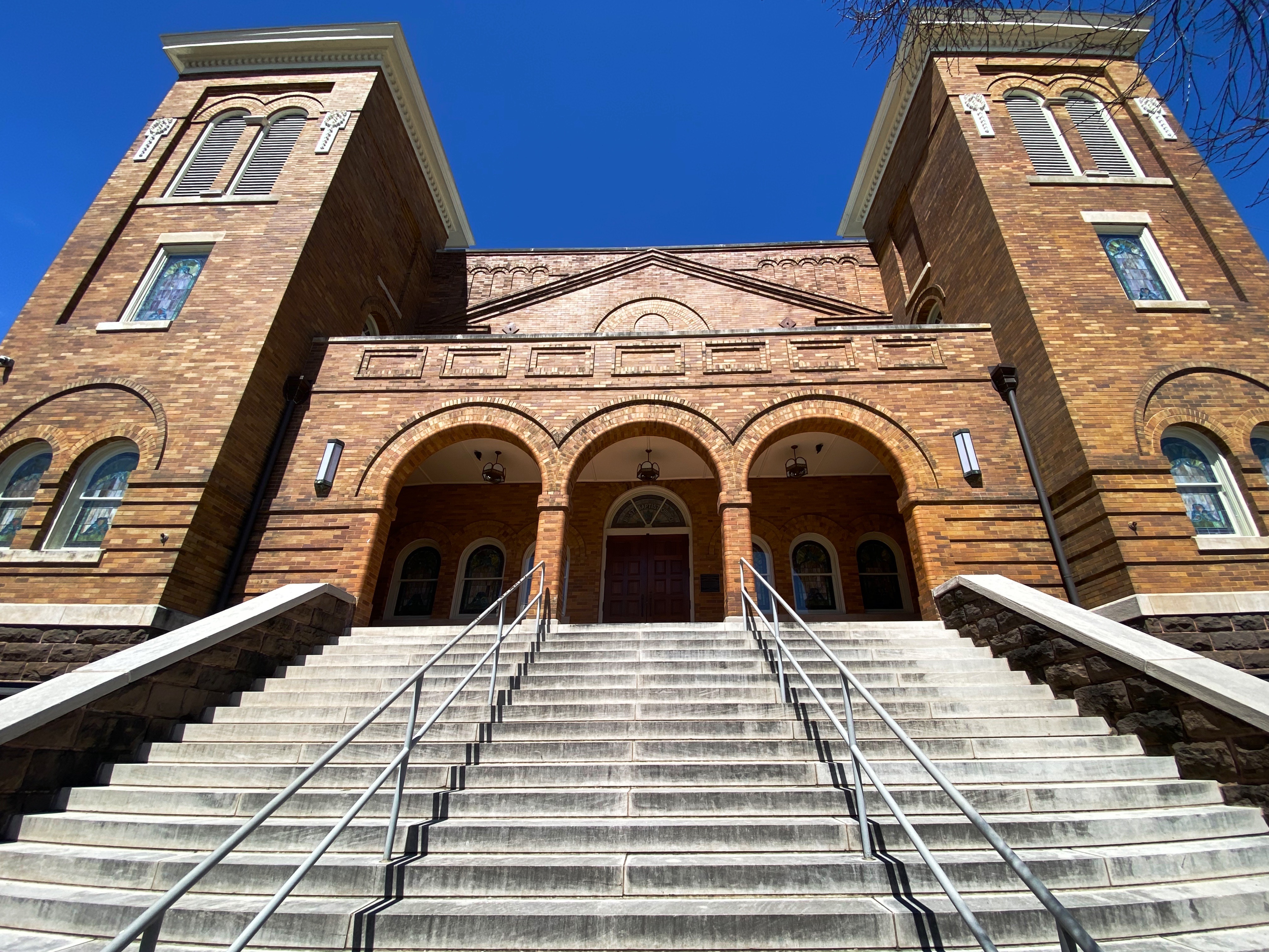
16th Street Baptist Church

The 16th Street Baptist Church is across the street from the BCRI. We took a tour of this church that figured so prominently in the fight to end segregation in Birmingham. This church was a central rallying point for the protests that took place in Birmingham.

As a result, white segregationists targeted the church and on Sunday, September 15, 1963, segregationists placed dynamite under the steps on the side of the church. The explosion killed four young girls and seriously injured another young girl.

The 16th Street Baptist Church is still an active and robust parish. The tour of the church is conducted by members of the parish. They are knowledgable and engaging. Several of the elder tour guides were parishioners at the time of the bombing. If you are visiting the BCRI most definitely walk across the street for a tour at the church.https://www.nps.gov/articles/16thstreetbaptist.htm

Fika with fiona: Best of birmingham: Seeds coffee

Seeds Coffee: https://seedscoffee.com/about/

We will be publishing a second post covering the remainder of the Alabama portion of OTR 8.0 in the near future.

Be seeing you!

OTR 8.0: Virginia (but first, Maryland)

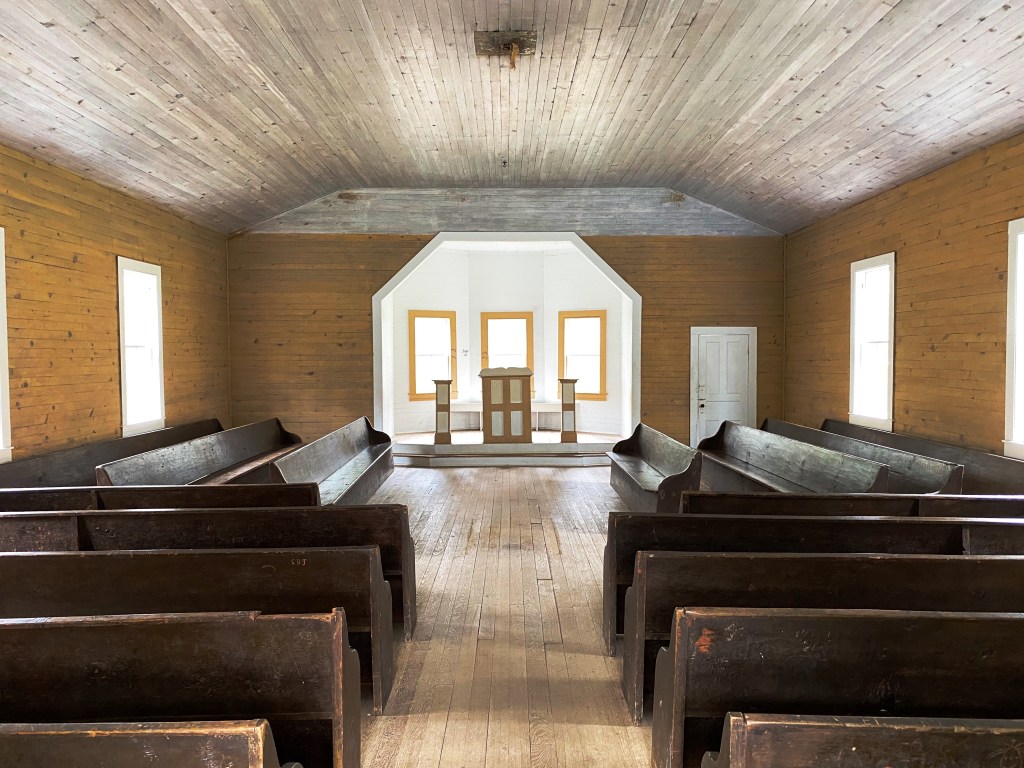
Headwaters Presbyterian Church, 1890, Headwaters, VA (pop. 113)

Cumberland, Maryland

Savage Mountain, GAP

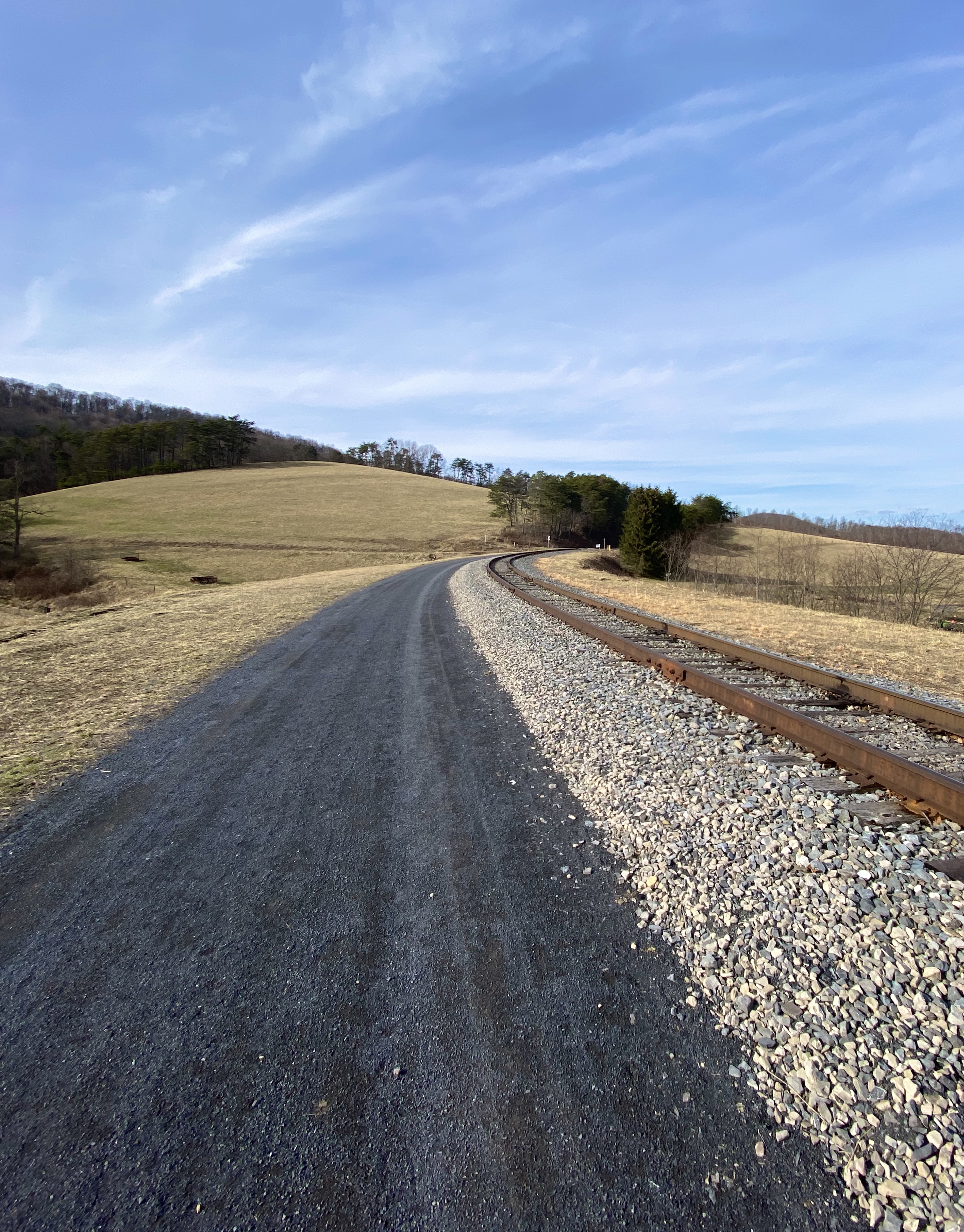
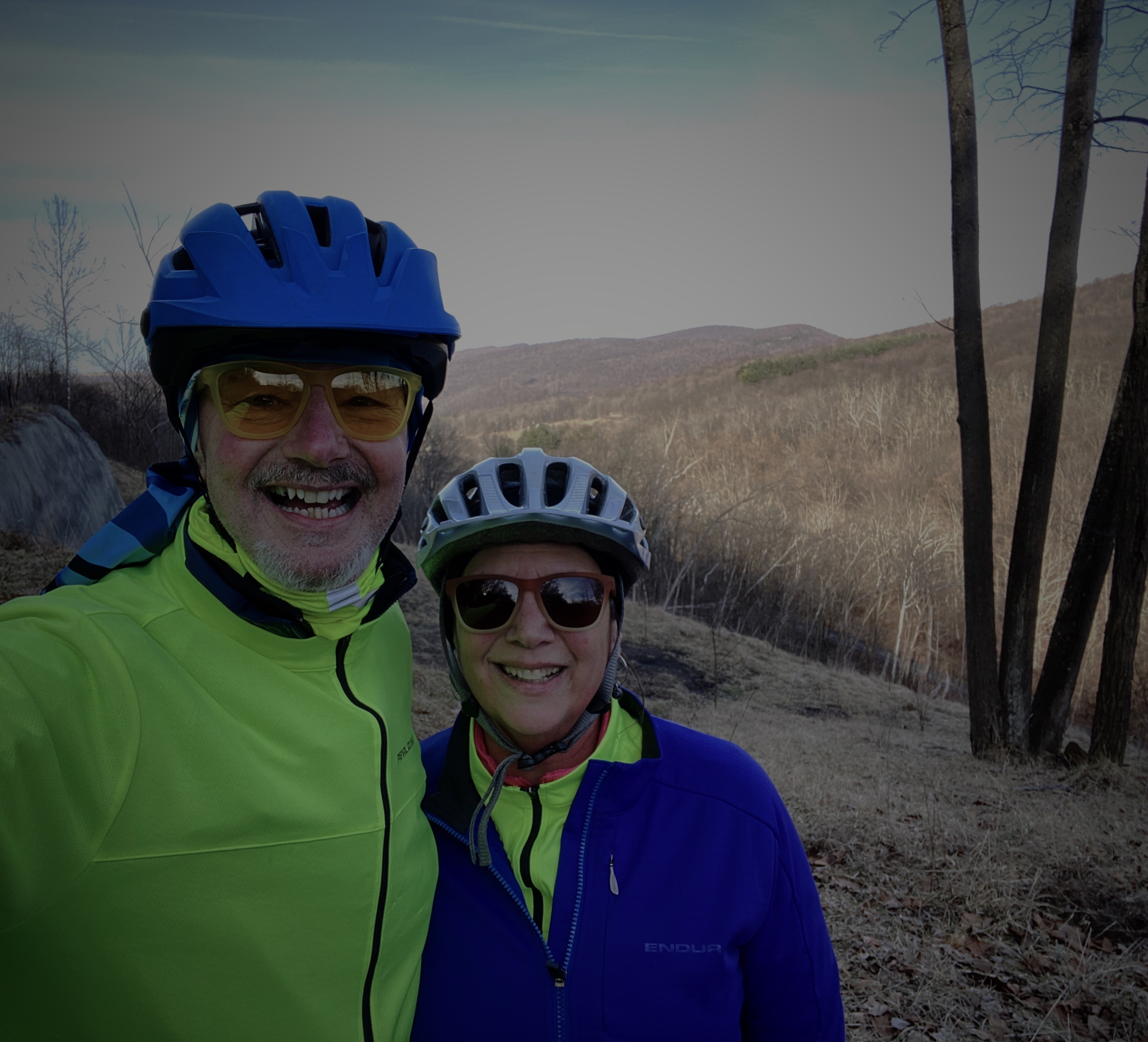
With a cool but dry forecast in front of us we decided to delay our arrival in Virginia and head to Cumberland for a couple of days to take advantage of the forecast and do some cycling. Cumberland is the terminus for two exceptional bike trails. The Great Allegheny Passage (GAP) connects Pittsburgh to Cumberland providing 150 miles of cycling. The trail roughly follows the course of three rivers from west to east: the Monongahela River, the Youghiogheny River and the Casselman River.

The C&O trail begins in Washington DC and follows the C&O Canal for 185 miles to its terminus in Cumberland. Based on a recommendation from some local bicyclists we rode west on the GAP. While the GAP has a better surface than the C&O, riding west is all uphill out of Cumberland. Of course the ride back takes about half as much time.

The scenery along the trail is spectacular as the trail ascends into the Laurel Highlands of Virginia. We definitely plan on going back in the future to ride additional sections of the trail.

Skyline drive

Skyline Drive sits within Shenandoah National Park (SNP). The road winds its way (north/south) along the crest of the Blue Ridge Mountains for 105 miles. Skyline is the only through road in the entire park. Additionally, you can only enter or exit Skyline Drive in four places. We accessed the road at the Northern entrance in Front Royal.

Driving South – Skyline Drive

While the highest elevation on the road is 3680 FASL the views are none the less spectacular. You are witness to broad green valleys reaching across to more ridgeline, and are able to view the Shenandoah River meandering through the valley to the west.

We had hoped to camp overnight at Great Meadows, which sits approximately 51 miles south of the northern entrance at Front Royal. We would then complete the remainder of the drive the following day. We also planned on hiking from the Great Meadows that afternoon. Alas, the campground was gated and we were unable to camp on the ridge.

We also had planned to hike to Lewis Fall from the campground. We still wanted to hike so we pushed on to a trailhead about five miles further south based on a recommendation from a park rangers.

The Rose River Trail is a loop trail that descends from a trailhead at Fishers Gap. The Rose River is just 8.8 miles in length but flows down from one of the highest points on the Blue Ridge until it converges with the Robinson River.

After descending to the valley floor,the climb back up to the trailhead was steep and a bit arduous as you regain the 1000 feet of elevation lost on the way down. The sights and sounds of the multiple waterfalls and cascades that are your constant companions on this hike more than compensate for the effort.

Highland County

After finishing the hike we made our way south completing the drive and heading west to stay in Staunton (pronounced Stanton). We had stopped in Staunton in March, 2020 on our way back to Connecticut after the pandemic cut short that trip – looking for coffee and food. We found an excellent coffee shop and roaster (Crucible Coffee) and an excellent restaurant (Table 44) that were both still operating. We have fond memories of our stop in Staunton as we had limited option in March 2020 – the excellent news is that our memories had not failed us and we again had a great dinner and excellent coffee and tea before heading west to Highland County.

The trip west to Highland is a spectacular ride on Route 250. The road is a twisting up and down affair as you climb up and over the crest of Shenandoah Mountain.

Hankey Mountain Highway -Route 250

Highland County is the least populated county in Virginia. While the county is 416 square miles the population is a mere 2200 people. The economy is dominated by agriculture – mostly in the form of beef cattle as the mountainous terrain and narrow valleys are not conducive to growing crops at scale.

Eastern Continental Divide, Allegheny Mountains

The Western border of the county is formed by the ridges of the Allegheny Mountains (see photo above of Allegheny Mountains as viewed of Shenandoah Mountain). The Allegenies at the western edge of the county also form the border with West Virginia. There are just three communites in the county; McDowell, Montery and Blue Grass. You may find other places designated on maps but they are just remnants of towns.

Beulah Presbyterian Church

We are drawn, as you know, to more remote locations to enjoy nature and solitude but must confess that part of our motive for this segment of OTR 8.0 was the Annual Highland County Maple Festival. The Maple Festival has been taking place for two weekends in March for the last 52 years.

Maple Dounts

What can we say – donuts, pancakes, pretzels, etc. – all made fresh by local residents with pure maple syrup from Highland County. The money supports local churches, civic organizations and businesses. More importantly it is all gosh darn delicious and the people are happy you made the trip up to ”Little Switzerland” from down in the Eastern lowlands!

The Curly Maple, Monterey, Virginia (pop. 130)
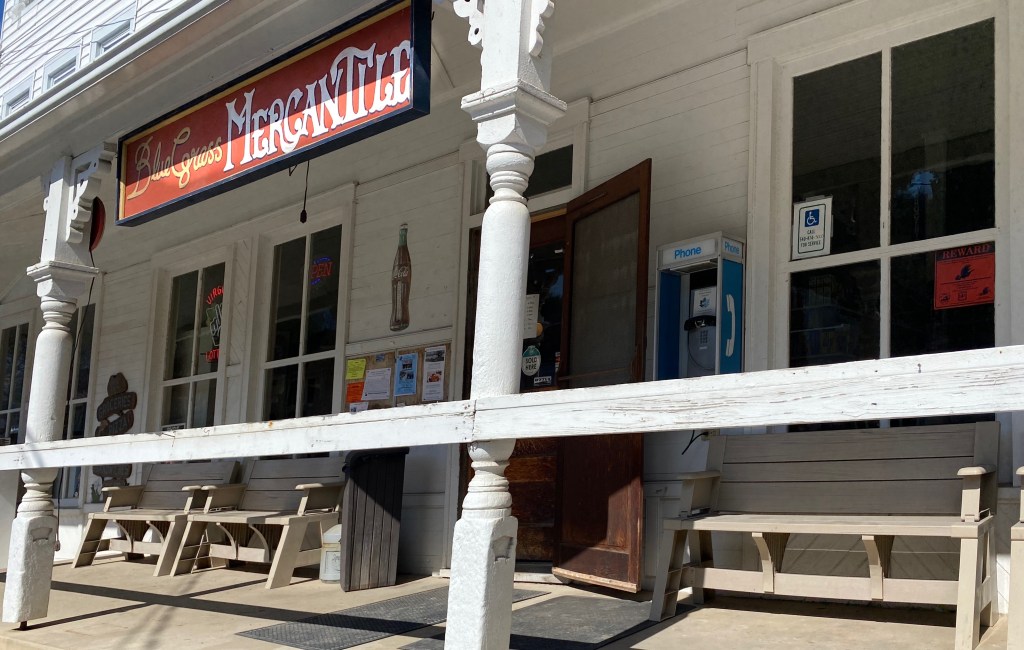
Blue Grass Mercantile, Blue Grass Virginia (pop. 144)
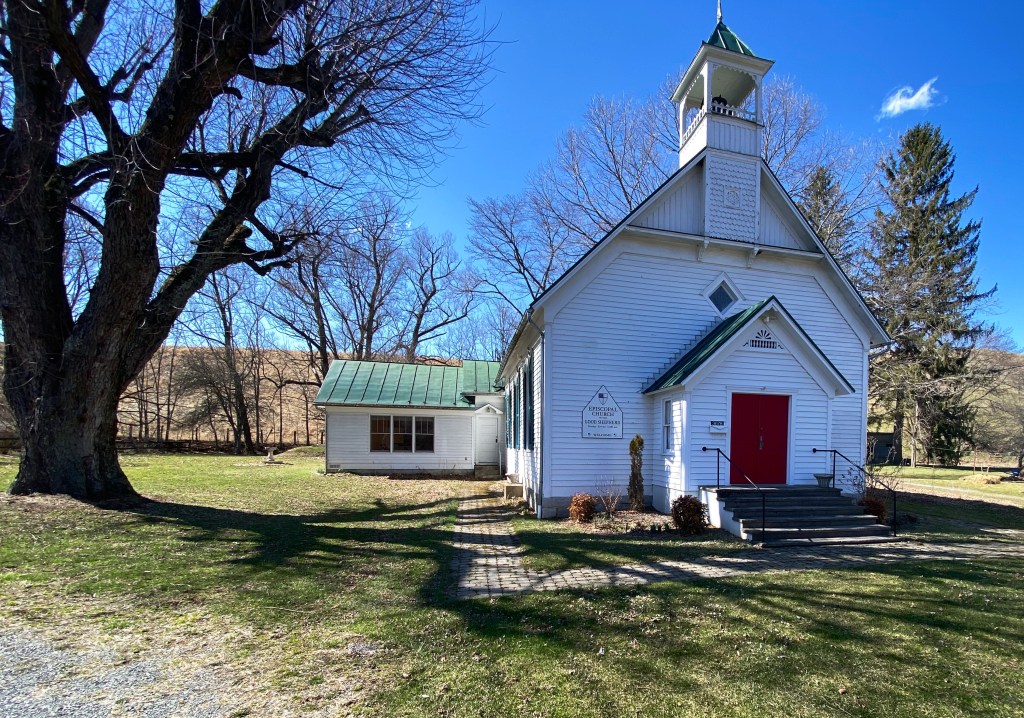
Episcopal Church of The Good Shepard, Blue Grass, Virginia

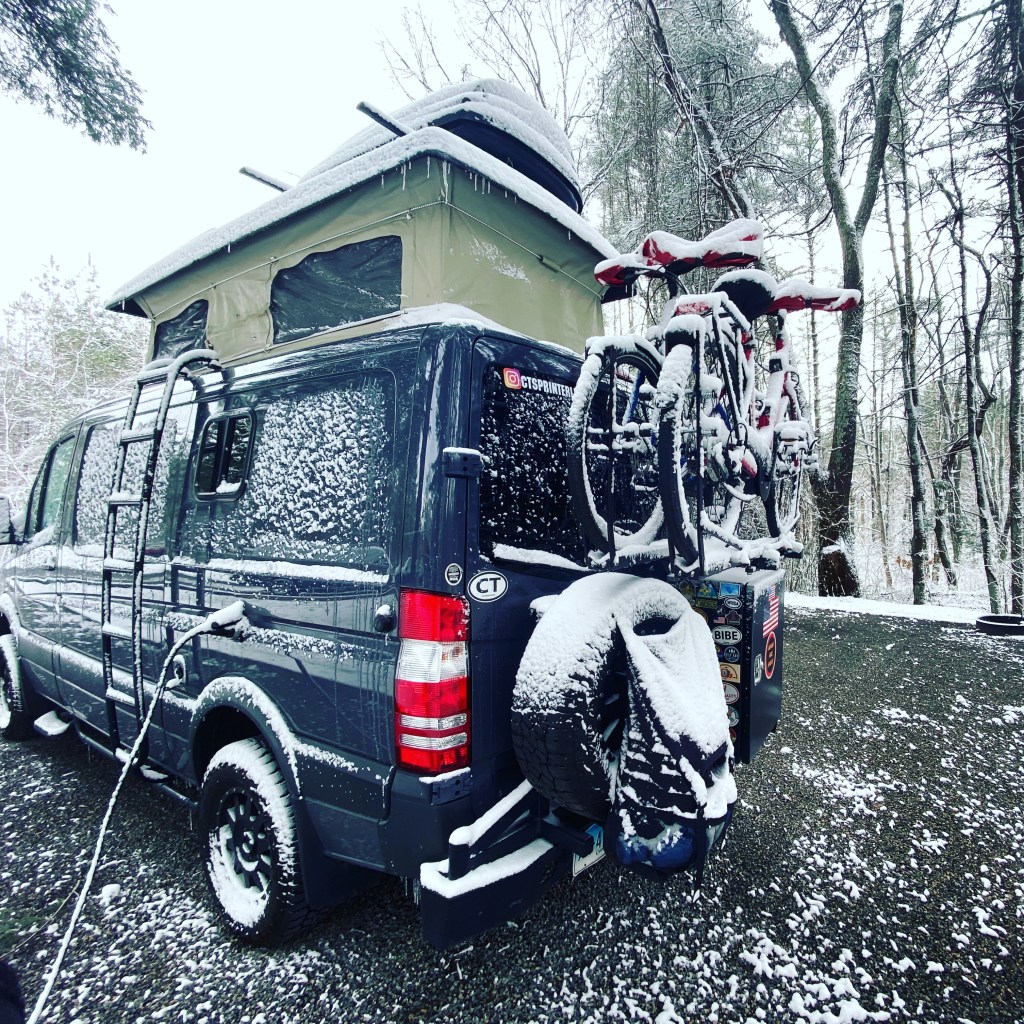
We enjoyed touring the valleys of Highland County and chatting with some of the local folks we met in the towns (even if one of them called us Yankees!) but we knew it was time to move on when we awoke to snow and howling winds.

Be seeing you!

P.S. As you may have noticed if you follow our blog on a regular basis our posts are not published on a strictly chronological basis.

Great Smoky Mountains National Park (GSMNP)

Hiking

GSMNP is a fantastic destination for hiking. There are 150 official trails within the park that provide over 800 miles of hiking opportunities. The Appalachian Trail also traverses the park.

We spent four days at the park. The mornings tended to be cloudy and foggy in the hollows and valleys so we auto toured in the mornings (after finding coffee) and hiked in the afternoon.

Hikes at GSMNP range from short and easy to full on backcountry. There are many connector trails allowing hikers to elongate or shorten hikes, or to create loop hikes.

GSMNP Trail Map

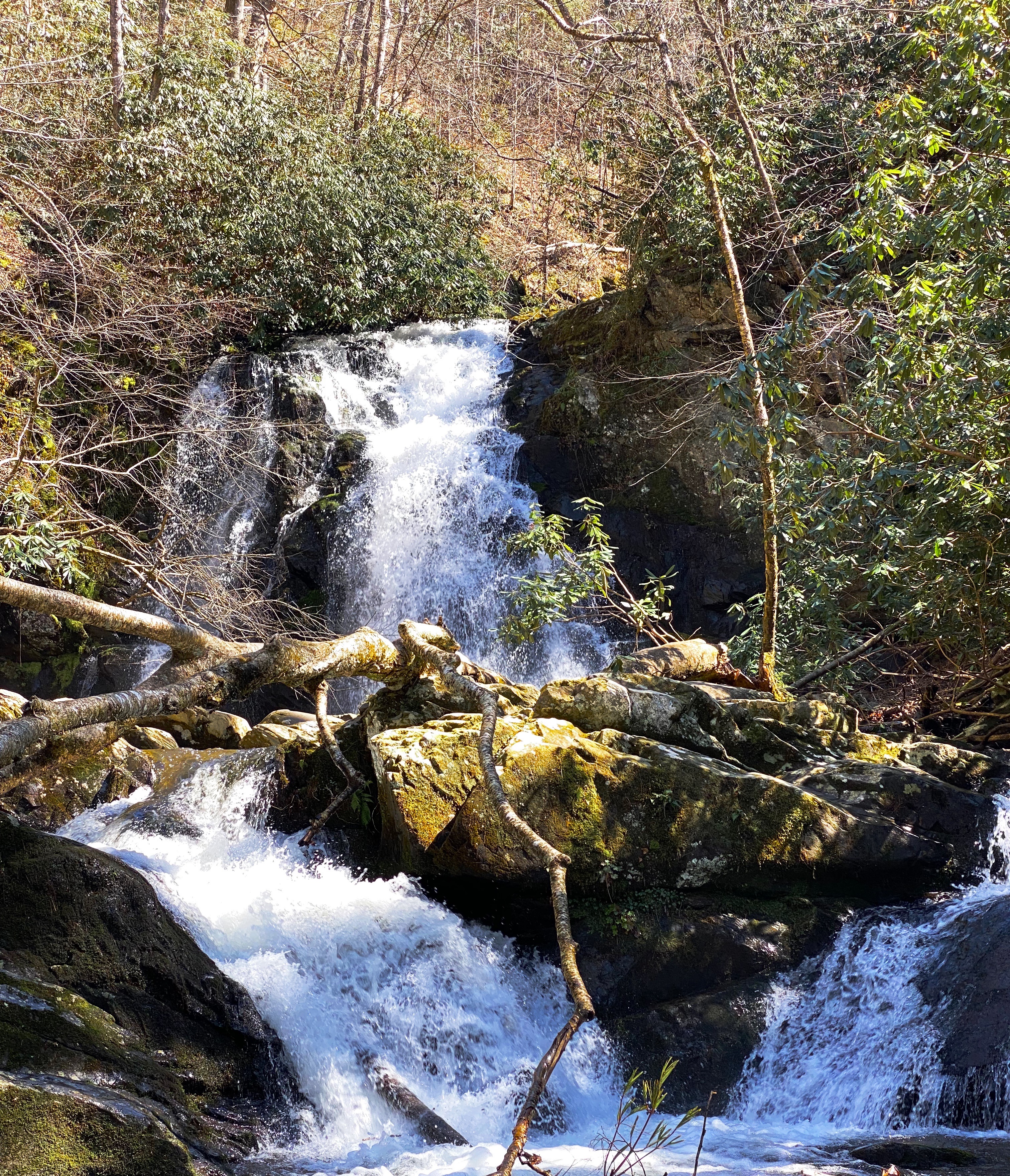
Because of the park’s topography, there are a multitude of creeks, streams, and rivers which make for many water crossings and provide the sound of rushing water as an accompaniment to the beautiful scenery. Additionally, waterfalls abound (especially in spring) providing hikers with plenty of ooh and ahh moments.

Spruce Flats Falls

Auto touring

GSMNP provides plentiful opportunities to take in vistas and view wildlife while touring the park by auto. There are a number of designated tour loops and routes throughout the park. There are almost 400 miles of paved and gravel roads suitable for ordinary passenger vehicles. There are also a number of primitive roads for those equipped with 4wd vehicles with high clearance.

Roaring Forks Motor Nature Trail
New Found Gap

Park history

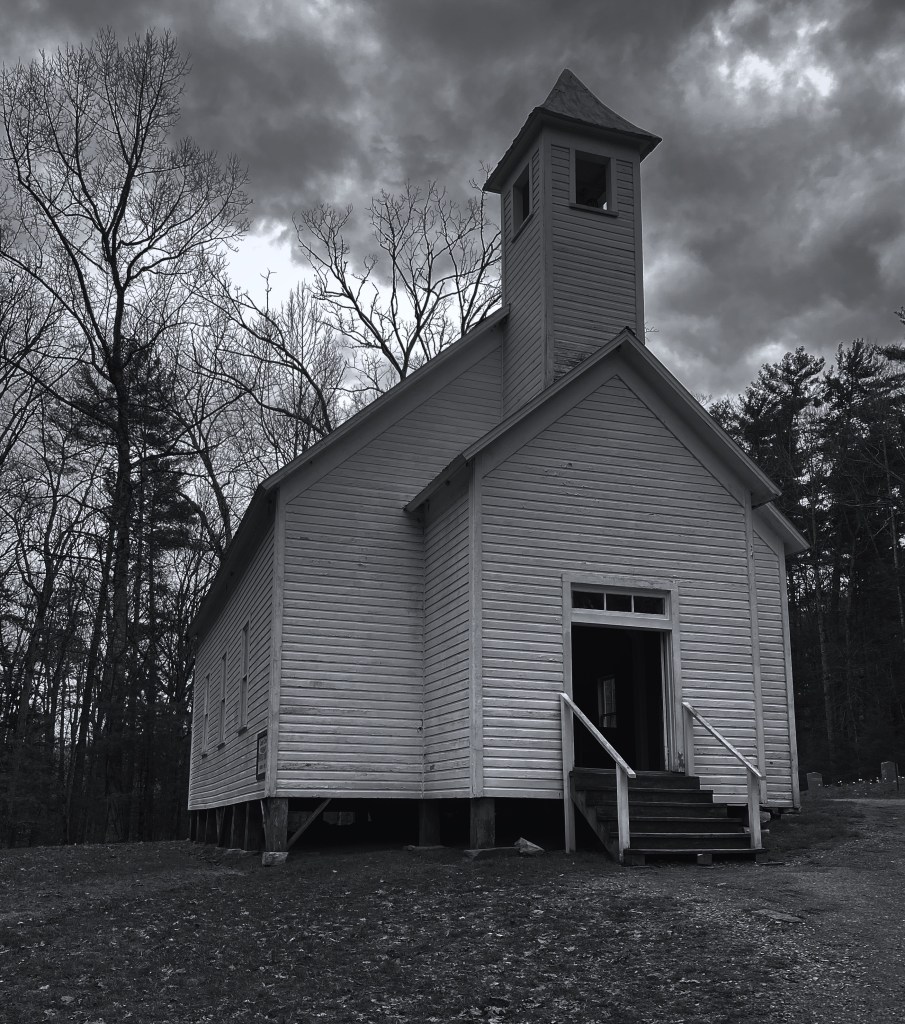
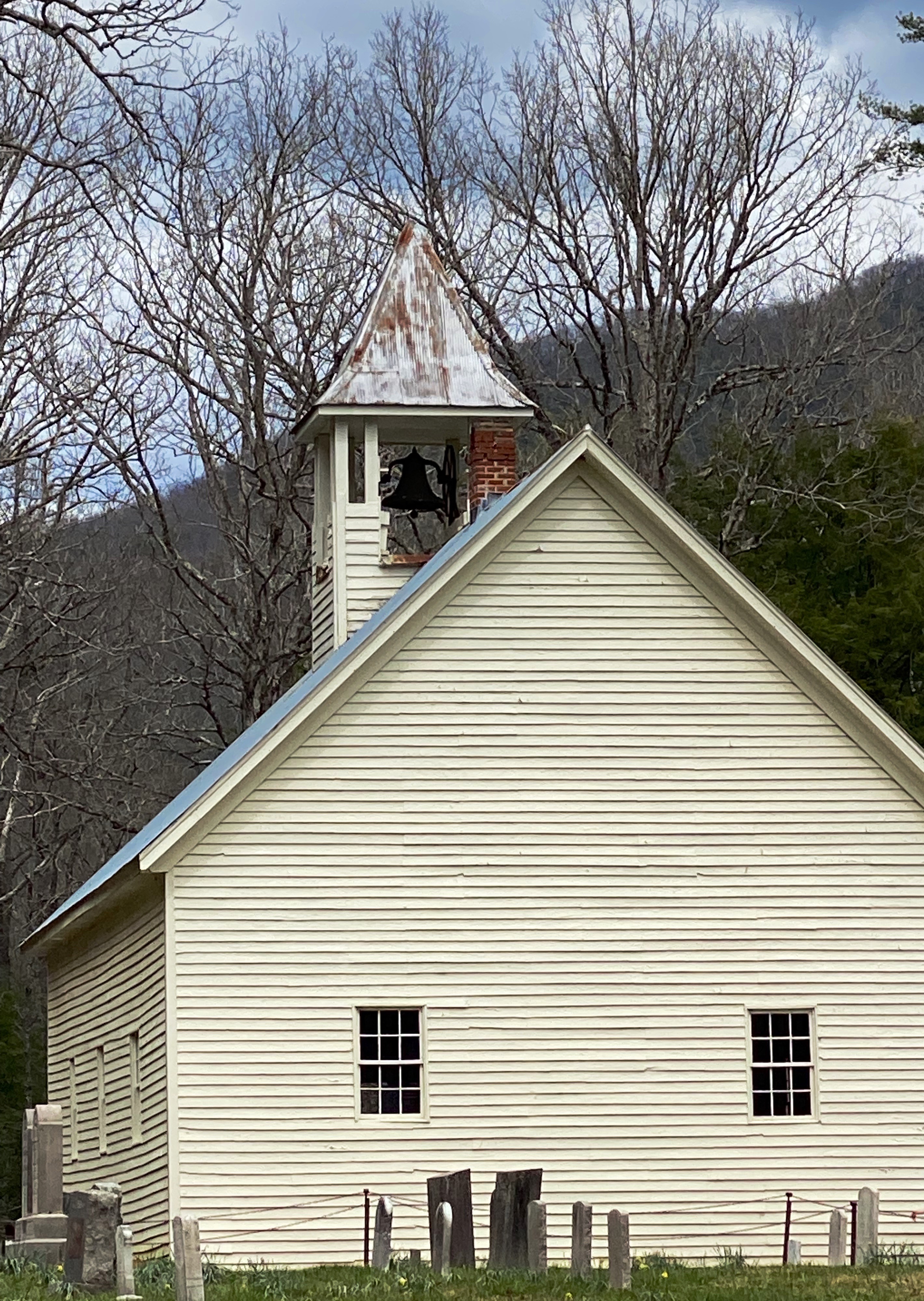
Cades Cove Primitive Baptist Church, 1827

GSMNP opened in 1940 about six years after being chartered by Congress. Much of the land within the park was previously privately owned. Many of the advocates for the park were attempting to stop the massive clear cutting by timber companies that was destroying the forest, and believed a national park was the best way to acquire and protect such a large tract of land (523,000 acres).

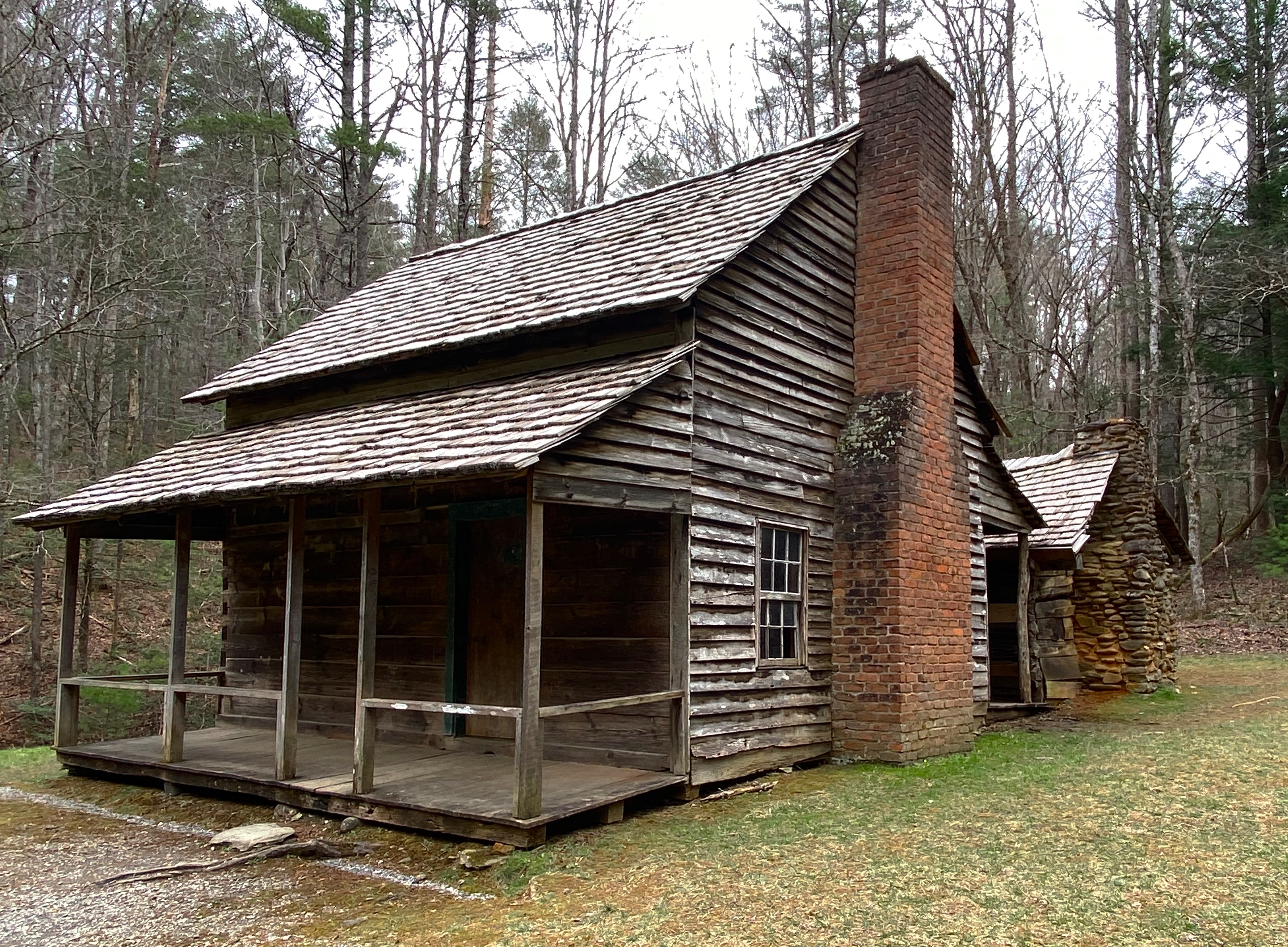
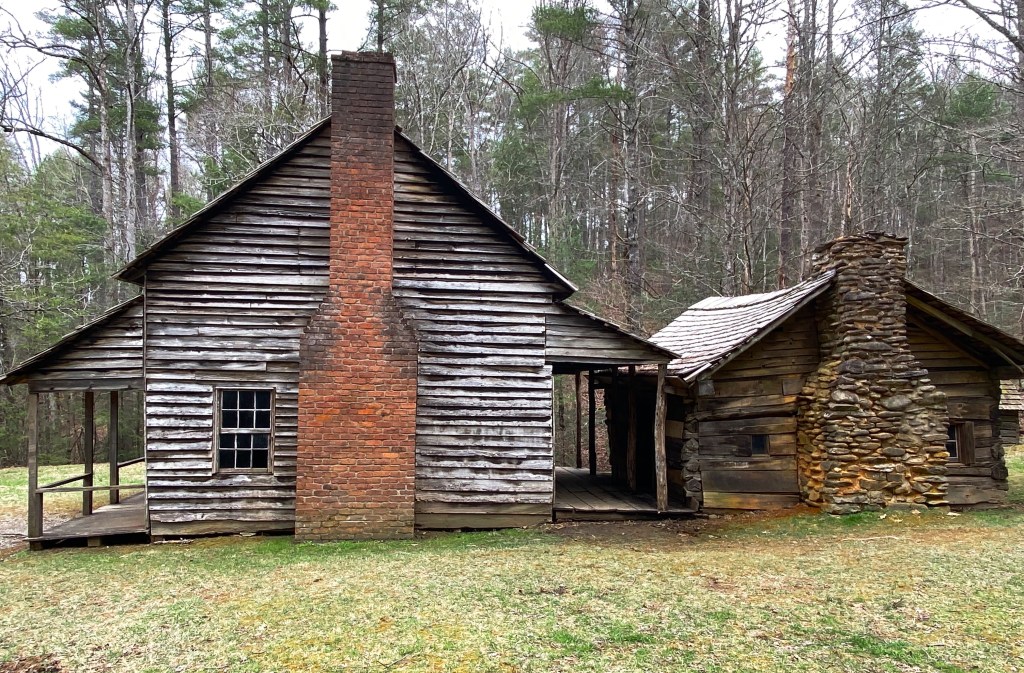
Henry Whitehead Cabin, Parsons Branch Road, c. 1895

Of course, in addition to the land owned by the timber companies, there were a number of small communities located within the proposed boundaries. Most of the residents were farmers.

Over a period of years the residents were forced off of their properties and the communities ceased to exist. Amazingly, many of the homes and other structures were not destroyed when the famlies relocated outside of the park.

Little Greenbrier School, 1892-1935
Little Greenbrier School

When we toured Mammoth Cave NP during OTR 7.0 we found the more typical situation – all the building and structures had been razed (except several churches and cemetaries) in order to erase the evidence of the communities and restore the land to its state prior to the creation of the park. We thought that practice was disrespectful and, fortunately, that was not the case at GSMNP.

We will skip the discussion of the displacement of the Cherokee Indians as we all know that story. Today, the Eastern Cherokees reside in a reservation just south of the park’s border in Cherokee, North Carolina.

There are over 80 structures still standing and maintained by the park service. The structures include, cabins, schoolhouses, barns, churches and a grist mill.

Cantilever Barn, Tipton Homestead

Pictured above and below is a replica of the original cantilever barn that was part of the homestead of William ”Fighting Billy” Tipton. The homestead still boasts the original two story cabin, blacksmith shop and corn cribs.

The origins of the cantilever barn are unknown but they are prevalent in this part of Tennessee. Historians generally agree that this type of barn was favored because it provided cover for the livestock from Tennessee’s abundant rainfall.

Cades Cove Missionary Baptist Church, 1842

Thoughts

We enjoyed our first visit to GSMNP and definitely recommend the park if you are hikers. Our caveats would be to avoid peak season – from talking with local folks, we understand that the roads into and within the park are jammed in high season. GSMNP recorded over 14 million visitors last year.

Also, we did drive through Gaitlinberg to find coffee – as a result we highly recommend entering the park through Townsend as we did. Gaitlinberg is crowded and uber touristy; it is the antithesis of the park. In our opinion there is no reason to visit Gaitlinberg unless you just cannot get enough of Ripley’s Believe It Or Not Museums!

Be seeing you.

fine art tourist: oklahoma city —- national cowboy & western heritage museum (ncwhm)

CAUGHT IN THE CIRCLE, 1903 —- Charles Marion Russell

The NCWHM was founded in 1955 as the National Cowboy Hall of Fame and Museum with a focus on honoring the cowboy. Today the museum is a smorgasbord of history, culture and fine art. The museum has over 200,000 square feet of display space with twelve galleries including a replica of a western frontier town and a significant collection of firearms in addition to cowboy and Native American art and artifacts. https://nationalcowboymuseum.org/all-galleries/

This post will focus on three painters whose works are in the museum collection, and are well known for their depiction of western life and Native Americans.

Federic Sackrider Remington (1861 – 1909) is undoubtedly one of the most widely recognized artists of the Old American West. As with many of his compatriots, Remington was an Easterner sent to the West to create illustrations for books and magazines which were focused on the romantized West of cowboys and indians.

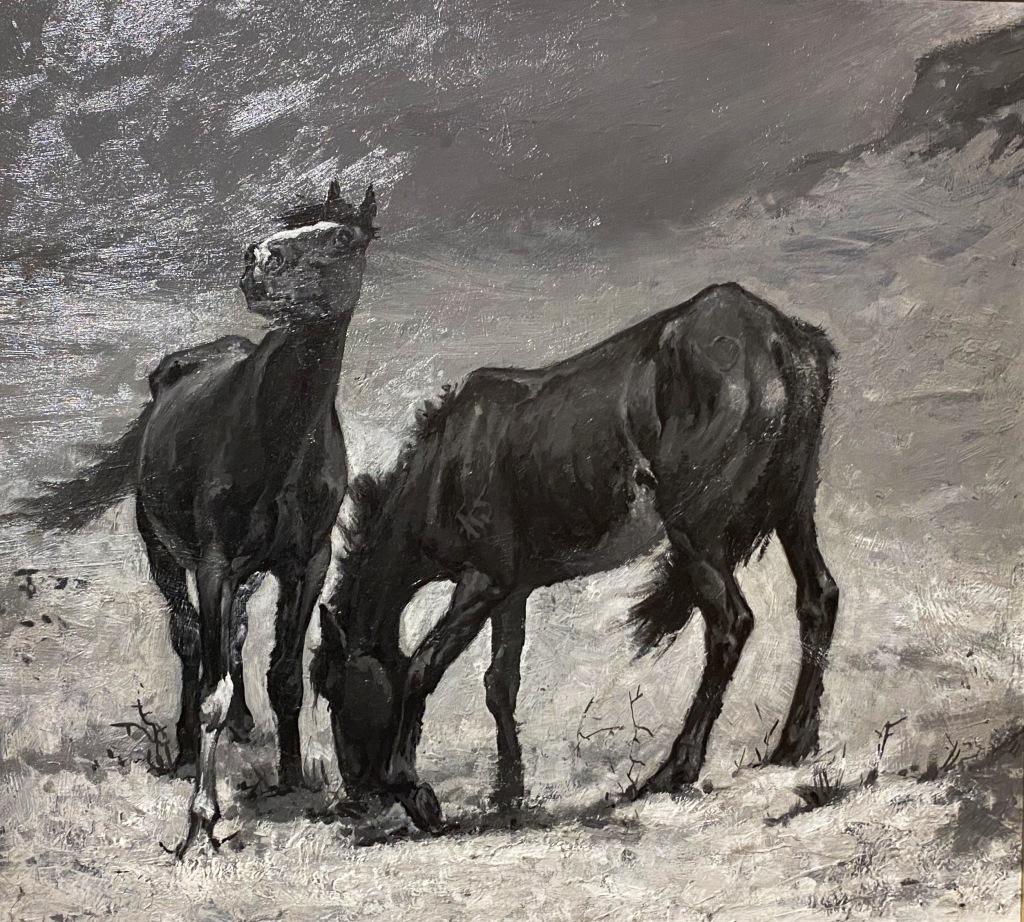
PONIES PAWING IN THE SNOW, 1888 — Frederic Sackrider Remington

Unlike many of his fellow artists, he lived in the West for a period of time, owning a ranch and a saloon at different times (neither of which was successful). Remington’s start as a professional artist was actually the bartering of drawings to pay some of his debtors during the period of time he owned the saloon.

RAY’S TROOP, c. 1903 — Frederic Sackrider Remington

While he had very little formal art training, Remington became highly proficient at drawing cowboys, indians and cavalry officers (who paid him handsomely for portraits in uniform). He was quoted as saying “Cowboys are cash with me”.

The
THE HUNTERS’ SUPPER, 1909 — Frederic Sackrider Remington

Remington became quite successful financially, moving back East and taking up residence in a large mansion he had built for his family. Unfortunately for him, he adopted an oppulent life style and essentially ate and drank his way to an early death due to complications from his immense size.

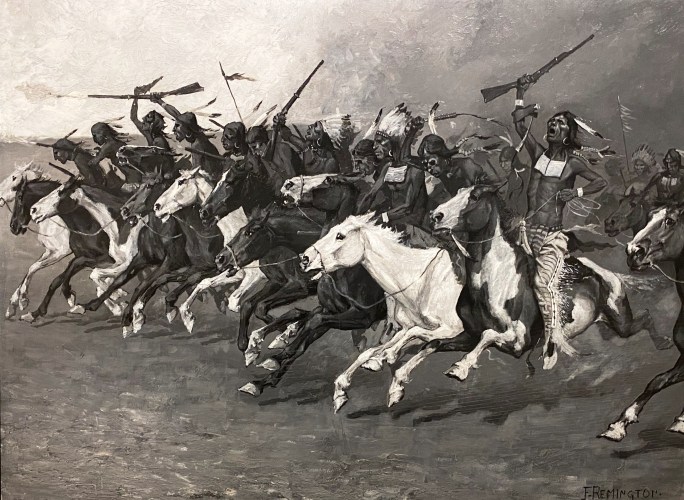
THE CHARGE ON THE SUN- POLE, c. 1890 — Frederic Sackrider Remington
IN FROM THE NIGHT HERD, 1907 — Frederic Sackrider Remington

Charles Marion Russell (1864 – 1926was born in Saint Louis, but from an early age was enamored of the West; by the age of 16 had left home to work as a ranch hand in Montana. He made Montana his home for the rest of his life, marrying Nancy Cooper and building a home in Great Falls.

WHEN TRAILS WERE DIM, 1919 — Charles Marion Russsell

Russell had no formal art training. He drew scenes from his life on the ranch as a way to record his experiences. “Between the pen and the brush there is little difference but I believe the man that makes word pictures is the greater.” —- Charles Marion Russell

WHEN MULES WEAR DIAMONDS, 1921 — Charles Marion Russell

Russell’s wife was influential in marketing his sketches, painting and drawings – as his work became popular he devoted himself full time to his artistic endeavors. By that time, he had spent eleven years ranching and had even lived for a time with a Native American tribe. His first hand knowledge of the West provided him with the ability to portray the West in a manner that other artists could not achieve. It is no wonder that Charlie (as he was known by his friends) is considered America’s true Cowboy Artist.

THE CALL OF THE LAW, 1911 — Charles Marion Russell

Russell is considered by many to be an early conservationist. ”A pioneer is a man who turned all the grass upside down, strung bob-wire over the dust that was left, poisoned the water, cut down the trees, killed the Indian who owned the land and called it progress.” —- Charles Marion Russell

As an acknowledgement of his recognition of the need to preserve the environment, a 1.1 million acre national wildlife refuge stretching along a remote portion of the Missouri River in Montana bears his name. We visited the Charles M. Russell National Wildlife Refuge during the summmer of 2021 as part of OTR 6.0 ( see post – Montana Prairie…Sun, Heat, Wind and Beauty). The land within the refuge is much the same as it was during Russell’s lifetime. See photographs below. https://www.fws.gov/refuge/Charles_M_Russell/about.html

Russell had great respect and admiration for the Native Americans of the Plains and their way of life. Of the 4000 works that he completed during his career, 1700 featured Native Americans as the subject of the work.

THE SIGNAL GLASS, 1916Charles Marion Russell

“The Red man was the true American. They have almost all gone, but will never be forgotten. The history of how they fought for their country is written in blood, a stain that time cannot grind out. Their God was the Sun, their church all out doors. Their only book was nature and they knew all the pages.” —- Charles M.Russell

BEFORE THE WHITE MAN CAME, 1897 — Charles Marion Russell

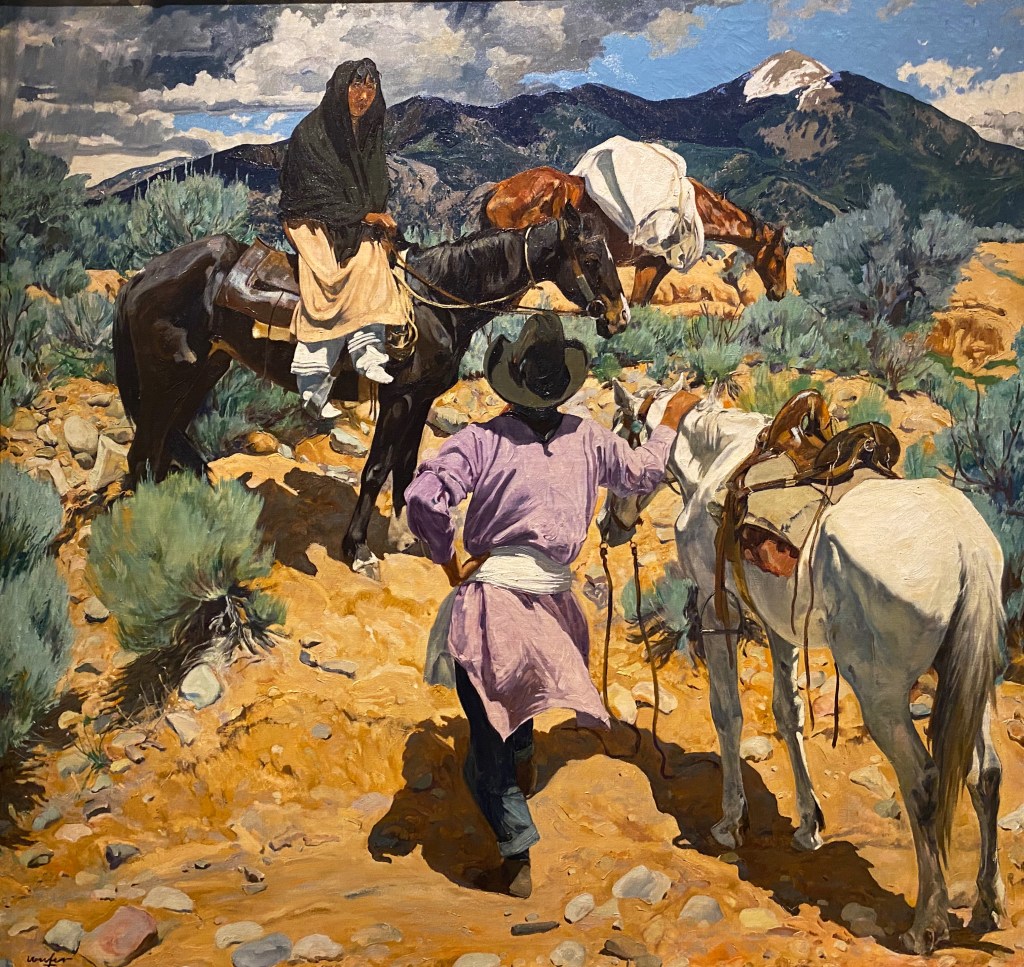
Walter Ufer (1876-1936) was born in Germany in 1876, although he spent most of his youth in Louisville, Kentucky where there was a sizable German immigrant population. Unlike Remington and Russell, Ufer was a trained painter, having returned to Germany to study at the Royal Academy in Dresden. He returned to the United States and began work as a Commercial Artist before returning again to Germany to study in Munich.

In 1914, the mayor of Chicago, Carter Harrison and his business partner, Oscar Meyer (yes, that Oscar Meyer), both admirers of Ufer’s work, helped finance a visit to Taos to provide Ufer with new environment to continue his development as an artist (and, of course, sell his paintings back in chicago).

JIM AND HIS DAUGHTER, c. 1925Walter Ufer

The brilliant light, landscapes and Native American culture of New Mexico captivated Ufer. Ufer very quickly abandoned working in the studio and began working outdoors in order to capture the brilliant light of the southwest and the daily activites of Native Americans and Hispanos.

AT REST, 1926 — Walter Ufer

Ufer’s depictions of the Taos Pueblo Indians were rarely romanticized. He was a committed socialist and soon came to believe that the Euro-American settlers were largely responsible for the destruction of Native American culture and identity that had occurred in America.

“The Indian has lost his race pride, he wants only to be an American. Our civilization has terrific power. We don’t feel it, but that man out there in the mountains feels it, and he cannot cope with such pressure.” —- Walter Ufer

SLEEP, 1923 — Walter Ufer

Ufer realized both critical and commercial success from his depictions of Native Americans and the southwestern landscape. The stock market crash of 1929 and the ensuing Great Depression were diasterous for Ufer. The public fascination with art depicting Indians and the West diminished significantly as the financial crisis deepened and endured.

Sadly, as the sale of his work evaporated and his financial burdens mounted he turned to alcohol. He died in 1936 at the age of 60 as the result of a ruptured appendix.

At one time, the images of the West that were shared via the work of these three artists and others were viewed as illustrative of how the white man won the West and conquered the savage tribes of Indians. The winning of the West was considered a noble and necessary precursor to American greatness – our Manifest Destiny.

None other than Theodore Roosevelt said it is  “our manifest destiny to swallow up the land of all adjoining nations who were too weak to withstand us.” Many of the Western artists were, as such, unwitting propagandists for the conquering of the West through their depiction of Native Americans as savages who murdered innocent white settlers. Today it is commonly acknowledged that Native Americans were in fact fighting to remain on their sacred lands and maintain their way of life.

This post is not about villifying the featured artists – they painted the West as they saw and experienced it. Both Russell and Ufer were sympathetic to the plight of the Native American and Hispano peoples. Neither is the post meant to be critical of the museum – the NCWHM is a wonderful museum and we highly recommend a visit when your travels take you to Oklahoma City.

This is the final post from OTR 7.0. We will back on the road in early March. Be seeing you!

fikawithfiona: onyx coffee lab

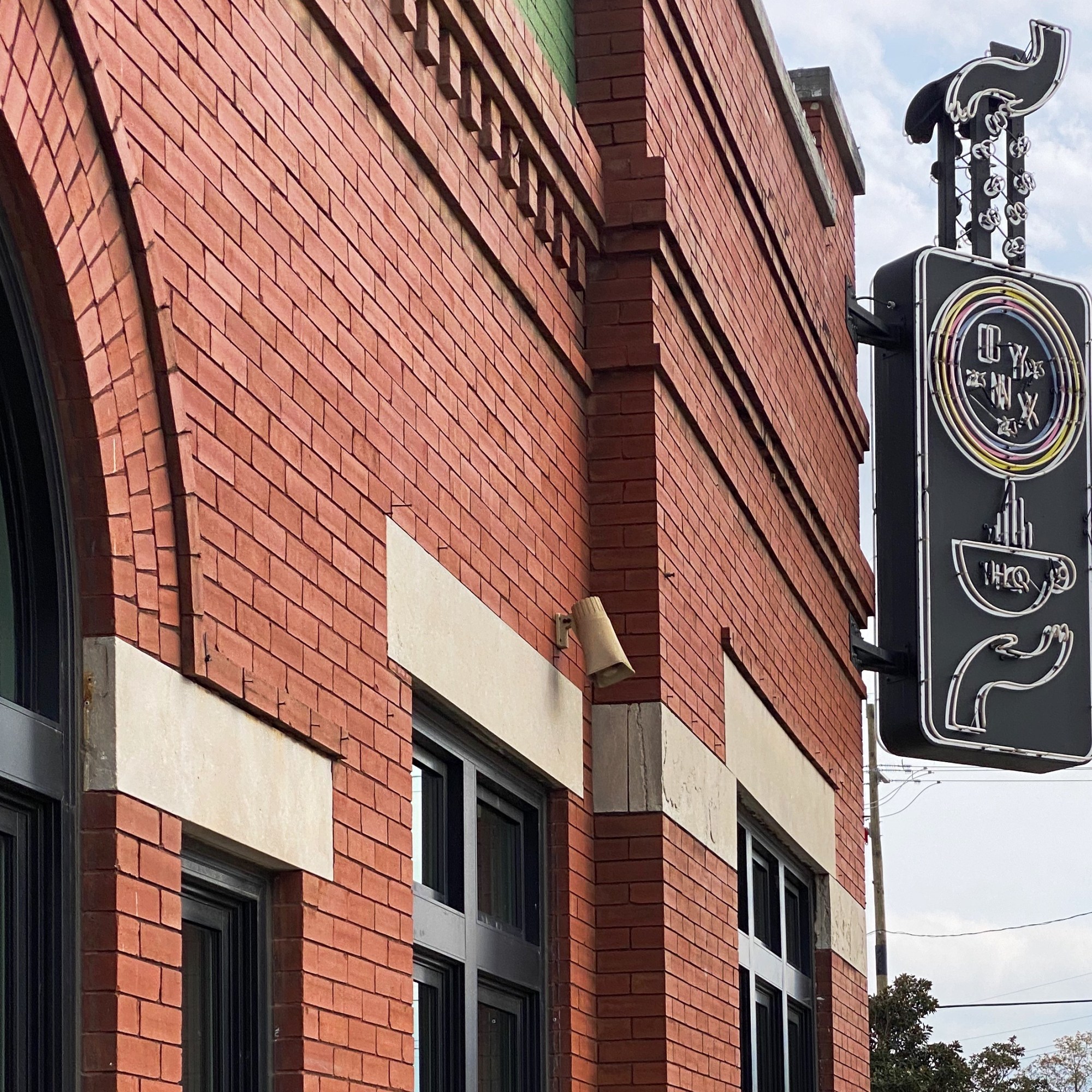
After departing Tulsa we traveled across eastern Oklahoma to spend several days in the BentonvilleRogers (B-R) area of northwestern Arkansas. The B-R area is, of course, home to the world’s largest retailer – Walmart. As exciting as that is, our desire to visit the area emanated from the opportunity to bike the Razorback Greenway and, most importantly, visit the Onyx Coffee Lab. Having said that, there is plenty to do in the area in addition to biking and drinking coffee and tea. More on that at the end of the post.

Onyx Coffee Lab was founded in 2012 by husband and wife team Andrea and Jon Allen. In the relatively short period of time since founding Onyx they have achieved a world class reputation in the specialty coffee business (with good reason).

The cafe

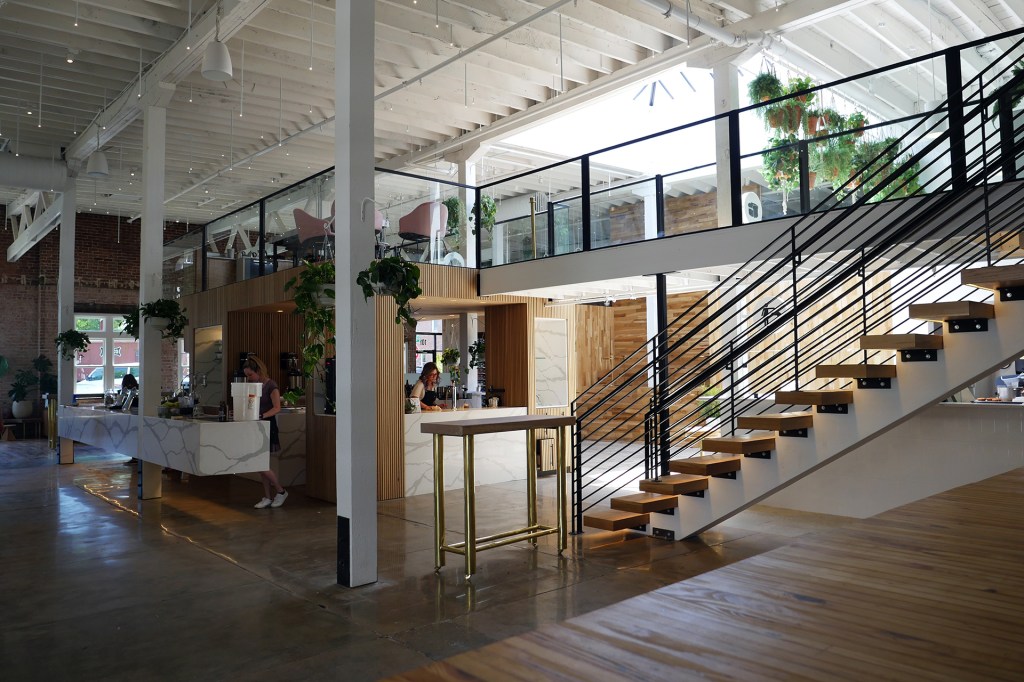
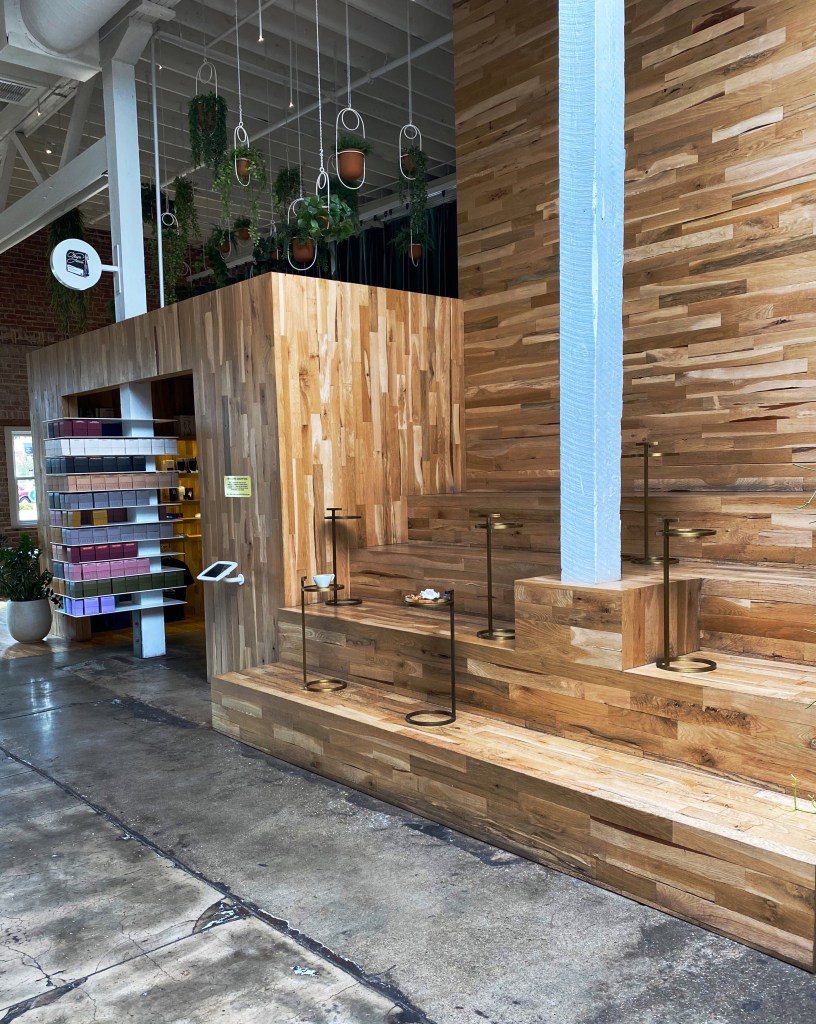
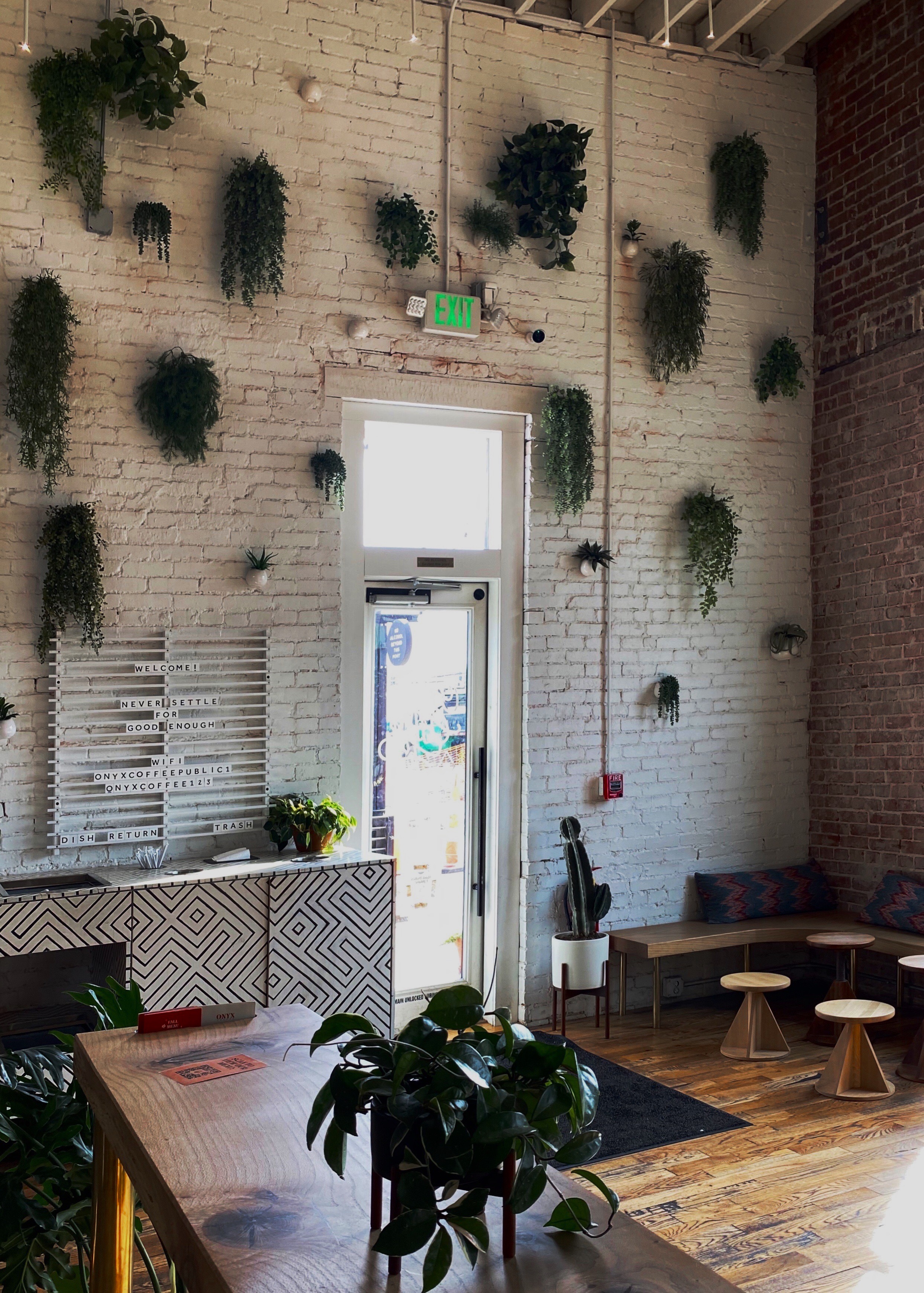
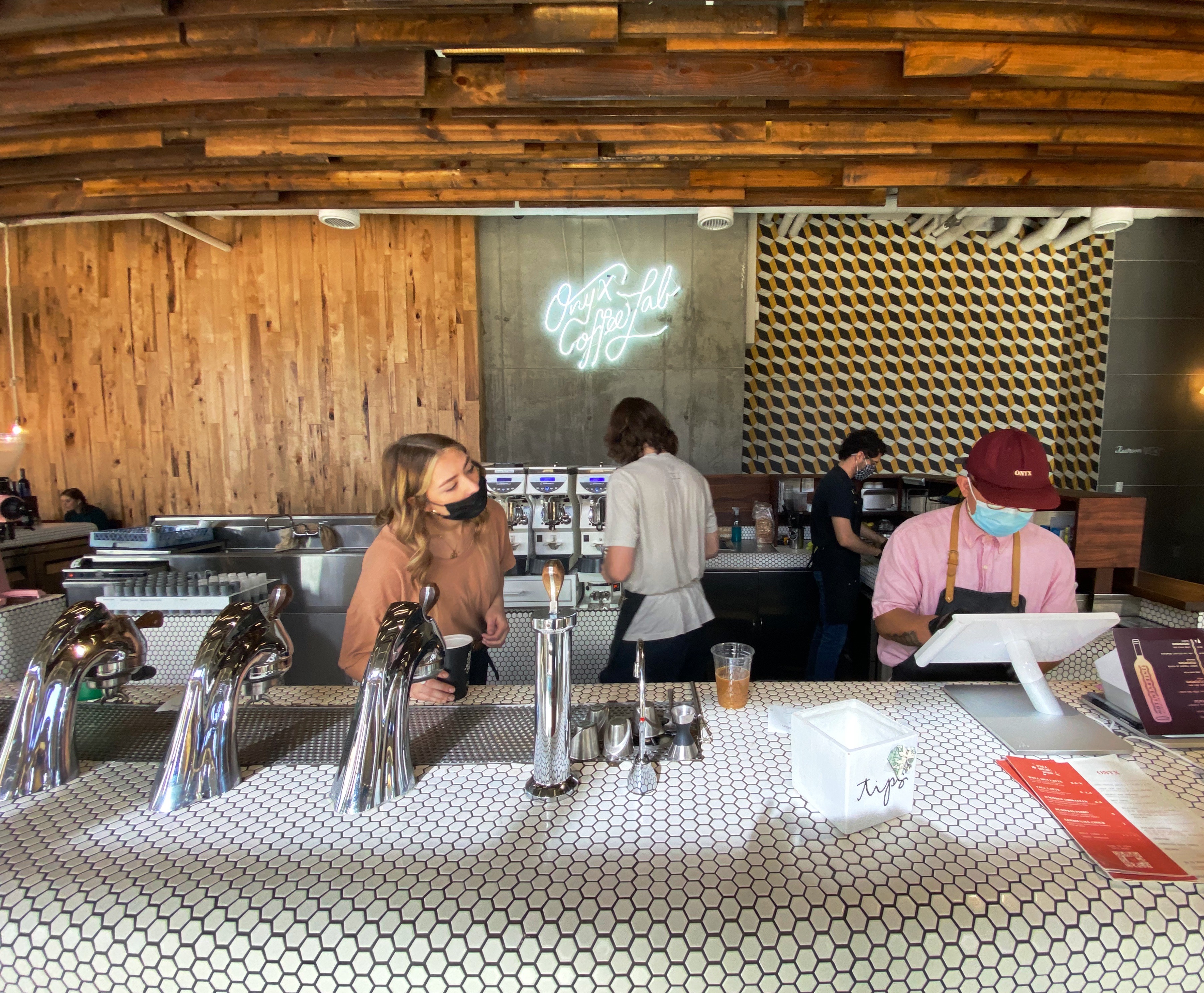
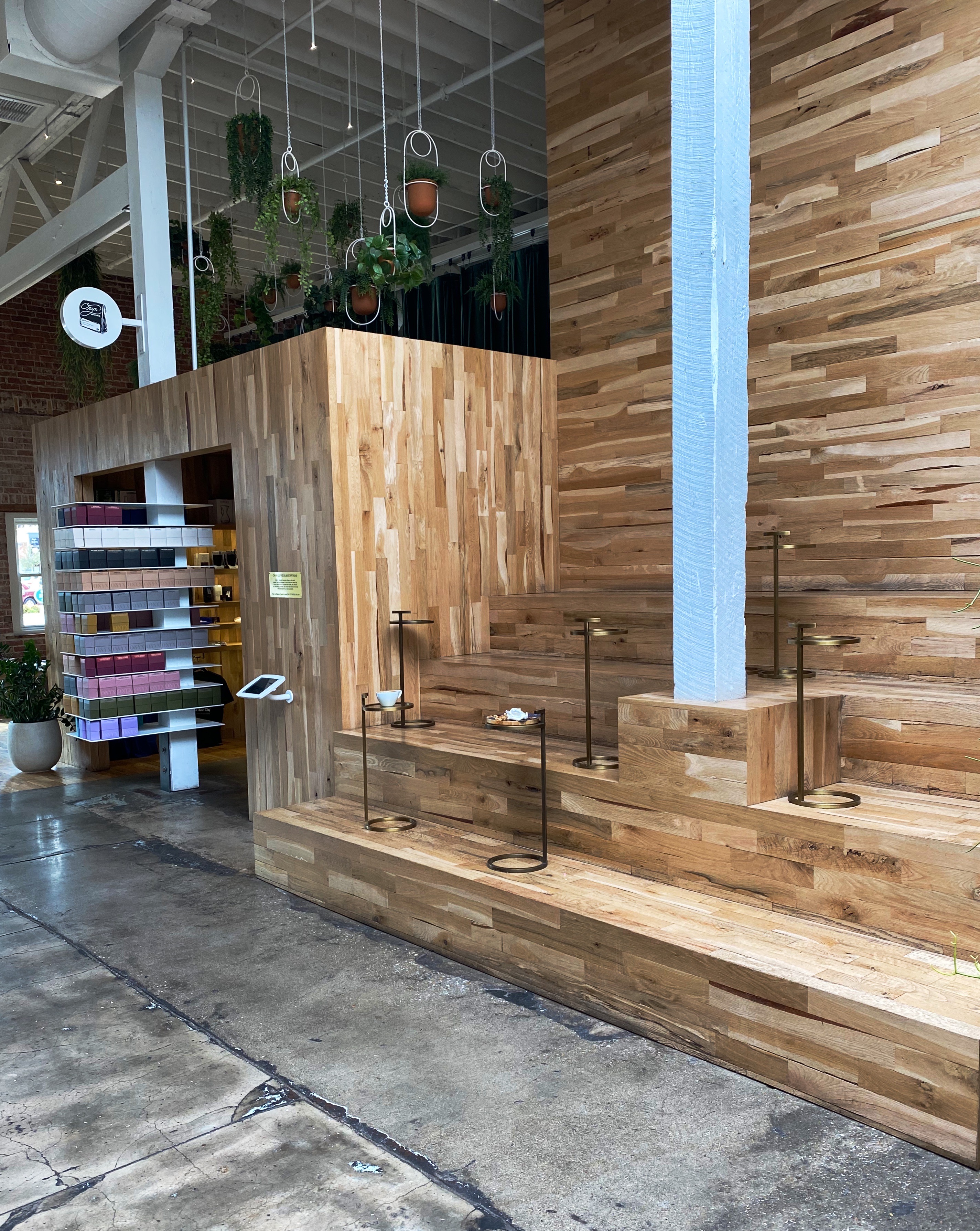
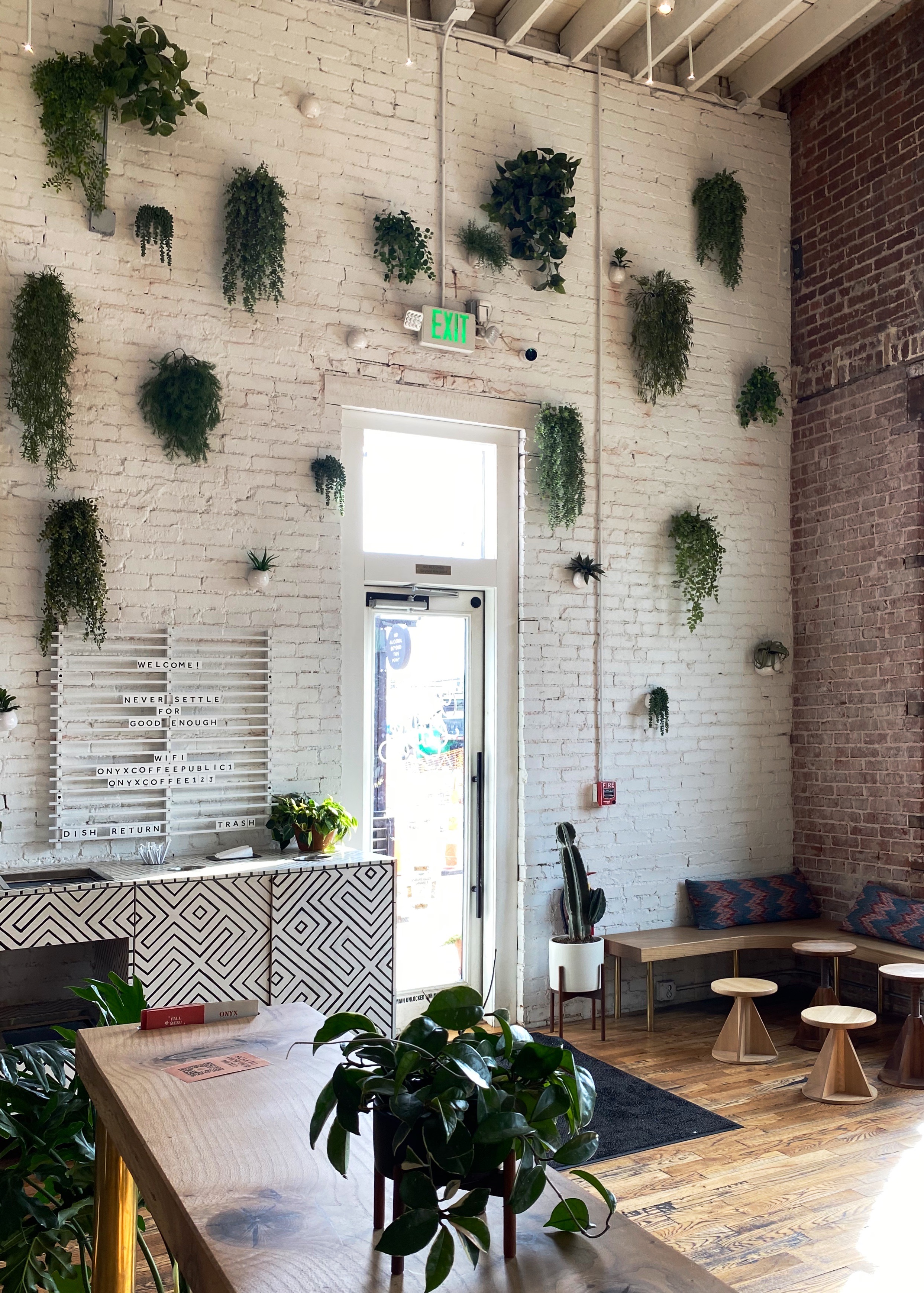
As we entered the building for our first visit we were stunned – the space is gorgeous. The size and scale is beyond anything we had ever experienced in regard to specialty coffee.

In this soaring space, Onyx has captured the ultimate coffee experience including the important transition from caffeine to alcohol. Under this one roof there is the cafe, the roastery, a pastry shop, a cocktail bar and a restaurant as well as meeting and event facilities.

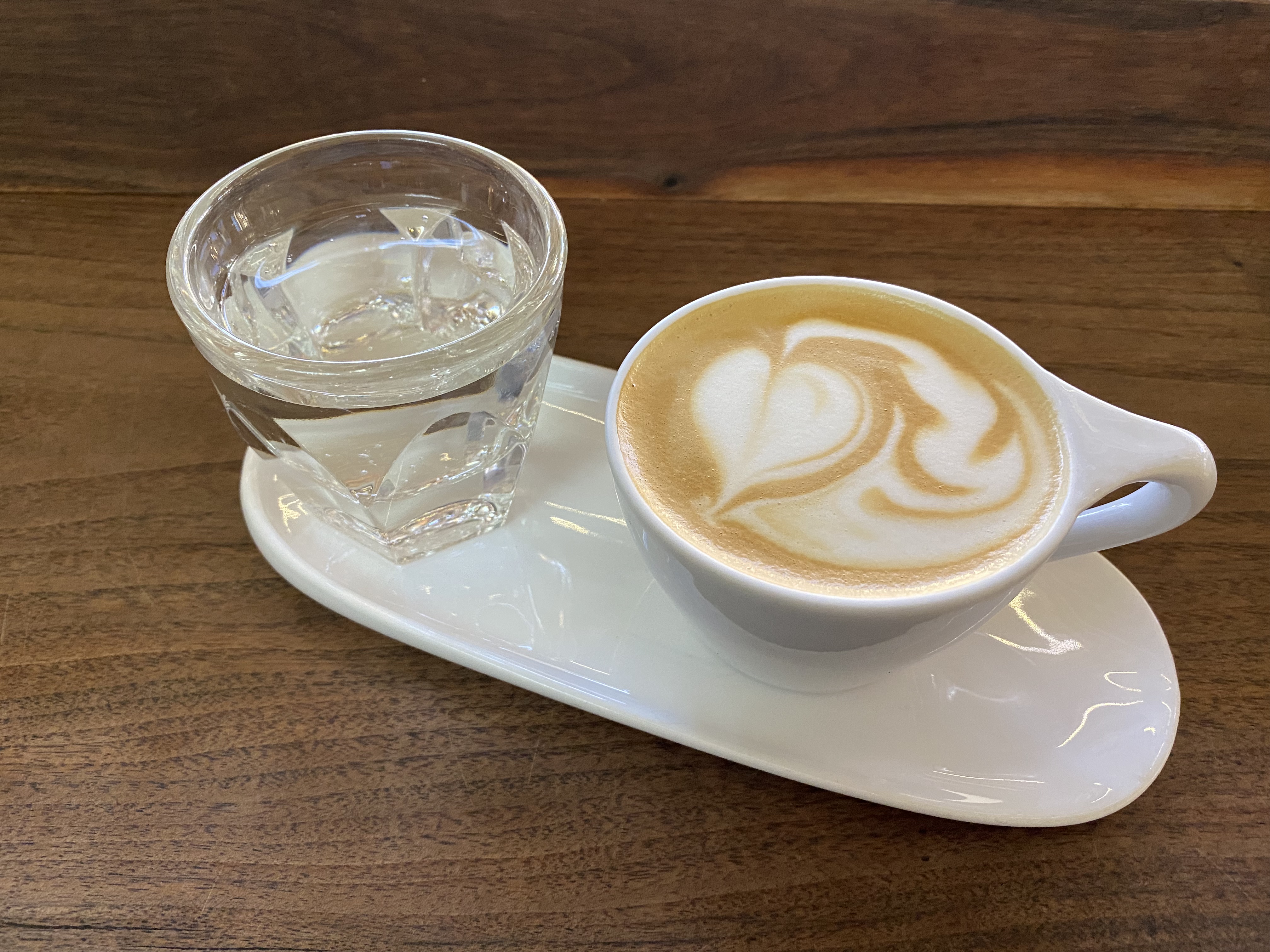
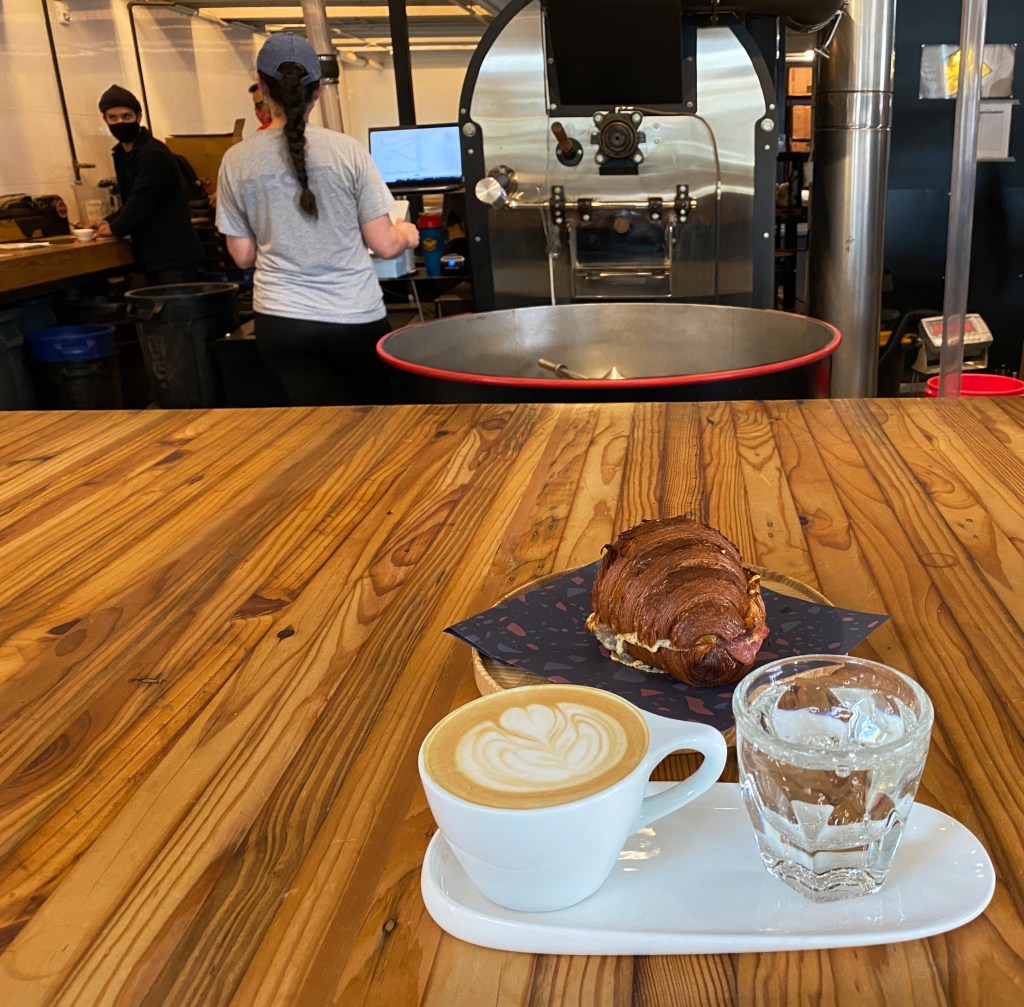
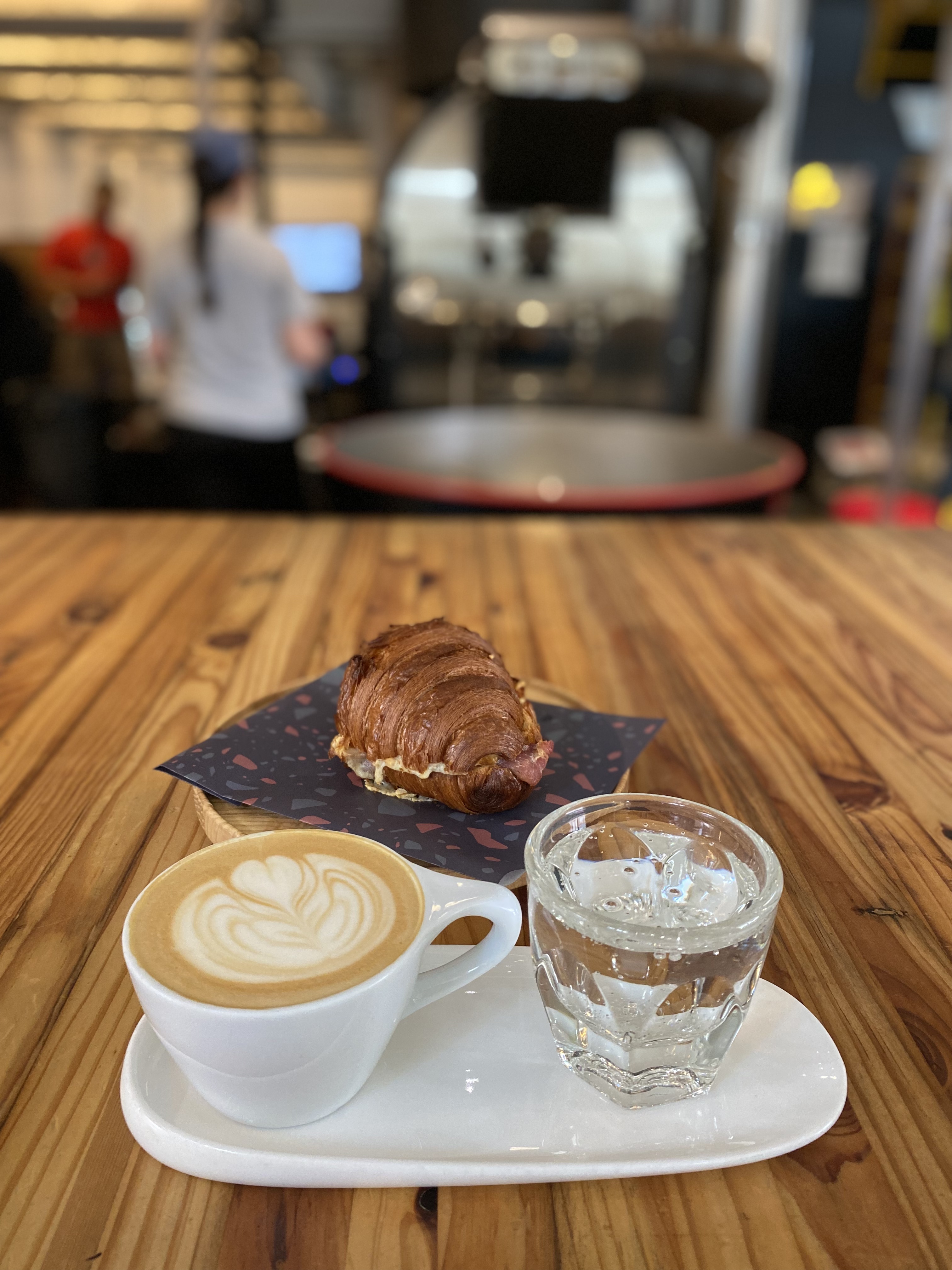
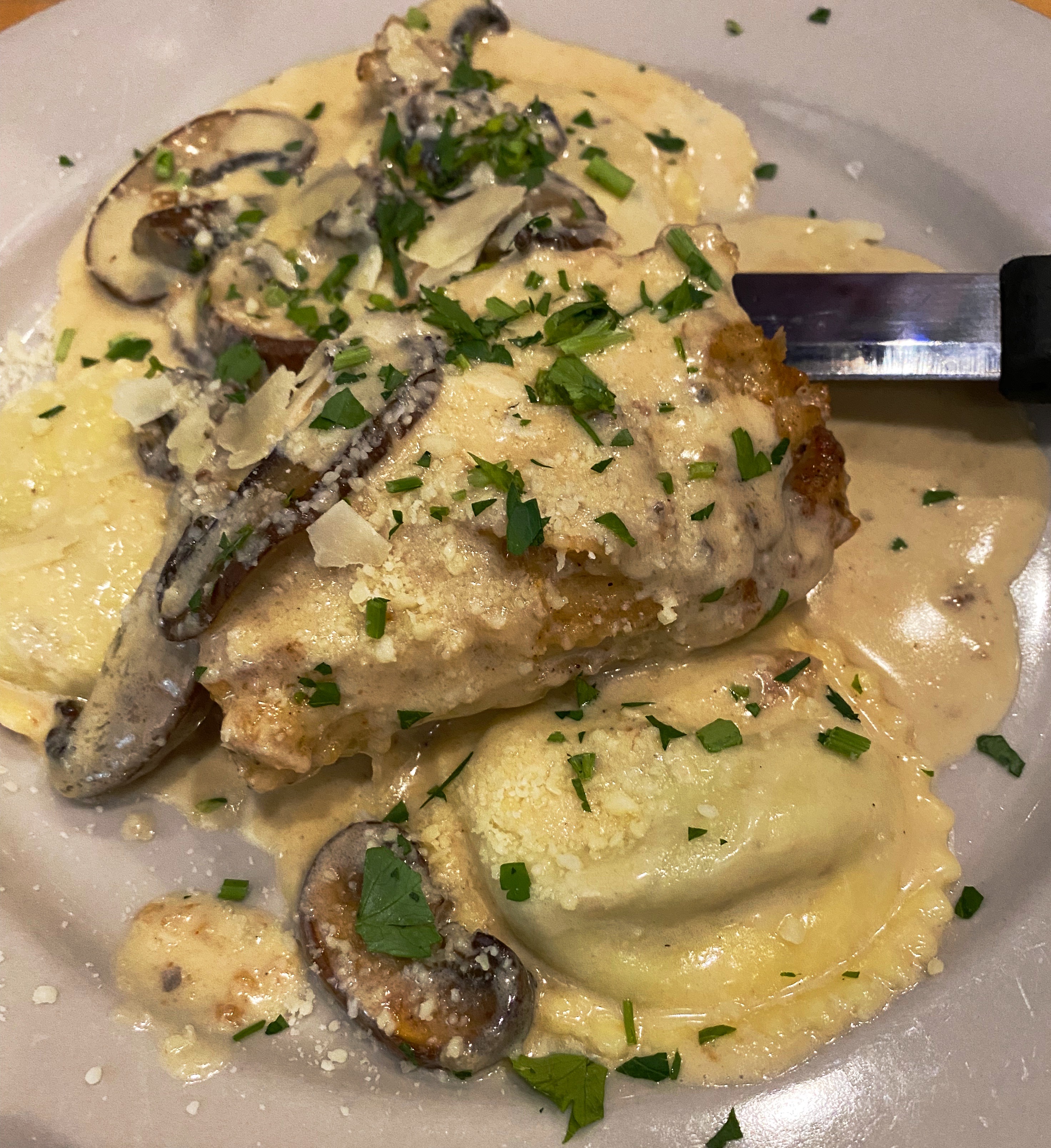
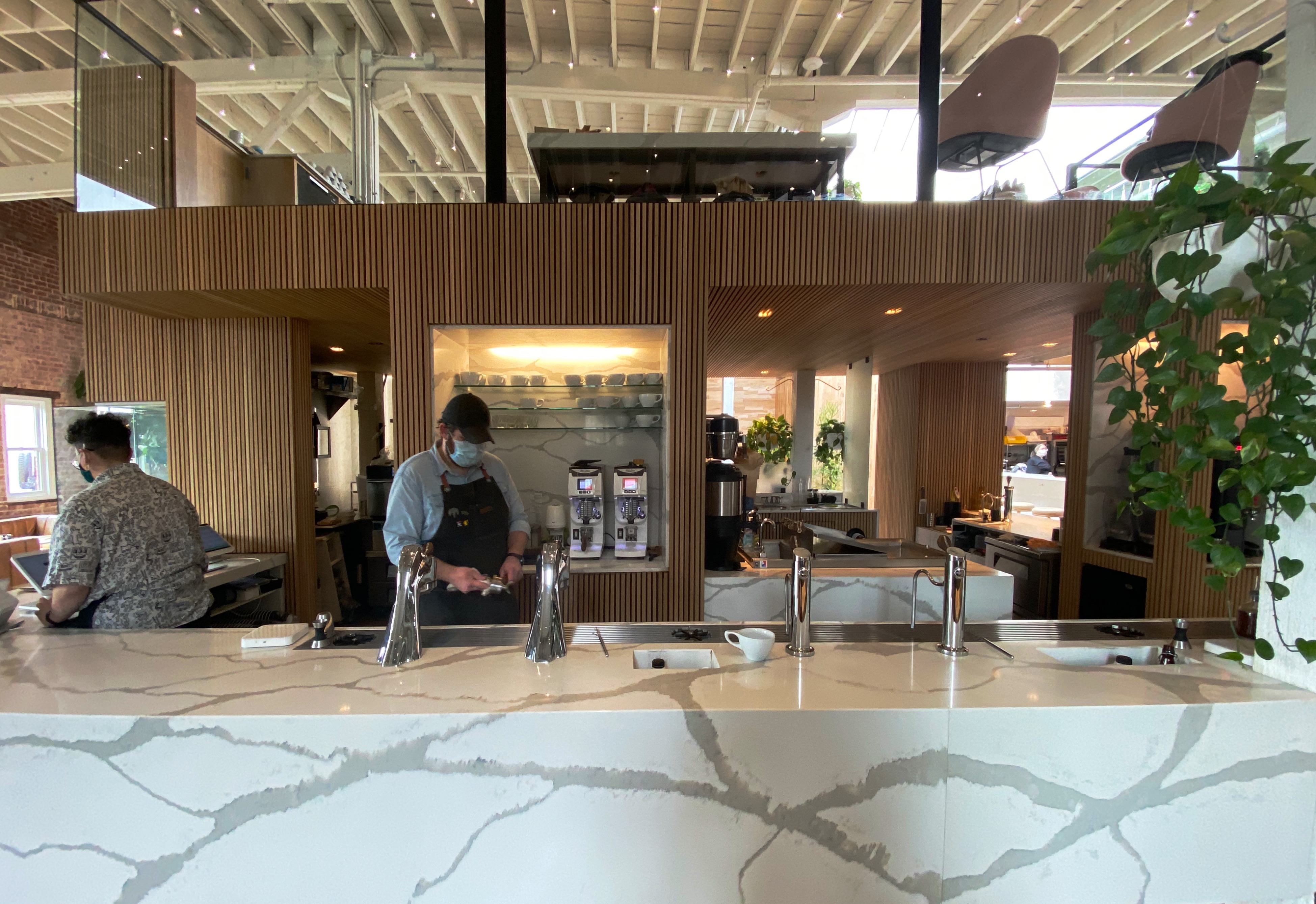
Perhaps it goes without saying,but we will say it -everything we ordered was impeccably presented and delicious.

rogers hq (photo courtesy sprudge)

The roastery

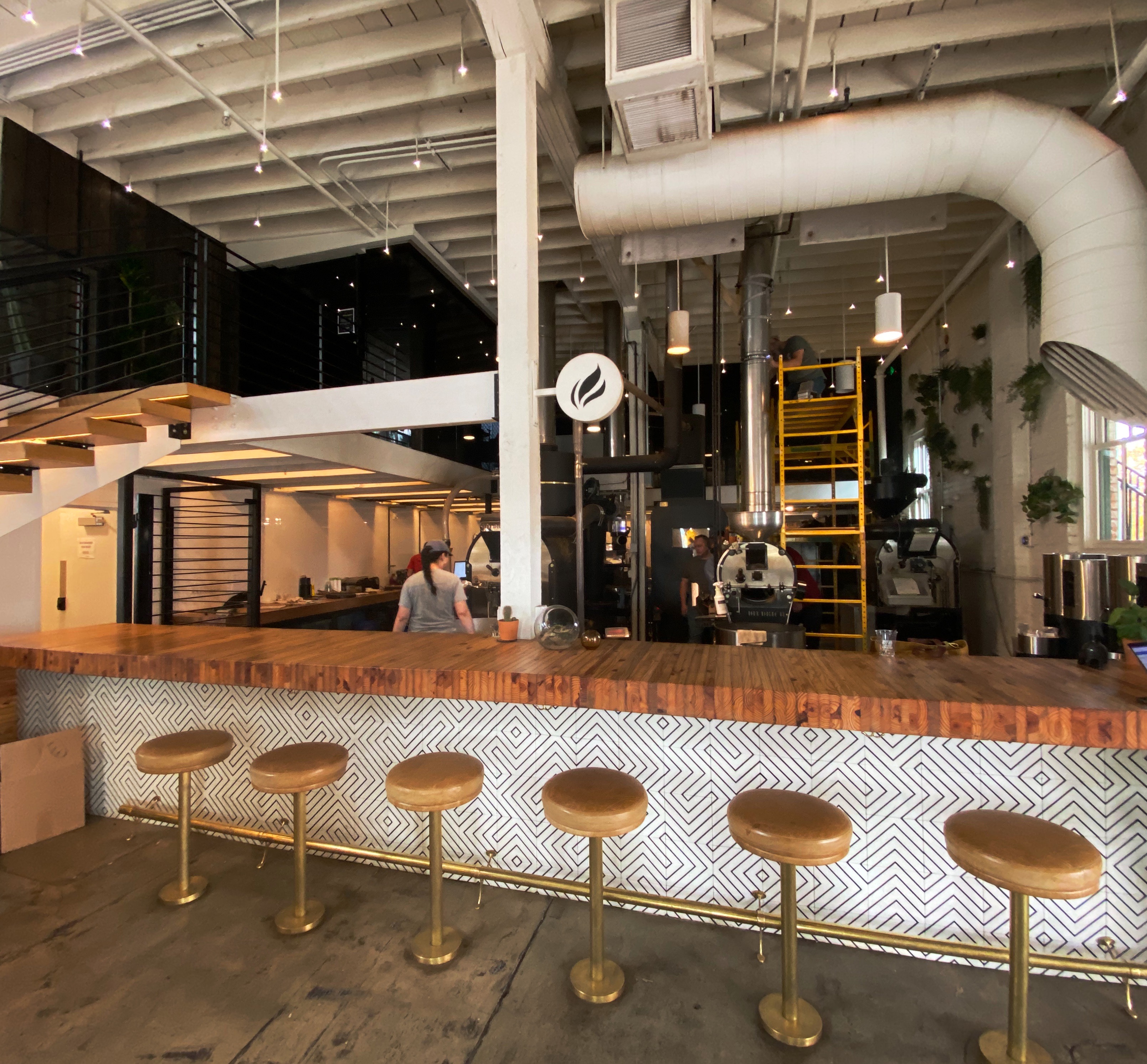
Onyx boasts six roasters at the Rogers HQ location. Many cafe/roasters of necessity have their roastery located in warehouse type facilities away from the cafe. Onyx (with its 30,000 sq ft of space) has placed the roastery out in the open for all to see and enjoy. As you can see in the photograph directly below they have created a bar directly in front of the roastery to allow for viewing the process and interacting with the roasting staff. So cool!

Bentonville Cafe

The Bentonville Cafe is close by the town square and is an aesthetically pleasing cafe in its own right. Despite the large amount of seating it can be difficult to find a seat if you arrive during the morning rush – an amalgamation of locals heading to work and tourists in need of that first hit of magic elixir. Regardless, make it a priority to spend time here if you find yourself in Bentonville for any reason. The local folks are friendly and will chat you up gladly.

Bentonville

In addition to Onyx and the Razorback Greenway (https://www.traillink.com/trail/razorback-regional-greenway/) there are a number of excellent restaurants ( we had an excellent Italian meal at Tavola Trattoria; http://tavolatrattoria.com/) and plenty of shopping (if that is your thing). Below is a gallery of photos from Bentonville.

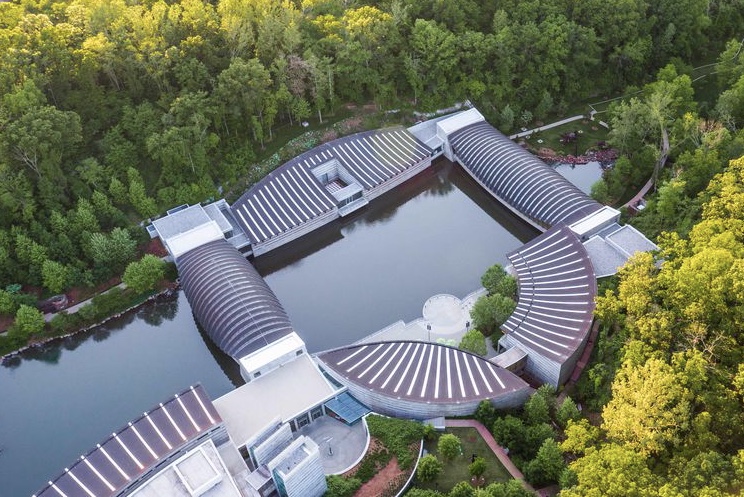
There are also a number of museums in Bentonville including the spectacular Crystal Bridges Museum of Modern Art (founded and funded by Alice Walton).

crystal bridges museum, bentonville, arkansas

Be seeing you!

Fine art tourist: Emil bisttram at panhandle-plains museum (PPHM)

h. d. bugbee, mountain men, (old bill williams and jim bridger), oil on canvasboard

A brief history of the PPHM

PPHM is located in Canyon, Texas, approximately 20 miles south of Amarillo. The museum opened to the public in 1933. It was the brainchild of Hattie Anderson, an educator who had moved to Canyon to teach history at the West Texas Normal School (now West Texas A&M University).

Hattie was fascinated by the history of the area and began to enlist the aid of individuals  in the area to form a historical society to preserve the history and culture of the Panhandle-Plains.  The historical society flourished for thirteen years; the growing collection of artifacts that created the need for more space. The historical society then funded the creation and operation of the museum.

Today the museum continues to prosper and is home to over three million artifacts within the 285,000 square foot complex. The museum provides insight into the past and the present of many facets of the people,culture, history and industry of the Panhandle-Plains. The collection includes galleries devoted to paleontology, archeology, geology, Native American culture, textiles, petroleum extraction and western art. we

We enjoyed the PPHM immensely and strongly recommend devoting at least a half day visit when you visit the Amarillo – Lubbock area of the Panhandle. In addition to the museum this area offers ample outdoor recreational opportunities (Palo Duro Canyon and Caprock Canyon – see post: CTSPRINTERLIFE: TOURING THE PANHANDLE). https://wordpress.com/post/ontheroadwithmariastephen.net/6946

EmIL Bisttram

OTR had the great fortune to meet Deanna Lowe Craighead, Curator of Art at the PPHM, while visiting another museum in the panhandle. In addition to dialing us in about the Bisttram exhibition, Deanna also provided us with the recommendation to visit the Philbrook Museum in Tulsa ( see post FINE ART TOURIST PHILBROOK MUSEUM OF ART). https://wordpress.com/post/ontheroadwithmariastephen.net/7362 The balance of this post is dedicated to the Bisttram exhibit and a bit of his biography.

Emil Bisttram was born in Nagylak, Hungary (now Nadlac, Romania) in 1895. His family emigrated to New York City in 1906. Bisttram studied art at National Academy of Design, Cooper Union, the Art Students League, and the New York School of Fine and Applied Art. He also taught art while studying and was known through out his career as an excellent and sought after teacher.

emil bisttram, storm over taos, c. 1931, oil on canvas

Bisttram visited Taos, New Mexico in 1930. Initially he was overwhelmed by the size and scale of the New Mexico landscape and he struggled to capture the majesty of the environment. Despite that he returned to Taos in 1932 and it remained his home until his death in 1976.

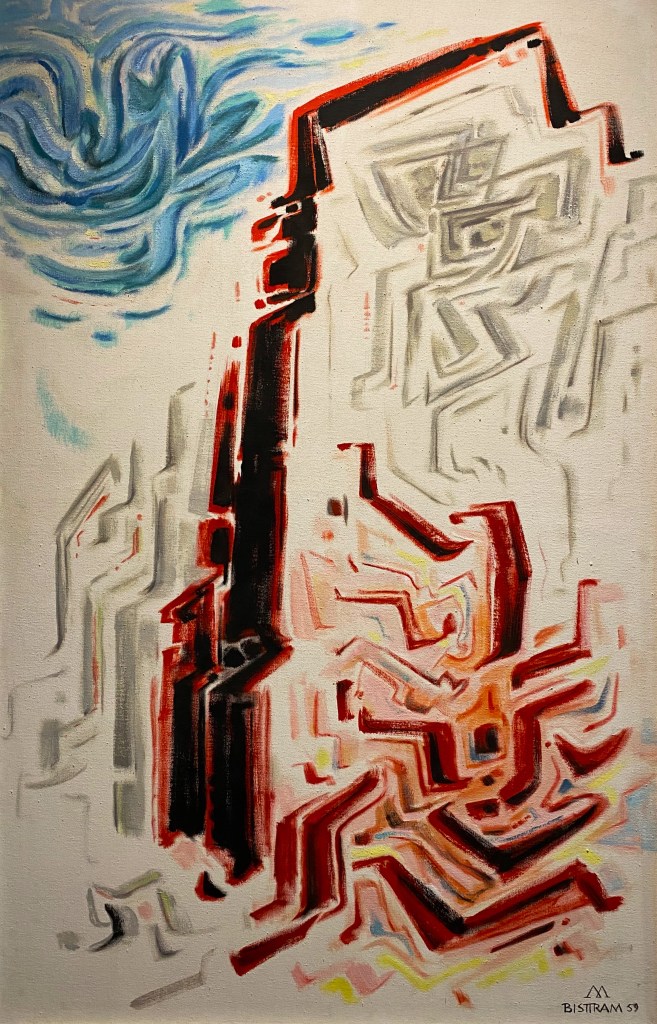
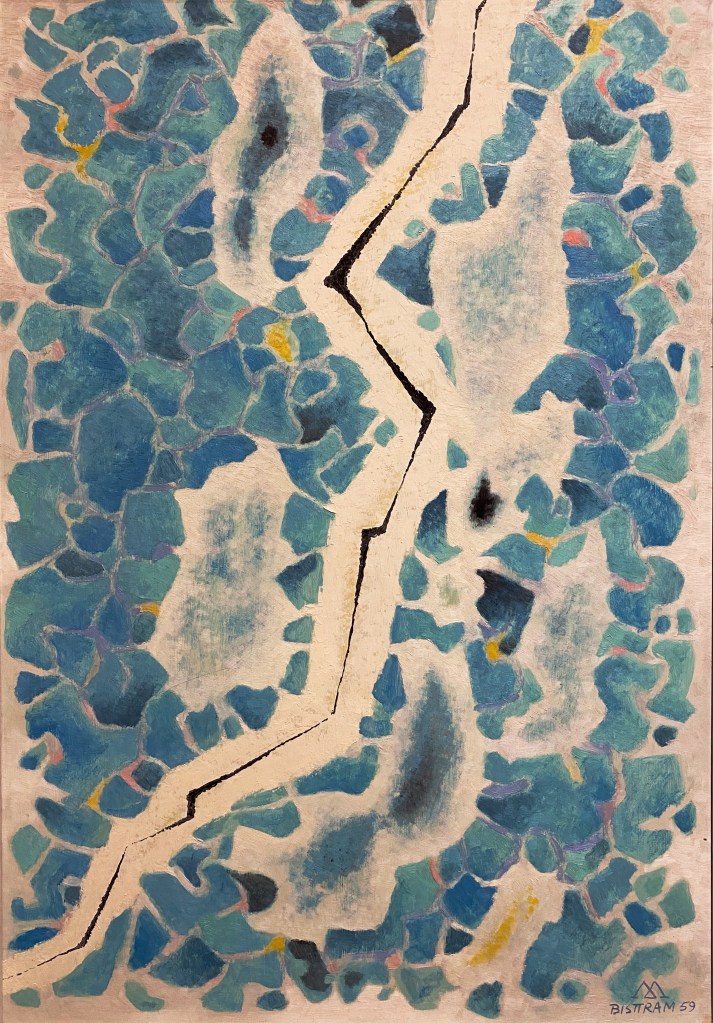
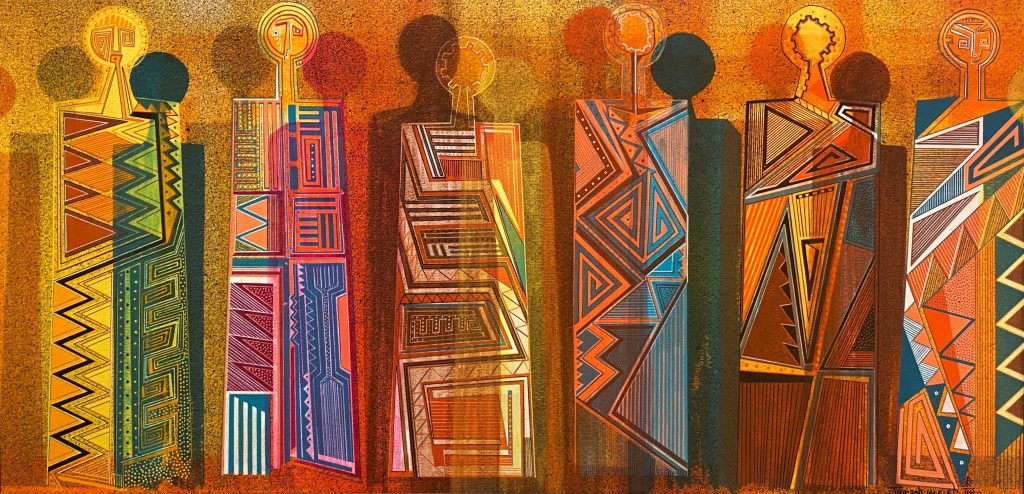
Bisttram evolved from painting New Mexico landscapes and native culture to a decidely abstractionist style. The painting above (Storm Over Taos, 1931) is representative of his early work in New Mexico. The photographs of his paintings below are from the PPHM exhibit (private collection on loan – Ladd Family) and show his progression into abstraction.

emil bisttram, waterfall, 1959, acrylic on canvas
emil bisttram, winter, 1959, enamel on masonite
emil bisttram, celestial structures, 1959, enamel on masonite
emil bisttram, ascension no. 2, 1959, enamel on masonite
emil bisttram, midsummer night’s dream, 1960, enamel on masonite
festivity, 1960, enamel on masonite

Transcendental painting group (TPG)

Bisttram, along with Raymond Jonson, formed the TPG. The TPG was part of the Non-Objective Abstractionist wave of Modernism – which in part emanated from the influx of artists fleeing the increased political disruption ocurring during the 1930s in Europe.

emil bisttram, symphony in blue, 1963, oil on masonite

“The Transcendental Painting Group is composed of artists who are concerned with the development and presentation of various types of non-representational painting; painting that finds its source in the creative imagination and does not depend upon the objective approach.” —- TPG Manifesto

emil bisttram, windsong, 1964, oil on masonite

While we do not enjoy the work of some popular avant garde abstract artists, in our very humble opinion we think the paintings of the TPG artists and in particular Bisttram are in a different category. The work is clearly non-objective in may regards but relatable and created with a clear design in mind. We would love to know what you think.

Be seeing you!

P.S. Added bonus of visiting the PPHM – the excellent Palace Coffee is a five minute walk from the museum.

FINE ART TOURIST PHILBROOK MUSEUM OF ART (PMOA)

Philbrook museum and gardens- museum photograph

A brief history of the pmoa

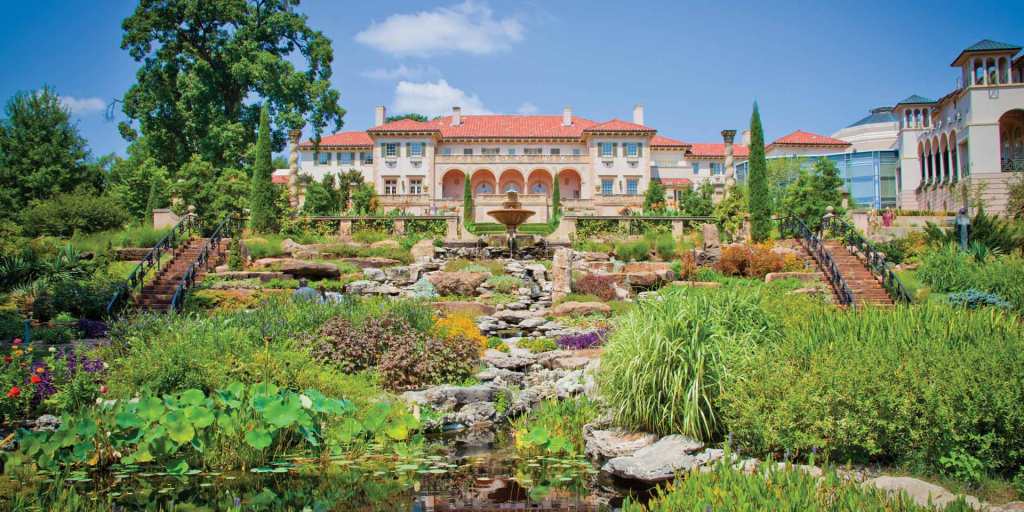
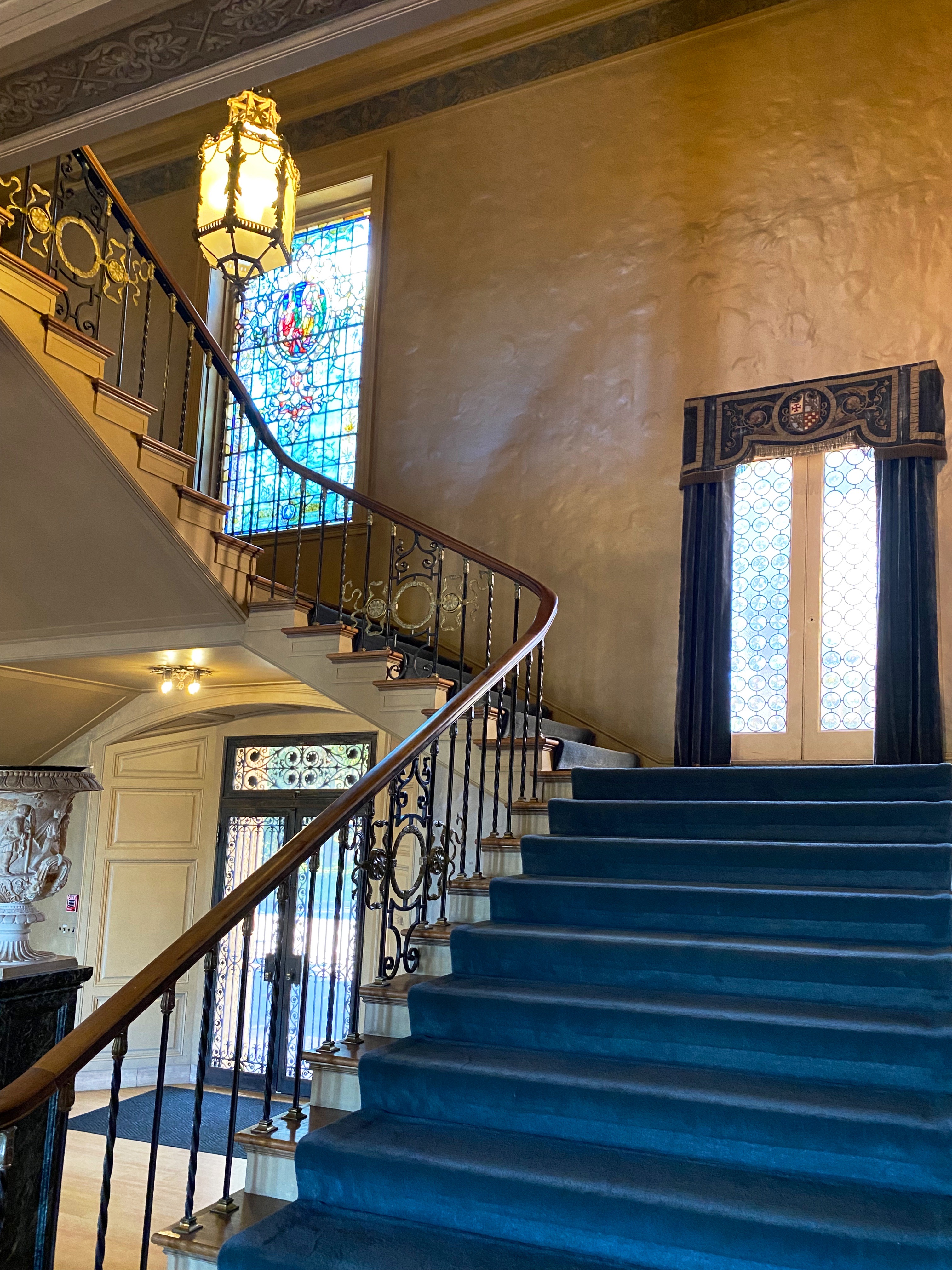
From 1927 to 1938 the Villa Philbrook, as it was known, was the family residence of Waite and Genevieve Phillips. The Italian Renaissance style villa as originally built consisted of 72 rooms set on 23 acres of gardens. Phillips donated the mansion to the city of Tulsa for use as an art museum in 1938.

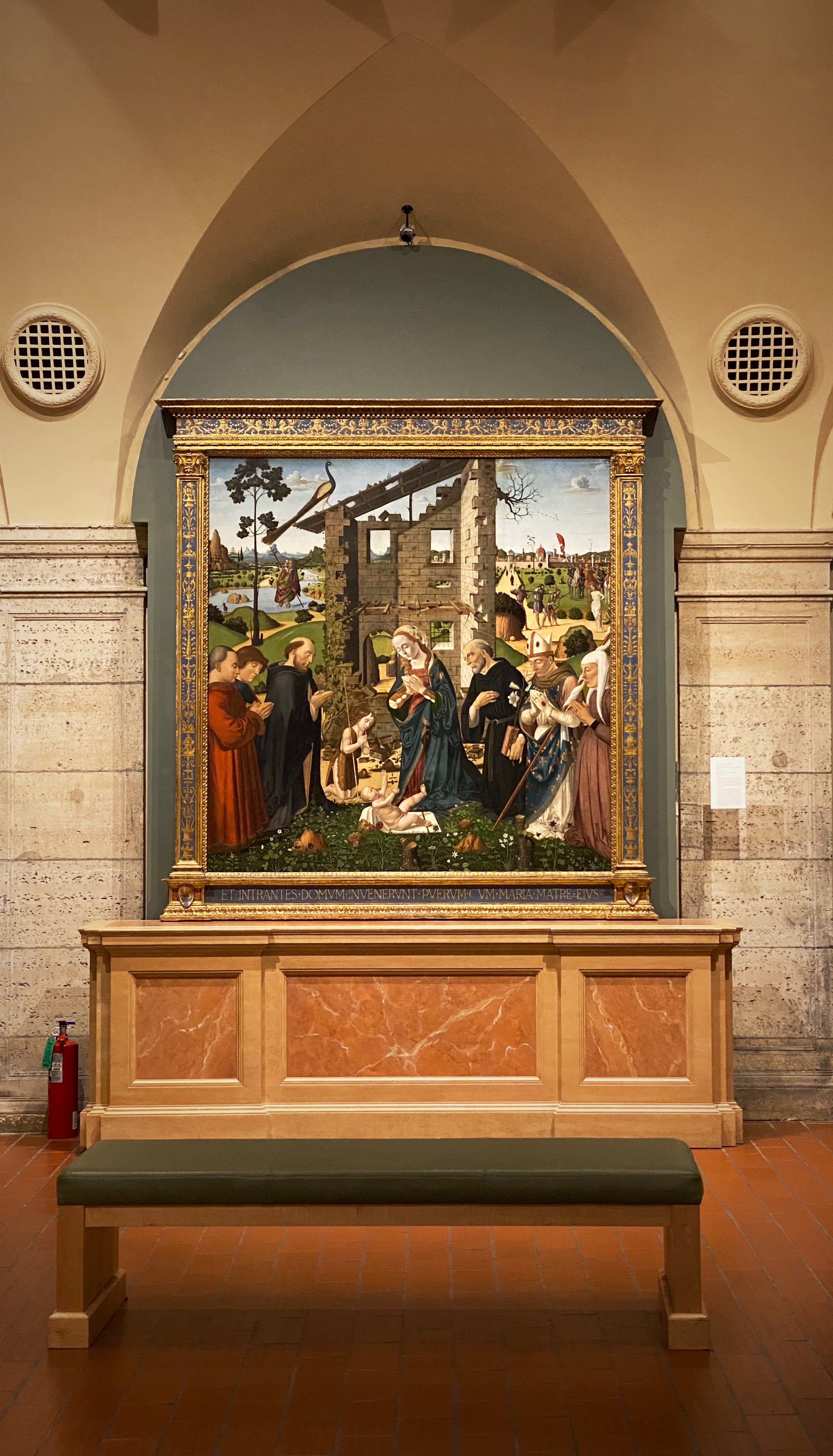
The PMOA opened to the public in 1939. A 70,000 square foot wing was added in 1990 along with a redesign of the garden space ( the new wing also houses a very fine cafe). The museum houses 16,000 works in its permanent collection with a focus on Native American, American and European art.

Historical footnote: Phillips was a member of the Phillips family which founded Phillips Petroleum in 1917. Today the company trades as Phillips 66 and is one of the largest petroleum refiners in the world with revenues of approximately $107b.

Childe hassam, american, bridge over the stour, 1897, oil on canvas

Native american and american artists

Harry fonseca, maidu, Coyote chiefs, from coyotes wild and wooly west show, 1987, acrylic and glitter on canvas
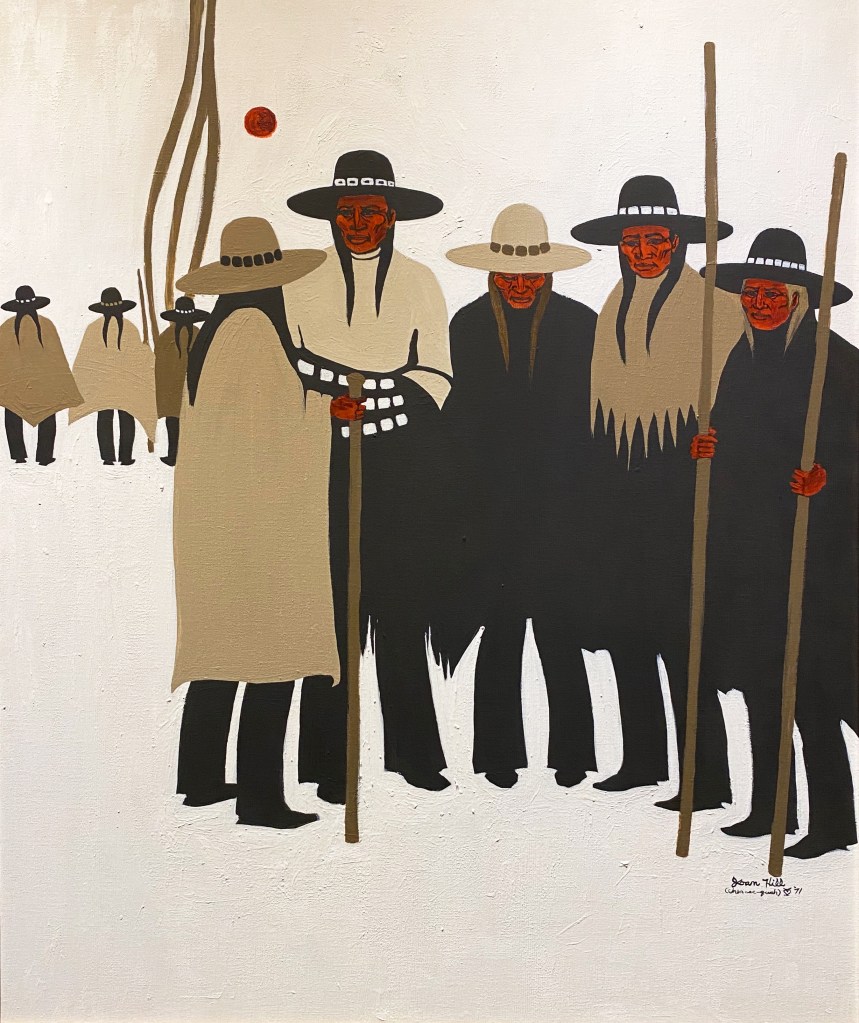
Joan hill, muscogee (creek)/cheroke, war and rumors of war, c.1971, acrylic on canvas
Brenda kennedy grummer, citizen band potawatomi, one sunday at shawnee, 1979, oil on panel
helen hardin, kha’p’oo owinge (santa clara pueblo), vision of a ghost dance, c.1975-1977, oil on board
Tony abeyta, dine’ (navajo), firestorm, 2021, oil on canvas
Joseph henry sharp, american, chief weasel bear, 1906, oil on canvas
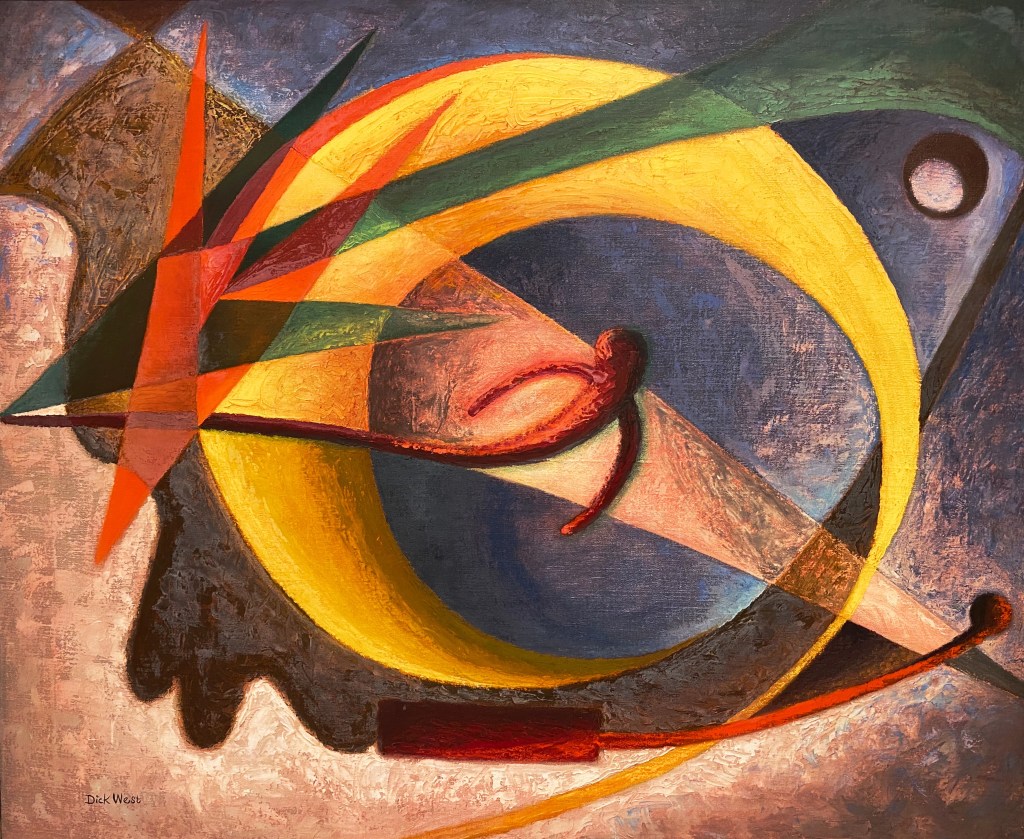
WALTER RICHARD (DICK) WEST, SR., SOUTHERN CHEYENNE, THE WEDDING OF ART AND SCIENCE, 1949, OIL ON CANVAS

European art

Pablo picasso, spanish, les pommes, 1947, oil on canvas
Wassily kandinsky,russian, kallmunz, the town hall square, 1903, Oil on board

We enjoyed our visit to the PMOA, and especially appreciated the focus the museum brings to Native American artists. The museum showcases the evolving manner and styles in which Native Americans have been portrayed over the last 150 years – both fascinating and enlightening.

In addition to the finely curated collection, the museum itself is a wonderful piece of architecture. The extravagance and oppulence of a 72 room villa for a family of four is hard to fathom (at least for OTR), but makes for an inspired setting for the art work and artifacts. And of course, the gardens extending down the slope behind the villa are spectacular.

We absolutely recommend an afternoon at the PMOA when you visit Tulsa!

Be seeing you.

P.S. We also recommend having lunch when visiting the PMOA – KITCHEN 27 is excellent.

fika with fiona: otr 7.0: the very best!

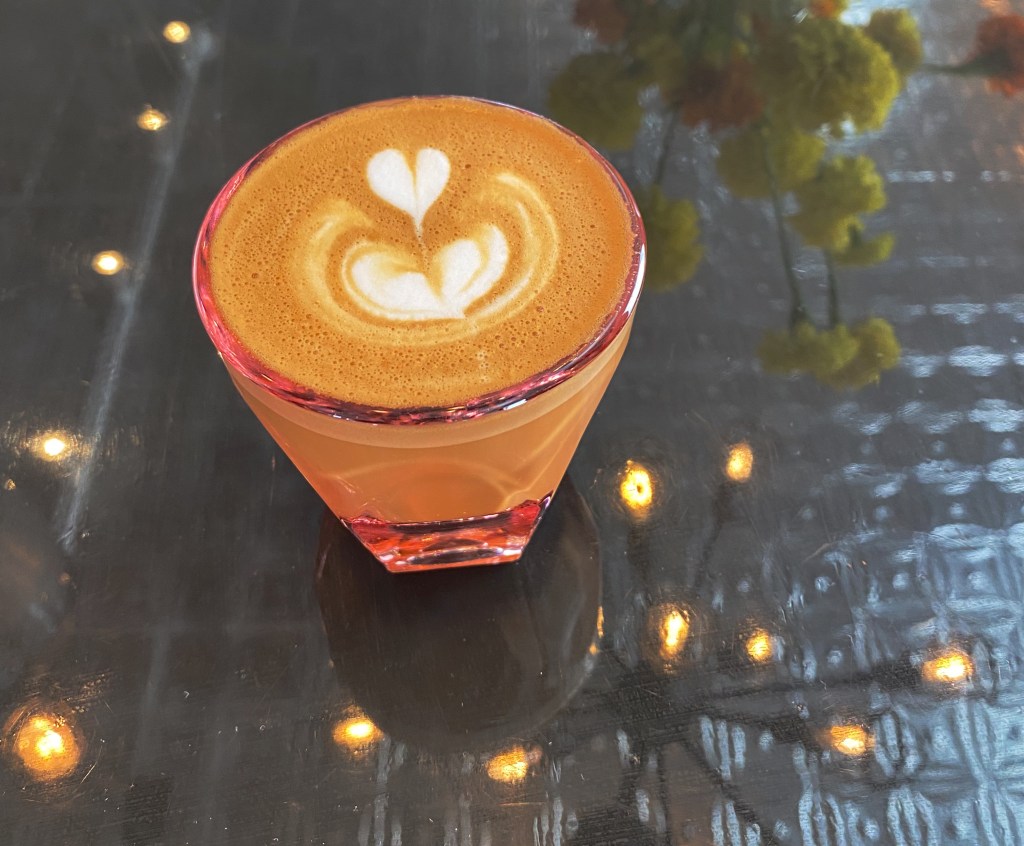
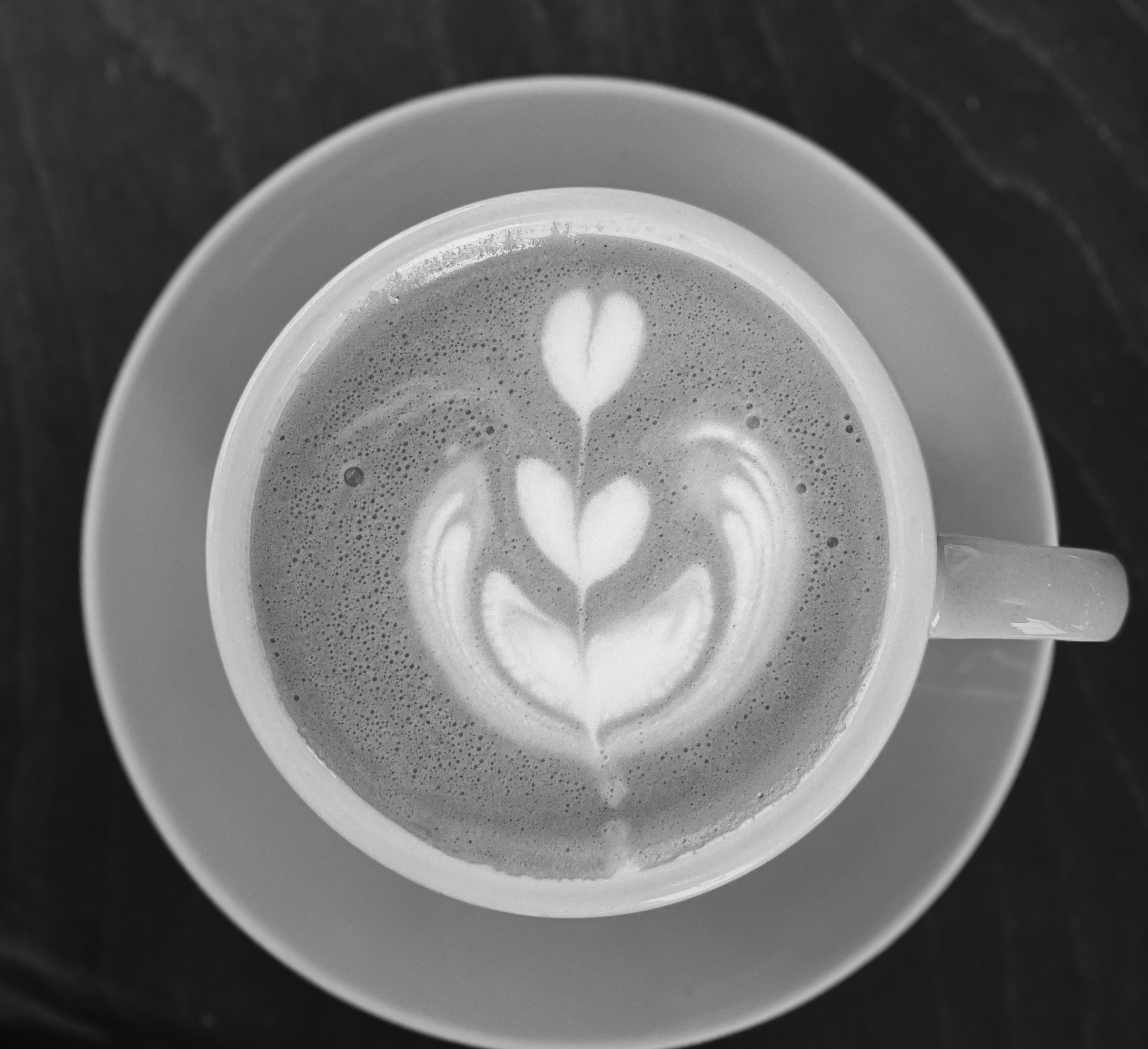
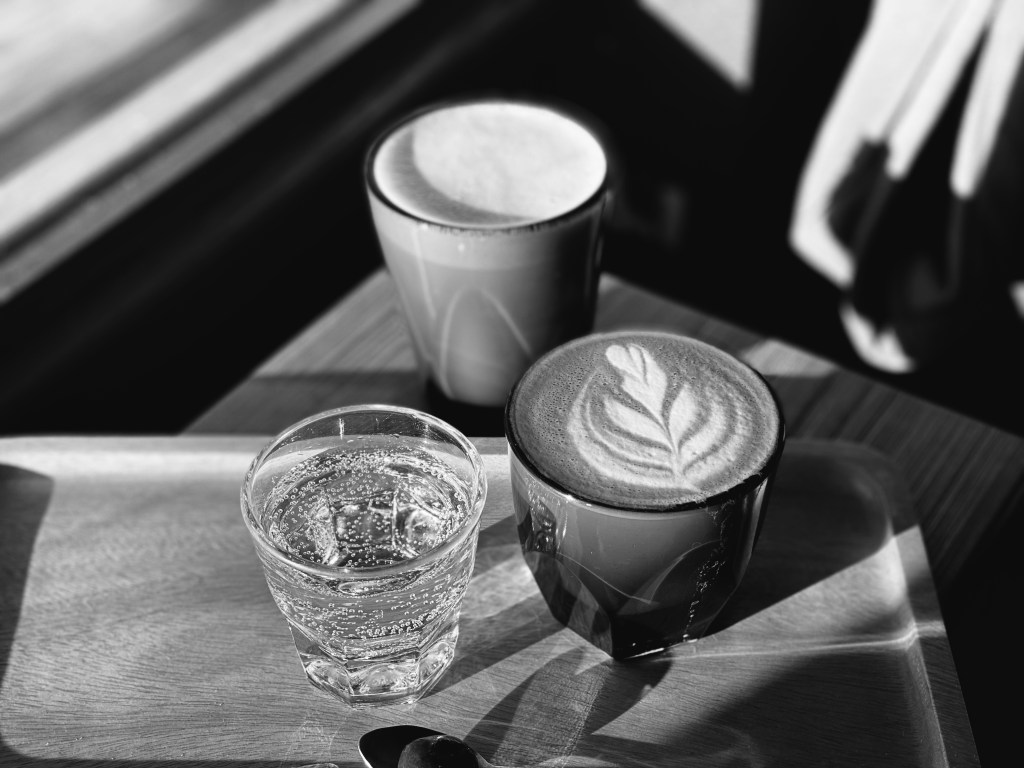
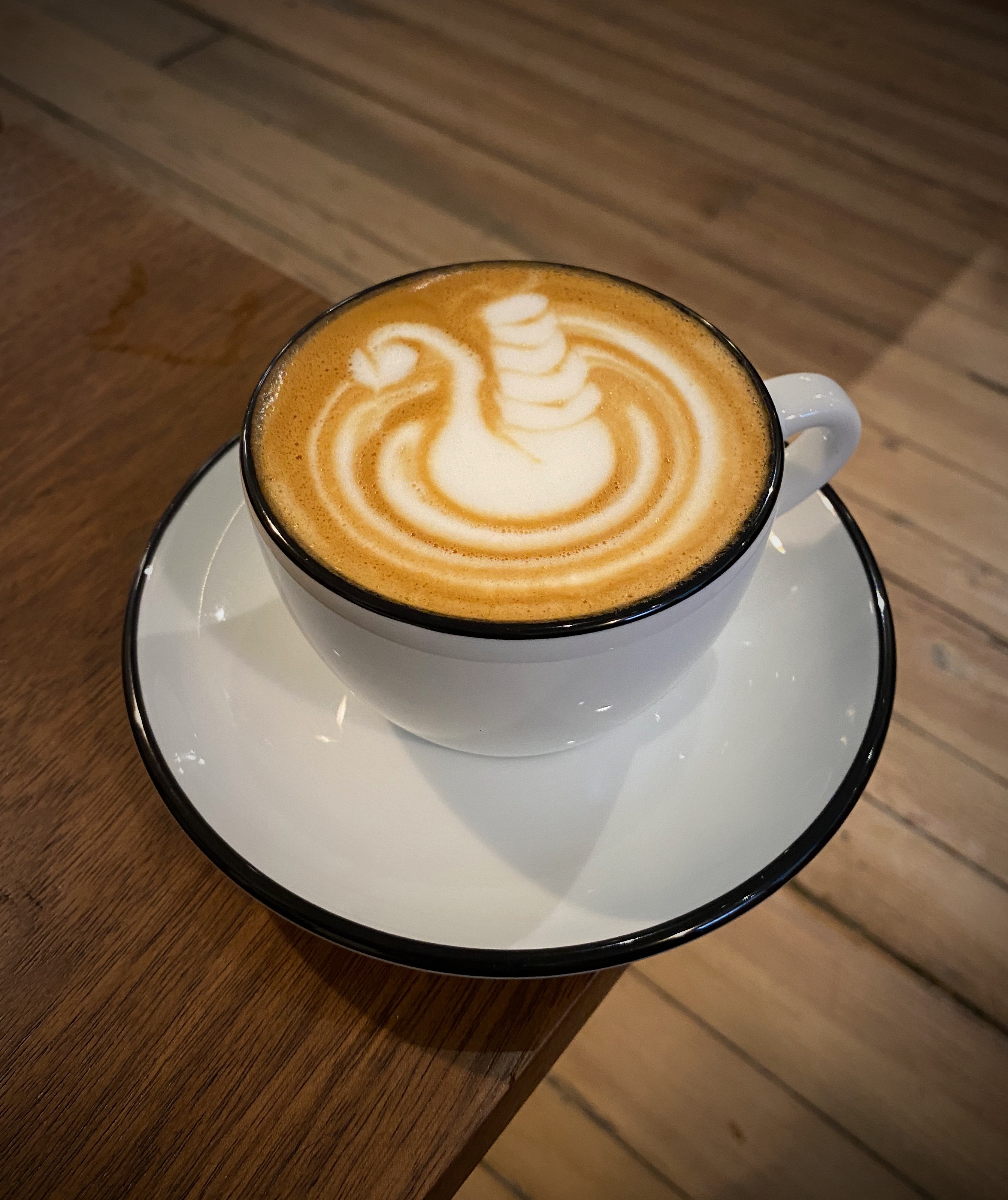
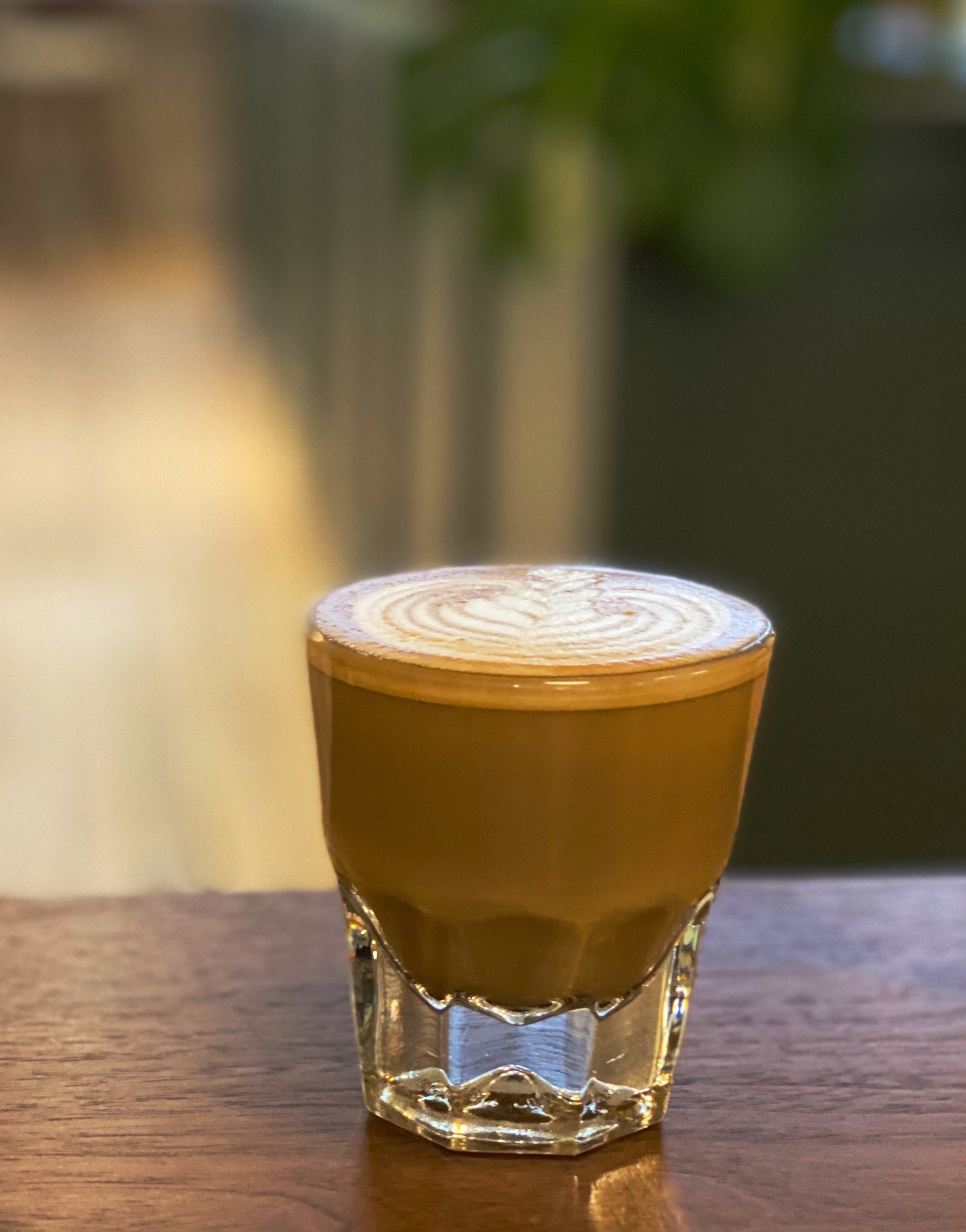
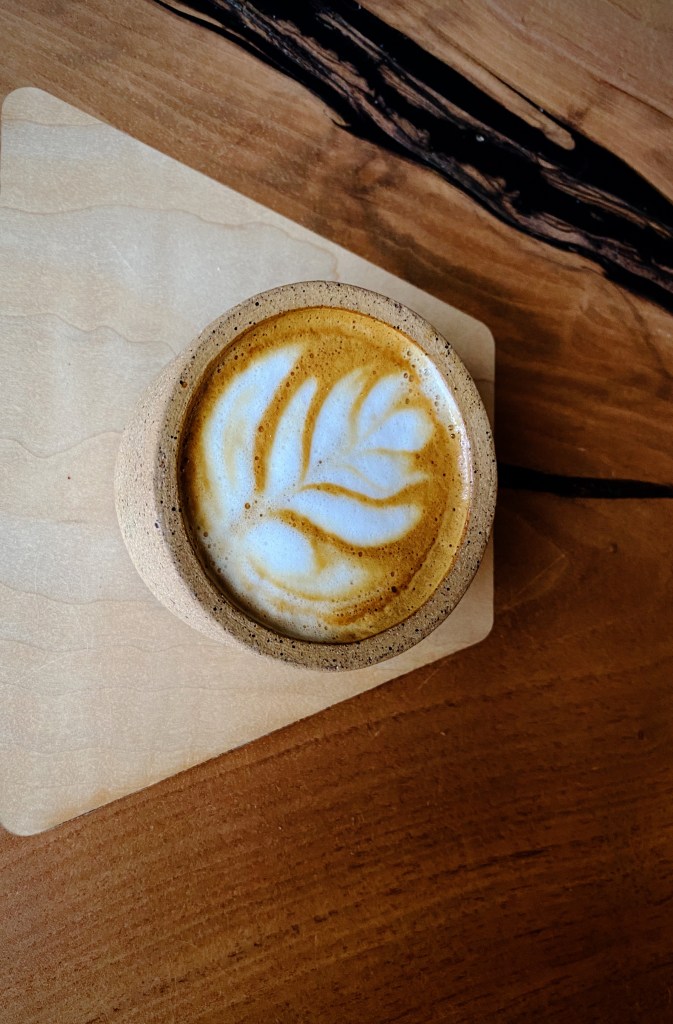
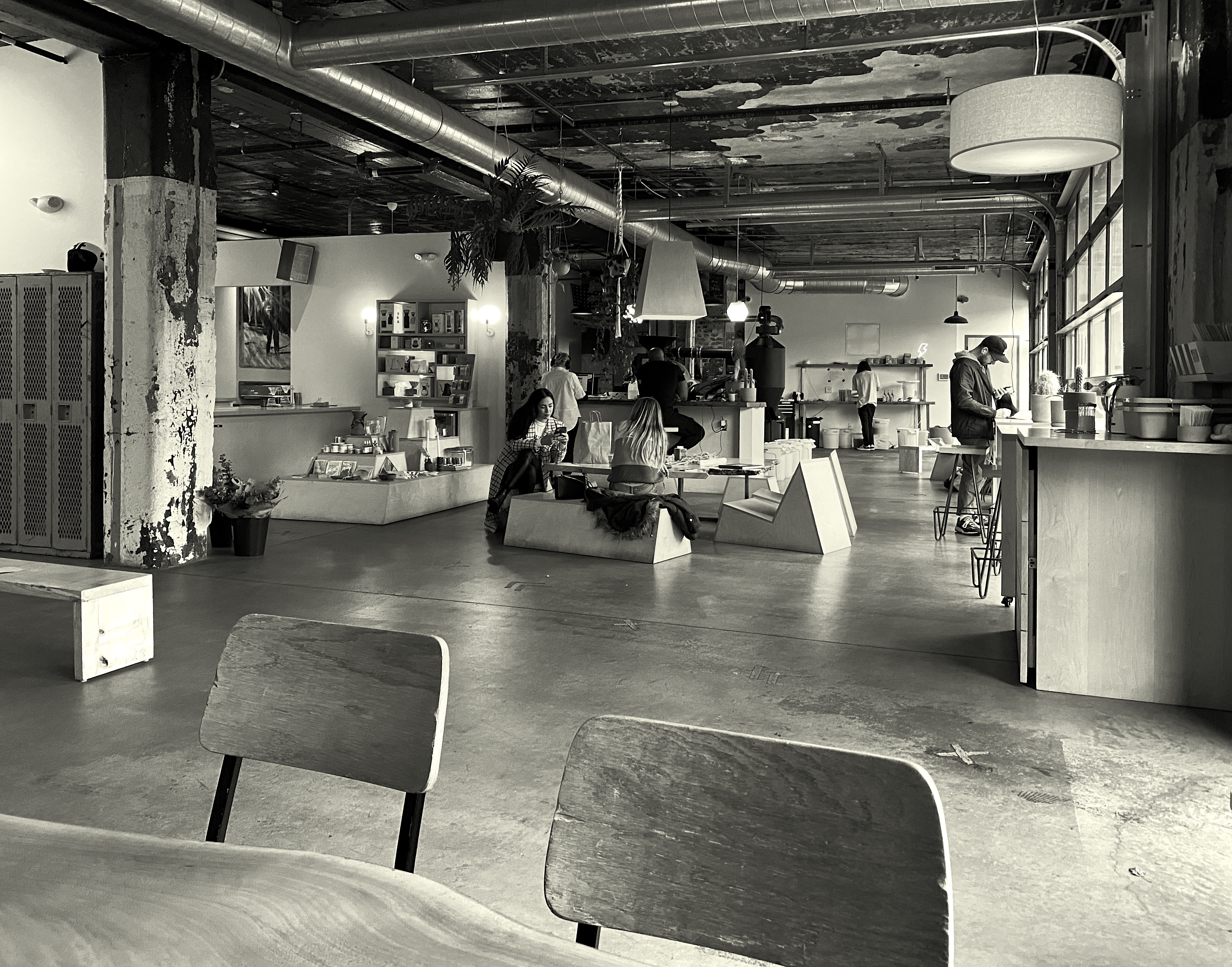
If you follow OTR, you know that one of the great pleasures of our travels is the discovery (on our part) of great specialty coffee and tea cafes as well as the opportunity to return to previously visited favorites. Fortunately, there are many excellent specialty coffee cafes and roasters across the country.

We have included just seven of the cafes we visited during OTR 7.0 in this post. We visited another half dozen that are quite good but we wanted to showcase just those cafes that we think are exemplary in every regard.

We are confident that you will enjoy these cafes just as much as we did if you are fortunate enough to visit them during your travels. All of the cafes that are also roasters sell their coffee on-line, so if you won’t be visiting any of these cities in the near future you have the option to enjoy their coffee at home.

We would love to know your thoughts if you have the opportunity to visit any of these cafes.

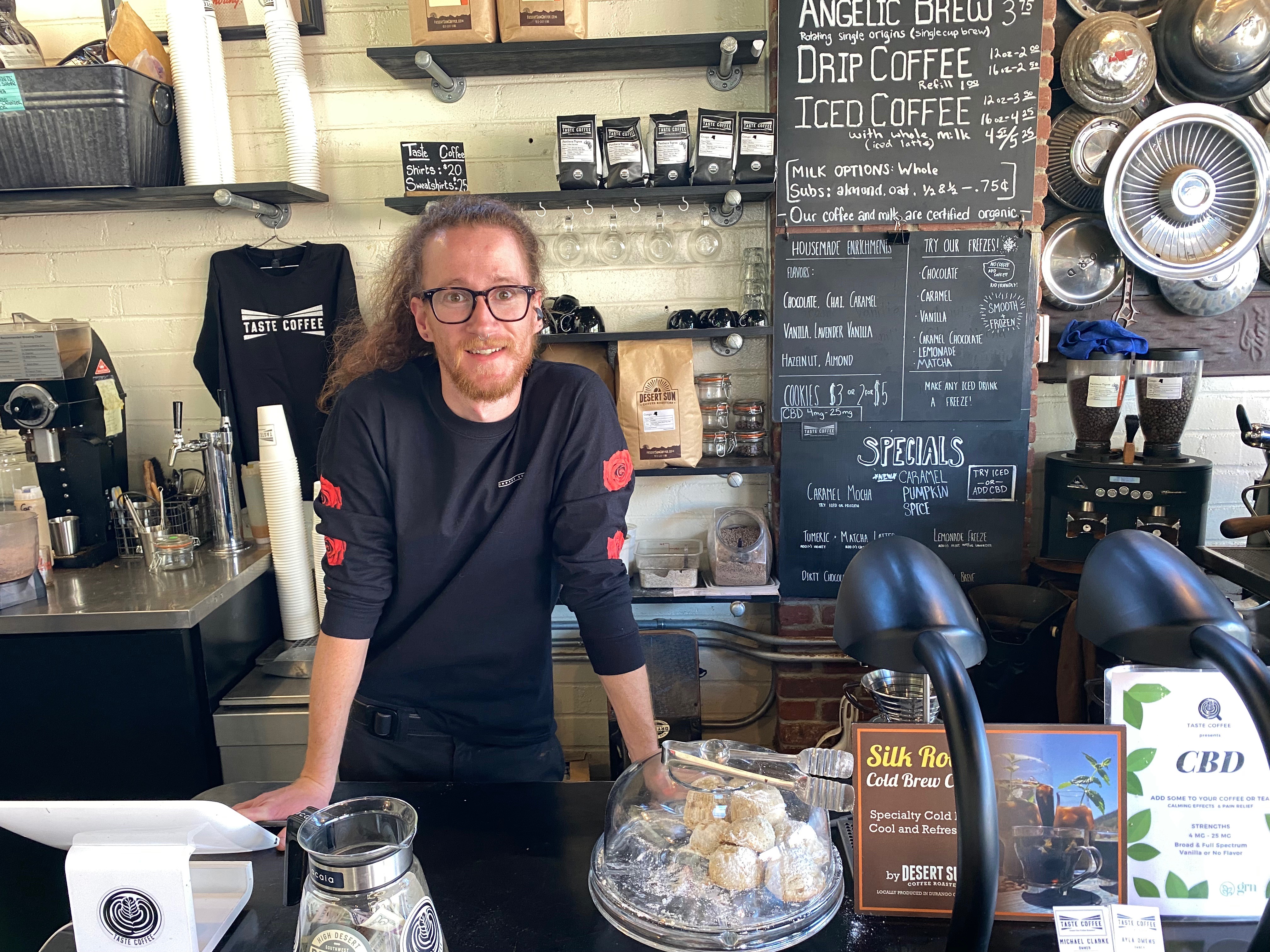
Colorado: Durango: Taste Coffee

https://www.tastecoffeedurango.com/

New Mexico: Santa Fe: Sky Coffee

https://www.skysantafe.com/

Texas: Amarillo: Palace Coffee

https://palacecoffee.co/

Oklahoma: OKC: Coffee Slingers Roasters

https://www.coffeeslingers.com/

Arkansas: Rogers: Onyx Coffee Lab

https://onyxcoffeelab.com/

Ohio: Cincinnati: Deeper Roots Coffee

https://www.deeperrootscoffee.com/

Pennsylvania: Pittsburgh: Klvn Coffee Lab

https://klvncoffee.com/pages/about

Be seeing you.

Ctsprinterlife: Mammoth cave national park

The cave

Mammoth Cave, located in southwestern Kentucky, was officially designated as a national park in 1941. The park is approximately 53,000 acres (small by national park standards); its main focus is the cave system which lies under the surface.

Mam Cave, as it is called locally, is the longest cave known to exist in the world at just under 400 miles. The 400 miles of cavern are not linear, but exist on six levels which crisscross and extend out in multiple directions, fitting inside a seven square mile area under the park.

We took a ranger led tour during our visit, venturing down 250 feet below the surface and then through a series of rooms as we gradually climbed back towards the surface to exit the mine.

The park offers a wide range of tours differing in time and the level of physical activity required to complete the tour. We took the Domes and Drips Tour where you are brought through some of the largest domes in the cave system and also to a wetter area where stalactites and stalagmites are still forming.

The lower two levels of the cave are underground rivers – with water draining down from the Green River and the numerous sinkholes in and around the park. In the past visitors could tour the lower cavern by boat but the practice was stopped to protect the environment.

Auto tour

Green River Ferry

A brief History of mam cave

As we mentioned above, Mam Cave became a national park in 1941. What we did not realize until we visited the park and spent time touring the scenic backways of the park was how the park came into being.

Road to Good Spring

The caves were originally mined for saltpeter which was used in the making of ammunition.The caves in the area were privately held and operated by the owners as tourist attractions from the early 1800s until the park became a national park.

Good Spring Baptist Church

There were many people in government, science and business who, for various reasons, wanted to see Mam Cave designated as a national park and thus be protected. The federal government would not buy land for the creation of a national park but would accept donated land for that purpose. As a result, a private organization was formed for the purpose of buying the privately owned land and donating the land to the federal government.

Over a period of several years the required amount of land was purchased (in some cases through eminent domain). There was also a land donation of 8,000 acres made by a single family.

The photographs above and below show the only remaining structures from three of the communities (Good Springs, Flint Ridge, Joppa Ridge) that ceased to exist as the residents moved to other towns outside of the park boundary. Some of the families and their descendants lived in theses communities for 200 years before they were displaced.

The park service has preserved these churches and the adjacent graveyards, providing a peak into life in early rural America. All other structures from these communities were razed when the National Park was established.

The families of the descendants are still able to use the churches for weddings, funerals and other special occasions. The cemetaries bear witness to this use as we observed newer monuments in each of the graveyards.

Conclusion

We enjoyed our two days at Mam Cave. The cave tour was well organized and interesting. We would have to say that from a persective of the cave only that Carlsbad (New Mexico) and Wind Cave (South Dakota) are more dramatic from a visual perspective.

Having said that, Mam Cave offers a number of hiking and mountain biking trails as well as a paved bike path. Additionally, the Green River which flows through the park provides the opportunity for kayaking and canoeing.

If you are a national park fan and have not yet visited, we recommend that you include Mam Cave in an upcoming park itinerary.

Be seeing you.