
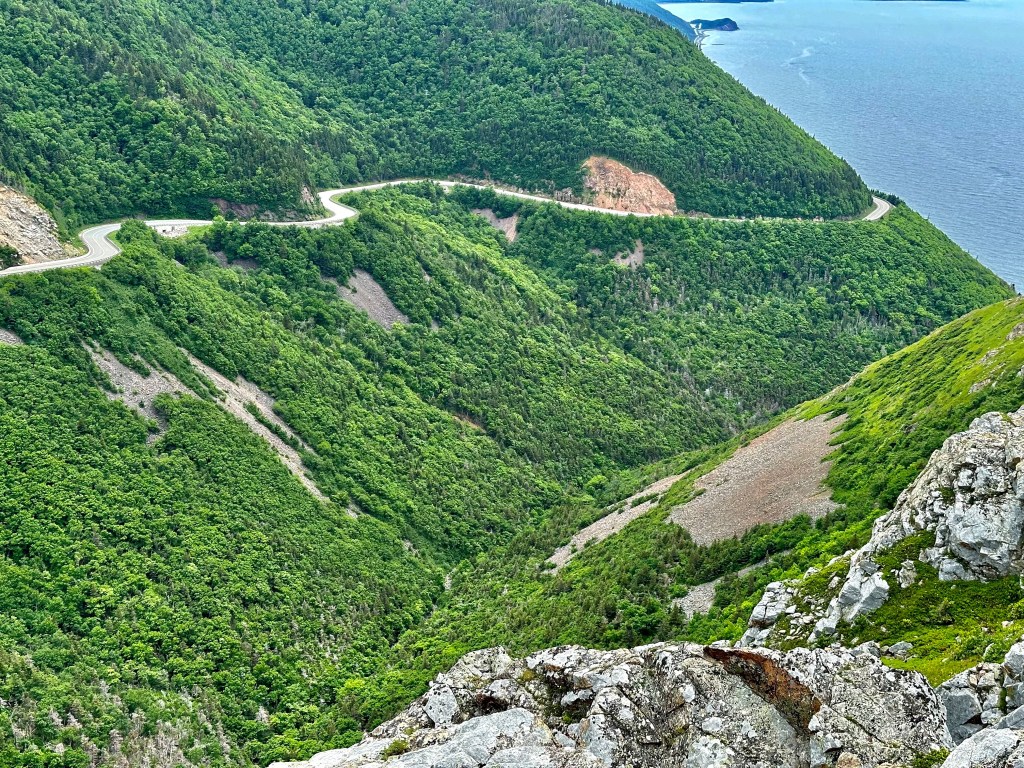
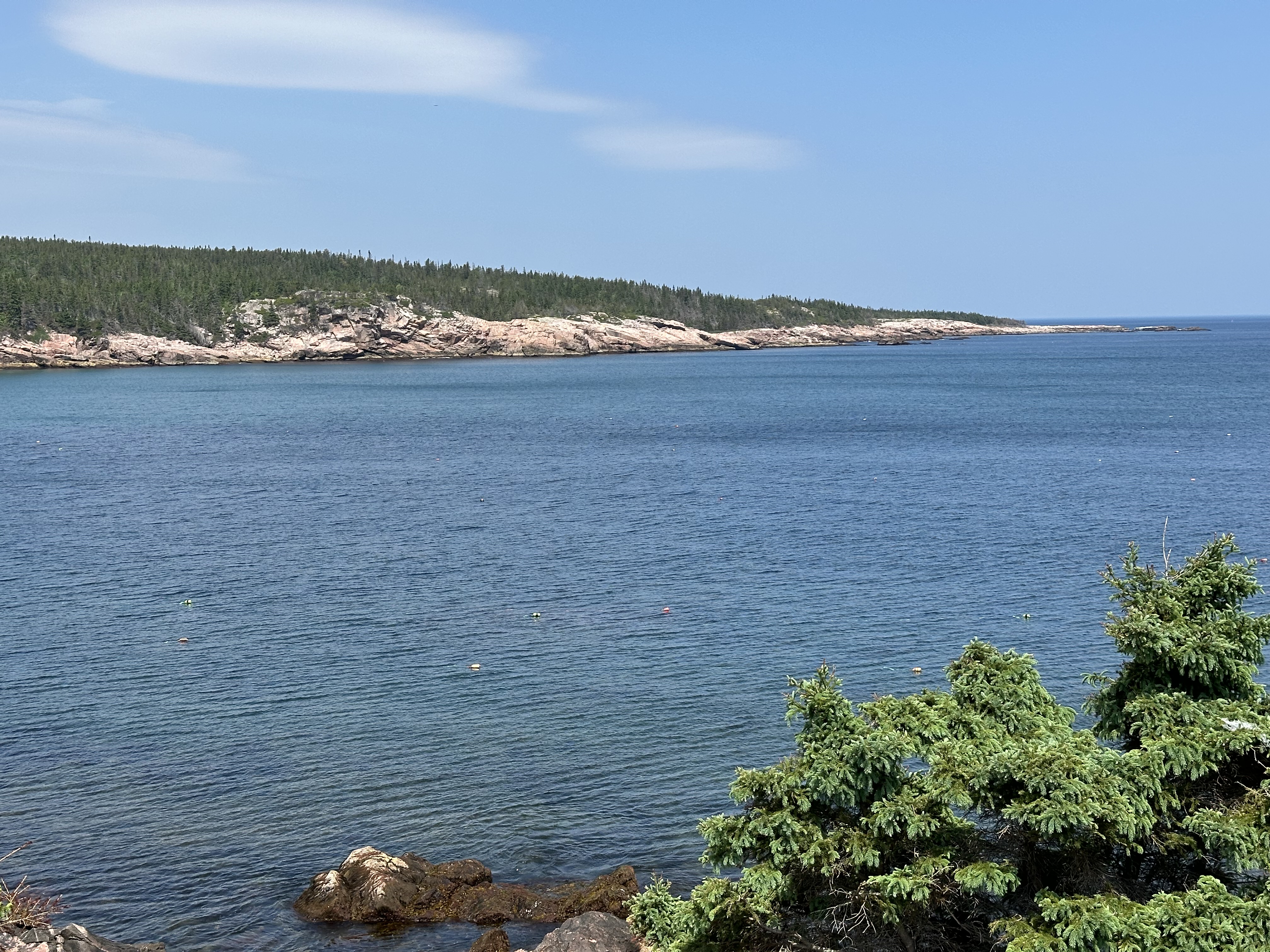
After departing Broad Cove we followed the Cabot Trail (CT) west along the northern perimeter of the Cape Breton Highlands National Park (CBHNP). This route took us up into the heart of the highlands and then back down along the western slope where the highlands meet the North Atlantic. As always, lots of spectacular scenery and driving.
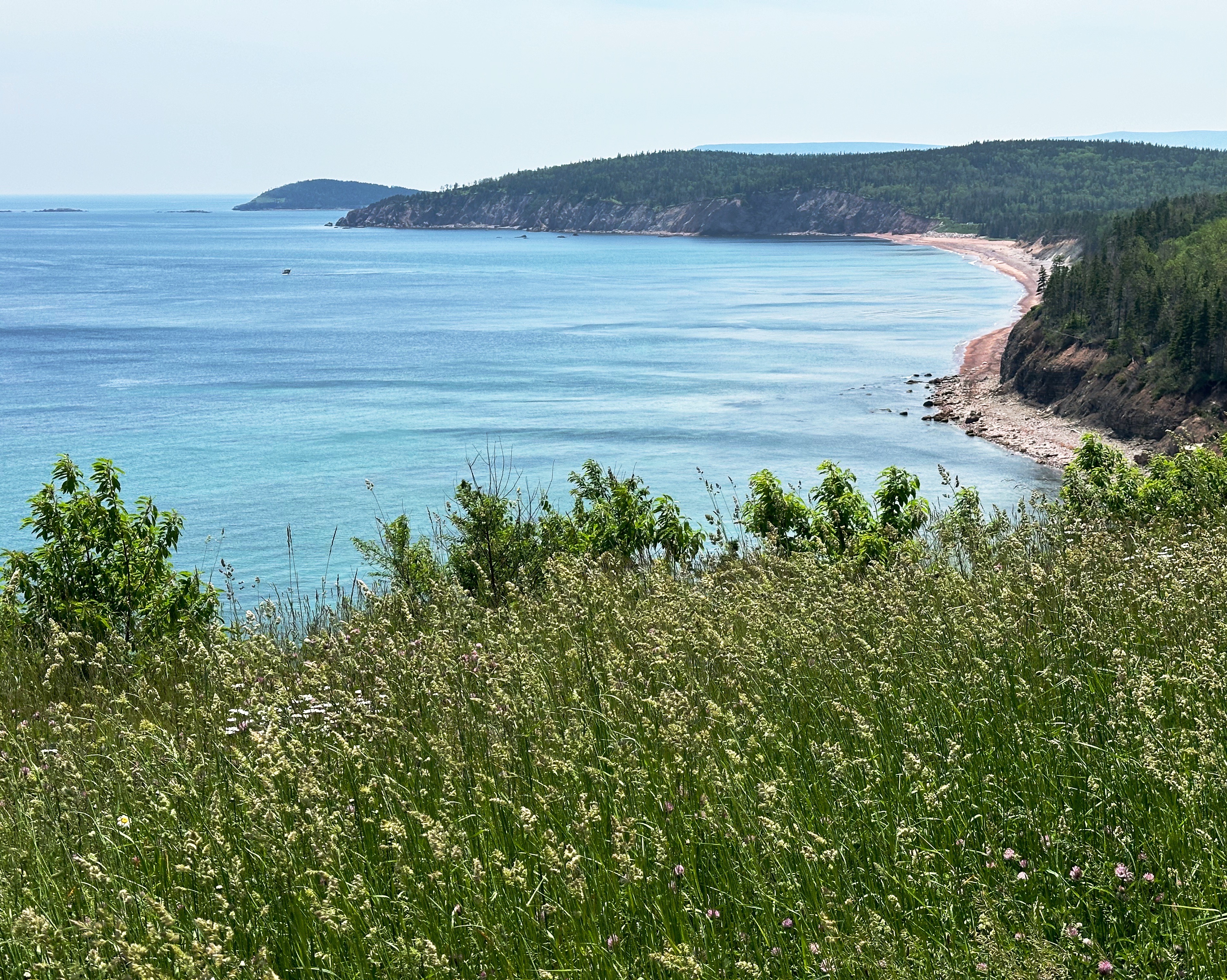
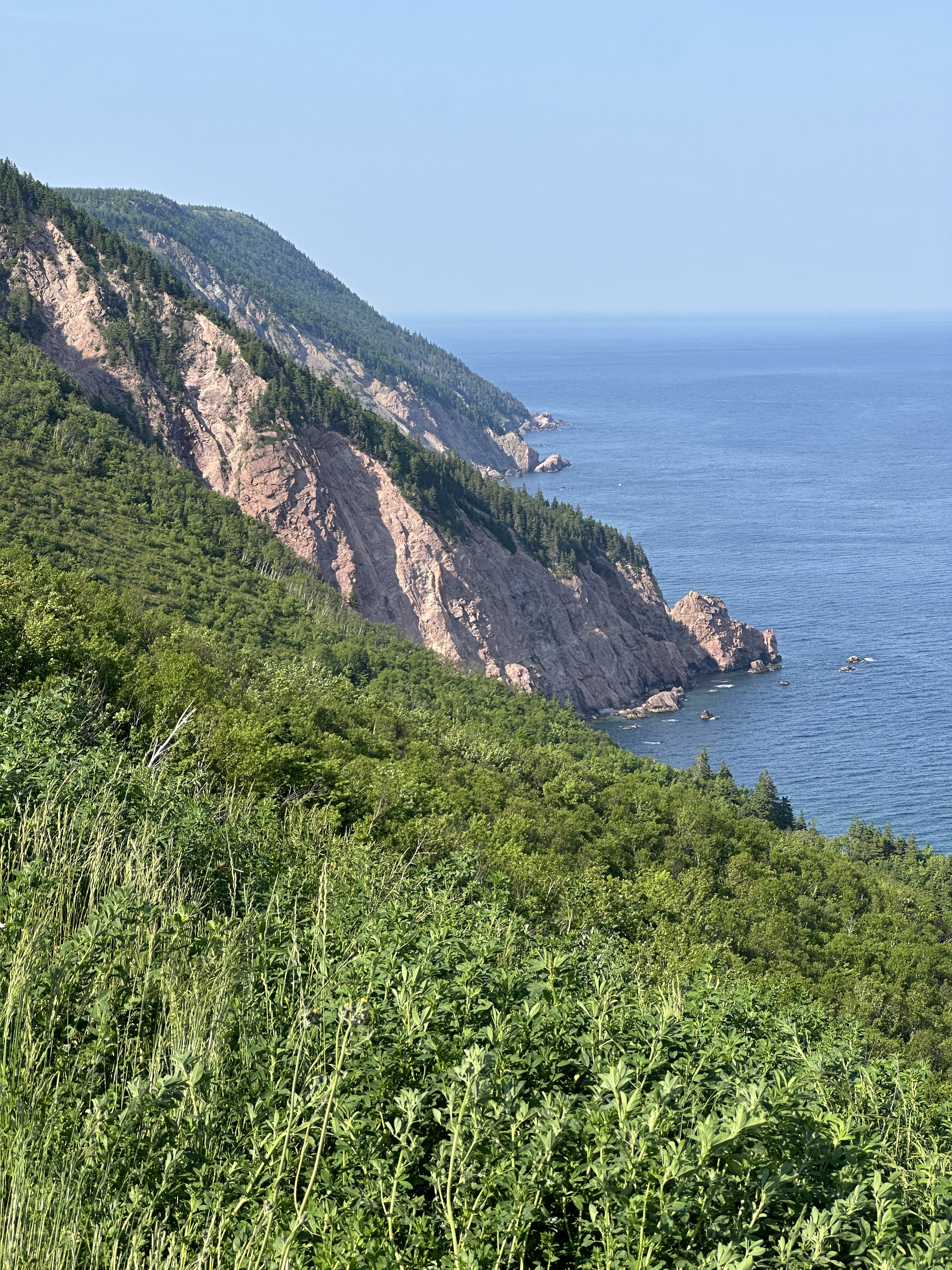
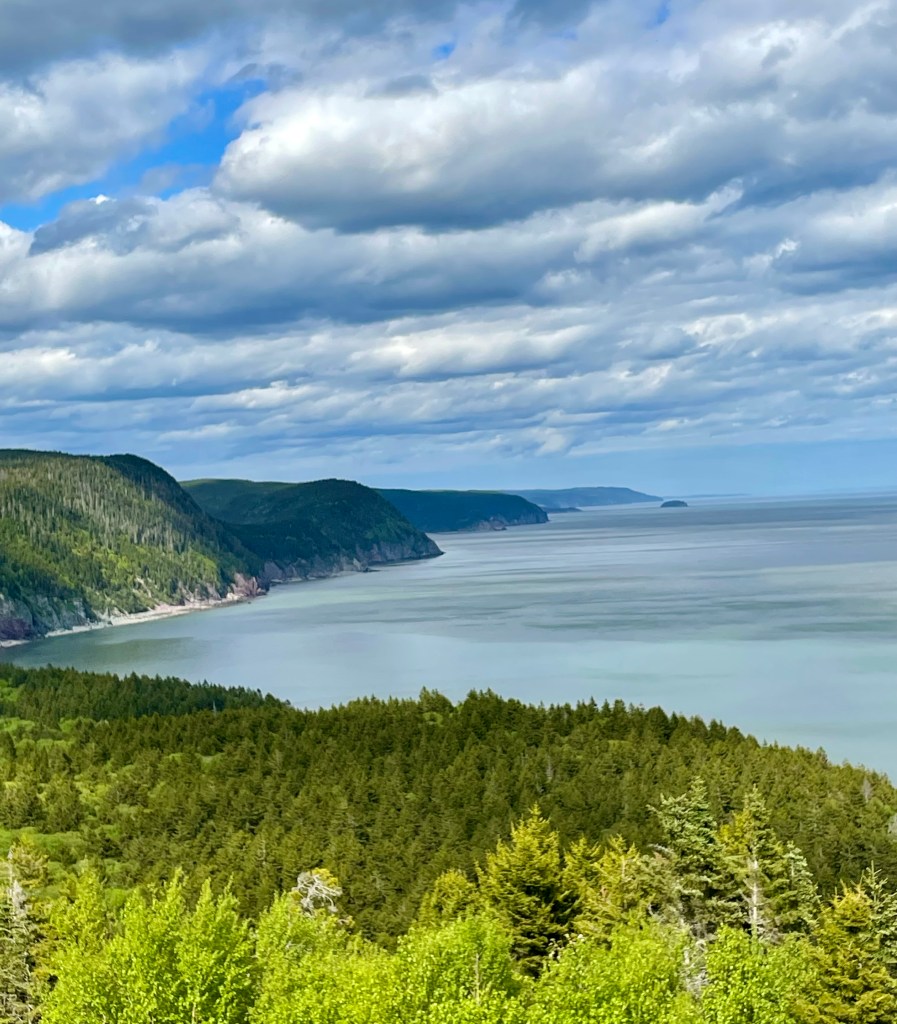
Along the way we stopped to hike the Skyline Trail, considered one of the best hikes in CBHNP. The trail leads out to cliffs providing dramatic views of the mountainous coastline and the ocean below. Although the weather began closing in during our hike, we were still able to see for several miles up and down the coast.
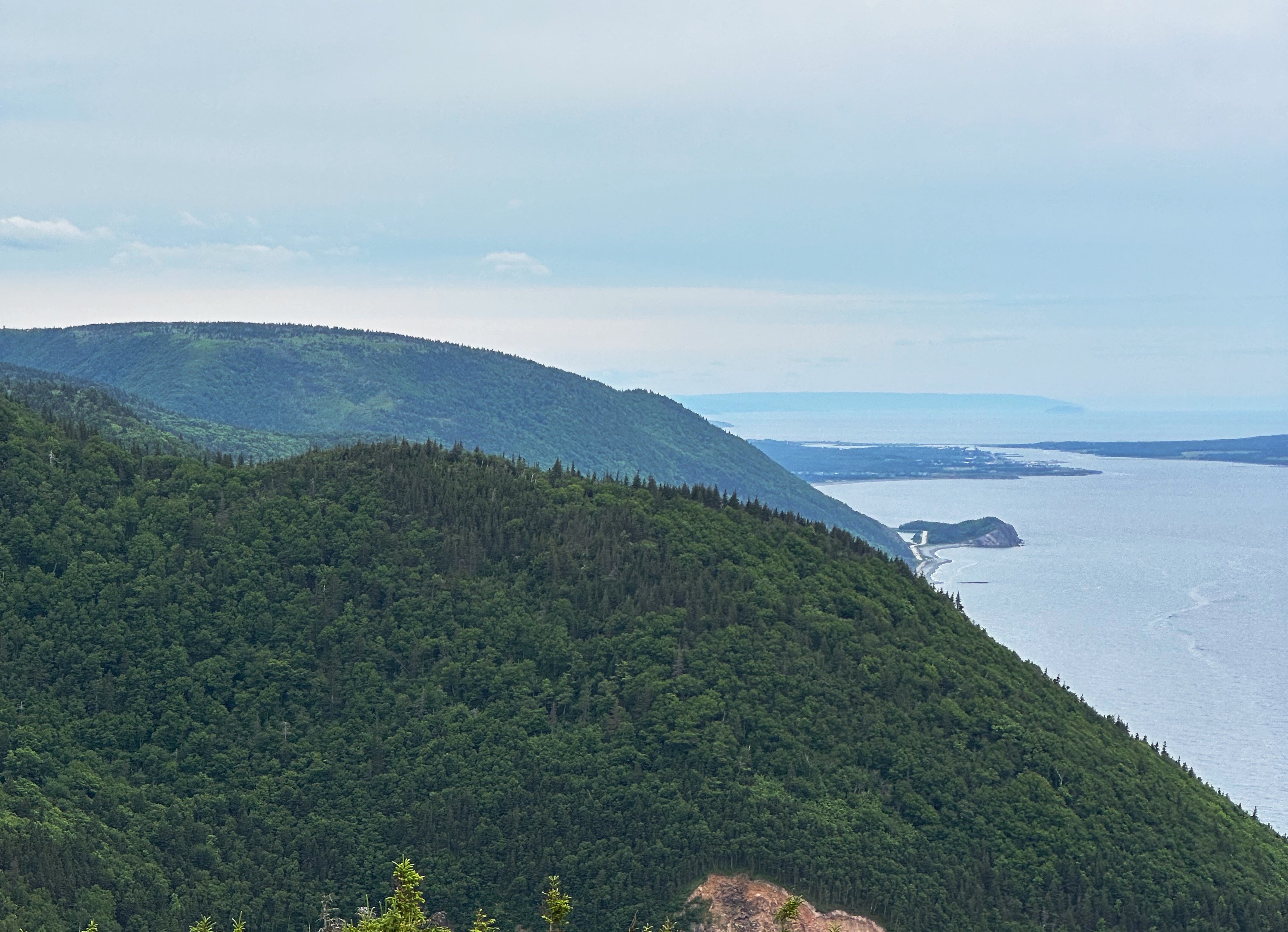

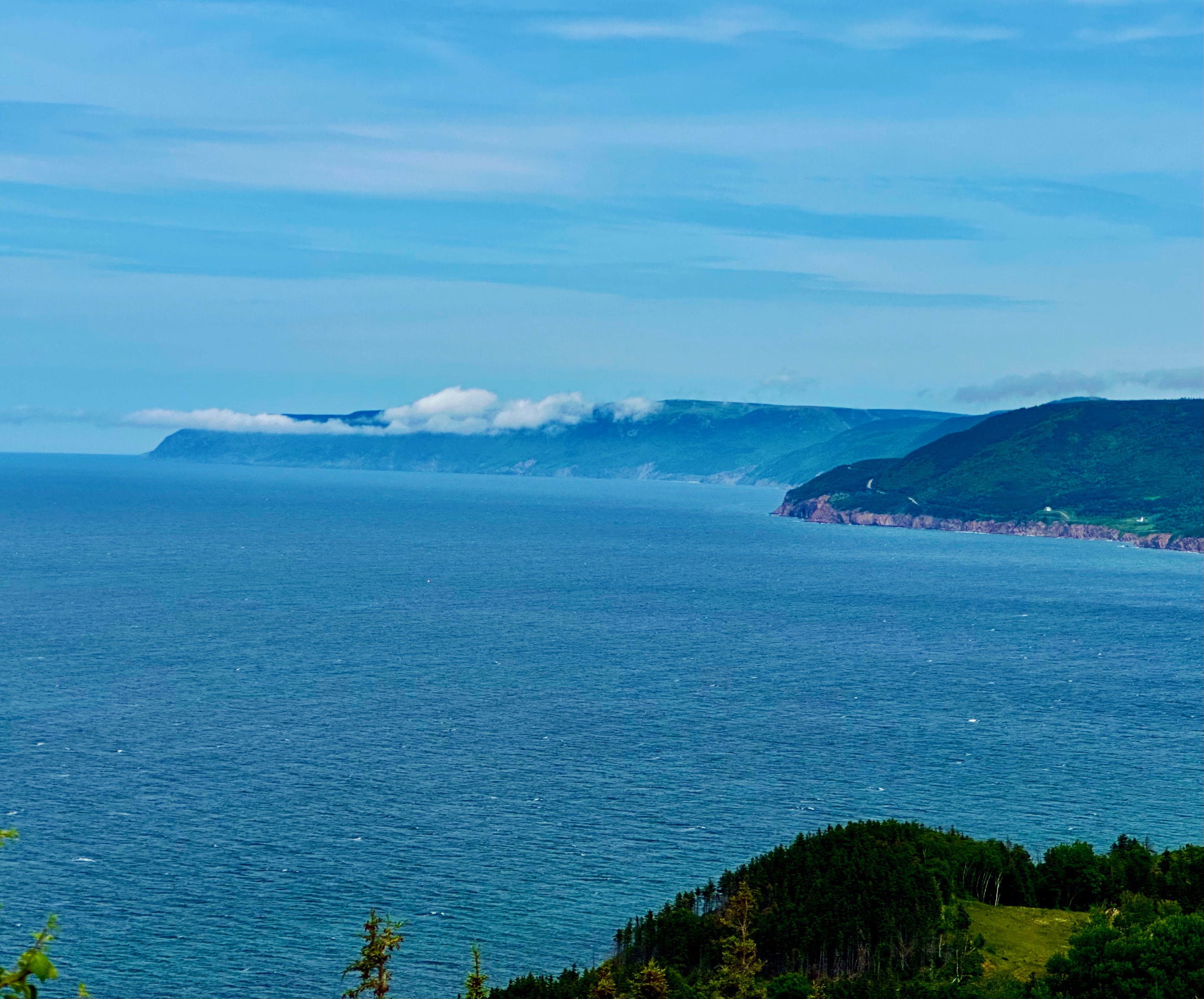
From the Skyline Trail we journeyed south on the CT to the Acadian community of Cheticamp. We had booked an AirBnb for two nights with a deck overlooking the harbour. Unfortunately, the rain moved in that evening squashing our plans for cocktails and nibbles on the deck (rough, eh?). We made the best of it— washed our laundry and got a good night’s sleep.

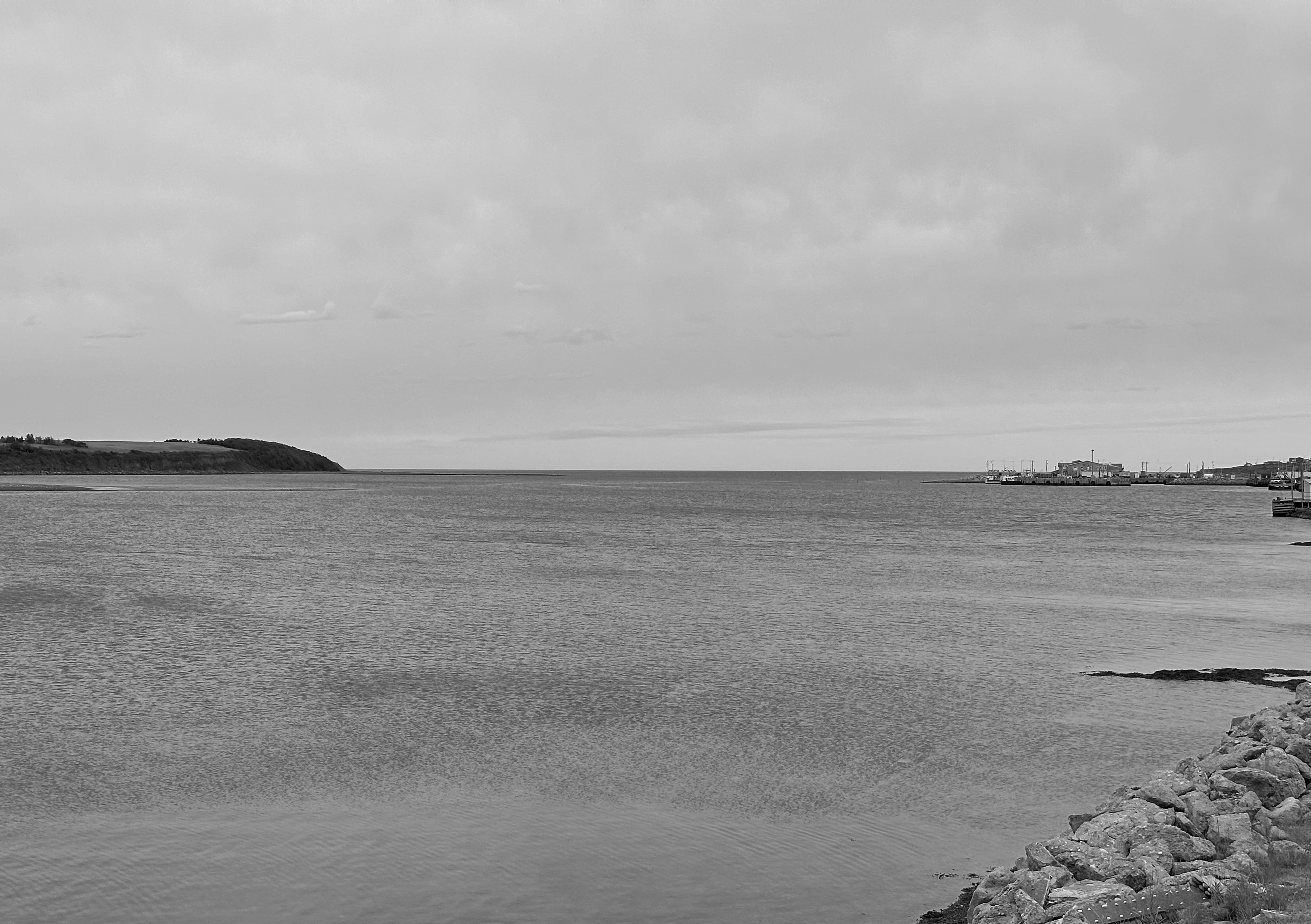
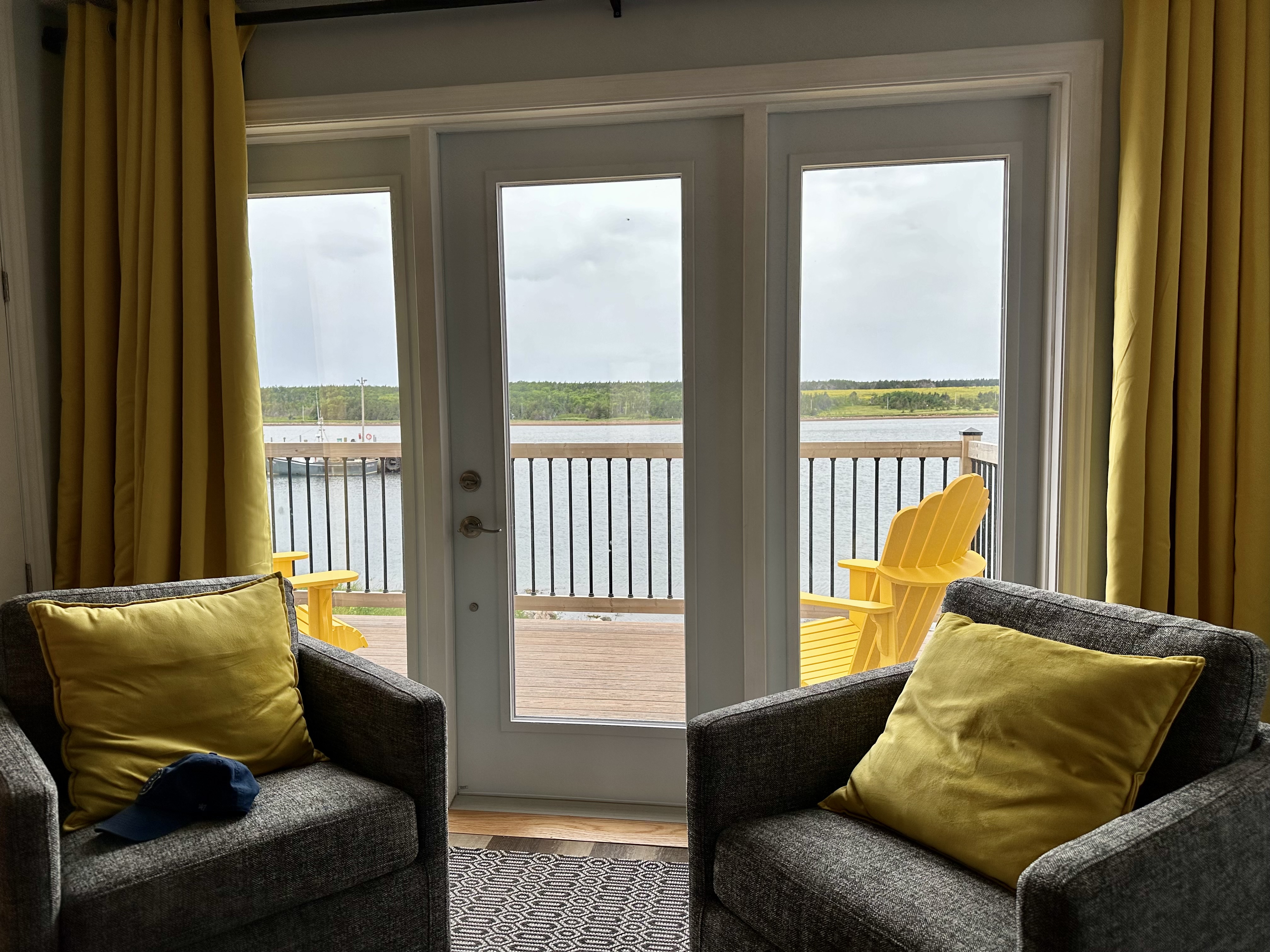

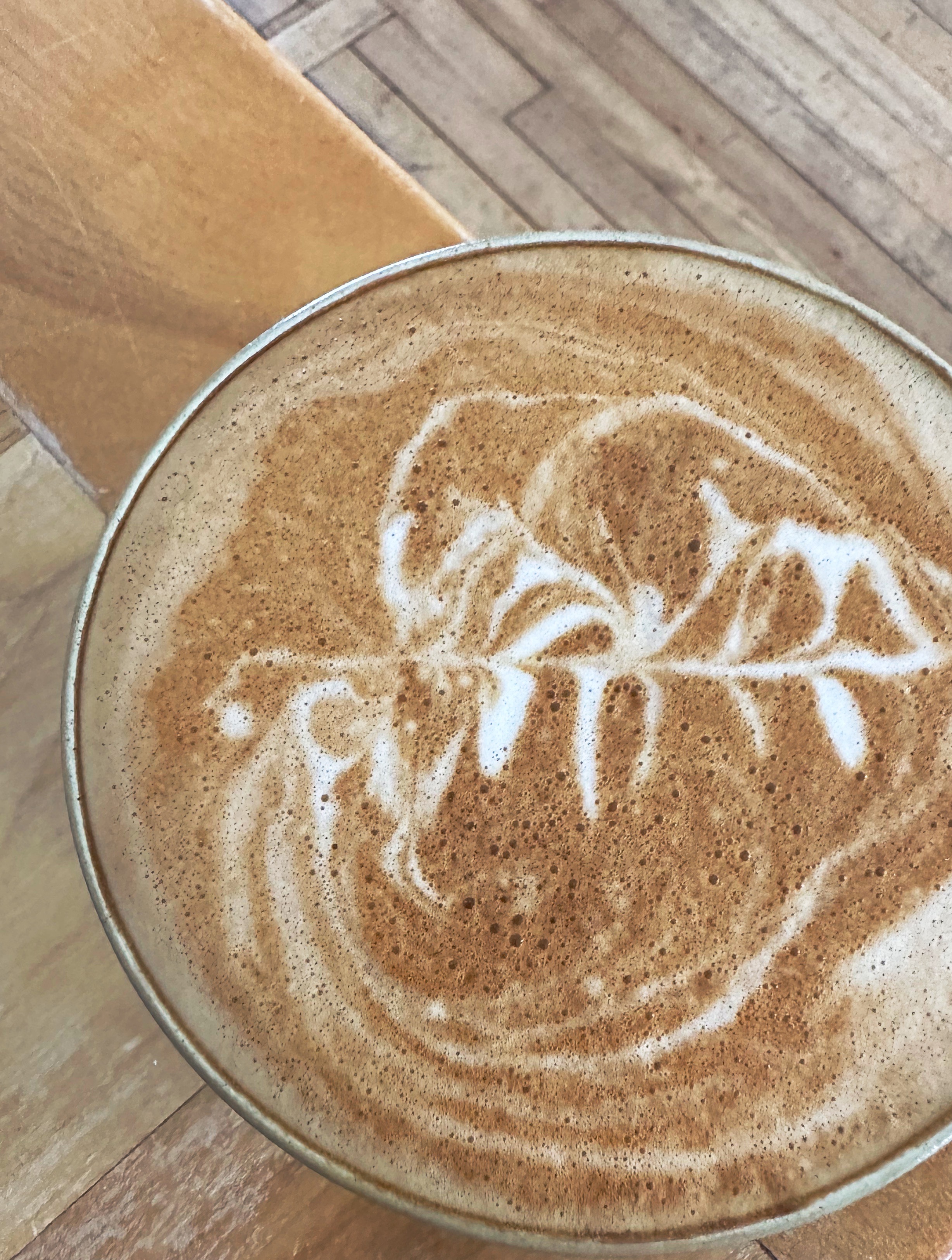
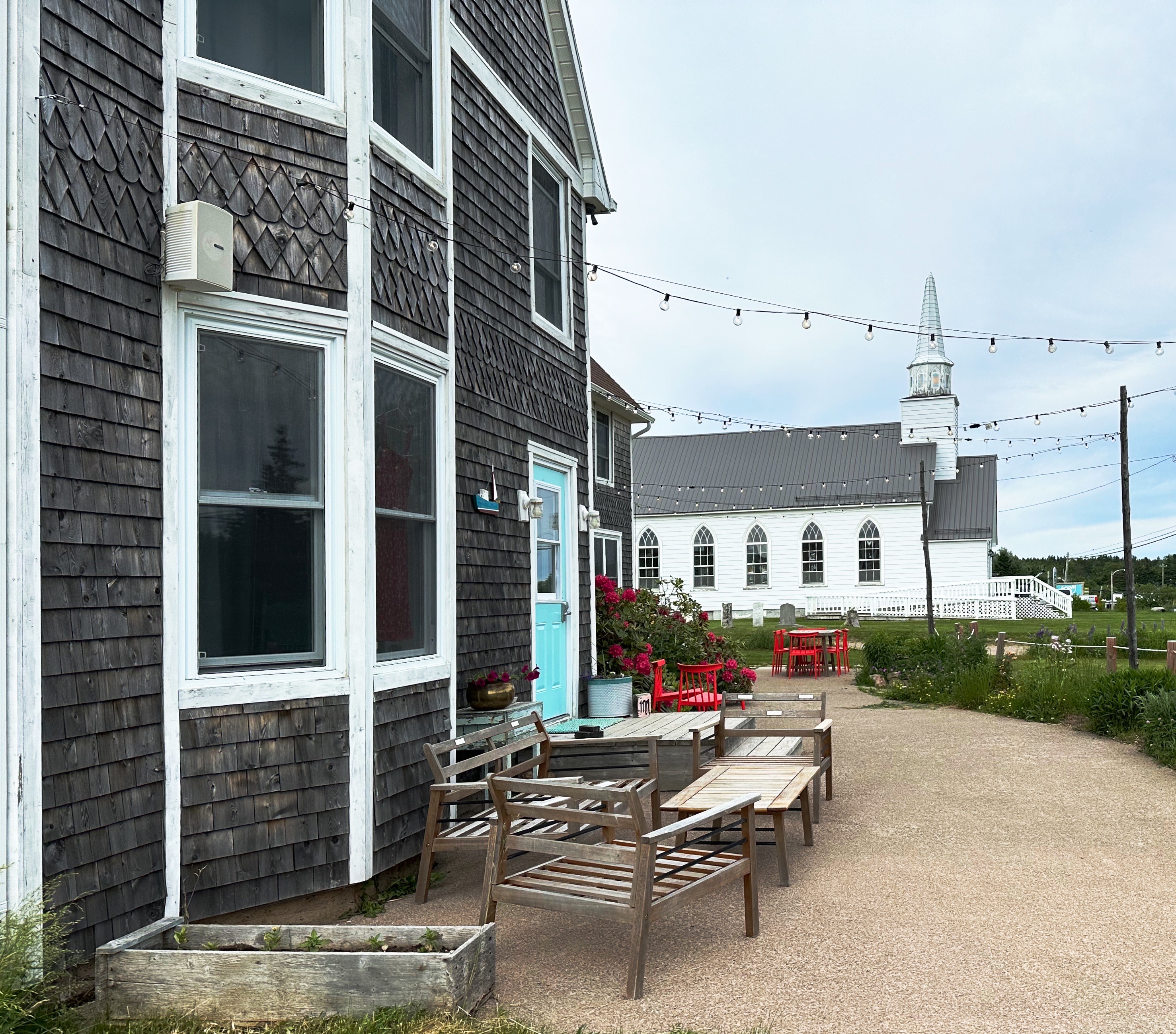
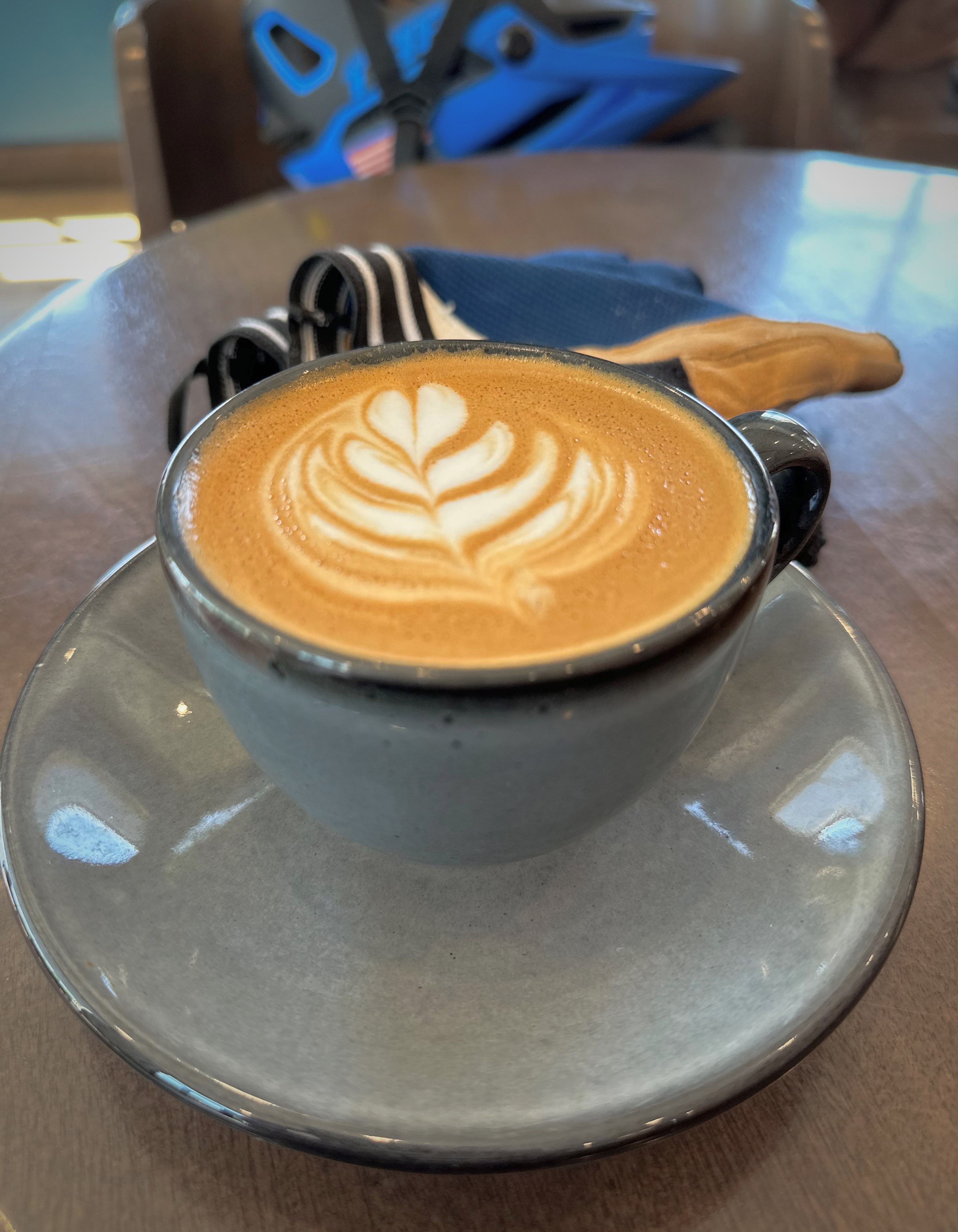
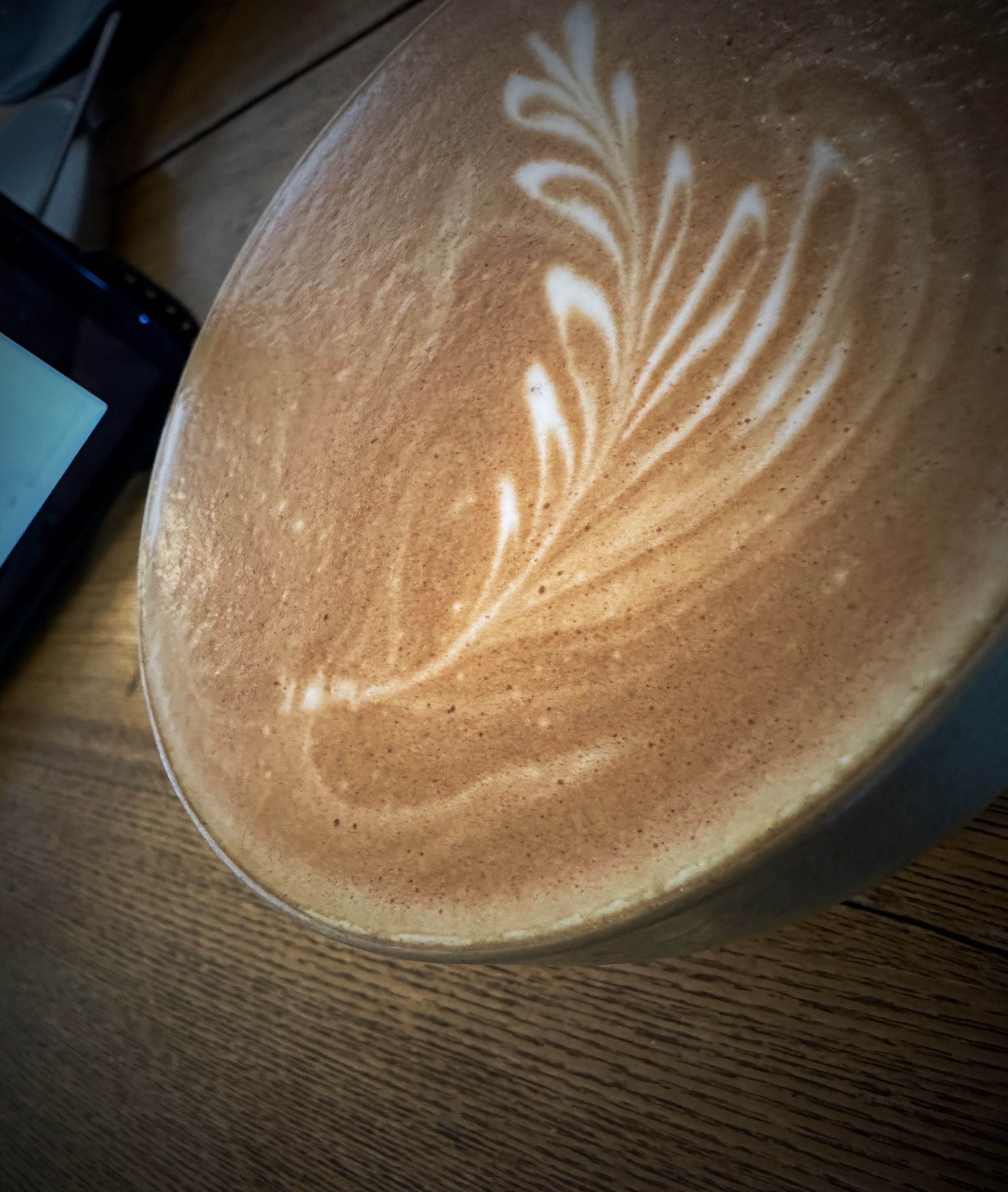
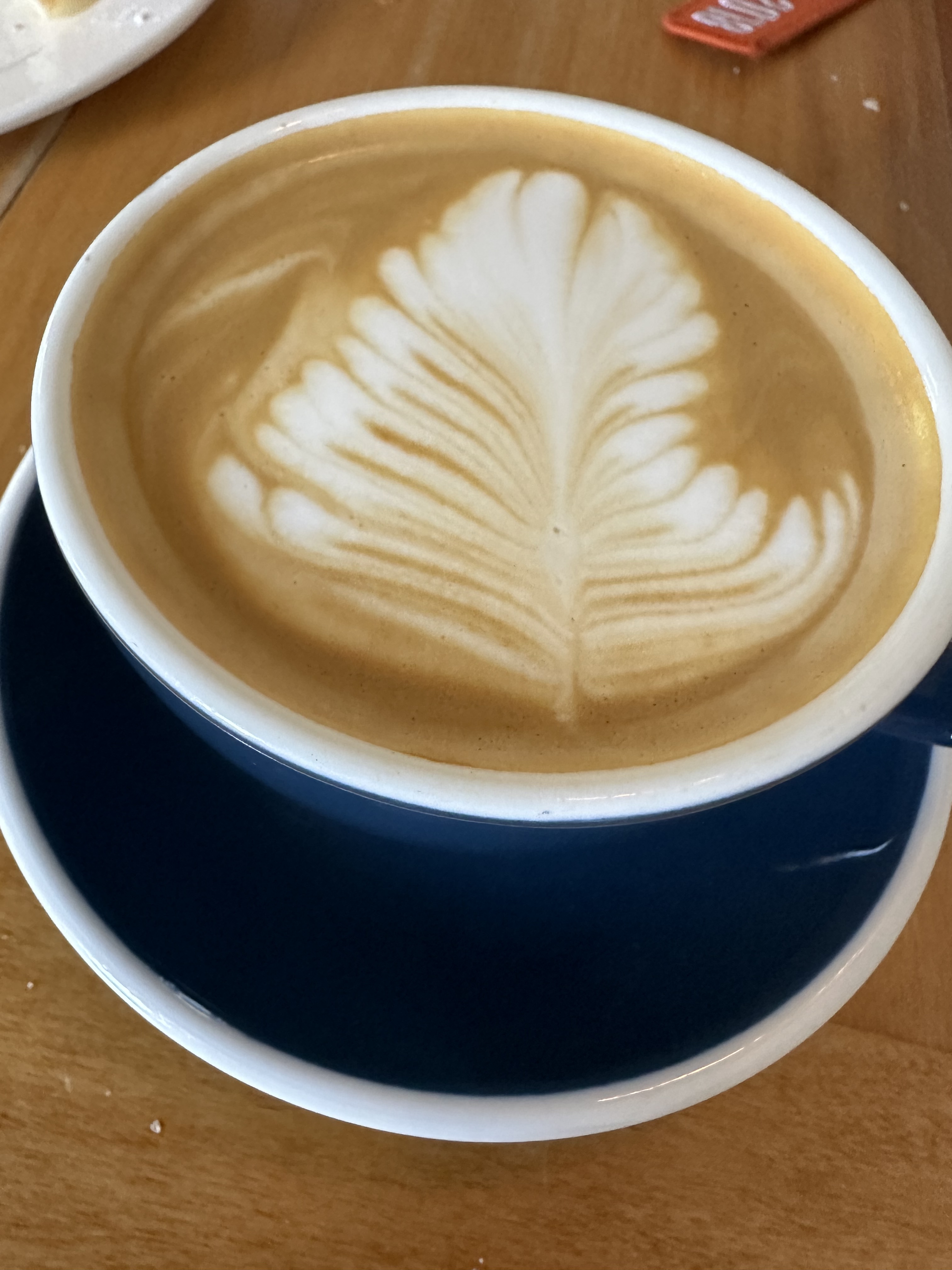
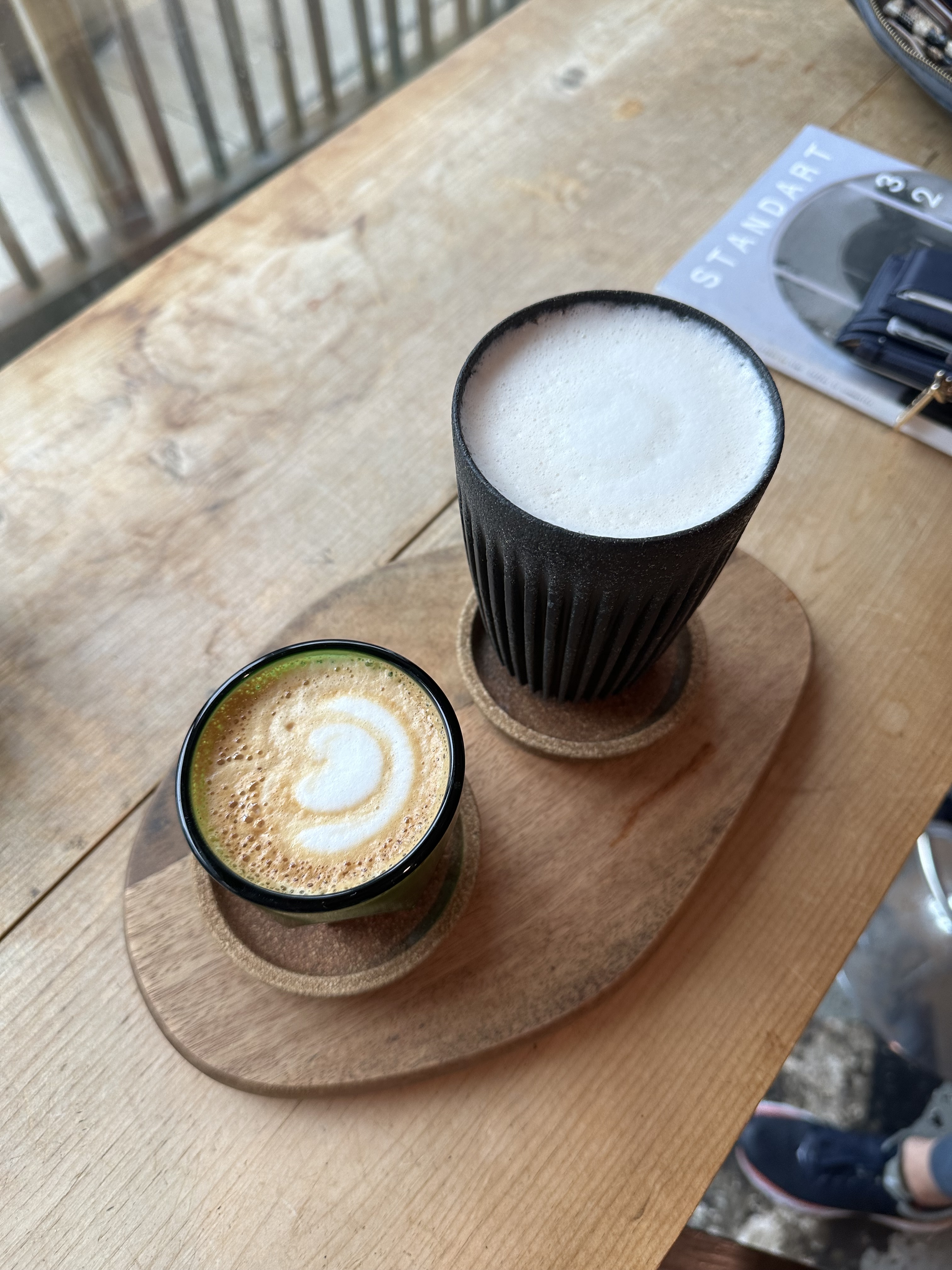
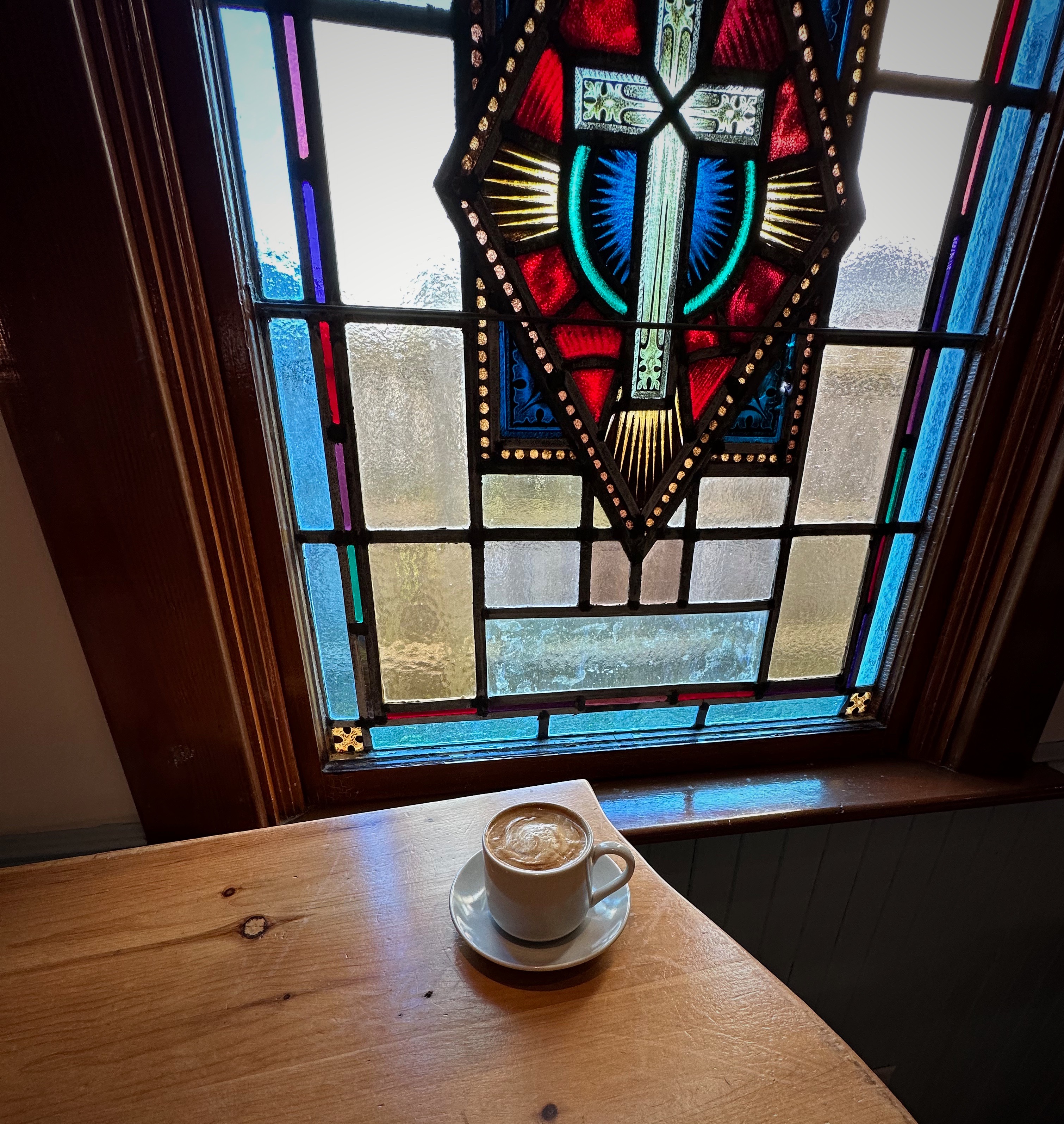
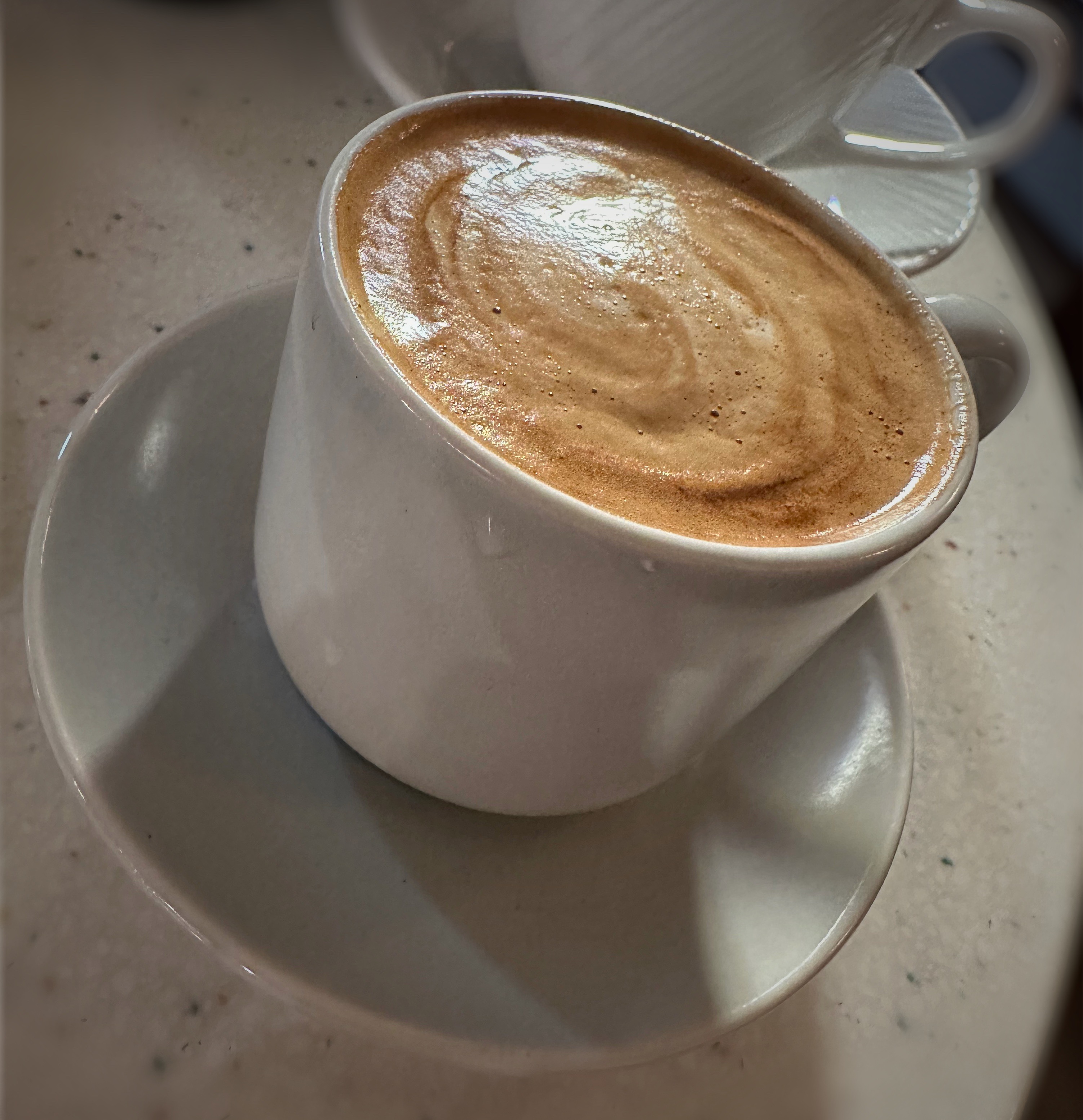
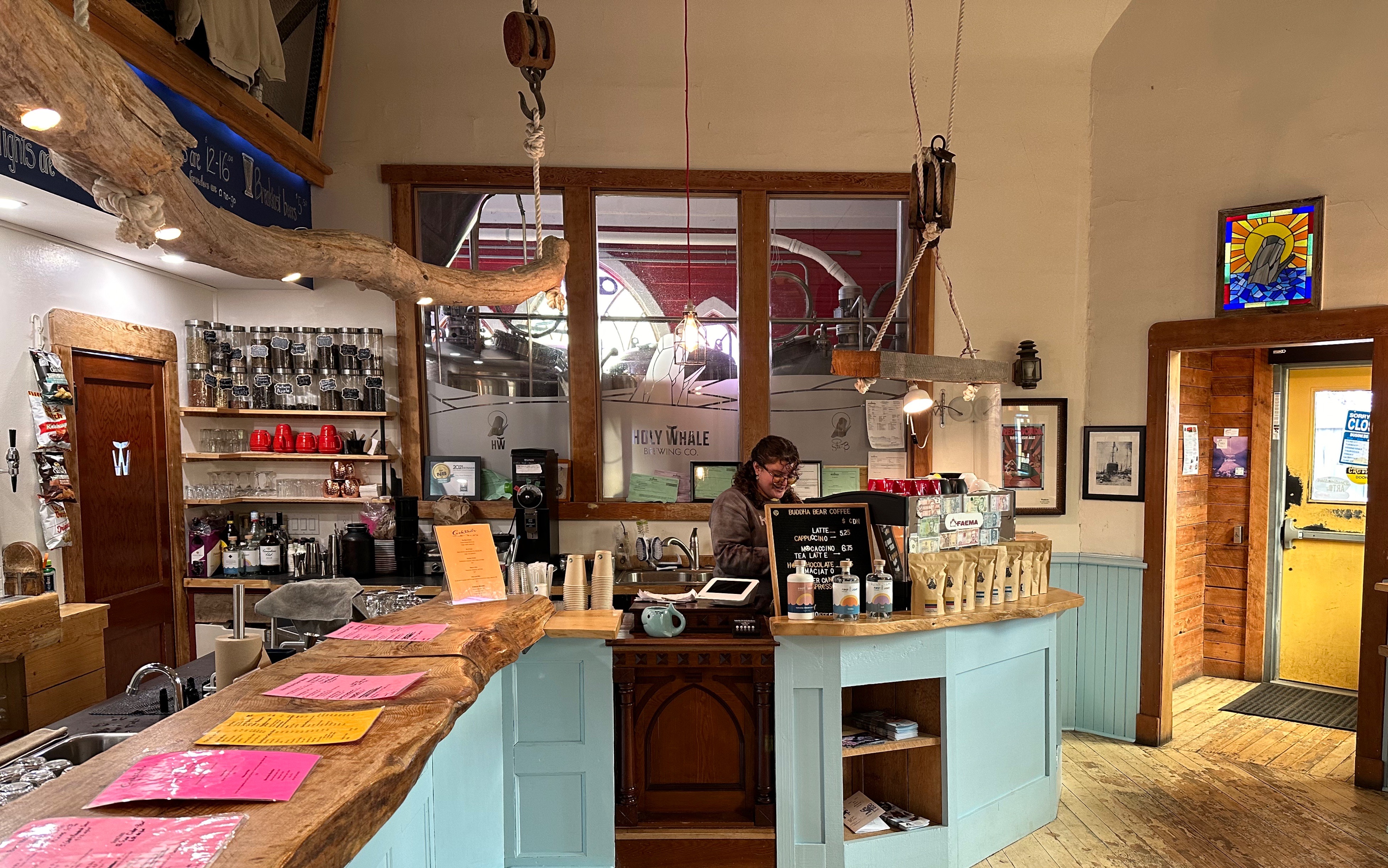
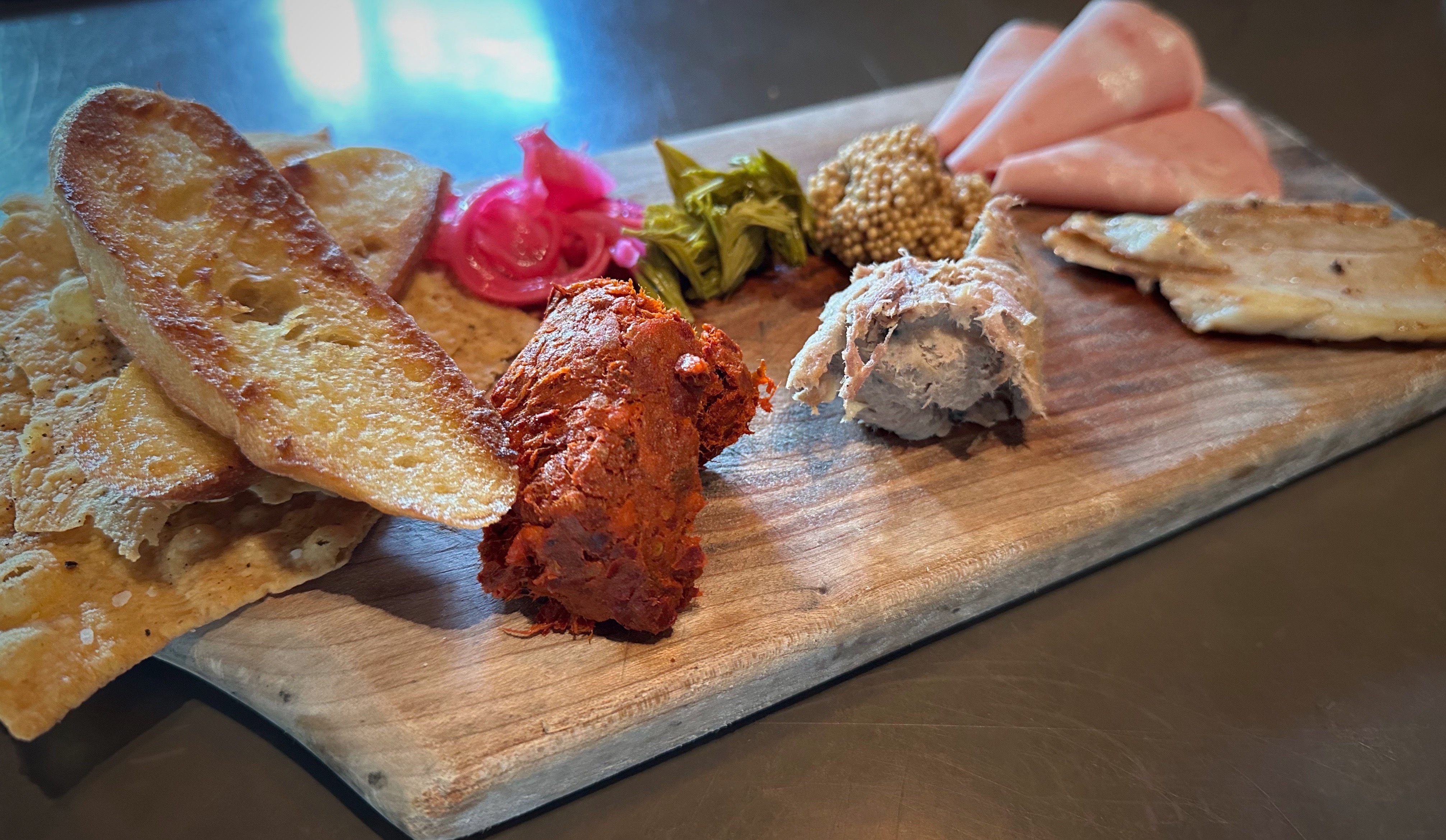
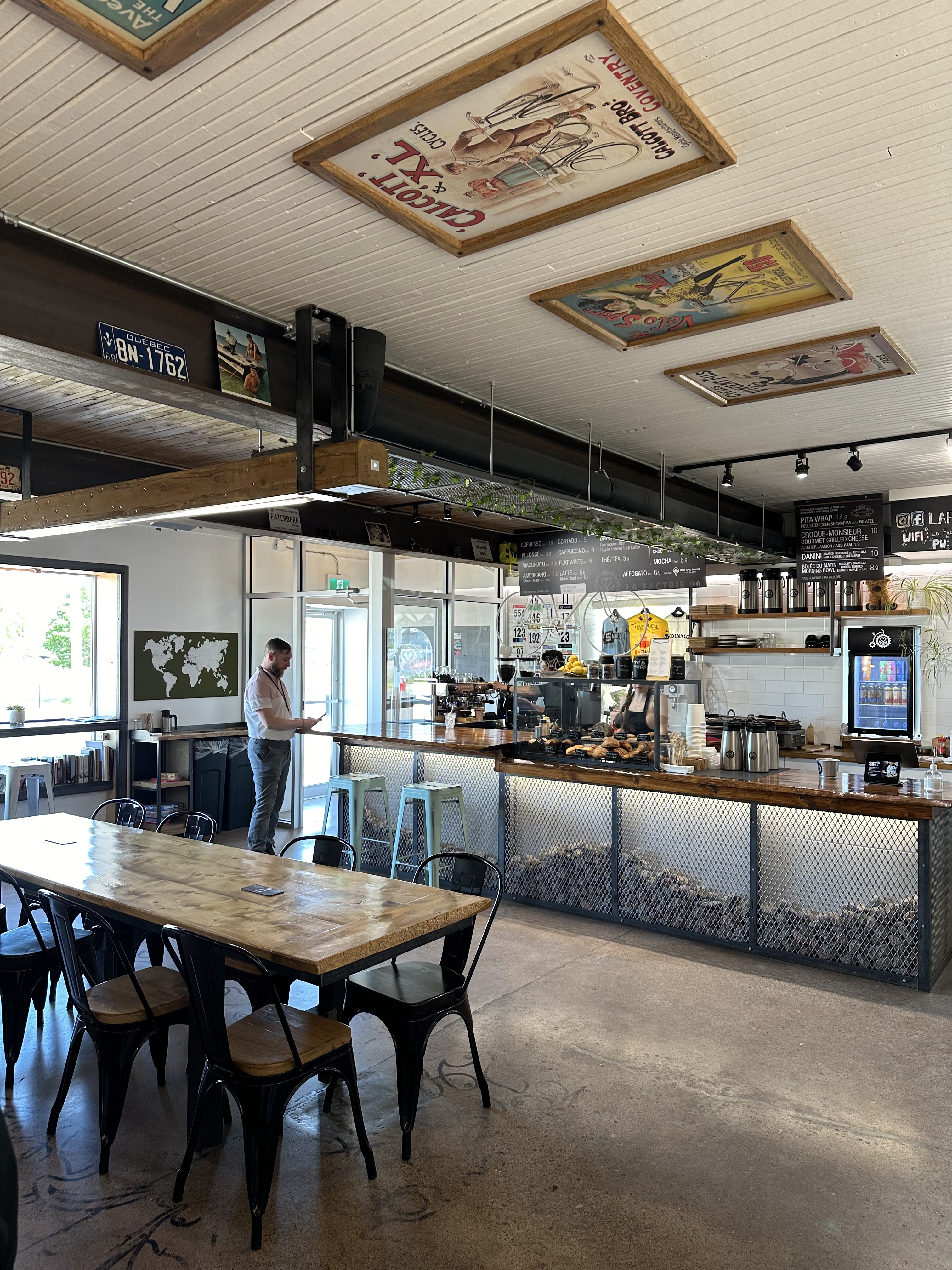
The next morning was still drizzly, so feeling chipper after a hot shower and wearing freshly laundered duds, we set off for coffee at Marguerite Boutique et Provisions. In the ‘it’s a small world’ category, we met a retired long-haul truck driver (J.P. — Jean Paul) who had lived in Meriden (our home base) for several years-and-a young man from Hamden, Connecticut (on a two year solo journey). We also met some folks from California and New Hampshire — all in all, an enjoyable fika segment!
https://www.boutiquemarguerite.com


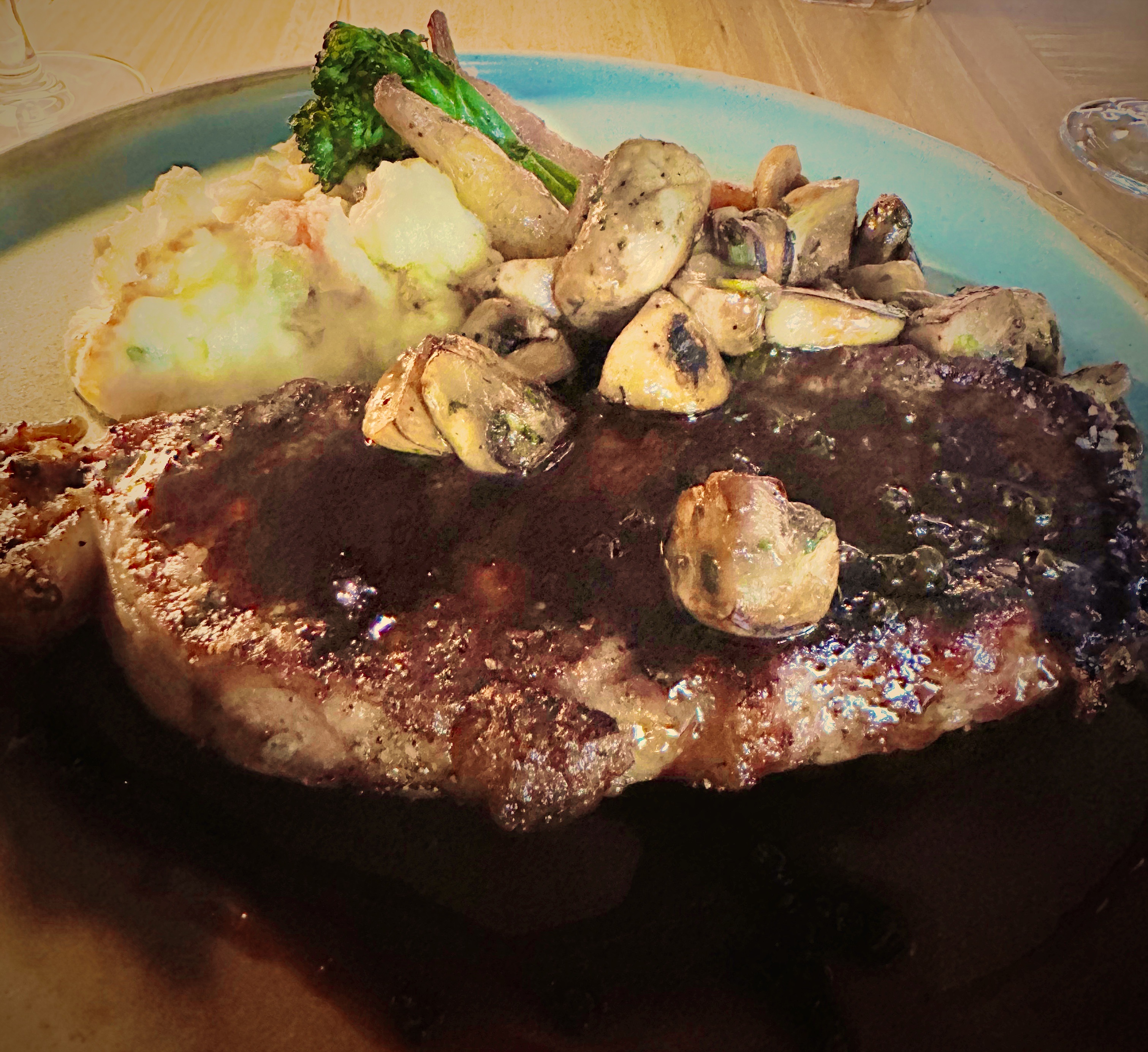
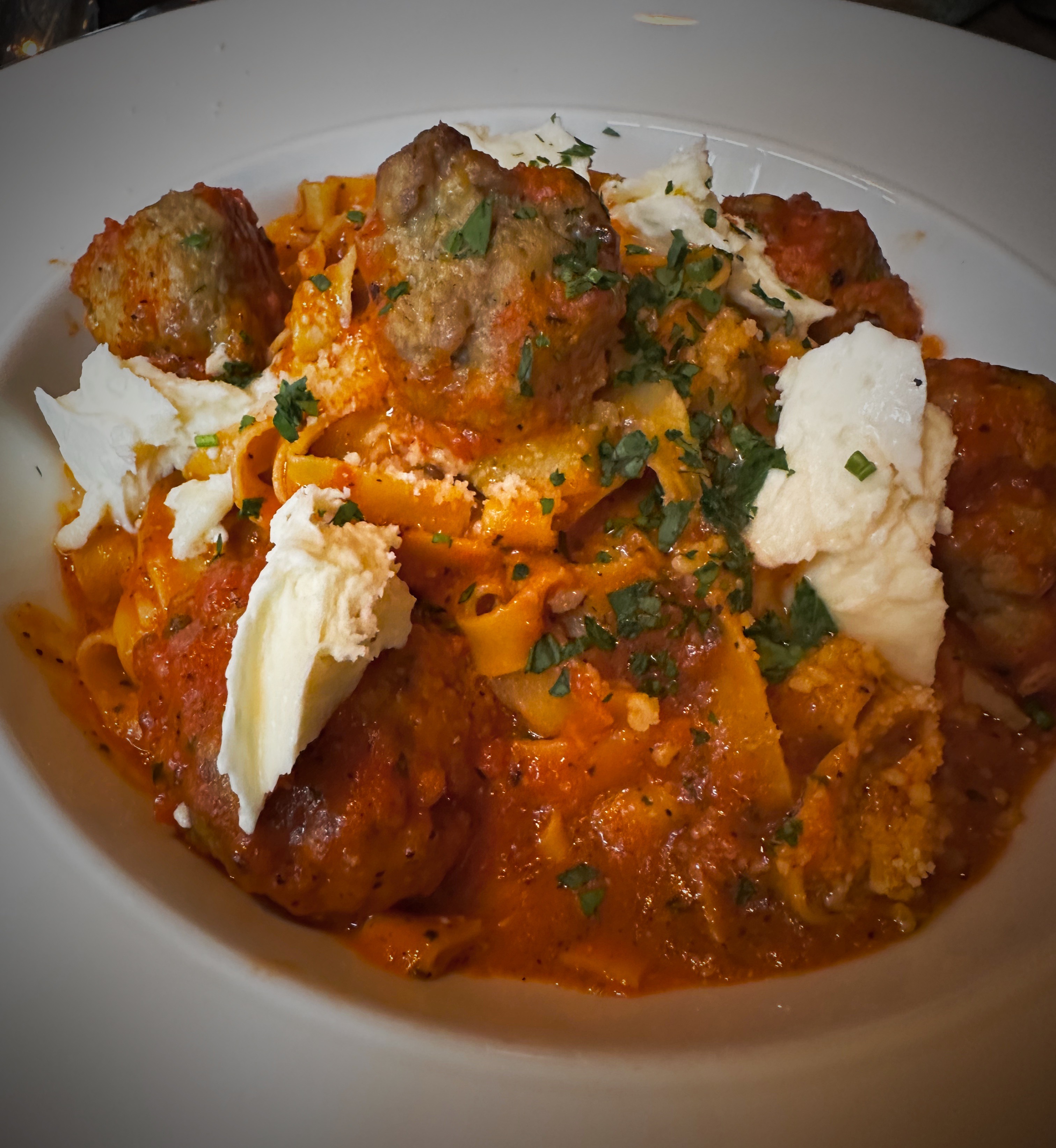
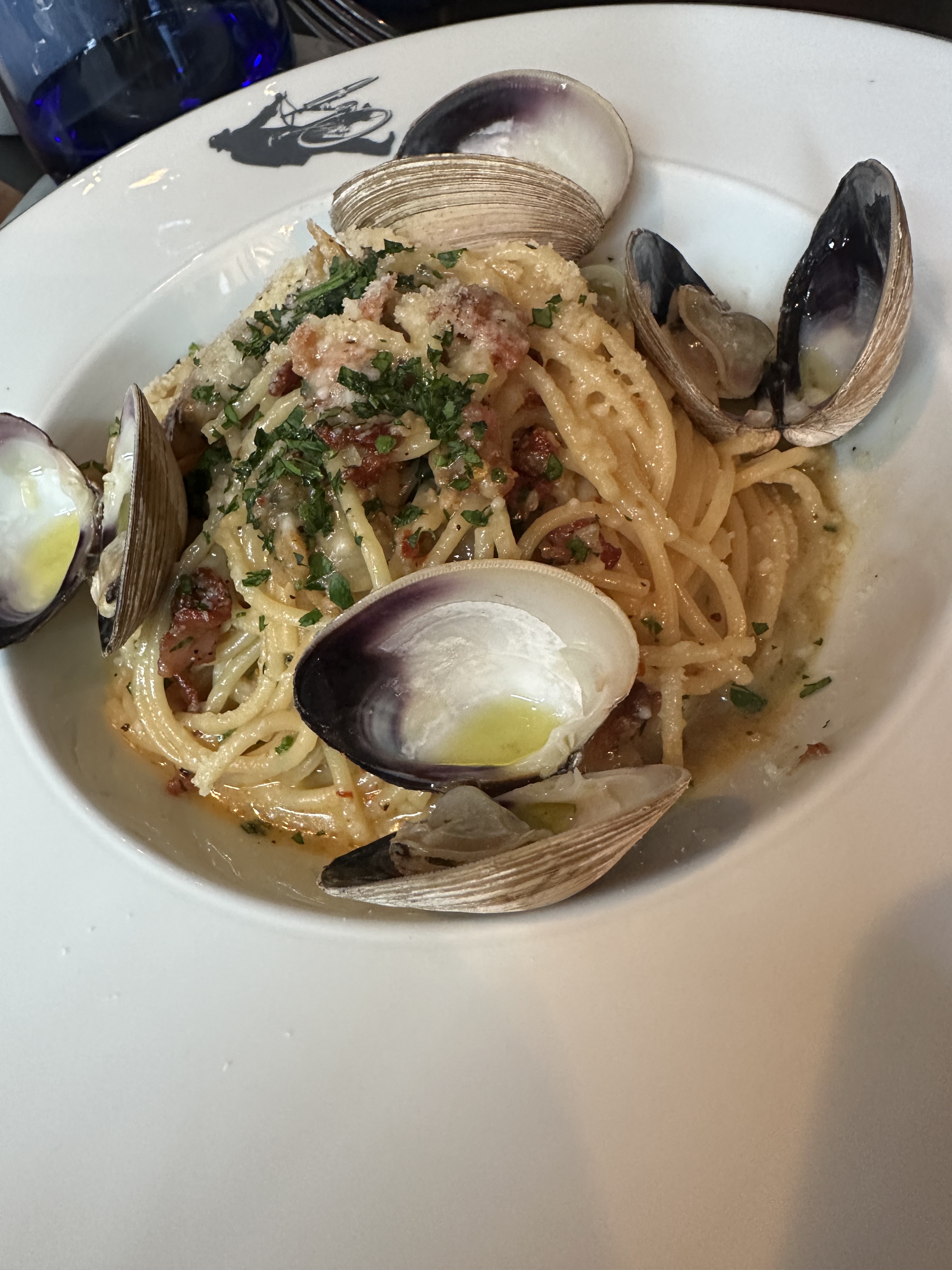
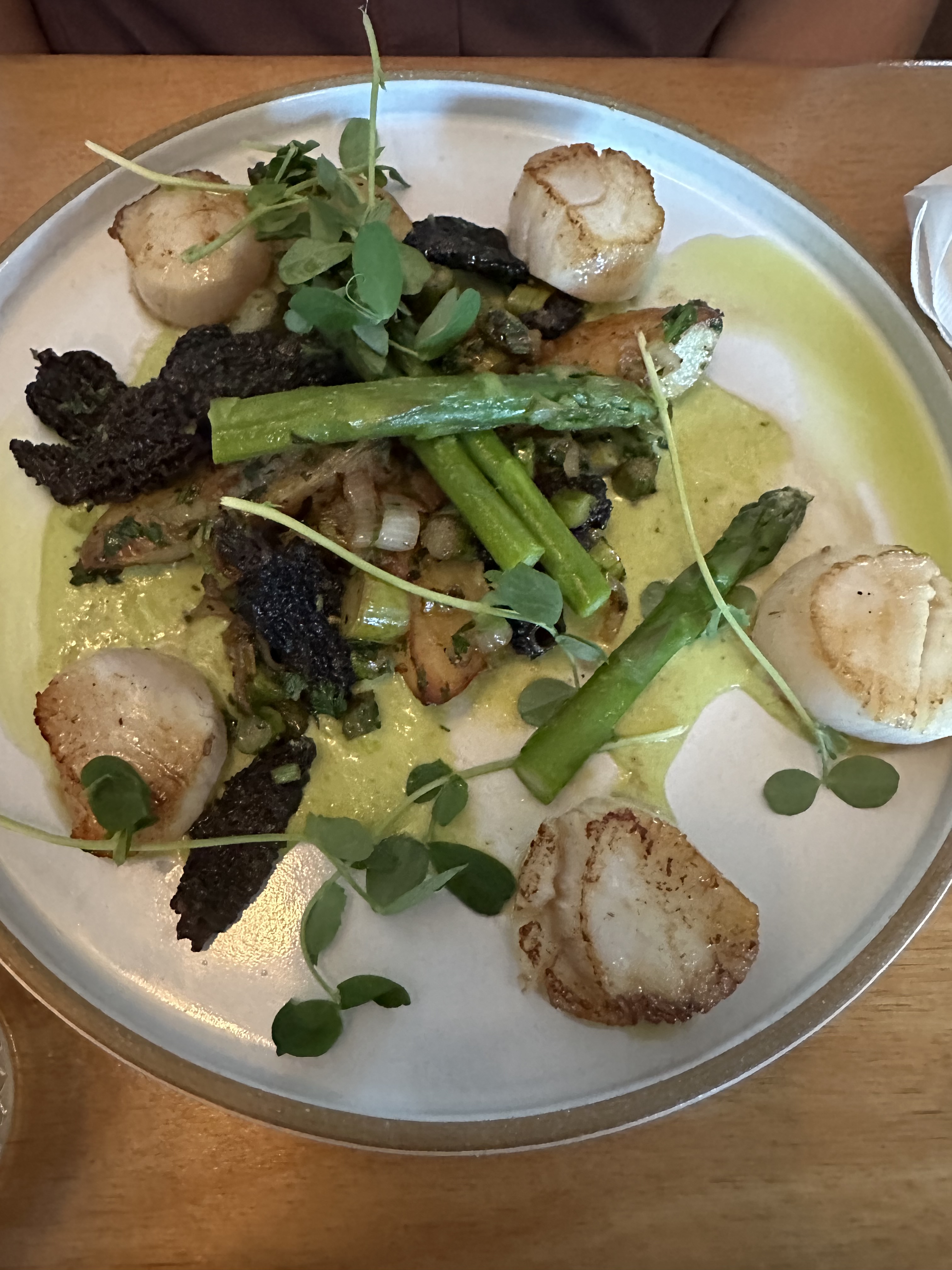
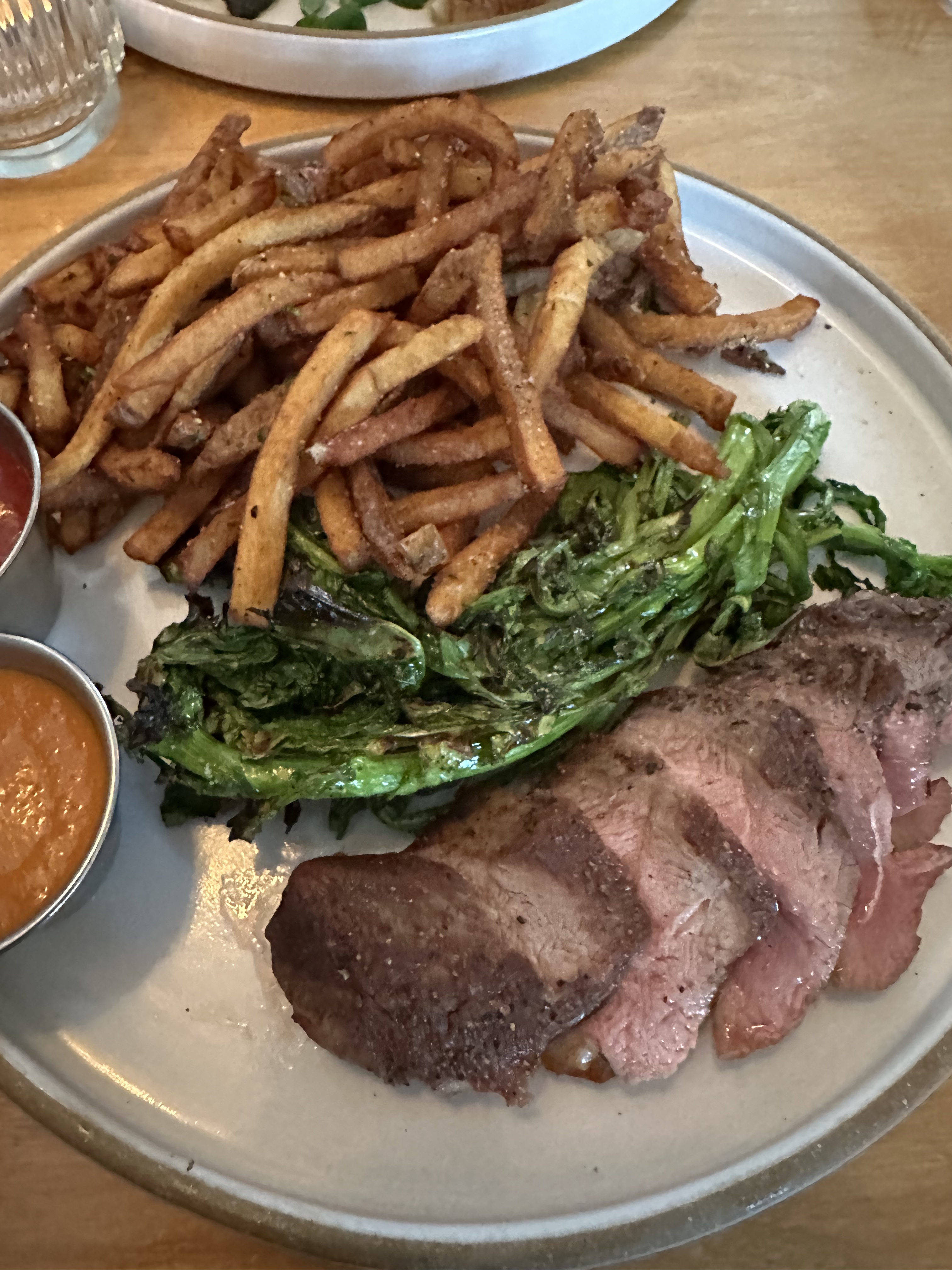
After fika we poked around town a bit before returning to our our cottage for an afternoon lie down — perfetto on a rainy gray day. We capped off the day with a delicious dinner at L’abrie Restaurant, Cafe et Bar. This restaurant was recommended to us by our barista at the Periwinkle Cafe in Ingonish —thank you very much!
L’abrie is owned by the same partners that own Marguerite. You can read more about the partners, their mission and the restaurant by clicking on the link below.

Chéticamp is an Acadian region on the shores of the Gulf of St. Lawrence, on the western slope of Cape Breton Highlands in Nova Scotia. It is located between Cape Breton Highlands National Park to the north and Grand-Étang and Montagne des Écureuils to the south. These magnificent sites stretch for many kilometres along the Cabot Trail. It’s settlement began in the decade following the signing of the Treaty of Paris in 1763, ending the Seven Years’ War between France and Great Britain. Chéticamp takes its name from a Mi’kmaq expression meaning “rarely full”, presumably in reference to Petit Étang (small pond) in La Prairie (the prairie) near Buttereau at the foot of Grande Falaise (big cliff) in the estuary of the Chéticamp River. All these names are the legacy of a rich heritage in the heart of a landscape where wild habitats and the sea merge with extraordinary beauty.
Learn more about the fascinating history of Acadian communities around the world at: acadie-on-the-roads-of-the-acadian-people-map-articles-and-references-about-the-acadian-communities
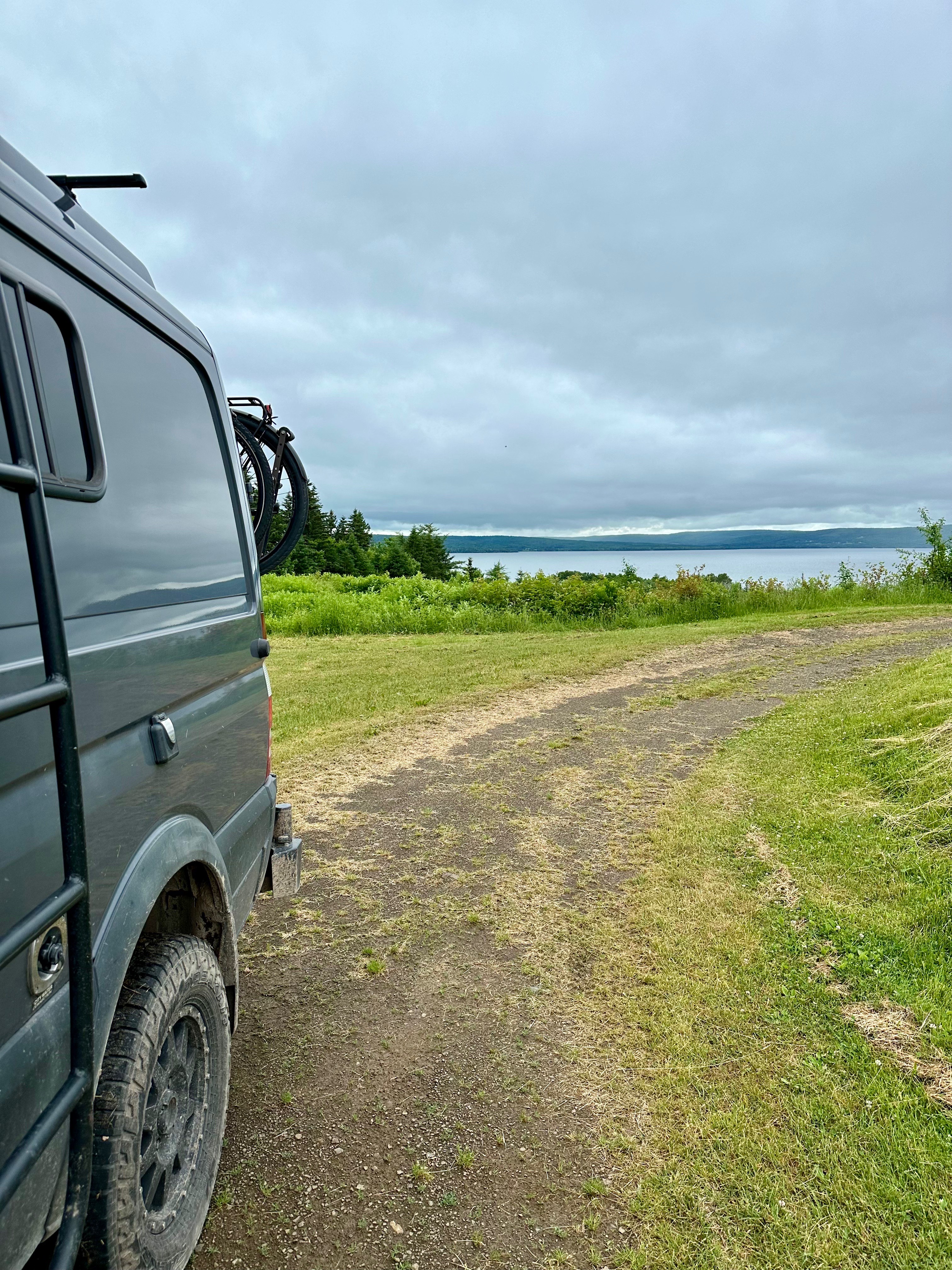
We departed Cheticamp traveling along the coast on the CT through the scenic villages of Grand Etang and Margaree Harbour. At Margaree Harbour we said our final farewell to the CT and our widdershins loop of CB. From there we followed Route 219 to Southwest Margaree, then we veered inland to explore some of the interior of Cape Breton in the distinctly Scottish heritage area around Lake Ainslie.


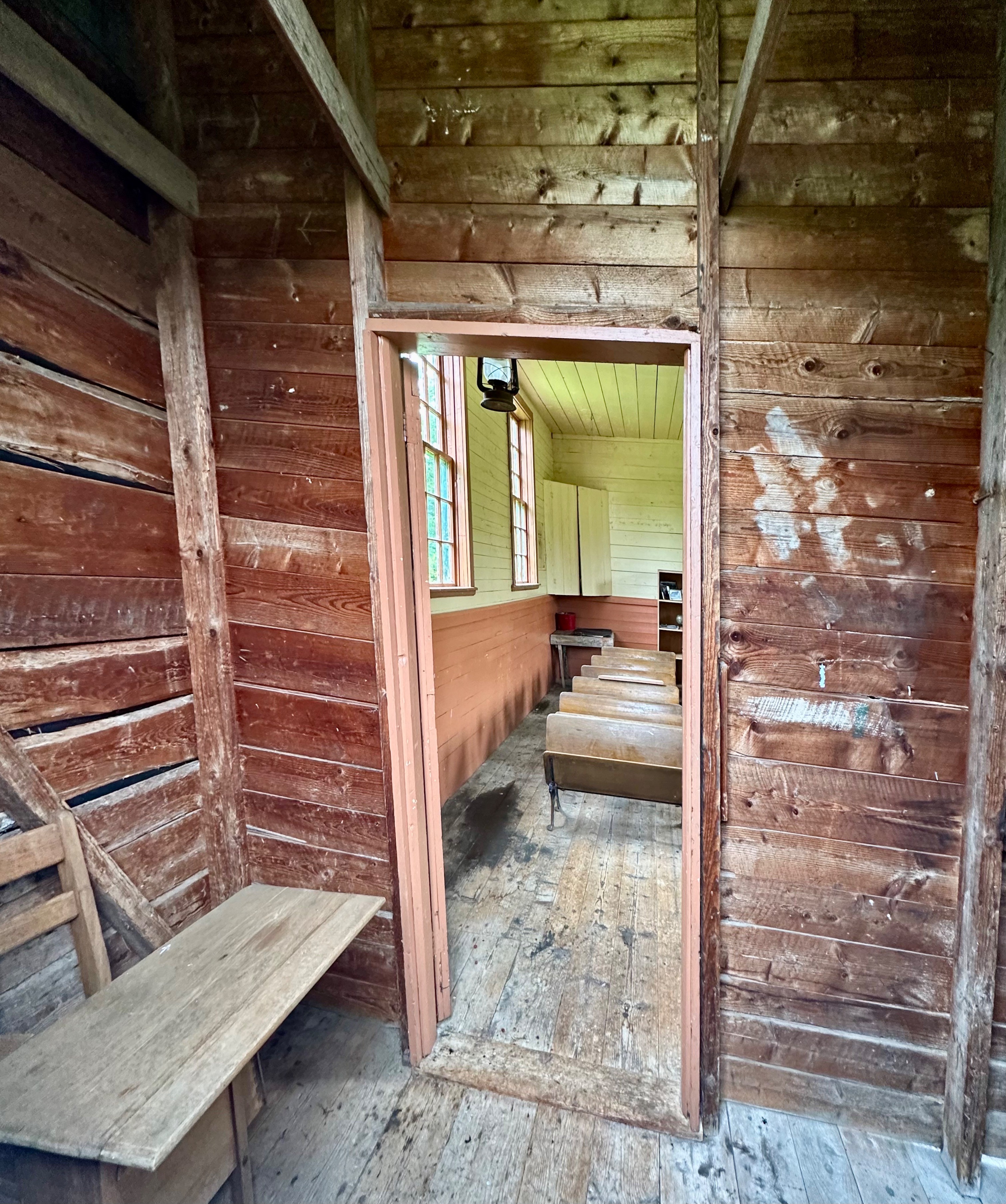

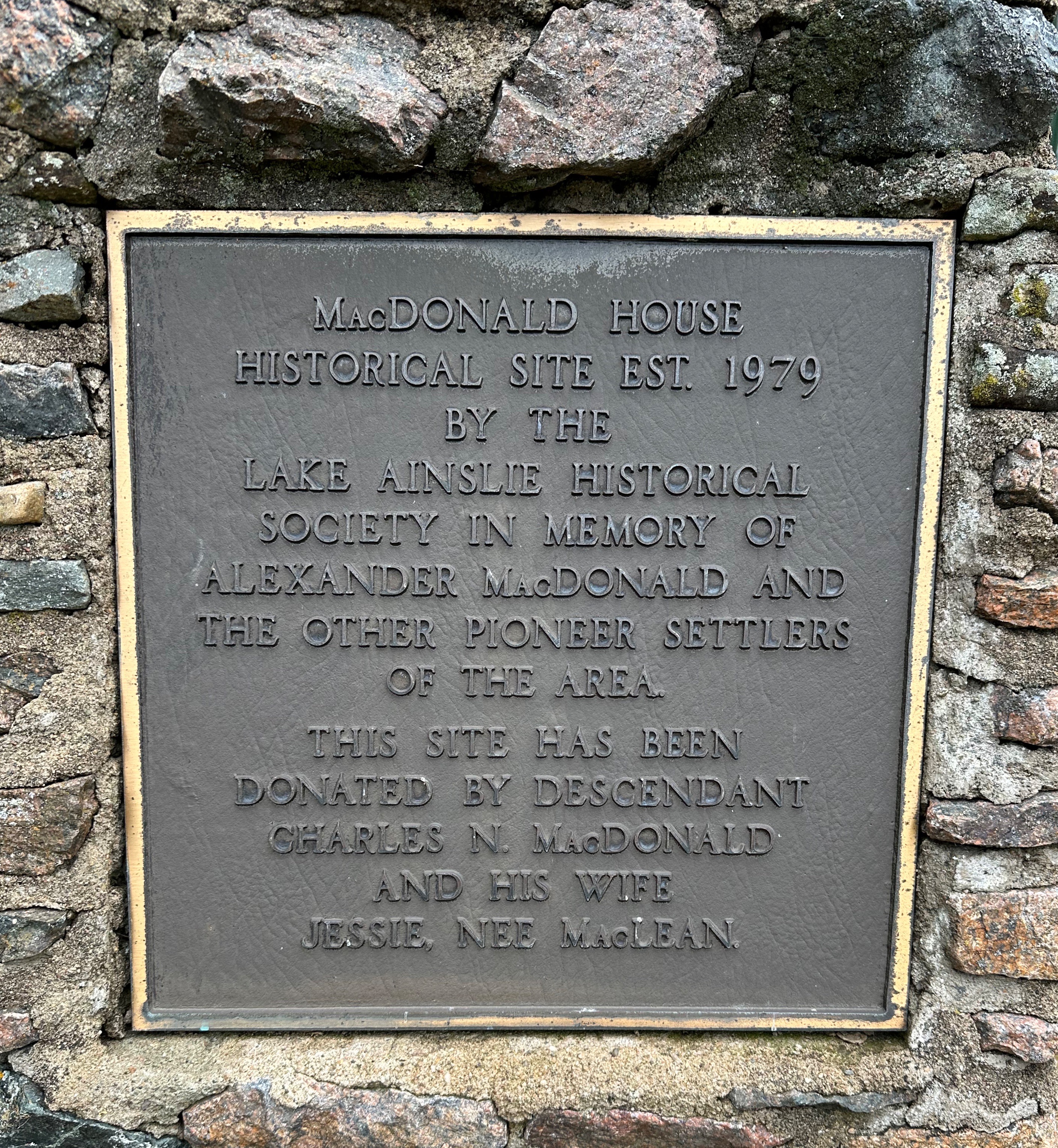
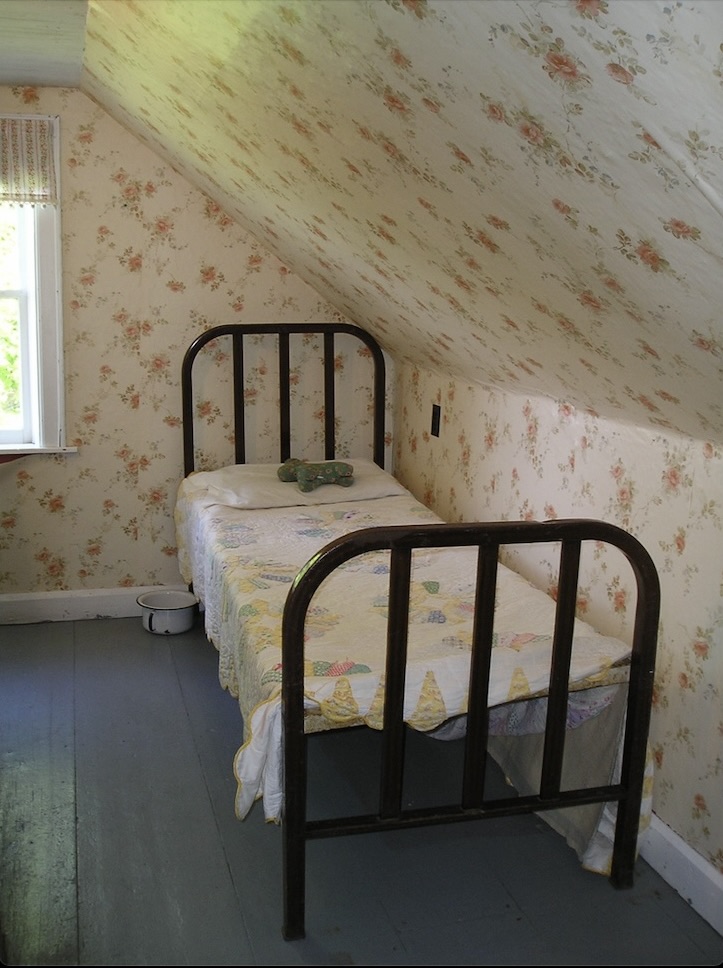

The photos above are from the MacDonald Farm in East Lake Ainslie – now operated as a museum by the local historical society. Alexander MacDonald emigrated from the Isle of Mull, Scotland in 1823 – receiving a land grant of 518 acres. His son Charles started the first mercantile in the area in 1848 and built the present house during the 1850s. He also established the first post office in 1876 – Charles also being the first postmaster. The post office operated until 1956!
After exploring the farm we pressed on further into the interior on what appeared to be logging roads which eventually gave way to farmland.
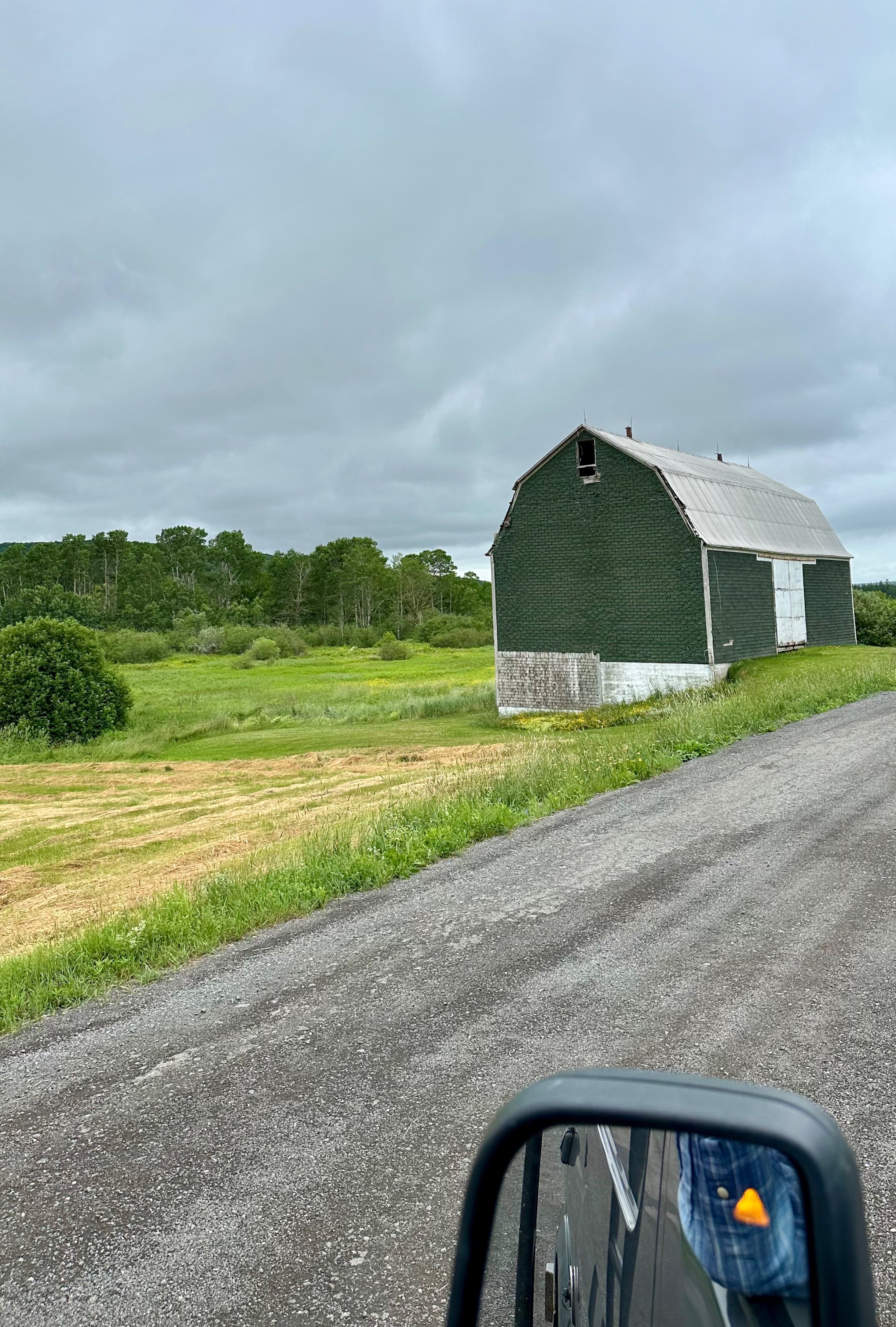
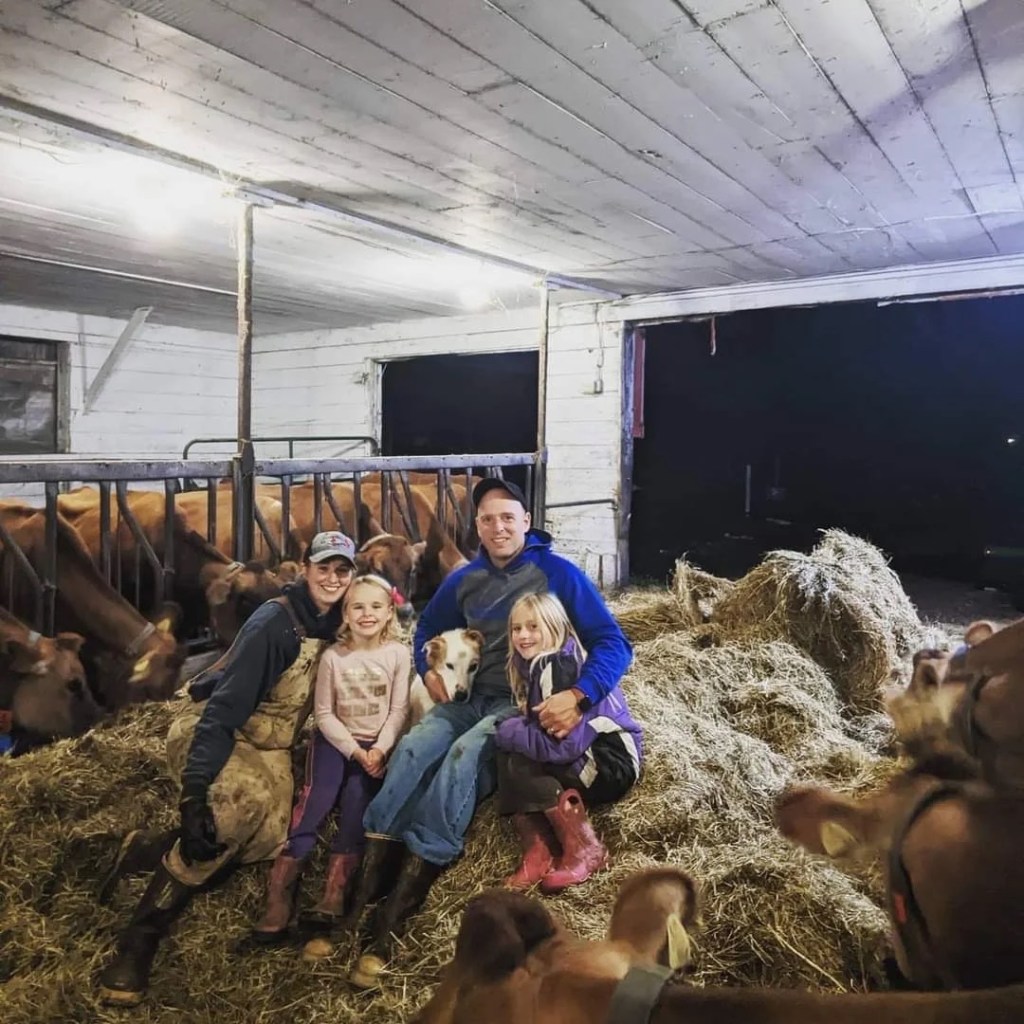
Much to our surprise and pleasure, after cresting a rise in the road, we found ourselves staring at a bright red building housing the Skye Glen Creamery! We crossed our fingers in hopes that the creamery was open. Fortunately, we had chanced upon the creamery a few minutes before closing and we met one of the owners, Meghan. She and her husband bought the dairy farm (jersey cows) in 2020 and opened the creamery soon after – lucky us! We bought cheese and delicious chocolate gelato. What a tasty way to finish a ramble.


From the creamery we found our way to pavement and to the settlement of Mabou (Mi’kmaq for place where two rivers meet). Mabou was a definite on our itinerary due to its proximity to the Celtic Shores Coastal Bicycle Trail and the Red Shoe Pub. We checked in at the Mabou River Inn and then made the short trip across the river into town to dine and enjoy live music at the Pub.

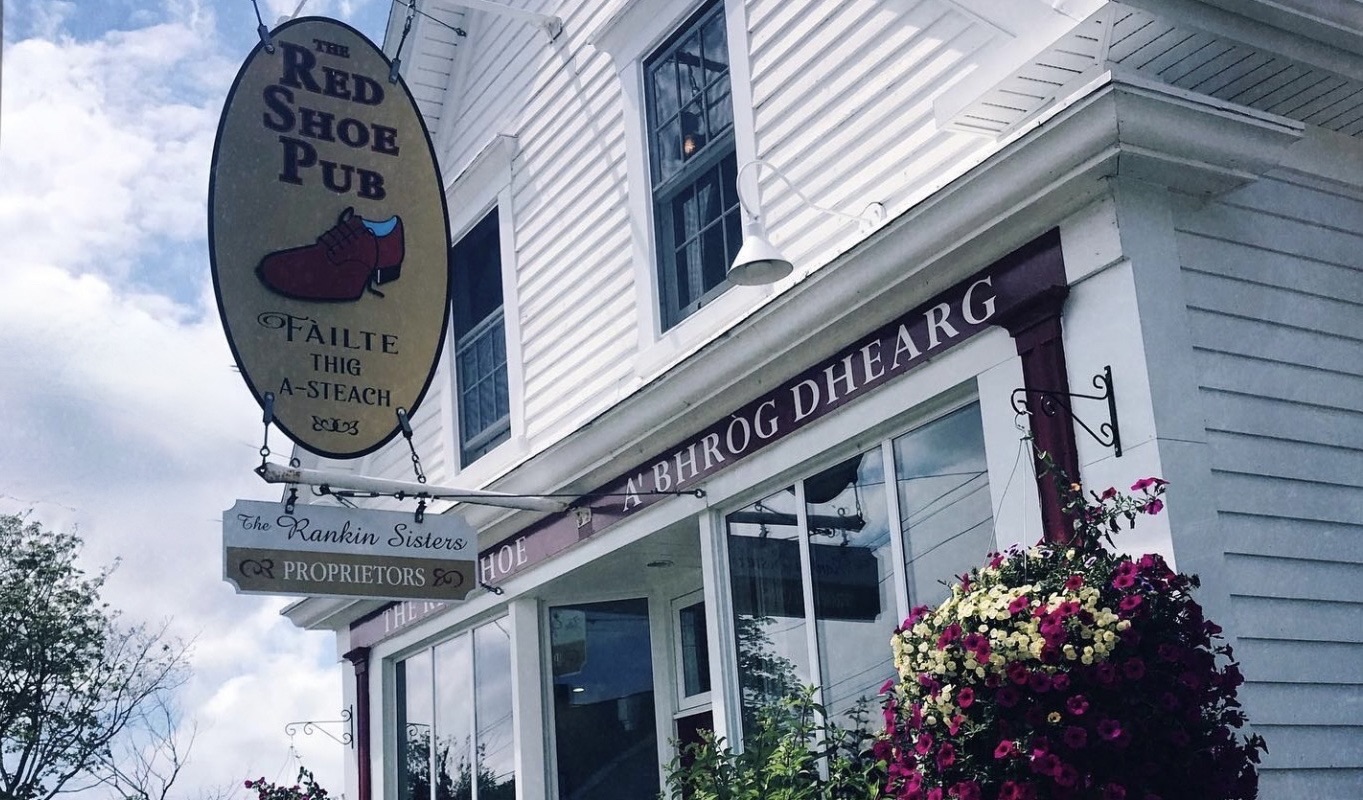
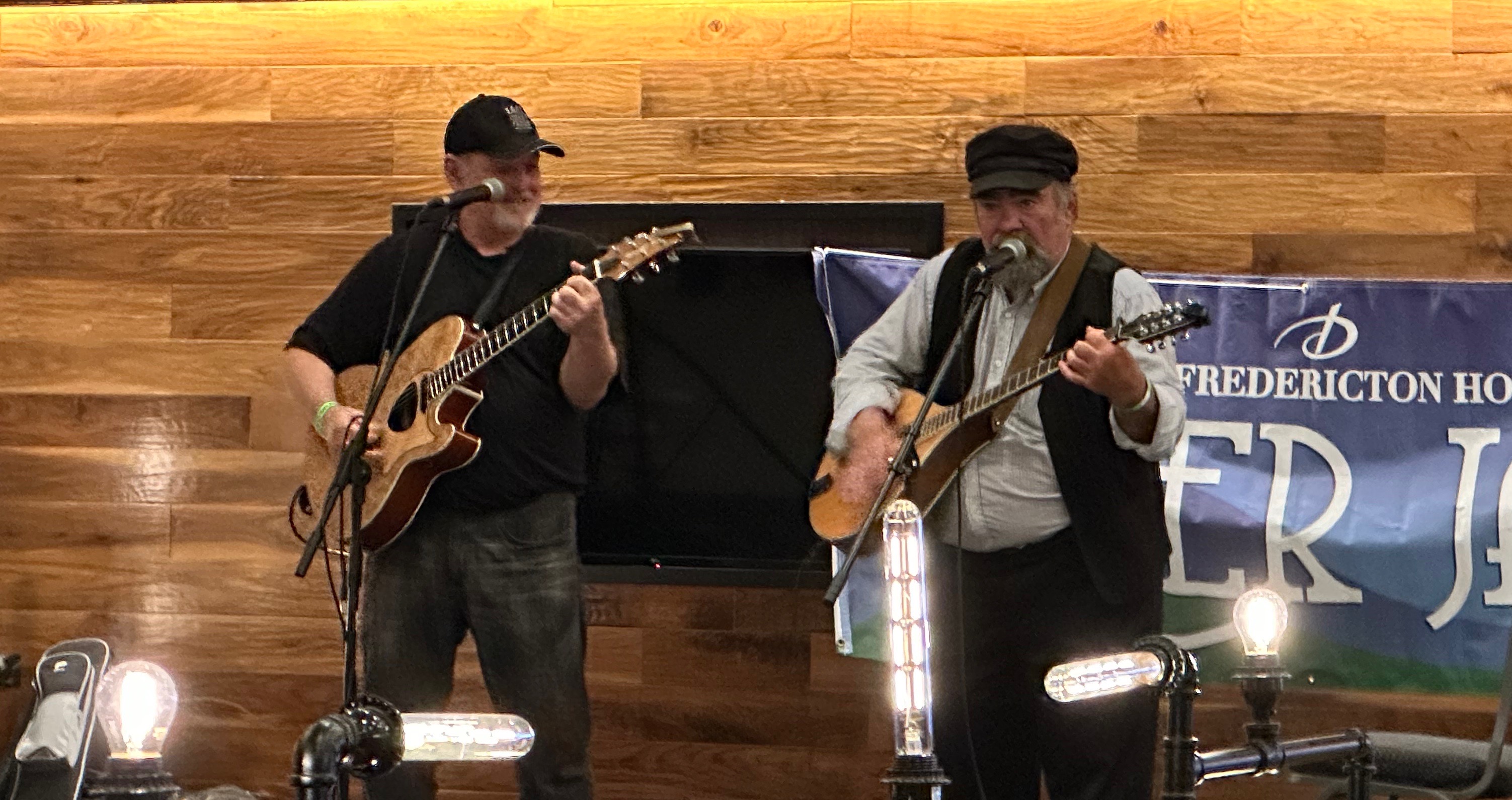
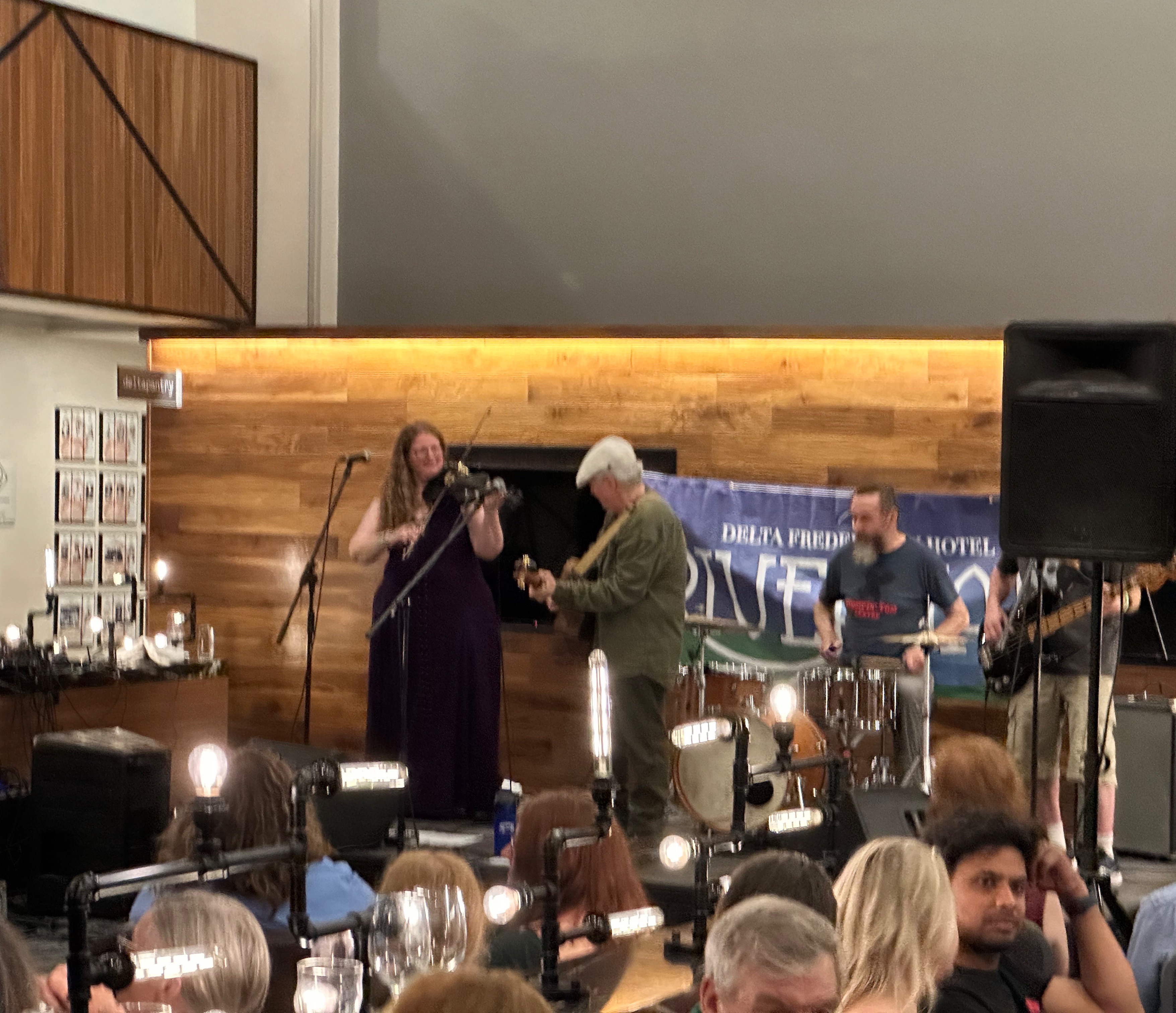
The pub is owned by the Rankin Sisters, members of the multi-award winning Rankin Family musical group. The first generation of Rankins began performing during the 1970s. The Rankin family hails from Mabou and it is a big deal when the sisters drop in to perform at the pub. The pub boasts live music everyday and we were fortunate to hear the Campbell Sisters perform on the evening we dined at the pub.
American Loyalists were the first to settle in Mabou during the 1700s (as usual, if you exclude First Nations). The Loyalists were followed by British and Irish settlers but it was the Highland Scots that came to the forefront during the first half of the 1800s (emigrating as a result of the Highland Clearances). While fishing has always been part of the economy along with agriculture, a notable economic driver in Mabou and Inverness County was mining coal and gypsum. Coal mining persisted into the 1960s but was never successful on a large scale because the coal was under the ocean floor and was prone to flooding (not taking that mine tour!)The bike trail that we were looking forward to riding came about because of the abandonment of the rail line (I&R Railroad) as mining wound down.
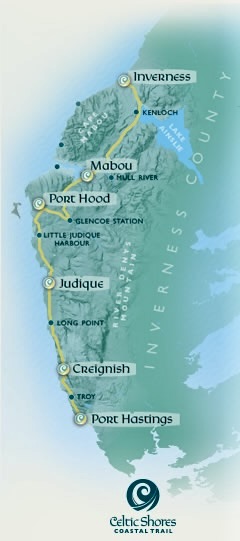
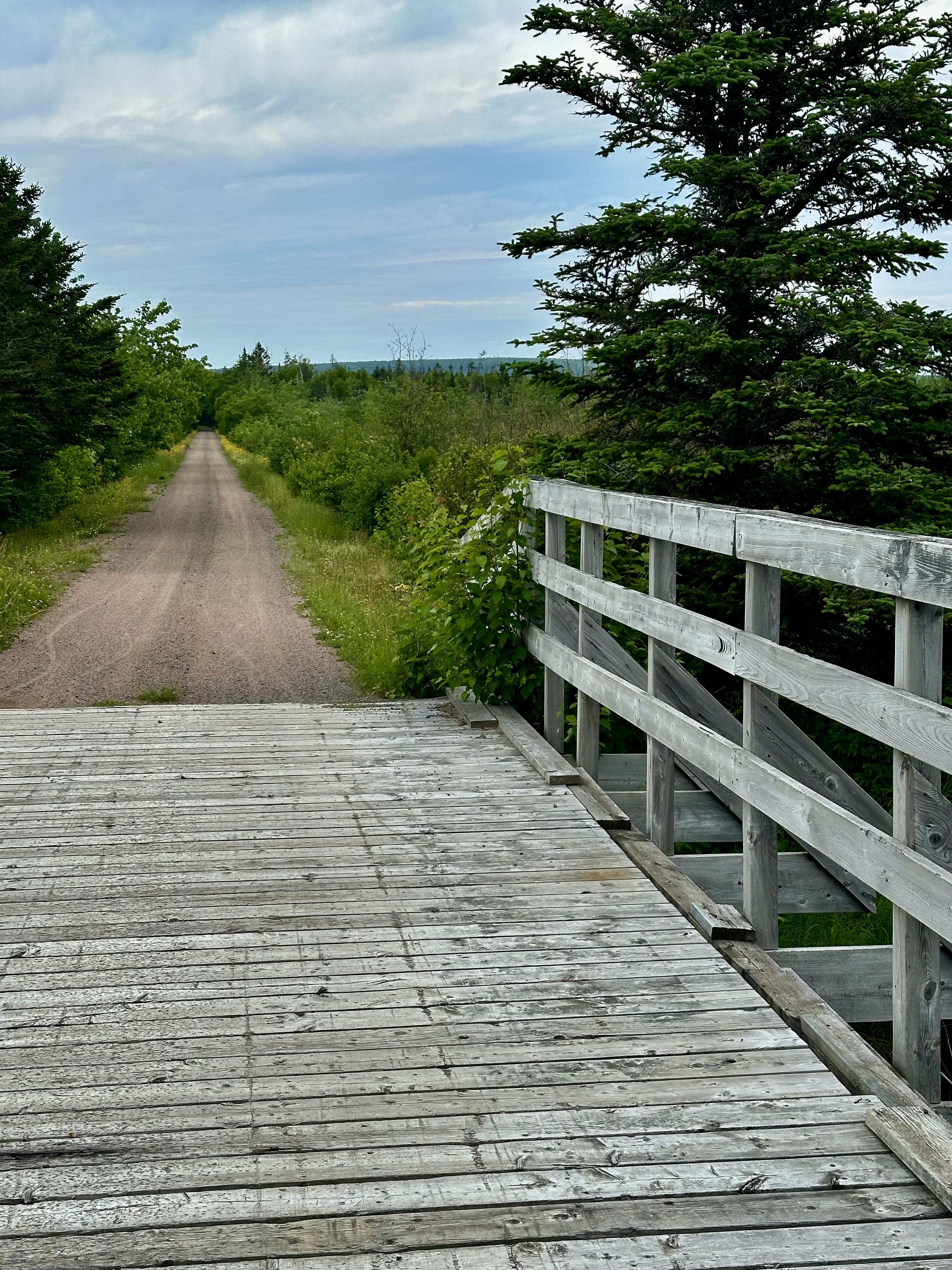
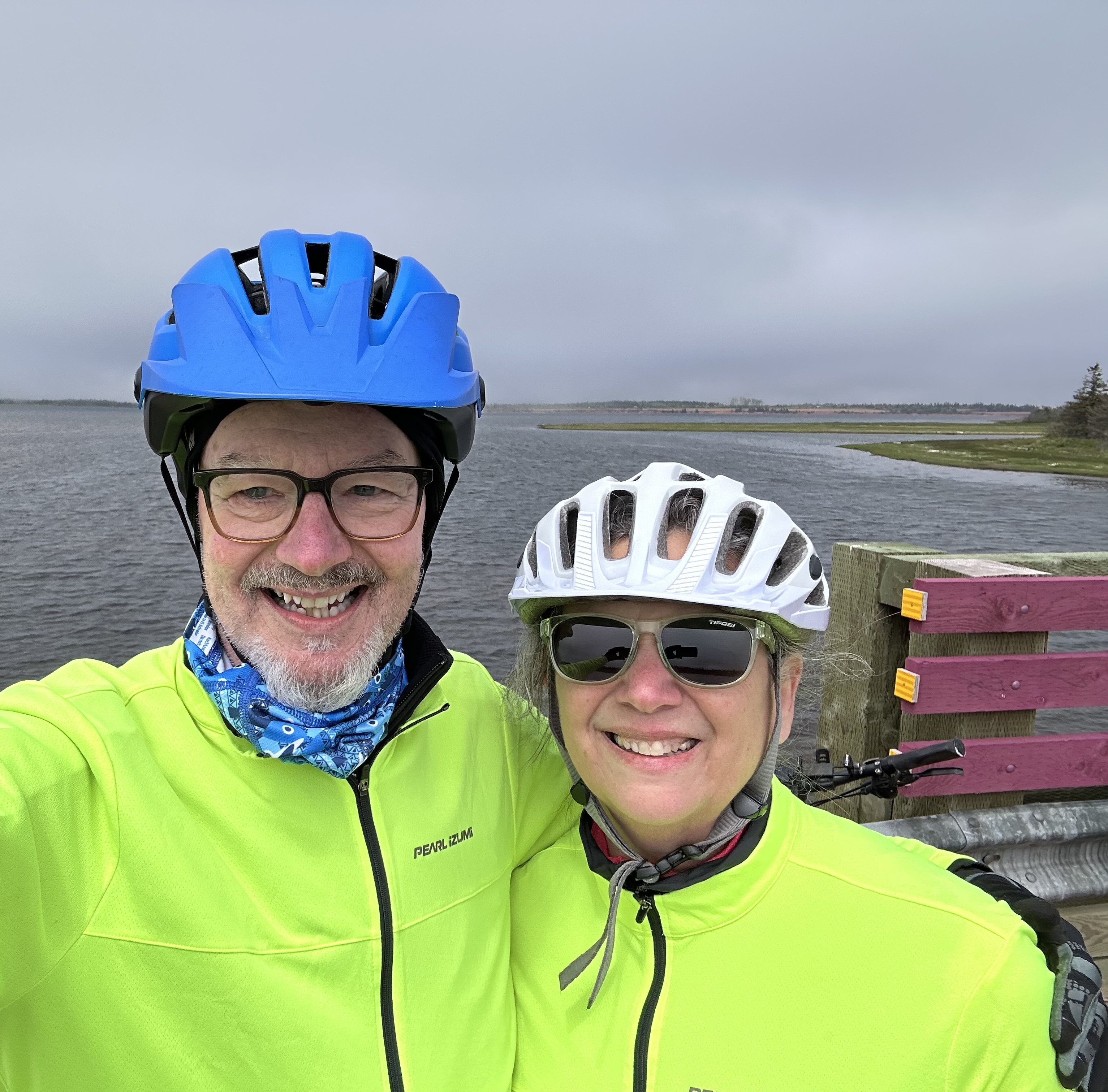
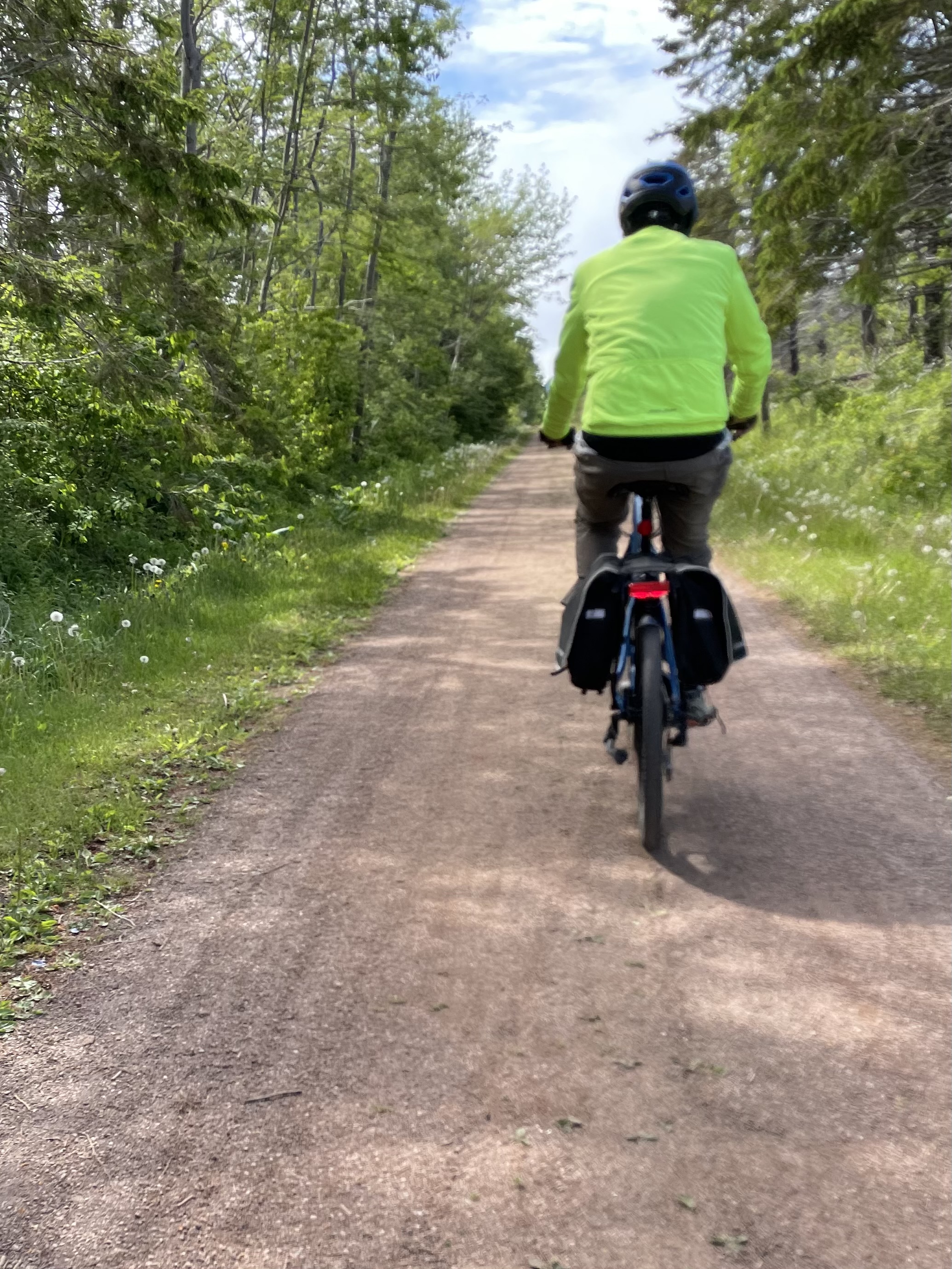
We set out the following morning to bike the Celtic Shores Coastal Trail (CSCT) from the Mabou Rivers trailhead north to Inverness (and back). The trail is 57 miles one way – our ride from Mabou Rivers to Inverness and back was approximately 34 miles. Inverness is the northern terminus of the trail and sits right on the ocean.
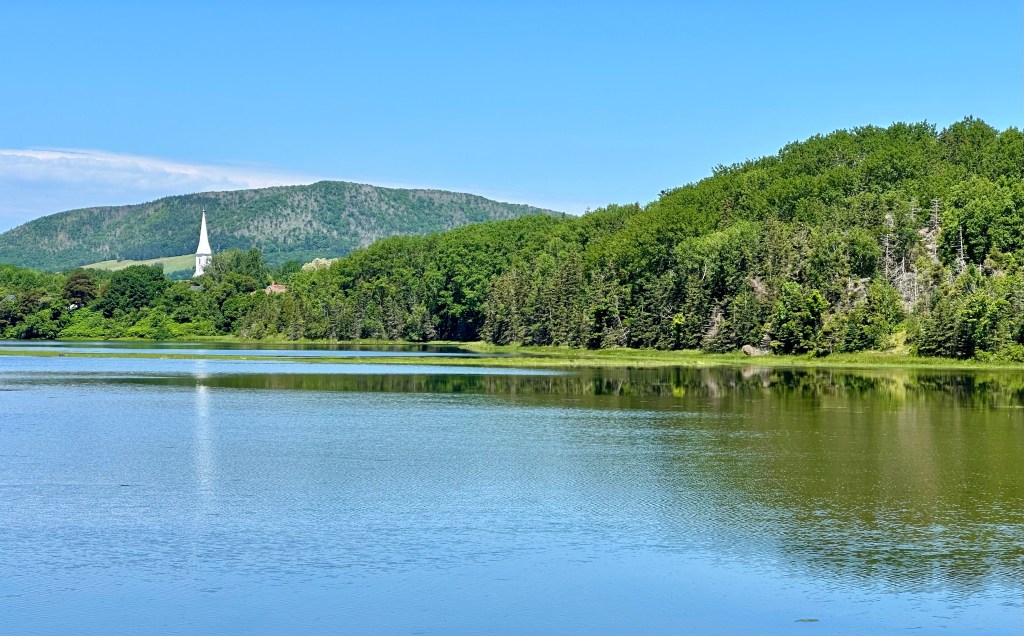
The trail is not paved but for the most part is smooth hard-pack and level. We chose this portion because segments to the south are quite windy making the riding difficult from both a wind and trail erosion perspective. The trail has very few road crossings (always a plus) and we only encountered one other cyclist over the entire 34 miles. We had been looking forward to riding this trail and we were not disappointed.



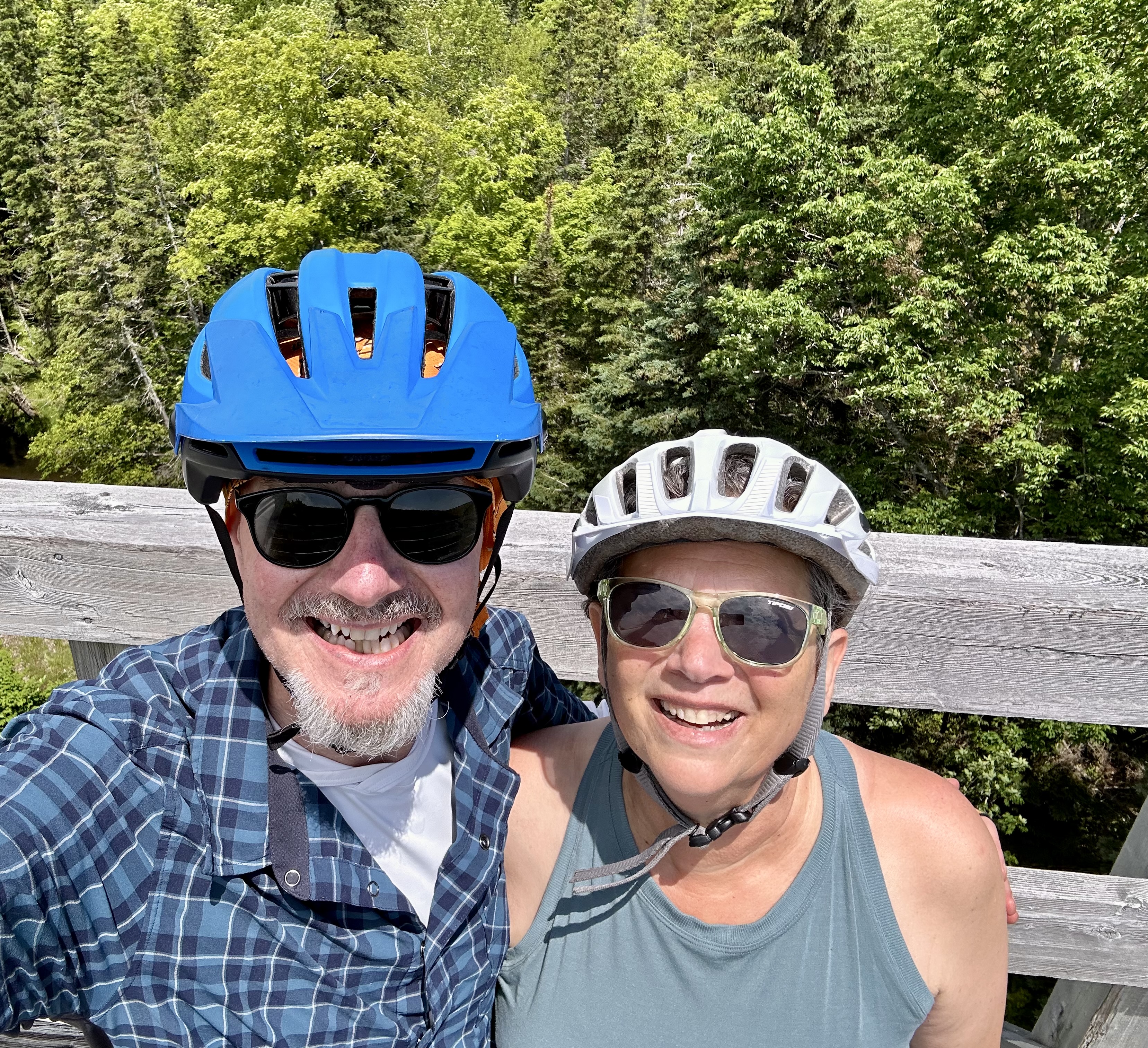

Upon arriving at the end of the trail we sought out lunch to refuel before riding back to Mabou. We felt it only right to dine at the Coal Miners Cafe & Lounge as the establishment is Biker Friendly. Good grub, definitely friendly and best of all – a Red Sox pub!


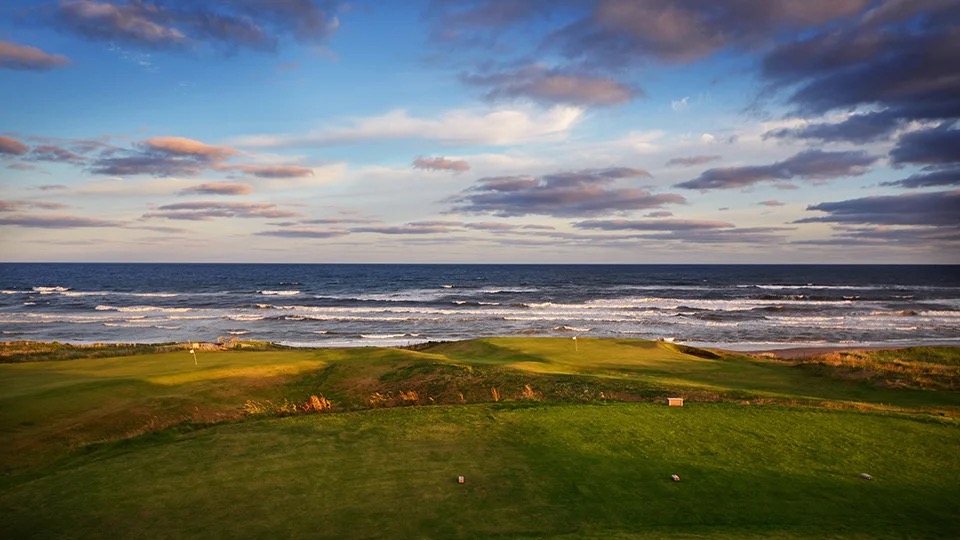
On our way back south we stopped to take in the view at Cabot Links Golf Course, which is adjacent to the trail terminus. We are not golfers but the course is laid out along the ocean and the combination of the course and the ocean view is quite magnificent (that’s for you Dorothy). The course actually sits on top of one of the reclaimed coal mines. Cabot Links is ranked as the 35th best course in the world while its sister course Cabot Cliffs is ranked as the 11th best. One of the people we met while at Marguerite for coffee had played at Cabot Cliffs – Twilight Round – nine holes at $350.00. The photos below are courtesy of Not Your Grandfather’s Mining Industry and Cape Breton University.



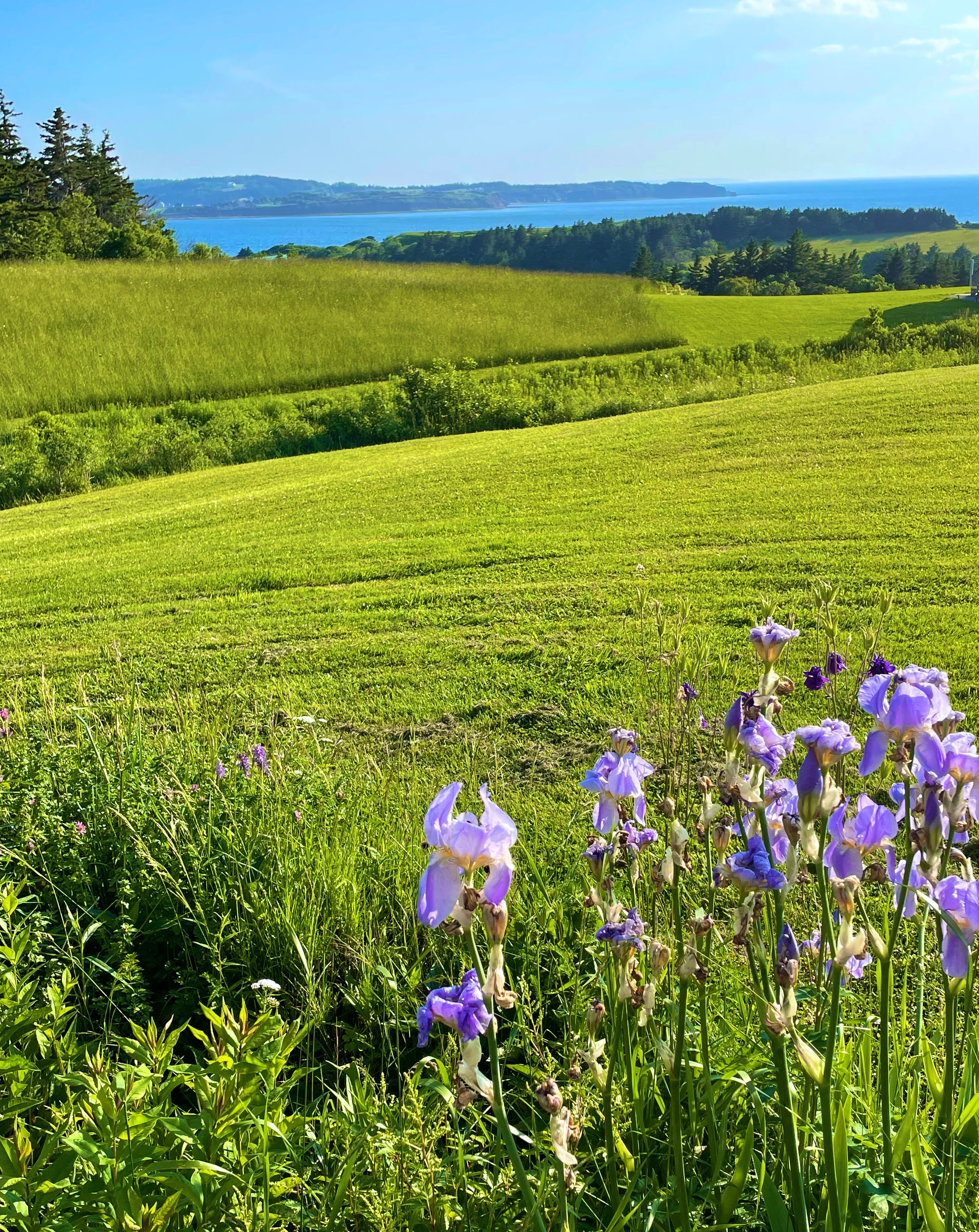
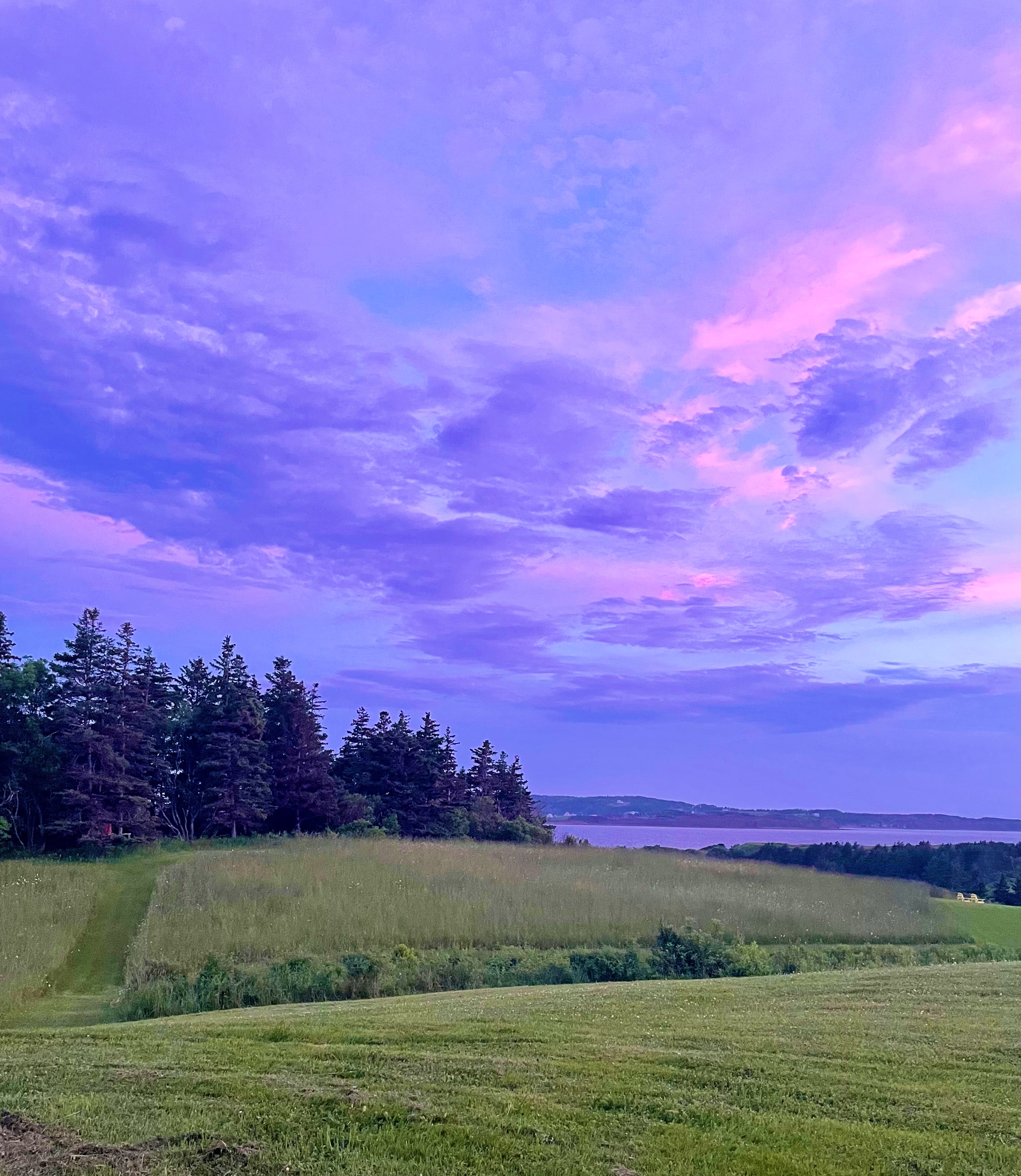
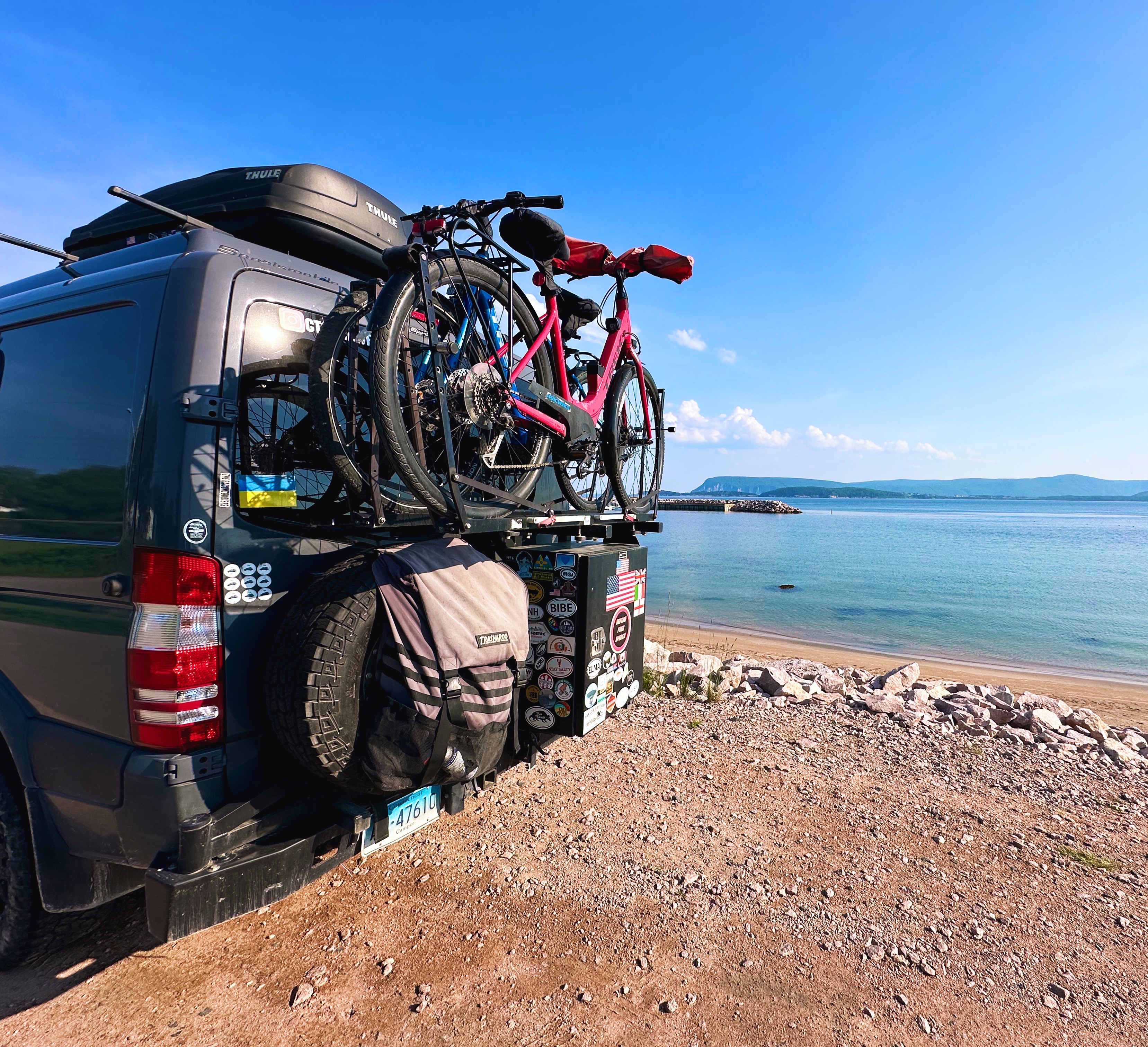
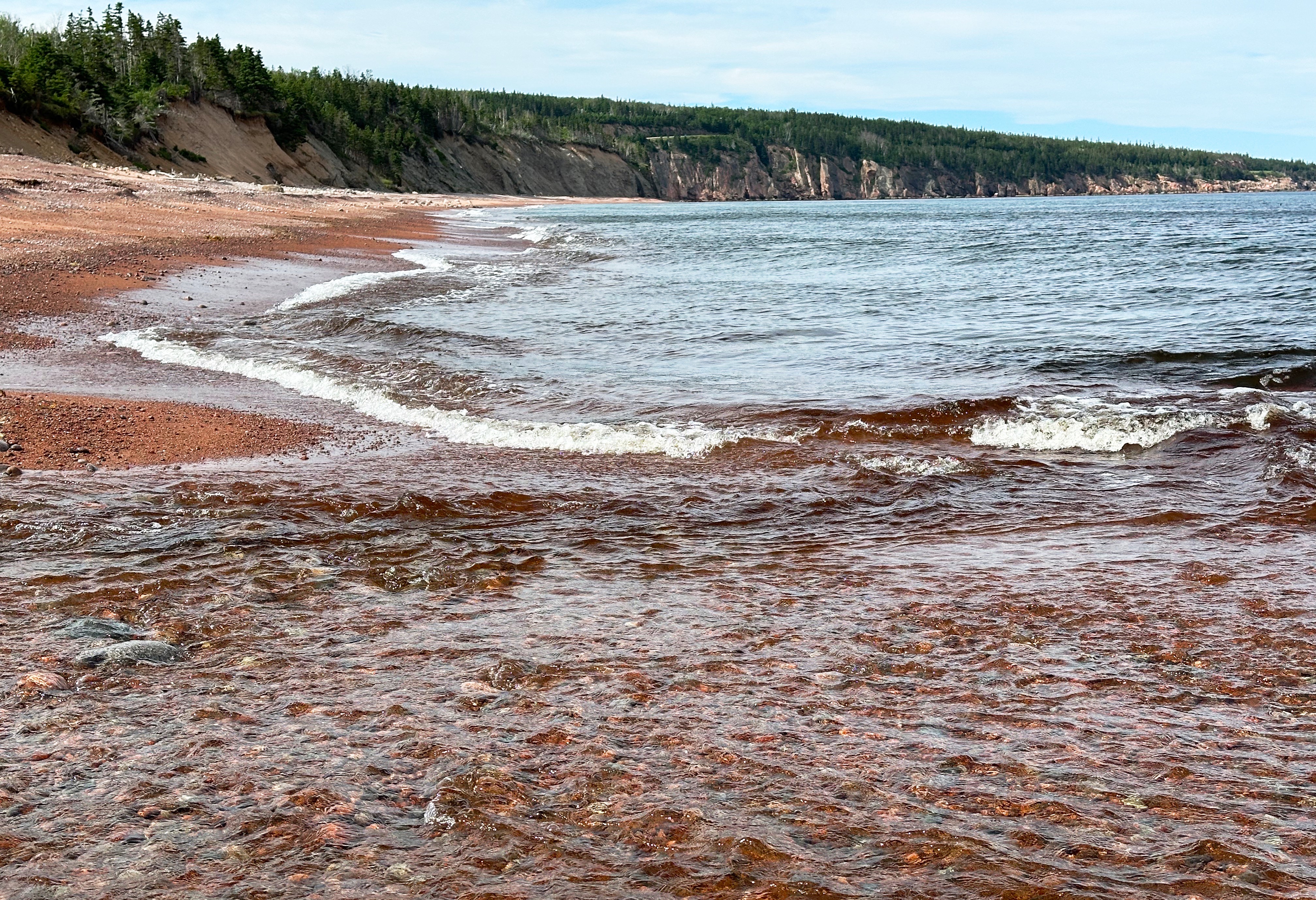
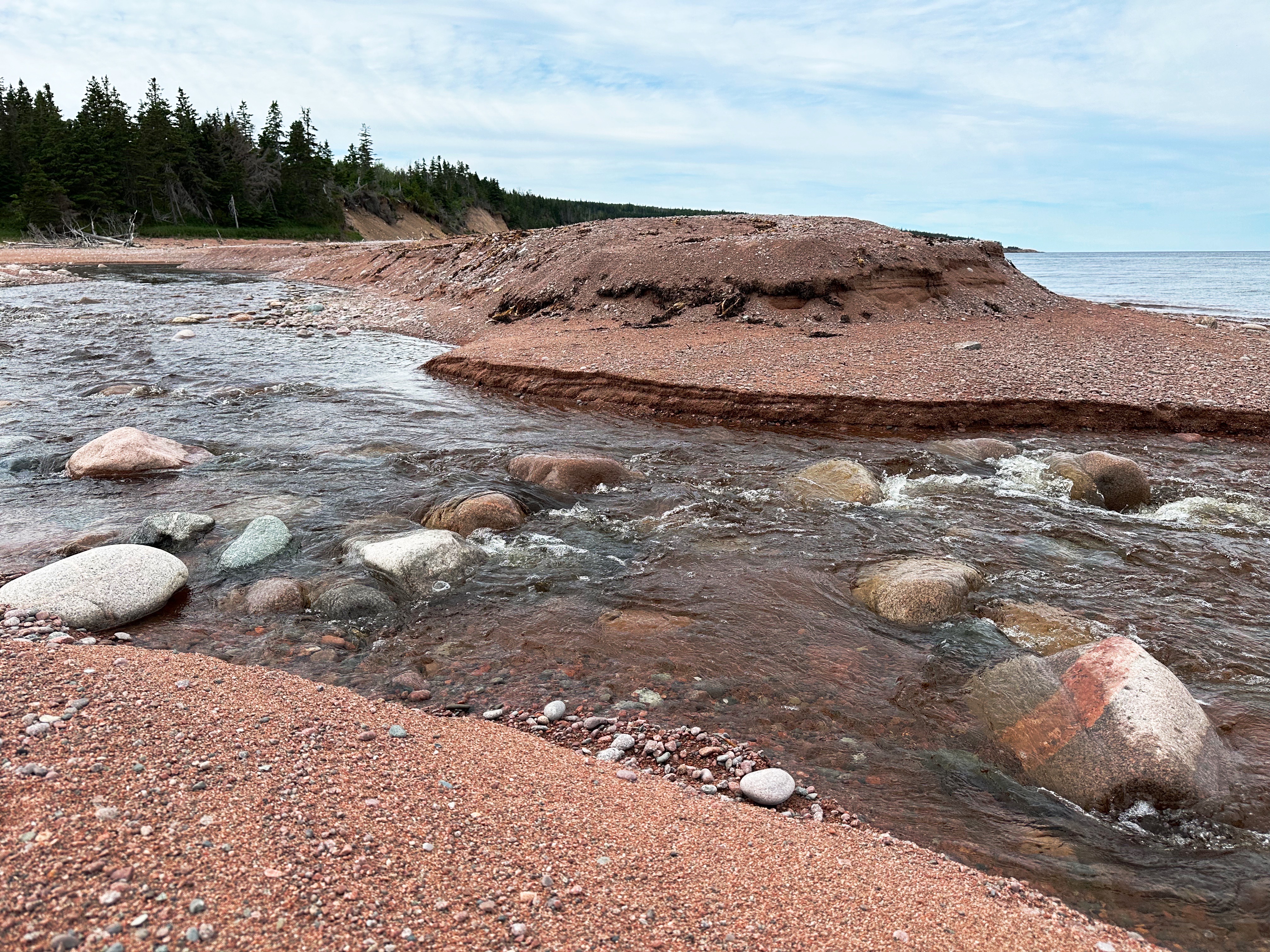
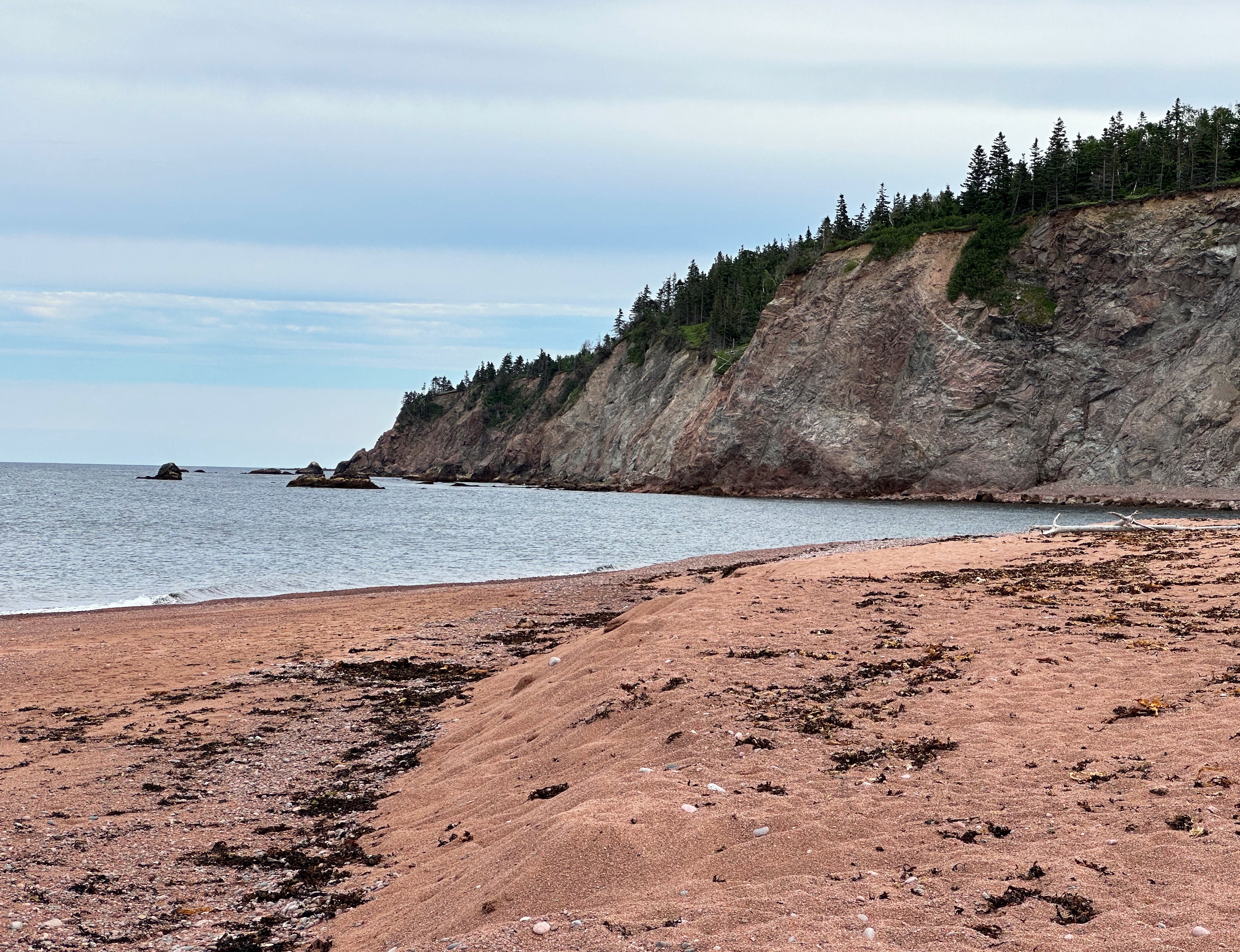
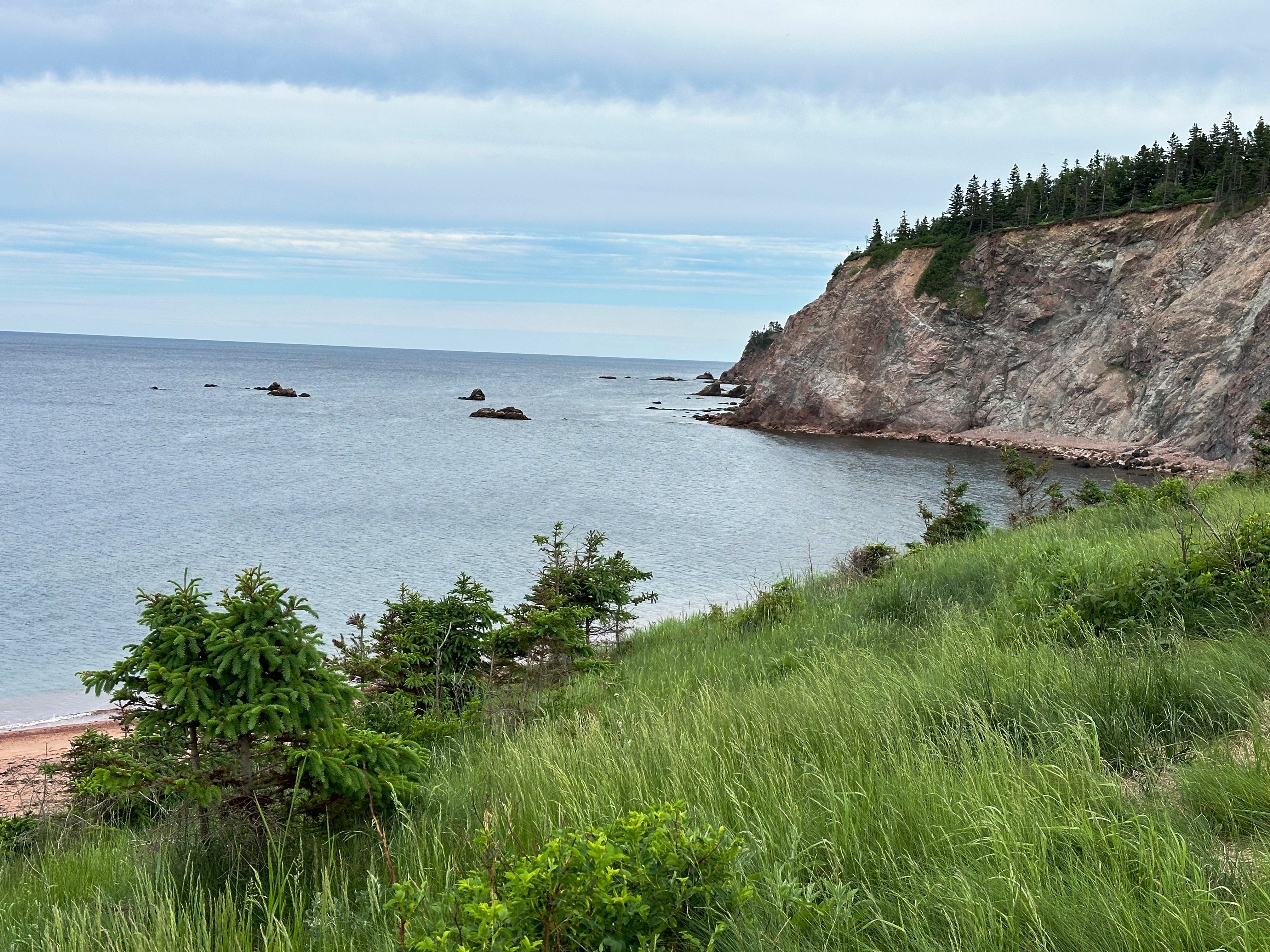
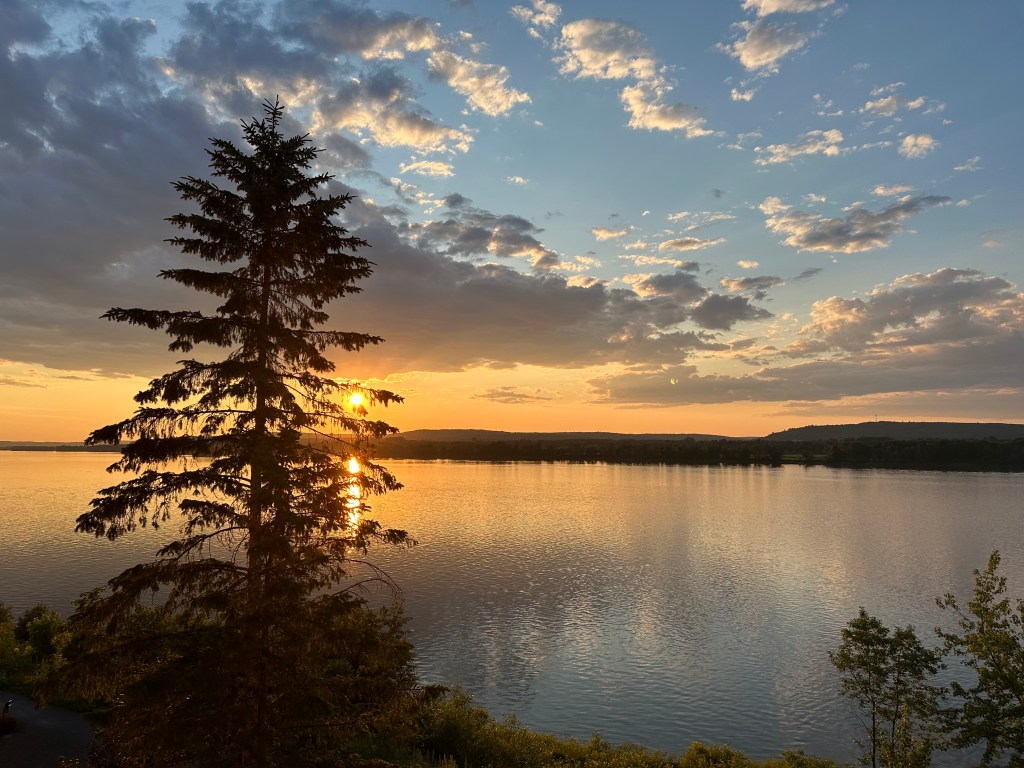
After completing our ride back to the trailhead at Mabou Rivers we made the short drive to Marble Hill and spent a relaxing evening watching the sky as the sun set over the Northumberland Straight.



We will pick up the final leg of our journey on Cape Breton as we drive two hours for a much needed consultation with Doctor Luke in Sydney. More on that in our next post.
Be seeing you!















































































































 ON THE ROAD with Maria + Stephen