DAY ONE….DAGG EINN
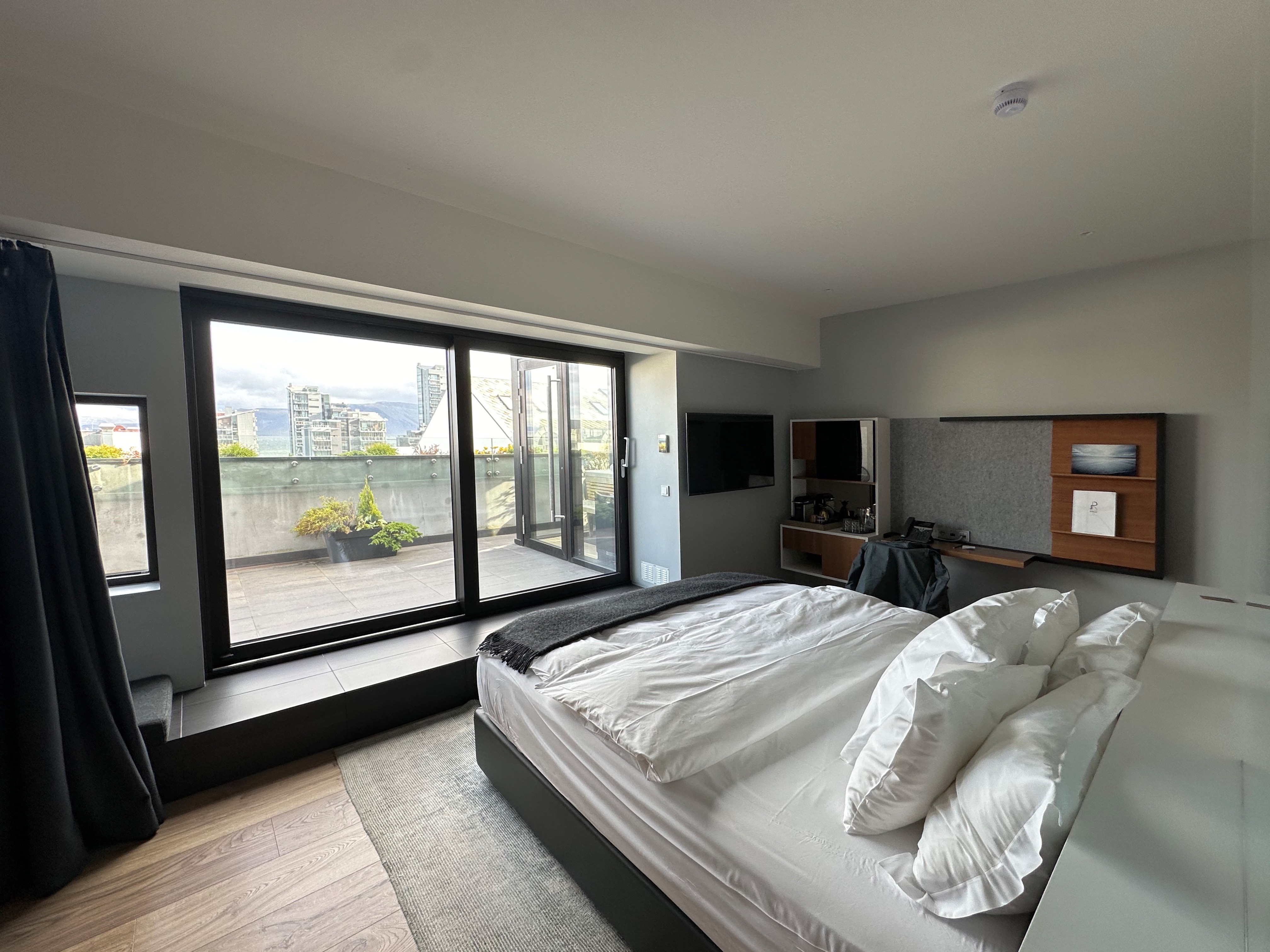

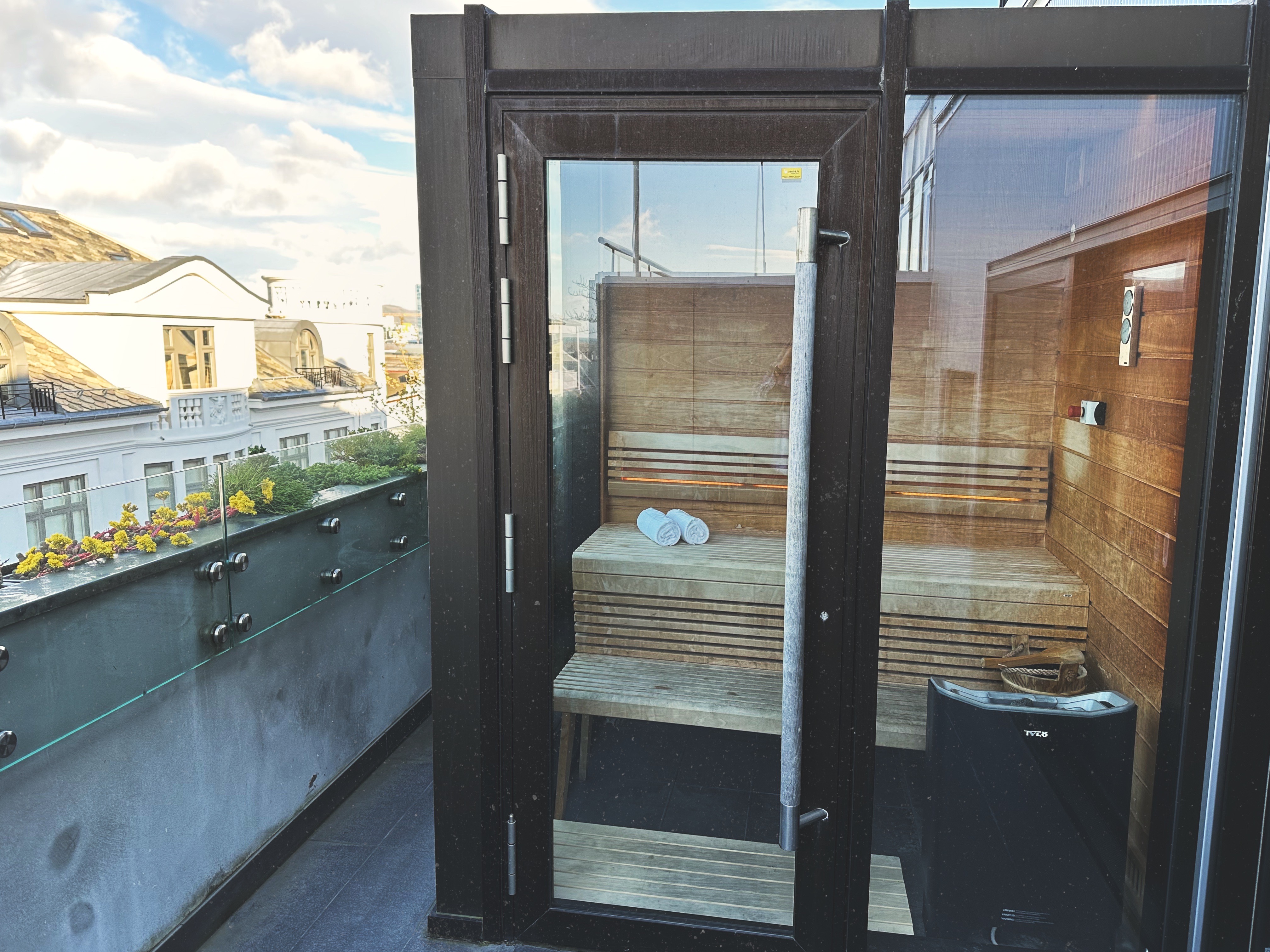
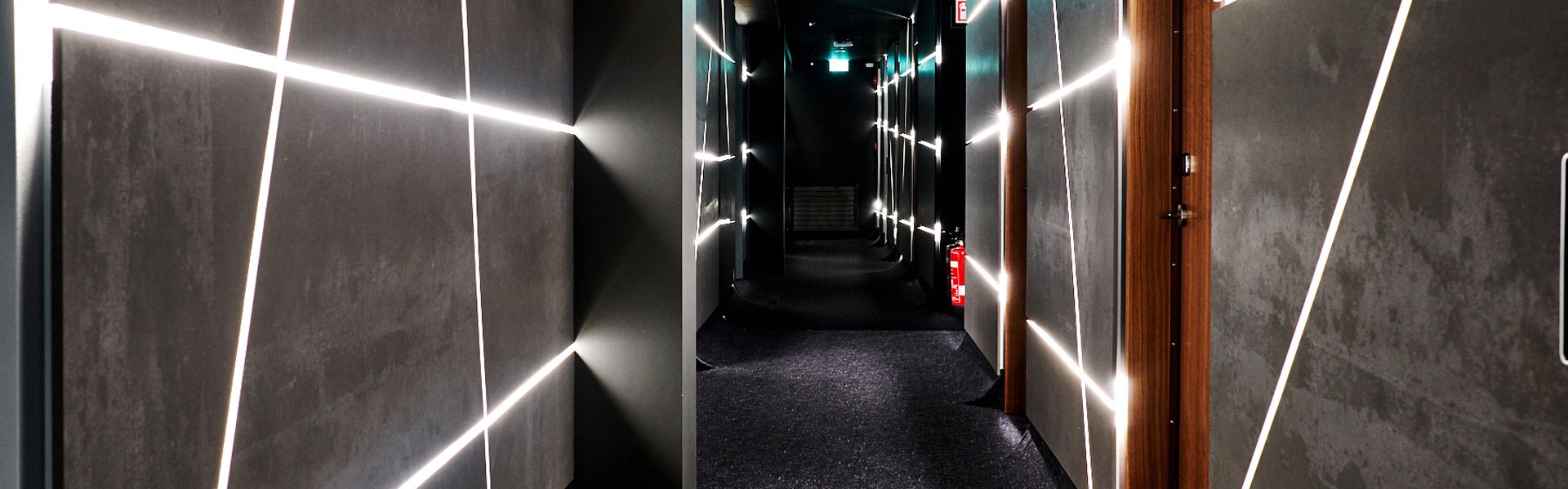

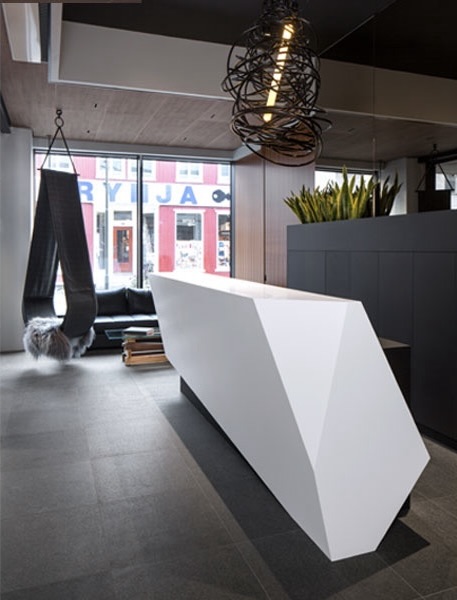
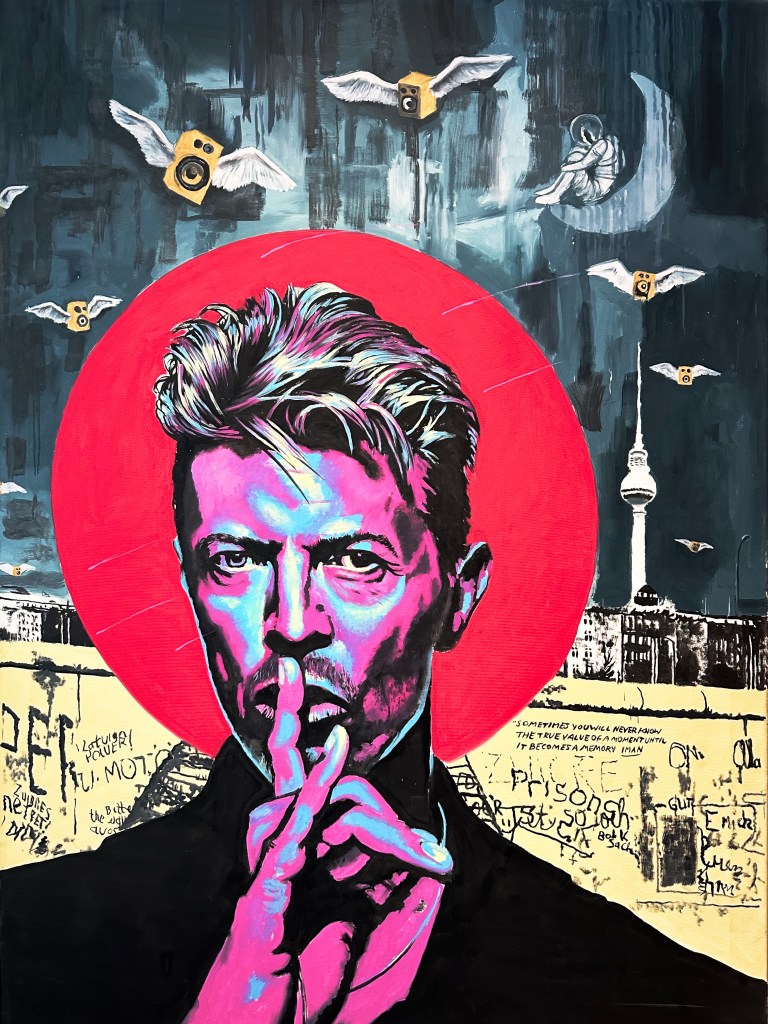
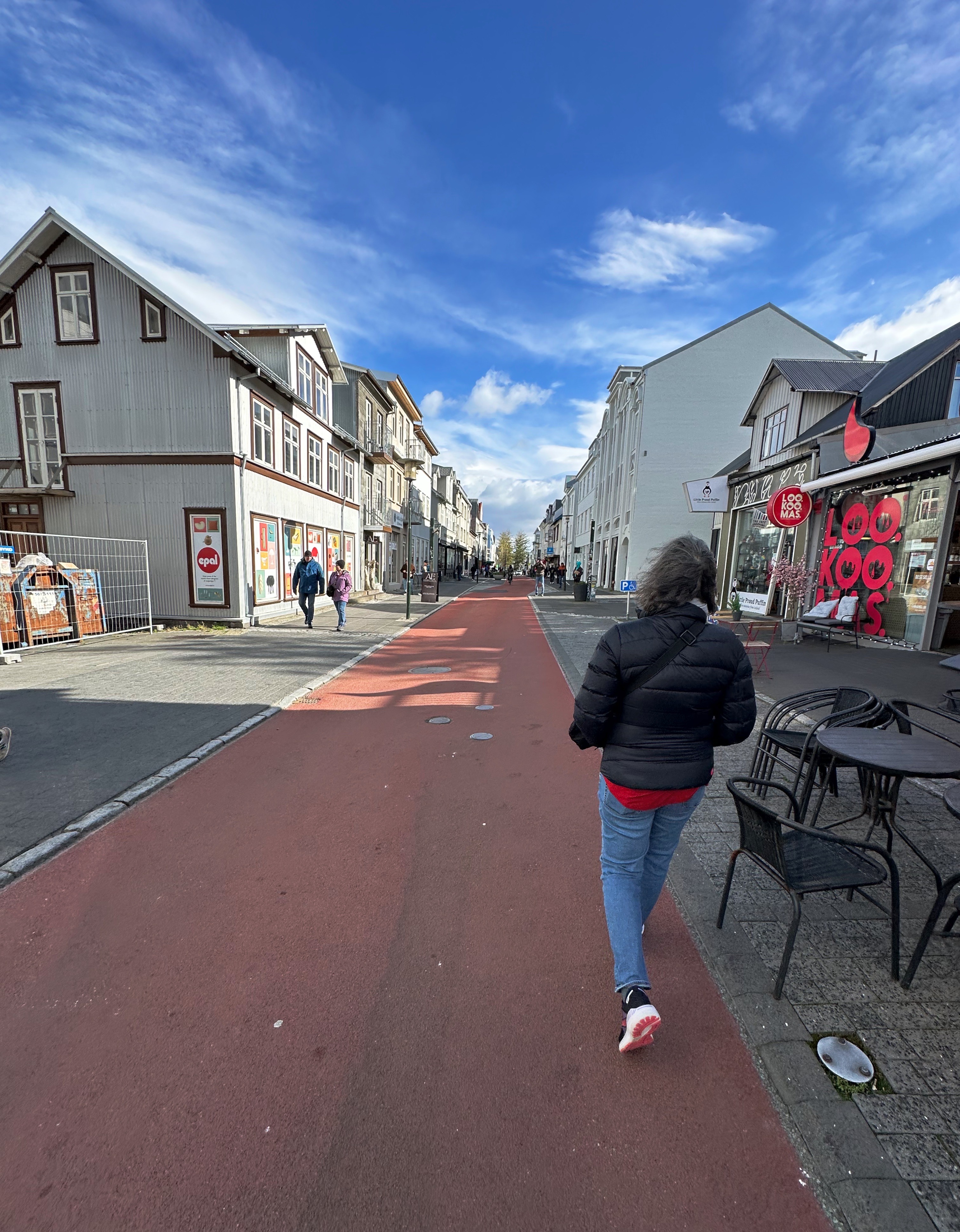
Since this was our first visit to Iceland we decided to stay in Reykjavik and use it as our base for the trip. We selected the Ion City Hotel which would put us in the heart of the city on Laugavegur, which is a bit touristy but has multiple specialty coffee shops and restaurants within a five minute walk. The hotel is small with just 18 rooms and its location provided us a view down to the harbor and the night sky. The lobby is tiny as the majority of the ground floor is occupied by Sumac, a restaurant specializing in Middle Eastern cuisine. We were very happy with our choice based on our stylish room, our view, our private sauna and the very friendly, helpful front desk staff. Lastly, how can you not like a hotel with a painting of David Bowie in the lobby! Takk fyrir.
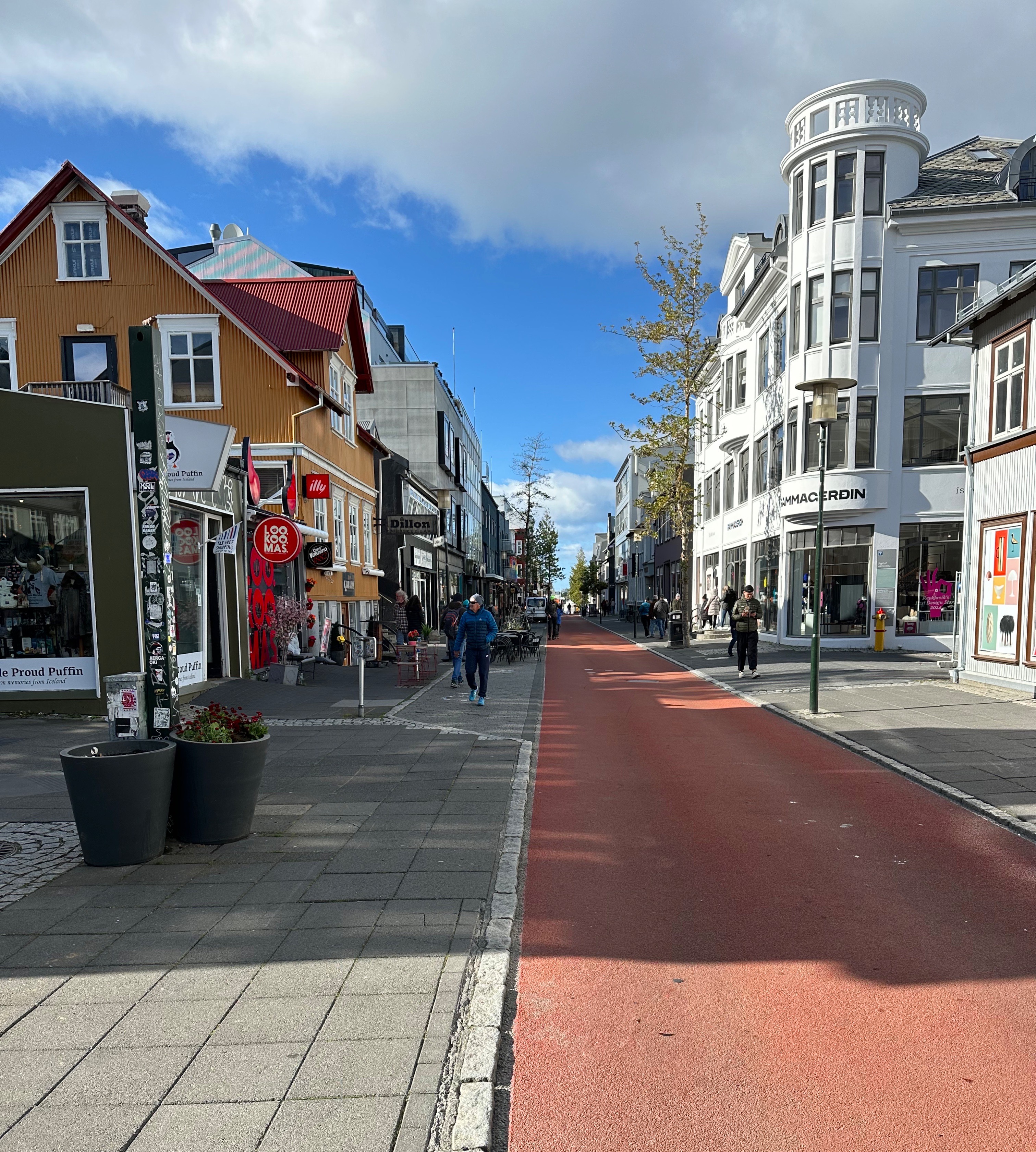
We crashed at the hotel for a couple of hours after our overnight flight and then went out to do some exploring in the neighborhood.
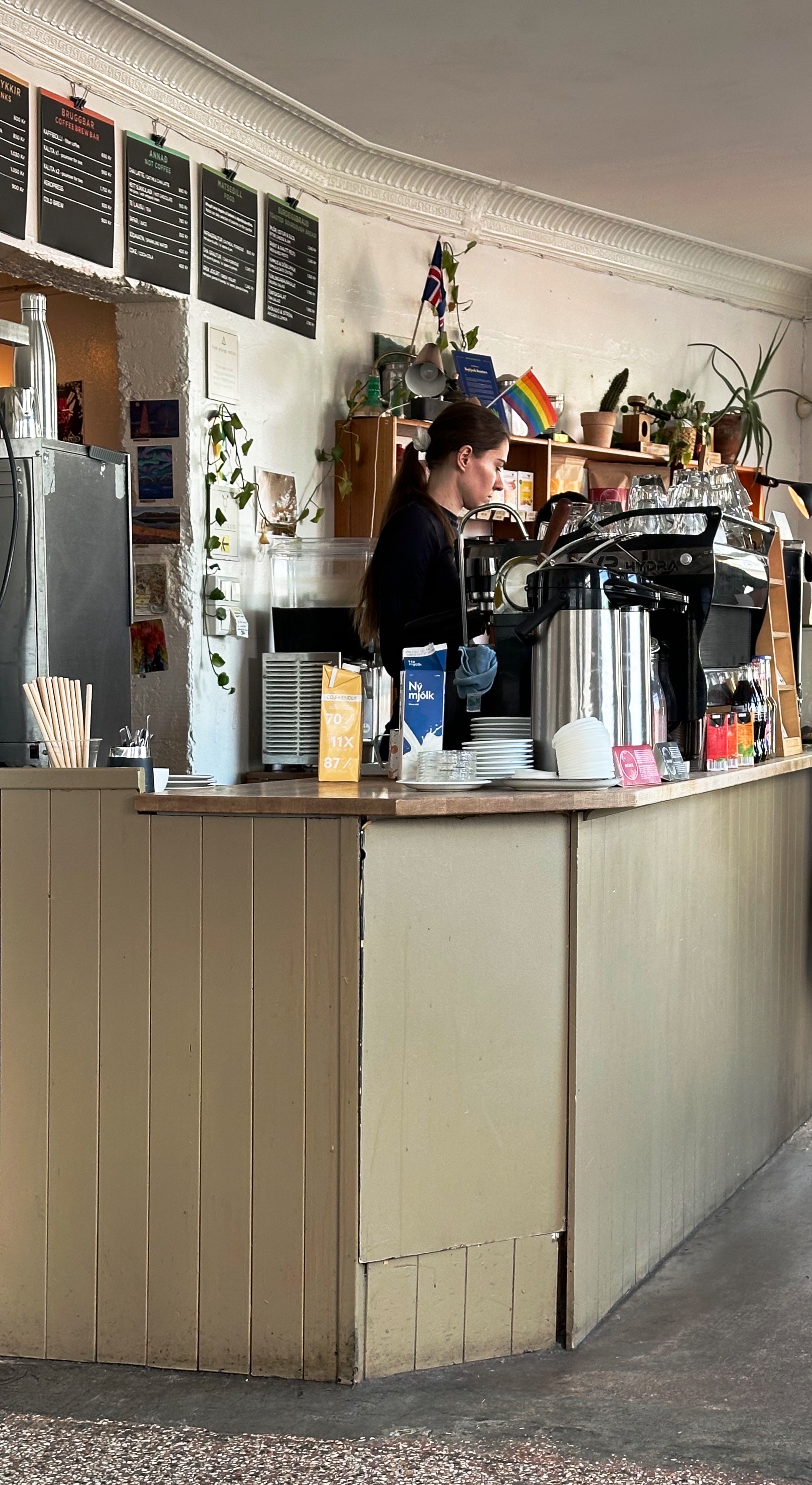
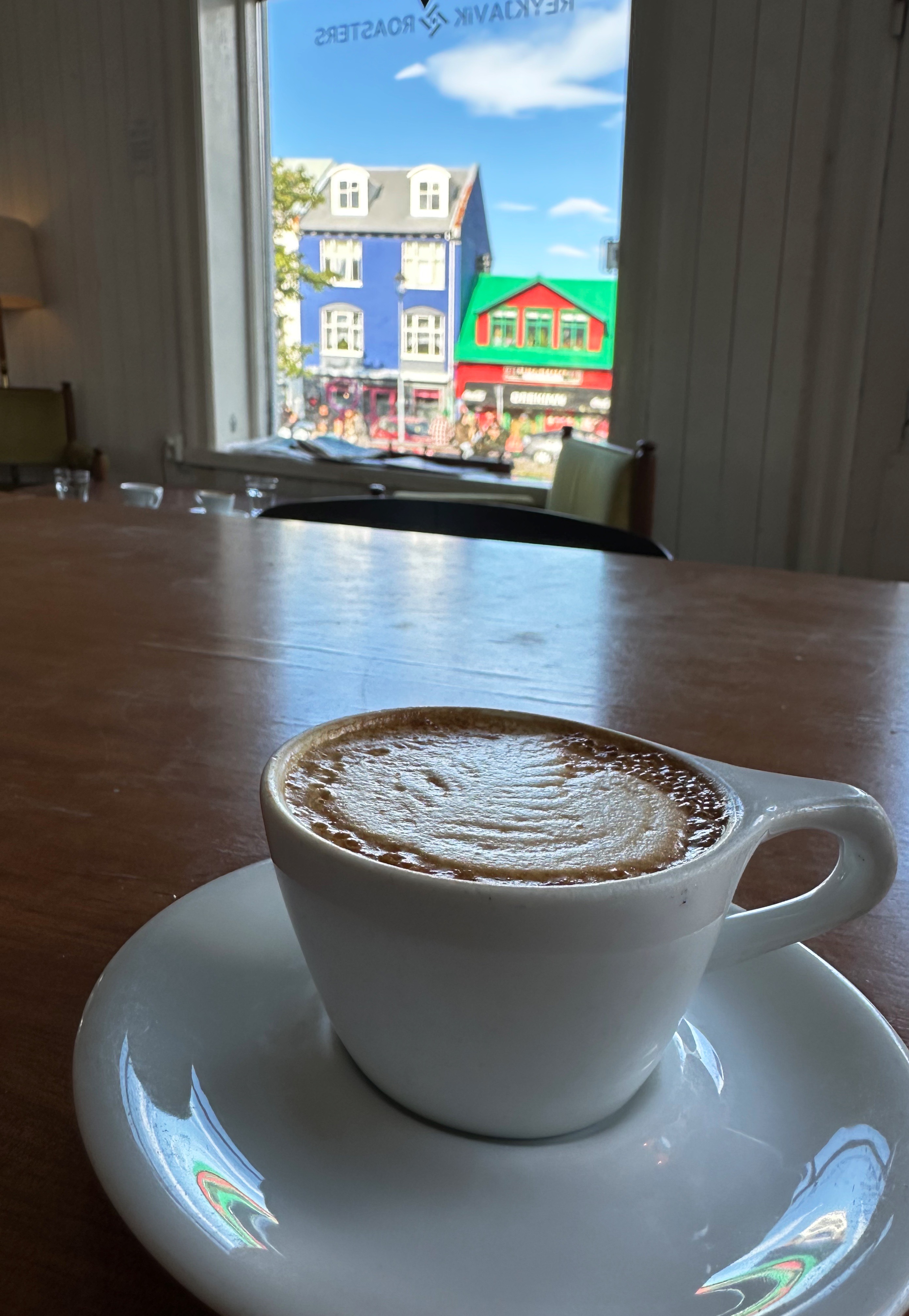
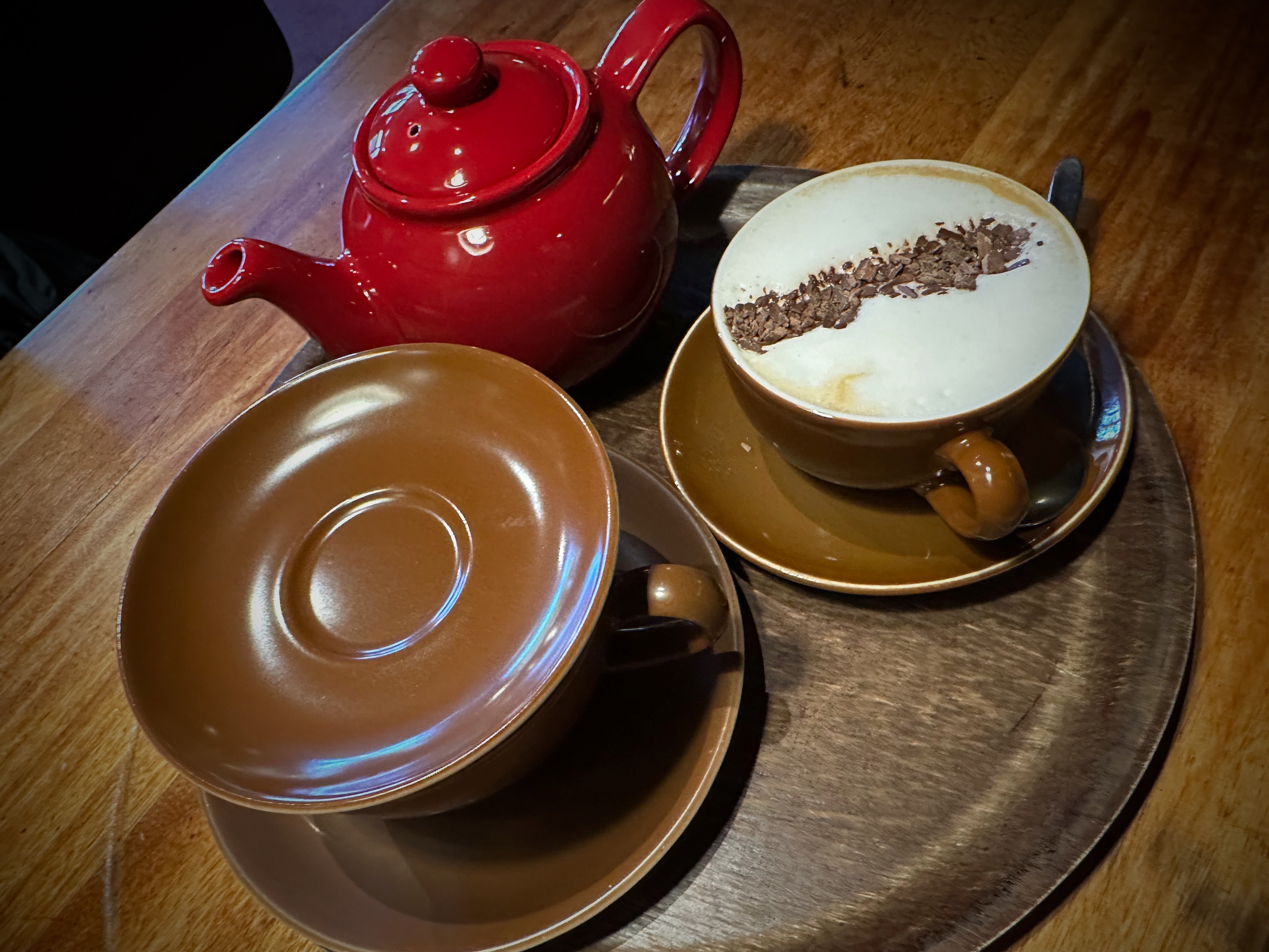
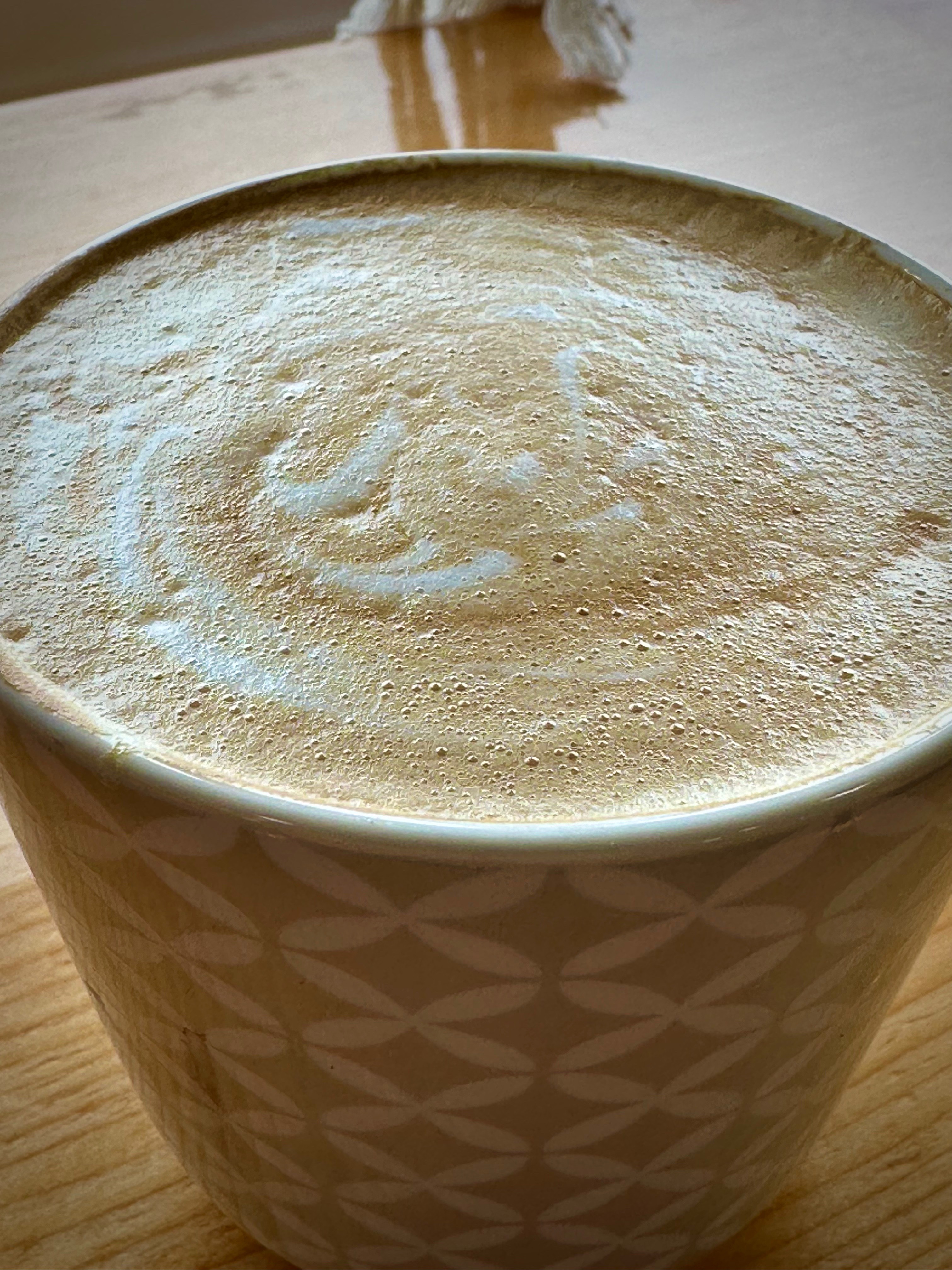
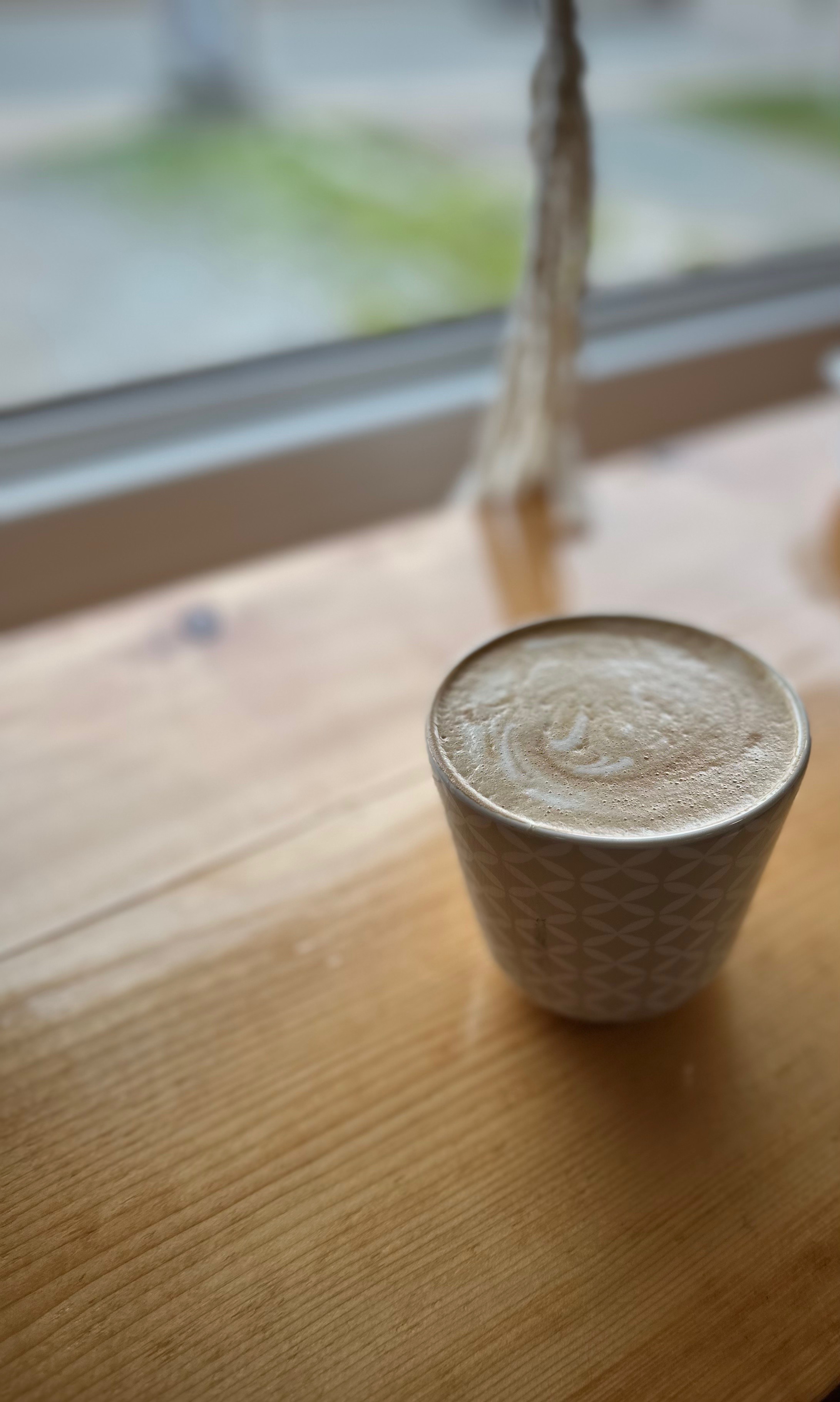
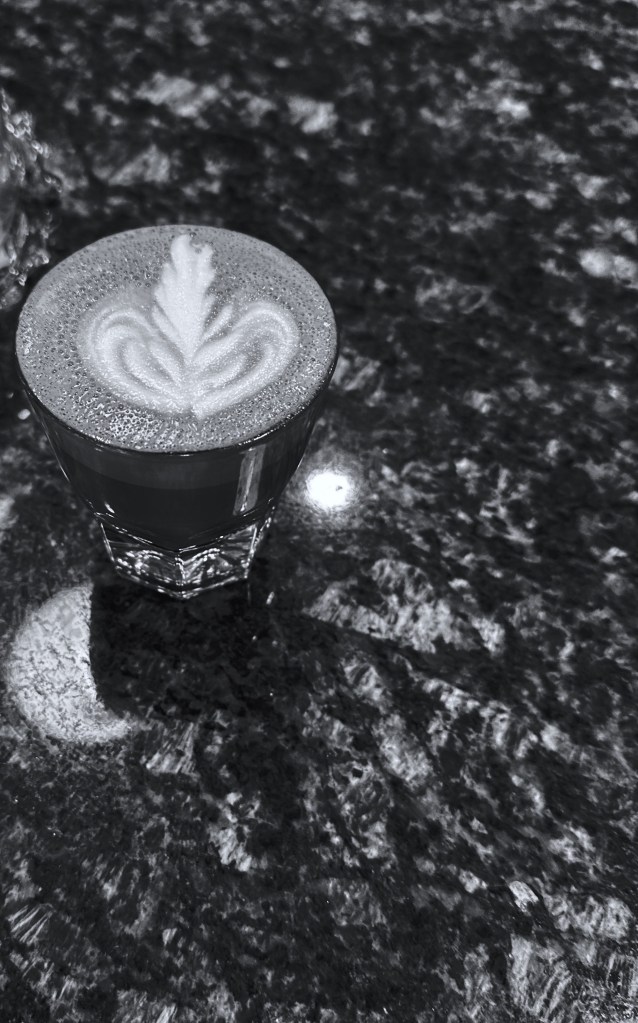
We made our first stop at Reykjavik Roasters, which is just around the corner from the hotel. We know you would expect nothing less of us. RR was founded in 2008 and has been a staple of the Reykjavik coffee scene ever since.

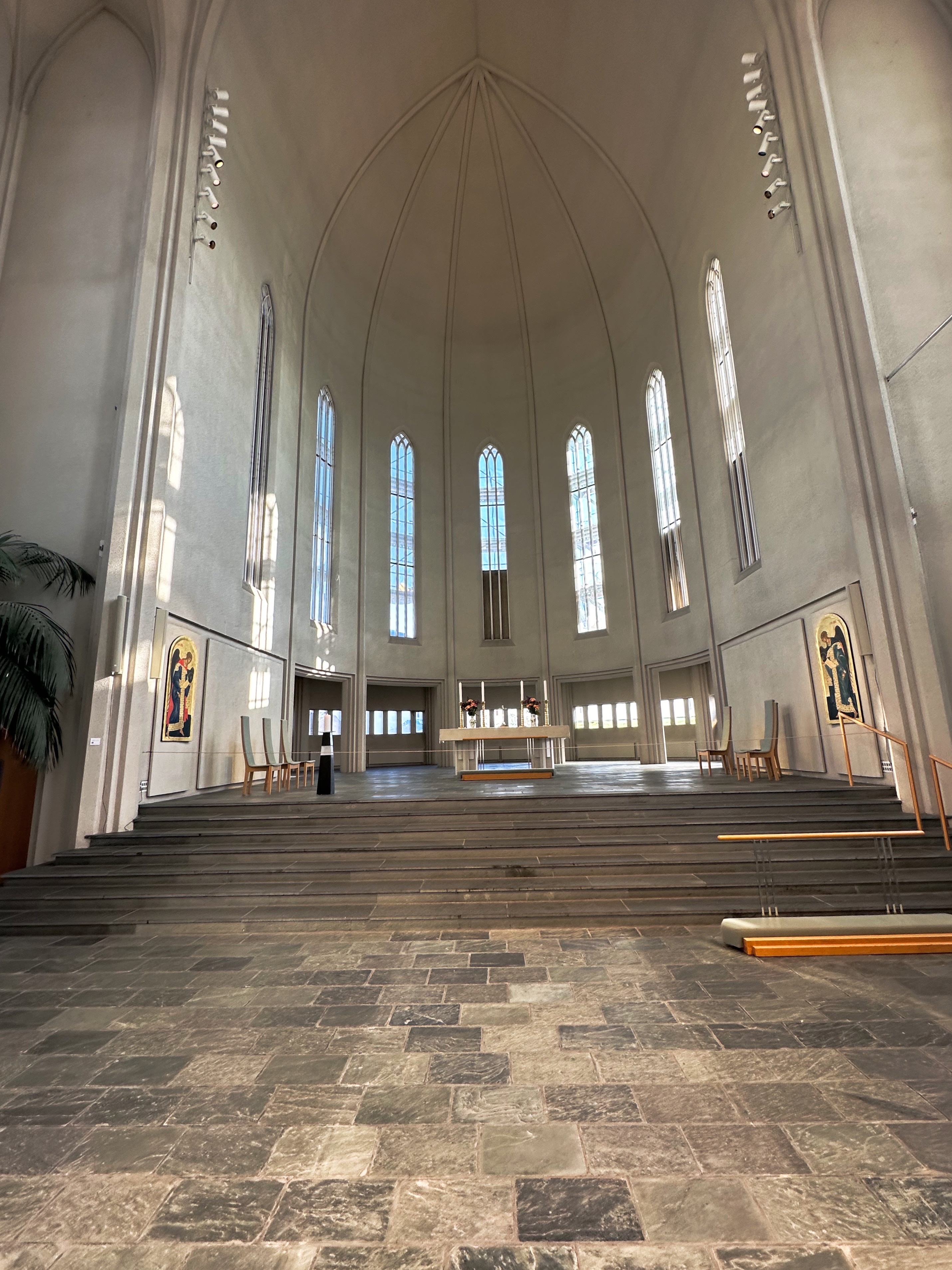
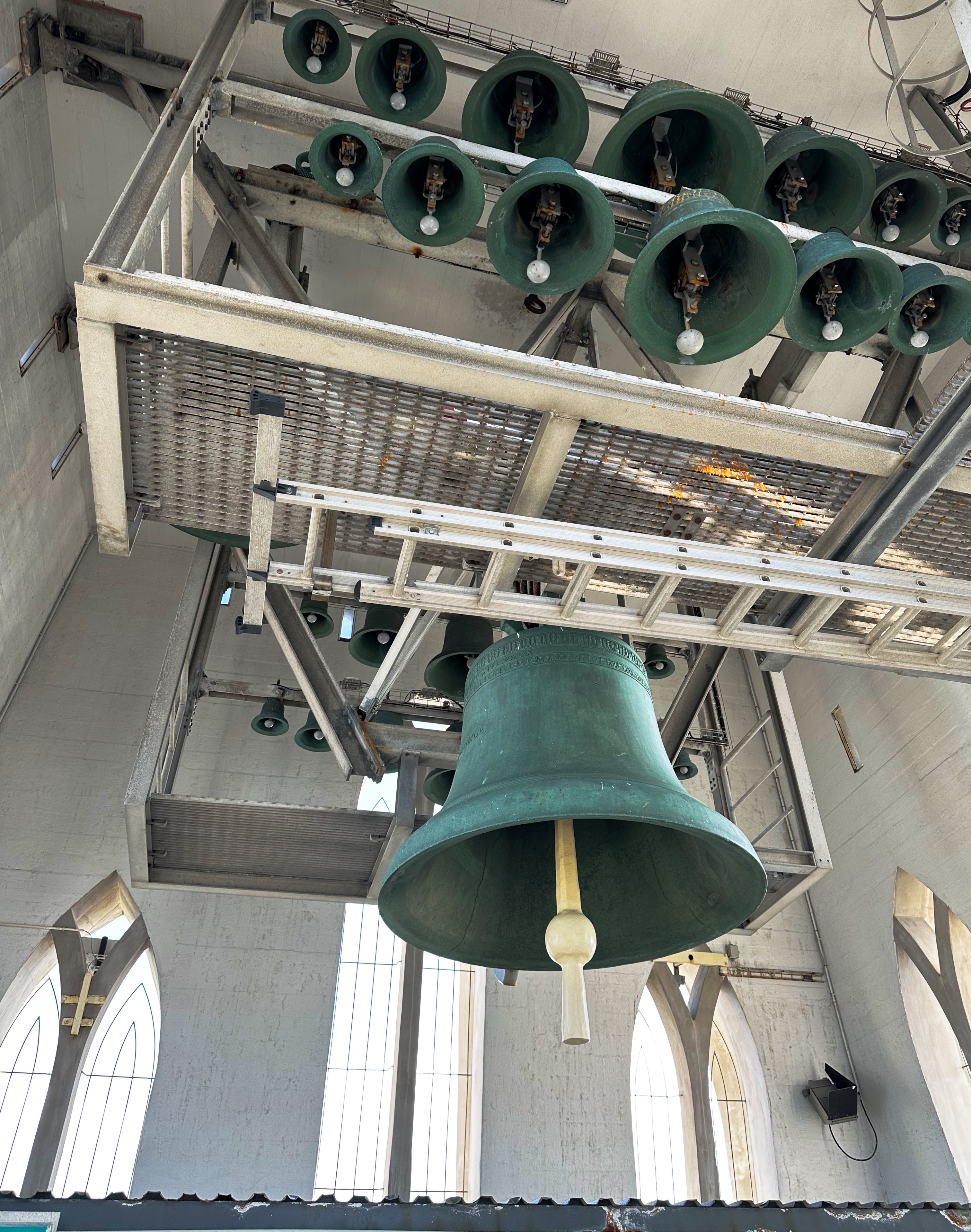
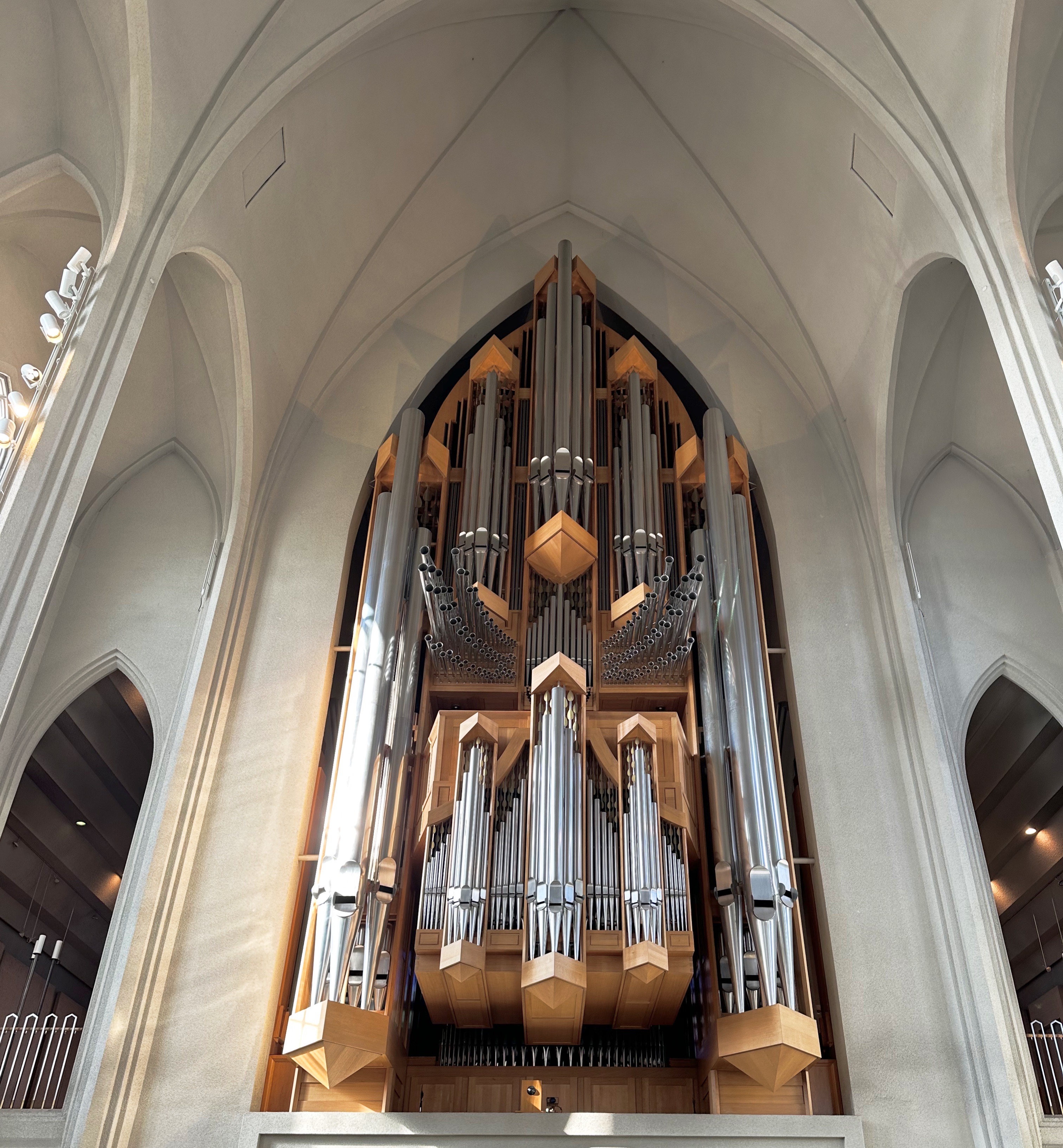
After finishing our drinks (and pastries) we walked up the hill to visit Hallgrímskirkja (the church of Hallgrimur). The church took 41 years to build. Construction started in 1945. Hallgrimskirkja is the tallest church in Iceland and provides fabulous views of the city, harbor, mountains and volcanoes from the top of the 243 foot tower.


Unlike the United States, Iceland has a state sponsored and protected national church – the Evangelical Lutheran Church of Iceland (hin evangelíska lúterska kirkja). There is religious freedom in Iceland and a number of other religious faiths are practiced in the country.
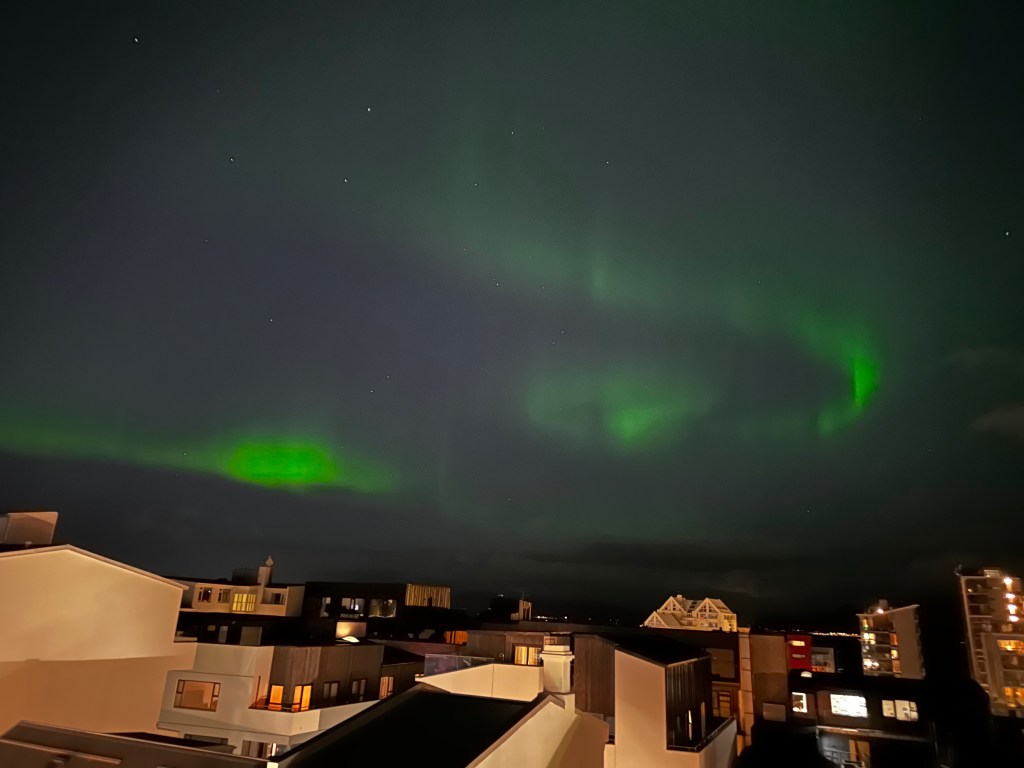
After visiting the church we did a bit more strolling, grabbed a quick fish and chips dinner and went back to our hotel satisfied with a good first day. As we lay in bed, as if on cue, the Aurora Borealis appeared and we jumped up and out onto our balcony to take in the show and snap some pictures. We upgraded our good first day to an excellent first day! Húrra!
Day two….DAGG tveir
In accordance with Rule One of Travel (all days must begin with tea and coffee) we checked out TE & KAFFI (directly across the way from the hotel). TE & KAFFI was up to snuff and we added the establishment to our inventory of specialty coffee shops for our stay in Reykjavik.


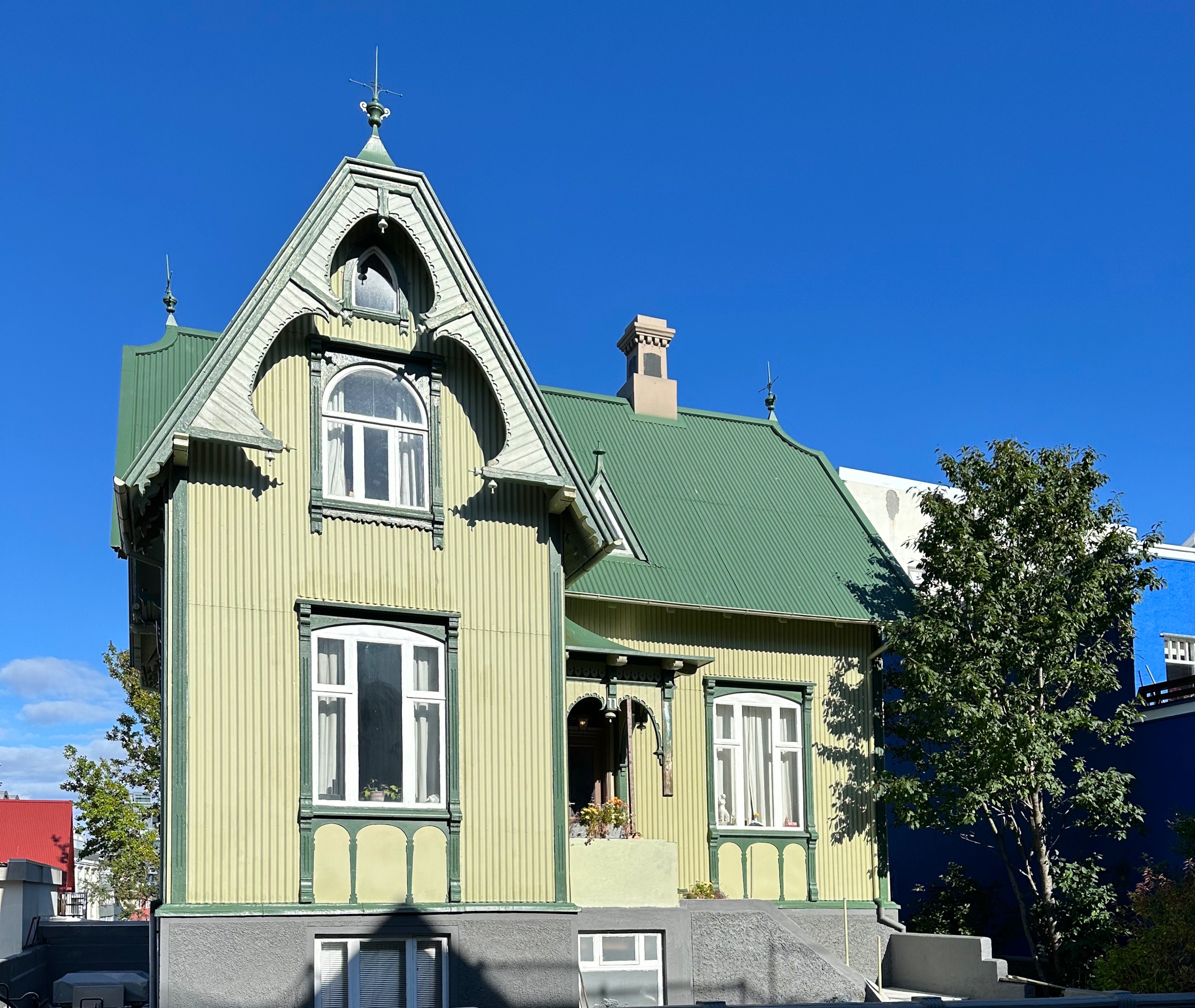
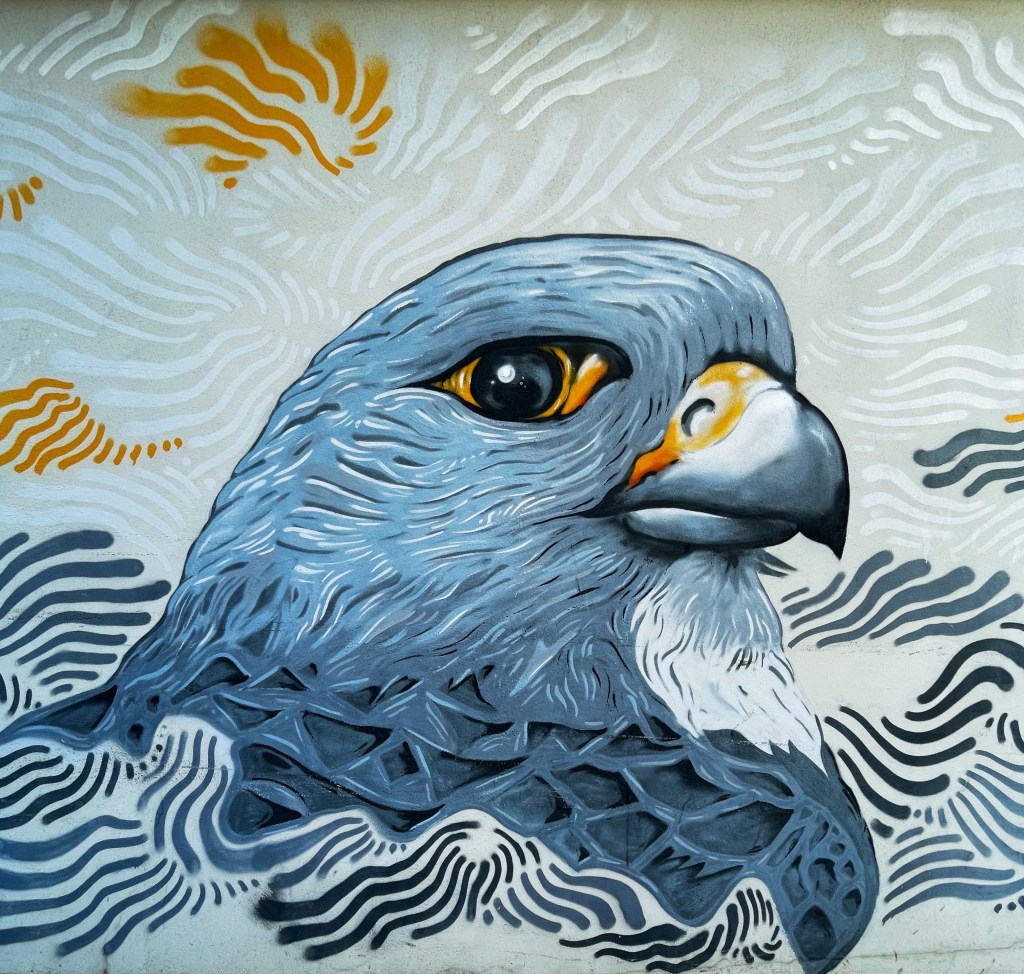
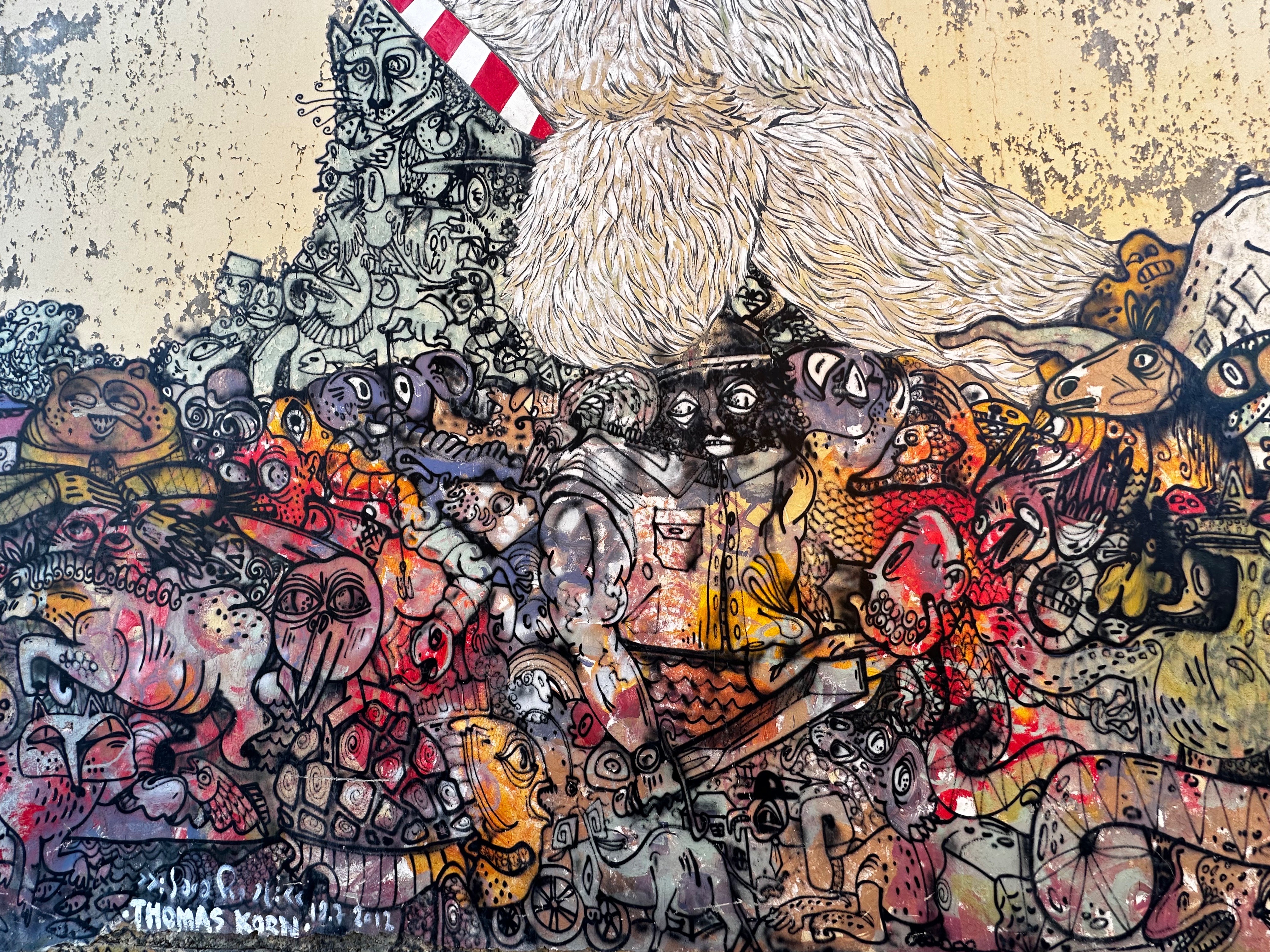
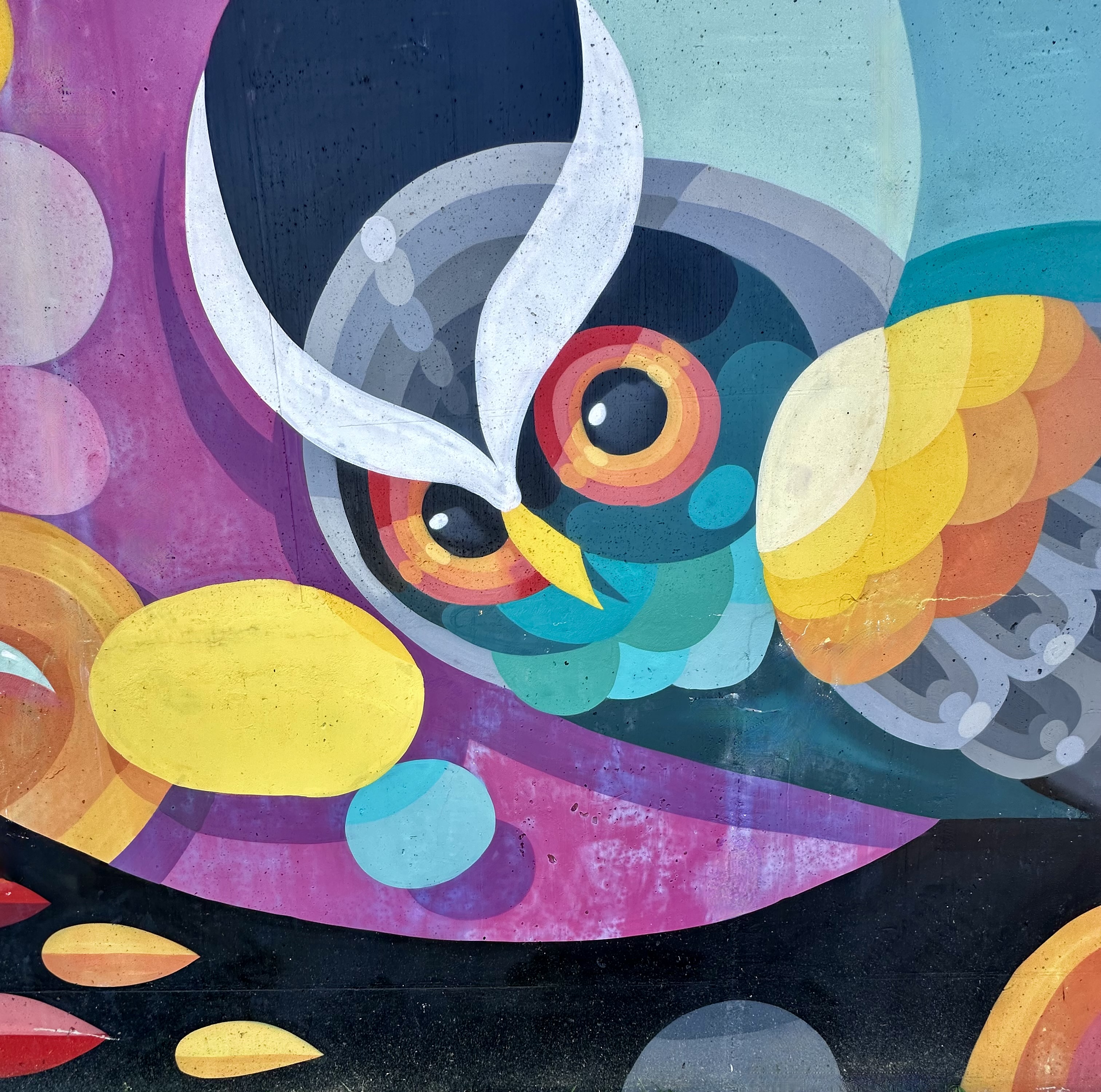
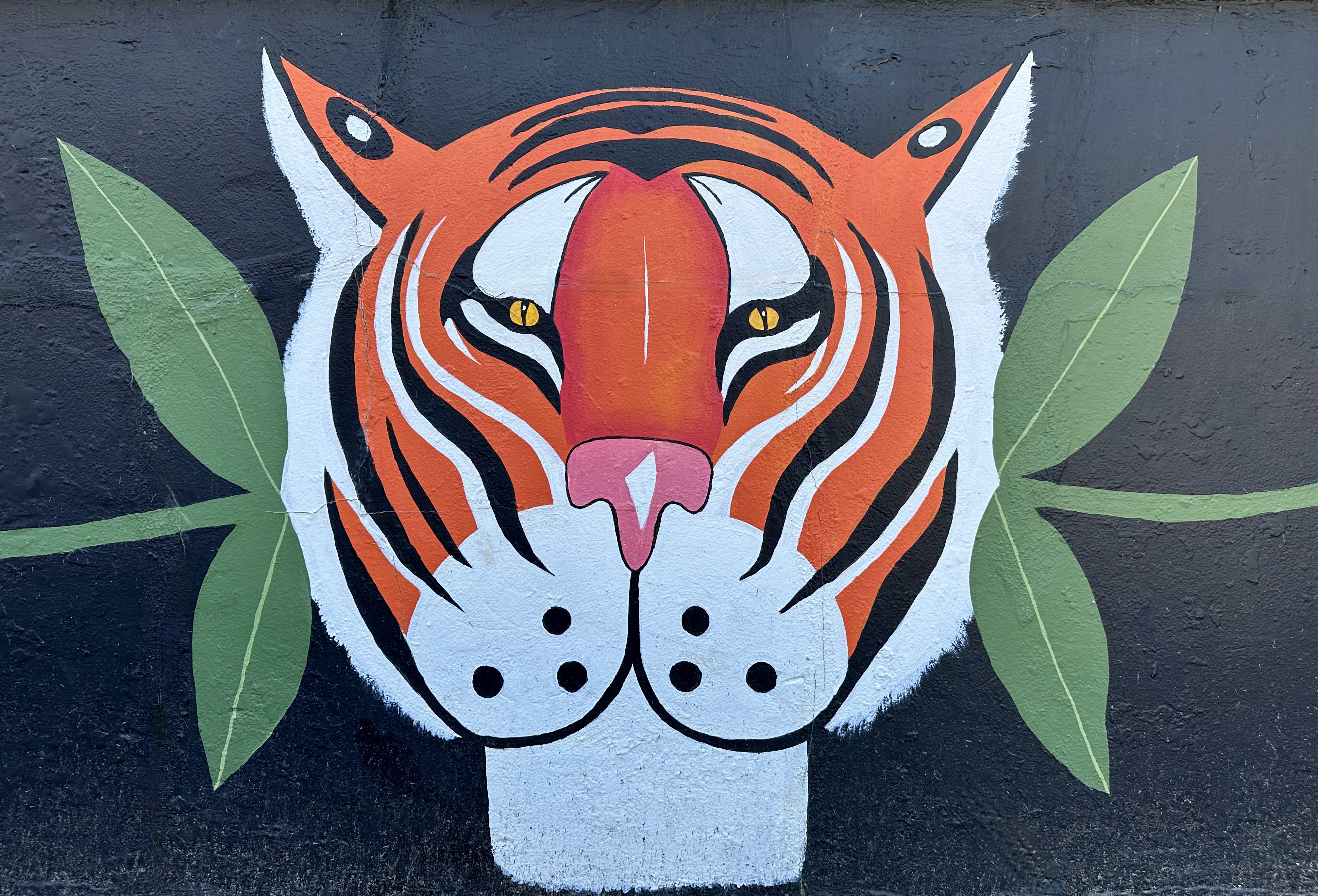
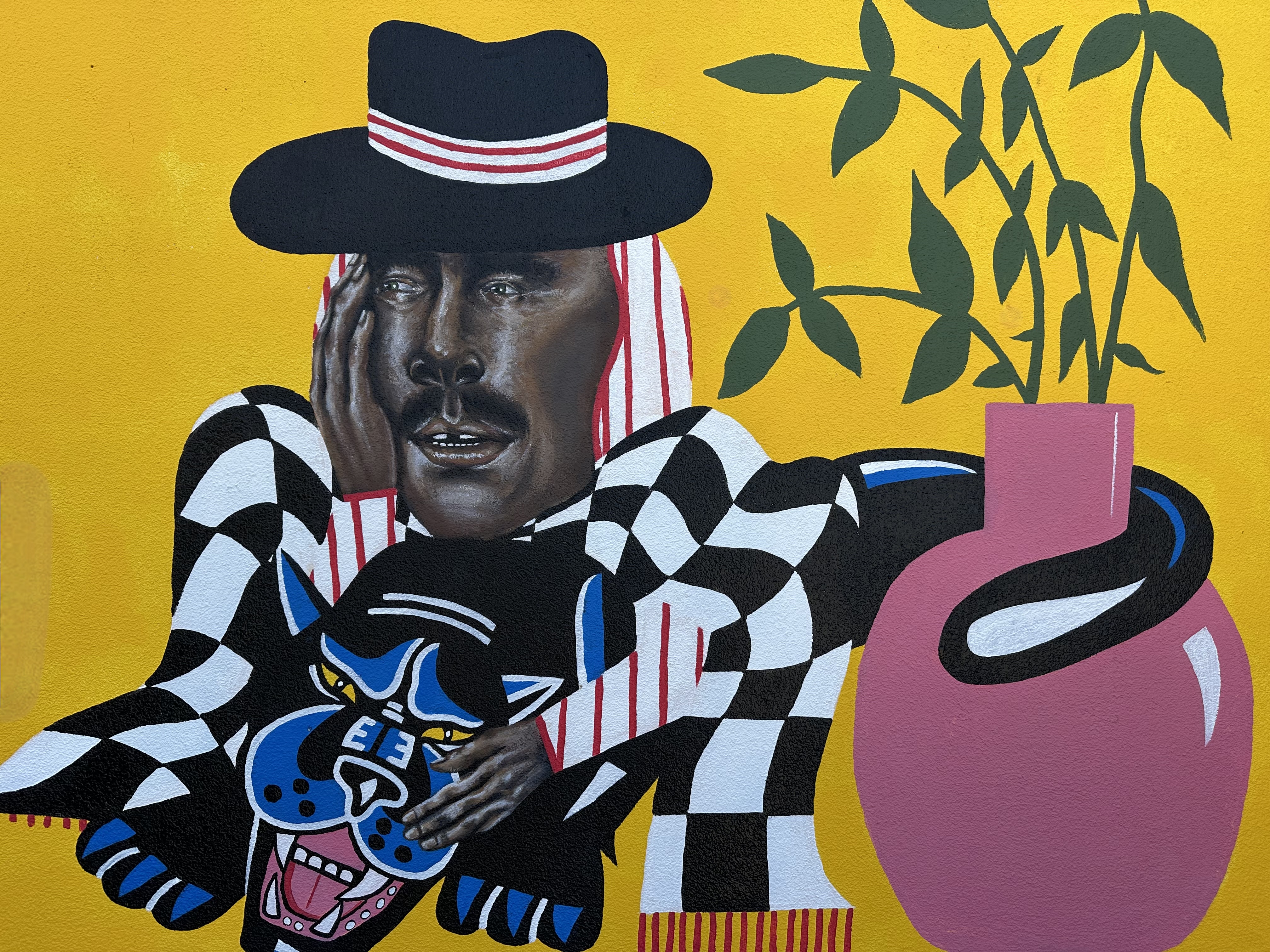
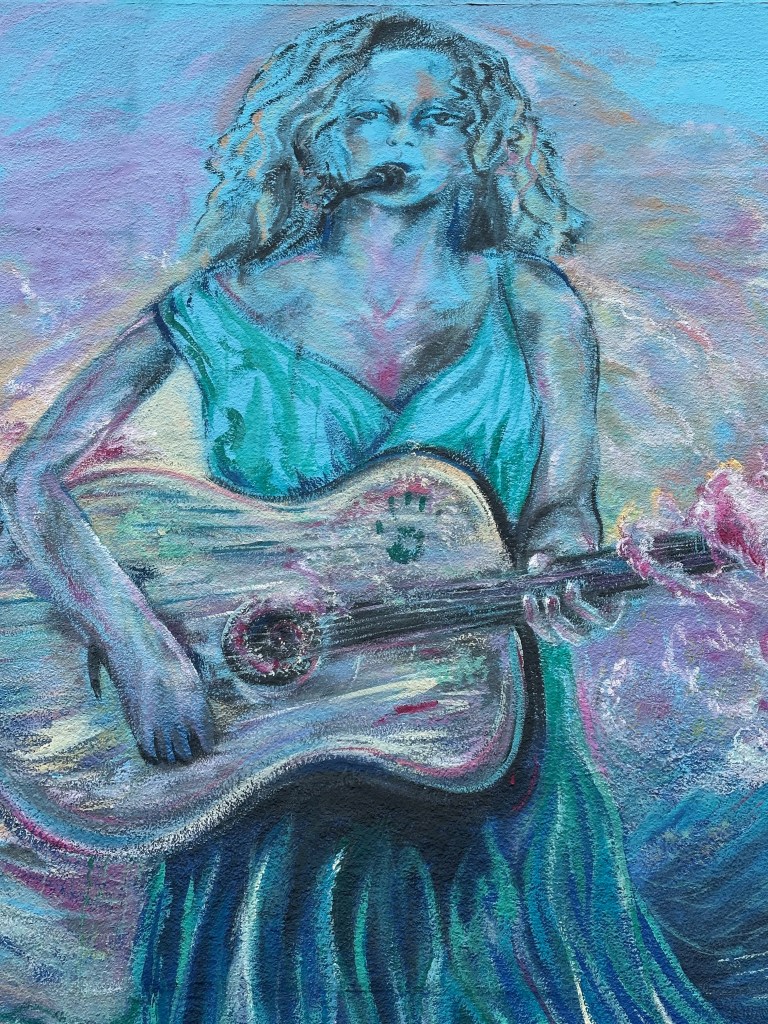
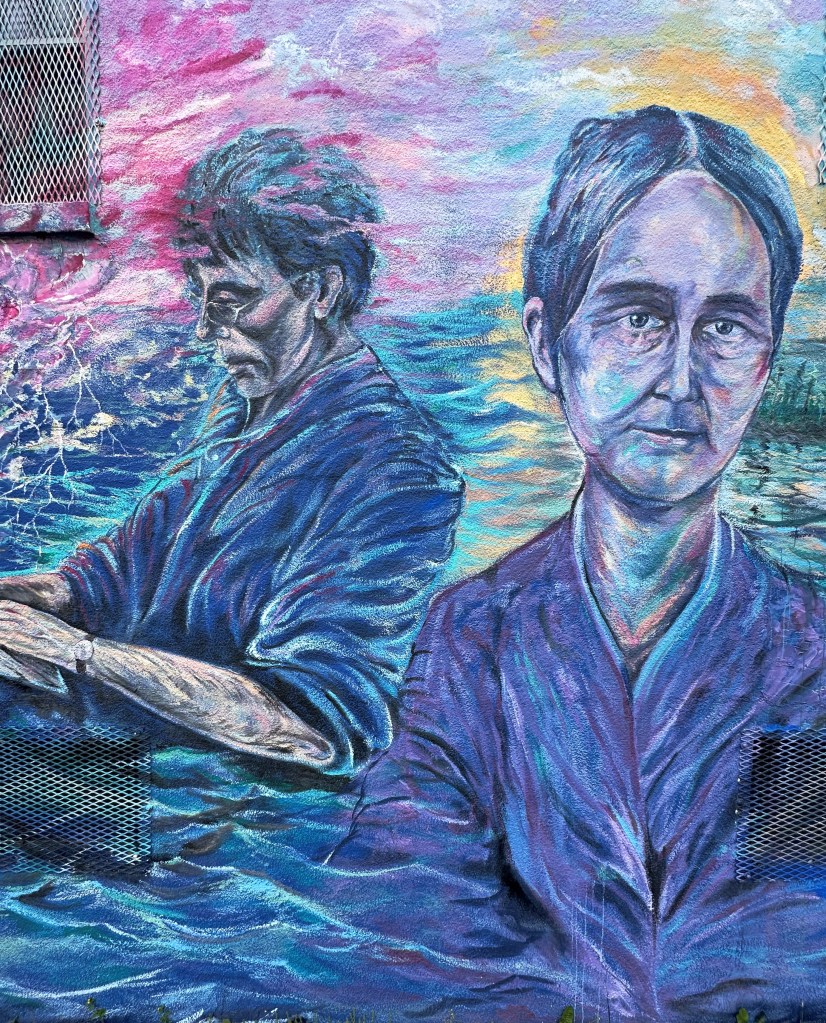
After fika we spent the morning exploring the city on foot and made our first visit to the waterfront. We also happened upon several more excellent street murals. While down at the old harbor we popped into the one of the three Reykjavik Art Museum locations. The exhibitions at this location when we visited were not a good fit for our sensibilities so we did not tarry.



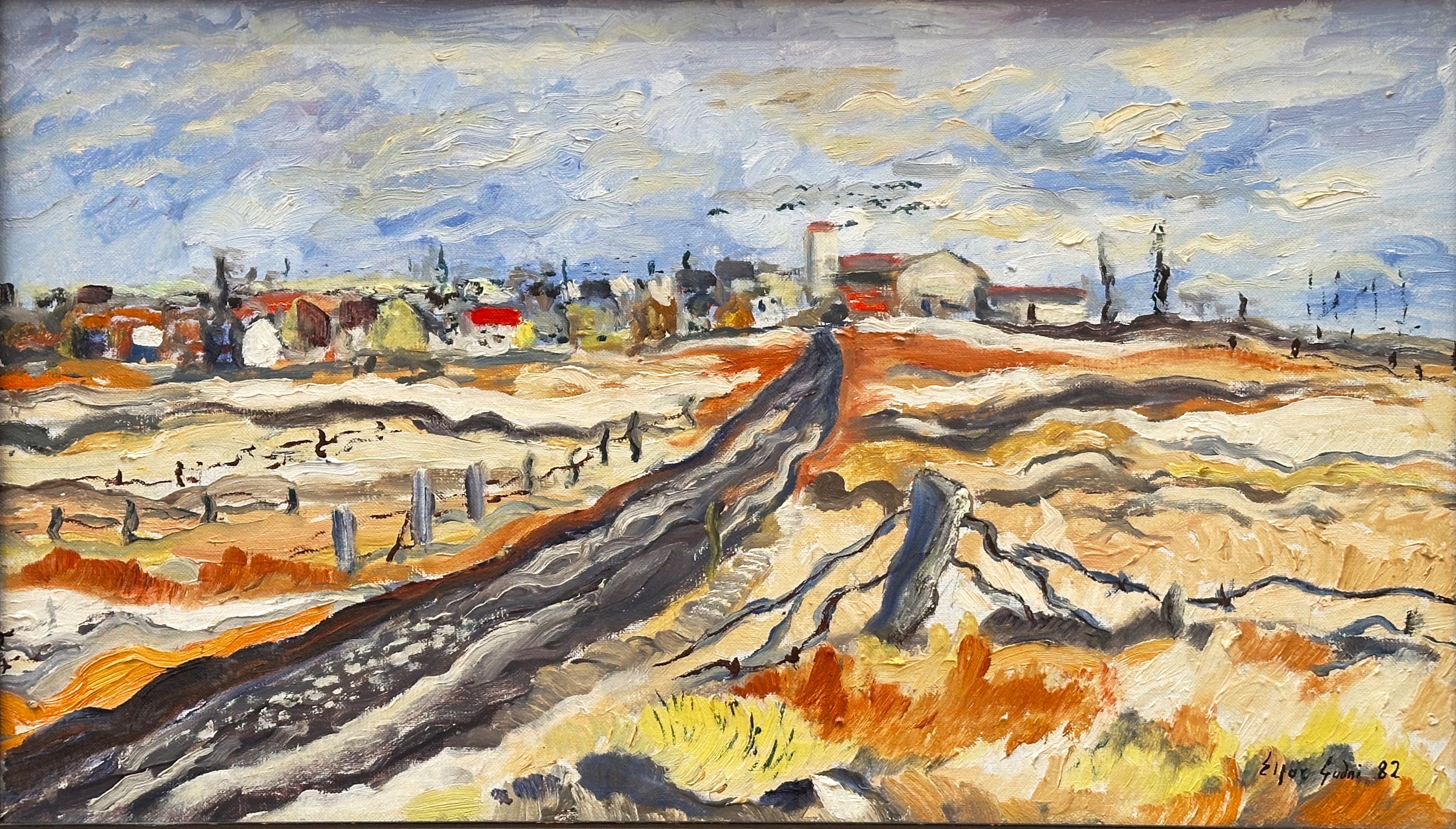
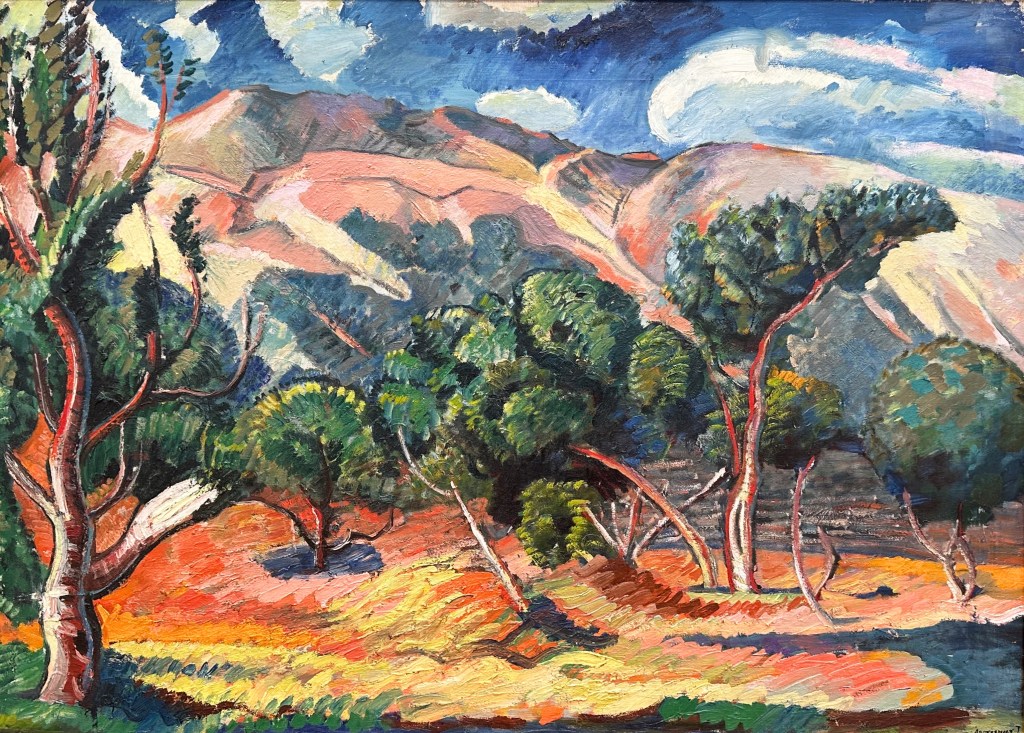
Towards early afternoon we walked back up the hill from the old harbor area to check out one of the other art museums. This museum, Kjarvalsstaðirat, was exhibiting predominately landscape paintings by both professional and amateur Icelandic artists. The museum is named after Jóhannes Sveinsson Kjarval (1885-1972). Kjarval is Iceland’s most revered painter and many of his paintings are on display.

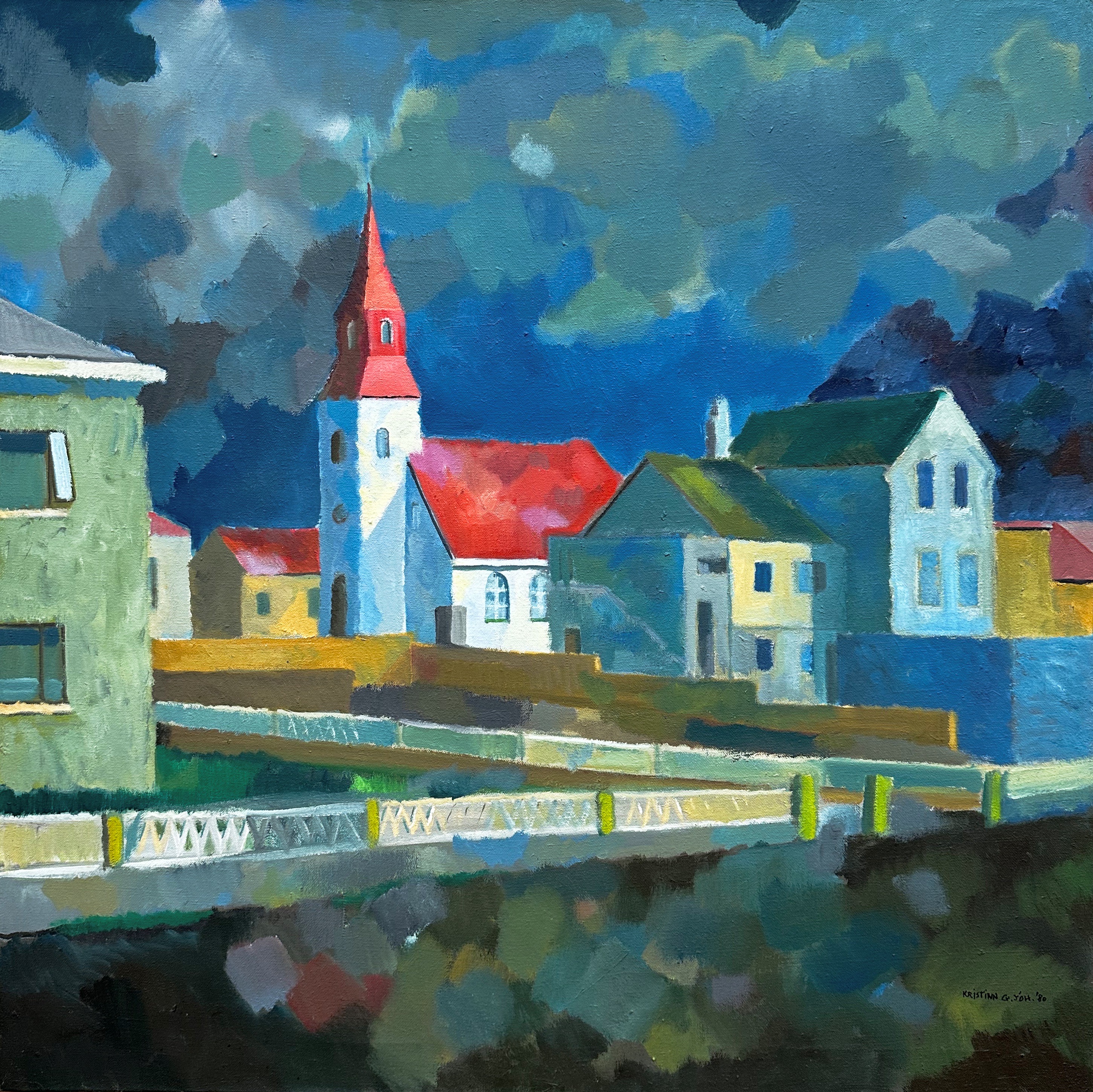


The art here was much more to our liking (or comprehension) and was a lovely mix of colorful renderings of the Icelandic countryside and cityscapes.

DAY THREE….DAGG PRIR
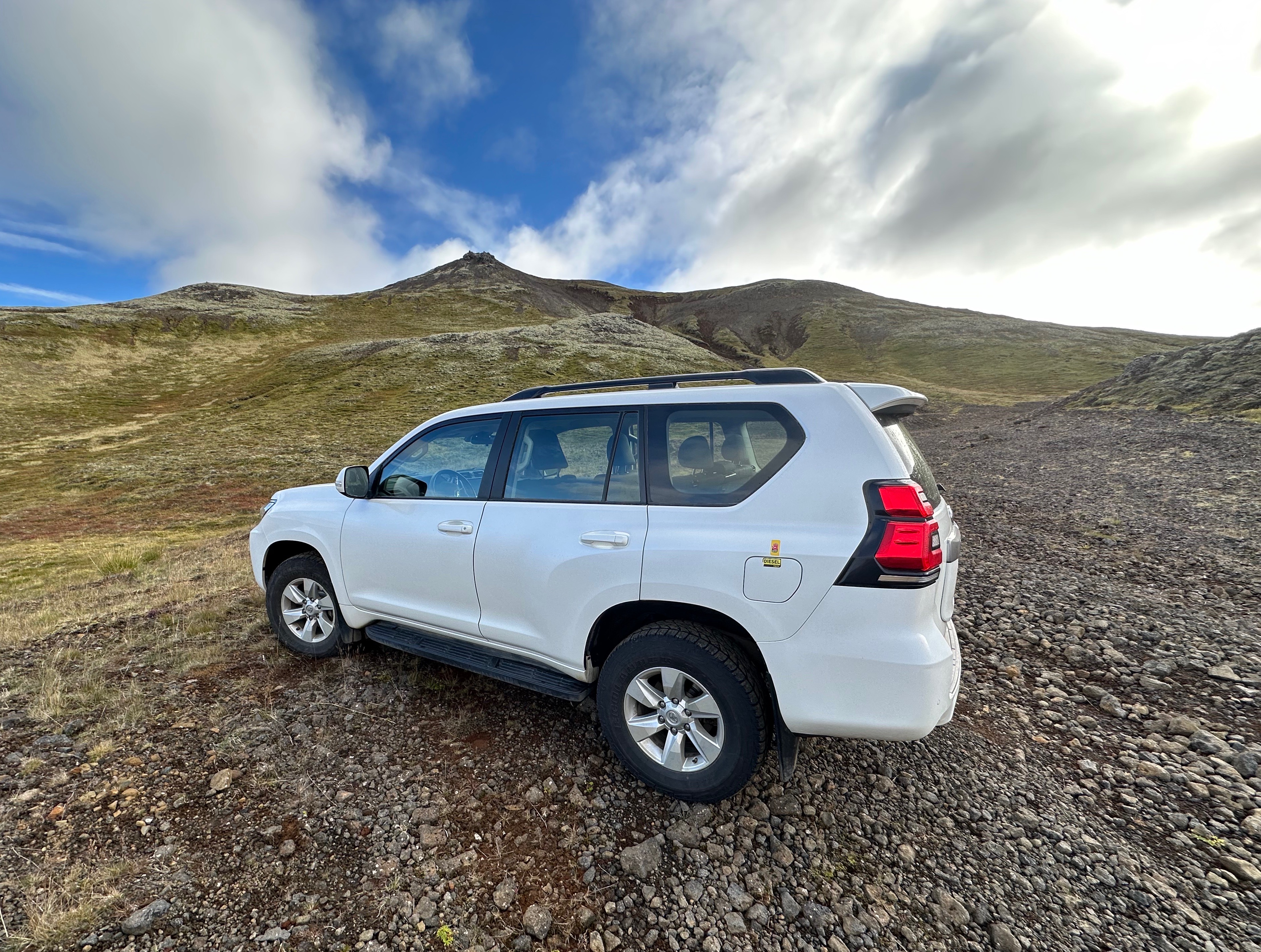
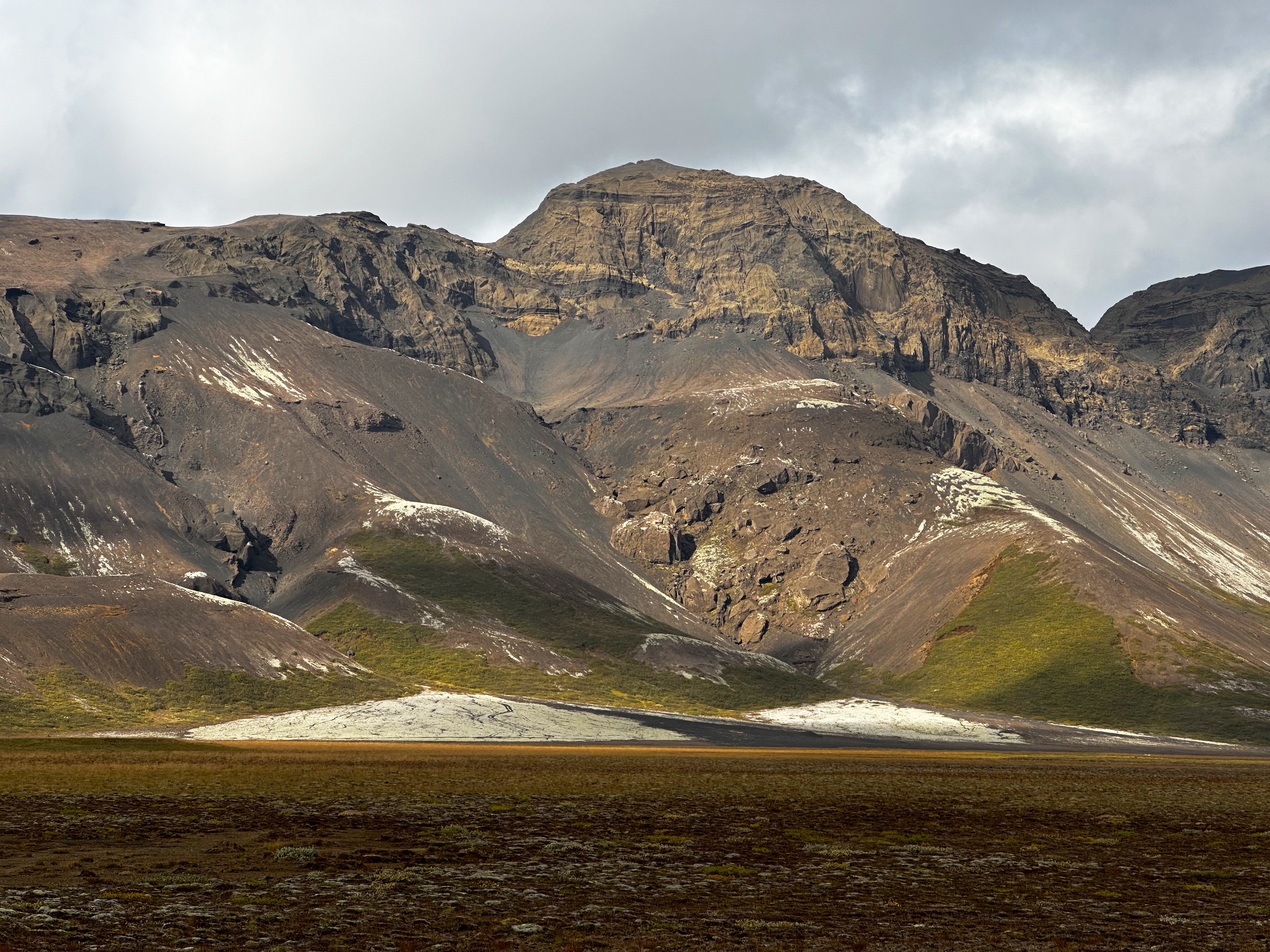
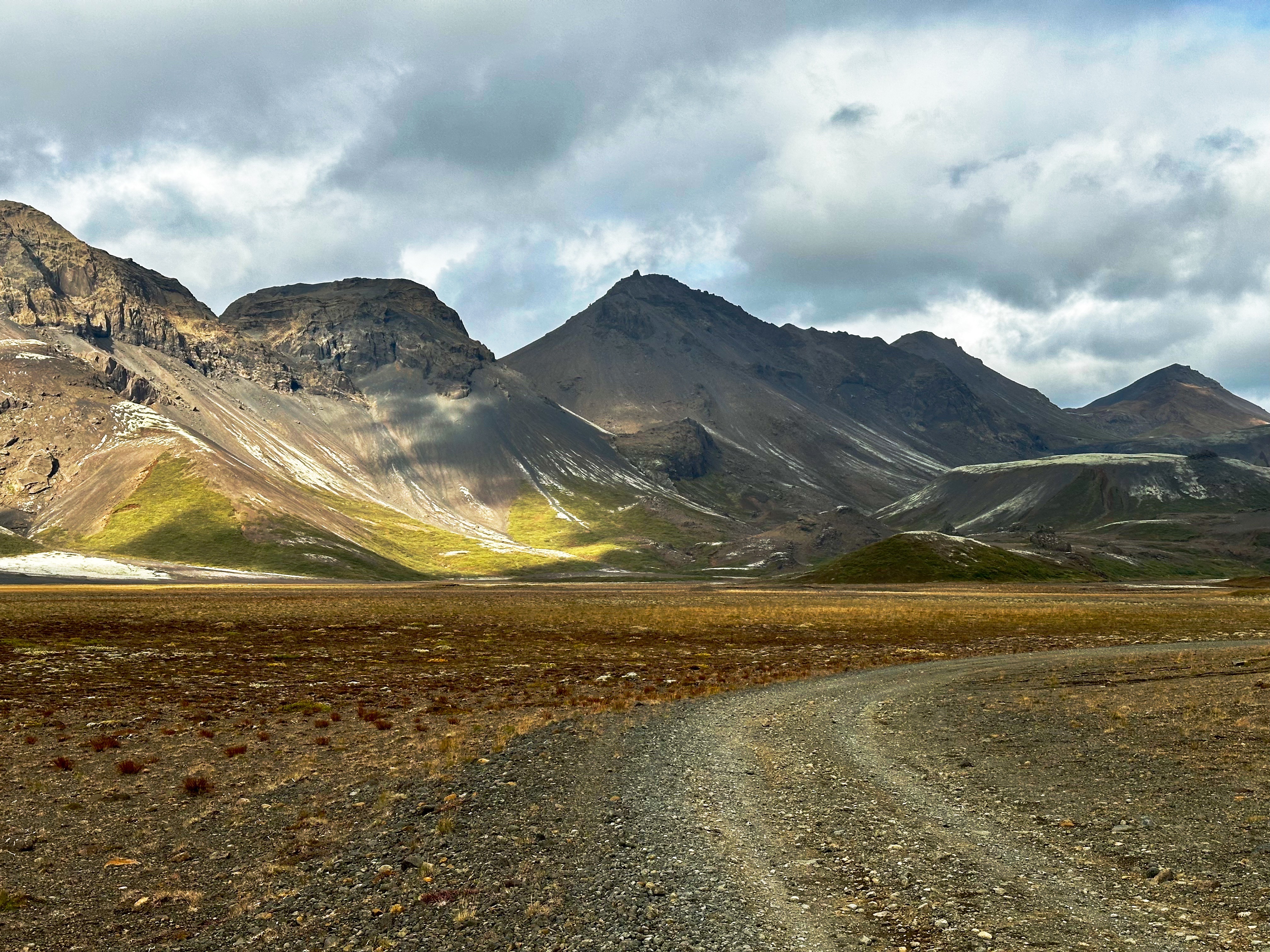
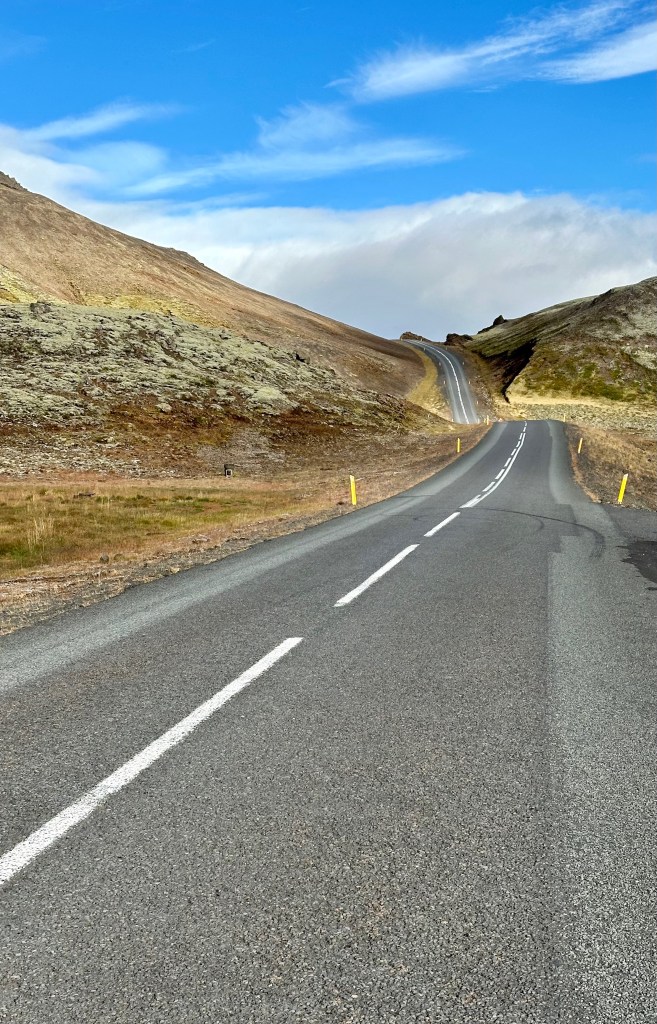
For our third day we hit the road (after coffee and tea) in pursuit of the Golden Circle (GC). We rented a 4WD SUV in case we found ourselves off the pavement in pursuit of getting up close to some of the natural features along or near the GC route. This worked out nicely as you can see from the photos directly below.




We made our way Þingvellir National Park (PNP) along an alternate route utilizing the excellent skills of our senior navigator. As we approached the park Þingvallavatn Lake came into view. It is the largest natural lake in Iceland. You may notice in the photo above left the large pipeline. In the States you might expect it to be an oil or gas pipeline – not in Iceland – this pipeline carries geothermally heated water. It carries millions of gallons per minute of boiling water and provides heat for most of the residents of Iceland.
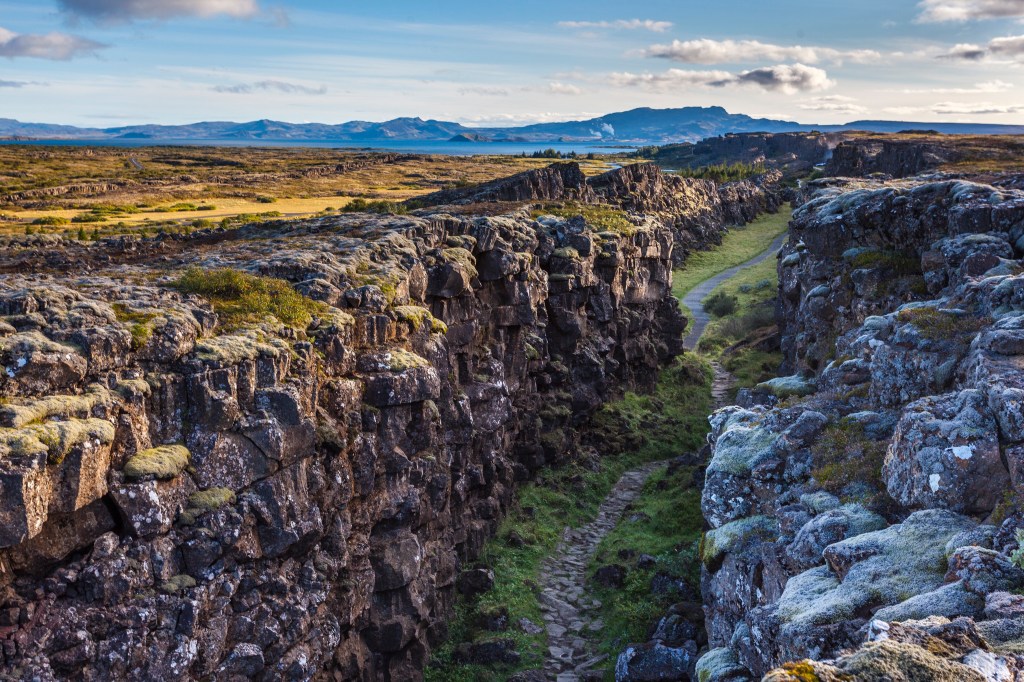
The park is historically important to Iceland as it was the location of Iceland’s first parliament, which met there on the open plains from 930 until 1798. The park location is considered to be the birthplace of Iceland.

The other aspect that makes this beautiful park important is that within the park are the rift valleys that separates the continental plates. The rifts run north – south. The plate to the east is Eurasia while the plate to the west is North America. Some of the rifts are dry allowing visitors to walk through while others have filled with water.


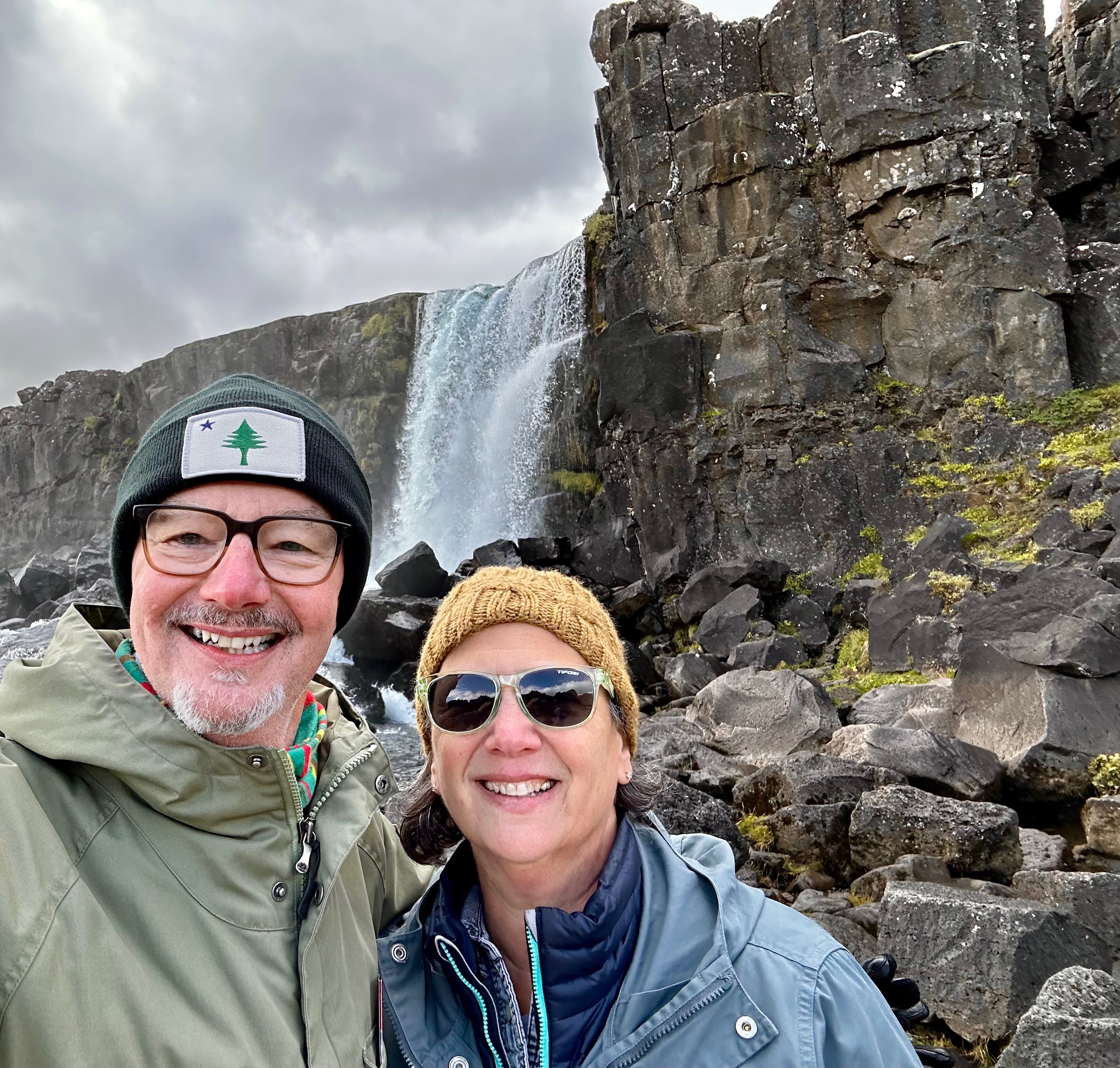
After completing our hiking loop at PNP we continued north on the GC. We bypassed the popular Geysir Hot Springs as we have seen many a geyser (including Old Faithful) during our travels in the Western United States.

Gullfoss (Golden Falls) is impressive for its sheer force and size – and – it is a traverse waterfall. The water falls 105 feet into a crevice and then flows sideways and then down through a canyon that reaches 230 feet in depth. The waterfall is located on the Hvítá (White) River and is fed by the Langjökull Glacier.

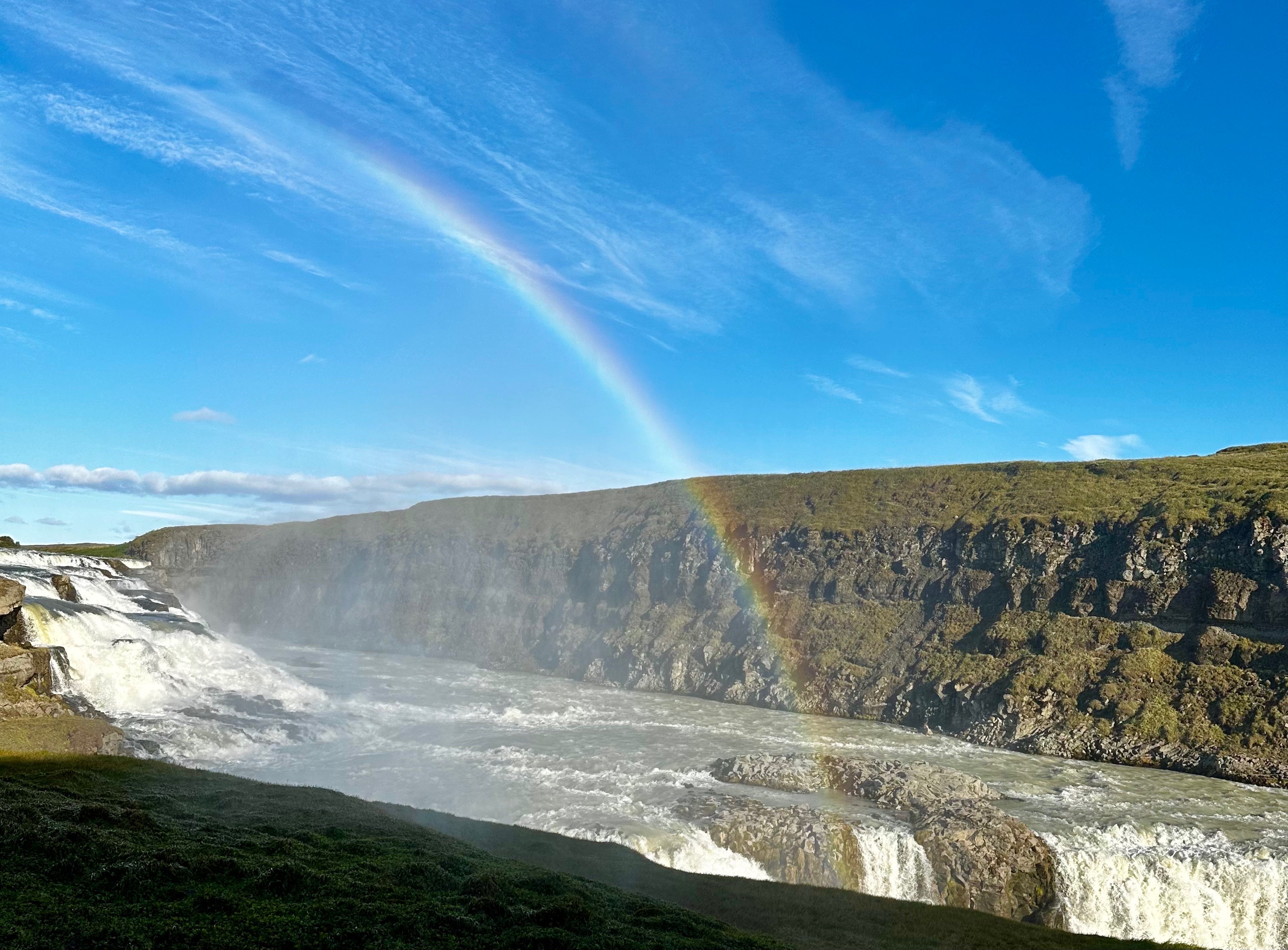
It is hard for us to fathom but Gullfoss was privately owned by a local sheep farmer – Tómas Tómasson. A British firm (it’s always the British) attempted to purchase the property to use it to generate electricity. Fortunately, that never came to fruition and the river and falls remain in their spectacular natural state (owned and protected by the government of Iceland).
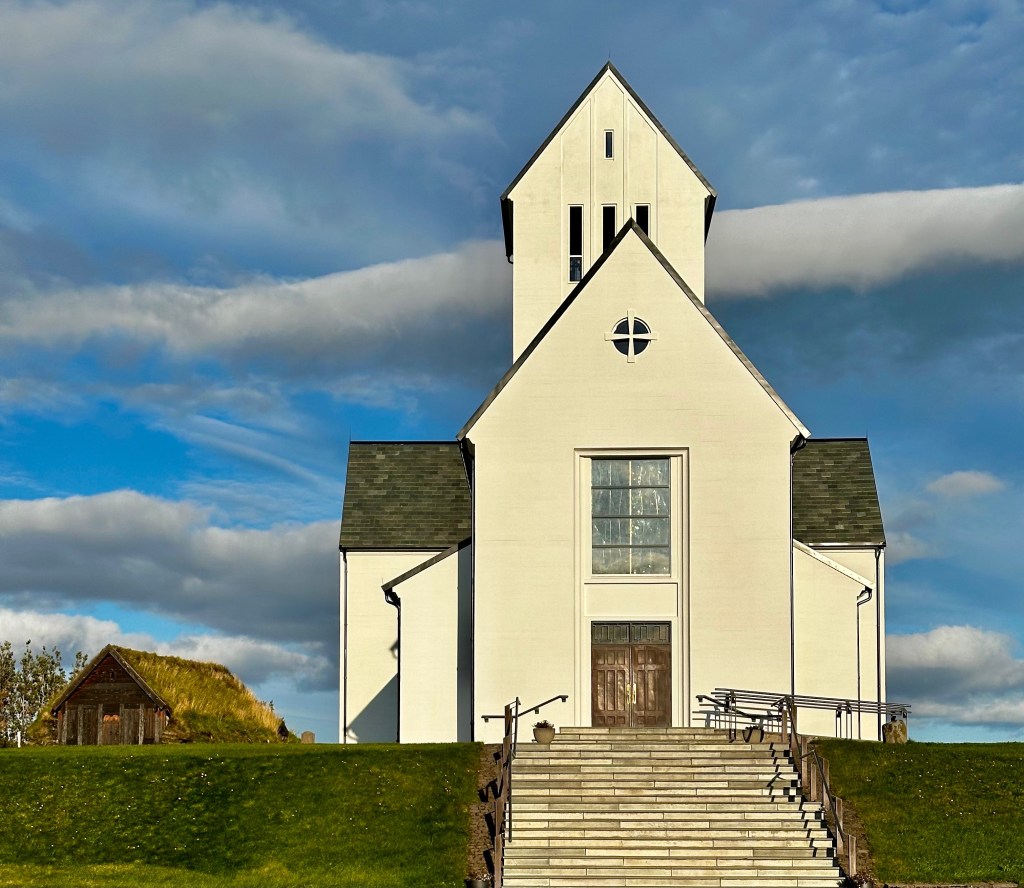
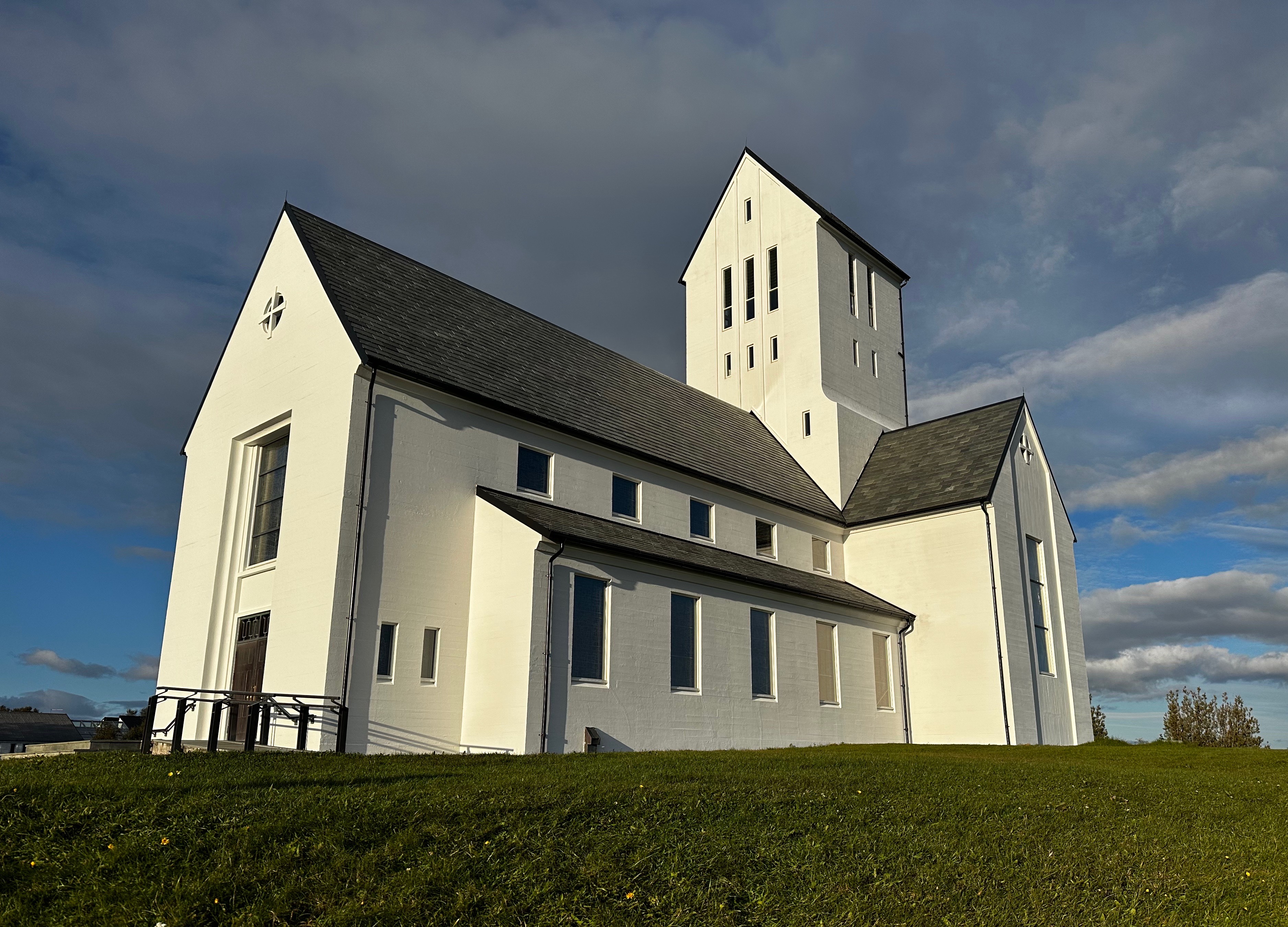
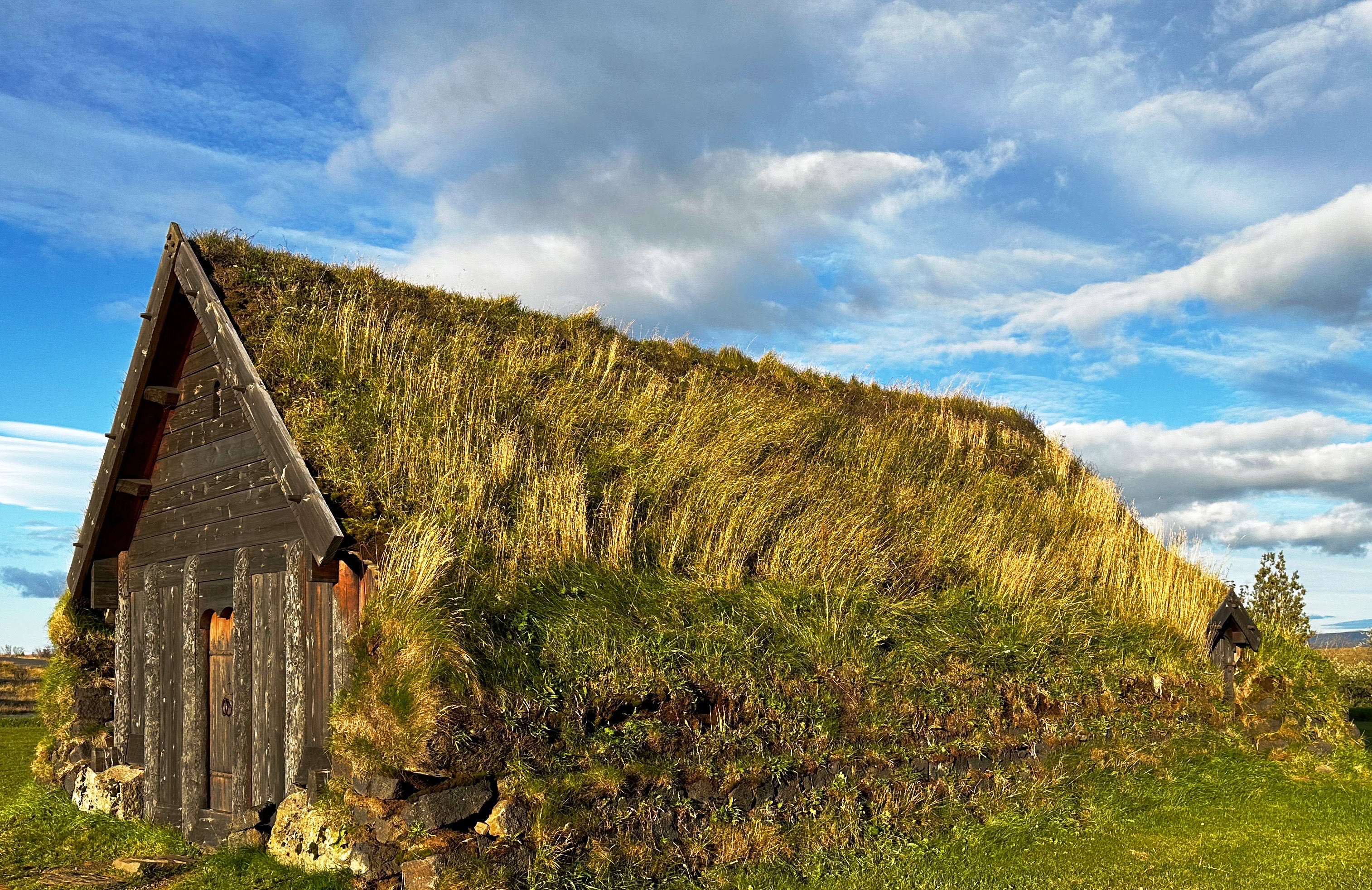
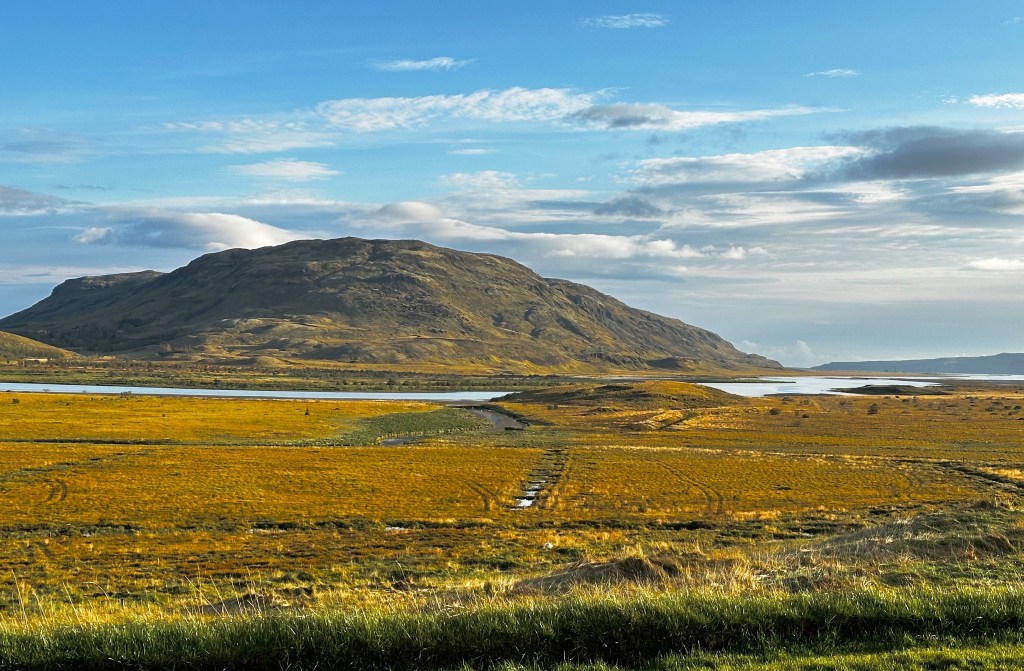
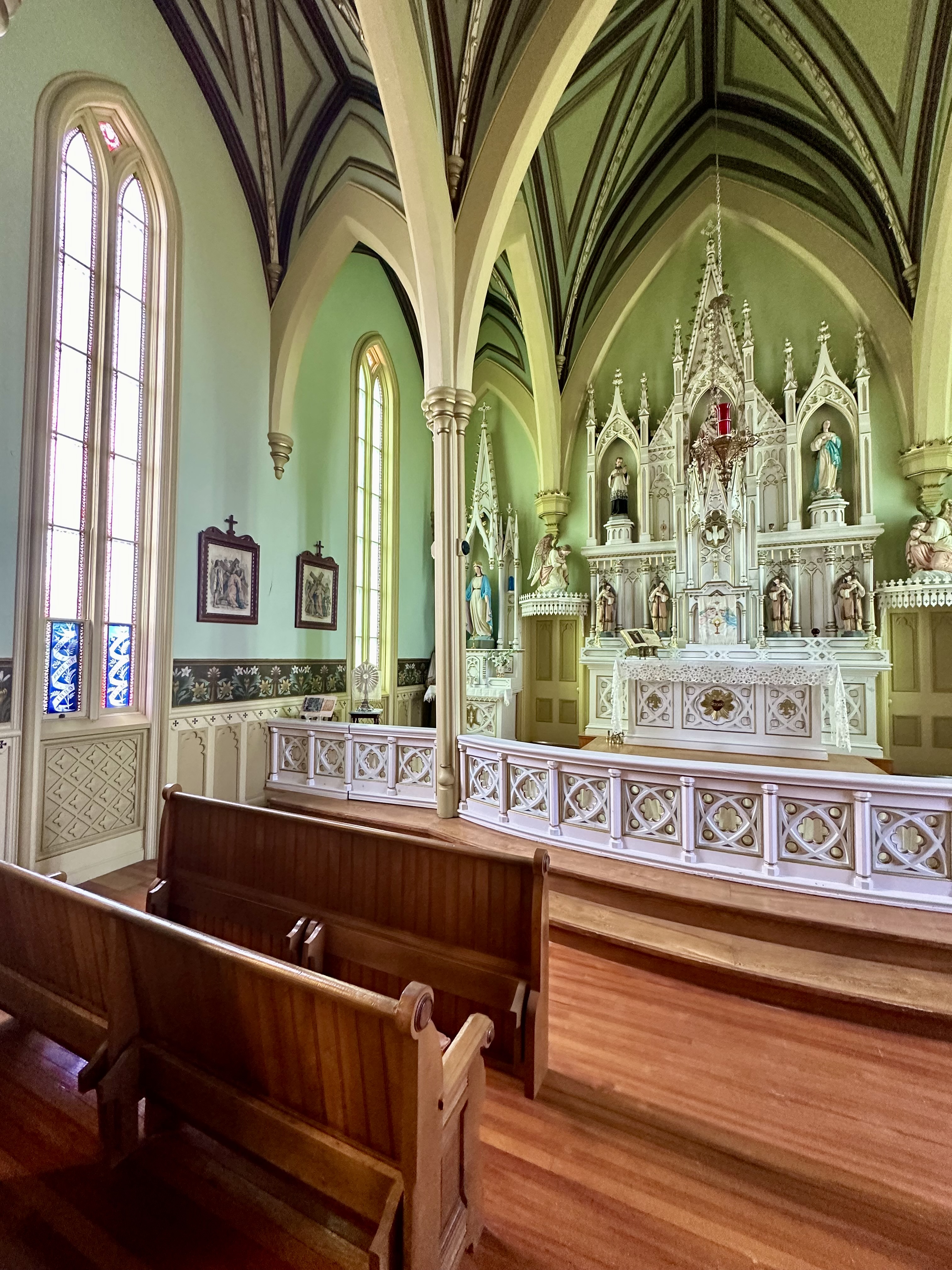
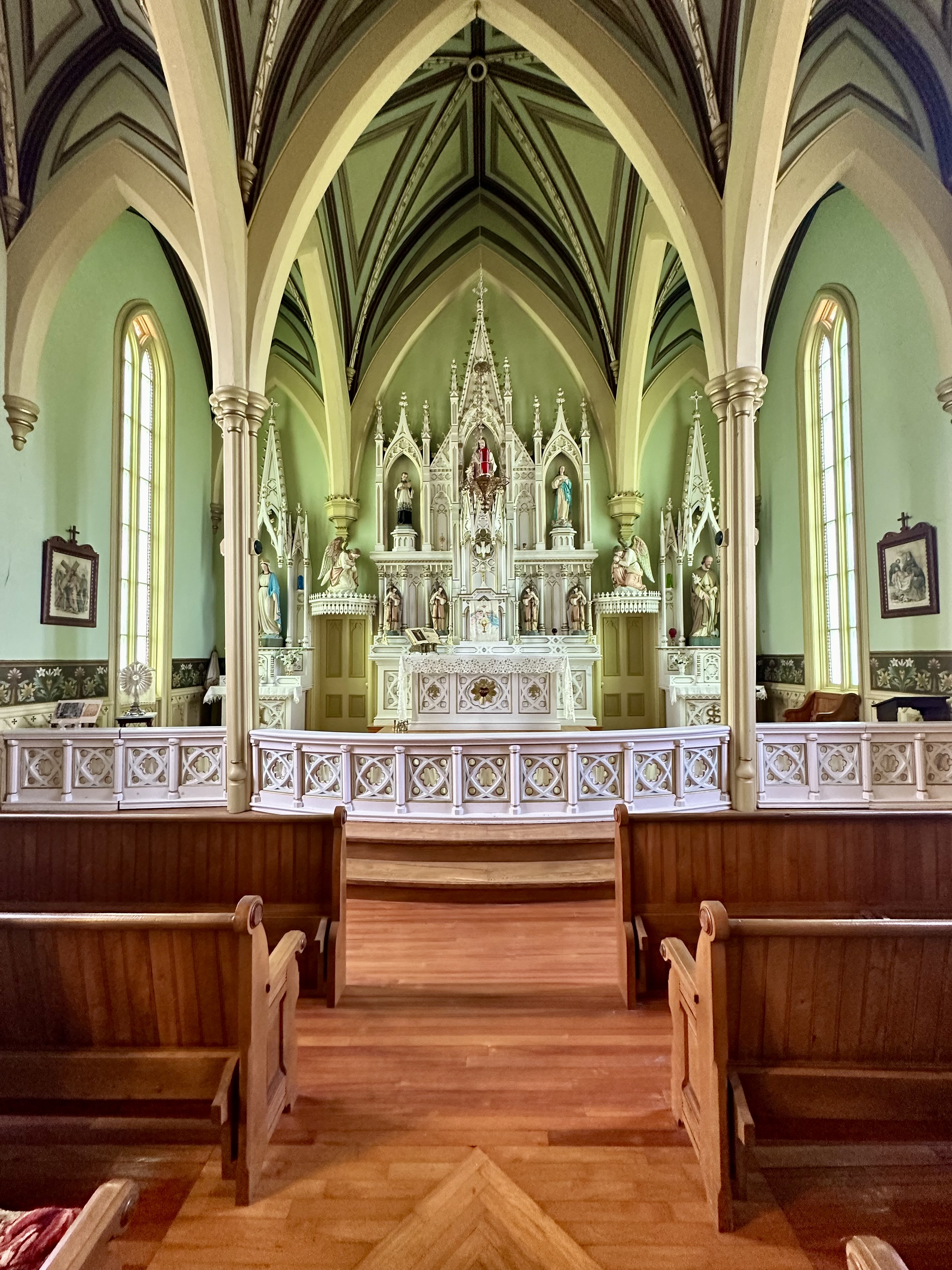
From Gullfoss we started our return to Reykjavik. We detoured across Route 31 to see the Skálholt Church. The first Episcopal church in Iceland was built at this location in the year 1000. By 1550 the Reformation was in full swing under the auspices of the King of Denmark. In order that everyone understood his intent he had Jón Arason, the Catholic Bishop Of Iceland (the last Catholic Bishop of Iceland) and his two sons executed at Skálholt. Lofið drottin! In other news, the current church was built between 1956 and 1963.

DAY FOUR….DAGG fjórir
We booked a food tour with Wake Up Reykjavik on the recommendation of our good friend Brian. The tour was lots of fun and the food was quite good. The tour included five stops to sample different dishes. We have included below the five stops and a description of the food we sampled. Thank you Brian!
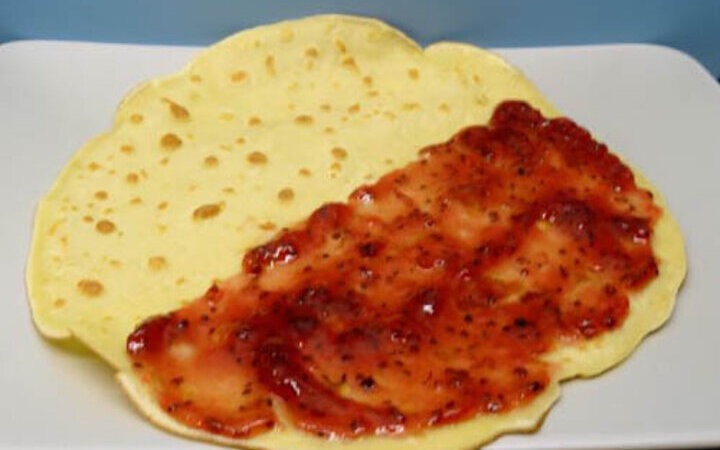
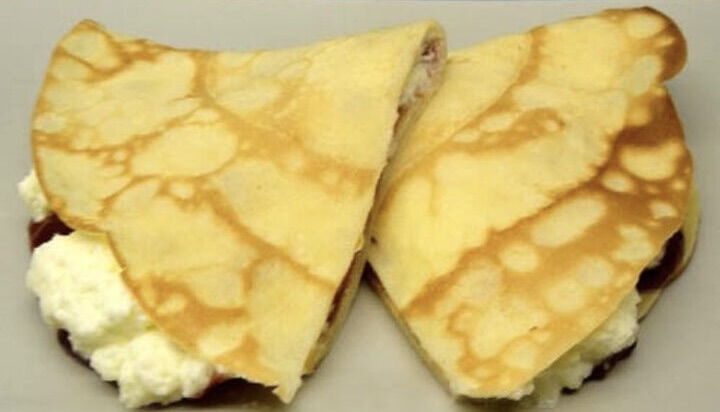
Hotel Borg (The oldest hotel in Iceland) Icelandic pancakes with sugar, jam and whipped cream. Ljúffengur!!

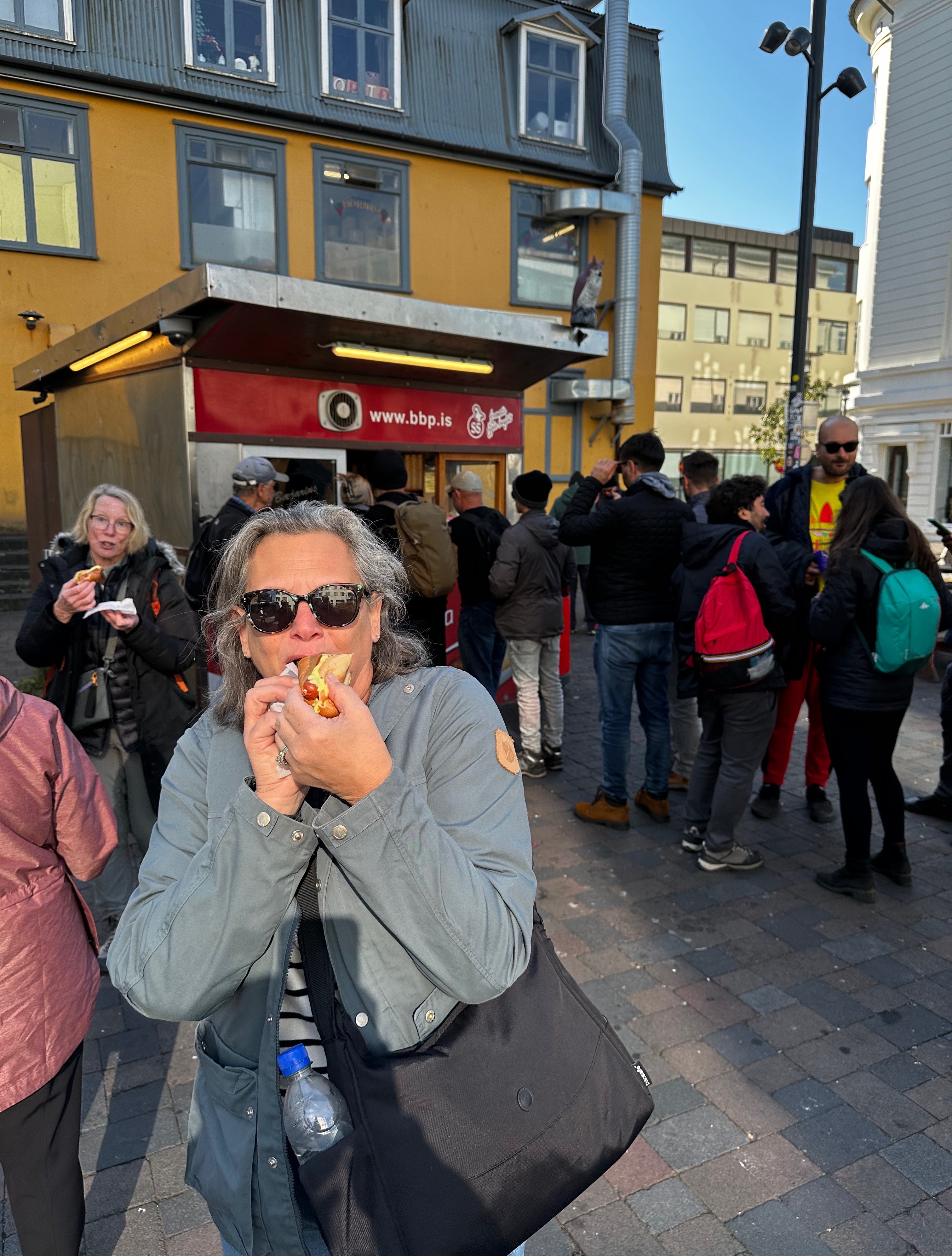
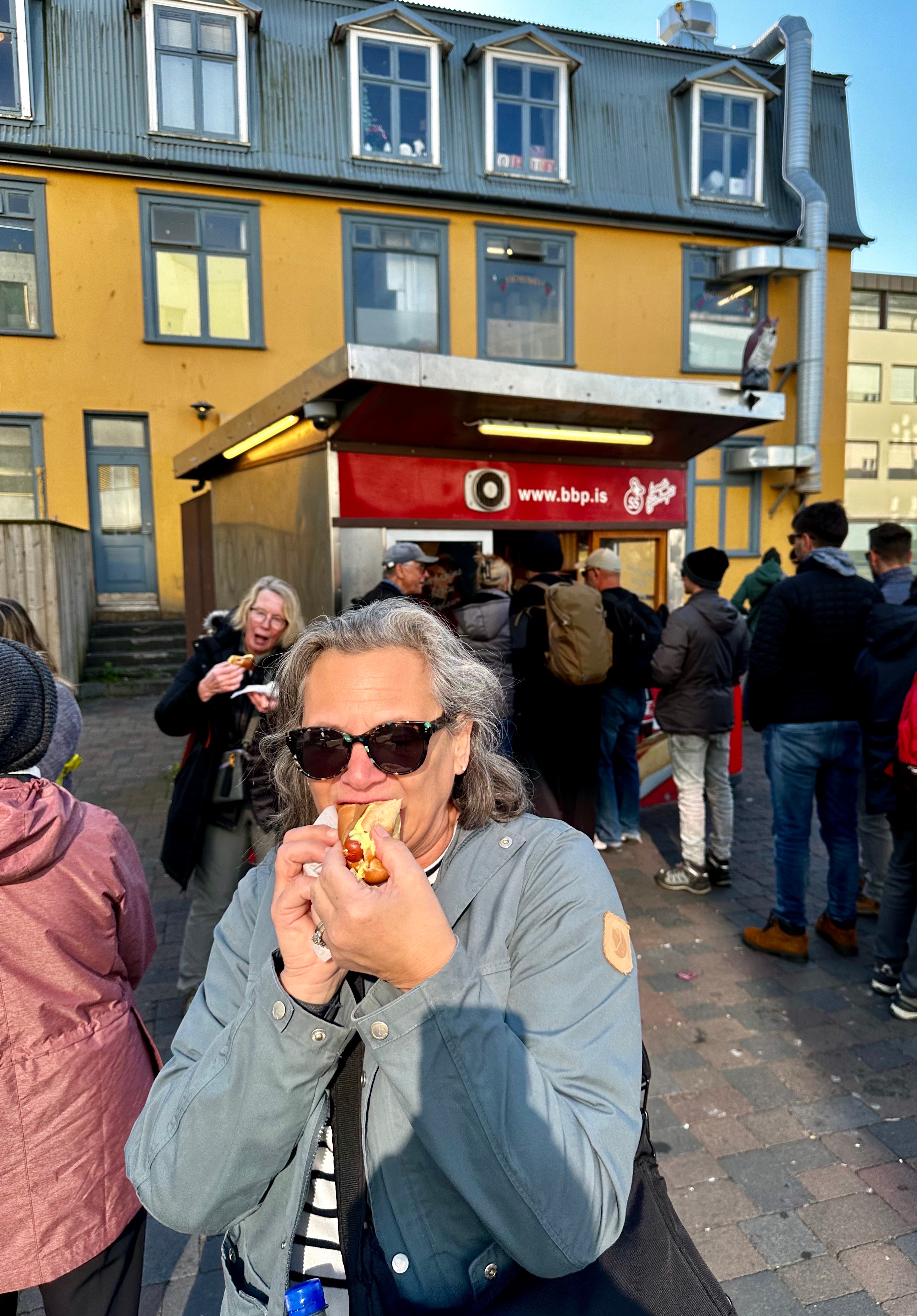
Bæjarins Beztu Pylsur (The Town’s Best Hot Dogs) Traditional Icelandic hot dog with Icelandic ketchup, Icelandic mustard, remoulade sauce (remúlaði), deep fried onions and raw onions. Made famous after Bill Clinton visited for a dog. He had mustard only – now known as a Clinton!

Sólon Islandus (The Salvador Dali place) Lamb chop with mustard umami sauce, mashed potatoes and grilled brocollini


The young woman in the photo (above right) is Alfhedur Kristin Hallgrimsdottir aka Alfie. Alfie was our quite entertaining and informative guide. She is holding the traditional and obligatory sample of fermented shark, which is washed down with a shot of a strong liqueur. The lamb was delicious – the shark is what we would describe as an acquired taste.
Sjávarréttagrillið (The seafood grill) Lobster taco on a soft taco shell with garlic sauce, spinach, pickled red onions, deep fried langoustine, date puree, cilantro and parmesan cheese.

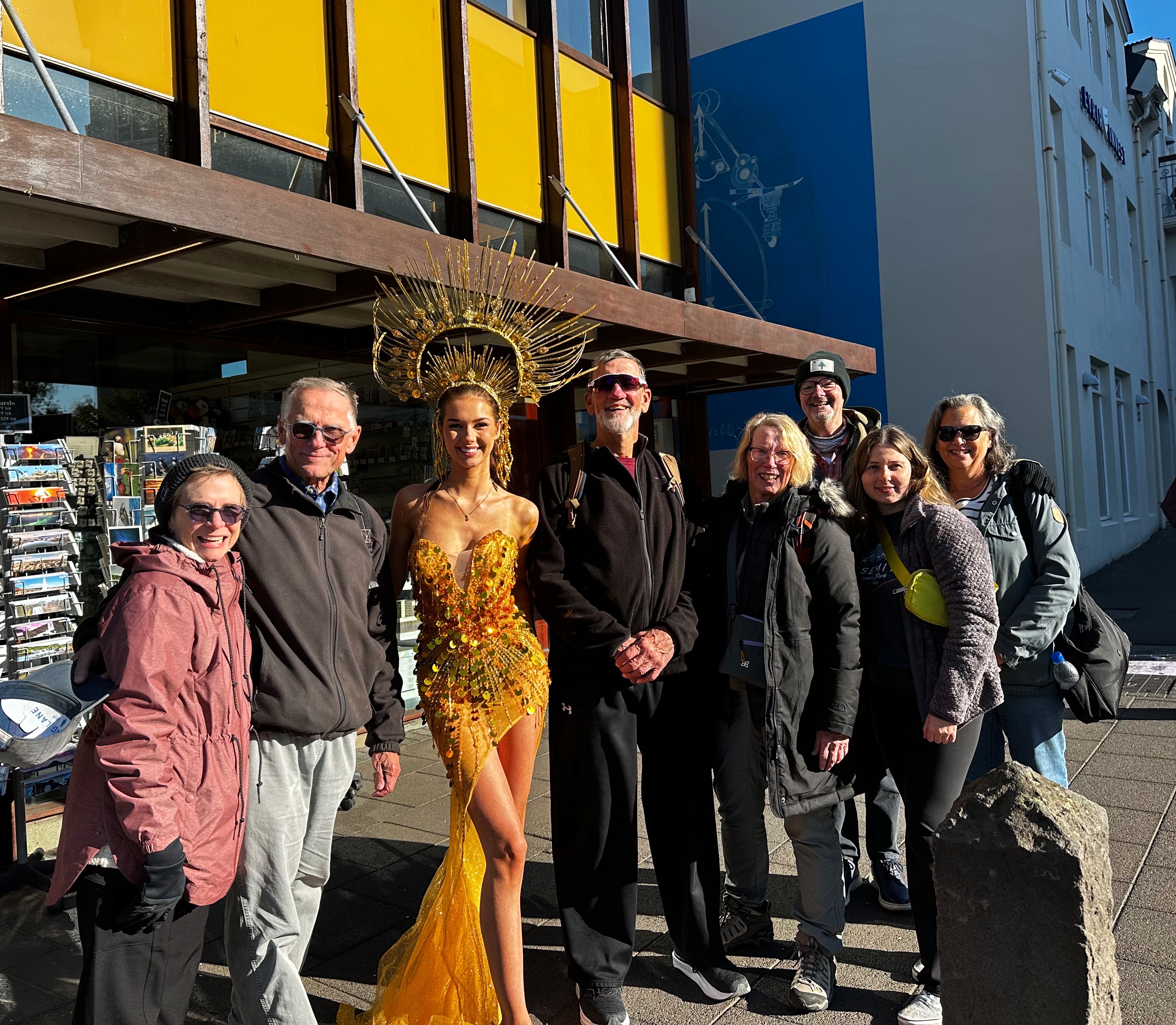
As we left Sjávarréttagrillið we happened upon a former Miss Iceland who was about to do a photo shoot. She graciously posed with our food tour group. She did not appear to mind being outdoors in the 40F temperature without much clothing. Icelanders are tough – and very nice!
Hannesarhollt (The poets/prime ministers cafe) Rhubarb crumble pie – Happy marriage cake! (Hjónabandssæla) Perfect timing as this trip was in celebration of our 45th wedding anniversary!

After our afternoon food tour we were in no need of dinner so we retraced our tour route to photograph some interesting murals we had observed while on the tour and took a break at the hotel before venturing out for an evening of jazz.



The jazz concert was taking place at the modern and architecturally award winning Harpa Concert Hall and Convention Center. The Harpa was opened in 2011. This stunning facility sits directly on the waterfront and hosts the Icelandic Symphony, Icelandic Opera, Big Band and many other shows within the various venues housed here.

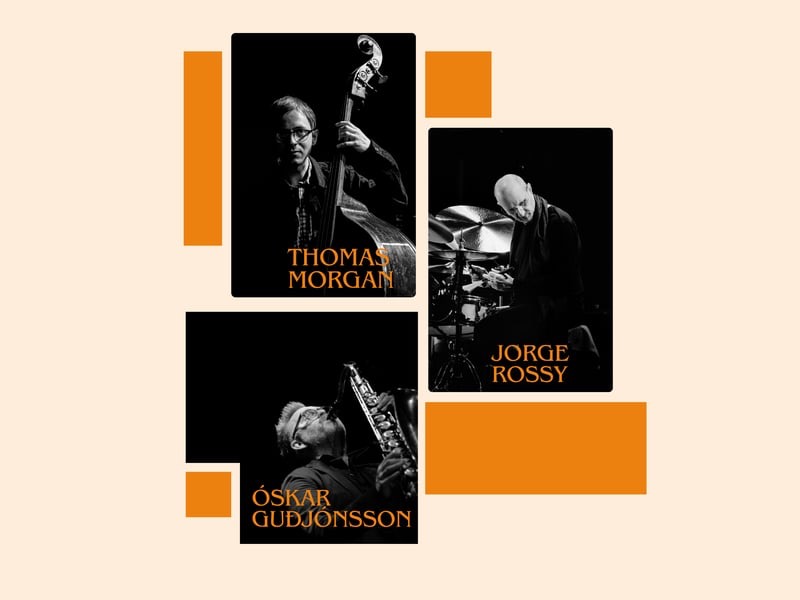
We were quite fortunate that the Trio Óskar Guðjónssonar, Jorge Rossy og Thomas Morgan was performing that night. The three members of the trio are all veteran performers who have toured extensively internationally and played with many renowned jazz bands.
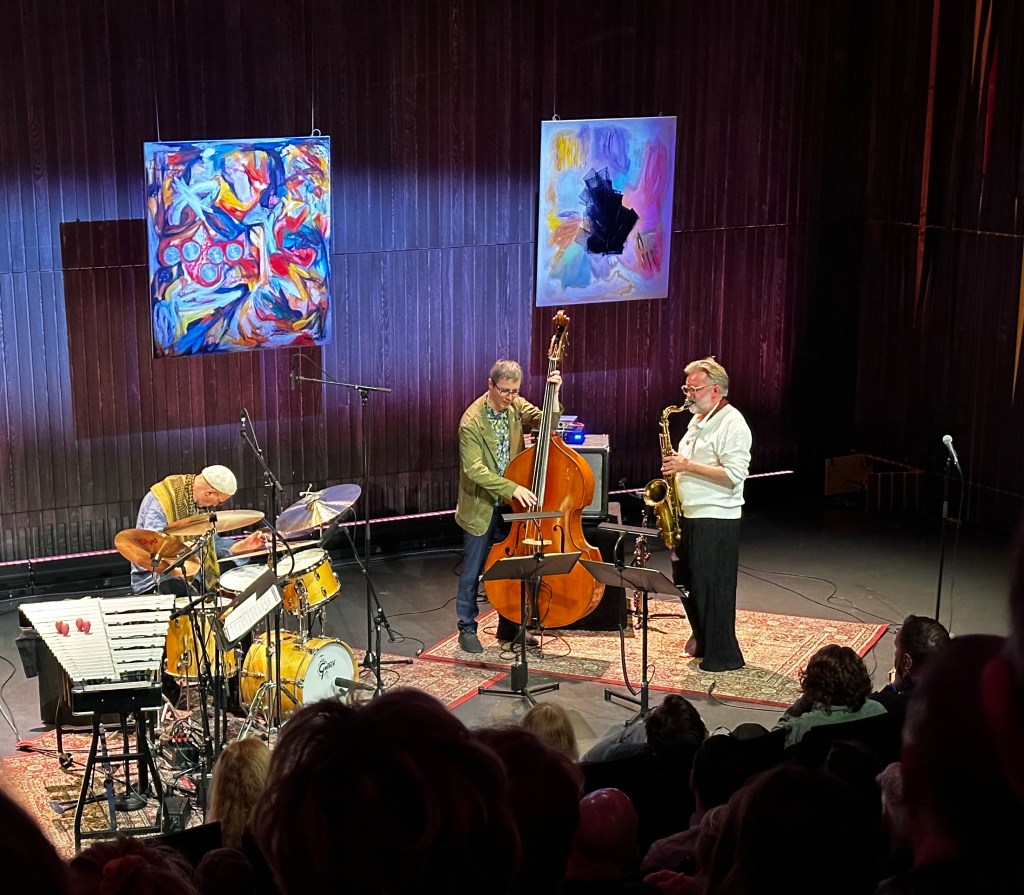
The show was great. The trio played a number of their own compositions as well a several jazz standards. We also enjoyed the polite audience – no talking or videoing during the show! What a treat after experiencing so many disrespectful and boorish audiences at music events in the U.S.

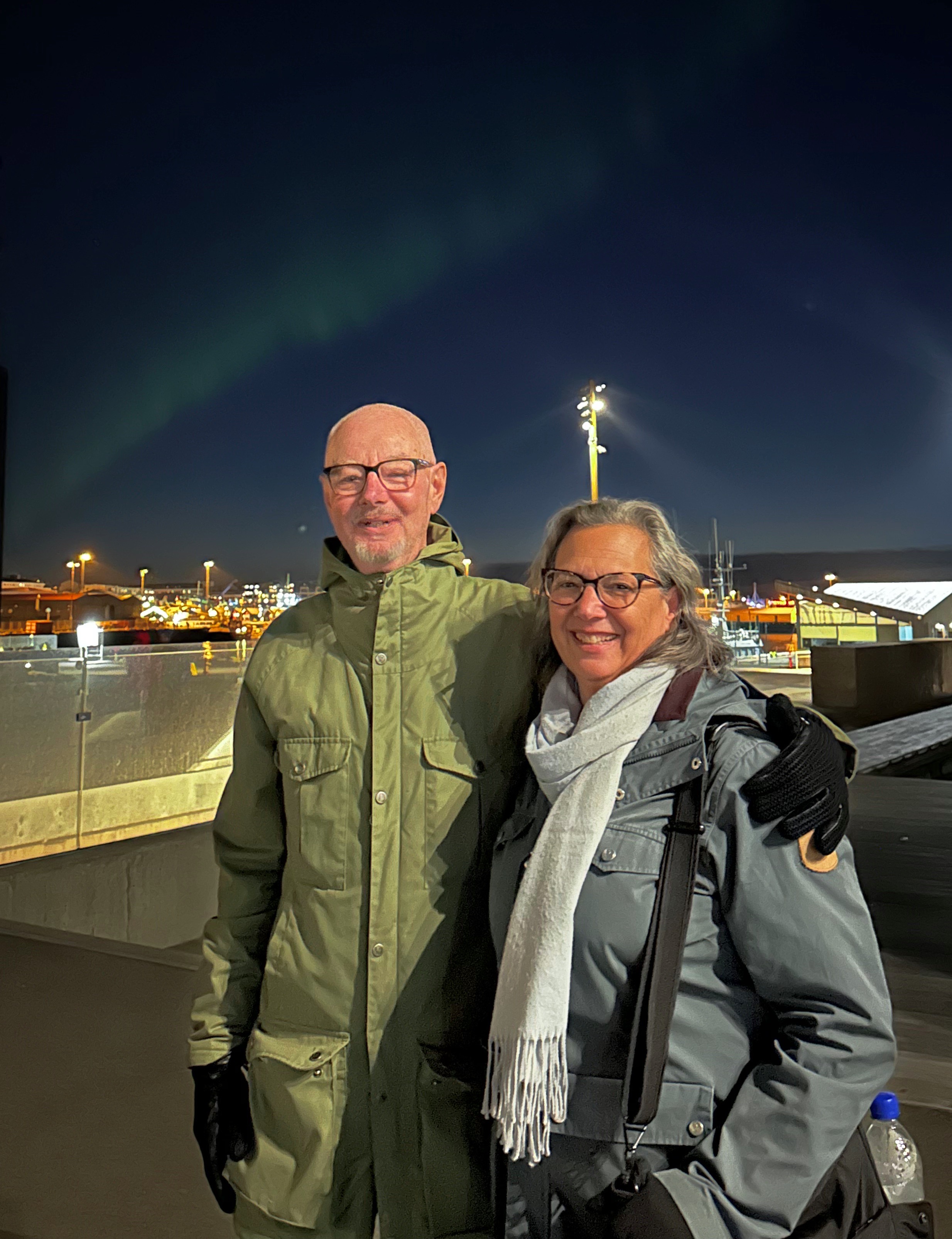
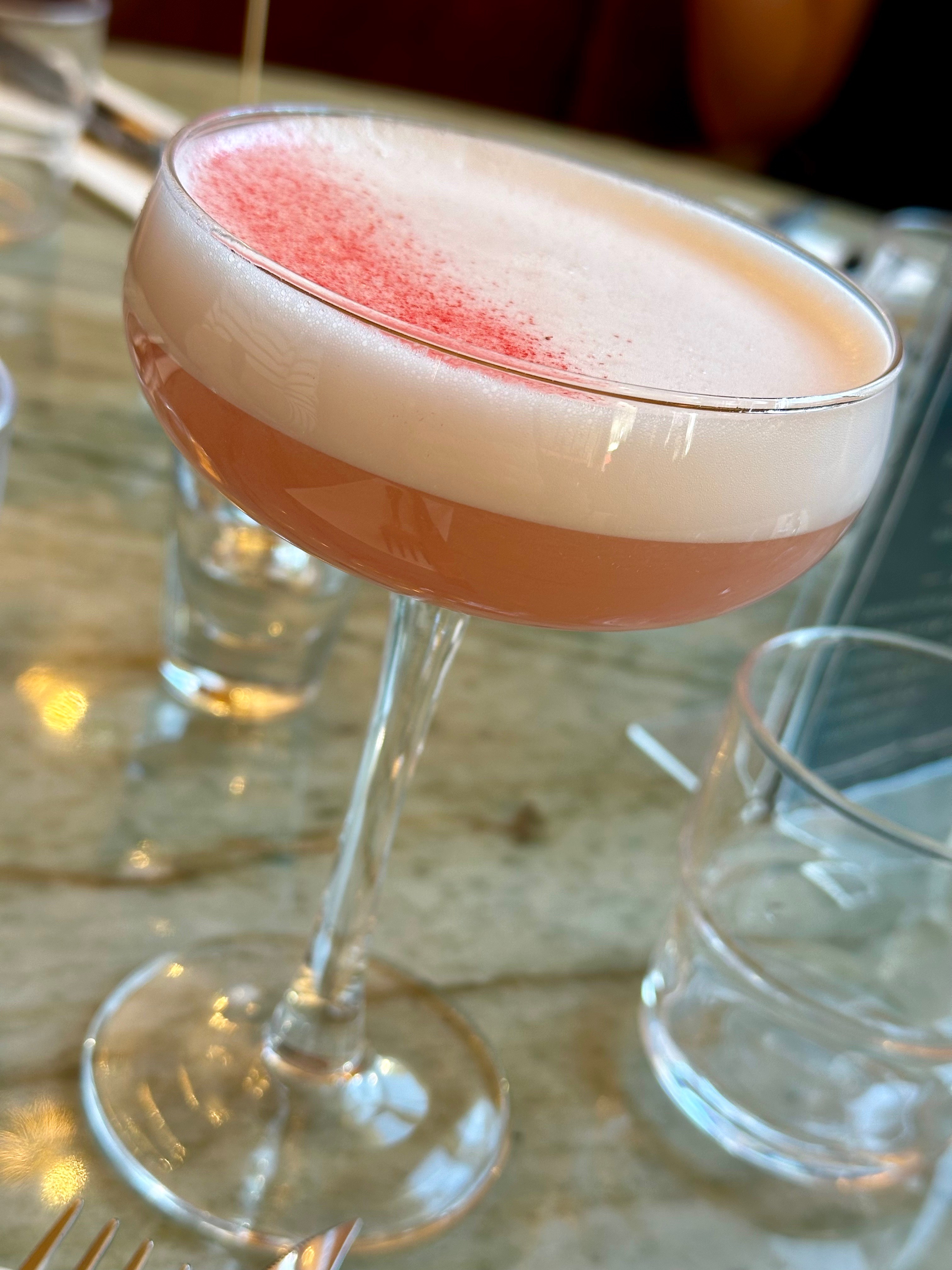
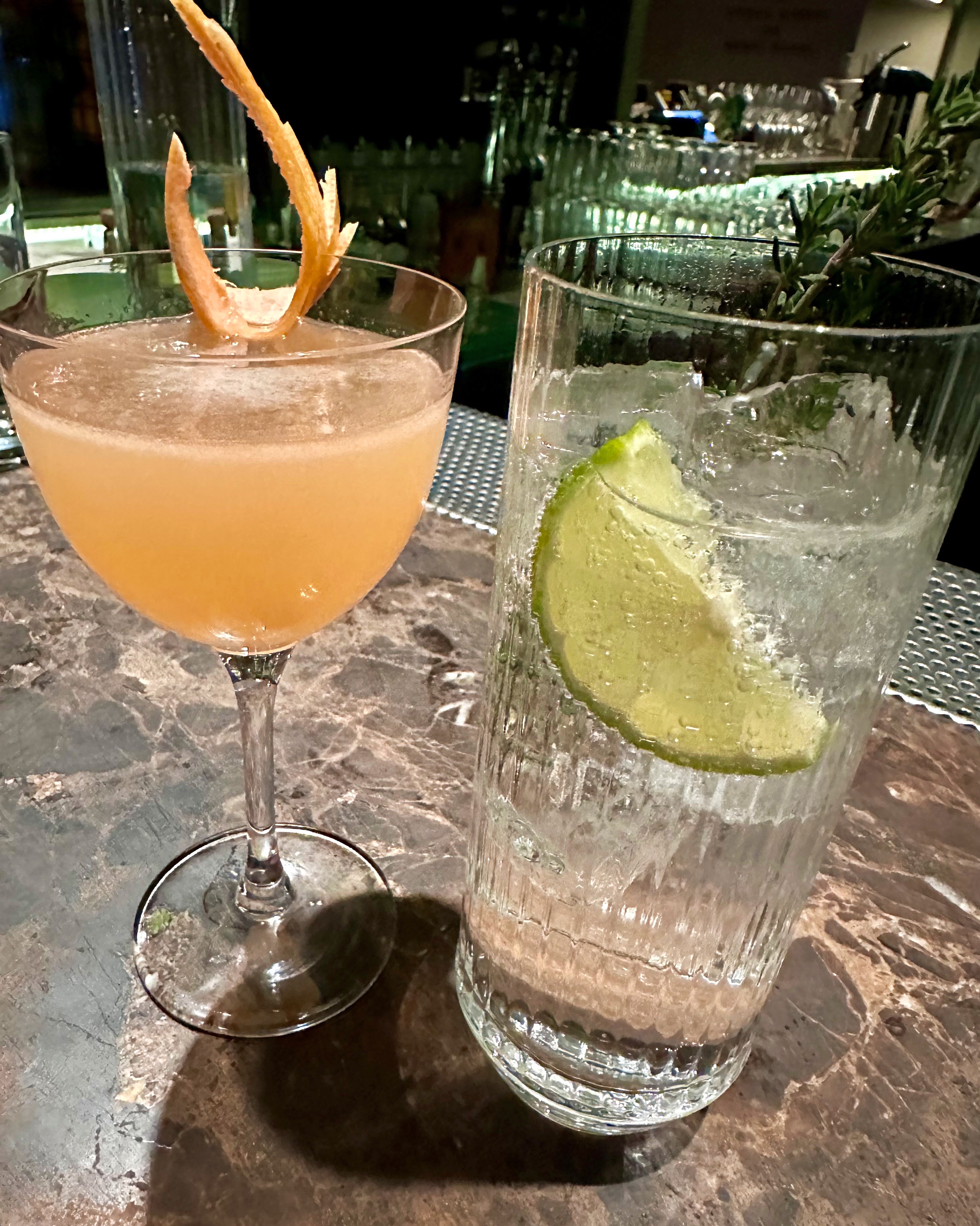
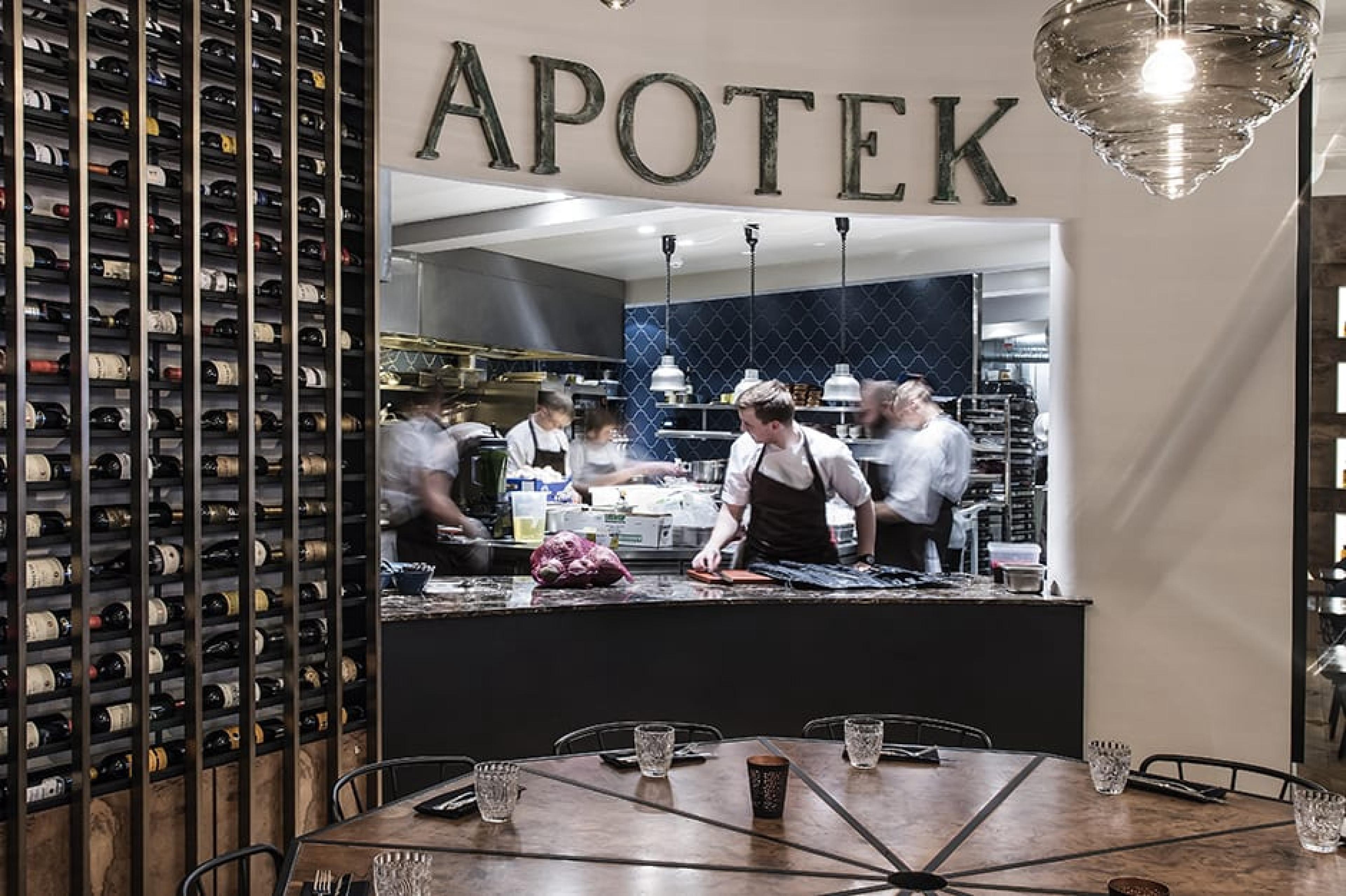
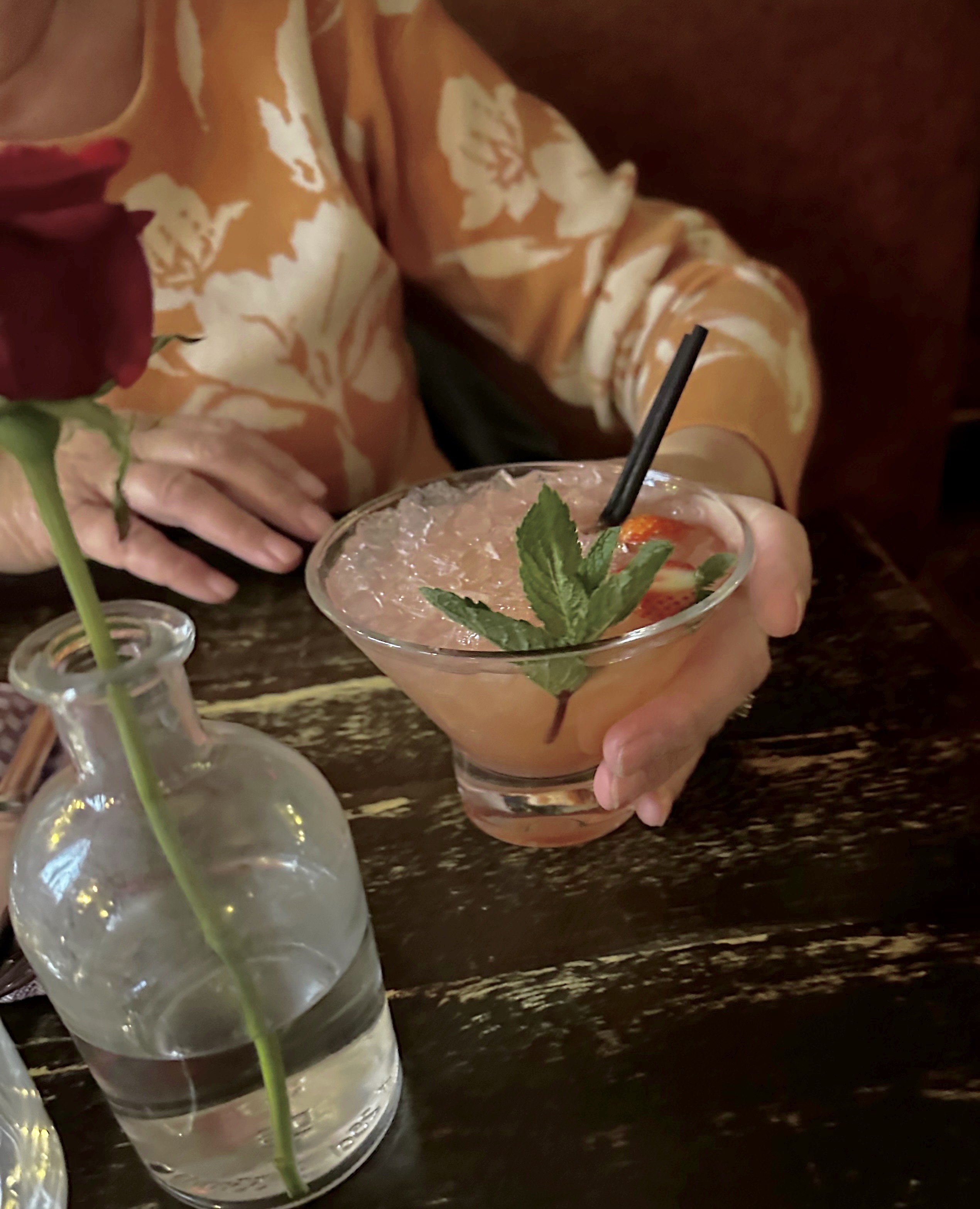
After the show we came outside to find the Aurora Borealis again dancing in the sky over the harbor! If seeing the Aurora Borealis four nights in a row doesn’t warrant a night cap we don’t know what does! We made the short walk over to Apotek. The place was hopping but we were able grab two seats at the bar and have our cocktails and a couple of appetizers. We had a great time discussing the upcoming U.S. election with our bartender – who is probably more knowledgable about our upcoming election than most Americans! Sorglegt!
DAY FIVE….DAGG FIMM
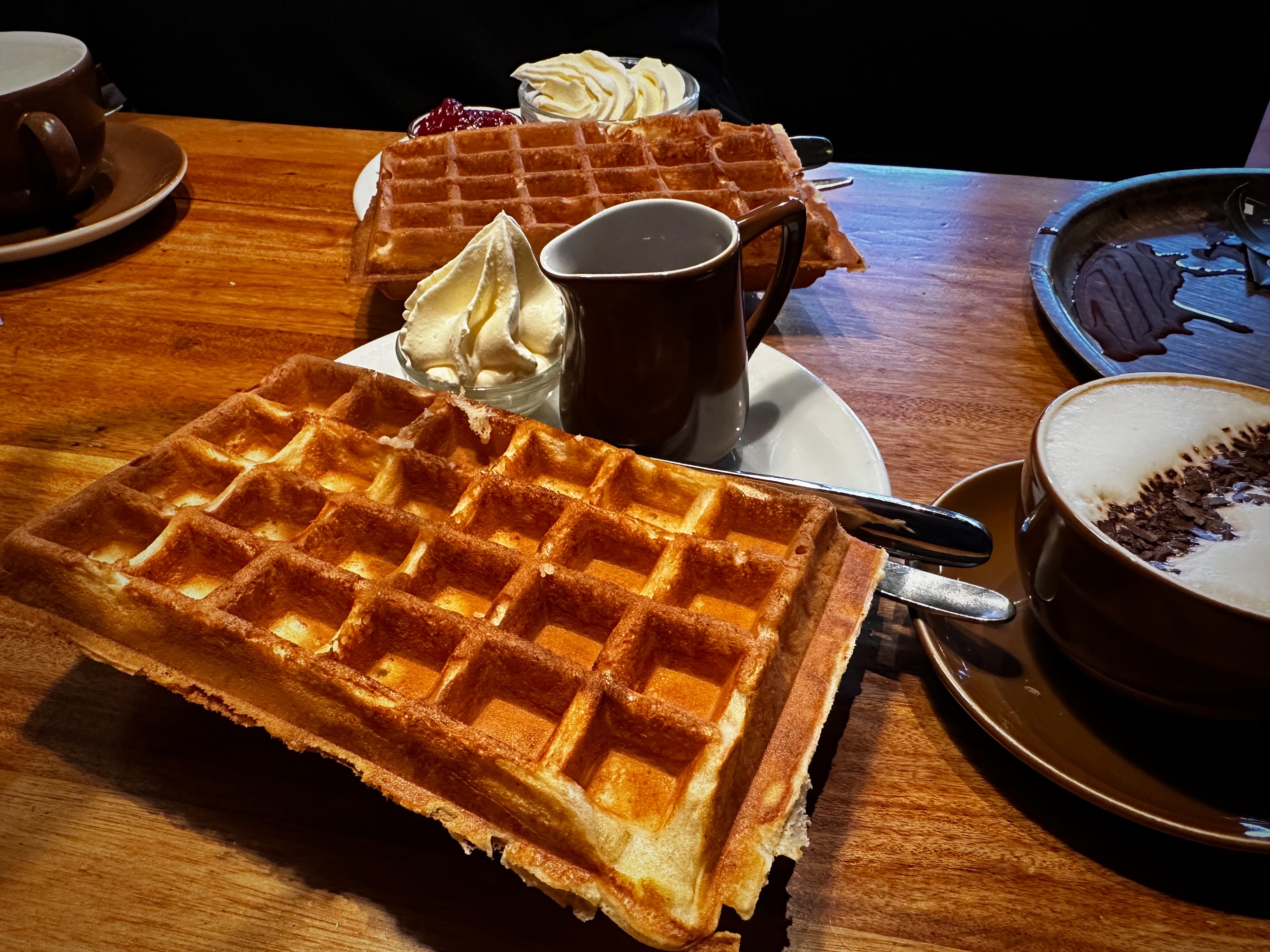
On day five we opted for a slower paced day as we were planning on a long day touring the South Coast the next day. We started our day at Mokka Kaffi. Our intel was that they have the best waffles. We do not know if they are the best in Reykjavik but they were dang good! A bit of shopping in the afternoon completed the day time portion of that day’s program.

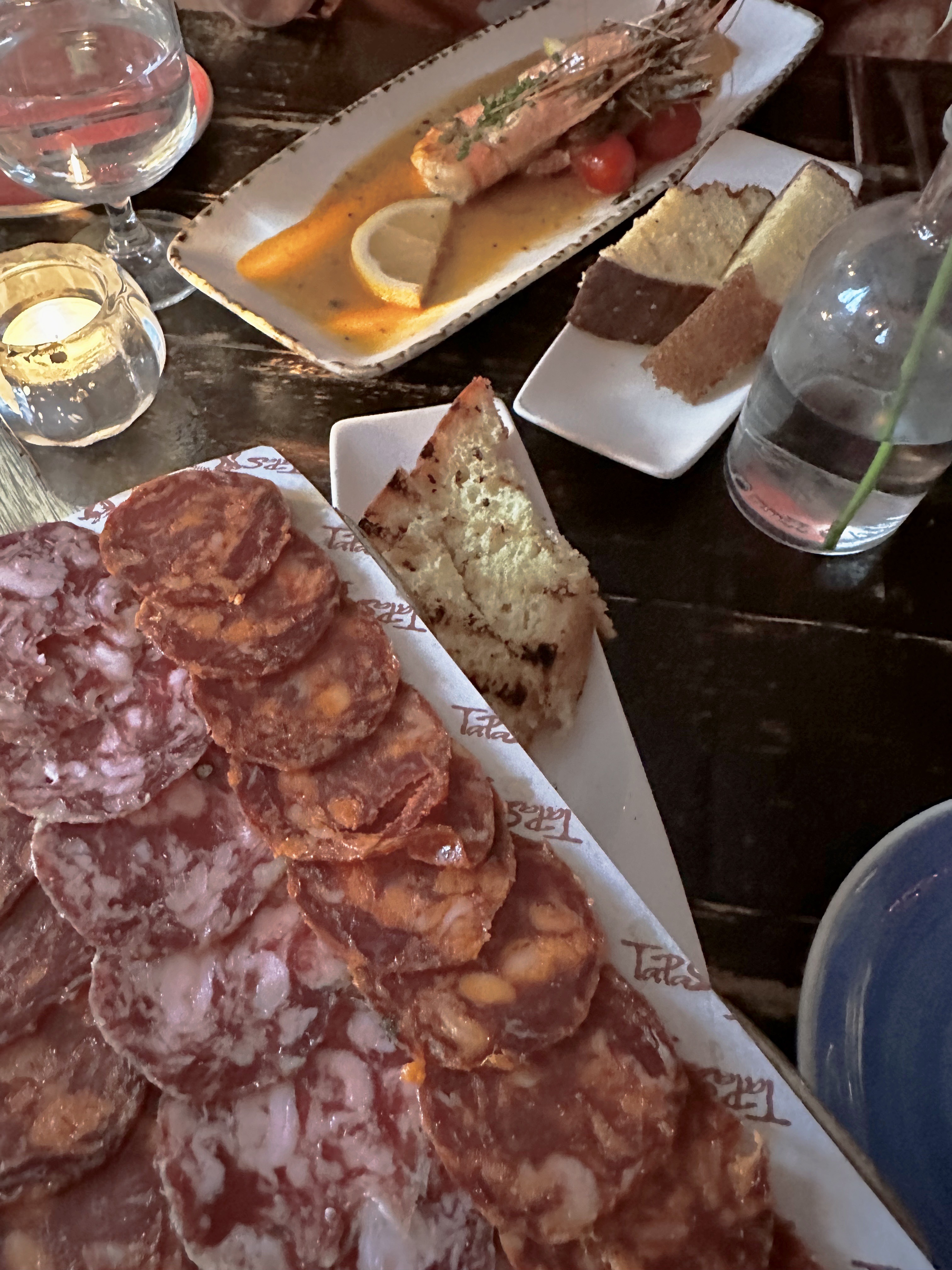
We finished our day with an excellent meal at the highly recommended (thank you Alfie) Tapas Barinn. We ordered several small plates starting with chorizo, followed by prawns, lamb and Icelandic foal. Ljúffengur!


DAY SIX….DAGG SEX
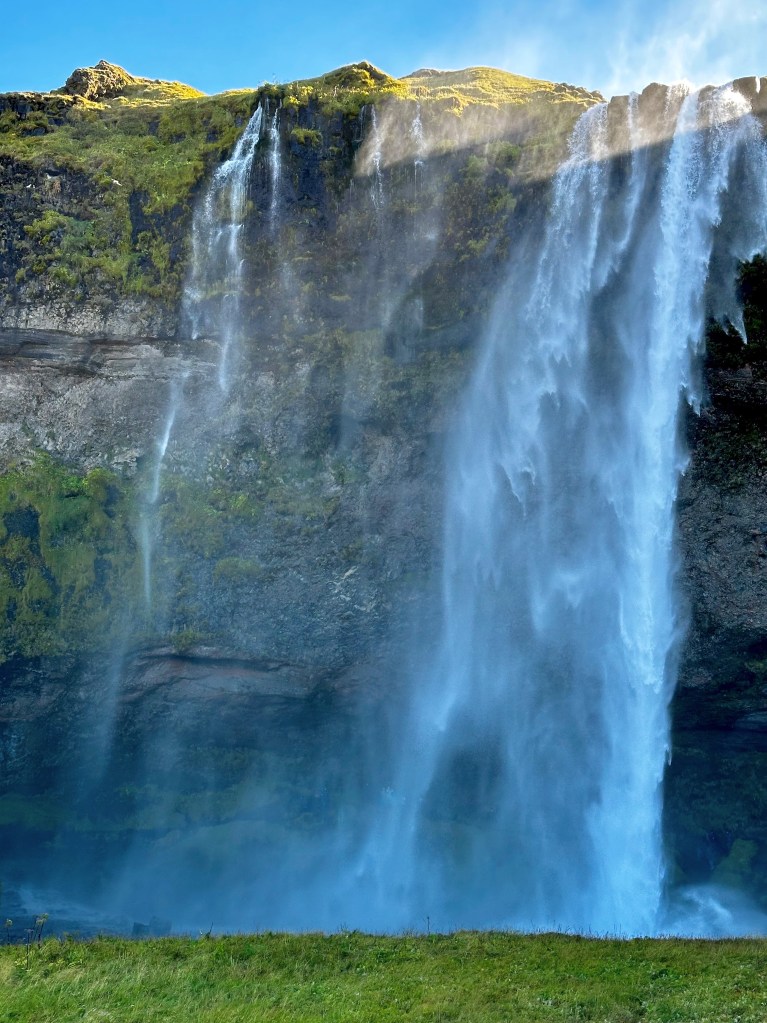
On day six we were back on the road for a tour along the south coast of Iceland following the Ring Road (Route 1). Our first stop was Seljalandsfoss, a popular tourist stop as it is visible from Route 1 and the walk from the parking area to the falls is relatively short and level. At 197 feet impressive, but not the best of the day in our view.
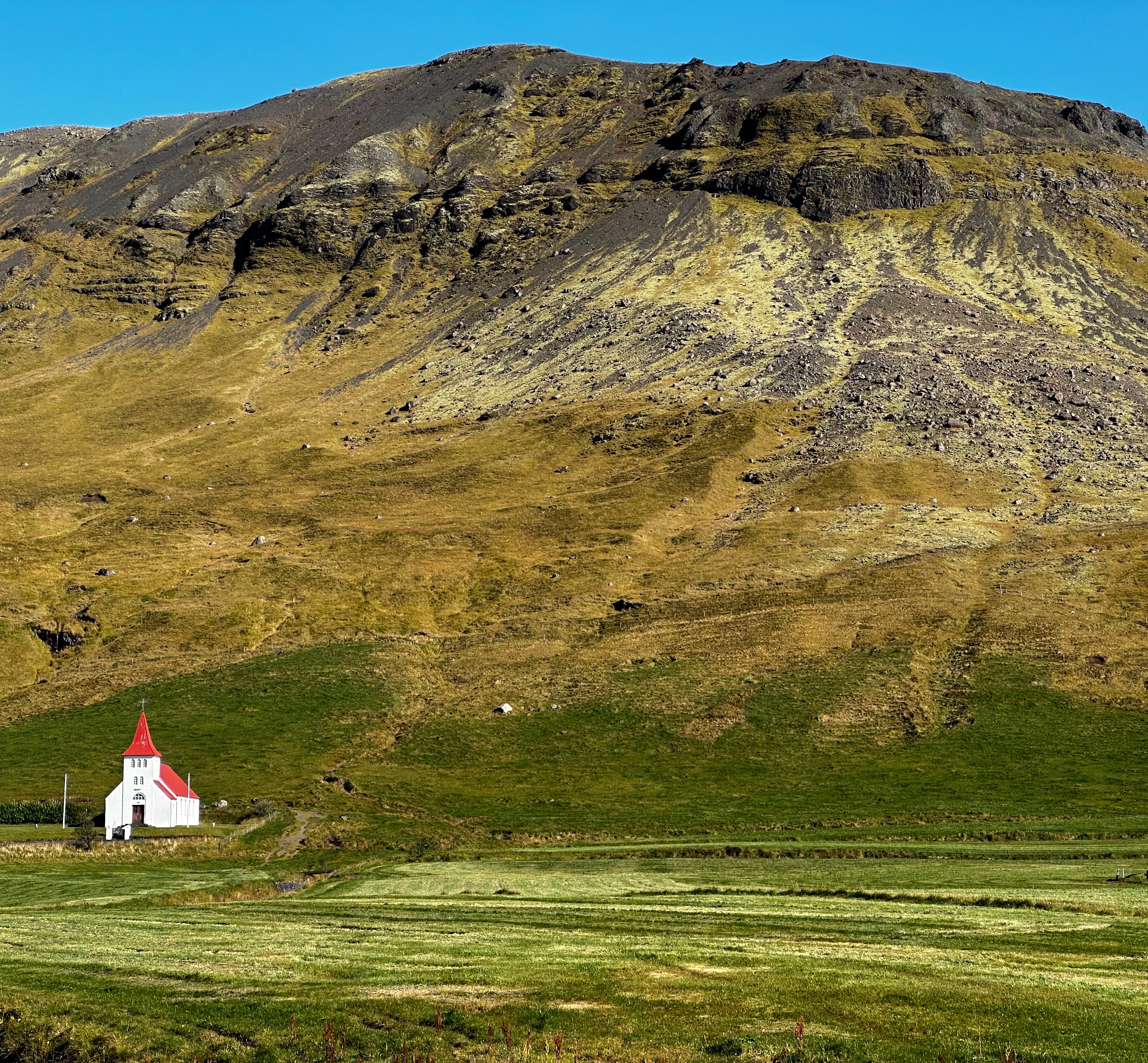
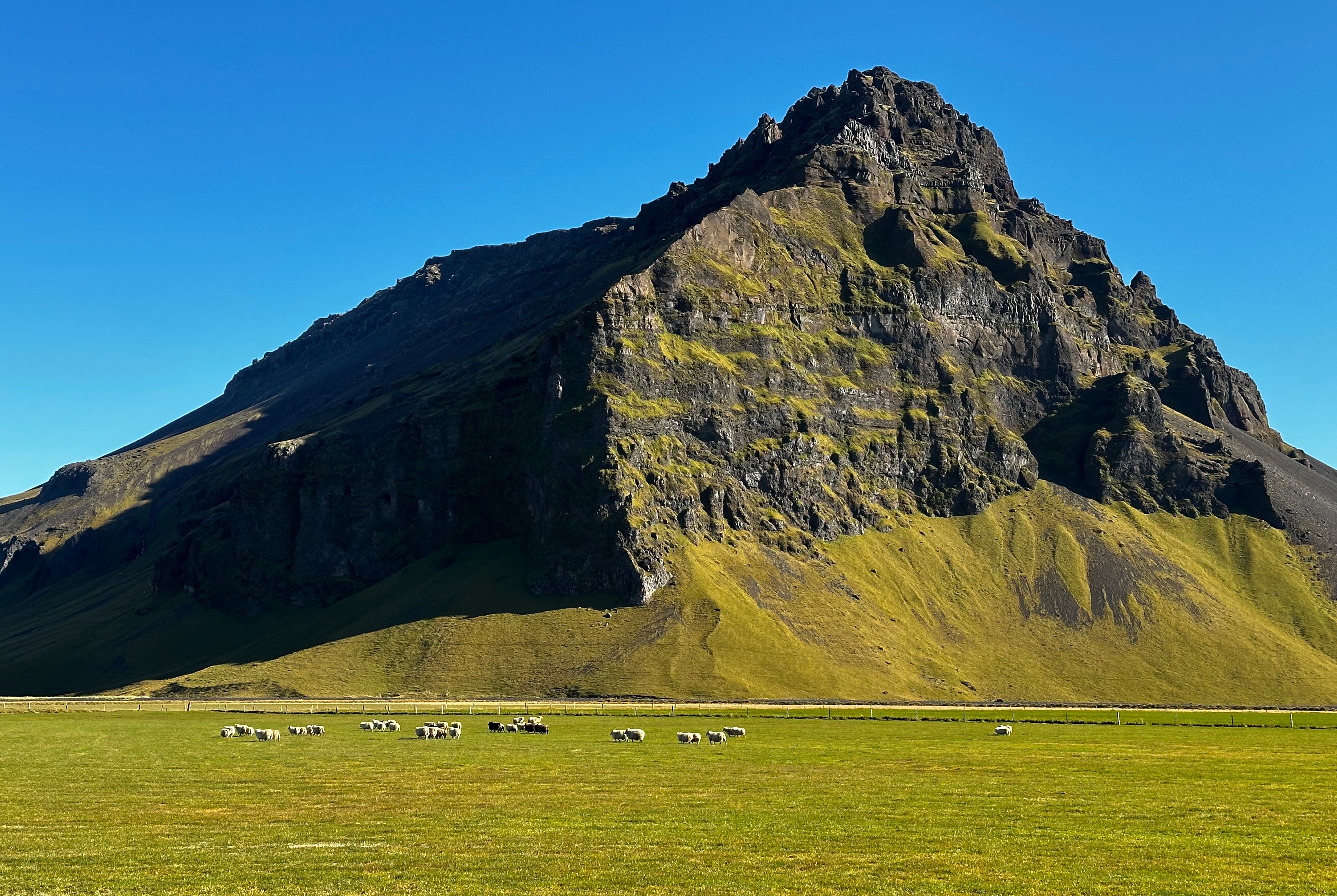
We continued along Route 1 making frequent stops to admire the views on a gorgeous blue sky day.


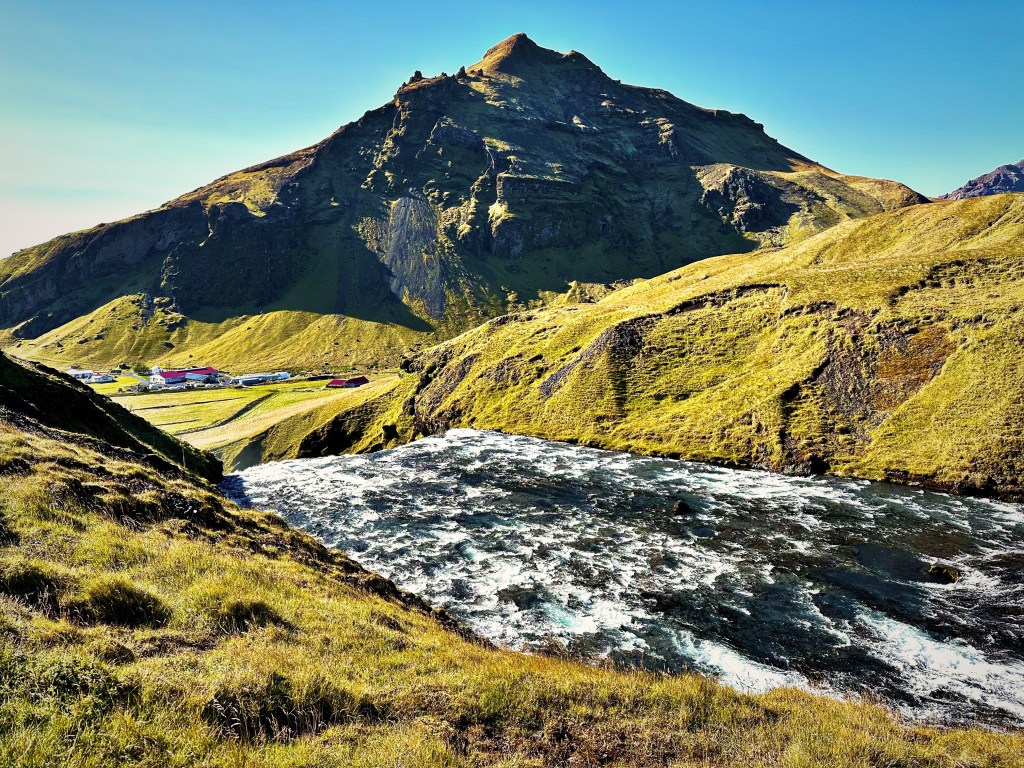
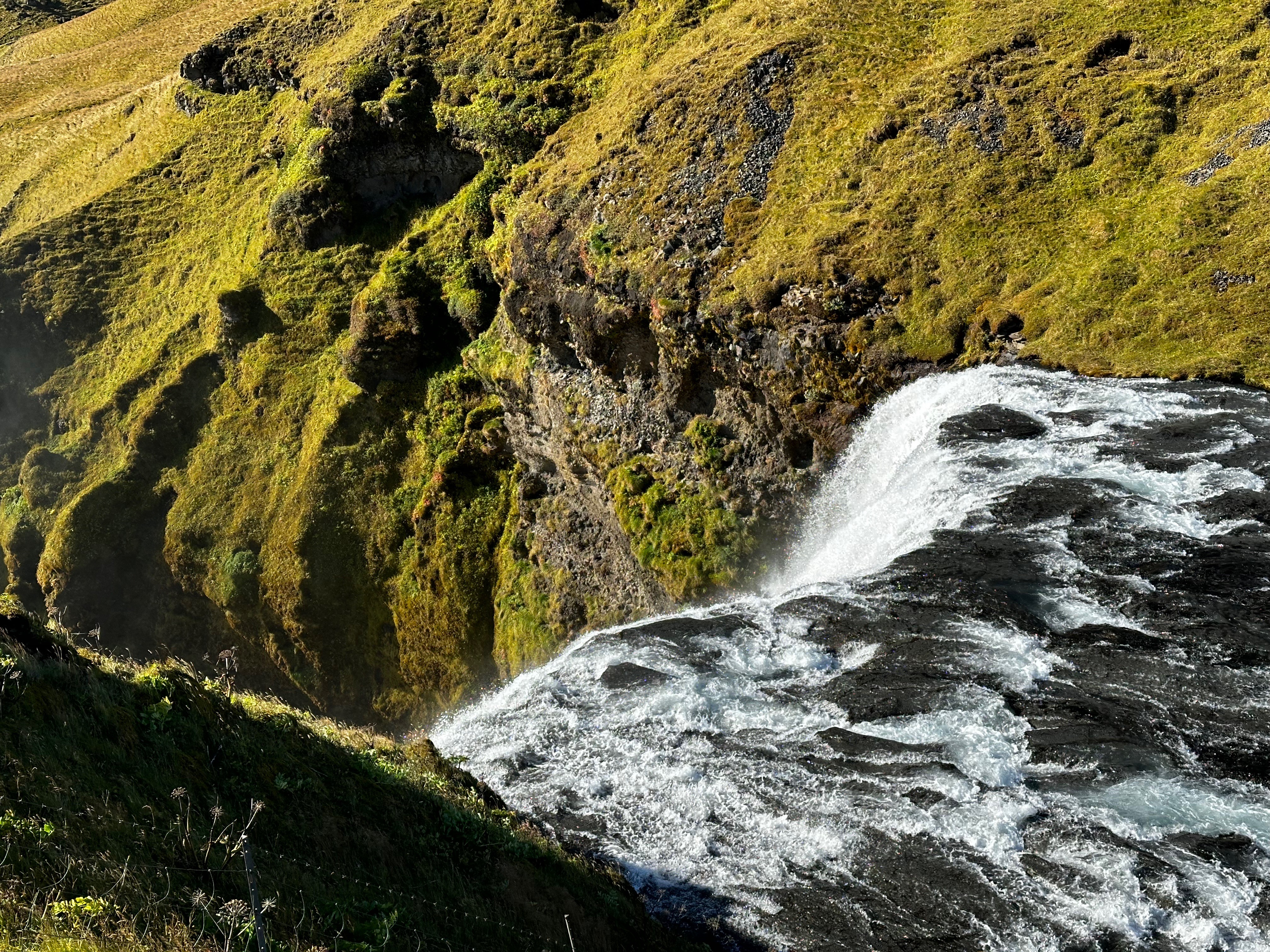
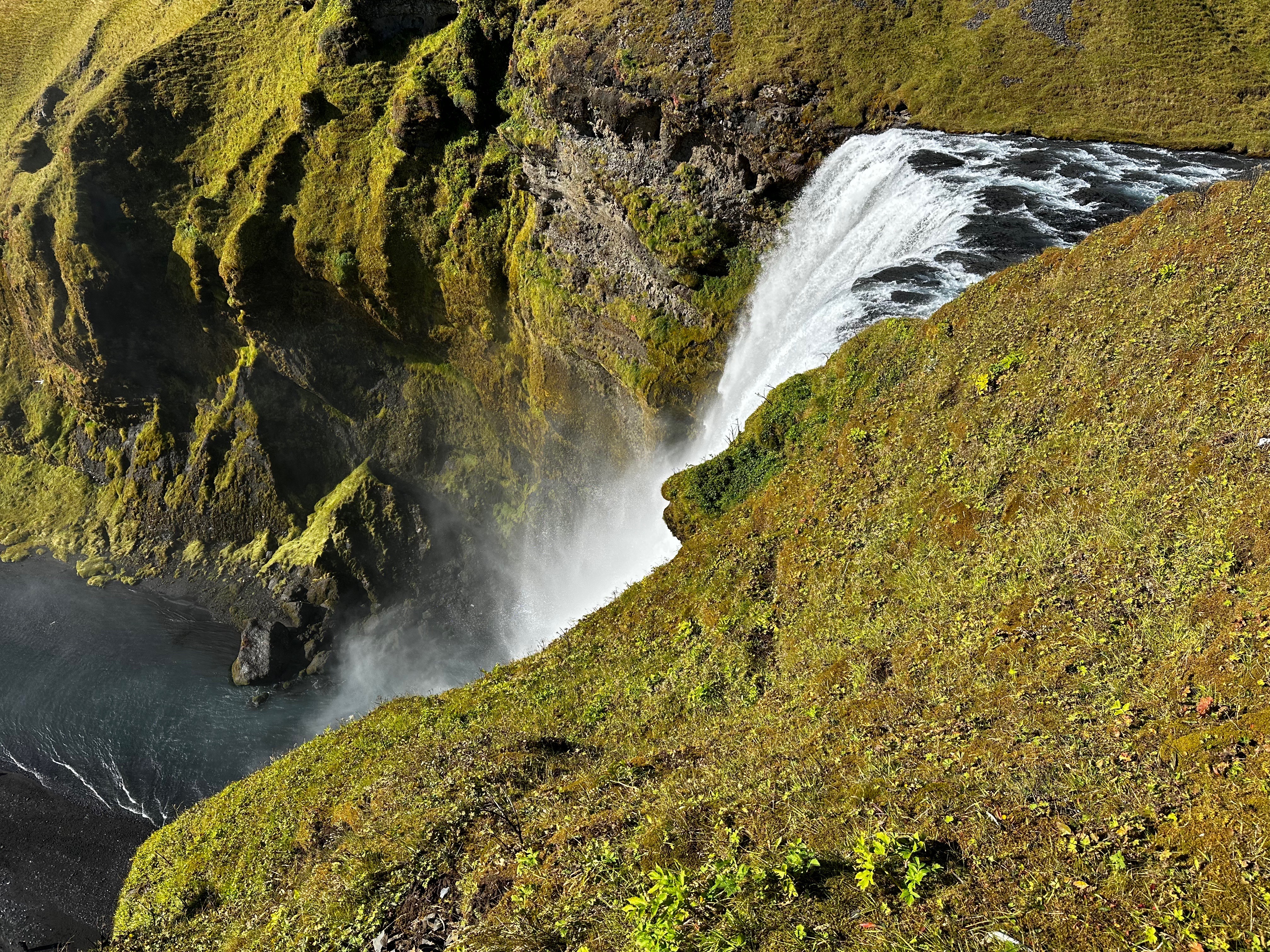
Several miles drive further along the Ring Road conveyed us to Skogafoss (foss translates to waterfall). This waterfall is impressive not just for its height of 200 feet but also its width of 82 feet. You can walk along the Skoga River and stand at the base of this thundering wall of water.


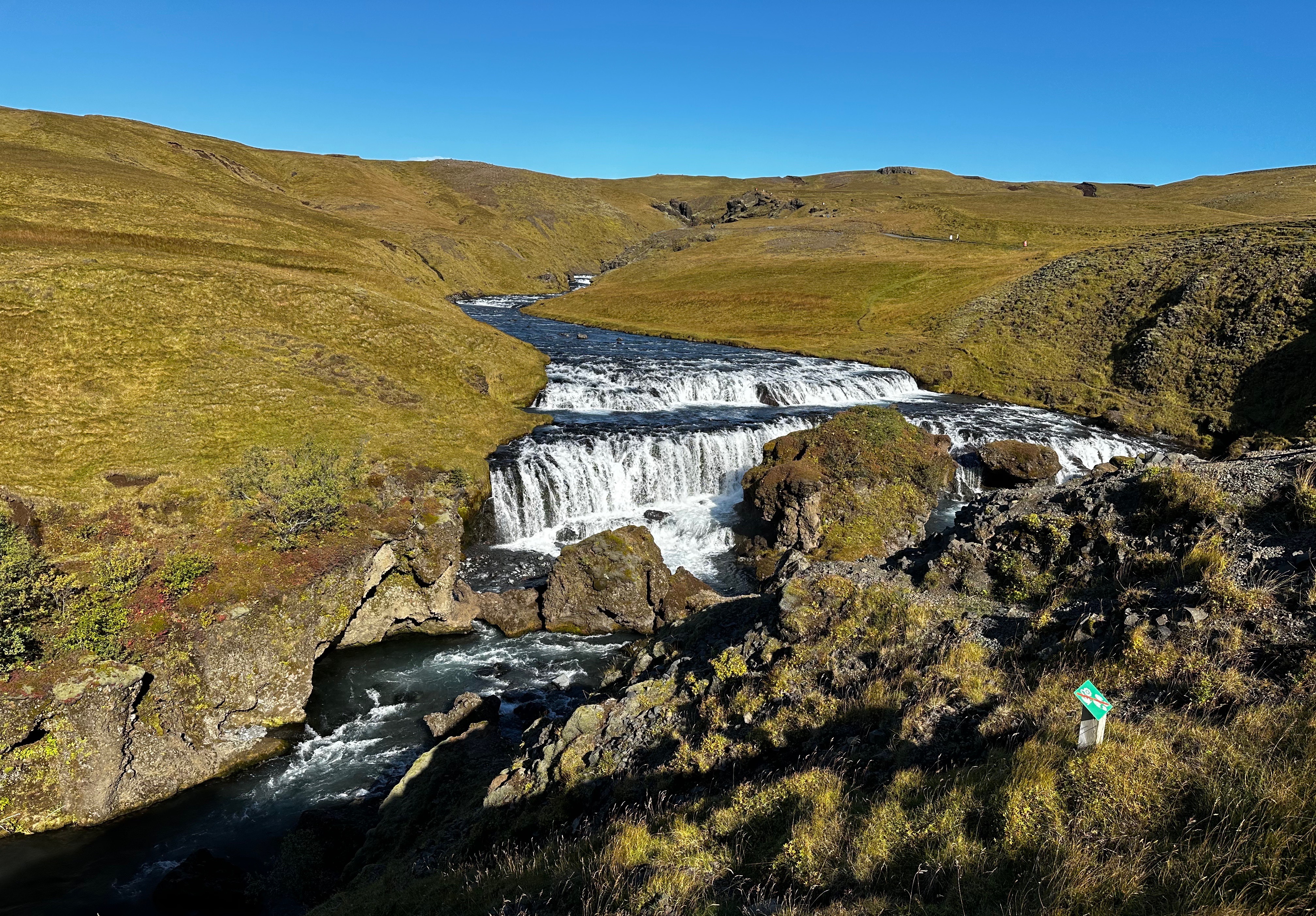
This was probably the waterfall that we enjoyed the most due to the ability to both stand at the base (and get wet) and also at the top of the waterfall via a steep 600 stair climb. From the top there is a fantastic view of the valley below that extends to the ocean. From here, the Fimmvörðuháls hiking trail (summertime only) continues up the mountain along the river providing access to additional waterfalls.


Approximately 15% of Iceland is covered by glaciers. We began to get glimpses of the Sólheimajökull Glacier heading east on Route 1. While we were not prepared to hike on the glacier on this trip (guide required) we wanted to get up close and the hike up to the tongue of Sólheimajökull was doable.
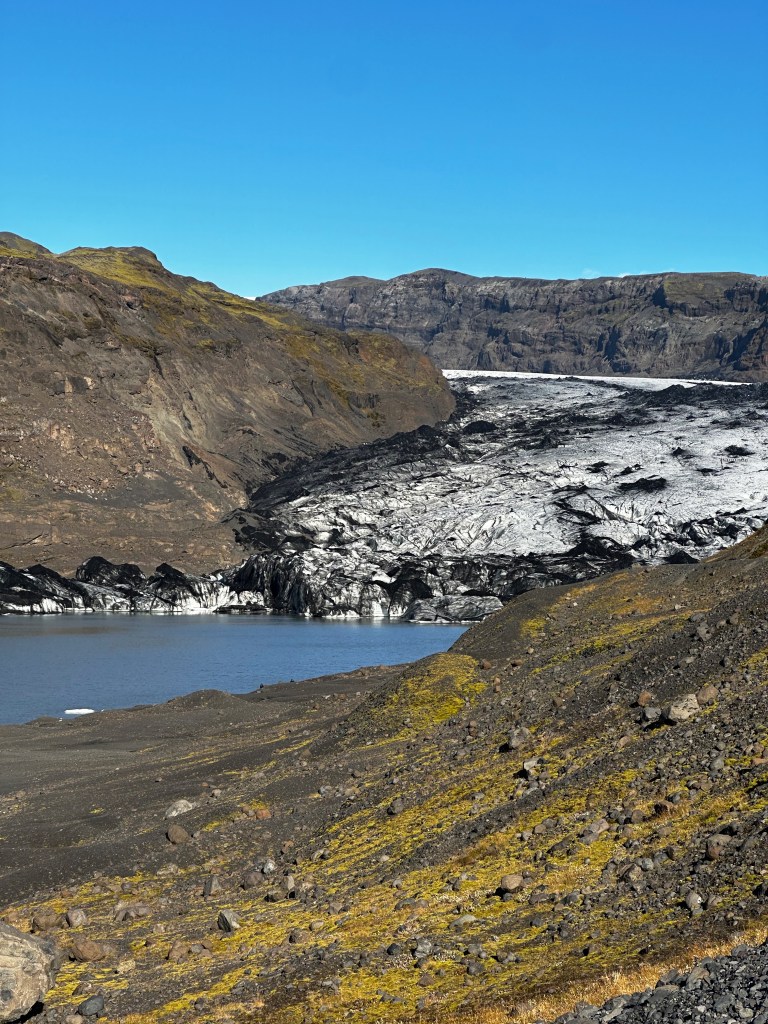
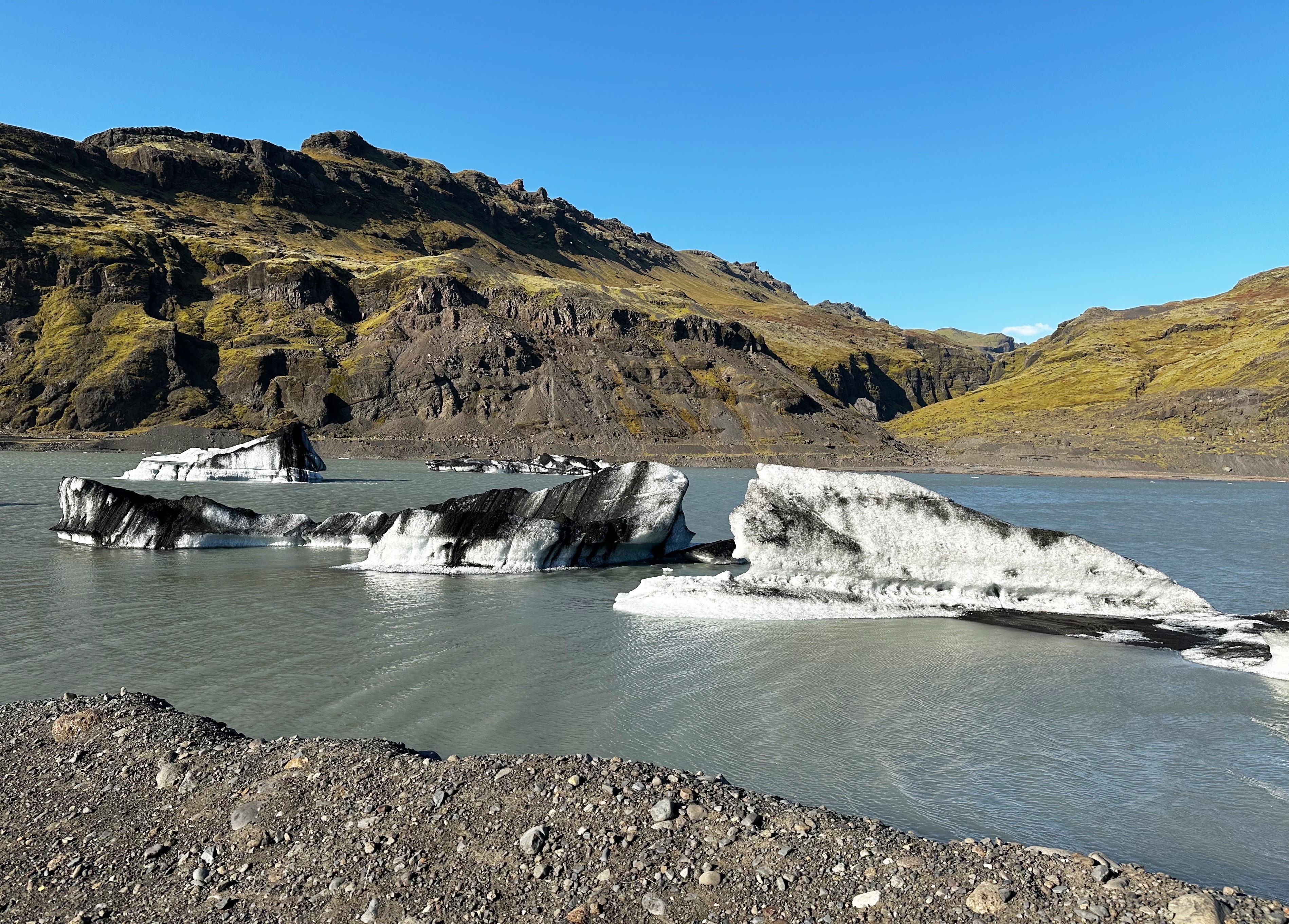
What was immediately apparent as we approached the tongue was that this glacier is currently in retreat. The glacier is currently about seven miles in length. It has had periods of retreat (1930-1969) and periods of advancement (1969-1995). The glacier has been retreating since 1995 and the rate of retreat has accelerated since 2000. Between 2000 and 2015 it shrank by slightly over half a mile. When it retreats the glacier also gets thinner. We hiked by posts indicating where the tongue of the glacier had ended over a period of years. The photo below at the bottom provides a feel for the magnitude of the retreat. While the demise of glaciers in Iceland is not imminent, about eleven million tons of glacial ice is melting annually. Slæmt!



Iceland has a rich history relating to Elves. We visited Drangurinn rock in Drangshlíð. This large rock sits alone in the middle of a field with a backdrop of the Eyjafjöll Mountains. There are a number of cow and hay sheds built into the rock.
The legend is that elves live inside the rock and would tend to the animals at night if a cow was close to giving birth so that the farmers would not need stay in the pitch dark sheds.
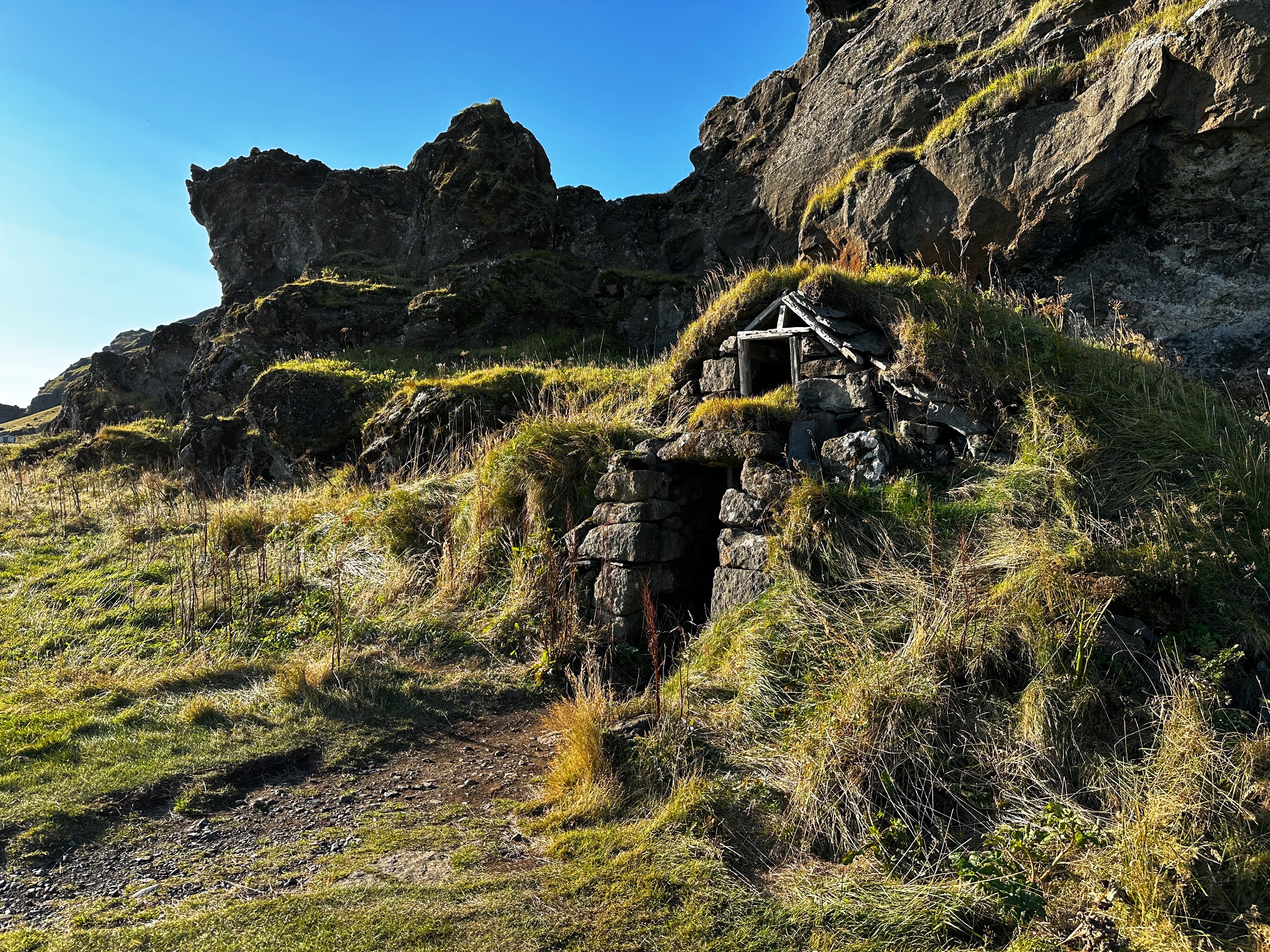
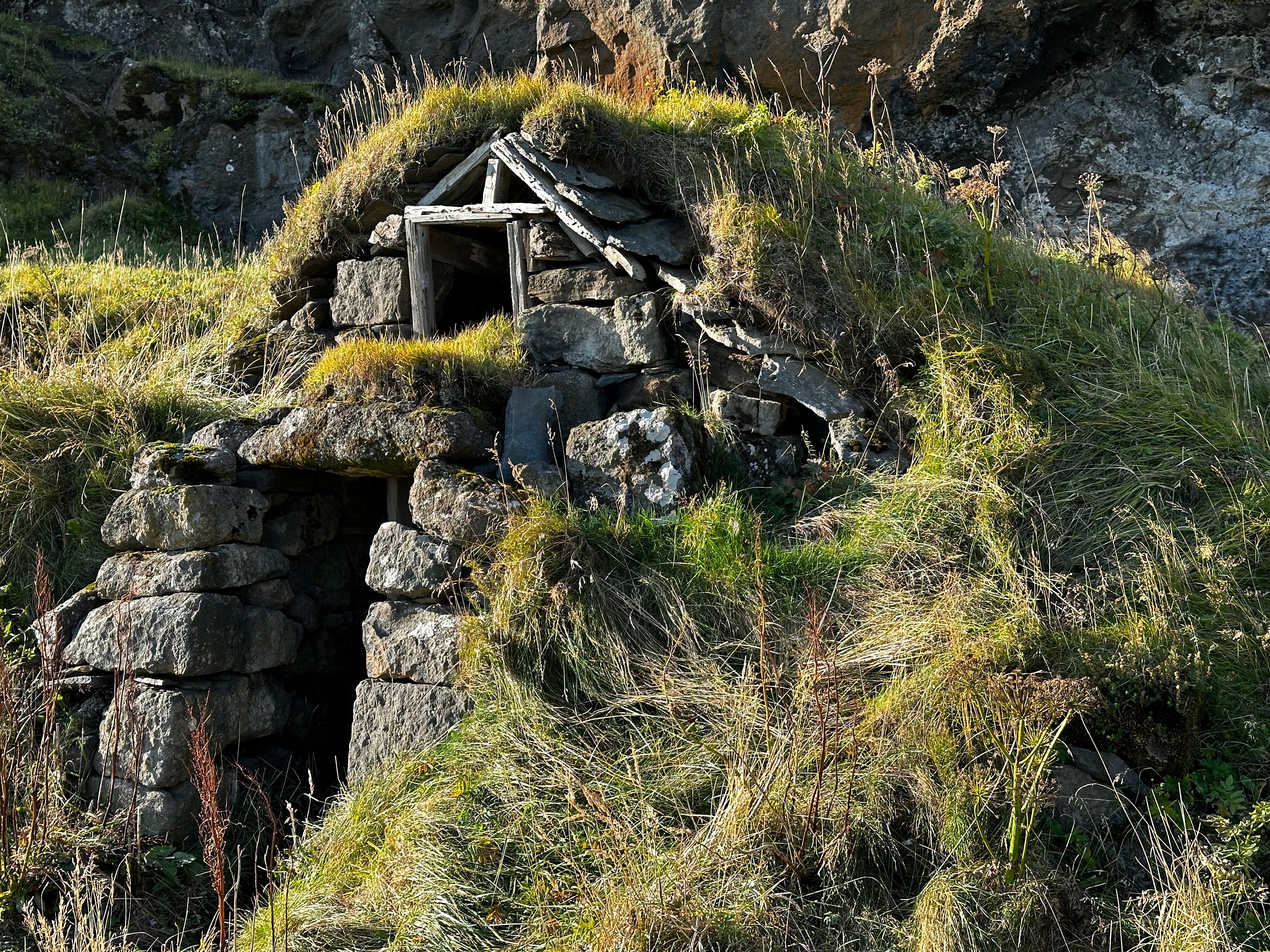
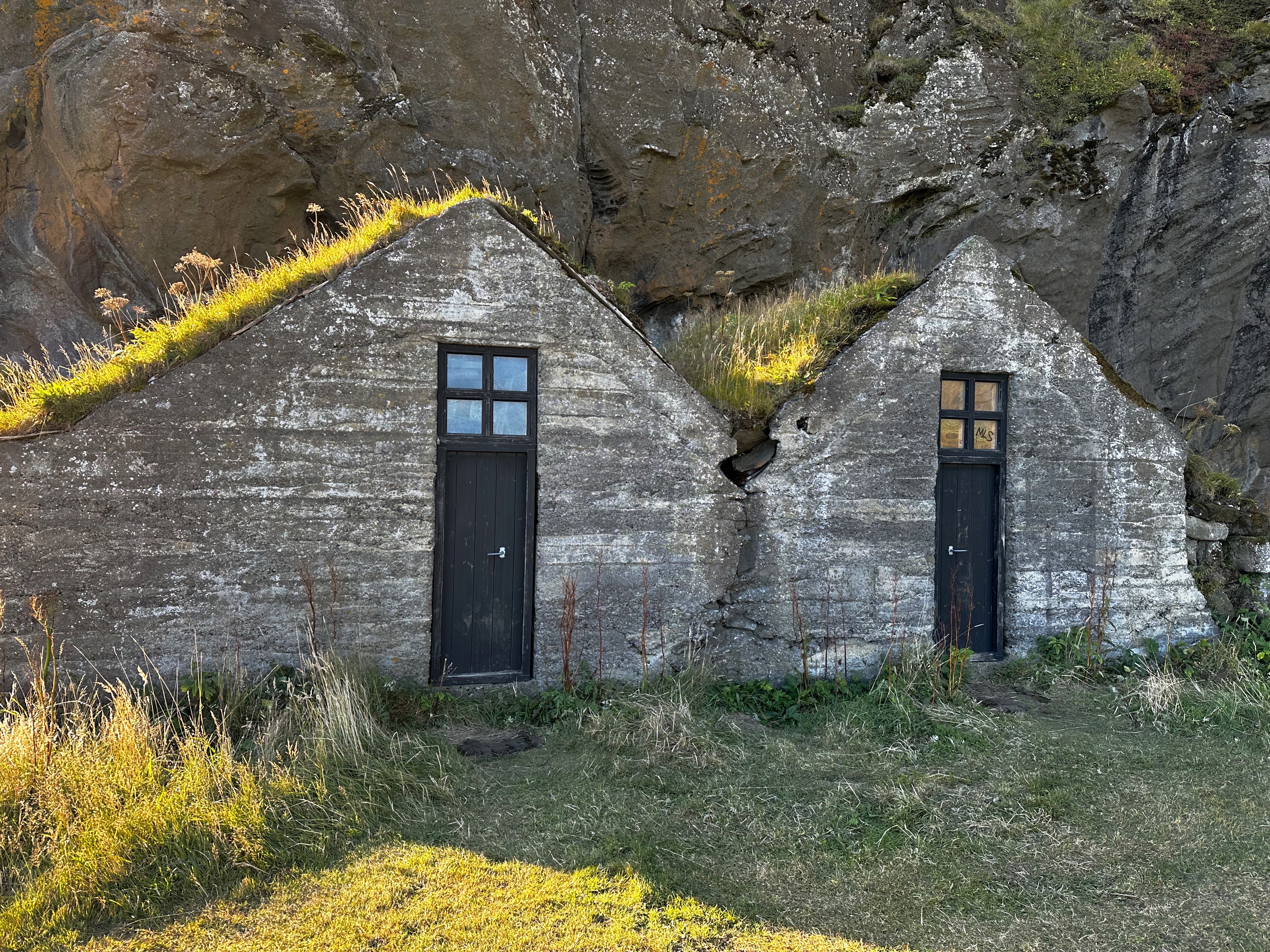


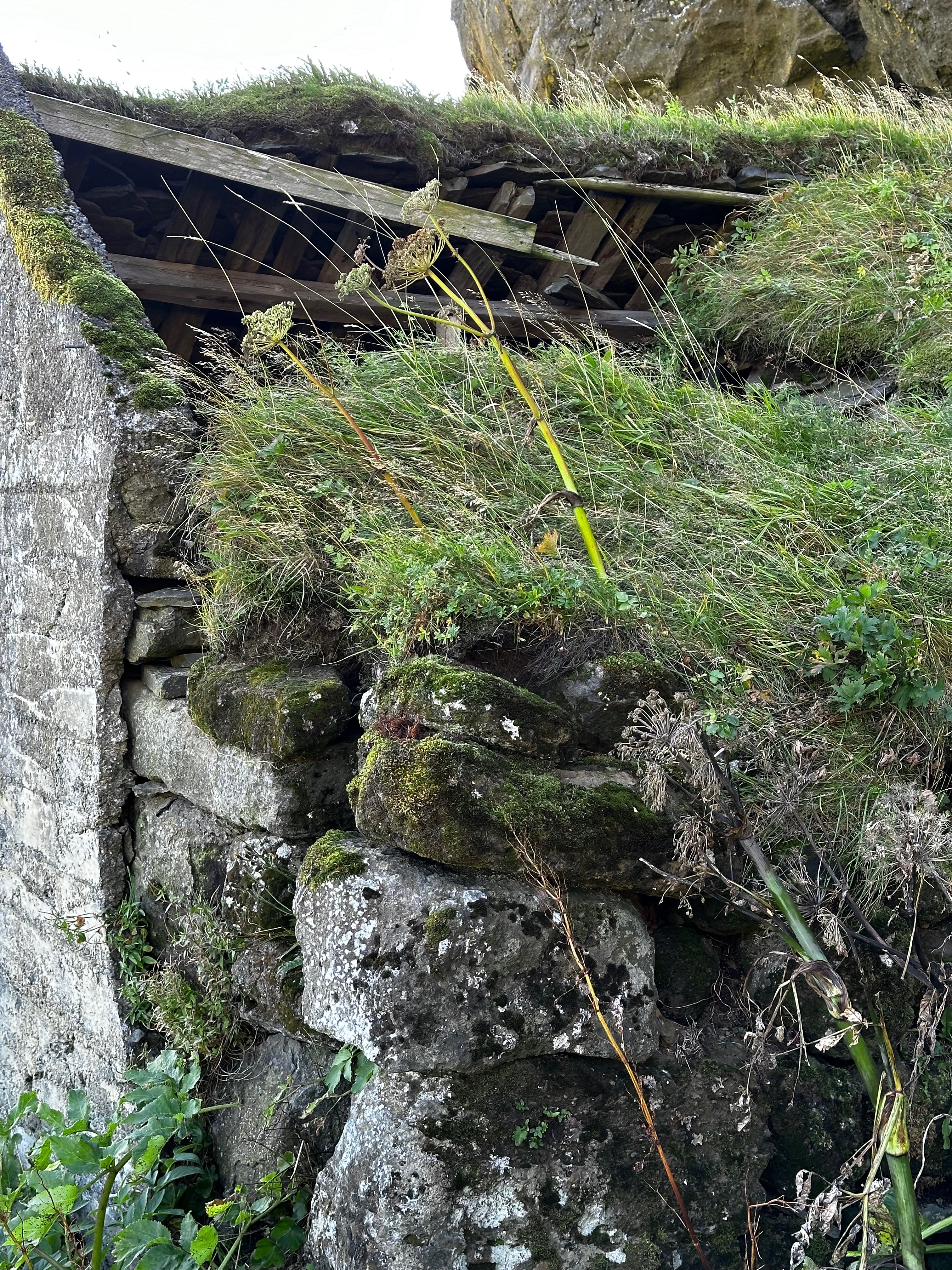
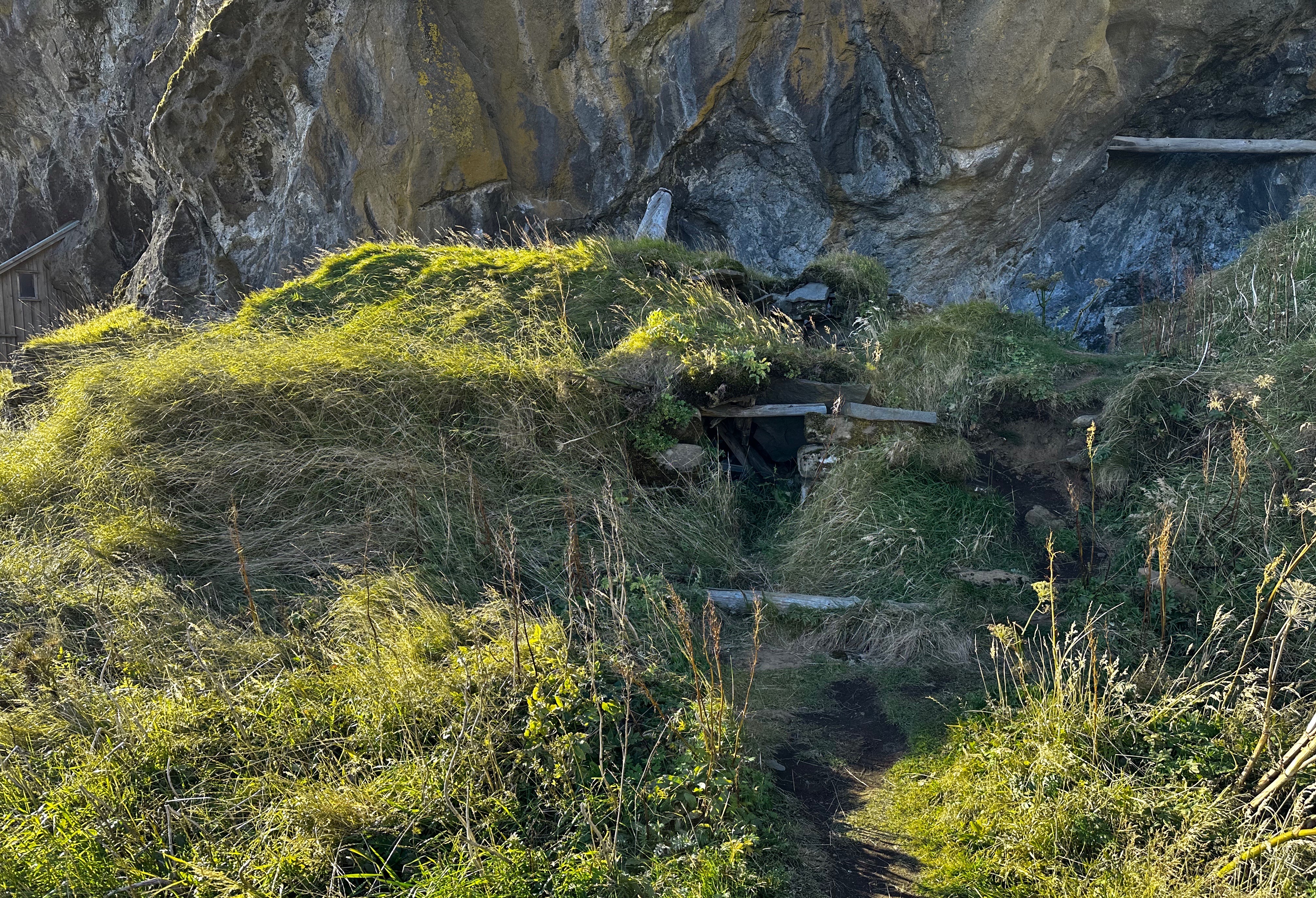
Our favorite tale is about a local farmer who went missing for several days. Upon returning he told the local folks that he had been with the elves in the rock. He also said that the elves were lovely, decent and as handsome as humans. Furthermore, he was going to marry an elf woman. Soon after the farmer disappeared but no one looked for him because they knew he was living in the rock with his elf wife. Ég elska þig!
While it was a chilly day we were keen to drive south to the shore and visit a black sand beach. Route 254 took us south along the Markarfljot until we reached the shoreline at the ferry terminal for Vestmannaeyar (Westman Islands). The view from the beach of the sun heading down and the islands in silhouette was mesmerizing. While we did walk the beach there were no shoes off with feet in the water. This is the North Atlantic in September!
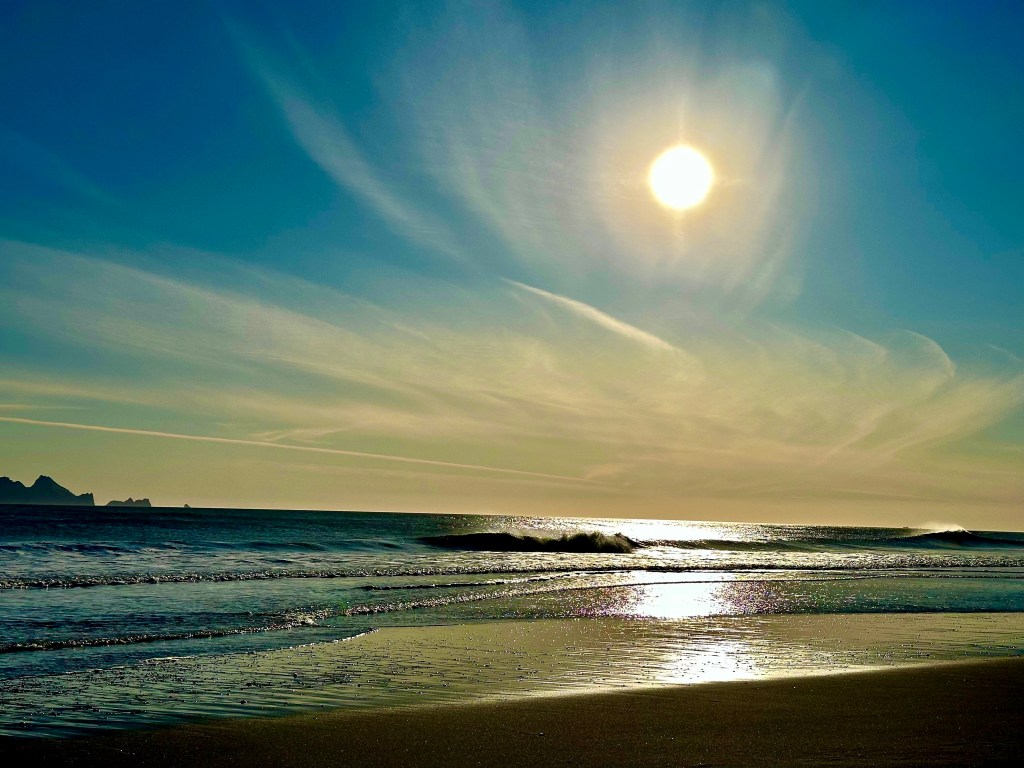
The Vestmannaeyjar consist of 15 islands and 30 rock stacks. The islands were created by underwater volcanic eruptions. The population is approximately 4300 people, all of whom live on the island of Heimaey. Heimaey has two volcanoes. None of the other tiny islands are inhabited on a full time basis.


The name of the islands – West Men – is named after the Irish slaves who fled the mainland to the islands to escape their servitude. Ireland was thought to be the farthest land west of the continent – hence West Men. The West Men were, of course, subsequently captured and killed. Frelsi!
Our friends Jim and Sally recommended that we stop at the Hotel Ranga for a cocktail if we were going to be touring the South Coast. The Ranga fit perfectly with our return leg to Reykjavik and of course all the fresh air and sunshine definitely engenders a thirst which can only be quenched by expertly made cocktails.

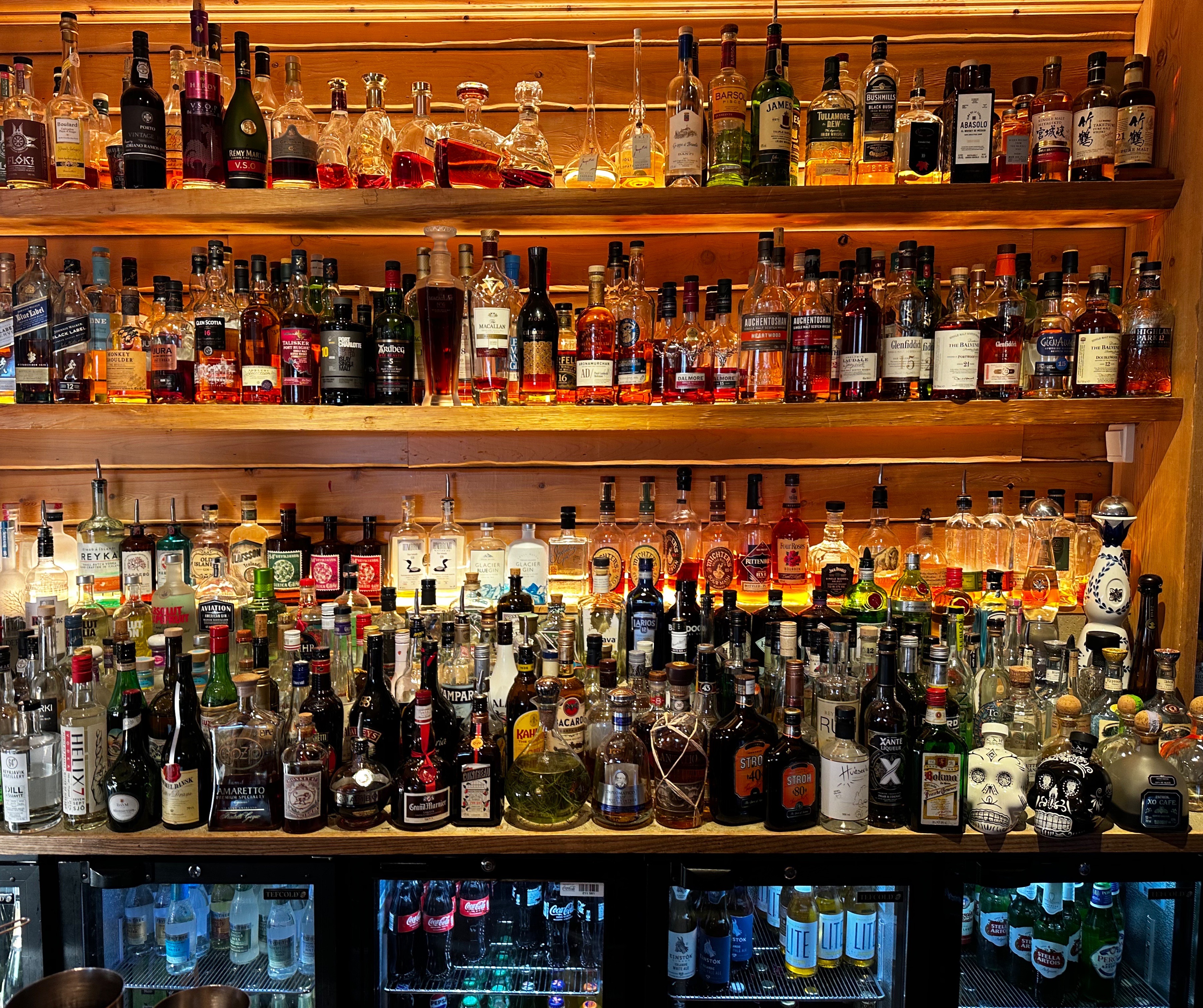
Takk fyrir, Jim and Sally! Excellent cocktails in a beautiful setting. The Hotel Ranga is definitely on our itinerary for our next visit to Iceland.
DAY SEVEN….DAGG TI’U
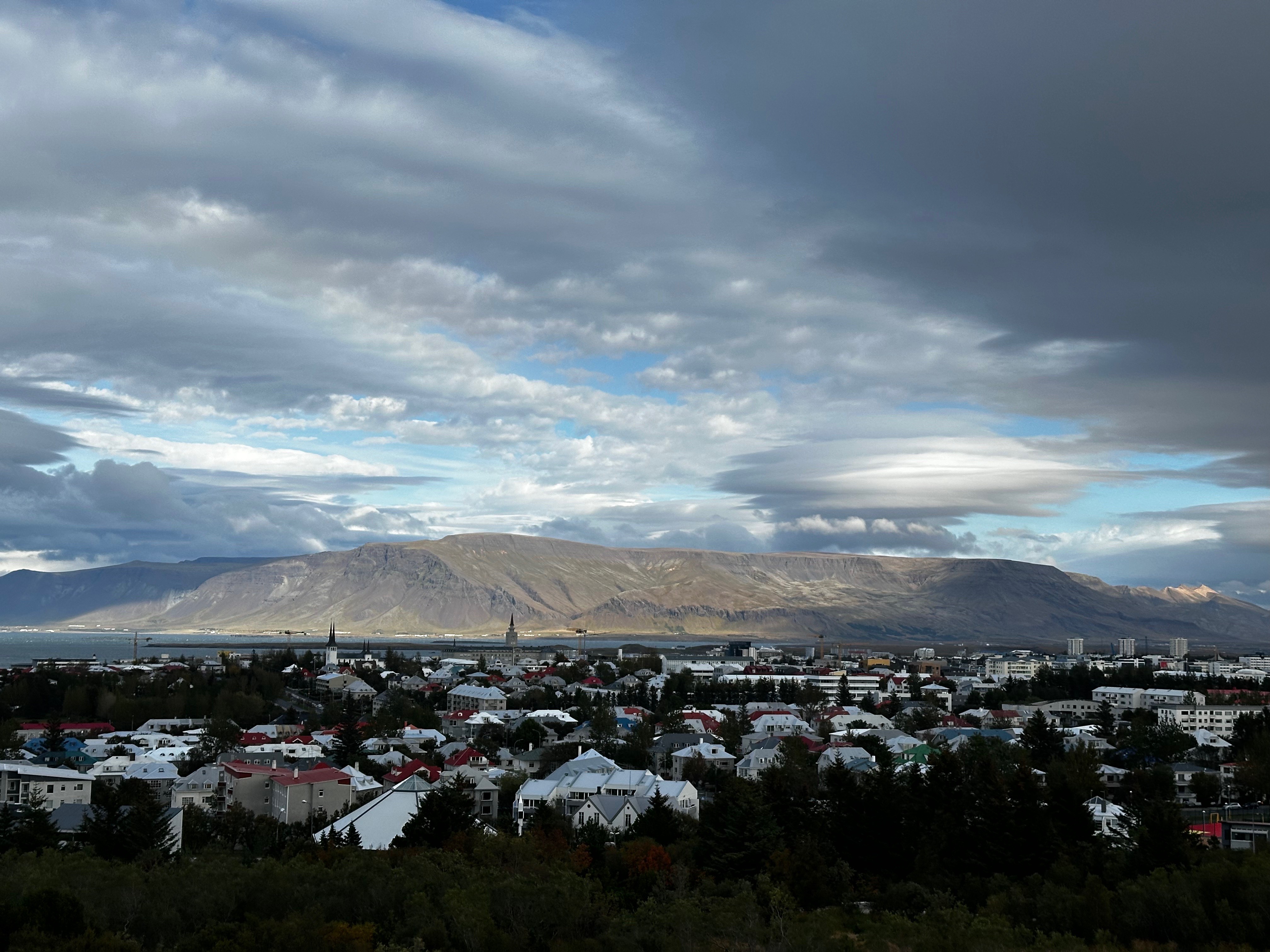
On our final day in Iceland the rains finally came (no complaints from us) so we decided to do what many other tourists do when it rains in Reykjavik. We visited the Perlan (The Pearl).

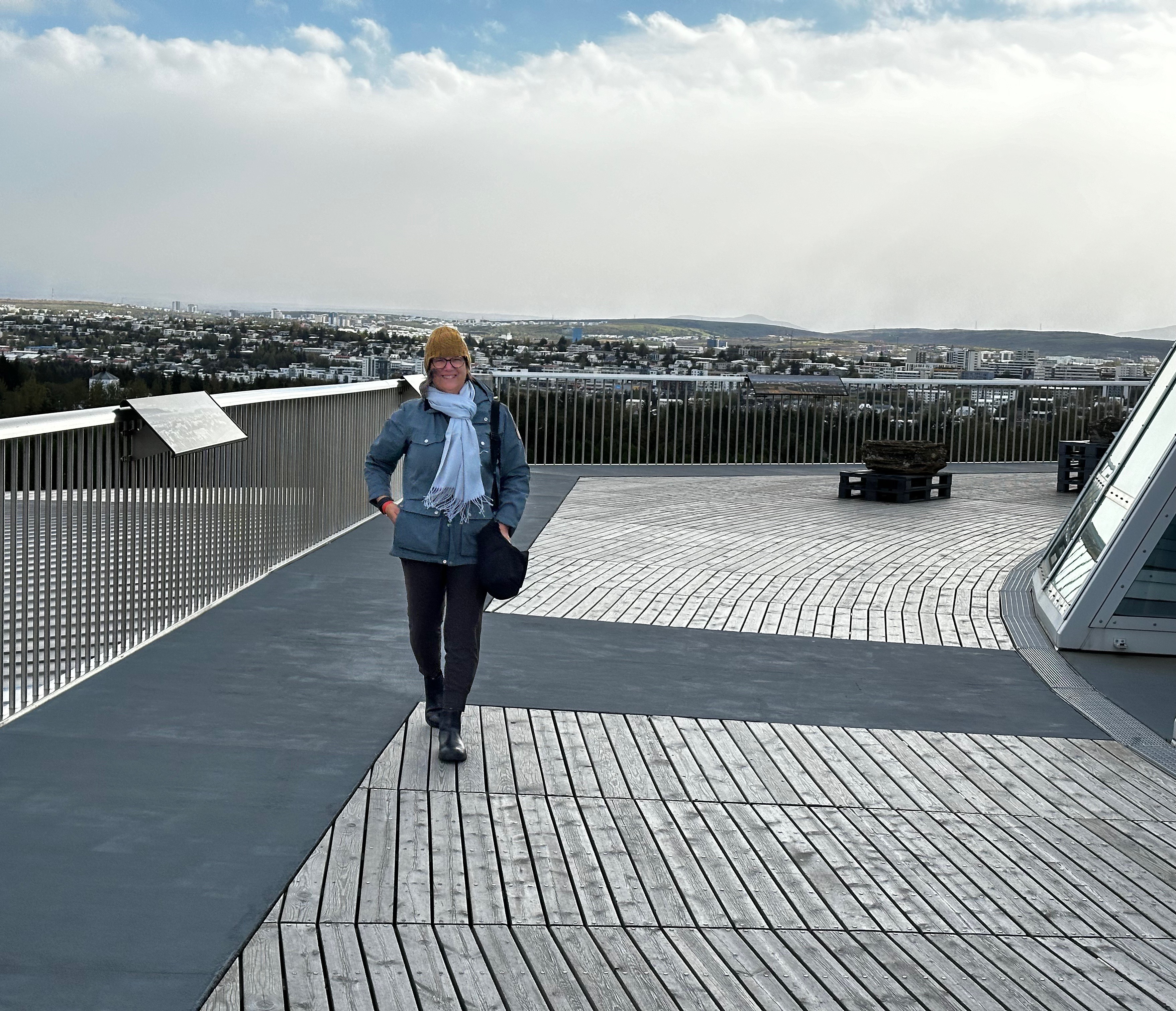
Perlan sits on the highest hill in Reykjavik providing 360 degree views of the city and surrounding area from the roof top cafe and observation deck. The glass dome sits atop six geothermal functioning geothermal water tanks. Quite cool!
The food at the cafe is excellent and they have a full bar. The exhibits are also quite good and entertaining. The focus is on the forces of nature which dominate Iceland’s geography, weather and culture: volcanoes, glaciers, aurora borealis, wildlife and more.

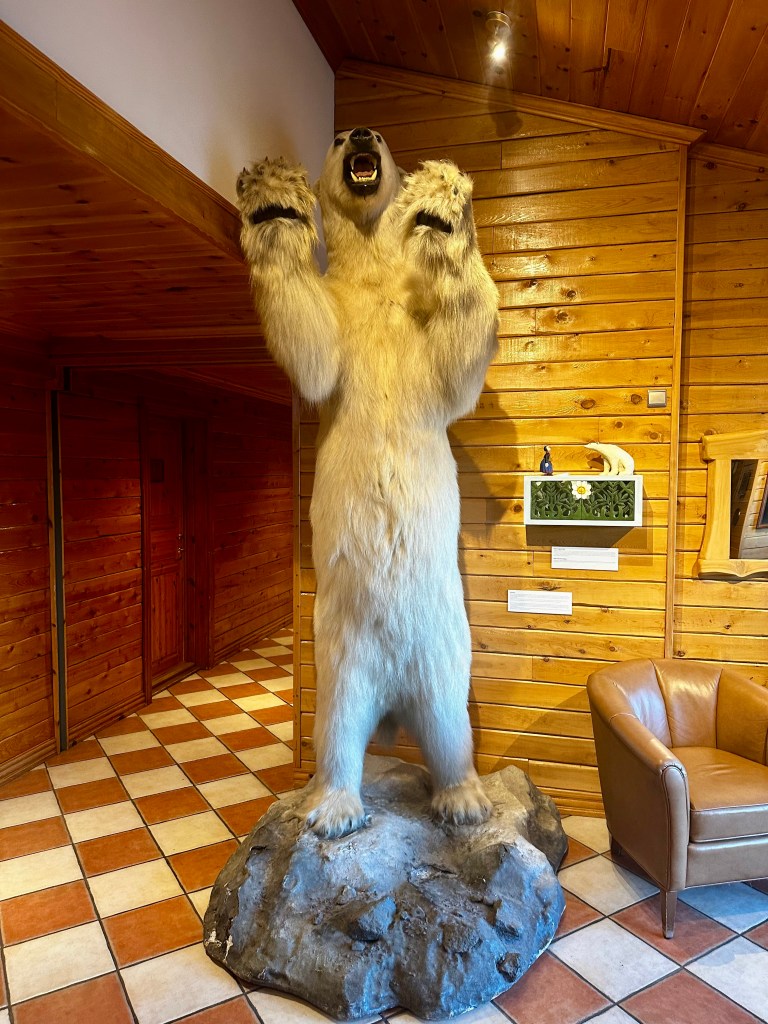
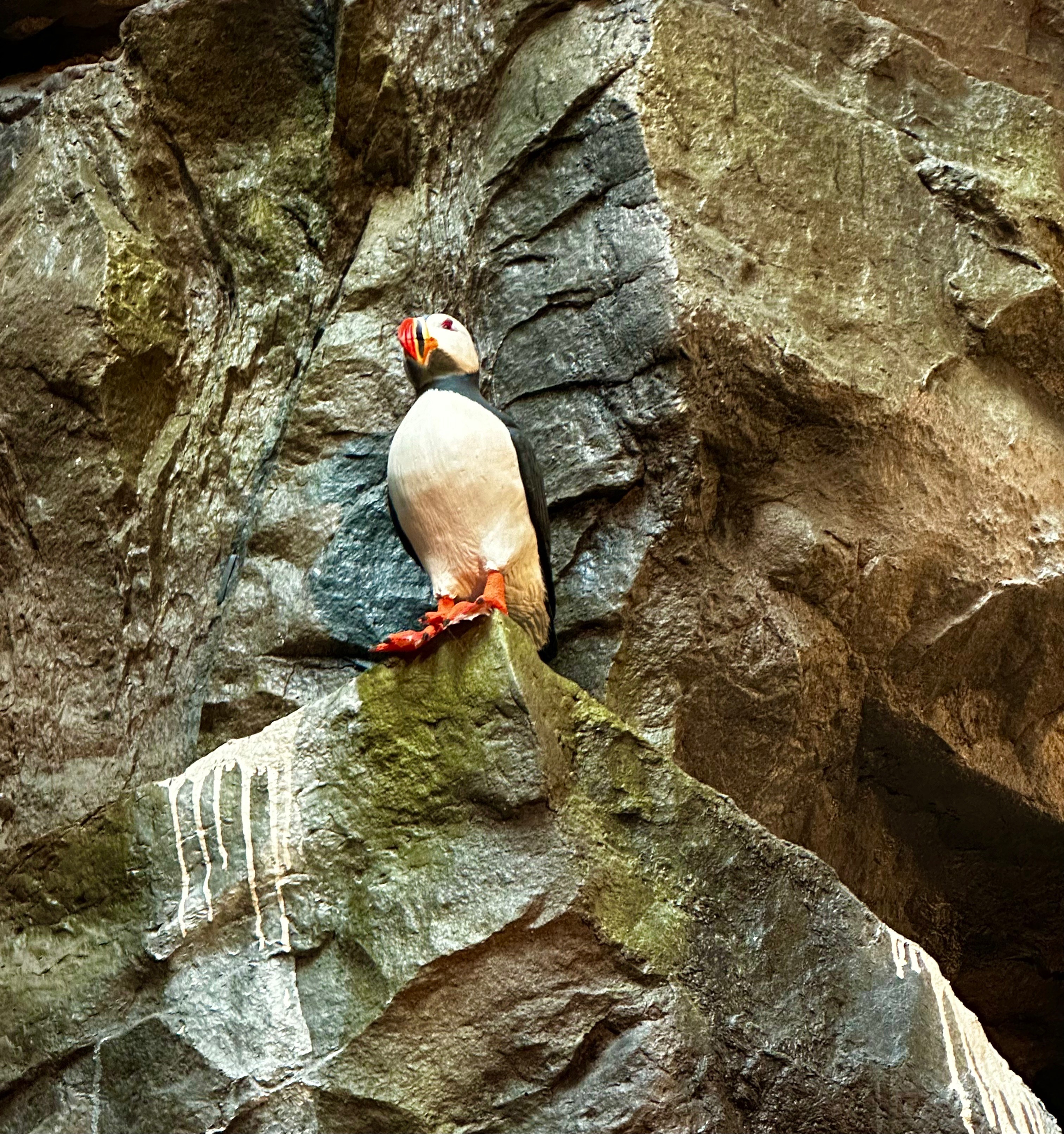
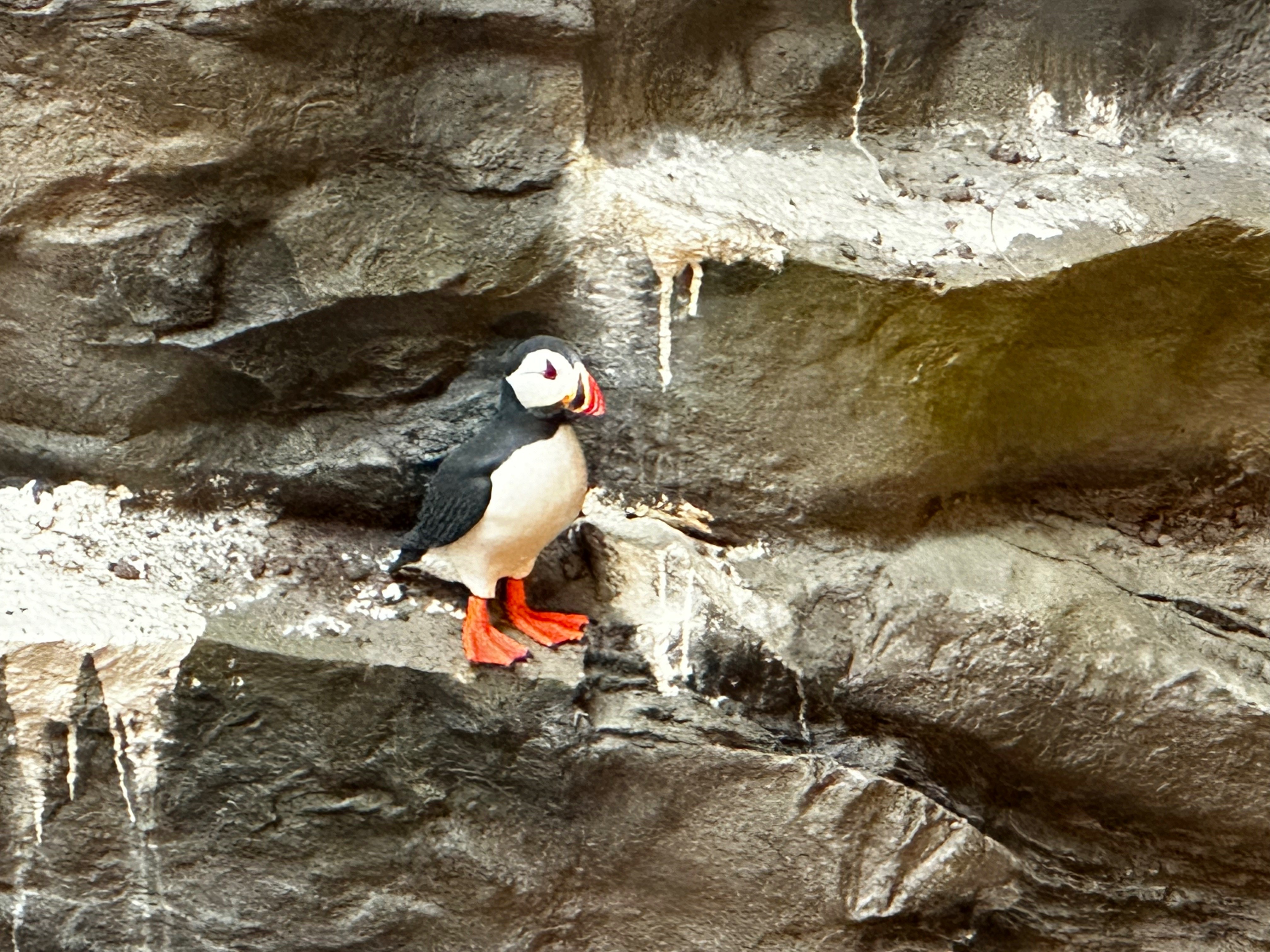
One thing we did not get to see were puffins. But fortunately, the Perlan has a very realistic bird cliff and we have included a couple of photos below with our only puffin sighting, albeit inside the Perlan.
We wrapped up our final day with an Icelandic tradition. A wonderful soak at the geothermal lagoon at Sky Lagoon in Reykjavik. Before entering the lagoon we went through a multi-step ritual starting with a sauna, followed by a cold rinse, a salt paste application and then into a steam bath (we skipped the cold water plunge) and finally the lagoon. Delightful! Oh, did we mention there is a bar in the lagoon – Prosecco please! (Photos courtesy of Sky Lagoon)


That’s it from Iceland…..we had a terrific time. It is a beautiful country with stunning landscapes which reflect the fire and ice theme which dominates. The Northern Lights…. what can we say…. first trip – four sightings….we almost feel guilty. The country is modern yet maintains deep connections to its ancient Viking heritage (including the Icelandic language which reflects the Old Norse spoken by the Vikings).
Every Icelander we met was friendly, polite and knowledgable. This is a country that is civilized and humane (with a living wage for all). Iceland is a literate society. Reykjavik is chock full of museums, book stores, galleries, music venues, street art and excellent food (and coffee).






Be seeing you!




































































































































 ON THE ROAD with Maria + Stephen