The Cornhusker State: Blown Fuses, Hump Yards, Emigrants and Buffalo Bill: Part One

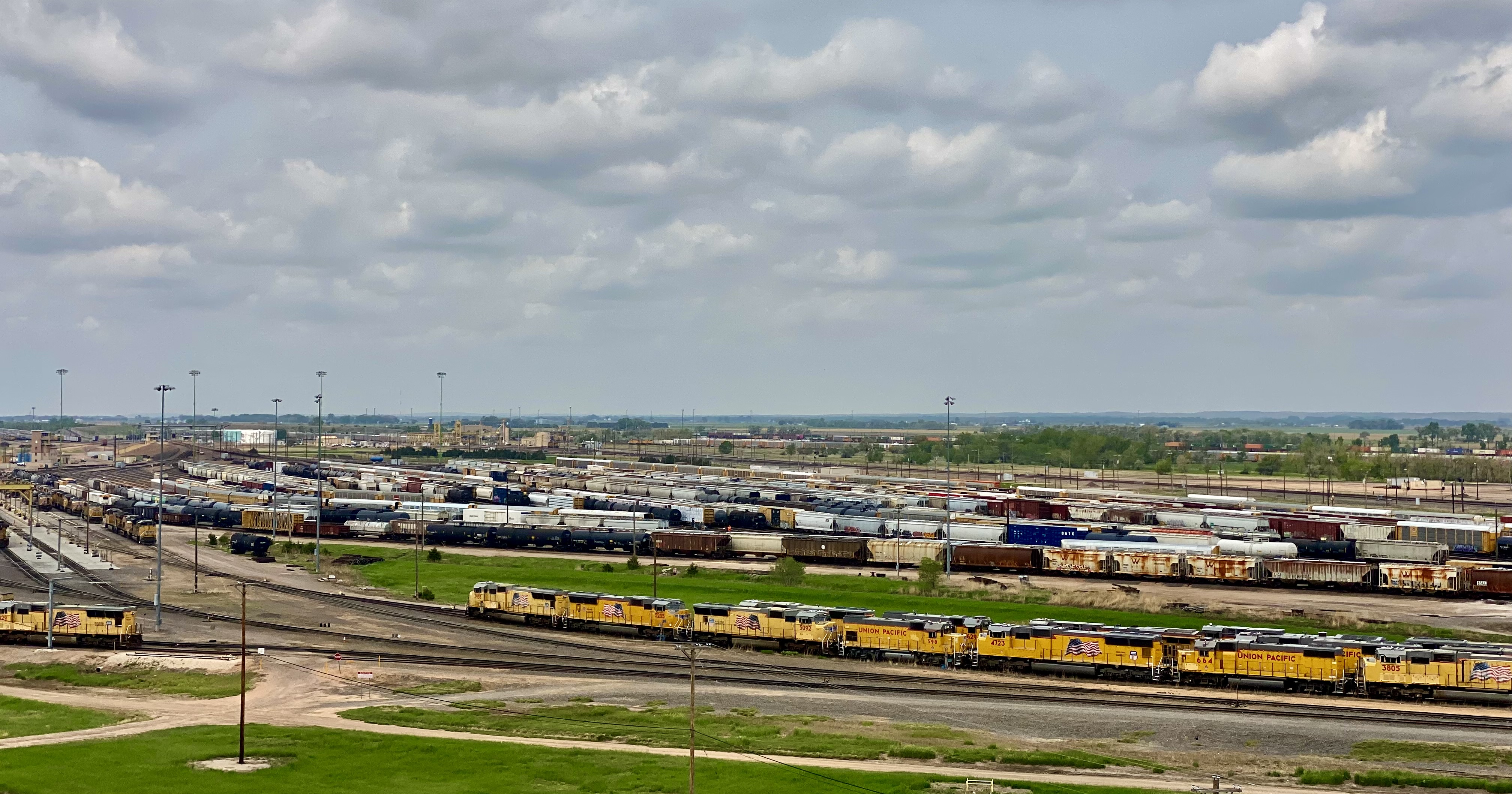
Bailey Yard, Union Pacific Railroad, North Platte, Nebraska
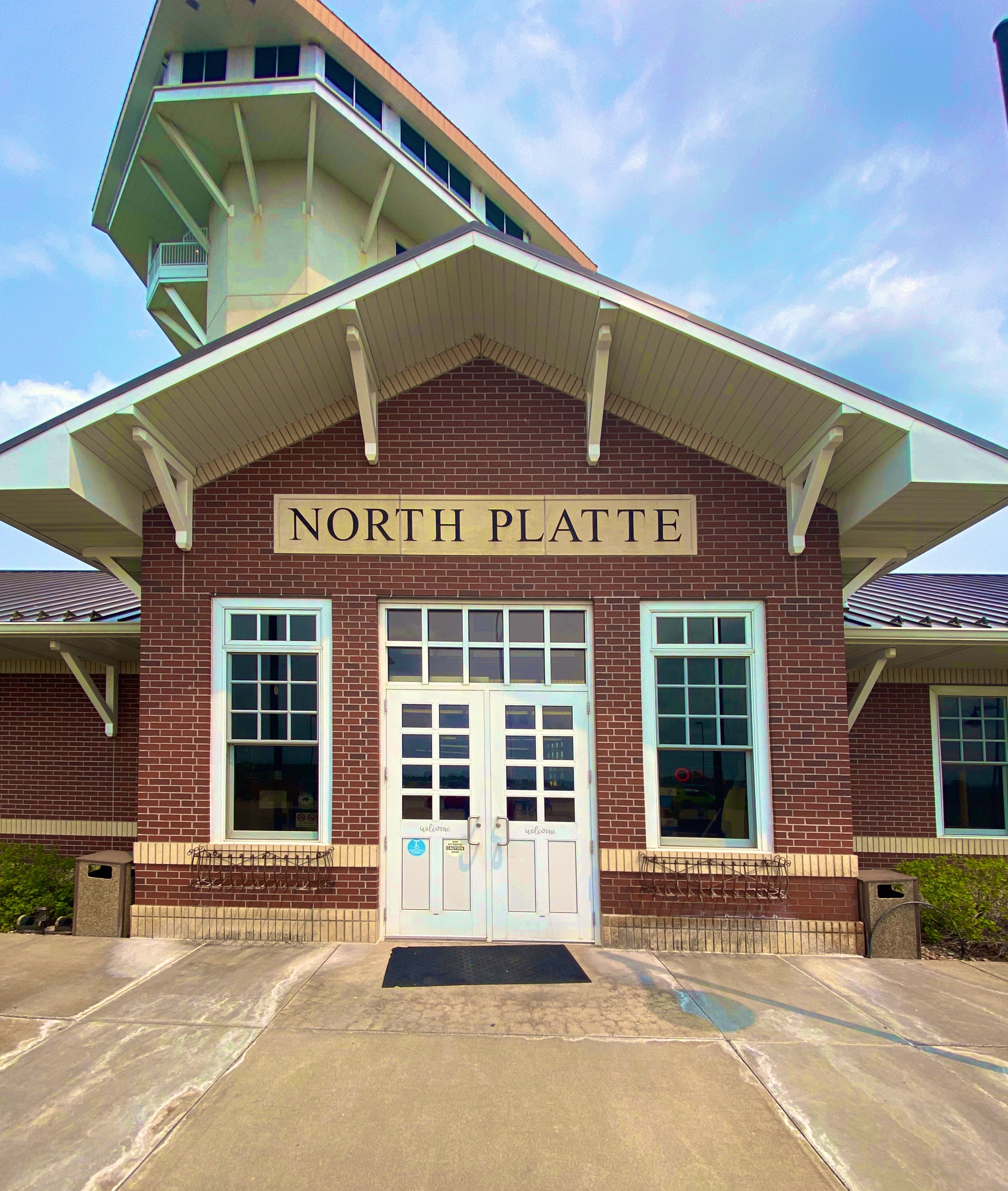
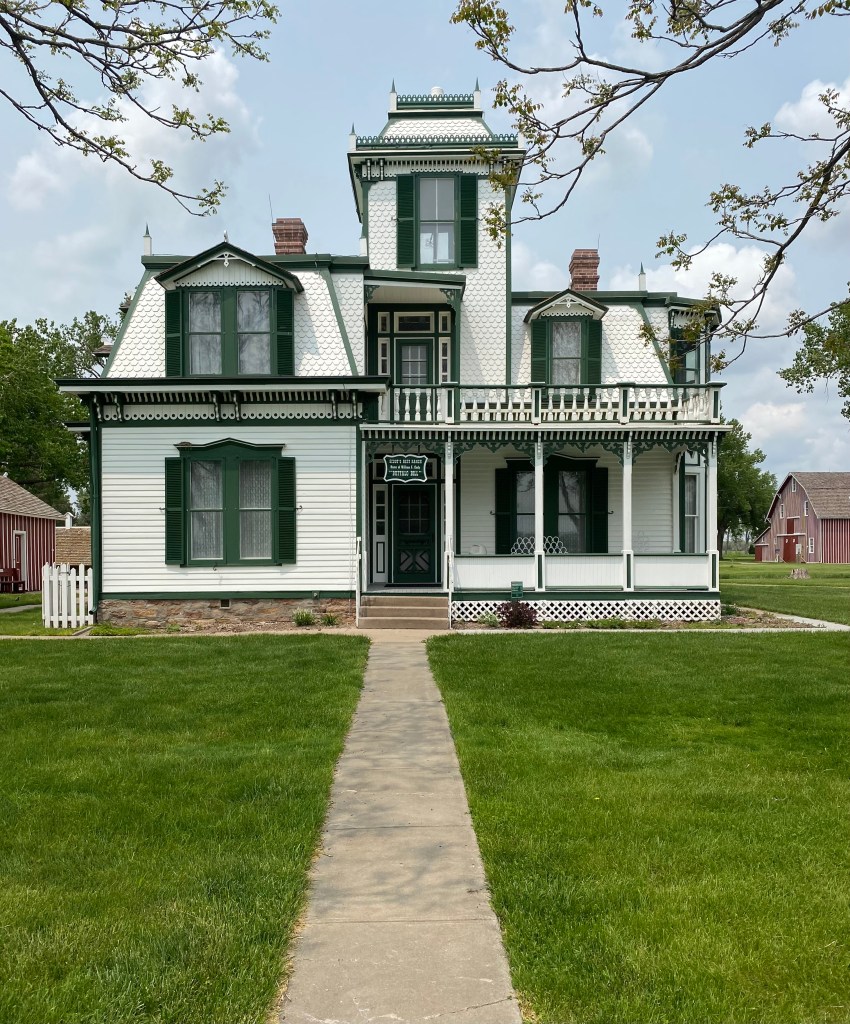
Second Empire Home, William F. Cody, Scouts Rest Ranch, North Platte, Nebraska
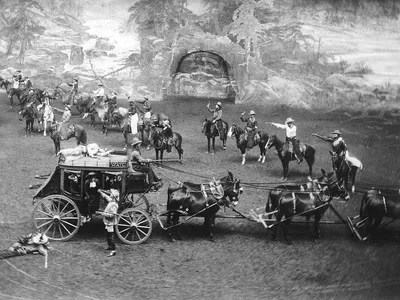
Buffalo Bill’s Wild West Show
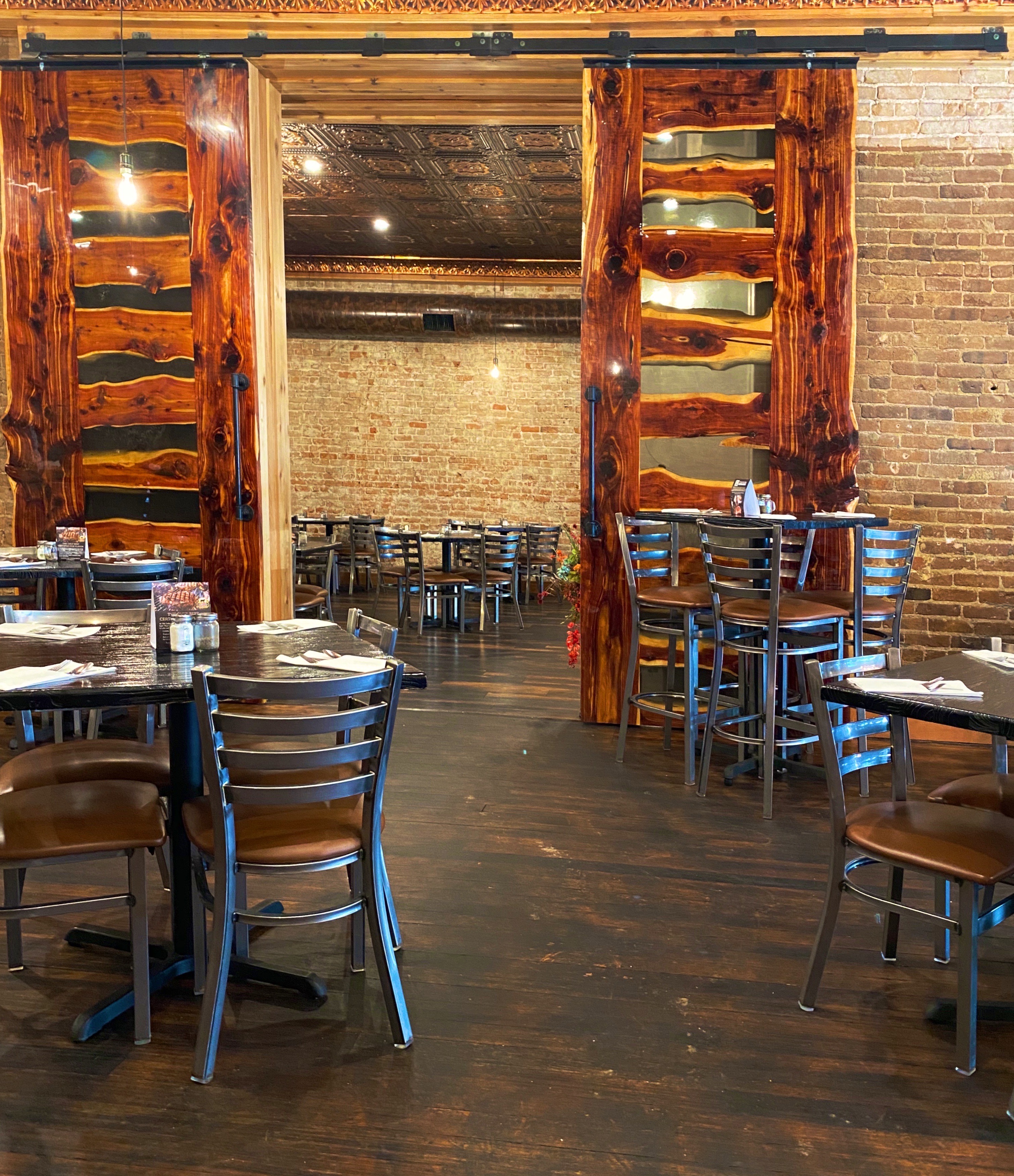
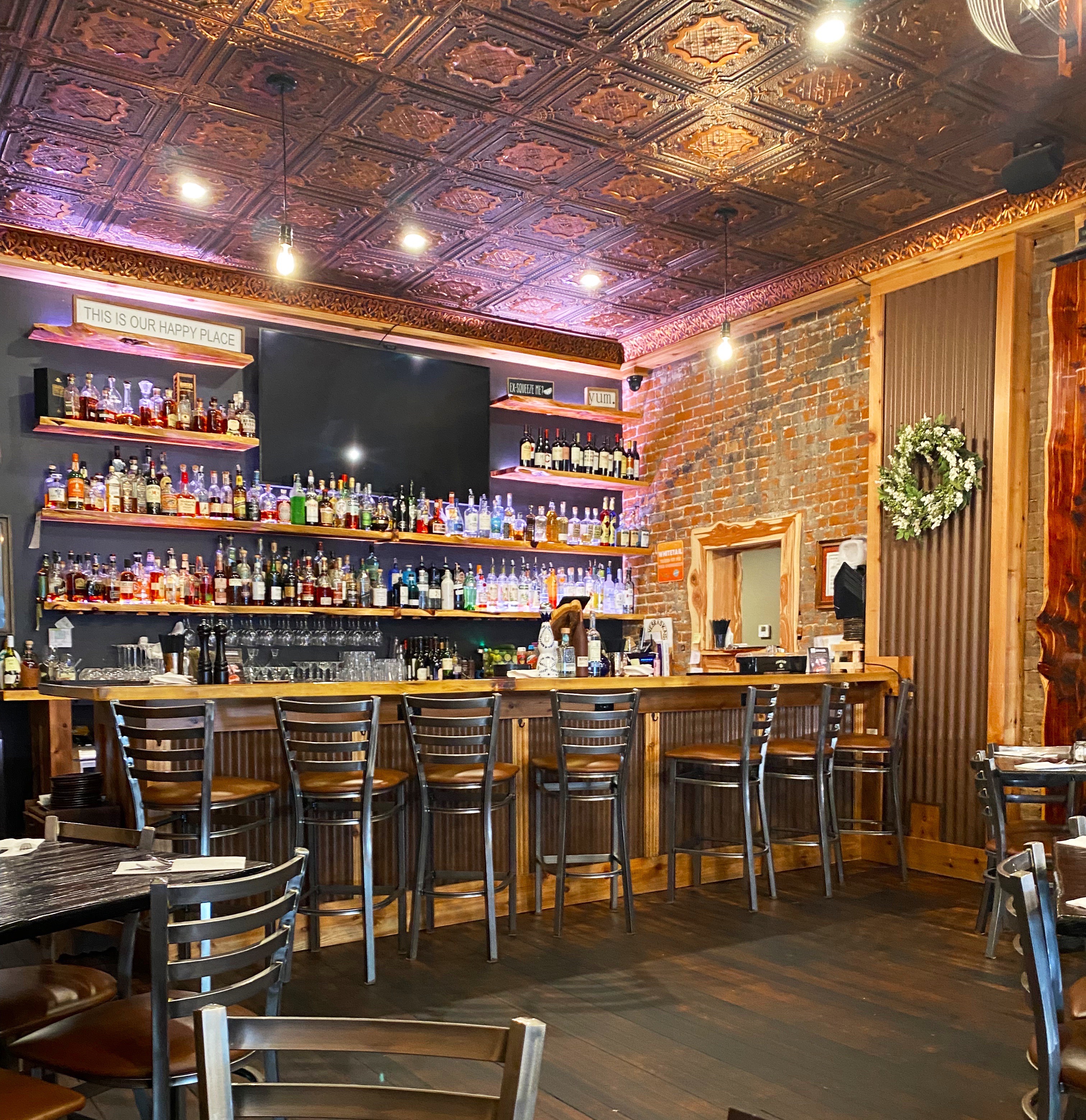
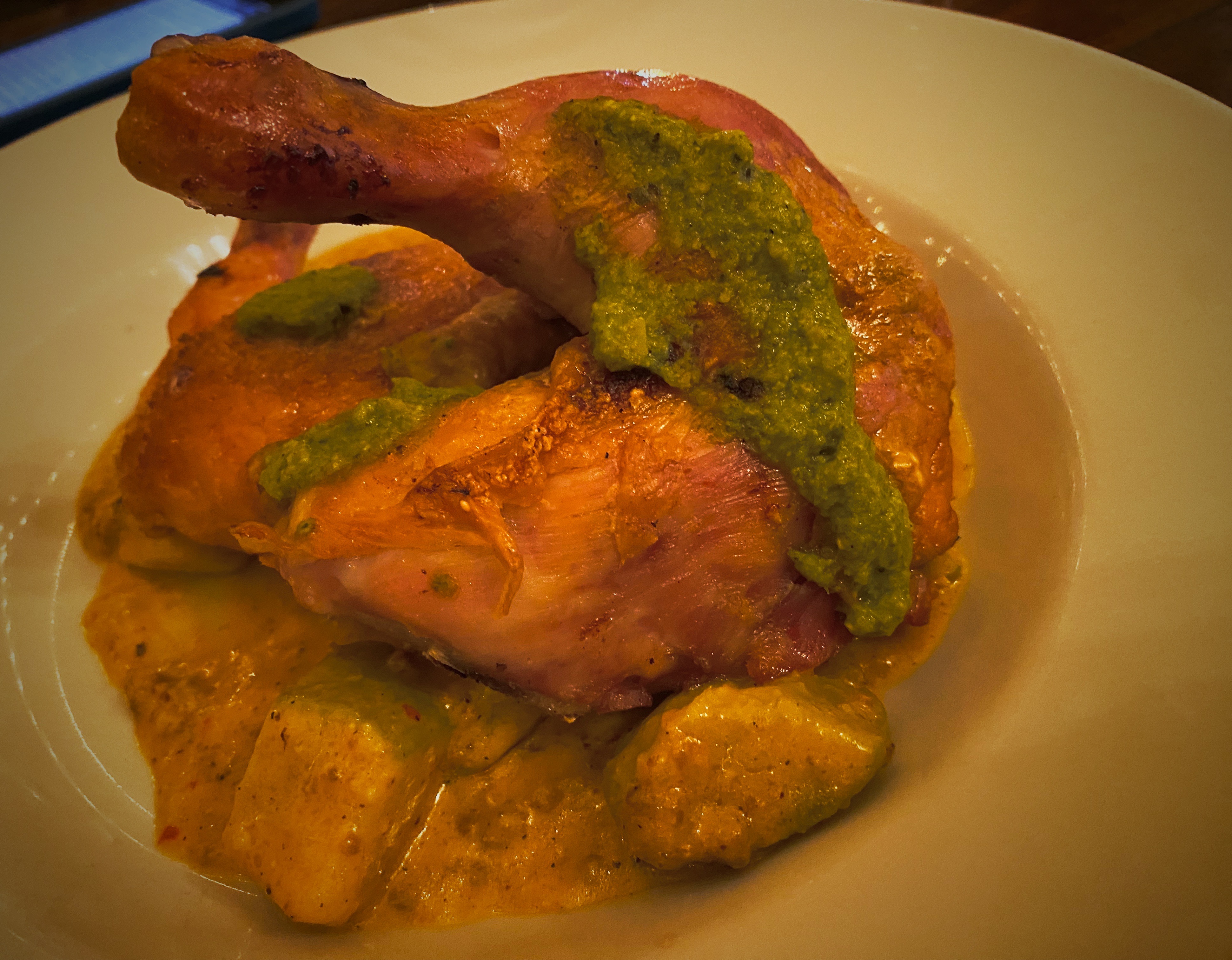
Cedar Room, North Platte, Nebraska
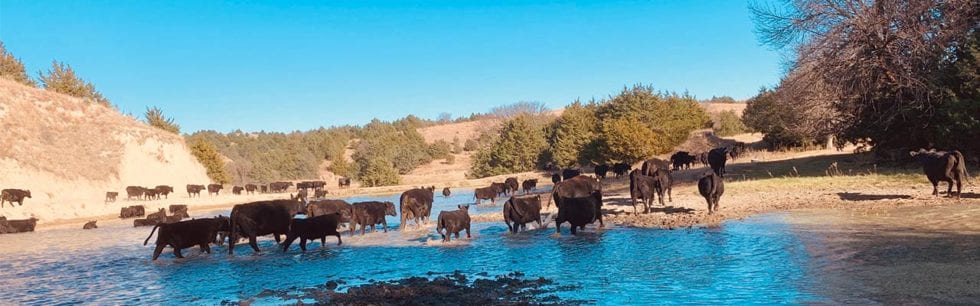
Stenger Ranch, Box Elder Canyon, Nebraska (Photo courtesy of The Cedar Room)

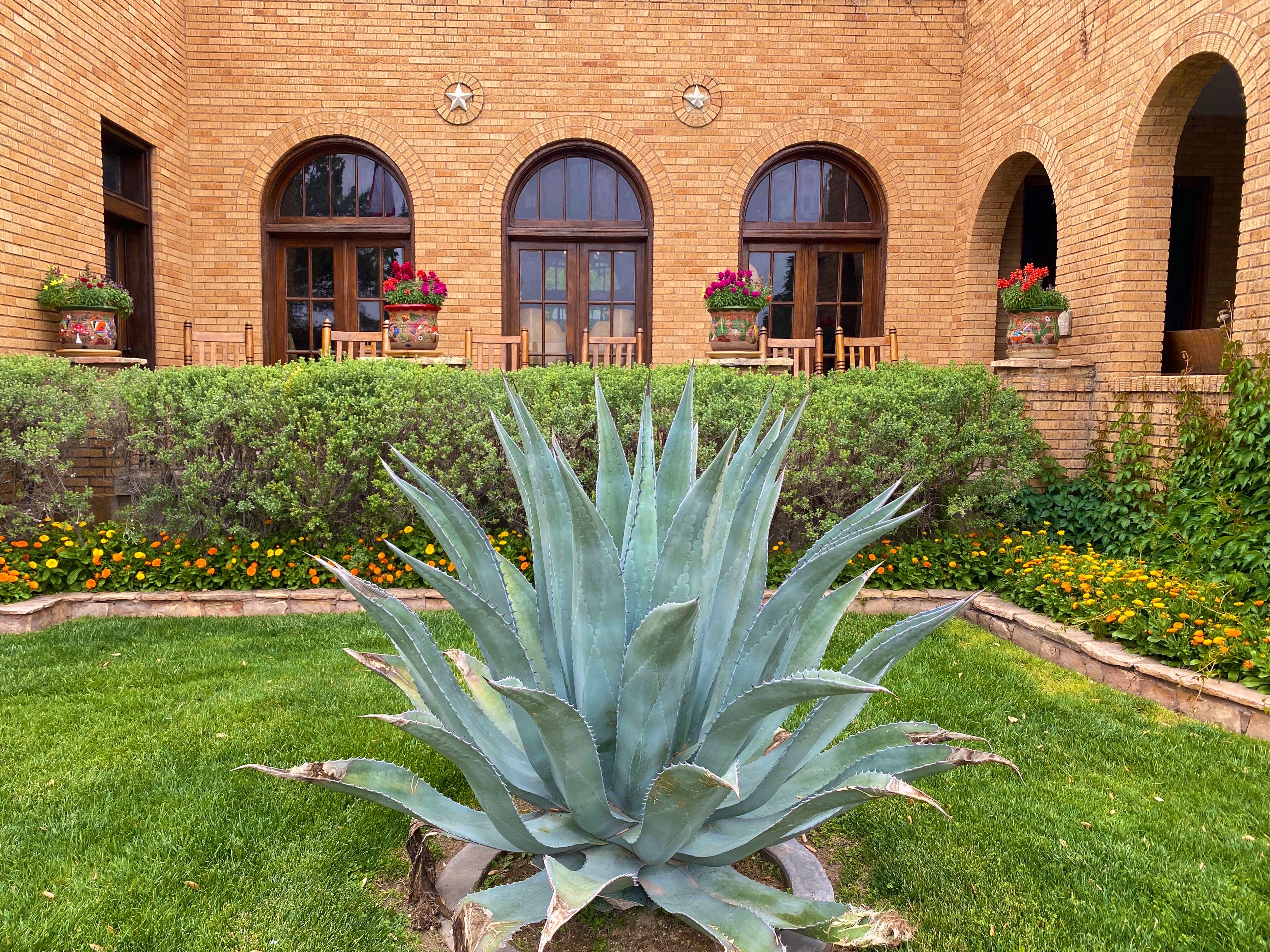
Far West Texas Cool

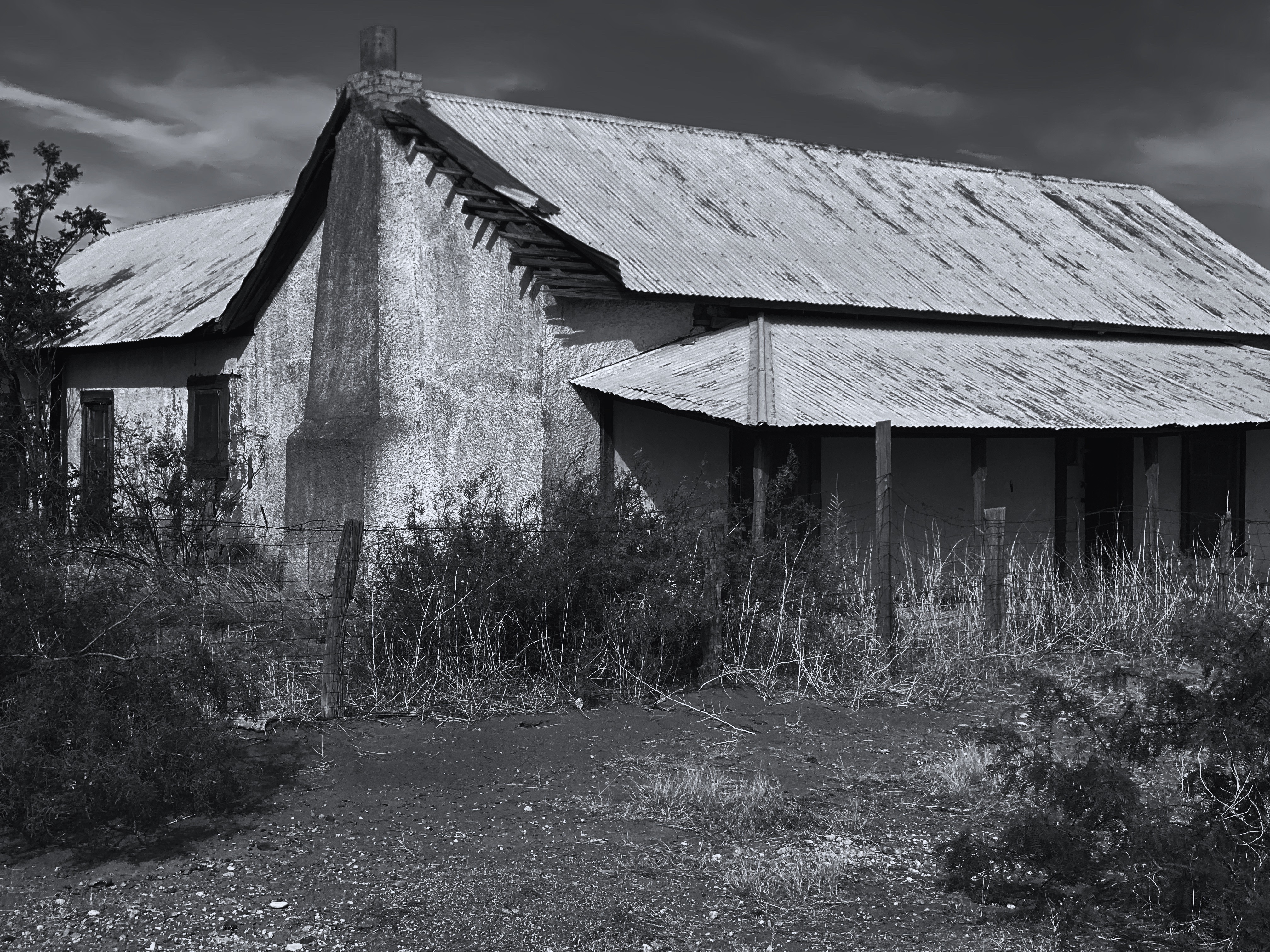
Iron Mountain Ranch (Photo Bill Murphree)
The “Long View” Across the Plains to the Glass Mountains
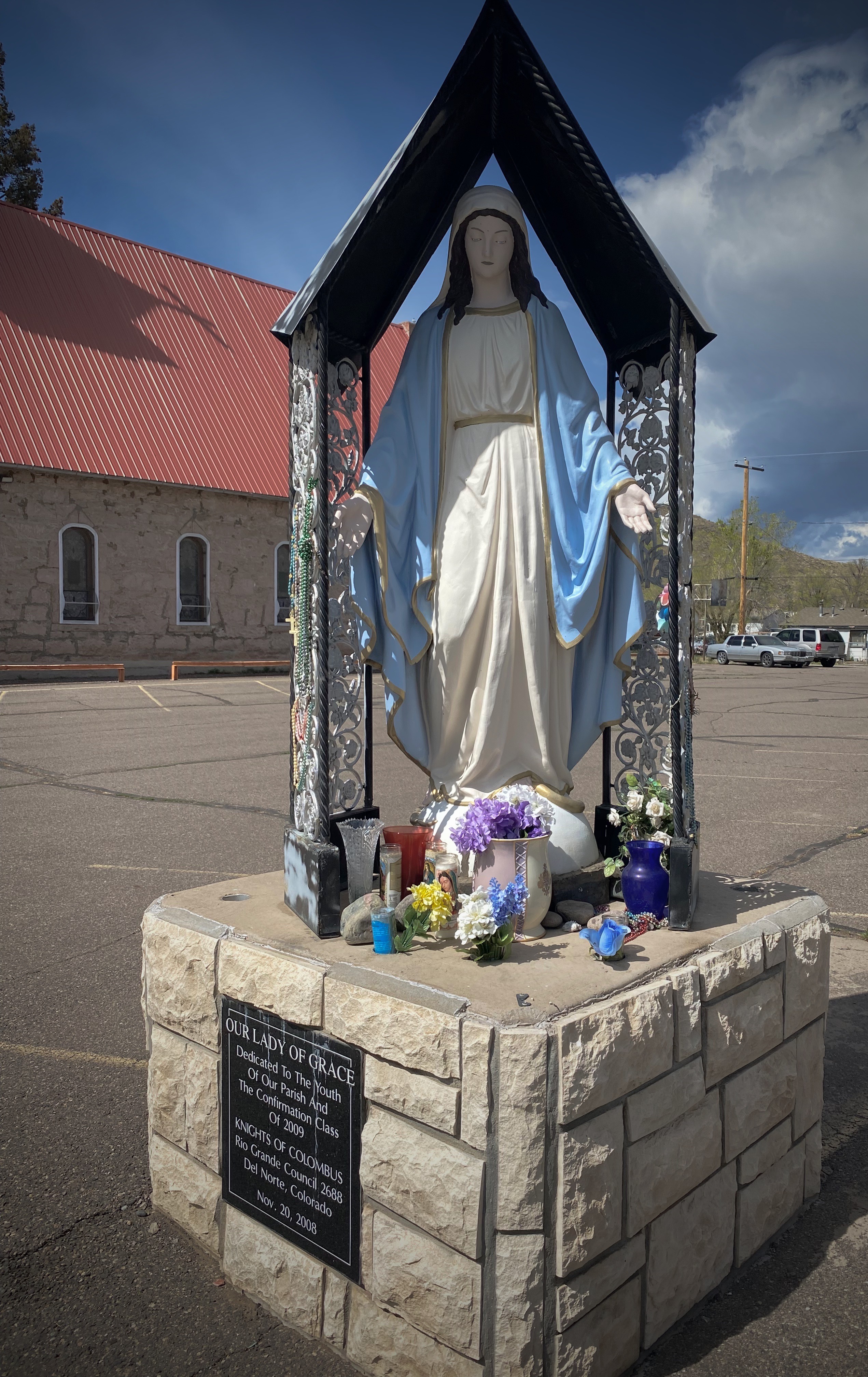
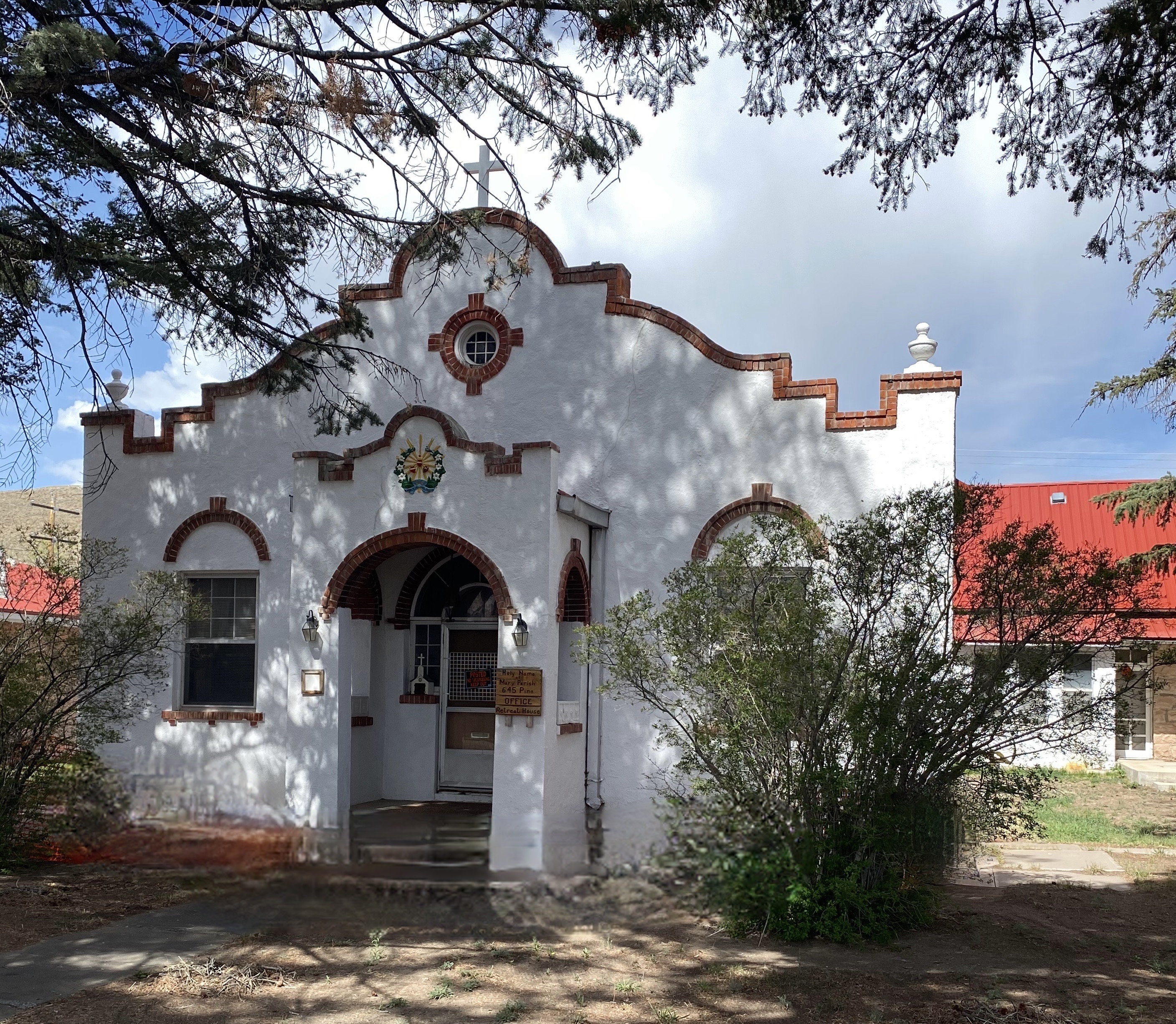
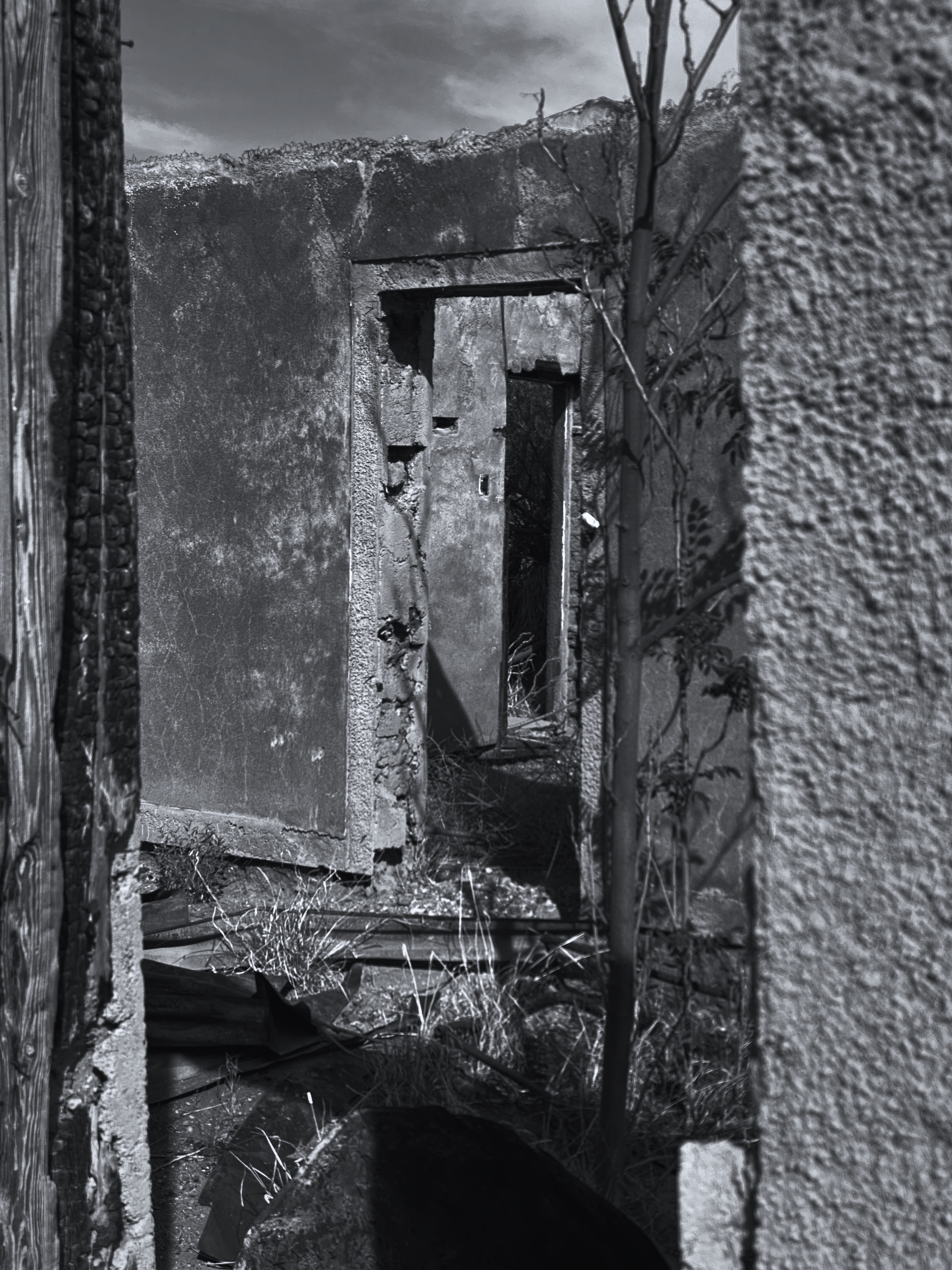
St. Mary’s Mission (Founded 1908)
Texas State Highway 118

Colorado: Abridged Edition

Durango – Four Corners – Route 550, Colorado
South Fork – Eastern Rockies – Route 160, Colorado

After refueling with burgers and diesel we continued our drive to the town of Del Norte. Prior to Euro-American settlement, this area was occupied by the Utes who migrated to the area from the south during the warmer months of the year. When this territory came under Mexican rule during the early 19th century, Hispanic settlers migrated north to take advantage of land grants offered by the Mexican government. Subsequently, this area was ceded to the United States by Mexico.

Del Norte, Photos, Courtesy Denver Public Library

After a quick tour of the small downtown we headed west a short distance to find a camping spot in the Rio Grande National Forest. We found a great spot in a meadow which afforded us a panoramic view of Del Norte Peak.

Rio Grande National Forest
Del Norte Peak, Elevation 12,400′
Great Sand Dunes National ParkSangre De Cristo Mountains

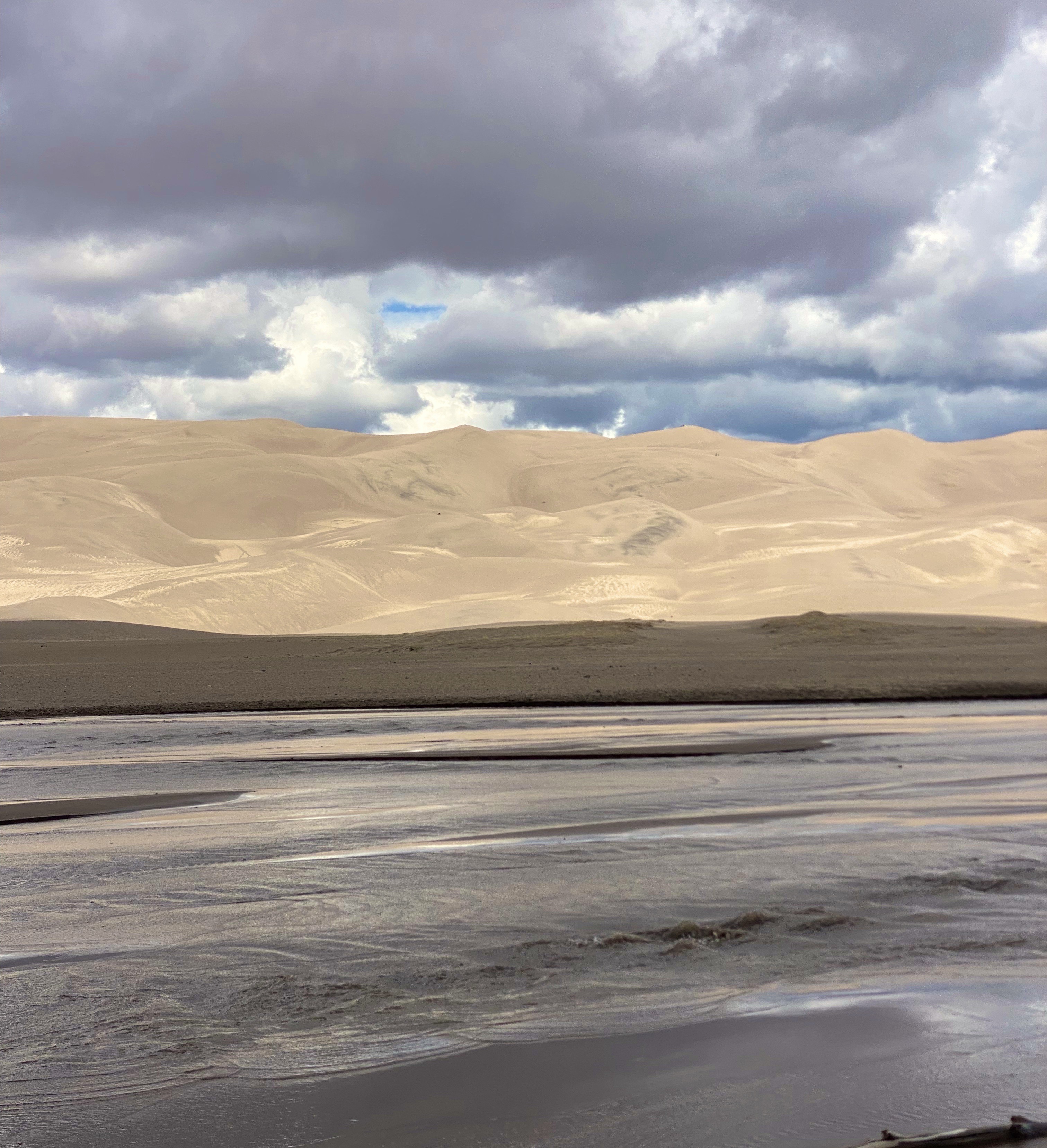
GSDNP presents a fascinating landscape with grasslands separated from a thirty square mile sand desert by Medano Creek. The dunes are tucked in against the base of the Sangre de Cristo Mountains–quite spectacular! The sand dunes at GSDNP are the tallest in North America. Some are as high as 700 feet (Star Dunes is the tallest at 750 feet).

Medano Creek
Medano Pass Primitive Road
Walsenberg, Colorado
The Broadmoor

Colorado Springs sits at just over 6000′ above sea level at the eastern base of the Rocky Mountains. Snow covered Pikes Peak (14,100′) looms over the city to the west creating a stunning backdrop. We did not travel up to the peak on this trip as we had taken the nine mile cog railroad trip on a previous visit (we definitely recommend riding the railroad to the top if the weather is clear -which it usually is in this part of Colorado). The train ride is fun and the views are phenomenal.

Pikes Peak
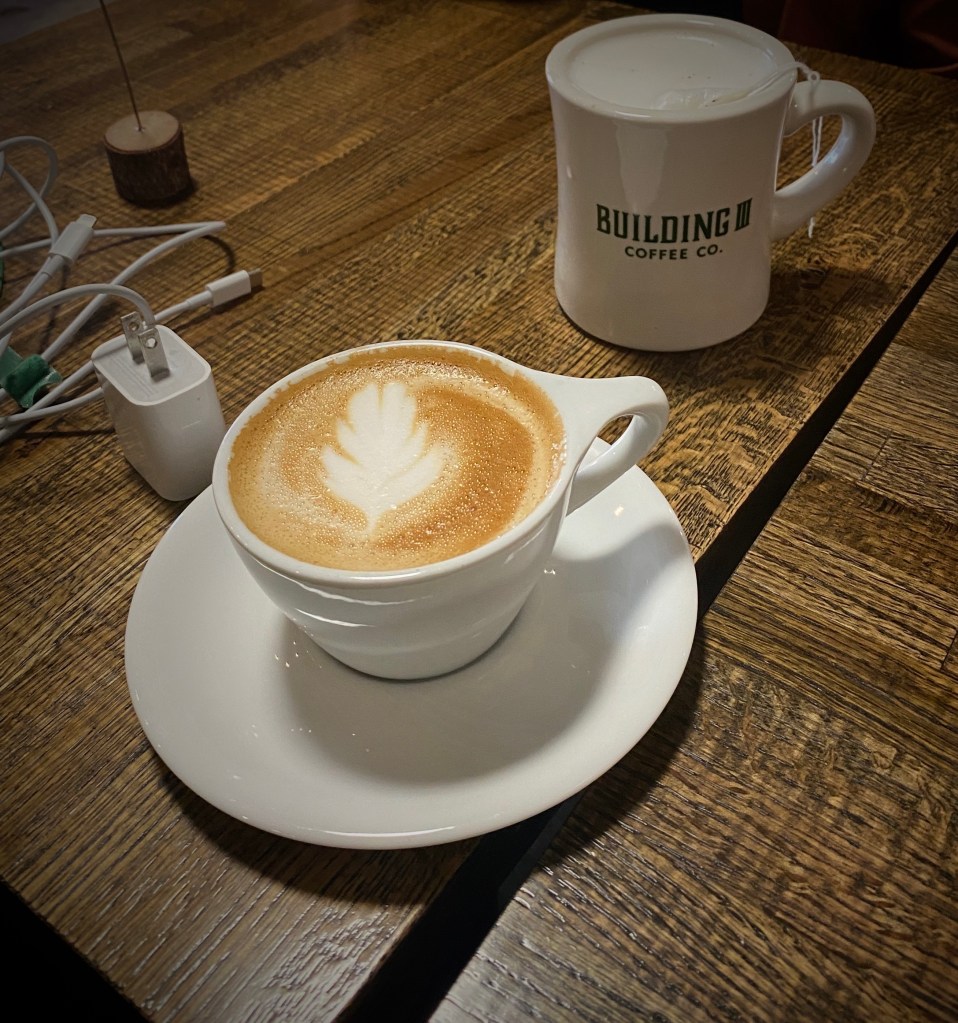
Building Three Coffee

With the cloudy, drizzly weather persisting into our second day in Colorado Springs (coincidently nicknamed “Little London” although not for the weather – there was a large British population in the 1870s) we decided to visit the Fine Arts Center (FAC) at Colorado College. The FAC is located in the Old North End neighborhood – an area of stately late 19th and early 20th century homes and tree lined boulevards.

Charles R. Bunnell (1897-1968) March Snow, 1940, Oil on canvas
Victor Higgins (1884-1949) Santa Fe Hills, Date Unknown, Oil on canvas

As with many museums of this size, the collection is regionally (although not exclusively) focused. We have included photos of several paintings which reflect the southwestern focus (and which we really liked). The museum is definitely worth a couple of hour visit when you visit “Little London”.

On our final day in Colorado Springs we ventured out to Red Rock Canyon. We had held off visiting earlier in our stay due to some cloudy weather. Unfortunately, it appeared that everyone else in Colorado Springs had done the same (it was also the weekend) and this popular open space was quite crowded.

Interestingly, Red Rock Canyon is a city park consisting of 1474 acres of land. The park was pieced together with the multiple purchases of parcels over a period of years during the 1920s and 1930s by private citizens. It was acquired by the city in 2003. What makes the park’s history all the more remarkable is that many of the parcels were formerly quarries, gravel pits and industrial sites which have been reclaimed. There is little evidence of the past use of the space – without reading about the history you would most likely not think that to be the case.

From Colorado Springs we traveled north – camping near Sterling, Colorado for our last night in the state. In future posts we will chronicle our trek across the midwestern plains en route to Connecticut.

Be seeing you!

Western New Mexico….a Slice of the American West

Our first stop after departing Silver City was Catwalk Recreation Area (CWA) where we were looking forward to hiking through the Whitewater Canyon. The beautiful slot canyon formed by the Whitewater Creek once served as a hideout for Butch Cassidy and the Sundance Kid as they attempted to evade the Pinkerton’s. Geronimo and his warriors also used the canyon to elude the U.S. Cavalry.

During the 1890s, the power of the upper creek flowing through the canyon was harnessed to bring water to the gold and silver mill which was situated in the lower canyon. Workers constructed a pipeline through the canyon which was bolted to the canyon walls about 20 feet above the creek. A series of catwalks were built on top of the pipeline in order to access it for maintenance and repairs. The boom came and went, and the mines and mill were closed in 1913; the materials were sold for scrap. The 200 or so residents left for other parts to find work.

The canyon essentially returned to its original state with no residents or mining operations. In 1935 the U.S. Forest Service (USFS) utilized the Civilian Conservation Corps (CCC) to create a hiking trail through the canyon. The CCC used the existing bolts in the canyon walls to build a new wooden catwalk as part of the hiking trail through the canyon. The trail was opened in 1937 and survived until 1961. It was replaced by a metal catwalk which subsequently was destroyed by storms in 2013.

Fortunately for us and other visitors, the USFS was able to have a new catwalk built and installed in less than a year. Today the catwalk extends approximately one half of a mile into the canyon, then hikers can continue on the canyon surface for another mile — as long as they are willing to make several water crossings. There are plans to extend the trail deeper into the canyon in the future.

After our hike at Catwalk, we traveled north and ventured across the winding single lane Bursum Road (NM59) to visit the town of Mogollon (mo-go-yone). The town sits deep in the Mogollon Range within the Gila Wilderness at 6500 feet above sea level.

Bursum Road Driving Towards Mogollon
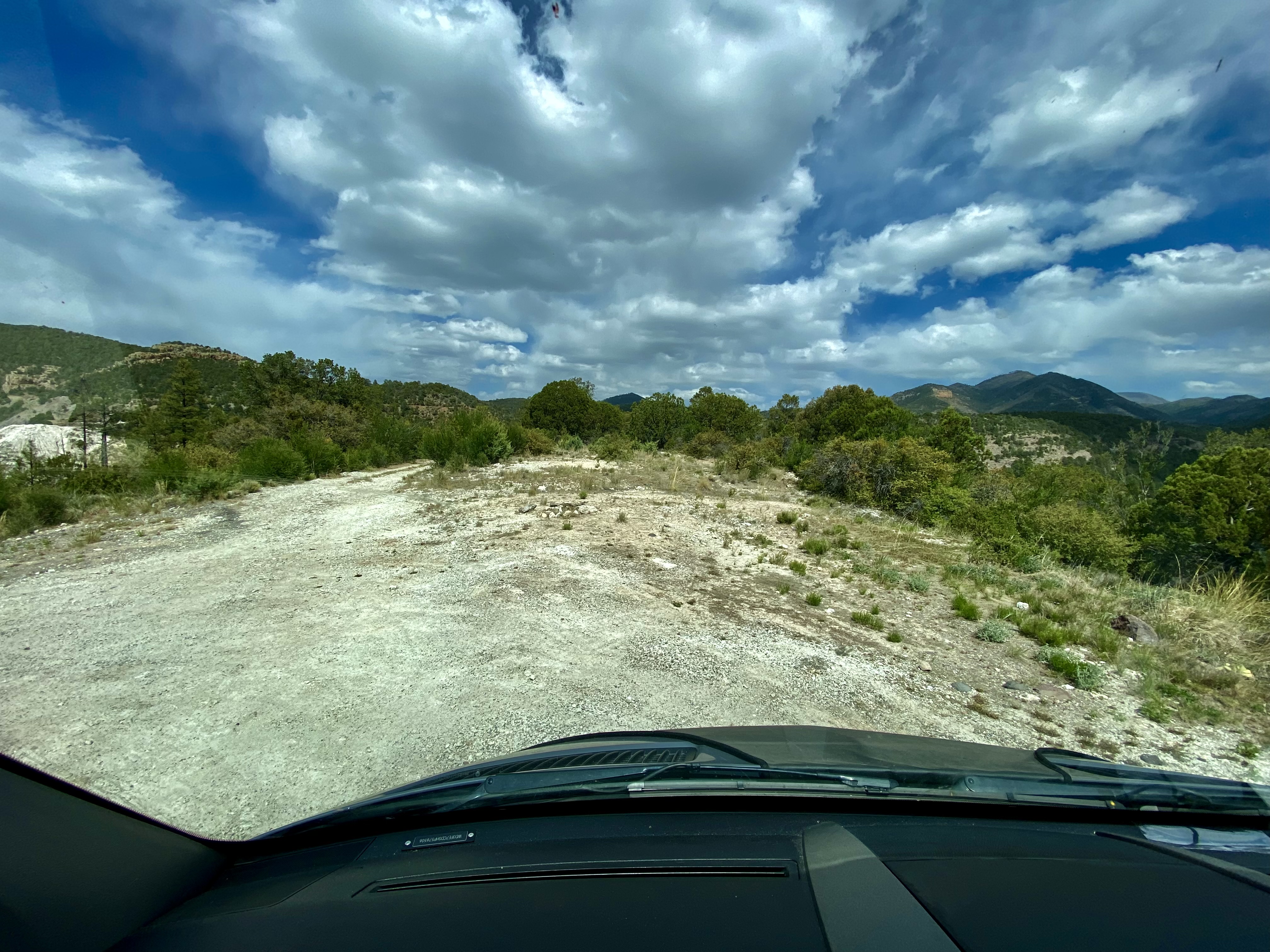
View from Bursum Road to the West

The town is sometimes referred to as a ghost town but it actually has a handful of residents (apx. 15) and several businesses. We saw several parked cars but no people during our walkabout. The town’s history began when gold was discovered in the late 1800s. Gold was mined here continuously until the 1950s. As a result, many of the structures are still standing today which leads to sense of stepping back in time as you travel through the small town.

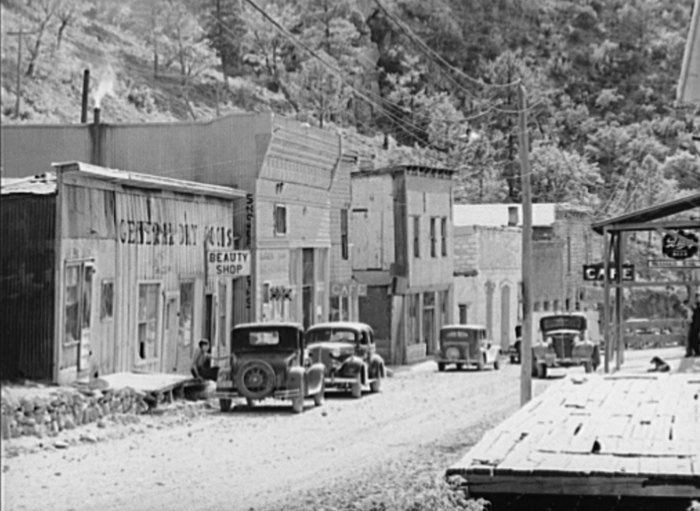
Mogollon, 1940, Photo credit Russell Lee

Gold mining brought as many as 6000 people to the town at the height of production at the Little Fannie Mine and several other nearby mines. The town flooded often (sitting on the Silver Creek) and major portions burned multiple times. The town’s reputation (like many mining towns) was that of a rough and tumble place with several saloons and brothels (and no law).

Little Fannie Mine

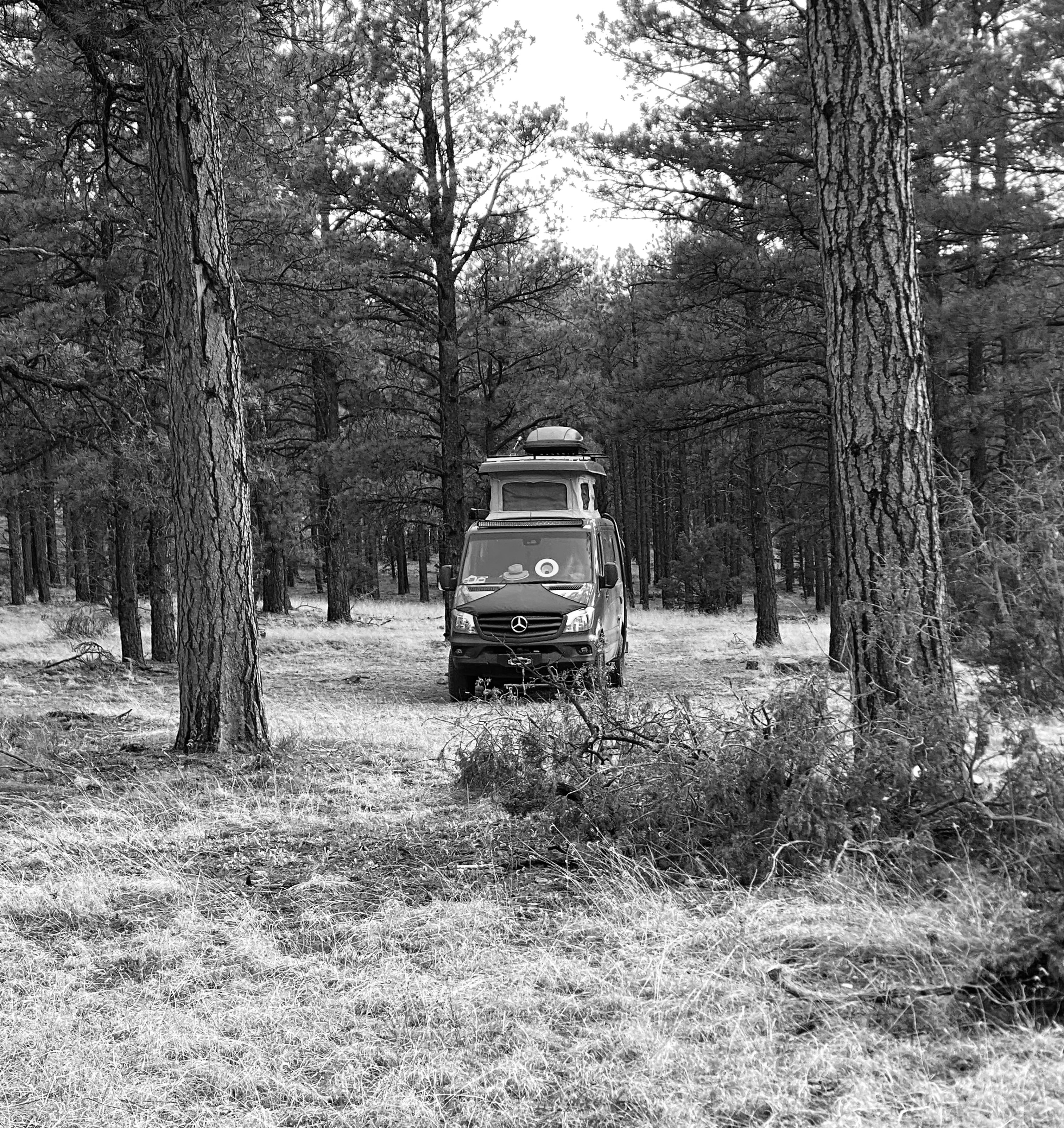
After our day at CWA and Mogollon we found camping in the Gila National Forest among the pines and the serenading cattle that were roaming around us in constant search of food. The next morning we pushed northeast out of the forest onto the Plains of San Augustin. The Plains stretch 55 miles from the northeast to the southwest and range in width from five to fifteen miles.

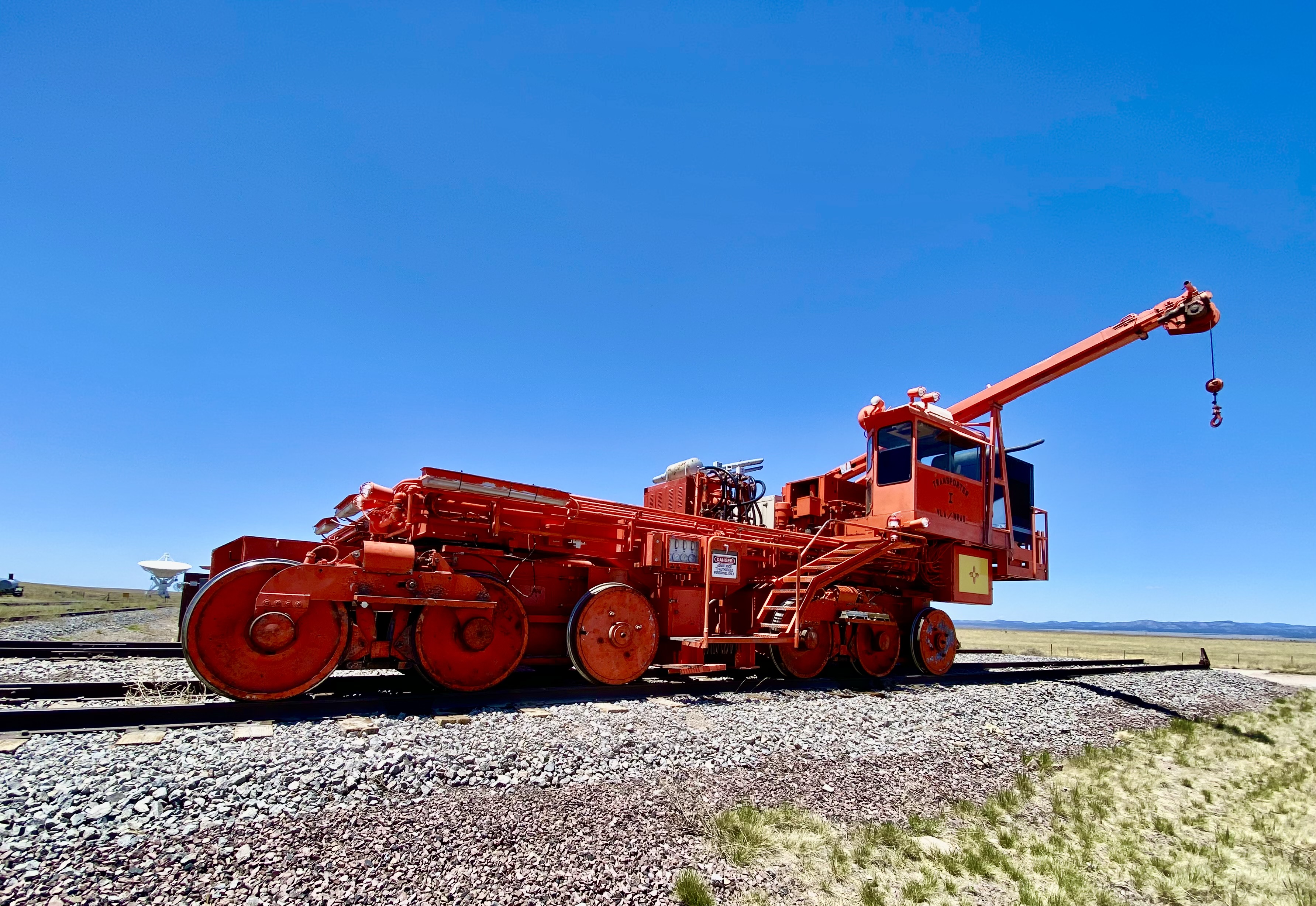
Our primary purpose in transiting the Plains was to visit the Karl G. Jansky Very Large Array (VLA). The VLA consists of 27 radio telescopes positioned across the Plains via railroad tracks. Each of the radio dishes stands 90 feet tall, 82 feet across and weighs 250 tons. In their widest configuration the radio dishes stretch for over 20 miles across the Plains. The Plains are an ideal setting for the VLA as it is far away from any population centers and shielded from light by the surrounding mountain ranges.

The Very Large Array

We won’t pretend for a second to understand how this works but it is nonetheless fascinating to see the array in action and to learn about the many important discoveries made utilizing radio astronomy. The array has captured activity in our galaxy as far away as 150 quadrillion miles!

We met a motorcyclist who had pulled over for a break while we were off the road near the VLA adding air to two of our tires with slow leaks. He asked us if we were going to stop in Pie Town – we said yes – he said good, it is a tradition whenever you cross Route 60 to stop and have pie!

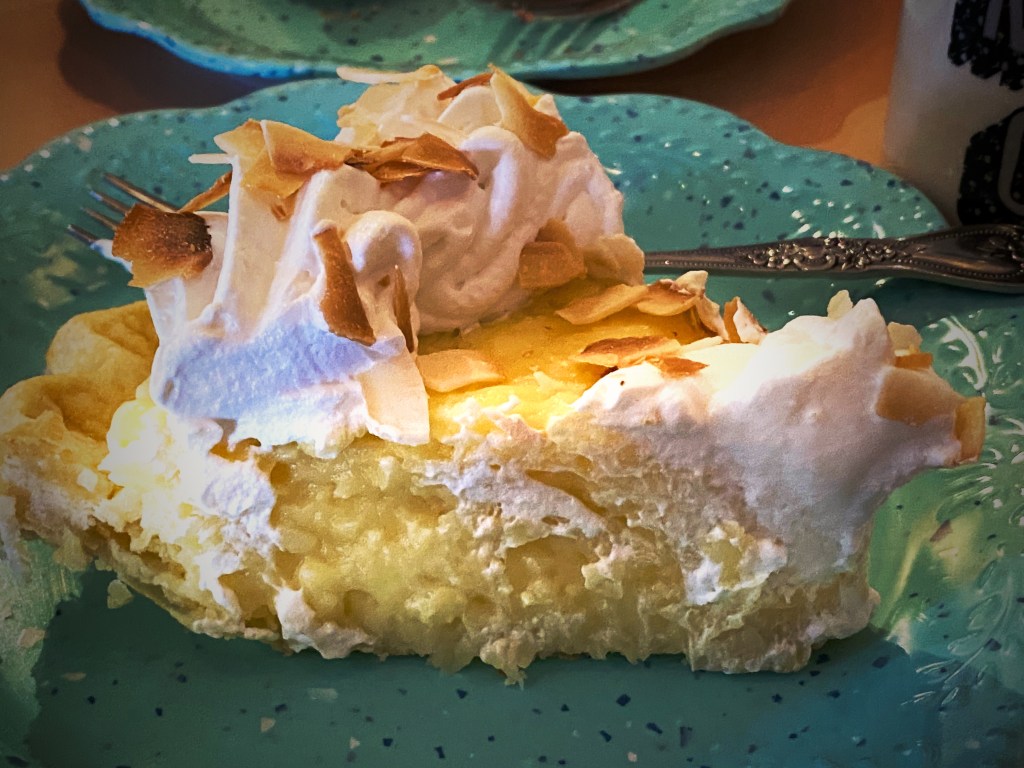
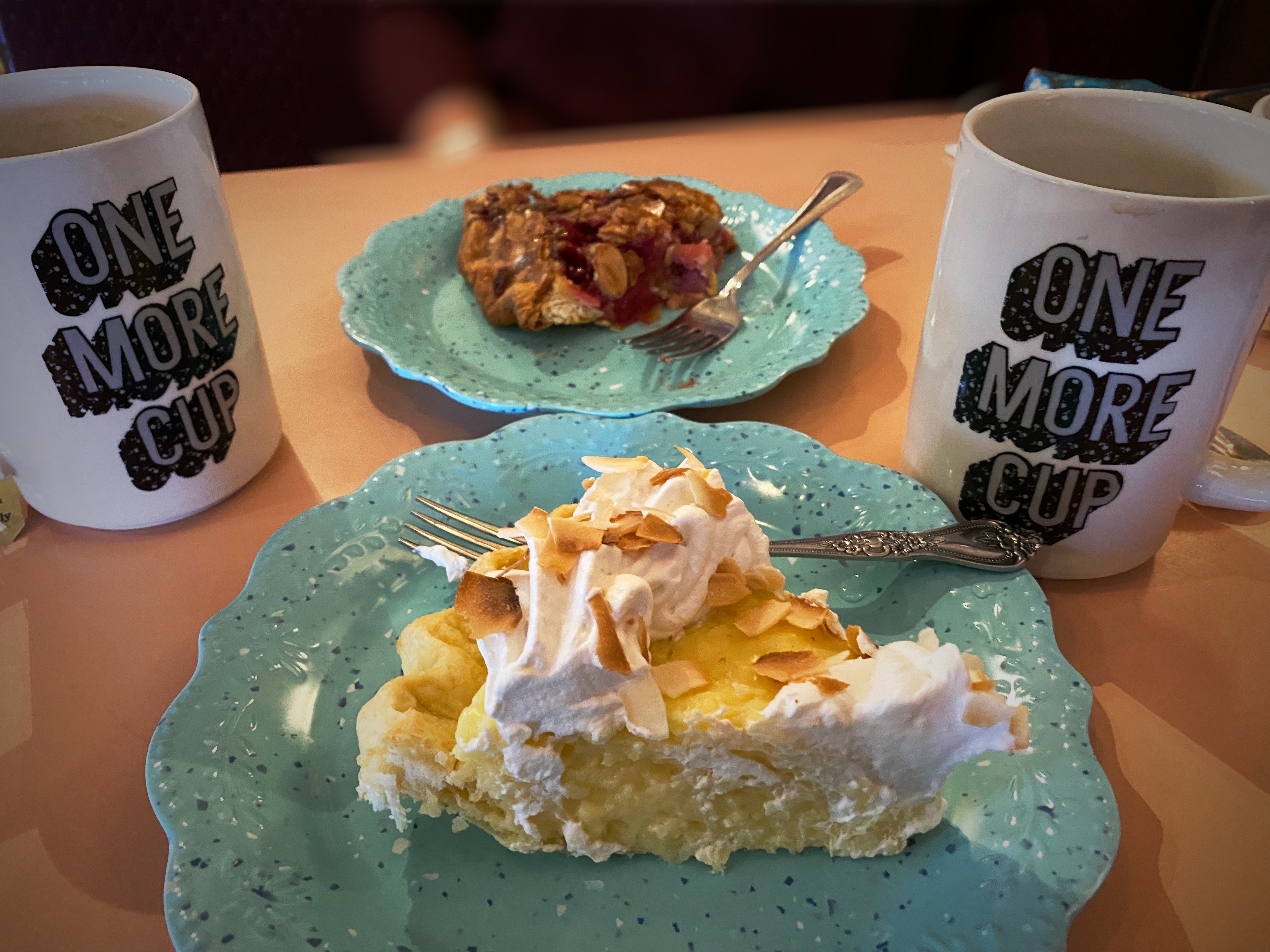
Well, we did, and it was dang delish! Maria had the Cherry Almond Pie and I had a piece of the freshly made Coconut Cream Pie. Pie Town establishments did a good business dishing out pies for cross country travelers and local ranchers until the ubiquitous interstate was built and diverted much of the traffic away from town.

Fortunately, about 25 years ago the Pie-O-Neer Cafe opened and it has been doing a booming business ever since. In addition to many travelers that now routinely avoid the interstate, the Continental Divide Trail runs through Pie Town. Many hikers stay at a nearby hostel and consume thousands of calories (based on what we saw) replenishing for the next leg of the journey. The town itself has not grown with a population hovering around 25, but they apparently throw a heck of a pie festival every September.

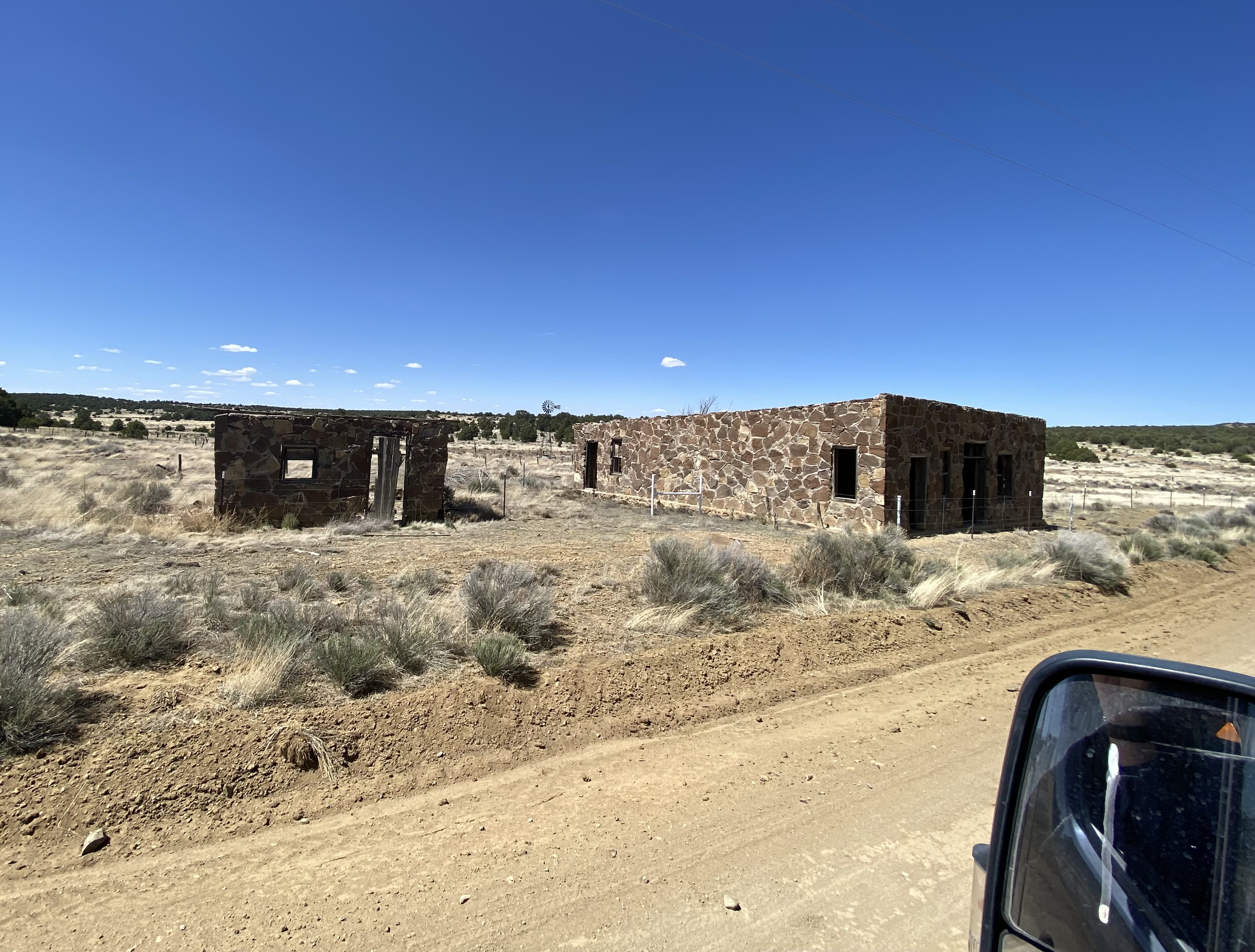
After filling our bellies with delicious pie, we set north across some dusty ranch country on the York Ranch Road in search of camping near El Malpais National Monument (EMNM). As you can see in the photo below left, the desert can be cruel for those unprepared for the terrain.

We found a beautiful spot to camp just east of EMNM on a bluff which provided great views and a spectacular sunset.

In the morning we made our way north to Grants, New Mexico to have our leaking front tire replaced. From there, we set out for the Big Tubes area to explore. There is only one way in or out – the Big Tubes Road ( NPS 300) – a classic impassable-when-wet mud job. Fortunately, while there had been some rain leaving behind some large ruts, the road was fairly dry and passable. Regardless, we would not recommend this road without 4WD and high clearance.

NPS 300

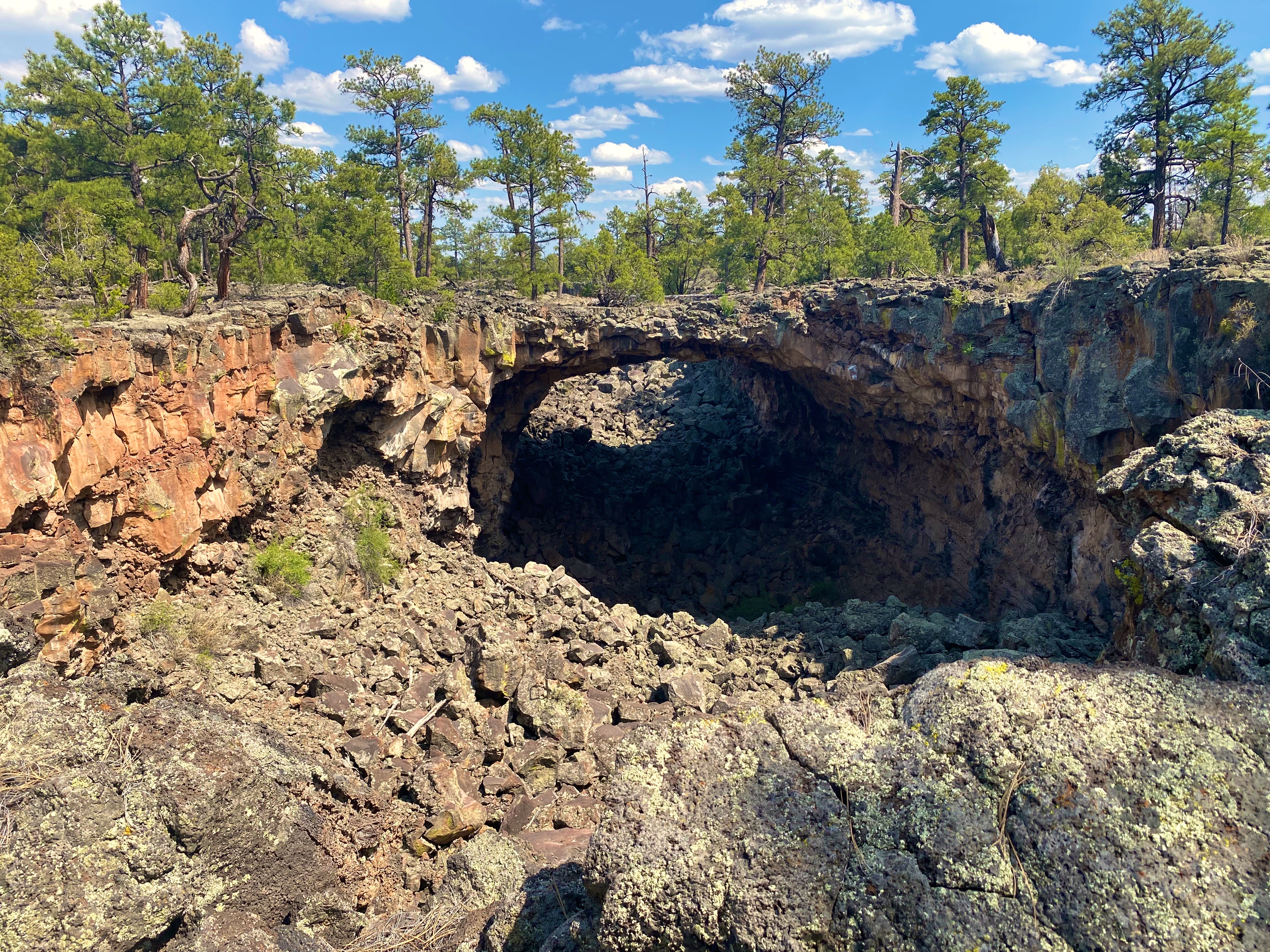
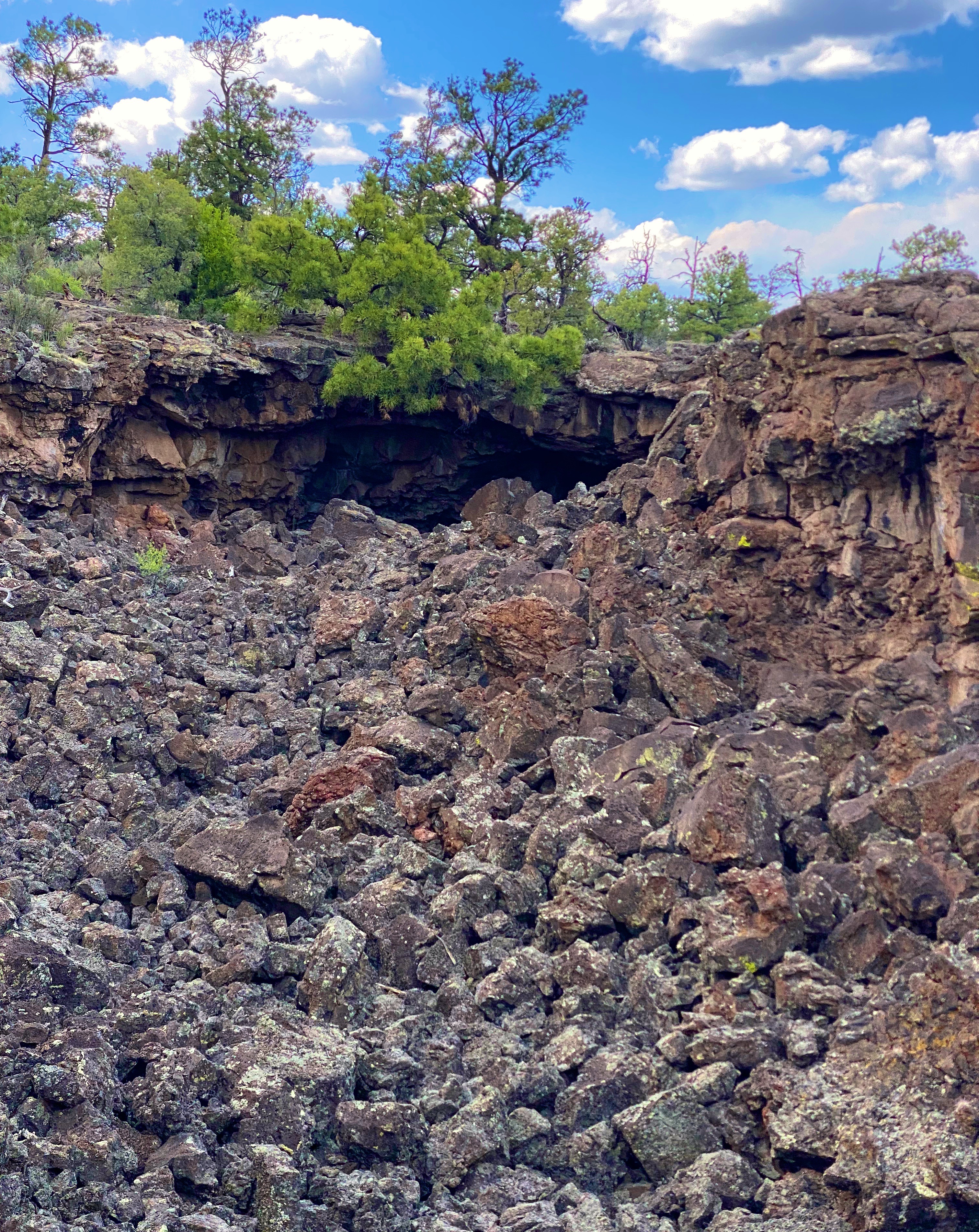
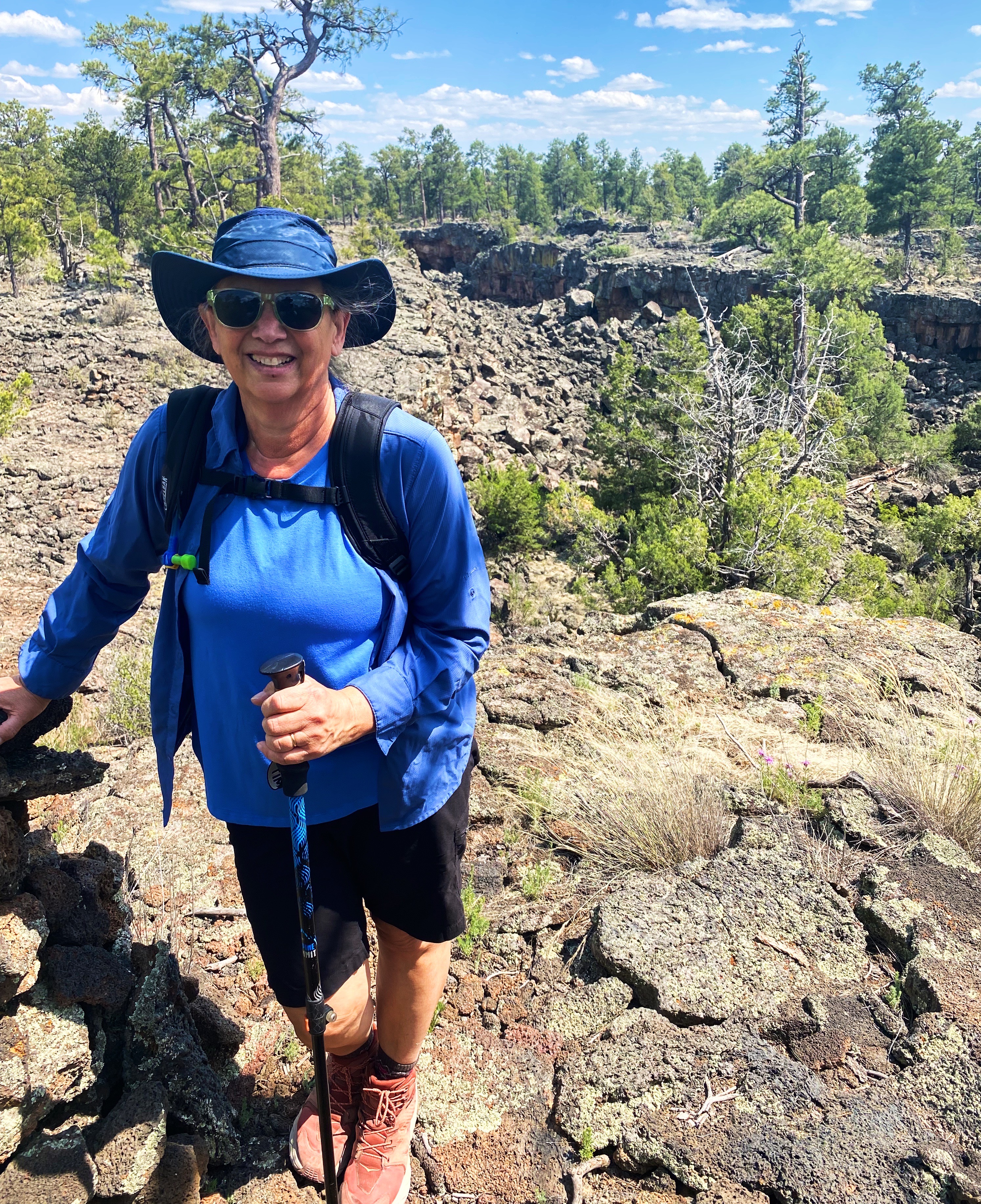
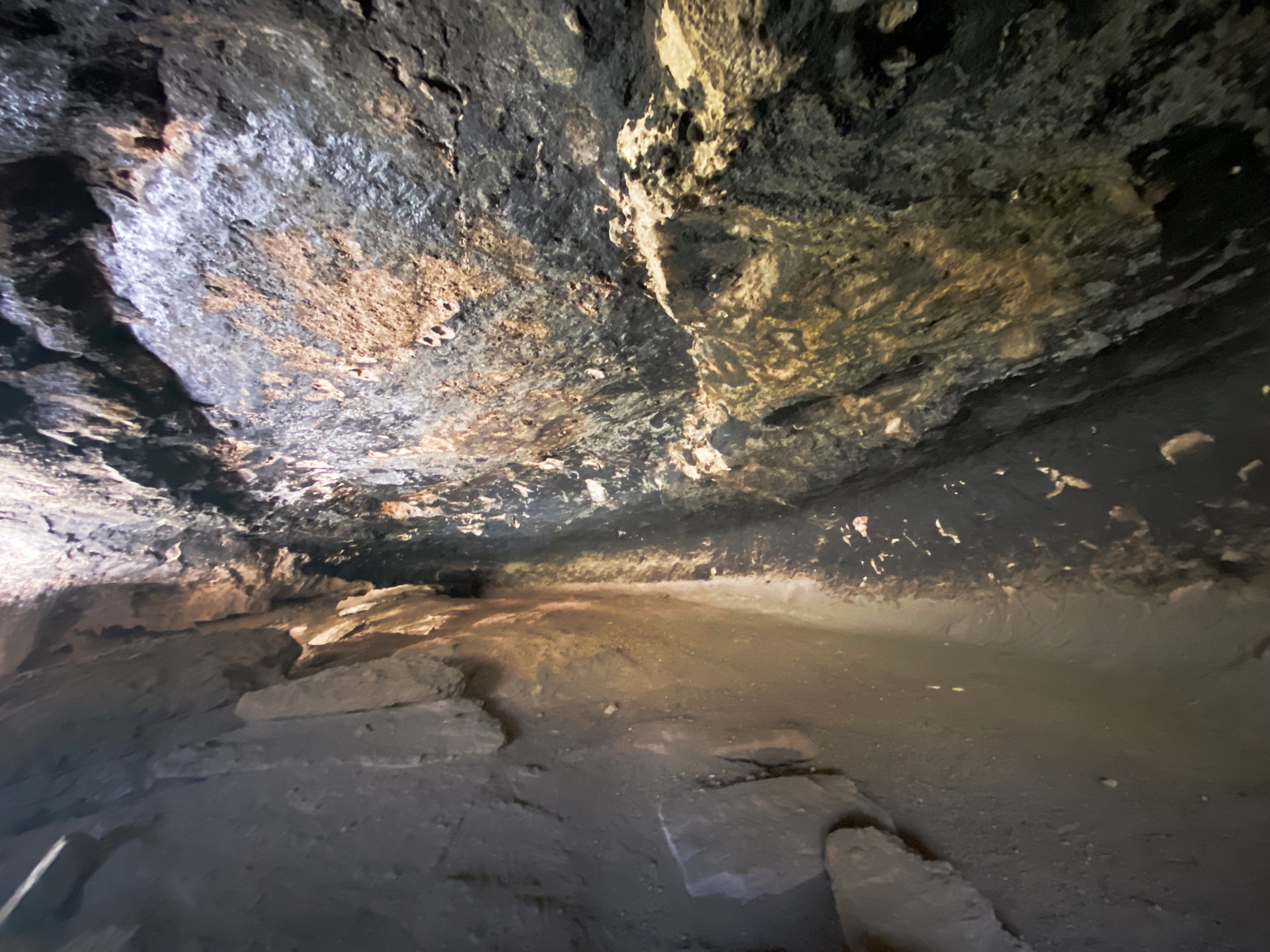
The Big Tubes Area is a massive volcanic landscape that provides the opportunity to explore lava tube bridges, lava tubes, tube caves and lava flows. There are no marked trails, although there are cairns laid out across the field – use the cairns – there are no other usable reference points in this other-worldly place. Even utilizing the cairns we made several wrong turns in hiking out and back across the field.

You are free to scramble down into the tubes and caves and under the bridges. We recommend wearing gloves and a climbing helmet. The boulders in the trenches and tubes are big and sharp!

From EMNM we traveled through several portions of the Ramah Navajo and Zuni Indian Reservations on our way north on the 602 to Gallup. We had reserved a couple of nights at the El Rancho Hotel and were looking forward to staying at this 1940s hotel that once hosted dozens of Hollywood stars ensconced here while filming Westerns in the area. Additionally, the hotel sits smack on Historic Route 66 to add even more kitsch. From the photos below you might suspect we were not disappointed with our decision.

Gallup has a storied history that predates the movie making haydays of the 1940s and 1950s. The first white settlers arrived in the area that became Gallup in the early 1860s. This was Navajo land and thus the Navajo attacked the white settlements. The cavalry was dispatched to physically remove the Navajo people from the area. The U.S. Army destroyed the Navajo homes, crops and livestock. The Navajo were then force marched 400 miles to a reservation where they were held for four years. In Navajo history this event is known as The Long Walk.

The town was formally founded in 1881 as a railhead for the Atlantic & Pacific Railroad. The freight lines that ran through the middle of Gallup hauled the high grade coal that was mined in the area. While the coal mining in the area has largely played out, more than 100 freight trains still rumble through town every day.

American Coal Company – Atlantic & Pacific Railcars

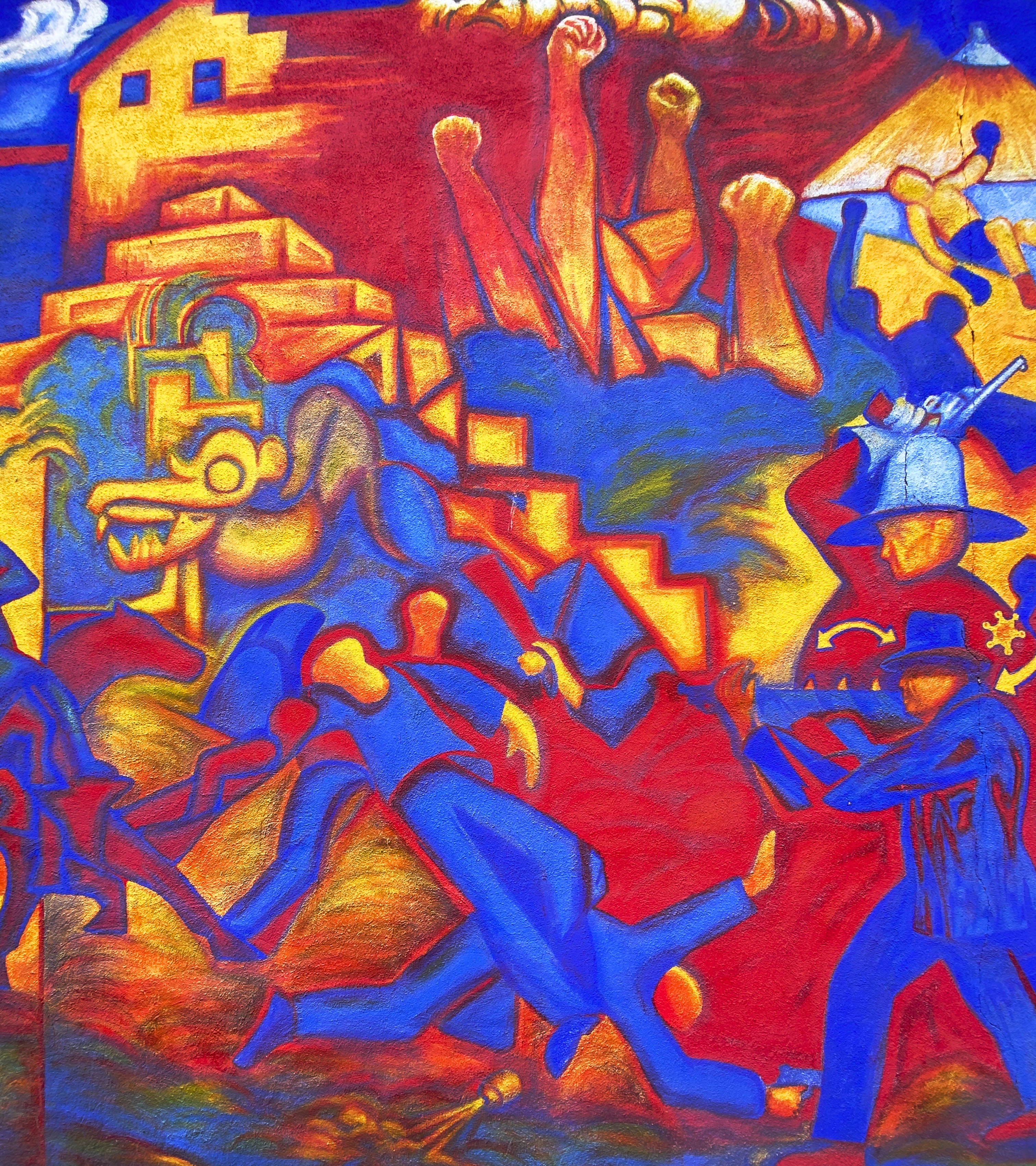
Coal miners in Gallup went on strike in 1933. The situation in Gallup was politically charged due to the multi-faceted race issues that existed in the American West. Many of the miners were Mexican and, influenced by their experiences during the Mexican Revolution, were members of the communist National Miners Union. The white miners aligned with United Mine Workers of America. Additionally, by the 1930s, many Navajo Nation members from the abutting reservation had begun working in the mines in Gallup. The Navajo coal miners did not belong to any union and routinely crossed the picket line – they did not consider themselves as members of the world outside the reservation. This act further intensified the significant racism already directed at Native Americans in the West.

The strike turned violent in 1934 and the sheriff was shot and killed by a Mexican miner. Subsequently, the Mexican miners were deported en masse. The UMWA became the sole union, although it took another nine years for a contract to be signed by the coal companies.

Mural Depicting the Coal Mine Riot of 1934

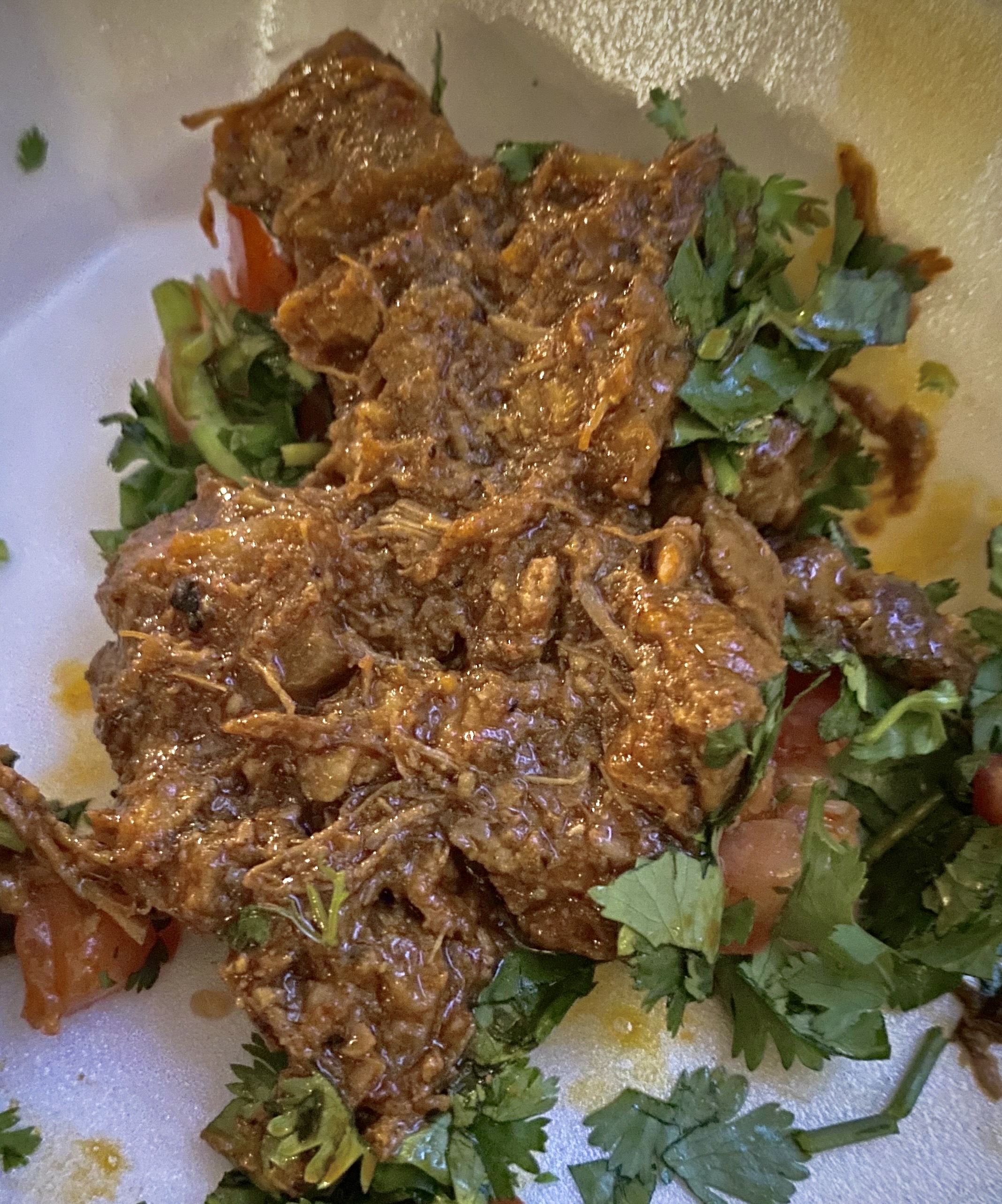
We took advantage of the opportunity to try the local cuisine. Lots of delicious dishes to choose from. The only item we do not recommend is the beef tongue – it’s a texture thing!

We enjoyed our stay in Gallup. Fascinating western history, excellent local cuisine, fine coffee and great street art. However, please keep in mind this is not a trendy tourist town. As a result of the long history of cultural and socio-economic issues there is a legacy of high unemployment, high crime and poor education which is evident within the community.

A quick stop in Farmington, New Mexico for fuel, coffee and groceries and then we headed over the state line for the snow capped peaks of Colorado.

Mural, Farmington, New Mexico

Be seeing you!

Silver City: Feel the Love

As the name infers, precious metals are at the heart of the existence and development of this area of New Mexico. Long before the Spanish arrived the Native Americans were making use of the abundant copper found in the area. The Spanish brought more scale to the mining operations with their “technology” utilizing horses to power the machinery (below) to extract the gold found in the Pinos Altos Mountains .

Spanish Gold Mining Machinery, Pinot Altos Mountains, Gila NF

Today the Central Mining District is still a major precious mineral producer. The St. Rita Copper Mine pictured below is one of the world’s largest open pit mines. It is 1.5 miles wide and over 1500 feet deep.

St. Rita Copper Mine from the Route 152 Overlook

While one of us might find the major extractive industries fascinating, it was not our primary reason for visiting Silver City (SC). The elevation (5900) and surrounding Gila NF meant more comfortable temperatures than we had been experiencing in Texas and Southern New Mexico. Additionally, SC has a reputation as an artistic community where we might find music, coffee, art, history and friendly folks. Happily, SC provided all of these things in abundance.

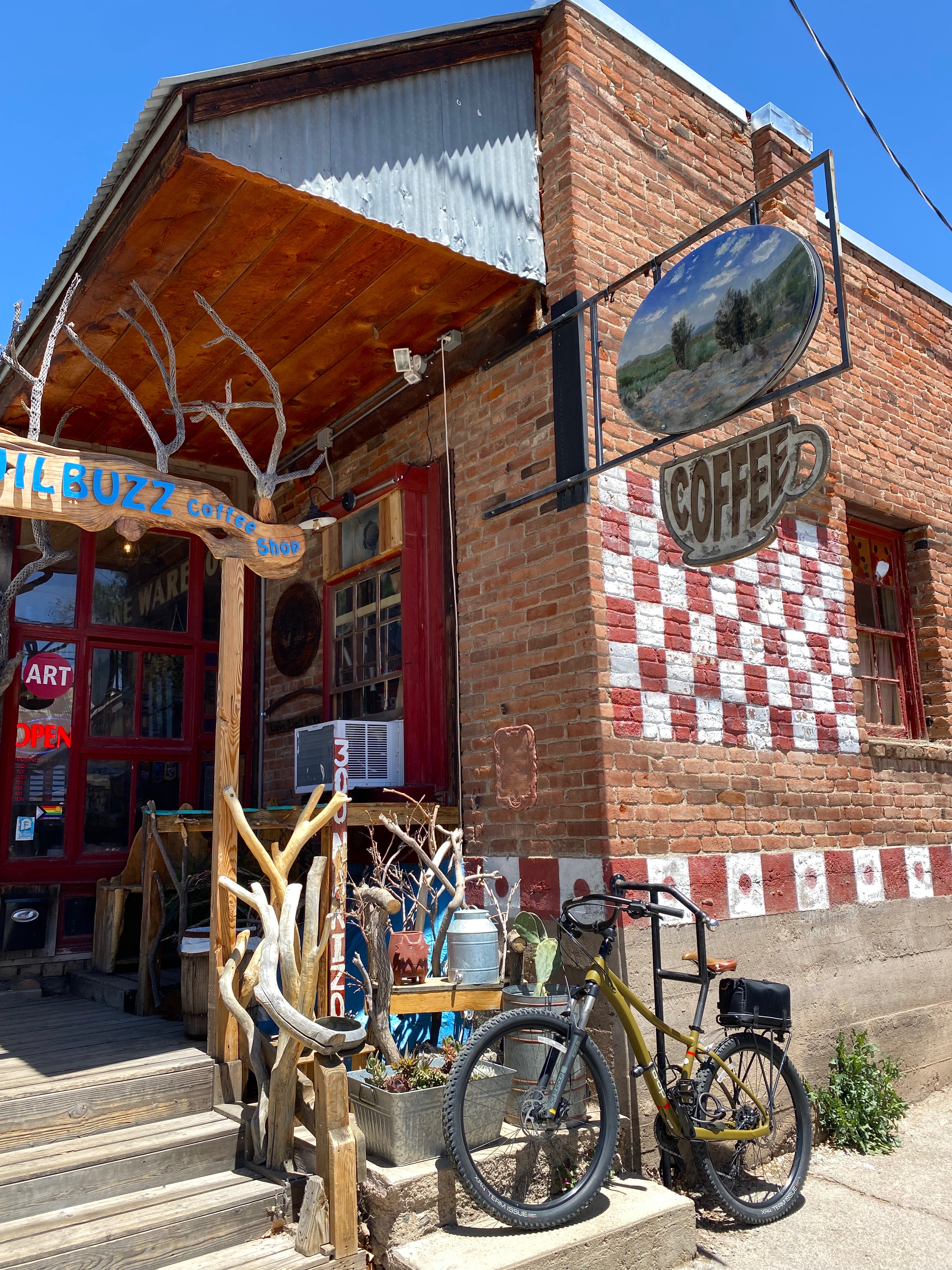
SC has become a draw for the artistic community. We met many folks who found their way to SC to be part of a very open and welcoming community. We started each day at the Buzz to fuel up and invariably met several new folks (many of whom are artists and musicians). SC is definitely a fun town for a two to three day visit and also a good base for exploring the surrounding area.

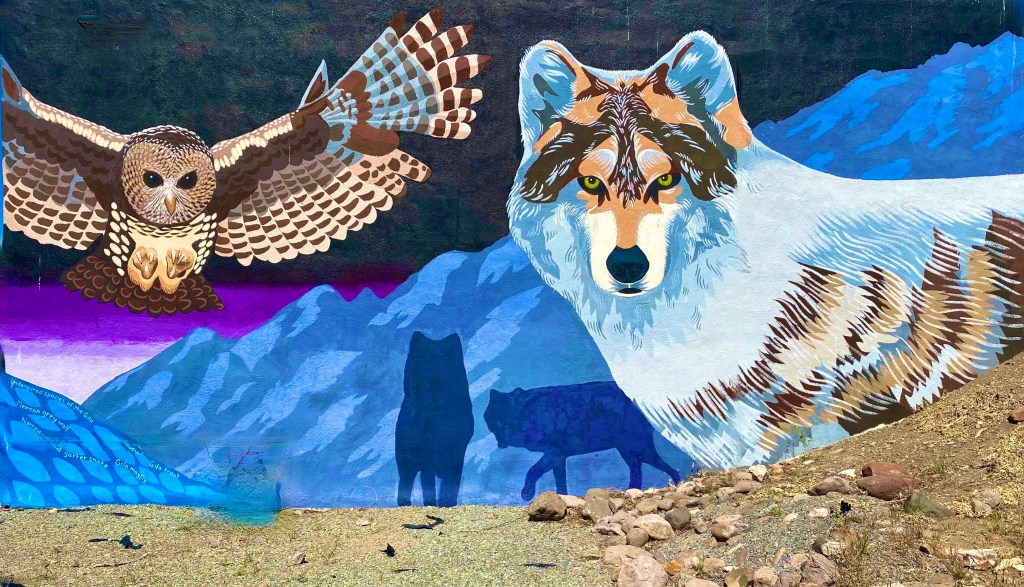
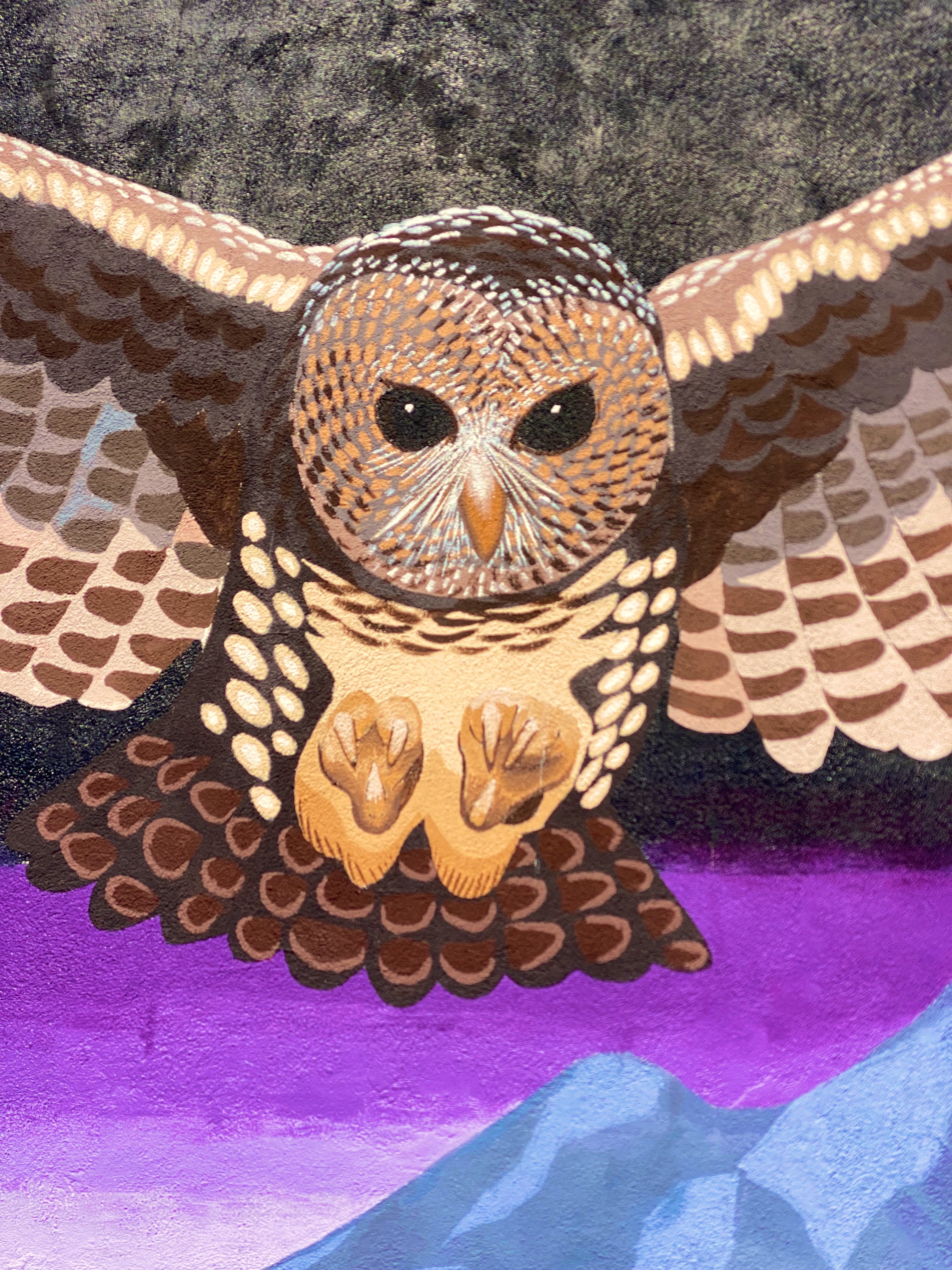
Endangered Species Mural, WNMSU

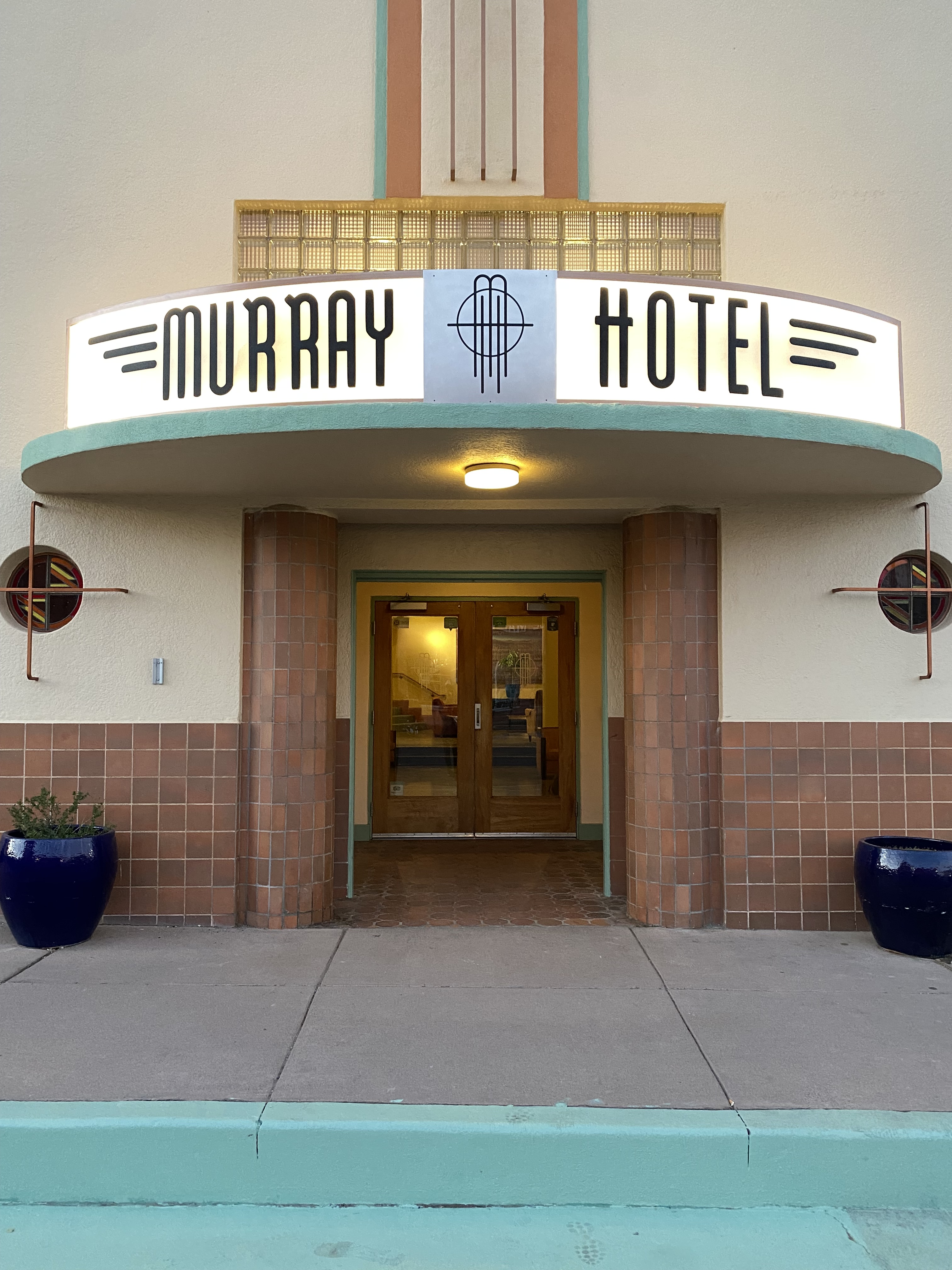
When not sleeping in the Beast, we try to find a local hotel with history and style. In SC we stayed a couple of nights at the Murray, a classic Art Deco hotel. The hotel opened in 1938 and was considered the height of luxury (in the southwest) at the time. It closed for several decades but was renovated and reopened in 2012. The hotel is perfectly situated in the middle of downtown, enabling us to walk everywhere and leave the Beast parked for the duration.

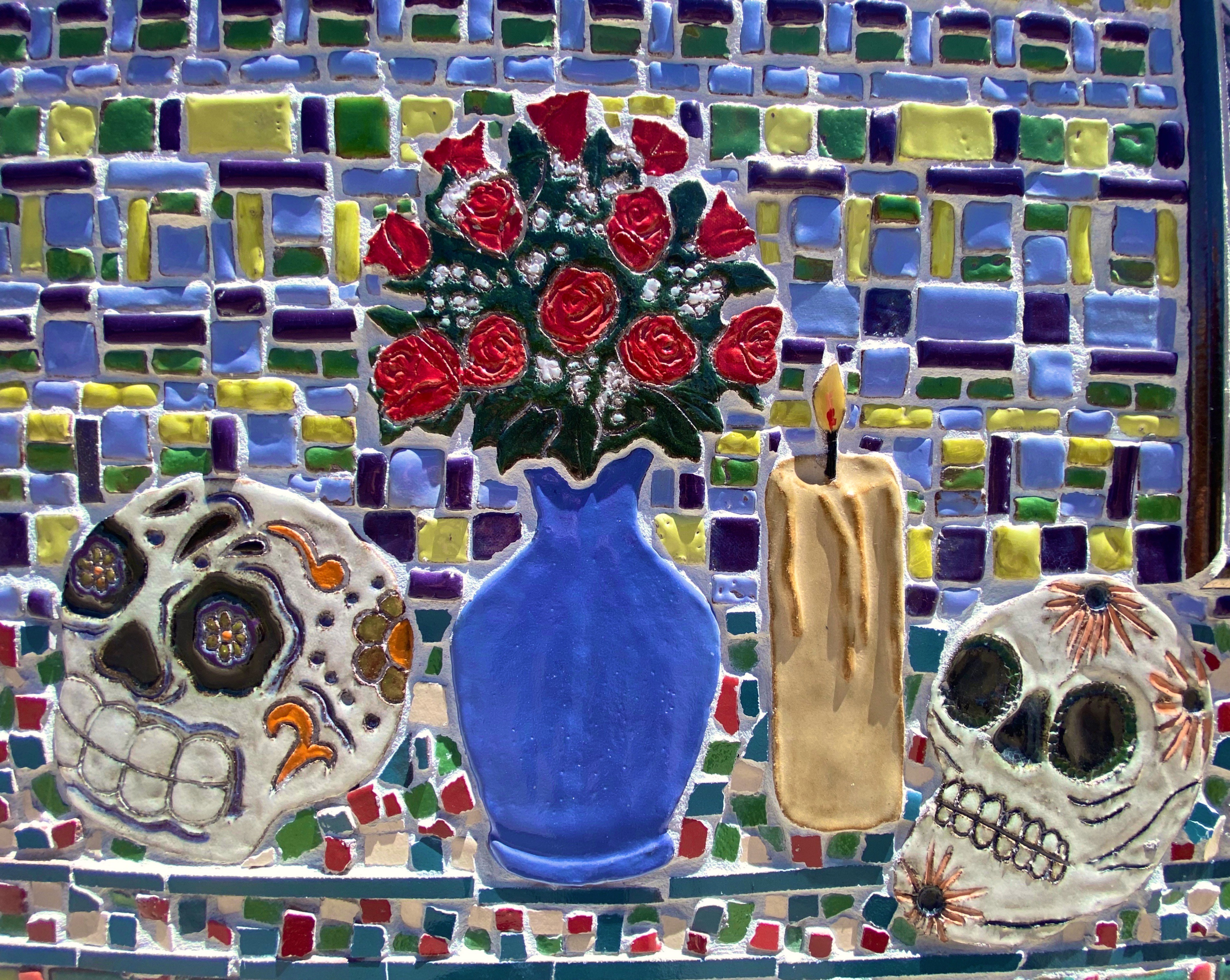
The photographs above are of tiles from the “Dia de los Muertos” mural located on the side of the Silver City Museum. The tile medium is quite popular in the southwest and, along with the subject matter, it reflects the heritage of this area. There is art everywhere in this town – not surprising that SC was named one of the top 100 art towns in the United States.

Just north of SC sits the small town of Pinos Altos (PA as it is called locally). The town was formally organized in 1860 after the discovery of gold by three men stopping for a drink of water in a local creek. The population quickly grew as word of the gold discovery spread.

However, the local Apache people were not pleased to see hundreds of miners descend on what was their homeland. A band of 400 Apache warriors, joined by the great chief Cochise, attacked the settlers in what became known as the Apache War of 1861. Hostilities went on for several years until the cavalry built a fort at Bayard and a treaty was negotiated (we know who got the better end of that deal).

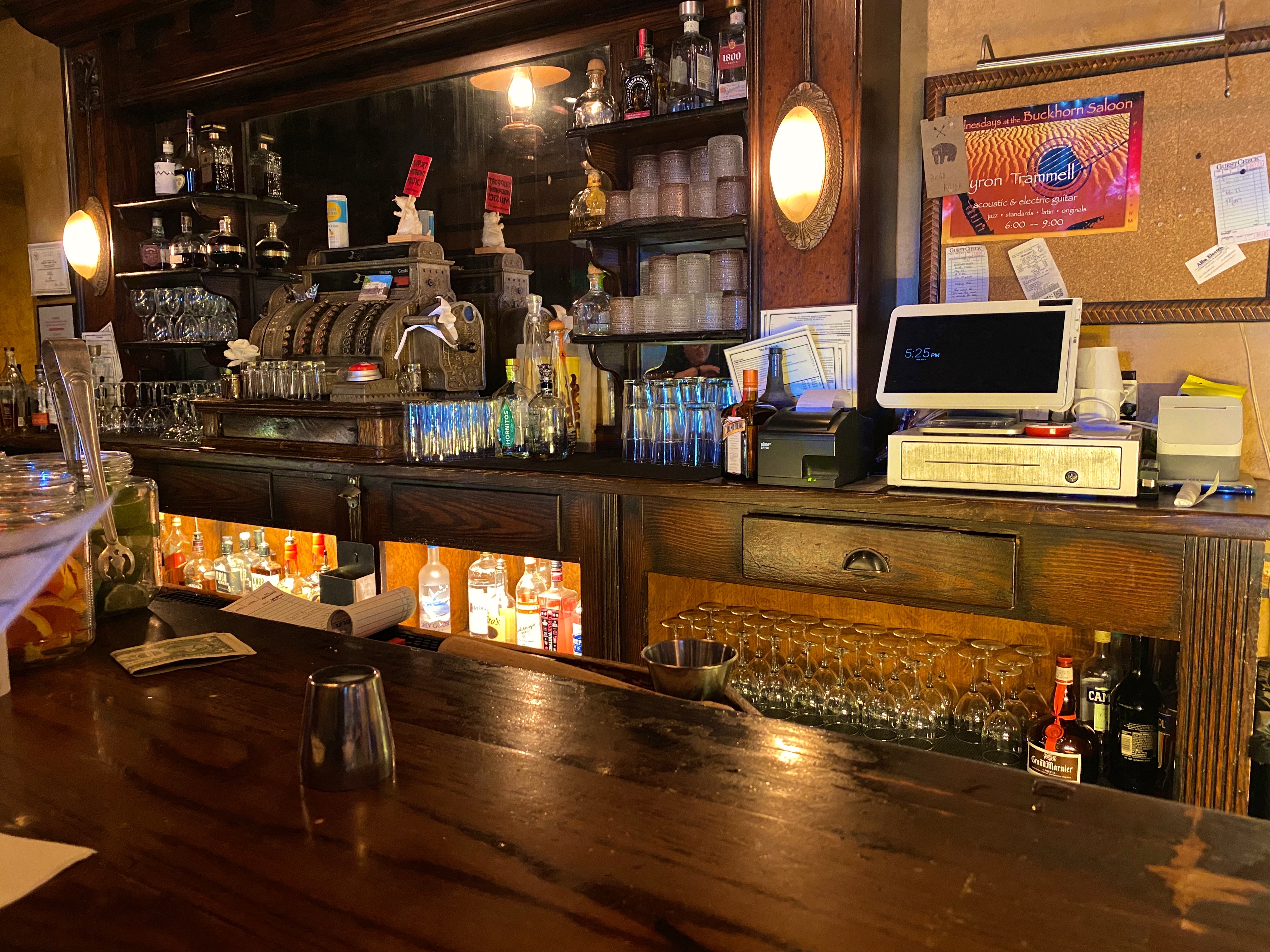
Today the town has 300 or so residents after having been abandoned for may years. Fortunately, many of the original buildings remain, and that in conjunction with the Buckhorn Saloon, engenders a fun, old west atmosphere. Besides, who can resist a town where Main Street is still a dirt road!

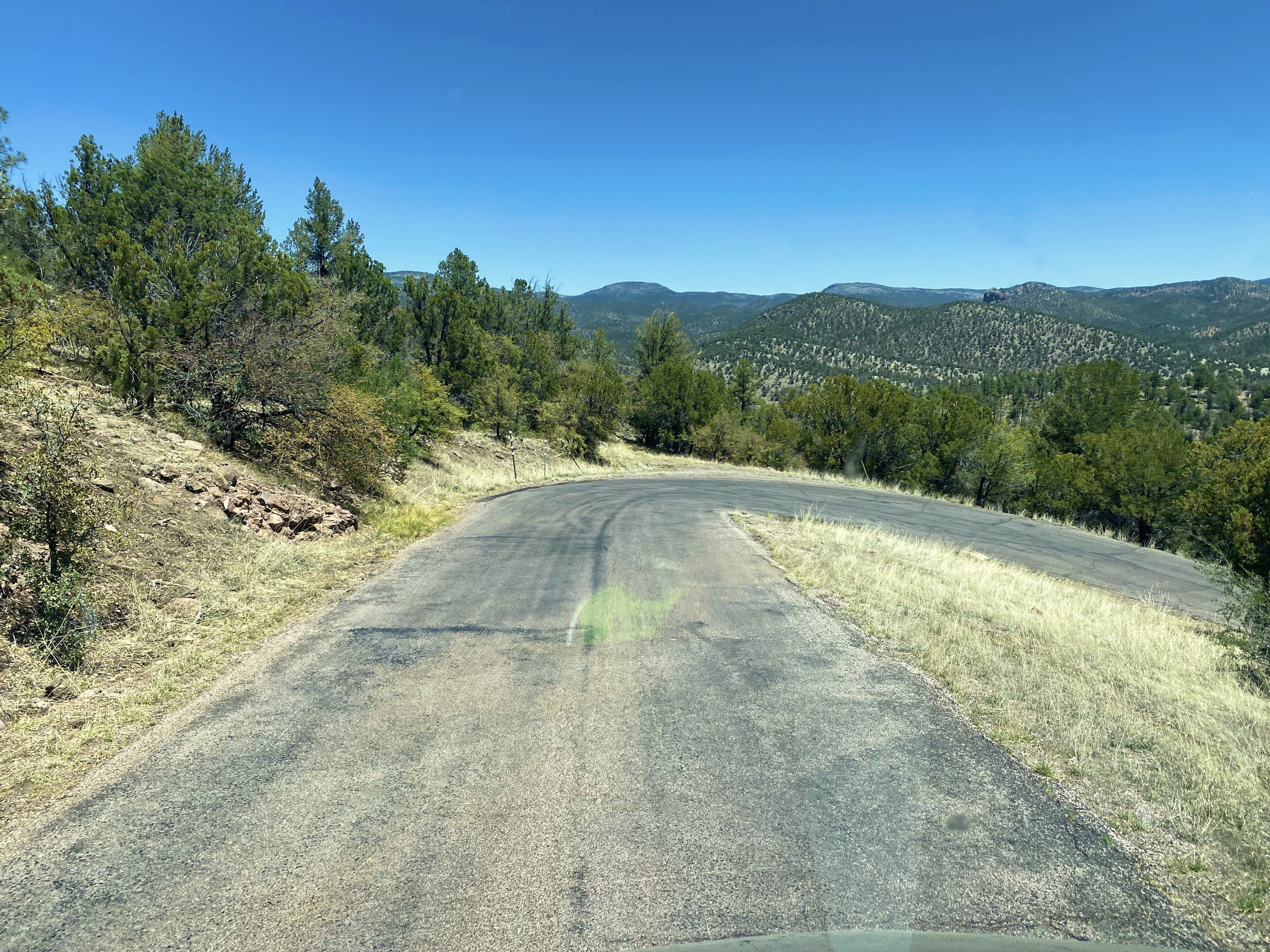
We used SC as our base from which to visit the Gila Cliff Dwelling NM. The drive is only 45 miles as the crow flies but the Pinos Altos Mountain Road (Route 15) is a winding, narrow climb up and over the the Pinos Altos Mountain Range. The 45 mile journey took us about 90 minutes. We had a sunny, clear day so we had great views of the landscape to the north and west once we reached the upper portion of the route.

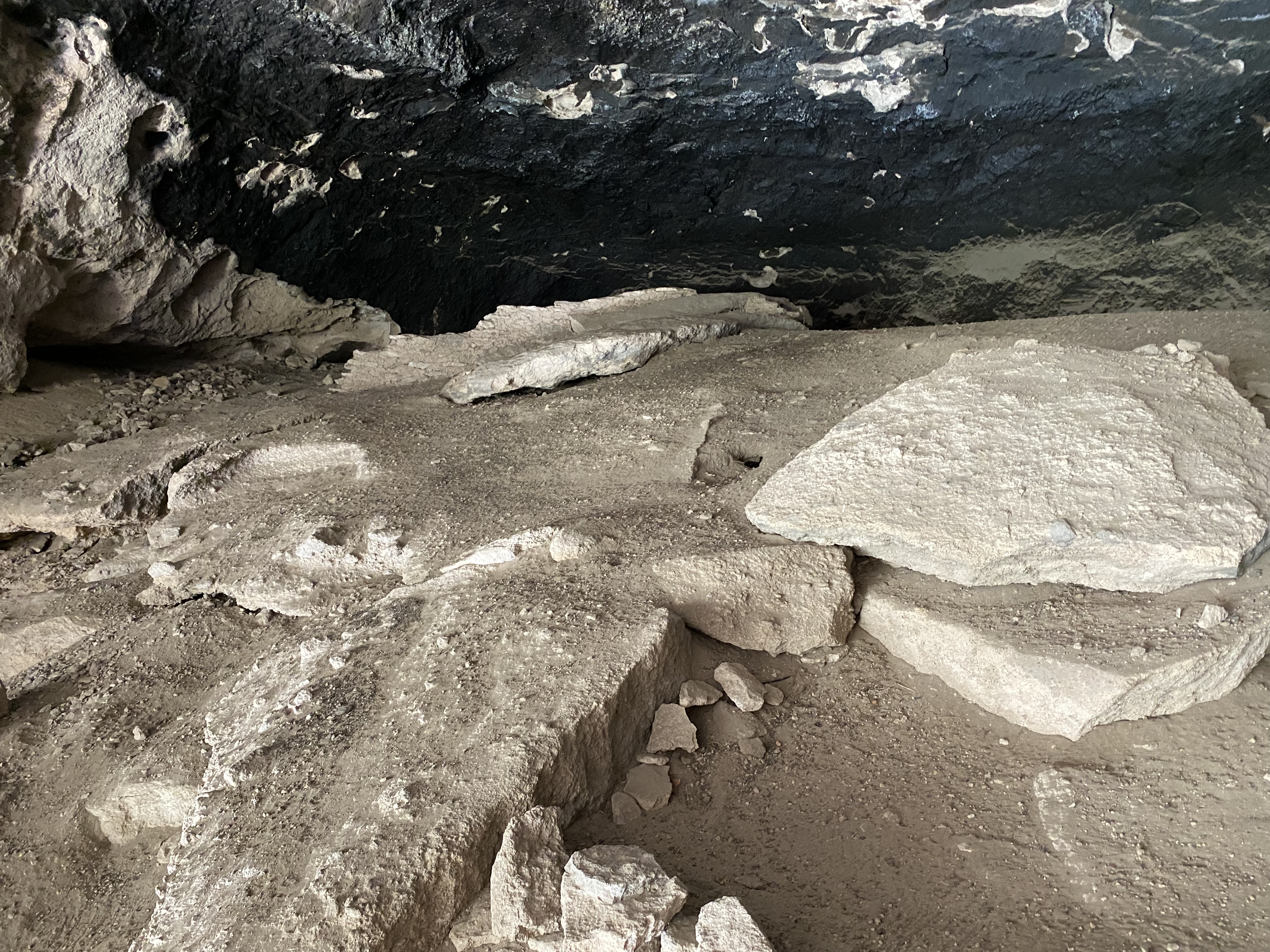
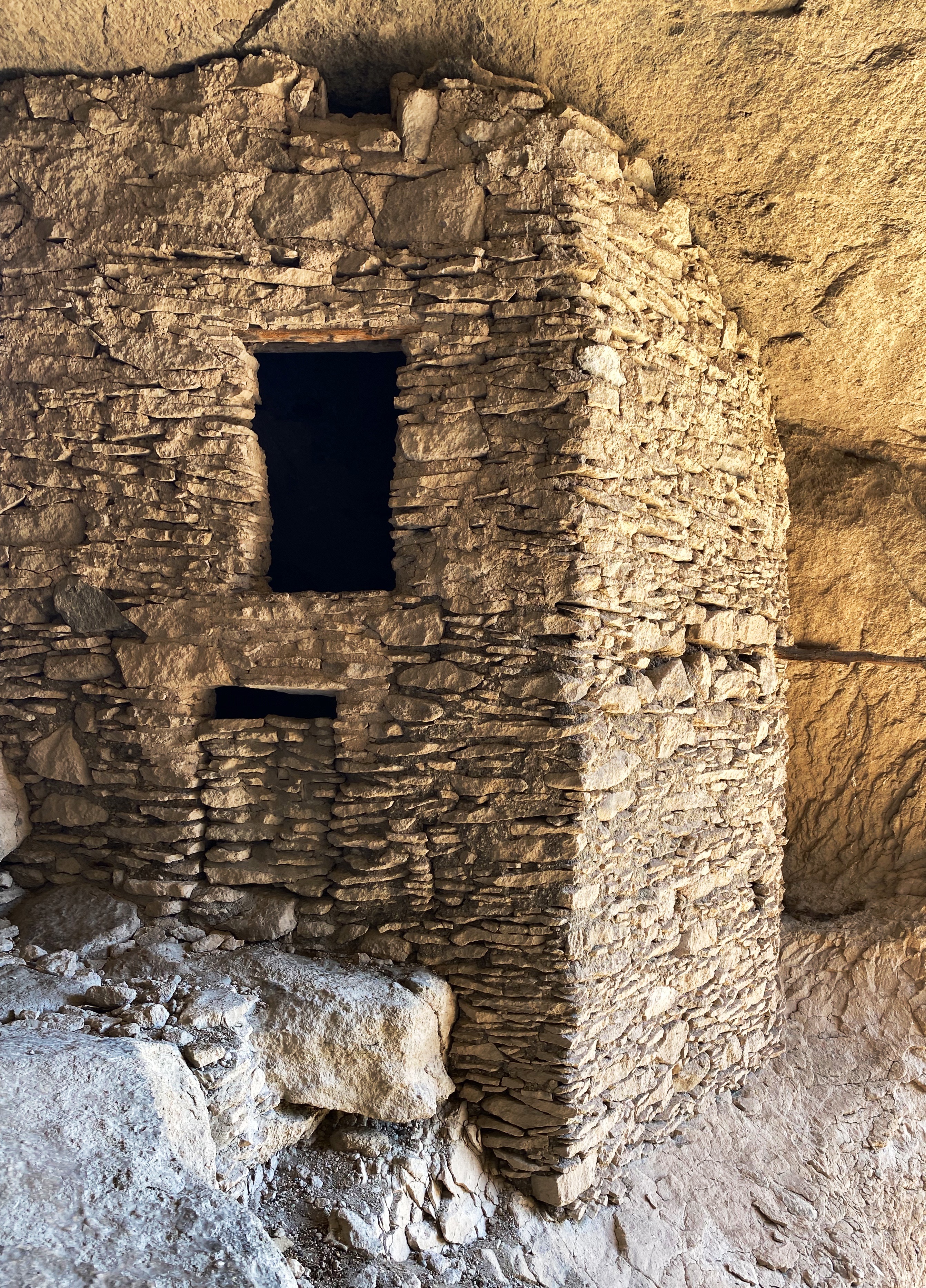
Once we arrived at Gila Cliff we spoke with the ranger to get oriented and then set off on the hike up the canyon and the switchback that leads to the caves. There are five caves here of which three are accessible. The cliff dwellings here are quite impressive, although on a much smaller scale than those we have previously seen at Mesa Verde and Bandolier.

The caves here were used as shelter by nomads for many centuries. In the 1280s the Mogollon People took up residence here and built the 44 rooms that exist today. The 1280s timing is based on tree rings on the wood framing which is original and shows a range between 1260 and 1280. It is thought by archeologists that 10 to 12 families resided in these dwellings. It appears that by the early 1300s the Mogollon had moved on to parts unknown. Why they left is unclear.

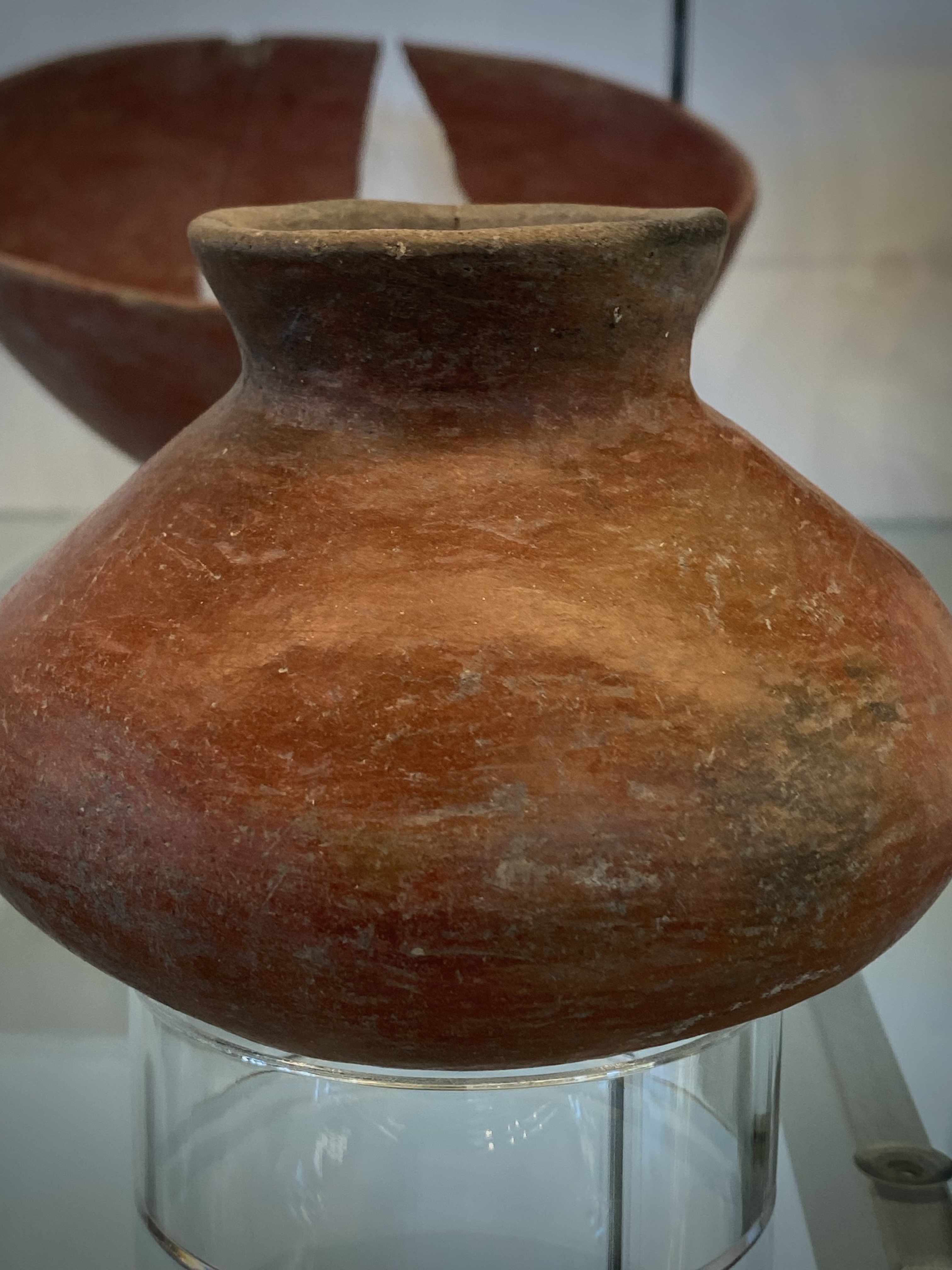
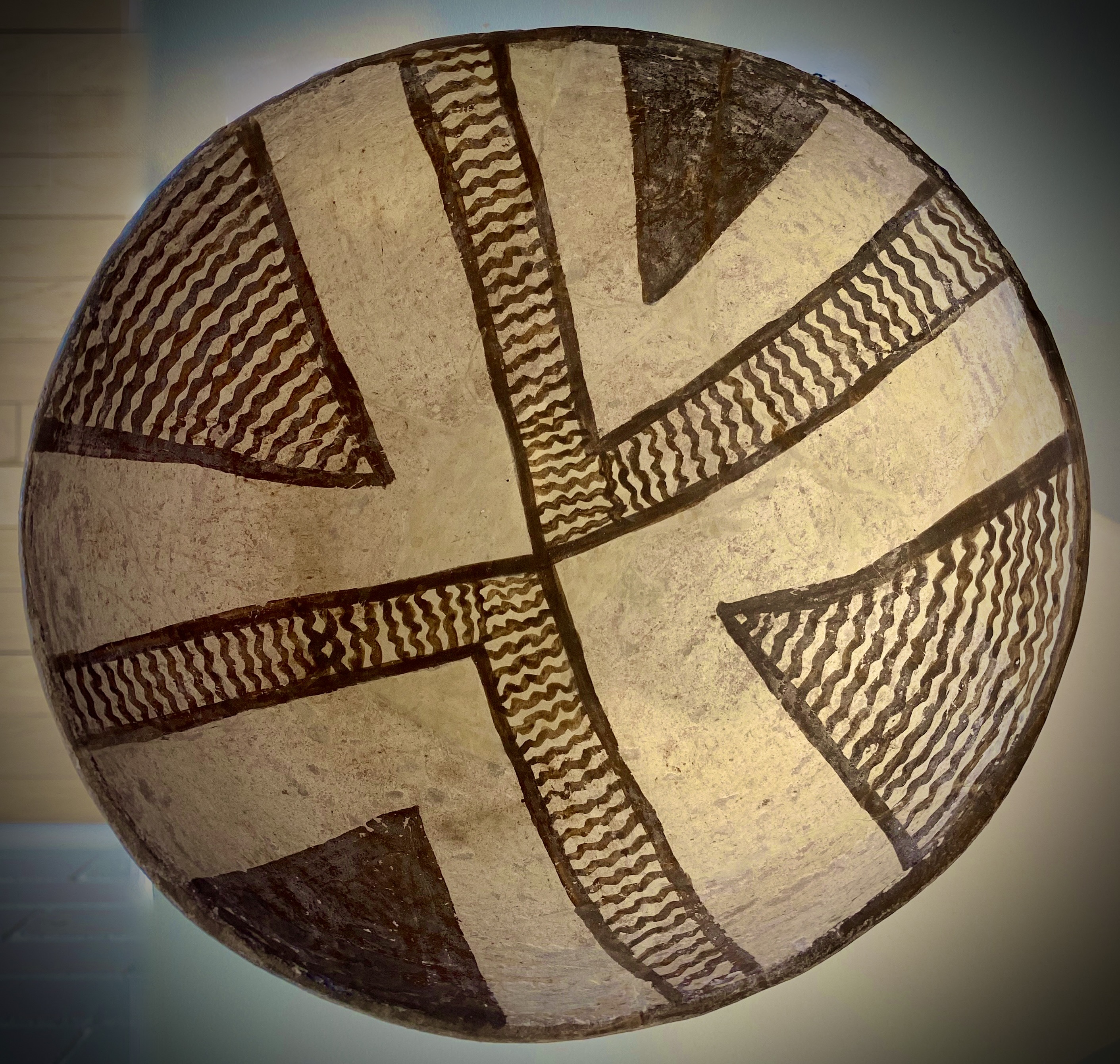
The Mogollon Peoples, in addition to being skilled builders and farmers, were outstanding potters. As a follow up to our visit to the cliff dwellings, we visited the Western New Mexico University Museum located conveniently (for us) on the campus in Silver City. The museum houses the world’s largest collection of pottery made by the Mogollon Peoples. Much of the pottery was discovered by ranchers who settled in the Mimbres Valley. Fortunately, a significant portion of the pottery was well preserved and the ranchers donated it to the museum. We have included several photographs below so that you might get a sense of the beautiful craftsmanship.

We had a great stay in SC. Our next travels will take us north through western New Mexico where will hike on a catwalk, visit a ghost town in the mountains, look into deep space and eat pie!

Be seeing you!

Pinto Canyon—Rugged and Beautiful Texas—But First, Food!

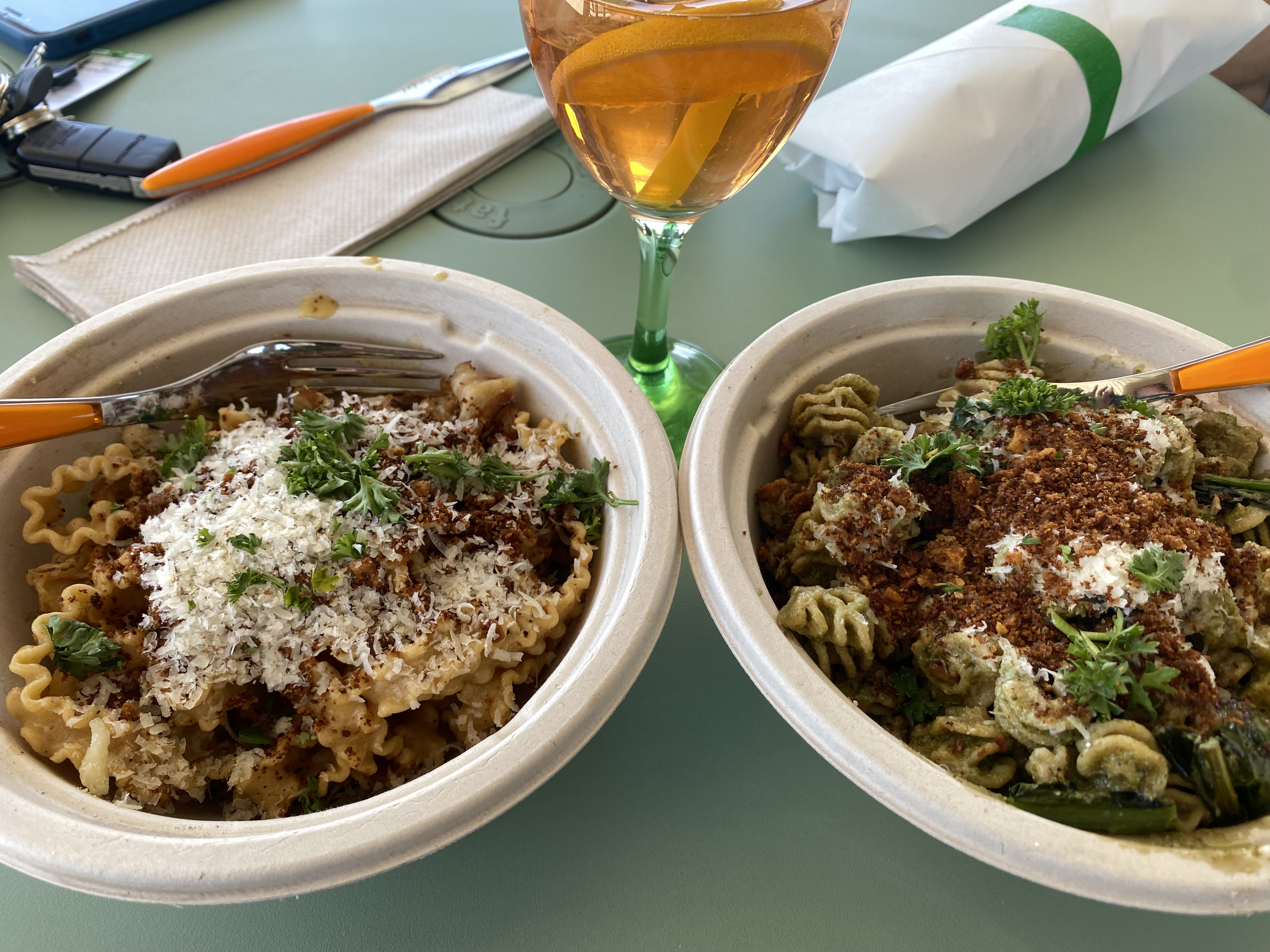
While visiting the towns of Marathon and Alpine we met several people that recommended we eat at Bordo if we were going to be in the vicinity of Marfa. We were fortunate that the eatery was open on Sunday from 11:00AM to 3:00PM as were going to be passing through Marfa that day on our way to drive the Pinto Canyon.

Bordo opened in March. It is an Italian market and retaurant serving house made pasta and sandwiches. They bake all of their bread in a brick oven which sits outside on the patio. We had a delicious meal which prepared us well for the adventure ahead. If you plan on visiting Marfa we highly recommend Bordo be on your food itinerary!

Pinto Canyon

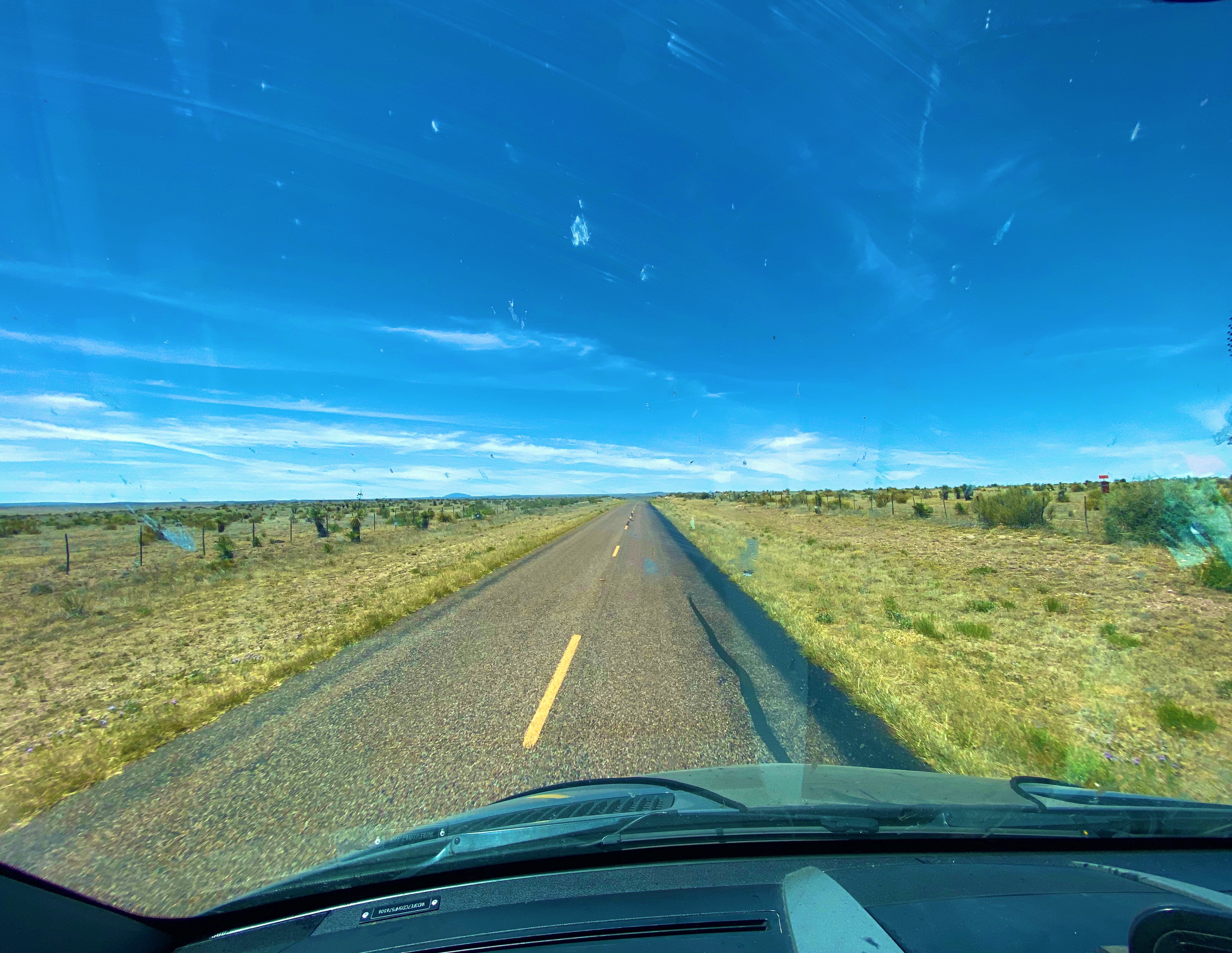
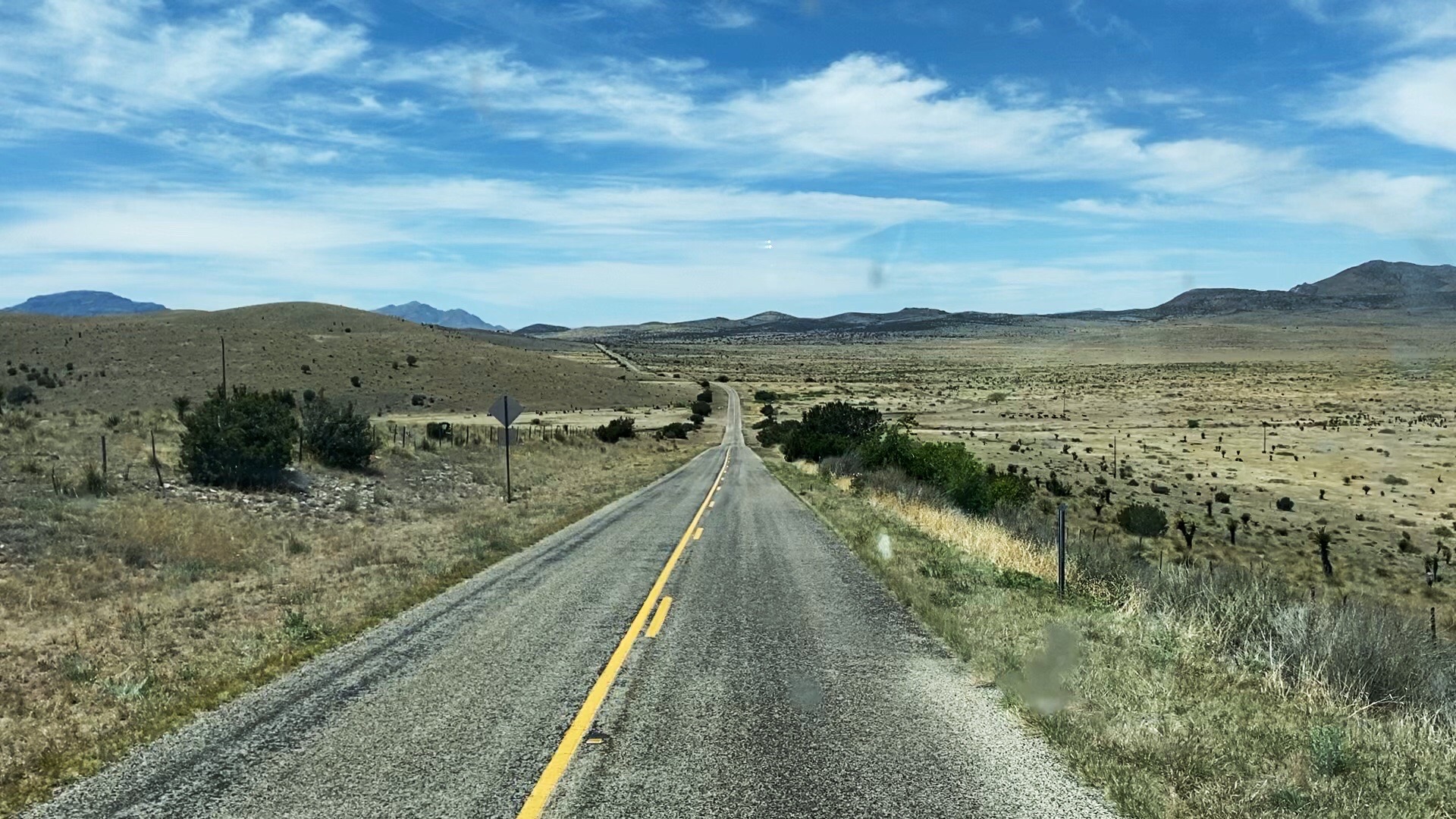
We drove south from Marfa for about thirty miles on a ranch road where the pavement ended. We found ourselves sitting at the top of the spectacular Pinto Canyon.

Pinto Canyon

We have wanted to drive the Pinto Canyon since we read an article entitled The Road to Nowhere which chronicles the experience of the author tackling the canyon road. Finding this article was quite fortuitous — otherwise we would never known about the canyon.

The canyon has an interesting history. The first people arrived here around 13,000 years ago. These hunter-gathers were eventually displaced by the Apache that were dominant in the Big Bend.

Pinto Canyon Road

Texas authorized settlers to buy as much as 5000 acres of land in the ealy 1900s which brought a number of families into the canyon. The combination of drought, the Spanish Influenza (1918), the Mexican American War, the 1929 market crash and the ensuing depression sealed the fate of the settlers and the canyon. A handful of the settlers persevered but the canyon was all but abandoned.

Impressive Longhorn at Pinto Canyon Ranch

Today the vast majority of the the 15 square mile canyon is owned by one person — a retired CEO — and the canyon is a working cattle ranch (see photo above). We find the fact that one person can own all of this beauty in the middle of the Chinatti Mountains hard to fathom, but we are glad that you can at least traverse the canyon on the road (which is owned by the county).

The Un-cooperative Horse

After making our way down through the canyon we turned west and followed FM 170 to the end of the pavement in Candelaria. The FM winds through the Chihuahuan Desert along the U.S. side of the Rio Grande. The 50 mile road from Presidio to Candelaria was not paved until 1985.

At one point Candelaria was an agricultural town — growing crops in the wet areas along the Rio Grande. However, after the Mexican American War the army abandoned their encampment in Candelaria and the farmers had no buyers for their crops and no way to get their product to Presidio 50 miles east on a rough dirt road that often flooded.

Saint Theresa Church, Candelaria

Subsequently, the population declined from a high of about 300 to the current population estimated at 75 people. The only non-residential structure that we could see in Candelaria is the Catholic church pictured above. This small settlement is literally at the end of the road and looks and feels very much an off the grid enclave.

At Candelaria we had a decision to make — attempt to cross 40 miles of desert to connect with Route 90 or circle back around on the pavement. Based on the time of the day and the amount of rough road we had already covered we opted for the longer mileage but comfort of the pavement.

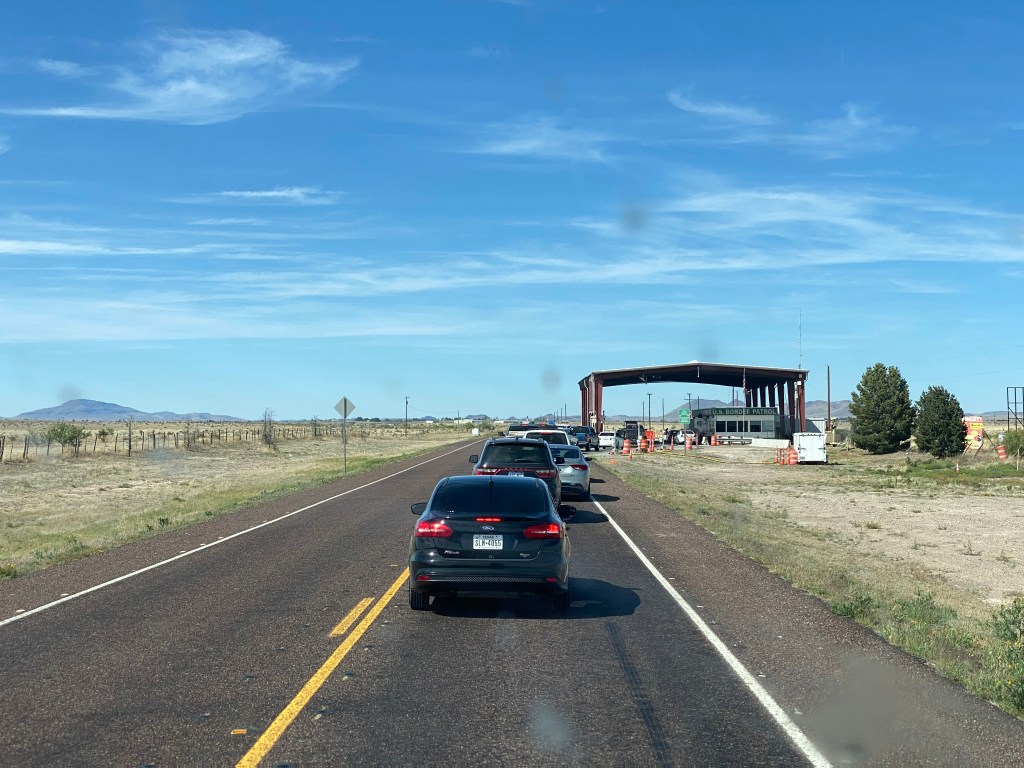
Border Patrol

As we turned north to head for our hotel we unsurprisingly encountered a Border Patrol checkpoint. We have been through dozens of checkpoints in our travels in Texas, New Mexico, Arizona and California.

Some of the checkpoints are permanent while others are mobile. The Border Patrol only stops and inspects vehicles heading north as their only purpose is to stop illegal imigrants entering from Mexico.

We think the checkpoints are a bad use of taxpayer money—regardless of your view on immigration—the investment in technology and people to staff these checkpoints is significant. The payback is small as the vast majority of people attempting to enter the country illegally are not hitching rides in the automobiles of U.S. citizens.

Valentine

Our journey north took us through the town of Valentine. The town’s origins, like may others in this part of Texas, rests with the railroad. Crews from the Southern Pacific Railroad laying track from the West stopped here on 14 Feb 1882 to rest. Subsequently, the town became a layover point for train crews and a cattle shipping point.

With the building of Ranch-to-Market roads livestock began to be shipped by truck and the town’s fortunes along with the population declined. Many abandoned buildings still stand in testament to the past. As you can see the church (below) has been well maintained despite the hard times. The current population is estimated at 134. Why people stay is a mystery but we were not disposed to ask any of the remaining residents.

Valentine Community Church

Valentine does have one big event that draws folks from many points on the compass. Every year on Valentine’s Day there is a festival in town to celebrate the town’s namesake holiday. And, of course, the Post Office does a booming business postmarking Valentine’s Day cards!

Prada “Installation”

By pure chance we happened on the Prada “Installation” which sits on the side of US Route 90 about 1.4 miles north of Valentine. As you may know, Marfa has become an unlikely art hub in the far west reaches of Texas. We have visited Marfa and it is a fun town to visit. There are a number of excellent restaurants and the Paisano is a great hotel. However, the minimalist art of Donald Judd and others does not resonate with us, although it clearly does with others far more knowledgable than us.

The Prada installation pictured above was placed on the side of Route 90 in 2005. On the first night after completion the installation was vandalized. The shoes and purses were stolen and the building was spray painted with the word “Dumb”. Apparently, not everyone agreed with the artists’ description of the work as “pop architectural land art”. While we do not support the vandalism we do not see any meaningful conceptual or artistic value to building a replica of a Prada store on the side of a rural highway.

After our brief contemplation of the merits of the Prada installation, we completed our day’s journey in Van Horn with a stay at the El Capitain. The hotel is a classic Spanish style western hotel. We really enjoy the feel and look of this style hotel (a future post will showcase several of our hotel stays in Texas).

Our next destination is Guadalupe Mountains National Park. Pictured below is El Capitain—the first mountain you see in the range as you drive to the park from the south.

Be seeing you!

Chaco Culture National Historic Park: Stepping Back in Time

Chaco Canyon is a place we have wanted to visit for some time. During our 2020 roadtrip we were unable to get there as a winter storm rendered the roads in impassable. There are two unpaved roads into the park – both are rough, heavily washboarded affairs. From the north, County 7950 is 13 miles from pavement end to CC while Route 57 is 21 miles coming in from the south.

In order to optimize our time at the park we decided to take advantage of the camping opportunity at the Horse Thief Camp. The ranch property is on County 7950 and is the closest option outside the park.

HORSE THIEF RANCH

The ranch is owned by Wayne and Yolanda Beyale, and has been owned by Wayne’s family for many generations. The ranch sits amongst a patchwork of properties owned by the Navajo Nation and various federal agencies. The area that Wayne has set aside for camping provides panoramic views and and very dark skies (we also saw several wild horses).

Wayne is Navajo and graciously shared the history of his family and the ranch. He and his seven siblings spent summers living in a single hogan in the spot where we camped. The outdoor oven they used to bake and cook still stands intact. Two of the photos above show the circle corral where Wayne tamed wild horses that they captured (hence Horse Thief Camp).

Chaco Canyon

Chaco Canyon was a major center of Ancestral Puebloan Peoples between 900AD and 1150AD. The scale of the great houses and ceromonial sites here is larger than anything else to be found in the Southwestern United States. Within the canyon there are 15 major complexes. The largest of the structures — Bonito Pueblo — contains over 500 rooms!

Chaco Canyon is located in Northwestern New Mexico near the Four Corners. It is very remote — the first record of European people visiting the canyon is not until 1823 when New Mexican governor José Antonio Vizcarra led an expedition through the canyon. At that time this area was still under Mexican rule.

The Chaco Canyon National Monument was formally established on 11 March 1907 by President Theodore Roosevelt. This act preserved the canyon and the structures from any future development or extractive industries. The park was officially designated a national park in 1980 and an additional 12,500 acres was added to bring the park to the current total of 34,000 acres. There are over 4000 archeological sites within the 34,000 acres.

The structures at Chaco provide evidence of a very advanced civilization. The architecture, engineering and construction techniques are quite sophisticated. A number of the Great Houses were five stories tall. The structures were anchored by deep foundations which demonstrate the planning which took place prior to construction. The majority of the Great Houses were built on the north side of the canyon to optimize heat and light from the sun.

There is also evidence that the Chacoans built dams on side canyons to funnel water to the Great Houses and to the fields in order to irrigate crops. Additionally, the remnants of a road system leading away from the canyon in all four directions is still discernable.

Of course, the final question is why this great center was abandoned. And as is usually the case — no one really knows. There are a number of theories ranging from an extended drought, deforestation rendering the canyon unsustainable and political power struggles causing people to flee.

Hiking at chaco

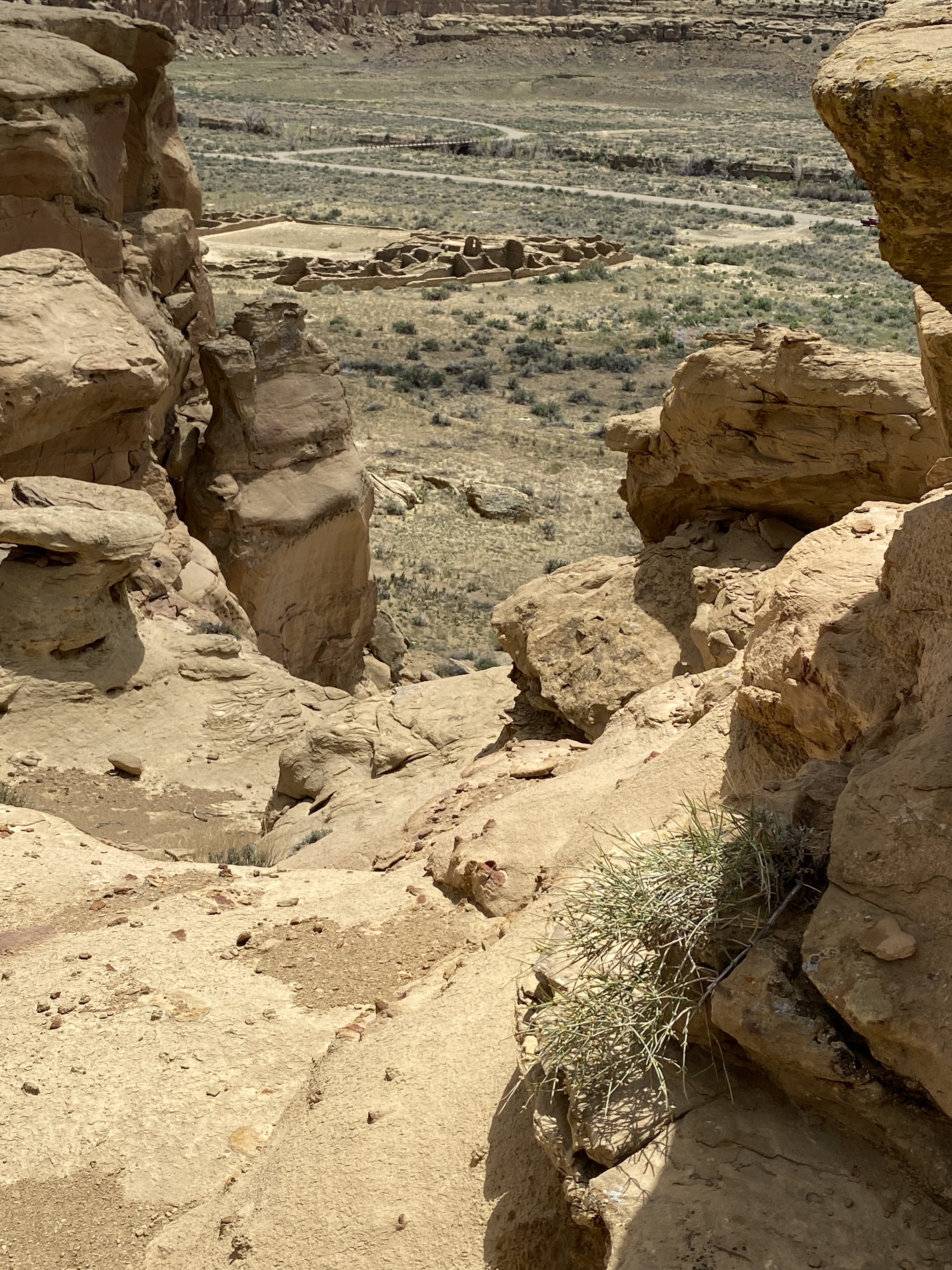
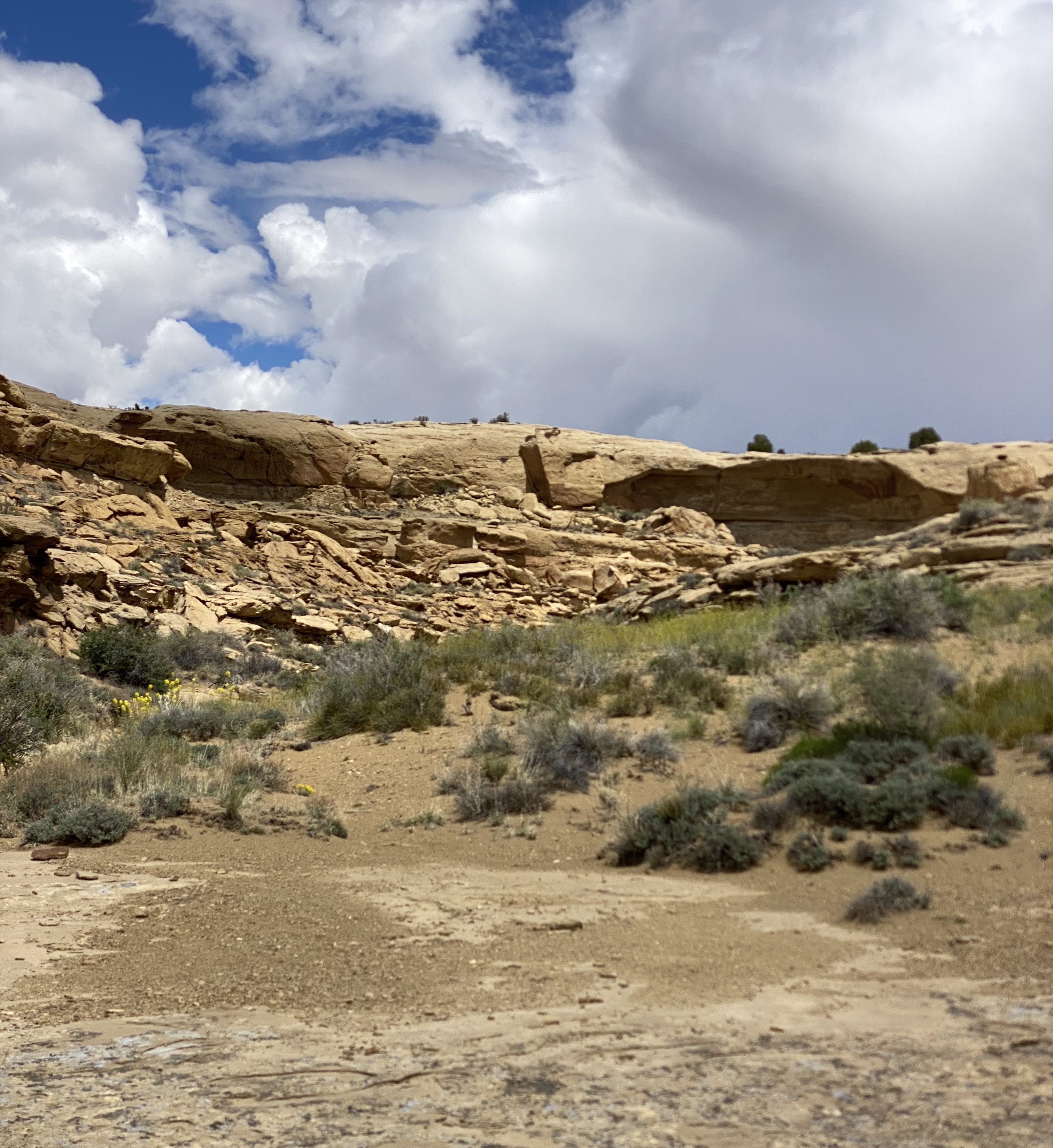
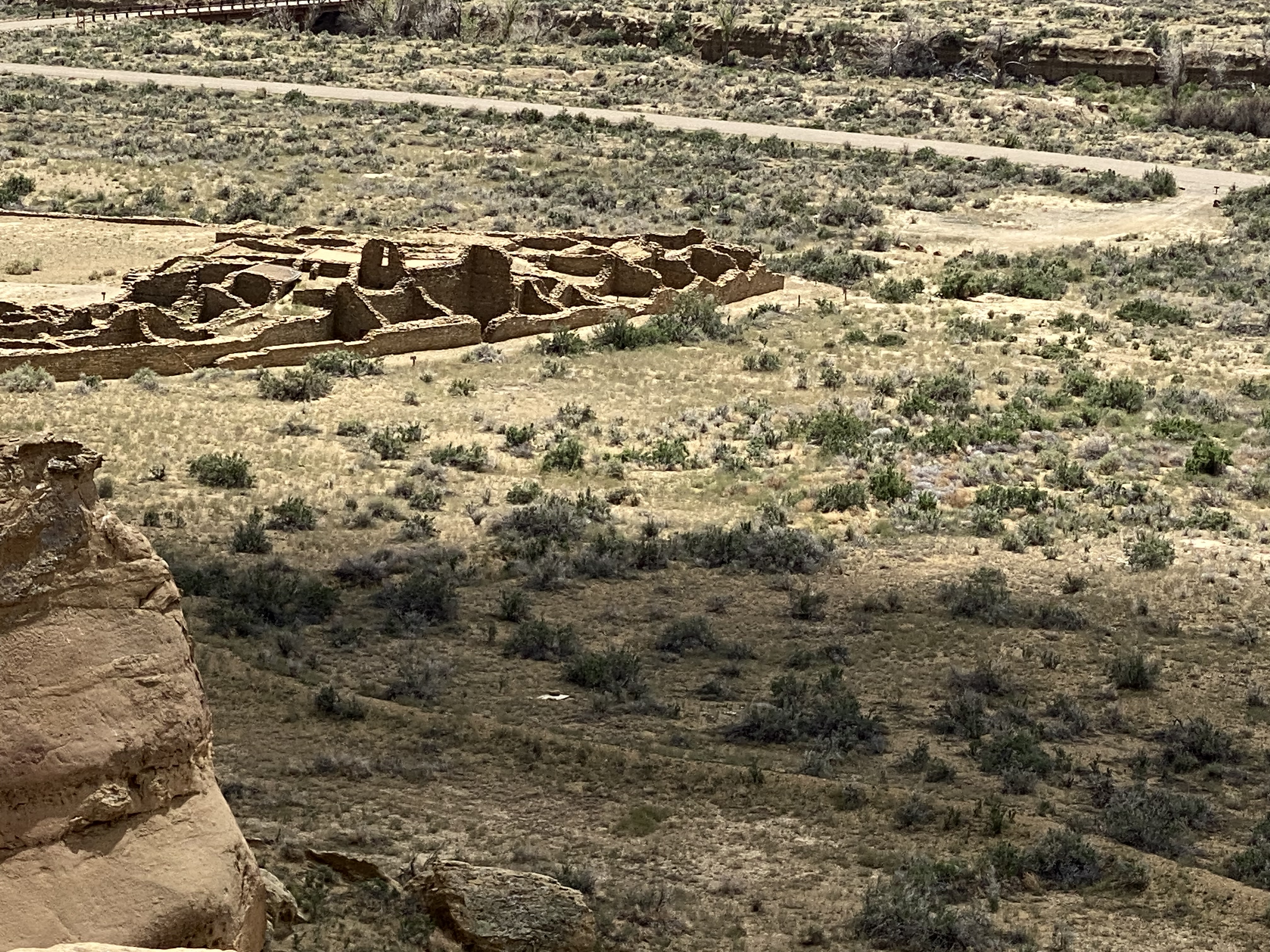
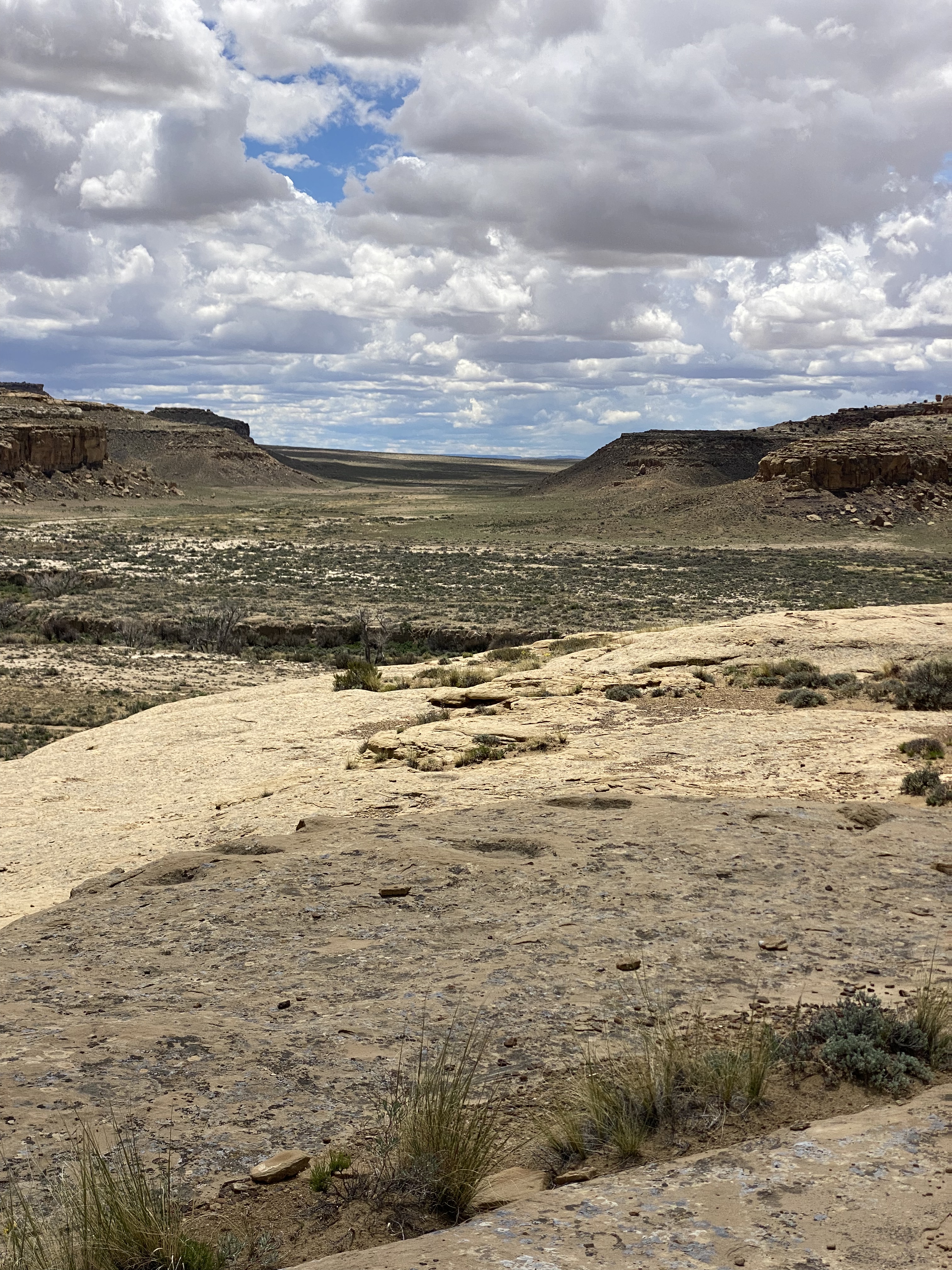
One of the great features at Chaco is the ability to tour the inside of the pueblos and explore the connected rooms, but the canyon rim above also provides a terrific overhead view. So we made the climb up on the Pueblo Alto Trail to see views of the pueblos and the canyon from above.

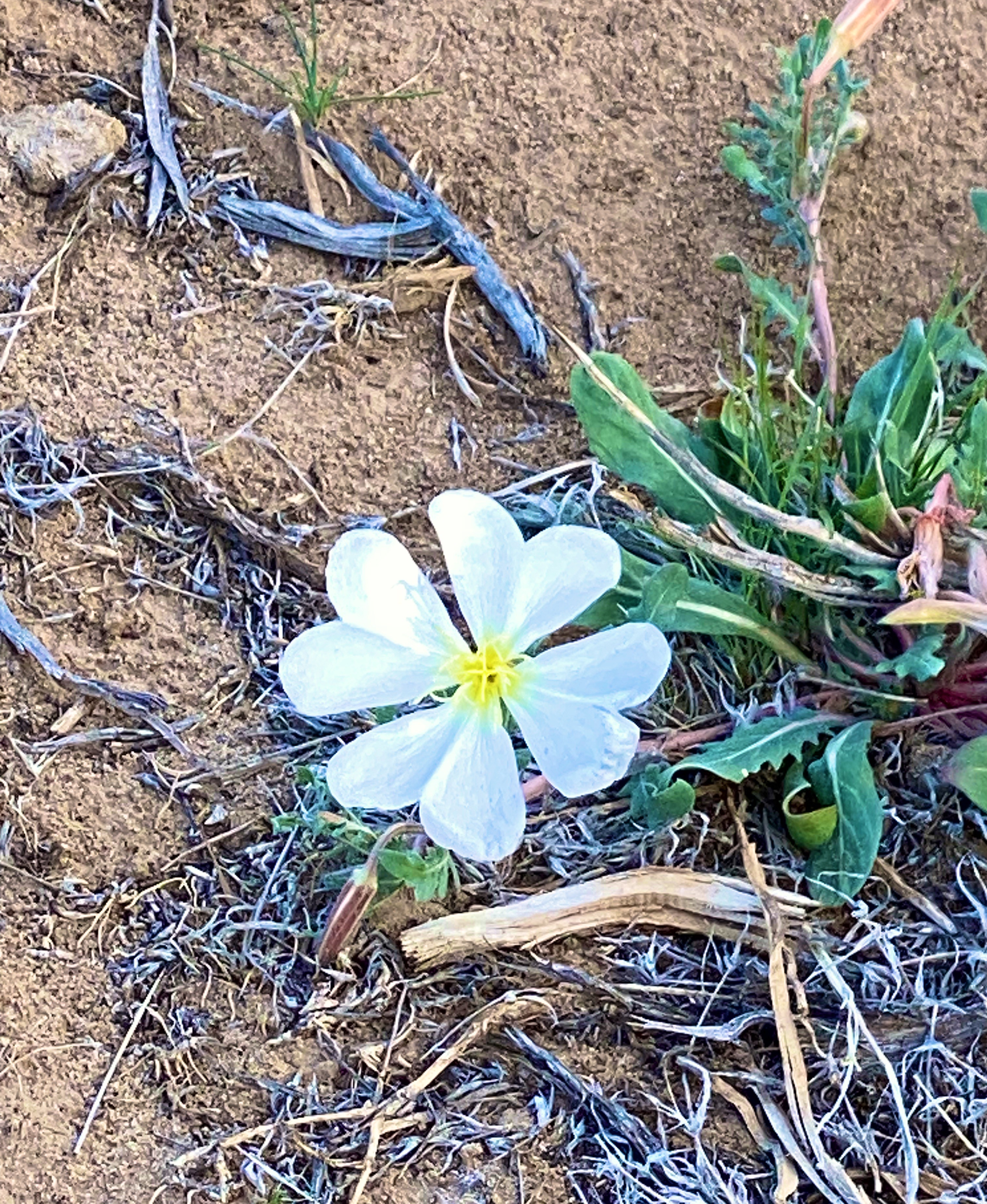
Pictured are three items we observed along the canyon rim. Starting from the left: a pecked basin — circle carved into the stone by the Chacoans as repositories for offerings; clam shells and shrimp burrows respectively. The clam shells and shrimp burrows testify to the canyon having been an inland sea during the Cretaceous Period (75–80 million years ago).

DEPARTING CHACO CANYON: ROUTE 57

After a full day of touring the pueblos and hiking along the rim of the canyon we set out for the Bisti/Da Nae Zin Wilderness. In orded to reach the Bisti we needed to travel south out of the park on the notorius Route 57. The 57 is a 21 mile stretch of rutted and washboarded dirt that runs through desolate ranch land.

Route 57 is considered impassable when wet. When we left the park there were storms to our east — unfortunately, as we headed south a storm crossed our path and we found ourselves on the muddy and slippery version of the 57 (see video below).

Route 57

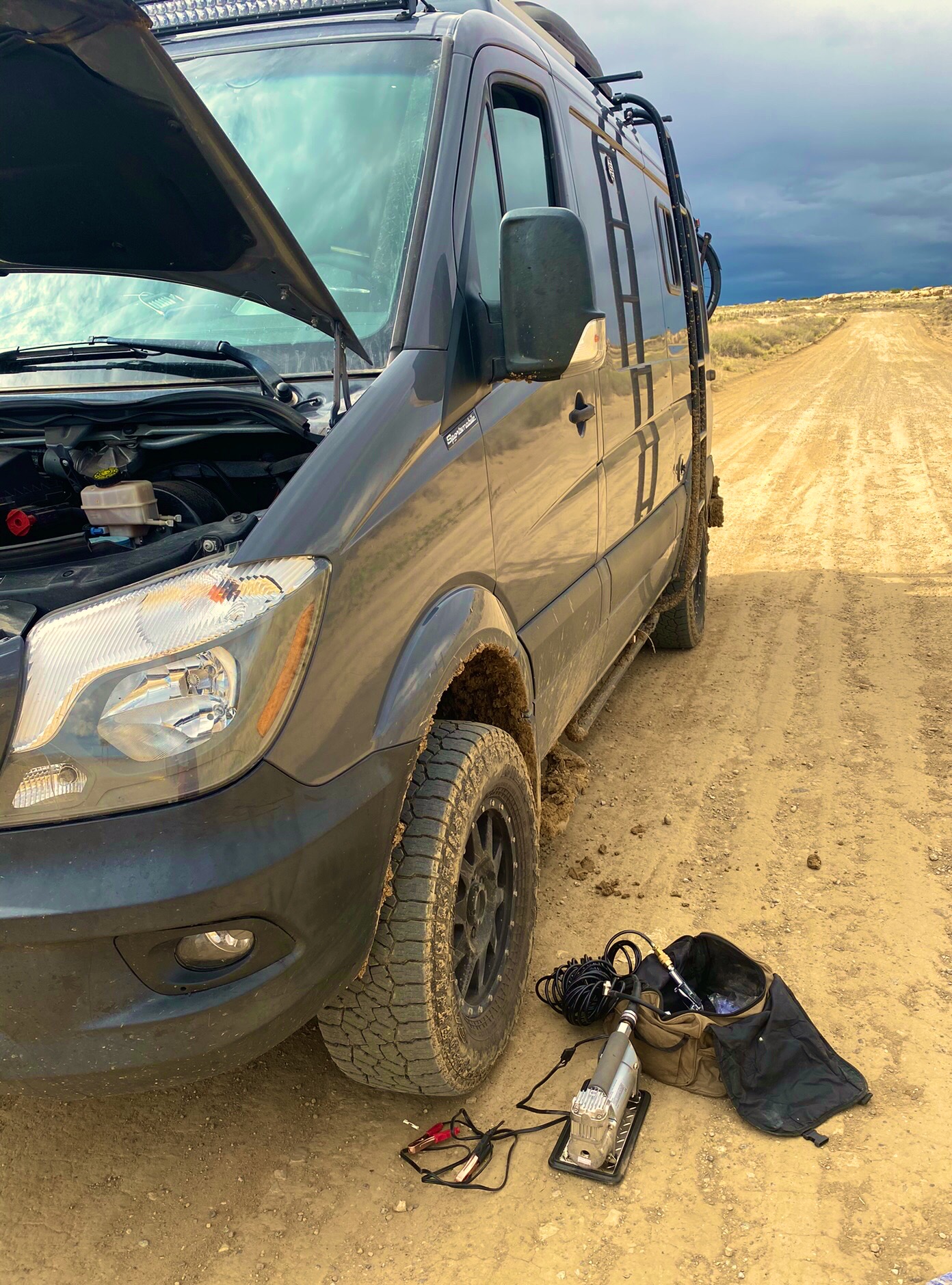
Fortunately, we were able to make it through — only sliding our back end into a ditch once — but we decided not to venture into the Bisti Wliderness as the road conditions there are as treacherous as the 57. In the photos below, we are airing up for our return to paved roads.

We highly recommend a visit to Chaco if you have the appropriate vehicle to handle the conditions and the patience to travel at very slow speeds for an extended period of time. Also, if you are interested in gaining further knowledge about this remarkable civilization we recommend Chaco Culture: A Complete Guide by Gian Mercurio and Maxymilian L. Peschel.

Be seeing you!

WHITNEY PLANTATION (WP)

The Whitney Plantation is not the plantation to visit if you are interested in touring a beautiful antebellum mansion and being regaled with stories of a fabulously wealthy aristocratic southern family. The focus here is just the opposite. The Whitney Plantation tells the stories of enslaved African-Americans who toiled, suffered and died on plantations all across the South, prior to emancipation.

Slave labor powered the Southern economy from the early 1800s until the end of the Civil War (and to some extent beyond, as will see later in the post). In the years just before 1800 there were just under 20,000 enslaved Africans in Louisiana and several hundred enslaved Native Americans. Surprisingly, there were almost as many free people of color (16,000) in Louisiana at this time. When the Civil War commenced in 1860, the situation had dramatically changed. The were slightly over 330,000 enslaved Africans while the census of free people of color was almost unchanged (18,000).

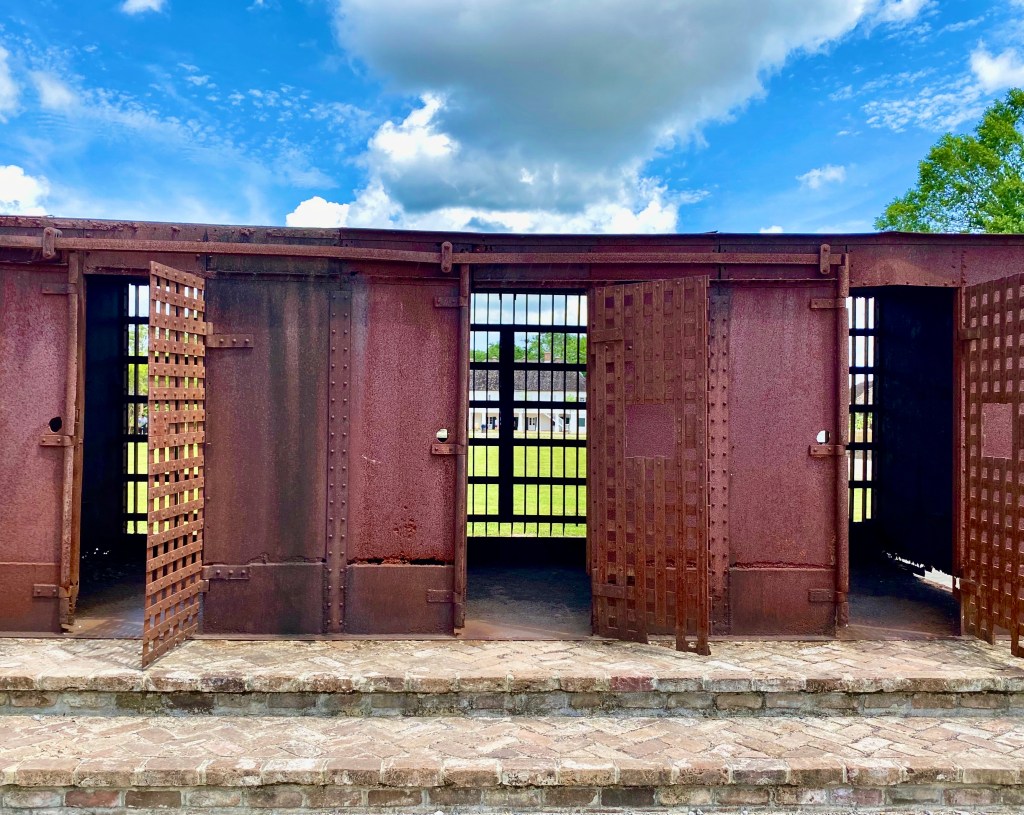
Slave Pen — “Hot Box”

“One night master come in drunk an’ set at de table did his head lollin’ aroun’. I was waitin’ on de table, and he look up an’ see me. I was skeered, an’ dat made him awful mad. He called an overseer an’ tol’ him: ‘Take her out an’ beat some sense in her.’ I began to cry an’ run an’ run in de night; but finally I run back by de quarters an’ heard mammy calling’ me. I went in, an’ right away day come for me. A horse was stand-in’ in front of de house, an’ I was took dat, very night to Richmon’ an’ sold to a speculator ag’in. I never seed my mammy any more.” Delia Garlic, Louisiana Slave*

The WP is one of several plantations that sat along the Mississippi River between Baton Rouge and New Orleans. This area was called the German Coast as many of the plantation owning families in this area were originally from Germany.

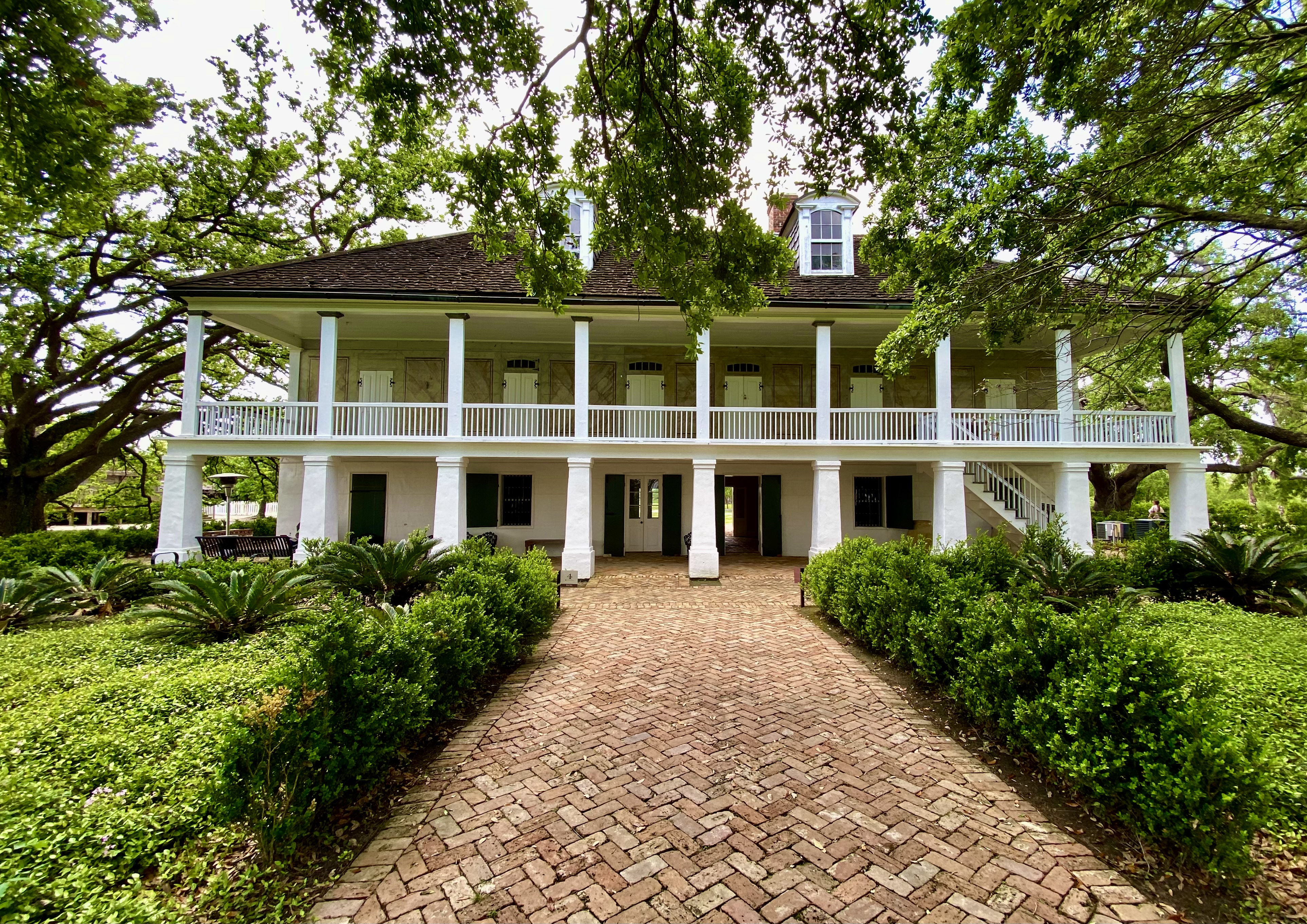
The Big House

The WP was owned by a German family, the Haydels, who owned the plantation for 110 years. The enslaved individuals on this plantation numbered around 130 adults and children at any one time, the majority of whom were from West Africa.

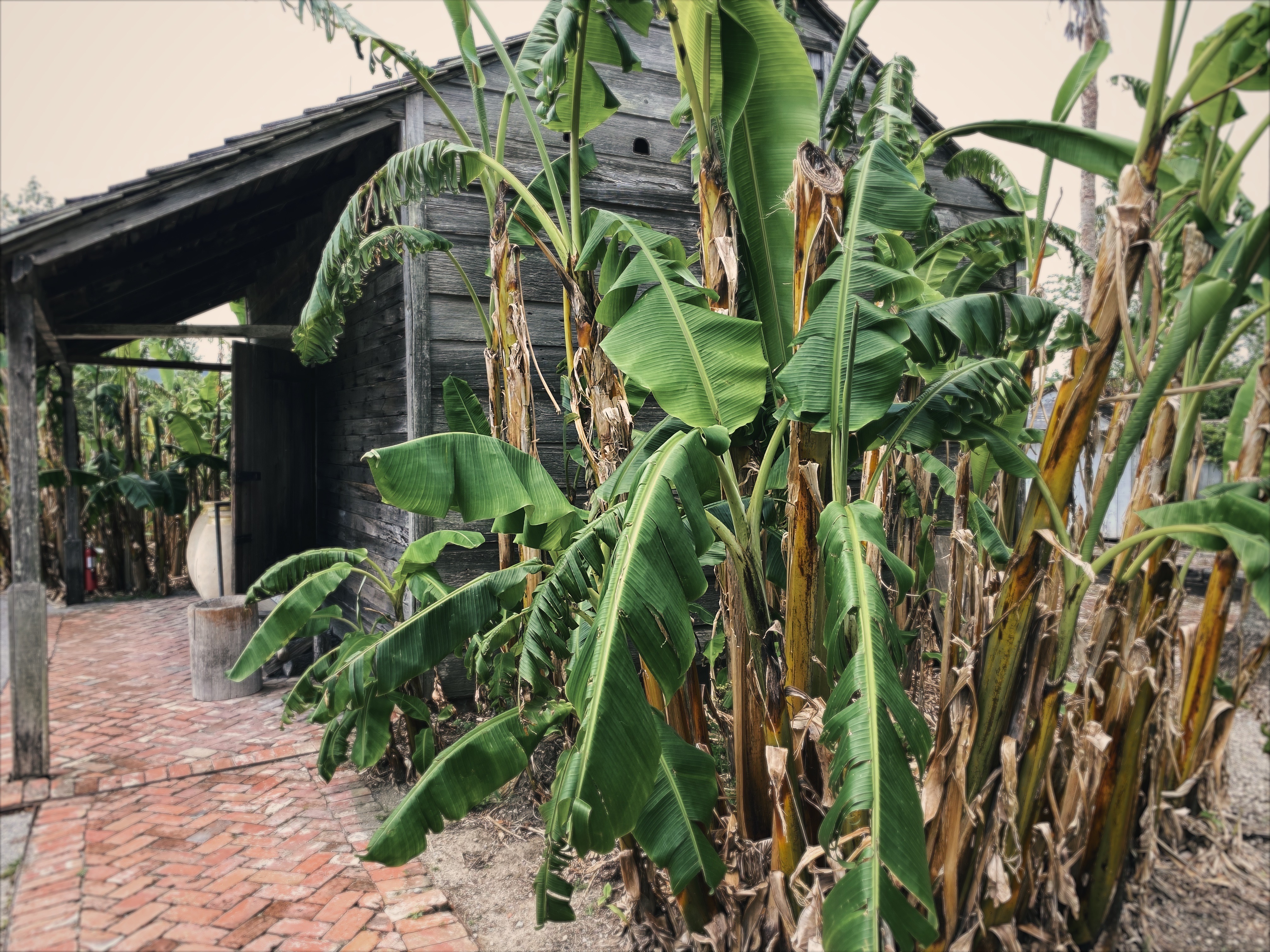
The enslaved individuals built the plantation for their owners. They cleared all the fields in order to farm sugar cane, rice and indigo. They felled the trees and built the Big House along with all of the outbuildings and their own quarters.

The kitchen pictured above was built in the mid-1800s. All of the cooking for the plantation owners was done in this location away from the Big House. This was common on plantations so as to keep the heat, smoke and smells away from the owners’ living quarters. It is in kitchens such as this one that you will find the origins of what is now Creole food as the kitchen slaves cooked using their African recipes, such as gumbo, couscous and jambalaya. Also, don’t forget that okra, yams and watermelon also were brought from Africa and subsequently grew here in popularity and in abundance.

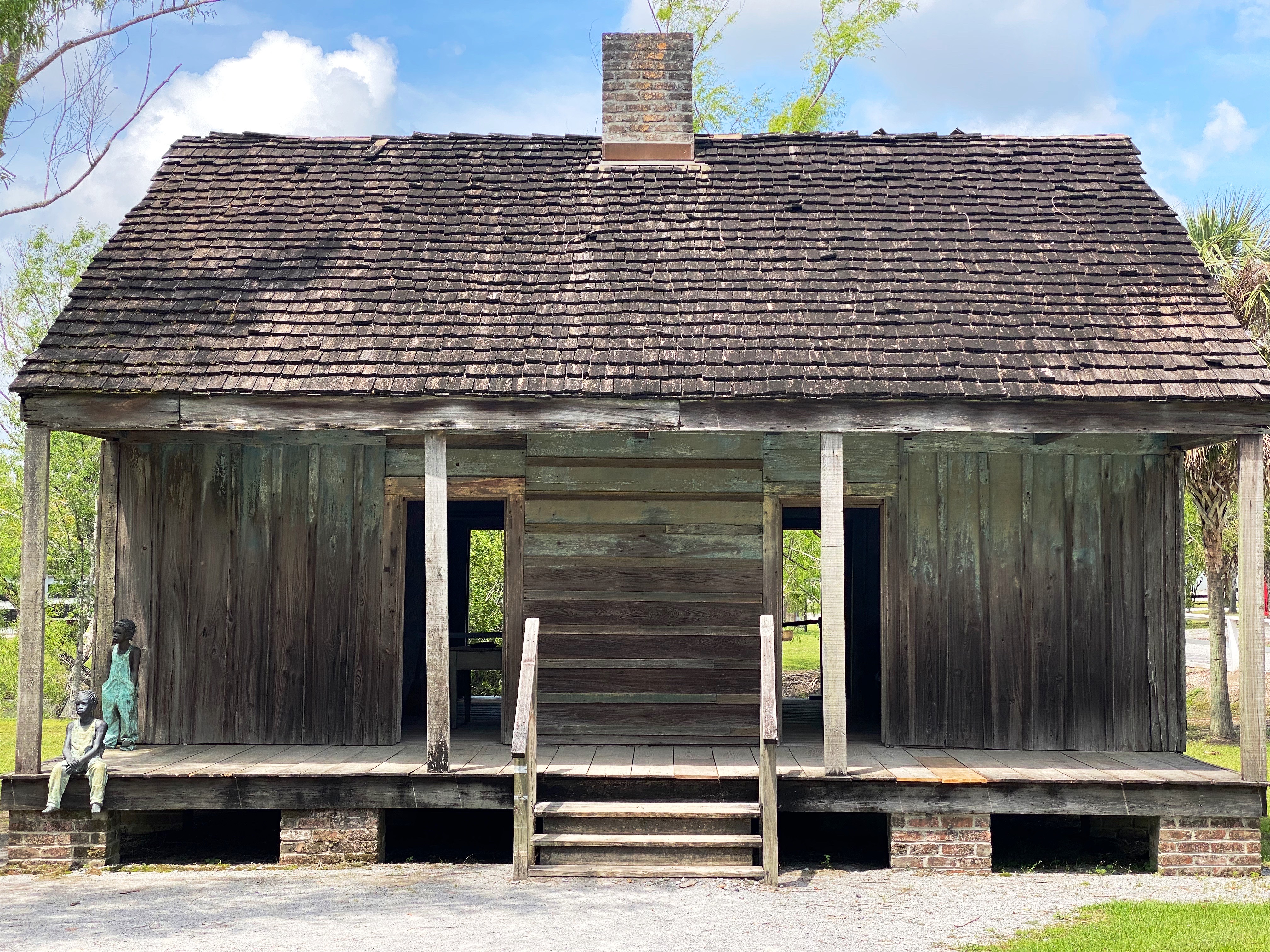
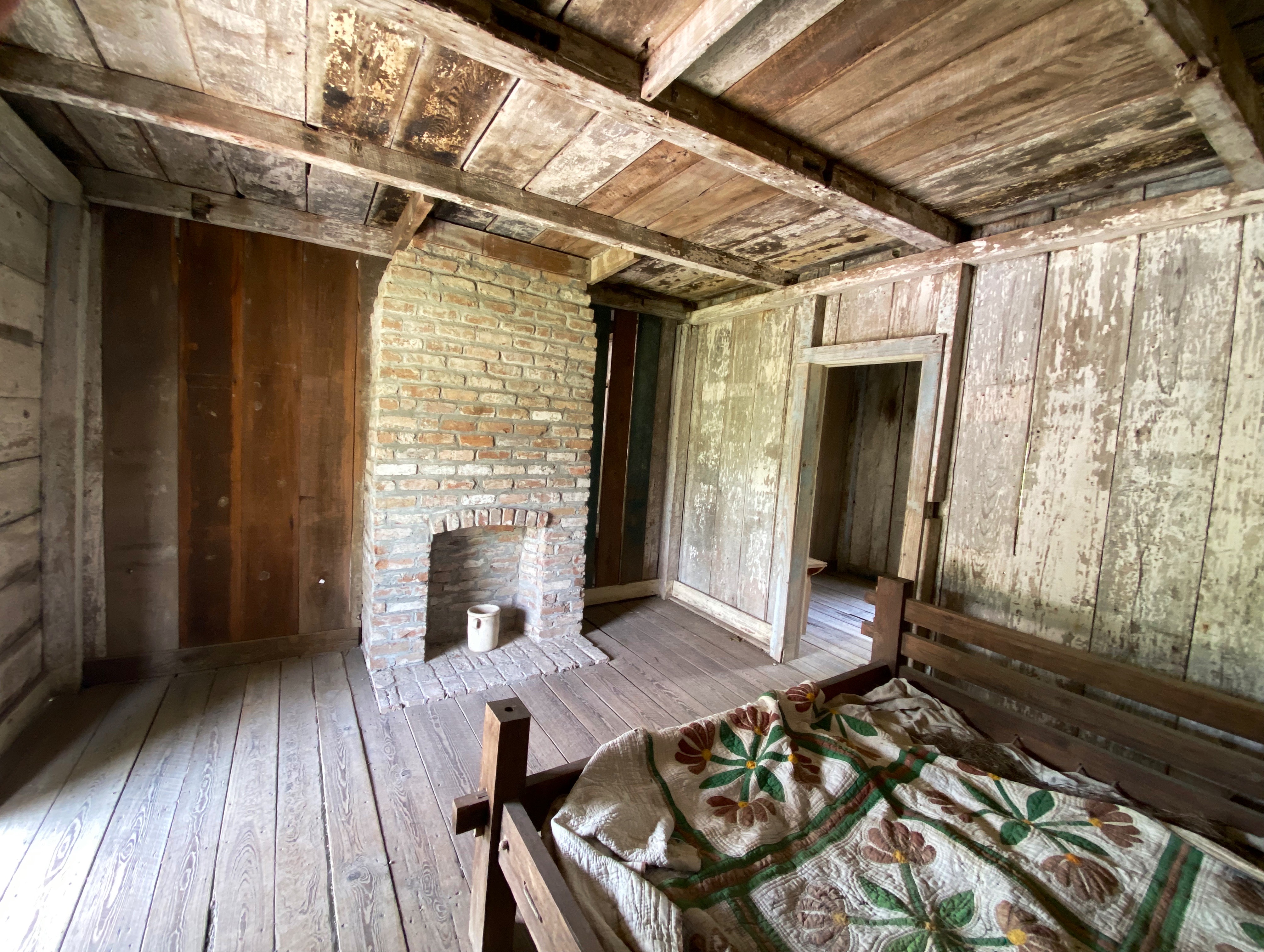
There were 22 slave cabins at WP. Today seven cabin remain. Entire families or groups of enslaved people lived in this one room (many families were separated as slaves were bought, sold or died from illness.) Multiple people shared a single bed while many of the slaves had to sleep on the floor or wooden pallets. These cabins offered very little protection from the extreme heat of the summer or the cold during the winter months.

The typical workday was from sunrise to sunset — what was commonly known as “can’t see to can’t see”. Children were typically viewed as adults by age ten and accordingly sent to the fields to work along side the adults.

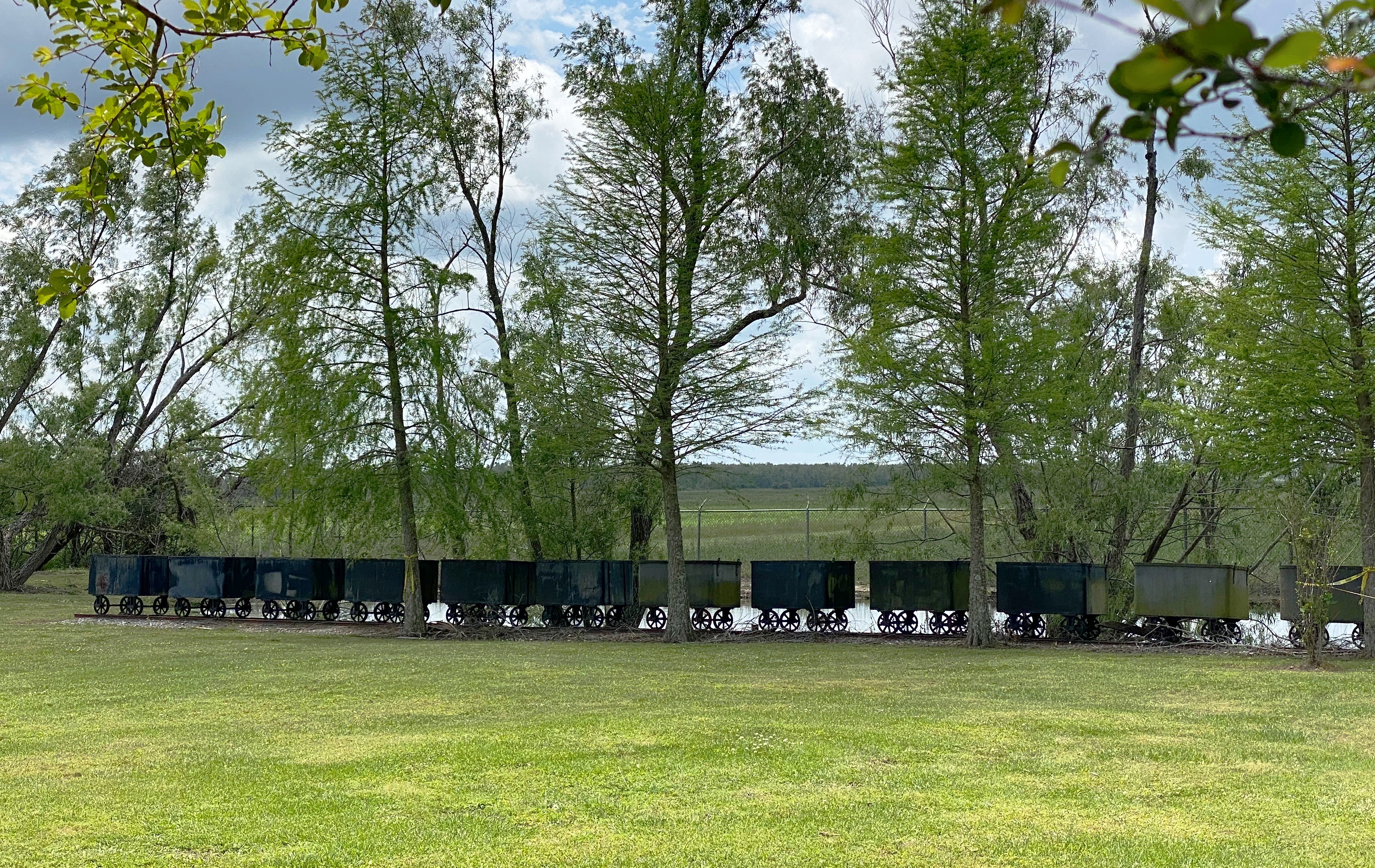
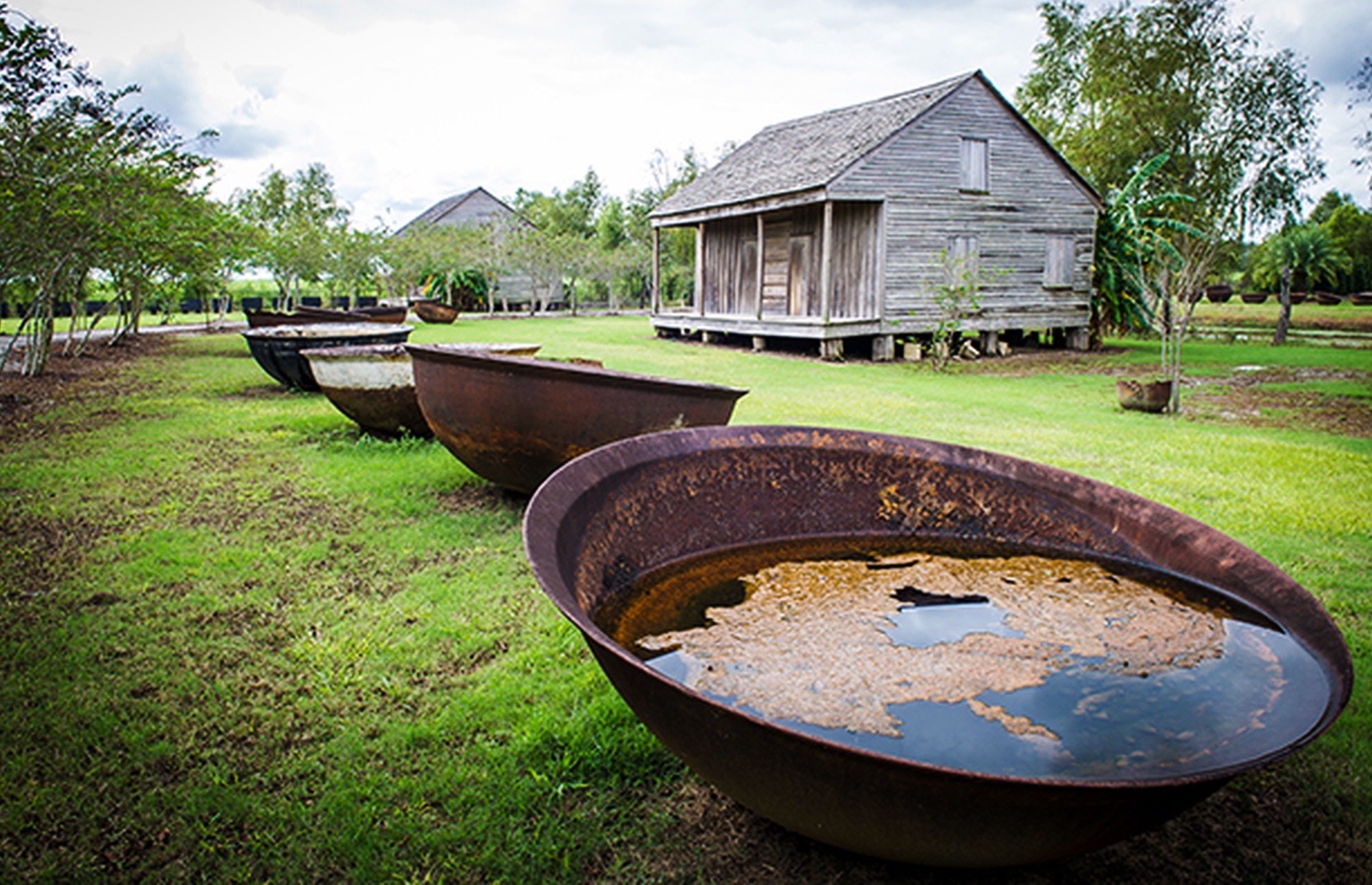
Pictured above and below are the sugar kettles used to boil and reduce the sugar cane to create sugar and molasses. Beginning in October the enslaved individuals worked in shifts around the clock, every day of the week, until all of the sugar cane was cut, ground and refined into sugar and molasses. As there was no electricity, the enslaved individuals worked by candlelight throughout the night. Many enslaved individuals were injured, some by snakes in the fields and others during the grinding and boiling process, and working by candlelight added to the likelihood of injury.

The WP grew two main crops, sugarcane, as mentioned above, and rice. Since these crops are harvested at different times of the year, the enslaved individuals had no down time. When you owned a plantation and treated humans as property – your machinery – it was a most productive environment and quite lucrative. Shameful.

The plantation Overseer was the person responsible for the day to day operation of the plantation. Plantation owners took great pains to avoid the dirty business of managing the enslaved workforce. The Overseer was a free white man who lived on the plantation.

Overseer’s House

The WP also utilized Slave Drivers. The Slave Drivers worked for the Overseer and were enslaved individuals themselves. The Slave Driver was charged with directly supervising the field gangs and was the person that usually administered physical punishment to workers not meeting standards and to runaways who were captured and returned to the plantation. Not surprisingly, Slave Drivers were usually despised by the other enslaved individuals on the plantation (and occasionally found dead in the fields).

“Take that old woman, poor old woman, carry in the peach orchard, and whipped her. You know, just tied her hands this way you know around the peach orchard tree. I remember that just as well – look like to me I can’t – and round the tree, and whipped her. And she couldn’t do nothin but just kick her feet, you know. Just kick her feet. But they just had her clothes off down to her waist you know. Just didn’t have her plum naked, but they had her clothes down to her waist. And every now and then they’d whup her again. And snuff a pipe out on her. Just snuff the pipe out on her.” Laura Smalley*

Considering the horrendous working and living conditions and the brutally violent punishments (torture) that were frequently inflicted upon the enslaved population of this and other plantations along the German Coast, it is not surprising that there were periodic revolts by the enslaved population.

German Coast Uprising Memorial

In 1811, enslaved individuals led by a Slave Driver (Charles Deslondes) from a nearby plantation on the German Coast led a revolt. The rebels marched from plantation to plantation (with the intent of killing the plantation owners) and enlisting more enslaved individuals. They were armed primarily with tools from the plantations and some weapons provide by Marroons. The number of rebels is not known for certain – estimates range from 200 to 500. It was definitely the largest revolt in the history of slavery in the United States.

Not surprisingly, the revolt was short lived. The rebels killed two white people during the revolt. Around 40 rebels were killed. Another 65 rebels were captured and went to trial in New Orleans. Also, not surprisingly, they were all found guilty. The rebels were then transported back to their respective plantations. There, the plantation owners executed and then decapitated the rebels in front of the enslaved population of each plantation. The plantation owners’ finishing touch was to put each head on a pike, where it was left to rot (see the photo above of the German Coast Uprising Memorial).

Antioch (Anti-Yoke) Baptist Church

“I don’t know about the church when they first start….you know….when I was a child, you know, they didn’t have no church you know, in no house, you know, they only had in the trees. Under trees, yes ma’am. Brush arbors. Just like you know you get a big ol’ tree and clean all out from under it and make a [unintelligible] and makes benches on it you know that would church.” Laura Smalley, Texas Slave*

Whitney Plantation Store courtesy of Whitney Plantation

After emancipation, multiple generations of descendants of some enslaved individuals stayed on at WP as paid workers – living in the same quarters and working the fields until they were replaced by machinery. The plantation owners took advantage of this situation and opened a plantation store which operated similarly to the company stores commonly found in factory and mining towns. This system kept the workers in debt and on the plantation. The cost of food, clothing and medicine was deducted from paychecks – leaving the workers with little pay for their work and no ability to save. The last workers left this plantation in 1975!

“They stayed in debt, you know? You work for — you know, you’re working – whatever you’re working for he control it cause they had one store, that store right there, everybody go up in the one store so he got control of your living.” John Howard (born on the Whitney Plantation in 1961)

“When Mr. King was assassinated, all these stores they had, people had to put black ribbon so they don’t burn them. People said they got burn them stores down. They put black ribbon on all them stores so that they can let you know that they were for Martin Luther King.” Laurent Alexis*

Whitney Plantation Map – courtesy of Whitney Plantation

John Cummings, a successful trial lawyer from New Orleans, purchased the plantation in 1999 and over the next 15 years restored the plantation with his own funds. He opened the WP to the public in December of 2014. In 2019, Mr. Cummings donated the museum to a newly created non-profit organization to be maintained as a museum with a mission to educate the public on the history and long legacy of slavery in the South. Please find a link below which provides a profile of Mr. Cummings and his passion for this project.

https://www.csmonitor.com/World/Making-a-difference/2016/0324/A-retired-lawyer-opens-first-US-slavery-museum-with-8.6-million-of-his-money

WP gives insight into some of the worst years in the history of the United States. It also unflinchingly provides a view into the life of enslaved individuals and thus unavoidably, the cruelty of the plantation owners and overseers. The WP presents all of this in a factual and objective manner – however, we found it hard to keep our emotions in check as we toured the plantation and gained a deeper understanding of what life was like as an enslaved individual.

We think the Whitney Plantation is a must visit in order to understand slavery and learn more about the human beings – the people – who were treated as expendable property by their owners. The WP is a short drive from New Orleans. Additionally, there is quite a bit more to see and experience that we have not covered – The Wall of Honor, Field of Angels and the sculptures – to cite a few. If you are going to be anywhere in the vicinity of New Orleans or Baton Rouge – please visit the plantation.

https://www.whitneyplantation.org

Be seeing you!

*Transcripts from recorded interviews with former enslaved individuals. The interviews were conducted as part of a Works Progress Administration project. Over 2000 former enslaved individuals were interviewed as part of this project.

CTSPRINTERLIFE: RED STICK AKA BATON ROUGE(BTR)

Natchez, MISSISSIPPI to ST FRANCISVILLE, LOUISIANA

Vidalia, Louisiana

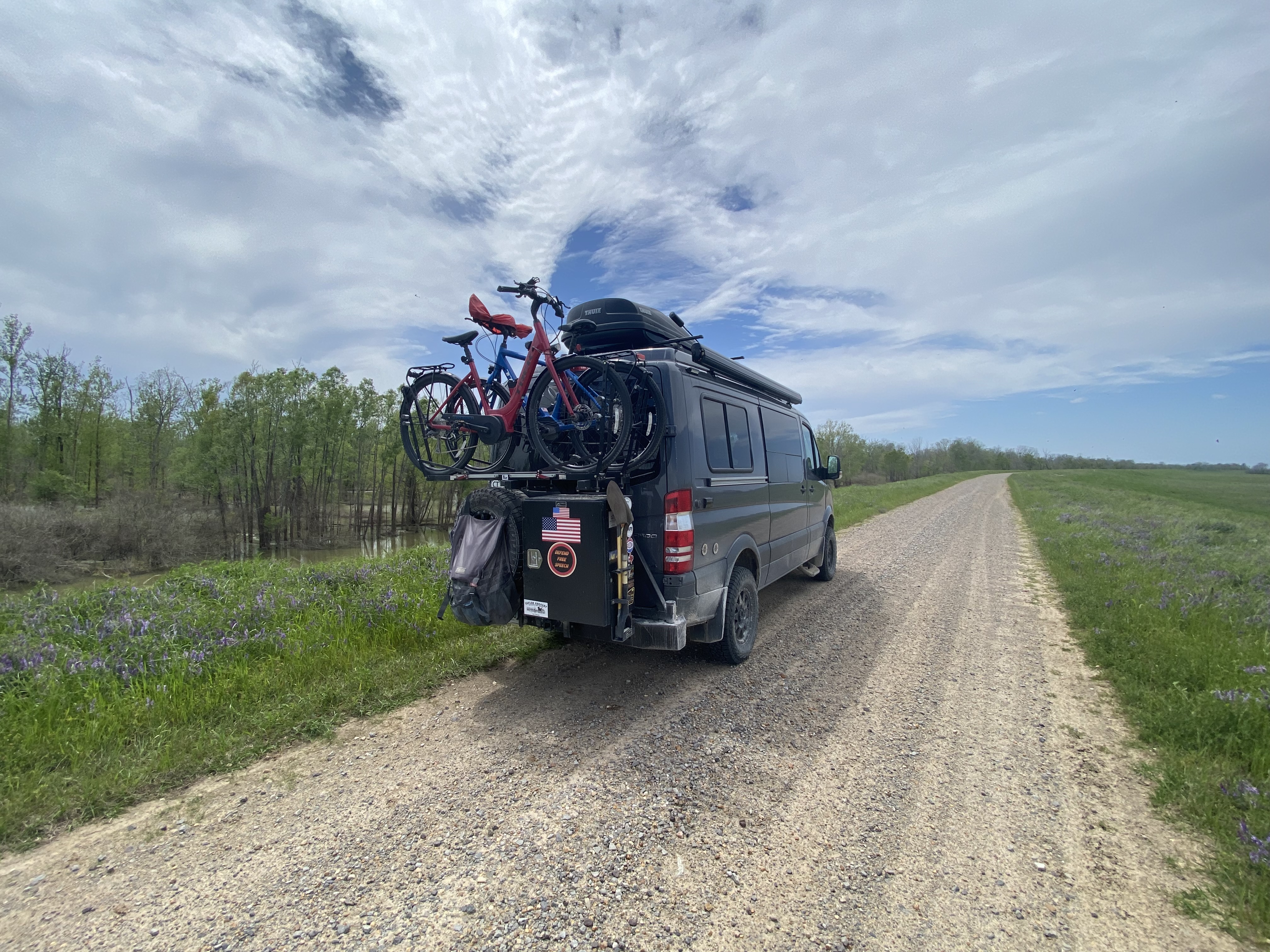
After a couple of interesting days exploring Natchez, we departed for Louisiana. Our new acquaintance, Dub Walker, proprietor of Steam Punk Coffee (see Mississippi Part Three) recommended that we cross into Louisiana from Natchez. This enabled us to travel a significant distance south along the river on the levees and also view a number of the Army Corps of Engineers flood prevention and control facilities.

Vidalia, Louisiana
Slocum Levee, Vidalia, Mississippi

We are certainly glad that we followed Dub’s recommendation. Driving the levee was great fun and provided us with a tour of a very rural part of Louisiana. Our drive along the levee took us through Concordia Parish which covers 745 square miles with a population of just under 20,000 people. There are only seven incorporated towns or cities in the entire parish. We visited several “named places” (as noted on our map) such as Slocum and Shaw, but we found nothing other than a small sign and a bend in the road. Needless to say, we did not see many people on this drive!

The rich alluvial soil deposited by the Mississippi River in Concordia Parish was ideal for growing cotton. Being cotton country also meant that the parish was home to a small number of very large plantations. At the beginning of the Civil War, over 90% of the people living in the parish were enslaved African-Americans. No other parish in Louisiana had as high a percentage of the population enslaved. Not unexpectedly, the plantation owners staunchly backed the C.S.A. throughout the Civil War.

Low Sill Structure, Point Breeze, Louisiana

We departed the levee system somewhere north of Lettsworth. Our expert navigator guided us off the levee and through a series of dirt fields back to pavement (which was far more difficult than it sounds). Once back on pavement, we followed LA 971 and LA1 south and recrossed the river to lodge in St Francisville, Louisiana.

Traveling on LA1 took us across the Low Sill Dam and the 4200 foot long Morganza Spillway. The spillway has over 100 gates which allow for the diversion of a massive amount of water from the Mississippi River into the Atchafalaya Basin and River.

The Army Corps of Engineers plays a large role in the lives of those who live in the Mississippi River Delta. Without the structures built by the Corps, the communities throughout these lowlands (average elevation 56 feet above sea level) would continue to experience catastrophic flooding and loss of life.

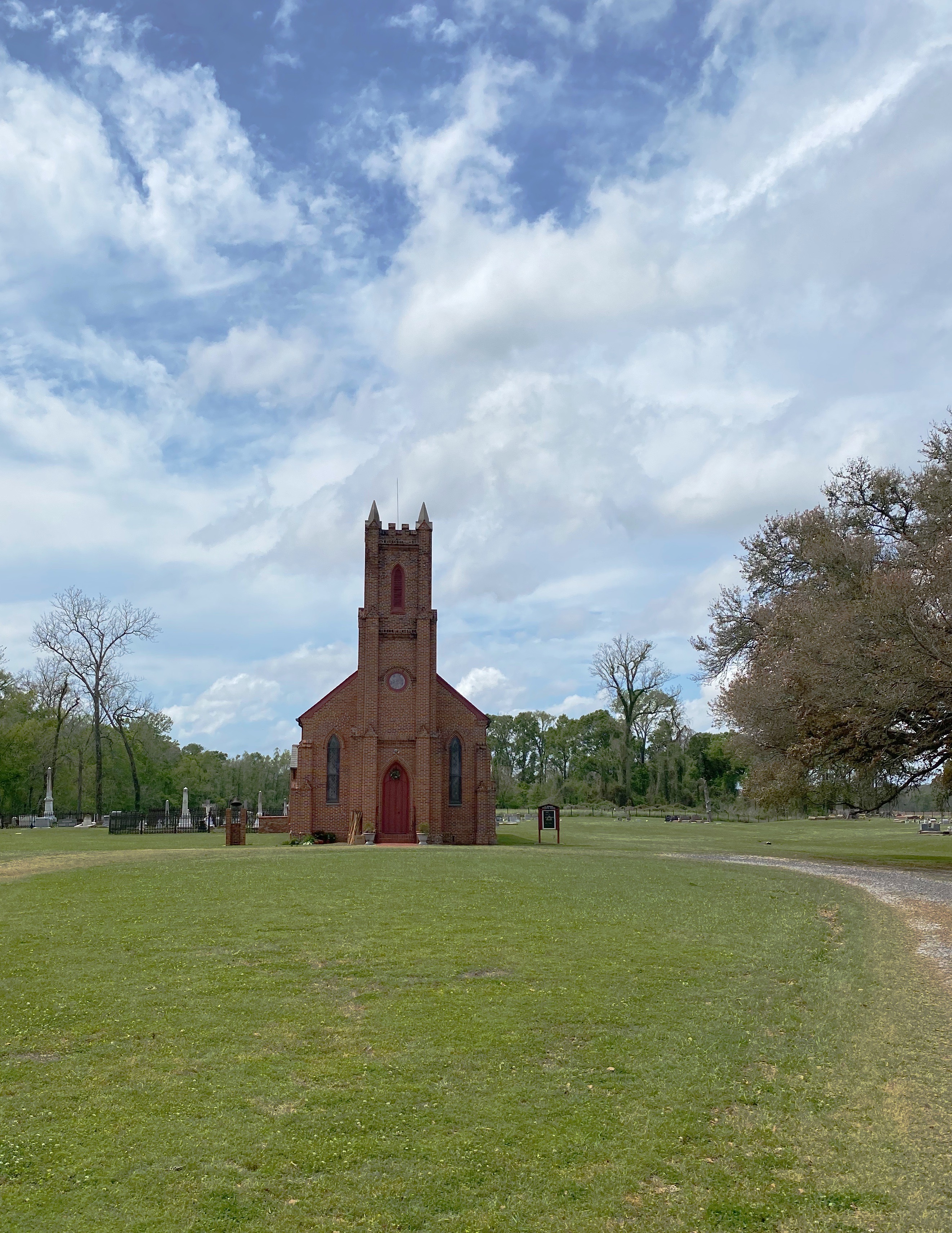
We stopped in Lettsworth to visit the church pictured below. It is relatively simple structure which was constructed of hand made bricks. The stained glass windows were made in England – speaking to this church’s affiliation with the Episcopal Church.

However, as with many things in the South, the Civil War changed all of that. The Episcopal Bishop of Louisiana at the time the Civil War started was Leonidas Polk. Polk, in addition to his religious calling, was as a slaveholding plantation owner (the plantation was located in Tennessee.)

With the states at war Polk felt the need to found a new church (ostensibly in support of god, country and slavery! ) – hallelujah – the Episcopal Church of the Confederate States of America! Polk then resigned his position in the church and joined the Confederate Army serving as a Lieutenant General, despite having no prior combat experience. His battle record was poor, but because he was appointed by Jefferson Davis – well you know. His nickname was the “Fighting Bishop” of the Confederacy and true to his nickname he died fighting in battle in 1864. Every church has a story! P.S. The Episcopal Church of the C.S.A. ceased to exist shortly after the South surrendered.

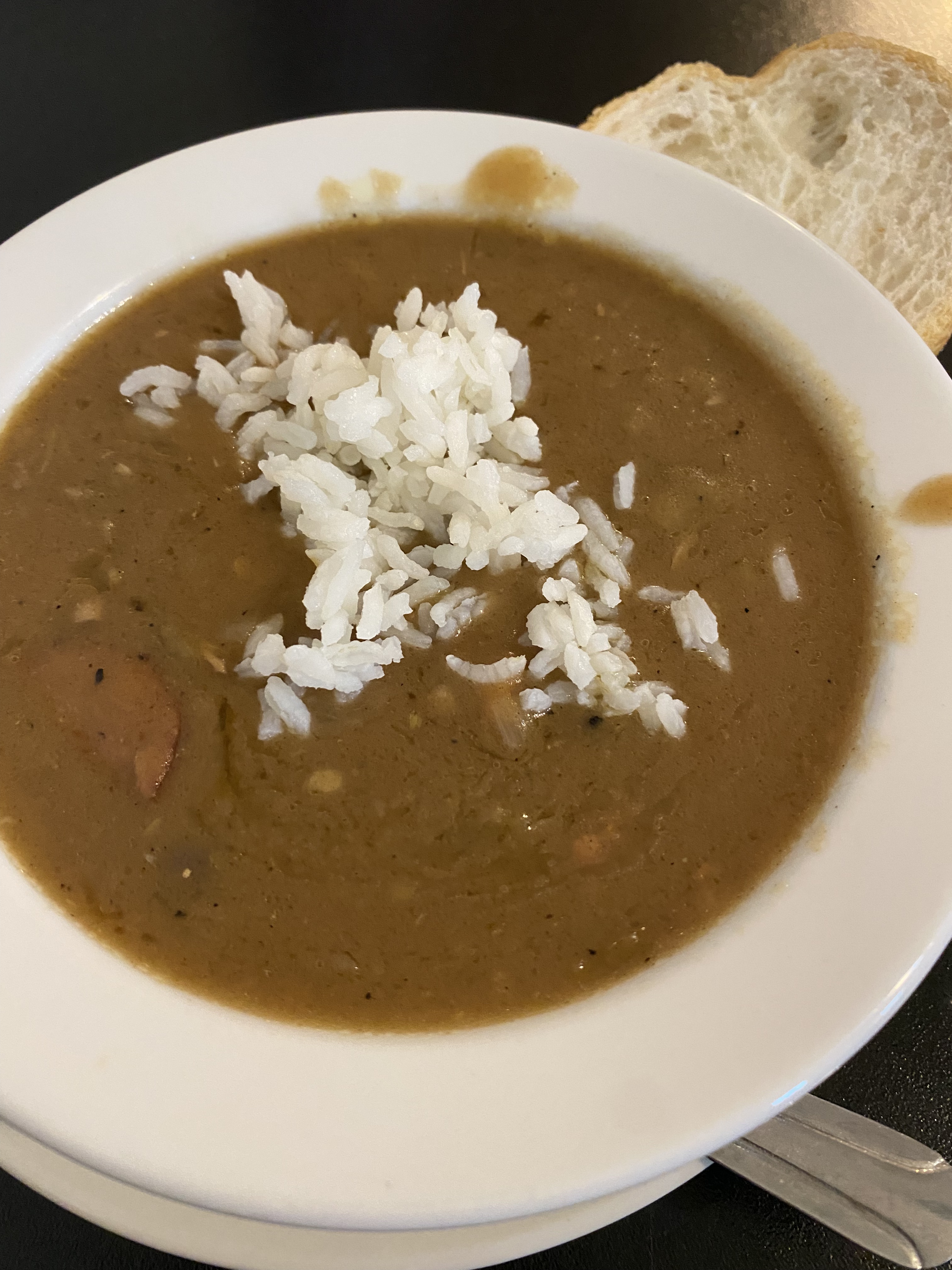
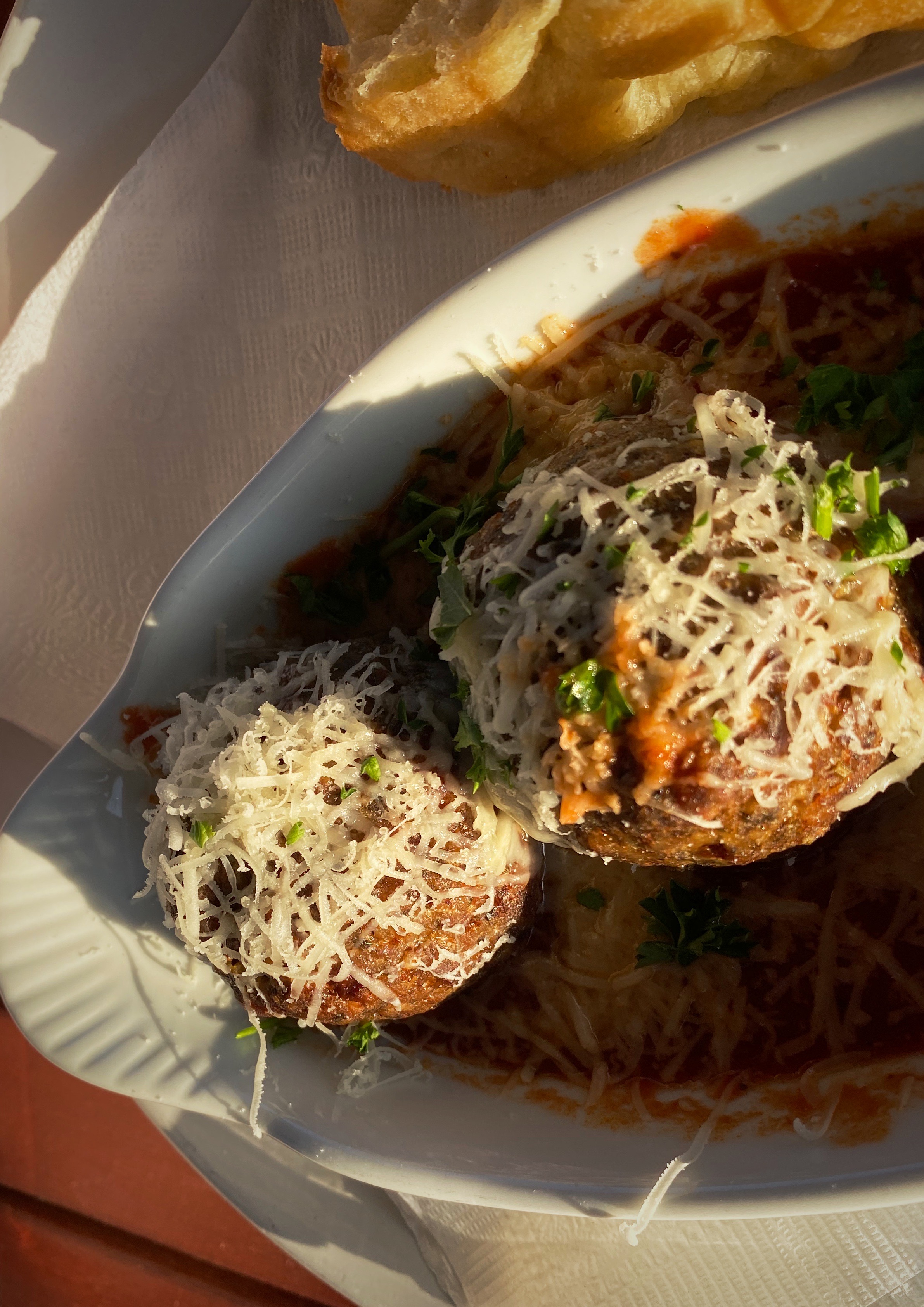
Gumbo and shrimp – yes please! No better way to conclude a dusty day on the levee. The Francis Southern Table and Bar. https://www.thefrancissoutherntable.com

Baton RougE(BTR)

We made an abbreviated stop in BTR as we were returning to Connecticut on our Covid-shortened trip of Spring 2020. The history of BTR sounds similar to many other port towns in Louisiana and Mississippi (an unfair and inaccurate observation no doubt.) French explorers built a fort on the bluff overlooking the river in 1699. Subsequently, BTR was under the control of the French, Spanish and British at various points in time. The Union Army captured the city in 1862 which, along with the capture of Vicksburg, meant game over for the Confederacy. From a current perspective, people tend to think Louisiana’s state capital (Governor John Bel Edwards), Louisiana State University (Tigers), ExxonMobil’s Baton Rouge Refinery (13th largest refinery in the world) and, of course, the Mississippi River. For history buffs interested in a more serious and less glib reading of Baton Rouge we suggest the following book: Historic Baton Rouge by Faye Phillips and Sylvia Frank Rodrique.

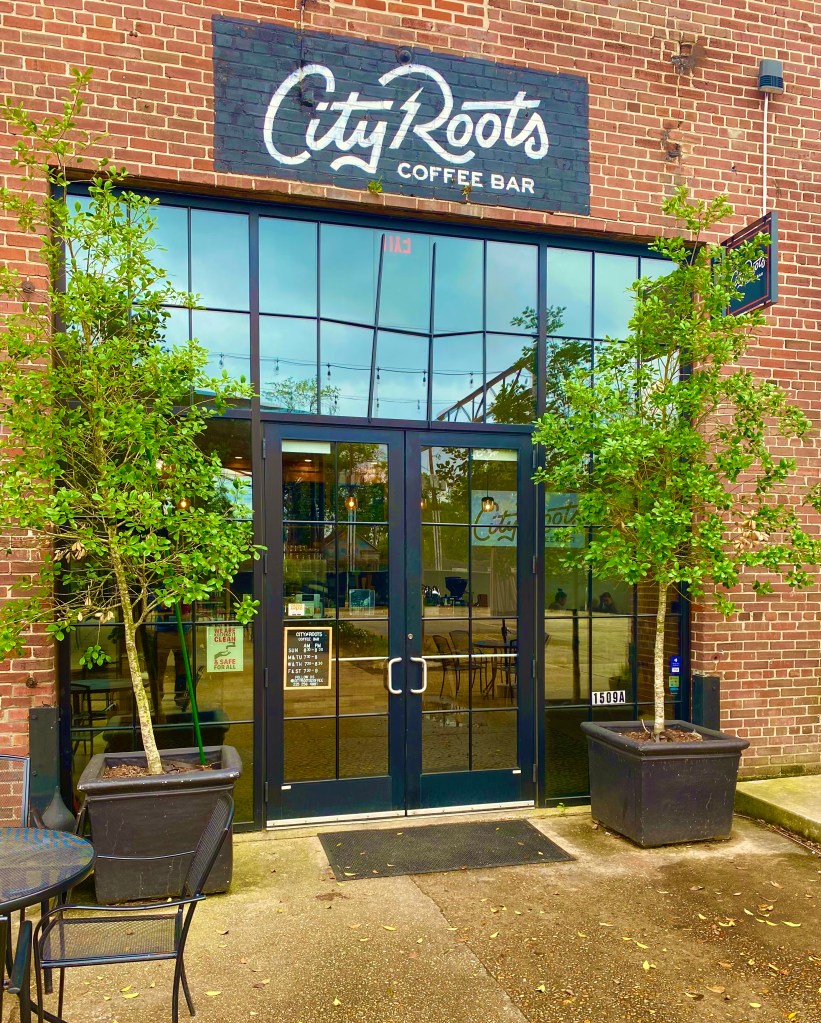
BTR is a short drive from St Francisville – good news in light of the lack of third wave coffee in St Francisville. First stop on the BTR coffee tour was City Roots Coffee Bar. This was a first visit for OTR and we would definitely recommend it be a part of your BTR specialty coffee rotation.

https://www.cityrootscoffee.com/

burden museum & gardens (BMG)

The BMG LSU is an unlikely oasis of green off Interstate 10 just outside of downtown BTR. The land was the gift of the Burden family to LSU on the condition that it only be utilized for agricultural, horticultural and agronomic research and the development of the Rural Life Museum.

Although it was early April, there were plenty of flowers and trees in bloom. We toured the gardens and walked the three mile interpretive trail system through woods and swamp. The trail was peaceful and secluded – you would never think you were in an urban area.

The Rural Life Museum consists of several buildings with 18th and 19th century artifacts from rural Louisiana. The exhibits include tools, furniture, wagons and clothing.

The outdoor exhibits consist of 32 buildings across 25 acres. The buildings are arranged in four sections representing different regions of Louisiana. The centerpiece from our perspective was the Working Plantation which included the living quarters and church for the enslaved people. Each of the buildings has a plaque identifying the function of the building and context – informative and in some cases dispiriting.

Slave Driver’s House

https://www.lsuagcenter.com/portals/burden/

Also on display on the grounds was the statue pictured below —- The Good Darky. We have included below all of the information provided by the museum. We agree with their view that is should be displayed despite the explicit racism depicted (the reader may, of course, disagree).

The sculptor left the statue untitled. Its dedication plaque from 1927 reads: “Dedicated to the arduous and faithful service of the good darkies of Louisiana.” This text was the source of the statue’s first acquired name, “The Good Darky.” The statue has also been called “Uncle Jack,” combining recognition of the statue’s donor, Jackson Bryan, and the practice of referring to an elderly Black man as “uncle.” Today, abandoning both pejoratives, we refer to this object as “the Schuler Statue.”

Museums collect and preserve objects to learn about the past and learn from the past. This principle applies equally to subjects that we are proud to share as well as those that are hurtful and unpleasant. The LSU Rural Life Museum’s role is to care for and to interpret our collection. We do this not to glorify the past or to place inauthentic meaning in the objects. Instead, we preserve and talk about these objects to better inform our shared history, in this case the role of race in the rural South and how it has shaped our lives today.

‘The old negro looks as if he had just shuffled into the square and recognized some of his white folks; he has removed his battered hat and is bowing and smiling his joyful greeting.’ (New York Times, July 31, 1927)

Jackson Lee Bryan, a successful cotton planter, mill owner, and banker, commissioned noted sculptor Hans Schuler of Baltimore, MD to create this statue. It was erected at the end of Front Street in Natchitoches, LA in 1927, with the stated intention of recognizing the loyalty and friendly relations shown between the segregated Black and White communities of the city. By 1968, much of the social system the statue represented had begun to be dismantled. Under pressure from voices within the Black community, the City of Natchitoches removed the statue from public display. Through the determination of Jo Bryan Ducoumau, J.L. Bryan’s niece, the city returned ownership to her, which ultimately led to the donation of the statue to the LSU Rural Life Museum.

This statue, the only one of its kind, embodies the Jim Crow culture by reinforcing “model” behavior. In Louisiana and elsewhere in 1927, the practice of African Americans bowing heads and tipping hats was as much a survival tactic as a polite gesture. The presence of the statue in a public space reinforced the Jim Crow era’s rigid social norms and racial stratification. Initial responses to the statue were filled with a nostalgic image of a more tranquil past. Similar sentiments appeared in local papers, proclamations, and other public documents. “The old negro looks as if he had just shuffled into the square and recognized some of his white folks; he has removed his battered hat and is bowing and smiling his joyful greeting.” (New York Times, July 31, 1927

Despite being cloaked in genteel manners, these customs were a response to an underlying threat of violence to African Americans who strayed outside societal norms.

“But then, there were times in growing up (under Jim Crow) … where you had to use survival psychology … That’s the time when I would grin, shuffle, say “Yes Sir” or “No Sir,” look down. All of those things that said that you were inferior, you know. But, that was a survival tactic. Even at a very young age, we understood how to survive in a racist and very violent system.” –Ser Seshsh Ab Heter Clifford Boxley, Natchez,MS

About 15 minutes east of the museum in Shenandoah sits a local favorite for cajun and creole cuisine – Dempsey’s Poboys – a perfect spot to sit and reflect on all that we had seen at the museum. Or could it be the photos above of gumbo and fried catfish represent the new primary diet of one of the members of our little band of travelers?

https://www.facebook.com/Dempseysbr/

After our day at the museum we hit the bike trail. BTR has created a 39.6 mile partially paved bike trail along the top of the Mississippi River levee. The northern trailhead trail begins in downtown BTR and extends southward. Once out of the city the scenery changes to a mix of farmlands, residential areas, the occasional factory and views of the river. You can, in fact ride this levee all the way to New Orleans, although portions are unfinished.

We have had the opportunity to ride on a number of levee trails – this is fun riding – expansive views due to your elevated riding position and no street crossings!

The best trail rides come with the opportunity to have espresso and tea (and perhaps toast) at a specialty coffee shop conveniently located near the trailhead. If the stars are truly aligned that same coffee shop also serves lunch and cocktails ( facilitating the critical transition from caffeine to alcohol).

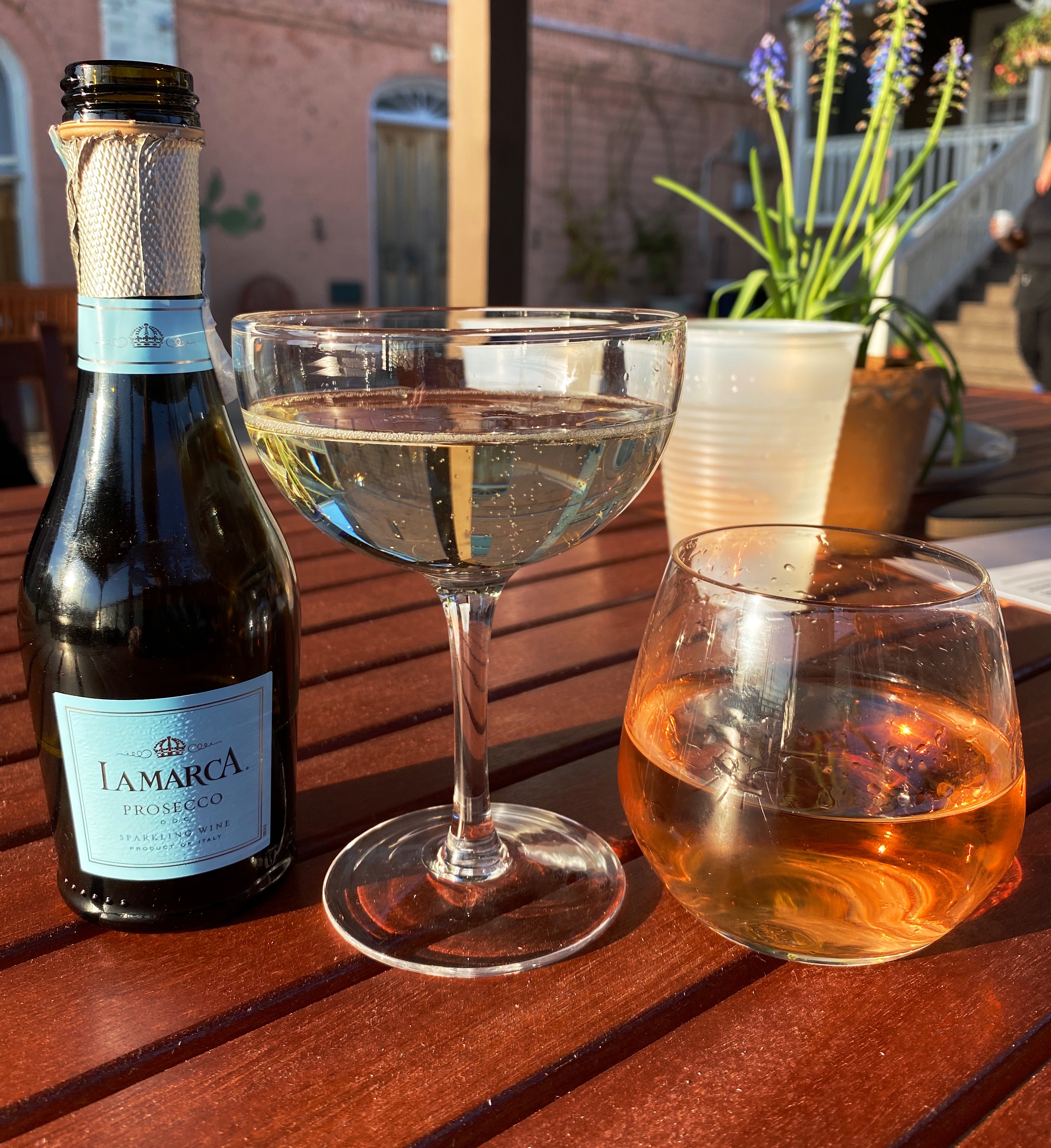
Fortunately, for us, Reve Coffee Lab BTR, was just a few minutes from where we had parked the Beast for our bike ride. Wrapping a bike ride between a pre-ride cappuccino and a tasty post ride sandwich washed down with a cold, bubbly Prosecco qualifies as an excellent day for OTR!

https://revecoffeeroasters.com/pages/reve-coffee-lab-baton-rouge

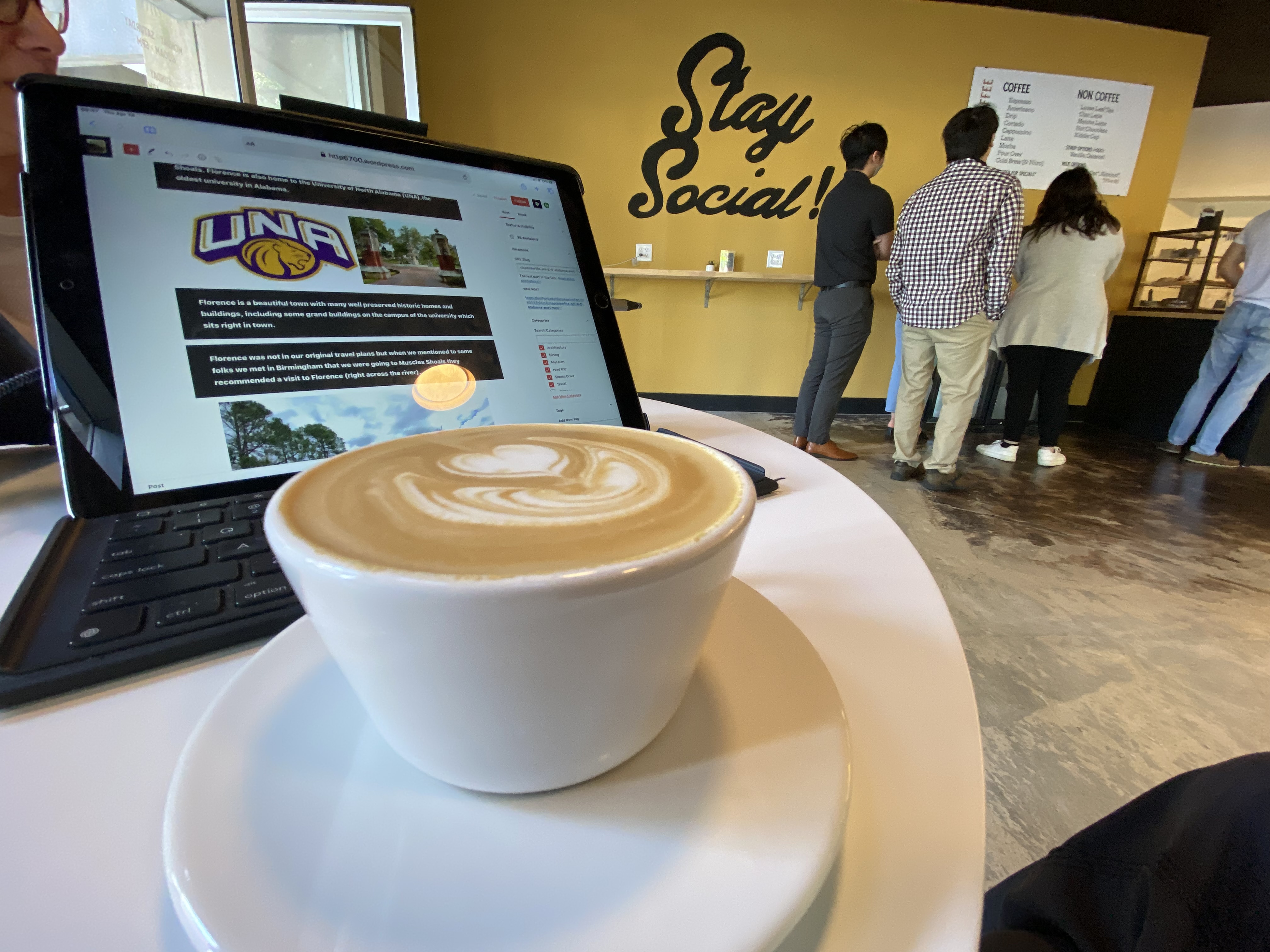
We departed BTR the following morning, but not before visiting a new specialty coffee shop located near the state capital building in downtown. The guys at Reve Coffee recommended that we stop by Social and say hey to owner Dillon Farrell.

Dillon first launched Social in 2019 utilizing a mobile coffee cart. He built a strong following and opened the current location in March of this year. Dillon is a sincerely nice guy – we really enjoyed the opportunity to chat with him between customers. He is a top notch barista – excellent caps, cortados and London Fogs. Sealing the deal – he uses Onyx Coffee. We wish him the very best with his shop.

https://www.socialcoffeebr.com/

We had a good couple of days exploring BTR. LSU brings a lot to the city – the gardens, museums, music and sports. We think BTR is worth two to three days depending on your interests.

Be seeing you!

ctsprinterlife: OTR 8.0: Mississippi Part 3
Muddy Waters

Clarksdale

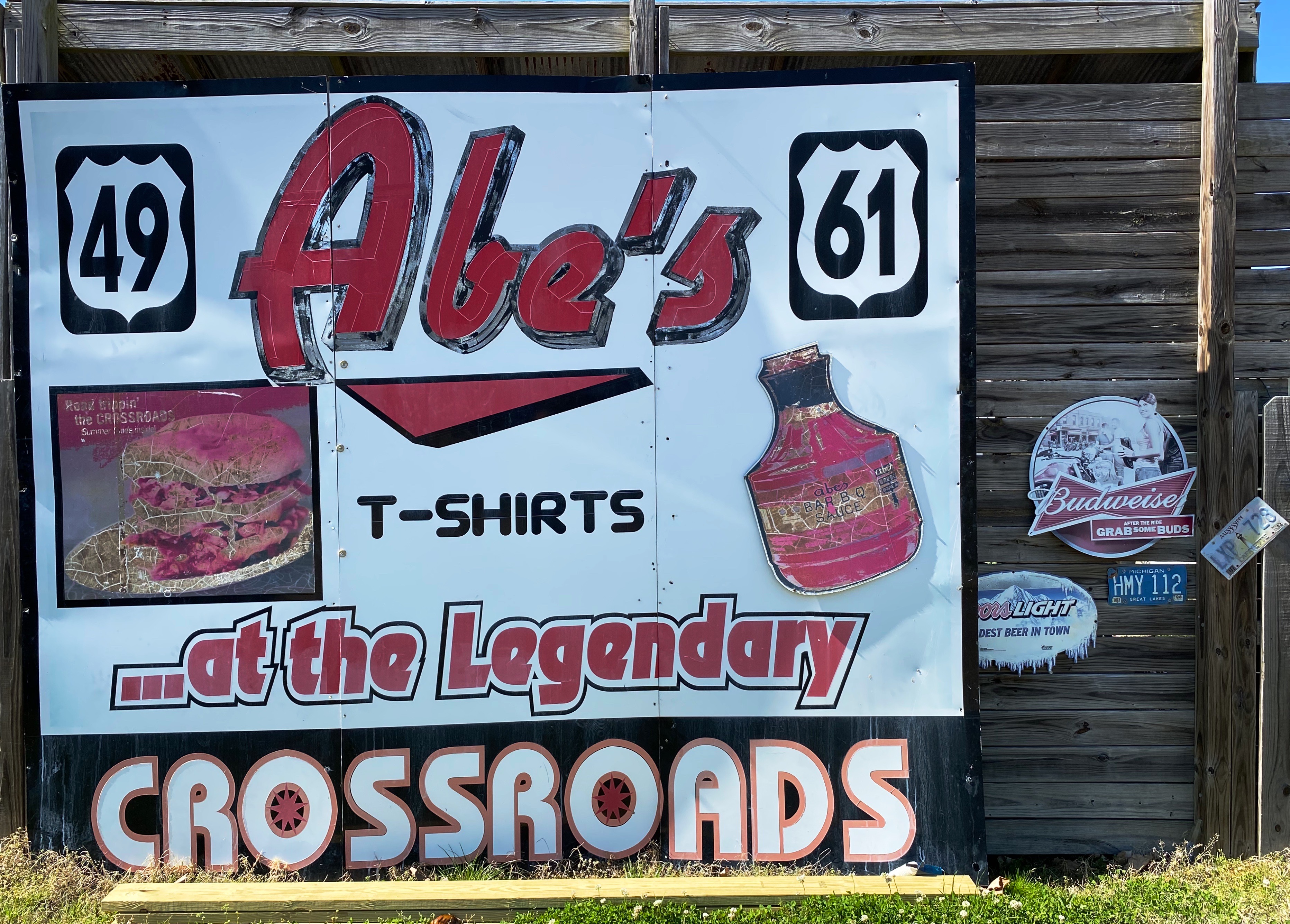
After completing the final portion of the Trans America Trail we traveled to Clarksdale to begin our exploration of the Mississippi Delta. Clarksdale is generally considered to be the home of the Delta Blues with an impressive roster of musicians calling Clarksdale their home in their early years (see previous post: Street Art from the Road: OTR 8.0: Part Two: Clarksdale Music and Art at http://www.ontheroadwithmariastephen.net.

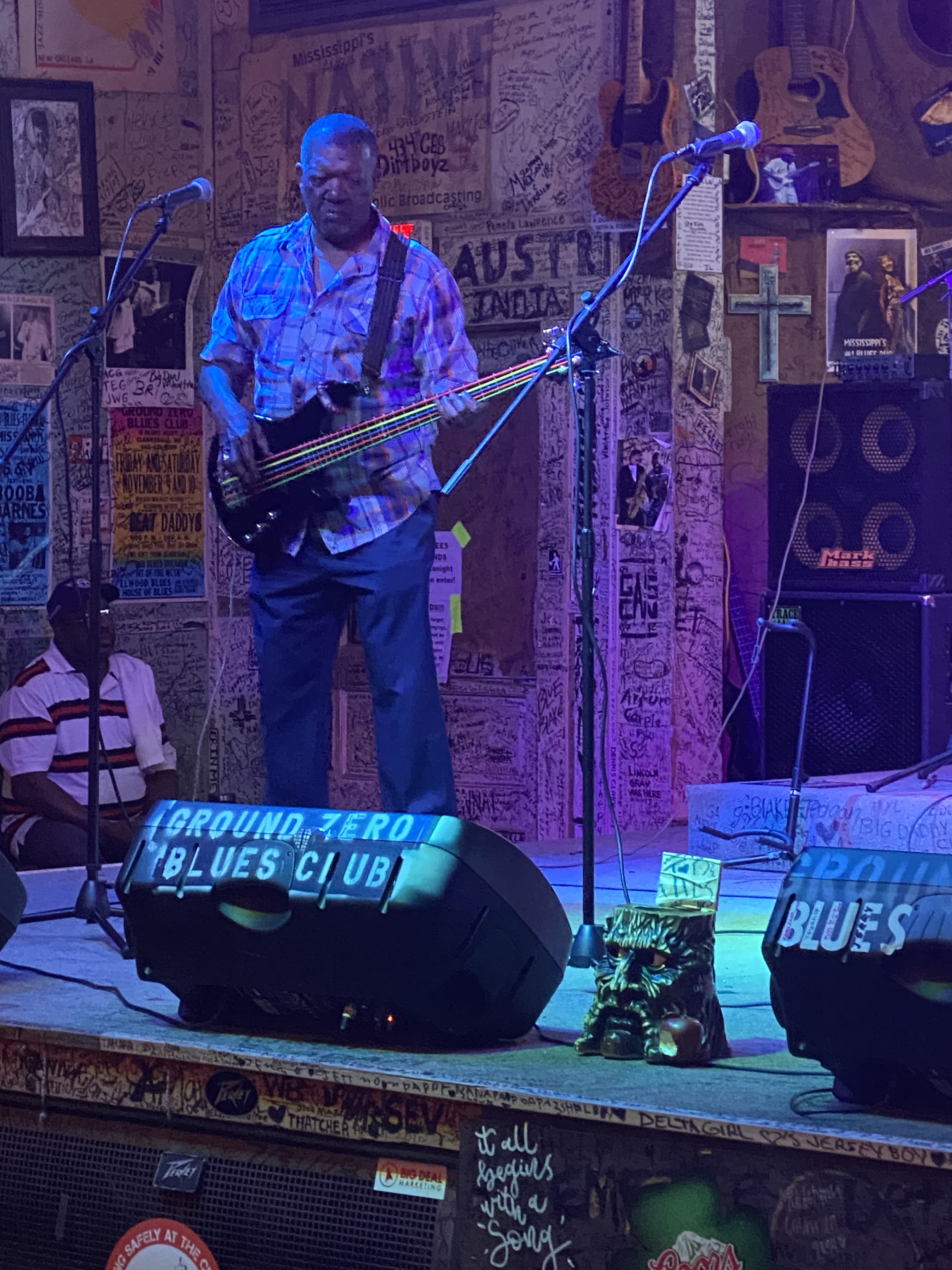
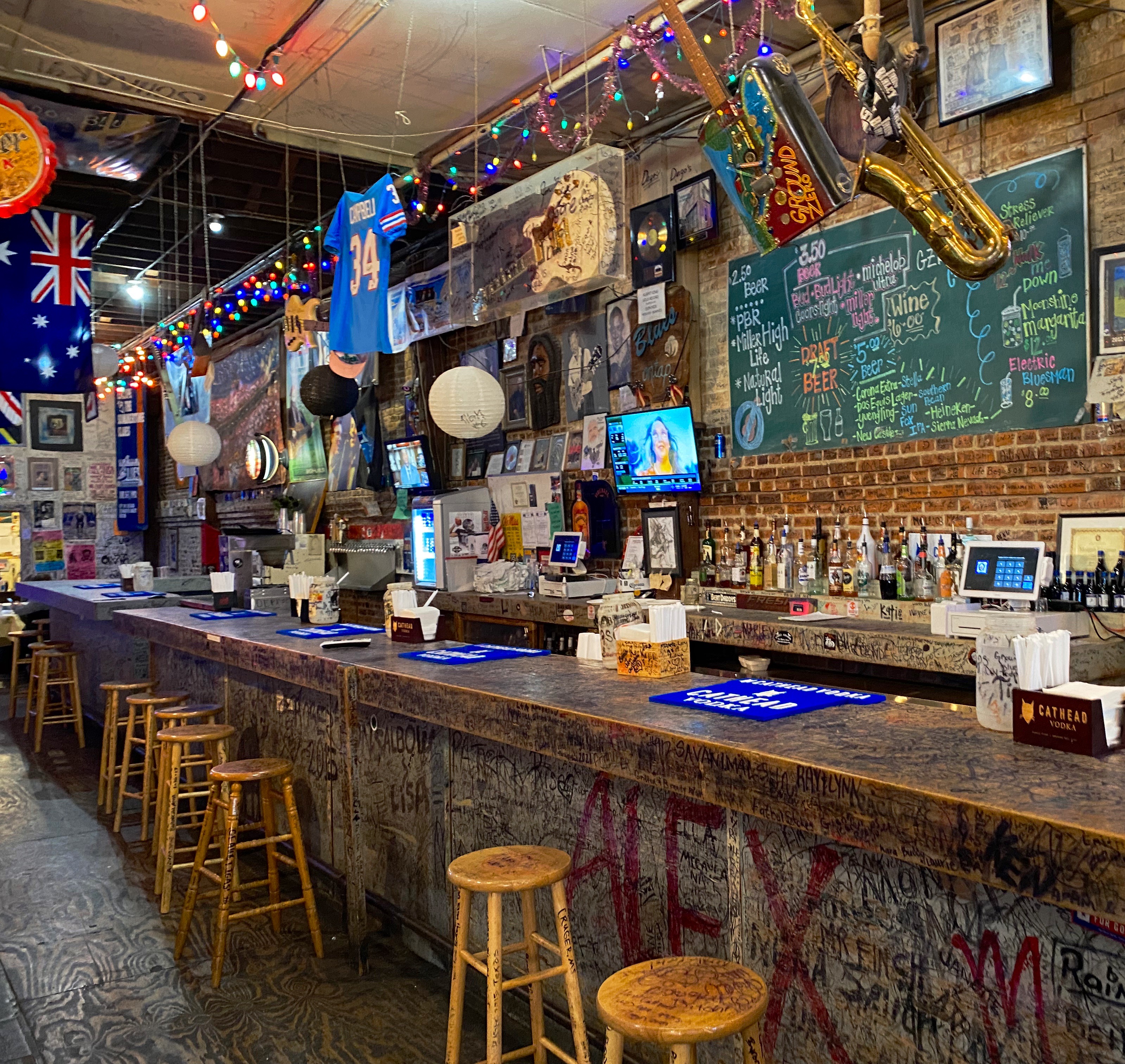
Clarksdale boasts live Blues music every day of the year at one or more of the local blues clubs, bars or juke joints. The town itself is a bit hardscrabble but please don’t let that keep you away. Even if you are not a fan of the blues we think you will enjoy the live performances that take place at the various venues in town, all of which are very intimate and, you will hear the real Blues. Typically, you will pay $10 – $15 for a show that will run from two to four hours!

Ground Zero Blues Club

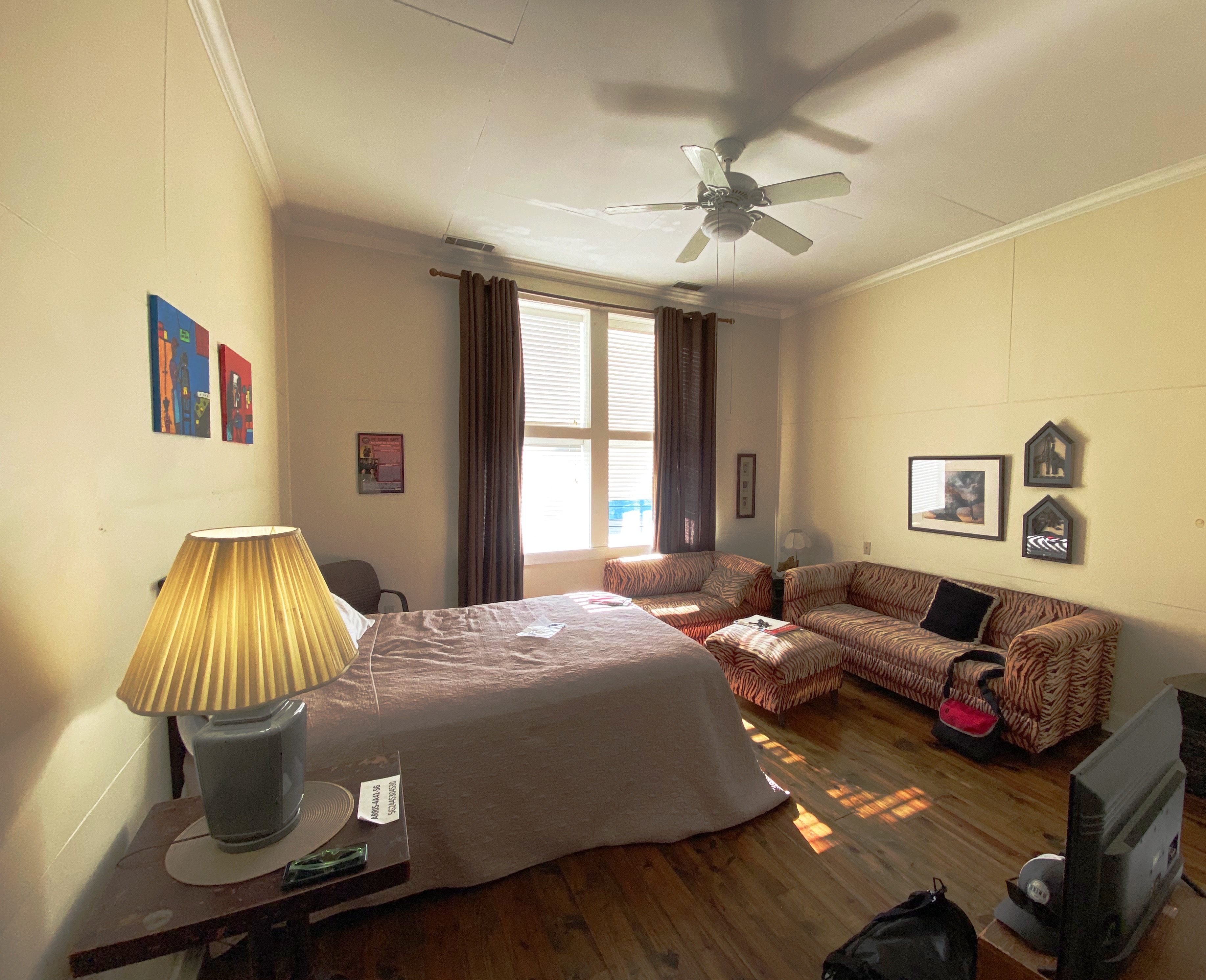
We opted to stay in an apartment above the Ground Zero Blues Club which is convenient-unless you plan on sleeping before midnight. We were in town to hear the Blues, so we figured it was all part of the experience. https://www.groundzerobluesclub.com/

Clarksdale is also home to the Delta Blues Museum. We spent a morning at the museum and learned a lot about the history of the Blues, the musicians and the Blues recording industry. There is a treasure trove of artifacts at the museum including musical instruments and performers’ stage costumes. We highly recommend a visit to the museum when you visit Clarksdale. We don’t have photographs to share with you as they are not allowed in the musuem.

There are several excellent restaurants in town in addition to the customary BBQ. We highly recommend Hooker Grocery & Eatery which is a two minute walk from the museum. https://www.hookergrocer.com P.S. If you like pancakes make sure to try Our Grandma’s House of Pancakes.

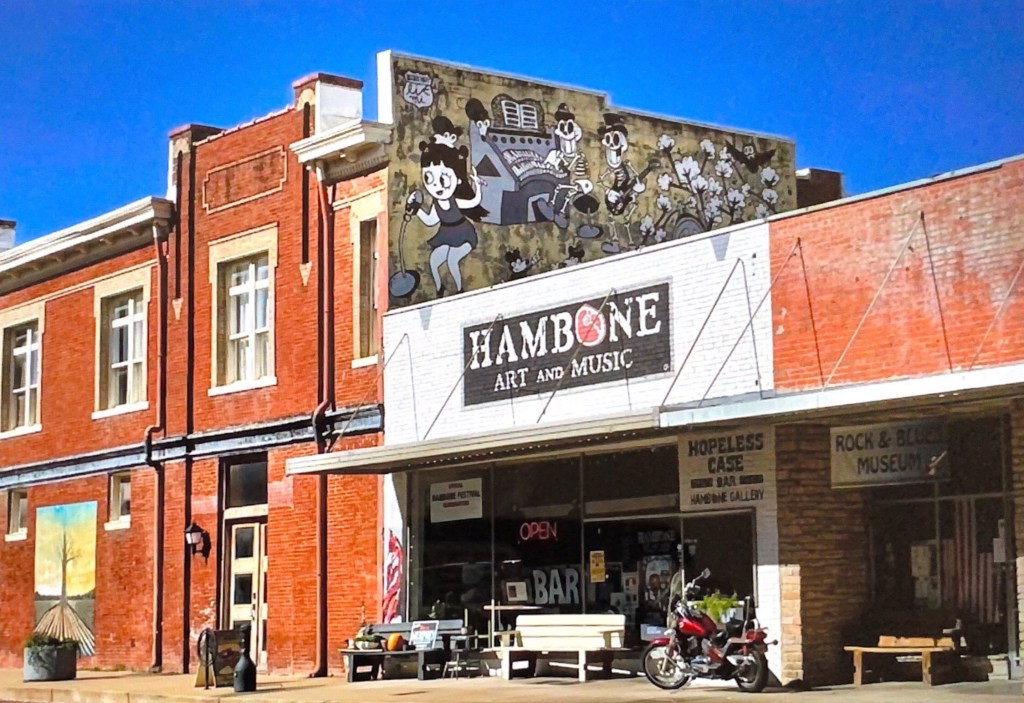
Last, but certainly not least, we recommend a visit to Hambone Art & Music. We popped into this gallery for a quick look around and then spent several hours with the owner Stan Street. He is a transplant to Mississippi and was a touring musician before settling here and focusing on his painting.

Stan bought a vacant building and converted it into his gallery in the front, his studio in the rear and his apartment above. He also operates a small bar in the studio and has a stage for musical performances. We really like his artwork and we were amazed to find out that he is largely a self-taught artist.

Greenville – do not, we repeat, do not get your car washed!

We visited Greenville after reading that there is a state park there with a hiking trail along the Mississippi and a 60 foot tall observation tower that provides fantastic views along the Mississippi River. WRONG! The park was turned over to Greenville and the town has not maintained the park other than the small boardwalk when you first enter the park. This was our first disappointment with Greenville.

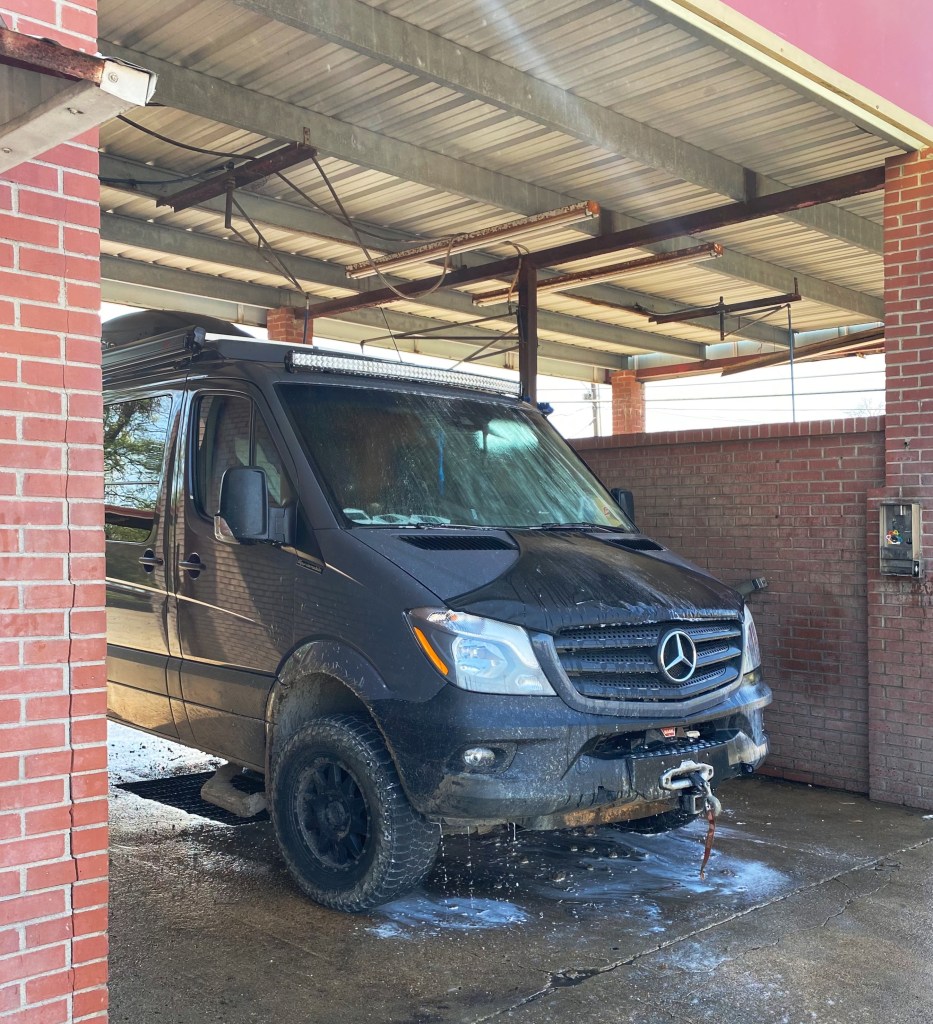
As we were leaving town we spotted a self service car wash and pulled in to hose the van off – you may have noticed in our photographs the Beast is in perpetual need of a wash. Immediately, a man told me he was an employee and would wash the vehicle – a minute later another man showed up and informed me he was going to help wash the car and then a third man showed up to help wash the car.

At his point we knew we had a problem – none of these guys worked at the car wash and that this was a shake down. We were able to persuade the third man that he was not going to get paid (although he hung around circling us). At that point, we told the two guys (taking turn hosing off the van) that we were good. The first of the gentlemen demanded $60.00 for the wash. We settled on a more reasonable amount and left town quickly.

Cleveland, or “fear the okra”

We stopped in Cleveland for coffee at Zoe Coffee. We met some nice folks at the coffee shop and learned that the coffee shop is affliated with Zoe Ministries, which focuses on providing clean water, orphan care, widow care, and education to communities in Kenya. https://zoeempowers.org/

Cleveland is also home to Delta State University. The mascot for the athletic teams is the Okra and the school chant is ”Fear the Okra!”. This is the best mascot and chant we have ever encountered! Look for DSU merchandise by the pool this summer. P.S. The men’s baseball team went 32-15 this year and is currently in Florida for the NCAA Division II regional tournament.

Vicksburg, or, it’s all about the war , no wait, it’s really all about the river

Vicksburg, MS is undoubtedly best known as the site of a major Civil War Battle which was a turning point in the war in favor of the Union. We were keen on visiting the Vicksburg National Military Park (VNMP) to gain a better understanding of this historic battle and see the battlefield.

The Mississippi River was a critical supply route for the Confederacy. Vicksburg sits on a bluff high above the eastern side of the river and was heavily fortified with artillery to stop Union forces from cutting off this essential supply route. The Union forces knew that taking control of the river would seal the defeat of the South.

After several failed Union attempts to take Vicksburg, General U.S. Grant laid seige to Vicksburg. Grant surrounded the city with over 77,000 troops. The 29.000 Confederate troops dug in to defend the city. Confederate attempts to break through the encircled city and resupply the soldiers and citizens failed. After 47 days, with all food and water supplies exhausted, the troops and citizens surrendered; the mighty Mississippi was under Union control. For additional information: https://www.nps.gov/vick/index.htm

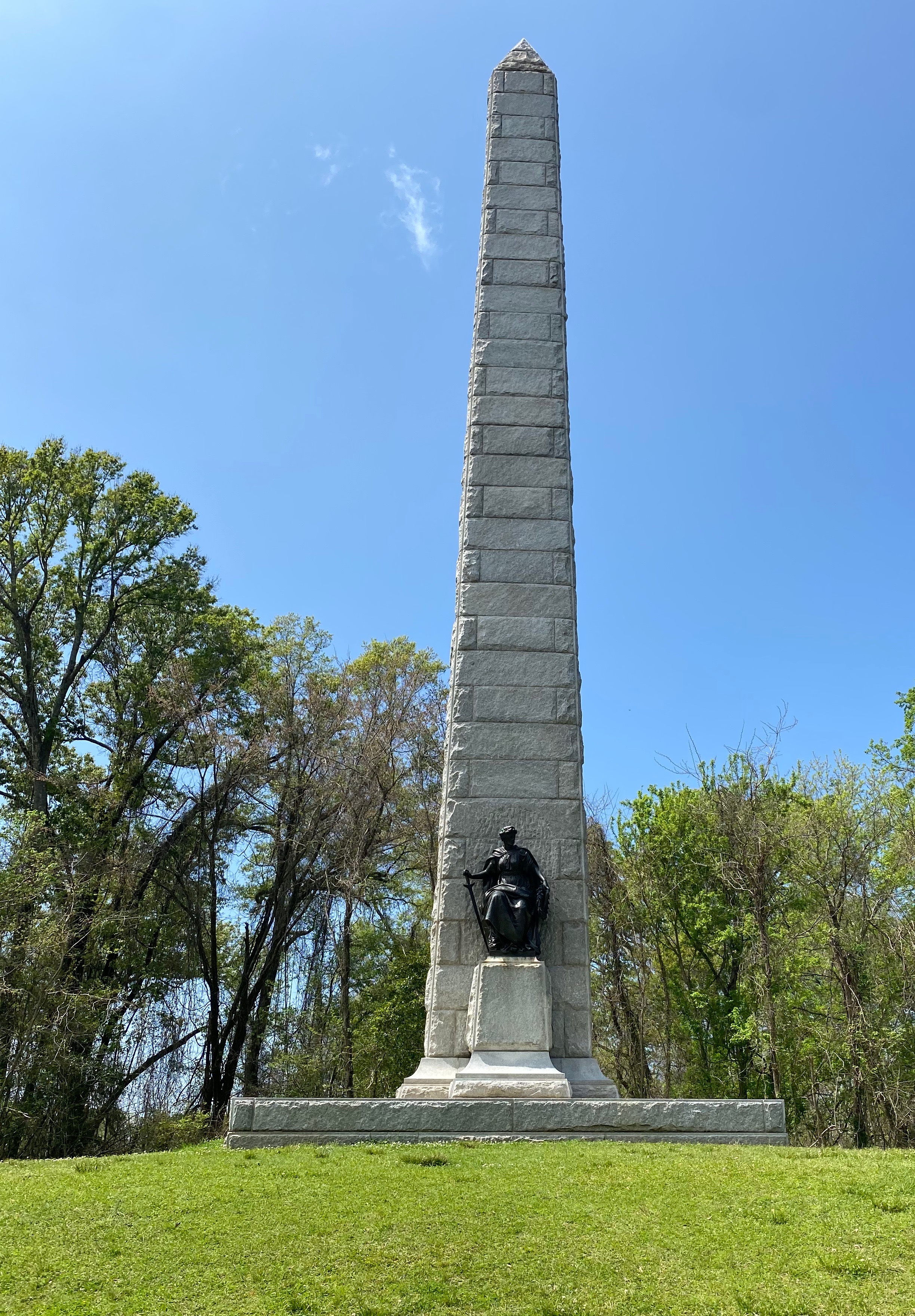
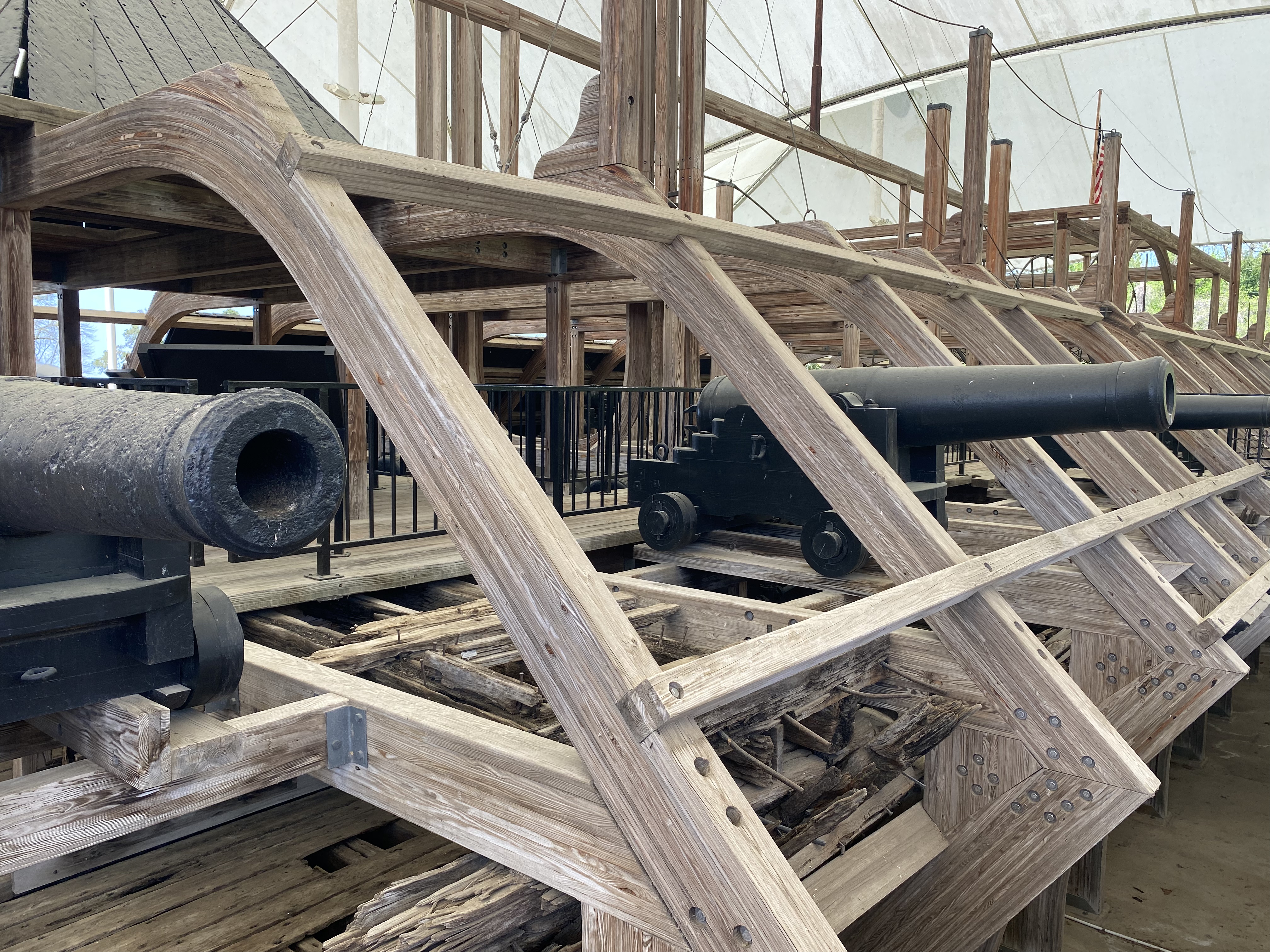
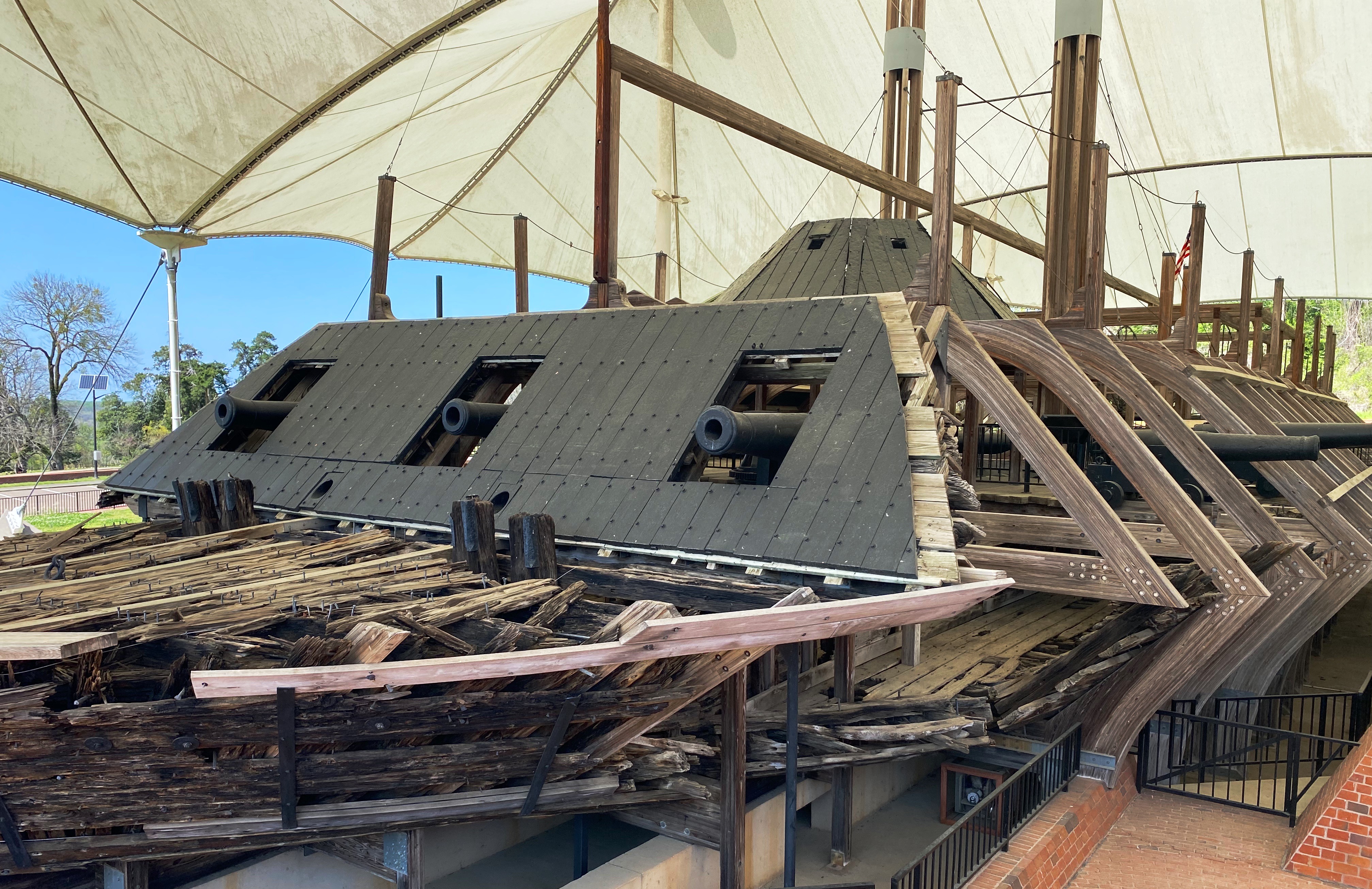
In addition to the battlefield, there is a museum in the park which includes the remains of the Union ironclad gunboat USS Cairo. The Cairo was sunk by Confederate torpedos seven miles north of Vicksburg. It slipped back into the river after being beached and abandoned. Over 100 years later the ironclad was raised, restored and given to the National Park Service. For additional information: https://www.nps.gov/vick/u-s-s-cairo-gunboat.htm

Historic downtown Vicksburg is perched above the river south of the main artillery emplacements and battlefield. A number of excellent restaurants, rooftop bars and art galleries can be found there. The Jesse Bent Lower Mississippi River Museum, managed by the US Army Corps of Engineers, is on the waterfront and worth a visit.

The Mississippi River is still a vital supply route for the US economy. The Corps, one of the largest employers in the area, is responsible for commercial navigation, flood risk management and environmental stewardship.

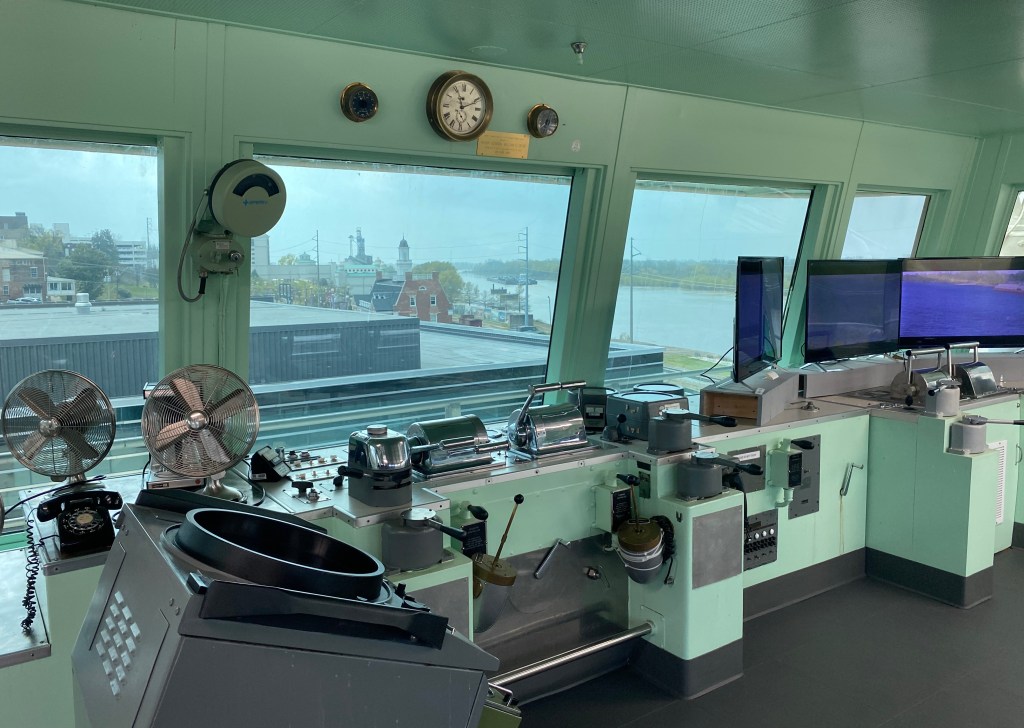
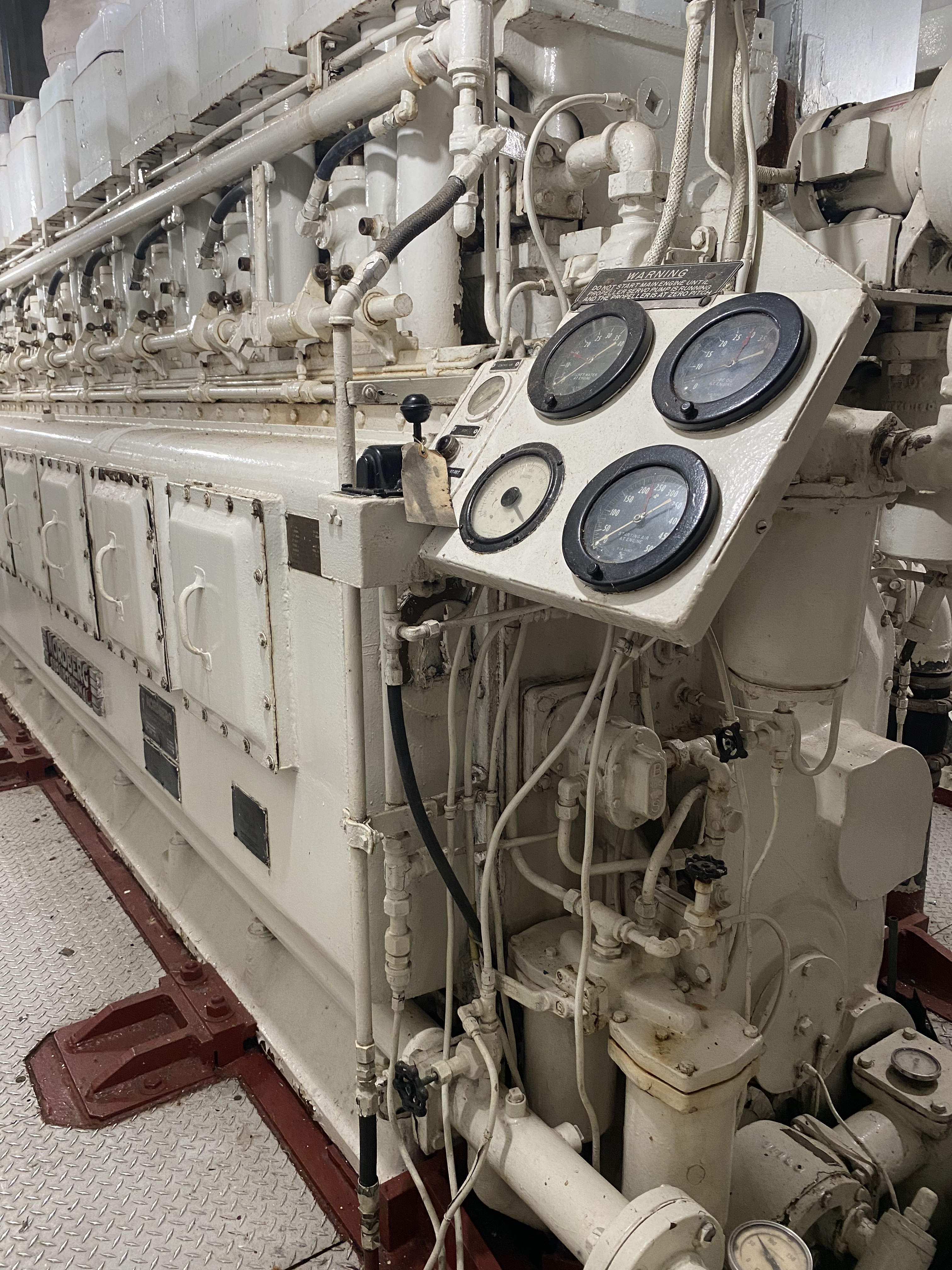
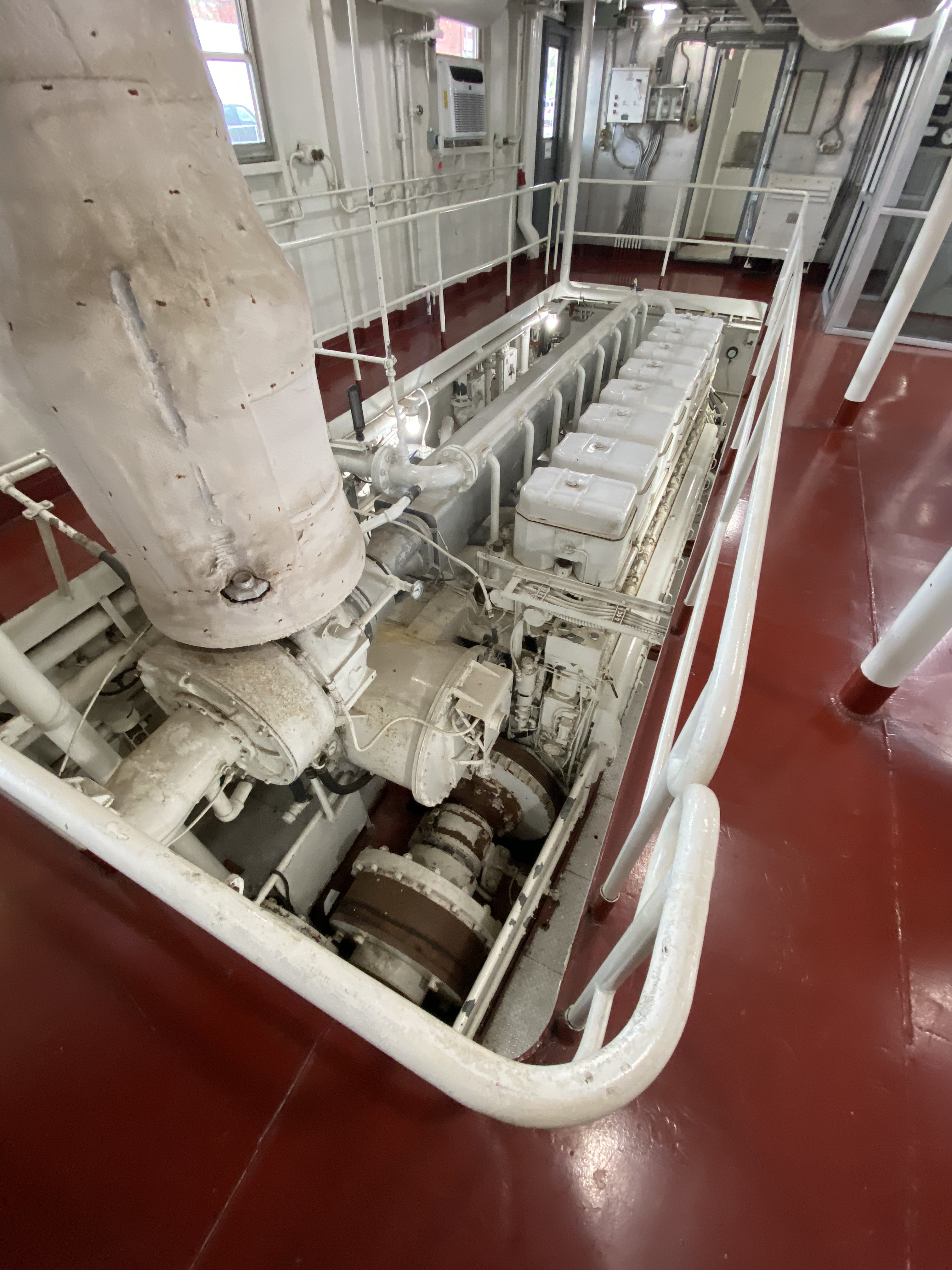
A visit to the museum also includes the opportunity to tour the retired M/V Mississippi IV. The Mississippi IV was a tow boat used by the Army Corp from 1961 until 1993 when it was retired.

M/V Mississippi IV (Photo courtesy of Army Corp)

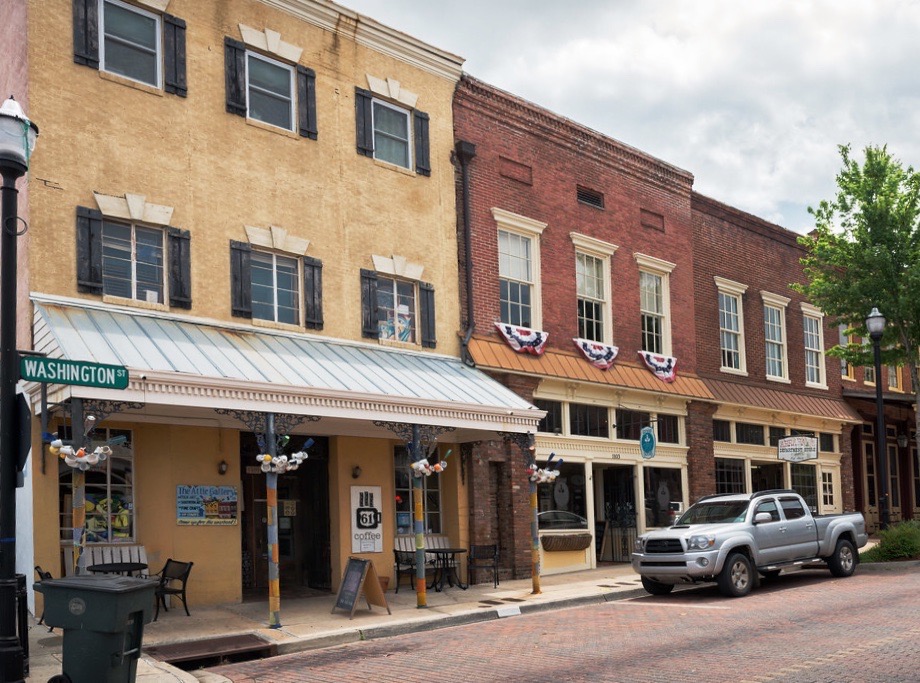
Our endless search for good coffee and tea took us to Highway 61 Coffee House in downtown Vicksburg. Highway 61 is a local coffee house with a cast of characters. We immediately ingratiated ourselves with the owner Daniel Boone – yes! – and his cohorts by making a donation to their poporn machine fund.

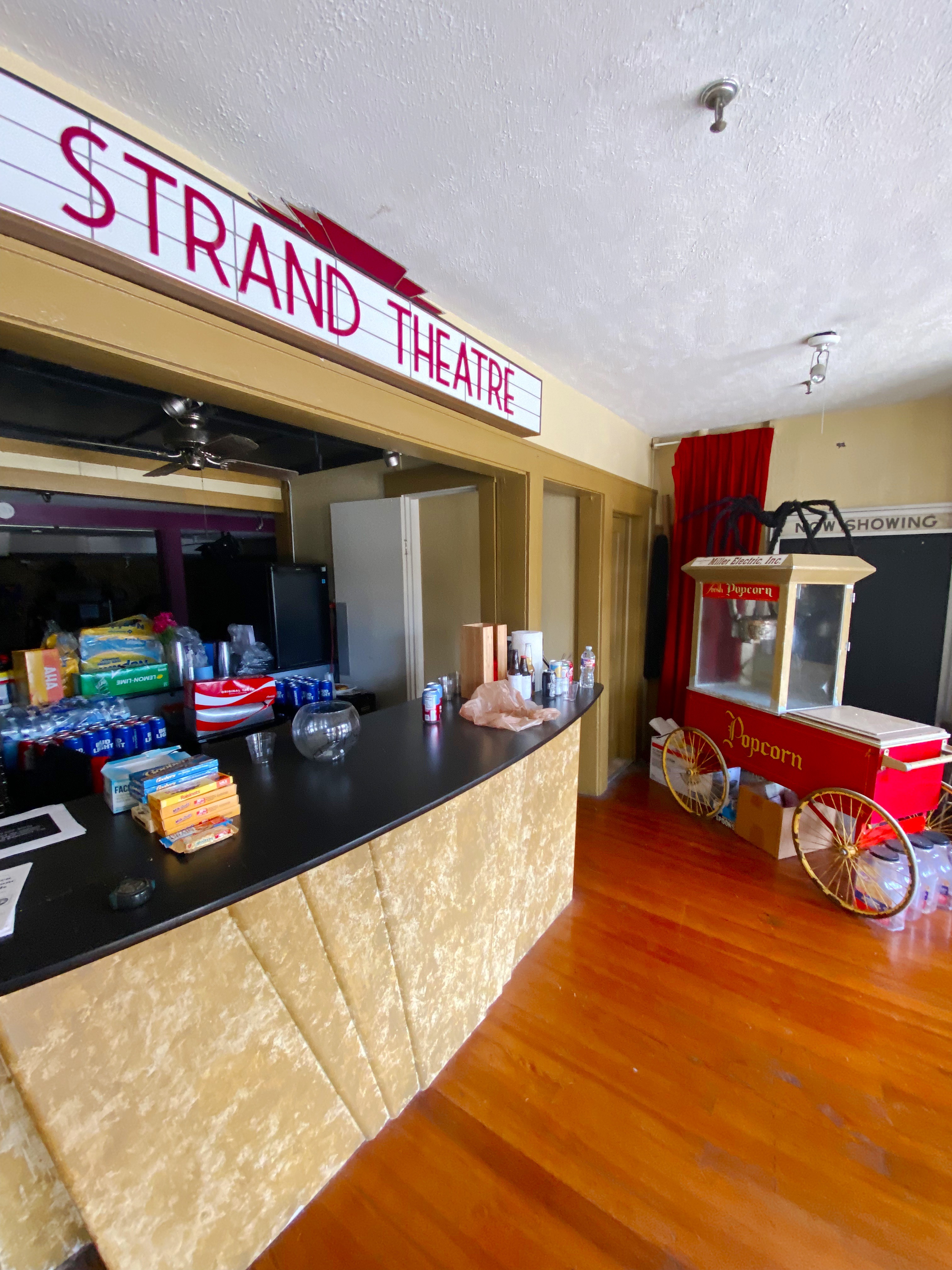
When Daniel Boone and his friends are not serving or drinking coffee they are the leaders of a local art movie house and amateur theater company. The popcorn machine that they have been utilizing for the last 14 years (on loan) for movie nights is going to be taken back by the owner.

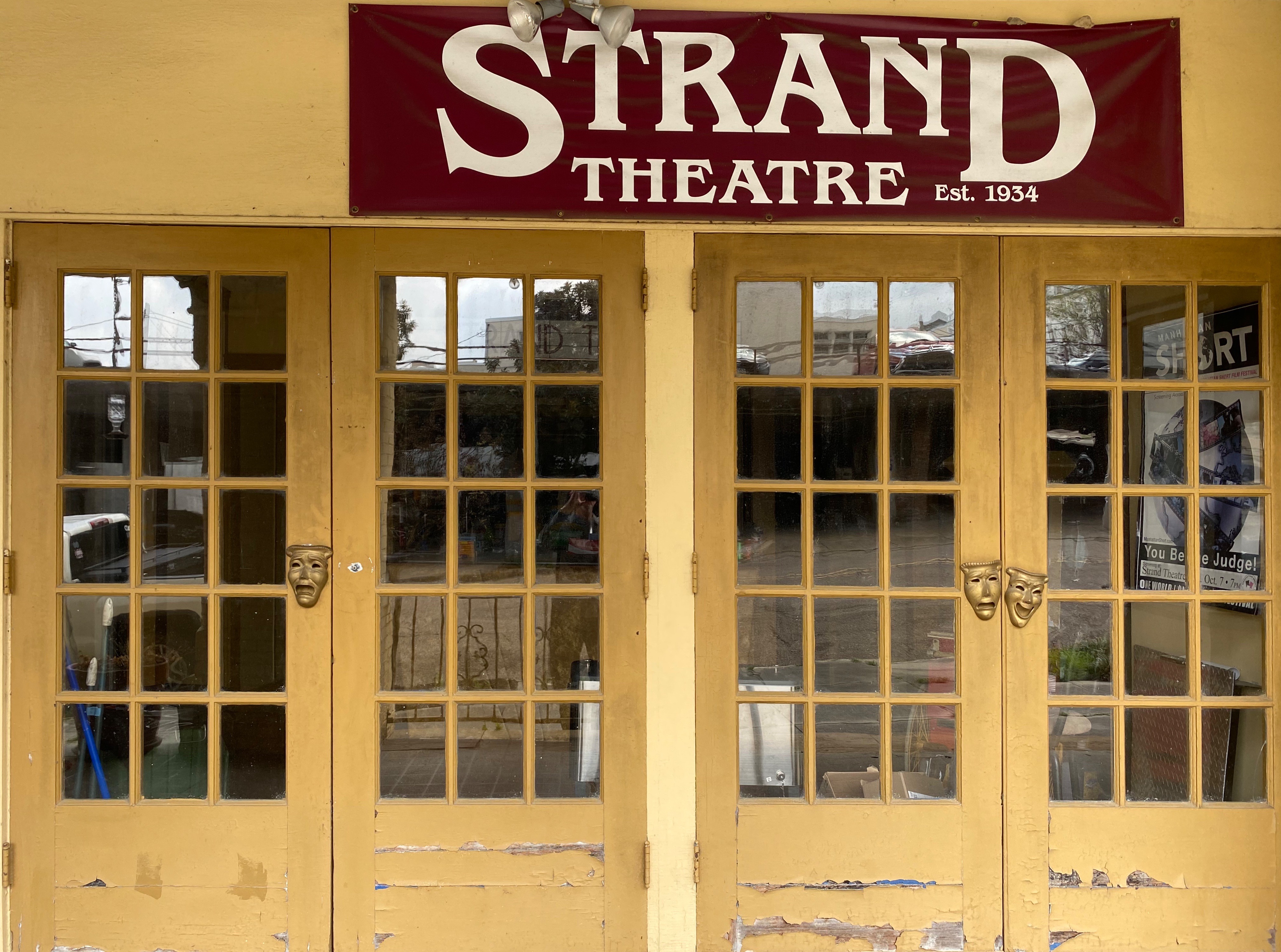
Our donation to the fund earned us a private guided tour of the Strand Theater with Jack Burns – a board member and coffee shop regular. The Strand was a movie theater until it closed in 1963. The building remained vacant for a number of years until the theater group struck a deal with the owner to lease the facility for both live theater performances and screening movies. The interior was renovated by volunteers from the community who were very interested in having an opportunity to see art house movies and community theater. An excellent history of the building can be found at Urban Decay: https://worldofdecay.blogspot.com/2011/04/strand-theatre-vicksburg-mississippi.html Strand Theater: http://www.strandvicksburg.com/

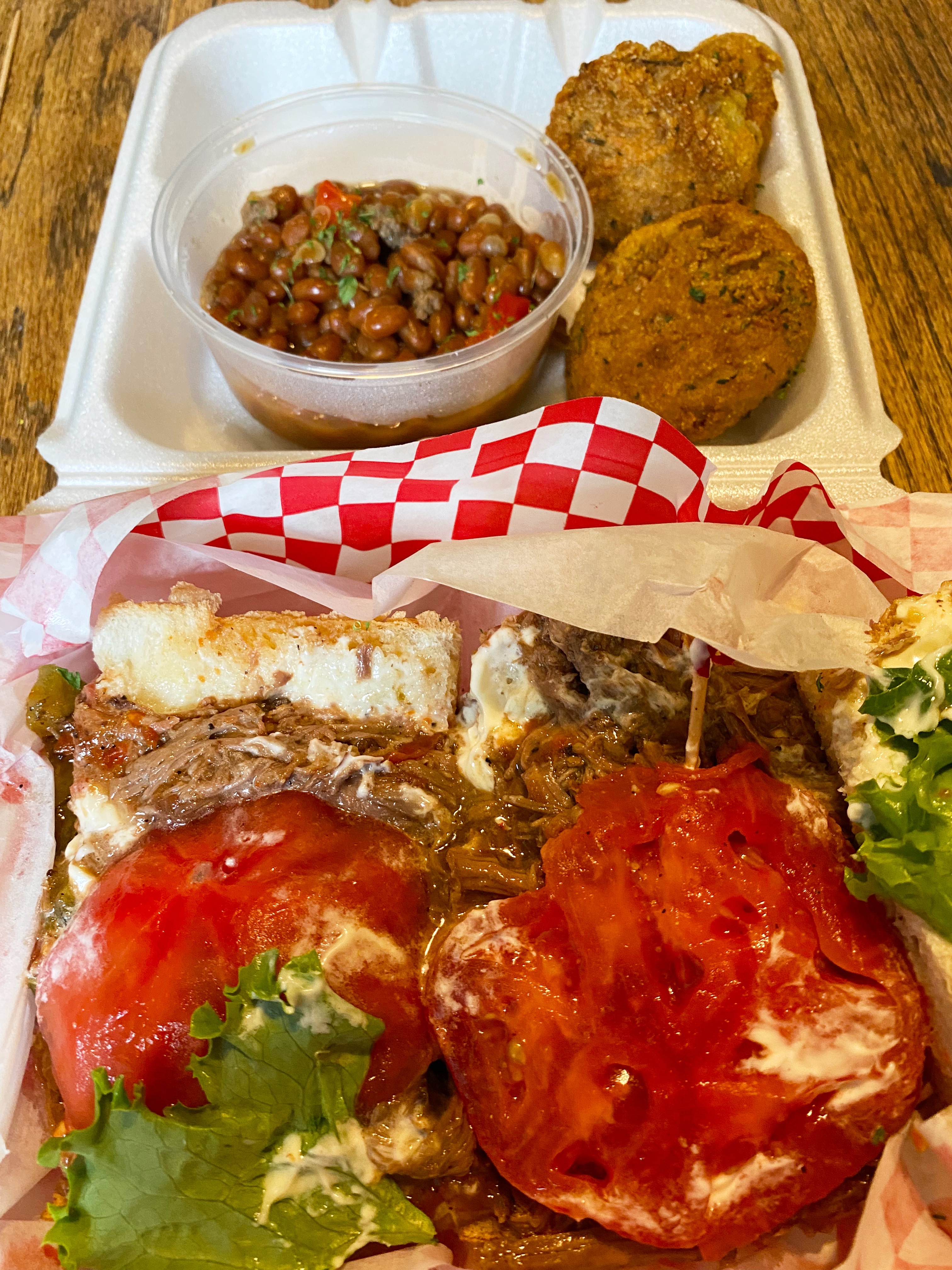
While we might attempt to live on coffee, tea, and wine, we are reasonably certain that as pleasant as that scenario sounds it would not work in the long run. So, we went in search of victuals during our Vicksburg visit and found a gem just outside of downtown. The Tomato Place started as a roadside produce stand and evolved into a restaurant and mercantile in addition to a produce stand- all still sitting roadside in a collection of colorful shacks. The Tomato Place is a must when you visit Vicksburg. For more information: https://www.onlyinyourstate.com/mississippi/you-havent-lived-until-youve-tried-the-blt-from-the-tomato-place-in-ms/

Jackson, or hello, art minton

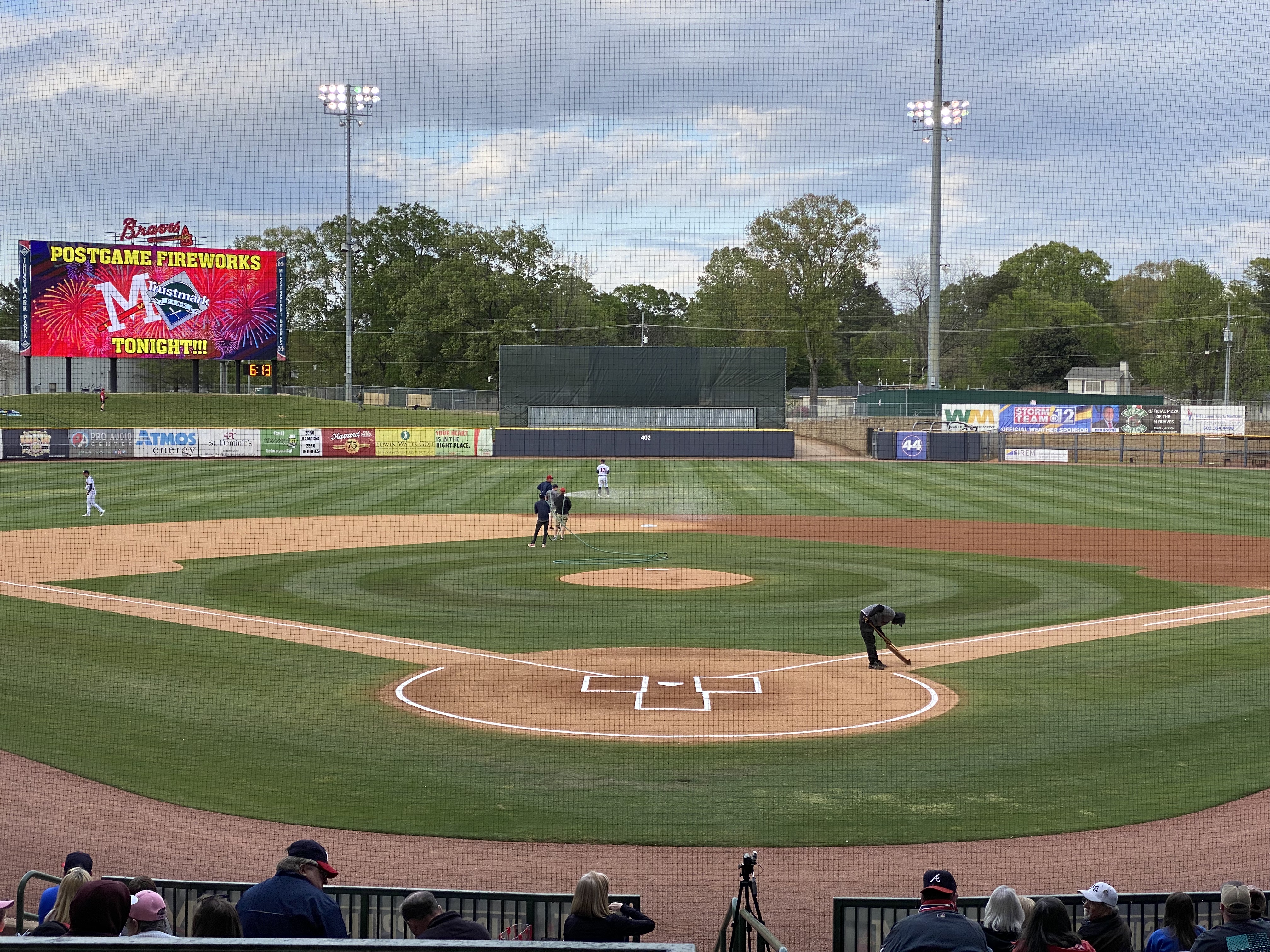
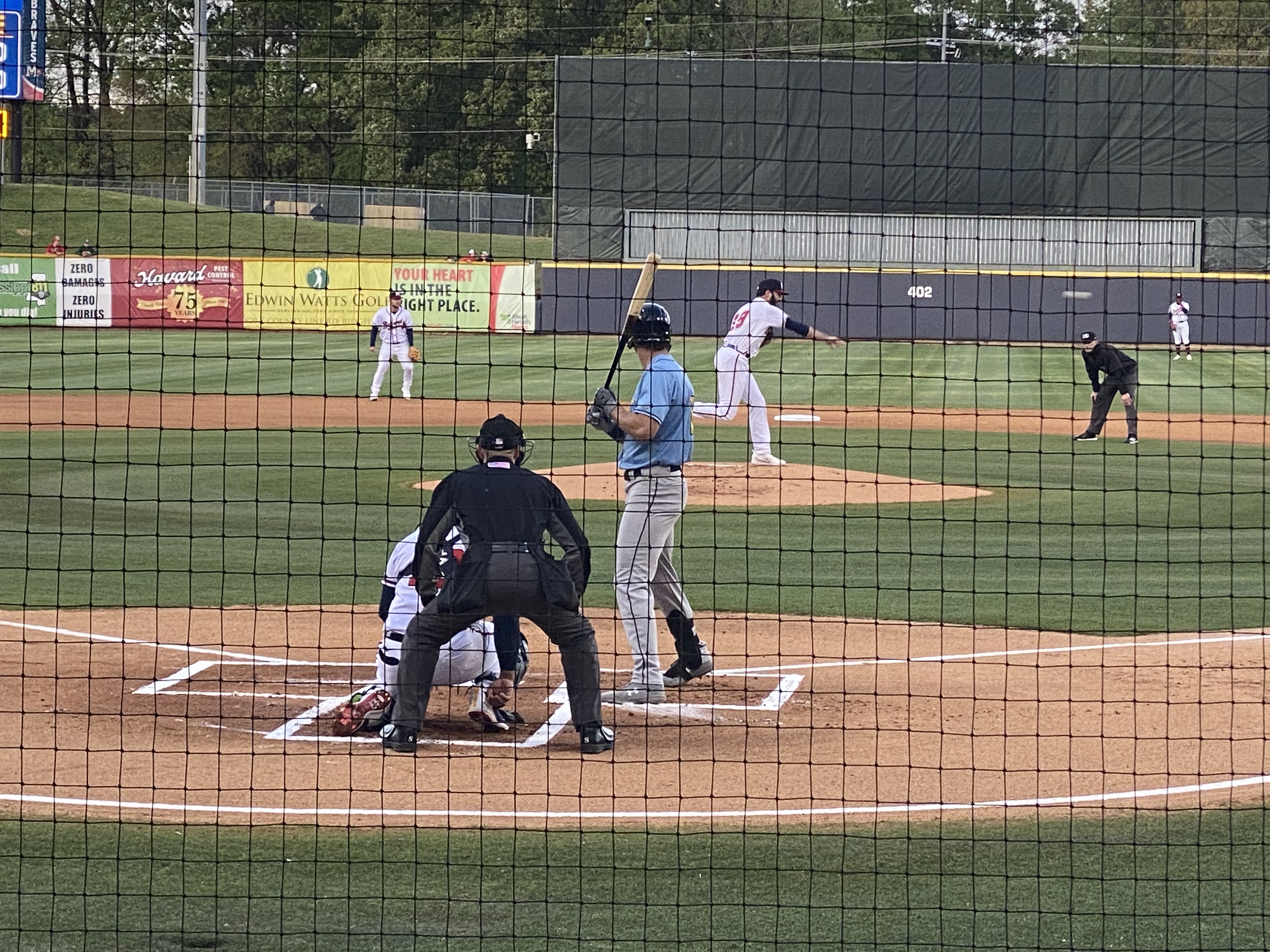
While in Vicksburg we decided to pop over to Jackson to see some minor league baseball. Jackson is home to the Mississippi Braves – the Double A affliliate of the Atlanta Braves. It also gave us the excuse to listen to the Johnny Cash – June Carter Cash version of the song Jackson for the entire ride from Vicksburg to Jackson. “We got married in a fever. Hotter than a peppered sprout. We’ve been talking bout Jackson ever since the fire went out. Oh, we’re going to Jackson.” Dang, that’s good music!!

The Natchez Trace runs just north of Jackson. We have driven the majority of the Trace during the course of several trips through Mississippi but had never done any biking as part of our travels along the Trace. Jackson provided a great opportunity to do so as the Chischa Fokka Greenway runs parallel to the Trace for a number of miles. It’s a great trail that cuts through Pine stands and farmland as you head north from Jackson.

Chischa Fokka Greenway

We enjoyed our brief stay in Jackson with the added bonus of meeting @art.minton. Art is a fellow van adventurer who lives in Jackson and we follow each other on Instagram. He spotted our van while we were leaving Pig and Pint after having just finished dinner—Serendipity—Very cool!

The road to Rodney

We decided to visit Rodney after reading an interesting article in Mississippi Folk Life about efforts by a local organization to preserve the remains of Rodney. The town was once a thriving Mississippi River port city. Migration from Rodney started in earnest after 1870 – Rodney had been bombarded during the Civil War by Union gun boats, enslaved individuals were emancipated and left the cotton plantations and finally, the course of the river shifted two miles west and Rodney was no longer a port city. For an excellent history of Rodney: http://www.mississippifolklife.org/articles/haunted-by-a-ghost-town-the-lure-of-rodney-mississippi

Getting to Rodney takes a bit of work. The only road to Rodney is a bumpy and muddy dirt road affair but you know we never say no to the chance for a bit of mud on the fenders.

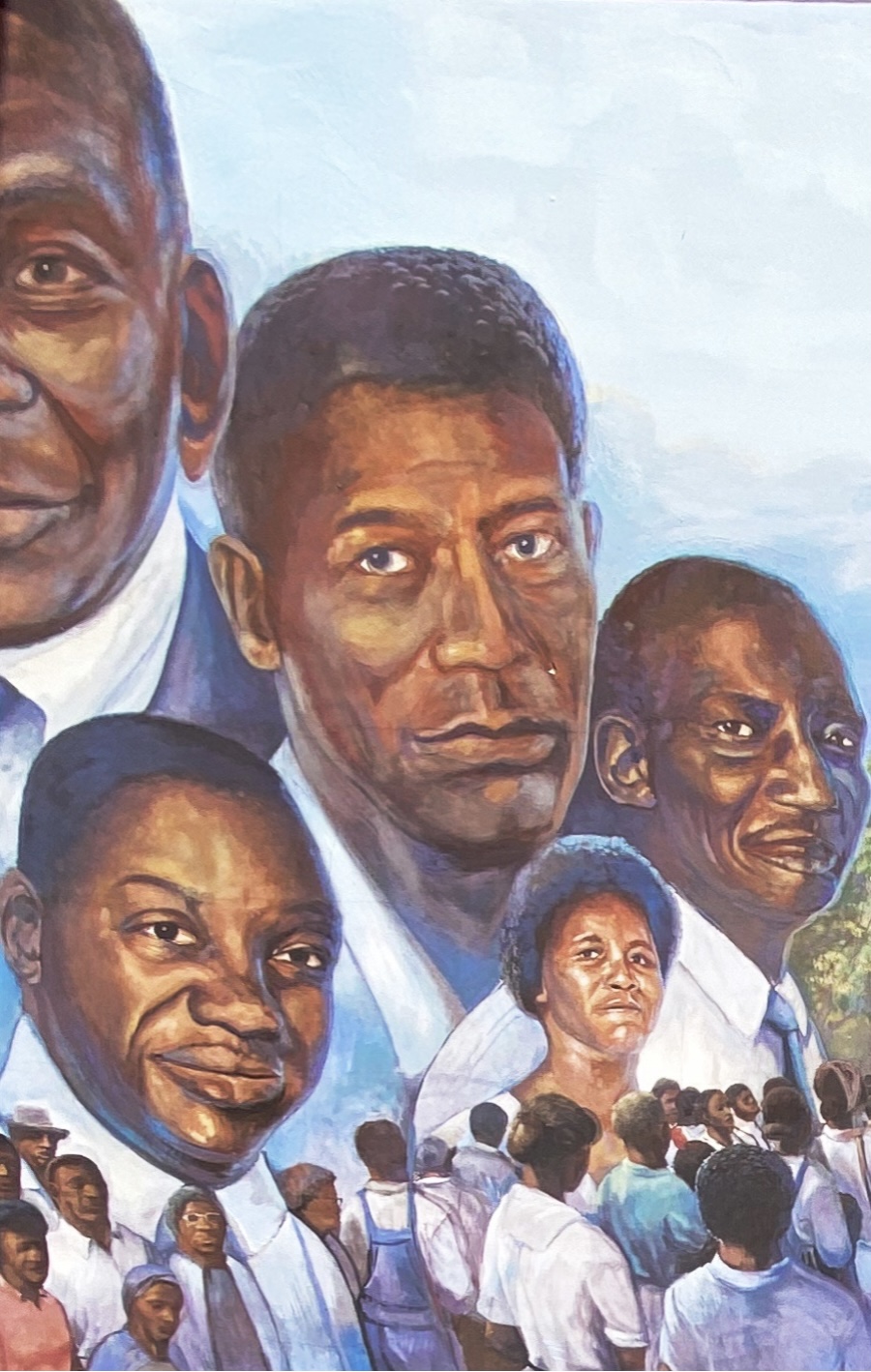
On our way to Rodney we drove through Port Gibson. Like many other southern cities during the mid-twentieth century, Port Gibson’s elected leaders and businesses were still fighting against integration and equal rights for Black citizens. That eventually led to the Boycott of 1966. The photo below from a mural in town depicts the demands. ‘Nuff said! https://mississippiencyclopedia.org/entries/port-gibson-claiborne-county-civil-rights-movement/

We also happened on the Windsor Ruins after departing Rodney. The Ruins was an antebellum Greek Revival Mansion built (by enslaved African-Americans) for a wealthy cotton planter and his wife. Today, 23 of the Corinthian coloumns are still standing. The mansion survived the Civil War (the owner did not) but burned in 1890. It was the largest Greek Revival home in Mississippi. Today it is an historic site and there are plans to complete some restoration of the columns and the grounds. For more information: https://www.mdah.ms.gov/explore-mississippi/windsor-ruins

Natchez —— Steampunk anyone?

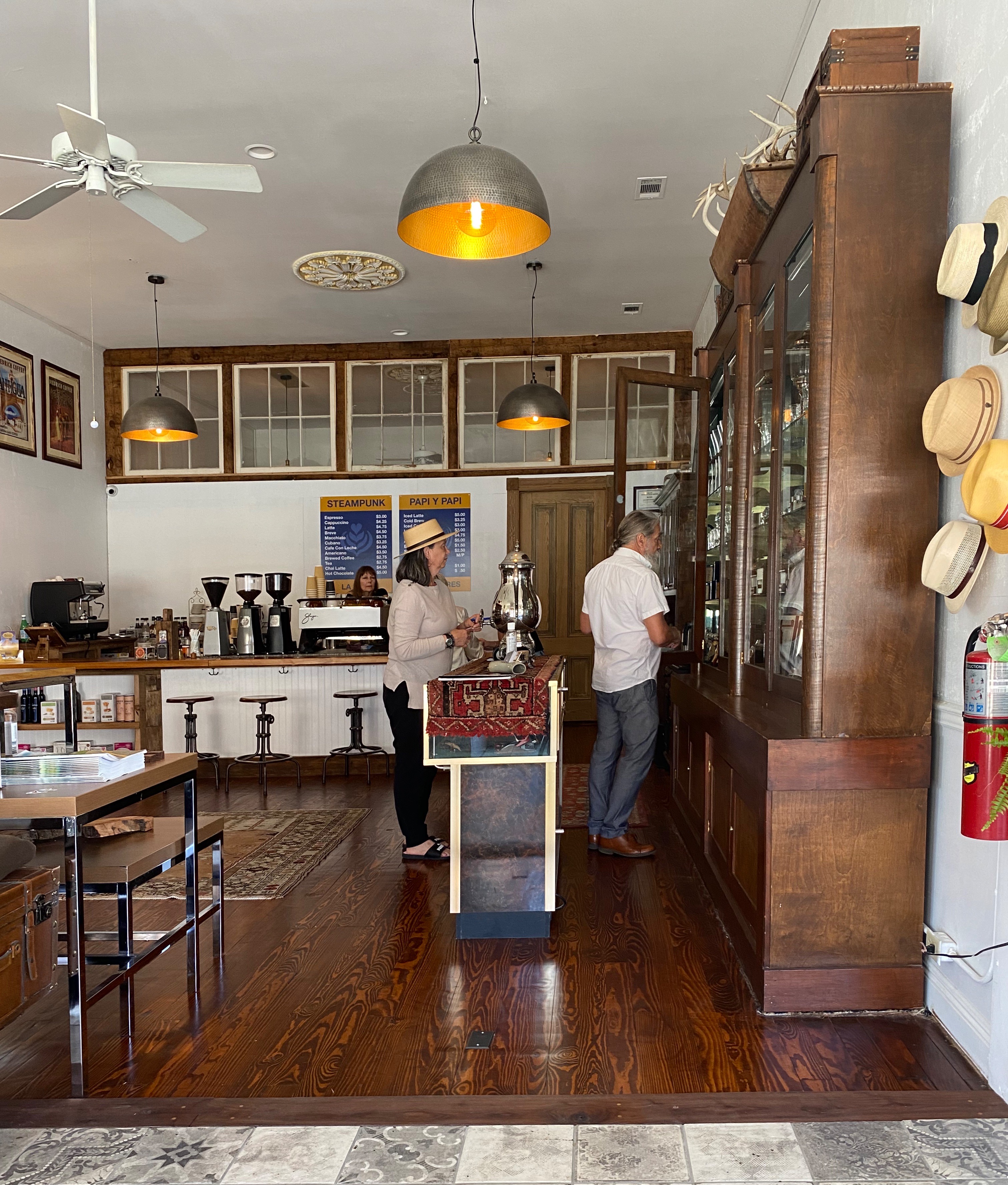
Natchez was our final stop before crossing the Mississippi into Louisiana. First stop, as always, was for espresso and tea and our research pointed to Steampunk. There we met Dub Rogers, the owner of this unique establishment. Dub Rogers was born in Mississippi but spent 30 years living and working in NYC in a variety of businesses.

Steampunk represents an amalgamation of Dub’s many interests. The shop and haberdashery sells fine cigars, coffee, tea, chocolate, conservas, mixology gear and hats (see Maria’s newest addition above) of which Dub has endless knowledge. Dub is a great host – and we almost forgot to mention that he personally renovated the handsome space that houses his boutique department store, apartment and patio.

Natchez dates back to 1716 when French traders built a Fort on the bluff overlooking the Mississippi. The French settlement came to an abrupt end when the Natchez Indians attacked the fort, killing several hundred people and enslaving a number of women and children The surviving French left the territory toute suite.

Future President Andrew Jackson built a trading post near Natchez in 1789. The trading post traded in African-American slaves. This set the course for Natchez to become a hub for slave trading – one of the most active in the South.

With the wealth accumulated from the slave and cotton trade Natchez became one of the wealthiest cities in America prior to the Civil War. Today many of the lavish antebellum homes are still standing and open for touring. Because Natchez was prized by both sides due to its location, the Union forces did not destroy it when they occupied the city.

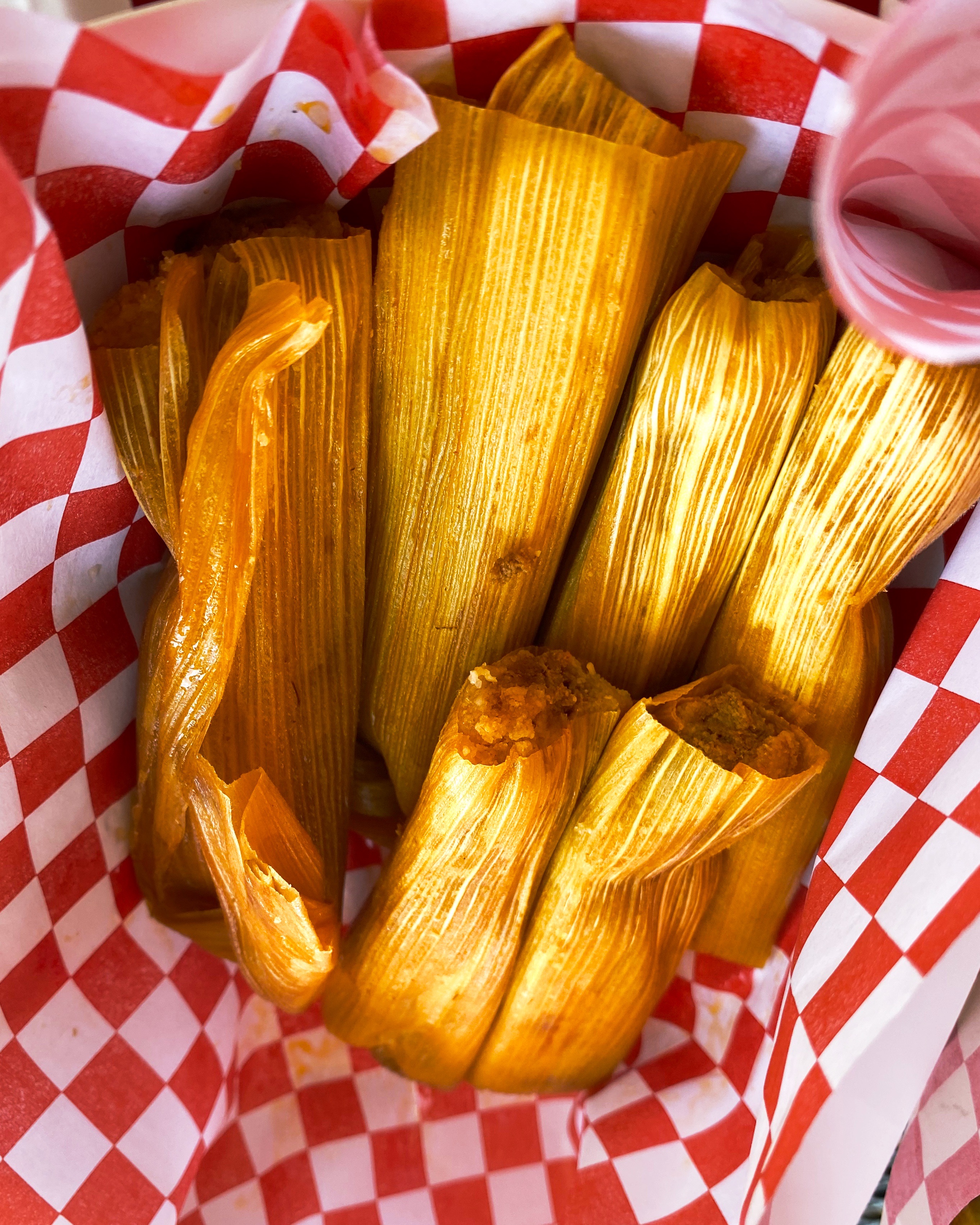
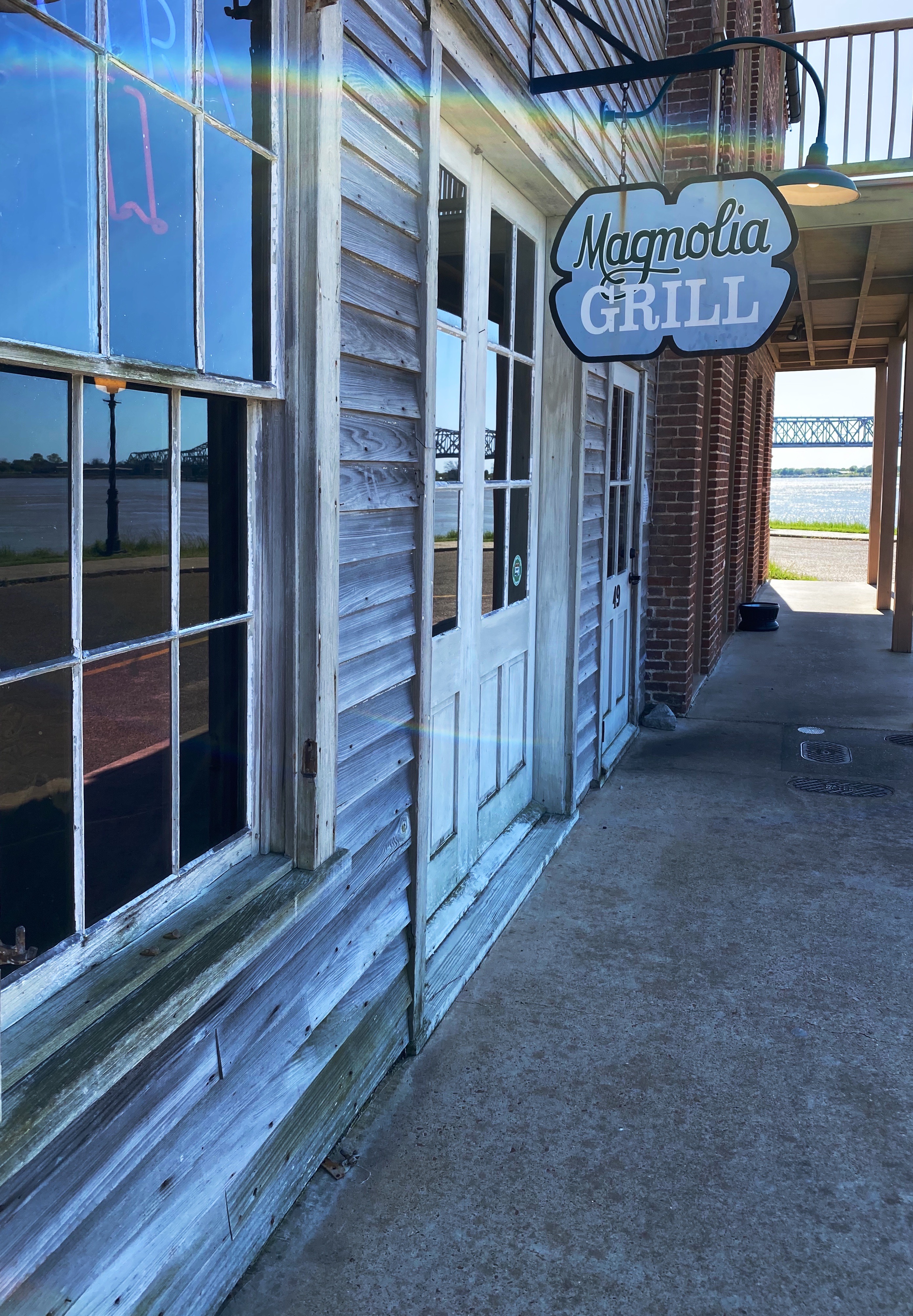
You now know where to go for all your caffeine needs in Natchez. Here are a couple of suggestions for dining: Magnolia Grill, located in the Under-the-Hill section of town down on the river (formerly the vice district of town); and Fat Mama’s Tamales is the spot for excellent tamales.

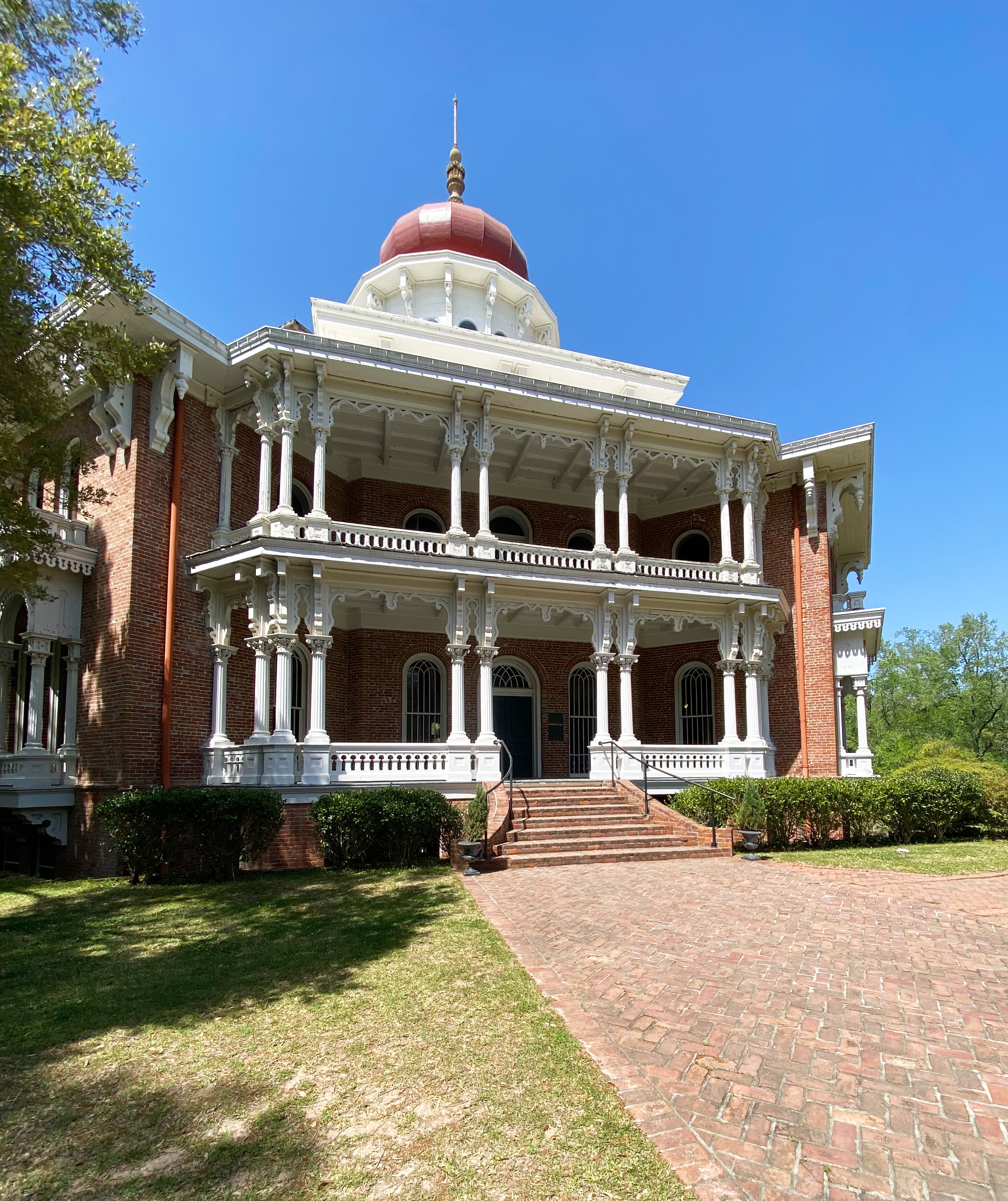
Our final foray in Natchez was visiting one of the decidely less glamorous antebellum homes in Natchez. The house is named Longwood but also derisively as Nutt’s Folly. Haller Nutt was a wealthy plantation owner who had an octagonal house designed for him and his family. The house, if completed, would have had 32 rooms.

The outbreak of the Civil War ended the construction of the home as Nutt’s financial position tumbled. Even if he had the funds to continue, work would have stopped because the majority of the craftsman completing the finish work were from Philadephia – they returned to the North as soon as the war began.

The family moved into the basement (originally designed for the house slaves). Nutt died in 1864 and his wife and children hung on to the house for many years with the help of friends and several wealthy relatives. The Nutt family sold the home to the Pilgrimage Garden Club of Natchez in 1968.

The photograph below shows the fingerprints of one of the enslaved individuals who worked on the construction of the home. The Nutt family owned 800 slaves prior to the demise of the family fortune.

Fingerprints of enslaved individual

We hope you enjoyed our final installment regarding our Mississippi exploration, thanks for reading.

Be seeing you!