
Bridge or ferry..not really a question is it?
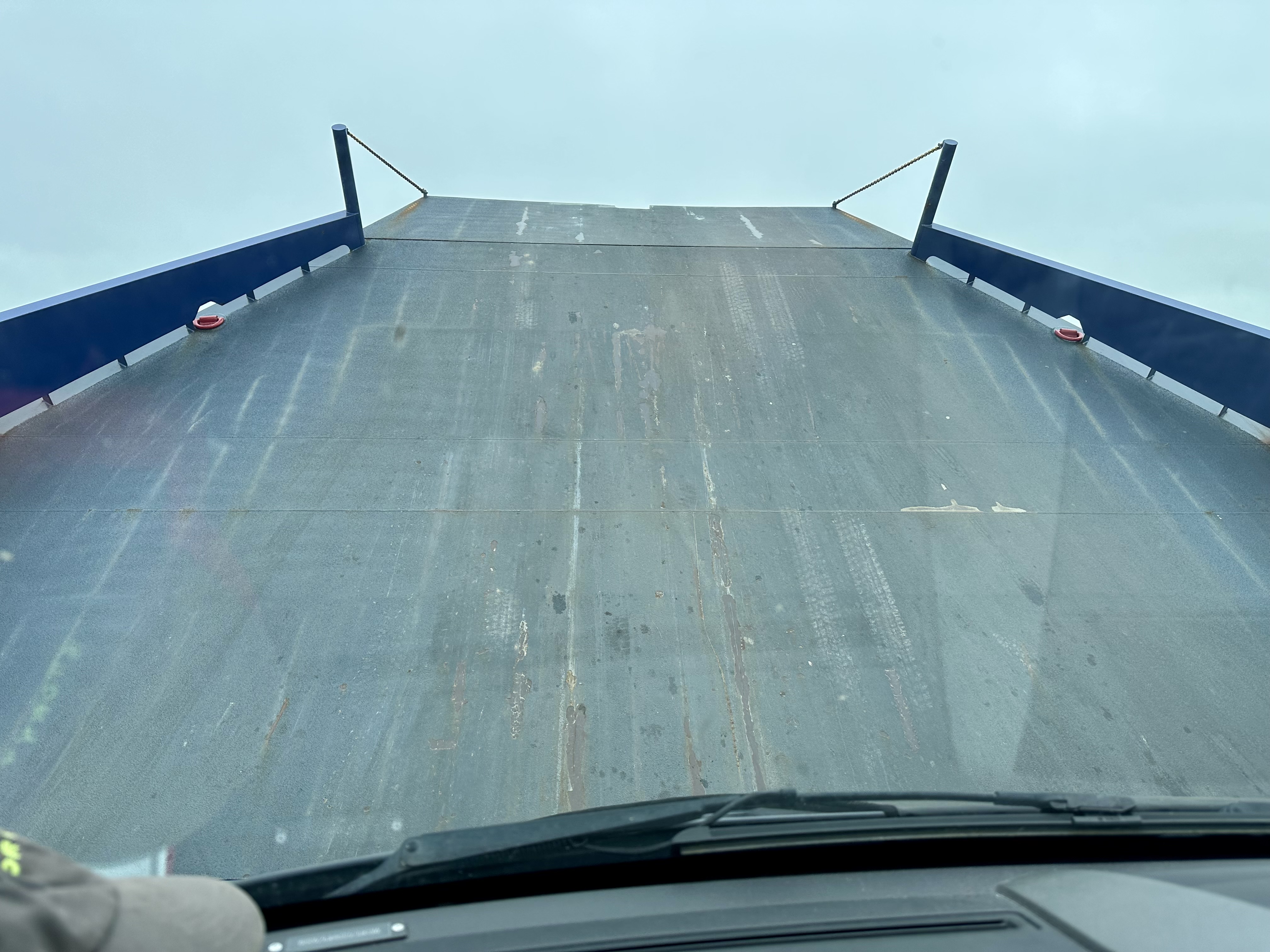

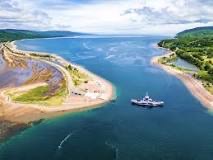
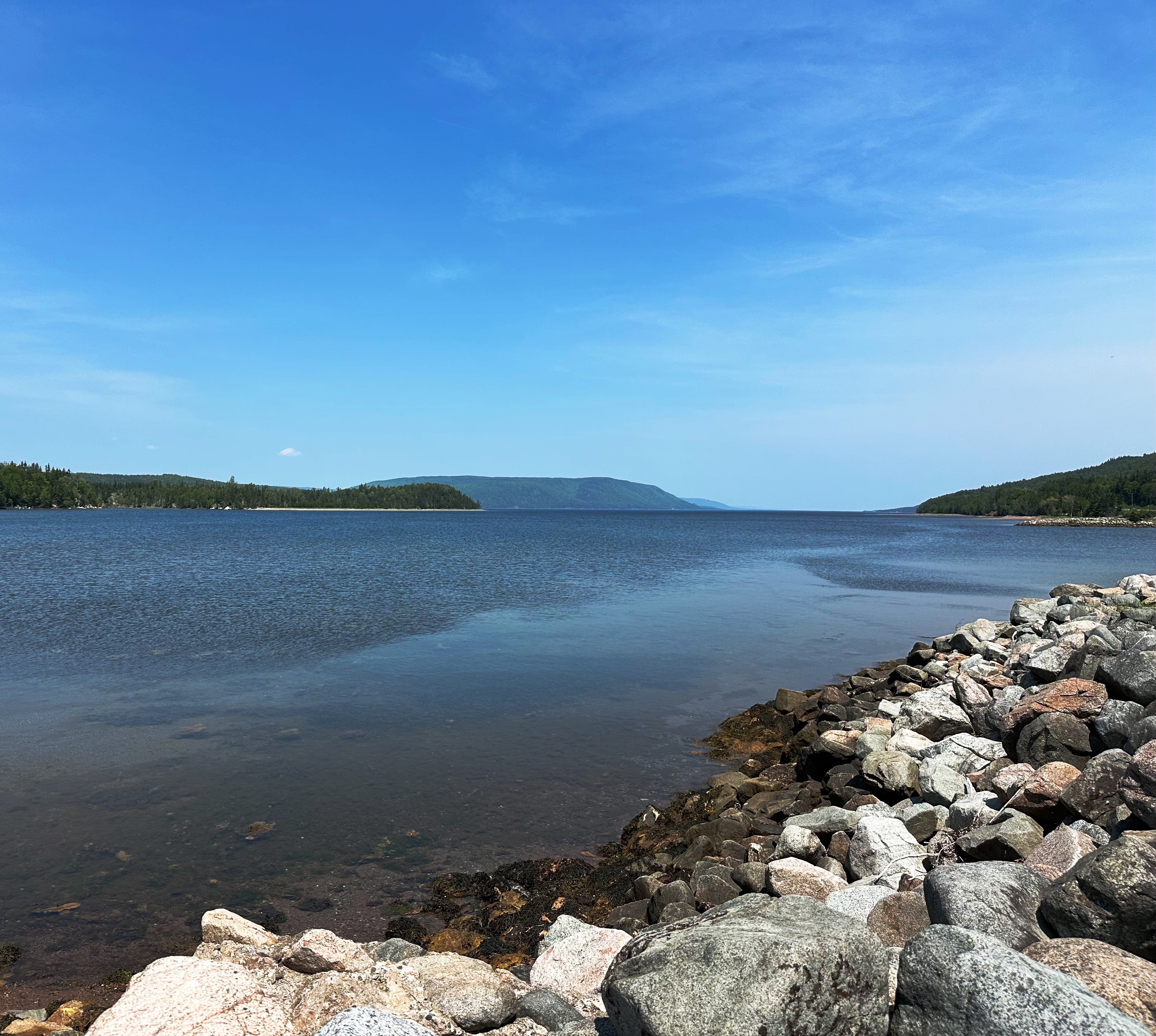
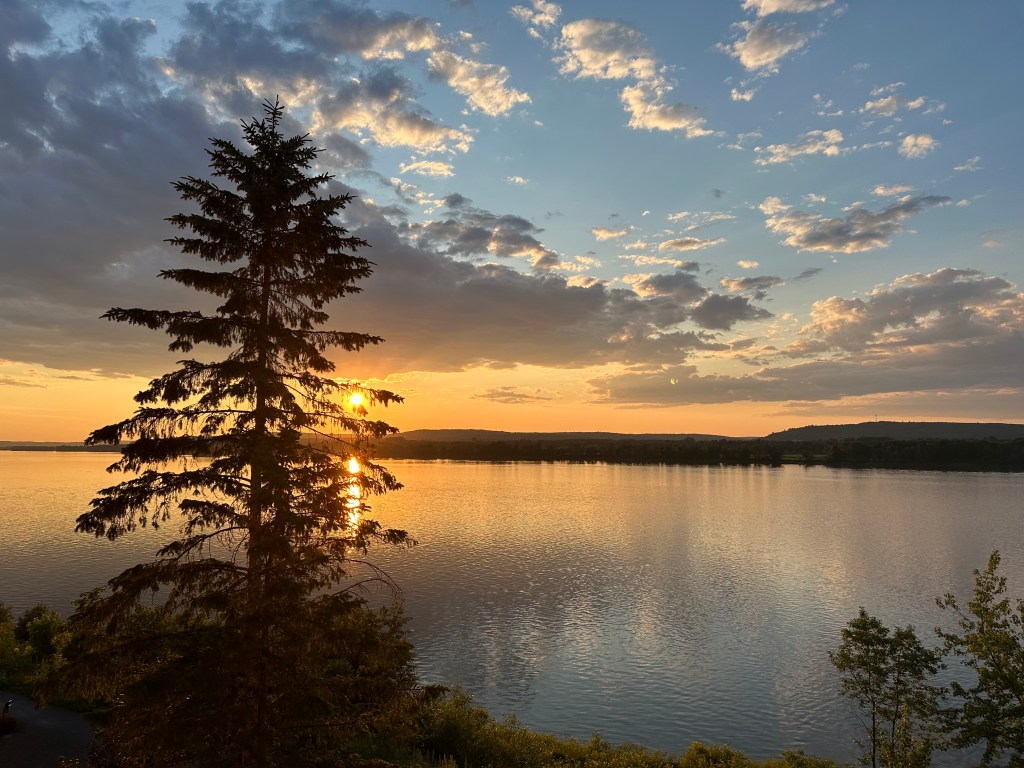
We wanted to take the most scenic and interesting route to Sydney so we crossed the Bras d’Or Lake at the Little Narrows on the Little Narrows ferry. The ferry operates on demand 24 hours a day and is free of charge. Quite the bargain! This is not the smallest ferry we have ever taken with the Beast but we would not venture out into the open ocean on this vessel!
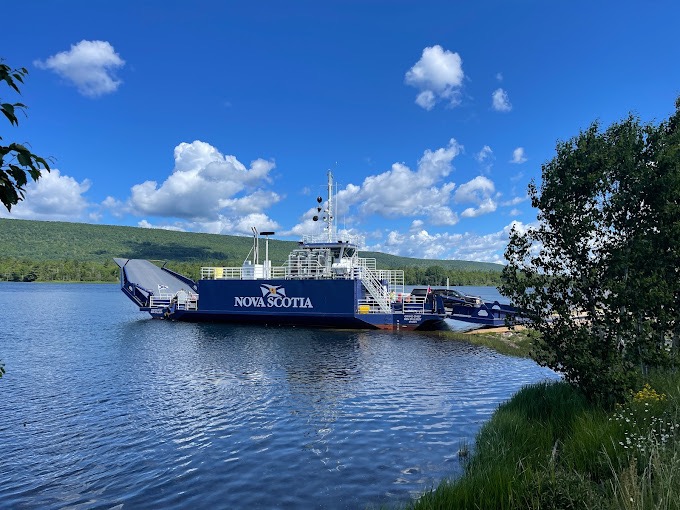
The ferry is a diesel powered cable ferry. This one of four cable ferries servicing Cape Breton and we believe the shortest crossing. The full ride across takes under three minutes. Dare we say it is cute?
After departing the ferry we followed Route 223 to the Grand Narrows where we again crossed a portion of the 62 mile long lake and continued on the Grand Narrows Highway (Route 223) towards Sydney and our appointment with Doktor Luke.


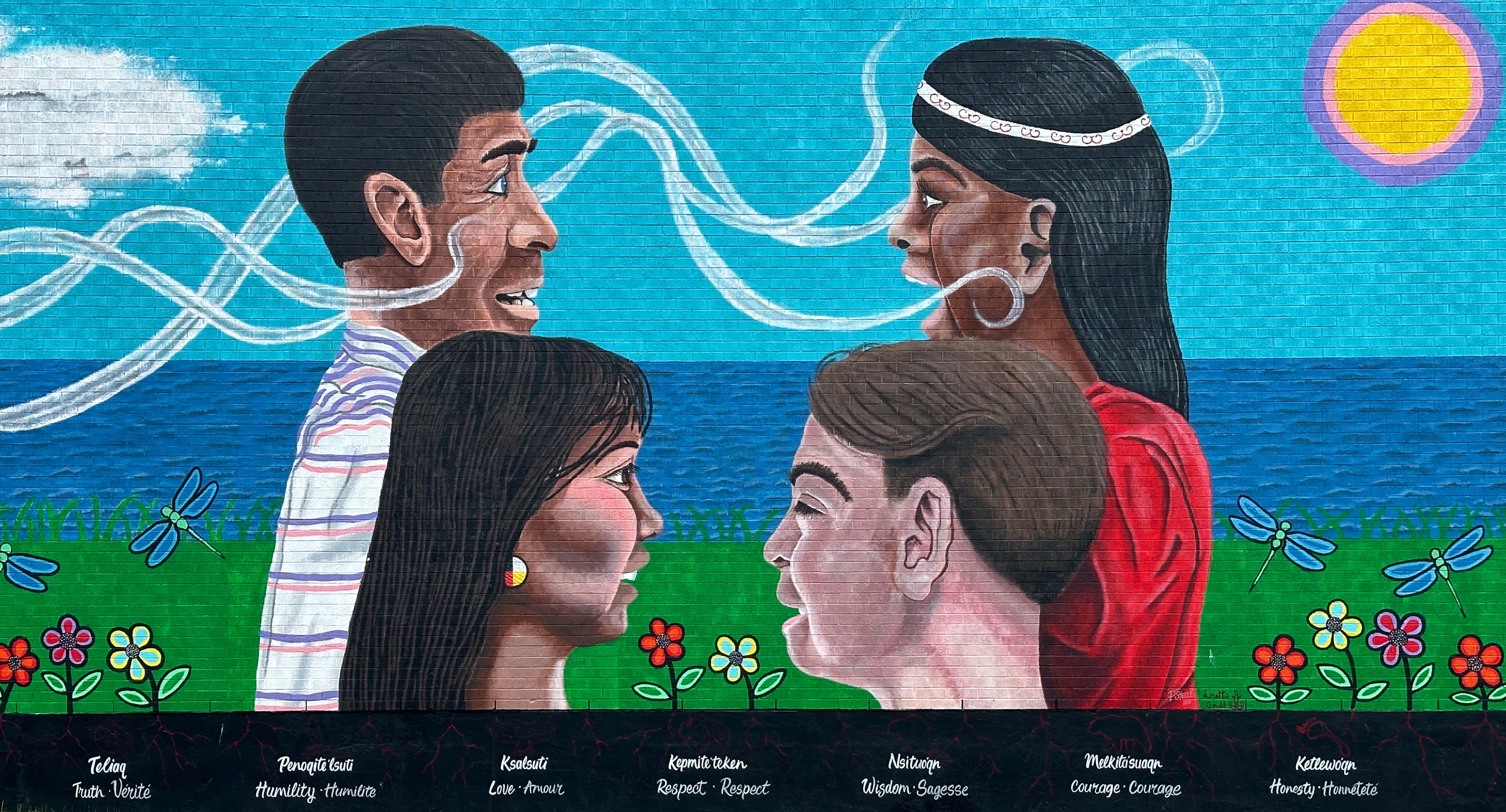
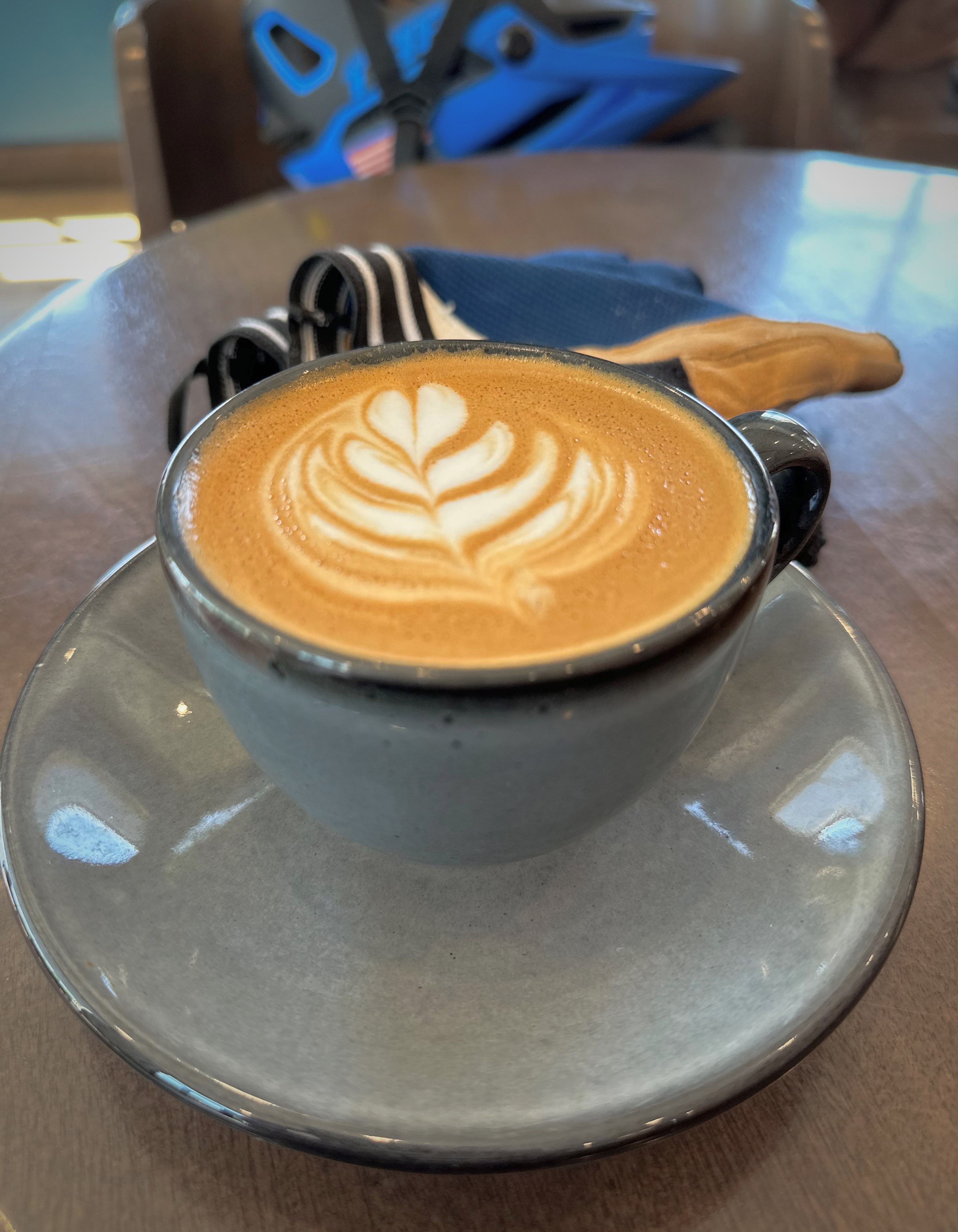
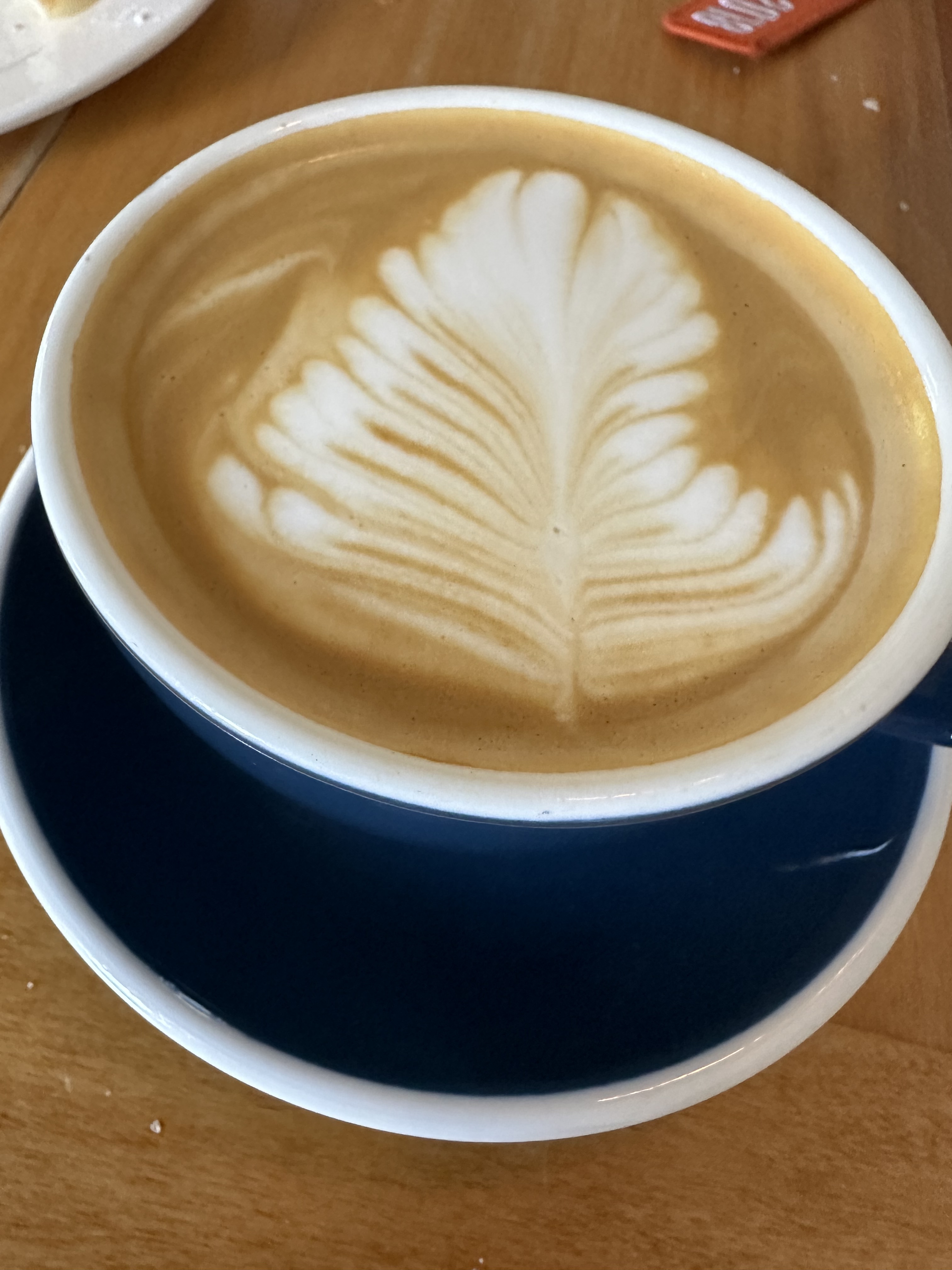
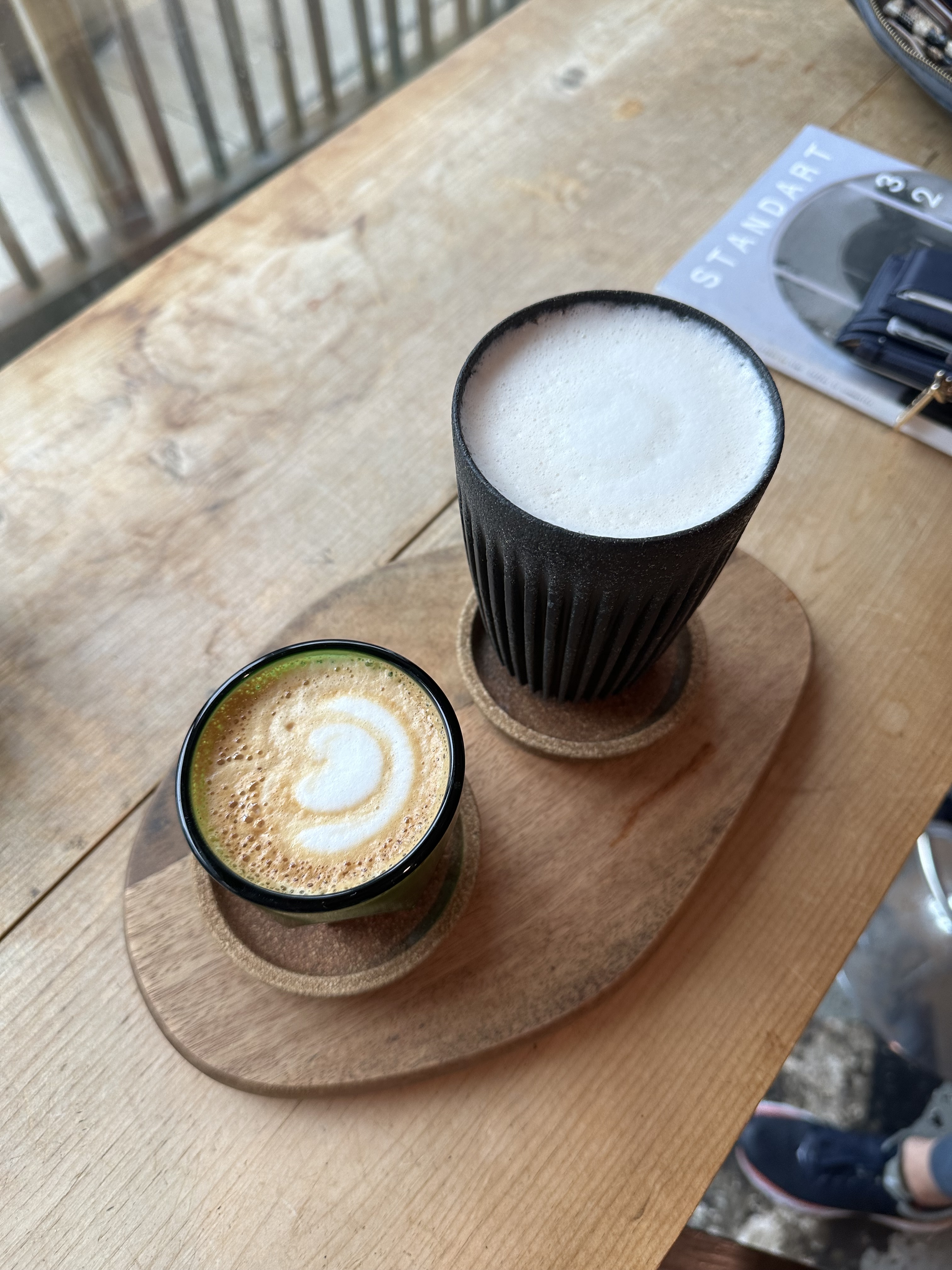
Finally, Doktor Luke’s -silly rabbit – not that kind of doctor! Doktor Luke’s| A Respectable Coffee House… where it is always TIME FOR A DAMN FINE CUP O’ COFFEE.
Sydney (pop. 30,000) sits on Sydney Harbour in eastern Cape Breton. The city was named for Thomas Townshend Baron Sydney (Viscount Sydney). The city’s origin is distinctly British as it’s founding (1785) was as a place for British loyalists who remained faithful to the Crown and in opposition to the establishment of the American Colonies as an independent nation. It is estimated that 100,000 colonist fled the American colonies during or after the Revolutionary War (we do not recall that fact being mentioned during history class). About 70% of the loyalists emigrated to Canada. The United Empire Loyalists Association of Canada (ULEAC) is an one of the organizations that continues to actively preserve the history of the loyalists (to learn more click the link below).


Sydney’s early economic engine was coal mining. There were over 100 coal mines in the area and these mines produced more coal than all of the other coal mines in Nova Scotia combined. The vast majority (similar to Inverness-see prior post) of the coal fields were underwater. As with so many places where coal was a major part the economy and culture, the coal industry began winding down in the 1970s. The last of the underground mines in Sydney ceased operation in 2001.
https://notyourgrandfathersmining.ca/sydney-coalfield

In addition to coal, Sydney was also anchored to the steel industry. Dominion Iron and Steel was one of the largest steel producers in Canada. Unfortunately, the company was also responsible for significant environmental damage. Steel operations shut down in 1988. Read a brief history below courtesy of Sydney Steel.
Sydney Steel Corporation is behind one of Canada’s biggest environmental disasters. At the very end of the 19th century, American investors formed the Dominion and Iron Steel Company LTD (DISCO) and began large scale steel production in Wintering Cove, Sydney. The area was ripe for steel production with iron ore, limestone and coal at hand in troves. It also has a good harbour for shipping and a good fresh water supply. Within a decade of opening, the steel mill was producing 800,000 tonnes of pig iron and 900,000 tonnes of crude steel – nearly half of Canada’s steel production. It was also one North America’s largest steel production company.
During production throughout the 20th and 21st centuries, operations had dire consequences for the surrounding environment – in particular the wetlands and harbour adjacent to the plant. The facility was situated directly adjacent to and north of the coke oven operations. These coke ovens produced a huge amount of hazardous materials that flowed freely into the subsequently named Tar Ponds.
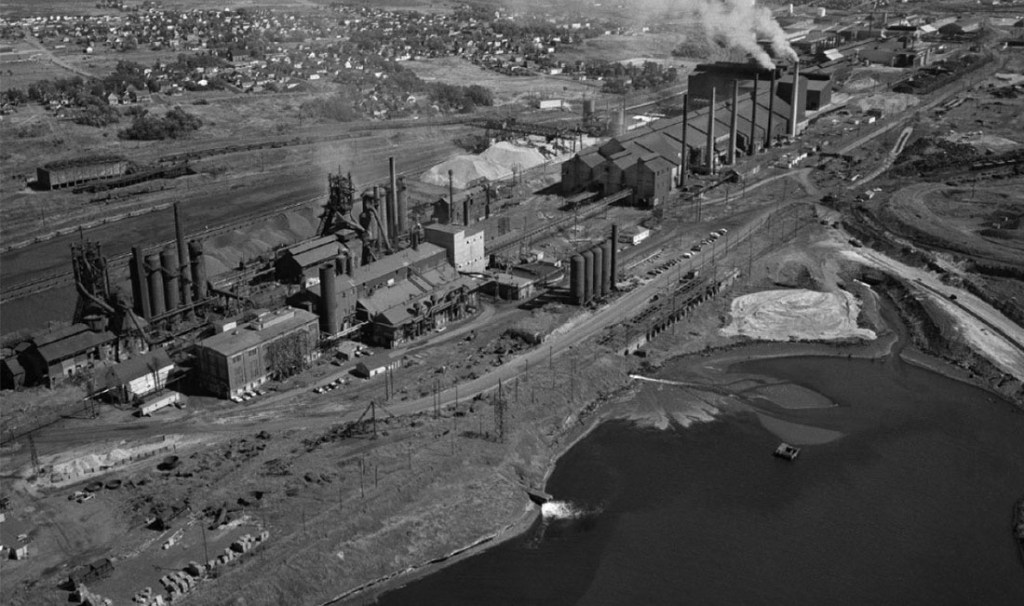
Throughout the 1970s, as environmental activism began to take heed, concerns for the damage that these mills were causing had reached new heights. Environmental groups would consistently uncover evidence that the government didn’t know the damage that the mills were causing to the environment, or they did and were turning a blind eye. In 1980s, scientists discovered polycyclic aromatic hydrocarbons (PAHs) in the lobster caught in Sydney harbour – a direct result of contamination from the Tar Ponds.
Insistent pressure from various sources caused the steel mill to cease operations in 1988, when the Sydney Steel Corporation turned into an electric arc manufacturer. Industrial production ceased altogether in 2000.
After our Damn Fine Cup O’ Coffee at Doktor Luke’s, we set off on a walkabout through the historic district. Our first stop was at Cossit House Museum. This house is the oldest standing residence in Sydney. It was built by Reverend Ranna Cossit in 1787. Cossit was the first Anglican minister in Sydney. The arrival in Sydney of an Anglican minister at this time is not surprising based on Sydney’s loyalist origin.


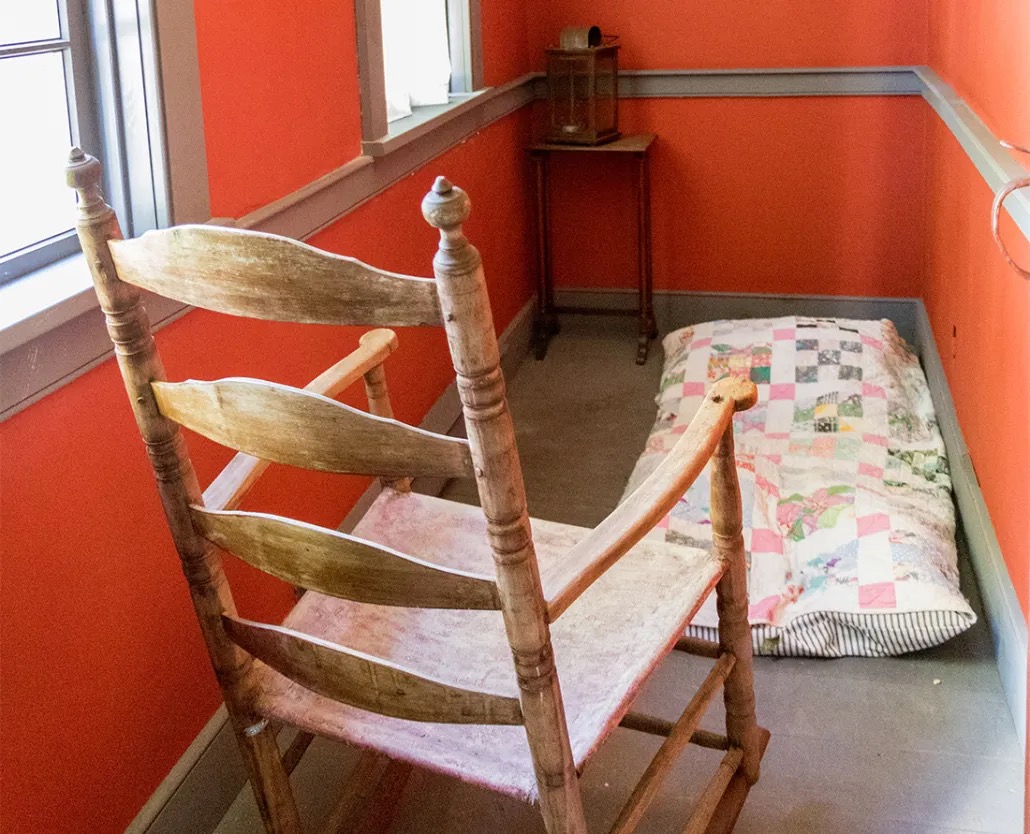
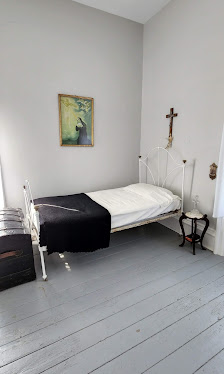
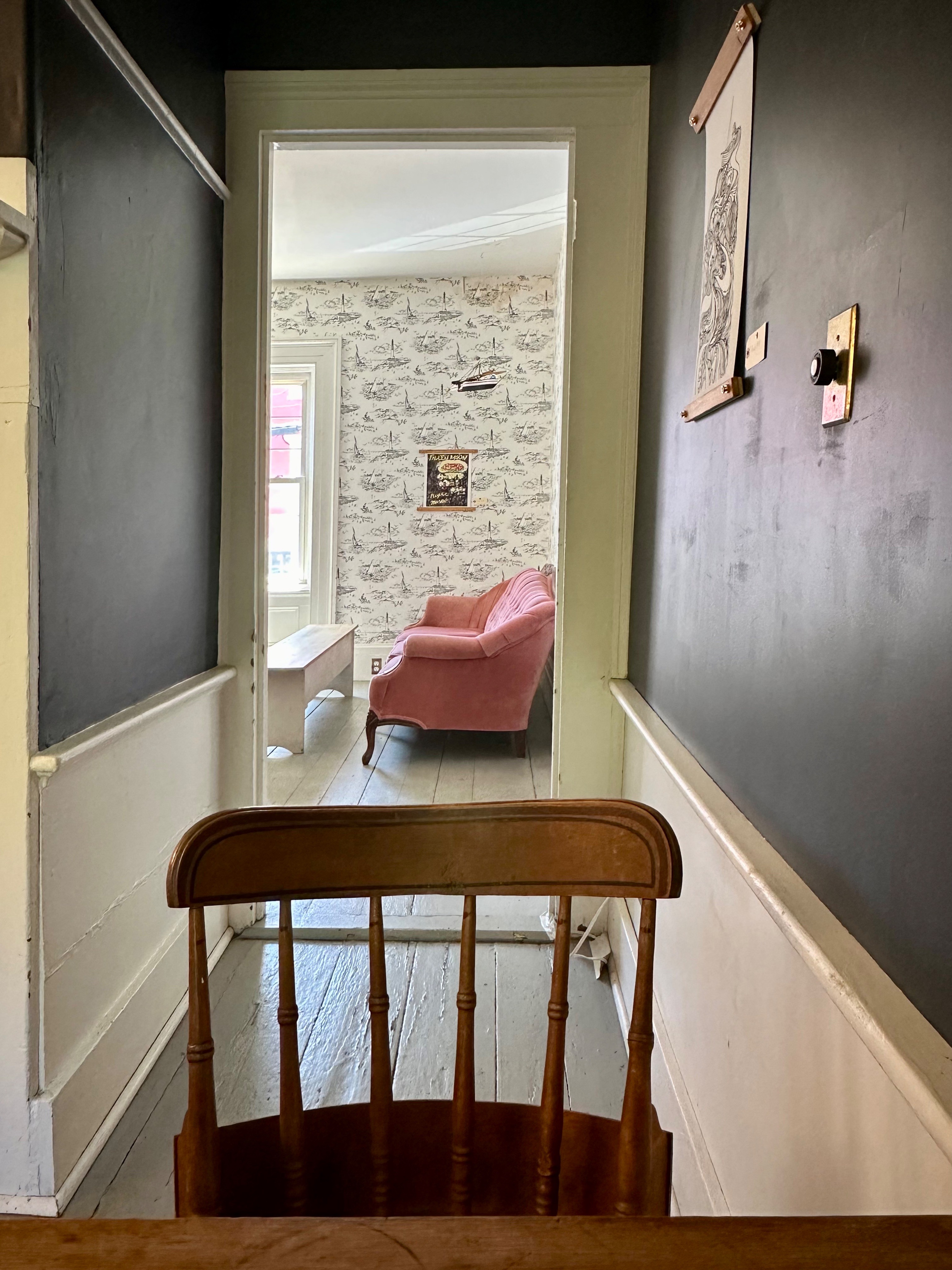
Cossit moved from New Hampshire as part of the establishment of the Anglican parish. He was accompanied by his wife, Thankful Brooks, and their six surviving children. Thankful provided the good reverend with another six children before departing for the next life while delivering their 13th child. The well used birthing room is pictured above.

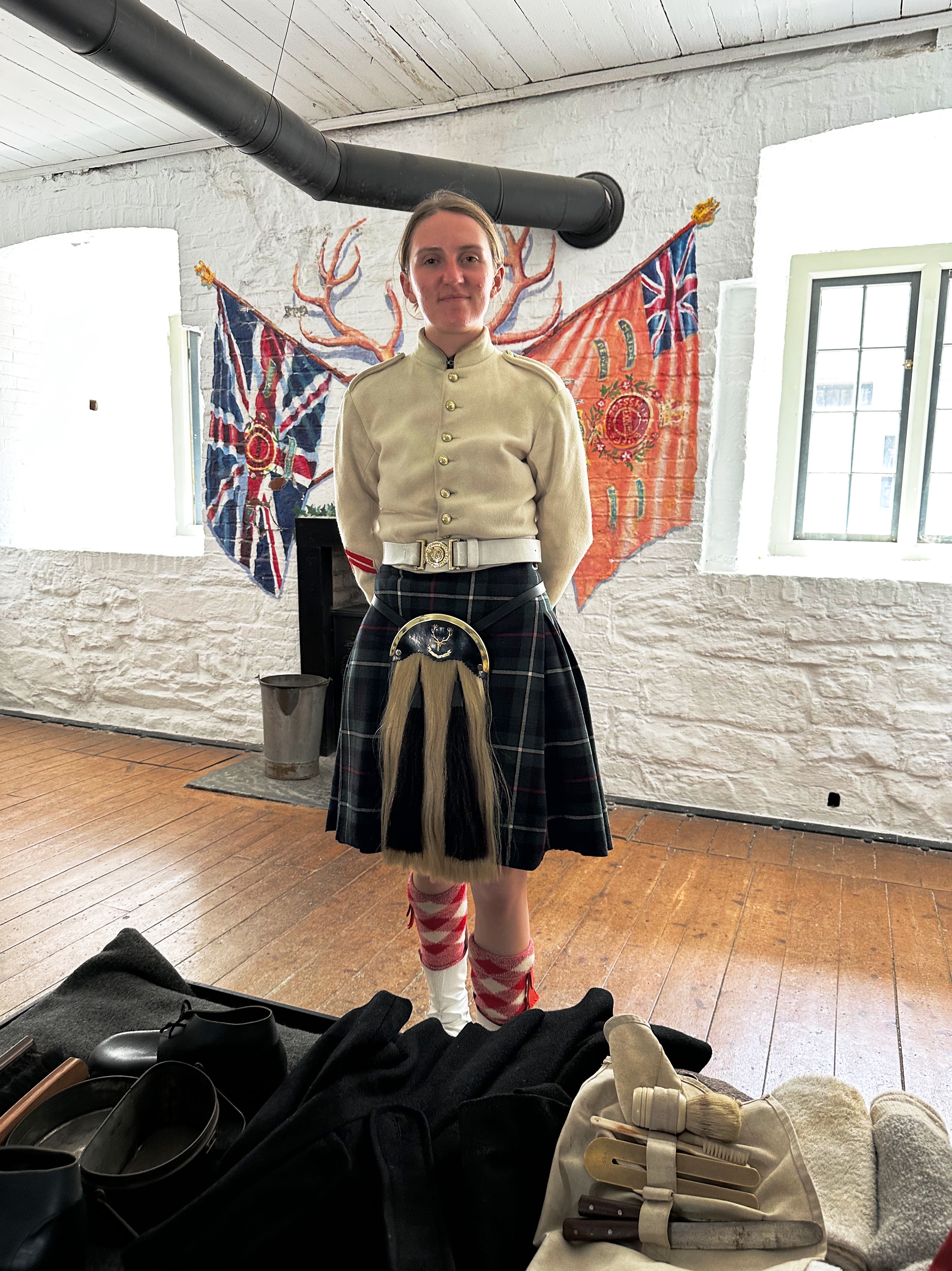
The Cossit House Museum was well worth the visit. We had two period costumed guides who were both informative and interesting.
https://cossithouse.novascotia.ca/
After another damn fine cup o’ coffee the next morning at Doktor Luke’s we set out to visit the Fortress Of Louisbourg (pronounced Lewis-Berg). The fortress is a national historic site located about 20 miles south of Sydney just outside the the fishing town of the same name (pop. 1000).
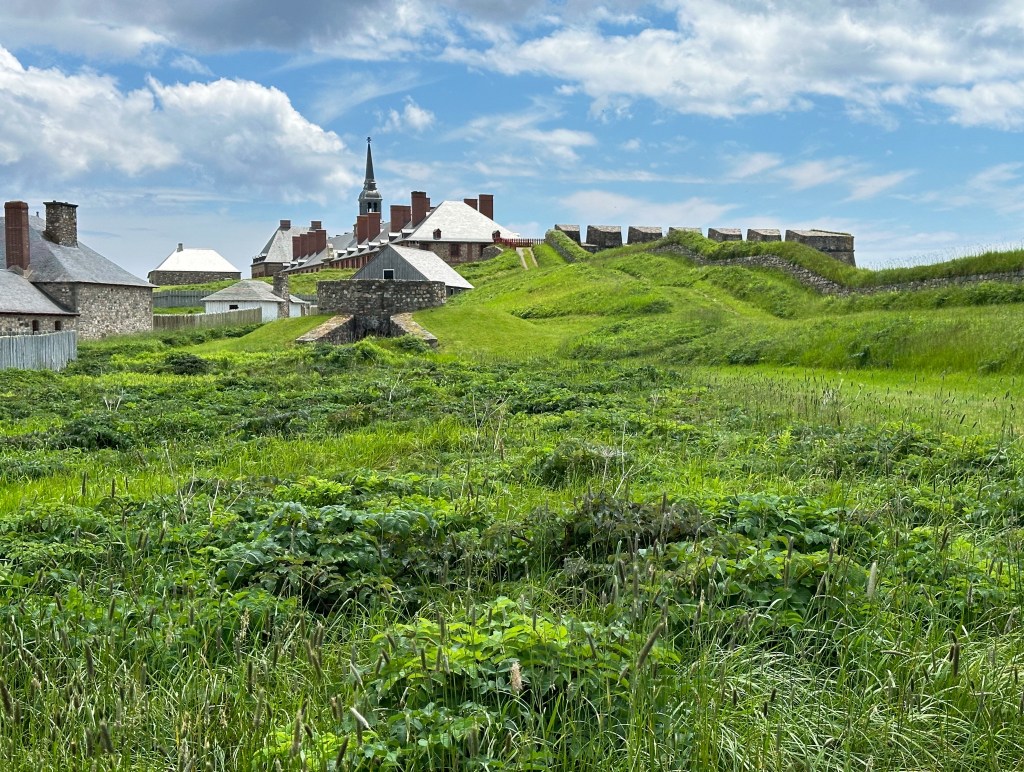
The construction of the fortress began in 1719 and was completed in 1745 by the French who came to this area after Newfoundland and Acadia were lost to the British in 1713. The settlers, who were primarily fishermen, were able to continue fishing the Grand Banks from Louisbourg. The cod fishery was the primary economic industry and was lucrative. The cod was dried and exported to France in exchange for goods.
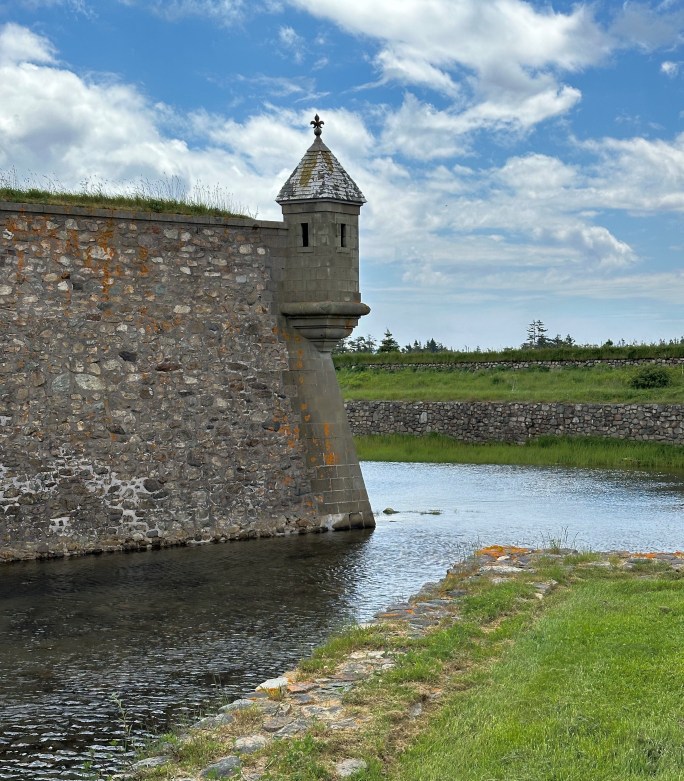
Unfortunately, peace and prosperity were not long lived as the British and French went to war in 1745. With troops frm New England leading the attack, the British laid siege to the fort soon after war was declared.


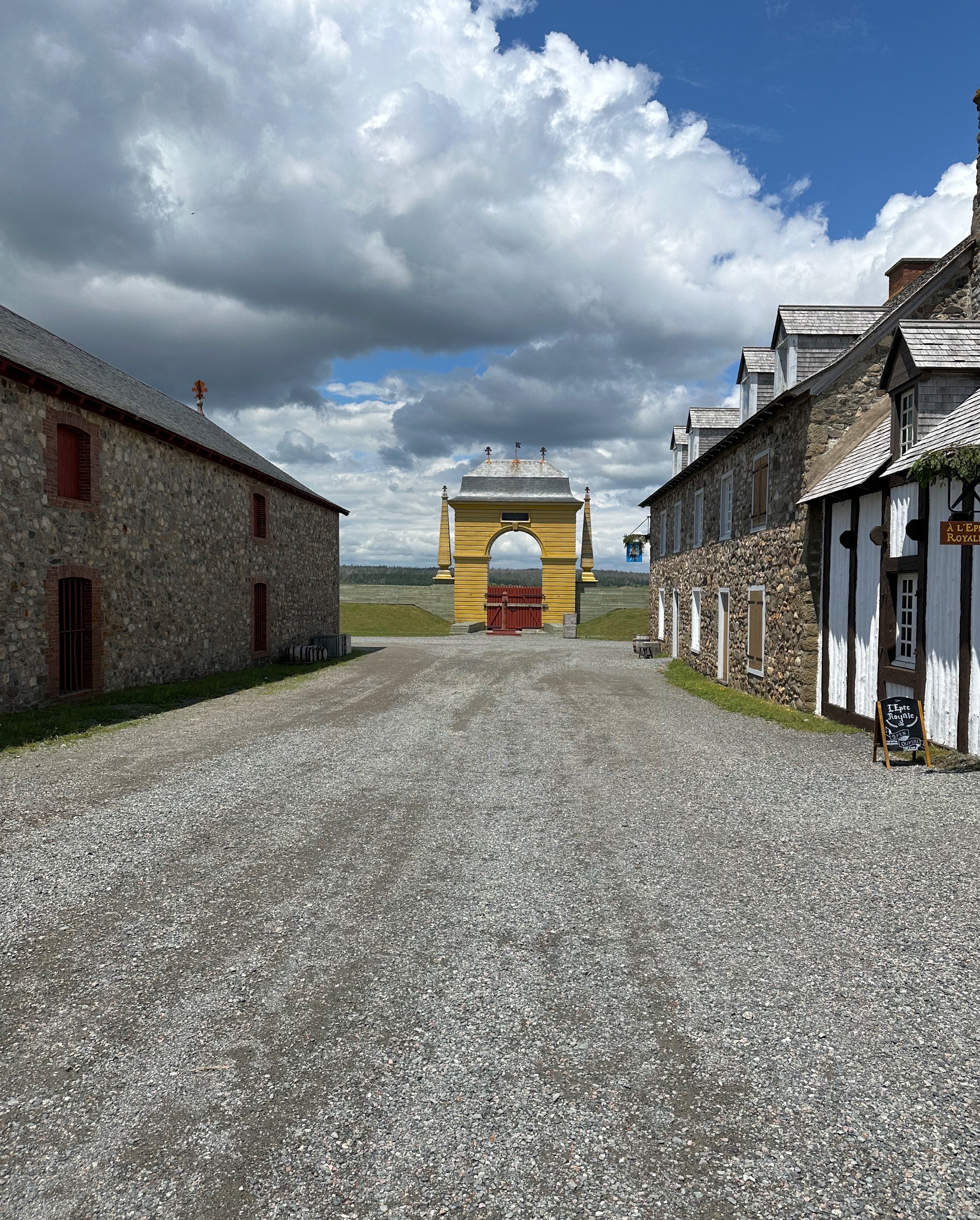
While the fortress is impressive to look at and the harbour side was well defended, the surrounding hills made the fortress vulnerable to the British batteries. The New Englanders captured the fortress in just 46 days.
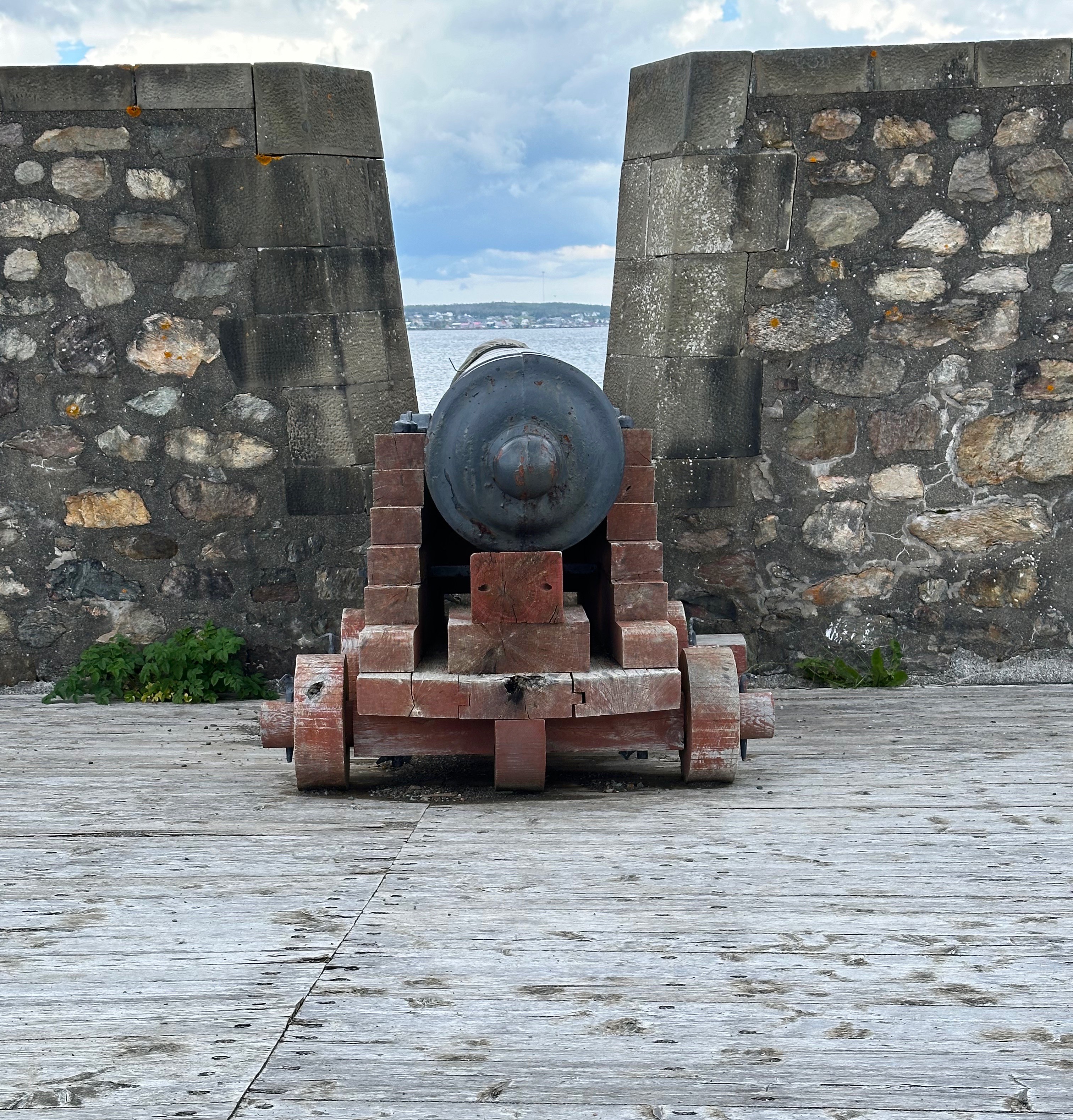
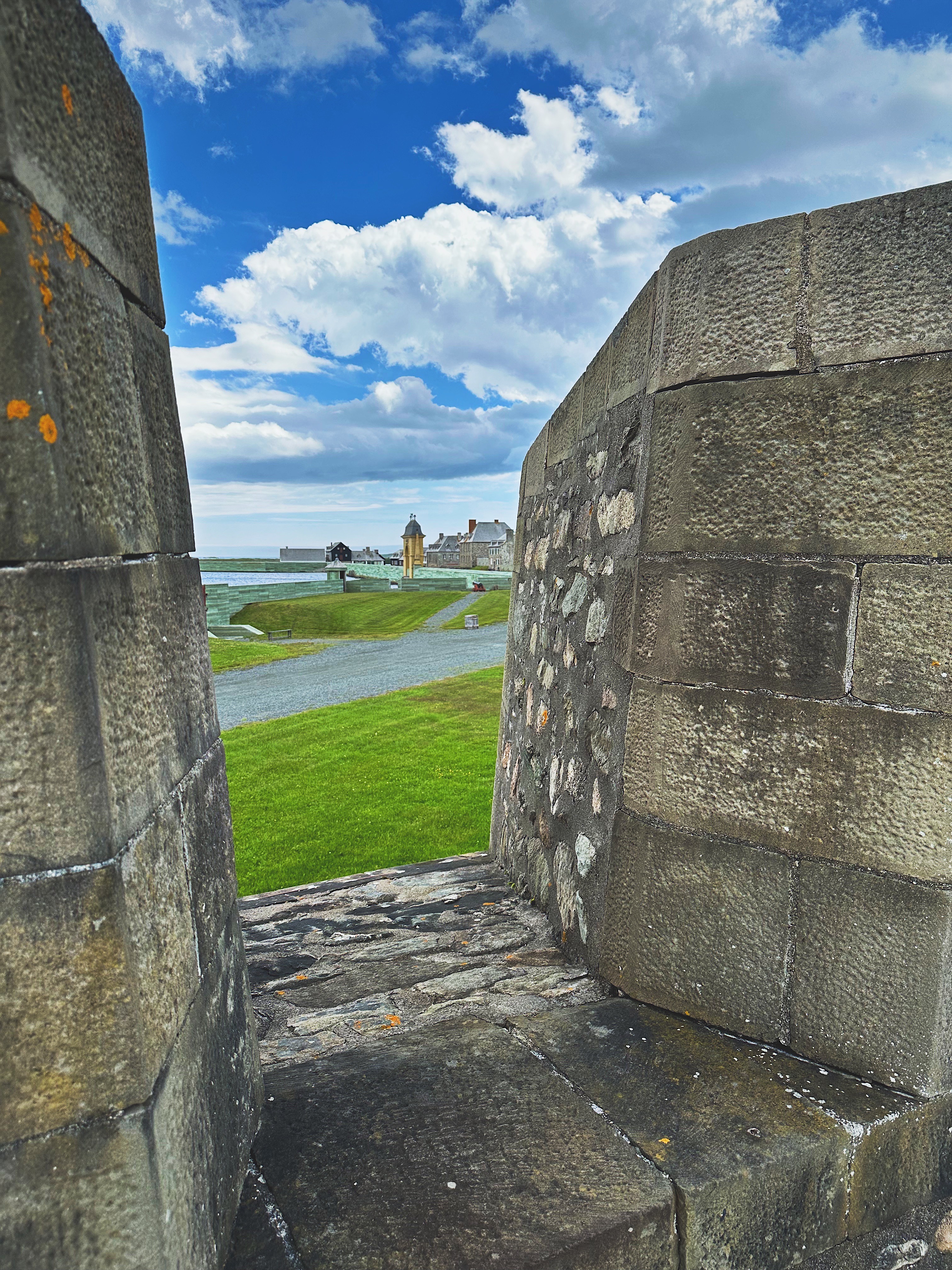
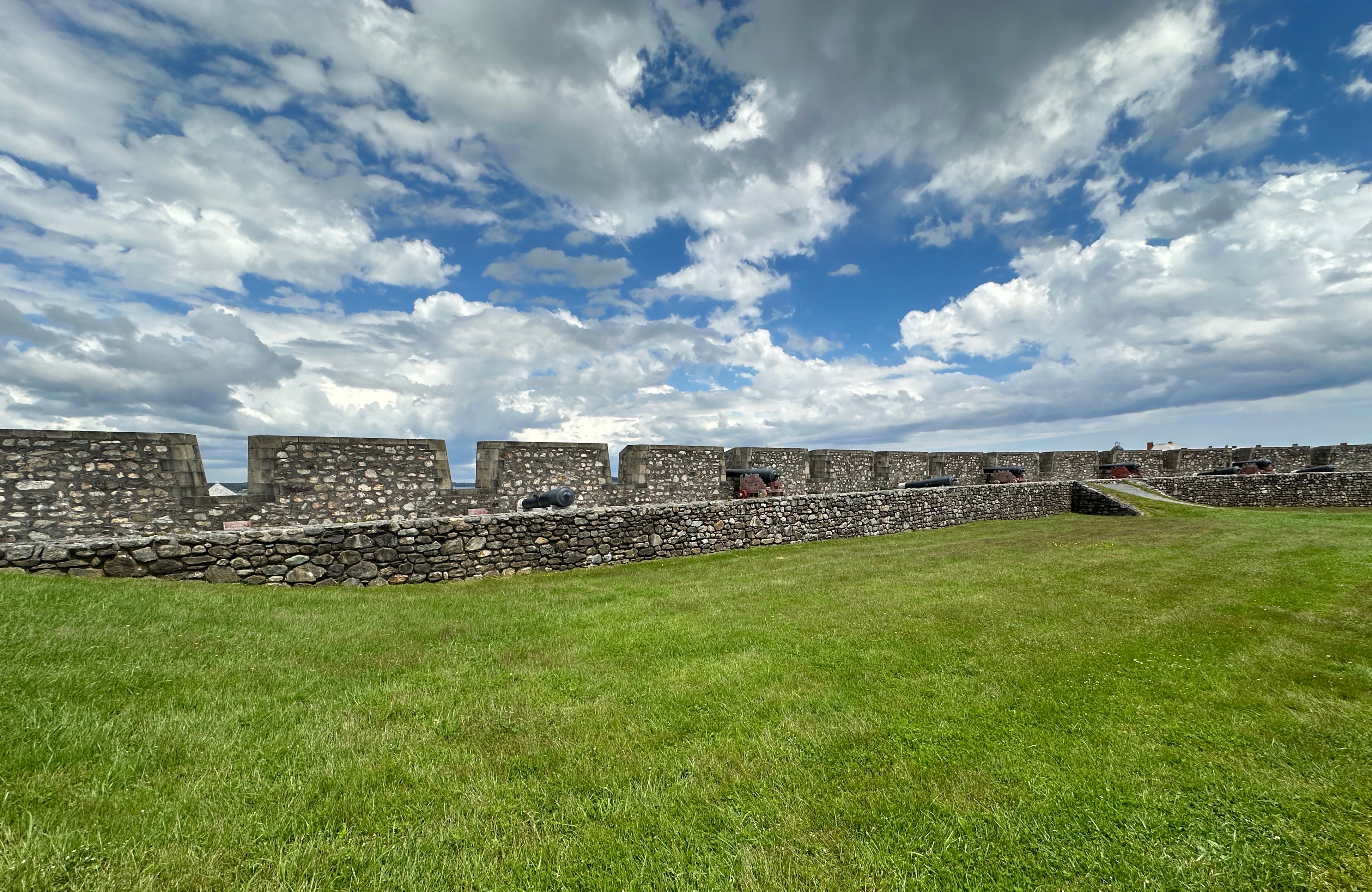
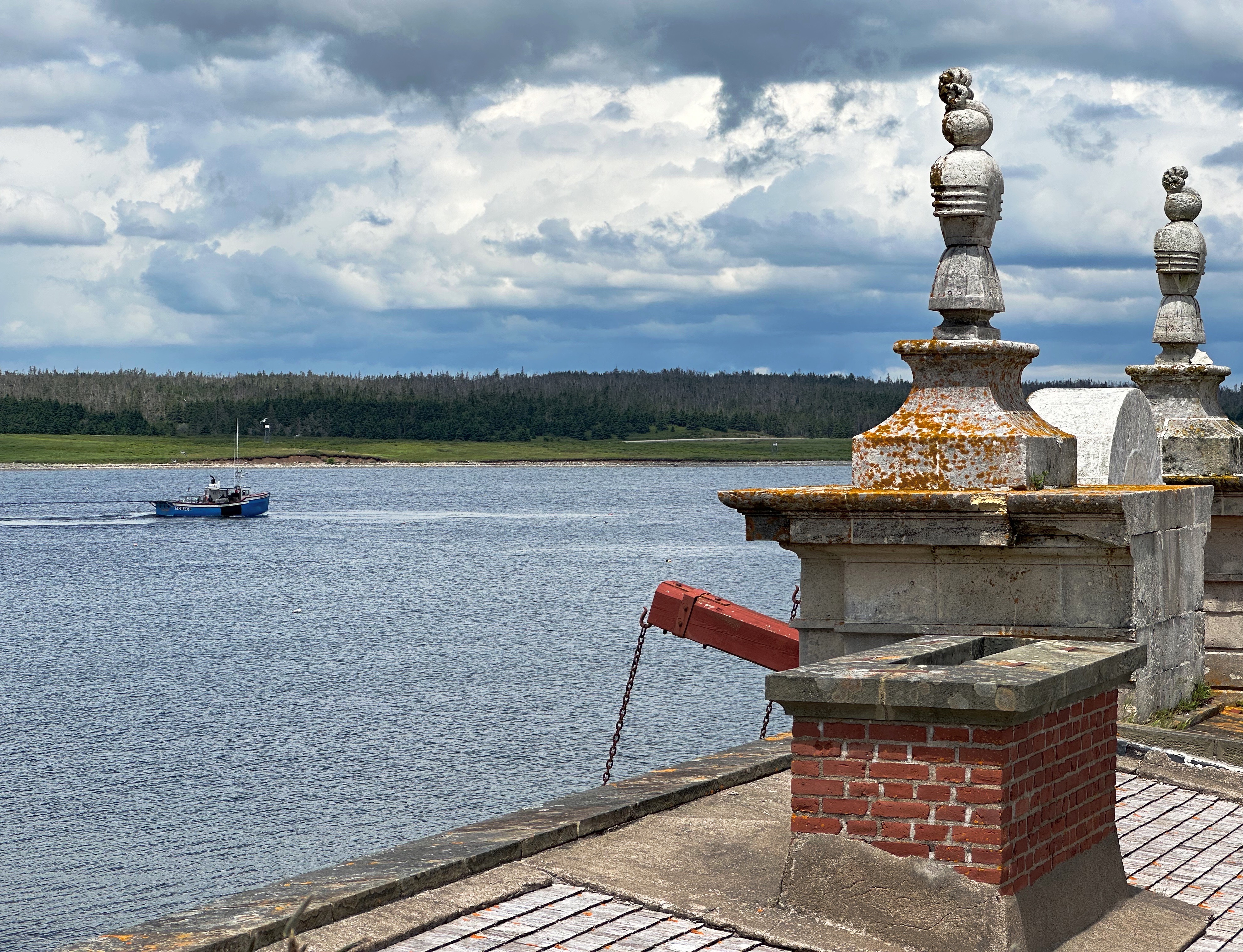

A treaty signed in 1748 restored the fortress to the French. The French carried on for the next 13 years until once again the British and French were at war. The British attacked the fortress with a massive force of 13,000 soldiers supported by 14,000 sailors on board a fleet of 150 ships. The battle was over in seven weeks with the overmatched French losing once again. The British who were determined that the fortress would never be useful to the French at any time in the future completely demolished all of the fortress walls!
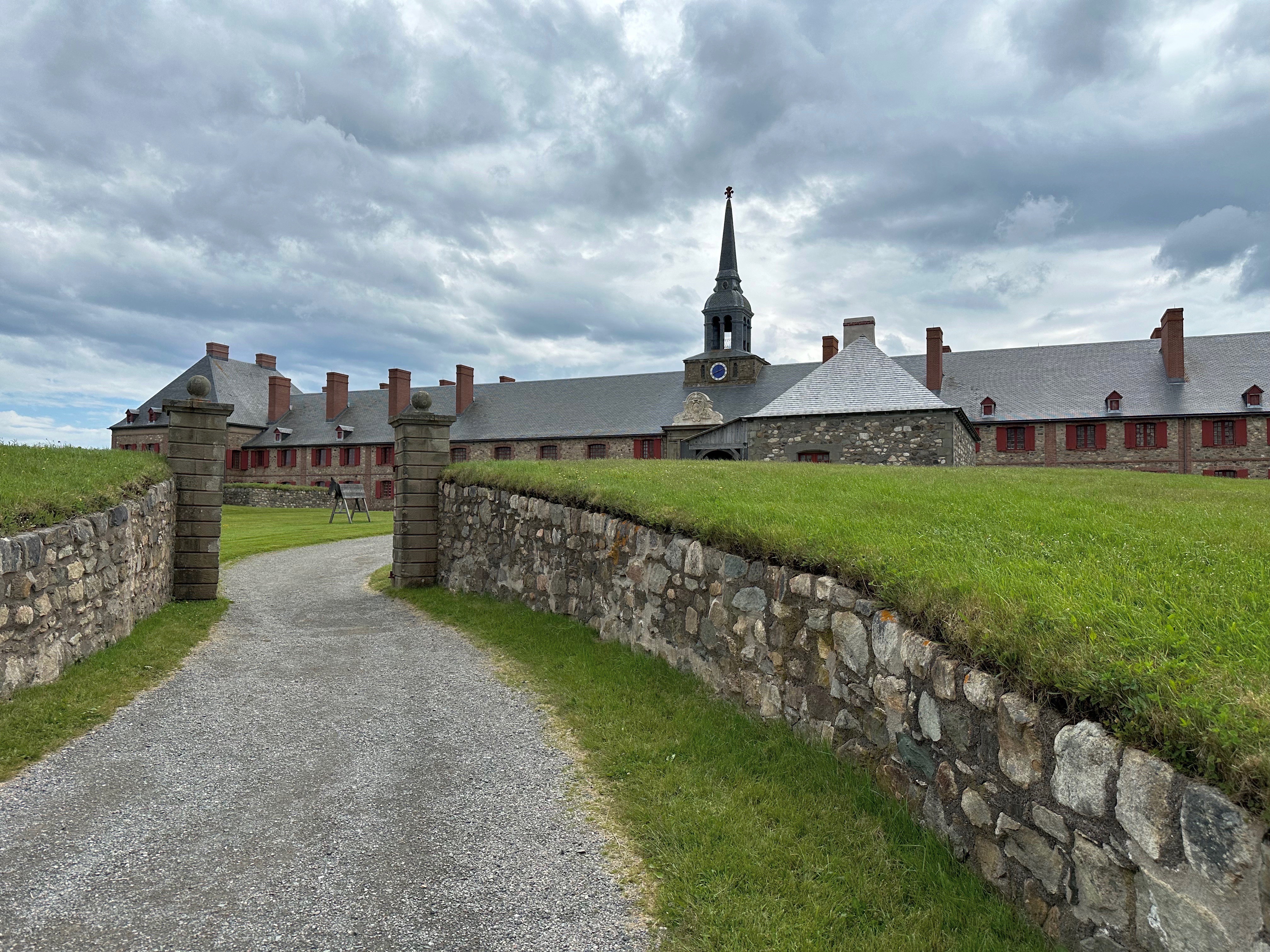


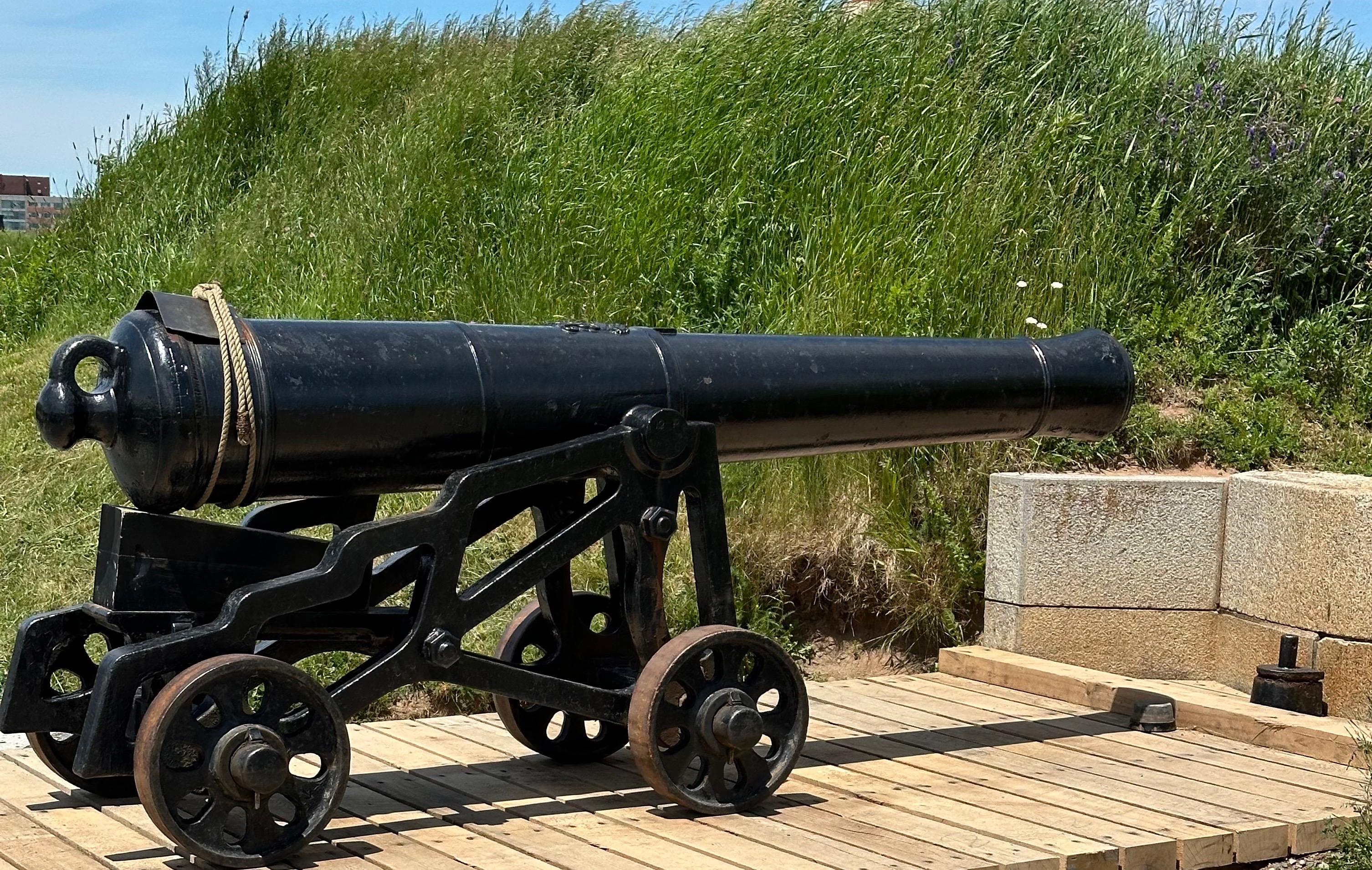
The photos in this post are of the re-created fortress and village. The fortress and 50 of the original buildings have been faithfully reconstructed to the specifications in the many documents left by the French. This is quite remarkable as not a single structure remained when the work began to re-create a portion of the village and fortress. The majority of restoration took place over a 20 year period between 1960 and 1980. Quite impressive!


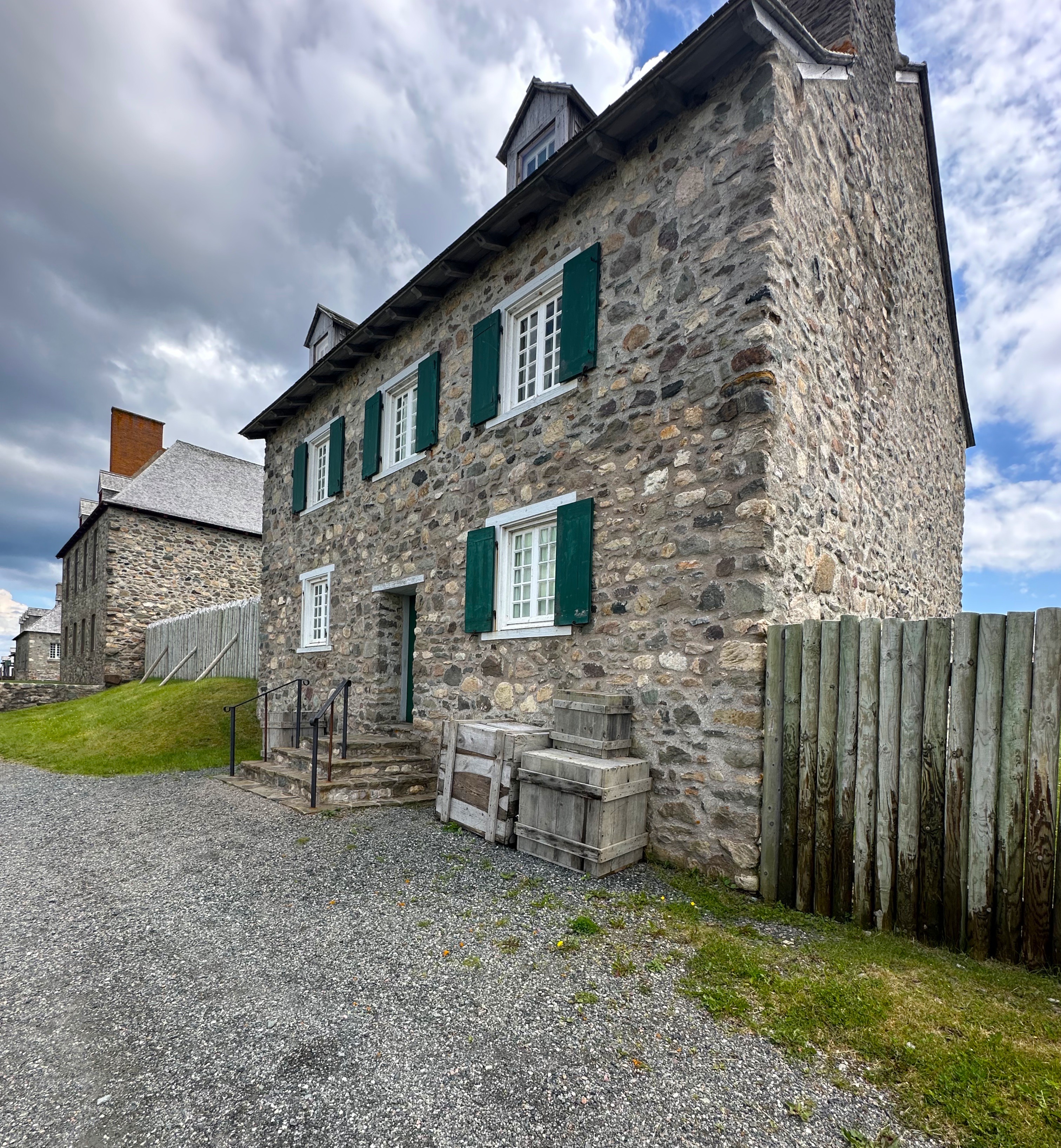
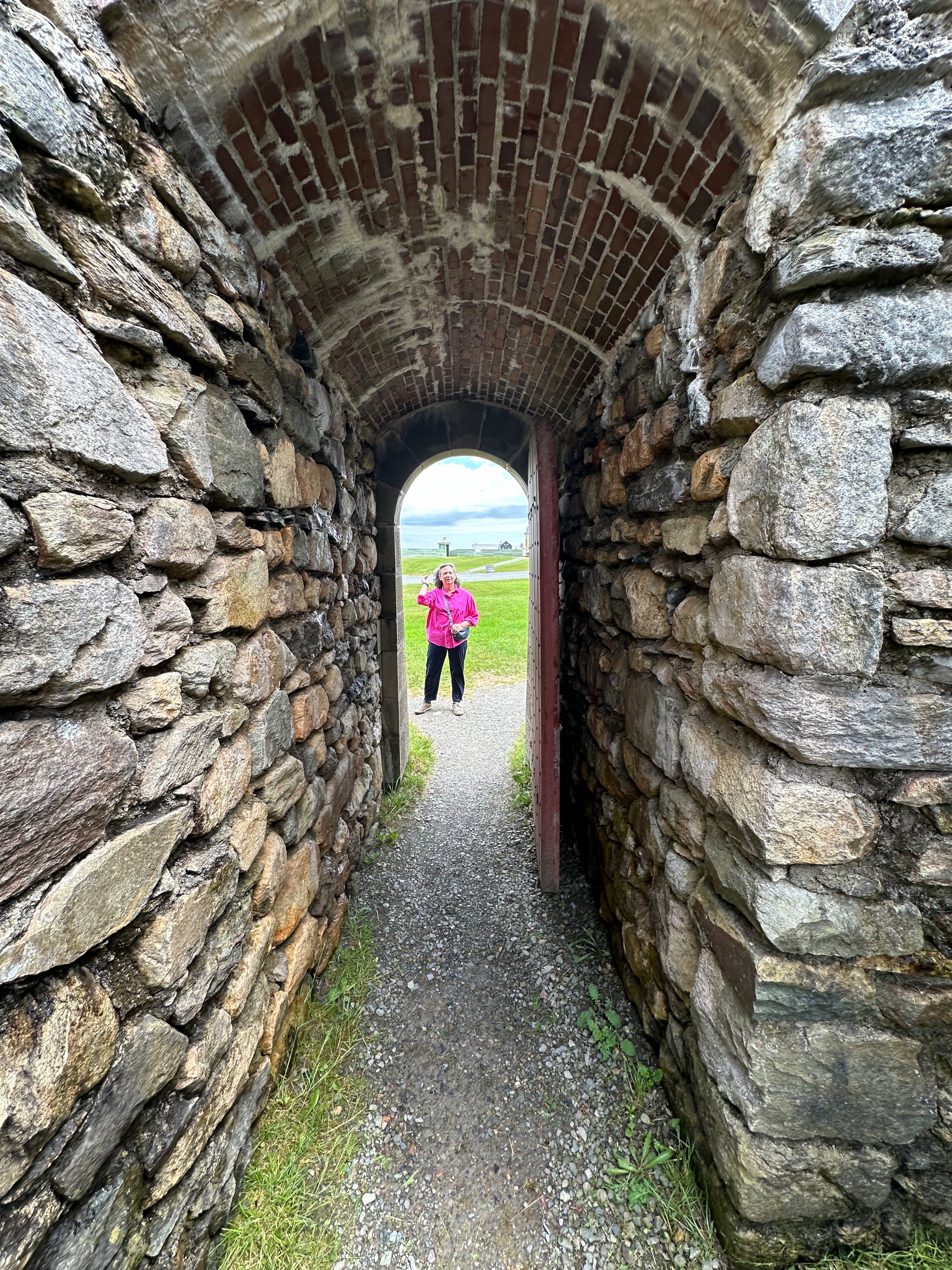


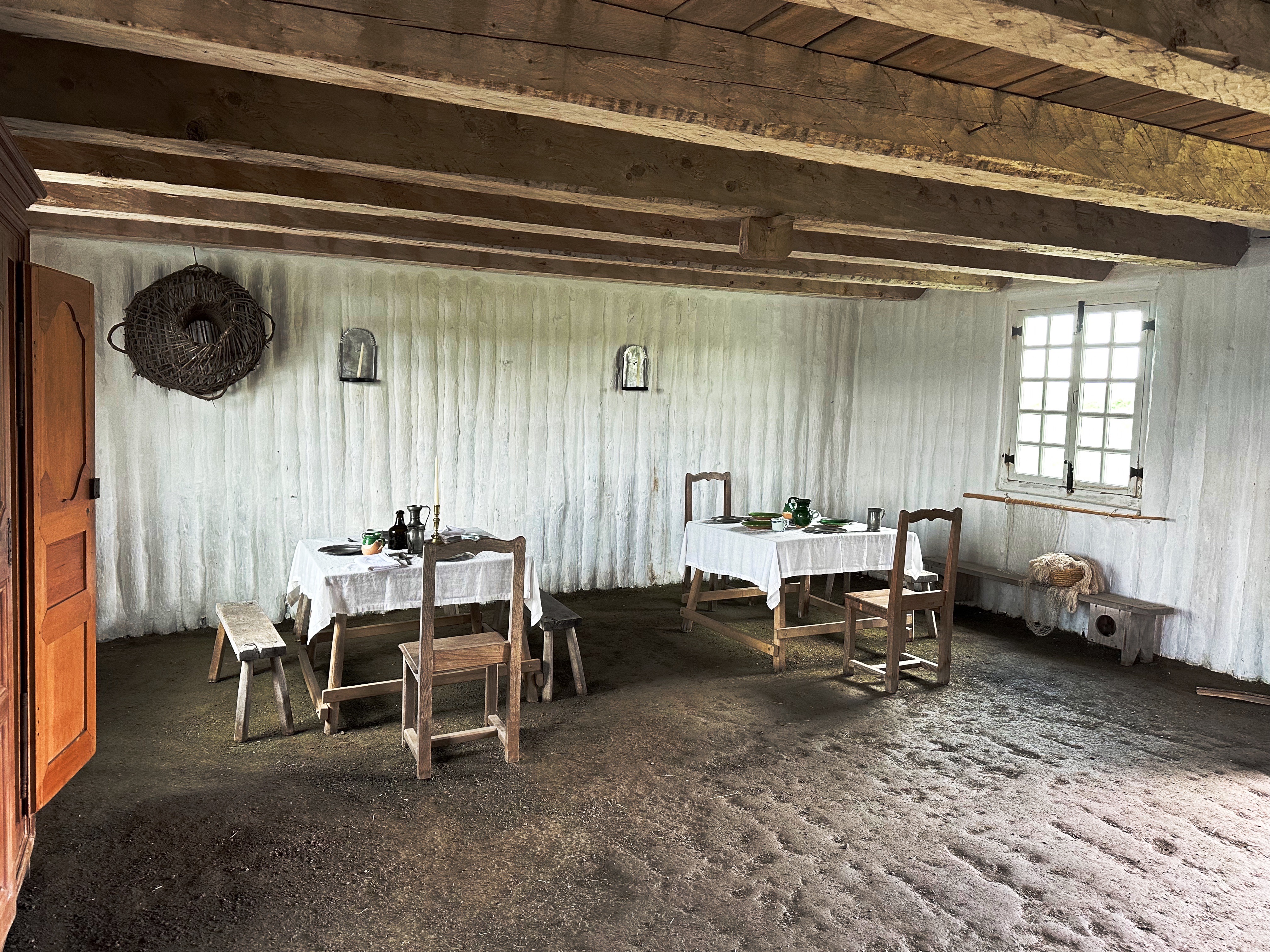
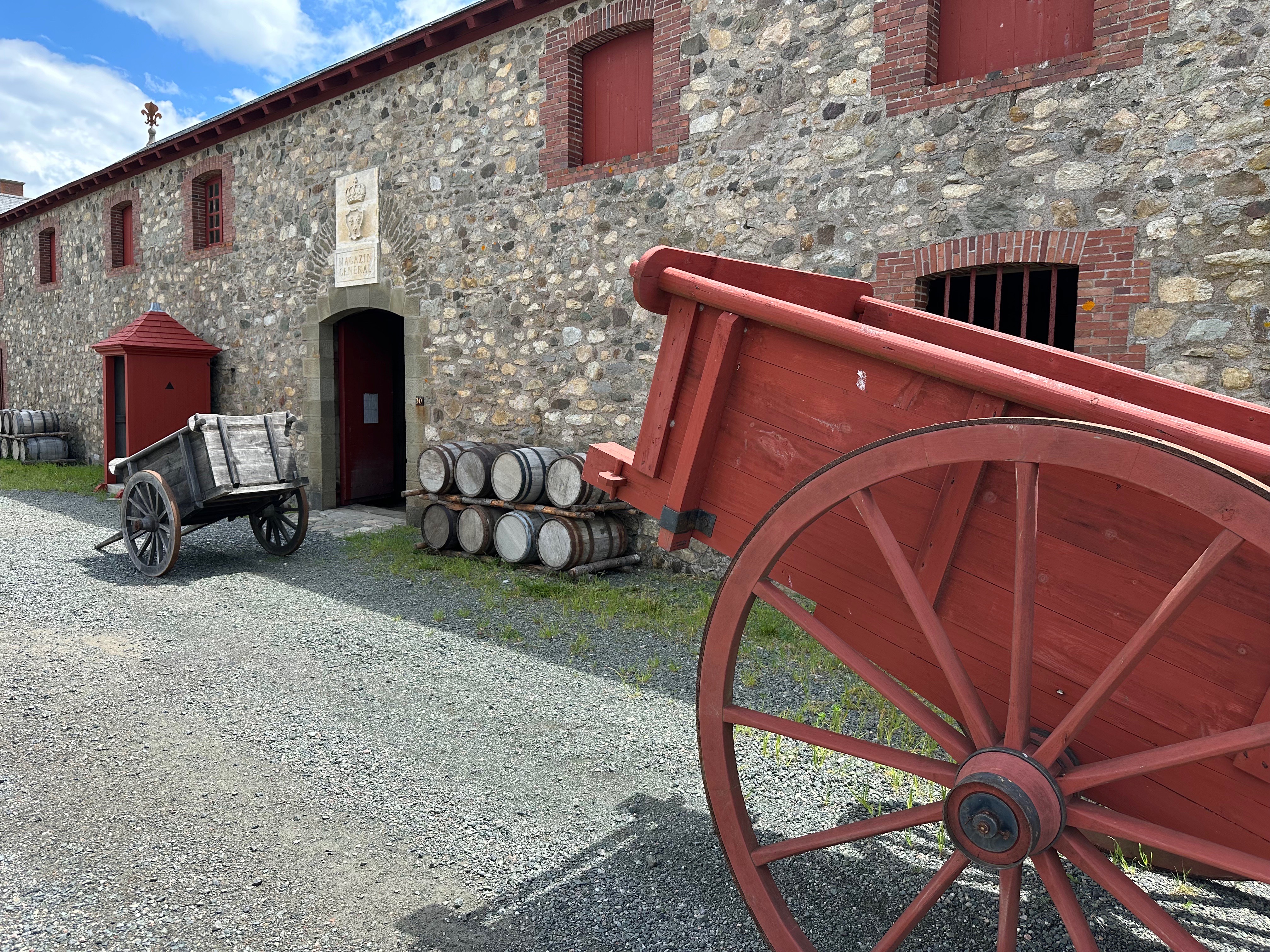
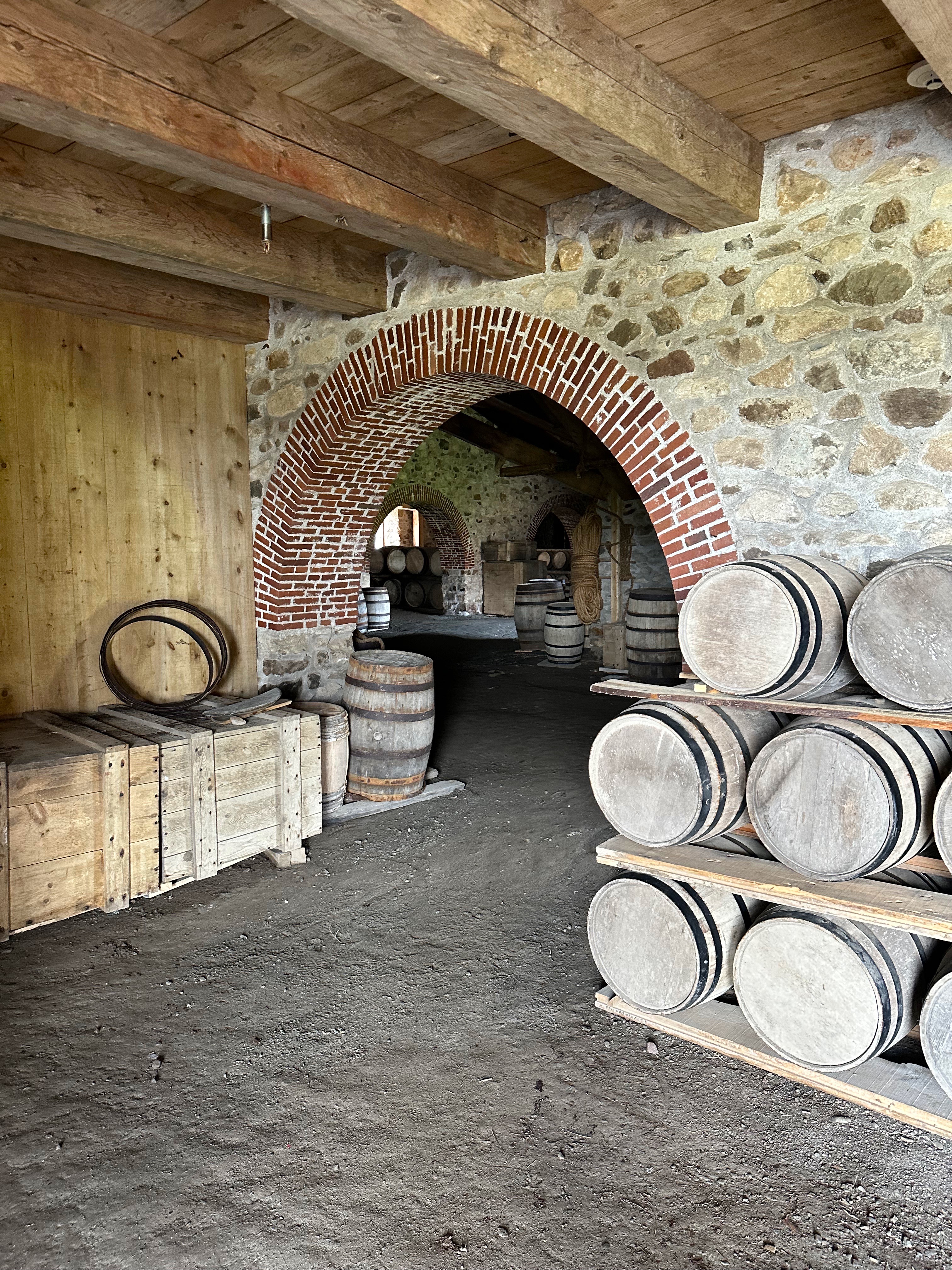
The fortress is a fascinating look back into the history and lives of the French in this area of Cape Breton. The park is staffed by very knowledgable and friendly guides who are dressed in period costumes. We highly recommend spending a day at the Fortress of Louisbourg Historical site.
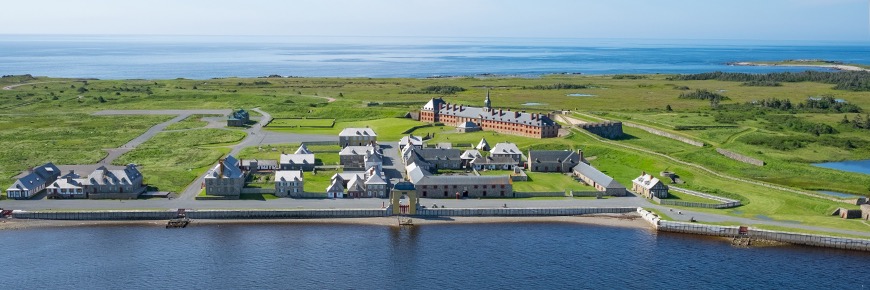
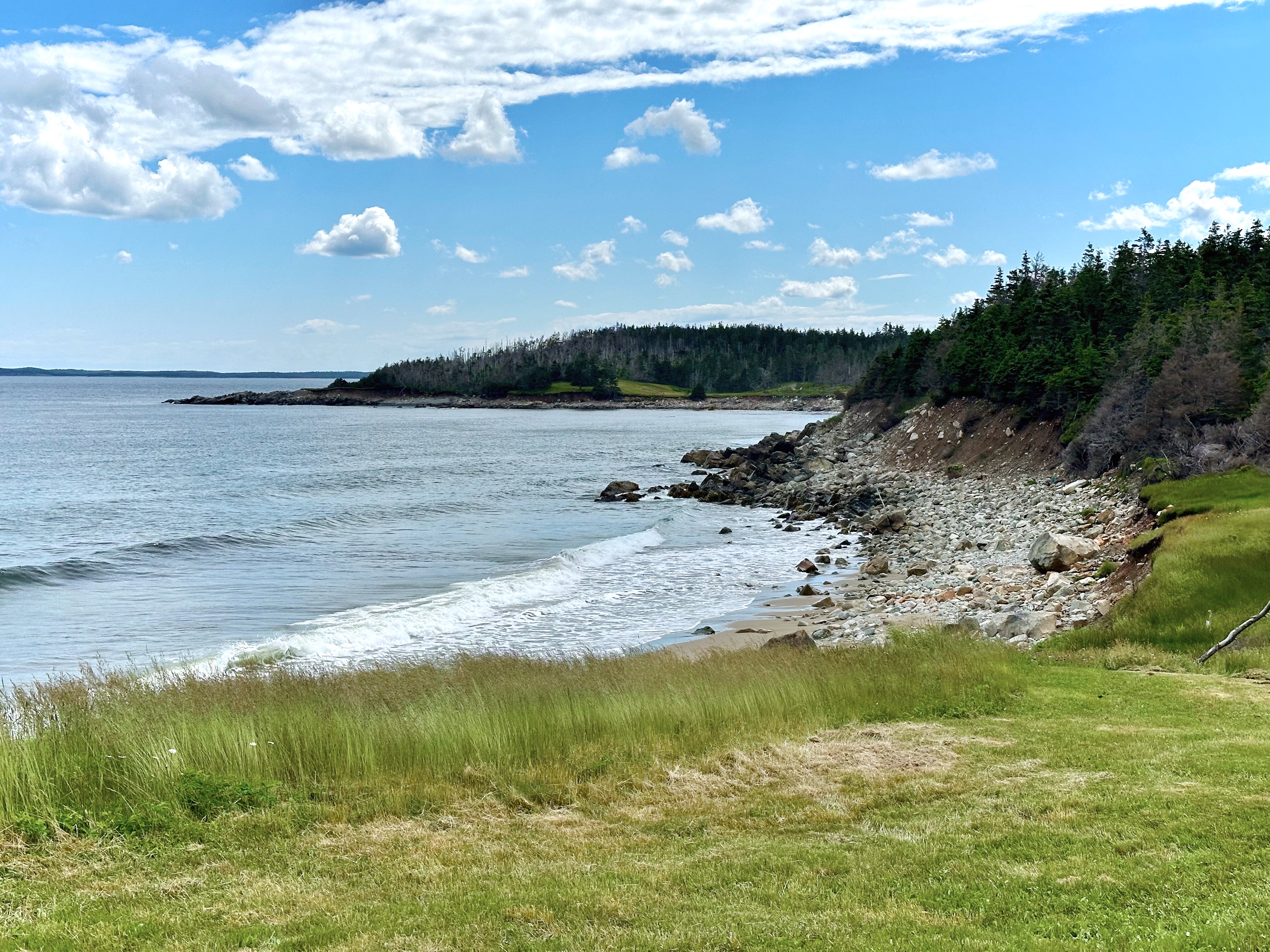
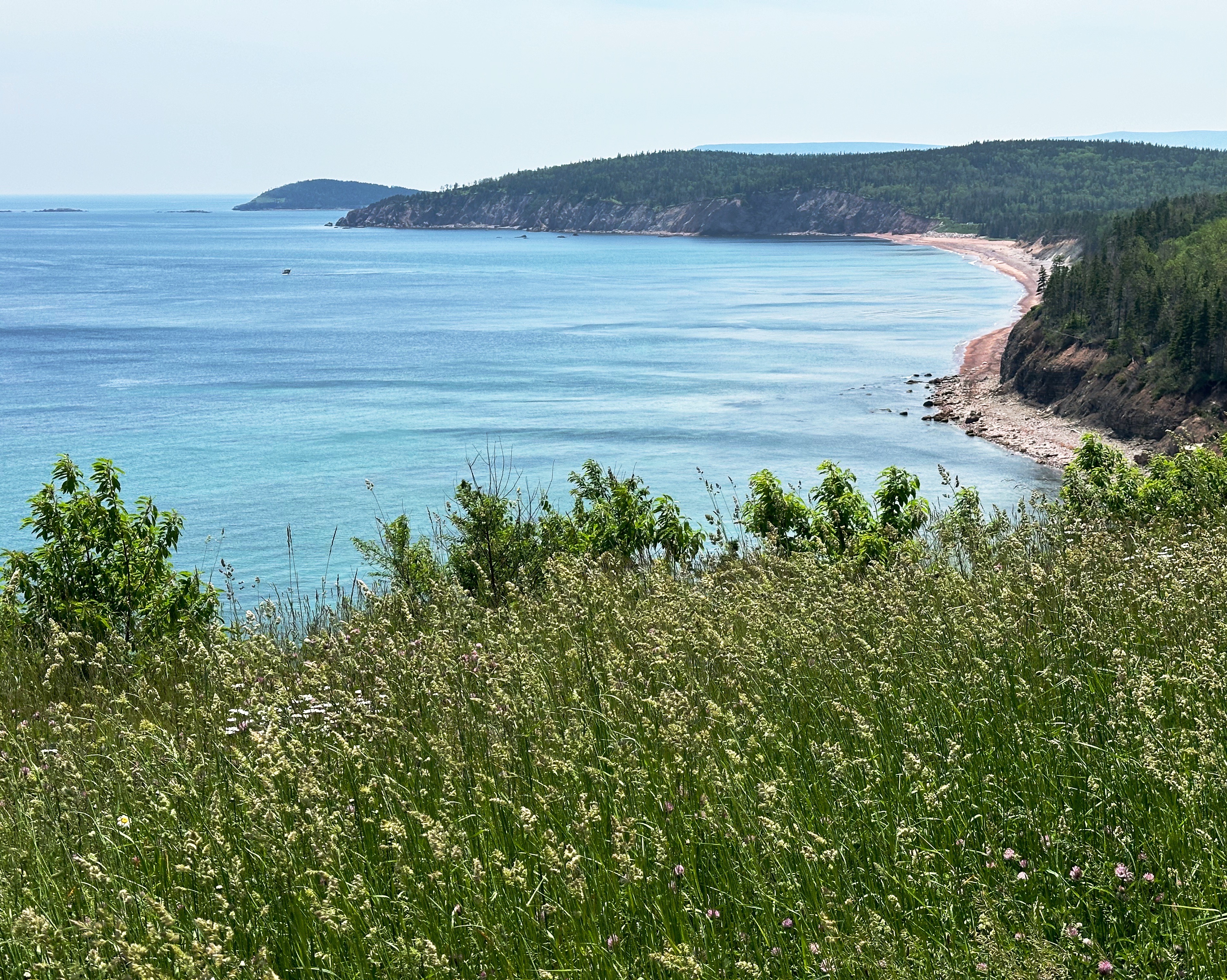
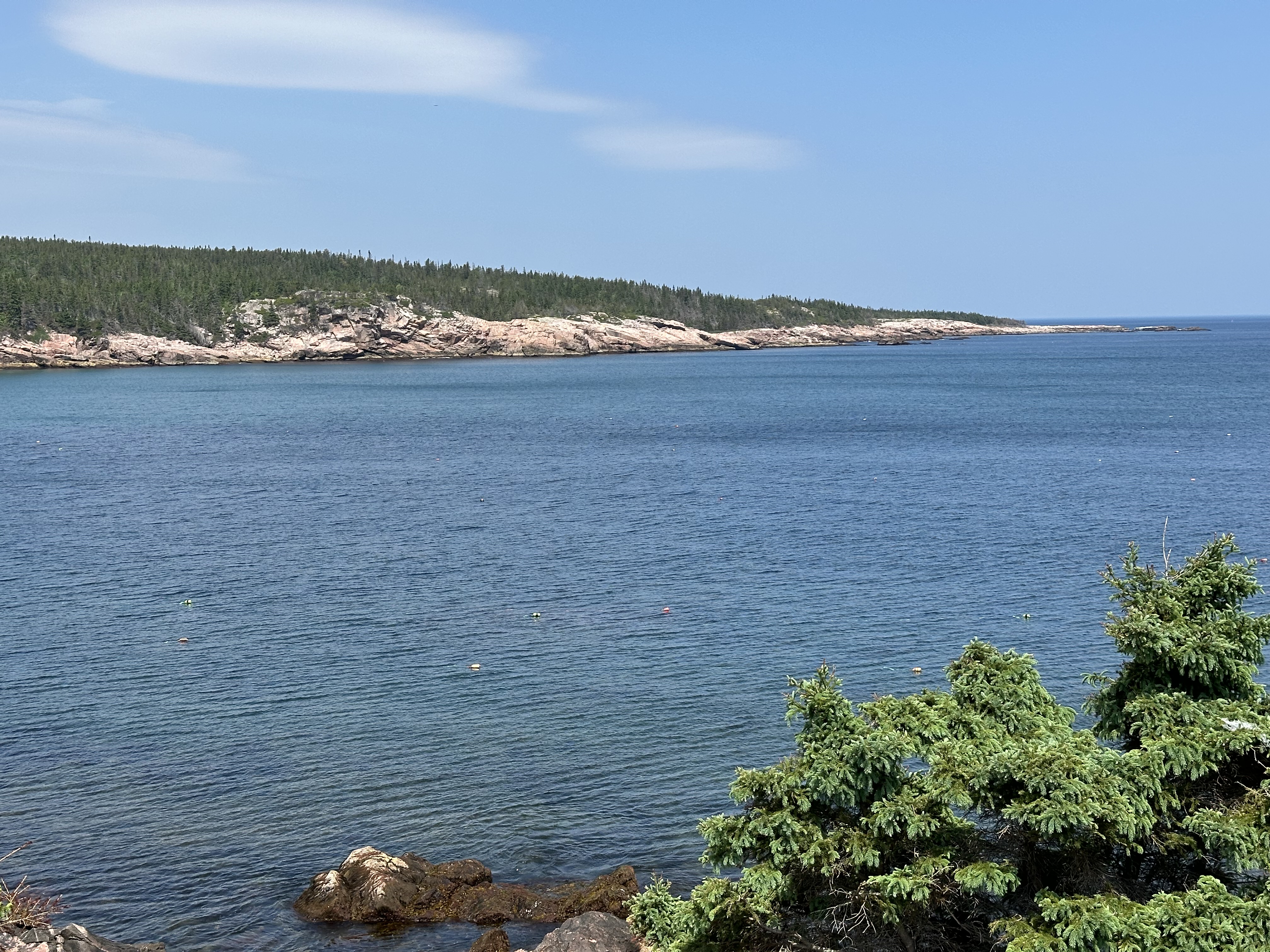
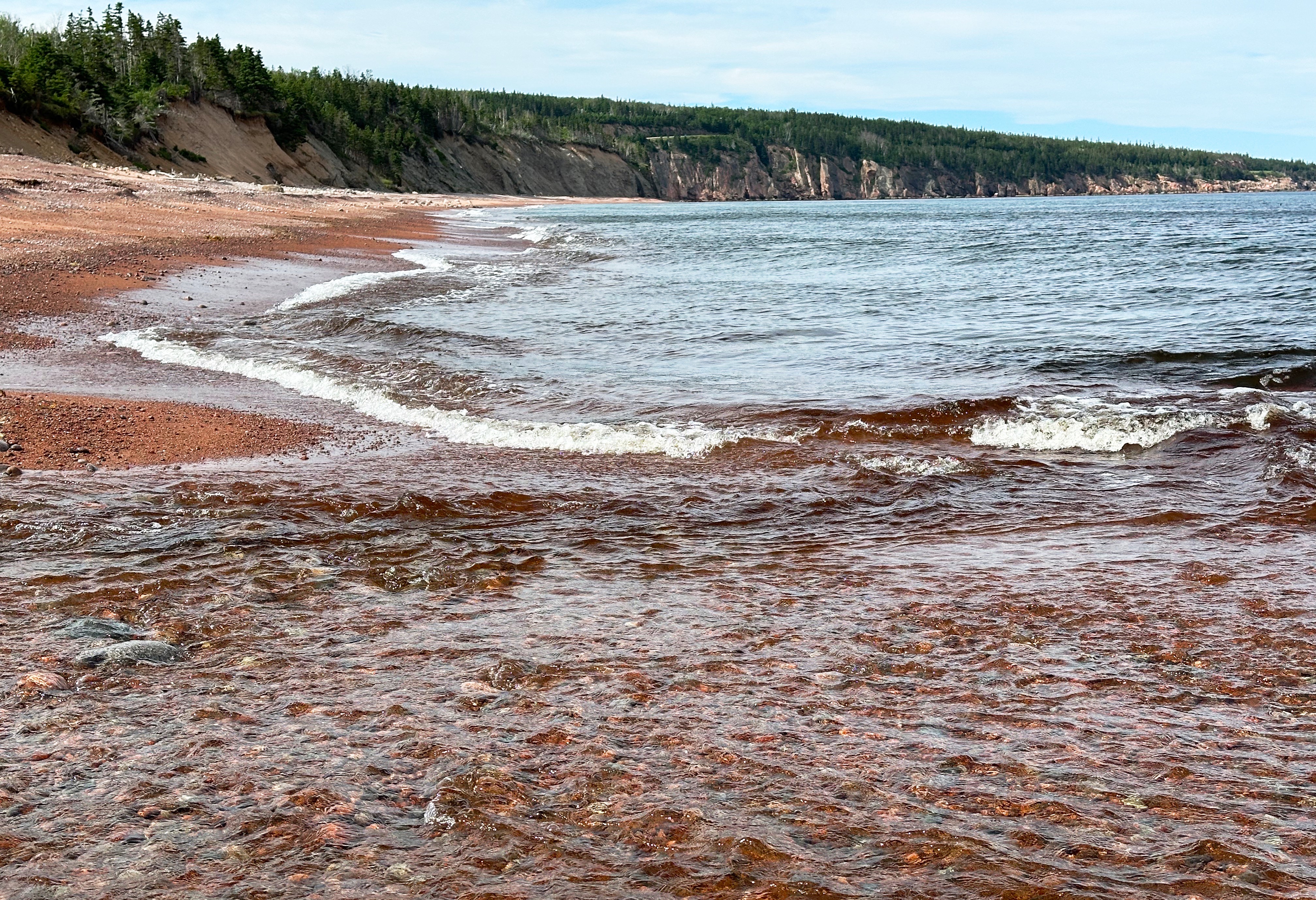
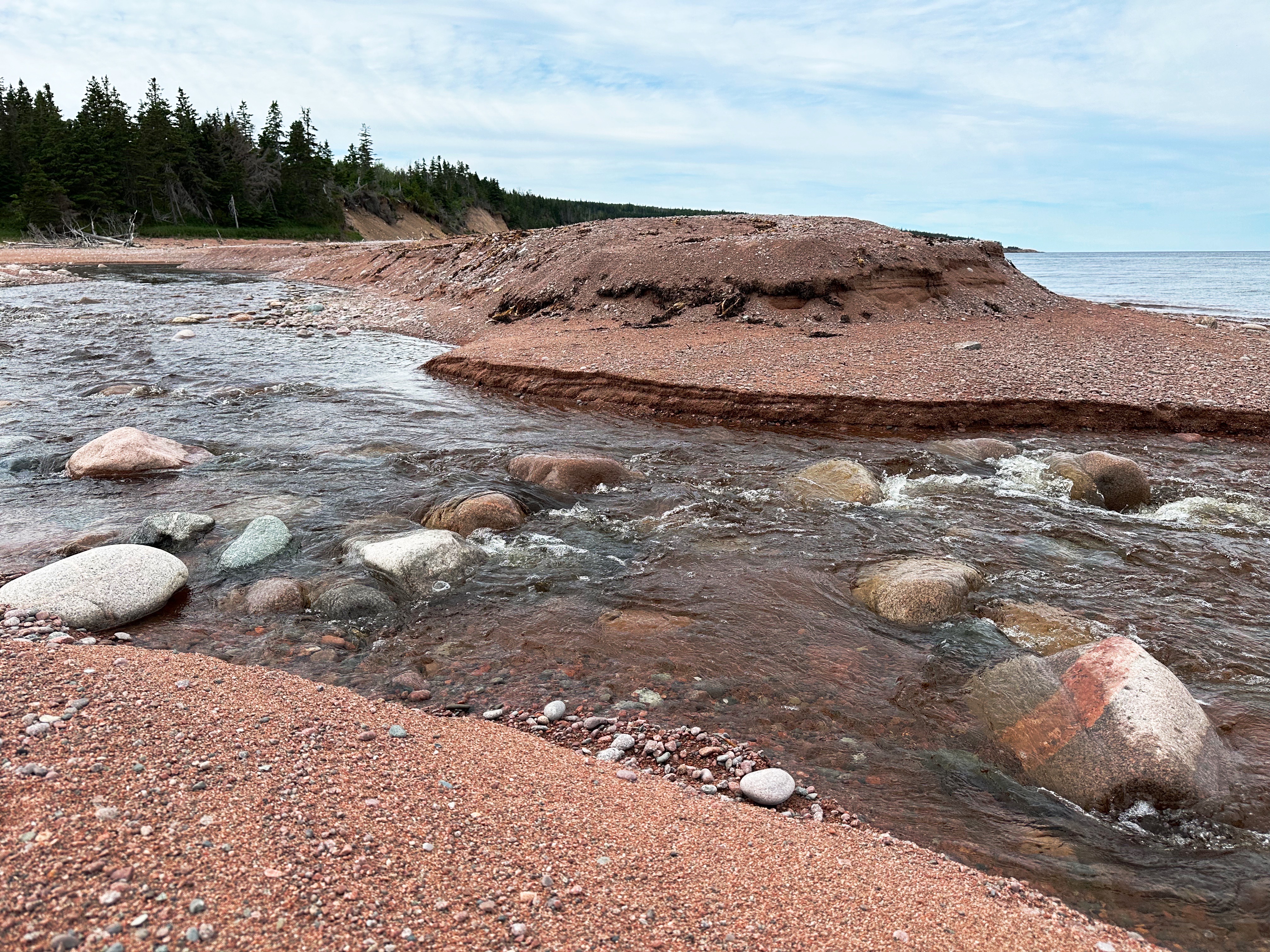
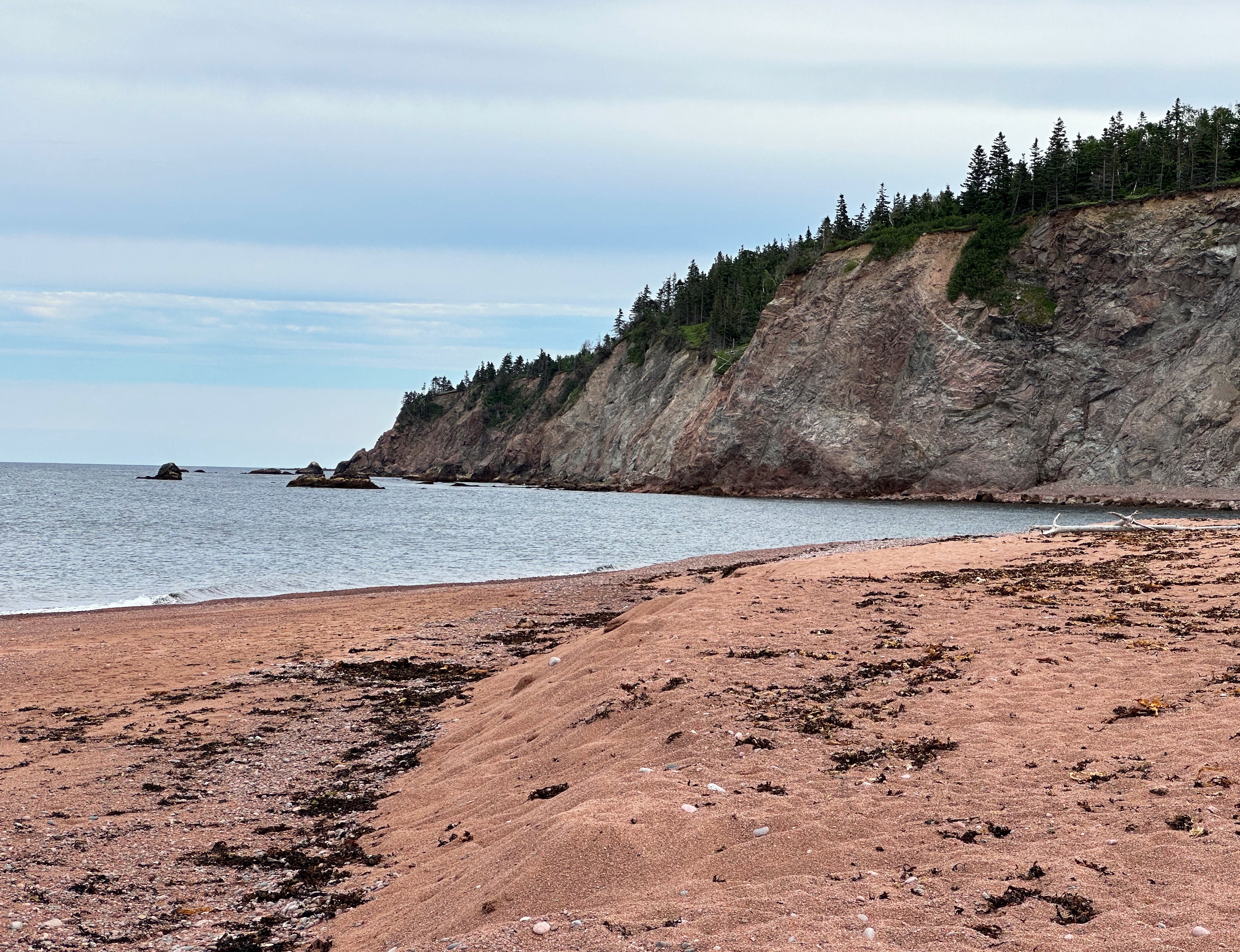
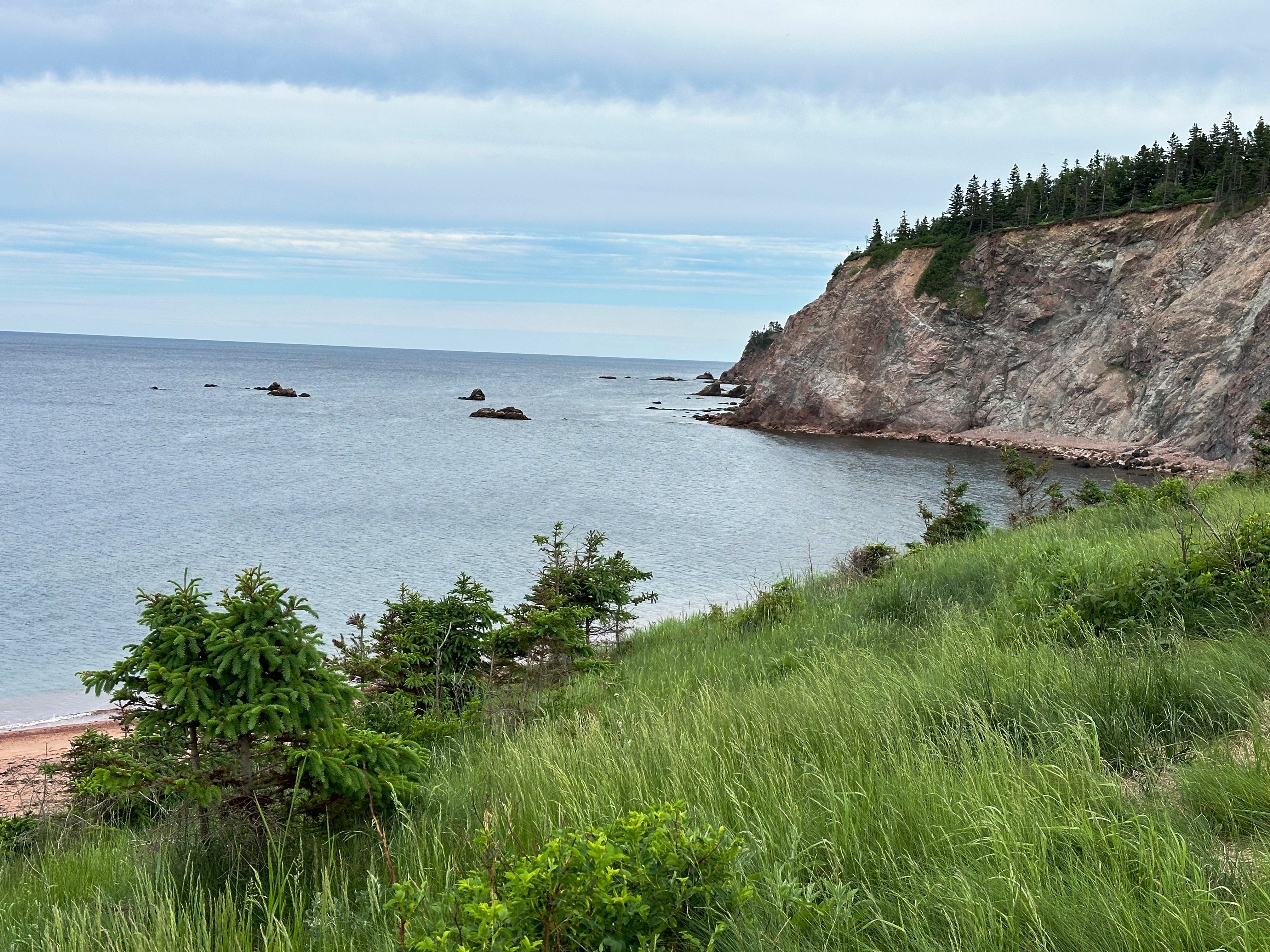
After finishing our tour of the fortress we departed for Battery Provincial Park. It appeared on our atlas that we would be able work our way down the coast on backcountry trails. However, we were ultimately thwarted by a locked gate and had to retrace our way back towards the fortress and pavement. Not all bad news because our back road jaunt did bring us to the beautiful Kennington Cove (photos below) where we paused and took in the marvelous views and the sound of the surf. It is all about the journey!

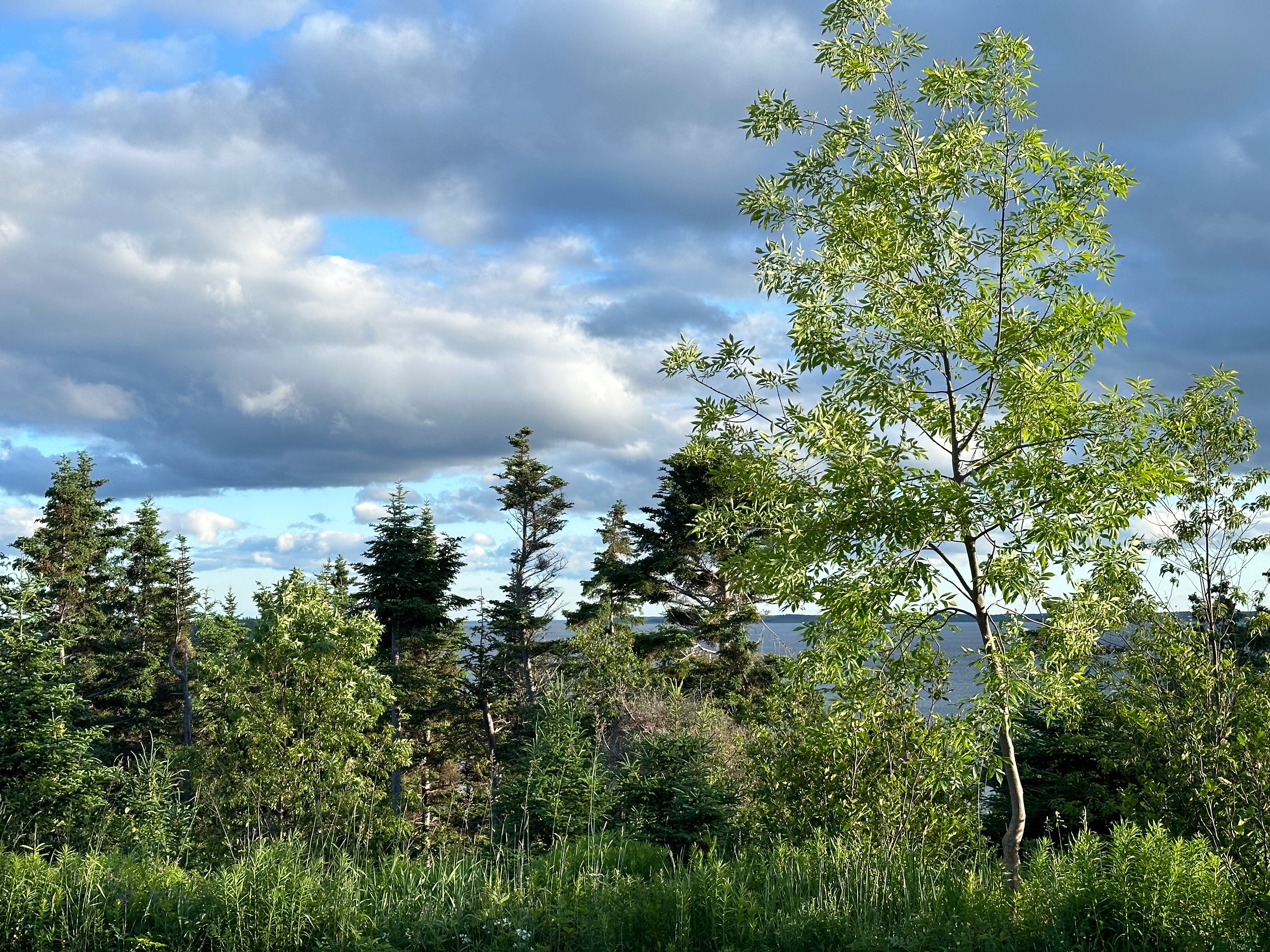
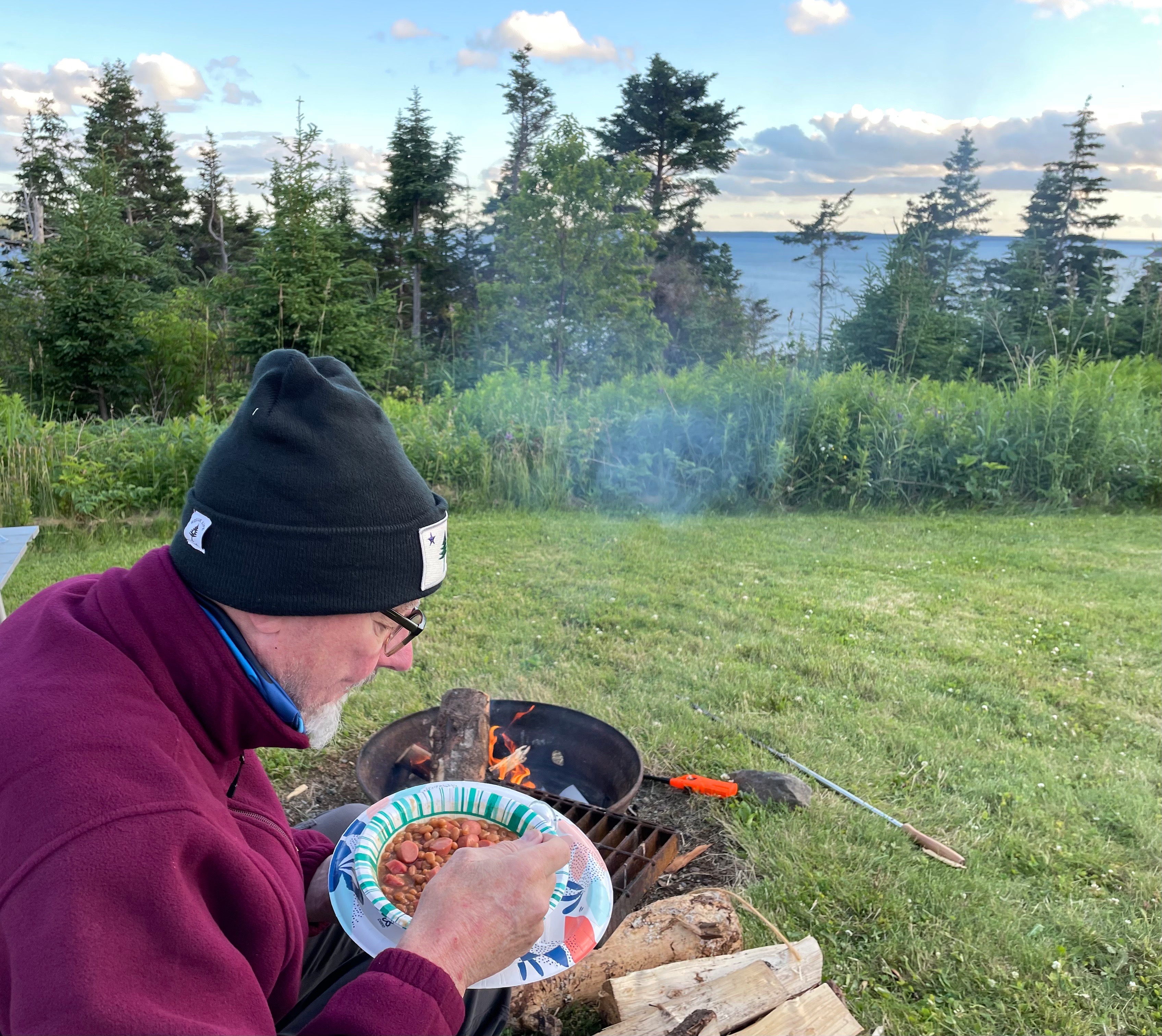
Back on pavement, we drove to Battery Provincial Park to camp for the evening. The park sits on a bluff above the historic St Peter’s Canal, which allows passage between the Bras d’Or and the Atlantic Ocean. Yes, those are franks and beans!


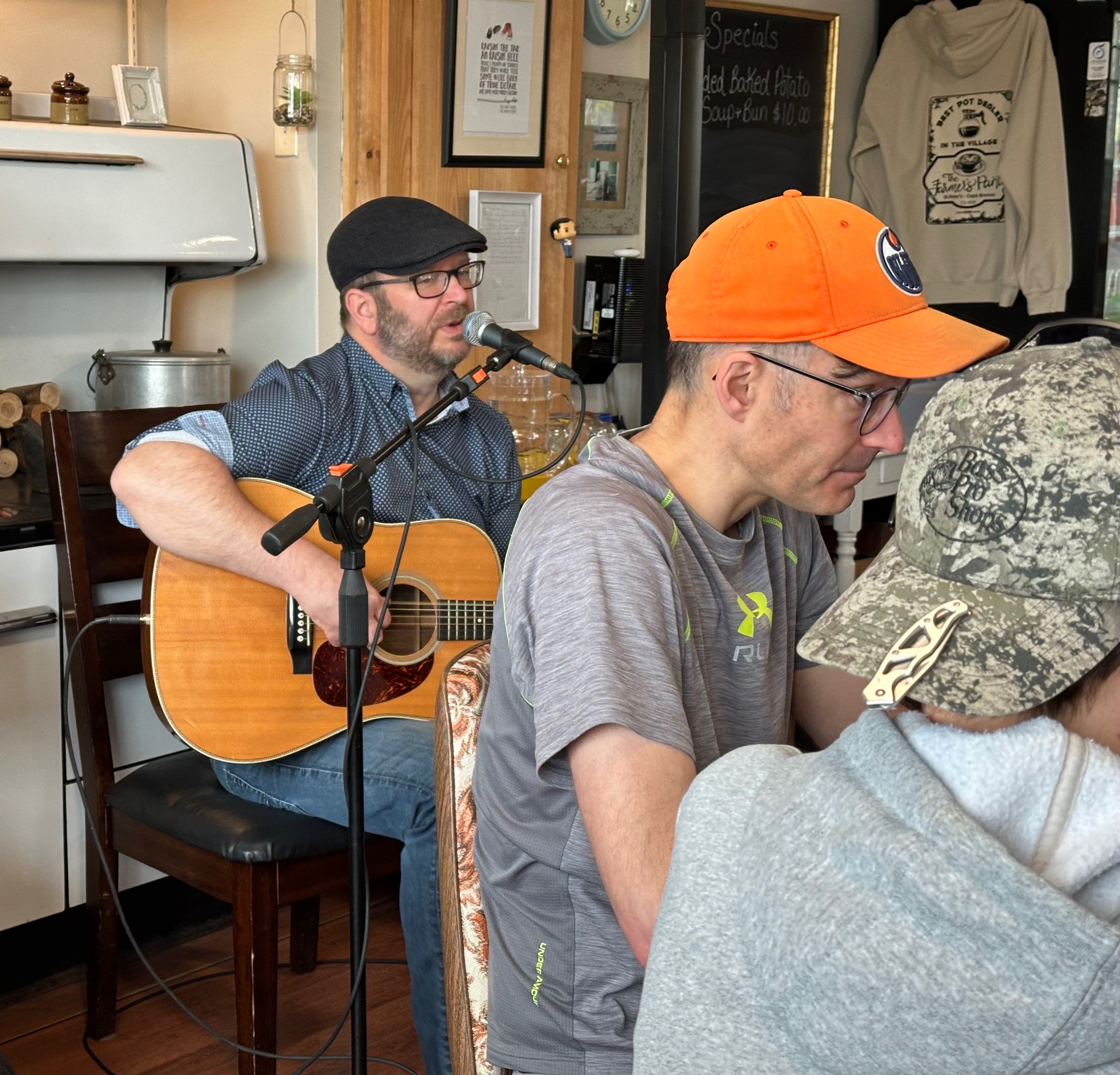
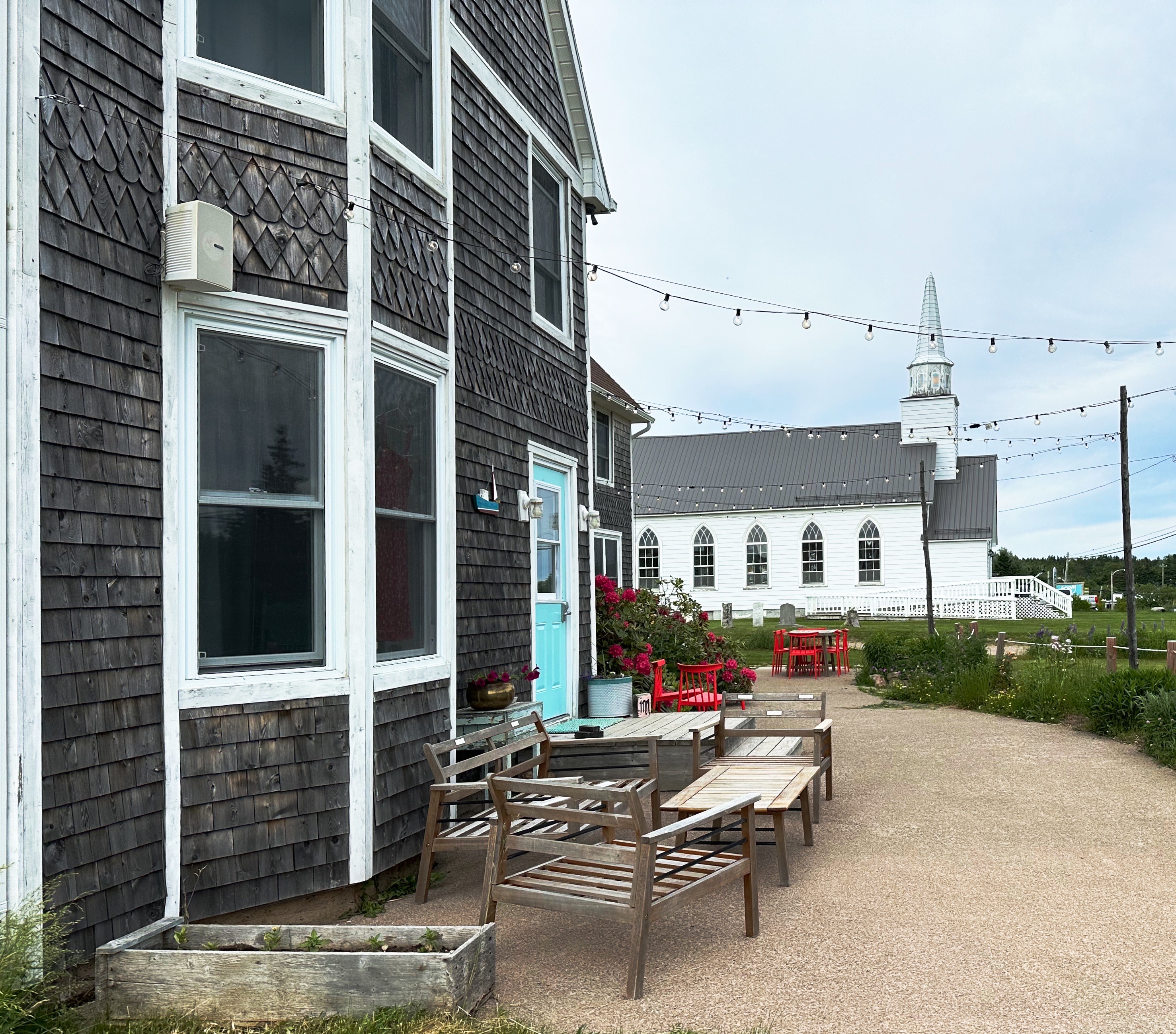
The next morning we were treated to coffee and music at the Farmers Pantry in St. Peter’s. Steve MacIntyre is a singer/songwiter who hails from Part Hawkesbury. Steve performed a set of original songs and covers of traditional Cape Breton music. Who doesn’t like live music with your first cappuccino!


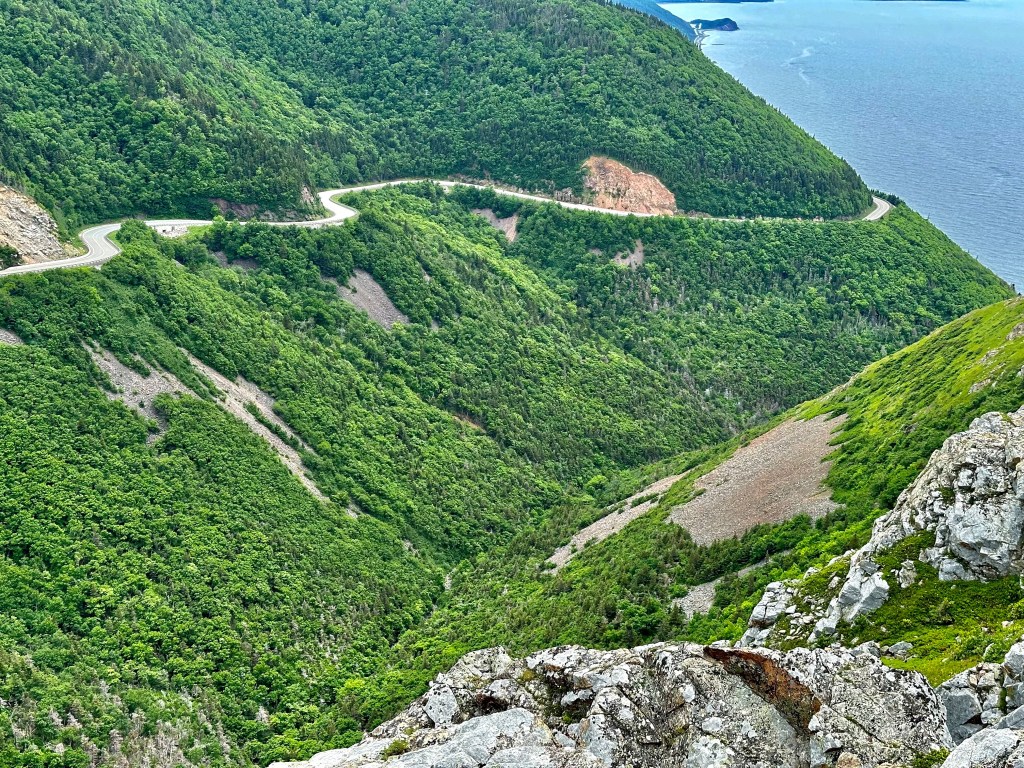
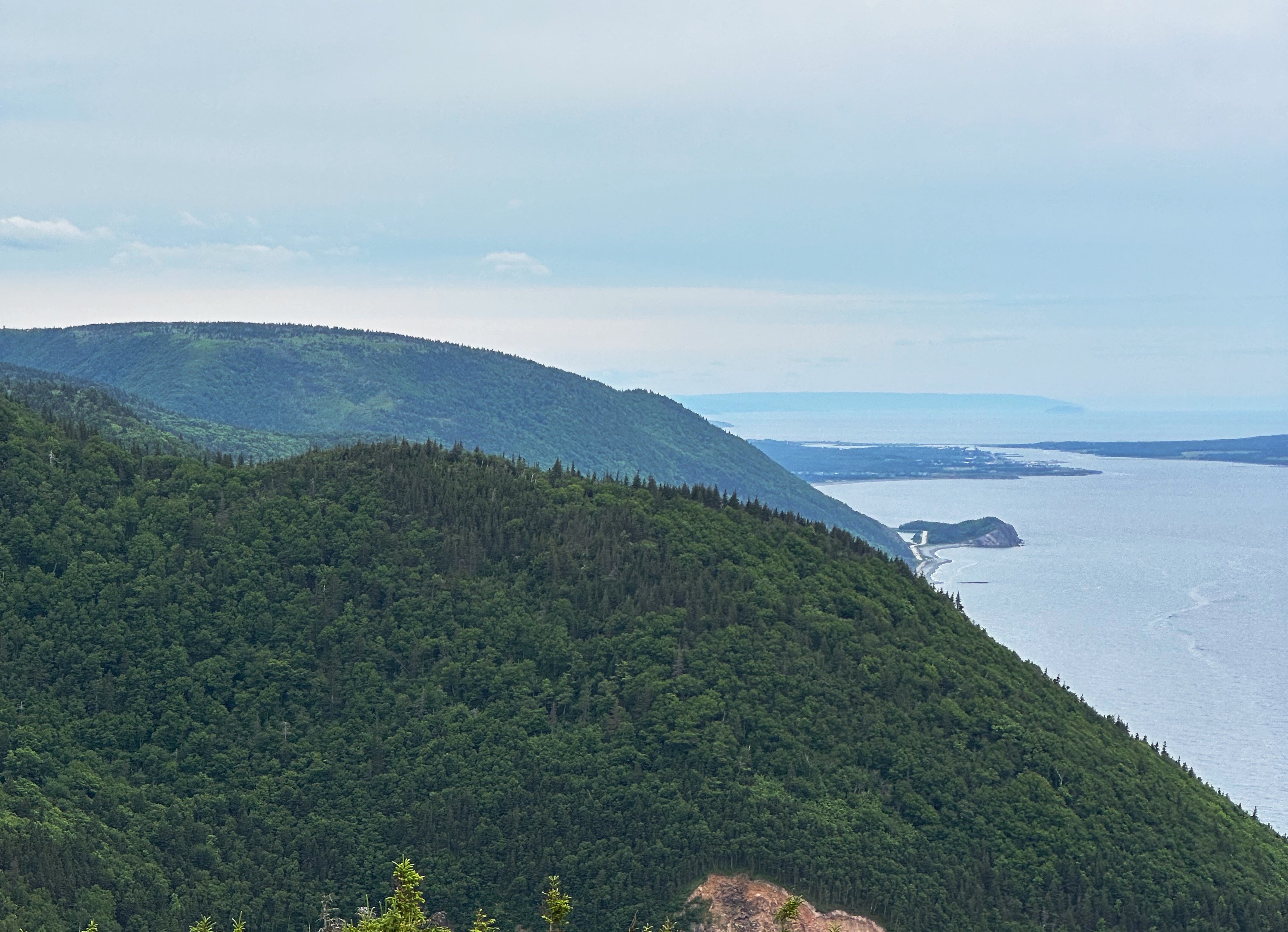
Well, that’s a wrap from our travels on Cape Breton. We hope you found it interesting and perhaps helpful for your future travel plans. We enjoyed the scenery, people, history and music of Cape Breton immensely. We have one more post to publish which will chronicle our trip back through the Maine North Woods as we return to Connecticut.
Be seeing you!
























































































































































 ON THE ROAD with Maria + Stephen