
Despite having criss crossed Texas several times OTR had never managed to visit Austin (ATX). The initial reason was due to Covid 19 as we were forced to cancel a scheduled visit with friends in March 2020. So as we planned our City Tour Series for the autumn and spring of 2025/2026 we incorporated ATX as our second tour stop.The City Tour is not a road trip as we are accessing the cities via rail (see previous post) and air.

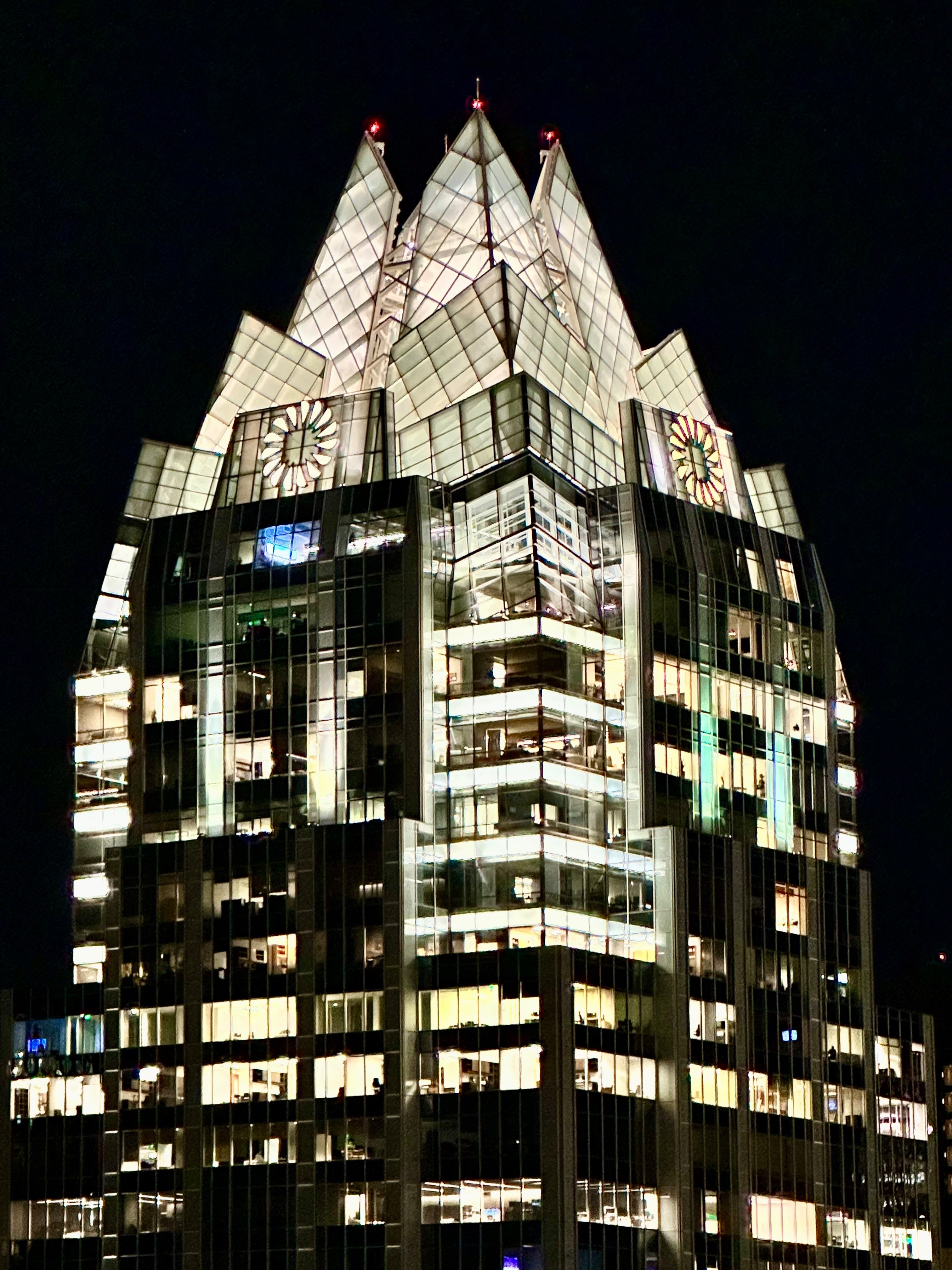
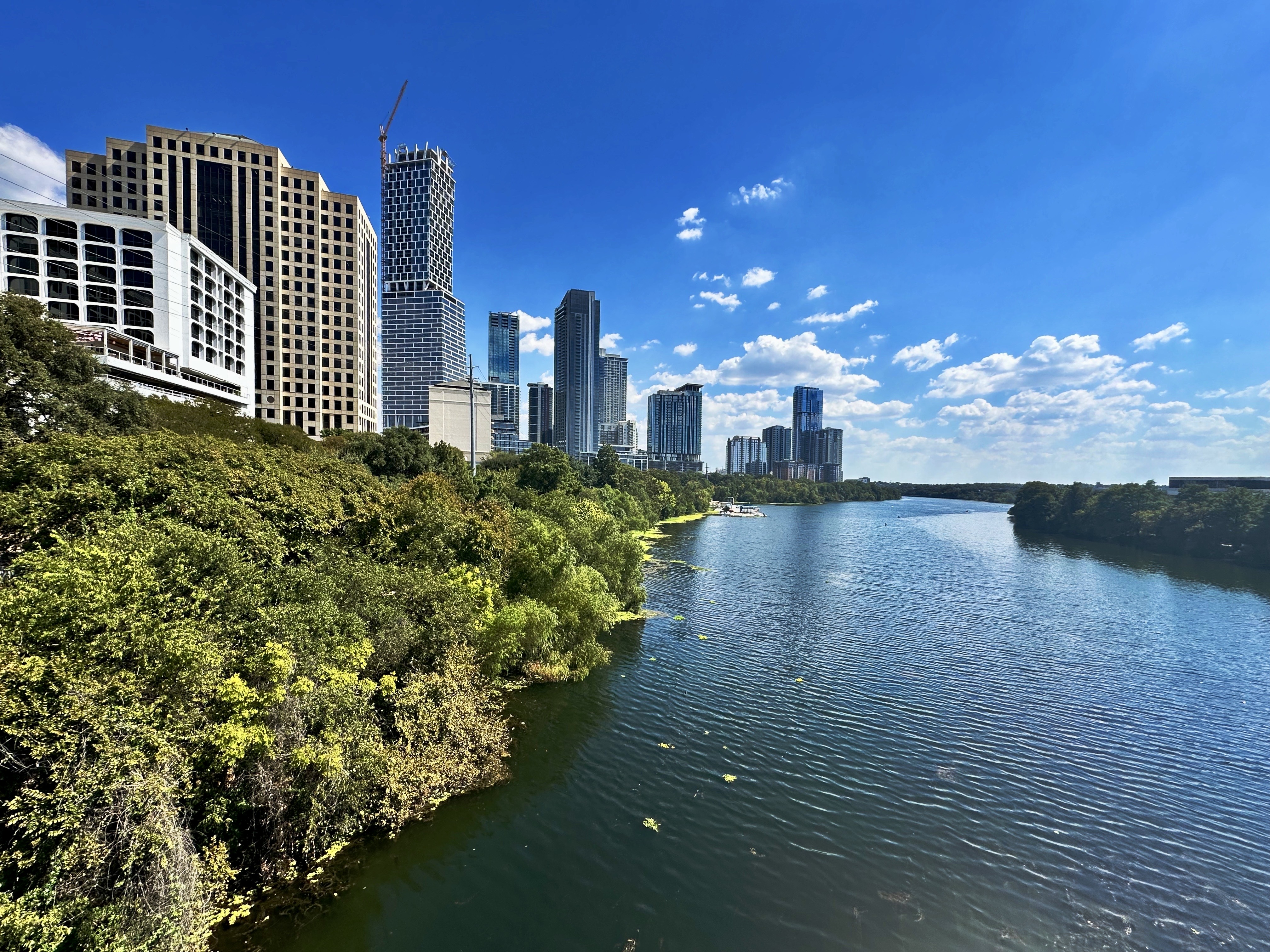
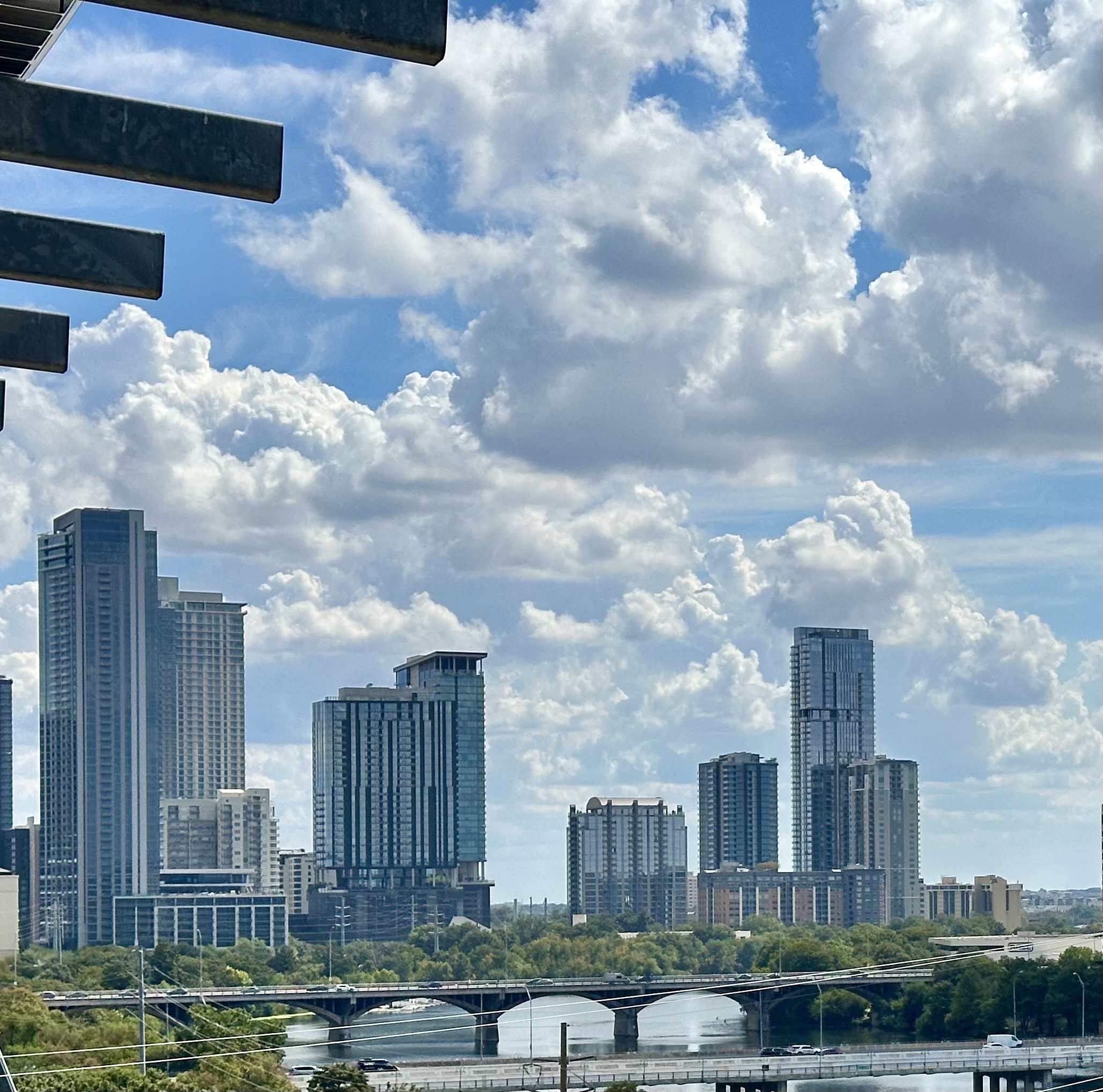
ATX is a fast growing technology center; the downtown skyline is now dominated by shimmering steel and glass high rise towers. It also appears that the architects and owners of every new building are utilizing spires, curves, cantilevers and lighting in an attempt to create the most unique and brilliant design.
Pictured directly below second from left is The Independent. At the time the building was completed in 2019 it was the tallest residential tower west of the Mississippi River. The building pictured directly below on the left is the Frost Bank Tower which was visible from the rooftop pool at the citizenM – spectacular in the evening when the spires were lit.


We arrived in the late afternoon after a direct flight from Boston. We made our way from the airport via Uber to the citizenM hotel (see previous post for our review of the brand). The hotel is located in the heart of downtown enabling us to walk to many of our destinations.
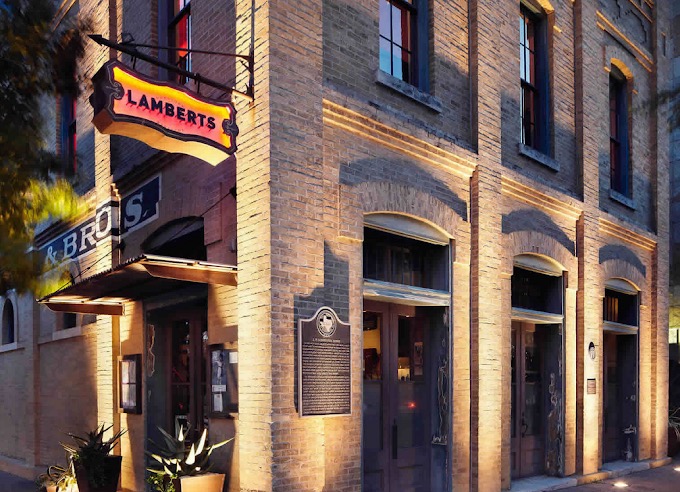
After freshening up we were quite ready for dinner and decided to start with barbecue – “fancy barbecue” – at Lamberts Downtown Barbecue. Lamberts is located in the 2nd Street District (a short walk from the hotel) in a handsome brick building constructed in 1873. The building was originally a dry goods store (The Schneider Store) which operated in the building until 1935.

We had a delightful meal – the wild boar ribs pictured above were outrageously delicious – flavored with honey and sambal! We spoke to several life long Austinites and all concurred that Lamberts is the best barbecue in town. Check ! We do not know if it is the best, but we highly recommend Lamberts.


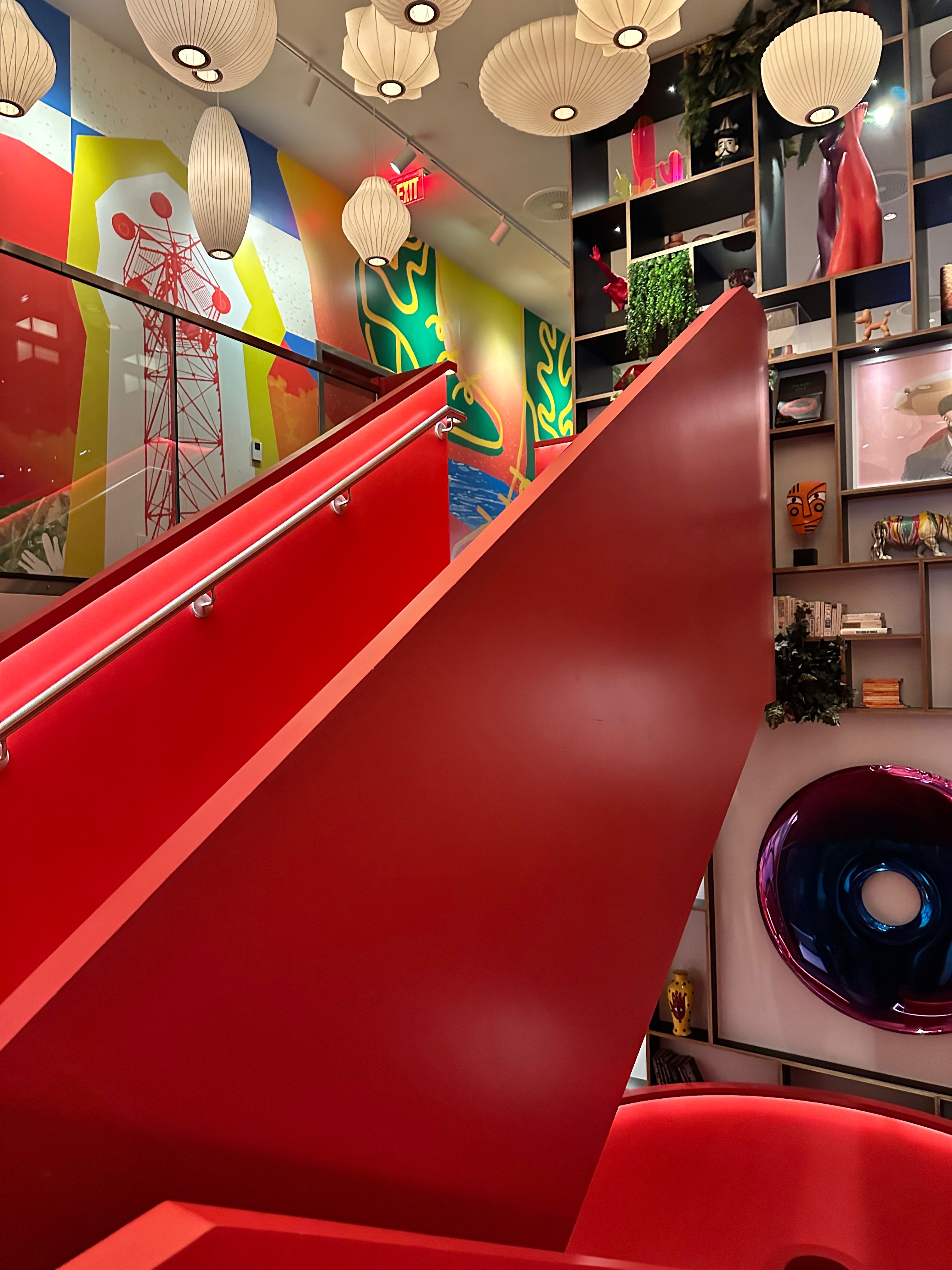
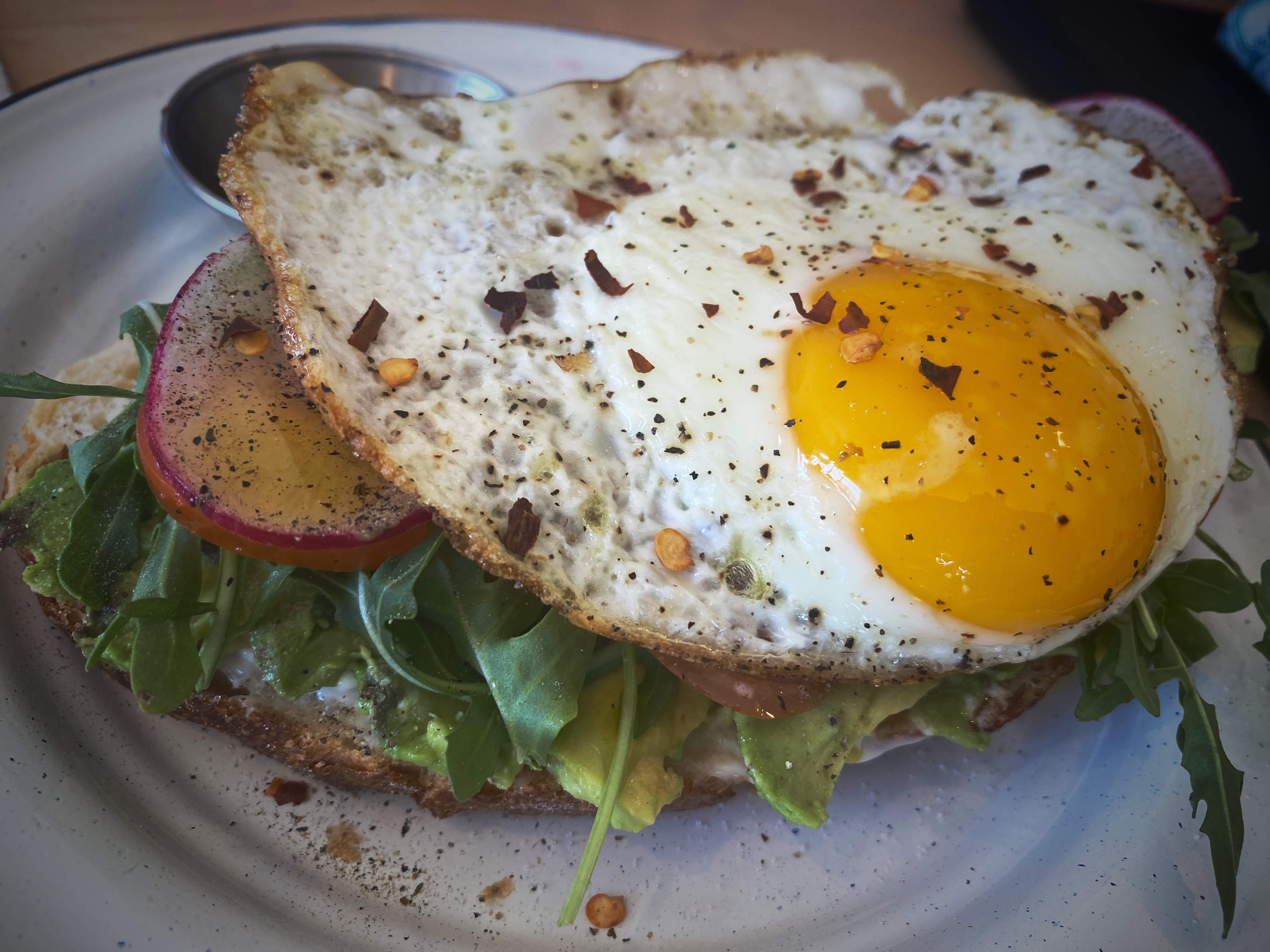
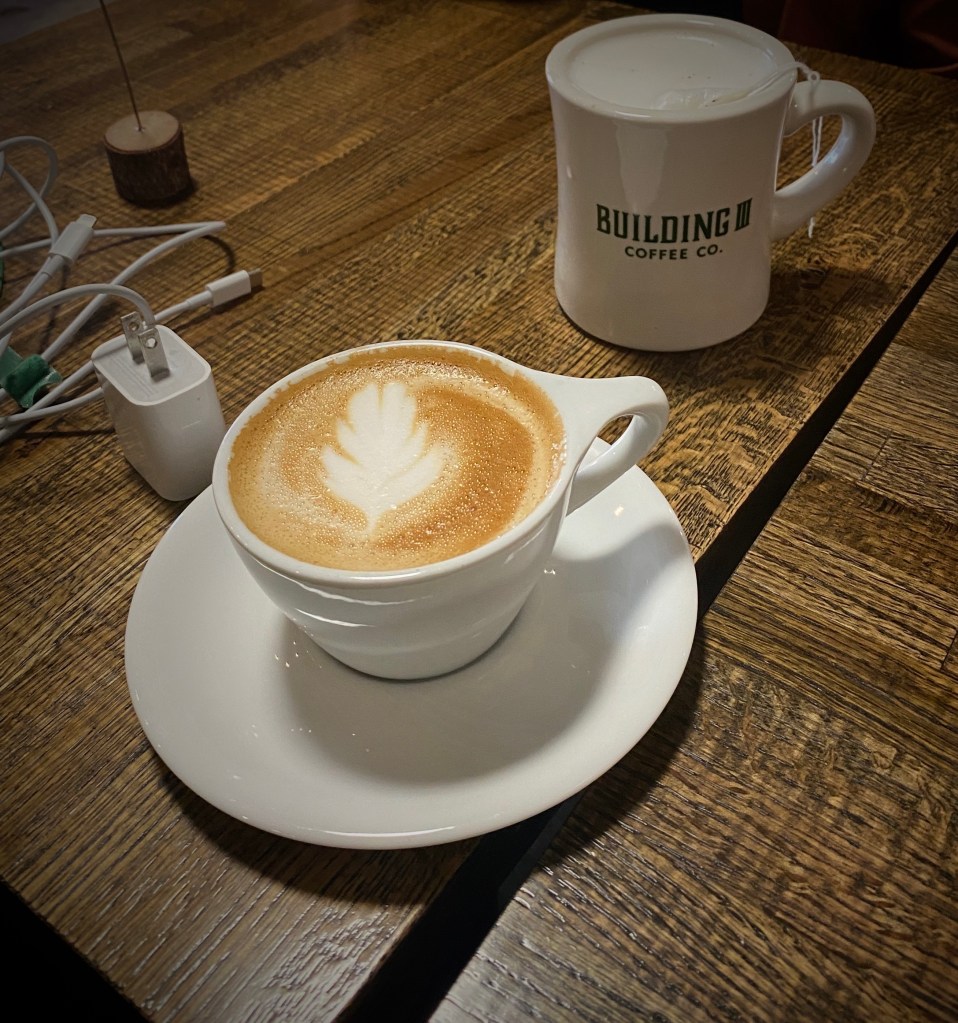
We started our first full day in ATX with breakfast and coffee/tea at the CanteenM in the hotel. After breakfast we departed for an ambitious first day of exploration.

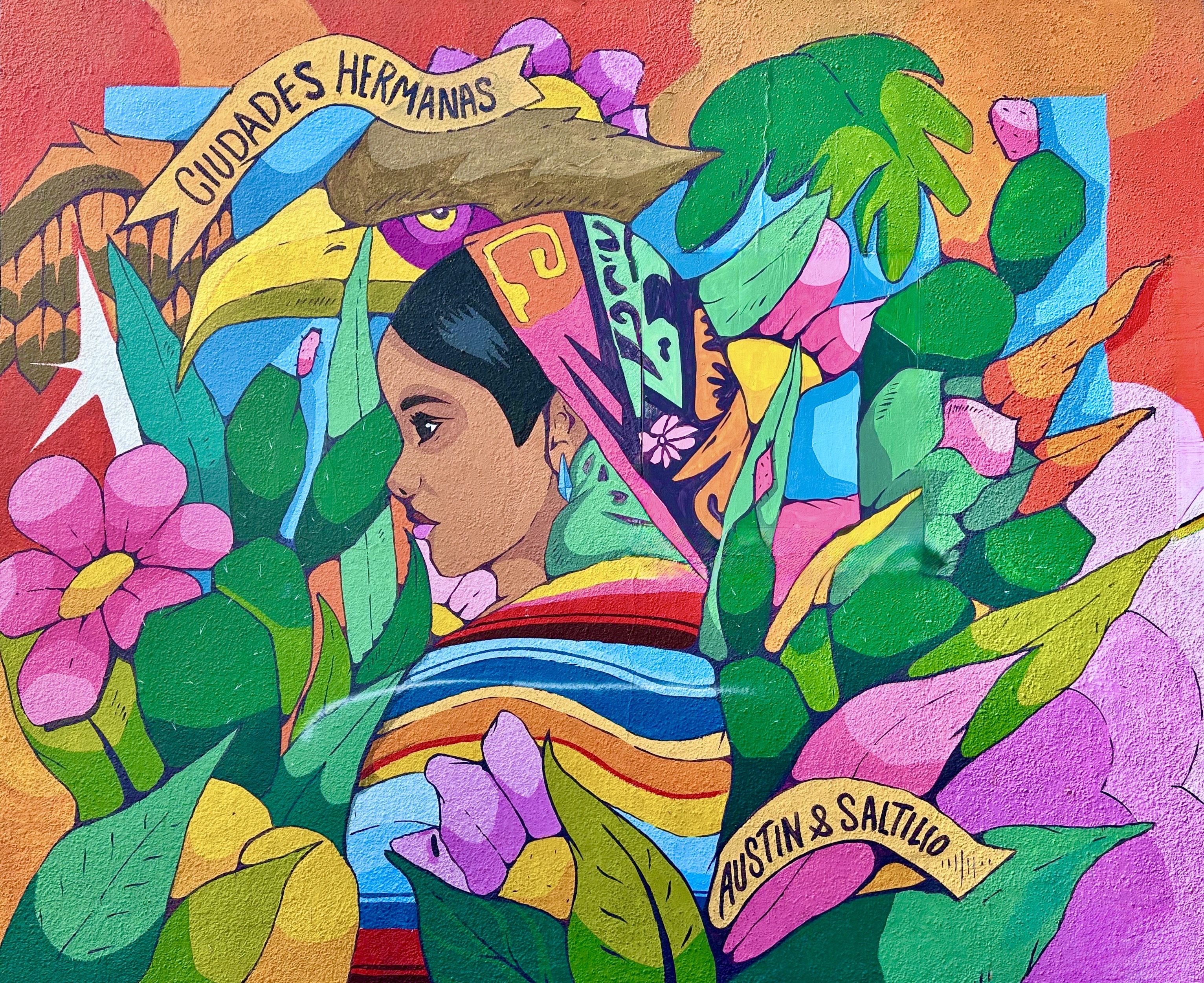
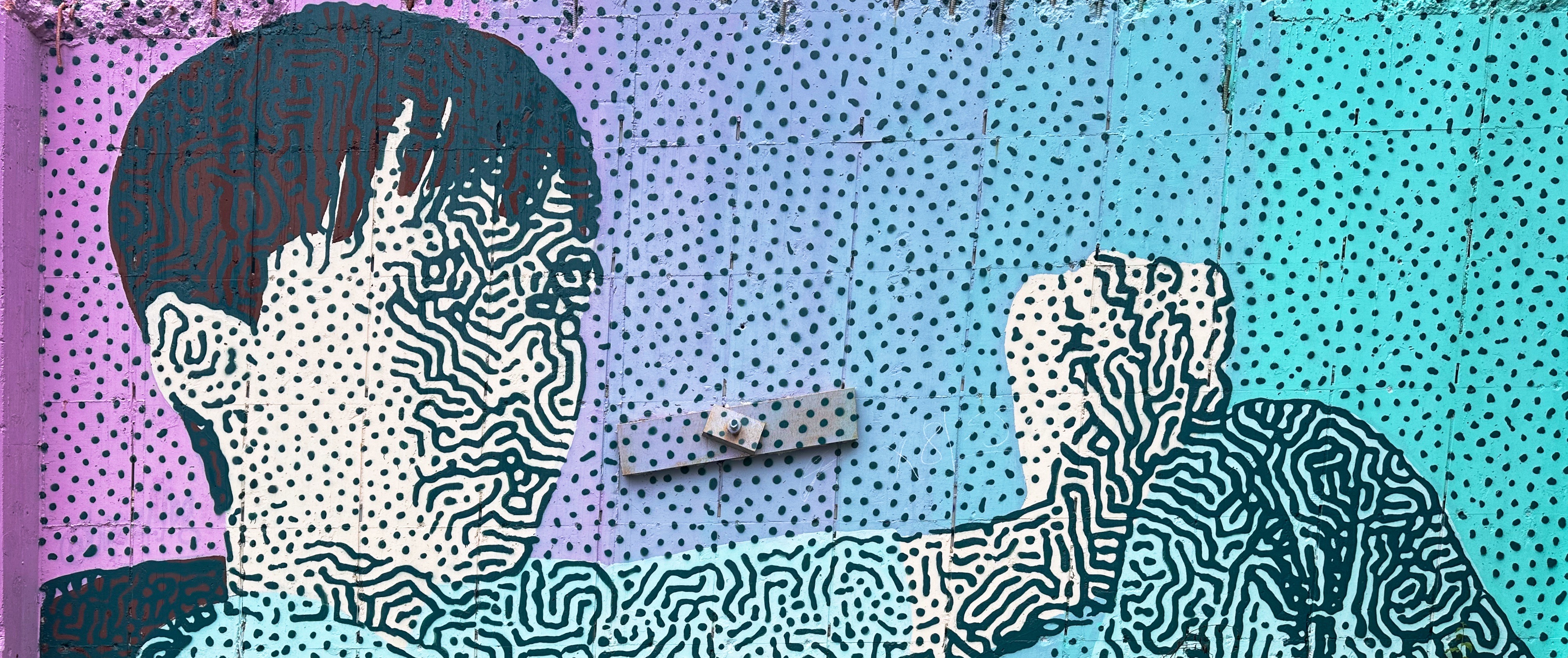
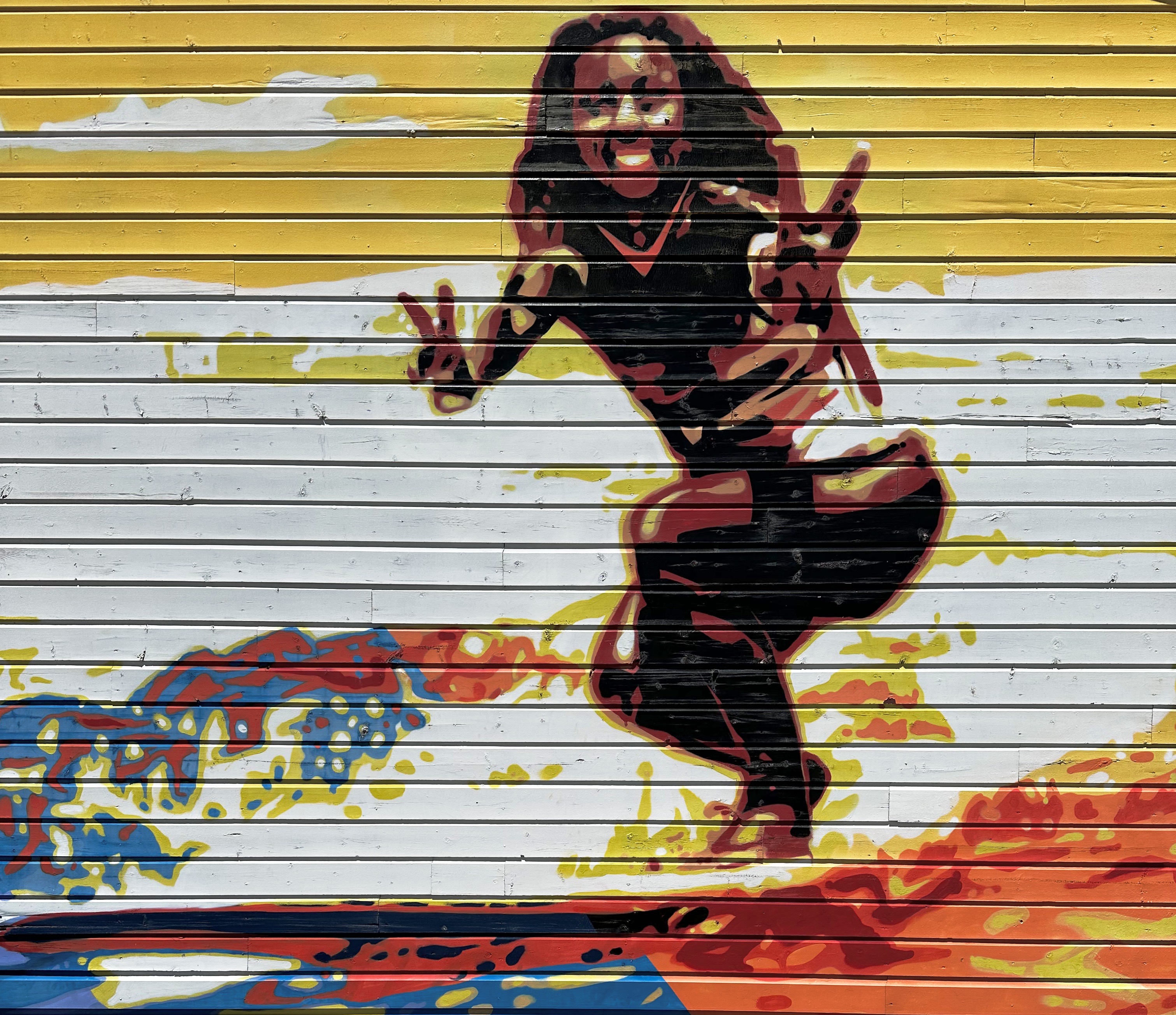
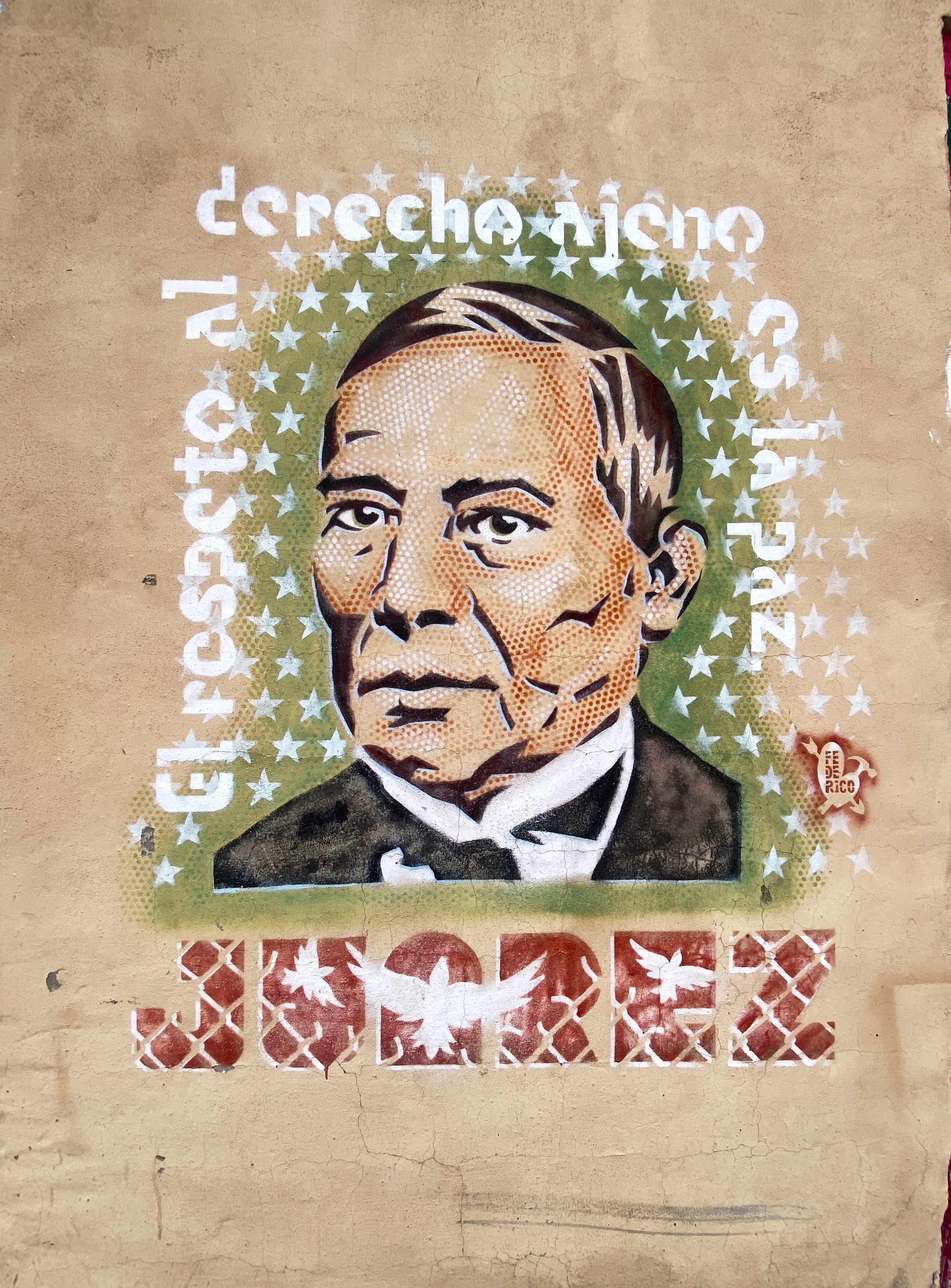
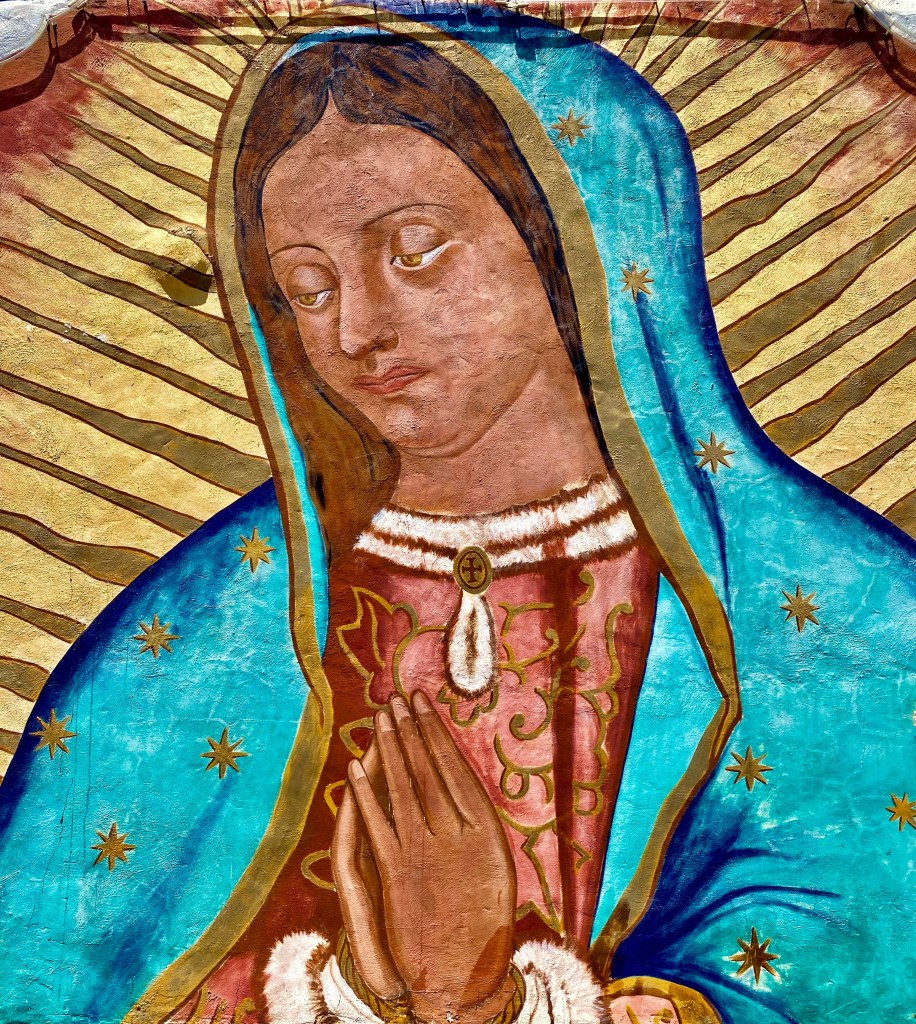
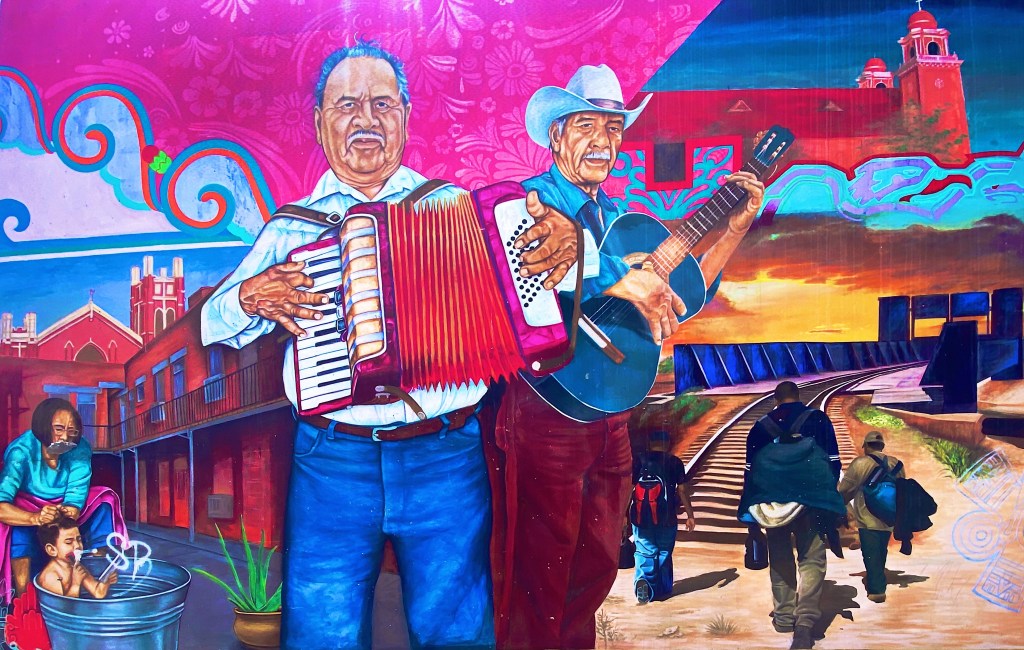
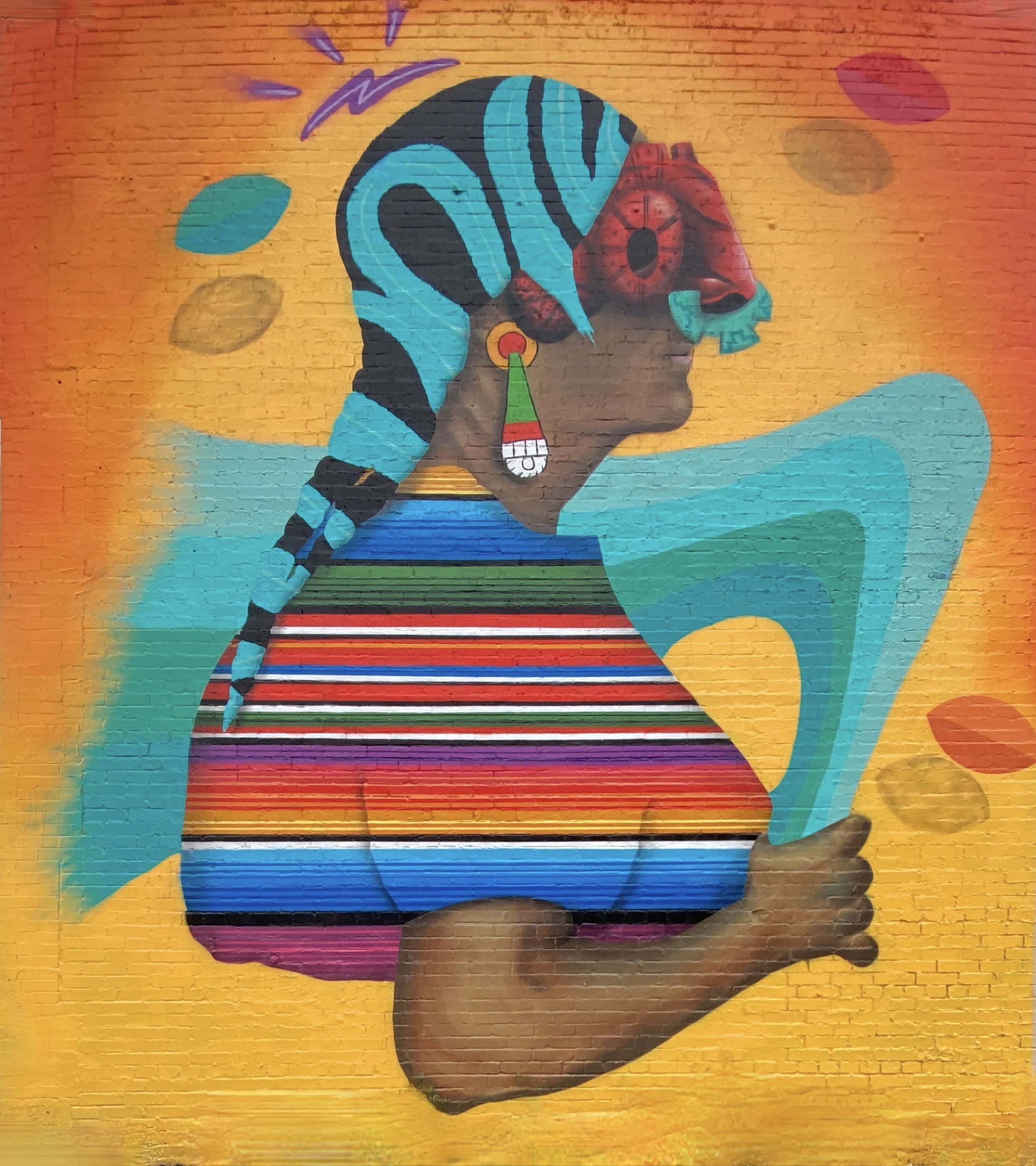
Our first stop was at the Mexic- Arte Museum. This museum features a small permanent collection supplemented by changing exhibitions. The Dia de los Muertos is a prominent theme. The two murals below are part of the museum’s rotating mural program. The murals are located on the outside 5th Street wall of the museum.


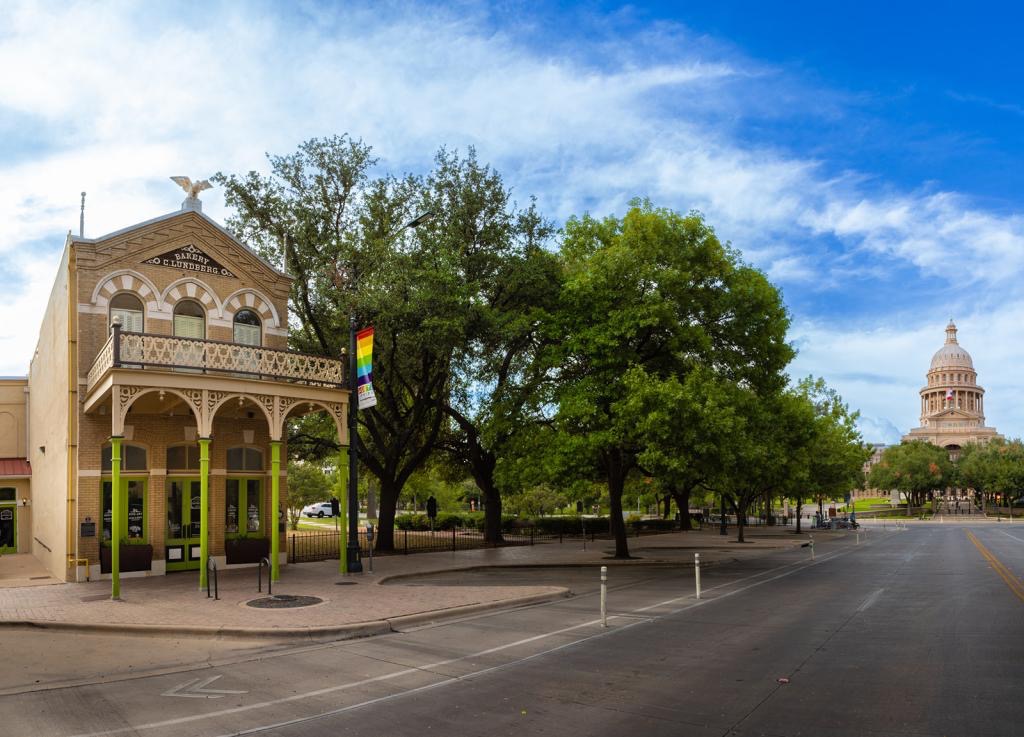
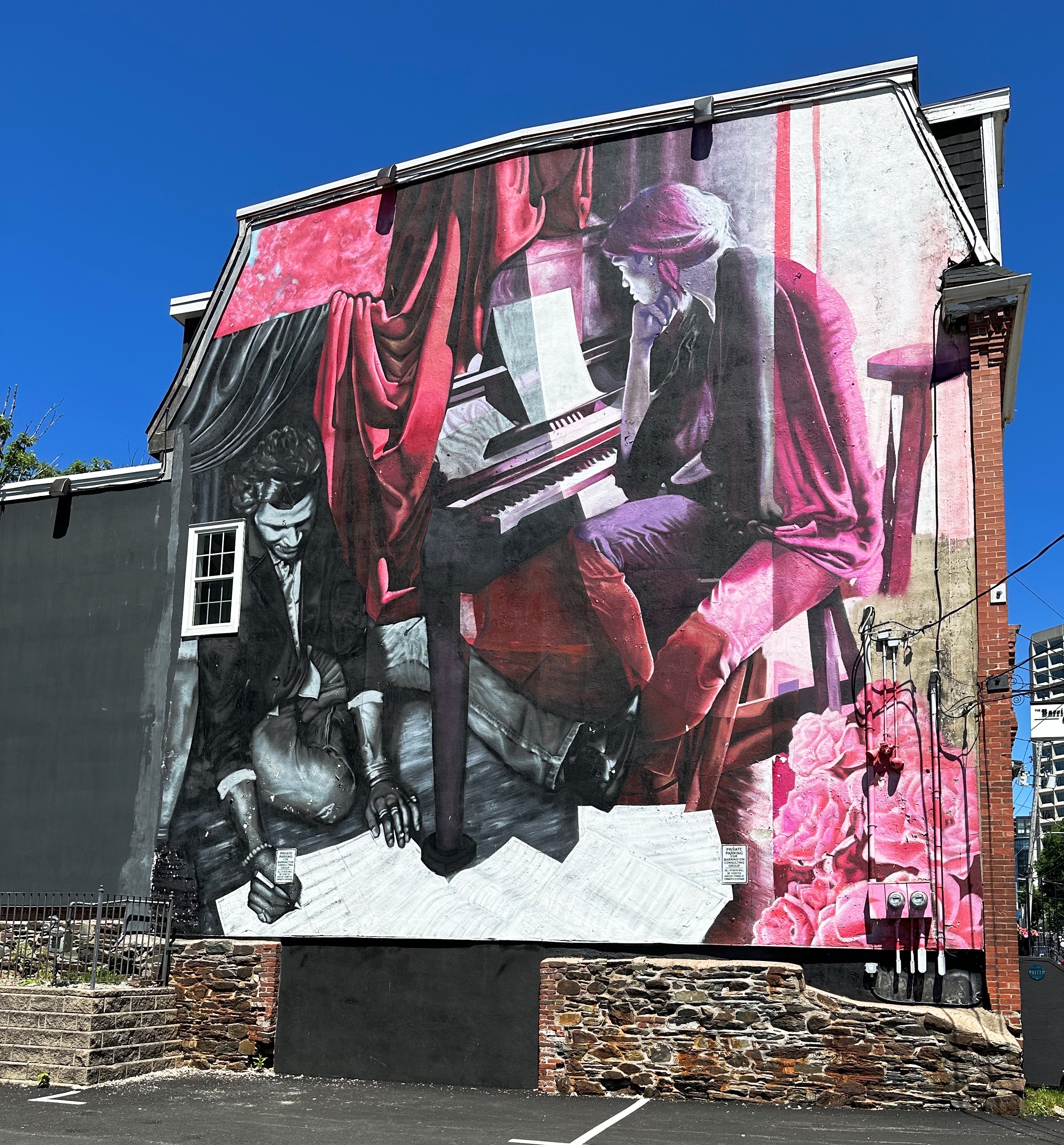
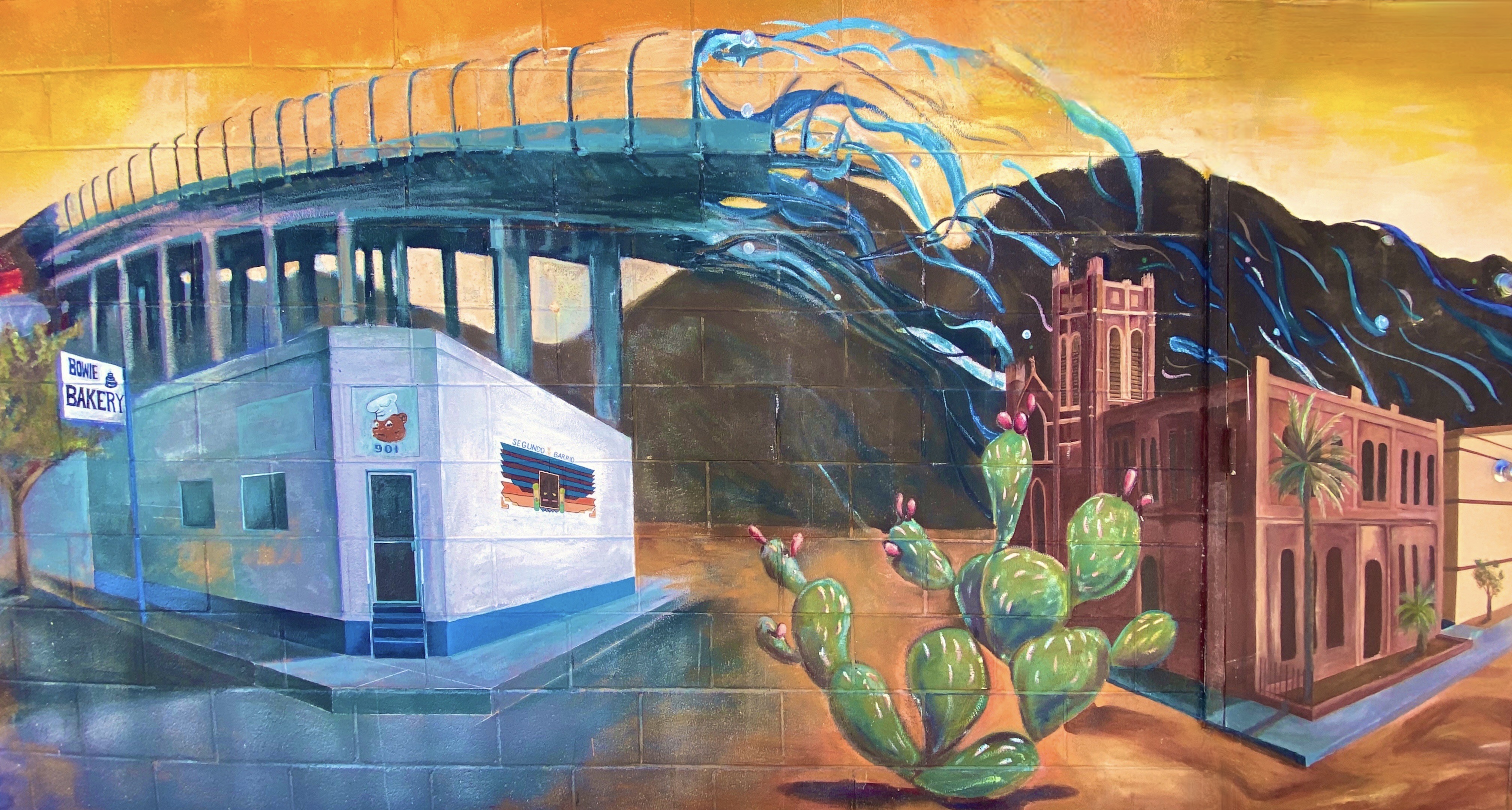
From the Mexic-Arte we walked north on Congress Avenue to the grounds of the state capitol. During our walk to the capitol building we found this lovely mural. The mural is painted on the south wall of the Old Bakery & Emporium. Information about the mural and the history of the building are contained in the link above.
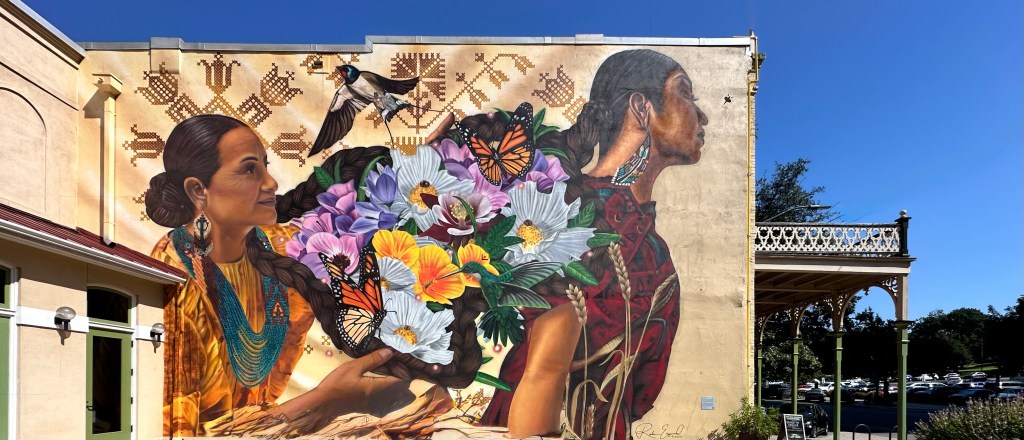
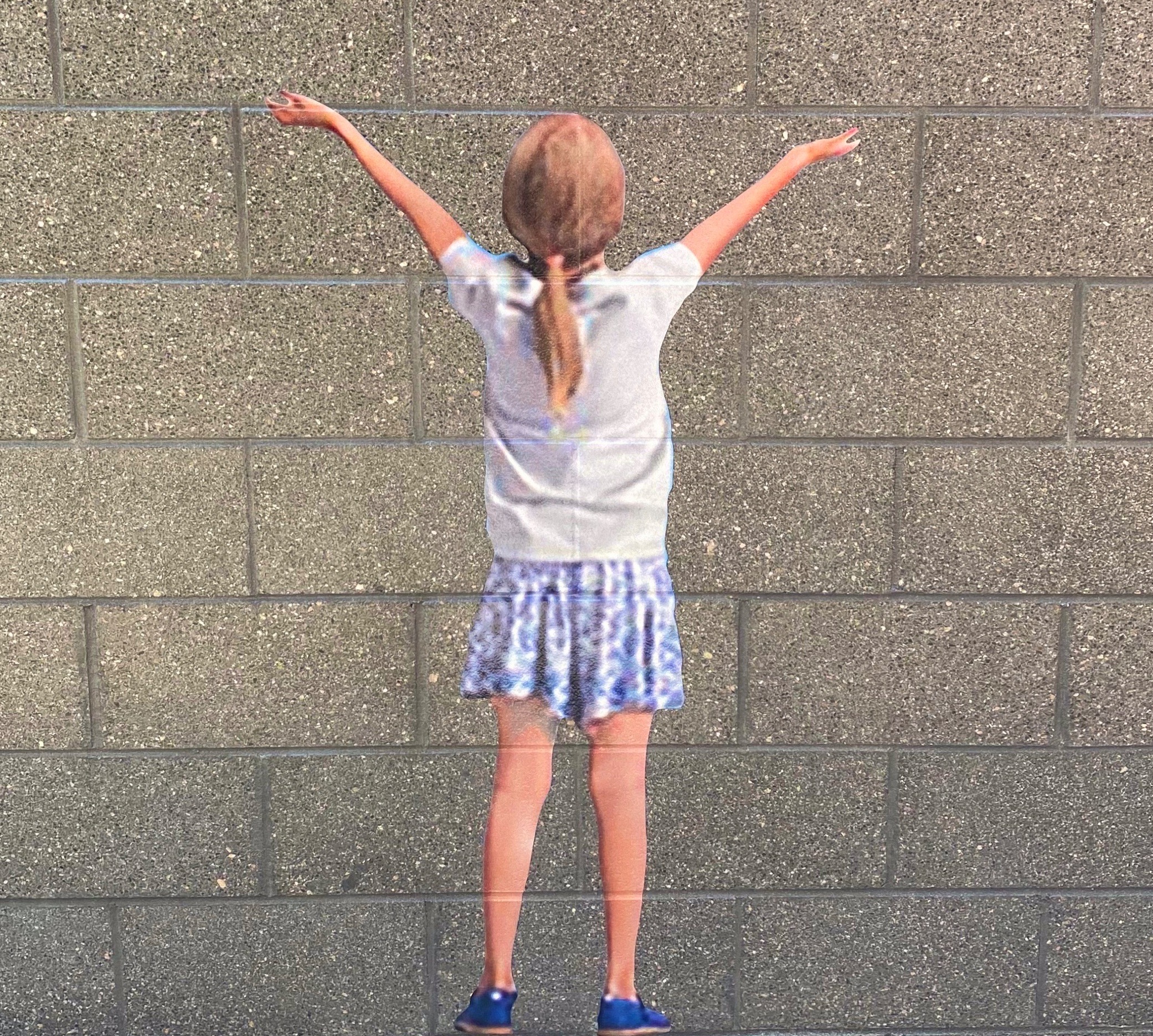
The photo of the mural below is the design we created for our upcoming Street Art Tourist book featuring mural photographs from ATX.

The Texas State Capitol is open to the public, and volunteers lead guided tours several times each day. After clearing security we took the forty minute tour. Our guide was originally from Rhode Island but all in on his adopted state! He was humorous and knowledgable about the history of the capitol, the operation of the state government and the history of Texas. An article containing a brief history of the building (opened May 1888) is included in this link to Authentic Texas Magazine.
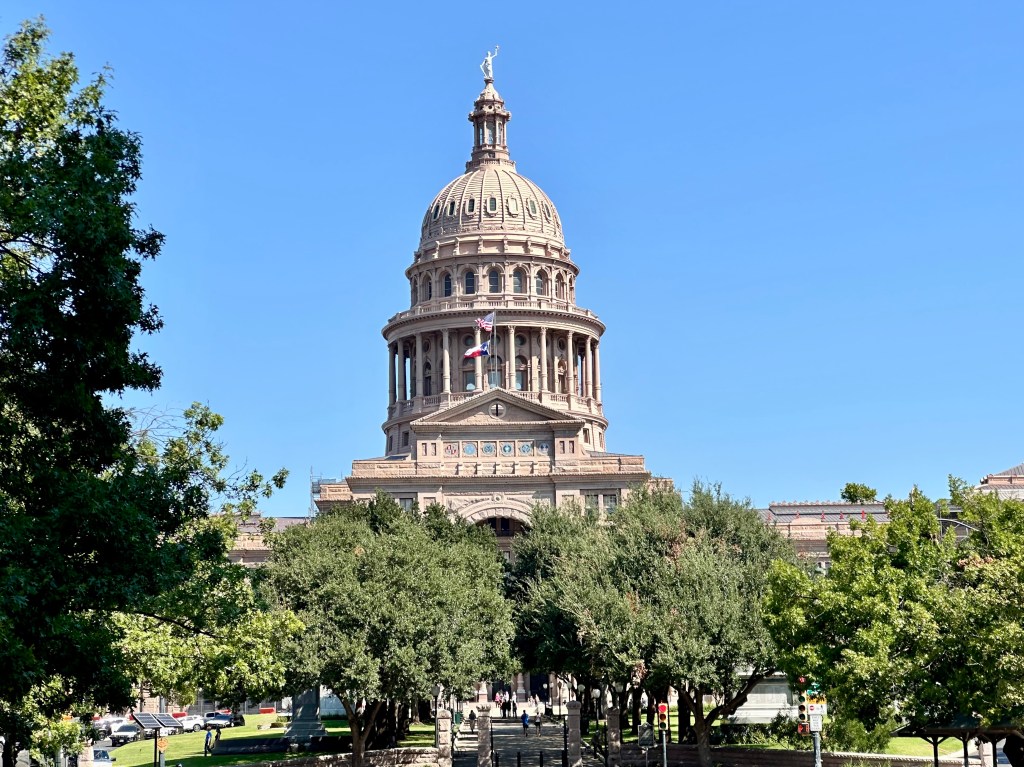
As we all know everything is bigger in Texas, our guide let us know right up front that the Texas State Capitol is 15 feet taller than the U.S. Capitol. It is also the largest state capitol based on square footage and the tallest. The dome pictured below rises 300 feet from the floor making it about 100 feet taller than the Statue of Liberty. It is actually an impressive structure.
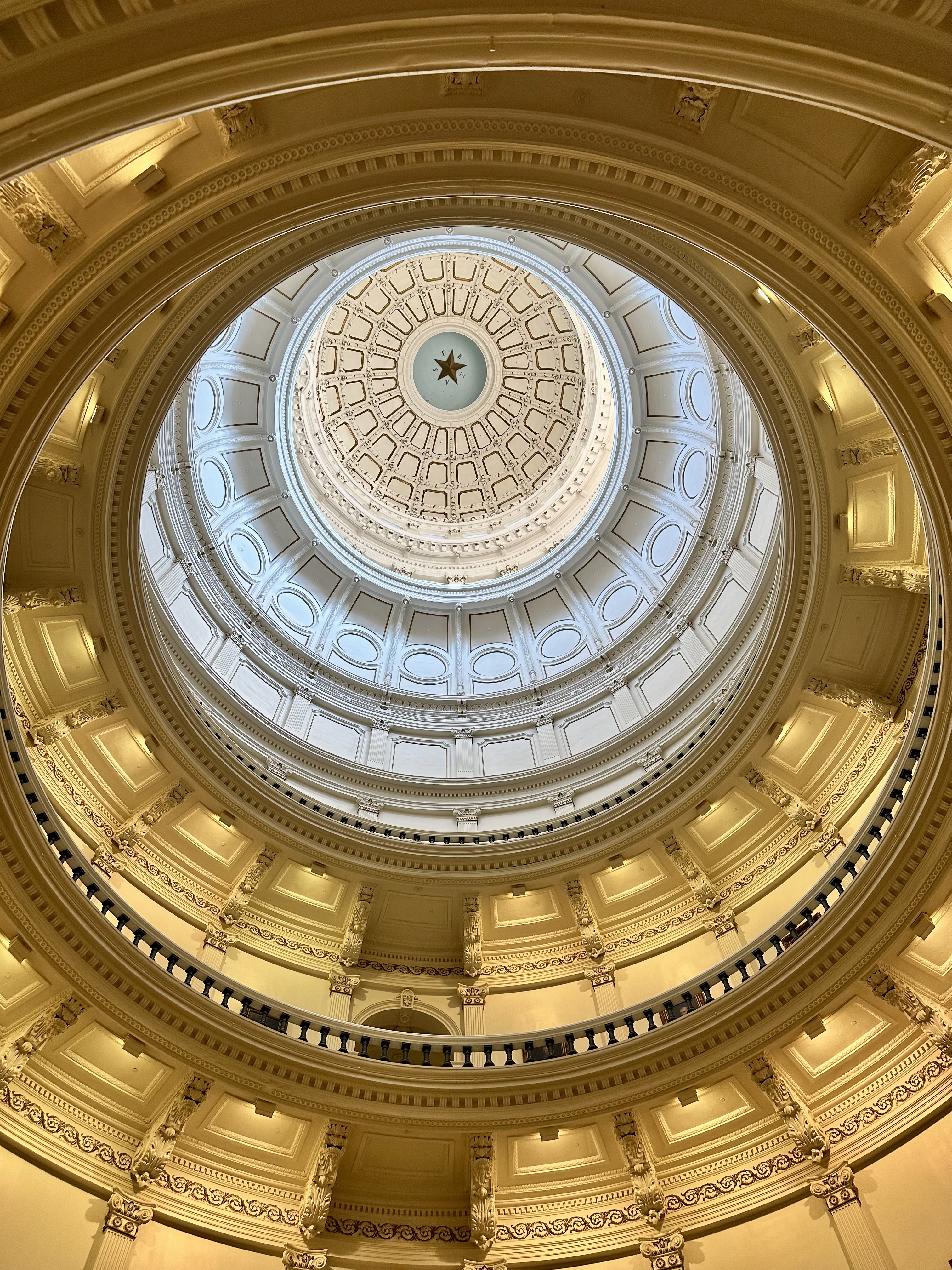

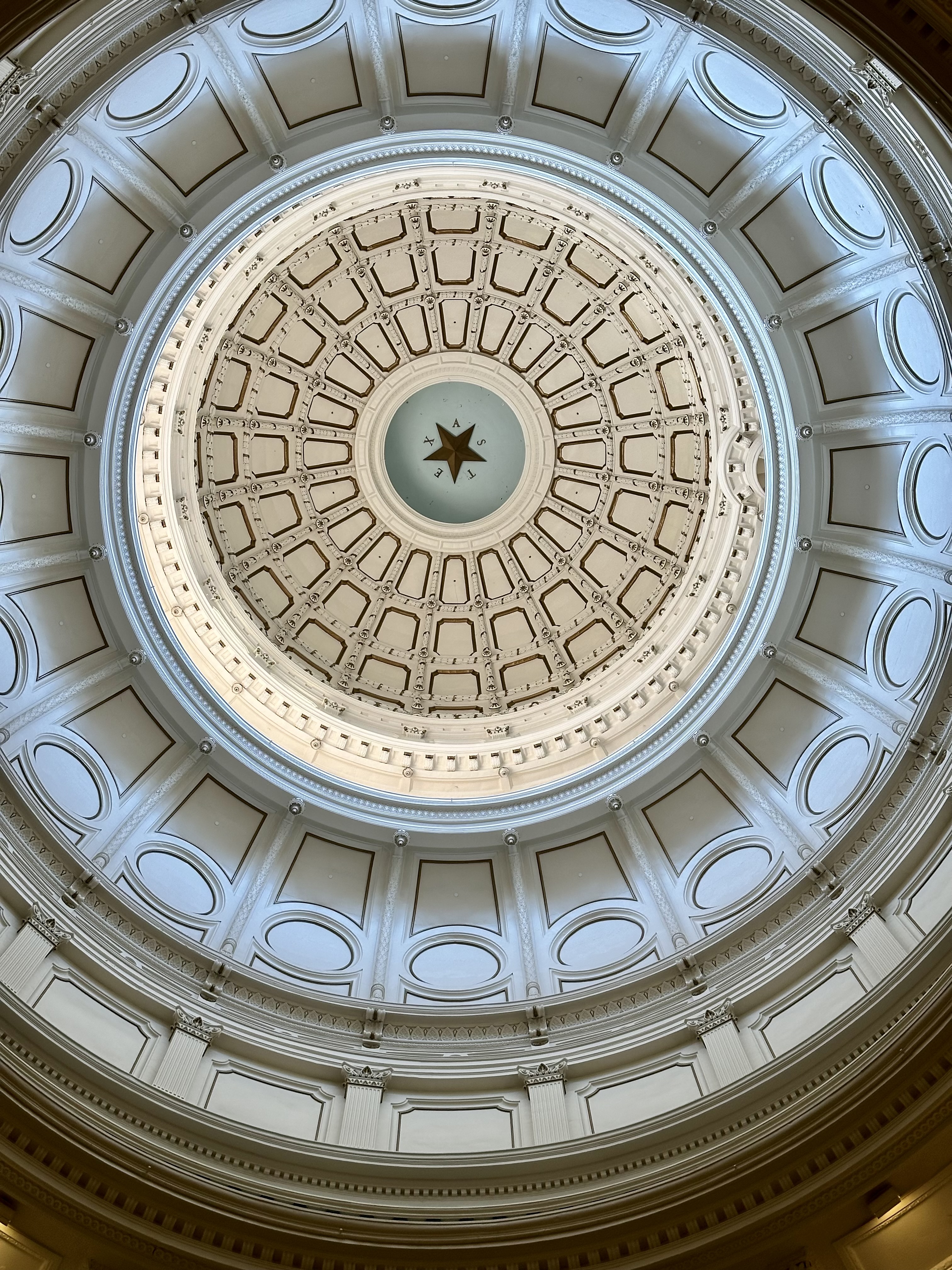

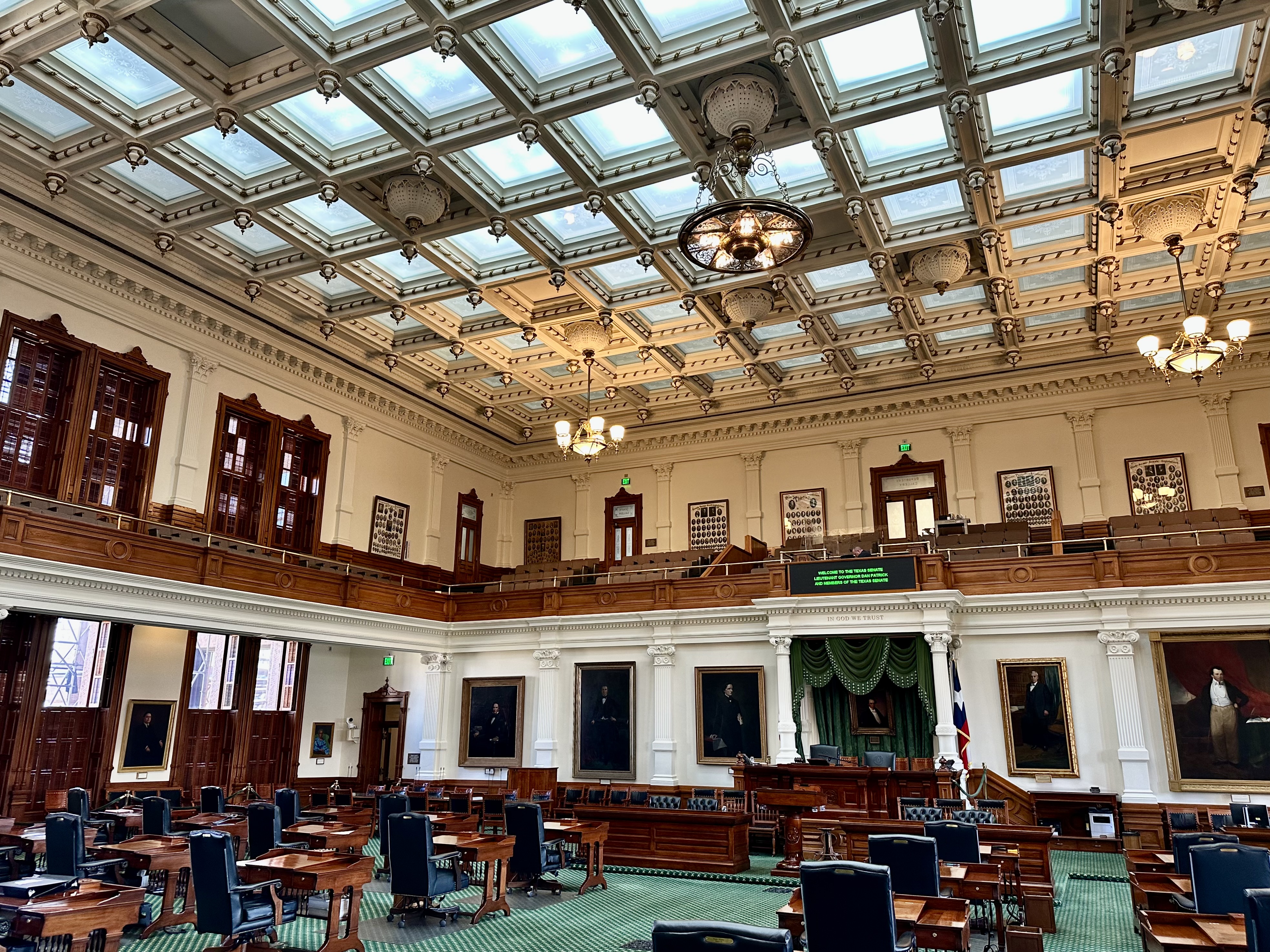
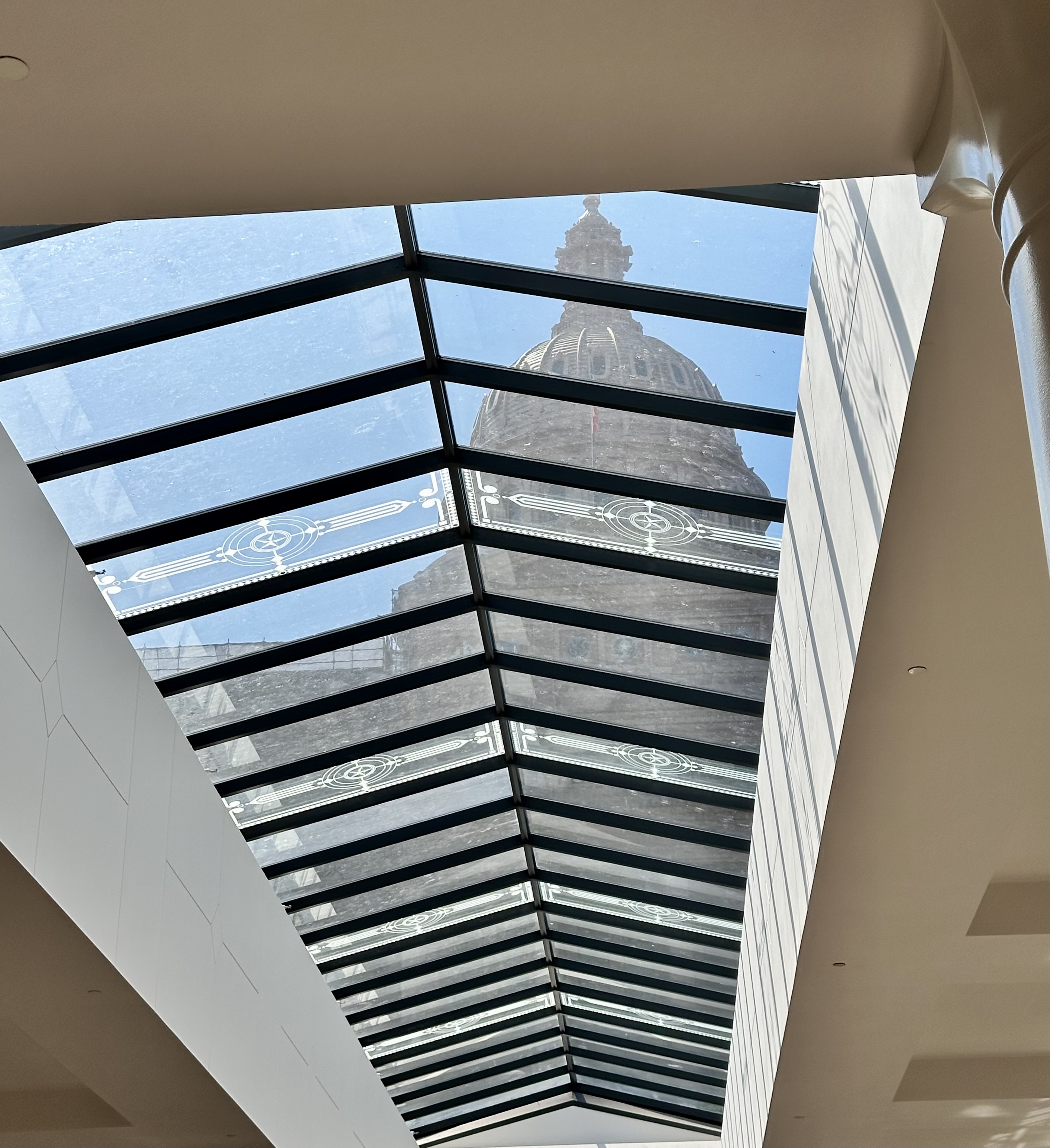
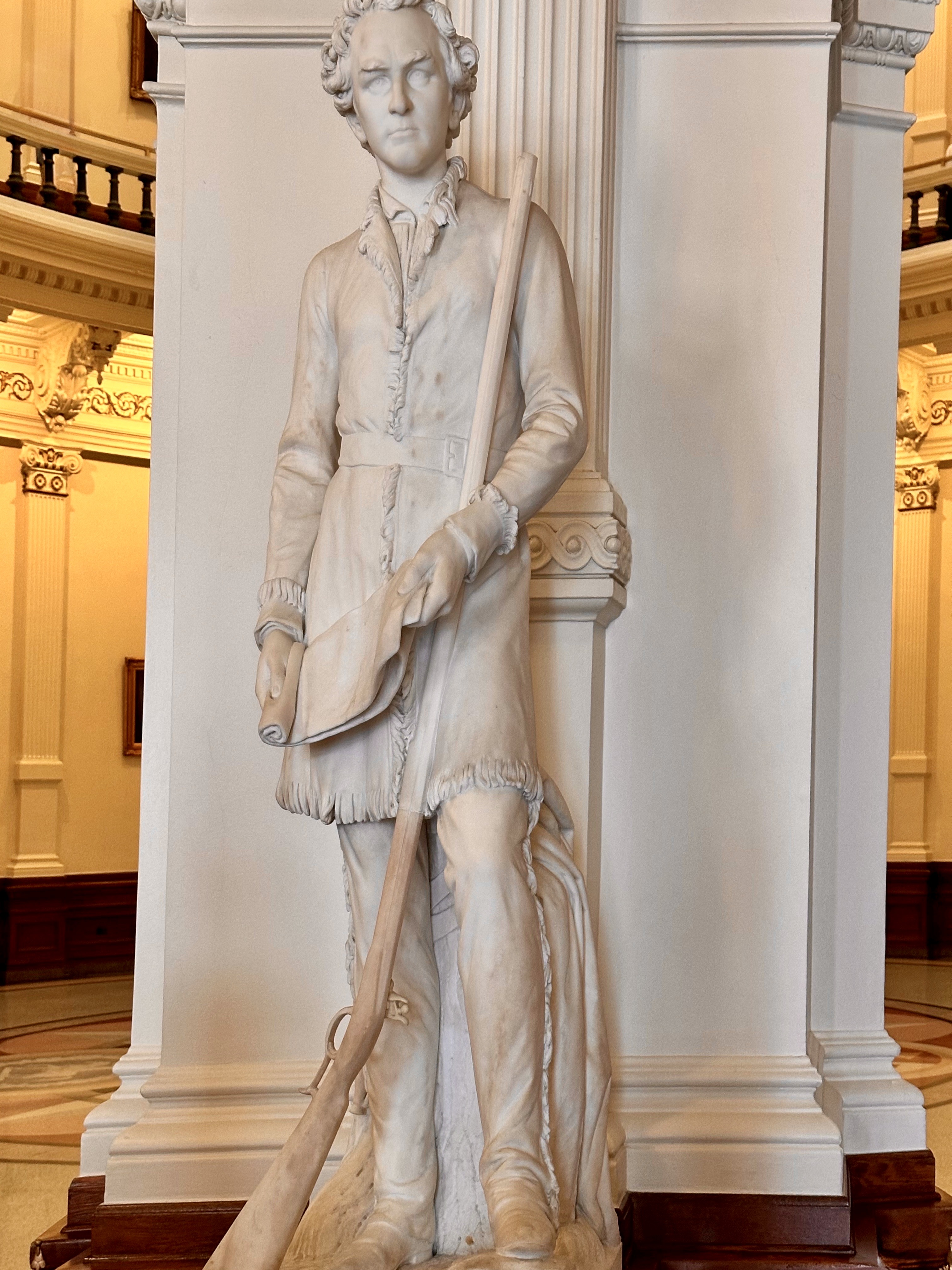
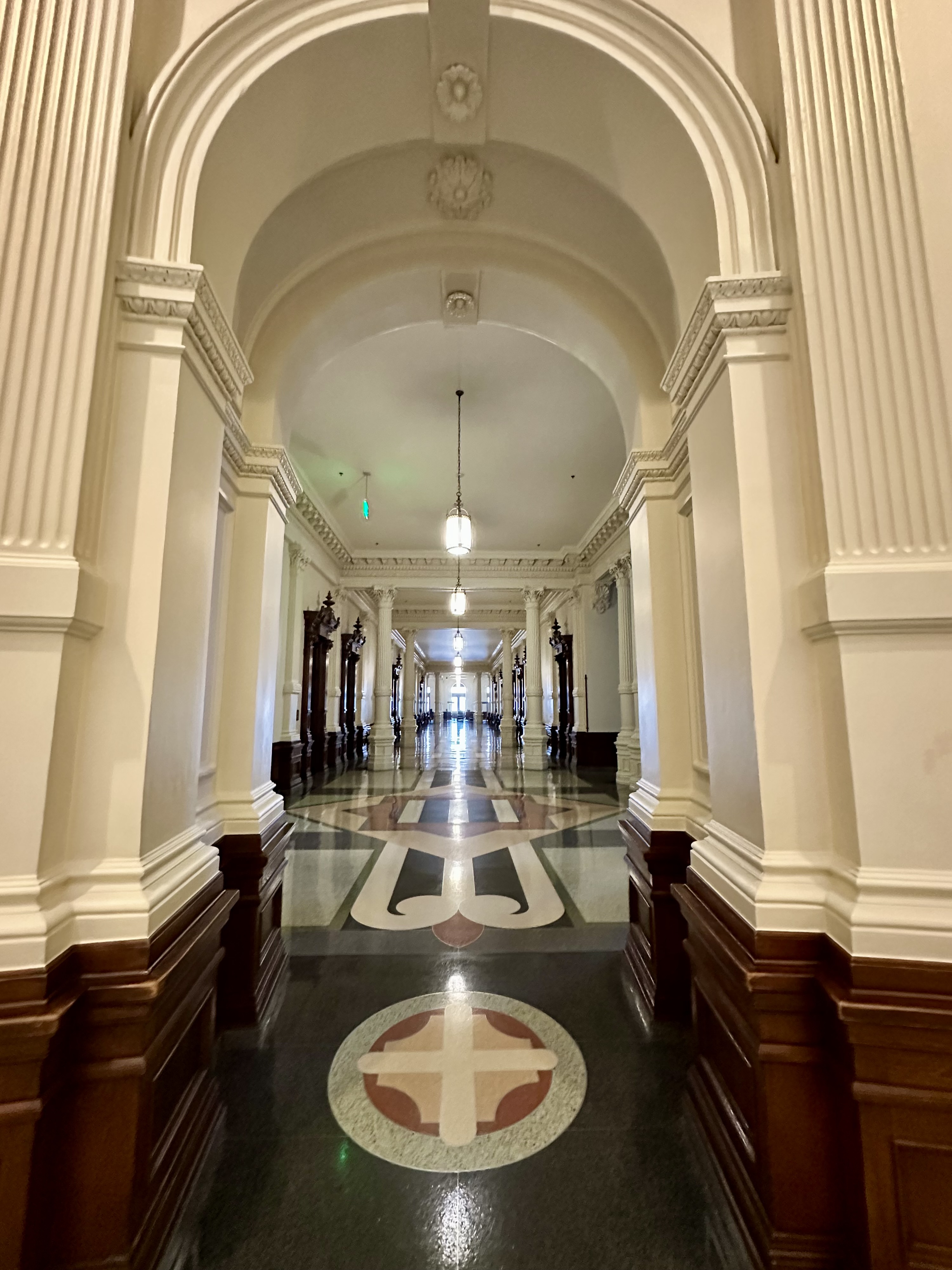
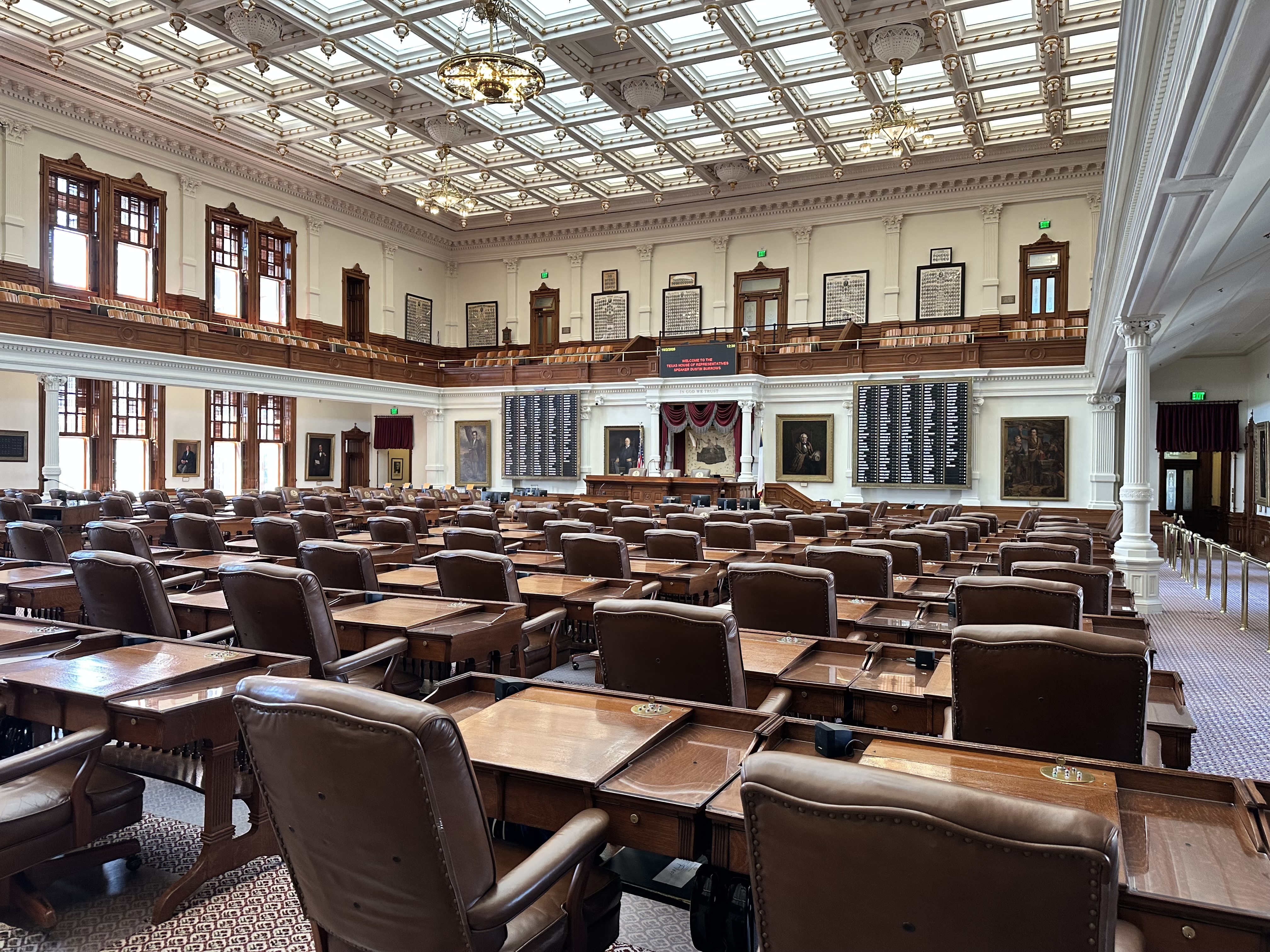

We think the state capitol is a worthwhile visit for the architecture alone. The history included in the tour is also interesting albeit the state’s subjugation of Native Americans and its slave economy were glossed over quickly. Remember, real Texans love Texas!

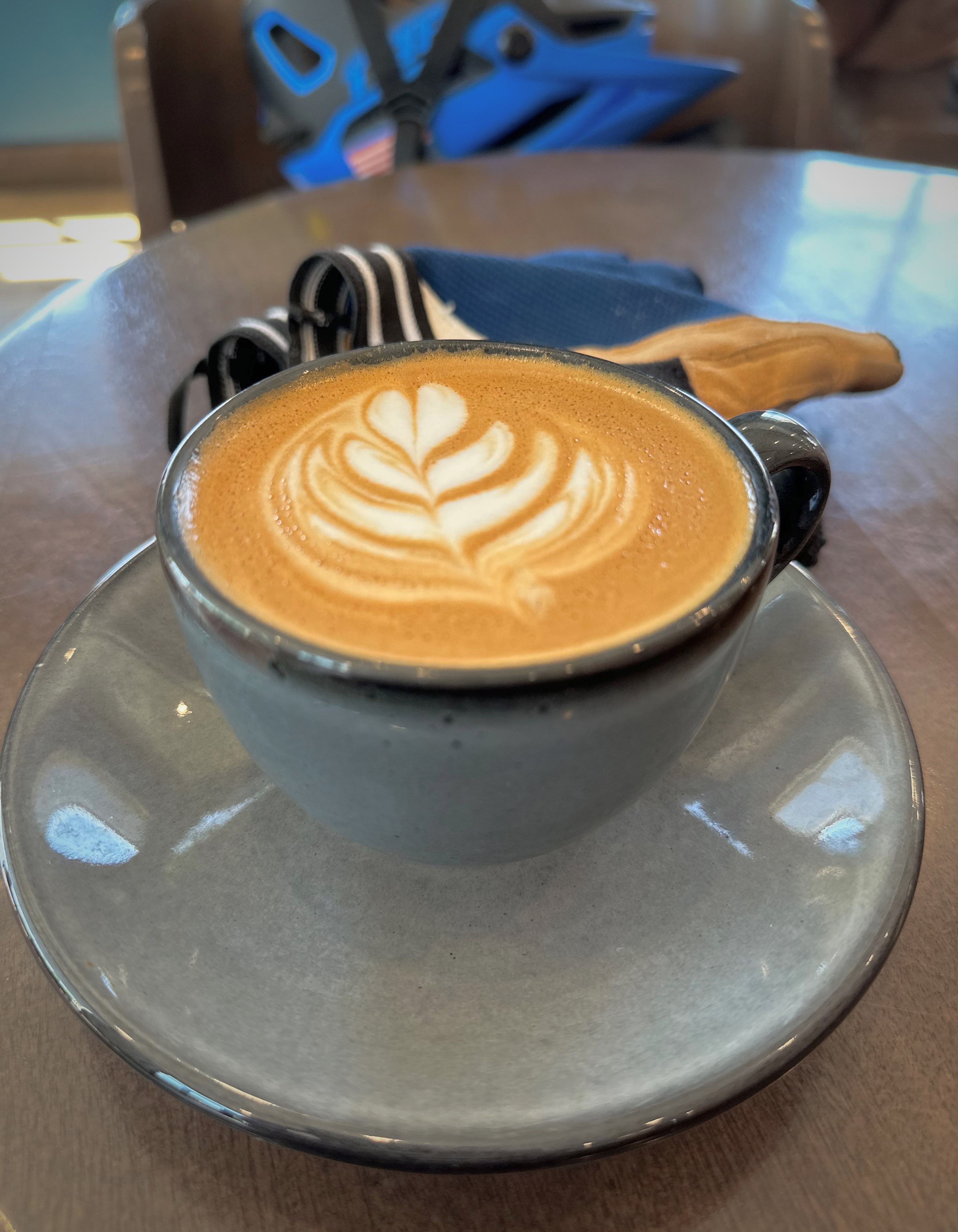
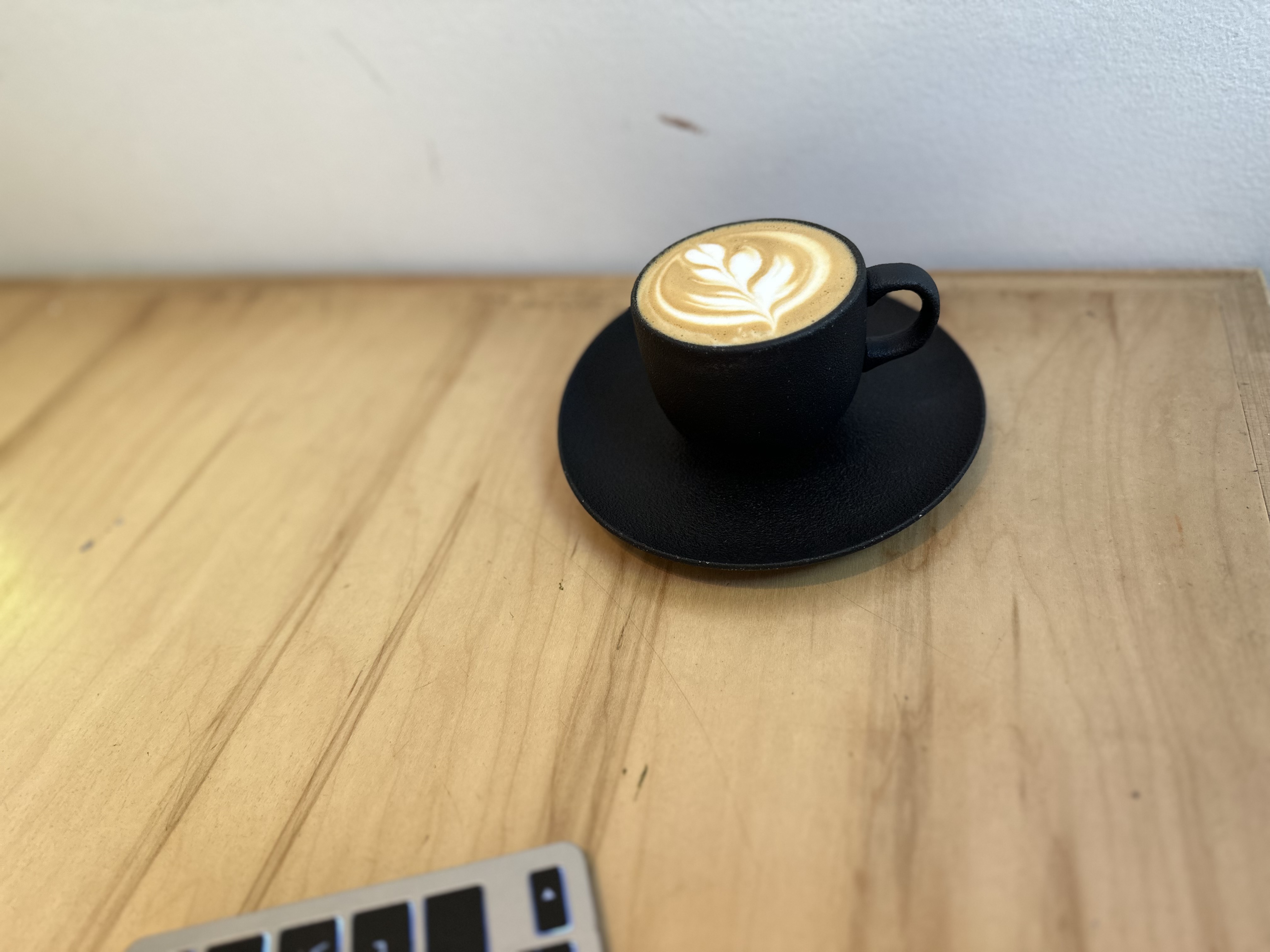
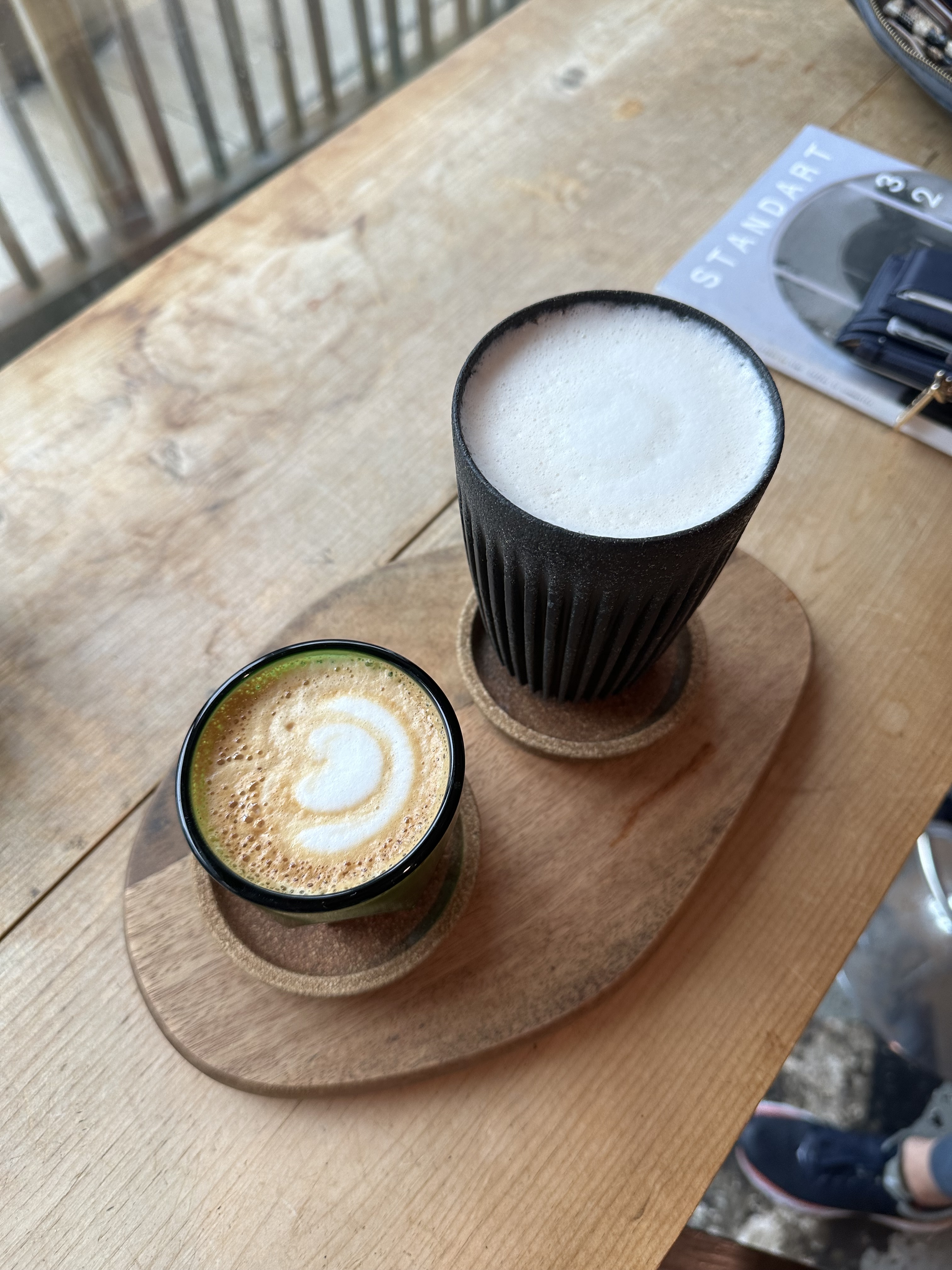
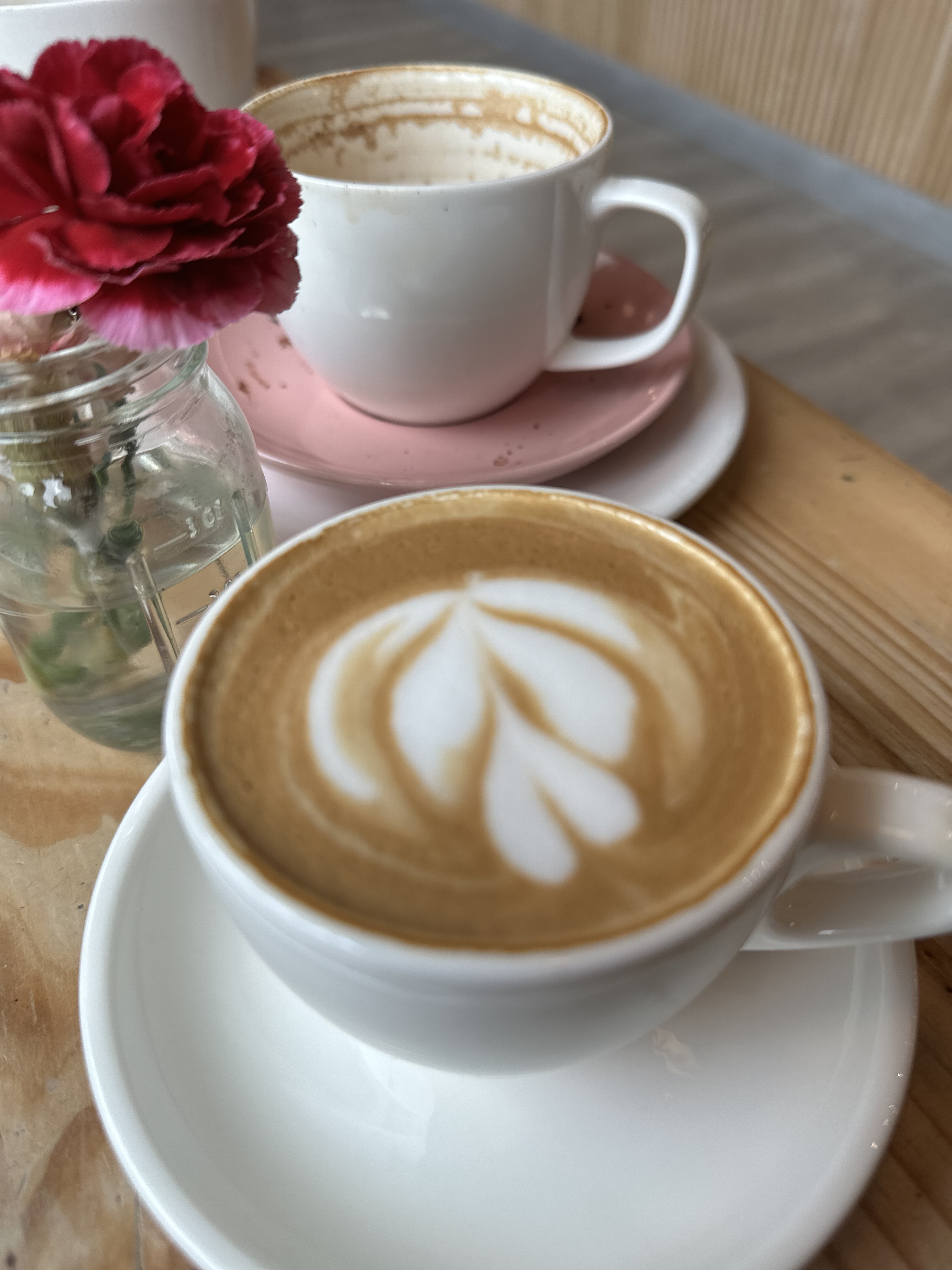
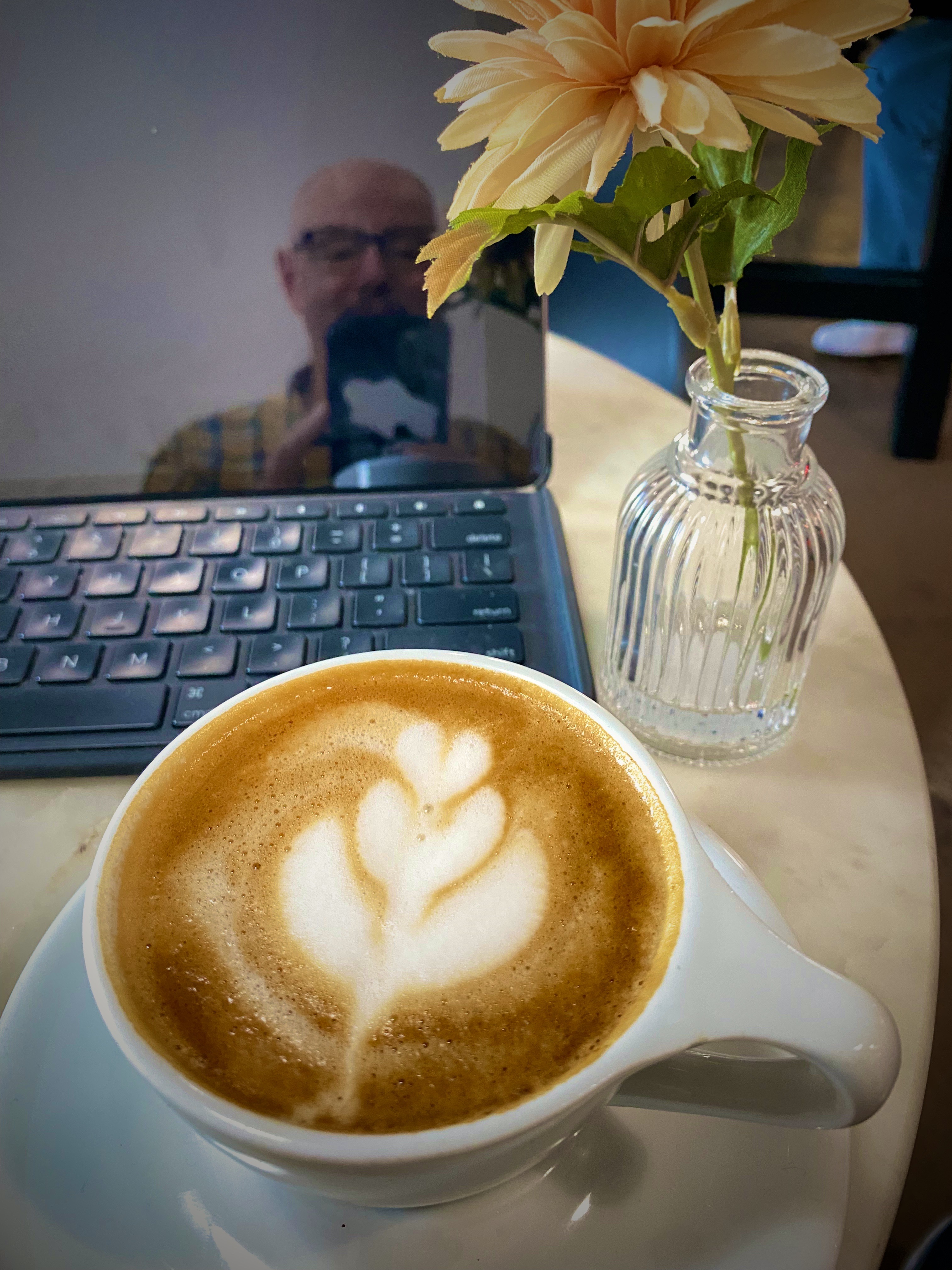
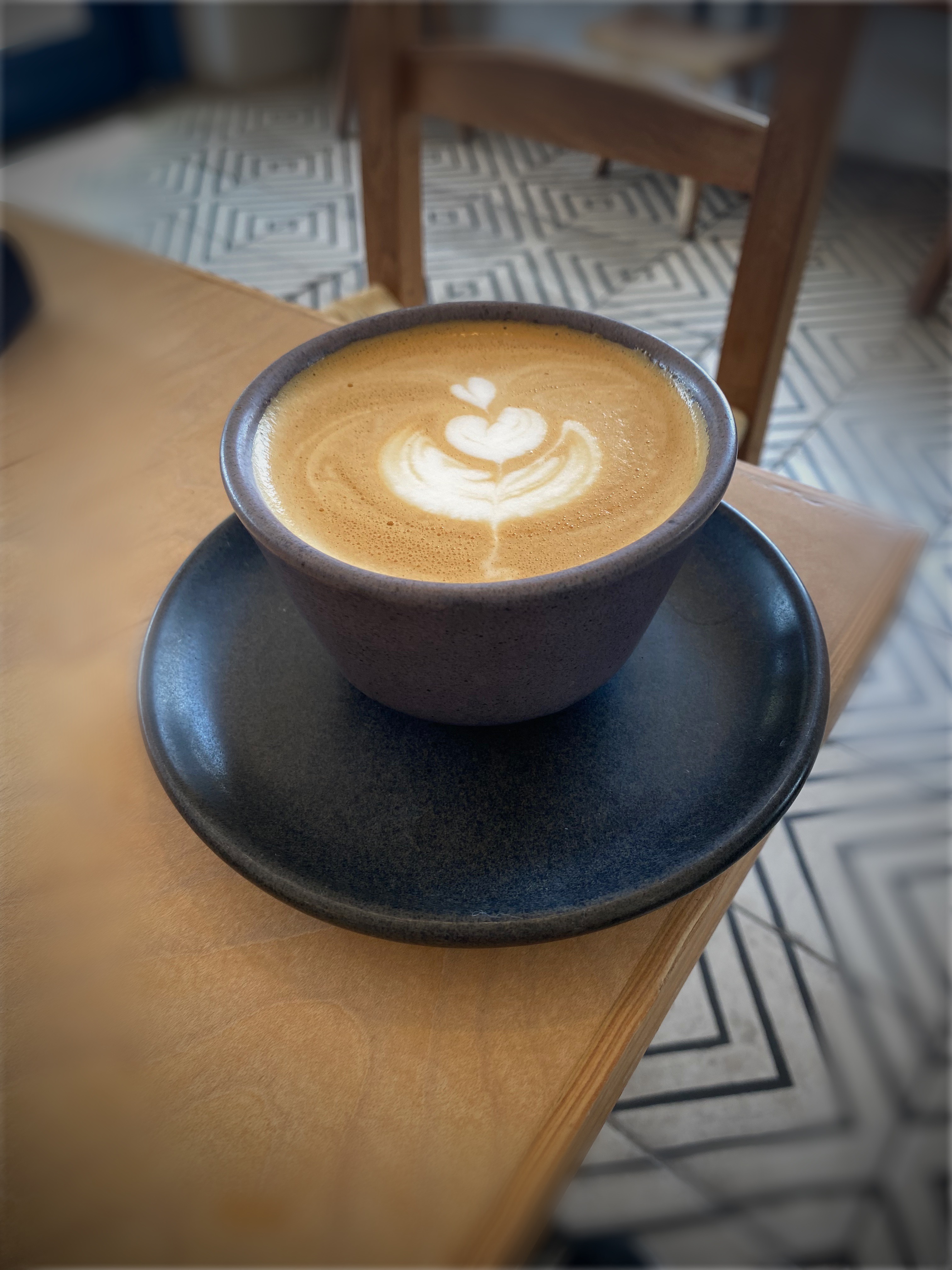
We decided to spend the afternoon exploring the South Congress (SoCo) area. However, before we headed across the Colorado River to SoCo we were in need of more coffee and tea and possibly a pastry or two. Houndstooth Coffee was perfectly placed on Congress just a short distance north of the bridge crossing the river. Thank you, Houndstooth.
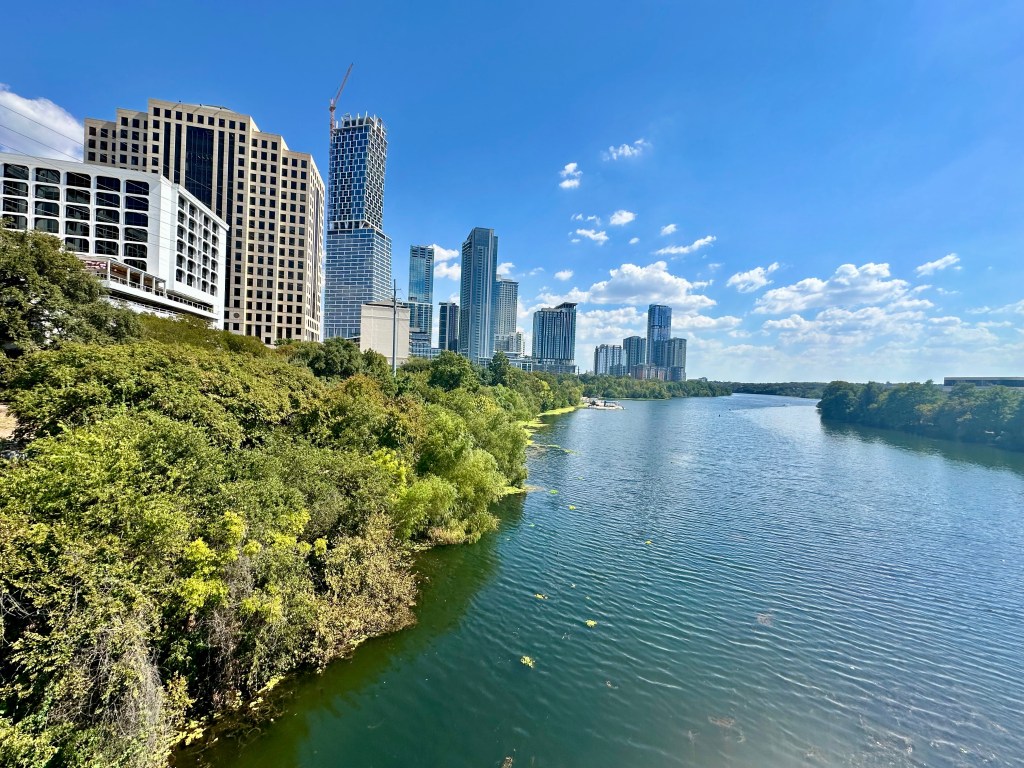
SoCo has been hipster central for the locals in ATX for several years. There are many eclectic shops, restaurants, bars, street vendors and street murals. However, having said that you can see that it is definitely becoming more touristy (guilty as charged) but not giving up on its Keep Austin Weird reputation.





After poking around the neighborhood, browsing in several of the shops and capturing some mural pics, we adjourned for lunch. We did our best to stay with the hipster flow and dined at Joann’s Fine Foods which is part of the Austin Motel. Joann’s serves what the owner describes as Tex Mex Diner fare. We had a delicious lunch and enjoyed the retro decor.


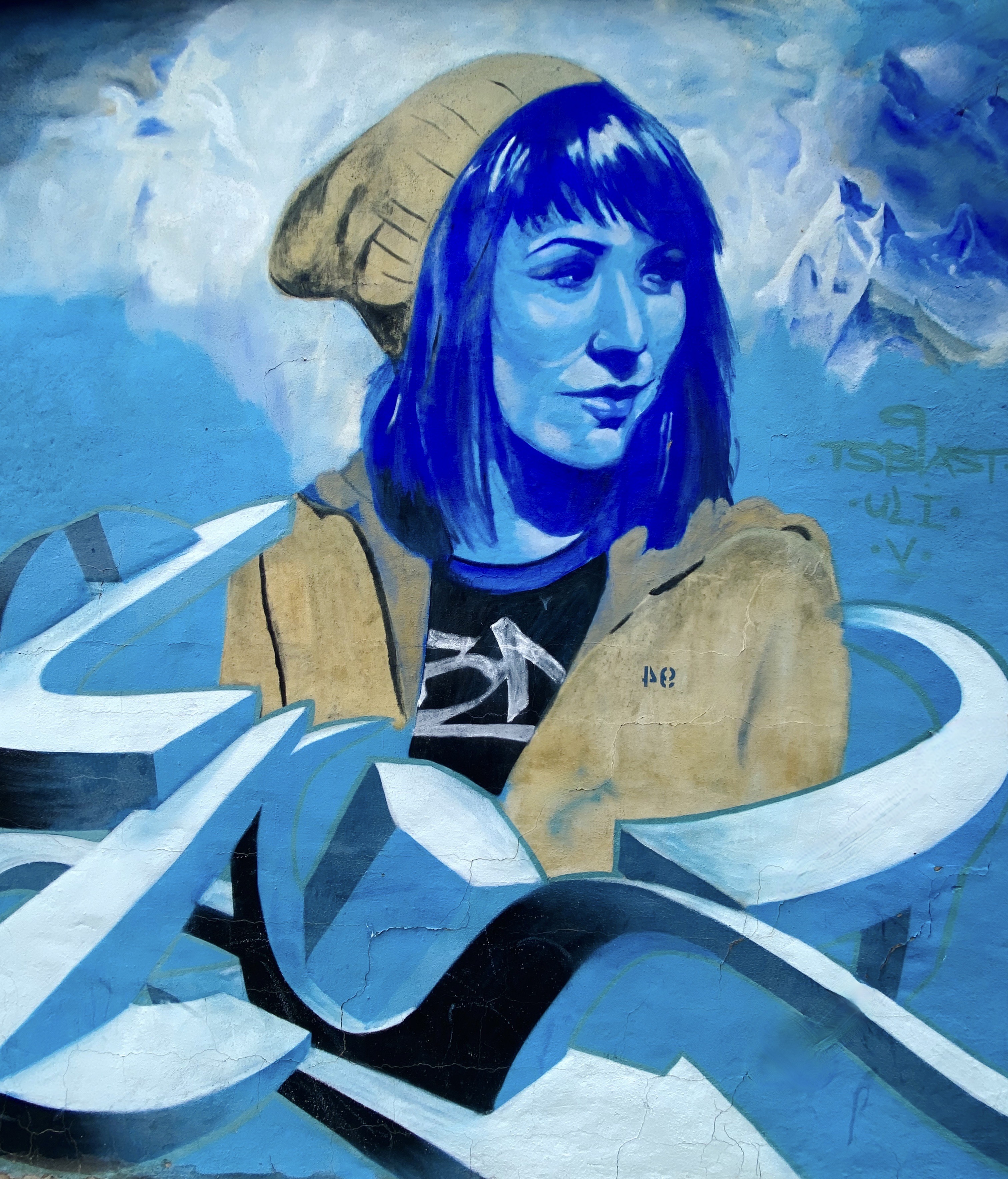
We walked off our lunch literally by trekking from SoCo over to E. Cesar Chavez St. to find the mural of Selena Quintanilla-Perez. Selena was known as the Queen of Tejano Music. Tragically, she died at the age of 23.
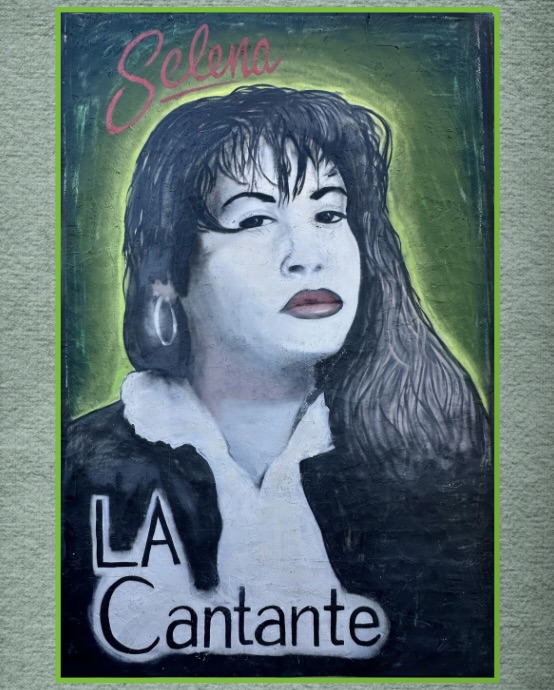
We also consumed more coffee at Flat Track Coffee. The Selena mural just happens to be painted on the side wall of the building where Flat Track Coffee and Dogspeed Cycles are co-located. Yes – that is awesome!

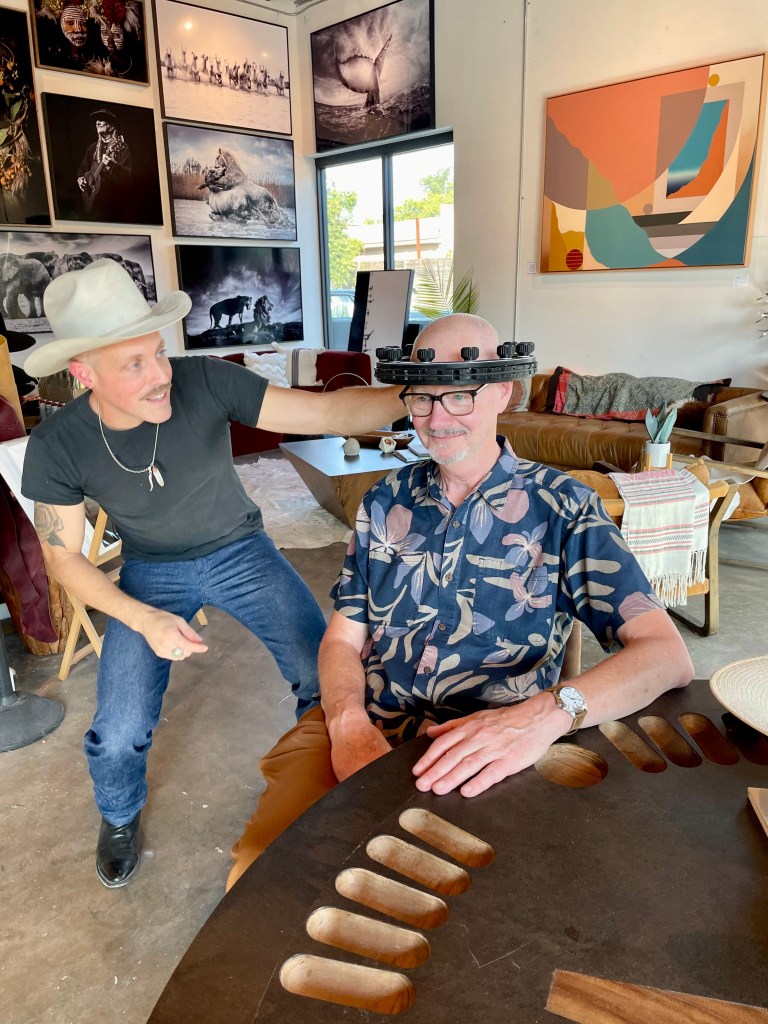
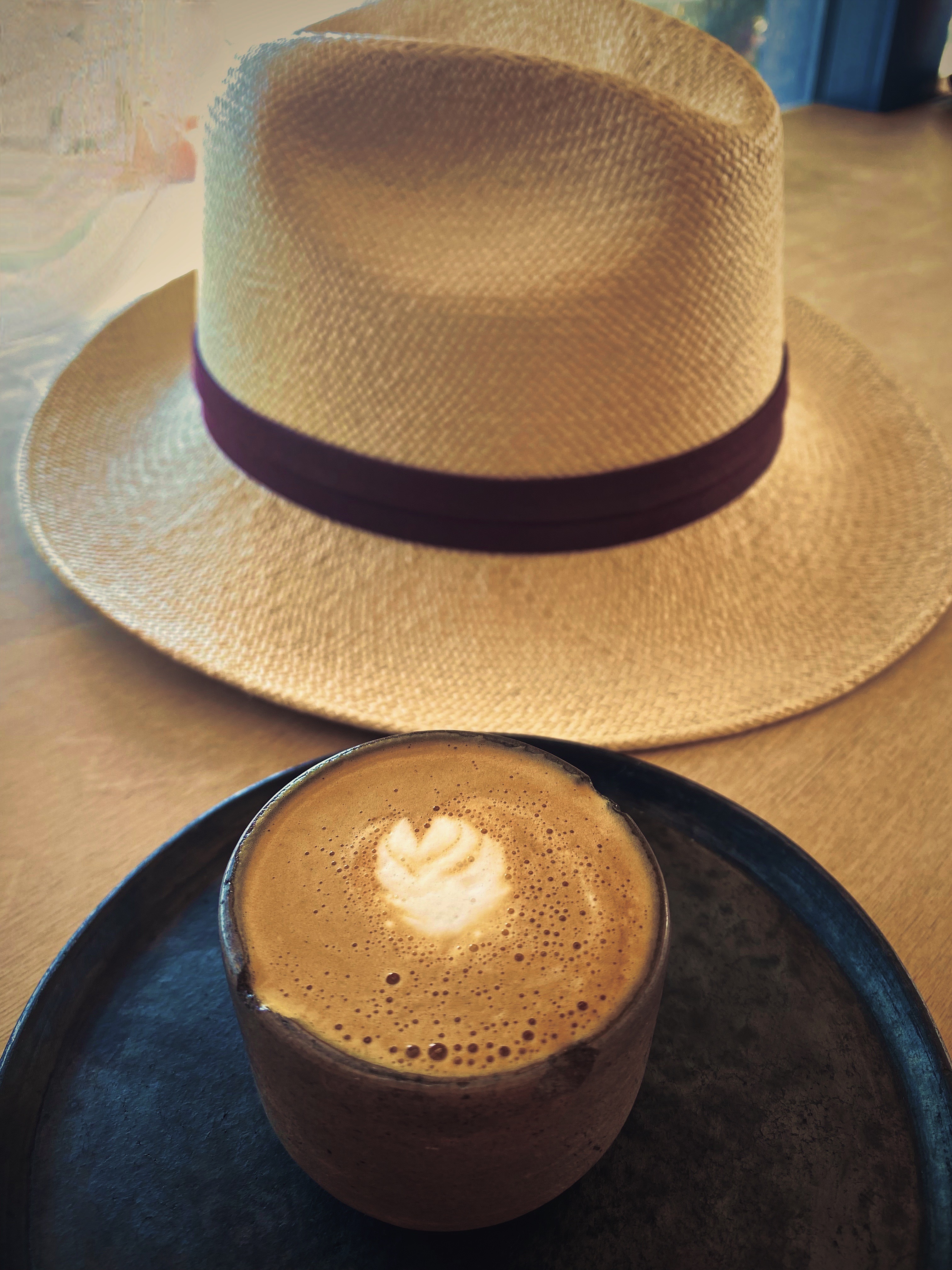
From Flat Track we walked to our last stop of the day. No-we are not having a brain scan in ATX. Yes, we are being fitted for a hat at Trovador.
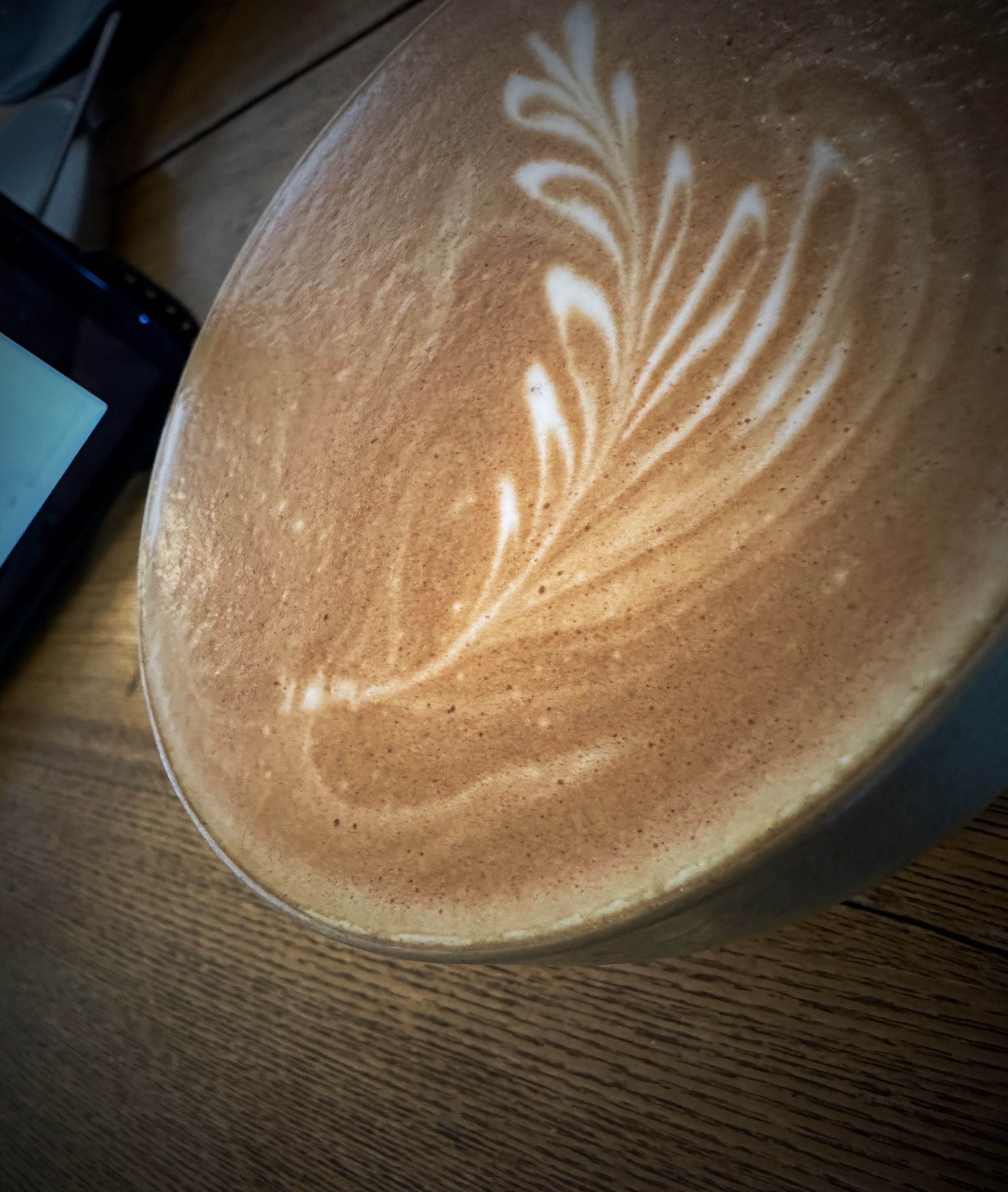
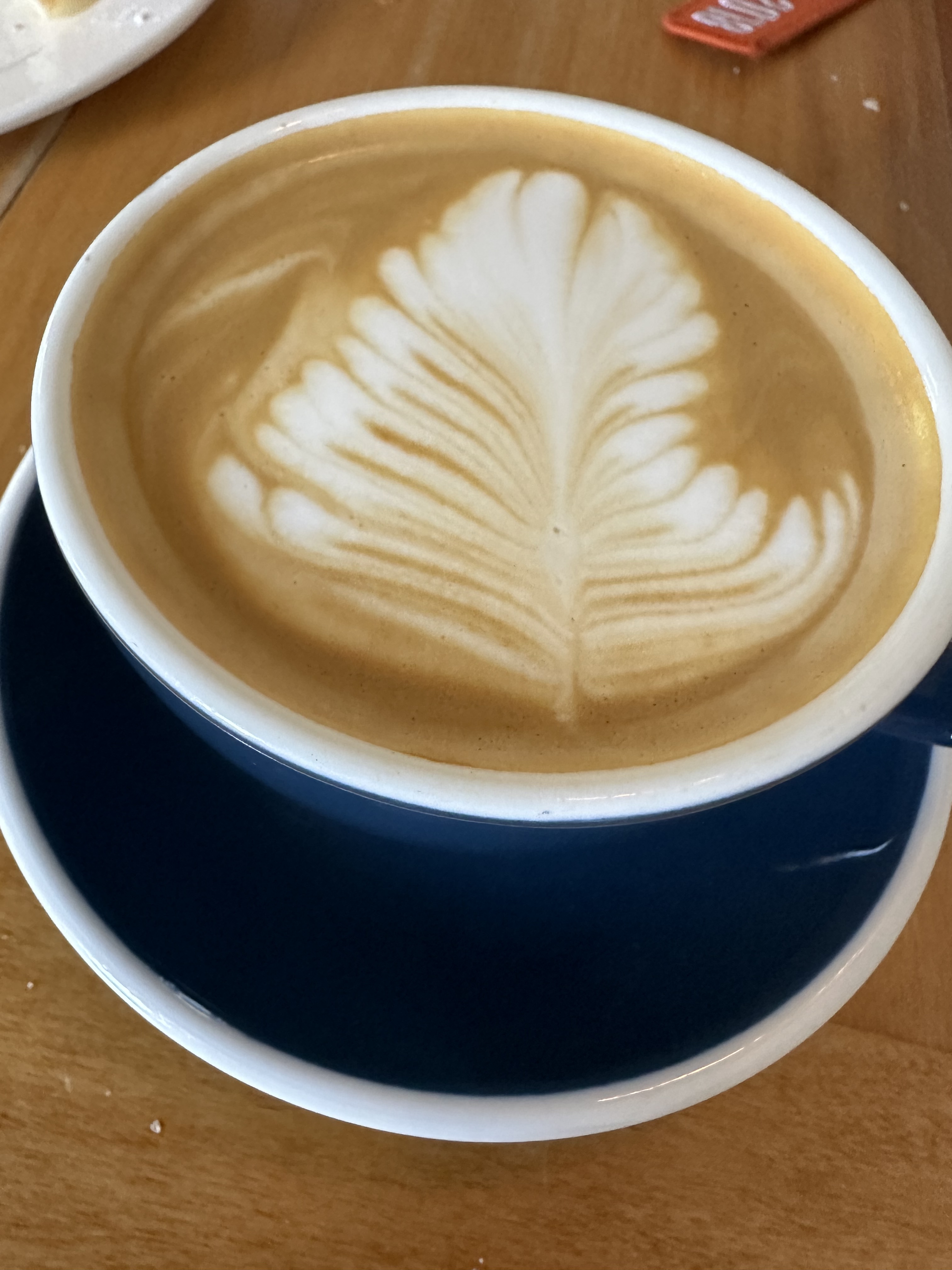
On Friday we took an Uber north to the Hyde Park neighborhood for fika at Terrible Love Coffee. The shop has outdoor seating only which was a tad disappointing, but we secured a shady picnic table. More importantly, our beverages were first rate! Also, if you decide to visit the shop it can be hard to find as it is located in the old boiler room of a former school complex. The retrofitted building is, however a step up as the owner originally operated out of an old horse trailer! A nice article about the owner’s journey by The Austin Chronicle is embedded in the link.

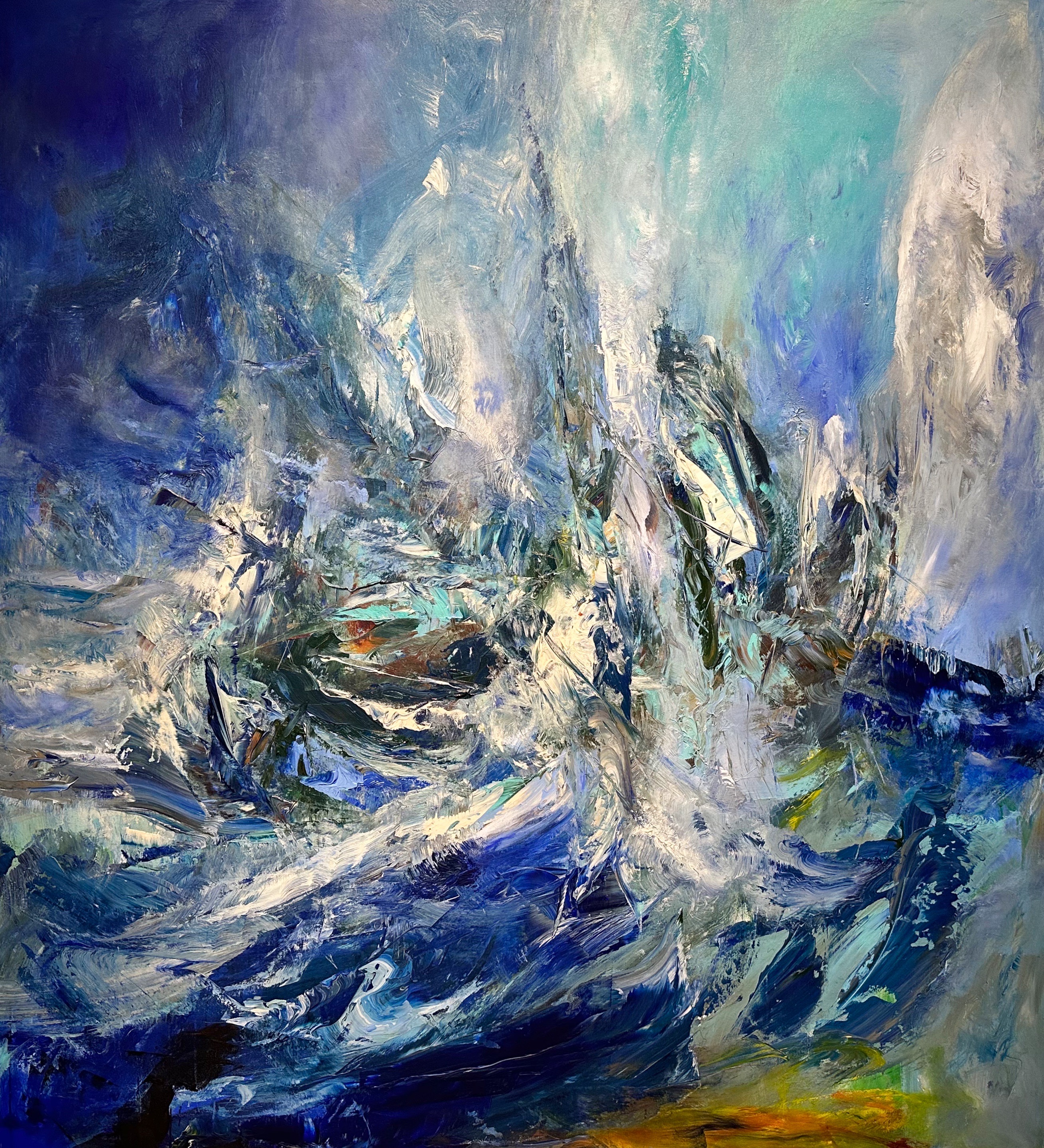
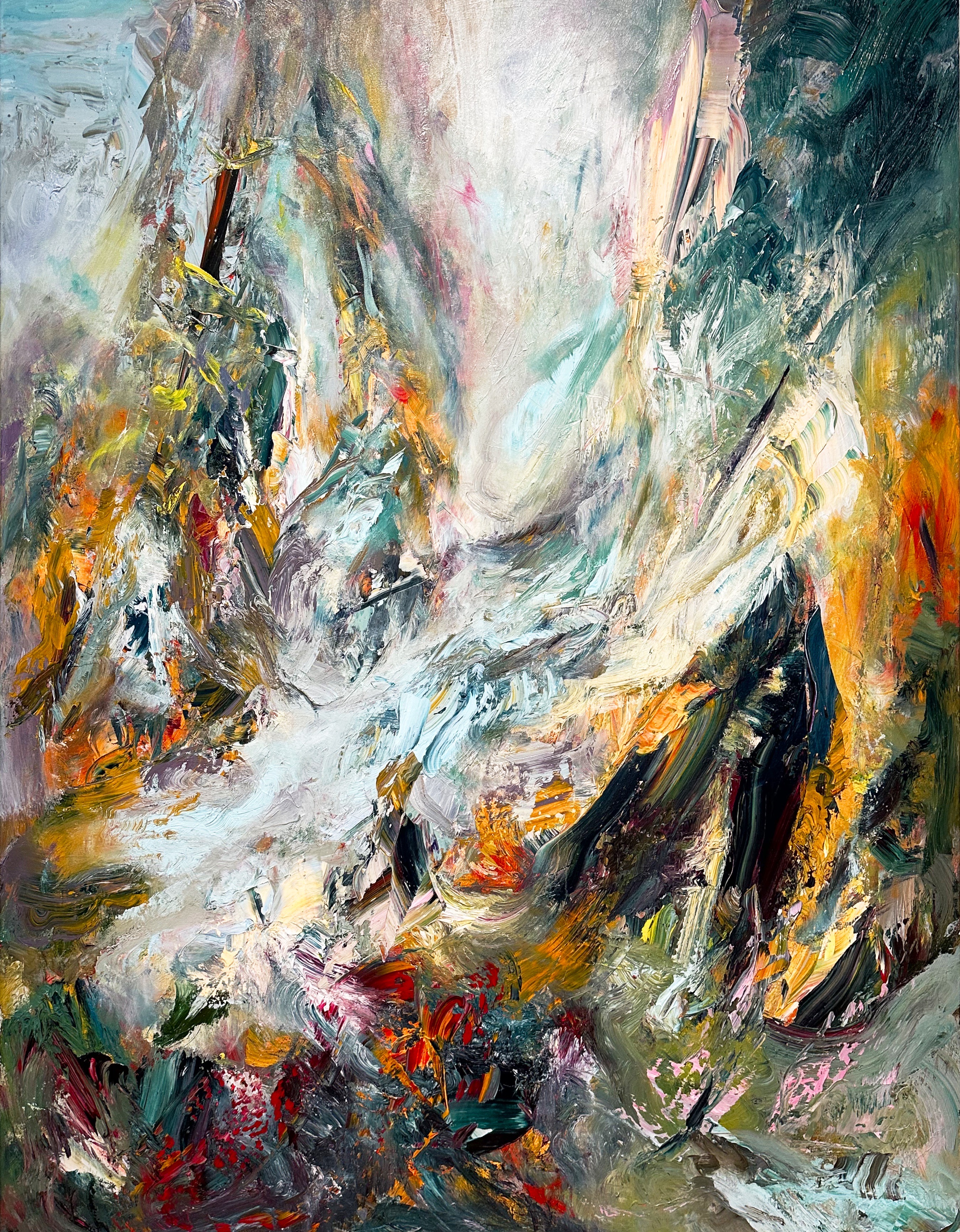
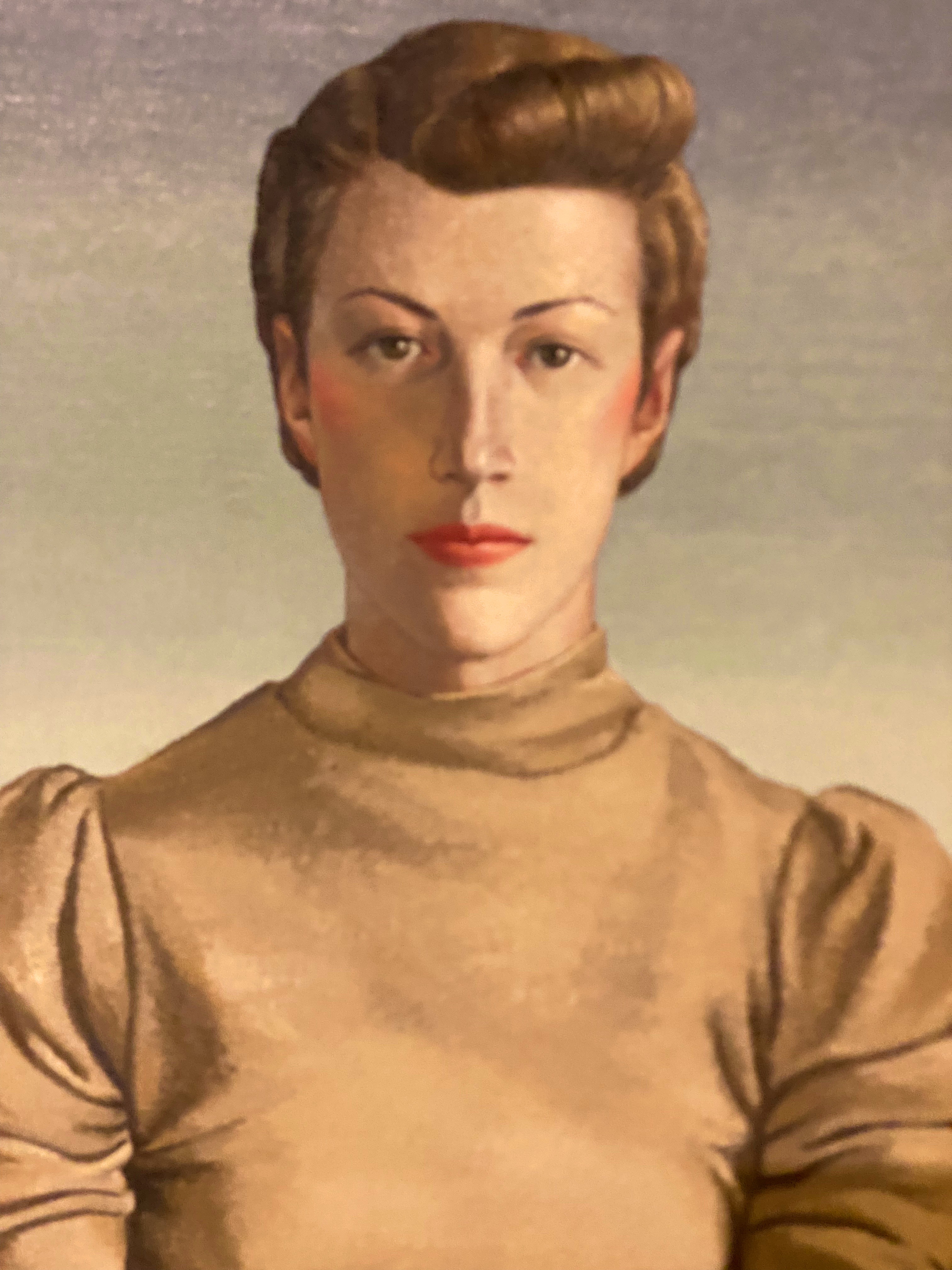
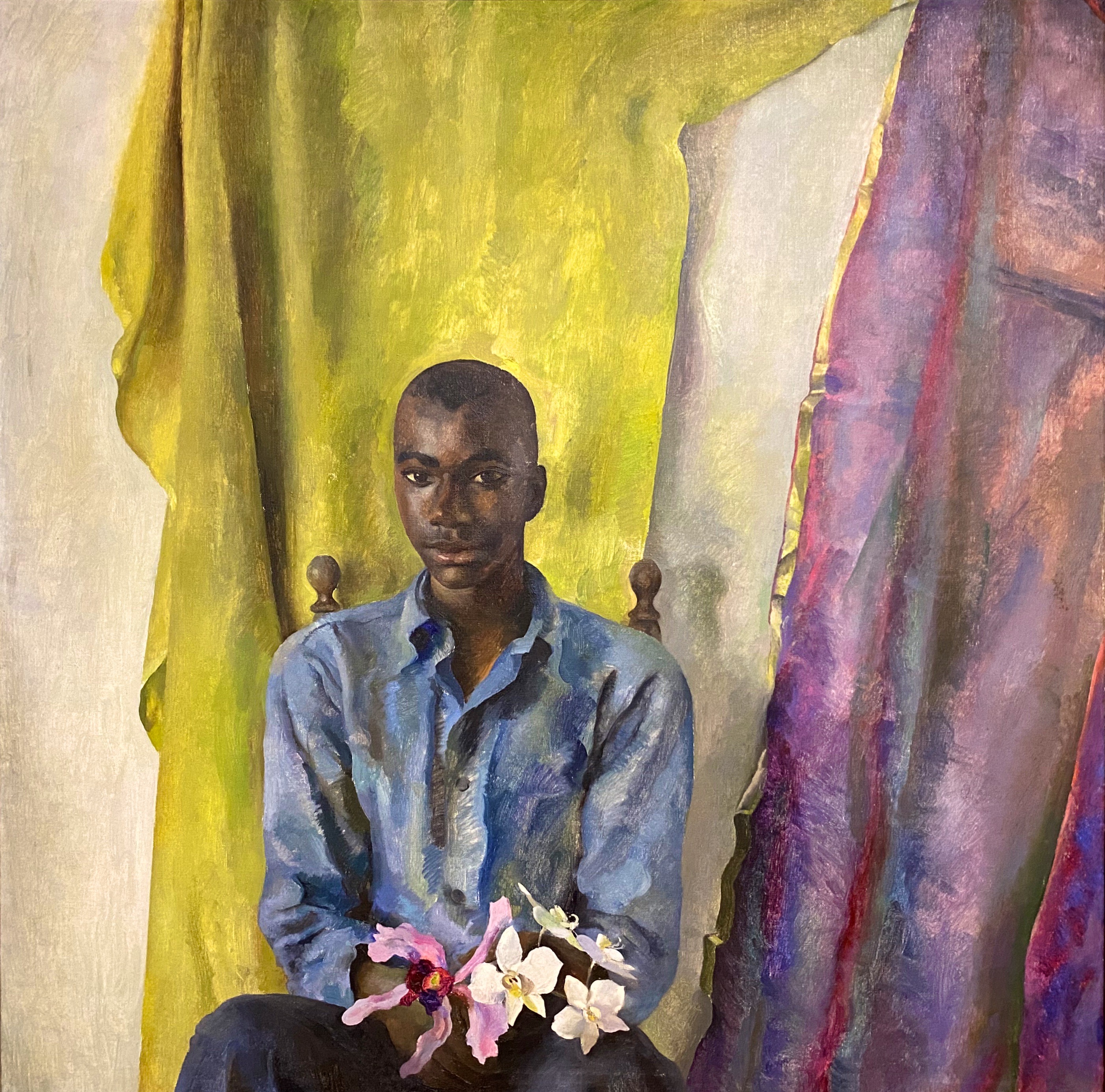
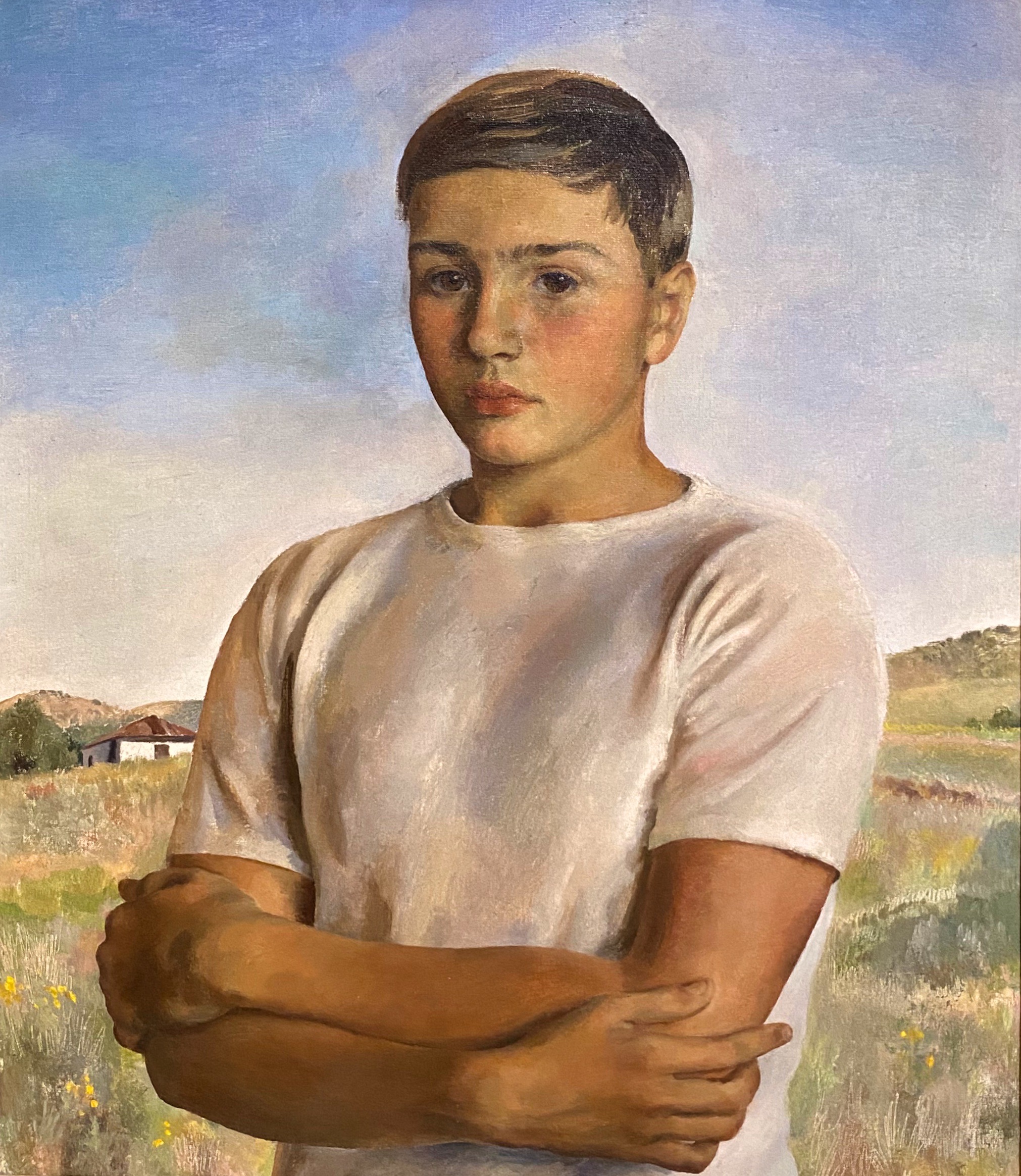
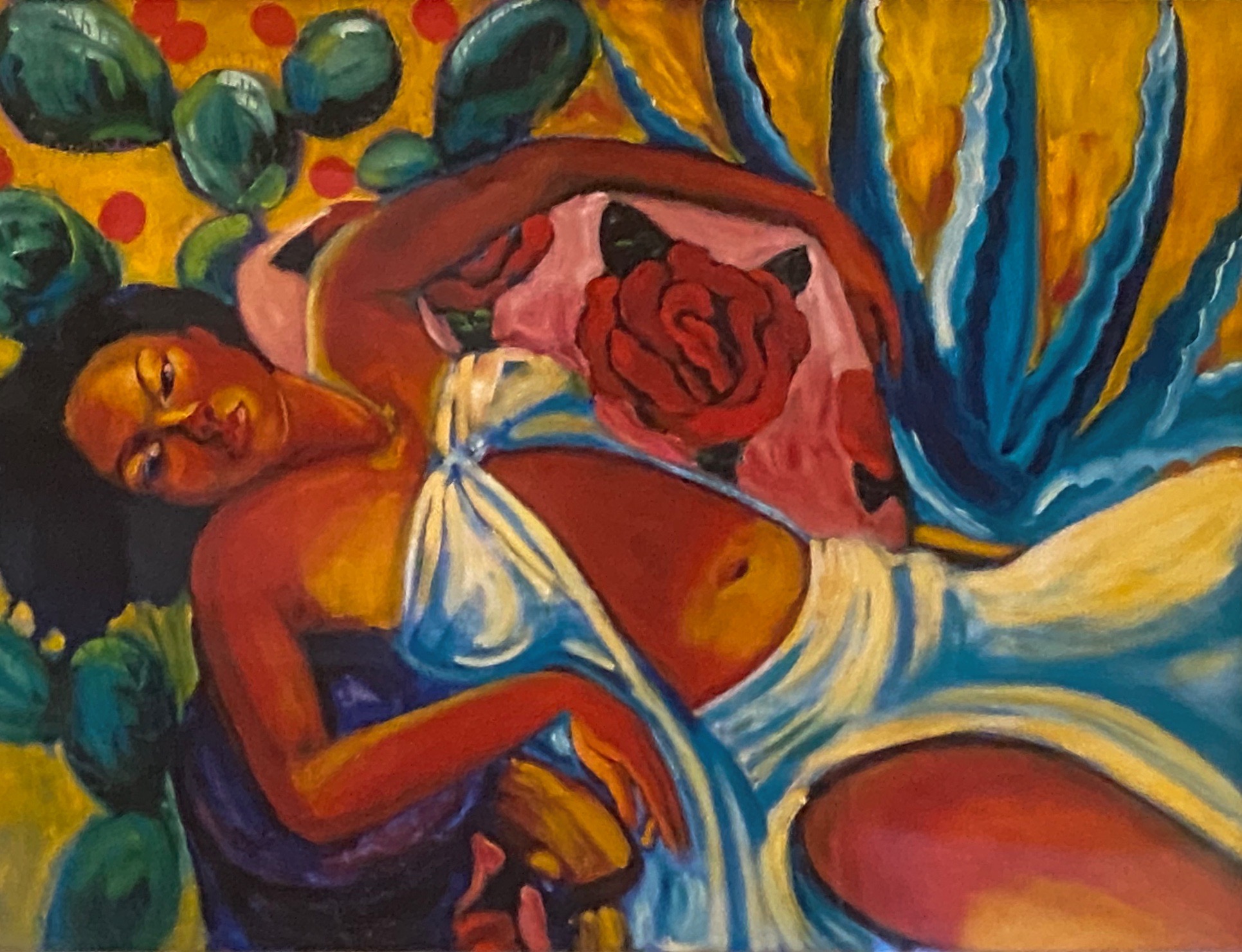
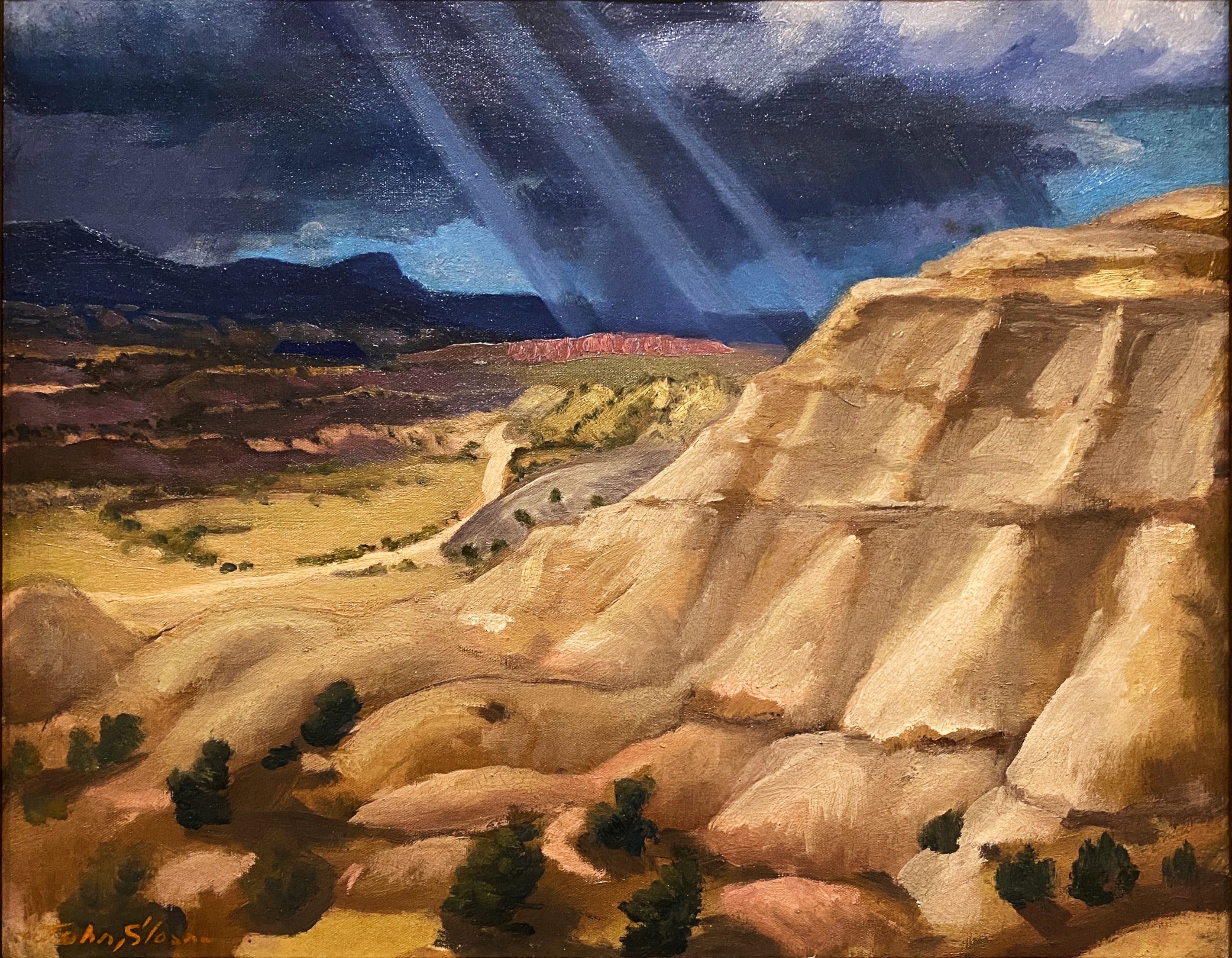
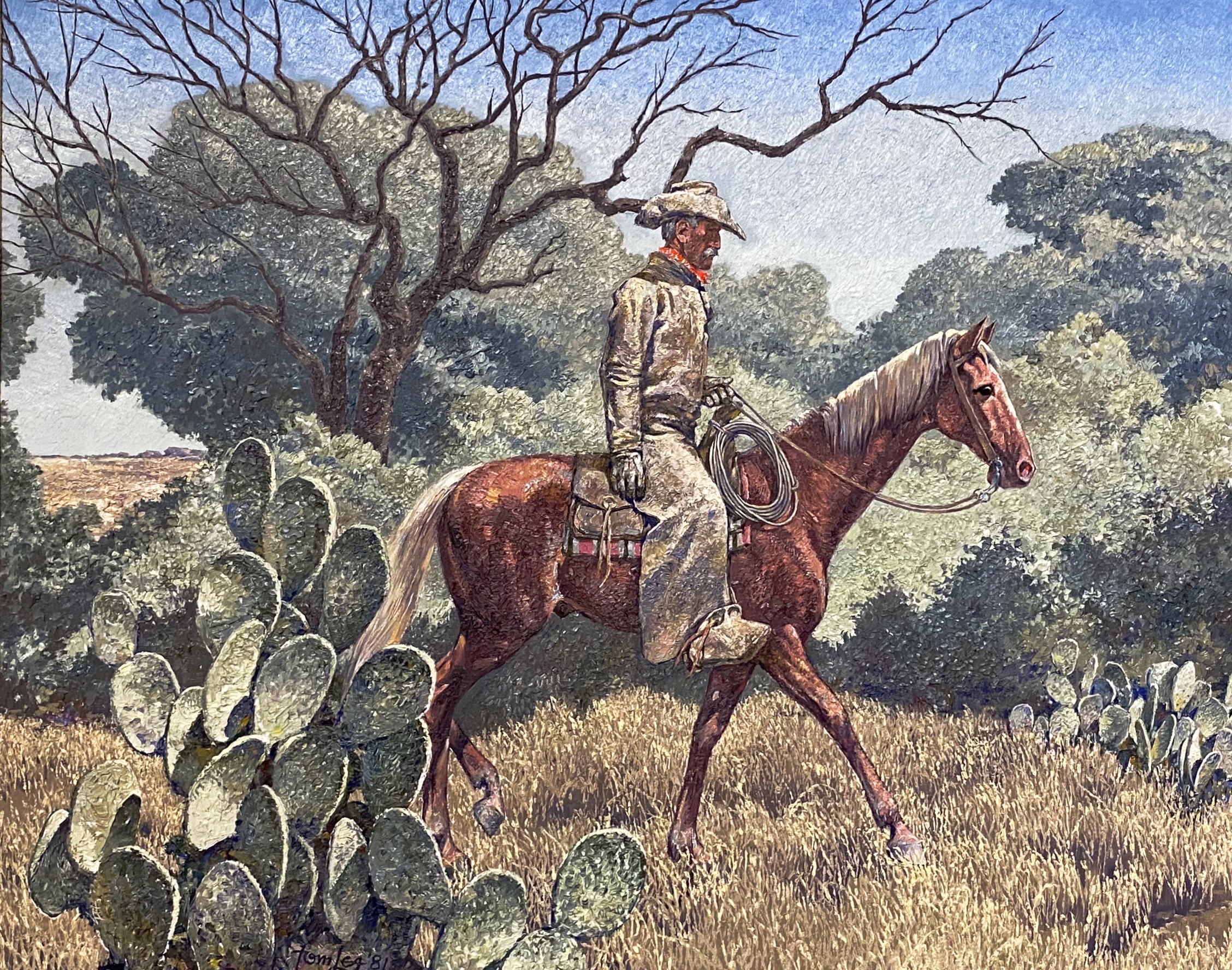
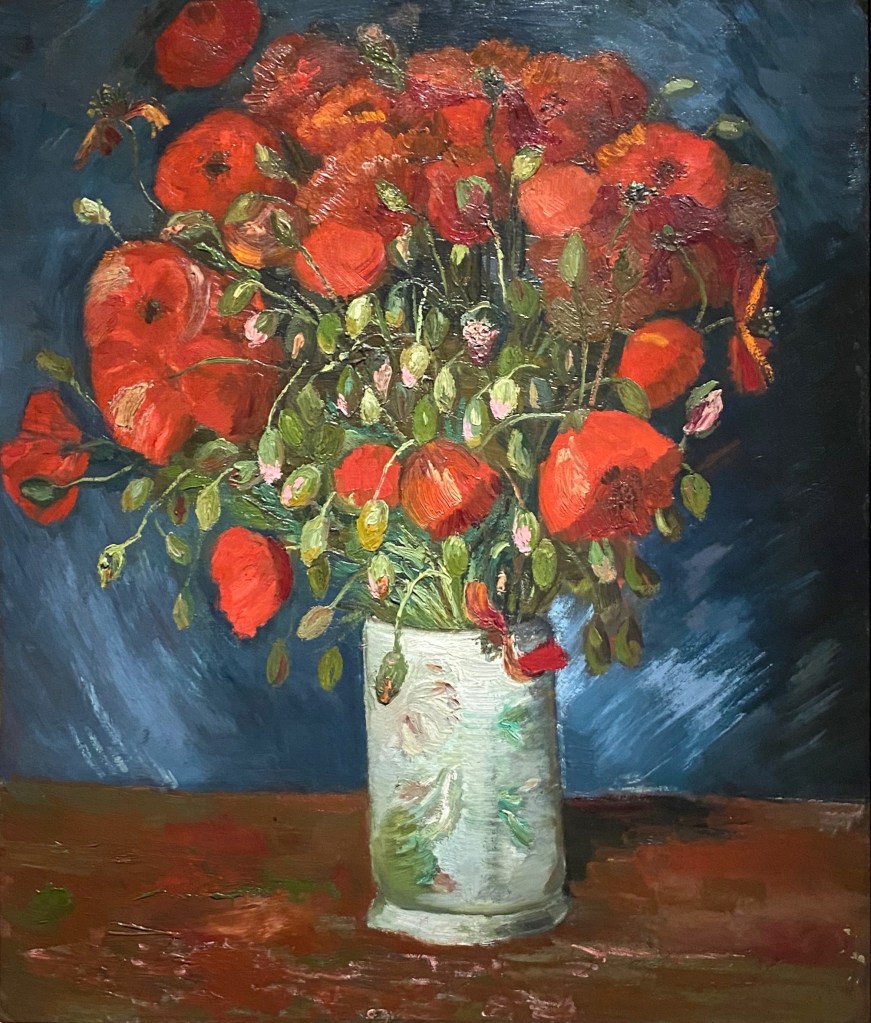
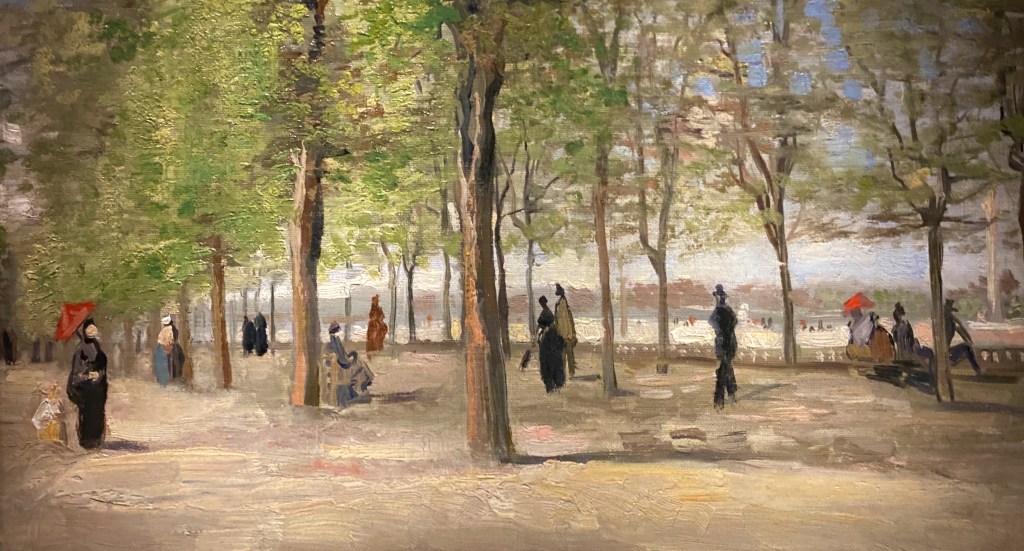
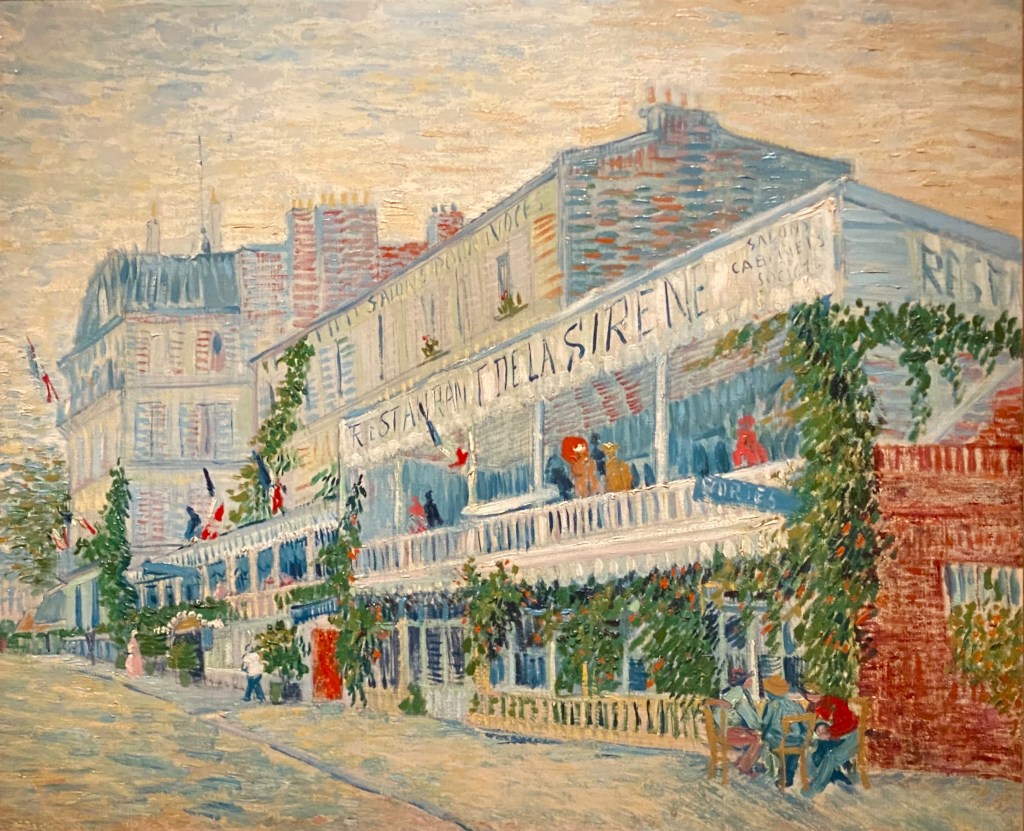
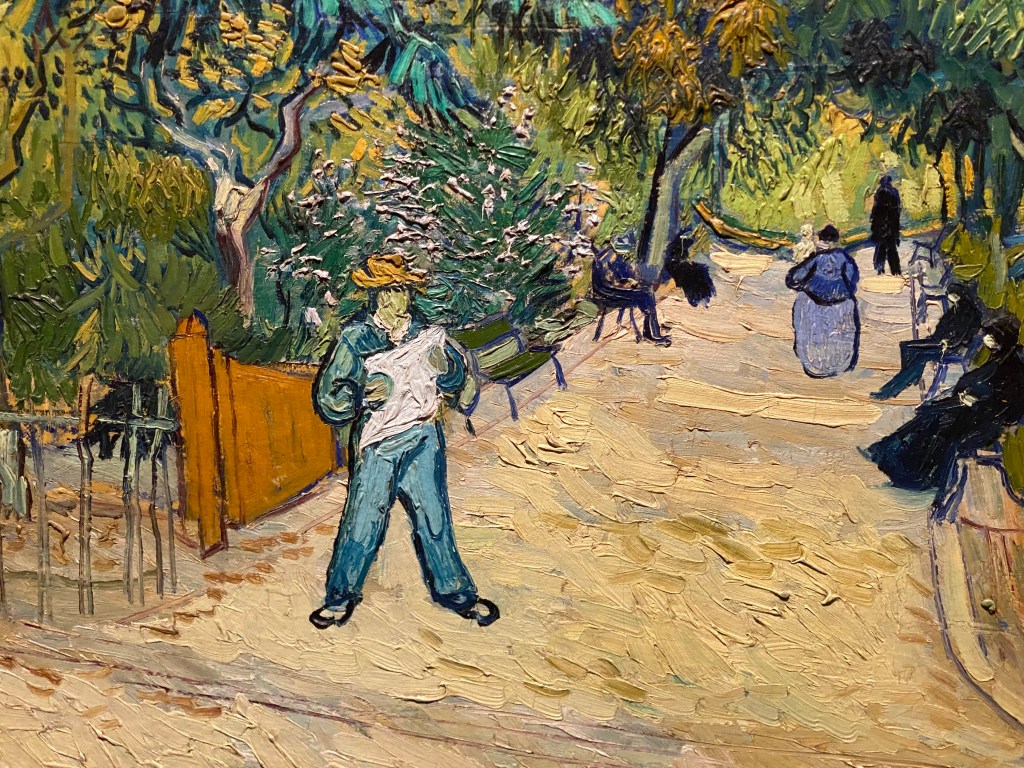
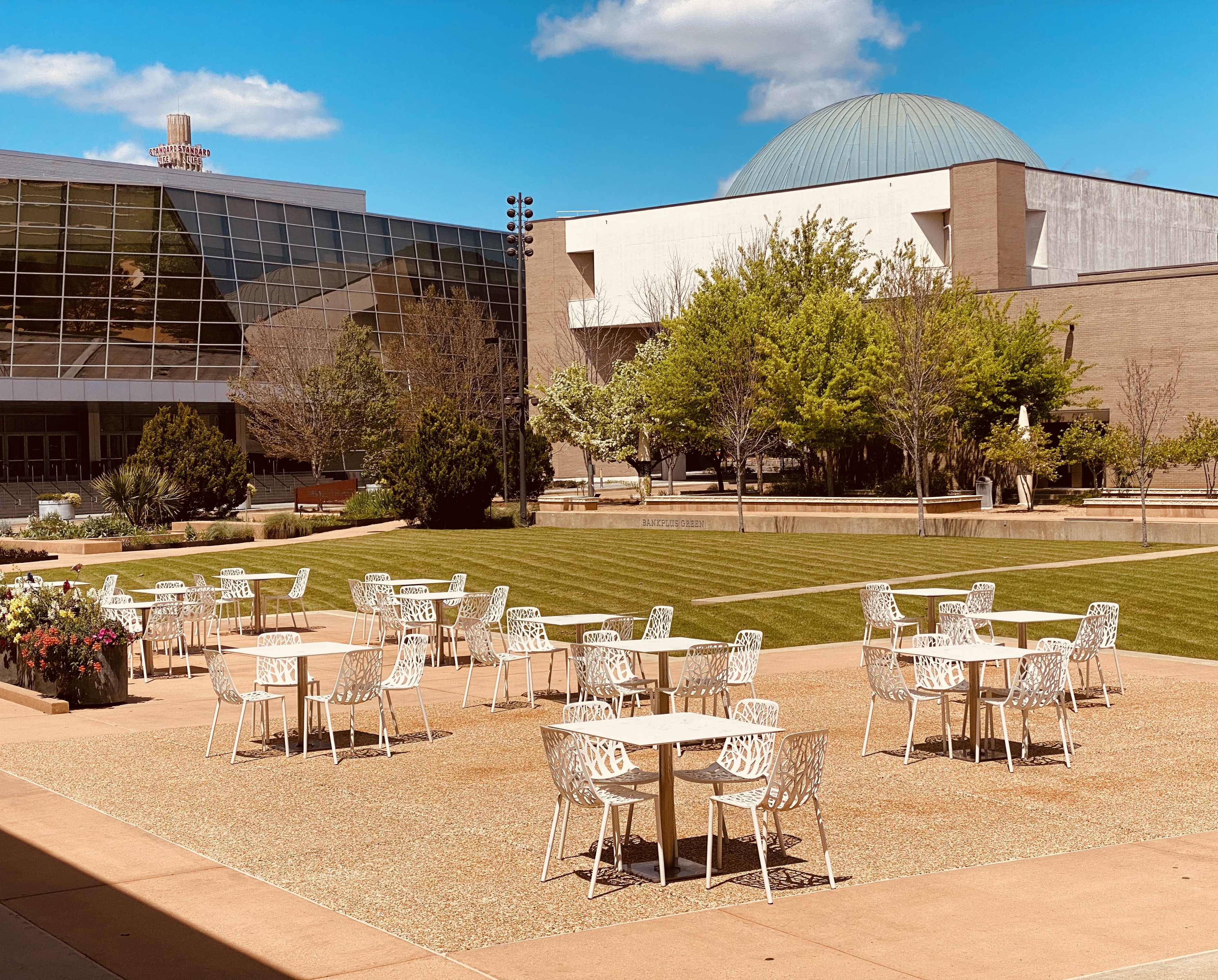
The renowned Blanton Art Museum (University of Texas) was the next target of our curious minds and needed for its air conditioning!


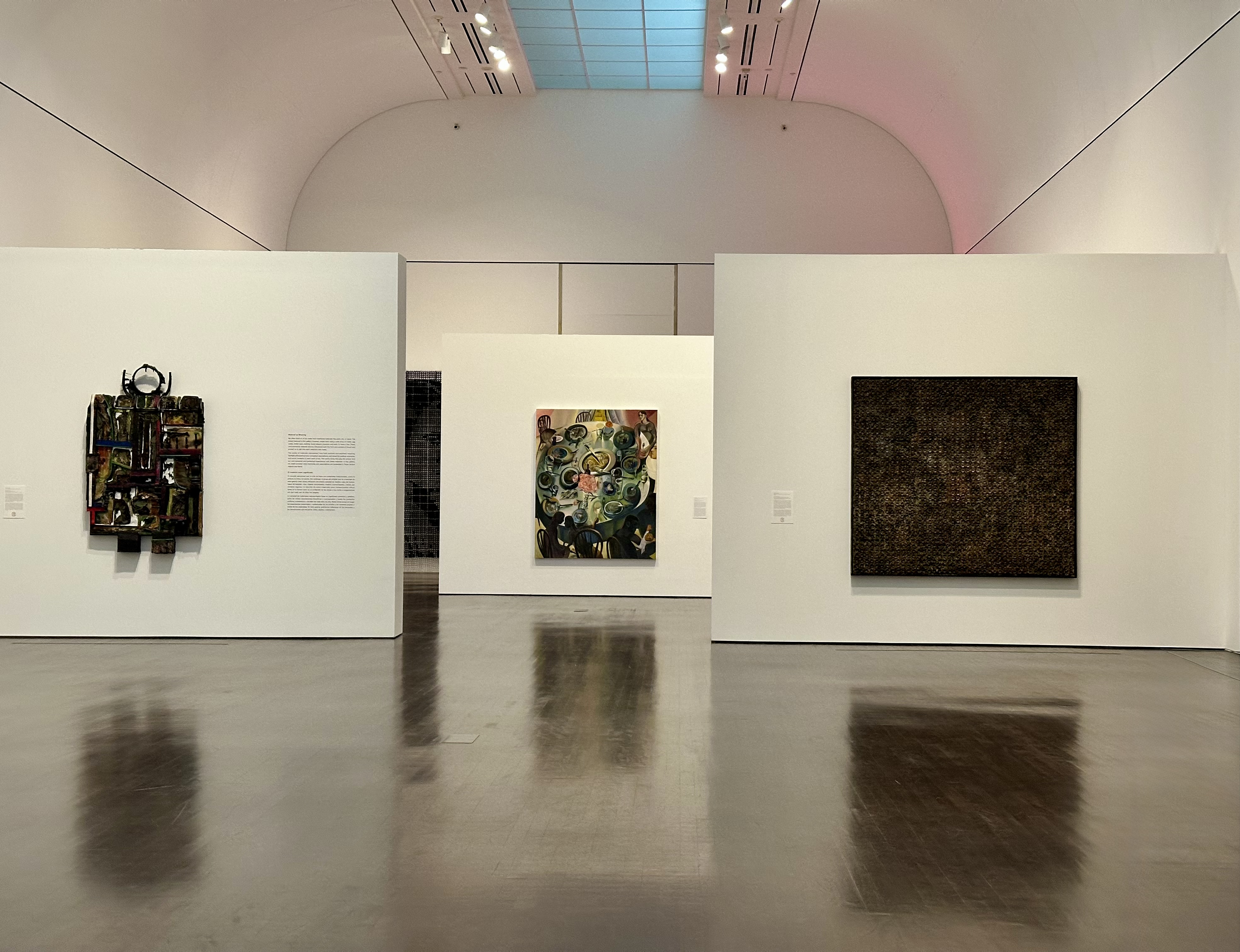
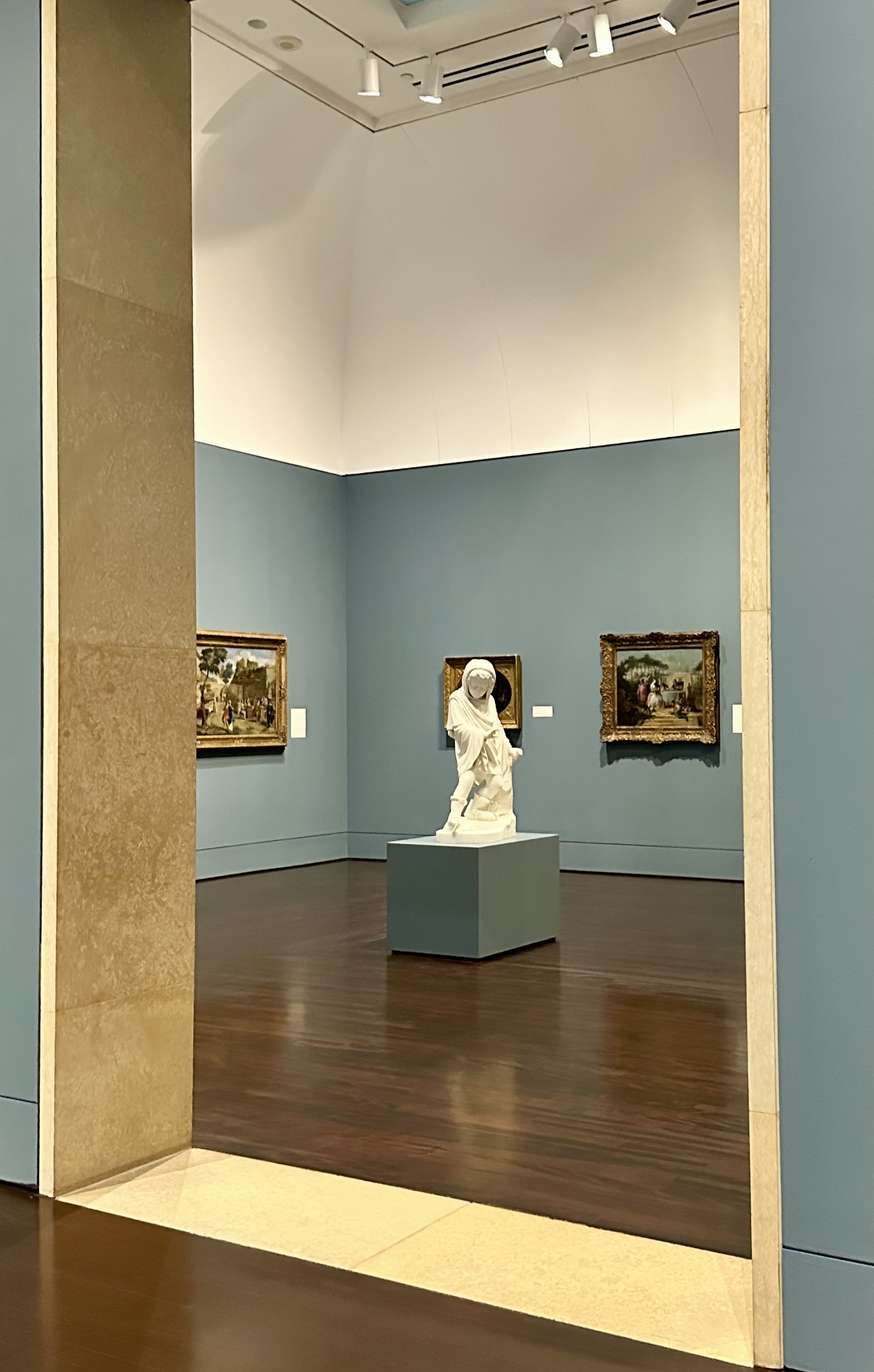
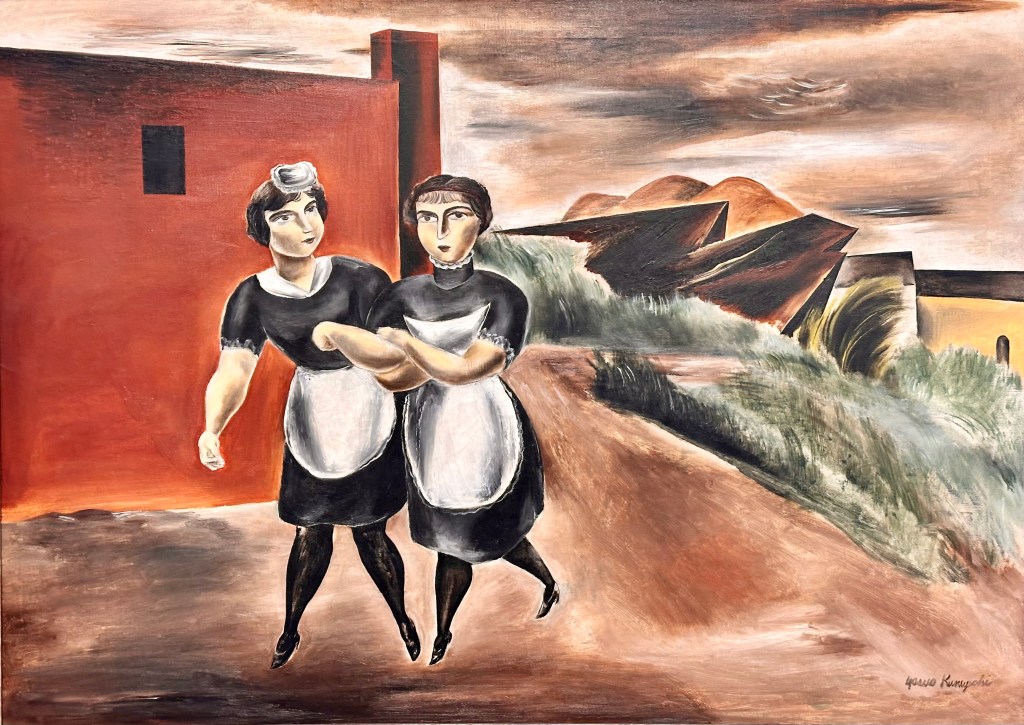
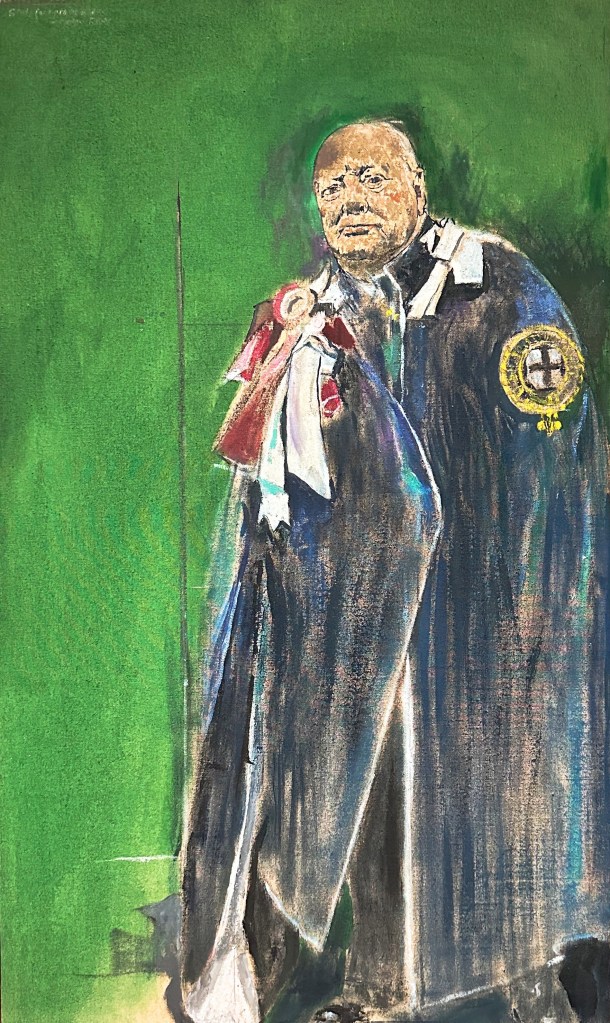
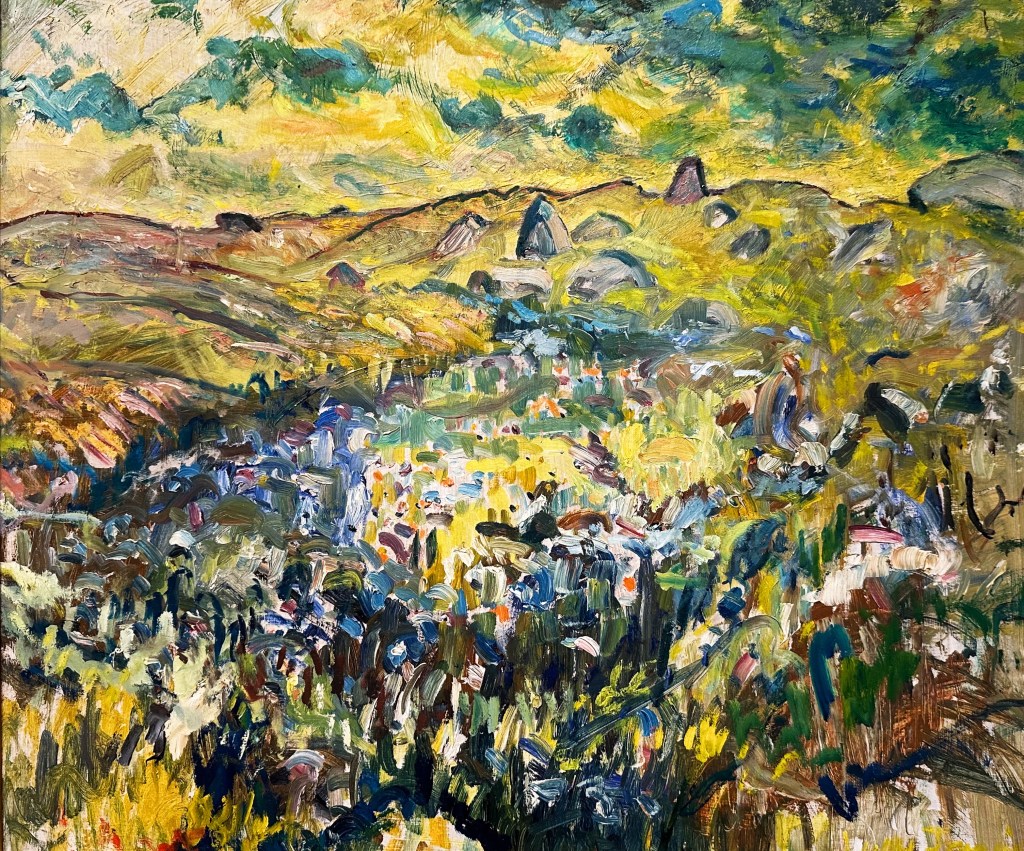
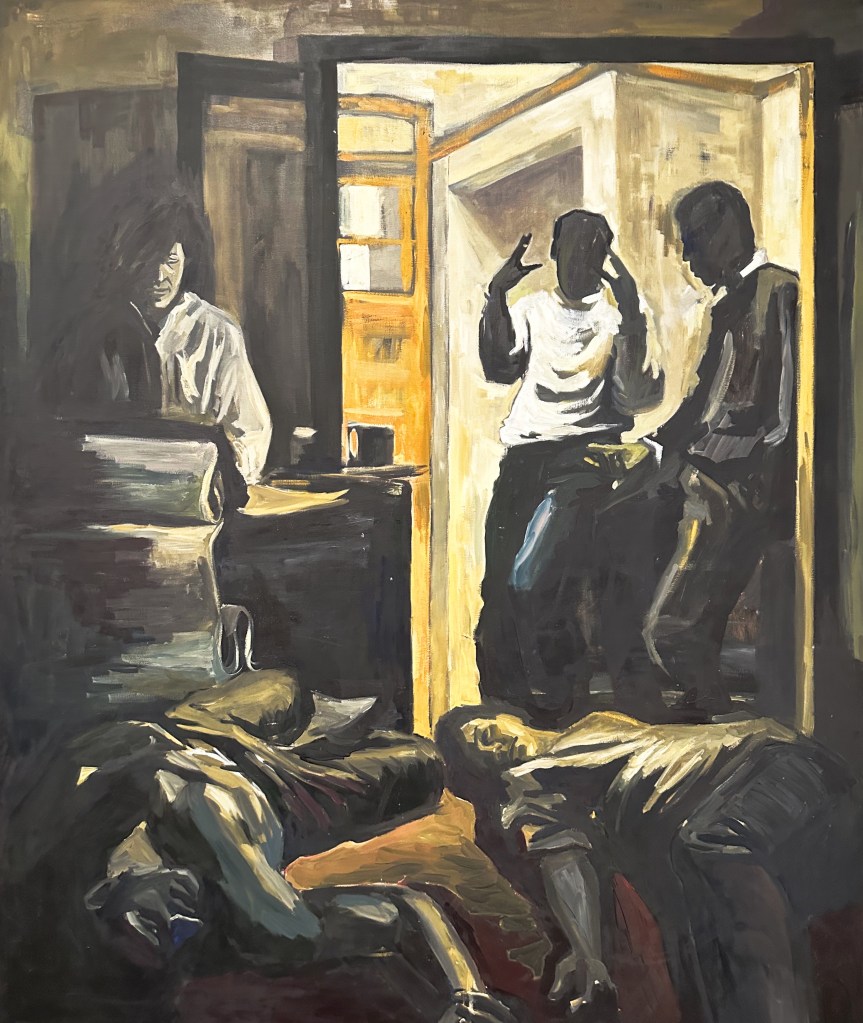
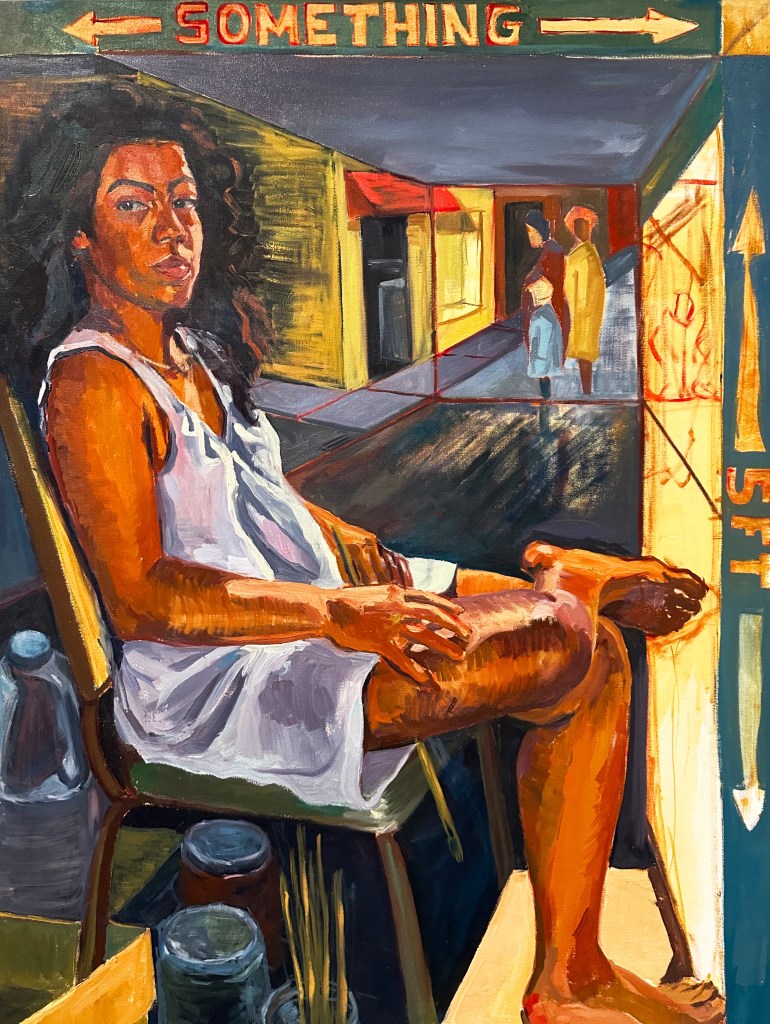
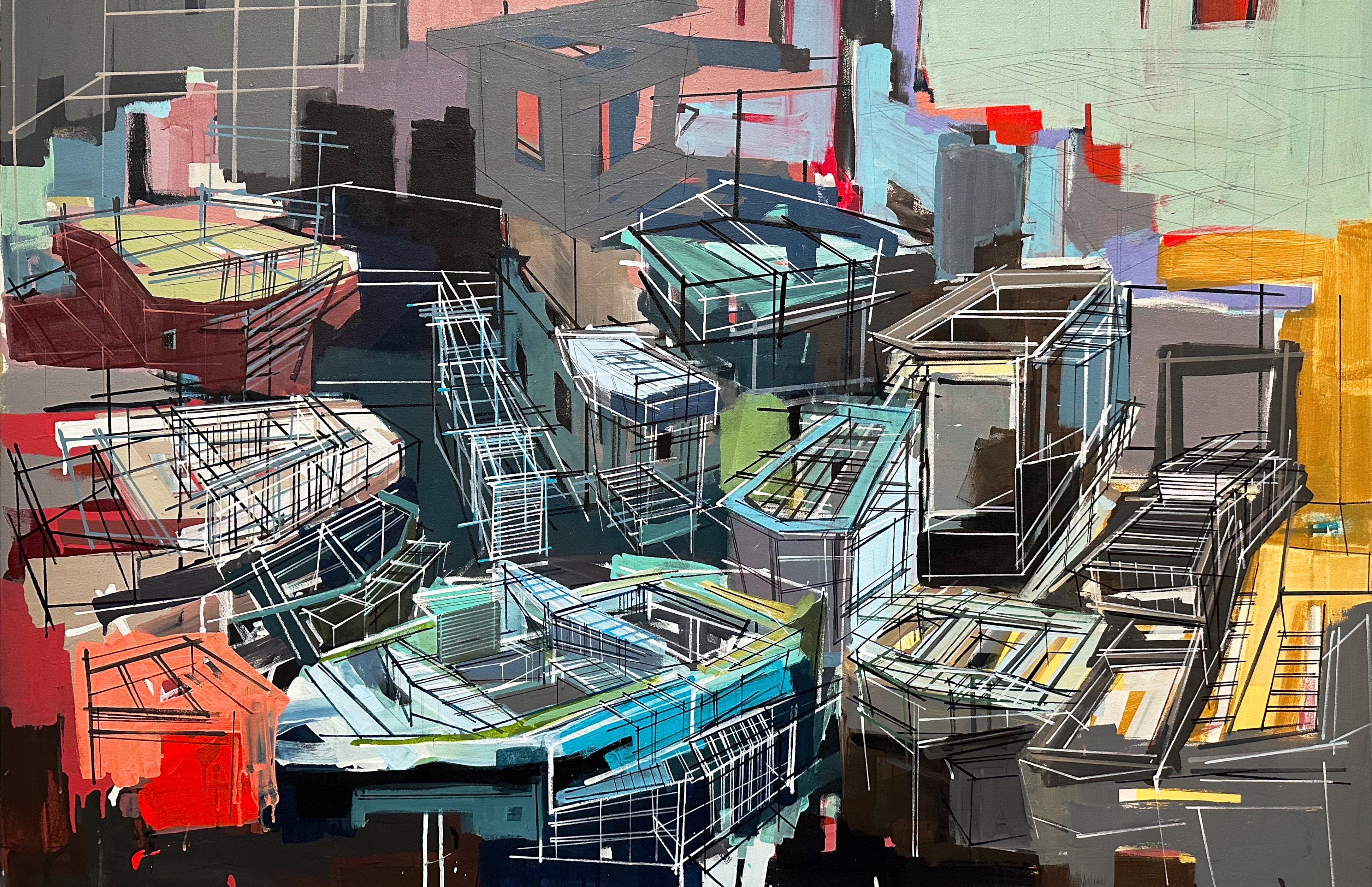
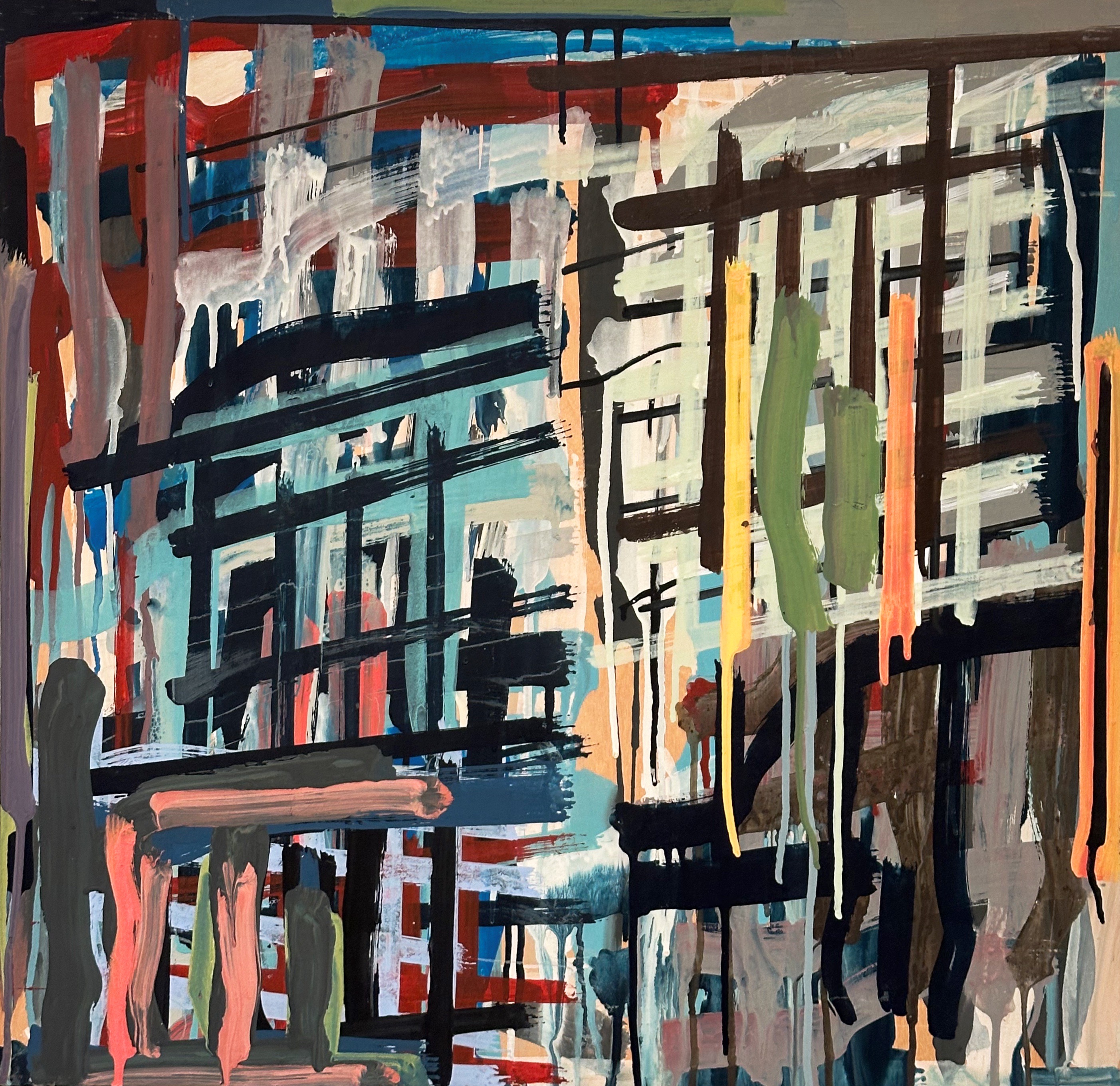
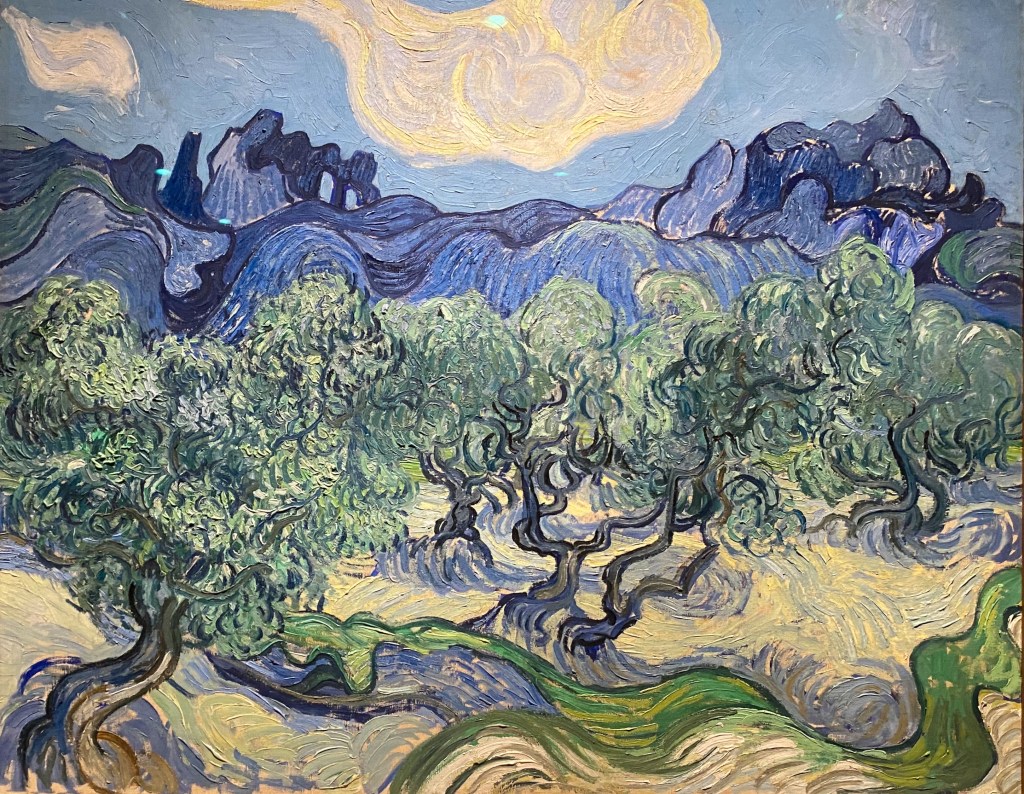
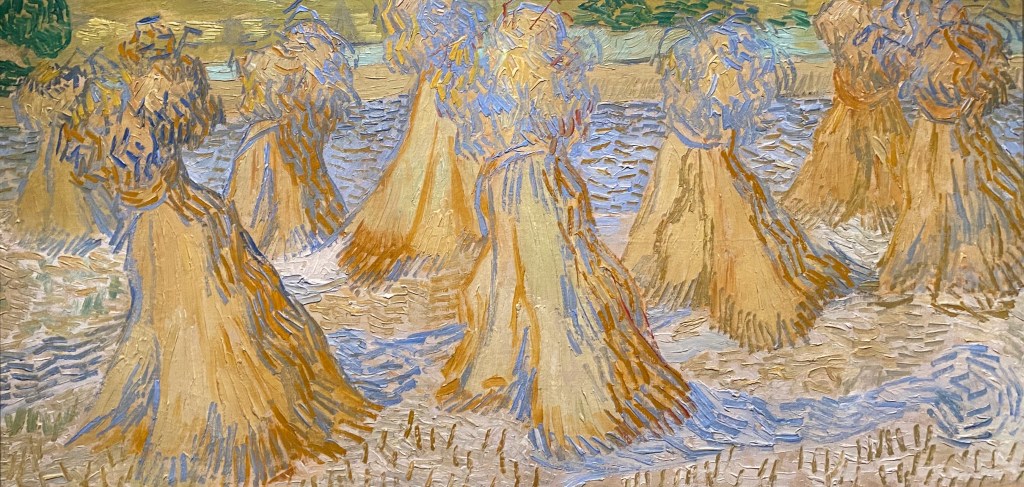
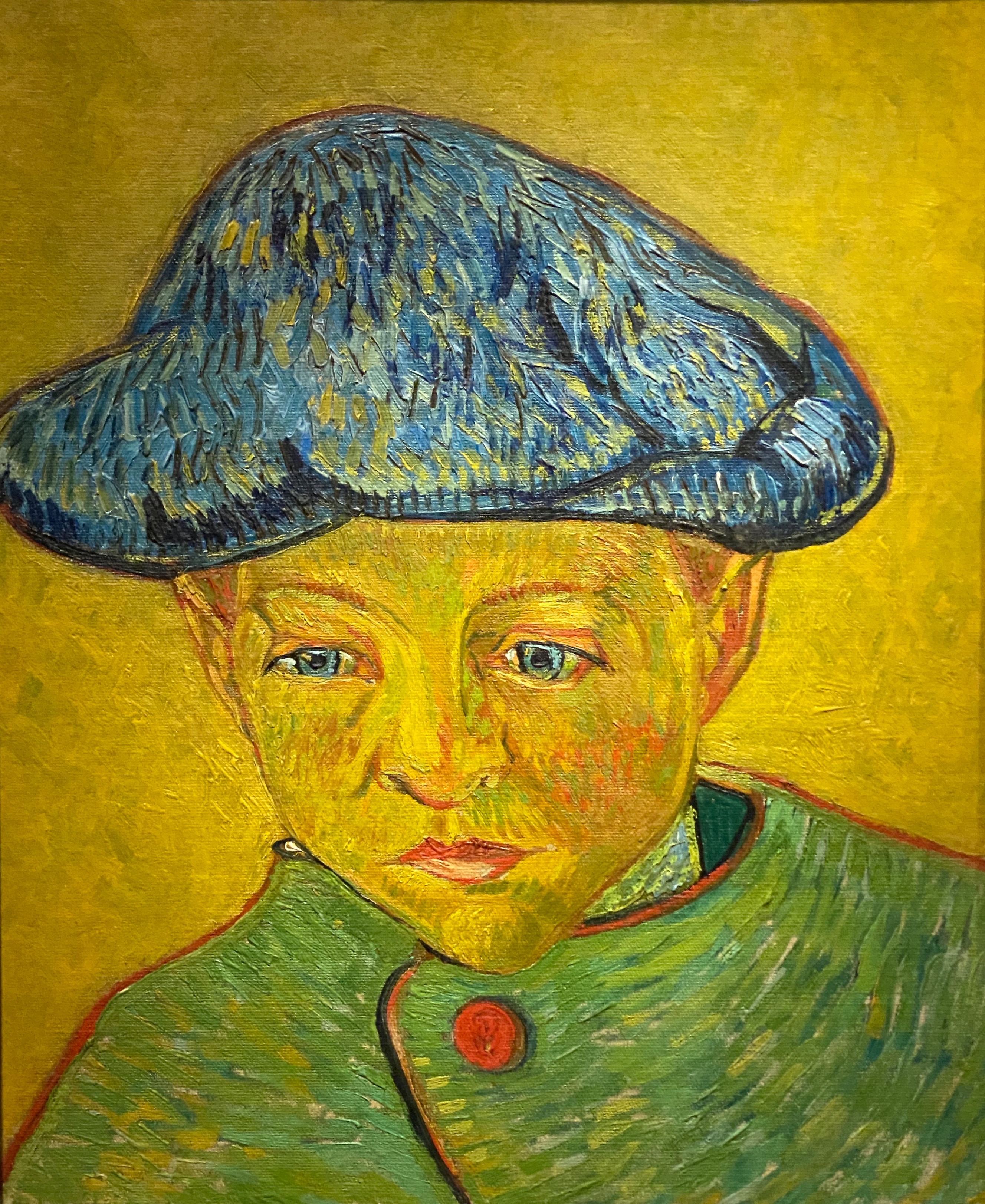
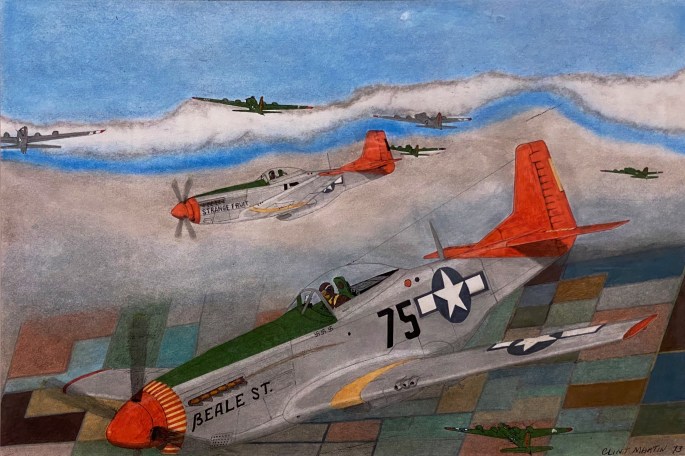
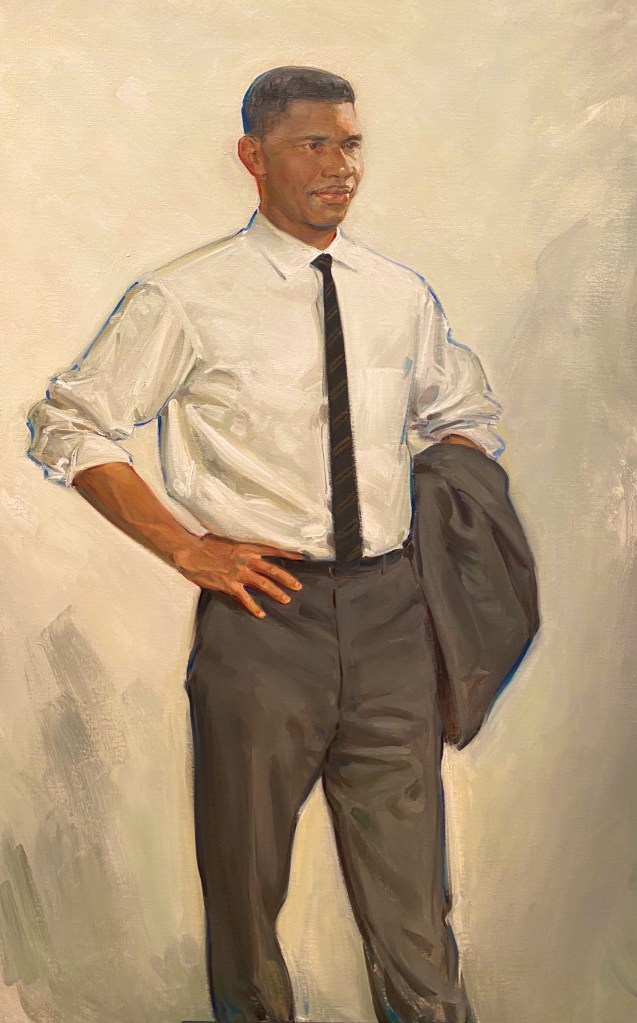
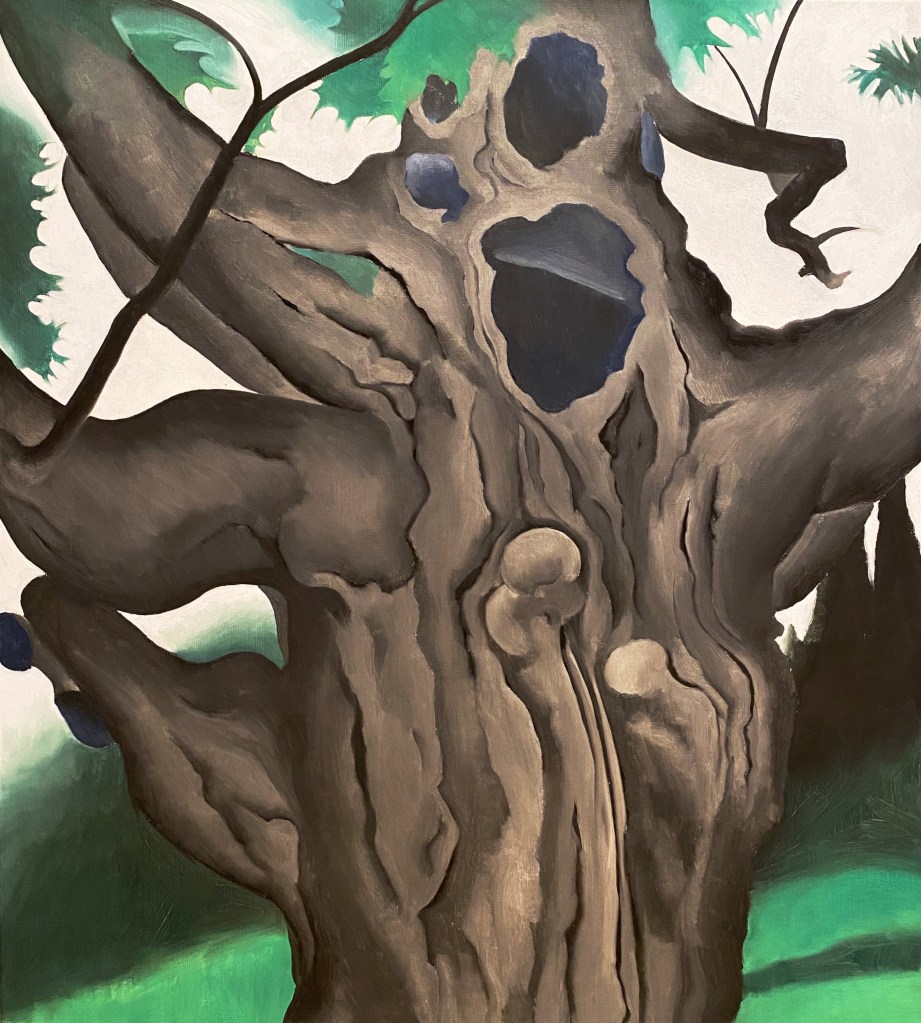
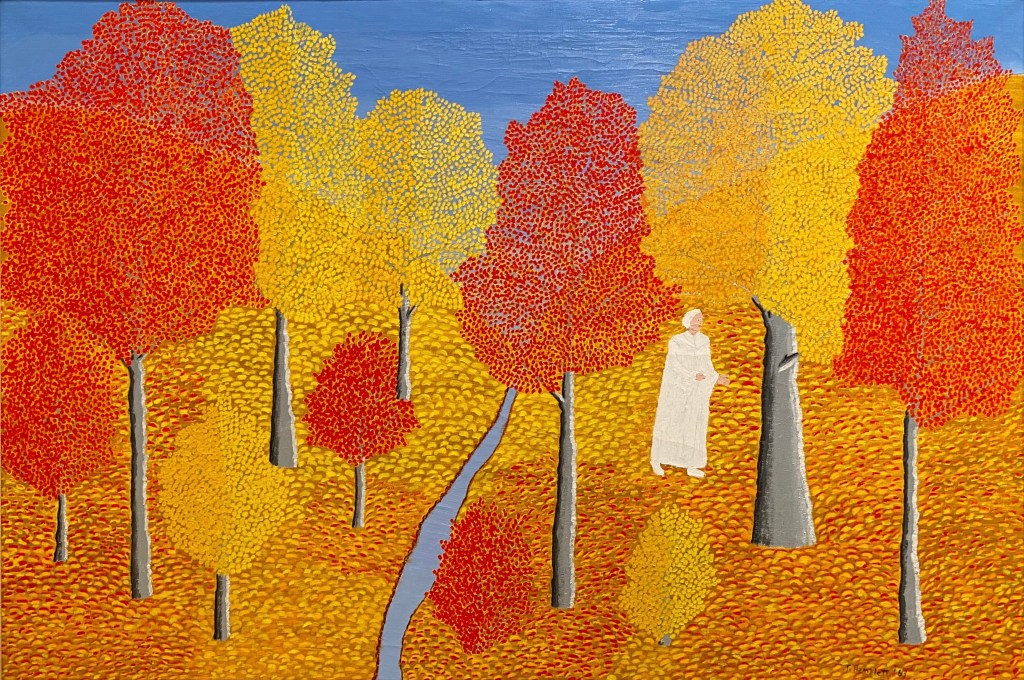
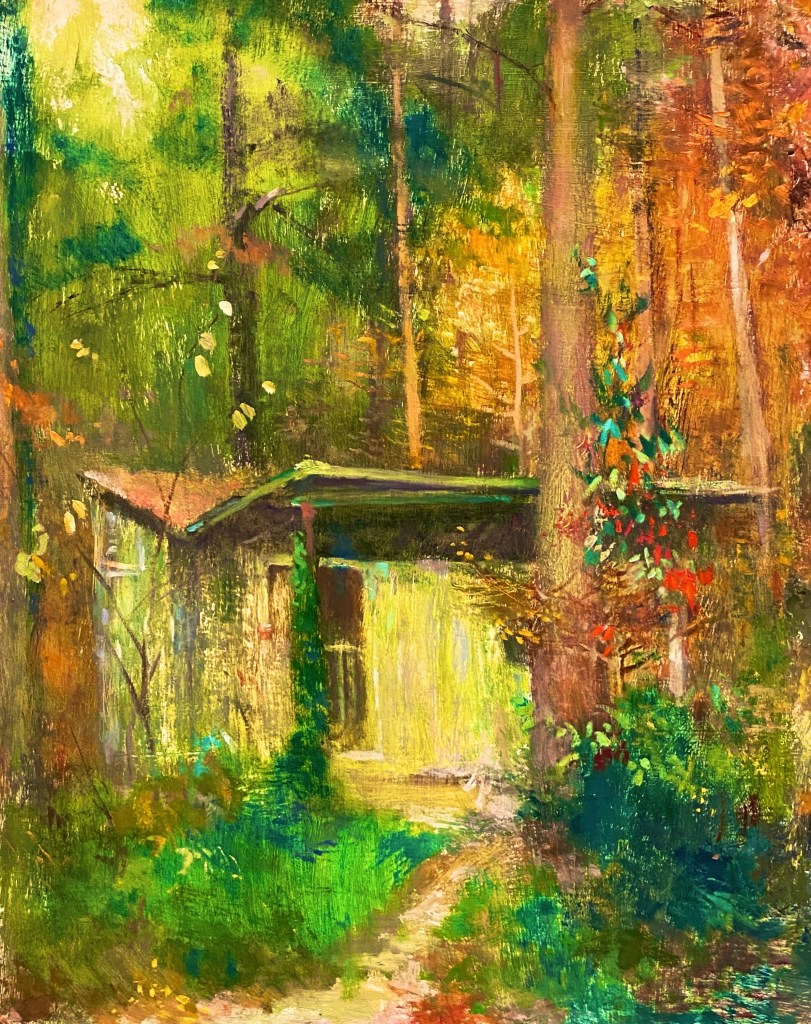
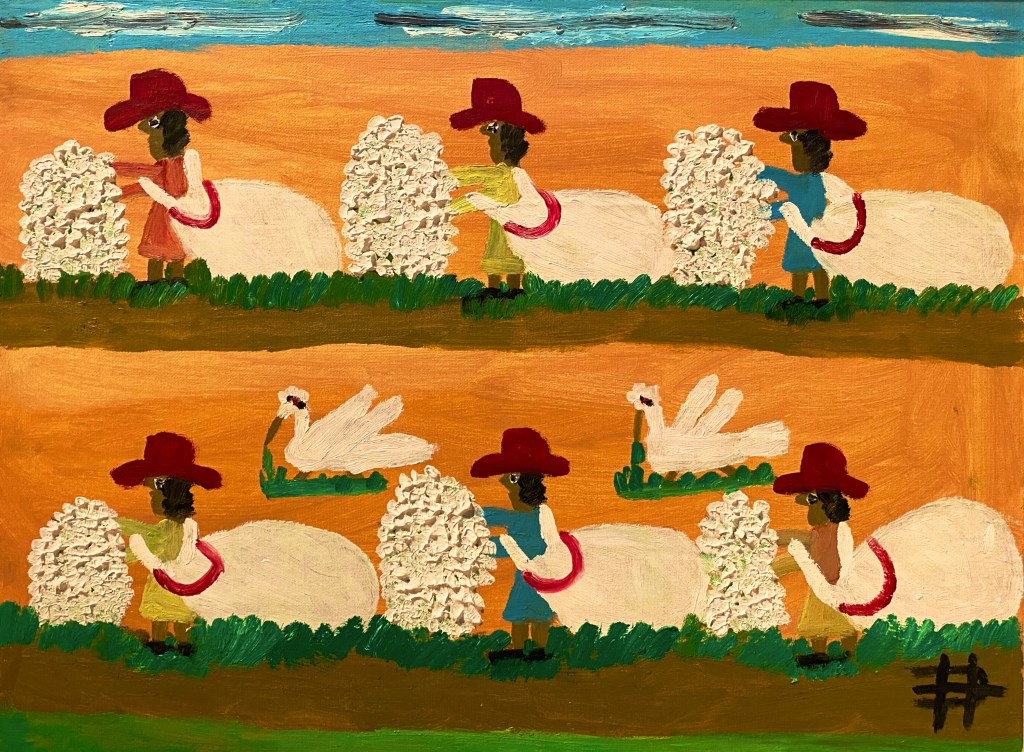
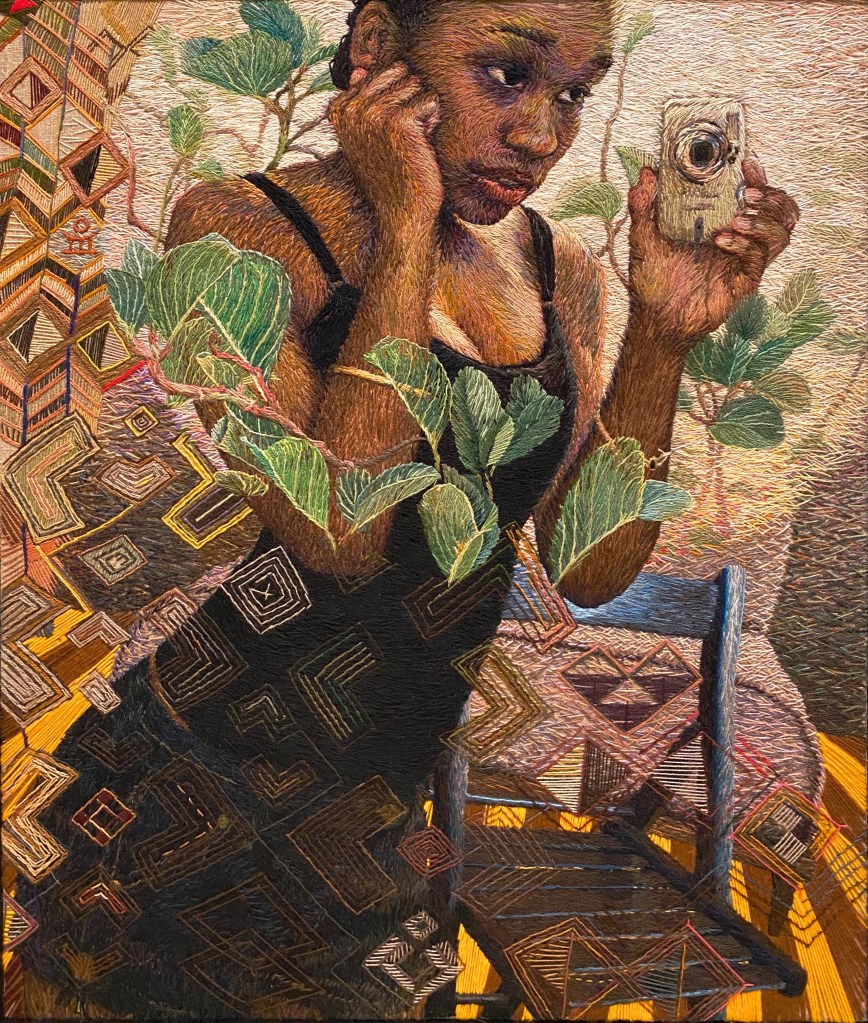
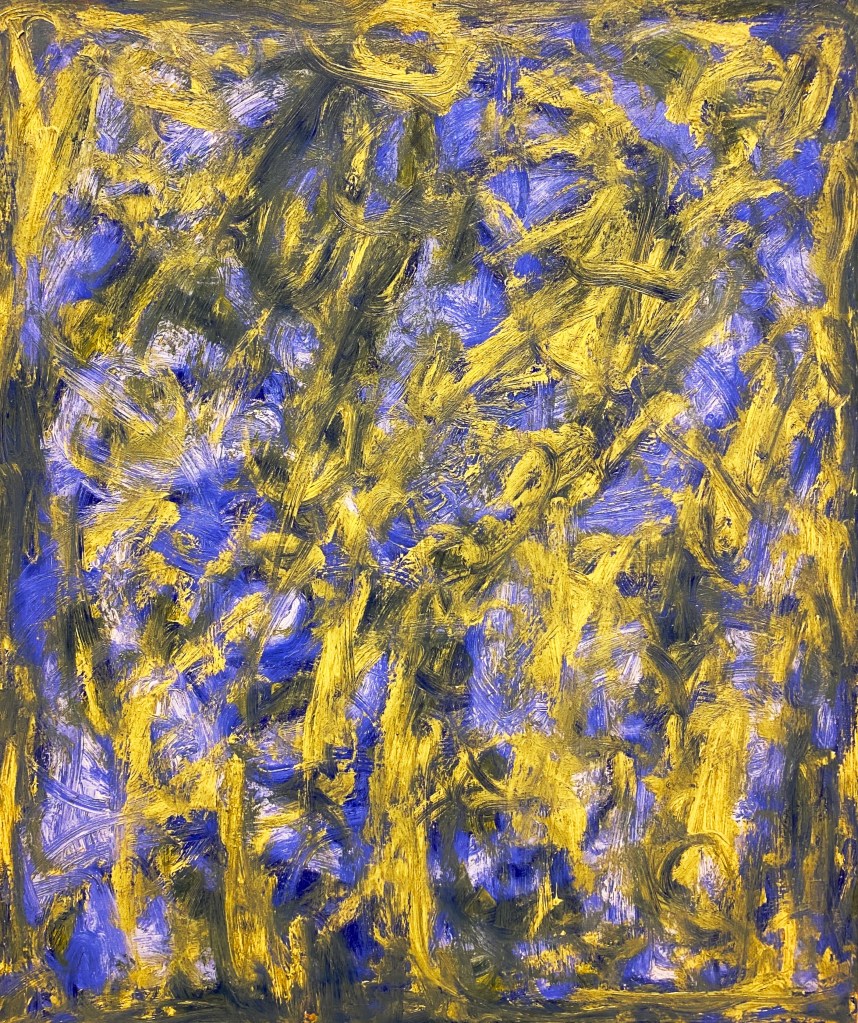
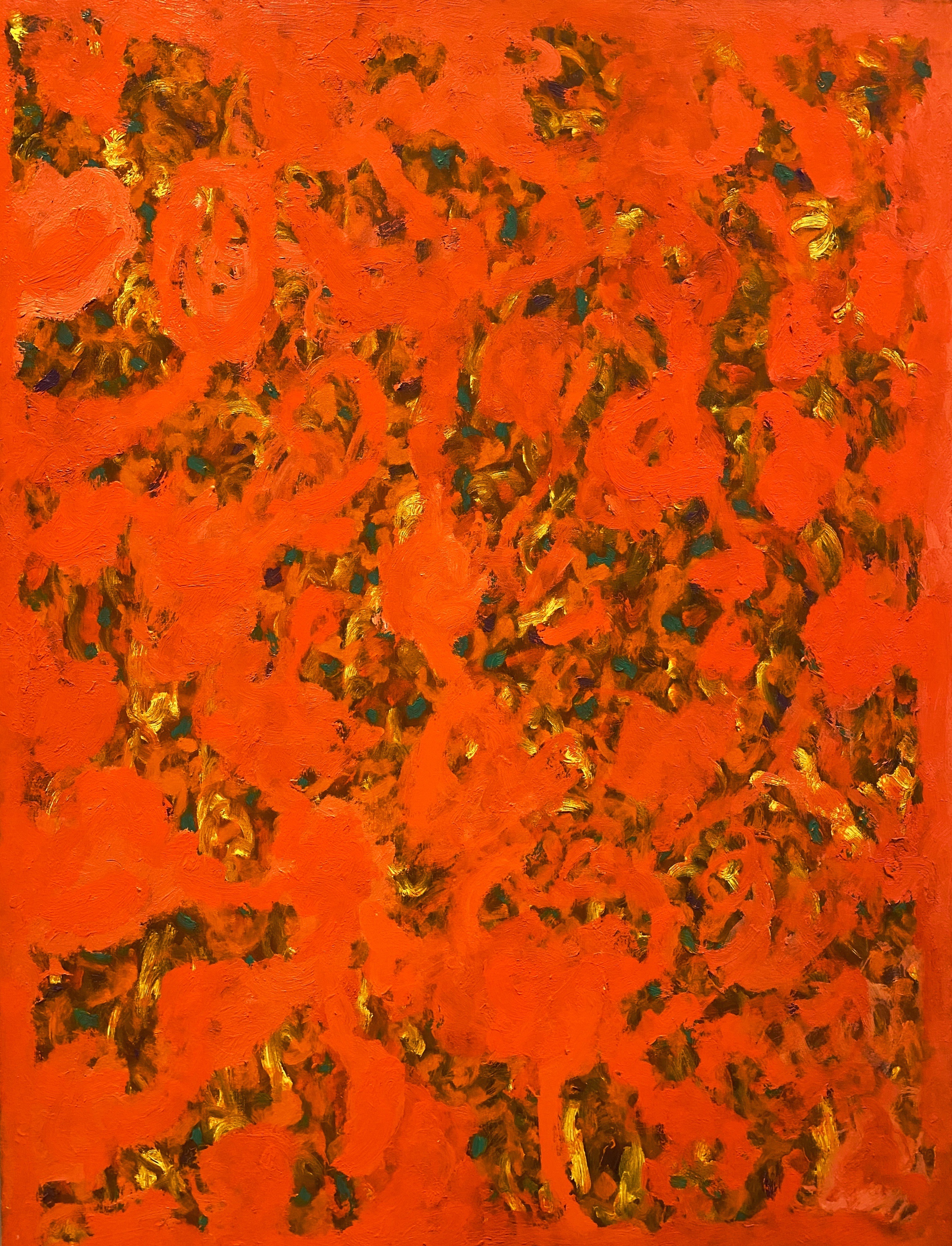
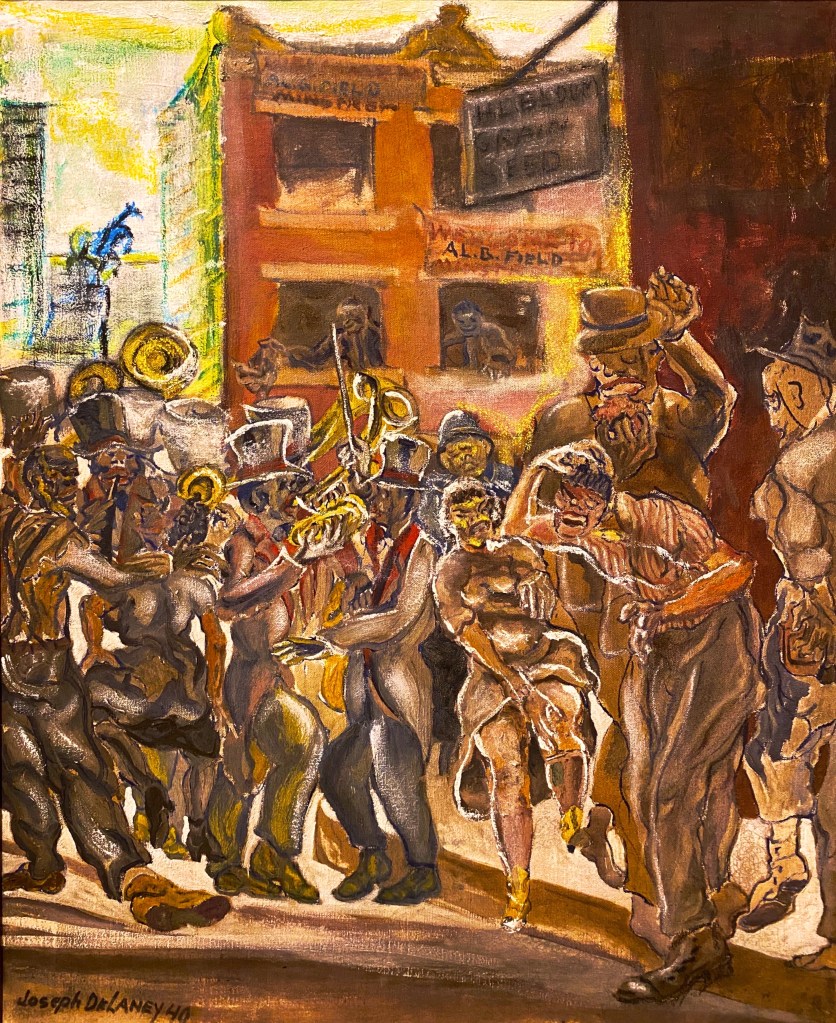
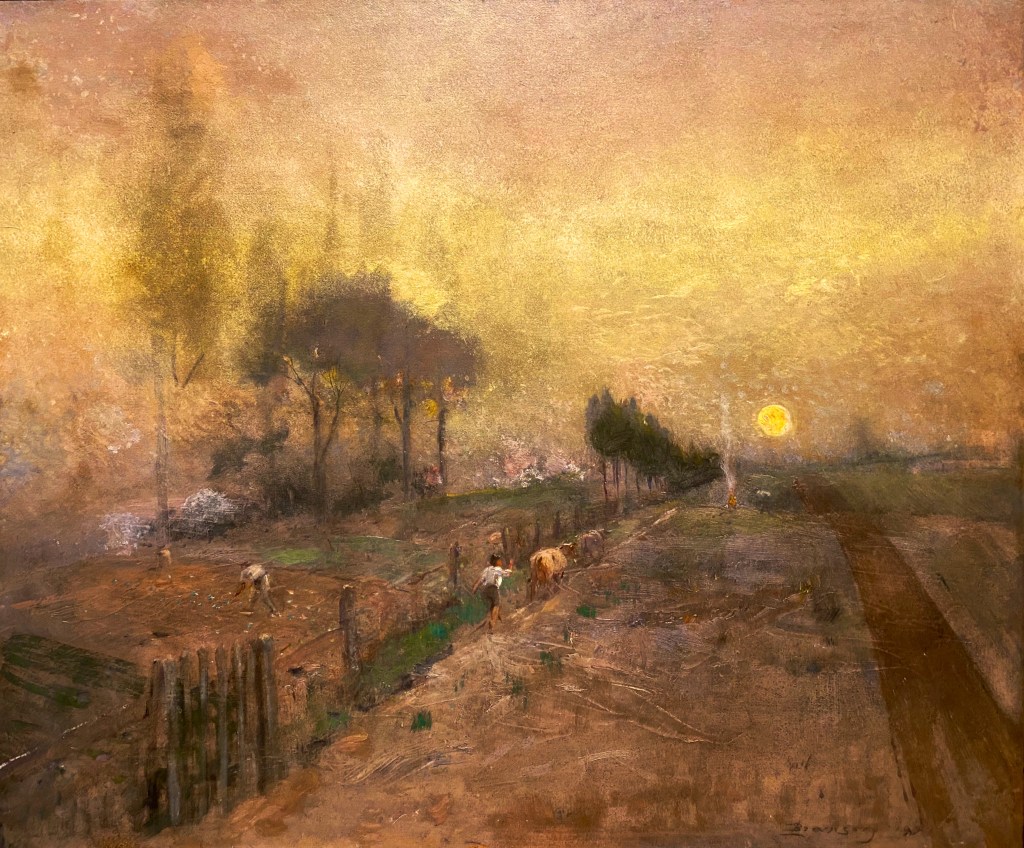
The Blanton has almost 100,000 square feet of gallery space so we picked our spots in regard to which collections and galleries to view. It is a recommended visit for any fine art fan. The photos below are some of the paintings we found most interesting.


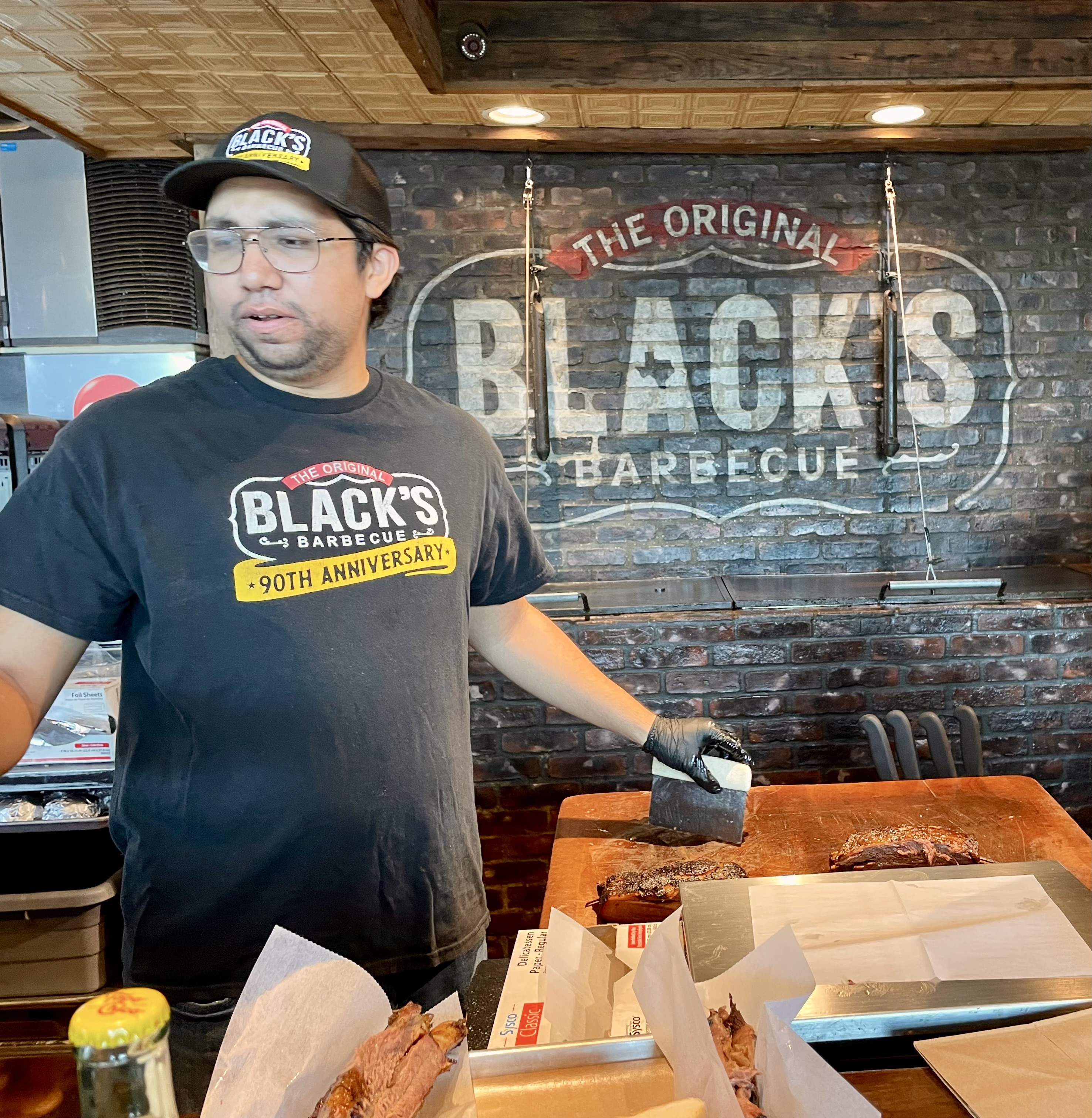
After concluding our visit at the museum we found ourselves hankering for another taste of barbecue. As the day was particularly hot we opted to get a ride from the museum to the Original Blacks Barbecue (Since 1932). Adding to the excitement of more barbecue was the arrival of our vehicle – an autonomous Waymo Jaguar!

After our late and tasty lunch we retreated to the hotel for a lie down and a quiet evening at the pool with cocktails from the roof top bar.


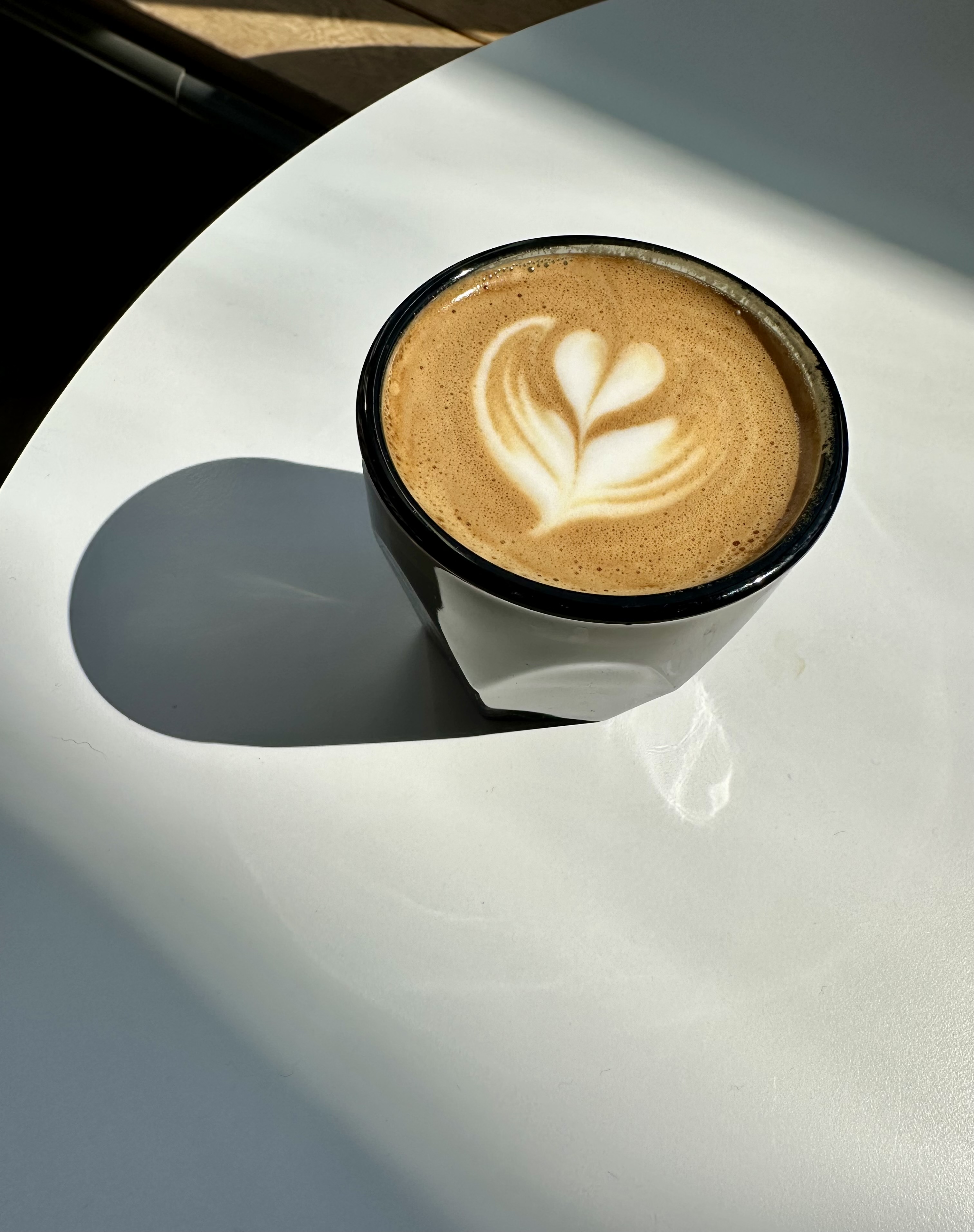
After enjoying a relaxing evening by the pool we decided that a day by the pool would be quite nice (after returning from coffee, of course). We summoned an Uber to convey us to the Houndstooth Coffee cafe located in the East Austin neighborhood of Chestnut.


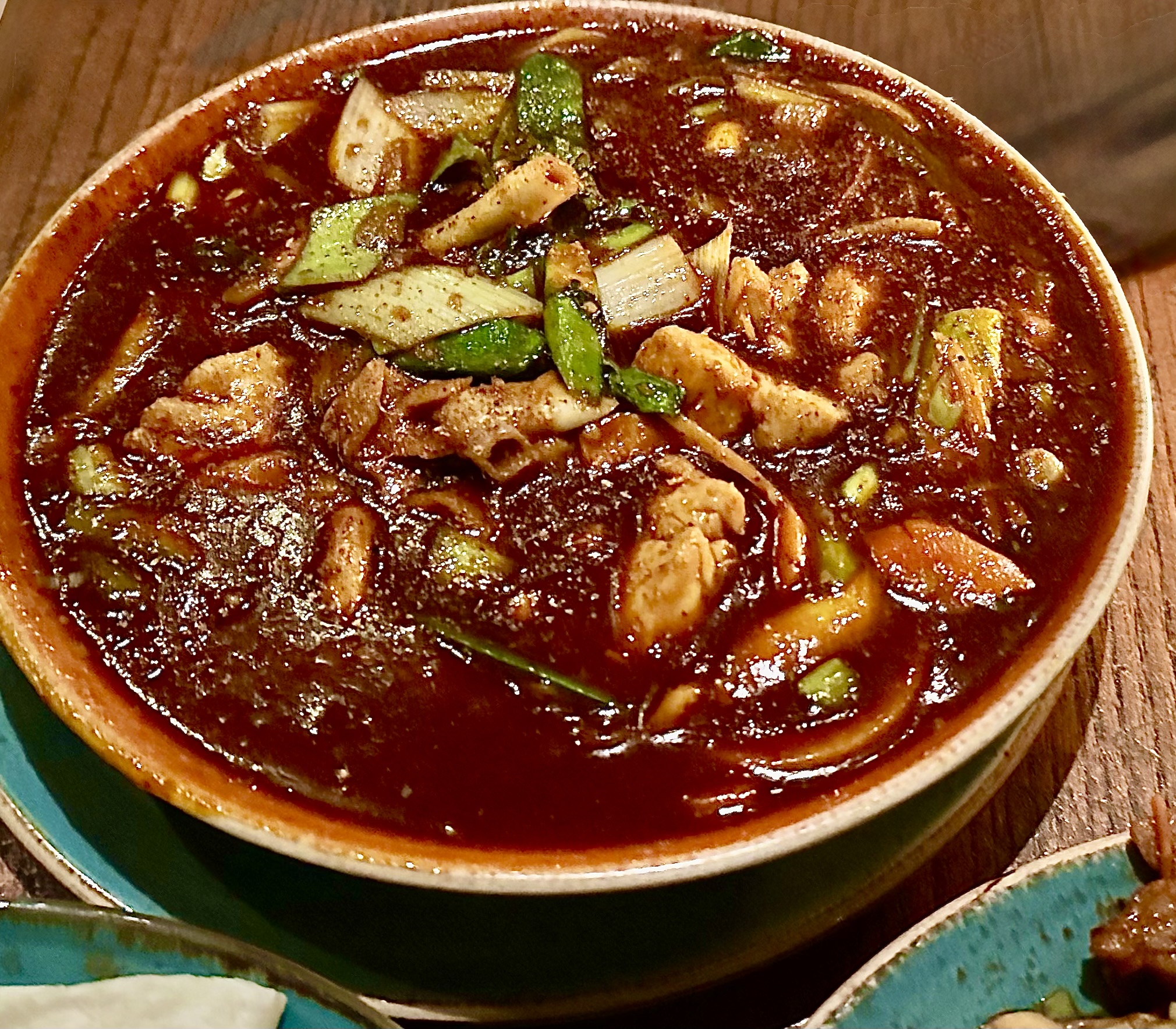
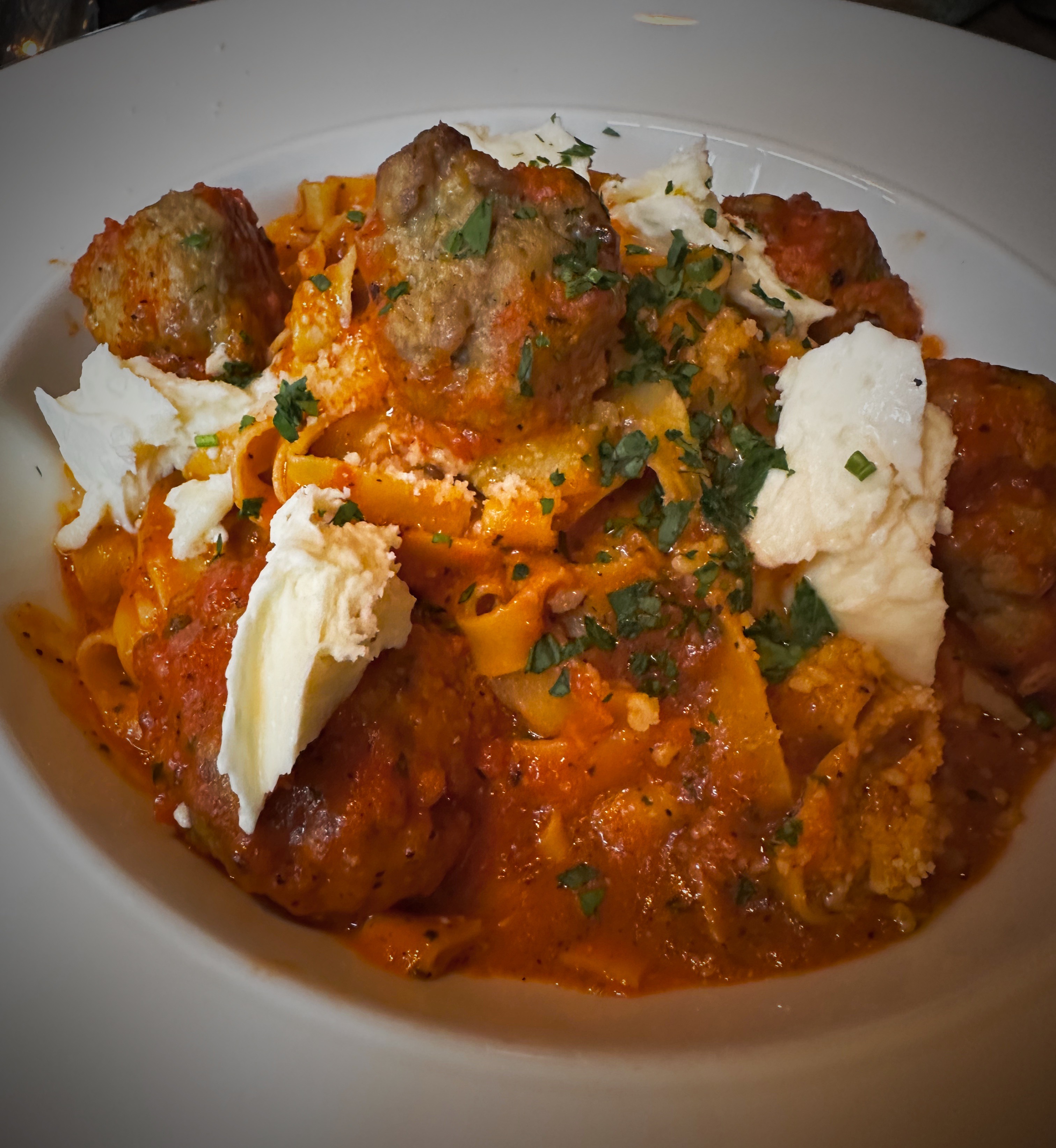
After a restful afternoon by the pool we strolled down to Republic Square for dinner. We were ready for a break from barbecue and Tex-Mex and figured the highly rated Wu Chow would make for a distinctly different experience. We highly recommend Wu Chow.


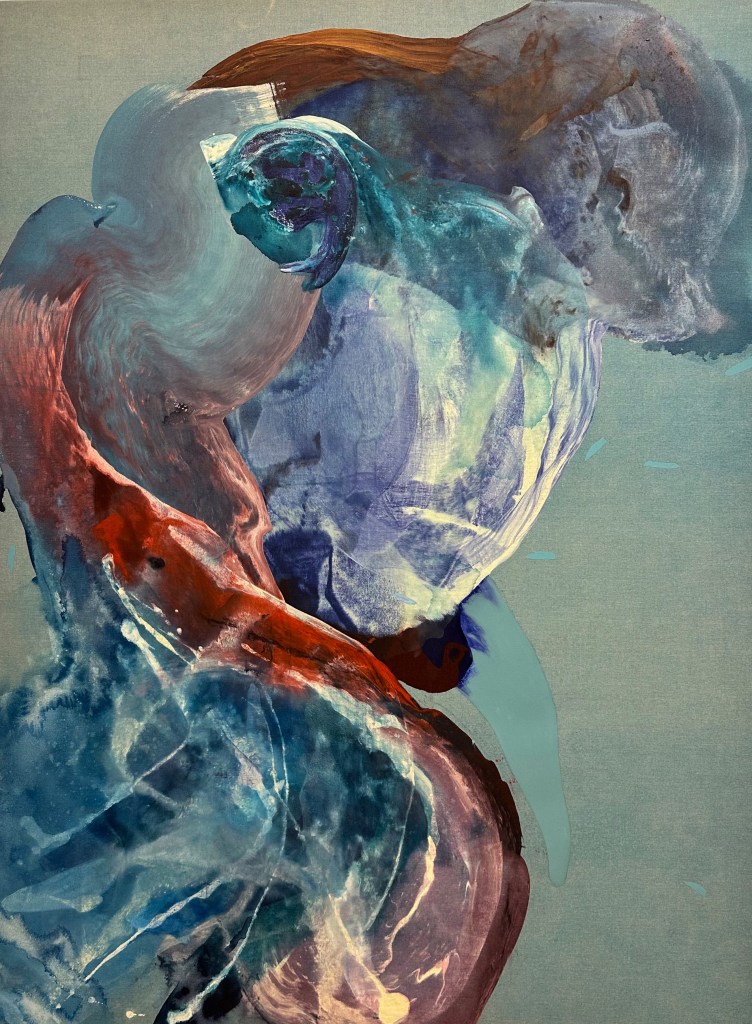
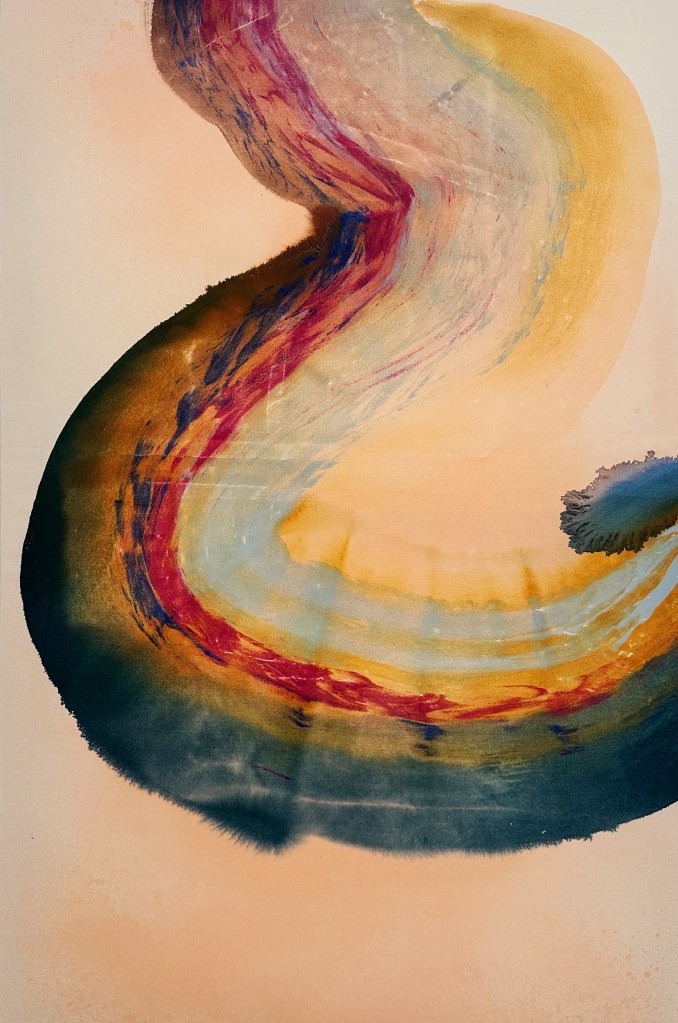
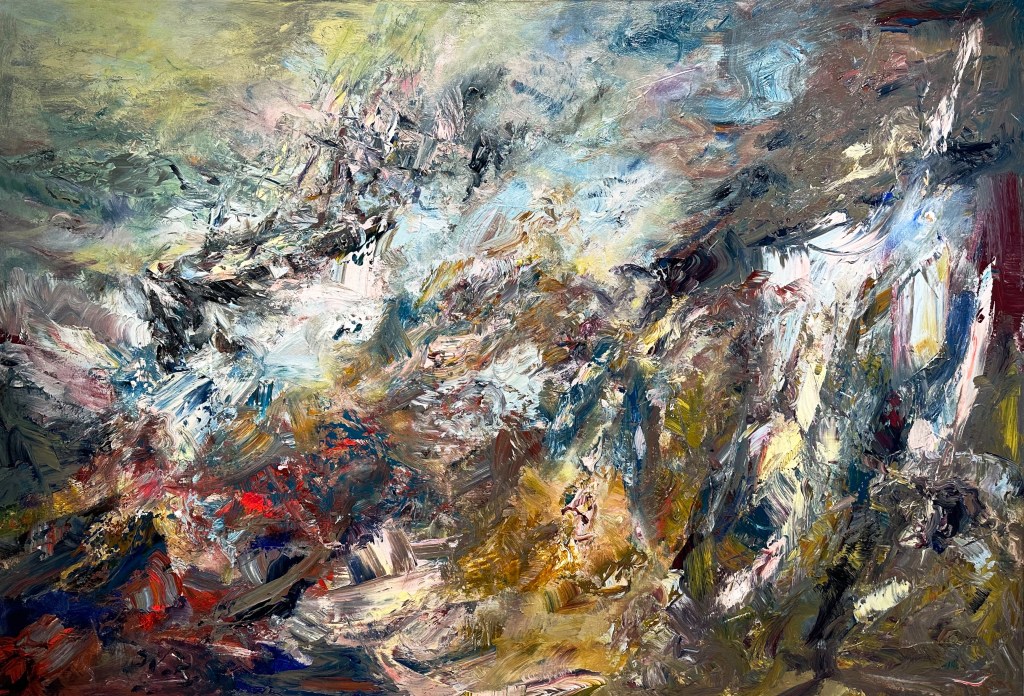
Day five – first stop Houndstooth Coffee at the downtown location followed by a visit to The ContemporAry. The ContemporAry is very much what you might infer from an art museum with this name. It is a smallish museum that has a schedule of changing exhibitions. We recommend checking their website to see what exhibitions are currently on display before visiting. There were two artists on display as part of an exhibition titled The Canvas Can Do Miracles that we particularly enjoyed.







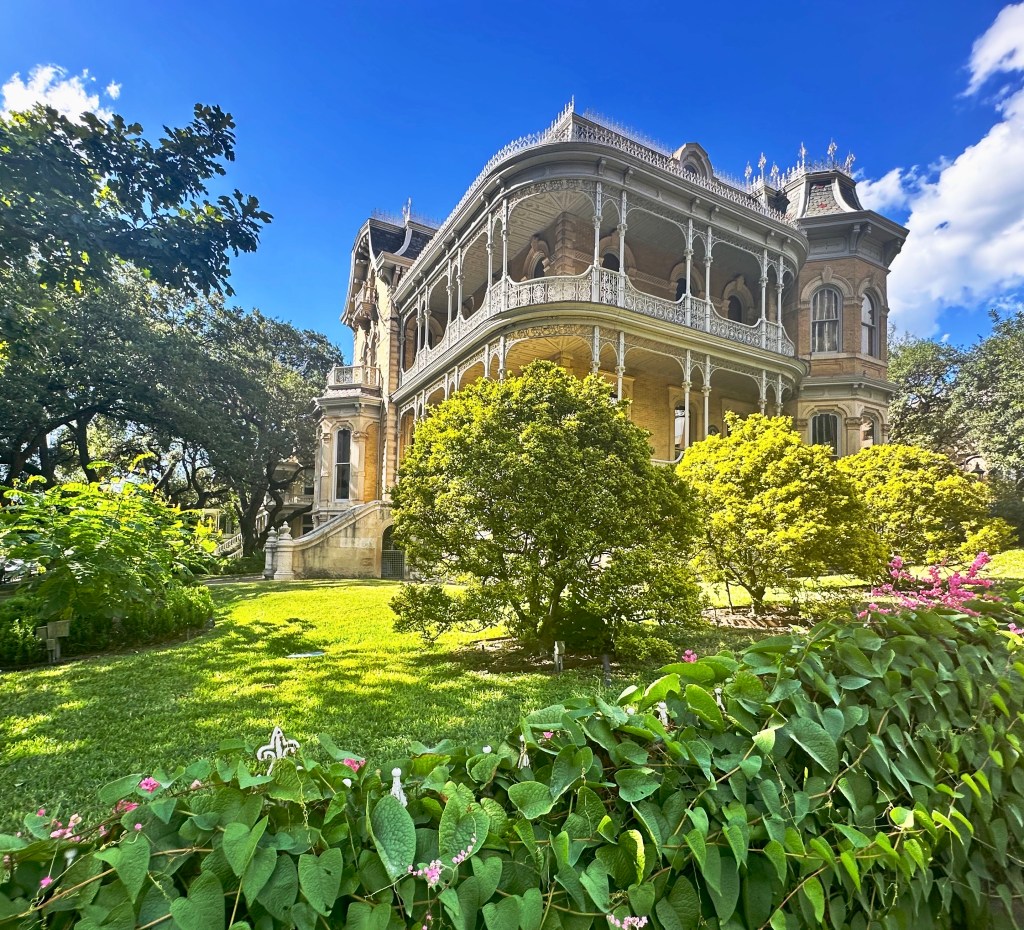
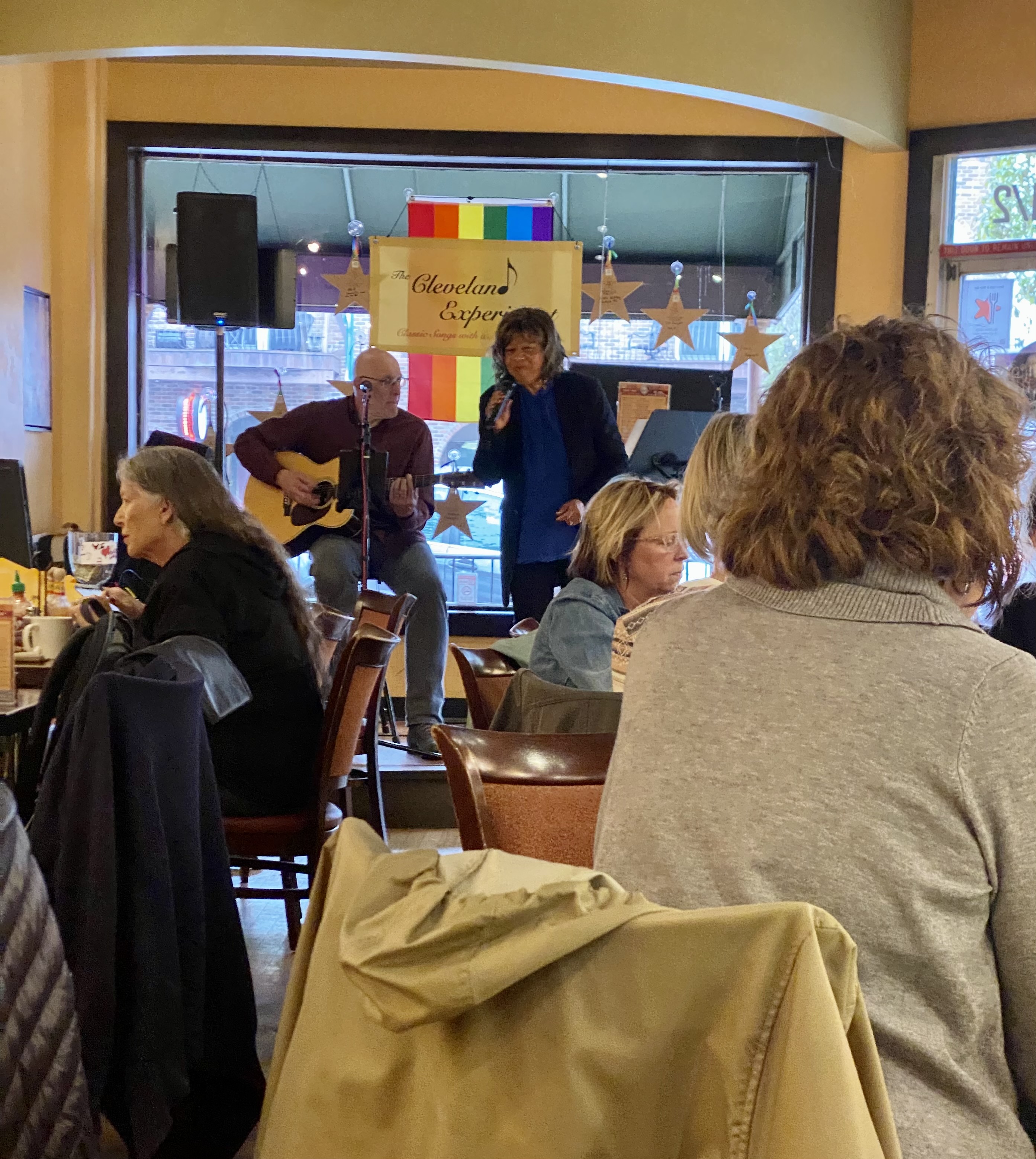
We had not taken in any live music in a city full of live music, so we decided that it was more than past time to catch some live sets. The Elephant Room was just around the corner from the hotel and had a full evening of jazz on tap. The Elephant Room is a classic basement jazz club and since it was Sunday evening the cover was only five dollars and there was no minimum drink requirement. Oh baby, who is better than us!


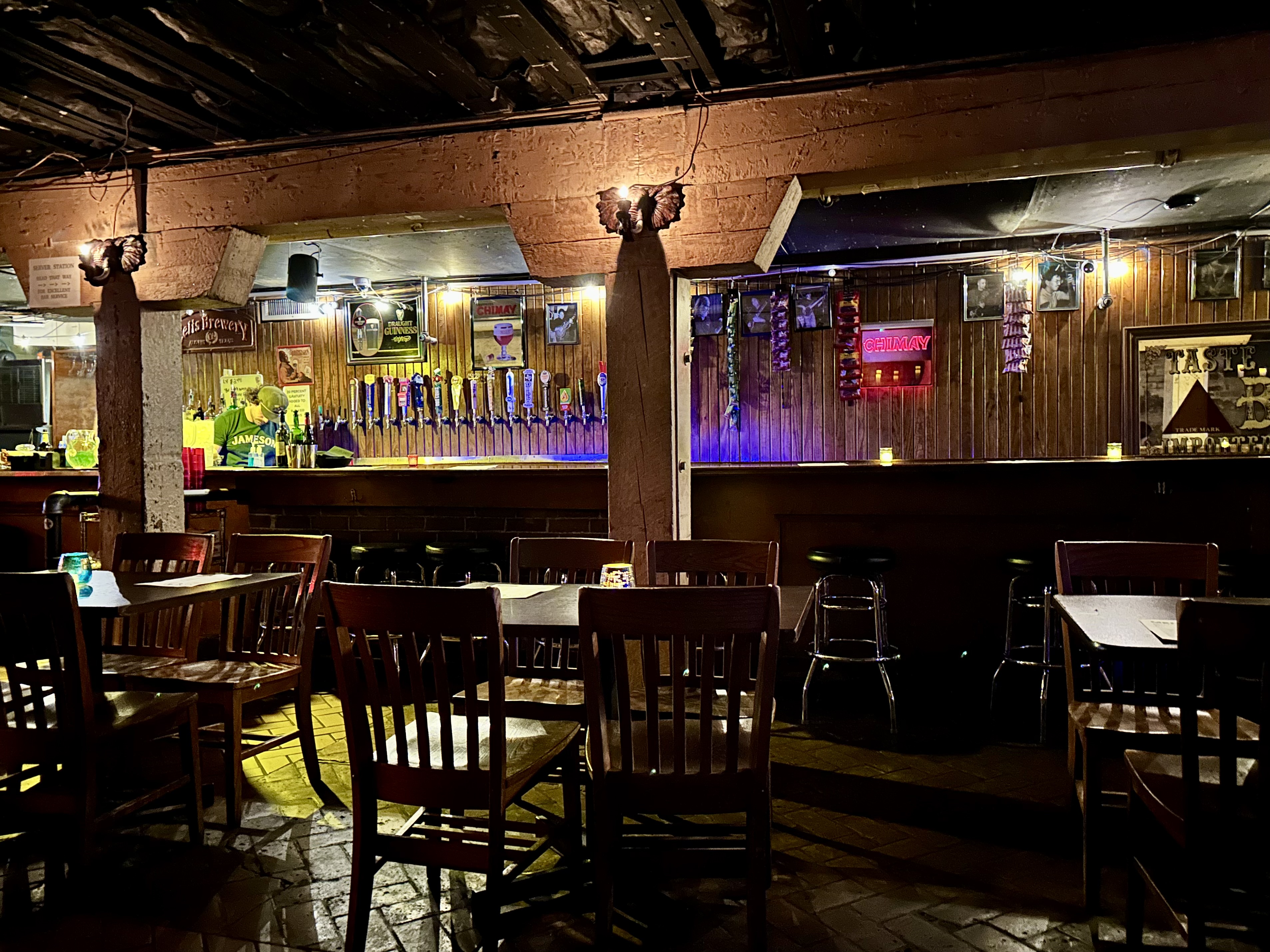
We took in several sets by the Chris Jones Quartet. Chris Jones is a well known bassist in the ATX area. The quartet played a number of songs composed and arranged by Chris. An excellent start to the musical portion of the ATX City Tour.


We had been crossing back and forth across Lady Bird Lake during our wanderings but not gotten down to the lake. Retro Boats ATX provided us with an easy and enjoyable way to get on the water and get a great view of the waterfront skyline. Kayak rentals are available but it was just too dang hot – if we are honest. Retro Boats rents vintage speedboats for cruising on the lake. We felt compelled to rent the 1973 Glastron GT-150, which is the same model that was used in the Bond flick “Live and Let Die”. We were not able to get airborne with the boat as Bond did in the film but we are after all not Bond – James Bond!

After our voyage on the lake we stopped for lunch at Jo’s and then meandered back to the citizenM for pool time and cocktail sipping. Finito!
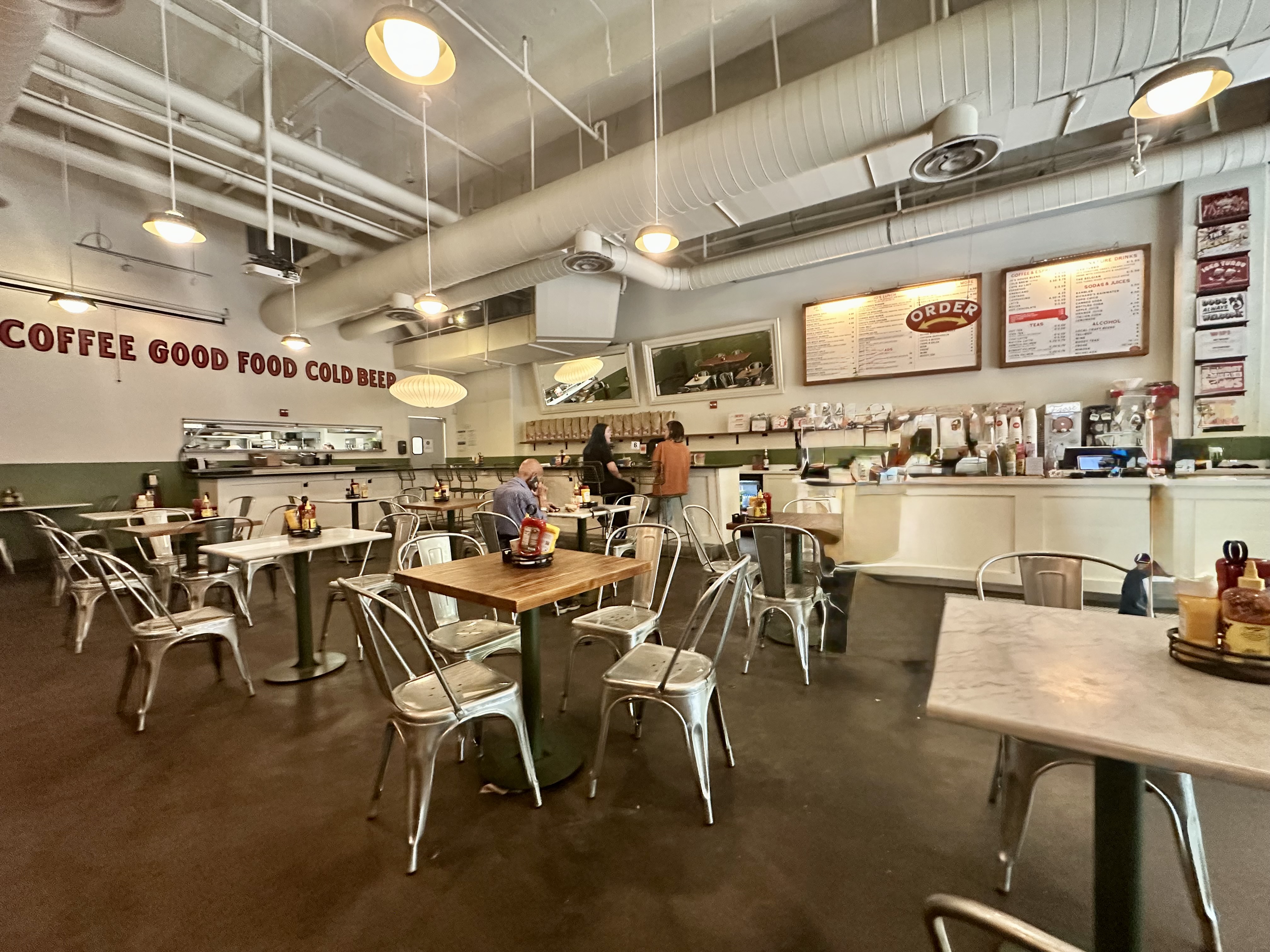

When we planned our tour of ATX, we were not locked in on visiting the LBJ Presidential Library and Museum. However, some friends that had visited the library last year thought it was worthwhile.
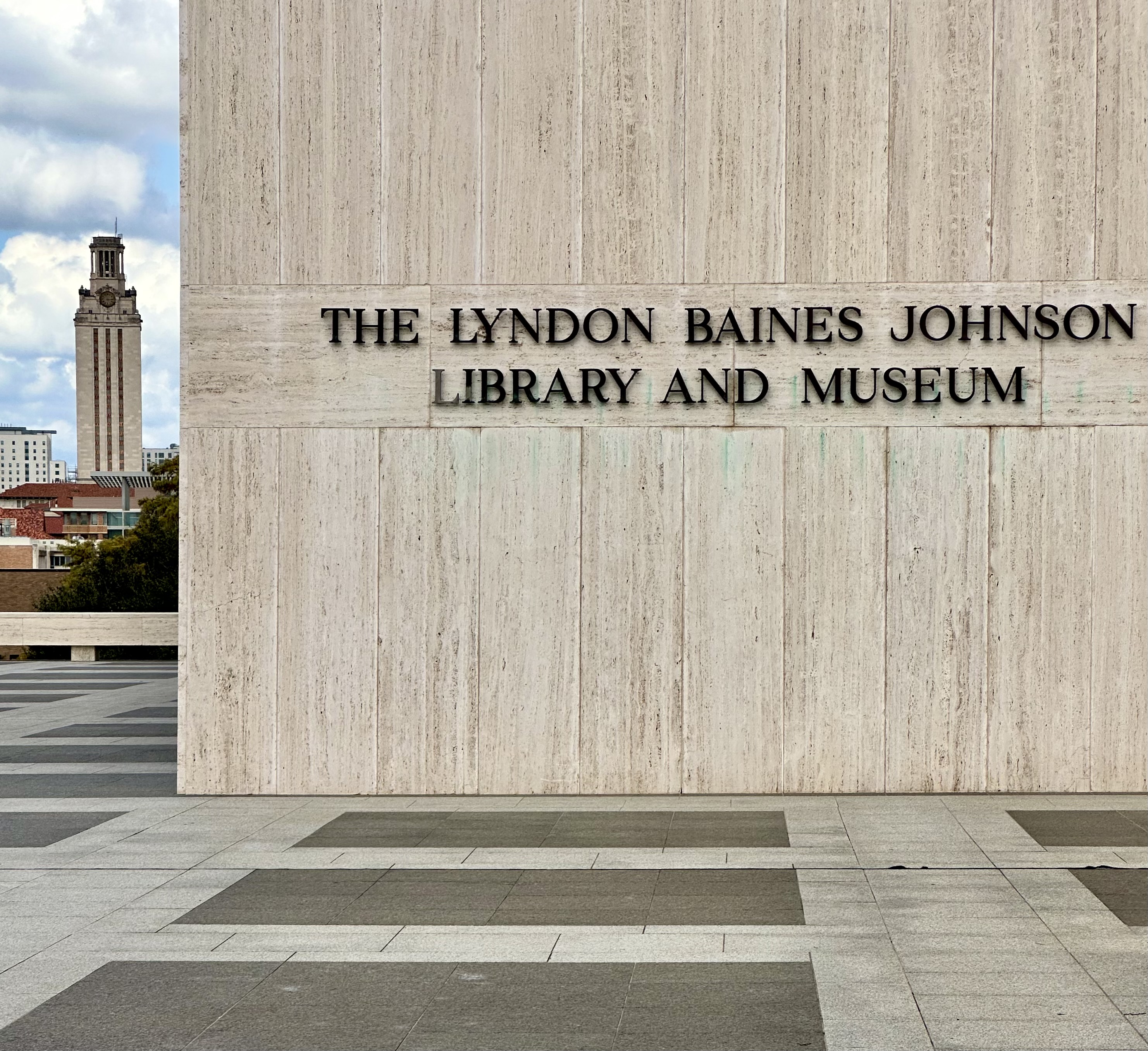

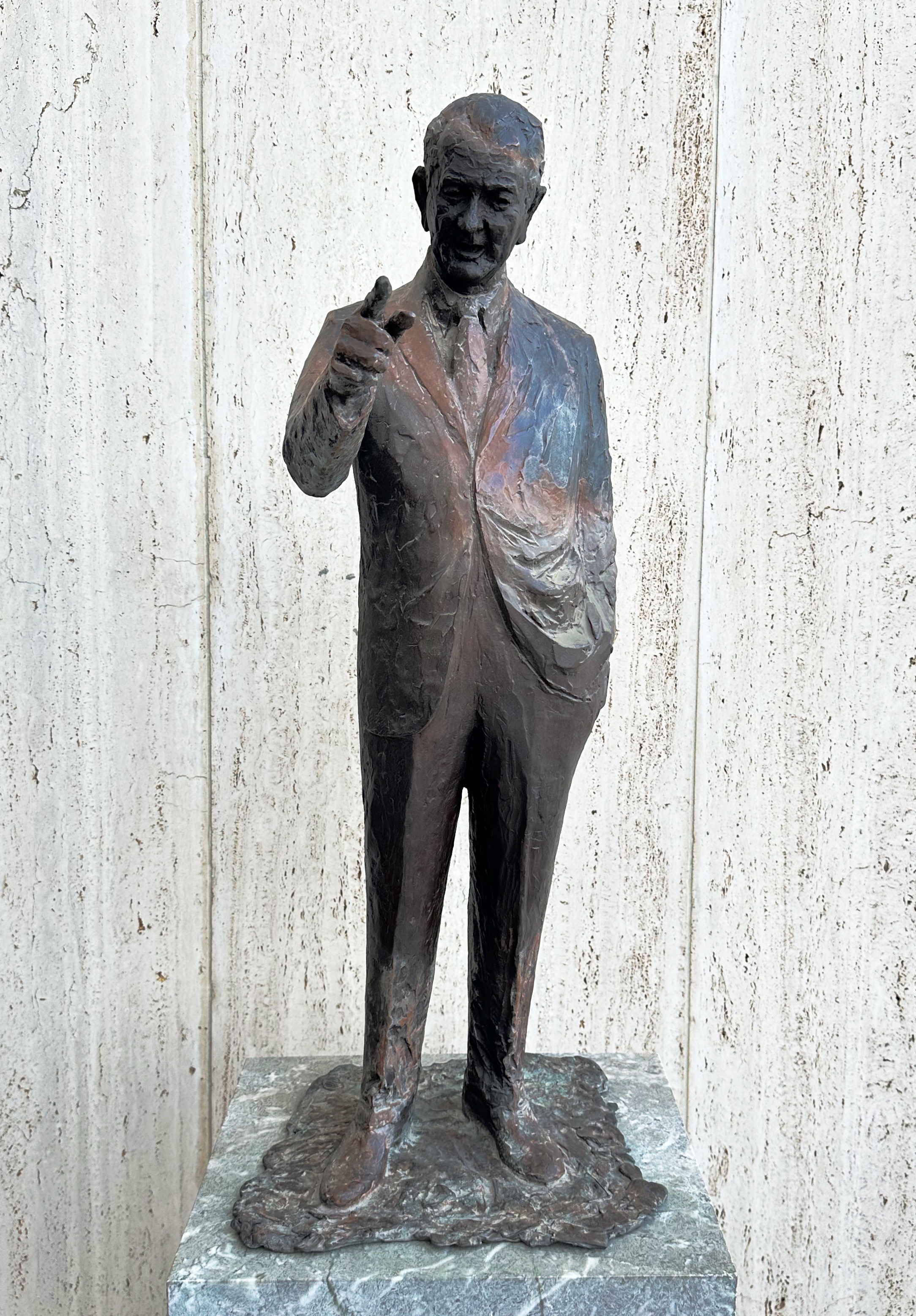
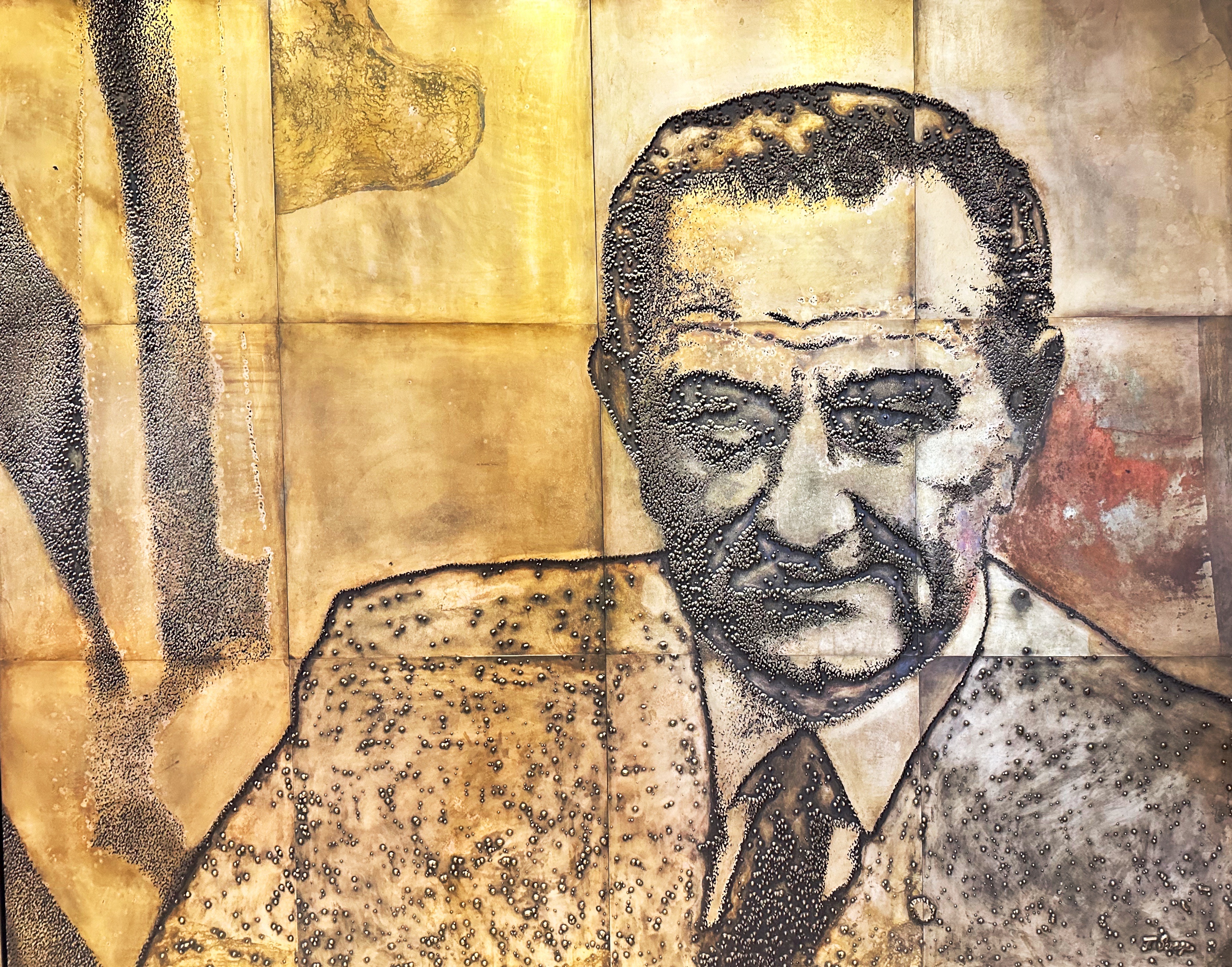


The five years in which LBJ was president were tumultuous times. The Vietnam War and the Civil Rights Movement were in full swing. The museum provided an historic timeline that brought back many memories from our young adult years.
It was also eye opening to realize how much legislation LBJ was able get passed related to ensuring civil rights, reducing poverty and protecting the environment. It also became apparent how LBJ agonized about our involvement in Vietnam. If you are a history fan, the LJB Presidential Library is recommended by OTR.
After learning a lot about LBJ we were, of course, in need of coffee and tea. We visited Merit Coffee on North Lamar and then went downtown to 6th St (Dirty 6th) for some mural hunting before retiring to the hotel to freshen up for an early dinner at Jeffrey’s.
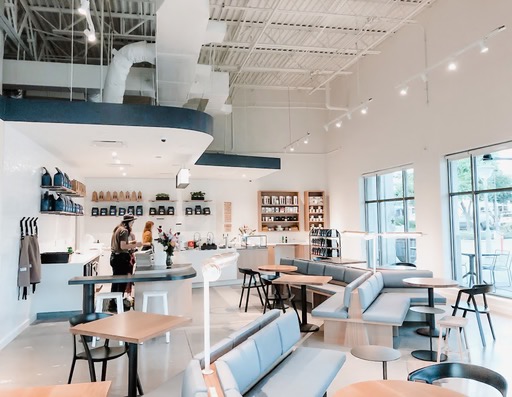



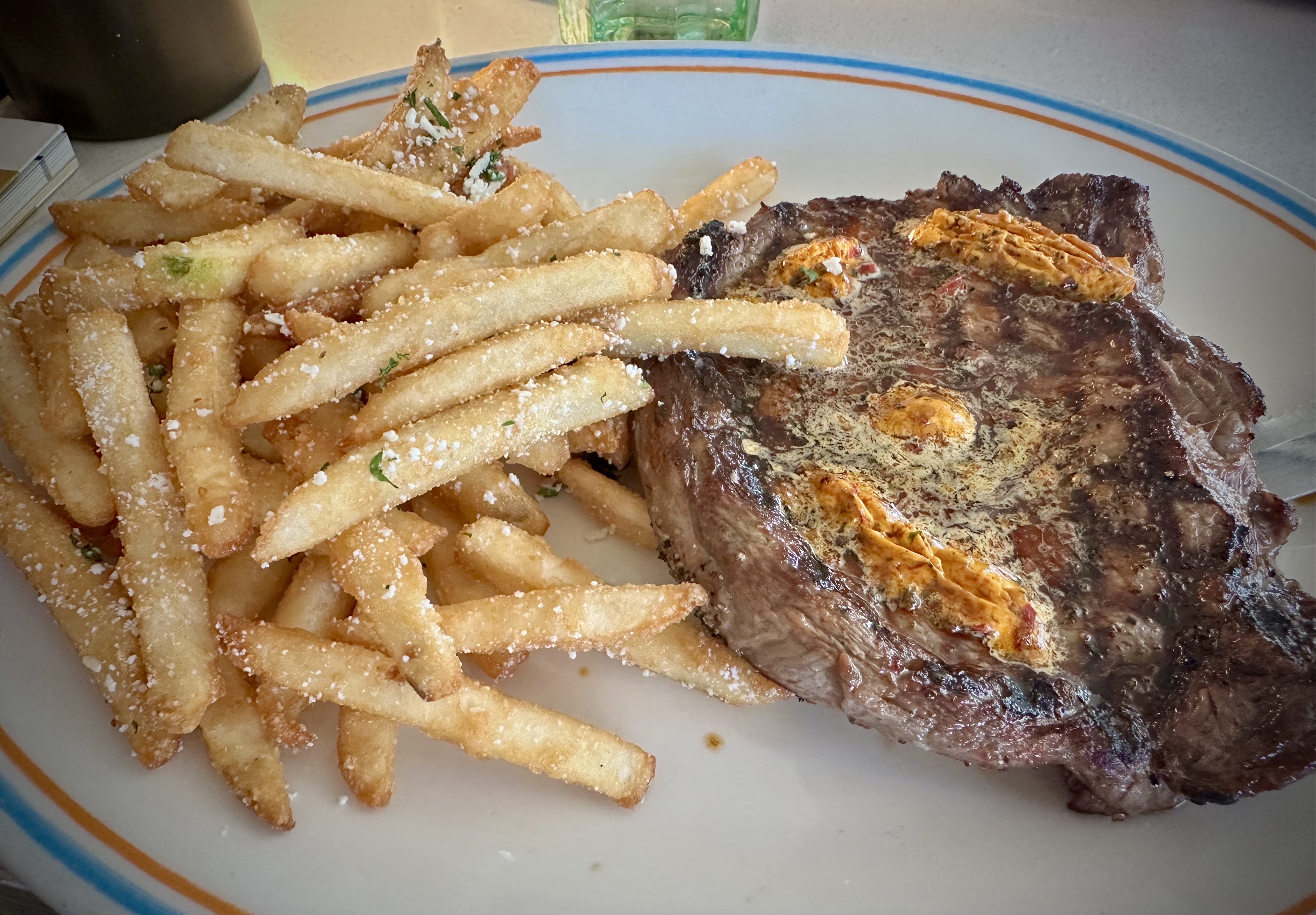
Jeffrey’s is considered by most everyone (in ATX) as the best place to dine on steak in ATX. The restaurant was opened in 1975 and is still in top form 50 years later. The only reservation we were able to obtain during our entire stay was a 1730 slot on 7 October!


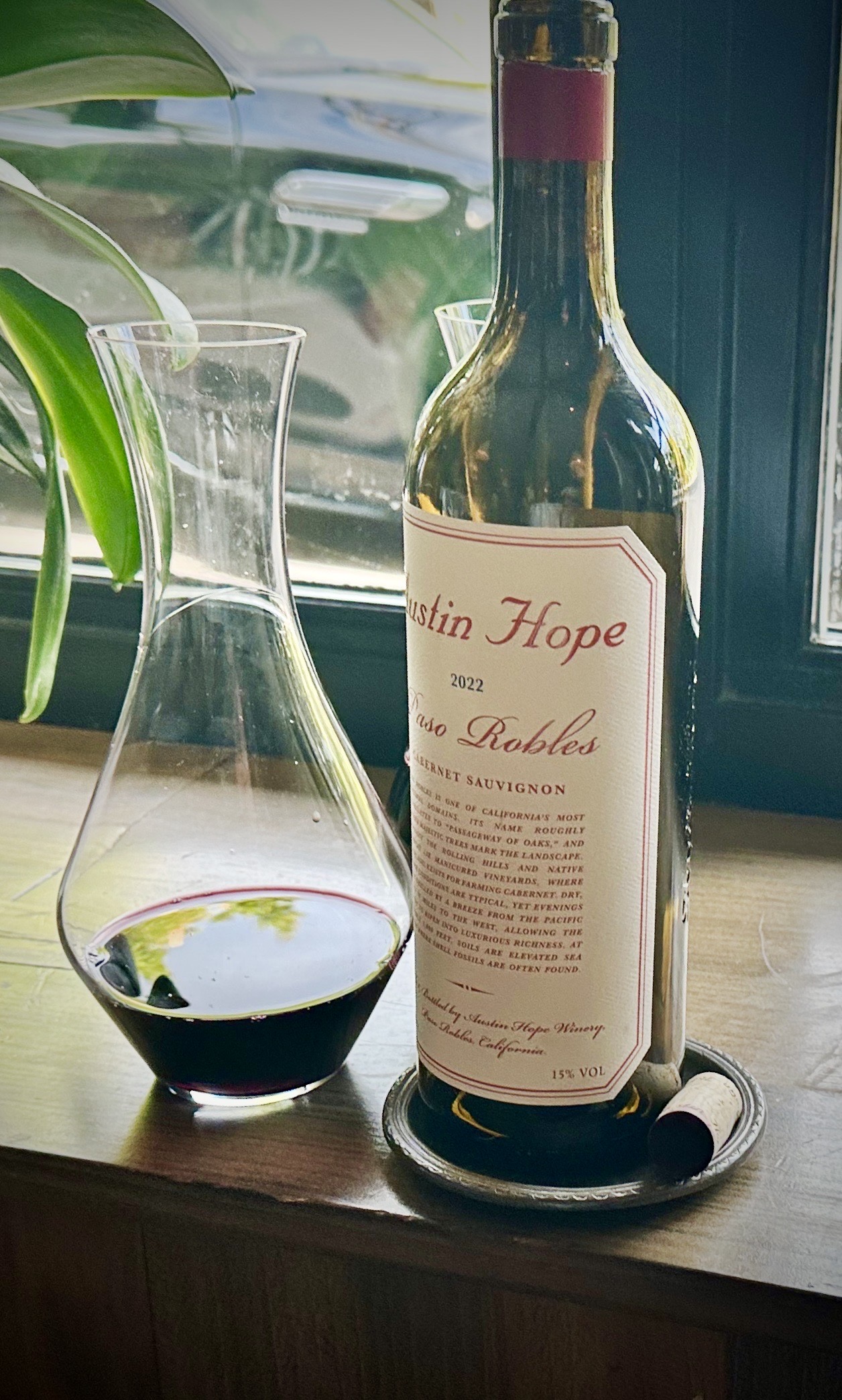
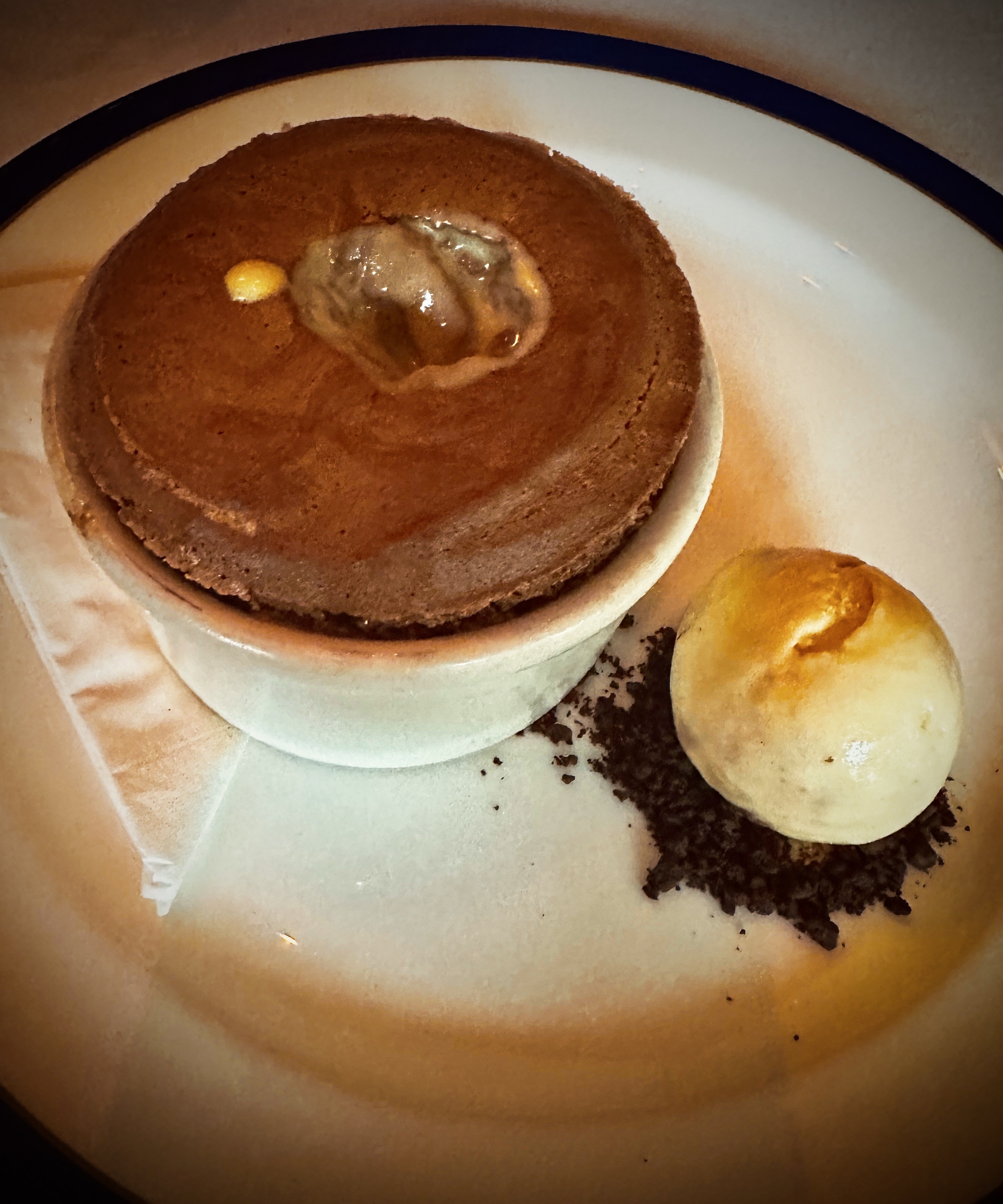
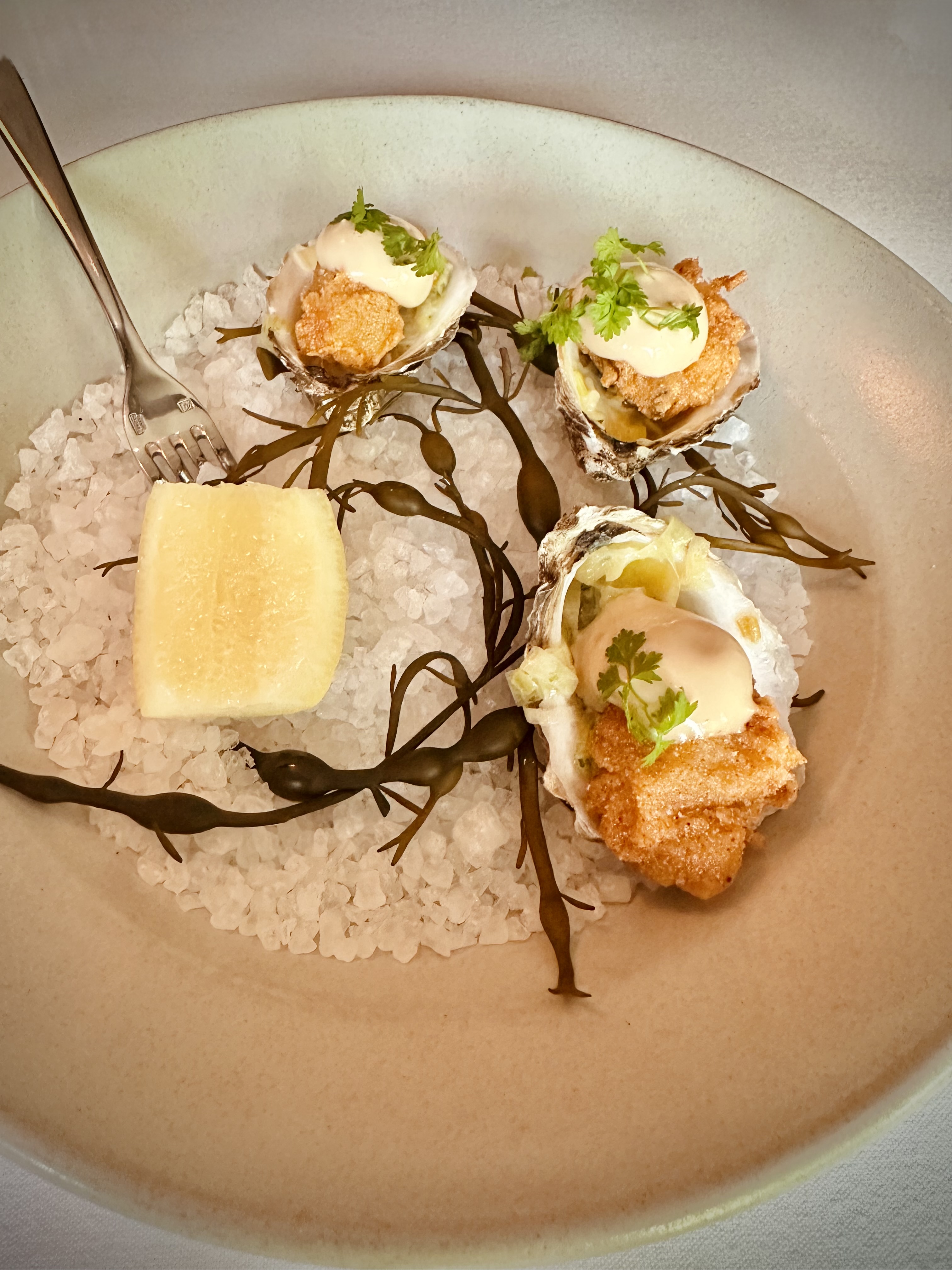
The steaks are dry aged for 32 days and grilled over live oak before going into the 1200 degree broiler. Our sommelier, lead server and support team were all quite professional, knowledgable and friendly (without being overly solicitous). We highly recommend dining at Jeffrey’s when in ATX (book in advance).
The next morning we were definitely in need of burning some calories so we walked to the Seaholm District in southwest ATX. First stop – Merit Coffee’s Seaholm Cafe. The Seaholm District was previously an industrial area that has been repurposed into a mixed use urban neighborhood.
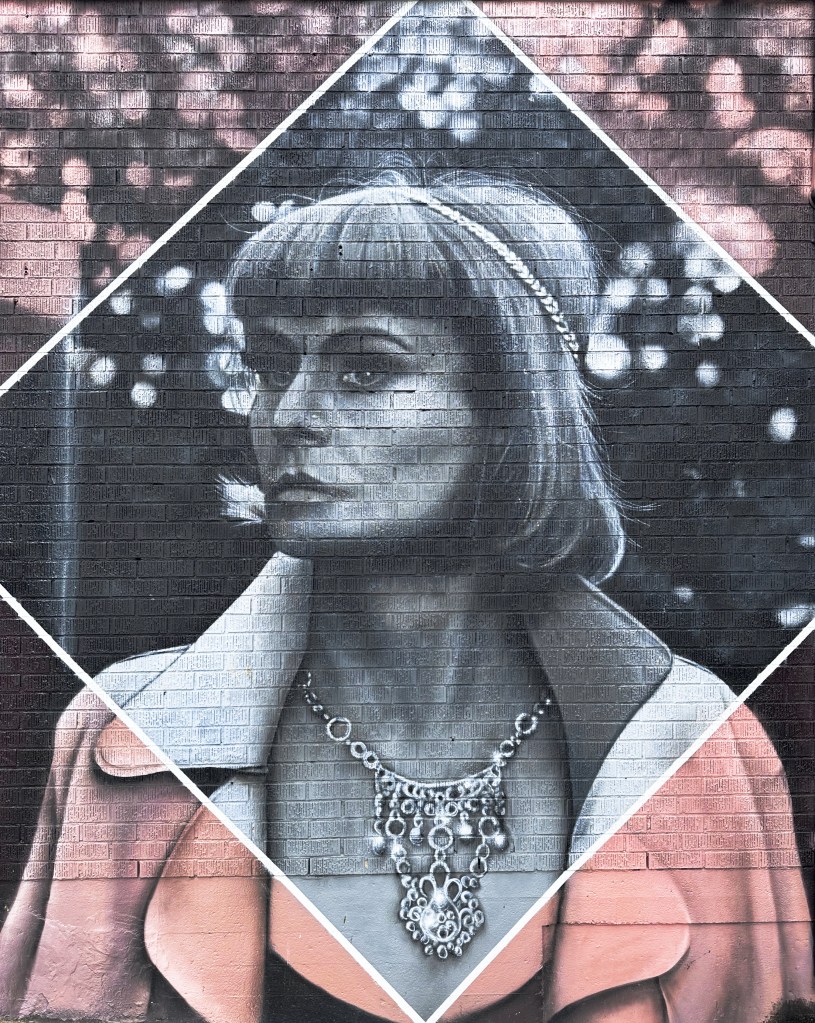
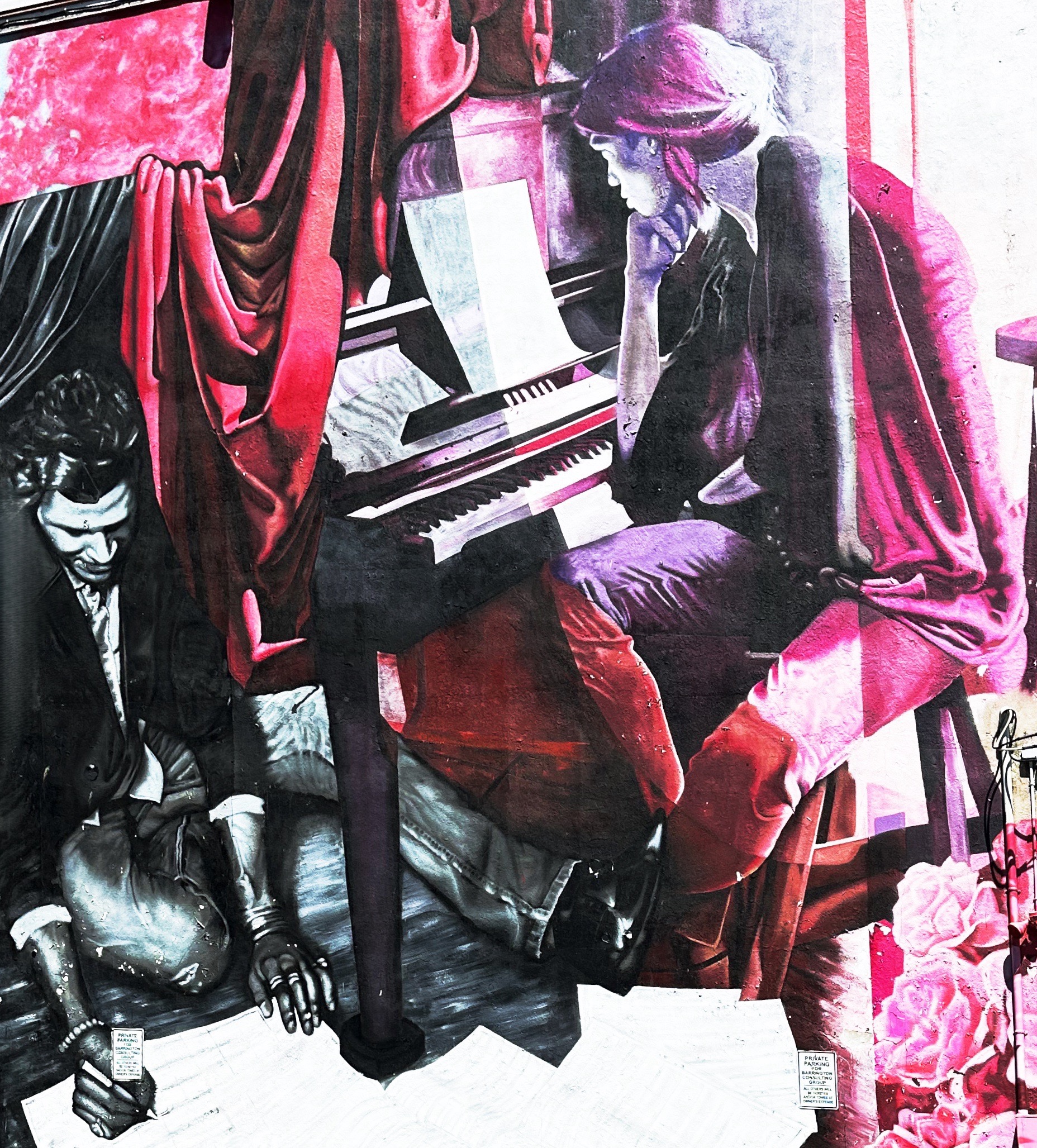
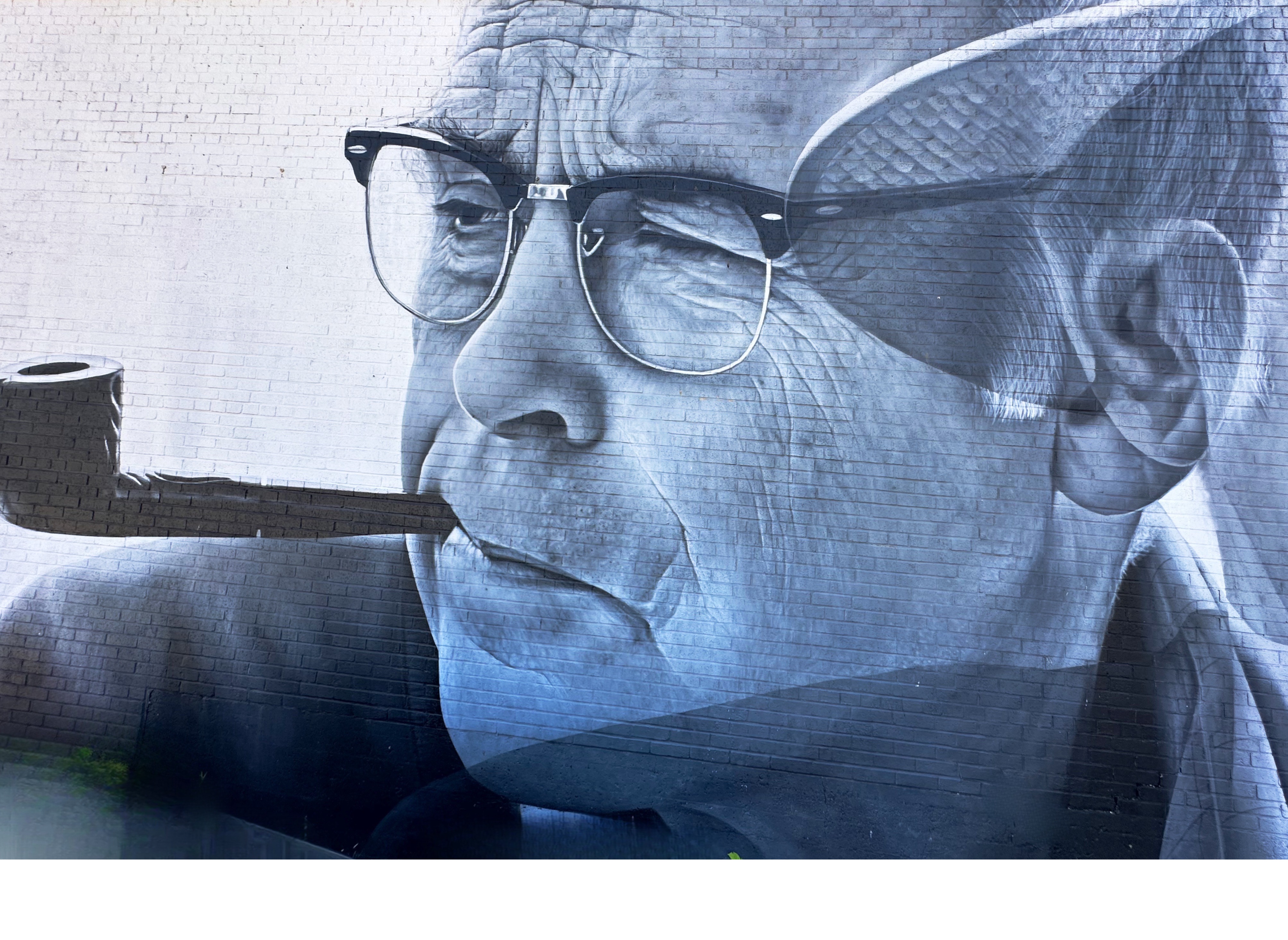
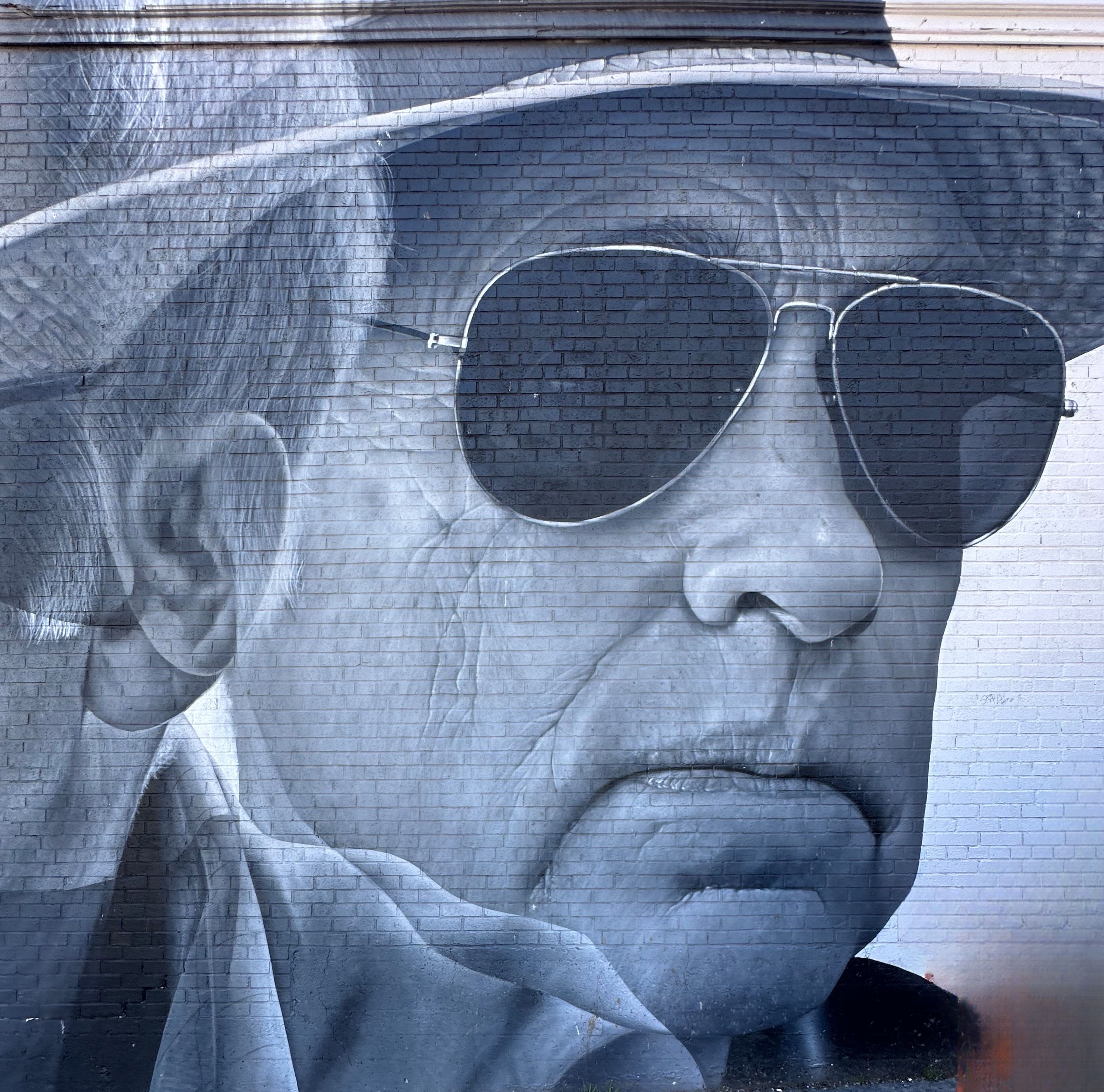
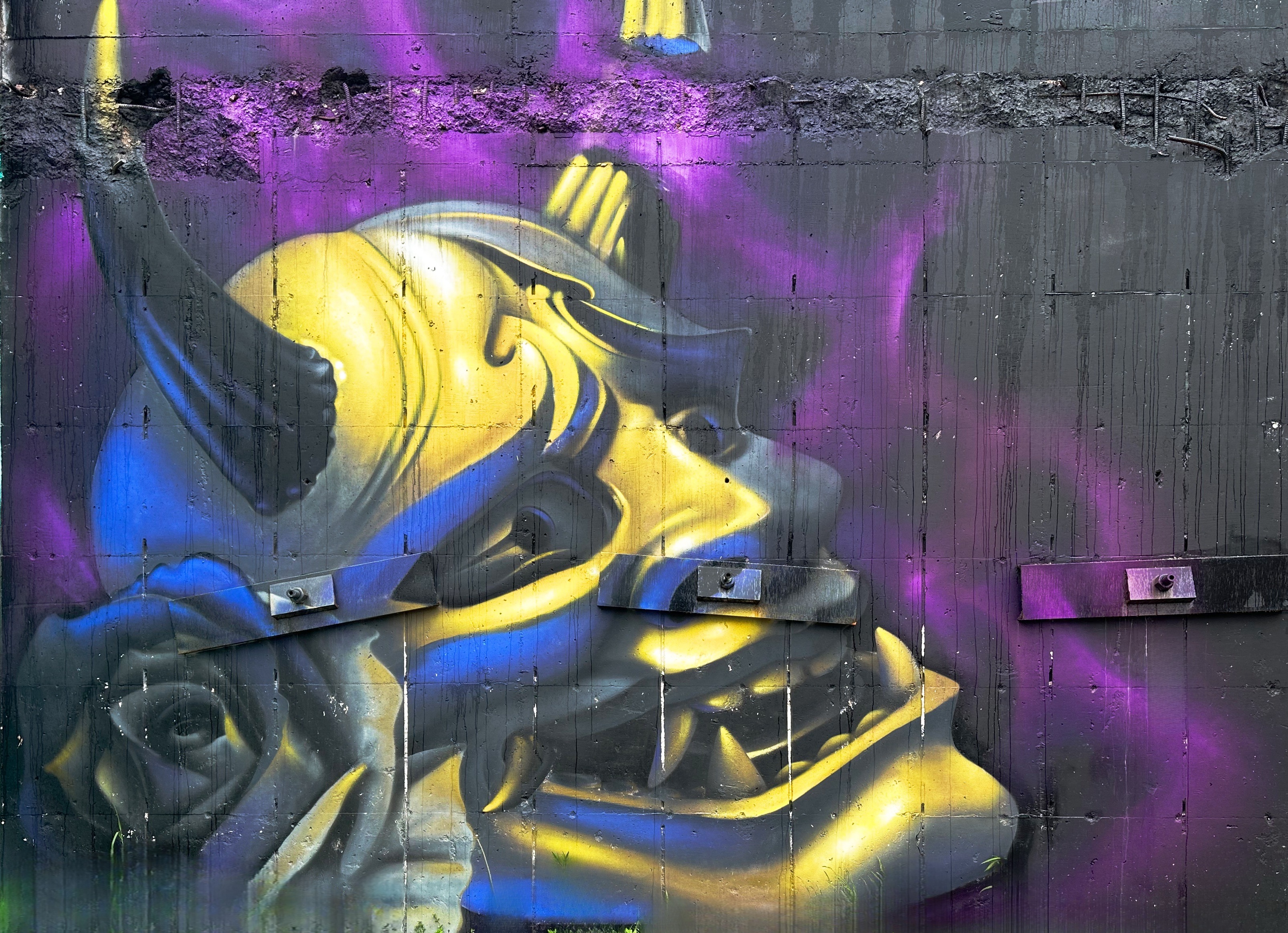
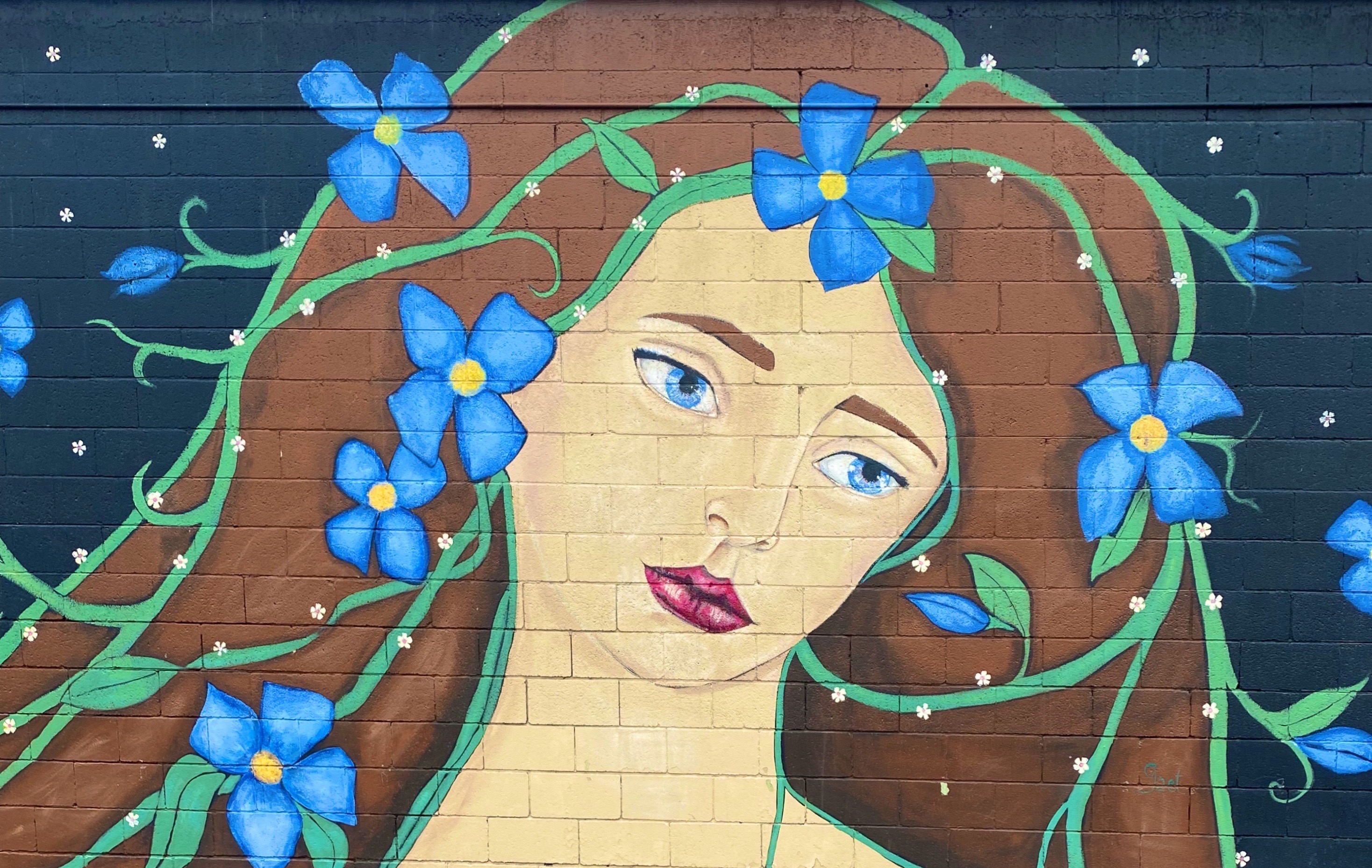
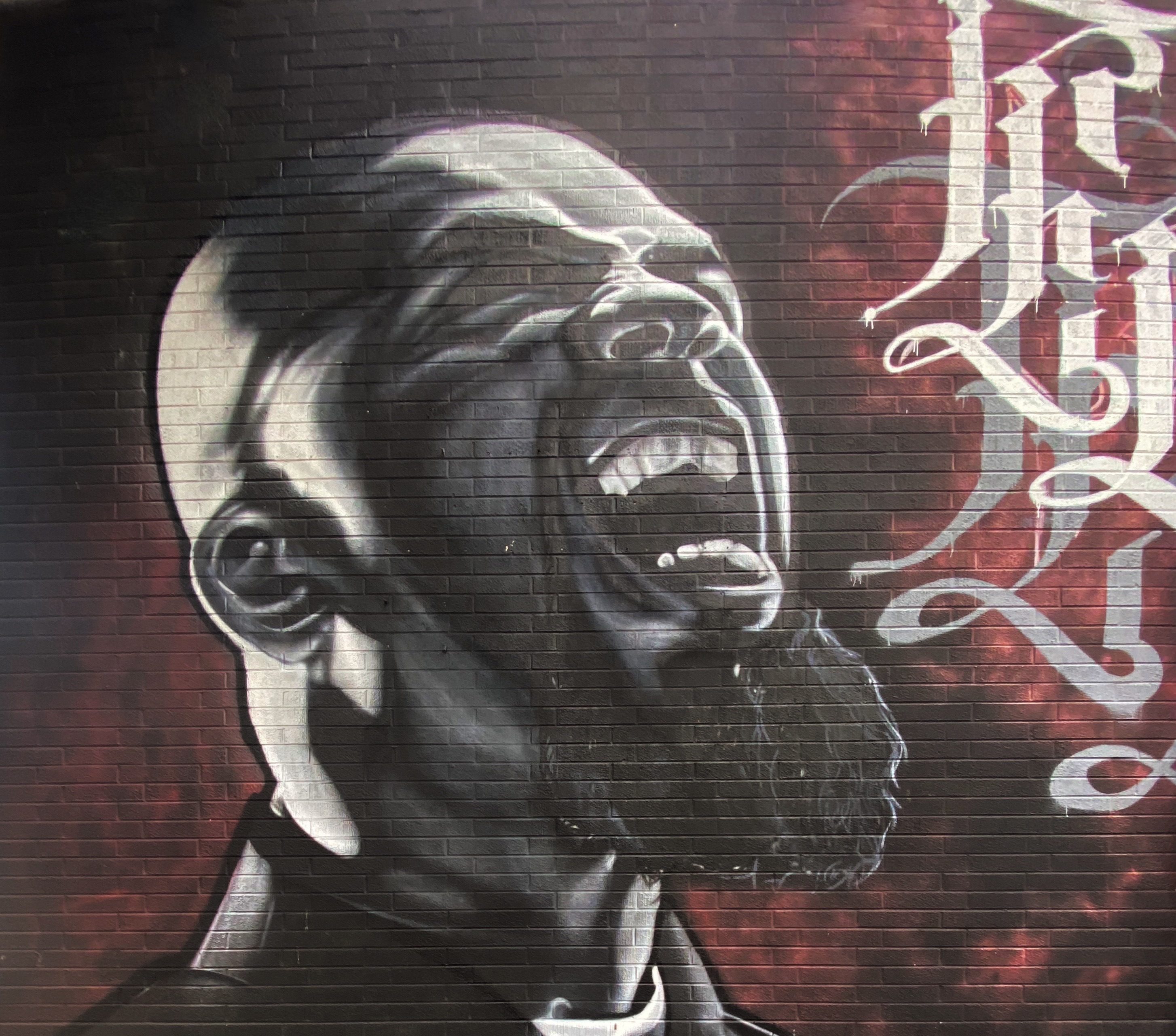
After fika we walked a bit further west to take in the Be Well murals on South Lamar Boulevard and then circled back around to visit the Central Library and view the interesting architecture in the area.

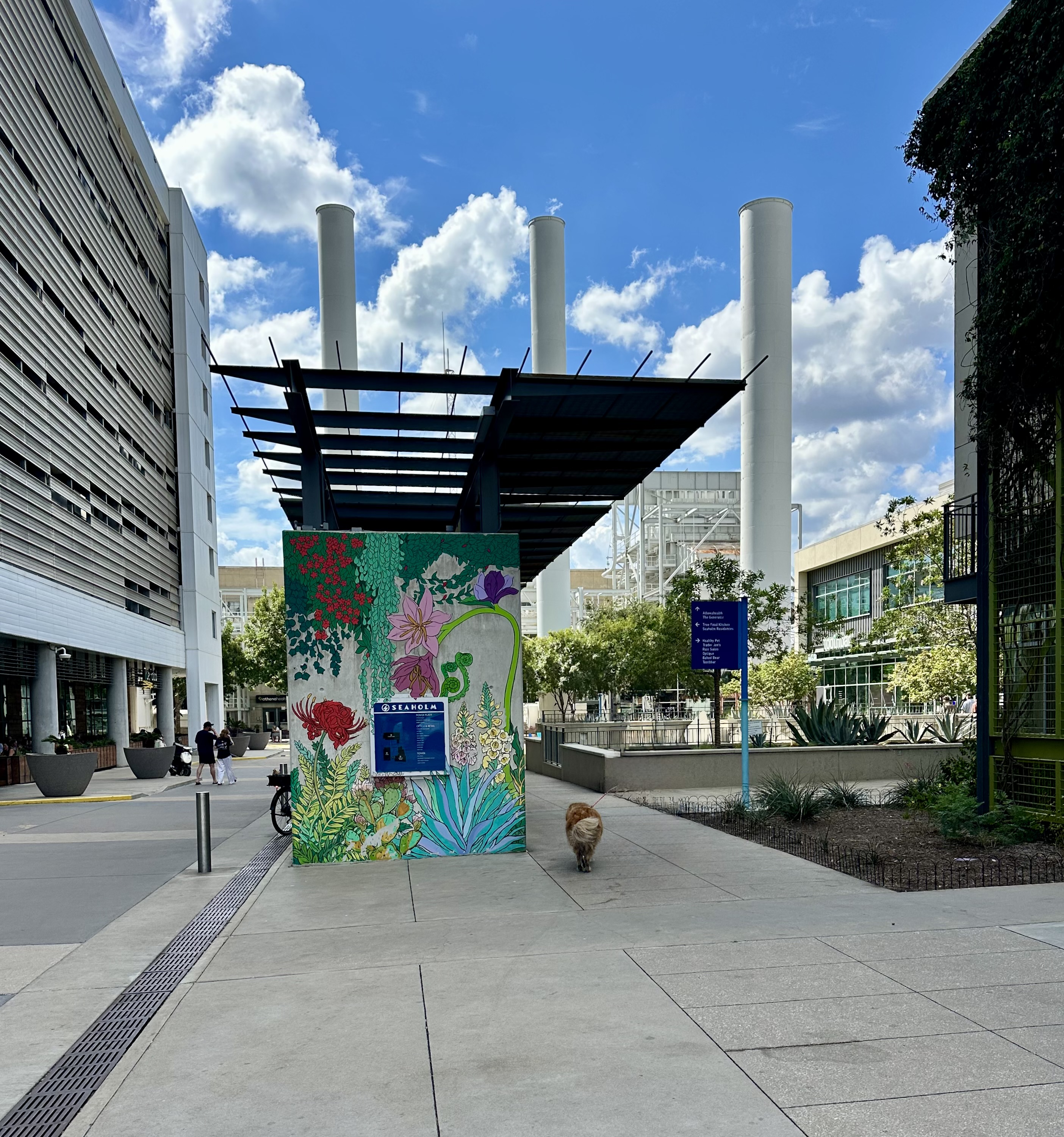


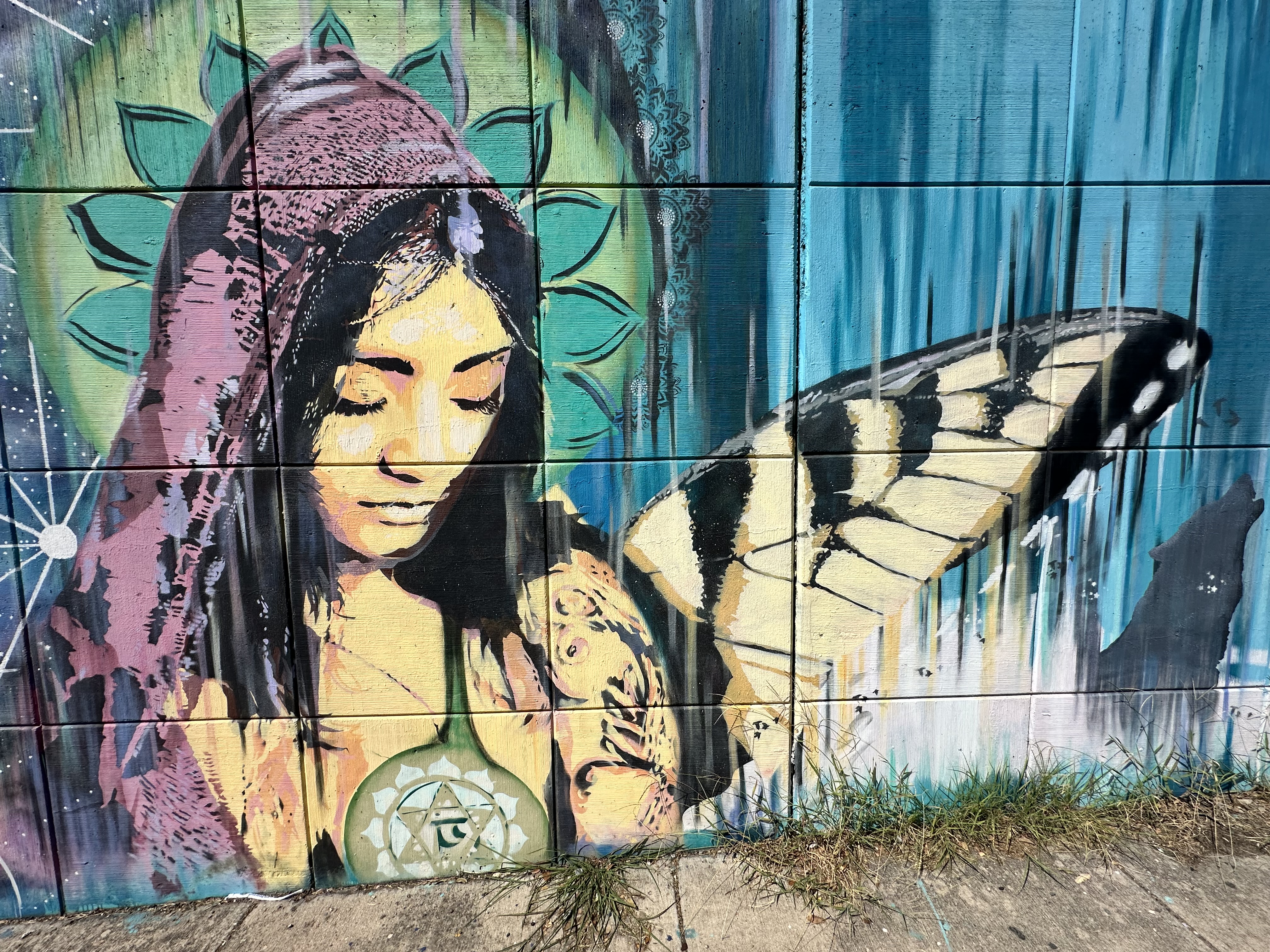
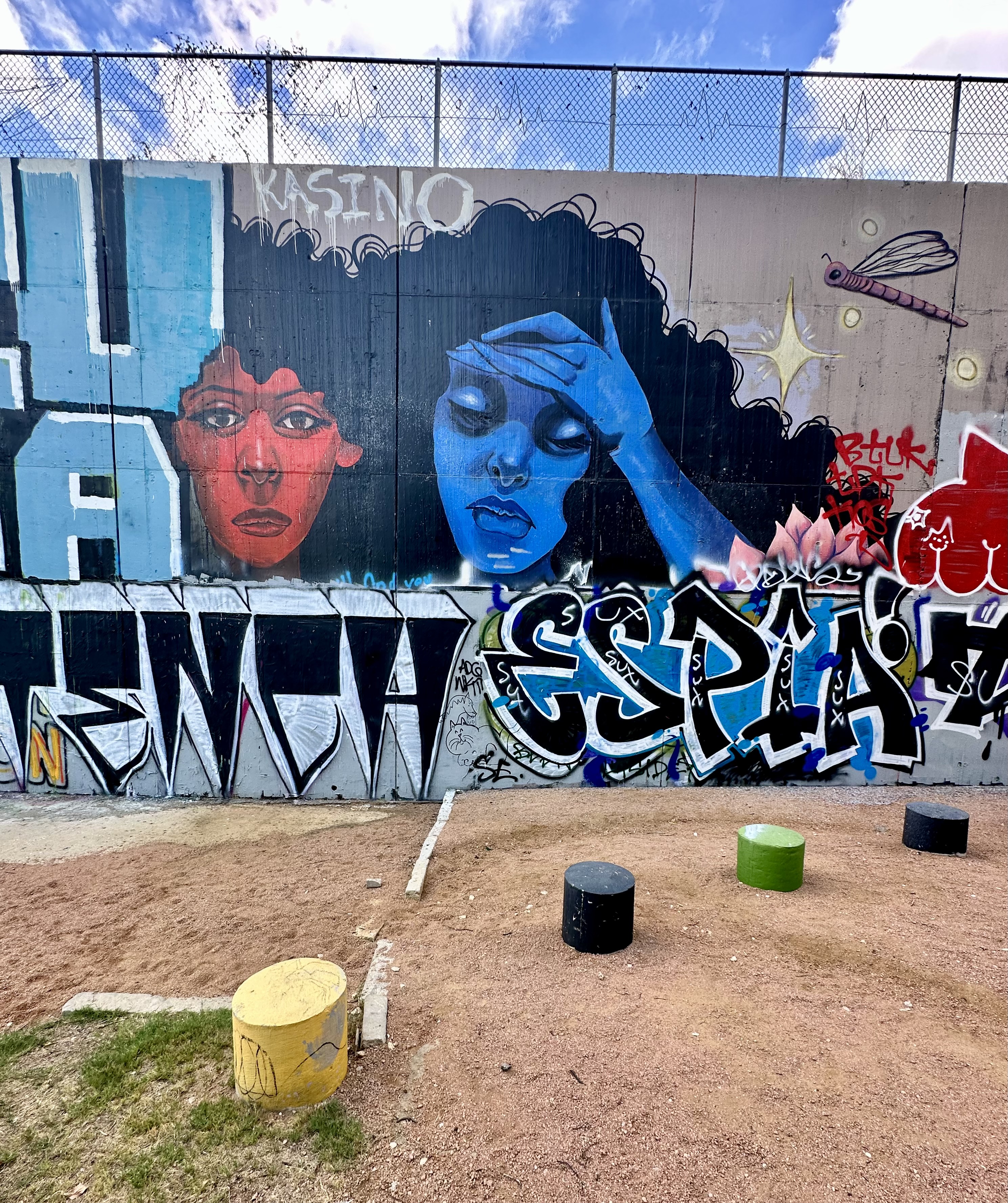

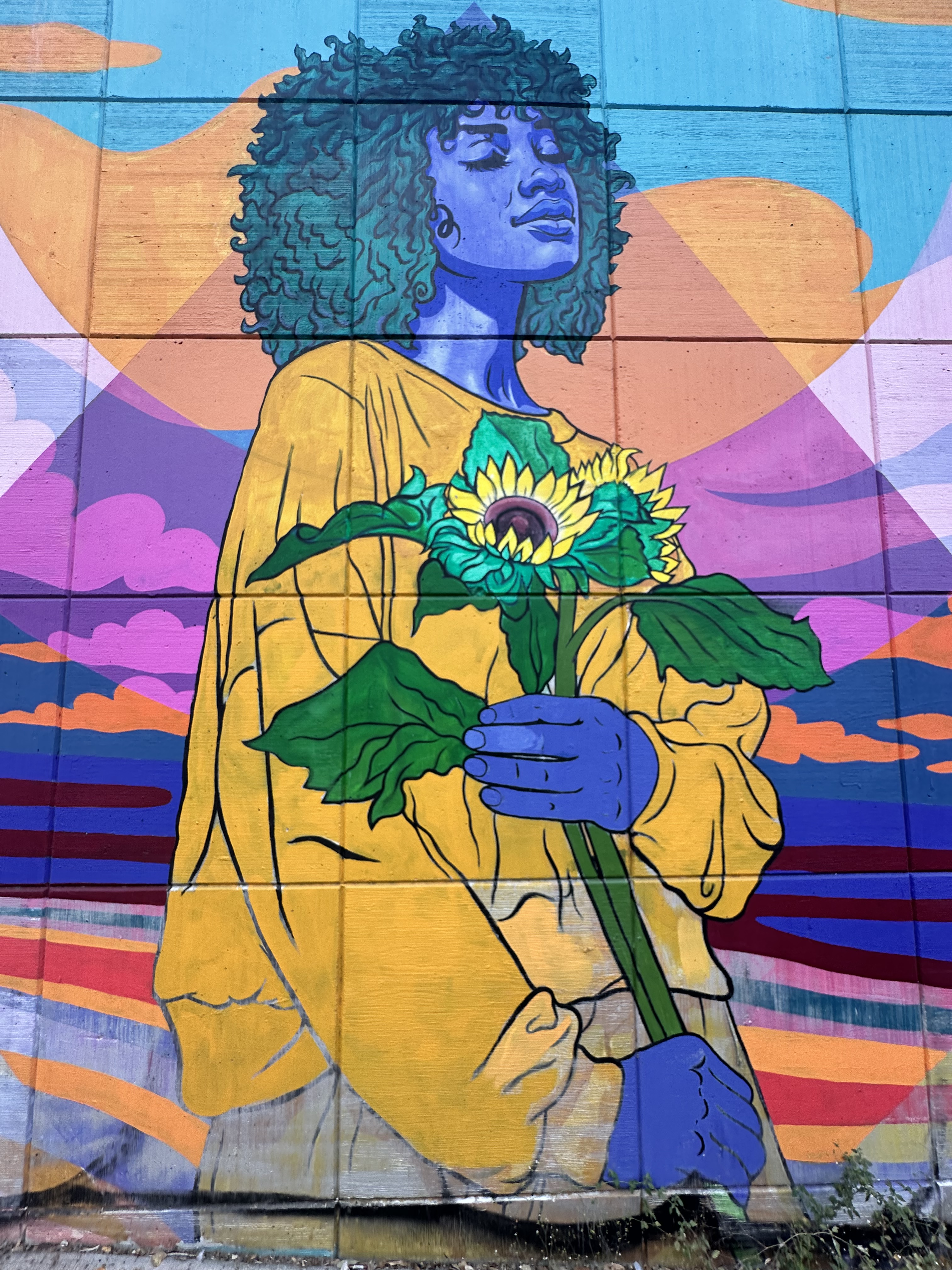
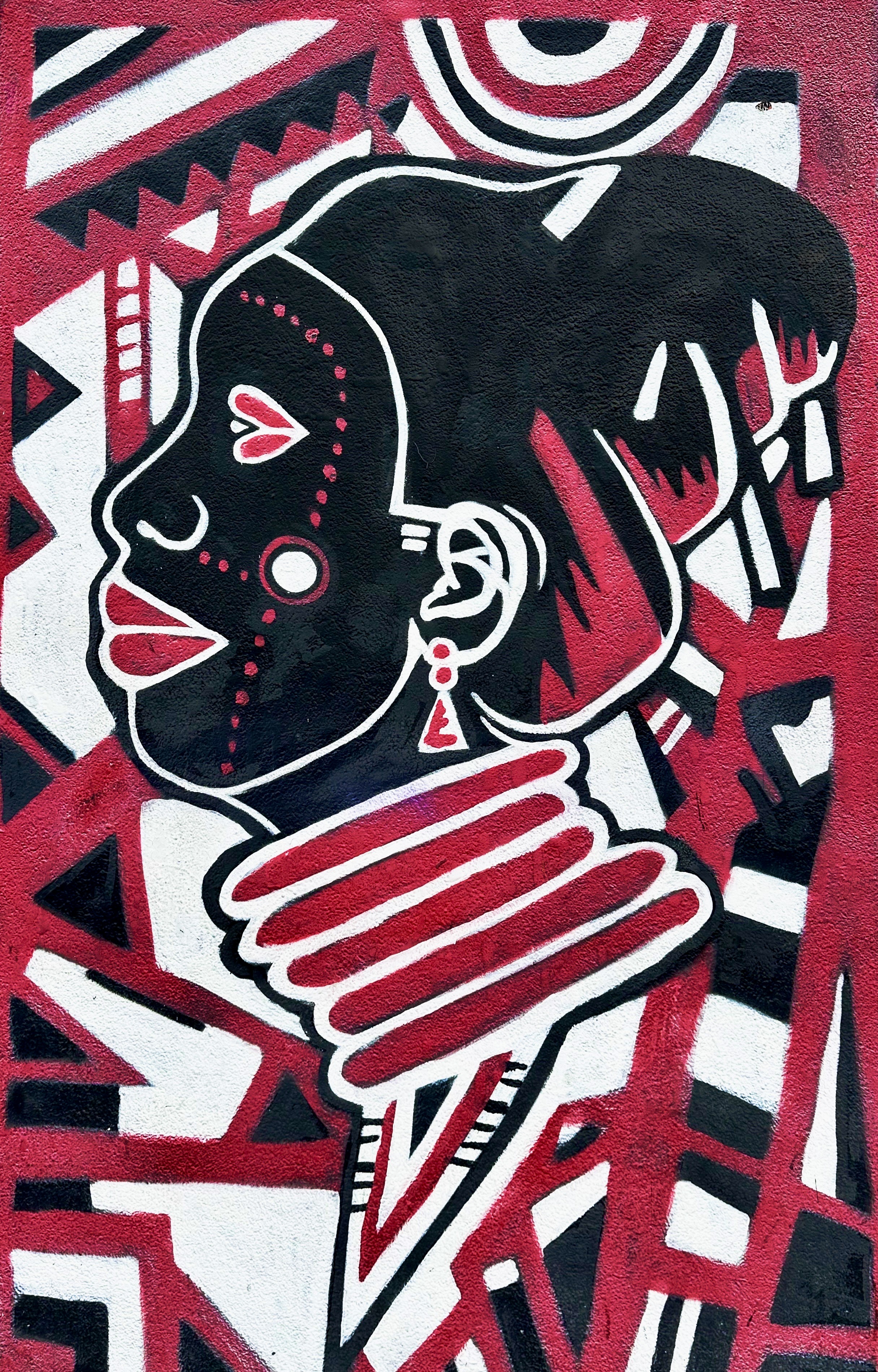
The photos below were edited from the murals above for inclusion in Street Art Tourist, Volume Nine.


The Austin Central Public Library was built in 2018. The building is situated above Lady Bird Lake and provides views of the lake and city skyline.


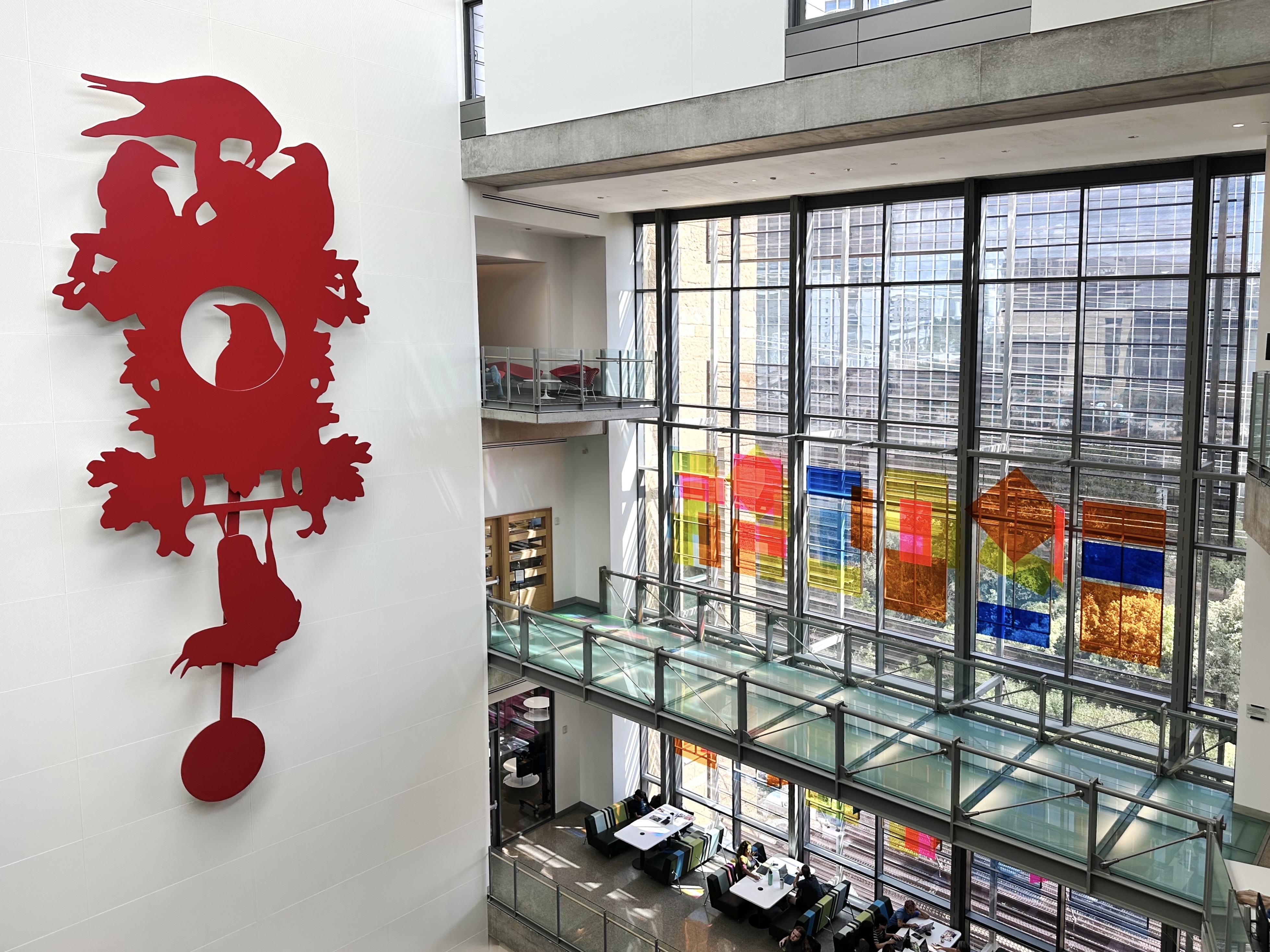
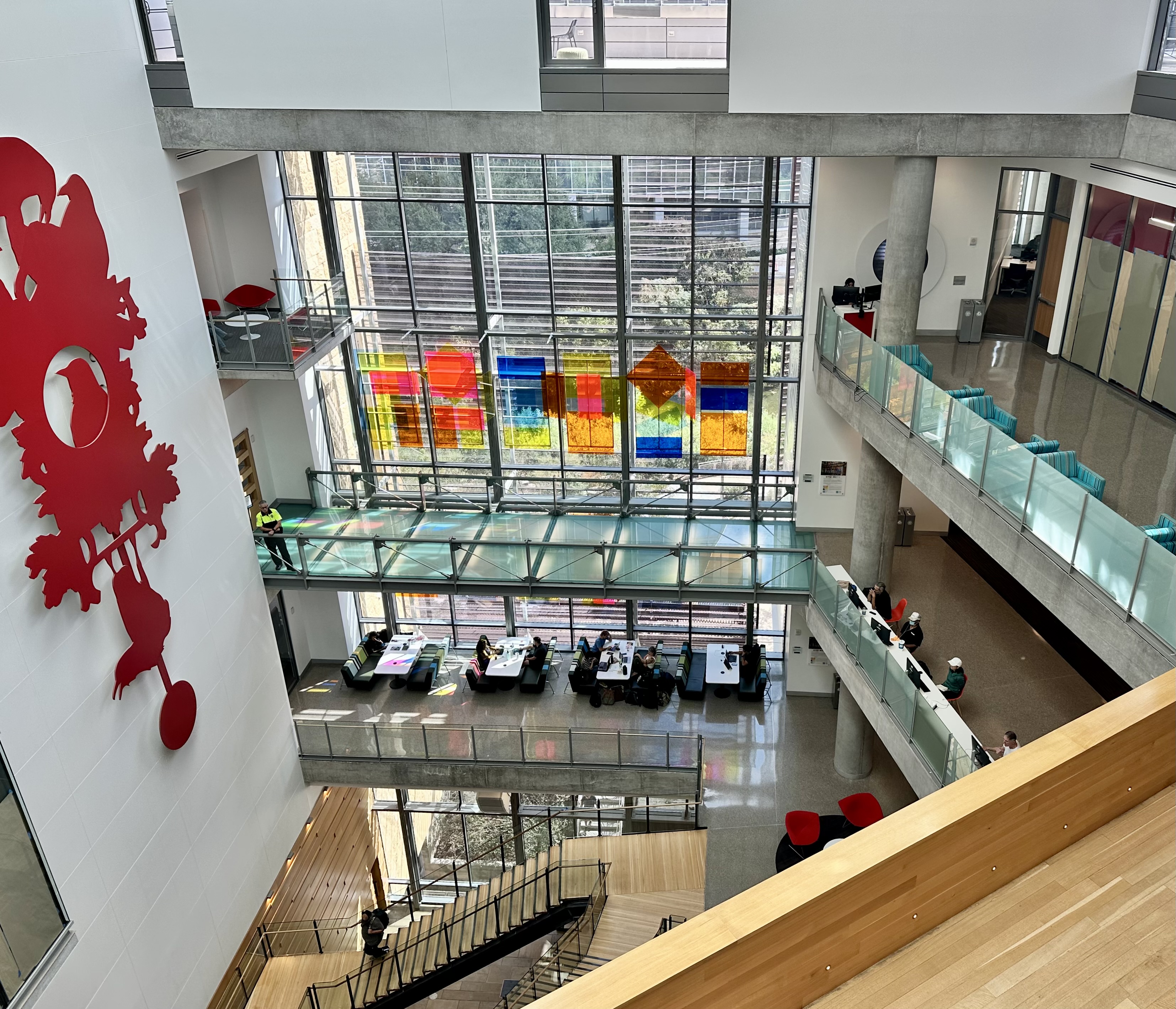
The open design of the Central Library creates a dramatic space and bathes much of the library in natural light. The library also boasts a rooftop garden and reading stations. Impressive!
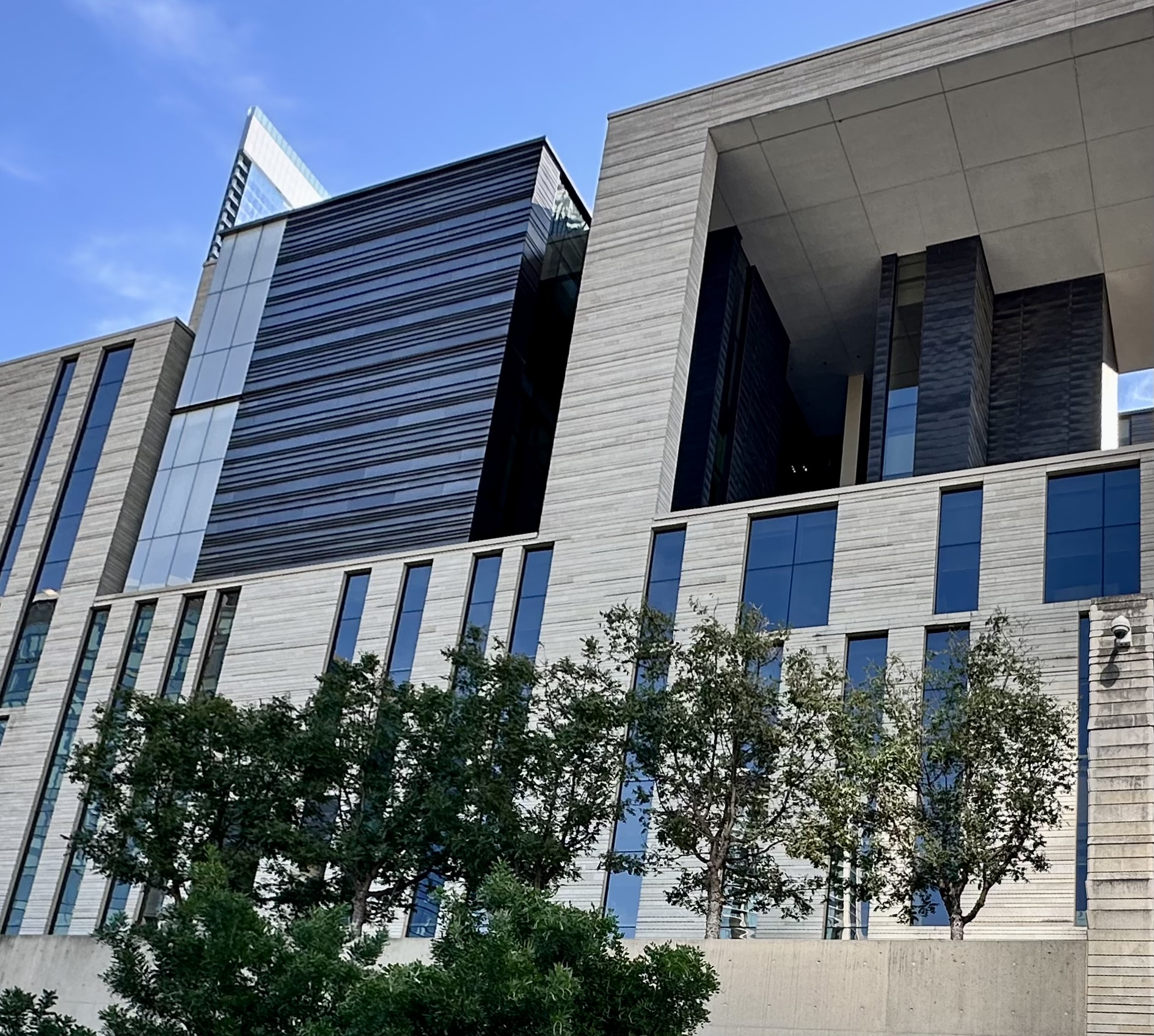
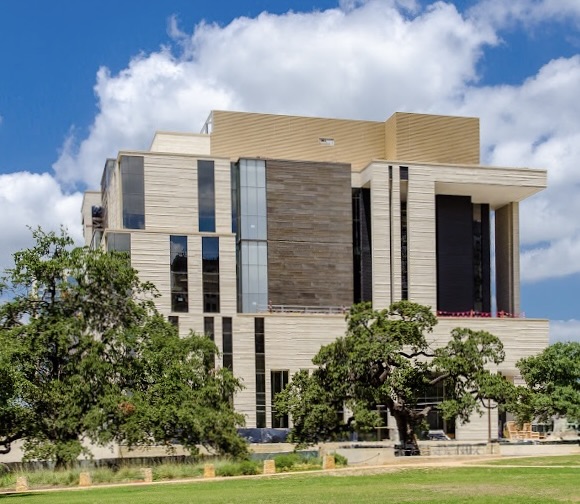
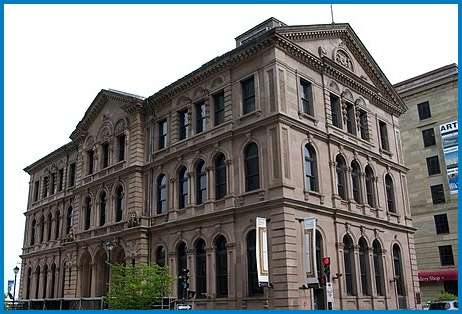
Pictured in the photos below is the United States Courthouse. When was the last time you saw a limestone art deco U.S. Courthouse? This structure works beautifully in ATX.

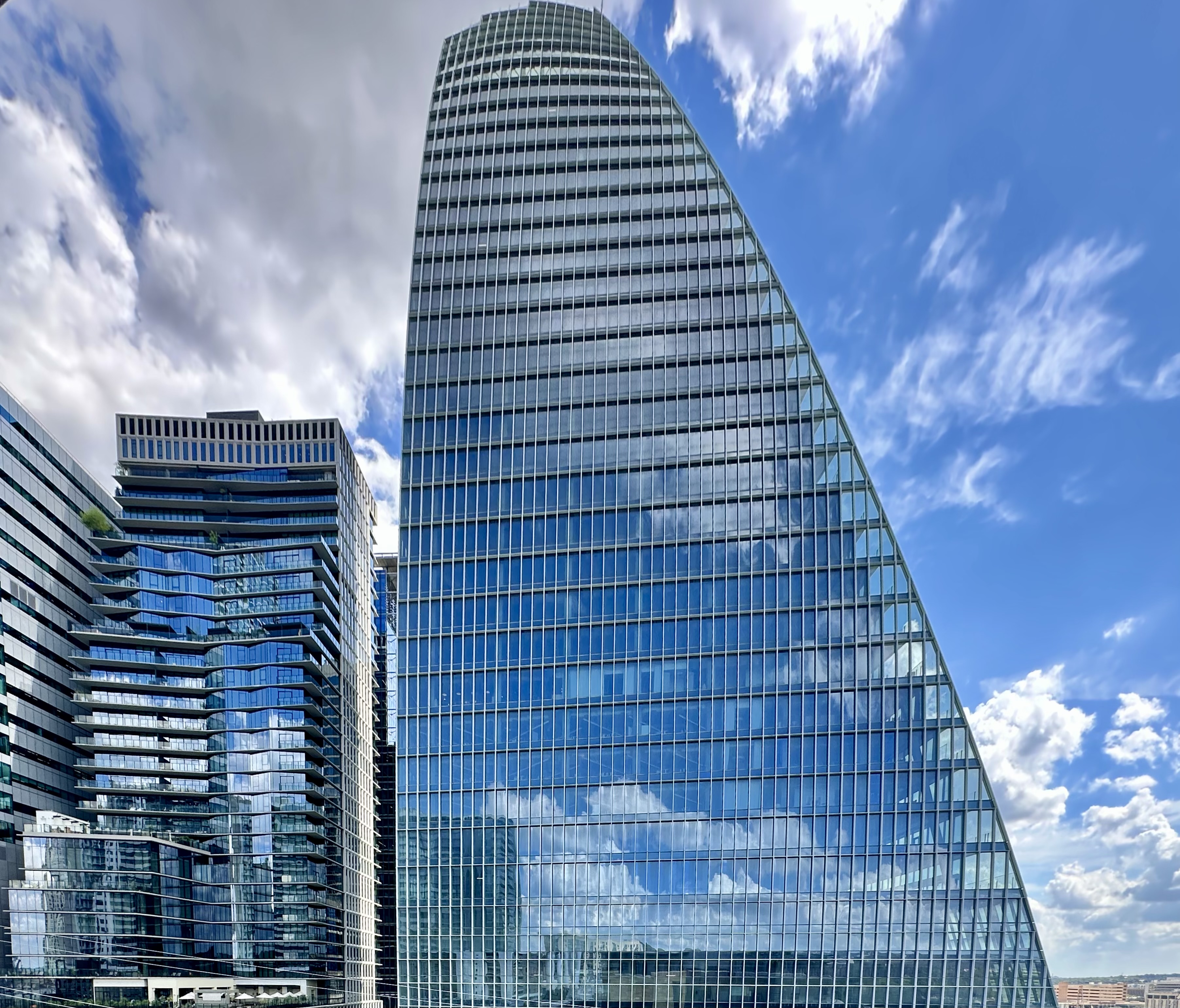
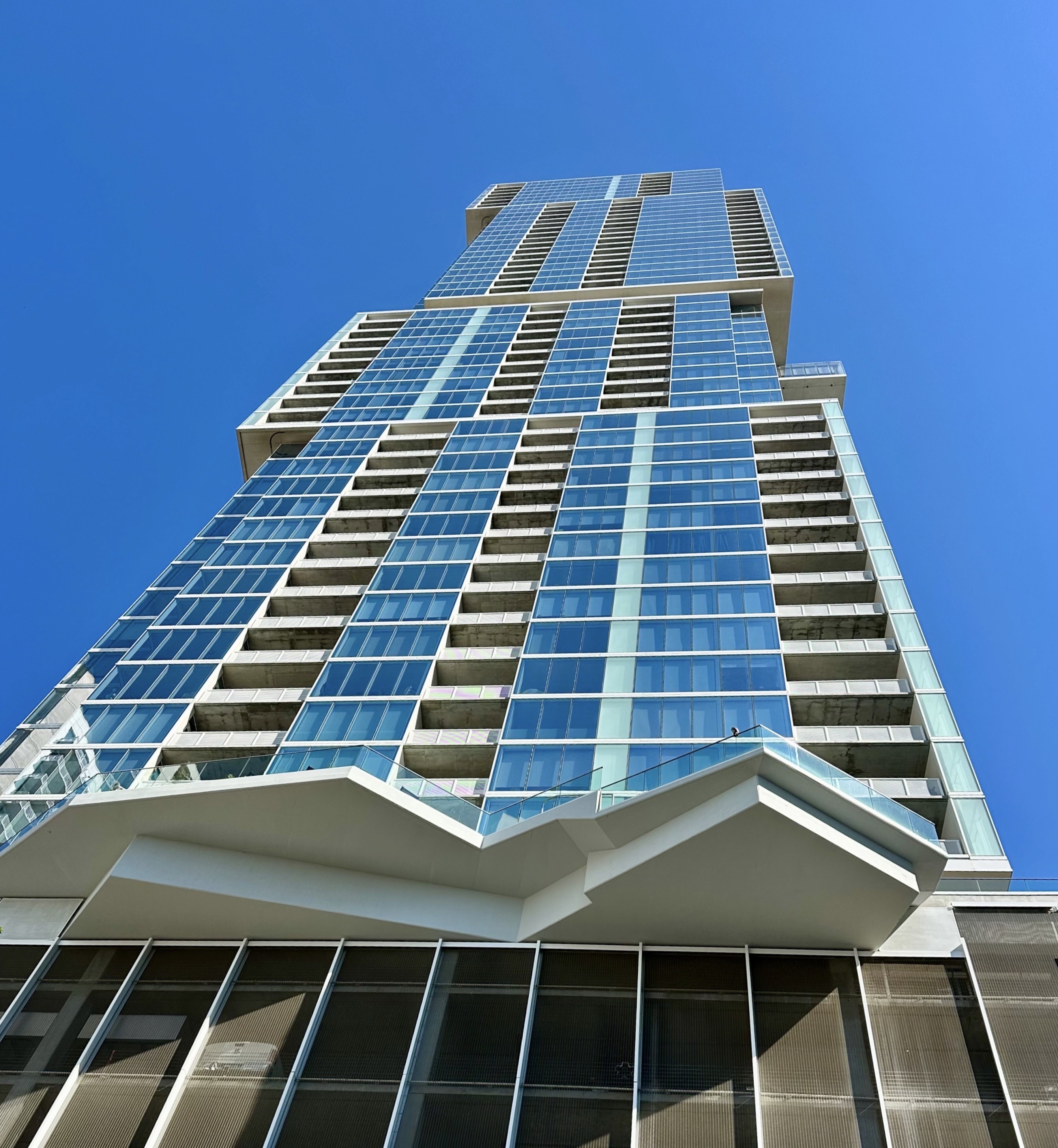
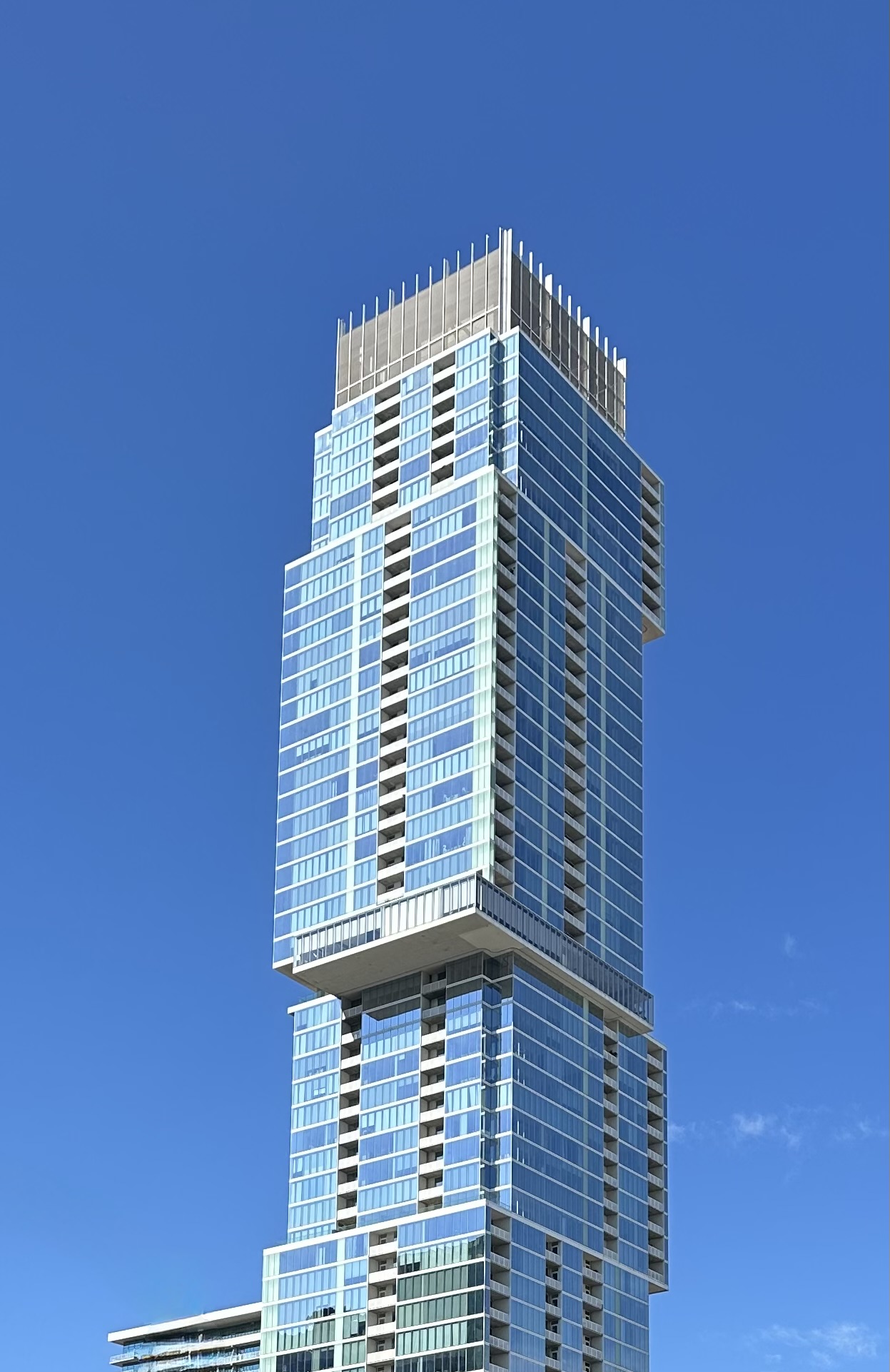
Pictured below is The Independent, a luxury residential tower. The tower is know locally as the jenga tower.

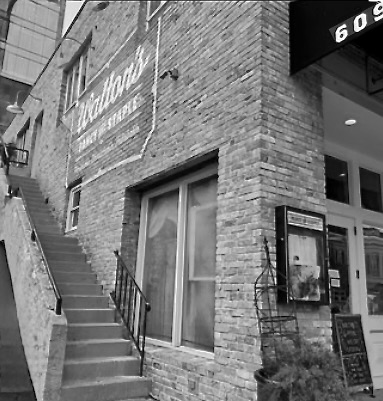
Viewing architecture is inevitably a prelude to lunch. Walton’s Fancy and Staple was close by on Sixth Street so we popped in for a hearty lunch. Walton’s has been operating in ATX since 1969.

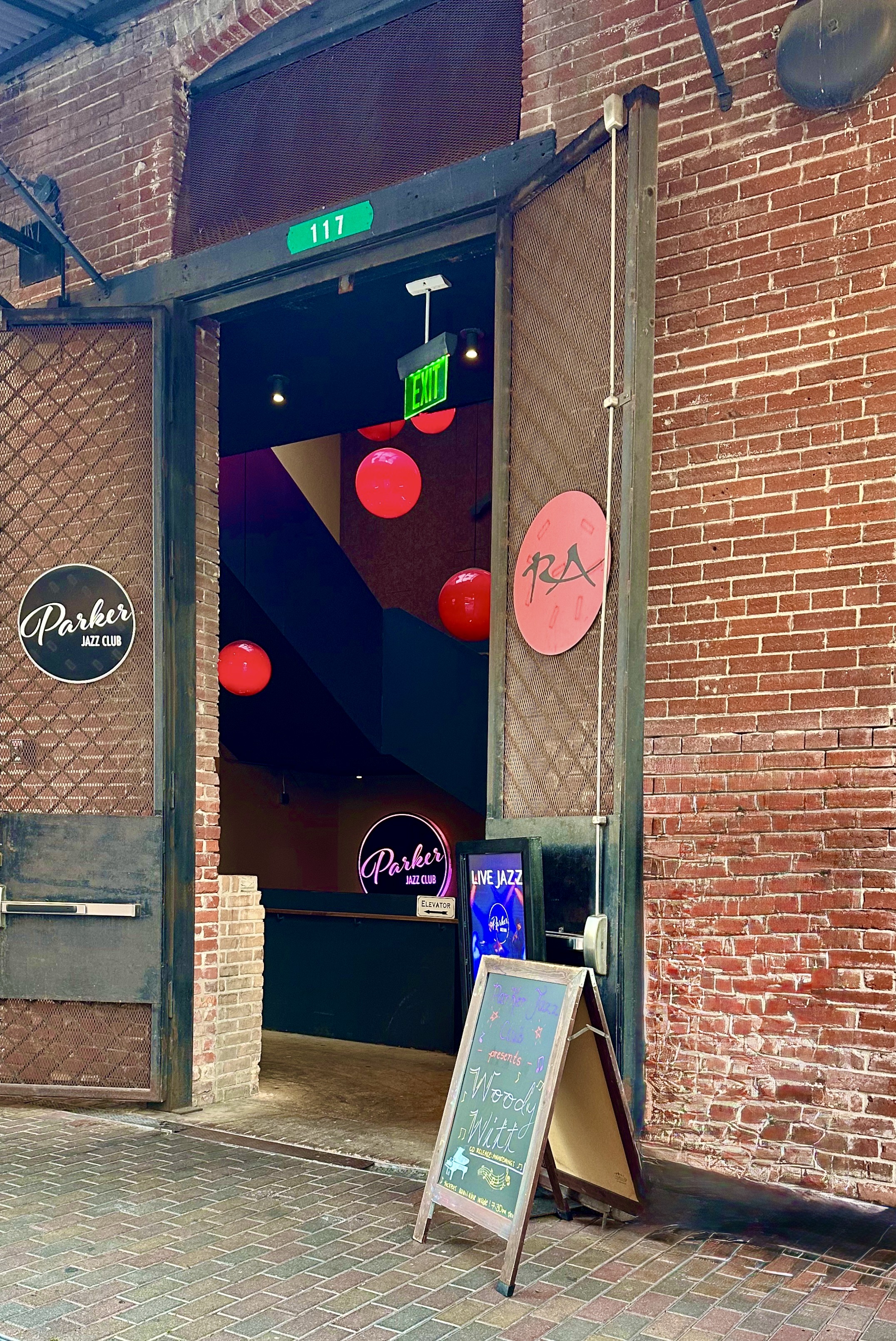
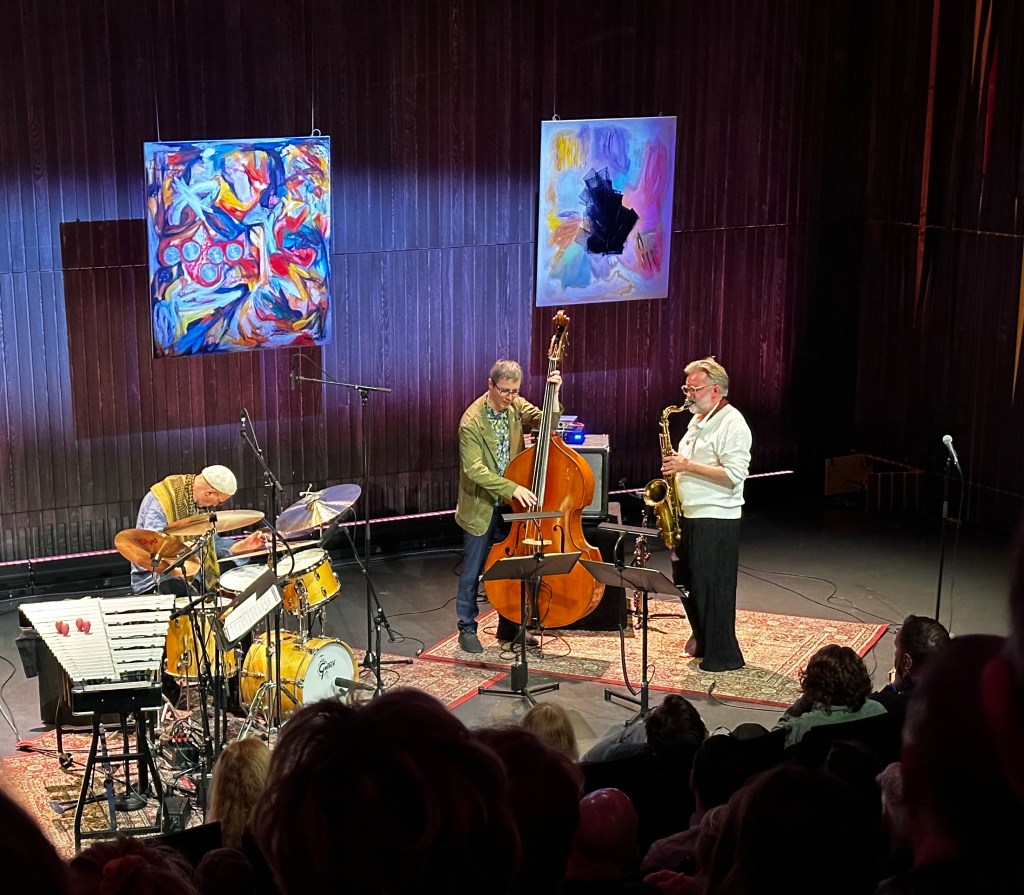
After our luncheon break we strolled back to the hotel to relax and recharge for another evening of jazz . We had made reservations at the Parker Jazz Club. The Parker, like the Elephant Room, is also a basement club but a bit more upscale in regard to the club decor and service. Saxophonist Woody Witt was the featured artist on the evening of our visit.
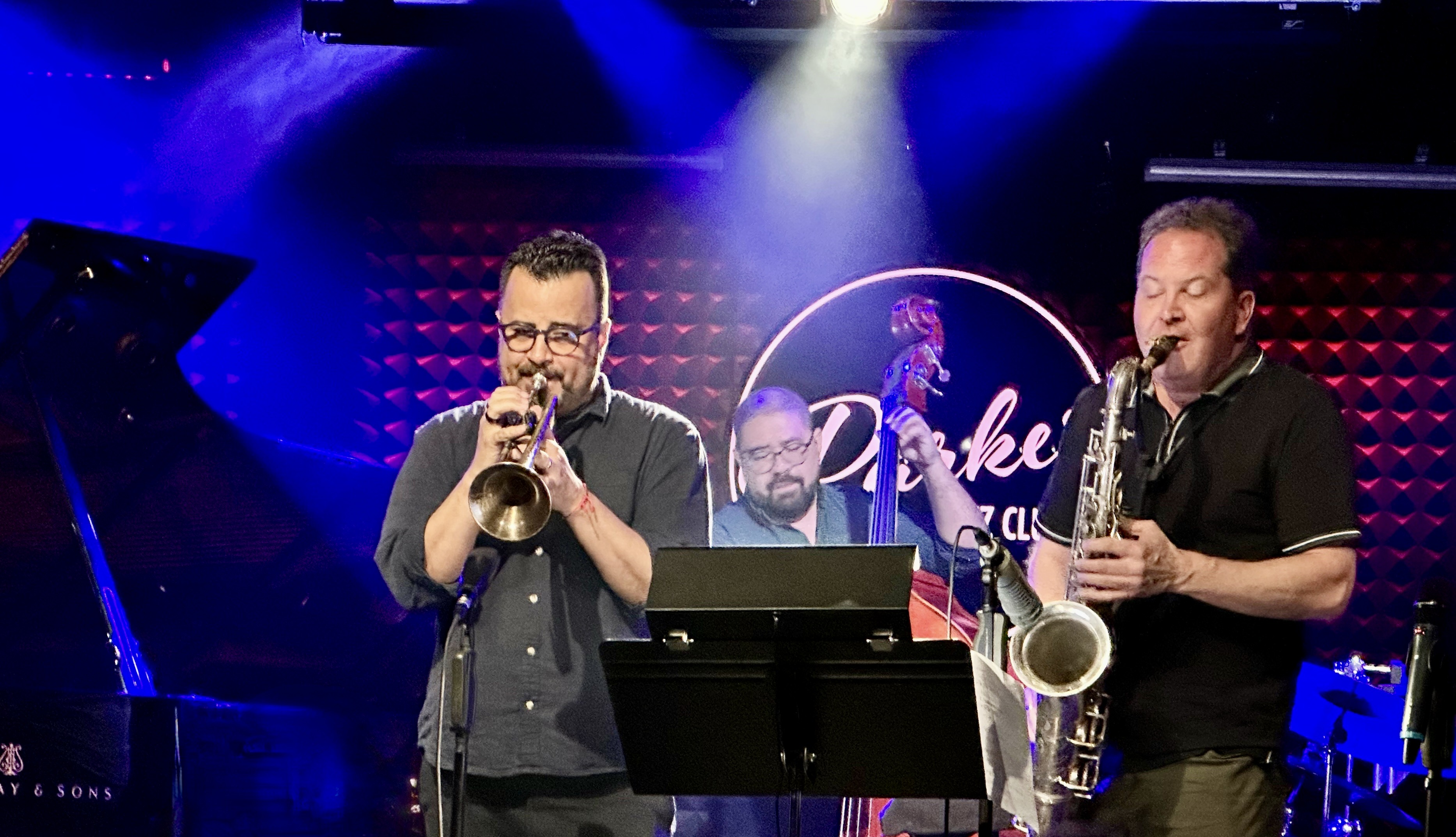
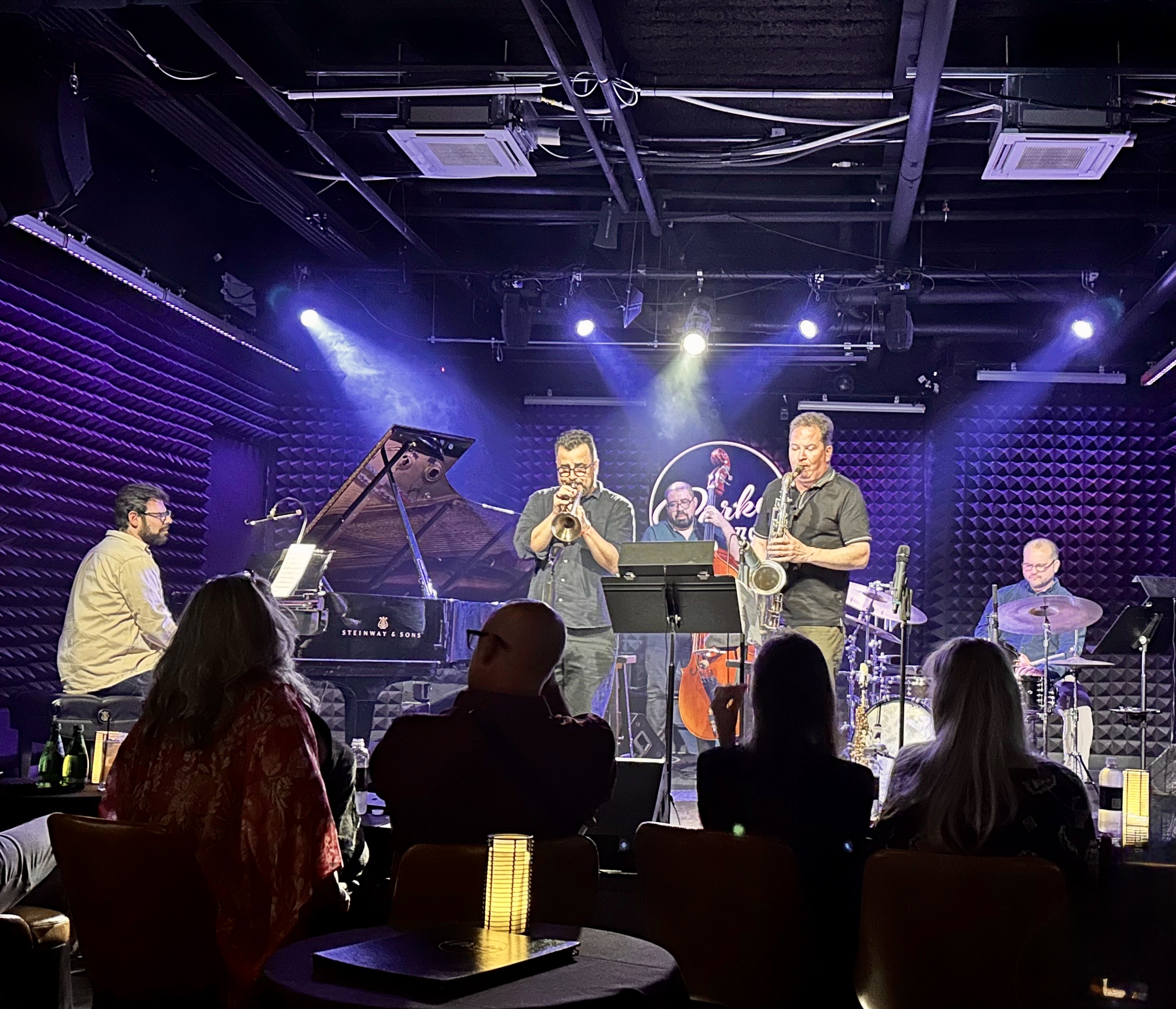
Woody was touring in support of his new CD (Awakening) recorded in Sao Paulo, Brazil. The quartet backing him on the tour were the same Brazilian musicians that recorded the CD with him. The quintet performed two 45 minute sets featuring a number of compositions from the new CD. An excellent night of jazz at the Parker!
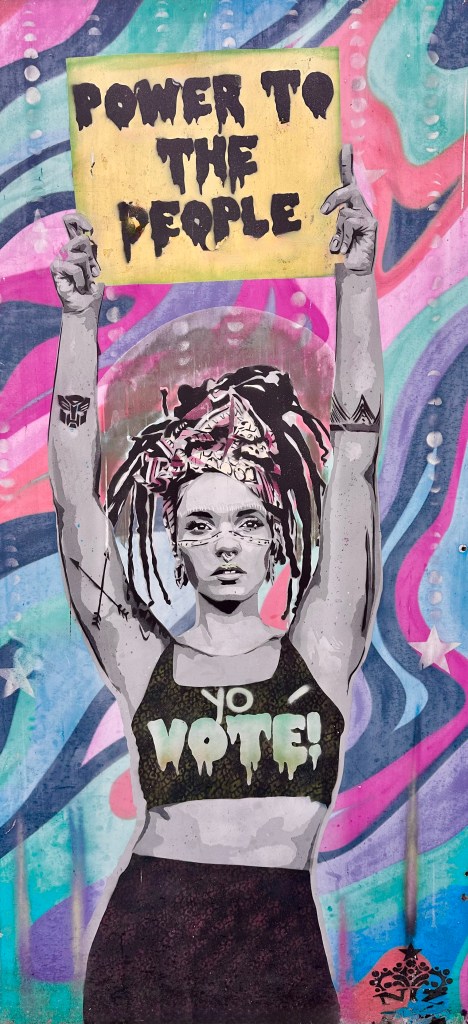
Thursday – Day Nine: our last full day in ATX. We opted to spend the morning back in SoCo to hunt for more street art and try the coffee and tea at La La Land Kind Cafe. The cafe is part of a growing chain that is associated with the La La Land Foundation. The Foundation sponsors young people between the ages of 17 and 25 who are in or transitioning from foster care with training and paid internships in their cafes. Quite lovely on all counts.



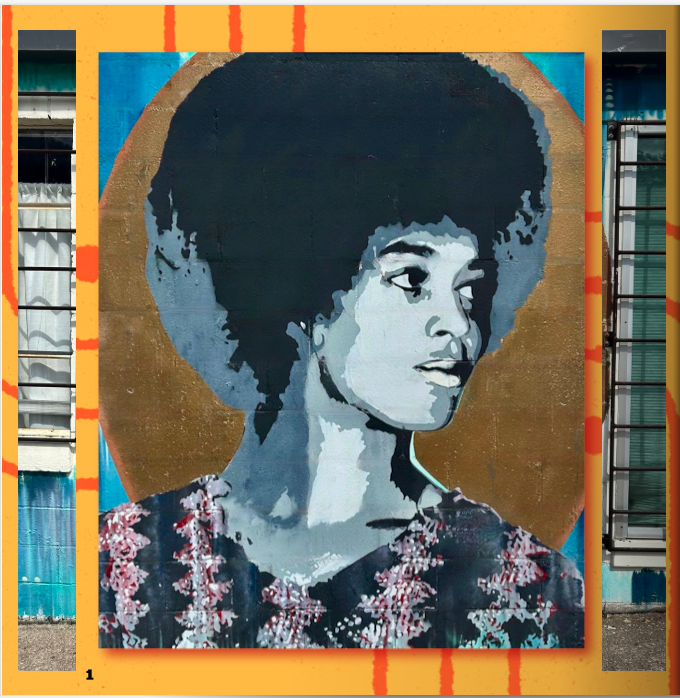
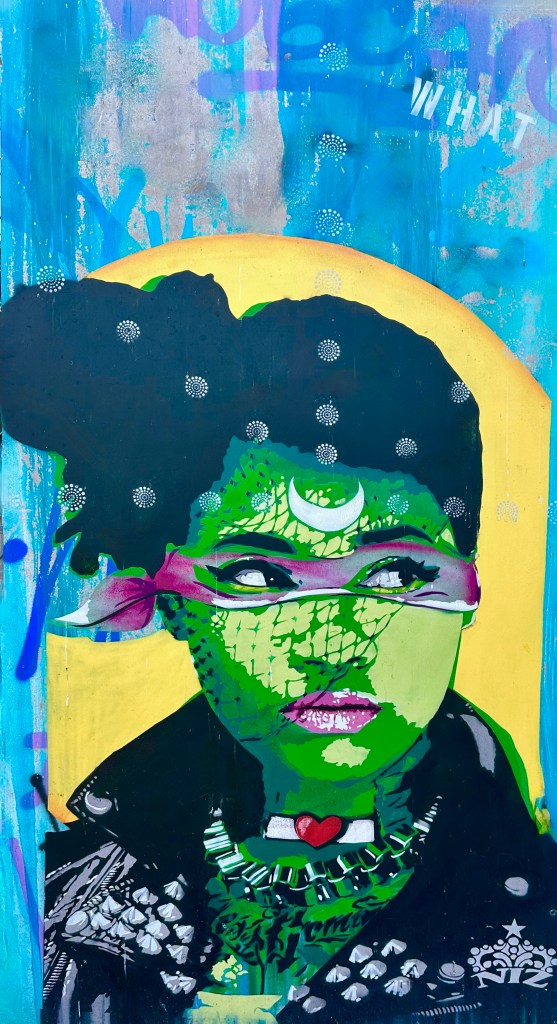
After our fika break at La La Land we walked to the Bouldin Creek neighborhood, which is home to Sightseer Coffee and Sugar Mama’s Bake Shop. The building is also a mural destination with several murals by Eleanor Niz @Elenizzle. Solid!



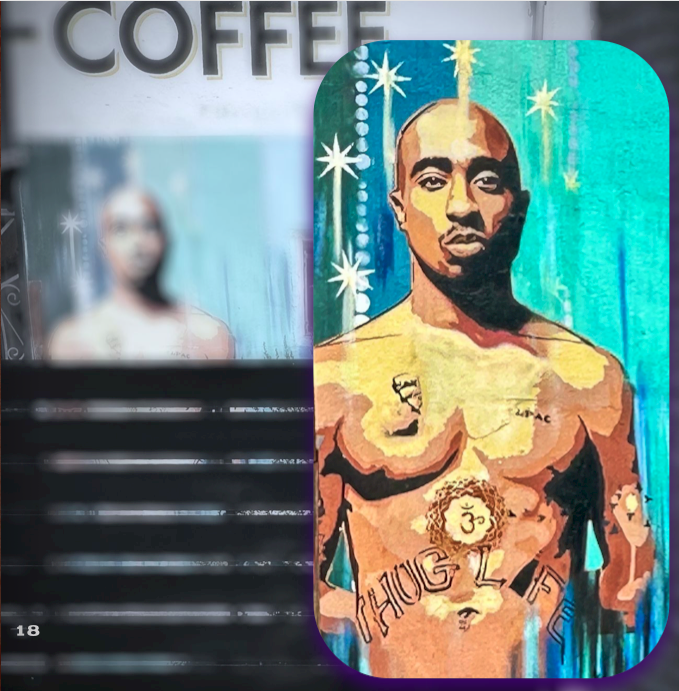

We made our way back to the CitizenM after a fun and productive day exploring the SoCo and Bouldin Creek neighborhoods. After a brief siesta we set out for dinner and another evening of live jazz.

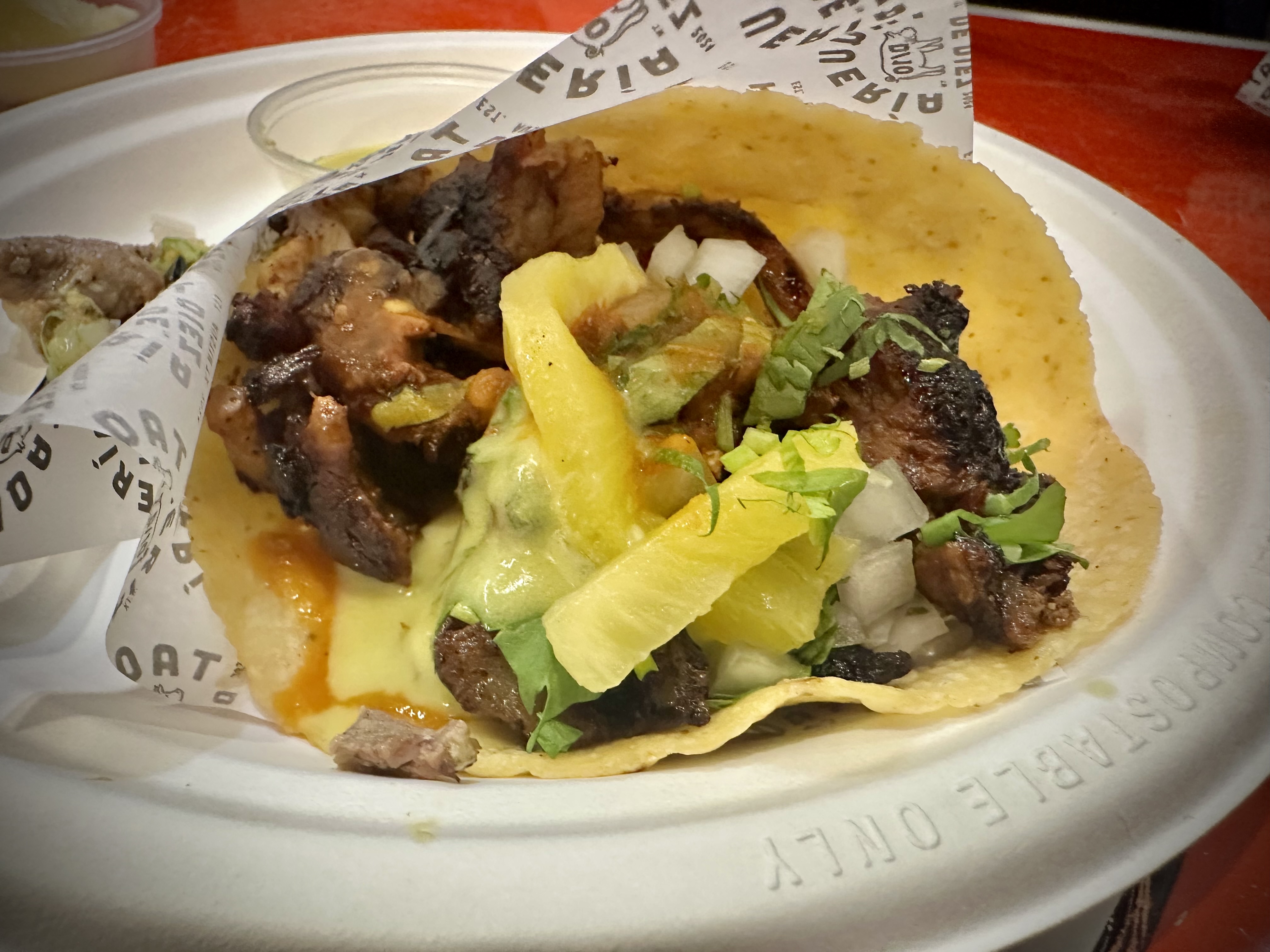
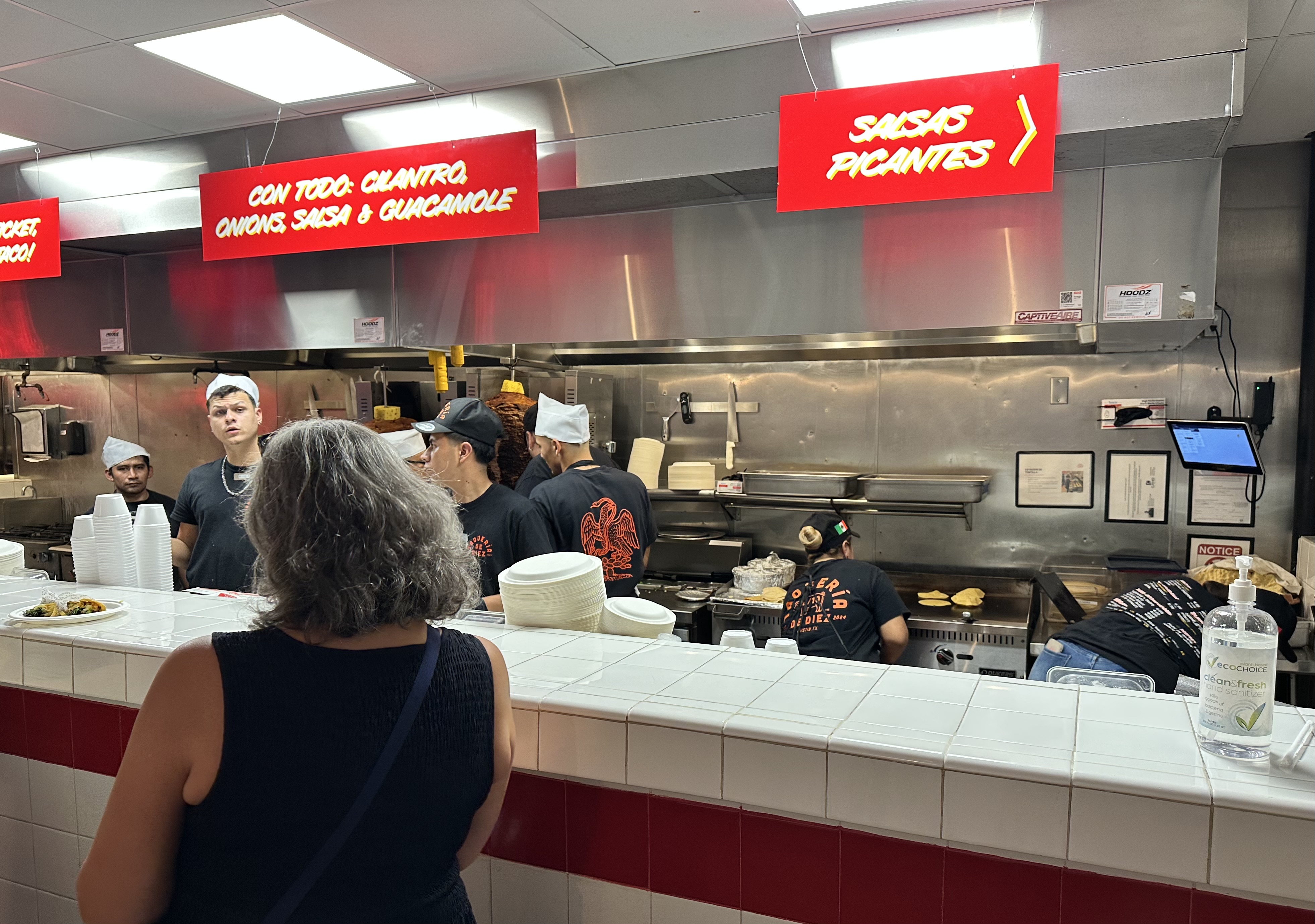
Taqueria de Diez also known by Austinites as D/10 opened in 2024. This tacqueria has a distinctively Mexican menu as opposed to Tex-Mex. We had a hard time finding the restaurant as the door is in an alley with just a small sign – but don’t give up – it is absolutely worth the effort. Muy delicioso! Thank you to Jeffrey at the citizenM for the tip.


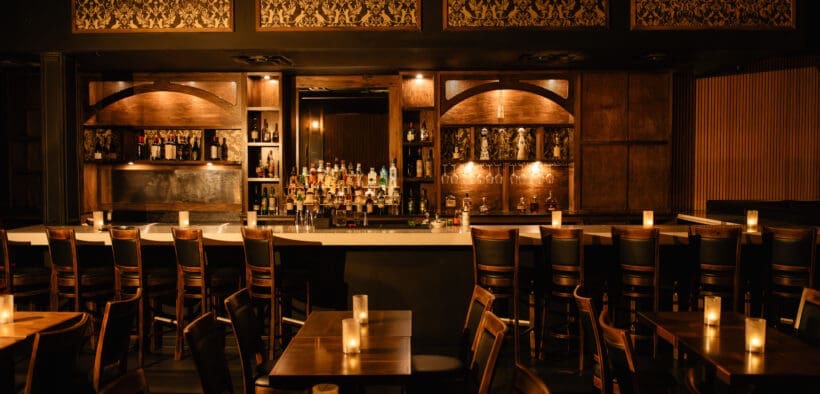
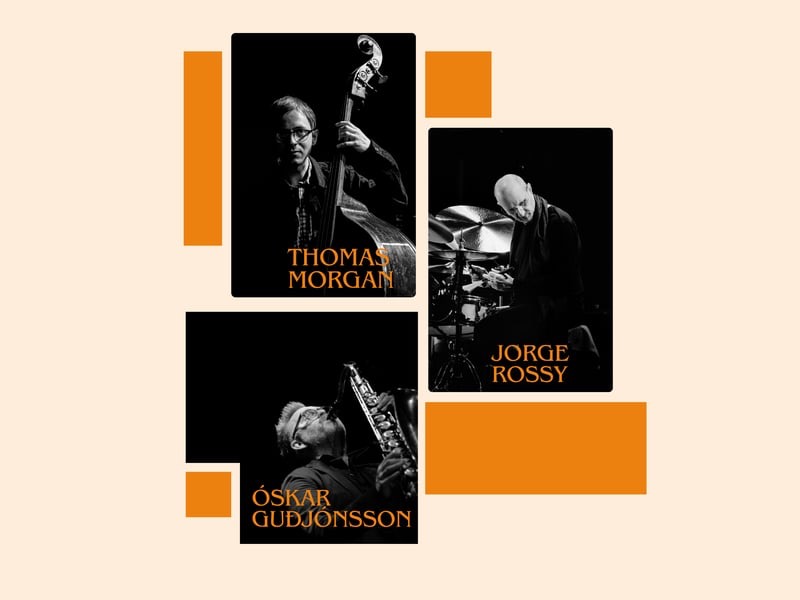
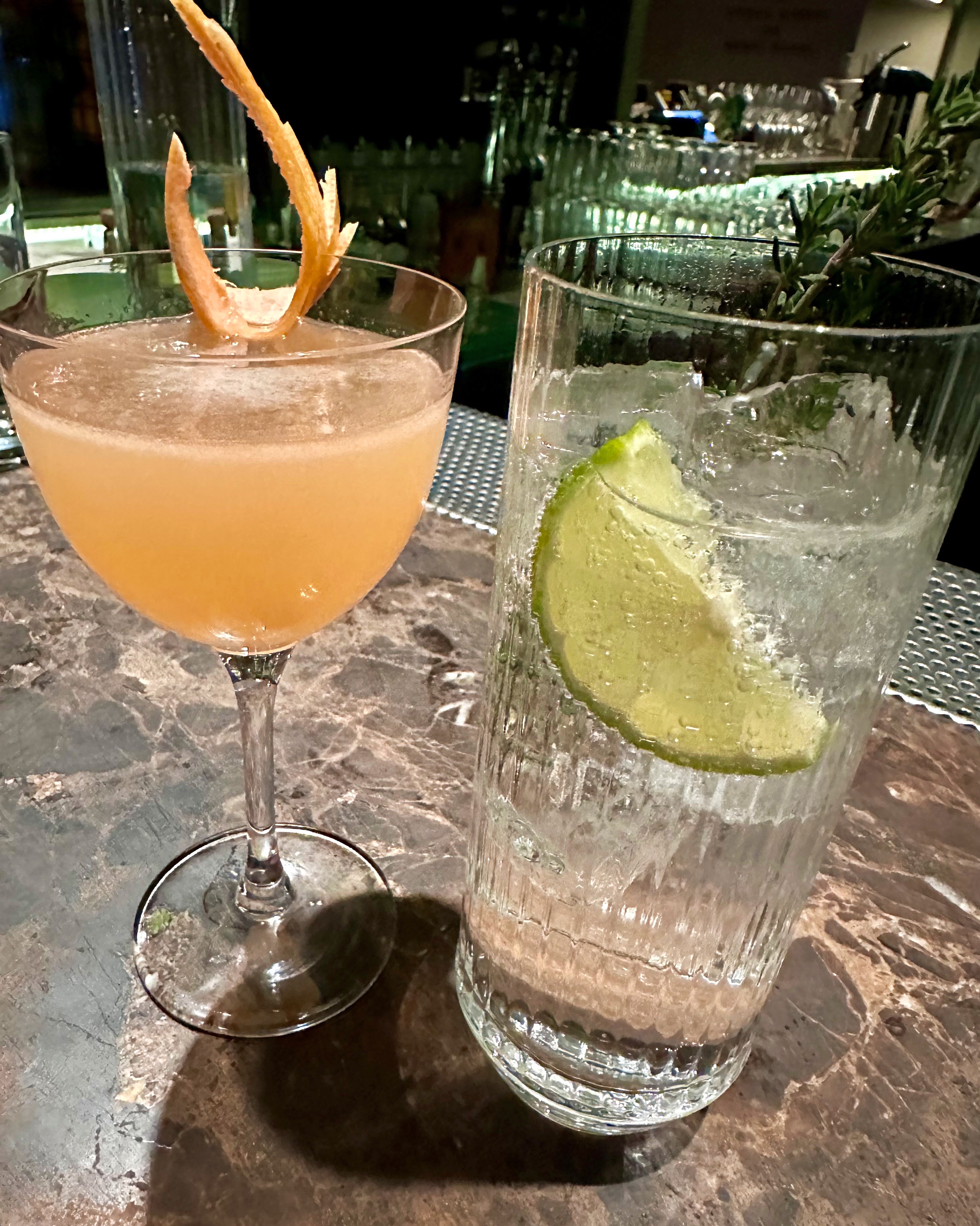
Nica on 4th is a new jazz club and cocktail bar (opened 18 September) with jazz nightly from 1800 until 0100. This was the most elegant of the three jazz clubs we visited and is next door to the Parker Jazz Club. We sampled some of their craft cocktails while enjoying three sets of jazz. The first quartet of the evening consisted of one University of North Texas (UTN) alumna and three current students. UNT has a reputation as one the best collegiate jazz programs in the United States. UNT sponsored a jazz band back in the 1940s which grew into the first college degree program for jazz.


We had a great time in ATX. The city is a lively mix of big city activities and small town friendliness and accessibility. How much time you might want spend here is as always a function of your interests and energy level. The city offers a multitude of opportunities for great dining, live music, fine art, street art, interesting architecture, excellent specialty coffee as well as plenty of recreational options.
That is a wrap on our ATX City Tour. Next up is Miami in January 2026 as part of our City Tour Series.
Be seeing you!







































































































































































 ON THE ROAD with Maria + Stephen