During a visit to Birmingham on a previous OTR we had taken in quite a lot of the history of the civil rights movement. At the time, a guide at the 16th Street Baptist Street Church had recommended that we visit Montgomery in the future to further our knowledge and understanding of the history of slavery and the civil rights movement in the United States. As we planned to head south before heading west to Arizona, we incorporated a stay in Montgomery into our journey.
We chose the Trilogy Hotel as our base. The hotel is located in the heart of the city and within walking distance to the museums we planned to visit (as well as coffee).
Trilogy Hotel, Montgomery, Alabama
The Trilogy Hotel opened in 2023. The hotel reflects the history of the city, consisting of two renovated cotton warehouses joined with an 1851 Greek Revival mansion housing the hotel restaurant (The Kinsmith). The hotel is beautifully decorated with artwork and furnishings which are authentic to the area. The service was friendly and professional.
After checking in we departed for Prevail Union for coffee and tea. We were assured by our barista at Seeds (Birmingham) that Prevail is the only specialty coffee shop worth visiting in Monty.
We also met local artist Bob Adams while at Prevail. Bob worked for many years as a court room artist for the local television station in addition to producing his own work. The work clearly required an eye for detail and the ability to work quickly. Bob is 70 years old but still draws for about 90 minutes every day and has not lost any of his skills as you can see from the drawing below, which he completed while we were enjoying our drinks.
Our first museum visit was to the Rosa Parks Museum. The museum provides a re-creation of the fateful day when Rosa Parks refused to relinguish her seat on the bus in order that a white man could sit.
The re-creation is accomplished using an actual city bus from that time period with a digital representation of the people and characters involved visible through the bus windows. The exhibit is well done and quite moving.
We definitely recommend visiting the Rosa Parks Museum if you visit Montgomery. The link embedded is from the museum and provides an excellent overview of the life of Rosa Parks and the Montgomery Bus Boycott.
We also visited the Legacy Museum during our stay in Montgomery. The museum opened during April 2018 and was built on the site of a former cotton warehouse (there were many in Montgomery). The museum endeavors to tell the story of enslaved Africans starting with their kidnapping in Africa through to the years of Jim Crow and race issues which still persist today. (All photos courtesy of the Legacy Museum)
The museum is state of the art — making full use of technology to deliver an experience from the perspective of enslaved individuals. The exerience for us was quite intense.The physical and emotional suffering of the enslaved individuals is tragic. It is difficult for us to fathom how slave owners could have by any measure justified owning and brutalizng other human beings.
The museum also delves into the slave trade in detail. We commonly think about the hardships inflicted upon the enlaved individuals on the plantation while overlooking the misery and frequency of deaths that occurred on the slave ships. Over two million people died on the journey from Africa — starvation,sickness, beatings and sheer exhaustion.
Of course, slavery did not truely end with emancipation in 1865. As southerners were allowed back into politics and positions of power most African Africans found themselves anything but free. White only laws and other barriers restricted blacks in every aspect of their daily lives.
Another dimension of the immoral treatment of African Americans occurred all too routinely during the 12 year period of Reconstruction (1865-1877). Lynching of blacks by white mobs and the KKK. Over 2000 lynchings have been documented during that 12 year period. Sadly, a additional 2000 lynchings have been documented from Post Construction to the end of World War II.
We could continue on but instead will provide you with a link to the Legacy Museum if you are interested in learning more. We will leave you with one quote that we think captures the essence and depth of racism that existed in the South for over 200 years.
“In the name of the greatest people that have ever trod this earth, I draw the line in the dust and toss the gauntlet before the feet of tyranny, and I say segregation now, segregation tomorrow, segregation forever”. George Wallace, Alabama Governor, 1963 Gubanatorial Inaugural Address
We learned quite a bit more about black history in the United States during our visits to the two museums. The town itself is was nice but seems a bit on the sleepy side. The museums are worth a visit if you are going to be nearby but not a destination in our opinion.
We are heading west from Montgomery on US 80 through Alabama, Mississippi, Louisiana and Texas. US 80 was, before the construction of the interstate system, one of a handful of coast to coast two lane highways We will keep you posted on what we find along the 80.
After out tour of the scenic Bay of Fundy coastline we made our way northeast to Prince Edward Island (PEI). The weather on the day we crossed over was raining, foggy and windy so we did not get much of a view of the Northumberland Strait or the PEI coastline. We have to admit that there was something a bit scary about driving across a narrow bridge over a strait that is part of the North Atlantic as opposed to a lake or river. Oh, by the way, when you cross the bridge back to New Brunswick, the toll is $48.00 Canadian!
Confederation Bridge
The bridge is quite the engineering feat—spanning eight miles of the Northumberland Strait (North Atlantic) which freezes during the winter months. It is the longest bridge over frozen water in the world. The bridge opened in 1997 after four years of construction. Prior to the opening of the bridge, the only way on to the island in a vehicle was by ferry. The aforementioned freezing of the Strait meant that ferry service was periodically disrupted for extended periods during the winter.
Confederation Bridge – Frozen Northumberland Strait (Photo courtesy of Canadian Encyclopedia)
Our pre-trip research indicated that PEI has an extensive bicycle trail network – the Confederation Trail. The trail runs the entire length of the island (140 miles) with many spurs to explore as well.
The Confederation Trail owes it’s existence to the Prince Edward Island Railroad (PEIR). The PEIR was a narrow gauge railway built during the 1870s. It hauled both freight and passengers. Much of the early freight hauled were potatoes – the major crop on the island. Potatoes are still the major agricultural crop today – you see large potato fields just about everywhere you travel outside of Charlottetown (no wonder, since there are 86,000 acres planted with potatoes). Farms on PEI produce 25% of all the potatoes produced in Canada even though it is the smallest province in all of Canada (land area and population).
The PEIR was heavily utilized during WW2 to haul supplies to military bases operating on the island as part of the war effort. After the war, volume declined as military bases closed and potatoes began to move by a combination of truck and large ferry boats. The railway was operational until 1989 when declining volume precipitated the demise of the PEIR.
The photos above are from our ride along St. Peter’s Bay. The scenery was delightful but the gusty winds coming from the bay made for a tiring ride (not complaining!).
Fortunately, coffee was at hand upon our return to Charlottetown, where we stayed during our visit. Most excellent coffee, tea and breakfast – thank you very much – at the stylish Receiver Coffee Company.
Receiver has three locations, two of which are in Charlottetown. The cafe and bistro is in the heart of downtown (above) while a second cafe and roastery is located on the waterfront (below).
The city of Charlottetown is quite charming architecturally with a downtown and residential area on the waterfront of Hillsborough Bay. We spent part of a day walking around much of the historic downtown (it is quite compact). There are several residential neighborhoods of charming and beautifully maintained homes.
Government House (built 1833-1834), Charlottetown, Prince Edward Island
During our walkabout we happened on to a peaceful green space within the residential district – Rochford Square – this green space was set aside in 1771.
The square is bounded on the west side by All Souls Lane. At the far corner of the green space and All Souls Lane sits St. Peters Cathedral – Anglican. The cathedral is handsome but as we rounded the corner we came upon the All Souls’ Chapel tucked right against the cathedral. The chapel was open so we ventured in for a look at an Anglican Chapel. The description from the plaque at the chapel entrance is included below.
This 1888 chapel, designed by William Critchlow Harris, Jr., is a masterful example of High Victorian Gothic Revival architecture in Canada. Its robust design is distinguished by rough textures in rust-red Prince Edward Island sandstone and by deep-set hooded windows. Inside, a profound sense of religious mystery has been created by the complex decorative scheme. It features a dramatic chancel arch, rich carvings, beautifully patterned encaustic tiles, subdued lighting and eighteen exquisite mural paintings by the artist Robert Harris, brother of the architect. (Historic Sites and Monuments Board of Canada)
We also visited St. Dunstan’s Basilica. The twin steeples of the basilica (opened in 1919) are visible from anywhere in the city. Each spire is 200 feet in height. The basilica is the fourth St. Dunstan’s and replaced the cathedral which completely burned in 1913.
The history of this Catholic parish is interesting in that the congregation is a mix of the earliest French settlers who started the first Catholic church on PEI in 1721 and and were joined in 1722 by Catholic Scots . The Scots were seeking to escape religious persecution in largely protestant Scotland.
Of course, in due time, the British set about persecuting all of the non-english speaking inhabitants of PEI ( the Mi’kmaq who called the island Epekwik and the French who called it Ile Saint-Jean ). The French and Mi’kmaq fought together against the British but eventually lost after fighting multiple wars over an extended period against the British Redcoats. Many of the French were deported to the American Colonies. Without the French the Mi’maq could not continue to wage war against the British and signed a peace treaty with them. Interesting to note that while the Mi’maq signed a peace treaty with the British they never ceded their territory and they were guaranteed the right to hunt, fish and gather in order to sustain themselves or make a living. In 1997, Canada’s Supreme Court affirmed these rights after Mi’kmaq Nation members were arrested for exercising their rights guaranteed within the treaty signed in 1761!
Grand Council Flag Mi’kmaq Nation
Okay, that just about completes our report on PEI. However, before we sign off we have a fine dining recommendation for y’all when you get up to Charlottetown (and you should). The Claddagh Oyster House had -fortunately for us- just reopened after a several month renovation.
While most folks think seafood in this neck of the woods (as do we) PEI is well known for it’s beef. Claddagh serves only certified PEI beef which they dry age in house for 50 days. If you like oysters we recommend you gorge on them for your appetizer and then enjoy a delicious steak (all the cuts are dry aged). Solid wine list and excellent cocktail selection.
We made our way to St. John following the coast and sticking as much as possible to roads less traveled (which we have found are most often more scenic and historically interesting).
After arriving in St. John we secured the Beast at the hotel and set out for our first coffee session in St. John. Catapault Coffee was only a five minute walk from the hotel. Since it was still morning a capuccino was in order followed by a cortado. Catapault is a mission based coffee shop — “Part of the way we express this faith is by looking for opportunities to reduce the unemployment, hunger, homelessness, and medical costs in our city”. We are always happy to support coffee shops with a tangible mission to support the less fortunate in their community (and of course serve excellent coffee and tea).
Strength Through Toast — Toast Marketing Board
Fortuitously, this building-sized mural was staring at us from across the street as we approached the cafe. This mural was commissioned as part of Festival Inspire. The artist Mique Michele is from Ontario and is a highly regarded grafittist and advocate for issues impacting First Nations people (Michele is of Metis-Franco heritage).
Untitled Artist Mique Michele, 2021
See Stories — Artist Allan Ryan
We spotted the top of the mural above while walking back to the hotel. We walked down the hill and located this 80 foot high extravaganza on the back of an apartment building facing an empty lot. The street mural scene in St. John is relatively small but appears to have some folks committed to increasing the space dedicated to public art. The two murals above were our favorites.
St. John also has a small fine arts exhibition space at the St. Johns Art Centre. The space hosts art exhibits and musical recitals and also offers art classes.
The space that the art centre currently occupies is the former city library. This was a Carnegie library built with funds donated by the Scottish-American business tycoon and philanthropist. Carnegie funded the building of over 2500 free public libraries in North America. The library in St. John is one of three in the eastern provinces. The current city library is housed at Market Square on the water at the harbor.
Art invariably necessitated the need for more coffee while we reflected on the the art we had just viewed……so we set off for our second coffee shop —The Art Warehouse.
We had an opportunity to chat with our barrista, Jamie, during a lull in the action. Jamie is also a musician and songwriter when not plying his craft as a barrista. His band Jamie and the Crooked Teeth is well known in the eastern provinces and they have released several albums. He has also released several songs as part of an accoustic trio that performs as Pretty Western.
We will close with a bit of history (as always). The title of this post is St. John and the Loyalists. Samuel-de-Champlain named the St. John River in honour of St. Jean the Baptiste while exploring the area in 1604. The anglicized version of the name stuck although the British eventually took control of Nova Scotia. Today there are still many French speakers here as well as in the other eastern provinces.
Okay — finally — the Loyalists! While you may not recall this fact from your U.S. history courses (probably because it was not mentioned) there were a considerable number of British colonialists that wished to remain British! The text below is from the Loyalist House in St. John.
The Loyalists
Our first refugees were American Exiles arriving in 1783-1784, the Loyalist Refugees, a multicultural group with Afro, Aboriginal, Dutch, German, English, Irish, Welsh and Scottish ethnicity from America. One hundred thousand came north – 15,000 of these Refugees arrived in Saint John Harbour by way of the Bay of Fundy. Their entrepreneurial/pioneering spirit helped them to survive. They slept in tents during those first winters, some died. New York and Boston were the last two ports of evacuation for this exodus, they were farmers, labourers, and trades people. These American exiles lost what they owned and came here like many other refugees and immigrants in search of safety and a new life. The aboriginal people the Wolastoqiyik [people of the Beautiful River] were the first people of our community.
We had been in Texas and New Mexico several times prior to our most recent trip, but for some reason had steered around El Paso (EP). Perhaps the timing was just not right or we were concerned about conditions there based on the reporting regarding the immigration issues at the border. Regardless, we were ready to explore EP as part of our OTR 9.0 adventure and draw our own conclusions about the city.
El Paso, Texas and Juarez, Mexico viewed from Scenic Drive
We made the decision to stay in the city and booked a hotel in the University district for three nights. We are glad we chose this area as it enabled us to walk to a number of casual but excellent restaurants and coffee shops dotting the university neighborhood. This was especially nice as EP is a sprawling metropolis that requires some driving in order to explore the city.
Of course, the first entry point for any worthwhile city visit is COFFEE! We were traveling from the east after our recent visit to Guadalupe Mountains National Park, therefore we were able to vector directly to an excellent specialty coffee shop and roaster on the east side of the city. We were most fortunate that the founder and owner of Global Coffee, Erika, sat with us for quite awhile. She shared with us her family history and the ties with Mexico that exist in a border town that has been a major immigration point for centuries(El Paso del Norte). Erika is a delightful and talented young woman and we wish her all the success she deserves with her business and family. https://globalcoffeeco.com/
After refueling we went directly to the tank museum, officially known as the 1st Armored Division & Fort Bliss Museum. The United States Army has had a post in EP since 1849, which has served as an infantry post, a cavalry post, an air defense artillery post and currently operates as a maneuver training post. The size of the Fort Bliss training area (965,00 acres) and its mountainous desert terrain have made it a vital training location for the many forces that have been deployed to the Middle East over the last three decades.
The museum chronicles the history of the post and the units stationed there from the the initial mission of patrolling along the Rio Grande before the Civil War through the current mission of the units stationed within the base. From a Western United States history perspective this includes the Indian Wars and the Mexican Punitive Expedition.
The Indian Wars is an umbrella term for the United States Army prosecution and ultimate decimation of the Native American peoples across the Western United States. The Indian Wars were waged throughout the Civil War until 1890 when the last of the Native American bands were imprisoned or sent to reservations. Many of the actions by the federals were in direct violation of treaties negotiated between the federal government and the Native Americans (standard operating procedure).
Another interesting piece of history is the Mexican Punitive Expedition. Between December 1916 and February 1917 American forces under the command of General “Black Jack” Pershing crossed into Mexico in pursuit of Mexican Revolutionary leader Pancho Villa. Villa had attacked a town in New Mexico killing a number of U.S. citizens. The incursion into Mexico was ostensibly in retaliation for the raid. However, the main motivation was to support the Mexican leader, Venustiano Carranza, whom the U.S. was backing. The Mexican Revolution was destabilizing Mexico and jeopardizing U.S. corporate interests. Pancho Villa had to go! The U.S. Army, however, did not capture Pancho Villa and returned to the U.S. after several skirmishes with Mexican Federal soldiers who greatly resented the incursion into Mexico. An early example of the numerous unsuccessful and unwarranted interventions by the U.S. government in the internal affairs of another sovereign nation! P.S. Pancho Villa survived the Mexican Revolution and was granted amnesty only to be assassinated three years later.
After checking in at our hotel we walked a couple of blocks to have supper at a popular local eatery – The Shack. The restaurant is owned by two brothers – Adrian and Michael Soto – they grew up in the restaurant business working and learning at their mother’s restaurant, Mima’s Cafe. The Shack has a wide array of dishes but we went for the Mexican inspired dishes and had a great dinner at this casual and friendly spot. https://theshackwings.com/
Since our hotel was a considerable distance across town from Global Coffee we opted to try our luck at Casa Cafetzin which was just a five minute drive from our hotel. Erika from Global Coffee had recommended Casa Cafetzin, so we were fairly certain that we would be starting our day on a great coffee and tea note. If we are being honest, we might admit that we would have passed by this cafe due to its location attached to a modest motel. Fortunately, due to the recommendation from Erika, we did not pass up a great coffee and tea experience. Cafetzin was excellent and the baristas were all terrific! Thank you Erika!
After departing Casa Cafetzin we headed downtown for a day of viewing fine art and street art. Our first stop was at the El Paso Museum of Art (EPMA). The EPMA came into existence in 1959 as the result of a large donation of European art by a private foundation. The donated collection became the impetus to build a first class art museum serving the El Paso – Juarez Borderplex. Today the museum houses over 7000 works. The museum has also operated an art school for the last twenty years. Fittingly, the EPMA operates as a bilingual institution, reflecting the heritage and diversity of the Borderplex (75,000 people cross back and forth between El Paso and Juarez on a daily basis).https://epma.art/visit
Artist: Fremont Ellis, El Paso Smelter at Night, 1919
We really enjoyed the portraiture works on display. The painting top left, below, The Telephone Operator (The Weaver of Public Thought), was our favorite. The artist Gerrit Beneker, is probably most well known for the posters he created during World War One in support of the war effort.
The museum’s collection also demonstrates an impressive commitment to diversity and regionalism based on the works on display when we visited. Fritz Scholder (top left, below) is one of our favorites and well known for his insightful depictions of Native American stereotypes. Scholder was a member of the Luiseno tribe.
We were also surprised and pleased to see a portrait, Mrs. Viola Andrews – My Mother (bottom left) by the figurative painter, Benny Andrews. We had the fortune of seeing a number of his works several years ago at the Ogden Museum of Fine Arts in New Orleans (see our post, Fine Art Tourist: Ogden Museum of Southern Art ).
We also enjoyed the works of American art featuring West Texas and the Southwest. The museum has works by El Paso native Tom Lea and many other noted western artists including the self-taught Fremont Ellis.
After departing the EPMA we stopped for some tacos and then went in search of street art downtown. We have included a few of the murals we found there. The art works below are all located on walls on Leon Street, all by different artists.
Dinner was another great find for us, a short walk from the hotel, in the University District. Kaedama serves outstanding ramen dishes! We did not think that we would be greedily shoveling awesome Japanese noodle soup dishes into our faces when we arrived in EP. The business started as a food truck owned by two friends – Garbiel Valencia and Andres Romero – and became popular very quickly. The friends decided to open a brick and mortar location and were able to open relatively quickly in part to an enthusiastic response to a crowdfunding campaign. The restaurant even gathered a visit from Food Network Chef and TV host Guy Fieri while he was visiting EP. A great way to finish day two! https://www.facebook.com/Kaedama915/
Artist: @DEKO_UNO, Kerby Avenue, El Paso, Texas
On our final day in EP, we journeyed across town to visit La Mision de San Antonio de la Ysleta de Sur. The Ysleta mission is the first permanent mission established in Texas. The mission was founded in 1680 by Indian and Spanish settlers who fled New Mexico as a result of the Pueblo Revolt of 1680. The revolt was the culmination of more than 100 years of incursions by Spanish soldiers and, of course, missionaries. The indigenous Pueblos killed 400 Spanish soldiers and drove about 2000 Spanish settlers out of the Albuquerque area.
The original mission was built by the Tigua Indians in 1862. The mission has been rebuilt several times due to flooding and fire. The last time was in 1908 after a fire destroyed the roof and bell tower. The Tigua Indians are still active in the mission, celebrating traditional holidays and the Tigua Feast of San Antonio, their patron saint.
As with many other missions along what is now the border, the mission was located in Mexico until the 1848 Treaty of Guadalupe Hidalgo transferred this territory to the United States. While the mission was technically in the United States, it continued to be administered by the Mexican church until 1872.
After visiting the mission we found our way to the El Segundo Barrio near downtown to view the many notable murals. As the name suggests the Segundo was the second neighborhood in EP. Since the 1830s this area has been a major entry point for Mexican immigrants coming into the United States. The majority of the immigrants in the barrio were and still are migrant farm workers.
Artists: Jesus Alvarado and Victor Casas, El Segundo Barrio, El Paso, Texas
The Segundo still reflects its Tejano culture and traditions very proudly (we hope the murals we have featured reflect that same sense of tradition, culture and aspiration). At one point, the city planned to demolish much of the barrio as a way to eliminate the significant substandard housing stock instead of addressing the root causes in a humane fashion. Fortunately, civic groups formed and defeated the city’s plan to demolish the historic area.
Unfortunately, the preservation of the barrio has not improved the economic conditions significantly. Many of the Mexican-American residents and immigrants still toil as farm workers. The barrio is poor by any measure, albeit rich in culture, tradition and pride in its heritage.
On our final night in EP we took in a ballgame. The El Paso Chihuahuas are the Triple-affiliate of the San Diego Padres and compete in the Pacific Coast League. This team has been located in a number cities (Spokane, Albuquerque, Portland, Tucson) prior to arriving in El Paso in 2014 to play in their brand new stadium. The stadium is very attractive and sits right in downtown.
The Chihuahuas are not having their best season, but to the delight of their very enthusiastic fans, the club rallied late in the game to defeat the division leading OKC Dodgers. Go Chihuahuas!
We departed EP and Texas the following morning to head across the Chihuahuan Desert of New Mexico. We enjoyed our time in Texas and EP and have no reservations about recommending visiting EP. This was our third time traveling across the state and we still have not explored several areas within the state. Everything is bigger in Texas!
We hope you enjoyed this post. Be seeing you! 2023 May OTR 9.0
P.S. You have probably read much about the immigration issues along the Texas/Mexico border. While were in the city we witnesses significant Border Patrol activity along the border fence on the United States side of the Rio Grande. We also observed the large military presence patrolling along the Rio Grande on the river side of the border fence utilizing Humvees and foot patrols.
And yet, we could clearly see immigrants massed on the Mexican side as well as detainees on the U.S. side. Currently around 900 immigrants per day are crossing from Mexico into the EP port of entry and allowed to legally enter the U.S. The city works with a number of non-governmental agencies to provide the immigrants with shelter, food and water. It is quite apparent that the city is doing everything it can do to ensure the immigrants are treated humanely. The majority of immigrants currently entering at EP are from Central and South American countries and Cuba. Venezuela accounts for approximately 70% of the immigrants.
We can only imagine how bad conditions must be in Venezuela and the other countries for individuals and families to risk everything to escape the poverty, crime and repressive governments in their respective countries.
Fine Art Tourist:OTR 8.0: Mississippi Museum of Art: New Symphony of Time
Jason Bouldin (1965) Portrait of Medgar Wiley Evers, 2013, Oil on canvas
Hystercine Rankin (1929-2010) Baptism in Crow Creek, 1996, quilted fabric, with appliqué and embroidery
After several days in Vicksburg, immersing ourselves in Civil War and Mississippi River history (see post – ctsprinterlife: OTR 8.0: Mississippi Part Three), we decidedto head east to visit Jackson, before continuing our journey south along the Mississippi River.
Our timing turned out to be impeccable asMMOA was just opening a new exhibit entitled New Symphony of Time. The exhibit is ongoing and part of the permanent collection of the MMOA. The exhibit consists of 170 works by noted artists such as Georgia O’Keeffe, Albert Bierstadt and Benny Andrews.Additionally, the exhibit includes many works by talented Mississippi artists.
msmuseumart.org
Albert Bierstadt (1830-1902) A Scene in the Rockies, Lake Silva Plans, not dated, Oil on canvas
New Symphony of Time expands and illuminates the boundaries of Mississippi’s narrative. Exploring the themes of ancestry and memory; migration, movement, and home; shared humanity; the natural environment; and liberty for all, the exhibition is inspired by Margaret Walker’s epic poem, “This is My Century: Black Synthesis of Time.” (Above paragraph is taken from the curator notes.) The poem is interspersed in the post below.
Throughout the exhibit certain ideas resonate: personal and collective memory, history and the connection to place, as well as the roles artists play in pursuit of civil rights and racial equality.
Helene Canizaro (1911-1997) Stafford Springs,1974, Oil on canvasGeorgia O’Keeffe (1887-1986) The old Maple Tree, Lake George, 1926, Oil on canvasMildred Nungester Wolfe (1912-2009) The Old Studio, 1957, Oil on canvas
This is My Century: Black Synthesisof Time by ---Margaret WalkerO Man, behold your destiny,
Look on this life
and know our future living
our former lives from these our present days
now melded into one.
Hale Woodruff (1900-1980) Mississippi Wilderness, c. 1944, Oil on canvas
Queens of the Nile,Gods of our Genesis,
Parade of Centuries
behold the rising sun.
The dying Western sky
with yawning gates of death,
from decadence and dissonance
destroying false and fair,
worlds of our galaxies,
our waning moons and suns
look on this living hell
and see the rising sun.
Theora Hamblett (1895-1977) Walking, Meditating in the Woods,1963, Oil on canvas
This my centuryI saw it grow
from darkness into dawn.
I watched the molten lava pour
from red volcanic skies;
Islands and Mountains heave
into the sea
Move Man into the spiraled axis turn
and saw six suns and sunsets rise and burn.
Karl Wolfe (1903-1984) Xanadu (View from Studio Window), c. 1960s, Oil on board
Osiris, Isis, black and beautiful gods,
When came your spectacle
of rythmed life and death?
You gods of love
on pyres of sacrifice
our human hearts become
old hearthstones of our tribal birth and flame:
the hammer and the forge,
the anvil and the fire,
the righteous sparks go wild
like rockets in the sky.
The fireworks overhead
flame red and blue and gold
against on darkened sky.
O living man behold
your destined hands control
the flowered earth ablaze,
alive, each golden flower unfold.
John McCrady (1911-1968) Rural Symposium, 1964, Acrylic on board
Now see our marching deadThe tyrants too, have fled.
The broken bones and blood
Have melted in the flood.
Clementine Hunter (1886-1988) Untitled, 1980, oil on canvas board
Cinque.O man magnificent.
The gods endowed you well.
Prince of our innocence
The stars move round your head.
You stride the earth to tell
your sons and daughters young
from island, sea, and land-
a continental span-
how men are made of gods
and born to rule the world.
In majesty with monumental hands
you bridge the Universe
and centuries of desert sands.
Bequeath to us your handsome dignity
and lordly noble trust.
George Morland (1763-1804) Execrable Human Traffick, 1789, Oil on canvas
Gods of compassion, rise
In mortal human form.
The splendor of your eyes
Streaks lightening through the storm.
Noah Saterstrom (1974) Road to Shubuta, 2016, Oil on canvas
This is my century-Black synthesis of Time:
The Freudian slip
The Marxian mind
Kierkaardian Leap of Faith
and Du Bois' prophecy: the color line.
These are the comrades of Einstein,
the dawning of another Age,
new symphony of Time.
New liberties arise;from Freedom's flag unfold;
the right to live and be
both stronger and more wise.
Each child, a prophet's eyes;
each place, a priestess stone.
This Beast no man denies
the godly-human throne.
Each generation cries
to touch divinity
and open up the sunlit splitting skies.
Ruth Miller (1949) The Evocation and Capture of Aphrodite, 2014, hand-embroidered wool
I have had a good time singingthe songs of my fathers
the melodies of my mothers
the plaintive minor notes of my grandmothers.
I heard the drums of Africa
and I made the music of Spain.
I gave rythym to the world
and called it syncopation.
All the Calypso brothers
have dance music in my head
and all my beautiful jazzy greats
like old Satchmo,
the Duke, the Count, the Duchess, the King
the Queen, Prince, and Princesses
they were the sons and daughters of royalty
in my dynasty.
I am a black shoeshine boy
made immortal by Barthe
and I am a black mother
running from slavery.
Ernest Crichlow (1914-2005) Underground III,1990, Oil on canvas
Look on my bronzed and black-red-mahogany face
and know me well.
For I am the seed of the earth,
the broken body of the Son of God,
and the Spirit of the Universe.
Drink wine in my memory
and pour water on stones
singing Libation songs.
I came out of the sunand I swam rivers of blood
to touch the moon.
I will not flinch before the holocaust
for I am a deathless soul,
immortal, black, and free.
The MMOA started as a state art association in 1911 and has grown in size and stature. Today the museum collection includes 5800 worksand contains works by notable artists including Andy Warhol, Robert Henri, Georgia O’Keeffe and George Bellows.
The museum and the community are clearly demonstrating a commitment to confronting the legacy of racism in Mississippi and to moving forward to help foster a better present and future. Our hats off to the organization and community.
We hope you enjoyed this edition of OTR with Maria and Stephen.
The Whitney Plantation is not the plantation to visit if you are interested in touring a beautiful antebellum mansion and being regaled with stories of a fabulously wealthy aristocratic southern family. The focus here is just the opposite. The Whitney Plantation tells the stories of enslaved African-Americans who toiled, suffered and died on plantations all across the South, prior to emancipation.
Slave labor powered the Southern economy from the early 1800s until the end of the Civil War (and to some extent beyond, as will see later in the post). In the years just before 1800 there were just under 20,000 enslaved Africans in Louisiana and several hundred enslaved Native Americans. Surprisingly, there were almost as many free people of color (16,000) in Louisiana at this time. When the Civil War commenced in 1860, the situation had dramatically changed. The were slightly over 330,000 enslaved Africans while the census of free people of color was almost unchanged (18,000).
Slave Pen— “Hot Box”
“One night master come in drunk an’ set at de table did his head lollin’ aroun’.I was waitin’ on de table, and he look up an’ see me. I was skeered, an’ dat made him awful mad. He called an overseer an’ tol’ him: ‘Take her out an’ beat some sense in her.’ I began to cry an’ run an’ run in de night; but finally I run back by de quarters an’ heard mammy calling’ me. I went in, an’ right away day come for me. A horse was stand-in’ in front of de house, an’ I was took dat, very night to Richmon’ an’ sold to a speculator ag’in. I never seed my mammy any more.” Delia Garlic, Louisiana Slave*
The WP is one of several plantations that sat along the Mississippi River between Baton Rouge and New Orleans. This area was called the German Coast as many of the plantation owning families in this area were originally from Germany.
The Big House
The WP was owned by a German family, the Haydels, who owned the plantationfor 110 years. The enslaved individuals on this plantation numbered around 130 adults and children at any one time, the majority of whom were from West Africa.
The enslaved individuals built the plantation for their owners. They cleared all the fields in order to farm sugar cane, rice and indigo. They felled the trees and built the Big House along with all of the outbuildings and their own quarters.
The kitchen pictured above was built in the mid-1800s. All of the cooking for the plantation owners was done in this location away from the Big House. This was common on plantations so as to keep the heat, smoke and smells away from the owners’ living quarters.It is in kitchens such as this one that you will find the origins of what is now Creole food as the kitchen slaves cooked using their African recipes, such as gumbo, couscous and jambalaya. Also, don’t forget that okra, yams and watermelon also were brought from Africa and subsequently grew here in popularity and in abundance.
There were 22 slave cabins at WP. Today seven cabin remain. Entire families or groups of enslaved people lived in this one room (many families were separated as slaves were bought, sold or died from illness.) Multiple people shared a single bed while many of the slaves had to sleep on the floor or wooden pallets. These cabins offered very little protection from the extreme heat of the summer or the cold during the winter months.
The typical workday was from sunrise to sunset — what was commonly known as “can’t see to can’t see”. Children were typically viewed as adults by age ten and accordingly sent to the fields to work along side the adults.
Pictured above and below are the sugar kettles used to boil and reduce the sugar cane to create sugar and molasses.Beginning in October the enslaved individuals worked in shifts around the clock, every day of the week, until all of the sugar cane was cut, ground and refined into sugar and molasses. As there was no electricity, the enslaved individuals worked by candlelight throughout the night. Many enslaved individuals were injured, some by snakes in the fields and others during the grinding and boiling process, and working by candlelight added to the likelihood of injury.
The WP grew two main crops, sugarcane, as mentioned above, and rice. Since these crops are harvested at different times of the year, the enslaved individuals had no down time. When you owned a plantation and treated humans as property – your machinery – it was a most productive environment and quite lucrative. Shameful.
The plantation Overseer was the person responsible for the day to day operation of the plantation. Plantation owners took great pains to avoid the dirty business of managing the enslaved workforce. The Overseer was a free white man who lived on the plantation.
Overseer’s House
The WP also utilized Slave Drivers. The Slave Drivers worked for the Overseer and were enslaved individuals themselves. The Slave Driver was charged with directly supervising the field gangs and was the person that usually administered physical punishment to workers not meeting standards and to runaways who were captured and returned to the plantation. Not surprisingly, Slave Drivers were usually despised by the other enslaved individuals on the plantation(and occasionally found dead in the fields).
“Take that old woman, poor old woman, carry in the peach orchard, and whipped her. You know, just tied her hands this way you know around the peach orchard tree. I remember that just as well – look like to me I can’t – and round the tree, and whipped her. And she couldn’t do nothin but just kick her feet, you know. Just kick her feet. But they just had her clothes off down to her waist you know. Just didn’t have her plum naked, but they had her clothes down to her waist. And every now and then they’d whup her again. And snuff a pipe out on her. Just snuff the pipe out on her.” Laura Smalley*
Considering the horrendous working and living conditions and the brutally violent punishments (torture) that were frequently inflicted upon the enslaved population of this and other plantations along the German Coast, it is not surprising that there were periodic revolts by the enslaved population.
German Coast Uprising Memorial
In 1811, enslaved individuals led by a Slave Driver (Charles Deslondes) from a nearby plantation on the German Coast led a revolt. The rebels marched from plantation to plantation (with the intent of killing the plantation owners) and enlisting more enslaved individuals. They were armed primarily with tools from the plantations and some weapons provide by Marroons. The number of rebels is not known for certain – estimates range from 200 to 500. It was definitely the largest revolt in the history of slavery in the United States.
Not surprisingly, the revolt was short lived. The rebels killed two white people during the revolt. Around 40 rebels were killed. Another 65 rebels were captured and went to trial in New Orleans. Also, not surprisingly, they were all found guilty. The rebels were then transported back to their respective plantations. There, the plantation owners executed and then decapitated the rebels in front of the enslaved population of each plantation. The plantation owners’ finishing touch was to put each head on a pike, where it was left to rot(see the photo above of the German Coast Uprising Memorial).
Antioch (Anti-Yoke) Baptist Church
“I don’t know about the church when they first start….you know….when I was a child, you know, they didn’t have no church you know, in no house, you know, they only had in the trees. Under trees, yes ma’am. Brush arbors. Just like you know you get a big ol’ tree and clean all out from under it and make a [unintelligible] and makes benches on it you know that would church.” Laura Smalley, Texas Slave*
Whitney PlantationStore – courtesy of Whitney Plantation
After emancipation, multiple generations of descendants of some enslaved individuals stayed on at WP as paid workers – living in the same quarters and working the fields until they were replaced by machinery. The plantation owners took advantage of this situation and opened a plantation store which operated similarly to the company stores commonly found in factory and mining towns. This system kept the workers in debt and on the plantation. The cost of food, clothing and medicine was deducted from paychecks – leaving the workers with little pay for their workand no ability to save.The last workers left this plantation in 1975!
“They stayed in debt, you know? You work for — you know, you’re working – whatever you’re working for he control it cause they had one store, that store right there, everybody go up in the one store so he got control of your living.” John Howard(born on the Whitney Plantation in 1961)
“When Mr. King was assassinated, all these stores they had, people had to put black ribbon so they don’t burn them. People said they got burn them stores down. They put black ribbon on all them stores so that they can let you know that they were for Martin Luther King.” Laurent Alexis*
Whitney Plantation Map – courtesy of Whitney Plantation
John Cummings, a successful trial lawyer from New Orleans, purchased the plantation in 1999 and over the next 15 years restored the plantation with his own funds. He opened the WP to the public in December of 2014. In 2019, Mr. Cummings donated the museum to a newly created non-profit organization to be maintained as a museum with a mission to educate the public on the history and long legacy of slavery in the South. Please find a link below which provides a profile of Mr. Cummings and his passion for this project.
WP gives insight into some of the worst years in the history of the United States. It also unflinchingly provides a view into the life of enslaved individuals and thus unavoidably, the cruelty of the plantation owners and overseers. The WP presents all of this in a factual and objective manner – however, we found it hard to keep our emotions in check as we toured the plantation and gained a deeper understanding of what life was like as an enslaved individual.
We think the Whitney Plantation is a must visit in order to understand slavery and learn more about the human beings – the people– who were treated as expendable property by their owners. The WP is a short drive from New Orleans. Additionally, there is quite a bit more to see and experience that we have not covered – The Wall of Honor, Field of Angels and the sculptures – to cite a few. If you are going to be anywhere in the vicinity of New Orleans or Baton Rouge – please visit the plantation.
*Transcripts from recorded interviews with former enslaved individuals. The interviews were conducted as part of a Works Progress Administration project. Over 2000 former enslaved individuals were interviewed as part of this project.
Natchez, MISSISSIPPI to ST FRANCISVILLE, LOUISIANA
Vidalia, Louisiana
After a couple of interesting days exploring Natchez, we departed for Louisiana. Our new acquaintance, Dub Walker, proprietor of Steam Punk Coffee (see Mississippi Part Three) recommended that we cross into Louisiana from Natchez. This enabled us to travel a significant distance south along the river on the levees and also view a number of the Army Corps of Engineers flood prevention and control facilities.
Vidalia, Louisiana
Slocum Levee, Vidalia, Mississippi
We are certainly glad that we followed Dub’s recommendation. Driving the levee was great fun and provided us with a tour of a very rural part of Louisiana. Our drive along the levee took us through Concordia Parish which covers 745 square miles with a population of just under 20,000 people. There are only seven incorporated towns or cities in the entire parish. We visited several “named places” (as noted on our map) such as Slocum and Shaw, but we found nothing other than a small sign and a bend in the road. Needless to say, we did not see many people on this drive!
The rich alluvial soil deposited by the Mississippi River in Concordia Parish was ideal for growing cotton. Being cotton country also meant that the parish was home to a small number of very large plantations. At the beginning of the Civil War, over 90% of the people living in the parish were enslaved African-Americans. No other parish in Louisiana had as high a percentage of the population enslaved. Not unexpectedly, the plantation owners staunchly backed the C.S.A. throughout the Civil War.
Low Sill Structure, Point Breeze, Louisiana
We departed the levee system somewhere north of Lettsworth. Our expert navigator guided us off the levee and through a series of dirt fields back to pavement (which was far more difficult than it sounds). Once back on pavement, we followed LA 971 and LA1 south and recrossed the river to lodge in St Francisville, Louisiana.
Traveling on LA1 took us across the Low Sill Dam and the 4200 foot long Morganza Spillway. The spillway has over 100 gates which allow for the diversion of a massive amount of water from the Mississippi River into the Atchafalaya Basin and River.
The Army Corps of Engineers plays a large role in the lives of those who live in the Mississippi River Delta. Without the structures built by the Corps, the communities throughout these lowlands (average elevation 56 feet above sea level) would continue to experience catastrophic flooding and loss of life.
We stopped in Lettsworth to visit the church pictured below. It is relatively simple structure which was constructed of hand made bricks. The stained glass windows were made in England – speaking to this church’s affiliation with the Episcopal Church.
However, as with many things in the South, the Civil War changed all of that. The Episcopal Bishop of Louisiana at the time the Civil War started was Leonidas Polk. Polk, in addition to his religious calling, was as a slaveholding plantation owner(the plantation was located in Tennessee.)
With the states at war Polk felt the need to found a new church (ostensibly in support of god, country and slavery! ) – hallelujah – the Episcopal Church of the Confederate States of America! Polk then resigned his position in the church and joined the Confederate Army serving as a Lieutenant General, despite having no prior combat experience. His battle record was poor, but because he was appointed by Jefferson Davis – well you know. His nickname was the “Fighting Bishop” of the Confederacy and true to his nickname he died fighting in battle in 1864.Every church has a story!P.S. The Episcopal Church of the C.S.A. ceased to exist shortly after the South surrendered.
Gumbo and shrimp – yes please! No better way to conclude a dusty day on the levee.The Francis Southern Table and Bar. https://www.thefrancissoutherntable.com
Baton RougE(BTR)
We made an abbreviated stop in BTRas we were returning to Connecticut on our Covid-shortened trip of Spring 2020.The history of BTR sounds similar to many other port towns in Louisiana and Mississippi (an unfair and inaccurate observation no doubt.) French explorers built a fort on the bluff overlooking the river in 1699. Subsequently, BTR was under the control of the French, Spanish and British at various points in time. The Union Army captured the city in 1862 which, along with the capture of Vicksburg, meant game over for the Confederacy.From a current perspective, people tend to think Louisiana’s state capital (Governor John Bel Edwards), Louisiana State University (Tigers), ExxonMobil’s Baton Rouge Refinery (13th largest refinery in the world) and, of course, the Mississippi River. For history buffs interested in a more serious and less glib reading of Baton Rouge we suggest the following book: Historic Baton Rouge by Faye Phillips and Sylvia Frank Rodrique.
BTR is a short drive from St Francisville – good news in light of the lack of third wave coffee in St Francisville. First stop on the BTR coffee tour was City Roots Coffee Bar.This was a first visit for OTR and we would definitely recommend it be a part of your BTR specialty coffee rotation.
The BMG LSUis an unlikely oasis of green off Interstate 10 just outside of downtown BTR. The land was the gift of the Burden family to LSU on the condition that it only be utilized for agricultural, horticultural and agronomic research and the development of the Rural Life Museum.
Although it was early April, there were plenty of flowers and trees in bloom. We toured the gardens and walked the three mile interpretive trail system through woods and swamp.The trail was peaceful and secluded – you would never think you were in an urban area.
The Rural Life Museum consists of several buildings with 18th and 19th century artifacts from rural Louisiana. The exhibits include tools, furniture, wagons and clothing.
The outdoor exhibits consist of 32 buildings across 25 acres. The buildings are arranged in four sections representing different regions of Louisiana. The centerpiece from our perspective was the Working Plantationwhich included the living quarters and church for the enslaved people.Each of the buildings has a plaque identifying the function of the building and context – informative and in some cases dispiriting.
Also on display on the grounds was the statue pictured below —- The Good Darky. We have included below all of the information provided by the museum. We agree with their view that is should be displayed despite the explicit racism depicted (the reader may, of course, disagree).
The sculptor left the statue untitled. Its dedication plaque from 1927 reads: “Dedicated to the arduous and faithful service of the good darkies of Louisiana.” This text was the source of the statue’s first acquired name, “The Good Darky.” The statue has also been called “Uncle Jack,” combining recognition of the statue’s donor, Jackson Bryan, and the practice of referring to an elderly Black man as “uncle.” Today, abandoning both pejoratives, we refer to this object as “the Schuler Statue.”
Museums collect and preserve objects to learn about the past and learn from the past. This principle applies equally to subjects that we are proud to share as well as those that are hurtful and unpleasant. The LSU Rural Life Museum’s role is to care for and to interpret our collection. We do this not to glorify the past or to place inauthentic meaning in the objects. Instead, we preserve and talk about these objects to better inform our shared history, in this case the role of race in the rural South and how it has shaped our lives today.
‘The old negro looks as if he had just shuffled into the square and recognized some of his white folks; he has removed his battered hat and is bowing and smiling his joyful greeting.’ (New York Times, July 31, 1927)
Jackson Lee Bryan, a successful cotton planter, mill owner, and banker, commissioned noted sculptor Hans Schuler of Baltimore, MD to create this statue. It was erected at the end of Front Street in Natchitoches, LA in 1927, with the stated intention of recognizing the loyalty and friendly relations shown between the segregated Black and White communities of the city. By 1968, much of the social system the statue represented had begun to be dismantled. Under pressure from voices within the Black community, the City of Natchitoches removed the statue from public display. Through the determination of Jo Bryan Ducoumau, J.L. Bryan’s niece, the city returned ownership to her, which ultimately led to the donation of the statue to the LSU Rural Life Museum.
This statue, the only one of its kind, embodies the Jim Crow culture by reinforcing “model” behavior. In Louisiana and elsewhere in 1927, the practice of African Americans bowing heads and tipping hats was as much a survival tactic as a polite gesture. The presence of the statue in a public space reinforced the Jim Crow era’s rigid social norms and racial stratification. Initial responses to the statue were filled with a nostalgic image of a more tranquil past. Similar sentiments appeared in local papers, proclamations, and other public documents. “The old negro looks as if he had just shuffled into the square and recognized some of his white folks; he has removed his battered hat and is bowing and smiling his joyful greeting.” (New York Times, July 31, 1927
Despite being cloaked in genteel manners, these customs were a response to an underlying threat of violence to African Americans who strayed outside societal norms.
“But then, there were times in growing up (under Jim Crow) … where you had to use survival psychology … That’s the time when I would grin, shuffle, say “Yes Sir” or “No Sir,” look down. All of those things that said that you were inferior, you know. But, that was a survival tactic. Even at a very young age, we understood how to survive in a racist and very violent system.” –Ser Seshsh Ab Heter Clifford Boxley, Natchez,MS
About 15 minutes east of the museum in Shenandoah sits a local favorite for cajun and creole cuisine – Dempsey’s Poboys – a perfect spot to sit and reflect on all that we had seen at the museum.Or could it be the photos above of gumbo and fried catfish represent the new primary diet of one of the members of our little band of travelers?
After our day at the museum we hit the bike trail. BTR has created a 39.6 mile partially paved bike trail along the top of the Mississippi River levee. The northern trailhead trail begins in downtown BTR and extends southward.Once out of the city the scenery changes to a mix of farmlands, residential areas, the occasional factory and views of the river. You can, in fact ride this levee all the way to New Orleans, although portions are unfinished.
We have had the opportunity to ride on a number of levee trails – this is fun riding – expansive views due to your elevated riding position and no street crossings!
The best trail rides come with the opportunity to have espresso and tea (and perhaps toast) at a specialty coffee shop conveniently located near the trailhead. If the stars are truly aligned that same coffee shop also serves lunch and cocktails ( facilitating the critical transition from caffeine to alcohol).
Fortunately, for us, Reve CoffeeLab BTR, was just a few minutes from where we had parked the Beast for our bike ride. Wrapping a bike ride between a pre-ride cappuccino and a tasty post ride sandwichwashed down with a cold, bubbly Proseccoqualifies as an excellent day for OTR!
We departed BTR the following morning, but not before visiting a new specialty coffee shop located near the state capital building in downtown. The guys at Reve Coffee recommended that we stop by Social and say heyto owner Dillon Farrell.
Dillon first launched Social in 2019 utilizing a mobile coffee cart. He built a strong following and opened the current location in March of this year. Dillon is a sincerely nice guy – we really enjoyed the opportunity to chat with him between customers. He is a top notch barista – excellent caps, cortados and London Fogs. Sealing the deal – he uses Onyx Coffee. We wish him the very best with his shop.
We had a good couple of days exploring BTR. LSU brings a lot to the city – the gardens, museums, music and sports. We think BTR is worth two to three days depending on your interests.
After completing the final portion of the Trans America Trail we traveled to Clarksdale to begin our exploration of the Mississippi Delta. Clarksdale is generally considered to be the home of the Delta Blues with an impressive roster of musicians calling Clarksdale their home in their early years (see previous post: Street Art from the Road: OTR 8.0: Part Two: Clarksdale Music and Artat http://www.ontheroadwithmariastephen.net.
Clarksdale boasts live Blues music every day of the year at one or more of the local blues clubs, bars or juke joints. The town itself is a bit hardscrabble but please don’t let that keep you away. Even if you are not a fan of the blues we think you will enjoy the live performances that take place at the various venues in town, all of which are very intimate and, you will hear the real Blues. Typically, you will pay $10 – $15 for a show that will run from two to four hours!
Ground Zero Blues Club
We opted to stay in an apartment above the Ground Zero Blues Club which is convenient-unless you plan on sleeping before midnight. We were in town to hear the Blues, so we figured it was all part of the experience.https://www.groundzerobluesclub.com/
Clarksdale is also home to the Delta Blues Museum. We spent a morning at the museum and learned a lot about the history of the Blues, the musicians and the Blues recording industry. There is a treasure trove of artifacts at the museum including musical instruments and performers’ stage costumes. We highly recommend a visit to the museum when you visit Clarksdale. We don’t have photographs to share with you as they are not allowed in the musuem.
There are several excellent restaurants in town in addition to the customary BBQ. We highly recommend Hooker Grocery & Eatery which is a two minute walk from the museum.https://www.hookergrocer.comP.S. If you like pancakes make sure to try Our Grandma’s House of Pancakes.
Last, but certainly not least, we recommend a visit to Hambone Art & Music. We popped into this gallery for a quick look around and then spent several hours with the owner Stan Street. He is a transplant to Mississippi and was a touring musician before settling here and focusing on his painting.
Stan bought a vacant building and converted it into his gallery in the front, his studio in the rear and his apartment above. He also operates a small bar in the studio and has a stage for musical performances. We really like his artwork and we were amazed to find out that he is largely a self-taught artist.
Greenville – do not, we repeat, do not get your car washed!
We visited Greenville after reading that there is a state park there with a hiking trail along the Mississippi and a 60 foot tall observation tower that provides fantastic views along the Mississippi River. WRONG! The park was turned over to Greenville and the town has not maintained the park other than the small boardwalk when you first enter the park. This was our first disappointment with Greenville.
As we were leaving town we spotted a self service car wash and pulled in to hose the van off – you may have noticed in our photographs the Beast is in perpetual need of a wash. Immediately, a man told me he was an employee and would wash the vehicle – a minute later another man showed up and informed me he was going to help wash the car and then a third man showed up to help wash the car.
At his point we knew we had a problem – none of these guys worked at the car wash and that this was a shake down. We were able to persuade the third manthat he was not going to get paid (although he hung around circling us). At that point, we told the two guys (taking turn hosing off the van) that we were good. The first of the gentlemen demanded $60.00 for the wash. We settled on a more reasonable amount and left town quickly.
Cleveland, or “fear the okra”
We stopped in Cleveland for coffee at Zoe Coffee. We met some nice folks at the coffee shop and learned that the coffee shop is affliated with Zoe Ministries, which focuses on providing clean water, orphan care, widow care, and education to communities in Kenya. https://zoeempowers.org/
Cleveland is also home to Delta State University. The mascot for the athletic teams is the Okra and the school chant is ”Fear the Okra!”. This is the best mascot and chant we have ever encountered! Look for DSU merchandise by the pool this summer. P.S. The men’s baseball team went 32-15 this year and is currently in Florida for the NCAA Division II regional tournament.
Vicksburg, or, it’s all about the war , no wait, it’s really all about the river
Vicksburg, MS is undoubtedly best known as the site of a major Civil War Battle which was a turning point in the war in favor of the Union.We were keen on visiting the Vicksburg National Military Park (VNMP) to gain a better understanding of this historic battle and see the battlefield.
The Mississippi River was a critical supply route for the Confederacy.Vicksburg sits on a bluff high above the eastern side of the riverand was heavily fortified with artillery to stop Union forces from cutting off this essential supply route. The Union forces knew that taking control of the river would seal the defeat of the South.
After several failed Union attempts to take Vicksburg, General U.S. Grant laid seige to Vicksburg. Grant surrounded the city with over 77,000 troops. The 29.000 Confederate troops dug in to defend the city. Confederate attempts to break through the encircled cityand resupply the soldiers and citizens failed. After 47 days, with all food and water supplies exhausted, the troops and citizens surrendered; the mighty Mississippi was under Union control. For additional information: https://www.nps.gov/vick/index.htm
In addition to the battlefield, there is a museum in the park which includes the remains of the Union ironclad gunboat USS Cairo. The Cairo was sunk by Confederate torpedos seven miles north of Vicksburg. It slipped back into the river after being beached and abandoned. Over 100 years later the ironclad was raised, restored and given to the National Park Service. For additional information: https://www.nps.gov/vick/u-s-s-cairo-gunboat.htm
Historic downtown Vicksburg is perched above the river south of the main artillery emplacementsand battlefield. A number of excellent restaurants, rooftop bars and art galleries can be found there. The Jesse Bent Lower Mississippi River Museum, managed by the US Army Corps of Engineers, is on the waterfront and worth a visit.
The Mississippi River is still a vital supply route for the US economy. The Corps, one of the largest employers in the area, is responsible for commercial navigation, flood risk management and environmental stewardship.
A visit to the museum also includes the opportunity to tour the retiredM/V Mississippi IV. The Mississippi IV was a tow boat used by the Army Corp from 1961 until 1993 when it was retired.
M/V Mississippi IV (Photo courtesy of Army Corp)
Our endless search for good coffee and tea took us to Highway 61 Coffee House in downtown Vicksburg. Highway 61 is a local coffee house with a cast of characters. We immediately ingratiated ourselves with the owner Daniel Boone – yes! – and his cohorts by making a donation to their poporn machine fund.
When Daniel Boone and his friends are not serving or drinking coffee they are the leaders of a local art movie house and amateur theater company. The popcorn machine that they have been utilizing for the last 14 years (on loan) for movie nights is going to be taken back by the owner.
Our donation to the fund earned us a private guided tour of the Strand Theaterwith Jack Burns – a board member and coffee shop regular. The Strand was a movie theater until it closed in 1963. The building remained vacant for a number of years until the theater group struck a deal with the owner to lease the facility for both live theater performances and screening movies. The interior was renovated by volunteers from the community who were very interested in having an opportunity to see art house movies and community theater. An excellent history of the building can be found at Urban Decay: https://worldofdecay.blogspot.com/2011/04/strand-theatre-vicksburg-mississippi.html Strand Theater: http://www.strandvicksburg.com/
While we might attempt to live on coffee, tea, and wine, we are reasonably certain that as pleasant as that scenario sounds it would not work in the long run. So, we went in search of victuals during our Vicksburg visit and found a gem just outside of downtown. The Tomato Place started as a roadside produce stand and evolved into a restaurant and mercantile in addition to a produce stand- all still sitting roadside in a collection of colorful shacks. The Tomato Place is a must when you visit Vicksburg. For more information: https://www.onlyinyourstate.com/mississippi/you-havent-lived-until-youve-tried-the-blt-from-the-tomato-place-in-ms/
Jackson, or hello, art minton
While in Vicksburg we decided to pop over to Jackson to see some minor league baseball. Jackson is home to the Mississippi Braves – the Double A affliliate of the Atlanta Braves. It also gave us the excuse to listen to the Johnny Cash – June Carter Cash version of the song Jackson for the entire ride from Vicksburg to Jackson. “We got married in a fever. Hotter than a peppered sprout. We’ve been talking bout Jackson ever since the fire went out. Oh, we’re going to Jackson.” Dang, that’s goodmusic!!
The Natchez Trace runs just north of Jackson. We have driven the majority of the Traceduring the course of several trips through Mississippi but had never done any biking as part of our travels along the Trace. Jackson provided a great opportunity to do so as the Chischa Fokka Greenway runs parallel to the Trace for a number of miles. It’s a great trail that cuts through Pine stands and farmland as you head north from Jackson.
ChischaFokka Greenway
We enjoyed our brief stay in Jackson with the added bonus of meeting @art.minton. Art is a fellow van adventurer who lives in Jackson and we follow each other on Instagram. He spotted our van while we were leaving Pig and Pint after having just finished dinner—Serendipity—Very cool!
The road to Rodney
We decided to visit Rodney after reading an interesting article in Mississippi Folk Life about efforts by a local organization to preserve the remains of Rodney. The town was once a thriving Mississippi River port city. Migration from Rodney started in earnest after 1870 – Rodney had been bombarded during the Civil War by Union gun boats, enslaved individuals were emancipated and left the cotton plantations and finally, the course of the river shifted two miles west and Rodney was no longer a port city. For an excellent history of Rodney: http://www.mississippifolklife.org/articles/haunted-by-a-ghost-town-the-lure-of-rodney-mississippi
Getting to Rodney takes a bit of work. The only road to Rodney is a bumpy and muddy dirt road affair but you know we never say no to the chance for a bit of mud on the fenders.
On our way to Rodney we drove through Port Gibson. Like many other southern cities during the mid-twentieth century, Port Gibson’s elected leaders and businesses were still fighting against integration and equal rights for Black citizens. That eventually led to the Boycott of 1966. The photo below from a mural in town depicts the demands. ‘Nuff said!https://mississippiencyclopedia.org/entries/port-gibson-claiborne-county-civil-rights-movement/
We also happened on the Windsor Ruins after departing Rodney. The Ruins was an antebellum Greek Revival Mansion built (by enslaved African-Americans) for a wealthy cotton planter and his wife. Today, 23 of the Corinthian coloumns are still standing. The mansion survived the Civil War (the owner did not) but burned in 1890. It was the largest Greek Revival home in Mississippi. Today it is an historic site and there are plans to complete some restoration of the columns and the grounds. For more information: https://www.mdah.ms.gov/explore-mississippi/windsor-ruins
Natchez —— Steampunk anyone?
Natchez was our final stop before crossing the Mississippi into Louisiana. First stop, as always, was for espresso and tea and our research pointed to Steampunk. There we met Dub Rogers, the owner of this unique establishment. Dub Rogers was born in Mississippi but spent 30 years living and working in NYC in a variety of businesses.
Steampunk represents an amalgamation of Dub’s many interests. The shop and haberdashery sells fine cigars, coffee, tea, chocolate, conservas, mixology gear and hats (see Maria’s newest addition above) of which Dub has endless knowledge. Dub is a great host – and we almost forgot to mention that he personally renovated the handsome space that houses his boutique department store, apartment and patio.
Natchez dates back to 1716 when French traders built a Fort on the bluff overlooking the Mississippi. The French settlement came to an abrupt end when the Natchez Indiansattacked the fort, killing several hundred people and enslaving a number of women and children The surviving French left the territory toute suite.
Future President Andrew Jackson built a trading postnear Natchez in 1789. The trading post traded in African-American slaves. This set the course for Natchez to become a hub for slave trading – one of the most active in the South.
With the wealth accumulated from the slave and cotton trade Natchez became one of the wealthiest cities in America prior to the Civil War. Today many of the lavish antebellum homes are still standing and open for touring. Because Natchez was prized by both sides due to its location, the Union forces did not destroy it when they occupied the city.
You now know where to go for all your caffeine needs in Natchez. Here are a couple of suggestions for dining: Magnolia Grill, located in the Under-the-Hill section of town down on the river (formerly the vice district of town); and Fat Mama’s Tamalesis the spot for excellent tamales.
Our final foray in Natchez was visiting one of the decidely less glamorous antebellum homes in Natchez. The house is named Longwood but also derisively as Nutt’s Folly. Haller Nutt was a wealthy plantation owner who had an octagonal house designed for him and his family. The house, if completed, would have had 32 rooms.
The outbreak of the Civil War ended the construction of the home as Nutt’s financial position tumbled. Even if he had the funds to continue, work would have stopped because the majority of the craftsman completing the finish work were from Philadephia – they returned to the North as soon as the war began.
The family moved into the basement (originally designed for the house slaves). Nutt died in 1864 and his wife and children hung on to the house for many years with the help of friends and several wealthy relatives. The Nutt family sold the home to the Pilgrimage Garden Club of Natchez in 1968.
The photograph below shows the fingerprints of one of the enslaved individuals who worked on the construction of the home. The Nutt family owned 800 slaves prior to the demise of the family fortune.
Fingerprints of enslaved individual
We hope you enjoyed our final installment regarding our Mississippi exploration, thanks for reading.
After spending time in Louisianna we traveled north back into Mississippi to visit Hattiesburg. We were up in the air about visiting Hattiesburg but after a conversation with a former resident of Hattiesburg (that we met in Cleveland, Mississippi) we decided to invest a day and check out the town.Additionally, visiting Hattiesburg would provide an opportunity to ride the LongleafBike Trail.
Hattiesburg was founded in 1882 by William Hardy and named after his wife Hattie. The land that is now Hattiesburg became available after the Chicksaw and Choctaw peoples were forcibly removed under the Indian Removal Act which allowed the government to relocate the nations to land west of the Mississippi River.
The city thrived in its early days as part of the burgeoning lumber industry (Hattiesburg sits in the Pine Belt) and is known as the Hub City because of the confluence of rail lines running through the city. While the timber industry is not a major economic forcetoday, the city is still a major rail hub with freight lines bisecting the city.
While Hattiesburg was not founded until well after the Civil War, the town nonetheless did its part to uphold the legacy of slavery and segregation. The Black residents of Hattiesburg were still largely unregistered to vote in 1962 due to the efforts of the municipal government to make it impossible for Blacks to qualify to vote.For more information about the Civil Rights Movement in Hattiesburg click on the link: https://mississippiencyclopedia.org/entries/hattiesburg-civil-rights-movement/
Hattiesburg — home of rock ‘n roll?
One facet of Hattiesburg that we were totally unaware of prior to our visit is the claim that Hattiesburg is the true home of Rock ’N Roll. Musicologists have traced the roots of the genre to the Graves brothers – Blind Roosevelt and Uaroy. The brothers started as Gospel singers but in 1936 joined with pianist Cooney Vaughn to form the Mississippi Jook Band. Two of their songs in particular are now viewed as very early Rock ’N Roll songs. These songs, Barbecue Bust and Dangerous Woman, were performed and recorded long before the genre was clearly defined and popular. http://www.youtube.com/watch?v=1pegm79r1zE
Today, many musicologists consider the roots of Rock ’N Roll began in the African American Churches in the South where the music was “rocking and reeling” and instruments other than the organ were used to accompany the singers (out of necessity as the congregations could not afford an organ). An excellent article on this subject: https://countryroadsmagazine.com/art-and-culture/visual-performing-arts/hattiesburg-birthplace-of-rock-n-roll/
Longleaf trail
The Longleaf Trail is a 45.5 mile paved rails-to-trails bikeway. The southern trailhead is in Hattiesburg and the trail runs in a northwest direction terminating in Prentis. We rode out and back on the southern half of the trail from Hattiesburg and the northern half of the trail from Sumral Station (west of Laurel).
Longleaf is a Hall of Fame trail and for good reason. The trail is paved, in excellent condition and passes through beautiful Southern scenery. Surprisingly, we encountered very few other riders on either of our rides. We highly recommend this trail. The round trip is 91 miles – beyond our current range – so we split the trail and enjoyed two rides.
The town
Laurel is not our ”home Town” but it could be!
Laurel was added to our intinary once we decided to visit Hattiesburg. If you are a fan of the HGTV show Home Town you may recognize Laurel as the small town where husband and wife Ben and Erin Napier help folks renovate local homes. As a result of the popularity of the show, the town has attracted many visitors and new residents.
We visited their retail store and woodworking shop while in town, but there were unfortunately no celebrity sightings. We can tell you their two stores are doing a brisk trade! Good for them – the couple has done a lot to help bring back this former lumber industry town.
We arrived in Laurel on the day of the annual crawfish festival.The festival runs from 11AM to 3PM – all you can eat for $15- Classic Low Country Boil – crawfish, sausage, potatoes, sweet potatoes and corn. Live music to boot. Now that is Southern Hospitality!
Laurel has more than the CrawFest and the TV show to offer. There are several excellent restaurants (The Loft….our favorite) and several neigborhoods with streets lined with live oaks and stately homes. Lastly, the former town library was converted and expanded into an art museumwith a very nice collection of paintings and sculptures.We have included several photogrpahs of our favorite paintings at the end of this post.
William Hollingworth (1910-1944) The Mystery of a Southern Night, 1941, Oil on canvasCharly Palmer (1960) Leadbelly c. 2012, Acrylic on canvasAlfred Conteh (1975) Preme 2020, Acrylic and Atomized brass dust on canvasJohn Winslow (1938) Painting in Marcella’s Studio 1982, Oil on canvas
Janet Fish (1938) Pink Scarf and Daffodils 2008, Oil on canvas
This post is our penultimate post on Mississippi as part of OTR 8.0. If you missed our previous posts you can find them at ctsprinterlife: OTR 8.0: Mississippi Part One and Ocean Springs, Mississippi at ontheroadwithmariastephen.net Our final post will cover our exploration of the Mississippi Delta.
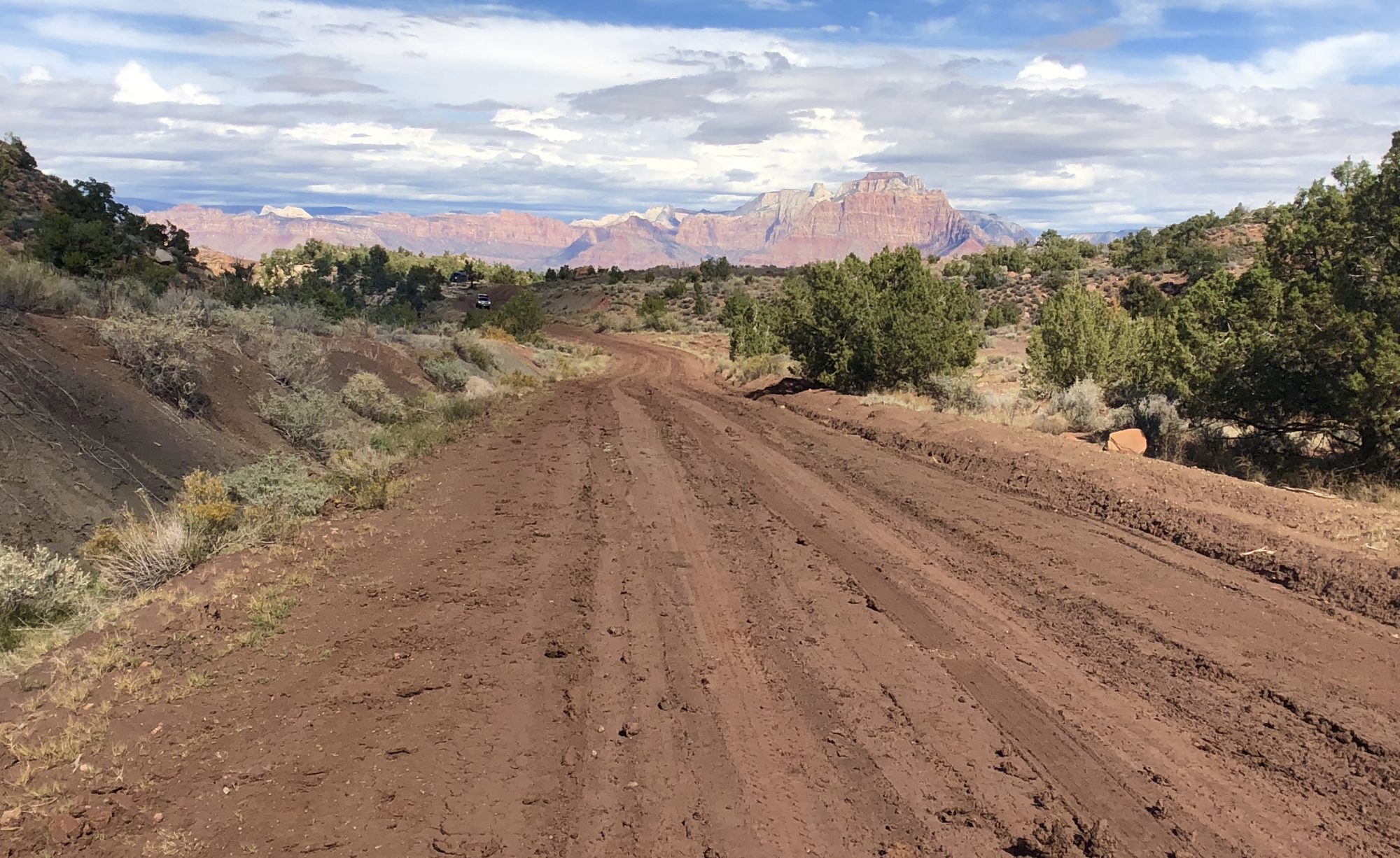

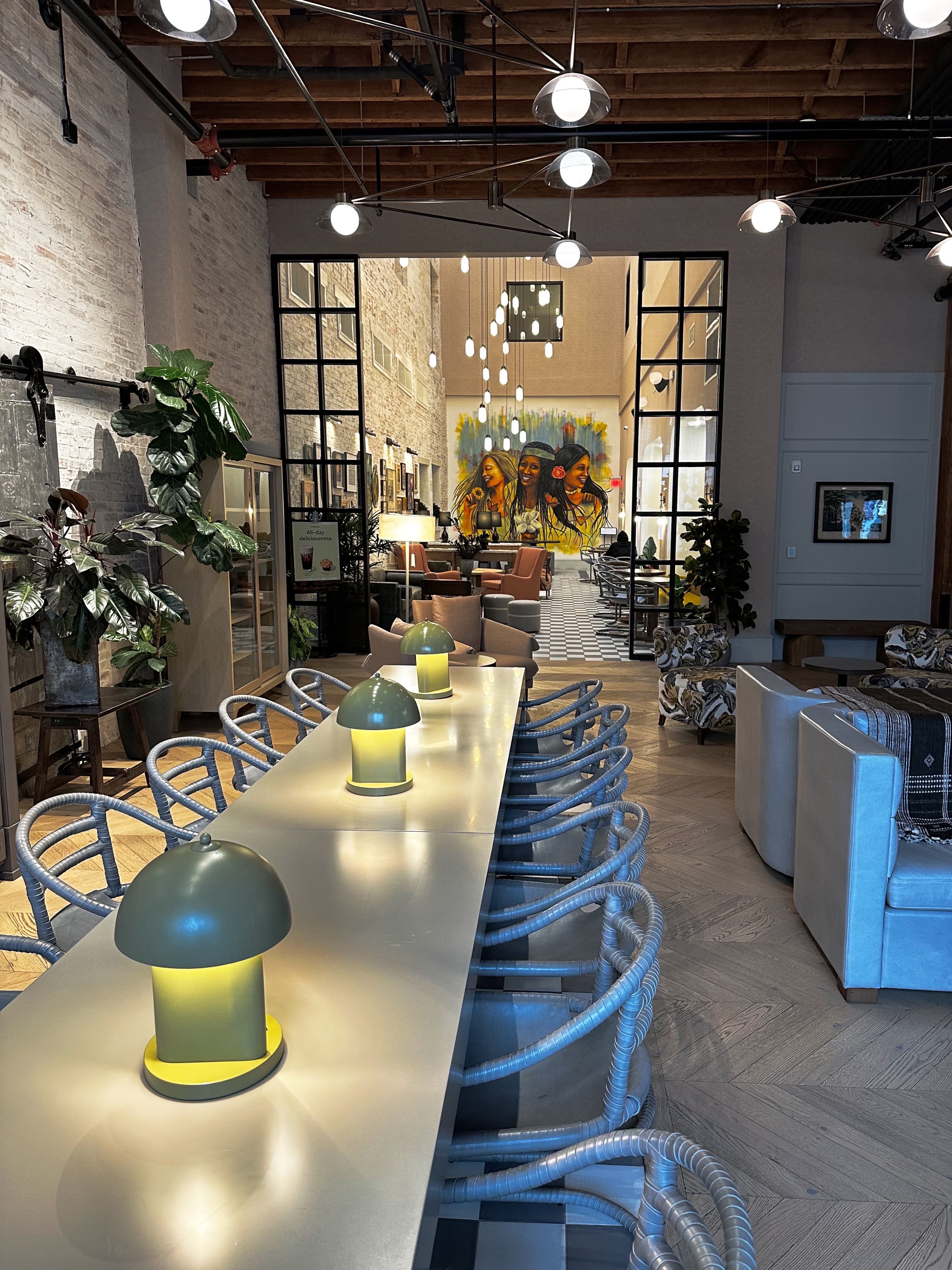
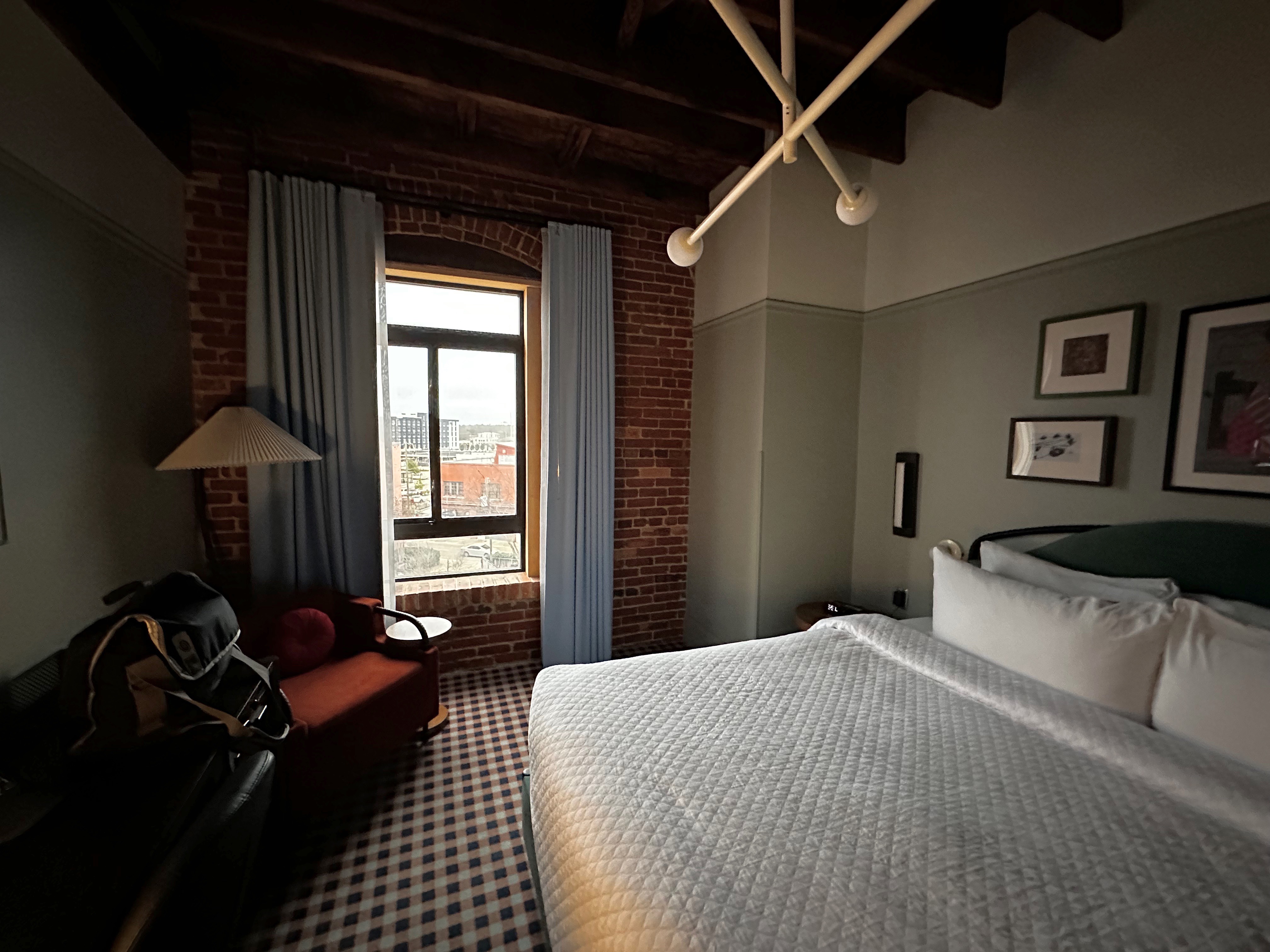

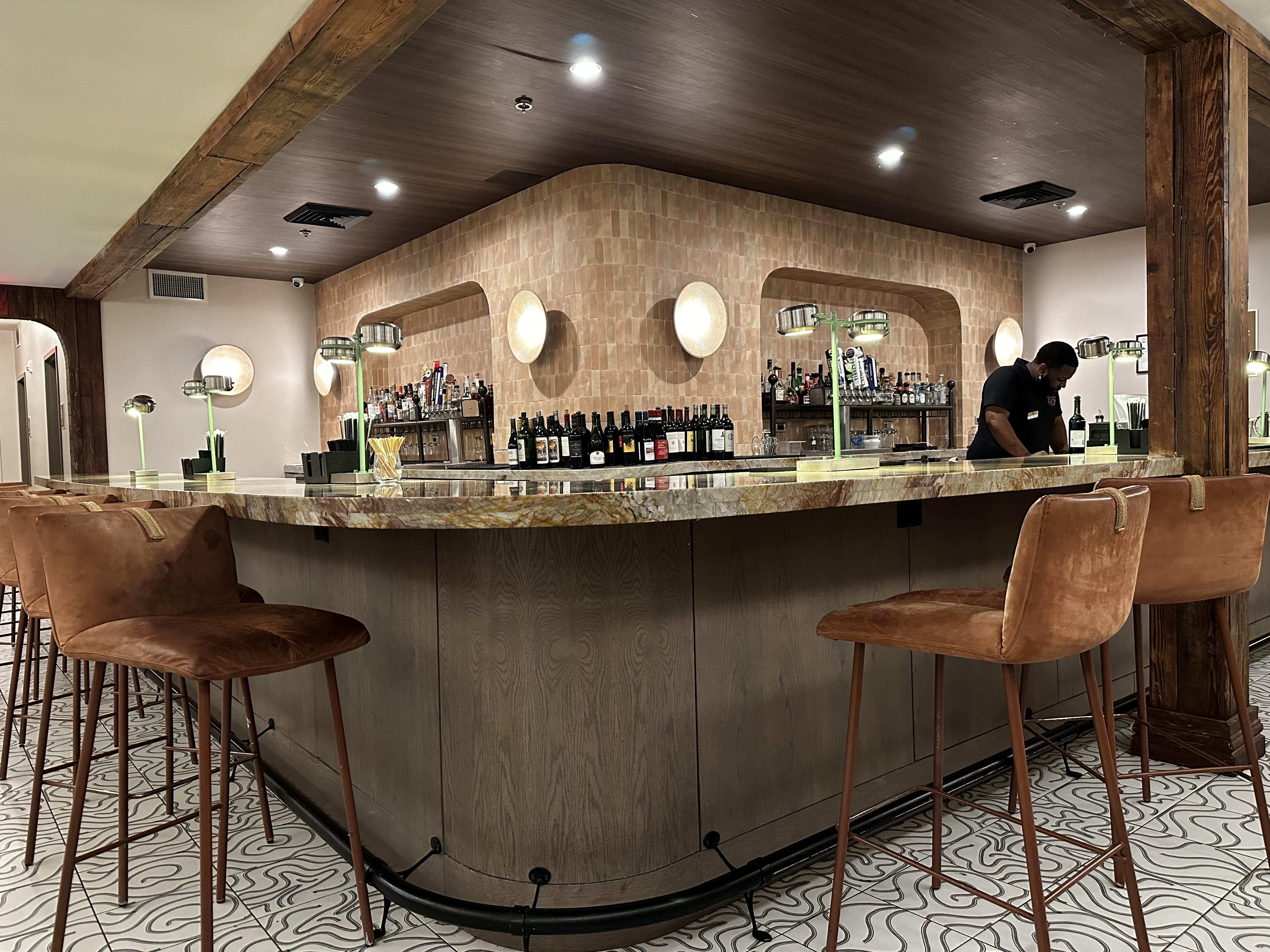
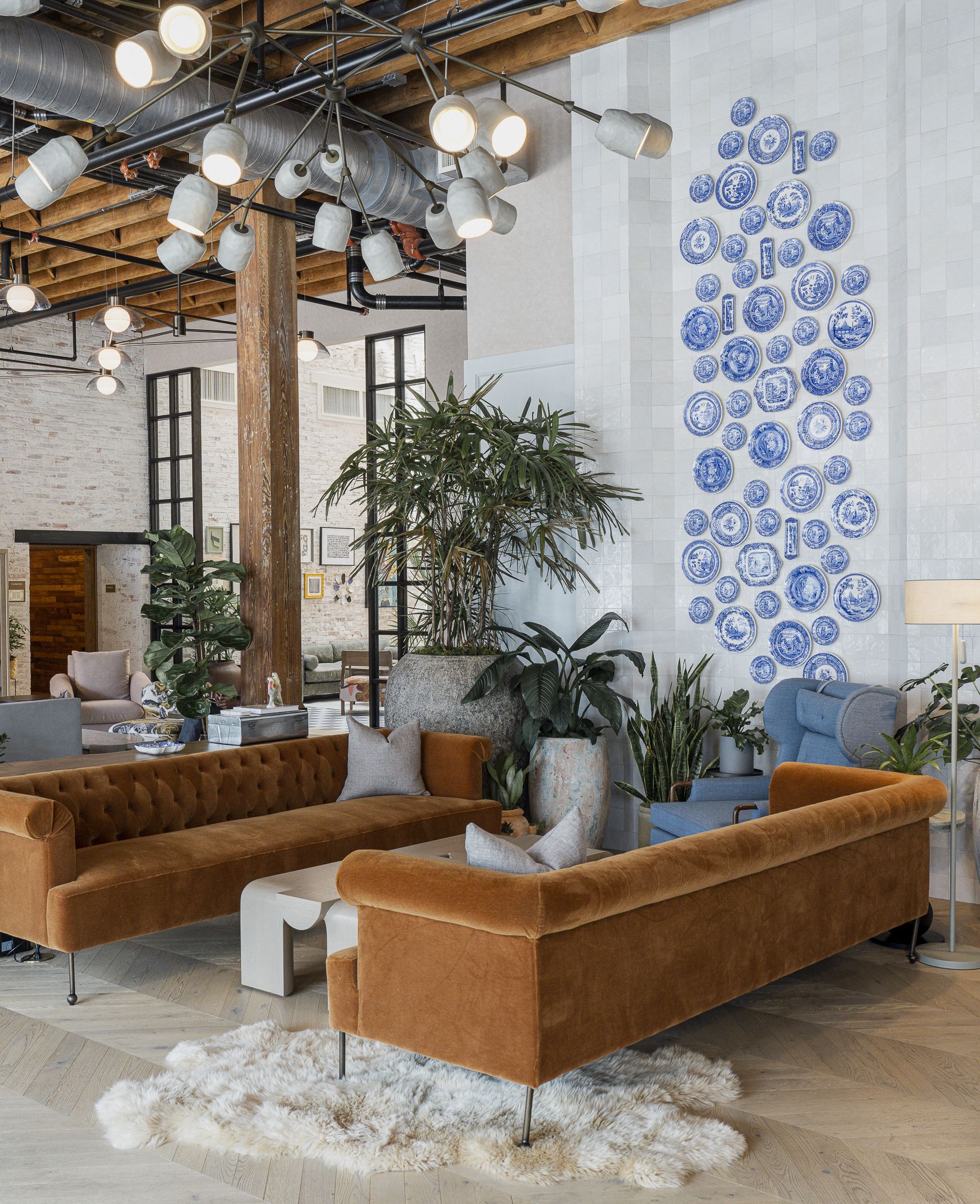



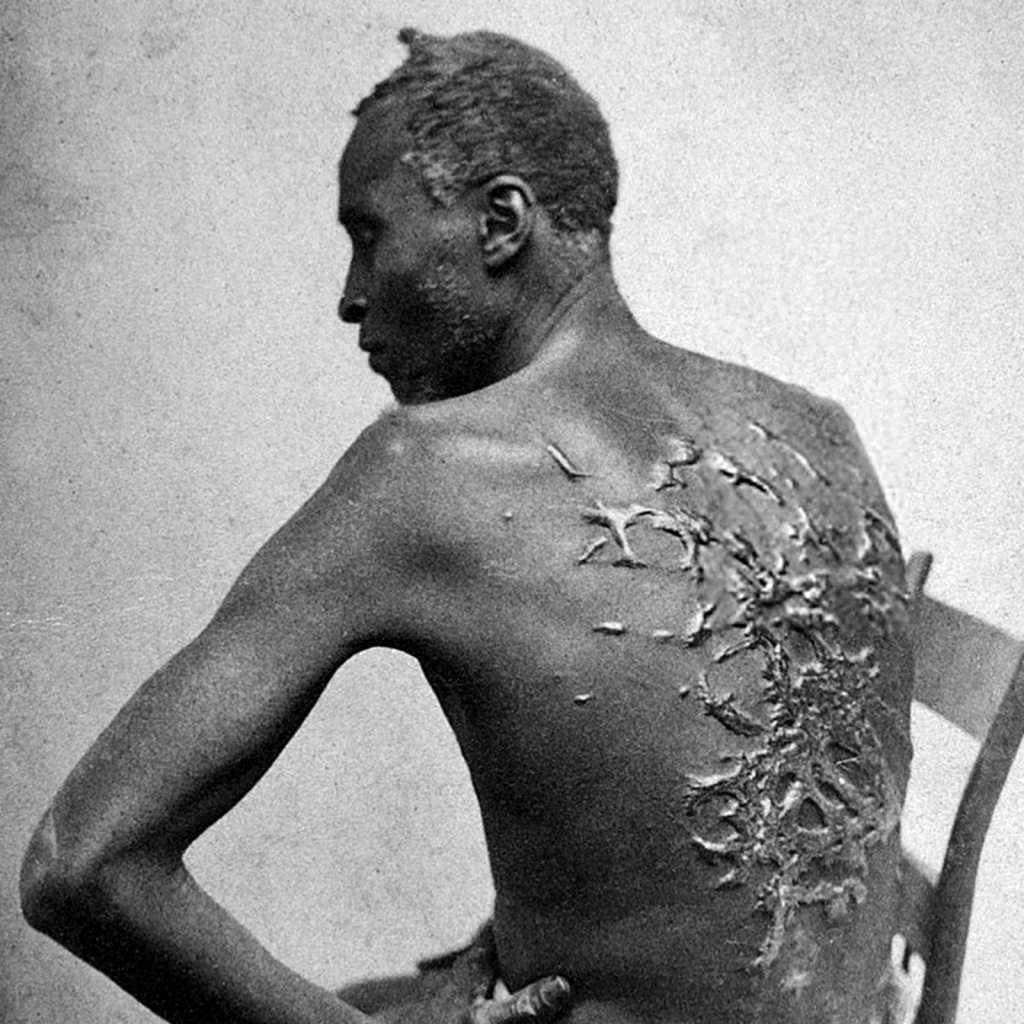

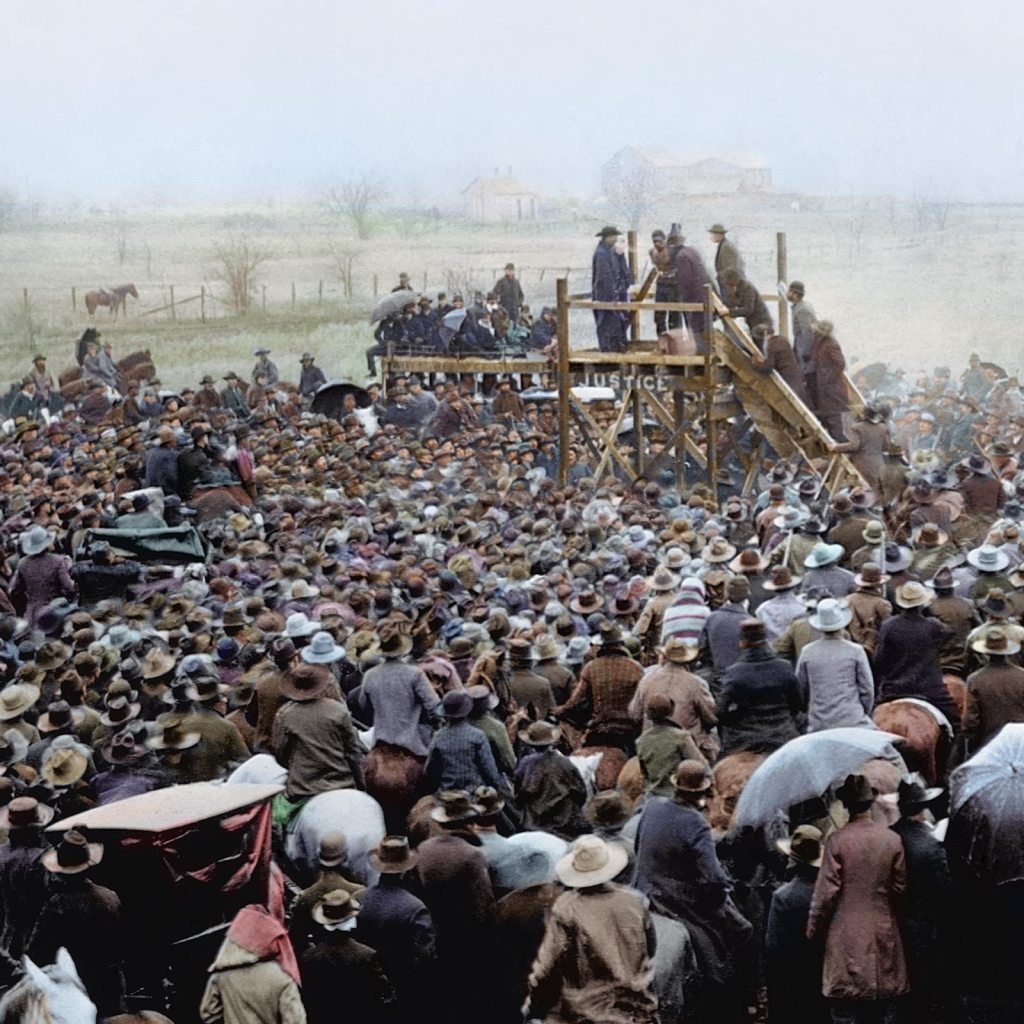


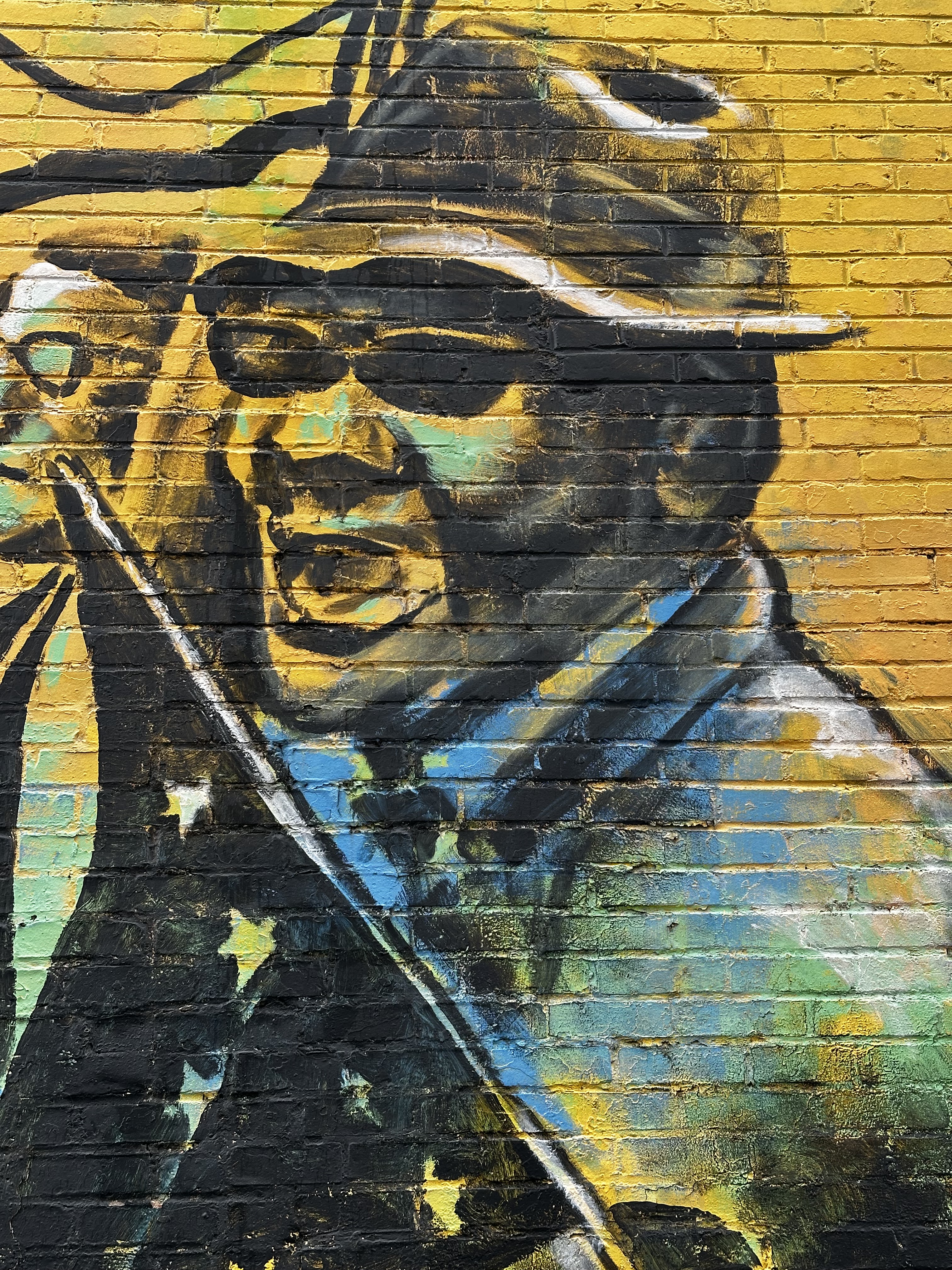

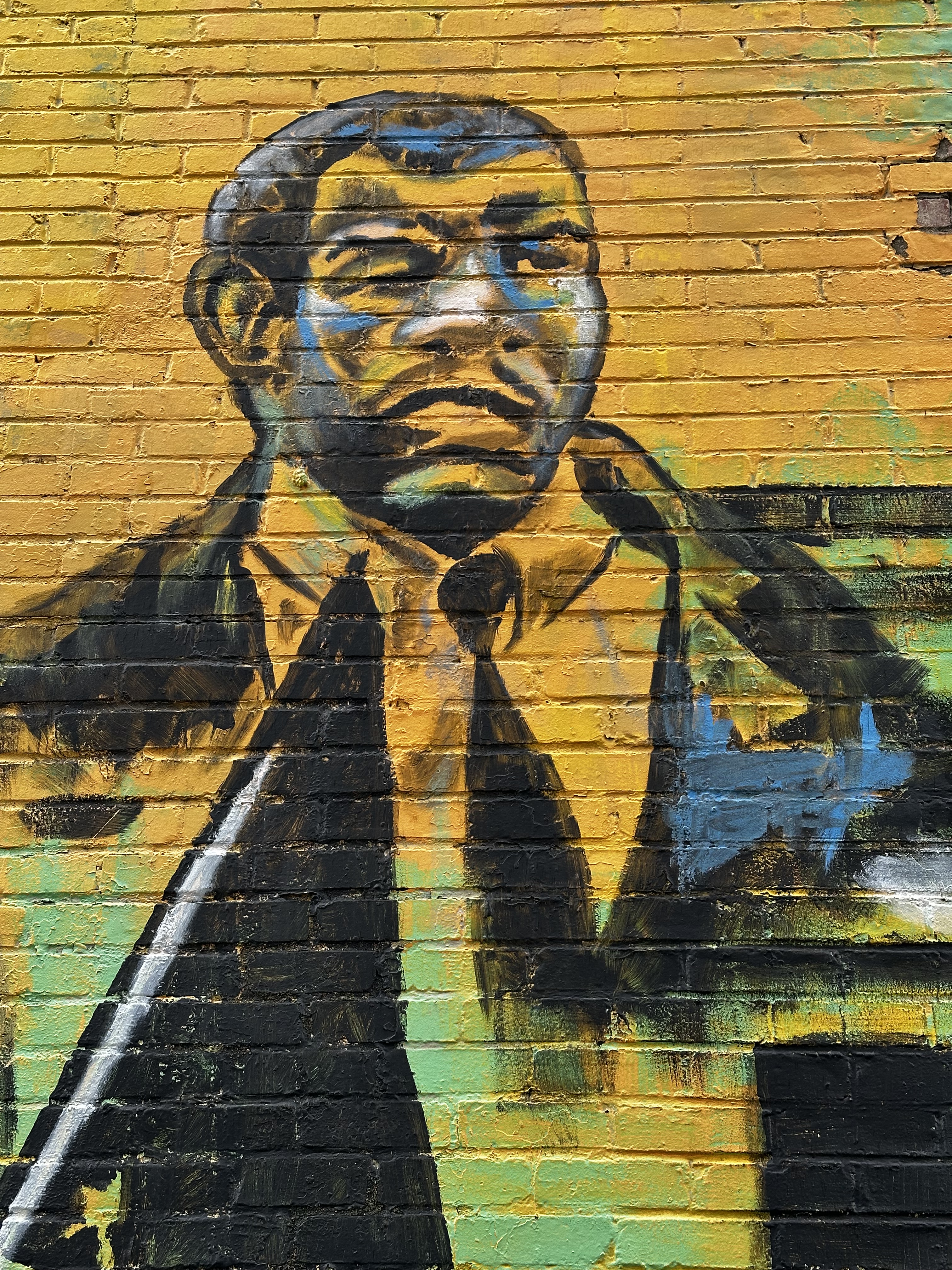

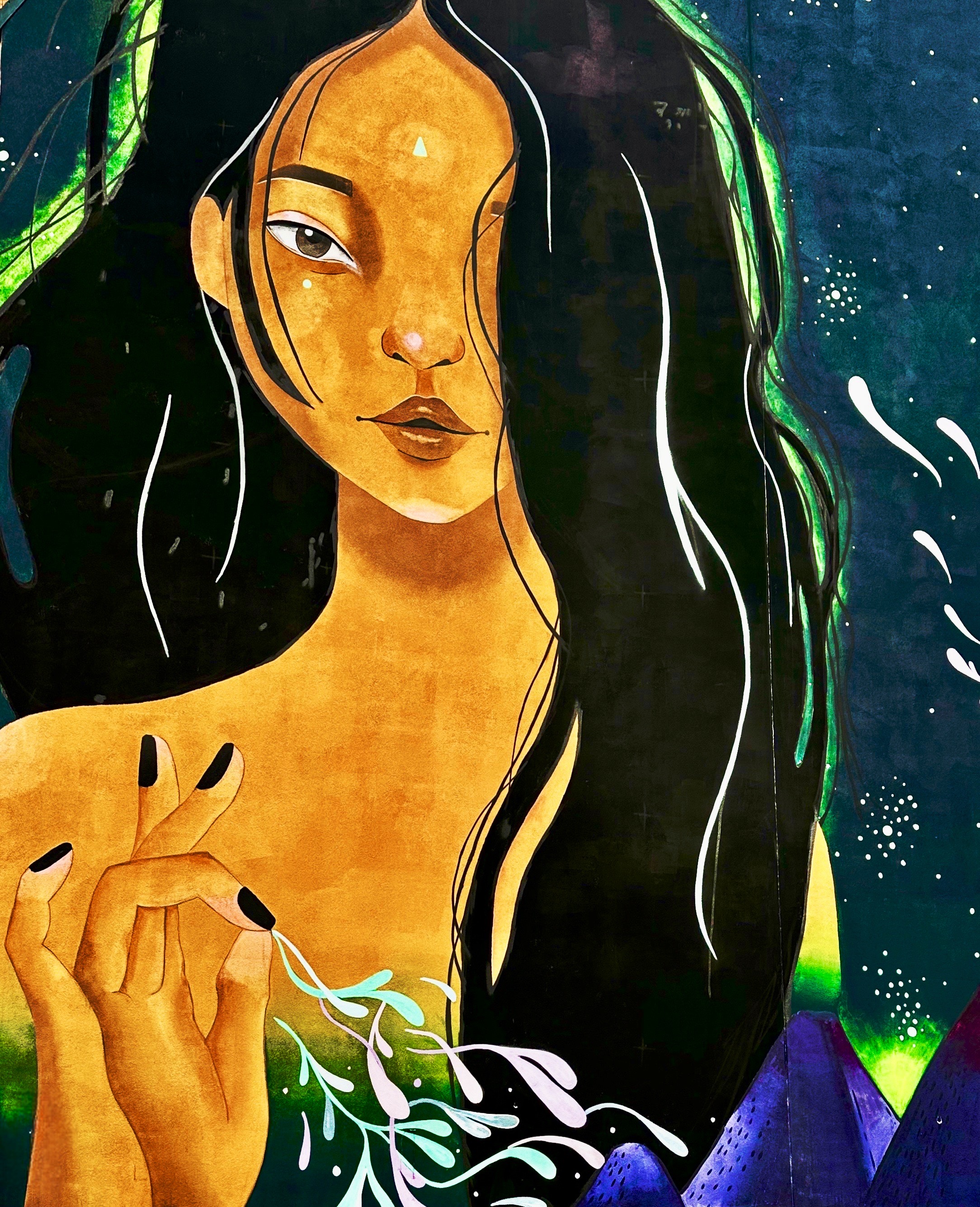


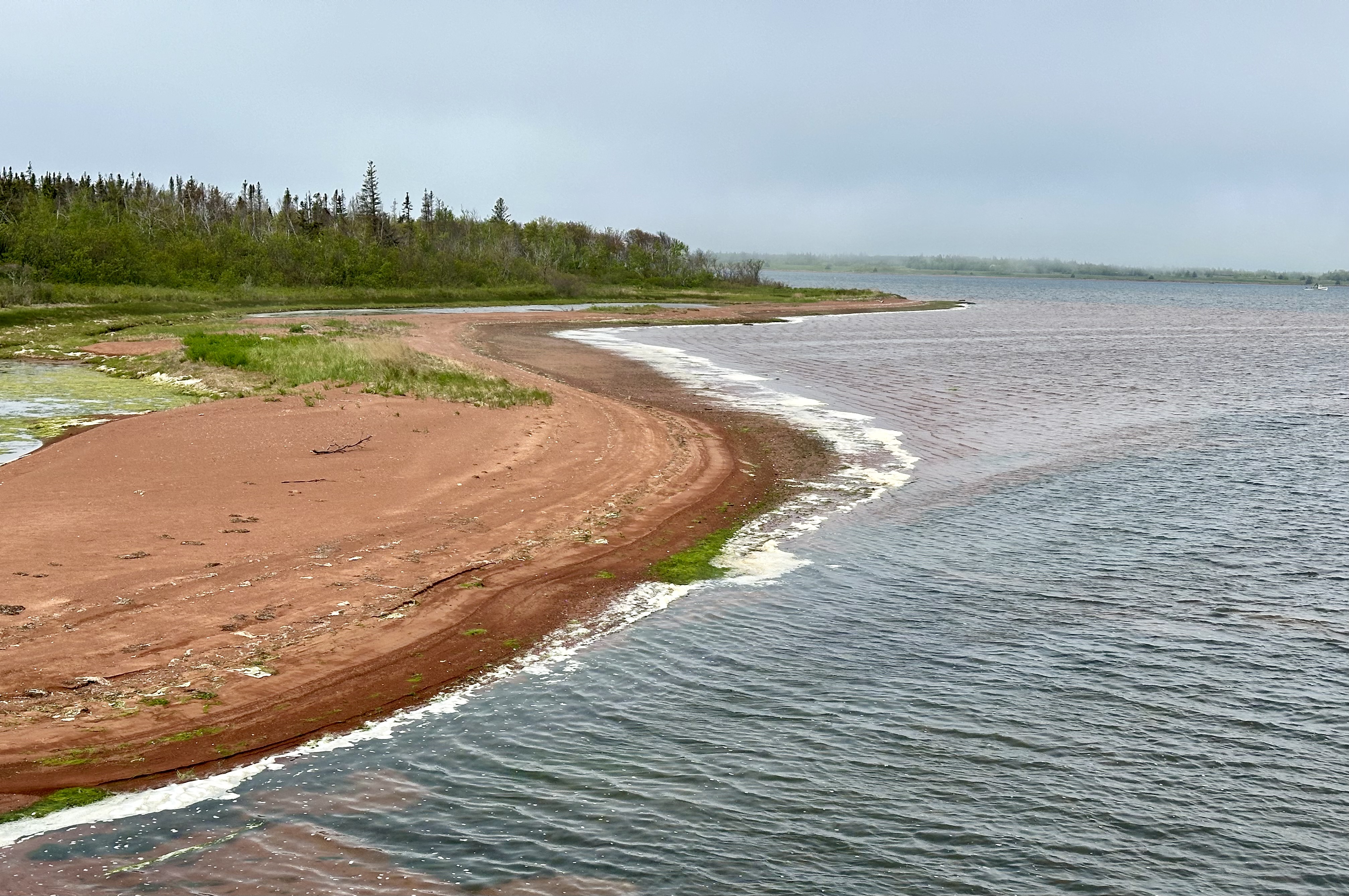
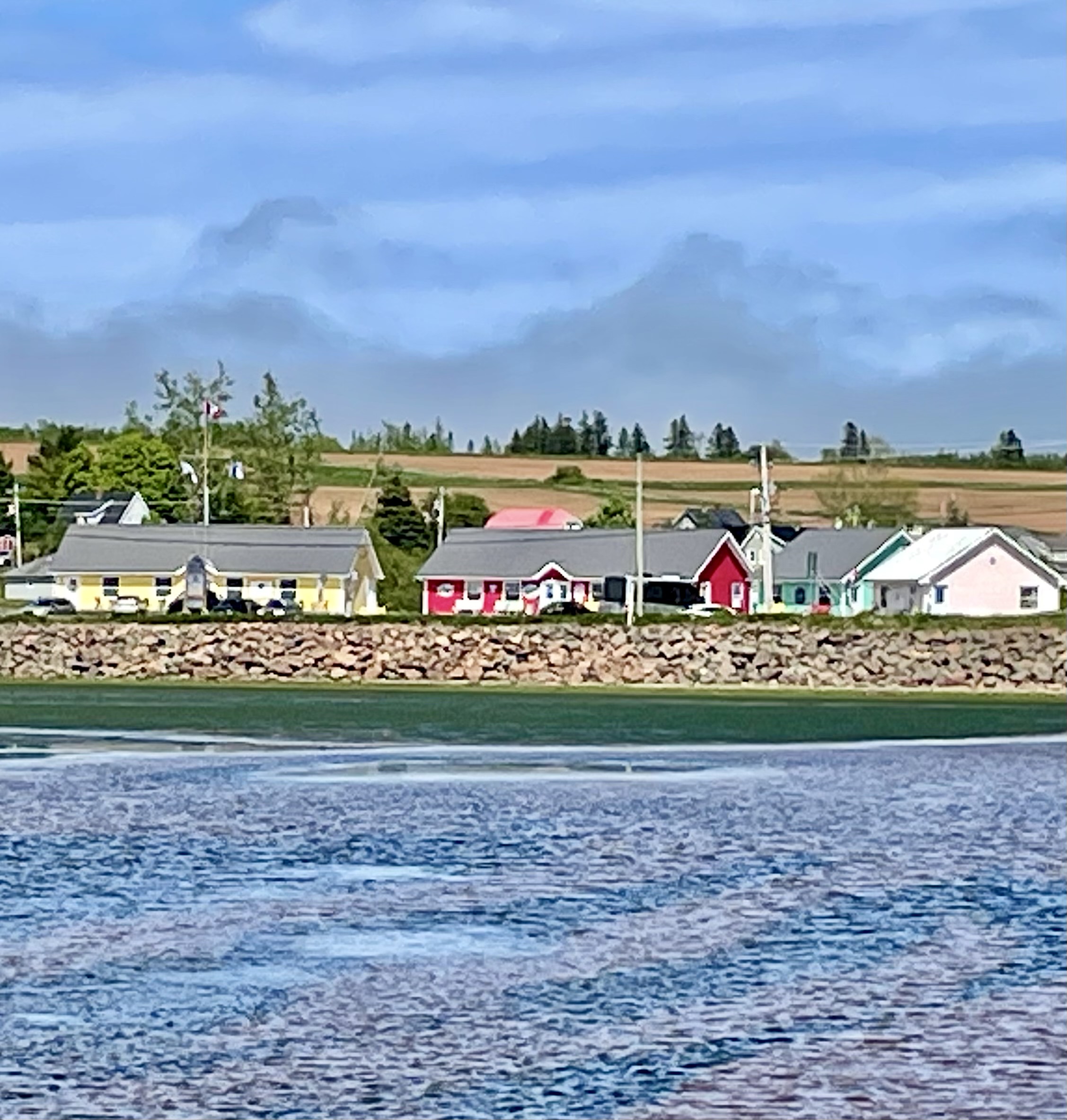
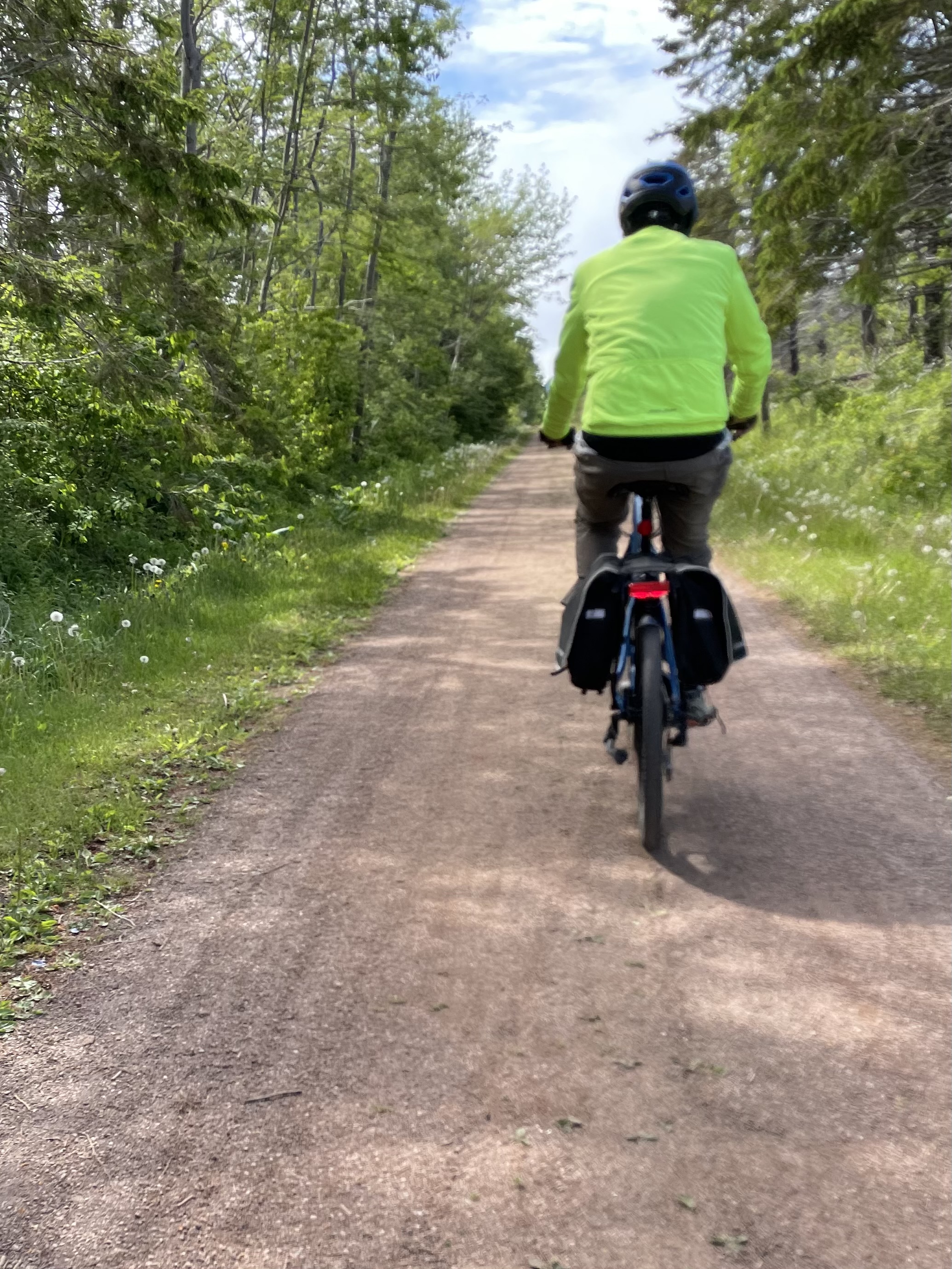


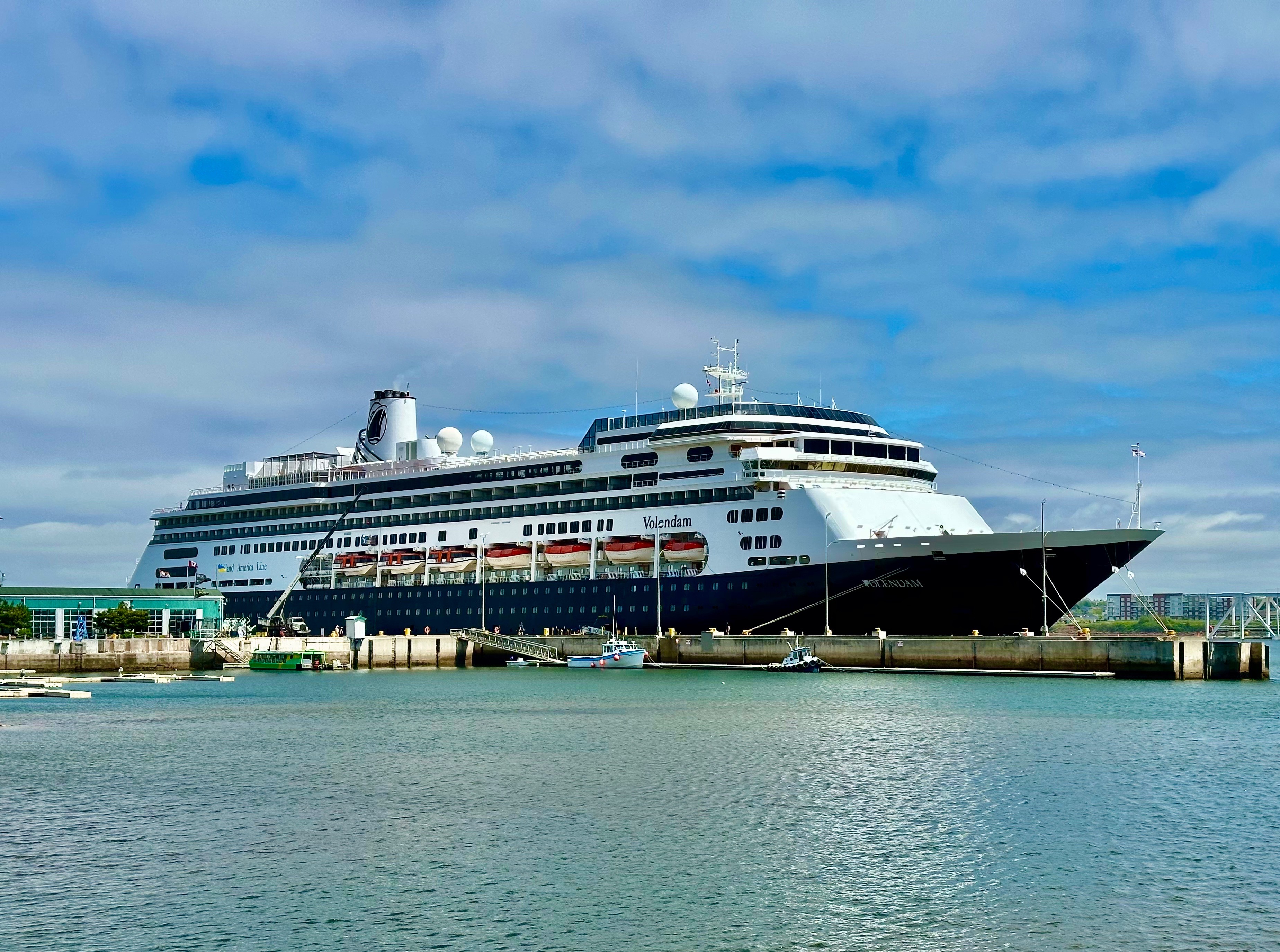


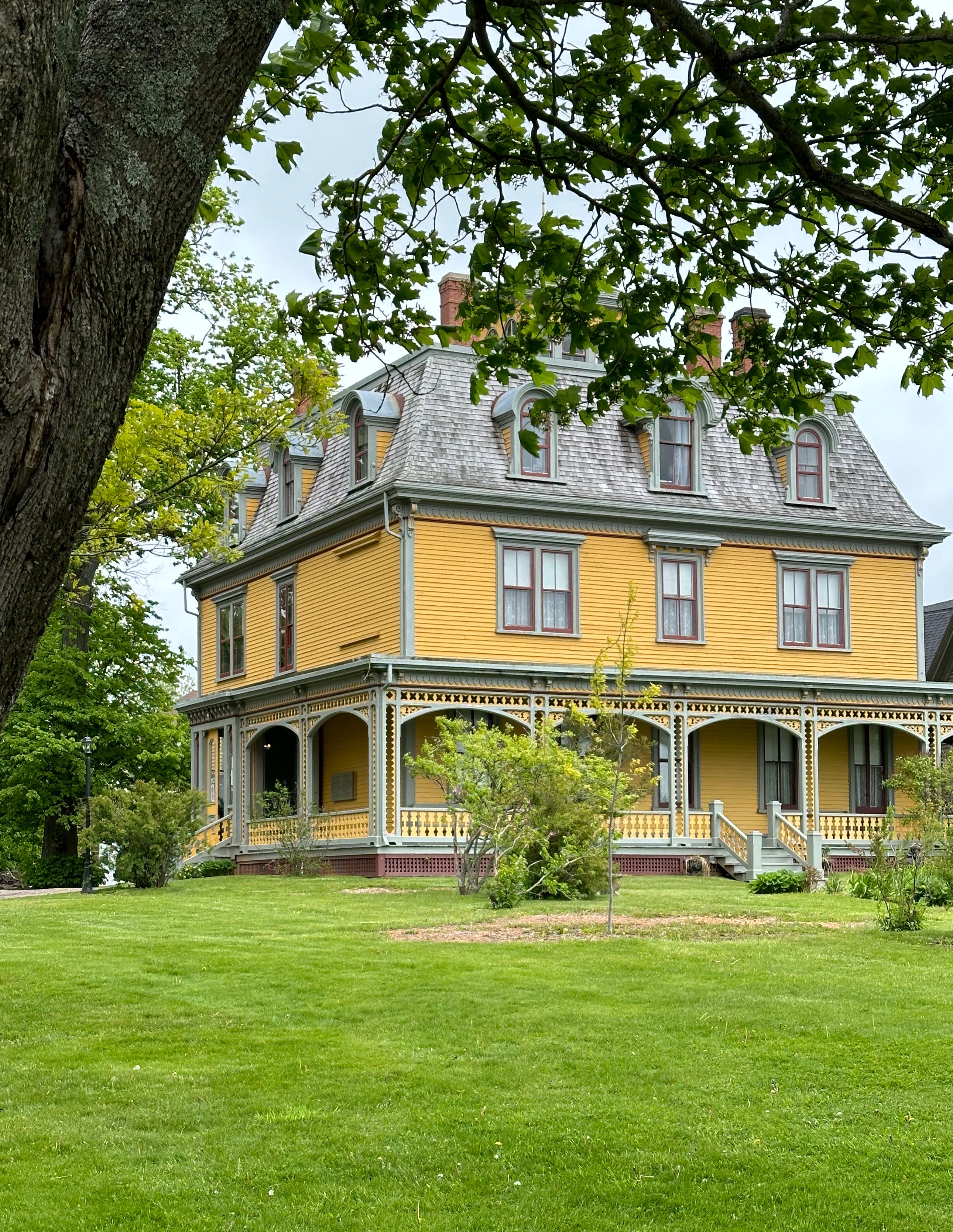
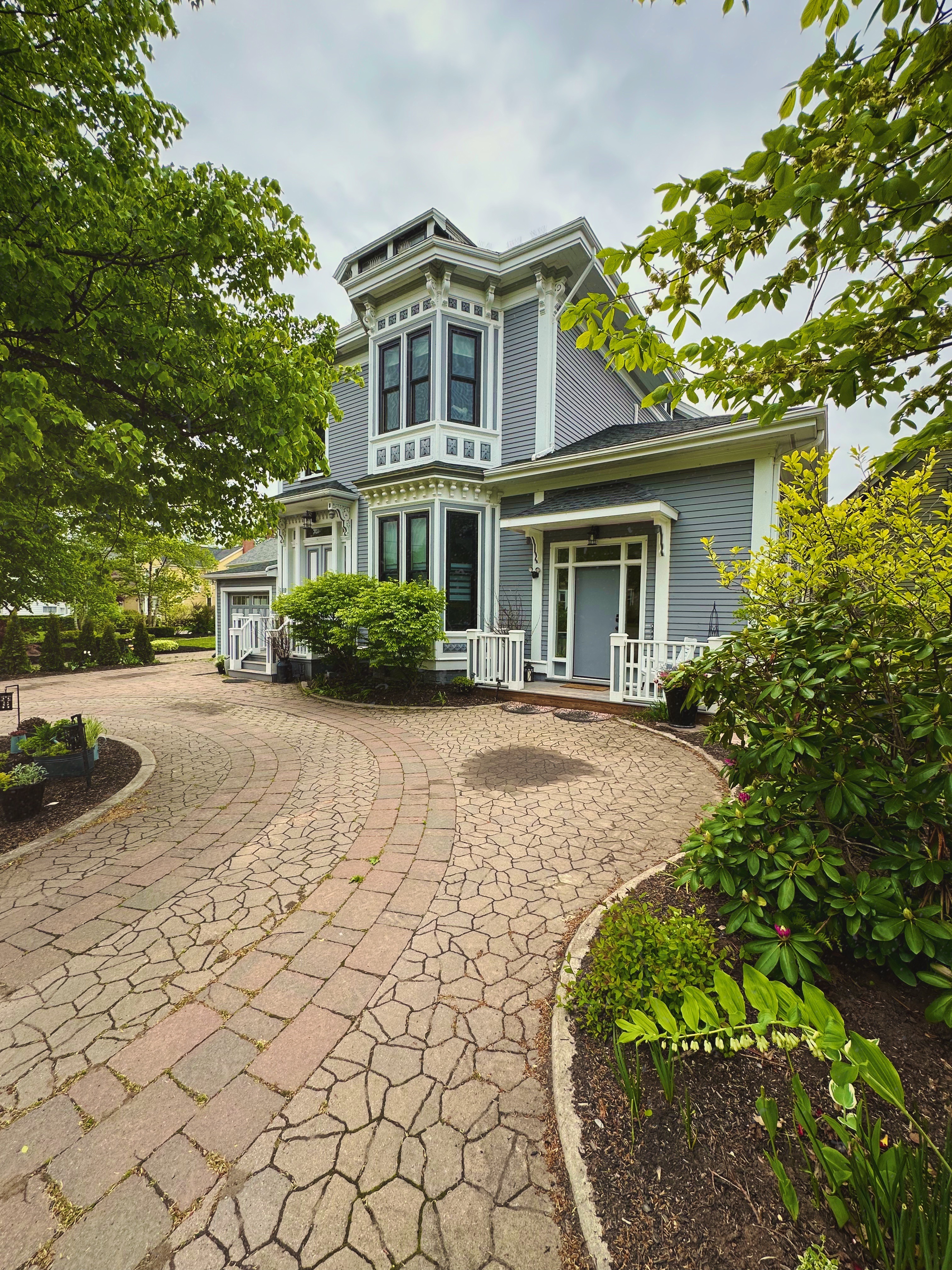


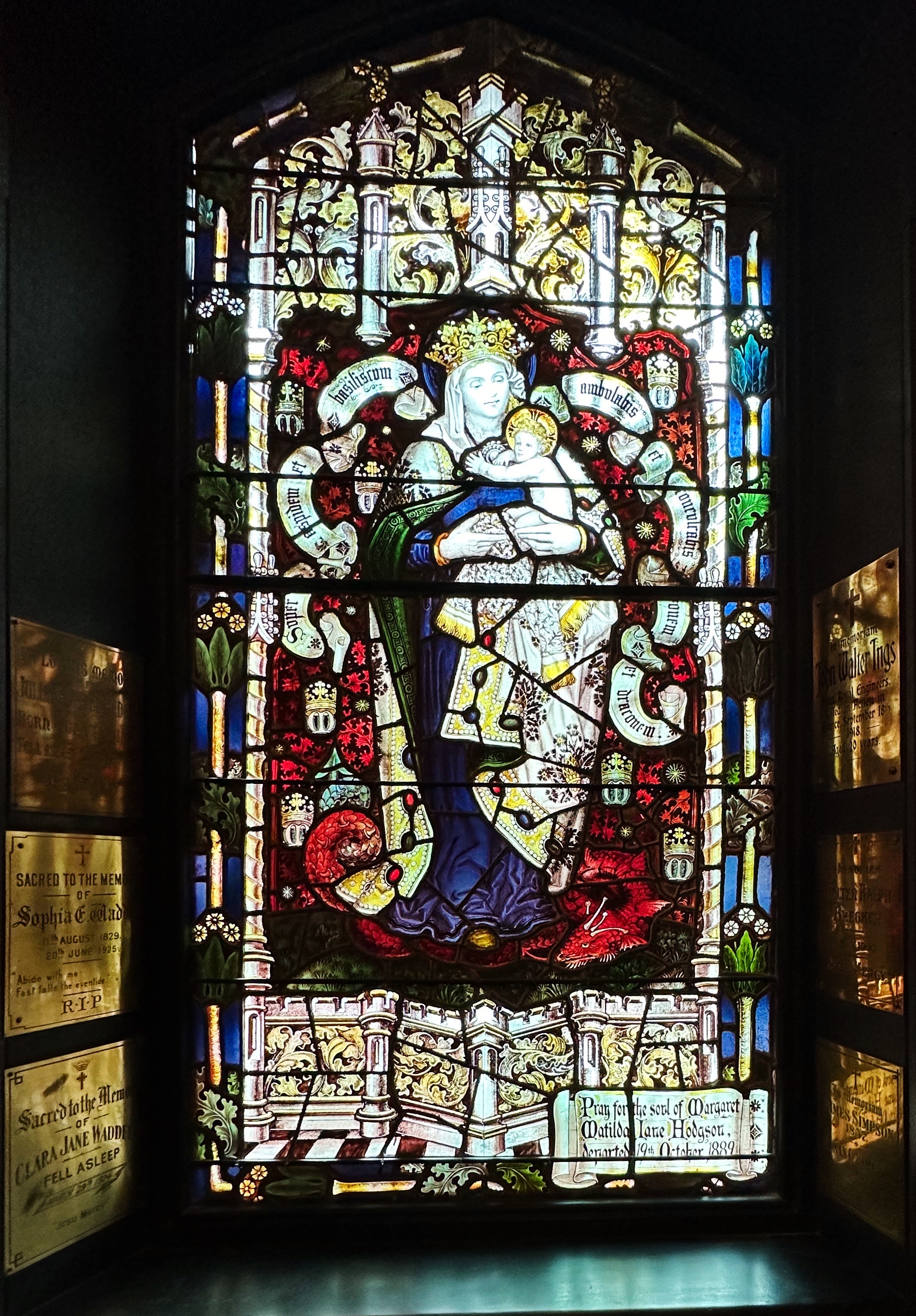

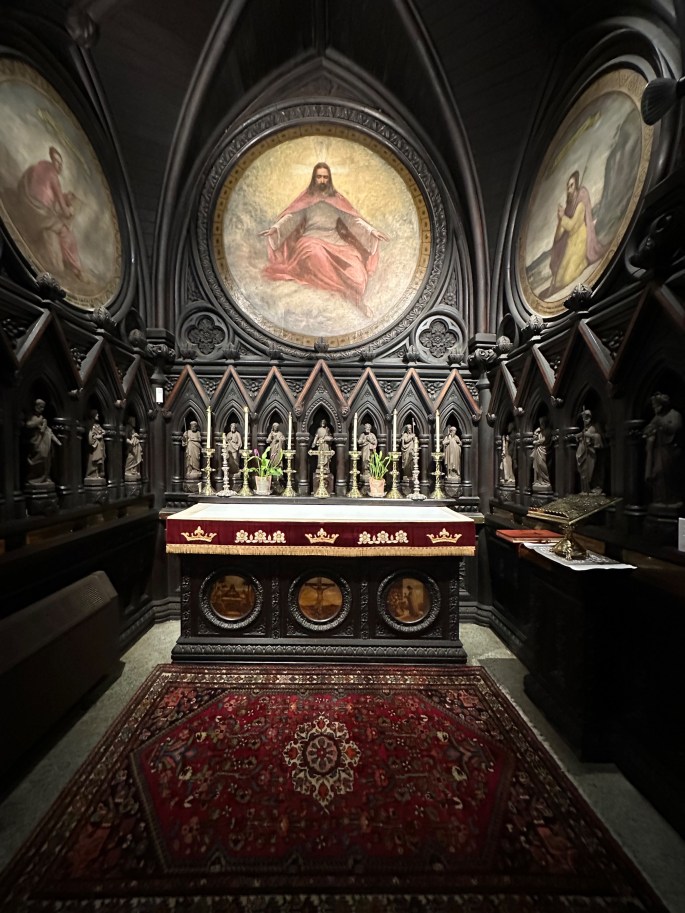

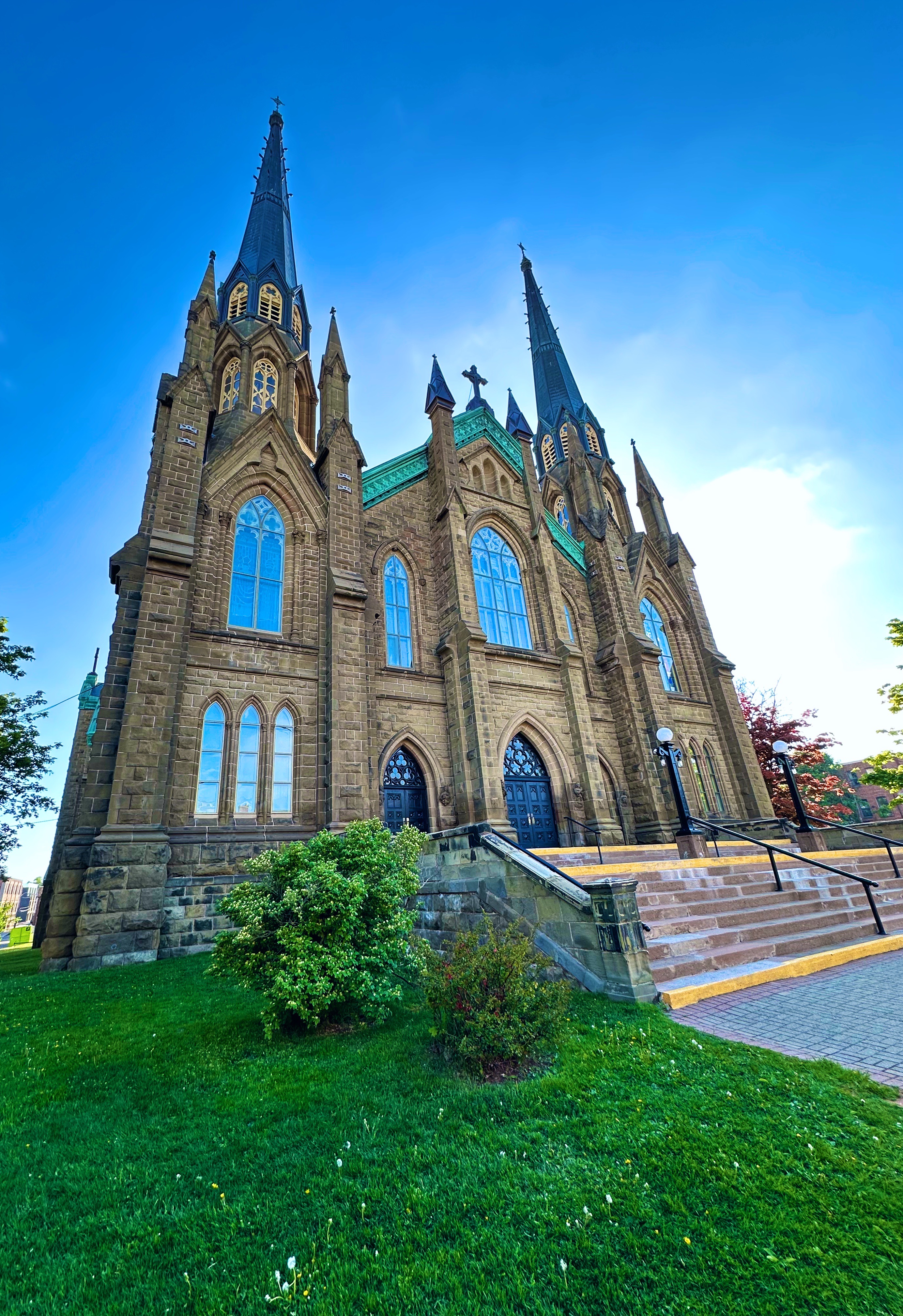
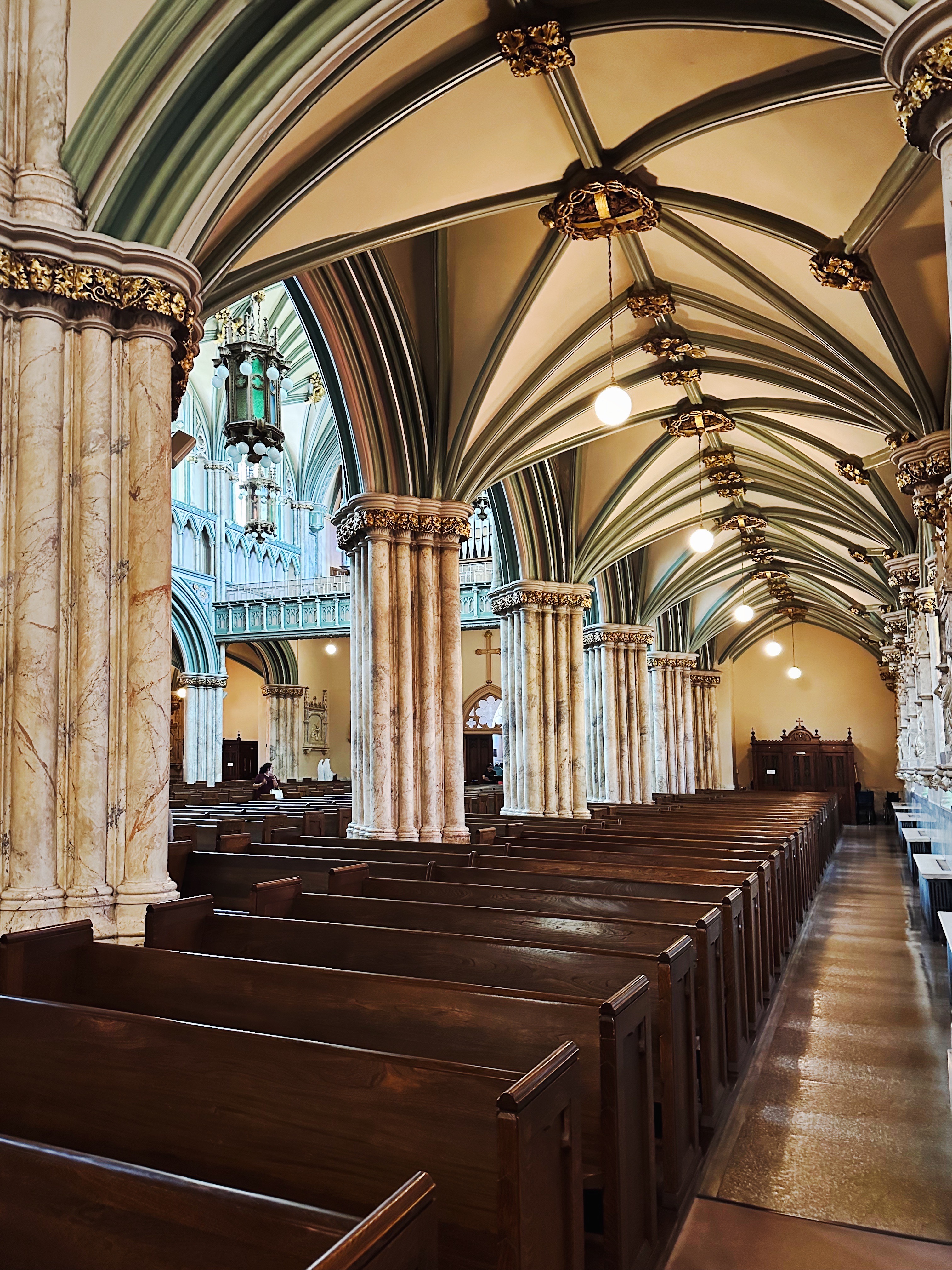
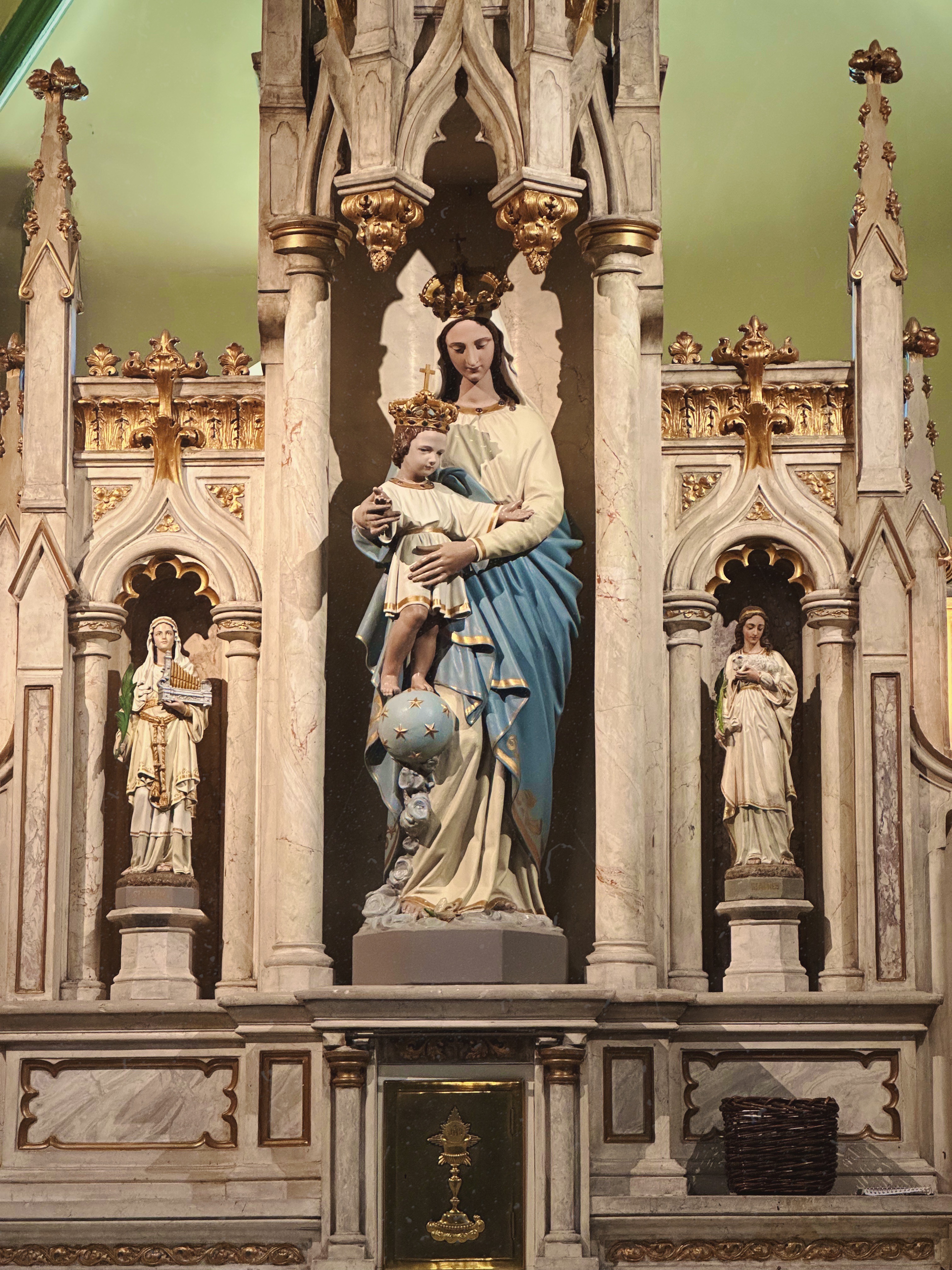
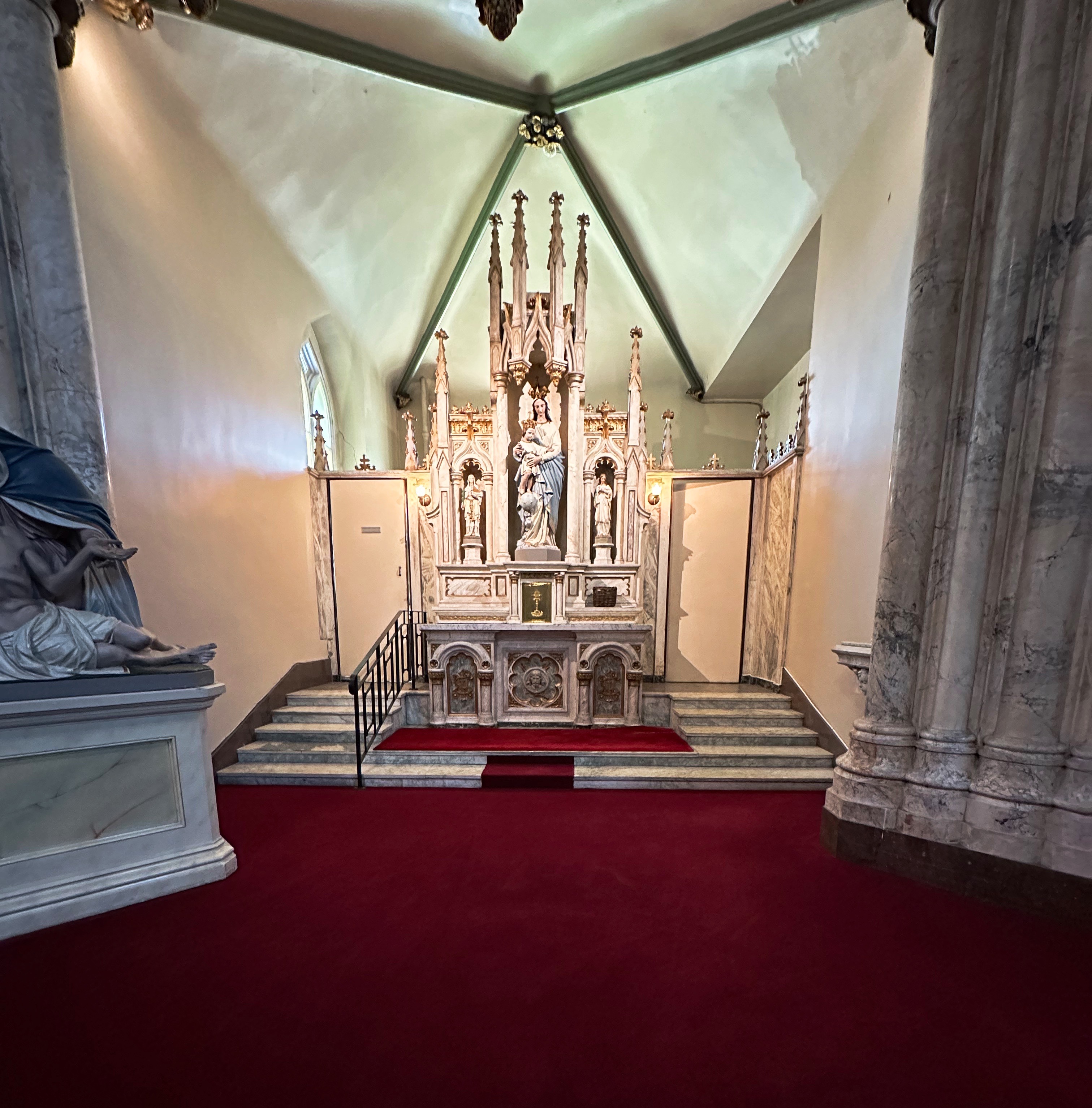
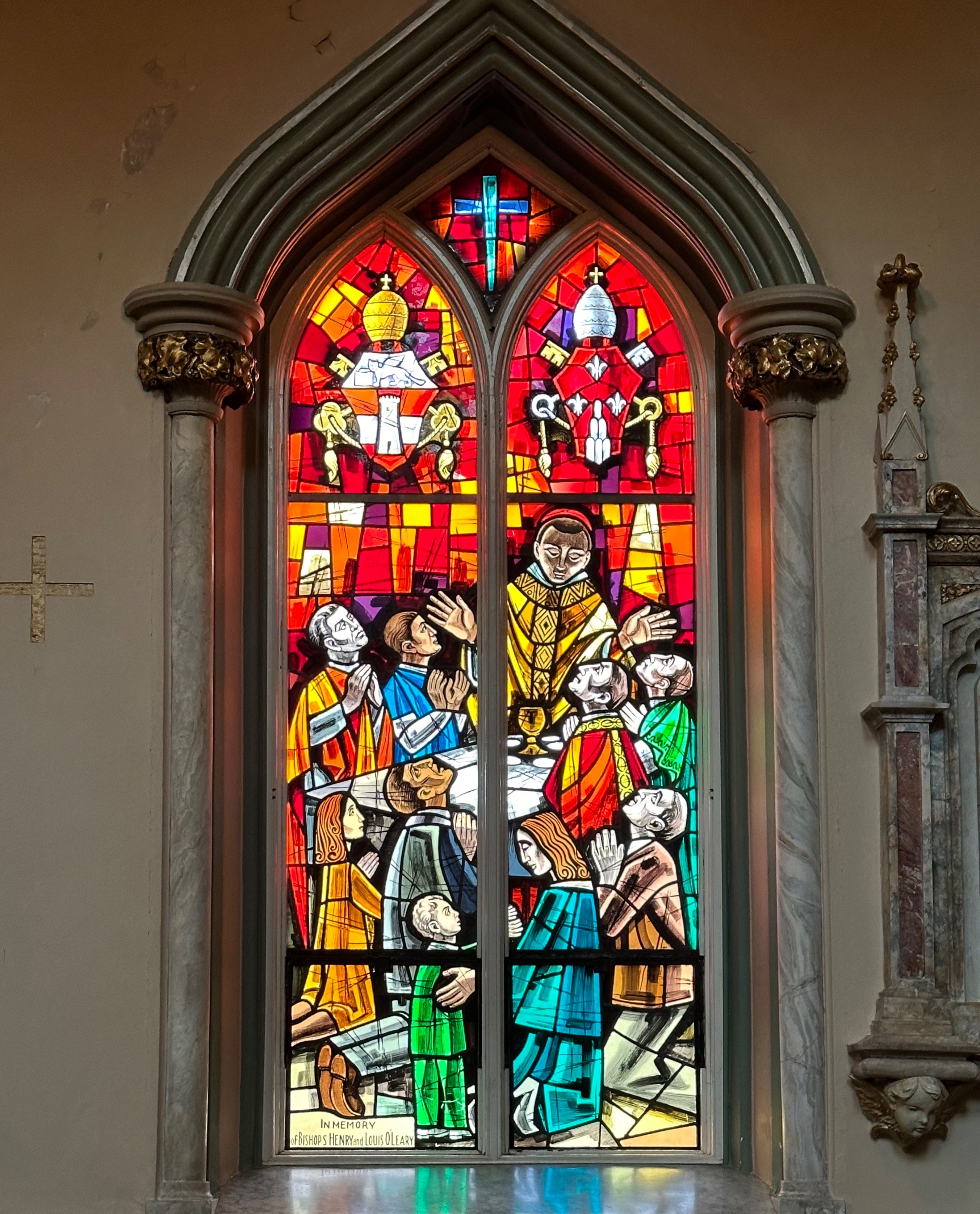



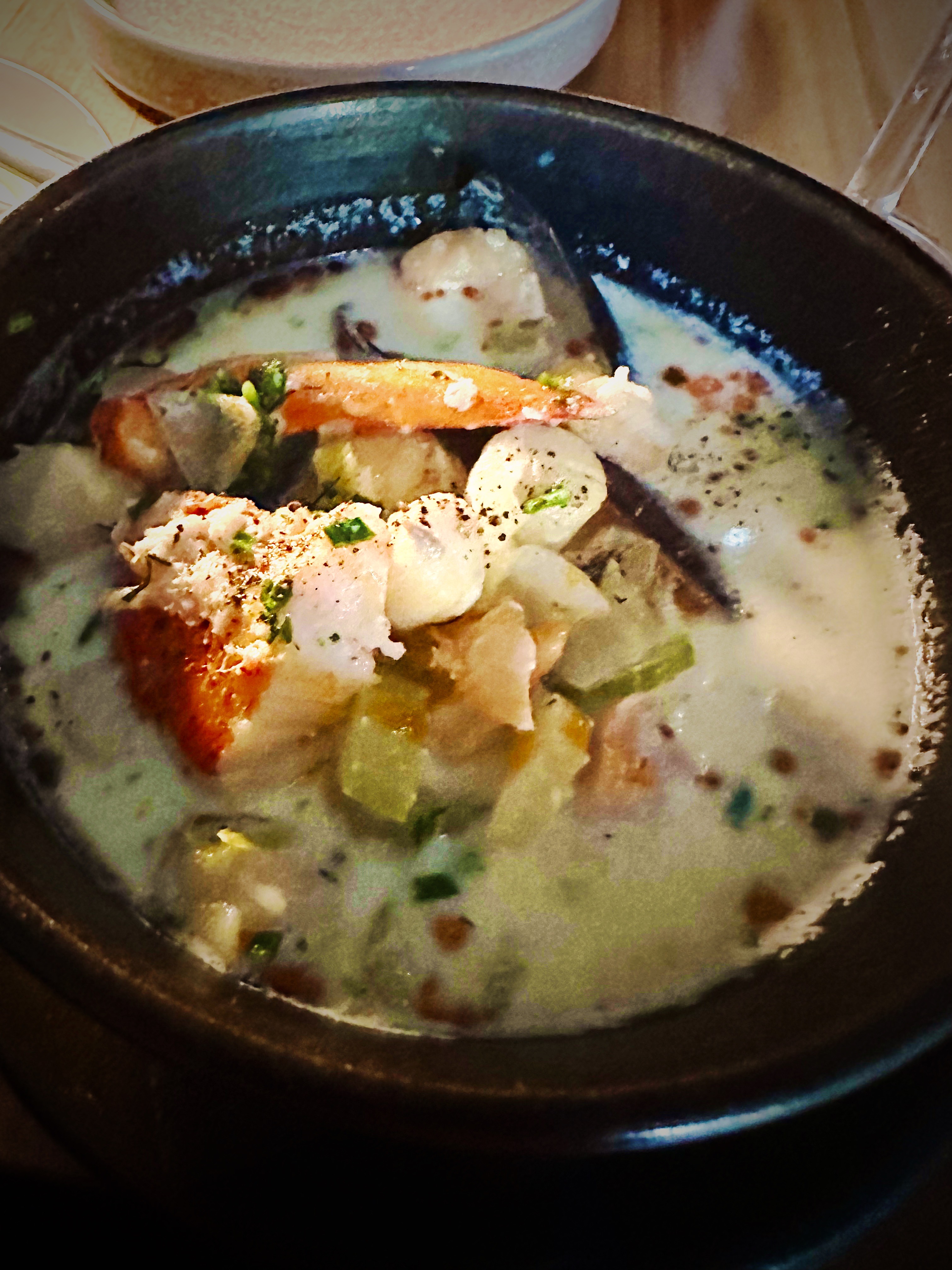
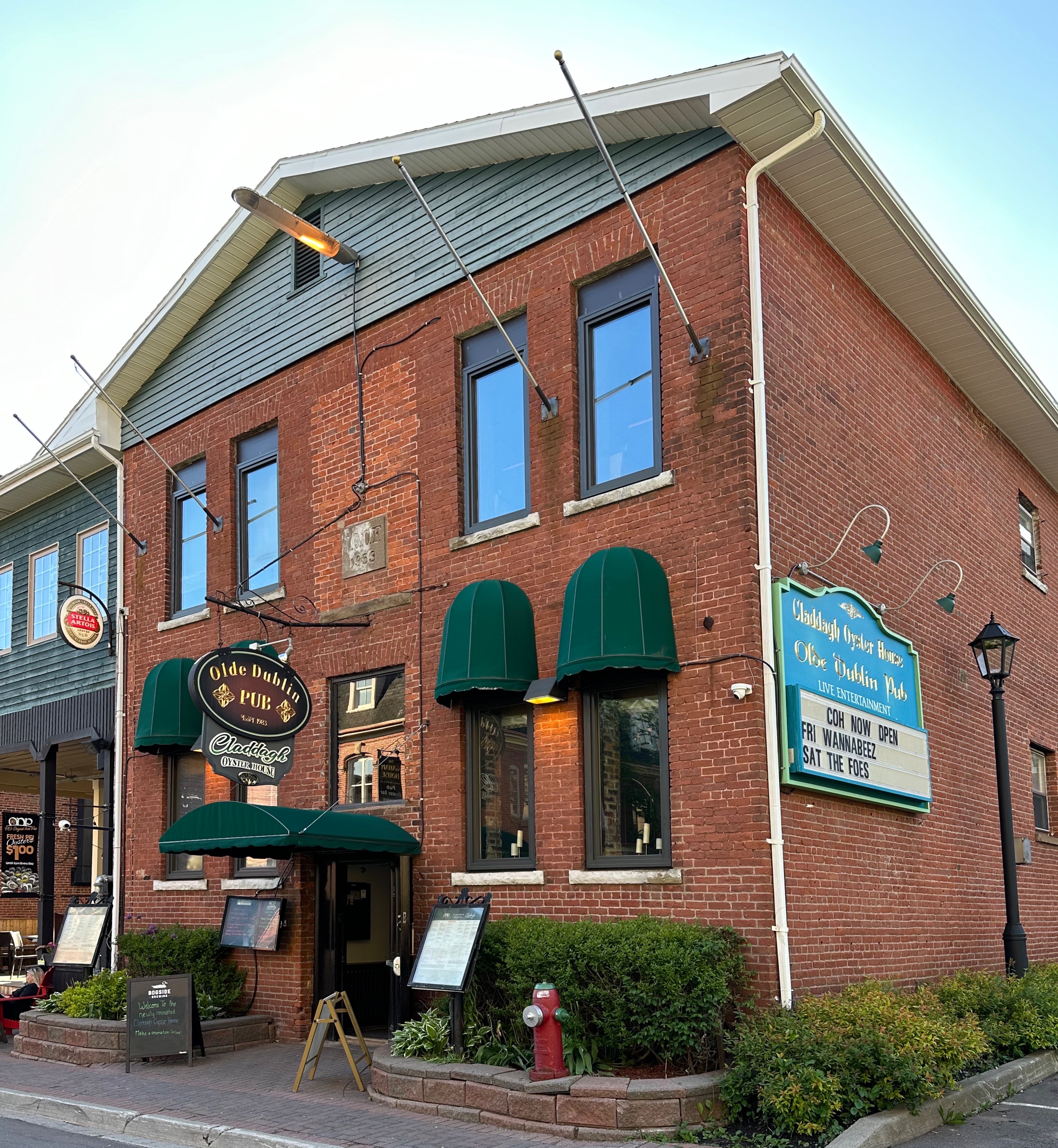

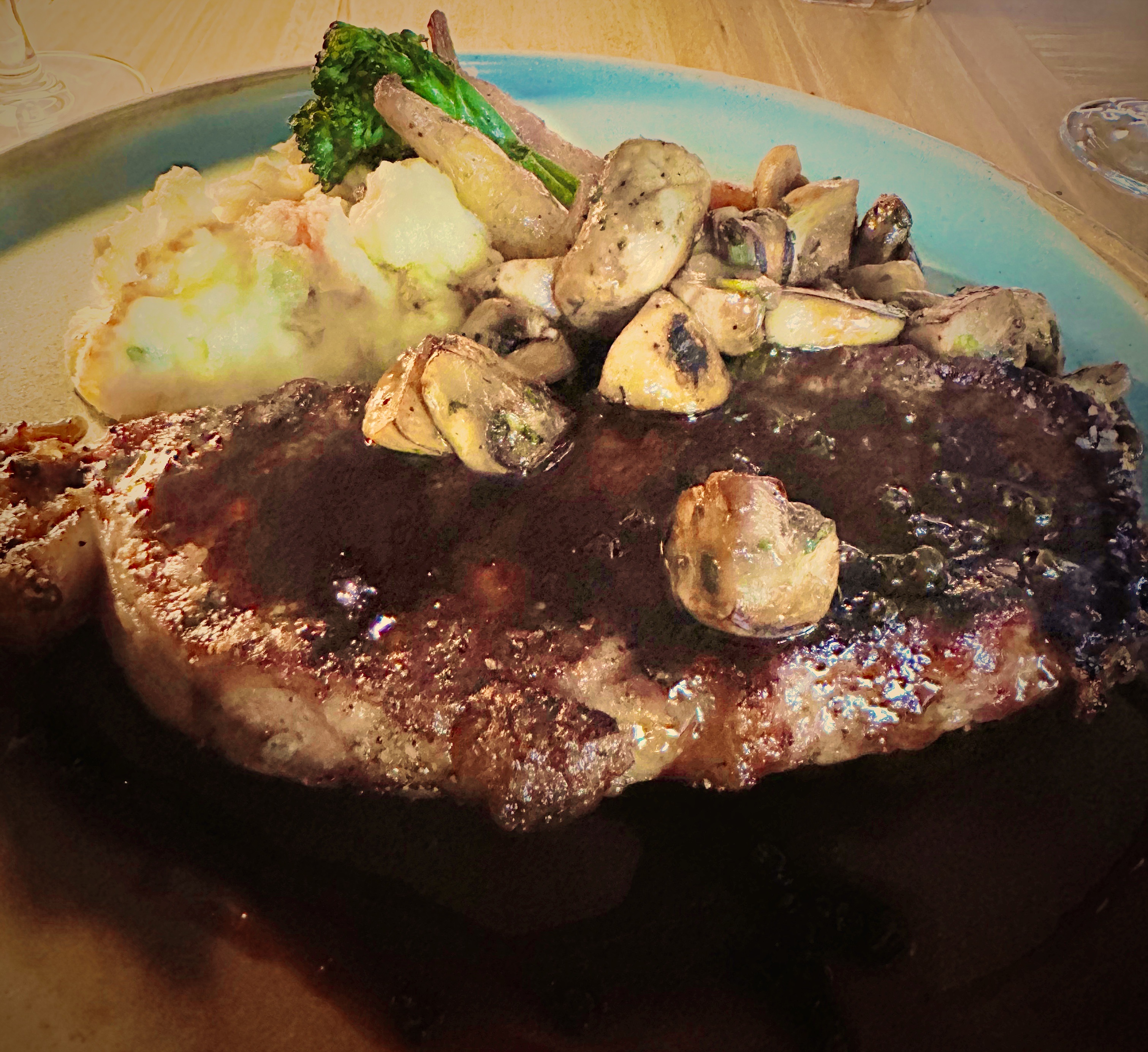


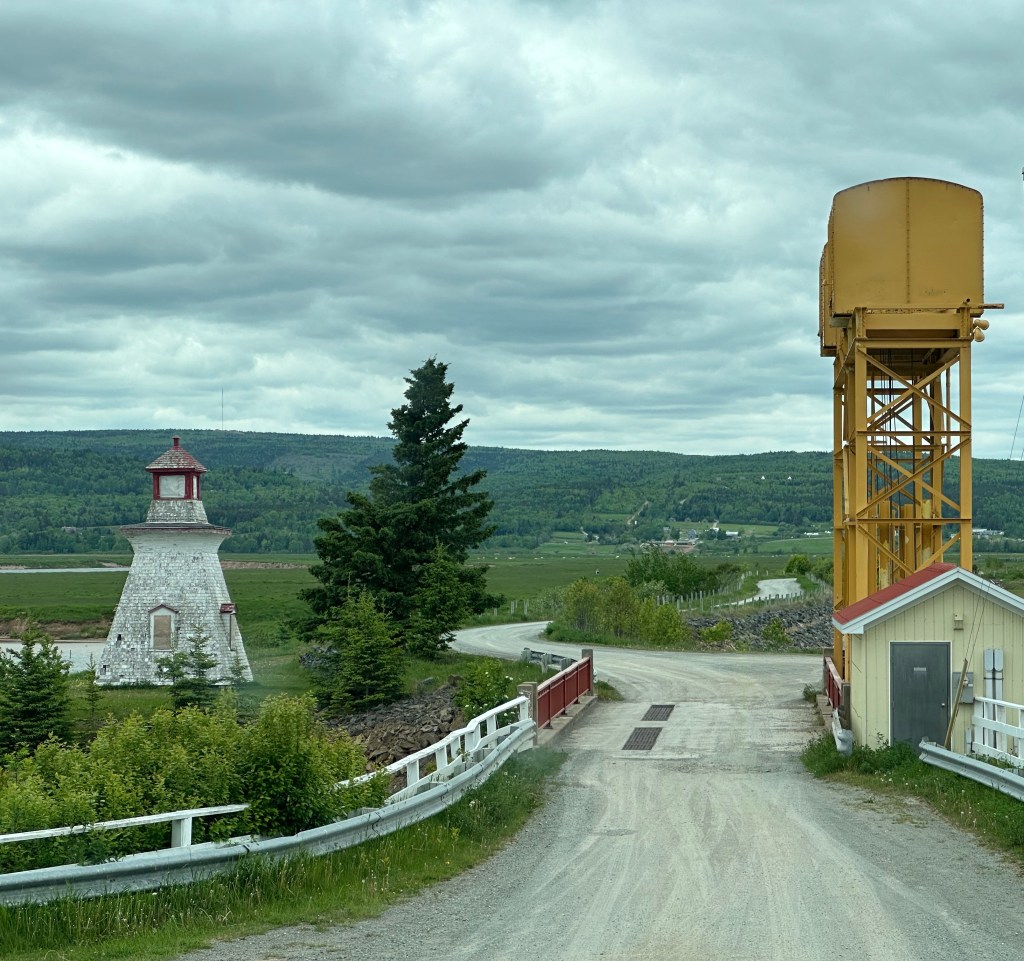
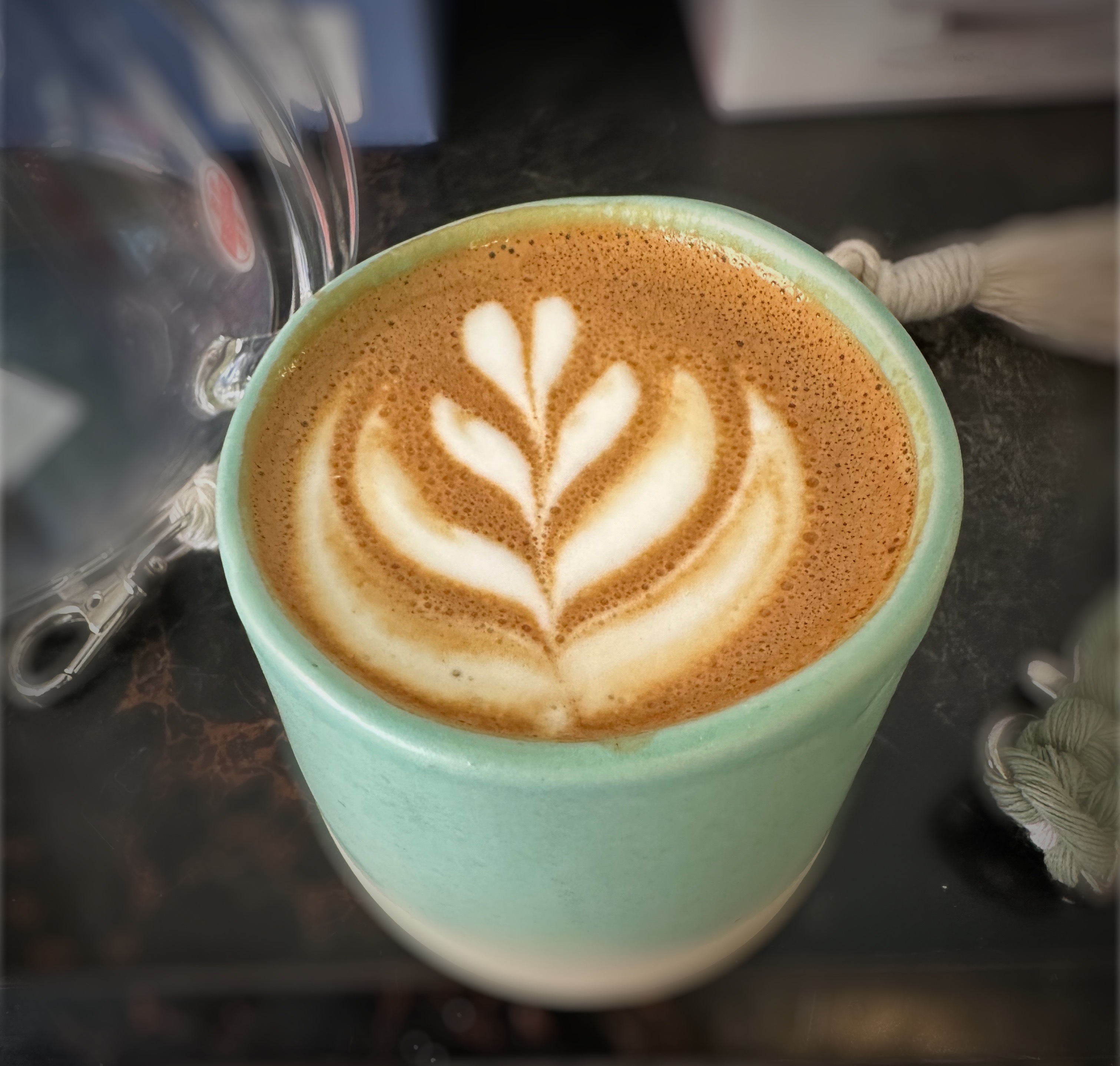
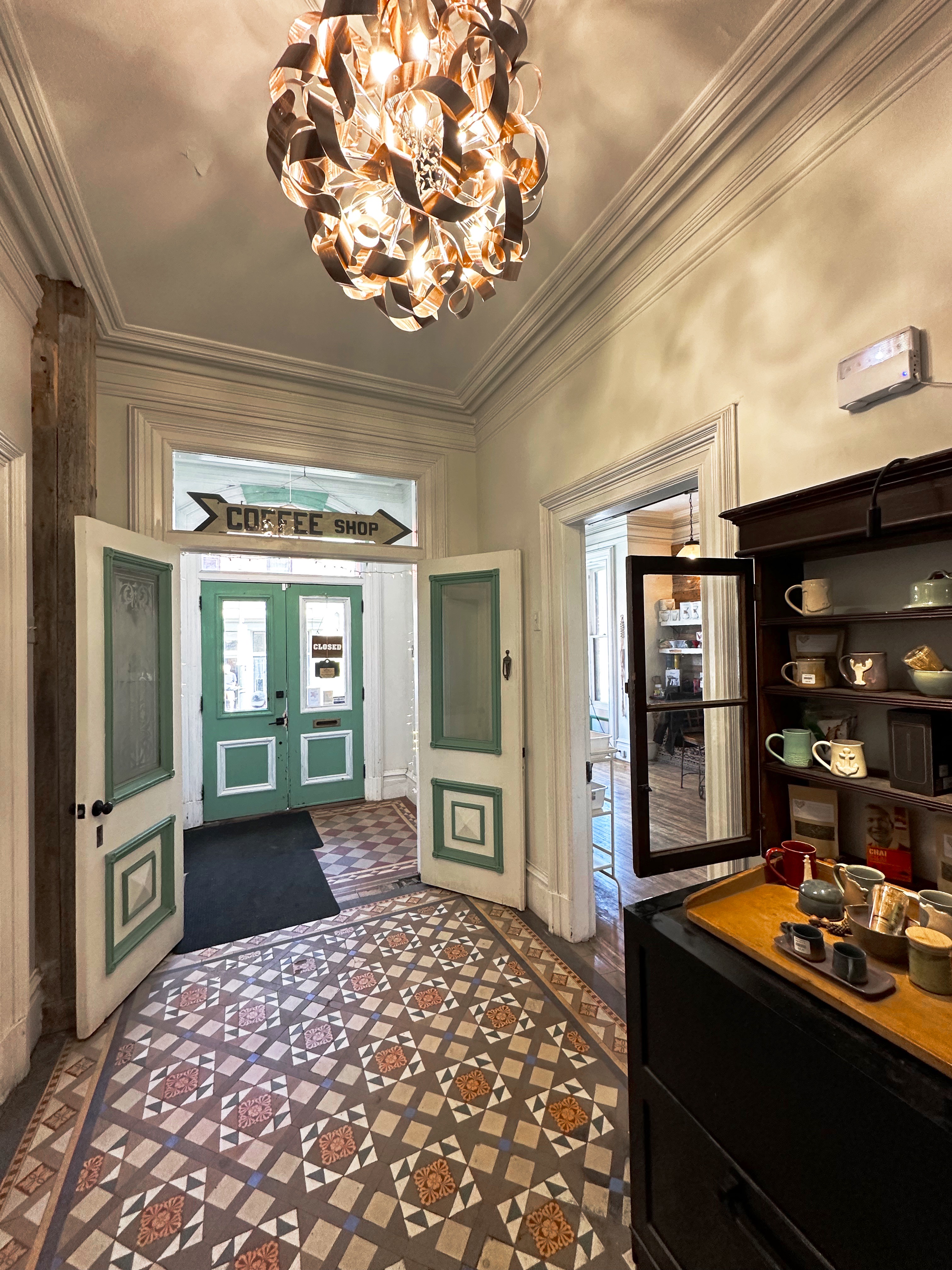


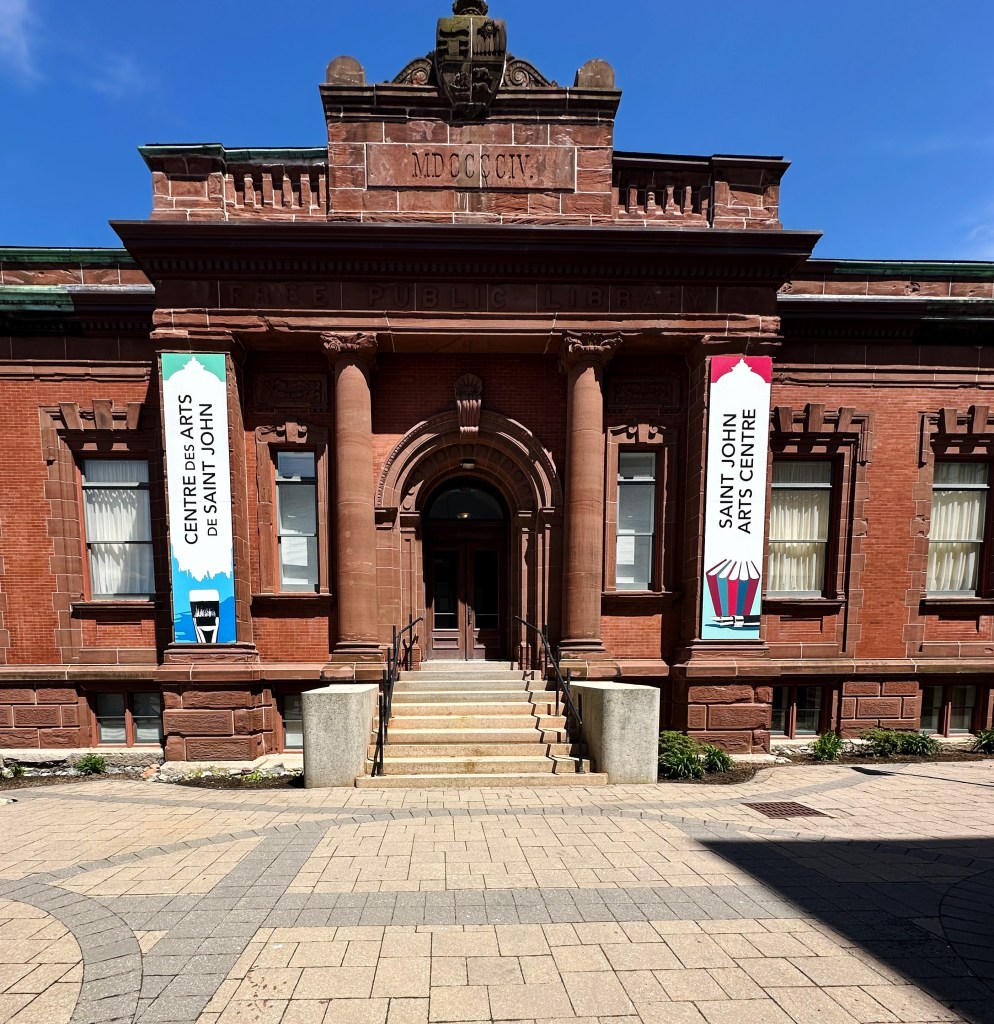
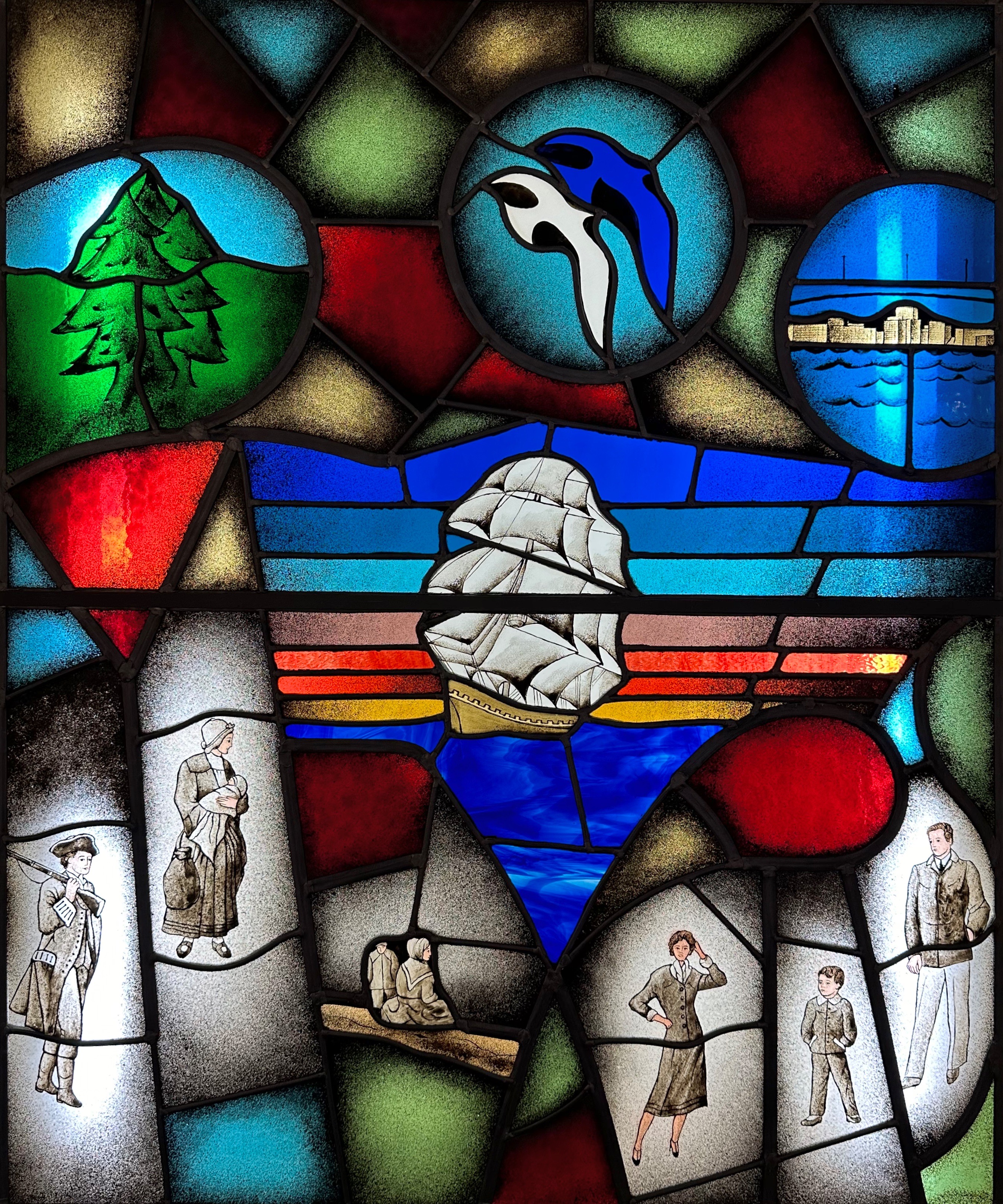
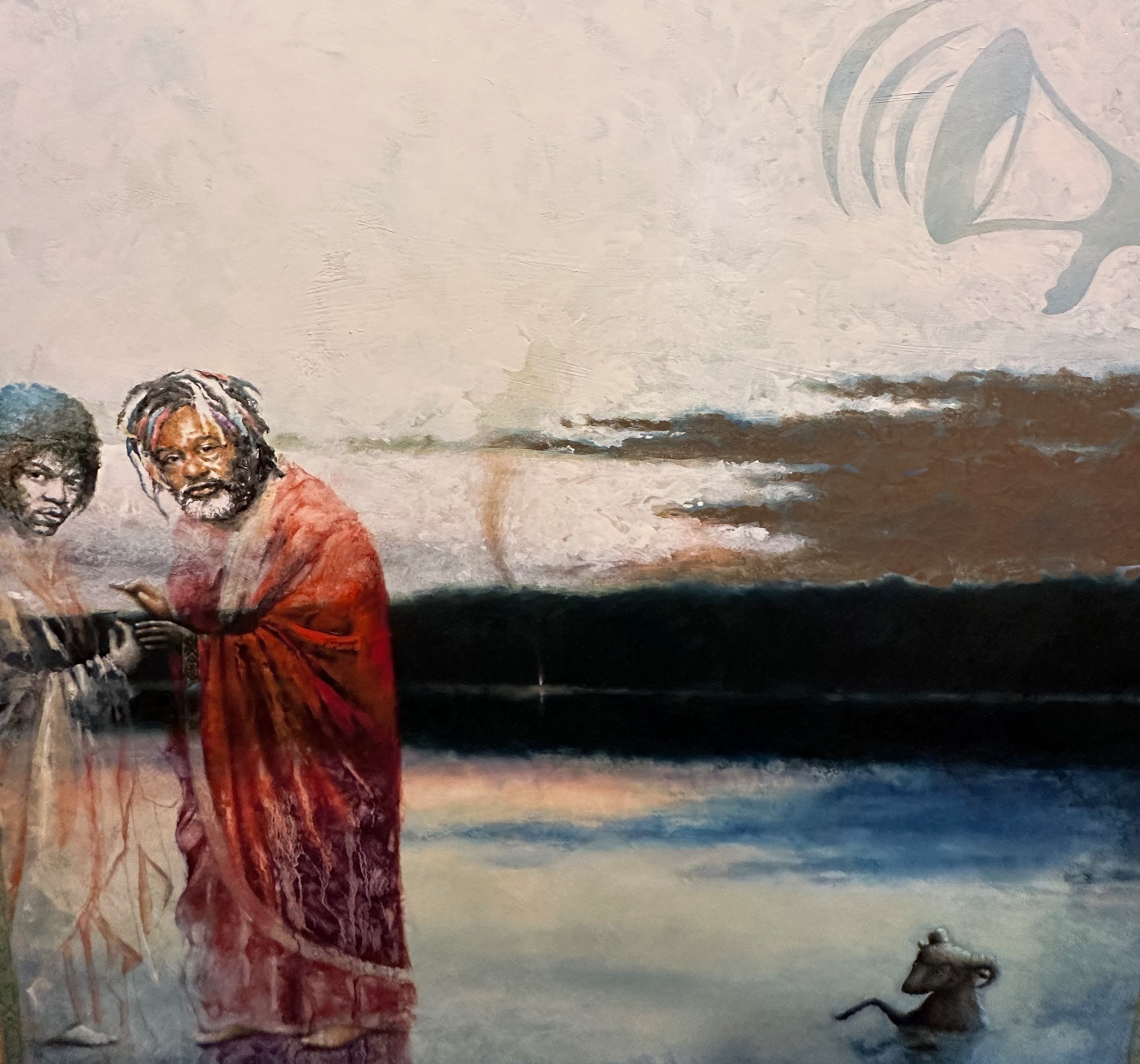


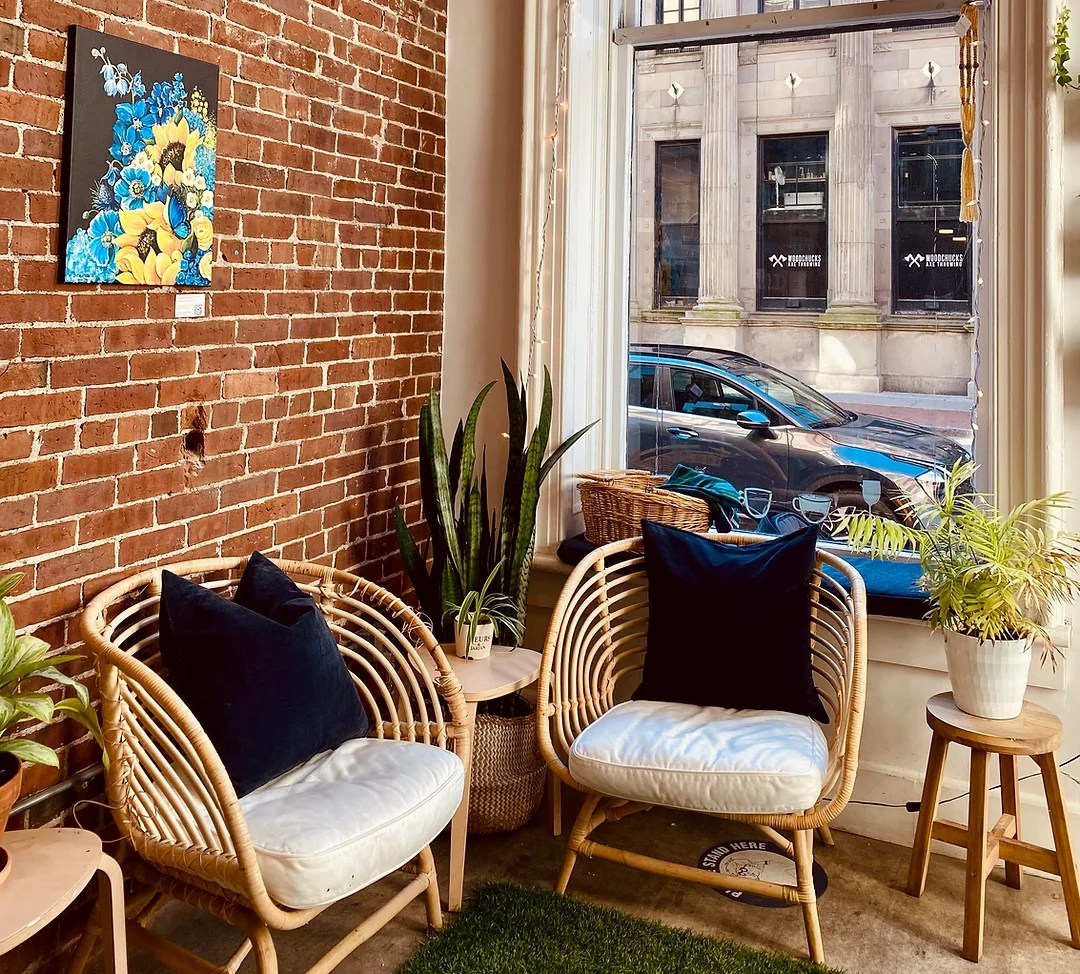

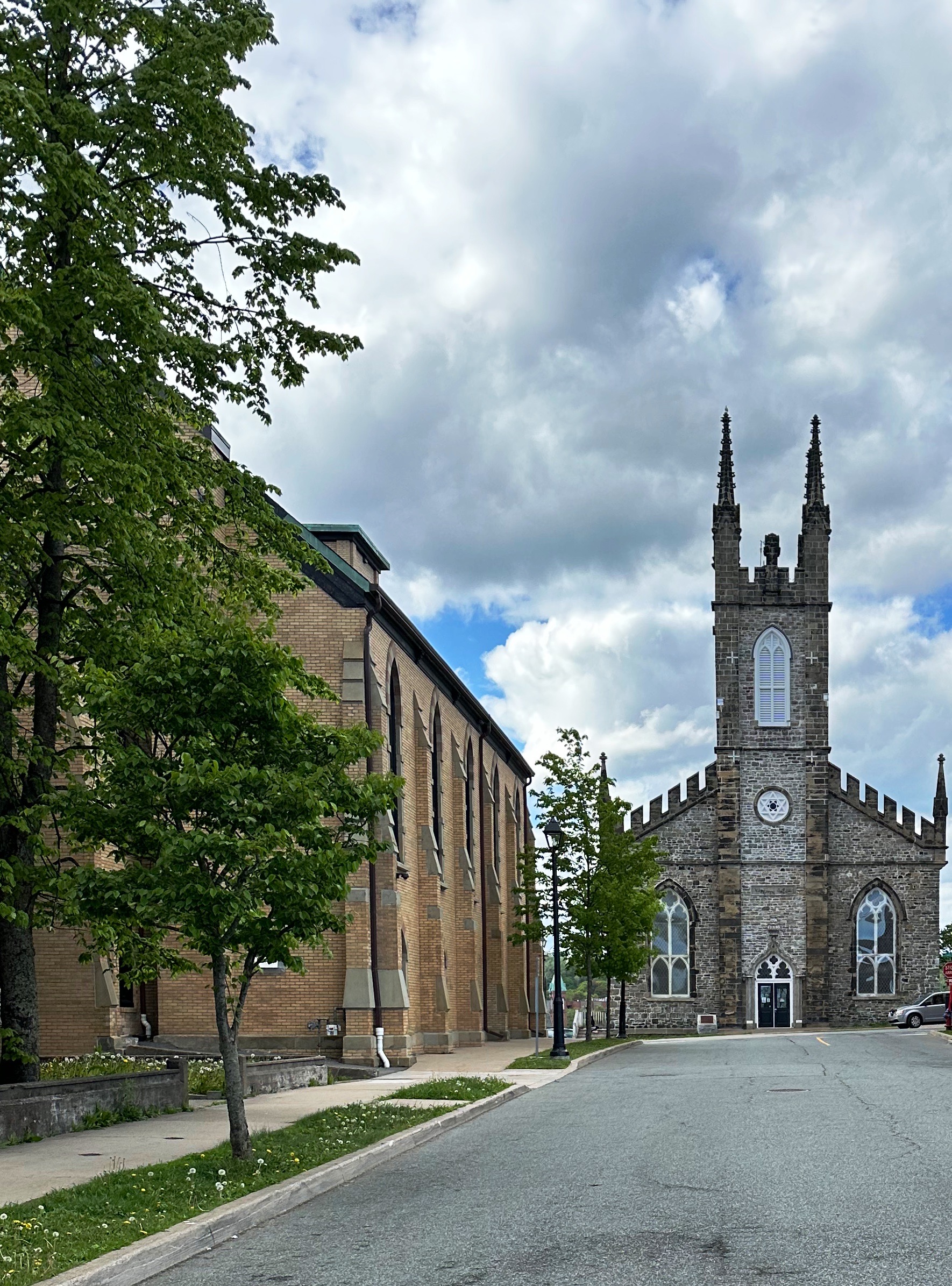

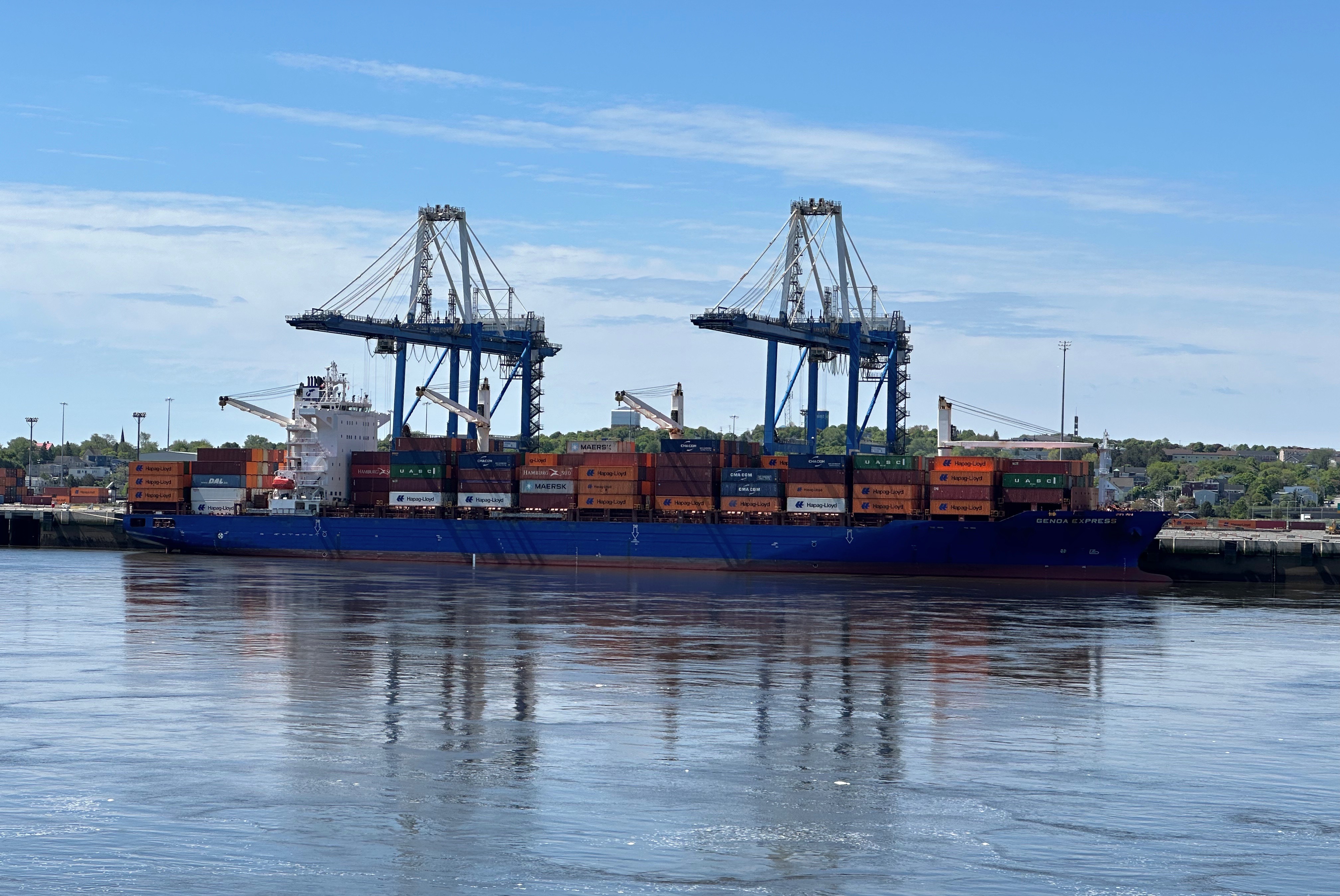
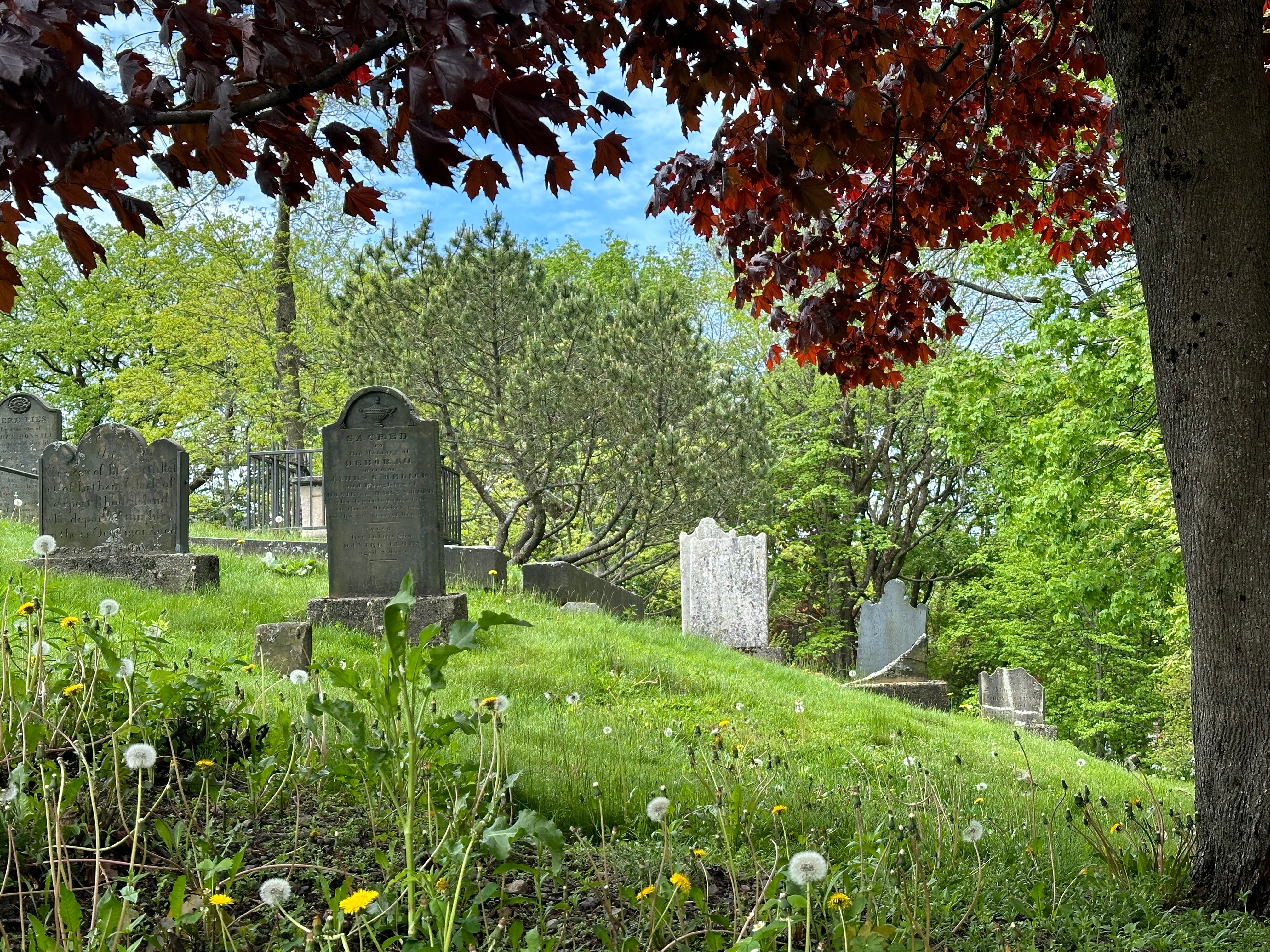




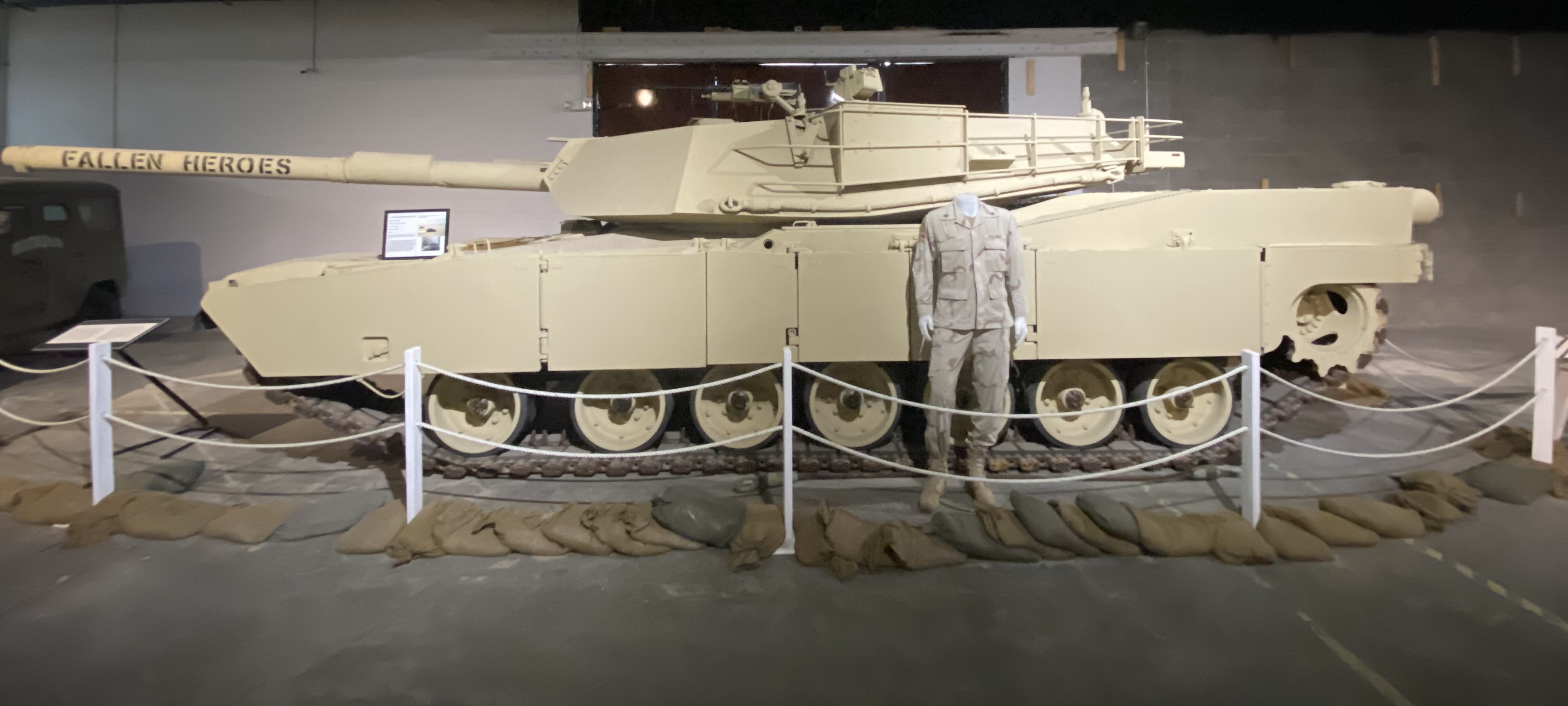


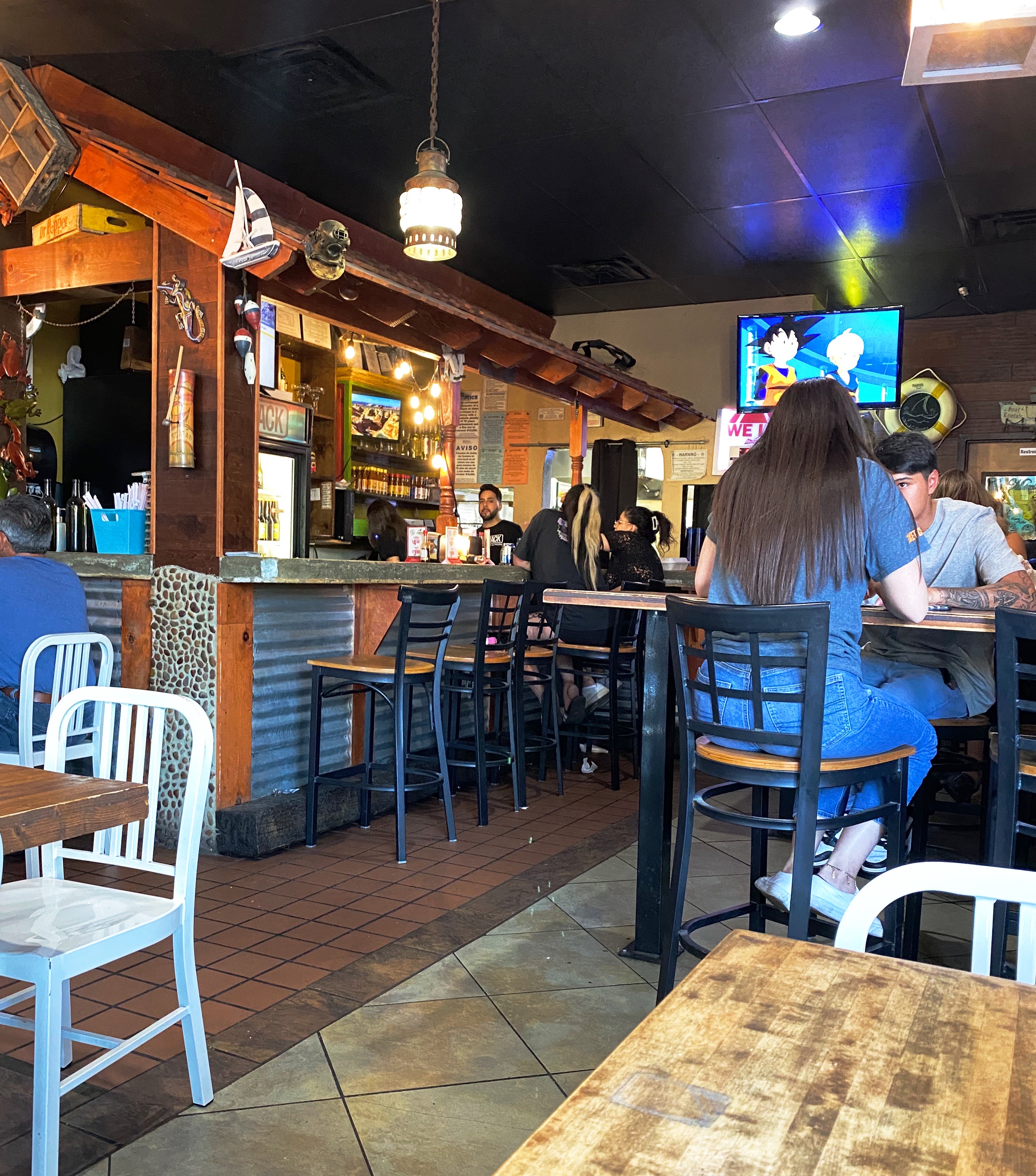

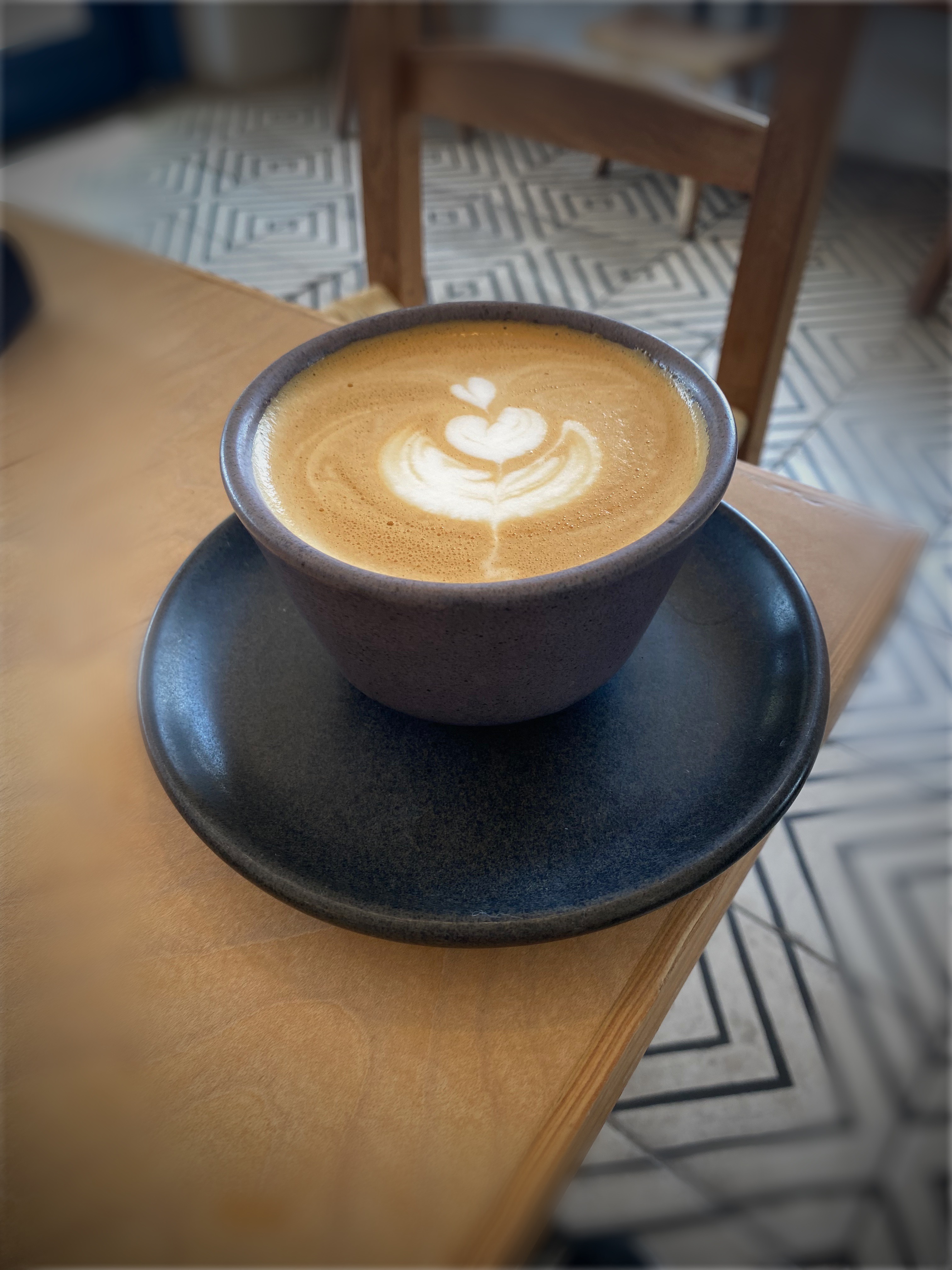


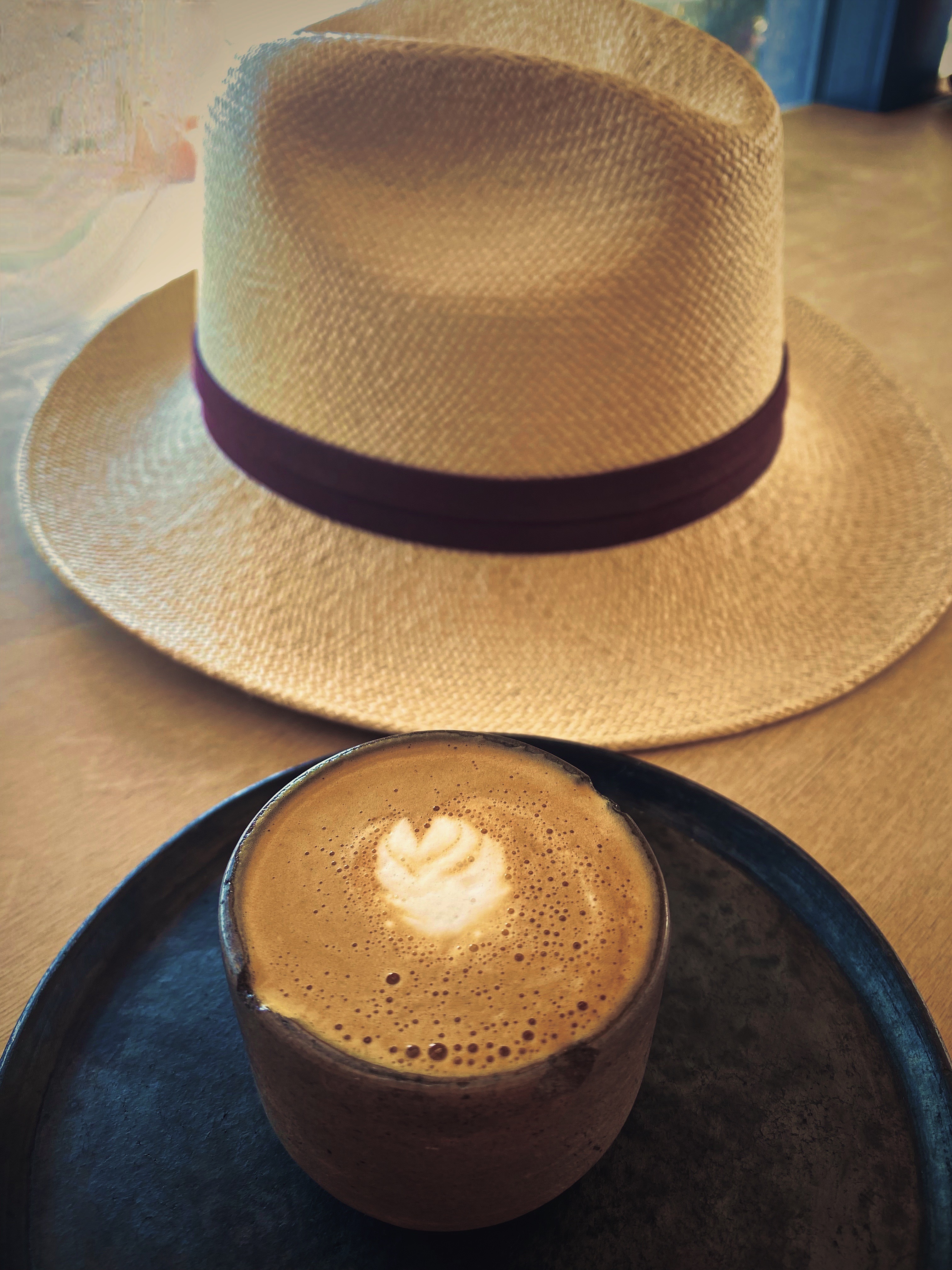



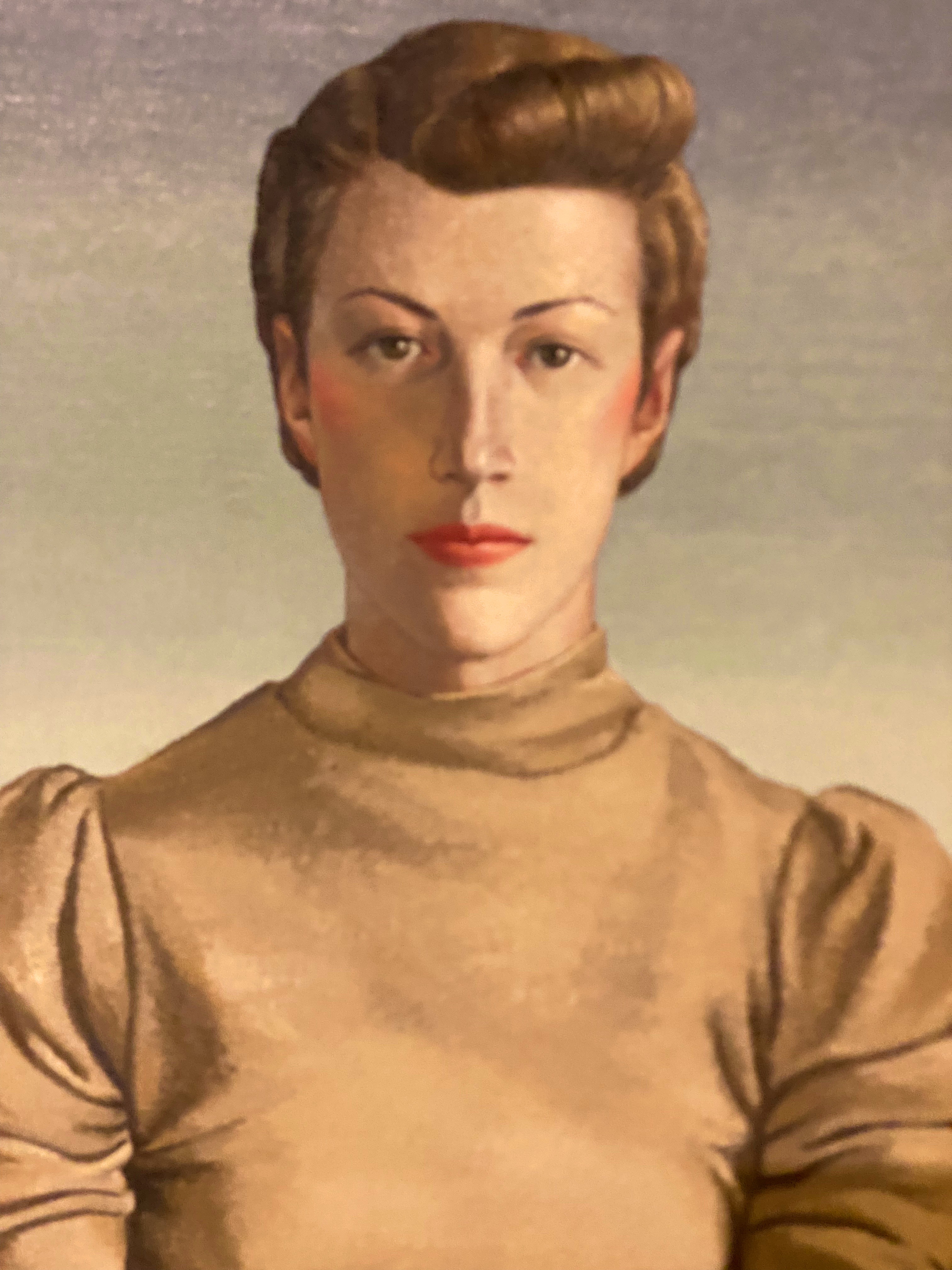
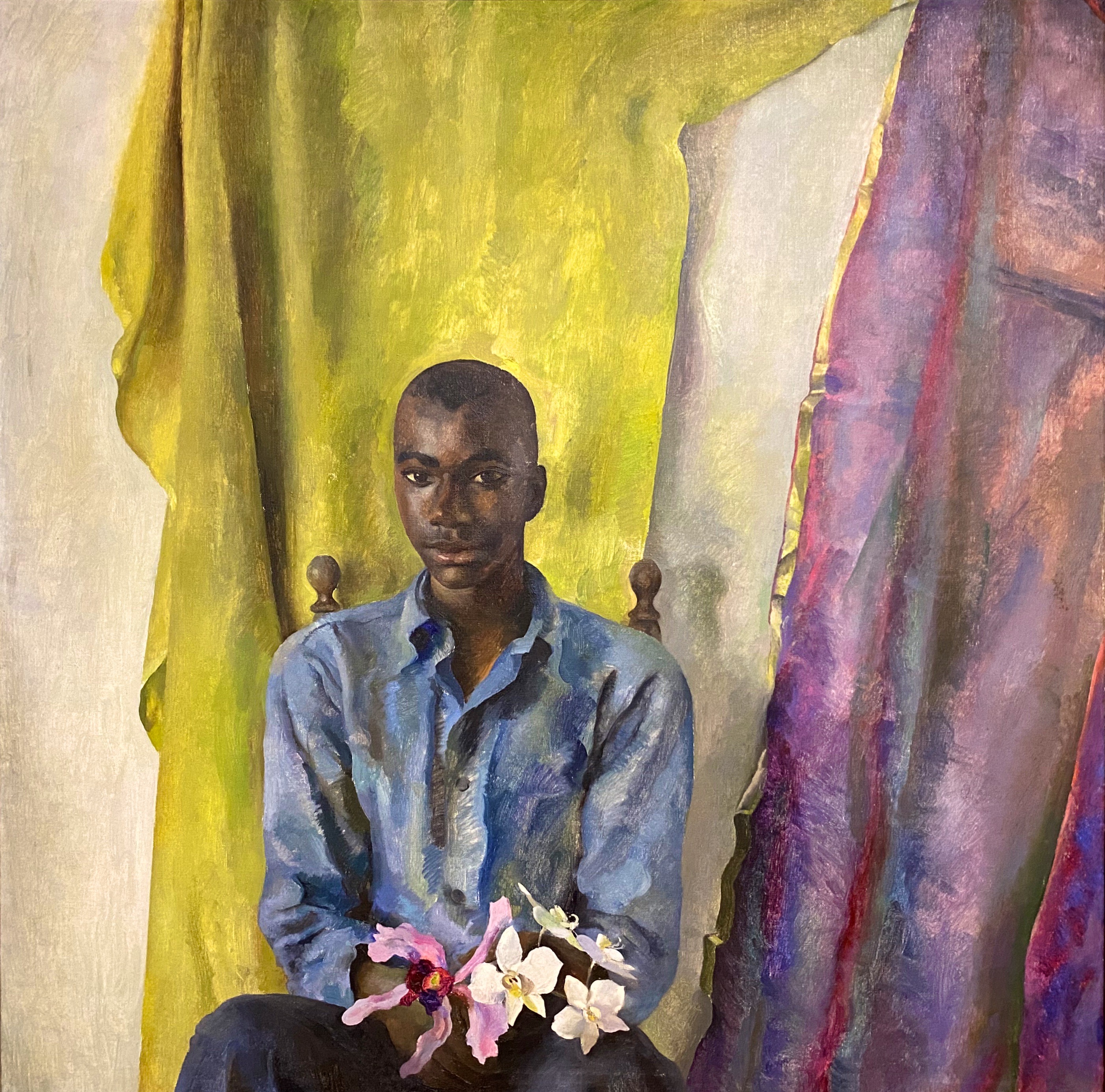
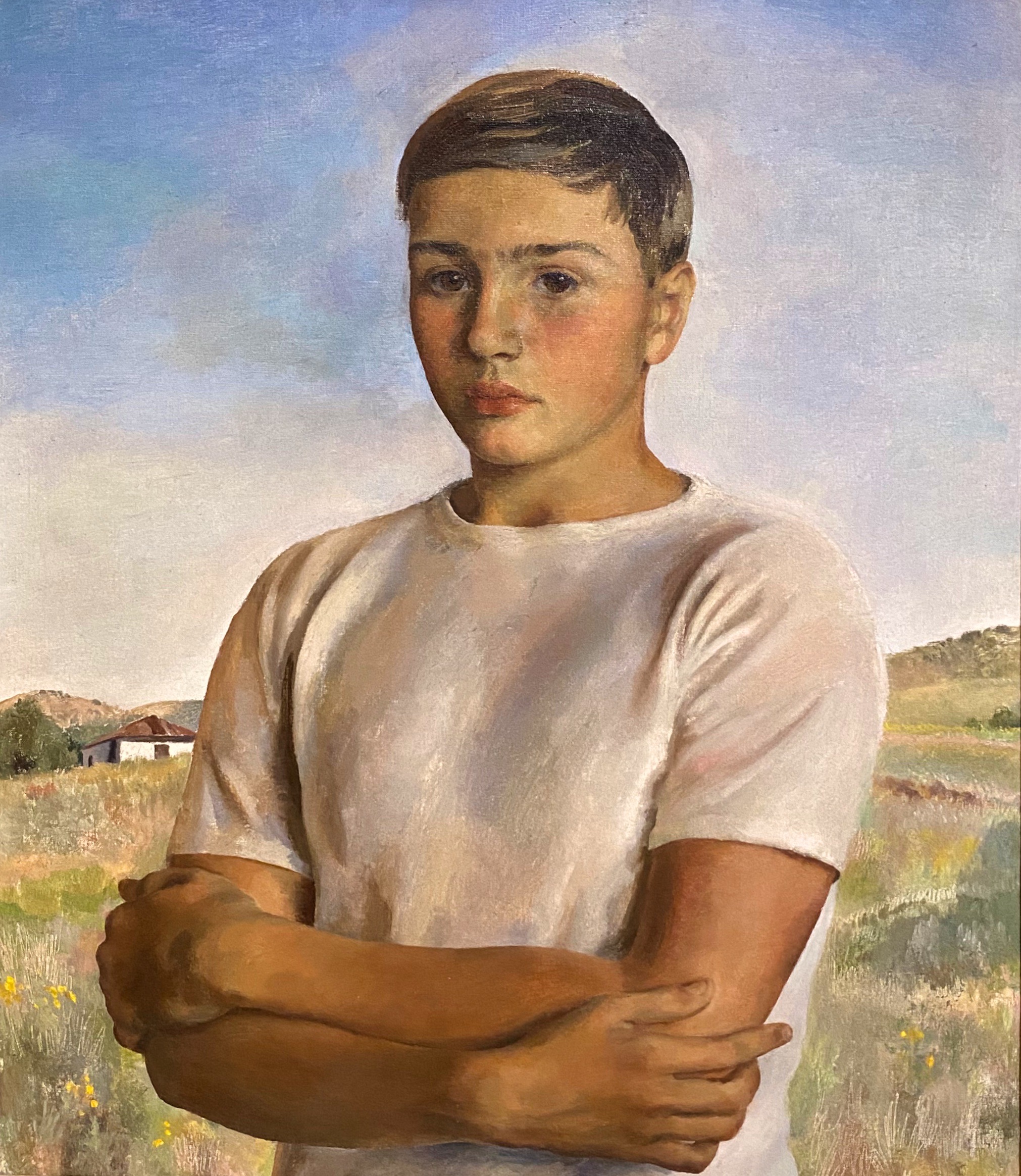


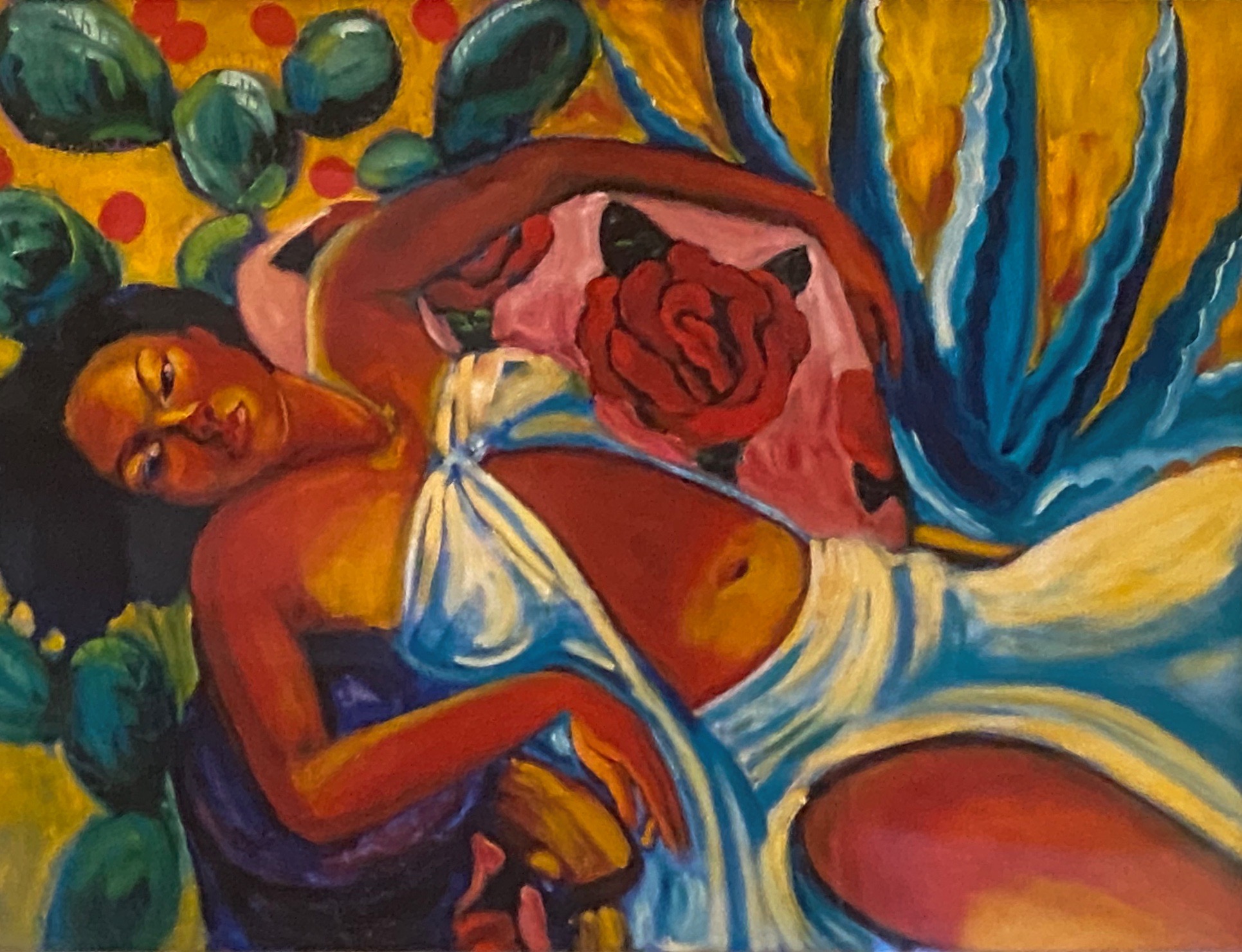


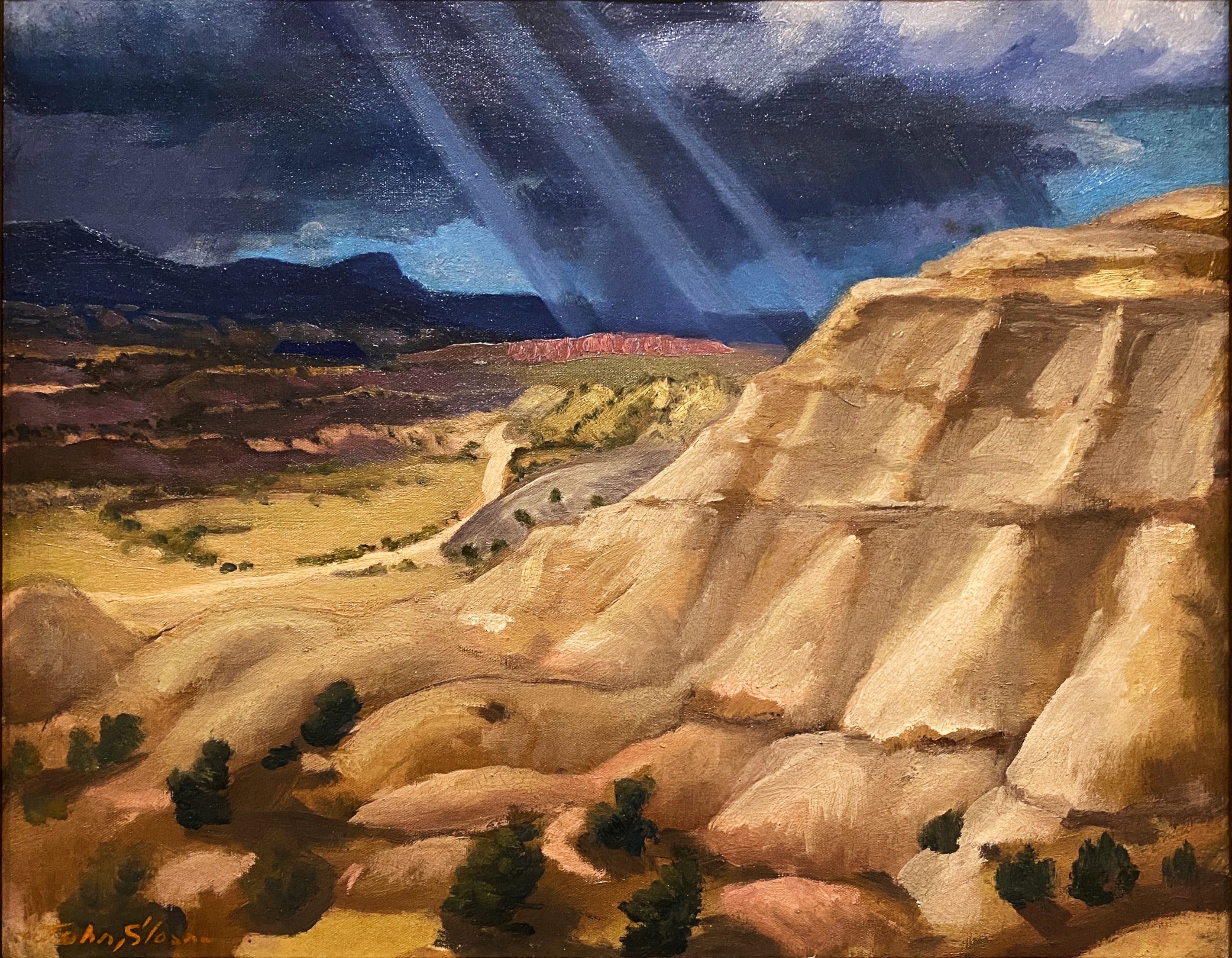

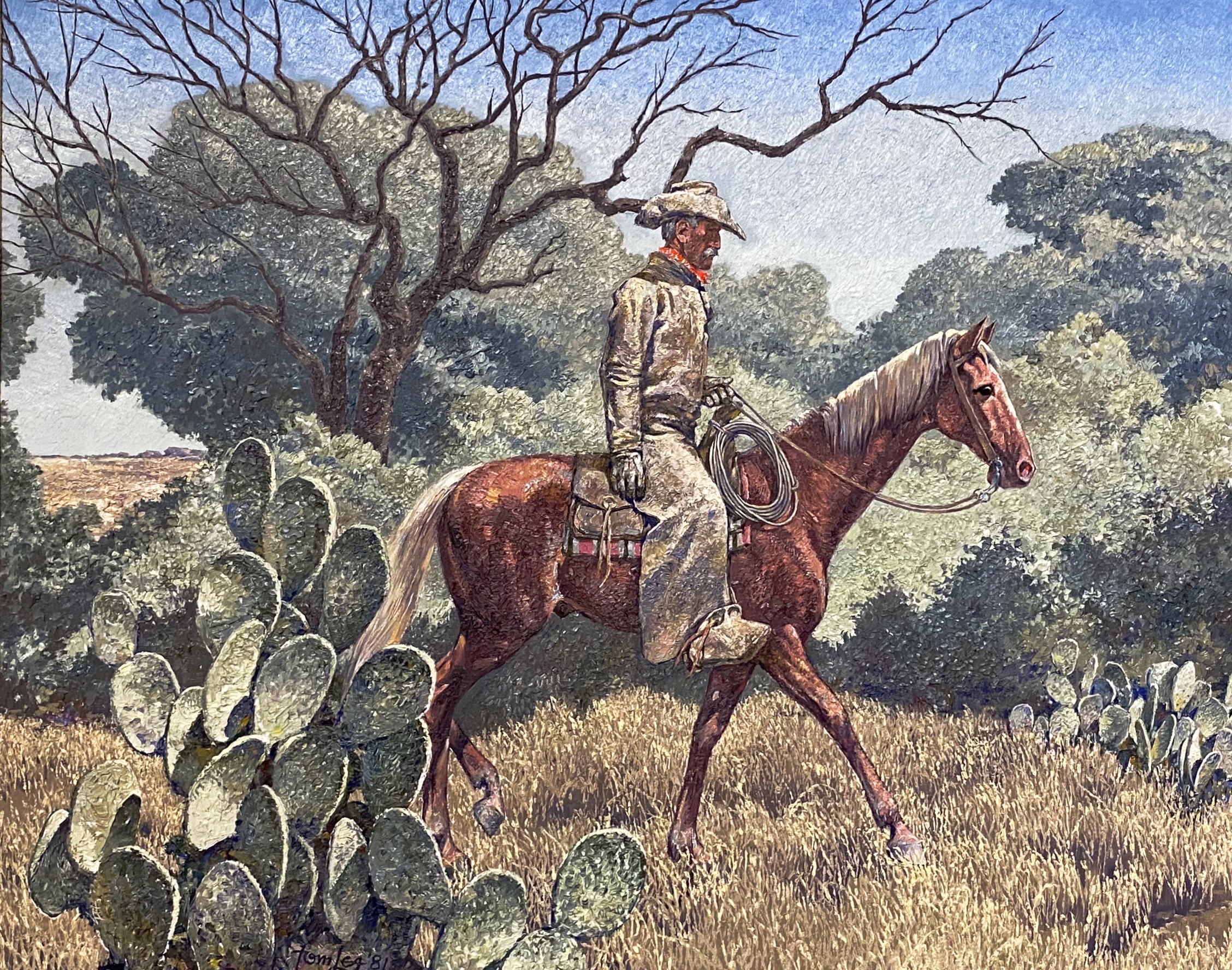

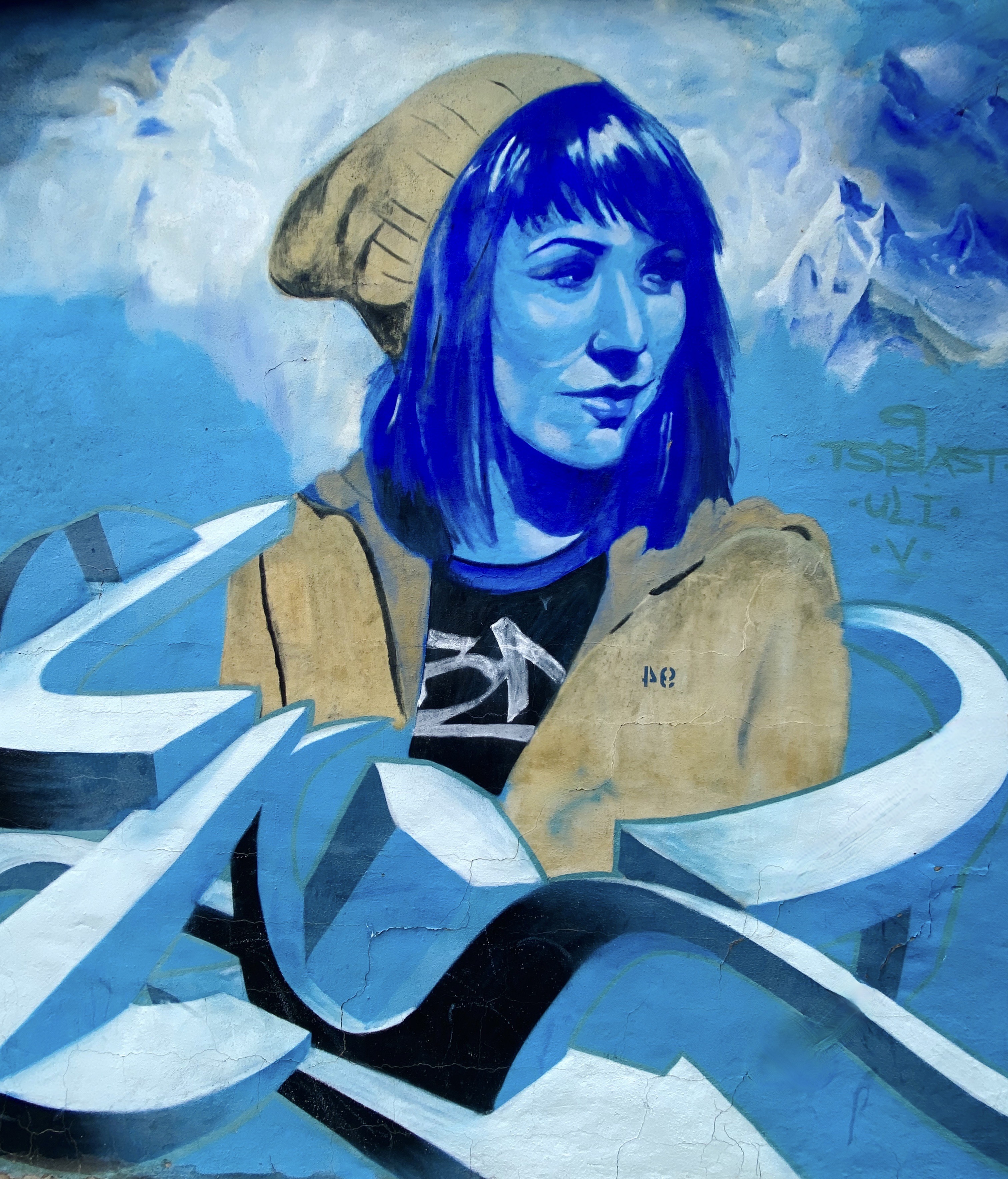

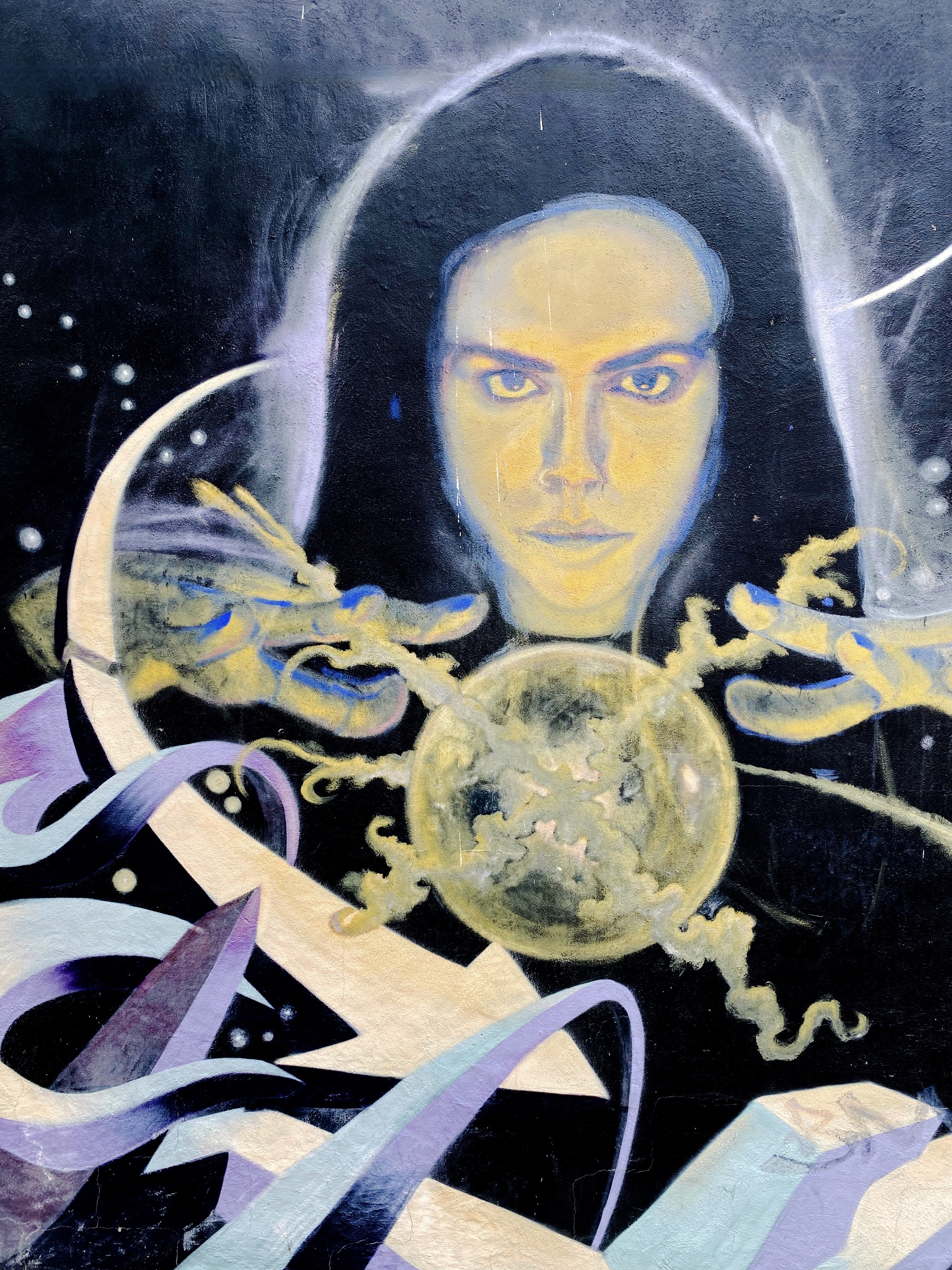
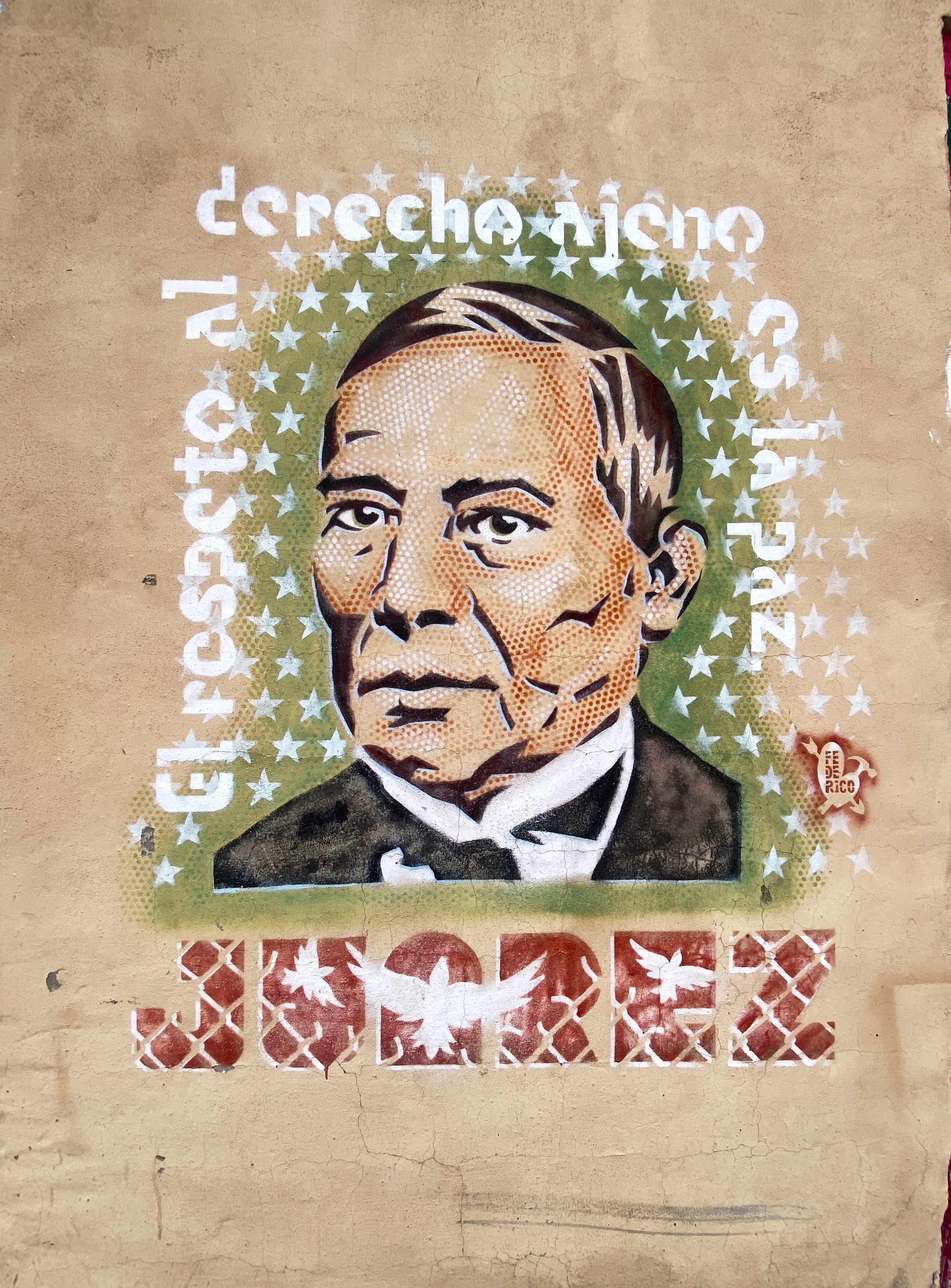

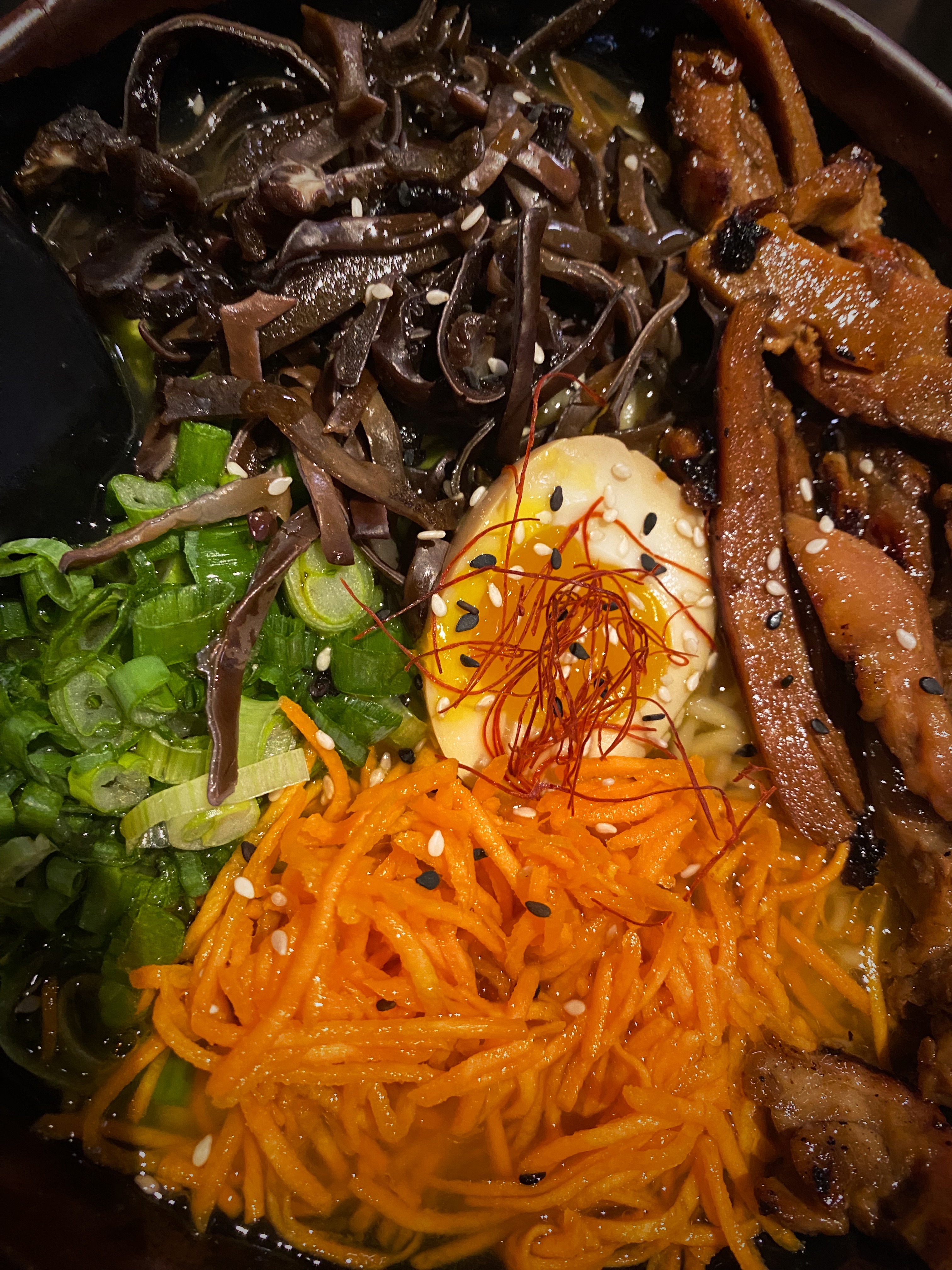
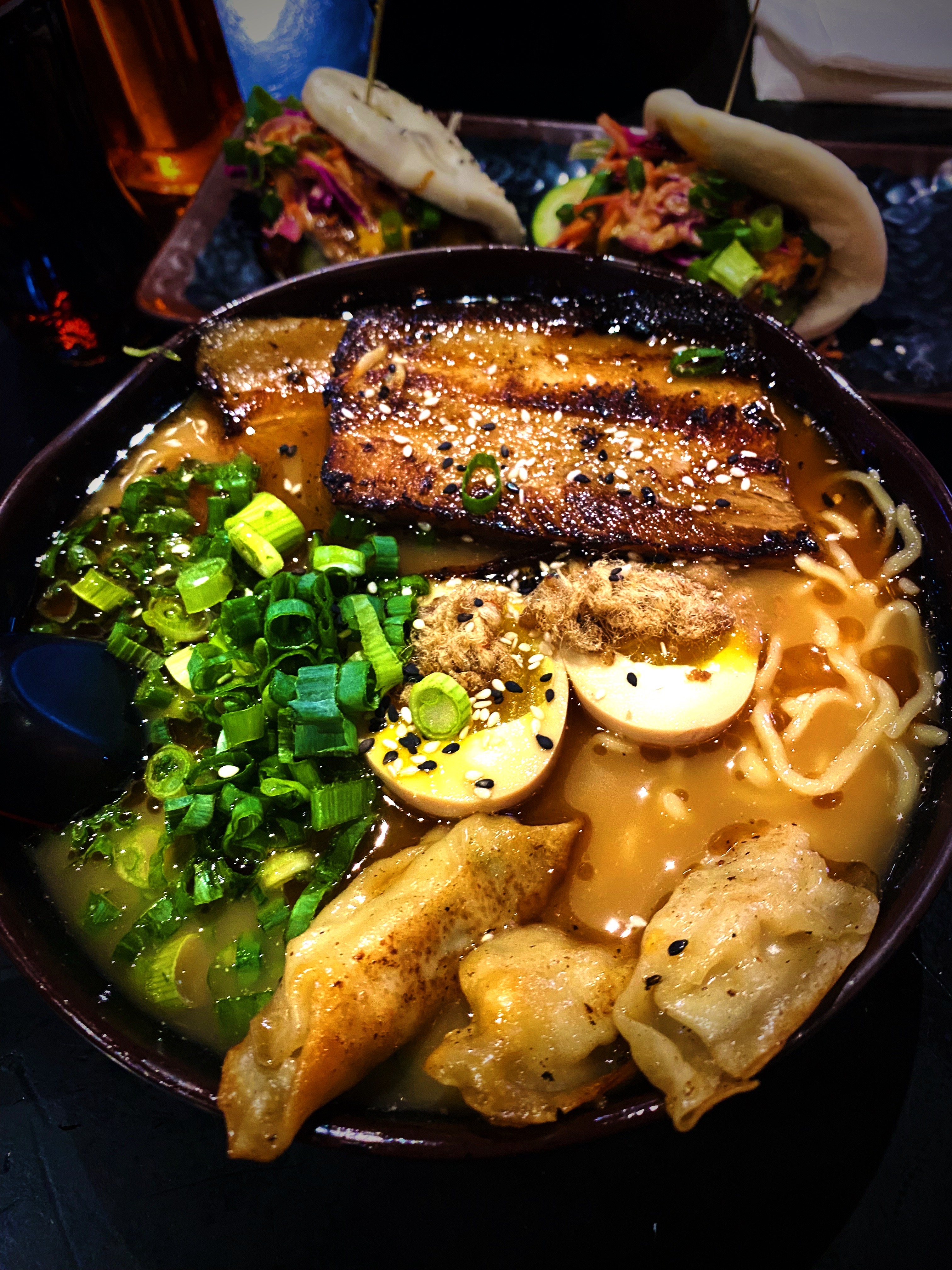


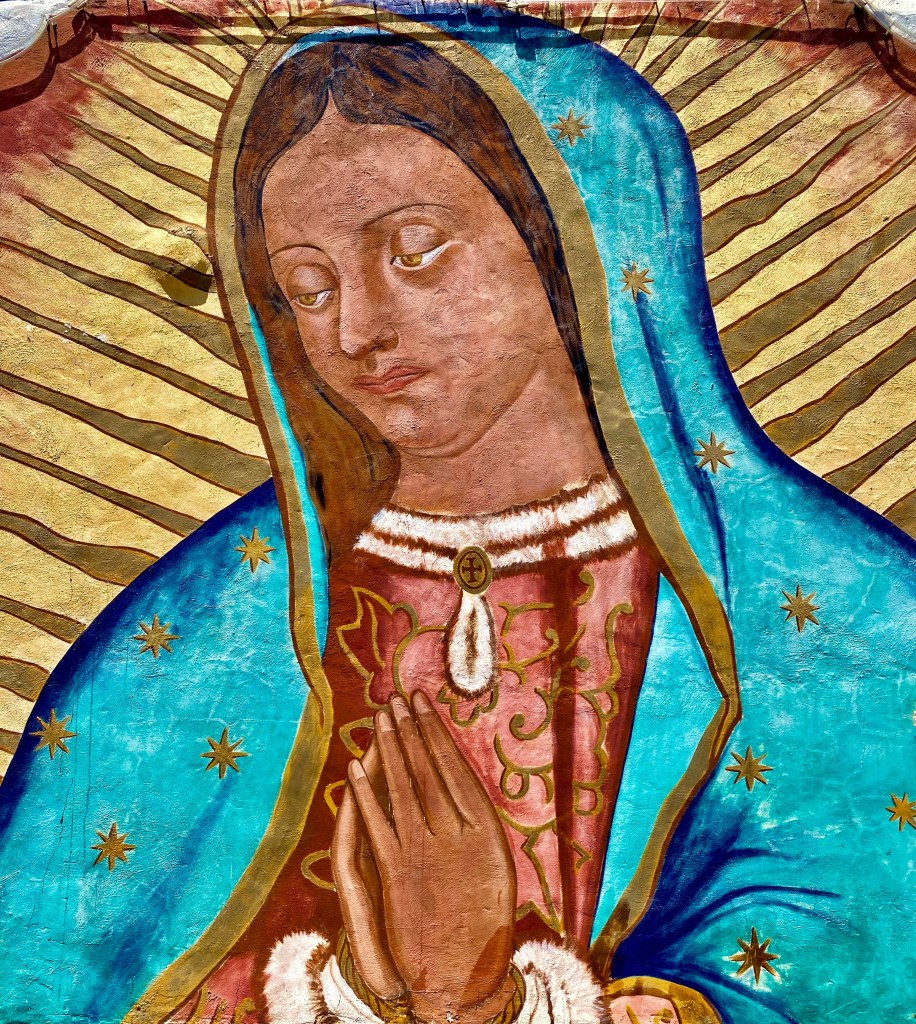
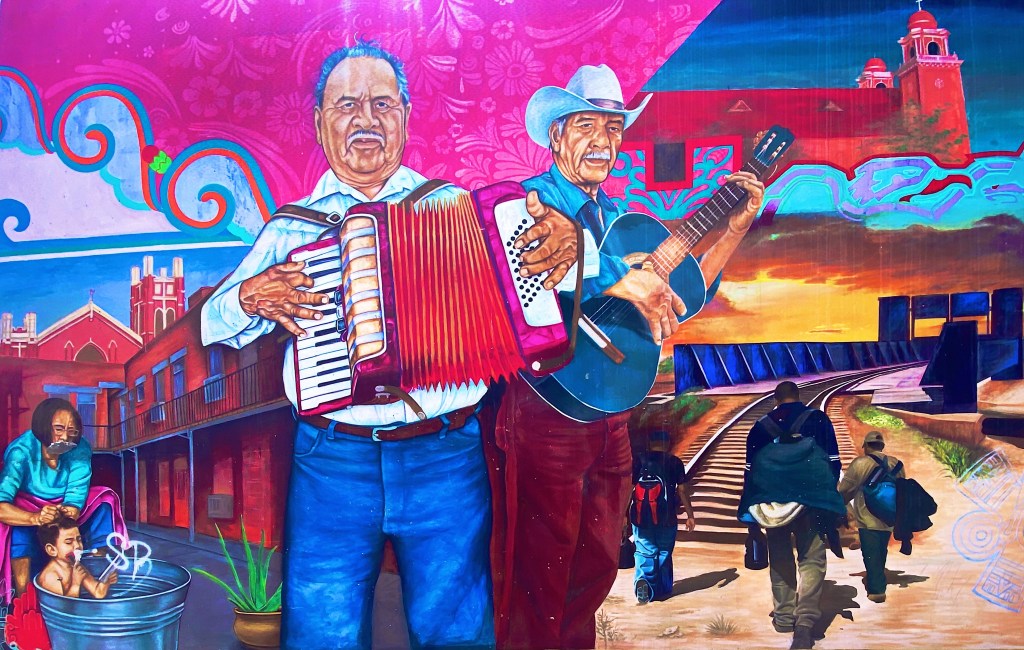

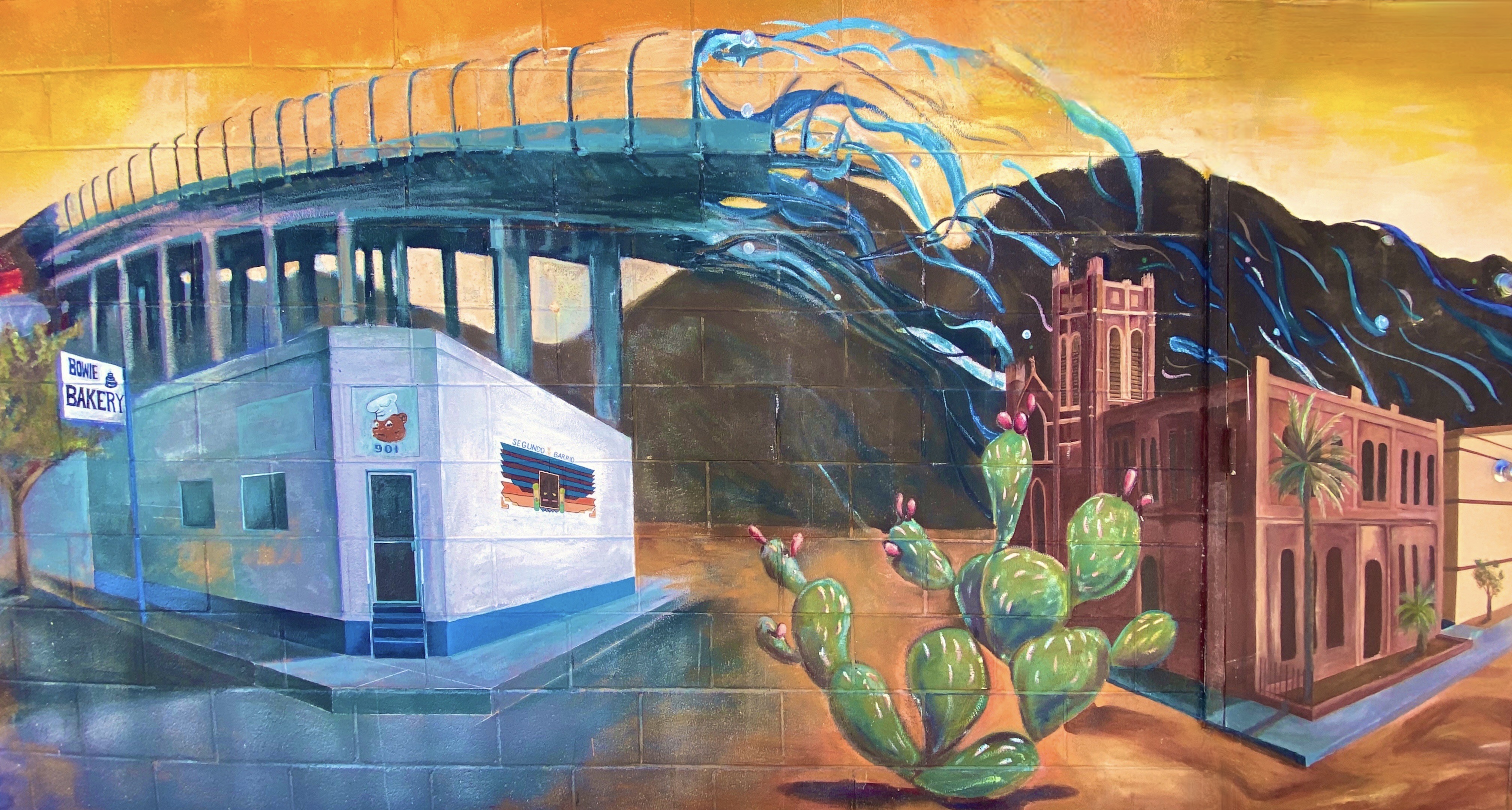


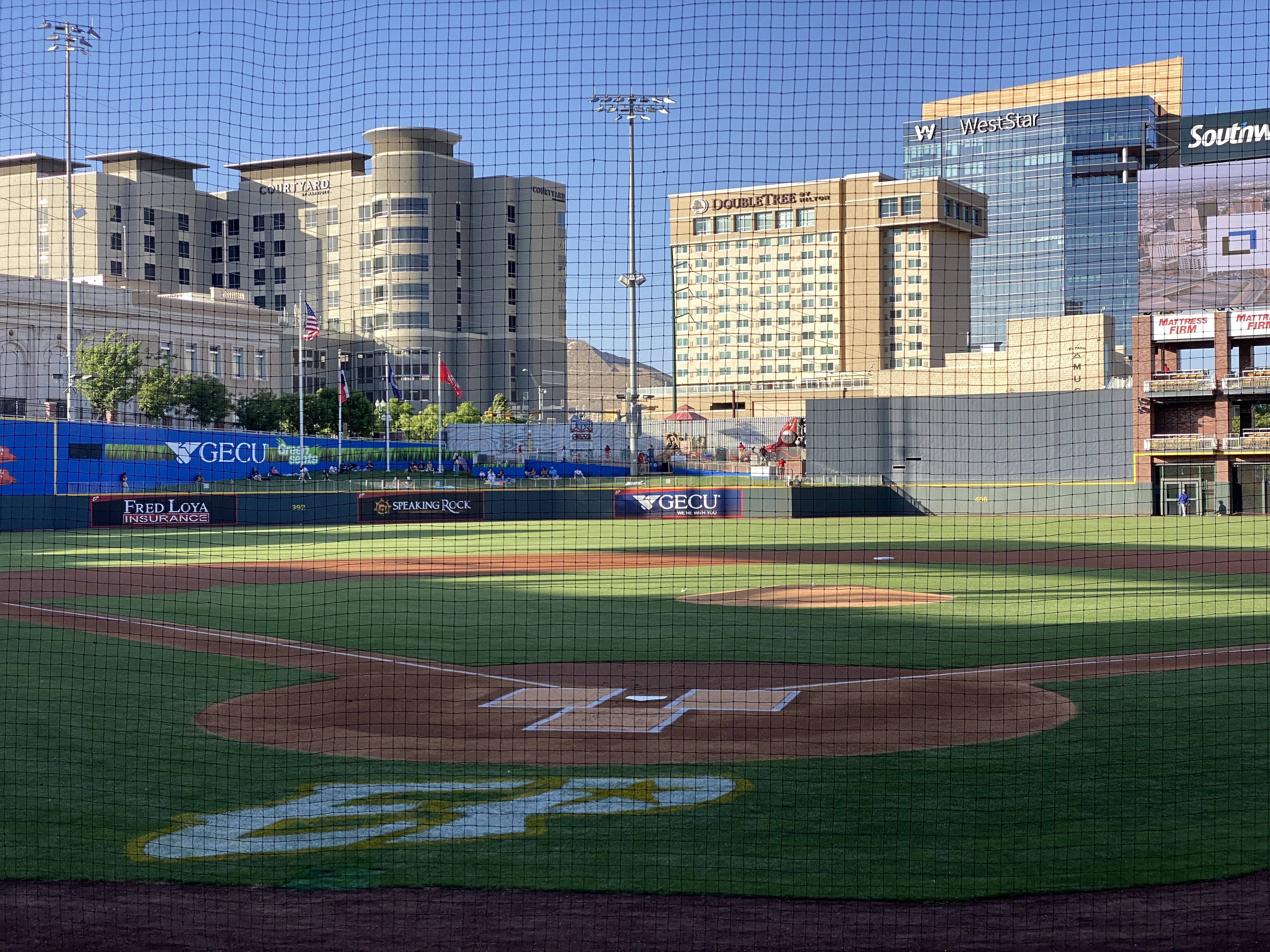



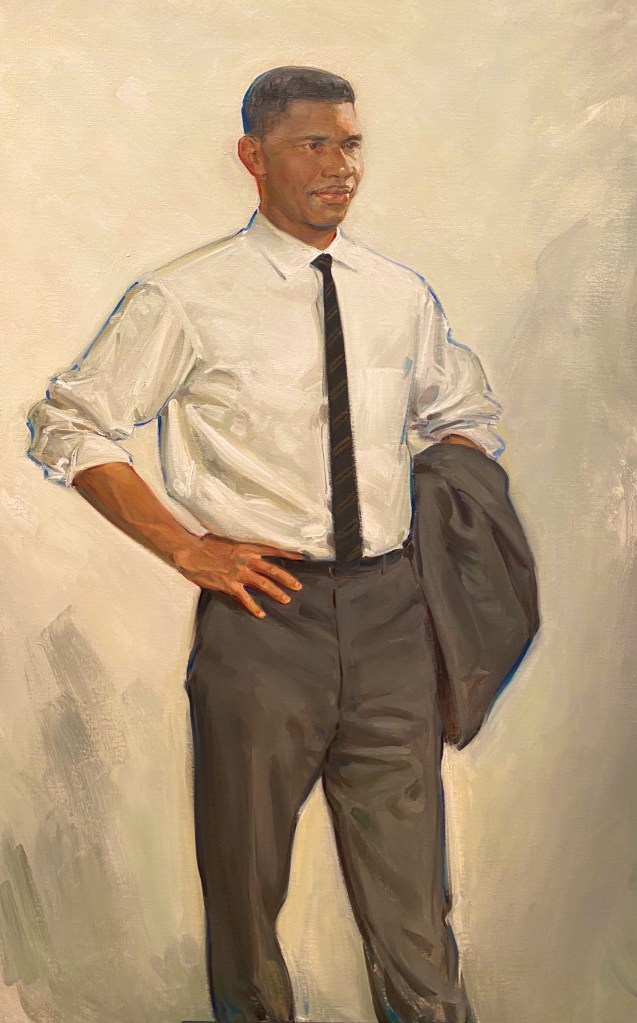


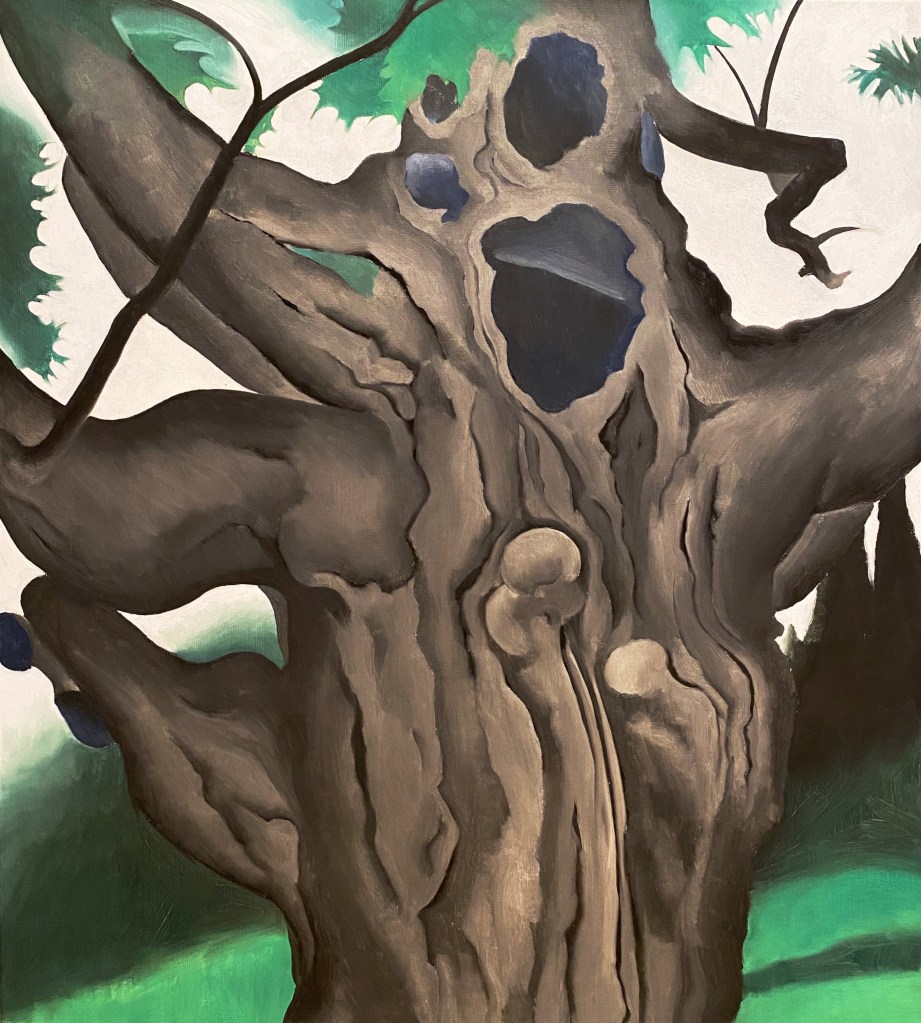


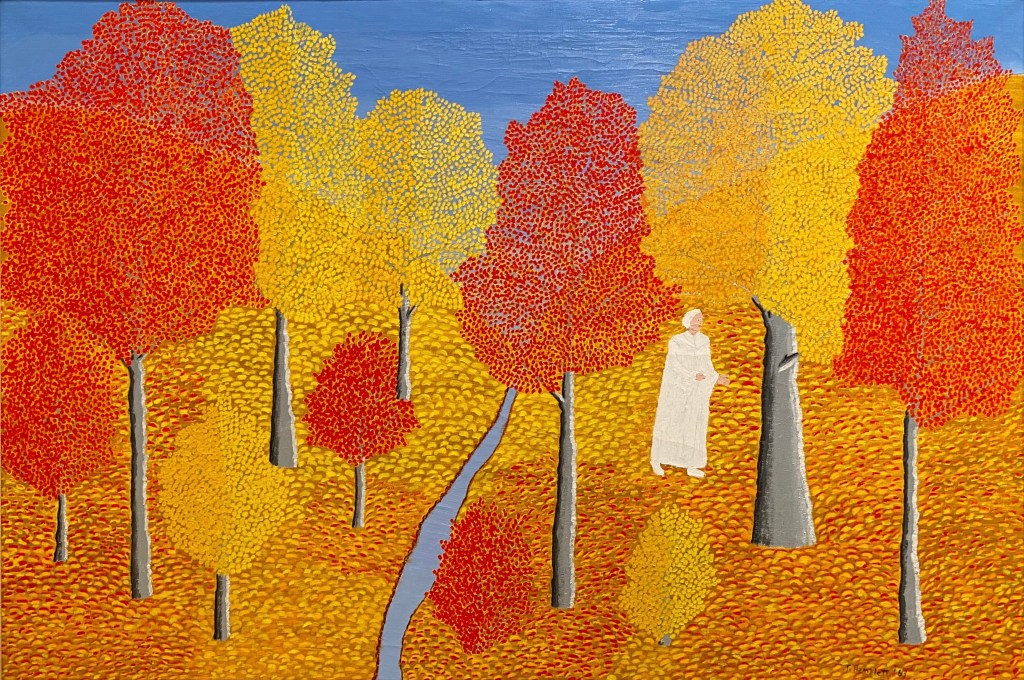
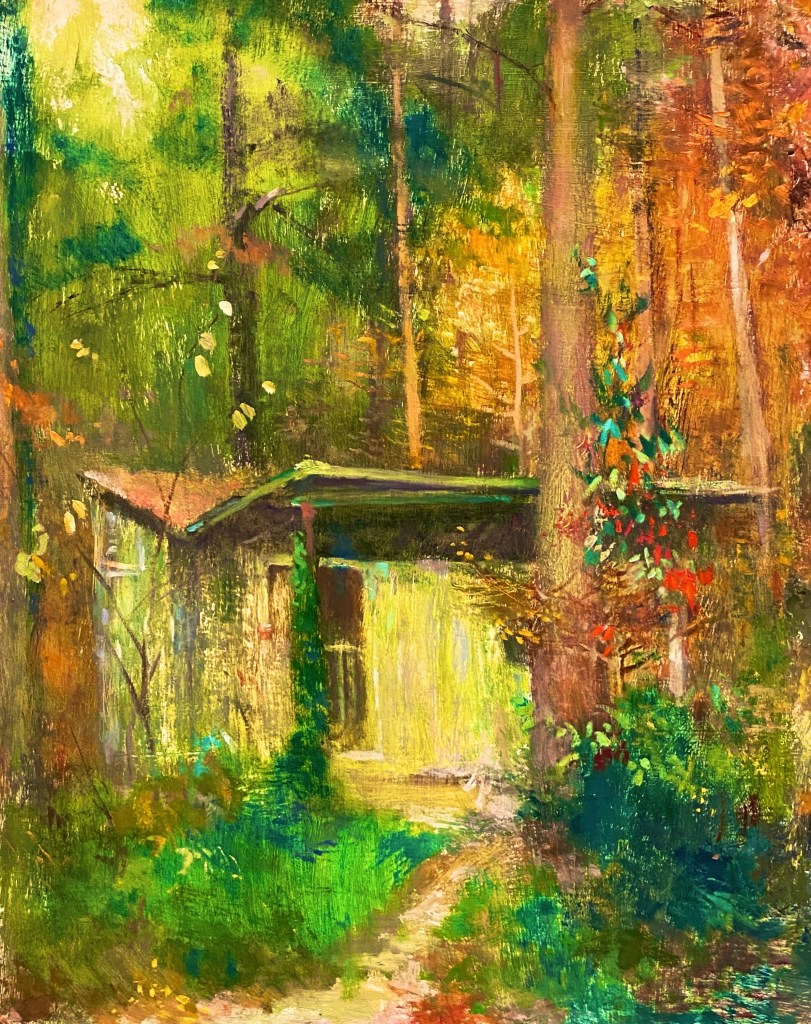

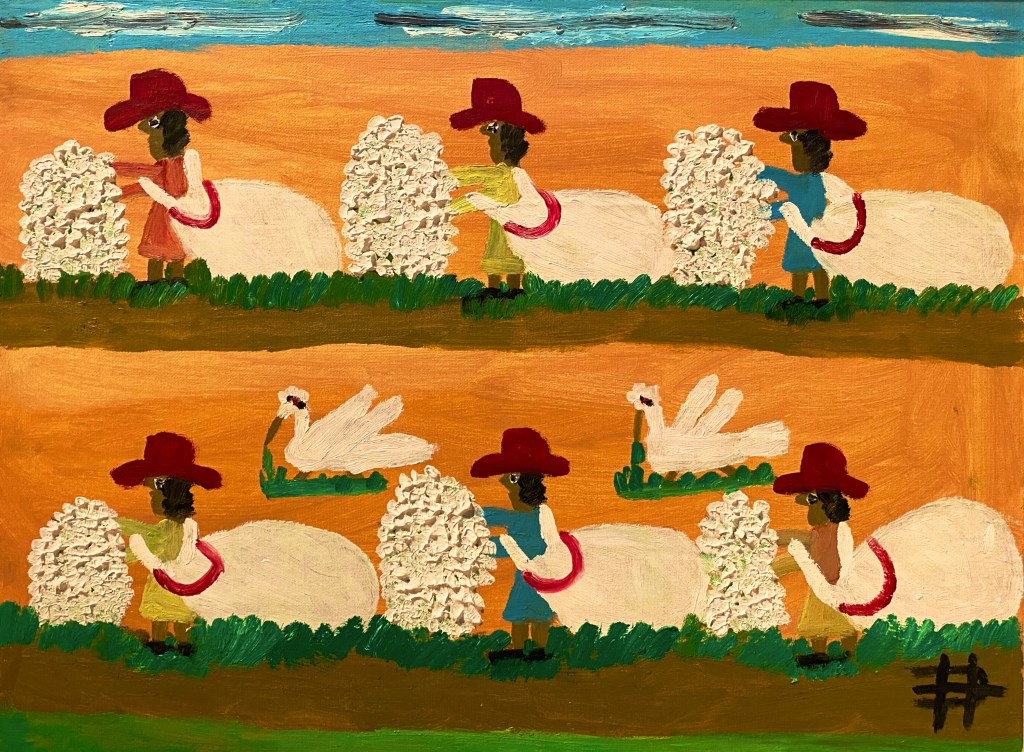


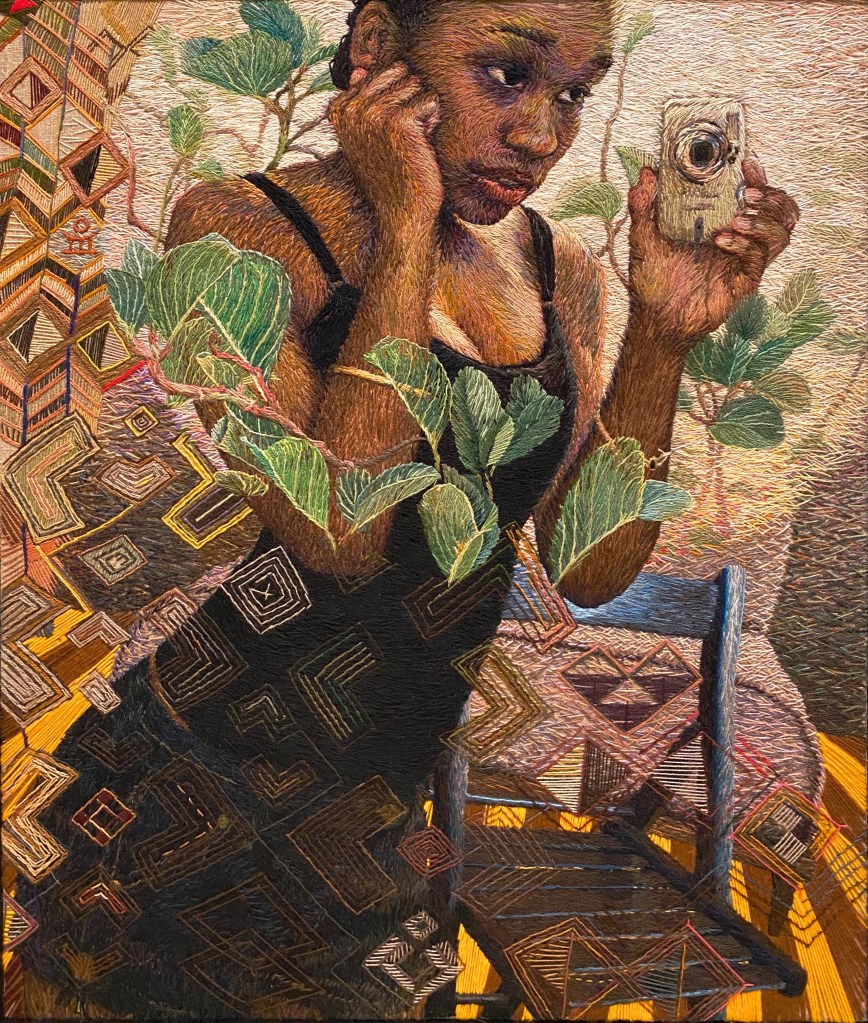

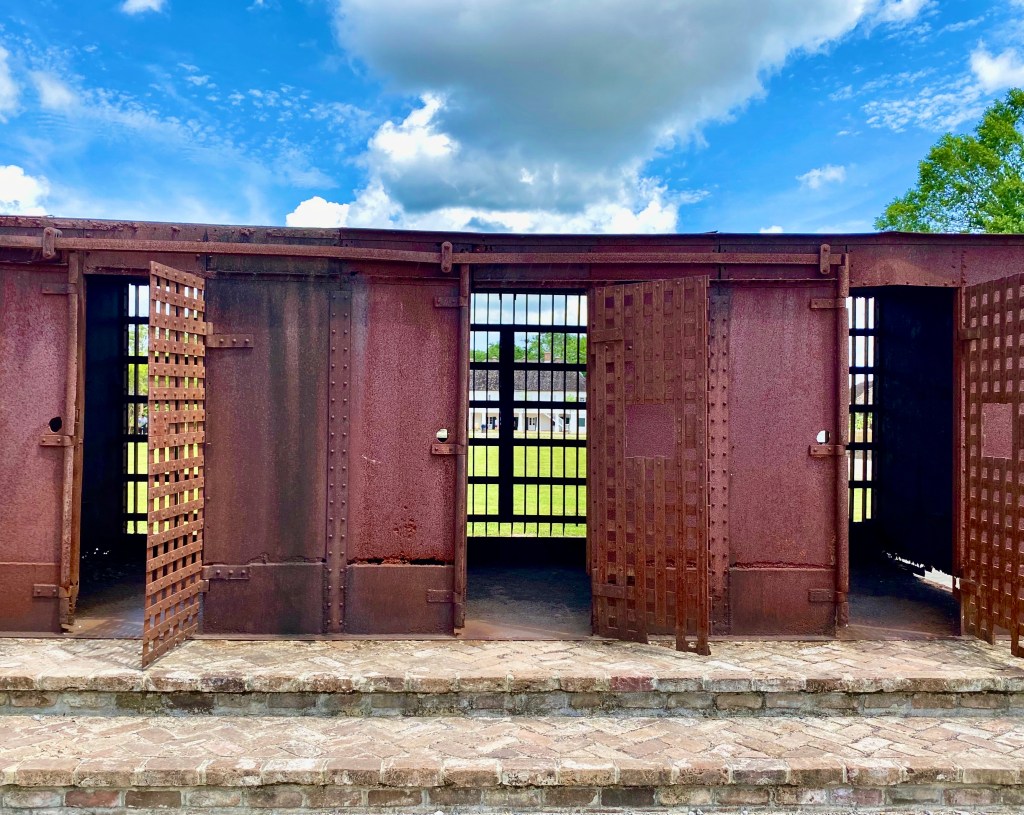

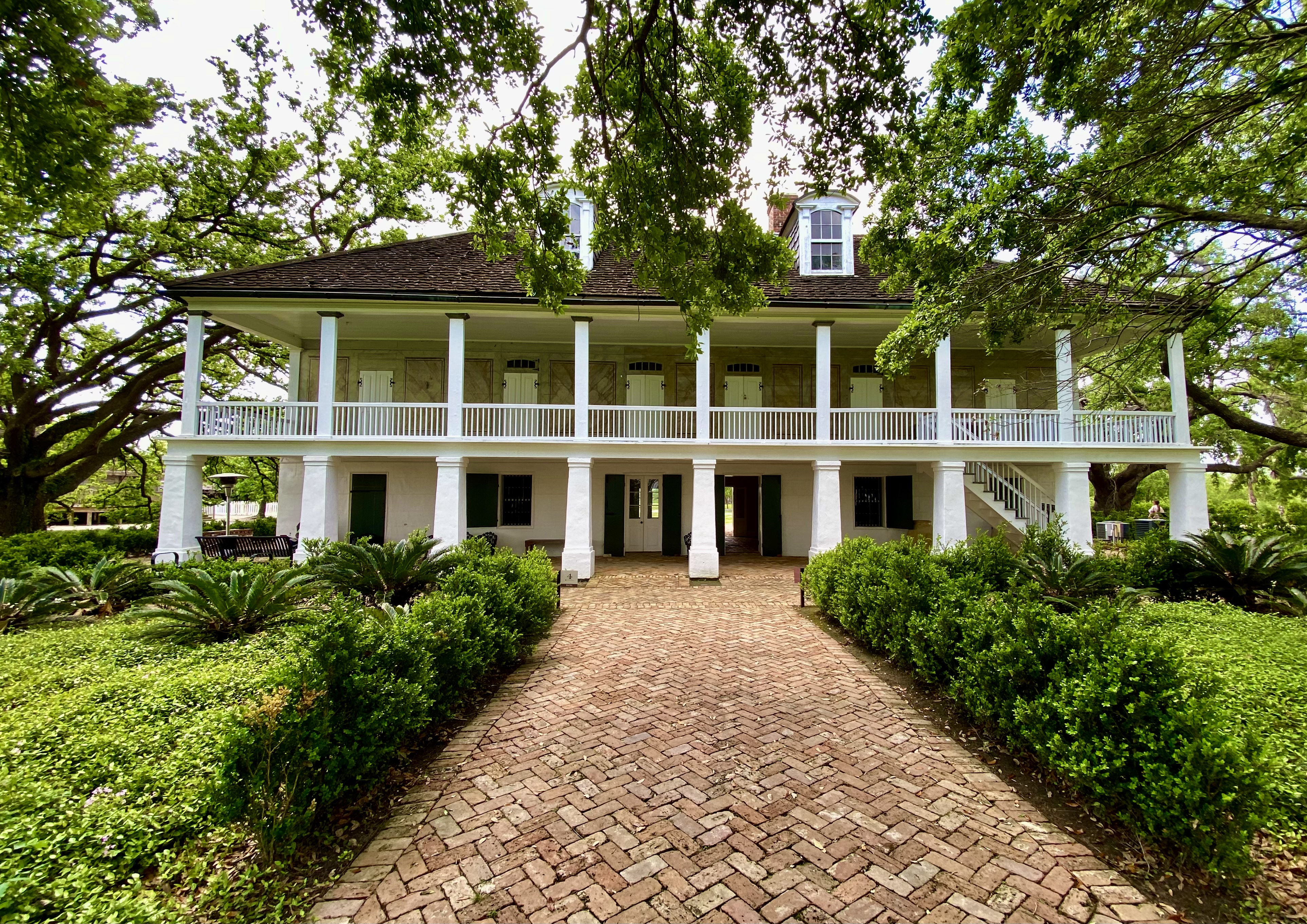


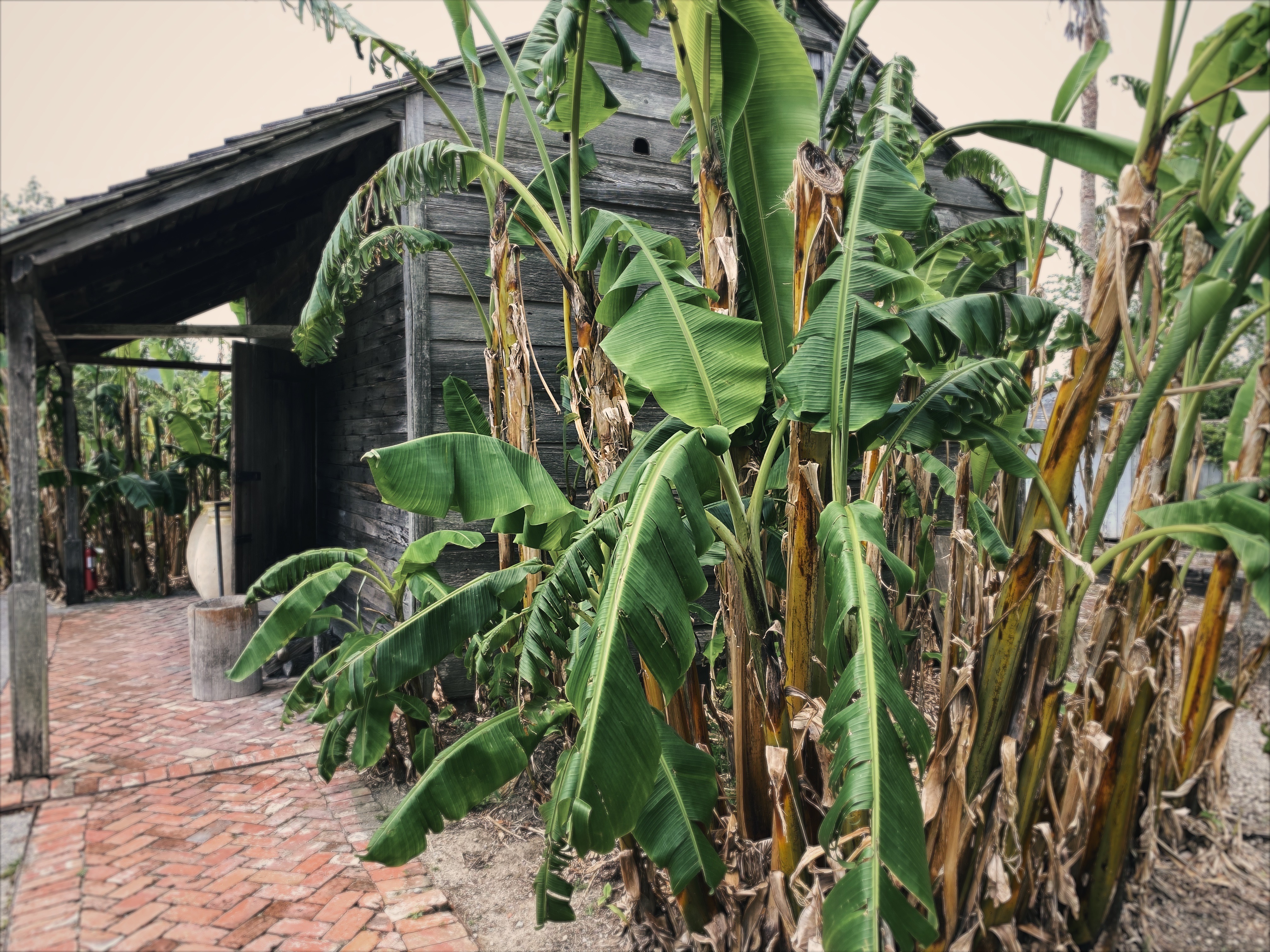

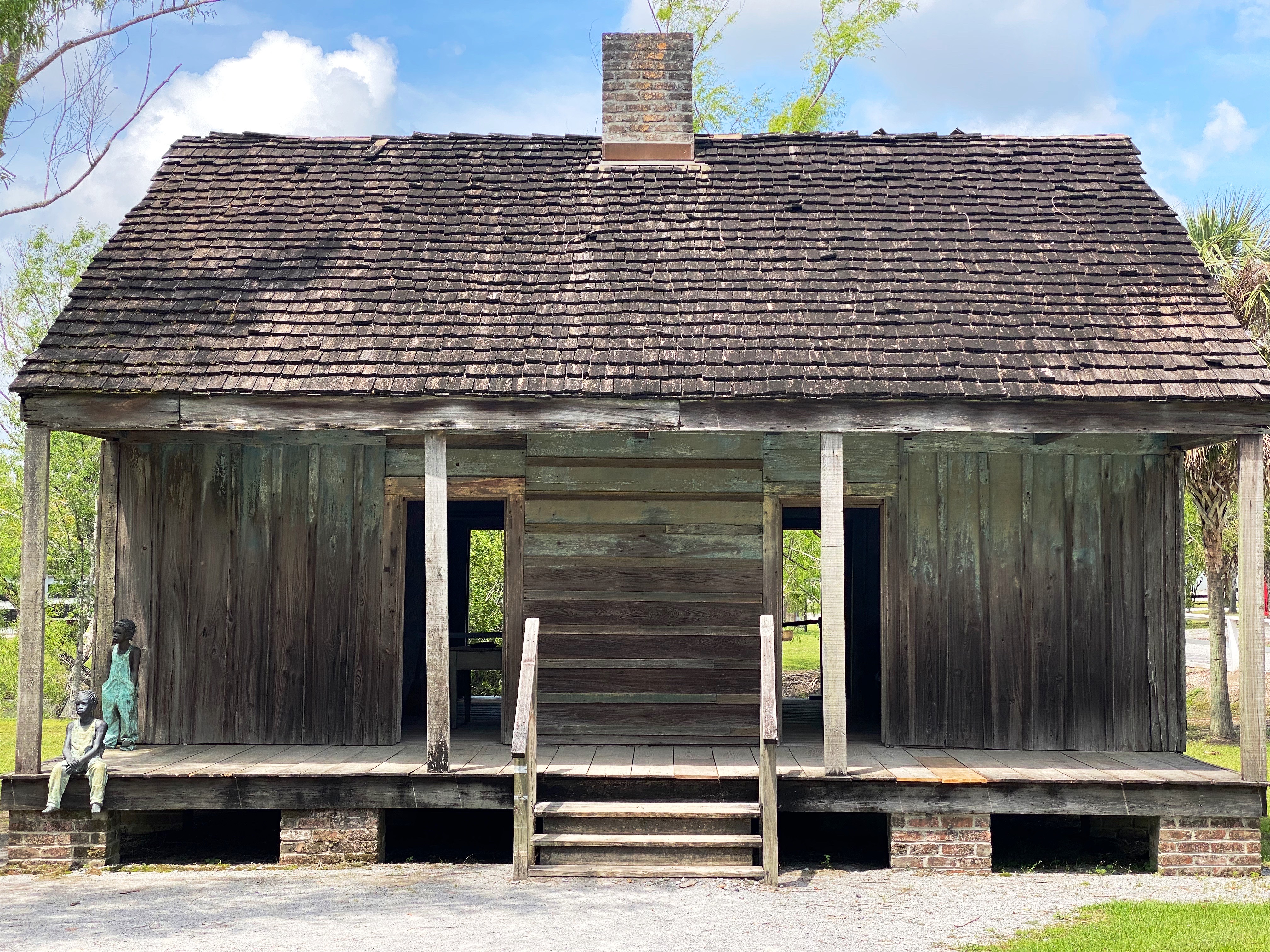
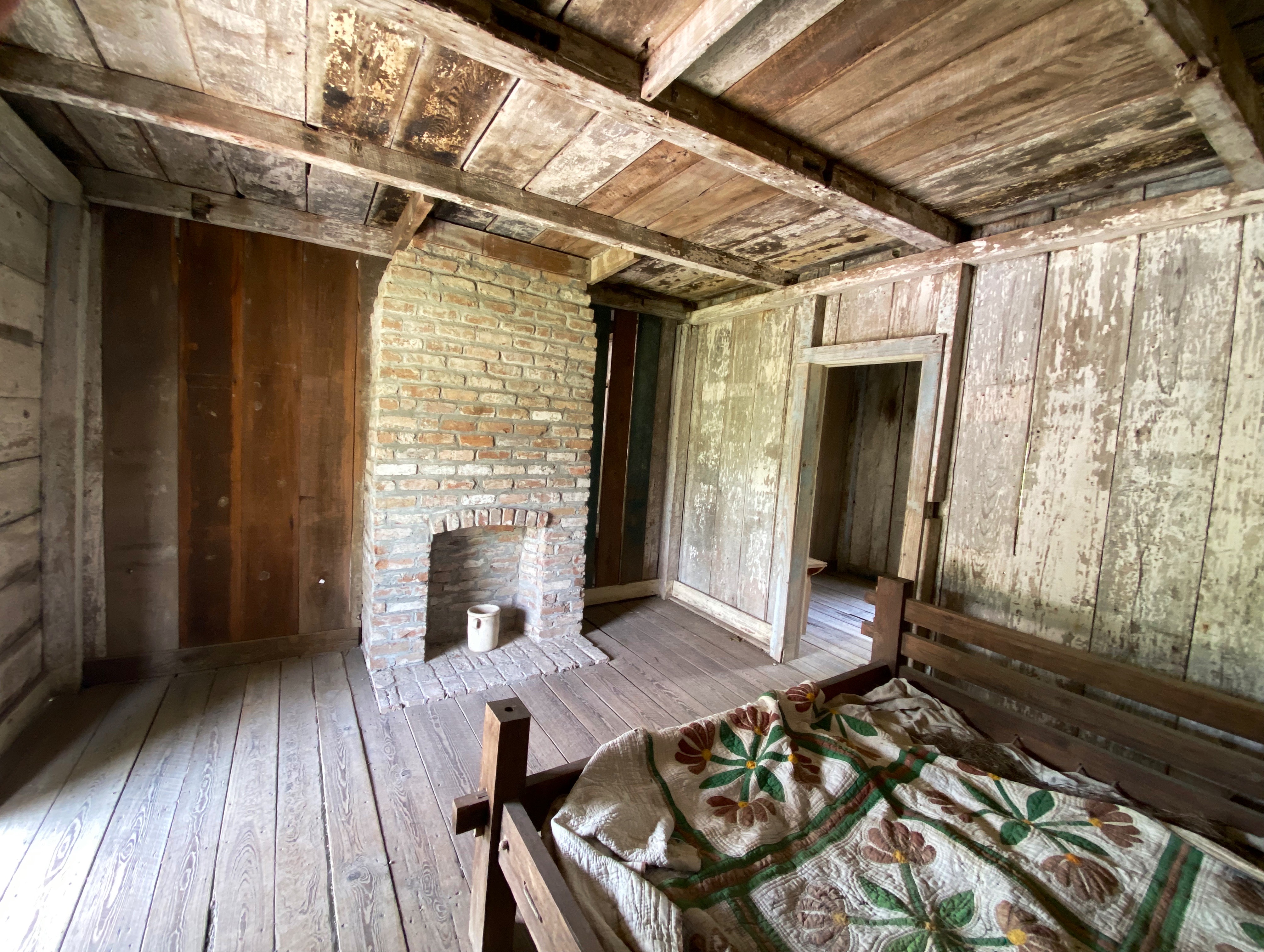


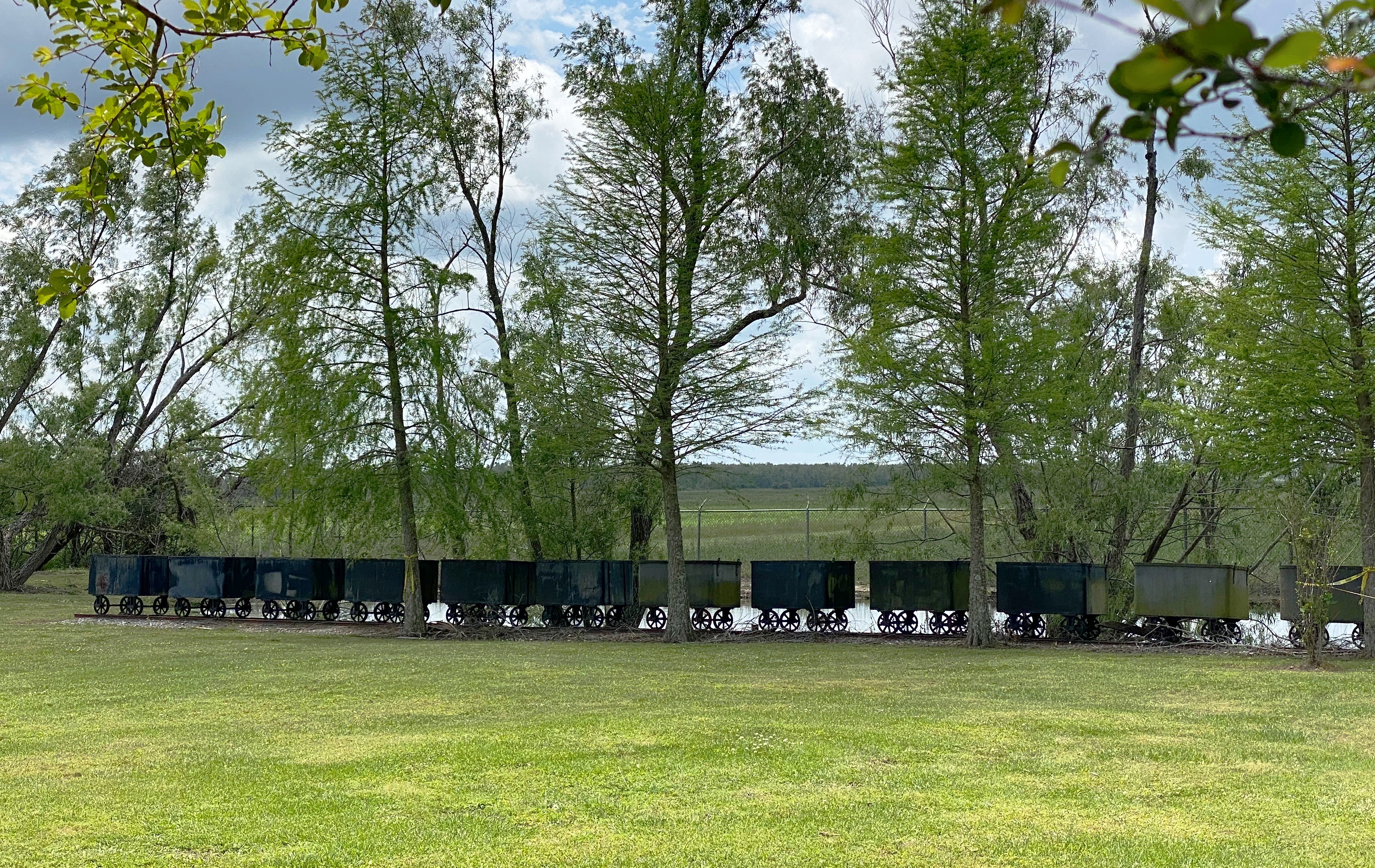
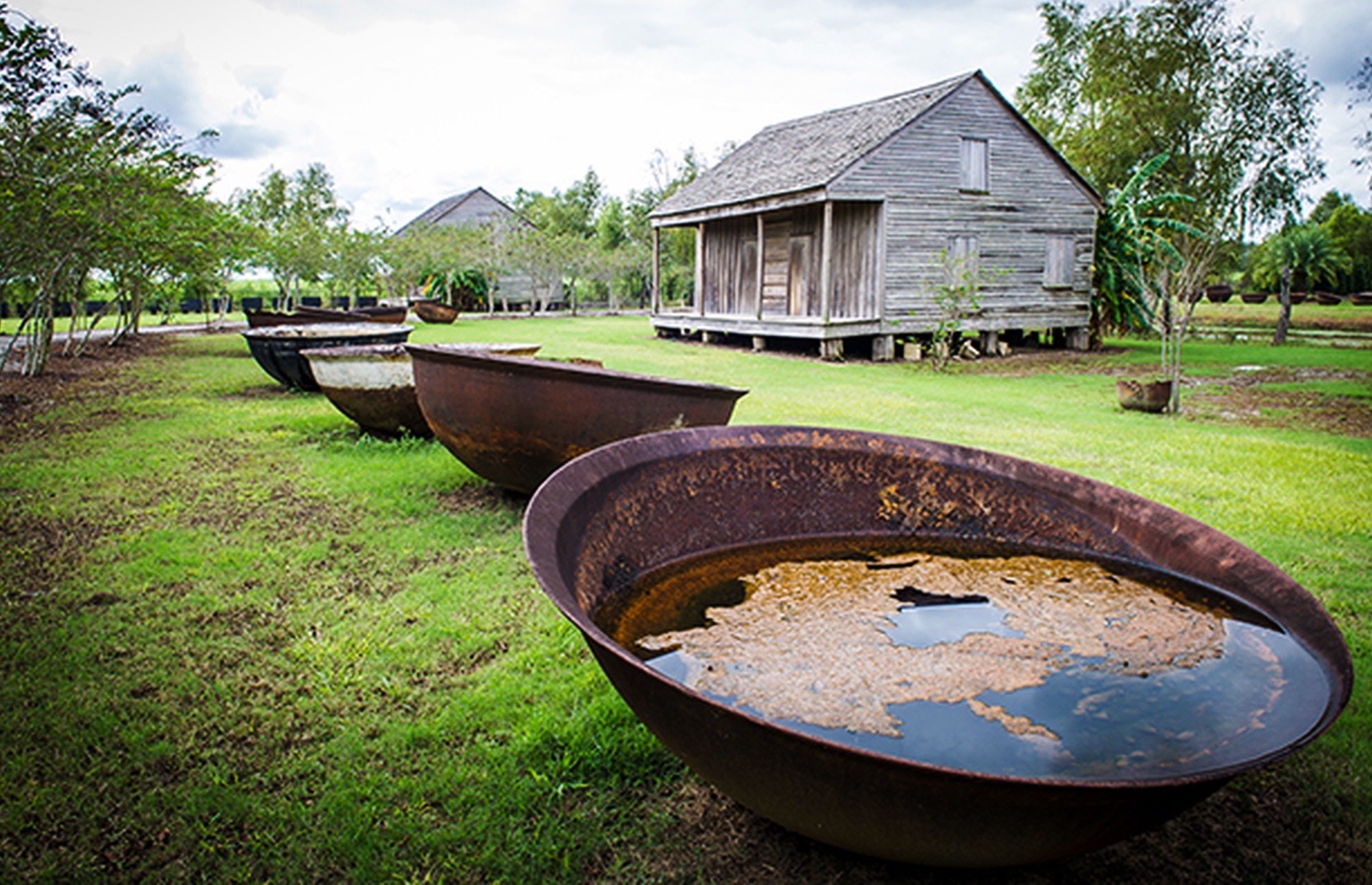


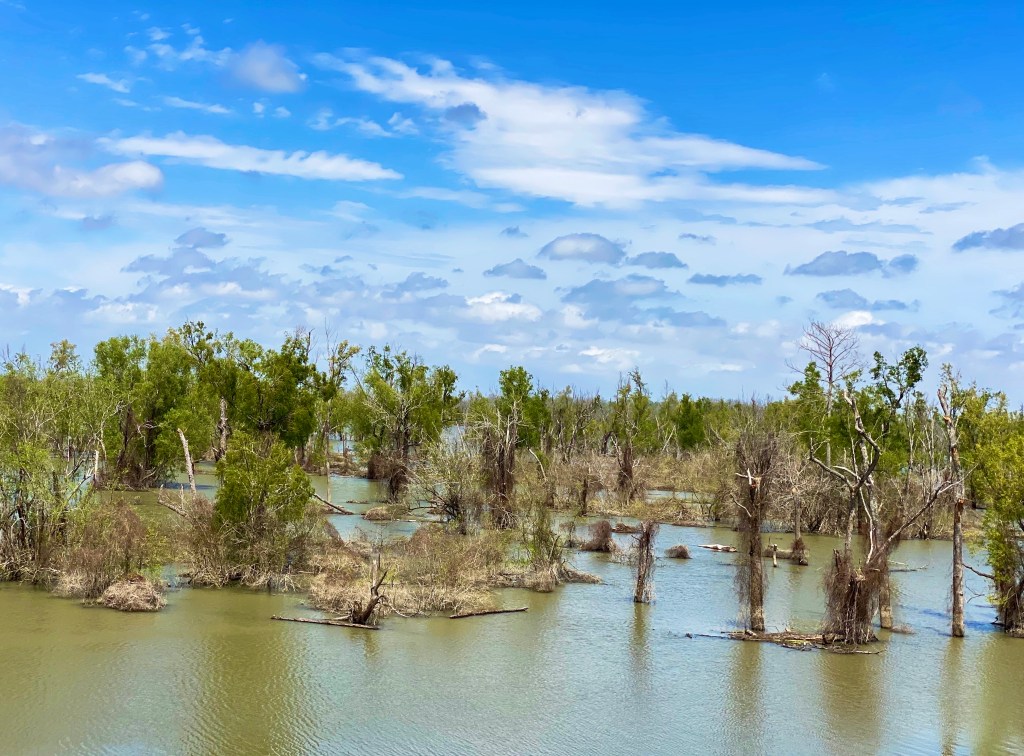


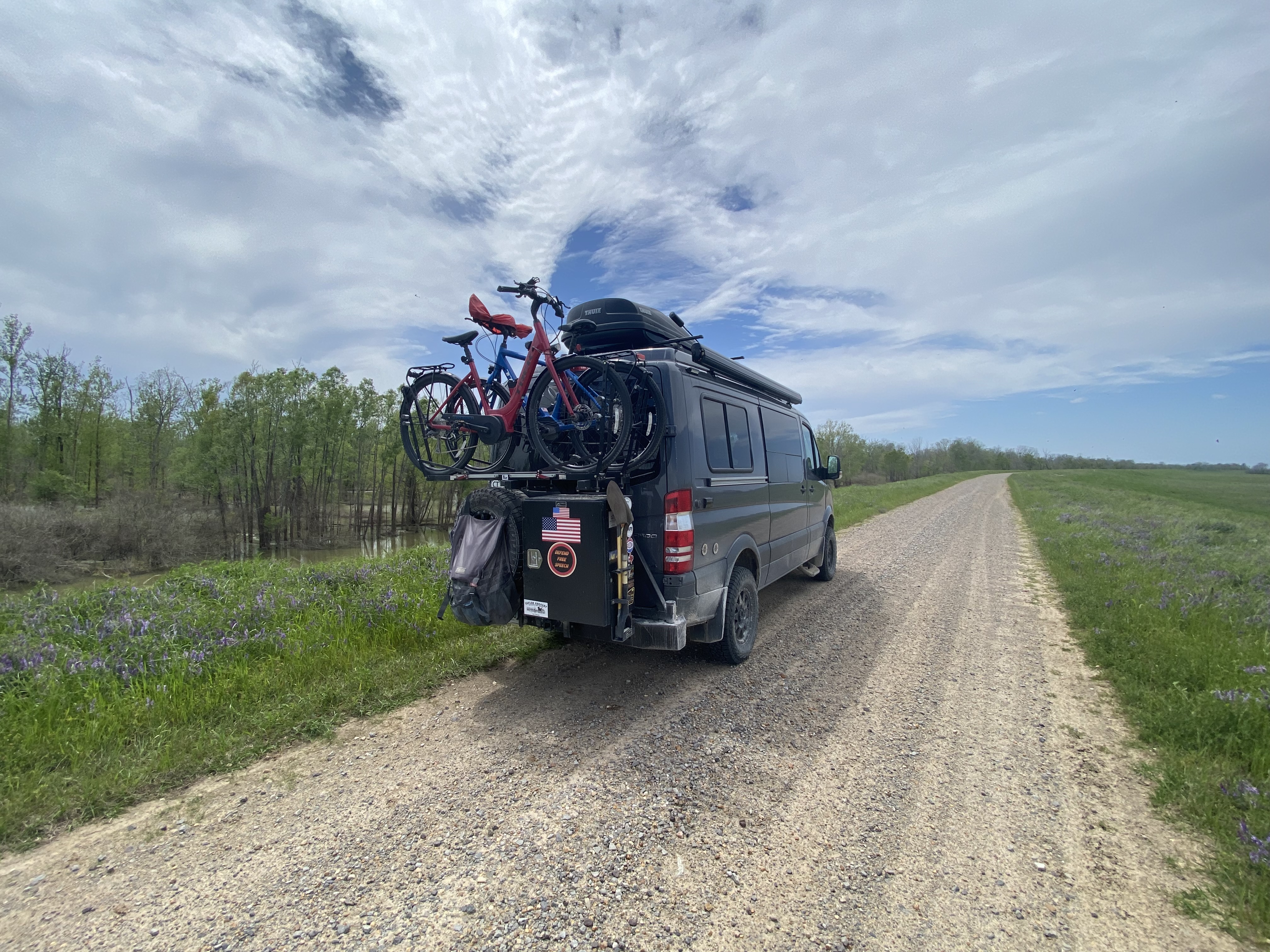


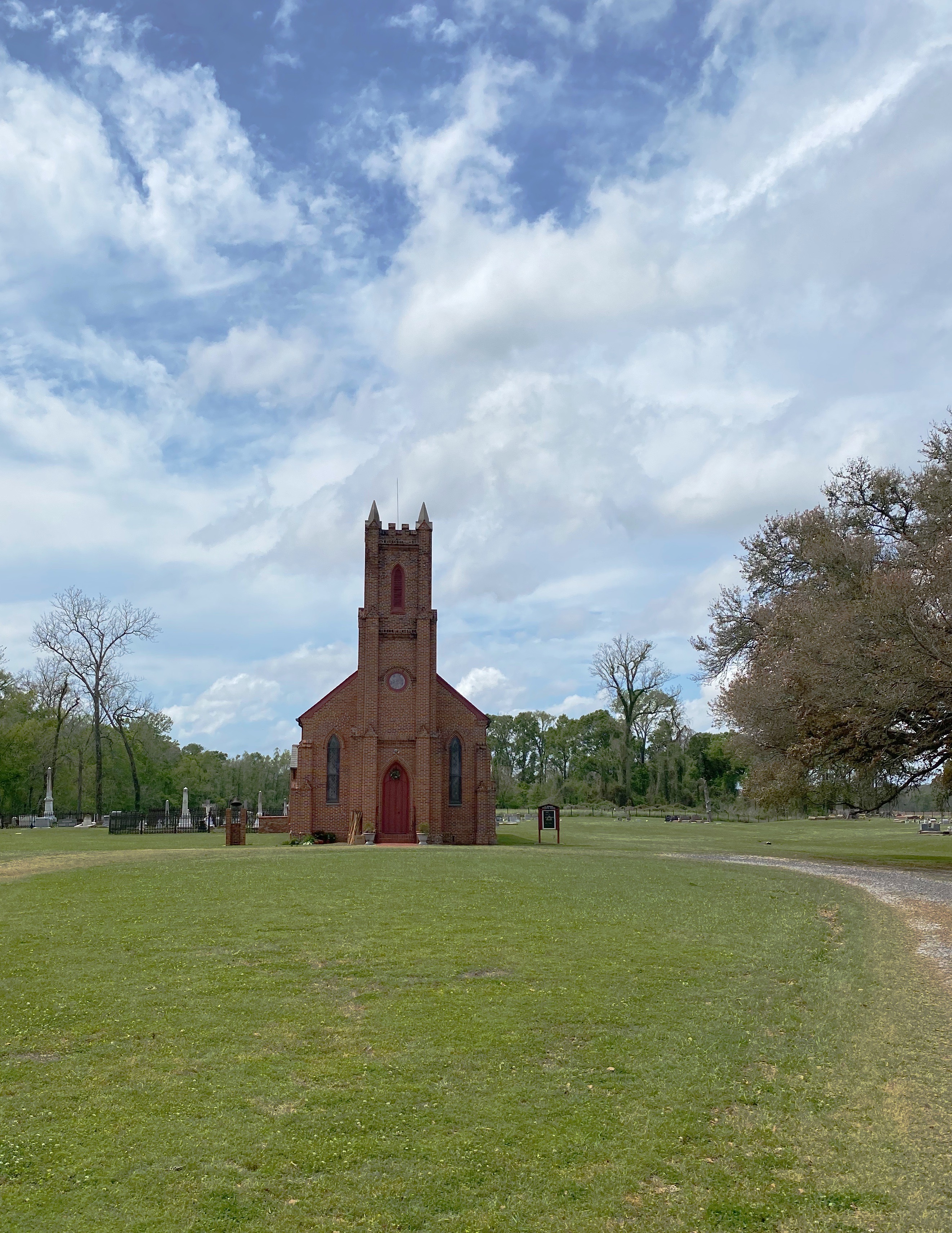


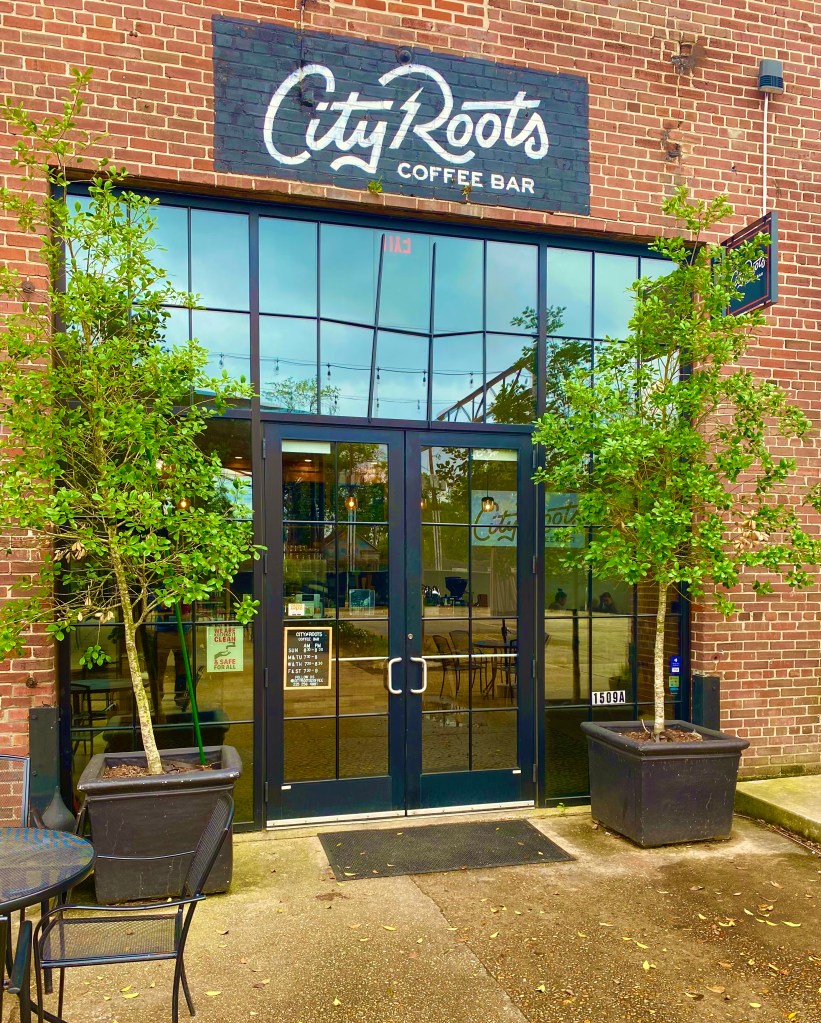


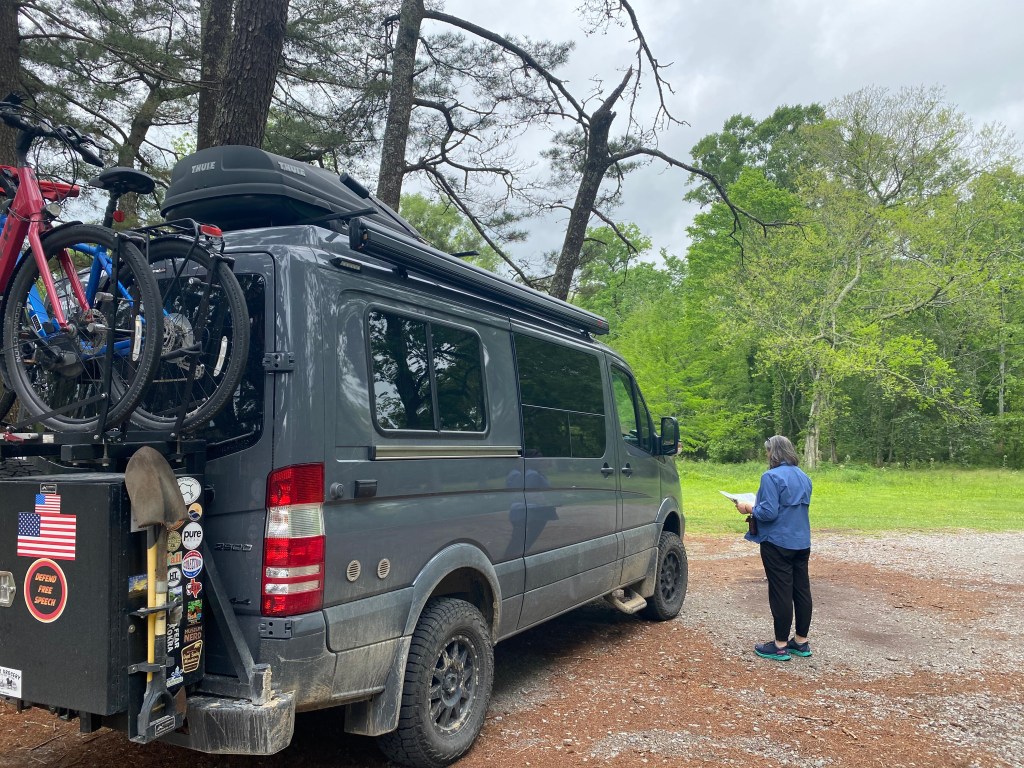


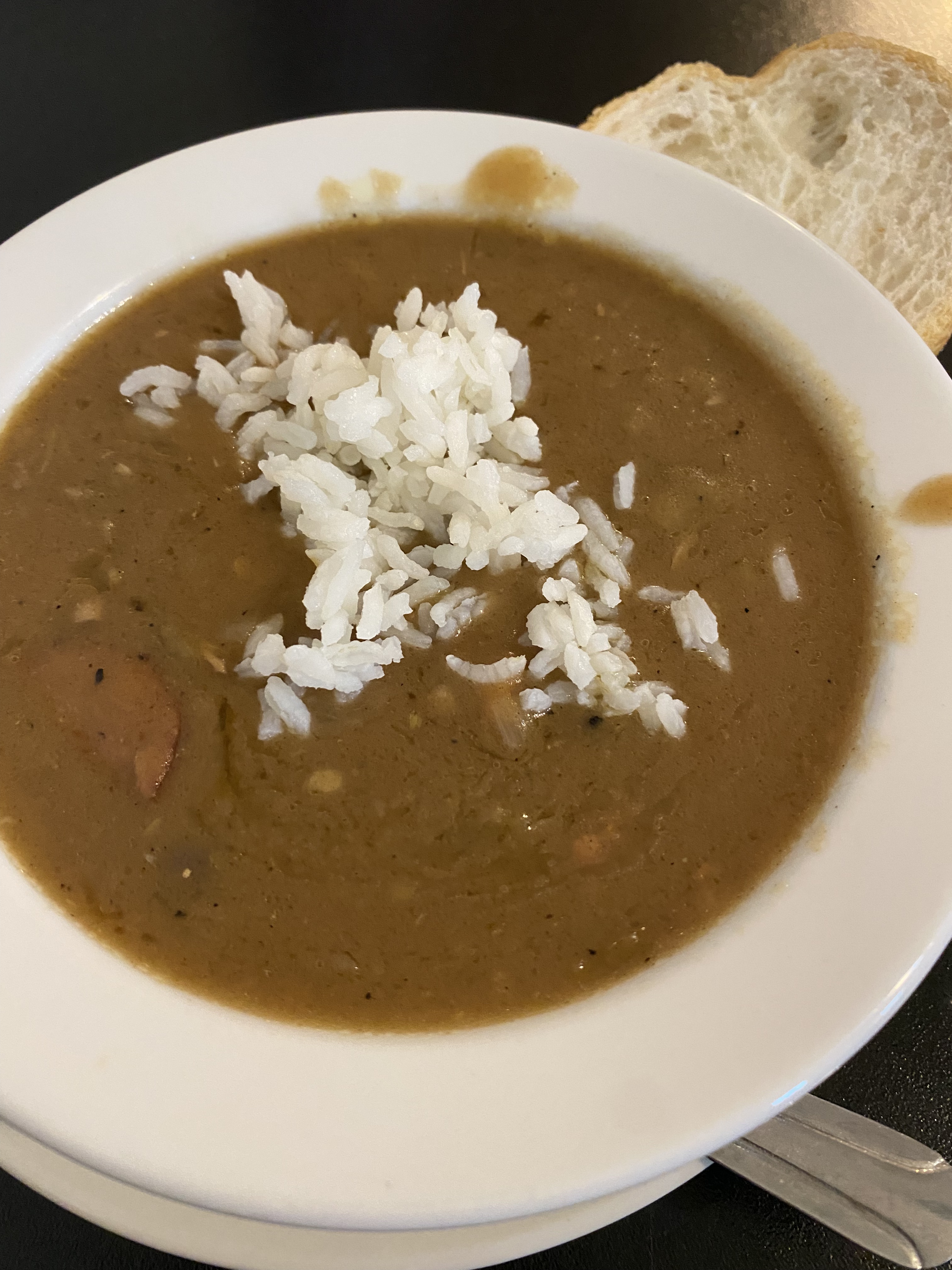


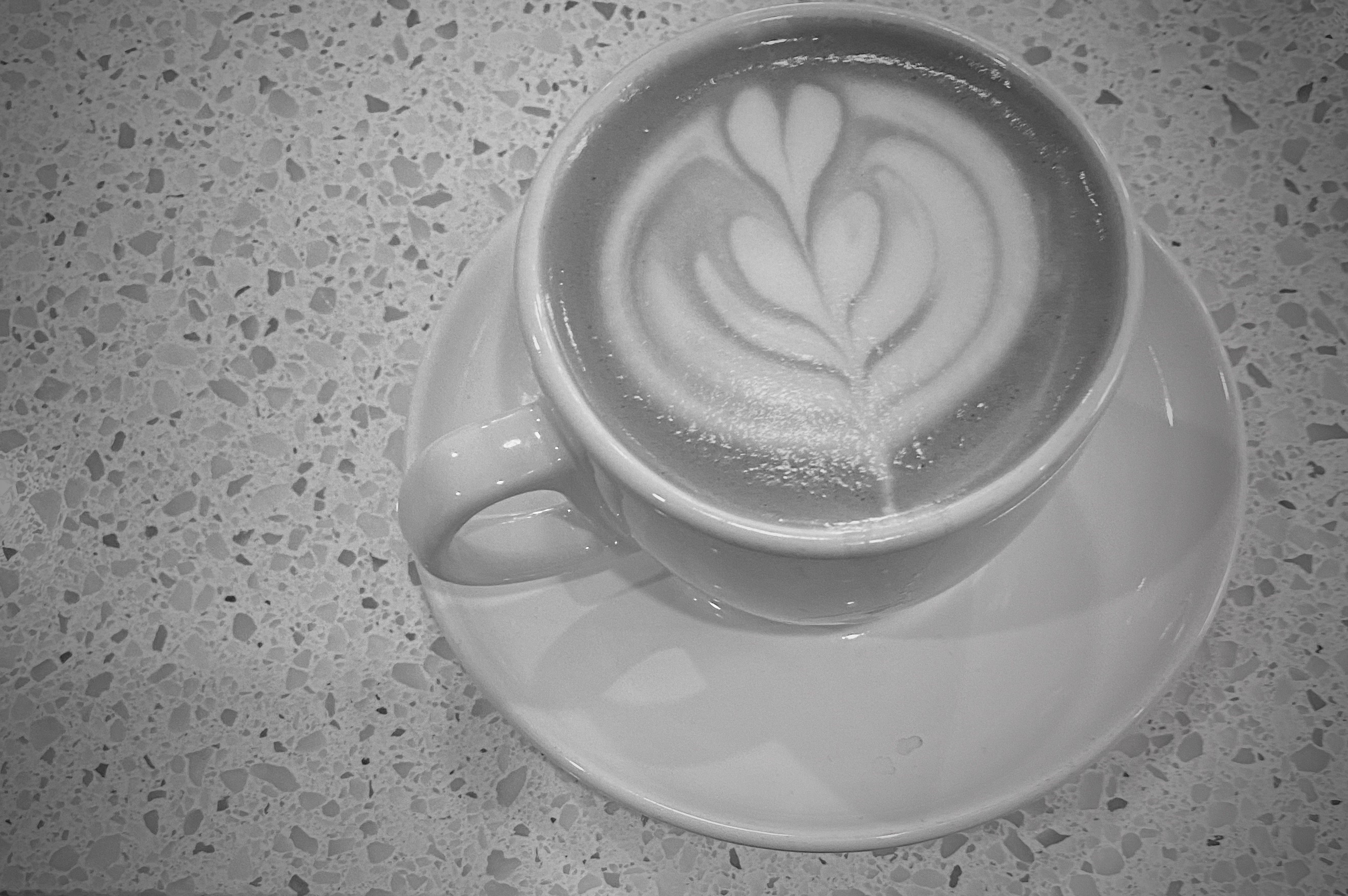


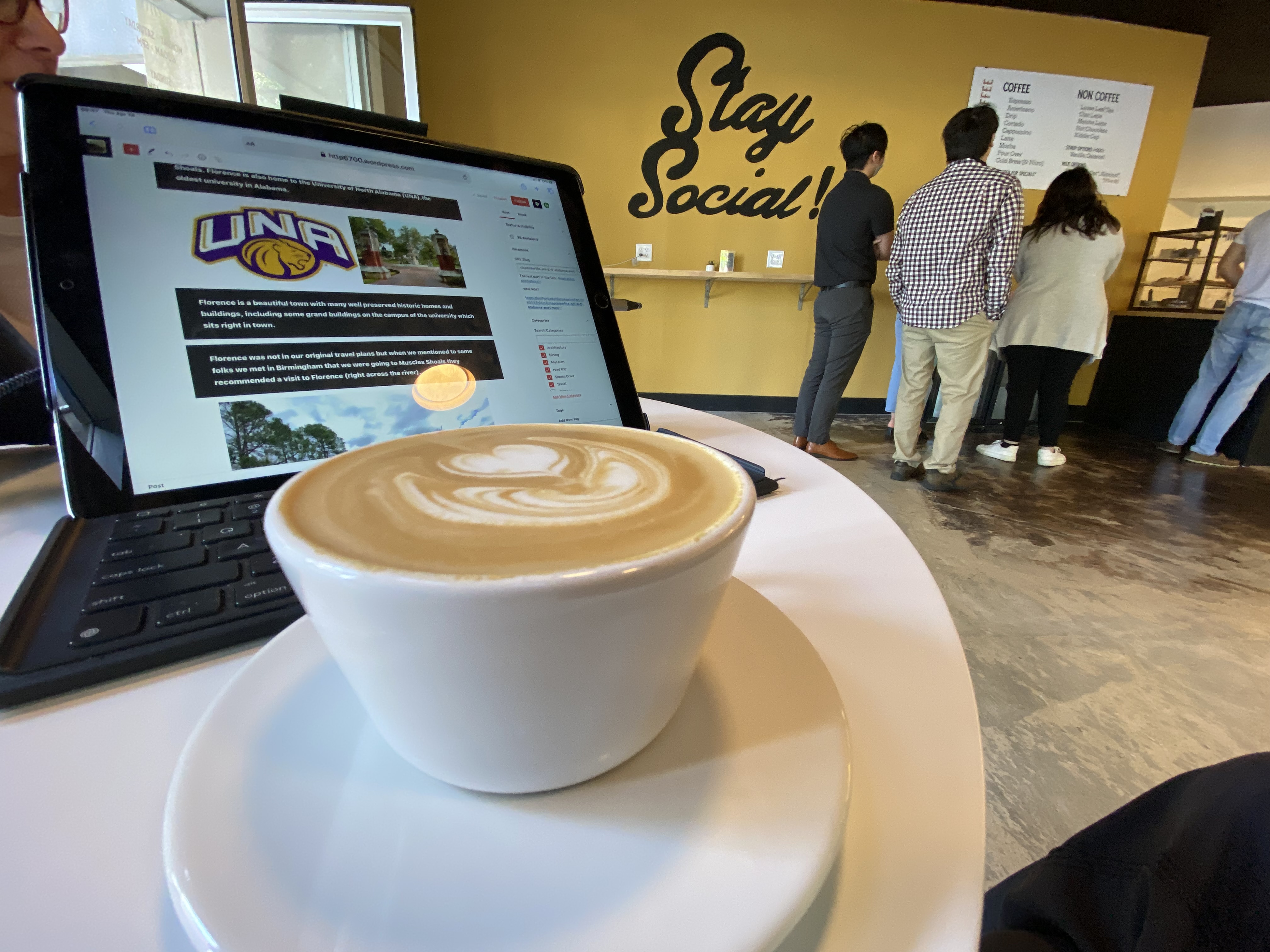

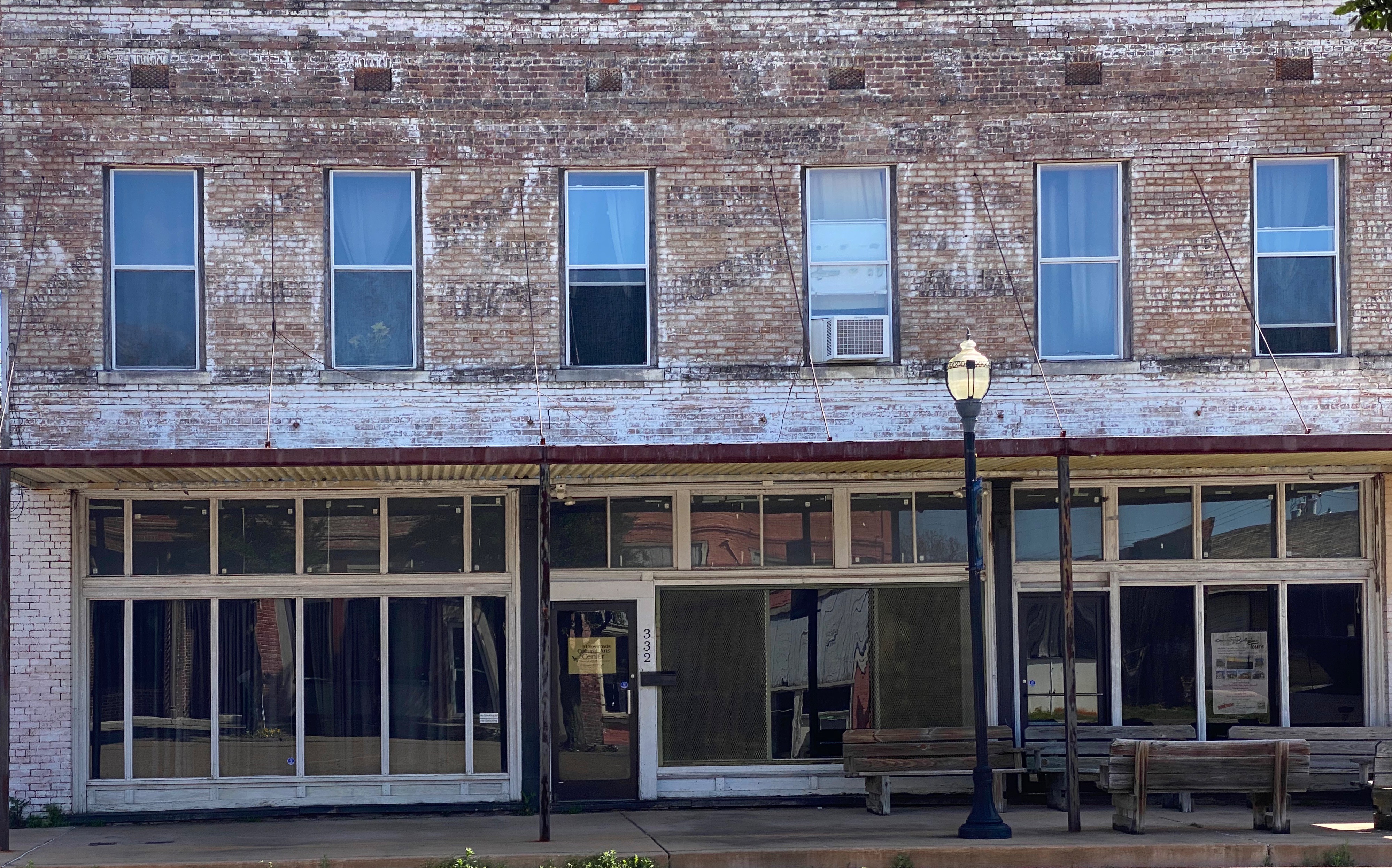
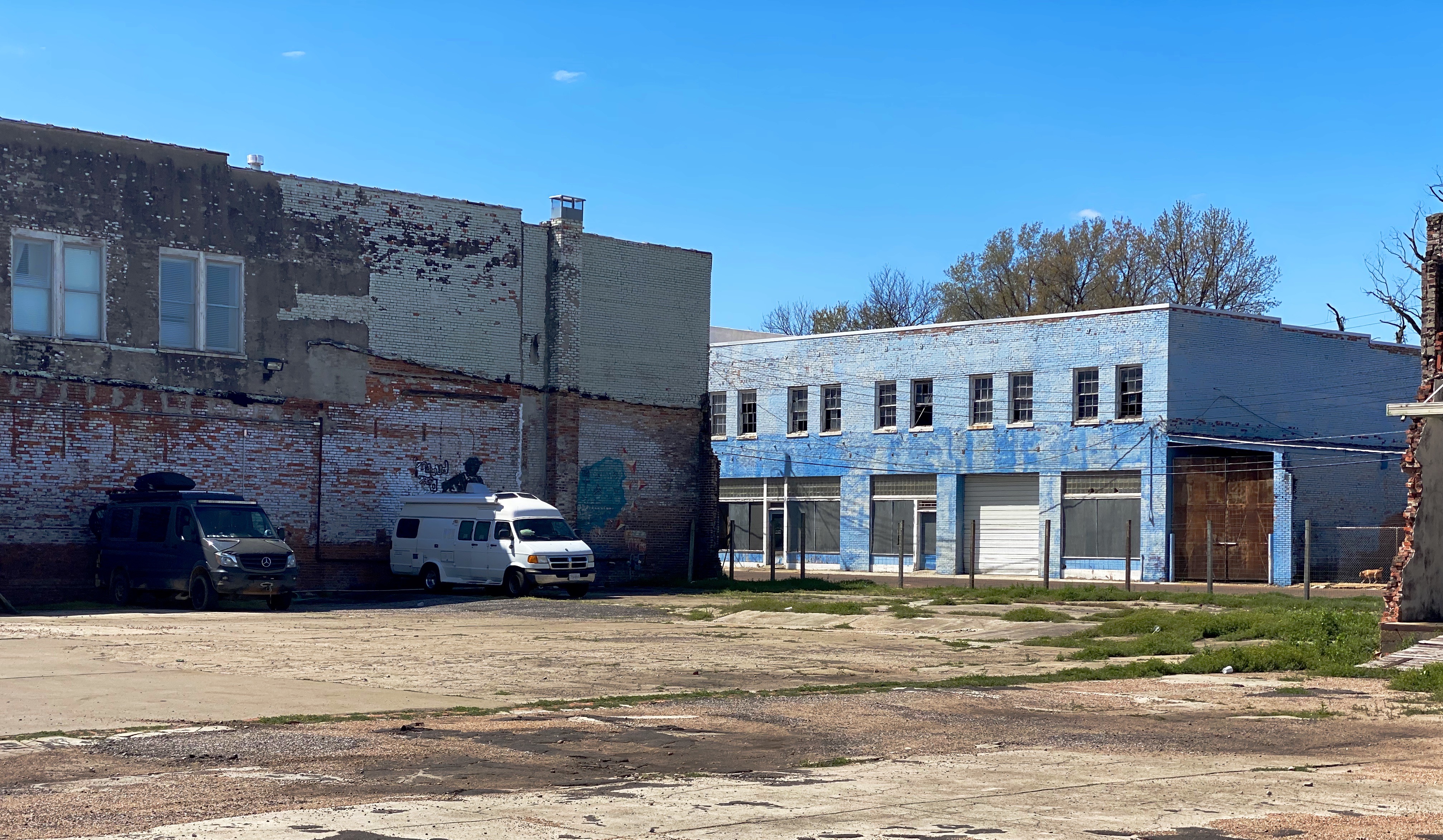


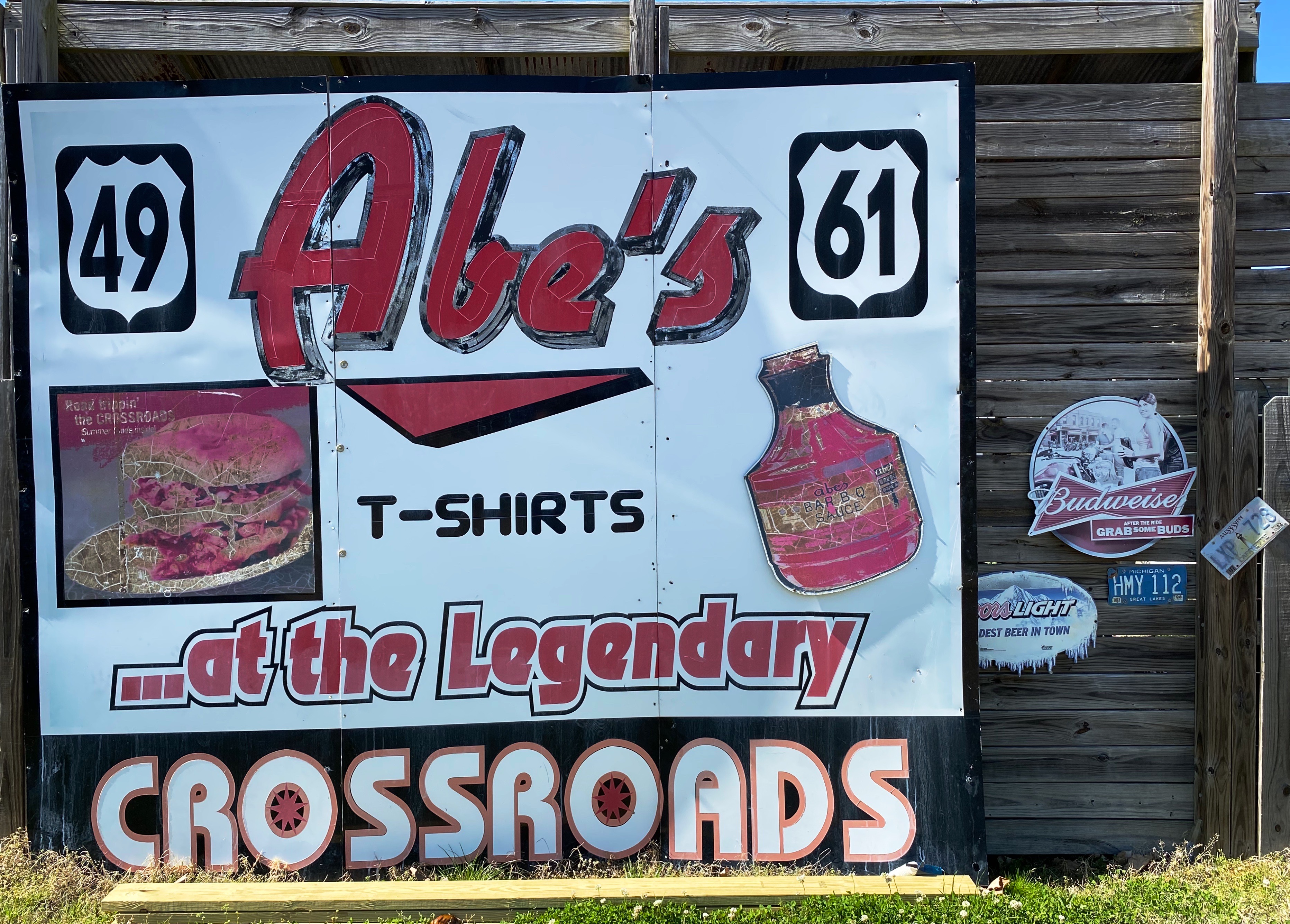


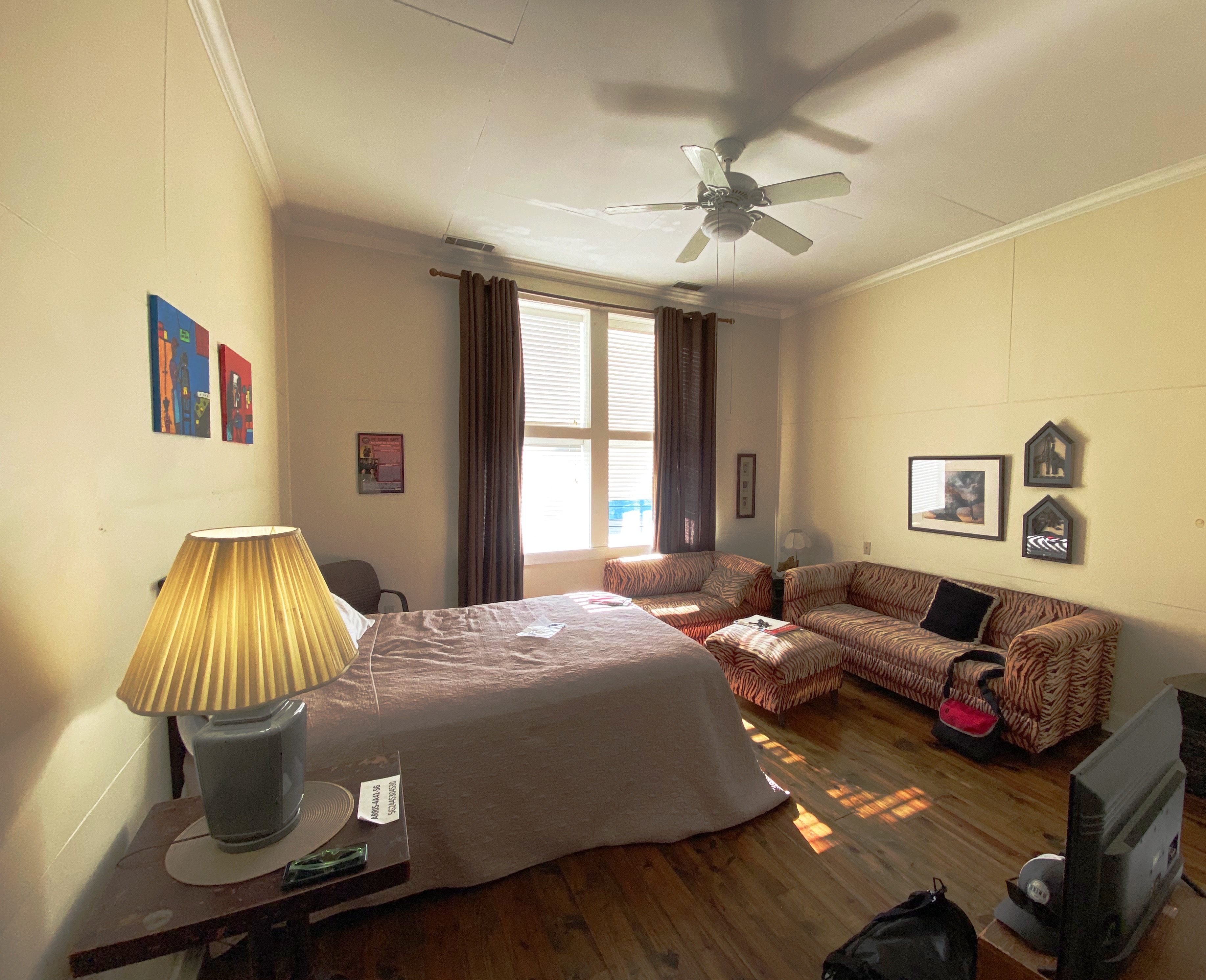


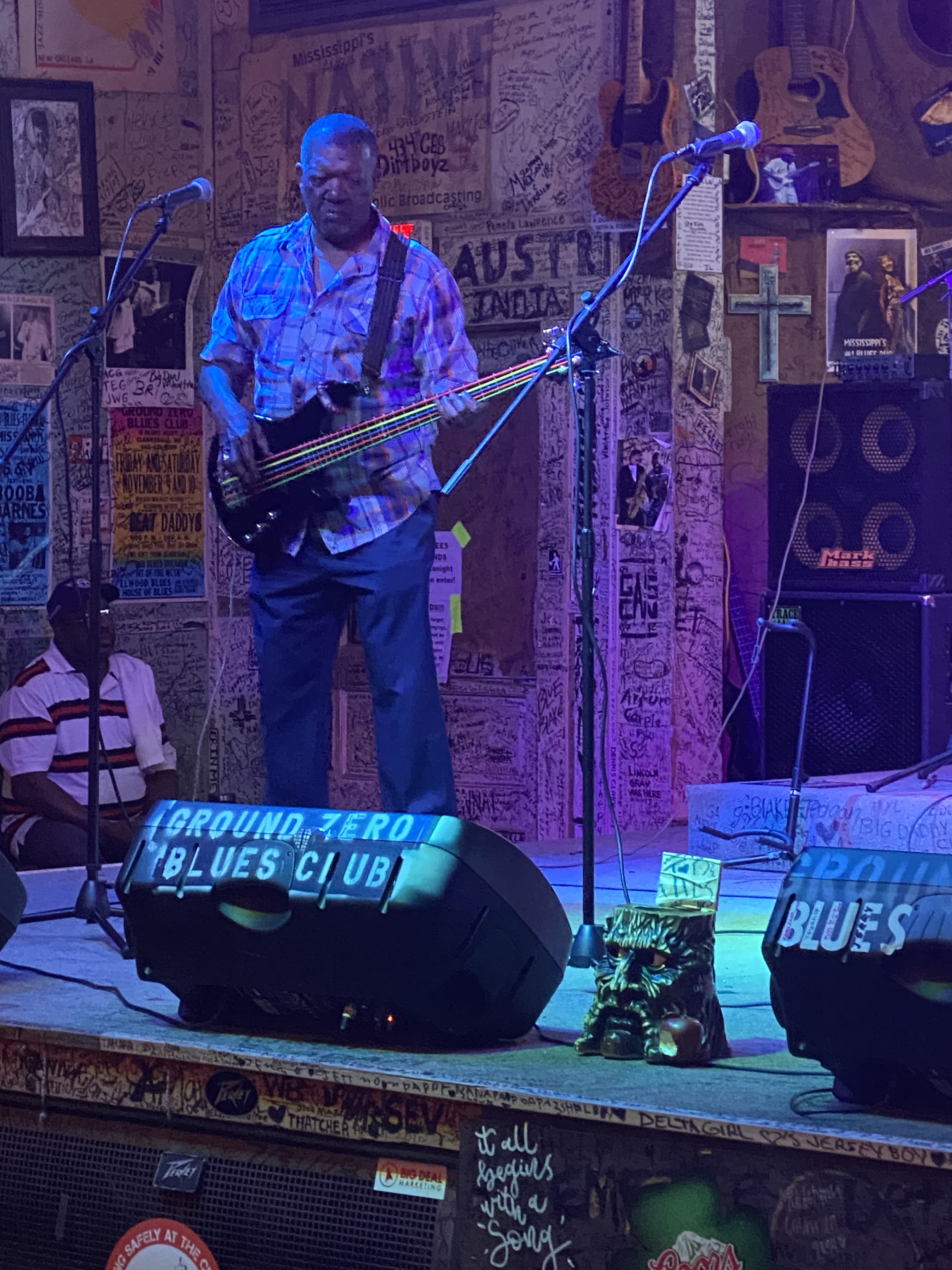

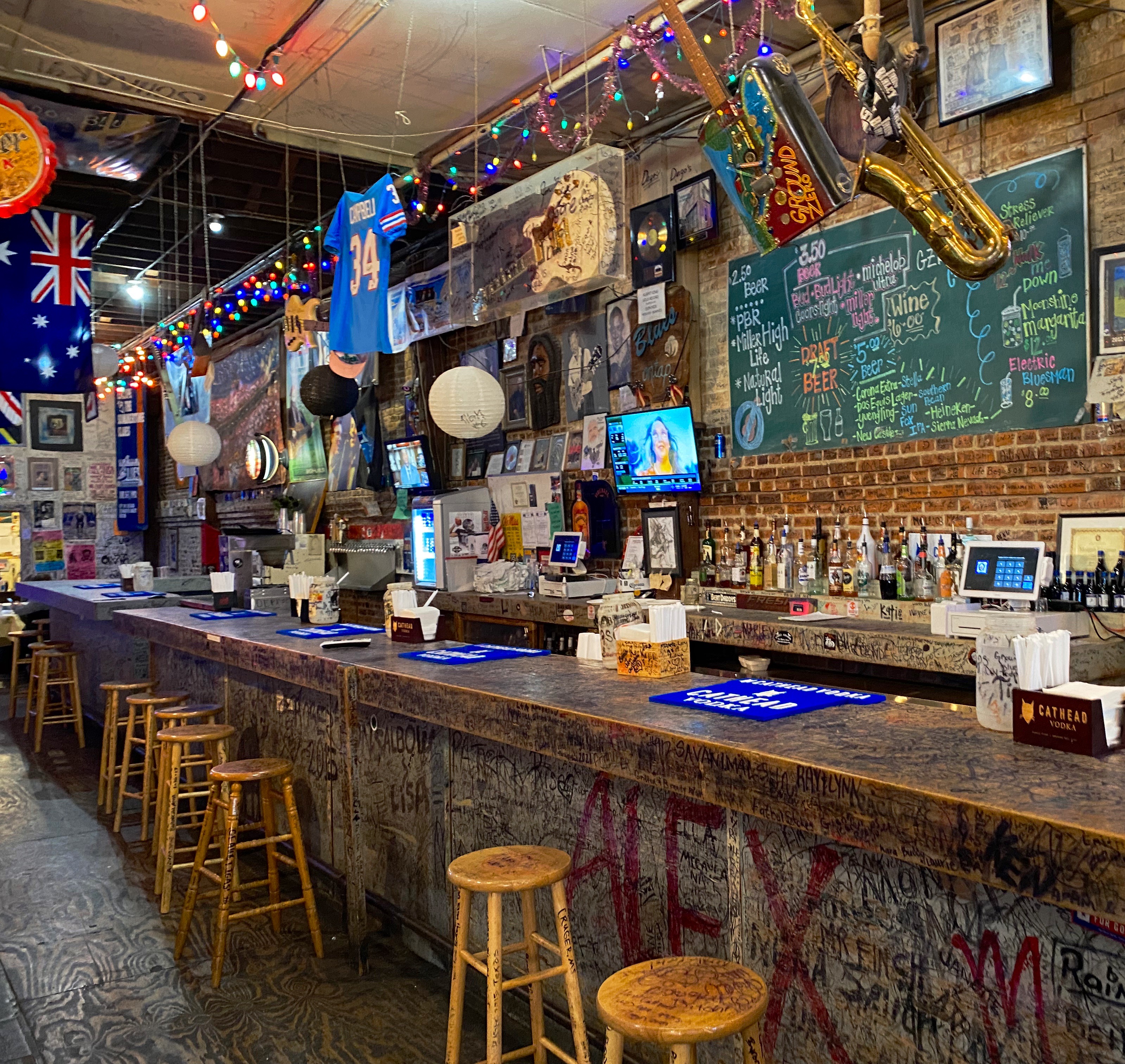


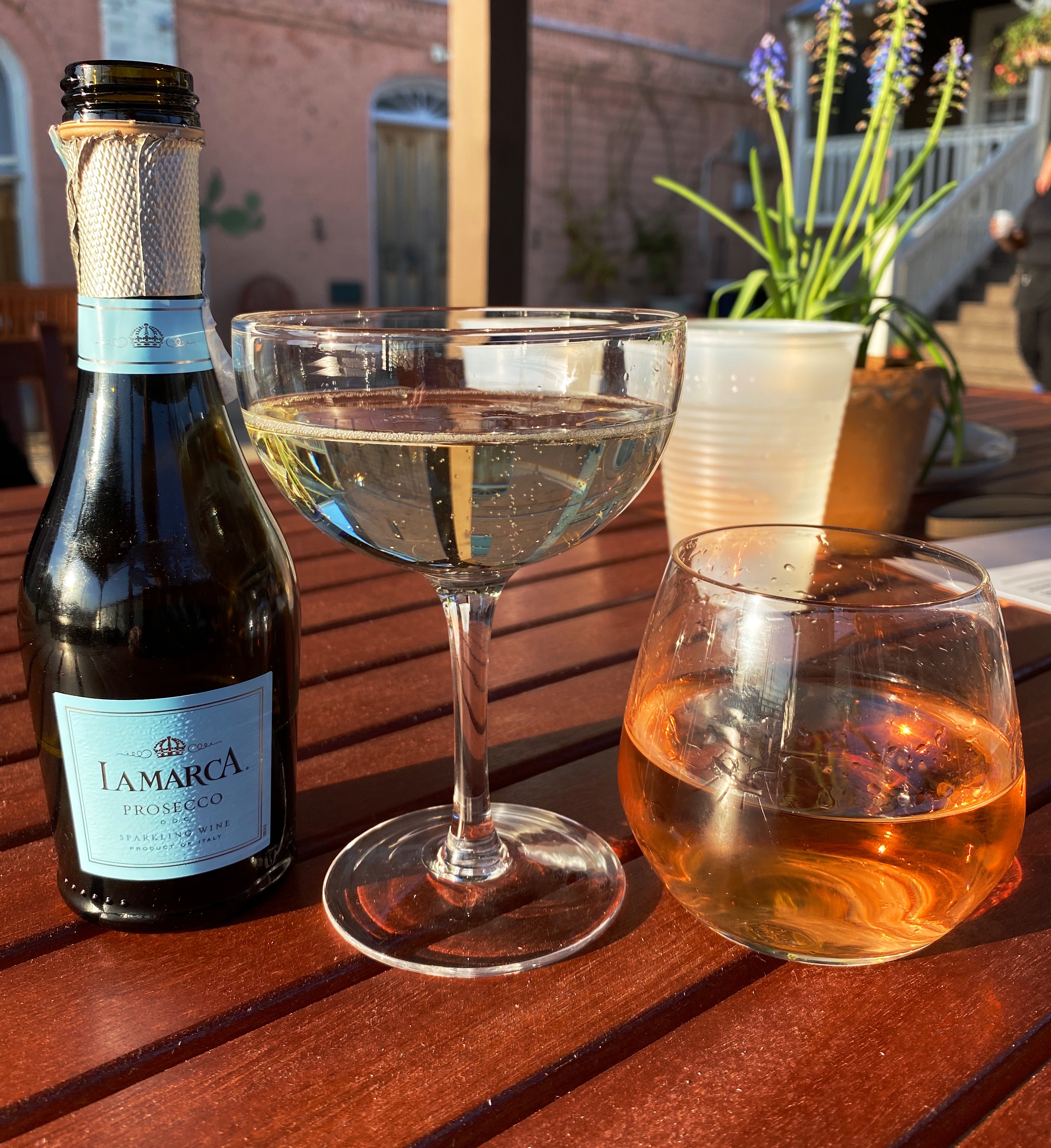
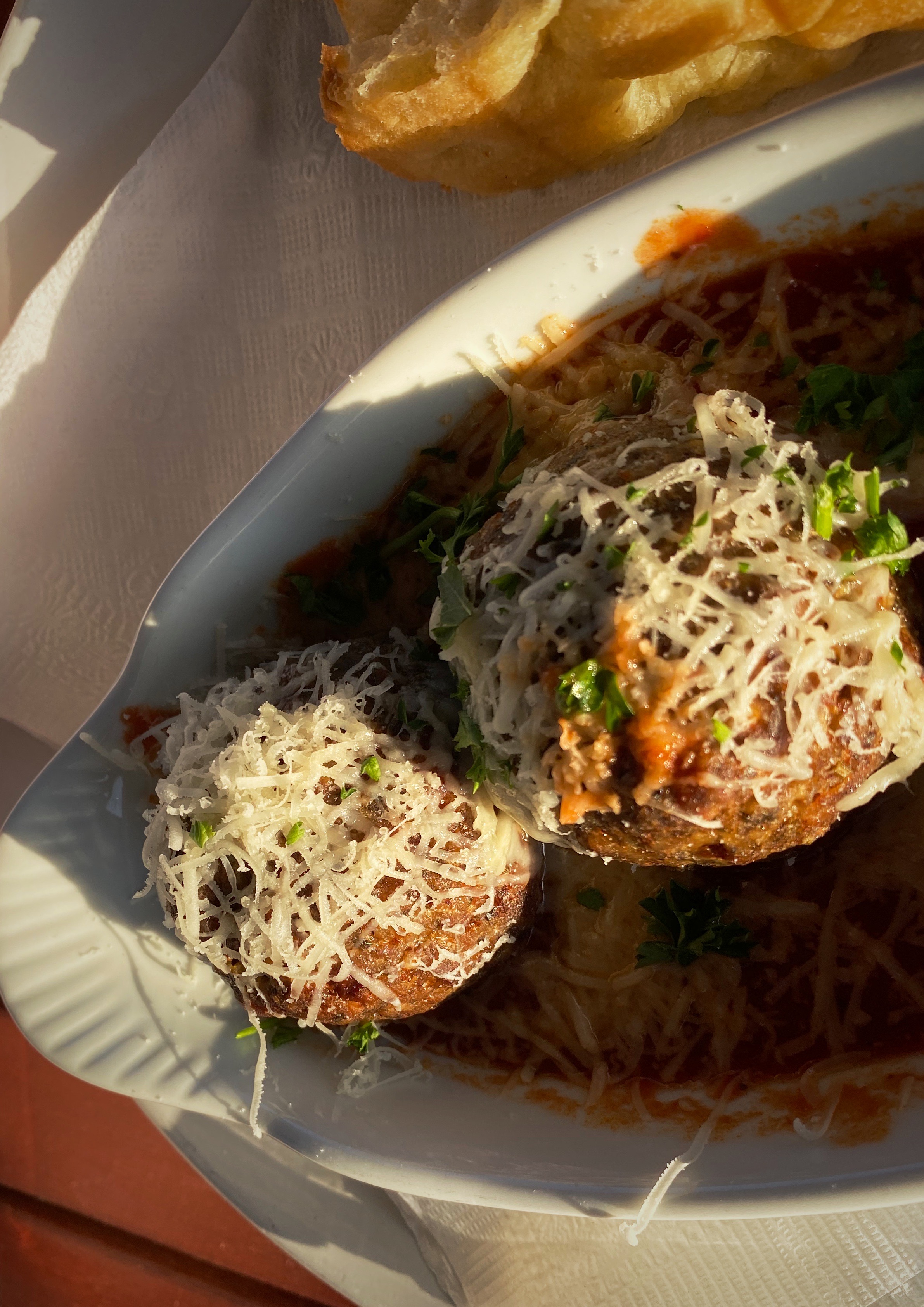


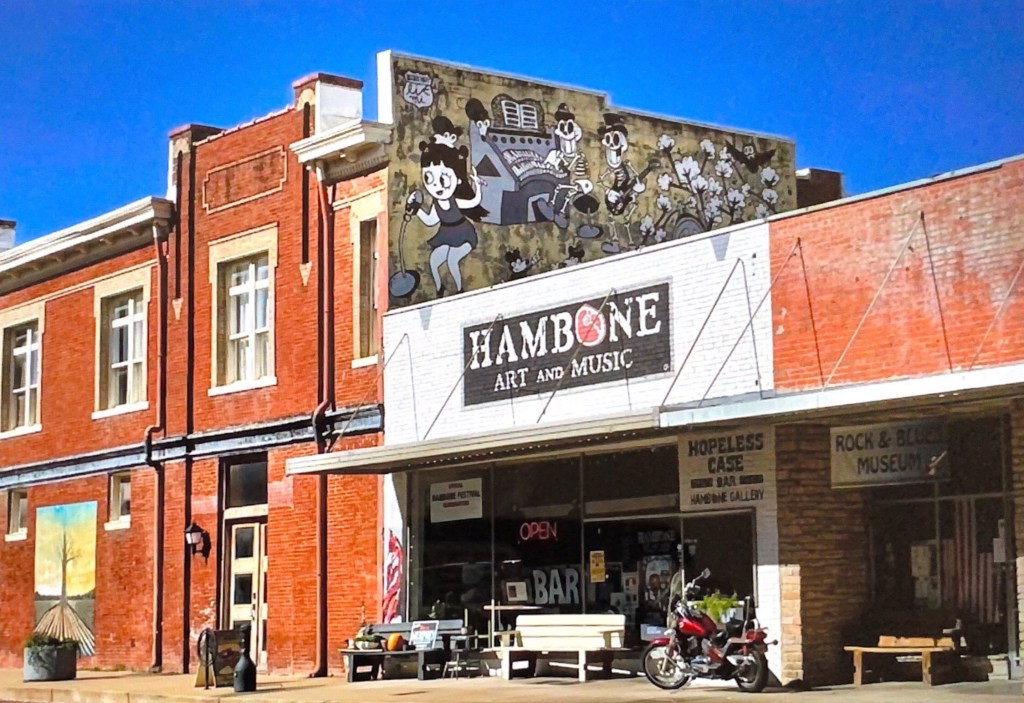
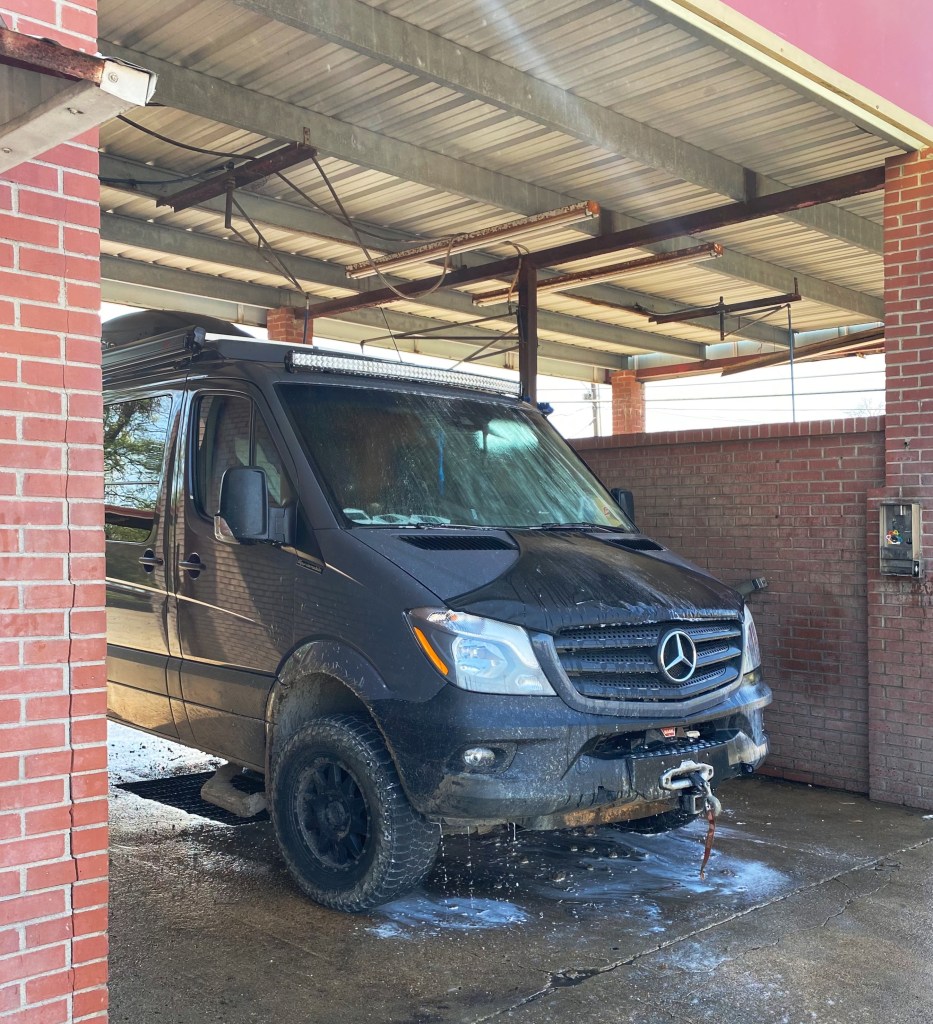




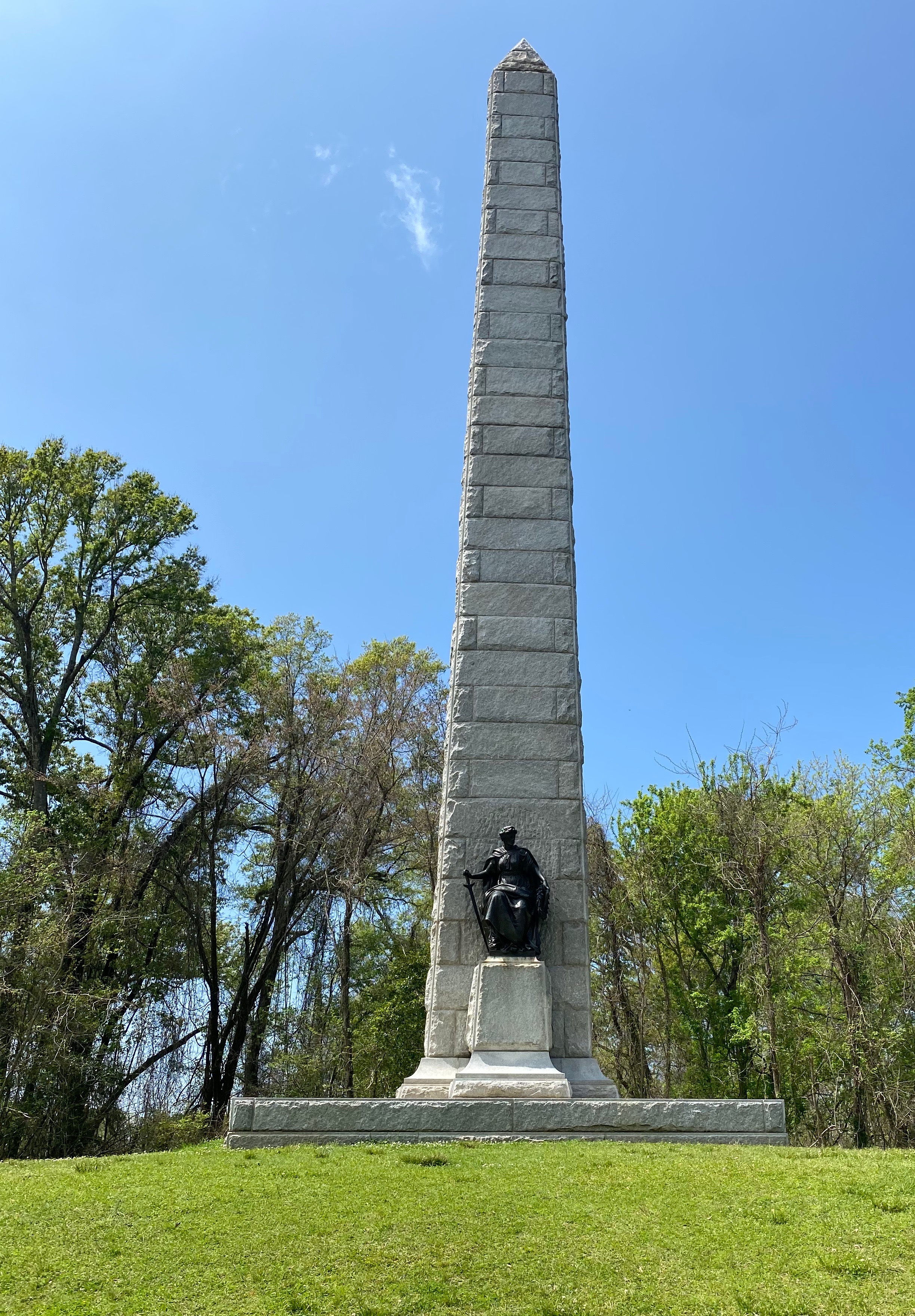


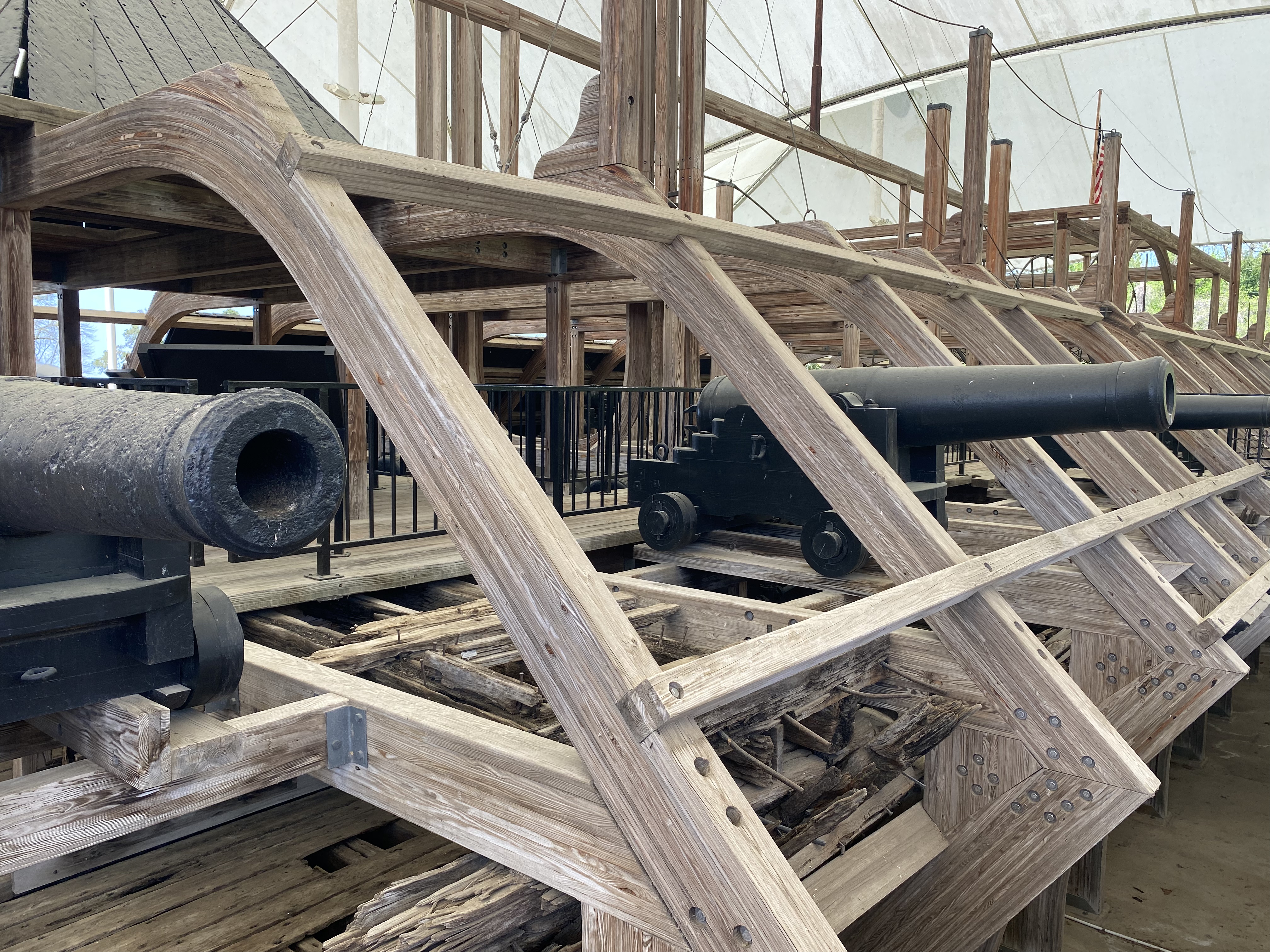


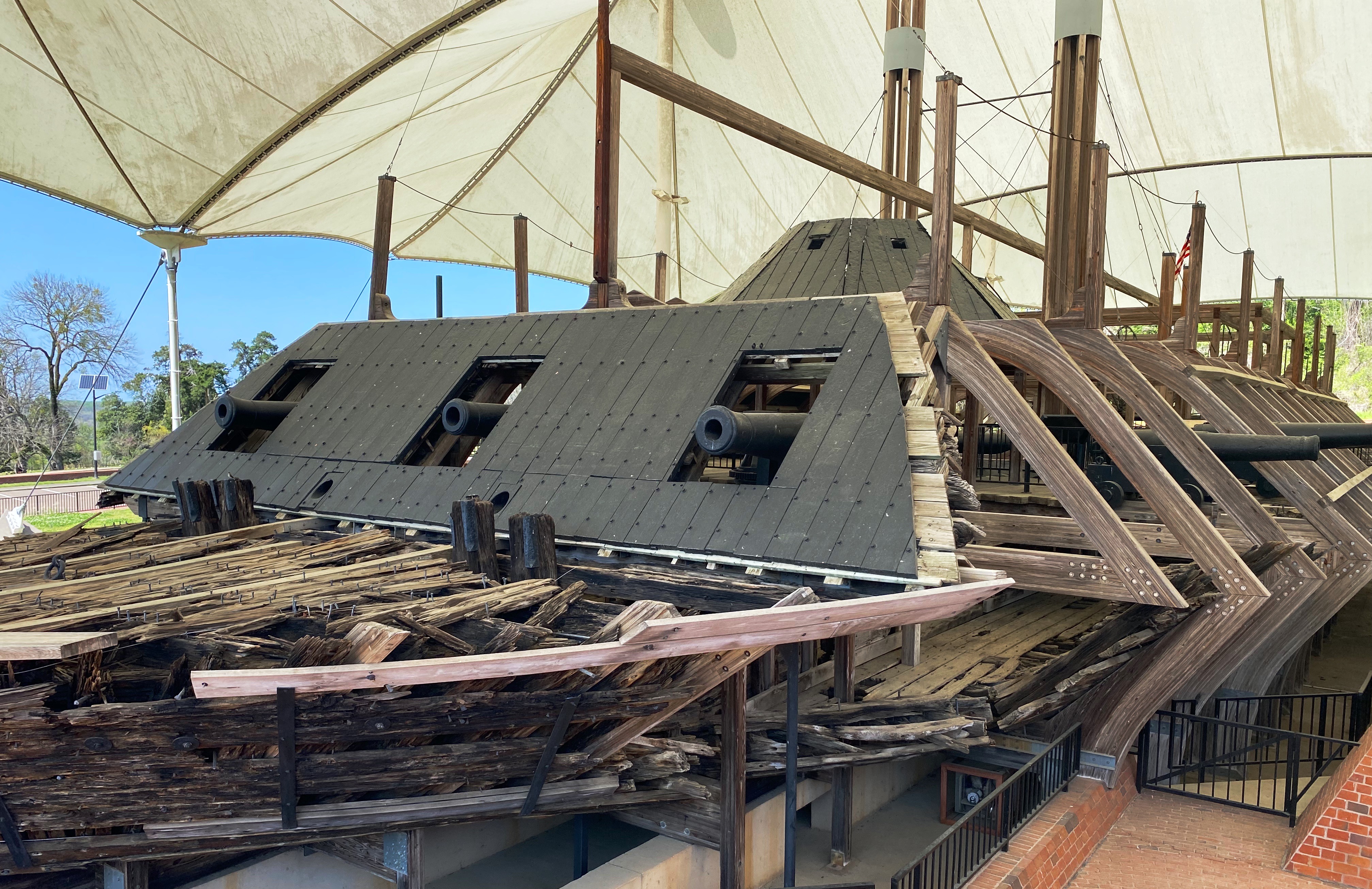

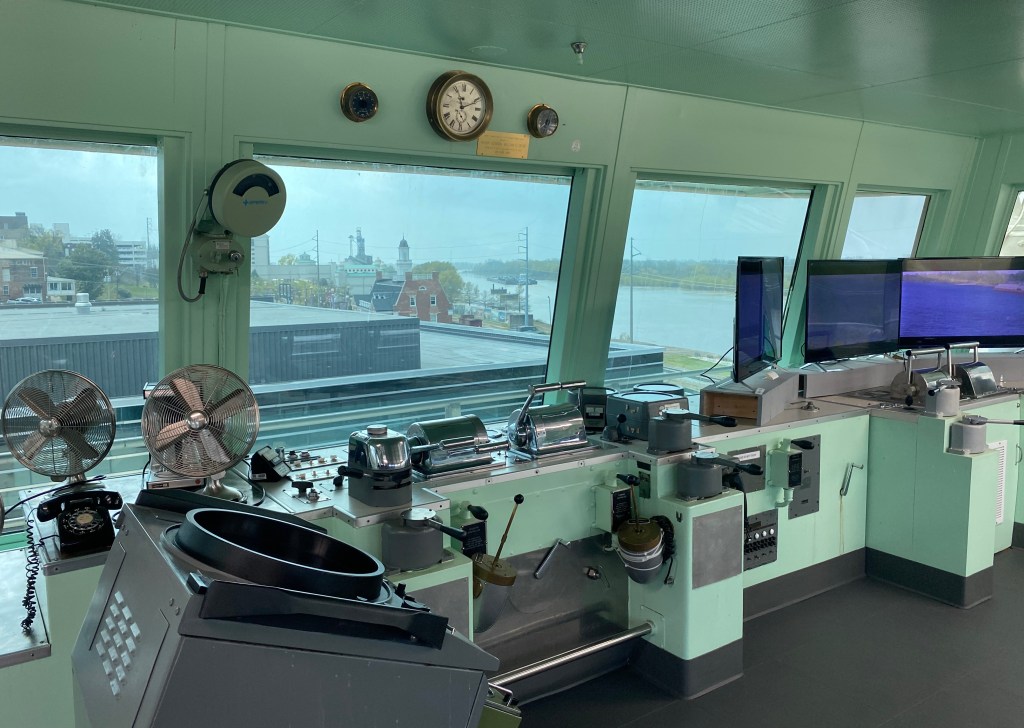
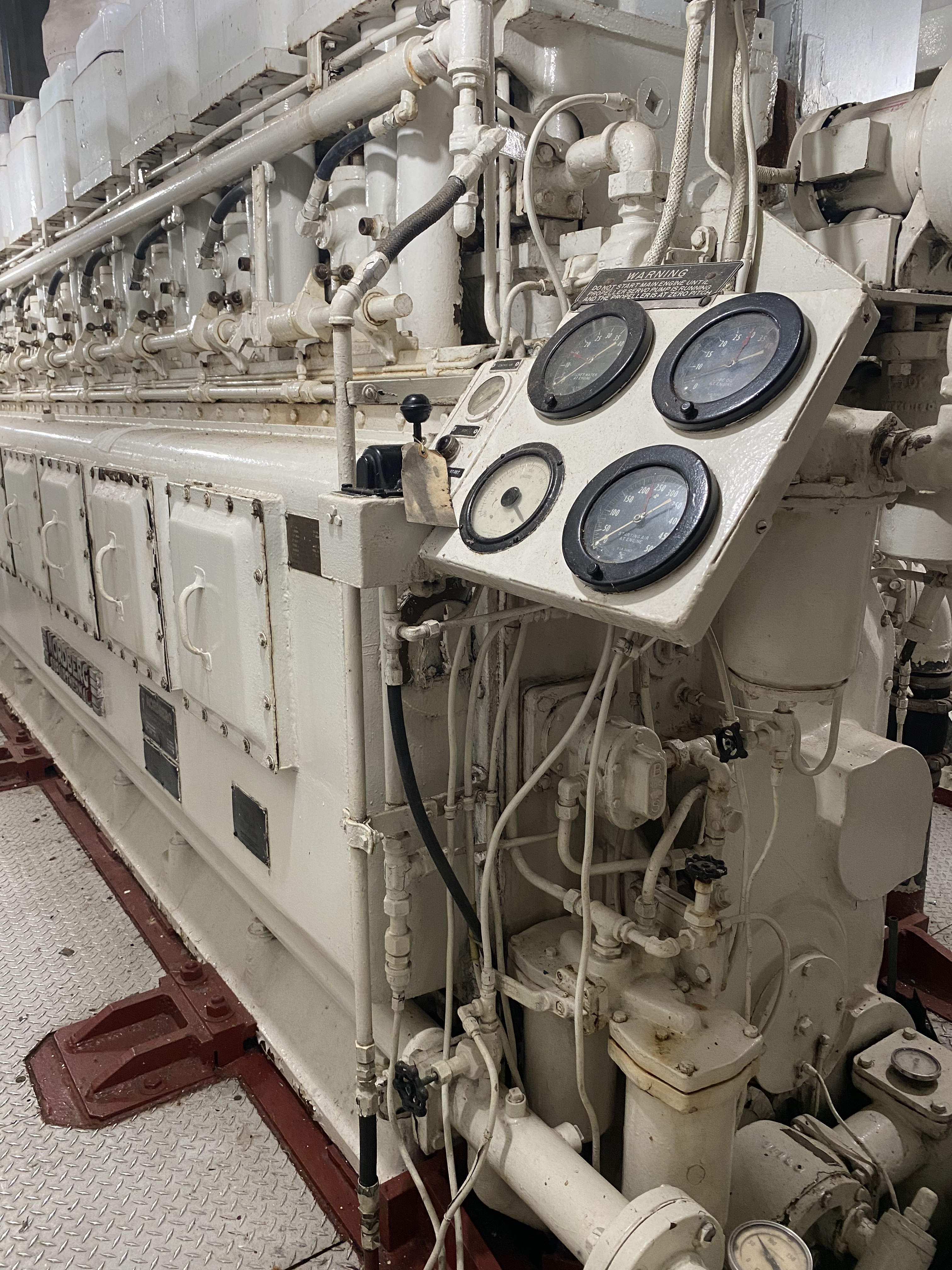
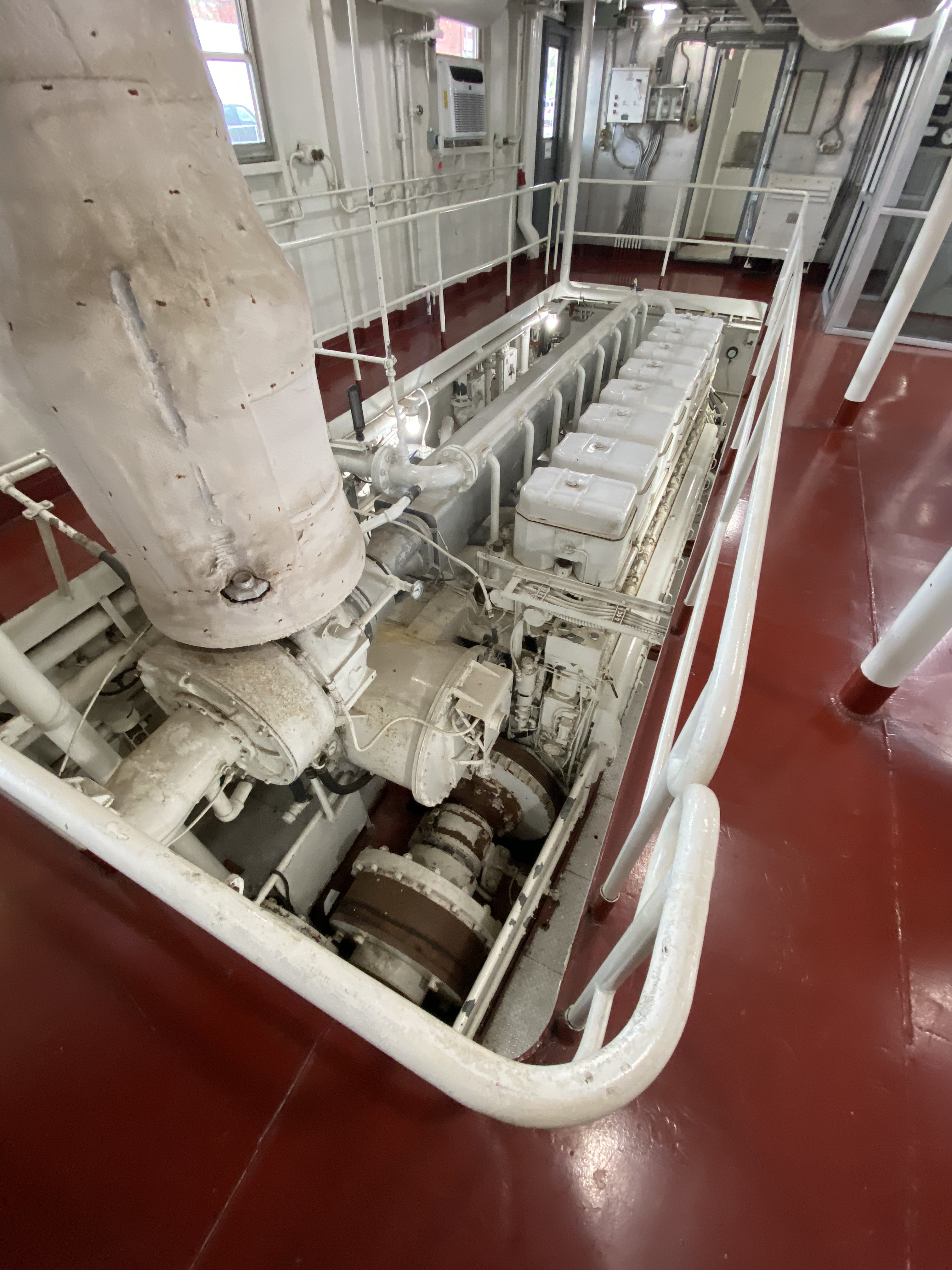


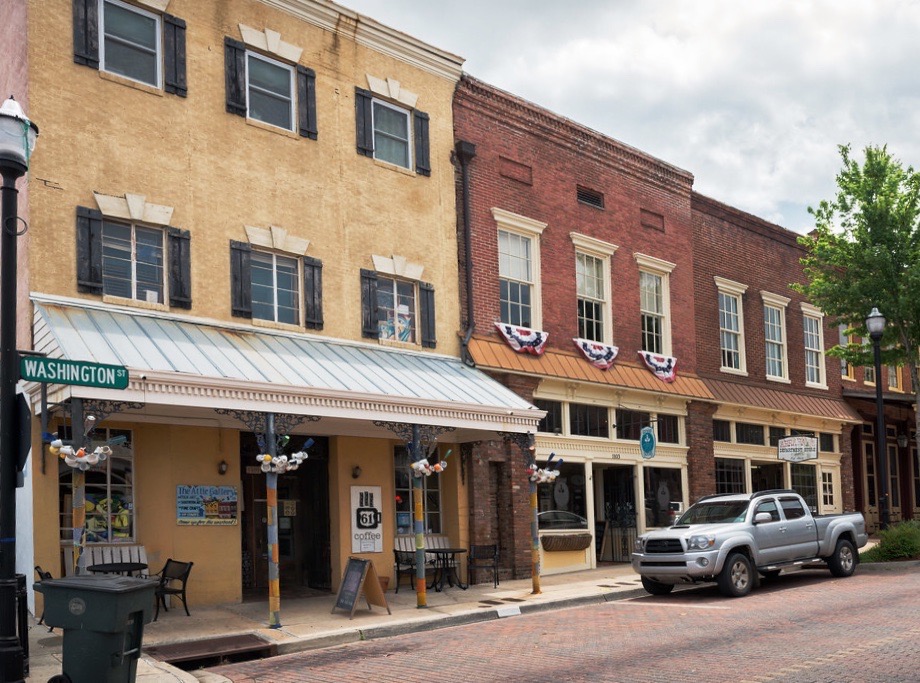

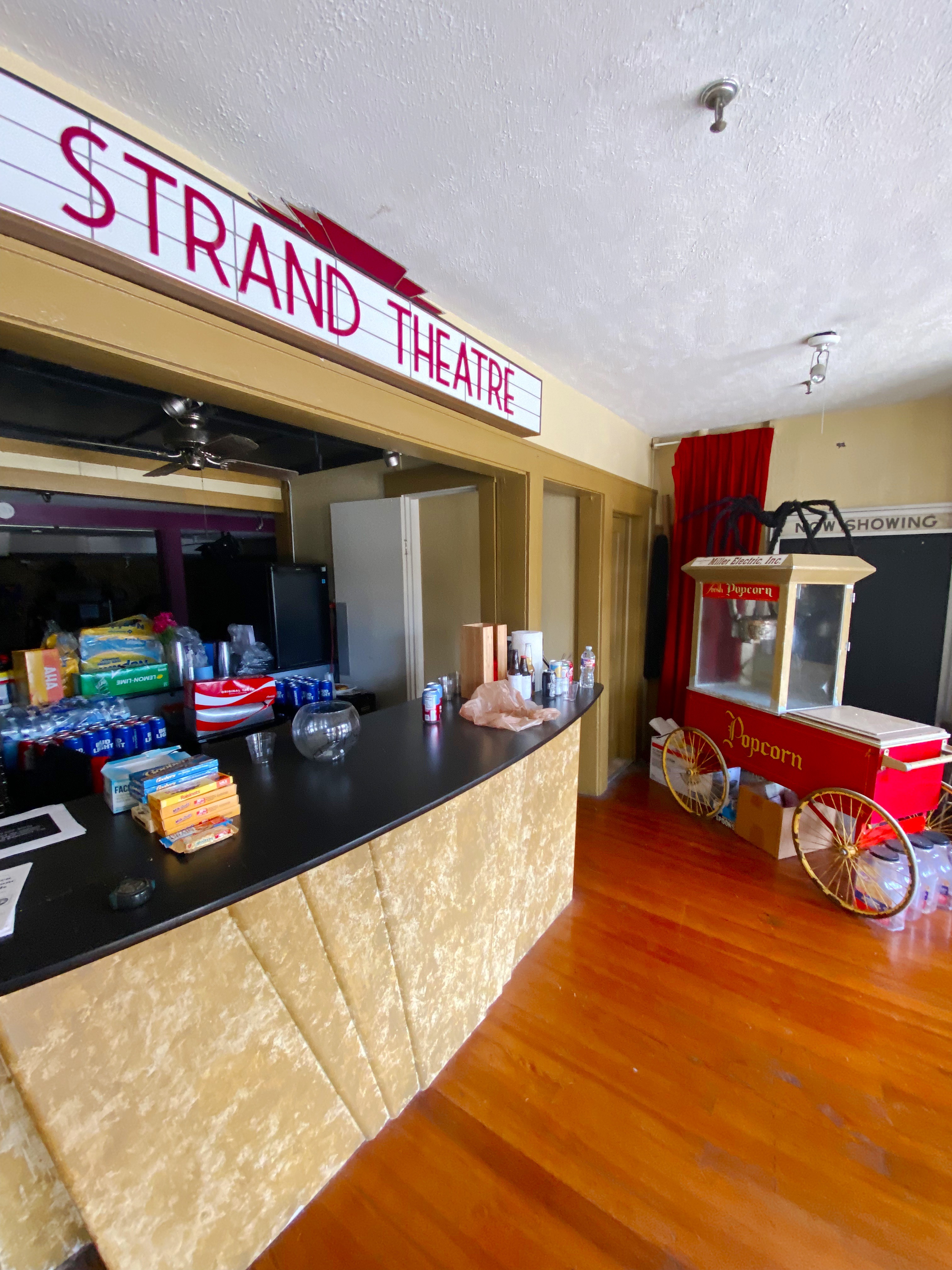
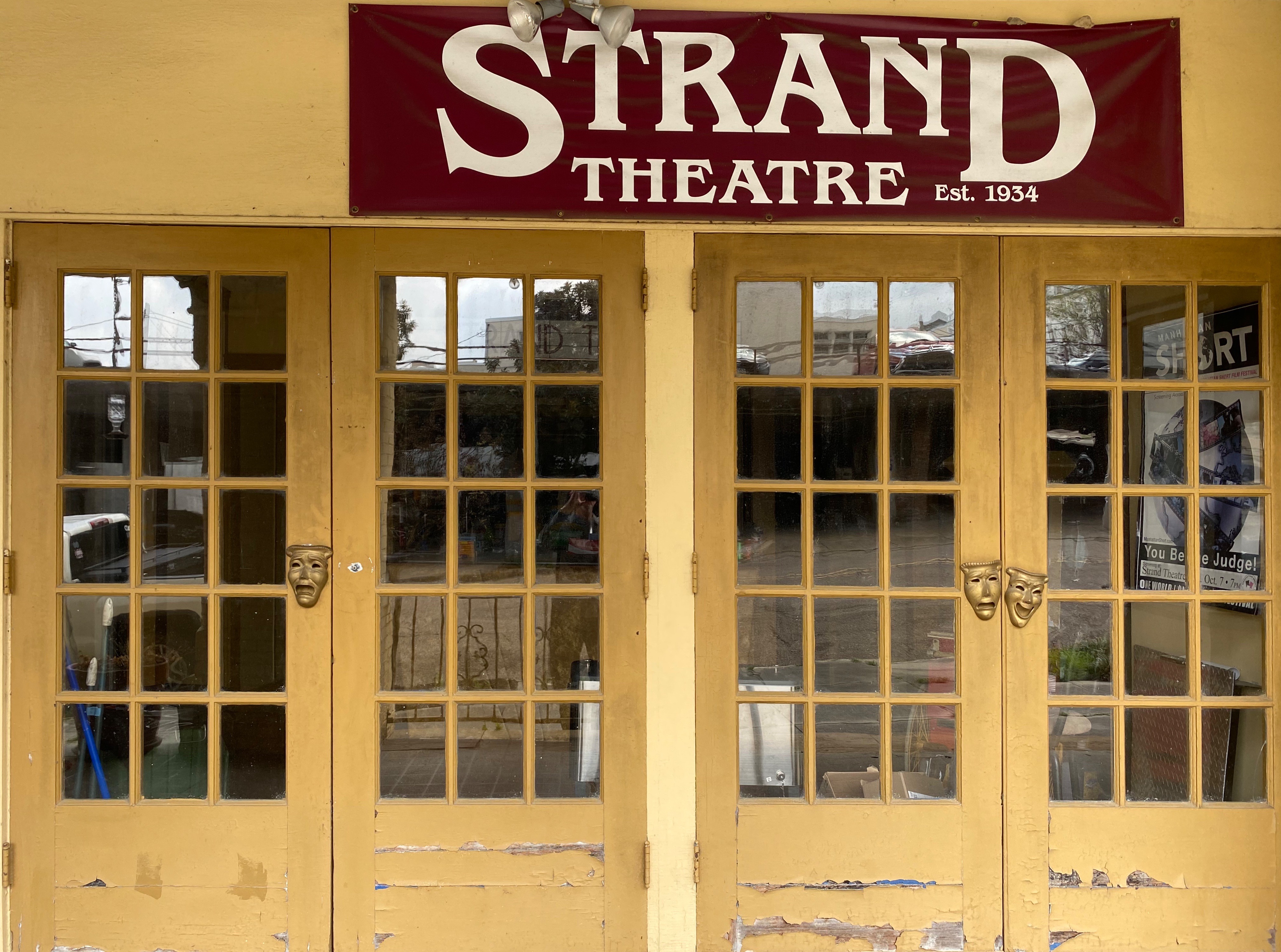


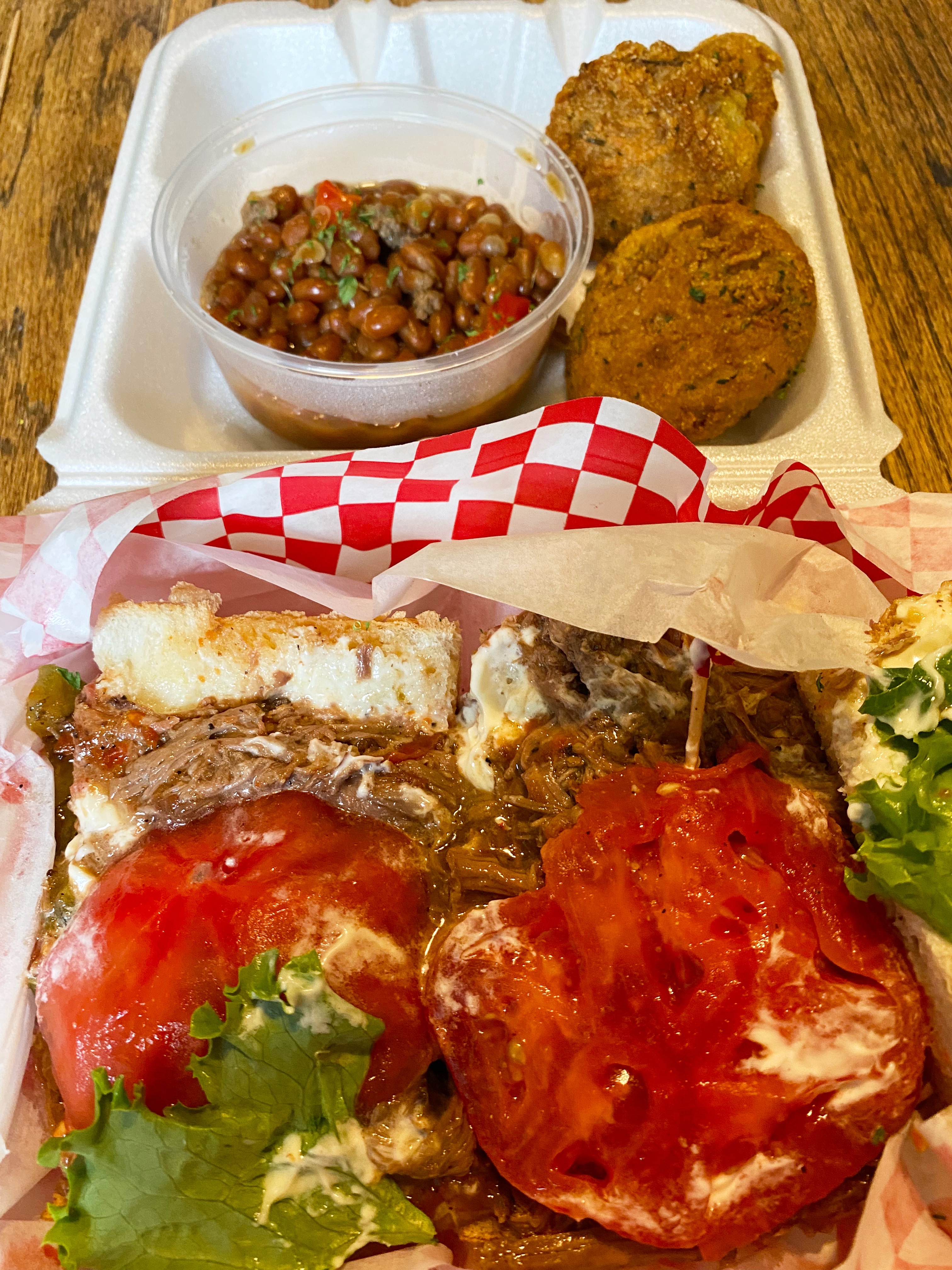

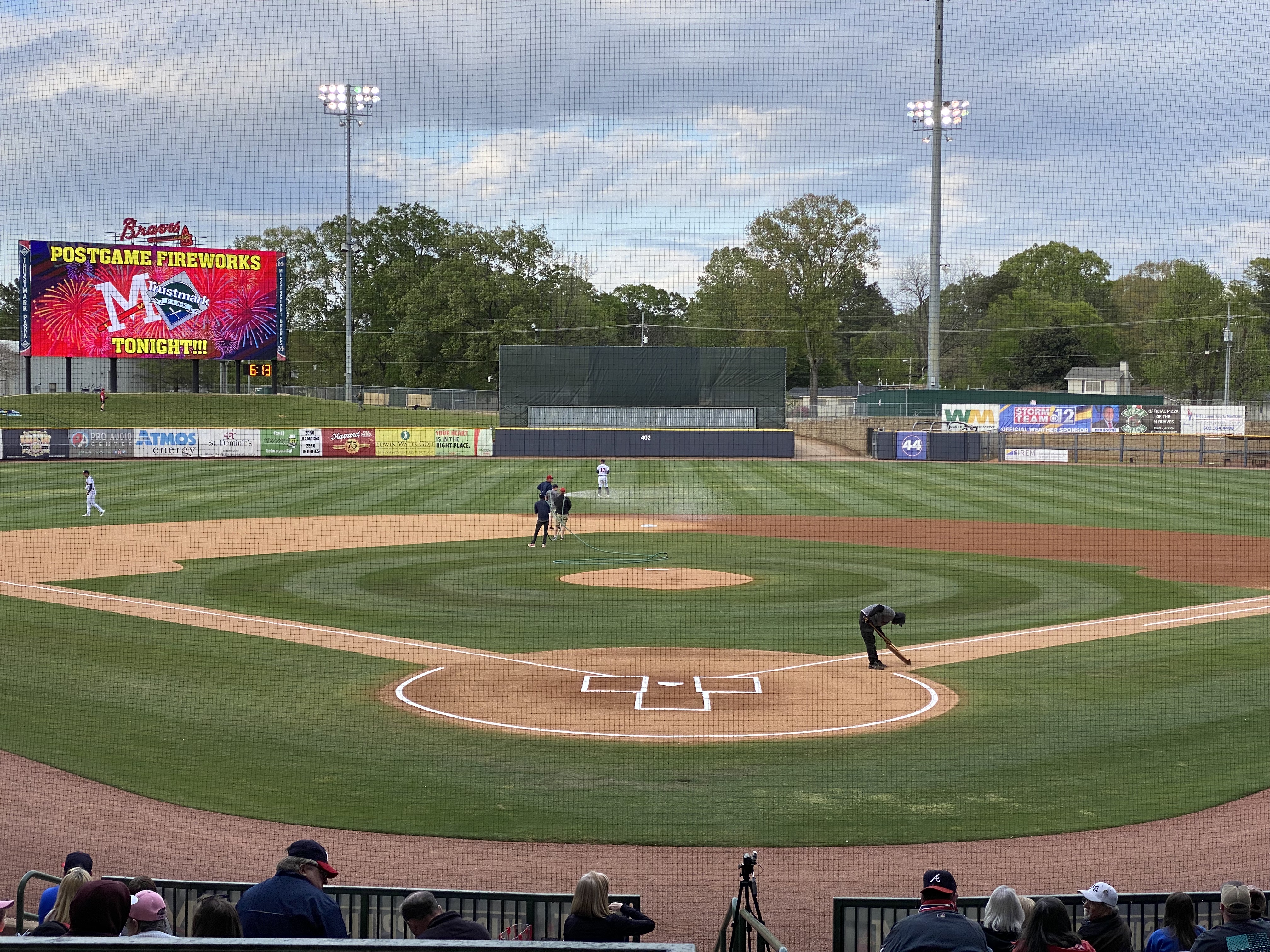

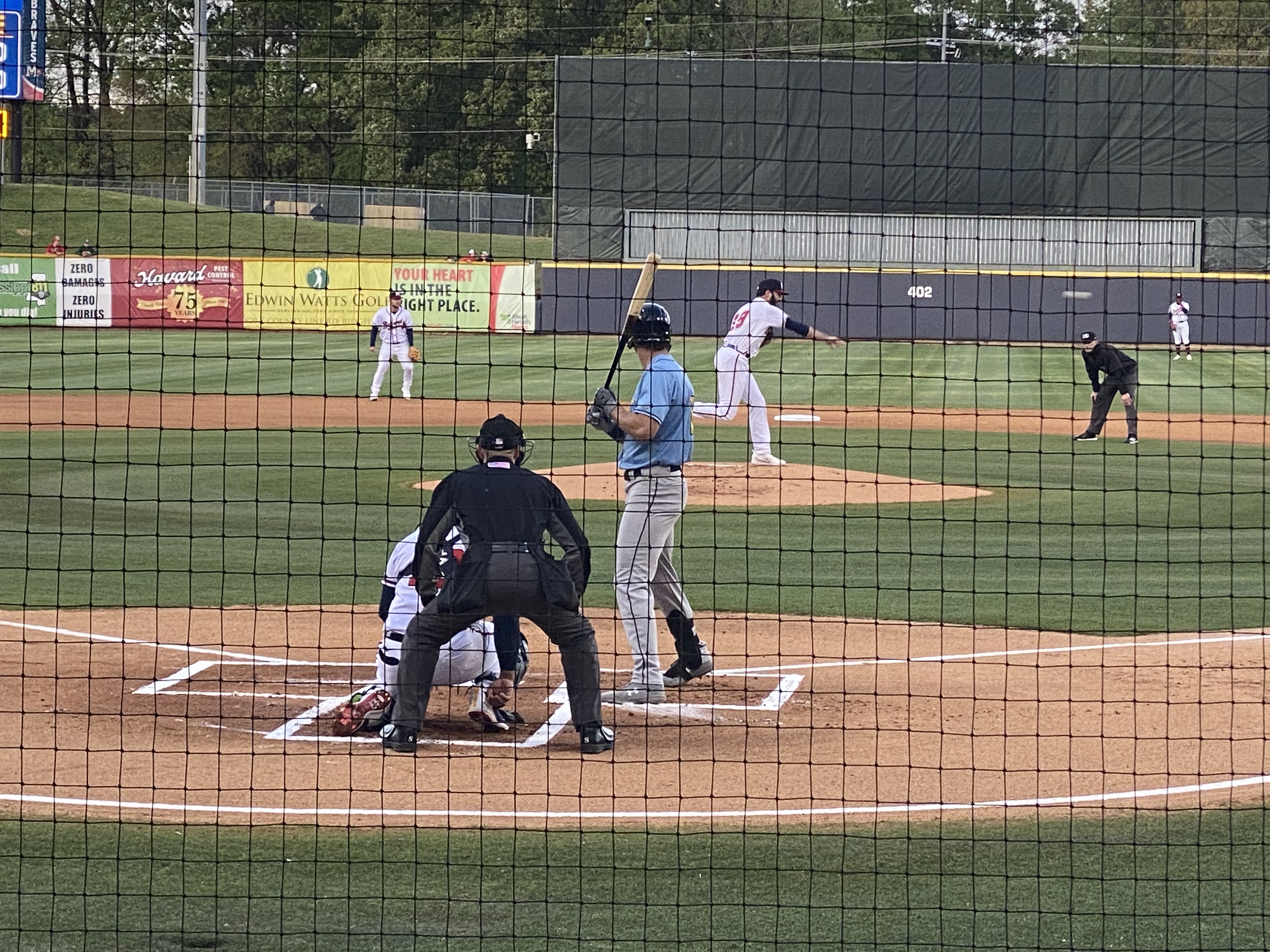


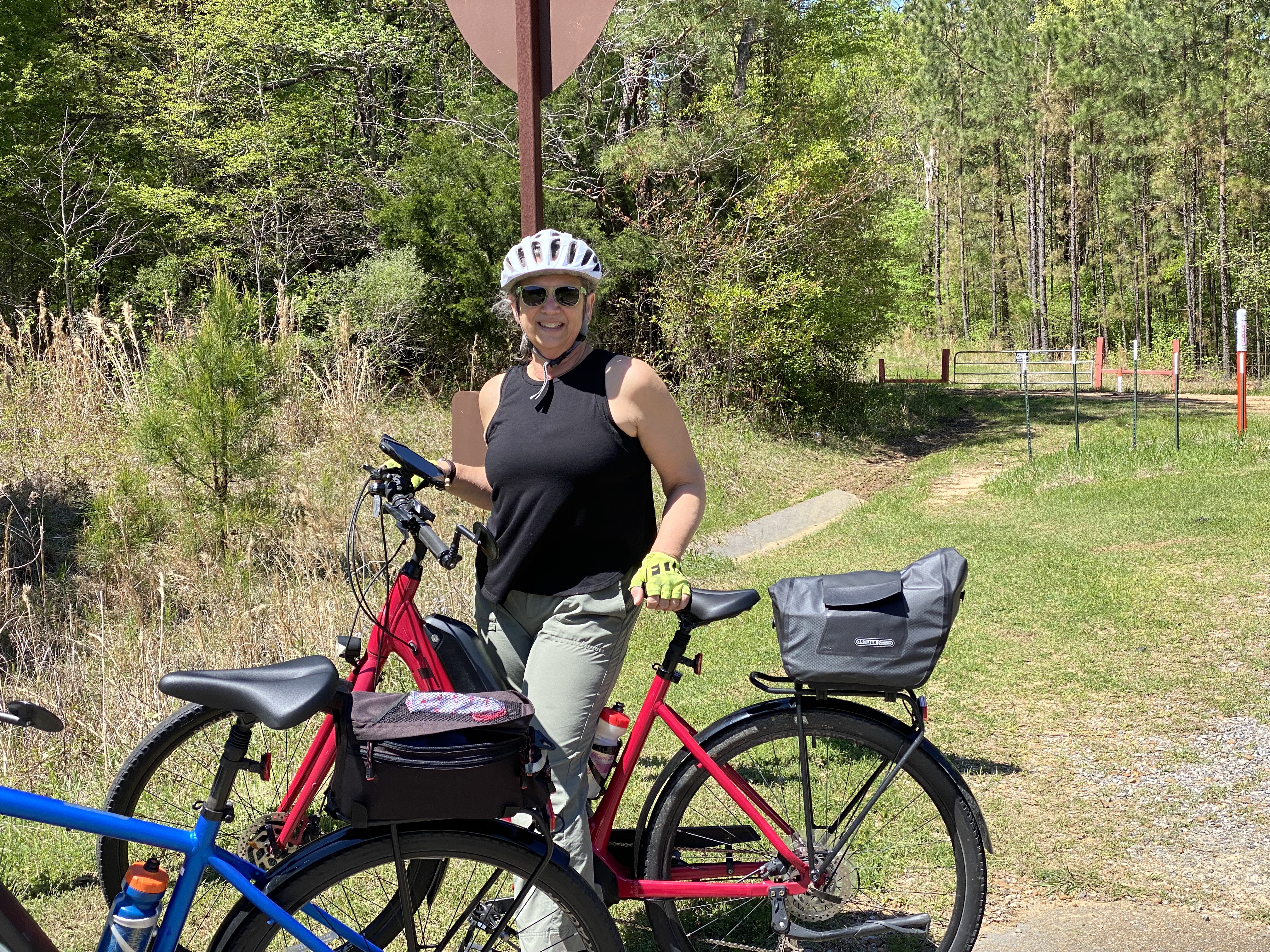


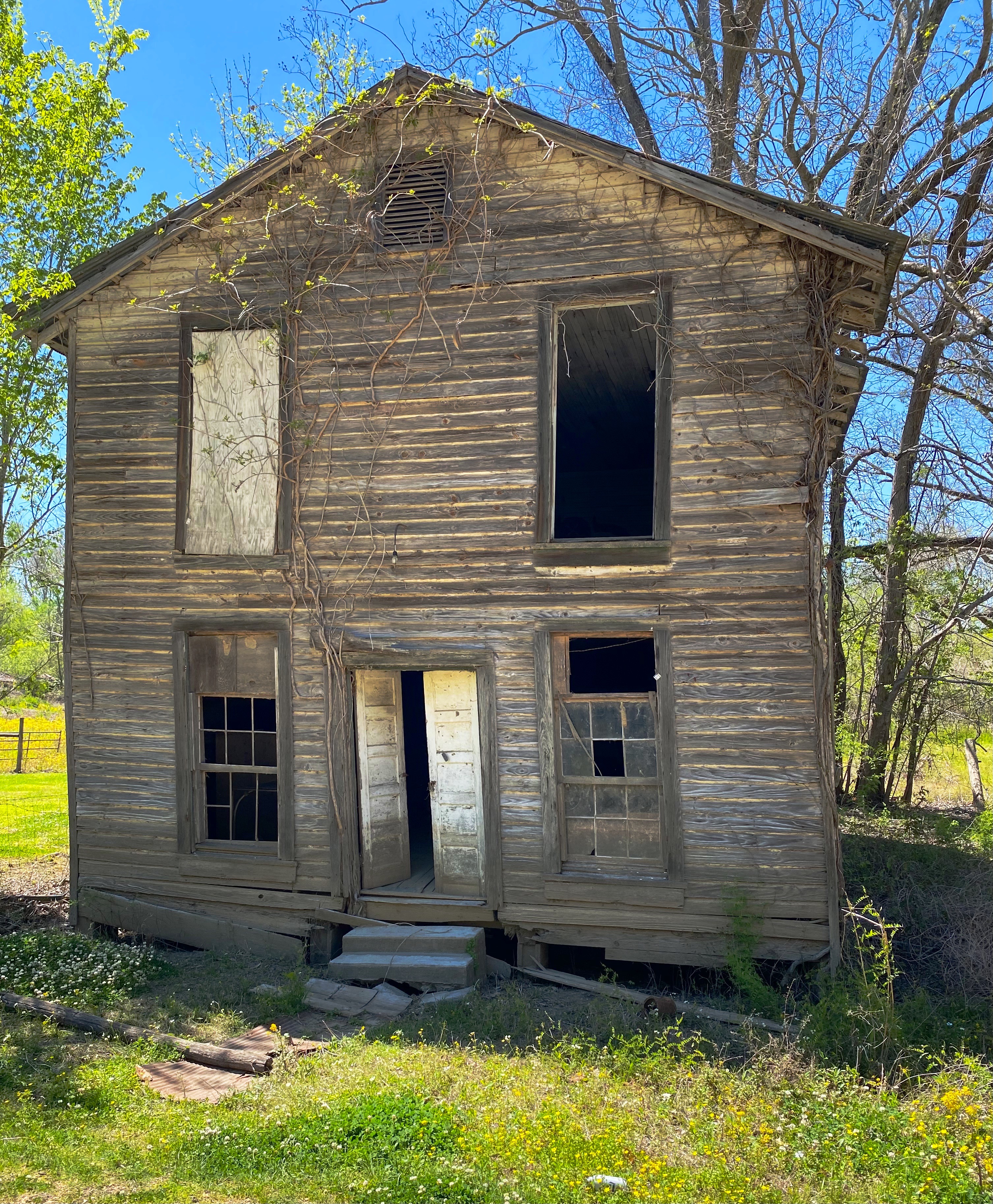


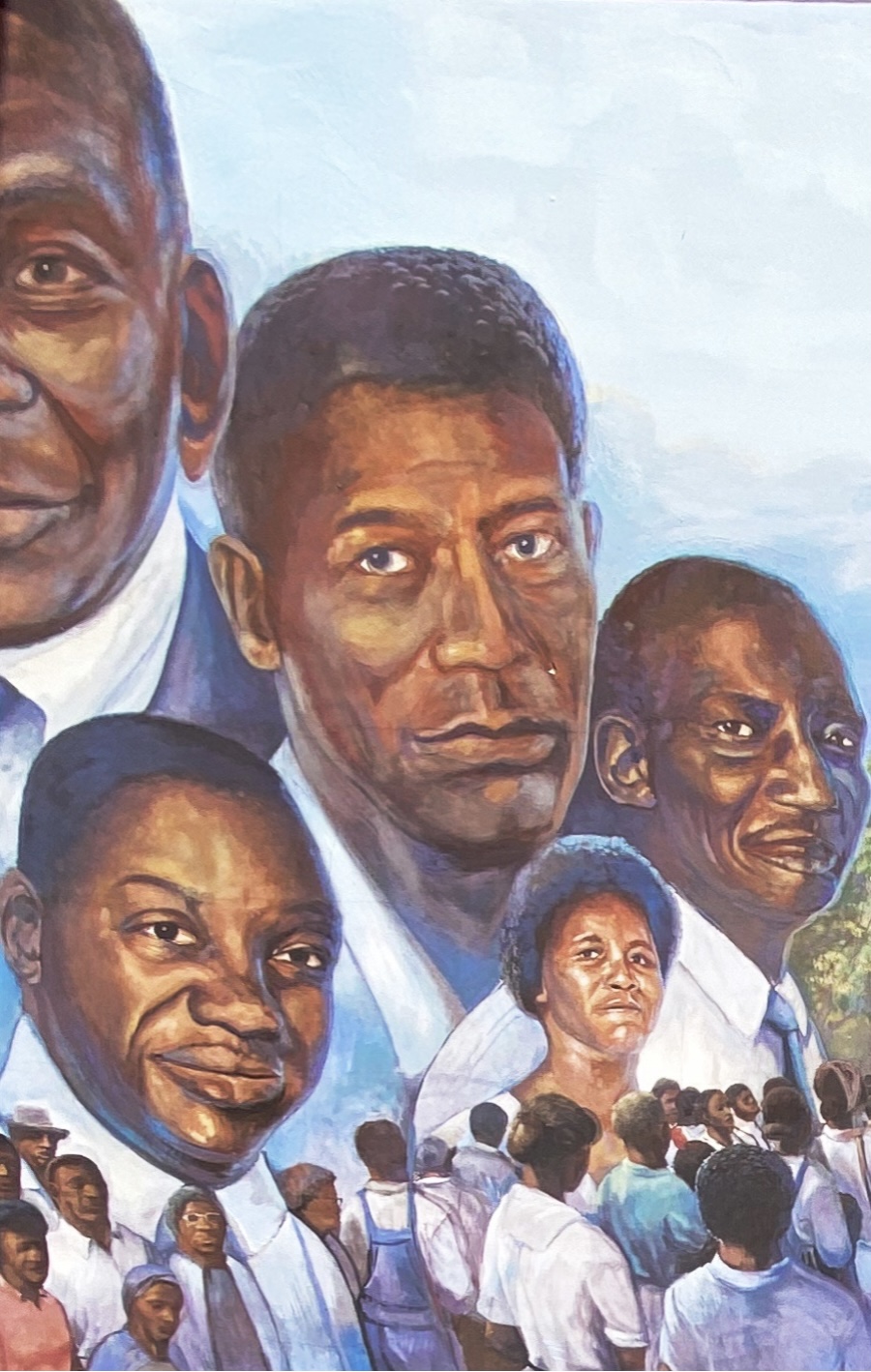
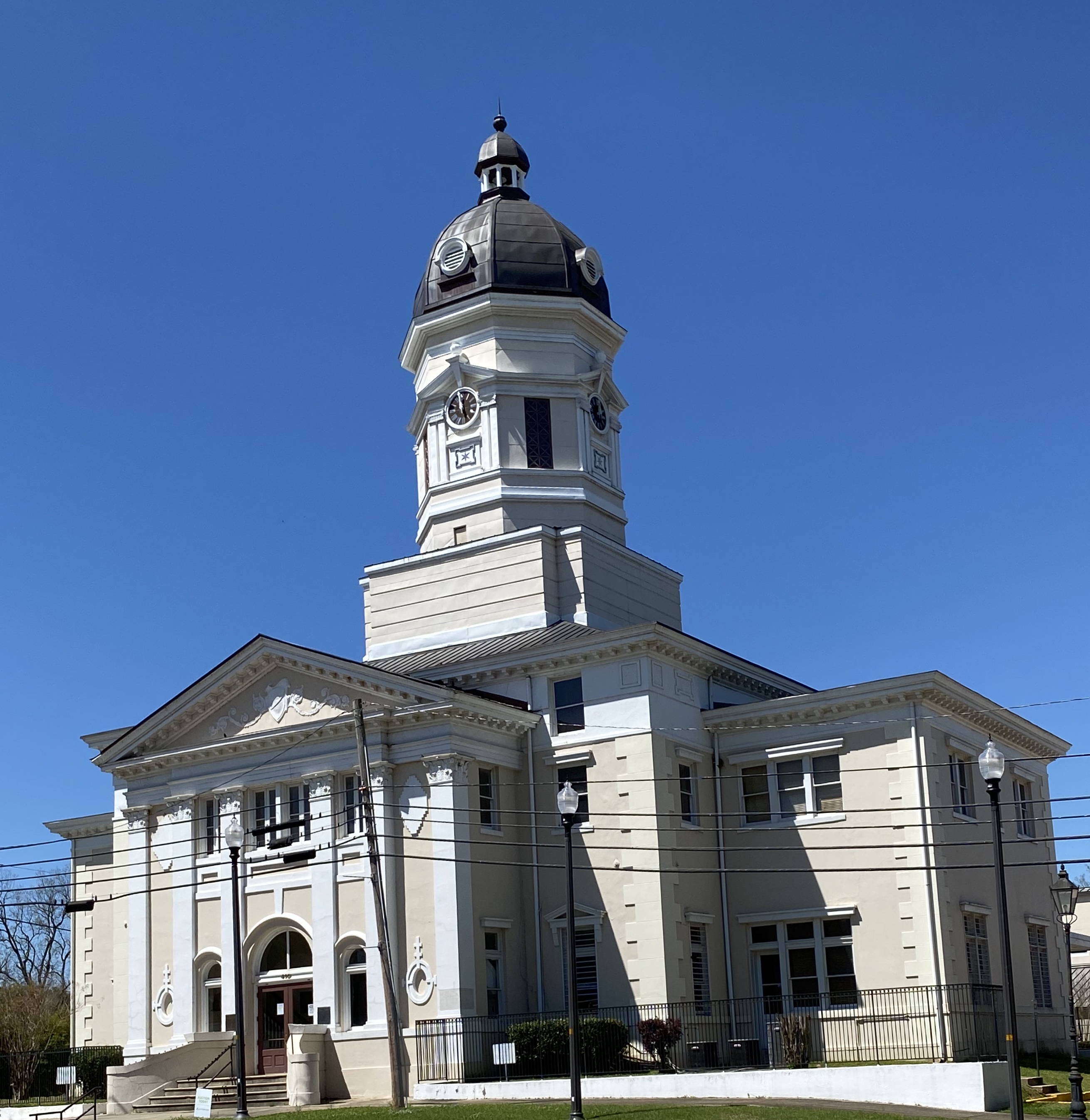



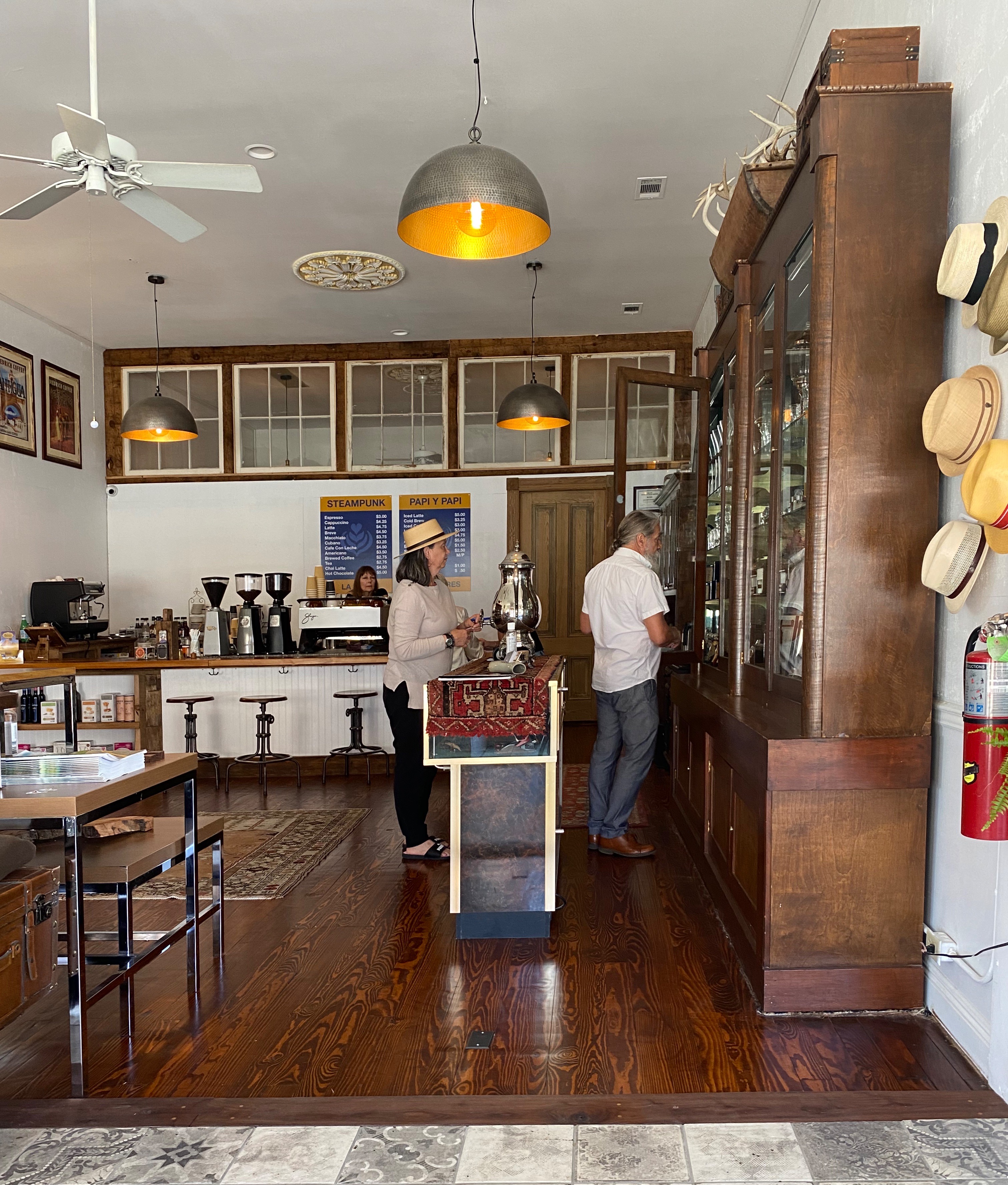


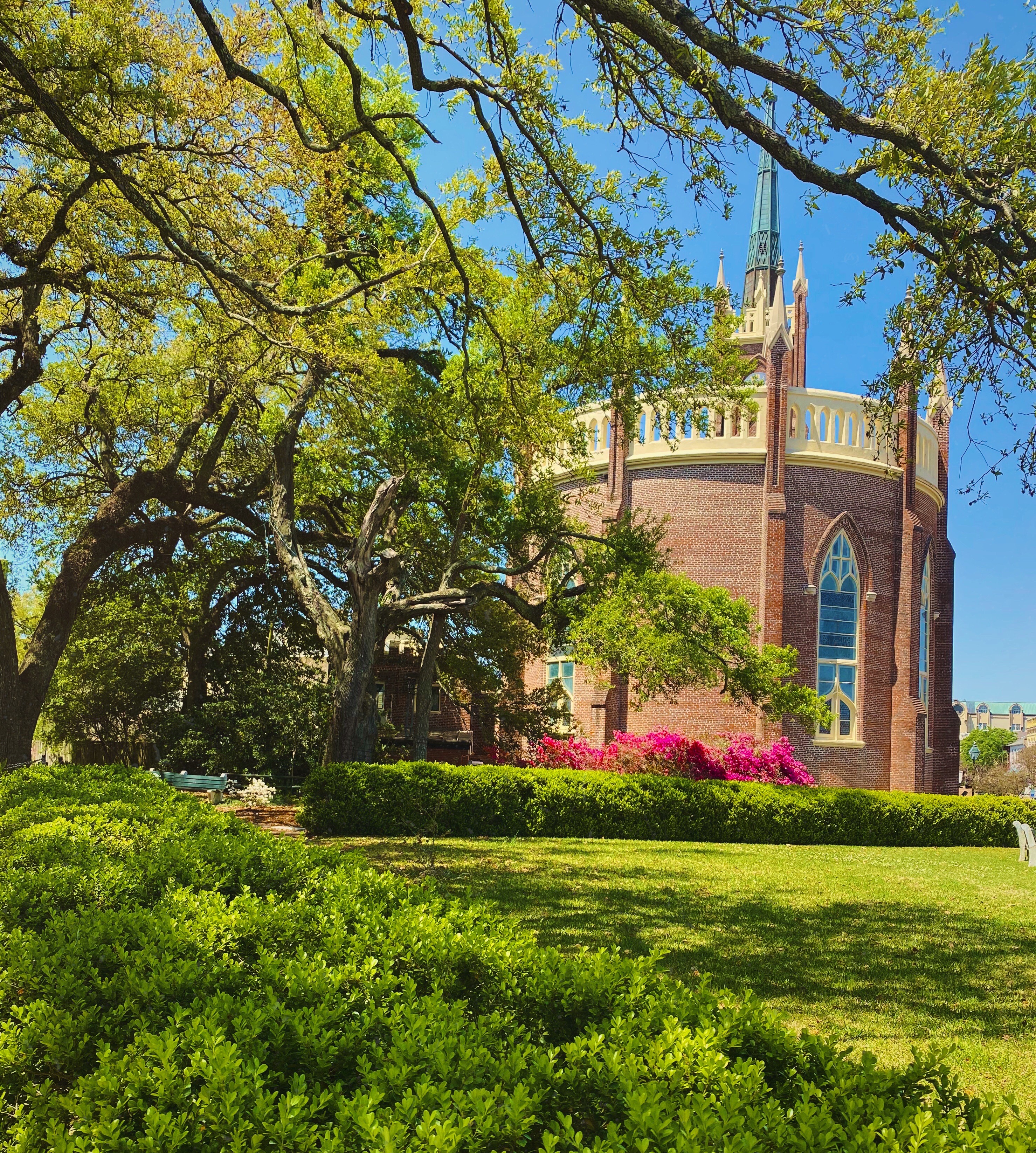


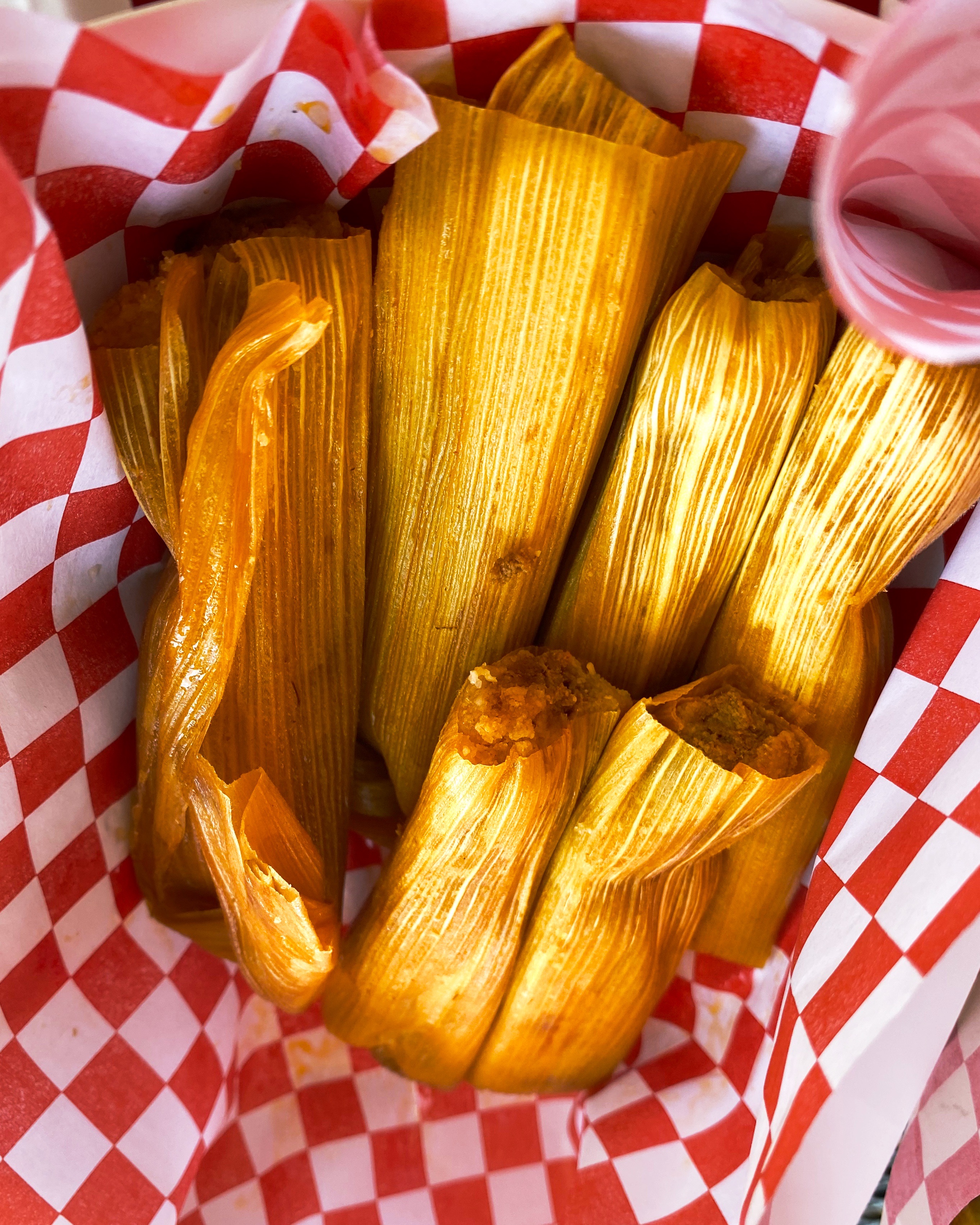
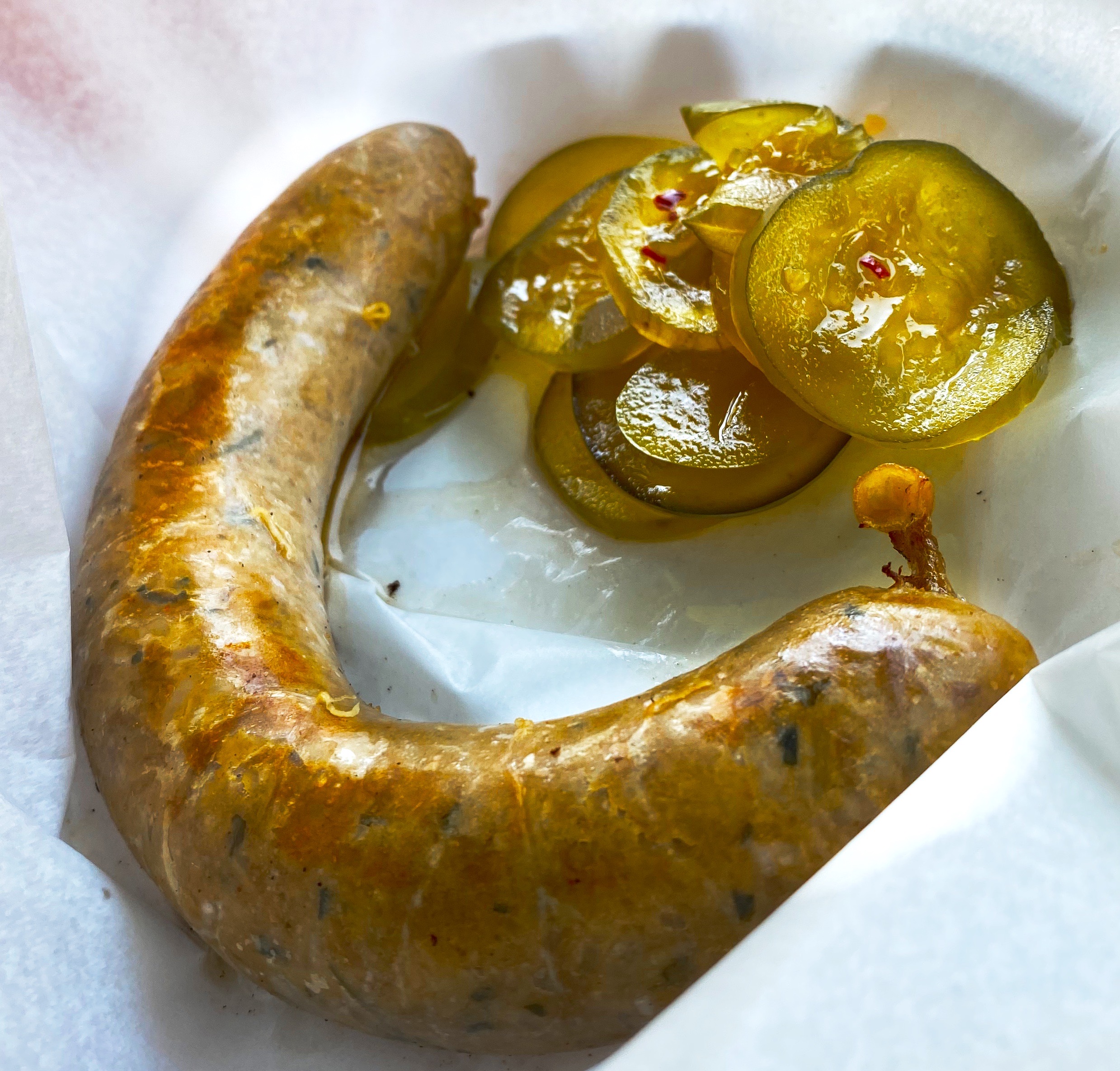


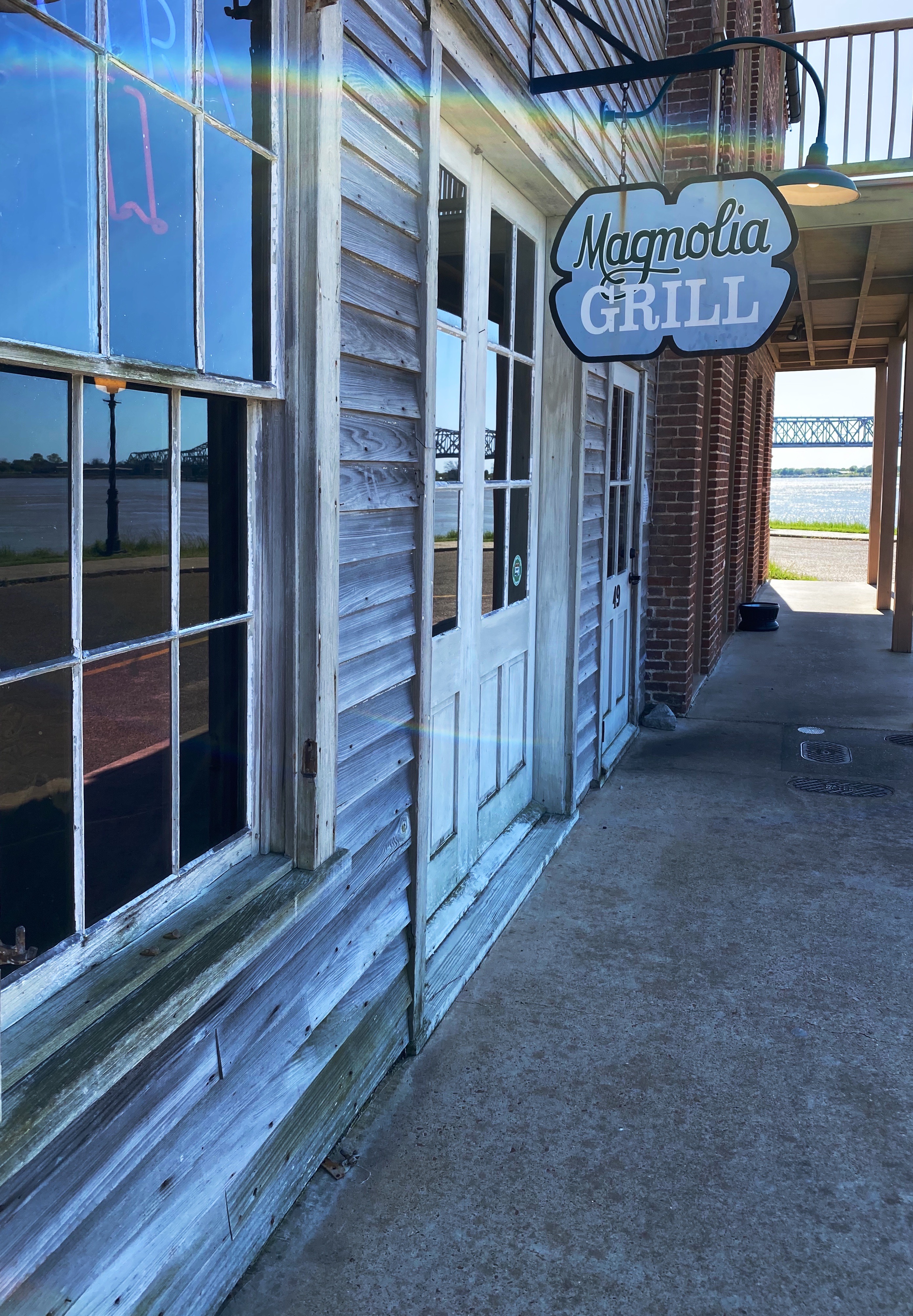
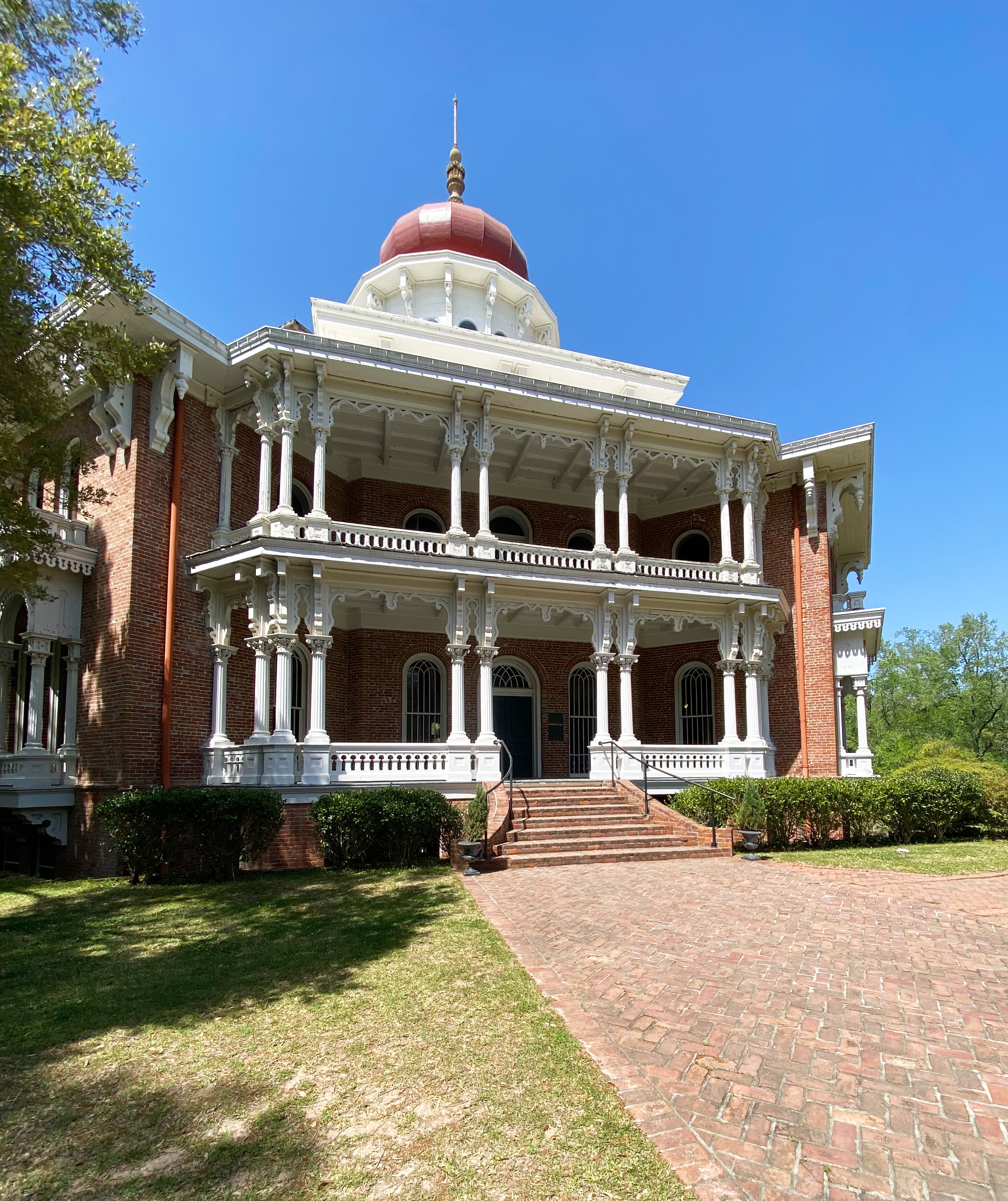


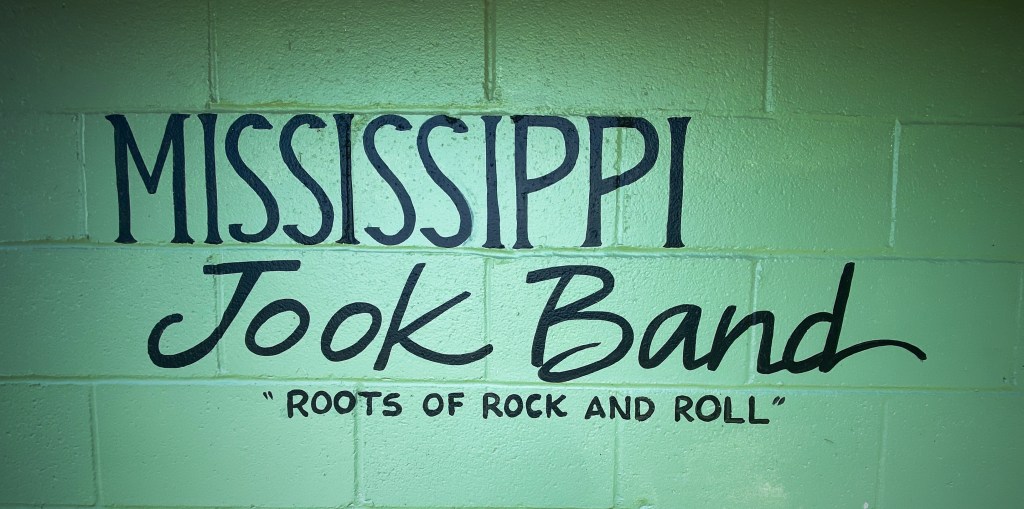


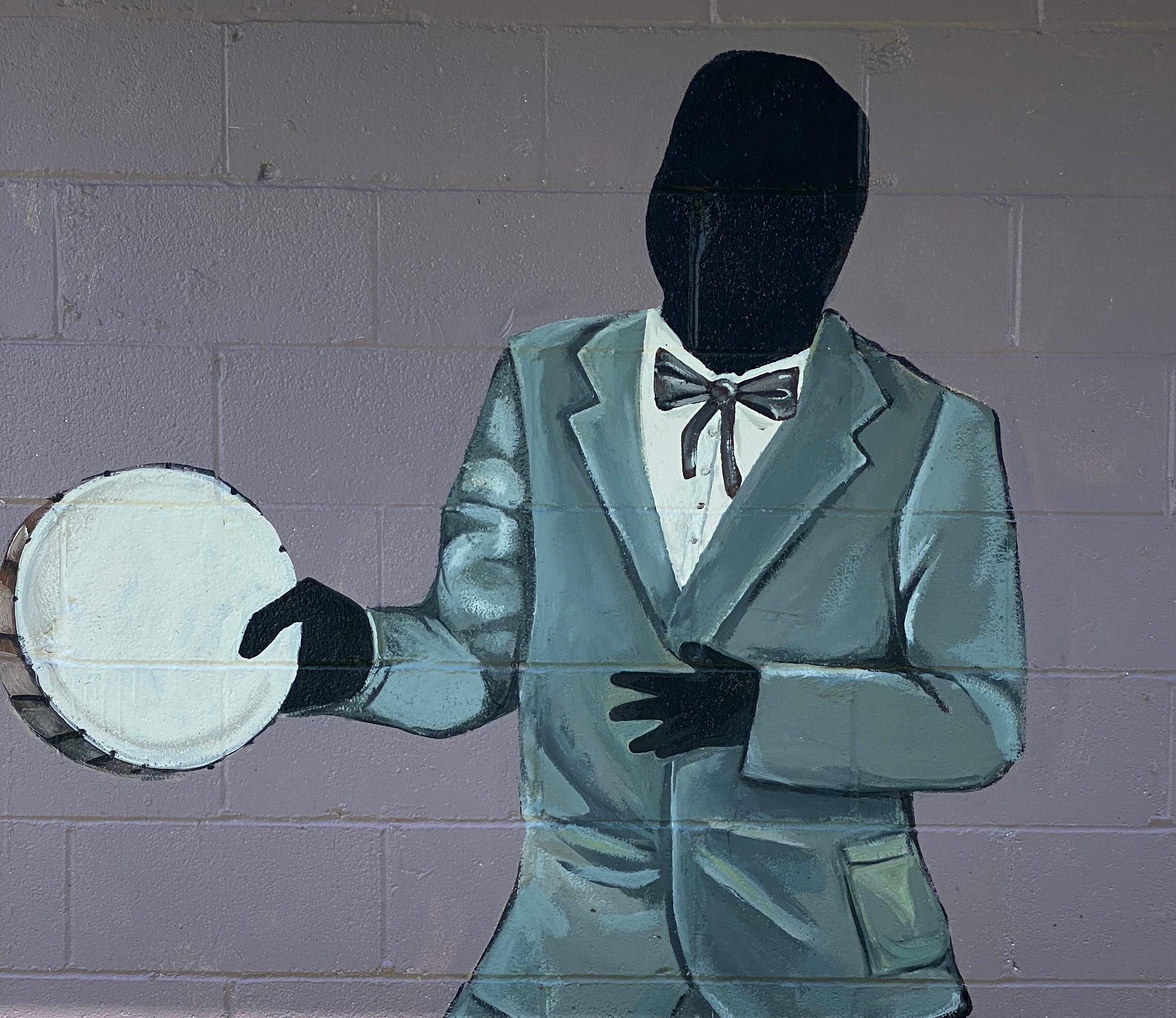

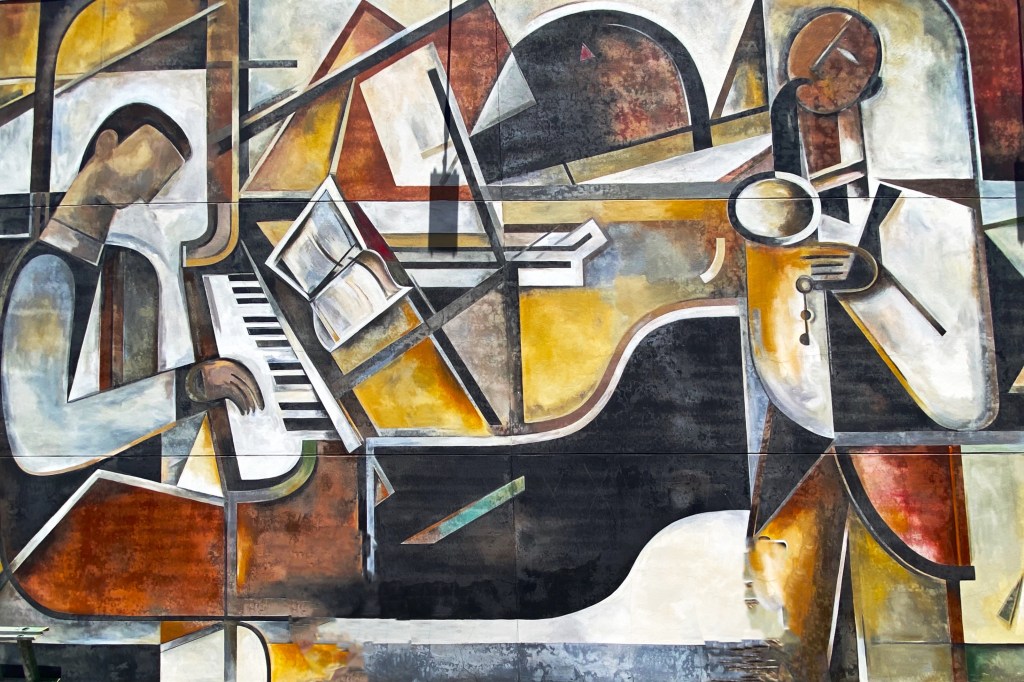


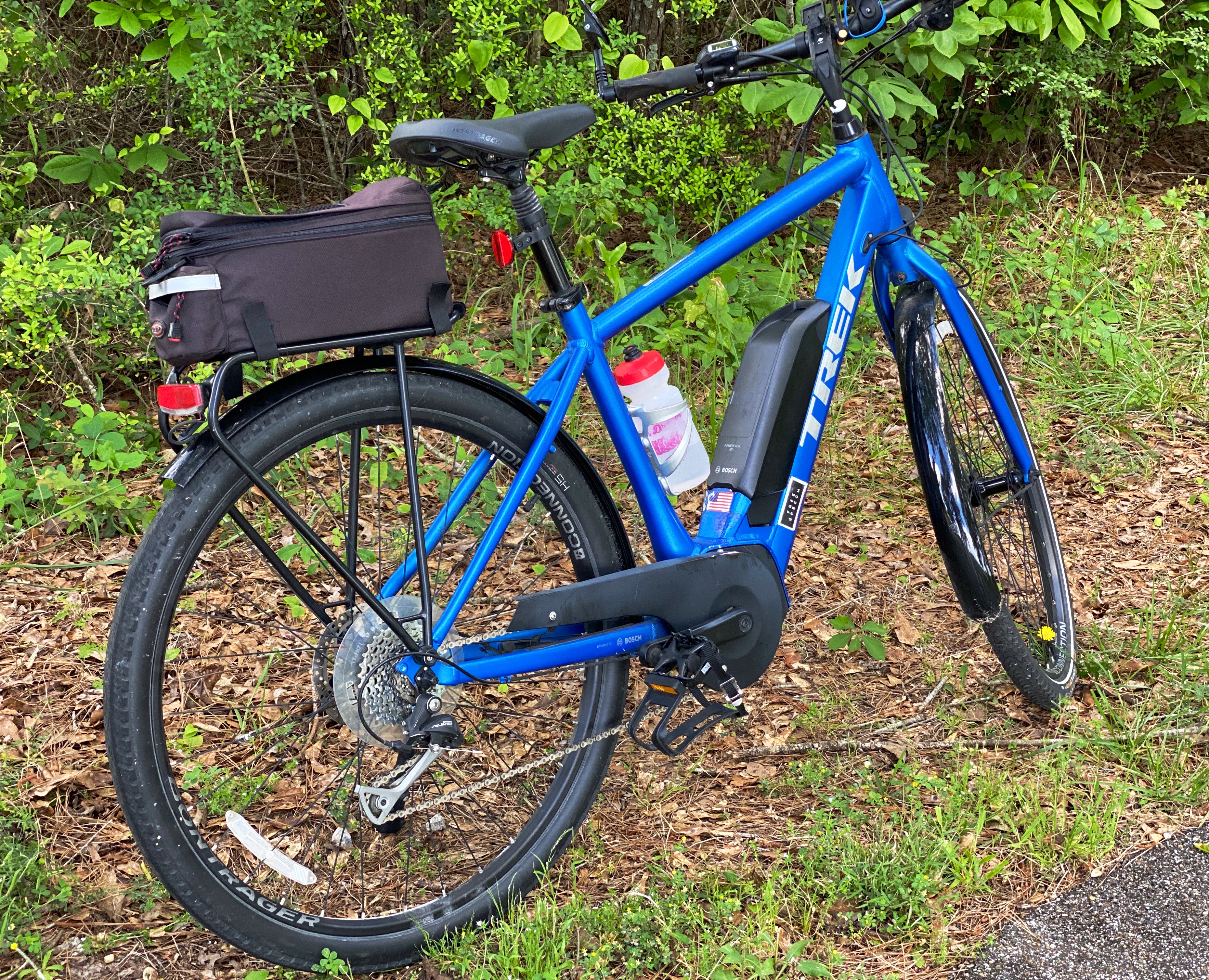
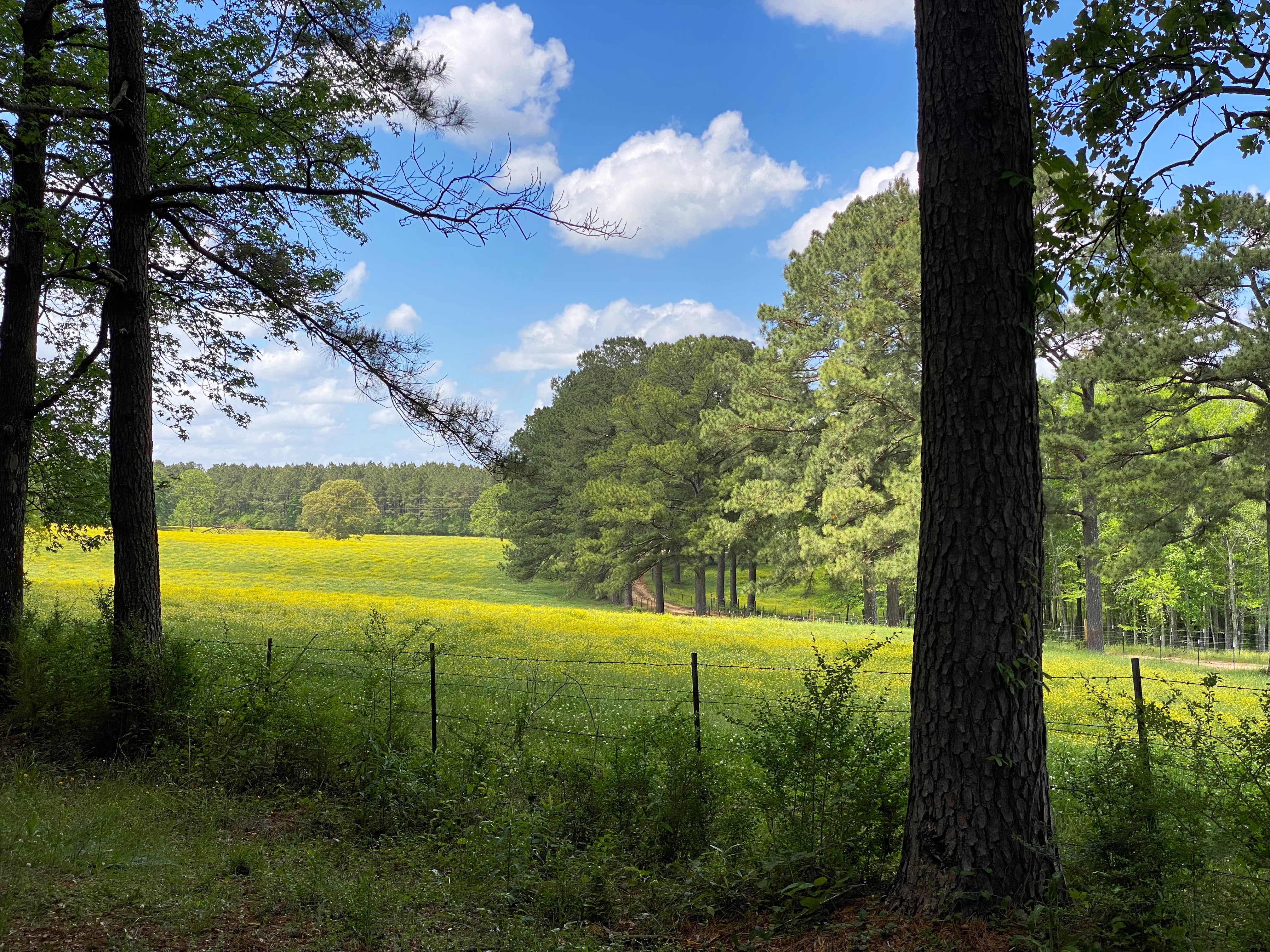
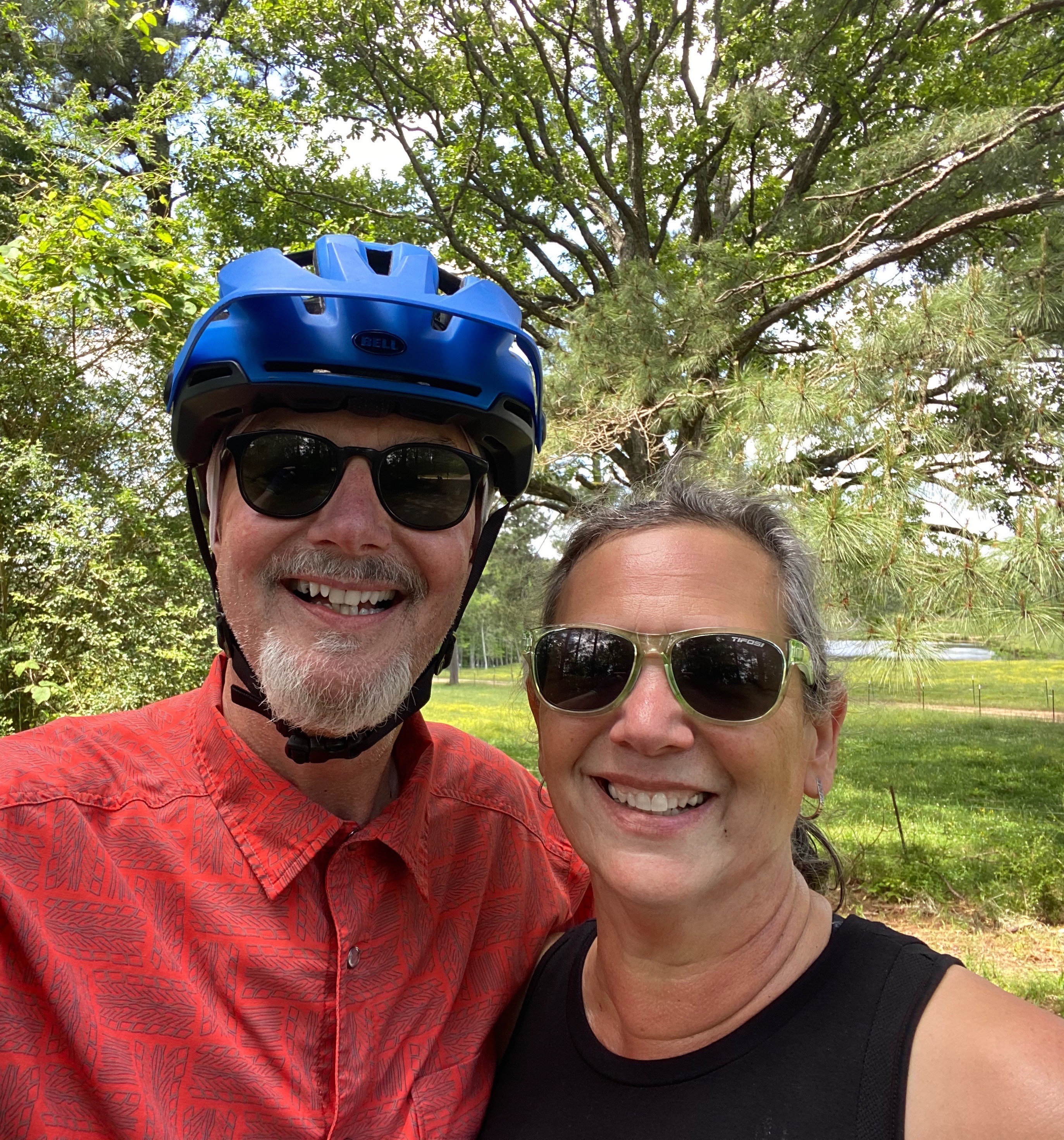


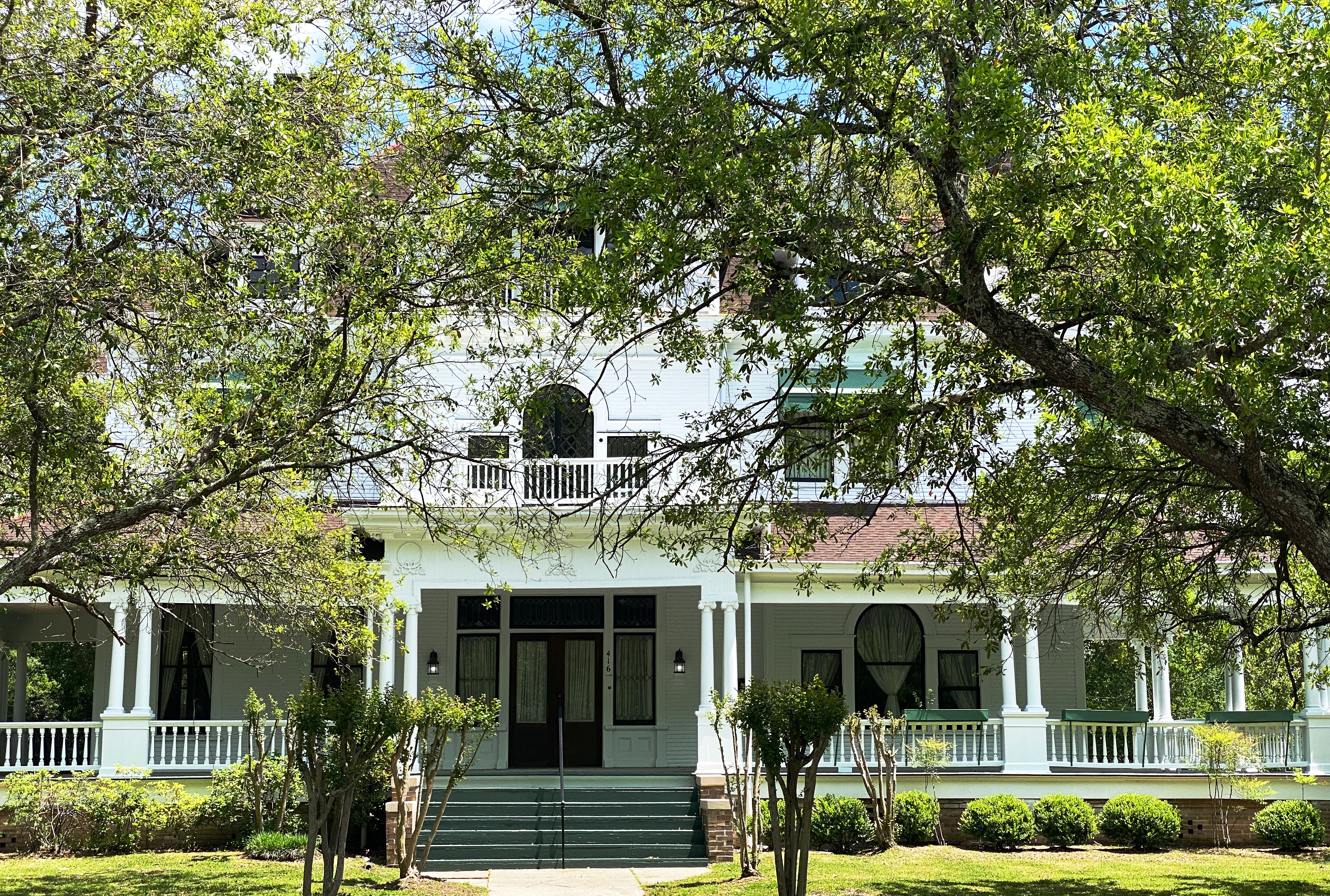
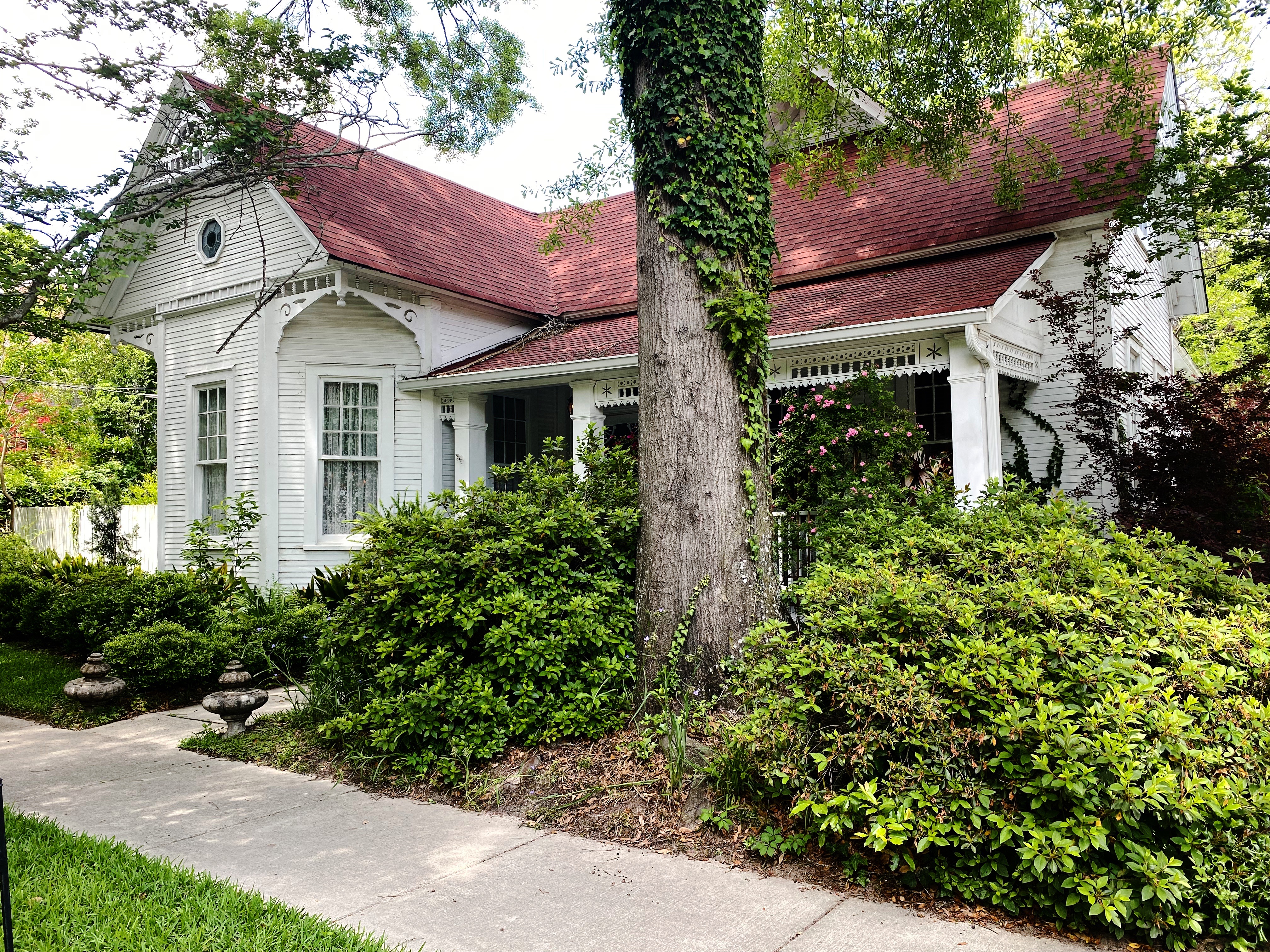


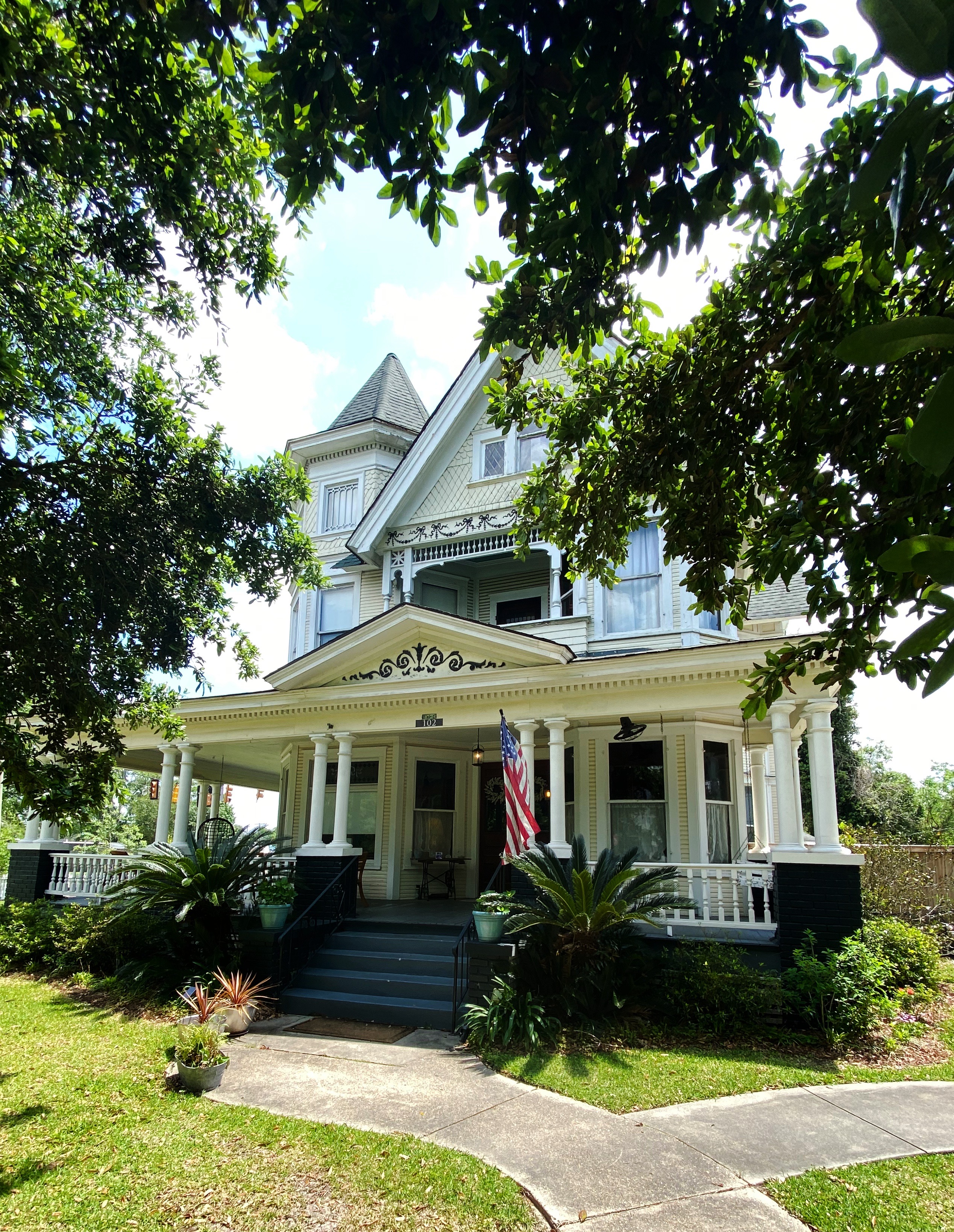


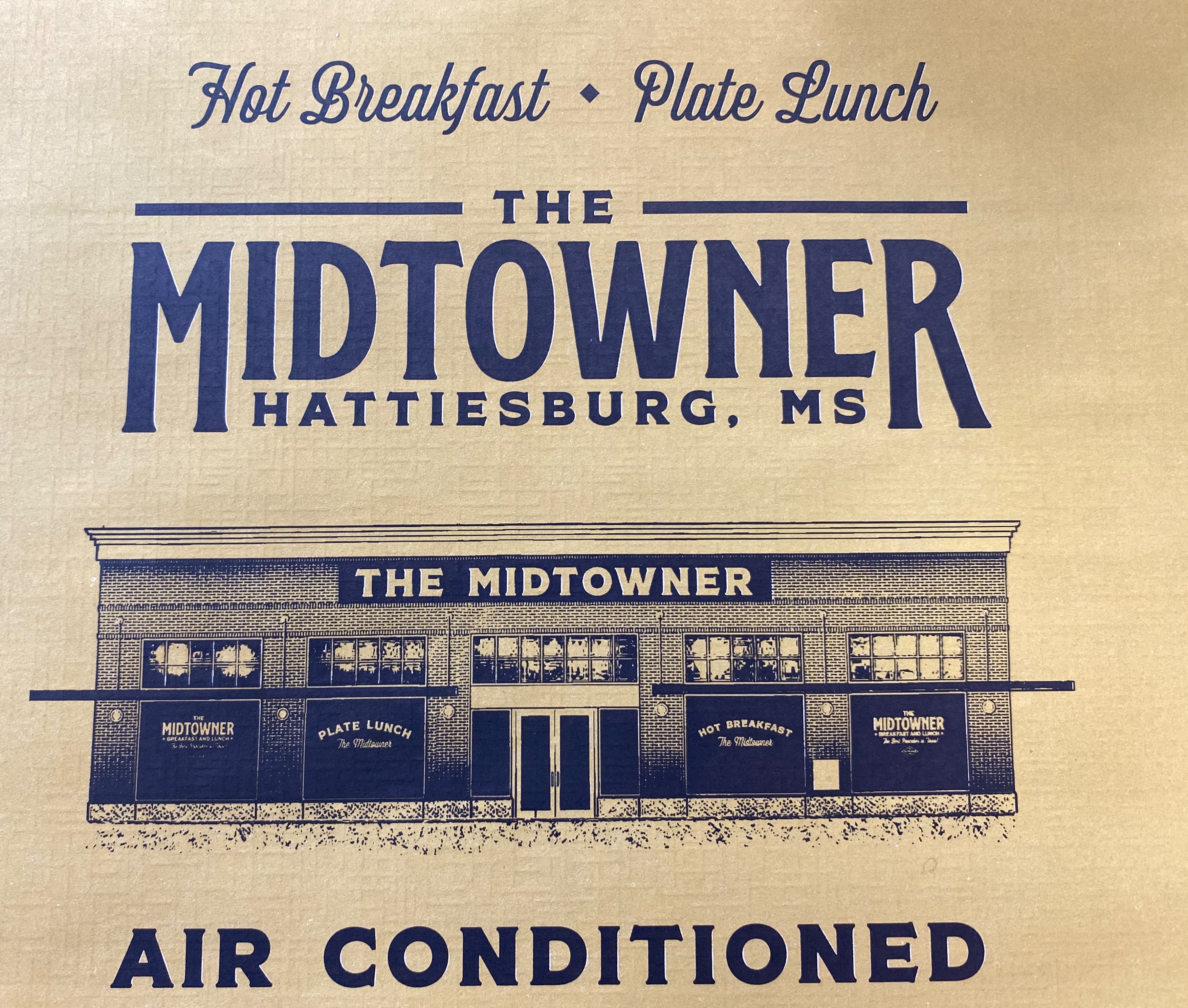
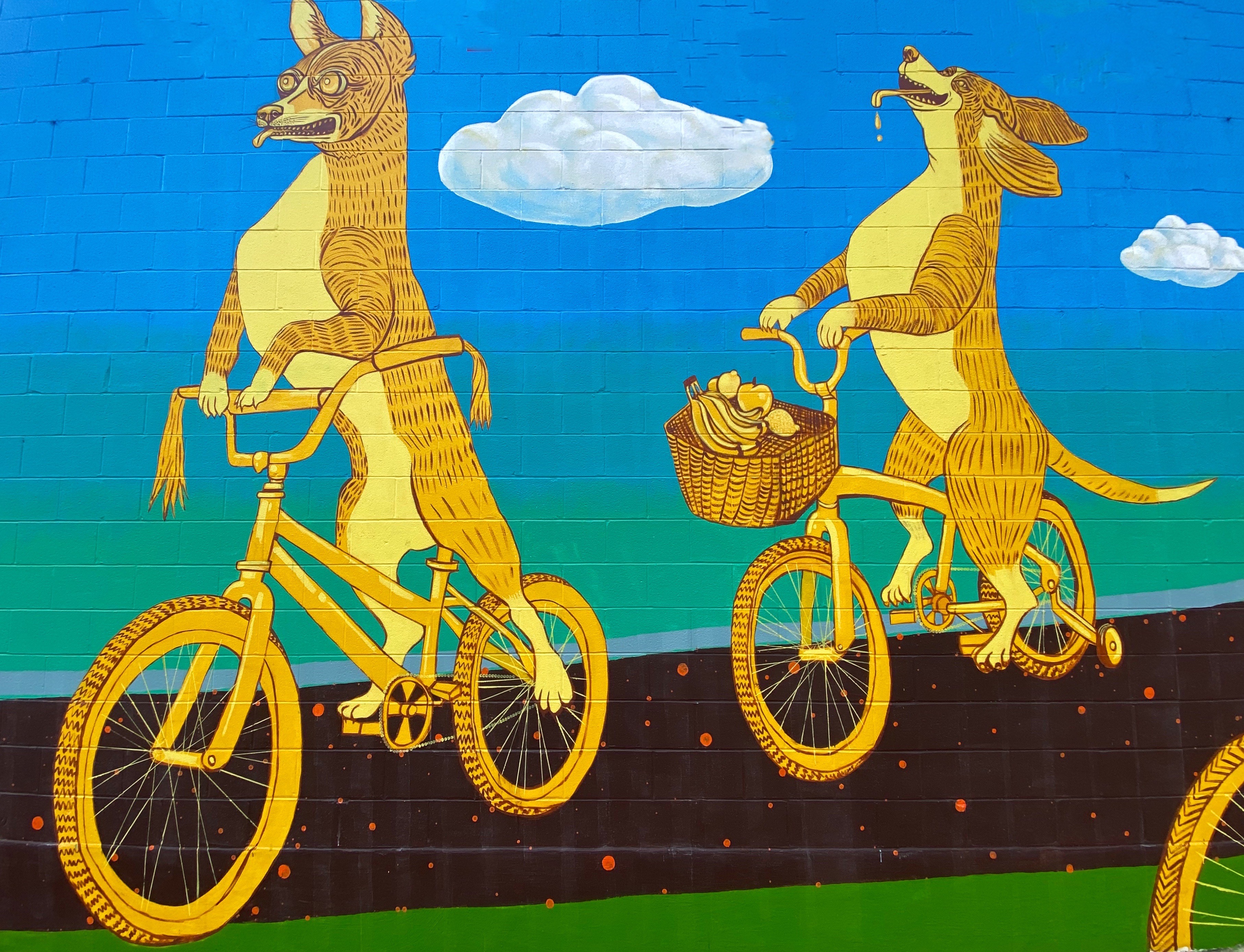

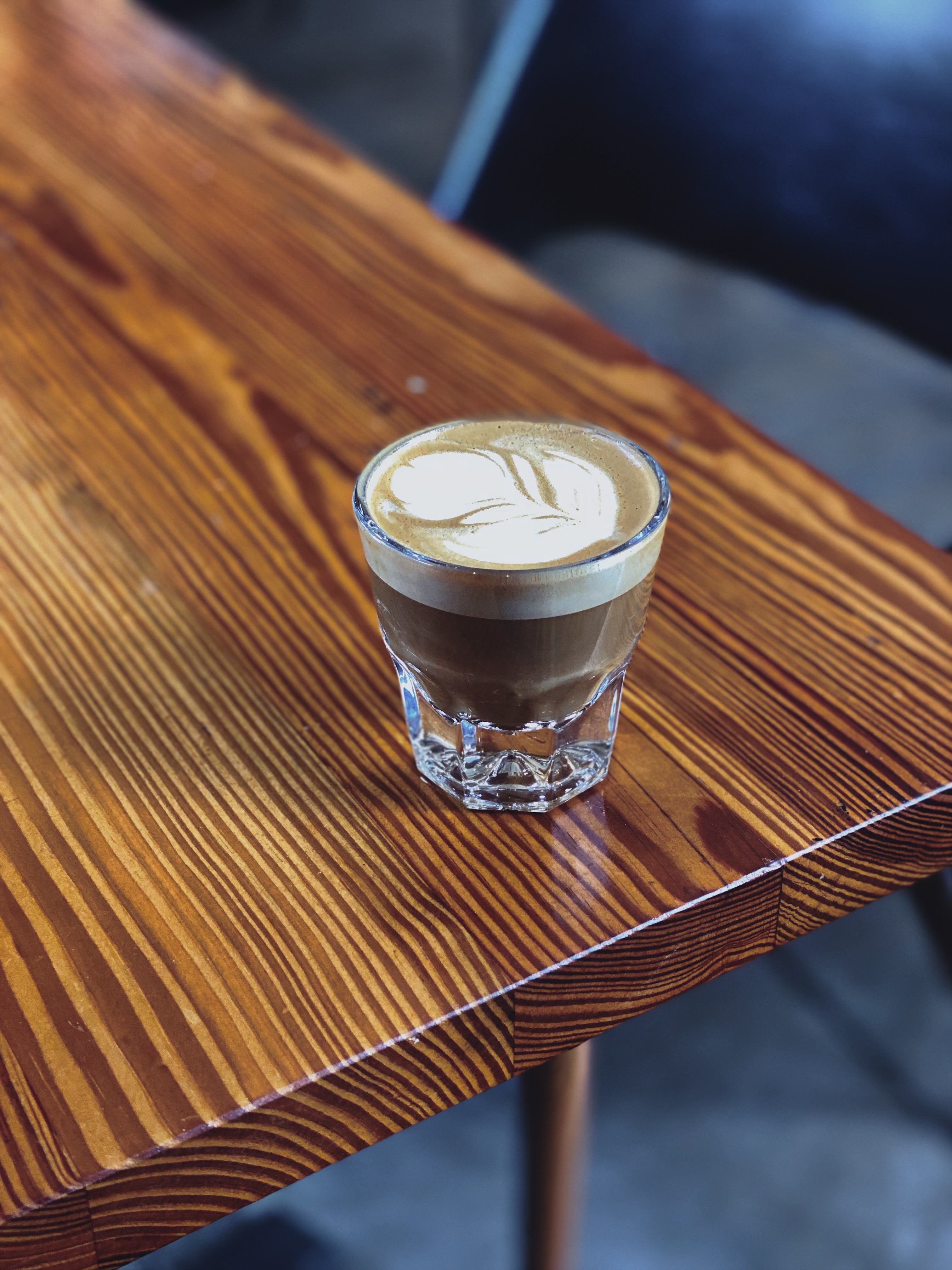


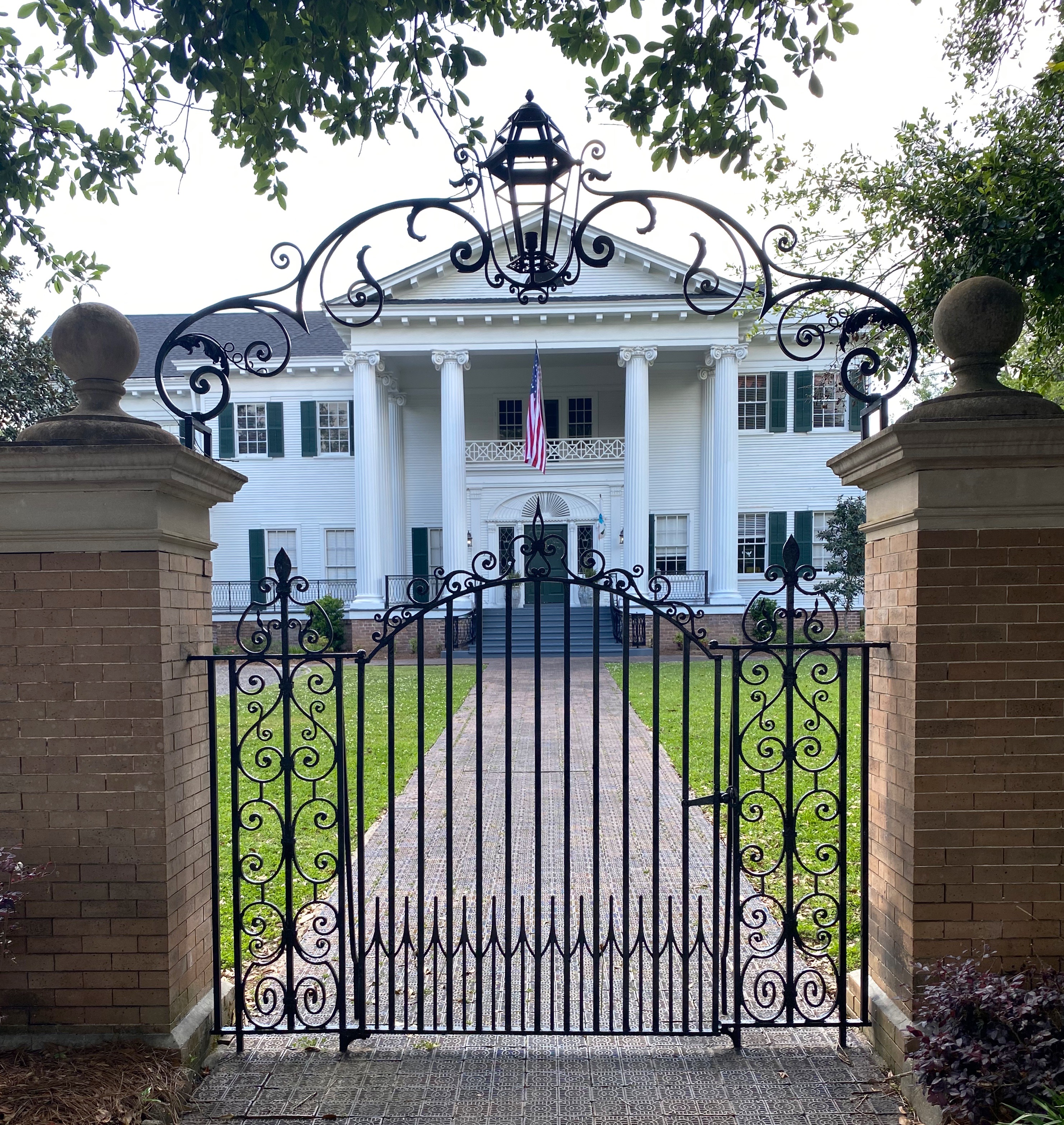
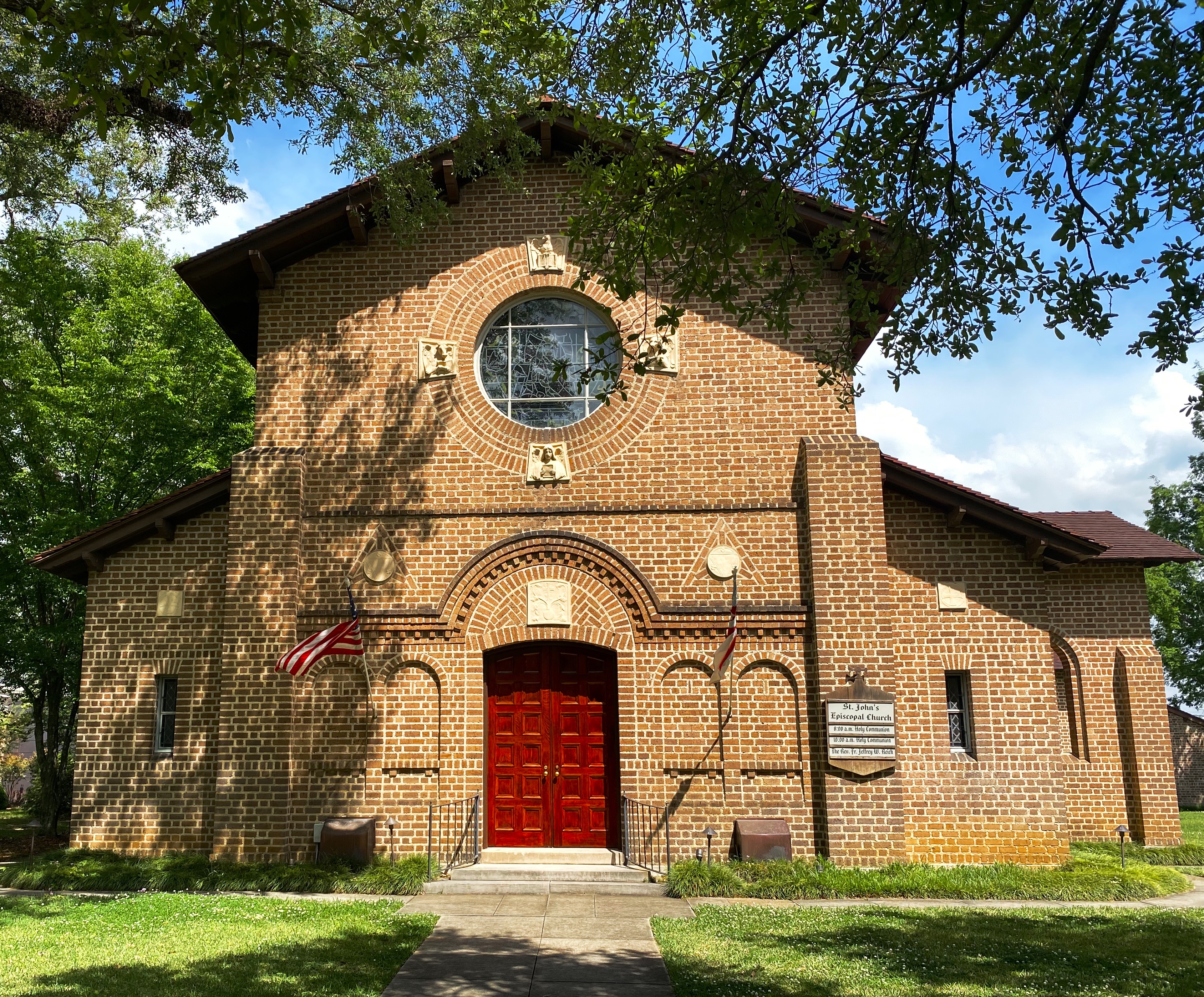


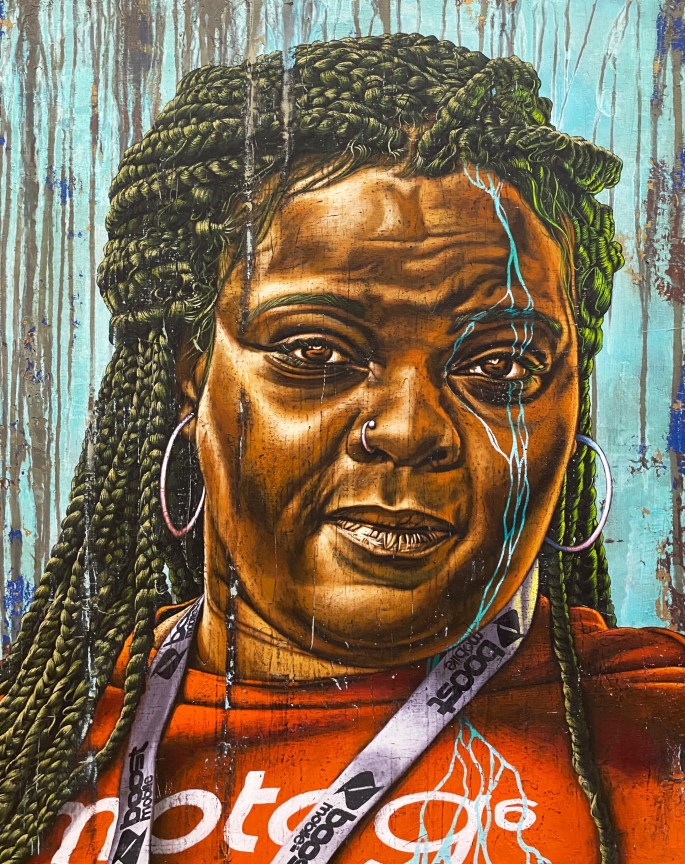
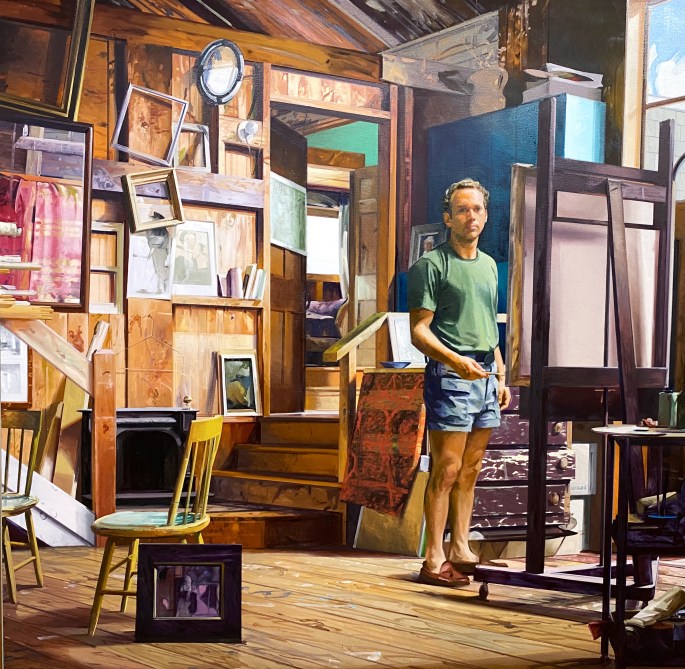


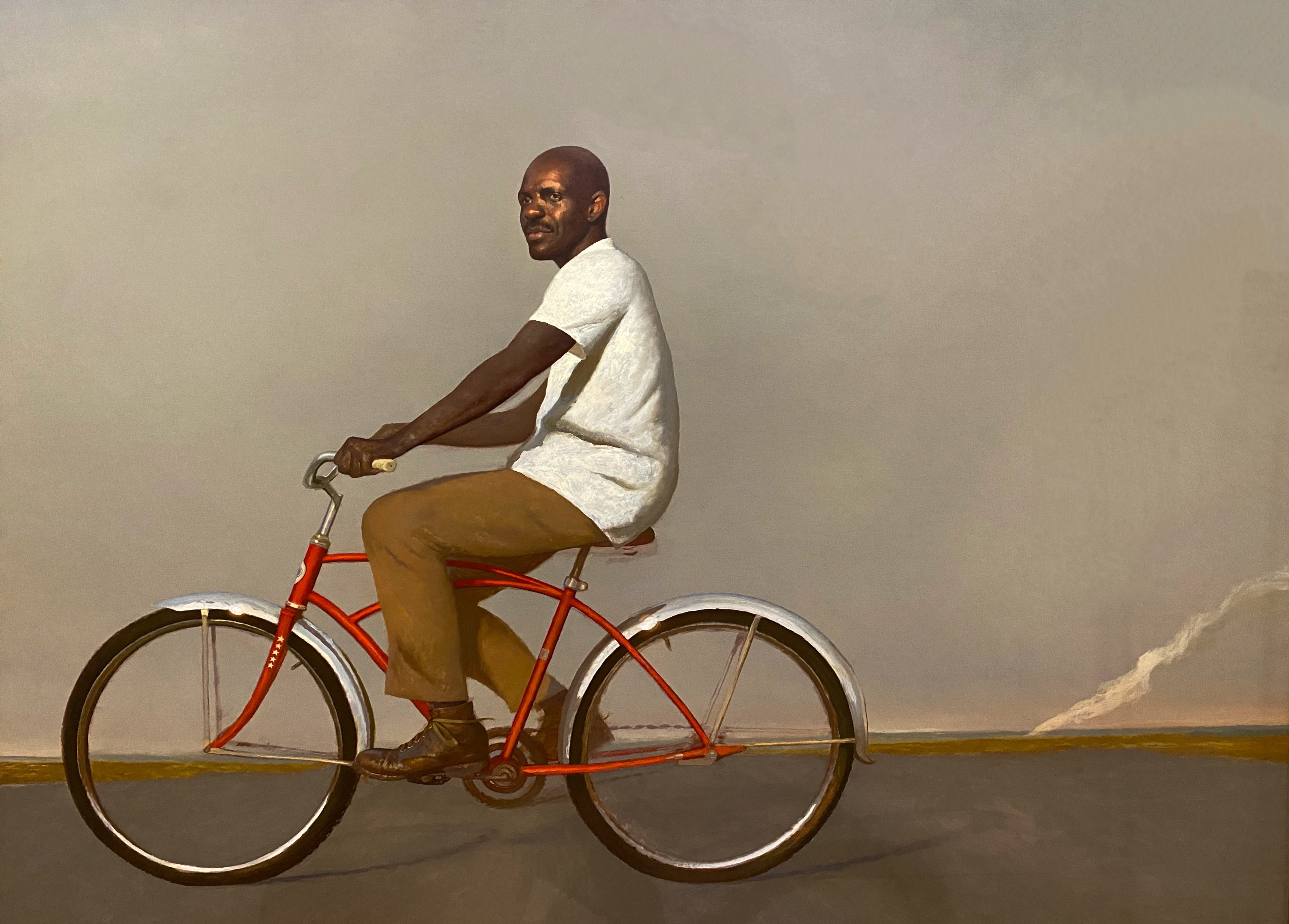

 ON THE ROAD with Maria + Stephen