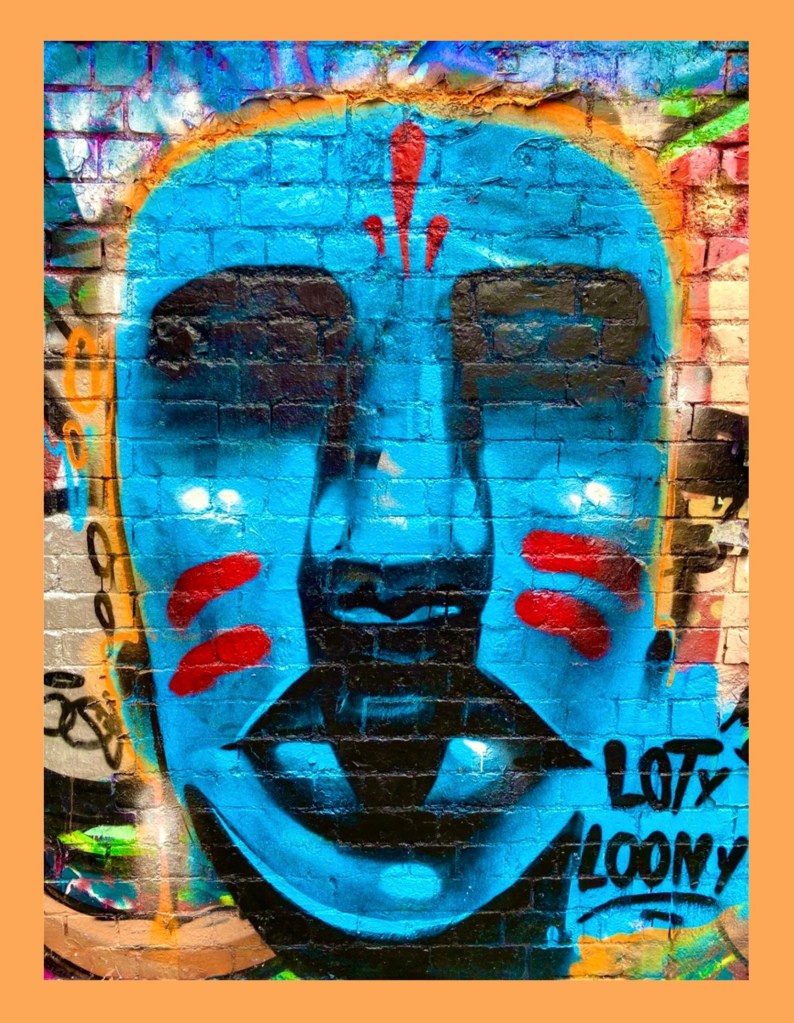
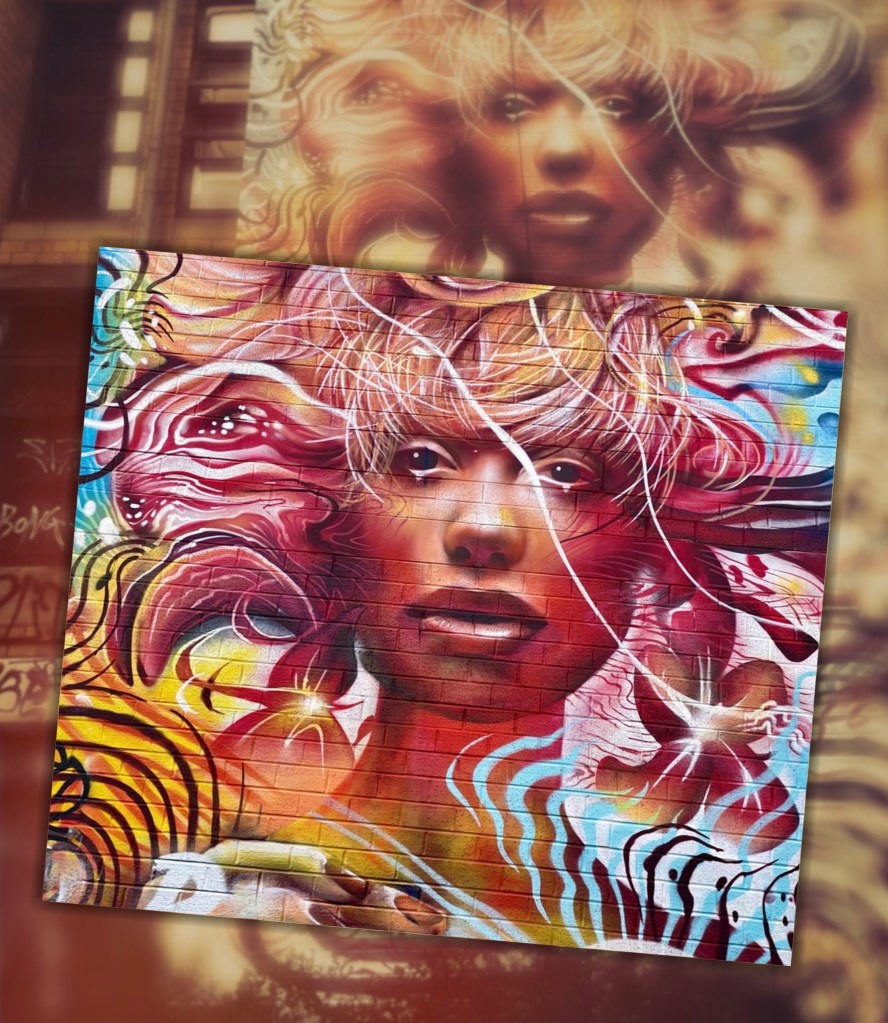
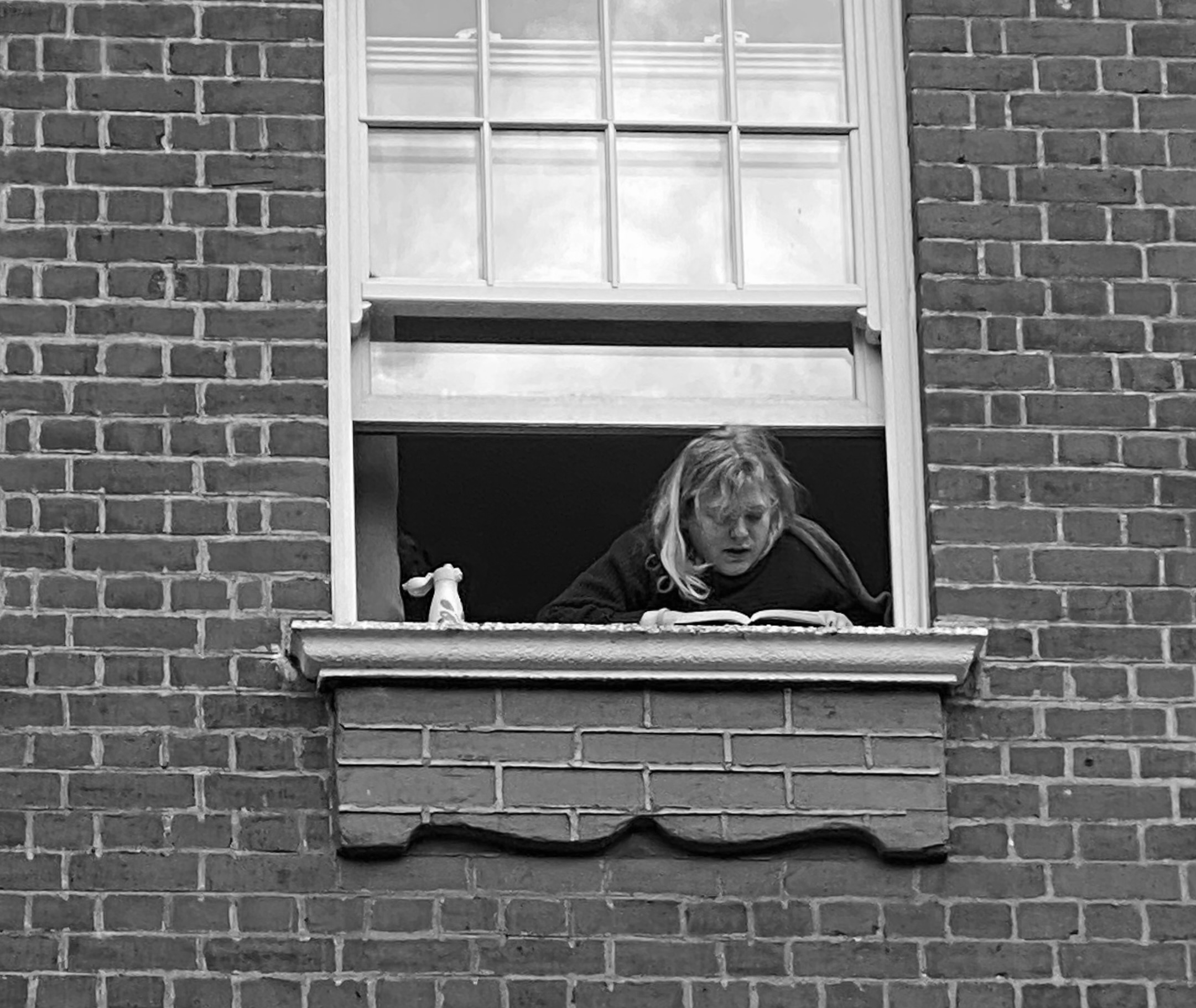
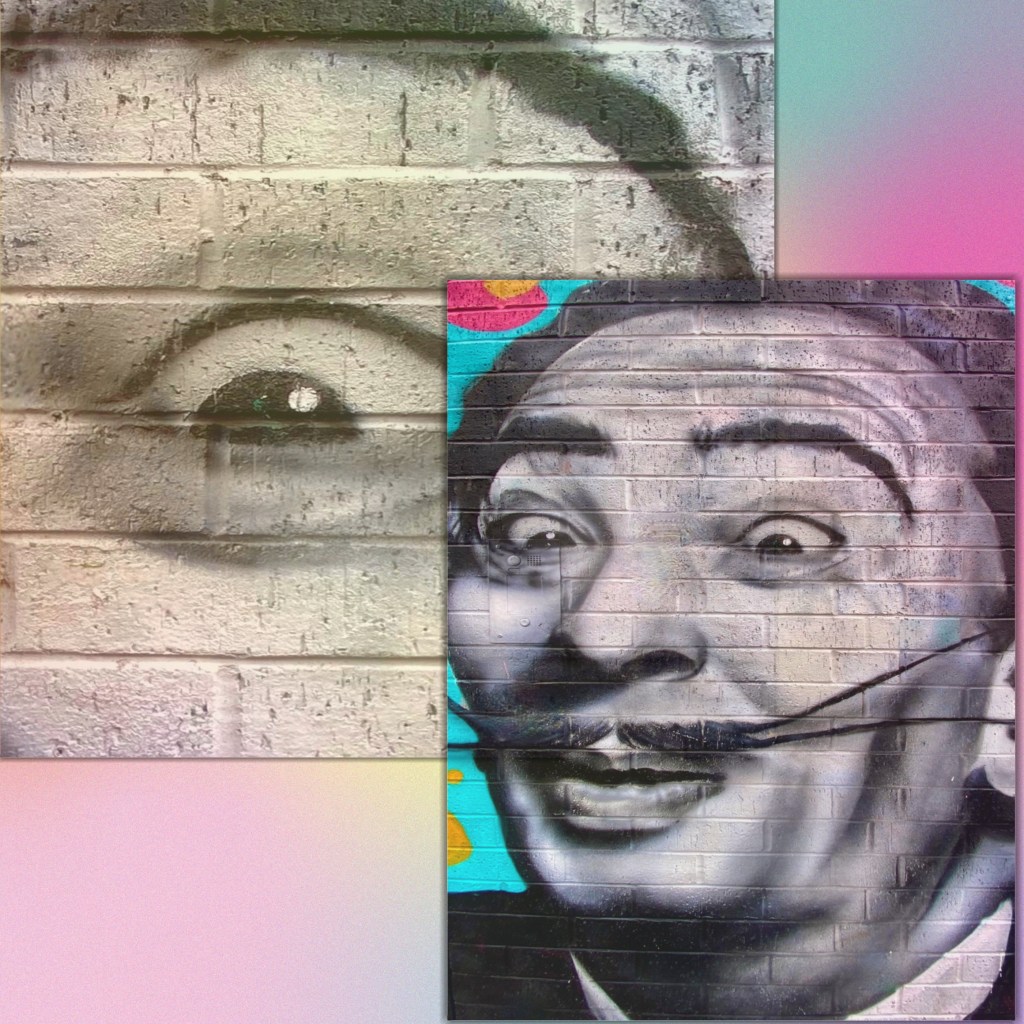
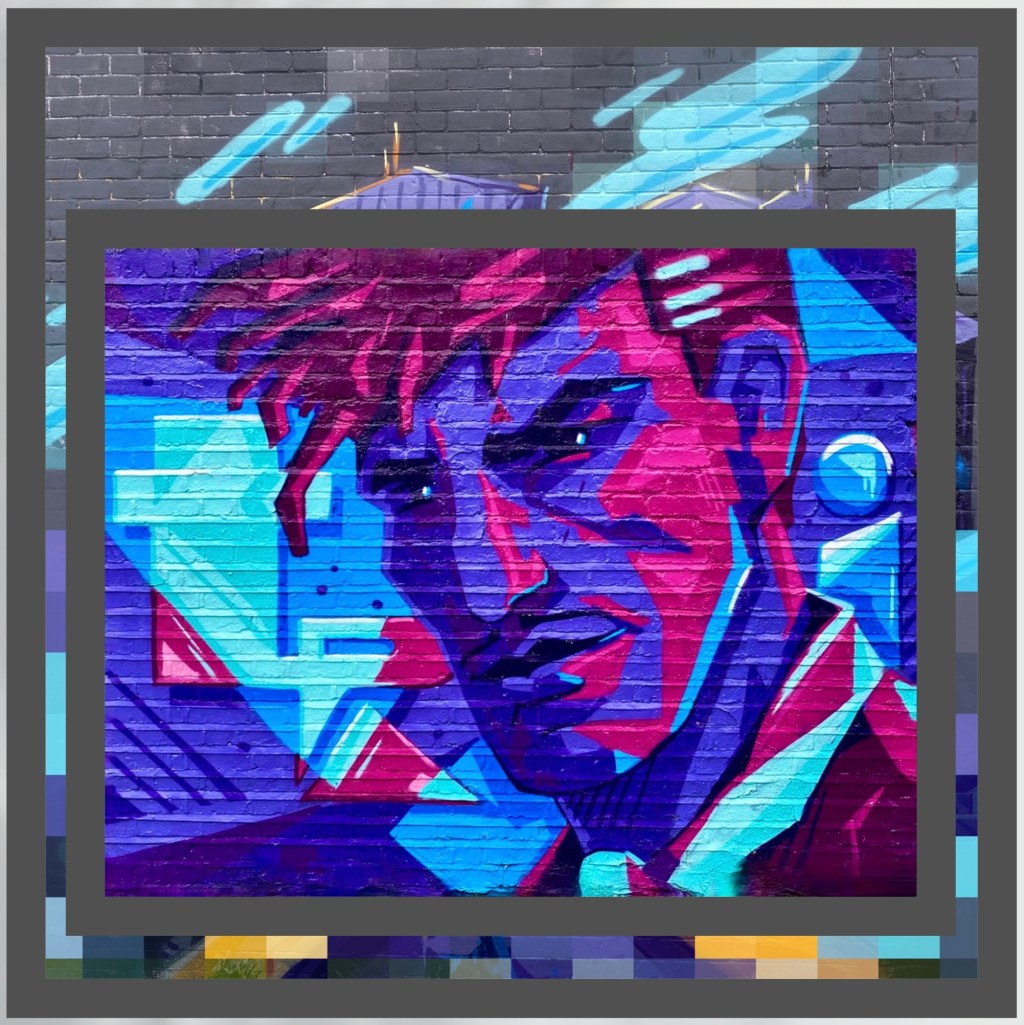
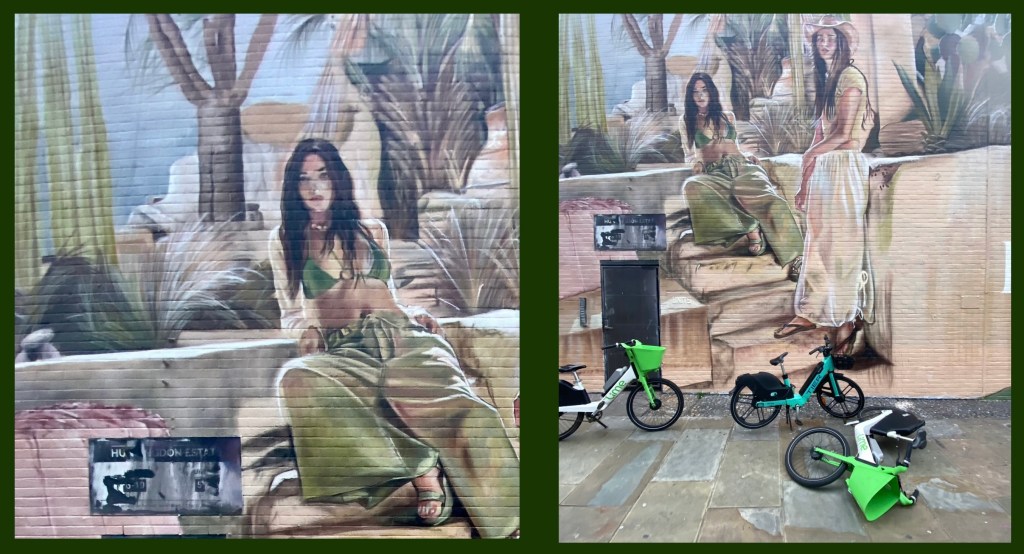
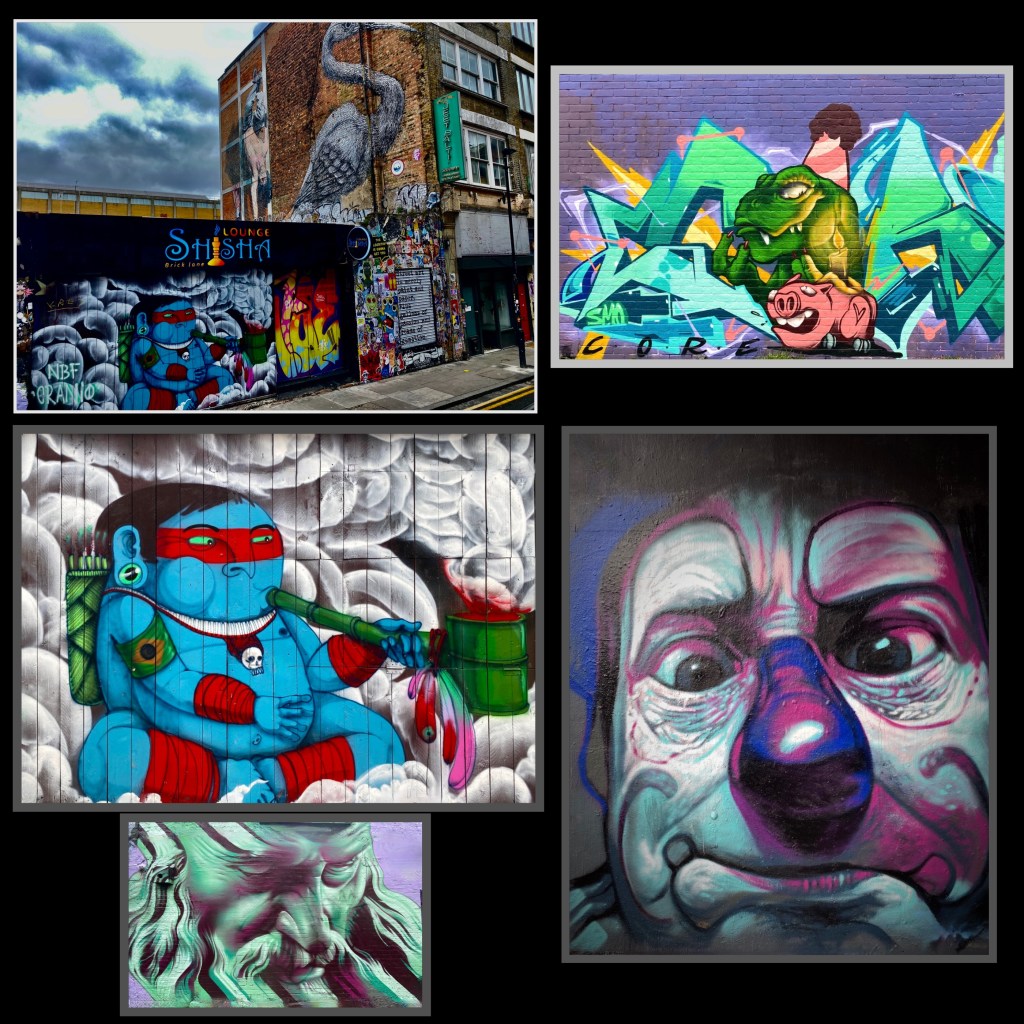
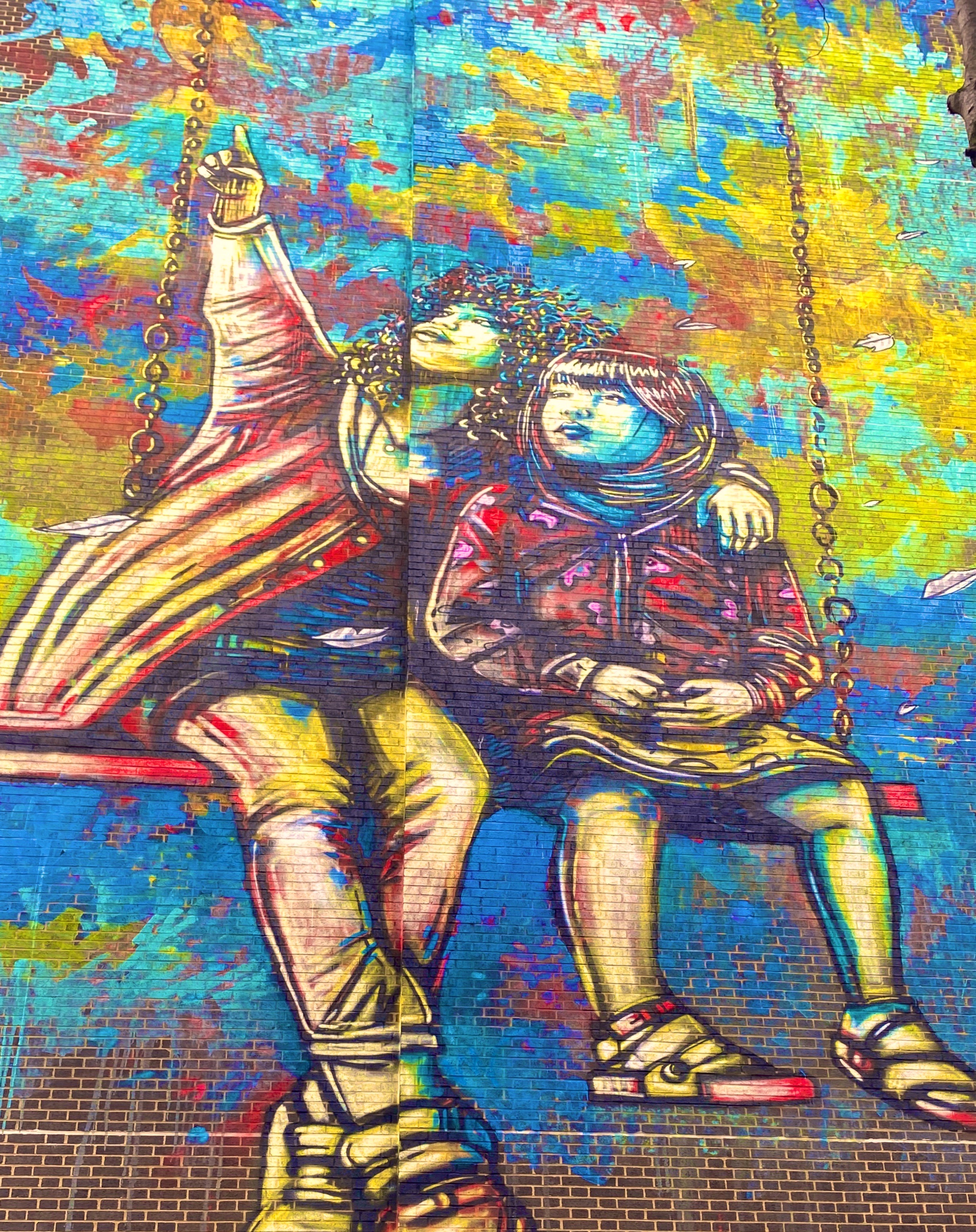
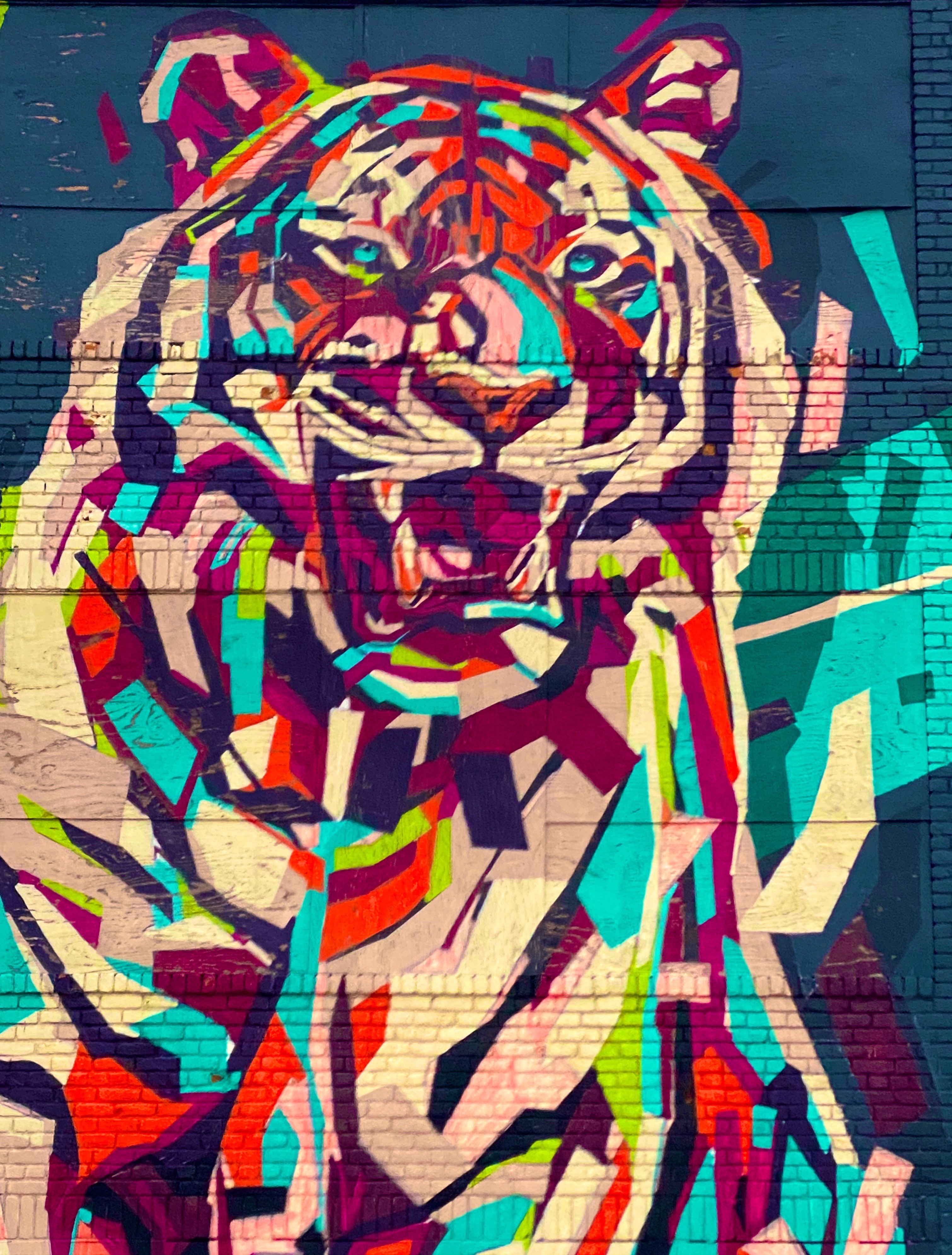
The famous Brick Lane Market was high on our list of must do experiences while in London. The market operates at full tilt on Sundays – accordingly, we made our way there on a chilly, gray Sunday. Of course, of special interest was the opportunity to see and photograph some of the plethora of street art located on and around Brick Lane.
Brick Lane is situated in the heart of the East End in the Borough of Tower Hamlets. The area has been a home to immigrants from many countries over the last 300 years. Most recently, the area has become home to a Bangladeshi community. If you look in the photos above you can see that the street signs are in English and Bengali!
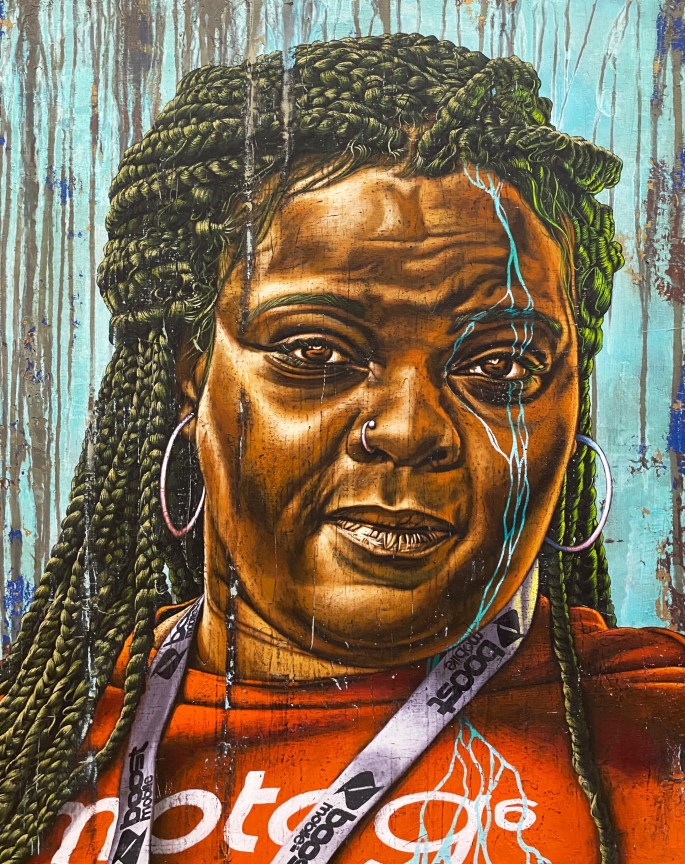
7th Pencil @7thpencil, London-Weavers
Apparan @apparan, London-Allens Gardens
Benzi Brofman @benzi_brofman, London-Weavers
Jill Vigilion, London-Brick Lane
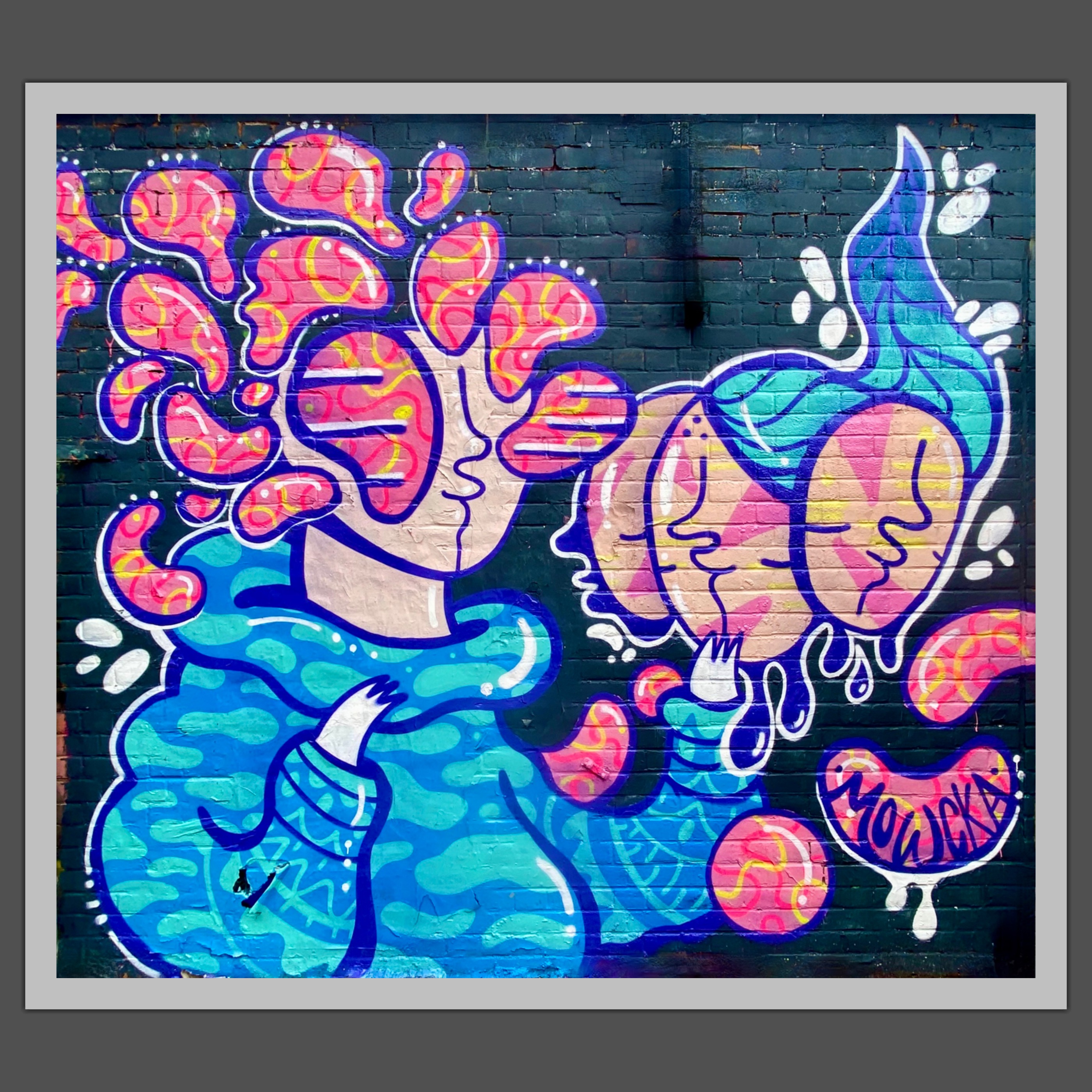
As you can see from the photographs, we found plenty of great street art – it is literally everywhere! We also sampled food from several stalls, did a bit of shopping and made our way over to the Columbia Road Flower Market.
Benzi Brofman @benzi_brofman, London-Brick Lane
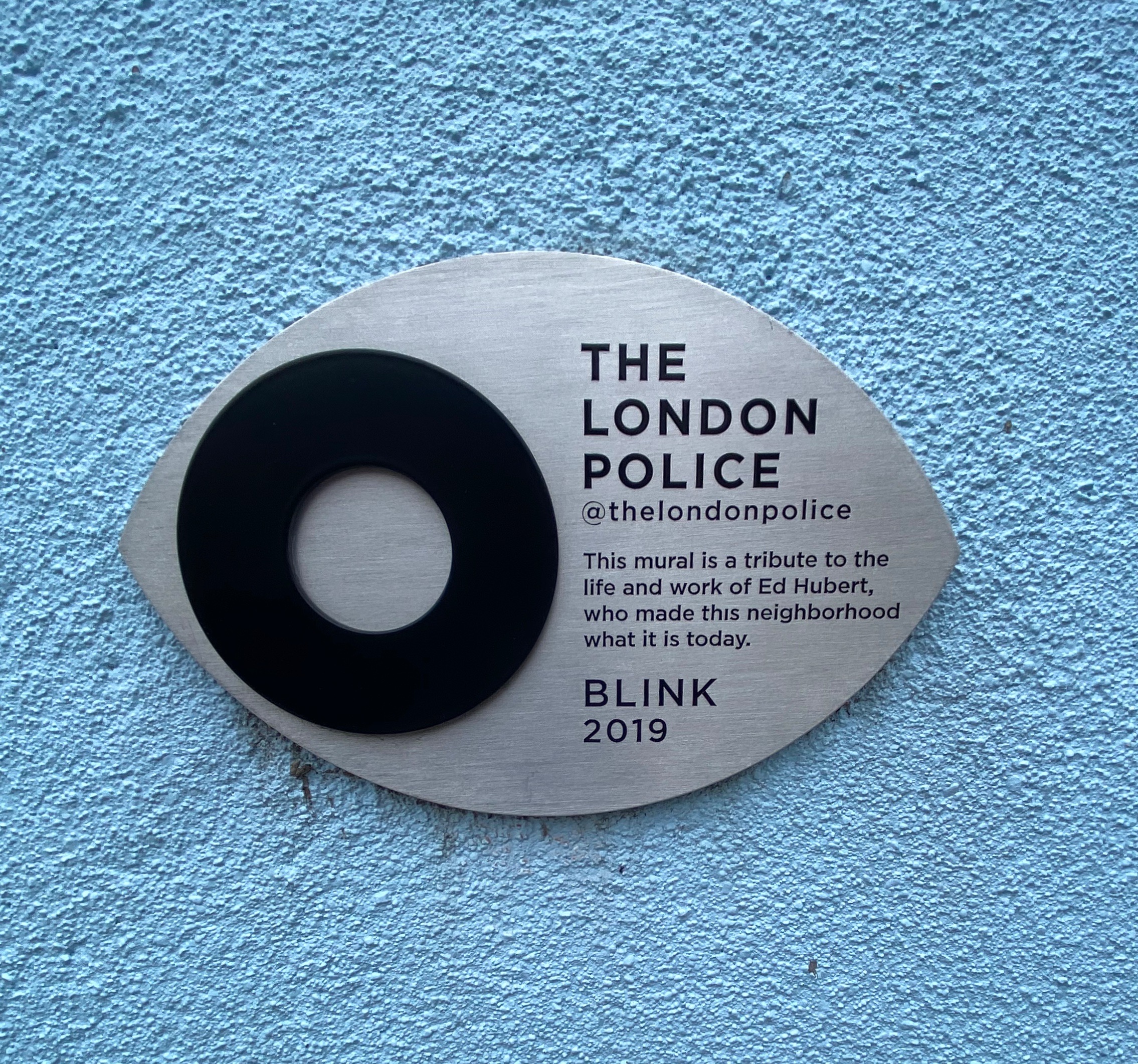
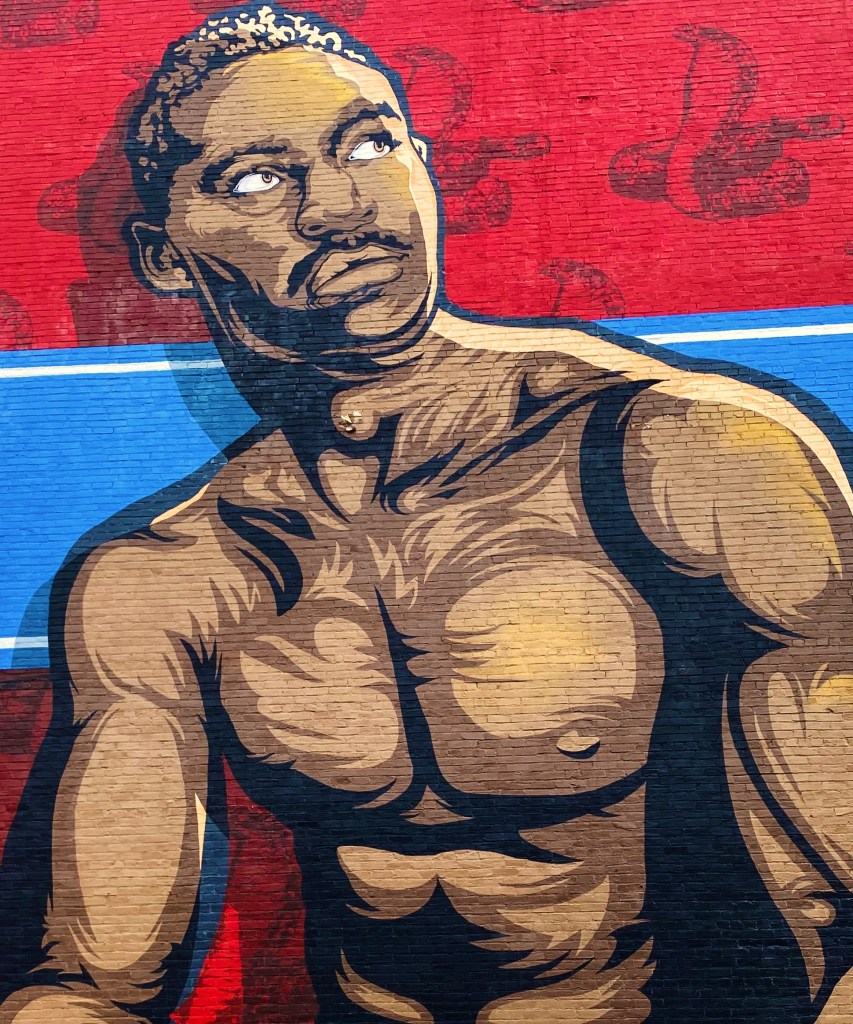
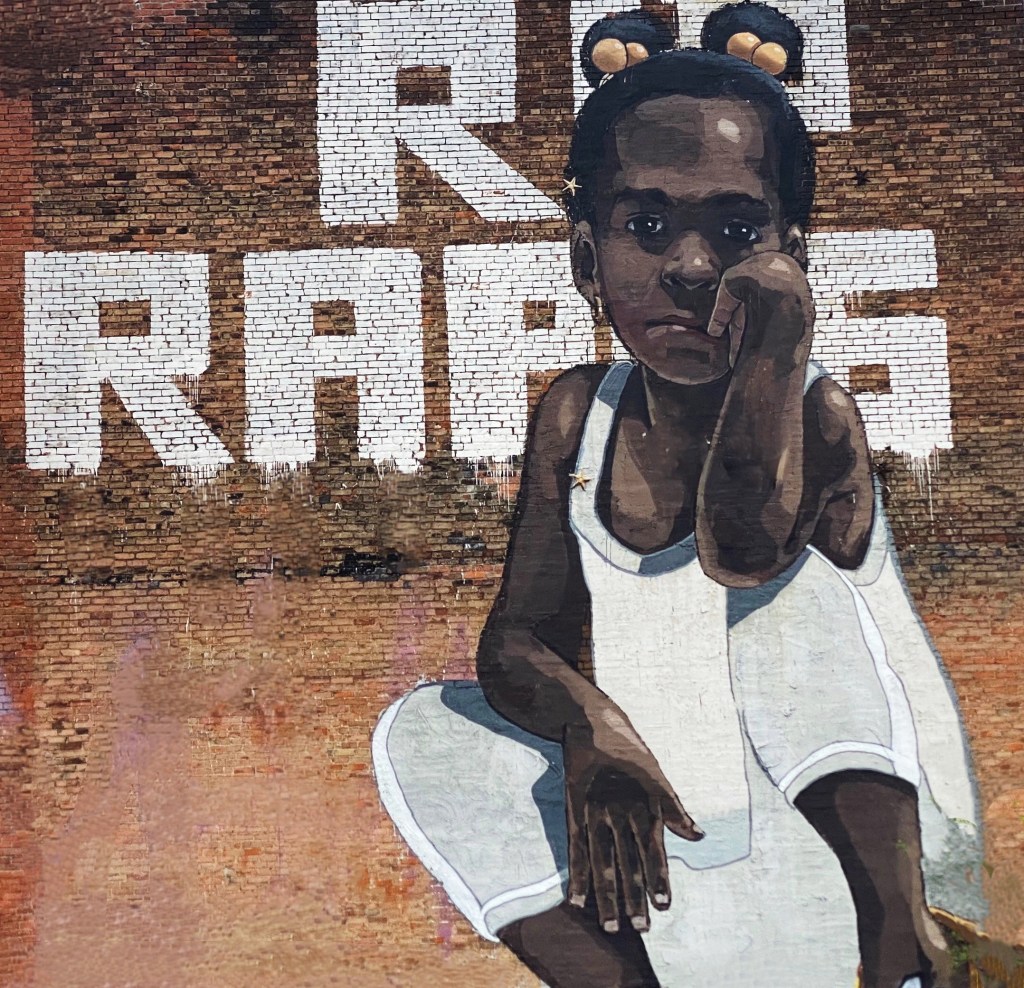
Artist Unknown, London-Tower Hamlets
Artist Unknown, London-Weavers
Apparan @apparan, London-Tower Hamlets
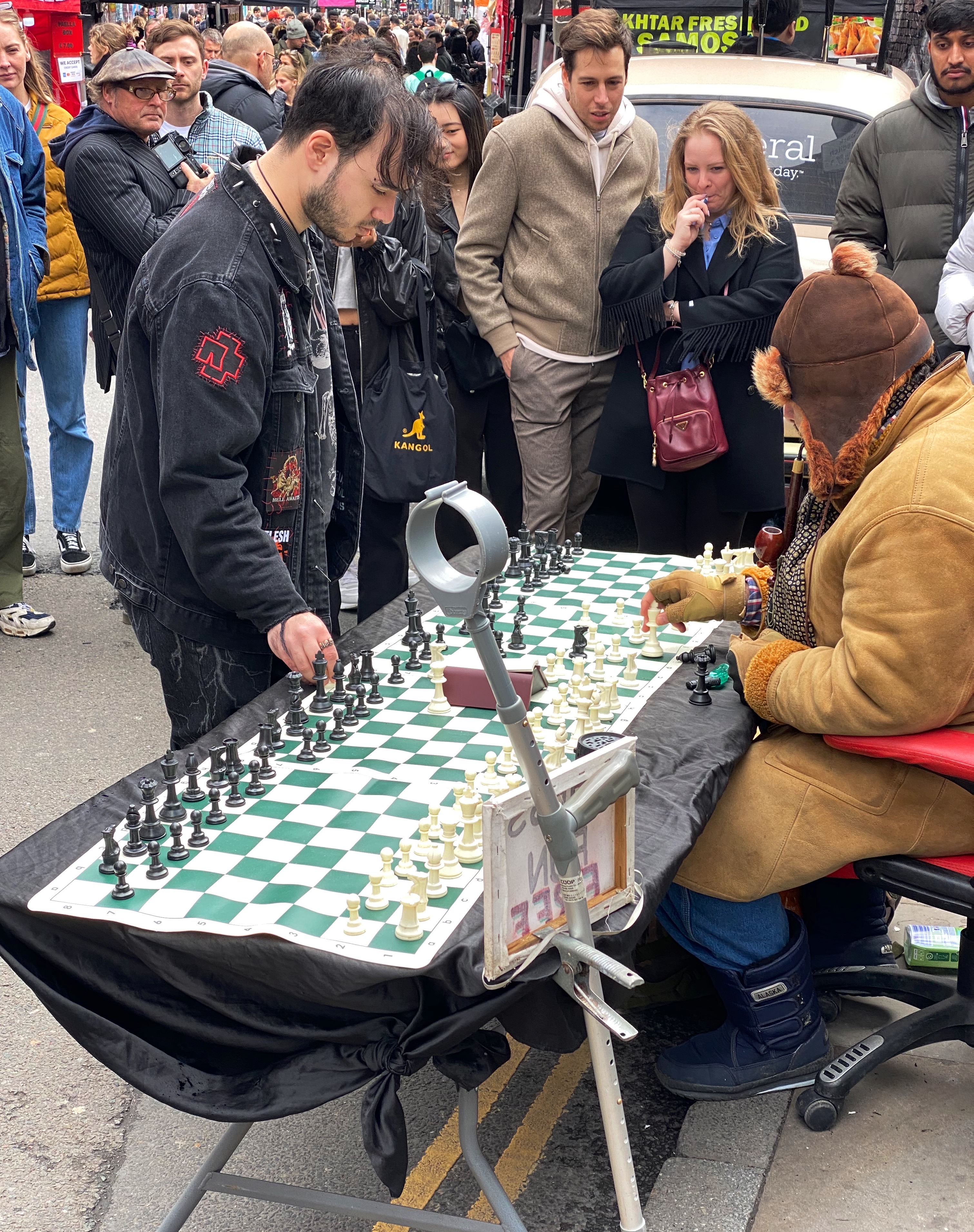
The whole area was absolutely jammed with people – a diverse mix of tourists, hipsters, locals, musicians and vendors. In addition to the food vendors, there was a wide range of restaurants offering ethnic cuisines.
The borough is still quite obviously an area of economic diversity. There are sections that are experiencing gentrification interspersed with blocks that appear to be suffering from little or no maintenance.
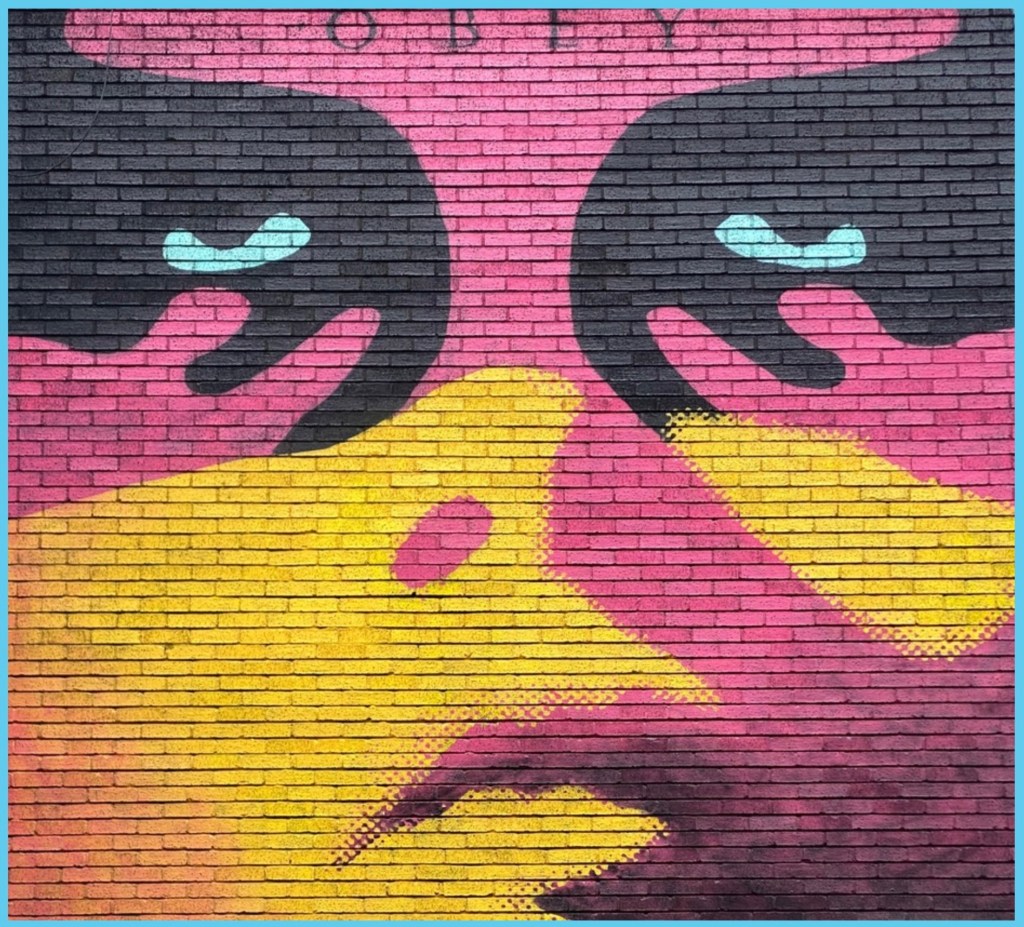
Sheppard Fairy @obeygiant, London-Tower Hamlets
Artist Unknown, London-Weavers
We had a great day exploring the East End and definitely recommend exploring the borough when you visit London. We hope you enjoyed this post ; in an upcoming post we will share some of the culinary highlights from our Londontrip.
We originally planned to visit the Black Canyon of the Gunnison (BCG), Rocky Mountain Nation Park (RMNP) and Great Sand Dunes National Park(GSDNP) while in Colorado. But as we monitored the conditions in Colorado during the trip (and spoke with some fellow travelers who had recently been in Colorado) it became apparent that we would not be able to access significant portions of our original itinerary due to this winter’s abundant snowfall in the Rockies.
So, after several excellent weeks touring western New Mexico, we departed Farmington, New Mexico to traverse Colorado in a northeasterly direction to visit GSDNP in southwestern Colorado, while forgoing the BCG and RMNP.
Durango – Four Corners – Route 550, Colorado
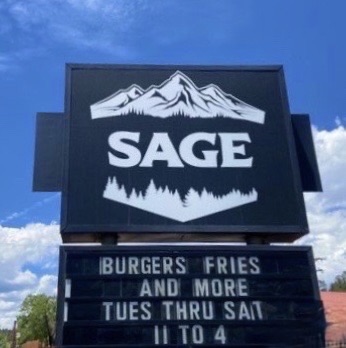
Of course, custom requires that our first meal after crossing a state line consist of burgers, fries and, if possible, a milkshake.Happily (and perhaps unhealthily) our tradition remains intact!
South Fork – Eastern Rockies – Route 160, Colorado
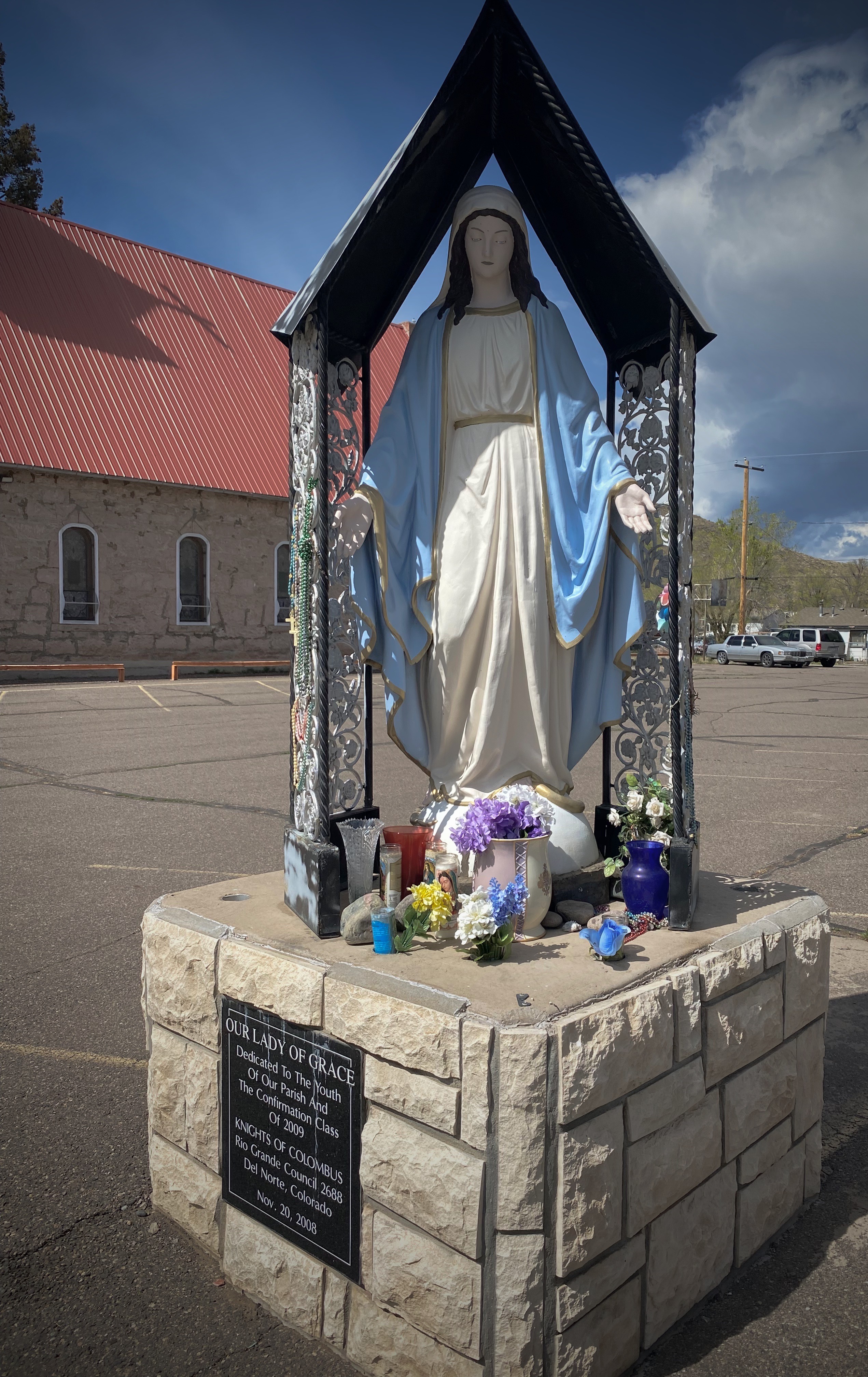
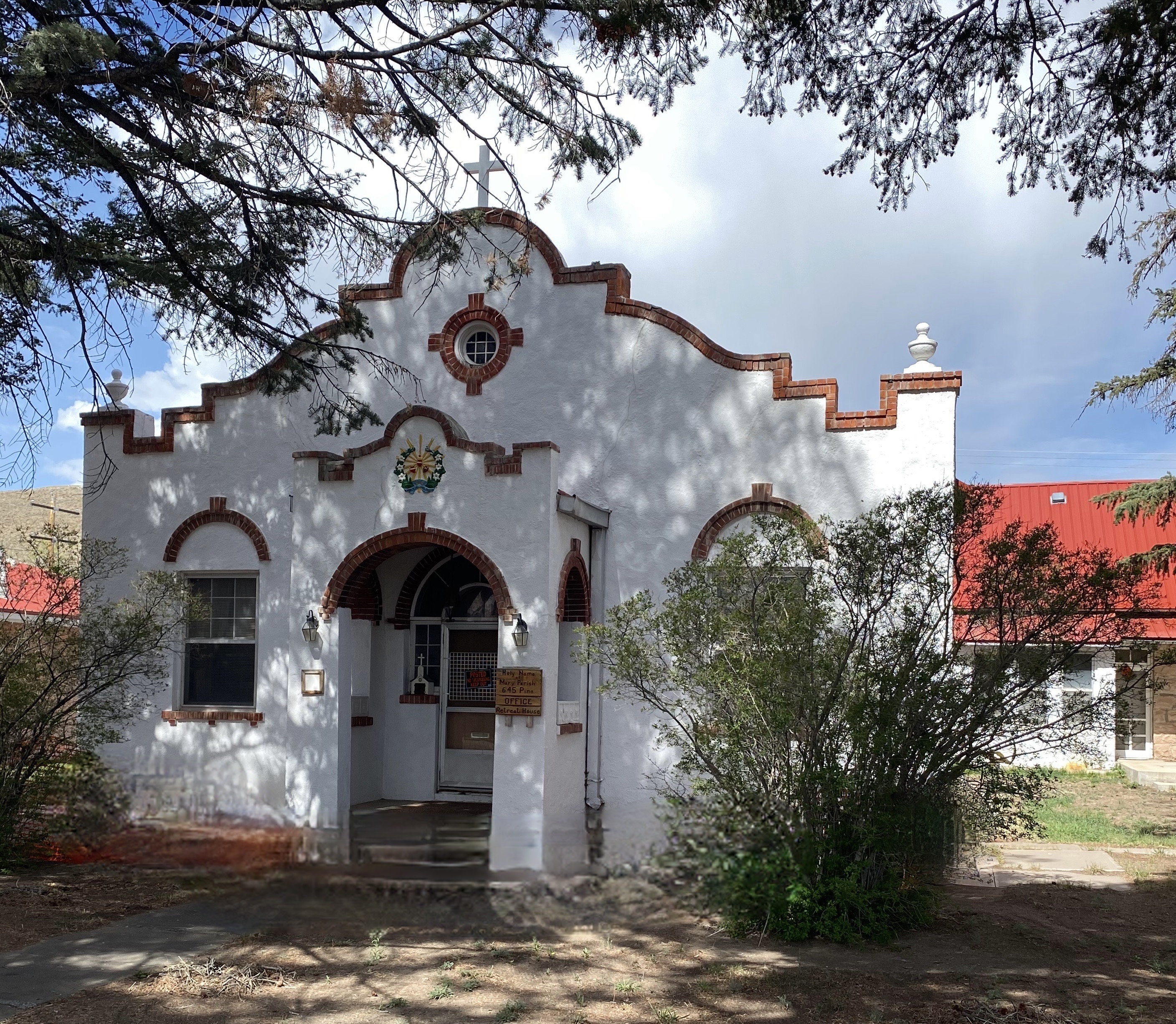
After refueling with burgers and diesel we continued our drive to the town of Del Norte. Prior to Euro-American settlement, this area was occupied by the Utes who migrated to the area from the south during the warmer months of the year. When this territory came under Mexican rule during the early 19th century, Hispanic settlers migrated north to take advantage of land grants offered by the Mexican government. Subsequently, this area was ceded to the United States by Mexico.
In 1859-1860 gold was discovered in the San Juan Mountains in what had been Ute territory for 500 years. Never mind, the Kit Carson Treaty (Ute Treaty of 1868) was negotiated in order to remove the Utes from the gold rich Central Rockies in exchange for land on the Western Slope of the Rockies. This treaty, as with most other treaties between the federal government and Native Americans, was eventually violated by the federal government and after the Utes rebelled they were driven out of Colorado entirely (Meeker Massacre).
Del Norte, Photos, Courtesy Denver Public Library
Today the small town of Del Norte (pop. 1600) is mainly an outdoor recreational hub with rafting on the adjacent Rio Grande and a plethora of rock climbing, mountain biking, hiking and camping options.
After a quick tour of the small downtown we headed west a short distance to find a camping spot in the Rio Grande National Forest. We found a great spot in a meadow which afforded us a panoramic view of Del Norte Peak.
Rio Grande National Forest
Del Norte Peak, Elevation 12,400′
The following morning we set our course due west for the one hour drive to visit GSDNP. The park was declared a national monument in 1932 in order to keep the dunes from being damaged by gold mining or concrete manufacturing. The monument was elevated to full national park status in 2004.
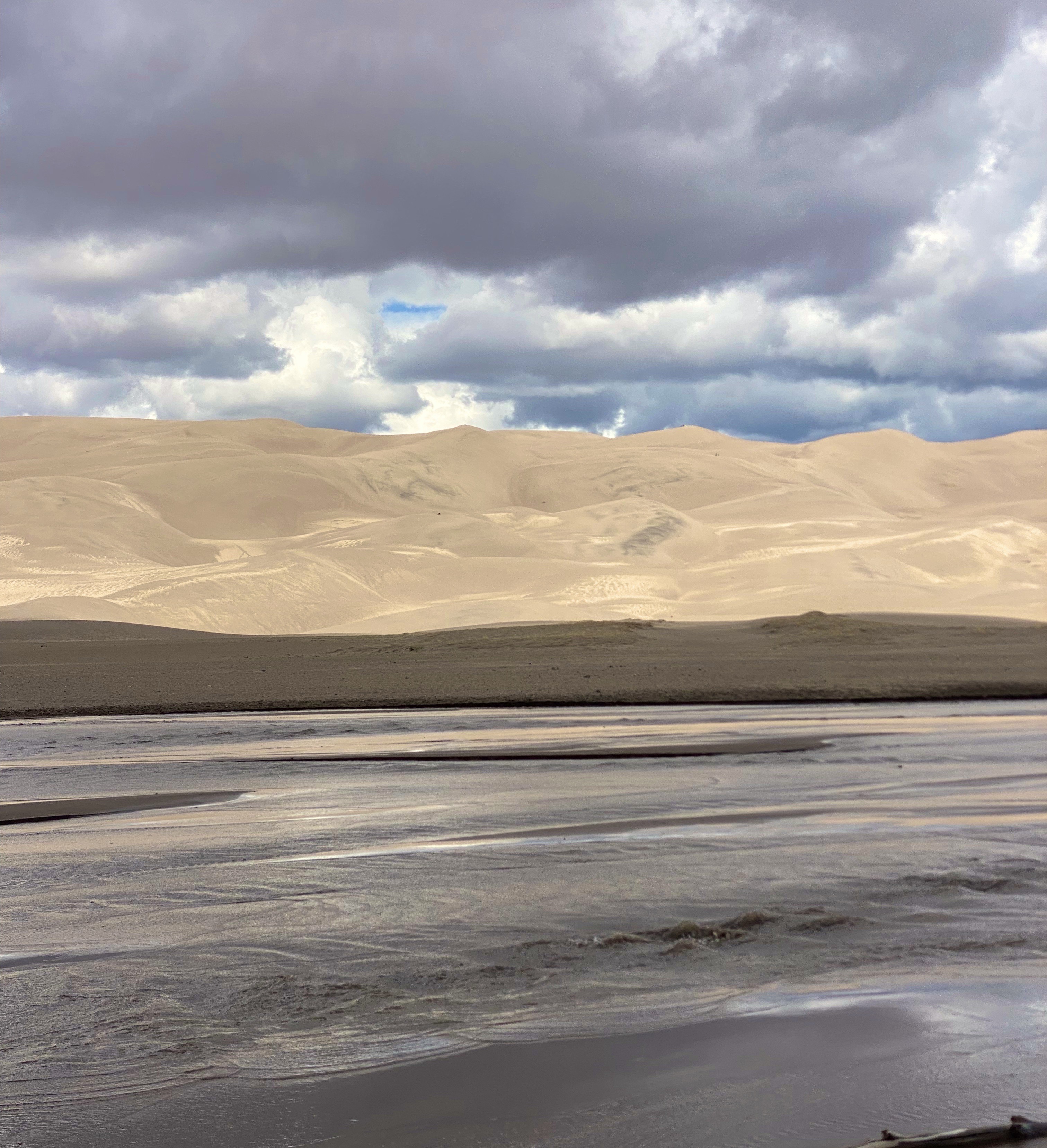
Great Sand Dunes National Park – Sangre De Cristo Mountains
GSDNP presents a fascinating landscape with grasslands separated from a thirty square mile sand desert by Medano Creek. The dunes are tucked in against the base of the Sangre de Cristo Mountains–quite spectacular! The sand dunes at GSDNP are the tallest in North America. Some are as high as 700 feet (Star Dunes is the tallest at 750 feet).
The dunes here are constantly changing as winds from the mountains drives sand down onto the dunes. Weather and erosion form the sand into distinctly identified and ever changing shaped dunes – parabolic, transverse and barchan – as examples.
Unfortunately, our opportunity to explore the dunes was limited due to an approaching lightning storm. One of the park rangers was kind enough to point out the obvious – not smart to be standing on top of a 600 foot dune in the middle of a lightening storm!
Medano Creek
In addition to the fantastic scenery, we were looking forward to driving the Medano Pass Primitive Road. The road is a sandy and rugged 22 mile 4WD road which runs from the base of the dunes up and over the Medano Pass (10,040 feet). The road was not fully open due to the conditions at higher elevation. The road crosses the the creek nine times and the water flow was still too deep due to this years snowfall.We have included a short video clip (below) from our drive on the road to provide a feel for the road and scenery.
Medano Pass Primitive Road
The NPS video below by is about the Navajo (Dine’) People, their four sacred mountains and their relationship to the land that now constitutes GSDNP.
We enjoyed our brief visit at GSDNP and we look forward to returning on a future trip to explore the dunes in depth, boondock up on the mountain and traverse the entire Medano Pass Primitive Pass Road.
Walsenberg, Colorado
On departing GSDNP, we decided to push straight on through to Colorado Springs. Our previous trips to Colorado Springs were business related and we stayed at the world famous Broadmoor. We would not be staying at the Broadmoor on this self funded visit!
The Broadmoor
Colorado Springs sits at just over 6000′ above sea level at the eastern base of the Rocky Mountains. Snow covered Pikes Peak (14,100′) looms over the city to the west creating a stunning backdrop. We did not travel up to the peak on this trip as we had taken the nine mile cog railroad trip on a previous visit (we definitely recommend riding the railroad to the top if the weather is clear -which it usually is in this part of Colorado). The train ride is fun and the views are phenomenal.
Pikes Peak
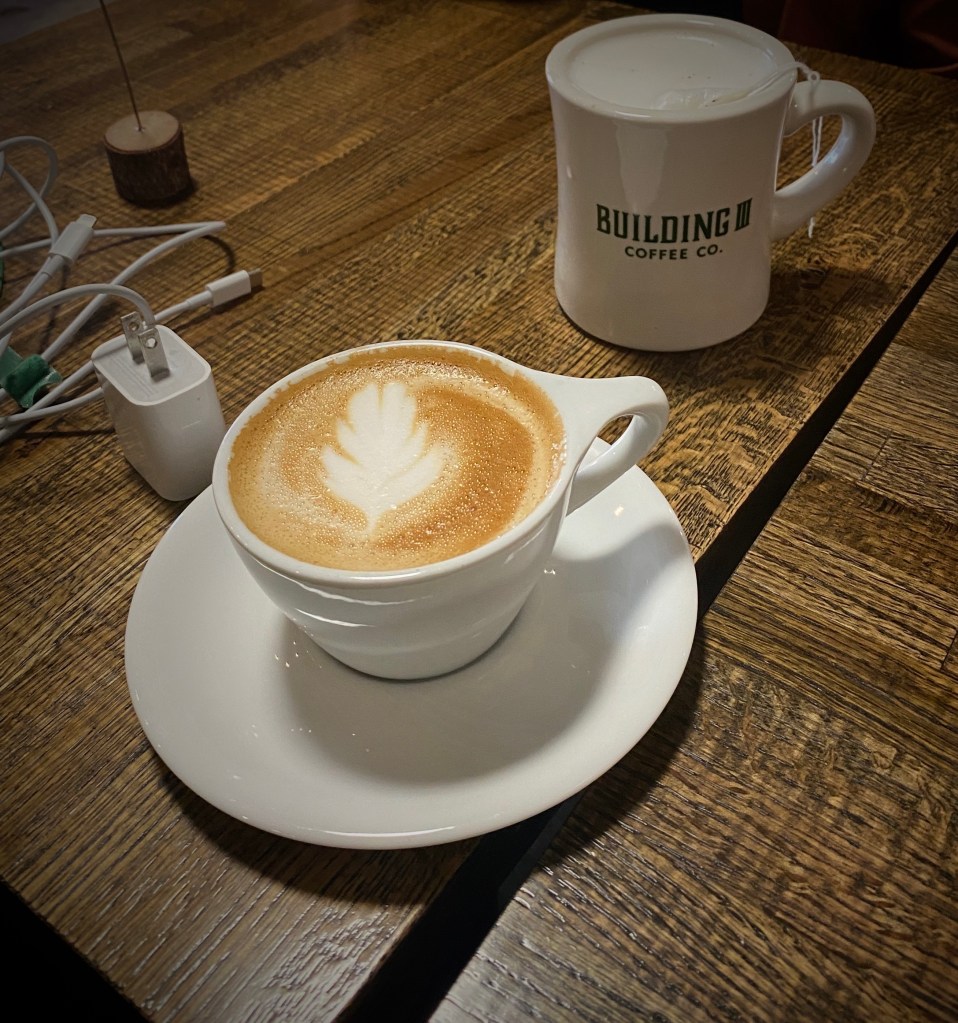
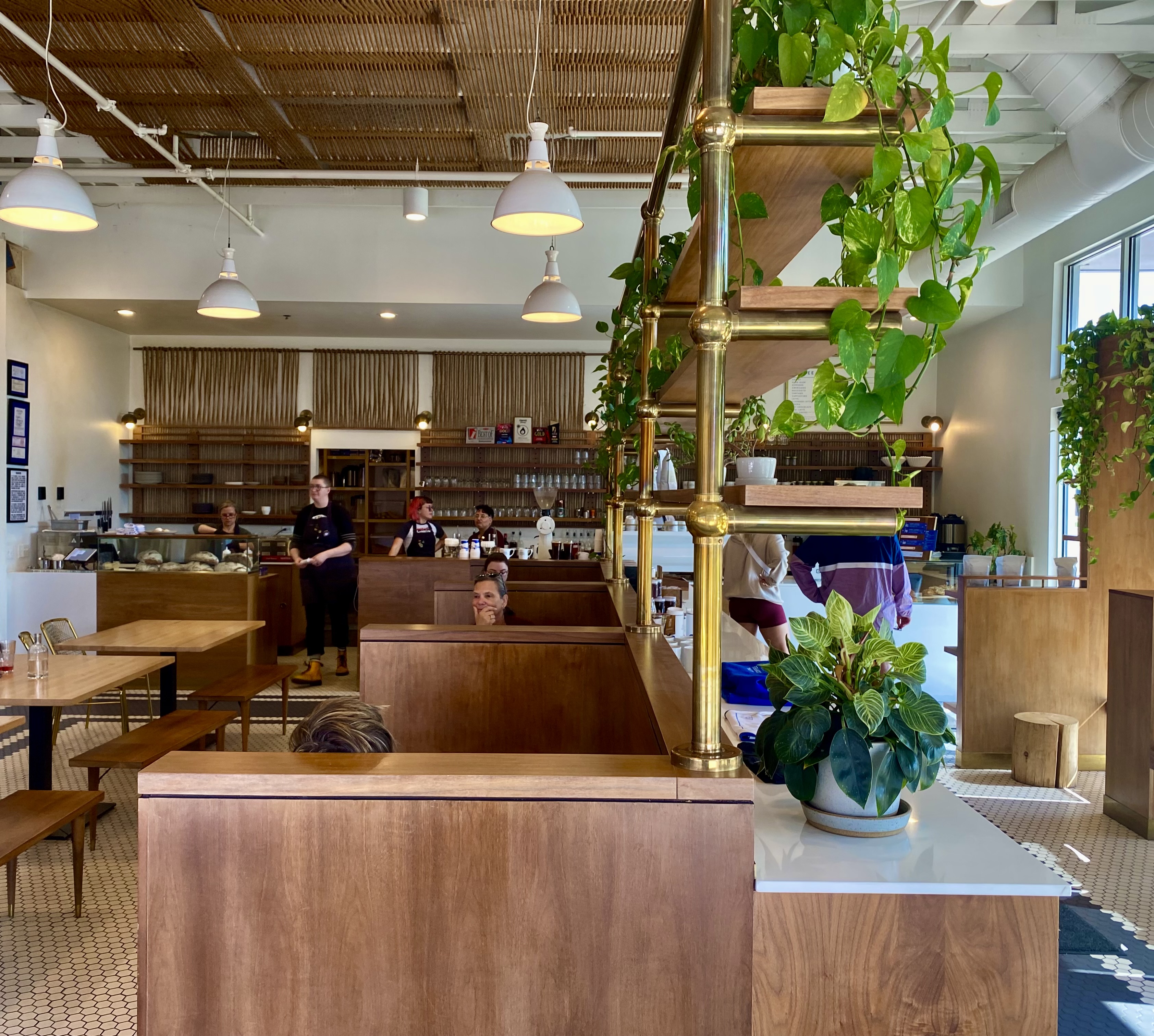
From our pre-trip research we knew that Colorado Springs held promise for specialty coffee and a vibrant street street art scene. Our first stop was Building III Coffee Bar and Roastery – B3 is located, along with a number of other occupants, in a former public school building now known as Lincoln Center – great to see the building repurposed. Excellent coffee, great breakfast sandwiches and uber friendly staff! Extremely popular – it can be hard to get a seat even with the large amount of seating capacity – but it is worth the wait. https://www.building3coffee.com/
Building Three Coffee
Well fortified with caffeine, we ventured out into the uncharacteristically gray, chilly day in search of street art. We decided to start our pic hunting session in the Knob Hill neighborhood, located a short distance northeast of downtown. We were pretty certain the neighborhood would be street art rich based on reading about the Knob Hill Urban Arts District. The District is a “nonprofit organization dedicated to putting art up on every damn wall we can get our hands on.” Love it!
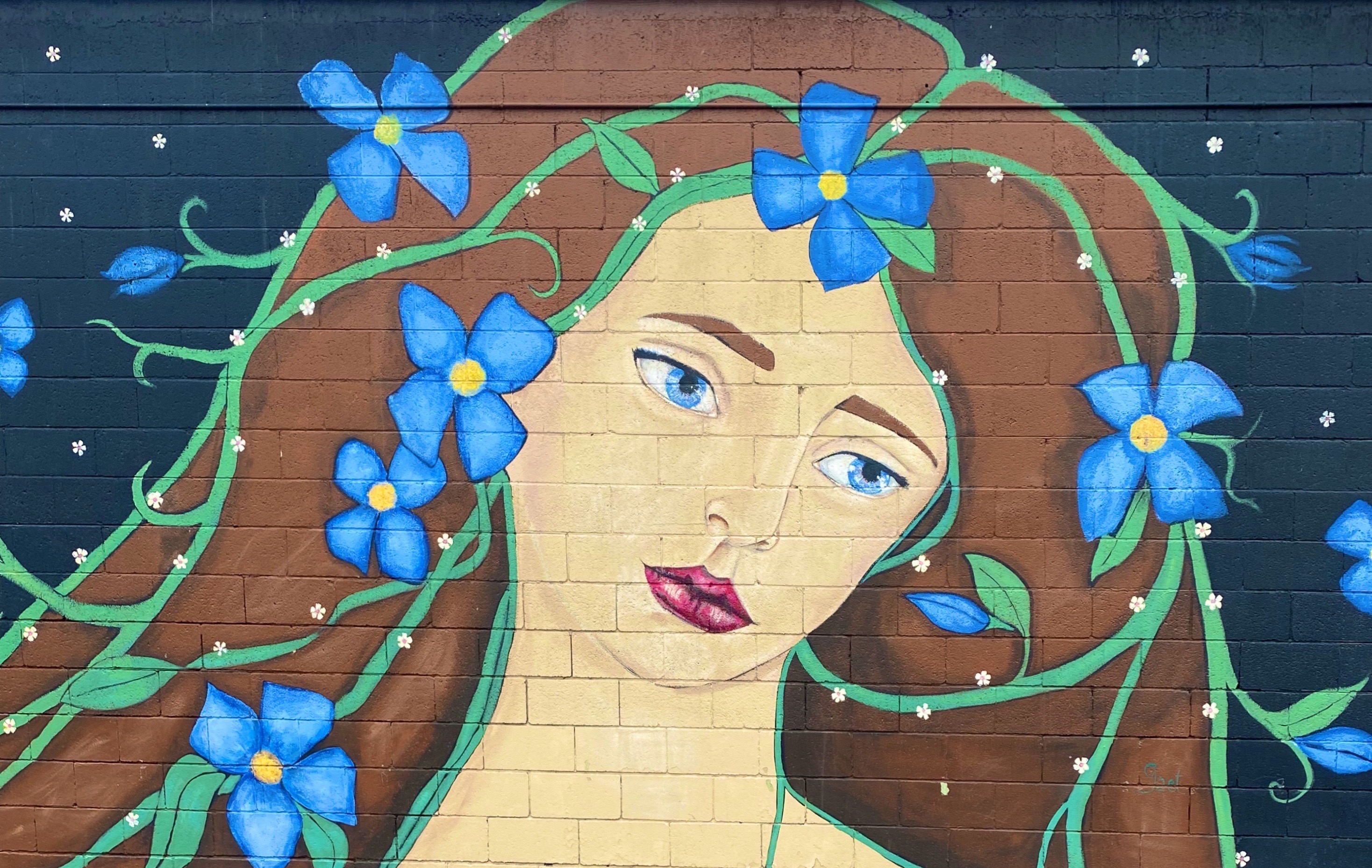
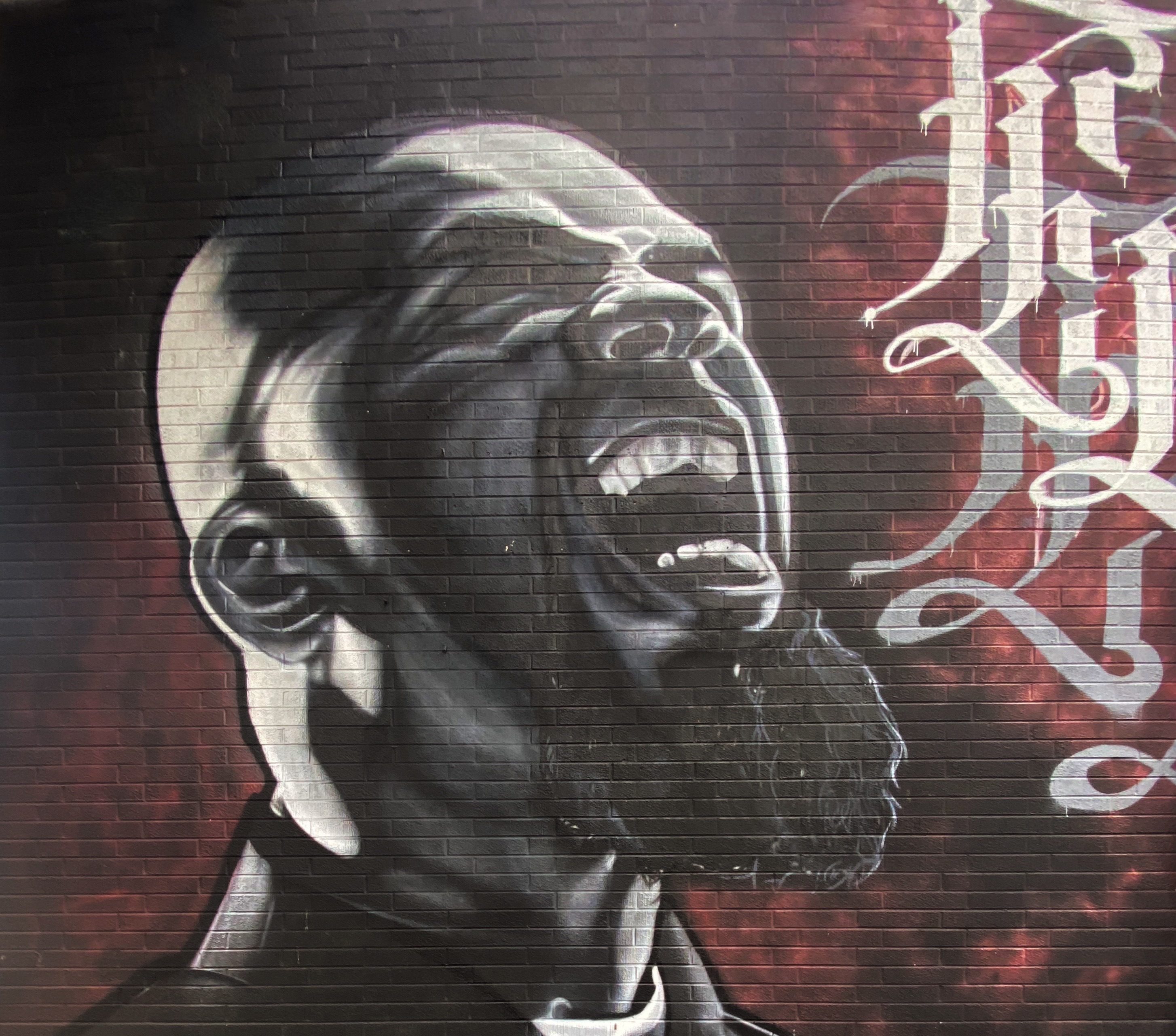
The photos below are a small sample of the street murals we found in the Knob Hill neighborhood. This group is not kidding about putting art on every wall. We found art in every alley and available nook and cranny. So good! To see more of the street art we photographed during OTR 9.0 in Colorado Springs and other cities see our WordPress blog @streetartfromtheroad: part two.
There are also a number of large scale murals in downtown. The photos below are a few of our favorites we captured while strolling through downtown.
With the cloudy, drizzly weather persisting into our second day in Colorado Springs (coincidently nicknamed “Little London” although not for the weather – there was a large British population in the 1870s) we decided to visit the Fine Arts Center (FAC) at Colorado College. The FAC is located in the Old North End neighborhood – an area of stately late 19th and early 20th century homes and tree lined boulevards.
The Fine Arts Center is home to the art museum as well as a theater school and performing arts venue. The museum was opened in 1936 as an outgrowth of the Broadmoor Art Academy. The Colorado Springs area had become a hub for art on a scale commensurate with the more well known artist colonies in Taos and Santa Fe.
Charles R. Bunnell (1897-1968) March Snow, 1940, Oil on canvas
Victor Higgins (1884-1949) Santa Fe Hills, Date Unknown, Oil on canvas
As with many museums of this size, the collection is regionally (although not exclusively) focused. We have included photos of several paintings which reflect the southwestern focus (and which we really liked). The museum is definitely worth a couple of hour visit when you visit “Little London”.
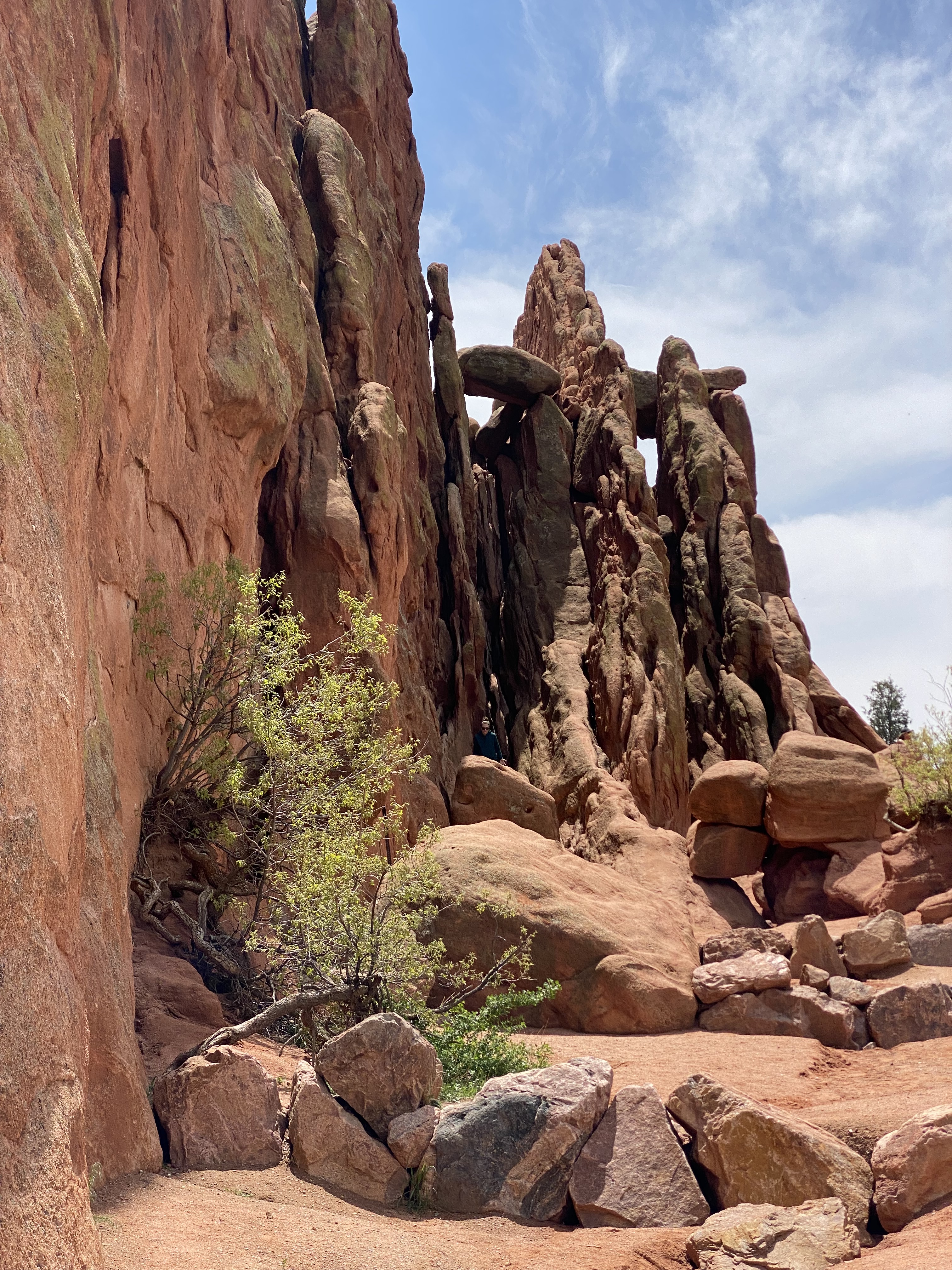
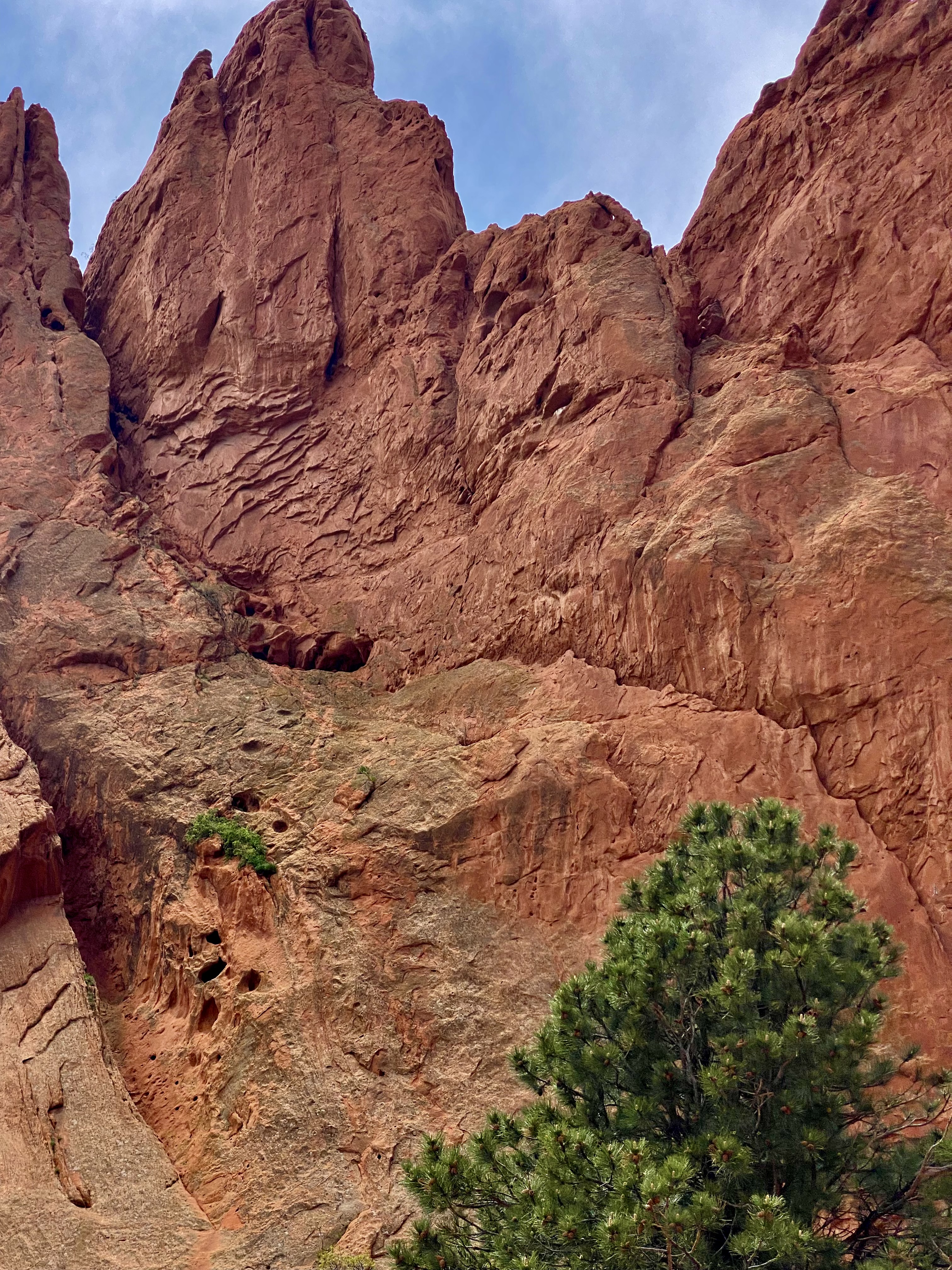
On our final day in Colorado Springs we ventured out to Red Rock Canyon. We had held off visiting earlier in our stay due to some cloudy weather. Unfortunately, it appeared that everyone else in Colorado Springs had done the same (it was also the weekend) and this popular open space was quite crowded.
Still, we managed to find some quiet spaces and uncluttered views as we walked between and around the rock formations. Additionally, there are a number of moderate and longer trails for the more adventurous which usually provide solitude regardless of when you visit.Do visit when the sky is clear in order to see Pikes Peak rising above the red rock formations.
Interestingly, Red Rock Canyon is a city park consisting of 1474 acres of land. The park was pieced together with the multiple purchases of parcels over a period of years during the 1920s and 1930s by private citizens. It was acquired by the city in 2003. What makes the park’s history all the more remarkable is that many of the parcels were formerly quarries, gravel pits and industrial sites which have been reclaimed. There is little evidence of the past use of the space – without reading about the history you would most likely not think that to be the case.
After our walkabout at Red Rock, we popped over to the nearby Old Colorado City neighborhood. The neighborhood was at one time a separate town that prospered as a coal mining town and in the late 19th century as a gold refining location after the discovery of gold nearby. Typical of so many western mining hubs, the boom ultimately became the bust. The final straw was the prohibition of liquor sales in 1914. In 1917, the town was annexed by Colorado Springs.
The brothels and saloons that once lined Colorado Avenue have long since been replaced by art galleries, restaurants, wine bars, coffee shops and clothing stores. After a bit of browsing in several of the art galleries and book shops we took lunch at La Baguette Cafe and Bakery. Yum – the best bread!http://labaguette-co.com/
We were uncertain what lay ahead in regard to specialty coffee as we were about to venture into more rural territory; so we stopped in downtown for coffee, tea and breakfast at Loyal Coffee. First rate in all regards!https://loyalcoffee.co/
The photo below is of our unanimous choice for best vehicle OTR 9.0!
From Colorado Springs we traveled north – camping near Sterling, Colorado for our last night in the state. In future posts we will chronicle our trek across the midwestern plains en route to Connecticut.
Hello street art fans. This is our second of three planned photo posts featuring street art and murals from our most recent road trip. This post will take us through to our stay in El Paso. We continue to be awed by the amazing artists sharing their talent and creativity with everyone in their communities to enjoy. These works often make a remarkable difference in what might be an otherwise drab or desolate urban landscape. We hope you enjoy the art (we have included attribution for the artists wherever possible).
Artist Unknown – Columbus, Ohio
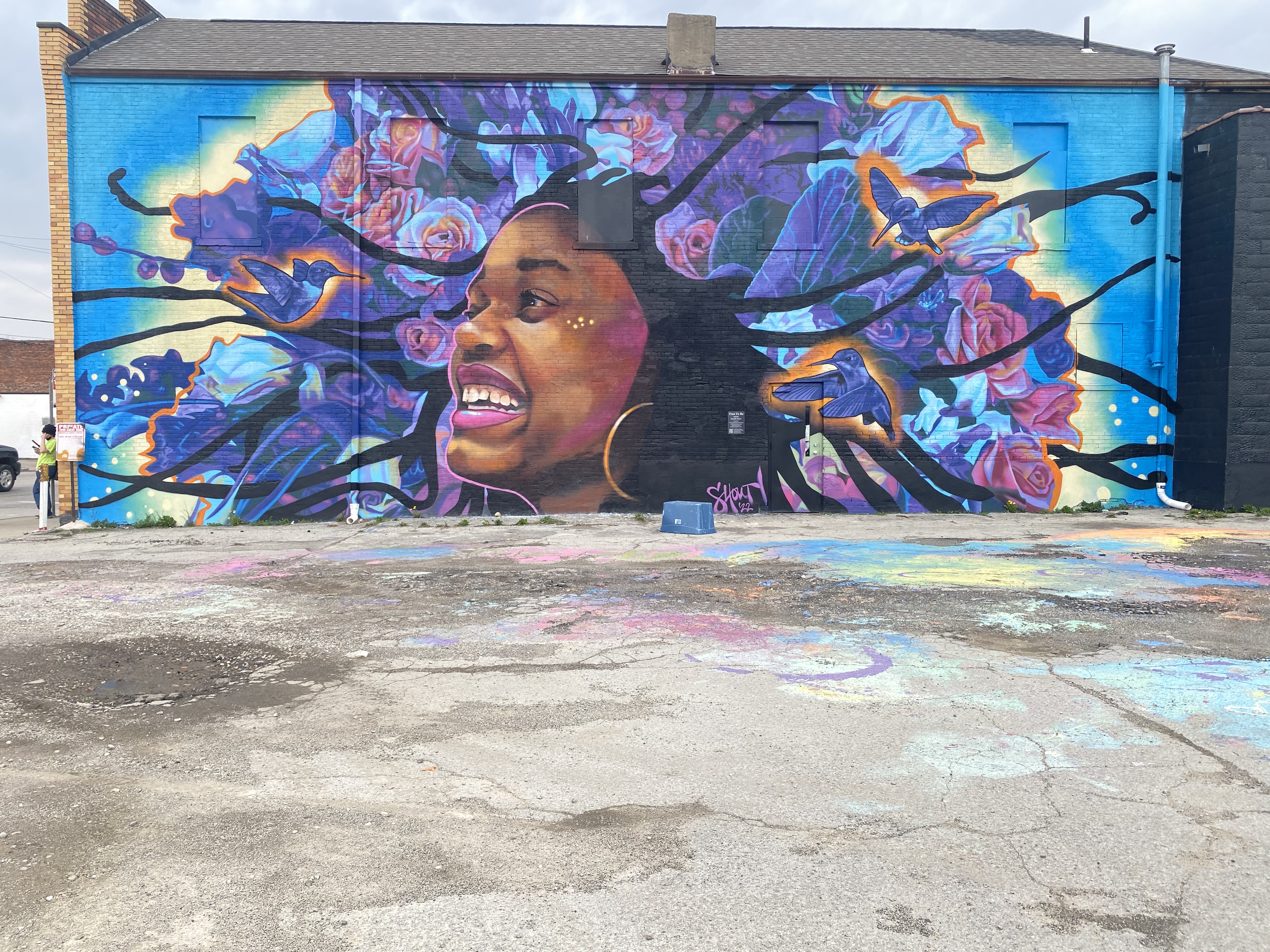
Sarah Hout @sarahthehout – Columbus, Ohio
“Dream Together” Jeremy Jarvis @jarvjer – Columbus, Ohio
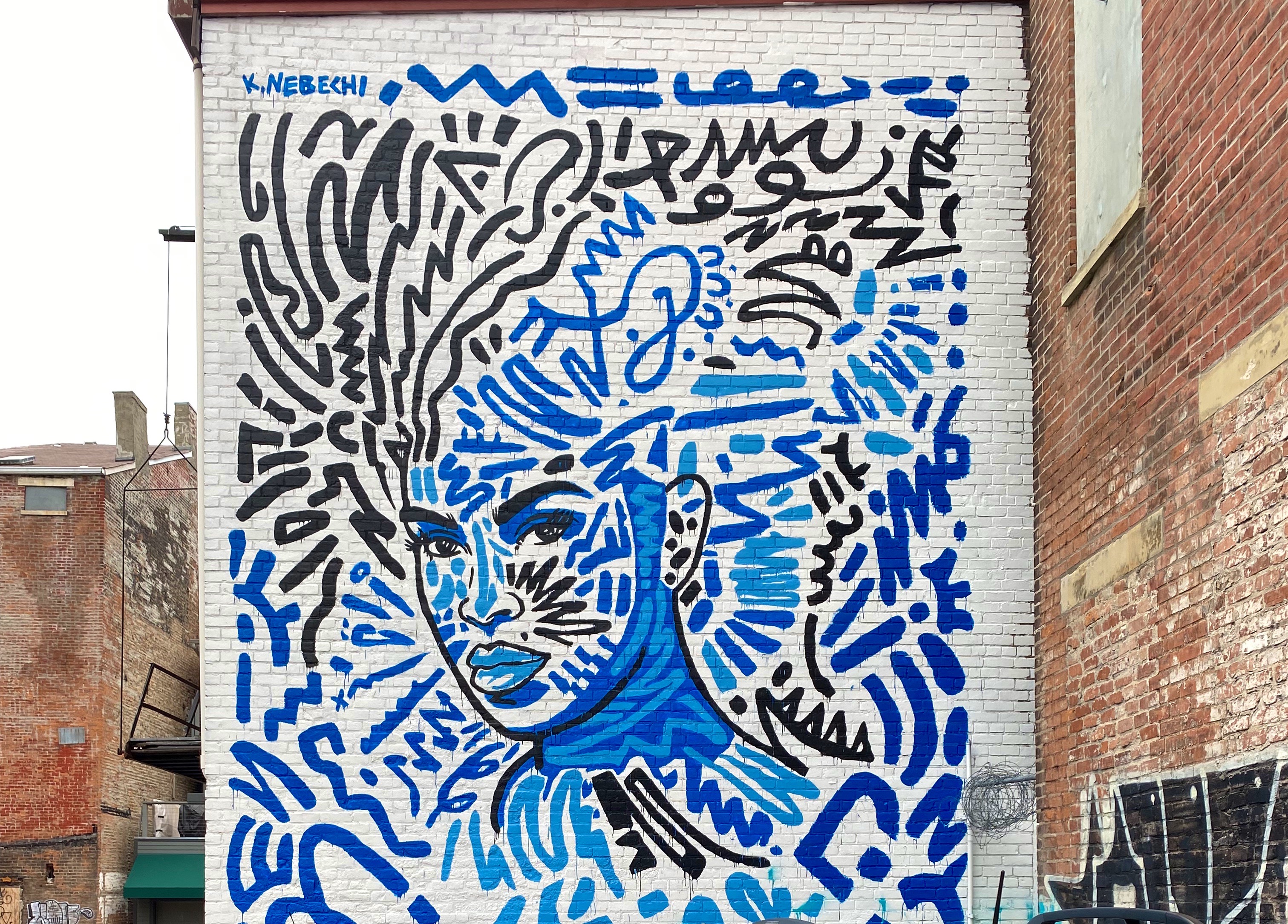
Artist Unknown – Cincinatti, Ohio
Michael Roy @birdcap – Memphis, Tennessee
Emily Molly Wood – Argenta Mural Project – North Little Rock, Arkansas
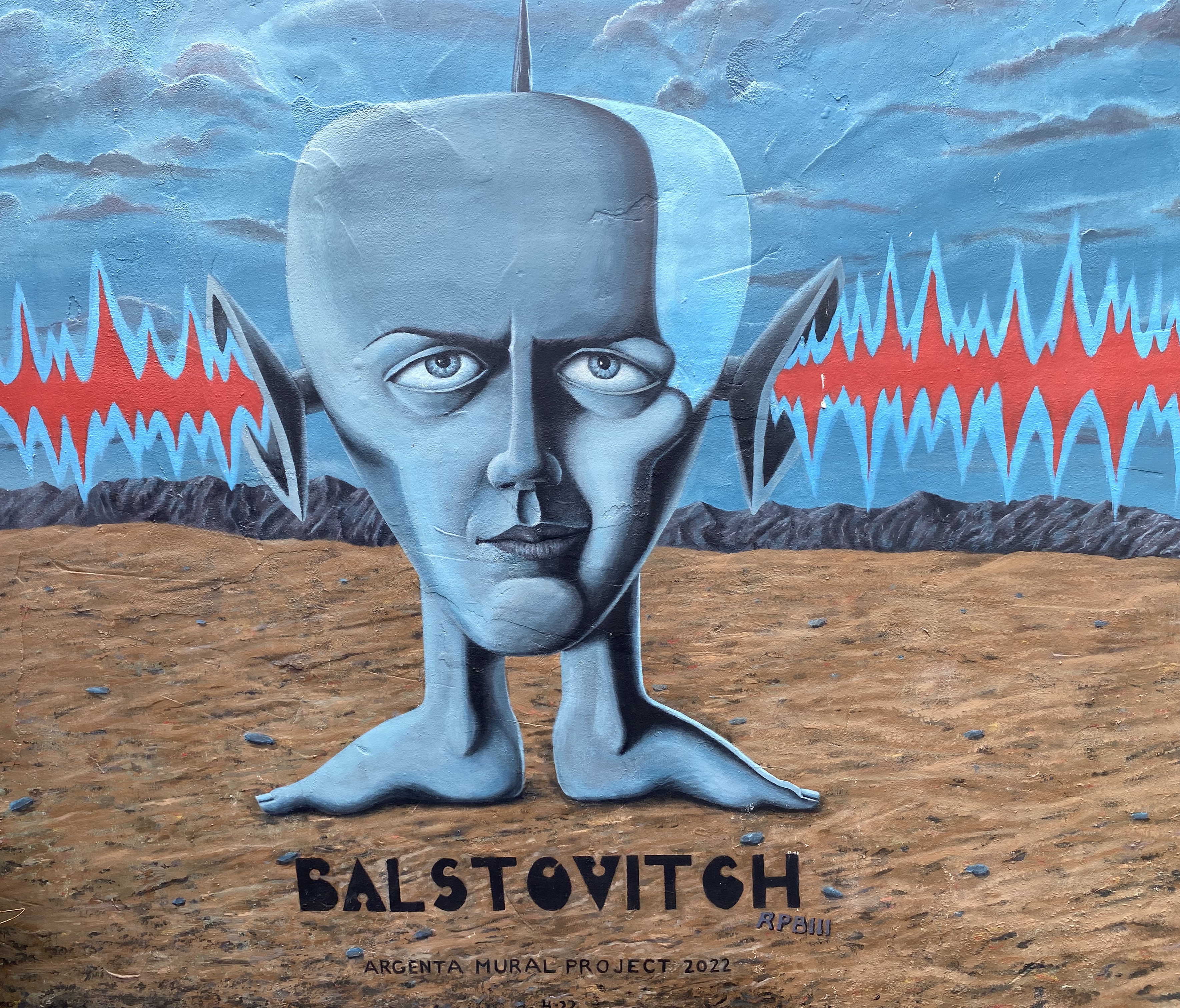
Roland P. Burnham III @balstovision – Argenta Mural Project – North Little Rock, Arkansas
Artist Unknown – Argenta Arts District, North Little Rock, Arkansas
Jes Weiner @magicatmuralist – Texarkana, Texas
@chelsie310 – Texarkana, Texas
“The Highwaymen” – Stylle Read – Marathon, Texas
Monty Welt @montywelt – Alpine, Texas
@deko_uno – El Paso, Texas
Artists Unknown – Leon Street, El Paso, Texas
Artist Unknown – Alameda Avenue, El Paso, Texas
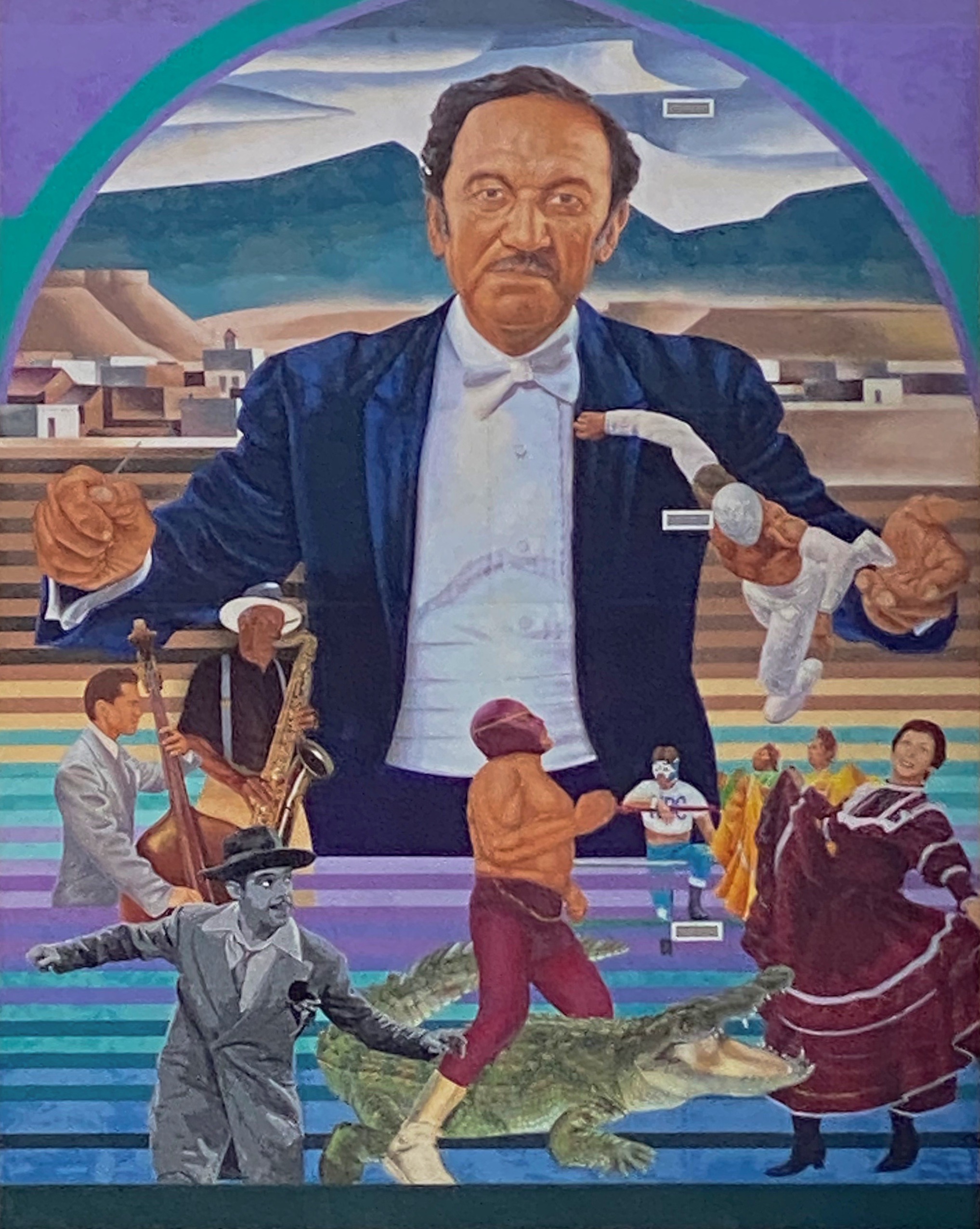
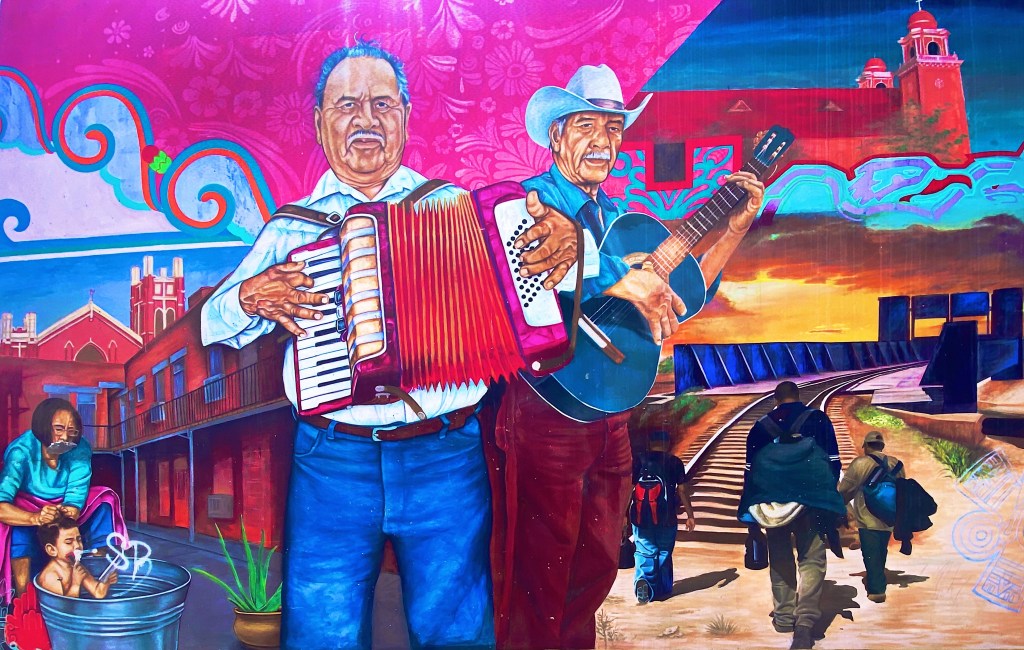
Latino Icons: Don Tosti, Art Lewis, Abraham Chavez, Los Largatos, Rocky Star, Cinta De Oro, Tin-Tin, Rosa Guerrero and Sin Cara – Jesus “Cimi” Alvarado, Martin “Blaster Zubia and Victor “Mask” Casas – Downtown – El Paso, Texas
All of the remaining photographs in this post were taken in the Segundo Barrio. As the name suggests the Segundo was the second neighborhood in El Paso. Since the 1830s this area has been a major entry point for Mexican immigrants coming into the United States. The majority of the immigrants in the barrio were and still are migrant farm workers.
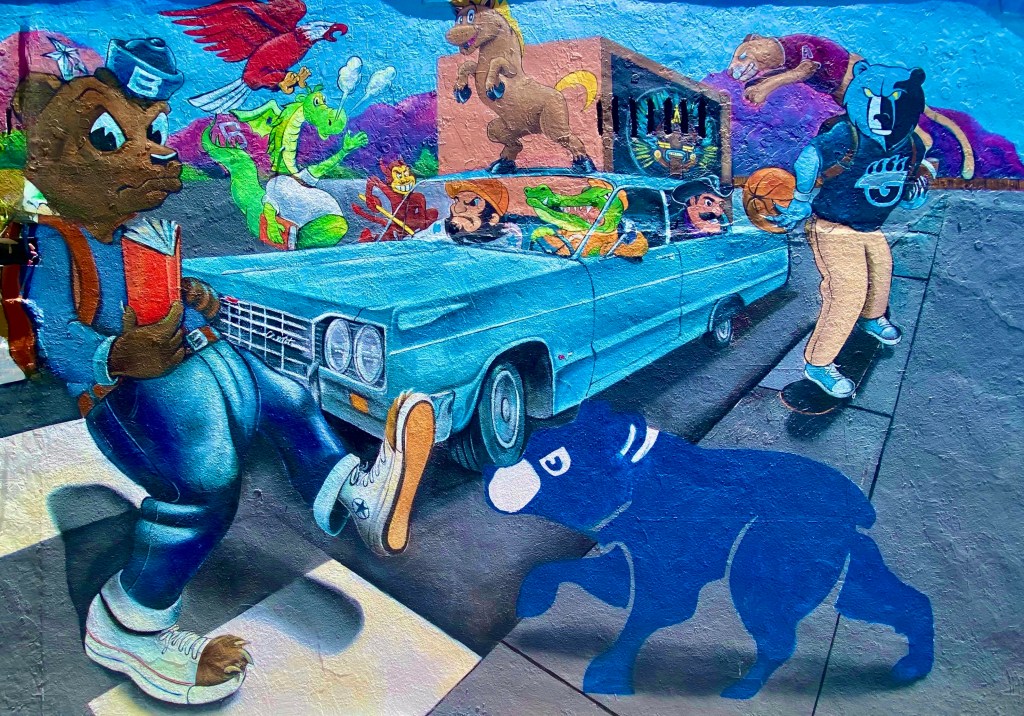
Artist Unknown – Segundo Barrio – El Paso, Texas
The Segundo still reflects its Tejano culture and traditions very proudly (we hope the murals we have featured below will reflect that same sense of tradition, culture and aspiration). At one point, the city planned to demolish much of the barrio as a way to eliminate the significant substandard housing stock instead of addressing the root causes in a humane fashion. Fortunately, civic groups formed and defeated the city’s plan to demolish the historic area.
El Corrido del Secondo Barrio – Jesus “CIMI” Alvarado and Victor “Mask” Casas – Segundo Barrio – El Paso, Texas
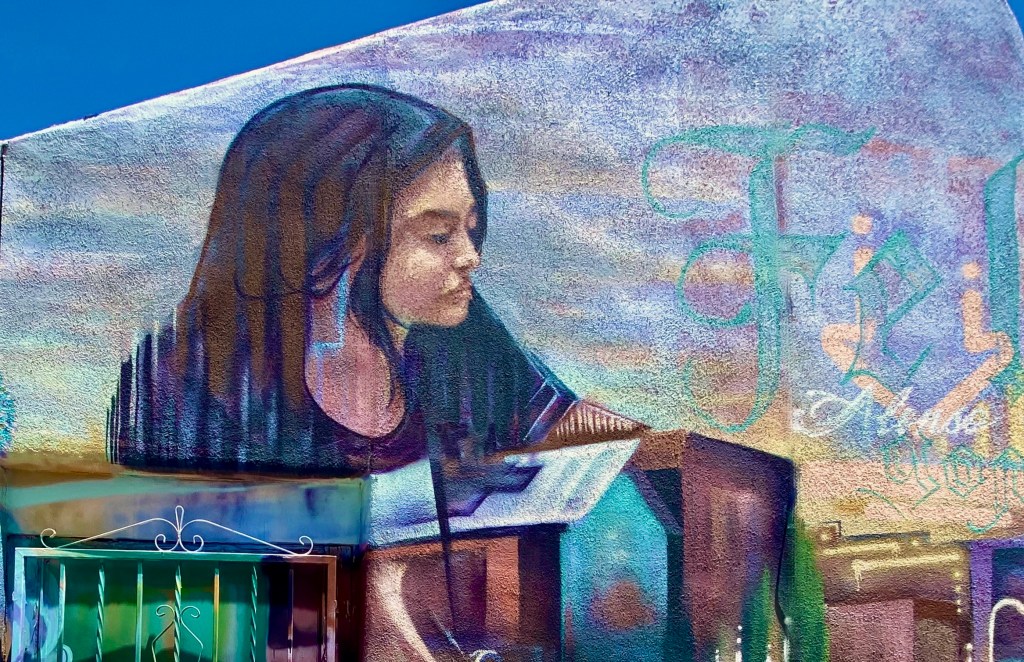
Jesus “CIMI” Alvarado – Segundo Barrio – El Paso, Texas
Unfortunately, the preservation of the barrio has not improved the economic conditions significantly. Many of the Mexican-American residents and immigrants still toil as farm workers. The barrio is poor by any measure, albeit rich in culture, tradition and pride in its heritage.
This post is all about the fantastic street art found throughout the Over-the-Rhine neighborhood of Cincinatti. We have included a brief history of the neighborhood for context. Please find below a sample of some of the great street art on display throughout OTR. We hope you enjoy the art as much as we did.
The Over-the-Rhine (über den Rhein)neighborhood in Cincinatti traces its roots to a large German population that settled in the area. The area was home to mana significant number of breweries (at its peak there were 36) which employed many of the German migrants. The workers had to walk over the Miami and Erie Canal each day on their way to and from work and they began referring to the canal as the Rhine in reference to the Rhine River in their native country.
After World War 2 the neighborhood began a long decline as the original German residents again migrated – to the surrounding suburbs. Many of the industries that once provided jobs in this working class neighborhood also left or closed. Of course, to add insult to injury, the Miami and Erie Canal was capped!
By the late 1900s the area had deteriorated to one of the poorest areas in the city and was rife with crime. Fortunately, around the turn of the century the city and several organizations came together to create a comprehensive plan to revitalize the neighborhood. Based on our visit and the number of people visiting the area there has been much progress, although it is clear that this is still an area in transition.
Public art has also been a significant piece of the revival of OTR. ArtWorks and other community organizations have invested in the area and sponsor aspiring and accomplished artists. We have included the artist and sponsor information wherever available. Our apologies to any uncredited artists.
See our Sights & Sounds reels on Facebook or Instagram to experience a snapshot of our visits to Cincinatti and Arkansas. Be seeing you
P.S. Cincinatti is a first rate specialty coffee town!
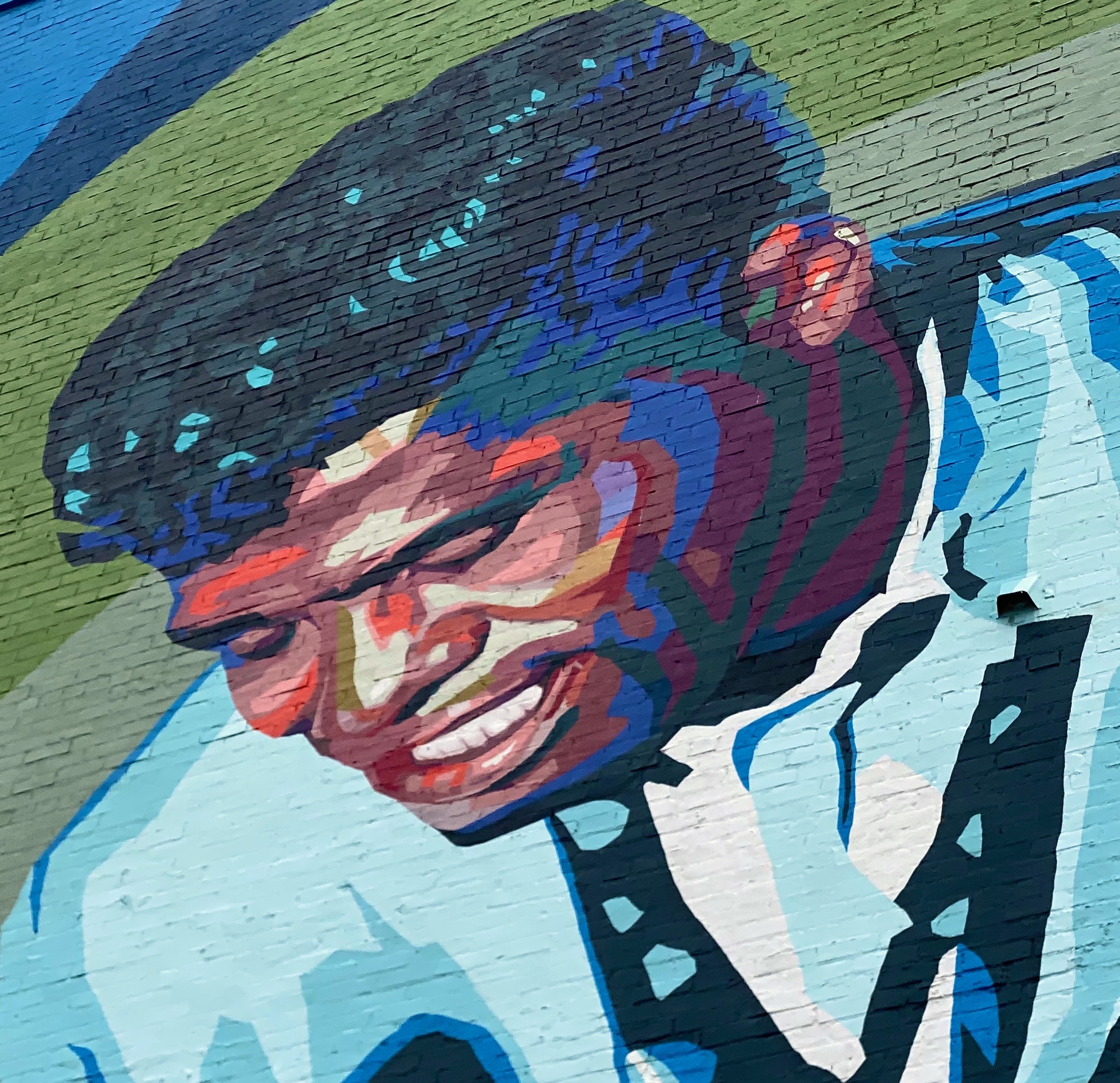
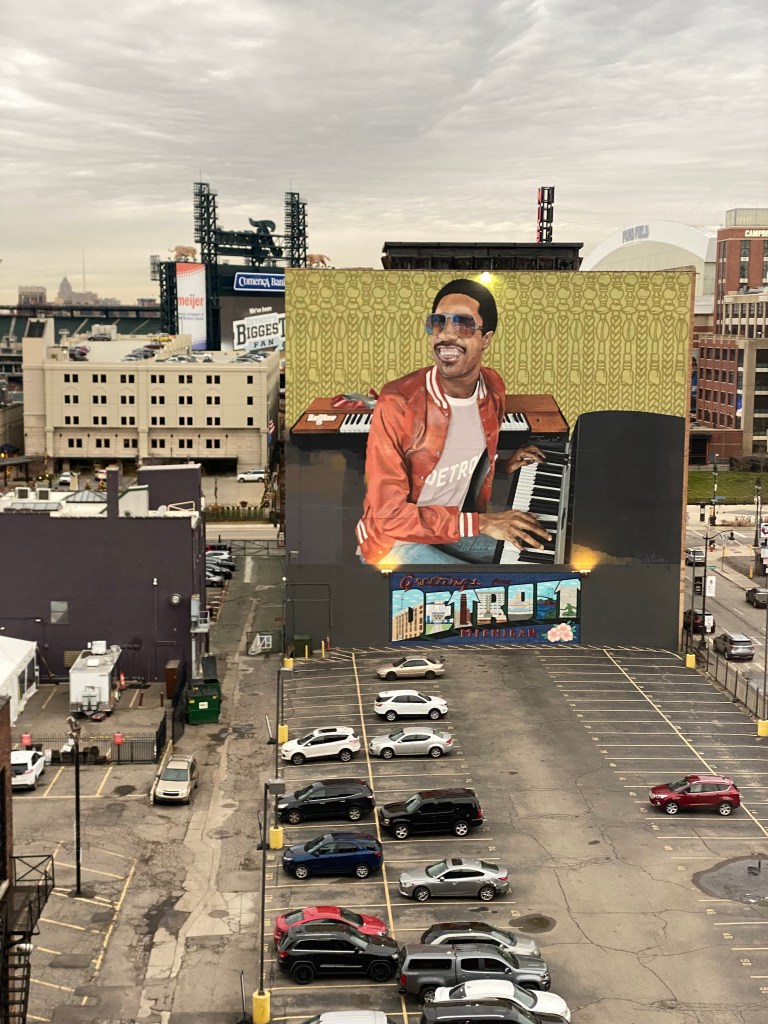
“Stevie Wonder” Richard Wilson @richardwilsonartwork(2019)
@streetartfromtheroad and @finearttourist traveled to Detroit (DTW) in early December to see the Van Gogh in AmericaExhibition at the Detroit Institute of Arts(DIA).This exhibition was originally scheduled for the summer of 2020 but was canceled due to the Covid-19 pandemic. Fortunately, the DIA was able to gain access to the majority of paintings scheduled to be part of the original exhibition. An upcoming post by @finearttourist will showcase this spectacular exhibition.
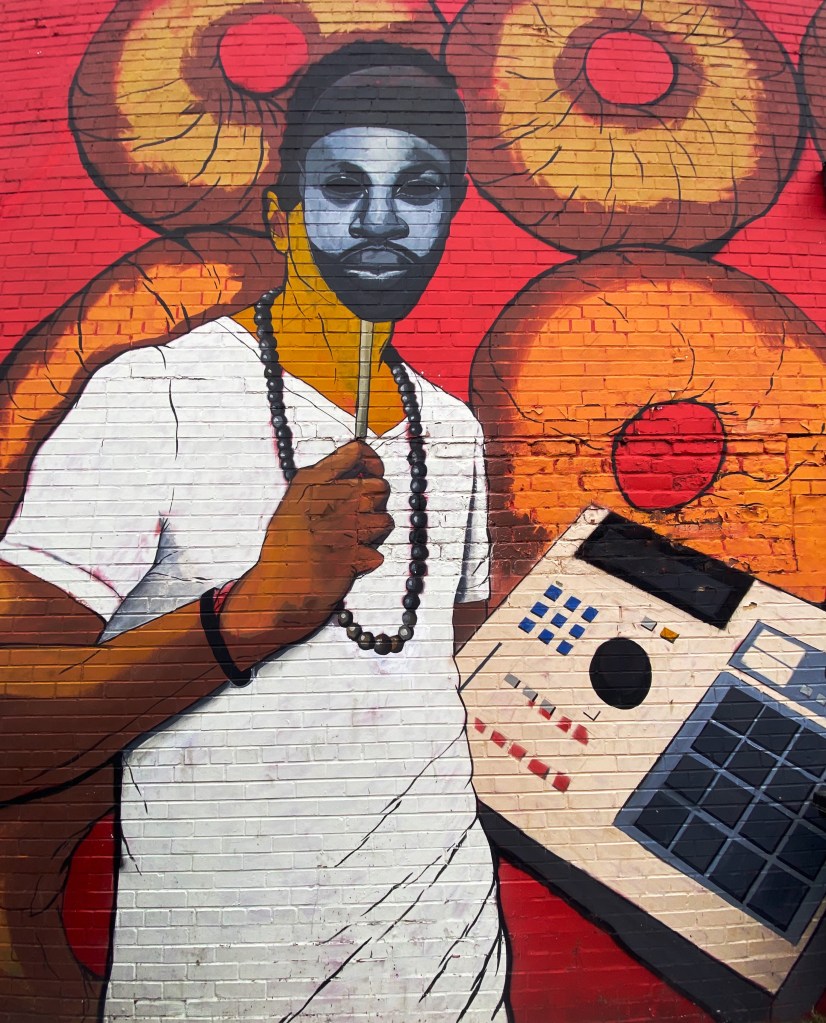
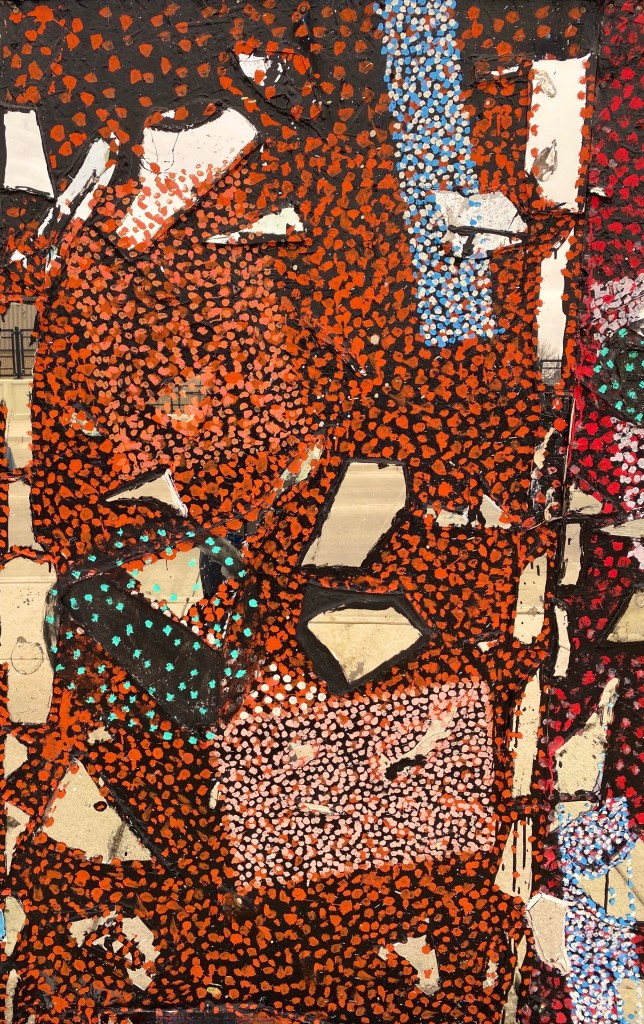
Of course, while in DTW we took full advantage of the good weather to explore the outdoor museum of street murals scattered throughout the Eastern Market District.In this post we will share some of the fantastic street art on display in the Eastern Market. Disclosure: some of the mural photographs have been edited to eliminate peeling paint and graffiti.
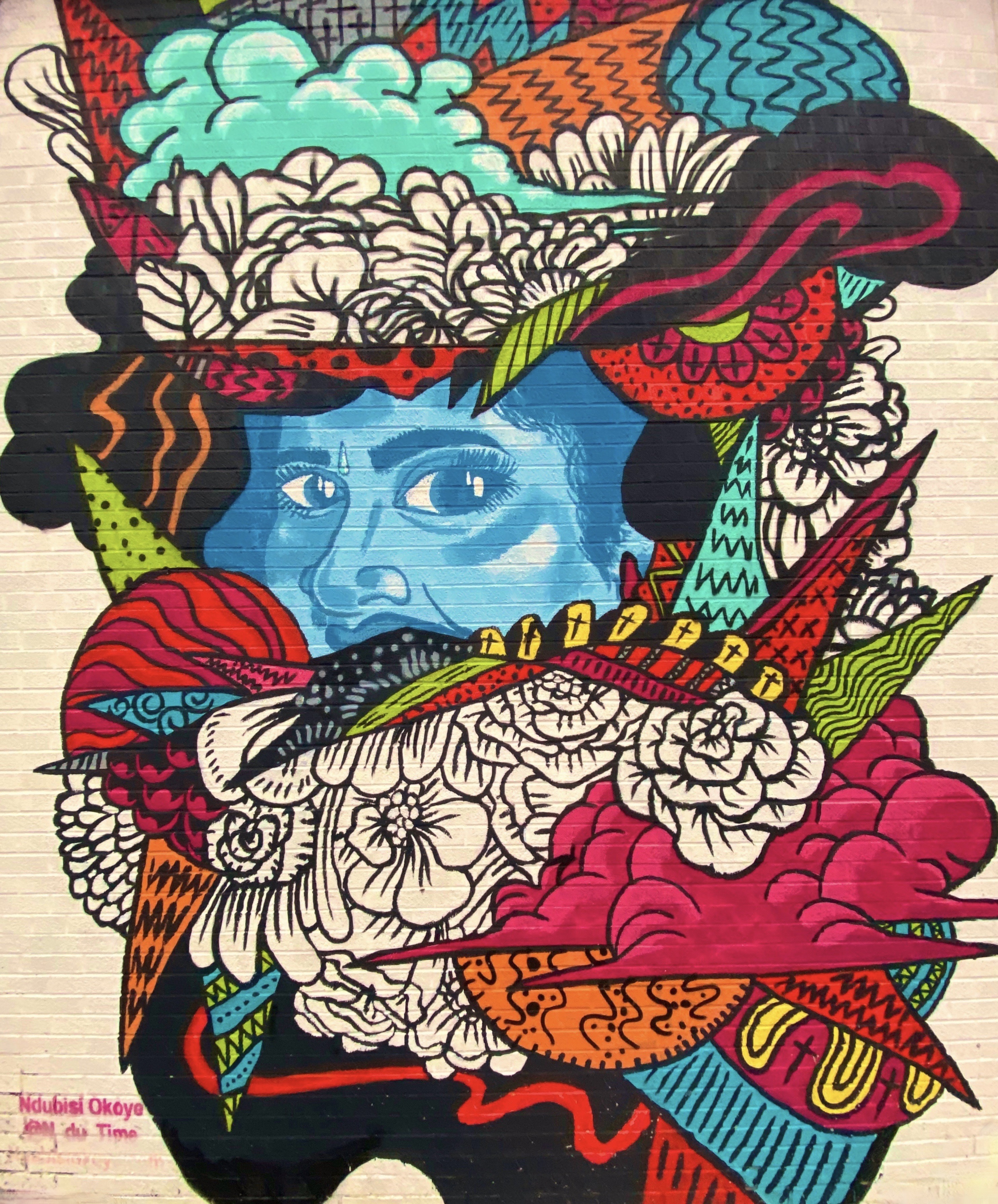
Ndubisi Okay @n_du_time
Brandan Mike Odums @bmike2c(2017)
“Dreamers” Jeff Soto @maxxer242 (2015)
The Eastern Market has been in existence for over150 years. After World War 2, the market became a major hub for food processing and wholesale food distribution. The market covers approximately 43 acres just north of downtown DTW.There are still 80 standing structures ranging from fully occupied to abandoned and decaying.
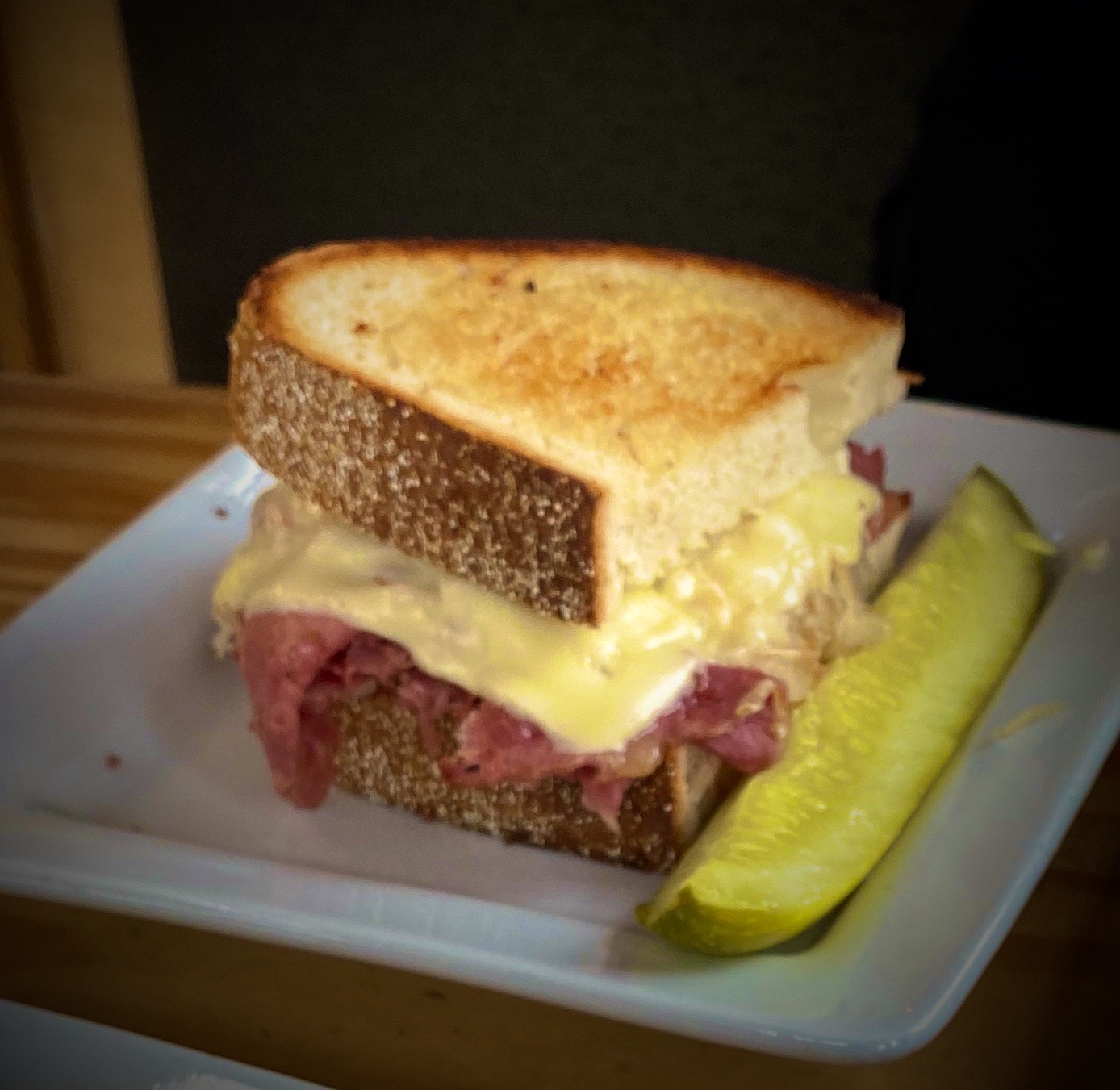
Today, the Eastern Market is the largest open-air flower bed market in the United States. Additionally, there are over 150 firms sellingmeat, spices, vegetables, jams and poultry. There are also a number of restaurants, bars and non-food retailers located within the market district.Lastly, if you are hankering for a corned beef sandwich, a pastrami sandwich or Detroit’s (in)famous “coney” this is the place to go.
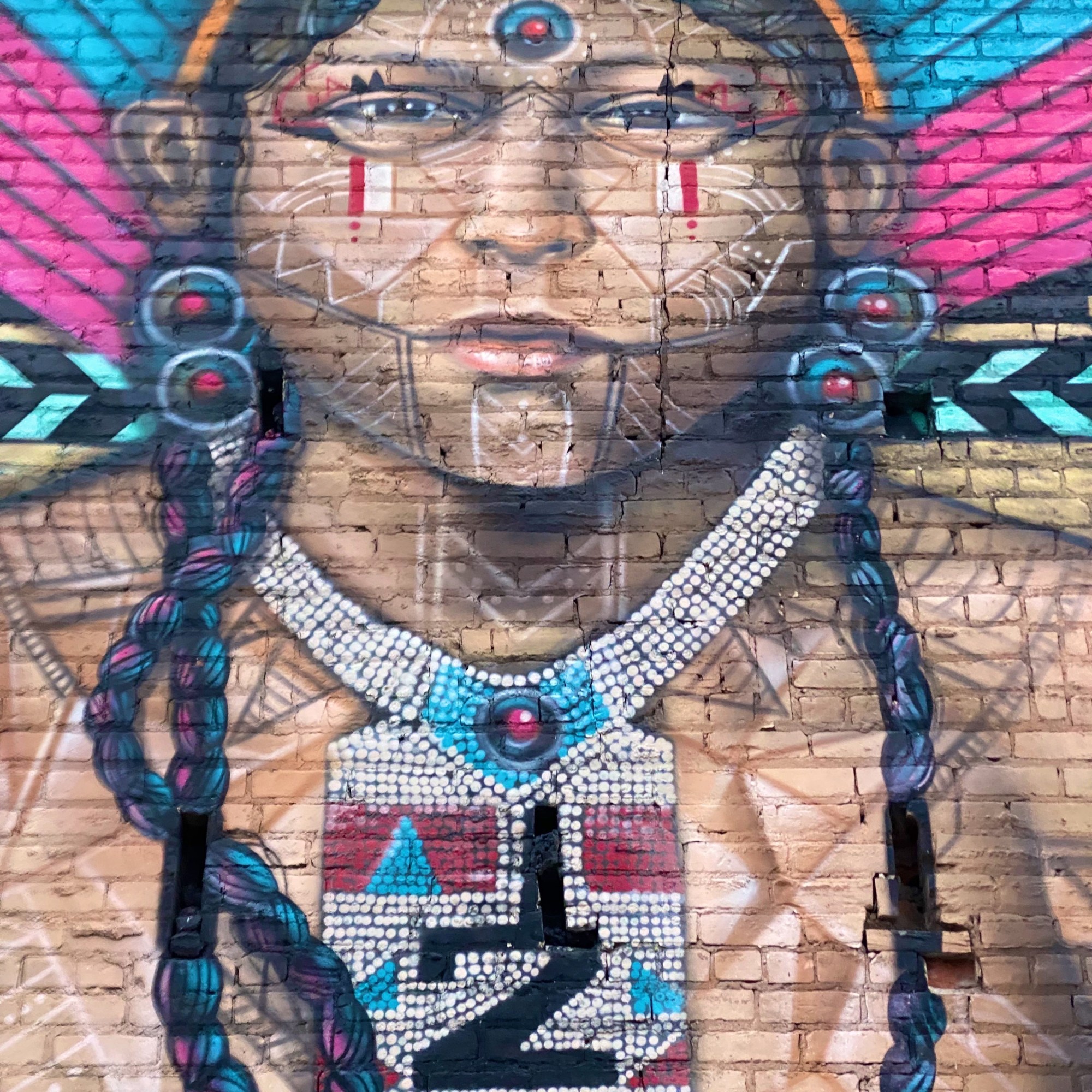
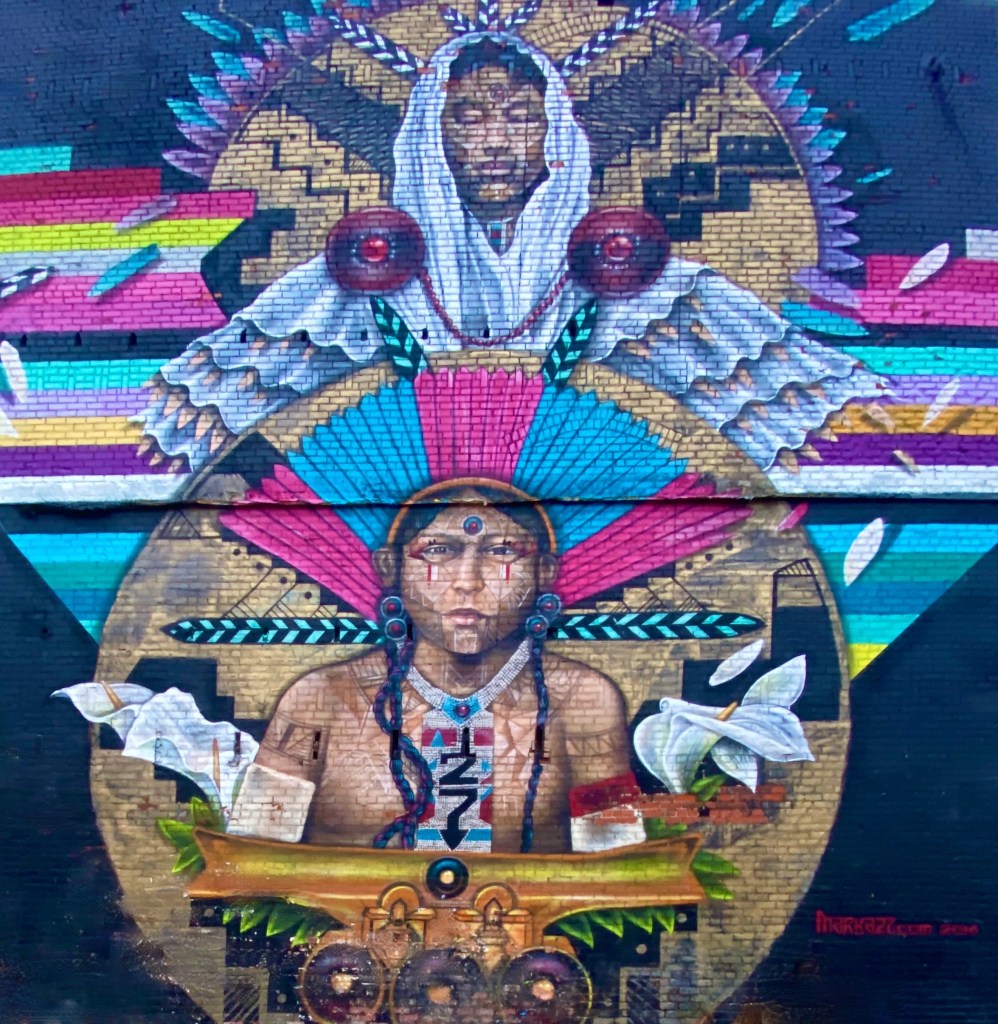
Victor Quinonez @marka_27(2016)
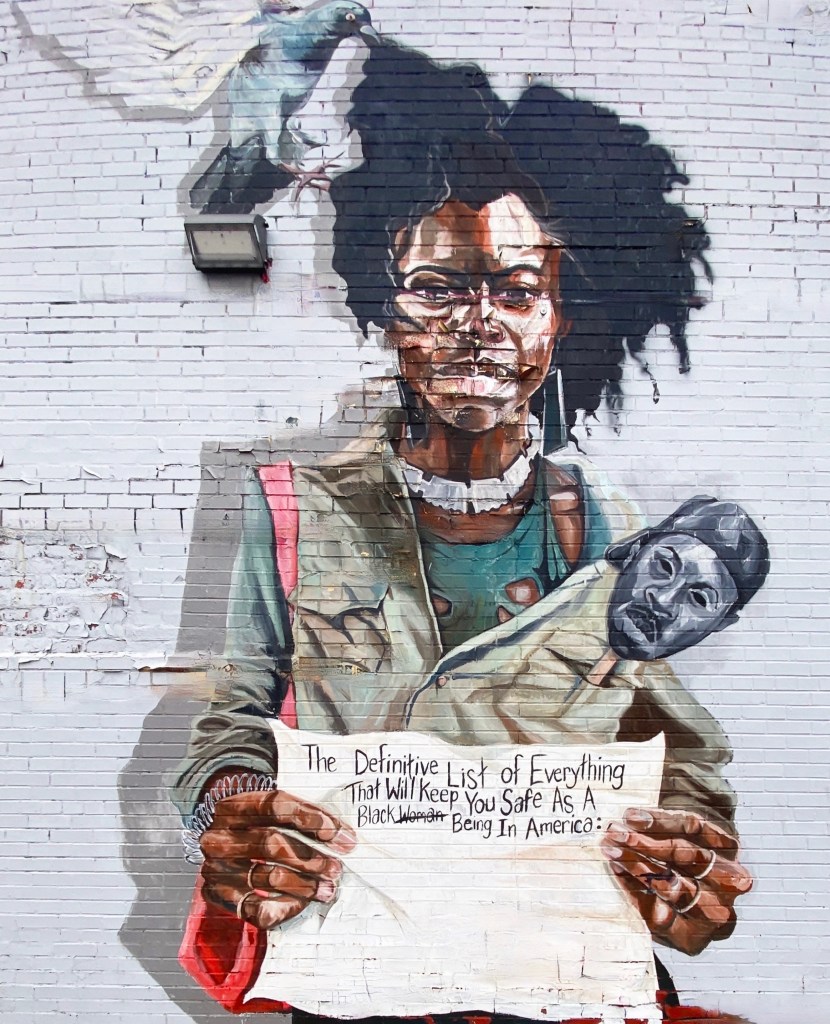
Tylonn Sawyer @tylonn.j.sawyer(2016)
Ashley McFadden @mcfadden_ashley (2019)
Sydney G. James (A girl raised in Detroit) @sydneygjames(2017)
Enough SAID (Enough Sexual Assault in Detroit)
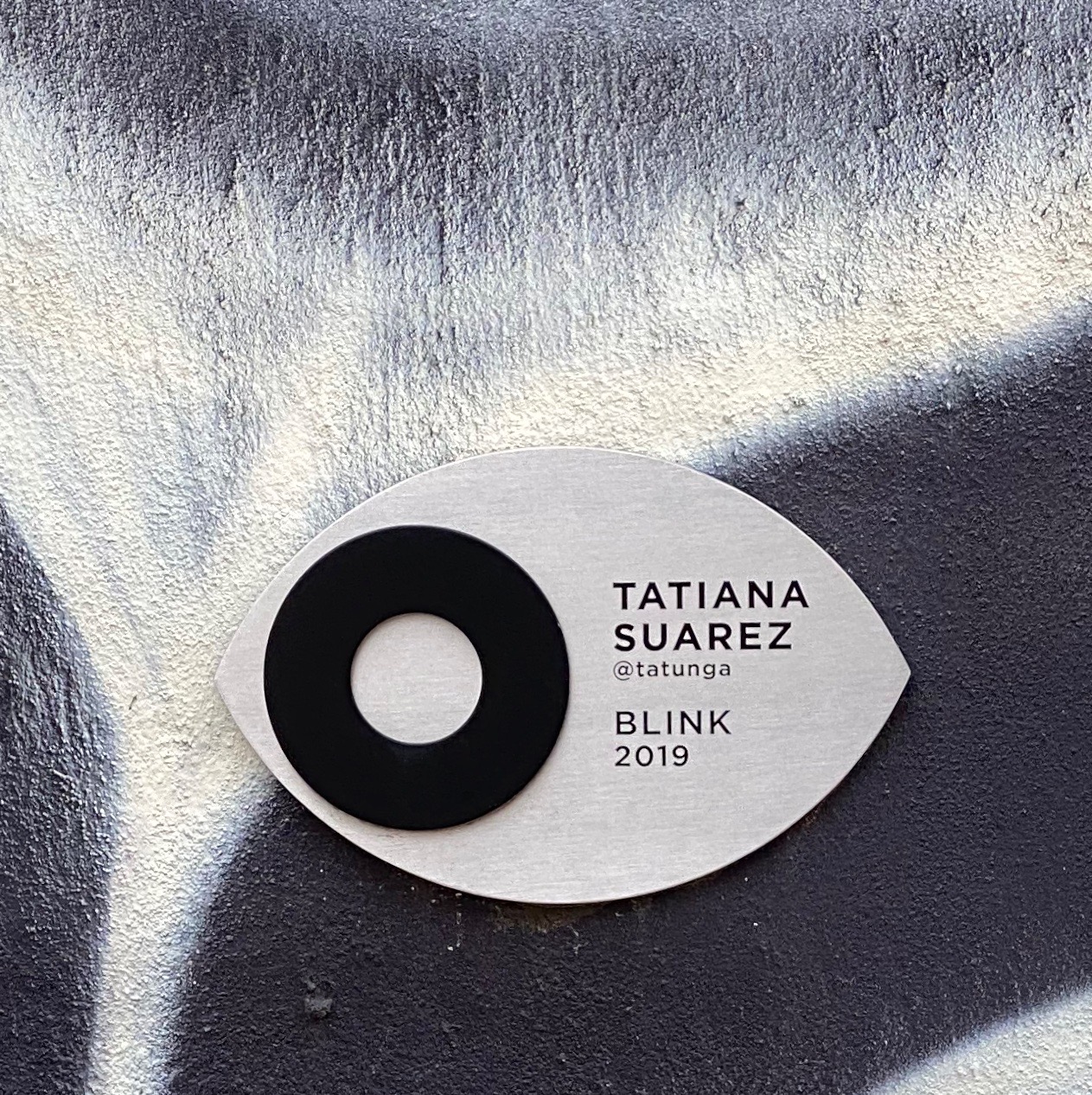
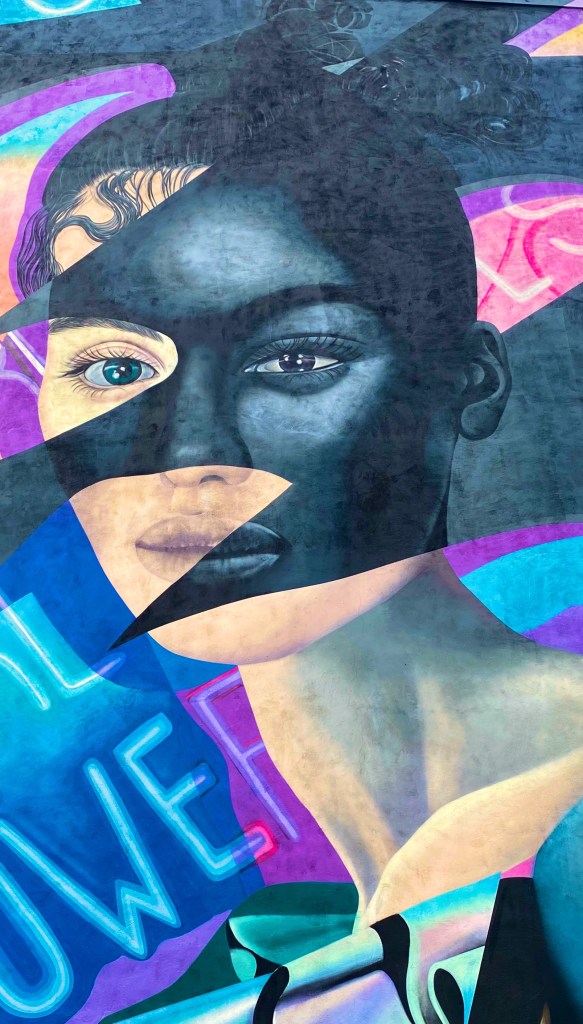
Tatiana Suarez @tatunga(2017)
The Murals in the Market (MM) organization has been actively supporting the transformation of the Eastern Market from a wasteland to a cultural destination within Detroit. The organization sponsors an annual mural festival in the Market District. To date, the organization has supported the production of 100 muralsin the District and 200 murals across the city. Additionally, MM supports a number of other arts events (including live music) throughout the year.We hope that this organization continues to receive support from the DTW community as part of the revitalization of DTW.
Arlin @arlin_graff(2017)
Birdman @ed_Irmen (2019)
Joey Salamon @joeysalamon (2019)
Osunlade(2019)
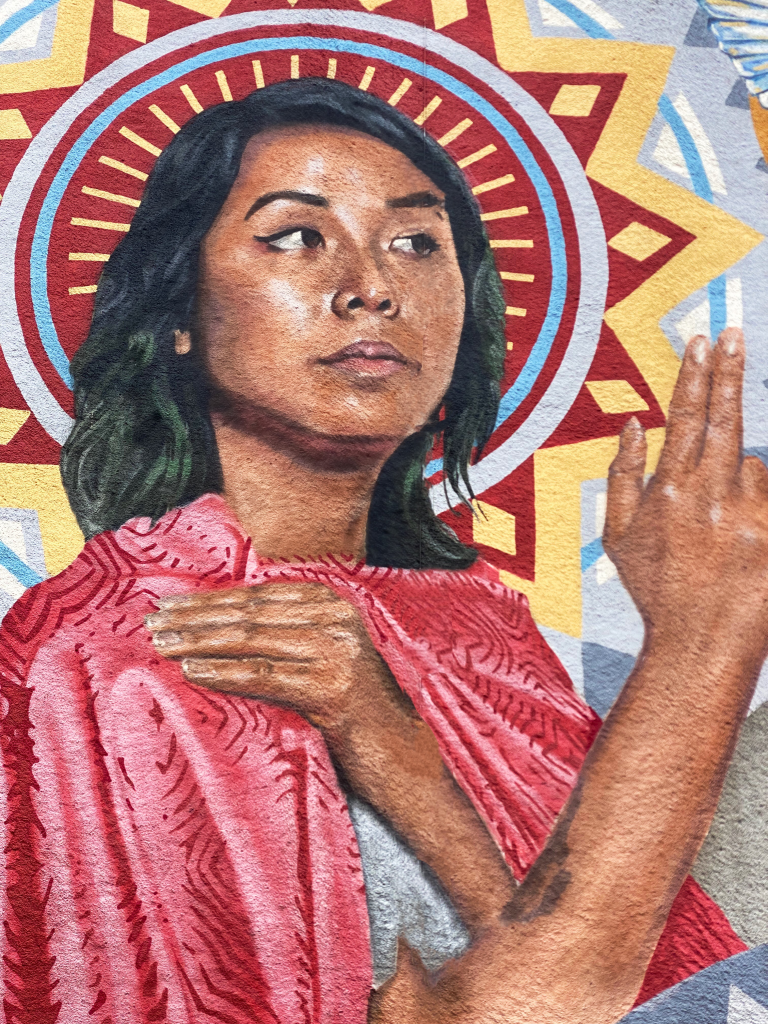
“Mama Maiz” by Ivan Montoya @imontoya_ (2019)
Sydney James (A girl raised in Detroit) @sydneygjames (2016)
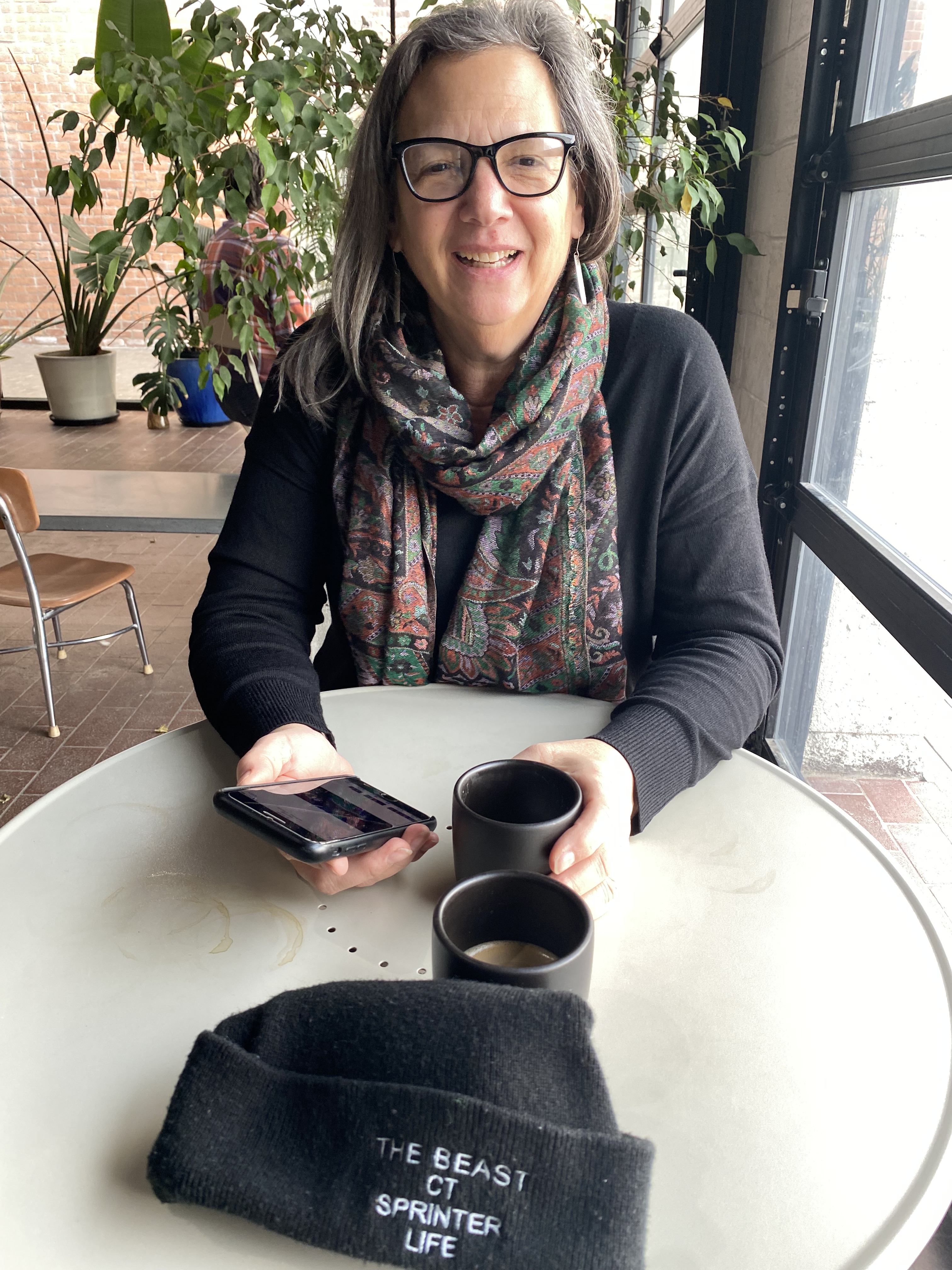
Of course, a day of mural hunting requires sustenance. Fortunately, we were able to start and end our pic shooting at Anthology Coffee, which is located conveniently in the market. Anthology roasts their own coffee on the premises.Anthology Coffee.com | Always Tasty
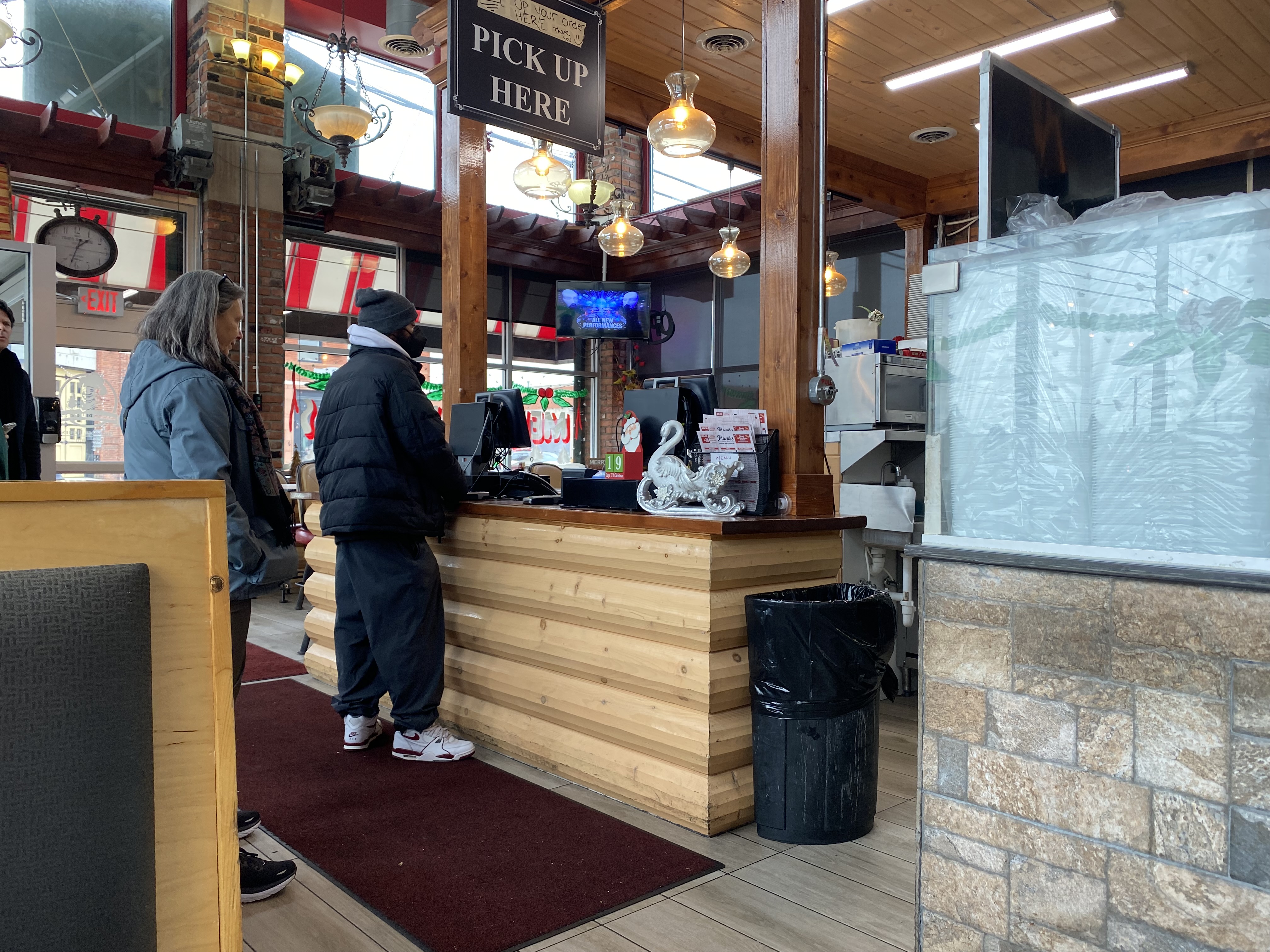
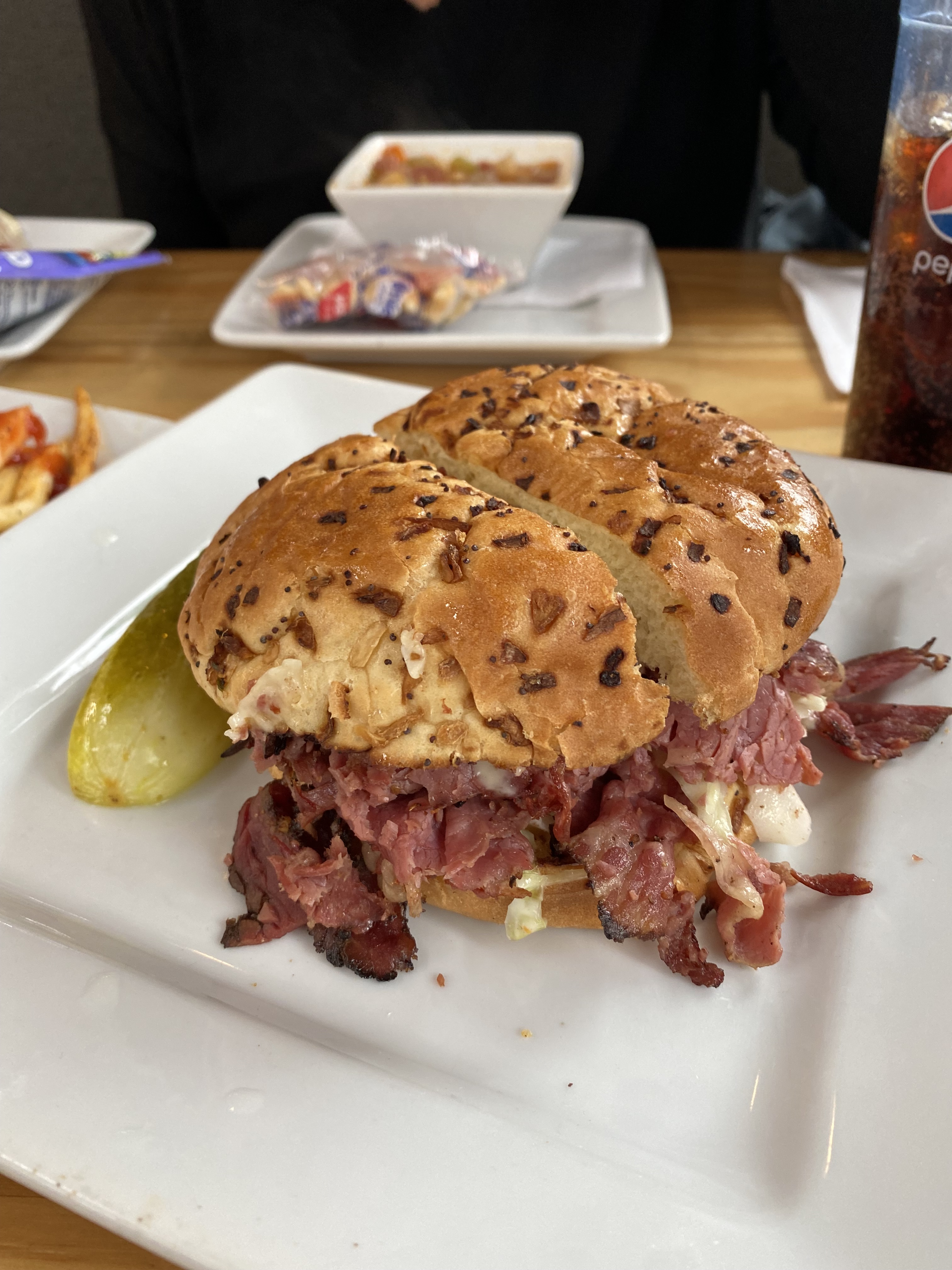
In keeping with the meat packing history of the Market, our mid-day replenishment was taken at Franks’s Deli and Grill. We feasted on a Detroit staple – Wigley’s Famous Corned Beef!https://www.facebook.com/FranksDeliandGrill/menu/
Fine Art Tourist:OTR 8.0: Mississippi Museum of Art: New Symphony of Time
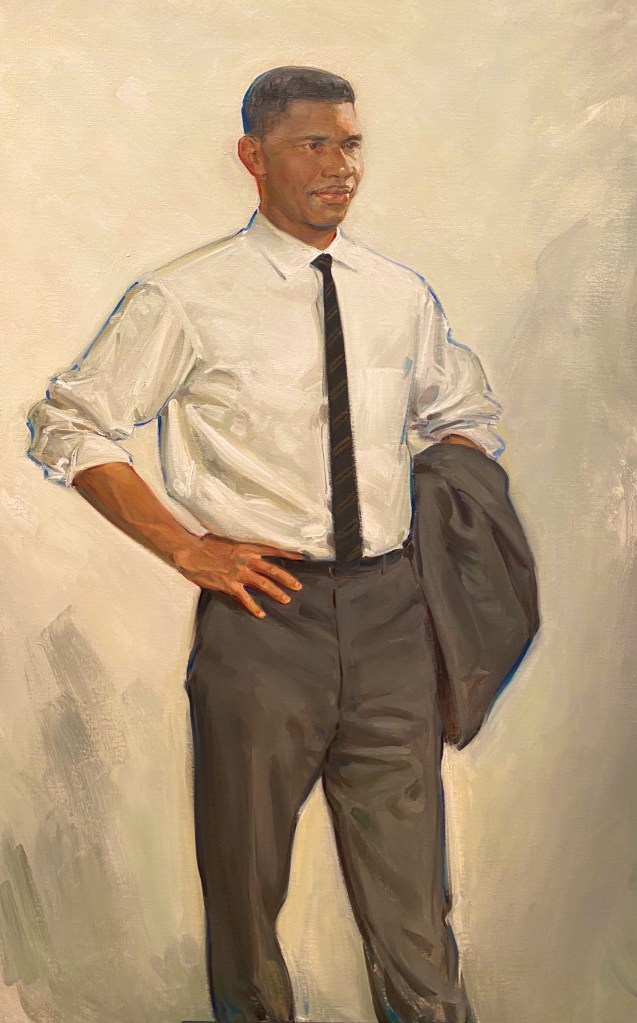
Jason Bouldin (1965) Portrait of Medgar Wiley Evers, 2013, Oil on canvas
Hystercine Rankin (1929-2010) Baptism in Crow Creek, 1996, quilted fabric, with appliqué and embroidery
After several days in Vicksburg, immersing ourselves in Civil War and Mississippi River history (see post – ctsprinterlife: OTR 8.0: Mississippi Part Three), we decidedto head east to visit Jackson, before continuing our journey south along the Mississippi River.
Our timing turned out to be impeccable asMMOA was just opening a new exhibit entitled New Symphony of Time. The exhibit is ongoing and part of the permanent collection of the MMOA. The exhibit consists of 170 works by noted artists such as Georgia O’Keeffe, Albert Bierstadt and Benny Andrews.Additionally, the exhibit includes many works by talented Mississippi artists.
msmuseumart.org
Albert Bierstadt (1830-1902) A Scene in the Rockies, Lake Silva Plans, not dated, Oil on canvas
New Symphony of Time expands and illuminates the boundaries of Mississippi’s narrative. Exploring the themes of ancestry and memory; migration, movement, and home; shared humanity; the natural environment; and liberty for all, the exhibition is inspired by Margaret Walker’s epic poem, “This is My Century: Black Synthesis of Time.” (Above paragraph is taken from the curator notes.) The poem is interspersed in the post below.
Throughout the exhibit certain ideas resonate: personal and collective memory, history and the connection to place, as well as the roles artists play in pursuit of civil rights and racial equality.
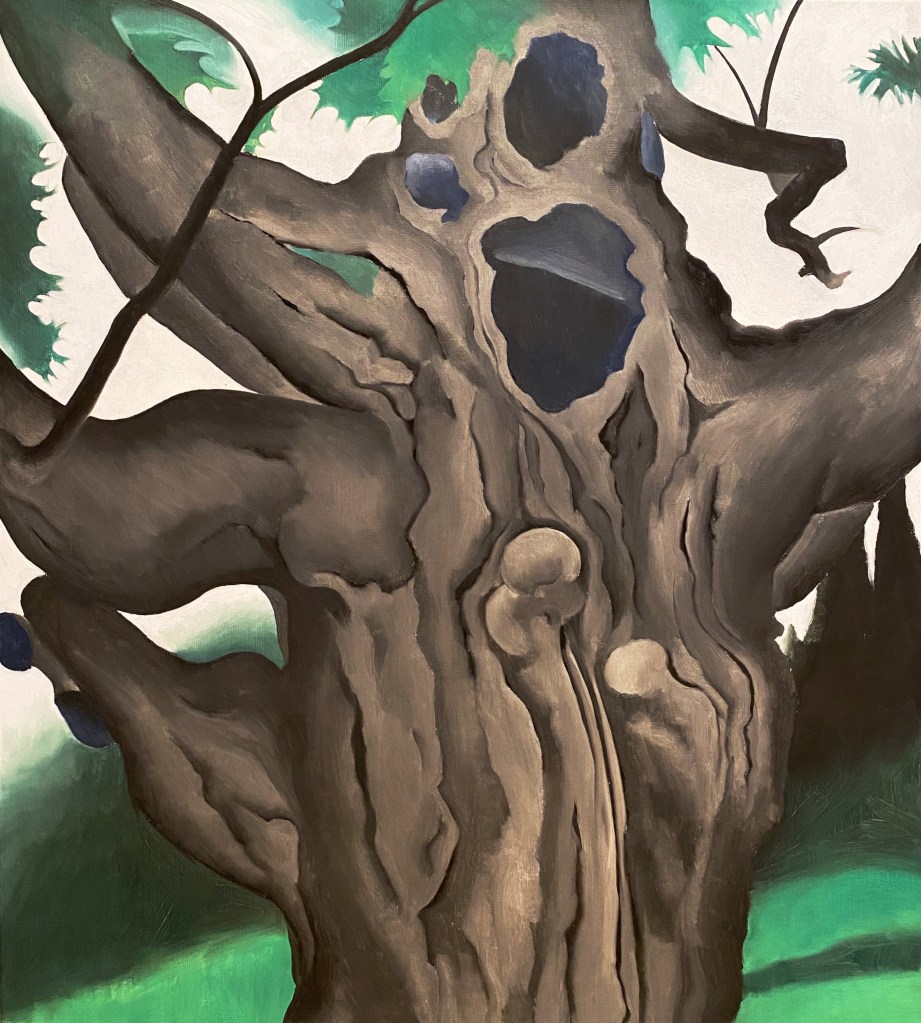
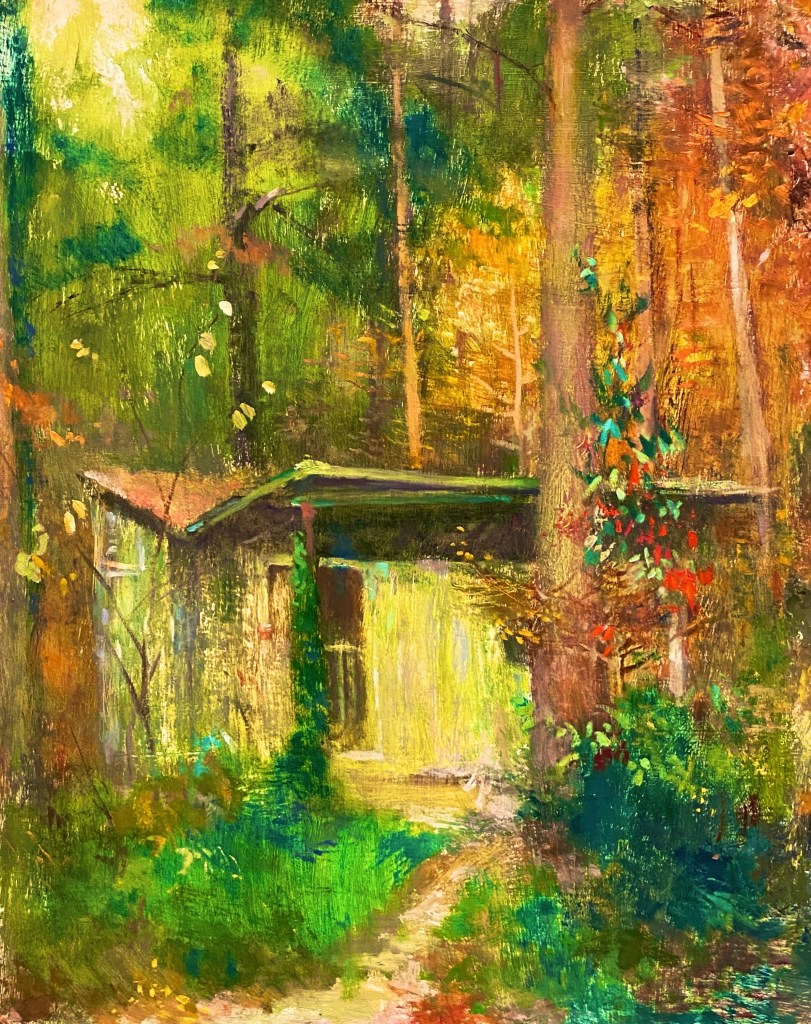
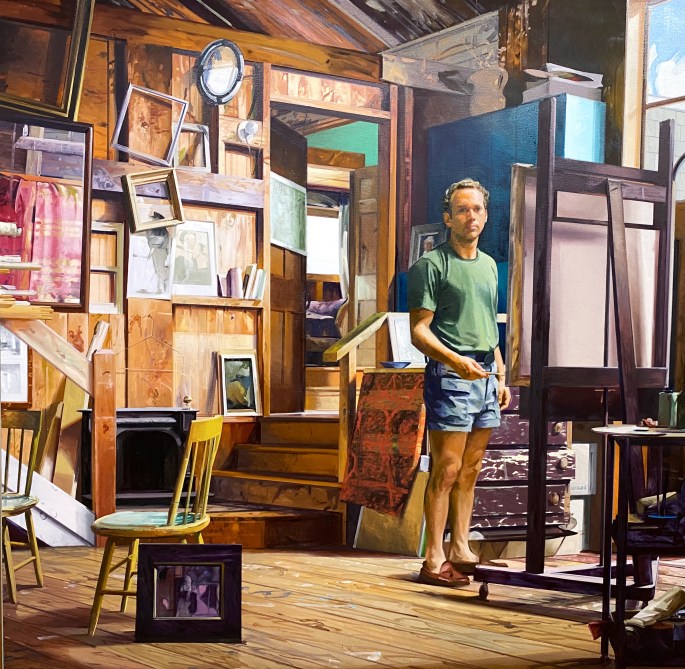
Helene Canizaro (1911-1997) Stafford Springs,1974, Oil on canvasGeorgia O’Keeffe (1887-1986) The old Maple Tree, Lake George, 1926, Oil on canvasMildred Nungester Wolfe (1912-2009) The Old Studio, 1957, Oil on canvas
This is My Century: Black Synthesisof Time by ---Margaret WalkerO Man, behold your destiny,
Look on this life
and know our future living
our former lives from these our present days
now melded into one.
Hale Woodruff (1900-1980) Mississippi Wilderness, c. 1944, Oil on canvas
Queens of the Nile,Gods of our Genesis,
Parade of Centuries
behold the rising sun.
The dying Western sky
with yawning gates of death,
from decadence and dissonance
destroying false and fair,
worlds of our galaxies,
our waning moons and suns
look on this living hell
and see the rising sun.
Theora Hamblett (1895-1977) Walking, Meditating in the Woods,1963, Oil on canvas
This my centuryI saw it grow
from darkness into dawn.
I watched the molten lava pour
from red volcanic skies;
Islands and Mountains heave
into the sea
Move Man into the spiraled axis turn
and saw six suns and sunsets rise and burn.
Karl Wolfe (1903-1984) Xanadu (View from Studio Window), c. 1960s, Oil on board
Osiris, Isis, black and beautiful gods,
When came your spectacle
of rythmed life and death?
You gods of love
on pyres of sacrifice
our human hearts become
old hearthstones of our tribal birth and flame:
the hammer and the forge,
the anvil and the fire,
the righteous sparks go wild
like rockets in the sky.
The fireworks overhead
flame red and blue and gold
against on darkened sky.
O living man behold
your destined hands control
the flowered earth ablaze,
alive, each golden flower unfold.
John McCrady (1911-1968) Rural Symposium, 1964, Acrylic on board
Now see our marching deadThe tyrants too, have fled.
The broken bones and blood
Have melted in the flood.
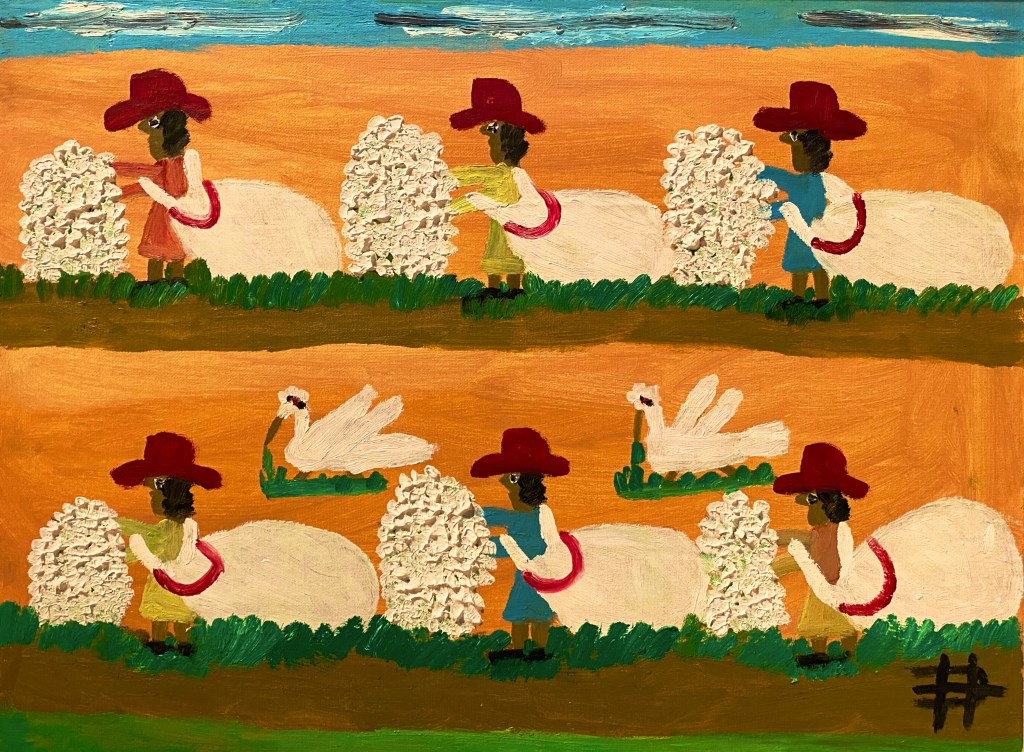
Clementine Hunter (1886-1988) Untitled, 1980, oil on canvas board
Cinque.O man magnificent.
The gods endowed you well.
Prince of our innocence
The stars move round your head.
You stride the earth to tell
your sons and daughters young
from island, sea, and land-
a continental span-
how men are made of gods
and born to rule the world.
In majesty with monumental hands
you bridge the Universe
and centuries of desert sands.
Bequeath to us your handsome dignity
and lordly noble trust.
George Morland (1763-1804) Execrable Human Traffick, 1789, Oil on canvas
Gods of compassion, rise
In mortal human form.
The splendor of your eyes
Streaks lightening through the storm.
Noah Saterstrom (1974) Road to Shubuta, 2016, Oil on canvas
This is my century-Black synthesis of Time:
The Freudian slip
The Marxian mind
Kierkaardian Leap of Faith
and Du Bois' prophecy: the color line.
These are the comrades of Einstein,
the dawning of another Age,
new symphony of Time.
New liberties arise;from Freedom's flag unfold;
the right to live and be
both stronger and more wise.
Each child, a prophet's eyes;
each place, a priestess stone.
This Beast no man denies
the godly-human throne.
Each generation cries
to touch divinity
and open up the sunlit splitting skies.
Ruth Miller (1949) The Evocation and Capture of Aphrodite, 2014, hand-embroidered wool
I have had a good time singingthe songs of my fathers
the melodies of my mothers
the plaintive minor notes of my grandmothers.
I heard the drums of Africa
and I made the music of Spain.
I gave rythym to the world
and called it syncopation.
All the Calypso brothers
have dance music in my head
and all my beautiful jazzy greats
like old Satchmo,
the Duke, the Count, the Duchess, the King
the Queen, Prince, and Princesses
they were the sons and daughters of royalty
in my dynasty.
I am a black shoeshine boy
made immortal by Barthe
and I am a black mother
running from slavery.
Ernest Crichlow (1914-2005) Underground III,1990, Oil on canvas
Look on my bronzed and black-red-mahogany face
and know me well.
For I am the seed of the earth,
the broken body of the Son of God,
and the Spirit of the Universe.
Drink wine in my memory
and pour water on stones
singing Libation songs.
I came out of the sunand I swam rivers of blood
to touch the moon.
I will not flinch before the holocaust
for I am a deathless soul,
immortal, black, and free.
The MMOA started as a state art association in 1911 and has grown in size and stature. Today the museum collection includes 5800 worksand contains works by notable artists including Andy Warhol, Robert Henri, Georgia O’Keeffe and George Bellows.
The museum and the community are clearly demonstrating a commitment to confronting the legacy of racism in Mississippi and to moving forward to help foster a better present and future. Our hats off to the organization and community.
We hope you enjoyed this edition of OTR with Maria and Stephen.
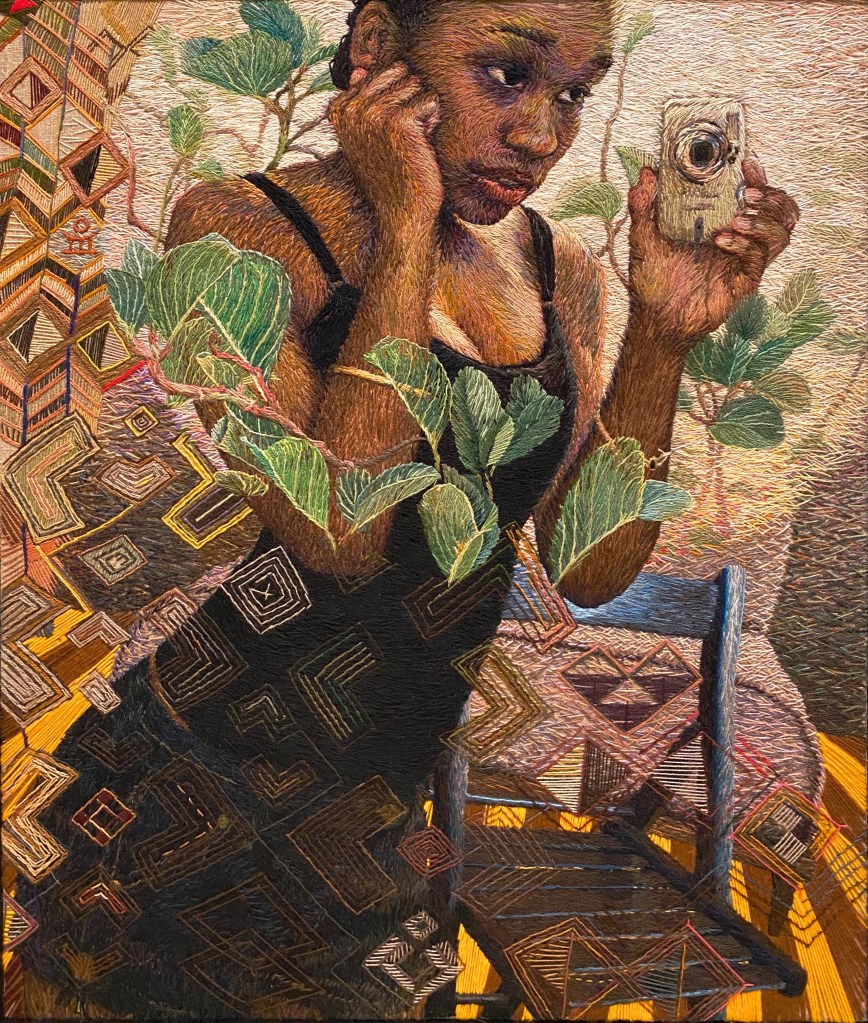
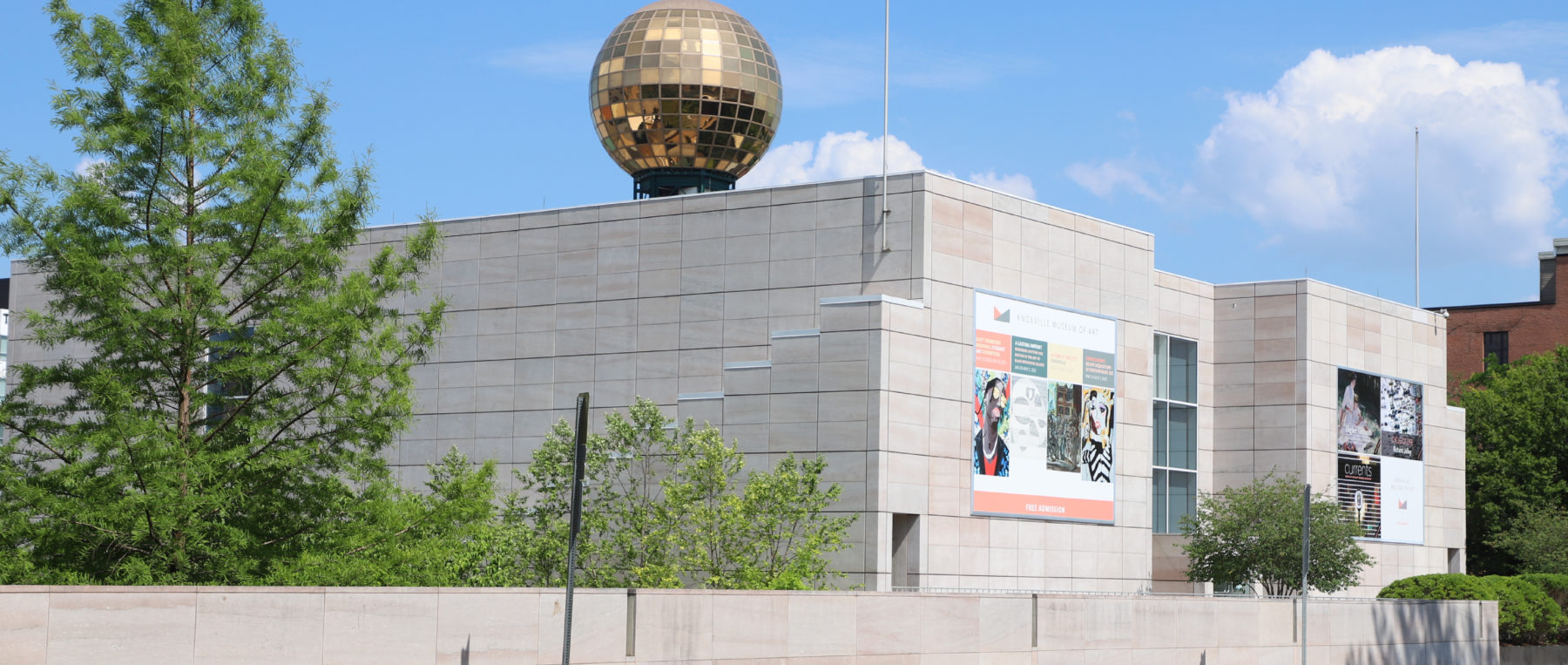
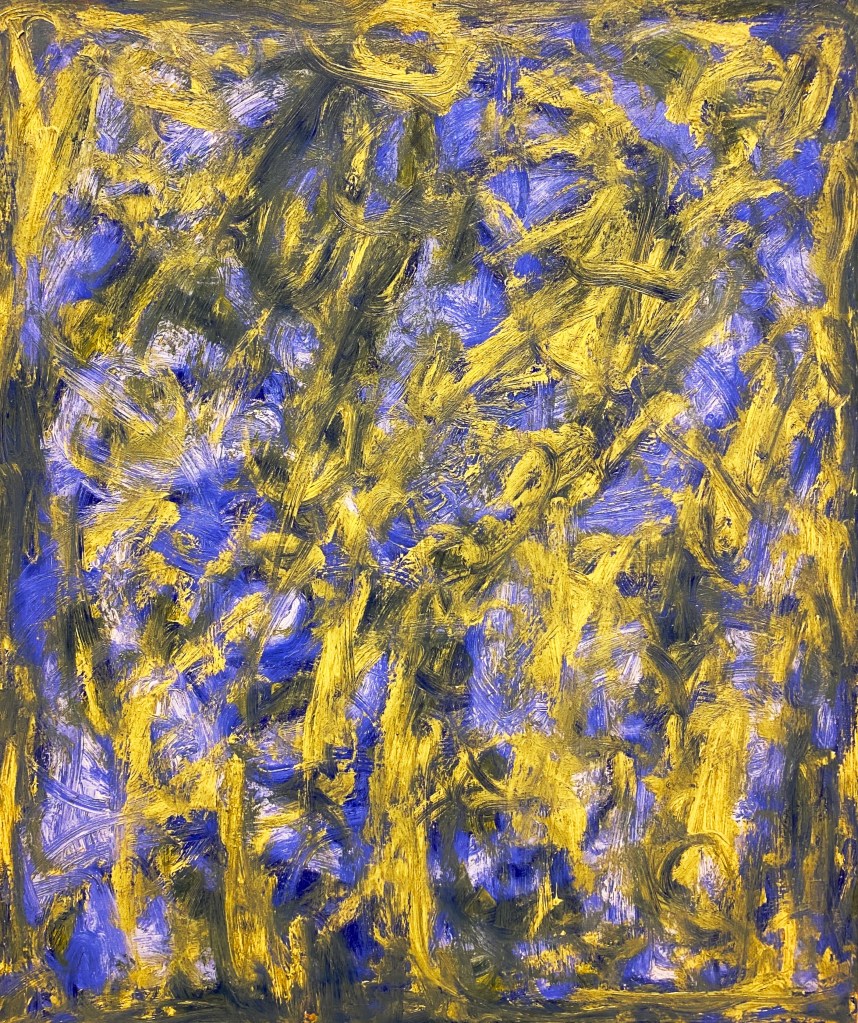
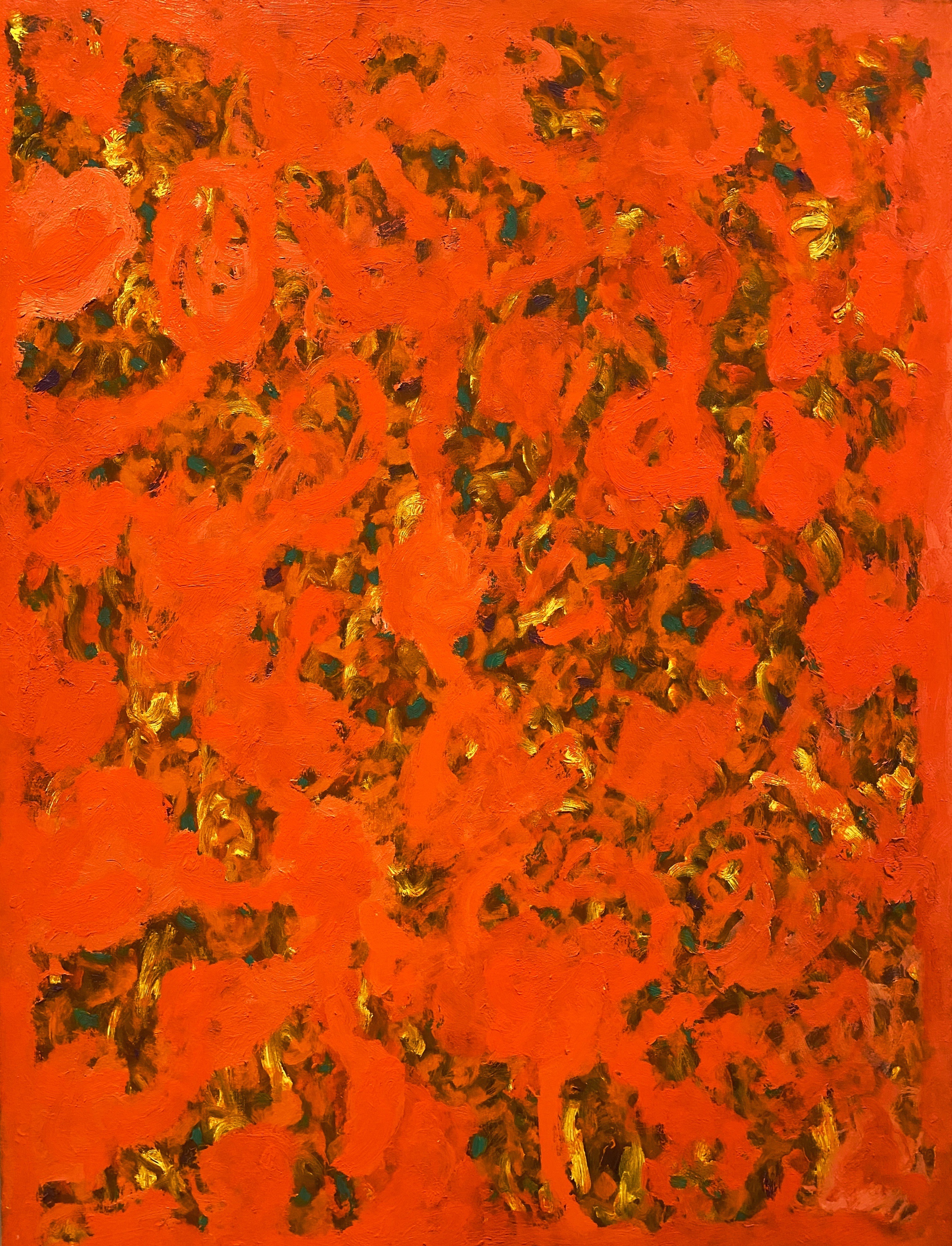
Our first stop in Tennessee on the outbound leg of OTR 8.0 was Knoxville. We have chronicled portions our visit to Knoxville in two previous posts (Street Art Tourist OTR 8.0 and Fika with Fiona:OTR 8.0). This post is focused on our visit to the Knoxville Museum of Art (KMOA). https://knoxart.org/contact/. (Photos of the museum below courtesy of the museum)
The KMOA is a regional art museum with a focus on the art, artists and culture of the Southern Appalachians, particularly Eastern Tennessee.The museum opened to the public in its current modern 53,000 square foot facility in 1990. Today the collection includes 1500 pieces of art in a variety of media.While the museum collection extends beyond works from Eastern Tennessee, we were most interested in seeing the paintings of several of the most noted Tennesseans, on display in the Higher Ground exhibition.
Higher Ground : A Century of the Visual Arts in East Tennessee
Marion Greenwood (1909-1970) History of Tennessee, 1954-55, Oil on Linen
Higher Ground is the first permanent exhibition devoted to East Tennessee’s artistic achievements. It includes objects from the KMA collection supplemented by important works borrowed from public and private collections. Many of the featured artists spent their entire lives and careers in the area, while some moved away to follow their creative ambitions. Others were drawn to the region by its natural beauty, as the wealth of landscape imagery in this exhibition attests. Together, these artists’ works form the basis of a visual arts legacy in East Tennessee that is both compelling and largely unheralded. Higher Ground allows viewers to follow the history of artistic activity in the region over roughly a century of development and learn about the many exceptionally gifted individuals who have helped shape the area’s visual arts tradition.
Catherine Wiley
Anna Catherine Wiley was one of the most active, accomplished, and influential artists in Knoxville during the early twentieth century. She taught art at the University of Tennessee, helped organize area art exhibitions, and was a driving force in the Nicholson Art League, a prominent local art association. Wiley studied with Frank DuMond at the Art Students League in New York and spent summers in New England working with Impressionist Robert Reid. She returned to Knoxville following her studies and brought with her a mastery of Impressionism. Wiley specialized in scenes of women amid their daily lives rendered in thick, brightly colored pigment. Morning features a more expressive variety of brushwork often seen in her late paintings.
Wiley’s work is represented in museum collections around the country, including the Metropolitan Museum of Art. Her promising career ended in 1926 when she was confined to a psychiatric hospital where she was without access to her studio supplies. The exact nature of the artist’s illness remains unconfirmed.
Catherine Wiley (Coal Creek [now Rocky Top], Tennessee 1879-1958 Norristown, Pennsylvania) Young Woman Reading with Parasol, circa 1918, Oil on canvas
Catherine Wiley (1879-1958) Untitled (Woman and Child in a Meadow)1913, Oil on canvas
Untitled (Woman and Child in Meadow) represents Knoxville Impressionist Catherine Wiley at the height of her career. She won the top award for regional painting at the 1910 Appalachian Exposition in Knoxville, and evidence suggests the artist selected this canvas for inclusion in Knoxville’s 1913 National Conservation Exposition. In a review of the 1913 exposition, one Knoxville Journal & Tribune critic wrote that “Miss Catherine Wiley’s work has attracted general comment and praise. She has three pictures on exhibition, two of which are new examples of her art. The most pleasing of the three is a study of a woman and child out-of- doors. The figures are sitting in strong sunlight, while a dark wooded hillside forms the background. The piece is strongly handled, and shows originality and force.”
Catherine Wiley (1879-1958) Boats and Water, circa 1915, Oil on canvasCatherine Wiley (1879-1958) Morning Milking Time,circa 1915, Oil on canvas
Beauford Delaney
Beauford Delaney (Knoxville 1901-1979 Paris) Blue-Light Abstraction, circa 1962, Oil on canvas
Born in Knoxville in 1901 to a Methodist Episcopalian minister, Beauford Delaney and his younger brother Joseph demonstrated early artistic talent. Their parents supported the brothers’ creative aspirations, and Beauford’s talents came to the attention of painter Lloyd Branson, who served as an early mentor. Facing the additional hurdle of racism, the brothers left Knoxville in the mid-1920s to pursue their art careers in larger arenas, but followed very different artistic paths. After studying in Boston, Beauford chose New York and later Paris as the ideal settings for his experiments with expressive abstraction. He attracted a host of distinguished friends including Georgia O’Keeffe, Alfred Stieglitz, Willem de Kooning, James Baldwin, Henry Miller, and Louis Armstrong. He became known for his radiant portraits and landscapes in which he explored color—luminous color—applied with explosive brushwork. Visible references to the outside world began to fade as the artist sought what he believed were the healing powers of light as embodied in the brilliant hues of his palette.
Beauford Delaney (Knoxville 1901-1979 Paris) Self-Portrait in a Paris Bath House, 1971, Oil on canvas
Joseph Delaney
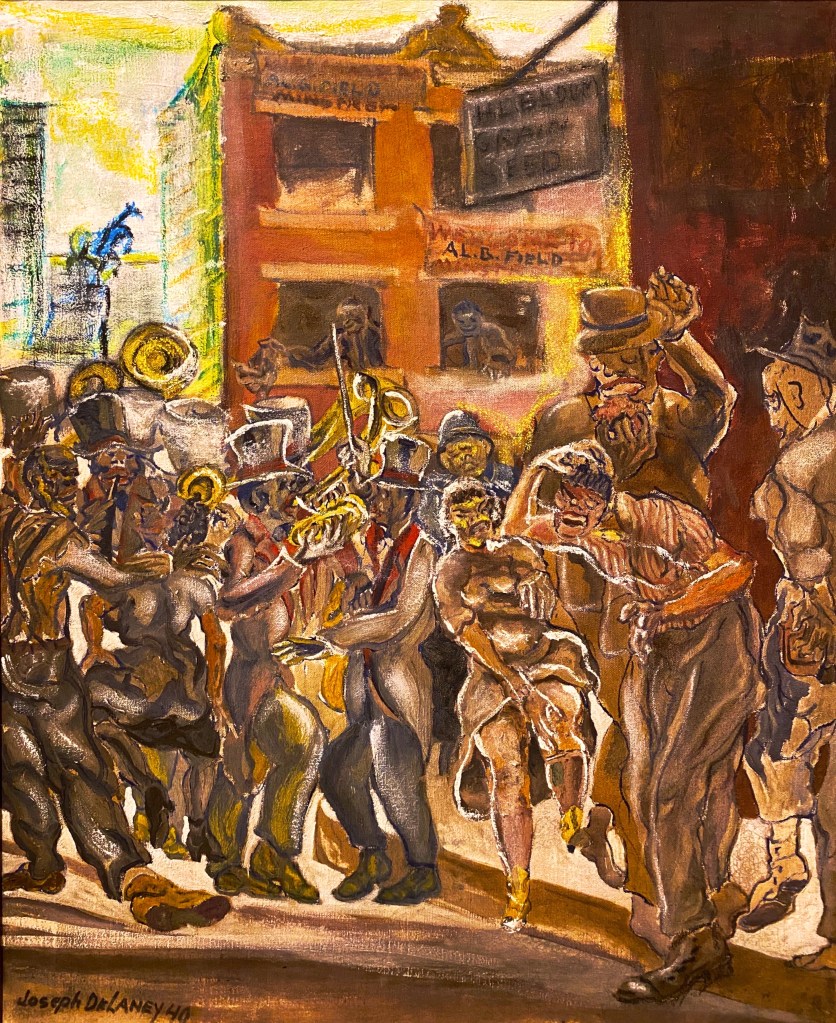
Joseph Delaney (Knoxville 1904-1991 Knoxville) Vine and Central, Knoxville, Tennessee,1940, Oil, pastel and charcoal on canvas
Joseph Delaney, like his brother Beauford, was born in Knoxville, but left for Chicago before settling in New York, where he established himself as a tireless and prolific painter of Manhattan’s urban scene. Over the span of his 60-year career, Joseph displayed a remarkable ability to convey a vibrant modern world in transition while representing an unvarnished record of his energetic painterly process. He returned to Knoxville to visit his family over the years and eventually moved back to his hometown in 1986. The Knoxville Museum of Art has worked diligently to call attention to the artistic accomplishments of both brothers by hosting or organizing such exhibitions as Beauford Delaney: From New York to Paris (2005), Beauford Delaney: Gathering Light (2017), Joseph Delaney: On the Move (2018), and Beauford Delaney & James Baldwin: Through the Unusual Door (2020). The KMA owns the world’s largest and most comprehensive institutional collection of Beauford Delaney’s work, and an extensive selection of paintings and drawings by Joseph Delaney.
Joseph Delaney(1904-1991) Marble Collegiate Church,1974-75, Oil on canvasJoseph Delaney (1904-1991) Untitled (Saguenay, Quebec),circa 1945, Oil on canvas board
Lloyd Branson
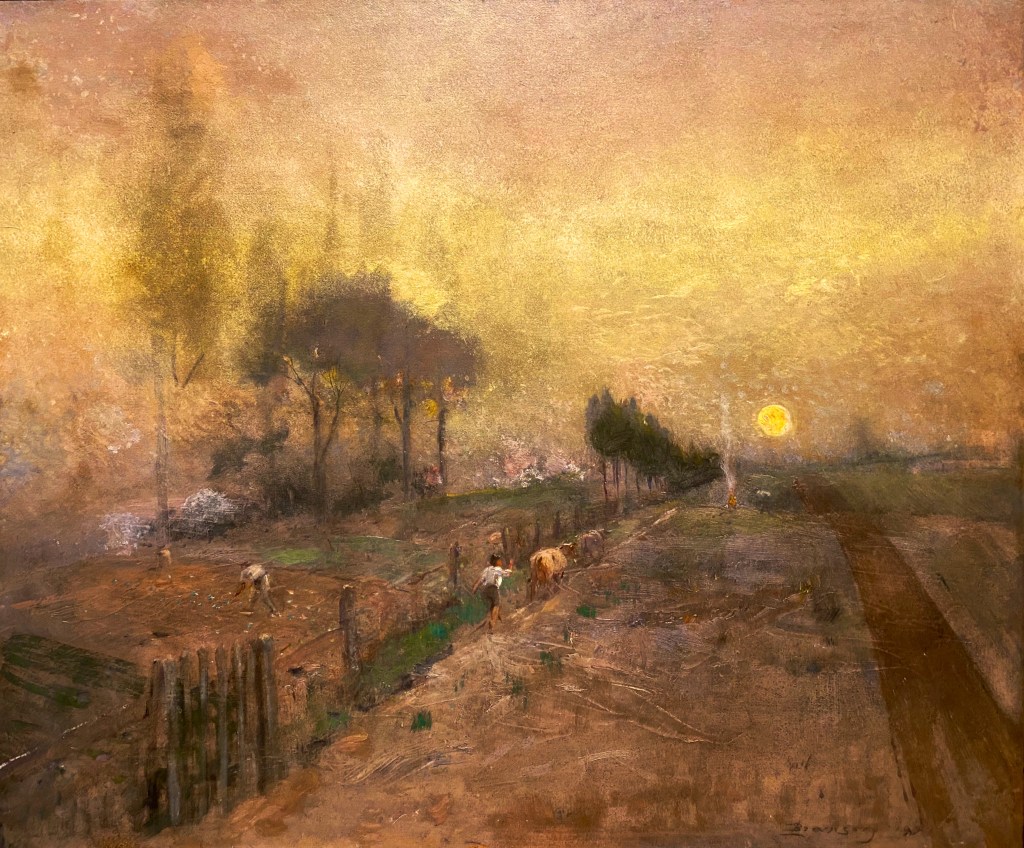
Lloyd Branson (Union County, Tennessee 1853- 1925 Knoxville)Going Home at Dusk,1920, Oil on board
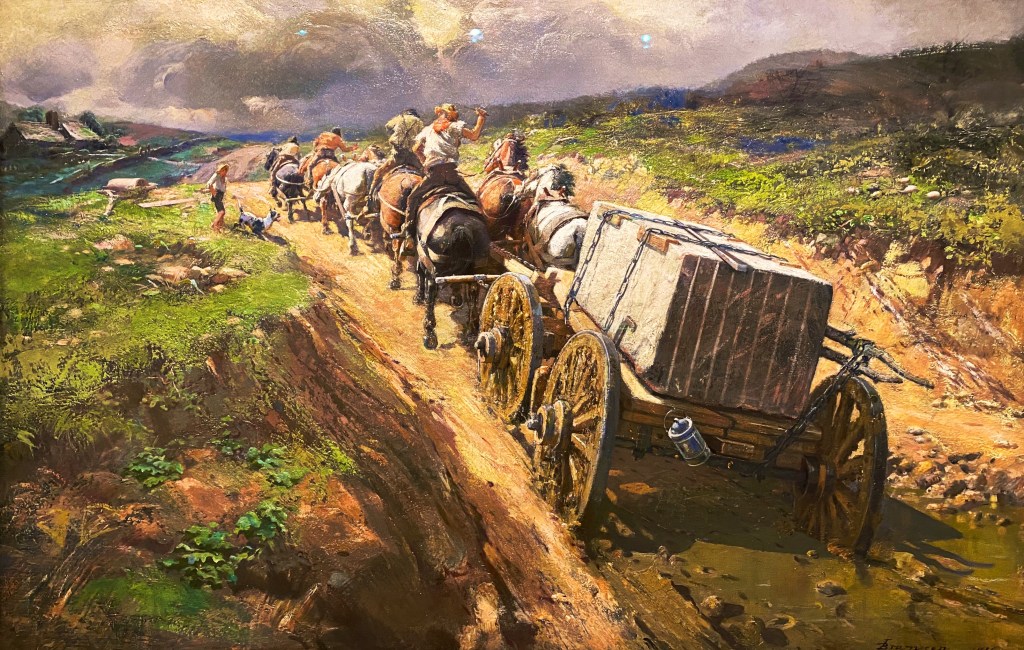
Enoch Lloyd Branson was one of the most talented and versatile East Tennessee artists of his era. Under his lasting influence, the local art scene reached a new level of activity and quality. Branson received artistic training at East Tennessee University (later renamed the University of Tennessee) and the National Academy of Design in New York. Upon the artist’s return in 1878, he established a successful portrait painting business with photographer Frank McCrary at 130 Gay Street in downtown Knoxville. Branson devised a method of producing vivid portraits based on photographs, which provided his primary income as an artist. However, he earned greatest recognition for heroic genre scenes such as Hauling Marble, which portrayed East Tennessee’s thriving marble industry. The painting won the gold medal at the Appalachian Exposition of 1910. In addition to his studio work, Branson was active as an art teacher, training and inspiring a new generation of talent including Catherine Wiley, Adelia Lutz, and Beauford Delaney, whose works are included in this exhibition.
Lloyd Branson (1853-1925) Hauling Marble,1910, Oil on canvas
The Tennessee marble industry began during the late 1830’s with the discovery of major veins in Hawkins County. Around 1850, Tennessee marble was discovered in Knox and Blount Counties where, with greater access to rail, the stone industry took off. By the 1880s, Knoxville became known as “The Marble City,” and its extensive quarries supplied stone used throughout the region and in the construction of the National Gallery of Art in Washington, D.C., New York’s state capitol, the Lincoln Memorial in Washington, New York’s Grand Central Station, and the New York Public Library’s famous stone lions. The Knoxville Museum of Art is also clad in pink Tennessee marble.
Despite its name, Tennessee marble is not a true marble due to its sedimentary structure and lesser hardness that are more akin to limestone. However, its high density, low porosity, water resistance, and range of color contribute to its distinguished history as a highly attractive building material.
We enjoyed the KMOA and recommend spending a morning or afternoon at the museum on your next visit to Knoxville. The KMOA is conveniently located at the site of the World’s Fair Park (1982) on the edge of downtown.Lastly, we would like to acknowledge that we drew heavily from the excellent Higher Ground Exhibition notes in preparing this post.
After spending time in Louisianna we traveled north back into Mississippi to visit Hattiesburg. We were up in the air about visiting Hattiesburg but after a conversation with a former resident of Hattiesburg (that we met in Cleveland, Mississippi) we decided to invest a day and check out the town.Additionally, visiting Hattiesburg would provide an opportunity to ride the LongleafBike Trail.
Hattiesburg was founded in 1882 by William Hardy and named after his wife Hattie. The land that is now Hattiesburg became available after the Chicksaw and Choctaw peoples were forcibly removed under the Indian Removal Act which allowed the government to relocate the nations to land west of the Mississippi River.
The city thrived in its early days as part of the burgeoning lumber industry (Hattiesburg sits in the Pine Belt) and is known as the Hub City because of the confluence of rail lines running through the city. While the timber industry is not a major economic forcetoday, the city is still a major rail hub with freight lines bisecting the city.
While Hattiesburg was not founded until well after the Civil War, the town nonetheless did its part to uphold the legacy of slavery and segregation. The Black residents of Hattiesburg were still largely unregistered to vote in 1962 due to the efforts of the municipal government to make it impossible for Blacks to qualify to vote.For more information about the Civil Rights Movement in Hattiesburg click on the link: https://mississippiencyclopedia.org/entries/hattiesburg-civil-rights-movement/
Hattiesburg — home of rock ‘n roll?
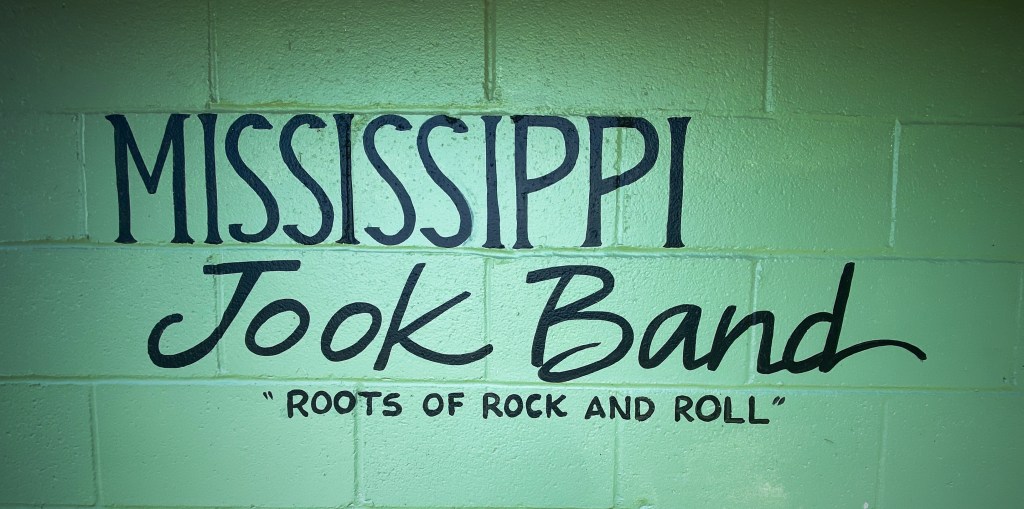
One facet of Hattiesburg that we were totally unaware of prior to our visit is the claim that Hattiesburg is the true home of Rock ’N Roll. Musicologists have traced the roots of the genre to the Graves brothers – Blind Roosevelt and Uaroy. The brothers started as Gospel singers but in 1936 joined with pianist Cooney Vaughn to form the Mississippi Jook Band. Two of their songs in particular are now viewed as very early Rock ’N Roll songs. These songs, Barbecue Bust and Dangerous Woman, were performed and recorded long before the genre was clearly defined and popular. http://www.youtube.com/watch?v=1pegm79r1zE
Today, many musicologists consider the roots of Rock ’N Roll began in the African American Churches in the South where the music was “rocking and reeling” and instruments other than the organ were used to accompany the singers (out of necessity as the congregations could not afford an organ). An excellent article on this subject: https://countryroadsmagazine.com/art-and-culture/visual-performing-arts/hattiesburg-birthplace-of-rock-n-roll/
Longleaf trail
The Longleaf Trail is a 45.5 mile paved rails-to-trails bikeway. The southern trailhead is in Hattiesburg and the trail runs in a northwest direction terminating in Prentis. We rode out and back on the southern half of the trail from Hattiesburg and the northern half of the trail from Sumral Station (west of Laurel).
Longleaf is a Hall of Fame trail and for good reason. The trail is paved, in excellent condition and passes through beautiful Southern scenery. Surprisingly, we encountered very few other riders on either of our rides. We highly recommend this trail. The round trip is 91 miles – beyond our current range – so we split the trail and enjoyed two rides.
The town
Laurel is not our ”home Town” but it could be!
Laurel was added to our intinary once we decided to visit Hattiesburg. If you are a fan of the HGTV show Home Town you may recognize Laurel as the small town where husband and wife Ben and Erin Napier help folks renovate local homes. As a result of the popularity of the show, the town has attracted many visitors and new residents.
We visited their retail store and woodworking shop while in town, but there were unfortunately no celebrity sightings. We can tell you their two stores are doing a brisk trade! Good for them – the couple has done a lot to help bring back this former lumber industry town.
We arrived in Laurel on the day of the annual crawfish festival.The festival runs from 11AM to 3PM – all you can eat for $15- Classic Low Country Boil – crawfish, sausage, potatoes, sweet potatoes and corn. Live music to boot. Now that is Southern Hospitality!
Laurel has more than the CrawFest and the TV show to offer. There are several excellent restaurants (The Loft….our favorite) and several neigborhoods with streets lined with live oaks and stately homes. Lastly, the former town library was converted and expanded into an art museumwith a very nice collection of paintings and sculptures.We have included several photogrpahs of our favorite paintings at the end of this post.
William Hollingworth (1910-1944) The Mystery of a Southern Night, 1941, Oil on canvasCharly Palmer (1960) Leadbelly c. 2012, Acrylic on canvasAlfred Conteh (1975) Preme 2020, Acrylic and Atomized brass dust on canvasJohn Winslow (1938) Painting in Marcella’s Studio 1982, Oil on canvas
Janet Fish (1938) Pink Scarf and Daffodils 2008, Oil on canvas
This post is our penultimate post on Mississippi as part of OTR 8.0. If you missed our previous posts you can find them at ctsprinterlife: OTR 8.0: Mississippi Part One and Ocean Springs, Mississippi at ontheroadwithmariastephen.net Our final post will cover our exploration of the Mississippi Delta.
As we planned a rough itinerary through the Southeast for OTR 8.0 we had not contemplated a visit to Ocean Springs. In fact, we had never heard of Ocean Springs.
However, that was before meeting Cynthia Comsky, the owner of the Attic Gallery in Vicksburg, who strongly recommended a visit to the Walter Anderson Museum in Ocean Springs. Subsequently, we saw a watercolor exhibit of Anderson’s atthe Lauren Rogers Museum in Laurel, Mississippi and knew we needed to visit Ocean Springs and the Walter Anderson Museum.
Much to our delight, the museum met all of our expectations and we found the town itself to be a quaint and friendly destination. In fact, we extended our stay to enjoy the charms of the town and the its friendly inhabitants.
Walter Anderson Museum
”Beware by whom you are called sane.” —- Walter Inglis Anderson
Sissy at the Table c.1933 Oil on board
So, of course, our first stop (well, second after coffee – see below on that topic) was the Walter Anderson Museum. The museum is physically attached to the town community center – which is appropriate as its walls are adorned with murals he created (and was paid a meager one dollar). The museum itself is filled with his works as one might expect – however one might not expect to find water colors, oils, wood sculptures, woodblock prints, pencil and ink drawings all by the same artist. His work in each of these mediums is outstanding.
“Last night there was a beautiful sunset. One felt that it had been arranged with taste. So many sunsets seem to be simply wild explosions of color in order to stun people into a state of mute wonder. But this one had variety, vermilion red and purple together, and lilac and gold together against a heavenly clear green turquoise sky. You felt that there would never be bad weather again.” —- Walter Inglis Anderson
Allison Sleeping c. 1935 Oil on boardShrimp Boat c. 1955 Oil on board
“I wonder how long it will be before nature and man accept each other again.”—- Walter Inglis Anderson
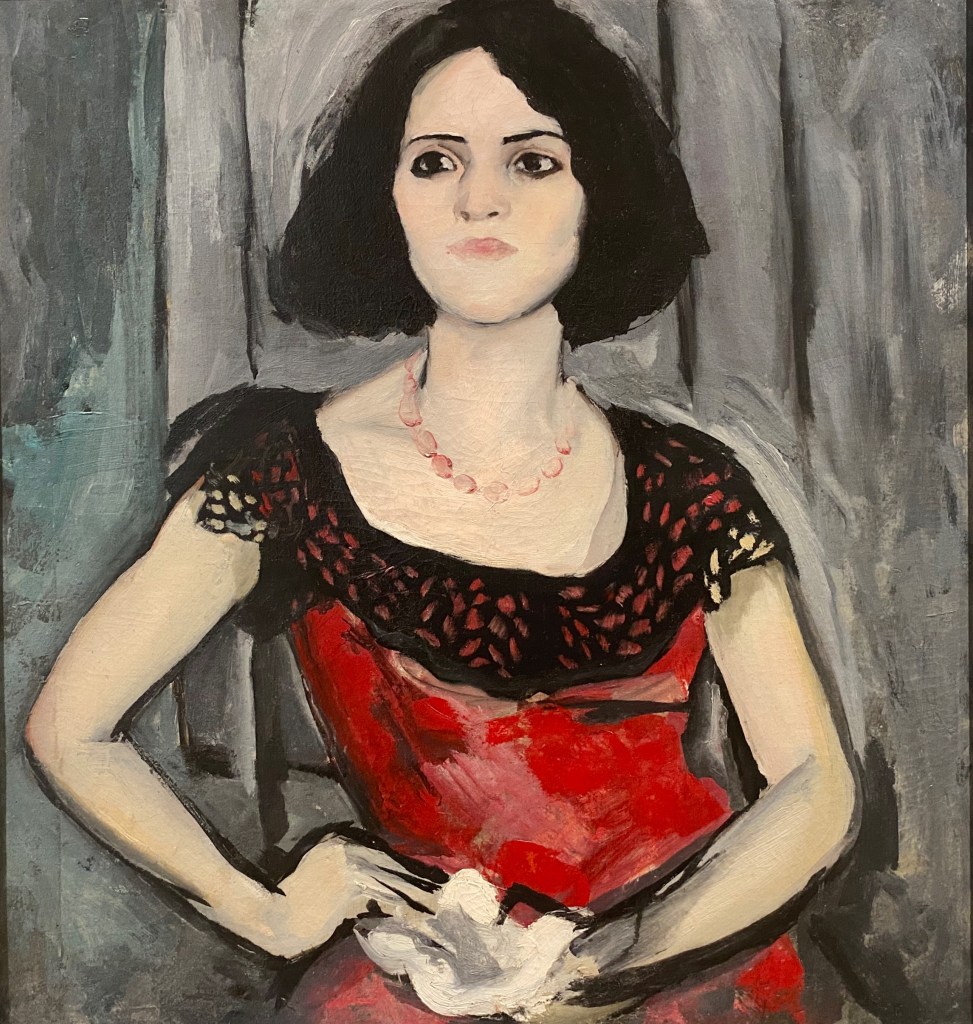
Lady in Red c. 1930 Oil on canvas
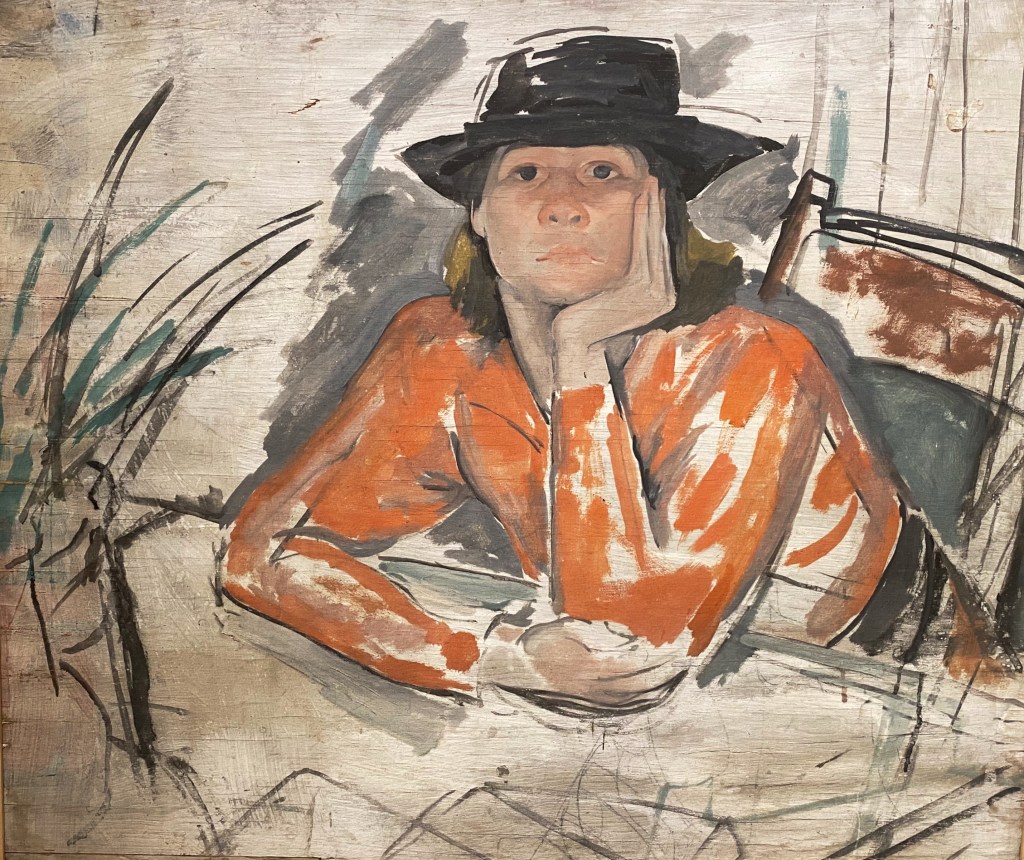
The identity of the sitter in the painting above is unknown. She sits slightly askew in her chair with her hands folded delicately in her lap. She gazes off to her right – not making eye contact with the viewer. By positioning his subject in such a way, we first notice the shape that the figure makes, almost reducing her form into a series of S curves against a dark background.
WPA Mural Sketch c. 1934 Oil on board
This mural sketch was created for the WPA. This particular scene is a cartoon (or preparatory work) of The Hunt. The closely depicted forms of the hunters, deer, and yellow dog are reminiscent of the cave painting compositions that Anderson saw in France in the 1920s.
“Nature does not like to be anticipated it too often means death, I suppose but loves to surprise; in fact, seems to justify itself to man in that way, restoring his youth to him each time.”—- Walter Inglis Anderson
Fairy tales
Walter Anderson loved fairy tales and even described them as being “explosive”- having the ability to inspire life and creativity. Anderson drew, painted, and carved classical images of fairy tales and myths throughout his life. Walter Anderson saw the world as a magical place full of wonder and possibility. Classic tales of mythology populated his daily life on the Gulf Coast. Around his home at Shearwater, Anderson would often carve dead trees into the shapes of nymphs and giants. He read stories to his children and illustrated their lives with fairies and mythic creatures.
Most notably, he created approximately 30 block prints featuring scenes from familiar tales to sell inexpensively to the public. Many of these block prints of myths and fairy tales are displayed here, demonstrating the timeless attraction that these tales have for all.
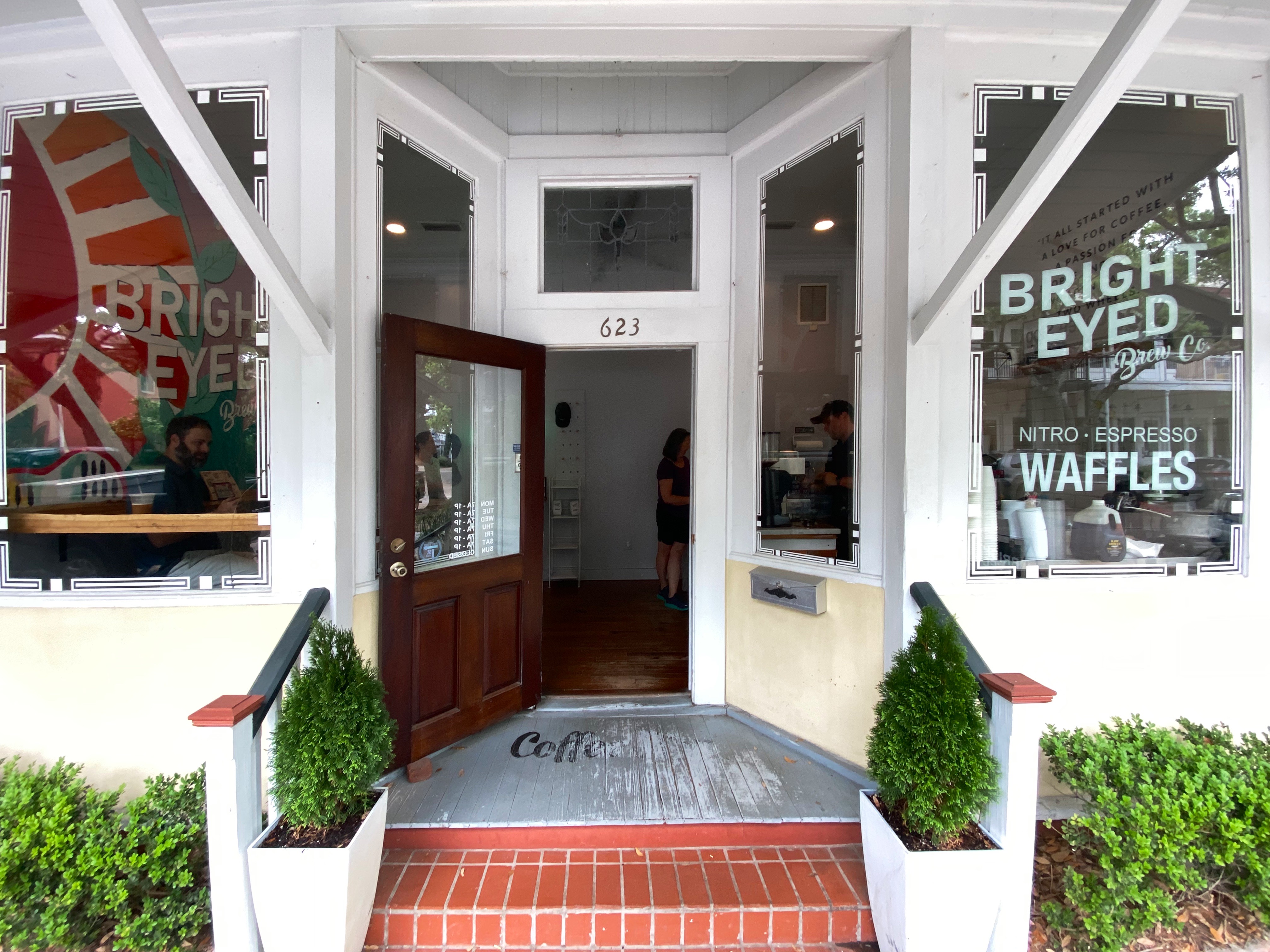
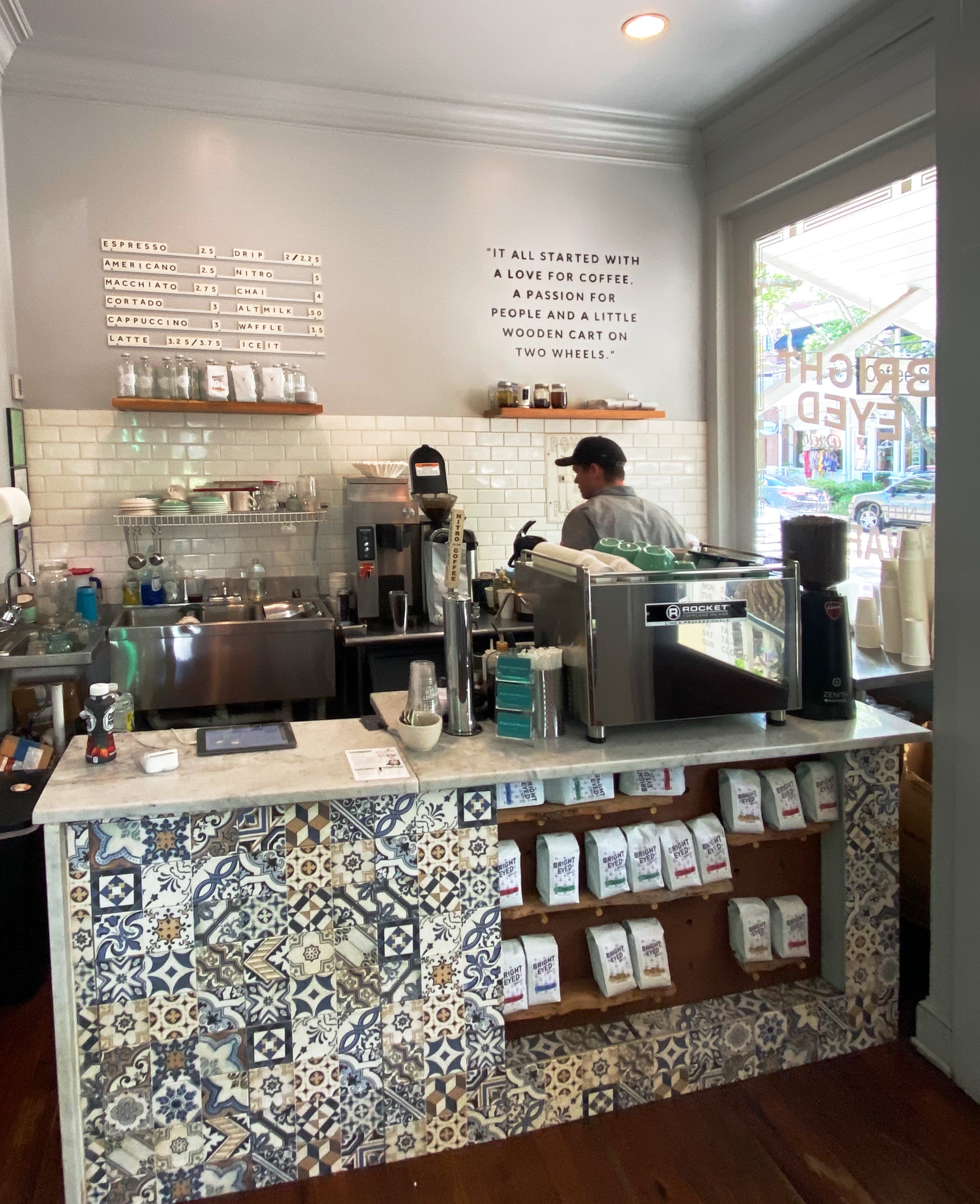
Bright eyed brew company
Be bright
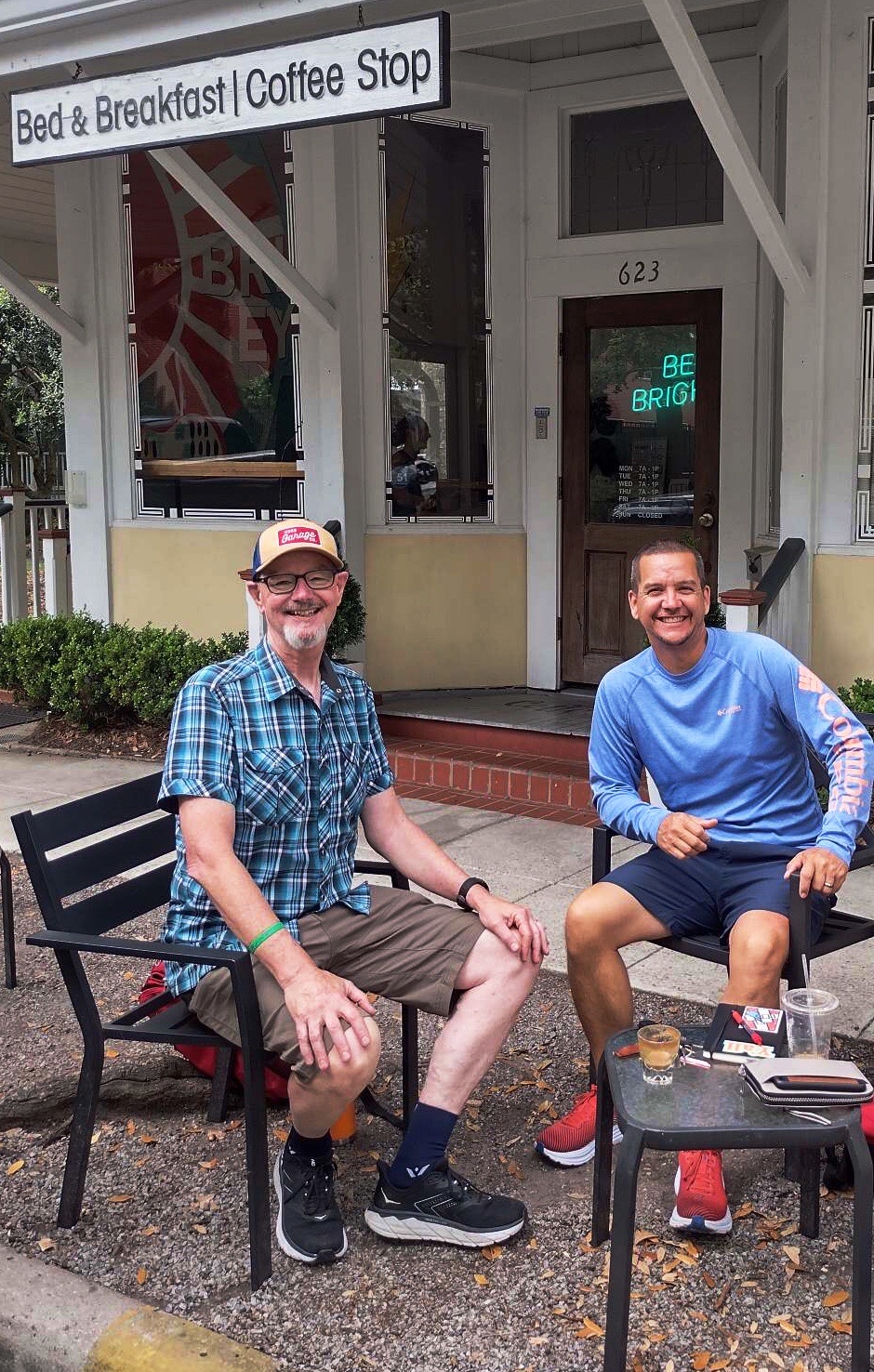
Bright EyedBrew Company was a massive bonus – the frosting on our Walter Anderson Museum cake – we did not expect to find a first rate specialtycoffee cafe and roaster in Ocean Springs.
Bright Eyed Brew Company is owned and operated by husband and wife Ryan and Kathryn Reaux. They started the business in 2016 as a part time venture making and selling nitro cold brew from a cart at the local farmers market.Today their cold brew is on tap at a number of restaurants and cafes in the Mississippi Gulf area, and they operate the cafe selling espresso drinks, tea, waffles and, of course, nitro cold brew.
The Reaux Family
On our first morning in Ocean Springs we stopped at Bright Eyed as the prelude to our museum visit. From the moment we ordered our drinks and sat down in the cafe, local folks began chatting us up – that is what Fika is all about! Three hours later we finally departed for the museum. https://brighteyedbrewco.com/
Hotel Beatnik
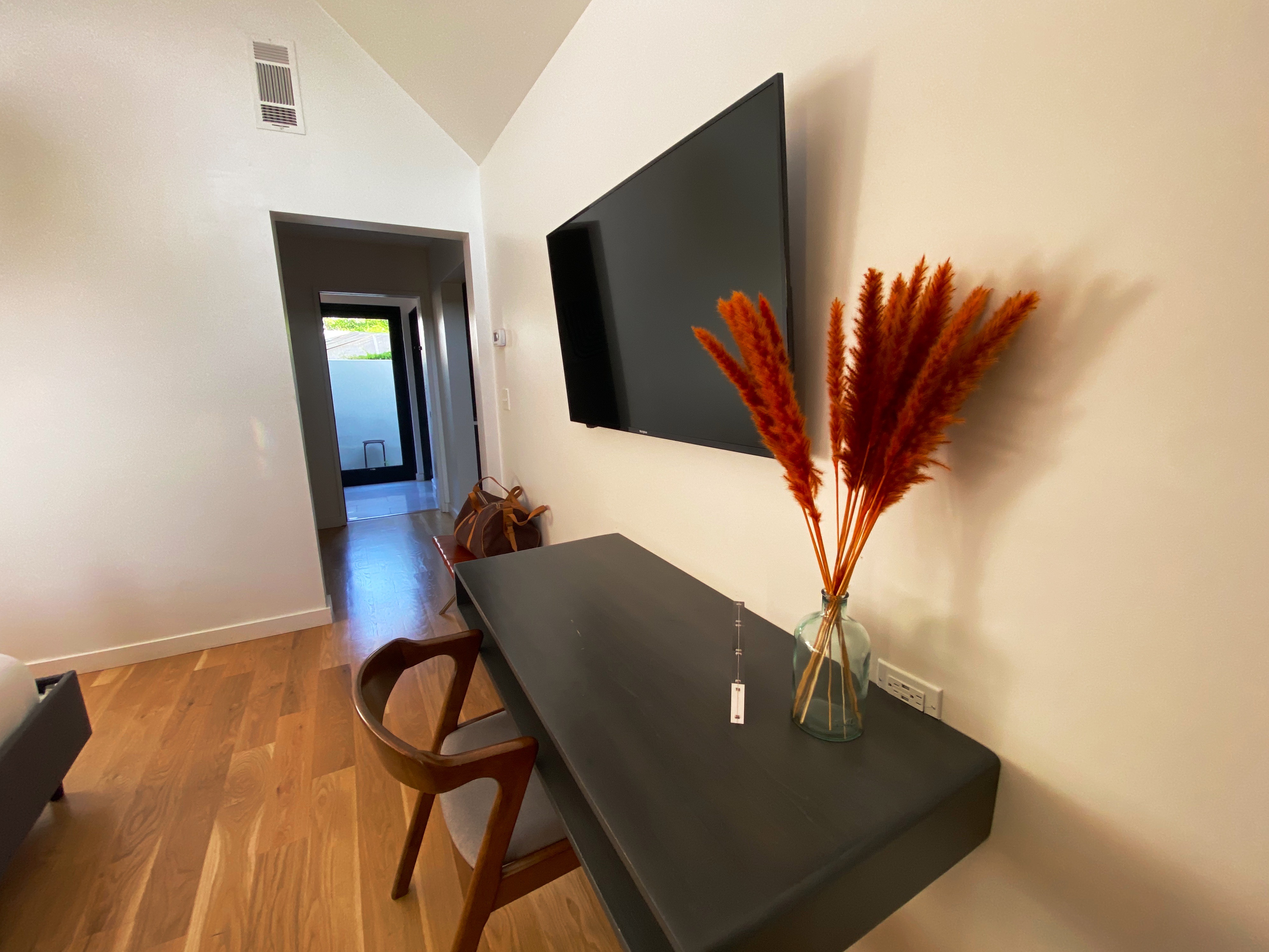
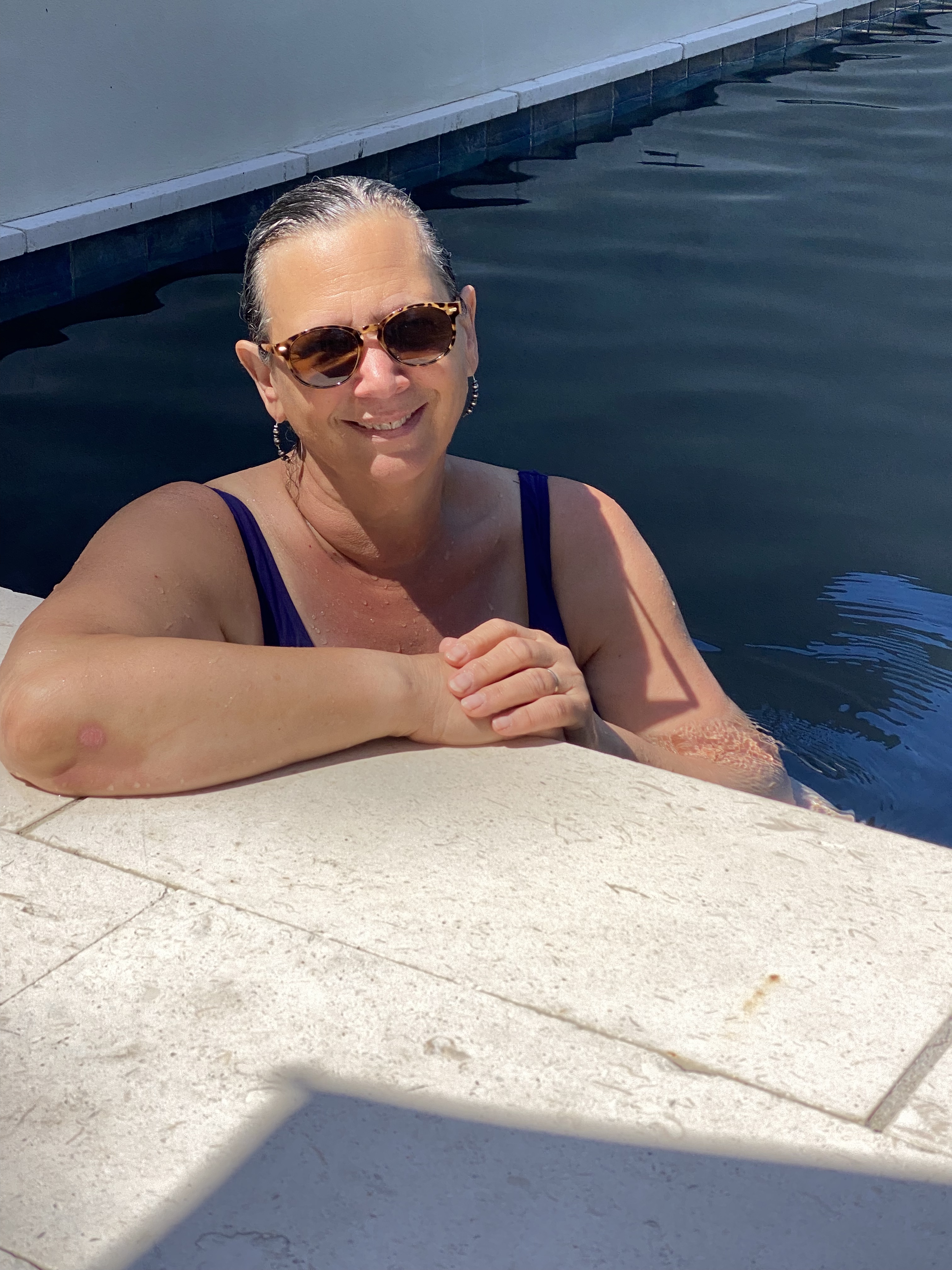
Once we decided to visit the museum, we needed a place to stay and there were no camping options close by. We found Beatnik online and booked a cabin. The property consists of four cabins and a swimming pool. As you can see from the photographs below they are not rustic cabins.
The Beatnik is cool—Scandinavian style decor, a heated plunge pool and a five minute walk to downtown. Everything is online – registration, door lock combinations, housekeeping requests. What else could a traveler want?https://www.thehotelbeatnik.com/
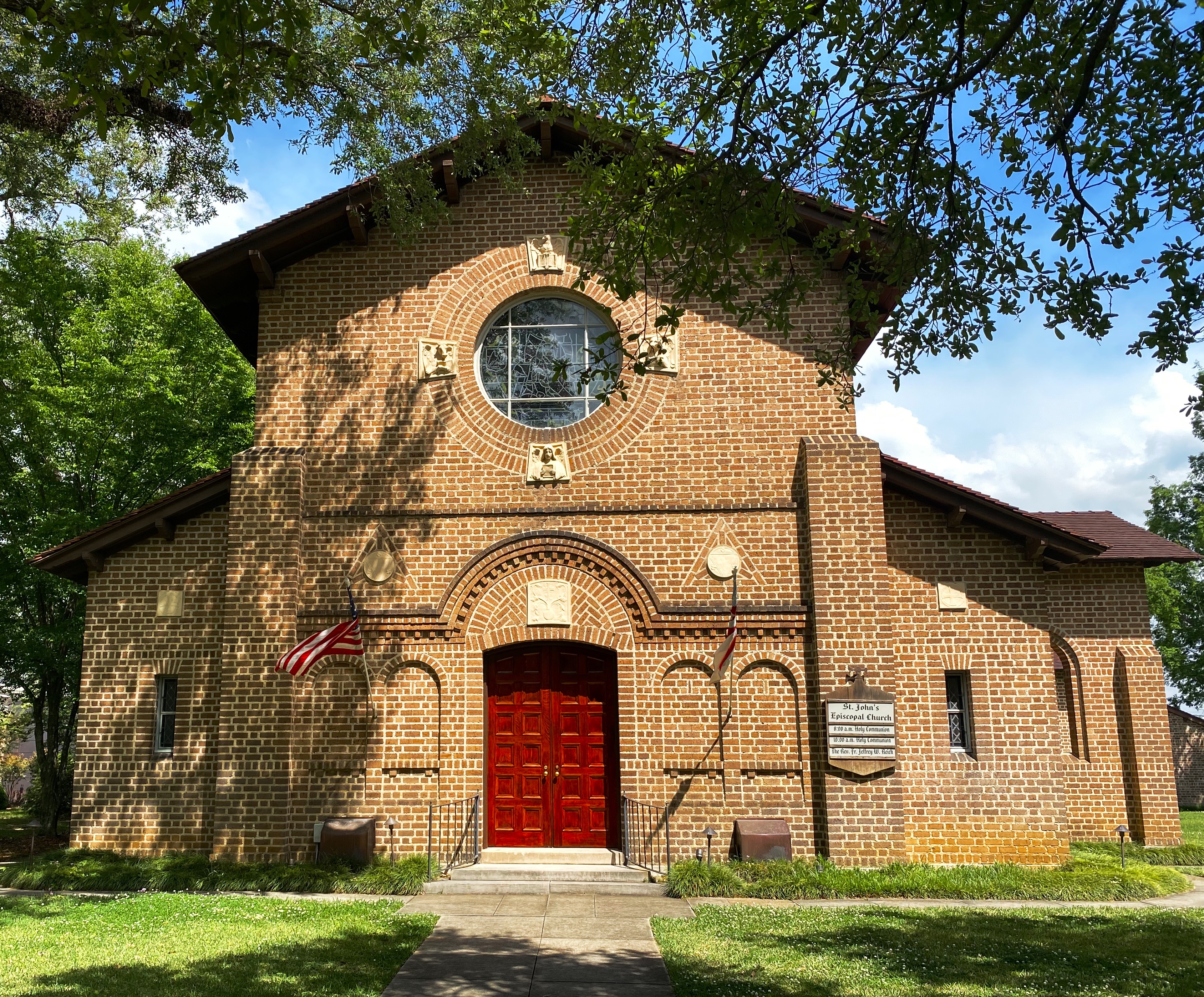
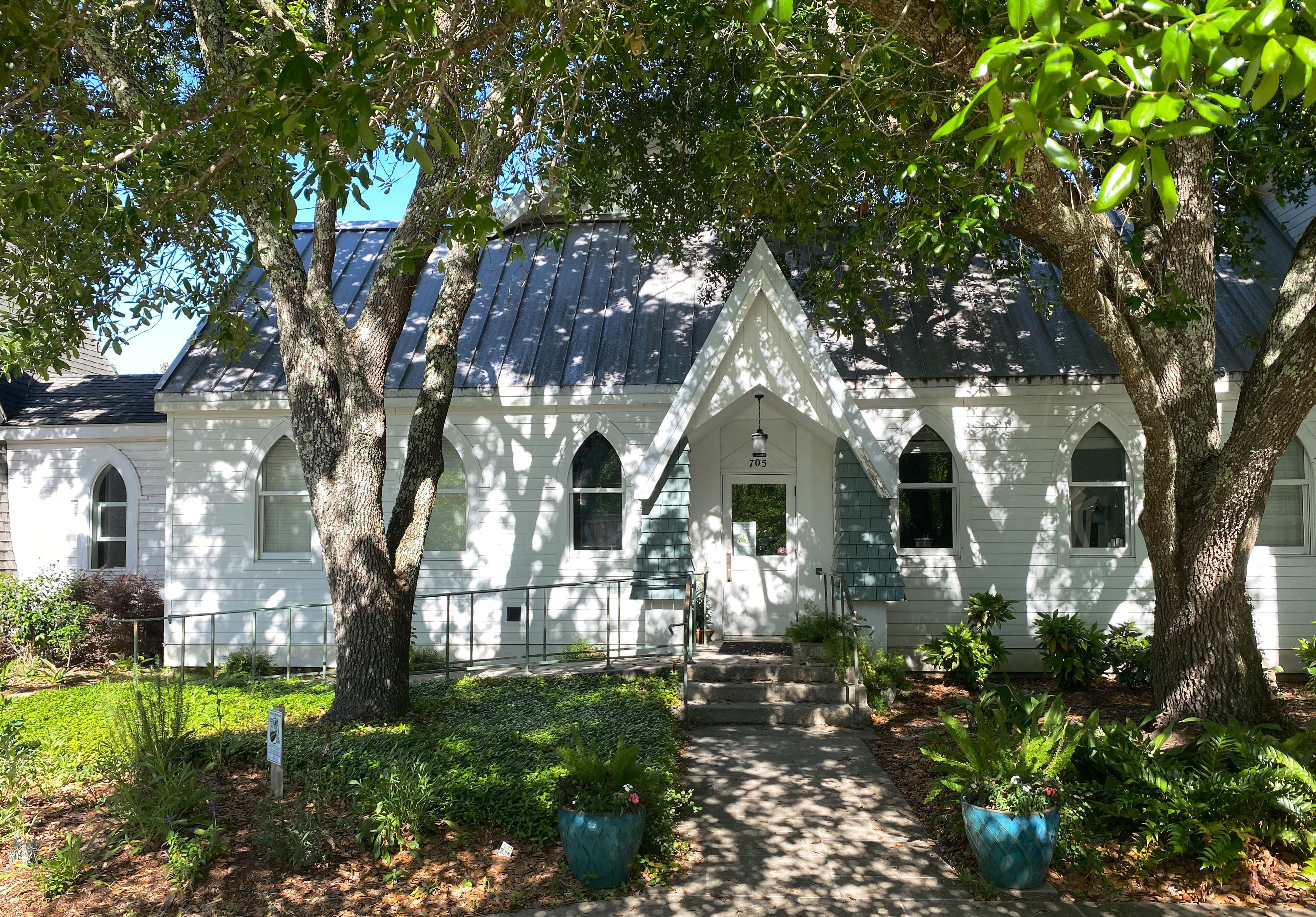
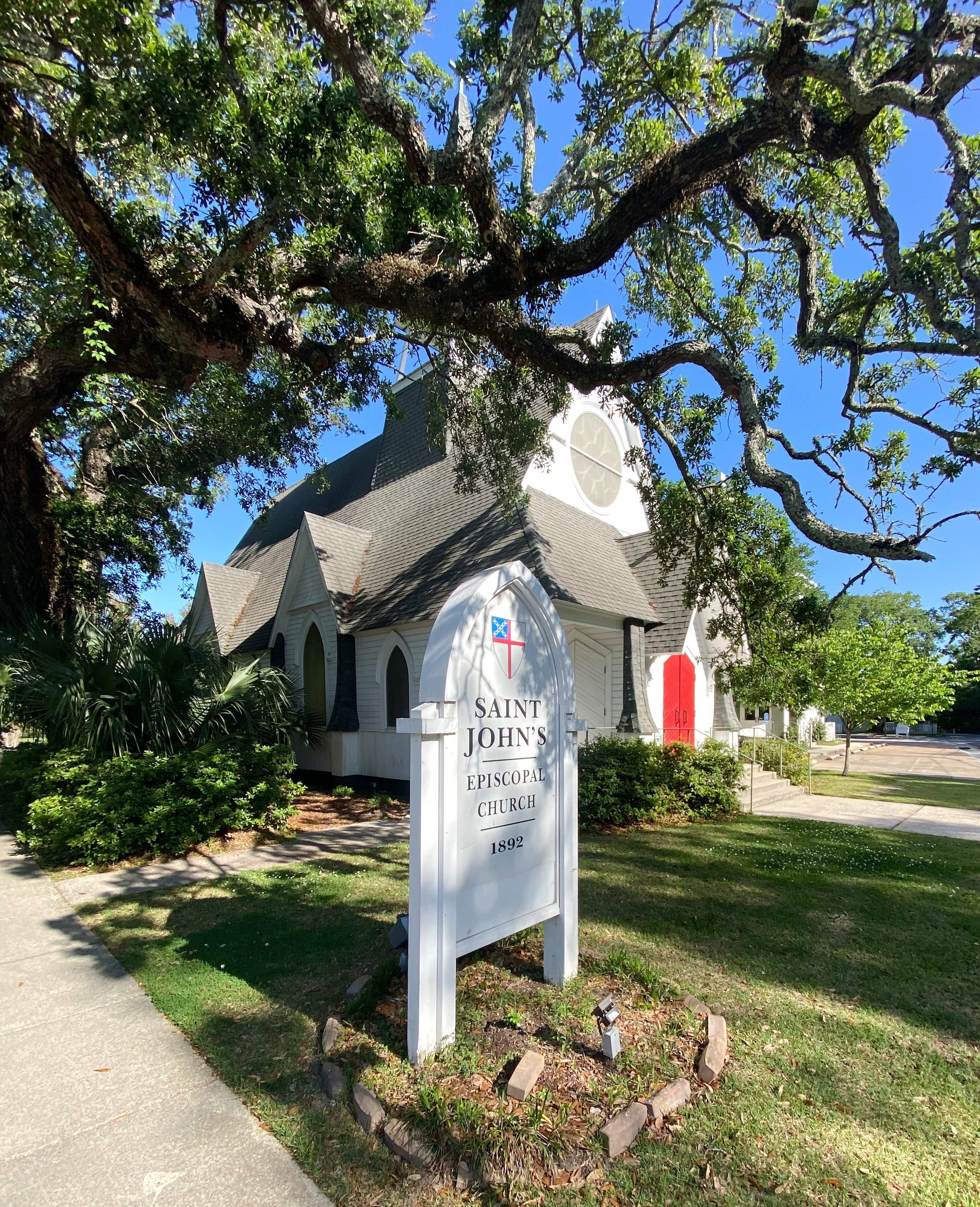
St JOhn’s Episcopal Church
St John’s Episcopal Church
This lovely church is a two minute walk from the Beatnik. As many of you may recall we visit many churches as we tour – in addition to the spiritual aspect, we find the history and architecture of churches fascinating. We were most fortunate to meet Drew, a retired insurance agent from Jackson and a volunteer at the church. Drew graciously provided us with a tour of the church and we reminisced a bit about the problems with the National Flood Insurance Program (once an underwriter always an underwriter).
St. John’s was built in 1892, and the original church is still standing—which is pretty amazing considering it sits 1000 feet from Biloxi Bay and is a wood frame building. Drew did let us know that the building is to be sprinklered in the near future – this former underwiter is fully supportive of that! https://stjohnsoceansprings.dioms.org/
We think Ocean Springs is a cool little town. If you are an admirer of Walter Anderson and his work, excellent coffee, excellent barbecue (Pleasant’s BBQ) and friendly people, make a point of visiting if you are going to be in the Gulf Region of Mississippi.
Be seeing you!
P.S. If you have been following along at all you probably realize that we have not been publishing our posts in strictly chronological order. We are planning to get back in sync in that regard and we are working to publish a post on the first leg of our journey through Mississippi as we followed the Trans America Trail through Northern Mississippi.
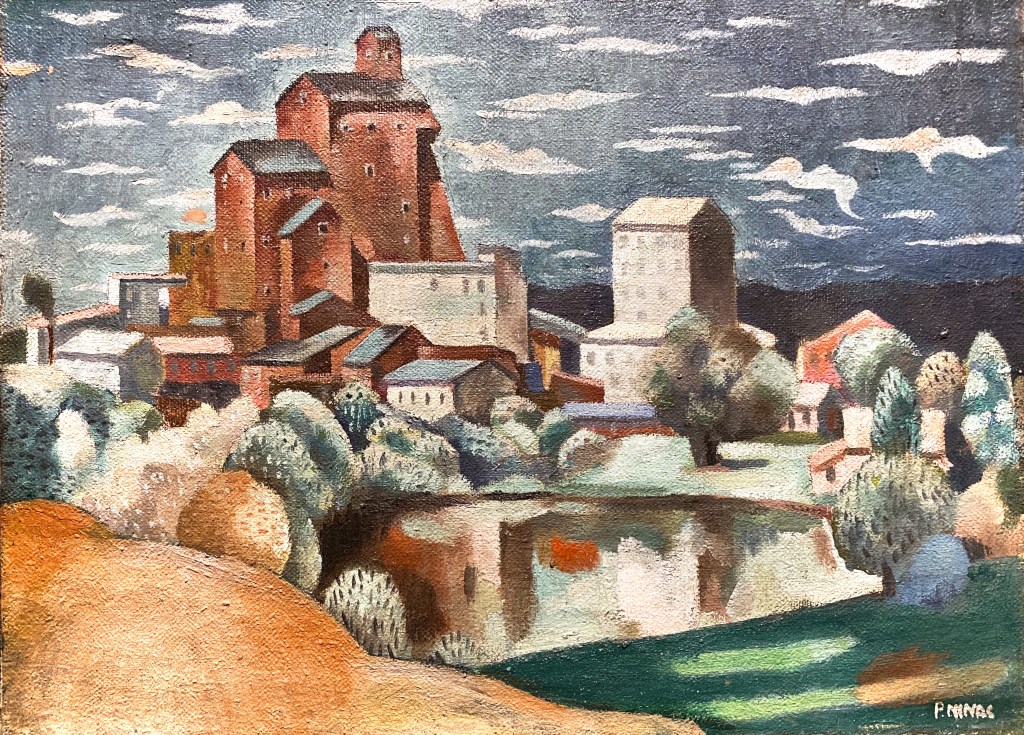
Paul Ninas, Louisiana (1903-1964) Avery Island Salt Mines, 1934, Oil on canvas
The Ogden Museum of Southern Art (OMSA) is relatively new museum, opening its doors in 1999. Its genesis was the donation of 600 works of art by philanthropist Roger Ogden. Today the museum’s collection has grown to 4000 works and is housed in two buildings – the first built in 1989 and the second in 2003. The museum is located in the warehouse district directly across the street from the impressive National World War 2 Museum.
As the name implies, the museum is focused on art representing the South and -through the art – the history and culture of the South. All of the art in the museum is the work of artists from the 14 southern states and Washington D.C.
We toured the permanent collections featuring Southern Landscapes and Southern Regionalism (culture and values). We also viewed the paintings of Benny Williams – a remarkable story (see biography below) of an artist committed to the civil rights movement.
Southern Landscapes
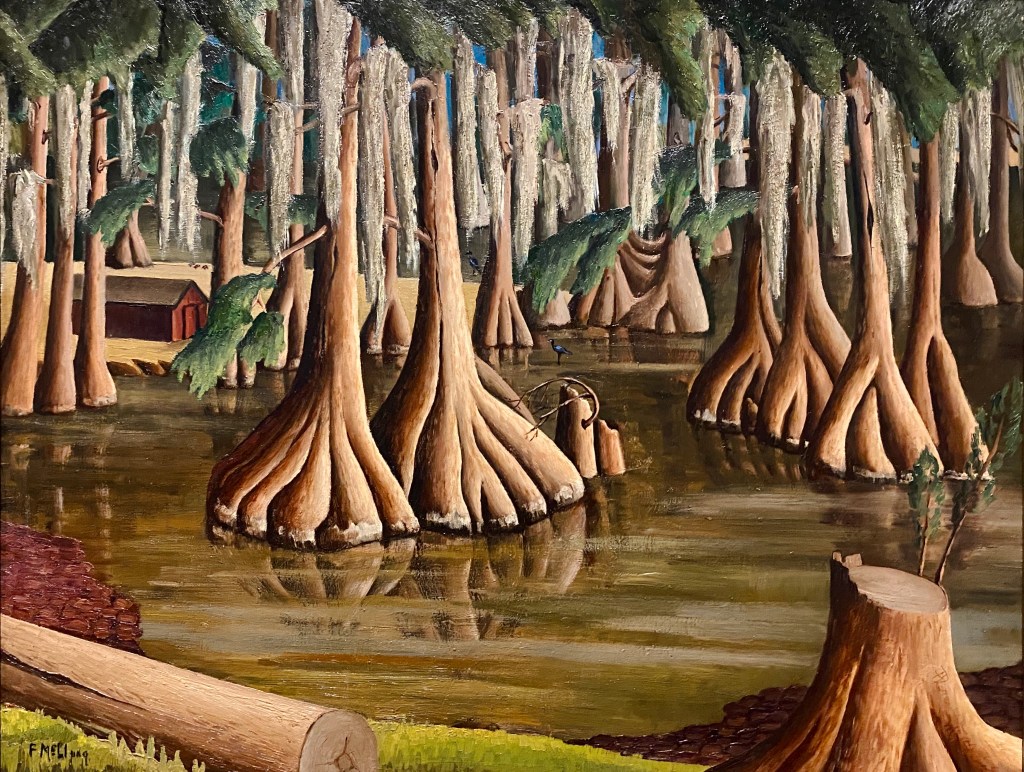
Florence McClung, Louisiana (1894-1992) Cypress Swamp, Caddo Lake, 1940, Oil on masonite
Luis Graner, Louisiana (1867-1929), Misty Marsh Along Lake Pontchartain, c.1920, Oil on canvas
Southern regionalism
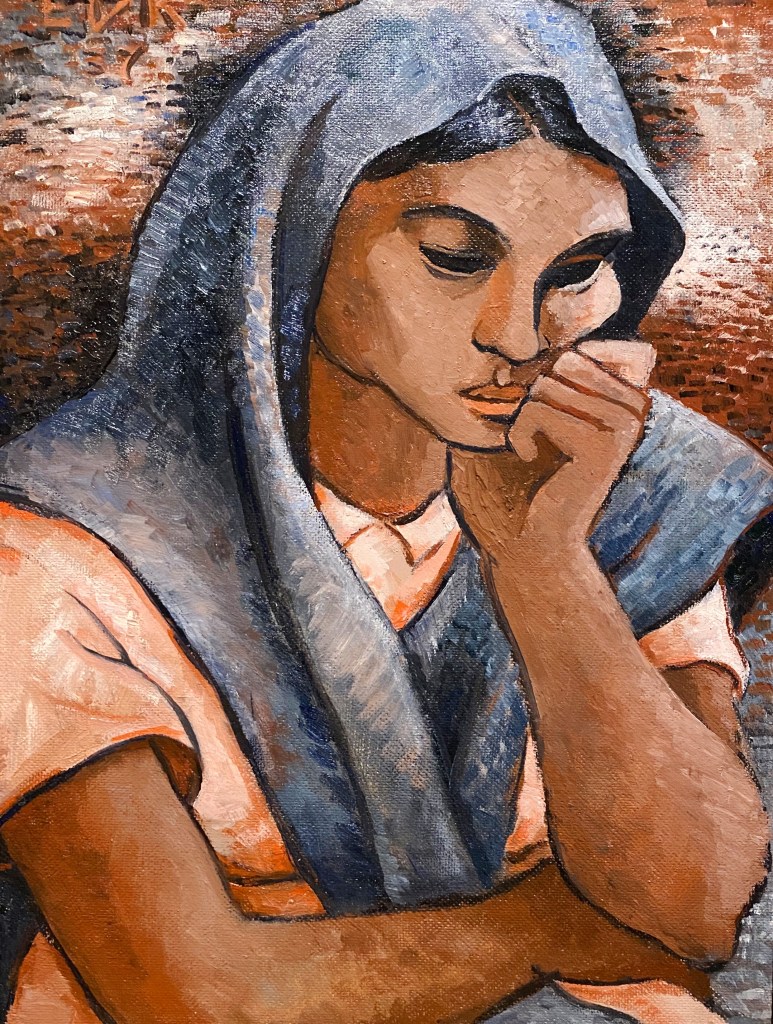
Edmund Daniel Kinzinger, Texas (1888-1963), Taxco Woman in Red and Gray, 1937, Oil on board
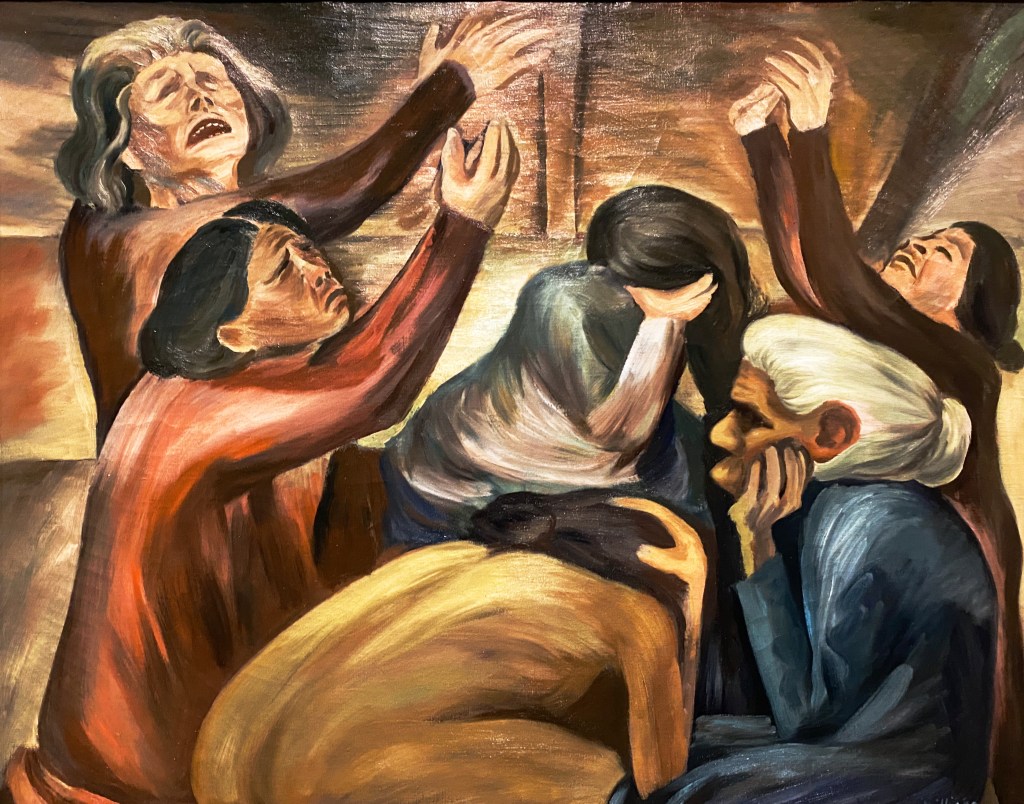
Crawford Gillis, Louisiana (1914-2000), Women Praying, Holiness Church, 1940, Oil on canvasJohn Kelly Fitzpatrick, Alabama (1888-1953), Mules to Market, 1937, Oil on canvasGeorge Rodrigue, Louisiana (1944-2013), Aioli Dinner, 1971, Oil on canvas
The Aioli Dinner was Rodrigue’s first major painting with people as subjects. He designed the painting using combinations of photographs taken of the Aioli Gourmet Dinner Club, a group that met once a month on the lawn of a different plantation home in and around New Iberia, Louisiana. Traditionally, only men sat at the table, each with their own bottle of wine. The women seen standing in the back row cooked the food, and the young men around the table served dinner. One of the older men made the aioli, a garlic-mayonnaise sauce. Rodrigue’s grandfather, Jean Courrege, sits on the left near the head of the table, and his uncle Emile is the third boy standing from the left, peeking his head in between the others. All of the figures are portraits of people who lived in and around New Iberia. Rodrigue chose the historic Darby House Plantation as the setting for his painting.*
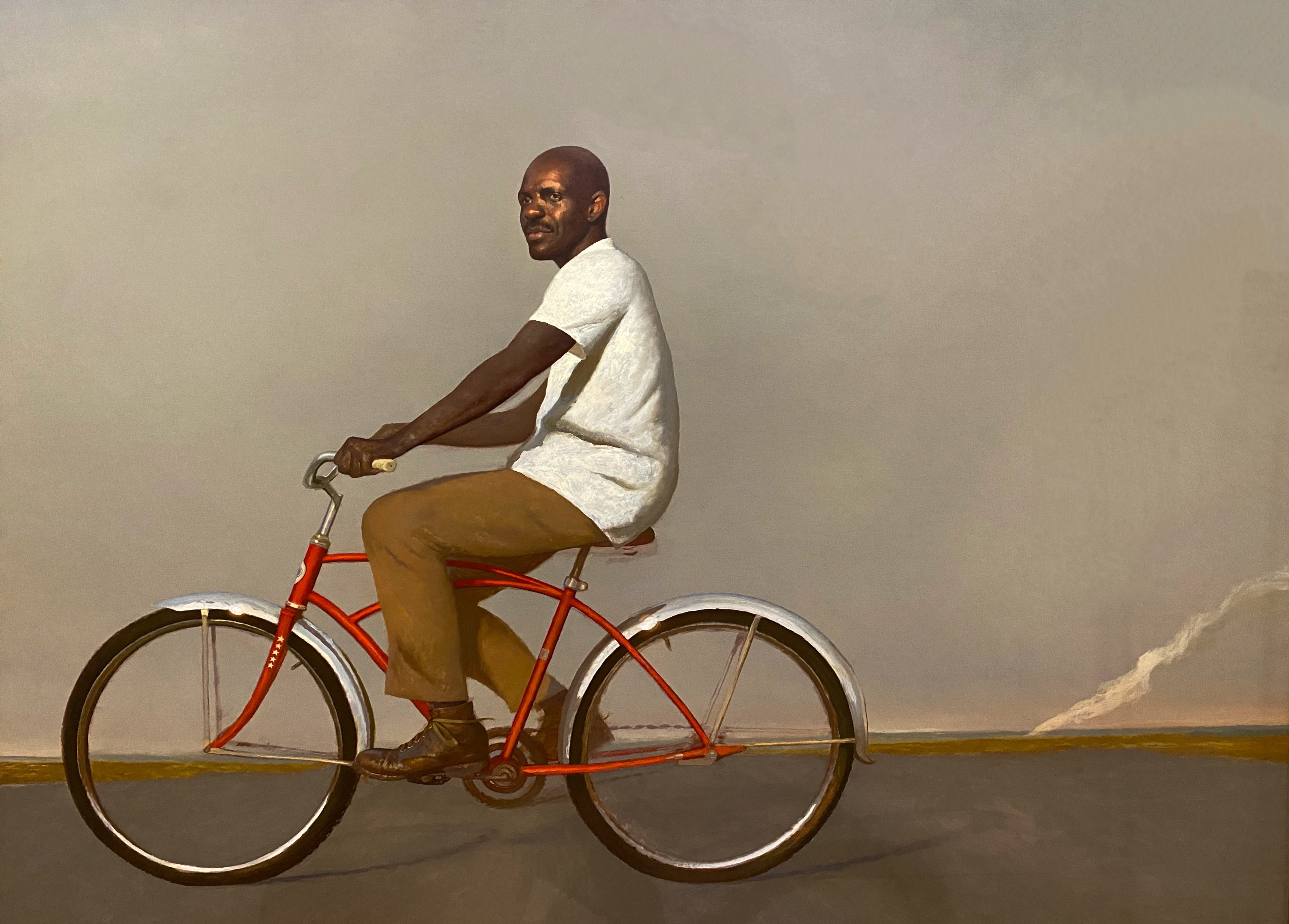
Bo Bartlett, Georgia (1955) Young Life, 1994, Oil on linen with deer hair
Bo Bartlett is an American realist painter born 1955 In Columbus, Georgia. At 19, he travelled to Florence, Italy to study painting under Ben Long. He went on to apprentice under Nelson Shanks and to study in several American schools, including Pennsylvania Academy of Fine Arts, Philadelphia College of Osteopathic Medicine, University of Pennsylvania, and University of the Arts, PA. A Certificate in Filmmaking from New York University in 1986 led him to work with Betty Wyeth on a documentary film, titled Snow Hill, about her husband, Andrew Wyeth, who became both mentor and friend to Bartlett. An interesting detall of this masterwork is the Inclusion of a deer tail ln the frame, and deer hair in the paint. Writlng about Young Life in February of 1994, Bartlett says: “I saw my sister’s son In this shirt and cap. I asked him to pose with his girlfriend in front of my father’s truck. As I took the photo, my youngest son Eliot ran into the picture.*
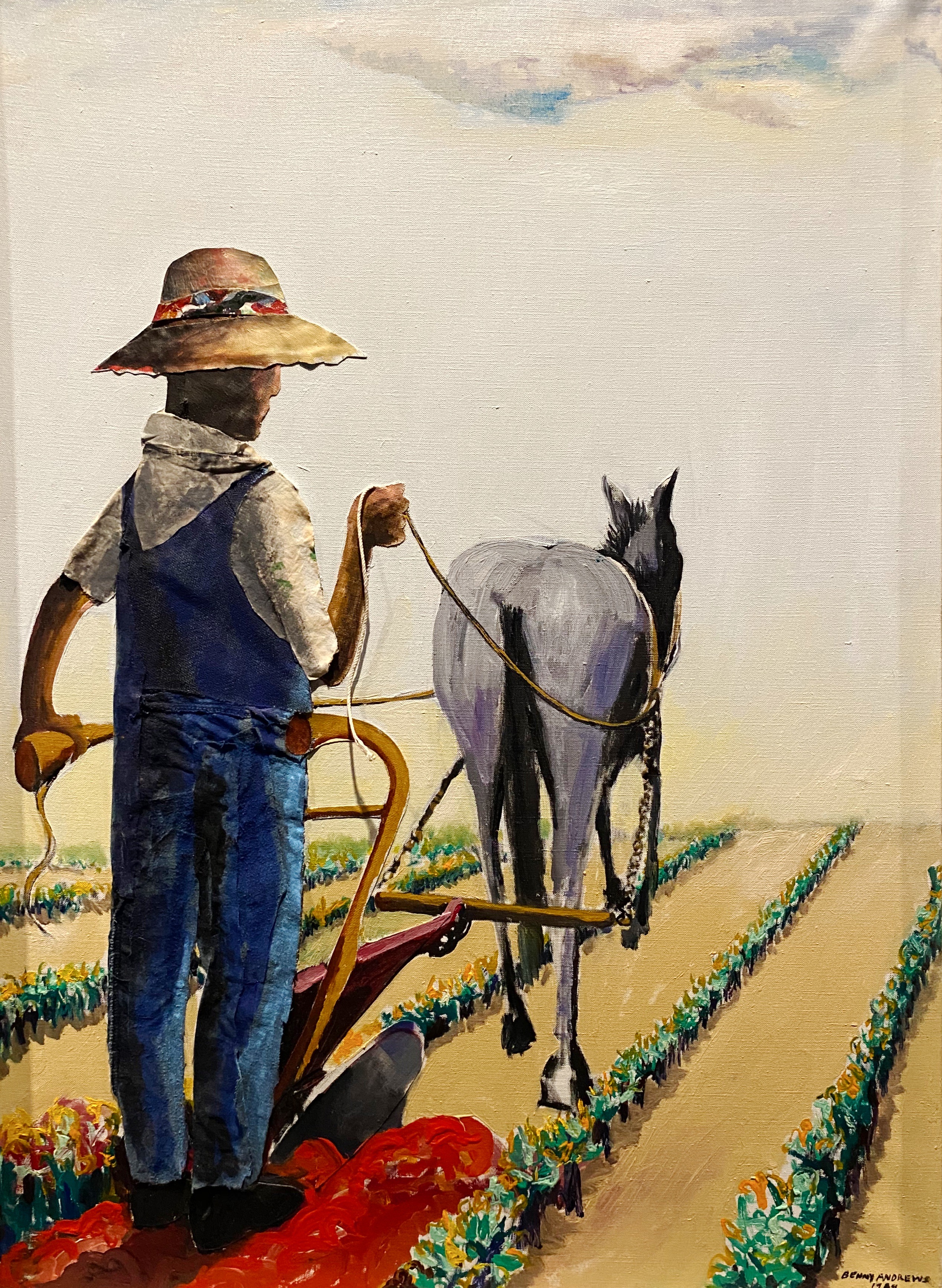
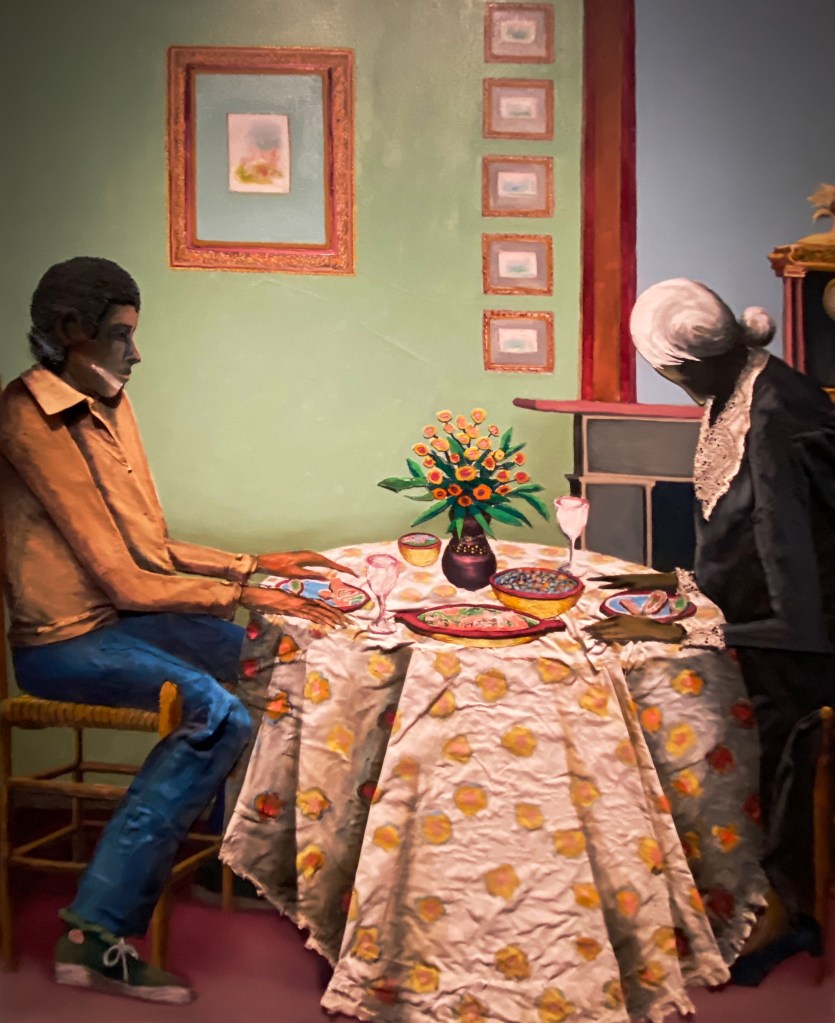
Benny andrews
Benny Andrews, Georgia (1930-2006) The Poverty of it All, 1965, Oil on canvas
One of ten children, Benny Andrews was born on November 13, 1930, in Plainview, Georgia, a light skinned, blue-eyed, blond haired baby. James Orr (“Mr. Jim”), his paternal grandfather, was the son of a prominent white plantation owner. His paternal grandmother, who was the midwife at his birth, was Jessie Rose Lee Wildcat Tennessee. And, like her, his maternal grandparents, John and Allison Perryman, were mixed race, with black and Native American blood. Hts father, George Andrews, was a self-taught artist, the “Dot Man,” who never lived more than ten miles from Plainview and never left Georgia. In contrast, his mother, Viola Perryman Andrews, loved travel and was an advocate for education who encouraged her children to write and to draw daily. After becoming the first member of his family to graduate from high school, he attended Fort Valley State College supported by a scholarship. He was not allowed to attend the University of Georgia, in nearby Athens, nor enroll in Lamar Dodd’s well-known art classes there, due to the color of his skin. In 1954, after serving as a military policeman in the Korean War, he used the GI Bill to attend the School of the Art Institute of Chicago, studying under Kathleen Blackshear. No longer constrained by the racial laws of the South, he entered an art museum and saw original masterworks for the first time in 1954, an experience that brought tears to his eyes. After graduating in 1958, he moved to New York, where he maintained a studio for the rest of his life. Despite limited connections to the city’s art world, by 1962 he began to exhibit regularly at Bella Fishko’s Forum Gallery. By the late-1960s, influenced by the Civil Rights Movement, and troubled by the social, racial and gender inequities he discovered in the art world, he entered a period of social and cultural activism which was reflected in his art. After he co-founded the Black Emergency Cultural Coalition in 1969, and participated in marches outside the Metropolitan Museum of Art and the Whitney Museum of American Art, demonstrating against the exclusion of women and artists of color from those institutions, he was often classified as a “protest artist.” From 1970 through 1976, he executed the “Bicentennial Series,” a project devoted to depicting the complex history of African-Americans for the American Bicentennial. After exhibiting that project, he returned to the studio and to his position as a member of the Queens College art faculty. Beginning in 1982, he served as Director of the Visual Arts Program for the National Endowment for the Arts, a position which brought him increased national stature. He resigned in 1984, feeling he had accomplished what he could and anxious to return to his studio. In 1984, he built a studio outside of Athens, Georgia, where Benny was able to work more closely with his Georgia family. He encouraged his father, “The Dot Man,” to expand his art production to include painted canvases. From 1984 until 1996, when George Andrews died, he worked to advance the recognition of his father’s art. In 2001, after living and working in Manhattan for more than forty years, Benny Andrews and Nene Humphrey renovated and moved to a new studio and residential structure in Brooklyn. The primary focus in the studio during his last years was the “Migrant Series,” inspired by his reading of writers such as Flannery O’Connor and Langston Hughes as well as his rediscovery of The Grapes of Wrath by John Steinbeck. Each of the three major components of this project was planned to reflect one aspect of his own mixed heritage-he was of African-American, Scotch-Irish and Cherokee descent – and was to be related to a major migration in American history, beginning with the Dust Bowl migration to California, continuing with the Cherokee “Trail of Tears” migration, and concluding with the Great Migration of African-Americans to the North. In 2006, after repeated visits to New Orleans and the Gulf Coast, he decided to add a concluding chapter to his American “Migrants” series, devoted to the mass migration that emerged in the wake of Hurricane Katrina. The evolution of the project was suspended when he was diagnosed with the cancer which led to his death, on November 10, 2006.*
Benny Andrews, Georgia (1930-2006) Grandmother’s Dinner, 1992, Oil and collagePeter Dean (1934-1993) Portrait of Benny Andrews, c. 1972-1974, Oil on canvas
We liked the Ogden very much – really interesting art along with some insight into the South through the stories and moments captured in the paintings of these Southern artists. We recommend visiting the museum when you visit the Big Easy.
























































































































































 ON THE ROAD with Maria + Stephen